CATALOG 2025
TheBeginning
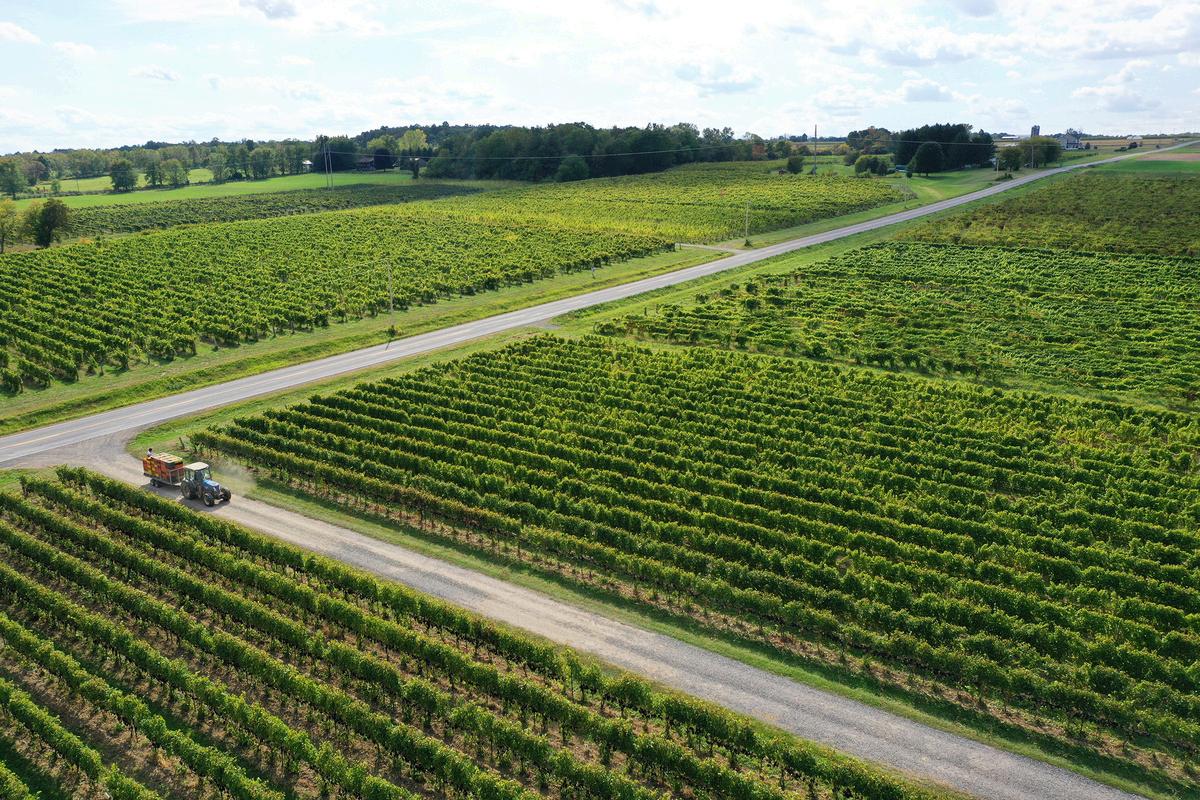
Hermann J. Wiemer Nursery was founded in 1974. While growing up in the Mosel region of Germany, the namesake and founder Hermann learned his grafting skills and techniques from his father who was the director of the Bernkastel Experiment Station. Once Hermann transplanted to New York, he began the work of developing the now well-known winery, vineyards, and nursery.
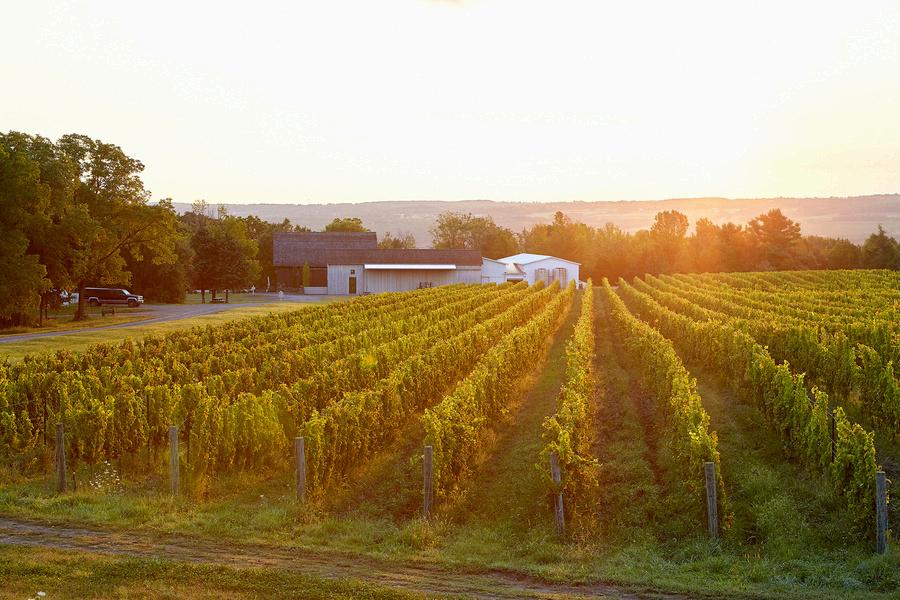
Located in the Finger Lakes region of New York, the Nursery helped populate the vineyards of the region, including our own, with the cool climate vinifera vines that would form the foundation of the riesling revolution.
TheNurseryToday
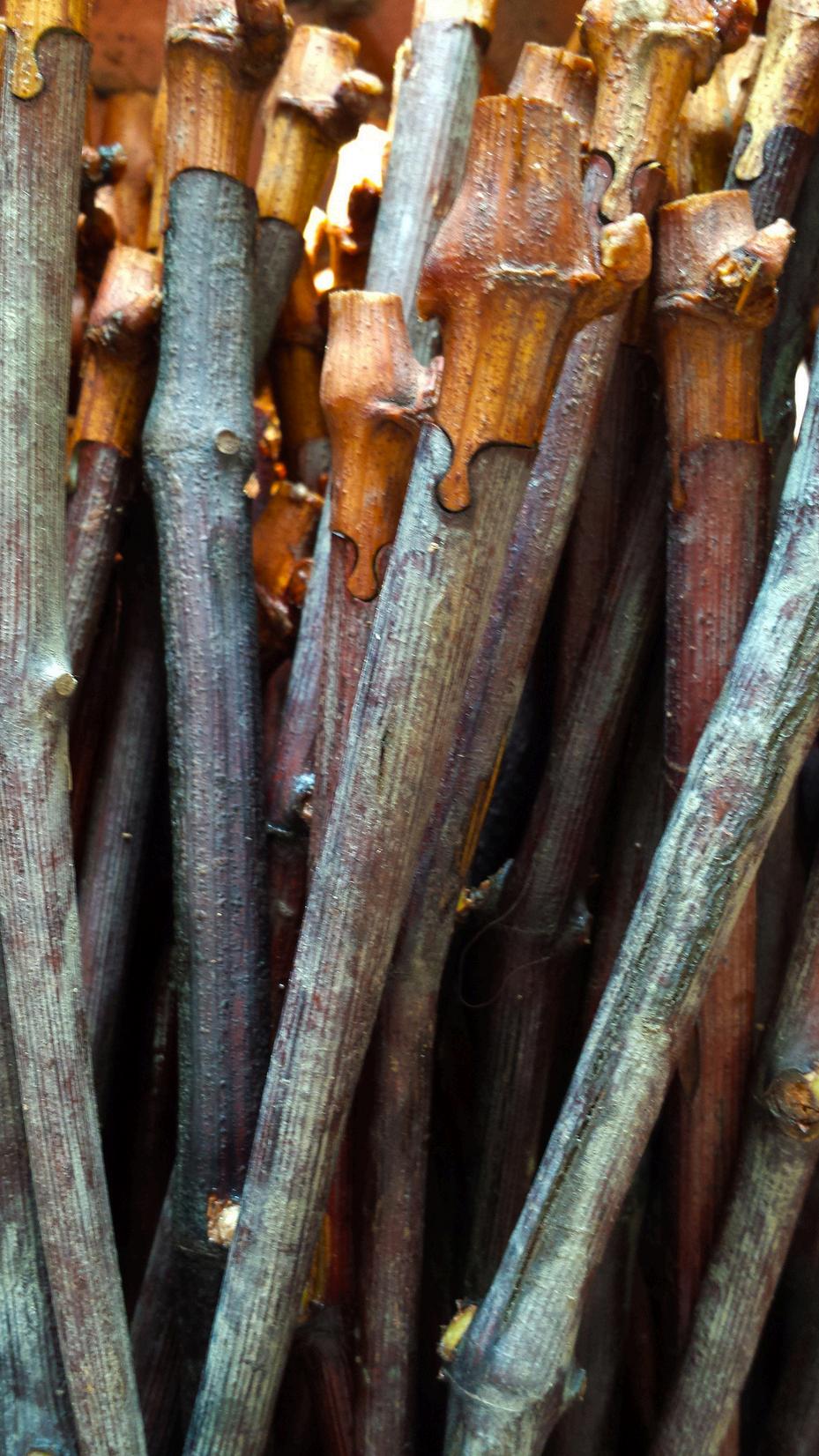
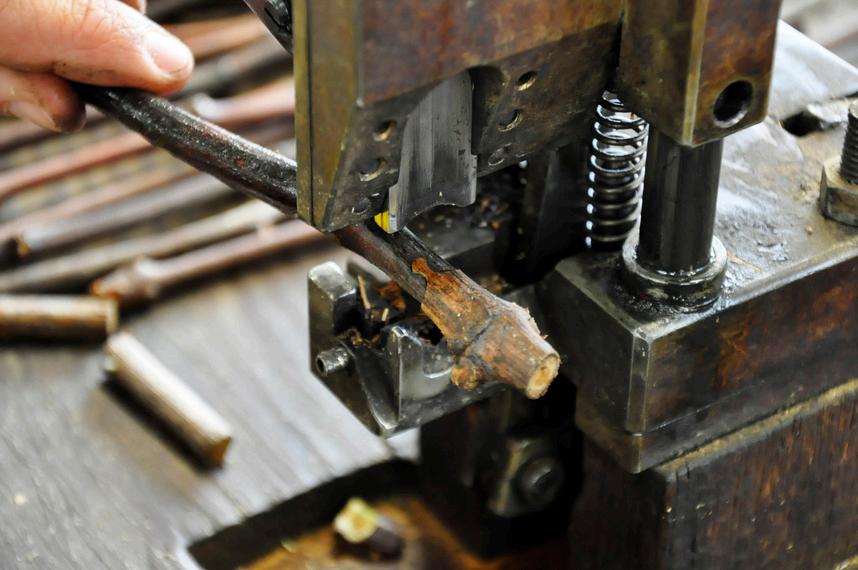
Today, the Nursery has grown to become one of the country’s leading custom grafting facilities of vinifera planting material with an annual output of more than 300,000 vines. We help thousands of grape growers develop tailored solutions to specific vineyard needs. We understand the critical role we play in helping the vineyards we work with realize their site’s full potential. That is why our focus has been and remains supplying the highest quality, custom-grafted vinifera material to vineyards all across the country.
Our willingness to trial dozens of vinifera cultivars throughout our estate has provided us with a deeper understanding of the suitability and vitality of every clone and rootstock combination we grow. We are focused on staying ahead of the curve and partner with the New York State Certification Program to provide virus-tested, certified vines to our growers.
DormantBenchgrafts
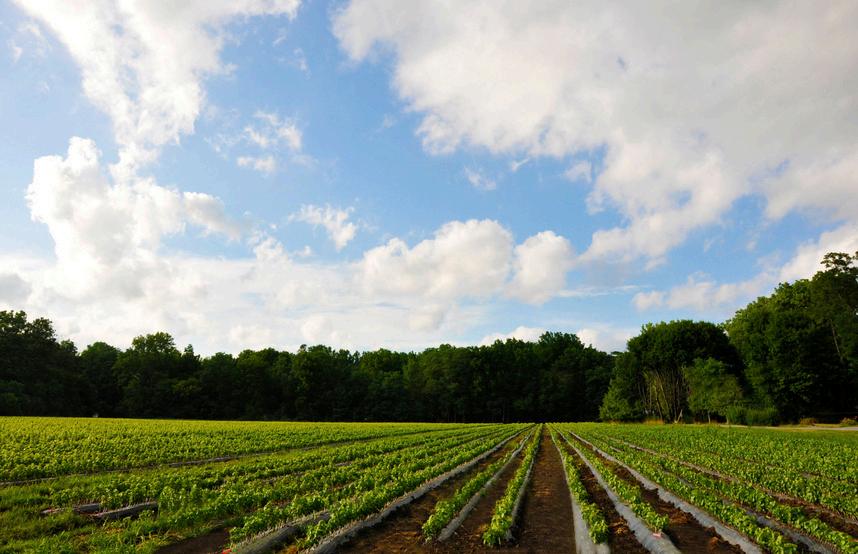
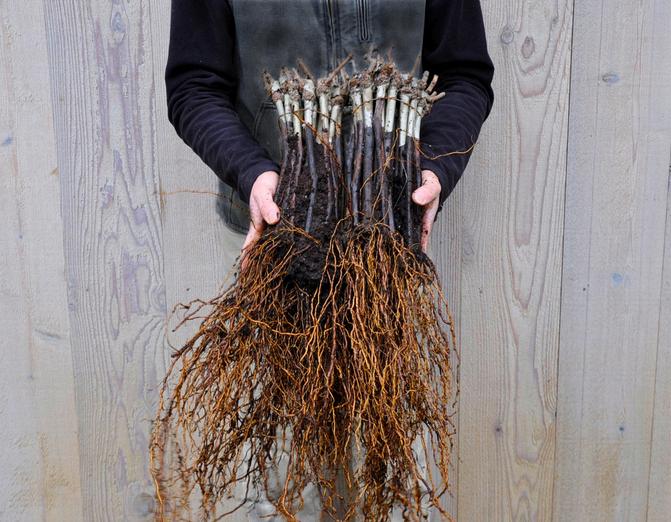
These one-year-old bench grafts are planted in an outdoor nursery row in the spring, grown through the summer and fall, and harvested after becoming dormant in winter. They are packed in peat moss and held in cold storage until they are shipped to customers in the following spring.
Sold in bundles of 25 vines
Plant between April 1 and June 15
Large volumes easy to ship
Good for both new vineyard plantings and replants
Order Confirmation Procedure
Custom orders
Non NY-Certified material, deadline February 15
NY-certified material, deadline March 15
With delivery in spring of the next year
Regular Inventory (Overage Inventory), deadline anytime with delivery dependent on availability.

Proprietary Clonal Selections
Over centuries, insightful grape growers recognized and selected new grape varieties that had desirable traits and vegetatively propagated these into new varieties. Up until the middle of the last century, a grape grower would plant a new vineyard from their collection of budwood from the best vines in the surrounding vineyards.
As grape growers here at Hermann J. Wiemer, we have been following certain varieties and vines that showcase characteristics that we find beneficial to our winemaking and growing region. In the 1970s when we first planted our vineyards, grape selections were geared toward production and yield. There were few people looking at vineyards from a quality standpoint. Our founder, Hermann J. Wiemer pushed to find better plant material and began importing high-quality plant material through Ontario, Canada. He sought out valuable material geared toward high-quality wine production with smaller clusters and berries, more suited to the Finger Lakes region and the Northeast United States. The vines propagated from these selections are our proprietary clones and are meaningful to our grape and wine history. We believe that categorizing these variations will continue to improve wine quality and viticultural success.
HJWVarieties
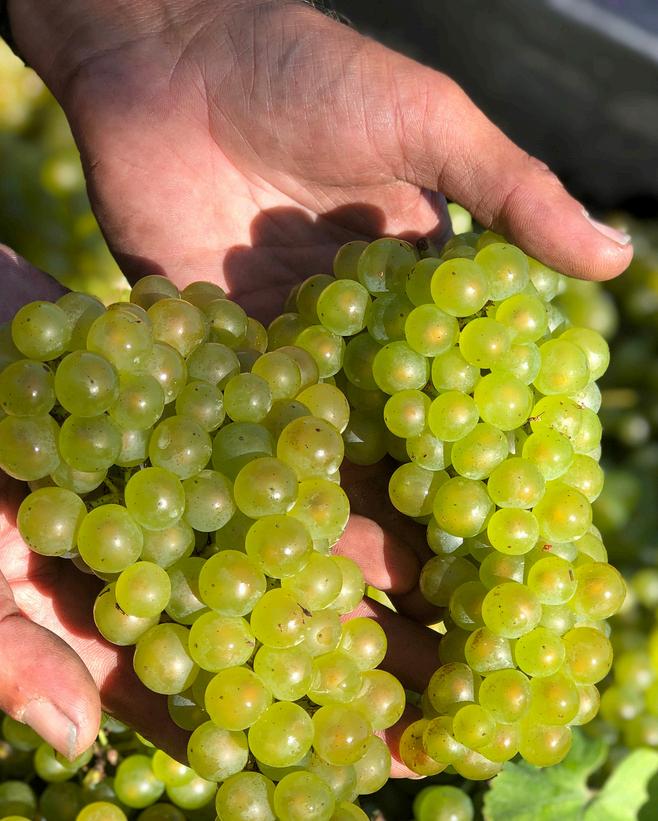
Chardonnay HJW
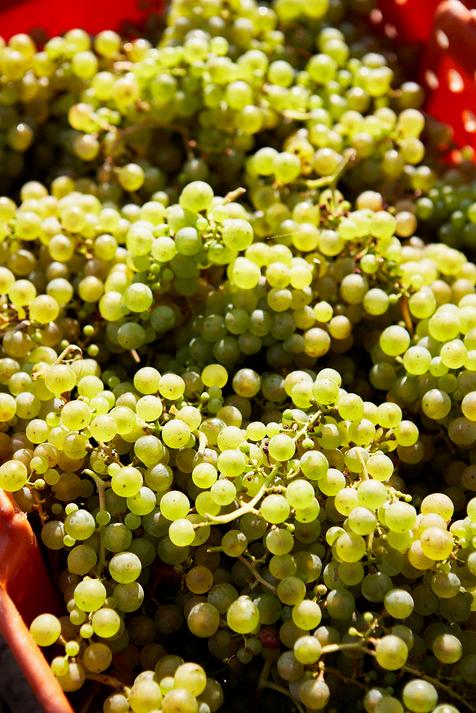
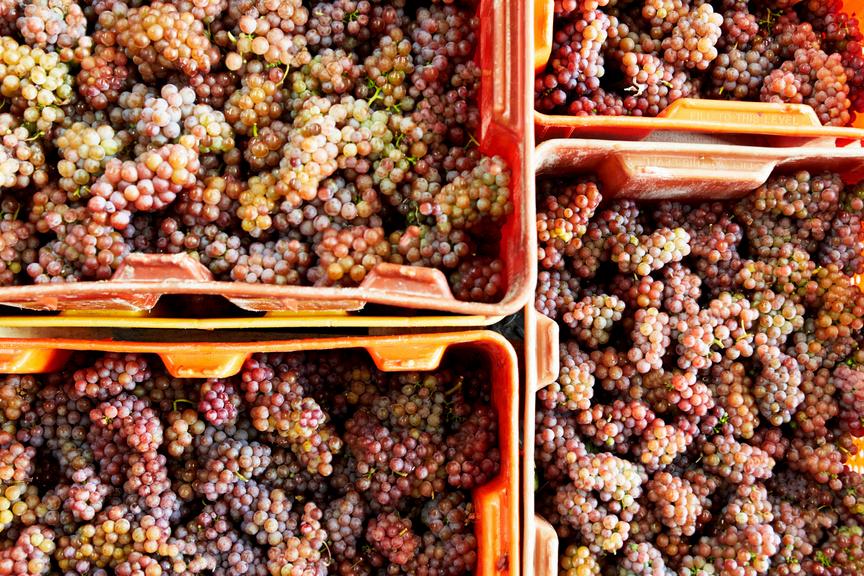
Can ripen early, with a vertical growth habit. Small to medium-sized clusters with smaller berries. In sparkling wine, fruit-forward with some tannin. In still wine, classic Chardonnay flavors and provides a pine aroma as it ages.
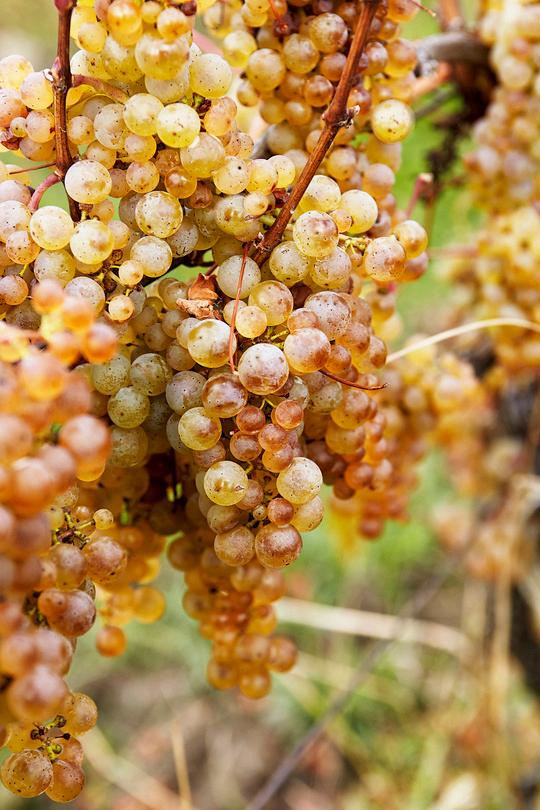
Chardonnay M
Berries have a frosty, hazy color that ripens to an orange hue. Lower acid and higher sugar levels than the HJW clone. Spicy, orange-Muscat flavors.
Riesling HJW
Tends to ripen faster than other clones, so it is used as an early ripener More vertical growth with smaller clusters and small berries. An excellent acid-tosweetness balance, with juiciness to the acid. Flavors move from young lime to juicy lemon as the grape ripens Ripe flavors of yellow apple Holds onto acidity very well
Gewürztraminer HJW
Small berries, small clusters. Dark fruit with purple hues. Delicate, yet spicy with notes of rosewater. Holds acid well.
Varieties,Clones&Rootstocks
Chardonnay
Varieties,Clones&Rootstocks
Varieties,Clones&Rootstocks
Pinot Blanc
Pinot Blanc SO4 1043Q
Pinot Gris Riparia 5
Pinot Gris SO4 E/W, 5
Pinot Meunier 3309 817
Pinot Noir 3309 115, 817, 386, 2A(Wadenswil), 23, 54, 76, 81, 85, German, Geis
Pinot Noir Riparia 115
Pinot Noir SO4 667
Pinot Noir 101-14 115, 828, 2A(Wadenswil)
Riesling 3309 9, 12(90), 17(198), 23(239), 24
Riesling Riparia 24, 110
Riesling SO4 12(90), 23(239), 239, HJW
Riesling 101-14 23(239), 24
Roter Veltliner SO4 -
Varieties,Clones&Rootstocks
NewYork-CertifiedVines
Row&VineSpacing
Number of Feet Between Rows
Hilling-UptoPrevent WinterInjury
Winter injury is the single most limiting factor to grape production in the Northeastern United States. Extreme cold, fluctuating temperatures, and late freezes can all cause direct injury to grape buds, trunk, and stem tissues.
Young, vigorously growing vines are especially vulnerable to cold injury and so, protective measures should be an especially high priority. Many cultural practices can be employed to manage the risk of winter injury such as training multiple trunks and delayed pruning. One practice we highly recommend is protecting the graft union by ‘hilling up’. The hilled-up soil around the vine acts both as a thermal mass that holds heat, and as an insulator that slows heat loss during extreme cold temperature events.
This practice can be done manually or mechanically. Timing is best in the fall, shortly after harvest. Tools specific for hillingup are available, however, you may already have the machinery that can be adapted (such as a vegetable tiller, single plow, disc harrow). For hilling-up, a hoe can be frontmounted, tailed, or side-mounted. The goal for the hilling-up is to create a soil mound of 3 - 4 inches above the graft union. Depending on the soil type, levelness near the base, and soil moisture during hilling-up, two or more passes may be required to effectively cover the majority of the graft.
Taking down the soil in the spring is also necessary for weed management and to prevent the scion from rooting into the soil above the graft union. Hilling-up is an added practice that will quickly become an essential part of your growing season.
NewYorkCertification Program
We are committed to providing our customers with virus-indexed and virus-tested plant material. This is the reason why we partner with New York State Agriculture and Markets to certify our plant material in the New York State Grapevine Certification Program. Certification is a system of monitoring and testing plants for the presence of undesired viral pathogens in combination with isolation and plant maintenance criteria Initially, we start with a plant, in this case, a grape variety or rootstock that has been tested and determined to be free of viruses of concern. This plant is then the source of vegetative propagation to produce our planting stock.
Certification is essential in perennial crops like grapes because they are susceptible to viruses that can reduce the quantity and quality of the crop - and are passed on during the process of propagation. We bring in foundation, virus-tested, clean budwood (scion) and cutting (rootstock) material (called “G1” material) from Foundation Plant Services at UC-Davis in Davis, CA, or the Clean Plant CenterNorthwest at the University of Washington in Prosser, WA These two clean plant centers maintain foundation (G1) vines and are part of the National Clean Plant Network (NCPN). Given the limited availability of G1 virus-tested, clean vines, we need to bulk up this material to produce the desired planting stocks and respond to market demands. This is done in increase vineyard blocks (referred to as “G2 blocks”). Staff from the New York State Department of Agriculture and Markets collect leaf samples for regular ongoing testing so that an increased vineyard block (G2) at our nursery is continually monitored catching any virus introductions before they are disseminated via propagation.
New York has established a system to test 25% of all vines in the mother block each year In the course of four years 100% of the vines in the mother block will be tested At the nursery level, this represents the most frequent testing program in North America. We submit samples for testing to Dr. Marc Fuchs’ virology lab at Cornell AgriTech, in Geneva, NY. Some grape viruses are more readily detected in the spring (tomato ringspot virus, tobacco ringspot virus, and grapevine fanleaf virus) versus the fall when grapevine leafroll-associated viruses and grapevine red blotch virus are optimally detected
We track and record all results, year to year, in order to have up-to-date information on each selection of grape varieties and rootstocks. We are able to provide this tracking data to our customers This certification program is in its nascent stage, but we are committed to its efficacy in providing clean plant material to our customers and to ourselves. We hope to have certified material in 100% of our nursery stock in the coming years. For now, we continue to add to our certified list each year through sampling and testing.