Use of this publication or any of its contents for the training of AI is strictly forbidden.
About the Cover: Uses elements of images by Mininyx Doodle/ iStock, nadia_bormotova/iStock & rawpixel/Freepik
Correspondence: Please send all correspondence to The Editor at PO Box 782, Kent Town, SA 5071, or email .
Editor: James Morrison
Regular Contributors: Cecilia Lim, Rose Magdalene
Some photos in this publication may have been altered to disguise identifying details of members of the public.
This resource was prepared and printed on Kaurna Country.
Disclaimer: Views expressed in this newsletter are not necessarily those of Hepatitis SA. Information contained in this newsletter is not intended to take the place of medical advice given by your doctor or specialist.
We welcome contributions from Hepatitis SA members and the general public. SA Health has contributed funds towards this program.
ISSN 2651-9011 (Online)
Bingo with a Difference
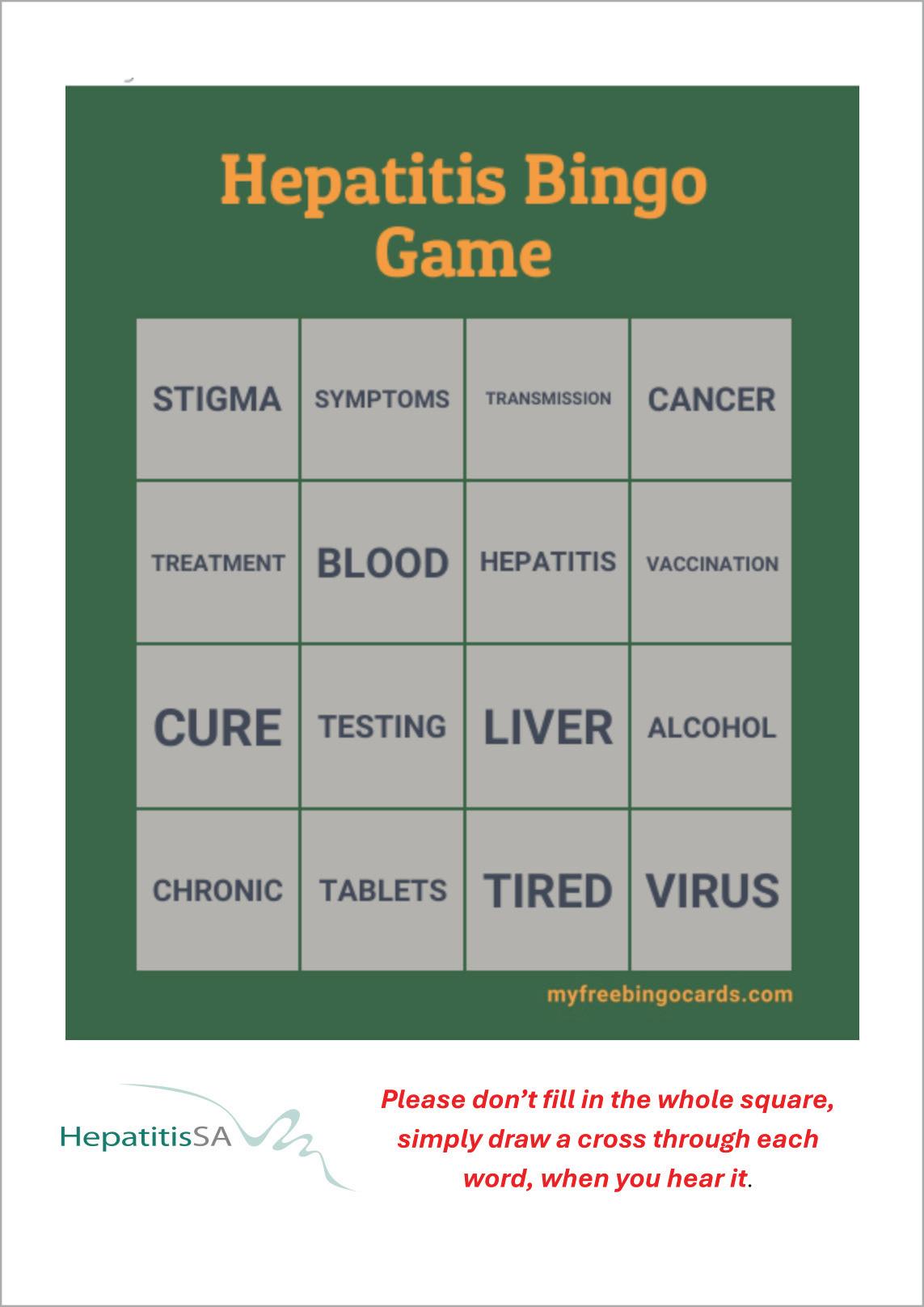
West Torrens residents can’t wait for more Hepatitis SA learning sessions after the resoundingly successful Liver Health bingo night hosted by the City of West Torrens as part of its community connections initiative. as Hepatitis SA Education Coordinator, Jenny Grant, reports.
A recent liver health education session delivered by Hepatitis SA’s Education Team in partnership with the City of West Torrens local council has been met with overwhelmingly positive feedback, highlighting both the community’s appetite for accessible health information and the value of engaging, interactive learning.
Held on the evening of 16 April, the session attracted 34 attendees, with 33 participants completing feedback forms on the night. The results were striking: 100% of respondents reported that their knowledge of liver health had improved as a result of attending.
Participants described the session as ‘very informative’, ‘engaging’, and ‘fun’, with many noting the balance of clear information and interactive elements. Activities such as trivia quizzes and bingo were particularly well received, helping to reinforce key messages in an enjoyable way. One attendee shared that they ‘learnt so much about things I didn’t know’, while another praised the session as ‘informative, interactive, and well presented’.
Importantly, the session also appeared to strengthen awareness of prevention and care. Feedback highlighted an increased understanding of liver health, including transmission and prevention of conditions such as viral hepatitis, as well as the importance of seeking both personal and medical care. Several attendees noted that sessions like these play a critical role in raising awareness of communicable diseases and encouraging people to take action.
A strong theme throughout the feedback was a desire for more opportunities like this. Many participants called for additional
sessions to be delivered more widely across the community, including in schools and to younger audiences via platforms such as social media. Others suggested expanding future sessions to include more information on nutrition, supplements, and other aspects of overall health, including heart health.
The welcoming environment also contributed to the evening’s success. Attendees commented on the quality of the presentation materials, and the value of take-home resources. Small touches, such as catering and interactive activities, were noted as enhancing the overall experience and helping maintain engagement throughout the session.
The positive response has reinforced the importance of community-based health education and the role it plays in empowering individuals with knowledge. With strong interest in future sessions, there is clear momentum to continue delivering and expanding these opportunities.
If your service would like to book an education session with either community or workforce, please contact education@hepsa. asn.au or call 8362 8443.
Systemic Failure: How Prisons are Failing IDUs and the Community
One in nine people in prisons globally have a history of injecting drug use and their risk of HIV, viral hepatitis and tuberculosis is up to 45 times higher than in the general population. Despite this, access to infectious disease prevention, treatment and harm reduction services remains woefully inadequate, with most countries failing to provide basic coverage, according to two landmark reviews published in the International Journal of Drug Policy
This comes at the same time as the ABC is reporting1 that hundreds of former prisoners may have been exposed to HIV and hepatitis C after an inmate shared injecting equipment while in jail. This case has renewed calls to introduce needle and syringe-sharing programs, along with condoms, to help reduce preventable diseases in Queensland jails.
Professor Louisa Degenhardt, Research Director at the National Drug and Alcohol Research Centre (NDARC) at UNSW Sydney, said the findings confirmed that prison populations were a critical target group for eliminating HIV, viral hepatitis and tuberculosis.
“Prisons function as high-risk environments that amplify infectious disease transmission, which means we shouldn’t view this as just
1 Hundreds of former prisoners potentially exposed to HIV and hepatitis C after a prisoner shared needles: abc.net.au/news/2026-02-25/hundredsprisoners-exposed-hiv-hepatitis-needlesprison/106380582
a prison health issue but a community-wide public health imperative,” said Professor Degenhardt, who was lead investigator for the first study.
“Routine HIV, viral hepatitis and tuberculosis screening, along with HBV vaccination and harm reduction programs, such as needle and syringe programs (NSPs) and opioid agonist treatment (OAT), should be standard practice.”
In the first systematic review, the international team of researchers used data from more than 2,900 papers and reports to estimate the global prevalence of injecting drug use and key infectious diseases among people who are incarcerated.
They found that of the 11.3 million people aged 15-64 years incarcerated globally, one in nine (11.9%) had injected drugs: a rate 51 times higher than in the general population.
The lifetime prevalence of injecting drug use varied substantially across regions, from 3% in Sub-Saharan Africa to 51% in Australasia.
The authors also found that nearly 4% of the global prison population are living with HIV, 11.7% have current hepatitis C virus (HCV) infection, 4.4% have current hepatitis B virus (HBV) infection, and 2.5% have active tuberculosis.
Compared to the general population, these prevalence rates among incarcerated people are up to 16 times higher for viral hepatitis, 25 times higher for HIV, and 45 times higher for tuberculosis.
“The extraordinarily high burden of HIV, viral hepatitis and tuberculosis in carceral settings identified here poses a significant challenge to global disease elimination efforts,” Professor Degenhardt said.
But as the researchers found in their second systematic review, the availability of crucial interventions and treatments to reduce injecting drug-related harms was alarmingly low.
NDARC Postdoctoral Research Fellow Dr Thomas Santo Jr, who led this phase of the project, said many countries were failing to meet even the most basic standards of care.
“The global shortage of services that prevent and treat infectious disease and harms related to injecting drug use in carceral settings is a critical public health issue and, compared with community standards, a breach of human rights,” Dr Santo said.
For instance, OAT was available in at least one prison in 59 countries, yet only 20 countries covering 5% of the global incarcerated population had OAT available in all prisons.
Rarer still was access to NSPs, which were seen in one or more carceral settings in 10 countries, with just three – Luxembourg, San Marino and Spain – providing it in all prisons.
Furthermore, less than half of all countries had routine testing and treatment for HIV, viral hepatitis and tuberculosis available in one or more carceral settings.
“Fewer than 2% of the 11.3 million people incarcerated worldwide live in a country that offers any of these interventions in at least one prison facility,” Dr Santo said.
“This systemic global failure to provide essential services to a critical population not
Image:
iStock/Fernando Rodriguez Novoa
only exacerbates social and health inequity but also undermines efforts to curb the spread of these preventable infectious diseases in prisons and the wider community.”
The Australian context
The researchers said Australia stood out for the high rates of injecting drug use in prison populations – about one in two have injected drugs, including almost 70% of women (which reflects the fact that a large proportion of female prisoners in Australia are convicted of drug-related crimes).
Incarcerated people in Australia were also up to nine times more likely to be living with hepatitis C and HIV compared to the general population.
“Part of the problem is access to OAT in Australian prisons is inconsistent, while NSPs are virtually non-existent – two crucial interventions that not only cut the risk of overdose, but greatly reduce the likelihood of acquiring these blood-borne viruses,” Dr Santo said.
Another barrier was the fragmented provision of prison health care services itself. “When someone enters prison in Australia, they lose access to Medicare and their health care shifts into separate state and territory prison health services,” Dr Santo said.
“That separation makes it harder to follow people through their treatment, to know who’s actually getting care and to make sure they’re supported when they return to the community.”
“Until we close that gap, people in prison and their families will continue to carry a heavy burden from infections, opioid dependence and other preventable health problems, and from the disruption this causes in their lives and communities.”
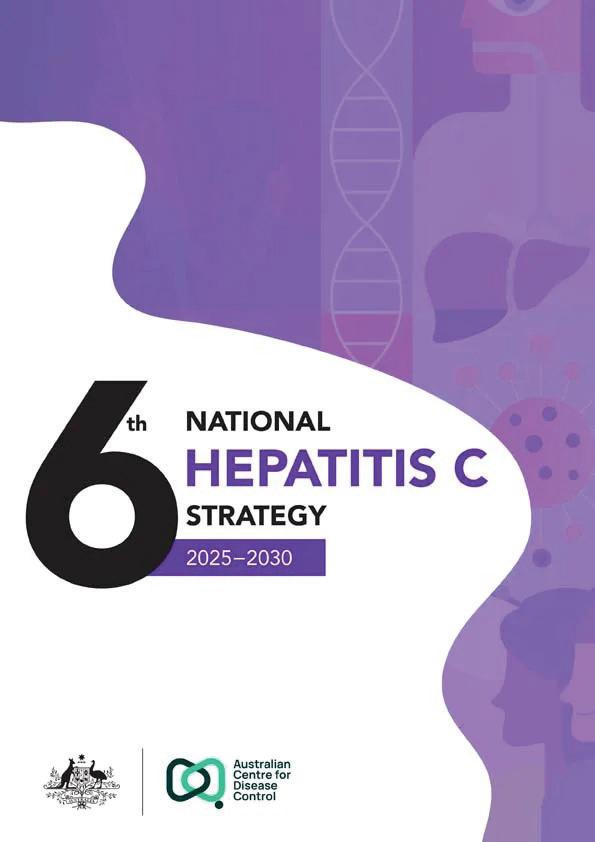
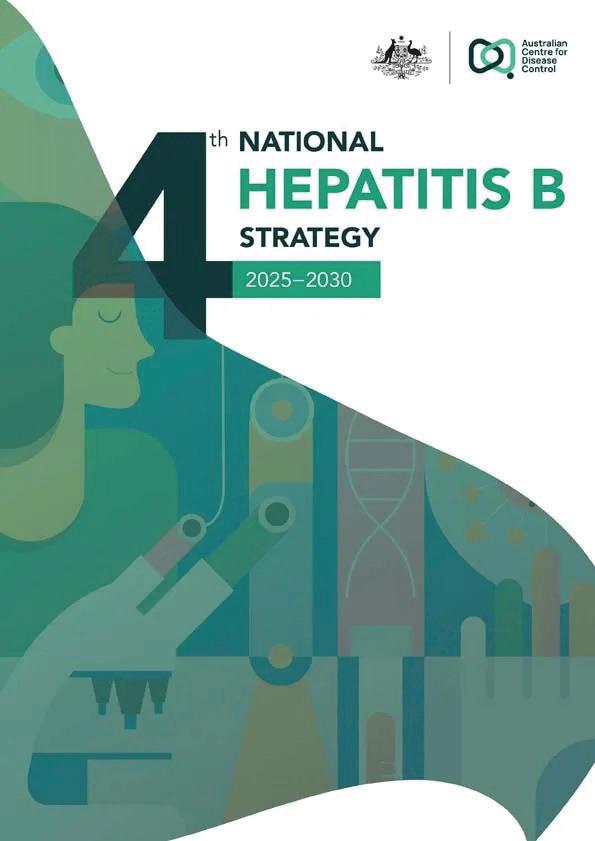
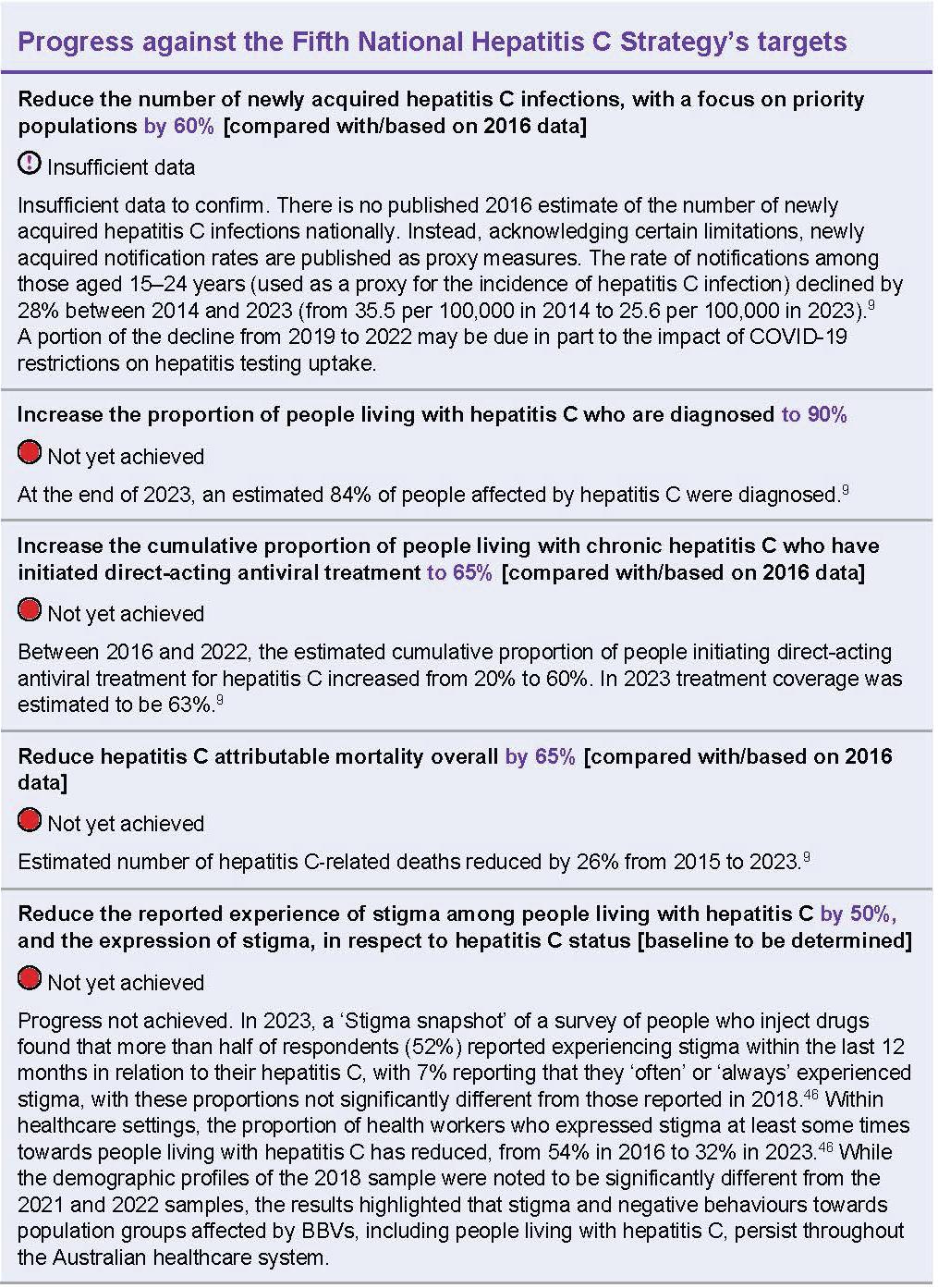
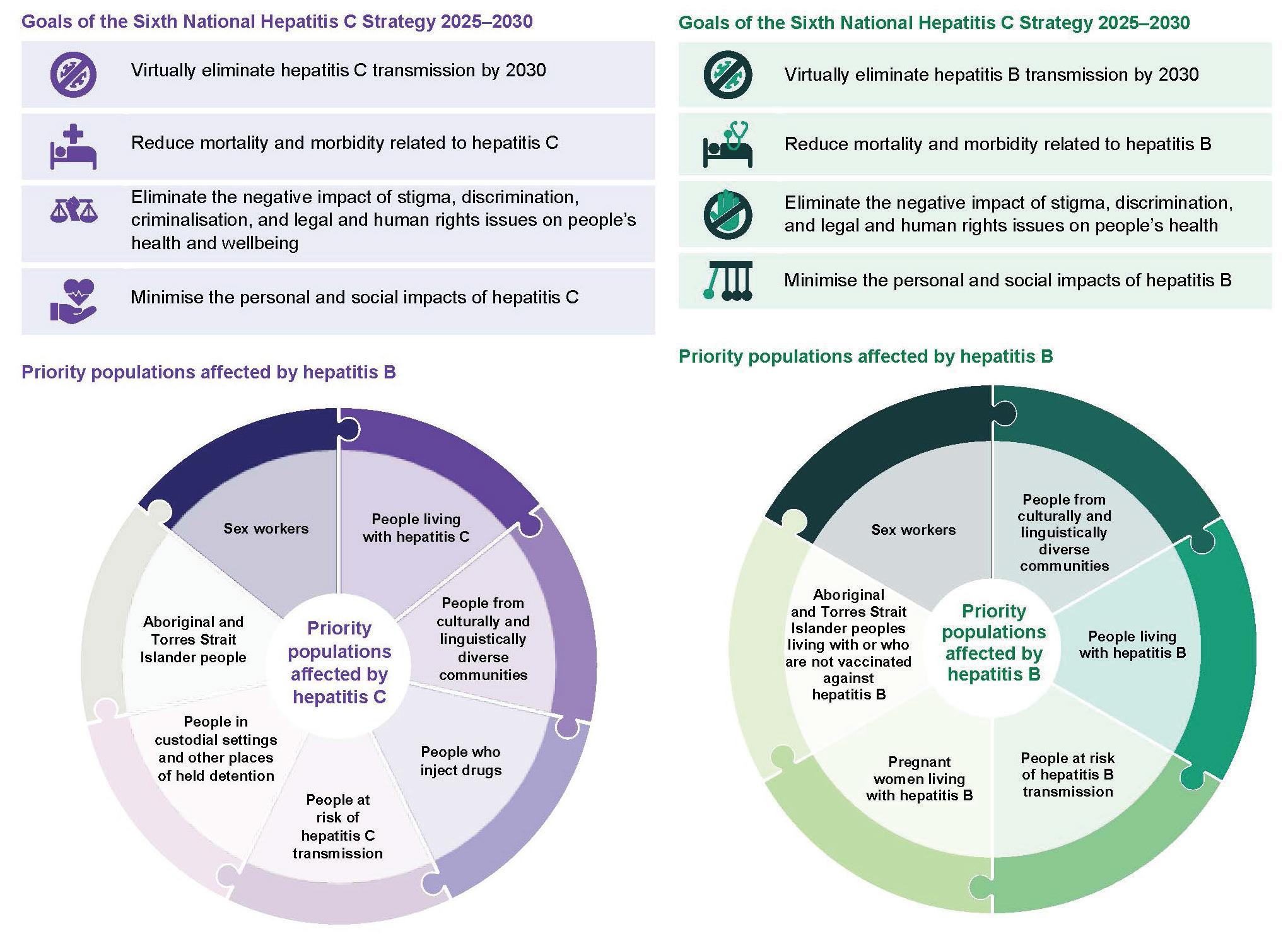
Australia has taken a significant step in its commitment to ending hepatitis B and C as public health challenges, with the launch of the Fourth National Hepatitis B Strategy 2025–2030 and the Sixth National Hepatitis C Strategy 2025–2030.
These new strategies set the next stage of Australia’s world-leading national response, strengthening prevention, improving early diagnosis and ensuring people can access treatment and care. Importantly, they also cover the period up to 2030, when Australia has committed to eliminating viral hepatitis.
Assistant Health Minister Rebecca White, who launched the strategies, talked about the current state of the hepatitis response in Australia. “Too many people are living with viral hepatitis without knowing it or without the support they need and that’s what we’re working to change, ” she said. “These strategies focus on what makes the biggest difference, earlier testing, faster diagnosis and making sure people can access treatment and
care without barriers.
“People with lived experience, Aboriginal and Torres Strait Islander communities, community and peer organisations, clinicians, researchers, and state and territory governments all contributed to shaping the strategies. This extensive consultation means they are grounded in evidence, informed by lived experience, and responsive to the diverse needs of communities across Australia. Using these two strategies as our compass, Australia can deliver one of the world’s most successful viral hepatitis elimination efforts.”
Following extensive national consultation, the strategies build on past successes. As well as elimination, they outline Australia’s national approach to:
• reduce illness and deaths caused by hepatitis B and hepatitis C
• improve diagnosis, treatment and longterm care uptake
Assistant Health Minister Rebecca White and the two new hepatitis strategies she launched Image by Gavin Blue Photography
• reduce stigma and discrimination
• ensure people can access care regardless of where they live
• develop a strong evidence base for action.
Why the strategies matter
Australia has made important progress under the previous national hepatitis strategies. This includes increasing hepatitis B vaccination rates in children and improved access to hepatitis C treatments. However, despite effective prevention, testing and treatment tools, hepatitis B and C remain leading causes of liver disease and liver cancer in Australia. Many people continue to experience late diagnosis, stigma and difficulty accessing ongoing care.
The new strategies were shaped through wide-ranging consultation, including with people with lived experience, to identify priority populations, gaps in the current response, and the action needed to accelerate progress over the next 5 years.
They are endorsed by the Blood Borne Viruses and Sexually Transmissible Infections Subcommittee (BBVSS), the Australian Health Protection Committee, Commonwealth and state and territory health ministers, and Hepatitis Australia.
The implementation of the strategies will be led by the new Australian Centre for Disease Control (CDC), which will be in charge of national coordination and progress tracking, with:
• implementation supported through action plans developed in partnership with Hepatitis Australia, as well as other key viral hepatitis stakeholders.
• continued collaboration across governments, health services, community organisations and researchers.
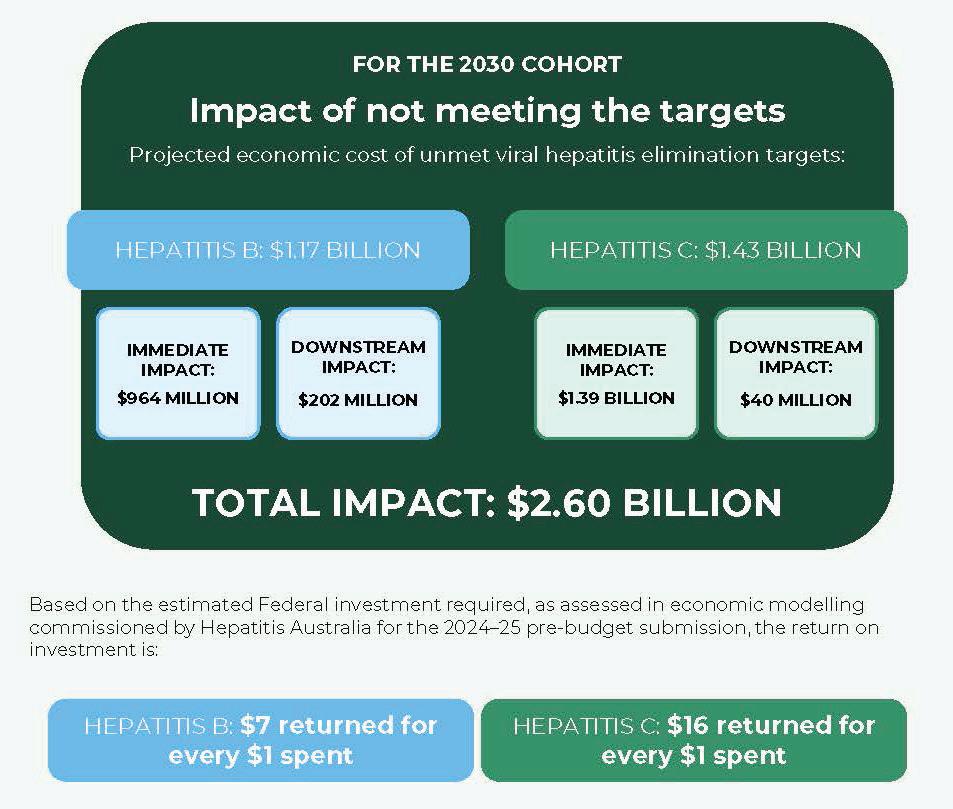
It’s in the interests of everyone, even those whose own lives might never be touched by hepatitis, to pursue elimination. Between now and 2030, Australia could avoid at least $2.6 billion in health and broader social impact costs if the national strategies targets are met.
Key areas of focus
The hepatitis B strategy emphasises vaccination, early diagnosis, lifelong monitoring and liver cancer prevention. The hepatitis C strategy focuses on finding people who are undiagnosed or disengaged from care and supporting access to curative treatment.
Both strategies highlight that viral hepatitis
disproportionately impacts several key populations. They prioritise action and set targets across 6 shared areas:
• education and prevention
• testing, treatment and management
• equitable access to care and support
• a skilled and supported workforce
• reducing stigma and discrimination
• strong data, surveillance, research and evaluation.
The strategies build on existing Government investment so Australians can live free from the impact of hepatitis B and C, including $51.7 million over 3 years to continue the national viral hepatitis elimination program,
and $23.7 million to support on-the-ground hepatitis B and C initiatives, including pointof-care testing, treatment and care, and pilot hepatitis B programs.
10 Years of DAAs
Ten years ago, on 1 March 2016, Australia became the first country to publicly subsidise new direct-acting antiviral (DAA) hepatitis C treatments for the entire population, no matter their condition or location.
The success of this has been dramatic:
• New hepatitis C infections in Australia have decreased by 58% since 2015.
• More than 100,000 Australians have received curative hepatitis C treatments.
• Current hepatitis C infection among people attending needle and syringe programs has declined from 51% in 2015 to 12% in 2023.
Announcing the $1 billion funding just before Christmas in 2015, the then Federal Health Minister Sussan Ley described the listing of the drugs on the Pharmaceutical Benefits Scheme (PBS) as a “watershed moment”.
“The drugs are faster, less invasive and inflict fewer side effects than anything currently available,” she said. “Hepatitis C takes a heavy toll on patients and their families, but also the health system and the economy.”
Describing the decision as “simply terrific”, Hepatitis Australia’s CEO at the time, Helen Tyrell, said many people had been anxiously waiting for that announcement and it was wonderful news and a relief to have an end to the uncertainty.
“We are overjoyed that the waiting is almost over,” she said.
“It was just before Christmas,” recalled one Hepatitis SA member. “I heard the news on the radio in the morning as I was getting out of bed. I sat back down and cried, thinking of the people I knew who had missed out and at the same time, feeling relief and happiness for others whose lives would be saved.
“I don’t agree with many of Sussan Ley’s political positions but I will always appreciate her ability to see the good in this, taking advice and coming up with a great plan for funding DAAs for hepatitis C.”
The DAA listing on the PBS had come as a surprise to some. “Until the announcement, there had not been much to make me feel positive about the drugs getting listed,” said Dana in 2016. She and her partner had both been living with hepatitis C.
“The news has changed the whole outlook in our household. Before, when we talked about treatment, we’d be wondering if it would be better to do it together so we’d both be irritable together, or to do it one after the other so the boys don’t have to put up with two irritable parents all at once. Now, that’s not an issue any more.
“It’s also very sad to think about people who’d just missed out,” she added, referring to friends who had recently died because of hepatitis C.
For Elle, the Government’s announcement was a lovely early Christmas present. “I had been waiting 26 years for an effective treatment that wouldn’t affect my ability to function, an alternative treatment that actually worked, wouldn’t do more harm, or make me feel unwell and need to take time off work like I’d have to with interferon combination therapies,” she said.
Elle was cured in 2016 with the DAAs.
“Even though I had been looking forward to accessing the new treatment as soon as possible and felt very lucky that they were accessible to me and affordable unlike in other countries, I had no idea that I would feel so free when I was told that I had been cured,” she said. “The hep C virus was not detected and I could no longer infect others!
“While the onus is on others to treat all blood as if it is infectious I had no idea that the feeling that I could pass on hep C to someone else had weighed so heavily upon me.
“This was made even more evident when I had my first blood nose after being cured. I can barely describe the wonderful feeling of being able bleed freely without fear of contaminating surfaces and rushing around to get tissues or something to quickly control the bleeding and keep the soiled tissues away from others.
“It may sound silly but I was surprised to find that I felt like I could fly, the feeling of freedom was so immense!”
Hepatitis SA’s CEO, Kerry Patterson, agrees.
“It was life-changing for so many South Australians living with the virus, who are now able to take pills for two to three months with minimal side effects and, for the vast majority, be cured,” she says.
techniques in the intervening years, Australia is well placed to achieve the global goal of hepatitis C elimination by 2030.”
In fact, over time, the DAAs have been shown to cure almost 99% of people who complete the course of medication.
“It’s so different to the lengthy, debilitating old treatments, involving injections, which had much less likelihood of a cure. Together with innovations in hepatitis C rapid testing
Hepatitis SA encourages everyone to get tested and treated for hepatitis C! For more information on hepatitis C cure and where to get tested, call us on 1800 437 222.
How HBV Became a Political Football
We’ve written before in this magazine about the importance of the birth-dose vaccine program for hepatitis B1. Under this system, which holds in Australia and many other developed countries, all medically stable newborns who meet a weight threshold receive their first dose of hepatitis B vaccine within 24 hours of birth.
However, federal medical authorities in the United States, motivated by hard-line antivaccine beliefs unsupported by evidence, and pushed by President Trump and Secretary of Health Kennedy, recently abandoned this idea in the name of “parental choice”.
The illness and the damage in lives that will come from this change is hard to overstate. One model2 calculates that merely delaying the first vaccine shot from birth to two months would lead to at least 1,400 extra infections, 300 extra cases of liver cancer, and 480 extra deaths every year in the US.
It’s no surprise that this change has sparked significant concern among health experts both in Australia and worldwide. Remarkably, the story gets even worse from here.
It has come to light3 that the US Center for Disease Control and Prevention (CDC) had funded a study on the “safety” of the hepatitis B vaccine (something already proven time and time again), a study which involves running an experiment on 14,000 babies in the West African nation of Guinea-Bissau.
1 See ‘Why the Hepatitis B Birth Dose Matters’ in the last issue, for example
2 ‘Economic evaluation of delaying the infant hepatitis B vaccination schedule’ [medrxiv.org/ content/10.1101/2025.11.24.25340907v1]
3 ‘Scoop: The leaked protocol of the CDCfunded Hepatitis B vaccine trial in Guinea-Bissau’ [insidemedicine.substack.com/p/scoop-theleaked-protocol-of-the]
Under the guise of a regular vaccination program, this study would vaccinate half of the babies at birth, and delay the first vaccination of the other 7,000. In other words, 7,000 newborns would deliberately be put at risk—newborns in a poor country far away from America—in an attempt to validate the current US administration’s apparent ideological hostility towards vaccines.
This study would be run by a group, chosen without competitive tender, who have a track record of fudging their results and failing to publish their evidence. For example, out of their 25 published studies, 22 fell apart under independent examination.
Exploiting Scarcity
The World Health Organization has condemned this proposed trial, noting that it is “inconsistent with established ethical and scientific principles”. They state that “the hepatitis B birth dose vaccine is known to have a proven safety record across decades of use and is effective in preventing 70–95% of cases of mother-to-child transmission.
“A study which provides the hepatitis B birth dose vaccine, a proven lifesaving intervention, but withholds it from some study participants, exposes newborns to serious and potentially irreversible harm, including chronic infection, cirrhosis, and liver cancer”, and that “placebo or no-treatment vaccine trials are only acceptable when no proven intervention exists or when such a design is indispensable to answer a critical question of efficacy or safety. Neither condition appears to be met based on publicly available descriptions of the study.”
They also make the point that “exploiting scarcity is not ethical: resource constraints cannot be used to justify withholding proven
care in a research study involving people. Ethical obligations require minimizing risk and ensuring a prospect of benefit for participants. From what is publicly described, the protocol does not appear to ensure even a minimum level of harm reduction and benefit to the study participants (e.g. screening pregnant women and vaccinating newborns exposed to hepatitis B).”
Halted
In late January there were reports that Guinea-Bissau’s government had finally taken note of pressure from the global health community and were going to cancel the experiment. However, officials at the US Department of Health and Human Services,
which awarded funding for the controversial study, maintained that it would proceed as planned.
It has now emerged that Guinea-Bissau has officially halted the whole scheme. GuineaBissau’s foreign minister, Joao Bernardo Vieira, told Reuters that the trial had been closed. “It’s not going to happen, period,” Vieira said.
We can only hope that this is true, and that no other group of children will be sacrificed to satisfy the unscientific prejudices of the current US administration. Furthermore, we hope that reason will prevail, and that the hepatitis B birth dose program will return to the US as soon as possible.
Cartoon by James Morrison
Hep B Point-of-Care Testing: The future of care
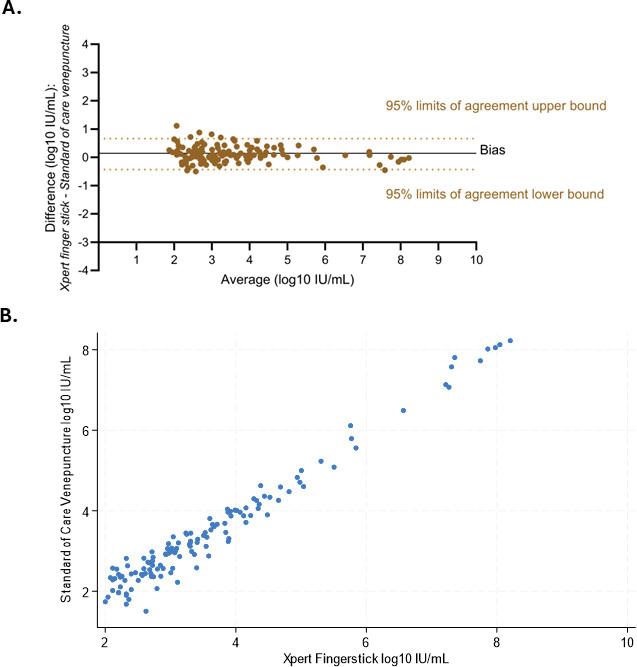
Hepatitis SA has long championed the power of point-of-care testing (POCT). It means that a simple fingerstick blood test can quickly and accurately determine somebody’s viral hepatitis status, even in decentralised or remote settings. And now new research has shown that POCT is as effective as the current standard-of-care.
A clinical trial led by the Kirby Institute at UNSW Sydney has found that point-of-care testing for hepatitis B DNA is as effective as traditional laboratory testing, paving the way for faster diagnosis and treatment in hard-to-reach communities, as well as with the broader population. The results have been published in the Journal of Clinical Microbiology1.
“The results of our trial found that the fingerstick point-of-care test is highly
accurate, closely matching the accuracy of traditional tests,” explained Professor Gail Matthews, who led the research at the Kirby Institute. “This is a very important finding because it has the potential to expand access to testing and treatment globally, and especially in resource limited settings or remote areas, where current testing access is poor.”
The most recent World Health Organization figures (2022)2 estimate that there are 254 million people living with chronic hepatitis B infection worldwide, yet only 14% were diagnosed and just 8% were receiving treatment, representing a major global health challenge.
Comparison of POCT and standard-of-care testing from the study, showing how comparable they are [Image from the research paper]
It is currently estimated that no country is on track to meet the WHO target of elimination of hepatitis B as a public health threat by 2030.
As part of a push to increase testing and treatment, the most recent WHO guidelines include a new recommendation supporting the use of hepatitis B point-of-care DNA fingerstick tests globally. Data from this study supports that recommendation.“Access to testing is a major barrier to progress on hepatitis B elimination,” says Associate Professor Thomas Tu from Hepatitis B Voices.
“We are hopeful that this research will support the roll-out of point-of-care testing for hepatitis B, enhancing access and ultimately, improving health and saving lives.”
Hepatitis SA’s Lisa Carter agrees. She has witnessed how the GeneXpert testing has transformed access to care. “It is especially great for those who have difficulty accessing veins for blood tests,” she explain.
“It is such a relief for them not to have to go through that to know their hepatitis status.”
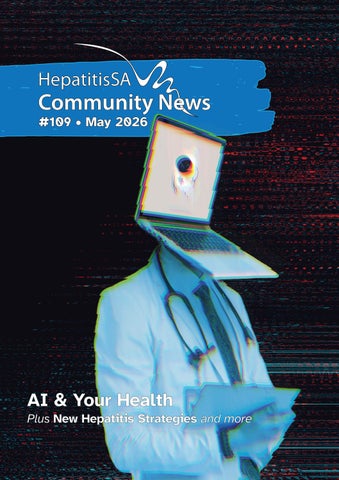
AI & Your Health
People are increasingly relying on AI sources for health information, but is it safe to do so?
Worldwide, 1 in 4 queries to ChatGPT are health related, while almost 1 in 10 Australians reported that they had asked ChatGPT about their health1.
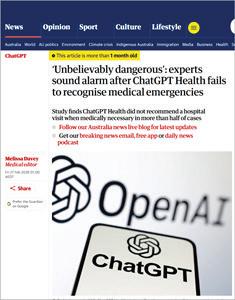
However, independent studies consistently show that AI tools give unsafe health advice. One study found that ChatGPT Health failed to recommend emergency care when it was needed in over 50% of cases. At the same time, it did suggest emergency care to 64% of people who had a non-urgent problem2.
Recently, Google removed several AI Overviews on health topics after a Guardian investigation found the advice about blood tests results was dangerous and misleading. Clearly, AI tools don’t merit the level of trust that people are placing in them.
The Sydney Health Literacy Lab has developed an education
1 bit.ly/ai-health-risks
2 bit.ly/health-ai-fail
In Our Library
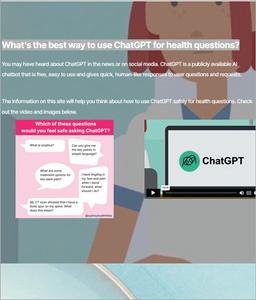
resource for using AI more safely. It suggests only asking AI questions when there is a straightforward factual answer with credible information readily available, preferably while also checking other sources. They point out that ChatGPT will:
• Sound authoritative and confident, even when it is wrong
• Make up references or
• Provide real references which do not actually match the information given by the AI3
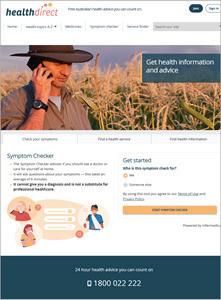
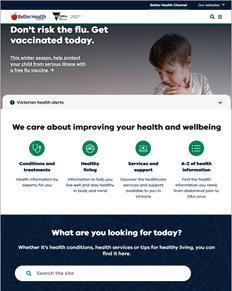
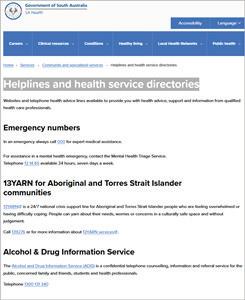
In Australia there are a number of high quality, credible health resources available online that provide a safer alternative to AI tools. These include healthdirect and the Better Health Channel (both government funded) as well as the Healthdirect phoneline, which allows people to speak to a nurse about their concern. There are also many helplines that provide support and information about specific health conditions. These resources are listed below.
3 bit.ly/healthlit-cgpt
ChatGPT Health promises to personalise health information. It comes with many risks.
Melbourne, Sydney, The Conversation, 2026.
ChatGPT Health allows users to link medical records to chat. But it hasn’t been independently tested and will make mistakes.
bit.ly/ai-health-risks
‘Unbelievably dangerous’: experts sound alarm after ChatGPT Health fails to recognise medical emergencies
Sydney, The Guardian, 2026. ChatGPT Health regularly misses the need for medical urgent care and frequently fails to detect suicidal ideation, a study of the AI platform has found, which experts worry could “feasibly lead to unnecessary harm and death”. bit.ly/health-ai-fail
What’s the best way to use ChatGPT for health questions?
Sydney, Sydney Health Literacy Lab, 2025.
Educational resource to assist people to assess what types of health queries can be safely answered by ChatGPT. bit.ly/healthlit-cgpt
healthdirect Australia
Canberra, Healthdirect Australia, 2026.
Comprehensive health information website. Includes symptom checker, information on health conditions and medicines and a directory of services.
healthdirect.gov.au
Better health channel
Melbourne, Victorian Department of Health & Human Services, 2026.
Health information website, includes information on medical conditions and health and wellbeing.
betterhealth.vic.gov.au
Helplines and health service directories
Adelaide, SA Health, 2026. Online and telephone health advice lines available to provide you with expert health advice, support and information. bit.ly/sah-helplines
Chatbot
image: Freepik
Hepatitis SA provides free information and education on viral hepatitis, and support to people living with viral hepatitis.
Postal Address:
Kaurna Country PO Box 782
Kent Town 5071
(08) 8362 8443 1800 437 222
www.hepsa.asn.au
Community News: hepsa.asn.au/ communitynews
Library: hepsa.asn.au/library
@HepatitisSA
@hepatitissa.asn.au.bsky.social
Resources: issuu.com/hepccsa
Email: admin@hepatitissa.asn.au
Free hepatitis A, B and C information, confidential and non-judgemental support, referrals and printed resources.
We can help. Talk to us. Call or web chat 9am–5pm, Mon–Fri
Information Support
HEPATITIS SA BOARD
Chair
Lindy Brinkworth
Vice Chair
Bill Gaston
Secretary
Sharon Eves
Treasurer
Michael Larkin
Ordinary Members
Janice Scott
Memoona Rafique
Lucy Ralton
Tamara Shipley
Kerry Paterson (CEO)
Hepatitis SA has a wide range of hepatitis B and hepatitis C publications which are distributed free of charge to anyone in South Australia.
To browse our collection and place your orders, go to hepsa.asn.au/orders or scan the QR code below:
Viral Hepatitis Community Nurses
Viral Hepatitis Nurses are nurse consultants who work with patients in the community, general practice or hospital setting. They provide a link between public hospital specialist services and general practice, and give specialised support to general practitioners (GPs) to assist in the management of patients with hepatitis B or hepatitis C. With advanced knowledge and skills in testing, management, and treatment of viral hepatitis, they assist with the management of patients on antiviral medications and work in shared care arrangements with GPs who are experienced in prescribing medications for hepatitis C or accredited to prescribe section 100 medications for hepatitis B. They can be contacted directly by patients or their GPs:
CENTRAL ADELAIDE LOCAL HEALTH NETWORK
Queen Elizabeth Hospital
Phone: 0423 782 415, 0466 851 759 or 0401 717 953
Royal Adelaide Hospital
Phone: 0401 125 361 or (08) 7074 2194
Specialist Treatment Clinics
NORTHERN ADELAIDE LOCAL HEALTH NETWORK
Phone: 0401 717 971 or 0413 285 476
SOUTHERN ADELAIDE LOCAL HEALTH NETWORK
Phone: 0466 777 876 or 0466 777 873
Office: (08) 8204 6324
Subsidised treatment for hepatitis B and C are provided by specialists at the major hospitals. You will need a referral from your GP. However, you can call the hospitals and speak to the nurses to get information about treatment and what you need for your referral.
• Flinders Medical Centre Gastroenterology & Hepatology Unit: call 8204 6324
• Queen Elizabeth Hospital: call 8222 6000 and ask to speak a viral hepatitis nurse
• Royal Adelaide Hospital Viral Hepatitis Unit: call Anton on 0401 125 361
• Lyell McEwin Hospital: call Bin on 0401 717 971
Visit hepsa.asn.au: no need to log in, lots of info & updates
Visit hepsa.asn.au - no need to log in, lots of info & pdates
Follow Community News online: hepsa.asn.au/communitynews
Follo the HepSAY blog - hepsa.asn.a /blog
Order print resources at hepsa.asn.au/orders
SMS/WeChat us on 0403 648 348
Order print resources - hepsa.asn.a /orders/ Follo s on T i er @hep_sa or Facebook @Hepa sSA
Follow us on social: Bluesky @hepatitissa.asn.au.bsky.social or Facebook @HepatitisSA
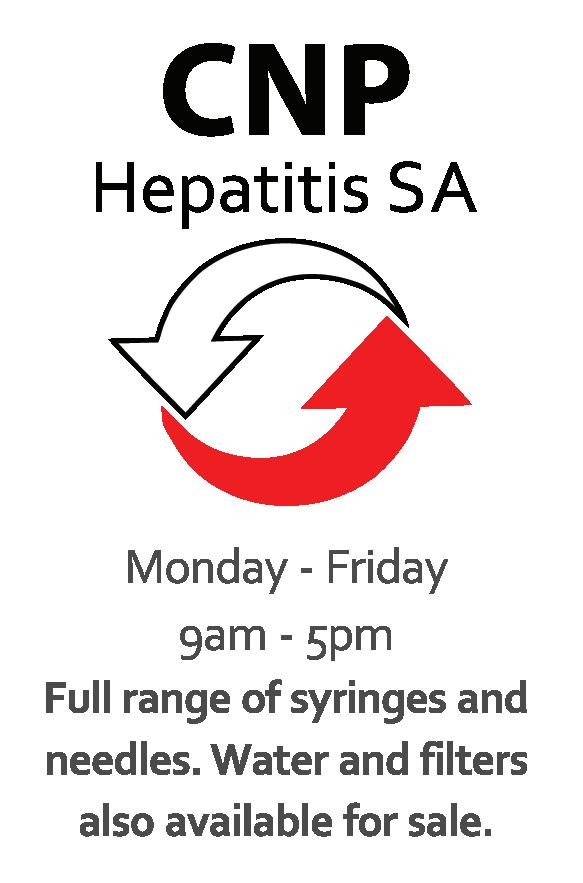
Full range of syringes and needles. Water and filters also available in limited quantities for free.