
The Shell Paver
A Bio-Compositional Approach to Urban Flooding: Exploring Mussel Shell-Alginate Pavers in Aberdeen, Scotland
Sit Ho Hang, Henrik
In response to increasing urban flooding caused by impermeable surfaces and climate change, this study investigates the potential of a sustainable, locally sourced bio-composite material for permeable paving applications in Aberdeen, Scotland. The material under investigation combines mussel shells, collected from local food industries and other simple ingredients. This research adopts a regenerative design approach by repurposing food waste and marine biomass to create a permeable. A series of material prototypes were fabricated by varying the shell-to-alginate ratio and tested through geometric exploration and real-life filler applications to evaluate their feasibility for integration into urban surfaces. This paper critically evaluates the material’s performance, ecological impact, and its potential role in supporting circular construction strategies in the North-East of Scotland.
KEYWORDS: bio-composite, mussel shell, alginate, permeable paving, urban flooding, circular materials
1. Introduction
1.1 Climate and Urban Context of Aberdeen
Aberdeen’s temperate maritime climate, characterized by moderate rainfall and cool temperatures, has historically not made it a high-risk city for flooding. However, with the intensification of climate change, the city is increasingly experiencing short-duration, high-intensity rainfall events, leading to widespread pluvial flooding (SEPA, 2021). Annual precipitation typically ranges from 850 mm to 1,100 mm (Met Office, 2022), while impermeable surface coverage is estimated to exceed 70% of the urban fabric, overwhelming conventional drainage networks (Aberdeen City Council, 2019). This combination of aging stormwater infrastructure and urban densification has placed significant strain on the city’s flood resilience, particularly in low-lying areas and transport corridors.
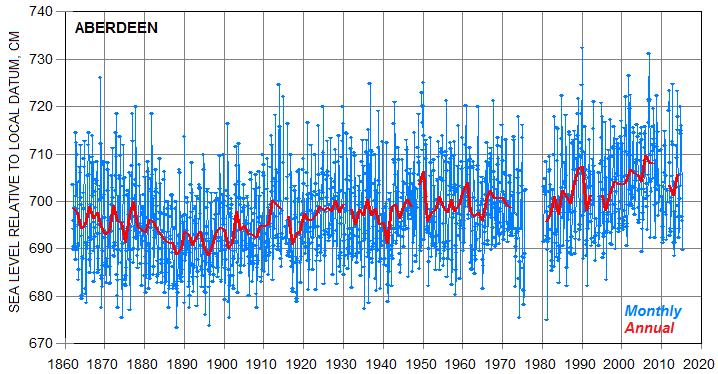
In addition to surface water flooding, rising sea levels pose an increasing threat to Aberdeen’s coastal areas. As shown in Figure 1, tidal gauge data from 1860 to 2020 reveals a statistically significant upward trend in relative sea level, with an overall rise of approximately 15 to 20 cm since the early 20th century. The red line (annual average) clearly demonstrates a long-term
pattern of sea level rise, superimposed on short-term variability (monthly data shown in blue). This incremental rise, although gradual, heightens the risk of combined flooding events where high tide and stormwater runoff coincide, particularly as the frequency of extreme weather increases.
In response to these growing risks, Sustainable Urban Drainage Systems (SUDS) have been integrated into national and municipal planning policy. SUDS seek to decentralize water management, mimicking natural hydrological cycles through systems such as permeable pavements, bioswales, and retention basins, which slow, store, and filter surface runoff at the point of origin (Scottish Government, 2020). While
Figure 1. Monthly (blue) and annual (red) sea level relative to local datum in Aberdeen, 1860–2020 (Data source: NOAA, 2023)
conventional SUDS have relied heavily on mineralbasedorprefabricatedcomponents,theincorporation of bio-based materials, such as locally derived shellalginate composites, remains limited. This presents a critical opportunity to advance both climate adaptation and material circularity, particularly through low-carbon solutions that engage local waste streams for urban resilience.
1.2 Circular Design and Food Waste Reuse in Architecture
Mussel shells represent a significant and culturally embedded byproduct of Scotland’s coastal economy, especially in cities like Aberdeen where seafood plays a vital role in local food systems. In an interview conducted with the head chef of The Silver Darling, a well-known seafood restaurant in Aberdeen, it was noted that the kitchen alone discards 50 to 75 kilograms of mussel shell waste each week.

1.3 Impermeable Paving Practices in Aberdeen
Aberdeen’s urban infrastructure is predominantly surfaced with impermeable materials such as concrete pavers, granite setts, and asphalt, particularly in pedestrian zones and roadways. These hard surfaces contribute significantly to pluvial flooding, as they prevent natural infiltration of rainfall and instead divert water into already burdened drainage systems. The absence of permeability within typical surfacing results in increased surface runoff, which intensifies flood risk during high-intensity rainfall events (SEPA, 2021).
Figure 2 illustrates the typical sidewalk section used in Aberdeen, composed of granite pavers set on a 2/4 mm mineral bedding layer and supported by graded gravel (0/20 mm and 0/40 mm). While durable and aesthetically aligned with Aberdeen’s granite heritage, this configuration is almost entirely impermeable. Water is directed away from the surface rather than absorbed, contributing to runoff volumes.
“Mussels in Scotland are really important for the diet,” the chef remarked. “They’ve been consumed here for 20,000 years… and we’ve been farming them since the 13th century. Rope-farmed mussels are juicier, and we use them daily so shell waste is constant” (Interview, 2025).
This local availability and culinary heritage position mussel shells as both abundant and contextually appropriate for architectural reuse.
In this context, incorporating mussel shells into biocomposite permeable pavers could present an opportunity to enact circular design principles. These include utilizing local material, reduced landfill waste, and the substitution of virgin aggregates with regenerative biomineral waste. Such interventions align with broader architectural goals of reducing embodied carbon and enhancing ecosystem-based infrastructure performance (Pomponi & Moncaster, 2017).
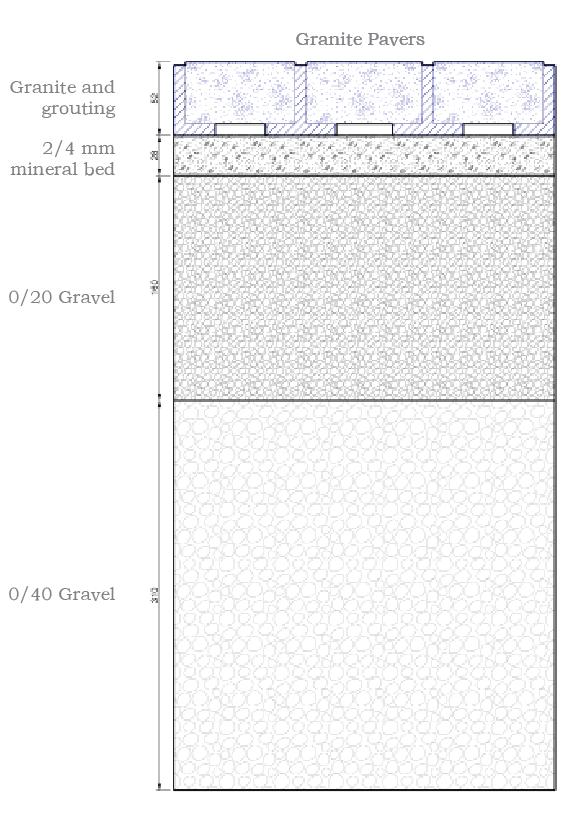
Figure 2. Interview with the head chef at The Silver Darling (Image Credit: Henrik Sit)
Figure 3. Existing sidewalk section in Aberdeen (Image Credit: Henrik Sit)
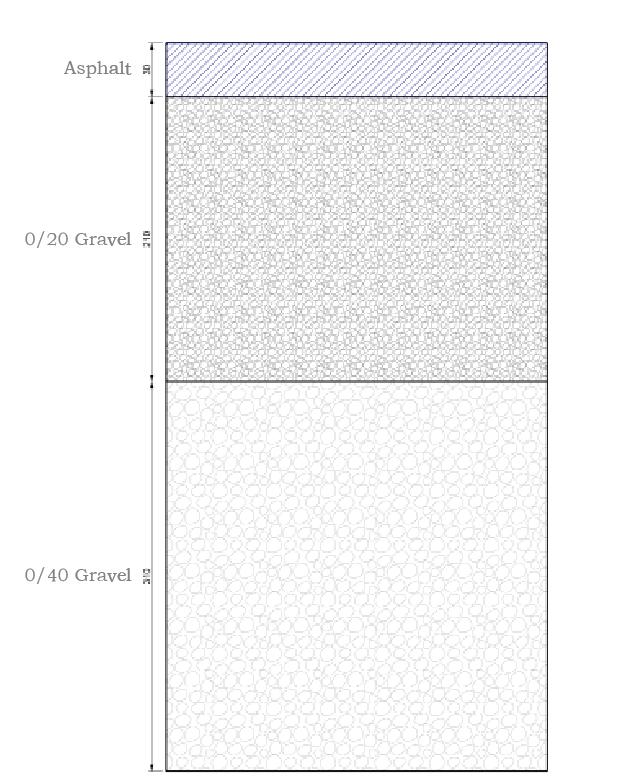
Similarly, road construction in Aberdeen, as shown in Figure 3, relies on an asphalt top layer placed over a thick gravel base. This design offers structural integrity for vehicular loads but provides no permeability at the surface level. The asphalt coating, combined with compacted sub-layers, effectively seals the ground, accelerating the conveyance of stormwater into drains.
Such widespread use of impermeable surfaces across the city has led to a critical shortage of natural infiltration zones. This condition exacerbates urban flood risk, particularly in areas where surface drainage capacity is limited or outdated. Although Sustainable Urban Drainage Systems (SUDS) have been introduced to mitigate this issue, many solutions still rely on engineered mineral or prefabricated components, overlooking the potential of bio-based permeable materials.
While both roads and sidewalks contribute to Aberdeen’s impermeable surface coverage, this research will not focus on vehicular roadways. Asphalt remains a practically and structurally necessary material for car-bearing surfaces due to its proven durability, load-distribution capacity, and cost-efficiency. Modifying such infrastructure at scale poses logistical and economic constraints that fall
outside the scope of this material investigation. Instead, this study concentrates on pedestrian paving zones, particularly sidewalks and urban plazas, where permeability can be introduced through selective alterations such as replacing the grouting between pavers or reconfiguring the paving blocks themselves. These micro-interventions offer a feasible context for testing bio-composite solutions like mussel shell and alginate pavers, providing measurable ecological benefit without disrupting critical urban mobility functions.
The exploration of mussel shell–alginate composites within this study is situated precisely against this backdrop. By developing permeable pavers from locally sourced waste materials, the research proposes a sustainable intervention that supports water infiltration, reduces runoff, and contributes to the diversification of surface treatment options in Aberdeen’s urban fabric.
1.4 Working Hypothesis
Considering Aberdeen’s flooding challenges and the environmental limitations of impermeable surfaces, there is a clear opportunity to explore locally sourced, circular materials. Mussel shells and alginate, both abundant byproducts in the region, show potential as components in permeable paving. This leads to the working hypothesis:
“Mussel shells, a food waste byproduct from local restaurants, when ground and mixed with alginate solution extracted from local algae, can form a biocomposite material suitable for permeable pavers to mitigate urban flooding in Aberdeen.”
Figure 4. Existing car road section in Aberdeen (Image Credit: Henrik Sit)
2. Background
2.1 Urban Flooding and Permeable Pavement Technologies
Permeable paving systems are a cornerstone of sustainableurbandrainage strategies, offering surface solutions that support stormwater infiltration and reduce runoff. Common types include porous asphalt, permeable concrete, and modular pavers, each designed to facilitate water flow either through or between their components (Scholz & Grabowiecki, 2007). While effective, these technologies face limitations in climates like Aberdeen’s, where cold temperatures and organic debris increase the risk of clogging and material degradation (Chopra et al., 2010; Pratt et al., 2010).
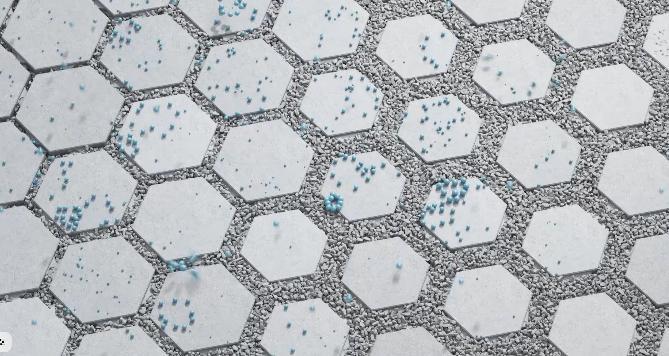
A notable recent innovation is Snøhetta’s Flyt collection, a modular systemof interlocking hexagonal concrete stones designed to enable seamless transitions in public spaces while supporting naturebased water management. Flyt achieves permeability not through the blocks themselves, but via the engineered voids and spacing between them, which channel runoff into gravel-filled joints. However, the pavers remain solid and impermeable, manufactured with conventional concrete. While this offers modularity and flexibility, it still depends on nonregenerative materials and external infiltration layers.
In contrast, this research attempts to propose an evolution of this concept by focusing on the material permeability of the paver block itself, not just the spacingsystem.Usingmusselshells,aporous,calciumrich food waste, as aggregate, and alginate as a biodegradable binder, a bio-composite paver could be cast in a single reusable mould. This approach preserves the geometric modularity of systems like Flyt while introducing material-based porosity, offering both ecological benefit and ease of maintenance or replacement. Such pavers could perform dual functions: support pedestrian loads and
passively manage surface runoff, all while upcycling local waste.
2.2 Biogenic and Circular Materials in Construction
Biogenic and circular materials are increasingly being explored in architecture for their capacity to reduce carbon emissions, upcycle waste, and enhance hydrological performance in urban environments. Shellfish waste, alginate, chitin, and algae-derived binders have all been applied in experimental construction and design, demonstrating potential as low-impact alternatives to concrete and resin-based materials (Shen et al., 2020; Teuffel & Lyon, 2019).
A notable precedent is the Calcáreo project, developed by the Laboratorio de Biomaterials de Valdivia and Escuela de Diseño UC, which combined ground mussel shells with a 2.5% alginate solution to create biodegradable composite blocks. The process involved particle refinement, controlled hydration, and low-temperature dehydration (~30°C), producing samples that were lightweight and capable of reintegration into the soil (Calcáreo, 2023).
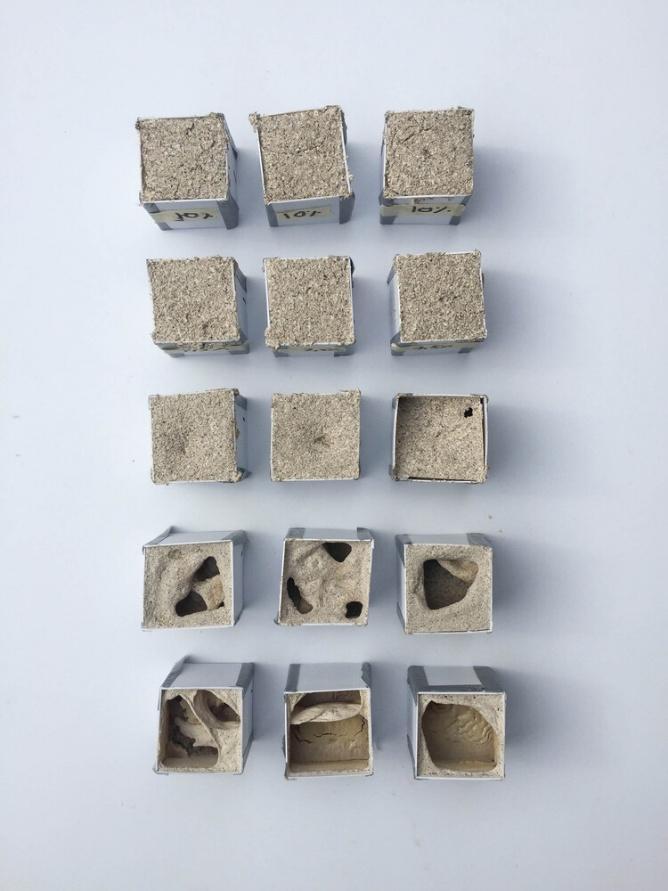
Significantly, the porosity of the material increased with coarser shell particle size, allowing for enhanced rainwater drainage which is essential to permeable infrastructure. Building on this principle, this research
Figure 5 A Modular Paving System for Urban Water Management (Image Credit: Snøhetta)
Figure 6 Experimental bio-composite samples by Calcáreo using ground mussel shells and alginate (Image Credit: Laboratorio de Biomaterials de Valdivia, 2023)
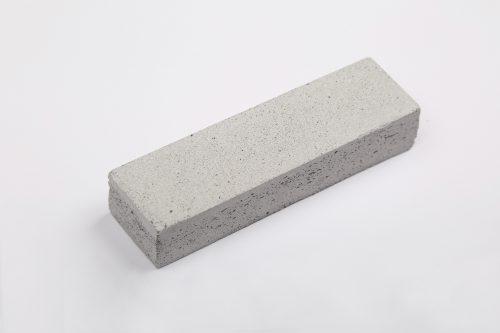
proposes casting the shell–alginate composite into modular, interchangeable paving blocks, using a reusable single mould system (Figure 5).
2.3 Alginate as a Binding Agent
Alginate, a naturally occurring polysaccharide extracted from brown seaweed, exhibits properties highly suitable for sustainable construction applications, particularly as a bio-based binding agent. Its molecular structure allows for strong bio-adhesive capabilities, forming hydrogel networks when crosslinked with divalent cations such as calcium ions (Lee & Mooney, 2012). This interaction is especially relevant when used with calcium-rich biogenic aggregates such as ground mussel shells, which are composed of over 95% calcium carbonate (Hamester et al., 2012). When mixed, the alginate and shell particles undergo ionic gelation, resulting in a cohesive, mouldable composite with porous yet mechanically stable properties.
This design enables efficient production and simplifies urban maintenance. Unlike the Flyt paving system by Snøhetta, which achieves infiltration only through spatial gaps between solid units, this approach embeds porosity into the body of the block itself, potentially transforming the surface from impermeable to performative.
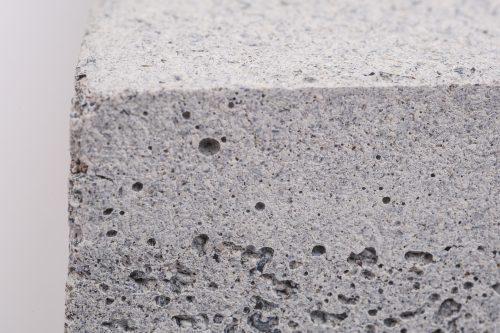
A side profile of the test block (Figure 6) shows clear micro-pores distributed throughout the material body, indicative of the passive infiltration pathways made possible through material tuning. This supports the viability of porous, biogenic pavers as an adaptive urban drainage solution that aligns with circular construction goals.
In Scotland, local macroalgae species such as Ascophyllum nodosum, commonly found along the northeast coast including the Aberdeenshire region, are abundant sources of sodium alginate (Black, 1950; Kelly & Dworjanyn, 2008). The extraction process involves mild chemical treatment and neutral hydration, aligning with low-energy and low-toxicity production standards. Beyond its biodegradability and non-toxicity, alginate's reversibility also allows the material to decompose safely at end of life, releasing beneficial compounds back into the soil. These characteristics make it ideal for temporary or regenerative urban infrastructure, such as permeable pavers designed for hydrological performance and material circularity.
2.4 Ground Mussel Shell
From the material science perspective, mussel shells are predominantly composed of calcium carbonate (CaCO₃), which is also a characteristic shared with commercial limestone. Several studies show this composition: 95% CaCO₃ by weight, with less than 5% organic content (Yang et al., 2017; Martínez-García et al., 2018). Further research by Hamester et al. (2012) and Barbachi et al. (2019) found mussel shells to be chemically comparable to both oyster shells and mined limestone, particularly in CaO concentration (approximately 95.7% in mussels) and the presence of minor oxides such as K₂O, SiO₂, and MgO.
Figure 7. Prototype modular composite paving block
(Photo credit: Laboratorio de Biomaterials de Valdivia, 2023)
Figure 8. Side profile showing internal porosity of prototype paving material
(Photo credit: Laboratorio de Biomaterials de Valdivia, 2023)
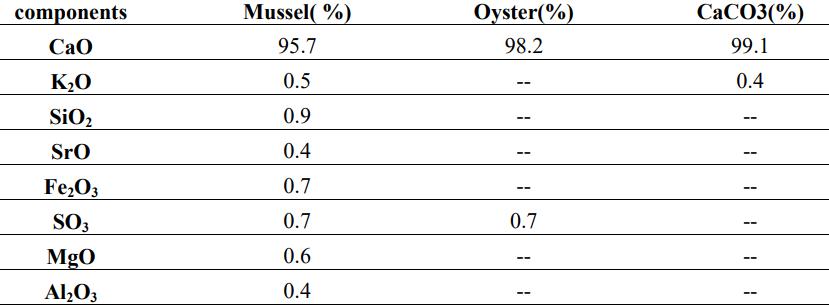
Table 1. Chemical composition of seashells and commercial limestone (Data Source: M. R. R. Hamester)
These findings indicate the potential of shell waste to replace natural aggregates in non-structural construction applications.
However, the reuse of shell aggregates must also consider chloride content, which can affect material compatibility in concrete applications. Mussel shells contain around 0.247% chloride, which exceeds the limits for reinforced concrete specified in the NF EN 206-1 standard (Barbachi et al., 2019). While this may restrict their use in steel-reinforced cementitious materials, it does not disqualify their application in non-structural, unreinforced components such as permeable pavers. Here, chloride presence poses negligible risk, making shell reuse a viable option in sustainable drainage layers.
Marine-based materials research has explored these shells in cementitious formulations, biodegradable binders, and ceramic composites, confirming their compatibilitywithbothinorganicandorganicmatrices (Martínez-García et al., 2017). For instance, crushed mussel shells have been integrated into mortar and concrete to reduce the use of virgin limestone, while also improving carbonation resistance and reducing environmental impact. In the context of this study, theirhighCaCO₃ contentmakesthemanidealreactive partner for alginate-based ionic crosslinking, supporting the creation of porous, mouldable, and degradable paving modules aligned with circular material principles.
3. Aims and Objectives
This research aims to explore the feasibility of a biocomposite paving material derived from waste mussel shells,evaluatingitspotentialasapermeablepaverfor mitigating urban flooding in Aberdeen. Mussel shells, composed of over 95% calcium carbonate, can offer structural potential and are abundantly available as post-consumer waste from the local seafood industry (Hamester et al., 2012). When combined with sodium alginate, a biodegradable hydrogel sourced from Ascophyllum nodosum, the mixture forms a cohesive, potentially porous composite through calciuminduced gelation (Lee & Mooney, 2012). The project also investigates the social interaction process of circular design, specifically the feasibility of establishing collaborative waste collection streams from local restaurants.
Aims:
1. Totestthepotentialofabio-compositemade from mussel shells and alginate as a permeable paving material for urban flood mitigation.
2. To explore and establish a collaborative shell waste collection model with local restaurants, promoting community engagement in circular material practices.
Objectives:
1. Develop a prototype using locally sourced mussel shells and algae-derived alginate;
2. Initiate and document a pilot waste stream collaboration with seafood-serving restaurants to collect discarded shells;
3. Test mechanical strength of the biocomposite material;
4. Test water permeability of the bio-composite material;
5. Test geometric factors affecting the interlockingness and integral compactness of the paver unit to assess its performance in urban assembly and replacement cycles;
6. Construct an elevated platform prototype to physically compare the experimental paver blocks with traditional pavers under controlled drainage conditions;
7. Compare experimental results to performance benchmarks of conventional permeable pavers (e.g., porous concrete, modular blocks);
8. Evaluate sustainability, circularity, and scalability of the prototype within Aberdeen’s environmental and policy context.
By integrating technical material testing with local resourcecircularityandstakeholdercollaboration,this research positions itself at the intersection of biodesign, flood resilience, and community-partnered innovation.
4. Methodology
4.1 Material Sourcing and Preparation
4.1.1
Raw Shells Collection
To ensure enough mussel shells for prototyping prior to fieldwork in Aberdeen, a collection system was established in collaboration with H3, a seafood restaurant located in Amagerbro, Copenhagen.
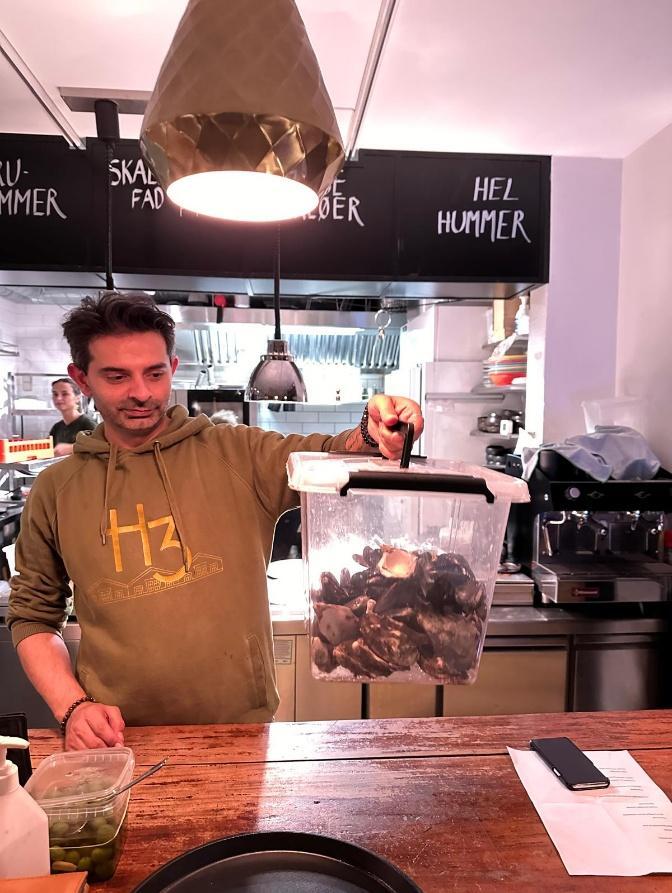
between2to5kilograms,dependingondailybusiness activity. Staff expressed enthusiasm for the initiative, citing a reduction in bin waste volume and an emerging interest in the reuse of seafood byproducts. This collaboration highlighted the social dimensions of circular material systems and demonstrated how restaurants can become active contributors to biobased material sourcing.
4.1.2 Shells Processing
The collected shells were processed immediately following collection to preserve hygienic integrity and facilitate later material consistency.
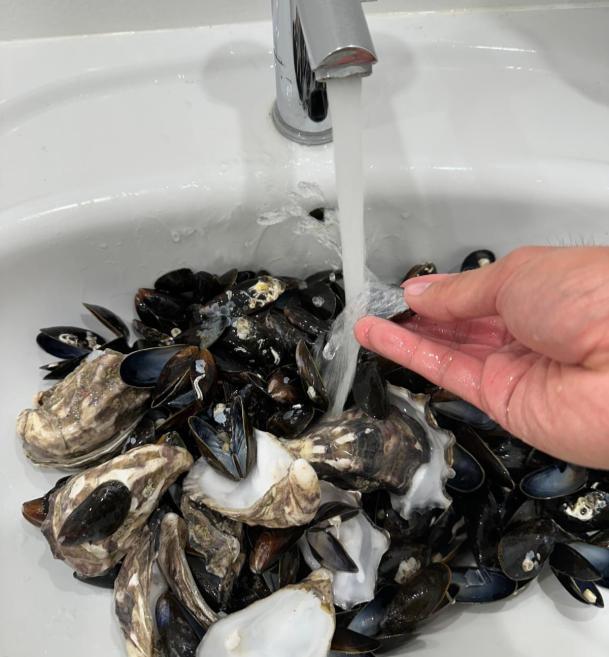
First, they were cleaned in hot water and manually brushedtoremoveresidualorganicmatter. Theywere then briefly soaked in diluted lemon juice to help neutralize odours and reduce microbial content.
A bucket was dropped off at the restaurant each afternoon, and kitchen staff were asked to deposit mussel shells directly into the container. The following day, the bucket was collected, typically weighing
Figure 9 Collection/ dropping off bucket full of mussel shells (Image Credit: Henrik Sit)
Figure 10. Rinsing mussel shells (Image Credit: Henrik Sit)
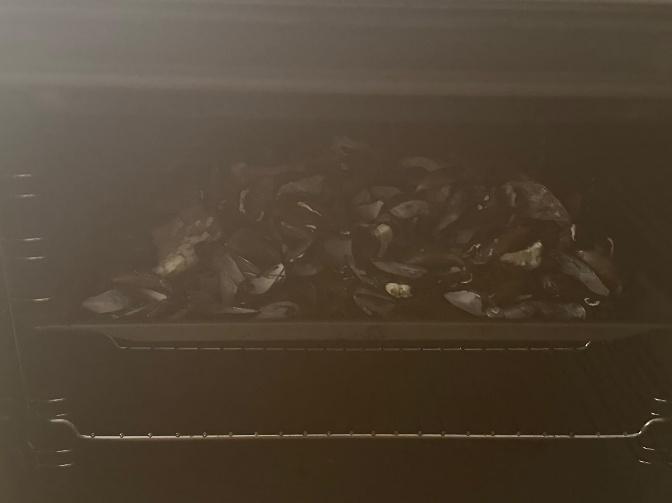
11 Heating the mussel shells to reduce the odour and to render them brittle (Image Credit: Henrik Sit)
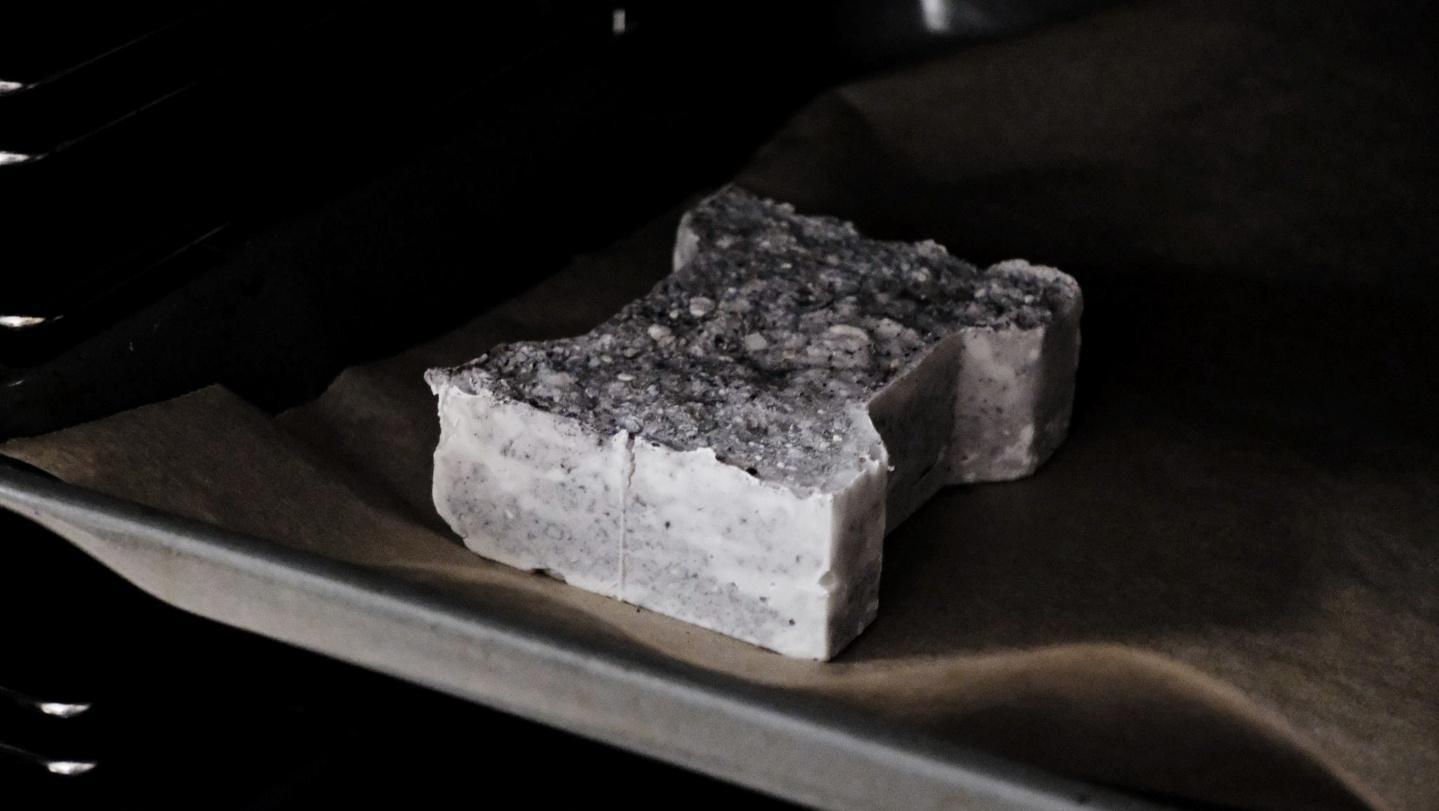
After draining, the shells were oven-dried at 150°C for 15 minutes, which rendered them brittle, odourless, and ready for mechanical grinding.
4.1.3 Alginate Acquisition
Althoughtheoriginalresearchplaninvolvedextracting alginate from locally available Scottish brown seaweed, such as Ascophyllum nodosum, the complexity and time requirements of in-lab alginate extraction proved prohibitive for the project timeframe. Instead, high-purity sodium alginate was purchased from a Danish biomaterial supplier, Makemake This commercially prepared alginate ensured batch consistency and ease of mixing, facilitating reliable formulation of the shell–alginate bio-composite.
The hybrid sourcing model of using locally collected biowaste from Copenhagen and commercially supplied natural binder, enabled the early-stage development of material samples, which were later tested and evaluated under the Scottish urban and climatic context.
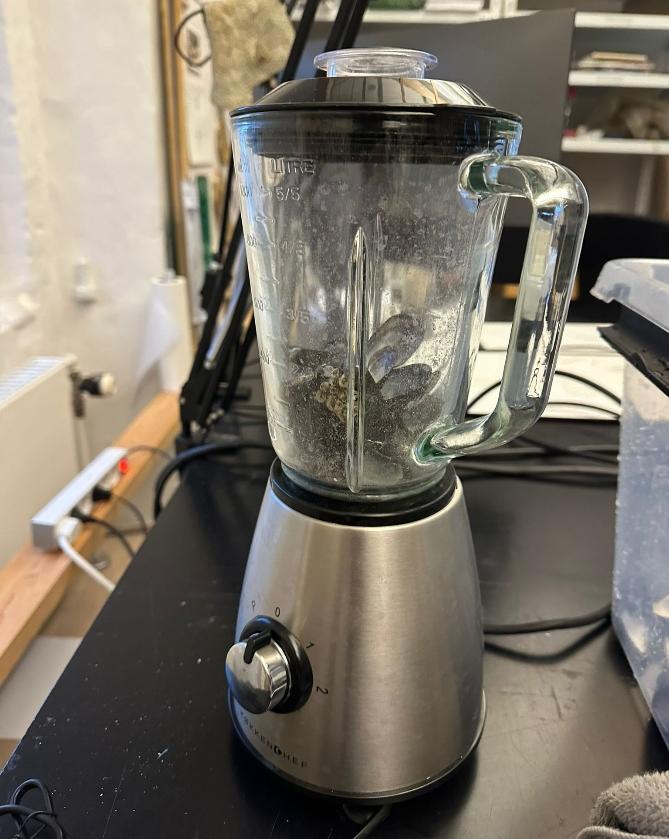
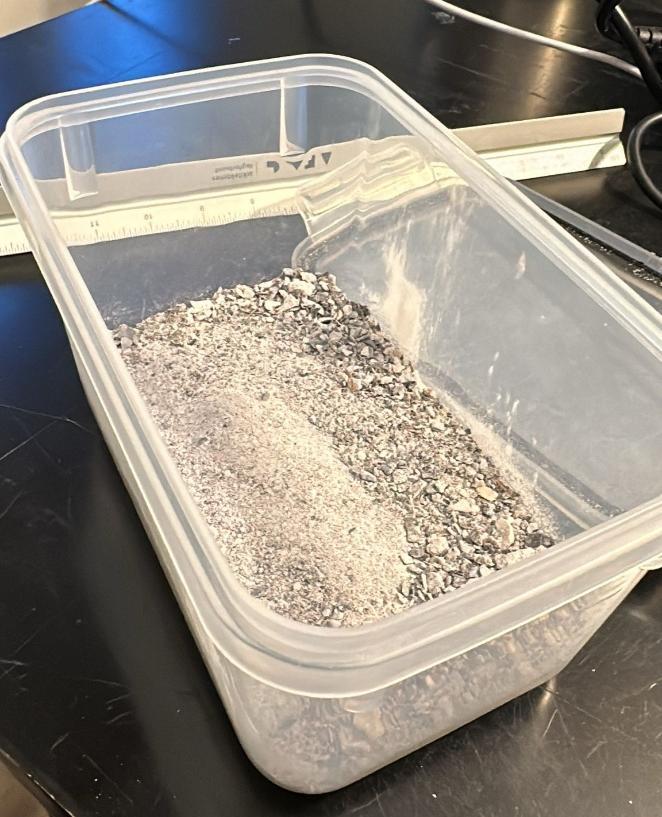
Once cooled, the shells were crushed using a standard domestic blender, with grinding time adjusted to control the particle size distribution. Coarser particles were retained for enhancing permeability, while finer powder was used to improve binder adhesion.
Figure
Figure 12. Grinding the mussel shells at a domestically accessible scale (Image Credit: Henrik Sit)
Figure 13. Ground mussel shell at different coarseness (Image Credit: Henrik Sit)
4.2 Trial Mix Design
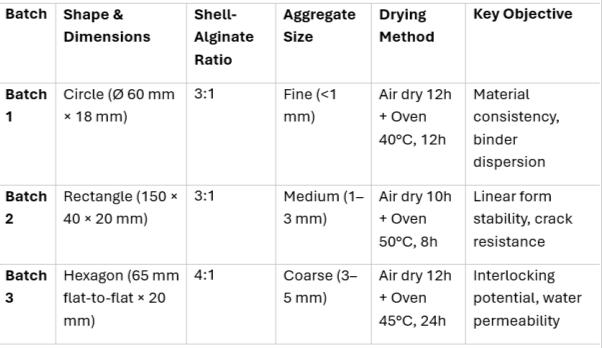
The fabrication phase involved a structured material exploration through three distinct prototype batches, each testing geometric form, mould behaviour, and bio-composite response to shell-aggregate variation. All specimens were produced using a consistent sodium alginate solution (2.5% w/v) mixed with precleaned, oven-dried, and ground mussel shell powder. Thissectiondetailstheprogressionfromcircularpucks to linear rectangular bricks and finally to interlocking hexagonal units.
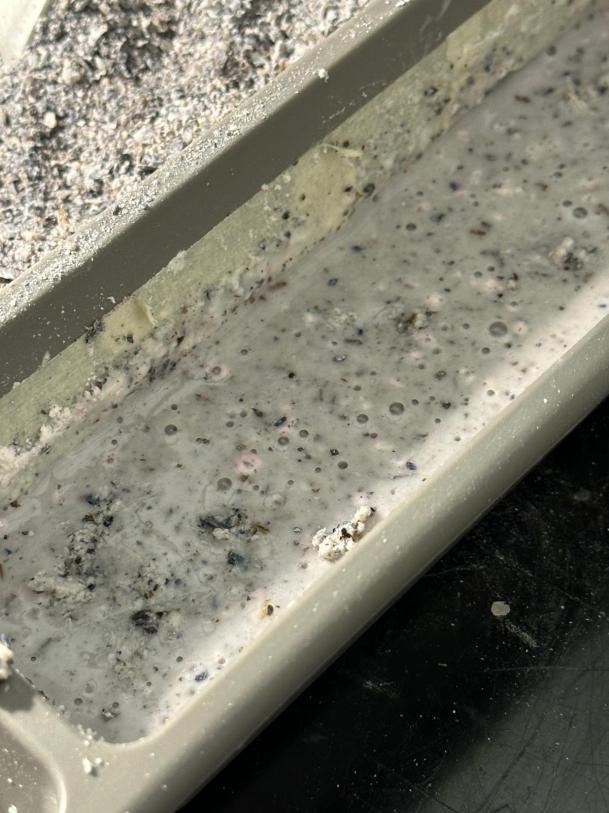
4.2.1 Batch 1: Circular Pucks for Material Testing
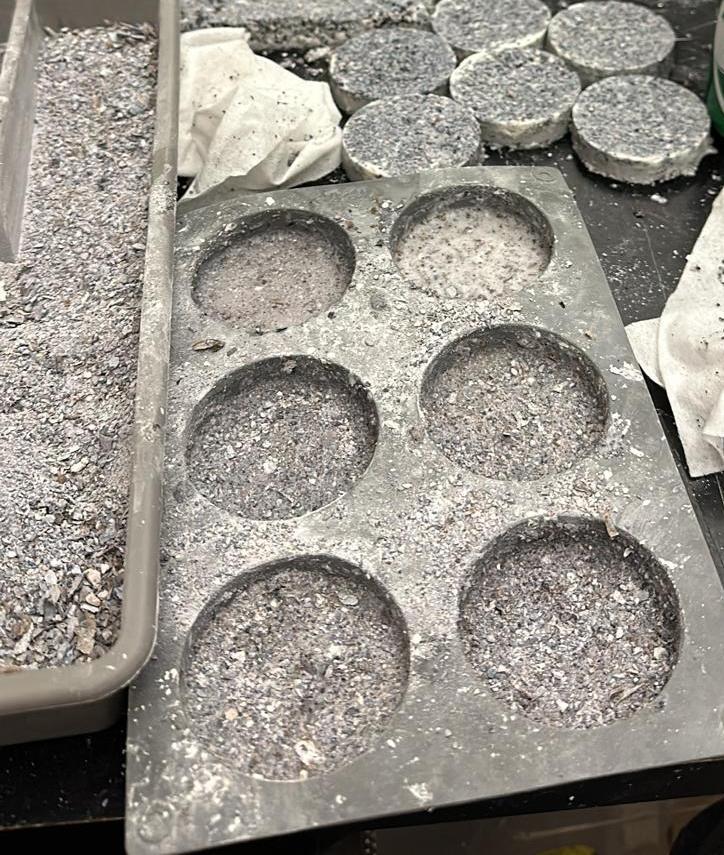
The first batch was composed of cylindrical pucks cast into silicone moulds with a diameter of 60 mm and a thickness of18 mm. These samples primarily served to test composite consistency, drying shrinkage, and surface integrity.
• The mixture used a 3:1 volumetric ratio of ground mussel shell to sodium alginate solution.
• Variations in shell coarseness were explored, ranging from fine powder (<1 mm) to semicoarse aggregate (~3 mm).
As shown above, the mixture was prepared by gradually integrating finely ground and sieved mussel shell powder into a pre-hydrated sodium alginate solution, creating a viscous, speckled slurry. Variations in shell coarseness were also tested to observe the effect on porosity and structural body. The prepared slurry was poured into a series of silicone and plastic moulds representing standard rectangular and modular hexagonal paver units
• As shown in Figure 1, the casting process ensureduniformfillwithmanualcompaction.
• The pucks were air-dried for 12–14 hours, followed by thermal curing at 40°C for 12 hours to avoid rapid dehydration, which could cause cracking or delamination.
• Observations from this batch informed the proper shell size distribution and fluidity for casting into structural moulds
Outcome:
These pucks revealed that coarse particles tended to settle quickly, requiring intermittent stirring for consistency. Drying resulted in moderate shrinkage but minimal warping, validating the thermal curing process.
Figure 14 Mixing alginate solution with ground mussel shell to create composite mixture (Image Credit: Henrik Sit)
Figure 15 Ground mussel shell composite mixture in circular moulds (Image Credit: Henrik Sit)
4.2.2
Batch 2: Rectangular Bricks for Form Testing and Structural Use
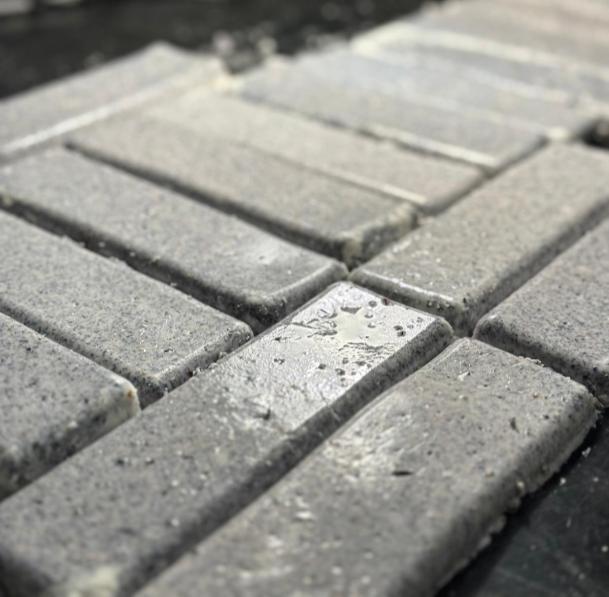
The second batch transitioned to standardized rectangular bricks, intended to simulate edge pavers or linear load-bearing formats.
• Each brick measured 150 mm (length) × 40 mm (width) × 20 mm (depth), resulting in a 3.75:1 length-to-width ratio.
• These dimensions mimic conventional paver proportions while remaining compatible with single-use or reusable moulds.
• The same 3:1 material ratio was employed, but shell particles were slightly coarser (1–3 mm) to promote porosity.
• The poured mixture settled into rigid plastic moulds (Figure 2), and surfaces were smoothed manually.
• The bricks were demoulded after 10–12 hours of air drying and then post-cured in a low-heat oven at 50°C for an additional 8 hours to enhance mechanical cohesion.
• This batch demonstrated improved dimensional consistency, reduced edge curling, and a denser appearance.
Outcome:
The bricks demonstrated improved dimensional consistency and load resistance. Slight edge delamination occurred in some due to uneven binder
distribution, prompting adjustments in stirring protocol.
4.2.3Batch3:HexagonalInterlockingTilesforModular Application
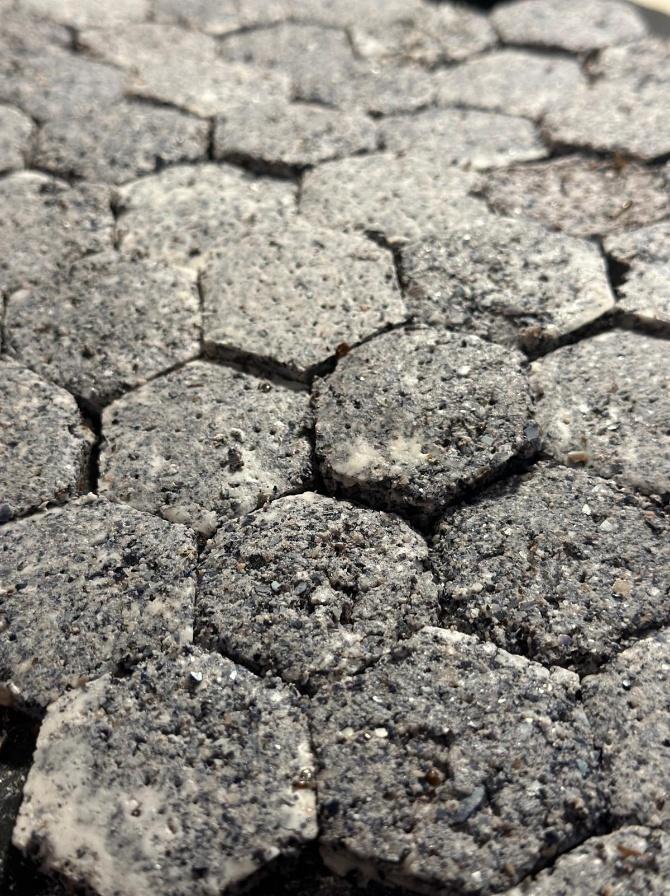
The third and most application-focused batch introduced modular hexagonal units, measuring 65 mm across flat edges and 20 mm thick, aligning with contemporary design standards for interlocking permeable surfaces.
• These units were designed for spatial tessellationwithoutrelyingongravelspacing, unlike commercial impermeable designs like Snøhetta’s Flyt.
• A more porous aggregate mix was tested, increasing shell particle size (~3–5 mm) while slightly reducing alginate content to optimize permeability and reduce binder saturation.
• Tiles were cast into custom silicone moulds and gently vibrated to expel air pockets, ensuring consistent surface texture (Figure 4).
• Following air drying, samples were placed in a ventilated cabinet with consistent low heat
Figure 16 Ground mussel shell composite mixture in rectangular moulds (Image Credit: Henrik Sit)
Figure 17 Hexagonal ground mussel shell composite mixture in the drying (Image Credit: Henrik Sit)
(45°C) for 24 hours to stabilize internal moisture gradients.
• The resulting units were lightweight, porous, andexhibitedhighsurfaceroughnesssuitable for pedestrian traction and potential water absorption.
Outcome:
These tiles exhibited significant porosity, lightweight structure, and potential for hydrological performance, while the geometry allowed efficient interlocking. They also showed the best balance of manufacturability, modularity, and surface friction.
4.3 Prototype Design and Experimental Platform
4.3.1 Rationale for the Elevated Setup
To effectively evaluate the performance of the biocomposite mussel shell tiles, a custom elevated platform was designed and constructed.
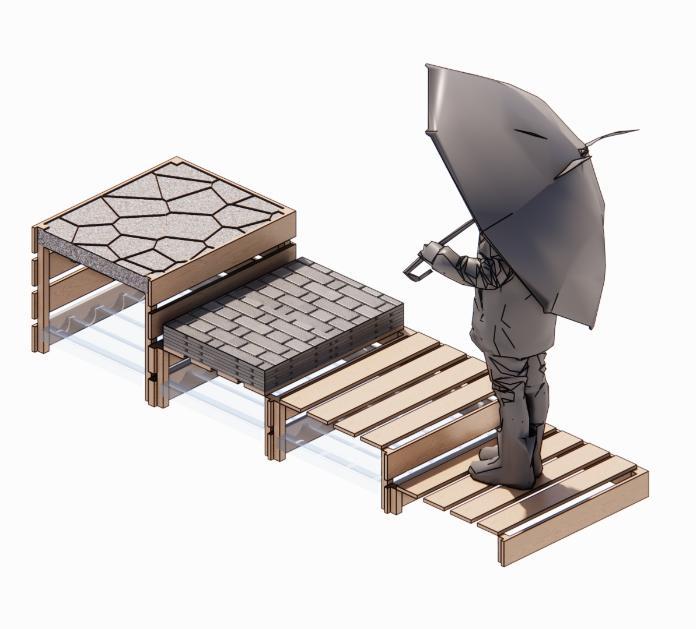
The elevated configuration serves two core testing objectives:
(1) to assess the water permeability of the paver specimens through visual and quantitative observation of drainage, and
(2) to test the mechanical durability of the tiles under simulated pedestrian use.
By raising the specimens above ground level, the platform allows direct measurement of water infiltration and load dispersion while isolating the results from surface interference.
Moreover, this configuration replicates typical use scenarios in urban applications, such as pedestrian walkways and rain-affected plazas, where pavers function in response to both environmental and human factors.
4.3.2 Design Principles
The design and fabrication of the platform were guided by two key principles: adaptive reuse and modularity.
Instead of new timber, discarded wooden pallets, a widely available and underutilized resource in Aberdeen, were chosen as the core structural material. Wooden pallets are routinely used in shipping and storage across Aberdeen’s port, fish processing zones, and industrial estates, and are often freely available from local businesses and warehouses. Their standardized form, load-bearing capacity, and durability make them an ideal candidate for low-cost, circular construction solutions.
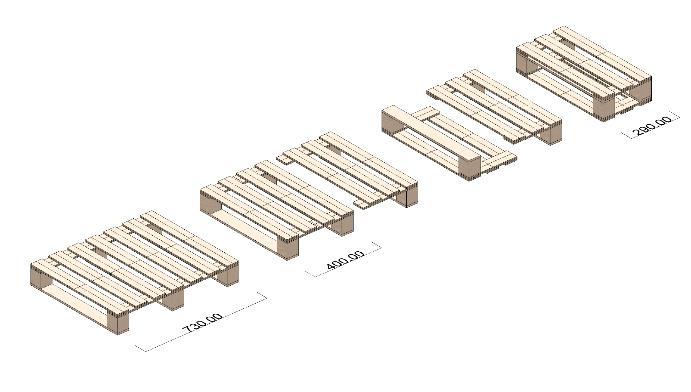
Figure 19 Modular construction detail illustrating each platform segment’s dimensions and joinery logic, constructed entirely from reclaimed wooden pallets (Image Credit: Henrik Sit)
In sum, the prototype platform not only facilitates systematic performance testing but also embodies a localised and regenerative design logic, transforming ubiquitous industrial refuse into a functional and contextually relevant research apparatus.
Table 2 Comparative Parameters Across Prototype Batches (Data Source: Henrik Sit)
Figure 18 Concept Diagram of the elevated platform prototype displaying three paver types under simulated pedestrian interaction (Image Credit: Henrik Sit)
4.3 3 Prototype Design
The prototype system was developed as a modular, elevated platform to facilitate comparative testing of mussel shell-alginate paver bricks against traditional concrete pavers.
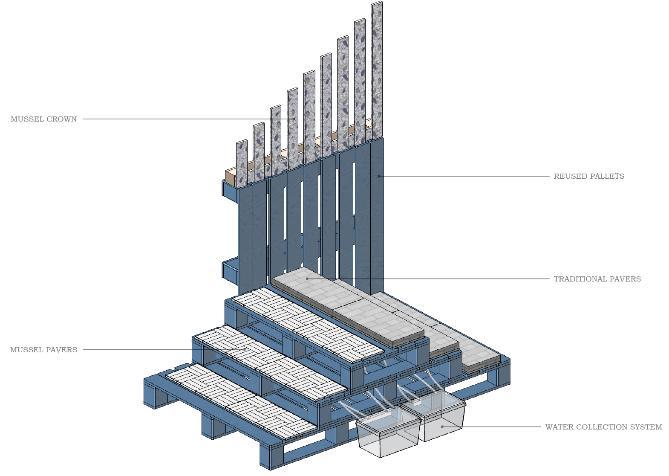
Figure 20 3D diagram showing the full prototype system assembled with reused pallets, mussel pavers, and water collection setup (Image Credit: Henrik Sit)
As illustrated in Figure 20, the structure comprises three levels of testing beds, each laid with different paver types: bio-composite bricks and standard concrete, allowing direct assessment of performance under foot traffic and rainfall. The elevation ensures a clearviewofwaterinfiltrationandstructuraldurability while mitigating interference from uneven ground or existing site conditions.
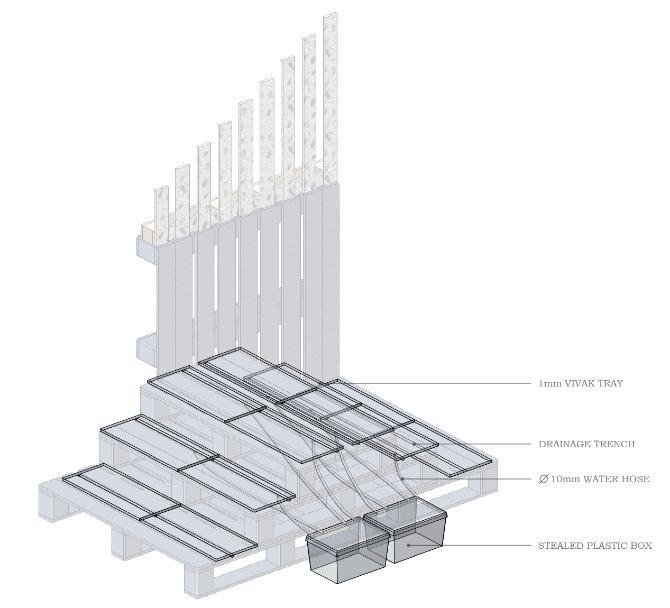
21. 3D diagram of drainage system with Vivak trays, trench layout, water hoses, and sealed measurement boxes (Image Credit: Henrik Sit)
Figure 21 reveals the integrated substructure that enables quantitative water flow measurement. A set of 1 mm transparent Vivak trays, positioned beneath eachpaversurface,collectsinfiltratedwater.Thetrays
are connected to Ø10 mm water hoses that channel runoff into sealed plastic containers. This setup enables controlled experimentation on permeability rates, drainage consistency, and potential water retention. The stepped structure also creates spatial differentiation that simulates real-life slope gradients, enhancing environmental realism in testing conditions.
These figures further embody two critical design principles:
(1) the reuse of wooden pallets, which are readily available from Aberdeen’s shipping and retail waste streams, aligning the prototype with sustainable construction values; and
(2) modular assembly, which facilitates portability and iterative design changes. The reuse of pallets not only reduces material cost but also strengthens local relevance and carbon reduction, reinforcing the project’s ethos of low-impact innovation
4.4 Construction of Prototype Platform: Reclaimed Material Strategy
4.4.1 Pallet Collection and Construction Preparation
The construction process for the prototype platform adopted a modular design logic centred on sustainability and site-specific material reuse. Reclaimed wooden pallets were sourced locally in Aberdeen where they are widely circulated in surplus and repurposed as structural components for the prototype.
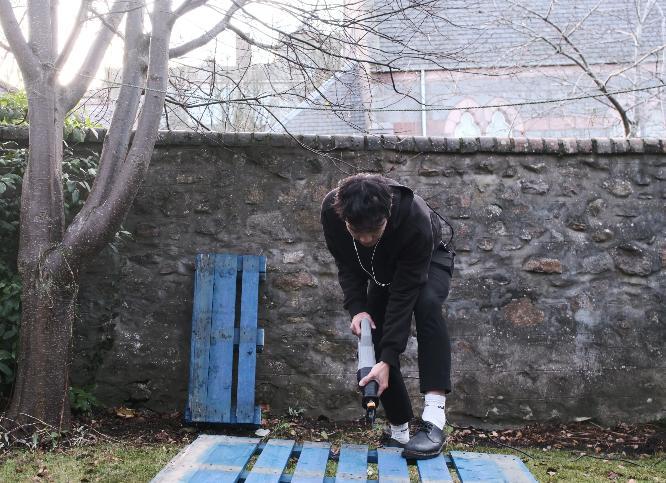
Figure 22 Deconstructing and reconstructing of wooden pallets with a reciprocating saw (Image Credit: Henrik Sit)
These pallets were manually deconstructed using a reciprocating saw, transported on-site and selectively disassembled for reuse. The modular system derived from these units enabled the creation of distinct test beds for various paver geometries. This strategy offered multiple benefits: first, the slatted form of the
Figure
pallet boards naturally facilitated water drainage, minimizing material decay and aiding in post-rainfall observations. Second, the elevation achieved by stacking and reconfiguring pallet modules allowed for both ergonomic viewing and structural loading under footfall.
Finally, this approach directly aligned with the sustainable ethos of the project’s material lifecycle by diverting wooden waste from disposal chains and reinserting it into public-use infrastructure, the project critiques and reshapes linear material flows in urban environments
In addition, the modularity of the pallet structure allowed for future expansion and reconfiguration, aligning with open-ended, low-tech design principles (Manzini, 2015). This assemblage acts not only as a test rig but also as an active demonstrator of circular material logic.
4.4.2 On Site Assembly and Contextual Integration
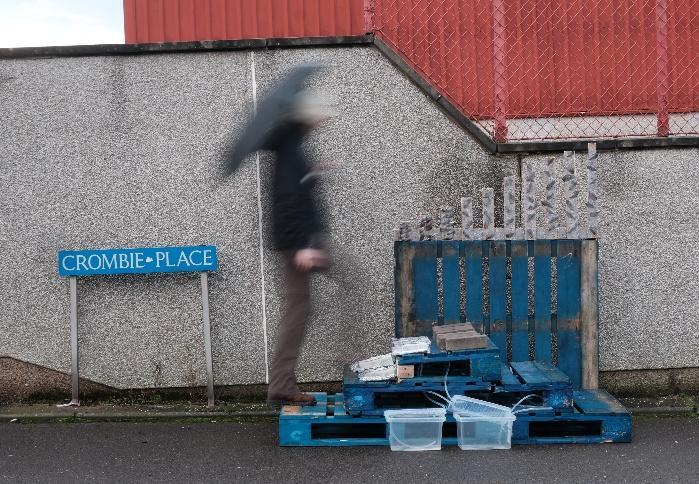
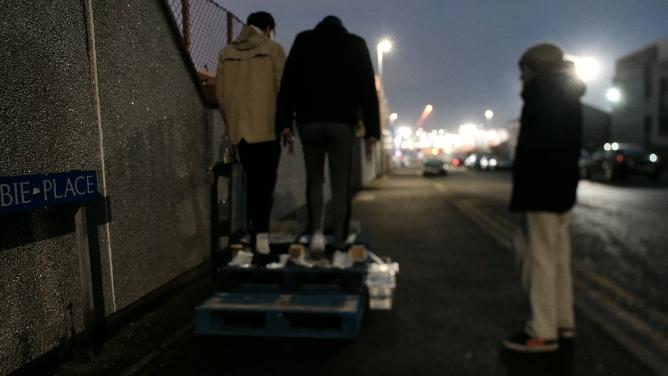
The final assembly of the prototype took place at Crombie Place (57°08’18.1”N, 2°05’01.8”W), a location strategically selected for both its material relevance and contextual resonance.
Situated near Aberdeen’s shoreline, the site is in close proximity to seafood processing hubs that generate substantial quantities of mussel shell waste, enabling a circular material loop between waste source and experimental reuse.
Furthermore, the location fosters community engagement, being embedded within a residential zone and in walking distance to key stakeholders, including environmental groups and design collaborators, allowing for participatory feedback loops during public testing phases. Crombie Place also presents significant urban design challenges that align with the aims of the prototype.
The area is prone to surface water accumulation, making it an ideal testbed for exploring elevated platform structures that can support both drainage and passive flood mitigation.
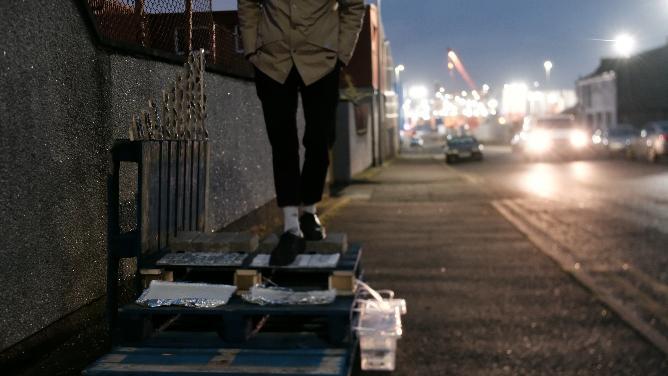
After installation, the prototype was left to sit overnight in rainfall to observe how much rainwater penetrated the paver blocks and accumulated in the collection baskets beneath, providing an early indication of porosity performance and hydrological behaviour
5. Results
5 1 Field Performance: Rainwater Infiltration Test
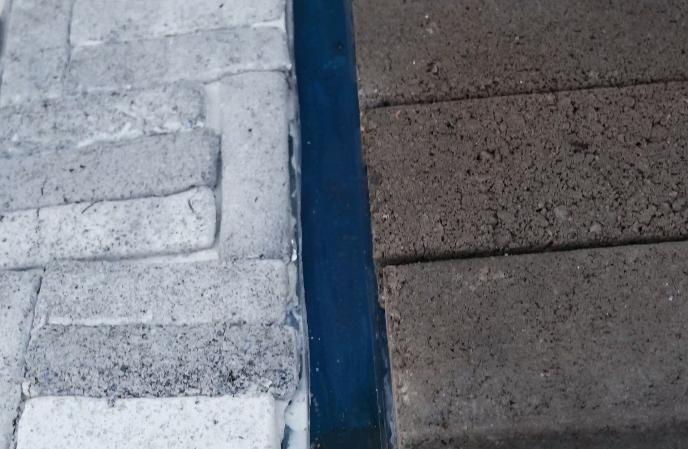
Two contrasting surfaces were observed side-by-side: the greyish-white blocks fabricated from mussel shellalginate composites and conventional grey cementbased pavers. By integrating colour-dyed water pathways and a modular drainage system underneath each surface, the volume of rainwater infiltration could be precisely monitored.
Figure 23 On-site assembly of prototype (Image Credit: Henrik Sit)
Figure 24 Overnight placement of prototype in rain (Image Credit: Henrik Sit)
Figure 25 Side-by-side comparison of mussel shell composite pavers (left) and traditional pavers (right) (Image Credit: Henrik Sit)
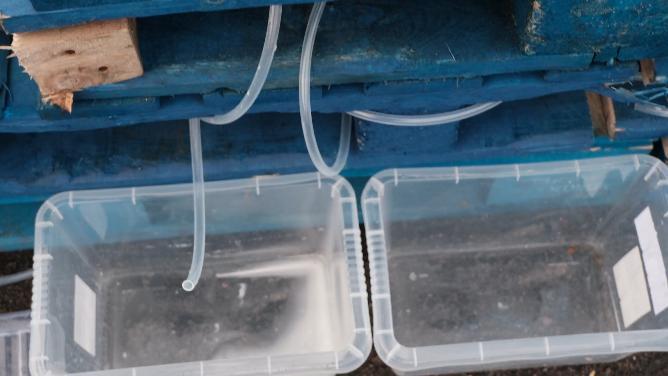
As depicted the figure above, the container connected to the mussel shell paver received a visible quantity of dyed rainwater, indicating successful permeability through the composite matrix. In contrast, the bucket connected beneath the traditional paver remained virtually dry, confirming its low permeability and limited drainage efficiency.
5 2 Field Performance: Rainwater Infiltration Test
Informal load testing was conducted to assess the structural performance of the mussel shell composite pavers under basic pedestrian traffic.
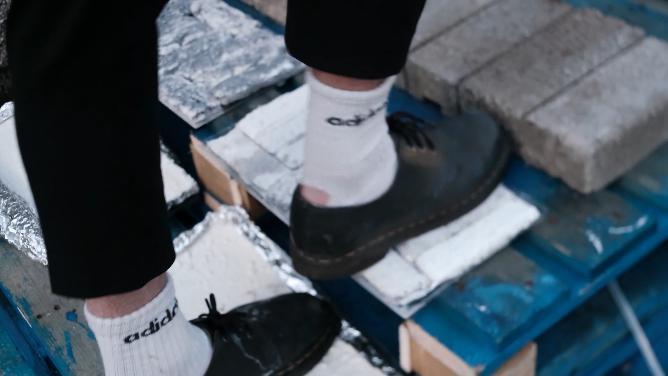
As shown in the figure above, individual tiles were subjected to stepping motion by a tester ascending the modular stairlike prototype. No visible surface cracks, chipping, or structural deformation were observed across either the composite or the traditional pavers following these actions, confirming short-term mechanical integrity.
A second test involved inviting an additional pedestrian to join the stepping activity, simulating increased loading. Again, the prototype withstood the additional body weight without failure, indicating that the composite formulation achieves a minimum threshold of compressive stability suitable for footfall use.
Although the mussel pavers demonstrated promising resistance to dynamic loading, they appeared marginally more compressible under pressure compared to concrete equivalents, suggesting differences in stiffness and internal bonding. These discrepancies should be further evaluated using standardized mechanical tests (e.g., three-point bending, modulus of rupture). Nonetheless, the lack of cracking under repeated loading cycles supports the shortterm viability of mussel shell composites for light pedestrian applications, especially in experimental or community-scale urban installations.
5 3 Life Cycle Assessment (LCA) Overview
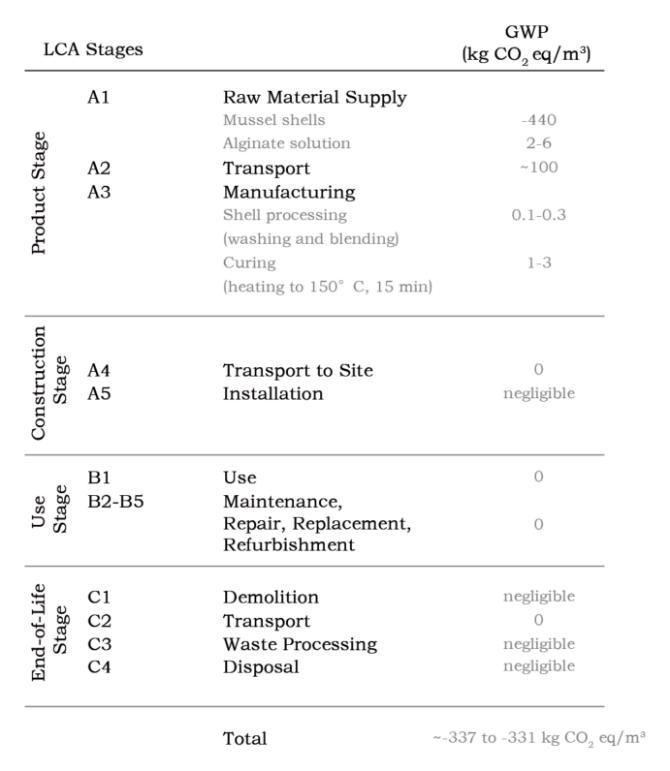
Figure 26. Collected dyed rainwater from mussel shell paver drainage system, visibly absent in traditional paver setup (Image Credit: Henrik Sit)
Figure 27. Close-up of stepping action on mussel shell pavers showing no fractures after load exposure (Image Credit: Henrik Sit)
Figure 28. Close-up of stepping action on mussel shell pavers showing no fractures after load exposure (Image Credit: Henrik Sit)
Table 3 LCA of Mussel Shell Composite Pavers (Data Source: Henrik Sit)
The major environmental credit arises at Stage A1, where the use of mussel shells reduces the GWP by approximately-440kgCO₂ eq/m³.Whilesmallpositive emissions are introduced through alginate sourcing (2–6 kg), transport (~100 kg), and curing (1–3 kg), the overalltotalGWPremainssignificantlynegative,inthe range of -337 to -331 kg CO₂ eq/m³.
This LCA reveals that the mussel shell composite functionsasahigh-impactcarbonsinkmaterial,dueto bothitsreuseofmarinewaste andminimalprocessing needs.
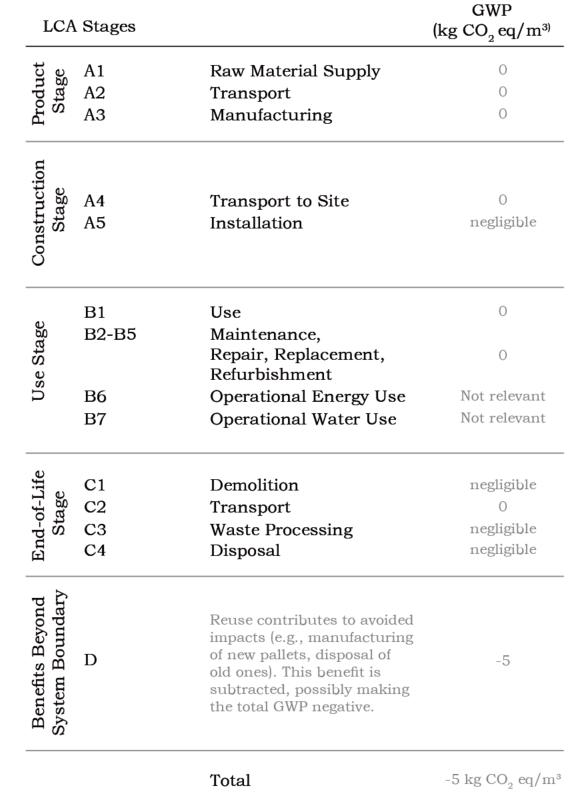
The reclaimed pallet system exhibits an exceptionally low environmental footprint.
AllstagesinthelifecyclefromA1toC4shownegligible or zero emissions due to the reuse of existing materials, particularly avoiding raw material extraction and manufacturing processes. Most notably, Stage D (Beyond System Boundary) yields a GWP benefit of -5 kg CO₂ eq/m³, indicating that reuse offsets emissions by avoiding the production and disposal of new pallets.
This negative total GWP figure signifies that reusing pallets doesnotjustminimize carbonemissions,italso actively contributes to carbon savings, making it an environmentally advantageous foundation strategy
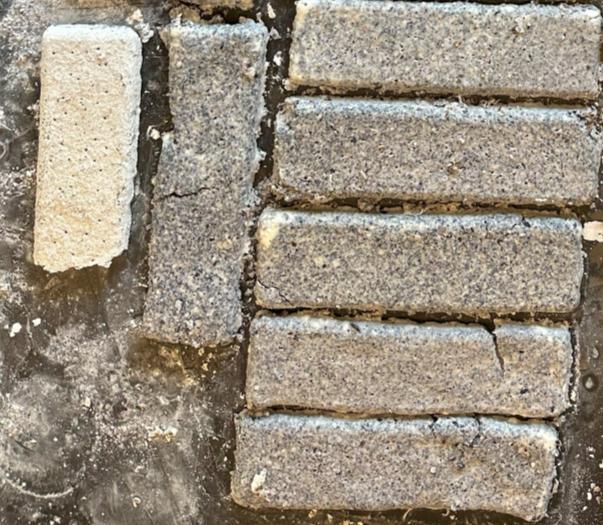
Following the field deployment of the mussel-shell composite pavers, several physical deficiencies emerged, including edge buckling, surface curling, and dimensional shrinkage.

In an expert consultation held on 26 November 2024 with Professor James Njuguna, the Director of Research and Innovation at the National Subsea Centre (NSC) and faculty at Robert Gordon University, specializing in composite materials, these symptoms wereattributedtoimpropercuringmethodologypostdemoulding.
According to Prof. Njuguna, the exposure of the tile edges to air while the core remained relatively insulatedledtounevendryinggradients acrossthetile surface. This asymmetry in moisture loss resulted in differential contraction, thereby inducing warping, curling, and early-stage buckling under minimal compressive loads. His insight emphasized the necessity for controlled environmental curing to maintain dimensional stability, either through uniform
Table 4. LCA of Reclaimed Pallet Platform (Data Source: Henrik Sit)
5 4 Material Failure & Expert Evaluation
Figure 29. Material specimen shown performance failure (Image Credit: Henrik Sit)
Figure 30 Online consultation with Prof. Njuguna J. (Image Credit: Henrik Sit)
enclosure drying or through humidified, temperatureregulated conditions to reduce rapid edgedesiccation. This diagnosis underscores the criticality of postprocessing in bio-composite tile applications, especially when moisture-sensitive binders and recycled aggregates are involved. As a result, subsequent refinement will focus on curing protocols as much as formulation chemistry to mitigate failure and ensure long-term durability.
5.5 Post-Fieldwork Testing
Following the initial field trials, a controlled series of post-fieldwork tests were conducted to evaluate the mechanical performance and refine the casting approach of the shell-based composite tiles.
5.5.1 Moulding Design
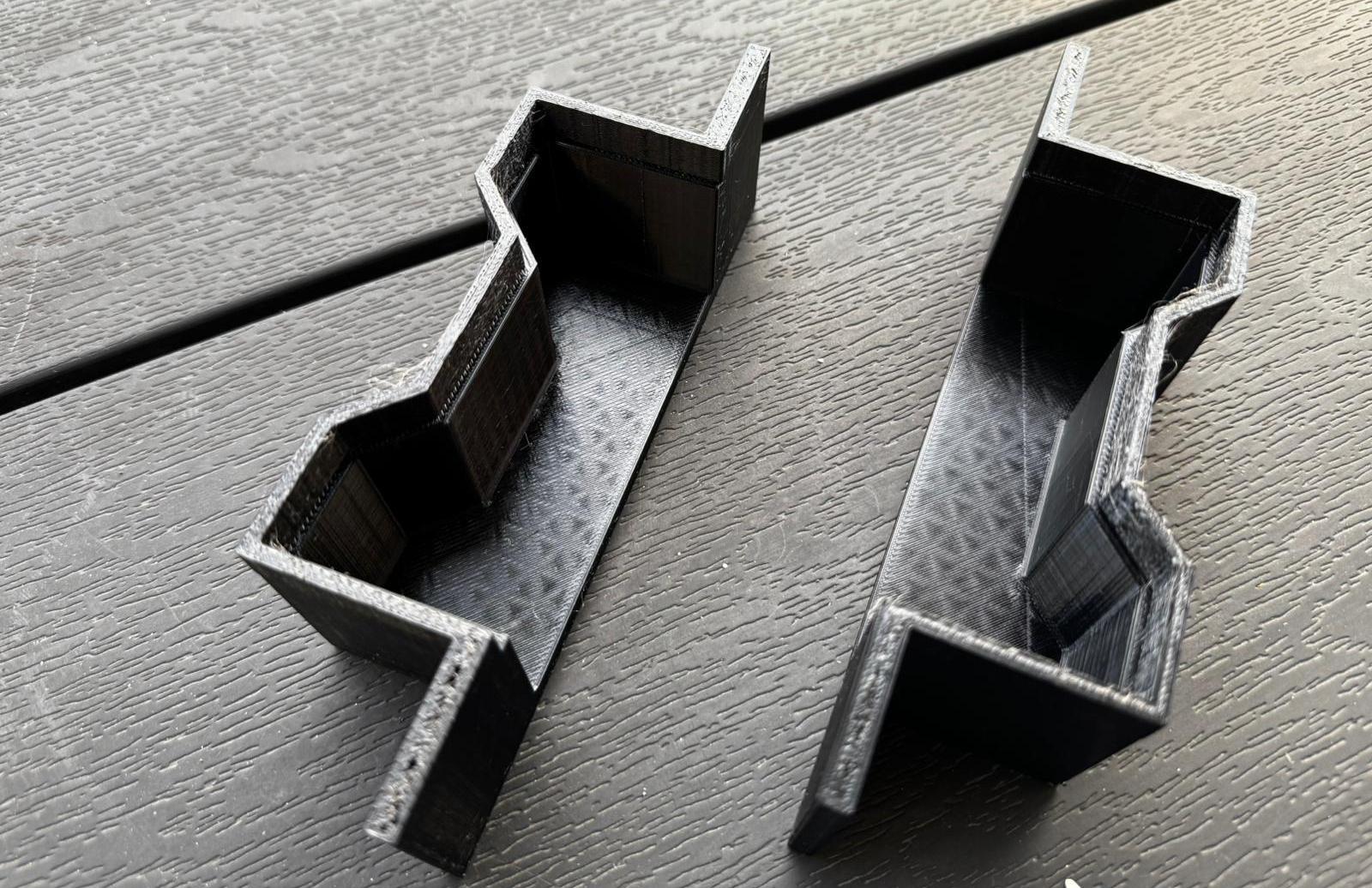
To address deformation observed in earlier batches, a custom 3D-printed clamping mould was developed.
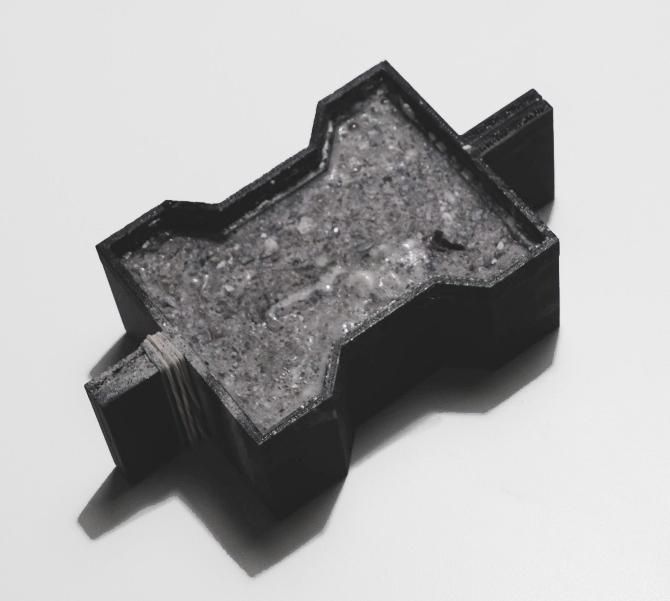
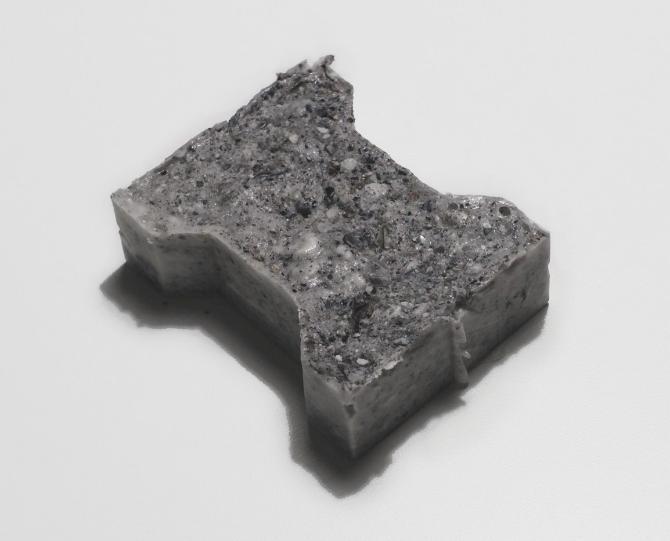
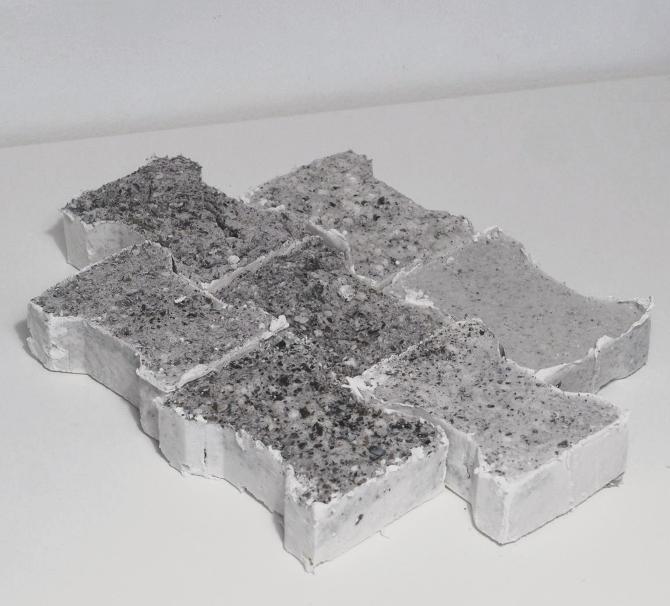
This new mould ensured even distribution of compressive pressure during curing and minimized edge exposure, which was previously identified as a sourceofunevendryingandcurling.Theassemblywas also fitted with elastic bands and rigid supports to constrain warping during moisture loss.
The I-shape of the tiles was intentionally designed to interconnect along both axes, reducing displacement under applied foot pressure and enhancing surface continuityacrosstheplatform.Thisinterlockingprofile minimizes lateral shear during use and allows for efficient modular assembly on site without chemical binders. The robust fit further contributes to the mechanical stability of the surface, enabling the prototype to absorb dynamic loading from pedestrian use while maintaining geometric coherence.
Figure 31 Reinforced clamping mould to control drying geometry (Image Credit: Henrik Sit)
Figure 32. Paver block post-curing with reduced warping (Image Credit: Henrik Sit)
Figure 33. Interlocking I-shaped modular paver blocks with varying mixture content (Image Credit: Henrik Sit)
5.5.2
Testing
To evaluate the permeability characteristics of the composite pavers, a standardized water infiltration test was conducted across eight distinct block samples with varied material compositions.
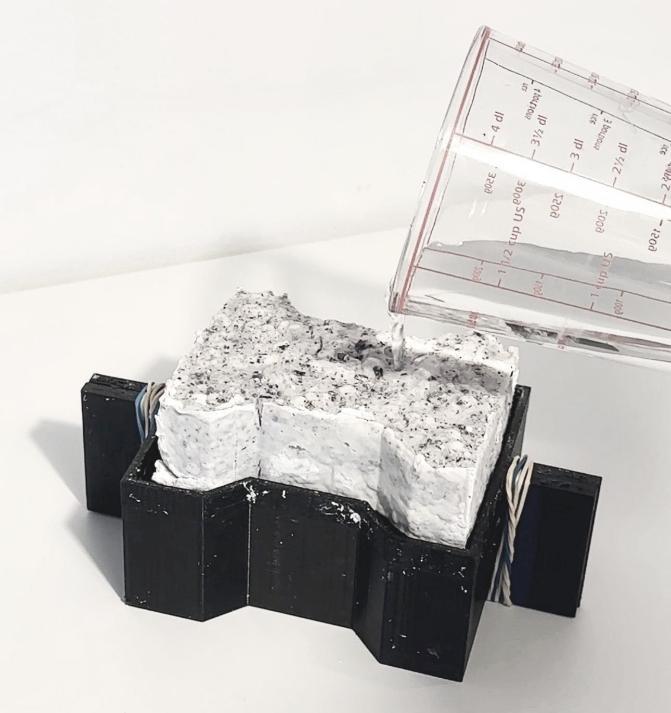
34 Water infiltration testing with composite tile specimen, five-minute standing observation
Each specimen was carefully positioned within a containment mould, and 50 mL of water was poured over its surface. After a standing time of five minutes, the visible water remaining on the surface was documented to assess the absorption and penetration rate. This approach allowed qualitative comparison across mixtures with differing mussel shell and alginate concentrations.
5.5.3
Final Results
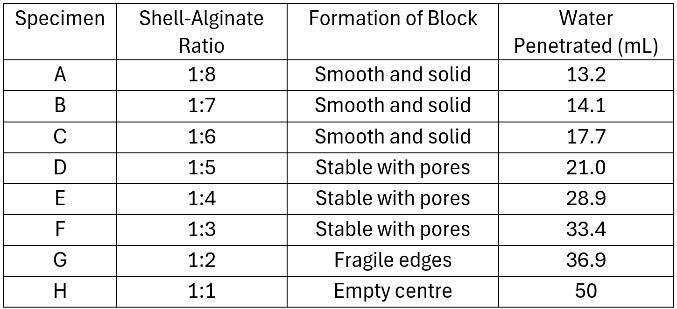
Table 5. Relationship between mixture ratio and water penetration (Data Source: Henrik Sit)
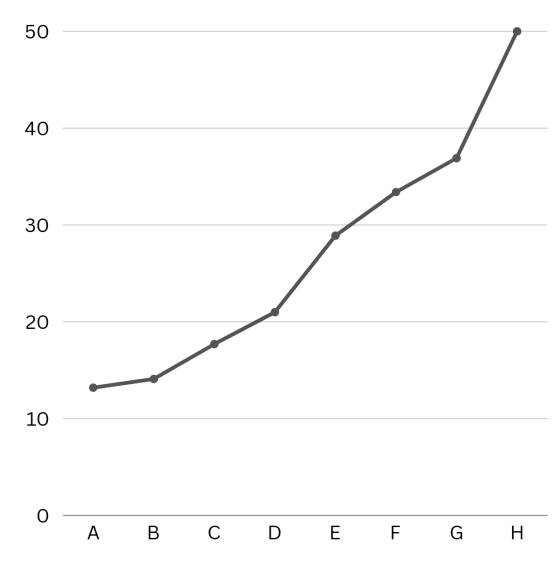
Graph 1. Relationship between mixture ratio and water penetration (Data Source: Henrik Sit)
The water permeability of the paver blocks demonstrated a clear correlation with the shell–alginate ratio, indicating a direct relationship between material composition and porosity. As the shell content increased progressively from a 1:8 to a 1:1 ratio, the amount of water penetrated through the blocks rose significantly.
Blocks with lower shell content (1:8 to 1:6) maintained a smooth and compact structure, allowing minimal water infiltration (ranging from 13.2 to 17.7 mL after five minutes). In contrast, medium ratios (1:5 to 1:3) produced blocks with visible pores, where water penetration increased to between 21.0 and 33.4 mL. At the highest shell concentrations (1:2 and 1:1), the structuralintegrityoftheblocksdeteriorated,showing fragile edges or even hollow centres, and allowed maximum water penetration, up to 50.0 mL. This suggests that while the inclusion of mussel shell powder enhances permeability, excessive amounts compromise the binding effect of the alginate, resulting in poor cohesion and reduced performance.
Thus, an optimal balancebetween shell aggregate and alginate binder is critical to achieve structural stability while maintaining desired porosity levels.
Figure
(Image Credit: Henrik Sit)
6. Discussion
6.1 Limitations of the Experimental Setup
This research was conducted under constrained conditions that affected the accuracy, reproducibility, and generalisability of the findings. The absence of standardised testing machinery, such as compression testing apparatus, water permeability testers, and high-precision weighing instruments. This meant that structural performance was inferred rather than measured quantitatively. For example, compressive strength and load resistance were evaluated informally through pedestrian stepping rather than through stress-strain curve data or standardised ASTM/EN load-bearing benchmarks. Additionally, environmental inconsistencies during curing (e.g. ambient room drying versus oven curing) introduced variability across specimens in terms of deformation, curling, and internal micro-cracking. These variations complicate comparative analysis between samples and limit the strength of claims regarding uniformity and replicability.
6.2 Methodological Reflection
Due to the lack of laboratory-grade equipment, the investigation leaned heavily on phenomenological observation and comparative behaviour across handcrafted specimens. While this approach offered valuable tactile insight into the paver blocks' brittleness and permeability, it lacked the scientific rigour necessary to substantiate engineering performance. In particular, the inability to evaluate compaction, material porosity, or stress distribution limited the understanding of long-term durability and resilience under cyclic loading. As Professor James Njuguna advised during consultation, one of the primary failure points, curling and edge buckling, was likely due to uneven drying post-demoulding, where exposed sides dried more rapidly than core material, inducing shrinkage stress and structural warping. This insight underlines the importance of controlled curing environments and thermal simulations in biocomposite formulation.
6.3 Future Research Directions
To advance this work beyond its prototypical stage, future research should focus on accessing calibrated mechanical testing labs, ideally through partnerships with material science departments or local engineering institutions. Tests such as flexural strength, freeze–thaw resistance, and accelerated ageing would offer critical insight into the pavers’ performance under real-world environmental stressors. Another vital avenue involves institutional outreach, specifically to Aberdeen City Council or local
urban planning units to explore integration of shellbased paver blocks within low-traffic pedestrian zones or temporary urban interventions. Pilot applications with site specific architectural studies would allow assessment of visual integration between local granite stone and the new bio-composite, measuring public reception, aesthetic fit, and surface wear over time.
6.4 Applicability and Real-World Potential
Despite the limitations, the use of mussel shell waste and alginate as a binder presents a strong ecological proposition, aligning with circular economy principles and Scotland’s waste-reductiongoals.Theinterlocking geometry of the tiles, as refined in the later mould iterations, not only ensures lateral stability but also reduces the need for sub-layer adhesives orjoint filler. This property is especially advantageous for modular outdoor paving in community gardens, waterfront paths, or temporary installations, where low-carbon, removable surfacing is preferred. However, successful applicability depends on advancing the material's mechanical resilience and developing a comprehensive technical dossier that meets civil engineering specifications. Until then, the tiles are best suited for experimental landscaping and low-load applications in architecture-led sustainability showcases.
7. Conclusion
This research set out to explore the potential of using locally sourced mussel shells, a food waste byproduct, and sodium alginate as a bio-composite material for permeable paving blocks. Through a series of iterative design experiments, prototype fabrication, and field testing, the project demonstrated that this unconventional material pairing holds environmental promise and urban applicability, particularly in the context of Aberdeen’s increasing surface flooding challenges. The permeability characteristics observed during rainfall tests, combined with the structural coherence under informal load conditions, indicate that the shell–alginate composite could serve as a viable alternative for low-traffic, permeable paving applications.
However, significant technical limitations, including the lack of precision testing equipment and variability in curing conditions, restricted the study’s ability to quantify the material’s mechanical performance according to industry standards. Consultation with material science experts and post-fieldwork evaluations further illuminated the critical role of curing control and shell particle distribution in achieving stability and durability.
Despite these constraints, the project successfully established a foundation for bio-based circular design in architectural material practice, highlighting the social, ecological, and design benefits of rethinking waste streams as architectural resources. Future work should seek to partner with civil authorities and academic laboratories to refine the material formulation, conduct industry-standard tests, and explore urban pilot implementations. In doing so, mussel shell composite paving has the potential not only to mitigate surface runoff, but to reframe food waste as a valuable component of resilient urban infrastructure.
8. Acknowledgements
David Garcia – Associate Professor
Daniel Torrego Gomez – PHD architect
Emanuele Naboni – Visiting Researcher
Runa Johannessen – Associate Professor
Will Lambeth – Teaching Associate Professor
Xan Browne – Postdoc
James Njuguna – Composite Material expert at RGU
H3 – Seashell Provider in Copenhagen
Silver Darling – Seashell Provider and Interviewee in Aberdeen
Kim – Moulding and 3D print consultant
Two local pedestrians in Crombie Place
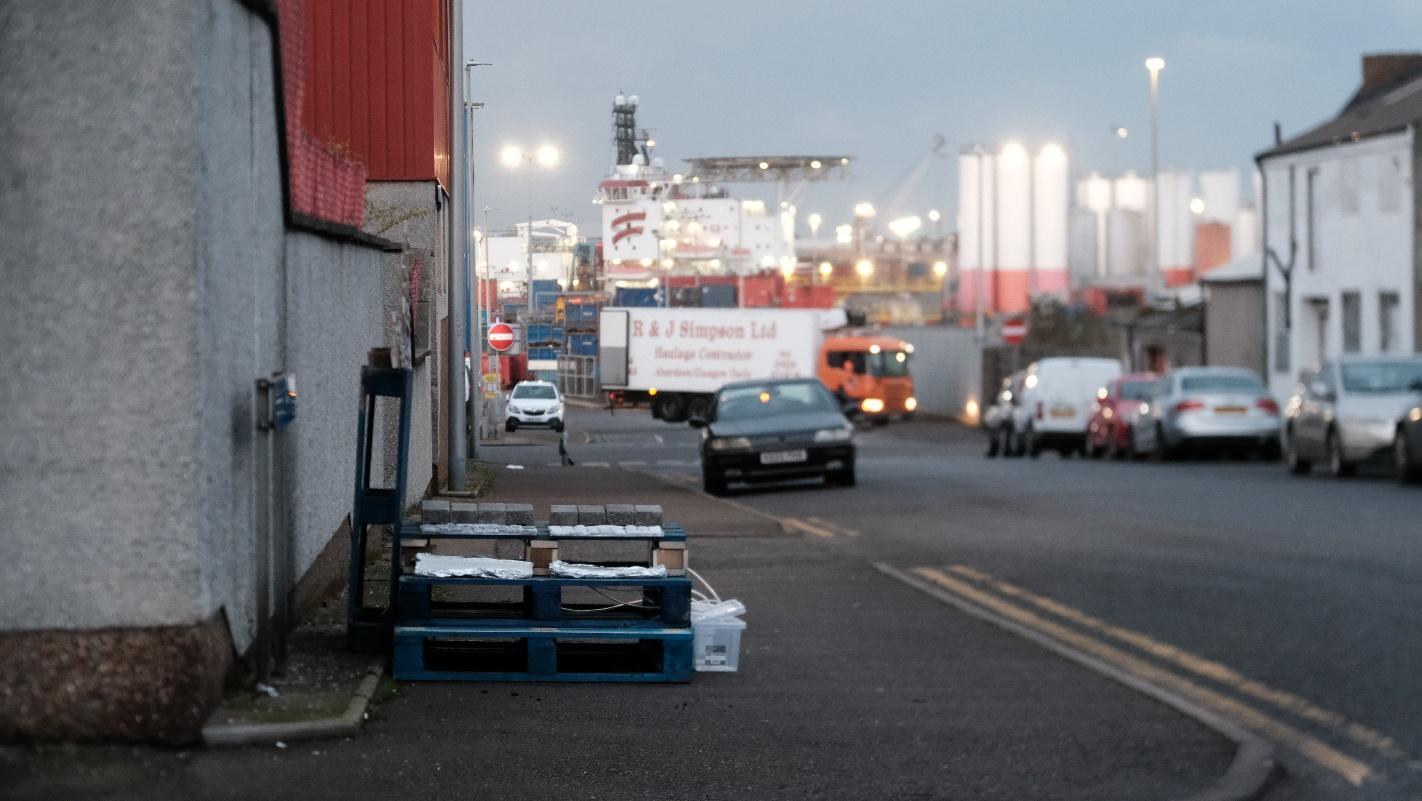
Figure 35. Elevated Platform on site (Image Credit: Henrik Sit)
9. Reference
1. Aberdeen City Council (2019). Surface Water Management Plan Summary. Aberdeen: ACC.
2. Met Office (2022). UK Climate Averages: Aberdeen. [online] Available at: https://www.metoffice.gov.uk/
3. Scottish Environment Protection Agency (SEPA) (2021). Flood Risk Management Plan for the North East. Stirling: SEPA.
4. Scottish Government (2020). Planning Guidance: Sustainable Urban Drainage Systems (SUDS). Edinburgh: The Scottish Government.
5. Barbachi, M., Bensalem, S. and Cheriaf, M. (2019).Valorizationofseashellby-productsin sustainable concrete production. Applied Journal of Environmental Engineering Sciences, 5(2), pp.153–161.
6. Hamester, M.R., Balzer, P.S. and Becker, D. (2012).Characterizationofcalciumcarbonate obtained from oyster and mussel shells and incorporation in polypropylene. Materials Research, 15(2), pp.204–208. https://doi.org/10.1590/S151614392012005000029
7. Martínez-García, C. et al. (2018). The use of mollusk shells in construction materials: A chemical and environmental review. Construction and Building Materials, 192, pp.451–460.
8. Pomponi, F. and Moncaster, A. (2017). Circular economy for the built environment: A research framework. Journal of Cleaner Production, 143, pp.710–718. https://doi.org/10.1016/j.jclepro.2016.12.05 5
9. Yang, W. et al. (2017). Study on the composition and recycling potential of shell waste in bio-based construction. Journal of Sustainable Materials and Technologies, 12, pp.45–53.
10. Interview with Head Chef, The Silver Darling, Aberdeen. Conducted by Henrik Sit, June 2025.
11. Chopra, M. et al. (2010). Effect of clogging on theperformanceofstormwatermanagement
systems. Journal of Hydrologic Engineering, 15(6), pp.404–415.
12. Scholz, M. & Grabowiecki, P. (2007). Review of permeable pavement systems. Building and Environment, 42(11), pp.3830–3836. https://doi.org/10.1016/j.buildenv.2006.11. 016
13. Pratt, C.J. et al. (2010). Urban stormwater reduction and quality improvement through the use of permeable pavements. Water Science and Technology, 39(2), pp.145–152.
14. Snøhetta (2023). Flyt – A Modular Paving System for Urban Water Management. [online] Available at: https://snohetta.com
15. Calcáreo (2023). Calcareous Biobased: Shell–Alginate Bio-Composite for Sustainable Fabrication. Laboratorio de Biomateriales de Valdivia, Escuela de Diseño UC. Retrieved from: https://diseno.uc.cl
16. Shen, L., Worrell, E., & Patel, M. (2020). Present and future development in biobased materials for construction. Journal of Cleaner Production, 262, 121372.
17. Teuffel, P., & Lyon, K. (2019). Designing with bio-based materials: Challenges and potentials. International Journal of Sustainable Building Technology and Urban Development, 10(1), 1–11.
18. Lee, K.Y. & Mooney, D.J. (2012). Alginate: Properties and biomedical applications. Progress in Polymer Science, 37(1), pp.106–126. https://doi.org/10.1016/j.progpolymsci.2011 .06.003
19. Hamester, M., Balzer, P.S. & Becker, D. (2012).Characterizationofcalciumcarbonate obtained from oyster and mussel shells. Materials Research, 15(2), pp.204–208.
20. Black, W.A.P. (1950). The seasonal variation in weight and chemical composition of the commonBritishLaminariaceae.Journalofthe Marine Biological Association of the United Kingdom, 29(1), pp.45–72.
21. Kelly, M.S. & Dworjanyn, S.A. (2008). The potential of Ascophyllum nodosum as a commercial alginate source in Scotland.
Scottish Association for Marine Science Technical Report, No. 264.
22. Black, W.A.P. (1950). The seasonal variation in weight and chemical composition of the commonBritishLaminariaceae.Journalofthe Marine Biological Association of the United Kingdom, 29(1), pp.45–72.
23. Kelly, M.S., & Dworjanyn, S.A. (2008). The potential of Ascophyllum nodosum as a commercial alginate source in Scotland. SAMS Technical Report, No. 264.
24. Hamester, M., Balzer, P.S., & Becker, D. (2012).Characterizationofcalciumcarbonate obtained from oyster and mussel shells. Materials Research, 15(2), pp.204–208.
25. Henrik Sit (2025). Field journal documenting shell waste collection and restaurant collaboration
26. Smith, L., & Rodriguez, D. (2019). Testing Urban Surfaces: Evaluation Protocols for Permeable Pavements. Journal of Urban Infrastructure, 14(3), 112–124.
27. Gorgolewski, M. (2011). Resource Salvation: The Architecture of Reuse. Wiley.
28. Attlee, J. (2020). Urban Materiality: Understanding the Material Culture of Urban Infrastructure. Bloomsbury Academic.
29. Geyer, R., Jambeck, J. R., & Law, K. L. (2017). Production, use, and fate of all plastics ever made. Science Advances, 3(7), e1700782. https://doi.org/10.1126/sciadv.1700782
10. Appendix