







Greek Style
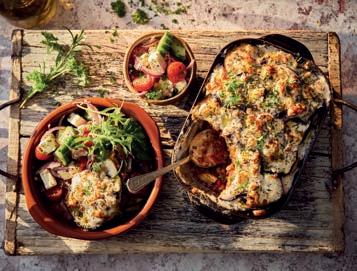
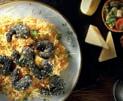
Lentil Moussaka
05
31 Salmon Fishcakes
Mango Brava Chiffon Cake
Lemon Pistachio & Rose Polenta Cake
McCormick have crowned blackcurrant as its flavour of the year and the ‘it’ berry of 2026. With its superfood credentials and ‘swour’ flavour profile, it’s no wonder that this humble berry is getting its moment in the spotlight. We share the latest food and drink trends utilising blackcurrants to inspire your menu this summer.
SUPERFOOD – In addition to aiding immunity, recovery, eye and gut health, these unassuming berries are also said to protect against oxidative stress. Increasingly health-conscious foodies are packing them into smoothies, shakes, salads, puddings and cakes. It’s even predicted that blackcurrant extract is set to be used as a natural performance enhancer for athletes.
45 47


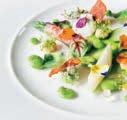
SAVOURY PAIRINGS – The blackcurrant’s sweet and tart notes are perfect for cutting through rich meats and adding brightness to veggies. From dressings, vinaigrettes and more creative blackcurrant kosho (a twist on the traditional Japanese condiment ‘yuzukosho’ made of a fermented paste of chili peppers, fruit components and salt) to sauces, gels and jams, accompanying anything from earthy beets to rich duck, game and red meats.
DESSERT – The vibrant colour and punchy flavour of blackcurrant makes for some seriously aesthetically pleasing bakes. The options are endless, with laminated pastries, cookies, doughnuts and cakes topped, filled and glazed with jams, compotes, icings and buttercreams. Don’t forget ice cream and sorbet, with swirls added to soft serves, sorbets featuring in all sorts of desserts and even the leaves and wood flavouring ice creams.
DRINKS – Think beyond the kir royale, as mixologists create homemade blackcurrant soda, herbaceous leaf liqueur and infused spirits. Don’t forget the hot drinks too, with steeped blackcurrant tea, matcha creations, cold brew and lattes bringing fruity notes to barista bar menus this summer.
THE WHOLE SHRUB – Don’t rule out the whole plant. We’re seeing the leaves and wood used across food and drink, from ageing and smoking meat, to infusing broths, sweet treats and drinks.


6TH JUNE – NATIONAL FISH & CHIPS DAY
As National Fish & Chips Day approaches, it’s the small touches that elevate a classic. MAGGI® Original Gravy delivers rich, consistent flavour chefs can rely on. Perfect for helping busy kitchens serve comfort, quality and creativity with confidence, even at peak times.
13TH JUNE – WORLD GIN DAY
Don’t just stick to your everyday gin and tonic on the menu this World Gin Day, why not try something fresh and indulgent and turn the drink into a delightful dessert such as this Gin and Tonic Trifle recipe from Country Range?





10TH – 16TH AUGUST – AFTERNOON TEA WEEK
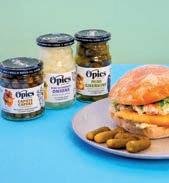
This Afternoon Tea Week why not introduce an indulgent special to your sandwich menu with this Best Ever Fish Finger Sandwich recipe from Opies.
27TH AUGUST – NATIONAL BURGER DAY
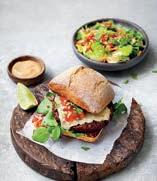
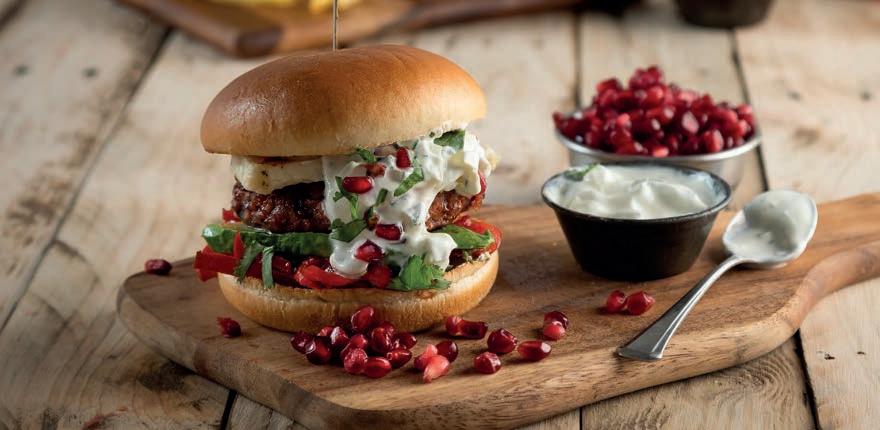
Add something different to your menu this National Burger Day with this Mexican Veggie Burger recipe from GARDEN GOURMET®. By including meat-free options on your menu, you will open up more opportunities for customers to come in and try what you have on offer.
Thanks to Opies, MAGGI®, GARDEN GOURMET® and Country Range.

7TH JULY – WORLD CHOCOLATE DAY
Delight your customers by adding some summer inspired dessert options such as this Chocolate Delight Trifle recipe from Country Range to your menu this World Chocolate Day.
19TH JULY – WORLD ICE CREAM DAY
Enhance your dessert offer with this simple pecan and stem ginger ice cream recipe from Opies, perfect for World Ice Cream Day. Crunchy toasted nuts and warming ginger add texture and depth, transforming a classic vanilla treat.
NAME: Adrienne Williams
BORN AND RAISED: East London
JOB TITLE: Catering Manager
PLACE OF WORK: Robert Clack School
HOW LONG HAVE YOU WORKED IN THE CATERING INDUSTRY? 46 years
CLAIM TO FAME? I won best dessert in the LACA School Cook of the Year competition in 2014.
BIG TARGET FOR THE NEXT 12 MONTHS? To run more theme days at the school to keep the menus exciting and increase meal uptake.
WHAT IS THE MOST ENJOYABLE PART OF YOUR JOB? Creating new menu ideas and seeing the pupils enjoying the food that we serve.
WHAT’S THE BEST ADVICE YOU WERE EVER GIVEN AND BY WHOM?
A previous manager once told me that customers will always remember the service they were given more than the food, the food must be good but the service should be even better.
WHAT’S YOUR TIP TO CUT WASTAGE IN THE KITCHEN? Production sheets are a must.
WHAT IS YOUR FAVOURITE COUNTRY RANGE PRODUCT AND WHY? We use the Country Range Cooking and Baking

Credit: Adrienne Williams COOKING TIME: 40MIN SERVES: 4
• 2 Country Range Bay Leaves
• 2tsp Country Range Dried Oregano
• 1tsp Country Range Ground Cinnamon
• 400g Country Range Chopped Tomatoes
• 40g Country Range Grated Cheddar
• Sprinkle of Country Range Crushed Chillies
• 1 aubergine
• 3 small potatoes

spread. We have tried several other brands, but this one works best for our cakes and biscuits.
WHAT TRENDS DO YOU SEE TAKING OVER IN THE NEXT 12 MONTHS?
In our school, we gradually introduce different cuisines, as children don’t seem to like change, but we have introduced Shawarma Wraps, Bao Buns, and Loaded Nachos recently, which the pupils love, so we will continue to go with things like this.
WHAT INGREDIENTS DO YOU MOST LOOK FORWARD TO WORKING WITH IN THE SPRING/SUMMER?
We introduce more fruit and salads in the summer months.
DEAD OR ALIVE – WHICH THREE PEOPLE WOULD YOU LIKE TO COOK FOR THE MOST? Jamie Oliver, for the improvements he has made to school meals, Gordon Ramsey and a teacher named Mrs Rigby who taught me in primary school. She always inspired me by encouraging creativity and confidence from a young age. She made learning enjoyable.
6 x 2kg

• 250g cooked beluga lentils
• 1 garlic clove
• 1 red onion
• 1 vegetable stock cube
• 20g butter
• 250ml milk
1. Preheat oven to 200°C or Gas Mark 7.
2. Slice the potatoes and aubergine into discs, then add to a baking tray, drizzle with olive oil and a pinch of salt, ensuring the discs are only slightly overlapping. Put the tray in the oven and cook for 10-15 minutes.
3. Peel and finely dice the red onion, peel and finely chop or grate the garlic. Heat a wide based pan and drizzle with olive oil, over a medium heat. Once hot, add the onion and cook until softened, add the chopped garlic, beluga lentils and ground cinnamon, cook everything for one minute until it is combined.
4. Dissolve the stock cube in 150ml of boiled water, add to the chopped tomatoes, bay leaves, dried oregano, and a pinch of salt and pepper and cook until slightly reduced.
5. Make the cheese sauce by melting the butter over a medium heat, then add the flour and stir until a sandy paste forms. Gradually whisk in the milk, a little at a time, and cook until smooth. Add the grated cheese and a pinch of salt.
6. Layer the potato disks in an oven proof dish, slightly overlapping, spoon over half the lentil ragu, then add the aubergine discs also slightly overlapping followed by the final layer of lentil ragu.
7. Top with the cheese sauce and put the dish in the oven and cook for 15-20 minutes until golden.


Buttercup’s 26-Year Survival Story
The millennium was predicted by many to signify the end-of the-world, but for entrepreneur Jayne Day, it signified the beginning of her businessButtercup Sandwiches - and 26 years later, she is still going strong.
Based in Kidlington in Oxfordshire, Buttercup Sandwiches has withstood it all and continues to provide made-to-order sandwiches, buffets and banquets to consumers and businesses within an 8-mile radius.
“My mum was a great baker, so food was a big part of my childhood, and it was always an area of interest when I was thinking of a career,” says Jayne. “I think our success is based on our personal approach. People like to know who’s making their sandwich, they enjoy the care we put into each and every one and the personalisation. We have one price so whether you order plain cheese or something a bit more creative, customers can pimp theirs up exactly how they want them at no extra cost. It’s definitely a key reason why our local customers keep coming back.”
While in many cafés and sandwich shops some of the more traditional fillings such as cheese and pickle are being overlooked in favour of international flavours, Jayne explains that her customers seem to buck this trend. “We have a wide selection of different flavoured chicken fillings and are always running specials, but our customers tend to stick to the British classics. Toasted paninis are probably the biggest innovation our customers have taken to. Our tuna melt with red onion is one of our top sellers. I use a wide range of Country Range products, including a variety of the seasonings, sauces and condiments. The Country Range Small White Baguettes are also a terrific product that are easy to use and store.”
Prior to covid, Jayne had a team of four, but as the majority of her custom was supplying workers from other businesses, the pandemic hit them hard. To make matters worse, not long afterwards her premises were sold with the new landlord providing no notice and locking them out. This left Jayne at a crossroads.

“People like to know who’s making their sandwich, they enjoy the care we put into each and every one and the personalisation.”
Below: Buttercup Sandwich Delivery
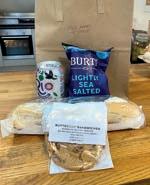
“I knew finding new premises and moving into them was going to be a massive job and expense and with three grandchildren, I seriously thought about whether it was time to pack it in. In the end, my love of the work and my long-standing customers made me realise I wasn’t finished yet.”
With just herself making all the food and one delivery driver, it’s never been as busy for Jayne but ever the entrepreneur, she is not resting on her laurels. “The buffets and banquets are definitely growing again so that will be a focus this year, but I am also going to start offering cakes and desserts. We already offer freshly baked cookies, which have been selling well. Sweeter options have definitely become affordable treats so I think they could be a business booster.”
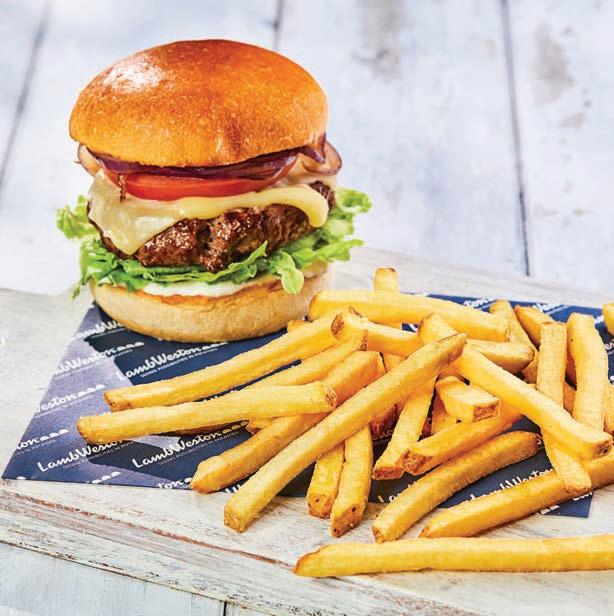
The original invisible-coated fry icon. Patented crispiness, generous length and extended holding time. Delighting chefs and guests for over 30 years.

Cherries are versatile as they can be used for both savoury and sweet recipes and can be consumed fresh, dried, frozen, canned or even pickled. In their raw state, sweet cherries can be eaten on their own, tossed into salads, chopped into coleslaw, blended into smoothies and used as edible decorations for desserts. They are a favourite ingredient in summer desserts and can be used in cobblers, crumbles, cheesecakes, pies, bread, tarts and scones.
Cherries pair well with nuts such as almonds and pistachios, while spices like cinnamon and ginger add depth of flavour to sweet dishes, while on the savoury side, cherries can be added to salads and used in main dishes such as meatballs.
Leftover pitted cherries can be frozen, blended into a salad dressing or infused into vinegar. They can be added to yogurt or porridge, used to make a simple cherry syrup, transformed into cherry jam, a compote or liqueur. You can also pickle them and serve as an accompaniment to cheeseboards.
fresh cherries to serve. Crème de Cassis can be used as an alternative to Cointreau.

flour, ground almonds, plant-based butter, oat milk and Canadian maple syrup. The pie is baked in the oven for 40 minutes.
5 /
Robert Potter, executive chef of the MICHELIN-starred restaurant Bybrook recommends his Chocolate Cremeaux, which uses poached cherries to accompany the dessert made of rice milk and dark chocolate. Sugar, water, cherry juice, vanilla pods and kirsch are blended in a saucepan and once infused, are poured over the cherries.
2 / 3 /
Fresh pitted cherries are used in a savoury Cherry Sauce recipe by 3CatsFoodie. It can be served as an accompaniment to roasted meats such as duck, quail or pork. Cherry brandy is also included to add depth and a subtle warmth to the sauce. A wooden spoon is used to crush the cherries. Make sure you leave some whole for texture.
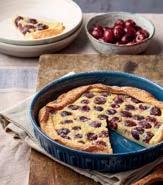
Cherries form the centrepiece of this rustic French dessert from the Limousin region. Traditionally black cherries are covered in a thick custard-like batter. In their Cherry Clafoutis Pankake recipe, Doves Farm make a batter with flour, eggs, milk and cream. Fresh cherries are stirred into the batter, and the dish is baked for 30 minutes.
Summer has arrived and we’ve got some fresh new products to add to your menus for the months ahead. From prepped ingredients to finished products, we’ve got the perfect recipe for time and labour saving success this season.
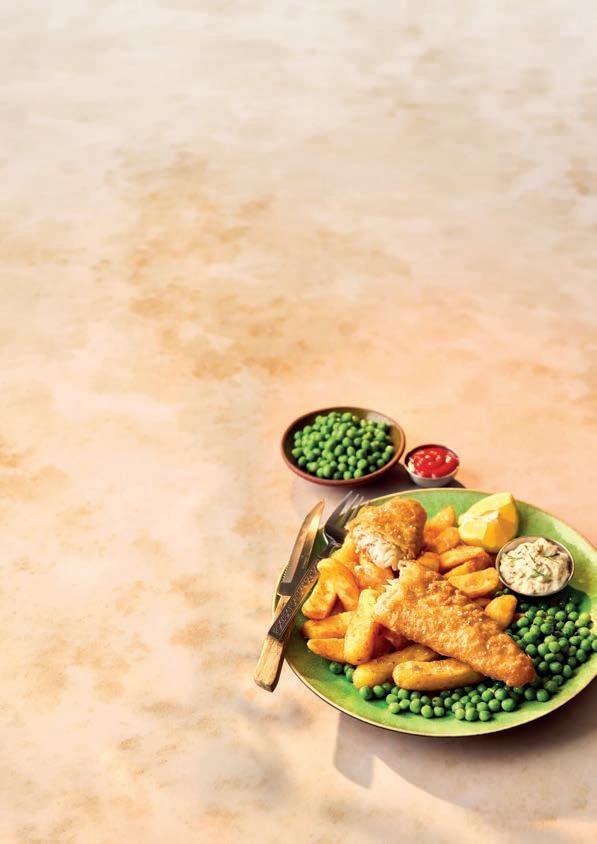
Pollock is one of the up-and-coming stars of the sea, which has been promoted by a wide range of celebrity chefs to help take the pressure off the stocks of cod. Closely related to cod, MSC Pollock is one of the most sustainable species currently available and is a cheaper alternative. High in protein and ranked the 17th healthiest food in the world, Alaskan pollock has a mild flavour and terrific texture, making it extremely versatile. We’re pleased to launch our MSC rated Country Range Breaded Pollock and Battered Pollock Fillets. Available in various pack sizes, these come frozen and can be cooked in the oven, deep fryer or air fryer.
COUNTRY RANGE BATTERED POLLOCK
PACK SIZE: 60 X 50-70G
COUNTRY RANGE BATTERED POLLOCK
PACK SIZE: 30 X 80-110G
COUNTRY RANGE BATTERED POLLOCK PACK SIZE: 24 X 110-140G
COUNTRY RANGE BATTERED POLLOCK PACK SIZE: 24 X 140-170G
COUNTRY RANGE BREADED POLLOCK PACK SIZE: 60 X 50-70G

Country Range Battered Pollock
For some menu inspiration, check out Paul Dickson’s tips in the Making Ends Meet article on page 29.

MSC fish refers to wild-caught seafood certified by the Marine Stewardship Council to be sustainably sourced. The blue MSC ecolabel guarantees the fishery prevents overfishing, respects habitats, and is independently verified. It helps consumers identify responsibly caught seafood that protects ocean health, ensuring wild populations are maintained.


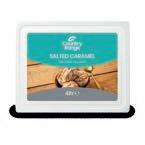
When the mercury is climbing, nothing satisfies and cools more than a delicious ice cream and this summer we have two tasty new flavours to help wow your guests. Available immediately and just in time for the serious sunshine, the two new Country Range Soft Scoop Ice Creams include Salted Caramel and White Vanilla. Whether served sandwiched between wafers or as the perfect pairing for decadent desserts, these perfectly scoopable, full flavoured ice creams are champions in waiting. Our White Vanilla Soft Scoop Ice Cream is perfect in milkshakes, so get creative with your summer drinks menu!

We


COUNTRY RANGE WHITE VANILLA SOFT
SCOOP ICE CREAM
COUNTRY RANGE SALTED CARAMEL
SOFT SCOOP ICE CREAM
PACK SIZE: 6 X 4LTR

use Country Range products throughout our menu , and they are a chef ’s dream , especially when we’re under intense pressure to feed a lot of people , without the luxury of time – Head Chef
To help you save time in the kitchen this summer and beyond, we’re pleased to re-introduce Country Range Garlic Puree to our ever-growing range of time-savers for busy kitchens. One of the most versatile ingredients in your kitchen, why not pair with Signature by Country Range Sourdough Doughballs to make these irresistible garlic and cheese mini doughballs?
COUNTRY RANGE
GARLIC PUREE
PACK SIZE: 6 X 1KG


Garlic and Cheese Mini Doughballs




The National Association of Care Catering (NACC) is enhancing its training packages to enhance the skills of chefs in the care sector with an apprenticeship and a new qualification.
The new Level 4 Senior Culinary Chef Apprenticeship is the first of its kind and is the result of a collaboration between the NACC and Umbrella Training. It is shaped around the responsibilities, sensitivities and impact of cooking in care environments and aims to address a long-standing gap in the professional development of team leaders.
Neel Radia, chairman, NACC, says “Senior chefs working in care homes require a wide range of specialist skills including nutritional expertise, dietary knowledge and leadership ability and this new apprenticeship addresses that. For years this level of the workforce has been under-invested in, particularly in the health and social care sectors. It supports the care sector to attract, retain and nurture culinary professionals and enables organisations to use the government’s skills and growth levy to upskill their senior chefs.”
The training covers advanced culinary skills and menu development expertise, with additional social care masterclasses. Topics include the
“With this new apprenticeship, we have created a clear and aspirational route for chefs to grow.”


Care Home Digest guidelines for care homes, IDDSI and texture modified diets, sustainability in care catering and hydration management. It is delivered in monthly online workshops, as well as in person sessions for practical classes. At the end of the course, participants complete an ‘End Point Assessment’ which includes a business project and professional discussion.
“This apprenticeship is an opportunity to elevate the profession while making a positive, lasting impact on the people who rely on these services every day,” says Neel.
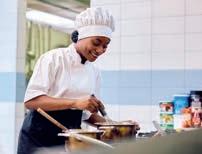
Sam Coulstock from Umbrella Training adds “With this new apprenticeship, we have created a clear and aspirational route for chefs to grow, specialise and progress. Most importantly, it is about improving the experience of care home residents by supporting confident, well-trained chefs who understand not just food, but the people they are cooking for.”
In addition, the NACC has launched a new qualification not only for care home chefs and catering teams, but also those working in hospitals. The Level 2 Specialist Award for Chefs in Health and Social Care is a collaboration between the NACC, Hospital Caterers Association (HCA) and the Confederation of Tourism & Hospitality (CTH). Neel says “This was originally launched in 2018 during my previous team as national chairman but with no funding, we struggled to get colleges to take the course on. When I became chairman again in 2023, we revisited the qualification and have now made it more affordable and accessible.”
Aimed at catering staff including supervisors, managers and assistants, the training is online, although the practical assessment is conducted face to face.
The first module covers how nutrition and hydration affects health and wellbeing and how to apply this to patients while working alongside other multi-professional roles. The second module teaches the importance of menu planning, food preparation and serving food and drink to people with special dietary requirements.
Iain Robertson, national chairman, Hospital Caterers Association says, “This new qualification is exactly what’s needed to give our teams the knowledge to confidently cater for the vast array of specific diets we experience in health and social care.”
Visit https://www.thenacc.co.uk/ for more information.






Pubs are having a tough time, one in eight are in financial distress and at imminent risk of going bust according to a report from Price Bailey, and their plight has not gone unnoticed. From Jeremy Clarkson highlighting the challenges of opening and operating his pub, The Farmer’s Dog, in the TV programme ‘Clarkson’s Farm’, to comedian Jon Richardson working to save the historic Plough pub in Fadmoor, Yorkshire, a rally cry to support these businesses can be heard across the country. There is even a movie called “Mother’s Pride” starring Martin Clunes due to be released this year about a family racing to save their struggling pub.
While times are undoubtedly difficult, it’s not all doom and gloom. Research from KAM Media reports that pubs still command the highest consumer spend (29%) compared with other hospitality sectors such as fast food (16%), delivery (14%) or casual dining (5%), and pubs continue to fight back against the economic tide.
Recently, a report from PubAid has revealed that pubs provided £40 million for grassroots and community sports clubs over the last year. Over 6.7 million sport and activity sessions are powered by pubs annually. Football is the biggest beneficiary, with 76% of pubs supporting a football team or club. Staple pub sports such as darts and pool receive strong backing, while rugby is the fourth most popular sport.

Des O’Flanagan, co-founder of PubAid, says “Publicans support local sports teams because they care about their communities, but there are clear business benefits too. Nine in ten pubs report positive outcomes from backing community sport. Sport transforms a pub into a community hub. It drives midweek footfall, strengthens loyalty and builds reputation. 71% of publicans in the Pubs Power Sport report, say supporting community sport strengthens ties with their local community whether it’s sponsoring a football kit or hosting yoga in the function room.”
For pubs that want to get involved, Des suggests collaborating with teams already playing in the area, as many are looking for a meeting place as much as a sponsor. “It doesn’t have to be expensive – offering space, promoting fixtures or hosting a presentation night can make a real difference,” he says.
Over 6.7 million sport and activity sessions are powered by pubs annually.
According to the PubAid, 68% of pubs say that limited budgets are the main barrier to doing more for sport. “Our advice is to make sport part of your trading activity rather than an add-on,” says Des. “Charity quiz nights, sponsored walks, raffles and tournament days can all raise funds while driving footfall.”
Showing live sport also increases footfall and sales. This year’s FIFA World Cup, taking place from Thursday June 11 to Sunday July 19, offers pubs huge potential to increase footfall and drive revenue. The report shows that 70% of pubs showing live sport have increased their support for community sport.
At the Royal Dyche in Burnley, live fixtures are screened inside and out, including grassroots and women’s games. Local darts and pool teams bring people together, and they host a regular free pool sessions on Mondays. On Thursdays, the pub hosts Turf Talk, a relaxed meet-up held in partnership with Burnley FC in the Community.
The team also transformed their beer garden into “Little Longside”, a scaled down version of a historic Burnley FC stadium stand, complete with a mini football pitch and club seats. The venue became an instant hit as supporters could sponsor their own seat, with proceeds going to Burnley FC in the Community’s Mission Possible campaign. By the end of last year, the initiative had raised £1,500 and formed a waiting list stretching into 2027.
The Malt Shovel in Selby started with two football teams which has now grown into a 20-team football club, with 300 registered players. The pub supports football, darts, pool, dominoes, netball, cricket and golf. It provides free hot meals after matches, funds coaching qualifications and maintains local pitches through a volunteer group of regulars. Its annual football gala raises funds for charities such as Selby Hands of Hope and Macmillan Cancer Trust. Publican Paul Dixon says the pub’s role is simple, “We started with football, but what we’ve really built is belonging.”

Under the government’s £5 billion ‘Pride in Place’ programme, communities are being encouraged to take over derelict pubs. Plunkett UK, a charity which supports rural community-owned businesses across the UK, welcomes the funding but feels that some rural communities have been left behind. James Alcock, chief executive, says “The funding will provide a much-needed boost, but we are concerned that rural communities have once again been overlooked”.
The charity provides practical support for communities wanting to take over their local pub, providing specialist business advice, training, webinars and toolkits. Their advice is to consult the neighbourhood first. “By doing so, you will understand the level of support, what people would like the pub to offer and whether they are willing to invest. Next, form a steering group. Although the idea may begin with one or two individuals, involving a wider group quickly shows that the project is genuinely community-led and inclusive. The steering group’s role is to test local support, assess viability and begin shaping the vision,” says James. “Local communities need to register an ‘Asset of Community Value’ (ACV), a process which is overseen by the local council and gives the asset a degree of protection. This means it can’t be sold, converted or demolished without giving the community a chance to purchase it for local benefit.”
Plunkett guides groups at every step of the project and they are encouraged to become members, which gives them access to a package of information whether they are at start up stage or have been trading a while.
For community-owned pubs, Plunkett recommends providing a wide range of services and amenities, stimulating the local economy through using local suppliers, creating employment, training and volunteering opportunities and operating environmentally sustainable initiatives.

Plunkett encourages pubs to adopt a model of being ‘more than a pub’, providing a range of services such as a shop, café, post office or library and holding events such as “Books at the Bar or “Poems and Pints”.
This is something that Pub is The Hub, a notfor-profit organisation, helps pubs to develop. The organisation’s research found that for every £1 spent investing in the provision of services and activities in the pub, an average of £8.28 of social value is created. John Longden OBE, chief executive, says “Social value measures the added value an initiative brings to society. Pubs support community cohesion, job security, wellbeing, increased social interaction and resilient communities.”
Services and activities help to attract new customers to engage with pubs more regularly. Some activities such as music, gardening clubs or repair cafés can lead to new opportunities such as extra food and drink sales during quieter sessions.
Pub is The Hub’s team of expert regional advisors can provide advice to publicans to help them set up their own diversification project. This can be anything from village stores and community cafés to allotments and activities such as travelling theatre or craft events.
John adds “Many pubs that offer services such as a village store, community café or allotment find they and their team are able to balance both effectively. As many services are housed within the main pub building, team members are able to work across both.”
Pub is The Hub helped publicans Rhiannon Metters and Jason James who run The Halfway, Tal-Y-Coed, Wales, open a village store and a marquee to hold events. The pub is the heart of this rural community, where many people including farmers, live and work alone. Rhiannon says “It is so important that we support local people
Left: Footballer at the Royal Dyche Burnley showing Little Longside. Image credit PubAid.
Below: Pub is The Hub advisor Terry Stork celebrates in the community cafe with The Lion at Ickleton pub volunteers.
ensuring they do not feel isolated and alone. The pub village store is a support for people here, as the nearest supermarket is 20 minutes away. The marquee has become a space where we run local courses such as CPR, first aid and craft workshops to help bring people together.”
At The Lion at Ickleton pub, near Saffron Walden, Cambridgeshire, a community café was opened to help people connect and socialise. Pub is The Hub provided help and a community services fund. Run by volunteers, the café has become an important meeting place for families, friends and those living alone who want to meet new people and the number of customers continues to grow. Lizzie Molloy, Community Cafe Lead, said: “The response to our café has been overwhelmingly positive. It’s been lovely to see so many friendly faces enjoying coffee, cake and a chat together.”




Services and activities help to attract new customers to engage with pubs more regularly. Some activities such as music, gardening clubs or repair cafes can lead to new opportunities such as extra food and drink sales during quieter sessions.
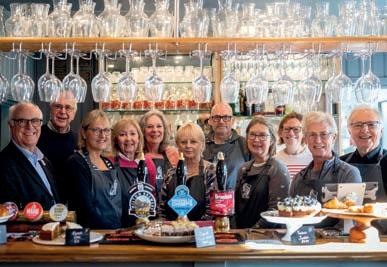
Research from Pub is The Hub showed that pubs help people overcome social isolation and replace the loss of services in rural and deprived areas. The organisation has created a “Join Inn - Last Orders for Loneliness” initiative, giving pubs advice on activities to bring individuals together. Pubs might be eligible for a grant associated with community services via Pub is The Hub.
The team suggest promoting your premises as a community space to attract a broader audience in addition to your current customers. Initiatives include making space available for a community garden and holding a regular farmers’ market in your car park.
Loneliness isn’t just confined to rural areas. Mick Dore, manager of Young’s pub The Alexandra in Wimbledon, south west London, started up Meet Up Mondays to combat loneliness. He offers a couple of hours of free tea, coffee and sandwiches on a Monday,
encouraging those in the local area to drop in.
The concept has now spread across the country. At The Albert Arms in Esher, Surrey, Meet Up Mondays takes place weekly between 3pm to 5pm. Tom Woodard, publican, says “Anyone can come along and have tea or coffee with cakes for no charge. There is a donation box where people can leave money if they want to, and every six months they donate the money to charity. Most people are on their own and they get to know each other. On the back of it, they socialise with each other and attend events such as our Friday night music gig. I wanted the pub to be part of the community, and this is a great way of doing it. A byproduct of it is that the group comes into the pub at other times. We don’t just get locals, but from nearby towns as well. Once we started, the word spread far and wide.”
For further information, visit https://www.pubaid.co.uk/, www.plunkett.co.uk or https://www.pubisthehub.org.uk/



When introducing a new service or activity:
• Make sure your local community support your ideas. Survey your customers and local residents to establish whether a service or activity would be welcomed. Ask for suggestions for the type of service or activity locals would like and support.
• Approach the parish council and local authority to support the project, they can help in many ways. Local councils may also be able to provide funding. Let your local MP know about your plans and achievements too.
• Get any permissions required such as planning.
• Communication is vital and keeping local people informed will help generate interest and support.
• Encourage volunteers to get involved in running your project.
• Host a project launch event or day and invite local people along to celebrate the opening with you.
• Trial a service such as a village store first to gauge demand and gain feedback.

*School compliant in England, Wales and Northern Ireland


Request FREE trade samples

Over the years, conversations around the impact of food on students have widened to include not just physical, but emotional health too. Across schools, colleges and universities, caterers are being recognised as key contributors to student wellbeing, shaping not only how they eat, but how they feel, focus and engage throughout the day.
The link between diet and mental wellbeing is well established. Regular meals help stabilise energy levels. Nutrients such as omega-3, iron and B vitamins support brain function and mood. But the role of catering goes further than nutrition alone. Food offers structure, familiarity and moments of pause in what can otherwise be a demanding day.
For younger pupils, routine is particularly important. Structured breakfast provision has shown clear benefits. Caterers working with the Magic Breakfast programme report calmer starts to the day and improved readiness to learn. Pupils arrive settled, and teachers often see fewer mid-morning dips in energy and concentration following a healthy breakfast. As students move into secondary education and beyond, the pressures change, but the need for supportive food environments remains. College and university caterers are increasingly focused on offering flexible, balanced options that suit varied schedules, while still encouraging healthy habits. Grab-and-go formats, extended service times and allday dining spaces help ensure students can access proper meals, not just snacks between lectures.


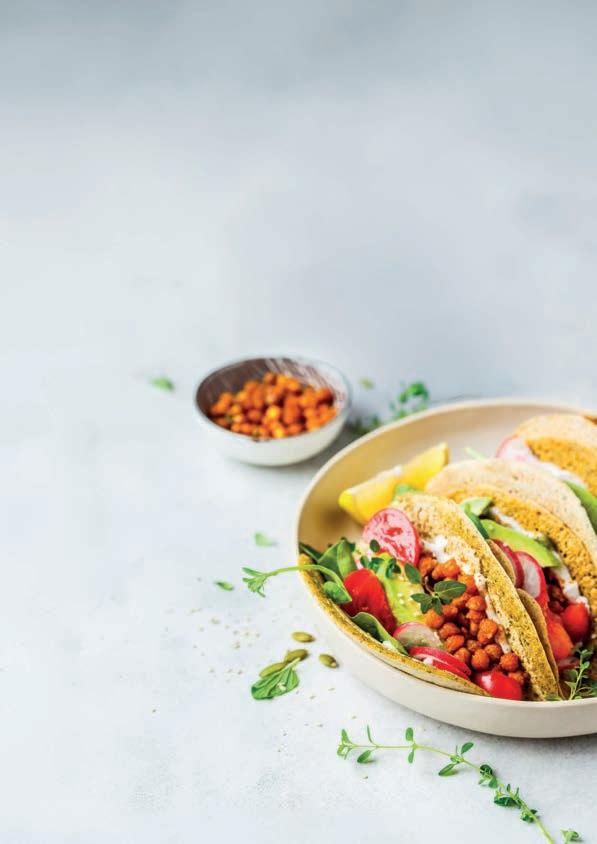


parent groups and charities, there has been a steady move away from heavily processed foods such as frozen pizza, chicken nuggets and turkey twizzlers. Today’s school caterers include freshly prepared dishes on their menus, built on whole ingredients to support both
between health and appeal. Dishes need to be recognisable and comforting, while still offering variety and nutritional value. One effective approach is to take wellloved formats and enhance them. A pasta bake can include additional vegetables and wholegrain options, or a curry can introduce pulses alongside lean proteins.
events or collaborations with student groups. These initiatives do more than boost engagement, they help build confidence and curiosity around food.
Introducing new ingredients works best when it feels low pressure. For example, adding lentils into a classic bolognese or offering sweet potato wedges alongside traditional chips. Repeated exposure, rather than one-off attempts, is key to building lasting habits.
Cooking and food education activities also play a role. When students understand where ingredients come from and how dishes are made, they are more likely to try new options. This connection between knowledge and behaviour is particularly strong in younger age groups but remains relevant across all stages of education.
Food quality alone is not enough to support wellbeing. The environment in which it is served has a direct impact on how students experience their meals.
ensure that Froebelian remains a place emotionally and physically,” says Rachel Froebelian School. “Our children have enjoyed home-made, freshly prepared, flapjacks with flaxseeds, cooked from scratch by our incredible kitchen team.”
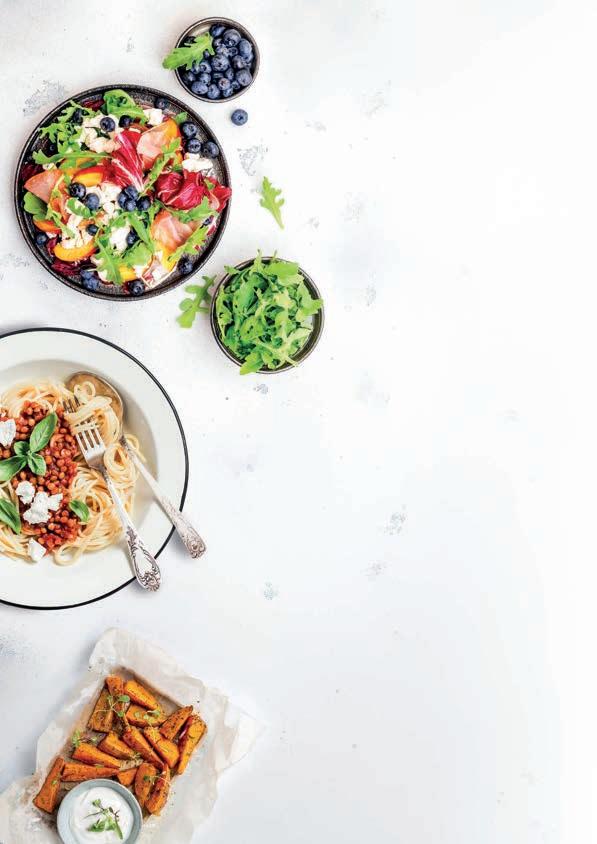
Presentation also matters. Colour, texture and layout influence whether students engage with a dish. Bright salads that feature raw vegetables and fruit, buildyour-own grain bowls, Poké bowls and
perform well because they give a sense
Getting students involved in food decisions can significantly improve uptake of new ingredients and healthy dishes. Across all education settings, caterers are finding value in creating opportunities for participation. Food councils and tasting sessions or pop-up menu trials encourage students to share feedback and feel part of the process.
In primary schools, this might mean simple tasting tables or voting for new dishes. In colleges and universities, it can extend to themed menus, cultural food
Busy, noisy dining halls with long queues can create stress, particularly for younger pupils or those with additional needs. In response, many schools have introduced staggered lunchtimes, improved layouts and clearer queuing systems. In Wales, trials of longer lunch periods combined with upgraded dining spaces have led to improved behaviour and more positive social interaction.
For students with sensory sensitivities, flexibility is essential. Some caterers now offer quieter dining areas or adapt how dishes are presented. Deconstructed meals, where components are served separately, can help reduce anxiety around unfamiliar textures or mixed foods. These adjustments create a more inclusive dining experience and reduce food waste linked to refusal.
At college and university level, the focus often shifts towards creating comfortable, social spaces where students can relax and recharge. Informal seating, natural light and café-style atmospheres encourage longer dwell times and more mindful eating.
Hydration is often overlooked but plays a vital role in wellbeing. Even mild dehydration can affect concentration, mood and cognitive performance. Refill

stations, clearly visible water points and the inclusion of high-water-content foods such as fruit and soups all help increase intake.
Meals that combine protein, fibre and healthy fats go hand-inglove with hydration to help sustain focus throughout the day. Salmon with lentils or roasted vegetables, quinoa-packed chicken salad or tofu stir-fries all combine nutrient-dense ingredients that can support students during exam periods or long study sessions.
No matter the age of student, the role of education catering is not an easy one. Patience, planning, engagement and creativity are needed to ensure food is a steady, positive influence throughout a student’s day, from the first breakfast bite to the last coffee on campus. When you get the formula right, it not only supports students’ well-being, but it can also become one of your institution’s greatest selling-points.

• Build menus around whole ingredients and minimise reliance on heavily processed products
• Use familiar dishes as a base and introduce healthier elements gradually
• Offer choice through flexible formats such as build-your-own bowls or counters
• Prioritise colour and presentation to increase visual appeal
• Introduce new ingredients alongside well-known favourites to encourage trial
• Run tasting sessions or pilot dishes to gather feedback before full rollout
• Ensure consistent availability of balanced meal options throughout the day
• Make water highly visible and easy to access across all dining areas
• Consider portion sizes carefully to suit different age groups and appetites
• Adapt menus and presentation for students with sensory or dietary needs
• Involve students in menu planning through councils or feedback channels
• Align menus with seasonal produce to improve quality and sustainability




















A campus-wide reusable cup system, a community fridge scheme, local sourcing, healthy menus and a food waste campaign are some of the initiatives operating within the University of Manchester’s catering service. Their dedication has resulted in the university achieving the highest accreditation in the Food Made Good Standard Awards from the Sustainable Restaurant Association (SRA).
• Thai Red Chicken Curry
• Thai Red Tofu Curry
• Vegetable Frittata
The three-star rating is applied across the university’s catering service, including the Unicafe outlets, Food in Residence (food served in halls of residence) and HospitalityOnCampus, which provides event and dining catering services across the university estate.
Laura Blandy, Head of Hospitality and Events Marketing from The University of Manchester, says “Sustainability sits at the core of everything we do and every decision we make. It isn’t an afterthought, but ingrained in our business practices, and the award is testament to that. It is an incredible achievement and gives us guidance on how to move forward and evolve.”
Her advice to other universities is to set up a sustainability working group with crossdepartmental meetings. “Universities are huge organisations and often great work is done in teams or departments in isolation. A sustainability working group ensures everything is joined up and is as cohesive as possible,” says Laura.
Instigating regular two-way communication and engagement with students and staff on sustainable food and drink is also important for students to understand what the university stands for and supports. One of the ways the university does this is by appointing sustainability ambassadors – encouraging
students to advocate for other students. There’s also an annual Sustainability Fair which showcases suppliers and their sustainability credentials. “It’s a great way for students and staff to have detailed conversations directly with our suppliers,” Laura says. “We also carry out surveys to see what matters most to staff and students.”
• Lime and Lemongrass Cod Fillet
• Hoisin Noodles
• Sides: Wild rice, wedges, spinach, broccoli and bean sprouts
One of the most successful initiatives is the Bee Cup, a reusable cup scheme that encourages students to borrow reusable cups via the Vytal app, returning them to participating cafés to be washed and reused. The scheme has been so successful it has been adopted by Manchester Metropolitan University, the University of Salford and Manchester Central Library. “We hope it will become a city-wide initiative and a blueprint for other universities and cities,” says Laura. The team are now introducing the Bee Bowl for takeaway food.
Further reducing waste is the university’s community fridge scheme. Surplus food is collected daily from Unicafe outlets and put into a community fridge in the Students’ Union, available for free to all students.
The catering team are keen to use local suppliers where possible, and there are between 250 and 400 catering staff (depending on the time of year), who attend sustainability training. This includes the “Guardians of Grub: Becoming A Champion” learning programme that trains staff on how to reduce food waste safely. They also support the No Time To Waste campaign, which aims to reduce waste and promote sustainable behaviour across the campus via a rewards platform. Students and staff can log actions such as recycling, eating plant-based meals, shopping second-hand, or attending wellbeing events, resulting in points that can be exchanged for prizes.
Great binding & 72 hour stability PICK


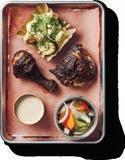
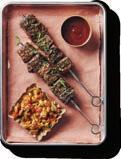
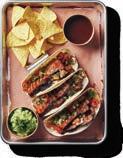
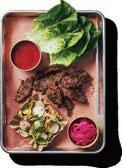














We’re seeing white fish such as pollock and coley appearing more in supermarkets, so diners are becoming more used to seeing them on menus too. Don’t shy away from these sustainable and proteinrich white fish, particularly in times when cod and haddock supplies are unpredictable. Country Range have launched some pollock options in breaded and battered coatings which are great value and quality. Here I’ve used the Breaded Pollock in a katsu curry as it’s robust enough to take on some strong flavours.
With the availability and price of fish being unpredictable recently, it has been challenging to have a consistent offering on menus. This month, Paul Dickson explores the benefits of using frozen fish and looks beyond the usual cod or haddock and chips.
I’ll start this article by saying that I will always advocate including a fish special on menus, using what is fresh, sustainable and in season locally. However, in recent times, it has been more challenging to include a reasonably priced standard fish dish, particularly with the price of cod and haddock fluctuating so wildly, making even the classic fish and chips a real challenge to offer perceived value for money. This is where a good quality frozen product can play a vital role in your menu planning. Think beyond the obvious choices and include a couple of other options that give you a fish-based option without the uncertainty of cost and availability issues. Here are some simple ideas.
Paul is a Home Economist and food stylist working in London and the North West, creating exceptional visual stories in film & TV, on social media and in print. All of the recipes and videos featured in the article can be accessed online at www.countryrange.co.uk/recipes or by scanning the QR Code.
Perfect for adding something fresh and vibrant to your street food, food-to-go and small plates menus, tacos are so versatile and a great way to add flavour and texture is the crunch of a fish finger or goujon. Think of it as a Mexican version of a fish finger butty!


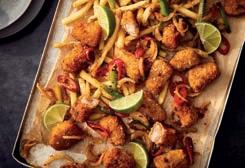
Ever since the days of being served in a basket, scampi has remained a staple dish on menus and a favourite with children and adults alike. Scampi is also a great costeffective option meaning diners feel like they’re getting great value for money and you’re not burning into your margin just to provide a decent portion. The bite-sized pieces lend themselves perfectly to street food and sharing platters – I love spicing them up with a tasty salt and pepper seasoning with fresh chillies, onions, garlic and peppers.
This month our guest chef is fish fanatic Stuart Nichols, who is head chef at The Ship Inn, Wadebridge, Cornwall.
Working as a development chef in the seafood arena for over a decade before moving into the pub sector, Stuart is also passionate about cooking over flames, so who better to give us five creative ways for using Country Range Frozen Farmed Atlantic Salmon Portions this summer!
SERVINGS 6
COOKING TIME: 6 MINS
PREP TIME: 30 MINS
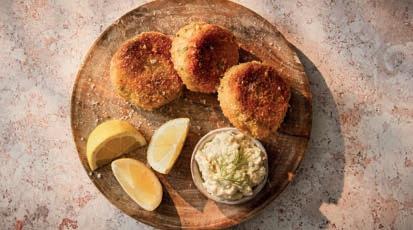
These can work beautifully as a main, starter or a snack and are always popular. I simply poach the salmon and flake it through mashed potatoes with fresh dill and a lemon gastric before breadcrumbing. Super simple but sensational.
Take one washed banana leaf or parchment paper and trim to size before placing a salmon portion in the centre with one garlic clove, a few slices of fresh ginger, sliced green chillies and some bruised lemon grass. Squeeze over some lime juice and fold into a parcel.
Flame-cooked skewers are a great way to make your offering unique. My favourites are my Sticky Salmon and Sesame Skewers.
It’s a classic for a reason as when it’s done well, it’s as visually appealing as it is delicious. For my Salmon En Croûte, I wrap the salmon fillet in a herby savoury pancake, with a white fish and prawn mousse. It is then encased in latticed puff pastry glazing and baked.
My Spicy Salmon Burgers are a flavoursome fishy twist for the lovers of burgers and seafood. Blend salmon with a free-range egg, panko breadcrumbs, ground cumin and paprika, then add garlic, chilli, shallot, coriander and a good squeeze of lime juice.
Country Range Frozen Farmed Atlantic Salmon Portions
Pack Size: 170-200g, 200-230g or 140-170g portions
• 150g Country Range Salmon Fillet, cooked
• 25ml Country Range Olive and Pomace Oil
• 50g Country Range Plain Flour
• 50g Country Range Panko Breadcrumbs
• 300g Signature by Country Range Mashed Potatoes with Butter
• 50g butter

• 2 beaten eggs
• 1 bunch chopped Dill
• 1 bunch chopped Chives
• 3 sliced spring onions
• The zest of one lemon
• Salt and pepper to taste
1. Mix together the mash, sliced spring onion, chopped herbs, cooked salmon and lemon zest. Season to taste and split the mix into 6.
2. Roll into balls and dip each one into flour, then egg then breadcrumbs. Gently flatten to form fish cakes.

Heat some olive oil and pan fry for 2 - 3 minutes on one side and turn.
Add the butter and cook for another 2 - 3 minutes. Season with salt and pepper and serve with Country Range Tartare Sauce.
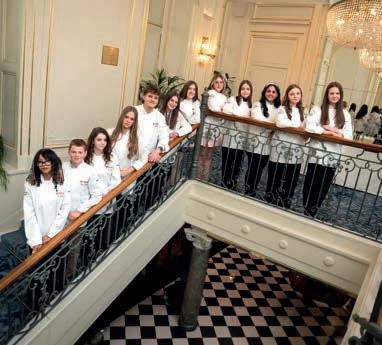


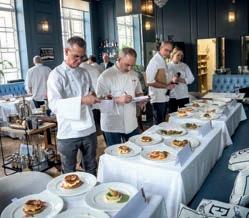
March marked the culmination of over seven months of tenacious effort for a group of talented teenagers, as the Springboard FutureChef National Final took place and Kate Skinner from Aberdeenshire was crowned the 2025/26 champion.
Designed to uncover and nurture the next generation of hospitality stars, the programme equips young people aged 12–16 with essential cookery and life skills, delivered through competitions, workshops and mentorship from professional chefs. Now in its 27th year and proudly sponsored by Country Range, the final once again showcased why the Springboard FutureChef is the UK’s largest and most influential culinary competition for school - aged students.
This year the journey began for the 16,000 young hopefuls who entered the competition last September with schools running their own competitions before rigorous local heats and then regional finals. With this year’s final taking place on Monday the 23rd March at Capital City College, Westminster Centre following a special celebratory dinner the night before at the Mandarin Oriental Hotel.
In a Springboard FutureChef first, this year’s National Final challenge was entirely vegetarian with finalists required to work from the same basket of core ingredients and showcase how exciting plant- based cooking can be. A tough enough challenge made even harder with the 12 finalists going head-to-head under the watchful eyes of a powerhouse panel of award - winning chefs including Brian Turner CBE, James Sommerin, Deepak Mallya, David Mulcahy, head judge Chantelle Nicholson and last year’s champion Carys Williams.

A tough test for even an experienced chef, the National Final required the competitors to complete a skills test and then prepare, produce and plate a twocourse menu for four people.
The 45-minute skills test challenged the young chefs to prepare mini Paris-Brest choux pastries, which had to be creatively used in the dessert course. The competitors had a further two hours to produce their main course, which had to showcase a ‘Hero’ vegetable and be served hot.

There was no set budget for the menus, but all ingredients available were stipulated and provided after being carefully selected by leading industry chefs.
With a clutch of top chefs on hand to watch and judge the skills, dishes and flavours on show, there was no place to hide for the young hopefuls as they were marked out of 100 on their skills and techniques, dish composition, taste and flavour, creativity and presentation, plus dish and menu balance. In addition, head judge and pioneer of regenerative practices in the kitchen Chantelle Richardson was paying close attention to the finalist’s kitchen waste.

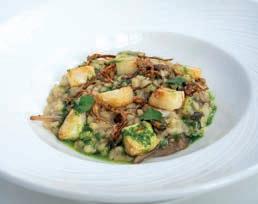
Born and bred in Aberdeenshire, Kate Skinner is 15 and began baking as a youngster with her granny. A student at Kemnay Academy, it was while completing her Duke of Edinburgh that her assessor noticed her cooking and immediately recognised talent. Recommending Springboard FutureChef, Kate’s parents spoke to her school about the competition and they helped her sign up.
Kate didn’t have the benefit of a mentor in her first year competing but after chef Peter Thompson saw something special in her and offered to mentor her this year, it gave Kate the belief to compete again. Showing true Scottish grit and determination, Kate wowed judges with her skills, techniques and menu consisting of her main course of roasted celeriac and pearl barley risotto, celeriac purée, a spiced celeriac skin bhaji and the Paris-Brest dessert with almond praline cream and a spiced pear compote.
SPRINGBOARD FUTURECHEF CHAMPION
2025/26 KATE SKINNER SAID:
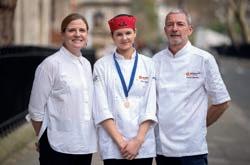
“I’m so happy to have won the national final of the Springboard FutureChef. It’s been an amazing experience competing alongside other talented young people. Thank you to everyone who has supported me and especially to my mentor Peter. Working with him has helped me learn new skills and his support and belief in me has meant so much. I’m very excited for what comes next.”
AMANDA MCDADE, NATIONAL HEAD OF CAREERS AND EDUCATION FOR SPRINGBOARD, COMMENTED:
“This year’s competition has been our biggest yet, with over 16,000 young people taking part – a true testament to the growing passion and talent within the next generation of chefs. Programmes like FutureChef are vital in nurturing young culinary talent and inspiring future careers in hospitality. None of this would be possible without the invaluable support of partners like Country Range. Their commitment enables us to continue delivering meaningful opportunities, industry connections and hands-on experiences for students across the UK. With their support, we’re confident that FutureChef will remain a transformative platform for young people, opening doors to exciting careers and helping to address the industry’s skills gap. Together, we’re not just shaping future chefs; we’re cultivating the culinary stars of tomorrow.”
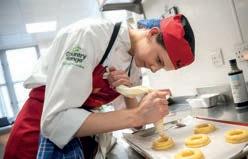
ABOVE & BOTTOM LEFT: KATE’S WINNING DISHES. BELOW: KATE TACKLING THE SKILLS TEST AND KATE WITH DAVID MULCAHY AND HEAD JUDGE CHANTELLE NICHOLSON.







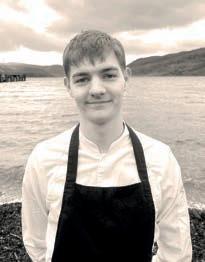

Aikens and Adam Byatt - as I take influence from their cooking styles.
What cuisines, flavours or techniques are you loving right now?
Currently, I am enjoying incorporating Japanese flavours into my classical style dishes, which brings a modern element into the dishes.
When and how did your passion for cooking begin?
During my childhood, my family made homemade pizzas on Fridays. This was my first cooking memory of being creative and making it my own. My passion began when I transitioned from front- of-house to the kitchen at a local café. From there, I then decided to enrol at my local catering college, North Highland College. Whilst at college, I joined a local private members’ club where I began to see cooking as a career and passion instead of a job.
Did you have any mentors?
The biggest influence on my career and the way that I approach my work would be my college lecturer, Simon Rodgers, who was really good at teaching me the fundamentals of cooking and gave me confidence in myself, what I was trying to achieve whilst at college, and with my future career.
Describe your cooking style
I have loved classical cooking since I started being a chef. As I have progressed, my style has stayed classically rooted, but with modern techniques and keeping the cooking up to a fine dining standard.
How do you create new dishes?
We look back at what we’ve previously been doing and then we see what is in season and what is available to us through our suppliers. Ideas are then drawn up, and we work them into our current menu.
Who inspires you in the industry?
Lots of chefs in the industry inspire me. My biggest inspirations are Stuart Ralston, Tom
Favourite Cookbook
The French Laundry Cookbook
What are your next goals and targets on a work level?
I hope to contribute to the Dipping Lugger achieving more recognition from the prestigious guides we have in the UK and continue to learn every day. Along with this, I would like to push myself into competing in competitions.
What are the biggest challenges for chefs at present?
I think that the biggest challenge chefs have at present is social media. Although it is great, I can also see it being used to ensure things remain distinctive and your own. There’s quite a bit of pressure centred on how things should be seen or even look, and that’s hard.
Tell us about your plans for 2026 I plan to sustainably forage more produce for the restaurant in the year ahead, as we have a great area for foraging.
Three tips vital for success in a professional kitchen
The three most vital tips I have would be to try new things, be patient and always listen.
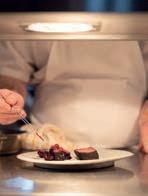
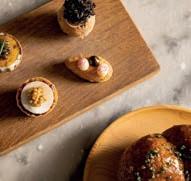
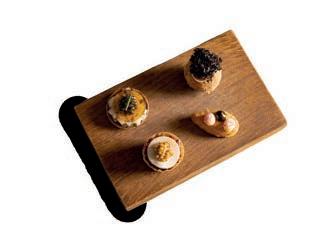
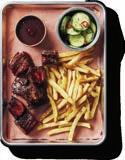
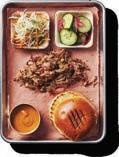
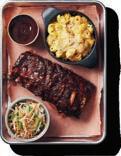
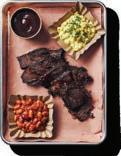
Paulig PRO has introduced The World of BBQ, a global range of authentic barbecue sauces designed specifically for foodservice. Recognising BBQ as a major flavour driver, the range offers eight versatile sauces inspired by iconic American regions and global grilling traditions, from Kansas City and Memphis to South Africa and Korea.
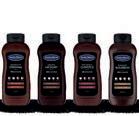

easy to use, allowing operators to refresh menus without adding prep time or operational complexity. Vegan-friendly (with one vegetarian option), the sauces work across multiple formats and dayparts - as glazes, dips, toppings, or sides - enabling chefs to create craveable, shareable dishes like ribs, wraps, salad bowls, and indulgent comfort foods.


Henley Bridge has expanded its Bling! range of dessert toppings and inclusions, making it accessible to smaller foodservice and gelato operators with convenient 1kg pouches. Previously available only in industrial sizes, the range now includes fruit crispies in coconut, lime, passionfruit, raspberry, strawberry, mango, and yoghurt; fruit pieces; fudge cubes; mini caramel cups; as well as existing sugar pearls and popping candy.
Designed for pastry chefs, ice cream, and gelato artisans, these toppings allow operators to add fun, creativity, and premium flair to desserts without excess waste.
David Cratchley, Purchasing and NPD Manager at Henley Bridge, emphasizes that the smaller packs give chefs flexibility and ease, enabling inventive creations while managing stock efficiently.














Pacific West has launched its 2026 Mediterranean Collection, bringing premium, trend-driven seafood innovations to menus. Designed for pubs, restaurants, and independent operators, the collection features four sophisticated, ready-to-cook products: Truffle Prawns, Squid Arrosticini Skewers, FishStuffed Olives, and Breaded Anchovy Fillets. Each item combines bold Mediterranean flavours with operational efficiency, allowing chefs to deliver luxury dishes with minimal prep, reduced waste, and consistent quality. From indulgent bar snacks to elegant starters or premium salad toppers, the collection offers versatile menu solutions that elevate the dining experience while protecting margins.
Martin Finegan, Managing Director at Pacific West, highlights the focus on creativity, flavour, and ease of use, empowering operators to leverage high-impact Mediterranean trends while delighting diners with sophisticated seafood options.



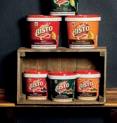
Premier Foods has launched the new Bisto Professional Bouillon range, designed by chefs for chefs, bringing consistent, high-quality flavour to foodservice.
Research shows 83% of diners trust restaurant food more when made with chef-designed ingredients, highlighting the growing importance of cooking quality, real ingredients, and superior taste. Available in paste and powder formats, the range includes chicken, beef, and a vegan vegetable variant, all free from declarable allergens and gluten.
Highly versatile, the bouillons can enhance sauces, soups, gravies, marinades, dressings, or rubs, offering chefs flexibility and efficiency across menus. Reformulated for richer mouthfeel and strong yield, the products combine premium taste with practical performance.
Accredited by the Craft Guild of Chefs, the range empowers professional kitchens to deliver flavourful, reliable dishes that cater to modern diners’ expectations while supporting allergen safety and menu innovation.










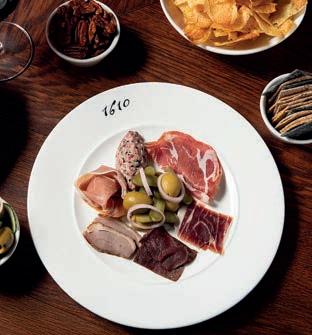
Fraser Cameron is head chef at 1610, the Michelin Guide-listed restaurant within The Globe Inn in Dumfries, a historic haunt of Robert Burns. A two-time Scottish Young Chef of the Year, he trained under Andrew Fairlie and has worked at leading Michelin-starred kitchens across the country. Fraser champions hyperseasonal Scottish produce, drawing on local suppliers and the nearby Kitchen Garden. We asked Fraser to provide guidance for caterers across all sectors on how to effectively consider all the senses when creating dishes.
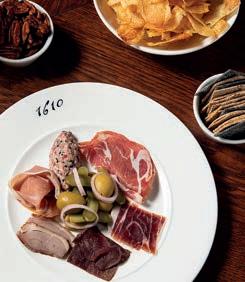
HOW DO OUR SENSES SHAPE HOW WE EXPERIENCE FOOD?
Every guest always eats with their eyes first, and that starts to shape their interpretation of how the dish tastes. Secondly, as each mouthful reaches their head, they get the aroma which again develops the guests’ thoughts on what they are eating. This can even go as far as how the food feels, for example: does the canapé leave residue on your fingers? What is the texture of the food? What is the temperature? The list could go on. To me, the best dishes are the ones that play on all the senses and allow the guest to be completely absorbed in the food.
HOW DO FLAVOUR, TEXTURE AND AROMA GUIDE YOUR RECIPE DEVELOPMENT?
Everything must work together in harmony. Once I have a rough dish together, we taste it as a team and speak about what works well, does it look good? What can you taste? What can we improve? Sometimes we end up with a completely different dish than we first envisaged but ultimately, we create something that we love and think the guests will enjoy.
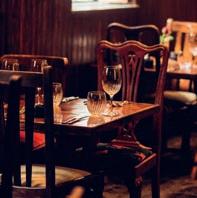
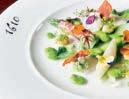
WHAT TECHNIQUES DO YOU USE?
Restraint would be the primary technique. I constantly question if elements bring anything to the dish, are they necessary? I enjoy experimenting, but the most important technique is tasting! We constantly taste every element, taste them together, taste them with our paired wine to make sure that what the guest receives in the dining room is the best that we can possibly offer them.
IN BUSY CATERING ENVIRONMENTS, WHAT PRACTICAL STEPS HELP TEAMS PRODUCE DISHES THAT SUPPORT SCALE?
Recipes and standard practices are a must. This allows you to consistently meet the standard and target set regardless of who is preparing the dishes.
ARE THERE COMMON MISTAKES THAT CAN BE AVOIDED?
It is very easy to dull flavour, texture and aroma. Something as simple as under or over seasoning could drastically alter the flavour, under or over cooking could alter the texture, food that is slightly past its peak or out of season may lose its natural aromas.
HOW CAN CHEFS HELP RECONNECT RESIDENTS WITH PAST EXPERIENCES AND ENCOURAGE THOSE WITH REDUCED APPETITES TO EAT?
I see cooking and hospitality as a form of art and entertainment. The main objective is for the guest to enjoy their experience and forget about the daily worries of life, even just for an hour. I love to listen to stories of food that people have eaten, from the best street food all the way to their granny’s Lemon Loaf that they had on a Friday after school. If you can take these stories and turn them into a dish, you are creating something more than just dinner, you create a connection with your guests.
Packed with 15g of protein, the new UFIT
Breakfast Range is the quick, easy and tasty way to start your morning strong.

Protein-powered to keep muscles & bones happy*




















Hydration rarely gets the same attention as flavour, presentation, or provenance.
Yet for many diners, especially older guests or those in care and hospital settings, staying hydrated is a daily challenge.
From broths that deliver both comfort and nourishment to desserts that carry hidden hydration, every course can play a role. This month, our panel of chefs share practical ideas and fresh inspiration to support hydration naturally, without compromising on taste or experience.


ENZO OLIVERI
Celebrity Chef, President of the Federation Italian Chefs (FIC), Cirio Ambassador
In Italy, keeping diners hydrated during the summer isn’t just about what’s in your glass, it’s about what’s on the plate too. Italians eat with the seasons, choosing light, fresh seasonal vegetables like juicy tomatoes, aubergine and peppers that are naturally rich in water and help to keep the body hydrated and refreshed in the heat. A dish like my delicious Penne alla Caponata is a perfect example: silky slow-cooked aubergine paired with olives, capers and a rich tomato sauce built on Cirio Polpa gives you deep flavour without heaviness.

REBEKHA WHITE
Senior Brand Manager, Aimia Foods for Professionals
No matter the age, hydration is vital to health, which is why Aimia Foods for Professionals offers a range of drinks that can tempt any kind of customer - from chai and bubble tea, to classics such as Horlicks and Dorset Tea.
In a care home environment, it can be particularly tricky to encourage residents to stay hydrated. However, using a nostalgic brand like Horlicks helps residents drink more, and by adding a scoop of Horlicks to other beverages, such as smoothies and milkshakes, caterers can also entice residents with something a little different. What’s more, Horlicks is enriched with 14 vitamins and minerals, such as vitamin B6, vitamin D, vitamin C and fibre, providing additional nutritional benefits for residents.


“CHEFS


DANIELLE SMITH
Head of Nutrition, AVE
Hydration stations should be used within care settings to improve accessibility to fluids, encourage social interaction, and provide a range of appealing drink options with exciting flavours. Hydration-promoting recipes enable mealtimes to contribute to residents’ daily fluid intake. Examples include Watermelon and Feta Salad which provides at least 92ml of water, Honey-Grilled Peaches with Mozzarella Salad which provides at least 132ml of water, and Ratatouille which provides at least 325ml of water.
Horlicks
Banoffee
Frappe

CHEF KASUN JAYASOORIYA
Head Chef at Omboo, Sopwell House
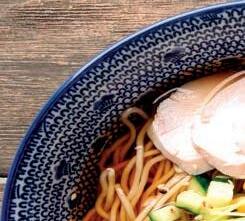
Across Asia, many summer dishes are created to cool and refresh the body while still delivering deep flavour. One dish I always enjoy in warmer weather is a chilled noodle bowl inspired by Japanese Hiyashi Chūka and Korean Naengmyeon. Cold noodles served with cucumber, herbs and a light, chilled broth made from dashi or miso create something simple but incredibly refreshing.
For me, the beauty of these dishes is the balancecool broth, crisp vegetables and a little acidity to lift the flavours. I sometimes add toasted sesame, soft tofu or lightly poached chicken so the dish stays light but still satisfying. A small touch of chilli oil or fresh chilli can also bring a gentle warmth that contrasts nicely with the cold noodles.




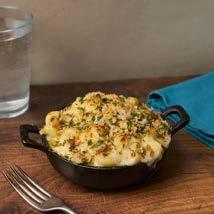
SERVING SUGGESTION
1 portion = 495 kcal

SERVES 10 MADE WITH:
• 1.5L water
• 195g MAGGI® Bechamel Sauce
• 300g mature cheddar, grated
• 20g MAGGI® Truffle
Seasoning
Cook pasta: Bring a large pot of salted water to a boil. Add pasta and cook until al dente.
Prepare sauce: In a saucepan, heat MAGGI® Bechamel Sauce and water gently.
Stir in grated cheddar and MAGGI® Truffle Seasoning, then remove from the heat.
Toss cooked pasta in the truffle cheese sauce until fully coated, then transfer to an ovenproof dish.
• 600g cavatappi pasta (or macaroni)
• 150g fresh breadcrumbs
• 10ml olive oil
• 20g flat-leaf parsley, finely chopped
• 1.5l water

7 For the topping: Heat the oil, add breadcrumbs and toast until golden. Stir in chopped parsley.
8
To finish: Sprinkle breadcrumbs over the pasta and place under a hot grill for 3–4 minutes until crisp and golden. Portion immediately and serve hot.





COOKING TIME: 1HR
SERVES: 8
INGREDIENTS
From the sands of the Philippines to the sands of Morecambe.
Born with a sweet tooth, the pastry side of the kitchen grabbed chef Aileen Cantano Fenol’s attention early and it was in the field of sweets, cakes and desserts that her talents grew. Joining The Sands Meadows Care Group in 2023, Aileen and her husband were made to feel extremely welcome from day one.
Swapping the Philippines for Morecambe may not be for everyone, but Aileen is loving life in Lancashire and proud to be part of the team at The Sands Meadows Care Group. Celebrating 30 years in June this year, The Sands Meadows has garnered a first-class reputation for its personal service, care and food and has also recently received a five-star food hygiene rating.
Aileen works in the kitchen at the ‘Little Sands’ and caters for around 23 residents. The menu changes each season with a mix of traditional classics and international favourites.
“We cook from scratch as much as possible and the Country Range portfolio of products is crucial to our menus,” says Aileen. “I particularly love the prepared fruits, vegetables and the broad selection of quality baking products. I will sit with our residents to hear feedback so we can always improve the offering and service. We love to be creative for special occasions. Whether it’s Valentine’s Day, Mother’s Day, Easter or birthdays, we always look to go big and put on a show!”

Cake:
• 160g Country Range Self Raising Flour
• 1tsp Country Range Baking Powder
• 6 egg yolks

60ml corn oil or vegetable oil
100g caster sugar
1tsp vanilla
1tbsp mango flavouring
120ml evaporated milk
A pinch of salt
METHOD
“We love to barbecue so I’m very excited to introduce the team and residents to some classic Philippine Barbecue Skewers, but I will also be making some extra special desserts and cakes.”
Meringue mixture:
• ¼tsp Country Range Cream of Tartar
• 6 egg whites
• 100g caster sugar
Icing:
• 475ml double cream
• 60g icing sugar
• 1tsp vanilla extract
Toppings:
• Cubed mango
• Chocolate sauce
• Mango purée or sauce
• Mint leaves for decoration
1. Combine the wet cake ingredients with the sugar then mix well until the sugar is properly combined, add the remaining dry cake ingredients and mix to form your cake batter.
2. Whisk the egg whites and cream of tartar until frothy, then slowly add the sugar until soft peaks form. Then incorporate the cake mixture before pouring it into a 10 x 5” round baking dish. Bake at 160-180 °C for 45 minutes to one hour in a bain-marie.
3. To make the icing, whip the cream, sugar and vanilla until soft peaks form. Pipe the icing on the cake and decorate with the toppings.
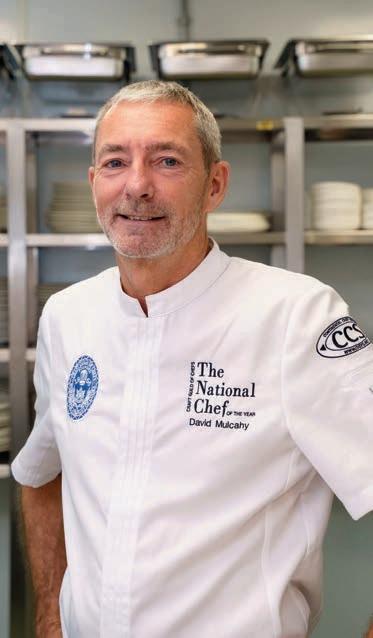
A true legend of the industry who has helped and shaped the careers of thousands of chefs, David Mulcahy is a real culinary leading light. A formidable force as organiser of the National Chef of the Year (NCOTY) and Young National Chef of the Year (YNCOTY) competitions, David has been central to the success of the Craft Guild of Chefs and is renowned for championing talent throughout the sector.
What are your first memories of food as a youngster?
My grandmother was the baker and my mother loved to experiment, so my first fond memories are of them both busily working away on various creations. People didn’t eat out at restaurants as much and it was very much in the era of dinner parties, so they would utilise the incredible local produce we were blessed with to create all manner of menus and feasts.
Can you remember some of your first creations?
I would regularly make fruit pies, scones, soda bread and griddle cakes. We had an apple tree, grew rhubarb, gooseberries and summer berries so if it could go in a tart, it did! But then I wanted to do more and we had a huge cookbook that seemed to cover everything from pâtés to all sorts of things covered in aspic and over the top garnishing. Very much of its time.
What do you consider your biggest achievement?
Being given the Freedom of the City of London and travelling to Gambia with the World Food Programme and United Nations in 2024 are two highlights. However, my work with the Craft Guild of Chefs, building the UK National Chef and Young National Chef of the Year competitions, as well as my work with Springboard FutureChef has given me so much pleasure and I’m incredibly proud of what we have achieved.
CHEF, CONSULTANT, VP OF THE CRAFT GUILD OF CHEFS, CHAIRMAN OF SPRINGBOARD FUTURE CHEF
Outside of that, I’m proud that I continue to see the best in people, remain resilient and positive through all the storms and I still have passion and drive to succeed, whatever the challenges.
Tell us about Fuelling Minds, how did you get involved?
I live locally to David Anderson who has recently launched Fuelling Minds. We met up and David shared his vision for the company and we found we have shared values. Strong food quality ethos, a commitment to delivering at the best level possible, focus on guest satisfaction and doing everything with strong sustainable commitments. I am acting as a consultant around ESG, training and development, supplier relations and sustainability. It’s very exciting and I am very much looking forward to getting involved as new business comes online.


Which young/upcoming chefs should we be watching at present?
There are so many. I run the UK Young National Chef of the Year and the slightly more senior UK National Chef of the Year, as well as being National Chairman for FutureChef. I cannot believe how many young talented people are making waves. They are inspiring in so many ways. Often, they also seem to have such a focus on what they want to do and a plan to achieve it. So, watch these and other chef competitions and you will see the same names moving through the system, honing their skills and developing confidence and getting noticed.
COOKING TIME: 50MINS
SERVES: 8 INGREDIENTS
Cake
• 200g soft butter (or dairy free butter)
• 200g caster sugar

Competitions have played a big part of your life – how did that happen?
I entered a competition when I was working in Ireland but I had no coaching, no guidance and although I enjoyed it, I wasn’t left with a bug for competing. Then while I was working in London, one day some chefs were meeting and eating at the hotel, and I was cooking for them. They obviously saw something they liked and asked if I wanted to help them out. Next minute, I was in a kitchen practising with some top chefs, and we were preparing for the culinary World Cup. We went on to win the very first International Gold Medal for the UK at the Culinary Olympics. Competitions have played a huge part in my life ever since.
How did you become involved with the Springboard FutureChef competition?
I have been involved in FutureChef since its inception over 25 years ago. It started with the idea of encouraging young people to consider both the life skill and career prospects on offer. Getting into schools was an important objective. We wanted to reach young people before they were considering career choices. But it was also to sow the seed to develop a love of food and a sense of achievement when creating a dish.
Do you have a favourite dish or cuisine to cook?
I love food and like to cook so many different things. At home, we generally eat more vegetarian and fish than meat heavy dishes so it’s great to make vegetables and healthy fibres the heroes and as delicious as they can be. I think fresh, seasonal and local is the first priority.
What was your favourite dish to eat as a kid?
As a kid, you can’t beat a good spaghetti Bolognese!
I do remember first discovering seafood chowder. Delicious. It became a firm favourite.
• 3 medium eggs (beat lightly)
• 210g ground almonds
• 210g polenta
• 80g gluten free flour
• 1tsp gluten free baking powder
• ½tsp vanilla bean paste (or 1tsp essence)
• Pinch of salt
• Grated zest and juice of 2 lemons
Syrup
• Finely grated zest and juice of 1 lemon
• Finely grated zest and juice of 1 small orange
• 50g golden syrup
• 50g caster sugar
Topping
• 30g shelled pistachios
• 5g rose petals
METHOD
1. Line a 23cm round springform tin with greaseproof paper and preheat the oven to 160°C fan / 320°F / Gas Mark 4.
2. To make the cake, cream the butter and sugar together using a mixer.
3. Beat in the eggs (do this in 3-4 stages to allow to beat thoroughly before each addition).
4. Add the polenta, ground almonds, salt and vanilla. Beat at good brisk speed until fully combined.
5. Add the lemon zest and juice and mix thoroughly to bring everything together. The mixture needs to be well combined so give the bowl a thorough scraping and a final stir.
6. Pour into the lined tin and bake for about 50
minutes until it starts browning on top.
FOR THE SYRUP
1. Place all ingredients into a heavy based saucepan over a medium heat and bring to the boil, continuing to stir until the sugar has dissolved. Remove from the heat once dissolved and set to one side.
2. Chop the pistachio either by hand or blitz lightly in a food processor.
3. Remove cake from the oven and pour over the syrup while it is still in the tin, spreading it over the top of the cake.
4. Sprinkle with the nuts and rose petals and allow to cool a little before removing from the tin.
5. Serve with cream, crème fraiche or some dairy free crème fraiche.

The kitchen has long carried a culture of resilience at all costs. That mindset is changing, but slowly. High stress, unsociable hours and job insecurity still create conditions where anxiety, burnout and substance misuse can thrive. For some, the emotional load can be too heavy to bear.
Fortunately, recent conversations across the industry indicate that mental wellbeing is no longer a private struggle and it is becoming a shared responsibility. As the dialogue continues to evolve, operators are starting to recognise that staff welfare directly affects retention, performance and ultimately the bottom line.
The changing tide brings with it fresh support for employees and business owners, which is now more accessible than many realise.
Hospitality Action is one of the most established resources dedicated to the industry. The charity offers a 24/7 helpline, financial assistance and counselling services. Its “Taking the Temperature” campaign has helped bring mental health into everyday conversation across the sector. Offering services from single-touch support to a series of wellness packages for ongoing care, counselling and access to doctors, the team operate a 24/7 action helpline (0808 802 0282) to ensure every individual gets access to the help they need, when they need it.
The Burnt Chef Project is another well-known organisation.. Built specifically for hospitality workers, it provides free resources, online training, and a peer support network. Its message is direct: it’s okay to talk, and it’s okay to ask for help. Many operators now use its training programs to educate teams and managers on spotting early signs of distress. The team provide around-the-clock support on a global level. Employees in the UK can call 0800243 458 and in Ireland, 1800 490 390 for help.
The Licensed Trade Charity provides support for those who work, or have worked in pub, bars or breweries who are experiencing ill health, financial hardship or require counselling. They provide practical advice via a 24/7 free helpline (0808 801 0550), or you can get in touch using their live chat form available online.
For businesses looking to implement a more structured program, Mind offers workplace wellbeing guides and training that can be adapted to hospitality settings. While not sector-specific, its frameworks are practical and widely respected.
Incorporating mental health and wellbeing services into your operation needn’t be expensive or require a full HR overhaul. Small steps make a difference. You can start by sharing helpline information in staff areas, scheduling regular check-ins, and encourage open dialogue without judgement. Training line managers to confidently handle sensitive conversations will also help reinforce your vision.
The message across the sector is becoming clearer. Looking after people is not separate from running a successful operation. It is part of it. A healthier workforce leads to stronger teams, better service, and more sustainable businesses.
“High stress, unsociable hours and job insecurity still create conditions where anxiety, burnout and substance misuse can thrive. For some, the emotional load can be too heavy to bear.”



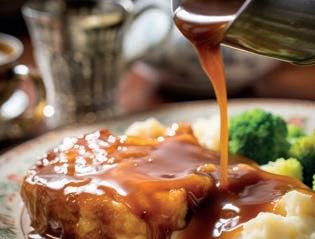











Turn up the heat this summer with the ultimate pizza-making prize from Signature by Country Range! One lucky winner will receive the incredible Ooni Karu 12 Essentials Bundle - a multi-fuel outdoor oven that reaches a sizzling
crowd-pleasing












Step into the kitchen with confidence with a £150 voucher to spend at Russums, one of the leading suppliers of professional chef’s wear. A sixthgeneration, family-run business, Russums has built its reputation on delivering high-quality, durable clothing and outstanding value to chefs and hospitality professionals across the UK and Europe. With an extensive range including chef jackets, aprons, trousers and accessories, plus top brands and their own expertly crafted designs, you’ll find everything you need to look and perform your best in any kitchen. Designed for comfort, practicality and a professional finish, Russums clothing is made to withstand the demands of busy service while keeping you sharp and stylish.
Upgrade your kit, refine your look and invest in quality that works as hard as you do.
For your chance to win, enter online or send an email titled ‘Russums’ along with your name, contact details and name of your Country Range Group wholesaler to competitions@stiritupmagazine.co.uk.



You can now enter all of our competitions online. Simply scan this QR code or visit www.stiritupmagazine.co.uk
Closing date for the competition is 30th June 2026. All winners will be notified by 31st July 2026. Postal entries can be sent to: Country Range Group, 4 & 5 Jupiter House, Mercury Rise, Altham Business Park, Altham, Lancashire, BB5 5BY. Full terms and conditions can be found at: www.stiritupmagazine.co.uk/