

S.p.A.
Vicolo Salvo d’Acquisto, 2
24050 Grassobbio (BG) - Italy
Tel +39 0354242111
VAT 00216360164
info@allegrini.com www.allegrini.com
Allegrini
S.p.A.
Vicolo Salvo d’Acquisto, 2
24050 Grassobbio (BG) - Italy
Tel +39 0354242111
VAT 00216360164
info@allegrini.com www.allegrini.com
In 2025, Allegrini celebrated an important milestone: eighty years of history, growth, and market presence. A journey built over time thanks to the ability to evolve, innovate, and face changes while always keeping its values, product quality, and care for the environment and people at the heart of its approach.
In this new edition of the Sustainability Report, we report on the activities, results and commitments that marked our journey during the year, continuing a long-standing path of transparency and responsibility that is now an integral part of the way we do business.
2025 represents a year of evolution and strategic transformation for Allegrini. Alongside the consolidation of its historical activities, the company has successfully launched the development of a new business model oriented towards the world of highend perfumery and cosmetics, expanding its presence in the retail sector with collections and projects capable of combining quality, formulation research, design, and sensory identity. A path that enhances the know-how gained over the years in the cosmetic sector and strengthens the company's positioning towards higher value-added segments.
During 2025, Allegrini also consolidated its positioning in the reference markets through an active presence at the main sector events and constant dialogue with customers, partners, and supply chain operators. These occasions provided not only opportunities for visibility and relationship-building, but also concrete opportunities to share our strategic vision, showcase the company’s new projects, and gain insight into the evolution of a market increasingly focused on quality, experience and innovation.
Sustainability reporting has always been a concrete tool for dialogue and sharing for Allegrini. Over time, it has become a
fundamental moment in the company's life, useful not only for communicating the results achieved but also for reflecting on future objectives and the improvement path we intend to pursue. The continuity of this path confirms our focus on integrating environmental, social, and governance issues into strategic decisions and the daily management of the company.
During the year, we also continued to strengthen our governance systems and internal control measures, maintaining constant dialogue with suppliers and commercial partners to promote behaviors inspired by ethics, legality, and responsibility.
For Allegrini, sustainability represents a cross-cutting principle that guides the way we do business and directs the company's strategic and operational decisions. A focus on production efficiency goes hand in hand with a commitment to product quality and safety, while valuing people, protecting the local area and engaging with the local community are key elements of responsible and sustainable growth.
Finally, I would like to thank everyone who contributes daily to this journey - employees, customers, suppliers, partners, and stakeholders - for their trust, dialogue, and constant support. It is through this dialogue that we are able to continue growing, creating long-term value in a consistent and responsible way.
Gianluigi Fornoni Chief Executive Officer
2011
2020
2021
2021
Creation of the Cleaning Centre
The Cleaning Centre is founded in Grassobbio
Industrial growth
Metrika SGR acquires a majority stake in Allegrini, providing further momentum to the company’s industrial growth journey
International expansion
Allegrini North America is established with headquarters in New York, to consolidate the company's positioning in international markets
Integration of sustainability into the business model
Allegrini publishes its first Sustainability Report and is a sponsor of AC Monza and Atalanta Bergamasca Calcio
Growth through integration
Allegrini acquires DEP S.r.l., a company specialised in B2B online trade of amenities and accessories for the hospitality sector
Allegrini develops new synergies with DEP to consolidate its presence in some complementary sectors
2023
Diversity and inclusion within the management model
Allegrini obtains UNI/PdR 125:2022 certification, on Gender Equality, for its management system
2024
2025
International growth
Allegrini confirms its presence in 65 countries and strengthens its presence at events, trade fairs, and cultural sponsorships
Sustainability recognitions
Allegrini obtains the Ecovadis silver medal and a three-star score in the legality rating, confirming the quality of the sustainability path carried out by the company
Eighty years of business
Allegrini celebrates 80 years of business, a milestone that testifies to an entrepreneurial journey characterised by industrial growth, organisational evolution, and progressive expansion of target markets
Allegrini publishes its fourth Sustainability Report

• B1 - Basis for preparation
• C1 - Strategy: business model and initiatives related to sustainability
• B2 - Practices, policies, and future initiatives for the transition towards a more sustainable economy
• C2 - Description of practices, policies, and future initiatives for the transition towards a more sustainable economy
Allegrini S.p.A. has prepared this Sustainability Report in compliance with the Voluntary Standard for non-listed Small and Medium Enterprises (VSME), adopting the comprehensive module (Comprehensive – option B). This choice reflects the company's desire to develop transparent, structured reporting that is progressively more integrated into management processes.
The adoption of the Comprehensive module is consistent with the company's organisational size, the characteristics of the activities performed, and the goal of offering stakeholders an exhaustive representation of the actions and objectives defined for environmental sustainability, social responsibility, and ethics in corporate governance. Although this is the first Report prepared according to the VSME standard, the document is part of an already consolidated reporting path, started in 2021.
This Sustainability Report includes the information required by the VSME standard based on the data and information available at the date of the document's preparation.
Any content not reported is attributable to the temporary unavailability of the necessary data or to non-applicability with respect to the company's characteristics, activities, and operating model.
As of the publication date of this Report, no omissions have been made related to the protection of confidential information or information considered sensitive from a strategic or competitive perspective.
The reporting scope of this Report includes Allegrini, an Italian company incorporated as a joint-stock company (S.p.A.). Quantitative information and sustainability indicators refer to the main Italian headquarters in Grassobbio (BG), consistent with data availability and the structure of the company's information systems.
The company's foreign presence – represented by the American and Russian commercial branches – is included in the reporting scope at a descriptive level, in order to provide an overall representation of the Group's organisational structure and geographical presence.
Sustainability is not considered as a separate issue from the company's activities and processes, but as a component integrated into activities, relationships with stakeholders, and strategic decisions.
MISSION Allegrini's Mission translates into the design, production, and distribution of solutions for professional cleaning, hospitality, and cosmetics, developed with the goal of ensuring quality, reliability, safety, and effectiveness. Through direct control of processes and investments in research and development and innovation, the company operates along the entire value chain to respond precisely to customer needs.
Over time, this mission has evolved, progressively expanding its meaning beyond the purely productive dimension.
Allegrini, in fact, views corporate development as the construction of a structured industrial model, capable of growing in the long term by adapting to changes in the economic, regulatory, and technological context, without losing its identity and the quality of relationships consolidated over time.
VISION
The Vision is based on the desire to combine industrial solidity, innovation, and the ability to evolve. In this perspective, growth is not interpreted exclusively as dimensional expansion, but as the strengthening of internal skills, expansion of the offer, development of new business lines, and integration of new operational capabilities. Investments in research, the evolution of the product portfolio, and the recent development of projects dedicated to high-end cosmetics and perfumery represent concrete expressions of this path.
For eighty years, Allegrini has built its growth path on principles that represent much more than simple corporate values: they are the elements that guide every choice and the daily work of employees and define the way in which the company interprets its role towards the environment and people.
At the heart of the company’s identity lies a constant pursuit of quality, a tangible expression of Allegrini’s industrial culture and its commitment to promoting Made in Italy through reliable, safe products crafted with attention to detail. A quality that develops along the entire supply chain and represents one of the company's distinctive elements in national and international markets.
Alongside quality, research, development, and innovation constitute fundamental levers for business evolution. Continuous investments in formulation, design, and development allow Allegrini to anticipate market transformations and propose increasingly safe solutions, also developed with attention to the environmental aspects connected to the product. This path includes projects and product lines introduced in recent years, characterised by growing attention to the materials used, the reduction of plastic use, and the entire product life cycle.
SUSTAINABILITY
Sustainability represents a transversal principle that accompanies every phase of the company's activity: from the selection of raw materials to packaging design, up to the management of production processes. The goal is to progressively integrate environmental, social, and governance criteria into processes, promoting a responsible development model oriented towards the long term.
EXPERTISE A central role is also played by expertise and people. The knowhow consolidated over eighty years of activity represents one of the company's main assets and continues to be valued through training, professional growth, and knowledge sharing. Passion for one's work fuels a dynamic corporate culture and the ability to face new challenges with a proactive spirit.
CUSTOMER RELATIONSHIP
This model is completed by the attention to the customer relationship. Allegrini interprets the relationship with partners and stakeholders as a path of constant collaboration and listening, offering technical support, customisation, and solutions capable of responding to the specific needs of the various sectors served.
It is from the integration of these values - quality, innovation, sustainability, expertise, service, and passion - that Allegrini's identity takes shape: an industrial model founded on continuity, responsible evolution, and long-term value creation.
Allegrini is a joint-stock company (S.p.A.) with registered office in Vicolo Salvo d’Acquisto, 2 - 24050 Grassobbio (BG).
NACE SECTOR CLASSIFICATION CODES
Main activity, 20.59 “Manufacture of other chemical products n.e.c.”
SALES REVENUE
31.51 million euros
NUMBER OF EMPLOYEES
134
COUNTRY WHERE THE MAIN ACTIVITY TAKES PLACE AND LOCATION OF SIGNIFICANT ACTIVITIES
Allegrini's business model is based on the integration of the main phases of the value chain – from design and formulation to production, up to marketing and assistance – with the goal of ensuring effective and safe solutions, consistent with regulatory requirements and the operational needs of the various sectors served. The company is configured as an industrial entity with direct control of processes and a structure capable of combining technical skills, production capacity, and service continuity, elements that over time have supported growth and consolidation in national and international markets.
The activity starts from a dedicated Research and Development function, which supports the evolution of formulations and the expansion of the offer, in relation to the different application contexts and market demands. Production is concentrated at the Grassobbio (BG) site, where all industrial operations are carried out. The operational logic is oriented towards ensuring service continuity and technical support throughout all phases of the customer relationship,
integrating assistance and after-sales activities, in line with a service approach that has always represented one of the company's distinctive elements.
Over time, the industrial model has also been enriched through tools and solutions that support the correct use of products and operational efficiency at the customer's site (for example, dosing and dilution systems), an integral part of the overall offer in professional contexts.
Allegrini's corporate governance structure is aimed at ensuring transparent and responsible company management. The organisational structure is defined in such a way as to ensure clarity in roles, responsibilities, and decision-making processes, fostering coordination between the various functions and the oversight of the main risk factors.
Allegrini's share capital is held by three partners. The ownership structure reflects a model that combines entrepreneurial continuity and structured governance, supporting the industrial development path and the definition of medium-long term objectives.
The company is administered by a Board of Directors composed of 7 members, tasked with defining strategic guidelines and supervising management performance. The Chairman of the Board of Directors and the directors operate in compliance with the powers attributed by the company bylaws and current legislation.
The Chairman of the Board of Directors is Stefano Zonca. The Board of Directors is composed of: Stefano Zonca, Gianluigi Fornoni, Maurizio Gian Carlo Allegrini, Ottaviano Allegrini, Marco Giuseppini, Nicola Pietralunga, and Vincenzo Ciullo.
The control system is completed by the presence of the Board of Statutory Auditors, the body responsible for supervising compliance with the law and the bylaws, as well as compliance with the principles of proper administration.
The Board of Statutory Auditors is composed of Guido Riccardi as Chairman and two standing members, Alberto Visioli and Simone Santicoli.
In implementation of the Organisation, Management and Control Model pursuant to Legislative Decree 231/2001, Allegrini has established a Supervisory Body (SB) with the task of monitoring the functioning and compliance of the model itself, as well as overseeing its updating. The Supervisory Body operates with autonomy and independence, ensuring constant oversight of the risks connected to the administrative liability of the entity.
The organisational structure is articulated by functions, with clearly defined responsibilities and a system of delegations consistent with the size and complexity of the company. The main operational areas include industrial and production, commercial, administrative, and support functions.

Over the years, Allegrini has progressively developed an integrated management model, capable of evolving together with the company and supporting its growth in the various areas of activity. Alongside product and process quality, the management system has increasingly incorporated environmental, social, and governance dimensions in a structured manner, strengthening the focus on people's health and safety, protection against discrimination, the promotion of gender equality, inclusion, and integrity in corporate conduct.
The system is based on the Code of Ethics and the Organisation, Management and Control Model adopted pursuant to Legislative Decree 231/2001, which constitute the main reference for conducting company activities. The Code of Ethics defines the principles and rules of conduct applicable to all those who operate in the name of or on behalf of the company - directors, employees, collaborators, suppliers, and partners - promoting a culture based on fairness, transparency, responsibility, and respect for legality.
The management system developed by Allegrini is based on internationally recognised standards.

The company’s focus on product and process quality is reflected in its ISO 9001-certified management system, which relies on structured procedures to support process reliability and safeguard end users. Quality is, in fact, one of the distinctive elements of Allegrini's industrial identity and accompanies every phase along the value chain.
At the same time, the protection of people constitutes a central element of the company's management model. Through ISO 45001 certification, Allegrini has adopted a management system oriented towards risk prevention, the dissemination of a safety culture, and the continuous updating of measures introduced in the workplace, with the goal of ensuring increasingly safer environments for its employees and collaborators.
In the cosmetic sector, the company also operates according to the ISO 22716 standard, dedicated to Good Manufacturing Practices (GMP). This certification guarantees that all production activities are carried out in compliance with the highest quality and safety requirements, promoting process traceability and the protection of the health and well-being of all users. ISO 22716 22716:2007
To complete the integrated management system, Allegrini has obtained the UNI/PdR 125:2022 certification, which attests to the company's commitment to promoting gender equality and consolidating an inclusive, fair working environment focused on recognising and developing skills. Allegrini, in fact, considers people as a central element of its growth and promotes an organisational culture based on respect, equal opportunities, and inclusion.
Allegrini's offering is structured into an integrated ecosystem of solutions that combines industrial expertise, formulation research, and product development intended for both professional contexts and the retail market. Over the years, the company has progressively expanded its operational scope, evolving from a manufacturer specialised in professional cleaning to an entity also active in the cosmetic sector and high-end perfumery.
Alongside solutions dedicated to professional cleaning and services for the hospitality industry, Allegrini creates cosmetic lines, hotel amenities, and projects dedicated to room fragrance, integrating quality, design, sensory experience, and attention to sustainability. Recently, Allegrini has also strengthened its presence in the retail segment through the development of collections and concepts oriented towards the world of premium cosmetics and perfumery, expanding the offering towards high value-added products.
The ability to operate in different markets represents the result of a growth path based on the integration of skills and direct control of the activities fundamental to the creation of sustainable value.
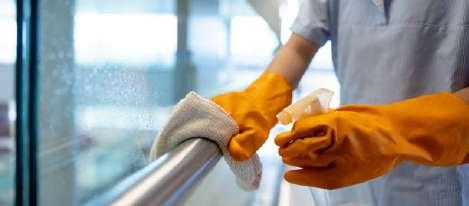
The Professional Cleaning Business Line represents the historical and industrial heart of Allegrini: an ecosystem of professional solutions developed to ensure high standards of hygiene, safety, and efficiency in a multitude of application sectors. Since 1945, the company has produced professional detergents, disinfectants, sanitiser, and industrial cleaning systems, evolving over time from a chemical manufacturer to a partner specialised in the integrated management of professional hygiene.
What distinguishes Top Clean Solutions is the ability to combine the quality of Made in Italy with formulation innovation and a customer service made of competence, assistance, and training. The entire process — from research and development to formulation design, production and packaging customisation — is managed in-house at the Grassobbio plant, allowing Allegrini to maintain direct control over quality, design flexibility and responsiveness to customer needs.
The division's offering is divided into numerous areas, developed to meet the operational needs of the professional context.
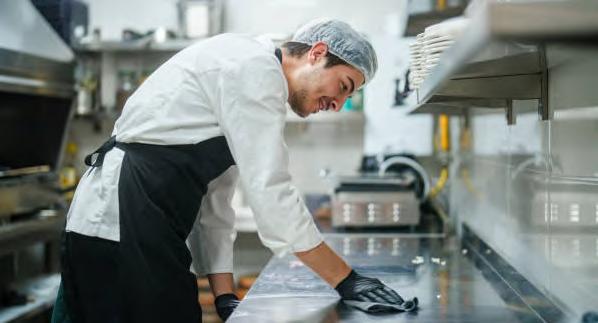
In the HO RE CA & Facilities sector, Allegrini develops complete systems for the hygiene of hotels, restaurants, bars, offices, schools, and cleaning companies, integrating professional detergents, dosing systems, equipment, and operational protocols. The goal is to ensure high standards of cleanliness and safety in high-traffic contexts.
The Carwash & Car Care division represents a highly specialised line, dedicated to the automotive world. Allegrini develops detergents, sanitisers, deodorants, and specific treatments for car washes, workshops, dealerships, and service stations, with solutions designed to meet the operational needs of the sector.
Another area of focus is the Food Industry & Zootechnics sector, for which Allegrini develops detergents and sanitisation systems intended for the entire agri-food supply chain and for the cleaning and hygiene of farms and for animal welfare. The solutions offered are designed to ensure compliance with the hygienic and regulatory requirements applicable within the different phases of the value chain, contributing to food safety and the quality of production processes.
In the Healthcare sector, the Business Line develops detergents, disinfectants, and Medical-Surgical Devices intended for hospitals, nursing homes, clinics, medical offices, and healthcare facilities.
The Nautical line is instead dedicated to boat maintenance and care, offering solutions designed for industry professionals for the treatment of interior and exterior surfaces, as well as specific products for cleaning, protection and maintenance.
The offering is completed by the Service & Safety division, which integrates equipment, accessories, dosing systems, and personal protective equipment intended for the various professional sectors.
At the heart of all its solutions is the so-called "Allegrini Method", a consulting approach that accompanies the customer through the different phases of the service: needs analysis, site inspections, design of hygiene protocols, installation of dosing systems, staff training, and after-sales assistance. A model built to offer not just products, but customised solutions capable of ensuring operational effectiveness, consumption optimisation, and maximization of performance over time.
The offering also incorporates environmental sustainability considerations across the various design and production phases. Allegrini develops concentrated detergents, formulations containing plant-based ingredients and Ecolabel-certified products, while adopting solutions aimed at optimising packaging and logistics related to product distribution.




The cosmetic division today represents one of the most evolved expressions of Allegrini's identity, which combines industrial experience, cosmetic research, design, and hospitality culture into a model capable of engaging with both the professional world and the premium retail market. For over 35 years, the Group has been developing and producing 100% Made in Italy cosmetic lines intended for the international hotel industry, progressively evolving towards lifestyle projects and collections dedicated to daily well-being, perfumery, and high-end cosmetics.
The division was born with the goal of transforming the concept of hotel amenities into a true sensory experience: the collections do not simply represent cosmetic products, but tools through which hotels, resorts, and hospitality facilities can express their identity, enhance the guest experience, and build a wellness journey consistent with their positioning.
At the base of all solutions is direct control of the entire production chain. This approach allows Allegrini to guarantee high quality standards, design flexibility, and a strong capacity for customisation, enhancing the know-how and excellence of Made in Italy.
One of the distinctive elements of the division is, in fact, the ability to develop tailor-made solutions for the hospitality sector. The creative team and the Research & Development department collaborate with maître parfumeurs and international partners to create personalised collections capable of interpreting the style, atmosphere, and concept of individual hospitality facilities.
The Cosmetic division is divided into two main areas.
The Amenities division represents the historical core of the business line and includes cosmetic lines dedicated to hotels and international wellness. The collections combine high-performance formulations, selected ingredients, and contemporary design, with growing attention to the sustainability of materials and packaging. Among the most representative lines are iconic collections such as Oliva del Mediterraneo, Argan Source, Aloesir, and DPlanet, developed to offer distinctive cosmetic experiences consistent with the new needs of international hospitality. DPlanet represents one of the most innovative projects in the field of sustainability applied to the cosmetic sector: solid cosmetics, free of water and preservatives, developed to significantly decrease plastic consumption, packaging volume, and the logistical impact related to product transport. The line was created with the goal of rethinking the traditional concept of hotel amenities through an approach oriented towards the optimisation of formulations and packaging,
combining formulation research, sustainable design, and sensory experience. The absence of water in the formulations also allows for the product to be concentrated and limits the use of non-essential components.
Recently, Allegrini has also strengthened its positioning in the Retail segment, expanding its presence in the premium cosmetics and fragrance market. This path has led to the creation of collections dedicated to daily well-being and the beauty experience, through skincare, bodycare, haircare, and home fragrance lines, distributed in the retail and lifestyle channel.
In this context, both Allegrini-branded lines and collaborations with recognised brands in the fashion and fragrance landscape are included. Among these, the BY Byblos collection represents one of the most significant projects of the retail division: a line with a contemporary and distinctive language, designed for a dynamic audience and oriented towards transforming cosmetics and perfumery into an expression of style and personal identity.
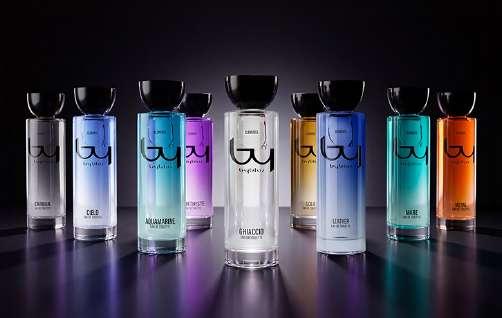


Alongside licensed brands, Allegrini has developed proprietary lines such as Hemp Care, a lifestyle collection formulated with organic hemp oil and dedicated to the world of perfumery, as well as numerous collections inspired by natural ingredients and sensory well-being, such as Bio Hemp, Acqua di Colonia, Oliva del Mediterraneo, and Aloesir.
A central role in the evolution of the division is played by sustainability and formulation innovation. Allegrini invests in the development of plastic-free, waterless, and preservative-free products, as in the case of the DPlanet line. At the same time, it creates bio-based solutions, recycled or recyclable packaging, and certified formulations, consistent with the "World in Progress" sustainability concept.

The ability to integrate cosmetic research, perfumery, design, sustainability, and customisation has allowed Allegrini to evolve from a manufacturer of courtesy lines to a strategic partner for the world of hospitality, wellness, and premium retail, consolidating a business model increasingly oriented towards experience, quality, and innovation.
Allegrini operates in a business-to-business context characterised by strong specialisation in the sectors of professional cleaning, hospitality, cosmetics, and, more recently, premium retail and highend perfumery. Allegrini caters to clients belonging to different sectors - hospitality, food industry, healthcare, industrial laundries, facility management, automotive, and wellness - offering integrated solutions that combine know-how and industrial excellence.
The company’s target market operates within an international context marked by growing attention to quality, safety, sustainability and the customisation of the offering. The evolution of customer needs, the tightening of regulatory requirements, and greater sensitivity to environmental and sensory aspects are progressively changing competitive dynamics in both the professional cleaning sector and the cosmetics and hospitality sector. In this scenario, elements such as product reliability, continuity of supply, customisation capability, quality of formulations, packaging design, and technical-specialist support make the difference. In the hospitality and premium retail sectors, the ability to develop distinctive experiences, consistency between the product and the client brand identity, and the integration of elements related to well-being, fragrance, and sustainability are becoming increasingly important.
Allegrini's consolidated presence in the professional cleaning and cosmetics sectors allows it to operate through a diversified model based on integrated industrial and formulation skills, direct control of production, and the development of tailor-made solutions.

Allegrini's clientele consists mainly of professional operators, hospitality facilities, specialised distributors, service companies, and commercial partners operating in the hospitality, professional cleaning, wellness, and cosmetic retail sectors. Commercial relationships develop in contexts characterised by differentiated technical, operational, and experiential needs, which require high levels of reliability and customisation capability.
In the professional cleaning sector, clients require solutions capable of guaranteeing high standards of hygiene, safety, and operational efficiency, in compliance with the regulatory requirements applicable to the various contexts of use. In this area, continuity of supply, performance stability, and technical support are central elements of the commercial relationship.
In the hospitality and cosmetic sectors, the relationship with the client also takes on a design and experiential dimension. Allegrini
collaborates with hotels, resorts, international groups, and retail operators to develop personalised lines, amenities, and cosmetic collections consistent with the brand positioning and the experience that the facility or brand wishes to offer its end users.
Commercial relationships generally develop on a continuous and longterm basis, also due to the need to ensure qualitative consistency, production reliability, and constant operational support. Through the "Allegrini Method," the company supports the client in the various phases of the relationship, contributing to the construction of stable and integrated partnerships.
Allegrini manages its target markets through an integrated commercial structure that combines direct client management, specialised distribution networks, and commercial partnerships, consistent with the characteristics of the various sectors served and Allegrini's international presence.
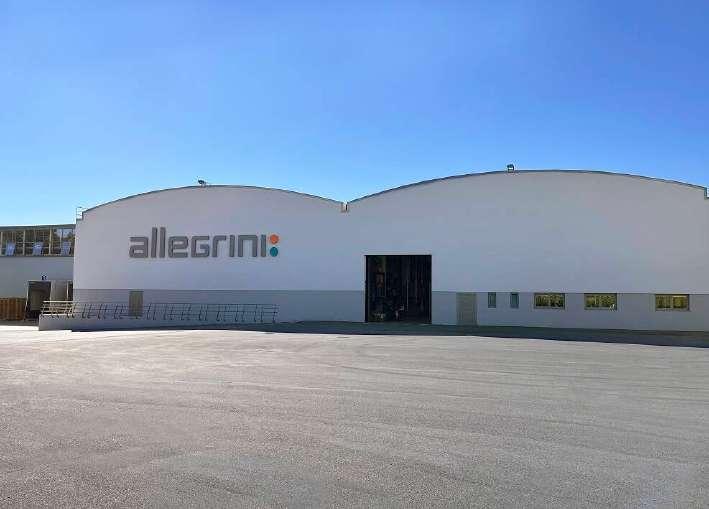
The Grassobbio (BG) headquarters represents the industrial heart of the company and concentrates research and development, formulation, design, production, and commercial coordination activities.
Internationally, Allegrini operates through dedicated commercial structures and a distribution network active in numerous foreign markets, both in the professional cleaning sector and in the hospitality and cosmetic sector. Allegrini North America and the other international offices developed over time allow the company to consolidate its direct presence in specific strategic markets and to strengthen relationships with international players in the hotel and professional distribution industries.
In the cosmetic and premium retail sector, commercial presence is also developed through collaborations with brands, tailor-made projects, and partnerships dedicated to lifestyle, wellness, and perfumery channels.
Relations with suppliers represent a central element of Allegrini's operating model and concern the procurement of raw materials, components, packaging, and services functional to the development of production activities in the professional cleaning, cosmetics, and hospitality sectors.
Supply chain management is integrated into the company's management system. The quality of raw materials, technical compliance, continuity of supply, and the reliability of partners are fundamental elements for guaranteeing the safety, effectiveness, and quality of the products developed by the company.
The relationship with suppliers is based on criteria of fairness, transparency, collaboration, and mutual reliability. Allegrini promotes continuous and long-term oriented relationships, fostering dialogue and operational discussion with partners capable of sharing quality standards and principles consistent with its industrial model and Allegrini's values.
In recent years, Allegrini has progressively strengthened its focus on ESG issues along the supply chain, integrating supplier sustainability among the elements subject to evaluation and monitoring. In this context, Allegrini uses structured assessment tools involving dedicated questionnaires sent to business partners to collect information on environmental, social and governance aspects and assign specific sustainability scores.
At the same time, the company uses platforms and monitoring tools
dedicated to assessing ESG risk across the supply chain. These tools make it possible to analyse suppliers’ sustainability profiles and identify any areas requiring attention in relation to issues such as regulatory compliance, human rights, ethics, environmental impacts and governance practices. This approach allows Allegrini to develop a more structured oversight of the risks and opportunities connected to the supply chain.
The approach adopted by Allegrini is consistent with the principles expressed in the Code of Ethics and the company's integrated management system, which address themes such as ethics, integrity, protection of people, respect for regulations, and the promotion of responsible behavior throughout the entire value chain.
From this perspective, collaboration with suppliers is not interpreted exclusively as a commercial relationship, but as part of Allegrini's path of continuous improvement and sustainable evolution.
Allegrini's approach to sustainability is part of a path built over time and closely integrated with the industrial model. Today, sustainability represents a structural element of the corporate strategy and finds concrete application in the ways in which the company designs, develops, manufactures, and distributes its products.
Even before starting sustainability reporting, Allegrini had introduced solutions and projects related to sustainability themes into its operating model: from research into plant-based formulations and concentrated products, to the development of plastic-free and waterless lines, such as the DPlanet project, aimed at reducing environmental impact throughout the product life cycle.
Over the years, the sustainability journey has also progressively consolidated from an organisational and managerial perspective. The integrated management system, supported by internationally recognised certifications - including ISO 9001, ISO 45001, ISO 22716, and UNI/PdR 125:2022 - today represents one of the main tools through which Allegrini puts its values into practice: attention to product quality and safety, protection of people, and safeguarding diversity.
In this context, the “World in Progress” project represents a further expression of Allegrini’s commitment to sustainability, promoting initiatives and policies focused on the environment and people and fostering a corporate culture centred on the creation of sustainable value.
The sustainability reporting journey, started voluntarily in 2021 and reaching the publication of the fourth Sustainability Report in 2025, represents a further element of consolidation of this approach. Over time, the reporting process has evolved both in content and in
monitoring tools, contributing to strengthening the company's ability to analyze impacts, define strategic priorities, and progressively integrate sustainability issues into decision-making processes.
During 2025, Allegrini further strengthened its sustainability journey through the update of the materiality analysis and the introduction of impact materiality, developed in consistency with the main European reporting standards and aimed at identifying and assessing the actual and potential impacts generated by the company on the environment and people. The identified areas include aspects related to energy consumption and emissions, water and waste management, valuing people, supply chain responsibility, ethics, and integrity.
The evolution of the sustainability strategy is also concretely reflected in the development of the company's offering. The Cosmetics Business Line has expanded its sustainable lines through Cosmos Organic, Cosmebio, and Ecolabel certified collections, while the Professional Cleaning Business Line has strengthened its range of certified detergents and concentrated formulations made with plantbased raw materials.
As part of the preparation of this Report according to the VSME standard, the company has chosen to deepen the materiality analysis process, adopting a methodological approach consistent with the main international sustainability reporting standards (ESRS and GRI). The objective pursued is to strengthen the identification and prioritisation of the most relevant topics for the Allegrini Group and its stakeholders, progressively integrating a logic oriented towards the assessment of the impacts generated by corporate activities. The process was divided into the following phases:
• Analysis of the reference context, aimed at evaluating the main environmental, social, regulatory, and market dynamics that affect the professional cleaning, cosmetics, hospitality, and premium retail sectors;
• Mapping and involvement of stakeholders, through stakeholder engagement activities and the administration of a structured questionnaire aimed at employees, customers, suppliers, commercial partners, and financial institutions, in order to collect perceptions and expectations regarding Allegrini's sustainability issues;
• Identification and assessment of material topics, through analysis of the collected results, internal comparison between the different corporate functions, and assessment of the environmental, social, and governance impacts connected to Allegrini's activities;
• Introduction of impact materiality, with the aim of deepening the assessment of the actual and potential impacts generated by Allegrini on the environment, people, and the value chain, in consistency with the evolution of the company's journey.
Although there is no complete formalisation of the double materiality analysis provided for by the ESRS principles, the process adopted by Allegrini constitutes a structured basis for confirming the strategy and objectives defined over time.
Allegrini recognises dialogue with stakeholders as a fundamental element for defining its sustainability strategy.
Allegrini operates in a context characterised by ongoing relationships with customers, suppliers, employees, business partners, financial institutions, and operators in the hospitality, cleaning, and cosmetics markets. In this scenario, engagement with all stakeholders represents an essential tool for understanding the evolution of expectations, identifying areas of greatest relevance, and supporting the continuous improvement of company activities.
During 2025, Allegrini further structured its stakeholder engagement process through listening and involvement activities aimed at collecting assessments and perceptions on the main environmental, social, and governance issues related to its activities. The results obtained supported the update of the materiality analysis and the introduction of the impact materiality assessment.
The assessment process conducted through stakeholder involvement, internal analysis, and the introduction of impact materiality has allowed Allegrini to identify a set of priority issues that summarize the most relevant environmental, social, and governance areas.
The identified material topics reflect the characteristics of Allegrini's industrial model, the diversification of activities carried out in the professional cleaning, cosmetics, and hospitality sectors, as well as the expectations expressed by the stakeholders involved in the engagement process.
The identified priority topics represent the areas on which Allegrini progressively focuses monitoring, management, and development activities for its ESG strategies, contributing to strengthening the integration of sustainability within decision-making and operational processes.
Waste management Promote actions to reduce or reuse waste and production waste, whether produced directly by the company or by customers
Energy management and dependence on natural capital Adopt policies, procedures, and certifications for the responsible management of energy needs and implement solutions aimed at optimising energy consumption and increasing the use of renewable energy
Water resource management Careful management of the water resource by adopting sustainable practices to ensure efficient water use and establishing supply and wastewater delivery policies


Product


Responsible

The materiality matrix summarises the results of the assessment process conducted through stakeholder involvement and subsequent internal comparison.
The vertical axis shows the level of relevance attributed by stakeholders, expressed as the average score given to each topic in the questionnaire. The horizontal axis represents the relevance for the company, evaluated internally in relation to the characteristics of the production model, the organisational structure, and the governance safeguards adopted.
The material topics identified are addressed in the sections of this Report in accordance with the structure provided by the VSME standard. The following table highlights the correspondence between the priority topics that emerged and the relevant reporting sections, ensuring transparency and traceability of information.

policies, and future initiatives for the transition towards a more sustainable economy
Description of practices, policies, and future initiatives for the transition towards a more sustainable economy
The sustainability initiatives and practices promoted by Allegrini are part of a journey built over time, where sustainability represents a transversal principle that accompanies product development, the organisation of production processes, people management, and relationships with all stakeholders.

The integration of ESG topics finds concrete application in the ways in which Allegrini designs and creates its solutions for professional cleaning, cosmetics, and hospitality. Over the years, Allegrini has invested in the development of concentrated products, bio-based formulations, and waterless and plastic-free lines, such as the DPlanet project, created with the aim of rethinking the concept of hotel amenities according to the logic of sustainability, circular economy, and reduction of environmental impacts throughout the product life cycle, as well as the Ecolabel, Cosmos Organic, and Cosmebio certified lines.
Attention to environmental aspects is also reflected in the management of production processes. Over time, Allegrini has carried out interventions aimed at improving operational and energy efficiency, optimising production activities, and rationalising resource use, such as the installation of the photovoltaic system at the Grassobbio headquarters and the process wastewater recovery plant.
Alongside the environmental dimension, Allegrini has always recognised the value of people and the professional contribution made within the organisation. All activities are based on a management system founded on the enhancement of skills, workplace safety, the promotion of gender equality, and the dissemination of a corporate culture oriented towards responsibility, inclusion, and continuous improvement.

The integrated management system represents one of the main tools through which the Group oversees these aspects. The ISO 9001, ISO 45001, ISO 22716, and UNI/ PdR 125:2022 certifications testify to a structured approach to quality, health and safety, good cosmetic manufacturing practices, and the enhancement of people.
The practices and guidelines that guide Allegrini's sustainability journey also find reference in the Code of Ethics, the Organisational Model 231, and the "World in Progress" project, through which the company promotes an increasingly integrated approach to the topics of environmental sustainability and social responsibility.
• B3 - Energy and greenhouse gas emissions
• C3 - Greenhouse gas reduction and climate transition objectives
• C4 - Climate risks
• B4 - Air, water, and soil pollution
• B5 - Biodiversity
• B6 - Water [Material topic]
• B7 - Resource use, circular economy, and waste management [Material topic]
The management of environmental impacts represents one of the topics that guide the evolution of the business model and corporate activities. This commitment is realised through interventions aimed at containing emissions generated by corporate activities, improving energy efficiency, and using electricity from renewable sources, as well as through careful management of water - a key resource in production processes - and more efficient use of materials, with particular attention to the reduction of waste and spoilage.
In 2025, investments focused on improving production efficiency and optimising operational processes, through the upgrading of the osmosis plant, the introduction of a new line dedicated to filling large formats, and the integration of a reordering system to support internal logistics.
As part of a broader path to strengthen corporate measures regarding sustainability, the journey towards the implementation of an Environmental Management System compliant with the ISO 14001 standard has continued.
Throughout its 80-year history, Allegrini has also integrated the dimension of environmental sustainability into its product

development process, investing in innovative technologies and formulations capable of combining quality, regulatory compliance, and response to the needs of a constantly evolving market. A journey that has allowed for the creation of, among others, a range of Ecolabel-certified detergents - the European label that guarantees
a reduced environmental impact of products throughout their entire life cycle, concentrated products that allow for the containment of CO2 emissions compared to the ready-to-use version, and innovative solutions such as Beauty Pills, a solid water-free facial cleanser in pill form packaged in a bottle made with plastic recovered from the oceans. This attention is also reflected in the packaging solutions adopted for specific product lines, such as the use of recycled materials and plastic-free solutions.
From professional detergent lines to amenities, up to projects developed within the World in Progress programme, Allegrini offers solutions for the hospitality sector oriented towards combining innovation, service quality, and attention to the environmental impacts of products, also monitored through LCA (Life Cycle Assessment).
Over the last few years, Allegrini has strengthened the monitoring activities of its energy consumption, with the goal of acquiring greater awareness of the main areas of energy absorption associated with production processes and company facilities.
Allegrini's energy consumption is attributable to the use of electricity, natural gas, and fuels.
Electricity is used mainly for the operation of production plants and machinery, as well as for lighting company premises. Part of the energy requirement is covered by energy produced by the photovoltaic system installed at the Grassobbio production site, while the remaining portion is covered by procurement from the electricity grid. In order to preserve the efficiency and performance of the photovoltaic system over time, maintenance and cleaning activities of the panels are carried out regularly. Natural gas is used for heating company premises. During 2025, Allegrini carried out insulation work on the compressed air system and heating systems with the goal of containing losses associated with production processes and optimising energy consumption.
Fuels, on the other hand, are used to power the company fleet, which is subject to progressive renewal aimed at introducing vehicles with lower emission impacts.
In 2025, Allegrini's total energy consumption amounted to 6,593.15 MWh, a decrease compared to the previous year. At the same time, the use of renewable energy sources to cover electricity needs has increased.
Energy intensity, determined as the ratio between total energy consumption and total net revenues generated in the reporting period, represents a key parameter for evaluating efficiency in energy use and monitoring the trend of energy consumption over time compared to the economic value generated by company activities. For 2025, this indicator is 209.26 MWh/million €.
Combating Climate change represents a commitment rooted in Allegrini's sustainable development strategy. The quantification of greenhouse gas emissions allows for the identification of the main emission sources associated with company activities and provides useful information to support the assessment of environmental impacts and the progressive integration of climate-related considerations into the company’s decision-making processes.
Allegrini's emissions, determined according to the Greenhouse Gas Protocol - Corporate Accounting and Reporting Standard, are distinguished between:
• direct emissions (Scope 1), generated by assets owned or under the control of the company, in particular from the combustion of natural gas for heating premises and from fuels used to power the company fleet;
• indirect emissions from energy consumption (Scope 2 locationbased), associated with electricity purchased from the grid and consumed by the company.
Allegrini is aware that effective emission management requires attention that goes beyond the boundaries of the company perimeter. For this reason, although it does not yet carry out a systematic measurement of emissions arising along the value chain, the company supports initiatives aimed at containing the impacts associated with activities carried out by third parties. Also during 2025, CO2 emissions related to the transport of hazardous waste were offset through the supplier Omnisyst.
During 2025, the total greenhouse gas emissions generated (Scope 1 and Scope 2 location-based) amounted to 1,547.63 tCO2, a decrease compared to 2024 (-4.73%).
The emission factors used for the calculation are derived from the Government GHG Conversion Factors for Company Reporting (DEFRA) and the AIB Residual Mix (Europe).
Emission intensity is a key indicator for assessing the company's climate efficiency in relation to its economic activity, allowing for the monitoring of the decoupling between revenue growth and greenhouse gas emission trends over time.
For 2025, Allegrini's emission intensity is 49.12 tCO2/millions of euro. The trend of this indicator reflects the combined effects of energy efficiency actions, the evolution of energy consumption, and the performance of the company's economic activity during the reporting period.
The transition towards operating models characterised by greater energy efficiency and the reduction of climate impacts represents a priority theme for Allegrini within the sustainability path undertaken. Although there are no formalised quantitative targets for reducing greenhouse gas emissions, the company has been continuously monitoring its energy consumption and associated emissions for several years. This measurement and reporting activity allows for the consolidation of knowledge regarding the main emission sources and the impacts of its activities, laying the foundations for structuring a corporate climate strategy oriented towards production efficiency and the optimisation of operational processes.
The evolution of the climate, regulatory, and energy framework progressively exposes companies to risk factors capable of affecting operational continuity, the resilience of production processes, and competitive market dynamics, making climate risk management an increasingly structural component of corporate control systems. The activities of monitoring energy consumption and climate-altering emissions represent for Allegrini a first functional element for understanding its exposure to energy dynamics, which is implemented
by the structuring of specific procedures for managing emergency scenarios associated with extreme weather events and a continuous investment in research and development to anticipate and respond to the evolution of the regulatory context.
Allegrini has conducted an analysis of the main risk factors relevant to its operating model, distinguishing between physical risks connected to the intensification of extreme weather events and transition risks deriving from the evolution of the regulatory, energy, and market context, as part of its sustainability path and the progressive integration of climate and environmental issues into corporate management systems and risk assessment processes.
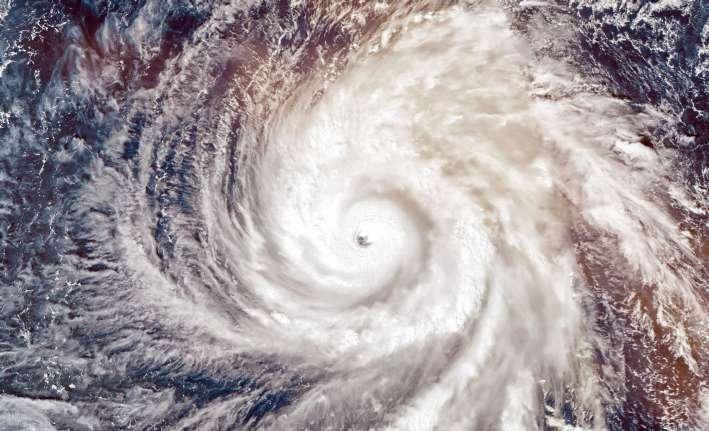

The main physical risks identified by the company are attributable both to acute events, associated with the intensification of extreme weather phenomena, and to chronic phenomena linked to the evolution of climatic conditions in the medium-to-long term:
• Acute events: the intensification of events such as precipitation, flooding, severe thunderstorms, and whirlwinds could affect the continuity of operational activities, the functionality of company plants and infrastructure, and the safety of work environments;
• Chronic events: given the importance of water resources in company processes, potential water stress conditions and increasing pressure on their availability could affect the continuity of supplies and, consequently, company operations. Furthermore, the progressive increase in average temperatures could lead to an increase in energy requirements associated with cooling and ventilation systems in production environments.
Transition risks are mainly associated with the evolution of the regulatory, economic, and market context towards production models characterised by lower emission intensity, efficient use of resources, and increasingly stringent requirements regarding the environmental sustainability of products and packaging.
• Normative and regulatory risks: the progressive strengthening of national and European legislation on climate and environmental matters, aimed at reducing climate-altering emissions, efficiency in the use of resources, and the transition towards circular economy models, including increasingly stringent requirements related to products and packaging, could lead to an increase in compliance burdens and require adjustments to production processes and investments in research and development activities.
• Technological risks: the evolution of available technological solutions could entail the need for investments to maintain adequate levels of operational efficiency and competitiveness, as well as determine over time potential obsolescence profiles of the plants and technologies currently used.
• Market risks: the growing integration of ESG criteria in customer procurement processes determines an evolution of market expectations that requires continuous adaptation of the offer and the environmental characteristics of the products, with possible effects on competitive positioning in case of failure to respond to the new needs of the reference sector.
Allegrini has conducted a qualitative assessment of its exposure to the main climate risk factors, analysing the sensitivity of its operational activities and value chain with respect to the climate change scenarios expected in the short, medium, and long term.
With regard to physical risks, Allegrini recognises its potential exposure to seasonal water stress, intense rainfall events and prolonged heatwaves, whose increasing frequency and intensity could affect operational continuity, the availability of water resources for production processes, and the energy consumption of its plant and equipment. The exposure of suppliers and logistics operators to extreme weather events constitutes a further sensitivity factor, with potential repercussions on the continuity of supplies.
With reference to transition risks, Allegrini operates in a context characterised by a progressive intensification of regulatory and market pressures aimed at the decarbonization of production processes, the sustainability of packaging solutions, and the transparency of environmental declarations related to products. In this scenario, the ability to anticipate the evolution of applicable regulatory and legislative requirements and to adapt formulations, materials, and processes in line with the principles of sustainable chemistry and the
circular economy represents a critical competitiveness factor.
Allegrini's climate risk assessment was developed considering different time horizons, in relation to the nature of the identified risk factors and their potential ability to affect operational activities, the supply chain, and the reference competitive context.
In the short term, the main exposure profiles are mainly associated with regulatory and competitive factors, such as the growing attention of customers towards the environmental characteristics of products, the evolution of the regulatory framework regarding sustainability and transparency of environmental declarations, as well as the variability of market conditions and supply costs.
In the medium-long term, the risks take on a more structural dimension, with particular reference to the potential effects deriving from changing climate conditions, the progressive strengthening of environmental and climate legislation, and the growing integration of ESG criteria in business models and competitive dynamics of the reference sector.
As part of the sustainability path undertaken, Allegrini has implemented a series of initiatives that reflect the integration of climate and environmental issues into the company's management and operational processes. In particular, the main areas of intervention focus on:
• monitoring energy consumption and greenhouse gas emissions, together with the implementation of measures aimed at improving energy and operational efficiency, such as upgrading the reverse osmosis system, optimising internal logistics processes, and progressing towards the adoption of an environmental management system compliant with ISO 14001;
• integration, in the company's Emergency and Evacuation Plan, of specific procedures for managing emergencies associated with exceptional atmospheric precipitation, strong thunderstorms, and whirlwinds, in order to protect personnel and secure company plants and infrastructure;
• continuous investments in research and development activities aimed at the evolution of formulations and packaging solutions.
The identified climate and environmental risks can lead to potential adverse effects on Allegrini's economic-financial results, affecting different dimensions of company performance:
• cost structure: the evolution of the environmental regulatory framework and the volatility of energy and raw material prices could lead to an increase in operating costs and charges related to the adaptation of company processes;
• investment dynamics: the strengthening of the regulatory framework and the growing integration of sustainability criteria in market dynamics could lead to the need to allocate further resources to research and development activities, interventions for the efficiency of production processes, and paths for the evolution of formulations and packaging solutions;
• competitiveness and market: the growing attention from customers and the market towards aspects related to sustainability, quality, and product safety can affect the competitive dynamics of the sector, with potential effects on Allegrini's positioning;
• indirect operational risks: any critical issues along the supply chain or the occurrence of extreme climate events could affect the availability of raw materials, supply times, and the continuity of some operational activities.
Overall, the periodic monitoring of the main climatic, regulatory, and market variables allows Allegrini to manage potential risk factors in a structured manner and to evaluate the possible operational, economic, and strategic implications associated with the transition towards more sustainable production and consumption models.
• Monitoring of energy consumption and greenhouse gas
• Implementation of energy and operational efficiency measures
• Continuation of the certification process for the environmental management system in compliance with the ISO 14001 standard
• Obtain ISO 14001 certification for the environmental management system
• Continue to monitor climate risks that may affect operational continuity and company competitiveness
• Monitor the evolution of the environmental and climate regulatory framework to ensure the compliance of processes, products, and packaging with applicable requirements
The main atmospheric emissions generated by Allegrini's production processes, other than CO2, are conveyed by the extraction systems serving the operations carried out at the Grassobbio production plant. The results of the monitoring activities carried out during 2025 showed, for all sampled emission points, values compliant with the
emission limits defined by the Province of Bergamo.
The water component, discharges, and wastewater generated by production activities are managed in compliance with current environmental legislation and related authorization requirements. In 2025, Allegrini continued its structured monitoring of wastewater flows associated with its operations, with total volumes amounting to 1,230 m3

Thanks to the wastewater recovery system installed at the production site, it was possible to recover 37.88% of the generated wastewater during the year.
In carrying out its operational activities, Allegrini pays particular attention to preventing potential impacts on the soil and subsoil connected to the use, handling, and storage of materials and chemical substances, adopting safeguards and management methods aimed at reducing the risk of accidental spills.
• Monitoring of atmospheric emissions and verification of compliance with applicable limits
• Recovery and reuse of wastewater through the dedicated system installed at the production site
• Prevent significant environmental impacts on soil and subsoil resulting from company activities
• Continue to oversee wastewater management processes, maintaining compliance with applicable regulatory requirements and promoting efficient use of water resources
As part of the analysis of environmental impacts associated with production processes, Allegrini has examined the possible interactions between its operational activities and the natural and ecosystem context affected by the presence of the company's sites.
The Grassobbio production plant is located in an area primarily designated for production and infrastructure, characterised by a high level of anthropisation and not located in the immediate vicinity of protected natural areas or sites belonging to the Natura 2000 network. In consideration of the characteristics of the activities carried out and the location of the production site, potential impacts on biodiversity are mainly indirect and associated primarily with the use of resources, emissions deriving from operational processes, and the management of wastewater and substances used in production activities.
The topic remains, however, subject to monitoring and attention

• Maintain oversight of issues related to biodiversity, in line with the evolution of the regulatory framework and stakeholder expectations by the company, also in consideration of the growing importance assumed by environmental and ecosystem protection aspects in the reference regulatory context and along the value chain.
• Monitoring of environmental aspects indirectly connected to biodiversity,
Water resources constitute a critical process input for Allegrini, used transversally in the product formulation phases and in the washing operations of production plants, as well as for sanitary purposes. Its responsible management therefore takes on strategic value, both in terms of operational continuity and in terms of reducing the environmental impact associated with the processes. In this perspective, Allegrini has structured over time a water resource management system that integrates two complementary dimensions: on one hand, investments in production processes aimed at enhancing process wastewater recovery capabilities; on the other, the monitoring of water withdrawals and consumption, aimed at evaluating the effectiveness of the optimisation and efficiency measures implemented.
In 2025, Allegrini's total water withdrawals amounted to 36,150 m3, an increase compared to the 27,264 m3 recorded in the previous year. This variation is mainly attributable to the evolution of the production mix.
Allegrini’s production plant is located in an area classified as having low water stress, based on the World Resources Institute’s Aqueduct Water Risk Atlas “Baseline Water Stress” indicator. Therefore, no significant critical issues related to the availability of water resources in the reference territory have emerged. However, the topic remains subject to monitoring by the company, given the strategic importance of water resources within business processes.

For Allegrini, environmental sustainability represents a strategic lever also integrated into the design, development, and manufacturing processes of products and packaging solutions.
From the selection of raw materials to formulation, mixing, and filling activities, the entire production process is managed internally by Allegrini. The selection of raw materials and components intended for product formulation represents a crucial phase to ensure operational continuity, consistent quality of formulations, and reliability of finished products. This is implemented by the procurement of materials intended for primary and secondary packaging, which constitute further relevant inputs along the company's production cycle.
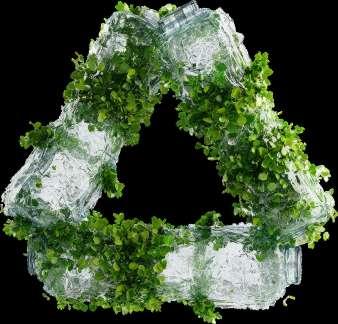

Allegrini monitors the quantities of paper purchased for communication materials, catalogs, brochures, secondary packaging, and promotional materials, favoring solutions capable of combining material quality with attention to the environmental impacts generated along the supply chain. To support this path, the collaboration with Grafiche Paciotti SB, an Umbrian company active in the innovative print & packaging sector oriented towards sustainability, also continued in 2025. The partnership between the two companies is based on a shared vision aimed at the progressive reduction of environmental impacts associated with packaging, through the use of recycled materials and the development of solutions consistent with the principles of the circular economy. In the current year, the total quantity of paper purchased from the supplier Grafiche Paciotti SB is 10.59 tons, of which approximately 28% consists of recycled paper or paper with recycled content. Of this amount, more than 52% consists of PRIMA paper, a 100% recycled, zero-km paper whose use generated savings of 301 kg of CO₂ compared with traditional recycled paper. Since 2023, Allegrini has been using PRIMA paper for all secondary packaging of the Hemp Care lifestyle line.


Regarding resource outflows, the total quantity of waste generated by Allegrini in 2025 is 1,407.15 tons, a decrease of 5.3% compared to the previous year.
Over 87% of the waste produced is classified as hazardous and consists mainly of liquid waste and aqueous solutions derived from production processes, plant washing activities, and industrial water treatment systems, including mother liquors, microfiltration concentrates, and wastewater generated by reverse osmosis plants.
As for non-hazardous waste, this consists mainly of mixed material packaging, entirely sent for recovery.
To optimise packaging waste management, during 2025 Allegrini installed a cardboard compactor.
The management of waste transport and treatment activities is
NON-HAZARDOUS WASTE
Packaging
WASTE
entrusted to specialised and authorized operators. Thanks to the partnership with Omnisyst, the CO2 emissions generated by the transport of hazardous waste carried out on behalf of Allegrini are offset.
ACTIONS AND GOALS
VSME MAIN ACTIONS 2025 GOALS FOR THE FUTURE
B7 - Resource use, circular economy, and waste management
• Continuation of the partnership with Grafiche Paciotti SB for the purchase of recycled paper or paper with recycled content used for product packaging
• Purchase of a cardboard compactor
• Offsetting of CO2 emissions associated with the transport of hazardous waste through the service provided by Omnisyst
• Continue the path of integrating circular economy principles into procurement processes, combining material quality with the reduction of environmental impacts generated along the supply chain

• B8 - Workforce - General characteristics
• C5 - Further general characteristics of the workforce
• B9 - Workforce - Workers health and safety [Material topic]
• B10 - Workforce - Remuneration, collective bargaining, and training [Material topic]
• C6 - Human rights policies and processes
• C7 - Serious incidents regarding human rights
• [ES] Entity Specific - Diversity, equity and inclusion
• [ES] Entity Specific - Product quality and safety
Eighty years of history are built through products, research, innovation, and people: an inseparable intertwining in which human capital, with its wealth of technical skills, experience, dedication, and passion, is at the same time the origin and engine of every result achieved.
Allegrini recognises, in fact, that the value generated by the company is not exhausted exclusively in production activities and economic results, but is also reflected in the ability to create skills, promote solid professional relationships, and contribute to the development of a working environment oriented towards collaboration, growth, and the valorisation of people. In this perspective, investing in its people means for Allegrini acting on several complementary levels:
Skills development and professional growth, fostering training, updating, and professional development paths, with the goal of consolidating technical and transversal skills consistent with the evolution of the business and customer needs.
Inclusion, equity, and promotion of diversity, by promoting a working environment based on respect for people, equal opportunities, and a corporate culture that values collaboration and the quality of professional relationships.
Health, safety, and organisational well-being, through the adoption of practices and tools aimed at ensuring safe working environments, adequate working conditions and initiatives designed to protect people’s well-being.
These dimensions are implemented by attention towards customers and end-users, pursued through high standards of quality, safety, and reliability of the products offered.
The solidity and level of maturity of the approach adopted by Allegrini on these issues are also reflected in the certifications obtained: the occupational health and safety management system is compliant with the ISO 45001 standard, an international standard aimed at SOCIAL
ensuring effective oversight of aspects related to the protection of people in the workplace; furthermore, the achievement of the Gender Equality Certification according to UNI/PdR 125:2022 reflects the desire to consolidate an organisational model oriented towards the valorisation of skills, professional equity, and the construction of an inclusive and participatory working environment.
WORKFORCE - GENERAL CHARACTERISTICS
ADDITIONAL GENERAL WORKFORCE CHARACTERISTICS
WORKFORCE BY CONTRACT TYPE
As of the closing date of the 2025 financial year, Allegrini employs a total of 134 employees, with an employment structure characterised by the prevalence of permanent employment contracts (99%), confirming the company's orientation towards employment continuity and the valorisation of stable professional relationships over time.
As of December 31, 2025, Allegrini employs a total of 134 employees, a decrease compared to the previous year (-5.6%). The composition of the staff is confirmed to be substantially stable in terms of gender distribution, with a prevalence of the male component equal to 64% of the total employees (86 people), while the female component represents the remaining 36% (48 people).
99%
Employees with permanent contracts
Alongside the employed workforce, Allegrini also made use of the support of temporary agency staff.
In 2025, Allegrini's outgoing turnover rate was 8.21%, a significant decrease compared to the 16.90% recorded in the previous year. During the year, 11 employees left the company, compared to 24 departures in 2024.

In 2025, Allegrini's workforce is characterised by a prevalence of operational personnel, with the category of production workers representing the largest component of the company's workforce, equal to 62 employees. This is followed by office workers, totaling 46 people, a category that shows a higher incidence of the female component.
Executive roles are held exclusively by male personnel; the women/ men ratio at the executive level is therefore equal to 0.
In 2025, the company population is mainly concentrated in the age group between 30 and 50 years old.
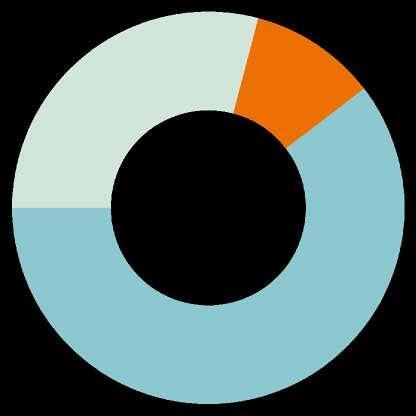
The distribution of seniority provides an image of a company in which consolidated experience and professional renewal coexist in a balanced way. In 2025, over a third of the company population
has been working at Allegrini for more than ten years; at the same time, 42.5% of the staff has less than five years of seniority, a sign of an organisational structure that continues to evolve through the inclusion of new professional skills and expertise.
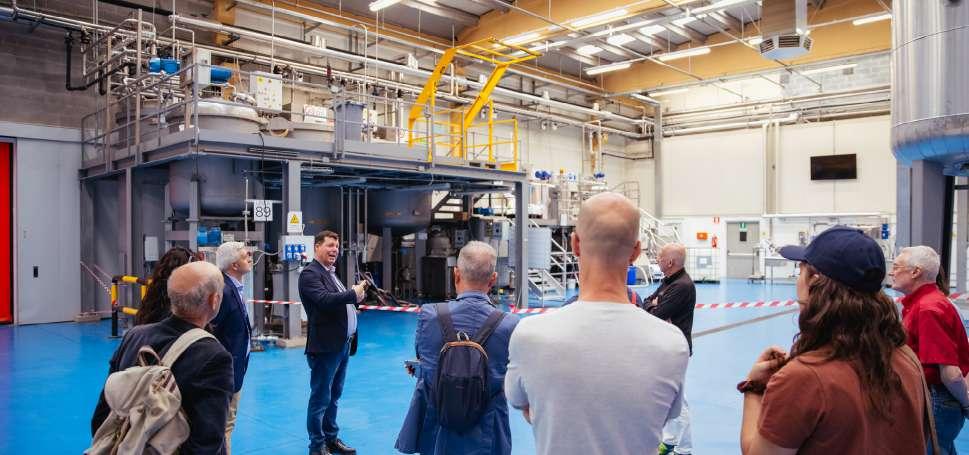
Protecting health and safety in the workplace is a strategic priority for Allegrini. The approach adopted by the company is based on the conviction that the prevention of risks related to company activities does not represent a mere regulatory compliance, but is a structural component of the company's management model and the very way of doing business. Consistent with these principles, Allegrini has adopted a health and safety management model developed in compliance with Legislative Decree 81/2008 and certified by an independent thirdparty body according to the ISO 45001 standard, which integrates operating procedures, monitoring activities, preventive measures, and organisational responsibilities aimed at managing risks related to company activities.
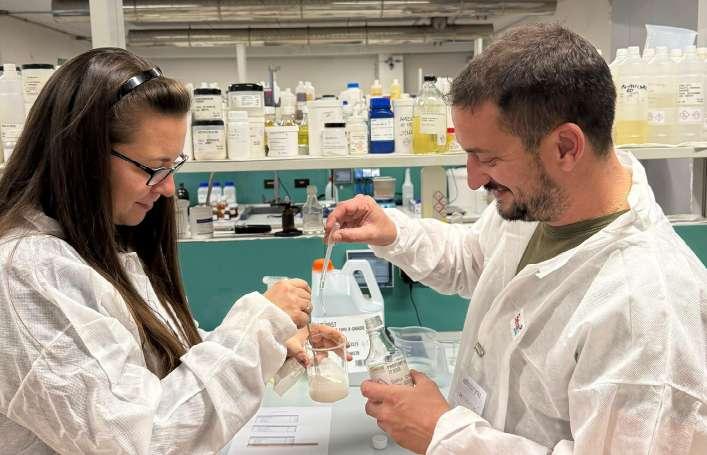
Risk assessment, formalised in the Risk Assessment Document, constitutes the methodological prerequisite of the entire system. The resulting measures are articulated on several levels: technical interventions on work environments and equipment, definition of operating procedures, employee training, and periodic health surveillance conducted by the Competent Doctor based on the identified professional risks and the characteristics of the tasks performed. To support the prevention and protection measures adopted, Allegrini ensures the availability of appropriate Personal Protective Equipment (PPE) for workers.
During 2025, Allegrini achieved a particularly significant result in terms of occupational health and safety, closing the year without any accidents involving employees, in continuity with the positive trend recorded in recent years. A result that confirms the solidity of the company's safety management system, the attention dedicated
to prevention, and the spread of a shared safety culture within the organisation.
During the reporting period, only one commuting accident involving an intern was recorded.
Health and safety management is integrated transversally within company processes and is supported by training activities and awareness-raising initiatives aimed at personnel, designed to strengthen awareness of professional risks and promote the adoption of operational behaviors consistent with the principles of prevention and safety in the workplace.
Allegrini continuously promotes initiatives aimed at improving organisational well-being, the quality of working conditions, and the involvement of its people, recognising the strategic value of an inclusive, collaborative professional environment that is attentive to individual well-being. In 2025, this commitment translated into the organisation of both activities dedicated to sharing and team building, and awareness-raising initiatives on health and prevention topics.
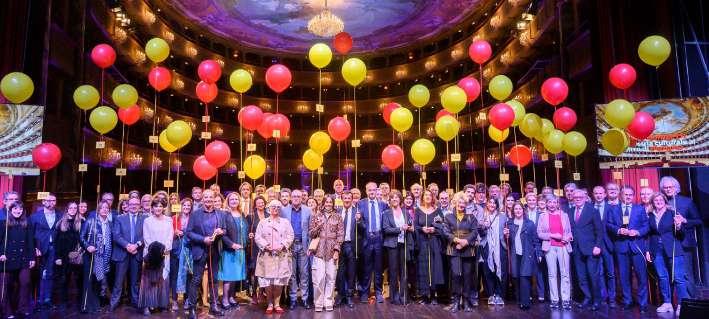
The annual team building event took place at the Bersi Serlini winery in Franciacorta, under the guidance of Dr. Silvia Moretti. The participants, organised into groups, collaborated on the creation of a cuvée, following the entire process: an activity designed around the concepts of listening, shared vision, and team spirit, which enhanced the ability to integrate different skills towards a common goal and fostered internal discussion and collaboration.
In collaboration with LILT - Italian League for the Fight Against Cancer -, Allegrini promoted the webinar "Prevention and lifestyles: the foundations for building our future", during which topics related to prevention, balanced nutrition, physical activity, stress management, and the importance of periodic check-ups were explored. Alongside this initiative, Allegrini promoted a flu vaccination campaign aimed at employees, strengthening its commitment to spreading a culture of prevention and protecting personal well-being, even outside the work context.
• Provision of training activities and awareness-raising initiatives on health, safety, and prevention topics
• Conducting periodic health surveillance based on identified professional risks
• Complete the update of the Risk Assessment Document
• Organisation of team building activities
The expertise, professionalism, and contribution of employees represent a strategic factor for the quality of processes and products and the ability of Allegrini's business model to evolve.
The management of employment relationships is based on compliance with current legislation and the relevant collective bargaining agreement, which regulate the economic and employment conditions applicable to personnel. 100% of employed staff are covered by collective bargaining.
Remuneration policies are defined based on the role held, assigned responsibilities, professional skills, and experience gained, in compliance with the principles of equity, merit enhancement, and non-discrimination. In 2025, the gender pay gap is 3.41%, showing an overall contained average pay difference between men and women.
Allegrini recognises training as a fundamental tool to accompany the evolution of professional skills, support the improvement of business processes, and strengthen the organisation's ability to respond to changes in the operating and regulatory context. Therefore, training activities are developed based on organisational needs, professional profiles, and specific activities performed. During 2025, a total of 818 hours of non-mandatory training were provided. The main thematic areas concerned:
NORMATIVE AND REGULATORY COMPLIANCE
For updating skills on regulations applicable to the classification, labelling, transport, and marketing of products;
QUALITY, GMP, AND OVERSIGHT OF PRODUCTION PROCESSES
For consolidating quality controls and the correct performance of operational and production activities;
For strengthening operational, managerial, and digital skills to support business processes;
LEADERSHIP, INCLUSION, AND ORGANISATIONAL DEVELOPMENT
For consolidating coordination, communication, and professional relationship management skills, promoting a corporate culture oriented towards inclusion, participation, and collaboration.
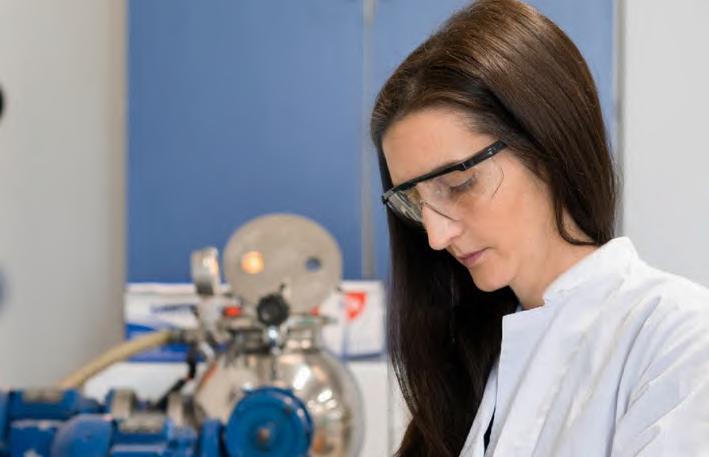
The protection of human rights is an integral principle of Allegrini's governance model and corporate culture. The company promotes a work environment based on respect for the person, individual dignity, and equal opportunities, opposing any form of discrimination, harassment, labor exploitation, or behavior harmful to fundamental rights.
These principles, which guide relationships with employees, collaborators, suppliers, and, more generally, with all subjects involved in company activities and along the value chain, are formalised within an integrated system of policies and governance tools:
CODE OF ETHICS, defines the principles of conduct and ethical responsibilities that bind all subjects operating in Allegrini's interest, with specific provisions regarding non-discrimination, human dignity, health and safety at work and accident prevention, gender equality, and the prohibition of child labor and labor exploitation;
ORGANISATION, MANAGEMENT AND CONTROL MODEL pursuant to Legislative Decree 231/2001, of which the Code of Ethics is an integral part, represents one of the main tools for overseeing the legality of corporate conduct;
SUSTAINABILITY POLICY, which sets out the main strategic directions guiding Allegrini’s sustainability journey: promoting diversity and inclusion, developing human capital, and raising awareness of human rights within the organisation and across the supply chain.
The issue of human trafficking is not subject to in-depth analysis within company policies; however, such practices must be understood as incompatible with the principles of fairness, protection of the person, and respect for fundamental rights that inspire Allegrini's activities.
The dissemination of these principles is also supported through awareness-raising initiatives on the topics of gender equality, inclusion, and respect for the person. Any non-compliant behavior can be reported through the whistleblowing system, which guarantees the confidentiality of the whistleblower and the management of reports by the competent bodies.
During the 2025 financial year, no episodes, reports, or proceedings attributable to serious human rights violations, such as discrimination, harassment, labor exploitation, or other practices contrary to the principles of respect, protection, and enhancement of the individual, were recorded within the scope of the activities carried out by Allegrini.
For Allegrini, social responsibility is not an episodic initiative, but a continuous journey to be nurtured over time through the involvement of its people, the dissemination of an inclusive culture, and the adoption of practices oriented towards respect and the enhancement of diversity. For this reason, for over a year, Allegrini has been collaborating with Fondazione Libellula to promote gender equality and create an inclusive and respectful work environment. During 2025, Allegrini employees participated in meetings dedicated to the topic of inclusive language, exploring the role and impact of language in preventing discrimination and generalisations and in spreading more conscious and inclusive relational methods.
Allegrini’s commitment to diversity, equity and inclusion received further recognition through the achievement of Gender Equality Certification under the UNI/PdR 125:2022 reference practice, which attests to the adoption of a structured system of policies, procedures and measures aimed at promoting gender equality within the organisation.
From the selection of the best raw materials to formulation, up to the mixing and filling activities of cleaning and cosmetic products, the entire production process is managed by Allegrini. This approach allows for overseeing every phase, ensuring high quality standards through an internal quality control laboratory, direct monitoring of production processes, and the enhancement of the excellence of true Made in Italy.
Innovative formulations and solutions designed to respond to market evolution and customer needs are born from the internal Research and Development laboratories.

Beauty Pills represents one of the projects through which Allegrini is exploring new solutions in the field of cosmetics, integrating formulation research and attention to environmental aspects. The product consists of a solid facial cleanser in pill form that, upon contact with water, transforms into a delicate mousse. The formulation, developed without water and preservatives and enriched with hyaluronic acid, uses ingredients such as vegetable starches, sugars, and natural surfactants. The attention to the materials used also extends to the packaging, a bottle made using plastic recovered from the oceans.
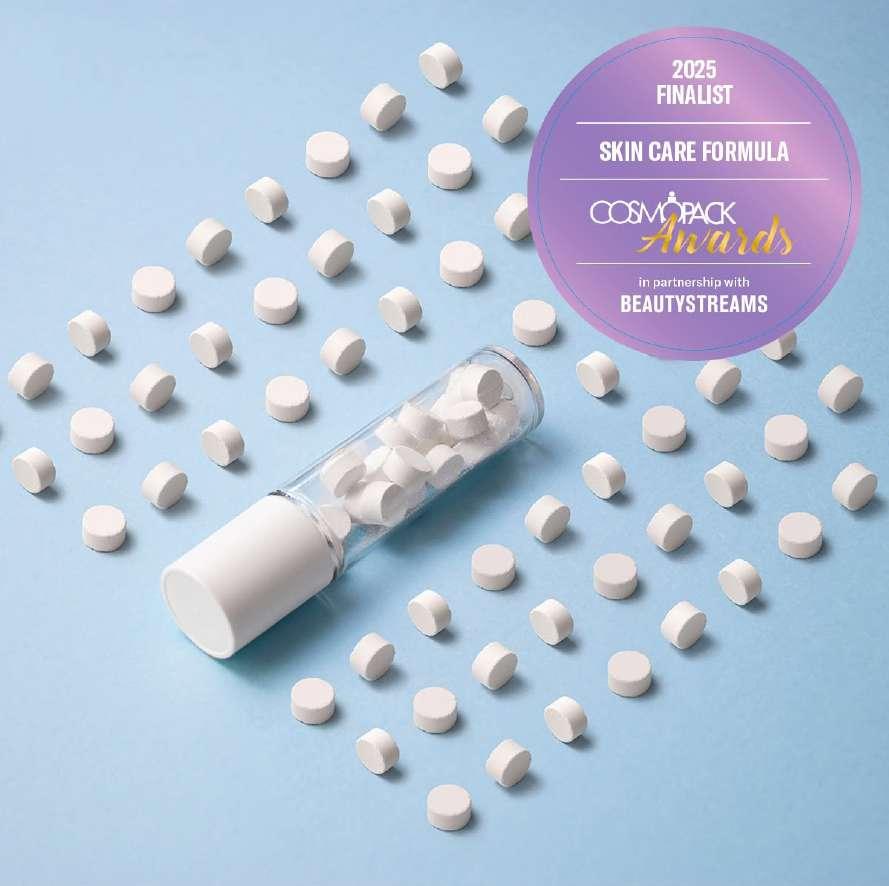
The range of dispensers combines hygiene, safety, and sustainability in a single solution designed for hospitality. The sealed and tamper-proof cartridge system ensures product integrity and a reduction in the risk of bacterial contamination. In 2025, the range was expanded with the new 390 ml REAL SQUARE dispenser, developed using recycled plastic.



In 2025, Allegrini expanded its range of Ecolabel certified products with three new solutions dedicated to professional cleaning: descaling, multi-purpose, and floor cleaner. The Ecolabel quality mark established by the European Union guarantees the reduced environmental impact of products throughout their life cycle, from production to disposal.

Product certifications attest to Allegrini's commitment to formulating safe, effective, and low-environmental-impact cosmetic and cleaning solutions, meeting the highest standards recognised at a national and international level.
European Union mark that certifies products with reduced environmental impact throughout their entire life cycle.
Certifies that products are formulated in compliance with the highest standards for organic and natural cosmetics, ensuring their safety and efficacy.

Attests to the compliance of products and production processes with the requirements set by Islamic doctrine.
Attests to the compliance of products with the standards of certified natural cosmetics, ensuring compliance with specific qualitative, environmental, and safety requirements of the formulations.
During 2025, Allegrini further strengthened training activities on Good Manufacturing Practices (GMP), with particular reference to the use of personal protective equipment to support the safety of cosmetic products, in order to consolidate the control of production processes and ensure the maintenance of high quality standards. The training hours provided recorded an increase compared to the previous year,
reaching a total of 38 hours: a result that confirms the company's attention to the growth of technical skills and the dissemination of a culture oriented towards quality and the safety of the product and processes.
[ES] ENTITY SPECIFIC – Product quality and safety
• Development of the Beauty Pills line, a solid facial cleanser formulated without water and preservatives and with packaging made from plastic recovered from the oceans
• Expansion of the non-refillable dispenser range for the hospitality sector
• Extension of the Ecolabel certified products offer for professional cleaning
• Provision of training on Good Manufacturing Practices (GMP)
• Continue to invest in research and development of solutions capable of combining quality, safety, innovation, and reduction of environmental impacts associated with the product and packaging

• B11 - Convictions and fines for corruption and bribery
• C8 - Revenues from EU-relevant activities
• C9 - Gender diversity in the governance body
• [ES] Entity Specific - Responsible supply chain management
• [ES] Entity Specific - Ethics in governance
For eighty years, Allegrini has based its growth path on values that have shaped its identity and continue to guide its vision, choices, and way of doing business: quality as an essential standard, expertise as the foundation of operational excellence, innovation as a driver of change, sustainability as a principle embedded in the company’s activities and processes, and service and customised solutions as a commitment to customers and partners.
The desire to combine development, integrity, and responsibility is translated today into a structured governance system, at the center of which are the Code of Ethics and the Organisation, Management and Control Model adopted pursuant to Legislative Decree. 231/2001. Tools that do not represent a formal requirement, but the concrete expression of a corporate culture founded on legality, fairness, transparency, respect for people, and environmental protection.
During 2025, there were no judicial proceedings concluded with convictions, nor sanctions or fines against Allegrini and its legal representatives for violations of legislation regarding active and passive corruption, bribery, or other illicit practices related to the conduct of business activities.
FROM EU-RELEVANT ACTIVITIES
The activities carried out by Allegrini, relating to the production and marketing of detergents, cosmetic products, and high-end perfumery solutions, do not fall among those included in the sectors identified in paragraph 63 of the VSME.
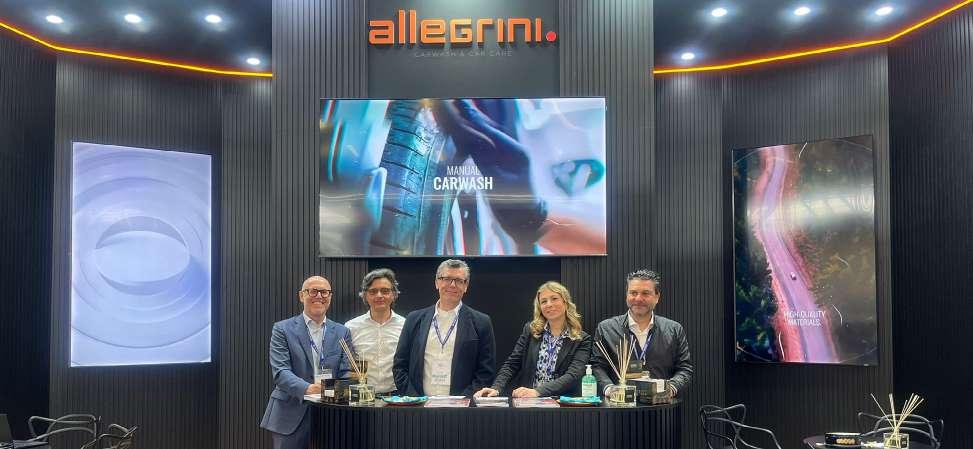
The Allegrini Board of Directors is composed of seven members, to whom the functions of strategic direction and supervision of company management are attributed.
The Board of Directors is composed exclusively of male members. In light of the current composition of the governance body, the gender diversity ratio is therefore equal to 0.
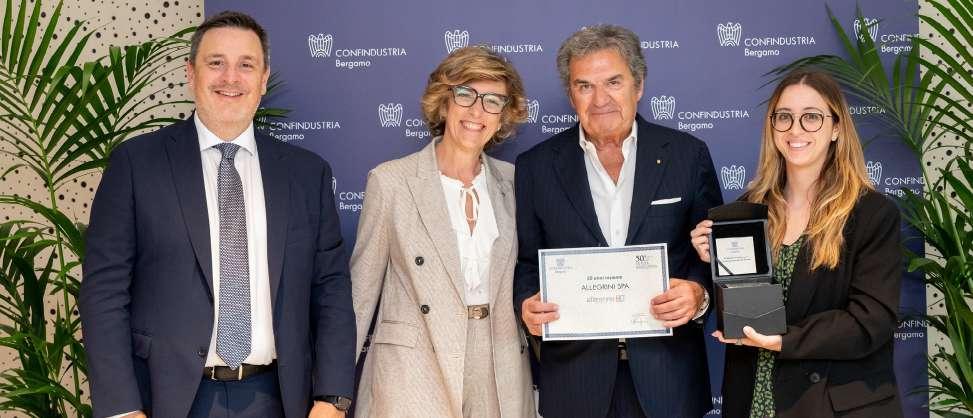
Responsible supply chain management represents a strategic lever for Allegrini to oversee operational continuity and product quality, while ensuring consistency between the company's business model and the principles that guide its development. The robustness of the procurement model does not depend solely on the quality of supplies and the operational reliability of suppliers, but also on the ability to build relationships based on shared values. For this reason, Allegrini requires its suppliers to adhere to the commitments and principles underpinning its governance model by reviewing and accepting the Code of Ethics and the Organisation, Management and Control Model pursuant to Legislative Decree 231/2001.
Furthermore, for some years now, the company has been integrating
the supplier qualification and monitoring process through the administration of an ESG questionnaire aimed at assessing the level of oversight of the main areas of sustainability along the supply chain, including environmental management, resource use, occupational health and safety, protection of human rights, business ethics, and supply chain governance.
•
The principles of legality, transparency, loyalty, protection of the individual, occupational safety, respect for the environment, and fairness in commercial relations constitute the reference basis for Allegrini's activities and guide the decisions and behaviors of directors, employees, collaborators, and all those who operate in the name and on behalf of the company. These principles are formalised in the Code of Ethics, which represents one of the constituent elements of the Organisation, Management and Control Model (Model 231), aimed at preventing the crimes contemplated in Legislative Decree 231/2001 and at strengthening the corporate control system. The Code of Ethics is brought to the attention of all recipients and is also shared with new hires as part of the company onboarding process, in order to promote the dissemination of the principles, responsibilities, and rules of conduct that guide the performance of company activities and relationships with stakeholders.
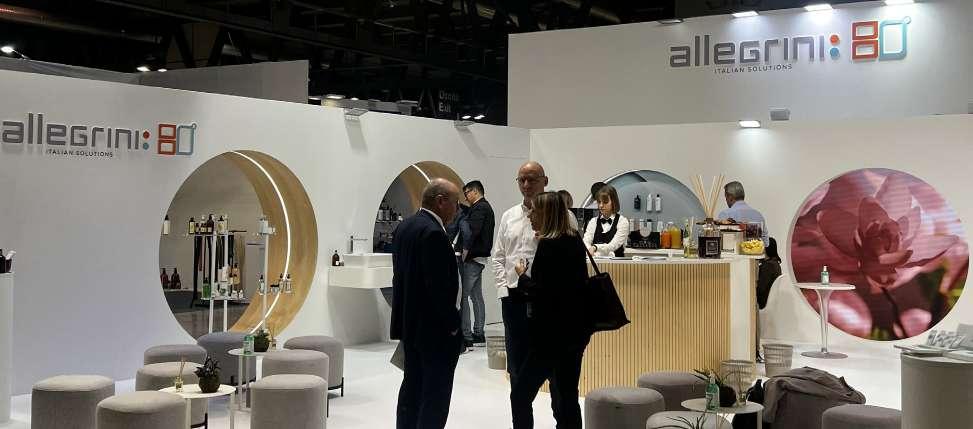
To guarantee the effective implementation and constant updating of these tools, Allegrini has established a Supervisory Body. Anyone who becomes aware of violations of the Code of Ethics or Model 231, as well as relevant illicit conduct based on precise and consistent factual elements, is required to report them through the whistleblowing channel, which guarantees the confidentiality of the whistleblower's identity. Reports are promptly analysed by the Supervisory Body, which is tasked with carrying out the relevant checks and evaluating the possible adoption of disciplinary measures.

• Allegrini’s sustainability actions and objectives
• SDG cross-reference table for reported disclosures
• VSME Index
B3 - Energy and greenhouse gas emissions
• Monitoring of energy consumption and CO2 emissions
• Offsetting of CO2 emissions generated by the transport of Allegrini's hazardous waste by the supplier Omnisyst
• Continue monitoring energy consumption and the company's carbon footprint
B9 – Workforce – Health and safety
C4 - Climate risks
B4 – Pollution of air water and soil
• Monitoring of energy consumption and greenhouse gas emissions
• Implementation of energy and operational efficiency measures
• Continuation of the certification process for the environmental management system in compliance with the ISO 14001 standard
• Monitoring of atmospheric emissions and verification of compliance with applicable limits
• Recovery and reuse of wastewater through the dedicated system installed at the production site
• Obtain ISO 14001 certification for the environmental management system
• Continue to monitor climate risks that may affect operational continuity and company competitiveness
• Monitor the evolution of the environmental and climate regulatory framework to ensure the compliance of processes, products, and packaging with applicable requirements
• Prevent significant environmental impacts on soil and subsoil resulting from company activities
• Continue to oversee wastewater management processes, maintaining compliance with applicable regulatory requirements and promoting efficient use of water resources
B10 – WorkforceRemuneration, collective bargaining, and training
[ES] ENTITY SPECIFIC
– Diversity, equity and inclusion
• Provision of training activities and awareness-raising initiatives on health, safety, and prevention topics
• Conducting periodic health surveillance based on identified professional risks
• Organisation of team building activities
• Provision of training courses for the development of professional, technical, organisational, and managerial skills
• Continuation of the collaboration with Fondazione Libellula for the promotion of gender equality and the dissemination of a culture of inclusion
• Development of the Beauty Pills line, a solid facial cleanser formulated without water and preservatives and with packaging made from plastic recovered from the oceans
• Complete the update of the Risk Assessment Document
• Promote the professional growth of employees through the continuous development of technical and soft skills
• Continue the path of disseminating and consolidating the culture of gender equality and inclusion within the organisation
[ES] ENTITY SPECIFIC – Product quality and safety
• Expansion of the non-refillable dispenser range for the hospitality sector
• Extension of the Ecolabel certified products offer for professional cleaning
• Provision of training on Good Manufacturing Practices (GMP)
• Continue to invest in research and development of solutions capable of combining quality, safety, innovation, and reduction of environmental impacts associated with the product and packaging
B5 - Biodiversity
• Monitoring of environmental aspects indirectly connected to biodiversity, including resource use, emissions, and wastewater management
• Maintain oversight of issues related to biodiversity, in line with the evolution of the regulatory framework and stakeholder expectations
[ES] ENTITY SPECIFIC – Responsible supply chain management
• Administration of an ESG questionnaire aimed at mapping the environmental, social, and governance performance of its suppliers
• Requesting suppliers to review and accept the Code of Ethics and the Organisation, Management and Control Model
• Continue integrating ESG criteria into supplier qualification and monitoring processes
B6 - Water
• Monitoring of water withdrawals and consumption associated with company activities
• Continue monitoring water consumption and withdrawals in order to support efficient management of water resources
[ES] ENTITY SPECIFIC –Ethics in governance
• Sharing the principles of the Code of Ethics with employees, collaborators, and new hires as part of the onboarding processes
• Ensure the effective implementation and continuous updating of Model 231 and the Code of Ethics
B7 - Resource use, circular economy, and waste management
• Continuation of the partnership with Grafiche Paciotti SB for the purchase of recycled paper or paper with recycled content used for product packaging
• Purchase of a cardboard compactor
• Offsetting of CO2 emissions associated with the transport of hazardous waste through the service provided by Omnisyst
• Continue the path of integrating circular economy principles into procurement processes, combining material quality with the reduction of environmental impacts generated along the supply chain
