Yoshiki The Summer Hikaru Died – A Character Who Defies Human Norms
Introduction:
The Complexity of Yoshiki in The Summer Hikaru Died
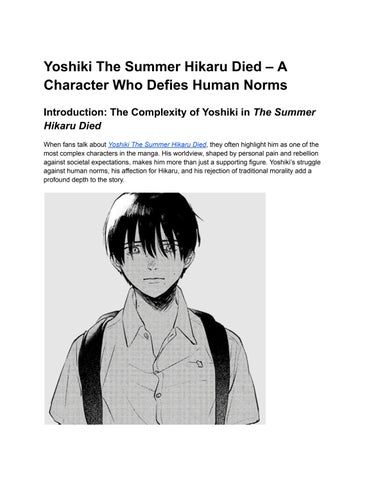
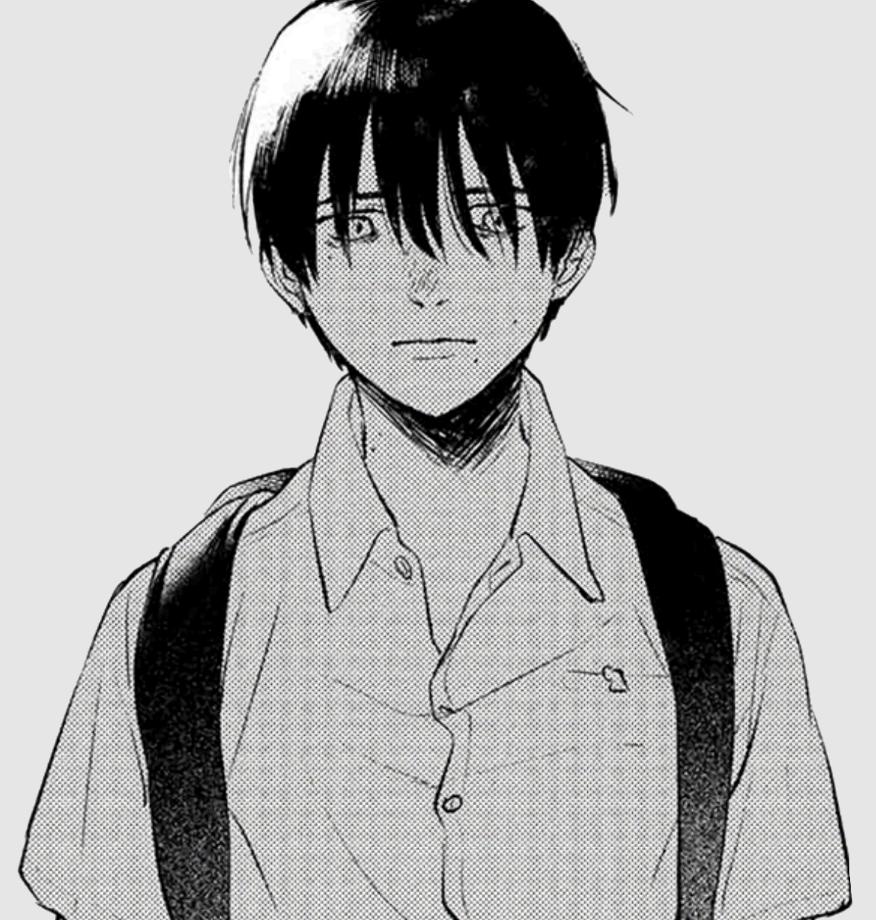
When fans talk about Yoshiki The Summer Hikaru Died, they often highlight him as one of the most complex characters in the manga. His worldview, shaped by personal pain and rebellion against societal expectations, makes him more than just a supporting figure Yoshiki’s struggle against human norms, his affection for Hikaru, and his rejection of traditional morality add a profound depth to the story.
Why Yoshiki Rejects Human Rules
The Burden of Social Constraints
Yoshiki’s character revolves around his dissatisfaction with human society He views rules as chains that restrict individuality, particularly when they enforce prejudice. His disdain stems largely from experiences with homophobia, which fuels his longing for a world free from such narrow constraints.
Admiration for the Non-Human
This explains why Yoshiki feels drawn to Hikaru, who is not bound by human laws or cultural expectations. To him, Hikaru represents freedom someone who exists outside of society’s judgment Just as Yoshiki accepts animals for their raw instincts, he extends the same acceptance to Hikaru, even when Hikaru displays frightening or violent tendencies.
Yoshiki’s Desire for Escape
From the Mountains to Tokyo
Another telling trait of Yoshiki in The Summer Hikaru Died is his wish to move away from the countryside He dreams of Tokyo, a modern city where traditions and old prejudices hold less power. This longing for escape reflects his frustration with rural conservatism, where people often stigmatize those who don’t fit in, such as labeling queer individuals as “sick ”
The Fairytale That Reveals Yoshiki’s True Philosophy
The Princess and the Monster – A Mirror of Themes
In Volume 5, readers see Hikaru reading a fairytale titled The Princess and the Monster, a parallel to Beauty and the Beast While the story suggests the monster should transform into a human for a happy ending, Yoshiki firmly rejects this notion He calls the tale arrogant and human-centered, insisting that the true ending should allow the princess to embrace the monster as he is
Love Beyond Human Standards
This moment perfectly reflects Yoshiki’s love for Hikaru Instead of wanting Hikaru to become more human, Yoshiki values him for what he truly is. He rejects the idea that humanity should be the ultimate standard of morality or love For Yoshiki, happiness lies in acceptance not in forcing someone into society’s mold
Conclusion: Yoshiki as the Heart of The Summer Hikaru Died
The character of Yoshiki in The Summer Hikaru Died embodies rebellion, acceptance, and the search for freedom beyond societal boundaries His disdain for human prejudice, his unwavering acceptance of Hikaru, and his unique outlook on love challenge readers to rethink what it means to be human
In many ways, Yoshiki doesn’t just support the story he defines it. His presence reminds us that love and identity cannot be measured by human rules, but rather by the courage to embrace what society rejects