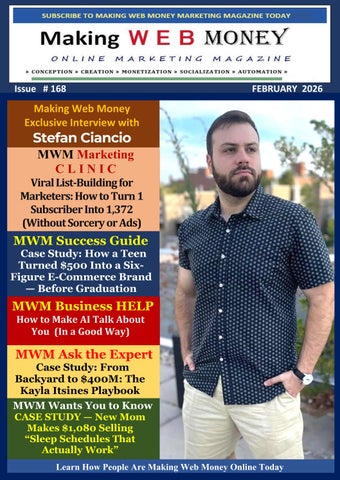
Case Study: How a Teen Turned $500 Into a SixFigure E-Commerce Brand — Before Graduation
Doubled
MWM Business HELP How to Make AI Talk About You (In a Good Way)
MWM Ask the Expert Case Study: From Backyard to $400M: The Kayla Itsines Playbook
MWM Wants You to Know CASE STUDY — New Mom Makes $1,080 Selling “Sleep Schedules That Actually Work”
Now You Too Can Explode Your Business Income With Monthly Internet Marketing Training and Coaching!
If You Are Serious About Changing From A Failing Online Business To An Uber Profitable Online Business I Can Help You!
Listen, I know what it's like to have a strong desire to have a successful online business but have no real idea of HOW to market it...
I'm not making empty promises. One thing you will not find on this site is a promise of "easy riches". I make no claims of how much you can make. I make no claims that you'll make any money at all. I don't know you. I don't know if you're a thinker or a doer. How can I promise you'll make X dollars? I can't. And I don't. That SHOULD be a sign of trust to you.
There are many others out there making crazy income claims. I won't promise riches. I won't promise any results. I'll simply tell you that I will show you things you can do to get your online business rocking and rolling!
There is absolutely no risk. I'm even going to take away ALL RISK for you. It's pretty simple: if you don't like the Training, you don't pay. Period. You have nothing to risk and everything to gain.
Let me say it a different way...
You Don't Even Have To Say "Yes" To Get Started Right Away, Just Say "Maybe" And I'll Send Your First Lesson Instantly!
MWM editors letter
Welcome to the FEBRUARY 2026 Issue of our monthly “Making Web Money” Online Digital Marketing magazine - where every month we show you how real people, just like you, are making web money –online. This month we have MORE great articles and personal success insights, interviews, plus some ONLINE opportunities for you.
- MWM Series on Business Help How to Make AI Talk About You (In a Good Way)
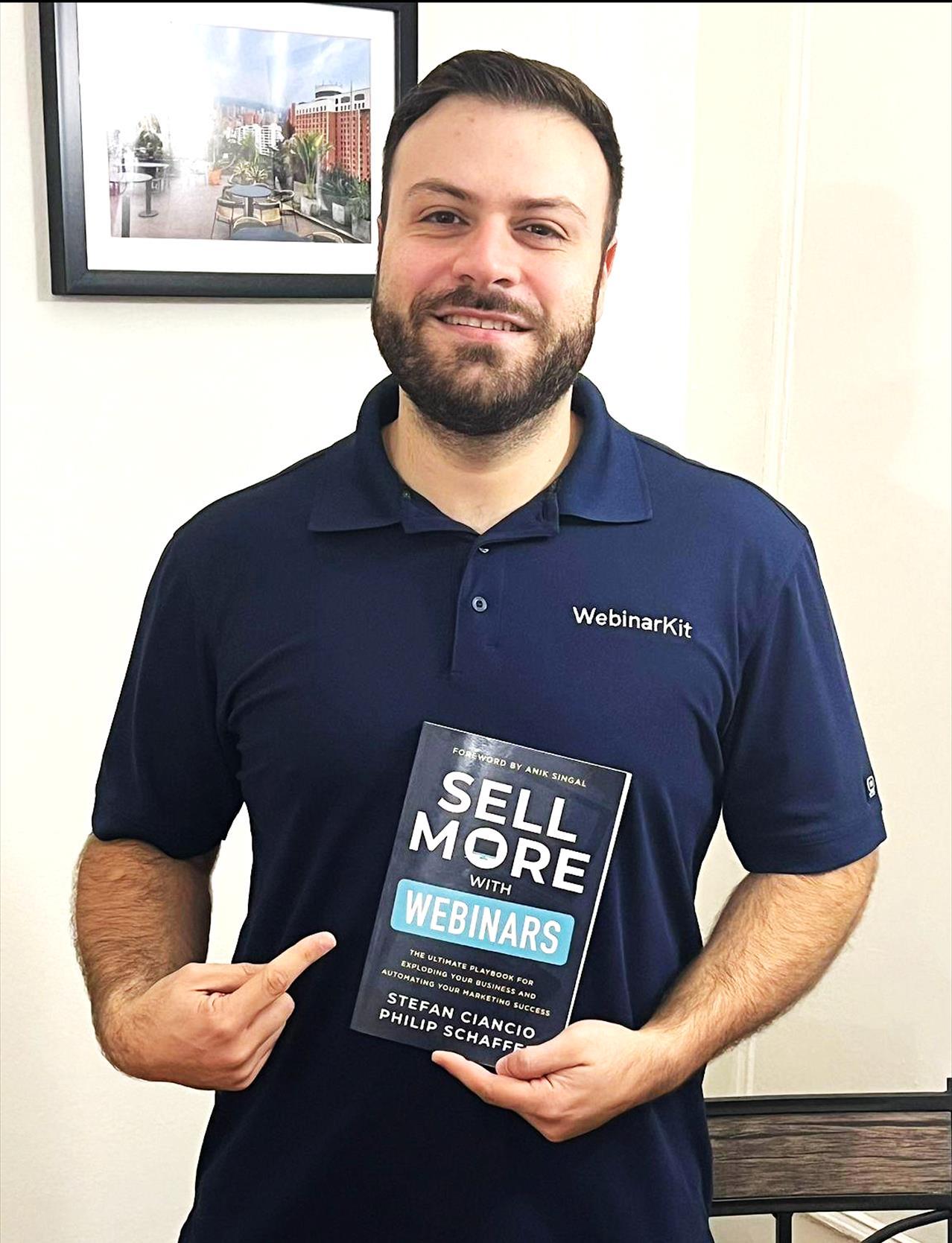
- MWM Interview – Stefan Ciancio
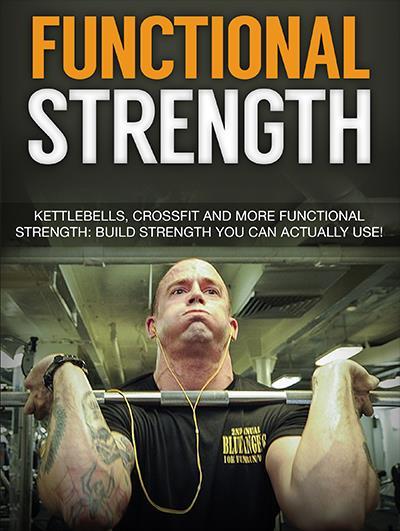
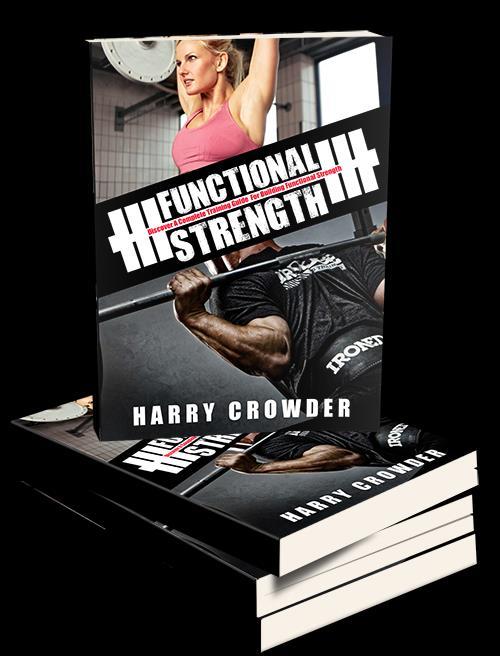
- The Functional Strength Guide
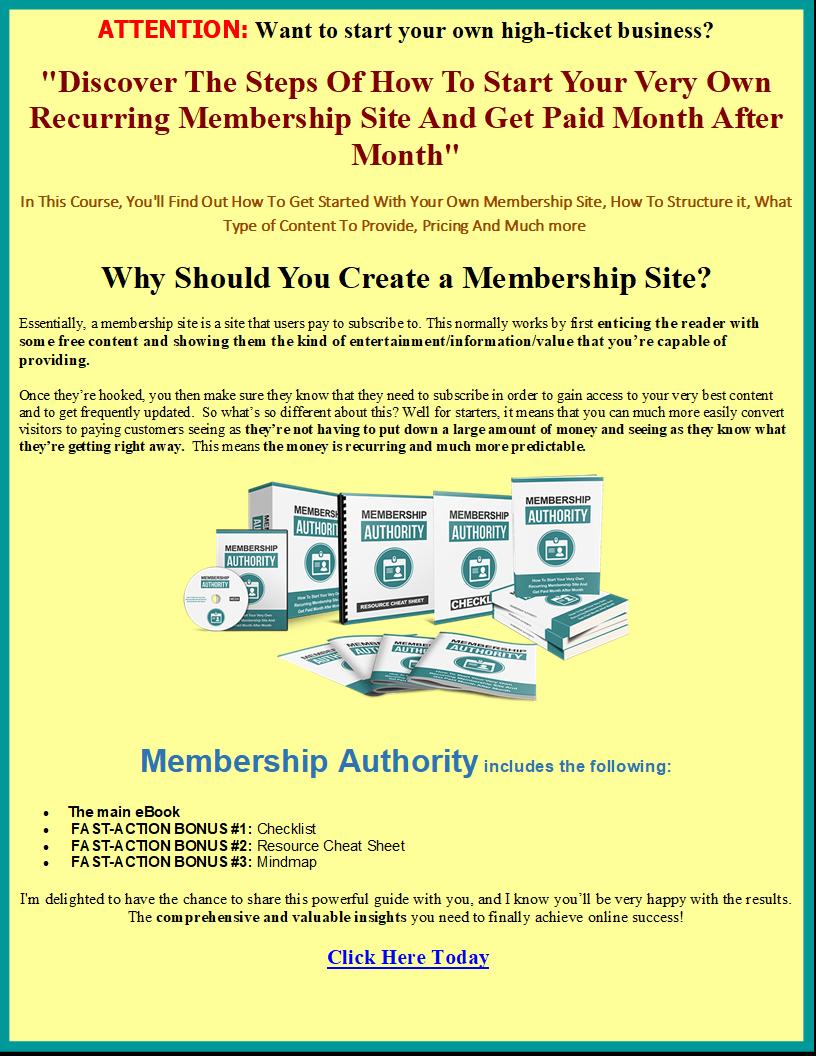
- Wake the Dead: A 5-Day Email Sequence That Turns Your Cold List into Cash - Start a Recurring Membership Site
- Case Study: The Month She Finally Cracked $1K (And What Actually Worked)
- Jim Lets AI Rewrite His Worst Offer… and Accidentally Creates a Money-Printing Monster
- From Tiny PDF to Full-Fledged Info-Empire: The Unusual Moves That Work
- The 7-Step “Scientific Selling” System That Still Outperforms Most Funnels (Even 100 Years Later)
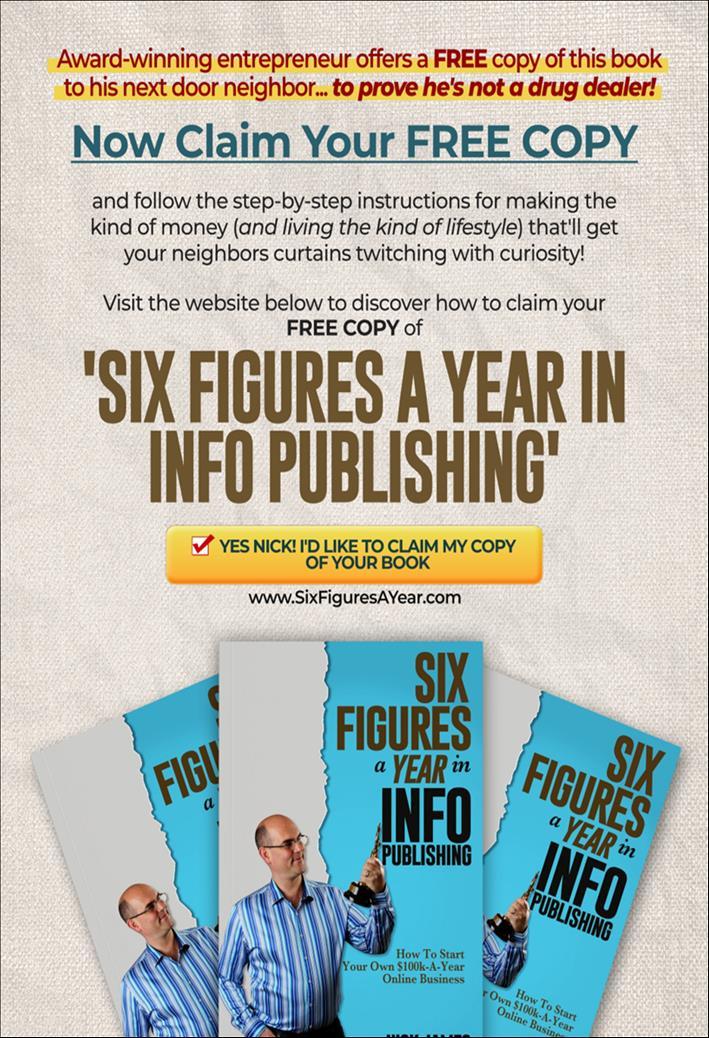
- FREE eBook - Six Figures A Year in Info Publishing
- MWM Wants You to Know - CASE STUDY — New Mom Makes $1,080 Selling “Sleep Schedules That Actually Work”
- MWM Q & A - 25 Short-Form Video Ideas (With Spotlights)
- MWM Marketing CLINIC - Viral List-Building for Marketers: How to Turn 1 Subscriber Into 1,372 (Without Sorcery or Ads)
- MWM Success Guide Case Study: How a Teen Turned $500 Into a Six-Figure E-Commerce Brand — Before Graduation
- MWM Ask the Expert Case Study: From Backyard to $400M: The Kayla Itsines Playbook
I hope you enjoy this month's magazine. Thanks for reading.
– Check out our 167 Great Back Issues of Making Web Money!
MakingWebMoney.com
Subscription enquires: www.MakingWebMoney.com
Order the printed edition: www.issuu.com
Advertising enquires: www.MakingWebMoney.com
Making Web Money Magazine
Published 12 times per year. Copyright All rights reserved.
Reprinted with permission. No part of this publication may be reproduced, translated or converted into machine-readable form or language without the written consent of the publisher.
Articles express the opinions of the authors and are not necessarily those of the publisher
The creators, producers, contributors and distributors or Making Web Money Marketing Magazine disclaim any liability for loss or lack of results from following the advice expressed herein.
at:
Tell us what you like and don’t like about Making Web Money Digital Marketing magazine. What worked for you or what you think sucks, then we can make Making Web Money an even better online magazine.
So, send me an email with your feedback and let me know.
crowderharry598@gmail.com
Instagram
Just Capped Hashtags at Five —
Here’s What That Means for You
Instagram now limits posts to a maximum of five hashtags, part of its push to reduce spam and reflect how discovery really works today through AI recommendations, not hashtag hunting. Hashtags still help organize content, but they’re no longer the main way people find you. The algorithm is doing most of the choosing now.
For online marketers, this means stop relying on hashtag piles and start focusing on content that gets reactions. Use 3–5 highly relevant tags, then put your real energy into captions, hooks, and visuals that spark comments, saves, and shares because engagement, not hashtags, is what tells Instagram to show your post to more people.
YouTube Is Now a Core SEO Channel—Not a Nice-to-Have
In 2026, YouTube isn’t just a video platform. It’s SEO infrastructure. Nearly 30% of Google’s AI Overviews cite YouTube, making it the most referenced domain 200x more than Vimeo. With over 48 billion visits a month, YouTube now dominates discoverability across Google Search, Shorts, Discover, and even TV screens. If you’re not using YouTube strategically, you’re handing over visibility to your competitors.
But this isn’t about dropping random videos and calling it a day. Today’s SEO requires intent-driven titles, structured transcripts, and topic clusters that mirror what people are searching for. Shorts feed long-form. Chapters boost search appearance. Transcripts help AI understand your expertise. In a world where AI decides what gets cited, YouTube isn’t optional it’s your gateway to staying visible in the age of search everywhere.
Starting in early 2026, TikTok is phasing out its Custom Identity option, which allowed advertisers to run ads without linking to an official TikTok profile.
Moving forward, all ads must come from verified accounts.
The shift is part of TikTok’s push for greater ad transparency and trust. And while it might seem like a headache for marketers, there's good news: linked accounts don’t just meet new requirements they perform better.
In TikTok’s own tests, nearly 60% of advertisers saw their cost per acquisition (CPA) drop by 10% or more after linking accounts.
YouTube Is Now a Core SEO Channel— Not a Nice-to-Have
In 2026, YouTube isn’t just a video platform. It’s SEO infrastructure. Nearly 30% of Google’s AI Overviews cite YouTube, making it the most referenced domain 200x more than Vimeo.
With over 48 billion visits a month, YouTube now dominates discoverability across Google Search, Shorts, Discover, and even TV screens. If you’re not using YouTube strategically, you’re handing over visibility to your competitors.
But this isn’t about dropping random videos and calling it a day. Today’s SEO requires intent-driven titles, structured transcripts, and topic clusters that mirror what people are searching for.
Shorts feed long-form. Chapters boost search appearance. Transcripts help AI understand your expertise. In a world where AI decides what gets cited, YouTube isn’t optional it’s your gateway to staying visible in the age of search everywhere.
Case Study: How a Teen Turned $500 Into a SixFigure E-Commerce Brand — Before Graduation
When COVID lockdowns hit in 2020, most kids were grinding video games but 12-year-old Holden Bierman hit YouTube tutorials instead and started learning e-commerce from scratch. With just a $500 family loan, he launched his first LLC and sold Tshirts and hoodies from his bedroom. Within a few years, that garage startup transformed into Coastal Cool, a sustainable swimwear business generating six-figure revenue worldwide all while he finished high school.
What set Holden apart wasn’t just hustle it was missiondriven positioning. Around age 14, he realized “beachwear” alone wouldn’t cut through the noise. So he pivoted Coastal Cool to a purpose-led brand that removes one pound of ocean plastic for every item sold a tangible mission that customers could instantly understand and share. Today, the brand partners with nonprofits to clean up ocean waste and has recycled thousands of plastic bottles into board shorts and bikinis, giving his marketing real impact content and shareable purpose.
Lessons Online Marketers Can Steal
• Start with a story, then anchor it to a mission. Holden’s narrative (teen founder + purpose) became a differentiator that big fashion brands struggle to replicate.
• Pivot when inspiration runs dry. When T-shirts stopped lighting his fire, he didn’t quit he refocused toward sustainability, giving the brand new life and a powerful hook.
• Use digital tools to learn by doing. Holden taught himself design, Shopify, marketing, and drop-ship logistics using free online resources the same resources your audience has access to too.
• Make impact measurable. “One pound of plastic removed per sale” turned a vague sustainability claim into a clear, shareable metric that boosts social proof and brand trust.
If a kid with a laptop and a mission can build global traction, your next idea might be closer than you think.
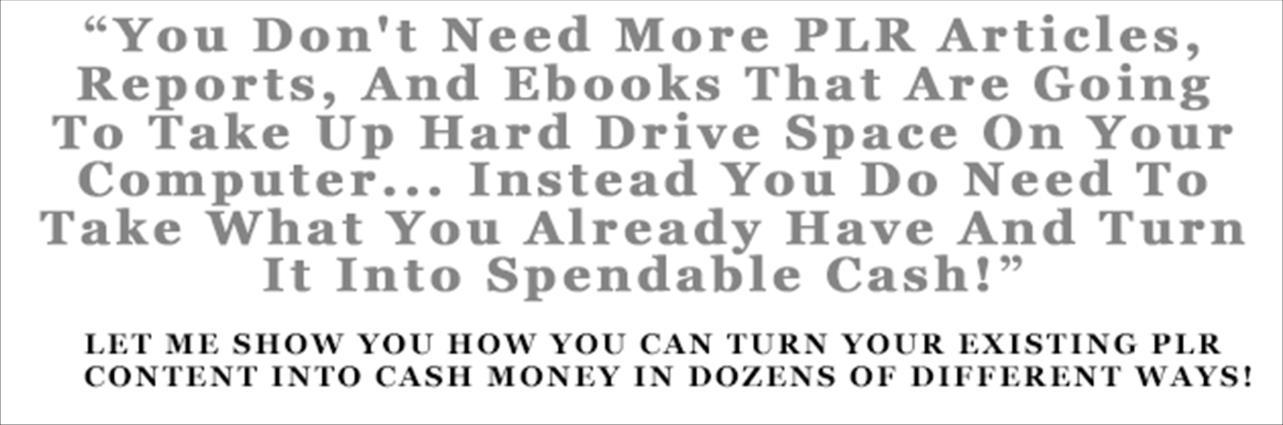
Starting today you can enroll in my new monthly coaching program where I will teach you how to turn PLR content into spendable cash using several underground methods.
Each and every month you'll get a new lesson showing you a different way to profit with the PLR products you already have. Each month will be a different lesson (sometimes delivered as a stepby-step PDF and sometimes delivered as video tutorial lessons, and even sometimes a mixture of both) that you can download, view, and then implement to start making money with PLR content.
This 12 month coaching program can help you feel good about every PLR purchase you've made (even those "junky" ones because I will show you how to polish them 'til they shine!). The PLR Profits Coaching Club can justify every penny you've spent. It can make those purchases worth something to you because you can put that content to work making money for you.
Click Here to Start
Why Smart Marketers Are Turning to Substack in 2026
Forget clickbait and viral stunts brands like The RealReal, Hinge, and Tory Burch are using Substack to build real relationships through storyfirst content. The RealReal’s “The RealGirl” newsletter reads like a fashion insider’s diary, written by a non-employee superfan. It’s authentic, engaging, and drives surprising product clicks all without screaming “promo.”
Hinge’s literary-style series “No Ordinary Love” turned dating app success stories into essays, a hardcover book, and a BookTok campaign that actually moved the brand up in consumer perception.
Marketers May Be Advertising on X Without Realizing It—Here’s Why
OpenAI is taking a massive financial hit, reporting an estimated $12 billion loss in the past three months while its viral video app, Sora, burns through more than $15 million a day.
With each 10-second AI clip costing about $1.30 to generate, the invite-only app has already surpassed 4 million downloads and more than $5 billion a year in video-generation expenses alone, according to Forbes.
Despite the staggering costs, analysts say the strategy is deliberate. By launching Sora for free, OpenAI is prioritizing rapid adoption, user data, and real-world training to power future video models.
If AI processing costs drop as expected, today’s extreme burn rate could become a long-term competitive edge assuming OpenAI can afford to ride out the losses.
Case Study: From Backyard to $400M: The Kayla Itsines Playbook
When Aussie fitness entrepreneur Kayla Itsines was stopped on the street in New York for a TikTok interview, she dropped a jaw-dropping revelation: she co-founded and sold her fitness app Sweat for approximately $400 million. That figure shocked audiences even in the U.S., where the app wasn’t widely known outside fitness circles.
Itsines didn’t start with VC money or Silicon Valley connections. She began by training clients in her parents’ backyard and posting workouts on Instagram, where her Bikini Body Guide built a massive following. That early community became the foundation of Sweat, which eventually grew into a global fitness platform boasting millions of downloads across 155+ countries.
But here’s the real marketer’s twist: even after the huge payday, Itsines later reacquired the Sweat app in 2024 because the original sale still left her tied emotionally to her creation. She’s since stressed another crucial business lesson: Diversify your income sources. Instead of resting on one digital success, she invested in offline income like a petrol station because the internet can change overnight.
Marketing Takeaways for Online Creators
1. Build with community first, product second. Itsines didn’t launch a polished app right away she built a devoted audience through social content first.
2. Attach purpose to your product. Sweat grew because it wasn’t just another fitness app it was a transformation community.
2. Emotional ownership signals trust. Audiences don’t just buy products they buy relationships and identity.
3. Diversify your digital and offline income. A single platform or revenue stream shouldn’t be your only asset.
How Online Marketers Can Turn Long Transcripts into Instant Summaries with ChatGPT
You just hosted a webinar, recorded a podcast, or ran a team brainstorm. The result? A 10,000-word transcript nobody has time to read. Here’s how to turn that massive wall of text into a clean, actionable summary in seconds so you can repurpose it, share it, or extract gold from it fast.
Step-by-Step for Marketers:
1. Open ChatGPT and click the “+” button next to the message bar.
2. Upload your transcript file (PDF, DOCX, TXT, or even an MP4/MP3 from your webinar or podcast).
3. Paste this prompt:
4. “Summarize this transcript into key insights, marketing takeaways, and next steps. Use a professional yet conversational tone. Format it for quick skimming.”
5. Ask follow-ups to dig deeper:
• “What content ideas can I pull from this for social media?”
• “Summarize the main objections and how we addressed them.”
• “Who said what during the launch strategy segment?”
Use Cases for Smart Marketers
• Podcast Recaps → Summarize each episode into show notes, blog content, or newsletter blurbs.
• Webinar Transcripts → Pull out highlight reels, product questions, and audience objections.
• Team Meetings → Capture decisions, action items, and who owns what no manual notetaking.
• Sales Calls or Demos → Turn recorded calls into copywriting gold (FAQs, landing page ideas, email angles).
• Course/Workshop Transcripts → Summarize lessons into evergreen content, reels, or swipe files.
Pro Tip: Got an audio file (.mp3, .m4a)? Upload that directly—ChatGPT will transcribe it and summarize the highlights in one shot.
The 7-Step “Scientific Selling” System That Still Outperforms Most Funnels (Even 100 Years Later)
Claude Hopkins, one of the OG advertising legends, was writing ads in the early 1900s. No TikTok. No ChatGPT. Just ink, paper, and absolutely savage clarity about what actually makes people buy. And get this: over a century later, his principles still outperform half the “guru hacks” you see on Instagram.
So let’s resurrect his approach modernized for marketers who want results, not fluff.
Who Was Claude Hopkins (and Why Should You Care)?
Claude Hopkins was the godfather of direct-response marketing before that was even a term. He treated advertising like a science experiment with hypotheses, A/B tests, and results measured in dollars.
He believed marketing should be tested, tracked, and tied to action. In other words: if it doesn’t sell, it doesn’t matter.
Modern marketers have distilled his timeless advice into what’s often called:
Claude Hopkins’ 7-Step Scientific Advertising System
It’s old school. It’s brilliant. And it’s still deadly effective especially if you’re building an online business, email list, or highconverting offer.
Step 1: Do Real Market Research
Marketing without research is gambling. And Vegas has better cocktails.
Hopkins believed you had no business writing an ad (or email, or sales page) until you deeply understood your customer.
✔ What do they want?
✔ What frustrates them?
✔ What keeps them up at 2:14 AM clicking on sketchy productivity YouTube videos?
Modern Application:
Before you build your lead magnet, ask 5 real people in your niche what they actually struggle with.
Steal their words. Build your freebie around that. You now have product–market fit before you even write a headline.
Step 2: Offer a Service, Not Just a Product Nobody wants “stuff.” They want results.
Hopkins sold soap by talking about confidence. He sold toothpaste by promising fewer dentist visits and whiter teeth. Your job isn’t to show the features it’s to sell the feeling.
Modern Application:
Don’t offer a “6-module course on email marketing.”
Offer a “system that revives your cold list and turns it into a cash machine by next weekend.”
Step 3: Write Headlines That Grab (and Actually Say Something)
Hopkins said: 90% of your ad’s success depends on the headline. If your hook doesn’t stop the scroll, the rest doesn’t matter.
Modern Application:
Subject lines. Landing page H1s. Ads. Reels. Start with clarity, end with curiosity.
Bad: “Introducing Our New Copywriting Bootcamp!”
Better: “Why 1,492 Creators Rebuilt Their Email List in 7 Days Using This One Sequence”
Step 4: Be Specific. Kill the Hype.
Hopkins had no patience for vague marketing speak. “Best product ever!” means nothing. He wanted proof. Concrete, measurable, testable proof.
Modern Application:
Instead of: “I’ll help you grow your list.”
Try: “Get 300–1,300 subscribers using this viral referral campaign (no ads required).”
Include numbers. Show screenshots. Use receipts. Your conversion rate will thank you.
Step 5: Include a Call to Action (and Make It Stupidly Easy)
Hopkins always asked the reader to do something next send in a coupon, claim a sample, walk into a store. But it had to be simple.
Modern Application:
Every email, landing page, and sales page needs a single, clear CTA.
Bad: “Let me know what you think and follow me on Instagram.”
Better: “Click here to get the free template and start your funnel this afternoon.”
One offer. One button. Zero confusion.
Step 6: Test Everything (Like It’s Your Religion)
This is where the “scientific” part kicks in. Hopkins A/B tested by hand tracking responses by mail. What’s your excuse?
Modern Application:
• Split test headlines.
• Try two lead magnets.
• Change one thing, then measure.
You don’t need 10,000 clicks to learn something useful. Start small. Track obsessively. Let data decide what works.
Step 7: Repeat What Works (And Ruthlessly Cut What Doesn’t)
Hopkins didn’t care about creativity for its own sake. If something worked, he scaled it. If it didn’t, he cut it even if it was clever, funny, or his personal favorite.
Modern Application:
That one email that got 40% opens and 12 replies? Reuse the subject line. Make a reel out of it. Turn it into a Twitter thread. That landing page with a 1% opt-in rate? Kill it. Immediately. Scale the winners. Bury the losers.
(And don’t get emotional about it.)
This 7-Step System Still Works. Here's Why.
Hopkins didn’t invent tricks. He discovered truths:
• People buy based on emotion and justify with logic.
• Specific > vague.
• Clarity > cleverness.
• Proof > hype.
• And testing beats guessing every single time.
If you're an online marketer trying to build a list, launch a product, or write emails that do more than “nurture” Claude’s playbook is the upgrade your funnel’s been crying out for.
TL;DR – Claude Hopkins in 2024 Lingo
• Step 1: Know your audience better than they know themselves.
• Step 2: Sell the result, not the product.
• Step 3: Hook with headlines they feel.
• Step 4: Be specific or be ignored.
• Step 5: Give one clear action step.
• Step 6: Test obsessively.
• Step 7: Scale what works. Mercilessly.
What You Can Do Now:
Open your last landing page, ad, or email, and run it through these 7 steps.
• Are you selling a result?
• Is the headline scroll-stopping?
• Are you asking them to take one clear step?
• Are you testing—or just guessing?
Claude may have worked in the age of telegrams, but his system still slaps in 2024. Because people haven’t changed. Just the tools.
And now you have both.
Wake the Dead: A 5-Day Email Sequence That Turns Your Cold List into Cash
Your email list isn’t dead. It’s just napping. Hard.
You know that list you built with blood, sweat, and freebies?
The one that ghosted you months ago? Yeah, those people. They haven’t unsubscribed, but they’re giving you the silent treatment.
Not because they hate you.
But because you disappeared first.
And now, you’re stuck staring at a list that should be profitable, but instead just… sits there. Like leftovers in the fridge you’re afraid to open.
But here’s the good news:
You don’t need to run ads.
You don’t need to start from scratch.
You don’t even need to apologize.
You just need five smart emails to reawaken your subscribers, re-earn their attention, and guide them straight to your offer without sounding desperate, robotic, or like you’re having an identity crisis.
The Problem With Ghost Lists
Let’s get brutally honest.
If you’ve ghosted your list for months (or years), you’re not alone. Life happened. Launches failed. Maybe you got stuck in a funnel-building wormhole and forgot to actually email the people inside it.
And now? Hitting “send” feels terrifying. What if they don’t remember you? What if they mark you as spam? What if they roll their eyes and unsubscribe mid-scroll?
All valid fears. But here’s the kicker:
People don’t unsubscribe because they hate you. They unsubscribe because they forgot why they cared.
Your job isn’t to win them back with fireworks.
Your job is to remind them why they joined in the first place and give them a reason to stay.
Enter: the 5-Day Wake the Dead Sequence.
Meet Jess, Our Guinea Pig
Let’s follow Jess, an online business coach who hadn’t emailed her 3,200-person list in 9 months.
She wasn’t lazy she was busy (read: overwhelmed, overthinking, and watching AI tools instead of using them).
She followed the sequence below. Within 7 days, she got:
• 412 clicks
• 97 replies
• 36 purchases of her $97 mini-course
• And 1 “OMG I missed your emails” message that made her cry a little
The 5-Day Wake the Dead Sequence (With Real Examples)
Day 1: The Pattern Interrupt (A.K.A. “Snap Out of It”)
Subject Line Ideas:
• “Can I still email you?”
• “Did we break up?”
• “If this is weird… I get it.”
Why it works:
You’re breaking the scroll with self-awareness. No fake hype. No “big news.” Just curiosity and honesty.
Email Snippet:
Hey, I know it’s been a minute.
But I’ve been working on something that could save you 10+ hours a week on content and actually make your list start printing money again.
Still cool if I share it?
CTA:
One click to confirm they still want in. Simple, non-pushy. (Bonus points if you tag these clickers as “engaged” and prioritize them.)
Day 2: The Value Bomb (Make Them Glad You’re Back)
Subject Line Ideas:
• “Steal this funnel cheat sheet”
• “My 7-email sales sequence (plug & play)”
• “This works even if your list is a ghost town”
Why it works:
You show up and give them something immediately useful. No “warming up.” Just “Hey, here’s a win.”
Email Snippet:
This is the exact email sequence I used last month to revive a cold product and make 82 sales in a week.
No pressure-y language. No guilt. Just story-driven, value-first emails that quietly convert.
Grab it, copy it, and tweak it for your niche. Use it this weekend.
CTA: Link to a free Google Doc, Notion template, or PDF download.
Day 3: The Relatable Story (A.K.A. “Let’s Be Real”)
Subject Line Ideas:
• “I almost quit last year…”
• “Worst. Launch. Ever.”
• “True story: I made $17. And cried.”
Why it works:
You show up and give them something immediately useful. No “warming up.” Just “Hey, here’s a win.”
Email Snippet:
This is the exact email sequence I used last month to revive a cold product and make 82 sales in a week. No pressure-y language. No guilt. Just story-driven, value-first emails that quietly convert.
Grab it, copy it, and tweak it for your niche. Use it this weekend.
CTA: Link to a free Google Doc, Notion template, or PDF download.
Day 3: The Relatable Story (A.K.A. “Let’s Be Real”)
Subject Line Ideas:
• “I almost quit last year…”
• “Worst. Launch. Ever.”
• “True story: I made $17. And cried.”
Why it works:
You become human again. You remind them that you're not some faceless “brand” you’re a person who’s failed, learned, and figured stuff out.
Email Snippet:
I launched a new product to my list last year. 2,800 subscribers.
2 people bought.
I was so embarrassed.
But here’s what I learned: I hadn’t built trust I’d built distance. I hadn’t talked to my list in months. I’d just… shown up to sell.
That’s why I’m doing things differently now.
CTA: Ask for replies: “Have you ever had a launch flop? Hit reply. I’ll read every one.”
Day 4: The Tease (Build Craving Before the Pitch)
Subject Line Ideas:
4. “Want in early?”
5. “What I’m opening tomorrow (quietly)”
6. “This might not be for you but if it is…”
Why it works:
You’re not begging. You’re filtering. You let them optin to being sold to, which makes the Day 5 pitch land 10x better.
Email Snippet:
Tomorrow I’m opening enrollment for my new [offer name] a toolkit to help solo creators build automated, evergreen funnels that don’t suck your soul dry.
You’ll get:
Templates
Prompts
Plug-and-play sequences
And a mini workshop on what to automate (and what to never automate, ever).
Want the link early?
CTA: Click or reply to get the early access link.
Day 5 – The Offer (Clean, Clear, and Now With Group Coaching Goodness)
Subject Line Ideas:
• “It’s open: Email system + coaching = list profits, minus the stress”
• “Want my help turning your ghost list into a sales machine?”
• “Now live: The offer that saves your sanity and your launch”
Why it works:
By now, they trust you again. They’ve seen value, connected with your story, and know something is coming. Now you show up with a complete, low-friction offer and the added bonus of personal support? That seals it.
Email Snippet:
[Product Name] is officially open.
It’s for creators who want their email list to finally do what it was supposed to do: sell your stuff without requiring therapy after every launch.
Here’s what you get:
A ready-to-send 7-email sales sequence (story-driven, no sleaze)
A segmentation guide so you stop blasting everyone the same thing
A copy review checklist so you don’t wonder “does this sound weird?”
Weekly group coaching sessions (yes, you get live support and hot seats)
You don’t need to figure this out alone. You just need a system that works and someone who’ll answer your questions without giving you a 12-step funnel diagram and a headache.
Price: $97.
Enrollment closes Sunday or when spots fill.
CTA:
Big, bold link to the sales page. Keep the message tight. You’re not begging you’re inviting.
The Secret Sauce: It’s Not the Sequence. It’s the Intention. This works not just because it’s structured… but because it feels human.
No begging.
No explaining where you’ve been.
No “life update” about your cat’s gluten intolerance. Just value, vulnerability, curiosity, and momentum.
TL;DR
Day 1: Snap them out of zombie mode.
Day 2: Drop instant value.
Day 3: Be relatable + rebuild trust.
Day 4: Tease the offer.
Day 5: Pitch it clearly.
You don’t need to rebuild your list.
You just need to reconnect with it.
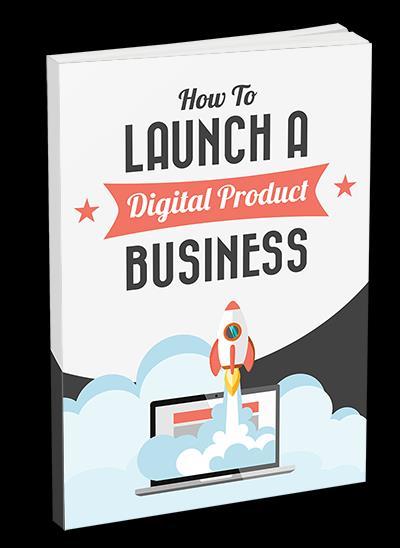
"Discover How to Start, Build and Launch Your Own Digital Product Business Without Breaking The
Find Out How To Create Your First Digital Product For Sale And Start Getting Sales On Autopilot!
What you'll discover in this eBook:
• You'll have an idea for the type of digital product you want to create and what the strengths and weaknesses of each option are
• Understand what makes digital products sell and how you need to design your creation in such a way that people will be eager to buy it
• Know how to quickly and cost effectively create the type of digital product you want
How to create a potential hot-selling eBook
• Know how to alter things like price, cover image and more in order to optimize your sales
• Understand how to drive more traffic to your landing page using SEO, PPC, e-mail marketing and social media
• Understand affiliate programs and tools like JVZoo, ClickBank and WSO Pro
• Know how to build an army of affiliate marketers who can drastically increase your sales and profits
• • ...and much, much more!
This is the ultimate guide to How to Launch a Digital Product Business! You'll discover all the steps, tools and resources to help you become a successful digital marketer! Get your copy today!
Now you can create full image variations inspired by your original ad creative with text overlay capabilities, generating improved backgrounds around product images and expanding images to better fit multiple surfaces. In addition, you will r brands to choose from. Lastly, image expansion allows you to seamlessly adjust creative assets to fit different aspect ratios across multiple surfaces. These tools are now available on Reels and Feed across both Instagram and seamlessly with text overlays on your ads.
https://www.facebook.com/business/news/Introducing Features
Today's guest is Stefan Ciancio, the CEO and co-founder of WebinarKit, a platform engineered to help business owners turn webinars into automated sales machines. Stefan's deep passion for webinars led him to create a tool that builds slides, scripts, funnels, AI chat, follow-ups, and more all inside one system. And beyond the tech, he's a speaker, an investor, and an entrepreneur who embraces innovation and remote work.
Stefan, really nice to meet you.
Stefan Ciancio:
Thanks for having me. Super excited to be here.
Editor:
Can I ask what started you in the world of webinars? What drew you to that world? And what motivated you to build WebinarKit?
Stefan Ciancio:
Yeah. So, I used to be a mechanical engineer when I was out of school, and I worked in that field for three years, but the whole time I was always interested in doing something more, working for myself.
And basically, more or less, I wanted to find a way to get out of my day job and make money for myself.
And more or less, one of the first things I did was eBay sales.
That eventually led me towards appreciating selling digital products.
So, I got into the space of selling courses, coaching, agency services. And the way in which I was able to sell all of those successfully was with a sales webinar.
So, webinars became the backbone for success in any business that I started. And more or less, that led me to seeing the problems with the existing webinar software out there and their limitations and wanting to build something better. So, in 2019, I partnered with someone who was on the software side. And we were like, "Let's create something that's actually built for marketers to get better success with webinars."
So, we started down that path. And more or less now, we've built a software that's had over 20,000 users, has fixed a lot of the problems with existing webinar software, and has allowed multiple businesses to actually succeed in areas where other software fell flat for them.
Editor:
I know WebinarKit has been really well adopted by the industry, but also people may have experienced WebinarKit without actually knowing it because of the white labelling that you offer. Maybe you could talk us through that a little bit, how that idea came to life.
Stefan Ciancio:
Yeah. Well, believe it or not, it came through, I believe a user had reached out to us and say, "Hey, why don't you guys do white label?" And we just thought about it and we're like, "Sure." So, we like to listen to our users. And my goal is to build something that people actually want. I think that works out better for them and of course it works out better for us. So, it's a win-win.
And more or less, we built in the feature. It wasn't too popular in the very beginning, but it became more popular over time. Initially, it was a separate offering. And we've integrated it in now to be one of our main offers. And rather than selling it as the feature itself, it's become a supporting feature. So, it's like, "Hey, you're getting the best webinar software." We believe in selling the whole solution. So, not just giving people a piece of the puzzle, but the whole puzzle in general, rather.
So, for example, now they get software, we give courses, we give community, but not only that, one of our plans does include the white label. So, rather than it being the whole sell, it's more like, "Hey, you're getting everything you need to scale your business. And if you don't have a product, we let you white-label and sell ours." And for the people who do have products, it becomes another lever in their business where it's like you can sell our product, white-label it, and get continuity in your business.
So, if you don't have continuity, you can use ours. If you don't have a product, you could sell ours. So, just we go from being literally, again, most of the solution to being the complete package, where I have never seen anyone else offer that exact solution before.
Editor:
Yeah, makes absolute sense. Maybe you could walk us through how WebinarKit works and maybe what makes it so unique.
Stefan Ciancio:
So, one of the first reasons we started it was with autoplay. So, for example, all these other automated webinar solutions, because we were doing an automated webinar for a while. And they didn't autoplay. So, what that means is, basically, people still have to go into the watch room and still press play. So, it defeats the purpose of this feeling an event where you're just along for the ride, you have to press play like you would on a normal video, just kills the feeling. So, we fixed that. That was the first thing we fixed. And then what we did was we made it much easier to use, much more modern. A lot of these tools had been around forever. They were legacy. They were not adapted to the modern times. So, we built in better templates. We built in a modern page builder that's drag-and-drop. We built in the ability to embed the entire webinar on your own website, as opposed to hosting it directly with ours. We built in an AI webinar builder that will build your entire webinar presentation for you in minutes, as opposed to having to go out and spend $10,000 to get an agency to do it.
That's been huge because anyone who has wanted to take advantage of webinars to grow their business now is able to. Whereas, in the past, it was almost like gate-kept. You either needed to put months of time in or $10,000-plus. And now, you could just go into WebinarKit up, put your site link in, and all of a sudden, you've got a webinar ready to go. And there's nothing like that out there. So, we really take pride. And then on top of that, the white label. And so, we really take pride on building something that is really the easiest way for anyone to get in there and start getting sales and succeeding with webinars.
Editor:
And that journey's taken you from 2019 through to now. There must have been, I guess, some challenges along the way, as well as there are many successes, but many challenges along the way.
Stefan Ciancio:
That's a good question. We deal with new challenges every day as business owners. Even now, there's challenges. But I would say that, honestly, every time we've dealt with a significant challenge in business, it always comes back down to the core fundamentals. What's your messaging? What's your offer? Is it resonating with your audience? Is it resonating with what the market wants?
Stefan Ciancio:
And if you could focus there, majority of your issues will go away. And markets change, right? For example, if we had not adopted our business into the world of AI by building an AI webinar builder, we would not be ahead of all the other webinar software like we are now. But we also would probably have seen a really big sales drop. Whereas, right now, we're seeing sales increases. People want AI now. And so, we had to respond to that keep up with the other tools that were doing AI.
MWM Q & A 25 Short-Form Video Ideas (With Spotlights)
1. Repurpose content from your other platforms
Post your TikToks on Shorts. Your Reels on LinkedIn. Your Shorts on TikTok. It all works with light tweaks.
Spotlight: A creator reposted a quiet Reel (2,000 views) to Shorts. It hit 2.1 million.
2. Clip highlights from long-form content
Turn the best 10–20 seconds of a livestream, podcast, or YouTube video into viral-ready snippets.
Spotlight: One podcaster turned a single funny guest reaction into 500,000+ views on TikTok.
3. Share behind-the-scenes moments
Your process is more interesting than you think even if it's messy.
Spotlight: A designer filmed her chaotic desk cleanup and landed her first brand collab from it.
4. Film a “day in the life”
People love relatable routines especially when they show the real, unpolished parts.
Spotlight: A marketer posted her “morning meltdown before client calls.” It became her most-shared LinkedIn video ever.
5. Tease premium content
Show a preview of your course, membership, templates, or coaching. Value first, sell later.
Spotlight: A creator teased one 9-second clip from her paid workshop and sold out the next cohort in 48 hours.
6. Create product demos or reviews
Short, honest impressions build trust especially in B2B spaces.
Spotlight: A SaaS founder reviewed her own tool in under 20 seconds and added $8k in MRR from organic video traffic.
7. Show off your workspace
Desk tours, gear upgrades, organization tips people eat this up.
Spotlight: A remote worker posted a 12-second desk tour. Recruiters messaged her asking if she’d film office tours professionally.
8. Quick how-to videos
Teach one tiny, useful skill. Keep it simple.
Spotlight: A creator taught a 3-second iPhone hack and gained 25,000 new followers in a weekend.
9. Feature customer or fan content
User-generated content = instant credibility.
Spotlight: A coffee brand reposted a customer’s brewing clip — and their sales spiked 17% that day.
10. Before-and-after transformations
Nothing beats a good glow-up.
Spotlight: A PowerPoint designer showed a slide deck makeover and picked up two enterprise clients.
11. Answer FAQs
Answer one question per video. It positions you as approachable and helpful.
Spotlight: A fitness coach answered one FAQ daily and tripled her inbound DMs in two weeks.
12. Share fun facts or niche insights
Give viewers a quick “Huh, I didn’t know that.”
Spotlight: A science creator shared a 7-second fact about plants… and it hit 12 million views.
13. Join a trend — but personalize it
Use trending audio or formats creatively aligned with your niche.
Spotlight: A tax accountant used a trending meme and gained 3,000 new followers in 36 hours.
14. Start a short video series
Series = bingeable. Bingeable = growth.
Spotlight: A creator launched “1-Minute Marketing Tips” and grew a loyal weekly audience across three platforms.
15. Make mini vlogs
Micro storytelling that builds connection.
Spotlight: A freelance writer started mini vlogging her coffee runs. Clients found her because of those videos.
16. Share a personal or business story
People follow people, not logos.
Spotlight: A founder shared a 30-second story about her first business failure… and it became her highest-converting video.
17. Bust a niche myth
Start bold, finish fast.
Spotlight: A finance creator debunked a common budgeting myth and went viral on both TikTok and LinkedIn.
18. Try a timed challenge
30-second tasks create urgency and keep viewers watching.
Spotlight: A photographer edited a photo in 60 seconds. The watch time was so high the video tripled his account reach.
19. Film a timelapse
Anything with movement instantly hooks viewers.
Spotlight: A baker posted a 12-second dough-kneading timelapse it hit 500k views across platforms.
Mini Case Study: The $7 Offer That Outsold the Creator’s
A funnel strategist shared that her $7 “mini system” (a 9-page PDF + Loom video) attracted fewer people than her free lead magnets, but those buyers went on to purchase her $97 and $197 offers at 3X the rate of freebie leads. Why? Because small payments create micro-commitments, which create bigger commitments. This is textbook foot-in-the-door psychology at work. So neither model is “better” and each one has a job.
The Real Question: What’s the Job of Your Funnel?
If the job is “build the biggest list humanly possible,” free wins. If the job is “build a list of buyers,” low-ticket wins. If the job is “pay for ads immediately,” low-ticket maybe wins. If the job is “nurture and educate,” free wins.
If the job is “I want my audience to invest early,” low-ticket wins.
This is why vague advice like… “Everyone should stop giving away free stuff!” …is not helpful.
It’s like yelling “Everyone should buy Ferraris!” Sure, sounds great, but context matters.
So here’s your simple compass: Use Free Lead Magnets When:
• Your audience is cold
• You want list growth
• You don’t have strong backend offers
• You’re building relationships, not revenue Use $5–$7 Low-Ticket Offers When:
• You want buyers
• You want to offset ad spend
• You have upsells
• Your market is solution-aware
Or, more simply: Is your funnel trying to make friends or make money?
Or, more simply: Is your funnel trying to make friends or make money?
My Take: Stop Choosing Sides & Build a Two-Track System
The smartest marketers right now aren’t picking “free vs paid.” They’re doing this:
Free lead magnet → nurture → small offer → core offer AND
20. Highlight a clever or funny comment
Your comments section is a goldmine.
Spotlight: A creator reenacted a sarcastic comment and gained 10,000 followers from the video.
21. Share your analytics or insights
People love transparency about growth.
Spotlight: A YouTuber revealed her real revenue numbers. The honesty sparked massive engagement.
22. Quick interviews
One interesting question = amazing content.
Spotlight: A creator asked strangers, “What’s something you wish you learned earlier?”
Every clip outperformed the last.
23. Flash poll questions
Ask something easy to answer. Comments will skyrocket.
Spotlight: A B2B marketer asked, “Meetings or no meetings?” She got 900+ comments in 24 hours.
24. Niche humor or relatable memes
Humor = shareability.
Spotlight: A copywriter posted “client feedback starter pack.” Every marketer she knew reposted it.
25. Quick motivation or inspiration
Short, simple, real.
Spotlight: A founder posted a 10-second “keep going” message during a rough week — her community exploded with support.
Momentum Beats Perfection (Every Time)
If there’s one thing to remember from this list, it’s this:
Short-form success isn’t about brilliance it’s about momentum.
You don’t need:
• flawless lighting
• perfect hooks
• daily posting
• or endless new ideas
You do need:
• content people recognize themselves in
• one clear idea per video
• a strong first two seconds
• and the willingness to repeat what works
The creators winning at short-form aren’t louder, cooler, or more talented. They’re just publishing consistently human content that feels real and letting momentum compound.
Pick your first idea.
Hit record.
Post before you feel ready.
That’s how short-form stops being intimidating…
…and starts working for you.
Jim Lets AI Rewrite His Worst Offer…
and Accidentally Creates a Money-Printing
Monster
“Jim” is allowing us to share this case study on the condition that we do not reveal his identity.
Every marketer has one the offer they don’t talk about, the one buried in a folder labeled “old stuff,” “test ideas,” or “do not open unless emotionally prepared.” It’s the offer that made perfect sense in their head, looked fine on the page, and then went out into the world and did absolutely nothing.
This case study is about one of those offers and the marketer behind it. We’ll call him Jim.
Jim had a product with a solid idea, a forgettable name, and copy that sounded like it was written by someone who had just discovered marketing books and was trying very hard to sound responsible. He launched it, waited patiently, refreshed his dashboard, refreshed it again, and then accepted the quiet truth.
Nothing happened. No sales. No angry emails. Not even a sympathy purchase from a friend who felt bad.
So Jim did what many modern marketers do in a moment of quiet despair: he gave it to AI. Not gently. Not politely. More like, “Here is my worst offer. Roast it. Rewrite it. Save it if you can.”
AI did not hesitate. First it pointed out what wasn’t working, then it rewrote everything. The name became dramatic. The promise became bold. The copy stopped explaining and started pulling. The headlines stopped sounding responsible and started sounding dangerous in a good way.
The strange part? Nothing about the product changed. Same content. Same delivery. Same price. Just a completely different personality.
Jim laughed. He was entertained. He was mostly sure it still wouldn’t work. But he launched it again anyway.
And then something weird happened.
People started buying strangers, without questions, without hesitation, without Jim having to warm them up with twelve emails and a motivational speech. One sale came in at 2:04 a.m. Another arrived before he had finished staring at the first one. Then more. Then more.
The offer didn’t just sell. It behaved like a monster.
Now go turn that soggy sandwich into a steak dinner. You’ve got 9 minutes.
What actually changed was not the product. AI didn’t add features, didn’t make it smarter, didn’t turn it into something new. It simply removed politeness. Jim’s original version tried to be reasonable. AI made it irresistible. Jim had explained. AI provoked. Jim had described. AI promised. Jim had been afraid to sound bold. AI had no fear and no reputation to protect.
The problem wasn’t the product. It was the courage of the positioning.
That courage showed up in three ways. First, the copy stopped talking about features and started talking about outcomes. The old version focused on what the product was. The new version focused on who the buyer would become. Second, the language became emotional not dramatic for no reason, but human: frustration, desire, relief, curiosity. Third, everything became simpler. The old version explained like a nervous teacher. The new version talked like a confident friend who knows exactly what you want and isn’t afraid to say it.
The most uncomfortable discovery for Jim was this: the AI version sounded more like the real him than the original did. The first version had been filtered through fear fear of being too bold, fear of sounding salesy, fear of being judged, fear of being wrong. AI doesn’t have fear, so it said what Jim was thinking but wouldn’t type. Buyers felt that difference immediately.
They didn’t buy because it was written by AI. They bought because it finally sounded honest.
You can run the same experiment. Take your worst offer not your favorite, not your newest, but the one you quietly avoid. Paste everything into AI and give it dangerous instructions: rewrite this to be emotionally irresistible, make it bold and unforgettable, turn polite into persuasive, make people feel something.
Read what comes back. You’ll probably cringe. You’ll probably think, “That’s too much.” Before you tone it down, ask yourself: is it too much or just more honest than I’m used to being?
Edit it so it still sounds like you, but keep the courage, the clarity, and the emotion. Then relaunch it.
Worst case, it still doesn’t sell and you’ve lost nothing. Best case, you accidentally create a money-printing monster just like Jim did, without changing the product at all.
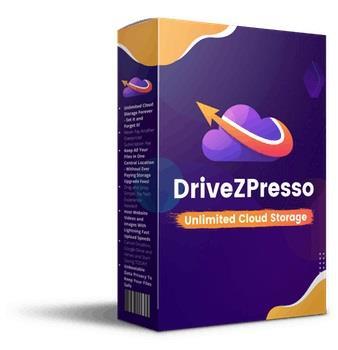
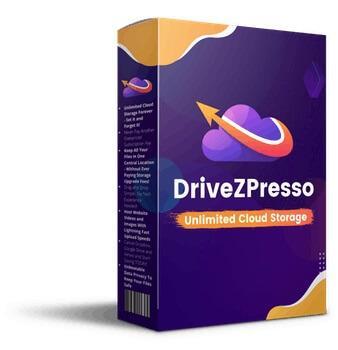
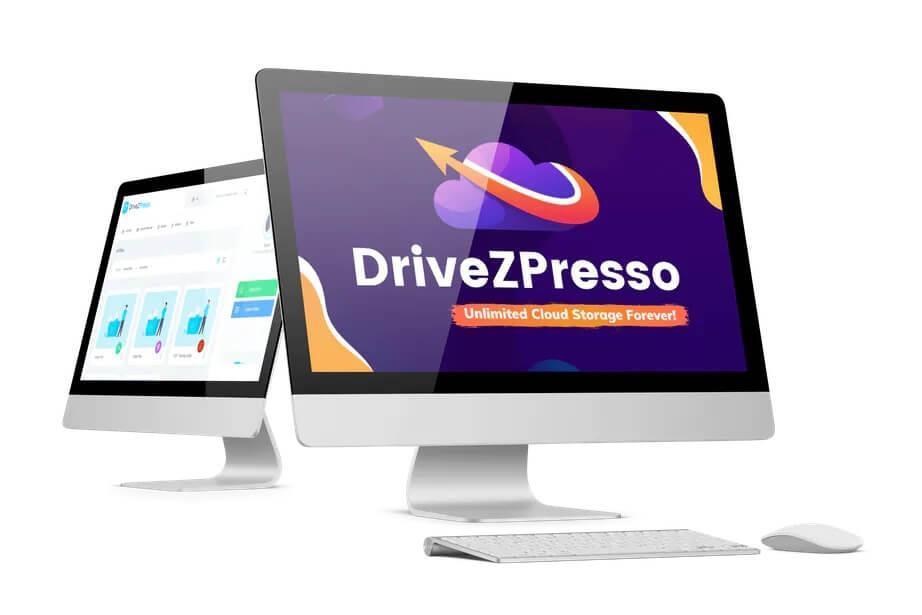
NEW PRODUCT DriveZPresso
Nowyou can haveUnlimited CloudStorageForLife (GoodbyeDropbox!)Saygoodbyeto overpriced Dropbox subscriptions and time-wasting tech headaches… Because there’s a brandnew Cloud Storage Solution that lets you host, share, and back-up ALL your files… With Unlimited Storage For Life at an unbeatable ONE-TIME price. Get the details here (limited availability).
Imagine… All your files stored in one central location so you can find whatever you need in seconds Never paying another overpriced subscription fee to Dropbox or Google Drive Freeing yourself from storage limits and tech hassles once and for all Big Tech has been sticking it to the little guy for far too long…
With ridiculously high monthly fees and huge mark-ups that line the pockets of Silicon Valley billionaires DriveZPresso lets you take back control of your data and your business future…
With all the capabilities of Dropbox and Google Drive and NONE of the overpriced subscription fees…
Go here now DriveZPresso UNLIMITED file storage for an ultra-low one-time fee Host website images and videos with lighting fast upload speeds on your website.
Find any filein seconds with theadvancedsearch technology Sharelinks to anyfile –just likeDropbox orGoogle Drive Collaborate with team members to edit documents in real-time Keep your files safe from hard drive crashes, hackers and malware It’s time to say NO to the “Big Tech Tax” and join the future of cloud storage…
Grab your DriveZPresso license click here.
JVZooHost is dedicated to providing safe, fast, and affordable web hosting with superior support. You can concentrate on running your business and rest assured your website will be up and running. Get your site noticed on the web today with JVZooHost!
MWM wants You to Know
CASE STUDY — New Mom Makes $1,080
Selling “Sleep Schedules That Actually Work”
Clara’s baby wasn’t sleeping.
And because of that, neither was Clara.
She tried everything blogs, forums, paid courses, expert-approved routines. Most of the advice felt rigid, contradictory, or clearly written for babies who followed instructions.
Her baby did not.
So Clara started experimenting with a baby sleep schedule that worked for her child: a mix of flexible routines, gentle cues, and common-sense adjustments no one else seemed to mention.
Eventually, her baby started sleeping longer stretches.
That’s when the messages began.
Friends texted:
“What are you doing differently? Your baby actually sleeps.”
Then their friends asked.
Then strangers in Facebook mom groups.
Clara found herself explaining the same baby sleep schedule over and over sometimes half-awake—until it clicked: she should just write it down.
During nap time, she created a simple guide called The Realistic Baby Sleep Routine.
• 14 pages
• Clear, practical, and judgment-free
• $9 price point
• Sold on a one-page Carrd site
• No funnel, no ads, no fancy branding
She figured maybe a handful of moms would buy it.
She sold 120 copies in 30 days.
That’s $1,080 from a guide built around a baby sleep schedule she created out of necessity.
Clara’s biggest obstacle wasn’t expertise. It was permission.
She assumed she needed certifications or professional credentials. But parents didn’t want a sleep expert. They wanted a baby sleep schedule that actually worked.
Her takeaway: “If you’ve solved a problem for your own life, you’re already qualified to help someone else.”
You don’t need to be a guru.
You just need to go first. being what it is declared the format dead instead of the execution.
CASE STUDY — How a Barista
Turned Her Coffee Knowledge Into $1330
Sophie was a barista with a flair for latte art and a deep hatred of being scheduled Sunday mornings.
No desire to be an influencer.
No fancy setup.
No marketing budget.
What she did have was five years of coffee nerdery and a magical ability to explain things without making people feel dumb.
One day, inspired by a TikTok trend, she filmed a 12-second clip showing how to make cold foam at home. It didn’t explode but it popped just enough to attract comments. And questions. A lot of questions.
Her DMs were suddenly full of:
• “Why does my moka pot coffee taste like burnt despair?”
• “Which milk froths best for beginners?”
• “Do I really need a scale or can I just vibe it?”
Instead of replying one by one, Sophie wrote a digital guide: The Beginner’s Home Coffee Playbook 16 pages. Tips. Photos. Troubleshooting charts. Recipes. She priced it at $7, dropped the link in her bio, and went back to her shift.
By clock-out: $98.
By week’s end: $609.
By the end of the month? $1,330.
All from a Google Doc she turned into a PDF.
Her entire marketing strategy?
Phone-shot TikToks recorded in the back room. No edits. No fluff. Just helpful, low-pressure content with a side of sass. Her lightbulb moment?
“You don’t have to be a guru. You just have to be one step ahead of someone Googling in frustration.”
Marketing Takeaway
Don’t overthink the packaging. If people are asking you questions, you’re already qualified to sell the answers.
Even a $7 PDF can brew a $1,330 month.
Why Online Marketers Need Less
Logic—and More “What If This Works?” Energy
If your marketing is technically correct but emotionally ignored, the Harris Poll just explained why. Logic is losing. Vibes are winning. Your beautifully structured funnel is being outperformed by someone’s chaotic “I manifested this offer in my journal” Reel. And annoyingly, it’s working.
According to the poll, more than half of millennials and Gen Z trust manifestation more than compound interest, and 41% would consider hiring astrologers or witches to help make life decisions. That’s not a collective loss of brain cells it’s a full-blown rejection of the old promise that if you just work hard, save diligently, and wait patiently, things will magically work out. Younger consumers don’t believe the system rewards effort anymore, so they’re chasing possibility instead. Linear logic says “work hard.” Their For You Page says “maybe you’ll go viral today.”
This is brutal news for “here’s our 7-step framework” marketing and fantastic news for online marketers willing to play a smarter, weirder game.
Today’s audiences don’t want logic. They want a shot. A win. A surprise. That’s why giveaways, flash bonuses, unexpected perks, and playful challenges keep outperforming perfectly optimized funnels that read like tax instructions. These moments feel generous, human, and slightly chaotic—in other words, memorable. In a world that feels stacked against them, people gravitate toward brands that say, “Look, I can’t fix the economy, but I can randomly upgrade your order.”
Meanwhile, algorithms have turned the internet into a beige wallpaper factory. Same hooks. Same fonts. Same “authentic” selfies where everyone laughs while holding a mug. Eighty percent of consumers say social media has become copy-and-paste, and they’re exhausted by it. The brands breaking through lean into purposeful weirdness unhinged mascots, unexpected humor, oddly specific memes, and content that feels more like a character than a campaign.
AI adds another twist. People want its power, but not its plastic perfection. Over-polished, AI-smoothed content doesn’t feel impressive it feels like a brand trying to catfish them. The real opportunity is to use AI to move faster, test more ideas, and ship more experiments—not to iron out every human wrinkle until you sound like a corporate chatbot in a blazer.
Right now, the winners online aren’t the most logical brands. They’re the ones willing to be fun, generous, a little unhinged and wildly, unmistakably alive.
Viral List-Building for Marketers: How to Turn 1
Subscriber Into 1,372 (Without Sorcery or Ads)
Let’s talk about your email list. Normally, growing it feels like dragging a boulder uphill in flip-flops. You hustle. You post. You run ads. All to get... one subscriber.
But what if you could turn one subscriber into ten without spending more money, posting more often, or sacrificing a goat to the algorithm?
Welcome to viral list-building, the part of marketing that feels illegal but isn’t.
Linear vs. Viral: The 10-Second Breakdown
• Traditional List-Building:
• You promote a freebie.
• Someone signs up.
• You do a happy dance.
• Repeat 1,000 times.
Viral List-Building:
• Someone signs up and gets a personal referral link.
• They invite friends in exchange for bribes (a.k.a. prizes, bonuses, extra goodies).
• Those friends sign up and get their own referral link.
• Now your happy dance turns into a conga line of subscribers.
Quick Math for the “I Need Proof” Crowd
Let’s play with some ideal-world math for a second:
• You launch a free challenge.
• 100 people sign up.
• Each one refers just 3 friends. That’s 300 new subscribers.
Now let’s say those 300 also each refer 3 friends. Boom: 900 more.
Add your original 100, and suddenly you’re staring at 1,300 subscribers from a single campaign. Sounds magical, right?
It is. But also... it’s math.
In the real world, not everyone will share. Some people will forget. Some will forward the email to their cat.
But even if only 20% of people refer one or two friends, you're still getting free leads on autopilot without increasing your ad spend, burning out on content, or pleading for subscribers like it's 2009.
Keep videos 15
The takeaway?
It doesn’t have to be perfect to be powerful.
Even a mildly functional viral loop can outperform your usual lead gen slog.
How the Viral Engine Works (a.k.a. The “Sneaky Genius” Model)
Step 1: Offer Something Irresistible
A juicy lead magnet, free challenge, giveaway, or secret sauce PDF.
Example: “Join my 5-Day AI Content Sprint + Win a Year of Jasper Pro!”
Step 2: Give Them a Reason to Share
As soon as they opt in, they get a custom referral link and a prompt:
“Share this with 3 friends and unlock the Bonus Module: 10 Viral Hooks That Print Money.”
Step 3: Bribe Responsibly
Use tiered rewards:
• Refer 1 friend = get the bonus checklist
• Refer 3 = access the VIP content
• Refer 10 = free coffee, a hug, or lifetime access to your membership (okay maybe not that, but go wild)
Step 4: Let the System Work Its Magic
Everyone becomes a mini-ambassador and they want to share.
Guess what - you’re no longer the only person marketing your business – how awesome is that?
You’ve created a referral loop that feeds itself. Tools to Make It Easy (No Code. No Crying.)
You don’t need to build this by hand like a 2011 internet monk. There are tools made for this:
• SparkLoop – Built for newsletters, integrates with ConvertKit, Beehiiv, etc.
• UpViral – Great for product launches and challenge funnels.
• Viral Loops – Works well for ecommerce and milestone-based campaigns.
• KingSumo – Easy giveaways, especially for beginners.
Most let you set up referral tracking, reward tiers, and email automation in under an hour.
Viral Loop in Action: A Made-Up Example That’s Alarmingly Believable
You: "I'm giving away a Notion Content Calendar Template + a chance to win a 1:1 strategy session with me. The more people you refer, the more chances you have to win.”
New subscriber Jane: Signs up. Gets excited. Shares her referral link in 2 Slack groups and one Facebook group for moms who sell candles and NFTs.
Result:
Jane refers 8 people.
One of them refers 5 more.
You’ve got 14 new leads… and Jane is now emotionally invested in your brand forever.
Bribes Only Work If People Actually Want Them
Here’s the thing: your referral bonus could be the most beautifully designed lead magnet in the history of Canva, but if it’s not relevant to your target audience, nobody’s sharing it—because nobody wants it.
Offering a Starbucks gift card to an audience of productivity nerds? Great.
Offering that same card to a group of clean-eating fitness coaches? You may have just lost them at “pumpkin spice.”
Your bonus has to feel like a no-brainer for your people.
Examples:
• Targeting email marketers? Offer bonus swipe files, subject line templates, or early access to a “viral email teardown” session.
• Selling to Etsy sellers? Give them a printable bundle, a product listing checklist, or access to a mini mockup generator.
• Helping solopreneurs with visibility? Bonus reels, caption templates, or “post-it-and-go” content calendars will get them frothing.
When your reward is ultra-specific and clearly useful, it becomes more than a bonus it becomes a status symbol. “Look at me, I referred 3 people and got this secret module you didn’t.”
That’s when the sharing begins.
If you want your viral loop to loop, your incentives need to feel like candy to the exact kind of people you want on your list. Otherwise, you're just giving away free stuff to strangers who’ll never buy.
Final Thoughts: This Is How Newbies Are Building 50,000-Person Lists
Is it typical? No.
Is it happening? Absolutely.
The difference isn’t luck it’s leverage because every person becomes a micro-influencer for your campaign.
Instead of shouting louder, you’re getting other people to whisper about you everywhere.
That’s smarter, scalable and it sure beats manually begging your cousin to join your list again.
Why Smart Marketers Are Turning to Substack in 2026
Forget clickbait and viral stunts brands like The RealReal, Hinge, and Tory Burch are using Substack to build real relationships through story-first content.
The RealReal’s “The RealGirl” newsletter reads like a fashion insider’s diary, written by a non-employee superfan. It’s authentic, engaging, and drives surprising product clicks all without screaming “promo.” Hinge’s literary-style series “No Ordinary Love” turned dating app success stories into essays, a hardcover book, and a BookTok campaign that actually moved the brand up in consumer perception.
Marketers May Be Advertising on X Without Realizing It—Here’s Why
If your brand is avoiding X (formerly Twitter) due to safety concerns or reputation management bad news: you might be advertising there anyway. Thanks to programmatic ad placements, Google Ads campaigns (especially those using Performance Max, Demand Gen, or Display) can unintentionally place your ads on X. UK martech consultant Jonathan D’Souza-Rauto revealed that X has made much of its inventory available through open auctions, and Google Ads is now the top buyer. That means even if you’ve never touched X’s Ads Manager, your traffic-optimized campaigns could be funneling dollars into the platform.
This “X loophole” poses serious brand-safety issues. Advertisers have limited visibility into where their ads appear and X’s recent controversies (like Grok AI generating disturbing images) only add to the risk. While Google and Microsoft have rolled out new brand suitability and exclusion tools, they’re still playing catchup in a hyper-automated ad landscape. The takeaway? If you care where your ads land, audit your campaigns, tighten exclusions, and don’t assume brand-safe equals brand-controlled. In the era of AI-optimized advertising, transparency is optional but responsibility isn’t.