Marketing Just Flipped And Most People Haven’t Noticed Yet
MWM Business HELP
Tried Every ‘Latest-Greatest’ Strategy, but Only The Boring One Worked Making Web Money
MWM Ask the Expert The Only Marketing Skill That Actually Matters Is the One Nobody Wants to Practice
MWM Wants You to Know Your Competitors Have the Same AI as You. So Now What? Learn How
and We
How Would You Like to Get Your Hands On My Proven Marketing Strategies That Have CreatedA Multiple Six Figure Online Business?
Now You Too Can Explode Your Business Income With Monthly Internet Marketing Training and Coaching!
If You Are Serious About Changing From A Failing Online Business To An Uber Profitable Online Business I Can Help You!
Listen, I know what it's like to have a strong desire to have a successful online business but have no real idea of HOW to market it...
I'm not making empty promises. One thing you will not find on this site is a promise of "easy riches". I make no claims of how much you can make. I make no claims that you'll make any money at all. I don't know you. I don't know if you're a thinker or a doer. How can I promise you'll make X dollars? I can't. And I don't. That SHOULD be a sign of trust to you.
There are many others out there making crazy income claims. I won't promise riches. I won't promise any results. I'll simply tell you that I will show you things you can do to get your online business rocking and rolling!
There is absolutely no risk. I'm even going to take away ALL RISK for you. It's pretty simple: if you don't like the Training, you don't pay. Period. You have nothing to risk and everything to gain.
Let me say it a different way...
You Don't Even Have To Say "Yes" To Get Started Right Away, Just Say "Maybe" And I'll Send Your First Lesson Instantly!
MWM editors letter
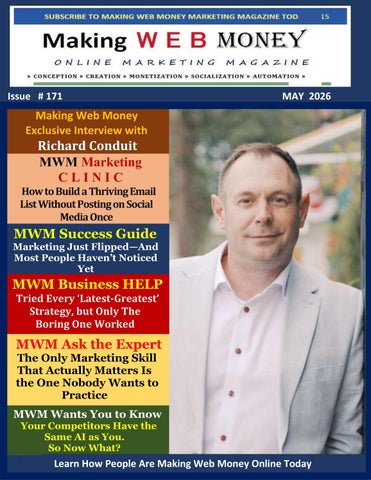
Welcome to the MAY 2026 Issue of our monthly “Making Web Money” Online Digital Marketing magazine - where every month we show you how real people, just like you, are making web money – online. This month we have MORE great articles and personal success insights, interviews, plus some ONLINE opportunities for you.
- MWM Series on Business Help - AI is Moving from Assistant… To Operator. Here’s What That Means for You
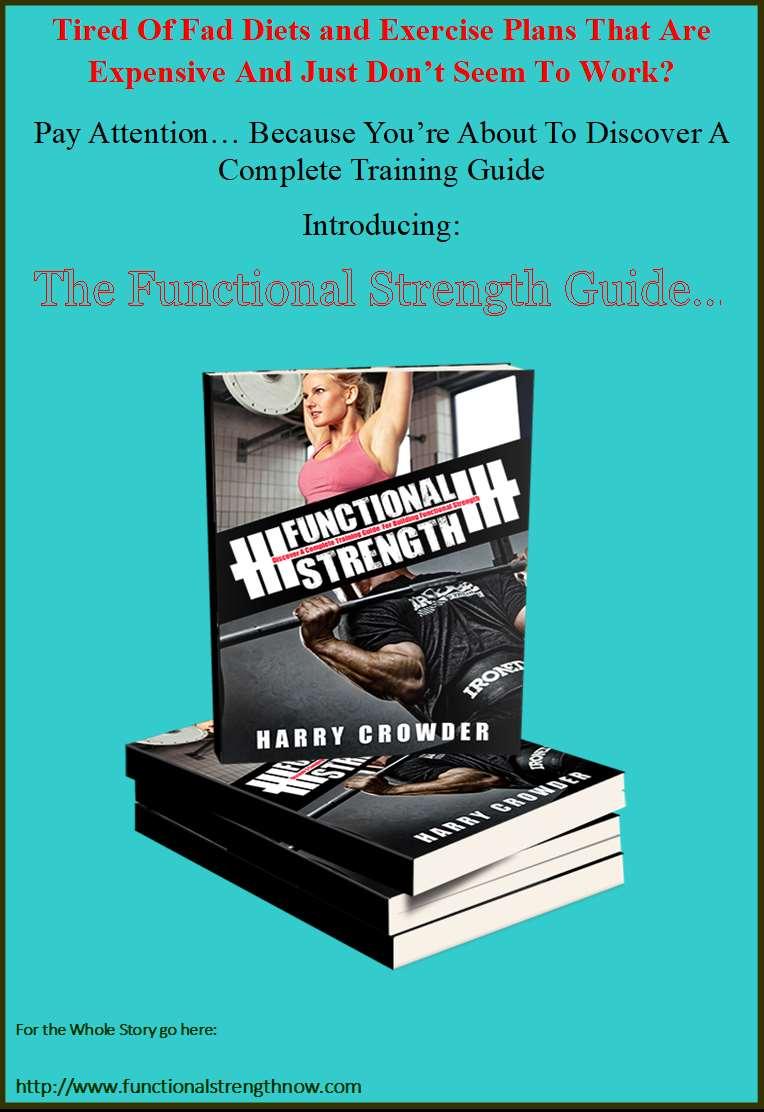
- The Functional Strength Guide
- The Only Marketing Skill That Actually Matters Is the One Nobody Wants to Practice
- Stop Building a Free List. Build a Buyer List Instead
- Case study — He Built a $103K Business for $19. Here's Exactly How He Did It.
- FREE eBook - Six Figures A Year in Info Publishing
- MWM Wants You to Know - Your Competitors Have the Same AI as You. So Now What?
- MWM Q & A - Why 60% of Social Media Content Gets Zero Engagement and How to Make Sure You're in the Other 40%
- MWM Marketing CLINIC - How to Build a Thriving Email List Without Posting on Social Media Once
- What's Your Lead Magnet's Actual Conversion Rate Going to Be? (We'll Tell You Before You Launch)
- MWM Interview – Richard Conduit
- Your Welcome Sequence Is Making People Unsubscribe. Here's What Works Now.
- MWM Success Marketing - Just Flipped—And Most People Haven’t Noticed Yet
- MWM Ask the Expert - Case Study - From Facebook Friends to $208K/Month - The Newsletter Play Nobody Talks About
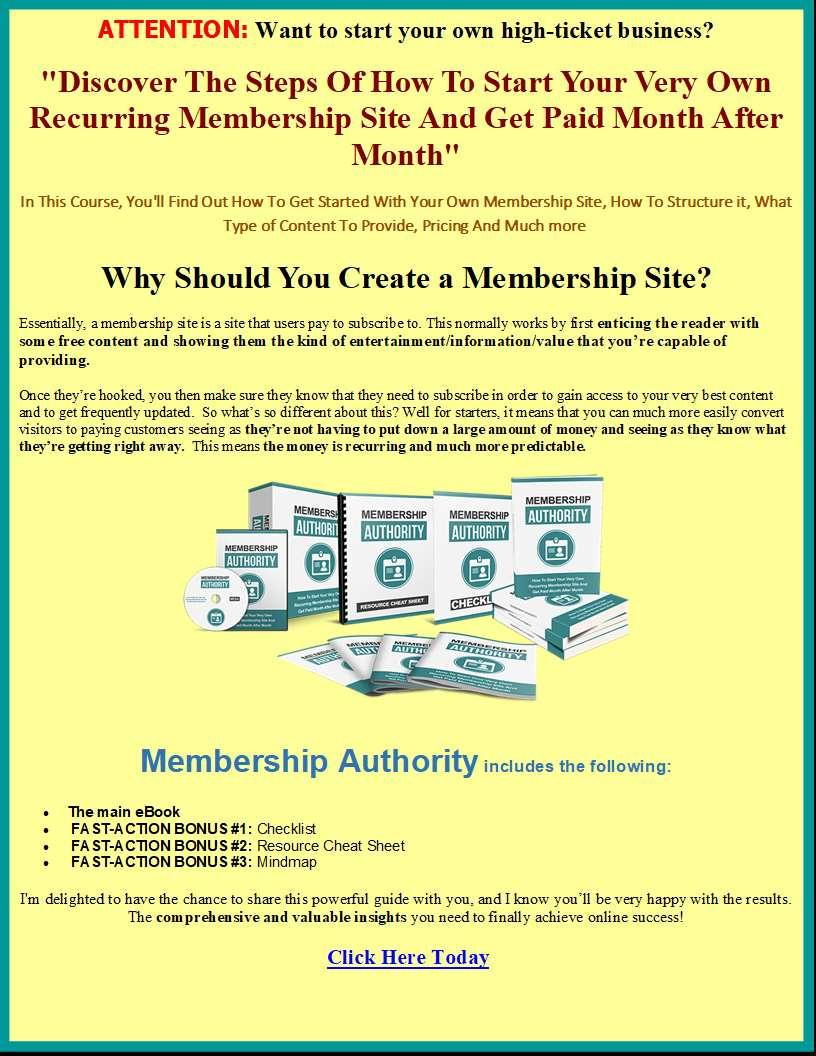
- How to Start Your Own Recurring Membership Site
I hope you enjoy this month's magazine. Thanks for reading.
– Check out our 170 Great Back Issues of Making Web Money!
MakingWebMoney.com
Subscription enquires: www.MakingWebMoney.com
Order the printed edition: www.issuu.com
Advertising enquires: www.MakingWebMoney.com
Making Web Money Magazine
Published 12 times per year. Copyright All rights reserved.
Reprinted with permission. No part of this publication may be reproduced, translated or converted into machine-readable form or language without the written consent of the publisher.
Articles express the opinions of the authors and are not necessarily those of the publisher
The creators, producers, contributors and distributors or Making Web Money Marketing Magazine disclaim any liability for loss or lack of results from following the advice expressed herein.
Tell us what you like and don’t like about Making Web Money Digital Marketing magazine. What worked for you or what you think sucks, then we can make Making Web Money an even better online magazine.
So, send me an email with your feedback and let me know.
ChatGPT Just Became an Ad Platform — And It's Already Poaching Your Customers
already appearing roughly once every five questions on ChatGPT's free tier — always as a website link button at the bottom of a response, always tailored to the topic of the conversation. And here's the part that should make every brand marketer sit up straight: when a user mentions a specific brand by name, ads for direct competitors are already appearing in response. The competitor poaching mechanic isn't coming. It's live. Right now. In conversations your potential customers are having today.
If you've been treating ChatGPT advertising as something to think about later, later just arrived. Ads are already appearing roughly once every five questions on ChatGPT's free tier always as a website link button at the bottom of a response, always tailored to the topic of the conversation. And here's the part that should make every brand marketer sit up straight: when a user mentions a specific brand by name, ads for direct competitors are already appearing in response. The competitor poaching mechanic isn't coming. It's live. Right now. In conversations your potential customers are having today.
Self-serve access to ChatGPT advertising is expected to open to the broader advertiser market in April, which means the window to get in early before costs rise and competition intensifies is closing fast. ROI measurement is still immature at this stage, so early testing should be kept small and carefully tracked. But the brands that start learning this channel now will have a meaningful head start over everyone who waited until it was obvious. And in digital marketing, obvious is usually too late.
Self-serve access to ChatGPT advertising is expected to open to the broader advertiser market in April, which means the window to get in early before costs rise and competition intensifies is closing fast. ROI measurement is still immature at this stage, so early testing should be kept small and carefully tracked. But the brands that start learning this channel now will have a meaningful head start over everyone who waited until it was obvious. And in digital marketing, obvious is usually too late.
If you've ever wondered why Google picks a random, unflattering image for your content in search results or Discover, Google just handed you the answer. Google updated its Image SEO best practices and Discover documentation to clarify how publishers can specify a preferred thumbnail, confirming it uses both schema.org structured data and the og:image meta tag when selecting images. Publishers now have three concrete methods: using the schema.org primaryImageOfPage property, attaching an image property to the page's main entity, or using a standard og:image meta tag in the HTML head with code examples provided for each. This isn't a change to how anything works. It's Google finally documenting what was already happening and giving you the tools to influence it deliberately.
For digital marketers, this is worth acting on immediately. Google recommends images that are relevant to the content, at least 1,200 pixels wide, high resolution at a minimum of 300K, and in a 16x9 aspect ratio and specifically warns against generic images like logos or text-heavy images in the markup.
Google's AI Overviews Are Rewriting the Rules of Organic Traffic —
And Most Marketers Aren't Ready
The numbers are in, and they're not comfortable reading. As of Q1 2026, roughly 25% of all searches now trigger an AI Overview, climbing as high as 48% in categories like health, finance, and B2B technology. Organic click-through rates are dropping between 15% and 47% when an AI Overview appears on the page and 58% of all Google searches now end without a single click to any website. For businesses that built their audience and revenue on organic search traffic, this isn't a warning sign on the horizon. It's already happening, right now, to your traffic numbers.
The opportunity hiding inside the threat is this: being cited inside an AI Overview drives 35% more organic clicks than not being cited at all. Which means the game hasn't ended it's just changed completely. The marketers who win from here aren't the ones optimizing for rankings..
ChatGPT Just Became an Ad Platform — And It's Already Poaching Your Customers
If you've been treating ChatGPT advertising as something to think about later, later just arrived. Ads are already appearing roughly once every five questions on ChatGPT's free tier always as a website link button at the bottom of a response, always tailored to the topic of the conversation. And here's the part that should make every brand marketer sit up straight: when a user mentions a specific brand by name, ads for direct competitors are already appearing in response. The competitor poaching mechanic isn't coming. It's live. Right now. In conversations your potential customers are having today.
Self-serve access to ChatGPT advertising is expected to open to the broader advertiser market in April, which means the window to get in early before costs rise and competition intensifies is closing fast. ROI measurement is still immature at this stage, so early testing should be kept small and carefully tracked. But the brands that start learning this channel now will have a meaningful head start over everyone who waited until it was obvious. And in digital marketing, obvious is usually too late.
Your Email List Just Became the Most Valuable Thing You Own. Are You Treating It That Way?
Something shifted quietly over the last few years and most marketers haven't fully caught up to what it means.
Third-party cookies are dying. Ad targeting is getting less precise. The ability to follow your customer across the internet, serve them the perfect ad at the perfect moment, and measure everything cleanly is eroding fast. The era of renting attention from platforms and calling it a strategy is coming to an end.
Which means the marketers who built something they actually own are about to have a very significant advantage over everyone who didn't.
Your email list is first-party data. That’s information your subscribers gave you directly, voluntarily, with full context about who they are and what they want. No algorithm owns it. No platform can take it away. No policy change can make it disappear overnight. In a world where every other targeting mechanism is getting noisier and more expensive, that kind of direct access to a warm, opted-in audience is genuinely rare and getting rarer.
But here's the uncomfortable question: are you actually treating it that way?
Most marketers are sitting on a gold mine and using it like a megaphone. They blast the same email to everyone on the list, measure open rates, shrug at the results, and repeat. That's not activating a firstparty data asset. That's wasting one. The real opportunity is in segmentation knowing which subscribers are buyers versus browsers, which topics drive clicks versus crickets, which segments are ready for an offer and which ones need more nurturing first. Every click, every reply, every purchase your subscribers make is a data point that makes your next campaign smarter. Most marketers collect that data and ignore it entirely.
Enriching your list is the next level. Ask your subscribers what they want. Survey them. Use the answers to create segments that actually reflect real differences in intent, not just demographic guesses. The more precisely you understand who's on your list and why, the more precisely you can serve them and the higher every conversion metric climbs as a result.
The brands that win the next five years of digital marketing won't necessarily be the ones with the biggest ad budgets. They'll be the ones who built deep, data-rich relationships with their audiences while everyone else was busy renting eyeballs from platforms that don't have their best interests at heart.
Your email list isn't just a marketing channel anymore. It's your most valuable business asset. Start treating it like one.
Starting today you can enroll in my new monthly coaching program where I will teach you how to turn PLR content into spendable cash using several underground methods.
Each and every month you'll get a new lesson showing you a different way to profit with the PLR products you already have. Each month will be a different lesson (sometimes delivered as a step-bystep PDF and sometimes delivered as video tutorial lessons, and even sometimes a mixture of both) that you can download, view, and then implement to start making money with PLR content.
This 12 month coaching program can help you feel good about every PLR purchase you've made (even those "junky" ones because I will show you how to polish them 'til they shine!). The PLR Profits Coaching Club can justify every penny you've spent. It can make those purchases worth something to you because you can put that content to work making money for you.
Click Here to Start
Shopify's President Just Said AI Shopping Agents Are the New Front Door for E-Commerce
Shopify’s president just said the quiet part out loud: AI shopping agents are about to become the new front door to e-commerce. Speaking at the Upfront Summit, Harley Finkelstein laid it out simply search shows you who paid to be seen, but an AI shopper recommends what actually fits you.
That’s a massive shift. Instead of fighting for position, you’re competing on relevance. And with only about 18% of U.S. retail happening online today, he’s betting these agents are what finally push that number much higher.
Facebook Is… Working Again. Seriously. And Almost Nobody Noticed.
Publishers are reporting referral traffic up 4x and engagement tripling compared to last year and the wild part is, they didn’t change anything. No new strategy, no extra effort. The traffic just showed up. That points to one thing: Facebook quietly flipped something at the algorithm level. After years of throttling organic reach, it’s now behaving less like a follower-based feed and more like a discovery engine and most solo marketers are still stuck thinking it’s dead.
So, what actually works now? Shares and saves matter way more than likes. The algorithm is looking for content people want to pass along, not just tap and scroll past. Fresh Reels get a big boost (especially same-day posts), and original content is being rewarded while reposts get buried. This is your opening. You don’t need a huge page anymore you need content that sparks a reaction strong enough to get shared. Facebook isn’t handing out free reach forever, but right now, attention is cheaper than it’s been in years.
https://posteverywhere.ai/blog/how-the-facebook-algorithm-works and https://yepads.com/facebook-algorithm-changes/
I Tried Every ‘Latest-Greatest’ Strategy, but Only The Boring One Worked
Back in the day – and it feels like a lifetime ago - I tried everything.
New funnels. New platforms. New “this changes everything” strategies that showed up in my feed with a guy frantically pointing at a chart like he just discovered fire.
I rebuilt things that weren’t broken (head, meet wall). I scrapped offers that were working and pivoted mid-flight because someone louder than me declared, “This is dead.” I told myself I was evolving. Sure.
Looking back, I was mostly just starting over.
Because underneath all that “optimization” was something I didn’t want to admit: I was bored. Really bored. And boredom will wreck a business faster than a bad strategy ever could.
Here’s what I almost quit, and I feel stupid even admitting thisthe one thing that actually worked. I sent one useful email every week. Not fluff. Not “just checking in.”
Each email was a specific solution to a specific problem my audience was dealing with right now.
Some were great. Some were just okay. But I sent them anyway. And slowly—painfully slowly—things started to stack. The list grew. People replied. Trust built. Sales followed. Not from one big win, but from showing up.
I stopped chasing every platform and focused on one. I stopped reinventing my offer and made it better. I started listening to customers instead of dashboards. None of this was exciting. That’s exactly why it worked. Because boring compounds. One email becomes fifty. Fifty becomes a body of work. That body of work becomes trust you can’t fake.
So, here’s the real question: Did your strategy fail… or did you quit before it had time to work?
Do the boring work. Solve real problems. Do it again next week. That’s the strategy.
Teach What You Learn, Cash What You Earn
You wake up one morning, scroll through TikTok, and think, “I bet I could do this.” You grab your phone, pick a side hustle you’re already trying maybe selling printables, testing apps, or flipping old clothes and make your first 20-second video. Fast forward one month: 3K followers, 1 viral tip, and your first brand deal worth $70. All from showing people what you’re already learning.
Here’s the thing: TikTok doesn’t care about your follower count. It cares about your usefulness. People want tips they can actually try today. That’s your golden ticket. You don’t need fancy equipment, a viral dance, or influencer connections just your phone, your brain, and the guts to post.
Step 1: Pick your angle. Are you teaching side hustles for college students, busy parents, or 9-to-5 escapees? The more specific, the faster people notice you.
Step 2: Post daily. One tip per day. Quick, punchy, real. 15–30 seconds of value that leaves viewers thinking, “I can do that today!”
Step 3: Be authentic. Share wins, fails, and lessons learned. People follow people, not perfection.
Step 4: Engage. Reply to comments, make duets, ask questions. TikTok rewards interaction and it builds trust fast.
Step 5: Monetize later. Don’t chase brand deals on day one. Focus on growing your audience and credibility. Once followers trust you, brands will find you.
Your meta-strategy? Teach while you learn. Every side hustle you try, every tip you share, every trick you test becomes content gold. Post. Teach. Grow. Cash in later. Simple, fun, and totally doable.
AI is Moving from Assistant… to Operator. Here’s What That Means for You
But what’s happening now is different because AI is starting to move from assistant… to operator.
And if you’re a digital marketer, this is the shift you don’t want to miss.
From “Tell Me How” to “Do This”
Up until now, most AI tools have been advisory.
You’d ask: “How do I build a landing page?” And it would give you steps.
Now you can say: “Build the landing page. Use my last offer. Match this tone. Pull testimonials from my files.”
And the AI can actually:
• open your files
• generate the page
• structure the content
• prepare it for publishing
This is the beginning of AI acting inside your workflow, not just next to it.
Why This Changes Everything for Marketers
Digital marketing has always had a hidden tax: Execution.
The writing. The formatting. The uploading. The tweaking. The repetitive, necessary, time-consuming work that turns good ideas into actual assets.
AI with system-level access starts removing that tax.
1. You Can Move at “Idea Speed”
Right now, there’s friction between:
• having an idea
• turning it into something real
With AI acting on your computer, that gap shrinks dramatically.
You can go from: “I should create a lead magnet about this…”
To having the outline created, the content drafted, a PDF formatted and a landing page started in a fraction of the time it used to take.
This isn’t about being faster for the sake of speed, it’s about not losing momentum.
2. One Person Starts to Look Like a Team
This is where it gets really interesting, because a solo marketer can now research, write, design, analyze and iterate without constantly switching tools or hiring help for every step.
It doesn’t replace skill, but it massively amplifies it.
If you know what good looks like, AI helps you produce more of it consistently.
3. Your Systems Start Working With You
Instead of juggling: email platforms, content tools and analytics dashboards, you can begin orchestrating them.
Imagine telling your AI: “Look at last week’s email performance, identify what worked, and draft three new angles based on that.”
Or: “Take this video, turn it into a blog post, an email, and five social posts.”
This is where marketing becomes less about doing tasks… …and more about directing outcomes.
4. The Rise of the “Operator Marketer”
There’s a new skill emerging and it’s not prompt writing.
It’s orchestration.
Knowing what to ask for, how to structure tasks, how to guide output and when to step in and refine
The marketers who win won’t be the ones using AI the most. They’ll be the ones using it intentionally.
What You Can Start Doing Right Now
You don’t need a fully autonomous system to benefit from this shift.
Start simple.
Use AI to:
• organize your content ideas
• draft assets from your own notes
• repurpose existing content across formats
• summarize customer feedback into insights
The key is to move from: “Help me think”
to: “Help me execute”
The Real Opportunity
Here’s the part most people are missing:
This isn’t just about productivity, it’s about leverage.
The marketer who can:
• test more ideas
• ship more consistently
• respond faster to feedback
…wins.
Not because they’re smarter but because they’re in motion more often.
Bottom Line
AI isn’t just a smarter tool anymore.
It’s becoming a layer that sits on top of your entire workflow helping you move faster, build more, and stay consistent without burning out.
And for digital marketers, that’s not a small upgrade; that’s a competitive advantage.
The question isn’t whether this is coming - it’s already here.
Google's AI Overviews Are Rewriting the Rules of Organic Traffic —
And Most Marketers Aren't Ready
The numbers are in, and they're not comfortable reading. As of Q1 2026, roughly 25% of all searches now trigger an AI Overview, climbing as high as 48% in categories like health, finance, and B2B technology. Organic clickthrough rates are dropping between 15% and 47% when an AI Overview appears on the page and 58% of all Google searches now end without a single click to any website. For businesses that built their audience and revenue on organic search traffic, this isn't a warning sign on the horizon.
It's already happening, right now, to your traffic numbers. The opportunity hiding inside the threat is this: being cited inside an AI Overview drives 35% more organic clicks than not being cited at all. Which means the game hasn't ended it's just changed completely. The marketers who win from here aren't the ones optimizing for rankings..
If you've been treating ChatGPT advertising as something to think about later, later just arrived. Ads are already appearing roughly once every five questions on ChatGPT's free tier always as a website link button at the bottom of a response, always tailored to the topic of the conversation. And here's the part that should make every brand marketer sit up straight: when a user mentions a specific brand by name, ads for direct competitors are already appearing in response. The competitor poaching mechanic isn't coming. It's live. Right now. In conversations your potential customers are having today.
Self-serve access to ChatGPT advertising is expected to open to the broader advertiser market in April, which means the window to get in early before costs rise and competition intensifies is closing fast. ROI measurement is still immature at this stage, so early testing should be kept small and carefully tracked. But the brands that start learning this channel now will have a meaningful head start over everyone who waited until it was obvious. And in digital marketing, obvious is usually too late.
The Only Marketing Skill That Actually Matters Is the One Nobody Wants to Practice
Nobody becomes a great marketer by thinking about it.
That sounds obvious. And yet the internet is full of people who have consumed every course, bookmarked every thread, and subscribed to every newsletter, who still haven't launched the campaign, sent the cold email, posted the video, or made the offer. They're waiting until they're ready.
Until the timing is right. Until they're sure it won't flop.
But that moment? It never comes. And while you're waiting for it, somebody with half your knowledge and twice your nerve is out there taking action, putting in the practice and getting the experience.
Gary Vaynerchuk has a simple answer for young guys who ask him how to get better with girls. Practice. Get told no. Get comfortable being uncomfortable. The rejection that feels like a disaster is actually the beginning of the path, because every no recalibrates you, teaches you something, and gets you one step closer to a yes.
The people who never ask never lose. They also never win. They just stand still and call it safety.
Marketing works exactly the same way.
Every pitch you don't send, every ad you don't run, every piece of content you don't post because you're not sure it's good enough - that's not caution.
That's paralysis dressed up as strategy.
It might be common sense but you need to weave this into the very fabric of your soul…
The marketer who sends the imperfect email today will outperform the one still polishing their perfect email next month… Every. Single. Time.
Because the imperfect email generates data. It generates replies, clicks, unsubscribes, and real-world signal that no amount of planning can replicate.
You learn more from one live campaign than from ten hours of preparation.
Stop Building a Free List. Build a Buyer List Instead
For years, the playbook was simple and everyone followed it without question: Create a free lead magnet, capture the email, nurture the relationship with helpful content, and eventually convert subscribers into customers somewhere down the line. It was the foundation of practically every online marketing funnel built in the last decade, and for a while, it genuinely worked. Audiences were less saturated, attention was easier to hold, and the mere act of showing up with a free PDF was enough to build real trust.
That era is over. And the sooner you accept that, the better. Because here's what's quietly happening to marketers who are still running the old playbook: That list they worked so hard to build is full of people who were never going to buy anything.
Not now.
Not later. Not ever.
They signed up for the freebie, maybe skimmed it, and have been ignoring your emails ever since while waiting for the next free thing to land in their inbox.
Welcome to the era of the freebie seeker and congratulations, your funnel is probably manufacturing them at scale.
These are the people who download everything, opt into every lead magnet, collect free resources the way others collect airline miles and disappear the second money enters the conversation. They're not bad people. They're just not customers. They never were. And if your entire acquisition funnel is built on free offers, you're not just attracting a few of them…
…you're actively selecting for them, day after day.
The result is a dangerous illusion that can quietly hollow out a business: growth without revenue. Your subscriber count climbs. Your open rates look respectable. Your content gets likes and the occasional enthusiastic reply. But when it's time to make an actual offer? Crickets.
The numbers say you're winning. The bank account tells a different story. And yet most marketers respond to this problem by writing better email sequences, tweaking their subject lines, or god help us adding another nurture sequence.
They're optimizing a broken system instead of questioning whether the system itself is the problem.
That's why one of the most significant shifts happening in list building right now is the move toward paid lead magnets small, low-friction offers typically priced anywhere from $1 to $9. And before you roll your eyes, understand what's actually happening here, because it has nothing to do with the pocket change those tiny transactions generate. It's about the psychological signal a purchase sends, both to you and to the buyer.
The moment someone pulls out their credit card, even for a single dollar, they have crossed a line that no free opt-in can replicate. They've moved from passively curious to actively invested. They've taken a small but real risk. And in doing so, they've revealed something critically important: They are willing to pay for solutions.
That one data point is worth more than 10,000 email addresses from a free download.
Think about what that means for your list. Instead of a database full of people conditioned to expect everything for free, you now have a growing audience of people who have already proven they're buyers.
Their internal monologue has shifted from "What can I get for free?" to "What else can I buy?"
Here's the part that makes marketers uncomfortable: You will get fewer signups.
That’s good, because you don't need more people. You need better people.
A list of 1,000 verified buyers will outperform a list of 10,000 freebie seekers in every meaningful way — higher conversion rates, more useful product feedback, better data about what your market actually values, and real momentum.
None of this means free content is dead far from it. Free content still plays a vital role in building awareness and bringing new people into your world. But there is a critical difference between using free content to attract attention and using it to qualify it. Use your blog, your social media, your podcast to cast a wide net. Then use a small paid offer as the front door to your actual funnel, the filter that separates the browsers from the buyers.
Because attention, in 2025, is one of the cheapest things in the world to acquire. What's genuinely rare and genuinely worth building toward is commitment. And commitment starts with a credit card.
So if your list isn't buying, don't write better emails. Don't hire a copywriter. Don't split-test your subject lines for the fourteenth time. Fix the front door.
You built it for the wrong people, and the wrong people walked through it. Your new list will be smaller but your business will be bigger. Stop building a free list.
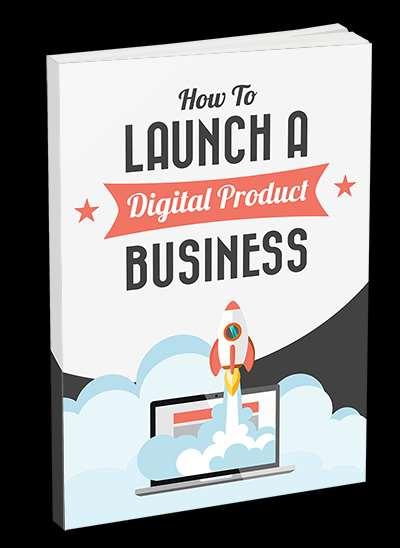
"Discover How to Start, Build and Launch Your Own Digital Product Business Without Breaking The Bank..."
Find Out How To Create Your First Digital Product For Sale And Start Getting Sales On Autopilot!
What you'll discover in this eBook:
• You'll have an idea for the type of digital product you want to create and what the strengths and weaknesses of each option are
• Understand what makes digital products sell and how you need to design your creation in such a way that people will be eager to buy it
• Know how to quickly and cost effectively create the type of digital product you want
How to create a potential hot-selling eBook
• Know how to alter things like price, cover image and more in order to optimize your sales
• Understand how to drive more traffic to your landing page using SEO, PPC, e-mail marketing and social media
• Understand affiliate programs and tools like JVZoo, ClickBank and WSO Pro
• Know how to build an army of affiliate marketers who can drastically increase your sales and profits
• • ...and much, much more!
This is the ultimate guide to How to Launch a Digital Product Business! You'll discover all the steps, tools and resources to help you become a successful digital marketer! Get your copy today!
text overlay capabilities, generating improved backgrounds around product images and expanding images to better fit multiple surfaces.
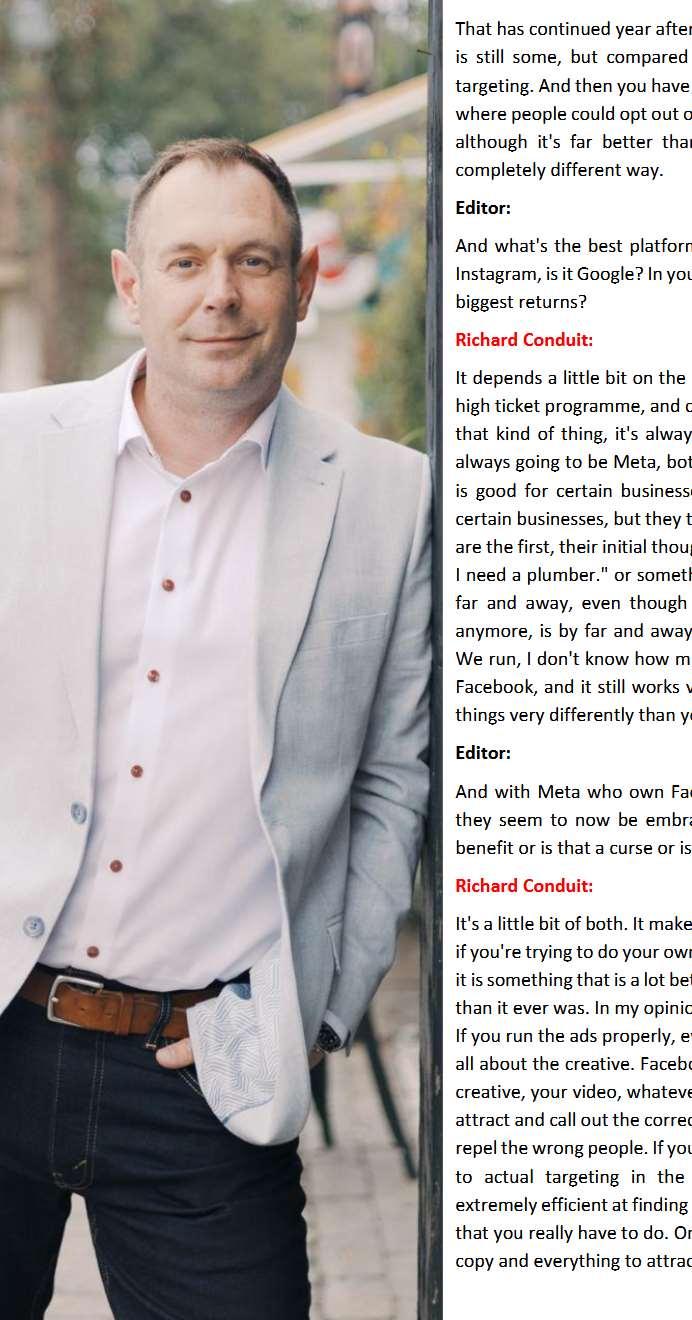
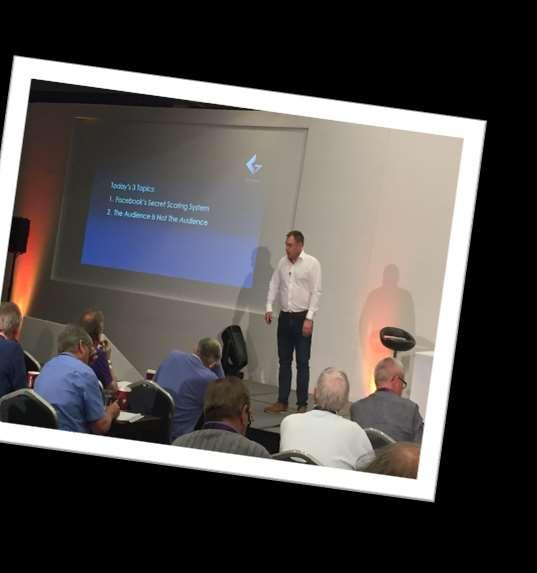
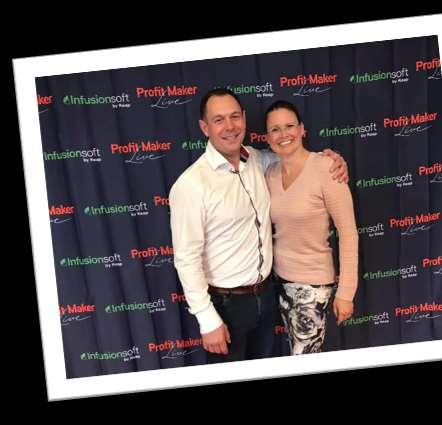
Today's guest is Richard Conduit, founder of SAVVii Media, a performance marketing agency specializing in paid traffic, lead generation, and helping businesses scale using smart, measurable advertising. Richard has been in the paid ads game long enough to have seen platforms change dramatically from those early days of manual targeting to today's AI-driven automation.
If you want straight-talk insights on what actually is working right now with paid ads and what to avoid, then this should be a really useful conversation. Richard, welcome.
Richard Conduit: Hey, welcome.
Editor:
Should we start with your back story? How did you get into paid traffic in the first place and also into agency life?
Richard Conduit:
Yeah, sure. I spent a long time, nearly 20 years in sales, everything from door knocking and telesales through to corporate sales in the end. And I had a gym, a dojo of my own, and I started to run in 2014 Facebook ads in order to get new members into my gym.
Those were the days when you could run two pounds a day in ad spend, which you cannot do anymore, and it worked and I had no idea what I was doing. It was something that I built a little landing page, ran some ads, and we got a lot of members join. I then started getting other gyms asking me to do the same thing, and after a while, I was earning the same kind of money as I was for my job and I quit my job, and then at that point, I decided to do this sort of full-time, and that was in the beginning of 2016.
And so, it was just one of those conversations back in 2016, '17. Everybody just wanted to do it and I found it very easy to get a business.
Richard Conduit:
There were two things. First of all, it worked really, really well for my own business, and then I realised everybody wanted it. Every person that I spoke to, they knew that we should be advertising on Facebook, and this was even before Instagram. It was always just Facebook. Everybody wanted to do it, nobody knew how to do it.
And so it was just one of those conversations back in 2016, '17. Everybody just wanted to do it and I found it very easy to get a business.
Editor:
And in terms of how it looks for you now, was it just trial and error that got you to expert status?
Richard Conduit:
To be fair, in the beginning, yes, it was. Yeah, in the beginning, it was me that was doing everything, building the funnels, running all the ads. And yeah, it was very, very different to how it is now. It was all interest-based targeting, so it was a lot more intuitive than it is now.
Editor:
Sure, because the ad landscape seems to have changed quite dramatically. And particularly in the last 10 years, so from when you started to where we are now, what are those changes, and also, how can people embrace that change? Because it's happening such at a rate of knots, isn't it?
Richard Conduit:
It is, yes. Yeah, so it is so fast. All my ad managers are on a meeting with the Facebook policy guys and our reps every week because the policies change all the time and things like that, so it's completely different.
At the beginning, it was all interest-based, which meant that you were able to pick interests that you knew your audience were interested in, places that they go, pages that they were interested in, all this sort of thing, job titles, credit scores, earnings, all this sort of stuff was in there.
The big change happened when Zuckerberg was hauled in front of Congress and there was all the problems that he had with data leakage and everything, and basically, what happened was one of the things that came from this Congress hearing was that he or not he, but other advertisers were able to exclude certain demographics of people and certain types of people from their advertising.
This was especially true in things like real estate ads, so they would exclude certain people from certain areas, jobs, employment were doing the same thing. And so what happened was immediately after that, they removed or they started to remove a whole array of targeted or targeting,
That has continued year after year, so there is very... Well, there is still some, but compared to what it used to be, very little targeting. And then you have the stuff that happened with Apple where people could opt out of things, and so now, the algorithm, although it's far better than it ever was now, it works in a completely different way.
Editor:
And what's the best platform to advertise? Is it Facebook, is it Instagram, is it Google? In your experience, where do you see the biggest returns?
Richard Conduit:
It depends a little bit on the business. For coaches, consultants, high ticket programme, and course creators, internet marketers, that kind of thing, it's always going to be, at the moment, it's always going to be Meta, both Facebook and Instagram. Google is good for certain businesses and we do run Google Ads for certain businesses, but they tend to be businesses where people are the first, their initial thought is, "I need to Google somebody. I need a plumber." or something like that, right? Facebook is by far and away, even though some people say it doesn't work anymore, is by far and away the most profitable platform still. We run, I don't know how much millions every month in ads on Facebook, and it still works very, very well. You just have to do things very differently than you used to.
Editor:
And with Meta who own Facebook and Instagram, as you say, they seem to now be embracing AI more than ever. Is that a benefit or is that a curse or is that a little bit of both?
Richard Conduit:
It's a little bit of both. It makes running the ads harder, especially if you're trying to do your own ads, but it's actually a blessing and it is something that is a lot better. The algorithm now is far better than it ever was. In my opinion, it's the best algorithm out there. If you run the ads properly, everything now, the targeting now is all about the creative. Facebook wants your ad, your copy, your creative, your video, whatever it is that you're using in the ad to attract and call out the correct market, the correct target, and to repel the wrong people. If you can do that in your ads as opposed to actual targeting in the audience, then the algorithm is extremely efficient at finding the right people. There's two things that you really have to do. One is set up the right, the correct ad copy and everything to attract these people.
The second thing is to give the algorithm lots of choice. So it wants lots of choice, lots of different ads, different audiences that you pick, and the tracking, this is the part that people just ignore. The tracking has to be right because inside the Ads Manager, Facebook does not track things very well, so you have to send back the information to Facebook and make sure it's doing that correctly in order for it to learn…
Scan The QR Code
To Listen To The Full Interview Now
Why 60% of Social Media Content Gets Zero Engagement and How to Make Sure You're in the Other 40%
In a recent analysis of over five million social media posts, nearly 60% received zero engagement. Not low engagement. Zero. No likes, no comments and no shares. Just content evaporating into the void the moment it was published.
And yet the volume keeps climbing. Every platform is more saturated today than it was six months ago, and it'll be more saturated six months from now. If your strategy is simply to show up and post, you're not building an audience you're adding to the noise.
Get FastEye Pages Now!
So should you quit social media entirely? No. It's still one of the most powerful channels available for building a brand, growing an audience, and driving real business. But showing up isn't enough anymore. What you post, and how you post it, is everything.
The content that actually cuts through in 2026 shares a few common traits:
• It's genuinely fresh and not a recycled take on something everyone already said last week.
• It has a real point of view, because opinions are interesting and safe content is invisible.
Your Ad here Contact ads@makingwebmoney.com Contact Us
• It leaves the reader with something: a stat, an insight, a framework, a perspective they didn't have before they stopped scrolling.
• It draws from personal experience, which is the one thing no competitor can copy and no AI can authentically replicate.
• And it's built for the platform it lives on, because what works on LinkedIn will die on TikTok, and vice versa.
The marketers drowning in that 60% are creating content for the sake of consistency. The ones thriving in the 40% are creating content with a reason to exist.
Those are two very different content strategies.
Only one of them is worth your time.
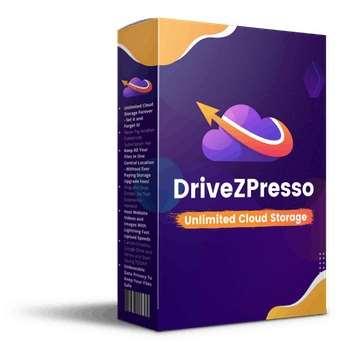
NEW PRODUCT DriveZPresso
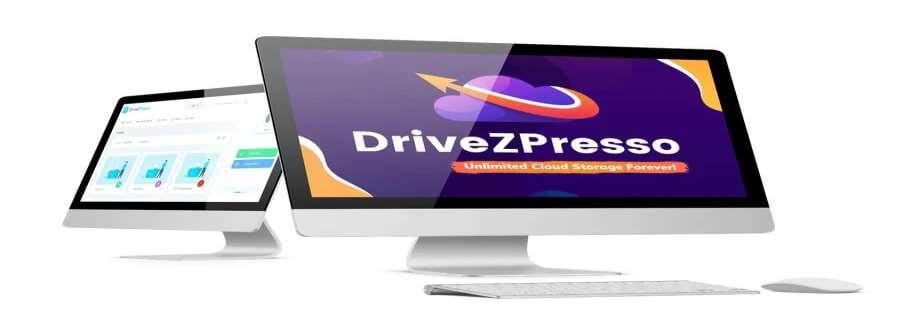
Nowyou can haveUnlimited CloudStorageForLife (GoodbyeDropbox!)Saygoodbyeto overpriced Dropbox subscriptions and time-wasting tech headaches… Because there’s a brandnew Cloud Storage Solution that lets you host, share, and back-up ALL your files… With Unlimited Storage For Life at an unbeatable ONE-TIME price. Get the details here (limited availability).
Imagine… All your files stored in one central location so you can find whatever you need in seconds Never paying another overpriced subscription fee to Dropbox or Google Drive Freeing yourself from storage limits and tech hassles once and for all Big Tech has been sticking it to the little guy for far too long…
With ridiculously high monthly fees and huge mark-ups that line the pockets of Silicon Valley billionaires DriveZPresso lets you take back control of your data and your business future…
With all the capabilities of Dropbox and Google Drive and NONE of the overpriced subscription fees…
Go here now DriveZPresso UNLIMITED file storage for an ultra-low one-time fee Host website images and videos with lighting fast upload speeds on your website.
Find any filein seconds with theadvancedsearch technology Sharelinks to anyfile –just likeDropbox orGoogle Drive Collaborate with team members to edit documents in real-time Keep your files safe from hard drive crashes, hackers and malware It’s time to say NO to the “Big Tech Tax” and join the future of cloud storage…
Grab your DriveZPresso license click here.
JVZooHost is dedicated to providing safe, fast, and affordable web hosting with superior support. You can concentrate on running your business and rest assured your website will be up and running. Get your site noticed on the web today with JVZooHost!
MWM wants You to Know
Your Competitors Have the Same AI as You.
So Now What?
There's a paradox unfolding in marketing right now and most people are too busy cranking out AI content to notice it. Vibe marketing is everywhere. And before we go further, let's define it: vibe marketing is the AI-assisted practice of shaping a brand's feel its tone, personality, and emotional impact using prompts, rapid content generation, and real-time feedback from culture and analytics.
It's less about what you say, and more about how it feels when people experience it.
Sounds powerful. And it is. But here's the catch: everyone's doing it.
When every marketer has access to the same tools, the same models, and the same workflows, execution stops being a competitive advantage. Anyone can spin up a polished campaign in an afternoon.
So what's left? Enter the concept that just broke everything: The moat. A moat is your unfair advantage the thing that protects your business from competitors the way a castle's moat kept invaders out. It's what makes you hard to copy, hard to replace, and hard to ignore. It used to be speed, scale, budget, or production quality. AI just flattened all of that. Now everyone is fast. Everyone is polished. Everyone is "good enough." Which means "good enough" is now invisible.
This is the vibe marketing paradox: when execution becomes easy, it becomes worthless. So the new moat? Taste. Not surface-level aesthetics real judgment. Restraint. Point of view. The ability to decide what shouldn't be said just as much as what should. AI can generate options. It cannot decide what matters.
That's why the brands actually breaking through feel different. They're not winning because they prompt better they're winning because someone with a strong creative instinct is in charge.
Liquid Death doesn't just sell water it sells rebellion.
Duolingo doesn't just educate it performs chaotic, self-aware entertainment.
You can't prompt your way into that. You have to recognize it, and commit to it.
Here's the uncomfortable truth: if your strategy is "publish more, faster," you're sprinting toward a content landfill. The internet already has a name for it
AI slop and audiences are getting very good at ignoring it. The answer isn't to use less AI. That's not happening. The answer is to use it differently. The best marketers are shifting from producers to curators. They set the tone, define the taste, make the calls then let AI handle the scale. That's harder. It requires standards. But it's also where the leverage is.
Because when everyone can create anything, the only thing that matters is knowing what's worth creating. Taste isn't a bonus anymore. It's the moat.
Somewhere around 2018, a course told everyone to write a 5email welcome sequence.
Email 1: warm welcome, here's what to expect.
Email 2: your story.
Email 3: your best content.
Email 4: social proof.
Email 5: here's my offer.
And everyone did it. Every marketer, every coach, every newsletter, every SaaS product — all running the same sequence, in the same order, at the same pace, saying roughly the same things.
All these years later, your subscribers have seen this sequence so many times they could write it for you. And they're tuning it out before they even open it.
This isn't a copywriting problem. It's a structural one.
The standard welcome sequence was built on a fundamentally broken assumption: that every person who joins your list wants the same thing, at the same time, delivered in the same order. They don't.
The person who found you through a podcast interview has a completely different context than the person who stumbled onto your lead magnet from a Google search. The seasoned professional who's been in your industry for fifteen years needs something different from the complete beginner who just figured out what their problem was.
Sending them all the same five emails in the same sequence isn't nurturing, it's spam with better subject lines.
So what actually works now?
The shift that's gaining serious traction is moving from broadcast sequences to conversational, choose-your-own-adventure onboarding, where subscribers tell you what they want and your automation actually responds to that information.
UK furniture retailer DFS nailed this approach by asking new subscribers "what's your thing?" up front, using that zero-party data to create personalized experiences across every subsequent email, and driving a 4.2% higher conversion rate as a result. That's not a complicated tactic. It's just treating new subscribers like humans instead of leads.
Here's what this looks like in practice. Instead of launching straight into your five-email sequence, your first email does one thing: It asks a question.
Something like "Quick question before we dive in what's the biggest challenge you're dealing with right now?" with two or three clickable options.
Your Welcome Sequence Is Making People Unsubscribe. Here's
What Works Now.
The moment they click, two things happen simultaneously. First, they get a response that's actually relevant to what they told you which feels like magic compared to the generic content everyone else is sending. Second, you've segmented them into a path that serves them better for the entire relationship, not just the next five days. Brands that treat the welcome journey as the start of an ongoing data relationship, rather than a one-time onboarding sequence, consistently see higher CRM revenue as a result.
The structure looks something like this:
Email 1 (Day 0 immediate): Welcome + one simple question with clickable answers. Keep it short. Resist the urge to cram your whole story in here. The only job of this email is to get a click that tells you who this person is.
Emails 2–4 (branched by response): Now your automation splits. Each path delivers content, stories, and resources that speak directly to what the subscriber told you they needed. The beginner gets foundational content. The experienced operator gets advanced strategy. The person who said "I'm struggling with X" gets your best thinking on X not a generic story about how you started your business.
Email 5 (behavior-triggered, not time-triggered): This one only goes out when they've engaged opened, clicked, replied. Plain text, conversational copy consistently outperforms designed emails in onboarding sequences, and this is where that really shows up. Write it like you're following up with someone you've already had a conversation with. Because you have.
Here's the part most people skip entirely: what happens when they don't engage. If someone hasn't opened your first three emails, sending emails four and five is just accelerating your way to their spam folder. Build completion triggers that move engaged users forward and handle the noshows differently a re-engagement nudge at 48 hours, a "did I miss the mark?" email at day five, and then a graceful exit from the sequence if there's still nothing. Protecting your deliverability is more valuable than hoping someone eventually warms up.
The objection you're probably forming right now is that this sounds complicated. But thanks to modern email tools, it’s not. What it requires is something harder than technical setup: The willingness to let go of the comfortable illusion that one sequence can serve everyone equally. It can't. It never could. You just couldn't tell, because you were measuring open rates instead of revenue.
The bottom line is simple. Modern onboarding is no longer a passive welcome mat it's an active, data-driven conversation designed to guide subscribers to value as quickly as possible. The marketers who understand that will build lists that actually buy.
Let everyone else keep tweaking subject lines and wondering why their nurture sequences aren't converting.
Fix the sequence. Not the copy.
The moment they click, two things happen simultaneously. First, they get a response that's actually relevant to what they told you which feels like magic compared to the generic content everyone else is sending. Second, you've segmented them into a path that serves them better for the entire relationship, not just the next five days. Brands that treat the welcome journey as the start of an ongoing data relationship, rather than a one-time onboarding sequence, consistently see higher CRM revenue as a result.
The structure looks something like this:
Email 1 (Day 0 immediate): Welcome + one simple question with clickable answers. Keep it short. Resist the urge to cram your whole story in here. The only job of this email is to get a click that tells you who this person is.
Emails 2–4 (branched by response): Now your automation splits. Each path delivers content, stories, and resources that speak directly to what the subscriber told you they needed. The beginner gets foundational content. The experienced operator gets advanced strategy. The person who said "I'm struggling with X" gets your best thinking on X not a generic story about how you started your business.
Email 5 (behavior-triggered, not time-triggered): This one only goes out when they've engaged opened, clicked, replied. Plain text, conversational copy consistently outperforms designed emails in onboarding sequences, and this is where that really shows up. Write it like you're following up with someone you've already had a conversation with. Because you have.
Here's the part most people skip entirely: what happens when they don't engage. If someone hasn't opened your first three emails, sending emails four and five is just accelerating your way to their spam folder. Build completion triggers that move engaged users forward and handle the no-shows differently a re-engagement nudge at 48 hours, a "did I miss the mark?" email at day five, and then a graceful exit from the sequence if there's still nothing. Protecting your deliverability is more valuable than hoping someone eventually warms up.
The objection you're probably forming right now is that this sounds complicated. But thanks to modern email tools, it’s not. What it requires is something harder than technical setup: The willingness to let go of the comfortable illusion that one sequence can serve everyone equally. It can't. It never could. You just couldn't tell, because you were measuring open rates instead of revenue.
The bottom line is simple. Modern onboarding is no longer a passive welcome mat it's an active, data-driven conversation designed to guide subscribers to value as quickly as possible. The marketers who understand that will build lists that actually buy.
This Month’s Marketing Clinic
How to Build a Thriving Email List Without Posting on Social Media Once
Let’s get the heresy out of the way early: you do not need social media to build a great email list.
Not Instagram. Not LinkedIn. Not TikTok, Threads, X, or whatever new platform is currently demanding your time, your attention, and your sanity while paying you back in vague “exposure” and the occasional dopamine hit.
A growing number of marketers are quietly stepping off that treadmill. They’re building serious, highly engaged email lists without posting daily, chasing trends, or trying to reverse-engineer an algorithm that changes its mind every six weeks. And the surprising part? They’re not falling behind. They’re pulling ahead.
Less noise. Better subscribers. More control.
This isn’t a manifesto against social media. If it’s working for you if you genuinely enjoy it, if it drives real revenue—keep going.
But if you’ve ever caught yourself thinking, “There has to be a better way than this”… there is.
And it’s not even new. It’s just been overshadowed by louder, flashier tactics.
AI SEO: The Slow Burn That Quietly Wins
Traditional SEO was about ranking on Google.
AI SEO is about showing up wherever people ask questions—Google, yes, but also AI assistants, answer engines, and platforms that are increasingly shaping how people discover and trust information.
This is a subtle but massive shift.
Instead of optimizing for a single search engine, you’re now creating content that gets referenced. Quoted. Summarized. Pulled into answers. Recommended.
Which means one strong piece of content doesn’t just sit on your site it travels.
And it keeps traveling.
The core strategy hasn’t changed: create content that directly answers what your ideal subscriber is already searching for. But the payoff has multiplied. A well-structured, genuinely helpful article can now bring in traffic from multiple directions search results, AI responses, niche communities, even word-of-mouth sharing.
But here’s where most marketers still miss the point: traffic is not the goal. Conversion is.
A generic “join my newsletter” box is invisible. People don’t wake up hoping to subscribe to something. They subscribe when there’s a clear continuation of value.
That’s where content upgrades come in.
A checklist, a template, a swipe file, a calculator something that feels like the natural next step from what they just consumed. Not a leap. A continuation.
They’re not opting in because they like you.
They’re opting in because you just helped them and you’re offering more of that exact help.
Also, stop chasing big, vague keywords. They look impressive, but they’re mostly noise.
High-intent, specific searches win. The slightly awkward, overly specific phrases that signal someone is actually trying to solve a problem.
Less traffic. Better people.
And in this game, better people beat bigger numbers every time.
Podcast Guesting: Borrowed Trust Is Still the Fastest Shortcut
Here’s something most marketers underestimate: trust transfers.
When you show up on a podcast, you’re not starting from zero. You’re stepping into a relationship that already exists between the host and their audience.
And that changes everything.
A listener who hears you speak for 30–60 minutes doesn’t see you as a random marketer. They’ve heard your thinking. Your tone. Your perspective. By the time you mention your site or offer, you’re already halfway past the skepticism barrier.
Compare that to social media, where you have about three seconds to prove you’re worth paying attention to.
It’s not even close.
But this strategy only works if you finish it properly.
Sending podcast listeners to your homepage is one of the biggest missed opportunities in marketing. It’s like inviting someone into your house and then shrugging when they ask where to go.
Instead, create a dedicated landing page tied to the episode. Speak directly to that audience. Reference what you talked about. Offer something that feels like a natural extension of the conversation.
Because that listener? They’re not cold traffic.
They’re as warm as it gets.
And if you handle that moment well, you don’t just get a subscriber you get someone who already trusts you before they’ve read a single email.
YouTube: The Asset Most Marketers Are Underusing
YouTube is still wildly misunderstood.
Most people treat it like a social platform post content, hope it gets picked up, maybe go viral if the algorithm feels generous that day.
That’s backwards.
YouTube is a search engine. A massive one. And unlike social platforms, it has a long memory.
A good video doesn’t disappear after 24 hours. It compounds.
The strategy here is deceptively simple: figure out what your audience is actively searching for, then create videos that answer those questions clearly, directly, and better than the alternatives. No fluff. No overproduction required. Just clarity.
When someone searches, clicks your video, and watches you solve a problem step by step, something important happens you earn credibility. Not because you said you’re an expert, but because you demonstrated it.
And that’s when the opt-in works.
Placed in the description, the pinned comment, and the end screen, your offer becomes the next logical step. Not a distraction. Not a pitch. A continuation.
Each video becomes an asset. Something that can generate traffic and subscribers long after you’ve moved on to the next piece of content.
Try getting that kind of longevity out of a tweet.
Reddit: Earned Attention in an Age of AI Amplification Reddit is where lazy marketing goes to die. You can’t fake your way through it. You can’t drop links and expect results. And you definitely can’t treat it like just another distribution channel.
But if you approach it with the right mindset patience, curiosity, and a willingness to actually help it becomes incredibly powerful. Especially now.
Because Reddit content is increasingly being surfaced in search results and fed into AI-generated answers. That means a thoughtful, detailed response in the right thread doesn’t just live on Reddit it spreads.
Quietly. Repeatedly. At scale.
The strategy is simple in theory: show up, answer questions, and be genuinely useful.
No shortcuts.
Follow the 9:1 rule nine valuable contributions for every one time you mention your own content. And even then, only when it’s truly the best possible answer. This takes restraint. Most marketers hate that. But the payoff is real.
Because when someone finds you through a genuinely helpful interaction one where you weren’t trying to sell them anything they arrive with a completely different mindset.
They don’t feel marketed to.
They feel helped.
And those are the people who stick.
Partnerships and Newsletter Swaps: Leverage Without the Grind
Everything we’ve covered so far builds momentum over time.
Partnerships compress time.
When someone you trust recommends a new voice, you pay attention. You’re more open. Less skeptical. Already halfway convinced. That’s the power of a good newsletter swap.
Two creators. Overlapping audiences. Mutual recommendation. Done right, it’s one of the fastest ways to grow a list with qualified subscribers.
Because you’re not just sharing audiences you’re sharing trust.
One bad recommendation can damage your relationship with your list.
One great one can deepen it.
Beyond swaps, look at co-created webinars, collaborative lead magnets, and bundles where multiple creators contribute value to a single offer.
These aren’t just growth tactics.
They’re trust accelerators.
The Bigger Point
Social media isn’t evil, but it is rented. You don’t control who sees your content. You don’t control how long it lasts. And you definitely don’t control the rules.
Email is different.
It’s owned. Direct. Durable.
While a social post might reach a fraction of your audience, email consistently shows up—day after day—with open rates that most platforms can’t touch.
And building that list without social media?
Not only possible it’s often smarter. More stable. More predictable. Less exhausting.
But it requires a shift.
You stop thinking like a performer chasing attention… …and start thinking like a publisher building assets.
You create things that last.
You meet people where intent already exists.
You build trust before you ask for anything in return.
Because attention is fleeting.
But trust?
That compounds.
And the algorithm doesn’t own any of that.
The B2B Storytelling Shift
That Turned a Quiet Union Into a Traffic Machine
(And Why Online Marketers Should Steal This Strategy Immediately)
B2B marketers love to act like we’re above emotions.
“Oh no we’re not B2C. We don’t do feelings. We do solutions, deliverables, and KPIs.”
Sure. And that’s exactly why so much B2B content reads like an insurance manual written by a committee of beige folders.
Here’s the not-so-secret secret:
People don’t engage with businesses. They engage with people. Which brings us to an unlikely case study.
NECA-IBEW Local 48 is an electrical union in the Pacific Northwest not a startup, not a SaaS company, not a brand anyone expects to “win” on social media. For years, their content looked like most B2B content: project updates, program highlights, formal announcements.
Then they made one simple but radical shift.
They stopped telling corporate stories about work…
…and started telling human stories about workers.
The result?
Their content didn’t just improve it exploded.
We’re talking:
• 354% increase in website traffic from social
• 72% lift in LinkedIn interactions
• 65% more reactions
• Up to 115% boosts across other platforms
Read that again: electric growth… from electricians.
(Credit to Ann Gynn at Content Marketing Institute for surfacing this story.)
This wasn’t luck. It wasn’t a viral fluke. It was a deliberate rewrite of their entire content strategy moving away from polished, project-based case studies and toward raw, first-person stories that actually made people feel something.
Let’s break down what changed and how you can apply it immediately.
The Aha Moment: “This Isn’t a Case Study… It’s a Human Story.”
Mad Fish Digital’s senior content strategist, Jasmine Paul, went into her first interview expecting the usual B2B playbook:
• “Tell me about the project.”
• “What were the deliverables?”
• “What were the outcomes?”
Instead, she found something very different.
Electricians didn’t talk about timelines or specs.
They talked about their lives their doubts, their turning points, the moments that almost made them quit, and the moments that changed everything.
That’s when it clicked.
The story wasn’t the work.
The story was the worker.
From there, the shift was fast and decisive.
Instead of writing about installations, wiring, and programs, they started publishing stories like:
• A woman who nearly walked out of an orientation full of men until she saw a woman leader at the front of the room.
• A journeyman who failed his aptitude test, hit rock bottom at 28, and fought his way back through a pre-apprenticeship program.
• A member who went from “lost and stuck” to actively recruiting women and people of color into the trade.
You can’t fake stories like these.
You can’t template them.
And you definitely can’t extract them from a standard B2B questionnaire.
These stories had heartbeat.
They made people stop scrolling.
They pulled comments out of lurkers.
They turned passive readers into active participants.
Almost overnight, NECA-IBEW wasn’t just posting content they were building a community.
Why It Worked (and Why Your Marketing Needs This)
Let’s be real. Most B2B content is predictable:
• “We increased efficiency by 47%…”
• “We completed the project ahead of schedule…”
• “We delivered exceptional value to our client…”
Nobody screenshots that. Nobody shares it. Nobody cares.
But when you switch to people-first storytelling?
Everything changes.
Reason #1: People share stories that mirror their identity. A case study says: “We did a thing.”
A spotlight says: “I AM this kind of person.”
Identity beats information every time.
Reason #2: Storytelling cuts through algorithms.
• LinkedIn is hungry for emotion.
• Facebook rewards relatability.
• Instagram amplifies authenticity.
A story about how someone built a life-changing career?
The algorithm loves that.
Reason #3: It creates belonging.
When members saw their colleagues being celebrated, something clicked:
• “That could be me.”
• “I want to be featured.”
• “I’m proud to be part of this.”
That’s how you turn content into culture.
The Step-by-Step B2B Storytelling Formula You Can Steal
If you want your audience to care, share, remember, and respond here’s the blueprint Jasmine used:
1. Pick people, not projects
Spotlight individuals with journeys, not tasks.
2. Do a conversation, not an interview
Let them talk. Let them wander. Let them be human.
3. Extract the emotional center
Every person has a moment that changed everything. Find it. Lead with it.
4. Keep the voice first-person
It’s more intimate, more vulnerable, more real.
5. Polish the story without sterilizing it
Make it readable but never remove the humanity.
6. Publish it everywhere
People share stories that make them feel something. Give them lots of chances.
7. Let the community build the community
Watch as comments turn into conversations… …then into testimonies… …then into new content… …then into new members.
What Online Marketers Can Take Away From This
Whether you run a SaaS, sell a course, run an agency, or build digital products, here’s your new mantra: “Case Studies Inform but Stories Transform.”
The content that moves people emotionally is the content that moves metrics.
• There is no industry too boring for storytelling.
• There is no audience too professional for emotion.
• There is no niche too technical for humanity.
If labor unions can turn LinkedIn into a storytelling engine… …then so can you.
The Bottom Line
If you want your audience to remember you, root for you, talk about you, buy from you, and stay loyal…
Stop showing the work. Start showing the people. That’s how B2B goes from cold and corporate… …to magnetic, memorable, and human.
Tell the stories that make your brand beat like a heart.