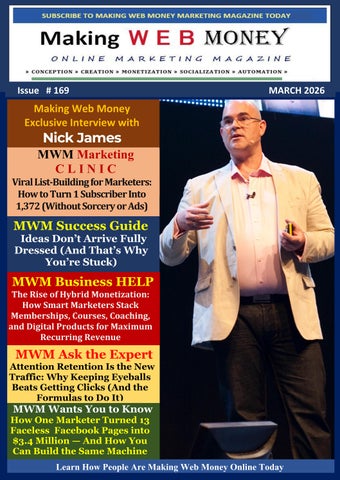
The Rise of Hybrid Monetization: How Smart Marketers Stack Memberships, Courses, Coaching, and Digital Products for Maximum Recurring Revenue
MWM Ask the Expert Attention Retention Is the New Traffic: Why Keeping Eyeballs Beats Getting Clicks (And the Formulas to Do It)
MWM Wants You to Know How One Marketer Turned 13 Faceless Facebook Pages into $3.4 Million — And How You Can Build the Same Machine
Now You Too Can Explode Your Business Income With Monthly Internet Marketing Training and Coaching!
If You Are Serious About Changing From A Failing Online Business To An Uber Profitable Online Business I Can Help You!
Listen, I know what it's like to have a strong desire to have a successful online business but have no real idea of HOW to market it...
I'm not making empty promises. One thing you will not find on this site is a promise of "easy riches". I make no claims of how much you can make. I make no claims that you'll make any money at all. I don't know you. I don't know if you're a thinker or a doer. How can I promise you'll make X dollars? I can't. And I don't. That SHOULD be a sign of trust to you.
There are many others out there making crazy income claims. I won't promise riches. I won't promise any results. I'll simply tell you that I will show you things you can do to get your online business rocking and rolling!
There is absolutely no risk. I'm even going to take away ALL RISK for you. It's pretty simple: if you don't like the Training, you don't pay. Period. You have nothing to risk and everything to gain.
Let me say it a different way...
You Don't Even Have To Say "Yes" To Get Started Right Away, Just Say "Maybe" And I'll Send Your First Lesson Instantly!
MWM editors letter
Welcome to the MARCH 2026 Issue of our monthly “Making Web Money” Online Digital Marketing magazine - where every month we show you how real people, just like you, are making web money –online. This month we have MORE great articles and personal success insights, interviews, plus some ONLINE opportunities for you.
- MWM Series on Business Help - The Rise of Hybrid Monetization: How Smart Marketers Stack Memberships, Courses, Coaching, and Digital Products for Maximum Recurring Revenue
- MWM Interview – NICK JAMES
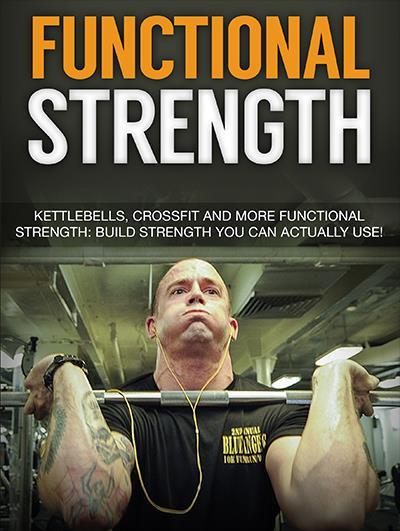
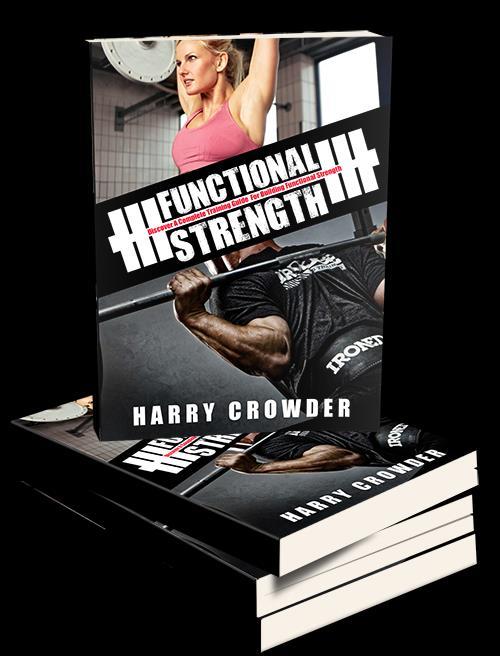
- The Functional Strength Guide
- The Do-It-With-Me Offer That Boosts Sales and Slashes Refunds
- How to Build a Perplexity-Sized Company Without Inventing New AI
- The Brutal Truth About Why You Still Haven’t Built Your Online Business
- I Stared at a Blank Page Today Like It Owed Me Money
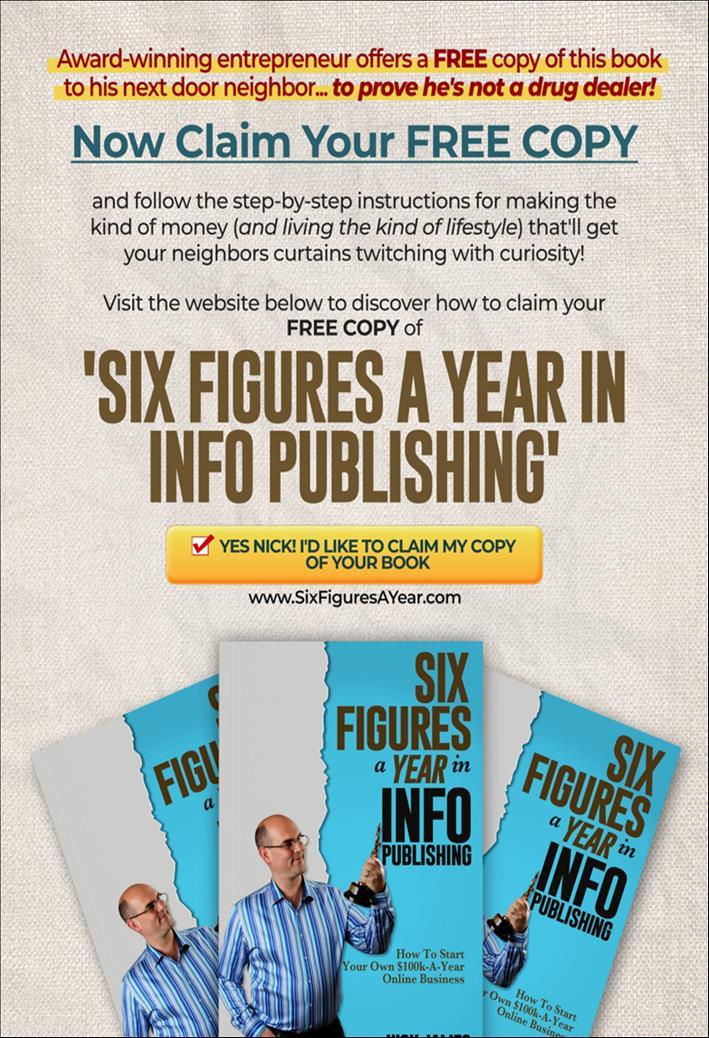
- FREE eBook - Six Figures A Year in Info Publishing
- MWM Wants You to Know - How One Marketer Turned 13 Faceless Facebook Pages into $3.4 Million — And How You Can Build the Same Machine
- MWM Q & A - “Remember When…”: Why Nostalgia Is the Internet’s Most Reliable Clickbait
- MWM Marketing CLINIC - How to Send the Right Message at the Exact Right Moment** Without Tracking People Like a Supervillain
- MWM Ask the Expert Attention Retention Is the New Traffic: Why Keeping Eyeballs Beats Getting Clicks (And the Formulas to Do It)
I hope you enjoy this month's magazine. Thanks for
– Check out our 168
MakingWebMoney.com
Subscription enquires: www.MakingWebMoney.com
Order the printed edition: www.issuu.com
Advertising enquires: www.MakingWebMoney.com
Making Web Money Magazine
Published 12 times per year. Copyright All rights reserved.
Reprinted with permission. No part of this publication may be reproduced, translated or converted into machine-readable form or language without the written consent of the publisher.
Articles express the opinions of the authors and are not necessarily those of the publisher
The creators, producers, contributors and distributors or Making Web Money Marketing Magazine disclaim any liability for loss or lack of results from following the advice expressed herein.
at:
Tell us what you like and don’t like about Making Web Money Digital Marketing magazine. What worked for you or what you think sucks, then we can make Making Web Money an even better online magazine.
So, send me an email with your feedback and let me know.
crowderharry598@gmail.com
RESOURCES AND NEWS
Chatbots Are the New Influencers Brands Must Win Over
A growing number of companies are realizing that modern marketing doesn’t stop with persuading people anymore it now includes persuading artificial intelligence. As tools like ChatGPT, Claude, and Gemini become go-to sources for research and product discovery, brands are paying close attention to what those systems say about them.
That’s sparked the rise of “answer engine optimization” and “generative engine optimization,” where businesses actively test chatbot responses, publish detailed clarifications, and update outdated content to make sure AI presents them accurately.
For marketers, this changes the rules. Chatbots don’t care about clever slogans they prioritize clarity, depth, and authority. Substance beats style. That means publishing highly specific content, tightening up old pages, backing up claims with proof, and monitoring platforms like Reddit and LinkedIn that heavily influence AI outputs. Reputation management now extends beyond Google rankings to the answers AI generates. If AI is shaping buyer decisions, then shaping AI’s understanding of your brand becomes a competitive advantage.
Facebook Adds Meta AI Animations to Profiles, Stories, and Posts
https://www.nytimes.com/2026/02/17/technology/chatbots-influencers-brands-marketing.html https://techcrunch.com/2025/12/11/google-launched-its-dehttps://techcrunch.com/2025/12/11/google-launched-itsdeepest-ai-research-agent-yet-on-thttps://techcrunch.com/2025/12/11/google-launched-its deepest ai research agent yet on the-same-day-openai-dropped-gpt-5-2/ he-same-day-openai-dropped-gpt-5-2/ epest-ai-research-agent-yet-on-the-same-day-openai-dropped Meta is leaning harder into AI and this time it’s all about making everyday Facebook posts more fun and expressive. Users can now animate their profile photos with playful effects like waving motions or party hats, instantly adding personality without needing design skills. Stories and Memories get a boost too, thanks to a new “Restyle” feature that lets you transform photos using simple prompts or preset visual themes. It’s basically a quick AI makeover for your images.
Even plain text posts aren’t staying plain anymore. You can now add animated backdrops to feed updates, turning a simple status into something more eyecatching. Overall, this move shows how Meta is weaving generative AI directly into daily social sharing less about complex tools, more about helping people create dynamic content in just a few taps.
https://about.fb.com/news/2026/02/animate-facebook-profile-picturemeta-ai/recent decisions for Meta, including halting independent factchecking, relaxing moderation policies on hate speech, and scaling back diversity initiatives, have caused backlash from both users and employees. This led to a surge in
B2B Marketing in 2026: AI, Self-Service, and the New Digital Buyer
B2B marketing doesn’t look anything like it did a few years ago. Millennials and Gen Z now represent 71% of B2B buyers, and they’re bringing consumer-grade expectations into every transaction. They want transparent pricing, seamless digital experiences, and the ability to research on their own terms. According to Forrester, 68% of millennial buyers prefer self-service over speaking to a sales rep, and many are nearly 80% through the buying journey before sales ever enters the conversation.
At the same time, US B2B digital ad spending surpassed $20 billion in 2025, per EMARKETER, as brands shift budgets toward social, video, and display with LinkedIn alone generating $4.59 billion in B2B ad revenue.
TikTok Shop Launches AI-Powered Smart Promotion Program
TikTok Shop is rolling out a new Smart Promotion Program, replacing its previous Co-funded Promotion model with an AI-driven system designed to simplify participation and boost performance. The program promises a 5x return on investment and aims to accelerate gross merchandise value (GMV) growth for sellers. It introduces a streamlined 3.5% fee structure, automatic promotional rewards, increased product visibility, and daily performance tracking to help merchants optimize results in real time.
Sellers with a Shop Performance Score of 3.5 or higher are required to enroll by March 2026 to participate in promotional events. The program allows product-level exclusions, giving merchants flexibility over which items are included. Those who joined the earlier trial version were transitioned seamlessly. With automation and performance guarantees at its core, the Smart Promotion Program signals TikTok’s push to make inapp commerce more data-driven and predictable for sellers.
Here’s a quiet lie that slows down more online marketers than bad funnels, weak hooks, or low conversion rates ever will: you believe good ideas are supposed to arrive polished. Fully formed. Headline attached. Angle obvious. Monetization path clear. You imagine inspiration showing up like a finished product ready to ship.
But that’s not how ideas work.
The problem isn’t that ideas are hard.
It’s that we expect them to show up fully dressed.
Most ideas arrive messy and incomplete. They look like a halfsentence in your notes app. A stray observation. A question you can’t quite articulate yet. Because they don’t look impressive in that early form, we dismiss them before they have a chance to evolve.
“Eh. Not strong enough.”
“Someone’s probably already done that.”
“I’ll revisit this when it’s clearer.”
And then we never do.
Experienced creators understand something different: ideas are raw material, not finished products. A sharp article might begin as a vague irritation. A breakout offer might start as a complaint. A viral post might come from a single line that feels interesting but unfinished. The difference between those who publish and those who stall isn’t brilliance it’s willingness to refine.
Instead of asking, “Is this a good idea?” try asking better questions.
What tension is hiding here?
Who would feel seen by this?
What pain does it connect to?
How can I sharpen the angle?
That’s where the tailoring happens.
The internet doesn’t reward perfection. It rewards clarity. And clarity is crafted through iteration, testing, rewriting, and reframing not through waiting for inspiration to arrive in a tuxedo.
So, stop waiting for dressed-up ideas.
Start collecting them early.
Refining them fast.
Publishing before they feel finished.
Starting today you can enroll in my new monthly coaching program where I will teach you how to turn PLR content into spendable cash using several underground methods.
Each and every month you'll get a new lesson showing you a different way to profit with the PLR products you already have. Each month will be a different lesson (sometimes delivered as a stepby-step PDF and sometimes delivered as video tutorial lessons, and even sometimes a mixture of both) that you can download, view, and then implement to start making money with PLR content.
This 12 month coaching program can help you feel good about every PLR purchase you've made (even those "junky" ones because I will show you how to polish them 'til they shine!). The PLR Profits Coaching Club can justify every penny you've spent. It can make those purchases worth something to you because you can put that content to work making money for you.
Click Here to Start
Google’s Gemini 2.5 Clicks,
Types, and Automates the Web for You
Google has unveiled Gemini 2.5 in preview - an advanced, APIaccessible model that can operate a web browser like a human. It “sees” websites via screenshots and executes real UI interactions, including clicking buttons, filling out forms, typing, and navigating - all autonomously.
For marketers, this means the dawn of hands-free automation for everything from publishing content to managing ad dashboards. Gemini 2.5 outperformed rivals like OpenAI’s Computer Using Agent and Anthropic’s Claude Sonnet 4.5/4 in both web and mobile benchmarks.
It’s also the fastest among them, with versions already powering Google's internal Project Mariner and AI Mode tools. While agent-style computing is still early, this model brings us closer to a future where repetitive digital workflows can be outsourced entirely to AI.
YouTube’s new “Extend with AI” feature lets creators (and anyone feeling bold) generate alternate endings for existing Shorts. Just pick a moment up to five seconds - choose from AI-suggested prompts, and YouTube spits out a remixed version ready to post under your name. The original creator still gets credit, but you get to drop your brand into their viral universe without ever touching a camera.
So… should marketers care? Maybe. It’s a clever shortcut to visibilityespecially if you can spin a trending clip into something that actually fits your message. But there’s a fine line between smart remixing and flooding feeds with AI déjà vu.
If you jump in, make sure your twist adds value or humor, not just noise. Because in a feed overflowing with algorithmic déjà vu, the human touch is the only thing that still feels alive.
Attention Retention Is the New Traffic: Why Keeping Eyeballs Beats
Getting Clicks (And the Formulas to Do It)
For years, online marketing revolved around one obsession: more traffic.
More clicks. More reach. More impressions. More people “at the top of the funnel.”
But here’s the shift happening quietly across every major platform TikTok, YouTube, Meta, Google, even email: Eyeballs matter more than entrances.
Retention beats acquisition.
Depth crushes width.
And if you understand this shift, you can grow faster with fewer people than brands with 10x your audience.
Let’s break it down.
Why Retention Beats Traffic Now
The platforms have changed the rules. TikTok rewards watch time, not virality.
YouTube rewards session time, not just views. Google rewards dwell time and satisfaction, not keyword stuffing.
Email platforms reward engagement and penalize dead lists. In other words:
Clicks don’t matter unless the person stays.
This is why creators with “small” audiences are suddenly outperforming accounts five times their size. They’re not chasing reach; they’re building gravitational pull.
Retention tells the platform:
“This content matters. More people should see it.”
Traffic doesn’t do that.
Formula #1: The “Open Loop” Structure
An open loop is a question or tension that keeps the audience reading, watching, or scrolling just a little longer.
Example structures:
• “Most people think X… but the real reason is Y.”
• “Here’s the mistake 98% of marketers make before they even hit publish…”
• “This gets wild halfway through the test, something unexpected happened.”
Open loops extend attention, which boosts distribution. Longer attention → Larger reach → Lower acquisition cost.
Formula #2: The “Micro-Transformation” Rule
Every piece of content should make the viewer feel slightly smarter, more capable, or more curious than before. Not overwhelmed changed.
Ask before posting:
• Does this solve one tiny problem?
• Does this deliver one sharp insight?
• Does this flip one belief? Micro-transformations keep people returning, which is the purest fuel for retention.
Formula #3: The “You vs. Them” Pattern Interrupt
If your content sounds like everyone else, the audience scrolls. But if you quickly position your take against a predictable pattern, attention spikes.
Examples:
• “Forget everything you’ve heard about niching.”
• “Landing pages don’t convert here’s what does.”
• “Traffic isn’t your problem. Retention is.”
Opposition creates curiosity. Curiosity creates retention.
Formula #4: The “Layered Reveal”
Most content dumps everything upfront.
Great retention content stages insights so the reader feels guided not flooded.
Example structure:
1. State the problem.
2. Reveal the real source of the problem.
3. Show why the common solution doesn’t work.
4. Deliver the unexpected fix.
5. End with a practical takeaway.
This is the content equivalent of a good documentary: unfolding → deepening → payoff. Platforms love it.
The Takeaway
If traffic is the spark then attention is the engine. You don’t need the biggest audience anymore. You need the audience that stays, that leans in, that can’t stop reading and that says: “This person gets me.” Retention is trust…
Trust is conversion… And conversion is revenue.
The Rise of Hybrid Monetization: How Smart Marketers Stack
Memberships, Courses, Coaching, and Digital Products for Maximum Recurring Revenue
There was a time a simpler, almost nostalgic time when online business owners picked a lane and stayed in it. You were either “the course person,” “the digital downloads person,” “the coaching person,” or “the membership community person.” Everybody had one category, one signature offer, one neat little box to climb into.
That era is dead.
The creators who are winning in 2026 aren’t picking a lane. They’re building high-powered hybrid monetization machines that mix memberships, coaching, courses, and digital products into one beautifully chaotic-but-profitable ecosystem. They’re not relying on one income stream; they’re stacking multiple ones so customers always have a natural next step, a deeper path, a higher-level transformation.
This isn’t complexity for bragging rights. It’s strategy. And it’s the difference between “I made some sales this month” and “My business prints recurring revenue while I’m eating tacos.”
Why Hybrid Monetization Works Now (and Why SingleOffer Businesses Feel Like Dial-Up Internet)
Your audience doesn’t move in a straight line anymore. They move like caffeinated squirrels.
One person wants a $19 quick win.
Another wants a deep dive.
Someone else wants personalized help yesterday.
And then there’s the person who isn’t even sure what they want but will happily stay in your world if you give them a membership with monthly goodies. A hybrid model catches all of them. Even better? Each offer fuels the next:
• Digital products give people a taste of your brain.
• Courses give them your system.
• Coaching gives them your attention.
• Memberships give them ongoing access and community.
That’s not a product suite. That’s a gravitational field.
The Core Stack (Now With More Flavor)
Digital Products The Flirty First Date
Quick, fun, low-risk. These turn cold strangers into warm buyers faster than any webinar.
Courses The Committed Relationship
People finally sit down, listen, and follow your method. Structure = transformation.
Coaching The “I Want Results Faster” Upgrade
They’ve tried it on their own. Now they want shortcuts, accountability, and someone who won’t let them ghost themselves.
Memberships The Long-Term “Let’s Grow Old Together” Plan
Recurring revenue + community + ongoing resources = stability you can feel in your nervous system.
When you combine these?
You stop hoping for sales and start expecting them.
The Hybrid Revenue Flywheel (a.k.a. How One Idea Becomes a Money Multiplier)
Digital Product → Course → Coaching → Membership →
New Digital Products → Repeat
Every offer will increase trust, price, and retention. Every step gets easier because the customer already believes in you.
This is how you stop starting from zero every month.
How to Build Your Own Hybrid Stack (Without Needing a Team of 47)
Step 1: Start With One Really Good Thing
Not five okay-ish offers. One killer one. Make it your anchor.
Step 2: Add the Adjacent Offer
If you have a course, add coaching.
If you have coaching, add a membership.
If you have a membership, add digital products. Low effort. Big lift.
Step 3: Create Obvious “Next Steps”
Your customer should literally feel pulled into the next offer. Pull, not push.
Step 4: Automate Lightly
Don’t build a NASA launch system. Add simple upgrade paths and call it a day.
Step 5: Layer Slowly
Hybrid models grow like compound interest by adding the next right offer, not all the offers.
The Bottom Line
The most profitable marketers today aren’t “course people” or “membership people” or “coaching people.”
They’re hybrid architects. They build ecosystems. They create ascension paths.
They don’t chase revenue; they engineer it.
A digital product gives you reach.
A course gives you authority.
Coaching gives you results.
A membership gives you stability.
Put them together and you’ve got a business that doesn’t just survive… it snowballs.
The Fake Authority Problem
(And Why Confidence Wins Online)
Here’s something slightly uncomfortable: online, people trust confidence more than correctness.
They trust fancy graphics, bold headlines, polished websites, and anyone who says “studies show…” in a steady voice far more than they trust quiet, hard-earned experience.
You can have 20 years of real-world insight, but if you present it hesitantly, you’ll lose to someone with a clean Canva template and absolute certainty declaring, “This is the ONLY strategy that works.”
Why does this happen? Because confidence reduces cognitive effort. When someone sounds sure, your brain relaxes. It doesn’t have to analyze every angle or weigh every caveat. Certainty feels efficient.
Authority feels safe. Correctness, on the other hand, usually comes wrapped in nuance and nuance requires thinking, and thinking requires energy. Online audiences are already overloaded, so they default to clarity and conviction.
That’s the fake authority problem.
But here’s the opportunity: you don’t need to fake expertise you need to present real expertise with clarity and confidence. There’s a big difference between saying, “I think this might help,” and saying, “Here’s what works, and here’s why.” One sounds unsure.
The other sounds like leadership. Ethical authority isn’t exaggerating your credentials or pretending to know what you don’t. It’s removing unnecessary hedging, explaining your reasoning clearly, and standing behind what you’ve tested and proven.
Confidence isn’t manipulation. It’s structure. And online, structure wins. So don’t fake authority but don’t whisper your expertise either. Say it like you mean it, and make sure you can back it up.
There’s a counterintuitive rule in online business that most marketers miss: If you do everything for someone, they often value it less; if they do a small, meaningful part of it themselves, they value it more, stick with it longer, and talk about it like it was their win.
A “decision filter” (“Choose version A/B/C based on your audience type”)
The Do-It-With-Me Offer That Boosts Sales and Slashes Refunds
Now your customer isn’t just consuming they’re generating something that feels custom, personal, and earned.
That’s why cake mix started selling when buyers had to add an egg themselves, and why IKEA can hand you a flat box and a tiny wrench and still charge you happily because effort creates ownership, and ownership inflates perceived value.
5: Package It Like an Experience, Not Information
People don’t pay premium prices for PDFs. They pay for outcomes and confidence.
Now let’s make this useful.
Name it like a process:
• The 7-Day Offer Build
If you want a premium offer that feels irresistible, you don’t need to pile on more bonuses, templates, or “extra modules.” You need one thing: a signature participation step the “egg” your buyer adds that transforms your offer from “something you bought” into “something you built.”
• The Client-Ready Funnel Sprint
• The “First 10 Sales” System
Step 1: Pick the Transformation You Sell (Not the Topic)
And make the participation step the centerpiece: “You’ll build it with me, in a way that makes it yours.”
Don’t start with “I teach email marketing.” Start with “I help you get 10 sales a week from email” or “I help you book 5 calls a month from LinkedIn.” Your offer needs a measurable before/after so the build step has a clear purpose.
Step 6: Make the Output Braggable
The secret weapon is giving them an output they’re proud to show:
• A finished sales page
Step 2: Decide What You’ll Do For Them vs With Them
• A 3-email welcome sequence
• A one-page offer sheet
Make 70–90% of the system done-for-you (frameworks, checklists, swipe, templates, scripts, examples), then choose 10–30% that must be done by the buyer, because that’s where emotional investment happens.
• A 10-video content plan
Good “with-you” steps are:
• Choosing a niche angle
• Crafting their unique hook
When they feel ownership, they tolerate imperfections, stay loyal longer, and tell other people about it because it’s not just your product anymore. It’s their creation.
• Writing their first draft
• Recording their first video
• Setting up their first campaign
That’s the difference between an offer people buy… and an offer people believe in.
• Picking the final version from options
Step 3: Turn the Participation Step Into a Guided Build
This is where most offers fail they tell people to “go do it” and call that participation. You want a guided build that feels easy and satisfying. Examples:
• “Pick your Hook”: you give 10 hook templates, they select 2, then customize 1
• “Build your Offer Stack”: you provide 6 pre-built stacks, they choose the best fit
• “Write your First 3 Emails”: they fill in blanks using your prompts
Step 4: Use AI to Make the Buyer a Co-Creator
AI is perfect for this because it requires input, and input creates ownership. You provide:
• A short prompt pack (5–15 prompts)
• A sequence (“Paste prompt 1, answer these questions, then paste prompt 2…”)
Day 5 – The Offer (Clean, Clear, and Now With Group Coaching Goodness)
Subject Line Ideas:
• “It’s open: Email system + coaching = list profits, minus the stress”
• “Want my help turning your ghost list into a sales machine?”
• “Now live: The offer that saves your sanity and your launch”
Why it works:
By now, they trust you again. They’ve seen value, connected with your story, and know something is coming. Now you show up with a complete, low-friction offer and the added bonus of personal support? That seals it.
Email Snippet:
[Product Name] is officially open.
It’s for creators who want their email list to finally do what it was supposed to do: sell your stuff without requiring therapy after every launch.
Here’s what you get:
A ready-to-send 7-email sales sequence (story-driven, no sleaze)
A segmentation guide so you stop blasting everyone the same thing
A copy review checklist so you don’t wonder “does this sound weird?”
Weekly group coaching sessions (yes, you get live support and hot seats)
You don’t need to figure this out alone. You just need a system that works and someone who’ll answer your questions without giving you a 12-step funnel diagram and a headache.
Price: $97.
Enrollment closes Sunday or when spots fill.
CTA:
Big, bold link to the sales page. Keep the message tight. You’re not begging you’re inviting.
The Secret Sauce: It’s Not the Sequence. It’s the Intention. This works not just because it’s structured… but because it feels human.
No begging.
No explaining where you’ve been.
No “life update” about your cat’s gluten intolerance. Just value, vulnerability, curiosity, and momentum.
TL;DR
Day 1: Snap them out of zombie mode.
Day 2: Drop instant value.
Day 3: Be relatable + rebuild trust.
Day 4: Tease the offer.
Day 5: Pitch it clearly.
You don’t need to rebuild your list. You just need to reconnect with it.
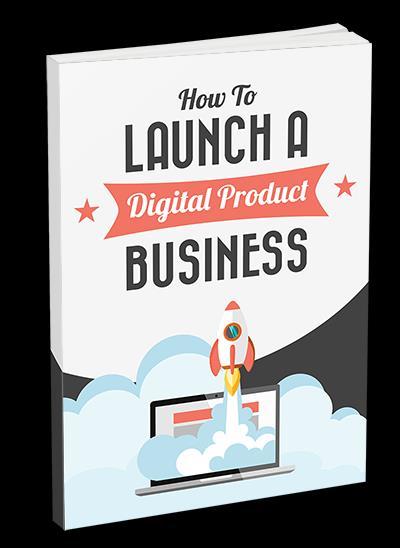
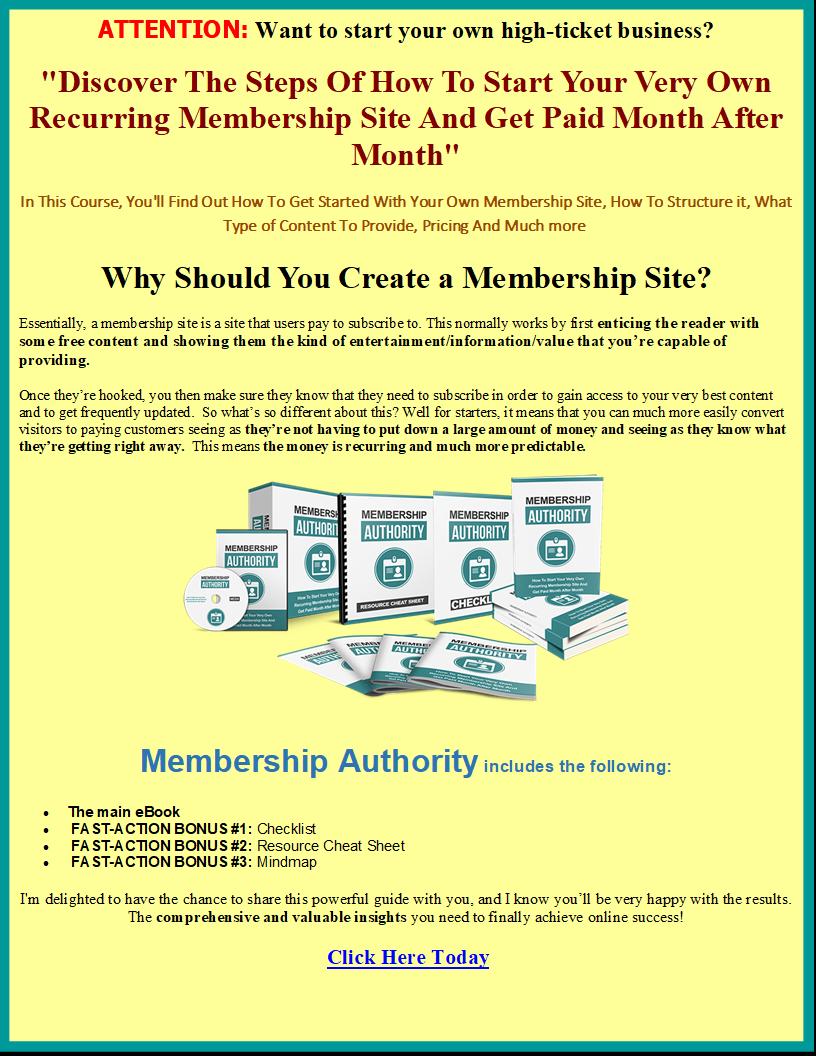
"Discover How to Start, Build and Launch Your Own Digital Product Business Without Breaking The Bank..."
Find Out How To Create Your First Digital Product For Sale And Start Getting Sales On Autopilot!
What you'll discover in this eBook:
• You'll have an idea for the type of digital product you want to create and what the strengths and weaknesses of each option are
• Understand what makes digital products sell and how you need to design your creation in such a way that people will be eager to buy it
• Know how to quickly and cost effectively create the type of digital product you want
How to create a potential hot-selling eBook
• Know how to alter things like price, cover image and more in order to optimize your sales
• Understand how to drive more traffic to your landing page using SEO, PPC, e-mail marketing and social media
• Understand affiliate programs and tools like JVZoo, ClickBank and WSO Pro
• Know how to build an army of affiliate marketers who can drastically increase your sales and profits
• • ...and much, much more!
This is the ultimate guide to How to Launch a Digital Product Business! You'll discover all the steps, tools and resources to help you become a successful digital marketer! Get your copy today!
Now you can create full image variations inspired by your original ad creative with text overlay capabilities, generating improved backgrounds around product images and expanding images to better fit multiple surfaces. In addition, you will r brands to choose from. Lastly, image expansion allows you to seamlessly adjust creative assets to fit different aspect ratios across multiple surfaces. These tools are now available on Reels and Feed across both Instagram and seamlessly with text overlays on your ads.
https://www.facebook.com/business/news/Introducing Features
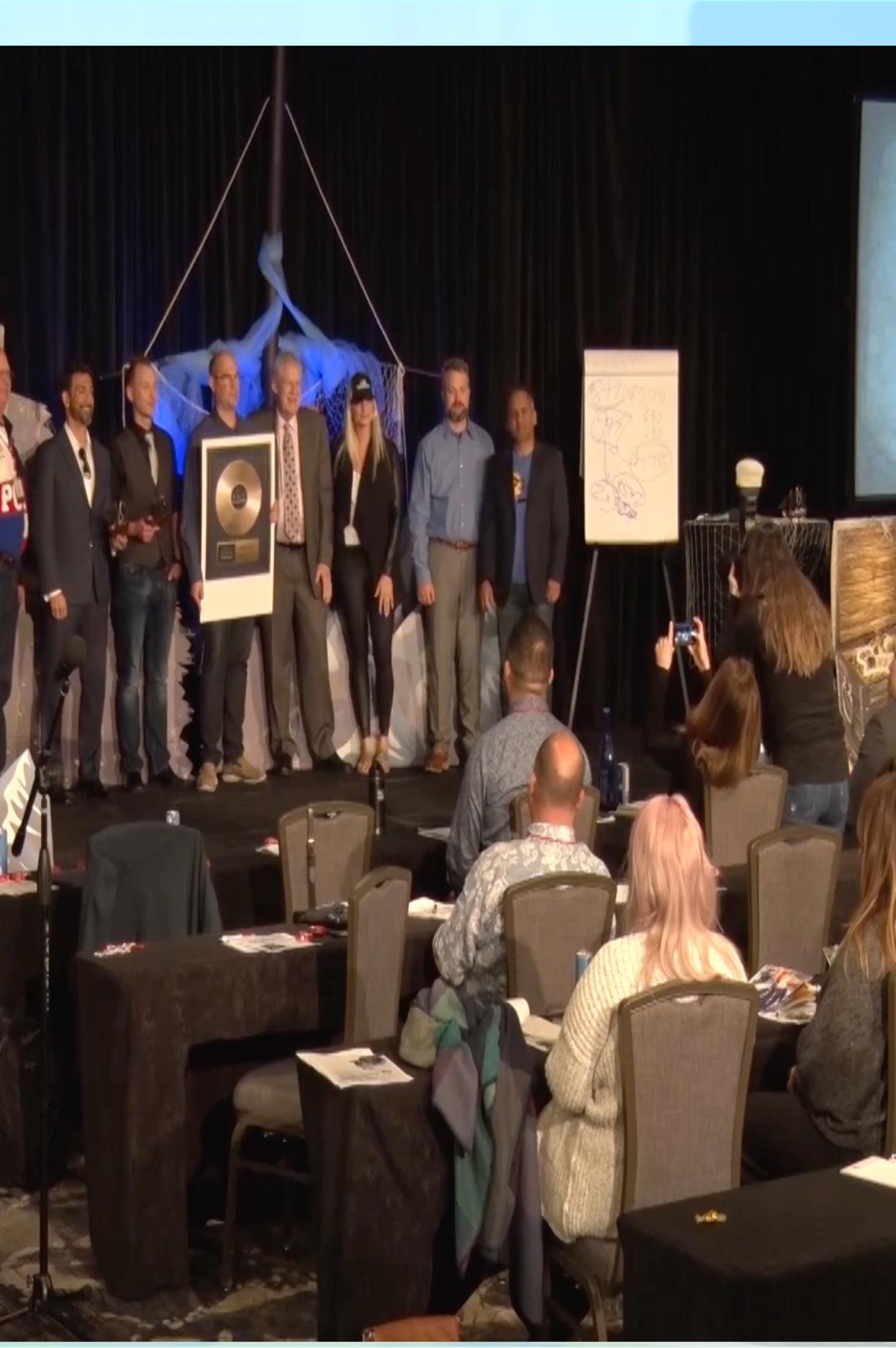
Today's guest is Nick James, a true internet business veteran who's quietly built and sustained a successful online company through every major shift in the digital world. Nick launched his first online business back in 2000, just after the dot-com bubble burst. And now, more than 25 years later, his company is still going strong. He's the founder of eShowcase, a platform trusted by marketers who value long-term thinking, smart systems, and sustainable growth. Now, Nick's story is all about longevity, experience, and perspective, and that's exactly why I think today's conversation will be so valuable.
Nick, welcome.
Nick James:
Hey, thank you very much indeed for having me. It's great to be here and to share maybe some stories about how things were when I got started, how they are now, and how everyone can benefit from all these latest AI changes that have come. They've exploded onto the scene in the last couple years.
Editor:
Sounds good to me. Well, why don't we do that? Why don't we start right at the beginning? Your online business journey started in 2000. What did the landscape look like back then?
Nick James:
When I actually think back to when I got started, I remember going to some conferences. And one of the conferences I went to in London, in Wembley, featured a guy from Canada called Corey Rudl. And he was making a presentation about how to make money with email. And I just remember thinking back in the day, "Oh my goodness, wouldn't it be great if I could do that, if I could build up some email lists, an email database, send out some emails, make some money with it?"
And I licensed his presentation because I was so inspired by that, although I had absolutely no experience in how to do this at all. And it was from that very beginning that I started to sell information products online. But my first information product was selling Corey Rudl explaining how to make money with email. And then I thought to myself, "Well, I better get a website. I better get an email account. I better get an auto-responder system to send out all these emails and learn about all this stuff."
I would just realize that I was living my entire life under a glass ceiling, and it was time to take that glass ceiling away. And then I just started to learn more. I started that if I put a project together and people bought it and I made money, I should do it again and again and again, and I just got better at that process. So, I'm not sure whether that particularly answers the original question you asked, but I just couldn't stop once I realized the limitless potential that was in front.
Editor:
Well, I think the fact that you've been doing this now for over 25 years, obviously, you're doing something, right? But what do you think has been the key to the longevity that you've experienced?
Nick James:
I think it's been listening to people and it's been having your money goggles on. It's about looking at these trends that have been changing. I mean, I remember, I suppose... Let's look at what's changed.
When I first got started, I knew that if I wanted to get my offer in front of people, I needed to go and look for where those customers had spent money with other people, and I would go and rent their mailing list or their customer list. And I would always look for these lists of people that would say, "Who have you got that has bought something similar to something that I've got for sale?"
And I would write to those people and get them to come visit my website. And that was all very well back in the day when you had low-cost stamps, low-cost ways of printing. And there wasn't GDPR in place anymore. There weren't the privacy policies that are in place now where you could just go and rent those lists. That was great. But as time moves on, you then have to work out how else you want to market yourself online.
And that means that you have to embrace new technologies that come through.
So, if we take things bang up to date now, the issue that I think most people are still facing is they're still trying to use old techniques in a modern AI-driven world, which is one of the reasons that we've put the eShowcase software together, in order to help people to market themselves online better by using the technology that's around now.
So, back in the day, you have to go to somebody's database of customers and say, "Can we rent that list?" Now you can just look at what Meta is doing. They've got 3.48 billion people on the Meta platform every single day.
And yeah, that was 2000, 2001. And we've come a long way since then. However, what has remained constant is I still make an absolute fortune sending emails. So, Corey was so ahead of his time back then. But yeah, things have changed.
Editor:
It's weird to think that technology has shifted so much in that time. And maybe it's easy now to forget that setting up a website back in 2000 wasn't as easy as it is today. So, what motivated you to take that step in the first place, Nick? What made you jump in with both feet?
Nick James:
Well, I suppose when you get onto somebody's list, when you start to discover that there is a new way of making money that doesn't involve exchanging time for money, and you start to look at all of these other offers that people are sending to you, I think the biggest thing that started to make sense was, here was a way of breaking free from a traditional grind of getting up and doing various jobs, going and working for various people. And all of a sudden, I realized that I could sell information products, I could market online. I didn't have to exchange time for money. And it was a complete revelation for me. But there was a tonne of things that I didn't know how to do.
And just thinking back that... I remember my dad, in his career, he didn't go into a career that he wanted. He went into a career that his parents chose for him. So even going back a generation, it must've been even tougher. Now, I at least had the freedom of choice. But when my eyes were open to this whole thing of, "Hold on a second. I'm not restricted to a salary income," right? And whether your salary income is 30,000, 40,000, 50,000, 100,000 a year, when you start selling widgets on the internet that... Let's face it now, they don't need to be shipped physically. You don't need to give them to the mailman and have them shipped by courier, like I did when I got started with these videotapes and cassette tapes I was selling. There is no limit to the income that you can have. So, for me, that was a huge eye-opener.
And then I started listening to more and more people that, I thought, were forward thinkers, whether it was a forwardthinking marketer or a self-improvement guy like Brian Tracy. And let's face it, he was still selling information products about how to think better and improve yourself.
So, the question is now, instead of going off to another company and saying, "Can I rent your customers' names and addresses or what have you and send them a letter?" what we do now is we put ourselves on the Meta platforms, on Facebook, on Instagram, and we put out a message there. It's a little classified ad. So, that's changed. It's a completely different way of farming and
Q & A
“Remember When…”: Why Nostalgia Is the Internet’s Most Reliable Clickbait
This morning, I opened a blank document with purpose. Coffee? Ready.
Brain? Allegedly functional. Deadline? Real.
And then I just… stared. Not casually. Not thoughtfully. I stared at that blank page like it had personally wronged me. Like it owed me rent. Like if I squinted hard enough, it might finally apologize and produce a paragraph. It did not.
If you create content for a living newsletters, landing pages, hooks, scripts, posts you know this moment. The blank page isn’t neutral. It’s confrontational. It dares you to be brilliant. And that’s the trap.
We think the first sentence has to be good. It doesn’t.
The blank page only wins when you expect excellence on the first swing. But content rarely starts clean. It starts clumsy. It starts sideways. It starts with something mildly ridiculous like:
“I stared at a blank page today like it owed me money.”
That’s not polished. It’s not strategic. It’s not optimized. It’s movement.
And movement kills resistance.
Here’s what experienced creators understand: you don’t write the final version first. You write the messy version on purpose. You let it ramble. You let it be awkward. You let it exist.
Because a bad paragraph can be edited. A blank page cannot.
And yes you have AI now. Use it. Not to produce the masterpiece, but to break the stare-down. Ask it for five terrible openings. Ask it for ten angles. Ask it to argue with you. The goal isn’t outsourcing creativity. It’s killing inertia.
So next time you open a doc and feel the tension building, don’t wait for brilliance.
Write something obvious.
Write something messy.
Write something you’ll delete.
Just don’t write nothing.
The page doesn’t owe you money.
But it does owe you momentum once you stop demanding perfection.
How to Build a Perplexity-Sized Company Without Inventing New AI
In 2022, Perplexity AI looked like just another AI wrapper drifting in a noisy sea of ChatGPT clones interesting, maybe clever, but hardly destined for dominance.
There were dozens of tools doing roughly the same thing. Most of them blended together. Most of them disappeared.
Perplexity didn’t.
By mid-2024, it had become the default research tool for a huge slice of tech Twitter, raised hundreds of millions of dollars, crossed tens of millions of users, and reportedly reached a valuation in the $14–18 billion range with around 30 million users and roughly $35 million in annual revenue (DemandSage). And it did all of that while giants like Google, OpenAI, and Microsoft were still carefully figuring out how to evolve search without blowing up their own cash cows.
Let that sink in.
A small team didn’t out-train the biggest AI labs in the world. They didn’t invent a new foundational model. They didn’t have decades of search dominance behind them. They simply executed differently.
And that’s the part that should make you lean forward.
Because if Perplexity’s rise were purely about having the smartest researchers or the deepest pockets, there would be nothing useful here for you.
But it wasn’t.
It was about positioning, product design, distribution leverage, and ruthless focus on one painful job.
Which means this isn’t just a tech story.
It’s a blueprint.
So the real question isn’t “How did they do it?”
The real question is:
How do you apply those same growth mechanics to your niche whether that’s ad research, funnel optimization, content repurposing, B2B prospecting, or the next workflow nobody has fixed yet?
You don’t need billions.
You don’t need a world-class AI lab.
You need the right keys. Let’s break them down.
1. Start With a Wedge So Sharp It Hurts Perplexity didn’t begin with a sweeping mission statement about “reinventing knowledge” or “reshaping human-computer interaction.”
Spotlight: A baker posted a 12-second dough-kneading timelapse it hit 500k views across platforms.
It started with a very specific promise: “Give me a better answer than Google, with sources, in one shot.”
This clarity was deceptively powerful because it focused on one thing research that was faster, cleaner, and backed by citations without trying to be anything else.
That one single decision shaped everything: The interface, the tone, the structure, the positioning, and ultimately the word-of-mouth.
Because when your value proposition is razor sharp, users can repeat it easily. “It gives you answers with sources” is simple, concrete, and sticky.
Your move:
Don’t start with a grand platform. Start with a job. Pick something narrow and painful:
• Research competitors in under 10 minutes.
• Turn raw transcripts into client-ready newsletters.
• Prep for sales calls in one click.
• Audit ad accounts for wasted spend.
• Validate micro-SaaS ideas before building.
Then ask yourself, honestly:
What would a 10x version of this look like so much better than the default that going back feels silly?
If you can’t explain your wedge in one sentence, it’s not sharp enough yet.
2. Make Every Output a Growth Asset
One of Perplexity’s most underrated advantages is that every answer doubles as a marketing object.
A user searches.
1. They get a structured, cited, cleanly formatted result.
2. They copy the link into Slack, X, or email.
3. New people see it, click through, and try the tool themselves.
That’s product-led distribution baked directly into the core action.
Most AI tools hide everything behind a login wall and a blank chat interface, which means their outputs die in private. Perplexity allowed its outputs to travel, rank, and circulate.
If you’re building something today, this is not optional.
Ask yourself:
• What does my product create?
• Is it:
• Shareable?
• Linkable?
• Useful on its own?
• Visually clean?
• Clearly branded?
Could someone forward the result to a colleague without context and still look smart?
If the answer is no, your product is missing a built-in growth loop, and you’re going to feel like you’re pushing a boulder uphill with paid ads and cold outreach.
Design the thing your users will proudly forward to a colleague so that the output markets your product for you and growth will follow.
3. Borrow Distribution Instead of Buying It
Perplexity didn’t rely purely on organic discovery. It partnered.
Telecom bundles with companies like Deutsche Telekom and SoftBank instantly put it in front of millions of subscribers, embedding it into ecosystems that already had distribution scale most startups can only dream about.
Publisher partnerships added legitimacy. Enterprise offerings opened new revenue streams. Each move extended reach without requiring the company to build everything from scratch.
You probably can’t strike telecom deals.
But you can ask a better question: Who already gathers my exact users in one place? It might be:
• A niche SaaS platform.
• A course creator.
• A paid community.
• A newsletter operator.
• A marketplace or plugin ecosystem. Instead of asking, “How do I find users?”
Ask, “Where do my users already gather, and how can I add value inside that ecosystem?”
Distribution borrowed is often more powerful and cheaper than distribution built from scratch.
4. Obsess Over Time-to-Wow
One reason Perplexity stuck wasn’t just what it did, but how fast it did it. It felt instant, structured, clean, and genuinely useful so much so that speed itself became part of the brand.
When a tool feels noticeably lighter than your old workflow when it reduces friction instead of adding another layer you don’t close the tab. You leave it open. It becomes part of your working environment rather than a novelty you try once and forget.
If you’re building something today, measure this ruthlessly:
• How long until a new user experiences “this is better”?
• How many steps before they see meaningful output?
• Where do they hesitate?
• Where do they get confused?
Then cut that time in half.
Most churn is not about quality, it’s about missed moments.
If someone never hits the “oh wow” moment, they leave before your product has a chance to prove itself. That’s why your job is to engineer that moment into the first three minutes.
5. Stand on AI Infrastructure Don’t Try to Beat It
Perplexity didn’t win by out-training foundational models; it built on top of them.
That freed the team to focus on:
• Workflow.
• Structure.
• Citations.
• UX.
• Distribution.
• Speed.
If you’re an online marketer building tools, courses, or AIpowered products, this should feel liberating, because you don’t have to compete with companies training massive AI models. You can let them handle the expensive, technical work while you focus on solving a specific problem better than anyone else.
Your strength comes from understanding the user’s situation, focusing on one specific problem, designing a smoother way to get the work done, fitting into the tools they already use, and building enough transparency and credibility that they trust the results.
What truly sets you apart usually isn’t the underlying AI itself; it’s how tightly you shape it around one specific job, so the user feels like the tool was built exactly for their problem.
6. Ship Something Bold Enough to Matter
Perplexity didn’t just stick to being a simple answer tool. It built its own browser, tested AI agents that could take actions for users, and moved into areas that sparked controversy. Some of those decisions led to criticism and legal pushback but they also made it clear the company was serious about reshaping how people search and browse.
Here’s the bigger point: When technology shifts, the spotlight goes to the companies willing to make bold moves. Safe, incremental features rarely create breakout attention.
You don’t have to be reckless. But you do need at least one move that shows real ambition something that makes the market pause and think, “They’re building something important.”
Otherwise, you’re just another tool listed in a crowded marketplace, hoping someone notices.
7. The Practical Playbook
If you want to build something that actually breaks out not just another tool that launches quietly and fades away — here’s the no-fluff roadmap.
1. Find a Pain People Repeat.
Don’t chase a clever idea or a shiny trend; find a frustration people experience every single week the task they complain about in Slack, the workflow they constantly patch together with messy docs and copy-paste chaos, the thing that makes them sigh before they even start. Repeated pain is where real opportunity lives, because repetition creates urgency.
2. Build the 10x Layer.
You don’t need to build intelligence from scratch; you need to layer on top of what already exists and make the experience dramatically faster, cleaner, and clearer than the default. Remove unnecessary steps, add structure where there is confusion, and simplify the outcome so completely that switching feels obvious rather than risky because if your solution is only slightly better, no one will bother to change.
3. Make the Output Do the Marketing.
Every core action inside your product should produce something that naturally travels a result users feel proud to forward to a colleague or client because it makes them look competent and prepared. When your output markets your product for you, growth stops depending entirely on ads or hustle and starts feeding itself.
4. Borrow Distribution.
Instead of asking how to attract users from scratch, ask who already gathers your exact audience in one place, whether that’s a niche platform, a community, a SaaS integration, or a trusted brand. Plugging into an existing ecosystem with real alignment will almost always outperform shouting into the void with paid traffic.
5. Obsess Over the First 3 Minutes.
Growth often comes down to how quickly someone feels the difference between the old way and your way, which means your job is to relentlessly shorten time-to-wow. Every week, reduce friction, simplify one step, and tighten the path to value until the improvement feels undeniable.
That’s how tools become habits. And habits are what build companies.
The Real Question
Can you build another Perplexity?
Not in the same space, and not by trying to outspend or outresearch the largest AI labs in the world.
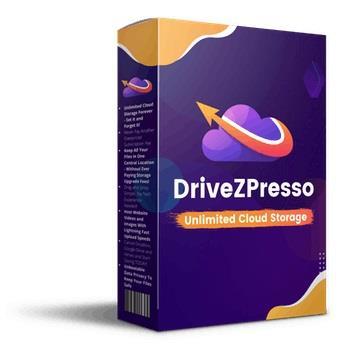
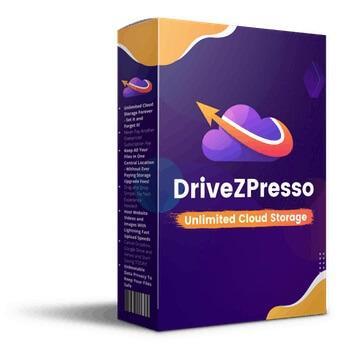
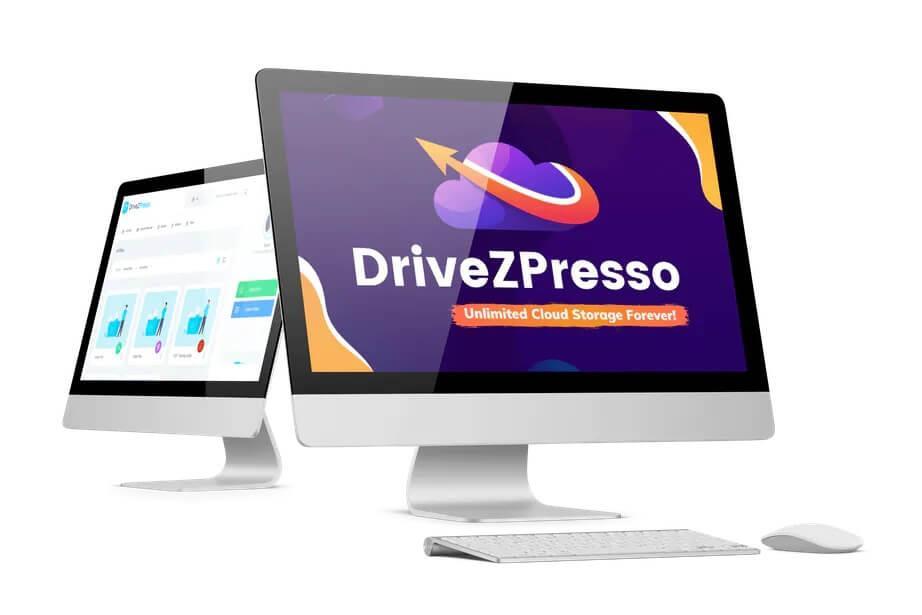
NEW PRODUCT DriveZPresso
Nowyou can haveUnlimited CloudStorageForLife (GoodbyeDropbox!)Saygoodbyeto overpriced Dropbox subscriptions and time-wasting tech headaches… Because there’s a brandnew Cloud Storage Solution that lets you host, share, and back-up ALL your files… With Unlimited Storage For Life at an unbeatable ONE-TIME price. Get the details here (limited availability).
Imagine… All your files stored in one central location so you can find whatever you need in seconds Never paying another overpriced subscription fee to Dropbox or Google Drive Freeing yourself from storage limits and tech hassles once and for all Big Tech has been sticking it to the little guy for far too long…
With ridiculously high monthly fees and huge mark-ups that line the pockets of Silicon Valley billionaires DriveZPresso lets you take back control of your data and your business future…
With all the capabilities of Dropbox and Google Drive and NONE of the overpriced subscription fees…
Go here now DriveZPresso UNLIMITED file storage for an ultra-low one-time fee Host website images and videos with lighting fast upload speeds on your website.
Find any filein seconds with theadvancedsearch technology Sharelinks to anyfile –just likeDropbox orGoogle Drive Collaborate with team members to edit documents in real-time Keep your files safe from hard drive crashes, hackers and malware It’s time to say NO to the “Big Tech Tax” and join the future of cloud storage…
Grab your DriveZPresso license click here.
JVZooHost is dedicated to providing safe, fast, and affordable web hosting with superior support. You can concentrate on running your business and rest assured your website will be up and running. Get your site noticed on the web today with JVZooHost!
MWM wants You to Know
How One Marketer Turned 13 Faceless Facebook Pages into $3.4
Million — And How You Can Build the
Same Machine
One marketer built 13 faceless Facebook pages and generated more than $3.4 million in under a year without selling a product, without launching a course, without showing his face, and without building a personal brand and what makes this powerful isn’t the number, it’s the structure, because once you understand the engine behind it, you realize this wasn’t luck… it was leverage. He didn’t sell anything.
He built traffic assets.
He monetized attention.
He repeated what worked until it snowballed.
And you can do the same thing if you’re willing to think like a media operator instead of a hobbyist.
The model starts with emotion, not precision. Instead of chasing narrow “problem niches,” you target broad, highly shareable categories that spark reaction — politics, food, lifestyle trends, hobbies — because viral growth doesn’t come from quiet logic, it comes from passion, curiosity, and conversation. You deliberately avoid private or awkward markets and choose topics people proudly engage with in public feeds, because social momentum is the fuel.
You then create legitimate Facebook Business Pages never fake accounts, never shortcuts because this isn’t about gaming the platform, it’s about building something scalable. But the page isn’t the asset. Your website is. Every post pushes traffic into content you own, where high-share articles listicles, bold headlines, emotionally charged angles — turn scrolls into clicks.
Most posts will fail, but that’s the point.
Because when one hits, it can explode.
And when it explodes, the math changes.
Display ads pay by RPM — often $10 to $40 per 1,000 pageviews — which means a single article generating a few million views can quietly produce five figures. Multiply that across multiple pages, across multiple winners, across months of compounding traffic, and you begin to see how $3.4 million stops sounding impossible and starts sounding mechanical.
Then you layer in affiliate links, monetizing not just attention but intent.
And here’s where you take it further than he did.
You use AI to accelerate content production and headline testing so iteration moves faster. You capture emails from day one so traffic turns into owned audience. You transform a Facebook growth strategy into a digital media machine.
Because ads pay once.
Email pays forever.
The marketer who built this didn’t rely on genius or charisma; he relied on velocity publish, measure, adjust, repeat and he stayed in the game long enough for compounding to take over.
If you build this way, you’re not chasing virality. You’re building infrastructure.
The truth is that you’ve been cautious. Now you get to decide whether caution is still serving you.
The Brutal Truth About Why You Still
Haven’t Built Your Online Business
It’s not the algorithm. It’s not saturation. It’s not that you’re too late, too old, too unknown, or too inexperienced. And it’s definitely not that you lack intelligence, creativity, or potential.
It’s that you were trained slowly, subtly, and very effectively to avoid the one behavior that creates entrepreneurs.
From the time you were a child, you were rewarded for getting the right answer and quietly punished for getting the wrong one. You were taught that competence equals safety, that mistakes equal embarrassment, and that looking unsure is something to hide. You learned to raise your hand only when you were confident. You learned to double-check before speaking. You learned that being “good” meant minimizing risk.
That training works beautifully if your goal is to become a reliable employee. It is catastrophic if your goal is to build something of your own.
Because building an online business requires the exact opposite behavior. It requires publishing before you feel polished. It requires launching before you feel ready. It requires sending the email, recording the video, running the ad, making the offer even when you’re almost certain it won’t be perfect. Especially then.
Your first sales page will be rough. Your first videos will feel awkward. Your first ad might lose money. And your brain will scream, “See? This is why we don’t do this.”
But that discomfort isn’t a stop sign. It’s proof that you’re finally operating outside the employee script.
The people who build seven-figure brands are not braver, smarter, or magically gifted. They simply learned to reinterpret failure as data instead of identity. A bad launch isn’t humiliation it’s market feedback. A failed ad isn’t wasted money it’s information purchased. A clumsy webinar isn’t proof you’re unqualified it’s rehearsal.
Progress in this world belongs to the person who can look slightly foolish longer than everyone else.
So here’s the shift: Stop trying to feel ready. Start trying to get reps. Publish before comfort arrives. Improve one variable. Go again. Move faster than your self-doubt can regroup.
Because momentum compounds. Skill compounds. Confidence compounds. And if you’re willing to endure six months of visible imperfection, you can build something that most people will spend the rest of their lives only talking about.
The truth is not that you’re behind. The truth is that you’ve been cautious. Now you get to decide whether caution is still serving you.
This morning, I opened a blank document with purpose. Coffee? Ready.
Brain? Allegedly functional. Deadline? Real.
And then I just… stared. Not casually. Not thoughtfully. I stared at that blank page like it had personally wronged me. Like it owed me rent. Like if I squinted hard enough, it might finally apologize and produce a paragraph. It did not.
If you create content for a living newsletters, landing pages, hooks, scripts, posts you know this moment. The blank page isn’t neutral. It’s confrontational. It dares you to be brilliant.
And that’s the trap.
We think the first sentence has to be good. It doesn’t.
The blank page only wins when you expect excellence on the first swing. But content rarely starts clean. It starts clumsy. It starts sideways. It starts with something mildly ridiculous like:
“I stared at a blank page today like it owed me money.” That’s not polished. It’s not strategic. It’s not optimized. It’s movement.
And movement kills resistance.
Here’s what experienced creators understand: you don’t write the final version first. You write the messy version on purpose. You let it ramble. You let it be awkward. You let it exist.
Because a bad paragraph can be edited. A blank page cannot.
And yes you have AI now. Use it. Not to produce the masterpiece, but to break the stare-down. Ask it for five terrible openings. Ask it for ten angles. Ask it to argue with you. The goal isn’t outsourcing creativity. It’s killing inertia.
So next time you open a doc and feel the tension building, don’t wait for brilliance. Write something obvious. Write something messy. Write something you’ll delete. Just don’t write nothing.
The page doesn’t owe you money. But it does owe you momentum once you stop demanding perfection.
I Stared at a Blank Page Today Like It Owed Me Money
How to Send the Right Message at the Exact Right Moment**
Most online marketing feels like guesswork. You post and hope.
You email and pray.
You launch and cross your fingers that the timing isn’t terrible.
But there’s a smarter, easier, friendlier way to do marketing — one that doesn’t involve invasion-of-privacy tech or pretending you have psychic powers.
It’s called predictive engagement triggers, and despite the intimidating name, it’s really just this:
Pay attention to what people do, and respond at the moment they’re already thinking about the thing you offer.
No creepiness.
No algorithms whispering in dark corners.
Just timing that feels natural and helpful the way good marketing should.
Let’s break it down in plain English. What Predictive Engagement Triggers Actually Are (And Why You Already Understand Them)
A predictive engagement trigger is simply a signal that someone is interested or almost interested in something you offer.
Think of it like noticing someone at a party who:
• laughs at your joke,
• asks a follow-up question,
• hangs around the conversation a little longer.
You don’t need surveillance tech to pick up on it.
You just need awareness.
Triggers are the same thing, but online. They’re behaviors such as:
• clicking a link more than once
• reading multiple emails on the same topic
• visiting a sales page but not buying
• downloading something and then pausing
• watching most of your video before bouncing
These aren’t “data points.”
They’re nudges.
Signals.
Tiny bubbles rising to the surface saying, “Um… hey, I might need help with this.”
Why This Works Better Than Guessing
Most people don’t buy because they dislike your offer. They don’t buy because they’re not ready yet.
But readiness isn’t a mood. It’s behavior.
And when your marketing aligns with behavior, three magical things happen:
1. Your messages feel perfectly timed, not salesy.
2. Your audience feels seen, not chased.
3. Your conversions rise without you having to shout louder.
This is how small creators get outsized results: they stop broadcasting and start responding.
Simple Predictive Triggers You Can Use Immediately
You don’t need fancy software or a tech team. Most email platforms have these tools built in. Here are the easiest ones to start with:
1. The “Clicked Twice” Trigger
If someone clicks the same link more than once, they’re curious.
Send them a deeper resource, a short note, or an invite to chat.
2. The “Visited But Didn’t Buy” Trigger
A sales page view is interest. A follow-up is smart.
Try:
“Hey noticed you were checking out the [offer]. Want me to answer anything before you decide?”
Short. Helpful. Zero pressure.
3. The “Binge Reader” Trigger
If someone opens every email you send about one topic, send them a curated guide, video, or mini-training on that exact topic.
It feels personal because it is based on their behavior.
4. The “Half Watched” Trigger
Did they watch 40%… 60%… 80% of your video?
That’s not disinterest that’s almost-ready momentum. Send something that bridges the gap between curiosity and commitment.
5. The “Downloaded and Ghosted” Trigger
This happens constantly. People download… then life happens.
Trigger:
“Want help getting started with that thing you grabbed last week?”
Most will say yes simply because you relieved their guilt.
“If subscriber does X → send Y.”
If you can click a checkbox, you can automate helpful, perfectly-timed messages.
Why Your Audience Will Love This
Good timing isn’t creepy. Bad timing is creepy.
Predictive triggers feel like:
“You read my mind.”
Not:
“You read my browser history.”
People love receiving content exactly when they need it. It makes you look thoughtful, supportive, and ridiculously in tune with your audience’s needs.
The Bottom Line
Predictive engagement triggers aren’t about manipulating behavior.
They’re about meeting people where they already are. When you let behavior guide your timing:
Your messages feel more personal. Your audience feels more understood.
Your conversion rate climbs without needing more traffic, louder messaging, or supervillain surveillance tactics.
Social Media Trust Is Breaking Down (And How
You Can Rebuild It)
There’s a trust leak in the social media universe and it’s getting louder.
According to Edelman’s 2024 Trust Barometer, over 60% of users now distrust social platforms as sources of credible information. Years of clickbait headlines, AIgenerated nonsense, and brands chasing trends over truth have eroded the foundation that once made followers actually care.
And let’s be honest: your audience has receipts. They’re tired of 47-slide carousels that promise “the secret to 7-figure funnels” and influencers who pretend to cry while promoting a skincare line. Even if your brand is honest, you're now marketing in a climate of default skepticism.
But here’s the opportunity: when trust is rare, it becomes currency. And marketers who know how to spend it wisely are turning that credibility into conversions.
Start here:
• Drop the script. Real talk wins. One SaaS company swapped its homepage headline from “AI-Powered CRM Tools” to “Finally, a CRM That Doesn’t Waste Your Time.” Within a month, it earned top placement in Google AI Overviews and boosted demo bookings by 36%.
• Show your receipts. If you claim something works, show proof. Screenshots. Testimonials. A 2-minute video showing exactly what your product does.
• Consistency beats charisma. You don’t have to be the loudest brand, just the one that always shows up with value, not vanity metrics.
Duolingo didn’t rebuild trust by being perfect. They did it by ditching trends and replying to real learners in the comments. Trust isn't built in your captions it’s built in your comments section.
Bottom line? In 2026, trust is the new algorithm. And marketers who master it aren’t just building brands they’re building moats.
Why Smart Marketers Are Turning to Substack in 2026
Forget clickbait and viral stunts brands like The RealReal, Hinge, and Tory Burch are using Substack to build real relationships through story-first content.
The RealReal’s “The RealGirl” newsletter reads like a fashion insider’s diary, written by a non-employee superfan. It’s authentic, engaging, and drives surprising product clicks all without screaming “promo.” Hinge’s literary-style series “No Ordinary Love” turned dating app success stories into essays, a hardcover book, and a BookTok campaign that actually moved the brand up in consumer perception.
Marketers May Be Advertising on X Without Realizing It—Here’s Why
If your brand is avoiding X (formerly Twitter) due to safety concerns or reputation management bad news: you might be advertising there anyway. Thanks to programmatic ad placements, Google Ads campaigns (especially those using Performance Max, Demand Gen, or Display) can unintentionally place your ads on X. UK martech consultant Jonathan D’Souza-Rauto revealed that X has made much of its inventory available through open auctions, and Google Ads is now the top buyer. That means even if you’ve never touched X’s Ads Manager, your traffic-optimized campaigns could be funneling dollars into the platform.
This “X loophole” poses serious brand-safety issues. Advertisers have limited visibility into where their ads appear and X’s recent controversies (like Grok AI generating disturbing images) only add to the risk. While Google and Microsoft have rolled out new brand suitability and exclusion tools, they’re still playing catchup in a hyper-automated ad landscape. The takeaway? If you care where your ads land, audit your campaigns, tighten exclusions, and don’t assume brand-safe equals brand-controlled. In the era of AI-optimized advertising, transparency is optional but responsibility isn’t.