The CheckoutPageIs Disappearing Right Before Your Eyes
MWM Success Guide What Digital Marketers Can Learn from Netflix (Besides How to Lose an Entire Weekend)
MWM Business HELP How a Digital Marketer Can Become the Next MrBeast (Without Renting a Warehouse Full of Flamethrowers)
MWM Ask the Expert What Ted Turner Can Teach Digital Marketers (Besides How to Terrify Your Staff)
MWM Wants You to Know Your Product Isn't Failing Because It's Bad. It's Failing Because Not Enough People Have Experienced It Yet.
Now You Too Can Explode Your Business Income With Monthly Internet Marketing Training and Coaching!
If You Are Serious About Changing From A Failing Online Business To An Uber Profitable Online Business I Can Help You!
Listen, I know what it's like to have a strong desire to have a successful online business but have no real idea of HOW to market it...
I'm not making empty promises. One thing you will not find on this site is a promise of "easy riches". I make no claims of how much you can make. I make no claims that you'll make any money at all. I don't know you. I don't know if you're a thinker or a doer. How can I promise you'll make X dollars? I can't. And I don't. That SHOULD be a sign of trust to you.
There are many others out there making crazy income claims. I won't promise riches. I won't promise any results. I'll simply tell you that I will show you things you can do to get your online business rocking and rolling!
There is absolutely no risk. I'm even going to take away ALL RISK for you. It's pretty simple: if you don't like the Training, you don't pay. Period. You have nothing to risk and everything to gain.
Let me say it a different way...
You Don't Even Have To Say "Yes" To Get Started Right Away, Just Say "Maybe" And I'll Send Your First Lesson Instantly!
MWM editors letter
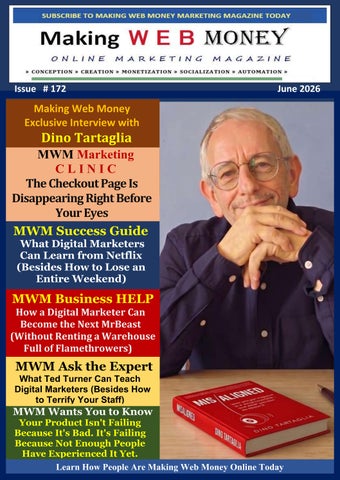
Welcome to the JUNE 2026 Issue of our monthly “Making Web Money” Online Digital Marketing magazine - where every month we show you how real people, just like you, are making web money – online. This month we have MORE great articles and personal success insights, interviews, plus some ONLINE opportunities for you.
- MWM Series on Business Help How a Digital Marketer Can Become the Next MrBeast (Without Renting a Warehouse Full of Flamethrowers
- MWM Interview – Dino Tartaglia
- Meta's AI Wants to Take 100% Control of Your Ads. Should You Let It?
- The Functional Strength Guide
- The Missing KitKat Mystery Revealed a Marketing Trick Almost Nobody Talks About
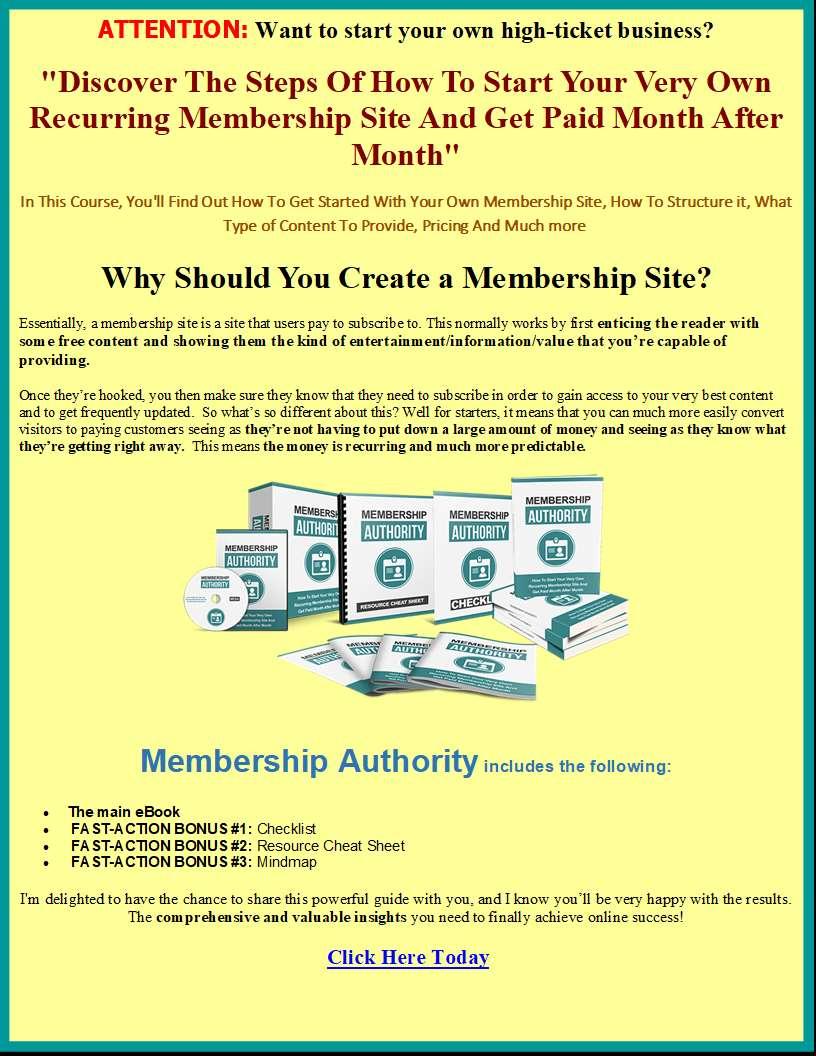
- Start a Recurring Membership Site
- Why People Resist Your Offer (Even When They Need It)
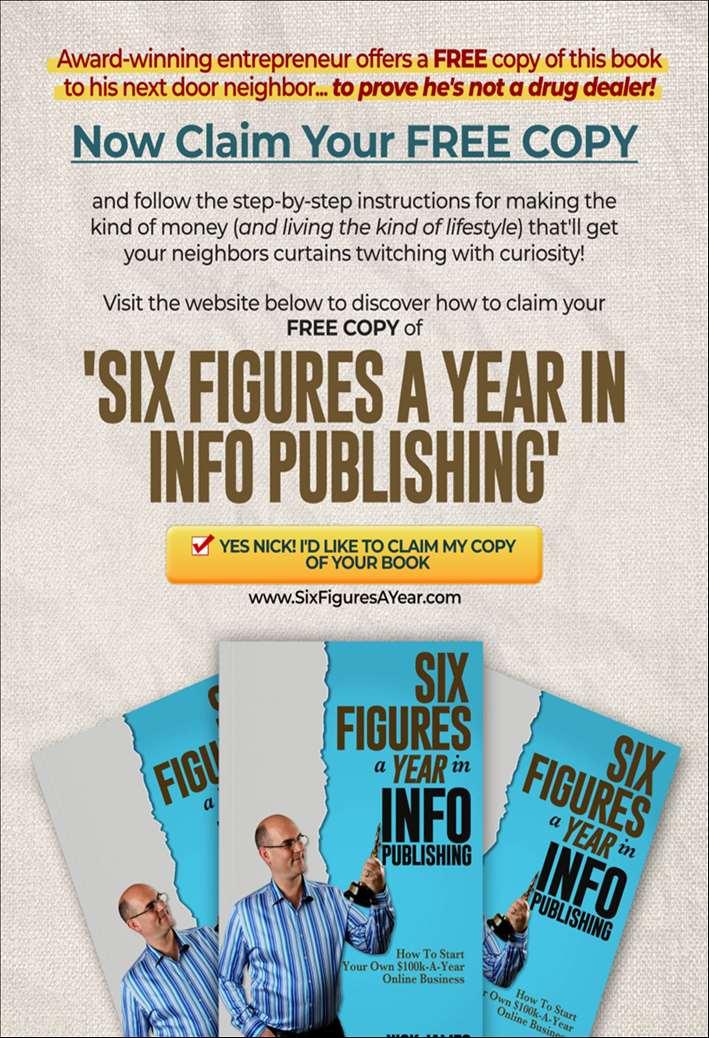
- FREE eBook - Six Figures A Year in Info Publishing
- Is Google Quietly Replacing the Internet with Reddit Comments?
- MWM Wants You to Know - Your Product Isn't Failing Because It's Bad. It's Failing Because Not Enough People Have Experienced It Yet.
- MWM Q & A - -You Don't Need to Code and You Don't Need Funding. You Just Need to Solve One Annoying Problem
- MWM Marketing CLINIC - The Checkout Page Is Disappearing Right Before Your Eyes
- MWM Success Guide -What Digital Marketers Can Learn from Netflix (Besides How to Lose an Entire Weekend)
- MWM Ask the Expert - ChatGPT Ads Just Went Public and Marketers Are Already Learning Some Brutal Lessons
I hope you enjoy this month's magazine. Thanks for reading.
– Check out our 171 Great Back Issues of Making Web Money!
MakingWebMoney.com
Subscription enquires: www.MakingWebMoney.com
Order the printed edition: www.issuu.com
Advertising enquires: www.MakingWebMoney.com
Making Web Money Magazine
Published 12 times per year.
Copyright All rights reserved.
Reprinted with permission. No part of this publication may be reproduced, translated or converted into machine-readable form or language without the written consent of the publisher.
Articles express the opinions of the authors and are not necessarily those of the publisher
The creators, producers, contributors and distributors or Making Web Money Marketing Magazine disclaim any liability for loss or lack of results from following the advice expressed herein.
at:
Tell us what you like and don’t like about Making Web Money Digital Marketing magazine. What worked for you or what you think sucks, then we can make Making Web Money an even better online magazine.
So, send me an email with your feedback and let me know.
crowderharry598@gmail.com
Most Marketers See the AI Wave Coming — They're Just Not Ready For It
Econsultancy's Future of Marketing report found that 76% of marketers expect AI to reshape their function entirely, yet 83% admit their martech stack has significant shortcomings, and the gap between AI-mature leaders and everyone else keeps widening. The key finding: what separates winners from laggards isn't which AI tool they're using it's organizational strategy and team skills.
For digital marketers, this is actually good news. You don't need a bigger tech stack you need sharper judgment about how to use the one you have. Consumer reactions to AI integration have been largely positive or neutral, so the fear of alienating your audience is overblown. The real competitive edge right now belongs to marketers who treat AI as a skills challenge rather than a shopping problem and start building those skills before everyone else catches up.
Prompt Tracking Is the New Keyword Ranking And Most Marketers Don't Know It Exists
Semrush published a guide introducing prompt tracking, a discipline that monitors what users ask AI systems and the answers they receive, functioning essentially as rank tracking for the AI era. Just as traditional SEO required tracking your keyword positions in Google, AI visibility now requires tracking where and how your brand appears in ChatGPT, Google AI Mode, Perplexity, and Gemini responses.
The practical case for prompt tracking is significant: All five major websites Semrush analyzed experienced increases in LLM-driven traffic between August 2024 and August 2025, with one site seeing an increase of over 1,000%. The key difference from traditional SEO monitoring is that instead of tracking keyword rankings on search results pages, you're tracking brand mentions and sentiment in conversational AI responses. For digital marketers, this is a new and rapidly growing traffic source that most are not yet measuring, which means most are flying blind on an increasingly important channel.
Google Quietly Changed the Goal of SEO
Search experts increasingly argue the SEO goal isn't rankings anymore it’s recognition. If AI answers a question directly and mentions your brand inside the answer, you win even without a click.
For marketers, this is a mindset shift. You’re no longer optimizing only for blue links. You’re optimizing to become the source AI trusts enough to cite. That means original research, memorable viewpoints, stronger branding, and content people reference repeatedly.
ChatGPT Just Became an Ad Platform — And It's Already Poaching Your Customers
In a move that screams “Let’s give video its due,” Google Ads has officially rolled out view-through conversion (VTC) bidding for Android App campaigns. Now, instead of obsessing over clicks like a caffeinated intern with a KPI spreadsheet, advertisers can optimize for users who watch an ad and then download the app later—no tapping required. It’s like giving credit where credit’s been silently lurking all along.
Why should online marketers care? Because the digital world is moving from “click it or it didn’t happen” to “influence is influence.” VTC bidding gives videofirst campaigns especially those on YouTube and in-feed a real seat at the performance table. It’s great news for advertisers focused on brand awareness, long-term growth, and creative that actually resonates (instead of begging for a finger tap).
Just be prepared: with Google’s attribution model calling the shots, and CPA metrics potentially shifting, the era of lazy clickbait is officially on notice.
The streaming giant isn’t just addictive entertainment it’s one of the smartest marketing machines ever built.
Netflix doesn’t just understand content. It understands human behavior at an almost alarming level. Every part of the platform is engineered to keep you clicking, watching, returning, and emotionally invested while casually wondering where the last four hours went.
And honestly? Modern digital marketing is starting to work the exact same way.
Take attention, for example. Netflix knows your decision to watch something happens ridiculously fast, which is why it obsessively tests thumbnails, titles, previews, and descriptions.
The lesson for marketers is painfully obvious: Your headline, opening line, subject line, thumbnail, or first five seconds matter more than the rest combined. If you can’t stop the scroll, nothing else gets a chance to work.
And Netflix also understands that one-size-fits-all messaging is dead. Your homepage isn’t my homepage. The platform quietly personalizes everything because specific beats generic every time. Smart marketers should be doing the same thing with emails, offers, hooks, and content angles.
Then there’s Netflix’s secret weapon: Momentum. Every episode ends in a way that practically kidnaps your free will. “Just one more episode” is not an accident, it’s strategy.
Great marketers do this too. Email sequences, multipart content, cliffhangers, recurring themes, running jokes… it’s all designed to keep people engaged instead of disappearing after one interaction.
Netflix also understands that retention matters more than raw clicks. The platforms increasingly reward content people actually spend time with, return to, save, share, and talk about, not just content that earns a quick dopamine tap before vanishing into the algorithm graveyard.
And maybe the biggest lesson of all? Netflix doesn’t just create shows. It creates fandoms, memes, conversations, identities, and entire cultural moments. People don’t share content because it exists.
They share it because it says something about them.
That’s the real game modern marketers are playing now not just selling products, but building worlds people want to belong to.
Starting today you can enroll in my new monthly coaching program where I will teach you how to turn PLR content into spendable cash using several underground methods.
Each and every month you'll get a new lesson showing you a different way to profit with the PLR products you already have. Each month will be a different lesson (sometimes delivered as a stepby-step PDF and sometimes delivered as video tutorial lessons, and even sometimes a mixture of both) that you can download, view, and then implement to start making money with PLR content.
This 12 month coaching program can help you feel good about every PLR purchase you've made (even those "junky" ones because I will show you how to polish them 'til they shine!). The PLR Profits Coaching Club can justify every penny you've spent. It can make those purchases worth something to you because you can put that content to work making money for you.
Click Here to Start
Google Just Declared War on AI Search Manipulation
Google updated spam rules to crack down on people trying to game AI answers using GEO tricks and “recommendation poisoning.” In short: stuffing content with AI bait may now become a penalty magnet.
Translation for marketers: the “hack the AI” phase may already be ending. The companies trying to brute-force AI visibility could discover that shortcuts age like milk.
Building authority and trust may be becoming the safer long-term strategy.
AI Traffic Converts 5x Better Than Regular Search Traffic
HubSpot's 2026 State of Marketing report - based on data from 1,500+ marketers globally - dropped a stat that should change how every solo marketer thinks about their content strategy: 58% of marketers say visitors referred by AI tools convert at higher rates than traditional organic traffic.
The piece walks through real case studies of brands that optimized for Answer Engine Optimization (AEO), making sure their content gets cited inside AI responses, and the results are striking. This isn't theoretical. It's happening now, and the brands showing up in AI answers are getting a quality of traffic that Google search alone can't match.
For marketers, the practical takeaway is clear: The time you spend getting your content cited by ChatGPT, Gemini, and Claude may deliver better ROI than time spent chasing Google rankings. The article breaks down exactly what AEO looks like in practice and includes case studies showing measurable outcomes. Required reading for anyone creating content intended to drive conversions.
What Ted Turner Can Teach Digital Marketers (Besides How
to Terrify Your Staff)
Big vision, big personality, and a few “please do not try this at home” leadership moments.
Ted Turner’s life story reveals something fascinating: Many wildly successful people operate somewhere between “visionary genius” and “human tornado.” Turner built CNN by believing something almost everyone thought was ridiculous: A 24-hour news network. People thought the idea was absurd but he did it anyway. That stubborn conviction helped create a media empire.
And digital marketers can steal a few very useful lessons from that playbook.
DO: Be aggressively memorable.
Ted Turner never blended into the wallpaper. He had opinions. He had energy. He took swings. Online marketers often sound like they were assembled in a laboratory that manufactures LinkedIn posts. Safe is forgettable. Personality creates gravity.
DON'T: Mistake volume for leadership.
A lot of stories around larger-than-life founders reveal the same trap: Intensity eventually becomes chaos. Some marketers do this too. Constant pivots. Constant launches. Constant “new opportunity!” emails. Your audience should feel guided, not trapped in a moving vehicle with someone screaming directions.
DO: Bet on ideas early.
CNN sounded bizarre before it sounded obvious. The biggest opportunities often arrive wearing disguises. Most people’s first reaction to something new is, “That sounds weird.” But smart marketers pay attention to weird.
DON'T: Build a business entirely around yourself.
One hidden danger of giant personalities: The brand becomes dependent on the personality. If your audience only trusts you, scaling gets harder. Build systems, repeatable content, and assets that work even when you’re offline.
And here's the funniest business law nobody mentions: Many breakthroughs sound completely insane right before they work.
Just remember there’s a difference between “visionary” and “guy explaining crypto investment opportunities at a gas station.”
Ted Turner lived very close to that line. And marketers occasionally do too.
Meta is moving toward fully automated advertising. Not "here are some AI-suggested audiences." We’re talking fully automated: You input your business information, state your objective, and Meta's AI handles the copy, targeting, optimization, and analytics. All of it.
So, should you let it?
The Case For
For time-strapped solo marketers, this is genuinely good news. The biggest barrier to effective paid social has never been budget; it's been the learning curve. Audiences, creative variations, bid strategies, data interpretation - Meta's AI flattens all of that. You describe your business and your goal, and the system figures out the rest.
Early data suggests fully automated campaigns frequently match and sometimes outperform manually managed ones for straightforward conversion objectives.
For a solo operator trying to grow a list or sell a course, handing the wheel to the machine and getting back hours of your week is a compelling trade.
The Case Against
The moment you give Meta's AI complete control, you also give it complete control over how your brand shows up in the world. Copy that doesn't sound like you. Creative directions you'd never have approved. Audiences that make algorithmic sense but feel wrong for the positioning you've spent years building.
There's also the transparency problem. When the AI makes every decision, the feedback loop that makes good marketers better gets replaced by a black box. Over time, that's not just inconvenient. It's a skills atrophy problem.
And handing AI agents the keys to your ad account introduces accountability questions the industry hasn't fully mapped yet: What happens when an automated campaign burns through budget on the wrong audience overnight?
The Honest Answer
Use Meta's AI to handle optimization, bidding, and audience refinement - the parts where machine learning genuinely outperforms human judgment at scale.
You stay in the loop for creative direction, brand voice, and strategic decisions about what you're trying to say and who you're saying it to. Let it do the math while you keep hold of the meaning.
People Don't Want Discounts. They Want to Feel Lucky.
Imagine two emails landing in your inbox at the same moment.
The first says: "Here are some free credits for a feature you haven't used."
The second says: "Congratulations your account was randomly selected for a special bonus."
Same reward. Same value. Same company spending the same amount of money on both. But one of those emails gets filed under "huh, okay" and the other one makes you sit up slightly straighter and think, wait, I got picked?
That gap - between "here's a thing" and "you were chosen for a thing" - is one of the most underused psychological levers in marketing. And understanding it can change how you write every offer, every email, and every promotion you run.
Why Your Brain Falls for This Every Time
People don't just respond to value. They respond to emotion. Specifically: Surprise, exclusivity, curiosity, and the deeply irrational but completely overwhelming feeling that they somehow got lucky. Your rational brain may know perfectly well that everyone probably got the same email. Your deeply irrational monkey brain has already moved on and is quietly celebrating.
"Wait. I was selected?"
That tiny dopamine hit, the one that arrives before logic catches up, is enough to create real action. And most marketers are leaving it completely on the table.
A standard discount feels like a transaction. "Here's 10% off." Whoop-de-do. About as exciting as a coupon for paper towels, which is to say: Technically useful, emotionally inert.
But reframe the exact same offer to "Surprise! You've unlocked a mystery reward" and suddenly it feels like a game. And humans, it turns out, are embarrassingly enthusiastic about games.
Casinos built empires on this. Video games run entirely on it. Scratch-off tickets are essentially a billion-dollar industry built around the joy of the reveal rather than the actual prize. Loyalty programs like Starbucks Stars and airline miles work not because the rewards are extraordinary but because collecting and unlocking things feels inherently satisfying in a way that a straightforward discount never does.
People enjoy the experience of winning almost as much as the reward itself. Sometimes more.
What This Looks Like in Practice
The language shift is smaller than you'd think. Compare these side by side:
Instead of "Here's free shipping," try "A little gift just appeared on your order."
Instead of "Here's a bonus," try "You unlocked something extra."
Instead of "Here's 20% off," try "You've been selected for a private offer."
Instead of "Limited time discount," try "This showed up on your account not sure how long it stays."
Same offer. Completely different emotional experience. The first version tells people what they're getting. The second version makes them feel like something unexpectedly good just happened to them, and that feeling is worth far more than the discount itself.
This works in email sequences, checkout pages, post-purchase follow-ups, membership renewals, affiliate promotions, and product launches. Anywhere you're presenting an offer, you have the option to present it as a transaction or present it as a moment. The moment always wins.
The One Rule You Cannot Break
One important warning, because this power is easy to abuse. Do not turn your audience into victims of what we'll call Fake Lottery Syndrome. This is the exhausting experience of receiving emails that scream "URGENT! YOU WON SOMETHING!" every single week until your subscribers start treating your messages like spam.
The magic only works when it feels genuinely unexpected. Which means it needs to actually be unexpected. Use it strategically for milestone moments, product launches, genuine surprises and real bonuses. Not as a permanent veneer painted over every single offer you send.
Used sparingly, the feeling of luck is one of the most powerful emotions in your marketing toolkit. Used constantly, it becomes noise.
The Lesson
People don't only buy value. They buy the story around the value. They buy the feeling that something unexpectedly good just landed in their lap, and that they, specifically, were the one it landed on.
You don't have to change your offer to change how it lands. Just change how it arrives.
How a Digital Marketer Can Become the Next MrBeast
(Without Renting a Warehouse Full of Flamethrowers)
The creator economy is wide open but the rules are very different than they were five years ago.
A lot of digital marketers still think creators are just “people who postcontent.” That’slikesayingNetflixis“aDVD company.” Thebiggest creators today are building media businesses, product lines, loyal communities, and full-blown empires around their personalities and ideas.
The good news? You don’t need millions of followers to start building one.
But you do need to stop thinking like a marketer and start thinking like a media company.
Most marketers create content to promote a product or business. Big creators build content that is the business. That means your first goal isn’t “sell something,” but to…
…become consistently interesting enough that people voluntarily spend time with you.
That changes everything.
The fastest-growing creators usually focus on one of three things:
• teaching something useful
• entertaining a specific audience
• documenting a journey people emotionally connect with The key is consistency of identity. People need to quickly understand:
• who you are
• what you talk about
• why they should care
And no, “helping entrepreneurs scale with transformational systems” does not count. Nobody knows what that means.
The creators winning right now feel specific and human. They have recognizable opinions, recurring themes, inside jokes, stories, mistakes, andpersonality.They don’tsoundlikecorporateLinkedInpostswearing human skin.
And here’s the part most marketers miss completely: Distribution matters more than perfection.
The internet rewards people who show up repeatedly. Not people who spend four months polishing one “perfect” video while twelve faster creators lap them emotionally, algorithmically, and culturally.
You do not need Hollywood production value.
You need:
• recognizable positioning
• a repeatable content format
• emotional connection
• consistency
• and enough courage to sound like an actual person online
That’s how creators become media companies now. One audience relationship at a time.
ChatGPT Ads Just Went Public. Marketers Are Already Learning Some Brutal Lessons
For years, marketers begged for access to the inside of AI conversations. In April 2026, they finally got it. ChatGPT officially opened its self-serve advertising system to the public, and suddenly the internet’s newest attention battlefield is wide open.
This matters more than most people realize.
Not because the platform is polished. It absolutely isn’t. But because history keeps repeating itself online: The people who get rich from new platforms are rarely the ones who arrive after the tutorials, courses, “best practices,” and conference keynotes show up. They’re the ones who walk in while the paint is still wet.
And right now? The paint is dripping off the walls.
The opportunity itself is obvious. ChatGPT users aren’t doomscrolling vacation photos or arguing in comment sections. They’re actively trying to solve problems. They’re asking questions. Looking for tools. Researching purchases. Hunting for answers. That level of intent is incredibly valuable.
A person searching “best CRM for solo consultants” inside an AI assistant is psychologically very different from someone absentmindedly scrolling social media while waiting for tacos.
That’s what has marketers excited.
But the early reports coming back from advertisers are… messy.
Two complaints keep surfacing over and over:
First: Budget delivery problems. Some advertisers say the system simply isn’t spending their allocated budgets consistently.
Second and far more concerning - reporting is still extremely limited. In some cases, marketers know ads are running but can’t clearly see what’s converting, why it’s converting, or where the strongest performance is actually coming from.
And that’s dangerous.
Because unclear attribution turns optimization into gambling very fast. You can survive weak targeting. You can survive bad creative. But bad data? Bad data quietly eats entire marketing budgets while smiling politely.
This is the part inexperienced marketers usually get wrong. They assume early adoption means going “all in.” It doesn’t.
Smart early adopters treat immature platforms like reconnaissance missions, not retirement plans.
That means:
• small test budgets
• aggressive note-taking
• experimentation over scaling
• learning the psychology of the platform before trying to dominate it
Right now, the biggest advantage probably isn’t better ads.
It’s simply being willing to learn before everyone else shows up.
Because eventually the platform will mature. Reporting will improve. Costs will rise. Agencies will flood in.
LinkedIn gurus will begin posting threads about their “secret AI ad framework.”
And the weird little advantage of being early will disappear forever.
That window is open right now. Not forever. Just now.
So don’t treat this like a finished machine. Treat it like 2004 Google Ads. Or early Facebook pages.
Or the first ugly years of YouTube marketing when nobody knew what they were doing yet.
Those moments tend to look chaotic while they’re happening, and obvious afterward.
Early Platforms Reward Courage More Than Perfection
Most marketers wait for platforms to become stable, predictable, and safe. By then, competition is brutal and costs explode.
The people who win big usually arrive while the dashboards are ugly, the reporting is confusing, and everyone else is still skeptical.
Your Email Open Rate Is Lying
to You. Here's the Metric That Actually Matters Now.
Here's something nobody likes to say out loud: Your email open rate has been lying to you since 2021.
That's not an exaggeration. Apple's Mail Privacy Protection now affects roughly 50-60% of recorded email opens, automatically preloading email content even if the recipient never actually opened the email. Which means a significant chunk of those satisfying open rate numbers in your dashboard represent Apple's servers quietly fetching your email in the background and not a real human being reading your words over their morning coffee.
Open rate has been unreliable since Apple's Mail Privacy Protection launched in 2021, but in 2026, the shift is no longer theoretical. Mailbox providers now evaluate emails based on real engagement, trust, and intent - not whether a tracking pixel was triggered. And here's what makes this genuinely important for marketers: It's not just that the metric is unreliable. It's that optimizing for an unreliable metric leads you to make decisions that actively hurt your email program while everything looks fine on the surface.
The Three Metrics That Actually Matter Now
The biggest shift in 2026 isn't what you measure, it's how you think about performance. And the metrics that mailbox providers themselves use to evaluate your emails have changed significantly. Here's what to watch instead:
Reply rate the purest signal you have
Replies are the closest thing email has to a "pure" engagement signal. Clicks can be accidental. Opens are unreliable. But replies require intent. That's why reply rate is emerging as a core KPI in 2026. Even a 1% reply rate is meaningful because it represents real audience investment, not passive consumption. More importantly, mailbox providers treat replies as a strong trust signal, which can improve inbox placement over time.
Think about what a reply actually means. Someone read your email. It moved them enough to open a new compose window, type something, and hit send. That is a dramatically higher bar than a passive open and it's a bar worth optimizing for. Ask questions in your emails. Invite responses. Make replying feel natural and low-stakes. "Hit reply and let me know" is one of the most underused phrases in email marketing.
The disaffection index the number that reveals slow death
The disaffection index combines unsubscribes, complaints, and bounces into a single metric that shows how quickly your audience is disengaging. Mailbox providers increasingly treat negative signals as stronger indicators than positive ones. If this number is rising, your email program is quietly degrading, even if top-line metrics look fine.
This is the metric most solo marketers never look at until it's already a problem. An unsubscribe isn't a tragedy, it's healthy list hygiene. A spam complaint is a different matter entirely. Even a small number of spam complaints can damage your sender reputation and start sending your emails to the promotions tab or junk folder for everyone on your list, not just the person who complained. Watch this number closely. A rising disaffection index is your early warning system.
Click-to-open rate — the truest measure of content quality
Click-to-open rate tells marketers what percentage of people who opened an email actually clicked something. It's the truest measure of content quality. With privacy changes making open rates unreliable, CTOR and CTR have become the real performance indicators. They show actual engagement, not just email client behavior.
If your open rate is high but your click-to-open rate is low, your subject lines are doing their job but your content isn't delivering on the promise. That gap is where most email programs leak revenue.
The
Bigger Picture: From Activity to Relationship
Here's the reframe that changes everything.
Most email marketing has been optimized for activity - opens, clicks, sends, sequences. The implicit assumption was that more activity equals more results. Send more. Automate more. Track more. Optimize the numbers.
What the new metrics are pointing toward is something different and honestly more interesting: Relationship quality. A list of 500 people who reply to your emails, never mark you as spam, and open your emails because they genuinely want to is worth more than a list of 10,000 passive subscribers who vaguely remember opting in for a free PDF two years ago.
In 2026, 392.5 billion emails are expected to be sent every day. With inboxes this crowded, small differences in performance can create meaningful differences in leads, revenue, or retention. Standing out in that volume isn't about sending more. It's about being the email people actually want to open, the one they'd notice if it stopped arriving.
What To Do This Week
Check your disaffection index first. Log into your email platform and look at your unsubscribe rate, complaint rate, and bounce rate trends over the last 90 days. If any of them are trending up, that's your priority.
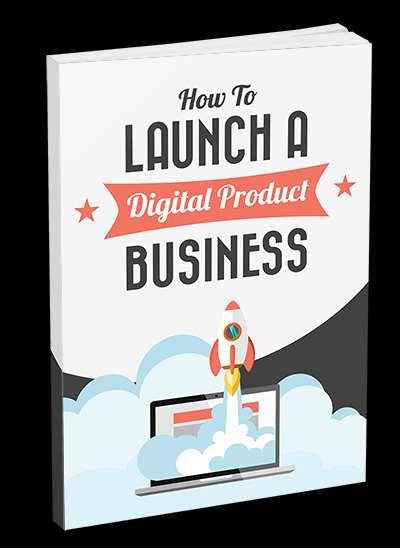
"Discover How to Start, Build and Launch Your Own Digital Product Business Without Breaking The
Find Out How To Create Your First Digital Product For Sale And Start Getting Sales On Autopilot!
What you'll discover in this eBook:
• You'll have an idea for the type of digital product you want to create and what the strengths and weaknesses of each option are
• Understand what makes digital products sell and how you need to design your creation in such a way that people will be eager to buy it
• Know how to quickly and cost effectively create the type of digital product you want
How to create a potential hot-selling eBook
• Know how to alter things like price, cover image and more in order to optimize your sales
• Understand how to drive more traffic to your landing page using SEO, PPC, e-mail marketing and social media
• Understand affiliate programs and tools like JVZoo, ClickBank and WSO Pro
• Know how to build an army of affiliate marketers who can drastically increase your sales and profits
• • ...and much, much more!
This is the ultimate guide to How to Launch a Digital Product Business! You'll discover all the steps, tools and resources to help you become a successful digital marketer! Get your copy today!
Now you can create full image variations inspired by your original ad creative with text overlay capabilities, generating improved backgrounds around product images and expanding images to better fit multiple surfaces. In addition, you will r brands to choose from. Lastly, image expansion allows you to seamlessly adjust creative assets to fit different aspect ratios across multiple surfaces. These tools are now available on Reels and Feed across both Instagram and seamlessly with text overlays on your ads.
https://www.facebook.com/business/news/Introducing Features
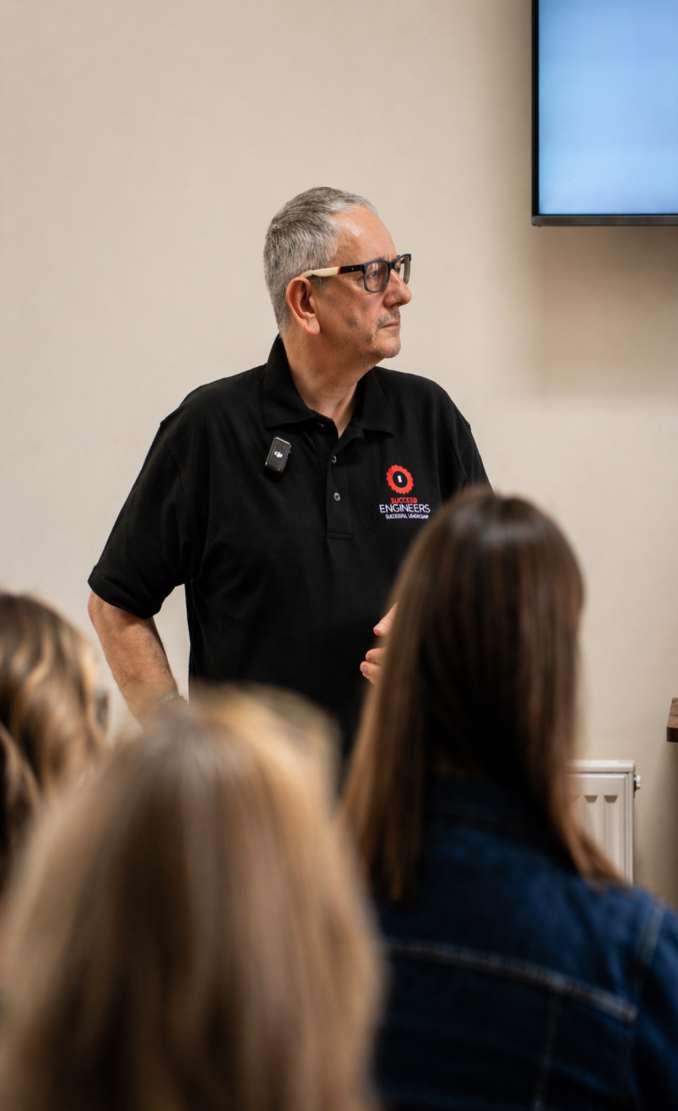
I'm excited today because our guest is Dino Tartaglia, cofounder of Success Engineers and a leading voice behind the concept of character-led business. Originally from the UK and now based in Portugal, Dino works with founders, leaders, and organisations who want to build businesses grounded in values, integrity and long-term impact. His focus is simple, but powerful. Sustainable success starts with who you are, not just what you do.
Dino, it is great to have you with us.
Dino Tartaglia:
Pleasure. Really, really pleased to be here.
Editor:
Could we start at the beginning? What shaped your thinking around leadership with character?
Dino Tartaglia:
Oh, that's a great question. I guess just the years and years of, probably like a lot of the readers or listeners, the time in corporate, time in employment, looking at things not being done well. And I've always been a humans-first-businesssecond guy. I wrote a book tail end of last year in the shadow with my business partner, Simon Hartley, who's written... He's on his 16th book now.
Can you believe? And he's been badgering me for about eight years to write a book. "Mate, you've got to write a book. You got to write a book," so, eventually, I did. I wrote a book called Misaligned, Why You Get Trapped in the Yo-Yo Business and What You Can Do About It.
And, in there, I talk about the journey that I went on from a young engineer.
I was an electrical and electronics engineer, mainly electronics, working at oil and gas all around the world. And I saw firsthand a lot of management, but poor leadership. And it was really management dressed up as leadership, but it never was. And it wasn't great. And it always came down, I felt, to the character of the person running the job or running the team, so I fell into it, if you like, just this feeling of it's not right, it didn't fit. So I moved out of employment, got eventually into consultancy and contracting, self-employment and started getting very, very good at troubleshooting people and processes and systems as opposed to hardware, which is where I'd been.
So, the journey into business transformation as it became business improvement basically was quite short, but very deep. And I ended up working with companies from six to 10 billion right down to a few mates that were trying to build a business from their spare bedroom, so I saw it all. And the running theme through all of it was the better the individual and the better they... the more they focused on their business acumen and their character, the better the business, so that I came to the conclusion, which is something I wrote in the book, the business can't outgrow the character of the person running it.
Editor:
That makes absolute sense. And you mentioned your business partner, Simon Hartley. My next question was going to be about Success Engineers. How did that come about? And what's the problem that you're trying to solve with this?
Dino Tartaglia:
Right. Yeah, a couple of great questions again. So Success Engineers, very, very simply, I'm from Glasgow originally, but was living in Newcastle, and Newcastle has been home. Although I've lived and worked... I worked this out for the book actually. I lived and worked in 23 countries on five continents in the time that I was working in contracts. The centre of my universe, if you will, was Newcastle. It's where I got married, divorced now, with two kids, two daughters, two beautiful daughters. And they live there.
So, I was sponsoring a player at Newcastle Falcons. Rugby is my first love in sport. Used to play, wasn't very good, and I met Simon who was a... just when the game went professional in 1998, I think. Newcastle Falcons, as it was then called, Rugby Club. And I was sponsoring a player, Geoff Parling, who's a phenomenal player in his day. And Simon was there as a young, fresh-faced sports psych. That was his profession. And we just clicked. We just became good friends.
Eventually, I left and toured, and went around. I got divorced. I left the country. I was out in Malaysia for a while, came back a few years later. And I think, 2015, Simon and I bumped into each other. And, by that time, he'd written six books. He'd become a world authority on world-class mindset and had a family, had a couple of kids. And I read a couple of his books and said, "Mate, we've got to take this out to...
We've got to take this out to the market. I know just the market we can take this philosophy out to." And one of the books was Two Lengths of the Pool, which this time, working with Chris Cook, who's a fabulous human being and a double Olympian, 50-metre breaststroke swimmer, and, hence, two lengths of the pool.
And the second book I read was How to Develop Character which really spoke to me. So I said, "Look, we'll put the methodology of Two Lengths of the Pool and the philosophy of how to develop a character. I'll pepper it with my stuff. And why don't we take this out as a product and a service into the space," which actually at the time was going to be the BizOps space. But what I found was the vast majority of people that we were speaking to in that space weren't ready for kind of what we had. And we were I think a little bit ahead of our time and where the industry was, so we moved into the coaching, consultancy, therapist, creative space or practitioner business as I call it.
And that was it. So that was the genesis of Success Engineers. He's the success. I'm the engineer. It's very, very simple. It's where it came from. And we call that Business Mind, Business Model. He takes care of largely business mind. I take care of business model, and we fuse that together, and there's a bit of overlap. So that's kind of the genesis of it all and where it came from. And, ultimately, what we were trying to do is pretty much what the book is about. I found that a lot of people were building businesses that were misaligned. They were building a business that required a certain set of behaviours, and they were delivering behaviours that were not aligned with that, so above or below, but just not matched up. They were building a business to deliver a lifestyle that they wanted at a specific level, but the business itself that they were building was not going to deliver that. Misaligned.
And the message to the market was not matched. So the market was expecting message A, and they were delivering message B. Misaligned. And I developed from that a technique or an approach called alignment intelligence, AI, go figure, which I'm now leveraging the hell out of with the Profit AI system. So that's kind of... We exist to help. It doesn't really matter what phase a business owner is in or where the business is in terms of its journey from what I call a dream-up startup. Dream it. Start it. Build it like that. There are seven phases of growth. It doesn't matter where they are.
Generally speaking, the foundations are the key. And there's always something that's been missed at the foundation level when somebody builds a business, so we always take them back to that and just go, right, have we got the four or five pillars in place? Are they robust? Are you building on something that's going to shift and break underneath you under the weight of the business scaling or is it going to magnify all the good stuff and not the bad stuff? So we apply that whether you're in early stage and they're a founder or you're late stage and you've got a large team. Makes no difference
You Don't Need to Code and You Don't Need Funding. You Just Need to Solve One Annoying Problem
AI can now help people who have never written a line of code in their lives build simple, useful, working browser extensions. And those browser extensions can become real products that real people pay real money for. Not life-changing software empires. Not venture-backed startups. Not the next Canva, which took years and tens of millions of dollars and a team of engineers.
Just tiny, specific, useful little tools that solve one annoying problem for one specific type of person… and charge $5 to $15 a month to do it.
That's it. That's the opportunity.
And here's what makes it genuinely interesting for marketers specifically: You are probably better positioned to build a profitable tool than most coders are. Not because you'll write better code, because you won't write any code at all; AI will do that. But because you already understand the thing coders consistently underestimate.
You understand what people want badly enough to pay for. Coders start with what's technically interesting. Marketers start with what people are already complaining about. That's not a small difference. That's the entire game.
The One Sentence That Separates Good Tool Ideas (Profitable!) from Bad Ones (Dead on Arrival)
Before you build anything, your idea needs to fit this sentence cleanly: "I help [specific person] do [annoying task] faster while they're already working in [specific place]."
If you can't fill in all three blanks specifically, the idea isn't ready yet.
Here's what that looks like in practice:
A Pinterest seller who needs to grab image dimensions without switching tabs. A newsletter writer who wants to save quotes from articles directly into a swipe file. An Etsy seller who wants to copy order details into a packing note in one click. A YouTube creator who wants to summarize competitor video titles into a hook list. A freelancer who wants to turn a messy Gmail thread into a clean client task list.
None of these ideas are impressive. Not one of them is going to get covered by TechCrunch. But every single one of them solves a real, recurring, specific frustration for a specific person who is already sitting at their computer wishing this problem didn't exist.
Useful beats impressive almost every time. Build useful.
How to Find the Right Problem Before You Build Anything
This is the step most aspiring tool-builders skip, and it's why most tools nobody asked for get built and ignored by exactly nobody. The best tool ideas are already written down somewhere - you just have to go find them.
• Open Reddit and search your niche with phrases like "is there a tool that" or "I wish I could" or "why is it so hard to."
• Go into the Facebook groups where your target audience hangs out and look for complaints that start with "ugh, I hate it when" or "does anyone know how to."
• Read the one-star reviews on competing tools and look for features people desperately wanted and never got.
• Check YouTube comments on tutorial videos because people ask for tools in YouTube comments constantly and nobody is listening.
What you're looking for is a problem that comes up repeatedly, that enough people share, and that has no obvious existing solution. That overlap is your product.
Write it down before you build anything. Then resist the urge to immediately make it bigger and more complicated. The best first version does one thing and does it well. Not a dashboard. Not an ecosystem. Not a "productivity command center," which is usually code for "confusing app nobody opens twice and everyone uninstalls by Thursday."
Why Marketers Have the Edge Over Coders
Coders start with what's technically interesting. Marketers start with what people are already complaining about.
AI can write the code but it cannot tell you which problem is worth solving. That’s your job.
How the Build Actually Works
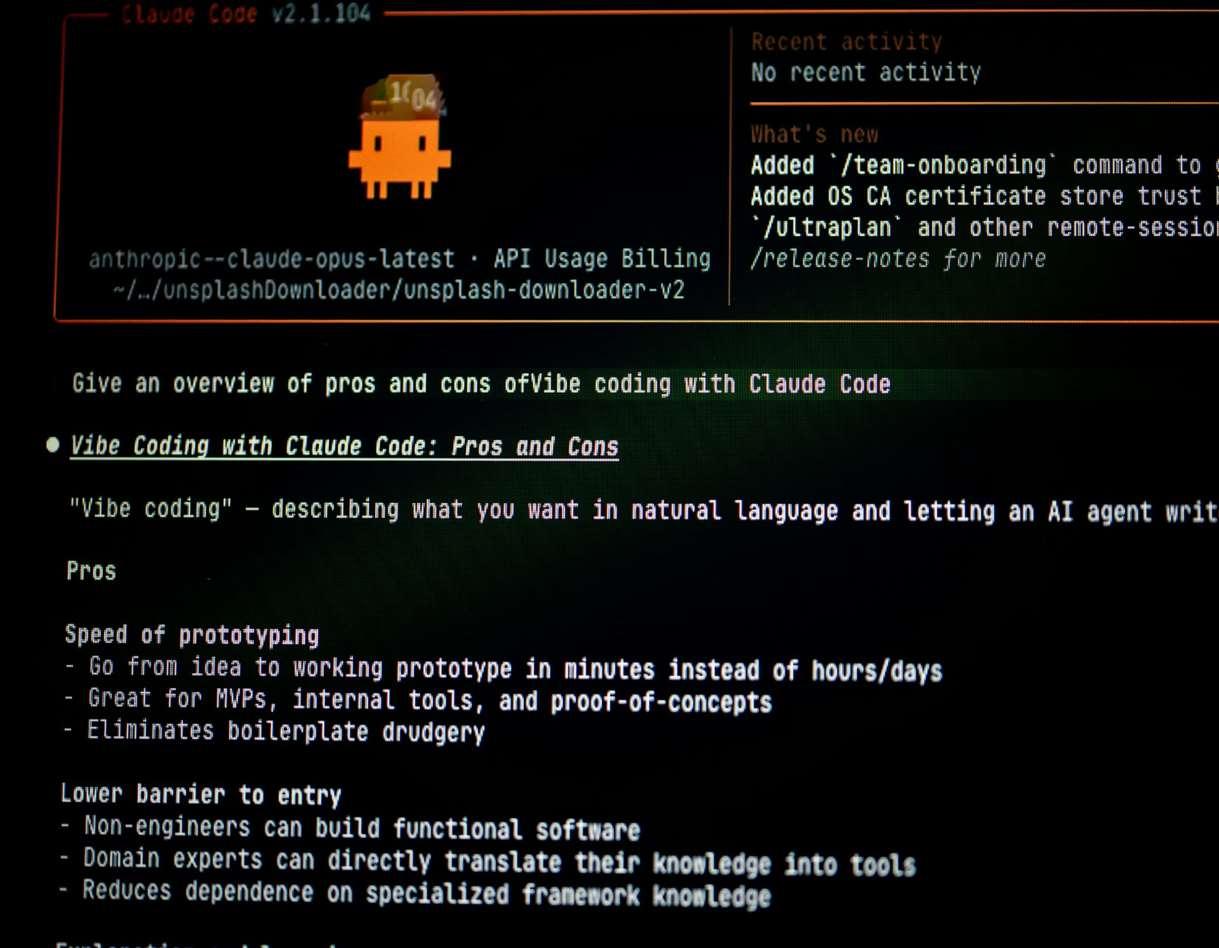
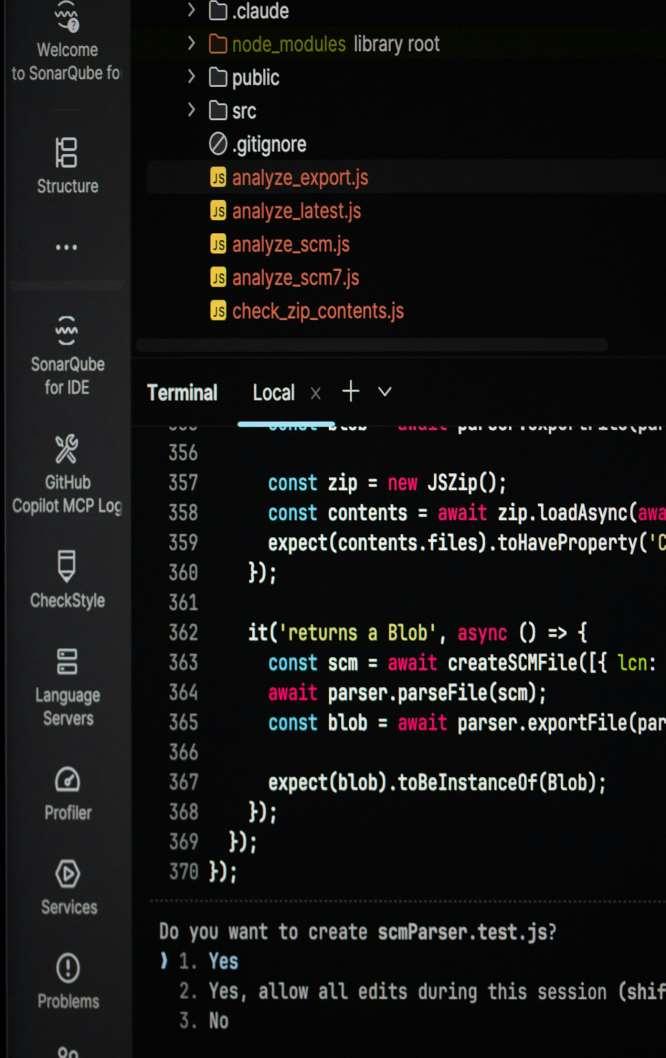
Here's the part that still feels slightly magic even after you've done it. You describe what you want in plain English to an AI coding assistantClaude, ChatGPT, or Cursor all work well for this - and it writes the code. You don't need to understand the code. You need to understand what you want it to do.
Tell AI what the extension does, what happens when someone clicks the button, what data gets saved and where, what permissions are required, and what the simplest possible version looks like. Be specific. "Make a Chrome extension that helps marketers" will get you nowhere. "Make a Chrome extension that adds a button to any article page. When clicked, it copies the article title, URL, and any highlighted text into a running list that can be exported as a text file" will get you a working prototype.
Then test it like someone who actively wants it to break. Click everything. Try weird inputs. Reload it unexpectedly. Paste error messages directly back into the AI and ask for fixes. This is not failure, this is product development in sweatpants, which is the best kind.
Add features only when they reduce friction for the user: A progress indicator, an export button, saved preferences, clearer labels, one-click copy. Do not add twelve bonus features that turn a spoon into a kitchen appliance. The spoon was fine.
The Part Most People Get Backwards
Do not spend three months building a polished version of something nobody has confirmed they want.
Build the smallest working version. Create a simple landing page - Carrd works perfectly and costs next to nothing. Record a 45-second screen recording showing what it does. Put it in front of your existing audience or a relevant community and say something like: "I built a Chrome extension that does X. Early access is $9. Here's a demo."
If people pay, you have a product. Build more.
If people don't pay, you have saved yourself months of building something the market didn't want which is not failure; it's the most valuable possible outcome of a two-week experiment.
The Chrome Web Store lets independent developers publish extensions after a one-time developer registration fee. Google's own documentation covers the process, and extensions need to comply with Chrome Web Store policies around permissions, privacy, and affiliate behavior worth reading before you build, not after.
The Two-Week Rule
Build the smallest working version in week one. Put it in front of real people in week two. If they pay, build more. If they don't, you just saved yourself three months of building something nobody wanted, and that is genuinely the best possible outcome of a two-week experiment.
Ship small. Learn fast. Build only what the market confirms it wants.
Why the Right Tool Matters More Than Another Content Play
In 2026, everyone is making more content. More posts, more newsletters, more videos, more podcasts. The content ocean is full and getting fuller. Standing out in it requires either extraordinary talent, extraordinary consistency, or extraordinary luck, and usually some combination of all three.
The Missing KitKat Mystery Revealed a Marketing Trick
Almost Nobody Talks About
The internet didn’t go crazy because of hijacked chocolate. It went crazy because everyone got cast in the story.
This spring, a truck carrying roughly twelve tons of KitKat bars disappeared somewhere between Italy and Poland. An absolutely unreasonable amount of chocolate simply vanished into thin air.
Naturally, the internet responded exactly the way mature adults always do: By launching a full-scale social media investigation.
KitKat released an “Official Statement” confirming the theft. And then something strange happened. Within days, brands everywhere started issuing their own suspiciously specific “Official Statements.”
Domino’s expressed condolences while casually introducing a KitKat pizza. Dr. Squatch clarified they absolutely were not using twelve tons of stolen chocolate as soap ingredients. Picsart solemnly assured everyone that its app had never hijacked a truck. Suddenly every brand seemed weirdly eager to either cast themselves as a suspect or establish an alibi.
And the internet loved it.
Marketers immediately started explaining the success with the usual recycled advice such as “Be authentic,” “Join the conversation,” and “Show vulnerability.”
But that’s not why this exploded.
The real lesson is KitKat accidentally turned marketing into a multiplayer game.
Think about the roles:
KitKat became the victim…
Other brands became suspects…
The audience became detectives…
And everyone suddenly had a job.
That’s the hidden ingredient most campaigns miss.
Most marketing asks people to do very little: Read this, Watch this, Buy this.
This campaign invited people to participate.
People started tagging brands, sharing theories, joking about suspects, and following along like the internet had suddenly become a chocolate-themed crime drama.
Participation scales far differently than attention.
So, here’s the better question for online marketers: Instead of asking: "What content should I post?"
Ask: "What role can I give people?"
Because the internet increasingly rewards content people can play with—not just consume.
And apparently... twelve missing tons of KitKats taught that lesson better than most marketing conferences ever could.
Is Google Quietly Replacing the Internet with Reddit Comments?
The future of SEO may belong less to polished blogs and more to real humans arguing on forums at 1:12 a.m.
Something weird is happening to Google search results lately. More and more often, you search for advice and end up staring at Reddit comments, forum discussions, and random people passionately debating air fryers, protein powder, or whether a standing desk ruined their marriage.
And now Google is leaning into it hard.
Its newer AI-powered search features increasingly pull “community experiences” directly into search summaries. Google’s “Expert Advice” feature highlights social discussions and user opinions right inside AI answers, meaning the internet’s future may look less like polished SEO blogs and more like organized chaos with avatars and questionable usernames.
Honestly? This makes perfect sense.
For years, the web got flooded with ultra-optimized content designed primarily to rank rather than help. You know the type:
• “10 Revolutionary Tips to Maximize Synergistic Productivity”
• 4,000 words long
• somehow says nothing
• clearly written by someone who has never experienced human emotion
Meanwhile, people quietly started adding “Reddit” to the end of every Google search because they wanted something simpler: actual opinions from actual humans.
That shift matters enormously for marketers.
The future of SEO increasingly favors:
• firsthand experience
• niche expertise
• personality
• discussion
• communities
• real examples
Not just polished keyword targeting.
AI summaries are very good at compressing generic information. They’re much worse at replacing lived experience, strong opinions, humor, case studies, or community trust. That’s why forums, creators, and discussion-driven platforms are becoming more valuable in search.
In other words, Google may be quietly telling marketers something uncomfortable:
The era of writing content for algorithms is fading.
Why People Resist Your Offer (Even
When They Need It)
Most sales problems come down to three hidden reactions and all of them can be fixed.
A lot of marketers think resistance means “bad leads,” and sometimes it does. But more often, people resist offers for three very specific reasonsand understanding them changes everything.
The first is: “I don’t get it.”
This is the clarity problem. Your offer sounds confusing, overly complicated, too vague, or weirdly overhyped. The reader can’t quickly understand what you do, who it’s for, or why it matters to them specifically.
When people feel confused, they don’t ask for clarification - they leave.
The fix is simple but painful: Simplify. Use plain language. Be concrete. Replace “revolutionary growth ecosystem” with “a weekly email that helps freelancers get more clients.” Clarity converts better than cleverness almost every time.
The second is: “I don’t like it.”
This one is emotional. Sometimes your audience understands the offer perfectly… and still resists because it triggers fear, skepticism, or exhaustion. Maybe it sounds like too much work. Maybe it reminds them of a scammy course they bought three years ago at 2 a.m. after watching a guy pose next to a rented Lamborghini.
The solution here isn’t more hype, it’s reducing emotional friction. Acknowledge objections openly. Lower pressure. Show realistic outcomes instead of fantasy ones. People trust calm confidence far more than desperation disguised as enthusiasm.
The third is: “I don’t like you.”
Harsh? A little. Real? Absolutely. If there’s a trust gap, people hesitate.
Maybe your messaging feels too polished, too aggressive, or too generic. Trust grows when you sound human. Share specifics. Admit imperfections. Use real stories, real examples, and real language. Most buying resistance isn’t random. People are usually telling you exactly what’s wrong just silently. Your job is to listen before they leave.
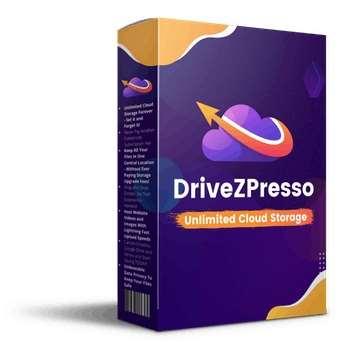
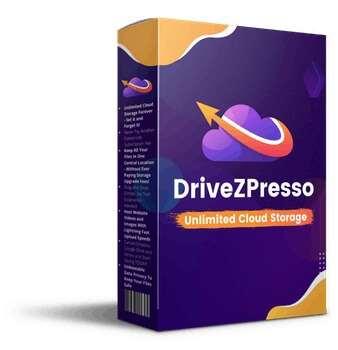
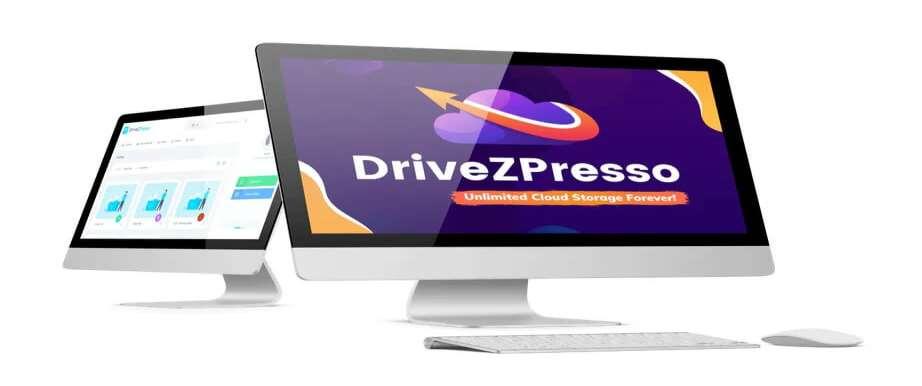
NEW PRODUCT DriveZPresso
Nowyou can haveUnlimited CloudStorageForLife (GoodbyeDropbox!)Saygoodbyeto overpriced Dropbox subscriptions and time-wasting tech headaches… Because there’s a brand new Cloud Storage Solution that lets youhost, share, andback-upALLyourfiles… With Unlimited Storage For Lifeat anunbeatable ONE-TIME price. Get the details here (limited availability).
Imagine… All your files stored in one central location so you can find whatever you need in seconds Never paying another overpriced subscription fee to Dropbox or Google Drive Freeing yourself from storage limits and tech hassles once and for all Big Tech has been sticking it to the little guy for far too long…
With ridiculously high monthly fees and huge mark-ups that line the pockets of Silicon Valley billionaires DriveZPresso lets you take back control of your data and your business future…
With all the capabilities of Dropbox and Google Drive and NONE of the overpriced subscription fees…
Go here now DriveZPresso UNLIMITED file storage for an ultra-low one-time fee Host website images and videos with lighting fast upload speeds on your website.
Find any filein seconds with theadvancedsearch technology Sharelinks to anyfile –just likeDropbox orGoogle Drive Collaborate with team members to edit documents in real-time Keep your files safe from hard drive crashes, hackers and malware It’s time to say NO to the “Big Tech Tax” and join the future of cloud storage…
Grab your DriveZPresso license click here.
JVZooHost is dedicated to providing safe, fast, and affordable web hosting with superior support. You can concentrate on running your business and rest assured your website will be up and running. Get your site noticed on the web today with JVZooHost!
MWM wants You to Know
Your Product Isn't Failing Because It's Bad. It's Failing Because Not Enough People Have Experienced It Yet.
Darnell owned a small hot sauce company in Austin, Texas. The sauce was incredible. Friends loved it. Family couldn't stop talking about it. But the shelves of every major grocery store in the city had never heard of Darnell. They had never tasted a single drop.
One afternoon, Darnell walked into the office of the largest food distributor in the region. He waited forty-five minutes in the lobby. Finally, the head buyer - a man named Frank - called him in. Frank leaned back, folded his arms, and said, "We already carry fourteen hot sauce brands. What makes yours different?"
Darnell placed a bottle on the table and said, "I'm not here to sell you anything." Frank raised an eyebrow. "Then why are you here?"
"I want you to give it away. For every partner restaurant you supply, put one bottle on every table. Free of charge. No invoice. No contract. I'll cover every single unit personally." Frank stared at him. Then he laughed. "You're going to go broke, son."
Darnell smiled. "Maybe. But let's find out."
Week one, Darnell shipped hundreds of bottles to forty restaurants. He paid out of his own savings. Week two, another shipment. More money out of his pocket. By the end of month one, he had distributed thousands of bottles and spent nine thousand dollars of his own money. His bank account was hurting. His wife was worried. His friends thought he'd lost his mind.
But something was happening inside those restaurants.
Customers were picking up the bottle, trying it on their wings, their tacos and their eggs, and then calling the waiter over and asking, "Hey, where can I buy this?" Staff members were hiding bottles under the counter to take home. A food blogger posted about it. Then another.
Then a local news segment ran a story titled The Mystery Hot Sauce Taking Over Austin Restaurants.
Month two, Frank called Darnell. Not to check in. To place a paid order.
Month three, the same man who had laughed at him called again, voice quieter, more serious. "We want an exclusive distribution deal citywide. How fast can you scale?"
Darnell walked out with a contract worth four million dollars.
Here's what most people never understand. Darnell didn't lose nine thousand dollars. He purchased nine thousand dollars-worth of trust. He let the product speak before the price tag did. Coca-Cola gave away free samples from horse-drawn carts in the 1800s. Costco built a billion-dollar empire on free food on weekend afternoons. Every perfume counter in every mall lets you spray before you pay.
So instead of taking responsibility for the low engagement, the marketing world being what it is declared the format dead instead of the execution.
You have a Darnell problem. Not because your product is bad, but because you're protecting it behind a price tag before anyone has had a chance to fall in love with it. You're asking strangers to trust you with their credit card before they've experienced a single thing you do. And in a marketplace saturated with people making the exact same promises you are, that's a very hard ask.
The most powerful thing you can do right now is the digital equivalent of putting a bottle on every table. Here's what that looks like across three of the highest-leverage moves available to you.
The Free Lead Magnet — Your Bottle on the Table
A well-crafted lead magnet isn't a bribe to get someone's email address. It's a product sample. It should be so genuinely useful, so immediately applicable, that the person who downloads it thinks, if this is what they give away for free, what must the paid stuff look like? That thought is worth more than any ad you'll ever run.
The mistake most marketers make is creating lead magnets that are vague, generic, and forgettable - the digital equivalent of handing someone a brochure instead of a taste. Be specific. Solve one real problem completely. Make it so good that people feel slightly guilty getting it for nothing. That's the standard.
Done right, your lead magnet does what Darnell's hot sauce did in those restaurants. It creates demand before the conversation about price has even started.
The Free Trial — Let Them Live Inside the Product
If you sell a membership, a SaaS tool, a coaching program, or any kind of recurring offer, a free trial is one of the most underused weapons in your arsenal. The psychology is identical to Darnell's play: Remove the risk entirely, get them inside the experience, and let the product make the case for itself. People who try something they love don't need to be sold. They need to be given a reason to stay.
Your job during a free trial isn't to bombard new users with upgrade pitches; it's to get them to their first meaningful win as fast as possible. One real result, experienced personally, is worth a thousand testimonials read on a sales page.
The fear that free trials attract non-buyers is real but overblown. Yes, some people will take the trial and leave. Darnell knew some people would enjoy the hot sauce and never buy a bottle. He did it anyway because the ones who fell in love more than covered the cost of the ones who didn't.
The Free Strategy Call The
For anyone selling high-ticket services, coaching, or consulting, nothing converts like a free call done well. Not a sales call dressed up as a strategy session but an actual, genuinely useful conversation where you demonstrate your thinking, ask the right questions, and give the person on the other end something valuable before money has changed hands.
When someone gets off a thirty-minute call with you thinking that was the most useful conversation I've had about my business in months, you haven't given something away. You've made a sale that hasn't been invoiced yet.
This is the move Frank made when he called Darnell back in month two. He'd seen the product in action. He'd watched what it did. The conversation about price was easy because the trust was already there.
Across all three of these the lead magnet, the free trial, the strategy call the underlying logic is identical to what Darnell understood in that distributor's office. Your product is not failing because it's bad. It's failing because not enough people have experienced it yet.
Stop protecting it and start spreading it.
Remove the risk, let them fall in love first and then name your price.
The four-million-dollar contract doesn't come from the cold pitch in the lobby. It comes from the bottles already sitting on the tables.
This Month’s Marketing CLINIC
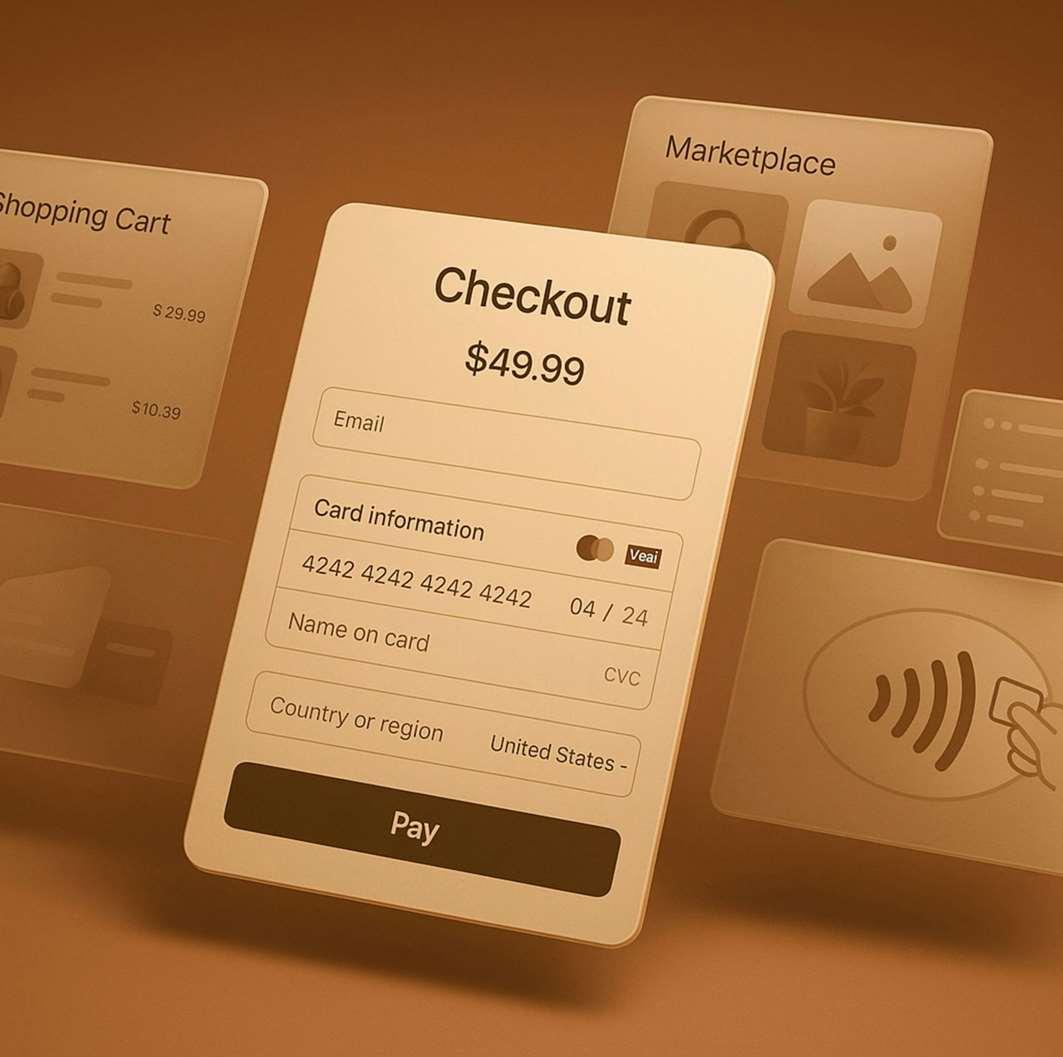
The Checkout Page Is Disappearing Right Before Your Eyes
Your audience still comes for entertainment. They just accidentally buy things along the way now. Your audience isn’t just watching videos… they’re buying inside them.
Not after. Not later. Not “link in bio.” During.
Someone is watching a creator test a kitchen gadget, demonstrate a skincare product, unbox collectibles, organize a workspace, or explain how they built a side hustle… and suddenly they’re purchasing without ever leaving the experience.
The line between entertainment and checkout pages is evaporating.
And honestly? It’s a little weird.
A few years ago, shopping online looked intentional. You searched for a thing. Compared prices. Read reviews. Opened twelve browser tabs. Entered “best standing desk” and somehow ended up reading furniture opinions from a man named Gary on page 4 of Reddit.
Today? Someone casually says, “By the way, this thing changed my life,” and thirty seconds later your credit card is reconsidering its future.
That shift matters enormously for online marketers.
The winners in this new environment aren’t interrupting content with ads. They’re embedding products naturally into stories, demonstrations, experiences, and personalities.
That means:
• show the product in action
• teach while selling
• entertain while demonstrating
• make the product part of the experience
Because people increasingly do not separate content from commerce.
And here’s the uncomfortable realization:
Many marketers still build campaigns like it’s 2018… content over here, sales page over there, checkout somewhere in the distance.
Meanwhile the new internet is quietly whispering: “What if the content is the sale?”
Think of it this way…
The content no longer leads to the sale, because the content is the sale. And that changes almost everything.
Case Study: Why 6,000 Subscribers
Beat 600,000
Here's a case study that quietly destroys every excuse you've ever made about needing a bigger list before you can make real money.
Jessy Grossman built Women in Influencer Marketing known as WIIM around a newsletter with just 6,000 subscribers. Not 60,000. Not 600,000. Six thousand. A number that most growthobsessed marketers would look at and call a hobby, not a business.
Except it is very much a business.
By charging 600 of those subscribers $500 per year for access to a premium community, Jessy built a membership program that alone accounts for 40% of her total income putting her comfortably in six-figure territory from a list that the conventional wisdom would have called too small to monetize seriously. No massive ad spend. No viral moment. No audience arbitrage. Just the right people, a genuinely valuable community, and a price point that respected what she'd built.
The lesson here isn't really about Jessy. It's about the story most marketers tell themselves that revenue is a function of reach, that more subscribers automatically means more money, that the path to a real business runs through a massive list first and monetization somewhere down the road. It doesn't. It never did.
What actually drives revenue is the intersection of the right audience and an offer that matches what they genuinely value. A community of 600 professionals who care deeply about a specific industry and are willing to invest in their growth will always outperform a bloated free list of 60,000 people who signed up for a freebie and forgot about you by Tuesday.
Six thousand subscribers. Six figures. Forty percent from one offer.
Stop chasing the number. Start serving the people you already have.
“Growing your email list? Reply LIST.”
5. The Anti-Spam Reputation Booster
Use as a once-per-month “engagement pulse” to warm your domain reputation before you send a major promo. These work even better when paired with a follow-up automation that sends the requested resource instantly eShowcase.com handles this beautifully because the keyword reply can fire off workflows automatically.
Why This Will Be Even Bigger in 2026
We’re heading toward an era where:
• AI is generating more emails than humans
• inbox algorithms are tightening
• engagement signals matter more than content volume
• and audiences crave personalization
Reply-triggered campaigns solve all of these simultaneously. They’re human…
They’re algorithm-friendly… They’re conversion-boosting… …and they create better customer relationships without creating more work.
This is the kind of tactic that looks simple on the surface but becomes a competitive moat once you use it consistently.
In fact, many marketers quietly use “reply campaigns” as their pre-launch deliverability warm-up ritual kind of like stretching before a workout, but for your domain reputation.
Expect to see much more of this trend, especially once AI platforms begin integrating two-way conversational marketing (and they will).
What You Can Do Now
Try this simple 48-hour experiment:
1. Email your list and say:
“If you want tomorrow’s resource, reply YES.”
2. Track how many people reply.
3. Watch your next broadcast land more often in the Primary inbox.
That’s it. No funnel rebuild. No new tech.
Just a reply.
And if you want the easiest way to set up reply-powered workflows, trigger automations, segment your list, and instantly deliver what people ask for…
From Boring to Brilliant: New Tool Transforms Training Videos
A new AI-powered tool called Guidde is shaking up workplace training by turning dense, static documentation into fast, engaging how-to videos. With its simple browser extension, teams can create step-by-step guides in minutes, revise them instantly, and share them in any language making training clearer, faster, and far more accessible.
Early adopters say the platform is helping them replace long manuals with dynamic walkthroughs that anyone can follow. And with the extension offered completely free, Guidde is positioning itself as one of the easiest ways for organizations to modernize their internal training without adding extra cost or complexity.
https://www.guidde.com/
A new study shows that fewer than half of listeners can tell the difference between AI-generated voices and real human speakers a turning point that’s quietly reshaping the audio landscape. Podcasts, ads, training content, TikTok narration, and even radio spots are increasingly using synthetic voices without triggering listener suspicion. The lines between human and machine are blurring faster than consumers realize.
For online marketers, this isn’t just interesting it’s a green light and a caution sign rolled into one. The opportunity is enormous: you can scale audio content, translate and localize scripts instantly, and produce professional voice-overs without hiring talent or booking studio time. But there’s a flip side: once audiences discover AI is speaking to them, transparency and trust become strategic decisions, not afterthoughts. The brands that win will be the ones who use AI voices to enhance efficiency without undermining authenticity and who stay ahead of the curve as consumer perception continues to shift.