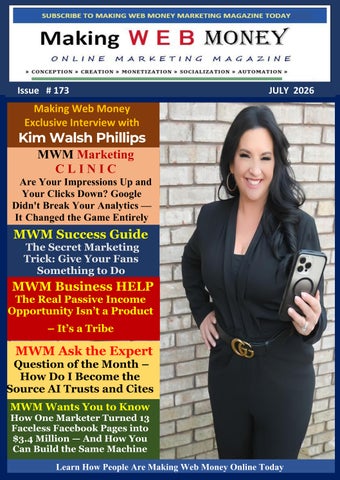
MWM Success Guide The Secret Marketing Trick: Give Your Fans Something to Do
MWM Business HELP The Real Passive Income Opportunity Isn’t a Product – It’s a Tribe
MWM Ask the Expert Question of the Month –How Do I Become the Source AI Trusts and Cites
MWM Wants You to Know How One Marketer Turned 13 Faceless Facebook Pages into $3.4 Million — And How You Can Build the Same Machine
MWM Marketing C L I N I C Are Your Impressions Up and Your Clicks Down? Google Didn't Break Your Analytics It Changed the Game Entirely Learn How People Are
Now You Too Can Explode Your Business Income With Monthly Internet Marketing Training and Coaching!
If You Are Serious About Changing From A Failing Online Business To An Uber Profitable Online Business I Can Help You!
Listen, I know what it's like to have a strong desire to have a successful online business but have no real idea of HOW to market it...
I'm not making empty promises. One thing you will not find on this site is a promise of "easy riches". I make no claims of how much you can make. I make no claims that you'll make any money at all. I don't know you. I don't know if you're a thinker or a doer. How can I promise you'll make X dollars? I can't. And I don't. That SHOULD be a sign of trust to you.
There are many others out there making crazy income claims. I won't promise riches. I won't promise any results. I'll simply tell you that I will show you things you can do to get your online business rocking and rolling!
There is absolutely no risk. I'm even going to take away ALL RISK for you. It's pretty simple: if you don't like the Training, you don't pay. Period. You have nothing to risk and everything to gain.
Let me say it a different way...
You Don't Even Have To Say "Yes" To Get Started Right Away, Just Say "Maybe" And I'll Send Your First Lesson Instantly!
MWM editors letter
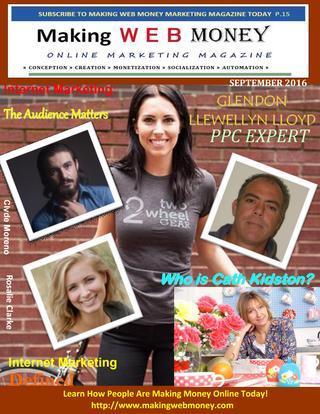
Welcome to the JULY 2026 Issue of our monthly “Making Web Money” Online Digital Marketing magazine - where every month we show you how real people, just like you, are making web money – online. This month we have MORE great articles and personal success insights, interviews, plus some ONLINE opportunities for you.
- MWM Series on Business Help - The Fastest Way to Create a Successful? Don’t Invent One
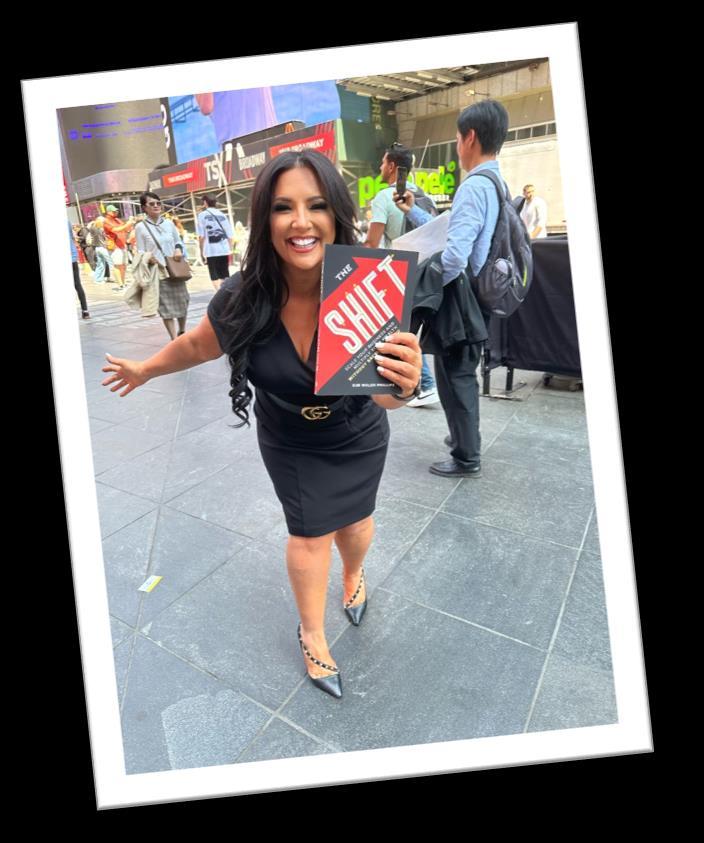
- MWM Interview – KIM WALSH PHILLIPS
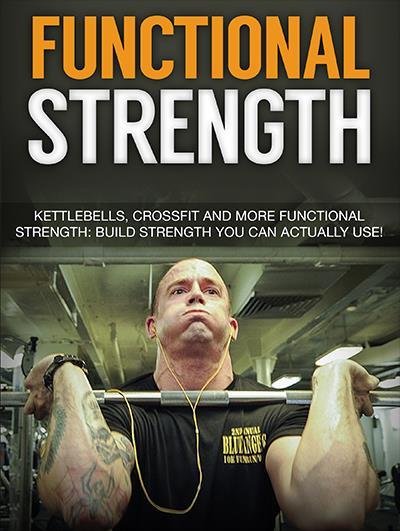
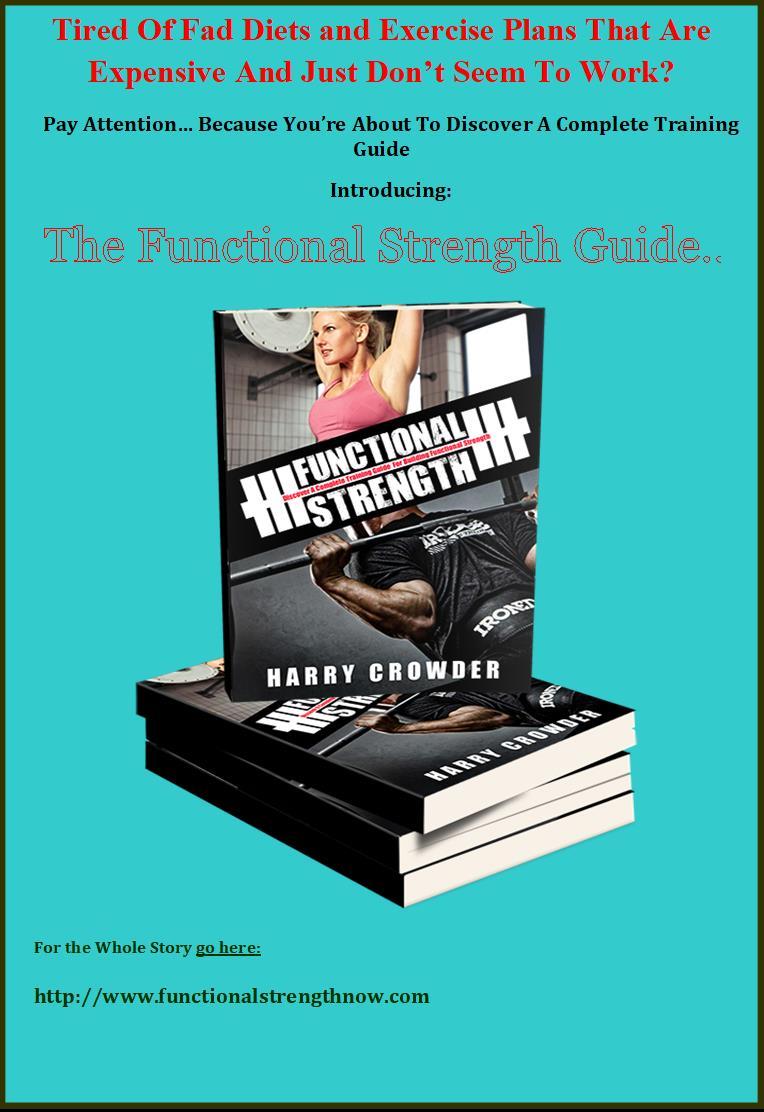
- The Functional Strength Guide
- The Marketing Mistake that Makes Great Products Feel Invisible
- The Brutal Truth About Why You Still Haven’t Built Your Online Business
- I Stared at a Blank Page Today Like It Owed Me Money
- Case study — He Built a $103K Business for $19. Here's Exactly How He Did It.
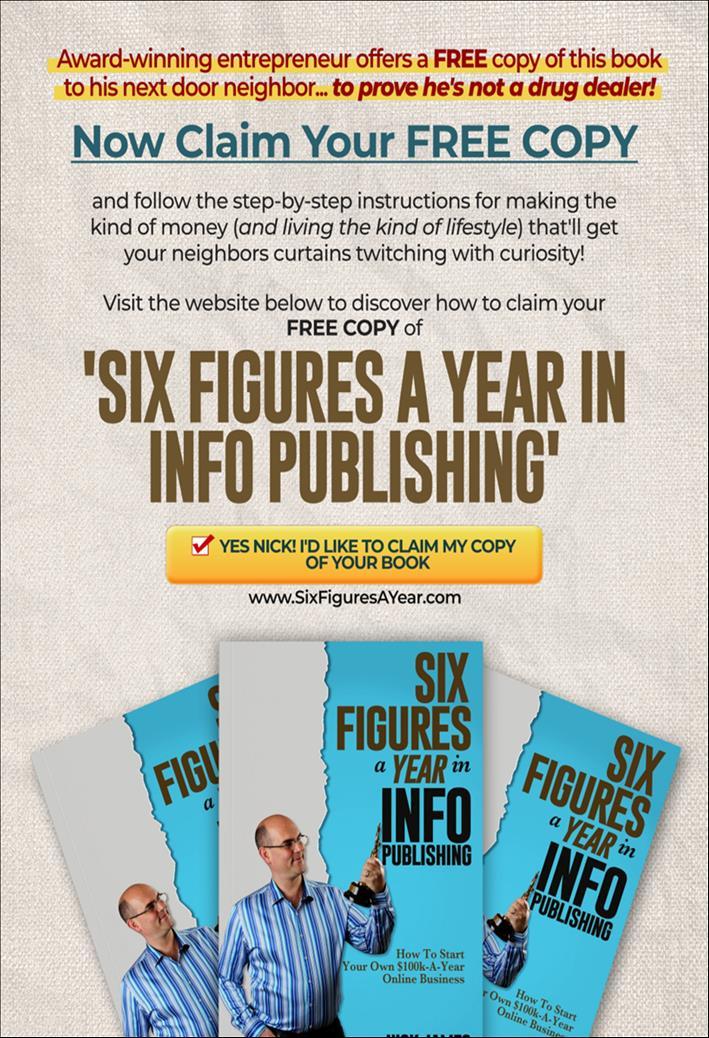
- FREE eBook - Six Figures A Year in Info Publishing
- MWM Wants You to Know - How One Marketer Turned 13 Faceless Facebook Pages into $3.4 Million And How You Can Build the Same Machine
- MWM Q & A - Why Smart Marketers are Falling in Love with Substack
- MWM Marketing CLINIC - Are Your Impressions Up and Your Clicks Down? Google Didn't Break Your Analytics — It Changed the Game Entirely
- MWM Success Guide -The Secret Marketing Trick: Give Your Fans Something To Do
- MWM Ask the Expert - Question of the Month – How Do I Become the Source AI Trusts and Cites
I hope you enjoy this month's magazine. Thanks for reading.
– Check out our 172 Great Back Issues of Making Web Money!
MakingWebMoney.com
Subscription enquires: www.MakingWebMoney.com
Order the printed edition: www.issuu.com
Advertising enquires: www.MakingWebMoney.com
Making Web Money Magazine
Published 12 times per year. Copyright All rights reserved.
Reprinted with permission. No part of this publication may be reproduced, translated or converted into machine-readable form or language without the written consent of the publisher.
Articles express the opinions of the authors and are not necessarily those of the publisher
The creators, producers, contributors and distributors or Making Web Money Marketing Magazine disclaim any liability for loss or lack of results from following the advice expressed herein.
possible. Emailmeat:
Tell us what you like and don’t like about Making Web Money Digital Marketing magazine. What worked for you or what you think sucks, then we can make Making Web Money an even better online magazine.
So, send me an email with your feedback and let me know.
crowderharry598@gmail.com
Meta Is About to Steal Google's Lunch Money
For most of the internet era, digital advertising had a king: Google. Need traffic? Google. Need customers? Google. Need to explain to your spouse why you spent $4,000 on keywords? Also Google. But for the first time ever, Meta is projected to surpass Google in global advertising revenue, reaching an estimated $243.46 billion compared to Google's $239.54 billion in 2026. The shift is being driven by explosive growth in Reels, increasingly effective Advantage+ AI automation, and Meta's growing ecosystem across Facebook, Instagram, Threads, and WhatsApp.
The lesson isn't "abandon Google." The lesson is that social media is no longer the side dish. Search results are getting crowded with AI Overviews and ads, while Meta's systems are getting frighteningly good at finding buyers. If your paid traffic strategy still revolves around search-first and social-second, now is a good time to experiment. The marketers who win this next phase won't necessarily be the best media buyers. They'll be the ones creating videos and ads that Meta's algorithms can't wait to show people.
Is Google Finally Trying to Make Peace With Publishers? It Exists
For the past two years, Google's AI search features have frustrated publishers by answering questions without sending visitors to the sites that created the information. Now Google appears to be extending an olive branch. New AI Overview and AI Mode updates include more links, source previews, community perspectives, and a new "Subscribed" label that highlights publications users already pay for. In short, Google is trying to reassure publishers that AI search and website traffic can still coexist.
For marketers, this offers a glimpse into the future of search. The new "Subscribed" label suggests that trust and credibility are becoming increasingly important inside AI-generated results. Being the most trusted source may soon matter as much as being the highest-ranked source. The marketers who win won't just optimize for keywords - they'll build authority, expertise, and content that AI systems consider worth citing. The question is no longer just, "How do I rank?" It's "Will the AI mention me?"
https://seafoammedia.com/june-2026-marketing-news-trends-insights/, have caused backlash from both users and employees. This led to a surge in
Google's Latest Core Update Just Shook the Internet
If your rankings have been bouncing around lately, you weren't alone. Google's May 2026 Core Update officially wrapped up on June 2 after nearly two weeks of volatility, and many SEO professionals are calling it one of the most disruptive updates in years.
Some studies found that nearly 90% of Top 10 rankings shifted during the rollout, continuing Google's push toward rewarding authoritative, trustworthy, and genuinely useful content over formulaic SEO tactics.
SEO and AI SEO Just Updated Their Relationship Status to "It's Complicated"
For years, SEO and AI visibility were the internet's power couple. Rank high in Google and you were practically guaranteed attention everywhere else. Then came Google's May 2026 Core Update, and suddenly things got messy. New data suggests traditional search rankings and AI citations are drifting apart faster than a celebrity breakup. Last year, the pages sitting at the top of Google were also getting most of the AI mentions. Today, AI systems are increasingly picking their own favorite sources, regardless of who ranks #1. In other words, your website might be crushing it in search while AI quietly ignores it at the party.
For marketers, this changes the game. Ranking well is still valuable, but it's no longer the whole story. AI doesn't seem nearly as impressed by keyword optimization as old-school search engines were. Instead, it appears to favor depth, expertise, authority, structured information, and genuinely useful answers. The old SEO goal was simple: get the click. The new goal is trickier: become the source AI trusts enough to quote. Think of it this way: traditional SEO is trying to get invited to the concert. AI SEO is trying to get invited backstage.
https://www.youtube.com/watch?v=eD6sNhLHM0I
The Secret Marketing Trick: Give Your Fans
Something to Do
Most marketing is built around a simple idea: Get attention, deliver a message, ask for a sale.
Unfortunately, customers have become remarkably good at ignoring that process.
That's why one of the smartest campaigns of 2026 didn't focus on selling more Chicken McNuggets. Instead, McDonald's focused on giving fans something fun to participate in.
The campaign began when the company noticed an unusual trend on social media. Influencers and foodies were pairing Chicken McNuggets with caviar and posting videos about the surprisingly upscale combination. Rather than dismissing the trend as internet nonsense (which, admittedly, it sounds like), McDonald's embraced it. The company partnered with a caviar brand, created a limited-edition McNuggets and Caviar kit, and released just 750 sets.
The internet promptly lost its mind.
The kits sold out, the website experienced overwhelming demand, influencers created content, news outlets covered the story, and social media exploded with conversations about the bizarre pairing.
Here's the important part:
McDonald's wasn't really selling nuggets.
They were selling participation.
That's a lesson every online marketer should steal immediately.
Most businesses spend their time asking, "How do we get people to buy?" A far better question is often, "How do we get people involved?" People love challenges, quizzes, contests, rankings, predictions, user-generated content, collectibles, and experiences they can share with friends. They love being part of something.
Think about some of the most successful online marketing campaigns you've seen recently. Chances are they weren't just advertisements. They were activities.
A personality quiz. A challenge. A contest. A trend. A debate.
A before-and-after transformation.
Something people could actually do.
The beauty of this approach is that your audience starts creating content for you. Every share, comment, photo, vote, and reaction becomes part of the marketing engine.
In a world overflowing with advertisements, participation is often more powerful than persuasion.
So the next time you're planning a campaign, don't just ask what message you want to send.
Ask what you want your fans to do.
The answer may be worth more than your next ad budget.
Starting today you can enroll in my new monthly coaching program where I will teach you how to turn PLR content into spendable cash using several underground methods.
Each and every month you'll get a new lesson showing you a different way to profit with the PLR products you already have. Each month will be a different lesson (sometimes delivered as a stepby-step PDF and sometimes delivered as video tutorial lessons, and even sometimes a mixture of both) that you can download, view, and then implement to start making money with PLR content.
This 12 month coaching program can help you feel good about every PLR purchase you've made (even those "junky" ones because I will show you how to polish them 'til they shine!). The PLR Profits Coaching Club can justify every penny you've spent. It can make those purchases worth something to you because you can put that content to work making money for you.
Click Here to Start
Meta Is About to Steal Google's Lunch Mon Meta Is About to Steal Google's Lunch Money
For most of the internet era, digital advertising had a king: Google. Need traffic? Google. Need customers? Google. Need to explain to your spouse why you spent $4,000 on keywords? Also Google. But for the first time ever, Meta is projected to surpass Google in global advertising revenue, reaching an estimated $243.46 billion compared to Google's $239.54 billion in 2026. The shift is being driven by explosive growth in Reels, increasingly effective Advantage+ AI automation, and Meta's growing ecosystem across Facebook, Instagram, Threads, and WhatsApp.
The lesson isn't "abandon Google." The lesson is that social media is no longer the side dish. Search results are getting crowded with AI Overviews and ads, while Meta's systems are getting frighteningly good at finding buyers. If your paid traffic strategy still revolves around search-first and social-second, now is a good time to experiment. The marketers who win this next phase won't necessarily be the best media buyers. They'll be the ones creating videos and ads that Meta's algorithms can't wait to show people.
Is Google Finally Trying to Make Peace With Publishers?
For the past two years, Google's AI search features have frustrated publishers by answering questions without sending visitors to the sites that created the information. Now Google appears to be extending an olive branch. New AI Overview and AI Mode updates include more links, source previews, community perspectives, and a new "Subscribed" label that highlights publications users already pay for. In short, Google is trying to reassure publishers that AI search and website traffic can still coexist.
For marketers, this offers a glimpse into the future of search. The new "Subscribed" label suggests that trust and credibility are becoming increasingly important inside AI-generated results. Being the most trusted source may soon matter as much as being the highest-ranked source. The marketers who win won't just optimize for keywords - they'll build authority, expertise, and content that AI systems consider worth citing. The question is no longer just, "How do I rank?" It's "Will the AI mention me?"
For years, online marketers obsessed over a single question: "How do I rank higher in Google?"
Today, a new question is emerging:
"How do I become the source AI trusts and cites?"
It's a subtle shift, but it changes everything.
When someone asks an AI tool a question, the AI isn't looking for the flashiest website or the most aggressive marketer. It's looking for sources that appear trustworthy, accurate, and authoritative. In other words, the future may belong less to content factories and more to genuine experts.
So how do you become one of those trusted sources?
First, create original content. AI can summarize information that already exists, but it struggles to generate truly original experiences, case studies, experiments, and insights. If you've tested a marketing strategy, built a business, run a campaign, or learned a lesson the hard way, document it. Firsthand knowledge is becoming increasingly valuable.
Second, pick a niche and go deep. Generalists are easier to replace. Specialists are harder. A website about "marketing" competes with millions of others. A website focused on helping quilt shop owners market online, or helping Etsy sellers increase conversions, occupies a much smaller and more defensible space.
Third, build your reputation beyond your website. AI systems often encounter brands through articles, interviews, podcasts, social media discussions, videos, reviews, and mentions across the web. The more places your expertise appears, the stronger your authority signal becomes.
Finally, focus on helping people rather than gaming algorithms. AI systems are increasingly designed to surface useful information. The websites that consistently answer real questions, solve real problems, and provide real value stand the best chance of being referenced.
The old internet rewarded ranking.
The emerging internet rewards credibility.
The marketers who thrive in the next decade may not be the ones producing the most content. They may be the ones producing the most trustworthy content.
The Great Trust Recession: A Once-in-a-Generation Opportunity for Creators
Here's a strange twist nobody saw coming.
At the exact moment when information is more abundant than ever, trust is becoming increasingly scarce.
People are questioning everything. Media outlets. Large corporations. Government agencies. Influencers. Experts. Even online reviews. Years of clickbait, scandals, fake followers, AI-generated content, and broken promises have left many consumers skeptical of almost everything they see online.
And that creates an enormous opportunity.
Not for giant brands.
For individual creators.
Think about it. When was the last time you said, "I trust corporations"? Probably never. But you may trust a YouTuber you've followed for five years. You may trust the author of a newsletter that consistently delivers useful insights. You may trust a small business owner who openly shares both successes and failures.
In an era of declining institutional trust, people are increasingly placing their confidence in individuals.
That's a major shift.
For years, marketers focused on building bigger audiences. Today, the smarter strategy may be building deeper relationships. A creator with 2,000 loyal followers who genuinely trust them can often outperform a creator with 200,000 disengaged followers who barely know them.
The winners in this new environment won't necessarily have the best graphics, the fanciest funnels, or the largest advertising budgets. They'll be the people willing to be transparent. The people who share real experiences instead of recycled talking points. The people who admit mistakes, reveal lessons learned, and show what actually happens behind the scenes.
Trust is becoming the internet's most valuable currency. And unlike traffic, trust compounds.
Every honest email, useful article, helpful video, and authentic interaction adds a little more to the account.
We're entering a world where attention is easy to buy but trust is incredibly difficult to earn.
That's bad news for institutions.
But it may be the biggest opportunity independent creators have seen in decades.
The Fastest Way to Create a Successful Product?
Don't Invent One.
One of the biggest myths in online business is that successful entrepreneurs sit around dreaming up brilliant product ideas.
In reality, many of the best businesses start with something much less glamorous: Eavesdropping.
Before creating a course, ebook, membership, software tool, or coaching program, smart marketers spend time looking for existing demand. They don't ask, "What should I sell?" They ask, "What are people already struggling with?"
The internet is basically one giant focus group if you know where to look.
Reddit is one of the best places to start. Every day, people openly discuss their frustrations, failed attempts, expensive mistakes, and unanswered questions. Browse niche communities and look for the same questions appearing over and over. Pay special attention when someone says things like, "Why doesn't this exist?" or "I'd pay good money for a solution." Those aren't casual comments. They're clues.
X can be even more revealing because people tend to post in the heat of the moment. Search phrases like "so frustrated," "any recommendations," "looking for a tool," or "there has to be a better way." You'll quickly discover problems people are actively trying to solve right now. Better still, you'll learn the exact words they use to describe those problems, which often become your future marketing copy.
This approach dramatically reduces risk.
Instead of creating a product and hoping someone wants it, you're identifying demand first and building around it. Think of yourself less as an inventor and more as a detective. Your job is to collect clues, spot patterns, and identify complaints that appear again and again.
The best opportunities are rarely hidden.
They're usually sitting in plain sight, buried inside comment threads, forum posts, and social media conversations.
Most entrepreneurs spend months brainstorming product ideas.
The smarter ones spend that time listening. And very often, the market tells them exactly what to build.
The Marketing Mistake That Makes Great Products Feel Invisible
The college student scrolling his phone in the corner. The exhausted parent calculating how many hours until bedtime. The millionaire CEO checking her watch. The retired grandmother knitting quietly. The struggling entrepreneur rehearsing his pitch. The successful business owner wondering why she even came.
Now imagine being genuinely surprised when almost nobody responds.
That's not a hypothetical. That's the marketing strategy of most businesses - one message, one tone, one pitch, blasted at everyone and hoping something sticks. Then they wonder why sales feel harder than they should, why conversion rates are disappointing, why the product they know is excellent keeps failing to find the audience it deserves.
Here's the truth that changes everything: People don't buy products. They buy what those products mean to them. And what a product means varies so wildly from person to person that the same offer, described two different ways, can feel irresistible to one person and completely irrelevant to another.
If You're Selling to Students, Sell Them Their Dream Students are rarely buying information. They're buying possibility - a vision of who they might become, where they might work, how much they might earn, and what kind of life they could create for themselves if they make the right moves now.
A marketing course isn't a marketing course to a twenty-yearold. It's the possibility of landing a better job than their parents had. A coding bootcamp isn't lessons - it's a future salary and a life they've been imagining. Students buy dreams because they're still building them, and the product that helps them see that future most clearly is the one that wins.
If You're Selling to Men, Sell Them What Success Looks Like
Men tend to buy outcomes they can picture themselves inthe version of themselves that has solved the problem, achieved the result, earned the respect. Marketing to men works best when it's visual, concrete, and tied to a recognizable endpoint. Not "improve your communication skills" but "command any room you walk into." Not "build better habits" but "become the person others ask for advice." The aspiration is the product. The product is just the vehicle.
If You're Selling to Women, Sell Them What Success Feels Like Where men often respond to the picture of success, women more frequently respond to the feeling of it -
- the emotional experience of having arrived, the sense of confidence, ease, connection, or freedom that comes with the result. Marketing to women works best when it's emotionally resonant, honest about the journey, and specific about how life actually changes. Not just what the product does, but what it feels like to have the problem handled.
If You're Selling to Parents, Sell Them Five Minutes of Peace
Parents love their children unconditionally and completely. They also occasionally fantasize about a locked door, a hot cup of coffee, and approximately seven minutes of total silence.
The most effective products and marketing aimed at parents don't lead with features. They lead with relief. Convenience. Simplicity. The promise of one less thing to think about and one more moment to breathe. Whatever you're selling, if it saves a parent time, reduces decision fatigue, or makes the chaos fractionally more manageablethat's the headline. The product is secondary to the feeling of a small, merciful break.
And if you're selling to kids? Sell their parents. The kid wants the thing. The parent needs to feel good about buying it.
If You're Selling to People Watching Every Dollar, Sell Them Certainty
Buyers with tighter budgets are making careful decisions, and their internal question is almost always some version of: Am I getting a good deal? They want to know exactly what's included, that they're not being taken advantage of, and that the risk of getting it wrong is minimal.
This is why bundle offers, payment plans, volume discounts, extra bonuses, strong guarantees, and clear social proof are so persuasive in this market. Every one of those elements answers the same underlying anxiety: Is this worth it? Give them features, give them upgrades, give them a clear breakdown of everything they're getting, let them start for free or at a low entry price, and back it all up with security. Make the decision feel safe, and you've done most of the selling already.
If
You're Selling to the Wealthy, Sell Them Time and Everything Time Buys
Here's the fascinating inversion: As income rises, the question shifts entirely. Wealthy buyers aren't asking "am I getting a good deal?" They're asking "how quickly can I stop thinking about this problem?"
The Real Passive Income Opportunity Isn't a Product
It's a Tribe
The real opportunity emerging today isn't creating a single product. It's creating a system.
For years, aspiring entrepreneurs were told to create an ebook, launch a course, build a membership site, or sell a digital download. The assumption was that one great product could become a passive-income machine. Sometimes it worked spectacularly. But more often, people spent months creating something only to discover that building the product was the easy part. Finding customers was much harder.
AI is changing the equation.
Not because it magically creates wealth, but because it dramatically reduces the effort required to build digital assets. Articles, newsletters, lead magnets, reports, calculators, templates, videos, podcasts, and social media content can now be produced faster than ever before. What once required a team can often be accomplished by a single entrepreneur armed with the right AI tools.
The mistake many people still make is focusing on building a product instead of building a tribe.
Imagine creating a website around a niche topic you genuinely understand and enjoy. Every week, AI helps you publish useful content. That content attracts visitors from Google, YouTube, Pinterest, Reddit, X, and increasingly from AI-powered search engines. Some visitors subscribe to your email list. Some follow you on social media. Some join your community. Some buy your products. Some become customers years later.
You're not building a business around a single offer.
You're building a gathering place for people who share a common interest. Over time, every asset strengthens every other asset. An article becomes a newsletter. The newsletter becomes a video. The video becomes social content. The social content attracts subscribers. The subscribers become community members. The community creates trust. And trust creates sales. Now you're no longer dependent on one product launch, one platform, or one source of traffic.
You're building an ecosystem.
That's the real passive-income machine.
The entrepreneurs who thrive in the AI era won't necessarily have the best products. They'll have the strongest collections of assets and the most engaged tribes. They'll consistently create content, grow their audiences, expand their email lists, and develop multiple ways to monetize the same attention.
Think less like a product creator and more like a media company. AI can help create the assets. But the most valuable job still belongs to you: Choosing the market, understanding the people you serve, and earning their trust.
Because products come and go.
Algorithms come and go.
A loyal tribe is an asset that can last for decades.
Why Smart Marketers are Falling in Love with Substack
For years, marketers treated email lists like vegetables. Everybody knew they were good for them, but they weren't nearly as exciting as chasing social media algorithms. Then something funny happened: The algorithms got crowded, reach became unpredictable, and creators started looking for ways to own their audiences again. Enter Substack.
At first glance, Substack looks like a simple newsletter platform. In reality, it's part email marketing tool, part blogging platform, part social network, and part community builder. More importantly, it gives marketers direct access to their audience without having to beg an algorithm for visibility.
The biggest mistake businesses make on Substack is treating it like another email service provider.
That's boring.
The real power comes from engagement.
Successful Substack creators don't simply publish articles. They create conversations. They ask questions, run polls, invite comments, share behind-the-scenes stories, and involve readers in the journey. The platform rewards interaction, and engaged readers are far more likely to become customers.
One effective strategy is the "teach, tell, sell" approach. Most posts should educate or entertain. Occasionally tell a personal story that builds trust and connection. Then, when the time is right, introduce an offer that naturally fits the topic. If you've spent weeks helping readers solve problems, selling feels less like pitching and more like helping.
Substack's recommendation engine creates another opportunity. When readers subscribe, they often see recommendations for similar publications. That makes partnerships and cross-promotions incredibly powerful. A single mention from the right creator can send hundreds or even thousands of highly targeted subscribers your way.
The smartest marketers also use Substack to document rather than advertise. Share lessons learned, experiments, case studies, mistakes, and discoveries. People love watching progress unfold in real time.
The goal isn't just building a newsletter. It's building a community that trusts you.
And trust is still the shortest path between attention and sales.
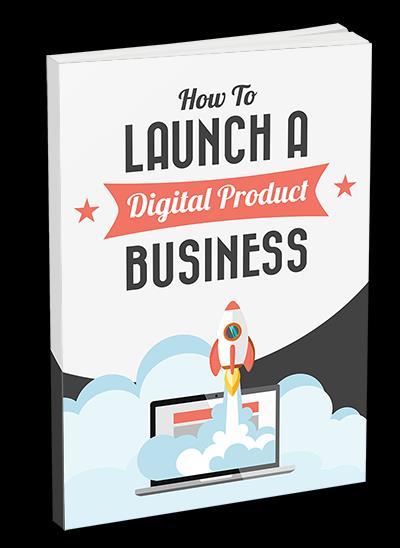
"Discover How to Start, Build and Launch Your Own Digital Product Business Without Breaking The Bank..."
Find Out How To Create Your First Digital Product For Sale And Start Getting Sales On Autopilot!
What you'll discover in this eBook:
• You'll have an idea for the type of digital product you want to create and what the strengths and weaknesses of each option are
• Understand what makes digital products sell and how you need to design your creation in such a way that people will be eager to buy it
• Know how to quickly and cost effectively create the type of digital product you want
How to create a potential hot-selling eBook
• Know how to alter things like price, cover image and more in order to optimize your sales
• Understand how to drive more traffic to your landing page using SEO, PPC, e-mail marketing and social media
• Understand affiliate programs and tools like JVZoo, ClickBank and WSO Pro
• Know how to build an army of affiliate marketers who can drastically increase your sales and profits
• • ...and much, much more!
This is the ultimate guide to How to Launch a Digital Product Business! You'll discover all the steps, tools and resources to help you become a successful digital marketer! Get your copy today!
Now you can create full image variations inspired by your original ad creative with text overlay capabilities, generating improved backgrounds around product images and expanding images to better fit multiple surfaces. In addition, you will r brands to choose from. Lastly, image expansion allows you to seamlessly adjust creative assets to fit different aspect ratios across multiple surfaces. These tools are now available on Reels and Feed across both Instagram and seamlessly with text overlays on your ads.
https://www.facebook.com/business/news/Introducing Features
Editor: Today's guest is Kim Walsh Phillips, a bestselling author, entrepreneur, and speaker who helps business owners grow through powerful messaging and high converting talks. Kim has built multiple successful businesses, worked with major brands, and is known for helping entrepreneurs turn their story, expertise, and stage presence into real revenue. Kim, it is great to have you with us.
Kim Walsh Phillips:
Oh, it's so great to be with you.
Editor:
You are so famous for the million dollar talk and I know we're going to get into the framework of that maybe a little later, but maybe you could start by telling us how you got into this world in the first place.
Kim Walsh Phillips:
I have always loved speaking since I was little, little, little. I was in the front of the room doing some kind of presentation, and then ended up being student council president and on the speech team.
It was something I enjoyed back from my theatre background. 85% of my body is made up of the need for applause, that it's like Tinkerbell's light shines when I hear people cheer.
And so naturally I started doing it to grow my business. I would get invited places to speak, and it was great, but it would always be just so that I would hope at the end of my talk someone would walk up to me and say, "I love what you said. How can we work together?"
And it was great when it happened, but it was painful when it didn't.
And then I realized that if I used some strategies to make it less based on hope, but more on strategic positioning, that I could turn talks into profit.
And so, I switched up the way I do my talks to not just be a great story but be a story that drives people to a call to action, and it dramatically changed the way I did my business. I could grow, I could go speak on stages, which I loved doing, and I could use it each time to bring in clients. And then people started coming to me saying, "How do you do that? How could you be entertaining and drive business in at the same time?" So, we started working with some of our elite clients to do the same for them and they had that same success, taking a talk that is entertaining and turning it into profits.
And the thing about speaking from stage is when you're trying it and you're testing it, you're doing it in real time in front of people. So, there's this fear, what if they don't like me? What if this doesn't work?
Kim Walsh Phillips:
But I already knew that what I was doing wasn't working.
So, the way I positioned my mindset was I'm just going to get curious. It wasn't that I went into it thinking this either is going to work or it's going to fail or it's going to be successful. I put on a mindset of, I'm going to get curious to see what would happen if I tried it. And that took all the pressure off. And now every time I speak, I've spoken on thousands of stages since then, I test something else and I just operate in a mindset of curiosity. Let me see if the audience would laugh here. Let me see if they're quicker to enroll. Let me see if we get more retention if we try this thing. And one of my favorite things is operating like a scientist to see how they respond. My favorite quote is, "In God I trust, everyone else bring data." And so, I position myself as a data scientist in my mindset so it's not win or lose. It's just let's see what we can find out.
Editor:
Now obviously this all converged into the million dollar talk. It's what you're famous for, as I mentioned in the introduction. Maybe you could just talk us through that for anybody who's not discovered the milliondollar talk before.
Kim Walsh Phillips:
Absolutely. It came from a time I was on stage and I was speaking to a group of IT professionals. So, they're naturally introverts, and I was selling a product to get them to speak on stage and on camera. So, I'm trying to get a group of people who've never done a thing before, don't want to do the thing, never woke up wanting to do the thing, to get them to take action. And the process I followed there is what you always want to do. You want to start with the story that tells them a before, a during, and an after that they can relate to.
So, I told the story of struggling, waiting on word of mouth and referrals, and how that transferred into unlocking a process to automatically generate more clients, and that's the system we have today. So that's step one.
Kim Walsh Phillips:
Step two is you share with them a four-step framework, because it's something that they can follow, and you can own so they need to do it through you, so mine was speak, and then you naturally transition that into a call to action. So the invitation becomes a natural part of the presentation. It doesn't feel like a sale…
MWM Q & A
Is Pinterest the Most Underrated Traffic Source in Marketing Right Now?
While marketers are busy chasing the latest AI tools, algorithm changes, and social media trends, one platform has been quietly sitting in the corner generating traffic, leads, and sales for people who understand how to use it.
That platform is Pinterest.
For years, many marketers dismissed Pinterest as a place for recipes, wedding ideas, and home decorating inspiration. Meanwhile, savvy creators, bloggers, ecommerce sellers, and digital product entrepreneurs continued using it to drive visitors to their websites day after day.
Now Pinterest is having a moment.
And it may be happening for a very simple reason: While much of the internet is being disrupted by AI, Pinterest still behaves largely like a search engine.
Why Pinterest Feels Different
When you post on Facebook, Instagram, or TikTok, your content often has a very short lifespan. A post might get attention for a few hours or a few days before disappearing into the endless content stream.
Pinterest works differently.
A well-optimized pin can continue generating clicks for months. In some cases, years.
Think about that for a second.
You create a piece of content once, and it keeps sending traffic long after you've forgotten you published it.
That's one reason many marketers are rediscovering the platform. They're tired of feeding the social media hamster wheel where content dies almost immediately after publication.
Pinterest rewards patience more than constant hustle.
The
Secret: Pinterest Users Are Already Looking
One of the biggest differences between Pinterest and most social platforms is user intent.
People scrolling TikTok are often looking for entertainment.
People browsing Instagram are often looking for distraction.
People on Pinterest are usually looking for answers.
They're searching for things like:
• Business ideas
• Marketing tips
• Budget templates
• Weight-loss plans
• Home organization systems
• Printables
• Checklists
• Recipes
• Product recommendations
In other words, many Pinterest users arrive with a problem they want solved. That's a marketer's dream.
You don't have to interrupt them with an ad. They're already searching for solutions.
Can Pinterest Still Drive Sales? Absolutely.
In fact, Pinterest can be particularly effective for digital products, printables, templates, ebooks, courses, coaching programs, affiliate offers, and ecommerce products.
The reason is simple.
Pinterest sits much closer to the buying stage than many social platforms.
Someone searching for "social media content calendar template" is often far more likely to buy than someone casually watching funny videos on TikTok.
The traffic volume may be smaller.
The intent is often much higher.
And high-intent traffic tends to convert.
What Niches Work Best?
Many marketers assume Pinterest only works for traditionally visual industries.
While it's certainly excellent for niches like food, travel, fashion, crafts, home decor, gardening, and fitness, the platform has expanded far beyond those categories.
In fact, some of the strongest opportunities may be in niches where competition remains surprisingly low.
If you're selling a checklist, template, guide, worksheet, planner, or digital download, Pinterest deserves serious consideration.
Why Smart Marketers are Falling in Love with Substack
For years, marketers treated email lists like vegetables. Everybody knew they were good for them, but they weren't nearly as exciting as chasing social media algorithms. Then something funny happened: The algorithms got crowded, reach became unpredictable, and creators started looking for ways to own their audiences again. Enter Substack.
At first glance, Substack looks like a simple newsletter platform. In reality, it's part email marketing tool, part blogging platform, part social network, and part community builder. More importantly, it gives marketers direct access to their audience without having to beg an algorithm for visibility.
The biggest mistake businesses make on Substack is treating it like another email service provider.
That's boring.
The real power comes from engagement.
Successful Substack creators don't simply publish articles. They create conversations. They ask questions, run polls, invite comments, share behind-the-scenes stories, and involve readers in the journey. The platform rewards interaction, and engaged readers are far more likely to become customers.
One effective strategy is the "teach, tell, sell" approach.
Most posts should educate or entertain. Occasionally tell a personal story that builds trust and connection. Then, when the time is right, introduce an offer that naturally fits the topic. If you've spent weeks helping readers solve problems, selling feels less like pitching and more like helping.
Substack's recommendation engine creates another opportunity. When readers subscribe, they often see recommendations for similar publications. That makes partnerships and cross-promotions incredibly powerful. A single mention from the right creator can send hundreds or even thousands of highly targeted subscribers your way.
The smartest marketers also use Substack to document rather than advertise. Share lessons learned, experiments, case studies, mistakes, and discoveries. People love watching progress unfold in real time.
The goal isn't just building a newsletter. It's building a community that trusts you.
And trust is still the shortest path between attention and sales.
Case Study: How a Simple Newsletter Became a SevenFigure Marketing Machine
When most marketers think about Substack, they picture writers sharing opinions with a small audience.
Caroline Chambers saw something much bigger. Starting in 2020, she launched a food-focused newsletter called What To Cook When You Don't Feel Like Cooking.
Fast forward a few years, and she has built an audience of more than 568,000 subscribers and a seven-figure business powered by subscriptions, affiliate income, brand partnerships, and product sales.
Her secret wasn't complicated. Instead of treating Substack as a place to post content, she treated it as the center of her entire business. Instagram videos drove people into the newsletter. The newsletter built trust. And that trust turned into revenue.
What's particularly interesting for online marketers is how she uses multiple platforms together. When someone comments on one of her Instagram posts, automated tools can send recipes directly through DMs, creating a smooth path from social media engagement to newsletter subscription. She also publishes video content on YouTube while intentionally keeping some of the most valuable content inside Substack, giving viewers a reason to subscribe.
The lesson isn't about recipes. It's about ownership. Social platforms are rented land. Algorithms change. Reach disappears. Substack gives creators a direct relationship with their audience, allowing them to build a business that doesn't depend entirely on someone else's platform.
The takeaway for marketers is simple: Don't think of Substack as a newsletter. Think of it as the hub of a marketing ecosystem. Use social media to attract attention, use Substack to deepen the relationship, and use that relationship to sell products, services, memberships, coaching, courses, or affiliate offers.
The marketers seeing the biggest success aren't using Substack as another content channel. They're using it as the place where casual followers become loyal customers.
And in an age when organic reach can disappear overnight, that's a very valuable asset indeed.
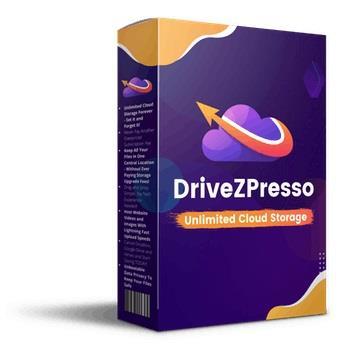
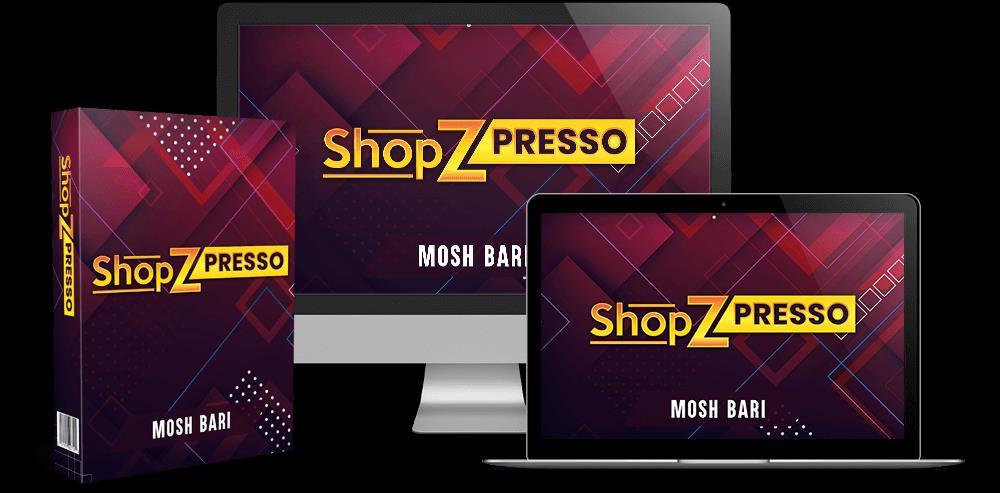
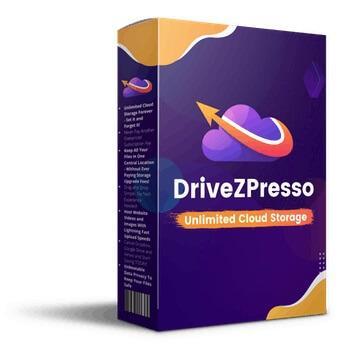
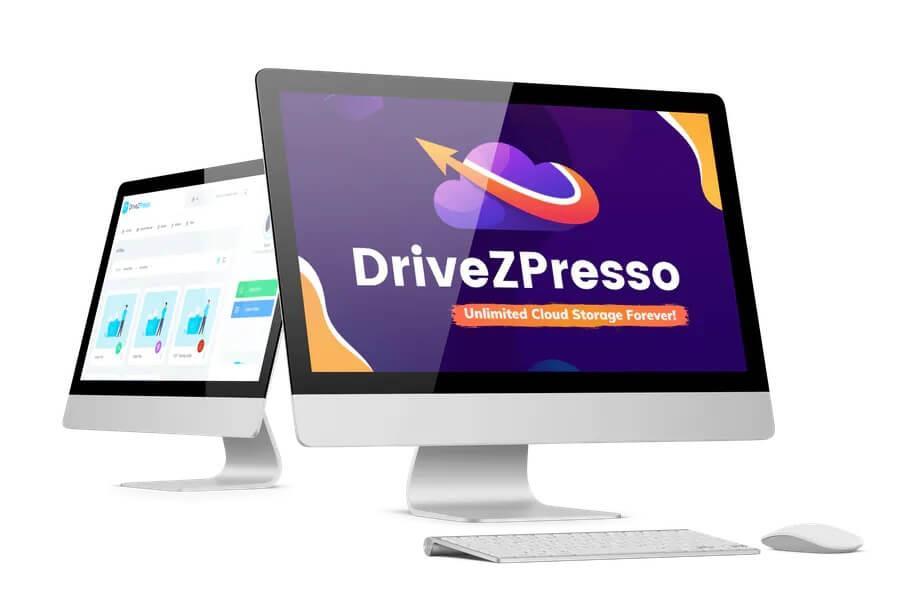
Nowyou can haveUnlimited CloudStorageForLife (GoodbyeDropbox!)Saygoodbyeto overpriced Dropbox subscriptions and time-wasting tech headaches… Because there’s a brandnew Cloud Storage Solution that lets you host, share, and back-up ALL your files… With Unlimited Storage For Life at an unbeatable ONE-TIME price. Get the details here (limited availability).
Imagine… All your files stored in one central location so you can find whatever you need in seconds Never paying another overpriced subscription fee to Dropbox or Google Drive Freeing yourself from storage limits and tech hassles once and for all Big Tech has been sticking it to the little guy for far too long…
With ridiculously high monthly fees and huge mark-ups that line the pockets of Silicon Valley billionaires DriveZPresso lets you take back control of your data and your business future…
With all the capabilities of Dropbox and Google Drive and NONE of the overpriced subscription fees…
Go here now DriveZPresso UNLIMITED file storage for an ultra-low one-time fee Host website images and videos with lighting fast upload speeds on your website.
Find any filein seconds with theadvancedsearch technology Sharelinks to anyfile –just likeDropbox orGoogle Drive Collaborate with team members to edit documents in real-time Keep your files safe from hard drive crashes, hackers and malware It’s time to say NO to the “Big Tech Tax” and join the future of cloud storage…
Grab your DriveZPresso license click here.
JVZooHost is dedicated to providing safe, fast, and affordable web hosting with superior support. You can concentrate on running your business and rest assured your website will be up and running. Get your site noticed on the web today with JVZooHost!
MWM wants You to Know
Case Study: How One Creator Made $1,000 Online in 34 Days Selling a Simple PDF
When most people think about making money online, they immediately imagine complicated funnels, expensive software, paid advertising campaigns, or some mysterious business model only marketing experts understand. That's why a recent case study caught my attention. A creator reported making their first $1,000 online in just 34 days with no advertising budget, no existing audience, and no fancy tech stack. Their business consisted of a simple digital product, a free Canva account, Pinterest traffic, and a willingness to take action.
The product itself wasn't revolutionary. It was a digital recipe guide sold through Gumroad. That's it. No coaching program. No membership site. No high-ticket offer. Just a PDF that solved a specific problem for a specific audience. The creator got the idea after purchasing a similar meal-planning guide themselves and realizing there was a market for practical, easy-to-use resources that help people save time and eat better.
The lesson here is one many online marketers overlook: You don't need to create something entirely new. Sometimes the fastest path to income is finding a product that already sells and creating your own version aimed at a slightly different audience or solving the problem in a better way.
What makes this story especially interesting is how the traffic was generated. Instead of spending money on ads, the creator focused on Pinterest. They created attractive pins using Canva and linked those pins directly to their product page. Because Pinterest functions more like a search engine than a traditional social media platform, those pins continued generating clicks long after they were published.
This is an important distinction for marketers. A Facebook post might disappear within hours. An Instagram Reel may get buried within days. A Pinterest pin can continue sending traffic for weeks or even months if it targets the right keywords and audience.
Many marketers ignore Pinterest because it doesn't feel as exciting as TikTok, Instagram, or YouTube. Yet Pinterest users are often actively searching for solutions, ideas, plans, templates, recipes, and guides. In other words, they're already in a buying mindset.
The Real Secret Was Pinterest
The Brutal Truth About Why You
Still Haven’t Built Your Online Business
It’s not the algorithm. It’s not saturation. It’s not that you’re too late, too old, too unknown, or too inexperienced. And it’s definitely not that you lack intelligence, creativity, or potential.
It’s that you were trained slowly, subtly, and very effectively to avoid the one behavior that creates entrepreneurs.
From the time you were a child, you were rewarded for getting the right answer and quietly punished for getting the wrong one. You were taught that competence equals safety, that mistakes equal embarrassment, and that looking unsure is something to hide. You learned to raise your hand only when you were confident. You learned to double-check before speaking. You learned that being “good” meant minimizing risk.
That training works beautifully if your goal is to become a reliable employee. It is catastrophic if your goal is to build something of your own.
Because building an online business requires the exact opposite behavior. It requires publishing before you feel polished. It requires launching before you feel ready. It requires sending the email, recording the video, running the ad, making the offer even when you’re almost certain it won’t be perfect. Especially then.
Your first sales page will be rough. Your first videos will feel awkward. Your first ad might lose money. And your brain will scream, “See? This is why we don’t do this.”
But that discomfort isn’t a stop sign. It’s proof that you’re finally operating outside the employee script.
The people who build seven-figure brands are not braver, smarter, or magically gifted. They simply learned to reinterpret failure as data instead of identity. A bad launch isn’t humiliation it’s market feedback. A failed ad isn’t wasted money it’s information purchased. A clumsy webinar isn’t proof you’re unqualified it’s rehearsal.
Progress in this world belongs to the person who can look slightly foolish longer than everyone else.
So here’s the shift: Stop trying to feel ready. Start trying to get reps. Publish before comfort arrives. Improve one variable. Go again. Move faster than your self-doubt can regroup.
Because momentum compounds. Skill compounds. Confidence compounds. And if you’re willing to endure six months of visible imperfection, you can build something that most people will spend the rest of their lives only talking about.
The truth is not that you’re behind. The truth is that you’ve been cautious. Now you get to decide whether caution is still serving you.
This morning, I opened a blank document with purpose. Coffee? Ready.
Brain? Allegedly functional. Deadline? Real.
And then I just… stared. Not casually. Not thoughtfully. I stared at that blank page like it had personally wronged me. Like it owed me rent. Like if I squinted hard enough, it might finally apologize and produce a paragraph. It did not.
If you create content for a living newsletters, landing pages, hooks, scripts, posts you know this moment. The blank page isn’t neutral. It’s confrontational. It dares you to be brilliant.
And that’s the trap.
We think the first sentence has to be good. It doesn’t.
The blank page only wins when you expect excellence on the first swing. But content rarely starts clean. It starts clumsy. It starts sideways. It starts with something mildly ridiculous like:
“I stared at a blank page today like it owed me money.” That’s not polished. It’s not strategic. It’s not optimized. It’s movement.
And movement kills resistance.
Here’s what experienced creators understand: you don’t write the final version first. You write the messy version on purpose. You let it ramble. You let it be awkward. You let it exist.
Because a bad paragraph can be edited. A blank page cannot.
And yes you have AI now. Use it. Not to produce the masterpiece, but to break the stare-down. Ask it for five terrible openings. Ask it for ten angles. Ask it to argue with you. The goal isn’t outsourcing creativity. It’s killing inertia.
So next time you open a doc and feel the tension building, don’t wait for brilliance. Write something obvious. Write something messy. Write something you’ll delete. Just don’t write nothing.
The page doesn’t owe you money. But it does owe you momentum once you stop demanding perfection.
I Stared at a Blank Page Today Like It Owed Me Money
Case Study:
How One Creator Made $1,000 Online in
34 Days Selling
a Simple PDF
When most people think about making money online, they immediately imagine complicated funnels, expensive software, paid advertising campaigns, or some mysterious business model only marketing experts understand. That's why a recent case study caught my attention. A creator reported making their first $1,000 online in just 34 days with no advertising budget, no existing audience, and no fancy tech stack. Their business consisted of a simple digital product, a free Canva account, Pinterest traffic, and a willingness to take action.
The product itself wasn't revolutionary. It was a digital recipe guide sold through Gumroad. That's it. No coaching program. No membership site. No high-ticket offer. Just a PDF that solved a specific problem for a specific audience. The creator got the idea after purchasing a similar meal-planning guide themselves and realizing there was a market for practical, easy-touse resources that help people save time and eat better.
The lesson here is one many online marketers overlook: You don't need to create something entirely new. Sometimes the fastest path to income is finding a product that already sells and creating your own version aimed at a slightly different audience or solving the problem in a better way.
What makes this story especially interesting is how the traffic was generated. Instead of spending money on ads, the creator focused on Pinterest. They created attractive pins using Canva and linked those pins directly to their product page. Because Pinterest functions more like a search engine than a traditional social media platform, those pins continued generating clicks long after they were published.
This is an important distinction for marketers. A Facebook post might disappear within hours. An Instagram Reel may get buried within days. A Pinterest pin can continue sending traffic for weeks or even months if it targets the right keywords and audience.
Many marketers ignore Pinterest because it doesn't feel as exciting as TikTok, Instagram, or YouTube. Yet Pinterest users are often actively searching for solutions, ideas, plans, templates, recipes, and guides. In other words, they're already in a buying mindset.
The Real Secret Was Pinterest
Why This Strategy Worked
Several things lined up in this creator's favor. First, they chose a niche with proven demand. People are constantly searching for meal-planning ideas, recipes, and ways to simplify cooking. Second, the product was inexpensive enough to encourage impulse purchases. Third, the creator focused on one traffic source instead of trying to master five different platforms at once.
Most beginners fail because they spread themselves too thin. They create a product, start a YouTube channel, launch a TikTok account, build a Facebook page, experiment with email marketing, and then wonder why nothing gains traction. This creator did the opposite. They picked one product and one traffic source and concentrated their efforts there.
How Marketers Can Apply This Today
The biggest takeaway isn't that you should start selling recipe guides. It's that simple digital products still work remarkably well when they solve a clear problem. Instead of trying to build a giant course, consider creating a focused resource such as a checklist, planner, prompt collection, swipe file, worksheet, template pack, or guide.
Then find a platform where people are already searching for solutions. Pinterest is one option. YouTube search is another. Blog SEO works. Even niche Facebook groups can reveal opportunities.
The key is matching a specific problem with a specific solution.
Too many marketers focus on creating products. Successful marketers focus on solving problems.
That's what happened in this case study. A creator identified a need, packaged a solution into a simple PDF, used free traffic from Pinterest, and reached their first $1,000 online in just over a month. Whether the exact numbers are repeatable for everyone is debatable. But the underlying lesson is solid: You don't need a huge budget, a giant audience, or a complicated business model to make your first sale online.
Sometimes all you need is a useful product, a hungry audience, and the discipline to keep putting your work in front of people.
Why Smart Entrepreneurs Are Studying
Casino Psychology
Casinos don't make billions because they're lucky. They make billions because they understand human behavior better than almost anyone else.
That may sound like an exaggeration, but consider what's happening inside a casino. Every aspect of the experience has been carefully designed to encourage people to stay longer, engage more deeply, and come back again. The layout, lighting, sounds, rewards, and even the placement of machines are all based on decades of research into what captures and holds human attention.
Now, before you start imagining shady marketing tactics and manipulative tricks, let's be clear: The goal isn't to turn your business into a casino.
The goal is to understand why certain experiences are so engaging and how ethical businesses can apply those lessons to create better products, stronger customer relationships, and more loyal communities.
The Secret Isn't Gambling
Most people think casinos are in the gambling business. They're not.
They're in the engagement business.
Gambling is simply the vehicle.
What casinos really study is attention. They want to know what keeps people interested, what makes them return, what creates anticipation, and what turns a one-time visitor into a regular customer.
Those are exactly the same questions every entrepreneur should be asking.
Whether you run a newsletter, a coaching program, an ecommerce store, a YouTube channel, or a local business, your long-term success depends on keeping customers engaged over time.
A customer who buys once is valuable.
A customer who returns repeatedly is the foundation of a business.
The Power of Small Wins
One of the most fascinating concepts in casino psychology is the power of variable rewards.
People don't know exactly when a reward will arrive, which creates anticipation and excitement. That's why opening a mystery box feels more exciting than opening a package when you already know exactly what's inside.
Successful businesses often use this principle in positive ways.
Think about loyalty programs that offer surprise bonuses. Think about newsletters that occasionally include unexpected resources. Think about communities that celebrate member achievements or recognize contributions.
The lesson isn't that people love uncertainty.
The lesson is that people love pleasant surprises.
A business that occasionally exceeds expectations becomes memorable.
Why People Come Back
Many entrepreneurs spend almost all their energy trying to acquire new customers.
Casinos understand something different.
Retention is often more valuable than acquisition.
That's why they work so hard to create experiences that people want to revisit.
The same principle applies online.
Why do some people read the same newsletter every week for years?
Why do certain YouTube creators build fiercely loyal audiences?
Why do some communities thrive while others fade away?
Usually because the audience receives consistent value. They know they'll learn something useful, be entertained, or connect with people who share their interests.
Consistency builds trust.
Trust creates habits.
Habits create loyalty.
The Environment Matters More Than You Think
Casinos also understand that environment influences behavior.
A confusing environment creates frustration. A welcoming environment encourages participation.
The same thing happens online.
A cluttered website makes visitors leave.
A complicated checkout process kills sales.
A confusing navigation menu reduces engagement.
On the other hand, a clean design, simple instructions, and a clear next step make everything easier.
Good businesses remove friction wherever possible.
They make it easy for customers to find what they want, understand what to do next, and achieve a positive outcome.
The Biggest Lesson of All
The most valuable lesson entrepreneurs can learn from casino psychology has nothing to do with gambling.
It's that engagement rarely happens by accident.
The businesses people return to again and again are usually designed with intention. They provide value consistently. They create positive experiences. They celebrate progress. They make customers feel welcome and appreciated.
In an age when customers have endless options, attention is becoming one of the most valuable resources in the world.
The companies that thrive won't necessarily be the ones with the biggest budgets. They'll be the ones that best understand human behavior.
Casinos figured that out a long time ago.
Smart entrepreneurs are finally starting to pay attention.
The companies that thrive won't necessarily be the ones with the biggest budgets.
They'll be the ones that best understand human behavior.
Casinos figured that out a long time ago.
Smart entrepreneurs are finally starting to pay attention.
Google's Latest Core Update Just Shook the Internet
If your rankings have been bouncing around lately, you weren't alone. Google's May 2026 Core Update officially wrapped up on June 2 after nearly two weeks of volatility, and many SEO professionals are calling it one of the most disruptive updates in years. Some studies found that nearly 90% of Top 10 rankings shifted during the rollout, continuing Google's push toward rewarding authoritative, trustworthy, and genuinely useful content over formulaic SEO tactics.
Marketers May Be Advertising on X Without Realizing It—Here’s Why
If your brand is avoiding X (formerly Twitter) due to safety concerns or reputation management bad news: you might be advertising there anyway. Thanks to programmatic ad placements, Google Ads campaigns (especially those using Performance Max, Demand Gen, or Display) can unintentionally place your ads on X.
UK martech consultant Jonathan D’Souza-Rauto revealed that X has made much of its inventory available through open auctions, and Google Ads is now the top buyer. That means even if you’ve never touched X’s Ads Manager, your trafficoptimized campaigns could be funneling dollars into the platform.
This “X loophole” poses serious brand-safety issues. Advertisers have limited visibility into where their ads appear and X’s recent controversies (like Grok AI generating disturbing images) only add to the risk. While Google and Microsoft have rolled out new brand suitability and exclusion tools, they’re still playing catchup in a hyper-automated ad landscape.
The takeaway? If you care where your ads land, audit your campaigns, tighten exclusions, and don’t assume brand-safe equals brand-controlled. In the era of AIoptimized advertising, transparency is optional—but responsibility isn’t.
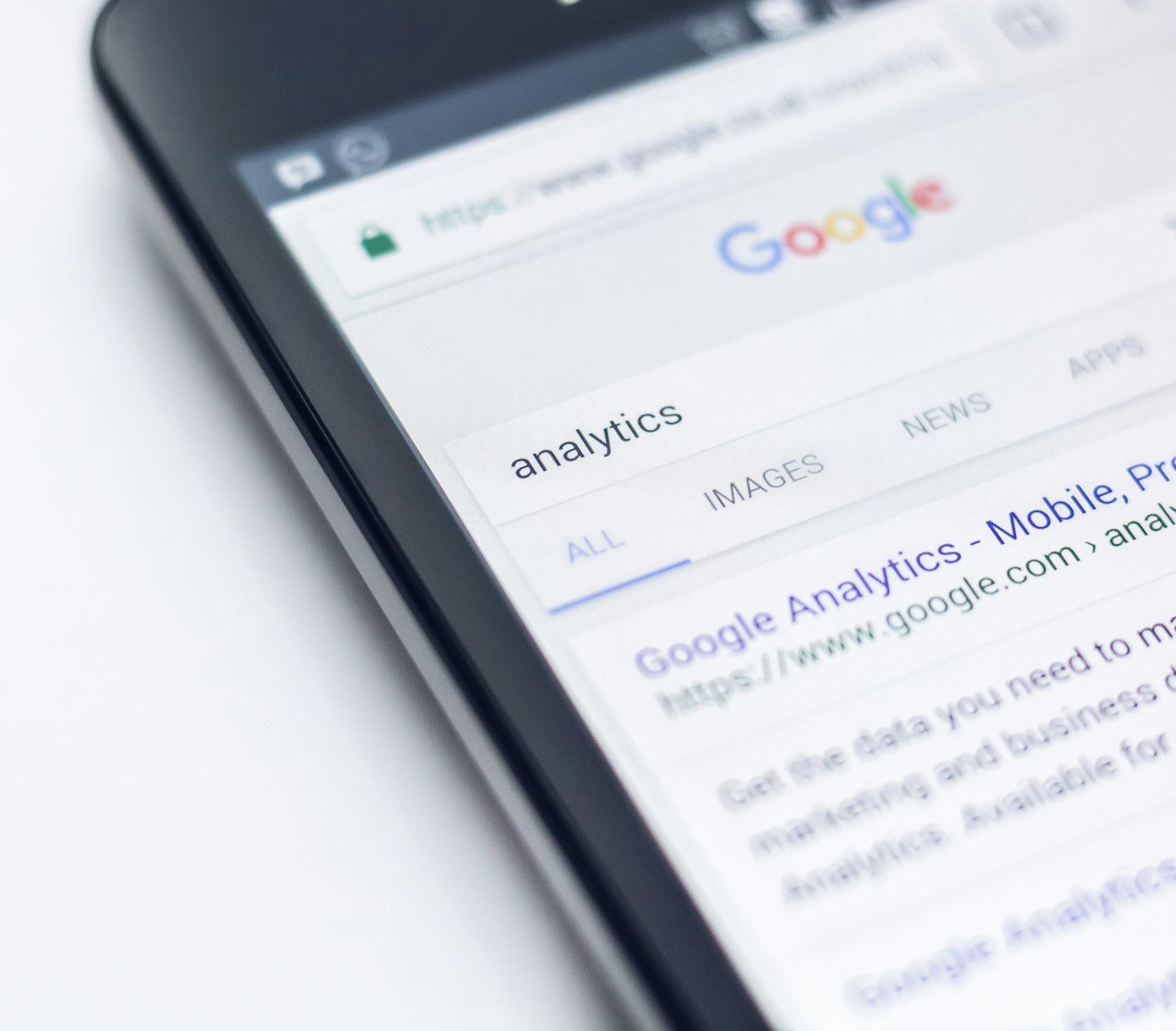
Your Impressions Up and Your Clicks Down? Google Didn't Break Your Analytics — It Changed the Game Entirely
Congratulations, you ranked on page one. Google read your article, summarized it in three sentences, answered the user's question without them ever visiting your site, and sent you zero clicks. Thanks for the content. Have a great day.
Welcome to the era of AI Overviews — and the quiet traffic crisis most solo marketers haven't fully reckoned with yet.
58% of Google searches now end without any clicks. Research shows AI Overviews have killed click-through rates by up to 61% on affected queries. Publishers tracking their Google Search Console data through early 2026 report a consistent and deeply uncomfortable pattern: Impressions remain stable or even increase while clicks decline sharply. Users are seeing your content referenced in AI Overviews but they’re not clicking through.
The particularly cruel part? Informational and educational content across all industries faces the most significant impact. Queries seeking factual answers, definitions, tutorials, comparisons, or how-to guidance trigger AI Overviews most frequently. In other words, the content most solo marketers have been creating for years - the helpful, educational, SEO-optimized stuff - is exactly the content getting eaten alive.
Here's the part that doesn't have to be a disaster though. Branded searches are actually increasing for some sites. Branded queries with AI Overviews see an 18% increase in click-through rate. Commercial queries with genuine transactional intent – that is, people ready to buy - see far fewer AI Overviews. And content depth and readability matter most for securing AI citations, while traditional SEO metrics like traffic and backlinks have surprisingly little impact.
The practical shift for solo marketers is this: Stop writing content designed to answer simple questions that AI can now answer faster. Start writing content that requires your specific experience, your specific opinions, and your specific audience. These are things no AI can summarize because no AI has lived them.
Go deeper, get more specific, build your brand so relentlessly that people search for you by name. And make sure every piece of content you create is pointing people toward your email list, because that's the one traffic source Google can never take away.
Your content strategy didn't fail. Google just moved the goalposts. Again.