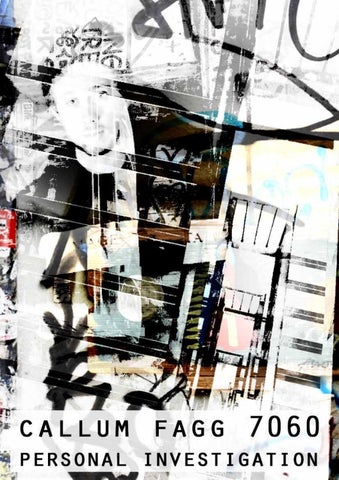
identity
moodboard
ideas for development
concept 1 people
combine some of these portraits multiple exposure
combine some of these portraits multiple exposure
ANALYSIS
buildings photoshoot
Tobias Zielon
ny
Combine this edits with some of your portraits
Combine this edits with some of your portraits
Combine this edits with some of your portraits
David Ziber
David Ziber
David Ziber
large simple edits from previous shoot
Analysis
Relief/Foamboard Experiment 2 this time, insead of having the person raised, the person is is now below the rest of the images. i like the way buy raising or lowering different parts of the image you can create power in the person. for example when below the rest of the image, it makes the viewer focus on the rest of the image first. by being below the enviroment, it is supposed to reflect low power. in term when raised it helps represent power, as the person is above the environment. i like the way using releif and foamboard, makes the image come to life. it looks alot more realistic aswell draws attention to the idividual aspects of my photography. to develop my 3d idea even further, i want to create more of a structure. i could make it out of foamboard and relief but this time have it more like a box shape. i could also use dowl to create lamposts, similar to the lamposts which inspired me in brighton.
Final Piece Maquette
3-D MAQUETTE IDEA i have decided on what i want to do for my final peice, and i have made a maquette of it. this is a scaled down version of my final peice, as i wanted to make sure it worked before making it on larger scale. by making my own structure it gives the illusion that the people are inside the building. by raising the people above the image it makes it look more realistic and makes it seem as if the people are standing infront of the background. i have used small peices of dowl to split up the images. but i have wrapped them in an image, which makes them look like lamposts.
Technical Dev
velopment
original photos of people for final these were the original photos i took and used for my final peice. i like the idea of using 3 different people, all aged simlarly to give the idea of youth culture and the changes in personalities. i decided on particular clothes they should wear to express the people personalities. i decided i wanted to make the photos of the people slightly less realistic and more like charecters, as i wanted my final peice to be simialr to a poster. to do this i experimented using the posterize tool on photoshop. the next step in order to develop my final peice, is thinking of about how i want to manipulate images together for my background and what images i want to use. i have decided i want to use images of flatblocks, buildings and graffiti, to give the idea of an urban scene, i now need to work out which images would link together best.
manipulated images background once my photos of people were taken a developed, i could then move on to developing my background. i took photos in different areas, such as brighton and easbourne where i found places which i felt would work with my photos of people. i was looking for places that looked slighlty beaten up, flatblocks and photos i took of graffiti worked really well, so i could though i could use photoshop to manipulate the photos together and make it look as if it is 1 photo. i usead a variety of tools in photoshop in order to make the images combine together with out looking out of place. i found using the rubber and reducing the hardeness meant that i was able manipulate the images together without it looking like theres just one over the other. now that i have developed my background i am now looking at different ways of mounting onto foambard in order to have parts of my images at different heights. what i would like to do it have the person in the image raised above the rest of the image. i feel this could give the idea of giving the person power. aswell as the idea of showing the person identitiy by whats behind them.
l n a o n i i t F a u l a v E
FINAL
PIECE
The photo was taken by Juan Luna-Avin, when he was documenting the 80s punk scene in mexico city. In the late 1970s early 1980s Mexico was ruled by conservative regime. Unemployment was high and approximately 70% of the population was under the age of 30. Movie theatres were everywhere in order to entertain the masses of young people. Not many punk cultural films were imported to Mexico to be played in theatres at the time. However ‘the warriors’ was an extremely important film, which molded the punk youths of mexico. The film became so popular that the government allowed it to be screened, despite the anti-social behavior that is promoted. From the film the youth embraced the idea of forming a new society, organizing themselves and taking over the city. The youth had never seen anything like this film before, they soon realized they could organize on their own and function as a community. the music, fashion and power the youths had in the film, inspired the Mexican youths to do the same. The photo shows 3 Mexican youth leaning against a wall. The way they are stood (with one leg against wall) represents the power of the youths. The clothing, hair and general style of the youths, is clearly inspired from the film ‘the warriors’. Showing the way the film has changed the ideas and thoughts of the youth. The youths no longer feel as if they need to rely in the older population, and feel they can make changes themselves despite was is going on in the country, politically. the subject matter is clearly the boys in the image, and the power they have. By having them central in the image also emphasizes their power, as it makes it the strong focus. The image is in black and white, which shows the age of the photo. The graffiti in the background emphasizes the idea of the youth being free and the idea of them being able to express themselves through street art. The mood of the image seems fairly serious, and the clear focus is showing the power of the youths, forming a new society and no longer having to rely on the older generations to form a community.
How do photographers capture the feeling and emotions of youth culture? This personal study will focus on how photographers capture the true spirit and feelings of youth culture. Youth culture is defined as the way adolescents live and the norms values and practices they share. The emphasis is on understanding the photographer’s abilities to document the real emotions of the youth, not common media stereotypes that are often common place in society. Photograph 1: Nils Mueller ‘Vandals’ Collection The first photograph I have chosen is by photographer Nils Mueller’s as part of his ‘vandals’ photo shoot. The photograph shows two unidentified youths, vandalising a train with street art. The people in the photo have a hidden identity, using scarfs to cover their faces. This suggests what they are doing is wrong and they would like their identity protected. Mueller has gone into a risky situation to photograph these graffiti artists, he must of spent time gaining their trust before attempting this work. This photograph is controversial in that some people will look at it and think the youth’s actions are illegal and by documenting it Muller may be seen as irresponsible, however it I feel Mueller is giving the youth a voice. Instead of focusing on the graffiti, Mueller seems to look at the act of creating it and all the emotional tension that this involves. The photo reveals the atmosphere, passion and teamwork behind each act of urban vandalism. The train becomes a backdrop to the youth and they appear most prominent and are clearly the focus. The background is blurred because a shallow depth of field bring focus to the artist as a central focal point. The shot is taken just above head height slightly looking down on the 2 youths in the picture. The weather is dark and cloudy and the lighting is natural and flat. The photo is low contrast, which makes it look less clear, however one of the people is wearing dark clothes and there seems to be a strong visual difference between his dark clothes and the rest of the image which is very light in comparison. This highlights the covert behaviour as dark and mysterious. The colours from the graffiti are stronger, but the saturation has clearly been taken out of the image. The yellow and green colours in the graffiti reflect the green trees in the background of the image. There are many diagonal lines in the photograph giving it greater depth. The idea behind the
photograph is clearly to show the people behind the act of street art. The photo is capturing the youth in the act of vandalism instead of just the vandalism itself. It shows the measures they go through to cover their identity, but shows they will not stop. The editing of the photo is very subtle. It seems that saturation, exposure and contrast are the only elements which have been adjusted either through the camera or digitally. This group of artists are often extremely passionate about their art often risky the chance of arrests and physical danger and Mueller has committed to documenting the artist’s life style and this photograph typifies that. Photograph 2: Simon Wheatley ‘Boys in the Corner’ ‘Boys in the corner’ and is photographed by Simon Wheatley. Wheatley spent 12 years documenting grime culture spending his time hanging out with crews in and around the grime scene to showcase an alternative view of what the streets looked and felt like. Grime music has become increasingly popular, especially in the last 6 years and Wheatley photos are trying to show the culture behind this. When Wheatley was asked what he found most fascinating about capturing the grime scene he said ‘I could see there was a definite shift in the way young people were behaving, and the attitudes towards older people. Suddenly, young black British guys had a voice and a mainstream power that they never had before.’ Wheatley’s photographs were happening against a backdrop of urban regeneration in the Olympic village, the London riots and some of the most iconic grime tracks ever made. The photo was taken in 2010, which was an Influential year for grime. The riots, influenced a lot of grime artists, and provided a platform for the youth to express their anger and frustration. Grime music helped the youth feel powerful, and allowed them to vent their feelings. The photo shows a group of boys aged between 14-19 huddled up in a group producing grime music. The boys in the photo are fairly young, showing how the younger youth are being influenced and inspired by the older grime scene. The subject matter is clearly the boys in the photo, particularly the three at the front who are clearly the people who are rapping. The boys surrounding the rappers look extremely focused and concentrated on what they are doing, this shows the power
of music, and proves it’s a way for the youth to be heard. There is an energy and passion captured in this photograph. Almost every person hands are reaching for the microphone desperate to get their chance to have their say and perform. Wheatley has managed to capture this moment again through spending time with this community and getting to know them and what they do, his insight is similar to Muller’s and equally successful. Wheatley and Mueller are both focused on photographing a specific youth sub culture. However, they are photographed in two different ways, Mueller’s image depicts the youth in isolation and in some way quite threatening whereas Wheatley depicts youth culture as community based and there is a sense of closeness and strength in numbers from his photo. The messages are similar in that it is about the youth being heard and expressing their voice through art forms; graffiti art or creating music. Wheatley’s approach to editing is very clean, with the camera the main source of creating the image rather than digital editing. This is because he is trying to show that the focus is more about what the youths are doing, just documenting what he’s sees like a news photographer. I find the immediacy of photographically catching the youth in the act of doing something very interesting; instead of capturing it after it has happened. Photograph 3: Sonya Kedeeva ‘Coming of age’ The photograph below is by Sonya Kedeeva and is from his ‘coming of age’ collection. In an interview he was asked what attracted him to the topics of youth? he responded “I am attracted by aesthetics of youth and that specific moment in my subjects’ lives when they are not children anymore but not yet complete set personalities”. Models used for Sonya Kedeeva shoots are often from a street background, as she tries to capture very real situations, expressing the ‘youths’ personalities. The portrait focuses only on the persons face using a tight crop. The models expression is almost blank and haunting, it shows confidence and some naivety. By making the image over exposed it emphasises the angular features of his face as well as his pale complexion, which makes him look even more ghostly and drawn. The white exposure also gives him a sense of innocence. His almost pouting lips make him look young and sulky rather than aggressive. The
contrast between light and dark is very strong. The face of the boy is very light in comparison to the rest of the photo. This helps the reader focus clearly on the model and draws attention to his bruises and his other facial features. Black and white makes the bruises very clear and visible but not as obvious as using colour, which suggests it was done purposefully. Using black and white also emphasises a dark melancholy theme. His black eye conveys violence but because the photo gives us no clues about why this is happened, it adds to the sense that youth culture is secretive and the reasons for violence are hidden. Within this his innocence suggests he is possibly a victim or the aggressor. The narrow aperture and lack of background makes the boy look as if he is dissociated from any context and gives a sense of loneliness and isolation. The photo is taken in a very similar way to a classic ‘mug shot’, taken when you go to prison, this reflects the thoughts of violence and crime. As it is very focused on the boy in the photo its makes us ask questions about what is he doing? What has he done? The narrative is not as obvious as the work of Muller and Weatley. When comparing this to the last two images the subject matter is again similar, catching the youth in the act. However the mood in this image is a lot darker than the last two. The mood of the image looks to portray anger, victimisation and violence and yet the youth seems young and almost innocent where as in the other two photos the youths are at the centre, active and creative in their art. I like the way black and white is used to show the clear comparison between dark a light. I like the way the image seems very real, it is not setup, it seems as if it’s a real situation and very serious. This is a style that really interests me wanting capture real issues which are going on. Photograph 4: Nick Knight ‘Skinhead’ Nick Knight is a known as a British fashion photographer. This iconic photo featured in Nick Knights book, ‘skinhead’. The photos were taken between the 1980/81. The book was made to present his own vision of skinhead culture. The images were mostly shot around petticoat lane in London and references to not just the culture of the skinheads but the connections with fashion and music as well. The photos in ‘skinhead’ were taken in a variety of different settings such as gigs, grimy- looking alleys and the subject’s home. All photos have a slightly grainy quality, due to the use of a 35mm film camera, which helps define the era. The photo is of a boy being taken away by a police officer. The focus is clearly on the boy in the image. The straight conforming lines of the coach in the under focused back ground contrast with the rebellious stance of the boy.
A lot of anger is being expressed in the photo, his skinhead, untidy clothes and his chain on his trousers all shout violence and rebellion. This is further emphasised by the photographer catching the solid colour, neat hair and line of the suit and cap worn by the police officer. The focus of the photo is not directly on the youth but this has the effect of pulling you in to the narrative. The figure of the policeman and the coach possibly suggesting a football match arrest? His facial features are screwed up, his eyes dark and angular portraying him as angry and the hand gesture emphasises his complete contempt to the rules. Maybe he is unhappy that the photograph is being taken? Maybe he is unhappy being arresting or he could be portraying confidence through his gesture even though the maybe embarrassed and unsure of what will happen next. All four photos all follow a similar theme in which they photograph the “real youth” in real contexts. None of these photos are setup and fake, these photographers have captured the real youth in the act, recording their real lives, instead of meaningless, set up images. There are similarities between Knight’s and Kedeeva photography. The mood of both images is very clearly anger and aggression, but it is expressed in a slightly different way. Kedeeva work is more about taking the photo of the person after something has happened, Knight is again about recording the youth in the act of doing something. This time it is being arrested. The youth’s anger is active where as in the other photo the aftermath of the act depicts the youth as more as a victim. In contrast Knight has captured his photograph without the initial consent of the youth where Kedeeva has obviously set up her shot with the youth’s agreement. Photograph 5: Juan Luna-Avin“Condenados a Vivir” The photo was taken by Juan Luna-Avin, when he was documenting the 80s punk scene in Mexico City. In the late 1970s early 1980s Mexico was ruled by conservative regime. Unemployment was high and approximately 70% of the population was under the age of 30. Movie theatres were everywhere in order to entertain the masses of young people. Not many punk cultural films were imported to Mexico to be played in theatres at the time. However, ‘the Warriors’ by Walter Hill was an extremely important film, which molded the punk youths of Mexico. The film became so popular that the government allowed it to be screened, despite the anti-social behavior that is promoted. From the film the
youth embraced the idea of forming a new society, organizing themselves and taking over the city. The youth had never seen anything like this film before, they soon realized they could organize on their own and function as a community. the music, fashion and power the youth’s had in the film, inspired the Mexican youths to do the same. The photograph by Luna-Avin shows 3 Mexican youth leaning against a wall. The way they are stood (with one leg against wall) represents the power and confidence of the youths. The clothing, hair and general style of the youths, is clearly inspired from the film ‘the warriors’. In the film each gang wore a set of colours/outfits that represented them, it was extremely important that the styles were related to create a visual bond like a waring clan. Showing the way, the film has changed the ideas and thoughts of the youth. The youths no longer feel as if they need to rely in the older population, and feel they can make changes themselves despite was is going on in the country. By having them central in the image also emphasizes their strength, as it makes it the strong focus. The image is in black and white, which shows the age of the photo. The graffiti in the background emphasizes the idea of the youth being free and the idea of them being able to express themselves through street art. The mood of the image seems serious, showing how the three are committed to changing the system. The photograph has a tribal quality as the clothing, posture and even haircuts are very similar, this photograph remind me of photographers that venture to remote areas of the world and document ancient civilizations. There are comparisons to this photograph and the ‘Boys in the Corner’ photograph taken by Weatley. Obviously both photographers include a group of youths but they have common elements such as dressing alike, attitudes and expressions and a commitment to a cause be it making grime music or looking to overturn an unfair regime. In conclusion I believe that if a photographer intends to capture the true feeling and emotions of youth then he or she must in some part understand that demographic. Maybe by spending time with them getting to know what interests and inspires them. What are their beliefs and goals in life, what drives them to do what they do? The next element is for the photographer to capture these youths in the moment, documenting what they do accurately, the groups being photographed should be able to endorse the photograph as being ‘true to life’. The photographs should represent youths within an era and will often be affected by, culture, politics, music, art and fashion as these are some of the main factors that make up youth culture of any period. The photographers I have studied all have these elements in common and produce far superior representations of youth culture than the mainstream media/society.
Bibliography Mils Mueller Vandals, [10th January 2017] http://www.nilsmuellerphotography.com/vandals Vandals Review, [10th January 2017] http://www.12ozprophet.com/news/review-vandals-by-nils-mueller/ Simon Wheatley: 'Not all grime had to be about confrontation’, [15th January 2017] https://www.theguardian.com/music/2015/jul/28/simon-wheatley-not-all-grimehad-to-be-about-confrontation-it-was-a-celebration-of-being-here Don’t call me urban! The time of grime, [16th January 2017] http://www.bbc.co.uk/news/in-pictures-13608668 Coming of Age in the 21st Century Russia, [20th January 2017] www.dazeddigital.com/photography/article/.../coming-of-age-in-21st-century-russia Nick Knight: Skin Head, [2nd February 2017] http://nickknight.com/publications/skinhead/ Nick Knight, Skinhead, Omnibus Press (16 Sept. 1982) Interview with Juan Luna-Avin, [8th February 2017] http://www.artpractical.com/feature/interview-with-juan-luna-avin/ Andrew Dewdney, Youth, Culture and Photography (Youth questions), Palgrave (22 Jan. 1988)