





As a college group, we recognise our responsibility to take bold, meaningful action on climate change. Our commitment to sustainability is rooted in our vision to lead by example - embedding climate action into every aspect of college life, from our campuses and operations to our curriculum and community engagement.
This Climate Action Plan outlines our priorities across four key areas:
1. Decarbonisation of our Estate
2. Biodiversity
3. Climate Adaptation and Resilience
4. Green Skills, Careers and Curriculum
These commitments reflect our ambition to embed sustainability across all we do -from our estates to our classrooms, our careers programmes to our student experiences. By working together, we aim to reduce our environmental footprint, prepare students for the green economy, and build healthier, more resilient communities.
In order to realise these commitments, we must take a Group-wide approach with clear direction and leadership to embed sustainability into all levels of decision-making and operations. This has included:
+ Appointing a Sustainability Lead and other roles to support our sustainability journey whilst creating avenues of communication across the Group to drive initial change.
+ Embody climate action within our strategic plan and ensuring regular reporting to governors and stakeholders.
+ Empowering students through sustainability initiatives and climate leadership activity.


Our Aim: To achieve significant reductions in carbon emissions and promote sustainable operations.
In order to contribute to the UK’s net zero targets and reduce our environmental impact, we will take action to decarbonise our buildings, operations, and procurement. This will include both technical measures and engagement activities to reduce energy use, emissions, and waste.
What we’re doing:
+ Renewable Energy: With various partners, we are exploring our options for greener energy.
+ LED Projects: We have completed installations at Wakefield College and are sourcing funding to support expansion to our other colleges.
+ Gaining insight: Through partnership, we are developing our understanding of the science behind emissions accounting and the impact on our organisation.
+ Carbon Accounting: We have implemented activity to capture and report our Scope 1, Scope 2 and Scope 3 emissions and are exploring further work required.
+ Waste Reduction: We are adopting a waste contract that supports our approach; engaging with a waste hierarchy of reduce, reuse, recycle; and investigating further ISO (International Organisation for Standardisation) certification and conscious reduction of single-use plastics.
+ Sustainable Catering: We are moving towards sustainable food sourcing and waste-conscious services.
+ Digital Sustainability: We are engaging with JISC (Joint Information Systems Committee) to assess the carbon impact of digital practices and reduce unnecessary digital waste.
Our Commitments: We are committed to -
+ Implementing carbon reduction opportunities across all scopes.
+ Replacing all fossil fuel heating and ventilation systems with low-carbon alternatives.
+ Enhancing data collection on energy, travel, and procurement to set decarbonisation targets.
+ Integrating environmental standards into our procurement processes.
+ Pursuing opportunities such as government grants and decarbonisation schemes to fund energy-efficient upgrades, renewable technologies, and infrastructure improvements.
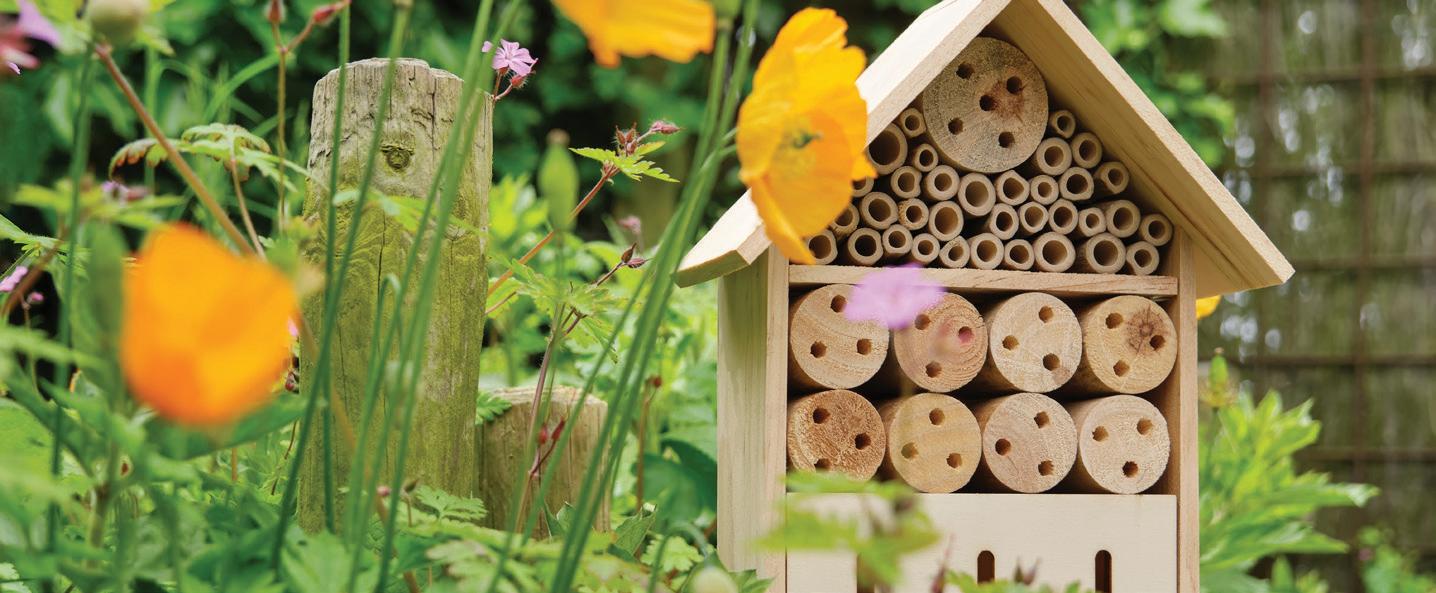
Our Aim: To enhance and protect biodiversity across all campuses.
We are committed to enhancing biodiversity across all college campuses, creating richer ecosystems, increasing green space, and supporting wildlife. This supports both climate resilience and nature recovery.
What we’re doing:
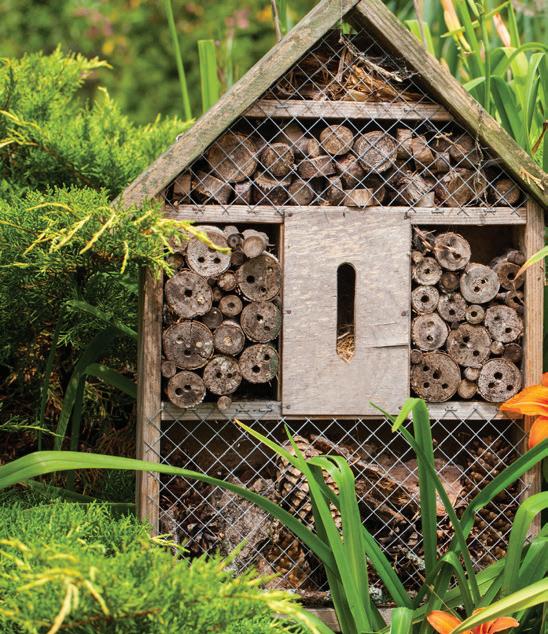
+ Biodiversity Mapping & Ecosurveys: We are identifying current habitats and levels of biodiversity and exploring further wildlife features like birdboxes and bug hotels.
+ Hedgehog-Friendly Campus: We are working to protect and increase local wildlife.
+ Green Week Activities: We have biodiversity integrated into our sustainability week initiatives to engage with students and local partners.
+ Part of Forest Carbon Scheme: we plant trees to mitigate CO2 emissions from production, storage and distribution of paper.
+ Small Grants: We secure grants to supporting environmental enhancement projects across campuses.
Our Commitments: We are committed to -
+ Investing in ecological enhancement and biodiversity planning.
+ Collaboration with groups and businesses on conservation projects.
+ Ensuring biodiversity is a key consideration in all estate developments.
+ Development of a group Biodiversity Policy
+ Widening biodiversity-focused events and activities within our sustainability calendar to promote awareness, action, and engagement
Our Aim: To ensure our Group infrastructure and operations are prepared for climate impacts.
We will assess and manage the risks posed by climate change to our campuses, operations, and communities. Our aim is to ensure we are prepared for extreme weather events and build long-term climate resilience, alongside supporting student and staff wellbeing.
+ Resilient Planning: We are integrating sustainability into estate planning, operations, and governance cycles.
+ Whole College Culture: We are embedding sustainability into planning, policy development, and staff and student life.
+ Infrastructure Readiness: We are assessing climate risks to facilities and future-proofing energy systems.
+ Digital Sustainability:
- We are meeting 99% of JISC’s sustainability responsibilities.
- We are strengthening cyber resilience, including live cyber-attack simulations.
- We are recycling old IT equipment and donating devices to a digital poverty programme, with opportunities for students to support refurbishment.
- We are reducing printing through multifunctional devices, centralised paper supply, and digital-first teaching resources.
- We are improving IT efficiency by transitioning to laptops with extended battery life and USB-C charging, adopting cloud storage, introducing universal adapters, and phasing in LCD screens with automated power management.
Our Commitments: We are committed to -
+ Future-proofing the Group’s estate against climate risks.
+ Promoting a culture of responsible practice and sustainability awareness.
+ Aligning operational resilience with long-term sustainability targets.
+ Implementing a wider approach on sustainable procurement.
+ Enhancing digital sustainability through low-carbon IT systems, efficient energy use, and digital inclusion.

Our Aim: To equip students and staff with the knowledge and skills for a sustainable future.
We are dedicated to preparing learners for the green economy by embedding sustainability, green careers advice, and climate education throughout the student journey, and supporting our staff to deliver this confidently and consistently. Our approach to development and climate education is designed to ensure that sustainability is embedded across our college community – in staff professional development, curriculum design, and student engagement. We are committed to equipping both staff and students with the knowledge, skills, and confidence to drive meaningful climate action.
What we’re doing:
+ Green Careers Development: We are collaborating with partners and are engaging with networks and educational organisations relating to green skills and careers.
+ SDG (Sustainable Development Goals) Mapping: We have identified areas within the curriculum which support the UNESCO (United Nations Educational, Scientific and Cultural Organisation) Sustainable Development Goals.
+ Curriculum Development: We have piloted and completed the Environmental Leaders Programme with students from the E&E (Employability & Enterprise) programme.
+ National Engagement: We have and will continue to ensure strong participation in Planet Earth Games as a platform to promote change.
+ Focus on Sustainability as a Skill: Within our new ‘My XP’ personal development model, we have identified sustainability as an area for skills development to focus wider student activity in this space.
+ Climate Leaders Academy: We have launched the student programme ‘Unloc’, to develop and support climate leaders and sustainability ambassadors.
+ Curriculum Integration: We have developed the curriculum to embed sustainability within technical subjects and activities.
+ STEM & Vocational Skills: We have targeted specific workshops and pathways in Construction and Engineering.
Wider opportunities for Training and CPD include:
- Carbon Literacy Workshops
- Multiple pathways and resources through the Supply Chain Sustainability School
- Digital modules via JISC
- Facilities and estates CPD training
- Carbon accounting workshops
- Sustainability Support for FE – sharing practice workshops
- Education for Sustainable Development offer
- Careers Advisors development workshops to guide students into green careers, connect them with real-world learning and employer opportunities, and support inclusive access to STEM and sustainability pathways.
Our Commitments: We are committed to -
+ Expanding sustainability training for all staff and students, including induction for new staff, to build awareness and capability across the Group.
+ Embedding sustainability and green skills across the curriculum and co-curricular activities to ensure students gain the knowledge and experience needed for green careers.
+ Providing hands-on, practical learning experiences through real-world sustainability projects, green technologies, and energy-efficient practices.
+ Developing employer-informed curriculum and structured green career pathways, aligning learning with current and emerging industry skills needs.
+ Preparing students for the green workforce by offering opportunities that reflect the skills employers require and the challenges of net-zero sectors.
+ Supporting inclusion and diversity in STEM and green pathways, ensuring all students have equitable access to opportunities.
+ Promoting awareness of green careers and showcase practical examples of sustainability in action to inspire student engagement and ambition.
Collaboration and advocacy are central to our climate action journey. We are strengthening our impact by working with specialist partners, sharing best practice, and ensuring that student and staff voices are heard locally, regionally, and nationally.
Our Strategy Includes:
+ Collaborative Networks: Actively engaging with partners including Trident Utilities, SureServe, Let’s Go Zero, Unloc, JISC, SS4FE (Sustainability Support for Further Education, RECFA (The Renewable Energy Coalition for Academia), Green Changemakers, local authorities, and sector-wide networks to accelerate progress.
+ Staff Leadership: Launching the Green Changemakers programme to empower educators and staff to lead sustainability and green skills initiatives, embedding environmental and social responsibility across curriculum and practice.
+ Shared Learning & Advocacy: Presenting our journey at conferences and sector events, contributing to national conversations on sustainability in education.
+ Student Voice: Embedding student leadership through focus groups, projects, and ambassador programmes to ensure young people are central to change.
+ National Initiatives: Participating in initiatives such as Sustainability Week, Planet Earth Games and an Environmental Leaders pilot, creating opportunities for students and staff to showcase their commitment to sustainability.
+ Collaborative Projects: Co-designing and delivering projects with external organisations to enhance our impact and extend opportunities for our communities.
We are proud of the progress made, but we know there’s more to do. This Climate Action Plan marks a step forward - clarifying our commitments and celebrating the journey already underway. Together, we will lead with purpose, empower our communities, and secure a sustainable future.
Carbon Baseline Measure Scope 1, 2 and 3 emissions across the Group
Engineer led Energy Efficiency Audit by College.
Carbon Reduction detailed plan based on audit findings.
Increase visibility on current waste practice.
Food sourcing awareness
Sustainable Procurement
To identify energy efficiency actions we can implement to further reduce emissions.
Develop a pathway to reduce emissions.
Enhance communications on waste levels and waste options for all stakeholders
Promote sustainable and local food sourcing through catering services and communications.
Review procurement policies to support sustainable procurement on purchased goods, services and capital goods
Waste reduction Conduct a waste audit –identify further reduction of waste opportunities and reduction/recycling options.
Water resource efficiency
Recycling visibility
Introduce water saving initiatives to support conservation of water and reduced use.
Introduce clear signage and ‘what happens next’ waste information.
Smart Monitoring Roll out/utilise smart meters and building energy management systems.
Low Carbon Travel Green travel review of schemes, business travel and infrastructure to support Green travel policy development.
Energy Efficiency Upgrades & Renewables
Secure funding opportunities
Explore efficiency upgrades and new technologies for heating, lighting, and energy generation with possibility to install further energy efficient methods, e.g. LED lighting, solar, insulation, and efficient HVAC across campuses.
Identify funding options to support energy efficiency and technologies.
By December 2025
By December 2025
By July 2026
Establishes baseline for reduction plans utilising Trident contract.
Reduces current emissions levels.
Commits to sciencebased targets, improving energy efficiency activity.
July 2026
July 2026
By September 2026
Increase visibility on sustainable practices.
Improves awareness of climate friendly practice and diets
Influences supply chain emissions and scope 3 emission levels.
December 2026 Reduced waste in scope 3 accounting.
December 2026 Lower water consumption and resource footprint.
December 2026 Improves waste practices and recycling activity.
By March 2027
By July 2027
Rolling to 2028
Ongoing
Director of Estates
Director of Estates
Executive Director of Finance and Resources, Director of Estates
Director of Estates, SE Sustainability Lead
Director of Estates
Executive Director of Finance and Resources
Director of Estates
Director of Estates, Sustainability Officer
Director of Estates, Internal Comms Manager
Enables better tracking and response. Sustainability Officer
Reduces commuting emissions and lowers scope 3 emissions.
Lowers energy demand and cost.
Reduce energy emissions.
Director of Estates, Director of People
Executive Director of Finance and Resources
Executive Director of Student Experience
Executive Director of Finance and Resources,
Executive Director of Student Experience, Director of Estates
Pesticide-Free Campuses
Promote local active participation in conservation activity.
Nature-based learning in My XP activities
Student led biodiversity projects to increase engagement and support habitats
Eliminate the use of harmful pesticides and herbicides.
Support national initiative ‘Big Bird Watch’ and encourage participation.
January 2026
January 2026
Increase nature-based learning through provision of activities in Planet Earth Games
Identified student groups involved in developing resources, i.e., construction students building planters/habitats/birdboxes; art & design producing wildlife related signage.
Wildlife Feeding & Support Install bird feeders, animal shelters, and use suitable food waste (e.g. fruit) for wildlife feeding.
Increase focus and visibility of biodiversity commitment
Biodiversity Baseline Audit
Monitoring and Reporting
Engagement with Education Nature Park
Create a biodiversity map identifying habitats (inc. bug hotels, hedgehog houses, feeding tables, birdboxes), wildflower areas and gardens.
Conduct surveys across all campuses to assess species, habitats, and green space.
Produce annual biodiversity reports to track change.
To enhance climate education, biodiversity awareness, and connection with nature through engagement with Education Nature Park.
April 2026
Protects soil health and insect populations.
Increases awareness of local wildlife and encourages staff and students to care for nature.
Higher levels of student engagement and education to enhance biodiversity awareness.
July 2026
July 2026
July 2026
July 2026
October 2026
December 2026
Deepen student involvement and increases habitats.
Director of Estates
SE Sustainability Lead
Nature Walks & Wellbeing Trails
Biodiversity Education
Student Monitoring Tools
Create an outdoor learning space at one college to promote environmental awareness and wellbeing.
Green Wellbeing Spaces
Introduce nature and wellbeing walks in the activities offer.
Integrate biodiversity content into at least 5 curriculum areas.
Develop student-friendly fact sheets and biodiversity recording tools.
Create a Forest School area with resources for outdoor learning, nature-based activities, and biodiversity.
May 2026
By July 2027
Supports local wildlife and reduces waste
Increase focus and visibility of biodiversity commitment
Informs future interventions and tracks progress.
Ensures accountability and transparency.
Enhancement of climate literacy and increase of biodiversity activity within activities.
Promote nature connection and wellbeing.
Builds ecological understanding and sustainability values.
July 2027
July 2027
Improves awareness and engagement and informs planning
Enhances student connection with nature, supports wellbeing, and builds practical skills in sustainability and environmental care.
SE Sustainability Lead
SE Sustainability Lead, Curriculum Leads
SE Sustainability Lead, Director of Estates
SE Sustainability Lead, Director of Estates
SE Sustainability Lead, Director of Estates
Director of Estates
SE Sustainability Lead
Head of Student Experience
Director of Curriculum
SE Sustainability Lead, Internal Comms Manager
Director of Estates, Director of Curriculum
Create at least one biodiversityrich wellbeing area per campus.
By July 2028
Enhances wellbeing and access to nature.
Director of Estates
Additional Native Planting Initiative
Repurposing waste to support biodiversity.
Comply with JISC digital sustainability guidance
Reduce digital waste and support digital inclusion
Strengthen sustainability leadership
Embed sustainability in digital teaching and learning
Strengthen staff advocacy
Positive Sustainability Storytelling
Strengthen student leadership
Add further planting of trees and native plants to enhance spaces and increase biodiversity.
Identify curriculum activity to repurpose waste for activity such as habitat heaps, e.g. animal hair, wood off cuts, food waste.
Phased over 3 years
Promotes local biodiversity and resilience.
Ongoing Reduces waste and supports local wildlife by creating new habitats and resources for biodiversity.
Share JISC compliance summary with stakeholders through Footprint & continue engagement with JISC guidance and support services.
Computer donations to digital poverty programme and explore opportunities for student involvement in refurbishment/preparation.
Establish a clear infrastructure of lead and other sustainability roles for both staff and students.
December 2025 Demonstrates alignment with national digital sustainability standards and confidence in secure and sustainable IT infrastructure.
December 2025 Supports digital inclusion and reduces e-waste. Demonstrates social responsibility through reuse/recycling.
February 2026
Review and embed sustainability within I-Innovate training and continue to promote digital-first approaches to teaching materials.
Implement Green Changemakers programme – staff will be developed to lead sustainability and green initiatives.
Share inspiring stories regularly through Footprint, screens, comms, social media.
Deliver a climate leadership programme to student ambassadors.
March 2026
April 2026
Results in greater visibility and ownership of sustainability leadership with clear governance structure for change-making.
Increases capacity to teach sustainably using digital tools. More digital resources, fewer paper-based materials.
Builds staff confidence and leadership in sustainability, creating a culture of environmental and social responsibility across the college.
June 2026
July 2026
Boost morale, engagements and knowledge.
Enhances confidence in driving sustainability initiatives within the college and community and drives a culture which will exist far beyond the programme.
Director of Estates
Director of Curriculum
Director of IT
Director of IT
Executive Director of Student Experience
Director of Quality
Executive Director of Student Experience, SE Sustainability Lead
Internal Comms Manager
SE Sustainability Lead, Head of Student Experience
Climate and Sustainability Club
Student Led campaigns on reducing litter and vaping reduction
Student Incentives
Mental Health & Climate Anxiety
Community Partnerships for Nature
Improve energy efficiency of IT equipment
Enhance digital sustainability through low-carbon IT and efficient systems
Develop a hub of student involvement to support action on climate related activity.
Support and endorse campaigns from students – providing access and resource to support peer-led behaviour change.
Build and encourage participation in recognising of sustainability action i.e., pledgeball, skills badges (My XP)
Introduce wellbeing support tailored to climate-related stress based on student/staff voice.
Partner with local parks, wildlife groups, and community initiatives.
Continue laptop transition programme. Expand cloud storage adoption. Phase out remaining plasma/ inefficient devices. Explore new low-carbon/AI-integrated devices.
Regularly review IT infrastructure for energy efficiency and carbon impact.
Develop staff and student awareness of responsible digital practices.
July 2026
July 2026
Improves student familiarity and advocacy for change.
Reduces waste and improves campus environment.
September 2026 Behaviour change through recognition.
September 2026 Promotes emotional resilience in learners and staff.
November 2026
Strengthens local ecosystems and community links.
December 2026 Lowers IT energy demand and carbon emissions. Provides access to modern, efficient technology and reduced e-waste and energy use.
March 2027
SE Sustainability Lead, Head of Student Experience
Head of Student Experience
SE Sustainability Lead, Local College Directors
Director of People, Local College Directors
SE Sustainability Lead
Director of IT
Climate Risk Assessment
Complete a full climate risk and vulnerability assessment for all sites.
Curriculum Integration Integrate resilience topics into pastoral curriculum.
Climate Risk Plan
Develop site-specific plans to manage climate risks.
July 2027
By July 2027
December 2027
Leads to long-term alignment of digital operations with net zero targets. Greater awareness of digital carbon footprints.
The Group demonstrates sector leadership in digital sustainability.
Identifies key adaptation priorities.
Connects learning to lived experience.
Improves emergency planning and safety.
Executive Director of Finance Resources, Director of IT
Executive Team
SE Sustainability Lead
Executive Director of Finance and Resources,
Executive Director of Student Experience
Strengthen Sustainability Visibility
Engage at a national level through conferences, speaking and our publications.
Ongoing
Increases opportunities for funding and partnerships and College seen as leading by example.
Executive Director of Student Experience
Improve sustainability resources and communication
Create SharePoint hub with Supply Chain School content, further reading, profiles, calendar, initiatives
Nov 2025: Hub and calendar launched
Green Careers Development
Green Careers Guidance
Engage both staff and students in sustainability focused activities.
Inclusive opportunity to develop green skills and provide visibility on sustainability in the curriculum
Sustainability Integration in curriculum
Develop staff sustainability expertise
Engage all careers advisors in suitable green careers development.
Provide all students with access to green careers advice and employer encounters.
Participate fully in planet earth games devising activities supportive of our areas of focus.
Introduce a student inter- college and regional competition with a sustainability brief endorsed by Worldskills.
Share progress by curriculum area through performance review process.
All staff to complete the Heart of Yorkshire Supply Chain School pathway.
Facilitates easier access to resources and guidance with more opportunities to engage. Stronger sustainability culture and communication
December 2025 Staff knowledge is more current and able to support student careers guidance.
March 2026
May 2026
May 2026
July 2026
July 2026
Increases career readiness and aspiration.
Builds sustainability awareness, transferable skills, and collaboration, enhancing the Group’s sustainability profile.
Increases student engagement with sustainability, develops green skills, and highlights the importance of sustainability in learning.
Aligns curriculum focus with aims of the plan.
L&D Manager
SE Sustainability Lead
SE Sustainability Lead
Executive Director of Student Experience
SE Sustainability Lead
Executive Director of Student Experience, SE Sustainability Lead
Director of Curriculum Heads of Curriculum
Increases awareness and embeds CPD commitment through completion of essential training.
L&D Manager
Increase green skills and careers education
Develop and deliver sustainabilityfocused learning pathways and modules across key technical subjects (Construction, Motor Vehicle, Engineering).
July 2026
Completion of learning pathways through Supply Chain Sustainability School for identified students.
L&D Manager, SE Sustainability Lead
Staff CPD
Professional development menu provided on green skills, careers, and climate education and promoted through a new sharepoint site. Integrate sustainability into CPD offers (e.g., Wellbeing Wednesdays).
Reflect sustainability in curriculum evaluation
Include reflections on sustainability in curriculum area reviews.
July 2026
Builds staff confidence and curriculum quality.
Director of People, L&D Manager
July 2026
Promotes continuous improvement in embedding sustainability; ensures accountability and strategic oversight across all curriculum areas.
Director of Quality
Enhance capacity for hydrogen energy training
Monitor and support sustainability in teaching
Support new mass transit development
Improve visibility on sustainability progress and action
Purchase training rigs (using Skills Innovation Fund monies) and equipment to support hydrogen energy programmes and develop Decarbonisation Laboratory at Selby College.
Use teaching and learning coaches to track and highlight sustainability-focused activities; record links on Obs Live.
Launch a Tramline Skills Bootcamp to recruit 10 learners in 25/26 and grow participation by 10% year-on-year for 3 years
Promote events, and achievements via college news, Footprint and internal comms.
Sep 2026
Increase student understanding of sustainability and climate action
Sustainability Projects & Work Experience
Embed green skills within curriculum
Strengthen regional collaboration in green technologies
Determine baseline and subsequently a measurable improvement in positive responses to the mid-year student survey question: “The college has helped me to understand more about sustainability and climate action”
Offer at least one sustainabilityfocused course specific experience per department.
Integrate green skills into engineering courses using Decarbonisation Lab resources
Establish a Carbon Capture, Heat Recovery, and Hydrogen Energy working group with employers and sector bodies
December 2026
December 2026
Students gain hands-on experience with emerging technologies; supports workforce readiness for hydrogen sector.
Ensures sustainability is consistently integrated across courses; supports staff in embedding sustainability into teaching.
Builds workforce capacity for low-carbon transport infrastructure; meets emerging regional skills needs.
Ongoing 2025/26: Regular communications and promotion
July 2026/ July 2027
Increases awareness and engagement with sustainability, strengthening a whole-Group culture of climate action.
Students develop knowledge and awareness of sustainability, enabling them to make informed choices and apply. green practices in learning and daily life.
July 2027
July 2027
July 2027
Strengthen SDG integration in curriculum
Executive Director of External Partnerships, Head of Partnerships
Director of Quality
Executive Director of External Partnerships, Head of Partnerships
Executive Director of Student Experience, Internal Comms Manager, SE Sustainability Lead
Director of Quality
Builds applied skills and real-world awareness. Director of Curriculum
Graduates with practical knowledge of sustainable engineering; curriculum aligned with net-zero industry needs.
Raises profile of Yorkshire and Humber as a strategic net-zero region; enhances curriculum relevance; improves recruitment pipeline and CPD opportunities.
Head of Engineering & Motor Vehicle
Executive Director of External Partnerships, Head of Partnerships
Embed SDG-linked learning outcomes across all programmes, addressing identified gaps.
July 2028
Students develop knowledge, skills, and values aligned with global sustainability goals; more coherent SDG literacy across the Group.
Director of Curriculum
Increase participation in green skills programmes
Increase Skills Bootcamp participation in Carbon Capture and Heat Recovery over 3 years.
Showcase sustainable technology in practice
Develop the Decarbonisation Lab to be more energy self-sufficient using heat recovery, solar, etc.
July 2028
Respond to emerging green skills needs
Monitor industry developments and develop programmes to address skills gaps and demand
July 2029
Ongoing
Results in a more skilled workforce ready to support decarbonisation initiatives; increased awareness and adoption of green technologies.
Demonstrates realworld applications of net-zero technologies; inspires students and stakeholders; reduces. operational carbon footprint.
Ensures curriculum remains relevant; supports workforce transition to green economy; fosters innovation and responsiveness.
Executive Director of External Partnerships, Head of Partnerships
Director of Estates, Head of Engineering
Executive Director of External Partnerships, Executive Director of Curriculum and Quality