
By:KatySnodgrass Sta
Writer
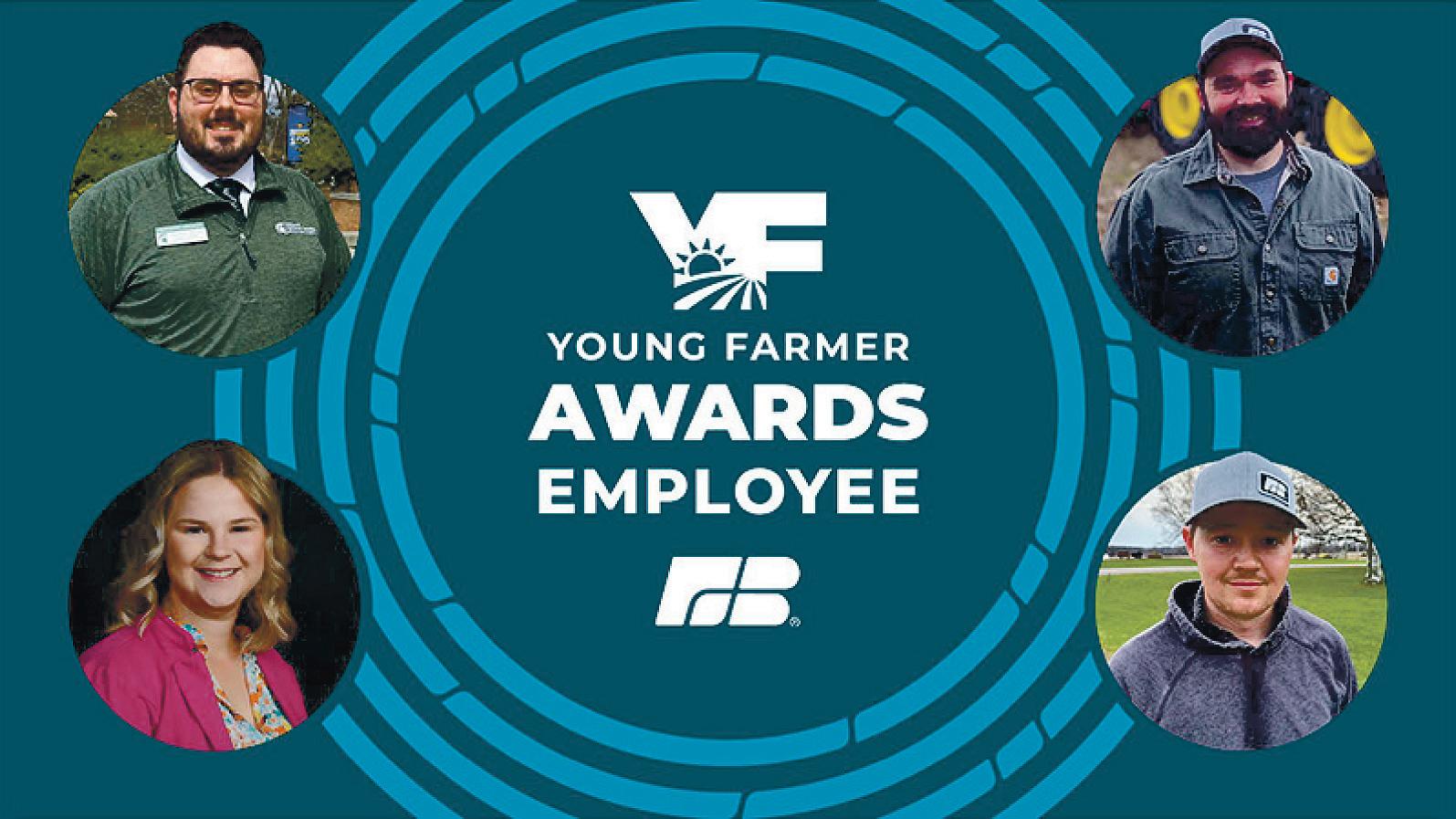
KatieAdam,aHuronCountyfarmer, wasrecentlynamedthewinnerofthe YoungAgricultureEmployeeAward. Shewasoneoffourfinalistsandthe onlyonefromtheThumbregion.
TheYoungAgricultureEmployee AwardisoneofMichiganFarm Bureau’sYoungFarmerAwards. Ithonorsfarmemployeesand agriculturalprofessionalsforthe worktheydotohelptheiroperations grow,staysustainableandremain successful.
YoungFarmerManagerKatie Eisenbergerexplained,"Ouraward winnersandfinalistsareshapingthe futureofMichiganagriculturethrough theirleadership,innovationand commitmenttotheircommunities."
Eachawardfinalistreceives $400andMichiganFarmBureau apparel.Asthe2026statewinner, Adamalsoreceivesa$1,000 AgroLiquidgiftcertificate,an equipmentlease,andatriptothe 2027AFBFFUSIONConferencein NewOrleansnextMarch.

Adamwasrecognizedforherwork supportinggrainandbeanproducers throughherroleasanadviser withStaroftheWest.Additionally,her dedicationtoherfamily’sfarmandher goalofbecomingastate-levelindustry leadersetherapart.
Adamhelpsmanageoperationsat AdamFarmswithherhusband,their childrenandhisfamily.Theirfarm isasixth-generationrowcropand livestockoperationthatproduces sugarbeets,drybeans,wheat,corn
andsoybeans.
Shealsoservesasanadviserwith StaroftheWestMillingCo.,alongstandingsupplierofflour,beans, soybeansandwheatproductsin Michigan’sThumbregion.
Inthatrole,Adamsupportsgrain andbeangrowerswhoservedomestic andinternationalmarkets.Herwork supportssustainabilitybyconnecting producerswithendusers,creating revenueopportunitiesandpromoting stewardship.
Adamsaidherhands-onexperience atAdamFarmshasbeeninstrumental inshapingherapproachasanadviser. “Myon-farmexperiencehelpsmeto understandagriculturalproduction throughtheentiresupplychain,”she explained. Lookingahead,Adamsaidshewants tocontinuegrowingasanindustry leaderbydevelopingprograms forfarmersandensuringtheyare compensatedforsustainabilityefforts. Continuedinvolvementinthe MichiganFarmBureauisalsoa priorityforAdamasshehopestoserve atthestatelevelsomeday.
“Itrepresentsthepowerof agriculturecomingtogetheras oneunifiedvoice,”shesaid.“Inan industrythatisconstantlyevolving andoftenmisunderstood,Farm Bureauprovidesaplatformforusto advocatecollectivelyforprioritiesthat supportfarmers’livelihoodsandrural communities.”
FormoreinformationontheYoung AgricultureEmployeeAward,visit www.michfb.com/membership/ awards/young-farmer-awards.

Smallfarmsarethelifeblood ofruralcommunities. AccordingtotheFarmBureau, 97percentofAmericanfarms areownedbyfamilies.Small familyfarmsmakeupthe majorityoffarmsnationwide andoperateahighershareof acresaltogetherthananyother farmsize.It’simportanttonote thatthedistinction“family farm”doesnotnecessarily alwaysmeanasmall-scale
operation.Tenpercentoffarms ownedbyfamiliesgenerate morethan$350,000inannual revenue.Despitethis,smallscalefarmsaremiredina long-termdecline,according torecentU.S.Departmentof Agriculturereports.Driven byeconomicpressures, governmentpoliciesgenerally arefavoringlargeoperations, consolidationandtighter competition.
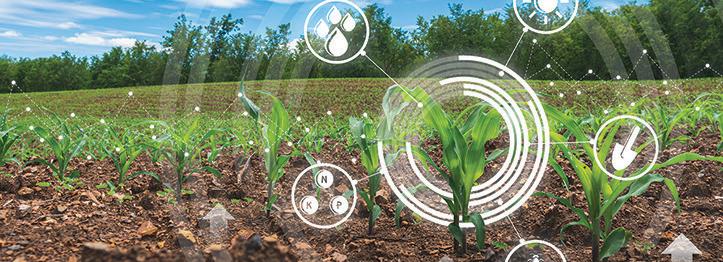
Theagriculturalsectorisevolving thankstonewtechnologynecessitated byagrowingglobalpopulationand thepressuresofclimatechange.The UnitedNationspredictsaglobal populationof9.7billionby2050. Theagriculturalsectormustfigure outawaytomeetthedemandsof thatexpandingpopulation.These challengesarebeingoffsetby advancingtechnologiesthatare helpingfarmersincreaseproductivity whilealsoreducingtheirecological impact.
Technologicaladvancementsare cultivatinginnovationwithinthe agriculturalsector,andthesearesome oftheoptionsfarmersareexploring.
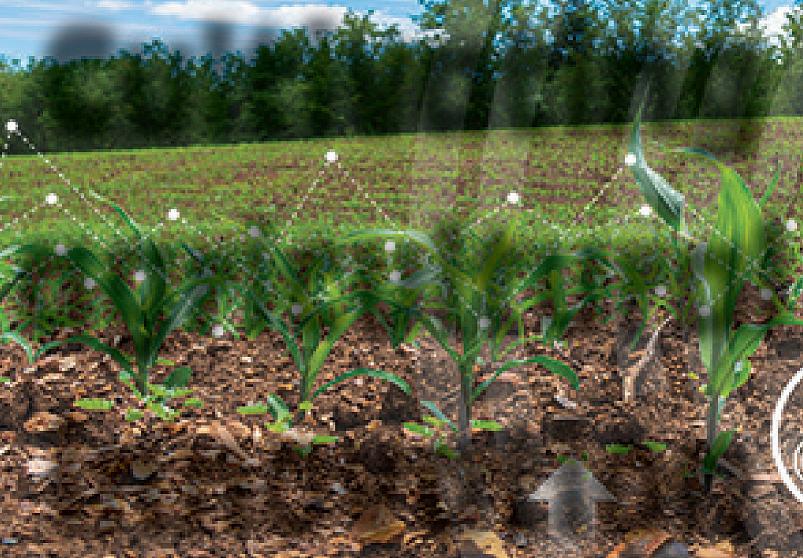
•Theinternetofthings(IoT): IoTisavastnetworkofobjects embeddedwithsensors, softwareandconnectivity. Farmoperationscanuselow-
cost,high-durabilitysensors deployedacrossfieldstomonitor soilmoisture,temperatureand nutrientlevelsinrealtime. Thesesensorsallowfor“variable rateapplication”ofwaterand fertilizers,ensuringresources aredirectedonlywherethey areneeded.AreportbyGrand ViewResearchsaysthesmart agriculturemarketisexpected togrowatacompoundedannual growthrateof10.8percent through2030.
•Roboticsandautomation: Laborshortageshaveledtoa growingrelianceonrobotics andautonomousmachinery tohandlefarmwork.Modern tractorscanbeequippedwith GPSandLiDAR(lightdetection andranging)systemstooperate autonomously.Optimized

pathfindinghelpstoreduce soilcompactionandmore. Specializedrobotsarecapable ofselectiveharvesting,saysthe JournalofFieldRobotics.Fruit pickerscanevaluatetheripeness ofproducebeforepickingit, minimizingwaste.Unmanned aerialvehiclesordronescan offermultispectralimagery thatenablesfarmerstoidentify cropstressbeforeitisvisibleto people.
•Biotechnology:Farming increasinglyisbeingdevelopedin thelabbeforecropsevensprout inthefields.Biotechnologyisa pillarofagriculturalevolution. Gene-editingtoolslikeCRISPRCas9candevelopcropvarieties thataremoreresilienttosaline soilconditionsanddrought. ResearchpublishedinNature
Communicationssaysthat bio-engineeredcropshavethe potentialtoincreaseyieldsbyup to20percent,eveninsuboptimal environments.Thiscutsdown thetimerequiredtocreatetraits thathelpplantsthrive.
•Verticalfarming:Vertical farmingenablesfacilitiesto producemorefoodpersquare footthantraditionalfarming, accordingtotheAssociation forVerticalFarming.When couplingthiswithControlled EnvironmentAgriculture,which employshydroponicoraeroponic systems,facilitieshavegreater controloverconditionsthatcan affectfoodsources.
Theutilizationofdifferent technologiesacrosstheagricultural sectorisdrivinginnovationand production.

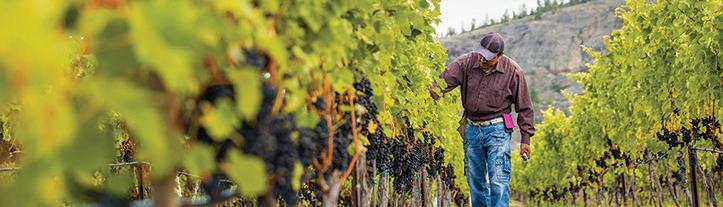
The global wine industry is not immune to the effects of climate change and soil degradation. Through a process of regenerative farming, soil health is protected and vintages can be produced with great success.
What is regenerative viticulture?
Regenerative viticulture, also known as regenerative agriculture, is farming that emphasizes the regeneration of soil health, says Eco Terreno Wines & Vineyards. These farming practices are organic and ecologically-driven to enhance the ecosystem through a partnership with nature. Regenerative viticulture focuses heavily on soil health, carbon sequestration and biodiversity.
Five primary principles drive regenerative viticulture: minimizing soil disturbance, keeping the soil covered, maintaining living roots year-round, increasing plant diversity, and integrating livestock. The Regenerative Viticulture Foundation says the goal is to create a “closedloop” system where the vineyard provides its own nutrients instead of having to use synthetic ones.
The use of cover crops can increase soil organic carbon (SOC), which is vital for mitigating the wine industry’s carbon footprint. According to research published in the Journal

of Cleaner Production, use of cover cropping in vineyards can increase SOC by up to 1.5 tons per hectare annually, making processes much more eco-friendly. What’s more, cover cropping can improve the water retention capacity of soil. This is essential in regions where drought cycles have been on the rise.
The primary role of animals in regenerative agriculture is “prescriptive grazing.” By allowing livestock to graze between rows during the dormant season, vintners can eliminate much of the need for mechanical mowing and herbicide application. Data from the Regenerative Viticulture Foundation found sheep can reduce the need for



tractor passes by up to 80 percent, significantly lowering the vineyard’s carbon footprint while preventing soil compaction. Animals also convert plant matter into high-quality manure and urine, providing bioavailable sources of nitrogen, phosphorous and potassium.
Chickens and ducks also may be deployed to manage pest populations like mealybugs or snails near vines without the need for synthetic insecticides. Animals also naturally aerate the soil through their beaks, feet and hooves, allowing organic matter to get into the earth more readily.
The future of healthy vineyards may rely on regenerative viticulture, which safeguards the land and ensures successful production cycles.








Farmingandranchingmay bethefirstrolespeoplethink ofwhentheyenvisionjobsin agriculture.Butthemodern agriculturalsectoroffersa muchwiderrangeofcareer pathsaswell.Astechnology, sustainabilityandconsumer demandimpactstheindustry, agreaternumberofunique andinnovativecareerpaths haveemergedandopened doorsforpeoplewithawide rangeofskills. AccordingtotheUnited Statesgovernmentand industryprojections,the agriculturalandfoodsectors supportedabout22.1million jobsin2022,andgrowthis expected.Thoseexploring agricultureasapossible careerfieldcanlooktothese uniqueroles.
Precisionagriculture specialist
Aprecisionagriculture specialistisanemergingand dynamicroleinthefield. Theseprofessionalsapply dataanalytics,GPS,sensor technology,anddroneusage tooptimizecropyieldsand inputuse.Accordingtodata reportedbyZipdo,useof digitaldevices,AIandother toolsinfarminghassurged. Digitaltoolusehasrisenby
roughly50percentinthe lastfiveyears,anddrone technologyadoptiongrew by48percentbetween2019 and2023.Estimatessuggest thatprecisionagriculture willexpandrobustlythrough thelatterhalfofthedecade, andindividualsguidingthis expansionwillbeindemand.
Agriculturesustainability consultantsalsoare importanttomodern farming.Theseprofessionals areresponsibleforadvising farmsandagribusinesses oneco-friendlypractices. Thesemayincludesoil conservation,water management,carbon sequestration,and regenerativeagriculture. Inaddition,animalwelfare andlivestocktechnology specialistsimprove animalhealthandsupport ethicalandsustainable farmingpractices.The BureauofLaborStatistics saysagricultureandfood scientistsworkinginscience andsustainabilityare projectedtoseeemployment opportunitiesgrowbyabout 6percentbetween2024 and2034,whichisfaster
than the average for all U.S. occupations.
Careers in digital marketing and agricultural communications also are gaining traction, with consumers increasingly being interested in where their food comes from. Agricultural businesses need storytellers, social media managers and content creators to share engaging and transparent narratives about the innovative efforts taking place on their farms.
Agricultural entrepreneurs
Entrepreneurs, known as
“agripreneurs” within the industry, are the go-getters who are helping to redefine the agricultural sector. These people develop plant-based products or ag-tech startups, combining creativity with agricultural knowledge and business development. The U.S. Chamber of Commerce says the agriculture and food industries contributed $1.53 trillion to the U.S. economy in 2023, and agripreneurs are a rising part of that equation who are fueling innovation.
Careers in agriculture are diverse and profitable. There are many paths individuals can take to contribute to this vital industry.

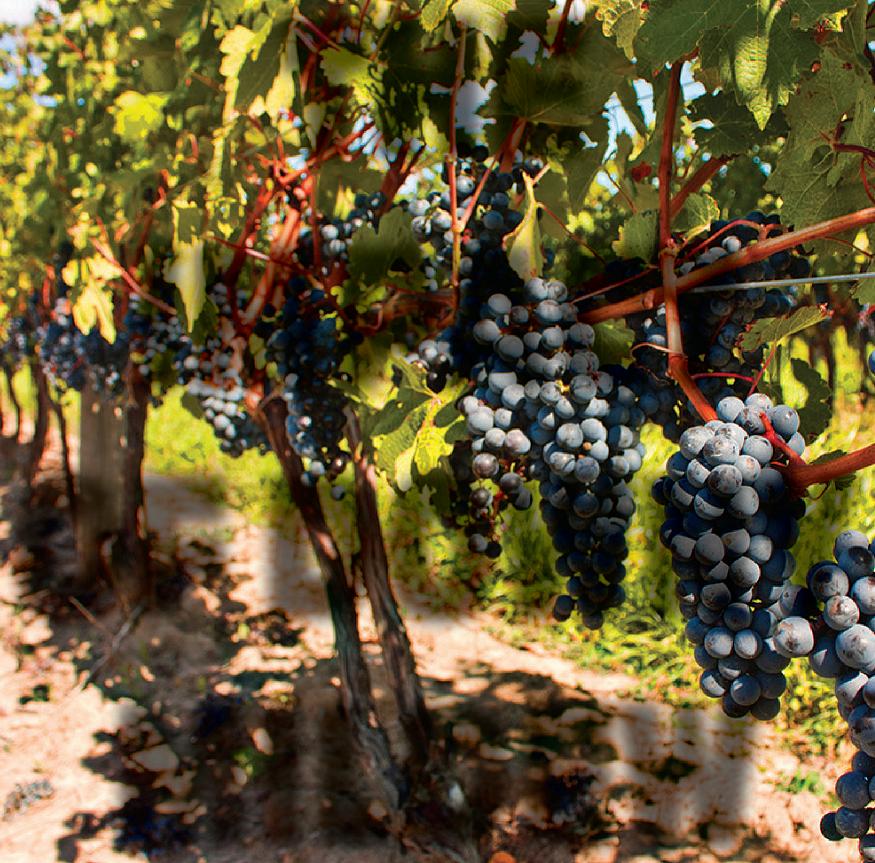
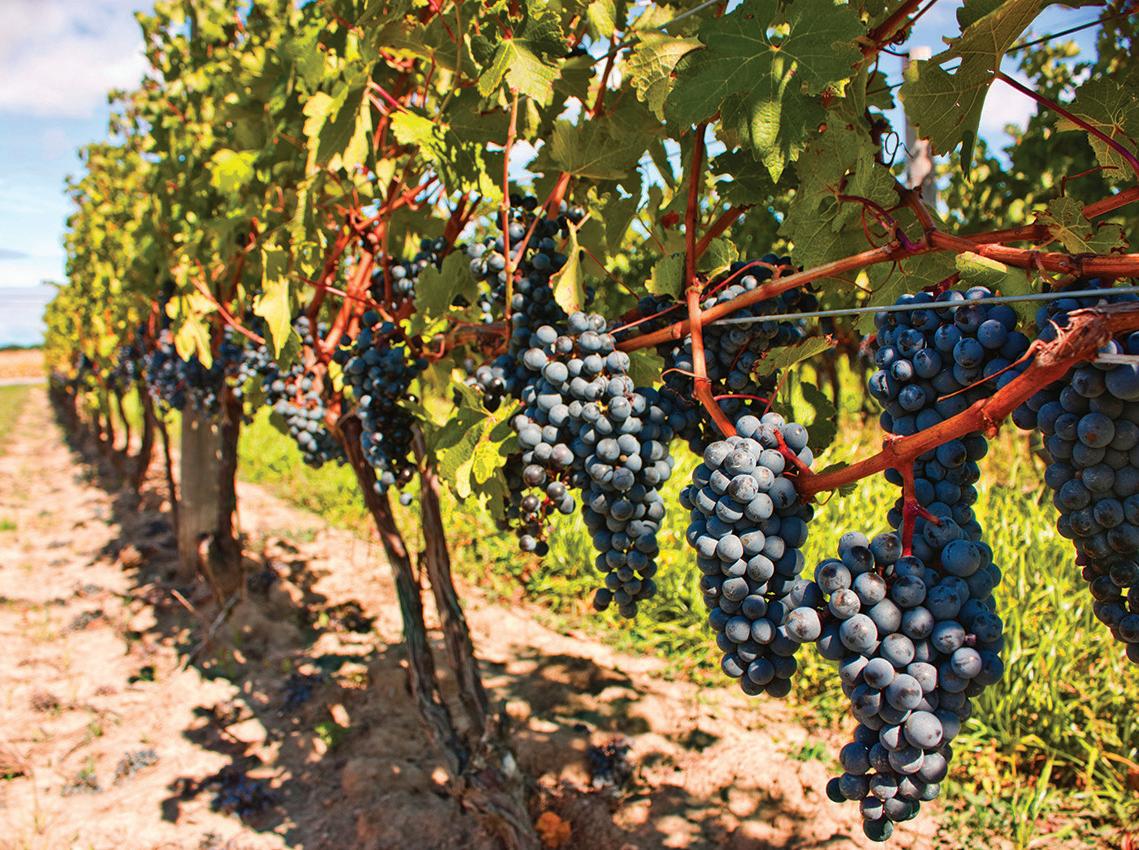
Aflavorfulwineisa byproductofalotofcareful attentiontogrape-growing, blendingofflavorsand masterfulfermentation. Vintnersknowthat everythingfromweather topestscanaffectthe finishedproduct,anddowny mildewisonevariablesuch individualsmayknowalltoo well.
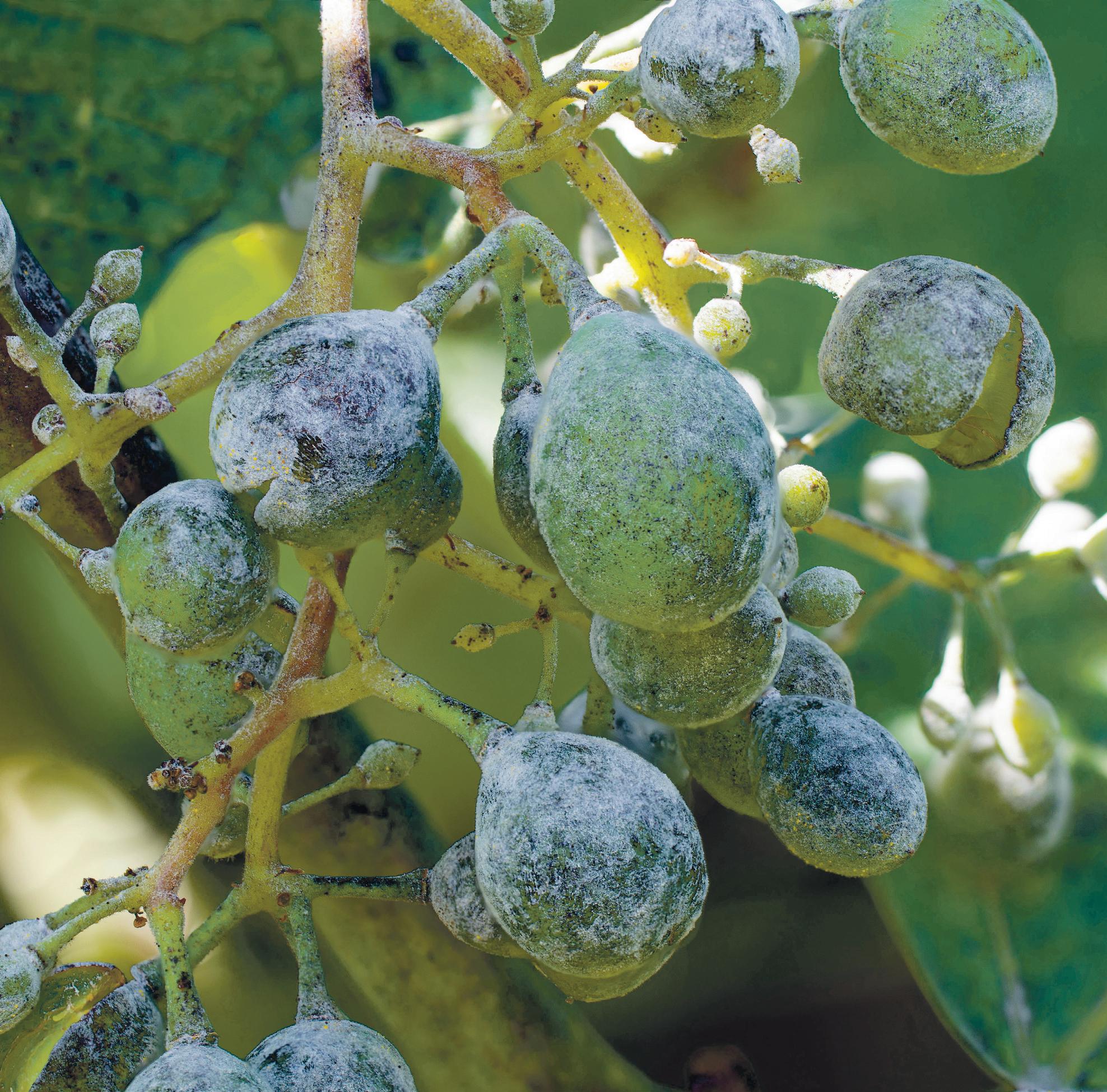
Downymildewiscaused byPlasmoparaviticola. NativetoNorthAmerica, thisoomyceteevenspread toEuropeinadvertentlyin thelatenineteenthcentury. Itremainsoneofthemost economicallydevastating plantdiseasesamongglobal viticulture.Unliketruefungi, downymildewisa“water mold”anditthrivesinwarm, humidconditions.
Horticulturalexpertssay
thediseasecyclebeginswith oosporesoverwinteringin leaflitteronthevineyard floor.AccordingtoCornell University’sFruitResources guidelines,infectionrequires temperaturesofatleast 10C(50F)and10mmof rainfall,allwithina24-hour period.Theseconditions triggerthereleaseofspores whicharesplashedand spreadintothevinecanopy. Onceestablished,thedowny mildewenterstheplant throughstomata,whichare tinypores,mostlyontheleaf undersides.An“oilspot” thatlookslikeyellowish, translucentlesiononthe upperleafsurfacemaybean earlywarningsign.Under highhumidity,themildew producesawhite,cottony substanceontheunderside oftheleaf.


If left unchecked, downy mildew can lead to leaf loss on the plant and the rotting of grape clusters. This affects the vine’s ability to store carbohydrates and can affect both current and future yields.
While it once was common to rely on widespread copper-based fungicides to treat downy mildew, the University of California Statewide Integrated Pest Management Program says an emphasis on more holistic strategies is best to reduce pathogen resistance and soil toxicity. These steps include:
• Increasing air flow and sunlight penetration to the grapevines by pruning and leaf pulling. This reduces leaf wetness duration required for the mildew to take hold.
• Avoid overhead watering and apply water directly to the soil at the base of the plants.
• Scientists are developing fungus-resistant grape varieties and crossing them with North American species through modern breeding programs. This may be a possibility for those just starting their vineyards.
• Vintners are now utilizing weather station data and computerized models to time any fungicide treatments precisely to do pre-symptomatic interventions instead of broader spraying. Penn State Extension says downy mildew can begin to affect plants in the spring, so it’s best to get a jump on treatment. Typical fungicides include a combination of copper sulfate and lime, according to the University of WisconsinMadison.
• Remove and destroy infected plant debris at the end of the season so it does not serve as a source of spores for the next growing season.
Downy mildew is a problem that affects a variety of plants, but notably grapevines, which can adversely affect yields and cut into profits.




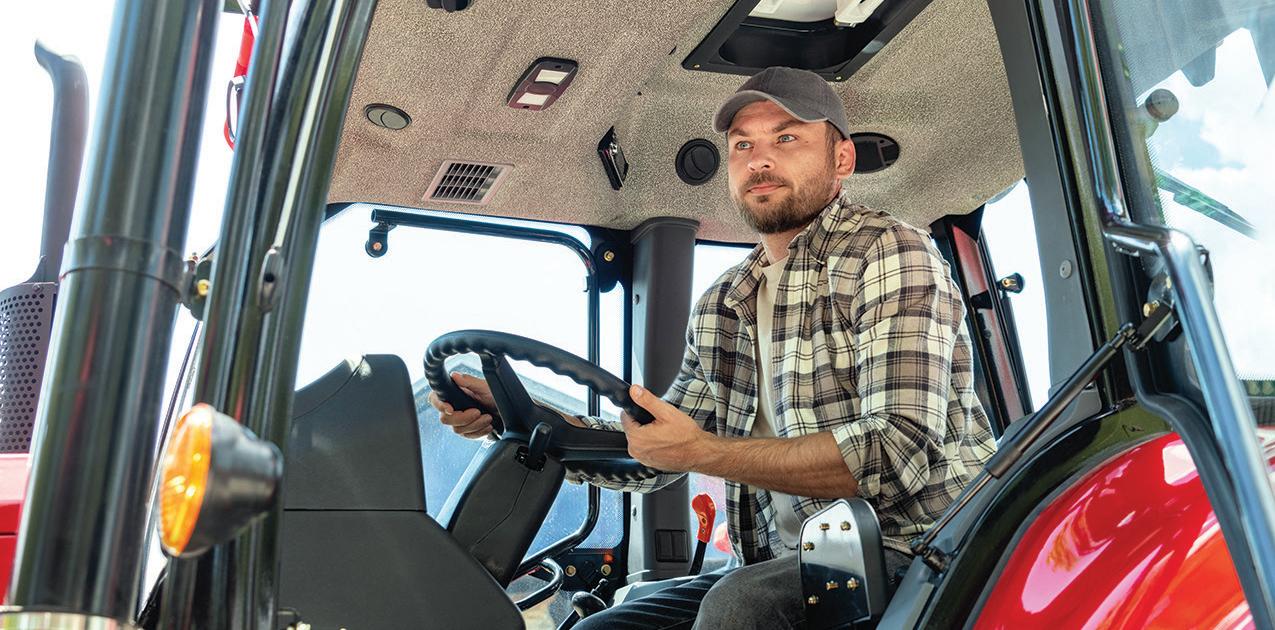




Agricultureisroutinely rankedamongthemost dangerousprofessions aroundtheworld.Boththe NationalSafetyCounciland theNationalInstitutefor OccupationalSafetyand Healthsayagricultureis oneofthemosthazardous industriesintheUnited States.Farmingoperations continuetopushforward withmoremechanizedand high-techequipmentthat requiresroutinereviewsof safetyprotocols.
needtoprioritizefarmsafety acrossallagegroups.
Ensuringsafeworking conditionsisvitalwithinthe agriculturalsector.These guidelinescansetthecourse forsaferfarmingwork.
•RolloverProtective Structure(ROPS):The mosteffectivelifesaver onafarmisROPS. Whencombinedwith seatbeltuse,ROPSis 99percenteffectivein preventingdeathduring atractoroverturn.




AccordingtotheBureauof LaborStatisticsandNIOSH, theagriculturalsector recordedafatalinjuryrate ofapproximately18.6deaths per100,000workersin2023. Transportationincidents, notablytractorrollovers, remaintheleadingcauseof death.Furthermore,recent reportsfromtheNational Children’sCenterforRural andAgriculturalHealthand Safetyindicatethatachild diesinanagriculture-related incidentintheUnitedStates approximatelyeverythree days,whichunderscoresthe
ROPSarerollbarsor rollcagesfittedfor wheel-andtrack-type tractors,saysPennState Extension.Modern guidelinesindicatethat allmachineryshould befittedwithupdated guardingtoprevent entanglementaccidents, whichareoftencaused byPowerTake-Off shafts.
•Respiratoryprotection: Grainbinsandsiloscan posesignificantrisks onafarm.Thisincludes toxicairexposureaswell

astheriskforengulfment. High-profileincidentsin 2023illustratedthethreat thatoxygen-limiting siloscanposeafter deadlycarbondioxide concentrationsform.Risk ofsuffocationalsoisgreat inagrainbinifaperson isengulfedbygrain. Workersshouldnever workinabinaloneand shouldutilizealockout/ tagoutsystemtoensure thatallaugersareoff beforeentry.
•Chemicalsandbiological hazards:High-potency pesticidesandfertilizers createtheirownhazards onthefarm.Personal protectiveequipment (PPE)isamustwhen workingwithchemicals. Mostmodernstandards requireproperventilation, chemical-resistant glovesanddedicatedeye protectiontoprevent acutepoisoningandlongtermhealthissues.
•Hearingprotection: Exposuretothesounds offarmmachineryand otherequipmentcan resultintinnitus(ringing intheears)andeventual hearinglossunless hearingprotectionisworn regularly.
•Fatigueandmental health:Mentaland physicalfatigueoffarm
workerscanresultin injuryaswell.Acritical trenduncoveredin recentagriculturalsafety researchultimately ledresearchersto concludethat“fatigue management”needs tobeprioritized, accordingtotheUnited StatesDepartment ofAgriculture.Tired operatorscanbe vulnerabletolapseof-attentionerrors,so farmersareencouraged toimplementscheduled breaks.TheRuralHealth InformationHubsays thatstressalsoisa bigfactorforfarmers. Environmentalfactors suchasdrought,floods, wildfires,pests,and diseases,aswellaslong hoursandfinancial concerns,canresult infeelingsofisolation andfrustration.Stress isaknownprecursorto physicalaccidentsonthe farm.
Thesearejustsomeofthe riskfactorsonfarmsthatcan leadtoaccidentorinjury.Falls fromladders,injuriesfrom livestock,exposuretoUVrays, andexposuretohighlevelsof dust,moldandbacteriaalso canaffectmodernfarmers. Agriculturalsafetyneeds toevolveasquicklyasthe changingoperationsonfarms.
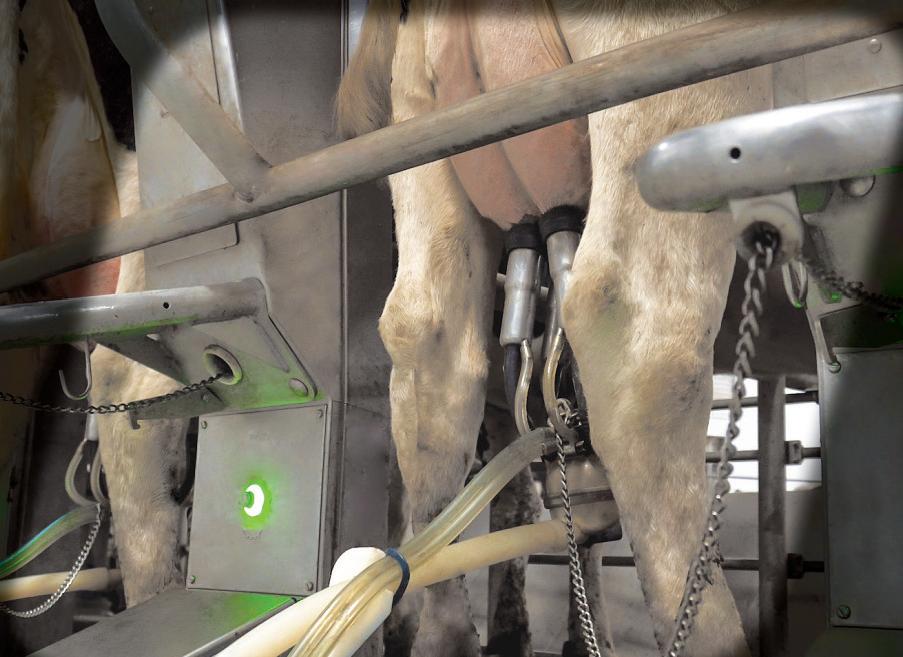
TheSmartLite™detacherwithabright, multi-coloredLEDgivesyouaninstantoverviewof themilkingstatusateachstall.Withasingle-button operationandfeatureslikeQuickStarttoactivate themilkingprocessforyouitcouldnotbeeasier.
Thereportingprovidediscomprehensivebut straightforward.SmartLiteallowsyoutofocuson yourcowcareandnotdistractyouwithanoverly complicatedstallpointinterface.
Enjoymilkingagainforthelifeofyourdairy.