Landscaping goes a long way toward how residents, guests and even prospective buyers view a property. A 2023 Thumbtack survey conducted in partnership with Nextdoor found that 73 percent of homeowners feel a well-kept lawn dramatically improves curb appeal.
Maintaining a lawn involves more than mowing once every week or two weeks. While it’s important that grass be cut consistently and at a height that helps to prevent weed infestation, homeowners also need to go further if they hope to produce a lawn they can be proud of.
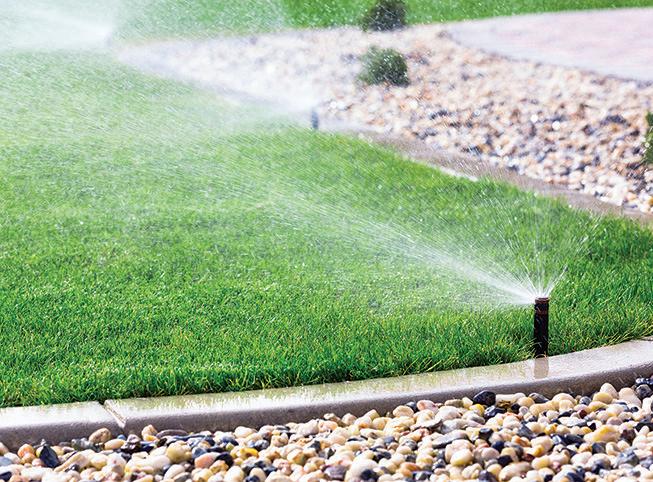
Watering a lawn promotes strong roots and produces that lush, green look that can quickly become the envy of a neighborhood. Hand watering is effective but also labor-intensive, while watering with lawn sprinklers may require frequent repositioning and lead to substantial runoff. That’s why many homeowners look to irrigation systems to preserve their lawns and other areas of the landscape outside their homes. Homeowners considering such a system for their homes can take note of some of the basics of home irrigation systems.
Types of irrigation systems
Homeowners may be surprised to learn there are various types of irrigation systems. When considering an irrigation system, homeowners may settle on two of the more common types.
• Sprinkler systems: These might be the most familiar home irrigation systems. A sprinkler irrigation system positions various sprinklers around a property and allows homeowners to water large areas in a relatively brief period of time.
• Drip irrigation systems: Drip systems are installed underground and provide water directly to the roots, which builds a stronger lawn and reduces the risk of weed infestation. Drip systems also can help to conserve water, which is important for homeowners who live in areas with arid climates. And because they’re underground, drip systems do not lose a lot of water to evaporation, which is another notable factor for homeowners to note if they live in areas with high temperatures and substantial summertime humidity. Cost
Cost is a chief consideration
for any home improvement project, and irrigation systems are no exception. The cost of a system will depend on a number of variables unique to each property, including the size of the grounds, the soil conditions, and the layout of the lawn. A drip irrigation system is considered affordable, with the experts at LawnStarter® estimating homeowners spend between $310 and $815 on such systems. A sprinkler system can cost anywhere from $0.90 to $1.70 per square foot, according to LawnStarter®.
So homeowners interested in such systems can expect to
spend thousands of dollars to install one.
Installation
It’s generally a good idea to leave irrigation system installation to the professionals. However, various resources indicate that drip irrigation systems are DIY-friendly for people with ample DIY experience.
Sprinkler systems are more difficult to install than drip systems, and these projects should be trusted to experienced local professionals.
A well-maintained law can be a show stopper, and an irrigation system can help homeowners get the most out of their lawns.
People who spend any measurable amount of time outdoors likely have crossed paths with various flying insects that cohabitate in a typical yard. Some of the most ardent pollinators and pest control agents also have the potential to
be dangerous if provoked. While most bees, wasps and hornets are content to go about their business, their stingers can make these insects formidable foes, particularly to those who are allergic.
According to The Best Bees
Company, there are more than 20,000 known species of bees and more than 100,000 known species of wasps worldwide. Those who don’t want to get too up close and personal with stinging insects may not know how to tell the different types apart. Bees, wasps and
hornets are distinguished by their behavior, waist and body texture.
Bees
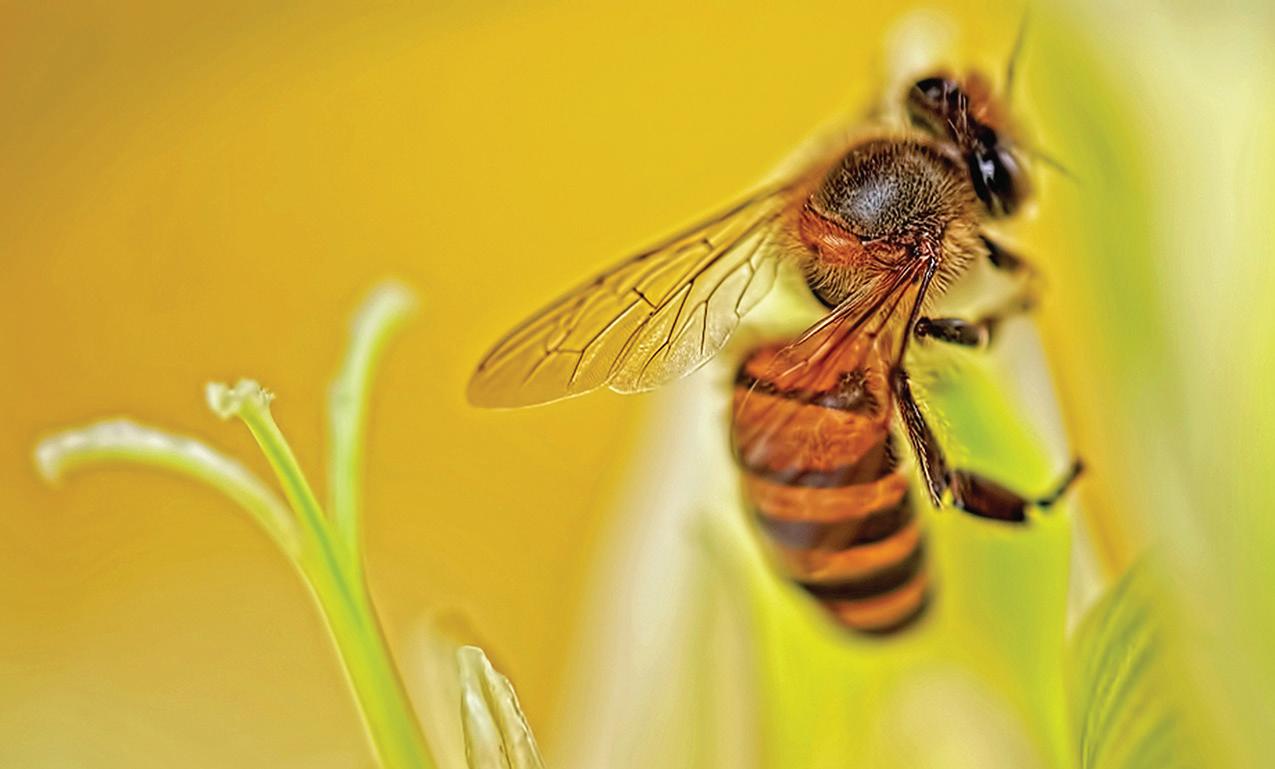
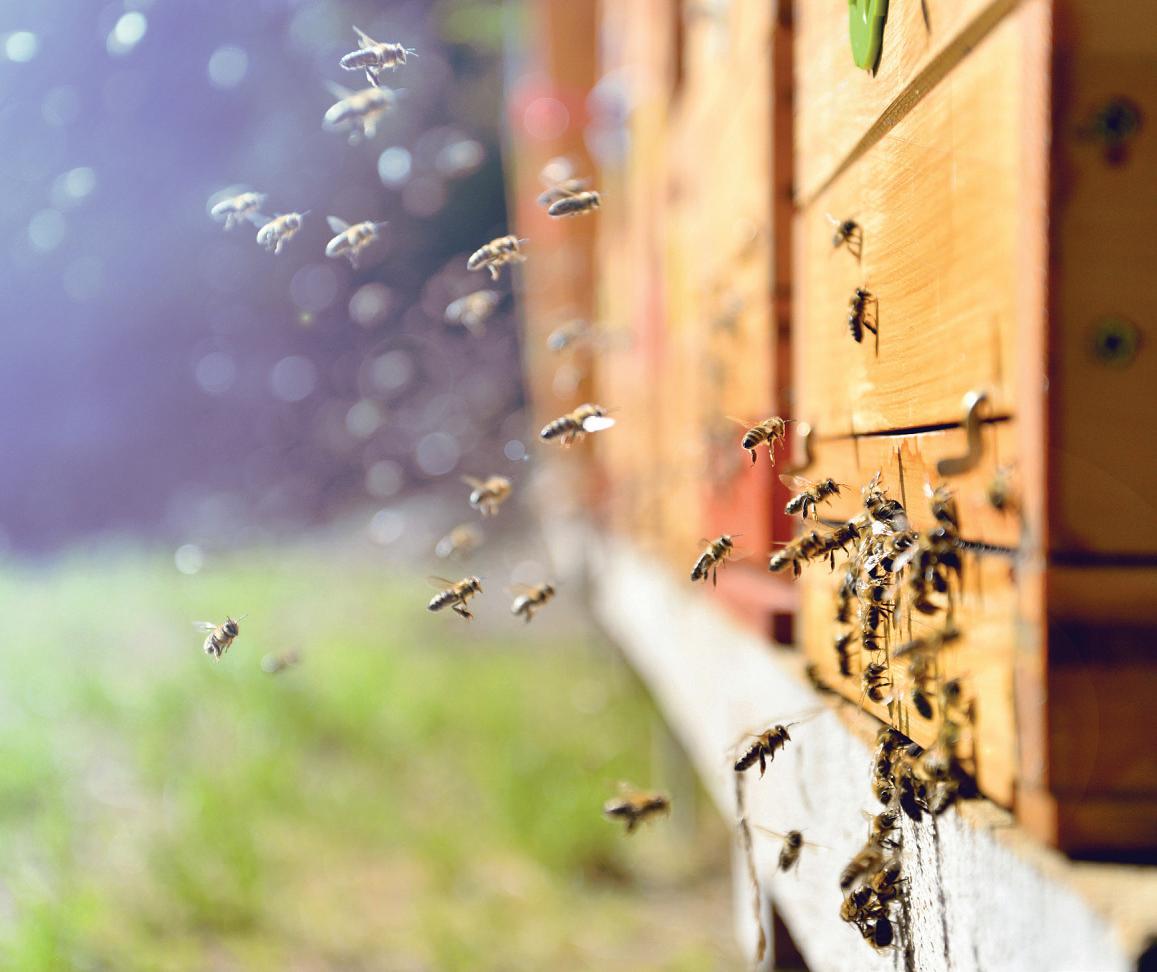
If it has a fuzzy body, it’s a bee. Bees tend to be non-aggressive and may be carrying pollen on their backs. They also live in wax hives.
You’ll likely see bees flitting from one flower to another in the warmer weather. Honeybees will die after one sting, advises PBS, but bumblebees and carpenter bees have smooth stingers that will not get stuck, enabling them to sting again.
Wasps
Wasps are stinging insects which can be social or solitary. Wasps have smooth, shiny bodies and narrow waists. They can be bright black and yellow or black and white. Wasps can sting repeatedly, says The Spruce, but they may not always be aggressive; it depends on the species. Yellowjackets are a type of wasp. They are sensitive to threats and not afraid to use their stingers. Another way to distinguish wasps from bees is that wasps hang their legs down while flying and
bees keep them tucked in.
Hornets
Hornets are wasps and tend to be social in nature. They only construct paper nests and can be more aggressive than other types of wasps. The Old Farmer’s Almanac says hornets can be highly defensive with more painful stings, and also may be larger and rounder in size than other wasps. In the United States, the one true hornet species is the European hornet, which nest in trees.
It’s impossible to avoid bees and wasps entirely, but individuals can be mindful of where they are making their nests. As these insects are important to the ecosystem, it’s key not to exterminate them haphazardly. If a nest is problematic, it’s best to have a professional come and relocate or remove it safely.
Areas where insectsmay gatherin youryard
Outdoor entertaining is a big part of life when the weather warms up. An afternoon and evening spent enjoying warm weather in the backyard is the ideal for millions of people come summertime.
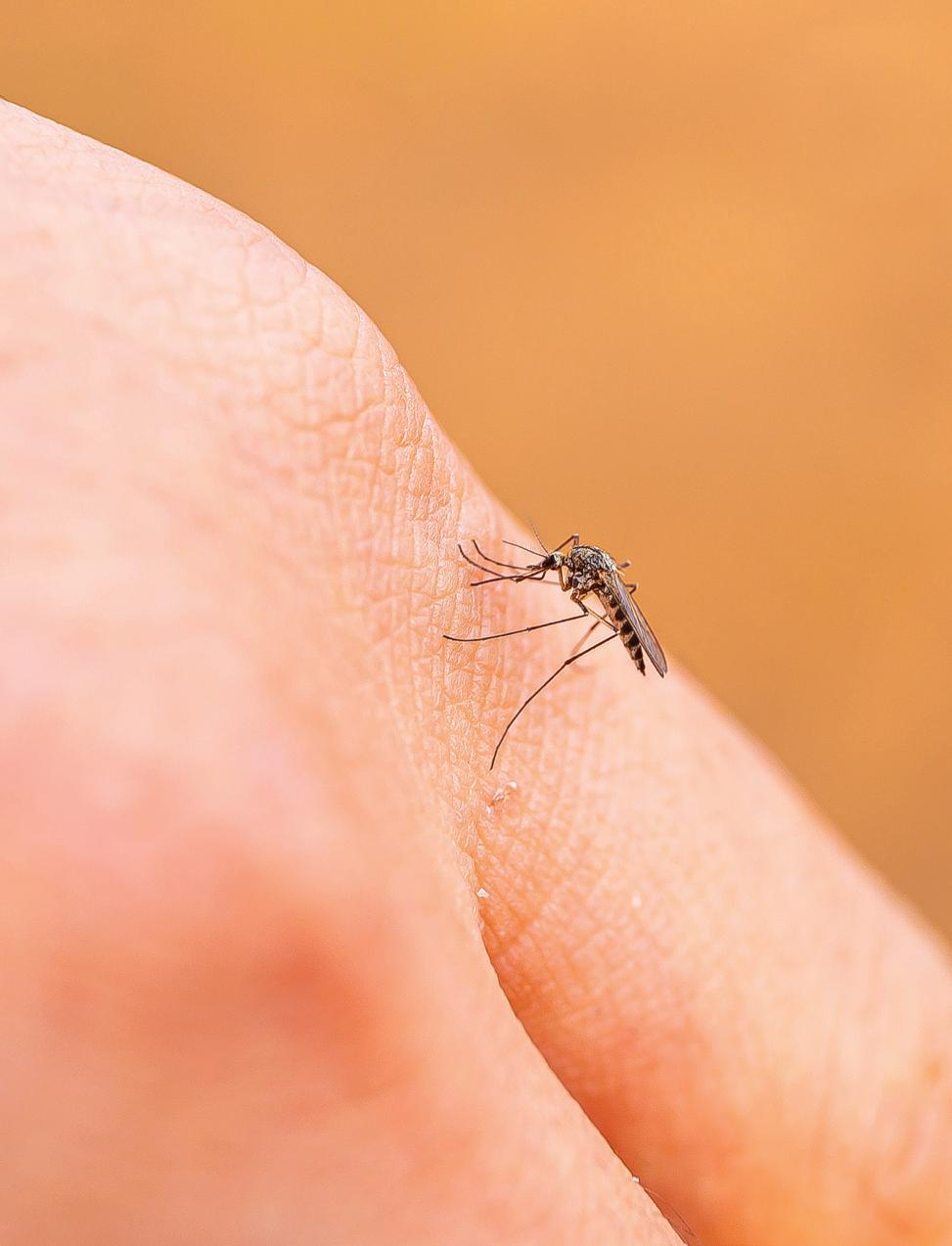
An idyllic day entertaining outdoors can be compromised by insects. Biting insects may drive some people indoors, while others may avoid outdoor entertaining spaces entirely at times of year when mosquitoes and other bugs are most active. Bug spray can be a quick and effective remedy against insects, but homeowners also can identify spots on their property that insects may seek out as a food source, breeding ground and/or hiding place.
• Standingwater: The Centers for Disease Control and Prevention note mosquito larvae and pupae live in water with little or no flow. Standing water around a property can be an ideal spot for mosquitoes to lay eggs. Containers that hold water,
like bird baths, flower pots or water bowls for pets, may be inviting mosquitoes to lay eggs in your yard. The CDC also notes that mosquitoes may even lay eggs in tree holes that collect water. Remove bird baths from your property if you’re having mosquito issues, and turn over water bowls and empty planters before going inside each night.
• Leaves: Fallen leaves that are not collected and discarded or added to compost piles may be providing a breeding ground for unwanted insects. Slugs and beetles hide and breed in fallen leaves, so it’s imperative that homeowners promptly address spots where leaves have fallen.
• Untidyareas: The landscape solutions experts at BioAdvanced® note that keeping a neat and clean outdoor environment is the simplest way to eliminate insect habitats on a property.
Insects hide in buckets, boards, bricks, and even toys. While it can be a chore to keep up with the exterior grounds of your home, particularly when the weather is warm, a nightly scan of the property and some light tidying up will make your outdoor entertaining spaces less appealing to various species of insect.
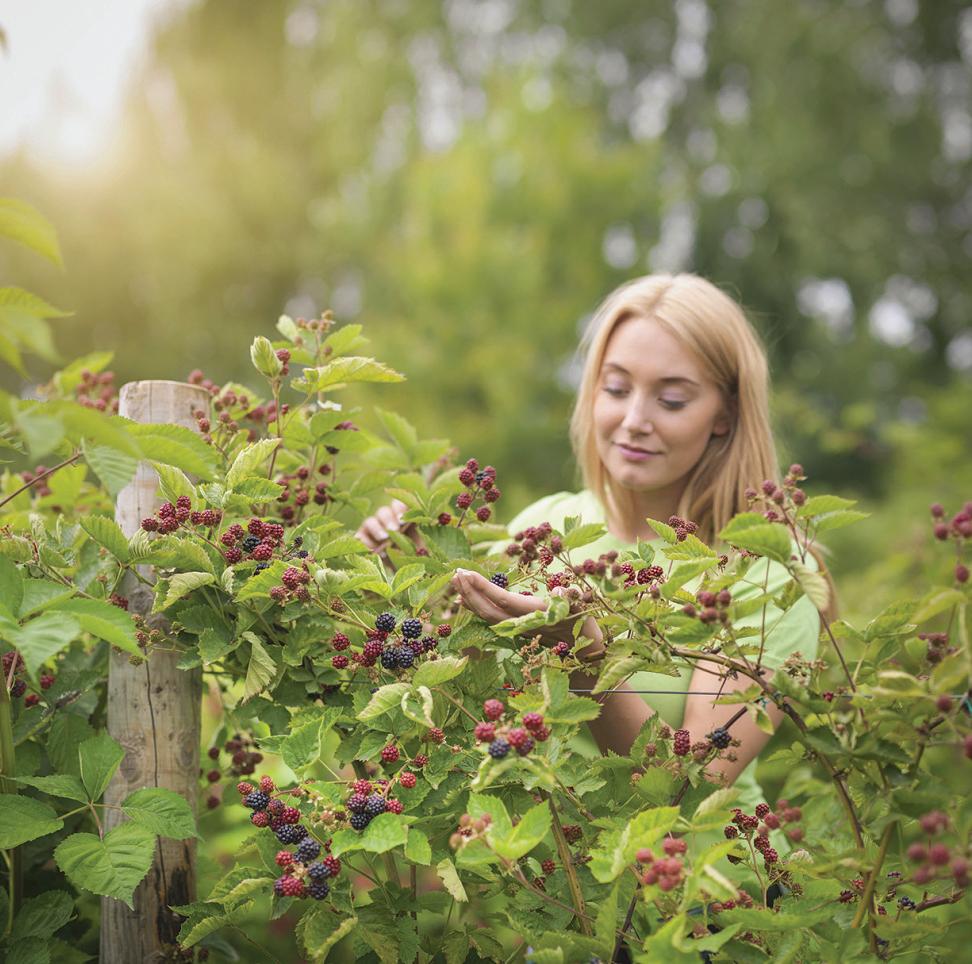
• Foodgardens: Gardening is an enjoyable hobby that studies have shown benefits gardeners’ mental and physical health. But food gardens can serve as primary food sources for insects. However, that does
not mean you cannot have a food garden and still enjoy a relatively insect-free outdoor entertaining space. Homeowners are urged to speak with a local garden center for advice on plant diversity. Some plants, like mint and dill, may attract beneficial insects that keep harmful insects at bay. Local climate can affect what works and what doesn’t, so work with a local professional to identify your options. Insects are unwelcome guests when entertaining outdoors. But there’s much homeowners can do to keep insects from setting up shop on their properties.
Tipstoincorporate natureintoan outdoorlivingspace
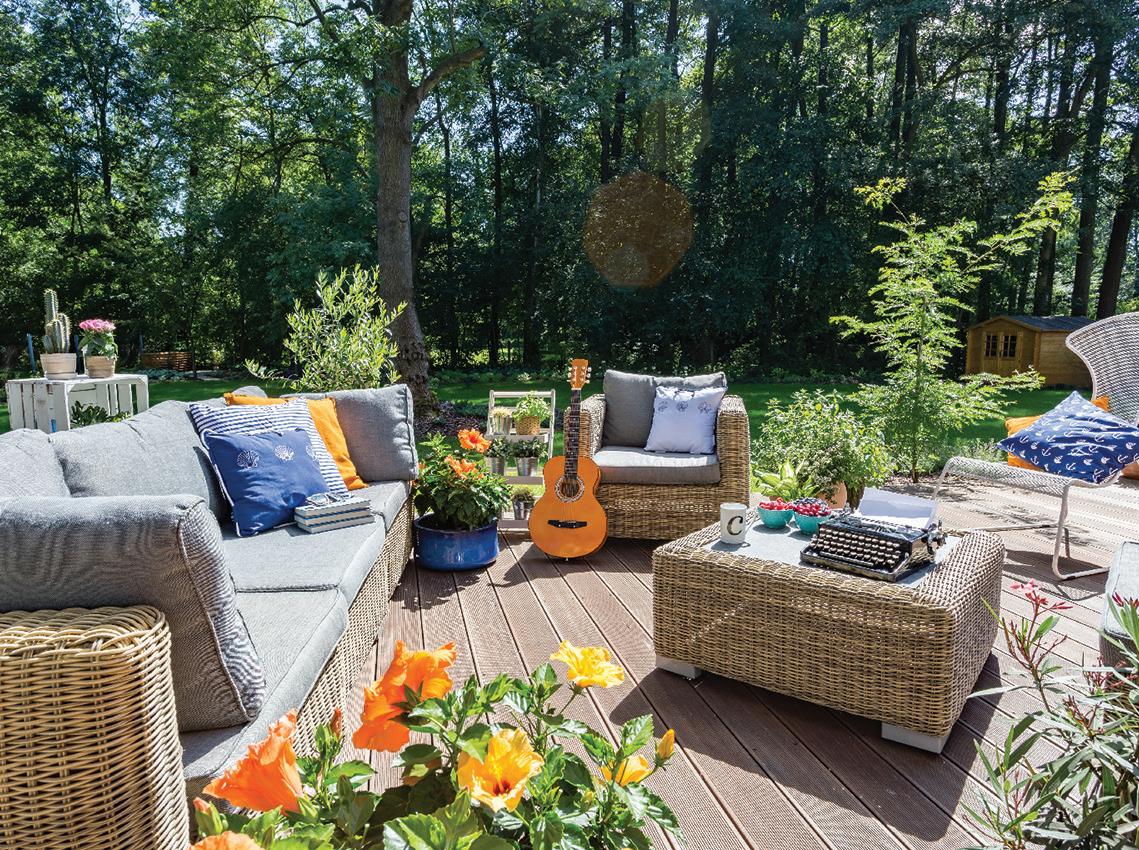
Outdoor living spaces provide a great way for people to spend more time outside. The chance to do just that is one of the variables that has driven the boom in outdoor living, which a recent survey from COGNITION Smart Data found is the most desired feature among nearly 23 percent of home buyers surveyed. Indeed, outdoor living spaces outranked smart home technology, modern finishes and even climate-resilient designs in terms of desirability among home buyers surveyed in 2026.
The outdoor living boom is a testament to the allure of nature, and homeowners can incorporate the beauty of the great outdoors when designing outdoor living spaces.
• Consider the sightlines when laying out new spaces. When determining where to position an outdoor kitchen, an outdoor living room and additional features of an exterior living space, consider existing landscape features. A vibrant and colorful garden that’s visible to residents and guests when they’re relaxing in the space can remind all of the beauty of nature. Home cooks routinely tasked with manning the grill would undoubtedly appreciate looking out onto a lush, green lawn while flipping burgers, so position the grill to facilitate such a view. When setting up an outdoor living room
where you intend to gather for outdoor movie nights and game watches, plant some colorful accent trees or plants around the perimeter of the space so viewers are reminded of the beautiful setting at all times.
• Utilize nature to create privacy. Fencing is many homeowners’ first thought when seeking to create privacy in an outdoor living space. While fencing is undeniably effective as a privacy screen, it may not accommodate homeowners who desire an outdoor living space that reminds residents and guests of the beauty of nature. Consider privacy trees when designing an outdoor living space. The right choice of tree depends on local climate and additional variables unique to a property, so work with a landscaping professional to identify the best options for your space. Trees can even be
planted in front of existing or newly installed fencing to create a more natural-looking perimeter.
• Prioritize yard space. It’s tempting to go big on hardscaping when designing an outdoor living space. However, the cost of hardscaping is among the expensive components of a deck or patio renovation project. Eliminating yard space also can make it hard to establish a nature-first vibe. When planning the space, resist any temptation to expand the deck or patio space at the expense of natural components like grass, plants, gardens, and trees. Some grasse may need to be sacrificed, but be sure there’s a balance throughout the space. Incorporating nature into an outdoor living space can help establish such areas as sanctuaries where residents and guests can relax in the great outdoors.
Thefoundations ofsustainable farming
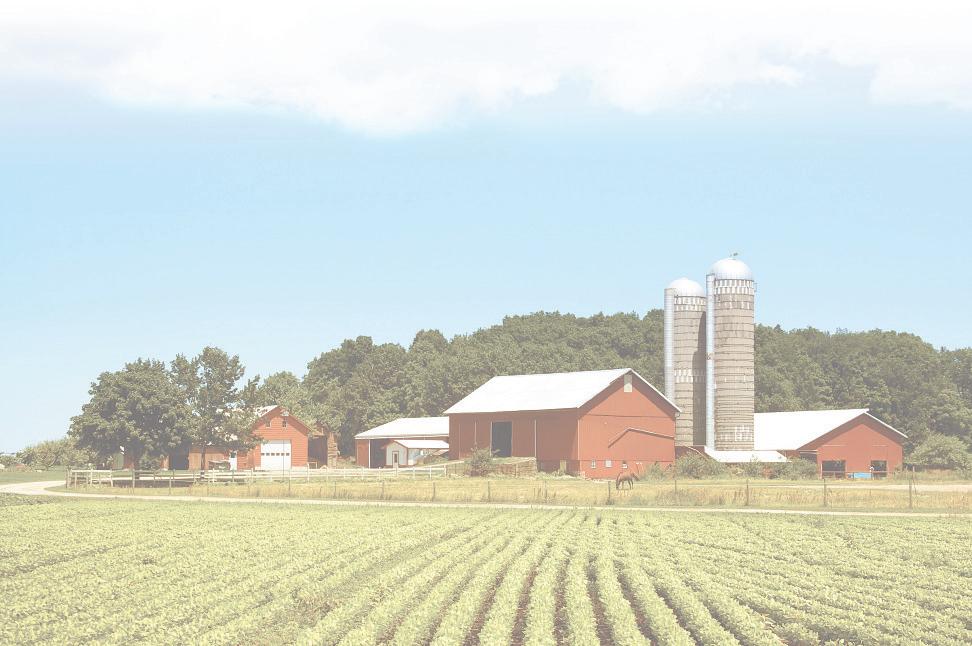
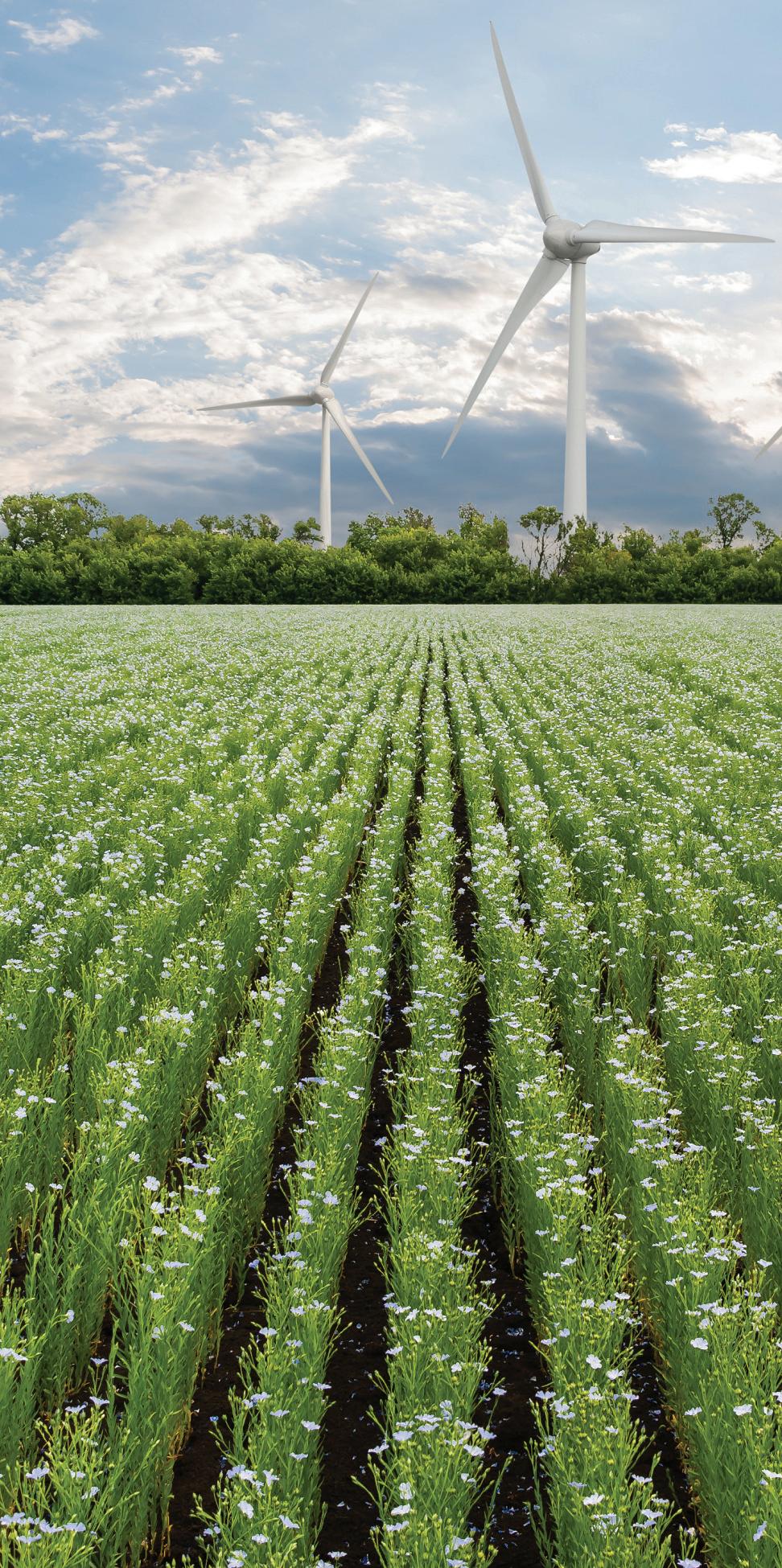
The agricultural sector is built on plants and animal life, but the industry can still affect the environment in ways that contribute to the ill effects of climate change. According to data published in a 2022 report from McKinsey & Company, agriculture accounts for nearly one-quarter of global emissions, and was identified as the industry that contributes the most to exceeding planetary boundaries. Sustainable farming practices can help reduce that impact. Even though there is growing consumer demand for more environmentally friendly products, farmers in the
United States are lagging behind when it comes to adopting sustainable practices, even though they are aware of them. McKinsey reports that 90 percent of U.S. farmers have an understanding of sustainable farming, but adoption of these practices remains low. Here’s a look at some of the sustainable farming practices and what the agricultural sector can do to foster a better planet. Regenerative techniques Healthy soil often equates to a healthy planet. The cornerstone of sustainability lies in the soil. The soil serves as a carbon sink and a water filtration system. By avoiding traditional “tilling” farming, farmers
can maintain the soil structure. This will reduce erosion and keep carbon sequestered in the ground. Farmers can plant cover crops like rye or clover in the offseason to prevent soil erosion, suppress weeds and increase the organic matter of the soil.
Diversifying species planted in fields will break pest cycles and naturally replenish soil nutrients over time. This can reduce the need for chemical fertilizers and pesticides.
Efficient irrigation
Global water scarcity continues to be a concern, and sustainable farms will prioritize water stewardship. In utilizing drip irrigation, which delivers water directly to a plant’s roots, farmers can reduce evaporation and runoff when compared to overhead sprinklers. Collecting and storing rainwater runoff for use during drought can minimize the strain on local aquifers.
Biological pest controls
Farmers can rely on the use of integrated pest management strategies to offset chemical pesticide use. By introducing natural predators, farmers can control certain pest populations. For example, ladybugs can reduce aphids on plants. Relying on traps to collect pests also can slow pest outbreaks and reduce reliance on chemicals.
Creating fertilizers
Farmers can use the waste produced on their farms by turning it into valuable fertilizer. According to the USDA, biochar is a black carbon produced from biomass sources like wood chips, plant residues, manure, and other agricultural waste in a low-oxygen environment through a process known was pyrolysis. This material can be used as a soil amendment to improve water retention, nutrient uptake and fertility. Chicken litter, bone meal, blood meal, and compost tea are examples of farm wastederived products that can be used as fertilizers.
Sustainable farming is a step toward the future that protects the land without compromising output.