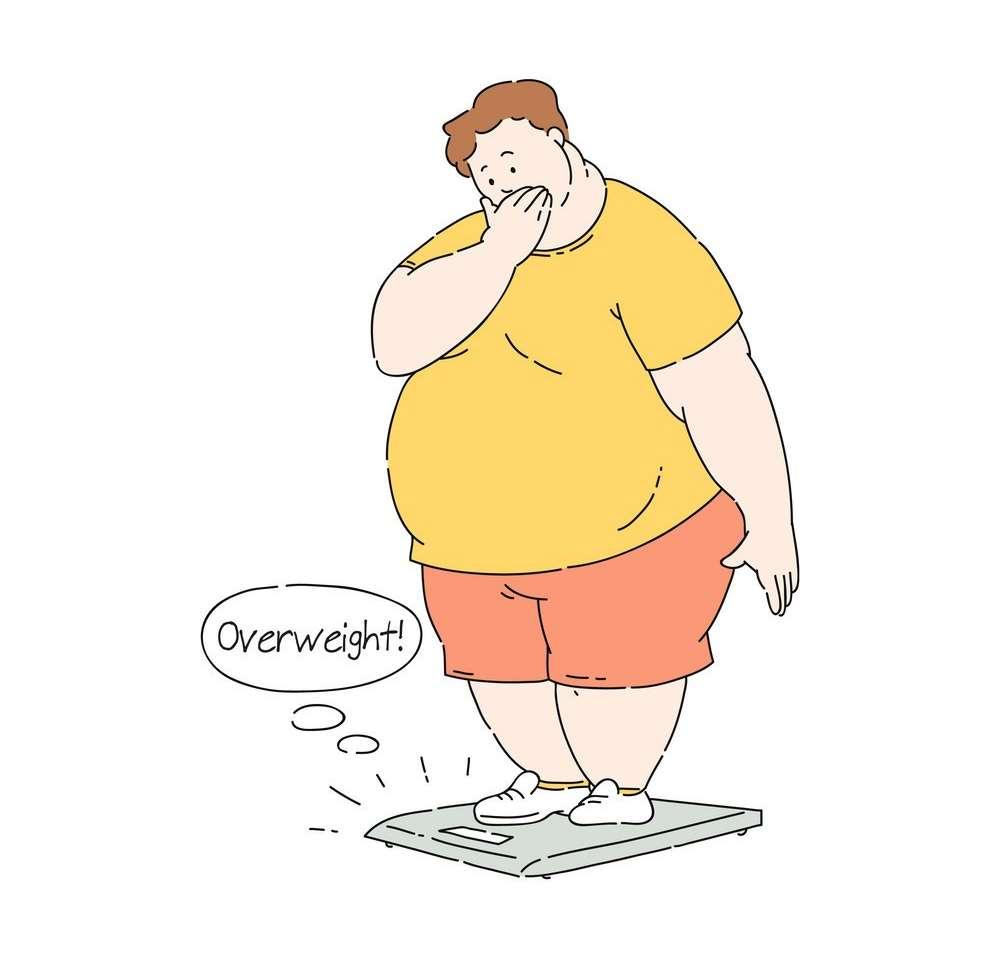
Obesity is a condition characterized by excessive body fat accumulation, leading to an increased risk of health problems. It is prevalent worldwide and is often linked to serious medical issues such as heart disease, type 2 diabetes, high blood pressure, certain cancers, and respiratory disorders.
Addressing obesity is crucial as it can significantly impact an individual's quality of life and longevity. Managing obesity reduces the risk of developing chronic conditions, improves overall well-being, and lowers healthcare costs. By taking proactive steps to address obesity and its related health problems, individuals can enhance their overall health and reduce the burden on healthcare systems.
Causes of Obesity
• Diet • Lifestyle • Genetic Factors • Medical Factors • Psychological Factors
• Socioeconomic Factors

What is Body Mass Index (BMI)
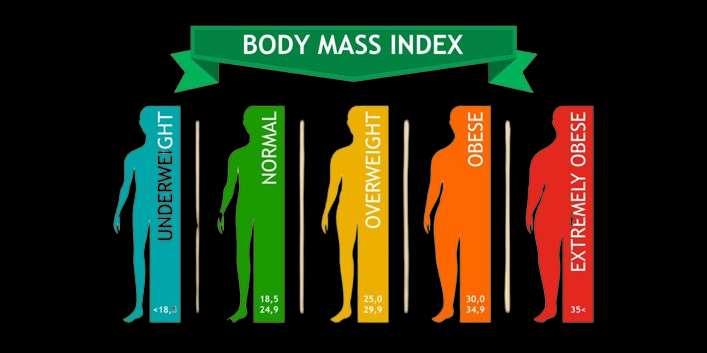
Body Mass Index (BMI) is commonly used to assess body weight relative to height. It is calculated by dividing a person's weight in kilograms by the square of their height in meters. BMI provides a reliable estimation of body fat percentage and is categorized into different ranges: underweight (BMI < 18.5), normal weight (BMI 18.5-24.9), overweight (BMI 25-29.9), and obesity (BMI ≥ 30). However, it's important to note that BMI is a general indicator and does not consider variations in body composition or muscle mass.
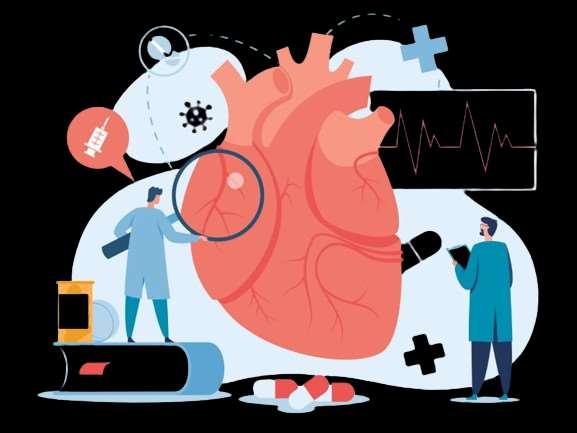
Cardiovascular Diseases
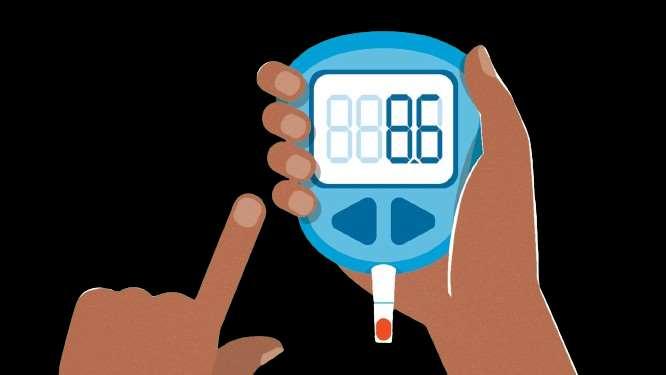


Joint Problems High Blood Pressure

Depression
Low self-esteem
Eating disorders

Obesity is associated with an increased risk of certain types of cancer, such as breast and colorectal cancer. In postmenopausal women, excess weight can raise estrogen levels, promoting breast cancer cell growth. In the case of colorectal cancer, a higher body mass index (BMI) is linked to an increased risk, particularly in men. Obesity is also linked to uterine (endometrial) cancer due to elevated estrogen levels stimulating the lining of the uterus. Maintaining a healthy weight and engaging in regular physical activity can help reduce the risk of obesity-related cancers.
Childhood obesity rates have been rapidly increasing due to changes in dietary habits, sedentary lifestyles, and easy access to unhealthy foods. Factors such as fast-food consumption and decreased physical activity contribute to this trend.

Childhood obesity can lead to long-term health issues, including an increased risk of type 2 diabetes, cardiovascular diseases, joint problems, and psychological challenges such as low self-esteem and poor body image. These implications highlight the importance of addressing childhood obesity to prevent future health complications.
Healthy Diet Tips:
• Incorporate a variety of fruits, vegetables, whole grains, lean proteins, and healthy fats into your meals.
• Limit intake of sugary drinks, processed foods, and high-fat, highcalorie snacks.
• Pay attention to portion sizes and practice mindful eating.