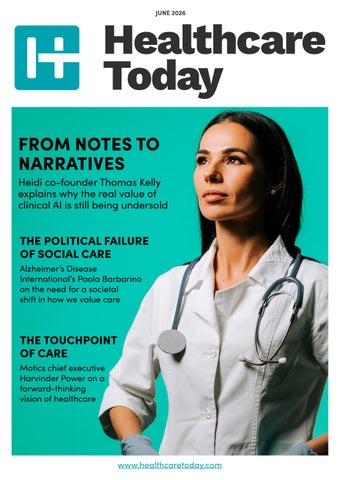
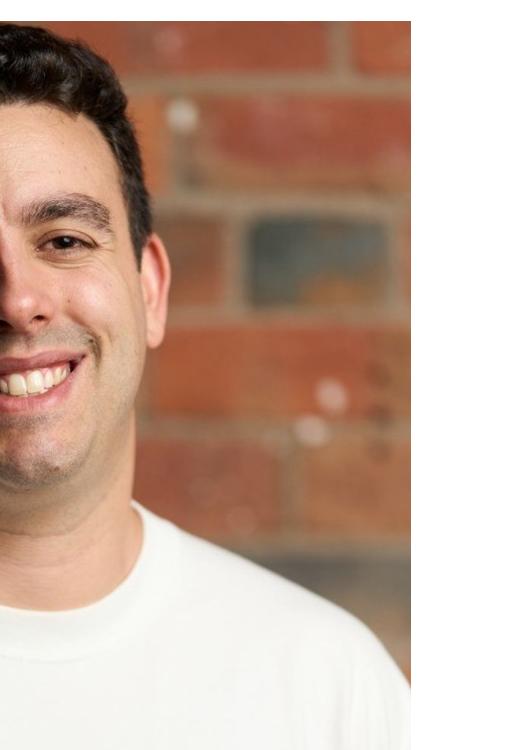
Heidi co-founder Thomas Kelly explains why the real value of clinical AI is still being undersold
THE POLITICAL FAILURE OF SOCIAL CARE
Alzheimer’s Disease
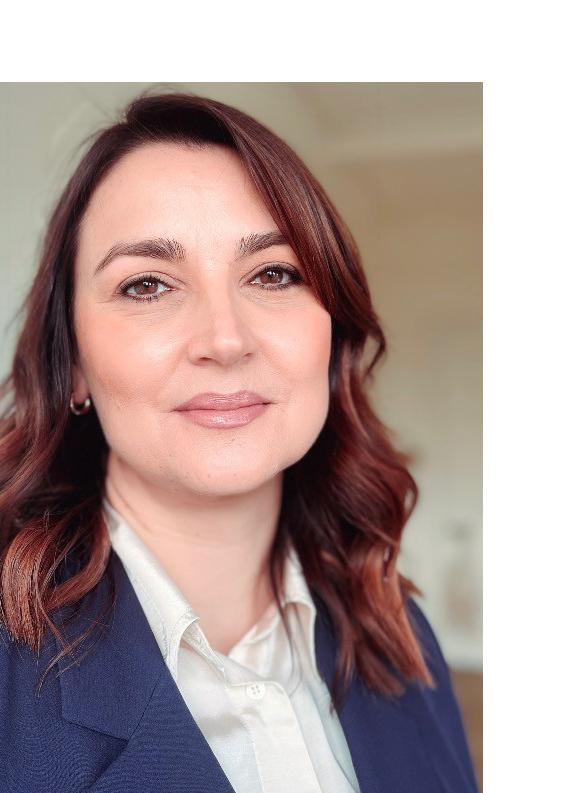
International’s Paola Barbarino on the need for a societal shift in how we value care
THE TOUCHPOINT OF CARE
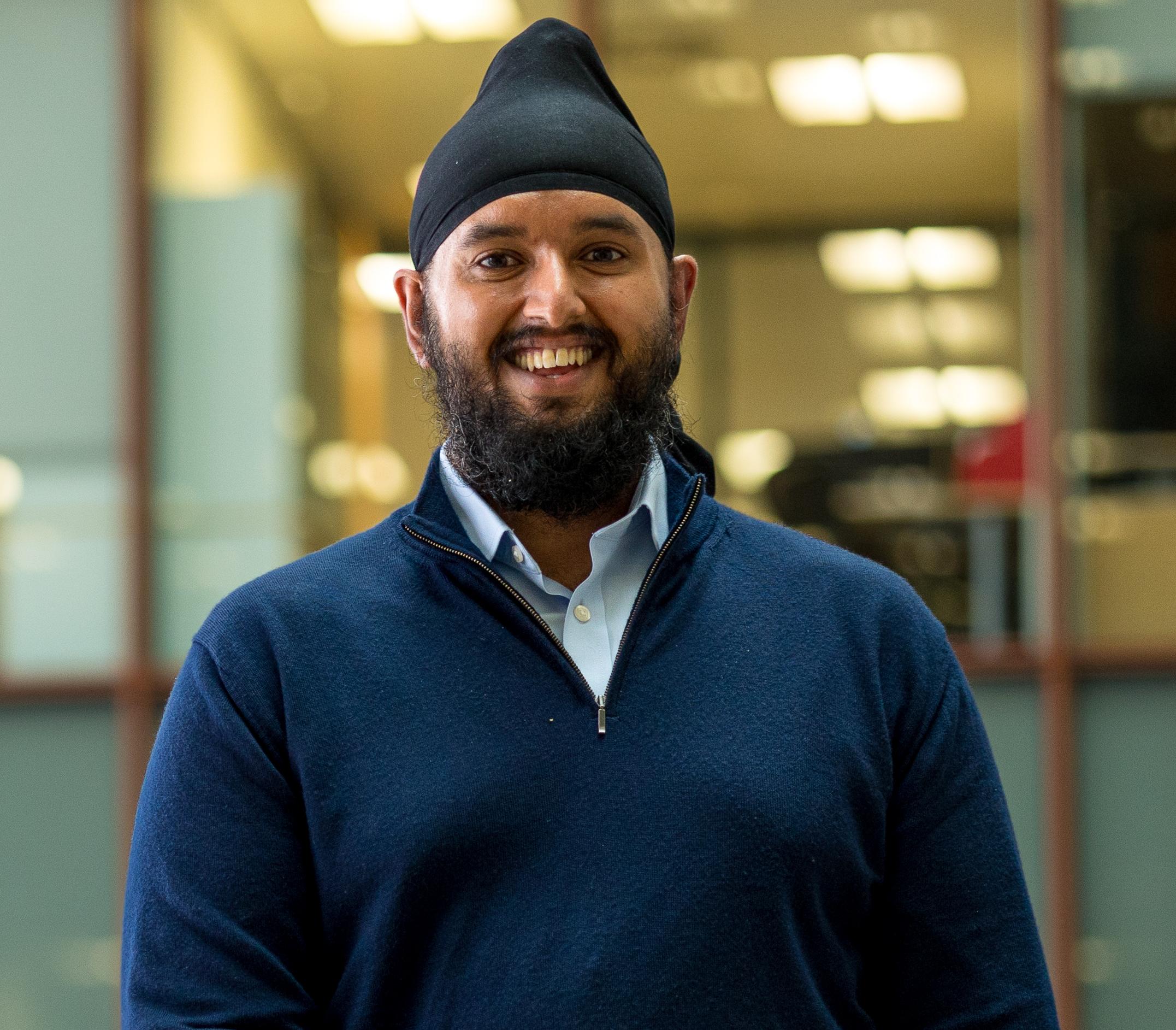
Motics chief executive Harvinder Power on a forward-thinking vision of healthcare
WELCOME
JUNE 2026
For Thomas Kelly, co-founder and chief executive of healthcare AI platform Heidi, the administrative burden of modern medicine isn’t just a productivity killer, it’s a clinical risk.
Having spent years in the trenches as a vascular surgeon, he has seen the invisible shift that occurs when a doctor’s focus is split between the patient in front of them and the mountain of documentation that follows.
In this issue, Kelly talks about clinical workflows, the regulatory double standard facing the industry, and why the future of clinical AI might actually be a wearable device on a surgeon’s chest.
Also in this issue, Paola Barbarino, outgoing chief executive of Alzheimer’s Disease International, talks about the double whammy facing the sandwich generation; Motics chief executive Harvinder Power discusses the necessity of predictable machine learning; and much more...
We hope you enjoy!
Tell us your news:
Adrian Murdoch, Editor-in-Chief adrian.murdoch@healthcaretoday.com +44 (0)7983 407607
Glen Ferris, Managing Director glen.ferris@healthcaretoday.com +44 (0)7780 298825
To download a copy of our media pack, click here.
30-33
38-41
48-51
PRIVATE ADMISSIONS
UP 50% FOR UNDER 50s WITH BOWEL CANCER
THE admissions for patients under the age of 50 with bowel cancer at private hospitals in the UK have risen by 50% since 2021.
According to the latest figures from the Private Healthcare Information Network, quarterly private admissions increased from 620 to 925 between the last quarter of 2021 and the third quarter of last year. In contrast, the over-50 age group stayed relatively stable, at about 2,000 admissions per quarter.
Bowel cancer incidence is rising internationally, and the UK is seeing similar trends. In the private sector, there were 46,000 admissions for all age groups for the management and treatment of bowel cancer over this four-year period.
PHIN data indicate an upward trend with a 7% increase for admissions with bowel cancer as the primary diagnosis between the end of 2021 and the third quarter of last year. There was also a 22% increase in admissions for lower gastrointestinal endoscopic procedures used to diagnose and treat bowel cancer.
“For the under-50s, admissions are increasing at a faster rate than in the relatively stable trend observed in the over-50 group. This could be due to growing awareness of the symptoms and risks of bowel cancer due to campaigning and the increased accessibility to private services to get a diagnosis,” said Christopher SmithBrown, clinical advisor at PHIN.
In the UK, bowel cancer is the fourth most common cancer, with more than 42,000 people diagnosed every year. When detected early, patients have a 90% chance of surviving. When diagnosed late, at Stage 4, the survival rate drops to 10%.
In 2023, the rate in England, from NHS data, was at 73 cases per 100,000 population, and the incidence internationally has been rising sharply over the past 30 years, especially in younger adults. Several risk factors have been attributed to this global phenomenon, including a sedentary lifestyle, coupled with ultraprocessed food, leading to obesity.
These factors are associated with biological processes that may increase cancer risk, including DNA damage and disruption to normal cell regulation. Similarly, environmental toxins like microplastics and a disturbed gut microbiome (gut bacteria) lead to disruption in the healthy cell replication process and detection of damaged cells.
VOICES THE WOMEN’S
THE government has said that it intends to tackle what it calls “outdated and misogynistic practices” under new plans set out in the renewed Women’s Health Strategy
Women’s experiences will be put at the centre of care across the healthcare system, ensuring patients’ voices are listened to and acted upon, including exploring ways in which women’s feedback can be directly linked to provider funding and targeted improvements through a new trial.
The move aims to ensure services are held accountable for listening to women, in a bid to stamp out long-standing issues with women being ignored.
Women will be directed to the right professional the first time through a single referral point, along with marrying local services with online support to drastically cut waiting lists and ensure women no longer face years-long waits for diagnosis and treatment for conditions like endometriosis, which can take nearly a decade to diagnose.
“We have come a long way in the last decade with women’s health being talked about more, but there are still parts of society and the health system that are trapped in outdated thinking,” said Sue Mann, NHS England’s clinical director for women’s health.
NHS Online will support women with menstrual and menopausal symptoms, along with bringing care into the community through new and expanded community diagnostic centres, offering services including blood tests and MRIs to dramatically cut waits between gynaecological appointments.
There will also be better access to contraceptive and abortion care with continued support for protected spaces, and the government has promised to review how different levels of support should work for families who experience repeated baby loss.
Other reforms include pathways for heavy and menopause treatment; funding region to introduce to care, helping manage their conditions a new £1 million menstrual education equipped to recognise of unhealthy periods.
Looking forward, launched a £1.5 fund to accelerate that could transform the future, and voices partnership representing women future policy and Women’s Health has called the reforms our journey to close
VOICES AT THE HEART OF WOMEN’S HEALTH STRATEGY
include redesigning clinical heavy periods, urogynaecology menopause to speed up diagnosis and funding a specialist centre in each introduce group-based approaches women understand and conditions better; and launching million programme to improve education so girls are better recognise the signs and symptoms periods.
forward, the government has also £1.5 million femtech challenge accelerate the adoption of innovations transform women’s healthcare in it has established the women’s partnership to bring organisations women together to help inform and decision-making.
Health Ambassador, Lesley Regan, reforms “the next exciting step in close the gender health gap”.
The strategy has been broadly welcomed across the industry, with Alison Wright, president of the Royal College of Obstetricians and Gynaecologists, calling it “an important renewal” of the government’s commitment to delivering an NHS that works for women.
“We welcome the inclusion of many priorities the [College] has long been calling for, including tackling the gynaecology waiting list crisis, raising menstrual health awareness, and supporting sustainable abortion services.”
Jane Plumb, women’s voices lead at the College, added that it is encouraging to see a stronger focus on listening to those using services, including around informed consent and pain: “Too many women and people have felt unheard, or expected to tolerate pain without proper explanation, choice or support,” she said.
Similarly, Jenny King, chief research officer at
international charity Picker, called the strategy “a positive step”.
The question remains, however, what impact this will have. Sarah Scobie, deputy director of research at the Nuffield Trust, sounds a note of caution.
She points out that the ambition for the strategy would require an average gain of 12.8 years of healthy life for women in the most deprived parts of the country and calls this “an exceptional ask in the context of recent decline”.
She argues that while some of the strategies will address underlying causes of poor health, the evidence that these could collectively turn around life expectancy is not provided. “While some of the individual actions can reduce ill health and improve the health service experience for women, it seems unlikely the ambition to improve healthy life expectancy can be achieved,” she concludes.
GOVERNMENT BOOSTS HEALTH WORKERS FROM DEPRIVED AREAS
CAREERS in the medical profession, particularly doctors and health care specialists, are often out of reach for many because schools and families – particularly in disadvantaged communities – often lack the knowledge needed to guide students towards medicine, or to encourage biology, chemistry and physics early enough, which are essential stepping stones into medicine.
Government data shows that a third of schools in England have never had a pupil apply to medical schools, and around half have never had a student accepted. To break down barriers to medicine, 2,000 young people from England’s most deprived areas will be supported to apply to university through governmentfunded medicine access courses over the next three years. Support includes giving young people access to summer schools or placements within the NHS, where they can increase their knowledge and skills, boosting their university applications.
“There are still too many talented young people who don’t pursue careers in healthcare because they
feel those paths aren’t open to them,” said minister for skills Jacqui Smith.
“Aspiration and hard work should decide a young person’s future, and access to training for careers in medicine cannot remain just for the privileged few,” she added.
Backed by £65.4 million, the government has unlocked 2,000 additional nursing apprenticeships, concentrated in areas facing the greatest training shortages and highest levels of deprivation. These earn-while-you-learn opportunities will help people build skilled, wellpaid careers without needing to leave their communities or take on upfront costs.
Talented students from underrepresented backgrounds will be able to apply to courses from spring next year, working with NHS England and partners like the Sutton Trust, Social Mobility Foundation and Medical Schools Council.
The government will also expand or reallocate medical school places so that areas with poorer health outcomes or ageing populations
train more doctors locally, alongside a pledge to increase by 50% the proportion of students who received free school meals being accepted into medical school in England by 2035.
To support doctors from disadvantaged backgrounds who face higher relocation costs, the government has said that it will also trial a three-year pilot programme that will see resident doctors stay in one place for longer, easing the financial burden and disruption to family life.
Alongside these measures, £15 million in government funding will expand a programme to support around 3,000 young people from deprived communities into NHS entry-level roles or training for vital back office roles.
“Today, only a tiny proportion of medical students come from workingclass families, so this announcement is a welcome commitment to change. The NHS needs brilliant professionals from all backgrounds, and we all benefit from having an NHS that looks more like the communities it serves,” said Sutton Trust chief executive Nick Harrison.
BAY TREE PRIVATE EQUITY BACKS MEDICARE INSOURCING SERVICES
BAY Tree Private Equity has completed an investment in Londonbased Medicare Insourcing Services, a provider of clinical insourcing services to the NHS. Financial terms have not been disclosed.
Founded in 2018, Medicare Insourcing Services partners with NHS Trusts to provide advanced practitioner-led insourcing solutions throughout the UK. It works with more than 50 NHS Trusts and provides them with additional clinical capacity, which helps to reduce waiting times. To date, its services have helped more than three million patients across the country.
The business has now received new investment from Bay Tree Private Equity, a UK-based private equity deal-by-deal investor that focuses on the healthcare services market in addition to a number of other sectors, and partners with their management teams to support value creation.
The debt funding package has been structured by FRP Corporate Finance to suit Medicare’s market position and asset-light, cashgenerative model. It will be used to support chief executive Scott Littlefield and his management team as they embark on the next phase of the business’s growth strategy alongside Stephen Collier, who has been appointed as chair as part of this transaction.
“Medicare operates in an attractive and growing segment of the UK healthcare market, providing essential additional capacity to the NHS. The business has developed a strong reputation for clinical quality and delivery,” said Edward Cottrell, partner at Bay Tree Private Equity.
MIGRATION DOES NOT WEAKEN THE NHS
CALLS for greater support and security for migrant workers in the NHS dominated the agenda at UNISON’s national health conference in Edinburgh.
Nearly one in five NHS staff are non-British nationals, and almost half of newly registered nurses have been trained overseas. Delegates noted that, without migrants, the NHS would fall apart.
The first motion, “migration makes our NHS work”, called on the union to lobby the home office and department of health to ensure that NHS workers are protected in changes to visa salary thresholds and called on the NHS not to abandon workers once visas expire.
Conference delegates also passed a motion for the union to develop a UNISON NHS Migrant Workers Charter to pledge fair treatment, ethical recruitment, visa security, safe working conditions, equal pay and career progression, strong union rights and transparent accountability for all migrant workers across NHS employers. One in three doctors and nurses working in the UK has been trained overseas.
UNISON figures suggest that if the NHS had paid to train them, it would have cost the government £100,000-£120,000 per doctor and more than £20,000 per nurse.
This adds up to a cumulative £14 billion saving to the NHS in training costs based on workers currently in post.
“We face harmful rhetoric, we face immigration uncertainty. We face a system that sometimes makes us feel like we’re needed but not really wanted. How can the NHS depend on migrant workers, while migrant workers are made to feel disposable?” said Emmanuel Akinlose, speaking on behalf of North Devon and Exeter health branch.
Referring to migrant workers as “the heart” of the NHS, another motion called on the union to challenge hostile immigration policies.
The motion called for UNISON to urge the home office and NHS England to remove the increase to the visa salary threshold, which is the minimum annual salary that a foreign worker must be paid by a UK employer to qualify for a skilled worker visa.
The conference also passed a motion committing the union to challenge the increasingly xenophobic narratives pushed by right-wing media platforms, which, accompanied by immigration policy proposals, are creating hostile working conditions for migrant members.
At the end of March, the government launched an overhaul of the General Medical Council (GMC) to modernise the regulation of doctors.
A trigger was the rapid review by John Mann, Baron Mann, into antisemitism and other forms of racism in the health service, which the government commissioned in November.
STRONG GROWTH EXPECTED IN PRIVATE MARKET
INDEPENDENT healthcare providers are anticipating strong growth in their private pay markets in the coming year, driven particularly by a renewed confidence in self-pay activity, according to a new survey conducted by the sector’s industry body.
The Independent Healthcare Providers Network (IHPN) has looked at how senior leaders from more than 50 independent providers feel about the key issues relating to their business. It found that confidence is rapidly growing in the domestic self-pay market. Against a backdrop of the continuing challenges around accessing NHS care, 78% of respondents reported feeling positive or very positive about this payor group, compared with 62% last year.
Independent healthcare leaders also feel upbeat about insured activity, with almost two-thirds of providers (63%) “positive” or “very positive” about this market.
“While there’s no doubt that independent providers – along with
others in the health system and wider business community – face real challenges in light of the current economic and political climate, this year’s IHPN Industry Barometer shows overall a continued sense of optimism within the sector, particularly in the private market where the growing “normalisation” around paying for treatment is becoming ever more apparent,” said IHPN chief executive David Hare.
The IHPN claims that this positivity around the private market can be seen in light of the growing normalisation of paying for treatment.
The network’s Going Private 2025 report found that while previously those under 30 have been most likely to consider using private healthcare, this openness to paying for treatment is now spreading to older groups. In it, more than seven in ten people said that they would consider accessing care privately.
The current survey also shows a welcome improvement in the extent to which independent providers feel they are part of their local NHS Integrated
Care Systems – rising to 65% this year, up from 51% last year.
In light of the growing prominence of AI in healthcare, independent sector leaders have also identified advances in artificial intelligence and other digital tools as the biggest opportunity around improving quality and patient safety – the first time this has featured in the survey.
And with an increase in independent healthcare providers looking to upskill and adapt their existing workforce, the survey also shows clear aspirations from the sector to increase clinical training, with 46% of independent healthcare leaders expecting this to increase in the next five years.
“The survey also highlights the clear desire amongst independent providers to meet the needs of growing numbers of both NHS and private patients, including through taking proactive steps to improve the quality and safety of their care through the use of AI and other digital tools, as well as growing their own workforce – putting them in good stead in the years ahead,” said Hare.
Trusted by Clinicians, Chosen by Patients
Located in the Harley Street Health District, Pharmacierge supports over 4,500 GPs and Consultants with seamless, secure e-Prescribing apps tailored for private practitioners.
With our state-of-the-art robotically enabled dispensary and nationwide delivery, we ensure your patients receive their medications promptly, while you prescribe with confidence - anytime, anywhere.
mPrescribe®
Revolutionises private prescribing by allowing you to prescribe flexibly without a laptop, for delivery to your patients nationwide.
Medication range
Due to the range of specialists we support, we stock and source medication not typically found outside of a hospital setting, including refrigerated, controlled, injectable and biologic medication.
Courier delivery
We include same weekday delivery to London postcodes, or next weekday nationally as standard. International deliveries are also available.
"Your mobile app changed my life!"
— Dr Dominic Paviour, Consultant Neurologist "Intuitive and secure."
— Dr Tim Wigmore, Consultant Intensivist & Anaesthetist
Join thousands of clinicians today. Download the app and register online www.pharmacierge.com/register
IMMUNOTHERAPY CANCER VACCINE ROLLED OUT ON NHS
PATIENTS with cancer could benefit from an immunotherapy jab now on the NHS. An under-the-skin injection replaces an intravenous infusion, which can take up to two hours per session.
The new injectable form of pembrolizumab, known as Keytruda, can be used to treat 14 cancer types, including lung, breast, head and neck and cervical. It triggers immune cells to recognise and kill cancer cells. It can also slash the time the treatment takes by up to 90%, in further attempts to reduce patients’ time in hospital and improve NHS productivity.
Around 14,000 patients start pembrolizumab therapy each year in England, with most now expected to use the more convenient version. Currently, hospital pharmacy teams must prepare intravenous bags under specialist sterile conditions. Moving to readyto-administer subcutaneous injection frees both preparation and clinic time.
It will be given every three weeks as a one-minute injection, or every six weeks as a two-minute injection, depending on cancer type.
Manufactured by Merck, pembrolizumab works by blocking the PD-1 protein, which acts as a brake on immune responses. This releases the immune system to recognise and attack cancer cells.
Patients receiving the drug alongside other intravenous treatments may continue with an infusion if clinically appropriate.
“This immunotherapy offers a lifeline for thousands of patients, and it’s fantastic that this new rapid jab can now take just a minute to deliver – meaning patients can get back to living their lives rather than spending hours in a hospital chair,” said Peter Johnson, national clinical director for cancer at NHS England.
“Managing cancer treatment and regular hospital trips can be really exhausting, and not only will this innovation make therapy much quicker and more convenient for patients, it will also help free up vital appointments for NHS teams to treat more people and continue to bring down waiting times,” he added.
Personalisation and early diagnosis were among the priorities of this year’s National Cancer Plan for England.
ROBOTIC SURGERY ROLLOUT IS A POSTCODE LOTTERY
PATIENTS face a postcode lottery in accessing robotic-assisted surgery on the NHS, according to the Royal College of Surgeons of England (RCS England).
The College has found that, despite national guidance from NHS England, there are major differences in how the technology is funded, distributed and used across NHS trusts in England.
Freedom of Information data from NHS trusts raises concerns about equitable access for patients. The data also shows that some hospitals rely on charitable fundraising to purchase robotic platforms. For example, Royal United Hospitals Bath NHS Foundation Trust reported spending more than £2 million raised through donations, underlining how access to cuttingedge care can depend on local fundraising rather than consistent NHS funding.
“Robotic-assisted surgery can transform care and help reduce NHS waiting lists, but access remains a postcode lottery,” said the College’s president Tim Mitchell.
“For one of the government’s five big bets, it is extraordinary that some NHS hospitals are having to resort to local fundraising to raise vital funds,” he added.
The government has identified robotics as one of five big bets in its 10 Year Health Plan for England, with a vision that robots will help “deliver care with unprecedented precision”.
NHS England plans to increase the
use of surgical robots, with half a million robotic-assisted operations a year by 2035, suggesting the technology is expected to become routine for many minimally invasive procedures.
“Robot-assisted surgery is a perfect example of innovation improving patients’ care and transforming the way the NHS works – the number of procedures being carried is set to rapidly grow over the next ten years according to our analysis,” said John McGrath, consultant surgeon at North Bristol NHS Trust, and chair of the NHS England steering committee for robotic assisted surgery, when the plan was announed.
But the new analysis suggests a clear gap between national ambition and frontline reality, with no consistent strategy for how robotic surgery should be funded, distributed or used across the NHS. This reflects a broader lack of coordinated national planning, with decisions about robotic surgery often made locally rather than as part of a joined-up NHS strategy.
The RCS England data shows that access to robotic-assisted surgery varies significantly by region, resulting in a postcode lottery for patients, with some parts of the country having far greater access to robotic systems than others. For example, while some trusts have multiple robotic systems, others have none. NHS trusts in the London region together have 28 systems, compared with just six across trusts in the Southwest NHS region and 15 in the East of England.
There is no standard, consistent funding model for robotic surgery
across the NHS, with trusts relying on a mix of capital funding, leasing and managed service agreements, cost-per-case arrangements, and, in a number of cases, charitable funding.
There is no single, transparent national dataset on robotic surgery provision routinely or consistently available at a national level, making it difficult for NHS England, DHSC and ICBs to plan services strategically, assess equity of access and ensure value for money as robotic surgery expands.
What is needed, the College says, is a national public directory of surgical robotic systems, alongside the national robotic surgery registry that is currently being commissioned, to enable better national planning, equity of access, and efficient use of resources. That needs to be backed by a clearer, more consistent funding model, including centralised capital funding, so trusts avoid relying on piecemeal local or charitable funding, and to support equitable access for patients.
RCS England has set out clear expectations for continued focus on training, governance and patient safety, with strong clinical oversight and access to structured training for the whole surgical team through its updated good practice guidance on robotic-assisted surgery.
“It’s clear from this data that there is an urgent need for more grip on where robots are located and how they are funded, to ensure robotic-assisted benefits all patients, not just those in the right postcode,” said Mitchell.
BRITAIN’S SURGERY
IS OUTPACING PATIENT SAFETY
BRITAIN’S obsession with bigger breasts and dramatic curves is starting to fade as new figures reveal women are increasingly opting for subtle facial procedures rather than body enhancements.
The latest annual audit from the British Association of Aesthetic Plastic Surgeons (BAAPS) shows that 26,840 cosmetic procedures were carried out last year, a 2% drop from the previous year. While breast augmentation remains the UK’s most popular procedure, demand is falling sharply, down 8% overall.
Superficial gluteal lipofilling (SGL), a safer alternative to traditional Brazilian Butt Lifts (BBL), designed to prevent fatal pulmonary fat embolisms, has also plummeted by 38%.
On the other hand, breast implant removals are rising, while procedures
designed to refresh the face, facelifts and eyelid surgery, are becoming increasingly popular.
One of the fastest-rising procedures the brow lift, for example, which surged 27% overall.
“For the first time, we are seeing the number of patients undergoing breast reduction and implant removal surpass those opting augmentation,” said BAAPS president Nora Nugent.
“This reflects a broader shift from exaggerated curves towards a more natural silhouette – one better complements active lifestyles and the continued rise of athleisure fashion,” she added.
The shift in demand has been driven by the increasing use loss drugs like GLP-1.
“Awareness of the side effects weight-loss drugs such as Ozempic
COSMETIC SHIFT OUTPACING
including are popular.
procedures is which has seeing undergoing implant opting for president away towards one that lifestyles athleisure been largely of weight effects of Ozempic
face has also driven medical reasons for patients seeking facial aesthetic procedures,” said former BAAPS president Rajiv Grover, who compiled the audit.
But there is a broader issue of pressure on the aesthetic surgery industry in Britain to get its house in order. Earlier this year, research from UCL found that aesthetic treatments are cheaper and more common in deprived areas where specialist medical care is less likely.
“The proliferation of botulinum toxin providers who do not have professional healthcare backgrounds raises questions regarding the adequacy of training standards and highlights challenges for the impending government reforms,” said lead author and plastic surgery registrar Alexander Zargaran at Royal Free London NHS Foundation Trust.
There are some indications that the industry is trying to get its own
house in order. At the start of the month the British College of Cosmetic Surgery, an initiative dedicated to strengthening education, collaboration and professional standards within cosmetic surgery, launched.
But the sense is that the sector is not moving quickly enough. Last month, Chris Dexter, partner at law firm Weightmans, called for urgent regulatory reform of the sector in England.
“In a billion-pound sector carrying real medical risk, delayed regulation could be seen to cause unnecessary risk to patients and damage trust. Licencing would raise standards, cut complaints and claims, and lower premiums,” he said.
Responding to the BAAPS report, Vivien Lees, senior vice-president of the Royal College of Surgeons of England, made a similar point. “Trends in cosmetic surgery might
change, but the need for patient safety does not. These are complex, invasive procedures that only belong in the hands of trained, regulated surgeons,” she said.
She went on to call on the government to close the loophole that currently allows surgery to be done by any doctor on the GMC register, without proper surgical training and oversight.
The dangers come to the fore precisely in the issues raised by the BAAPS report. Michael Saul, partner at Cosmetic Surgery Solicitors, warned that patients experiencing Ozempic face may be in a “vulnerable position”.
An urgent desire to fix what they see as a problem is precisely where unscrupulous practitioners could appear. “That emotional state can lead people to act quickly, prioritise cost, and skip the due diligence that protects them,” he warned.
THE TRUST GAP
THE enthusiasm for artificial intelligence at a government level remains undimmed. Barely a day goes by without another announcement championing technology.
At the beginning of April, the Medicines and Healthcare products Regulatory Agency (MHRA) secured a funding uplift to expand its AI Airlock programme, the UK’s first regulatory sandbox for Artificial Intelligence as a Medical Device (AIaMD).
It selected the first five technologies for the scheme in December 2024.
The Department of Health and Social Care (DHSC) has allocated £1.2 million per year for the next three years until 2029 to the programme. This will enable the programme to scale beyond the constraints of yearly financial cycles and, the government hopes, support more ambitious, longer-term testing models while helping to create a more sustainable regulatory pathway for future AI medical technologies.
“This additional investment will allow us to scale up and ultimately strengthen our ability to ensure that AI-powered medical devices can reach patients safely, efficiently and with the confidence of robust regulatory oversight,” said James Pound, executive director of innovation and compliance at the MHRA.
In a blog post, Jennifer Dixon, chief executive of the Health Foundation and who is on the National Commission for the Regulation of AI in Healthcare, comments on how to seize growing opportunities now and ahead of us, in particular from technology and artificial intelligence. She sees AI as the great leveller and wants to ensure AI is safe and accurate for all.
“The big task ahead is to get better at demand signalling what are the highest priority technologies to be developed and tested, test them better, faster and more cheaply, and work out effective ways to spread them safely,” she wrote.
All good news, but as Healthcare Today has reported in the past, there are several problems, notably the barriers to deployment as well as broad scepticism.
First, the tech problems. Research from KTSL, an independent service management and integration specialist, highlights the transitional state of AI agent adoption in the UK.
The independent survey of UK enterprises across retail, pharmaceutical, and financial services finds that while most enterprises are enthusiastically adopting AI agents, there are still gaps to bridge before deployments reach full fruition.
Almost nine in ten (88%) firms are actively deploying AI agents, and 73% say that the ability to deploy
them within existing systems is a priority. More to the point, the survey also found that 71% of AI agent deployments are meeting or exceeding ROI expectations.
But, and it is a significant but, 56.5% of all respondents indicated that they were facing a number of barriers to meaningful progress, including a lack of internal knowledge or skills (29%), insufficient business case, lack of quality data and no suitable technology partner (all 28%), highlighting an issue for some enterprises in identifying and deploying the right use cases.
“Enterprises are clear about the value of AI agents, but our research highlights a market in transition,” said Aaron Perrott, chief technical officer at KTSL. “Confidence is high, yet many are struggling when it comes to deploying agents in practice and realising tangible business impact.”
But the biggest issue remains a wider scepticism both from doctors and the public. As Pierluigi Gardella, director
GAP WITH AI
of industrial & IoT system engineering and marketing – healthcare solutions at NXP Semiconductors, wrote last month, “Edge AI enables faster and better-informed decisions, but treatment, care, and accountability all stay firmly with healthcare professionals”. There are concerns that doctors will be on the hook for AI’s decisions.
On top of this, there has been little guidance about how these tools should be used.
A Nuffield Trust and Royal College of General Practitioners survey in January found that although 28% of GPs say they use AI tools to help with their work, there is confusion about which tools to use and how, due to a lack of consistent national guidance or formal AI training.
The icing on the cake is that – at the moment – they are not as reliable as they should be. More than a third of medical references generated by some widely used artificial intelligence platforms may be fabricated, according to a new study published
in the journal The Annals of the Royal College of Surgeons of England
The research found that popular AI chatbots answering common surgical health questions sometimes produced hallucinated citations – references to sources that do not exist. As more patients turn to AI tools to understand symptoms, explore diagnoses and seek medical advice, the authors warn that fabricated references undermine users’ ability to check whether information is accurate or evidencebased.
“As AI evolves, improving transparency, accountability and the reliability of references must be a priority to ensure patient care is enhanced, not compromised,” said Tim Mitchell, president of the Royal College of Surgeons of England.
Perhaps most significantly of all, the concerns from the public are not shifting. A recent report from AXA Health highlighted an AI health paradox, where the same tools are both reassuring people into delaying care and alarming others into
seeking unnecessary appointmentsIt found that 59% of people who check symptoms with AI have delayed speaking to a healthcare professional because the tool reassured them. And the same percentage say AI made them more worried, leading them to seek help, which they later discovered they didn’t need
“Our findings show a complicated truth: AI can increase anxiety or give false reassurance, but it can also give people clarity and confidence. The challenge is that people are navigating this alone,” said Heather Smith, chief executive of AXA Health.
This type of concern has led to hesitancy and can be seen in detail in aged care. Data from AI voice companion Sentai has found that 54% of families are hesitant to introduce technology into the home, despite 79% of people believing that technology could help support an elderly relative.
The firm believes that the issue isn’t awareness, it’s perception. Families are being held back by persistent myths around AI, privacy and independence.
“Many families assume technology is something to introduce later, when there’s a crisis or clear decline,” said Peter Otto, chief product officer at Sentai. “But our research shows the opposite – the earlier support is introduced, the more naturally it fits into daily life,” he added.
It is easy to understand government enthusiasm. Any government is attracted to the latest shiny technology, especially one that promises money saved. But there is a long way still to go before that same enthusiasm is matched by doctors and the public.
THE CONSTANT PROBLEM OF CORRIDOR CARE
AT THE beginning of March, the Care Quality Commission (CQC) updated its guidance for corridor care, the blight on emergency departments that is getting worse rather than getting better. It was followed at the end of the month by a letter from NHS England, which includes a new definition of corridor care and a duty on trusts in England to begin collecting data on incidences of corridor care, which will be published in May.
Finally, the government is stepping up. Expert teams are being deployed to the most affected hospitals, providing bespoke clinical support to leadership staff, as government data shows the majority of corridor care is concentrated in a small number of NHS trusts.
The Getting it Right First Time (GIRFT) team are supporting leaders in the most affected hospitals to learn from those NHS trusts which have already made significant inroads into reducing corridor care this year – all at a time when significant progress is being made across urgent and emergency care, including the shortest A&E waiting times in four years and ambulance response times the fastest for half a decade despite record demand.
To further tackle pressures in busy hospital departments, the government can now confirm the locations for 40 new and expanded urgent care sites across England. The programme, backed by £215.5 million, includes ten new urgent treatment centres (UTCs), four expanded UTCs, five new same-day emergency care (SDEC) services and 21 expanded SDECs, providing a significant increase in frontline
capacity. This, it hopes, will help ease pressure on A&E departments by ensuring more patients are treated in the right setting. Reducing waiting times and improving patient flow through hospitals to tackle corridor care.
“Emergency departments across the country remain under unprecedented pressure and overcrowding, so we welcome [health secretary Wes] Streeting’s renewed pledge to tackle corridor care and for his engagement with the College to date,” said Salwa Malik, vice president membership for the Royal College of Emergency Medicine.
At the end of April, Streeting told College members that corridor care should never be tolerated in emergency departments: “I am clear: corridor care is not normal, it is not acceptable, it should never be tolerated, and I am determined to end it,” he said.
The British Medical Association (BMA) remains still to be convinced that the government measures will
help, calling them “a small step forward”.
“Any doctor working in emergency care will have had shifts where they have left the hospital to go home for the night, and returning the next morning to see the same patients in waiting rooms or in corridors. And as we see here, in some cases, these patients are still waiting for a third day. This is undignified and unsafe,” said BMA consultants committee emergency medicine lead Den Langhor.
“The government’s recent commitments on corridor care are a small step forward, but mean nothing for the thousands of patients this year who have waited days for treatment. Much more urgent and substantial change is needed to resolve the problem properly and quickly. This crucially means urgently increasing beds and staffing in hospitals to manage demand coming in, as well as in community and social care services, to enable effective discharge and keep patients flowing in and out of hospitals properly,” he added.
ALTHOUGH NHS bank workers report lower levels of burnout, as Healthcare Today highlighted last year, they continue to face high levels of physical violence and worsening development opportunities.
“These results tell us that while the experience of being a bank-only worker in the NHS has improved in some areas – namely reduced experiences of burnout – many continue to face high levels of physical violence and declining access to career development opportunities,” said Jenny King, chief research officer at Picker.
Good news first, the 2025 NHS Staff Survey for bank-only workers, which was coordinated by the international and independent charity Picker on behalf of NHS England, found that most measures of staff burnout have improved this year. The proportion of bank workers reporting feeling exhausted at the thought of another shift fell to 15%. This is down from 16% in 2024 and 18% in 2023.
There were similar decreases for workers who found their work
PHYSICAL VIOLENCE AGAINST BANK WORKERS REMAINS HIGH
emotionally exhausting. The most recent survey had it at 20%, down from 22% in 2024 and 23% in 2023, while those who felt worn out at the end of their shift stood at 29%, down from 30% and 32% respectively.
The proportion of bank workers agreeing that they feel supported by the bank team has also improved, with 48% reporting this to be the case, up from 46% in 2024 and 44% in 2023. Change was particularly noticeable among ambulance bank workers, with an improvement of seven percentage points to 38% from 31% in 2024.
Bank workers’ experiences of physical violence from patients and the public did decrease last year, but remain too high, with 24% reporting at least one incident in the last 12 months. This is just a decline of one percentage point.
Experiences of physical violence varied by ethnic background, with white bank workers less likely to have experienced incidents than bank workers from all other ethnic groups combined (22% compared with 28%).
The highest rate was among male workers from all other ethnic groups
combined (31%; up from 30% in 2024), while rates were lower for white female bank workers (22%) and white male bank workers (21%), both down compared with 2024.
“It is important that employers use these results to understand the experience of their bank-only workers locally. The survey also highlights inequalities in experience across staff groups, and this data should be used to tailor and co-produce responses to these challenges,” said King.
Elsewhere, this year’s results show substantial declines in questions asking about learning and career development opportunities. The proportion of bank workers agreeing that there are opportunities for them to develop their career in their organisation has decreased by 5% points, from 46% in 2024 to 41% in 2025.
Similar decreases are seen in other related questions. Fewer bank workers report having opportunities to improve their knowledge and skills (60%; down from 62% in 2024), and fewer feel supported to develop their potential (44%; down from 46% in 2024).
ALLICA BANK INCREASES LOANS TO HEALTHCARE BUSINESSES
LONDON-based business challenger bank Allica Bank is to expand its lending appetite and product flexibility for UK healthcare businesses. In addition to increasing its maximum day one loan sizes to £15 million for established healthcare businesses, the bank has also extended its maximum loan terms to up to 30 years for experienced healthcare operators and up to 20 years for first-time operators.
To reflect the realities of healthcare transactions, including timing gaps around inspections and changes of ownership, the bank is also broadening its Care Quality Commission evidence requirements. These enhancements enable the bank to support healthcare operators undertaking larger and more complex transactions, including expansion and longer-term projects.
In February, Allica also launched its business overdraft as provisions have fallen from £18 billion in 2000 to £2.7 billion in 2024, with overdrafts now accounting for just 5% of bank lending to businesses. Allica’s overdraft offers healthcare businesses limits of up to £2 million, making it suitable for substantial, multi-site and cashflow-intensive businesses that continue to rely on flexible, day-to-day funding.
“Healthcare operators form a vital part of the UK’s established business sector, underpinning both our economy and local communities. They must continue to be supported not just with flexible funding but with a relationship-led approach that recognises the complexity of their needs,” said Anthony Newman, senior specialist relationship manager for healthcare at the bank.
AI PREDICT BOWEL CANCER RESPONSES TO NEW NHS DRUG
PHENMAP, an AI tool part developed in London, is poised to assess which patients with advanced bowel cancer are likeliest to respond to a targeted drug new to the NHS. It will also determine those least likely to respond.
The treatment, Bevacizumab, was approved in December last year for NHS use. It targets advanced bowel cancer by slowing its growth, but currently only works for a small patient group. It also comes with risks of serious side effects, including high blood pressure, gastrointestinal problems and blood clots.
PhenMap could spare thousands of patients from treatments that would be ineffective for them. The researchers behind it, from London’s Institute of Cancer Research (ICR) and RCSI University of Medicine and Health Sciences, Dublin, hope its approach could also result in new treatments in the future, including for other types of cancers.
They say PhenMap allowed them to “integrate complex data on the genetic makeup of the tumour”, including clinical information on gender, age and the side the tumour was on.
From this, they searched for new biological signals – patterns relevant to a patient’s response to Bevacizumab. Until now, scientists have grouped cancers into a small number of subtypes. But PhenMap, short for “phenotype mapping”, can pick up more complicated patterns and narrow these groups, such as by putting patients on a scale of one to 100.
Based on its patterns, another AI tool generated a score to indicate the risk of dying after treatment with bevacizumab and chemotherapy.
Each patient was allocated ‘high’, ‘moderate’, or ‘low’ risk. The highest 10% of risk scores were placed in ‘high risk’, the lowest 10% ‘low risk’, and the rest ‘moderate risk’.
From analysing the clinical outcomes, the research team established that none of the patients in the ‘high risk’ group responded to the treatment. The complex pattern of features present within ‘high risk’ patients could be used as a biomarker, enabling doctors to identify patients unlikely to respond to Bevacizumab. The tool also spotted that patients with a mutation in the BRAF gene were all in the high-risk group.
Anguraj Sadananda, professor in stratification and precision medicine at the ICR, said: “Once bowel cancer spreads to other parts of the body, there are very few treatment options available for patients. It is therefore positive that patients can now access the targeted drug Bevacizumab on the NHS. However, we know that the majority of patients won’t benefit from the drug, meaning thousands of people in England could be facing unpleasant side effects unnecessarily. Until now, we haven’t been able to identify these patients.”
He continued: “Our research uses advanced AI methods to pull together large amounts of complex data, helping us to spot patterns that would otherwise be impossible for a human to see, and to uncover the clues hidden within a patient’s tumour. In our research, we have shown that this allows us to identify the patients least likely to respond to treatment with Bevacizumab. While these findings are encouraging, they will need to be validated in a larger cohort to ensure they are applicable to all patients.”
The full research was published in the journal Scientific Reports in April.
WIDESPREAD REFORMS TO UK CLINICAL TRIALS
THE Medicines and Healthcare products Regulatory Agency (MHRA) and Health Research Authority (HRA) have launched the largest package of clinical trial reforms in more than 20 years.
The new approach will include faster assessment of first-inhuman trials and the introduction of notifiable trials. This route allows lower-risk trials to start sooner and modifications to be approved more quickly, while maintaining the highest safety standards.
The reforms will also strengthen support for early-stage research and embrace early safety data from studies abroad. In addition, they are set to include computer model simulations, which can help to predict how new medicines will behave, before they are tested in patients.
The news follows the government’s target to reduce clinical trial setup times to 150 days, outlined in its 10 Year Health Plan for the NHS. Encouragingly for the government, figures already show the MHRA and HRA are reducing set-up times from 169 days to 122 days for studies undergoing combined safety and ethical review. Their combined review process also averages 41 days, less than half the timespan of a few years ago.
So far, the Route B substantial modification pathway has been introduced. This was successfully piloted from October last year to March this year to offer faster, riskproportionate ways to assess certain substantial modifications that don’t introduce new safety concerns.
During the pilot, applications were typically processed in seven days, and, suggesting the strength of industry support, more than half of registrations came from commercial sponsors. In April, Route B became legally mandated as part of the new regulatory framework. Under it, eligible modifications will be automatically approved unless concerns are raised within 14 calendar days to inform the sponsor that a full assessment is being undertaken.
The MHRA and HRA gathered the views of patients, researchers, doctors and industry specialists to develop the new framework. They aim to work towards greater transparency, including making it a legal requirement to publish summary results and ultimate patient outcomes.
“The UK’s new clinical trials regime is a direct response to concerns that the UK has been losing ground as a destination for research, particularly post-Brexit,” said Peter Rudd-Clarke, partner at Osborne Clarke. “By
streamlining approvals and reducing friction, the government is trying to make the UK a more appealing location for pharmaceutical companies deciding where to run trials,” he added.
He went on to ask whether this would be enough. “While the reforms should help, competitiveness depends on more than regulation alone, and the industry will be watching closely to see the impact these reforms, and other related initiatives, have on making the UK a more attractive place to invest,” he said.
It comes as the Association of the British Pharmaceutical Industry’s recent report, Globally competitive UK-wide data-enabled clinical trials: the time is now, called for better use of NHS health data within clinical trials. In response, the HRA stressed the importance of people feeling confident and able to take part in trials. They shared how their recently established Health Data Research Service is a “huge opportunity” for public trust.
ASTRAZENECA TO INVEST £300 MILLION INTO UK DRUGS DEVELOPMENT
THE tide may be turning on pharmaceutical investment in the UK as British pharmaceutical firm AstraZeneca has said it will invest £300 million into UK drug development in what prime minister Keir Starmer has called a “major vote of confidence”. The news comes hot on the heels of the announcement from German pharmaceutical group Boehringer Ingelheim that it plans to invest around £150 million over the next ten years to expand its AI capabilities in pharmaceutical research and development.
It is a very welcome U-turn for the firm, which comes after AstraZeneca announced in February last year that it had halted a planned £450 million investment in Speke after the government pulled back from the previous government’s offer of support.
“Today I can announce a significant new investment by AstraZeneca, investing £300 million in UK life sciences, made possible by the pharmaceutical arrangement we have struck with the US, to futureproof thousands of jobs in Macclesfield and in Cambridge,” the prime minister said at Prime Minister’s Questions.
“That is a major vote of confidence in the UK and Labour’s plans to strengthen our economy,” he added.
“We would like to thank the British government for their efforts to improve access for patients, including four new approvals since the beginning of the year across the UK. And we look forward to further enhancing the access and the reimbursement environment and building a strong life sciences sector,” said AstraZeneca chief executive Pascal Soriot in response, adding that the investment included a lab of the future that will use digital and data tools to advance drug development.
This is the second major pharma inward investment of this kind since the publication of the final text of the US-UK Pharmaceutical Pricing Arrangement
It is easy to be cynical about the sudden attractiveness of Britain to international pharmaceutical manufacturers.
UK pharmaceutical exports to the US will enter the US completely tariff-free, for at least three years. This makes the UK the first country in the world to secure 0% tariffs on pharmaceutical exports to the US.
The government claims that the partnership also accelerates NHS patients’ access to new medicines. Under the deal, it says that pharmaceutical companies have stronger incentives to launch innovative treatments in the UK, meaning patients can benefit from new cancer therapies, rare disease treatments, and other breakthrough medicines sooner.
At the same time, the UK has also secured preferential terms for medical technology.
But there is no getting away from the cost to the British taxpayer of caving in to US president Donald Trump’s demands.
The Voluntary Scheme for Branded Medicines Pricing, Access and Growth (VPAG) headline payment percentage – the rebate pharmaceutical companies pay on branded medicines sold to the NHS – will be capped at a maximum of 15% until the end of the current scheme, which expires at the very end of 2028.
As Healthcare Today has noted before, it is a move that will see the UK pay 25% more for new medicines and cost the NHS and British taxpayers an additional £3 billion a year.
CHARITIES CALL FOR PALLIATIVE CARE REFORM
FOLLOWING the failure of Kim Leadbeater’s Terminally Ill Adults (End of Life) Bill at the end of April, a coalition of the UK’s leading health and care charities has come together to warn that, without urgent UK Government action, huge numbers of people each year will die without the palliative and end of life care they need.
In an open letter to health secretary, Wes Streeting, Hospice UK, Age UK, Marie Curie, Sue Ryder and Together for Short Lives have said: “Regardless of where people stood on the debate about assisted dying, the one thing that united everyone across the House was a belief that palliative care needs to be so much better than it is today, and that is what we will work on together”.
Recent research by Marie Curie, led by researchers at King’s College London and Hull York Medical School, University of Hull, found that nearly one in three people in England die without adequate care and support. This equates to around 170,000 people every year, or nearly one person every three minutes.
“Our research shows that many people are reaching the end of their lives with distressing symptoms that aren’t being addressed, and without feeling adequately supported by primary care,” said Anna Bone, study lead and lecturer in epidemiology and palliative care at King’s College London.
“We also found that the number of people experiencing unmet needs is likely to rise in the years ahead. At a time that is already profoundly difficult for individuals and their families, everyone should be able to access the care and support they need,” she added.
The letter warns that without immediate intervention, the situation will deteriorate further. Demand for palliative and end-of-life care is projected to increase by around 25% by 2048, driven by an ageing population and rising levels of complex illness.
It comes as Hospice UK data shows that nearly 60% of hospices have either implemented or are considering cuts to frontline services, with financial pressures forcing
reductions in care despite rising demand.
The charities are urging the UK Government to act on its own admission that palliative and endof-life care must be improved. They are calling for the proper resourcing and provision of care to meet the growing demand and a guarantee that everyone will have access to the highquality care they need, around the clock, regardless of where they live.
“High-quality palliative and end-oflife care is essential to making a good death a reality. The focus now must be on making sure it is available to everyone who needs it,” said Hospice UK chief executive Toby Porter.
“It is encouraging that the secretary of state has said that end-of-life care reform is urgently needed, but we now need to follow up on this commitment to ensure that no one faces death alone. To stop people dying with unnecessary pain or in a place they don’t want to be requires bold thinking and collaboration from the government with our sector,” added James Sanderson, chief executive of Sue Ryder.
IMAGING AGENT TACKLES ENDOMETRIOSIS DIAGNOSIS
SCIENTISTS have found that a molecular imaging agent, named 99mTcmaraciclatide, once injected, detects areas in the body where new blood vessels are forming, a key indicator of the condition. These spots then show up in a SPECT-CT scan, with researchers hoping the method could be an alternative to keyhole surgery.
The findings were published in a number of journals and have the potential to reduce delays in diagnosis and improve accuracy.
Tatjana Gibbons, lead author on the paper and investigator on the study from the Nuffield Department of Women’s and Reproductive Health at the University of Oxford, said: “These exciting findings indicate that maraciclatide offers a highly promising diagnostic and monitoring tool, particularly for superficial peritoneal endometriosis (SPE), which is the most common and yet the hardest type of endometriosis to identify.”
SPE, which is found in the membrane that lines the abdominal cavity and covers the abdominal organs, accounts for about 80% of all diagnoses by laparoscopy, an operation in the abdomen and pelvis.
It can only be identified accurately by surgery, but 40% of these operations don’t find the condition, meaning many women are undergoing unnecessary invasive procedures.
In the study, 19 women with suspected or confirmed pelvic or thoracic endometriosis were injected with the maraciclatide, followed by the scan.
The imaging agent works by binding to proteins associated with increased blood vessel formation, a feature of inflammatory diseases such as endometriosis.
The scan results matched surgical findings in 16 of 19 cases, including when the disease wasn’t present, with no false positives.
Using maraciclatide also produced more reliable and accurate results than conventional imaging methods such as MRI scans.
The study, a collaboration between London-based clinical radiopharmaceutical company Serac Healthcare and the Nuffield Department of Women’s and Reproductive Health, will move on to its next phase later this year. More research is needed before the
technique can be used in routine clinical practice.
Speaking to Healthcare Today, Lizzie Tuckey, clinician and UK MD at Scan. com, said the research could be a game changer, but warned that it needs to be followed by improved, joined-up care for endometriosis sufferers.
“This research is genuinely exciting - the idea that CT imaging could transform how we detect endometriosis is the kind of progress that patients have been waiting decades for. But we have to be honest about what a breakthrough in detection actually means without a system built to act on it,” she said.
“Right now, we see patients turning to private imaging to get answers faster - and they do. But then what? They go back to the NHS for treatment and get stuck in a black hole between public and private care pathwaysno clear next step, blurred clinical responsibility, and often more anxiety as symptoms worsen. Advances in early diagnosis only improve patient outcomes if required treatment can follow in a timely and efficient way. Better detection without better coordination is just a faster route to the same dead end.”
MMARTHA’S RULE HAS POSITIVE EFFECT ON PATIENT SAFETY
ORE than 1,000 NHS staff across England have used Martha’s Rule helplines to help identify rapid deterioration of a patient’s condition in the first 18 months of the scheme.
Martha’s Rule was introduced following the tragic death of 13-yearold Martha Mills from sepsis in 2021. The rule allows patients, carers, families, or NHS staff to request an independent review when there are concerns that a patient’s condition is deteriorating or that care has not met expected safety standards. Its aim is to ensure that concerns are escalated promptly and acted upon before serious harm occurs.
Latest NHS England data shows that between September 2024 and February this year, 1,781 calls were made by hospital staff to Martha’s Rule helplines at their trusts to trigger a rapid review of care, as the health service continues to transform its culture to improve safety.
Of these calls from staff, 1,080 (61%) helped identify acute deterioration of a patient’s condition.
“It’s really encouraging that more than 1,000 staff have used Martha’s Rule to help flag rapid deterioration in patients as we continue to roll out this lifesaving scheme,” said Aidan Fowler, national director of patient safety at NHS England.
“We know that when concerns are raised, hospital teams are ready to respond, so it’s important that as many people as possible are aware of Martha’s Rule, and hospitals are making it clear and straightforward for patients and families to seek a potentially lifesaving review of care,” he added.
The data also shows that, of the calls found to relate to acute deterioration, the greatest proportion were regarding patients belonging to the most deprived groups (26.1%), with the lowest number of calls (14.5%) regarding patients belonging to the least deprived groups.
Another report published and funded through the National Institute for Health and Care Research (NIHR) Policy Research Unit in Quality, Safety and Outcomes for Health and Social Care – looked in-depth at three
early-adopting hospital sites between November 2024 and February this year.
It identified how the NHS could address some of the challenges around awareness and future take-up of the scheme as it is rolled out across all hospitals.
It also highlighted the need to address barriers in access for some groups who may be most in need of Martha’s Rule, such as people who are isolated, young people without a guardian, older adults, people with cognitive impairments, disabilities or poor literacy and people from lower socioeconomic groups. Barriers were also identified in people who experience language challenges and in people from ethnic minority groups.
“Evaluations such as this are vital to ensure lifesaving initiatives like Martha’s Rule work effectively for everyone – the insight produced will underpin any move from pilot phase to a robust, national standard,” said NIHR chief executive and Department of Health and Social Care chief scientific adviser Lucy Chappell.
THE NHS is losing an estimated 35 million staff hours and failing to carry out more than 40 million patient appointments per year, thanks to the impact of “routine inefficiencies” making work “slower and more complex than it should be”.
These lead to huge problems for performance and productivity, despite NHS England now specifically measuring them. Research from Apogee has found that this adds up to£1 billion in lost productivity.
The workplace services provider’s report, Time Back, Care Forward, is based on the results of 244 Freedom of Information (FOI) responses. Apogee sent FOI requests to 203 NHS trusts across the UK between January and March this year.
According to the report, staff lose an average of eight minutes per day due to delays. Although minor on their own, when combined at scale,
INEFFICIENCY LEADS TO WIDESPREAD LOSSES ACROSS THE NHS
they create significant operational challenges.
The main causes of time lost are getting staff to work, with waits typically of over 80 seconds to access desktops; moving information, with more than 1.1 billion pages printed annually across responding trusts; and the communication issues of reaching patients.
Apogee’s findings also highlight the lack of visibility across NHS organisations. Many trusts can’t measure the duration of key processes or pinpoint where delays occur.
“We often talk about productivity in the NHS in terms of large-scale transformation programmes, but our research shows that a significant amount of time is still being lost in the small, everyday moments of friction that happen thousands of times a day,” said Apogee chief executive James Clark.
“What’s striking is that this isn’t about a lack of technology. In most cases, systems are already in place, but they don’t work together effectively. Organisations have digitised processes, but not always simplified them – paper became PDF, but the underlying inefficiencies remain,” he added.
He went on to say that the opportunity now for trusts is to focus on how work actually happens in practice: how staff access systems, how information flows, and how patients are reached.
The report offers a practical approach for NHS organisations, including the knowledge that simply reducing “everyday friction” by 25% could return approximately £250 million in staff time to frontline services each year.
It comes a year after research conducted elsewhere showed that 23% of adults have noticed inaccuracies or missing details in their NHS records.
BIOTECH FINANCING SHOWS SIGNS OF RECOVERY
BACKING up indications of renewed momentum and increased investor confidence seen in the BioIndustry Association’s (BIA) report at the end of last year, the UK biotech sector continued to show signs of recovery in the first quarter of this year, driven by a rebound in venture capital investment and a broader distribution of funding across companies and stages.
Total equity financing reached £552 million between January and March, up from £466 million in the fourth quarter of last year, marking a stronger start to the year for the UK’s biotech sector.
Venture capital was the primary driver, rising 17% quarter- on- quarter to £516 million from £442 million, signalling growing investor confidence following a prolonged period of caution.
“It comes as great relief to see those green shoots that started showing end of 2025 grow into a more sustained and healthier shift in market dynamics in the first quarter of 2026,” said BIA’s managing director Jane Wall.
“While headline figures often fluctuate based on the presence of a few megadeals, the underlying story of Q1 is one of accelerating momentum and a broader distribution of capital across the UK’s innovative ecosystem,” she added.
While headline totals remain below the £924 million recorded in the first quarter of last year, those figures were skewed by a small number of mega-rounds. In contrast, the first quarter of this year was characterised by a broader spread of investment, with capital deployed across more companies and stages.
Deal activity increased significantly to 25 VC transactions, up 67% year- on-year, pointing to a healthier, more active funding environment even as average deal sizes remained more moderate. Moreover, the UK secured 57% of all European biotech venture capital this quarter – an indicator of the ongoing strength of the UK market.
The data highlights a shift away from reliance on a handful of outlier financings and towards a more balanced funding landscape.
Later-stage rounds continued to attract the largest share of capital, while early-stage activity strengthened in volume terms, reinforcing the depth of the UK’s innovation pipeline.
This recovery has yet to reach public markets. Follow- on financings increased slightly to £36 million, up from £24 million in the final quarter of last year, and there were no UK biotech IPOs in the first three months of the year, extending a period of inactivity that has persisted since 2022. This underscores the ongoing challenges facing listed biotech companies and the continued importance of private capital and alternative routes to liquidity.
Despite these headwinds, M&A activity was a standout feature of the quarter. High-profile acquisitions, including Centessa Pharmaceuticals’ £4.6 billion purchase by Eli Lilly and Amgen’s acquisition of Dark Blue Therapeutics for £626 million, reinforce UK-originated assets as must-haves for international pipelines. Even while the public market window remains narrow, the strategic value of UK companies is being validated at the highest levels.
HEIDI’S THOMAS FROM NOTES TO
Former surgeon
Thomas Kelly, co-founder and
chief executive of Heidi, explains why the real value of clinical AI is still
Written by Adrian Murdoch.
FOR Thomas Kelly, co-founder and chief executive of healthcare AI platform Heidi, the administrative burden of modern medicine isn’t just a productivity killer, it’s a clinical risk.
Having spent years in the trenches as a vascular surgeon, Kelly has seen the invisible shift that occurs when a doctor’s focus is split between the patient in front of them and the mountain of documentation that follows. For him, the goal of technology shouldn’t be to add more features to an already cluttered screen; it should be to liberate the clinician entirely.
Kelly talks to Healthcare Today clinical workflows, the regulatory double standard facing the industry, and why the future of clinical AI might actually be a wearable device on a surgeon’s chest.
Everyone agrees that documentation is broken. What specifically is failing in current clinical workflows that AI scribes are best placed to fix?
The clinical note traditionally serves two distinct, and often competing, purposes. For the clinician, it is primarily a memory aid. However, the note also serves an economic and organisational function, acting as the source of structured data for coding, compliance,
THOMAS KELLY: TO NARRATIVES
One of the biggest hurdles we face is workflow anchoring. Many clinicians and administrators are still mentally tied to old-fashioned, dictation-oriented workflows. However, the true power of large language models (LLMs) lies in their ability to detect intent. You no longer need to tell the system exactly where to go; you simply state the three things you want to achieve next, and the AI handles the summarisation and
By operating as a separate, modern surface, we allow organisations to see immediate proof of value in a piloted environment. We aren’t waiting for the legacy systems to change; we are providing a modern layer that works
Where does responsibility sit if an AIgenerated note is wrong clinically or
A fundamental principle of our platform is that the clinician remains the ultimate author of the record. Much like a doctor signing off on a note written by an intern or transcribed from a dictation, the act of signing a Heidi-generated note renders it their own work.
However, we actively monitor our notes for quality, checking for hallucinations and ensuring that clinicians don’t fall into automation bias, where they stop editing or critically reviewing the output.
If a consultation was conducted in a noisy or acoustically challenging environment, our system is designed to flag this to the user, explicitly advising them that the note may require a higher
There is a clear divide in liability: the clinical responsibility for the note’s accuracy and the subsequent care plan remains with the doctor. However, if there is a technical failure – such as a coding error, a system glitch, or an integration issue with national software –that responsibility sits firmly with us. We maintain comprehensive platform insurance, alongside robust cybersecurity and technical safeguards, to ensure our users are protected against system-level failures, even as they retain their professional clinical oversight.
Are regulators keeping pace with this technology?
As a provider of medical devices, we maintain constant engagement with regulatory bodies across multiple jurisdictions, from the MHRA in the UK to the FDA in the US. Generally, these regulators have been prudent, adjusting their documentation as they observe how tools are used in the real world. However, a significant concern is emerging: a surge of new scribing tools – particularly those built directly into existing Electronic Health Records (EHRs) – that are not being held to the same rigorous standards as dedicated platforms like Heidi.
At Heidi, we are pursuing Class IIa and IIb certifications, which require incredible technical and safety rigour. In contrast, it appears that some large, legacy EHR providers are trialling scribing features within NHS Trusts without having any medical device certification.
This raises a critical question about enforcement. Traditionally, medical records have avoided medical device status because they were viewed as simple repositories. But when AI begins to fill fields automatically and suggest conditions, that protection should no longer apply.
It feels like there are currently different rules for different players. If a dedicated AI tool performs an
action, it is strictly regulated; if a legacy record system performs the same action via a built-in feature, it often bypasses that scrutiny. As AI capabilities become more powerful and autonomous, these safety standards must be applied evenly across the industry to protect both clinicians and patients.
Where do clinicians push back or abandon the tool?
A common source of pushback against AI arises when clinicians or organisations adopt a microscopic view of the technology, assuming its utility ends at documenting a single outpatient encounter. In highly templatised specialities – such as the vascular surgery rounds I used to perform – the daily notes are often brief updates on mobilisation or wound healing. In those moments, a tool designed to summarise an hour-long conversation might feel like overkill for a doctor who needs to see 100 patients in three hours. The real value of AI is currently being
I believe the future AI isn’t in the cloud, person.
AI partner that exists as a tangible extension of their practice. Consider the life of a vascular surgery registrar: currently, a single patient visit triggers a mountain of followup work – coding, scheduling, and administrative tasks – that doesn’t actually require a medical degree, yet consumes the doctor’s time.
Meanwhile, the patient leaves with instructions they may not fully remember and risks they may not fully manage.
In the future, Heidi becomes the bridge that closes this gap. The AI doesn’t just stay in the consultation room; it goes with the patient as a supervised extension of the doctor, assisting with triage, scheduling and follow-through. Under the clinician’s supervision, the AI automates the parts of the job we want to delegate – revenue cycle management, guideline-oriented ordering, and even preliminary prescribing.
future of clinical cloud, but on the person.
obscured by a positioning problem: the industry has anchored the term “scribing” to the GP or outpatient setting. However, the true potential lies in the complex, high-stakes environments where documentation is currently a massive burden. For instance, that same vascular surgeon could have Heidi running remotely under their scrubs during a threehour operating case. The AI could then synthesise the entire procedure into precise operative notes, a tailored explanation for the patient, and a detailed clinical record –artefacts a surgeon would never have the time to produce manually before moving to the next case.
When we frame AI only as a tool for filling notes, we miss the opportunity to capture the narrative of complex care that currently goes unrecorded.
What does a consultation look like in five years if tools like this succeed?
My ultimate vision for healthcare is one where every clinician has an
This transformation liberates the clinician to focus on what matters: the physical examination, the history, and the clinical repartee. The doctor can use the AI as a real-time research assistant – asking it to cross-reference NICE guidelines or pull recent evidence-based papers mid-consultation.
Perhaps the most tech-forward part of this vision is the move toward localised hardware. To solve the persistent concerns around security and compliance, I believe the future of clinical AI isn’t in the cloud, but on the person. I imagine Heidi as a wearable device – a pin on the clinician’s chest – that handles all processing and actions locally within the four walls of the organisation.
Patients and doctors alike will find confidence in knowing that the brain of the operation is physically present, providing a secure, high-stakes partner that feels less like a distant algorithm and more like a permanent member of the surgical team.
MAKING THE MOST INVESTMENT IN UK
FOR many UK healthcare businesses, interest from overseas investors is no longer a new development, but something that has become a consistent feature of the market. In particular, US private equity funds have continued to deploy capital into areas of healthcare that sit beyond traditional hospital-based care, focusing on services that support and enable delivery rather than frontline provision.
Over recent years, that capital has been directed towards businesses such as specialist service providers and practice management platforms, as well as mental health and wellness operators. These parts of the market tend to share certain characteristics, including growing demand and a high degree of fragmentation, alongside the potential to build larger, more integrated groups over time through a combination of organic growth and acquisition.
From an investor’s perspective, the UK offers a number of familiar qualities. The regulatory environment is well understood, the private healthcare landscape is established, and there is a broad base of small and mid-sized companies. Many of these businesses have reached a stage where further expansion requires additional capital and more formalised processes, and in some cases a shift in how they are managed. That creates an opportunity for investors with experience of scaling businesses in comparable markets. At the same time, conditions in the US have encouraged funds to look further
Hamish Martin Advisory Partners, looks at what growing interest from overseas equity means for UK healthcare businesses looking to attract investment.
afield. Competition for assets domestically remains high, and the volume of capital available has increased pressure on dealmaking. As a result, international markets such as the UK have become an increasingly attractive option, offering access to businesses where there is still scope to create value through consolidation and operational improvement.
Across healthcare, investors tend to favour businesses that can demonstrate steady and visible income streams. Companies built around ongoing patient relationships, contracted services, or repeat usage models offer a clearer picture of future performance, which is particularly valuable in a market where cost pressures can shift over time. That level of visibility supports confidence in both valuation and growth planning. Market structure also plays a role, although it is often viewed through the lens of how easily a business
MOST OF OVERSEAS UK HEALTHCARE
technological standpoint also catch the eye of investors; practice management platforms and healthcare software providers, for example, play a role in improving efficiency and consistency across organisations. By taking on administrative functions, they enable clinicians to focus on patient care, while also creating opportunities to improve performance across a wider
Overseas capital is not seen as unwelcome within the UK healthcare market. Rather, its presence increases the number of potential buyers, while providing additional routes for growth and offering founders and shareholders another option when considering the future of their businesses. Rather than replacing domestic investment, it has broadened the pool of available capital and promises to make things more competitive. For operators, the trick is to best align with what these investors are seeking. Beyond financial performance, their attention is on how well a business is set up for scale. This can include the strength of its leadership, the clarity of its operating model, and the extent to which processes can be applied consistently as the business expands.
How a business presents itself is equally important: a clear explanation of services and a defined target market help to support investor understanding and
confidence. This often comes down to preparation, including having a welldeveloped view of the drivers behind performance and the practical steps required to deliver further growth.
There is also a growing focus on how information is captured and shared within a business. Establishing reliable reporting and clear internal documentation can make a material difference during a transaction process, particularly as investors look for evidence of how decisions are made and how the business operates on a day-to-day basis. For healthcare owners, there isn’t a single, simple trick to attracting the attention of overseas capital, but these are the steps you can take to make your business as attractive as possible if a deal is something you see in your future.
Looking forward, overseas investment seems likely to remain a feature of the UK healthcare landscape for some time. The factors that have attracted US investors to the market continue aren’t going away, and for businesses operating in the right areas, this creates new opportunities to scale and develop in ways that weren’t previously possible. For those considering their next steps, the priority is to ensure the business is ready to engage with that interest. A well-prepared company, with a clear direction and a structure that supports growth, is more likely to attract attention when opportunities arise. The presence of overseas capital isn’t a guarantee that a deal is coming for every business, but it does make things look brighter for those who are best set up to take advantage.
TIME AT MEDICAL
AS A PSYCHIATRIST
I return often to the question of what meaningful improvement really looks like in mental health care. Rarely does it arrive in dramatic form, and almost never is it captured by a single number on questionnaire.
More often, it appears in quieter yet deeply significant shifts: a patient sleeping through the night, feeling less physically gripped anxiety, thinking more clearly, moving through the day with more steadiness. On paper, those changes may seem modest. In practice, they can alter the texture of a person’s life.
At a time when demand is placing extraordinary pressure on services, those quieter forms of progress deserve careful attention.
England, 2.24 million people were in contact with mental health services at the end January this year, with 485,675 new referrals received in month alone.
Clinicians are constantly weighing what is tolerable, what is proportionate, and what may help patient regain stability. As I think we should cautious about
TO LOOK AGAIN MEDICAL CANNABIS
PSYCHIATRIST, really care. dramatic on a quieter night, by or more texture placing services, progress In people mental end of 485,675 in that tolerable, proportionate, help a some such, we should be cautious about
Imogen Kretzschmar, a consultant psychiatrist at Mamedica, explains why psychiatry should pay closer attention to improvements from medical cannabis.
dismissing treatments too quickly when emerging evidence, patientreported outcomes, and clinical observation all suggest that some patients may be benefiting.
Significant improvements
Medical cannabis sits squarely within the debate, and the clinical signals already available make simple dismissal harder to defend.
In a UK Medical Cannabis Registry analysis of patients treated for generalised anxiety disorder, researchers reported significant improvements in anxiety, sleep quality, and health-related quality of life.
More recently, a two-year case series in patients with depression found clinically significant improvements in depression, anxiety, sleep, and quality of life, while also being clear that observational data cannot establish causality.
No serious clinic is claiming medical cannabis is right for every patient, and no responsible clinician would present it that way. Even so, for people who have tried multiple treatments without adequate relief, it deserves thoughtful consideration rather than reflex dismissal.
Prescribed medical cannabis is not interchangeable with recreational cannabis use, yet the two are still too often collapsed into the same conversation.
A recent JAMA Internal Medicine review noted emerging low-certainty evidence that cannabidiol alone may reduce anxiety in people with anxiety disorders, while also warning that THC-predominant cannabis carries substantial risks for certain groups, particularly those with bipolar disorder, psychotic spectrum disorders, or a heightened vulnerability to harm.
Carefully selected
What follows from this is not a case for broad or indiscriminate use. Instead, it is a case for asking whether some carefully selected patients, assessed properly and monitored closely, may experience meaningful benefit.
Meanwhile, psychiatry itself has become more explicit about the importance of outcomes that reflect lived experience rather than abstract symptom scores alone.
Better sleep, reduced physiological arousal, greater clarity of thought, improved confidence, and a renewed ability to participate in work,
relationships, and daily life are not peripheral details. Very often, they are the point.
The responsible question is not whether a treatment is culturally comfortable, but whether it can be assessed properly, prescribed appropriately and monitored safely. Medical cannabis belongs in that evidence-led, specialist-supervised conversation.
Medical cannabis is not a cureall, not a first-line answer to every psychiatric difficulty, and not a treatment that should ever be prescribed casually. Careful screening, clear exclusion criteria, informed consent, and close followup remain essential.
Even so, an equal risk exists on the other side of the debate. Once a treatment becomes culturally loaded, politically charged, or persistently misunderstood, clinicians can become more comfortable rejecting it than interrogating it.
For some patients, medical cannabis may be helping in ways that are clinically meaningful precisely because they are quiet. More restorative sleep. Less relentless anxiety. Better emotional regulation. Greater capacity to function.
Those are not marginal gains. They are often the gains that allow a person to return to themselves. If psychiatry is serious about patientcentred care, it should also be serious about noticing improvement when it appears in forms that do not fit the neatest public narrative.
FOR Paola Barbarino, the outgoing chief executive of Alzheimer’s Disease International (ADI), the worldwide federation of Alzheimer associations, the future of dementia care isn’t just a matter of clinical breakthroughs or technological gadgets.
It is a matter of political courage.
After years of leading the global federation across 103 countries, Barbarino is using her final interview to issue a stark warning: the world is facing a tsunami of dementia, and the current strategy of kicking the can down the road is a failure of both funding and imagination.
Here, she talks to Healthcare Today about the double whammy facing
In her final interview as chief executive, Alzheimer’s Disease International’s Paola Barbarino argues that we need a total societal shift in how we value care.
Written by Adrian Murdoch.
the sandwich generation, calls for a leapfrog in global health infrastructure, and argues that a medical diagnosis without a post-diagnostic care package is more than just a systemic failure – it is a moral one.
When you look at dementia care globally, what are the most credible innovations, which are likely to change practice in the next three to five years?
I see three distinct areas where innovation is fundamentally changing
the experience for both the individual and their support network.
The first is a vital shift from reactive to preemptive monitoring. For decades, care has been triggered by a crisis –someone falls, and then we act.
Today, we have the technology to monitor sleep patterns and daily movement within the home. This allows us to spot the odd deviations in routine and intervene before a fall happens or a negative outcome occurs.
PAOLA BARBARINO: THE POLITICAL FAILURE OF SOCIAL CARE
The second area involves empowering the carer through data. We are seeing AI platforms that allow carers to log and monitor subtle changes in a person’s daily life.
This is transformative because carers often lack the specific medical language to describe a slow decline to a doctor. By bringing a regular log of readings to a consultation, the conversation becomes far more meaningful.
Finally, there is the rise of empathetic technology. I am particularly inspired by tools that empower the individual to maintain their independence with dignity. Whether it is AR glasses that gently guide someone through the steps of making a cup of tea or virtual reality experiences like LifeLens, which allow a carer to step into the shoes of someone with dementia.
When a carer can actually experience the spatial and cognitive challenges their loved one faces, it fosters a level of empathy and understanding that no textbook could ever provide.
Are governments and health systems prioritising tech-led diagnosis because it’s cheaper, more measurable and politically attractive than long-term care reform?
There is a fundamental dishonesty in how we discuss dementia today. Governments find it much cheaper to talk about the glamour of innovation and research than to actually address the gruelling, expensive reality of longterm care.
I have lost count of how many times I have sat in a room with a minister as they announce yet another review or
another form of better-integrated care, only to realise it is nothing more than a dilatory tactic. They are avoiding the core issue. I believe it would be far better if governments simply had the courage to tell the truth: “There is no funding”.
Only by admitting this bankruptcy of resources can we open a meaningful dialogue on what else can be done.
The scale of this challenge is not an exaggeration. ADI recently published research forecasting that by 2040, dementia will be the third leading cause of death globally.
In high-income countries like England, Australia, the Netherlands, and Finland – where recording practices are more diligent – it is already the number one killer. We forecast that this trend will
soon sweep through middle-income countries as well. We are facing a tsunami, and the time for delay tactics has long since passed.
Are we talking about marginal gains like monitoring and alerts, or genuine changes in how care is delivered?
The impact of AI on diagnostics has been nothing short of revolutionary. We have reached a point where AI is often more accurate than the human eye at distinguishing the subtle, early markers of cognitive decline.
From speech recognition platforms like Canary Speech which is already penetrating low-income countries to provide affordable screening – to a wave of digital and blood-based biomarkers, the capacity to identify deterioration early is transforming our field.
However, we face a significant bottleneck. While AI can flag potential issues, the new generation of treatments still requires a confirmatory diagnosis of amyloid in the brain.
Currently, that requires either an expensive PET scan or an invasive cerebrospinal fluid draw. The front end of AI diagnosis is moving at light speed, but the confirmatory infrastructure hasn’t quite caught up yet.
While these technical leaps are improving the monitoring of people, the one thing that technology does not automatically improve is compassion. This is why I am so passionate about tools that focus on the care journey itself.
Platforms that share collective knowledge are vital; they ensure that neither the person with dementia nor their family feels alone. We are even seeing apps that monitor the resilience of the carers themselves. In a world of intense carer guilt, we need AI that can act as a mirror, telling a compassionate family member when they are reaching the point of exhaustion and need to take a break.
If AI can help a carer understand their own limits, it becomes a success not just for the individual but for the safety of the patient as well.
Dementia patients are particularly vulnerable. Do we need to think about consent and data use in AI tools? Are current regulatory frameworks fit for purpose?
The reality of our field is that we are never truly up to speed; the technology simply moves too quickly for traditional governance to keep pace. While the European Commission has been particularly alert to these shifts, there is a constant, urgent need to do more.
This isn’t just a technical challenge; it is a legal and ethical one.
We must stop treating isolated medical problem what it truly is: a
treating dementia as an problem and recognise it for societal disease.
Interestingly, the geographical vanguard of this awareness isn’t always where people expect. Countries in Asia have been extremely proactive. Japan, for instance, has been light-years ahead of the rest of the world regarding dementia inclusivity and person-centred care, as has Taipei. As a global movement, we are collecting testimonies from these leaders to understand the hurdles they’ve already cleared.
However, we must be honest about the current state of the market: wide-scale deployment is still limited. We are currently in a transition period – waiting for the first wave of associations fully to adopt these tools so we can finally see what real-world problems emerge when lab-tested AI meets the complex, messy reality of daily care.
If you had to advise UK policymakers, what would you advise them to do?
We must stop treating dementia as an isolated medical problem and recognise it for what it truly is: a societal disease.
The current political approach, particularly in the UK, suffers from a dangerous lack of honesty. We continue to promote early diagnosis, yet we ignore the elephant in the room: what do you tell a family once the diagnosis is made if there is no care package to follow? You cannot have diagnosis without post-diagnostic support. To identify a serious, life-altering condition and then offer no indication of what happens next is to leave families in a void.
This incoherence extends to the very structure of our government. We speak to ministers of health, like Wes Streeting, but the health silo often fails to communicate with the social welfare silo. While risk reduction is critical, that does not help the 600,000 people in the UK living with the condition right now.
Furthermore, we must look at the impact on productivity and labour. For years, ADI has engaged with the International Labour Organization because dementia is a double whammy for the workforce.
We have made fantastic advancements in parental rights, yet we offer almost nothing to the sandwich generation, those caring for both children and elderly parents. These people are often forced to give up work and move onto benefits, creating a massive, unaddressed drain on national productivity.
Until the government stops kicking the can with endless reviews and starts to look at dementia coherently – across health, labour, and social welfare – we will continue to fail. This is a massive population issue that requires more than just a single minister’s attention; it requires a total societal shift in how we value care.
MEDICAL FROM INFORMATION
FOR Emily Harrison, founder and managing director of Nexus HE, the crisis in modern medical education isn’t a lack of information; it is a lack of impact. In a world where the average healthcare professional is bombarded with more than 30 educational invites a week, the traditional model of passive webinars and static symposia has reached a point of diminishing returns. To Harrison, education shouldn’t just be about knowing more; it must be the catalyst for doing differently.
Here, she talks to Healthcare Today about what traditional medical education models get wrong, the philosophy that drives her to view competitors as collaborators, and why the next three years of AI-driven, personalised learning will fundamentally redefine the relationship between the clinician and the classroom.
What are traditional medical education models still getting wrong?
A critical question often overlooked in medical education is not how we deliver information, but how we drive actual change. We are currently operating in an environment of information saturation; the average healthcare professional receives approximately to courses. adept focus to baseline, providing through to “acting To from symposia, instead the management. At systems Framework across that it often work is even The lies of required a need confidence?
Once then educational approach
MEDICAL EDUCATION: INFORMATION TO IMPLEMENTATION
Nexus HE’s Emily Harrison explains what traditional medical education models are still getting wrong, and changing clinical behaviour.
Written by Adrian Murdoch.
approximately 34 invitations per week participate in various educational courses. While the industry has become adept at delivering content, it is failing to focus on the transition from knowledge practice. Education should be the baseline, but we must build upon that by providing clinicians with the tools to move through the progression of “needing know,” “needing to act,” and finally, “acting in practice”.
achieve this, we must move away from one-off initiatives – such as isolated symposia, webinars or modules – and instead develop formats that bridge the gap between awareness and management.
Nexus HE, we look at established systems like Moore’s Outcomes Framework, which assesses learners across seven core criteria. However, while that framework focuses on the end result, often neglects the most vital stage: the work that happens before the education even delivered.
The turning point for impactful education lies in identifying the specific nature the gap. Is it a lack of knowledge, a required shift in attitude and mindset, or need for improved skills and practical confidence?
Once the gap is categorised, only then can we match the appropriate educational model to it. The traditional approach – simply pushing out new
guidelines or clinical data the moment a drug is approved – is no longer sufficient. That is not how we drive systemic change or effectively address the real-world challenges clinicians face in their daily practice.
How do you balance educational integrity with the fact that much medical education is industry-funded?
The traditional model of medical education is often reactive; an RFP (Request for Proposal) is issued by a pharmaceutical company, and agencies move to align their education with that specific funding. We advocate for a more comprehensive, curriculum-based overview. If we are addressing a broad field like dermatology or cardiovascular health, we often identify significant educational needs that fall outside the narrow scope of a specific RFP.
This creates a strategic tension: how do you prioritise the business model of solving a specific clinical burden while maintaining a library of expertise that clinicians find valuable? For us, the “integrity piece” is paramount. We acknowledge the value of pharmaceutical insights, but we do not allow them to be the sole architect of the educational journey.
When we identify a gap that doesn’t 100% align with a funder’s targeted focus, we don’t ignore it. Instead, we conduct our own research – surveying healthcare
professionals, engaging with patients, and consulting Key Opinion Leaders (KOLs). We then include these “extracurricular” gaps in our proposals.
While this carries the risk of not securing the full funding, we have found that funders often welcome this additional value. By backing our claims with evidence-based rationale and patient insights, we are essentially showing the funders what they don’t know, allowing for a much more holistic approach to the disease state.
How do you measure whether education has actually changed clinical behaviour?
When I founded Nexus HE, my primary objective was to address the industry’s greatest pain point: the inability to measure and demonstrate clinical change accurately. To solve this, we developed GAUGE, an automated tool integrated into our learning hub.
This system allows us to track longitudinal change across Moore’s Outcomes Framework from Level 1 through to Level 5. We move beyond simple participation data to capture selfreflective assessments, where learners report on their shifts in confidence and competence, specifically comparing their previous practice to their current clinical behaviour.
To add a layer of objective rigour, we recently launched a matched survey model. We invite a cohort of our healthcare professional learners to share survey QR codes with their patients. By capturing the patient’s experience directly, we create a more robust picture of impact that goes beyond the clinician’s self-reporting.
In the US, where compliance structures allow for de-identified electronic
health record access, we can go even further – matching learners to clinical reports to observe site-specific changes in testing, prescribing, and treatment optimisation before and after our educational intervention.
While it is difficult to claim that a single course definitively caused a specific prescription, the correlations are becoming harder to ignore. We have had feedback from UK funders who, after supporting a Nexus-led programme, saw new sales invoices from institutions they had never previously penetrated –linked directly to our education in the absence of any other marketing activity.
Ultimately, achieving this “gold standard” of measurement requires us to understand that change is initiated differently for every individual. Some clinicians need to be intellectually convinced, some require new practical skills, and others might just need a single poignant insight from an expert role model.
Can you meaningfully track that behaviour has actually changed and that clinicians haven’t slipped back to old behaviours?
Our GAUGE tool is designed to move beyond the one-off educational event by testing learners over many months to ensure long-term reinforcement. We recognise that repetitive, reinforced education is what truly shifts the needle. By tracking unique learner profiles over time, we can see how a healthcare professional may arrive for a specific course but then move through a broader curriculum. Our system is built to recommend and suggest further modules based on identified gaps in their profile.
Unlike larger platforms that may focus on having millions of registered users, our strategy at Nexus HE is to remain more specialised and focused. We prioritise ensuring
that our specific cohort of learners reaches the highest levels of competence.
One of the greatest challenges in achieving this is the current funding and compliance landscape. Funders often scatter their grants across multiple providers over the course of a year, which leads to a fragmented narrative. There is frequently no oversight regarding who is continuing the story once one provider’s project ends. We advocate for a more joined-up approach, where funders allow us to see the broader landscape of who else they are working with.
In our view, other high-quality education providers are not competitors – they are collaborators. If another agency fills a gap effectively, we have no hesitation in
For an education survive and remain in this era, the focus entirely to personalisation.
sharing that content. As educators, our primary objective isn’t market share; it is driving the specific changes that lead to the best possible outcomes for patients.
education provider to remain purposeful focus must shift personalisation.
If we get medical education right, what changes at a system level: costs, outcomes, workforce pressure?
Looking ahead, I believe the industry will shift away from merely disseminating information toward supporting healthcare at a systems level. While there is no shortage of delivery models or tools, the true goal is to become a partner to clinicians within their specific healthcare environments, supporting them in the practical delivery of care.
There is a personal dimension to this mission for me. My mother always
hoped I would become a physician, following in my father’s footsteps, but I realised that my passion lay in supporting those who are already excellent in practice. I wanted to understand what they needed to facilitate change. Philosophically, I believe that everything begins with education. Whether we are reflecting on global events or trying to evolve a community’s mindset –such as bridging the gap between the perspectives of older and newer generations – education is the only way to facilitate meaningful reflection and growth.
Where does Nexus want to be in the next three years, and what changes do you see coming down the line?
The rapid evolution of AI is accelerating growth at an unprecedented pace. For an education provider to survive and remain purposeful in this era, the focus must shift entirely to personalisation. Clinicians no longer want a blanket approach; they need education that feels specifically curated for them, their clinical setting, and their unique patient demographic.
To meet this need, we are evolving our learning hub into a series of adaptive learning pathways. This means the educational journey is not fixed; it shifts and adapts based on the learner’s specific responses. Furthermore, we are moving beyond traditional formats like 15-minute talking head videos. We are currently developing an AI tutor or librarian – a specialised LLM that allows clinicians to query our existing highquality content in real-time.
Instead of passively watching a video, a learner can simply ask, “I need to know about X,” and the AI will extract that specific insight from our verified educational library. Just as tools like ChatGPT provide different responses based on the user’s context, the future of medical education must be self-guided and adaptive.
WHY DO EATING DISORDERS THE MARGINS OF FUNDING
EATING disorders carry the highest mortality rate of any psychiatric condition and are impacting a growing number of people in the UK, with increasingly complicated conditions. So, it will come as a surprise to hear there is a persistent lack of funding available for research into these conditions.
In 2026, the scale of the challenge is no longer in question. The social and economic cost of mental health conditions is estimated at £300 billion annually, and the UK is estimated to spend around £9 billion each year dealing with the consequences of eating disorders.
Despite these huge costs, the latest estimates show research into mental health conditions remains chronically underfunded, receiving just 6.1% of the annual research budget. This is especially stark as eating disorders receive only 1% of total mental health research funding.
At least 1.25 million people are living with eating disorders, making them a major public health issue across all demographic groups, and this imbalance sits uneasily alongside rising demand for services and increasing wait times.
Mounting pressure
Recent NHS data shows a system under mounting pressure. Referrals to eating disorder services have increased by around 50% in recent years, reflecting both greater awareness and a genuine rise
in need. eating increasing decade. and response, areas, year cuts The challenges, in waiting depending cases, to averages long more and increasingly Early strongest longer the in behaviour system already Part disorders understood. mischaracterised passing psychiatric highest Clinical funding kept
DISORDERS REMAIN AT FUNDING AND POLICY?
Given that eating disorders are a growing public health crisis, Laetitia Beaujard-Ramoo, chief executive of Bramacare, asks why research is still neglected.
need. Hospital admissions linked to eating disorders have also risen sharply, increasing by around 84% over the past decade. Access to support for children and young people has expanded in response, improving access in many areas, although analysis found earlier this year that ICBs in England are planning cuts worth £2.1 million to these services.
The picture for adults poses further challenges, with significant differences waiting times and service availability depending on location. In the most severe cases, adult patients are still waiting up 700 days for treatment. Even where averages are lower, delays are often long enough for conditions to become more entrenched, medically complex and harder to treat, making recovery increasingly difficult.
Early intervention remains one of the strongest predictors of recovery. The longer an eating disorder goes untreated, the more likely it is to become embedded behaviour and identity. Too often, the system responds only once crisis has already developed.
Part of the problem lies in how eating disorders have historically been understood. For years, they were mischaracterised as lifestyle issues or passing phases rather than serious psychiatric illnesses with some of the highest mortality rates in mental health. Clinical understanding has evolved, but funding and service structures have not kept pace.
Research remains one of the clearest gaps. With only 1% of mental health research funding directed towards eating disorders, the evidence base has developed more slowly than the scale of need demands.
This affects everything from identifying early warning signs to preventing relapse and tailoring treatment pathways. When research is limited, services are left responding without the full benefit of evolving evidence.
Research funding matters because it shapes not only future treatment, but the quality of care available today. Many of the approaches currently used in eating disorder services were developed years ago, despite the profile of patients becoming increasingly complex. Clinicians are now seeing higher levels of co-occurring conditions, including anxiety, depression, autism and traumarelated disorders, yet research into how these factors interact with eating disorders remains limited.
Without sustained investment, progress slows across every stage of the care pathway. Opportunities to improve early diagnosis are missed, new treatment models take longer to develop and evaluate, and promising interventions struggle to move beyond small pilot programmes into wider NHS adoption. Research is also critical to understanding why relapse rates remain high and which approaches lead to the most sustainable long-term recovery.
The funding gap also affects who gets recognised and diagnosed. Eating disorders continue to be underdiagnosed in men, older adults and people from ethnic minority backgrounds, partly because research has historically focused on narrow patient profiles. Better funded and more inclusive research could help services identify people earlier and respond more effectively to the full diversity of those affected.
Inconsistent access
The result is a system where access is inconsistent, waiting times can be extreme, and outcomes depend heavily on timing and geography. For some people, care arrives early enough to make a meaningful difference. For others, treatment begins only after the illness has become far more severe and difficult to address.
Community is often discussed in the context of recovery, and rightly so. But there also needs to be a broader sense of collective responsibility at system level. When conditions affect more than a million people and cost billions each year, they require sustained and coordinated attention.
The £9 billion annual cost of eating disorders is often framed as an economic figure, but it also reflects something deeper. It is the cost of delayed care, fragmented pathways and underinvestment in research.
The evidence is already clear. Eating disorders are among the most serious and deadly mental health conditions, yet they continue to sit at the margins of funding and policy. The question now is whether the UK is prepared to respond with the urgency and sustained funding needed.
HARVINDER POWER: THE TOUCHPOINT
FOR Harvinder Power, chief executive of Motics, the current crisis in healthcare isn’t just a staffing problem, it’s a design flaw. Having observed a system where clinicians spend nearly half their day treating the computer rather than the patient, Power isn’t interested in simply adding more tools to the doctor’s belt. Instead, he is focused on rewriting the clinical playbook. His goal is a self-sustaining model of care, where the administrative connective tissue of a clinic runs autonomously in the background, invisible to the doctor and seamless for the patient.
Here he talks to Healthcare Today about the necessity of predictable machine learning, problems with integration and adoption, and why the ultimate safeguard for AI at scale isn’t just a human in the loop, but a dedicated audit agent capable of reviewing hundreds of thousands of clinical decisions in a single day.
We hear constantly about the admin burden in the NHS. How big is it really?
The current state of clinical practice is defined by a staggering imbalance: between 40% and 50% of a clinician’s day is now consumed by administration. We enter this profession to practice medicine or surgery and to treat patients, yet we find ourselves treating the system instead, managing computers, printers and bureaucratic gaps.
While there has been a rise in administrative services and middle management within the NHS to handle these processes, the success of these interventions has been, at best, inconsistent.
Which admin tasks are genuinely automatable today and which aren’t?
The industry is beginning to understand that AI handles basic administration incredibly well, but the real cutting edge lies in automating entire workflows. This is the realm of agentic AI. It moves us beyond simple point solutions that handle one task at a time and toward systems capable of running entire pipelines.
The chief executive of Motics discusses his vision of healthcare where a specialised team of AI agents manages entire patient pipelines.
Written by Adrian Murdoch.
However, we must be clear about where the boundary lies. While some companies are successfully venturing into automated treatments, we are still in the early days of agentic AI. We are currently waiting for regulation to catch up and provide the framework necessary to support this journey. When we eventually deploy AI to treat low-risk, low-diversity patients autonomously, we must ensure it is done safely and responsibly.
For me, this comes down to a “gut check”: would you trust an unregulated, unvetted AI to treat your own parents? If the answer is no, then the system isn’t ready.
Is regulation moving in the right direction?
The government is arguably doing the best it can with the resources available, but we are facing a surge of AI entrepreneurship at a speed never seen before. The central question is whether regulatory bodies are sufficiently funded to manage the necessary governance levels in an ideal world. My honest assessment is that they likely lack the resources to keep pace with the current rate of innovation.
It is within this gap that clinical errors and patient harm is most likely to occur. Until regulation catches up, the burden of caution falls on two groups: the founders building these companies and the clinicians adopting them. For hospitals and clinics, adoption shouldn’t be a passive process. We must move beyond simply accepting a company’s documentation at face value and instead move toward active interrogation.
There is a gold different?
At Motics, we one-size-fits-all want to scale expense of hiring multiple disjointed a consultative where various Billing – work the scenes.
The power of Because all sheet, data flows detects a red clinician’s attention cracks.
This creates without increasing overworked recognise that is why we have Agent – an isolated, that reviews made by our only the high-risk review, providing that allows for without compromising accountability.
There are always voice transcriptions work properly don’t necessarily accurately. with that?
To achieve true we have to move the hype of language models
While LLMs creativity and
POWER:
OF CARE
gold rush at the moment. What makes you
we are open about the fact that we aren’t a one-size-fits-all solution. We serve private clinics that scale their capacity without the prohibitive hiring vast numbers of staff or juggling disjointed systems. We achieve this through consultative approach, deploying an agentic suite various AI agents – Scribe, Phone, Email and work together as a coordinated team behind
of this model lies in contextual sharing. our agents sing from the same hymn flows seamlessly between them. If the AI red flag, it brings that patient back to the attention before they fall through the
new touchpoints of care increasing the burden on clinicians. However, we that AI is not infallible. This have pioneered the Audit isolated, separate system every single decision our other agents. It flags high-risk actions for human providing a safeguard for massive scale compromising safety or accountability.
always exceptions: transcriptions that don’t properly or accents that necessarily get picked up How do you cope
true scale safely, move beyond fancy new large models (LLMs). are fantastic for and synthesis,
they aren’t always predictable. That is why we combine them with what I’d call old-fashioned AI – machine learning models that are more transparent and predictable. By using these models to stratify and identify risk in real-time, we can understand exactly why a decision was made.
We call the architecture behind our agents Lattice. It is the single framework, the hymn sheet that all our agents sing from. We chose the name because agents plug into it like blocks; whether we have five agents or 40 in the future, they will all be working from the same protocol. This unified foundation is what enables us to detect errors across millions of actions and flag them for human review. By tailoring the level of oversight to the risk of the agent, we prevent the reviewer fatigue that often frustrates clinicians.
Do clinicians feel the benefit immediately, or only after systemwide adoption?
While clinicians feel the immediate relief of using our scribe and email agents – clearing out inboxes of a thousand unread messages or offloading documentation – the broader benefits of Motics are felt at the organisational level. For clinic owners, the priority is growth.
Our phone agents act as a businessfacing asset, capturing inbound leads at 2200 when no one is in the office. It ensures that no patient leaks from the system simply because of a timing issue.
However, the most transformative tool for the clinic owner is the Audit Agent. Most healthcare organisations struggle with the high cost of maintaining Care Quality Commission (CQC) compliance. Traditionally, ensuring that every clinician follows the correct protocols is an expensive, manual process that only samples a small fraction of the work.
We are currently seeing a winner-takes-all culture among some tech providers, where systems are becoming increasingly closed off.
We have changed that. We can now perform a 100% audit of clinical notes at a speed that was previously impossible. In a tangible use case, we can analyse 200,000 clinical notes generated over a year and return a full compliance report within just 24 hours. This analysis doesn’t just check internal rules; it benchmarks every clinician against GMC guidelines, CQC standards and the specific protocols of the Royal Colleges.
This goes beyond mere policing. It is a powerful educational tool. By identifying where clinicians might be straying from best-practice guidelines, we can recommend specific educational follow-ups.
We are already seeing this used in universities as a training asset, ensuring that from day one, clinicians are delivering the highest standard of patient care.
What are the biggest barriers to adoption? Is it procurement, integration, culture or cash?
In the world of healthcare technology, we are constantly battling what I call the two deadly gases: integration and end-user adoption.
These are the primary barriers that determine whether a tool actually reaches the patient or simply stalls in the boardroom.
Integration is a particularly complex challenge. We are currently seeing a winner-takes-all culture among some tech providers, where systems are becoming increasingly closed off. This siloed approach is fundamentally at odds with what is best for clinicians and patients. For a patient to receive the highest level of care, their data must be able to move fluidly across a fully integrated ecosystem. I am encouraged by the partners we work with who embrace collaboration, but the industry at large needs to move away from protectionism and toward open standards.The second barrier, end-user adoption, is a more psychological hurdle, but one that is shifting rapidly. We
are moving toward a reality where clinicians don’t just accept AI – they expect it. As comfort levels grow, the willingness to trial new, safe and appropriate systems will increase. We are still in the early stages of this market evolution, but the pace of change is exhilarating.
As we have reported in the past, clinicians still have huge problems with AI. How do you battle that type of resistance?
If we are being cut and dry about it, the primary barrier to adoption is fear: fear of failure, fear of replacement and fear of redundancy. In an era where AI is automating such vast amounts of
work, the concern about job security is understandable, but it is a fear often rooted in misunderstanding.
History provides us with a clear roadmap: consider the telephone operators of the past who manually wired circuit boards. There was a similar outcry of mass unemployment then, yet the world progressed into new, more complex forms of labour.
The way to address this fear is through education. We need a concerted effort from both the tech sector and the government to teach clinicians and operational staff exactly what AI can do, what it cannot do yet, and where it is sensible to deploy it.
DRILLING DOWN INTO PAYMENTS
UK PRIVATE dentistry is booming. NHS backlogs have pushed patients through the doors in record numbers, and the revenue figures back up the momentum. But behind the polished reception desks and highspec treatment suites, a quieter problem is building. Patient lists are growing faster than liquidity. Diaries are full. Bank accounts are tight, and until the sector fixes its outdated payment infrastructure, growth will keep creating strain instead of strength.
The opportunity is huge. According to LaingBuisson, the UK high street dentistry market hit £12.16 billion in 2023/2024, up 9.2% year on year, with private dentistry now making up 69% of total market value. That is the highest share on record. The Competition and Markets Authority reports that one in five people in Great Britain used private dental care in 2024. Of those, 36% went private because they simply could not access NHS treatment, and
Hannah Fitzsimons, chief executive of Cashflows, explains how UK dentists can fix cash flows and get back to patients.
another 31% cited NHS delays. Mintel forecasts nearly 20% realterm growth across the sector between 2024 and 2029. Remarkable numbers. But volume alone does not keep the lights on. What matters is how quickly revenue becomes cleared funds. And that is where many practices are quietly struggling. A full appointment book does not equal a healthy cash position when payment cycles lag weeks behind treatment delivery. Profitable practices can be cashpoor, not because patients refuse to pay, but because the mechanisms collecting that money are slow, fragmented and admin-heavy.
Where the money gets stuck
For practices mixing private self-pay with dental plans, income flows in
through several channels, each with its own timing and friction. Self-pay patients may settle on the day, or they may not. Staged treatment plans create receivables that stretch over weeks. Third-party finance approvals, useful for patients, can stall the practice’s own payment for days or longer. Every channel adds a new delay.
The result is a classic timing mismatch. Staff wages, lab bills and consumables land every month. Inflows arrive late and unevenly. Even profitable practices can run tight. As A4G’s dental finance advisers note, sleepless nights, stalled investment decisions, and deferred equipment purchases are common symptoms. These are not signs of a failing business. They are signs of a structurally inefficient one. Admin compounds it. Reception
and practice management teams are already juggling scheduling, compliance and patient communication. Pile on invoice chasing and payment reconciliation, and the burden becomes unsustainable. Staff lose hours to outstanding balances. Forecasts turn into guesswork. Focus on the patient experience, the very thing that defines private care, starts to erode from the inside.
Private dentistry is a premium proposition. Patients pay for certainty, speed and reassurance. They expect a seamless experience from first contact to final followup. When payment processes fall short, confusing invoices, friction at checkout, delays on finance for bigger plans, the clinical excellence gets overshadowed by commercial awkwardness.
This matters more than ever. Many of today’s private patients are not lifelong private customers. They have been pushed out of the NHS by access failures and arrive with
limited disposable income and high expectations in equal measure. Inflexible payment options can push them toward expensive credit alternatives or, worse, cause them to defer or walk away from treatment entirely. In a trust-based sector, that outcome is commercially damaging and clinically harmful.
Building the infrastructure growth demands
The fix is not complex. Modern payment infrastructure built for healthcare providers offers a clear way out of the cash flow trap, and the capabilities that matter are actually pretty straightforward. Fast merchant onboarding lets new clinics and expanded service lines start trading without weeks of delay. Pay-by-link functionality enables secure, frictionless remote billing without forcing patients through clunky portals. Real-time transaction visibility turns guesswork into genuine forecasting. And capturing payment via card shortens payment cycles dramatically, converting
treatment into working capital far faster than traditional bank transfers ever could.
What ties this together is the shift from reactive to proactive. Instead of chasing money after the fact, practices design payment journeys that collect funds at the optimal moment, cut manual touchpoints and give patients a billing experience as considered as the clinical care.
The UK dental market’s trajectory is clear. Demand for private care is structural, not cyclical. It is driven by demographic shifts and an NHS access gap that successive governments have failed to close. For practices ready to capitalise, the priority is making sure the financial infrastructure matches the clinical ambition. Payment orchestration is not a back-office function. For any private dental business serious about sustainable growth, it is the mechanism that turns a busy diary into a genuinely resilient business
WHAT THE RETINA EARLY DETECTION OF
Dr. Hannah O’Keeffe, head of medical affairs at HeartEye, writes that examining the retina is the opportunity we have been missing.
CARDIOVASCULAR disease remains one of the leading causes of premature death in the UK, and yet for the majority of people it affects, there are no preceding symptoms. No warning. No signal that prompts them or their clinicians to act. The disease progresses silently over years, narrowing blood vessels and restricting flow while patients feel completely well. And our current screening tools, however well designed, are structurally unable to detect it until it has already been developing for some time.
This is not a criticism of clinical practice. It is a fundamental limitation of the tools available. Established risk-scoring models such as QRISK depend entirely on data that has already been recorded: blood pressure readings, cholesterol levels, documented lifestyle and medical history. They can only assess what has already been measured and flagged, and are heavily dependent on patient age. For the significant proportion of the population with no recorded risk factors and no recent clinical review, they offer little. According to the British Heart Foundation, millions of people in the UK are currently living with undiagnosed cardiovascular risk factors. They are not low risk. They are simply undetected.
The back of the eye offers something no other routine clinical assessment can: a direct, non-invasive view of the body’s vasculature. The microvasculature visible at the retina is physiologically linked to the cardiovascular system as a whole, and changes in vessel structure, calibre and patterning develop as cardiovascular risk accumulates, often long before any clinical threshold is crossed or any symptom emerges.
HeartEye’s Dr.Noon reti-CVD technology applies this principle at scale. Using retinal imaging and artificial intelligence, it analyses the back of the eye during a routine sight test and generates a cardiovascular risk score. The patient may present with no recorded risk factors and no clinical concern. The AI analysis identifies a meaningful and actionable level of risk that no existing pathway would have surfaced. This is not earlier identification of known risk. It is the detection of risk that would otherwise remain entirely invisible.
One of our more clinically significant aspects is the way results are framed and communicated. Alongside an overall risk classification, patients receive a score that benchmarks their cardiovascular health against others of the same age. This contextualisation has genuine practical value.
CARDIOVASCULAR
Population-level risk statistics are well documented to be difficult for patients to interpret. Peer comparison offers a more accessible and personally relevant frame of reference. A patient who learns that their cardiovascular profile sits above average for their age group has a specific, comprehensible reason to seek further advice, independent of whether any absolute clinical threshold has been met. Equally, a patient whose result compares favourably receives meaningful reassurance and a tangible incentive to maintain the habits that are contributing to that outcome. There is substantial evidence from behavioural science that contextualised, personally
RETINA REVEALS: CARDIOVASCULAR RISK
relevant information is considerably more effective at prompting behaviour change than statistical risk percentages alone. In the context of cardiovascular prevention, where patient engagement is central to outcomes, this is not a minor consideration.
UK optometry practices conduct more than 13 million sight tests annually, engaging a broad crosssection of the population, including many individuals who have limited contact with other parts of the health system. Because the retinal analysis is done with imaging that is already being performed, it integrates into this existing clinical encounter without disruption, adding
population-level cardiovascular screening to a consultation that was already taking place.
This creates access to patients within a genuine pre-symptomatic window, where the full range of preventive options remains available. Lifestyle modification, pharmacological management and structured monitoring are all substantially more effective when initiated before significant vascular change has occurred. Once symptoms develop or an acute event has taken place, that opportunity has passed. Results are stratified by risk group and supported by structured follow-up pathways, with elevated risk patients guided to clear onward referral
routes to GPs and pharmacists. The objective is not to produce screening data but to produce clinical action, begun while there is still a meaningful opportunity to influence long-term outcomes.
The NHS Long Term Plan sets an explicit ambition to shift the health system toward prevention and earlier diagnosis. The government has committed to reducing premature cardiovascular mortality by 25% within a decade. Meeting that ambition requires reaching people before their risk becomes detectable through conventional means, in settings they already access, before they have any clinical reason to present.
AS NHS organisations advance major digital transformation programs, such as enterprise resource planning (EPR) deployments and optimisations, one challenge is increasingly creating a bottleneck for implementation timelines and outcomes: migrating mountains of documents and metadata from disparate legacy systems to create one unified patient record.
While platform selection, interoperability, and clinical adoption are usually top of mind when discussing digital transformation, many organisations experience a very different operational reality once projects begin. Extracting, transforming, validating, and preparing legacy clinical content is one of the most underestimated risks in any transition. When overlooked, legacy systems don’t just slow implementations; they create governance challenges, derail timelines, and quietly drive up project costs. In many cases, what’s treated as a downstream task becomes the very thing that determines whether a project stays on track at all.
Problems with legacy systems
Legacy data migrations vary widely across departments based on a multitude of factors, such as how many management platforms were used, which speciality-specific applications need to be addressed, or whether we’re working through scanned and paper archives. Document conversion and metadata mapping can become a gating factor when converting unstructured or loosely structured documents and data into formats usable within EPR systems. Complicating things further, GDPR and retention requirements can create headaches about what needs to be migrated, archived, or destroyed. In so many cases, extracting usable data from these
HOW TO MANAGE TRANSFORMATION
environments can quickly shift from a simple transfer to a full-blown reconstruction. While technology and AI have advanced significantly in automating portions of this work, meaningful outcomes still require human oversight. Ongoing, iterative refinement is essential to ensure clinical usability, data integrity, and alignment with evolving compliance requirements.
Issues during the data conversion process rarely stay contained. They create cascading downstream effects that delay migration timelines and jeopardise go-live readiness.
To address this, organisations must elevate migration planning from a supporting activity to a core workstream, with the same level of
Melissa Ursi, chief executive the hidden bottleneck
resource planning
visibility, rigour and ownership as the broader implementation.
At this stage, many feel like they’re on track; they’ve completed discovery, the migration plans are defined, and timelines are crystal clear. It’s at this moment that the bottleneck typically arrives.
Legacy providers are usually the first place customers turn when they want their data extracted. With high demand for extractions and few alternatives to get the project done, legacy providers are often the most expensive option, and their
MANAGE DIGITAL TRANSFORMATION PROJECTS
executive of Quoris, discusses bottleneck in NHS enterprise implementations.
inability to start the project due to deep wait lists or backlogs is causing significant delays for hundreds of clients. Implementation keeps moving forward, but the go-live date keeps getting pushed further away while data waits on conversion work beyond the team’s control. Meanwhile, organisations wait in line and end up paying for unnecessary maintenance costs.
The lesson is clear: if extraction and conversion are secured early, with the right expertise and capacity, you’ll have a more accurate timeline that keeps things on schedule.
Scale changes the maths
The scale and condition of your legacy data can significantly impact your ability to meet the target completion date. In the discovery phase, it’s important to note and catalogue factors such as volume, variety, sensitivity, and the condition of the legacy data before committing to timelines. This early investment will contribute to a smoother overall project and avoid costly rework later.
A minor metadata issue across a few hundred records is frustrating, but still manageable. Across millions of documents, it becomes a milestonelevel adjustment. The most successful programs tend to decouple migrations from the
critical path whenever possible. This is done through phased migration strategies, categorising high-value clinical data, and creating hybrid access models that keep legacy systems accessible to care teams for a defined period. This helps instil confidence and gives the team the time needed to become comfortable with the new system, ensuring reconciliation and quality control are maintained.
Having the right experience and expertise from both technical and clinical leaders can significantly improve the efficiency of the process and accuracy of the forthcoming migration efforts.
Lessons learned
Across large-scale digital transformation projects, there are lessons that are becoming increasingly clear. First, poor data quality doesn’t resolve itself during a migration process; it has to be actively managed throughout and after the decommissioning of the system. Second, there is no success without early and frequent IT and clinical engagement, not only for adoption but also for validating meaningful and useful improvements to the data. Third, don’t underestimate extraction and conversion as a scheduling risk. They can create clinical, operational, and costly risks.
As technology continues to advance and NHS organisations accelerate digital transformation, those that recognise legacy data migration as a strategic priority rather than a technical afterthought will be better positioned to deliver on-time implementations.
Organisations that secure specialised extraction and conversion expertise early are better positioned to move on the timeline they’ve set. Those who don’t often find themselves waiting in line, falling behind, and absorbing unnecessary cost along the way.
THE PROBLEMS ADVICE & GUIDANCE
AT A time when NHS waiting lists remain under intense scrutiny and pressure to deliver faster care is mounting, Advice & Guidance (A&G) is emerging as one of the system’s most significant – and controversial – interventions.
A&G is now mandatory for GP referrals across ten specialities. Designed to reduce unnecessary referrals and ease waiting lists, on the surface, it seems to be working – around 660,000 treatments were diverted from hospitals and into the community between July and December 2024, a significant increase on the same period the previous year.
The logic is compelling: use specialist insight earlier to close the gap between primary and secondary care and improve patient access. But will mandatory A&G actually lead to better outcomes, or just add more hurdles for patients and already over-stretched GPs?
The new rules mean that in some areas, GPs can no longer refer directly to specialists – instead, they must submit an A&G request first, wait up to five working days, and only refer if the advice supports it. While intended to lighten the clinical load, this policy will undoubtedly increase the workload absorbed by primary care: more formfilling and triage for GPs, and longer waits for patients.
Specialist triage already happens informally when referrals are rejected or redirected; the difference now is that the same decision is being formalised, slowed down, and handed to a thirdparty specialist who may never actually
Lizzie Tuckey, managing director
at Scan.
com, explains why NHS reform could be slowing GPs and patients down.
see or examine the patient. A bigger question is: why have GPs become the gatekeepers to specialist care when the specialists already provide expert assessment as part of their commissioned services?
This is particularly problematic in specialities such as orthopaedics, where imaging often comes first in the workflow. Applied before diagnostics, A&G risks reversing established pathways and interrupting GP-led investigation plans, rather than supporting faster diagnosis and patient access to the right treatment.
For patients, the promise of quicker access to care is far from guaranteed. A&G might help some get to the right place, but it also introduces a two-tofive-day wait for a centralised specialist response, followed by the time it takes for the GP to review that advice, act on it, and then communicate the outcome. For patients already anxious about their health, that delay can feel like an eternity. There are also concerns around how tailored advice will be. Specialists will likely not have the full clinical picture, having never seen or examined the patient directly. This concern is not just theoretical – we have heard directly from patients that A&G advice can feel generic and impersonal, lacking the specificity they need to feel confident about next steps. The new process also raises an important question about clinical responsibility: who is accountable while
a patient waits? The GP who flagged the case, or the specialist service that hasn’t yet responded? That ambiguity matters because, in a system already under strain, further delays and clinical uncertainty introduce additional risks. Although GPs receive £20 per A&G request, this token incentive is unlikely to offset the added administrative, legal, and emotional burden.
In a world of on-demand services, a multi-day delay layered on top of existing wait times is hard to swallow, especially when private diagnostic pathways offer immediate appointments and direct specialist access. This disconnect is likely to drive more patients toward private options. In 2024 alone, more than 1.1 million private tests and scans were delivered, reflecting double-digit growth from the previous year. Patients and clinicians alike increasingly rely on faster, more direct routes to diagnosis. Our analysis of over 12,000 of our own customers shows that 25% of scans were completed within seven days of referral, and 75% within 19 days. Crucially, 20-30% of patients were referred on to specialists – supporting earlier intervention when it matters most. With the majority of these scans requested directly by clinicians, the surge in private imaging demand points to unmet clinical need elsewhere.
Against this backdrop, the NHS A&G model risks adding complexity to referrals at precisely the moment when
PROBLEMS WITH GUIDANCE
both patients and clinicians are moving in the opposite direction. Executed ineffectively, A&G risks widening the gap between private and public care – when the real opportunity lies in integrating these pathways to ease waiting lists and reduce clinical pressure.
The success of mandatory A&G and how significant these barriers prove to be will come down to execution. As a standalone third-party service separate from the existing clinical relationship, A&G is likely to create additional handoffs, more delays, and reduced continuity of care. By contrast, if it is delivered by the existing pathway specialist as an add-on to their current role, it may simply formalise the informal advice that already happens today, while preserving clinical continuity and working relationships. If specialist input could be brought into the consultation itself – through real-time phone or chat support – it could genuinely improve triage, cut unnecessary referrals, and improve patient outcomes.
The goals of stronger GP-specialist collaboration, fewer unnecessary referrals, and shorter wait lists are the right ones – the question is whether the current A&G model moves us closer to these goals or pushes us further away.
SMARTER WORKING WITH CONNECTED
HEALTHCARE organisations continue to invest in digital systems to support care delivery, operational efficiency and financial management. Electronic patient records, procurement platforms and billing solutions now play a central role across hospitals.
However, despite this progress, a familiar challenge remains.
While individual systems are effective within their own functions, they often still operate independently of one another, resulting in siloed working. Data exists across multiple platforms, often captured at different times and in different ways, making it difficult to build a clear and consistent view of activity.
This is increasingly important across the NHS. Bringing together clinical, operational and financial information through better visibility is no longer simply a digital ambition, it is becoming critical to improving efficiency, supporting staff and delivering better patient outcomes.
Healthcare is not simply a software problem to solve. It is a human system that depends on people, processes and information working together effectively.
The role of technology is not just to digitise activity, but to support connected workflows that reduce duplication, improve visibility and help staff focus more time on patient care.
With electronic patient records, procurement platforms and billing solutions increasingly in use across healthcare systems, a lack of interconnectivity remains a challenge, says patient-centric inventory management solution H-Trak.
The challenge of fragmented data
For a single patient pathway, data is often recorded across different systems at different stages of care.
Information captured during care may later need to be reentered for operational or financial purposes. Over time, this can lead to fragmentation, with data spread across systems rather than forming a single, continuous dataset. This can make it more difficult to access accurate information when needed, clearly link care activity to financial reporting, and maintain consistency across departments.
Moving towards a more connected model
Healthcare organisations are looking to improve visibility across clinical, operational and financial workflows.
One approach gaining attention is capturing information at the point of care and enabling it to be used across multiple systems without the need for re-entry. Rather than replacing existing systems, a connected approach helps organisations make better use of
the technology already in place. By creating a shared patient-level dataset, teams can improve visibility, strengthen alignment between departments and access more consistent information.
Enabling connected workflows with h-trak
As Trusts look for practical ways to reduce fragmentation, administrative burden, and support best practice, h-trak is already in use across multiple NHS organisations. Using handheld scanning technology, staff can record patient identification before capturing the consumables, implants and instruments used during a procedure. Creating a realtime record of what was used, when, by whom and for which patient.
• Because the data is structured as it is captured, it can support multiple workflows without duplicate entry, including:
• Clinical documentation
• Inventory management and stock reordering
• Financial reporting and procedure-level costing
• Product traceability and recall management
• Procurement planning through more accurate usage visibility
WORKING STARTS CONNECTED DATA
By linking usage directly to individual procedures, organisations can gain visibility of procedure-level costs, identify clinical variation or potential wastage, and respond more effectively to product recalls or field safety notices through the capture of detailed product information, including lot and serial numbers.
At the same time, reducing manual processes helps release staff time back to patient care while creating a consistent dataset that supports benchmarking and best practice.
h-trak is designed to work alongside existing systems, helping organisations connect workflows through a single, consistent source of data.
Delivering results in practice – Case study
This approach is in use at University Hospitals of Derby and Burton NHS Foundation Trust (UHDB).
Working with h-trak, the trust introduced point-of-care data capture across 68 operating rooms and procedure areas. Staff now record patient details alongside consumables, instruments, trays and implants during procedures, creating a direct link between care delivery and material usage. To date, nearly 500,000 procedures have been captured and costed through the system.
As James Mayne, Head of Programme Management at UHDB, explains: “Before introducing h-trak,
we faced significant challenges managing multiple stock systems and keeping track of patient-level costs. Processes were fragmented and time-consuming, and manual tracing of items during procedures made it difficult to ensure accuracy and efficiency.
The implementation of real-time point-of-care data capture has truly transformed our operations. We now have immediate visibility over stock usage and costs, which has strengthened our ability to control inventory and make more informed financial decisions.
The patient traceability for implants, consumables, trays and instruments is also key in terms of data capture whilst ensuring it’s efficient for staff to capture accurately and data maintained.
One of the greatest benefits has been the improvement in collaboration between procurement, finance, and clinical teams. With consistent, real-time data accessible to everyone, we’re able to align our priorities, share insights, and work together more effectively than ever before. This shared visibility has led to stronger teamwork and has supported efforts to reduce waste and optimise resource allocation and work towards procedure packs and product standardisation.
Administrative burden has also decreased substantially. Tasks that once required manual input and cross-checking are now streamlined, freeing up valuable time for staff.
Traceability has improved, giving us confidence in our records and supporting patient safety.
Having consistent patient-level data is crucial, as it provides a reliable foundation for cost analysis, benchmarking, and decisionmaking. It empowers us to deliver high-quality care while managing resources responsibly, and it has been instrumental in driving positive change across the trust.”
A practical step forward
Reducing siloed working is not about replacing existing systems but improving how they work together.
By capturing information once, at the point of care, organisations can reduce duplication while improving visibility across clinical, operational and financial workflows.
Technology delivers the greatest value when it supports staff in the background, helping reduce administrative burden and enabling more time to focus on safe, effective patient care.
If you’re looking at ways to improve visibility, while reducing reliance on fragmented systems and manual processes, this approach could help support more connected ways of working across your organisation.
To find out more about how h-trak is being used in practice, you can get in touch with the team.
+44 (0)330 127 6240
info@htrak.com
WHY SELF-PAY PATIENTS GROWTH ENGINE FOR
The rise of the self-pay patient
Self-pay patients have become one of the most important drivers of growth in private practice. At Civica Medical Billing and Collection, we have seen a 50% increase in the proportion of self-pay invoices we raise.
Many of these patients may be choosing private healthcare for the first time, and with satisfaction and service metrics high, all the evidence show that they are likely to make recommendations to friends and family. Issues around NHS waiting lists and increased demand from wealthier older patients will continue to ensure that this demographic is a key component of independent healthcare.
Why self-pay matters commercially
Self-pay activity offers consultants greater control over revenue and cash flow compared to private insurance reimbursements, which are often tied to insurer fee schedules. Self-pay allows providers to set fees in line with factors such as their experience, patient demand and how they choose to deliver care.
If you have not updated your fees in a while, this could be a good time to conduct a review of your fee structure.
Practices in specialties such as dermatology, ophthalmology and mental health can be more than 50% self-pay, and this number can be closer to 100% with private GPs.
Self-pay demand is a key component of the independent healthcare market. Simon Brignall of Civica Medical Billing and Collection explains why it is important that your billing process meets the needs of the modern private patient.
Meeting the needs of the modern self-pay patient
Considering the value of selfpay patients to your practice, it’s important to make sure that the billing process for these patients is managed effectively.
In our experience this is often not the case. Practices rarely offer the comprehensive range of payment options these patients need, and the chasing of outstanding debts is often sporadic. The result is that the practice accumulates a large amount of outstanding debt leading to cash flow difficulties or even worse the loss of income.
Self-pay best practice
Fees should be transparent. It is important to have a published price list and that you have notified the patient of the amount is due in advance.
It is best practice to also confirm the payment options that are available as well as when payment is due.
At Civica MBC, we offer a variety of simple secure payment pathways to our clients tailored to the specific needs of their practice:
• We typically invoice patients post treatment offering 24/7 payment collection either online or over the phone via our payments team.
• Invoicing and collection of payment is also available in advance.
• Our Client Self-pay platform enables payments taken on the day.
Remember that when you are invoicing patients post treatment date, you will need to put in place
PATIENTS REMAIN A FOR PRIVATE PRACTICE
a robust chase process for any outstanding invoices and ensure that this is routinely followed until payment is collected. Failure to implement this effectively is the most common reason we see practices with spiralling debt levels and issues around cashflow.
At Civica MBC, we have an average bad debt rate that is less than 0.5% and for many practices it is closer to 0.3%.
Civica MBC clients also benefit from modern payment solutions including:
• Google/Apple Pay and Open banking.
• Ability to settle multiple invoices at the same time.
• Option to add a payment link to their website.
International patients
If you are going to see a patient who is not a resident of the UK, it’s even more important to make sure that your fees, method of payment and payment date are made clear as once they leave the country it is extremely difficult to collect any monies owed.
As a rule, for most Civica MBC clients that deal with international self-pay patients we collect the money in advance of treatment to mitigate this risk.
Collection by the facility
It is increasingly common for hospitals and clinics to collect monies on behalf of their clinicians.
To manage these effectively these patients still need to be recorded, payments reconciled, and most importantly outstanding payments chased. Hospital administration can be inconsistent and service levels can suffer from staffing issues, leading to payments being delayed or missed entirely.
At Civica MBC, we raise an invoice to the hospital for your fee on our system, reconcile the payments received and liaise with the hospital finance teams to obtain any monies owed.
Insurance shortfalls
The invoicing and collection of outstanding monies from patients with Private Medical Insurance (PMI) that result from shortfalls, excesses
and co-payments is something that many private practices find challenging.
Remember whatever the reason for the outstanding balance, it still falls on the practice to manage this process.
Most patients do not review the terms of their insurance policy and often assume that all costs are going to be met by their insurer. So, when they receive an invoice for an outstanding balance not covered by their insurance company it can come as quite a shock.
It is important for the practice to follow up with the patient directly and clearly explain what is owed and why. Some patients may choose to contest this with their insurer believing that the PMI is liable, which is why It is important that any issues are highlighted as soon as possible to minimise delays. Once the patient accepts the debt is their responsibility then steps need to be put in place to take payment.
Next steps
The growth in demand from self-pay patient will continue to shape private healthcare. Take the time to consider if your practice is meeting their needs. Partnering with a specialised billing companies like Civica Medical Billing and Collection can offer the necessary expertise and functionality to optimise revenue collection and increase patient satisfaction
Simon Brignall is Head of Sales and Accounts at Civica Medical Billing and Collection.
UNLOCKING THE POTENTIAL PHARMACY PRESCRIBING
COMMUNITY pharmacy has been undergoing a significant shift as independent prescribing moves from ambition to reality across England and from September 2026, all newly registered pharmacists in the UK will automatically become independent prescribers.
Central to this transformation is the ambitions of the NHS Independent Prescribing in Community Pharmacy Pathfinder Programme. This project ran from 2024 and laid the groundwork for enabling pharmacist-led prescribing in primary care. A key part of this project was the delivery of an electronic prescribing element, provided by CLEO Systems - CLEO EPS Community Pharmacy (CLEO EPS CP) - which was delivered to more than 180 sites during that time. The NHS Pathfinder programme provided compelling early evidence of positive impact and highlighted the significant potential of pharmacy-led prescribing services to improve care at the point of use and move care from hospital and primary care into the community. .
What’s important about independent prescribing?
Dr Paul Perry, Medical Director at CLEO Systems, says: “Independent prescribing allows pharmacists to assess and treat patients autonomously, enhancing their role within the healthcare team. It maximises their skills and enables timely, appropriate care without unnecessary delays.”
Early findings suggest these services can enhance medicines adherence,
With independent prescribing moving further into reality, community pharmacy has been undergoing a significant shift. CLEO Systems reveals how CLEO EPS Community Pharmacy can help.
optimise therapeutic outcomes and reduce avoidable hospital admissions. The programme also demonstrates the effectiveness of pharmacist prescribers managing patient care within their local communities.
Across England, Pathfinder sites delivered nearly 63,000 patient consultations, with 53% resulting in prescribing activity. These are all activities that would have otherwise taken place in general practice or hospital settings. Even more interesting is that more than 86% of these episodes were completed within community pharmacy, without onward referral. It also reinforces the role pharmacies can play in addressing health inequalities, with 20% of prescribing activity taking place in the most deprived areas of England.
These impressive findings highlight the potential of community pharmacy to improve medicines adherence, optimise therapeutic outcomes and reduce avoidable hospital admissions. Pharmacists also fed back statements such as : “I was very deflated with community
pharmacy, I was actually going to leave, and really wanted to use my clinical skills and really wanting to utilise my prescribing qualification as well. So Pathfinder saved me”.
How IT is helping support the move to independent prescribing for pharmacists
Richard Brown, Co-owner and Superintendent Pharmacist of Chippenham Pharmacy, was one of the pharmacists involved in the Pathfinder programme and attests to how technology can support pharmacists to step confidently into expanded clinical roles. He has seen first-hand how CLEO EPS CP can transform care delivery in community pharmacy, supporting newly qualified independent prescribers and helping move appropriate care closer to patients in the community. Richard says: “CLEO EPS is easy to navigate and works very, very well.”
POTENTIAL OF COMMUNITY PRESCRIBING WITH CLEO EPS
Before adopting CLEO EPS CP, electronic prescribing was not possible within Richard’s pharmacy. The introduction of the platform immediately changed how care could be delivered. Prescribing became seamless, enabling patients to move directly from consultation to receiving their medication without unnecessary delays. It reduces administrative burden and automates routine processes and means pharmacists can spend less time on back-office tasks and more time focused on patient care. CLEO EPS CP ensures prescriptions can be created, managed and dispensed within the pharmacy, the system improves accuracy, traceability and overall patient safety.
Working alongside NHS England, CLEO Systems helped equip Pathfinder sites with the tools needed to embed prescribing into everyday pharmacy workflows. By providing real-time access to patient records, integrating clinical decision
support and enabling seamless electronic prescribing within the pharmacy, CLEO EPS CP has been instrumental in turning policy into practice. Designed specifically for community pharmacy, CLEO EPS CP enhances prescribing capabilities while supporting clinical safety, particularly for newly qualified independent prescribers.
The platform provides real-time access to patient records through integrations such as GP Connect and the NHS Spine, alongside clinical decision support tools that assist pharmacists in making informed prescribing decisions.
So, what next for technology supported EPS in Independent Prescribing?
With the Pathfinder programme finishing in 2026 and Integrated Care Boards having to commit to funding from October – how best to build on this excellent start?
Well CLEO EPS CP can be funded by ICBs if requested.
Richard believes electronic prescribing is fundamental to the future of community pharmacy, particularly in supporting the shift of same-day care, such as minor illnesses, into local settings. This not only improves access for patients but also frees up GP capacity to focus on more complex, long-term conditions.
As the NHS moves towards a more neighbourhood-focused model, community pharmacy is well placed to become a first point of contact for many patients.
The NHS Pathfinder programme has highlighted the significant potential of pharmacy-led prescribing services to improve care at the point of use.
The programme also demonstrates the effectiveness of pharmacist prescribers managing patient care within their local communities. “Pharmacy-based prescribing will be a cornerstone of future care,” says Dr Perry. “It improves accessibility, reduces pressure on other services and ensures patients receive the right treatment at the right time.”
The NHS Pathfinder programme has already demonstrated the impact of this model, but its success also points to a much bigger opportunity. For Richard, the implications are clear: “Without a prescribing service, we’re limiting the impact of highly trained professionals. It’s a massive missed opportunity if we’re not using pharmacists to prescribe.”
For more information on CLEO EPS Community Pharmacy, click here.
IN HEALTHCARE, THE CONVERSATIONS STILL
IN HEALTHCARE, some of the most important conversations still happen in person, between conference sessions, over coffee, and through honest discussions between clinicians and industry professionals.
One topic that regularly arises at healthcare conferences I have attended is the confusion surrounding discretionary indemnity.
Many clinicians assume Medical Defence Organisation (MDO) membership guarantees automatic protection in every circumstance,
without fully understanding the discretionary nature of that support. These are nuanced conversations that are difficult to navigate through emails or virtual meetings alone.
Confusion around discretionary indemnity remains one of the
THEMIS’ principal associate, Margot Northeast, espouses the importance of face-toface meetings, especially when it comes to dispelling some long-held confusion.
most common concerns raised by clinicians.
Many healthcare professionals are unaware that MDOs do not offer the same contractual certainty as an insurance policy. Support can be declined depending on the circumstances of a case, and unlike
THE MOST IMPORTANT STILL HAPPEN IN PERSON
insurers, MDOs are not regulated by the Financial Conduct Authority (FCA). This means clinicians cannot access the Financial Ombudsman Service if they believe they have been treated unfairly.
What surprises me most is how many clinicians have never fully understood the difference until we discuss it face-to-face
These conversations can be uncomfortable, particularly when complaints, investigations, or personal liability are involved. Speaking openly in person often
gives clinicians the confidence to ask questions and properly understand their position. This is especially true for obstetricians, I have found that many remain with the same provider for years because of the trust they place in long-standing relationships with their broker. Building that trust requires more than simply offering a competitive product. It requires visibility, accessibility, and honest conversation.
In one discussion with an obstetric consultant, concerns around scope of practice and rising anxiety
surrounding complaints only became clear once we sat down together over a coffee, something that had never fully surfaced through phone calls or emails alone.
At THEMIS, we see indemnity differently. The most accurate understanding of risk doesn’t come from forms or data alone, but from speaking directly with clinicians and understanding their day-to-day practice. Those conversations reveal what paperwork cannot.
For more information about THEMIS’ services, click here.
WHY EXPERT WITNESSES NEED TO KEEP AN EYE ON AI
THE 2025 Bond Solon Expert Witness survey suggests that 20% of expert witnesses use a form of AI in their reports and, as AI continues to develop, this number is expected to rise significantly in the coming years.
However, there are several risks associated with the use of AI that experts must understand and mitigate, in order to avoid criticism by the Courts, and in extreme cases, negligence claims.
How does the use of AI impact an expert witness’s indemnity?
One important aspect that any expert must consider from the outset is their indemnity arrangements. Most, if not all, expert witnesses hold indemnity insurance for their medico-legal reporting. Because the use of AI is still new, the level of coverage within these policies will vary from insurer to insurer. Therefore, it is vital for experts to understand the scope of their cover if they are considering using AI, and proactively discuss this with their insurer before using these tools.
If a policy excludes claims relating to AI tools, experts must carefully consider the risk this could pose. Should experts still wish to proceed, a transparent discussion should be held with any instructing party prior to accepting instructions, to make sure they are fully aware of any AI
As artificial intelligence continues to transform the legal landscape in the UK, its impact on litigation, and in particular, expert witness reports, requires much consideration, says Owen Stacey, trainee solicitor at Maulin Law.
use, and ensure they have no issues with its use.
Civil Procedure Rules
At present, the Civil Procedure Rules are quiet on the use of AI in expert reports. However, it is vital that all expert witnesses remember the overarching principle from Practice Direction 35 that expert reports should be the “independent product of the expert”.
While this principle is typically used to stress the independence of an expert from their instructing party, its insistence that the report should be the sole work of the expert would also naturally extend to third party technologies such as generative AI.
It is also important to note that amendments to the CPR to address the use of AI in expert witness reports are currently being considered. In February 2026, the Civil Justice
Council released an interim report on the use of AI for preparing court documents, and proposed an amendment to Practice Direction 35 to include a requirement for experts to identify what form of AI has been used in their report and the specific tools used to do so.
Therefore, it is likely that we will shortly see changes to the CPR to ensure that experts are open and transparent about any use of AI in their reports.
The use of AI to review enclosures
As people are living longer and dealing with more co-morbidities, the volume and complexity of medical records bundles in clinical negligence claims are increasing, which will require more time and work from experts to review prior to writing their reports. Therefore, experts are going to be tempted to use AI tools to speed up this process.
However, the biggest issue with using AI tools for review of medical records is the risk of confidentiality breaches. Many AI tools typically use the data provided to them by users to train their models and offer no guarantees of confidentiality. Therefore, by inputting medical records into these AI tools, experts could be breaching the patient’s confidentiality.
Even if experts could be sure that the AI tools being used are not using the records for training purposes,
which could avoid the confidentiality issues, experts must be cautious with the use of AI to speed up records reviews. This is to ensure that no relevant records are missed as current AI tools are often poor at understanding context, resulting in relevant data being excluded.
Many clinical negligence claims can succeed or fail based on a single record within a bundle, and so, experts would still be expected and required to review all records to ensure that the AI has not missed any relevant information that could alter the outcome of their opinion. Therefore, while AI may speed up the process, there will inevitably still be a duplication of work by the expert to ensure accuracy.
How AI is often used for research
Once experts have reviewed the medical records for a matter, their next step is likely to be spending time to research the core issues further to find relevant literature that can be discussed in their report.
There are an abundance of stories where this has gone wrong when using AI. A known issue is hallucinations, AI providing references or literature that don’t exist and is something that an expert would need to mitigate.
Experts must ensure that the reference provided exists. This seems like a very basic point, but there are
several cases, particularly in the legal profession, where non-existent references were referred to in court documentation.
Once it has been established that the reference exists, the expert should go further and ensure that the literature is relevant to the point that is being portrayed, otherwise it risks weakening the strength of their overall report.
One interesting use for AI when drafting a report would be its use as a sounding board for potential arguments that would be raised. AI could be used in this way to allow the expert to identify weaknesses, gaps, or counter arguments that would allow them to further strengthen their report. But again, careful steps need to be taken to make sure that patient identifiable information is not included in this sounding board to ensure that there is no risk of inadvertently breaching patient confidentiality.
The use of generative AI in writing expert reports
Finally, when it comes to drafting the report, one obvious use for AI would be transcribing the expert’s views. If AI is to be used this way, it is still important to check any transcription for spelling and grammar, to ensure that what is being transcribed still makes sense and conveys the points that the expert wishes to raise in their report.
Outside of transcription, when using generative AI to draft a report, there is the risk that the AI alters the views that the expert is trying to portray, resulting in inconsistent views throughout a report.
These inconsistent views could potentially create serious consequences if they are not identified early. If the AI generated points are not consistent with the expert’s own views, this could derail cases as a case strategy is likely to rely on the expert’s report. This could open the expert up to negligence claims because of the costs incurred from relying on these inconsistencies.
Ultimately, parties, and the Court, are instructing experts because of the knowledge and experience that they possess from their years of practice. Therefore, experts should think hard about using generative AI to write reports because sometimes their understanding will go above and beyond issues that AI is capable of, and therefore, by relying on AI, the strength of the expert’s understanding is lost.
To conclude, the use of AI in expert witness reports is an issue that is only going to become more prevalent as AI tools develop. Therefore, it is important that experts remain aware of the issues and risks that the use of these tools pose, and should keep abreast any updates to the CPR or expert guidance in this rapidly evolving area.
MARTHA’S RULE DEMONSTRATES
CONTINUED IMPORTANCE
Martha’s Rule began being introduced in May 2024 and guarantees a right for patients, families, and carers to request a rapid review if they are concerned a patient’s condition is getting worse. Rebecca Beaumont, Director of Investigation Services at TMLEP, reviews the positive outcomes seen in the latest data from NHS England and considers the need for continued developments to continue to improve patient safety.
Positive outcomes in latest data from NHS England
Data published in the Martha’s Rule Programme recently provides analysis of submissions for data collection between September 2024 and March 2026. This data shows that escalation calls made under Martha’s Rule have made a difference.
Of 13,481 escalation calls made, 4,336 related to an acute deterioration (32%). 15% of those acute deterioration calls required transfer of care (574 calls). 45% of the acute deterioration calls required other changes in treatment (1,930 calls). 72% of these calls came from the family/carer escalation process.
From June 2025 to March 2026, data was also reported for when the Early Warning Score (EWS) of the patient recorded at the time of the Martha’s Rule review would or would not have
triggered a review through standard escalation processes against the outcome of the Martha’s Rule call. During this period, for those patients requiring transfer of care, for 222 calls the patients’ EWS would not have triggered escalation. For those requiring other changes in treatment, for 939 calls the patients’ EWS would not have triggered escalation.
This latest data shows the importance of listening to the concerns of patients’ families/ carers as they can often see signs of worsening before this becomes apparent in regular observations and other monitoring methods such as the EWS.
Continued developments
As of May 2026, the introduction of Martha’s Rule has been expanded
to all adult and paediatric acute inpatient services in England. The implementation is expected to be complete in these services during 2026/2027.
At TMLEP, we provide expert evidence and independent investigations for matters across the full breadth of the healthcare system in the UK. Failure to escalate and recognise deterioration in a patient’s condition is a key feature in claims and investigations in all healthcare disciplines – from general practice through to specialist tertiary care, in all care settings. With the positive developments seen in the most recent data from NHS England, it is important that the rights under the rule are expanded to other areas and jurisdictions where appropriate to improve patient safety by giving patients, their families, and their carers an enshrined right to have
DEMONSTRATES ITS IMPORTANCE FOR PATIENT SAFETY
their voice heard. Such expansion continues to be widely discussed by healthcare providers, governments, and the media, but two areas of interest TMLEP have seen in our work and conversations with clinicians.
Expansion to other areas of the care system
Steps are already being taken under the Martha’s Rule Programme to expand to other services in England. NHS England has identified that “the ambition” is to roll out Martha’s Rule to maternity, neonatal, and emergency departments and are testing the Rule in these services as part of phase 2 of the programme, as well as in community hospitals and mental health settings.
Maternity and neonatal services are an especially pertinent area to expand the rule into given the
continued scrutiny of and need for improvement in these services, as TMLEP discussed in our feature regarding the judgment in CCC (by her mother and litigation friend MMM) v Sheffield Teaching Hospitals NHS Foundation Trust [2026] UKSC 5 in February 2026.
Implementation in the devolved nations
Martha’s Rule is only strictly applicable in England, with healthcare being a devolved issue for Northern Ireland, Scotland, and Wales.
There have been calls for these nations to implement a similar escalation process to that outlined in Martha’s Rule.
A Wales-specific ‘Call4Concern’ system is being implemented and
the Welsh Government set out a strategy and timelines for this in January 2026. The Welsh scheme will be available in all inpatient services including maternity and neonatal services, and the timeline for implementation has been set for end of 2026.
In Scotland, Hairmyres Hospital, NHS Lanarkshire, are piloting a ‘Call 4 Concern’ scheme as part of a wider initiative to improve patient safety within the Health Board. A recent Freedom of Information request responded to by the Scottish Government shows that outcomes of the rollout in England and the NHS Lanarkshire pilot are being monitored “to learn and understand what the journey could look like for Scotland.”
In Northern Ireland, information published suggests that there are no current discussions on rolling out Martha’s Rule or a similar process in Northern Ireland.
Conclusion
The continued successful rollout in England of Martha’s Rule means there is likely to be sustained interest in such processes being expanded.
Given the data from the English pilot demonstrates that patients and their families and carers having the right to escalate does make a difference to treatment pathways, it is only right that Martha’s Rule remains part of the wider conversation around patient safety and healthcare improvement in the UK.
For more information on TMLEP’s services, visit tmlep.com.
Published by Healthcare Today Media Ltd. Healthcare Today is editorially independent. Material is governed by copyright.
No part of this publication may be reproduced, stored in a retrieval system or transmitted in any form without permission, unless for the purposes of reference and comment.