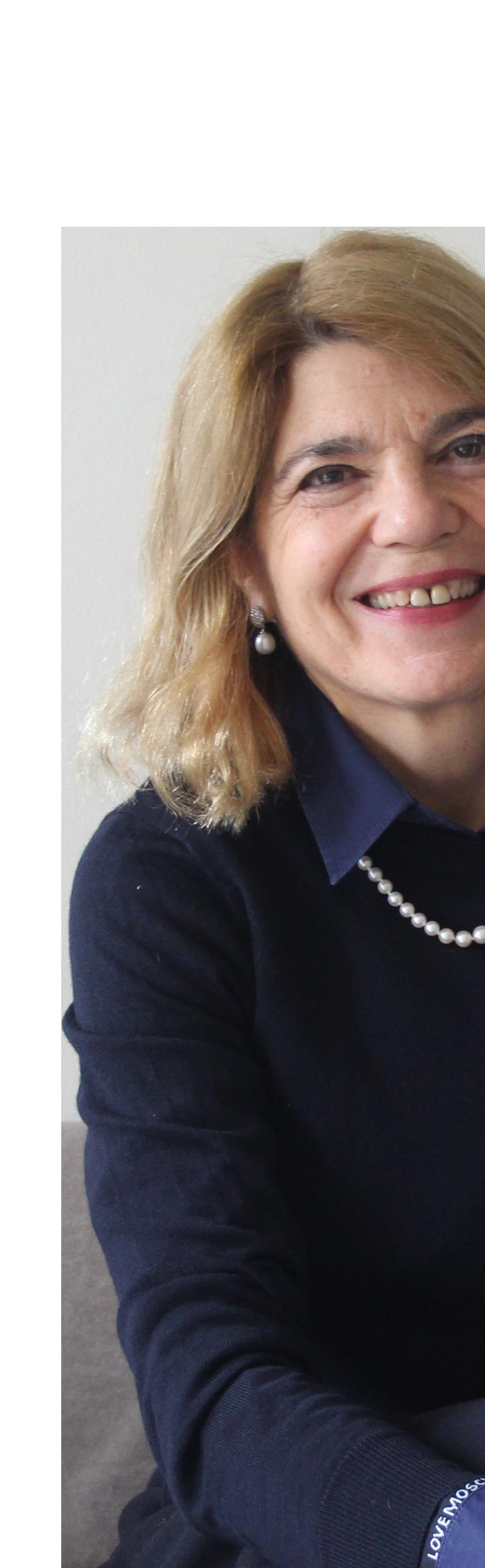
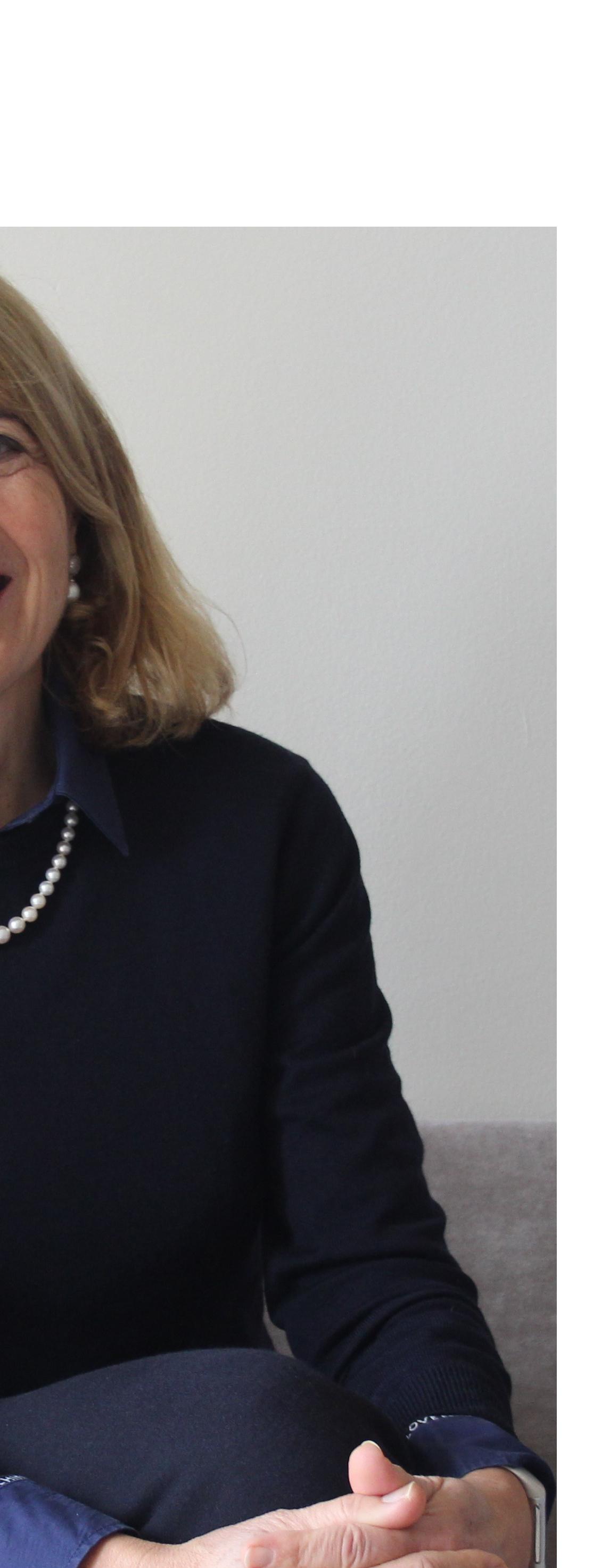
Cedars-Sinai International CEO Heitham Hassoun on how the future of care depends on private sector agility
THE RISE OF UNREGULATED PEPTIDES
Numan’s Danielle Brightman talks about how poor regulation will put obesity medication back by years
POSTPARTUM SUPPORT IS SEVERELY LACKING
Frances Lucraft, CEO of Grace & Green, calls for more support
WELCOME
“The underlying economic system has changed, and the old way is no longer sustainable.”
For Heitham Hassoun, the expansion of healthcare into global markets is not merely a strategic business play; it is a response to an irreversible shift in the global economic landscape.
Here, the chief executive of Cedars-Sinai International talks about the alphabet soup of state-regulated systems, the necessity of building modern railroads for medical data, and why the most successful healthcare delivery must be built on trust and local relationships rather than just a famous brand name.
Also in this issue, Danielle Brightman, clinical director of Numan, argues that a poorly regulated peptide market will put people in danger; Frances Lucraft, chief executive of Grace & Green, writes that mothers are dehydrating themselves to avoid bladder leaks; and much more...
We hope you enjoy!
Tell us your news: Adrian Murdoch, Editor-in-Chief adrian.murdoch@healthcaretoday.com +44 (0)7983 407607
Glen Ferris, Managing Director glen.ferris@healthcaretoday.com +44 (0)7780 298825
To download a copy of our media pack, click here.
MORE THAN HALF OF UK POPULATION HASN’T HEARD OF WOMEN’S HEALTH STRATEGY
A SURVEY shows that more than 60% of the UK population hasn’t heard of the government’s strategy to improve women’s health. The data, from the Health Tech Alliance (HTA), also reveals that half of UK women feel their concerns were not taken seriously because of their gender.
Some 2,000 adults took part in the nationally representative survey, which outlines the lack of awareness of the government’s efforts to tackle medical misogyny, with 63% never having heard of it.
Medical misogyny refers to the well-documented trend of women being misdiagnosed or having their health concerns dismissed or downplayed.
The survey comes after the government’s strategy was updated last month, with new pledges such as offering pain relief for invasive procedures, such as fitting a contraceptive coil. The Department of Health and Social Care says action will also be taken to reduce the amount of time women wait for a diagnosis of endometriosis and other conditions. The survey also revealed that younger women are turning away from traditional healthcare as they don’t feel listened to.
Some 64% of women aged between 18 and 24 report being dismissed by a healthcare professional, with a quarter turning to social media influencers for information and family and friends also being used as a source. While many members of the public aren’t aware of the government’s efforts to improve care for women, they do think it should be a priority, with more than half (51%) believing it has been historically underfunded.
Top priorities for the government emerged as women’s cancer, menopause and gynaecological conditions. In comparison, only 5% listed femtech innovation, technology which addresses women’s health needs, as a priority. The HTA argues the public is not yet aware of the role technological innovations can play in improving care for women. The alliance works with doctors, MPs and officials to advocate for the responsible adoption of new technology in the sector.
Reacting to the survey, Louise Kitchingham, HTA secretariat and executive vice president of policy communications at Clarity, which runs the HTA, said: “The data is clear: the intention is there, but the execution and communication are lagging. When more than 63% of young women feel dismissed by the healthcare system, and the vast majority of the public doesn’t know about the very strategy that has been developed to help them –there is a clear disconnect.”
TRAINING TO TACKLE RACISM IN NHS CANNOT JUST TICK-BOXING EXERCISE
DEAN ROYLES, interim chief executive of NHS Employers, has urged HR leaders to prioritise education around different forms of prejudice, to move beyond “superficial compliance”. He was writing after the government laid out a plan to fight against antisemitism and other forms of racism in the NHS.
A rapid review by John Mann, Baron Mann, the government’s independent advisor on antisemitism, found in November that the current system is “too slow and cumbersome” to tackle racism.
Royles, in a post on the NHS Employers website, laid out how chief people officers (CPOs) can play their part in protecting patients and staff against such discrimination. He said: “Hesitation, or any suggestion that some racism is more acceptable than others, risks normalising behaviour that damages staff wellbeing, patient care, and public trust.”
Speaking about the interim chief training is important, beyond tick-box addresses the distinct of different prejudices shared NHS values. champion evidence-based build genuine understanding superficial compliance.”
Following Mann’s published in March, health secretary, General Medical
HR executives should advise boards to issue clear zero-tolerance statements that name antisemitism, Islamophobia explicitly, staying can obscure specific He also argued need to be in place racism, with protection access to wellbeing
NHS JUST BE TICK-BOXING
by Katie Heslop, Senior Writer
Islamophobia and racism staying clear of “vague language” that specific prejudices, Royles said.
that effective reporting routes place for staff experiencing protection from retaliation and wellbeing support.
about a “deeper cultural change”, chief executive said: “Mandatory important, but it must move tick-box exercises. Effective education distinct drivers and expressions prejudices while reinforcing values. Great chief people officers evidence-based approaches that understanding rather than compliance.”
Mann’s initial recommendations, March, Wes Streeting, the then secretary, announced reforms to the Medical Council (GMC) to ensure
doctors who use “intolerably racist and antisemitic language” are struck off from the medical register.
Mann called for the GMC to receive greater powers to challenge the rulings of the Medical Practitioners Tribunal Service, which decides whether doctors should be suspended or not.
The scale of the problem should not be underestimated. Freedom of Information (FOI) requests made by the Royal College of Nursing to NHS trusts and health boards across the UK show a 78% increase in the number of reports of racism by nursing staff in the past four years.
In 2025, nursing staff reported 6,812 incidents of racial abuse while working in NHS trusts and health boards across the UK, rising from 3,652 in 2022. Racist incidents became so frequent last year that a member of nursing staff was reporting a new case of racist abuse every 77 minutes across the UK.
“These findings show a catastrophic rise in the racist abuse faced by nursing staff. It is a
disgrace, and perhaps just as bad is the fact that many NHS trusts and health boards cannot even tell us how many staff have been on the receiving end. It amounts to a policy of ‘don’t know, don’t care’,” said the College’s general secretary and chief executive Nicola Ranger.
The Royal College is calling on NHS trusts and health boards to develop far more comprehensive protocols on what action will be taken upon receiving reports of racial abuse. From October, under the Employment Rights Act 2025, NHS trusts will be liable for harassment of their own staff by patients or their families, unless they have taken all reasonable steps to prevent it from happening.
It is also urging health leaders and governments across the UK to deliver standardised and streamlined incident reporting across NHS employers, recording staff role, work area and ethnicity of the person reporting the racist abuse. “This would allow NHS trusts to spot patterns, areas of risk and implement prevention measures to stop future cases,” the College said in a statement.
Trusted by Clinicians, Chosen by Patients
Located in the Harley Street Health District, Pharmacierge supports over 4,500 GPs and Consultants with seamless, secure e-Prescribing apps tailored for private practitioners.
With our state-of-the-art robotically enabled dispensary and nationwide delivery, we ensure your patients receive their medications promptly, while you prescribe with confidence - anytime, anywhere.
mPrescribe®
Revolutionises private prescribing by allowing you to prescribe flexibly without a laptop, for delivery to your patients nationwide.
Medication range
Due to the range of specialists we support, we stock and source medication not typically found outside of a hospital setting, including refrigerated, controlled, injectable and biologic medication.
Courier delivery
We include same weekday delivery to London postcodes, or next weekday nationally as standard. International deliveries are also available.
"Your mobile app changed my life!"
— Dr Dominic Paviour, Consultant Neurologist "Intuitive and secure."
— Dr Tim Wigmore, Consultant Intensivist & Anaesthetist
Join thousands of clinicians today. Download the app and register online www.pharmacierge.com/register
NEW ASSESSMENT FOR EARLIER DETECTION OF ALZHEIMER’S
LONDON-BASED cognition clinic Re:Cognition Health has launched an assessment service called CognitionCheck to diagnose Alzheimer’s disease earlier. It will combine artificial intelligence cognitive testing, blood biomarker analysis and MRI brain imaging to detect Alzheimer’s and other causes of memory decline more quickly in adults over the age of 50.
Re:Cognition Health is working with CognitionCheck alongside Scan.com, the UK’s largest network of Care Quality Commission-registered imaging providers, which supplies the MRI brain scans. It comes at a time when the public is increasingly keen to be more proactive with their current and future brain health. Those taking the assessment can expect specific p-Tau217 biomarkers to examine their pathologies, before a consultation with a doctor to discuss results and next steps.
According to the Alzheimer’s Association, four out of five people would want to know if they had Alzheimer’s before experiencing symptoms. Although US research, the picture appears similar here in the UK, where almost one million people already have Alzheimer’s.
With this figure set to rise in the coming years, the need for earlier diagnosis has rarely seemed more important for the public and their doctors alike. The treatments currently available for Alzheimer’s are most effective the earlier they are introduced, although there is no definitive cure. CognitionCheck can also find other causes of memory problems, many of which can be reversed if acted upon at the right stage. The service has been launched nationwide and costs £1,295. MRIs are delivered at more than 300 centres around the UK, while the blood test component takes place at Re:Cognition Health clinics in Birmingham, Bristol, London or Winchester.
“Early diagnosis is more crucial today than ever. With new treatments that slow Alzheimer’s and other neurodegenerative conditions, identifying changes before symptoms become severe allows people to benefit from these therapies,” said Emer MacSweeney, chief executive and medical director at Re:Cognition Health. “Too often, cognitive decline is advancing ahead of overall physical health, and in many cases, the brain is dying before the body.”
MacSweeney told Healthcare Today last year that we’re just a few years from being able to treat neurodegenerative diseases similarly to how we target diabetes.
ENGLAND RANKS POORLY ON AVAILABILITY OF FUNDED MEDICINES
ENGLAND ranks seventh out of 36 European countries on the availability of publicly funded new medicines across Europe, according to a new report from the European Federation of Pharmaceutical Industries and Associations (EFPIA).
The report covers medicines approved by the European Medicines Agency (EMA) between 2021 and 2024, tracking availability and speed of access for patients in national health systems.
Around 61% of EMA-approved medicines have been approved by the UK’s Medicines and Healthcare products Regulatory Agency (MHRA) and are recommended by the National Institute for Health and Care Excellence (NICE) for NHS use in England. Scotland ranks 11th (53%). Among those countries most like the UK in terms of population and economy (France, Germany, Italy, Spain), England ranks fourth, behind Germany, Italy and Spain.
When considering medicines available only to a restricted patient group – known as an “optimised” NICE recommendation, a growing feature of approvals – England falls to 10th, with just 33% of medicines licenced during these four years available on a full, unrestricted basis
by Adrian Murdoch, Editor-in-Chief
in line with their regulatory licence. Scotland drops to 13th.
Some UK patients either cannot access a new medicine at all, or only if they meet criteria that exclude many for whom it is licensed.
“Europe has had medicine access problems for 25 years, and global pricing reforms are set to exacerbate these issues,” said EFPIA director general Nathalie Moll.
“It is unrealistic to expect greater investment into Europe and faster access to new treatments for Europeans if member states also demand the lowest possible prices and the highest government clawback rates. We need to make a choice,” she added.
The data is especially stark for two groups: cancer patients and those with rare diseases.
For cancer medicines, England ranks 14th, with 59% new medicines available to NHS patients. Scotland ranks 19th (48%). Many of these patients are waiting for treatments that could extend or save their lives.
For orphan medicines – developed for rare diseases with few treatment
options – England ranks 11th (50%) and Scotland 13th (47%). For these patients, access to a single medicine can often mean the difference between having a treatment option and having none.
“These gaps are among the reasons the UK needs to reflect the value of medicines for patients with few or no alternatives in a better manner,” said the Association of the British Pharmaceutical Industry (ABPI) in a statement.
The UK’s declining rate of availability arises from challenges at many different points in the approval process before medicines reach patients. The UK’s declining availability reflects several factors in an increasingly complex global regulatory and commercial environment.
The first step to a medicine access decision is regulatory licensing - in the US, this is done by the Food and Drug Administration (FDA), in the EU, the EMA, and in the UK, the MHRA.
The ABPI’s analysis of EFPIA’s new Regulatory Indicator shows that around one-third of US-licensed medicines are not licensed in Europe or the UK. This reinforces the concern that UK patients are missing out on medicines available elsewhere.
INDEPENDENT SECTOR MAINTAINS RECORD HIGHS IN QUALITY & SAFETY
THE vast majority (94%) of independent healthcare providers in the Independent Healthcare Providers Network (IHPN) are now rated good or outstanding by the Care Quality Commission (CQC). The encouraging findings were published in the network’s audit of patient safety and quality, looking at last year’s data. It includes 92% of independent sector hospitals operating at this high level – a marked improvement since 2018, when around just 70% were rated good or outstanding.
The CQC has also given these ratings to 87% of independent locations rated for diagnostic imaging services, 92% of independent community healthcare locations and 83% of IHPN members who deliver neurodevelopmental assessments, including for ADHD and autism.
The statistics are particularly promising because independent providers now treat record numbers of patients, both in the NHS and private sector.
The IHPN also found that one-in-five of all NHS elective orthopaedic activity now takes place in the independent sector, with the latest Patient Reported Outcome Measures (PROMS) data showing seven of the top ten providers treating NHS patients for hips and knees are independent providers.
A further 98% of NHS inpatients treated by independent sector organisations would also now recommend their provider to friends or family. But the work isn’t done yet. With rising numbers now “mixing and matching” NHS and private care, the IHPN are calling for further progress to ensure the collection of data and outcomes on safety and quality better aligns across the healthcare system. The hope is for this to allow patients to make the best choices for their care.
Over the past year, the independent sector has also made strides in embedding Freedom to Speak Up to promote patient safety, workforce wellbeing and organisational culture. The number of Freedom to Speak Up guardians across independent providers has more than doubled over 2.5 years, now surpassing 600.
Finally, with more and more patients choosing to access cancer treatment privately, it was noted that over 70 independent providers hold the Macmillan Quality Environment Mark for “going above and beyond to create welcoming, friendly spaces”.
“In light of the growing role the sector is playing in the delivery of healthcare in the UK, it’s now more important than ever that further progress is made to ensure that independent providers are fully factored into the evolving healthcare data landscape and wider national quality reforms,” said Dawn Hodgkins, director of regulation at the IHPN.
MAULIN GROUP APPOINTS CAROLINE SMITH AS GROUP PRESIDENT
INTEGRATED healthcare professional services platform Maulin Group has announced the appointment of Caroline Smith as Group President, Healthcare Professional Services.
Formerly Chief Quality and Operating Officer at Nuffield Health, Caroline will lead Maulin Group’s centralised market proposition for state and private healthcare providers – including medical indemnity, specialist legal services and a connected suite of clinical risk consultancy and investigations capabilities – in the company’s core markets, initially rolled out in the UK and Asia-Pacific Region, where the Group currently operates, scaling globally over the next five years.
“Caroline’s experience inside the sector gives our clients a rare advantage: she can see, from the inside, exactly how Maulin Group’s services should be deployed to lift both the quality of patient care and the efficiency and profitability of delivery,” said Oliver Maughan, Founder and Chief Executive of Maulin Group.
“That is the prize we unlock by treating otherwise separate services as a single integrated platform, with intelligence flowing between them rather than sitting in silos. The two are not in tension. Done properly, they reinforce each other.”
Caroline joins Maulin Group following an career spanning more than four decades in healthcare, having trained as a Registered General Nurse at St Bartholomew’s Hospital, progressing from Emergency nursing into commercial leadership.
THE Nursing and Midwifery Council (NMC) did not properly carry out health and criminal record checks for more than a decade.
For the past 12 years, the NMC has not been following its own processes fully, with an estimated 15 people potentially working in the UK who should not have been allowed to do so.
Admitting and apologising for this “utterly unacceptable” failure, the NMC said 421 people are now being contacted for extra information after potential concerns in self-declaration forms weren’t followed up.
Applicants hoping to join the nursing and midwifery register must declare if they have a criminal record, have committed a serious offence or have an unmanaged health condition that may prevent them from practising safely. Under the NMC process, declarations are considered by a specialist team, and all cases of concern should be referred to an assistant registrar for a decision.
For 12 years, however, that second step was not consistently carried out, which the Royal College of Nursing (RCN) has labelled as “astounding”.
“It is a potentially dangerous regulatory failing that individuals
COUNCIL DID NOT FOLLOW REGISTRATION CHECKS
by Katie Heslop, Senior Writer
made declarations regarding criminal convictions and health conditions over such a long period of time without appropriate checks to determine their fitness to practise,” said Lynn Woolsey, chief nursing officer at the RCN.
Meanwhile, the Royal College of Midwives said such news will cause anxiety for the small number affected, and it will be seeking assurances to ensure the issue is resolved “swiftly, fairly and cannot happen again”.
The issue was first raised by a staff member at NMC, with more than 18,000 applications during the 12-year period subsequently reviewed. While no further action was required in most cases, 421 people are being asked to provide information for a more detailed assessment. The NMC anticipates that of this number, up to 15 could be banned, with a final decision resting with an independent panel. There are currently 867,935 people on the nursing and midwifery register.
Before being hired, separate, enhanced employment checks are carried out by employers, meaning that some who passed the NMC’s processes may not have actually been given a job.
The NMC has been through a period of turmoil in recent years, with racism, bullying and harassment uncovered in a 2024 report carried out by former chief crown prosecutor Nafir Afzal.
A three-year transformation plan has since been launched, with a new chief executive and chair being appointed.
“We know that the NMC has not met the high standards expected of it in past years, so we’re now building a new NMC, which is striving to become the strong and independent regulator needed to protect the public and uphold the standards of the professions,” said Paul Reese, chief executive and registrar. The NMC is looking into how such mistakes were allowed to happen, but Woolsey says this is not enough, calling for an independent investigation which will establish how processes should be improved at the council.
“Today’s vague apology will not suffice, and we will lead the UK’s nursing staff in asking very tough questions,” Woolsey added.
Rachel Power, chief executive of the Patients Association, welcomed the NMC owning up to its mistake, but added: “Patients treated by individuals who never should have been on the register should not be left to wonder if they were impacted but deserve honest and direct communication.
WEIGHT-LOSS TREATMENT
BARIATRIC surgery, also known as metabolic surgery, has shown its effectiveness in treating patients living with severe weight-based conditions such as Type 2 diabetes or obesity if traditional methods such as diets and exercise fail.
This often takes the form of changing the anatomy of the digestive system and its functions through surgeries including gastric bypass and sleeve gastrectomy. Patients have been shown to lose up to 77% of excess weight, showing clear benefits.
But there is a problem. With a fifth rate of weight regain, there is demand for an alternative. A study displaying the effectiveness of semaglutide on those for whom surgery was ineffective shows promise.
GLP-1 receptor agonist semaglutide, popularised by Ozempic, Wegovy and Mounjaro, targets weight gain
by Adam Murdoch, Writer
by raising insulin levels to decrease appetite, which promotes weight loss.
In the University College London BARI-STEP trial, semaglutide dose of 2.4mg in patients who responded well to bariatric surgery was found to increase weight greatly when receiving lifestyle and a reduced calorie diet when compared to the placebo group.
Among patients taking semaglutide, 62% lost at least 15% of their body weight, compared to 7% in the group. Results were even more at higher levels of weight loss, losing at least 20% of their body compared with just 3% when a placebo version. Improvements blood sugar and cholesterol levels were also noted, in addition to the weight loss coming from body rather than muscle.
DRUGS: A MIRACLE HINDERED BY INEQUALITY
decrease weight London at a who had not surgery loss lifestyle support when group.
semaglutide, body the placebo more striking loss, with 47% body weight, taking Improvements in levels to most of body fat
“These findings strengthen the case for using semaglutide in people who do not respond well to bariatric surgery, offering an alternative to repeat operations,” said trial lead Janine Makaronidis, senior clinical researcher at the UCL Centre for Obesity Research.
All good news. But while semaglutide and similar weight-loss drugs have shown promise in shifting how we tackle obesity, a proverbial thorn in the side exists; health inequality.
According to research at UCL and Cambridge, without affordable, healthy food options as well as wider health-based support, the long-term benefits may be more dependent on factors beyond just the medication.
The research team notes that nutrition advice, healthy food, access to exercise and ongoing healthcare support all shape how effective the treatment may be.
“We have highlighted that obesity treatment is not just a medical issue, but a social and structural one,” said senior author Adrian Brown, associate professor in nutrition and dietetics in the Centre of Obesity Research at University College London.
“Without integrated dietary support and attention to food affordability, these medications could deepen existing health inequalities,” he added.
The problem stems from the affordability of a healthy lifestyle. Healthier diets are often more expensive, as well as being more difficult to get in some cases. This creates more hurdles for people already facing food insecurity or financial hardship.
This is not a theoretical problem; an estimated 1.6 million adults across the UK use weight-loss drugs. With food insecurity effecting 12% of UK households, co-author Cara
Ruggiero notes this as a “critical context” and one “cannot ignore”. There is, however, a significant financial barrier-to-entry with many weight-loss drugs.
Eli Lilly and Company’s Mounjaro, a leading weight-loss drug, typically costs £200 a month, making it unaffordable to many. Despite this, lead author Marie Spreckley, principal investigator of the AMPLIFY study, said that that affordability is not the direct issue at hand with the drug.
“If access to healthy food, nutrition support and ongoing care is uneven, there is a risk that the benefits of these treatments will also be uneven,” she said.
The associated cost-of-living issue spells danger of bringing about a two tier system, in which treatment effectiveness is based on who has the ability to pay for and has access to comprehensive and continuous support, while others just suffer from widening health inequality.
SIGNIFICANT SUM ON THE WAY TO TRANSFORM SOCIAL CARE DIGITALLY
THE National Institute for Health and Care Research (NIHR) has awarded £5.4 million to institutions across England, Scotland and Wales.
Each project should focus on innovative digital technology within social care, including through Artificial Intelligence (AI), digital devices and fresh approaches to improve outcomes for adults and children. There was particular interest in exploratory and applied studies that will look into barriers to adoption, tackle inequalities in access and test new applications in under-used settings. Awarded through the NIHR’s Research Programme for Social Care, they will run for between 18 months and two years.
Specifically, the nine projects funded will cover topics including virtual-reality communication training for carers of people with severe mental illness, how councils use smart devices to help older people leave hospital faster and stay safe when home and a practical toolkit to give care home staff and residents confidence using digital tablets. They will pan out across much of the UK, from the University of Stirling to Cardiff University.
Martin Knapp, director of the NIHR’s research programme for social care, said: “This is really exciting, important funding, which will look to transform social care through some truly innovative solutions. By utilising the power of AI, virtual reality, smart home technologies and other tech, these projects offer real hope for supporting independent living and autonomy, and improving people’s lives by raising standards of care and support within their communities.”
PATIENT SAFETY RISKS FOR HOSPITAL PATIENTS ON INSULIN
AN INVESTIGATION report from the Health Services Safety Investigations Body (HSSIB) highlights how patients with diabetes are facing such regular harms that some have died because their insulin-dependent conditions haven’t been appropriately managed in hospital. Patients are also experiencing other kinds of serious safety risks, including their wearable diabetes technologies being removed during their time in hospital, and doctors more generally failing to effectively manage their conditions.
Insulin is a high-risk medication, well-established as among the most common causes of harm from medication errors in the NHS. But with diabetes prevalence rising across England, set to affect around 4.2 million people by 2030, the HSSIB is keen to reiterate the impact of these errors –and see a reduction in their numbers.
“Our investigation shows that, despite the dedication of hospital teams, patients with diabetes who rely on insulin still face persistent and avoidable risks when they come into hospital. When insulin management is disrupted – even briefly – the consequences can be serious, as we heard from patients and families who shared their distressing experiences of harm, to themselves or their loved ones,” warned senior safety investigator Craig Hadley. “The investigation reveals a system under strain, creating difficult conditions that can hinder the safe administration of insulin for inpatients,” he continued. He emphasised that as the prevalence of diabetes continues to rise, the wider health and care system must acknowledge the rising risks and their impact on people receiving hospital care.
According to the report, patient deaths came about after insulin infusion was stopped before surgery, but not restarted, insulin was consistently administered after meals rather than before or was administered at too high a dose. In addition, many patients aren’t consistently supported to self-administer insulin during their time as inpatients, even when they safely do so at home. This disruption to self-management routines can increase the likelihood of insulin being omitted, delayed or administered incorrectly. For example, the investigation heard that approximately one-in-25 Type 1 diabetes patients in hospital enter diabetic ketoacidosis because their insulin is omitted or they aren’t given enough of it to deal with their clinical condition at the time. The investigation also looked at how staff are supported to monitor and care for people with diabetes on wards, how patients are enabled to self-manage their insulin safely when appropriate and their progress against previous national recommendations.
As a result, the HSSIB has made various recommendations to bodies such as NHS England, the Department of Health and Social Care and the Royal College of Physicians. These include that they set out the expectations and responsibilities of NHS trusts for the assurance of inpatient diabetes care, and act on new data and outcomes of studies about adopting blood glucose into NEWS2.
CHANGING NHS FUNDING MODEL WOULD BE A ‘POINTLESS DISTRACTION’
THE Institute For Public Policy Research (IPPR) argues that there is no evidence that insurancebased healthcare systems outperform tax-funded systems.
A new report, which analyses 22 high-income countries, concludes that switching the NHS to a European-style insurance system would not improve performance across measures of capacity, access, quality, efficiency and equity.
The report says that health system outcomes vary far more within funding models than between them. However, the research finds that tax-funded systems have some key advantages. First, they are cheaper for patients. People in the UK spend 2.6% of household income on out-of-pocket health costs, compared to 3.5% for those in insurance systems.
Second, they have lower admin costs. Administrative costs consume 2.2% of health spending in tax-funded systems compared to 3.5% in insurance systems.
The authors of the report also point out the high risks of transitioning from one system to another, saying any
by Adrian Murdoch, Editor-in-Chief
such move could cost billions and potentially take decades.
“The social insurance systems of France, Germany, and the Netherlands are regularly invoked as superior alternatives, with little scrutiny on what those systems actually deliver or what it would take to replicate them here. There is no systematic evidence that social health insurance models outperform tax-funded systems,” said Ara Darzi, Baron Darzi of Denham and former health minister.
The findings undermine claims that social health insurance systems such as those in France or Germany are inherently superior. The think tank warns that politicians risk pursuing costly distractions instead of addressing the real causes of the health service’s decline. Instead, the report says the real reason for the NHS’s poor performance against comparator countries is partly driven by chronic underinvestment.
While the NHS has received record funding, its increase in spending in recent years has predominantly been focused on staff, salaries, and other
costs that have risen due to inflation. Spending on capital investment –including beds, diagnostic equipment, and infrastructure like buildings –remains lower than it was in 2010. Spend on capital was 0.358% of GDP in 2023, down from 0.395% in 2010. This is roughly half the average of comparators.
The think tank argues that the government can turn the NHS around, but only if it prioritises capital investment, such as spending on the crumbling NHS estate and diagnostic equipment; moves care out of hospitals and into the community, to focus on prevention and public health; and tackles the social care crisis, to reduce preventable admissions and poor post-discharge outcomes.
“There is no structural silver bullet for the NHS. The idea that simply switching to a Europeanstyle insurance model would fix its problems is a pointless distraction and not supported by the evidence,” said IPPR’s head of health, Sebastian Rees. “The NHS’s challenges are real – but they are the result of a decade of chronic underinvestment and choices on how money is spent, not the funding model itself,” he continued.
CANCER BREAKTHROUGHS GREATER HOPE
EVERY two years, worldwide cancer deaths exceed those of combatants in the First World War. The story of cancer is rarely one of hope, rather one of difficult journeys, generally punctuating charity bake-offs in the best case and resulting in personal tragedy at worst.
Though it continues to pervade society, recent developments in testing, categorisation of treatment and new methods have provided some hope in how science tackles the disease.
“There is no magic bullet, but there’s room for optimism,” noted Devi Sridhar, chair of global public health at the University of Edinburgh, in The Guardian recently.
Lung cancer is the UK’s most common form of cancer death, yet recent advances have proven effective in catching the disease in its earliest stage – in which it has a five-year survival rate almost 13 times that of if it were caught late. Local health teams in England have begun performing comprehensive lung health checks on current and past smokers as part of the NHS lung cancer screening programme, using mobile scanning units parked on England’s high streets and supermarket car parks to check those deemed at risk.
The NHS is attempting a nationwide rollout of this programme, aiming for more than six million across England to be invited for a checkup.
“The Lung Cancer Screening Programme has been designed around where people already are… [making] it
by Adam Murdoch, Writer
easier for people to get checked” said Peter Johnston, NHS England national clinical director for cancer.
Furthermore, a team of Cambridge scientists have discovered a urine test capable of detecting early signs of lung cancer months before symptoms appear. The researchers developed an injectable sensor which monitors the rate of harmful senescent cells, also called Zombie cells, within the lungs. Upon discovery, the sensor triggers the release of a detectable compound in urine, displaying biological signs of both early cancer and treatment resistance.
The urine test shows promise as a leap forward in precise testing and treatment of lung cancer. Although the treatment has not been tested on humans, Ljiljana Fruk, professor of BioNano Engineering at the University of Cambridge, is confident that “it could one day be used easily in GP surgeries and hospitals to help detect recurrence in this hard-to-treat cancer much earlier”.
These breakthroughs demonstrate a much-needed sign of confidence in how we deal with various prevalent cancers. “We’re living in a golden age of research, which is powerfully underlined by this innovative new urine test to detect early lung cancer,” said Patrick Keely, spokesperson for independent cancer research organisation Cancer Research UK.
Within the field of treatment categorisation, an international clinical trial, the OPTIMA trial (Optimal
Personalised Treatment of early breast cancer using Multi-parameter Analysis), at University College London, has designed a gene test to help breast cancer patients safely avoid chemotherapy.
Worldwide, chemotherapy is regularly given to people with early-stage breast cancer.
While this is effective overall, it leads to sometimes dangerous side effects, therefore, the use of the genomic test Prosigna, which measures the activity of genes involved in breast cancer growth and identifies the likelihood that this cancer may return over the next 10 years, could lead to a more tailored treatment. This represents a potential breakthrough in terms of effective use of treatment.
“For patients, this means many may be spared the physical and emotional burden of chemotherapy and its potential long-term side effects. For health systems, it represents a more efficient and evidence-based use of
BREAKTHROUGHS OFFER
FOR PATIENTS
resources,” said Rob Stein, professor of breast oncology at the UCL Cancer Institute
In the study of 4,429 people, the control group faced standard treatment while the test group was given hormonebased therapy guided by the Prosigna test. It saw only marginal differences in five-year outcomes. These findings indicate that using Prosigna to guide treatment decisions could help a substantial number of patients avoid unnecessary chemotherapy without compromising their outcomes.
“These findings represent a major step forward in delivering more personalised, precise care, ensuring that treatment decisions are driven by what will genuinely improve outcomes for patients, while avoiding unnecessary toxicity,” said Iain MacPherson, professor of breast oncology at the University of Glasgow.
Targeted antibody therapy research at the Institute of Cancer Research in London and the Royal Marsden
NHS Foundation Trust has shown early signs of tumour shrinkage when combined with advanced chemotherapy in patients suffering from bowel cancer.
The ongoing ozekibart INBRX-109 clinical trial, still in the early stages of human study, has delivered a 20% tumour shrinkage rate in patients with advanced colorectal cancer who had seen poor results from traditional chemotherapy, including one case of complete response. Of the 45 patients studied, disease control was achieved in 39 – with side effects being largely comparable to those of chemotherapy alone.
The ongoing perspective of researchers is one of optimism, with Hazel Lote, consultant medical oncologist at The Royal Marsden NHS Foundation, calling it “a promising new treatment option”, particularly in those for whom traditional treatments have failed. Further research into providing treatment to chemotherapyresistant cancers has been seen in an
international trial of the Amivantamab injection, intended for patients with head and neck cancers. The injection targets cancers by blocking growth receptors responsible for tumour development, as well as activating the immune system in order to attack cancer cells.
This has seen success; among 102 patients, 43 experienced significant tumour shrinkage, while 15 saw their tumour disappear entirely.
“These are unprecedentedly strong responses in patients whose disease has become resistant to both chemotherapy and immunotherapy,” said Kevin Harrington, professor in biological cancer therapies at The Institute of Cancer Research, noting the benefits for patients for whom treatment options are incredibly limited.
In addition to the effectiveness of the jab, its injectable nature makes it far easier to take and less intrusive. This makes outpatient care simpler and leads to meaningful quality-oflife improvements. Recent tests on the Johnston & Johnston-developed Amivantamab have proved effective in tackling lung cancer, with encouraging results in colorectal, brain and gastric cancers as well.
Naturally, triumphalism must be avoided with these results, as researchers so readily caution. Despite this, sustained cutting-edge research being performed across the UK in early detection, personalised treatment and targeted therapy makes the government’s plan of a 75% fiveyear survival rate by 2030 less of an aspiration, and more like a target.
EARLY WARNINGS MUST IMPROVE TO REDUCE MEDICINES SUPPLY RISKS
REPRESENTING the pharmaceutical industry, the Association of the British Pharmaceutical Industry (ABPI) has highlighted the main issues underpinning shocks to the medicine supply system. It has also advised on how to strengthen the supply chain in the UK, with an aim of protecting patients in the face of disruptions.
Although medicine supply issues are comparatively rare, their impact can be significant on patients, while healthcare professionals too shoulder concerns about disruptions both nationwide and further afield.
Shortages of raw materials, manufacturing constraints, geopolitical instability and sudden surges in demand all pile pressure on global supply chains, and it’s patients who ultimately suffer.
The ABPI’s recent report shows that the UK has approximately 14,000 licensed medicines, supplied through complex global networks. In the past year, 264 medicines were monitored under shortage protocols, with just a few product supply disruptions
by Eleanor Philpotts, Senior Writer
classified as critical. Most issues are resolved within 28 days, but some cases linger.
The report, developed alongside healthcare professionals, also reveals that 26% of pharmacy teams report spending more than two hours a day trying to obtain medicines or source alternatives.
It stated that most disruptions are found in generic medicines, which also form 75% of NHS prescriptions.
The ABPI has made various recommendations to the Department of Health and Social Care, the NHS, regulators, wholesalers and pharmacists.
The main point is to improve early warning of supply issues by strengthening reporting systems to identify risks earlier and address them before patients are actually affected.
Currently, most issues are resolved before this stage – and as the process
of getting medications to patients can take up to 36 months, the importance of forward-planning has never been clearer.
Other suggestions included clearer, two-way data sharing between industry, the NHS and government, better collaborative planning across the system, encouraged use of artificial intelligence (AI) and regulatory flexibility for faster approvals and temporary use of alternative packs or imports.
“Systems to manage supply were stress tested like never before during the pandemic, as well as by the recent conflicts in Ukraine and now the Middle East,” said Ross Maclagan, head of supply and distribution policy at the ABPI. “While the industry has met these challenges, global pressures are growing, and we cannot be complacent. That is why this report sets out practical recommendations to make an already resilient system even stronger, so patients can continue to get the medicines they need when they need them.”
The report will be updated in 2029.
NHS BILL FOR STAFF INJURIES HITS £190 MILLION
THE NHS in England has spent £190.9 million over the past five years to resolve personal injury and accident claims brought by its own staff.
The figures, obtained via Freedom of Information requests to NHS Resolution and the Liability to Third Parties Scheme (LTPS) – the NHS staff insurance pool – by Accident Claims Advice, reveal the physical risks faced by healthcare workers between 2020-2021 and 2024-2025, with slips, workplace violence and severe safety failures all proving to be repeated themes.
As of April this year, the NHS has paid £98.97 million in direct damages to injured employees across successfully settled claims. The total cost to the taxpayer, however, is much higher. Settled claims where staff successfully won compensation saw £86.7 million spent purely on legal fees. That breaks down to £19.1 million covering the NHS’s own legal defence costs and £67.44 million covering the claimants’ legal costs.
Meanwhile, fees were also racked up by successfully defended claims,
with £5.3 million spent on NHS legal costs and £144,055 going towards claimants’ legal costs.
That amounts to £190.9 million paid out so far during the period so far. That figure could yet increase as more claims are closed.
“Hospitals and healthcare facilities should be environments of safety and healing, but this data shows an alarming reality for the people keeping our health service afloat,” said Patrick Mallon, head of workplace accident claims at Accident Claims Advice.
The overwhelming majority of successful staff compensation costs stem from a persistent trio of systemic workplace dangers.
Slips and trips are the leading cause of staff injury, accounting for 1,763 successful claims submitted over the five-year timeframe. These incidents cost the NHS £25.8 million in damages alone.
Meanwhile, a severe safety crisis is unfolding on the frontline, with 1,021 successful claims lodged by
staff members who were victims of assault in the workplace. This saw a total damages payout of £18.1 million.
Workplace-related mental health issues also proved incredibly costly to settle, as claims for stress cost the NHS £8.8 million in damages across the period.
Inevitably, larger NHS trusts are at a higher risk of incident, and so naturally report higher figures. Over the five-year period, University Hospitals Birmingham registered the highest volume of staff injury claims with 210, also factoring in a £2.6 million total payout in damages. It was followed by Mersey Care, which racked up 194 claims and paid out £2.3 million in damages.
“Diverting more than £190 million away from patient care to fund injury damages and legal battles is a tragedy for an already cashstrapped service. Frontline staff have a legal right to a safe environment, and if trusts fail to provide it, workers must continue to use the legal system to protect their health and livelihoods,” said Mallon.
PHARMACY BOOST TO THE HIGH STREET
PATIENTS will see quicker access to treatments at their local pharmacy under a new agreement with the government, which is rolling out NHS-funded independent prescribing as part of a £340 million deal.
Under the expansion of the Pharmacy First service, from the autumn, pharmacists will be able to assess patients and prescribe medicines directly. This, the government hopes, will reduce the number of referrals back to GPs and lessen the burden on hospitals, as patients will be able to receive further treatment for common conditions from a pharmacist and avoid the need to go to an urgent treatment centre or A&E.
“Community pharmacies already play a vital role in delivering NHS care closer to home, and this agreement will make it easier for patients to get advice, treatment and medicines through their local
by Adrian Murdoch, Editor-in-Chief
pharmacy,” said Amanda Doyle, national director for primary care and community services at NHS England.
“Expanding independent prescribing will help make better use of the clinical expertise within our community pharmacy teams, helping patients get the right care in the right place while helping reduce pressure on other NHS services,” she added.
Highlights of the expansion include cutting red tape and bureaucracy to give patients easier access to consultations, with more of the pharmacy team able to deliver a wider number of services such as medicines and prescription advice, consultations for minor conditions and blood pressure checks.
Specifically, the morning-after pill will become available at no cost at pharmacies on the NHS for the first
time. And patients who suffer from depression can be offered support at pharmacies when they are prescribed antidepressants.
“Independent prescribing is a generational opportunity to expand the care that pharmacies can provide to patients,” said Malcolm Harrison, chief executive of the Company Chemists’ Association.
Under Pharmacy First, patients already have access to advice, over-the-counter treatments and prescription-only medicines under patient group directions, which are the instructions for supplying or administering medicines. More than 3.3 million Pharmacy First consultations were delivered between March last year and February this year, an increase of 43% on the previous 12 months. The vast majority (86%) of people using the service reported a positive experience of visiting their pharmacy for support for one of the seven common conditions covered by the service.
PRIVATE HOSPITAL ADMISSIONS AT RECORD LEVELS
IT SEEMS as though little can stop the rise of admissions to private hospitals in the UK. After an increase in the third quarter driven by patients in the 50-to-59 age group, the full-year figures from the Private Healthcare Information Network (PHIN) for 2025 show an increase of 1%.
This is the fourth successive year in which a record level has been set. The total was mainly driven by the highest ever number of insurancefunded patients (670,000). There was a smaller increase in those using self-pay, taking the total to 283,000.
“The continued growth in admissions for admitted care shows the importance of the private sector in maintaining and improving health in the UK,” said Richard Wells, PHIN’s director of technology and insights.
“Both private medical insurance and self-pay admissions (where people use their savings or loans to pay for their procedure) were at very high levels. Our data shows, though, that there are distinct differences between the types of procedures people have, depending on how they are being funded.
Cataract surgery is the most popular procedure overall, but it is only the third most popular for admissions funded by private medical insurance. Chemotherapy is the most popular, with two diagnostic procedures (upper GI endoscopy and colonoscopy) making up the top four. For self-pay, however, what the PHIN calls “the traditional big three” of private healthcare remained cataract surgery, hip replacement and knee replacement. The report also noted that, as well as more patients, there were more active consultants in the private sector than ever last year, reaching nearly 13,400. This is a 2.9% increase on 2024.
NURSING VACANCIES AND COMPLEX CARE
DEMANDS A ‘DEADLY MIX’
by Katie Heslop, Senior Writer
Almost a quarter of nurses working in the NHS say staffing numbers are so poor that there is now a “high risk” of harm on shift.
Understaffing and an ageing population, combined with more long-term conditions, are leaving nurses exhausted and struggling to keep people safe, the Royal College of Nursing (RCN) says.
Some 13,000 staff completed the survey, with almost two-thirds believing staffing levels are “below” or “well below” what is needed and 22% reporting there is a risk of harm due to understaffing.
Nicola Ranger, RCN general secretary and chief executive, is this week calling for sustained investment to grow the workforce, as the RCN’s annual congress takes place in Liverpool.
In England, registered nurse growth has fallen to an eight-year low and has fallen behind that of doctors in the UK.
“Widespread vacancies of registered nurses are always unsafe, but the risk is being compounded by the demands of delivering ever more complex care to an ageing, sicker population, with multiple conditions. It is a deadly mix,” said Ranger.
Around eight in ten responding to the Last Shift Survey said that clinical complexity, such as an ageing population and more people living with long-term conditions, has increased in the two years since the previous questionnaire, which asked people what staffing levels were like on their last shift and its impact.
“It is a government’s first priority to keep its citizens safe, but our analysis and the testimony of nursing staff show ministers are too often failing in this most basic task. We need a new approach, away from the flawed finger-inthe-wind workforce planning, which led us here,” she added.
WELFARE ADVICE MUST BE AT THE CENTRE OF MENTAL HEALTH SUPPORT
AREPORT from the Centre for Mental Health has called for dedicated funding for welfare advisors at all NHS mental health services. The centre argues that support and advice for vulnerable people in financial difficulty should be a core part of the provision, not an optional add-on.
It wants to see such services, provided by specialists in the voluntary sector, embedded into everyday community care as well as in hospitals and clinics.
The report cites examples of three health services which have partnered up with two charities, Citizens Advice and Accommodation Concern, to provide welfare support to patients.
This includes assisting with benefit applications and appeals, advice on debt and navigating the lengthy housing process.
by Katie Heslop, Senior Writer
The service reduced the pressure on mental health staff to provide advice on financial and legal issues, which they are not trained to do, and enabled them to focus on the patient’s clinical recovery.
The report, commissioned by Citizens Advice, found such support also shortened hospital stays and prevented readmissions for some.
However, all three services, in Sheffield, Kettering and Winchester, described how demand outstrips their capacity and suggest recruiting additional advisors.
“Welfare advice should be a part of any mental health service anywhere,” said Andy Bell, chief executive at Centre for Mental Health.
“High-quality advice, provided by properly trained and managed workers, makes mental health
services better and more efficient,” he added.
The charity wants to see welfare advice prioritised in the government’s forthcoming modern service framework for serious mental illness in England, part of its wider 10 Year Health Plan.
The centre is calling for annual funding for such services to be replaced with multi-year models, in order to work towards long-term, reliable provision.
“We have seen for many years the difference that trusted welfare advice embedded within mental health services can make to people’s recovery,” said Salma Yasmeen, chief executive at Sheffield Health Partnership University Trust, which is partnered with Citizens Advice and is cited in the report. “This report rightly recognises that welfare advice is an essential part of effective mental health care,” she added.
GOVERNMENT BACKS ACCREDITED REGISTERS PROGRAMME
THE UK’s minister of state for health, Karin Smyth, has issued a statement of support for the accredited registers programme, overseen by the Professional Standards Authority (PSA), reinforcing its vital role in protecting patients and the public.
In her statement, the minister calls on employers and commissioners to make use of the assurance provided by accredited registers and encourages the public to look for the PSA’s Quality Mark when choosing health and care services.
Accreditation, she emphasised, provides clarity and confidence to patients, service users and employers that registrants meet required standards for conduct and safe practice in sectors including mental health, healthcare science, public health and non-surgical cosmetics.
“The minister’s statement highlights the importance of accredited registers in a rapidly changing health and care landscape,” said PSA chief executive Alan Clamp. “It’s a call to action for employers, commissioners,
practitioners and the public to make full use of the assurances on safety and quality available,” he continued.
The minister also emphasises the programme’s growing importance as health and care continues to evolve, noting that accredited registers can support safe workforce expansion by providing assurance for existing and new roles. This can help ease pressure and increase choice across the health and care system, and support changes to NHS delivery.
NMC CONSULTATION ON NURSING AND MIDWIFERY
THE Nursing and Midwifery Council (NMC) has launched a public consultation on proposed changes to nursing and midwifery education standards.
The proposals follow extensive engagement and research carried out over recent years. This work highlighted wide variation in students’ practice learning experiences and concerns about whether current programmes consistently prepare graduates with the confidence and competence needed for practice.
Proposals include reducing the minimum length of pre-registration nursing programmes from 4,600 to 3,600, moving away from an hoursbased model towards a stronger focus on the quality of practice learning experiences, and extending pre-registration midwifery programmes from three to four years, reflecting feedback about the intensity of current programmes and concerns raised through recent maternity inquiries.
The council also wants to strengthen expectations around equality, diversity and inclusion, including increased emphasis on anti racism, bias awareness, cultural curiosity and psychological safety within education and practice learning environments.
Changes to the nursing associate programme requirements, including reducing hours to a minimum of 2,300 hours, rather than linking them directly to nursing programme length. Community practice learning experiences in health and social care would also be required for all nursing students.
The consultation is open until late July.
MHRA SETS UP NORTHERN IRELAND HUB
THE Medicines and Healthcare products Regulatory Agency (MHRA) is establishing a hub in Northern Ireland, hosted by Invest Northern Ireland, to support its rapidly growing life sciences industry.
Invest NI will host the MHRA at its offices in central Belfast.
Local stakeholders working within the healthcare, health and life sciences sectors across Northern Ireland will be able to book periodic, in-person surgery sessions with MHRA technical experts to discuss topics such as innovation pathways, clinical investigations, and be signposted to further regulatory support available from the MHRA throughout the product development pipeline.
This direct access is intended to support clinical research and the development of new therapies.
The MHRA’s presence in Northern Ireland builds on commitments made following the MHRA board meeting held in Belfast in November last year.
It also recently launched a series of stakeholder liaison events at the HIRANI Health Tech Spring Conference held in Belfast in April.
“One of my priorities since becoming chair has been to ensure the MHRA is a regulator for all nations with an increased presence and engagement with our partners and stakeholders across the UK,” said MHRA chair Anthony Harnden.
Northern Ireland is home to around 250 businesses in the life sciences sector, which supports 18,000 jobs and contributes £1.1 billion to the local economy.
LESS THAN HALF OF HIGH-RISK MENTAL HEALTH PATIENTS PROPERLY OBSERVED AT A&E
LESS than half of mental health patients at high risk of self-harm or absconding from hospital were not properly observed during their stay in Accident and Emergency (A&E) last year, as staff remain overstretched and pushed to their limits.
The stark figure comes from new data by Royal College of Emergency Medicine (RCEM), which also found a dip in the winter months, when emergency departments (EDs) are busier.
On average 48.6% of patients considered to be at medium or high-risk of self-harm or absconding were appropriately observed during their stay in 2025, according to data gathered as part of the college’s three-year improvement plan, known as the Quality Improvement Programme (QIP).
This is higher than 2023 and 2024, with averages of 29.1% and 42.8% respectively.
The figure fell to 35% in early December, while the number of full, comprehensive assessments dropped from 40% in the summer to 20% before the new year, again suggesting the added pressure on staff in the colder months.
by Katie Heslop, Senior Writer
Comprehensive assessments include the patient being asked about their social history, any further self-harm plans and the trigger for the recent episode before admission.
“The improvements made to care are a testament to the hard work of our staff who have been able to make positive changes despite an extremely challenging environment,” said Ian Higginson, RCEM president.
“However, the report shows how much still must be done to safeguard mental health patients in the ED,” he added.
“This final report has also further exposed just how difficult it is to drive improvements to patient care while our departments are overstretched, and staff are pushed over their limits.”
In response, the QIP recommended emergency departments focus on the timeliness and quality of the mental health triage, which occurs when the patient arrives, and the comprehensive assessments carried out by doctors to understand the risk of suicide and self-harm.
The RCEM’s report is the latest to paint a worrying picture of mental
health care in the UK. As reported by Healthcare Today, in February the Care Quality Commission’s annual report into the use of the Mental Health Act highlighted staff shortages, a lack of bed and inconsistencies in experiences.
The paper said that with nearly one in ten roles in NHS mental health trusts unfilled and a reliance on agency workers, staff don’t always have the capacity to build a positive relationship with patients.
And with not enough beds available, people are being placed in inappropriate environments.
This can include children being placed in adult wards, people placed far from home, and, in some cases, people facing more restrictions than necessary, such as not being able to go outside even though it may be safe to do so.
Last month, the Centre for Mental Health urged health ministers to improve the support, welfare and financial advice available for those undergoing treatment.
The charity argues such help will reduce hospital stays and prevent readmissions as well as reduce pressure on clinical staff to provide help outside of their expertise.
HOW ‘RNA ORIGAMI’ COULD IMPROVE NEURODEGENERATIVE DISEASE DIAGNOSIS
NEURODEGENERATIVE disorders such as Huntington’s disease or forms of amyotrophic lateral sclerosis affect around one in 280 people worldwide. Of that number, scientists note that it goes undiagnosed in as many as 90% of cases.
These diseases are linked to abnormal repetitions within genetic material, which have multiplied far beyond their normal length. This can result in the interruption of cellular function and the triggering of repeat expansion disorders.
As part of an international effort to form a fast and affordable test for these disorders, scientists at the University of Cambridge have discovered a technique which has been dubbed “RNA origami”.
by Adam Murdoch, Writer
The technique works by unfolding ribonucleic acid (RNA) molecules, responsible for genetic transfer, into measurable structures by linking them with DNA.
These structures are then analysed by nanopores, tiny sensors capable of telling the difference between healthy and diseased strands.
“Current techniques were designed for DNA, so they often lose the information in RNA that signals disease. We wanted to fix that,” said Gerardo Patiño-Guillén, postdoctoral pathway fellow at Cavendish Laboratory and lead author of the study.
Thanks to the promising results, the team are hoping to expand into
patient trials, with a spin-out company responsible for further developing the technology.
Cambridge Nucleomics, co-founded by senior author and professor of applied physics Ulrich Keyser, is currently developing the method into a diagnostics platform. While researchers are cautious whether this new technique will replace the standardised polymerase chain reaction (PCR)-based diagnostic tests, it represents a notable step forward in technological capabilities in providing more detailed information about disease-associated RNA.
“We’re confident about what it can do in controlled samples. The next challenge is proving it works just as well in clinical material”, said Patiño-Guillén.
HEITHAM HASSOUN: THE MODERN RAILROAD OF
FOR Heitham Hassoun, the expansion of healthcare into global markets is not merely a strategic business play; it is a response to an irreversible shift in the global economic landscape. As the chief executive of Cedars-Sinai International, Hassoun is overseeing a transformation in how one of the leading medical institutions in the US connects with the world.
From the establishment of hightouch concierge clinics in London to complex hospital partnerships in the Gulf, he is moving beyond the old model of medical tourism toward a vision of seamless, broad-shouldered care that follows the patient wherever they are.
A “Texas-born Aramco brat” who transitioned from a career as a master academic surgeon at Johns Hopkins to a leader in global health administration, Hassoun brings a pragmatic perspective to the table.
Here, he speaks with Healthcare Today about the alphabet soup of state-regulated systems, the necessity of building modern railroads for medical data, and why the most successful healthcare delivery must be built on trust and local relationships rather than just a famous brand name.
What made London the right location for your first UK flagship clinic?
Ultimately, this boils down to two core pillars. The first is straightforward: London remains a global capital
The Cedars-Sinai International chief executive argues that the traditional cradle-to-grave government model is reaching a breaking point, and that the future of care depends on private sector agility.
Written by Adrian Murdoch.
and a historical crossroads. Within the context of healthcare, and specifically for the Cedars-Sinai international patient community, London is a place many consider a second home or, at the very least, a primary business hub.
The second pillar is a more complex concept centred on healthcare delivery models. We operate in private healthcare, which is a fundamentally different system from what you see across most of Western Europe. Our US model is often unfairly maligned because it is widely misunderstood. Unlike systems where the government owns the facilities – the alphabet soup of state-run entities like the NHS – the US system is a payer-based model rather than an asset-based one. Delivery is primarily private and community-based, as it has been for a century.
As the rest of the world begins to diversify from government-led delivery toward the private sector, there is a significant opportunity in Europe. Given London’s status as a global
HASSOUN: OF GLOBAL HEALTHCARE
from the inside out. We believe we have the best model for our specific community, and our goal is to serve them wherever they are.
We recognise that there is nothing more vital than the trust between an individual and their healthcare provider.
Some people want the government to be that cradle-to-grave partner; I personally want a private provider I can trust.
Cedars-Sinai is that trusted partner for a community that has now gone global. This community is no longer confined to West Los Angeles; it consists of people across the world who want continuity of care and access to our expertise regardless of their coordinates. I see myself as building a modern railroad for healthcare. London is a vital starting point.
How much of this is about accessing UK patients versus serving international patients already coming to London?
Healthcare is simultaneously local and global. Even as a global citizen, you build a sense of home wherever you land. When I am in London, I have my preferred restaurants and my regular shops; I start to build a local life. Naturally, you might also choose to access certain aspects of your healthcare in that same environment.
While we certainly have specific financial targets and P&L projections, our primary goal is to provide 24/7 access to care that serves both the local resident and the international traveller. We believe patients are increasingly comfortable with remote physician connections, and our own doctors will be mobile and available around the clock.
To facilitate this, we are moving beyond the typical fee-for-service model found in local primary care. We are looking to create a concierge subscription model for clients who value that level of continuous access. Personally, I don’t see a need to differentiate between the experience of a local patient and one who is travelling. The business is designed to accommodate both without friction.
Do you see UK private healthcare becoming more “Americanised” in terms of pricing, access and service models?
The way you frame the question reflects a deep-rooted connection to the NHS and a government-based model. When you suggest that healthcare is becoming “Americanised”, an American wouldn’t see it that way; they just see it as healthcare. In truth, if you look at the world today, almost everything is Americanised in the
sense that it is consumer-driven, defined by free-flowing supply chains and market prices rather than heavy regulation.
If you cling to the traditional model where the government provides healthcare from cradle to grave, you are actually experiencing a transformation, whether you want to or not.
The underlying economic system has changed, and the old way is no longer sustainable. The birth of a robust private sector is as much a result of market demand as it is a strategic play.
What differences stand out to you between UK and US patient expectations? Are they changing?
It is a fascinating question, and I have the luxury of working within a truly global context. When you move through different worlds, you learn what is truly important to people. What I’ve found is that, at our core, we are far more alike than we are different.
But to get to the core of the patient’s perspective, I think they come to us for three main reasons.
First, they are seeking a different way to experience healthcare –not necessarily to replace what they have at home, but to layer something else on top of it. Second, they often simply lack access; perhaps the wait times are too long, or a specific drug or therapy isn’t available in their home country.
The third dimension is trust. While trust is deeply individualised, when it comes to your own parents or your loved ones, you will go to the ends of the earth to find a therapy that helps them live longer.
For many, the US and the institutions I’ve mentioned represent that last resort. Providing access to that level is a major part of what we do.
What does “coordinated care between the UK and US” actually look like in practice? How do you ensure consistency of standards across borders?
That is our ultimate goal, though I believe we are still only scratching the surface.
One way we address global standards is by creating formalised, institutional relationships. It is a very organic process. We establish hospital-based KPIs – both outcome and process measures – which each facility then reports. We share this data blindly across a loose, quasiinstitutional multinational network. This allows us to see the benchmarks and focus on improvement; once you
We aren’t interested Cleveland Clinic entering a market, asset and planting
know what to measure, you know how to get better.
How do you manage regulatory, insurance and data-sharing challenges across two very different systems?
While the dream is to have everyone on a single platform, the reality is becoming increasingly complex due to heightened concerns around privacy and cybersecurity.
These technological hurdles, however, don’t change the underlying principle: we must find ways to port, capture and share information to improve the patient journey. In the absence of a universal digital platform, the fundamentals remain the same. It is about ensuring that providers across different institutions are communicating, establishing clear policies for data sharing, and maintaining rigorous handoff procedures to ensure continuity of care.
Is this the beginning of a genuinely new model of global care?
We have clear principles driving our growth. The first is an unwavering focus on patient care. While we certainly look to diversify our revenue streams – exploring new markets through innovation, technology, knowledge transfer and strategic business investments – every dollar we earn as a non-profit is reinvested into driving excellence.
interested in the Clinic model of market, buying an planting a flag.
In many ways, this hospitalbased approach is what Joint Commission International (JCI) was designed to do at its inception. As an accreditation body, it provides a baseline platform so a patient can walk into a facility anywhere in the world and know there is a set standard of care. But even with thousands of JCI-accredited hospitals globally, we are still just beginning.
Ideally, I would love to see an international regulatory body for healthcare, similar to what you have in aviation with the International Air Transport Association (IATA).
The second pillar of our strategy is collaboration. We aren’t interested in the Cleveland Clinic model of entering a market, buying an asset and planting a flag. Healthcare must be completely infused with local talent and the local fabric. When it comes to a large-scale, complex asset like a hospital, we believe it must be done with a local partner.
We are fully committed to this collaborative path, not just in London but beyond. We want to be a part of that Western European landscape, but wherever we go, we will move with the right partners and at the right scale.
HEALTHCARE and medtech organisations have to manage some of the most complex IT estates in any sector. The problem is that this complexity provides fertile ground for cyber incidents to take place, putting patient safety at risk. Nearly every healthcare organisation (93%) was hit by a cyberattack last year
And it’s estimated that each incident can cost $3.9 million (£2.9 million) on average. The disruption and financial damage of these events can mean critical medical supplies aren’t delivered on time, and purchases aren’t made when they are needed.
In response to the severity of these risks, regulators are responding quickly, and the compliance environment in 2026 already looks materially different from even two years ago.
In the US, the US Food and Drug Administration’s (FDA) updated cybersecurity guidance now treats IT security as a lifecycle obligation for connected medical devices, while the EU’s Medical Device Regulation (MDR) will come into force throughout 2026-2028 – EUDAMED, “which provides a living picture of the lifecycle of medical devices”, is mandatory from 28 May.
For organisations that manufacture, distribute or operate medical technology, this regulatory pressure falls squarely on IT infrastructure. Failing to manage configuration drift or document changes won’t just be an operational nuisance but could turn into an audit failure that comes to light after an investigation by regulators.
Therefore, it’s essential that organisations ensure they have the necessary governance and systems in place to manage configuration and build real-time change visibility. Otherwise, they put both themselves and their patients at risk.
HOW TO ALLEVIATE RISK OF IT
Drift in complex environments
Configuration drift occurs when system configurations diverge from their intended, documented or approved state. It is typically gradual and often goes undetected, meaning it builds without the knowledge of IT teams. A routine operation, such as a patch being applied to one server but not another, or a firewall rule being temporarily relaxed only to never be restored, is the initial drift and this only compounds over time as more changes are made and additional drift creeps in.
The IT estate of a global manufacturer can be incredibly diverse, ranging from production environments for device software and supply chain management systems to clinical data platforms and, increasingly, connected product infrastructure. These complex environments are perfect for drift to take place, as changes can easily go unnoticed.
Jonathan Dedman, director explains why IT failures patient safety risk
Medical device manufacturers, for example, often have to run environments where outdated platforms and modern cloud services interoperate and where configuration baselines vary. What’s more, as they launch any new connected products such as digital twins or remote monitoring platforms, this supported cloud infrastructure then becomes part of the regulated environment.
Many medtech companies also have to operate across various regions and therefore have to maintain standards across a host of sites, time zones and local IT teams. And in a sector where system reliability and availability directly impact patient care, there can be a continuous pressure to deploy changes quickly – yet this speed can lead to shortcuts an-d, consequently, undocumented drift.
ALLEVIATE THE IT FAILURES
director of Cloudhouse, failures are becoming a major risk in healthcare.
The true cost of poor change visibility
While it can be easy to treat configuration drift under the remit of IT, the consequences of not detecting it extend far beyond it. The first direct impact is audit failure. If a manufacturer were to present their devices as compliant but they were also, even unknowingly, harbouring undocumented configuration changes, the company would be at risk of investigation.
Regulatory bodies like the FDA now expect clear traceability between configuration baselines, change logs and risk documentation – if this visibility is not there, they will request more information. This can lead to delayed approvals on submitted products for certification and, in the worst cases, even refusal. In Europe,
for example, devices that fail to meet MDR requirements by the applicable deadline risk being pulled from the market entirely. Subsequently, an investigation can result in delayed or blocked market access.
There are more immediate and wide-ranging impacts as well. One of the foremost causes of unexplained outages is configuration drift. If a system fails and IT is unable to easily see what changed, then the time it takes to resolve an outage increases substantially. This can impact patient care and stall the production of vital products, subsequently damaging revenue and reputation. The median cost of downtime in the healthcare sector can cost $1-2 million per hour
Finally, every undocumented change opens up a potential attack vector. If a patch has been skipped on a single server or the elevated privileges of a service account remain active, that creates a gap for bad actors to exploit. A typical hospital bed in the US can have between 10 and 15 connected devices on average, and
with most hospitals suffering from cyberattacks, the threat of cyber incidents is widespread and growing.
Meeting regulator expectations
Often, regulatory expectations can vary across borders. But the FDA, the EU’s MDR and supporting standards do have a consistent set of expectations to meet for governing IT infrastructure in healthcare and medtech.
This includes a real-time visibility of every change across the estate instead of periodic snapshots or manual reviews; documented change baselines for every environment against which drift can be measured/ reported; automated audit-ready reports available on demand (rather than retrospective reports); and configuration management that spans the full product lifecycle.
Meeting these expectations rests on using a change management solution that comprises tools that centrally monitor IT infrastructure and automatically detect and provide a detailed audit of every configuration change as it takes place. With IT teams setting a defined compliance baseline, the system can monitor assets and compare their status against this standard to flag any instances of drift. This forms a single, real-time view of the configuration status of systems and devices across a healthcare organisation’s entire IT infrastructure.
The brilliant aspect of this approach is that it creates an audit-ready log of change activity and, if an outage takes place, this real-time change visibility means teams can diagnose and resolve the root cause of the incident faster. Ultimately, regulations tackling IT failures are in place to protect patient safety. By centralising change management, healthcare companies can significantly alleviate the risk of IT failures and the damaging consequences they can have on care outcomes.
THE RISE OF UNREGULATED
PEPTIDES have swept the nation as the latest wellness trend, dominating conversations on social media and at dinner parties across the country. As interest in the new drugs has surged, so too have Google searches for “what are peptides” – these are up some 60%. The answer to this question is, at its core, very simple: a peptide is a short chain of amino acids, which are themselves the building blocks of proteins. Not all peptides need to be taken, some are naturally occurring in the body, such as insulin.
The term has, however, greatly evolved beyond this simple and easyto-digest scientific definition. Today, peptide is often used as a catch-all marketing phrase to describe a whole host of injectable products.
Some of these products are very well recognised, chiefly the weight loss medications which mimic natural hormones with synthetic peptides such as semaglutide (found in Wegovy) and tirzepatide (found in Mounjaro). These medicines are extensively used in the UK and underwent rigorous testing before being released to the public. Now they sit under the same label as a new wave of untested, potentially unsafe products.
Bad actors push these new products online with big promises: anti-ageing, muscle growth, faster recovery from injury.
The dangers of conflation
The conflation of these products is of deep concern. Blurring the line between clinically approved treatments and pseudoscience-driven aesthetic medicines risks creating real confusion for patients and throwing fuel on the black-market fire. The current narrative on these
Danielle
Brightman, clinical director of Numan, argues that a poorly regulated peptide market will set back progress in obesity medication by years and put people in danger.
new peptides is being predominantly shaped by influencers and social media supplement sellers, whose main motivation is often profit over any form of patient safety. The dramatic and frequently disproven claims being made about peptides online by such figures are already eroding public trust in legitimate similar medications, potentially putting people off pursuing the medical help they need.
The conversation urgently needs to move off social media and back into the wheelhouse of medical professionals who can clearly distinguish between real treatments and unproven gimmicks.
The most pressing concern is risk to patients.
Numan has observed online that these unregulated injections are being peddled by individuals with no medical training whatsoever, including beauticians, personal trainers, and even hairdressers.
These products are often of unknown origin and composition, and yet such is the hype surrounding peptides that people are willing to take them nonetheless.
An especially worrying example is Retatrutide, commonly referred to as ‘reta’ online. This is an as-yetunapproved weight-loss injection which, due to its high potency, has been generating large amounts of excitement. Despite the fact that it’s not yet licensed in the UK, the
drug is circulating widely on social media, often acquired from overseas manufacturers with a lack of quality assurance. Consumers can be duped into believing they are buying real treatments when they are injecting unknown substances which haven’t been tested for efficacy, safety, or purity. Alarmingly, one testing lab reports that around a third of these grey market peptides are mislabelled, meaning that no one really knows what they are selling or ingesting.
The key message here is simple: people are at real risk of serious harm. Rebranding black market drugs as peptides doesn’t make them safer. Quite the contrary, by increasing their appeal and apparent legitimacy, more people will be drawn to them and subsequently harmed.
Regulatory concerns
On top of these safety risks, there are further implications in terms of regulation and policy. The rise of peptides has blurred the boundaries between prescription and cosmetic treatments. On social media, peptides for weight loss are marketed alongside tanning agents, muscleenhancing supplements, and plastic surgery as a quick fix, reinforcing the misconception that they are lifestyle products instead of serious medical interventions.
Those in power are already taking notice. The Health Select Committee has expressed its concern that legitimate obesity medications could soon be viewed as cosmetic
or elective individuals criteria people access regulated they will market.
If this to grow, need on prescribing potentially treatments Such unintended undermining made are working evidence-based restriction drive alternatives.
There’s of undermining treatment events black between is often Negative the distinction and unregulated reinforces loss medications This is when changing available. weight significant address powerful outcomes Misinformation, confusion of these patients can improve
UNREGULATED PEPTIDES
elective treatments sought out by individuals who don’t meet the clinical criteria for a prescription. When these people find themselves unable to access these medications through the regulated channels, there’s a risk that will turn to the expanding black market.
misconception continues grow, regulators may feel the to introduce stricter controls prescribing and advertising, potentially further misaligning obesity treatments with aesthetic treatments.
measures would have unintended consequences, undermining the progress being made by responsible providers who working hard to deliver safe, evidence-based programmes. This restriction of access may ultimately more people to unsafe alternatives.
There’s also the broader risk undermining trust in obesity treatment as a whole. When adverse events inevitably occur from grey and market products, the distinction between legal and illegal suppliers often lost in media discourse. Negative headlines rarely make distinction between regulated unregulated treatment, which reinforces scepticism about weight medications more widely.
is of particular concern at a time genuinely effective and lifechanging treatments are becoming available. Clinically approved weight loss injections represent a significant breakthrough in how we address obesity, offering patients a powerful tool to improve their health outcomes and extend their lifespan. Misinformation, however, spreads confusion and could slow the uptake these treatments, preventing patients from accessing care, which improve their lives.
Protecting patients and trust
The dangers are abundantly clear: a poorly regulated peptide market awash with misinformation will set back progress in obesity medication by years and put people in danger. It’s very hard to rebuild trust once lost.
To address this, the conversation needs to shift off social media and into the hands of medical professionals, regulators, and responsible providers. Patients deserve clear, accurate information so they can make informed health decisions.
Ultimately, the priorities remain the same: we must ensure that patients who need obesity management are directed to safe, reliable, and regulated sources who can support them in achieving their desired health outcomes.
Peptides, in their legitimate medical form, have enormous potential. However, without proper education and oversight, they carry tremendous danger. Black market activities have a real risk of undermining one of the most important breakthroughs in recent decades of medicine.
If something isn’t urgently done about the growing peptides discussion, the negative consequences will be significant. Real harm to patients, lost trust, and missed opportunities will dominate the conversation about how we tackled one of the most pressing public health issues of our time.
A MOMENT OF OPPORTUNITY
THE RECENT King’s Speech confirmed what many in digital health have been waiting to hear: the NHS is changing. A single patient record, a statutory growth duty on regulators and a system designed around how people actually access care today. The priorities are correct and the ambition here is sound. But the regulated digital providers already delivering a significant and growing share of UK healthcare have not yet been fully incorporated into the proposed infrastructure. If the infrastructure now being designed doesn’t account for how care is already being delivered, the NHS risks building a digital future on incomplete foundations and missing the opportunity to draw on years of real-world evidence, deployment experience and clinical learnings already accumulated by regulated digital providers.
Making shared records genuinely shared
The single patient record is potentially the most significant development for healthcare in a generation. Whether it delivers on that promise depends entirely on decisions that have not yet been made: who counts as an authorised provider, what access will look like in practice, and whether the consent and data-sharing framework reflects
Simon Doyle, spokesperson for The Coalition for Responsible Digital Health, says that the King’s Speech has opened a door, but asks whether digital health will be let in.
how patients actually move through the health system today. Many people do not follow a single, linear pathway through NHS services. They use multiple providers, moving between the NHS, digital services and in-person care, often all three.
Right now, regulated digital providers cannot routinely access the NHS Summary Care Record. The result is that patients are often asked to self-report their medical history, chase their GP for records, or repeat information they have previously provided elsewhere. This presents a barrier to the kind of joined-up, efficient care the SPR is designed to deliver.
Regulated digital providers are already held to the same workforce standards and regulatory requirements as their NHS counterparts. The gap is not in governance or clinical quality - it is in access to information. Consent-based, read-only access to relevant parts of the shared record for trained, regulated healthcare
professionals working within governed digital providers would give them the tools to match the care they are already delivering.
Access would be patient-owned, consent-driven and role-based, meaning only the clinicians who need specific information to make safe prescribing decisions would see it. This is standard practice across the NHS. Extending it to regulated digital providers would build upon existing NHS principles of role-based, consent-driven access. The single patient record will not pilot beyond maternity and frailty care until 2028. In the years before any wider rollout, the case for interim consent-based access for regulated providers only grows stronger.
Growth duty: the right idea, missing the right regulators
The
Regulating for Growth Bill is, in principle, what digital health has been missing. A statutory duty requiring regulators to actively
OF OPPORTUNITY
consider economic growth and innovation could begin to shift a regulatory culture that has too often treated digital health as a risk to be managed rather than a growth vector to be supported. Applied properly, it could also do something else: help draw a clearer line between the responsible, governed providers operating to high clinical standards and the illegal online sellers and unregulated suppliers that regulators currently have far less grip on.
The problem is who is actually in scope: The Bill names Natural England, the Environment Agency and the Health and Safety Executive. The General Pharmaceutical Council, which regulates the pharmacies and pharmacists at the heart of digital prescribing, is not on the list. Neither is the Care Quality Commission or the Medicines and Healthcare products Regulatory Agency (MHRA).
This matters because when regulatory requirements fall most heavily on already-governed providers, unintended market distortions can occur. It pushes patients toward unregulated sources. A growing number of people are already sourcing GLP-1s from gyms, personal trainers and illegal online sellers. Tightening the rules for responsible providers while leaving that market largely unchecked
is not a patient safety policy, but the opposite. Bringing healthcare regulators into the scope of the growth duty would not lower the bar on patient safety. It would raise the bar on proportionality and, in doing so, make it harder for unsafe operators to exploit the gap.
GLP-1s: where the gap between policy
and reality is hardest to ignore
As many as 3.4 million adults in England meet the current NHS clinical criteria for GLP-1 treatments. NHS England’s phased rollout will reach 220,000 people over three years. The shortfall is not filled by waiting lists. It is filled, in large part, by digital providers already delivering clinically governed, wraparound care to patients who have no other route to treatment.
Alongside NHS provision, Coalition for Responsible Digital Health members are already supporting substantial numbers of patients through clinically governed weightmanagement pathways.
Combined data show a moderate harm rate of 0.04% across the coalition, with zero cases of severe harm and no instances where serious harm has been directly attributable to regulated digital prescribing alone. Robust protocols and strong
clinical governance mean between 17% and 25% of applicants are rejected on clinical grounds before treatment even begins. These are not informal operators at the edges of the system. They are an active and accountable part of it, already generating the real-world evidence that should be informing policy.
According to the most recent analysis, obesity costs the UK economy £126 billion a year – a figure projected to reach £150 billion by 2035 without meaningful action.
Tackling it requires Treasury, Business and Trade, and Work and Pensions to recognise responsible digital health as a strategic growth sector. The question is whether policy catches up before more patients are pushed toward unsafe alternatives and before the UK loses the window to make meaningful progress on obesity in the next decade.
This is a genuine moment of opportunity. Getting the single patient record right, bringing the right regulators into the scope of the growth duty, and recognising responsible digital health as a strategic part of the UK’s health and growth agenda are not niche asks. They are the difference between a digital NHS that works for everyone and one that simply replicates the old system in a new format.
NEW MOTHERS WITH HAVE TO FEND FOR
A pioneering figure in perinatal mental health care in the UK for decades, Maddalena Miele shares how support for pregnant women and mothers can improve.
Written by Katie Heslop.
APIONEERING figure in perinatal mental health care in the UK for decades, Maddalena Miele shares how support for pregnant women and mothers can improve.
Maddalena Miele has, for more than 20 years, helped mothers struggling with mental illness not only through one-to-one care as a consultant psychiatrist but by driving change on a systematic level.
Having established and led the perinatal mental health service at St Mary’s Hospital in London, she now provides training, mentoring and clinical supervision, drawing on her years of experience.
Here, she talks to Healthcare Today about the ‘scandalous’ fragmentation of care, how to reduce the stigma around mental illness and how women fall through the gaps in the NHS.
What practical steps do you think can be taken to make sure that pregnant women and new mothers are getting the help they need as quickly as possible?
The first thing I like to highlight is that perinatal mental illness presents some very specific challenges. Very often, the symptoms of normal adaptation to
motherhood overlap with the early signs and symptoms of a perinatal mental illness, and I think that sometimes people underestimate this.
The first step is to ensure that all the frontline staff, and by this I mean the GPs, the health visitors and the midwives, are properly trained and educated, and that has to be repeated, because the turnover of midwives and health visitors is very high.
The second point is the importance of integrating services. When I started, there was much more integration between mental health services and maternity services.
But we’re fragmenting the services. All the premises have been stripped, there is less and less clinic space, less and less office space, so there is no place where teams can actually meet physically.
A lot of learning occurs through osmosis. That has been lost.
There has recently been a rise in online help resources for new mums who are struggling. What do you think of this, and what role can these tools play?
WITH A MENTAL ILLNESS FOR THEMSELVES
Perinatal mental illness is a wide umbrella. There are different types, such as anxiety and depression, and each illness has a mild, moderate and
Because you have this wide range of illnesses, you can’t expect one intervention or one approach to fit everything. Online health tools do have a place when either the illness is very mild or in the step-down model.
Maybe when your illness becomes less intense, and you’re discharged to the community back to your primary care, a little bit of self-help and online tools could help, because you need to consolidate your recovery, or you need to think about relapse prevention.
That’s the other thing that is missing in the healthcare system. As with a physical health condition, people need time to consolidate their recovery, and they need to be discharged to primary care with the tools to think about relapse prevention and sustain their
Where do you think in the perinatal journey women tend to fall through the cracks in terms
There are two points. The first is when they are in primary
Sometimes the healthcare professionals are not skilled enough, or they don’t have rapid access to peer-topeer consultation to understand that the women
are becoming more unwell, that the symptoms have intensified, and that they need to escalate the care.
This is particularly tricky because with some perinatal mental illnesses, people deteriorate very quickly. A classic example, although it’s a rare condition, is postpartum psychosis. Because the illness is fluctuating, these women might appear well for a couple of hours, and then they become incredibly unwell. If you don’t meet somebody who is really knowledgeable, those women are missed.
Part of the problem is that services have become fragmented. In my experience, women have to fend for themselves and navigate this complex system at a time when they’re vulnerable.
The second point is that sometimes women are discharged too quickly from the service. If you have an episode of depression or anxiety during pregnancy, you’re more likely to develop that later in life, particularly in the menopause period. So, this needs to be part of the package. There is a lot of emphasis on detection, and it’s fine treating at the point of acute illness, but we need to think about convalescence.
We also need to think holistically about the family, because there isn’t just a baby, there is a baby and a mother, and then there is a partner. There’s been a lot of progress on this, but not enough for partners. There are some services that offer excellent provision, but it’s very patchy.
Another of my passions is infant mental health – the emotional development of the infant. This is important for both parents, but it is something that men could benefit from learning about,
The more information and knowledge you pass to parents, the more comfortable and confident they become.
because most of the time, they don’t know what to do. Knowledge is power. The more information and knowledge you pass to parents, the more comfortable and confident they become.
New mothers can be scared to tell healthcare professionals how they feel and about the negative thoughts they’re having. How can that relationship be improved and trust fostered?
With good intentions, we have tried to diminish the stigma by normalising mental illness, but in doing so, we have diluted the concept a bit. For
example, people talk about mental health issues or mental health, but our mental health is very different from mental illness.
People are no longer scared to talk about HIV or cancer, but we are still very wary of mental illness. We need to talk about mental illness as mental illness.
If you train parents and healthcare professionals on infant mental health, you know that even if you’re a bit inadequate as parents, for whatever reason, things can improve. There are things that can make you feel more confident and comfortable, and
people will realise that even if you have a mental illness, you can be an excellent parent.
If you have diabetes, nobody questions your parenting skills. Why should it be different from mental illness? If you have a little bit of depression or anxiety, people panic because of the fear that the baby is going to be taken away. Absolutely not. We will identify the illness, make a proper diagnosis and a good assessment. Then you receive the right package of care. Even if you don’t recover fully, you can still have a very fulfilling life and be an excellent parent.
We know outcomes are worse for some groups, particularly women from ethnic minority backgrounds. What are the biggest drivers of that gap in perinatal mental health?
There are three big research projects that have looked at this, and one of the problems, they concluded, is access to services. In some ethnic groups, people are less aware of psychiatric symptoms, and we also have to understand that in certain ethnic groups, they don’t have terms for depression.
We need to think about that, and that comes with involving champions
from their community and thinking about education, but on their own terms. There is a way, but we need to be led by their champions, because otherwise it’s not going to work.
The second point is that we don’t perhaps have interventions which are tailored and culturally sensitive.
Many psychiatric conditions require not only medication, but also need to be complemented by psychological intervention, whether with individuals or in groups. But women often say that they can’t relate to their psychologist because they don’t understand their culture.
If you had one policy lever to pull and make one change, what do you think would be the most effective to improve outcomes for women going through this journey?
Integration is key, and it doesn’t require huge changes. With a small investment, you can reap lots of benefits. To have a co-location is absolutely huge. In practical terms, I could have in my clinic a student midwife sitting with me, student health visitors, trainee psychologists, trainee counsellors or an obstetric registrar. Can you see the cascade of knowledge? It is much more effective. We need to work towards that.
WHEN parliament created the concept of NHS foundation trusts in 2003, it was creating something that had never existed before in the NHS or in English law: a public benefit corporation membership-based, quasi-democratic vehicle, arm’slength from Whitehall, with the financial freedom to behave more like a business and the constitutional independence to act autonomously for the benefit of the people it served. It was, deliberately and by design, not an NHS trust.
The Health Bill proposes to change all of that. If it passes as drafted, foundation trust status will survive as a label on the door, while almost everything behind the door is dismantled.
The proposed changes are so fundamental that the question must be asked: does foundation trust status mean anything anymore? And in some respects, does it now mean less than being an NHS trust?
Health Bill goes beyond the 10 Year Health Plan
We knew, based on the 10 Year Health Plan, that Councils of Governors would be removed. The Health Bill does this and more. Both Councils of Governors and members are removed. The proposed changes to Schedule 7 of the National Health Service Act 2006 (NHSA) are sweeping. No membership. No constituencies. No governors.
With the removal of the council of governors comes the removal of the governance functions that were vested in governors. Decisions that previously required council of governors’ approval have either been removed entirely, most notably board appointments and transaction approvals, which no longer require governor involvement, or have been transferred to the Secretary of State.
THE HEALTH BILL FOUNDATION
Increases to non-NHS income, for example, which previously required governor approval, will under the Health Bill require Secretary of State approval.
While the membership is removed, a vestige of public accountability remains in the form of the trust being required to present its annual audited accounts at a public meeting each year.
The secretary of state will be responsible for the appointment of the chair and non-executive directors with the power to suspend and remove them. Just like an NHS trust, the leadership of an NHS foundation trust will now be subject to direct control from the centre. Further direct control can be exerted
Rebecca Hainsworth, and life sciences team explains how the Health changes
through the new sections 57B and 57C, together with the new Schedule 9A, which give the Secretary of State the power to convert a failing NHS foundation trust back into an NHS trust by order.
What this means for NHS foundation trusts
Foundation trust status, in other words, is no longer a permanent achievement. It is a contingent status, held at the pleasure of the Secretary of State’s assessment
BILL AND NHS FOUNDATION TRUSTS
partner in the health
team at Browne Jacobson, Health Bill fundamentally the NHS.
of performance. This has material governance implications: boards and trust secretaries of foundation trusts need to understand that their corporate form is now reversible in a way it was never intended to be.
Perhaps most importantly for governance professionals within NHS foundation trusts, changes to an NHS foundation trust’s constitution will now require approval of the secretary of state. In many ways, this represents less governance flexibility than an NHS trust,
whose standing orders must meet legislative requirements but do not require external approval to change. Foundation trusts will need to consider how they will practically manage this shift.
A change that may have received less attention, but which has real practical significance for foundation trusts operating in groups, is the extension of the Local Audit and Accountability Act 2014 to NHS foundation trusts on the same basis as it applies to NHS trusts.
Foundation trusts that operate within group structures have previously been able to use the constitutional flexibility available to them to establish audit committees in common with a single joint chair.
That flexibility may no longer be available under the new regime.
Governance professionals in those organisations should review their current arrangements promptly to assess whether changes are required and, again, whether it is preferable to make any necessary constitutional amendments before the Bill is enacted.
More government intervention on the way?
The trust special administration regime, used in practice on only two occasions in its history, for South London Healthcare NHS Trust and Mid Staffordshire NHS Foundation Trust, remains in the Health Bill, amended by Schedule 6.
The secretary of state takes over the functions previously exercisable by NHS England within the regime, and the trigger provisions are amended.
The fact that this regime has been retained and, in some respects, strengthened, alongside the new conversion power, the new intervention powers over ICBs, and the new chief executive removal power, prompts a legitimate question: is the government signalling that it intends to use these intervention tools more actively than has been the case historically?
One final point worth noting is that the concept of the Advanced Foundation Trust does not appear anywhere in the Health Bill. It remains a policy construct rather than a legislative one.
The public benefit corporation form survives in name. In substance, it has been hollowed out.
What remains is a constituted statutory body accountable almost entirely upward to the secretary of state. An NHS foundation trust will, in future, be no more independent of ministerial control than an NHS trust.
BUILDING BETTER FROM LIVED
Sam Naughton, founder and chief executive of Cocoon Healthcare, says that losing her baby forced her to build the healthcare business she wished had existed.
WHEN mxy baby died at ten weeks, it changed far more than my experience of motherhood, it fundamentally changed my understanding of healthcare and what compassionate care should feel like during the most frightening moments of somebody’s life. At the time, I was balancing a demanding corporate career alongside family life with my husband Ben and my daughter Ruby. From the outside, life looked settled and successful, then in the space of a single appointment, everything shifted. Ben and I attended an early pregnancy scan, expecting reassurance after I experienced bleeding, only for the room to fall silent before we were told there was no heartbeat. Our baby, Willow, had died.
What stayed with me afterwards was not only the grief itself, but how emotionally ill-equipped many parts of the healthcare experience felt for people living through loss and uncertainty.
Miscarriage is often discussed in clinical language that unintentionally minimises the reality of what families are experiencing. Willow was not a medical event, they were our baby, and we were grieving the future we had already imagined.
When I became pregnant again shortly afterwards, relief was quickly replaced by anxiety. Every scan appointment felt like something to survive rather than celebrate. I sought reassurance through private clinics, but many of the environments I entered
felt built entirely around joy, with little recognition that pregnancy can also involve trauma, grief and fear.
I remember sitting in waiting rooms surrounded by heartbeat bears and celebratory displays while wondering how somebody who had just received devastating news was supposed to walk back through that same space.
Preventative healthcare
After my son Alby was born safely, I kept thinking about the women and families I had met along the way, many quietly navigating fertility struggles, pregnancy anxiety, miscarriage or loss while feeling emotionally unsupported. It also made me increasingly aware of how difficult many people found it to access earlier answers and preventative healthcare before concerns escalated further.
That realisation ultimately led me to leave corporate life and launch Cocoon in Harrogate in 2024. The business began as a pregnancy and women’s wellbeing clinic built around the belief that emotional and clinical care should never be separated. We created an environment designed to feel calm, compassionate and supportive, offering scans, fertility support, counselling and wellbeing services in a space where people did not feel rushed or dismissed.
BETTER HEALTHCARE EXPERIENCE
Very quickly, however, demand extended beyond pregnancy and fertility. Increasing numbers of people were coming to us because they felt exhausted, hormonally unwell or worried that something did not feel right, while struggling to access timely answers around busy lives and growing NHS waiting lists.
Around the same time, losing a close friend to breast cancer in their early 40s reinforced how important earlier answers and preventative healthcare can be. It strengthened my belief that people should not have to wait until they are seriously unwell before seeking clarity about their health.
That experience helped shape the opening of our second Harrogate clinic earlier this year and Cocoon’s expansion into a broader preventative healthcare and diagnostics model. Today, the business spans advanced blood analysis, diagnostic ultrasound, cardiovascular assessments, private GP support, menopause services and early cancer detection pathways, all designed to help people better understand their health earlier and with greater confidence.
One of the most important lessons I have learned while scaling a healthcare business is that purpose may begin the journey, but trust is what sustains it. Patients place enormous trust in the people caring for them, often during moments of fear and uncertainty.
That has become even more important as we have expanded into preventative healthcare and at-home diagnostics.
Earlier this year, we launched Cocoon At Home, a clinician-led blood testing service bringing clinical-grade venous testing directly into people’s homes.
While finger-prick kits have grown rapidly, small capillary samples can sometimes be affected by haemolysis, potentially impacting reliability. Our aim was to provide convenience without compromising on clinical quality.
Prioritise health
Modern life often makes it difficult for people to prioritise their health early enough, particularly when they are balancing demanding careers and family responsibilities. There is also a growing conversation among employers about the role preventative healthcare can play alongside traditional private medical insurance, not simply in reducing sickness absence, but in helping employees feel valued and worth investing in.
Too much of modern healthcare risks becoming transactional and emotionally detached, leaving people with test results or health data but very little clarity around what it actually means for them as human beings.
Everything we have built at Cocoon has come from lived experience, whether that was losing Willow, navigating pregnancy after loss or watching somebody close to me face cancer far too young. Those experiences changed the direction of my life and shaped the kind of healthcare business I wanted to create, one built around earlier answers, clinical depth and genuinely compassionate care.
THE IMPORTANCE CONTINUITY OF
ELEVEN million sick notes were issued in England last year, and it’s prompted outrage across the papers. So far, policymakers have pursued simplistic solutions but repeatedly failed to address the root cause of the issue – one that GPs have themselves been raising for years: continuity of care.
It’s very difficult to measure continuity of care, which, simply put, means how many people see the same doctor when they visit a practice. It sometimes seems a woolly concept, but by looking at the GP patient survey, The Health Foundation concludes it’s been stuck in a downward spiral ever since 2009.
Why is that relevant to sick note issuance? Because when you have a world where patients see a different healthcare professional each time they visit a practice, it becomes very difficult for the GP to understand the context behind that visit or build any sort of relationship with the patient. That, to be clear, is what GPs want to do with every patient. But they are often stripped of that choice.
Heavy workloads
In most circumstances, they’re left with about ten minutes to assess the situation and decide on the most beneficial course of action. Heavy workloads mean they’re rushing to the next patient, so signing them off sick becomes the most common outcome.
If, on the other hand, the government truly brought back the family doctor, and you saw the same GP every time you needed to visit your local practice, that doctor would have a far better understanding of the patient and their healthcare. They’d have so much more information that they could factor into the patient’s healthcare plan. And the relationship, in some cases, built up over decades, needs to help them navigate the way forward.
I truly believe that, if we cracked continuity of care in this country, the number of sick notes being issued by GPs would come down by some margin. Sadly, though, it’s been on the back burner for so long that serious damage has already been done.
How? Well, when civil servants and ministers weigh up what direction to take primary care, they have to choose between two routes. They can either prioritise GP access or continuity of care. Rarely can they do both.
The more attractive option for most governments has proven to be the former. And, in fairness, it makes sense when you’re looking at it from a public perception perspective. Boosting access is cheaper, faster, and crucially, makes for much better NHS statistics.
That’s an accusation that was laid at Wes Streeting’s door during his time as health secretary – that he was more focused on making the numbers look good than on whether those improvements were actually reflected in hospitals and GP practices across the country. I think the same has probably been true for every health secretary we’ve seen over the last decade or so, and it’s left its mark on primary care.
Don’t get me wrong, improving GP access isn’t bad in and of itself. It’s crucial that everyone can see a GP when they need to, and that they don’t have to wait around trying to get an appointment for days on end. It’s right that the government focuses energy on this part of the primary care puzzle – the issue is that it’s been the sole priority for far too long.
A perfect example was the decision to roll out primary care networks (PCNs) under Matt Hancock. This was a big move, all about grouping GP practices together to work at scale – sharing resources to provide more services across larger areas.
In the PCN push, many other healthcare professionals were recruited to deliver these economies of scale. That included physiotherapists, mental health practitioners and physician associates, to name a few.
Katie Collin, partner at Ramsay says that sacrificing continuity compounded the sick note
epidemic.
Time to change
The drive to hire professionals with obviously had its was a decision made care access, and recruitment. It made so that now, if you practice, you might professionals, rather Countless similar last decade or so, current government Starmer and Streeting’s plan follows a very access to local health provided, but no
For me, continuity a massive contributing high levels of sick currently seeing. it’s a difficult, costly consuming issue that must be placed the agenda in the Without tackling head-on and facing the decisions that us here, I fear the epidemic will continue rage on.
It’s time to honour calls of our GPs, tack, and finally continuity of care.
IMPORTANCE OF OF CARE
Ramsay Brown, continuity of care has epidemic.
change tack
hire a more diverse range of healthcare with their own areas of expertise its benefits. But there’s no denying it made entirely to improve primary and that it came at the expense of GP made the workforce more fragmented, you book an appointment at your local might be seen by one of these other rather than the same family doctor. similar decisions have been made over the so, and it’s clearly the mindset the government has adopted, too.
Streeting’s neighbourhood health very familiar pattern – better health centres, more services no continuity.
continuity – or lack thereof – is contributing factor to the sick note issuance we’re seeing. Don’t get me wrong, costly and timeissue to fix, but it’s one placed at the top of the years to come.
tackling the problem facing up to that have led the sick note continue to
honour the GPs, change finally prioritise care.
THE SHADOW CHALLENGE FOR NHS TRUSTS
DHSC and NHS England’s plan to put AI at the heart of a £7.4 billion technology investment says a lot about where healthcare leaders see the biggest opportunity to support a system under strain.
It has also brought a challenge many NHS trusts face into sharper focus: what counts as safe use of AI in healthcare?
Shadow technology isn’t a new challenge for the NHS. Before AI chatbots exploded in popularity, much of the problem was reining in clinicians’ use of consumer messaging apps like WhatsApp and Signal.
What artificial intelligence has done is amp up the potential risk to patients and staff, particularly when unsanctioned and ungoverned AI tools are used to support clinical decision-making.
ChatGPT is often the first name that crops up in the shadow AI
conversation. It’s the obvious example because it’s everywhere: most clinicians have it on their phone in their pocket. But nobody at trust level is pretending ChatGPT has been signed off for clinical use. Staff who reach for it do so knowing that they’re stepping outside what their organisation has approved.
Microsoft Copilot, on the other hand, is a slightly more complicated case. Copilot has been endorsed, signed off and rolled out by IT in a growing number of NHS organisations to support admin work and free up time for patient care.
Last year, NHS England ran a pilot of Copilot involving more than 30,000 NHS workers across 90 trusts. There are plans to roll it out more broadly.
But endorsement for one use case isn’t automatic endorsement for another. An AI productivity assistant signed off for drafting emails and summarising meetings is not the same as it being approved as a clinical decision support tool, even if it’s the same software. That
Ryan Samuels, director, Eolas Medical, explains doesn’t always
means clinicians who use Copilot for anything care-related may be using shadow tooling without even realising it.
This is where the line between shadow AI and approved AI starts to blur and, from my perspective, where some of the greatest risk lies. NHS England’s trial of Copilot found that it could save almost 45 minutes a day per staff member. When an AI tool demonstrably eases the admin strain on NHS teams, the assumption that it’s good enough for clinical decision-making is easy to make and difficult to reverse.
For me, there are three key questions a healthcare organisation should be able to answer about any AI tool being used in clinical settings.
First: where is the response coming from? Clinical decision support needs
AI FOR
director, UK & Ireland at explains why ‘endorsed’ always mean ‘safe’.
to be grounded in the organisation’s own, current, approved guidance. General-purpose chatbots pull their answers from training data scraped from the open web: a vast, undifferentiated pool of text from sources of varying credibility. An NHS trust has no way of knowing which sources have influenced a chatbot’s response, nor any reliable way to test how often the AI model gets clinical questions wrong. In many cases, hallucination rates may not be measurable.
The second is whether the organisation has visibility into how AI is being used. In a medico-legal case, a trust may need to account for how an AI tool was used in patient care – who queried it, what was asked, and what answers came back. Shadow tools are invisible to governance. There’s no audit trail and no way to assess how staff have
been using them. This risk usually stays hidden until something forces it into the open, by which point the damage is done and much harder to recover from.
The third is the question that cuts through every discussion about NHS technology: will clinicians actually use the approved alternative? Clinical buy-in isn’t a problem you solve with policy. The NHS is a graveyard of tools and platforms deployed outside the context they were made for, with millions then spent trying to drive clinical adoption after the fact. If healthcare organisations don’t put a trusted, reliable and easy-to-use tool within clinicians’ grasp, they’ll reach for whatever gives them the fastest answer with the least friction. More often than not, that’s an unapproved, consumer-grade solution.
There’s a reason AI tools are being adopted in healthcare twice as fast as in other sectors
A 2022 study estimated that primary care doctors would need almost
27 hours per day to provide all patients with the care they required. Technologies like ambient voice transcription – which the DHSC calls a “no regrets” technology – are already reducing admin overload and giving clinicians more time with patients. Nobody is debating the case for AI in healthcare. It’s already been made.
But the case for AI in clinical work – the kind NHS teams reach for when they need a fast, reliable answer that directly affects patient care – depends on something more specific: AI that sits on top of an approved, governed knowledge base, under the full control of the care setting it’s used in.
I see this consistently across the NHS trusts we work with at Eolas. Give clinicians a trustworthy, purposebuilt tool that works better than the alternative, and the question stops being “why not just use ChatGPT?” and becomes “why would we use anything else?” That’s the standard any technology deployed in the NHS should be held to, AI or otherwise.
POSTPARTUM SUPPORT IN WORKPLACES IS LACKING
RETURNING to work is hard enough after maternity leave, but new research has found that the fear of one postpartum symptom in particular is adding significantly to an already stressful situation.
Despite how common incontinence is after childbirth, even lasting months or years after, no one is speaking about it. Bladder leaks are stigmatised in the home and the doctor’s office, and now, new research shows that this extends to the workplace, impacting physical and mental health during the return to work.
A staggering 40% of employees returning from maternity leave have cited that there were no measures in place at work to manage incontinence and other postpartum health issues.
Without flexible working, a dedicated space for nursing or pumping, period or bladder products, or line manager support, it’s no surprise that 9% of respondents actually delayed or stopped their return to work plans as a direct result of their fear of bladder leaks, with a further 5% avoiding Keep in Touch (KIT) days during their maternity leave for the same reason.
Support needed
The research, carried out by Grace & Green in partnership with Censuswide, surveyed 2,000 mothers in the fourth trimester (the first three months after giving birth) also proved that this isn’t a niche issue.
More than three-quarters (78%) of people who have given birth suffer from bladder leaks at work, and one-third of those have experienced noticeable leaks that are impacting either their comfort or their ability to work.
Frances Lucraft, chief executive of Grace & Green, writes that mothers are dehydrating themselves to avoid bladder leaks.
It also highlighted that so many workplaces are severely lacking in proper postpartum support for new mums coming back to work - whether that’s peer support, dedicated rooms for pumping milk or optional additional breaks.
Simply providing bladder and period products in bathrooms so people don’t have to walk in holding their own makes a huge difference.
Supporting postpartum health helps reduce absenteeism and improve retention, so it makes business sense as well.
To set this in the context of daily life, postpartum, only 39% of those affected by bladder leaks have spoken to their GP, even fewer (35% ) have discussed it with their partner, and almost one in five admit they haven’t spoken to anyone about it.
At a time in their lives when their bodies most need care and refuelling, the research shows that 45% of new mothers actually deprive themselves of hydration before activity or before going out, due to being worried about the risk of bladder leaks.
Also, almost 40% avoid wearing certain colours or clothing that might show leaks more clearly.
The research also indicates postpartum bladder leaks can directly impact mental health, with a quarter of mums having stopped sex and physical intimacy, 13%
stopping exercising and hobbies, and a further 13% feeling unable to play with their children due to fear of leaking.
Ongoing problem
For many, the issue doesn’t quickly resolve, with 43% of people saying bladder leaks remain an ongoing problem, with a significant impact on their quality of life.
Any employer should be aware that this could be an issue for someone coming back to work.
We sweat when we train, we cry when we feel, and we leak when we’ve grown and delivered a brand new human. This shouldn’t be something we hide in shame.
As an organisation, we have worked with a specialist pelvic health physiotherapist, Tiffany Sequeira, for her insight on the research. She didn’t find the results surprising and actually said that avoiding hydration and activity can actually worsen bladder symptoms and delay healing.
Leaks should never be a source of suffering, and don’t have to stop you from living your best new-mum life. By sharing stories, we can show there is no shame in leaking.
This is a time when we should be in awe of what our bodies have done – not questioning them. Leaks aren’t a sign of failure; they’re a sign of what your body has achieved.
MAKE PRIVATE MEDICAL CORNERSTONE OF YOUR
WHILE increases in demand from self-pay patients often grabs the headlines in private healthcare, it is the activity generated from insured patients that forms the backbone of many a successful private practice.
At Civica Medical Billing and Collection, we continue to see an increase in demand in Q1 2026 from this important patient group. With this in mind, we can see the importance of managing the billing of insured patients effectively to the financial health of a medical practice. Especially, as for many independent healthcare providers, patients whose care is funded by the private medical insurers (PMIs) make up the majority of the cases they treat and for some practices they can represent as much as 95% of their billing volume.
The importance of revenue cycle management
Effective revenue cycle management for all patient types is the foundation of any successful practice and, with the complexity surrounding the medical billing of insured patients, the need for robust efficient processes is even more key.
Insurance company medical billing is challenging with more than 2,000+ CCSD codes to choose from which are updated on a monthly basis.
Each insurance company has their own fee structure and rules around the invoicing of multiple codes which need to be kept up to date. Older consultants can be on different contractual terms than their younger colleagues and the burden of the
Effective revenue cycle management for all patient types is the foundation of any successful practice. Simon Brignall of Civica Medical Billing and Collection explains why, with the complexity surrounding the medical billing of insured patients, the need for robust efficient processes is key.
administration and collection of outstanding monies resulting from insurance excesses, co-payments and coverage limits falls on the practice.
Partnering with a medical billing company like Civica Medical Billing and Collection can revolutionise your practice as they deliver expertise, efficiency, and modern payment solutions while at the same time freeing the healthcare professionals to focus on delivering exceptional patient care.
The most common complaint we hear from practices is around the administration and chasing of patient shortfalls. At Civica Medical Billing and Collection, we maintain an average bad debt rate that is less than 0.5% and for most practices it ranges between 0.18-0.3%, which is a 90% improvement on the average bad debt rate we see.
What is Revenue Cycle Management?
Effective revenue cycle management (RCM) means ensuring that you are
managing all of the following steps in the billing process.
• Insurance policy verification
• Timely E-billing of PMIs and resolution of EDI (electronic data interchange) errors
• Payment reconciliation
• Claim rejections
• Invoicing of patient shortfalls
• Effective credit control of both insurance companies and patients
• Offering a range of simple secure payment solutions
• Comprehensive financial reporting
As RCM encompasses the billing process from invoicing through to payment collection, it is important to manage the entire process effectively to achieve the desired
INSURED PATIENTS THE YOUR PRIVATE PRACTICE
result. Any break in the chain can result in delays or lost income. At Civica Medical Billing and Collection, our approach is straightforward which is why our fees are based on received income which means we share the same objective.
PMI Invoicing
Timely invoicing is a key objective for all patient types, as it not only reflects on the professionalism of the practice, but it means issues are highlighted sooner increasing the chance they are resolved quickly.
In recent years, many of the main UK PMIs have introduced rules dictating fixed time periods following on from treatment date in which invoices need to be received. Should the practice fail to adhere
to these deadlines, the insurance company will deny payment and the practice will have no option to seek recompense from the patient and so this revenue will be lost. If there is a delay in sending the invoice, there is also the risk that the policy benefit limit is exhausted by claims from other consultants which only increases the administration burden on the practice.
Additionally, there has been a major push by the PMIs to require invoices to be sent electronically. While this has resulted in quicker claim assessment and reduced payment turnaround times; electronic invoicing is not foolproof, and so submission errors need to be addressed. At Civica Medical Billing and Collection, we send all invoices insurance claims electronically and we aim to invoice within 24 hours of receipt of the billing data.
Why use a billing company like Civica Medical Billing and Collection?
At Civica Medical Billing and Collection, our service is built on a solid foundation of UK-based Dedicated Account Management which means that you benefit from both our more than 35 years of experience in the sector and the workflow tools we have developed to streamline the RCM process.
Our experienced account managers understand the intricacies of the billing process across the various PMIs, including the variations in coding rules, fee tariffs, insurance policies, and compliance regulations, ensuring that we maximise your billing revenue. At Civica Medical Billing and Collection, we have seen increases in revenue of up to 25%.
At Civica Medical Billing and Collection, we understand that where your medical data is processed is as important as how this takes place which is why our service is focused on UK-based Dedicated Account Managers who are responsible for the entire RCM pathway for the practice’s they support.
We also appreciate that medical billing errors can lead to rejected claims, delays, and, even worse, lost revenue. By opting to partner with a professional medical billing company who is focused on this key role, your practice will significantly reduce errors and ensure claims are processed correctly. By proactively managing denied or rejected claims with insurance companies, our account managers ensure that the maximum compensation is obtained under the policy. In the case where consultants carry out complex work that is outside of the general scope of the coding principles/tariffs, we will undertake the fee uplift process on your behalf.
Next steps
With more companies providing private medical insurance to their employees, the insured patient will remain the main stay of the independent healthcare sector. Take time to consider if your practice is managing them effectively. Partnering with a specialised billing companies like Civica Medical Billing and Collection can offer the necessary expertise and functionality to meet the needs of the modern private practice.
Simon Brignall is Head of Sales and Accounts at Civica Medical Billing and Collection.
PREPARING COMMUNITY THE INDEPENDENT PRESCRIBING
LAST month, we highlighted the NHS England Independent Prescribing in Community Pharmacy Pathfinder Programme and its demonstration of the transformative potential of pharmacist-led prescribing services.
At the heart of this programme was a robust electronic prescribing capability delivered by CLEO Systems. Working in partnership with NHS England, CLEO supported the Pathfinder Programme by enabling electronic prescribing functionality within community pharmacy settings.
Around 180 pharmacies across England went live with CLEO Community Pharmacy, using the platform to prescribe for patients.
By digitising the creation of FP10 prescriptions, the solution delivers significant benefits, improving the patient experience while eliminating issues associated with paper prescriptions, such as loss, theft and illegibility. The result is a safer, more efficient prescribing process.
The early results from the Pathfinder Programme are compelling. Nearly 63,000 patient consultations were delivered, with more than half resulting in prescribing activity, and over 86% completed entirely within community pharmacy. User feedback has also been extremely positive, with one participant noting: “CLEO Community Pharmacy is easy to navigate and works very, very well.”
These outcomes clearly demonstrate what can be achieved when pharmacists are equipped with the right digital tools. As the Pathfinder
CLEO Systems explains why the NHS England Independent Prescribing in Community Pharmacy Pathfinder Programme represents one of the most significant changes community pharmacy has experienced in decades.
Programme concludes, it is essential that this progress is not lost.
With funding decisions approaching, Integrated Care Boards (ICBs) have a critical opportunity to secure continued access to CLEO Community Pharmacy. Doing so will enable community pharmacies to retain electronic prescribing capabilities that have already proven their value. Where ICB support is confirmed, individual pharmacies can also adopt the system.
A transformational moment for community pharmacy
The sector is entering a period of significant change. From September 2026, all newly registered pharmacists in the UK will qualify as independent prescribers at the point of registration.
Alongside this, the NHS Community Pharmacy Contractual Framework (CPCF) for 2026/27 outlines how independent prescribing will be
embedded into Pharmacy First and the Pharmacy Contraception Service (PCS) from autumn 2026.
This evolution will enable community pharmacist prescribers to issue prescriptions within existing clinical pathways, while supporting the introduction of new prescribingonly Pharmacy First pathways. Pharmacists will also be empowered to prescribe alternative medicines, where clinically appropriate, for example, in response to supply
COMMUNITY PHARMACY FOR PRESCRIBING FUTURE
shortages and in agreement with the original prescriber.
Together, these developments represent one of the most significant changes community pharmacy has experienced in decades.
CLEO Community Pharmacy is currently the only accredited pharmacy system designed specifically for community pharmacists delivering electronic prescribing and our experience in
the Pathfinder Programme places us in a strong position to support this transition.
Enabling pharmacists to deliver more
Pharmacists are increasingly expected to manage urgent care presentations, support patients with long-term conditions, conduct clinical assessments and provide treatment without referral to another healthcare professional.
To deliver this effectively, they need systems designed around realworld practice. CLEO Community Pharmacy enables a seamless journey from consultation to prescribing and medicine supply within a single platform, removing the need to switch between systems and reducing duplication.
The CPCF also emphasises the importance of governance and safety. CLEO Community Pharmacy addresses this through integrated clinical decision support, secure authentication, and comprehensive audit trails. These features ensure that prescribing decisions are well-supported, appropriately documented, and fully traceable.
Supporting the future of neighbourhood healthcare
As the NHS continues its shift toward neighbourhood healthcare, aiming to move care out of hospitals and closer to patients, independent prescribing will play a vital role.
It can improve access, reduce pressure on general practice and enable pharmacists to make fuller use of their clinical expertise within local communities.
By equipping pharmacists with the tools to create and manage electronic prescriptions within community pharmacy, CLEO Community Pharmacy helps preserve the gains of the Pathfinder Programme and provides the digital foundation needed for the expansion of independent prescribing services.
For more information on CLEO EPS Community Pharmacy, click here.
WHY HOSPITALS AND CLINIC AUDIT THEIR VICARIOUS
THE expansion of private healthcare in the UK has been rapid and, in many respects, poorly matched by the governance frameworks that underpin it. Clinic groups, independent hospitals, and corporate providers have grown their consultant networks, absorbed salaried clinical staff, and extended their service lines - often without a corresponding review of how medical malpractice liability is actually held, distributed, and covered across the organisation.
The result is a structural vulnerability that sits at the intersection of employment law, indemnity architecture, and regulatory expectation.
In plain terms: a hospital or clinic may be legally liable for the clinical acts of practitioners working within its walls - but recent Supreme Court authority shows that whether liability actually attaches depends heavily on how the working relationship is structured, not merely on whether the practitioner holds their own indemnity.
This article sets out the core mechanics of vicarious liability in the healthcare context, identifies the audit gaps that most commonly arise in institutional settings, and makes the case for a structured indemnity review as an essential board-level governance function.
As the independent sector grows and clinical workforce models evolve, many institutional providers are carrying indemnity risk they haven’t fully mapped - or priced, says George Maughan, THEMIS’ director of insurance services.
The mechanics of vicarious liability in healthcare
Vicarious liability is the principle by which an employer, bears responsibility for the wrongful acts of those acting in its service. In the clinical context, this means that where a patient suffers harm as a result of negligent treatment delivered by a practitioner operating within an institutional setting, the institution itself may be exposed to a clinical negligence claim, irrespective of whether the practitioner is a salaried employee or an independent consultant with their own indemnity.
The traditional distinction between employees and independent contractors has been the subject of two significant Supreme Court decisions, and institutions are at real risk of misreading what they mean when read together. In Cox v Ministry of Justice [2016], the Court held the Ministry of Justice vicariously liable for the negligence of a prisoner working under supervision in a prison kitchen - despite the prisoner having no employment relationship whatsoever. The judgment confirmed that liability can attach to a relationship that merely resembles employment, provided the work is carried out as an integral part of the defendant’s activity and the defendant created the relevant risk by engaging the individual to do
it. At the time, Cox was widely read as broadening institutional exposure.
Four years later, in Various Claimants v Barclays Bank plc [2020], the Supreme Court pulled back. Barclays had engaged an independent doctor, Dr Bates, to carry out preemployment medical examinations of job applicants; he was later alleged to have sexually assaulted a large number of the claimants during these examinations. Because Dr Bates had since died and his medical defence organisation declined to indemnify claims of this nature, Barclays was the only viable defendant. The lower courts found Barclays liable, but the Supreme Court unanimously reversed that finding. Lady Hale held that the basic common law principle - that the engager of a genuine independent contractor is not liable for that contractor’s wrongdoing - had never been displaced. Because Dr Bates ran his own practice, served other clients, and was paid fee-for-service rather than retained, he was found to be in business on his own account, and no vicarious liability arose.
Reading the two cases together: Barclays does not extend Cox - it restrains it. The threshold question is now whether the practitioner is genuinely in business on their own account. Only where that is unclear does the broader Cox-style analysis of control, integration, and riskcreation come into play.
CLINIC GROUPS NEED TO
VICARIOUS
LIABILITY EXPOSURE
For private hospitals and clinic groups, the practical implication cuts both ways, and it is more nuanced than is often assumed. A consultant who holds practising privileges but maintains a genuinely separate practice, serves other institutions and private patients, and bears their own commercial risk has a real prospect of being treated as a true independent contractor postBarclays - which may relieve the institution of vicarious liability, but says nothing about whether the patient is adequately protected if that consultant’s own indemnity proves inadequate or discretionary. Conversely, the more an institution standardises a practitioner’s working pattern - exclusive or near-exclusive use of institutional branding, referral pathways, equipment, support staff, and clinical governance structures - the more the relationship resembles Cox, and the weaker any independent contractor defence becomes, regardless of how the engagement is labelled commercially.
The result is that institutions cannot assume Barclays operates as a general shield. Many practising privileges models in the independent sector are, by clinical governance design, considerably more integrated than the arm’s-length relationship that protected Barclays - which means many institutions are operating closer to Cox than they may appreciate.
Where the gaps typically arise
A structured audit of vicarious liability exposure in an institutional setting will commonly surface one or more of the following failure points:
1. Inadequate verification of practitioner indemnity
Practising privileges processes typically require practitioners to attest that adequate indemnity is in place. However, attestation is not verification. Institutions commonly accept self-declaration without
confirming policy type, indemnity limits, scope of coverage, or whether the cover in question is contractual (insurance-backed) or discretionary.
A practitioner covered by a medical defence organisation on a discretionary basis offers the institution no guarantee that a claim will be met - the MDO retains the right to decline assistance at its absolute discretion.
2. Misalignment between individual and institutional indemnity
Even where practitioners hold valid insurance, the scope of that policy may not align with the institution’s own indemnity position. Individual policies may carry limits that are inadequate relative to the severity of claims arising in the institutional context - particularly in high-acuity specialties such as obstetrics, oncology, and complex surgery.
Where a claim exceeds the practitioner’s individual limit, or
where the institution is drawn into proceedings as a co-defendant, a coverage gap can emerge that the institution is left to fill.
3. Evolving workforce models and blurred employment status
The modern independent sector workforce is characterised by hybrid arrangements: practitioners who hold NHS contracts and private practice in parallel; locum and agency staff placed across multiple sites; practitioners engaged through service companies or corporate structures; and an emerging cohort of clinical entrepreneurs operating at the interface of digital and inperson care. Each of these models introduces complexity that standard indemnity frameworks were not designed to handle, and each creates a potential gap between the institution’s assumption of coverage and the legal reality.
4. Run-off and historic liability
Claims-made indemnity policieswhich cover claims notified during the policy period, regardless of when the incident occurredrequire continuous renewal and, on cessation, the purchase of run-off cover to protect against late-notified claims. Institutions that have undergone mergers, acquisitions, or changes to their clinical service model may carry unresolved run-off obligations from predecessor arrangements. Where a practitioner’s individual policy has lapsed and no run-off was secured, the institution may find itself as the only financially viable defendant.
The regulatory dimension
The CQC’s Fit and Proper Persons framework, and its broader inspection methodology, takes an increasingly close interest in indemnity governance as an indicator of organisational competence. A registered provider that cannot demonstrate systematic
verification and management of the indemnity arrangements of its clinical workforce is at risk of regulatory findings that go beyond the clinical incident itself. Similarly, NHS standard contracts and many commissioning arrangements now impose explicit indemnity requirements on independent providers delivering NHS-funded activity. The gap between contractual obligation and operational practice is, in many institutions, material.
Regulatory note: The CQC’s Well-Led domain explicitly expects boards to have visibility of risk management frameworks. Indemnity governance is increasingly within scope of that expectation.
Conducting the audit: A framework
An effective vicarious liability audit should address the following areas:
• Workforce mapping: identify all categories of clinical practitioner delivering care within the organisation, including those engaged through third-party arrangements, and classify by employment status and nature of engagement.
• Indemnity verification: for each category, confirm the type of indemnity held (contractual insurance vs discretionary MDO membership), the policy limits, the scope of cover, and the currency of the arrangement.
• Gap analysis: compare individual practitioner indemnity against the institution’s own policy to identify scenarios in which the institution may bear unhedged exposure - in particular, high-value claims, co-defendant scenarios, and run-off gaps.
• Policy review: assess whether the institution’s own medical malpractice or professional indemnity policy explicitly addresses vicarious liability, and on what terms - including sub-limits, exclusions, and the insurer’s right of recovery.
• Governance documentation: ensure that indemnity requirements are embedded in practising privileges agreements, service contracts, and supplier frameworks, and that verification processes are documented and periodically reviewed.
The output of the audit should be a risk register entry with clear ownership at board level, a remediation plan for any gaps identified, and a defined review cycle that keeps pace with workforce and regulatory change.
The institutional iIndemnity market in 2026
The market for institutional medical malpractice indemnity has matured significantly in recent years, with specialist MGAs and insurers developing products that are purpose-built for the independent sector’s workforce complexity. Corporate and group indemnity structures can provide a consolidated layer of cover that sits above individual practitioner arrangements, addressing the alignment gaps that audit typically surfaces.
For institutions that have historically relied on individual practitioner attestation as their primary risk management mechanism, the development of institutional-grade indemnity solutions represents both a risk management improvement and a commercial opportunity -
reducing the administrative burden of verification while providing a more defensible governance position.
In summary
Vicarious liability is not a theoretical risk for hospitals and clinic groups - it is a live exposure that is frequently underestimated and undermanaged. The combination of evolving workforce models, a more sophisticated claims environment, and heightened regulatory scrutiny makes an indemnity audit not merely good practice, but a governance imperative. Institutions that undertake this work proactively are better placed to manage the risk, satisfy regulators, and - when things go wrong - demonstrate the due diligence that boards are increasingly expected to evidence.
For more information about THEMIS’ services, click here.
YEARS can pass before a claim is brought, and by then the clinician may have little independent recollection of the consultation in question.
What remains is the record, and it will be read carefully, a long time after the event, by people who had no involvement with the patient before or at the time.
A clear, well-structured record can support a clinician’s account and demonstrate appropriate care.
A poor or incomplete one can create uncertainty, even where the treatment itself was reasonable. In that sense, the record does not simply reflect the consultation; it shapes how it is later understood.
In private practice, approaches to documentation vary.
Some clinicians rely on standardised proformas, others write notes in their own words, and many are now adopting AI-assisted transcription.
Each approach can produce effective records, but each also carries risks that are better understood in advance than in hindsight.
How clinical records are created may be changing, however the standard against which they are judged is not, says Ellie O’Brien, paralegal at Maulin Law.
Proformas: structure with limitations
Standardised templates are widely used across private healthcare. They provide structure, promote consistency, and reduce the risk of omissions. When used carefully, they offer a solid framework for documentation.
Problems arise when they are treated as a substitute for clinical engagement. This is particularly relevant in the context of consent. Many forms include pre-populated lists of risks, but following Montgomery v Lanarkshire Health Board [2015], the legal obligation is not simply to list risks. It is to ensure that material risks are communicated in a way that is meaningful to the individual patient.
A signed form does not, on its own, demonstrate that this has taken place. It does not show what was discussed, what the patient understood, or which risks were significant in their particular circumstances. There is also a risk in over-inclusion. Recording risks that were not discussed, or that were not relevant to this patient, can create ambiguity. If a risk appears in the record, it may later be assumed to have been explained; and if it cannot be shown that it was, a document intended to protect the clinician can instead raise questions.
The value of a proforma lies in how it is used. Free-text sections are essential. They allow the clinician to record patient-specific concerns, the focus of the discussion, and any nuances that would not be captured by a template alone.
In many cases, this is where a defence is most effectively established, or where its absence is most keenly felt.
Writing in your own words: capturing reasoning
When a claim is brought, the question is rarely just what was done, it is why. Narrative notes are best placed to answer this:
WHEN THE RECORD SPEAKS FOR YOU, AND AGAINST YOU
capturing clinical reasoning, what alternatives were considered, and how patient preferences shaped the outcome.
A record that makes that reasoning visible can be understood and defended, and signals that the clinician was engaged and exercising genuine judgment, not simply following a protocol.
This does not require lengthy entries for every consultation.
The focus should be on key decisions and reasoning, particularly where there is clinical judgment or patient choice involved.
In private practice, where there is often more time per consultation, this level of documentation is both realistic and expected.
The limitation of this approach is that it relies on the clinician to cover the ground themselves. Without any structure to prompt them, something relevant may go unrecorded.
A proforma used as a prompt rather than a record can help guard against this: providing a safety net without replacing the clinician’s own account.
AI transcription: efficiency with responsibility
AI-assisted transcription is becoming increasingly common. These tools can generate structured notes in real time, reducing administrative burden.
However, they introduce a layer of automated interpretation. While efficient, they may not reliably capture nuance, such as emphasis, hesitation, or the context of a discussion. These details can become significant if a claim arises.
Accuracy is another consideration. If a record is later scrutinised, any discrepancy between what was said and what is documented may be challenged. The clinician who approves an AI-generated note owns that record in full, including any inaccuracies it contains. An AI-generated note should therefore be treated as a draft and reviewed carefully before being finalised.
This review is not an administrative formality but a necessary safeguard. Practices adopting these tools should ensure there is clear guidance on their use, including expectations around review and a shared understanding of their limitations.
The standard remains unchanged
Despite changes in how records are created, the standard against which they are judged is consistent. Courts expect a contemporaneous, accurate, and sufficiently detailed account of the consultation. The record should show what was discussed, what decisions were made, and why. It should reflect the individual patient, rather than a generic process. This standard can be met using different methods, but the quality of content is critical. Small additions, such as noting a patient’s specific concern or briefly recording reasoning, can make a significant difference.
In many cases, the record will stand alone. It cannot be supplemented reliably by memory years later. For that reason, it is worth considering, at the time of writing, whether the note would make sense to someone reading it for the first time.
Whichever approach is taken to pro formas or AI tools, a well-prepared record does more than document care. It provides a clear account of clinical thinking and patient interaction. When scrutiny comes, that clarity is often the strongest protection available.
On 11 June, 2026, NHS England published the first set of data on corridor care - an important step for visibility and transparency on what has been described as a national scandal. However, in healthcare transformation, data is only ever one part of the equation, says Rebecca Beaumont, Director of Investigation Services at TMLEP.
What is corridor care?
After Wes Streeting, then Health and Social Care Secretary, vowed in December 2025 to eradicate corridor care by 2029, NHS England published a unified definition of the practice on 4 March, 2026.
Any patient who is receiving treatment, waiting for assessment, admission or transfer in the Emergency Department (ED) in “an inappropriate clinical setting” for more than 45 minutes is receiving corridor care.
For general and acute beds outside the ED, a patient who is receiving care on a ward outside of a bed space for more than 45 minutes is receiving corridor care.
Key criteria to consider were also provided, if the answer to any of the criteria is “no” the care should be counted as corridor care.
The criteria demonstrate the severity of the issue and how harmful corridor care is to patient dignity and safety - patients are being cared for in spaces where their privacy cannot be guaranteed, and which are not clinically appropriate.
CORRIDOR A STEP, NOT A LEAP,
What does the data show?
NHS England published the first data on corridor care on 11 June, 2026, detailing the average number of instances where a patient was treated in corridor care in the previous 24 hours in all acute Trusts.
On average, 2,241 patients a day were treated in corridor care in EDs. A further 669 patients who were
inpatients in hospital were treated in corridor care. NHS England stated that “seasonality is... likely to have an impact on the data.” The most acute pressures on the NHS are usually in the winter months, and the figures could rise as we approach the end of 2026. The publishing of the data is a step forward, but ending corridor care requires greater additional action to be taken. Given nearly 3,000 patients a day experienced corridor care in May 2026 on
CARE DATA LEAP, FORWARD
average, it is important to look at what is being done in practice to eliminate corridor care.
What
is
being done to eradicate corridor care?
NHS England set out national-level actions on 4 March, 2026. These focused on supporting operational and clinical improvement, increasing public awareness of ED alternatives and preventative actions,
implementing existing guidance on improving care, and supporting the workforce.
A Getting It Right First Time improvement guide followed the above. The guide established system red lines that Trusts should be aiming for “as a minimum” - (1) maximum of 45 minutes for ambulance handover, (2) zero tolerance for ED waits over 24 hours, and (3) establishing a clear and explicit limit of the use of
corridor care. It also outlines five areas of focus for reducing corridor care including streaming patients in the ED, looking at alternatives to admission to hospital, and reducing length of stay for inpatients. In a press release for the Department of Health and Social Care on 11 April, 2026, it was announced that work by the Getting It Right First Time team would continue to support leaders in the most affected hospitals. 40 new and expanded urgent care sites across England were also announced, with the aim of helping to “ease pressure on A&E departments by ensuring more patients are treated in the right setting.”
Professional associations such as the Royal College of Nursing, the Royal College of Emergency Medicine, and the British Geriatrics Society have called for and welcome the publication of the data, but explicitly call for front-line investment in community services, the workforce, and in bed capacity as part of the solution. Whether such investment will follow remains to be seen. What is clear is that a systems-level approach is required to fulfil the commitment to eliminating corridor care by 2029.
How can independent bodies help?
Organisations such as TMLEP are engaged to provide independent expert evidence and investigations across the healthcare sector.
Supported by experts in active clinical practice, analysts and investigators identify themes, patterns, and trends in care and assist in pinpointing what has gone wrong and what good looks like. This results in data-driven recommendations for improvements for providers. In a priority area for improving patient safety like corridor care, such insight is key.
For more information on TMLEP, click here.
Published by Healthcare Today Media Ltd. Healthcare Today is editorially independent. Material is governed by copyright.
No part of this publication may be reproduced, stored in a retrieval system or transmitted in any form without permission, unless for the purposes of reference and comment.