Understanding Stem Cell Facelifts
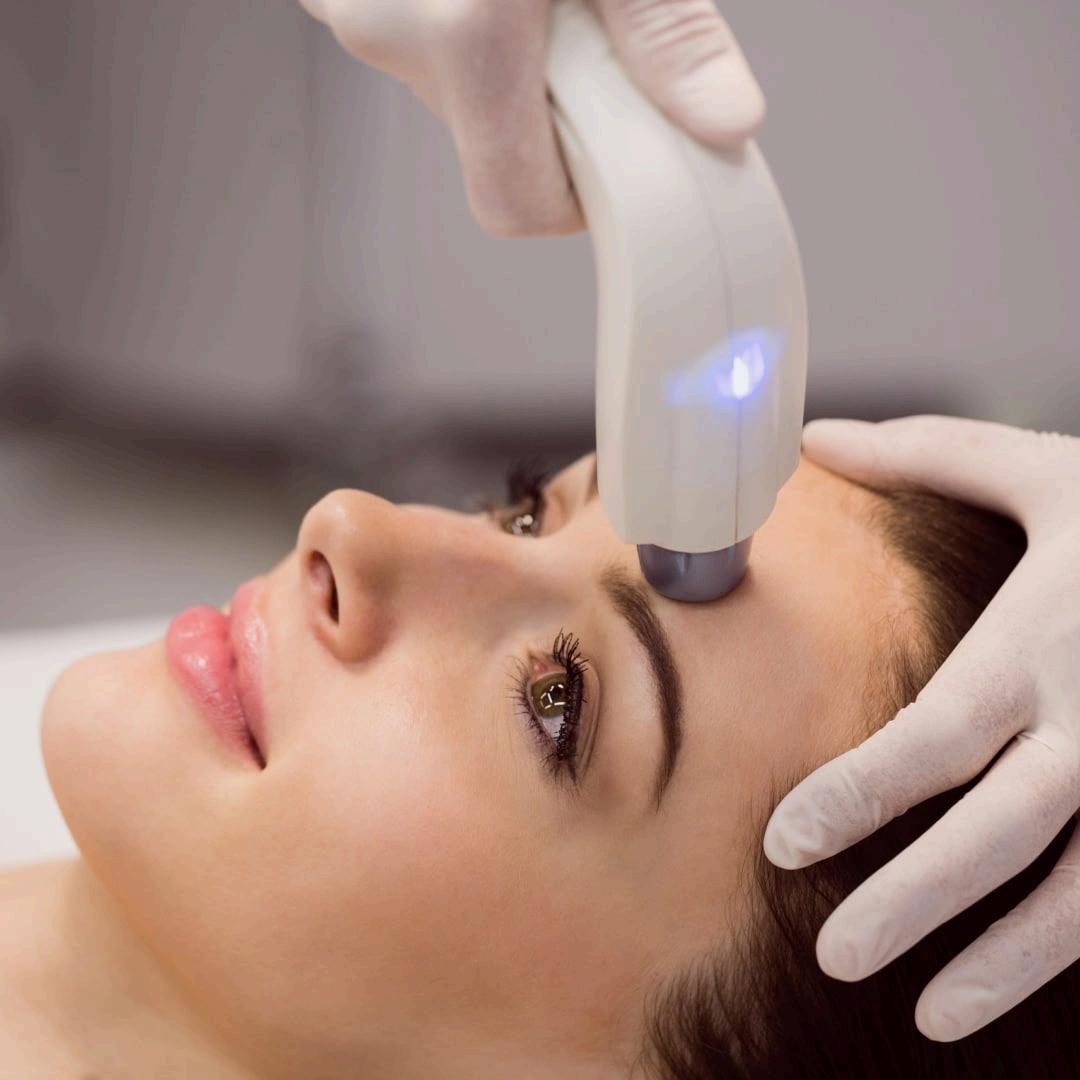
Stem cell facelifts focus on using the body’s own regenerative cells to stimulate tissue repair and enhance skin health. These treatments typically involve extracting stem cells from a small area of the patient’s body, processing them, and then carefully injecting them into areas of the face that require volume or revitalization.
Key benefits of stem cell facelifts include:
●Natural rejuvenation without altering facial expressions
●Minimal discomfort during and after the procedure
●Stimulated collagen and elastin production for firmer, smoother skin
●Reduced risk of scarring or long-term complications
How Surgical Facelifts Work
In contrast, traditional surgical facelifts are invasive procedures that involve incisions, tissue tightening, and the removal of excess skin. Surgery physically repositions facial structures to create a lifted appearance, often producing dramatic changes in a single session.
Surgical facelifts involve:
●General anesthesia or sedation
●Incisions around the hairline, ears, or under the chin
●Tightening of facial muscles and removal of sagging skin
●A recovery period of several weeks with post-operative care
Key Differences Between Stem Cell and Surgical Facelifts
While both methods aim to rejuvenate the face, their approaches and results differ significantly:
1. Invasiveness
○Stem cell facelifts are minimally invasive with no major incisions.
○Surgical facelifts require significant tissue manipulation and cuts.
2. Recovery Time
○Stem cell treatments typically require minimal downtime, allowing patients to resume normal activities quickly.
○Surgical facelifts involve a longer healing period with swelling and bruising.
3. Results Longevity
○Stem cell facelifts provide gradual, natural-looking improvements over months as collagen production increases.
○Surgical facelifts offer immediate results but may require touch-ups as the skin continues to age.
4. Natural Appearance
○Stem cell facelifts enhance the face subtly without changing natural expressions.
○Surgery can produce dramatic changes but carries a risk of a “pulled” or unnatural look if not performed expertly.
Ideal Candidates for Stem Cell Facelifts
Stem cell facelifts are particularly suitable for individuals who:
●Prefer non-surgical, low-risk rejuvenation
●Are beginning to notice signs of aging like fine lines, loss of volume,
or mild sagging
●Seek treatments that support long-term skin health and elasticity
●Want to avoid extended recovery periods or surgical risks
The Procedure and Safety
Stem cell facelifts are performed in a controlled medical environment to ensure safety and efficacy. The process includes:
●Harvesting stem cells, commonly from fat tissue
●Purifying and concentrating the cells
●Injecting them strategically into targeted facial areas
Side effects are usually minimal, including mild swelling or redness, and most patients can return to daily routines within a few days.
Conclusion
Choosing between a Stem Cell Facelift in Dubai and a traditional surgical facelift depends on personal goals, tolerance for downtime, and preference for natural versus immediate results.
Stem cell facelifts offer a modern, regenerative approach that emphasizes safety, subtle enhancement, and long-term skin health, making them an appealing option for those seeking youthful rejuvenation without surgery.