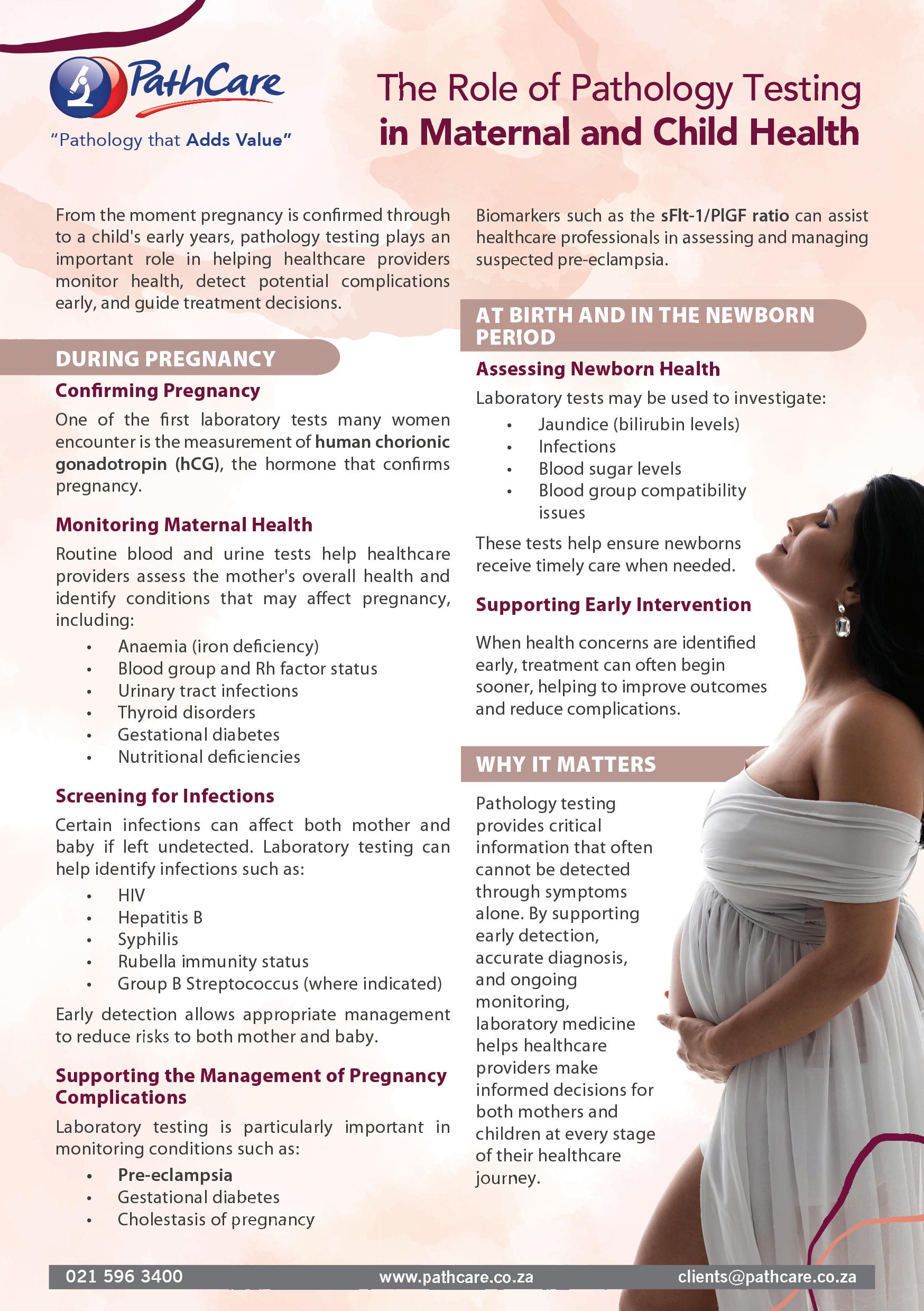
Advanced state of the art facilities at your doorstep.
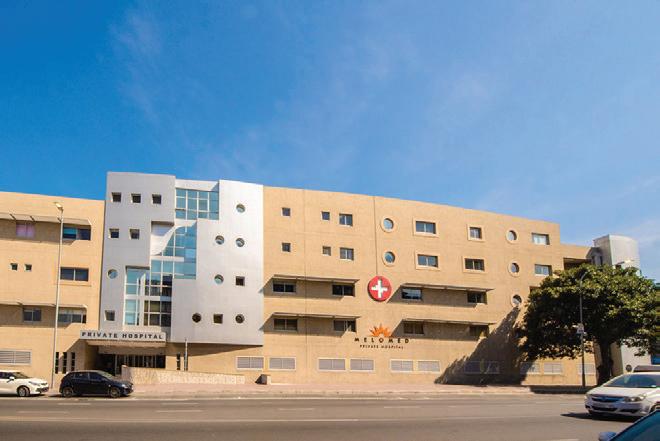
Cnr Voortrekker & AJ West Street T 021 948 81 31
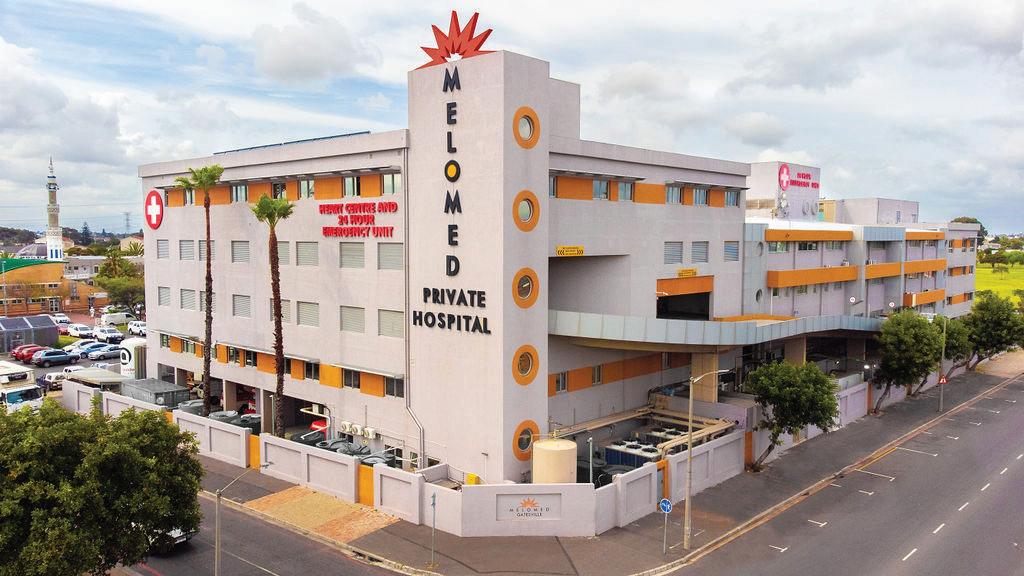
Clinic Road, Gatesville T 021 637 8100
John Ross Eco Junction T 035 791 5300
Imam
T 021 683 0540
Road,
Keysers & Main Road T 021 764 7500
Symphony Walk, Town Centre T 021 392 3126
Cnr
148
Haron
Claremont
Melomed Bellville
Melomed Gatesville
Melomed Richards Bay
Melomed Tokai
Melomed Mitchells Plain
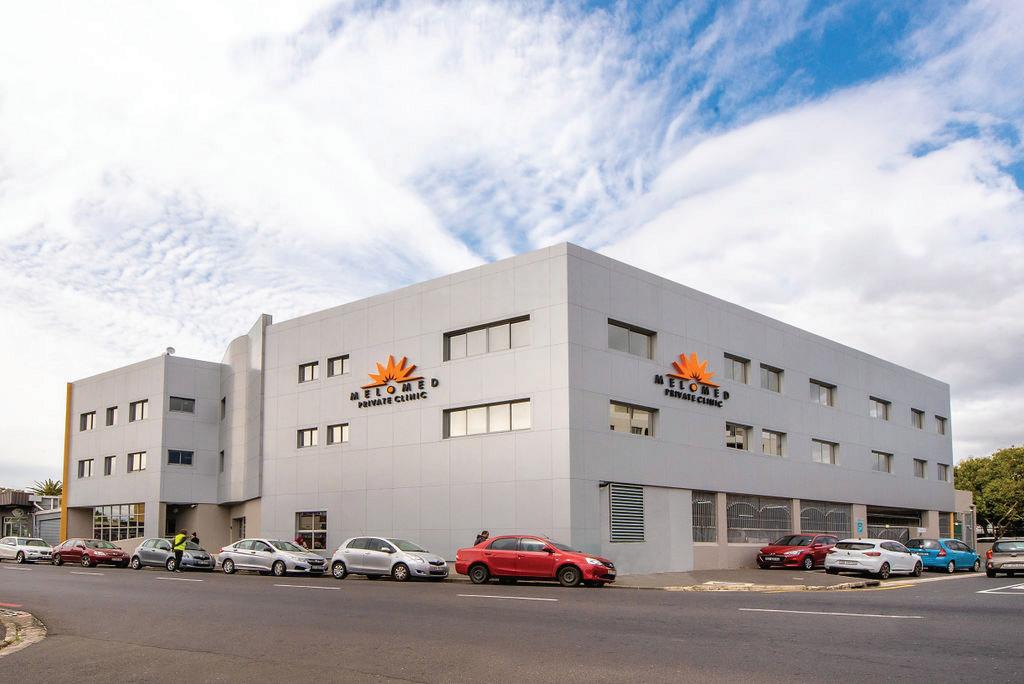
Melomed Claremont
Melomed Claremont Clinic
The Missing Piece In Holistic Care.

Mental Health is Health. At Melomed Claremont Clinic, we believe that caring for a person’s mind is inseparable from caring for their body.
Every day, our multidisciplinary team of psychiatrists, psychologists and occupational therapists hold space for patients to reconnect with themselves to rediscover strength, meaning and balance that illness or circumstance may have obscured.
In the broader health puzzle, mental health is often the piece that completes the picture. When our patients are supported emotionally and psychologically, their physical recovery is more sustainable, their relationships improve and their overall wellbeing thrives.
We work closely with GPs, specialists and allied health professionals - ensuring that every patient receives truly holistic, integrated care.
Dr. A Nakyagaba Psychiatrist 021 391 0093 nakyagaba@mweb.co.za
Dr. B Fortuin Psychiatrist 021 391 3667 barryfortuin@yahoo.com
Dr. DS Chetty Psychiatrist 021 671 5925 dschetty@telkomsa.net
Dr. K Dhansay Psychiatrist 021 391 7860 drdhansay@outlook.com
Dr. MF Williams Psychiatrist 064 814 0394 drmfwilliams@gmail.com
Dr. N Cassimjee Psychiatrist 021 683 0540 drcassimjeepractice@gmail.com
Dr. S Zardad Psychiatrist 021 948 8131 zardads99@gmail.com
Dr. J Campbell Clinical Psychologist 021 683 0540 jerome01@mweb.co.za
Ms. M George Clinical Psychologist 021 683 0540 megeorge@pgwc.gov.za
Mr. L Kamaldien Clinical Psychologist luqmaankam@yahoo.com
021 683 0540
Ms. S Goliath Occupational Therapist 021 683 0540 shariefa.goliath@gmail.com
Melomed Claremont, 148 Imaam Haroon Road, Claremont. T 021 683 0540.
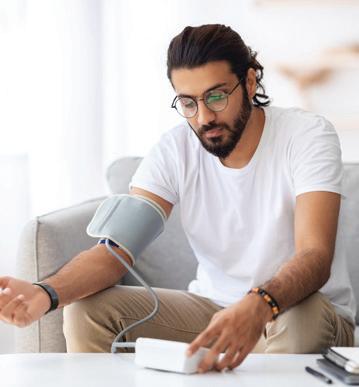

Snippit: Hypertension myths & facts
All About: The silent killer – Six questions every South African should ask about blood pressure
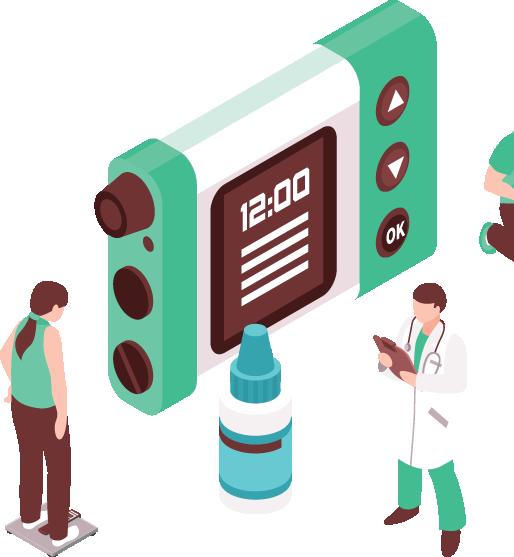
First Aid: How to treat insulin shock
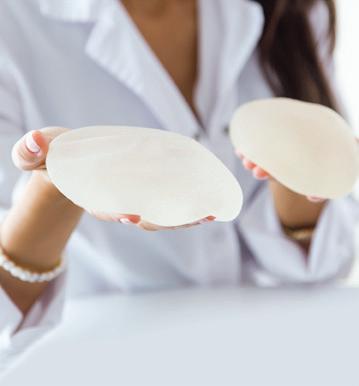
Know it All: Breast augmentation – Finding your silhouette
Health Strategy: From ventilation to victory
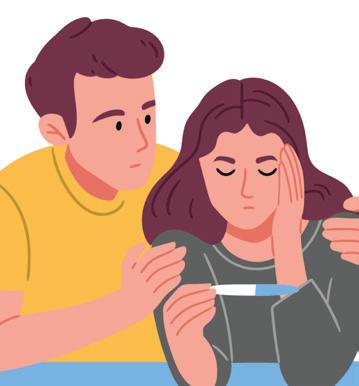
Infographic: Male infertility your options
Travel: Wildlife wonders: Game reserves and national parks to visit
Recipe: The positives of plant-based cooking
PUBLISHER: Health Bytes CC CONTACT: christa@health-bytes.co.za
GRAPHIC DESIGNER: Marius Laubser TEL: 021 913 0504
INDEMNITY: The
Only grandparents get hypertension, right?
FACT
High blood pressure can affect people of any age, including children and teenagers. While the risk increases with age, lifestyle, genetics, and other health factors can contribute to hypertension. If left untreated, it can damage the heart, brain, kidneys, and other organs.
FACT
You will know if you have high blood pressure
High blood pressure cannot be prevented
Hypertension is called the “silent killer” because many people feel completely normal and experience no symptoms. The only way to know is to have your blood pressure checked regularly, helping detect and manage it before complications arise.
FACT
Healthy daily habits can help lower your risk of high blood pressure. Eating a balanced diet, staying active, limiting tobacco and alcohol use, and maintaining a healthy weight all play a role. If it runs in your family, regular check-ups are especially important.
FACT
Medication is essential for controlling hypertension, but it isn't the whole solution. High blood pressure often requires long-term care, and treatment works best when combined with healthy habits to help reduce the risk of heart and kidney disease.
THE SILENT KILLER
SIX QUESTIONS EVERY SOUTH AFRICAN
Nearly half of South African adults have high blood pressure –and most don't know it. Specialist physician and geriatric expert Dr Tony Tom answers seven essential questions for Melomag readers.
What's the most common misconception you correct in your consulting room?
Three I hear every week. “I'll feel it when my blood pressure is high.” You won't – it's called the silent killer for a reason. You only feel it once it has caused a stroke, a heart attack, or kidney damage.
“I feel fine, so I stopped my pills.” You feel fine because of the pills, not despite them – stop them and the pressure climbs straight back up.
“A bit raised is normal for my age.” It isn't. The target shifts slightly as you get older, but high blood pressure remains worth treating at every age.
Which lifestyle change moves the needle the most for South African patients?
Cutting back on salt and adding more vegetables, fruit, beans, and low-fat dairy. South Africans eat between 7.8 and 9.5 grams of salt a day on average, well above the World Health Organization's 5-gram ceiling, and bread alone supplies 25-40% of that.
Most of the salt that raises your blood pressure was never added by you – it was already in the food. Patients who shift to a vegetableheavy, lower-salt eating pattern often drop their top blood pressure number by around 10 mmHg – about the same as one full blood pressure tablet. Read labels, swap stock cubes for fresh herbs, put more colour on your plate, and the numbers will move.
What does “controlling hypertension together” mean to you in practice?
Three things change when a patient and I treat hypertension as a shared project. The data is shared – I look at home blood pressure readings, not just the one taken in the consulting room, which is often higher because of nerves. The decisions are shared – I tell you what I'm choosing and why, including the trade-offs (cost, side effects, dosing schedule), and we agree on a target together. And the accountability is shared –every prescription depends on someone actually taking it, every month, for years.

In South Africa, only about half of people with high blood pressure know they have it, and among those on treatment, only about half have it properly controlled. That gap closes when you treat your blood pressure as your project, not just your doctor's job.
SHOULD ASK ABOUT BLOOD PRESSURE
By Dr Tony Tom
“Most of the salt that raises your blood pressure was never added by you.”
At what age and how often should adults be checking their BP?
Every adult should know their blood pressure the way they know their ID number. From age 18: have it checked at every doctor's visit, dentist's visit, or pharmacy clinic. From age 30: at least once a year – heart attacks and strokes happen younger in South Africa than in Europe or America, and three in four young South Africans with high blood pressure don't know they have it. From age 40: yearly is the minimum, and more often if you're overweight, have a family history, or had raised pressure during pregnancy.
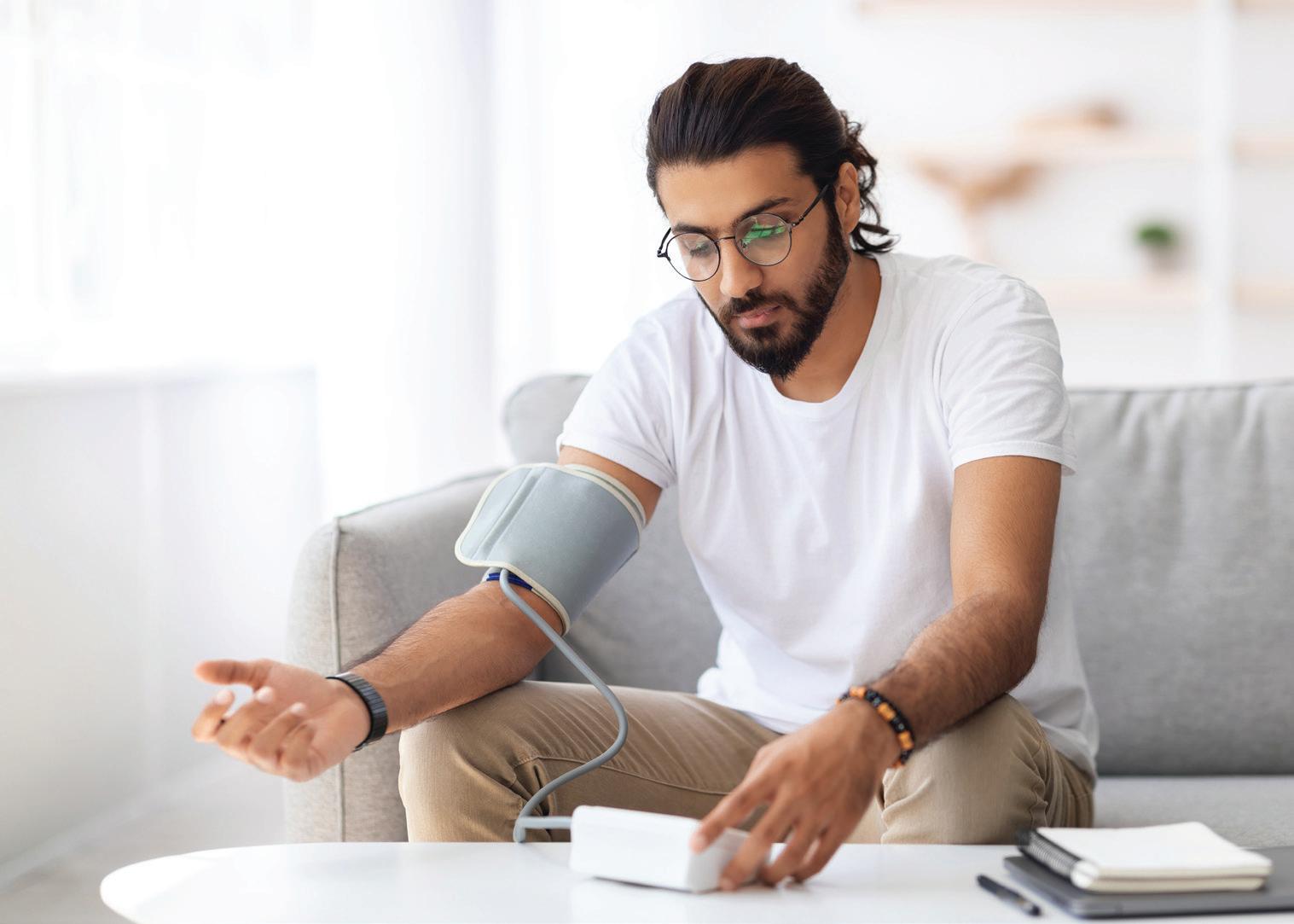
How you measure matters: sit quietly for five minutes, feet flat, no talking, and take two or three readings. A home blood pressure machine from a pharmacy (around R600–R900) is one of the best health investments your family can make – choose an upperarm cuff, not a wrist device.
When does a patient need to escalate from a GP to a specialist?
It depends on the problem. If your blood pressure is dangerously high – above 180/110 – and you have symptoms like chest pain, breathlessness, severe headache, blurred vision, or weakness on one side, that's not a referral letter, that's an emergency room visit, straight away.
If your GP has tried three different tablets and you're still not at target, you usually need a specialist physician (an internist) or a kidney specialist –not necessarily a heart specialist – because the underlying cause may be hormonal, kidneyrelated, or sleep apnoea. A cardiologist is the right person when your blood pressure has started affecting your heart: symptoms of heart failure, chest pain on exertion, an abnormal ECG, or an irregular heartbeat. And if you're under 30 with new high blood pressure, ask for a specialist opinion –it's worth finding out why.
What do you see in patients' diets that quietly raises blood pressure?
The usual suspects in a South African kitchen: bread (still the biggest single source for most families); stock cubes, Aromat, soup and gravy powders used freely; processed meats –polony, viennas, russians, and biltong eaten daily rather than occasionally; takeaways, where one meal can blow an entire day's salt budget; fizzy drinks and fruit juices (the sugar adds weight, and weight adds pressure); and alcohol, particularly the weekend binge of sixplus drinks in a sitting.
One quiet trap: pre-brined supermarket chicken can carry close to a teaspoon of added salt per portion. And two non-food culprits worth knowing about – regular use of antiinflammatory painkillers (ibuprofen, diclofenac, often bought over the counter for back pain or arthritis) pushes your blood pressure up, and so does liquorice, including some herbal teas and sweets. >>
If you could put one message on a
“You
Or, for the patient who insists he feels fine...
“Five minutes today buys you five years tomorrow.”
HOW TO TREAT INSULIN SHOCK
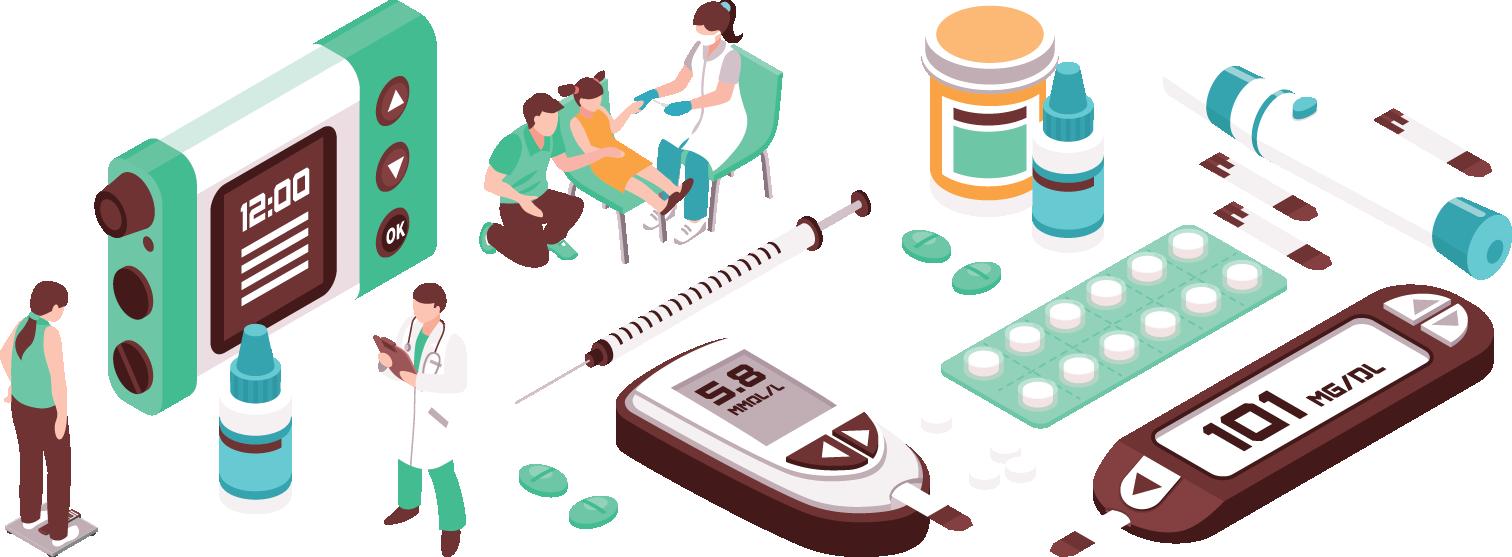
Living with diabetes requires daily vigilance – counting carbs, exercising regularly, checking blood glucose throughout the day and more.
But even with a proactive approach, situations can arise when a person's blood sugar level drops dangerously low (or reach dangerously high). Severely low blood sugar can cause someone to become confused or even unconscious.
Diabetes makes a person's body unable to produce enough - or any - insulin. Insulin is a hormone which enables the body to convert and use glucose (sugar) from food as fuel. As a result, their blood sugar level is too high.
Insulin dependent diabetics take insulin to help keep their blood sugar at safe, lower levels. But if someone doesn't eat enough carbohydrates for the amount of insulin they've taken, or if they exercise more than usual without adjusting their insulin dosage, they can experience too low blood sugar- called hypoglycaemia.
KNOW SOMEONE WHO HAS DIABETES?
AS A FRIEND OR LOVED ONE OF SOMEONE WITH DIABETES, IT'S IMPORTANT TO KNOW THE SIGNS OF SEVERE HYPOGLYCAEMIA IN CASE YOU EVER NEED TO ASSIST.
The following signs and symptoms of low blood sugar can indicate that someone's experiencing hypoglycaemia:
• Shakiness
• Dizziness
• Weakness, having no energy
• Sweating, chills and clamminess
• Confusion and disorientation
• Hunger
• Fast heartbeat
If action isn't taken quickly to raise their blood sugar, it can progress to severe hypoglycaemia (informally called insulin shock* or diabetic shock), which may cause:
• Muscle weakness
• Difficulty speaking
• Blurry vision
• Confusion
• Convulsions or seizures
• Unconsciousness
A person going into a "low" can appear to be drunk. They can sweat, talk incoherently, become disoriented, stumble, become aggressive, even "feisty," sometimes obscene, or pass out. But they're NOT drunk and they are definitely not having fun. >>
It can happen to people with Type 1 or Type 2 diabetes and is especially challenging for people who experience what is called hypoglycaemia unawareness.
As people have diabetes for longer and longer and they have more and more low blood sugar levels, their body will get used to being at that low level. Their bodies won't display typical symptoms. There can also be cases where people don’t act on their initial symptoms – for example, young children may not be able to describe their symptoms, so no action is taken to get their blood sugar back up. It then continues to get lower until their blood sugar is so low that they will lose consciousness.
A hypoglycaemic event is an emergency, and intervention is necessary. Respond quickly. What can you do if you’re ever with someone who’s experiencing severe hypoglycaemia?
1. If a person is alert, or disoriented but still conscious, help them find something to eat or drink that contains about 15 grams of fast acting carbohydrates. Sweets like chocolate bars and cookies have carbs, but they also contain fat, which delays the absorption of carbs, so they are not ideal for this situation.
Instead, choose:
• Half a cup of fruit juice or regular soda.
• Three or four glucose tablets.
• Hard glucose candies e.g. five
• Life Savers candies or jellybeans.
2. Wait for 15 minutes. Within 15 minutes, the symptoms of low blood sugar should be improving. During this time, ask the person to rest. Reassure the person as much as possible.
3. If the symptoms abate, ask the person to keep resting for a while. This has been an emergency situation and the person needs to take it easy. Follow up with a sandwich and a banana/cookies, or similar food that takes a longer time to digest. This will stop the energy crash that can occur after eating lots of sugar.
4. If the person is, or becomes unresponsive or unconscious, or is having seizures, call an ambulance. Don’t try to give them anything to eat, as they may choke on it. However, they may have a glucagon rescue kit with them that contains a dose of injectable glucagon that can raise their blood sugar. If no one who’s been trained to use a glucagon rescue kit is around, stay with the person and wait for emergency responders to arrive.
Talking to your friend or loved one about their experiences with hypoglycaemia can help you be aware and prepared to help in an emergency situation. And if their behaviour ever seems off, or they don’t seem well, don’t be afraid to ask if they’re okay. Since low blood sugar can make a person confused or disoriented, friends or loved ones might be the first to recognize that action is needed.
Know the difference: HYPO vs HYPER
Hypoglycaemia (low blood sugar) vs Hyperglycaemia (high blood sugar)
Hypoglycaemia (low blood sugar)
This is a condition in which blood glucose levels drop too low (below 3.5mmol/l) and your brain is not receiving the fuel it needs. This only occurs in people treating their diabetes with medication.
Hyperglycaemia (high blood sugar)
A condition in which blood glucose levels are abnormally high. It is more common in type 2, or non-insulindependent diabetics. It can also occur in type 1 diabetics who consume carbohydrate-heavy foods without enough insulin afterwards.
• Not eating enough food.
• Missing or delaying a meal.
• Exercising without taking the necessary precautions.
• Taking too much medicationinsulin and/or diabetes tablets.
• Drinking alcohol.
• Hungry, shaky or light-headed
• Nervous or irritable
• Sweaty or weak
• Your heart beats at a faster rate
• Confused
• A numbness or tingling in your tongue or lips
• Have a headache
• Be unusually sleepy
Hypoglycemia is a medical emergency and needs urgent treatment (see the first aid section). If not treated immediately, it can result in:
• Severe confusion and disorientation
• Unconsciousness
• Seizures
• Coma
• Death
• High blood glucose can result when food, activity and insulin or other medication are not balanced.
• High blood glucose may happen when you are ill, pregnant or under stress.
• Excessive thirst
• Dry mouth
• Excessive hunger
• Glucose in the urine
• Large urine volumes
• Weakness and lethargy
• Urinating more often
• Blurred vision
• Weight loss
• If you think you have high blood glucose, check your blood glucose levels.
• If you have type 2 diabetes, call or see your doctor.
• If you have type 1 diabetes, test your urine for ketones and seek medical advice immediately if ketones are present.
*Insulin shock refers to the body's reaction to too little sugar - hypoglycaemiaoften caused by too much insulin. Diabetic coma refers to a victim of high blood sugar - hyperglycaemia - who becomes confused or unconscious.
FINDING YOUR SILHOUETTE
By Dr Azzaam Najjaar
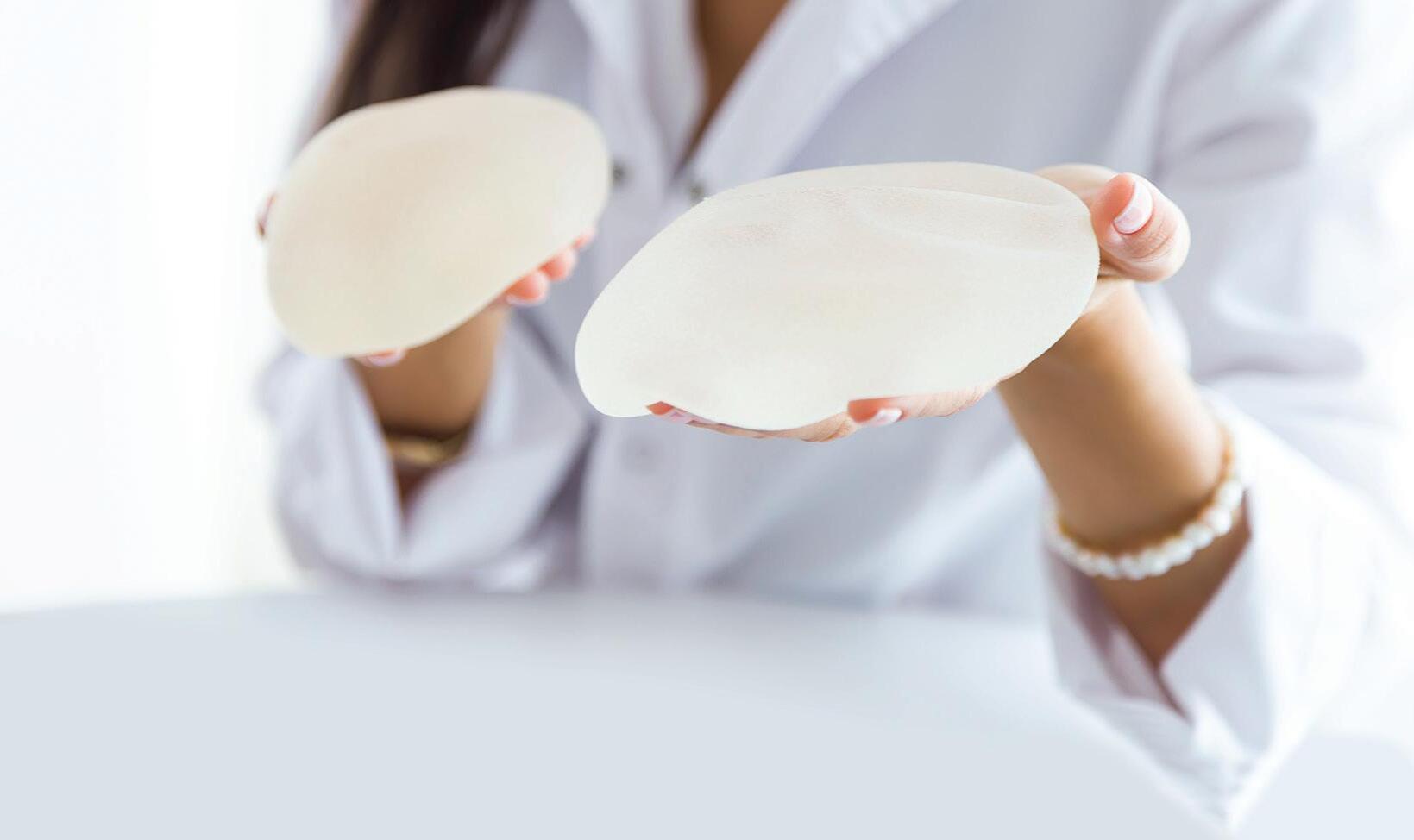
Breast augmentation remains one of the most commonly performed aesthetic surgical procedures in South Africa. Whether you are seeking a fuller silhouette, improved symmetry, or restoration after pregnancy and weight changes, the decision deserves careful research, honest consultation, and a surgeon you can trust.
Understanding your goals
The language around breast augmentation has shifted significantly in recent years. Where once the goal was often described in terms of cup sizes and dramatic increases in volume, contemporary aesthetic surgery is increasingly framed around proportion, harmony, and finding the silhouette that is authentically yours. This shift reflects both a maturation of surgical technique and an evolution in how patients approach their own bodies. The most important step before any augmentation is a clear, honest articulation of your goals. Are you aiming for a natural, proportionate result? A more dramatic change? Correction of asymmetry? The answers guide everything from implant profile to incision placement. A skilled surgeon will spend significant time in consultation exploring these goals before any surgical plan is discussed.
Understanding your frame
The concept of "finding your silhouette" begins with a thorough understanding of your anatomical frame. Key measurements that guide implant selection include:
• Base width of the breast – determines the maximum appropriate implant diameter
• Nipple-to-fold distance – influences projection and implant height
• Skin envelope and existing tissue coverage – guides placement (above vs. below muscle)
• Chest wall shape – accounts for asymmetry and projection differences
• Shoulder width and hip width –contextualises the proportionate goal
A measurement-based approach to implant selection – sometimes called tissue-based planning – has largely replaced the older practice of selecting an implant size by feel or by reference to a desired cup size.
Implant selection in practice
At consultation, Dr. Najjaar uses a combination of measurements, 3D imaging where available, and implant sizers to help patients visualise the anticipated outcome. This process takes time — and should. Rushing implant selection is one of the most common causes of post-operative dissatisfaction.
Key decisions include:
• Volume (cc): determined by tissue measurements, not by cup size target
• Profile: low, moderate, or high projection relative to base width
• Shape: round (versatile, natural upper pole fill) or anatomical (teardrop, slope-shaped upper pole)
• Surface: smooth or textured (implications for movement, position stability, and risk profile)
• Material: cohesive silicone gel in the vast majority of contemporary augmentations
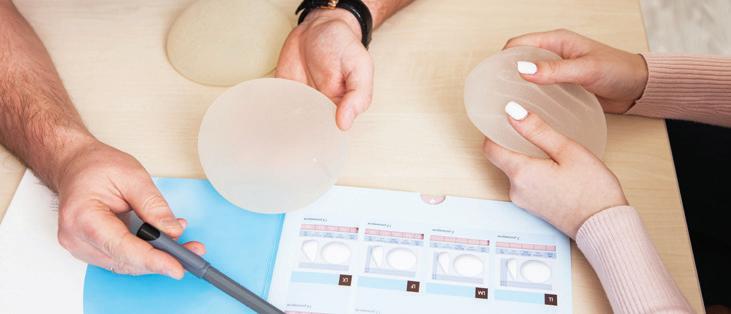
Implant options available in South Africa
South African patients have access to a range of internationally certified implants. The principal choice lies between:
• Saline implants: Filled with sterile salt water; smaller incision, adjustable volume, but may feel less natural
• Silicone gel implants: Most commonly chosen; offer texture and movement closer to natural breast tissue
• Cohesive gel ("gummy bear") implants: Form-stable with excellent shape retention; popular for anatomical profiles
Implant profile (low, moderate, high) and shape (round vs. anatomical/teardrop) are equally significant decisions, tailored to your chest dimensions and aesthetic goals.
Surgical placement: Above or below the muscle?
Implants may be placed above the pectoral muscle (subglandular), partially beneath it (dual plane), or fully below (sub-muscular). Most contemporary plastic surgeons favour a dual-plane approach for its natural contour, reduced visible rippling, and compatibility with mammography. Your surgeon will recommend placement based on your existing tissue coverage and implant size. >>
Safety: What the research tells us
Modern silicone implants are among the most extensively studied medical devices in history. Current generation implants have significantly improved rupture resistance and longevity. Your surgeon will discuss the small but real risks including capsular contracture, implant rupture, asymmetry, and rare associations such as BIA-ALCL –a condition your surgeon will screen and counsel you for specifically.

Is this the right time for you?
Timing matters in aesthetic surgery. The best candidates for breast augmentation are those who are in stable health, at a stable weight, not planning pregnancy in the near term, and who have had adequate time to reflect on the decision. Rushing into surgery – or choosing a surgeon based on price alone – remains the most preventable cause of poor outcomes.
"The best breast augmentation is one that looks and feels entirely like you – proportionate to your frame and consistent with your natural anatomy."

ABOUT THE AUTHOR

DR. AZZAAM NAJJAAR
MBChB (UCT), Mmed(UCT) FC Plast Surg(SA)
Dr. Azzaam Najjaar is a plastic & reconstructive surgeon and currently practices at Melomed Bellville, Tokai and Gatesville.
Tel: 0217136334
Email: info@drnajjaar.co.za
FROM VENTILATION TO VICTORY A Guillain-Barré Syndrome Recovery Story
By Dr Shakira Dawood
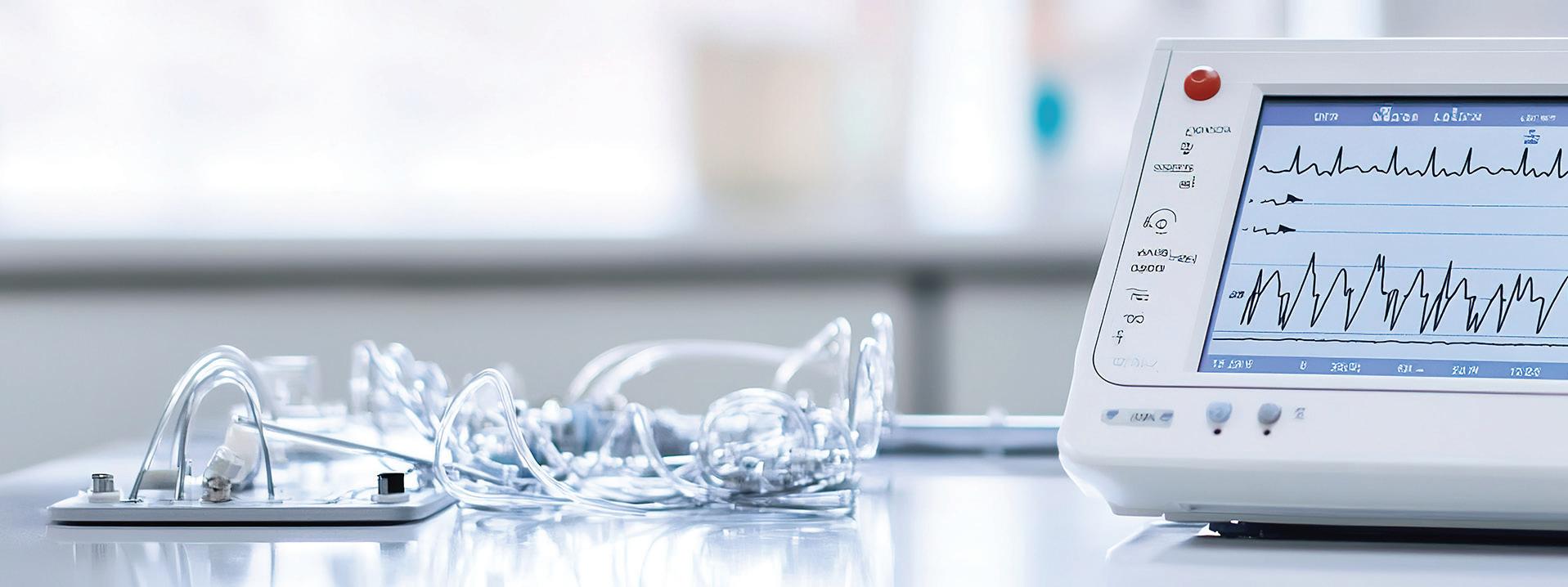
How expert critical care at Melomed Mitchells Plain Hospital helped one patient reclaim her independence.
Guillain-Barré Syndrome (GBS) is a rare but serious neurological condition that can progress rapidly, often leading to profound muscle weakness and, in severe cases, respiratory failure. Recovery is rarely straightforward - it demands early intervention, specialist expertise, and a strong multidisciplinary approach.
For Ms Siyasanga Mekuto (47), her journey through GBS became a powerful testament to the impact of timely, expert medical care and dedicated rehabilitation.
A Sudden and Life-Threatening Diagnosis
Ms Mekuto presented to Melomed Mitchell’s Plain Hospital in November 2025 under the care of Specialist Physician Dr Shakira Dawood with progressive weakness affecting both her upper and lower limbs.
Recognising the urgency and complexity of her symptoms, Dr Dawood led the clinical assessment that resulted in a diagnosis of Guillain-Barré Syndrome - a condition known for its rapid progression.
Within a short period, Ms Mekuto’s condition deteriorated significantly. She developed respiratory muscle weakness, a serious complication of GBS, requiring urgent intubation and mechanical ventilation on 12 November 2025.
Expert Critical Care at Melomed Mitchell’s Plain
Due to the severity of her illness, Ms Mekuto was admitted to the Intensive Care Unit (ICU) at Melomed Mitchell’s Plain, where she received advanced critical care.
Under the guidance of Dr Dawood and the ICU team, her treatment included:
• Continuous ventilatory support
• Close neurological and respiratory monitoring
• A tracheostomy performed on 21 November 2025 to support prolonged ventilation
Dr Dawood’s expertise in managing complex medical cases, combined with the hospital’s advanced ICU capabilities, ensured that Ms Mekuto received the high level of care required during this critical phase.
After several weeks of intensive treatment, her condition began to stabilise. A major milestone was reached when she was successfully weaned off ventilatory support on 5 January 2026.
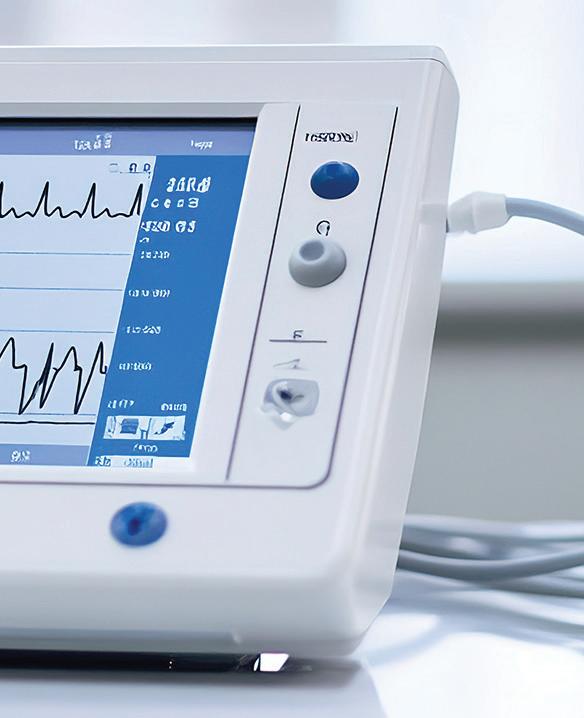
Under the guidance of Dr Dawood and the ICU team, her treatment included:
• Continuous ventilatory support
• Close neurological and respiratory monitoring
• A tracheostomy performed on 21 November 2025 to support prolonged ventilation
Dr Dawood’s expertise in managing complex medical cases, combined with the hospital’s advanced ICU capabilities, ensured that Ms Mekuto received the high level of care required during this critical phase.
After several weeks of intensive treatment, her condition began to stabilise. A major milestone was reached when she was successfully weaned off ventilatory support on 5 January 2026.
The Road to Recovery
Recovery from Guillain-Barré Syndrome is often long and unpredictable. However, at Melomed, care extends far beyond stabilisation – focusing on restoring function, independence, and quality of life.
With a structured rehabilitation programme and ongoing multidisciplinary support, Ms Mekuto made remarkable progress. She has now:
• Regained significant muscle strength
• Recovered functional mobility
• Achieved independent walking
• Her recovery highlights not only her resilience but also the importance of early specialist intervention and continuity of care.
ABOUT THE AUTHOR
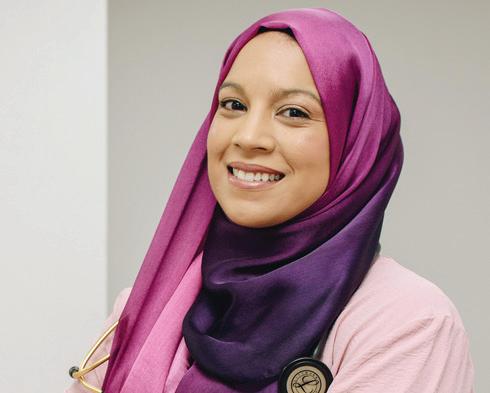
A Multidisciplinary Approach to Patient Care
Ms Mekuto’s journey underscores the strength of a coordinated healthcare approach at Melomed Mitchells Plain Hospital.
From ICU specialists to physiotherapists and rehabilitation teams, her care pathway was carefully managed to ensure optimal outcomes. Dr Dawood’s leadership in overseeing her treatment played a pivotal role in guiding her from critical illness to recovery.
A Story of Hope and Expertise
Guillain-Barré Syndrome can be lifealtering, but Ms Mekuto’s journey - from mechanical ventilation to independent mobility, demonstrates what is possible with timely diagnosis, expert medical care and comprehensive rehabilitation. Her story is not only one of personal triumph, but also a reflection of the clinical excellence and patient-centred care provided at Melomed Mitchell’s Plain Hospital.
DR. SHAKIRA
DAWOOD
MBChB (Stell), DipPec (SA), FCP (SA), Mmed
Dr. Shakira Dawood is a specialist physician and currently practices at Melomed Mitchells Plain.
Tel: 021 110 5554
Email: info.drsdawood@gmail.com
MALE INFERTILITY
YOUR OPTIONS
HOW LIKELY AM I TO BE INFERTILE?
±20-30% of couples
Cause of infertility related to male partner
±20-30% of couples
Combination of male and female factors
HOW IS MALE INFERTILITY DIAGNOSED?
About 1 in 6 couples will experience some form of infertility during their reproductive years. Here's what can be done about fertility issues in men.
±10% of couples
Unidentified cause
Recent studies show a male cause is present in 20-70% of infertility cases - much higher than previously reported
Full medical history assesses anything that could affect fertility:
Chronic health problems
SEMEN ANALYSIS DETERMINES
Illnesses, injuries or surgeries
Medication (increased prevalence of inappropriate testosterone supplementation)
Sperm count Morphology (size and shape of sperm) Motility (movement of sperm) Presence of anti-sperm antibodies Percentage maturity of the sperm
Complete absence of sperm in a semen sample can either be due to:
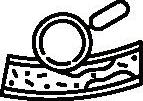
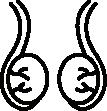
A blood test is done to distinguish between these two groups.
DID
Oligospermia (low sperm count)
A sperm count of fewer than 15 million sperm per millilitre of semen.
If there's an obstruction, a testicular biopsy/ sperm aspiration retrieves sperm to be used in an intracytoplasmic sperm injection (ICSI) procedure.
An ultrasound scan of the scrotum identifies varicoceles (enlarged veins) around your testicles or sperm ducts. A transrectal ultrasound identifies abnormalities or blockages of seminal vesicles and ejaculatory ducts.
Genetic tests show if a genetic abnormality is causing infertility.
WHAT TREATMENTS ARE AVAILABLE?
Surgery to correct or repair abnormalities/damage to reproductive organs, such as the vas deferens (tubes that transport sperm).
for hormone imbalances and erectile dysfunction.
Assisted reproductive technology (ART) and medical procedures:
Intrauterine insemination (IUI): Woman is inseminated with a prepared sperm sample when she's ovulating.
In-vitro fertilisation (IVF): Sperm and egg placed close together in a petri dish to help sperm motility; they don't have to travel far to reach the egg, and fertilisation is controlled in the lab.
ICSI: Introduces a single selected sperm directly into the egg.
WILDLIFE WONDERS: GAME RESERVES AND NATIONAL PARKS TO VISIT

AS SUMMER WINDS DOWN AND THE AIR STARTS TO COOL, AUTUMN AND WINTER QUIETLY BECOME ONE OF THE BEST TIMES TO HEAD OUT ON SAFARI IN SOUTH AFRICA. WITH MILDER WEATHER, FEWER PEOPLE, AND BETTER VISIBILITY IN THE BUSH, SPOTTING ANIMALS GETS A WHOLE LOT EASIER. WHETHER YOU’RE PLANNING A WEEKEND TRIP OR A LONGER GETAWAY, THE NEXT COUPLE OF MONTHS ARE PERFECT FOR EXPLORING SOME OF THE COUNTRY’S TOP NATIONAL PARKS AND GAME RESERVES.


KGALAGADI TRANSFRONTIER PARK NORTHERN CAPE
The Kgalagadi is a dream for people who love wide open spaces and dramatic desert scenes. It’s far from the crowds and feels like a real adventure – perfect if you enjoy camping or 4×4 road trips. In autumn, the extreme heat starts to ease, making it a better time to visit. You’ll find everything from lions with black manes to graceful antelopes in a setting that feels otherworldly.
The Kgalagadi is made for travellers who don’t mind being a bit off the grid – in fact, they prefer it. Try Kgalagadi Lifestyle Lodge for affordable accommodation with all the amenities, less than 10 minutes from the gate, or Kalahari Camelthorn Camping and Guesthouse with camping and self-catering spots about 40 minutes away. If you’re up for something wilder, SANParks Urikaruus Wilderness Camp and SANParks Bitterpan Wilderness Camp both offer raised cabins in unfenced camps overlooking busy waterholes.

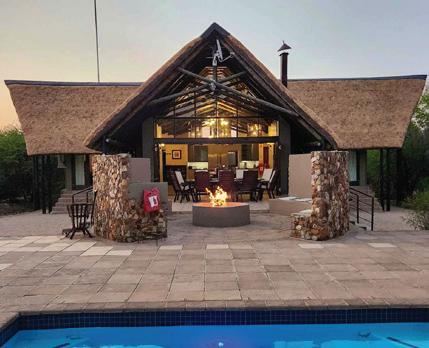


ADDO ELEPHANT NATIONAL PARK EASTERN CAPE
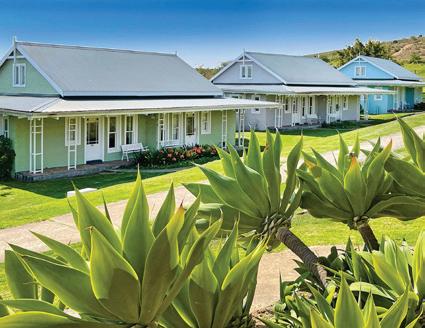
Addo is a top pick for anyone who loves elephants – and it’s completely malaria-free, which is a bonus. It’s close to Gqeberha and works well as part of a Garden Route trip. The park is great for self-drives and is easy to explore, especially if it’s your first safari. The cooler weather means you’ll probably catch the animals being a bit more active, too.
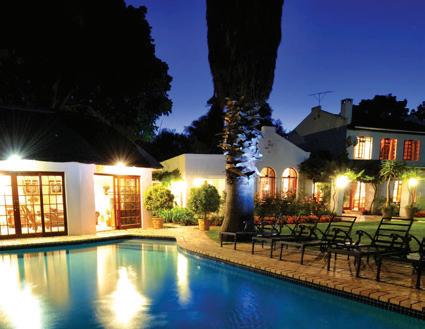
With options for every kind of traveller, Addo makes it easy to plan a relaxed getaway. The SANParks Camps offer an affordable stay inside the park, while Zuurberg Mountain Village gives you a charming, mid-range option just outside. For something more exclusive, Woodall Country House and Spa is perfect for unwinding after a day of wildlife spotting.
PILANESBERG NATIONAL PARK NORTH WEST
Need a quick escape from the city? Pilanesberg is only a few hours from Joburg or Pretoria, making it ideal for a weekend break. The scenery is a mix of bushveld and rocky hills – it’s actually inside an old volcano. The dry air this time of year means you’ll have a good chance of seeing animals around the waterholes, and the cooler temperatures make game drives a lot more comfortable – just remember a warm jacket and a beanie.
Planning a weekend escape? Stay close to the action with a family-friendly resort like The Kingdom Resort, or opt for a luxury, self-catering experience at Morokolo Safari Lodge. If you’re celebrating something special, aha Shepherd’s Tree Game Lodge offers a more luxurious retreat with guided drives and spa treatments.
MARAKELE NATIONAL PARK LIMPOPO
Tucked away in the Waterberg Mountains, Marakele is peaceful and a little under the radar. It’s got a mix of mountains, valleys, and bush, with fewer visitors and lots of breathing room. Now is a lovely time to be there – cool and clear, ideal for relaxed drives or short hikes. Keep an eye out for elephants, baboons, and even vultures soaring overhead.
This peaceful park pairs beautifully with a stay at SANParks Bontle Rest Camp, especially if you’re travelling on a budget or love to camp. Luara Wildlife, just outside the park, is great for a comfortable, relaxed stay, but for a luxe bush break, Marataba Safari Lodge and Marataba Mountain Lodge in the park both blend high-end design with a deep connection to nature.

THE POSITIVES OF
PLANT-BASED COOKING
Cold-weather cravings for warm, hearty foods are often satisfied with ingredients that sabotage health, such as refined flours and sugars or cheeses and meats high in saturated fats. Solution: Shift to plant-based cooking. Working more fruits, vegetables, beans, grains and animal-free foods, like tofu, into daily meals and snacks does more
than avoid unhealthy nutrients. Plants are the only foods that contain fibre. Getting fibre from produce staves off potential deficiency-related problems including high cholesterol, digestive problems and inflammation, which is linked to higher incidence of obesity,diabetes, heart disease and colorectal cancer.
TOP TOOLS FOR A PLANT-PACKED PANTRY
Of course, you'll want a good can opener for all those beans, lentils and sealed succulents. But we also recommends these plant-cooking staples for a well-stocked kitchen.
A colander to rinse beans. It's also worth having a fine-mesh strainer to rinse dusty grains before cooking.
A rice cooker with a steamer basket inside. Put vegetables in the basket while rice or grains cook. You don't have to saute if you don't have time or energy.
A big cutting board. You want a lot of space to cut large greens safely.
Neutral flavoured oil. Choose something mono-unsaturated like olive oil. Avocado oil is another good option.
Low-sodium herb and salt mix. If you don't know how to season something, this is a great start. Steak seasoning containing garlic is another good bet for cooked vegetables. You can use it on cauliflower.
Canned tomatoes. They sometimes have Italian seasonings already in them.
Soy sauce, balsamic vinegar, apple cider vinegar. They're versatile and used in a lot of recipes.
A small to medium pot for cooking beans.
Plants also contain phyronutricnrs, including antioxidants such as betacarotene, lycopene and anthocyanins. Phytonutrients combat inflammation and perform molecular cleanup char reduces toxins capable of triggering illness-related DNA mutations.




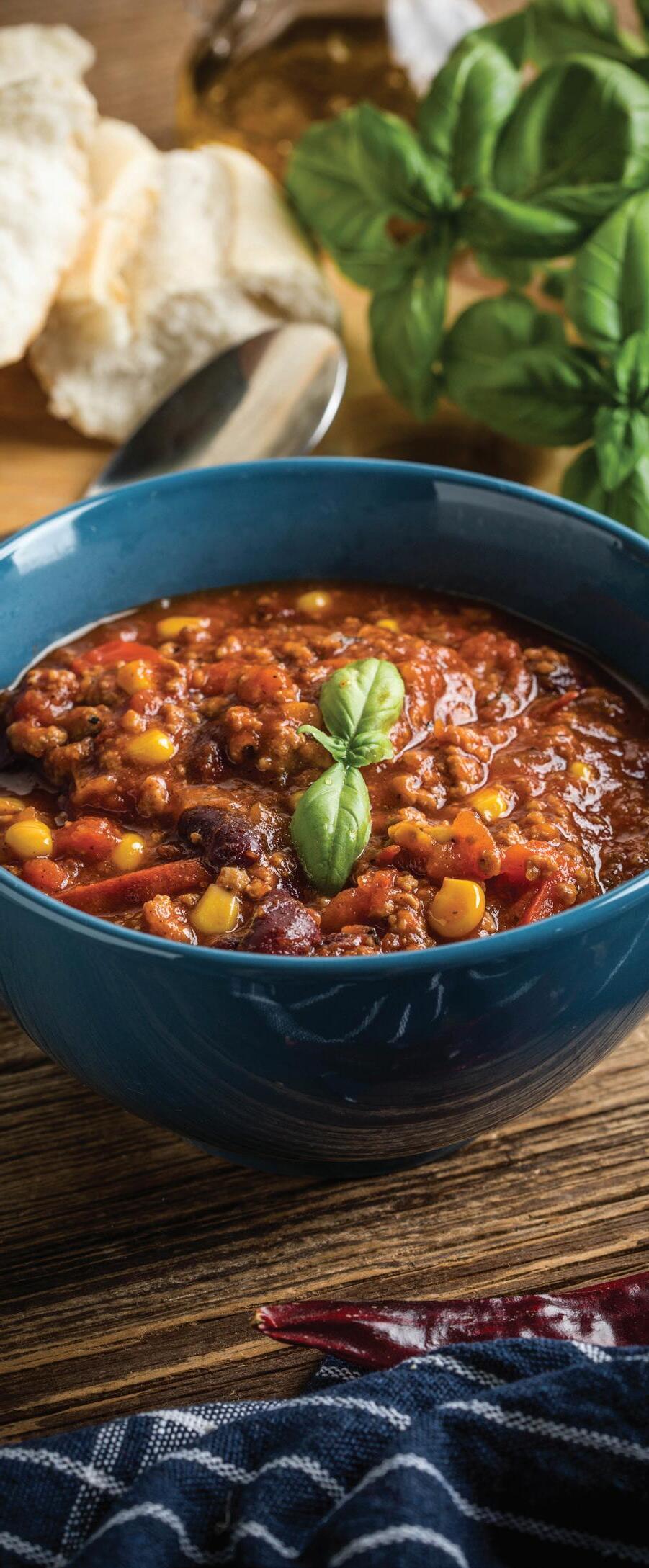
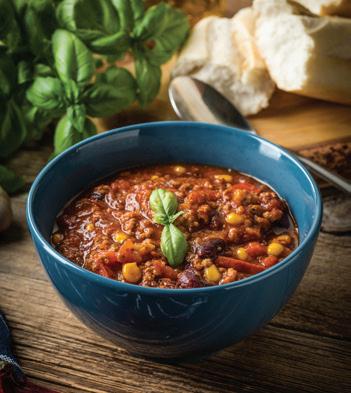
VEGETARIAN CHILLI
Serves about 6-8 people
Throw this hearty chilli together for a game-day gathering of friends and family or freeze leftovers for future meals. It's got everything you need from different plant-based food groups, including vegetable-based protein and fibre.
Serve by itself or over a grain like quinoa or short-grain brown rice. It's a one-pot meal.
INSTRUCTIONS
Gather all equipment and ingredients. Heat oil in a medium/large pot. Add onion, pepper, jalapeno and garlic. Cook for about 5 minutes or until the vegetables start to sweat. Add spices/ herbs (cumin, chili powder, oregano) and stir to combine. Pour in the tomatoes, beans, corn and water. Bring the mixture to a boil and then reduce to a simmer for about 30 min or until heated throughout. Taste and season with salt as needed.
DIRECTIONS
• 1 tablespoon olive oil
• 1 medium onion, diced
• 1 red or green pepper, chopped
• 5-6 garlic cloves, chopped
• 1 jalapeno pepper, chopped
• 795g can of crushed tomatoes, fire roasted if available
• 1 cup water or vegetable broth
• 1 can low-sodium black beans, rinsed, drained
• 1 can low-sodium red kidney beans, rinsed, drained
• 1 can yellow corn, rinsed, drained
• 2-3 tablespoons chilli powder
• 1 tablespoon cumin
• 2 teaspoons dried oregano
• 1 teaspoon pepper
• Salt to taste
MEET ONE OF OUR DEDICATED SPECIALISTS
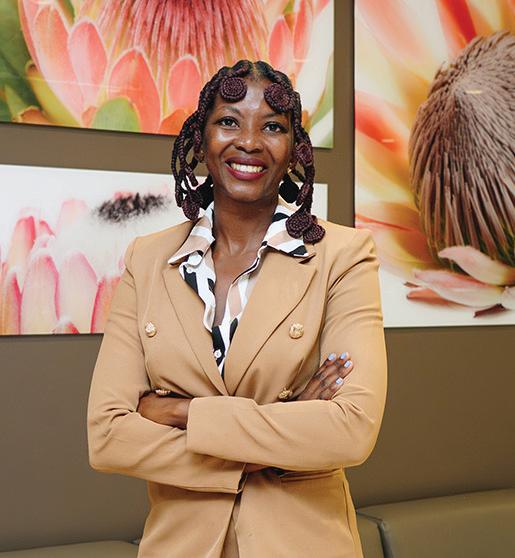
DR HELENA NASHANDI
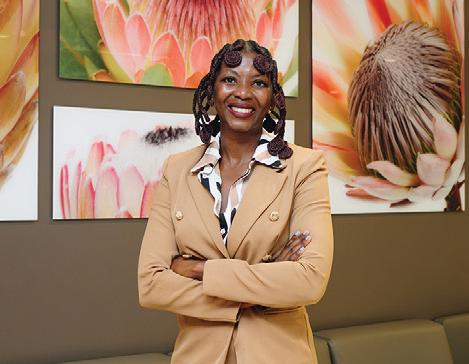
DR. NASHANDI IS AN OBSTETRICIAN/GYNAECOLOGIST AND CURRENTLY PRACTICES AT MELOMED BELLVILLE.




WHERE IS YOUR FAVOURITE PLACE TO EAT, AND WHY?
Chefs Warehouse is my favourite spot. Their menu always changes, so every visit is a surprise, but it’s consistently packed with flavour and never disappoints.
WHY DID YOU CHOOSE YOUR PROFESSION?
I chose my profession because I’ve always had a passion for helping others and making a positive impact in people’s lives. The sense of purpose and fulfilment that comes from supporting someone’s wellbeing motivates me every day.
WHAT TV SHOW CHARACTER FROM WHICH TV SHOW DO YOU LIKE THE MOST? I really admire Dr. Meredith Grey from “Grey’s Anatomy” for her resilience, compassion, and commitment to her patients.
WHICH THREE SONGS WOULD YOU LISTEN TO FOR THE REST OF YOUR LIFE, IF YOU HAD TO PICK? I’m a country fan, so I’d go with “The Gambler” by Kenny Rogers, “Tulsa Time” by Don Williams (I’m old school), and then something cinematic by composer Hans Zimmer—like “Time.”
WHAT’S YOUR SECRET PHOBIA?
Creepy crawlies, anything that scuttles unexpectedly (especially spiders) instantly puts me on edge.
WHO IS YOUR FAVOURITE AUTHOR OR YOUR FAVOURITE BOOK? My favourite book is The Lord of the Rings, I love both the books and the movies for the epic story, the world-building, and the themes of friendship and courage.
IF YOU COULD SPEAK ANOTHER LANGUAGE, WHICH WOULD IT BE AND WHY?
French, because I love the culture and it would open up so many travel and culinary opportunities.
WHERE DO YOU MOST WANT TO TRAVEL TO?
Japan, it’s a blend of tradition and modernity that fascinates me, and I’d love to experience its culture firsthand.