Treba imati na umu da su umjetnička djela živa, da imaju vlastiti, sui generis život. Njihov život nije tek puka vanjska sudbina. S vremenom velika djela razotkrivaju nove aspekte sebe: stare, postaju kruta i umiru. [Pa ipak] imaju život jer govore na načine na koje ni priroda ni čovjek ne mogu.
Theodor W. Adorno
Ovaj rad proizlazi iz procesa osobnog pronalaska i kretanja kroz različite faze bivanja - prihvaćanja, ostavljanja, gledanja i viđenja. Riječ je o putu odrastanja, sazrijevanja i otpuštanja, u kojem se identitet ne promatra kao fiksna kategorija, već kao stanje u stalnoj transformaciji, oblikovano iskustvom, tijelom i vremenom.
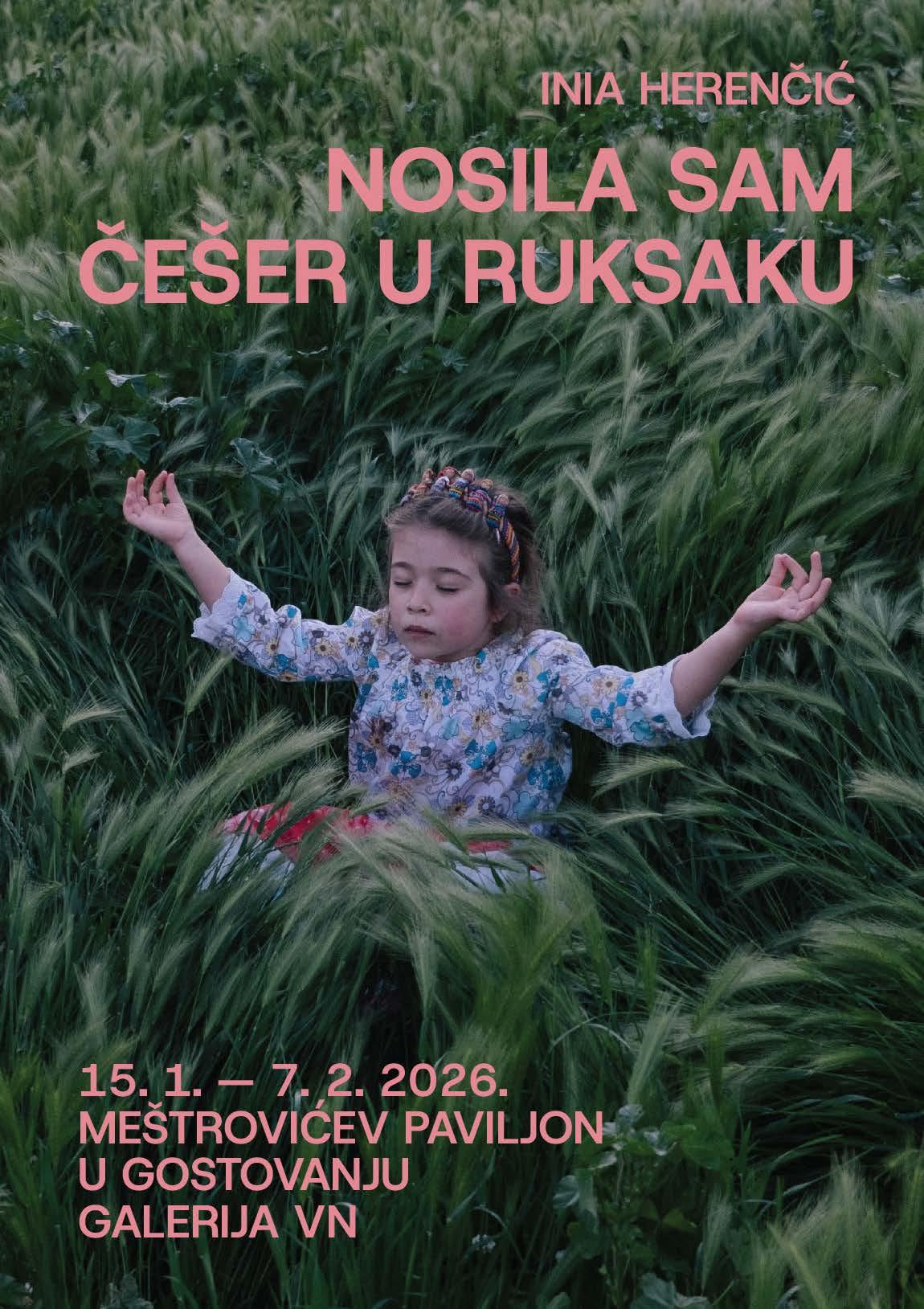
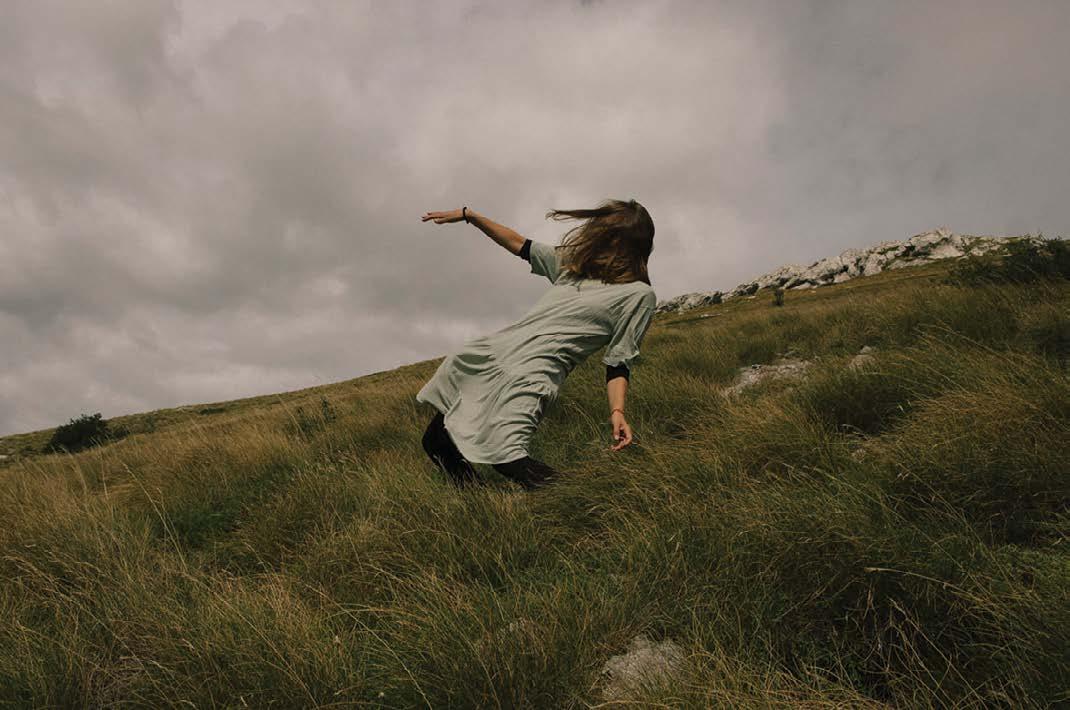
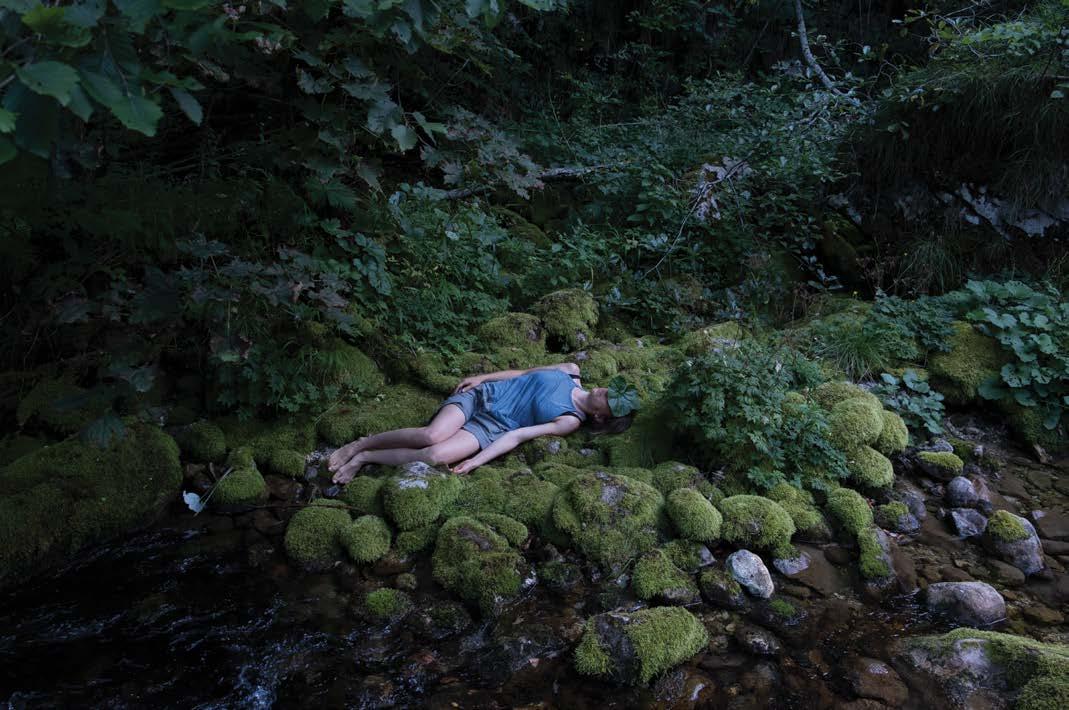
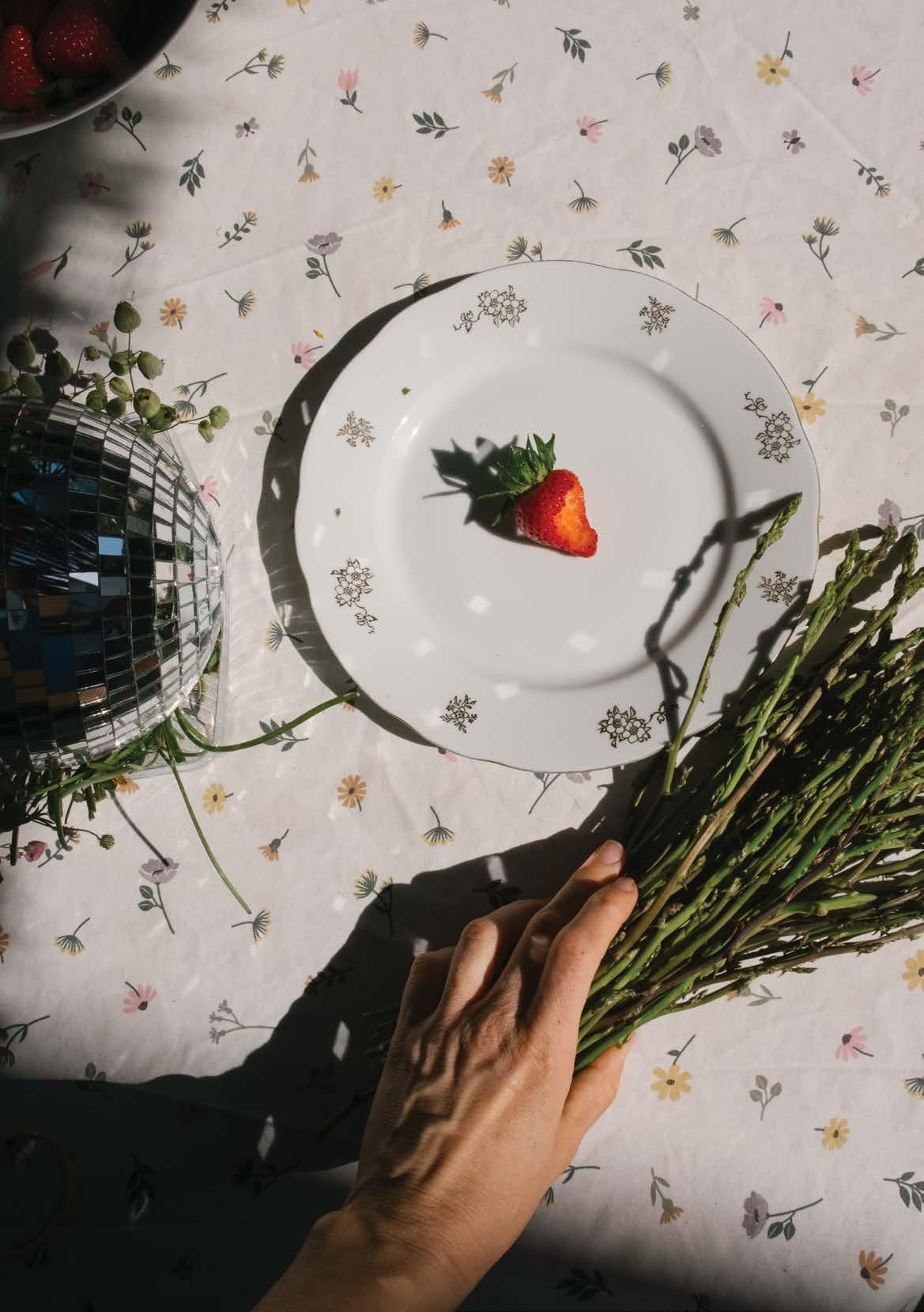
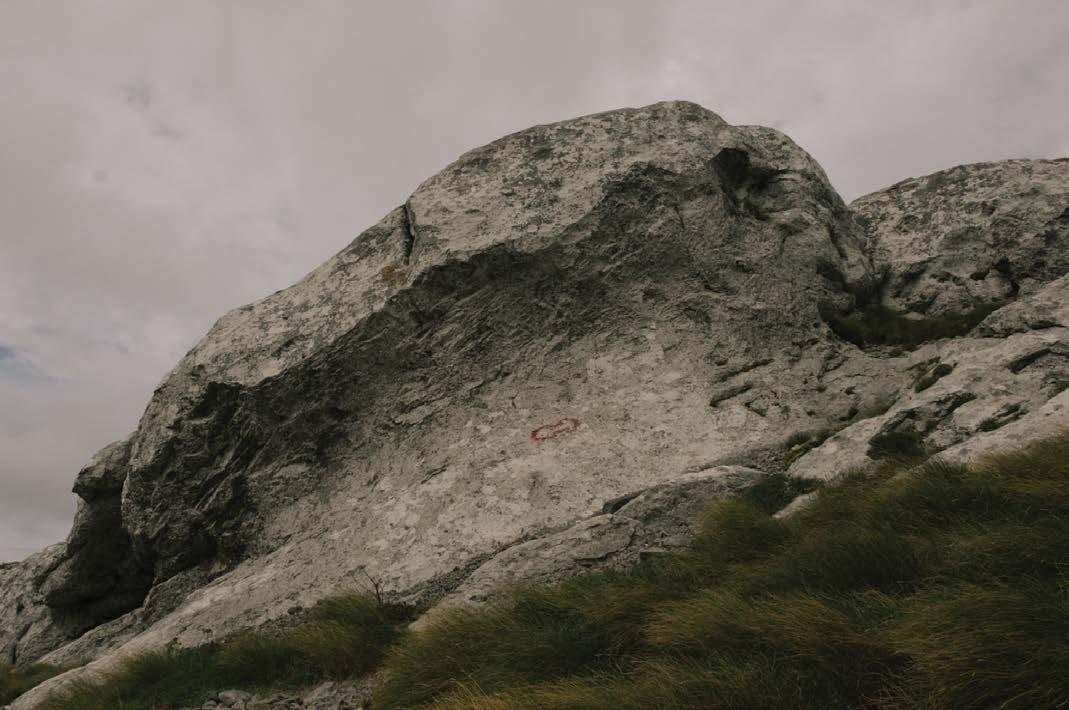
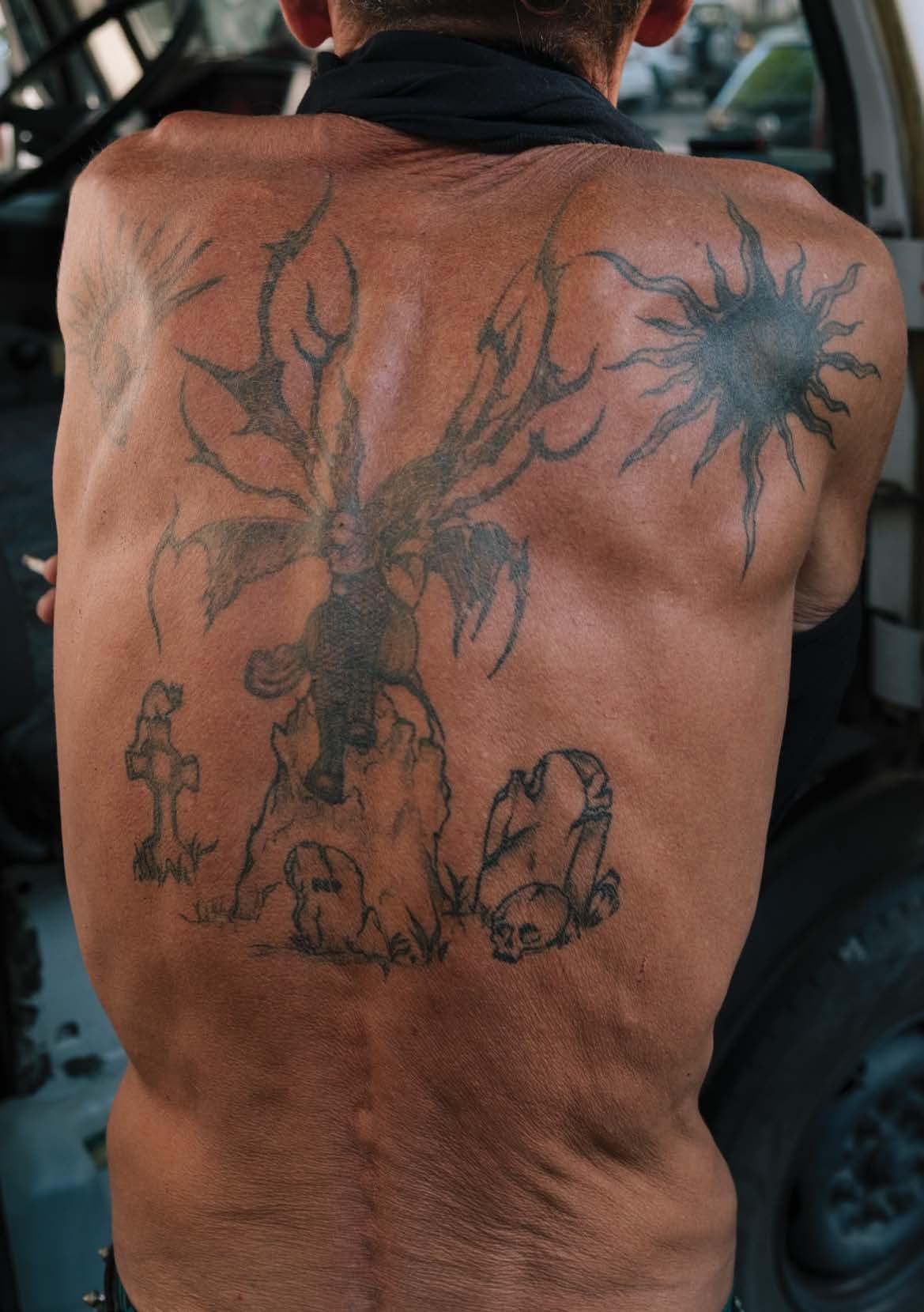
Projekt „Nosila sam češer u ruksaku” razvija se kroz introspektivni i intuitivni proces u kojem koncept ne prethodi radu, već se formira kroz čin promatranja, kretanja i emocionalnog reagiranja na svakodnevne prostore. Fotografije nastaju prije racionalizacije, u nastojanju da se uspostavi prostor između svjetla, tijela, pokreta, mjesta i osjećaja. U tom međuprostoru istražujem odnos vanjskog svijeta i unutarnjih stanja - područje u kojem se percepcija, memorija i osjećaj susreću prije nego što se oblikuju u značenje.
Inia Herenčić
Nosila sam češer u ruksaku - već naslov upozorava na tvrdoglavu činjenicu češera; odveć običan da bi bio suvenir, a pretežak da bi bio slučajan. Naziv je to ciklusa koji polazi od izvjesne materijalne upornosti svijeta i od načina na koji se pogled disciplinira u dodiru s onim što se obično previđa. Naziv rada također uspostavlja temeljnu ideju: češer je predmet koji se opire simboličkoj potrošnji, njegova prisutnost nije izvanredna, ali nije ni neutralna.
Upravo u toj ambivalentnosti, između zanemarivog i postojanog, otvara se prostor u kojem se ciklus oblikuje.
Adornova tvrdnja da su umjetnička djela živa, da posjeduju život sui generis koji nadilazi njihovu povijesnu sudbinu, ovdje nije tek citat koji legitimira praksu, nego misaona potka koja omogućuje razumijevanje njezina učinka. Djela, piše Adorno, govore na način koji nije ni prirodan ni ljudski; njihova komunikacija odvija se mimo namjere i mimo neposredne upotrebe. Upravo se u tom međuprostoru može smjestiti rad Inie Heren-
čić: njezine fotografije zadržavaju iskustvo u stanju napetosti, kao nešto što je istodobno prisutno i uskraćeno. Nadalje, ciklus nije organiziran kao narativni slijed niti kao vizualni dnevnik.
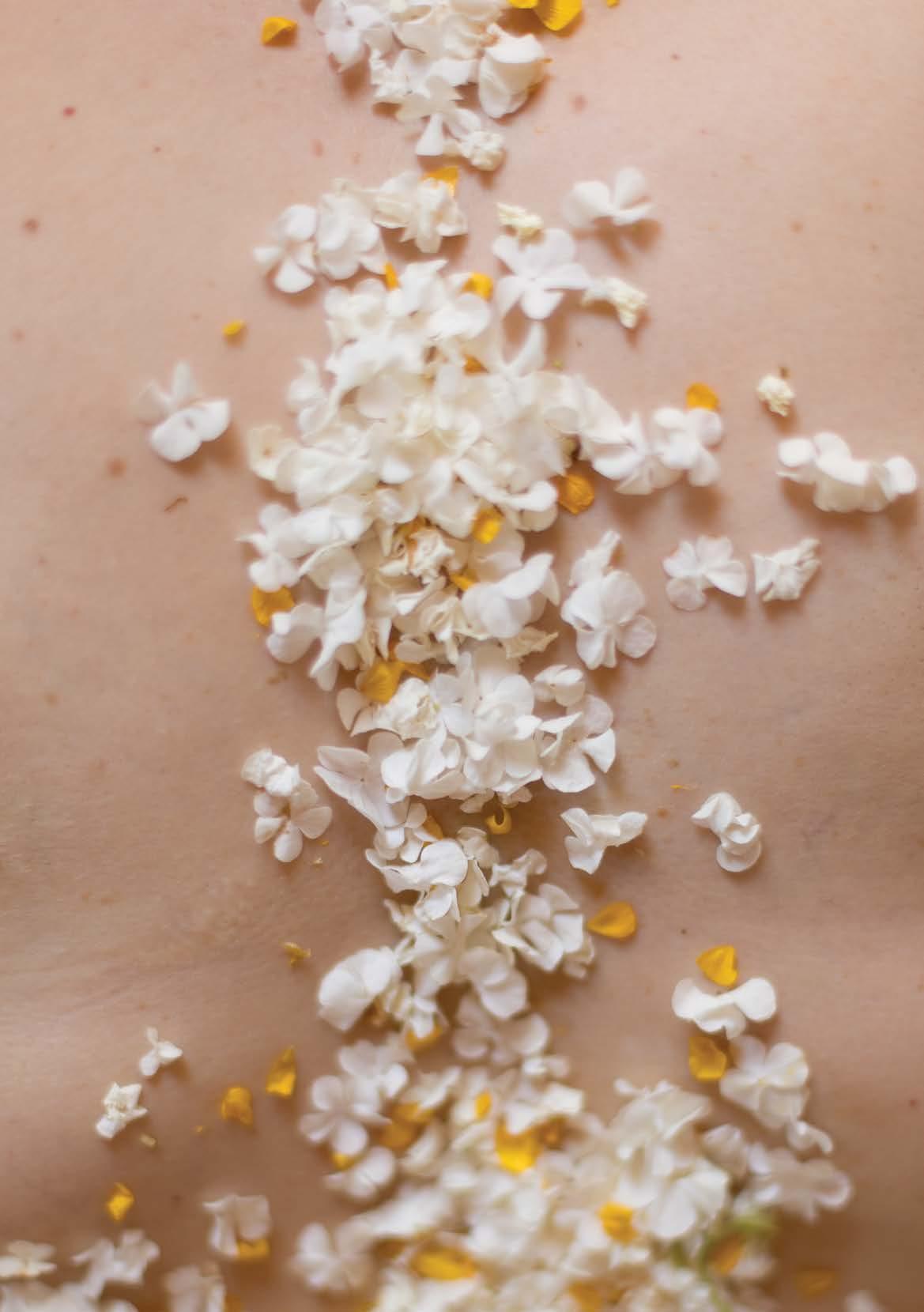
Njegova logika je sekvencijalna, ali, istodobno, nelinearna. Naime, fotografije su povezane ritmom izmjene fokusa: blizina i udaljenost, oštrina i zamućenje, detalj i totalni pogled. Stoga se gledatelj postupno odvaja od potrebe da prepozna temu i počinje učiti kako i što valja promatrati. Također, čini se da pogled nije usmjeren prema vizualnom „zaključku“, nego radije prema trajanju.
U teorijskom okviru zbornika The Everyday Stephen Johnstone inzistira na tome da svakodnevno nije sadržaj koji se može jednostavno preuzeti, nego polje u kojem se prelamaju pitanja pažnje, navika i vrijednosti. Svakodnevno se pojavljuje kao ono što je stalno prisutno, a upravo zato ispražnjeno od značenja. Ono ne traži reprezentaciju, nego promjenu uvjeta opažanja. Tako umjetnički rad koji tematizira svakodnevno nije dramatičan, nego radije govorimo o reorganizaciji hijerarhije onoga što se smatra vrijednim gledanja.
Tako Nosila sam češer u ruksaku nije zapravo ciklus o svakodnevici, nego ciklus koji svakodnevno proizvodi kao iskustvo. Uočavamo da ne postoji središnji motiv koji bi organizirao čitanje, niti vizualni znak koji bi preuzeo ulogu ključa. Umjesto toga, serija uspostavlja režim pažnje u kojem se odnosi između slika stalno premeću i polemiziraju, upozoravajući da značenje nije smješteno u pojedinačnu fotografiju, nego u njihovom suživotu.
Blanchotovo promišljanje svakodnevnog kao onoga što stalno izmiče formi, iako je uvijek tu, pomaže razumjeti ovu strukturu. Svakodnevno, piše Blanchot, ne dopušta da se zatvori u stabilne kategorije; ono se pojavljuje kao niz ponavljanja koji nikada ne postaju identični.
Inijine fotografije zadržavaju upravo tu neodređenost. Poznatost prizora ne vodi sigurnosti, nego laganom pomaku, osjećaju da je ono što se gleda već viđeno, ali nikada na isti način.
U izjavi umjetnice posebno je važan naglasak da koncept ne prethodi radu, nego nastaje u činu promatranja i kretanja. Ta formulacija nije tek opis radnog procesa, nego jasno pozicioniranje prema dominantnoj praksi suvremene umjetnosti, praksi u kojoj se već „sve zna unaprijed“. Inia, čini se, radi s odgodom smisla. Njezina fotografija proizvodi svijest o vlastitom gledanju, dok ciklus istovremeno postaje svojevrsni alat za učenje opažanja, a ne tek sredstvo ilustracije. U tom kontekstu, prizori koji se u seriji pojavljuju ne funkcioniraju kao simboli, nego kao materijalni tragovi, a njihova važnost je u tome što zahtijevaju pomniji pogled. Naposljetku, češer iz naslova funkcionira kao precizan model cijelog rada: spremnik potencijala, ali i svakodnevan predmet, ni po čemu izvanredan a opet umjetnici dragocjen.
Zaključno, Nosila sam češer u ruksaku može se čitati kao rad o sazrijevanju pogleda, o njegovoj sposobnosti da izdrži prisutnost slike bez
potrebe da je odmah racionalizira pojmom. Upravo tu se Adornova misao o životu djela pokazuje relevantnom: fotografije ne služe prirodi ni čovjeku, nego uspostavljaju vlastiti oblik komunikacije, koji se odvija u vremenu i koji zahtijeva strpljenje. Djelo, na koncu, živi onoliko dugo koliko pogled pristaje na taj uvjet.
Izvori: Adorno, Theodor W. Aesthetic Theory. Translated by Robert Hullot-Kentor. Edited by Gretel Adorno and Rolf Tiedemann. Minneapolis: University of Minnesota Press, 1997.
Johnstone, Stephen, ed. The Everyday. Documents of Contemporary Art. London: Whitechapel Gallery; Cambridge, MA: The MIT Press, 2008. Blanchot, Maurice. “Everyday Speech.” In The Everyday, edited by Stephen Johnstone. London: Whitechapel Gallery; Cambridge, MA: The MIT Press, 2008.
Leila Topić
I
It must be kept in mind that works of art are alive, have a life sui generis. Their life is more than just an outward fate. Over time, great works reveal new facets of themselves, they age, they become rigid, and they die. [Yet] they have life because they speak in ways nature and man cannot.
Theodor W. Adorno
This work emerges from a process of personal discovery and movement through different phases of being - acceptance, leaving, looking, and perceiving. It is a journey of growing up, maturing, and letting go, in which identity is not seen as a fixed category, but as a state in constant transformation, shaped by experience, the body, and time.
The project „I Carried a Pine Cone in My Backpack” develops through an introspective and intuitive process in which the concept does not precede the work, but is formed through acts of observation, movement, and emotional response to everyday spaces. The photographs are created prior to rationalisation, in an attempt to establish a space between light, body, movement, place, and feeling. Within that interspace, I explore the relationship between the external world and internal states – a zone in which perception, memory, and feeling meet before they are shaped into meaning.
Inia Herenčić
I Carried a Pine Cone in My Backpack - the title itself points to the stubborn fact of the pine cone; too ordinary to be a souvenir, yet too heavy to be accidental. This is the name of a series that begins with a certain material persistence of the world and with the way in which the gaze is disciplined through contact with what is usually overlooked. The title of the work also establishes a fundamental idea: the pine cone is an object that resists symbolic consumption; its presence is neither extraordinary nor neutral.
It is precisely within this ambivalence, between the negligible and the enduring, that the space in which the cycle takes shape opens up.
Adorno’s claim that works of art are alive, that they possess a life sui generis that transcends their historical fate, is not merely a quote that legitimises the practice, but a conceptual thread that enables us to un-
derstand its effect. Works of art, Adorno writes, speak in a manner that is neither natural nor human; their communication unfolds beyond intention and beyond immediate use. It is precisely in this interspace that the work of Inia Herenčić can be situated: her photographs hold experience in a state of tension, as something that is simultaneously present and witheld. Furthermore, the series is not organised as a narrative sequence nor as a visual diary.
Its logic is sequential yet, at the same time, non-linear. Namely, the photographs are connected by the rhythm of shifting focus: proximity and distance, sharpness and blur, detail and total view. Thus, the viewer gradually detaches from the need to recognise a theme and begins to learn how and what to observe. Also, it seems that the gaze is not directed towards a visual “conclusion”, but rather towards duration.
Within the theoretical framework of the anthology The Everyday, Stephen Johnstone insists that the everyday is not a content that can be simply appropriated, but a field in which questions of attention, habits, and values intersect. The everyday appears as that which is constantly present, and precisely for that reason emptied of meaning. It does not seek representation, but rather a change in the conditions of perception. Thus, an artistic work that thematises the everyday is not dramatic; rather, we speak of a reorganisation of the hierarchy of what is considered worthy of being looked at.
Thus, I Carried a Pine Cone in My Backpack is not, in fact, a series about the everyday, but a series that produces the everyday as experience. We observe that there is no central motif to organise the reading, nor a visual sign that would assume the role of a key. Instead, the series establishes a regime of attention in which the relationships between images are constantly rearranged and contested, signalling that meaning does not reside in the individual photograph but in their coexistence.
Blanchot’s reflection on the everyday as that which constantly eludes form, even though it is always there, helps to understand this structure. The everyday, Blanchot writes, refuses to be enclosed within stable categories; it appears as a series of repetitions that never become identical.
Inia’s photographs retain precisely this indeterminacy. The familiarity of the scene does not lead to certainty, but to a subtle displacement, a feeling that what is being looked at has been seen before, but never in the same way.
In the artist’s statement, the emphasis that the concept does not precede the work but arises in the act of observation and movement is of particular importance. This formulation is not just a description of the working process, but a clear positioning in relation to a dominant practice in contemporary art, a practice in which ‘everything is already known in advance”. Inia seems to work with a delay of meaning. Her photography
produces an awareness of one’s own act of looking, while the series simultaneously becomes a kind of tool for learning how to perceive, rather than just a means of illustration. In this context, the scenes that appear in the series do not function as symbols but as material traces, and their importance lies in the fact that they demand a more attentive gaze. Ultimately, the pine cone from the title functions as a precise model for the entire work: a container of potential, but also an everyday object, entirely unremarkable, yet precious to the artist.
In conclusion, I Carried a Pine Cone in My Backpack can be read as a work about the maturing of the gaze, about its capacity to endure the presence of the image without the need to immediately rationalise it with a concept. It is precisely here that Adorno’s thought about the life of the artwork proves relevant: photographs do not serve nature or humanity, but establish their own form of communication, which unfolds in time and requires patience. The work, in the end, lives as long as the gaze agrees to this condition.
Leila Topić
Sources: Adorno, Theodor W. Aesthetic Theory. Translated by Robert Hullot-Kentor. Edited by Gretel Adorno and Rolf Tiedemann. Minneapolis: University of Minnesota Press, 1997.
Johnstone, Stephen, ed. The Everyday. Documents of Contemporary Art. London: Whitechapel Gallery; Cambridge, MA: The MIT Press, 2008. Blanchot, Maurice. “Everyday Speech.” In The Everyday, edited by Stephen Johnstone. London: Whitechapel Gallery; Cambridge, MA: The MIT Press, 2008.
INIA HERENČIĆ (1985., Zagreb, Hrvatska) vizualna je autorica i fotografkinja. Magistrirala je fotografiju na Akademiji dramske umjetnosti u Zagrebu (2023.) te je diplomirala komunikacijski menadžment (2012.). Članica je Hrvatskog društva likovnih umjetnika i dobitnica više priznanja za znanstveno- umjetnički rad. Sudjelovala je na brojnim međunarodnim grupnim izložbama, ostvarila fotografske intervencije u javnom prostoru te realizirala samostalne izložbe.
Njezina umjetnička praksa temelji se na dokumentarističkom pristupu, s naglaskom na istraživanje emocija, međuljudskih odnosa i suživota pojedinca u suvremenom društvu. Pedagoško iskustvo stekla je kao voditeljica kreativnih radionica i asistentica u visokoškolskom obrazovanju na području fotografije. Usavršavala se na brojnim međunarodnim radionicama, gdje razvija osobni vizualni jezik unutar fotografskog medija. U svom radu kontinuirano propituje vlastite identitete i uloge majke, sestre, putnice i umjetnice.
INIA HERENČIĆ (1985, Zagreb, Croatia) is a visual artist and photographer. She earned her MA in Photography from the Academy of Dramatic Art in Zagreb (2023) and holds a degree in Communication Management (2012). She is a member of the Croatian Association of Visual Artists and has received several awards for her scientific and artistic work. She has participated in numerous international group exhibitions, realised photographic interventions in public space, as well as solo exhibitions. Her artistic practice is grounded in a documentary approach, with a focus on exploring emotions, interpersonal relationships, and the coexistence of individuals within contemporary society. She has gained pedagogical experience as a facilitator of creative workshops and as an assistant in higher education in the field of photography. She has refined her skills through numerous international workshops, where she has developed a personal visual language within the photographic medium. In her work, she continuously explores her identities and roles as a mother, sister, traveller, and artist.