




IN THE FEATURED ARTICLE: Cesar R. Sabates, D.D.S. PRESIDENT, AMERICAN DENTAL ASSOCIATION BRIDGING THE ORAL CARE GAP Well-Being/Bienestar HISPANIC POPULATION Volume 2 Spring 2022 ISSN 2770-324X ISSN 2770-3231 WWW.HDASSOC.COM BILINGUAL EDITION Healing, Support, Resilience Curación, Apoyo, Resiliencia
PUBLISHER
Dr.ManuelA.Cordero,DDS,CPH,MAGD
ExecutiveDirector&CEO
HispanicDental Association
MercedesMotaMartinez,DDS,FICOI,FICD,FPFA
CharlesTramont President,HispanicDental Association
PublisingAdvisor
EDITORIAL/SECTIONBOARD
TyroneF.Rodriguez,DDS,FACD,FPFA,FAAPD ChiefEditor,JHDA
PrivatePractice,San Antonio,TX
PastProgramDirector,YalePediatricDentistry
ADASpokesperson
AAPDSamuelD.Harris-PastFellow
LuisCamiloYepes,DDS,MS
AssistantEditor
AssistantClinicalProfessorUTHealthSanAntonio,TX AdvanceGeneralDentistryClinicDirectorUT HealthSan Antonio,TX
DenisseGonzálezEstrada,DDS,MEd,FCMO
SecretaryandInternationalEditor
Clinical AssociateProfessor, UniversidadNacional AutónomadeMéxico
ElíasMorón,DDS,MPH,MHL,MHSM
SectionEditor,ContinuingEducation ClinicalAssistantProfessor,NovaSoutheasternUniversity
VictorRodriguez,DDS,MEd
SectionEditorProfessionalChapters
GeneralDentistPrivatePractice,Houston,TX ClinicalAssistantProfessor, UTHealthSchoolofDentistryatHouston
GabrielPérez,DMDCandidate,D3
HDAStudentTrustee
TuftsSchoolofDentalMedicine,Massachusetts
JOURNALOFTHEHISPANICDENTAL ASSOCIATION(JHDA)

(ISSN2770-324X)online(ISSN2770-3231)print,ispublishedquarterlyon Behalf oftheHispanicDental Association.Allrightsreserved, Copyright©2021by theHispanicDentalAssociation.
Annual Subscription rates:Electronic issues for Members Free.Reprints are $20.00perissue.A$5.00shippingandhandlingfeehasbeenaddedforall subscriptions.SubscriptionsoutsideoftheUnitedStatesmustbepre-paid. Totalreprintcost$25.00.
PrintedindividualcopiesforoutsideoftheUnitedStatesareanadditional15.00 USdollarsforairfreightdelivery.
Disclaimer: ThestatementsandopinionsinthearticlesoftheJournalofthe HispanicDental Associationaresolelythoseoftheindividualauthorsand contributorsandnotoftheHispanicDental Association.Theappearanceof advertisementsintheJournaloftheHispanicDental Associationisnota warranty,endorsementorapprovaloftheproductsorsafety.Theappearance ofadvertisementsintheJournaloftheHispanicDentalAssociationand/orthe publisherdonotmakeanyrepresentationastotheaccuracyorsuitabilityofany oftheinformationcontainedinadvertisementsanddisclaimresponsibilityfor anyinjurytopersonsorpropertyresultingfromanyideasorproductsreferred tointhearticlesoradvertisements.JHDAreservestherighttoacceptorreject alladvertisementssubmittedaswellastherighttowithdrawanyadvertisement.
For advertising information please visit email us: journal@hdassoc.org You canalsocallHDAat 1-856-353-9459.
Permissionsandphotocopying:Forpermissionand/orrightstousecontent fromtheJournaloftheHispanicDental Association, e-mail ceo@hdassoc.org forassistance.
Questionsoropportunitiesaboutyourjournalsubscriptionpleasee-mail:.
Journalcustomerservices:Fororderinginformation,claimsandanyinquiry membership@hdassoc.org orcall 1-856-353-9459
TarifasdeSuscripciónAnual:EmisioneselectrónicasparaMiembrosGratis. Lasreimpresionescuestan20dólarespornúmero.Sehaañadidounatarifade envíoymanipulaciónde5dólaresparatodaslassuscripciones.Las suscripcionesfueradelosEstadosUnidosdebenpagarseporadelantado.El costototaldelareimpresiónesde25dólares.
LascopiasindividualesimpresasparafueradelosEstadosUnidostienenun costoadicionalde15dólaresestadounidensesparalaentregaportransporte aéreo.
Descargoderesponsabilidad: Lasdeclaracionesyopinionesenlosartículos delaRevistadelaAsociaciónDentalHispanasonúnicamentedelosautoresy colaboradoresindividualesynodelaAsociaciónDentalHispana.Laaparición deanunciosenlaRevistadela AsociaciónDentalHispananoconstituyeuna garantía,respaldooaprobacióndelosproductosolaseguridad.Laaparición deanunciosenlaRevistadela AsociaciónDentalHispanay/oeleditorno hacenningunarepresentaciónencuantoalaprecisiónoidoneidaddela informacióncontenidaenlosanunciosyrenuncianaresponsabilidadpor cualquierdañoapersonasopropiedadqueresultedecualquieridea.o productosalosquesehacereferenciaenlosartículosoanuncios.JHDAse reservaelderechodeaceptarorechazartodoslosanunciosenviados,asícomo elderechoderetirarcualquieranuncio.
Paraobtenerinformaciónpublicitaria,envíenosuncorreoelectrónicoa: journal@hdassoc.org.TambiénpuedellamaraHDAal 1-856-353-9459.
Permisosycopias: Paraobtenerpermisoy/oderechosparausarelcontenido delaRevistadela AsociaciónDentalHispana,envíeuncorreoelectrónicoa ceo@hdassoc.org paraobtenerayuda.
Serviciosalclientedelarevista: Parasolicitarinformación,reclamosy cualquierconsultarelacionadaconsususcripciónalarevista,envíeuncorreo electrónicoa membership@hdassoc.org ollameal 1-856-353-9459.
www journal@hdassoc org
TABLEOFCONTENTS/TABLADECONTENIDO
INTRODUCTIONS/INTRODUCCIONES
CEOWELCOME/BIENVENIDADIRECTOREJECUTIVO (Pgs.2,3)
Manuel A.Cordero,DDS,CPH,MAGD
PRESIDENTIALWELCOME/BIENVENIDAPRESIDENCIAL (Pgs.4,5) MercedesMotaMartinez,DDS,FICOI,FICD,FPFA
CHIEFEDITOREDITORIAL/EDITORIALEDITORPRINCIPAL (Pgs.6,7)
TyroneF.Rodriguez,DDS,FACD,FAAPD
GUESTEDITORIAL/EDITORIALINVITADO (Pgs.8-13)
CesarR.Sabates,DDS,MS
158th PresidentoftheAmericanDentalAssociation
INTERNATIONALWOMEN’SDAY/DIAINTERNACIONALDELAMUJER (Pgs.14)
HispanicDentalAssociation,ExecutiveCommittee
ARTICLES/ARTICULOS
1. Concernsaboutthesecondwaveinthepandemicandchildreninourcommunity/ (Pgs.17-24) Preocupacionessobrelasegundaoladelapandemiaylosniñosennuestracomunidad
DenisseGonzálezEstrada,DDS,MEd,FCMO
2. WhatthedentalteamshouldknowaboutPTSDandBurnout/ LoqueelequipodentaldebesabersobreelTEPTyelAgotamiento. (Pgs.26-35)
AugustoFelipeRuíz,PsyD,MS,MA,BCB
3. AnewtreatmentapproachutilizingCAD/CAMRestorationsforEndo-TreatedPermanentAnterior andPosteriorTeethinPediatricPatients./ UnnuevoenfoquedetratamientoqueutilizarestauracionesCAD /CAMparadientesanterioresyposteriorespermanentestratadosconendodonciaenpacientespediátricos. (Pgs.36-41)
AnaKeohane,DDS,DMD,FICD,GladysG.CarrascoRoman,DDS
4. Familiarizingdentalhygieniststomigrainesandbotulinumtoxins./ Familiarizaralashigienistas dentalesconlasmigrañasylastoxinasbotulínicas. (Pgs.43-49)
KimCapehart,DDS,MBA,PhD,EduardoBritton,DDS,RonaldHarris,DDS,AshleyChristmanBS,RDH NancyB.Yound,DMD,MEd,GregoryGriffin,DMD
5. LesseningtheRisksofMSDsbyfollowingtheprinciplesofErgonomics DisminucióndelosriesgosdeMSDssiguiendolosprincipiosdelaergonomía. (Pgs.49-53) SandraCastellanos,AAS,RDH,BS,MA,CHES
6. AmericanDentalStudentLoanDebt:RidetheWaveorEnduretheTsunami./Deudadepréstamos
estudiantilesdentalesdelestudianteAmericano:Sobrellevarlaolaosoportareltsunami (Pg.55-64)
RosaChavianoMorán,DMD,FICD,TyroneFernandoRodriguez,DDS,FACD,FPFA,FAAPD
7.Errata (Pg.65-68)
8.Classifieds (Pg.69)
1
ManuelA.Cordero,DDS,CPH,MAGD. ExecutiveDirector&CEO,HDA
Theabilitytocountone’speopletounderstand growthandthedistributionof resourcesgoesbacktobiblical times.Justasthebookof Numbers1:2describedthe requestofGodtoseehispeople throughthewilderness,the 2020censusmarkedavitaltool inunderstandingHispanic growthinthisnation.Most recentlytheNewYorkTimesreportedamajor findinginthereleaseofthe2020Censusstatingthat theoverallnumberofcitizenswasundercountedby almost19millionindividualsandethnicproportions wereincorrect.1 Hispanicresidentsinthisnation weremisrepresentedinamajorway.Alarmingly,1 outof20Hispanicswasnotcounted.This5percent discrepancy,representsmillionsofmoreLatinos/ Latinxinthisnationwereforgotten.Asacollective people,weprovideanessentialpartofAmerican infrastructurehistoricallyandeconomically. Hispanicshavehelpedfightineverywarthathas shapedthiscountry.2 Ourpatrioticimpacthas spannedfromtheRevolutionaryWar,theCivilWar, andbothWorldWars.WehelpedweavetheAmerican historicaltapestry.Fromasocial/economicimpact, Hispanicshelpgrowa1/3ofourfood,helpbuilda quarterofourhomes,roads,buildings,andothervital infrastructure,andrepresent14percentofour entrepreneurs.3 Fiveyearsago,theHispanic
PopulationintheUnitedStatespaid215Billion Dollarsintaxes. 3
Duringthispandemic,thathasnowlastedovertwo years,ourpeoplehavekeptthisnationrunningas “essentialworkers.”Theagriculture,construction, andserviceinfrastructuresectorsarefueledby Hispanicsgeneratingapproximately2trilliondollars foroureconomy.4
Wearetheelephantintheroomwhenitcomesto sustainingtheUSeconomy.TheJournaloftheHDA aimstohighlightourscientificperspectiveonissues thataffectourcommunities.Thisbettersupportsthe oralhealthworkforceandgeneratesopportunitiesfor creatingtheneededpathwaysintotheOralHealth fields.Scienceshowsqualityoflifeisdirectly impactedbygoodoralhealth.ItistimefortheU.S. tocorrectthepropercountoftheinvisiblegiant withinourborders.
Whatdoesthisrepresentforyouandme?Thevalue thatcomesfromthisdataisacollectivecallfor action.Nowmorethaneveryourpaidmembership andyourinvolvementareneededtohelpuscontinue alegacyofhelpingshapeoursociety.Pleaseget involvedandseethatwecanmakeadifferenceinthe frontlinesorevenbehindthescenestogether. #SomosHDA
References:
1.WinesM.,Cramer.M,2020 CensusUndercountedHispanic, BlackandNativeAmerican Residents,March10,2022,New YorkTimes https://www.nytimes.com/2022/03/10/ us/census-undercounted-population.html
2.Hispanic-Americans’ContributionstoU.S. Wars,MilitaryOfficersAssociationofAmerica https://www.moaa.org/content/publications-andmedia/moaa-blog/hispanic-americans-contributions-to-u-s--wars/
3.ThePowerofthePurse:HowHispanics ContributetotheU.S.Economy,NewAmerican EconomyResearchFund,December2017http:// research.newamericaneconomy.org/wp-content/ uploads/sites/2/2017/12/Hispanic_V5.pdf
4.VazquezRussel,M.HispanicHeritage MonthReport:Hispanic,LatinoworkerskepttheUS economymovingduringthepandemic.ABCNews affiliateWATEhttps://www.wate.com/hiddenhistory/hispanic-heritage-month/report-hispaniclatino-workers-kept-the-us-economy-movingduring-pandemic/

Censusshouldreflectthe compositionofourCountry,not redefineit.
2
“Duringthispandemic, thathasnowlastedover twoyears,ourpeoplehave keptthisnationrunningas essentialworkers.”
ManuelA.Cordero,DDS,CPH,MAGD DirectorEjecutivoyCEO,HDA

Lacapacidaddecontaralagenteparaentender elcrecimientoyladistribucióndelosrecursos seremontaalostiemposbíblicos.Asícomoel librodeNúmeros1:2describiólapeticiónde Diosdeverasupuebloatravésdeldesierto,el censode2020marcóunaherramientavitalpara comprenderelcrecimientohispanoenesta nación.Másrecientemente,elNewYorkTimes informóunhallazgoimportanteenelinforme delCensode2020queindicaqueelnúmero totaldeciudadanosfuesubcontadoporcasi19 millonesdepersonasylasproporcionesétnicas estanincorrectas.1 Losresidenteshispanosen estanaciónfueronsubestimadosdeunamanera muysignificativa.Demaneraalarmante,1de cada20hispanosnofueroncontados.Esta discrepanciadel5 porciento, representamillones delatinos/latinos másenestanación olvidados.Como pueblocolectivo, proporcionamos unaparteesencial delainfraestructuraestadounidensehistóricay económicamente.Loshispanoshanayudadoa lucharentodaslasguerrasquehandadoforma alahistoriadeestepaís.2 Nuestroimpacto patrióticohaabarcadodesdelaGuerra Revolucionaria,laGuerraCivilylasdos GuerrasMundialesquetejeneltapizhistorico estadounidense.Apartirdeunimpactosocial/ económico,loshispanosayudanacultivar1/3 denuestrosalimentos,ayudanaconstruiruna cuartapartedenuestroshogares,carreteras, edificiosyotrasinfraestructurasvitales,y representanel14porcientodenuestros empresarios.Hacecincoaños,lapoblación hispanaenlosEstadosUnidospagaba215mil millonesdedólaresenimpuestos.3
Duranteestapandemiaqueyahaduradomásde dosaños,nuestropueblohamantenidoaesta naciónfuncionandocomo"trabajadores
esenciales".Lossectoresdeagricultura, construccióneinfraestructuradeserviciosson impulsadosporhispanosquegeneran aproximadamente2billonesdedólaresanuestra economía.4
Somoselelefanteenlahabitacióncuandose tratadesostenerlaeconomíadelosEstados Unidos.ElJournaldelaHDAtienecomo objetivoresaltarnuestraperspectivacientífica sobrelosproblemasqueafectananuestras comunidadesconelfindeapoyarmejorasu fuerzalaboraldesaludoralydaroportunidades paracrearlasvíaseducativasnecesariasenlos camposdelasaludoral.Lacienciademuestra quelacalidaddevidasevedirectamente afectadaporbuenasaludoral.Eshoradeque los"EstadosUnidos"tomeencuentaadecuada elgiganteinvisibledentrodesusfronteras.
¿Quérepresentaestoparatiyparamí?Elvalor queprovienedeestosdatosesunllamado colectivoalaacción.Ahoramásquenunca,su membresíaysuparticipaciónsonnecesarias paraayudarnosacontinuarunlegadodeayudar ydarformaanuestrasociedad.Porfavor, participeyveacómo podemosjuntosimpactar anuestrogranpaís.
Elcensodebereflejarla composicióndenuestropaís, noredefinirlo.
#SomosHDA 3
“Duranteestapandemiaqueya haduradomásdedosaños, nuestropueblohamantenidoa estanaciónfuncionandocomo trabajadoresesenciales”.
"Whenyousucceed,don'tforgettheresponsibility ofmakingsomebodyelsesucceedwithyou. "
Dr.AntoniaNovelloDeCohelo, FirstWomanandTheFirstHispanic ToBeSurgeonGeneralofTheUnitedStates
achieveoptimumoralandoverallhealth.Our JournalCommitteevividlylivesthistenant,by stayingcommittedtothisfirstandonlybilingual HispanicOralHealthpublicationintheUSA- The JournaloftheHispanicDentalAssociation (JHDA).
Dr.MercedesMota-Martínez 2022HDAPresident Communicate,Lead,andPayitForward

WelcometothesecondissueoftheJournalofthe HispanicDentalAssociation(JHDA).Iwishto congratulateourJournalCommittee,authors, reviewers,andeditors,forthelaunchofthis extraordinaryinitiativeforourorganization.
Someofyouhavehadtheopportunitytohearme mentionthatHDAisonaremarkablejourney.Since thebirthofourorganization, ourfoundingmemberssetan ambitious,yetnecessarygoal, toserveastheleadingvoice forHispanicOralHealth.We mustnotbeshytoboldlygo wherenoorganizationhas gonebefore-thisisour journey.Andlately,exciting initiativeshavebeenputin placetomakethisjourneyan inspiringone.
Sincemyearlyyearsinthedentalcareer,Ihave foughtmanycausestobenefitthedentalprofession andthepatientsandcommunitiesweliveandserve in.Inmyopinion,therearethreewaysofservingas theleadingvoicesetforthbyourfoundingmembers asourtruenorth.
First,wemustfindwaysto communicate andshare broadly,thecoreissuesthatmembersofHispanic/ LatinX,andunderservedcommunitiesface,to
Second,wemustparticipate,engage,and lead, evidence-basedresearchtopreciselyaddressthe currentstatusoroutcomesoforalhealthamong Hispanics/Latinos,andtheunderserved.This coupledwithidentifyingwaystoinfluencepublic policyandinitiativestohaveanadequate representationofHispanicand/orculturallytrained Oralhealthproviders,toservethelargestandfastestgrowingethnicgroupintheUnitedStates.Aspartof ourjourney,HDAiscurrentlyengagedinresearch thatwillbepublishedaswhitepapersonthestatusof OralhealthandWorkforcerepresentationof HispanicsintheUnitedStates.
Thirdly,andmaybemostimportantly,thoseofusthat havebeenabletosucceed,mustfindawayto payit forward.AsstatedbyDr.AntoniaNovellode Cohelo,wemustnotforgettheresponsibilityof makingsomebodyelsesucceedwithus.Whetherit’s anewColleague,Student,orotherhealthcare provider,bringthemalongandencouragethemtobe partofourjourney.
IspokemanytimesaboutbeingONEvoiceanda unitedhome.Forme,HDA representsthathome.It takesseriouscouragetoget onthispathandstayonit. HDAiswhereweallshould cometogether,toboldlygo wherenoorganizationhas gonebefore.Ihopeyouall enjoythisissueofthe JHDA.
Hispanicsareofficiallydeclaredthelargestminoritygroupin theU.S.,History.comeditors,publishedbyA&ETelevision Networks withupdatedinformationonFebruary2022: https://www.history.com/this-day-in-history/census-hispanicsdeclared-largest-minority-group-in-us
4
“Wemustparticipate,engage, and lead,evidence-based researchtopreciselyaddress thecurrentstatusoroutcomes oforalhealthamong Hispanics/Latinos,andthe underserved.”
"Whenyousucceed,don'tforgettheresponsibilityof makingsomebodyelsesucceedwithyou."
(Cuandotengaséxito,noolvideslaresponsabilidadde lograrquealguienmáslogreeléxitocontigo)
Dra.AntoniaNovelloDeCohelo, PrimeraMujeryLaPrimeraHispanaenserCirujano GeneraldelosEstadosUnidos
Dr.MercedesMota-Martínez Presidenta,AsociaciónDentalHispana Comunicar,LideraryContribuiralFuturo
BienvenidosalsegundoejemplardelaRevistadela AsociaciónDentalHispana(JHDA).Deseofelicitar anuestroComitédelaRevistaCientífica,autores, revisoresyeditores,porellanzamientodeesta extraordinariainiciativaparanuestraorganización.
Algunosdeustedeshantenidolaoportunidadde escucharmemencionarquelaHDAestáenunviaje extraordinario.Desdeelnacimientodenuestra organización,nuestrosmiembrosfundadores establecieronunameta ambiciosa,peronecesaria-de servircomolavozprincipal delasaludoralhispanaenlos EstadosUnidos.Nodebemos sertímidosparairaudazmente adondeningunaorganización hallegadoantes:estees nuestroviaje.Yúltimamente sehanpuestoenmarcha iniciativasextraordinarias parahacerqueesteviajesea unoinspirador.
Desdemisprimerosañosenlacarreradeodontología, heluchadopormuchascausasenbeneficiodela profesióndental,delospacientesydelas comunidadesenlasquevivimosyservimos.Enmi opinión,haytresformasdeservircomolavozlíder desaludoralhispanayquenuestrosmiembros fundadoresestablecieroncomonuestroverdadero norte.
Primero,debemosencontrarformasde comunicar y compartirampliamentelosproblemascentralesque enfrentanlosmiembrosdelascomunidadeshispanas/ latinasydesatendidas,paralograrunasaludbucaly generalóptima.NuestroComitédelaRevista Científicaviveejemplarmenteesteprincipio;al mantenersecomprometidoconestaprimerayúnica
publicaciónbilingüedesaludbucalhispanaenlos EE.UU.: LaRevistadelaAsociaciónDental Hispana(JHDA).
Ensegundolugar,debemosparticipar,involucrarnos y liderar investigacionesbasadasenevidenciapara abordarconprecisiónelestadoactualolosresultados (outcomes),delasaludbucalentreloshispanos/ latinosylosdesatendidos.Ademásdeidentificar formasdeinfluirenlacreacióndepolíticaspúblicas ypromoveriniciativasparalograrunarepresentación adecuadayjustadeproveedoresdesaludoralque seanhispanos/latinosy/oculturalmentecapacitados. Estoconelfindeatenderalgrupoétnicomásgrande ydemásrápidocrecimientoenlosEstadosUnidos1 . Comopartedenuestrocamino(journey),laHDAestá actualmenteinvolucradaenunainvestigaciónquese publicarácomomonografíascientíficas(white papers),sobreelestadodelasaludoralyla representacióndelafuerzalaboralOdontológica hispana,enlosEstadosUnidos.
Entercerlugar,yquizáslomásimportante,aquellos denosotrosquehemospodidoteneréxito,debemos encontraruna maneradeContribuiralfuturo ComoafirmalaDra.Antonia NovellodeCohelo,no debemosolvidarla responsabilidaddelograrque otrostriunfenaligualquelos hicimosnosotros.Sírvelede mentoraalguienyayudara queotrosseanexitosos también.Yaseaunnuevo colega,estudianteuotros proveedoresdesalud,hazlos partedetucaminoaléxito, paraqueellosveanentu ejemplounainspiraciónpara ayudaraotrostambién.
Hemencionadoenmuchosforoslaimportanciade ser UNASOLAVOZ yserpartedeunhogarunido. ParamílaHDArepresentaesehogar.Senecesitagran valentíaparaemprenderypermanecereneste camino.LaHDAesdondetodosdeberíamosunirnos, parairaudazmenteadondeningunaorganizaciónha idoantes.Esperoquetodosdisfrutenestaediciónde JHDA.
Hispanicsareofficiallydeclaredthelargestminoritygroupin theU.S.,History.comeditors,publishedbyA&ETelevision Networks withupdatedinformationonFebruary2022: https:/ /www.history.com/this-day-in-history/census-hispanicsdeclared-largest-minority-group-in-us
5
“Debemosparticipar, involucrarnosy liderar investigacionesbasadasen evidenciaparaabordarcon precisiónelestadoactualolos resultados(outcomes),dela saludbucalentrelos Hispanos/Latinosylos desatendidos”.
“LoveandCompassionarenecessities,not luxuries,withoutthem,humanitycannotsurvive.”
noexception.Mycousin,adentalhygienistforovera decade,hasoptedtoreturntorestoringartworkand movedtoItalylastyearasaresultofthispandemic.
Thistrendcanbeseen,whereover3,000Dental Hygienistshaveleftpracticeinourcountrytopursue otherinterests. 1 Manyofmycolleaguesaroundthe countryreportchallengesinstaffingfromthefront desktothebackoffice.Academicfriendsreportmany earlyretirementsoccurringattheirinstitutionswith unforeseenclinicalandacademicburdensleftupon thosethatremain.
Dr.TyroneFernandoRodriguez ChiefEditor,JHDA

OvertwoyearsnowhavepassedsincetheCovid-19 outbreakandwehavepermanentlychangedimplicitly andovertlyasasociety,asprofessionals,andas individuals.Dentistryasaprofessionissocialatits core.Wearetrulyfrontlineandessentialhealthcare providersthroughthedirectcontact,care,and compassiondeliveredtoourpatients.Thoseofusin Dentistryknowthatitisapillarofhealthcarewhere science,art,andhumaneness meettoprovideoverallhealth.
Socialchangeisaprocess forgedfromnetexternaland internalforces.Morerecent forceshavedrivensudden changesthatpreviouslywould havetakenyearstoimplement. Onlinelearning,hybrid educationalmodels,non-humansubject-basedtesting, virtualreality,andsomuchmorearenowapartof Dentistry.
Undeniably,wehaveallbeentouchedbylossin variousforms.Themostimpactfulhasbeenseeing friends,family,neighbors,andcolleaguesleaveus unexpectedly.Formyself,JoshinWashington,Colin inConnecticut,SteveinTexasyouhaveallbeengreat professionals,mentors,andfriendsservingchildren’s dentalneedsfordecades,andyouaremissed.Other losseshavetakenplacewherecolleagueshavedecided towalkawayfromthedeliveryofcareanddentistryis
Knowingthesechangesaretakingplace,acollective resiliencemustprevailfortheOralHealthcommunity throughinnovationtofacetheunprecedented challenges.Nowmorethaneventheneedexiststo createefficientimplementationofnovelpractices. Thetraumaticevents,sharedbydirectorindirect exposuretothepandemichaveopenednewareasof mentalhealthstressorsknownasvicarioustrauma.2 Thiscontinuousexposuretoourpatients,personnel, andcolleagues’pandemicexperienceshasleftmanyof uswoundedbutwiththehopeofhealingand rebuilding.
Thiseditionwilltouchuponsomeoftheissues impactingourprofessionandwaystoadaptand overcomenewchallengesthatcomeourway.Iam veryproudofallthecontributors,authors,reviewers, andeditorialteamthatmake thispublicationpossible,the JHDA,foryou,ourreaders, sowewelcomeyoutothis ourSecondEdition.
1.MorrisseyR.etal.
“EmploymentPatternsof DentalHygienistsinthe UnitedStatesDuringtheCOVID-19Pandemic:An update”,JournalofDentalHygiene,February2022 https://jdh.adha.org/content/96/1/27
2.O’SheaBrownG.(2021)VicariousTraumaand ProfessionalSelf-CarefortheTraumaClinician.In: HealingComplexPosttraumaticStressDisorder. EssentialClinicalSocialWorkSeries.Springer, Cham.https://doi.org/
10.1007/978-3-030-61416-4_11
“ElAmorylaCompasiónsonnecesidades,noson lujos,sinelloslahumanidadnopuedesobrevivir.” DalaiLama
DalaiLama
6
“Undeniably,wehaveallbeen touchedbylossinvarious forms.Themostimpactfulhas beenseeingfriends,family, neighbors,andcolleaguesleave usunexpectedly.”
Dr.TyroneFernandoRodriguez EditorPrincipal,JHDA

Hanpasadomásdedosañosdesdeelbrotedel Covid-19yhemoscambiadopermanentemente implícitayabiertamentecomosociedad, profesionaleseindividuos.Laodontologíacomo profesiónessocialensuesencia.Somos verdaderamenteproveedoresdeatenciónmédica esencialydeprimeralíneaatravésdelcontacto directo,dandolaatenciónylacompasiónque brindamosanuestrospacientes.Losquenos dedicamosalaOdontología,sabemosqueesun pilardelasaluddondeseconjuganlaciencia,el arteyelhumanismoparaproveersaludtotal.
Elcambiosocialesunprocesoforjadoapartirde fuerzasinternasyexternasnetas.Fuerzasmás recienteshanimpulsadocambiosrepentinosque anteshabríanllevadoaños implementar.Aprendizajeen línea,modeloseducativos híbridos,pruebasbasadasen sujetosnohumanos,realidad virtualymuchomássonahora unapartedelaOdontología.
Sinlugaradudas,todos hemossidotocadospor pérdidasendiversasformas. Lomásimpactantehasidoveraamigos,familiares, vecinosyacolegasdejarnosinesperadamente.Para mí,JoshenWashington,ColinenConnecticut, SteveenTexas,todosustedeshansidoexcelentes profesionales,mentoresyamigosqueatiendenlas necesidadesdentalesdelosniñosdurantedécadas, ylosextrañamos.Sehanproducidootraspérdidas enlasqueloscolegashandecididoalejarsedela prestacióndeatenciónylaodontologíanoesuna excepción.Miprima,higienistadentaldesdehace másdeunadécada,haoptadoporvolverarestaurar obrasdearteysemudóaItaliaelañopasadoaraíz deestapandemia.
Estatendenciasepuedeverenquemásde3.000 HigienistasDentaleshandejadolaprácticaen nuestropaísparadedicarseaotrosintereses.1 Muchosdemiscolegasentodoelpaísinforman desafíosenladotacióndepersonaldesdela recepciónhastalaoficinaadministrativa.Los amigosacadémicosinformanqueseproducen muchasjubilacionesnoanticipadasensus institucionesconinesperadascargasclínicasy académicascomoresultadoparalosquesequedan enladocencia.
Reconociendoestoscambiostomandolugar,ahora debemosprevalecerconunaresilienciacolectiva paralacomunidaddesaludbucal.Estoatravésde lainnovaciónparaenfrentarlosdesafíossin precedentesfacilitadosporlaimplementación eficientedeprácticasnovedosas.Loseventos traumáticos,compartidosporlaexposicióndirecta oindirectaalapandemia,hanabiertonuevasáreas defactoresestresantes desaludmental conocidoscomotrauma vicario.2 Estaexposición continuadetraumas experimentadosdurante lapandemiadenuestros pacientes,personaly colegashadejadoa muchosdenosotros heridos peroconla esperanzadesanaryreconstruir.
Estaediciónabordaráalgunosdelosproblemasque afectannuestraprofesiónylasformasde adaptarnosysuperarlosnuevosdesafíosquesenos presenten.Estoymuyorgullosodetodoslos colaboradores,autores,revisoresyequipoeditorial quehacenposibleestapublicación,elJHDA,para ustedes,nuestroslectores,asíqueseantodos bienvenidosaestanuestraSegundaEdición.
7
“Sinlugaradudas,todos hemossidotocadosporla pérdidaendiversasformas.Lo másimpactantehasidovera amigos,familiares,vecinosy colegasdejarnos inesperadamente”.
BridgingtheOralCareGapin theHispanicPopulation
CésarR.Sabates,D.D.S. President,AmericanDentalAssociation
Abstract:
Dentalorganizationshaveagrowingresponsibility toembracediversity,equity,andinclusionnotonly tofurtheradvancethedentalprofessionbutalsoto betterservepatientsandthecommunity.
Minoritygroupsareproportionallylessrepresented indentistrywhencomparedtotheU.S.population. Theyexperienceahigherprevalenceofchronic diseases,barrierstoaccesshealthcareand education,lessabilityto affordhealthcare,and limitedornohealth insurancecoverageforbasic diagnostic,preventive,and treatmentservices.These disparitieswillnotbe properlyaddressedwithout thecommitmentofall professionals.Supporting effortstoimprovediversity, equity,andinclusionwill promotesocialjusticeinan increasinglydiverseU.S. population.
Througheffectivebroad-reachingstrategiesand actionplans,wecanensurethateveryonecan achieveoptimaloralandoverallhealth.
KeyWords: Diversity;Equity;Inclusion; Disparities;DentalWorkforce;Hispanics;Oral Health;HealthLiteracy
AttheAmericanDentalAssociation(ADA),weare committedtoembracingdiversity,driving inclusion,andsupportingeveryonewhocomprises whatIconsiderourdentalfamily.Byworkingwith groupsliketheHispanicDentalAssociation (HDA),thiscommitmentnotonlyallowsusto furtheradvancethedentalprofession,butitallows ustohelpaddressracialandethnichealthcare disparitieswhileimprovingequityandaccessto patient-andcommunity-centeredcare.
Diversifyingthedentalworkforceisawidely embracedgoalattheADA.AsthefirstCubanAmericanpresidentoftheADA,Ihopetoinspire Hispanicstudentstobecomedentistsandleadersin theircommunitiestohelpelevatedentistryand betterserveallpatients.
DiversityinDentistryandtheHispanic Population
Thereremainsamajoropportunityfordentistryto meettheneedsofanincreasinglymorediverseU.S. population,includingHispaniccommunities.The racialandethnicdiversityofthedentistworkforce doesnotreflectthatofthenationoverall.The latest data fromtheADA’sHealthPolicyInstitute(HPI) showsthatHispanicdentistsaresignificantly underrepresentedintheprofessionanddonot mimicthatoftheHispanicpopulationintheUnited States.1
Whileweareseeing slightincreasesin Hispanicdentistsand dentalstudentsover time,theworkforce supplyandenrollment numbersstillfallfar shortofpopulation parity.HPIdatafrom 2020indicatethat Hispanicsconstitute 18.4%oftheU.S. population.However, theyrepresentonly 5.9%ofdentists,and 10.8%ofthe dentalschoolbody whenlookingat first-yeardentalschoolenrollees.2
Thesefindingsalsoofferinsightintotheprevalence ofhealthdisparities.Withaprofessionthatismore representativeofthepatientcommunity,thereare likelytobeimprovementstoaccesstocare.

8
“The data areclear— communitiesofcolorhavebeen disproportionatelymoreaffected byCOVID-19.4 Buttheissueis biggerthanthispandemicalone, andthetopicofhealthequityhas cometogreaterprominence throughoutallofhealthcare, especiallyoralhealth.”
HispanicOralHealthintheU.S.
TheNationalInstituteofDentaland CraniofacialResearch’sreportentitled Oral HealthinAmerica:AdvancesandChallenges illuminatesthestarkdisparitiesandinequities thatexistwithregardtodiseaseburdenand accessingandaffordingoralhealthcareinthe U.S.Whenlookingatadolescents,thedisparity betweenMexican-Americanandnon-Hispanic Whiteadolescentsisincreasing,althoughthe disparitybetweennon-HispanicBlackand non-HispanicWhiteadolescentshasdeclined. Acrossthesecategories,however,thedisparity betweenlower-incomeadolescentsandmore affluentadolescentsissubstantially increasing.3
Whiletheprevalenceofatleastonesealed permanentmolarinadolescentsbetweenthe agesof12−19hasnearlytripledoverthepast 20years(increasingfrom18%to48%),very largegainshaveoccurredforMexicanAmericanadolescents(8%to44%, respectively).Forolderadults,periodontitis remainsanimportantpublichealthproblem thatneedstobeaddressed–nearly1in10older adultsexperiencesevereperiodontitis,and Hispanicindividualsareatincreasedrisk.3
Whiletherehasbeenprogressinsomeareas, moreworkneedstobedone.
BarrierstoOralCareAmongHispanics
Theeventsoccurringinournationtoday–fromtheglobalpandemictothelarge-scale movementondiversity,equity,andinclusion–haveshedlightonblatantinequitiesthathave plaguedourhealthcaresystemfordecades. The data areclear—communitiesofcolorhave beendisproportionatelymoreaffectedby COVID-19.4 Buttheissueisbiggerthanthis pandemicalone,andthetopicofhealthequity hascometogreaterprominencethroughoutall ofhealthcare,especiallyoralhealth.
Whilewe’reseeingimprovementsinpediatric oralcareoutcomesamongHispanicchildren, Hispanicadultsandseniorscontinuetohave challenges.AccordingtoHPI,27.8%and 31.8%ofHispanicadultsandseniors, respectively, visitedadentist in2017-18, comparedto47.4%and54.8%ofwhiteadults andseniors;and38.9%and40.5%ofAsians.5
Topbarrierstoachievingbetteroralhealth amongHispanicsincludeoralhealthliteracy, highcostorlackofaccesstoaffordablecare andinsurance,andlanguage/culture differences.AccordingtoHPI,Hispanicand Blackpeopleacrossallagegroupsare most likelytoface costbarrierstodentalcare.6 The dataalsofindthatracialdisparitiesincost barriershavewidenedforadultsandsenior citizens.
Economicopportunity,educationlevel, prejudice,aswellascarequalityandaccessare amongthe socialfactors thatcandeterminethe extentofaperson’ssicknessorhealth.7 Generally,populationsinpoverty-strickenand remoteruralcommunitieshavehigherratesof dentaldiseasebutarelesslikelytohavea dentalhome.
Thesecurrentdisparitieswillnotbeproperly addressedwithoutthecommitmentofall professionals.Diversifyingthedental workforceisanessentialcomponent.
ChangingtheDiscourseonOralHealth Equity
Asleadersindentistry,theADAhasa responsibilitytoshapethediscourseonoral healthequityandinfluencefuturepolicyon thisissue.Wehavealreadytakenstepsinthat direction,includingtheadoptionofhealth equityresolutionlastfall.Programplanning, ledbytheADACouncilonAdvocacyfor AccessandPrevention,isunderway.
Mostrecently,theADAhasalsoconveneda TaskForcetoexplorethecurrentbarriersfor entryintothedentalprofessionby underrepresentedpopulations.
ThisTaskForcewillincludegroupssuchasthe AmericanDentalEducationAssociation, AmericanStudentDentalAssociation, NationalDentalAssociation,HispanicDental Association,andSocietyofAmericanIndian Dentists,workingtogethertodevelopbroadreachingstrategiesandactionplansthatwill strengthenandsupportaworkforcethatis morerepresentativeofthepopulation.
Evidencesuggeststhatimprovingworkforce diversitypromotessocialjusticeand alsoincreasesaccess,healthequity,andhealth carequality,particularlyforminority populations.
9
Therearealsothousandsofdentistsinournation whodedicatetheirtimeandtalentstoserve vulnerablecommunitieseveryday.TheADAwants tocontinuebolsteringitsefforts.Underrepresented minorityproviders,inparticular,aremorelikely thannonminorityproviderstoworkinornear minoritycommunitiesandtotreatminority patients.IknowfirsthandhowHispanicdentistsare makinganimmeasurabledifferenceinour professionasclinicians,educators,andresearchers. Manyofthemfurtheradvancepublichealthby providingcaretounderservedpopulations,andthis willcontinueasthepercentageofHispanicdentists intheU.S.continuestogrowyearoveryear. Consequently,betterrelationshipsand communicationbetweenprovidersandpatients whosharethesameracial/ethnicbackgroundwill leadtogreateraccesstoanduseofcare.
Ibelievethatitwouldbeunconscionablenottolend ourstrengthtomeetthenationalchallengeofhealth equity.AttheADA,wehaveahistoricopportunity toleadthatchangeandworkfortheimprovedoral healthofeveryAmerican.Throughsupportingoral healthequityandreforms,wecanensurethat everyonecanachieveoptimaloralandoverall health.
p.s.AspecialthankyoutoElíasMorón,DDS, MPH,MHL,ClinicalAssistantProfessoratNova SoutheasternUniversityforhisassistanceand Spanishtranslation.
References
1.Racialandethnicmixofthedentistworkforcein theU.S.AmericanDentalAssociationHealth PolicyInstitute.April2021. https://www.ada.org/-/ media/project/ada-organization/ada/ada-org/files/ resources/research/hpi/hpigraphic_0421_1.pdf

2.Racialandethnicmixofdentalstudentsinthe U.S.AmericanDentalAssociationHealthPolicy Institute.April2021. https://www.ada.org/-/media/ project/ada-organization/ada/ada-org/files/ resources/research/hpi/hpigraphic_0421_2.pdf

3.NationalInstitutesofHealth.Oralhealthin America:advancesandchallenges.Bethesda,MD: USDepartmentofHealthandHumanServices, NationalInstitutesofHealth,NationalInstituteof
DentalandCraniofacialResearch,2021.Useof tradenamesisforidentificationonlyanddoesnot constituteendorsementbytheUSDepartmentof HealthandHumanServices.
4.RiskofexposuretoCOVID-19:racialandethnic healthdisparities.CentersforDiseaseControland Prevention,NationalCenterforImmunizationand RespiratoryDiseases,DivisionofViralDiseases. December2020. https://www.cdc.gov/coronavirus/ 2019-ncov/community/health-equity/racial-ethnicdisparities/increased-risk-exposure.html
5.DentalcareutilizationamongtheU.S. population,byraceandethnicity.AmericanDental AssociationHealthPolicyInstitute.April2021. https://www.ada.org/-/media/project/adaorganization/ada/ada-org/files/resources/research/ hpi/hpigraphic_0421_4.pdf
6.CostbarrierstodentalcareamongtheU.S. population,byraceandethnicity.AmericanDental AssociationHealthPolicyInstitute.April2021. https://www.ada.org/-/media/project/adaorganization/ada/ada-org/files/resources/research/ hpi/hpigraphic_0421_3.pdf
7.Socialdeterminantsofhealth:knowwhataffects health.CentersforDiseaseControlandPrevention. September2021. https://www.cdc.gov/ socialdeterminants/index.htm
10
Cerrandolabrechadelcuidado oralenlapoblaciónHispana
CésarR.Sabates,D.D.S. Presidente,AsociaciónDentalAmericana
Resumen:
Lasorganizacionesdentalestienenuna responsabilidadcadavezmayordeadoptarla diversidad,laequidadylainclusiónnosolopara avanzarmásenlaprofesióndental,sinotambién paraservirmejoralospacientesyalacomunidad. Losgruposminoritariosestánproporcionalmente menosrepresentadosenlaodontologíaen comparaciónconlapoblacióndelosEE.UU. Experimentanunamayorprevalenciade enfermedadescrónicas,barrerasparaaccederala atenciónensaludyeducación,menoscapacidadde pagoyunacoberturadesaludlimitadaonulapara losserviciosbásicosdediagnóstico,prevencióny tratamiento.Estasdisparidadesnoseabordarán adecuadamentesinelcompromisodetodoslos profesionales.Apoyarlosesfuerzosparamejorarla diversidad,laequidadylainclusiónpromoverála justiciasocialenunapoblaciónestadounidensecada vezmásdiversa.
Atravésdeestrategiasyplanesdeacciónefectivos ydeamplioalcance,podemosgarantizarquetodos puedanlograrunasaludoralygeneralóptima.
Palabrasclaves: diversidad,equidad,inclusion, disparidad,fuerzalaboraldental,Hispanos,salud oral,alfabetizaciónensalud.
EnlaAsociaciónDentalAmericana(ADA),estamos comprometidosconladiversidad,impulsarla inclusiónsocialyapoyaratodoslosquecomponen loqueconsideronuestrafamiliadental.Altrabajar congruposcomolaAsociaciónDentalHispana (ADH),estecompromisonosolonospermite avanzaraúnmásenlaprofesióndental,sinoque tambiénnospermiteayudaraabordarlas disparidadesracialesyétnicasenelcuidadodesalud altiempoquemejoramoslaequidadyelaccesode lospacientesylacomunidadaunaatención personalizada.
Ladiversificacióndelafuerzalaboraldentalesun objetivoampliamenteaceptadoenlaADA.Comoel
primerpresidentecubanoamericanodelaADA, esperoinspiraralosestudianteshispanosa convertirseenodontólogosylíderesensus comunidadesparaayudaraelevarlaprofesióny servirmejoratodoslospacientes.
Diversidadenlaodontologíaylapoblación hispana
Sigueexistiendounagranoportunidadparaquela odontologíasatisfagalasnecesidadesdeuna poblaciónestadounidensecadavezmásdiversa, incluidaslascomunidadeshispanas.Ladiversidad racialyétnicadelafuerzalaboraldelos odontólogosnoreflejaladelanaciónengeneral. LosdatosmásrecientesdelInstitutodePolíticasde Salud(HPI)delaADAmuestranquelos odontólogoshispanosestánsignificativamente subrepresentadosenlaprofesiónynoimitanala poblaciónhispanadelosEstadosUnidos.1
Sibienestamosviendoligerosaumentosenlos odontólogosyestudiantesdeodontologíahispanosa lolargodeltiempo,elsuministrodelafuerzalaboral ylascifrasdematriculadostodavíaestánmuypor debajodelaparidaddelapoblación.Losdatosdel HPIdelaño2020indicanqueloshispanos constituyenel18,4%delapoblacióndelosEstados Unidos.Sinembargo,representansoloel5,9%de losodontólogosyel10,8%detodoslosestudiantes matriculadosenelprimerañodelasescuelasde odontología.2
Estoshallazgostambiénofreceninformaciónsobre laprevalenciadelasdisparidadesensalud.Conuna profesiónqueesmásrepresentativadelacomunidad depacientes,esprobablequehayamejorasenel accesoalaatención.
SaludoraldeloshispanosenlosEstadosUnidos ElinformedelInstitutoNacionaldeInvestigación DentalyCraneofacialtituladoSaludOralenlos EstadosUnidos:AvancesyDesafíosilustralas marcadasdisparidadeseinequidadesqueexisten conrespectoalacargadeenfermedadesyelacceso ylaprestacióndeserviciosdesaludoralenlos EstadosUnidos.Alobservaralosadolescentes,la disparidadentrelosmexicano-americanosylos adolescentesblancosnohispanosestánaumentando, aunqueladisparidadentrelosadolescentes afroamericanosnohispanosylosblancosno hispanoshadisminuido.Sinembargo,enestas categorías,ladisparidadentrelosadolescentesde
11
bajosingresosylosadolescentesmásacomodadosestá aumentandosustancialmente.3
Sibienlaprevalenciadealmenosunmolar permanenteselladoenadolescentesdeentrelos12y19 añoscasisehatriplicadoenlosúltimos20años (aumentandodel18%al48%),sehanproducido avancesmuyimportantesparalosadolescentes mexicano-estadounidenses(8%al44%, respectivamente).Paralosadultosmayores,la periodontitissiguesiendounimportanteproblemade saludpúblicaquedebeabordarse:casi1decada10 adultosmayoresexperimentanperiodontitisseveray loshispanoscorrenunmayorriesgo.3
Sibienhahabidoprogresoenalgunasáreas,aúnqueda trabajoporhacer.
Barrerasparaelcuidadooralentreloshispanos Loseventosqueocurrenennuestranaciónhoy,desde lapandemiamundialhastael movimientoagranescala sobrediversidad,equidade inclusión,hanarrojadoluz sobrelasflagrantes desigualdadesquehan plagadonuestrosistemade atenciónmédicadurante décadas.Losdatosson claros:lascomunidadesde colorsehanvisto desproporcionadamentemás afectadasporelCOVID-19.4 Peroelproblemaesmás grandequeestapandemia,y eltemadelaequidaden saludhacobradomayorimportanciaentodala atenciónmédica,especialmenteenlasaludoral.
Sibienestamosviendomejorasenlosresultadosdel cuidadodesaludoralentrelosniñoshispanos,los adultosyadultosmayoreshispanoscontinúan enfrentandodesafíos.SegúnelHPI,el27,8%yel31,8 %delosadultosypersonasmayoreshispanas, respectivamente,visitaronalodontólogoenel 2017-18,encomparaciónconel47,4%yel54,8%de losadultosypersonasmayoresblancas;yel38,9%yel 40,5%delosasiáticos.5
Lasprincipalesbarrerasparalograrunamejorsalud oralentreloshispanosincluyenlaeducaciónensalud oral,elaltocostoolafaltadeaccesoaunsegurode saludasequible,ylasdiferenciasdeidiomas/culturas. SegúnelHPI,esmásprobablequelaspersonas hispanasyafroamericanasdetodoslosgruposdeedad
enfrentenbarrerasdecostosparalaatencióndental.6 Losdatostambiénencuentranquelasdisparidades racialesenlasbarrerasdecostossehanampliadopara losadultosylaspersonasmayores.
Laoportunidadeconómica,elniveldeeducación,los prejuicios,asícomolacalidadyelaccesoalaatención seencuentranentrelosfactoressocialesquepueden determinarelgradodelaenfermedadolasaluddeuna persona.7 Engeneral,laspoblacionesdecomunidades ruralesremotasyafectadasporlapobrezatienentasas másaltasdeenfermedadesdentalesysonmenos probabledetenerunlugardonderecibirsusservicios dentales.
Estasdisparidadesactualesnoseabordarán adecuadamentesinelcompromisodetodoslos profesionales.Ladiversificacióndelafuerzalaboral dentalesuncomponenteesencial.
Cambiandoeldiscurso sobrelaequidaden saludoral
Comolíderesen odontología,laADAtiene laresponsabilidaddedar formaaldiscursosobrela equidadensaludorale influirenlapolíticafutura sobreestetema.Yahemos tomadomedidasenesa dirección,incluyendola adopcióndelaresolución deequidadensaludel otoñopasado.La planificacióndelprograma,lideradaporelConsejode DefensaparaelAccesoylaPrevencióndelaADA,está enmarcha.
Másrecientemente,laADAtambiénconvocóungrupo detrabajoparaexplorarlasbarrerasactualesdeingreso alaprofesióndentalporpartedelaspoblaciones subrepresentadas.
Estegrupodetrabajoincluirágruposcomola AsociaciónAmericanadeEducaciónDental,la AsociaciónAmericanadeEstudiantesdeOdontología, laAsociaciónDentalNacional,laAsociaciónDental HispanaylaSociedaddeOdontólogosIndios Americanos,quienestrabajaránjuntosparadesarrollar estrategiasyplanesdeaccióndeamplioalcanceque fortalecerányapoyaránunafuerzalaboralmás representativadelapoblación.
12
“Losdatossonclaros:las comunidadesdecolorsehanvisto desproporcionadamentemás afectadasporelCOVID-19.4 Peroel problemaesmásgrandequeesta pandemia,yeltemadelaequidad ensaludhacobradomayor importanciaentodalaatención médica,especialmenteenlasalud oral”.
Laevidenciasugierequemejorarladiversidaddela fuerzalaboralpromuevelajusticiasocialytambién aumentaelacceso,laequidadensaludylacalidadde laatenciónmédica,particularmenteparalas poblacionesminoritarias.
Tambiénhaymilesdeodontólogosennuestranación quededicansutiempoytalentoparaserviralas comunidadesvulnerablestodoslosdías.LaADA quierecontinuarreforzandosusesfuerzos.Los odontólogosminoritariossubrepresentados,en particular,tienenmásprobabilidadesquelos odontólogosnominoritariosdetrabajarenocercade comunidadesminoritariasydetratarapacientes minoritarios.Sédeprimeramanocómolos odontólogoshispanosestánmarcandounadiferencia inconmensurableennuestraprofesióncomoclínicos, educadoreseinvestigadores.Muchosdeellos promuevenaúnmáslasaludpúblicaalbrindar atenciónalaspoblacionesdesatendidas,yesto continuaráamedidaqueelporcentajede
odontólogoshispanosenlosEstadosUnidos continúecreciendoañotrasaño.Enconsecuencia, mejoresrelacionesycomunicaciónentrelos odontólogosypacientesquecompartenelmismo origenracial/étnicoconduciránaunmayoraccesoy usodeatenciónoral.
Consideroqueseríainconcebiblenoprestarnuestra fuerzaparaenfrentareldesafíonacionaldela equidadensalud.EnlaADA,tenemosuna oportunidadhistóricadelideraresecambioytrabajar paramejorarlasaludoraldetodoslos estadounidenses.Medianteelapoyoalaequidadya lasreformasenmateriadesaludoral,podemos garantizarquetodospuedanlograrunasaludoraly generalóptima.
PD.UnagradecimientoespecialaElíasMorón,DDS, MPH,MHL,FICD,ClinicalAssistant ProfessordeNovaSoutheasternUniversity,porsu ayudaytraducciónalespañol.

13
WomenandLeadershipin Dentistry


TheHispanicDentalAssociationfocuseson empowerment,inclusion,anddiversity.Inhonorof InternationalWomen'sDayandWomen'sHistoryMonth, wewouldliketohighlightthatHDA'scurrentNational ExecutiveCommitteeis,forthefirsttimeinour organization'shistory,comprisedentirelyofwomen.We wanttoshowtheleadershiproleofwomenwithinthefield ofdentistryinAmerica.
Weareproudoftheadvancementsinourprofessionand excitedtobeapartofthishistoricmomentinour organization.Asisourinspiration,weareproudtoknow thattheJHDAwillbepublishinganeditionthisFall dedicatedtothethemeandworkof"Womenin Leadership."
Webelievethatthesuccessesofthewomenwhohave comebeforeushavehelpedpavethewayforourown successandwelookforwardtocontinuingtoleadtheway ininspiringfuturegenerationsofwomendentistry.
Thankyouforyourwork,leadership,andempowerment tokeepsaying #WEAREHDA
HDANationalExecutiveCommittee2022
MujeresyLiderazgoen Odontología
LaAsociaciónDentalHispanasecentraenel empoderamiento,lainclusiónyladiversidad.En honoralDíaInternacionaldelaMujeryelMesde laHistoriadelaMujer,nosgustaríadestacarqueel actualComitéEjecutivoNacionaldeHDAestá,por primeravezenlahistoriadenuestraorganización, compuestoensutotalidadpormujeres.Queremos mostrarelpapeldeliderazgodelasmujeresdentro delcampodelaodontologíaenAmérica.
Estamosorgullososdelosavancesennuestra profesiónyemocionadosdeserpartedeeste momentohistóricoennuestraorganización.
Talcualesnuestrainspiraciónquenosenorgullece saberquelaJHDA,tendrálacertezadepublicaruna edicióndedicadaaltemaytrabajode“Mujeresen Liderazgo”esteotoño.
Creemosqueloséxitosdelasmujeresquenos precedieronhanayudadoaallanarelcaminopara nuestropropioéxitoyesperamosseguirliderandoel caminoparainspirarafuturasgeneracionesde mujeresenlaodontología.

¡Graciasporsutrabajo,liderazgoyempoderamiento paraseguirdiciendo #SOMOSHDA
ComitéEjecutivoNacionaldeHDA2022
14

15
dedicationandsupportyoushowmakes DiversityandInclusionareality.
Yourongoingsupportmakesuspossible.The
Escaneapara registrarse:
Lainscripción incluye:

EarlyRegistrationbefore May1st,2022

Inscripciónreducidaantes 1demayode2022 ScantoRegister: Registration includes: 11CECredits, Freeparking,and Freefoodand beverage.
11CreditosEC, Estacionamiento gratuitoyComida yBebiadasGratis.
16
CONCERNSABOUTTHE SECONDWAVEINTHE PANDEMICANDCHILDRENIN OURCOMMUNITY.
DenisseEstrada,DDS,MS,MEd,FCMO
AssociateProfessor,SecondYearUndergraduate Director,PediatricDentistryNationalAutonomous UniversityofMexico,FES.Zaragoza

Abstract: Theworldhasstrayedconsiderablyfromwhat wasa"normal"lifeforus.Thecoronavirusdiseasesince 2019,alsoknownbyitsacronymCOVID-19,has transformednormalityinrecenttimes.Wehaveallbeen affectedbythepandemic,butforparentsandcaregivers,it canbeevenmorecomplicated.Sincethepandemicbegan, routinehealthserviceshavebeenreorganizedorinterrupted andmanyhavestoppedprovidingcaretopeoplebeing treatedforillnesses,suchasNon-CommunicableDiseases (NCD),includingDentalServices.Additionally,many healthcareworkerswhotypicallyprovidethiscarewere redirectedtotheCOVID-19response.Undoubtedly,the treatmentandcareforthesevulnerablepeoplemust continue,aspartoftheiralternatives,countriesmustseek innovativewaystoguaranteetheircontinuityand managementwhilefacingCOVID-19.
Keywords: Pandemic,Covid-19,Endemic,Psychological, Noncommunicabledisease,Morbidity/Mortality,Diet, Specialneeds.
TheCovid-19pandemichasbeenanenvironmentwhere issues,relatedtosocial,economic,politicalspheres,andof coursepatientcarehavebeenimpacted.
Wehavetriedduringthesetwoyearstorevolutionizethe conditionssothathumanbeingshaveamoreacceptable qualityoflifeintermsofhealth.
Theframeworkofcircumstancesasmentionedabove hasdiminishedthequalityofhealthservices.Inpart, thisisduetothelackofmedical,auxiliary,and administrativemedicalpersonnelreassignedtothe COVID-19attentionareas.
InarapidassessmentstudyofNon-Communicable Diseases(NCD)servicedeliveryduringthe COVID-19pandemicinNorthandSouthAmericas, includingtheUS,conductedbyPAHO/WHOin2020, IfoundthatmuchofthestafffromDepartmentsof HealthdesignatedtoworkonNon-Communicable Diseases(NCD)services,staffwerereassignedto COVID-19responsework,reducingthenumberof staffandstaffavailable,tocarryoutthemanagement ofthosewithNCDs.Nearlyallcountries(89%,25/28 countries)reportedthatsomeoralloftheirNCDstaff aresupportingCOVID-19responseactivities,either full-timeorpart-time,withonlyonereportednostaff reassignmentfromNCDstoCOVID-19services.1
Whileitistobeexpectedthattherewillbedisruptions inhealthservicesduringthispandemicwiththe adoptionofconfinementmeasures,especiallyatthe primarycarelevel,onlytwocountriesreportedthat theiroutpatientserviceswereclosed.Outpatient servicesforNCDscontinuetobemaintained,with limitedaccessin18countries(64%)andfullyopenin seven(25%).ThedisruptiontoNCDservices,either partiallyorfully,affectedalltypesofcareforpeople relyingonNCDs,butespeciallythoseservicesrelated todiabetes,dentalcare,andrehabilitation.1 Theresultsshowedthatwithintheservicesalso affectedwereDentalEmergencieswitha50% reduction,asindicatedinthefollowingtable.1

17
Figure1.TypesofNCDservicesaffectedduring Covid-19.1
Asoursocietyentersthesecondyearofthis pandemic,itfindsitselfdealingwithamagnitudeof directmortalityunprecedentedinthiscentury.Atotal ofapproximatelyonemilliondeathsintheUnited Statesareestimatedforthespringof20222thathave beenattributedinwholeorinparttotheSarsCOVID-19outbreakthatbeganinJanuary2020, accordingtotheCDC.2 Hispanics,accordingtotheCDC,are disproportionatelyaffectedbythispandemic.Asa group,theyare1.5timesmorelikelytobeinfected. Hispanicsare2.4timesmorelikelytobehospitalized fortheinfectionandnearlytwiceaslikelytodiefrom thisvirus.3
Alongwithchangesinoureducational,social,and economicpractices,theprovisionofhealthcarehas beenprofoundlyaffectedduringthisperiod.Amajor prospectivecohortstudyfrom61countrieshasshown profoundimpactsonsurgicalcareforpatientsand moreadverseoutcomes.3 Lookingatthisgroupof over20,000patients,themediantimetosurgeryfor 10%wasgreaterthan23weeks.3
Dentistryisawareofitssurgicalfunctioninthe managementoforaldiseasesanddysfunctions.The designationofaD.D.S.DoctorofDentalSurgery reaffirmsthispractice.A surveyofnearly1,900 parentsmentionssome interestingtrendsin accesstodentalcare duringthispandemic.3
Thechallengelieswith familieswherenotbeing abletogetadental appointmentwasthree timesmorecommonin childrenwithMedicaidcomparedtoprivate insurance,accordingtoastudyfromtheUniversityof Michigan,C.S.MottChildren'sHospital.4
Inareportpublishedinthesummerof2020,ofthe nearly78millionchildrenintheUS,29.8million receivedMedicaidhealthbenefits.5 Ofthese,more than10.7millionchildrenor36%ofpediatric MedicaidrecipientsareHispanic.5
BycrossingthedatawithHispanicpediatric populations,thereisagreatriskforpreventive services.Interceptiveservicesanddirecttreatment arepostponed,aggravatingproblemsin ComprehensiveHealth.Resultinginaservicethat givestheimpressionofacurativeperspectivethatis offeredtothepatientandparents,grantingonlya "palliative"treatment,whileitbecomesmore
complicatedasthedaysgoby,withoutbeing abletogiveasolution.truetothedentalhealth problem. Thisdelayisquietlyincreasingthelevelof morbiditywheresimplecareandbehavior managementbecomemorecomplexandcostly innature.Simplein-officerestorationcaneasily progresstoamorecomplex,painful,and debilitatinganesthesia-controlledoutcomein oralrehabilitationforpatientswithDental Insurance.
TherealityisthatnotallHispanicchildrenhave DentalInsurance.InTexas,forexample,the uninsuredpediatricpopulationis572,000 children.6
ThismeansthatHispanicchildrenaremorethan twiceaslikelytobeuninsured.6 Beinguninsured isanevengreaterimpedimentduringthis pandemicthatistransitioningtoanendemic state.Limitedaccesscanleadtochronicoral diseases.
AlthoughfearofCOVID-19transmissionis understandable,thishaskeptmanypeopleaway fromthedentalchair,arecentstudyledbythe MassachusettsInstituteofTechnology(MIT), andpublishedinthejournalProceedingsofthe NationalAcademyof Sciences,foundthat dentaloffices(alongwith banksanduniversities) haveoneofthebestriskbenefitprofilesamong companiesprovidingdayto-dayservicesduringthe pandemic.7
Theencouragingfindings ofthestudywerethat alternativestrategiesaimedatenablingthemost vulnerablepeopletocontinuereceivingNCD treatmenthavebeenestablishedinmost countries.Amongthecountriesthatreported interruptionsinservices,61%arecurrently usingtelemedicine(advicebytelephoneor electronicmeans)toreplaceface-to-face consultations,70%saidtheyhaveusedtriageto determinecarepriorities,57%%haveadopted novelNCDdrugdispensingand52%have redirectedpatientstoalternativecaresettings.8
Ifyoulookatthelateststatisticsandthesurvey withdentists,thisisclear:thepandemichas beenverybadforthehealthofourmouths.A 2021surveycommissionedbytheAmerican AssociationofEndodontistsrevealsthatmore
18
“A2021surveycommissionedby theAmericanAssociationof Endodontistsrevealsthatmore thanhalfofpeopleinthe countrysaythepandemichas ledthemtoputasidemedical anddentalcheckups.”
9
thanhalfofpeopleinthecountrysaythepandemichas ledthemtoputasidemedicalanddentalcheckups.9

ForsomefamiliesintheUS.Duetothepandemic, currently,withthegreatertimethatchildrenspendat home,ithascausedparentstogivelessimportanceto theirchildren'soralhealthcare,duetotheriskof contagion.Thereasonwhythequeryisminorizedin dentalpractices.Thisaddedtotheburdenofanxietyand stressfromremotework,onlinelearning,money problems,illness,andotherthings.Parentshavehadtotry tokeepthesedifficultiesundercontrolandfind themselvesintheneedtoaccesslesshealthyfoods,dueto lackoftimeorcourage,forpreparation.Theseare encouragedbythewayoflifetowhichchildrenhavebeen subjected,thusmanifestingactionsthatcontributeto formsofdistraction,anexampleisspendingmoretime sittinginfrontofthetelevision.
AsurveyconductedbyUNICEFin2020highlightedthat themainbarrierstoaccesstohealthyfoodwerehaving lessmoneytobuy(69%),andthefearofcontractingthe virus(34%),9 andthatduringthecrisisofCOVID-19, therehasalsobeenanincreaseintheconsumptionof sugarydrinks(35%),snacksandsweets(32%),andfast foodandpre-cookedproducts(29%);anddecreased consumptionoffruitsandvegetables(33%)andwater (12%).10
About1in4(23%)oftheparticipatingU-reporterssaid theyhadseenmoreadvertisementsforunhealthyproducts inthemedia.communicationduringthepandemic.11
InanotherNationalsurveyonChildren'sHealthofthe C.S.MottChildren'sChildren'sHospitalC.S.Mottatthe UniversityofMichigan,inwhichmorethan2,000parents participated,askedanationalsampleofparentsages3to 18aboutchangesintheirfamily'seatinghabitsoverthe pastfewmonthsandexploredhowtheyvariedbythe perceptionofparentsabouttheirchild'sweight.12
TheCOVIDpandemichasdisruptedthedynamicsin familyroutines,includingwhatandwheretheyeat.When eatingfastfood,mostparentsallowtheirchildrento choosewhattheyeat(88%)andfewreadthenutritional information(33%).Someparentsencouragetheirkidsto makehealthierchoices(67%)andtrytolimitunhealthy foodslikepotatochipsandmilkshakes(59%).More parentsofoverweightchildrenreportthattheirchild usuallyhasasodaorsodawiththeirfastfood(54%) comparedtoparentsofchildrenwhoareahealthyweight (31%).12
Parentsreportedthatthereareissuesthatmakeitdifficult tohavemealsathome,suchasbeingtoobusytocook (43%)andbeingquitestressed(22%).Thesebarriers werereportedtobehigheramongparentswith overweightchildren.
TheCOVID-19pandemichashadaconsiderable impactonmanyaspectsofparents'dailyliveswith theirchildren,includingmealpatternsandrhythms. Thestoppageofroutinesduetolockdowns,the stoppageofactivitiesaswellastheclosureof schoolsandalteredworkmodels,havecontributed tochangesinwhat,where,andhow?childreneat.
Thissituationhasledtotheincidenceofoverweight andoralpathologiesinchildrenincreasedduringthe pandemic.Andatthesametimewiththelimitations oforalhealthservices.Thishasledtoareality iDespitepublicperception,Dentistryisonthefront linesofthispandemic.Oralhealthpersonnelmust beempoweredtodiagnose,prevent(throughsimple vaccinationtraining),andhavesupportedpublic healthcampaignstoeducatetheHispanic communityinourcountryabouthygieneanddiet. Nowthequestionarisesofwhatneedstobe overcometohelpinthiswaveofmental,emotional, andsocialtransition?

19
Recommendationstoconsiderbutnotlimitedto:
a.Despitelaborshortagesinboththedentalassistantand nursingareas,hospitalservicesmustavoiddownsizingto ensureaccesstocare.
b.Hispanicparentsandcaregiversneedtobere-educated onthebenefitsandenhancedsafetymeasuresbeingtaken tocarefortheirchildrenduringthispandemic.Mythsmust bedispelledthroughpublicevidenceofinfectioncontrol practicestomitigatethespreadofCoVid-19andits variants.
c.Frontlinehealthcareworkersshouldbeuptodateontheir vaccinationstopromoteabarriertotheinfectiousprocess.
d.Regularlyenhancedpediatrictestinginschoolstomap andmanageoutbreaksneedstobecomemorecommon.
e.Updatedentalpracticeandpublicpolicylawstoallowfor in-officeoraldentaltestingthathasprovendiagnosticvalue withminimalinvasivenessconsideringpediatricand specialneedspopulations.11
f.Membersoftheoralhealthteamwhoarecurrentlyable toprovidelocalanesthesiawithintheirpracticesettings shouldreceiverapidtrainingtoassistwiththe administrationofvaccinationsandboosters
5.-EffectofCOVID-19pandemiclockdownson plannedcancersurgeryfor15tumortypesin61 countries:aninternational,prospective,cohortstudy, COVIDSurgCollaborative,Vol.22,November2021
https://www.thelancet.com/pdfs/journals/lanonc/ PIIS1470-2045(21)00493-9.pdf
6.-MostafaviB.,HowCOVID-19hasDisrupted Children’sDentalCare,Children’sHealth,February 15,2021
https://healthblog.uofmhealth.org/childrens-health/ how-covid-19-has-disrupted-childrens-dental-care
7.- TexasLatinoChildren’sHealthCoverageFacts, GeorgetownUniversityHealthPolicyInstitute,July 2020
https://www.unidosus.org/wp-content/uploads/ 2021/07/ unidosus_georgetowncenter_texas_latinokidshealth. pdf
8.- LaCOVID-19afectoelfuncionamientode serviciosdesaludparaenfermedadesno transmisiblesenlasAméricas. Organización PanamericanadelaSalud-OrganizaciónMundialde laSalud.7June,2020.
https://www.paho.org/es/noticias/17-6-2020covid-19-afecto-funcionamiento-servicios-saludpara-enfermedades-no
SpecialThankstoDr.JuanF.Yepesforhisfeedbackonthis project.
SOURCES:
1.-COVID-19:Informedelaevaluaciónrápidadela prestacióndeserviciosparaenfermedadesnotransmisibles durantelapandémicadeCOVID-19enlasAméricas, OrganizaciónPanamericanadelaSalud,Junio4,2020
https://iris.paho.org/bitstream/handle/10665.2/52283/ OPSNMHNVCOVID-19200024_spa.pdf?sequence=5&is
Allowed=y
2.-ForecastsofCOVID-19Deaths,CentersforDisease ControlandPrevention,February16,2022
https://www.cdc.gov/coronavirus/2019-ncov/science/ forecasting/forecasting-us.html
3.-RavenK.,MacmillanC.,Saliva-BasedCOVID-19 TestingSettoExpand,YaleMedicine.January25,2022
https://www.yalemedicine.org/news/5-things-salivacovid-19-test
4.-HospitalizationandDeathbyRace/Ethnicity,Centers forDiseaseControlandPrevention,February1,2022
https://www.cdc.gov/coronavirus/2019-ncov/covid-data/ investigations-discovery/hospitalization-death-by-raceethnicity.html
9.-Meethil.A.P.,SarawastP.P.,SourcesofSARSCoV-2andOtherMicroorganismsinDental Aerosols,JournalofDentalResearch,May12,2021 https://journals.sagepub.com/doi/ 10.1177/00220345211015948
10.-StepkoB.,RetomaelCuidadoDental,American AssociationofRetiredPeople,1October2021
https://www.aarp.org/espanol/salud/vida-saludable/ info-2021/pandemia-covid-afecta-los-dientes.html
11.-LeonK.,ArguilloJP., EffectsoftheCOVID-19 pandemiconadolescentandyouthnutritionand physicalactivity,LatinAmericaandtheCaribbean, Unicef,2021.
https://www.unicef.org/lac/efectos-de-la-pandemiapor-la-covid-19-en-la-nutricion-y-actividad-fisicade-adolescentes-y-jovenes
12.-MottPollReport,ParentviewsonFastFoodand familymeals,NationalPollOnChildren´sHealth, UniversityofMichiganHealth,Vol.39,September 20,2021
htps://mottpoll.org/reports/parent-views-fast-foodand-family-meals
"Themoreattentionispostponedtoattendtoahealth problem,themoreseriousandcostlyitwillbecome"
20
“PREOCUPACIONESPORLA SEGUNDAOLAENLA PANDEMIAYLOSNIÑOSDE NUESTRACOMUNIDAD”.
DenisseEstrada,DDS,MS,MEd,FCMO
AssociateProfessor,SecondYearUndergraduate Director,PediatricDentistryUniversidadNacional AutónomadeMéxico,FES.Zaragoza
Resumen:Elmundosehaapartadoconsiderablemente deloqueresultabaserunavida“normal”para nosotros.Laenfermedadporcoronavirusdesdeel 2019,tambiénconocidaporsusiglaCOVID-19,ha transformadolanormalidadparamuchosdenosotros enlosúltimostiempos.Todosnoshemosvisto afectadosporlapandemia,peroparalospadres, madresycuidadorespuederesultaraunmas complicado. Desdequecomenzólapandemia,los serviciosdesaludderutinafueronreorganizadoso interrumpidosymuchosdejarondebrindaratencióna laspersonasentratamientocontraenfermedades,como lasEnfermedadesnoTransmisibles(ENT),entreello losServiciosOdontológicos.Asimismo,muchos trabajadoresdelasaludquesuelenbrindaresta atenciónfueronredirigidosalarespuestade COVID-19.Sindudaeltratamientoyloscuidados paraestaspersonasvulnerablesdebedecontinuar,los paísescomopartedesusalternativasdebenbuscar formasinnovadorasdegarantizarsucontinuidady manejo,almismotiempoquehacenfrenteala COVID-19.
Palabrasclave: Pandemia,Covid-19,Endémica, Psicológica,Enfermedadnotransmisible,Morbilidad/ Mortalidad,Dieta,Necesidadesespeciales.
LapandemiaCovid-19,hasidounentornoendonde noshemosvistoexpuestosacuestiones,dentrodel ámbitosocial,económico,politico,yporsupuesto inmersatotalmentelasaluddelpaciente. Hemosintentadoduranteestosdosaños,hecho revolucionarlascondicionesparaqueelserhumano tengaunacalidaddevidamásaceptableencuantoasu salud.
Elmarcodecircunstanciascomosemenciona anteriormente,hacreadoquelacalidaddeservicios desaludseveandemeritadosyaminorados,estoa razondelafaltadepersonalmedico,medicoauxiliar yadministrativo,paraserreasiganadoalaszonasde atencionCOVID-19.
Enunestudiodeevaluaciónrápidadelaprestaciónde serviciosparaenfermedadesnotransmisiblesdurante
lapandemiadeCOVID-19enlasAméricasnorte ysur,incluyendoalosEEUU.,realizadoporla OPS/OMS,enel2020,observoquegranparte delpersonaldelosministeriosdesaluddesignado paratrabajarenlosservicioscontralas EnfermedadesnoTransmisibles(ENT),el personalfuereasignadoaltrabajoderespuestaa laCOVID-19,locualredujoelnúmerode funcionariosypersonaldisponibles,parallevarla gestióndequienespadecenENT.Casitodoslos países(89%,25/28países)informaronqueparte olatotalidaddelpersonaldedicadoalasENT esta brindandoapoyoalasactividadesde respuestaalaCOVID-19,yaseaatiempo completooparcial,ysolounoinformo nohaber efectuadoningunareasignacióndelpersonalde lasENTalaCOVID-19.1
Sibiencabepreverquehayatrastornosenlos serviciosdesaludduranteestapandemiaconla adopcióndemedidasdeconfinamiento, especialmenteaniveldelaatenciónprimaria, solodospaísesinformaronquesusservicios ambulatoriosestáncerrados.Losservicios ambulatoriosparalasENTsesiguen manteniendo,conunaccesolimitadoen18países (64%)ycompletamenteabiertoensiete(25%).El trastornoenlosservicioscontralasENT,yasea demaneraparcialototal,afecto todoslostiposde atenciónparalaspersonasconENT,pero especialmentelosrelativosaladiabetes,la atenciónodontológicaylarehabilitación.1
Losresultadosdemostraronquedentrodelos serviciostambiénafectadosfueUrgencias Odontológicasconundecrementodel50%enlos servicios,comoloindicalasiguientetabla.1
Amedidaqueseacercaelsegundoañodeesta pandemiaennuestrasociedad,se encuentra lidiandoconunamagnituddemortalidaddirecta
 Figura1.TiposdeservicioscontralasENTafectados durantelaCovid-19.1
21
sinprecedentesenestesiglo.Secalculauntotalde aproximadamenteunmillóndemuertesenlos EstadosUnidosparalaprimaverade20222 quese hanatribuidoensutotalidadoenpartealbrotede Sars-COVID-19quecomenzóen Enero del2020, segúnlaCDC.2
Loshispanos,segúnlosCDC,sevenafectadosde maneradesproporcionadaporestapandemia. Comogrupo,tienen1,5vecesmásprobabilidades deinfectarse.Loshispanostienen2.4vecesmás probabilidadesdeserhospitalizadosporla infecciónycasieldobledeprobabilidadesde moriracausadeestevirus.3
Juntoconloscambiosennuestrasprácticas educativas,socialesyeconómicas,laprestaciónde atenciónmédicasehavistoprofundamente afectadaduranteesteperíodo.Unimportante estudiodecohortesprospectivode61paísesha demostradoimpactosprofundosenlaatención quirúrgicadelospacientesymásresultados adversos.3 Alobservarestegrupodemásde20000 pacientes,eltiempomediodecirugíaparael10% fuesuperiora23semanas.3
Laodontologíaes estaconsiente desufunción quirúrgicaenelmanejodelasenfermedadesy disfuncionesorales.
LadesignacióndeunD.D.S. DoctorenCirugíaDental, reafirmaestapráctica.Una encuestadecercade1900 padresmencionaalgunas tendenciasinteresantesenel accesoalaatencióndental duranteestapandemia.3
Eldesafíorecaeenlas familiasenlasquenopoder obtenerunacitaconel dentista,eratresvecesmáscomúnenlosniñoscon Medicaidencomparaciónconlossegurosprivados segúnunestudiodelaUniversidaddeMichigan, C.S.MottChildren'sHospital.4
Enuninformepublicadoenelveranode2020,de loscasi78millonesdeniñosenlosEE.UU.,29,8 millonesrecibieronbeneficiosdesaludde Medicaid.5 Deestos,másde10,7millonesdeniños oel36%delosbeneficiariospediátricosde Medicaidsonhispanos.5
Alcruzarlosdatosconlaspoblacionespediátricas hispanas,existeungranriesgoparalosservicios
preventivos.Losservicios interceptivosyel tratamientodirectoseposponenagravandolos problemasenlaSalud Integral.Dandocomo resultadounservicioquedalaimpresióndeuna perspectivacurativaqueselebrindaalpacientey alospadres,otorgandosolountratamiento “paleativo”,mientraséstesevacomplicandomas atravésdequelosdíastranscurren,sinpoderledar unasoluciónverdaderaalproblemadesalud dental.
Esteretrasoestáaumentandosilenciosamenteel niveldemorbilidaddondeelcuidadosimpleyel manejodelcomportamientosevuelvenmás complejosycostososporsunaturaleza.Lasencilla restauraciónenelconsultoriopuedeprogresar fácilmenteaunresultadomáscomplejo,doloroso ydebilitantecontroladoporanestesiaenla rehabilitaciónoralparalospacientesconun SeguroDental.
Larealidadesquenotodoslosniñoshispanos tienenunSeguroDental.EnTexas,porejemplo,la poblaciónpediátricasinseguroesde572,000 niños.6
Estosignificaquelosniñoshispanostienenmás deldobledeprobabilidadesdenotenerseguro.6No tenerseguroesun impedimentoaún mayorduranteesta pandemiaqueestá entransiciónaun estadoendémico.El accesolimitado puedeconllevara cronicidaddelas enfermedades bucales.
Aunquees
comprensibleeltemoralatransmisiónde la COVID-19,estohaalejadoamuchaspersonasdel sillóndeodontológico,unreciente estudiodirigido porelMassachusettsInstituteofTechnology (MIT),ypublicadoenlarevistaProceedingsofthe NationalAcademyofSciences,descubrióquelos consultoriosdentales(juntoconlosbancosylas universidades)tienenunodelosmejoresperfiles deriesgo-beneficioentrelasempresasqueprestan servicioscotidianosdurantelapandemia.7
Lasconclusionesalentadorasdelestudiofueron queenlamayoríadelospaísessehanestablecido estrategiasalternativasdestinadasaposibilitarque
22
“Unaencuestadel2021,encargada porlaAmericanAssociationof Endodontistsrevelaquemásdela mitaddelaspersonasenelpaís dicenquelapandemialasha llevadoadejardelado las revisionesmédicasy odontológicas.”
9
laspersonasmásvulnerablessiganrecibiendotratamiento contralasENT.Entrelospaísesquenotificaron interrupcionesdelosservicios,el61%estánutilizando actualmentelatelemedicina(asesoramientoporteléfono opormedioselectrónicos)parasustituirlasconsultas presenciales,el70%dijohaberrecurridoaltriajepara determinarlasprioridadesdeatención,el57%ha adoptadounadispensaciónnovedosademedicamentos paraENTyel52%haredirigidopacientesalugaresde atenciónalternativos.8
Siseobservalasúltimasestadísticasyelsondeoconlos Odontólogos,estoquedaclaro:lapandemiahasidomuy mala,paralasaluddenuestraboca.Unaencuestadel 2021,encargadaporlaAmericanAssociationof Endodontistsrevelaquemásdelamitaddelaspersonas enelpaísdicenquelapandemialashallevadoadejarde ladolas revisionesmédicasyodontológicas.9
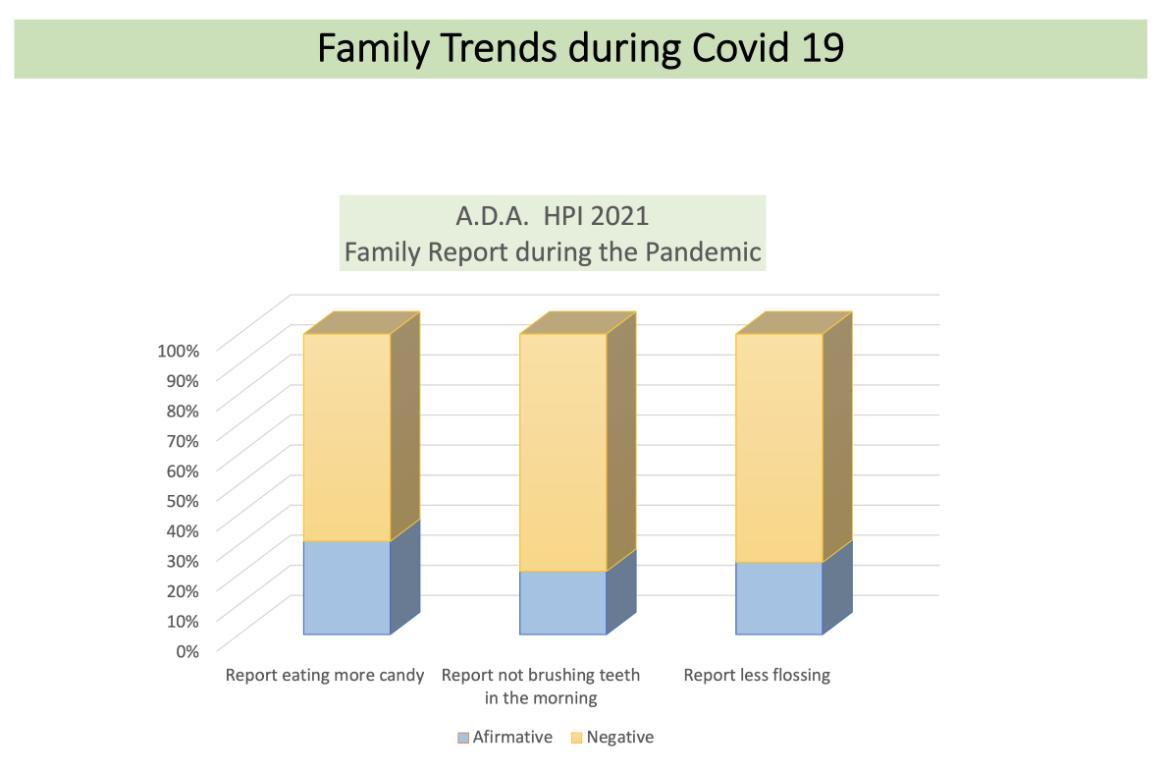
ParaalgunasfamiliasenlosEEUU.arazóndela pandemia,actualmente,conlapermanenciadelmayor tiempoquepasanlosniñosenelhogar,haprovocadoque lospadreslehayandadomenosimportanciaalaatención desaludbucaldesushijos,porriesgodecontagio.Razón porelloquelaconsultaseveaminorizadaenlaspracticas Odontológicas.Estoaunadoalacargadeansiedady estrésporeltrabajoadistancia,elaprendizajeenlínea, losproblemasdedinero,lasenfermedadesyotrascosas. Lospadreshantenidoqueintentarmantener encontrol estasdificultadesyverseenlanecesidaddeaccederalos alimentosmenossaludables,porfaltadetiempooanimo, paralapreparación.Estosincentivadosporlaformade vidaalaquesehansometidolosniños,manifestandoasí accionesquecoadyuvanaformasdedistracción,un ejemplo,eselpasarmayortiemposentadoeneltelevisor.
UnaencuestarealizadaporlaUNICEFenel2020, destacoqueasprincipalesbarrerasparaelaccesoa alimentossaludablesfuerontenermenosdineropara comprar(69%),yeltemoracontraerelvirus(34%),9y quedurantelacrisisdeCOVID-19,tambiénseha producidounaumentodelconsumodebebidas azucaradas(35%),snacksydulces(32%),ycomida rápidayproductosprecocinados(29%);yuna disminucióndelconsumodefrutasyverduras(33%)y agua(12%).10 Alrededorde1decada4(23%)delosUreportersparticipantesopinaronhabervistomásanuncios deproductospocosaludablesenlosmediosde comunicacióndurantelapandemia.11
EnotraencuestaNacionalsobreSaludInfantildelC.S. MottChildren'sHospital InfantilC.S.Mottdela UniversidaddeMichigan,enlacualparticiparonmasde 2.000padres, preguntóaunamuestranacionaldepadres de3a18añossobreloscambiosenloshábitos
alimenticiosdesufamiliadurantelosúltimosmeses yexplorócómovariabansegúnlapercepcióndelos padressobreelpesodesuhijo.12
LapandemiadeCOVIDhainterrumpidolas dinámicasenlasrutinasfamiliares,incluyendoque ydondecomen.Alcomercomidarápida,lamayoría delospadrespermitenquesuhijoelijaloquecome (88%)ypocosleenlainformaciónnutricional(33 %).Algunospadresalientanasushijosaelegir opcionesmássaludables(67%)ytratandelimitar losalimentospocosaludablescomolaspapasfritas ylosbatidosdeleche(59%).Máspadresdeniños consobrepesoinformanquesuhijosueletomarun refrescoogaseosaconsucomidarápida(54%)en comparaciónconlospadresdeniñosconunpeso adecuado(31%).12
Lospadresinformaronquehaycuestionesque dificultantenercomidasencasa,comoestar ocupadosparacocinar(43%)yestarbastante estresados(22%).Estasbarrerasseinformaroncon mayoracaecimientoentrepadresconhijoscon sobrepeso.LapandemiadeCOVID-19ha mantenidounimpactoconsiderableenmuchos aspectosdelavidadiariadelospadresconsushijos, estoincluyendolospatronesyritmosdelas comidas.
Ladetencióndelasrutinasporlosencierros,la detencióndelasactividadesasícomocierredelas escuelasylosmodelosdetrabajoalterados,han contribuidoacambiosenqué,dóndeycómo? comenlosniños.
23
Fig.2 Datosrecopiladosporel HealthPolicyInstitutedela AmericanDentalAssociation 2021.9
Dichasituaciónaconllevadoaquelaincidenciade sobrepesoylaspatologíasoralesenlosniños,hayaido enaumentodurantelapandemia.Yalmismotiempo conlaslimitantesdelosserviciosdesaludoral.Esto hatenidoenunarealidadenlaquelasaluddelniñose havistomermadaendiferentesámbitos,contandola saludmental,yqueestodacomoresultado,el detrimentomayormenteeneldesarrollobio-psicosocialdelpacienteinfantilydenecesidades espaciales.
c.Lostrabajadoresdeatenciónmédicadeprimera líneadebenestaraldíaconsusvacunaspara promoverunabarreraenelprocesoinfeccioso.
d.Laspruebaspediátricasmejoradasregularmenteen lasescuelasparamapearymanejarlosbrotesdeben sermáscomunes.
e.Actualizarlaprácticadentalylasleyesdepolítica públicaparapermitirpruebasdentalesoralesenel consultorioquetenganunvalordiagnóstico comprobadoconmínimainvasividadconsiderando laspoblacionespediátricasyconnecesidades especiales.11

f.Losmiembrosdelequipodesaludbucodentalque actualmentepuedenproporcionaranestesialocal dentrodesusámbitosdeprácticadebenrecibir capacitaciónrápidaparaayudarconlaadministración devacunasyrefuerzos.


UnagradecimientoespecialalDr.JuanF.Yepespor suscomentariossobreesteproyecto.
Apesardelapercepciónpública,laOdontologíaestá enlaprimeralíneadeestapandemia.Elpersonalde saludoraldebeestarfacultadoparadiagnosticar, prevenir(atravésdeunsimpleentrenamientoen vacunación)yhaberapoyadocampañasdesalud públicaparaeducaralacomunidadhispanaennuestro paísacercadehigieneydieta.
¿Surgeahoralapreguntadequésedebesuperarpara ayudarenestaoladetransiciónmental,emocionaly social?
Recomendacionesaconsiderarperonolimitadasa:
a.Apesardelaescasezdemanodeobratantoenlas áreasdeasistentesdentalescomodeenfermeras,los servicioshospitalariosdebenevitarreducirsepara garantizarelaccesoalaatención.
b.Lospadresycuidadoreshispanosdebenser reeducadossobrelosbeneficiosylasmedidasde seguridadmejoradasqueseestántomandoparacuidar asushijosduranteestapandemia.Losmitosdeben disiparseatravésdelaevidenciapúblicadelas prácticasdecontroldeinfeccionesparamitigarla propagacióndeCoVid-19ysusvariantes.
Fig.3 Datosrecopiladosporel HealthPolicyInstitutedelaAmerican DentalAssociation 2021.9
"Cuantomásseposterguelaatención,paraatenderun problemasalud,másgraveycostososevolverá"
24


25 TEESPERAMOSALCONGRESO NACIONAL JUNIO10-11,2022 www.hdassoc.org
WhatOralHealthProviders
ShouldKnowAboutPTSDand BurnoutintheAgeof COVID-19
Disclaimer:Theviewsexpressedinthisarticleare thoseoftheauthor(s)anddonotnecessarilyreflect theviewsandtheofficialpolicyoftheDepartment ofDefenseortheU.S.Government.
ByAugustoF.Ruiz,PsyD,MS,MA,BCB
Abstract: AstheCOVID-19pandemichas permeatedourrealitiesformorethantwoyears, thereisnodoubtthatthehealthcareforcehas experiencedthemostsignificanttollbeingonthe frontlinesofthisbattlesinceday1.Theyhavebeen theclosestandmostdirectwitnessesofthe devastatinghumanloss,thementalhealthcrisis,and thefinancialdisruptionthatarosefromthispublic healthstruggle.TheaspectsofPostTraumaticStress Disorder(PTSD)andBurnouthavebecomepresent inourlivesashumansandhealthcareworkersonthe frontlines.Onemilliondeathswillbereachedby thisSpringof2022inournation.Oneinfour Americanswillbeinfectedaswell.Thenewreality isthatwemustdealwiththeongoingeffectsthatare heretostayandwillundoubtedlymarkthis generation.
Keywords: COVID-19,healthcareworkforce, dentalworkforce,PTSD,burnout,mentalwellness, thegreatresignation,Hispanicmentalhealth
Disorderandwhatdentalteamsshouldknowabout thissubjectregardingLatinoandMilitaryconnected patients.Itwasatimelytopicatthetime,butnow morethanever,mentalhealthrepresentsoneofthe lastbarrierstosafeguardinadequatehealthcare delivery. Nowitisvitaltoreturntothistopic,which inthepastwedidnotknowwasgoingtodeeply touchpeopleafterthestartoftheCovid-19 Pandemicera.

AMarch2020NewYorkTimesarticlestatedthat thehighestlevelofexposureduringthispandemic wasacrossthedentalworkforce:dentalhygienists, dentalassistants,dentists,andoralsurgeonsalike becauseoftheaerosolizingnatureandproximityof theirwork.1
Forthatreason,manypeoplelikemyfamily postponedregulardentalcleaningsandmuchneededtreatmentstoavoidpossibletransmission untilitwasnolongerachoice.Buttheproblemwas broaderthanwhatitseemedfortoomanyofus.My wifeevenrecallshowshebecamemoreawareof thisreality."Sittinginthereceptionarea,waitingfor someonetotellmethatmydaughter'swisdomteeth surgeryhadgonewellandthatIcouldseeher,I triedtoremaincalmwearingmysurgicalmaskand cleaningmyhandswithmypocket-sizehandsanitizerbottle.Butthevoiceemanatingfromthe frontdeskmanagersoundedstressed.Finally,she hungupthephoneandlookedatme.Herfriend,she toldme,hadcalledheraskingforadviceasshe,also adentist,hadtodecidewhethertofireoneofher employeeswhorefusedtobevaccinatedandfacea potentiallawsuitornotfireherandlosemanyofher patients.Sheworriedabouteventuallyriskingthe lossofherpractice." Itwasthesummerof2020,and littledidweknowthat,inFebruary2022,theUS wouldbeclosinginononemilliondeaths,andthe worldwouldhavetocontinueenforcingand revisitingmanyoftheearlysafetyprotocolstoslow transmissionofthenewvariants.2
Backin2014,whichseemsnowfartherthanit's been,Dr.Tyroneinvitedmetopresentatthe NationalHDAmeetingonPost-TraumaticStress
Mywife'sexperiencemirrorsmyowninamental healthclinicwheremycolleaguesandIwere expectedtoembracetelemedicineandworkfrom home.Thesizeablementaltollonbothourclients andcolleagueswasbecomingapparent.Thus,I couldnotbringmyselftoputthelivesofmyhighriskpatientsatahigherriskthroughatelemedicine modalitythatwasnotrecommendedforhigh-risk suicidepatientsandsometimeshadglitches.My professionalinterestinsuicidepreventionhad allowedmetotreatsomeofthemostvulnerable
26
patientsbutalsocreatedanethicaldilemmainmy useoftelemedicine.Icouldofferservicesvirtually aswasrecommendedbymyorganizationor escalatetheissuetobeallowedtheopportunityto treatmyhigh-riskpatientsinperson.Ofcourse,I wasfearfulthatIwouldgetCOVIDasIwatched severalofmycoworkersbecomeinfected,some directlycaringforCOVID-infectedpatients.Like manyproviders,Idreadedthedaythatitwouldbe myturntobeinfectedandworriedaboutputtingmy family'shealthinjeopardy.However,Ifeltan obligationtocare,especiallyintimesofmostneed. Inaddition,ourclinicwasshort-staffedasmanyof ourcolleaguesfellillandneededtoquarantineor hadtocareforsomeonesickathome.Asaresult, weobservedadisproportionateconcentrationof complicatedhigher-riskpatients.Theworkload involvinghigher–riskpatientswasunevenlycarried bythefewwhohadtoworkinpersonattheclinic.
Wesawmanyinstitutionstryingtoadjusttothe workplacechangescausedbythepandemic.I witnessedfirsthandhowourleadershipatmy hospitalralliedaroundtheworkers,offered emotionalandphysicalsupport,andenhancedPPE fortheworkersstaffingtheclinic.Thesenseof purposeandfeelingofmissionremindedmeofthe daysIspentontheAircraftCarrierwhenIprovided psychologicalservicesformorethan6,500service members.Wewereoverworked,butmanyfeltthat theworkwasessentialandlife-saving.
Whyisburnoutalsoathreat?Burnoutisa significantthreattoprovidersandthehealthcare system.Duringwhathasbeencalledthe"Great Resignation,"manyprovidershavedecidedtoretire early,cuthours,orleaveforotherjobs.3 Whyare dentalteammembersandevendentistsquittingthe profession?Forsome,thehoursanddemandshave becometoomuch.TheneedforincreasedPPE,the merry-go-roundofadministrativestaffandother professionals,andthehigherratesofno-showsand canceledappointmentscannegativelyaffectthe financialviabilityofamedicalpractice.4 Furthermore,theanxietyaboutbeinginfected,the discomfortofwearingamask,andtherealization thatonemightbe"feelingrusty"andoutofpractice sincethenumberofproceduresduringthepandemic werelowercanalsocontributetoburnout.This burnoutisnotonlyarisktotheprovidersbutcan alsobearisktothepatientsreceivinggoodcare. Medicalerrorshaveincreasedduringthepandemic, andsometimesequipmentandsuppliesarepast theirexpiration.5
Somedays,Iamremindedofmyboxingworkouts inthegym.ItseemslikeCOVID19willneverend. Itgetsbetterthanitgetsworse,andthenitcomes backagain.Roundbyround,variantbyvariant,I seemycoworkersandpatientstakinghits,andwe fighttostayup.Iamconstantlywaitingforthebell tosignalthatthispandemicisover,butinstead,I findmyselfsweatyandmentallyandphysically exhausted.Oneofmypersonalgoalsforthis pandemicistorealizeVictorFrankl'svisionof turningmysufferingintoasacrifice.Ialsoimagine hearingthevoiceofMarkAnthonysinging"cual seratulegado."(whatwouldbeyourlegacy).This mindsetchangeinfocushasallowedmetobearthe challengesofthepastpandemicandnavigatefuture ones.
Belowaresomepracticalrecommendationsto betterunderstandandtreatCOVID-relatedPTSD andburnoutinmedicalpractices.
SignsandCausesforDetectingandTreating PTSDinPatients andProviders: Oneoftherisks forthoseworkingindirectpatientcareduringthe pandemicistheriskofbeinginfected.Thisriskis evenmoreremarkablewhenproviderscannot provideservicesthroughtelemedicine.For example,medicalprofessionalsinthedentalfield needtoseetheirpatientsinperson.Canoneimagine givingthepatientthedentaltoolsandwalkingthem throughaprocedurethroughSkype?Theresults wouldnotbepretty.
ThesymptomstolookforinPTSDareinfour clusters:
1.Re-experiencing,flashbacksandnightmares
2.Avoidanceofcertainsituationsoremotions
3.Hypervigilanceininteractionswithothers.
4.Changesinmoodandcognitionthatoftenrevolve aroundguiltorshame.6
Providershavingthesesymptomsmayhave experiencedsevereCOVIDsymptomsandthought theywereclosetodeath.Otherprovidersmightfeel guiltandshameafterwatchinganimmediatefamily memberorfrienddieandthefeelingsofbeing helplesstodoanything,knownasvicarioustrauma. Ifaproviderisexperiencinganyofthesesymptoms, itisvitaltogetcheckedoutandgetappropriate medicalattention.7
27
Signsofburnouttowatchforinselfandothers andwhatonecandotomitigateitseffects
Sotherearemanysignsthatoneisgettingcloseto burnout.Burnoutoccurswhenonefeelstheyno longerhavetheresourcestofacetheproblemsin frontofthem.8 Itisafeelingofhopelessnessand exhaustion.Oneusuallygetsclosetoburnout whenonehascompassionfatigue.Moraldistress canleadtoburnoutbecauseonefeelsthatone cannotcontributethewayoneusedto.Anexample ofthiswouldbenoticingthatone'saveragepatient needsmorecomplicatedproceduresbecausethey skippedtheirpreventivecheckupsduringthe pandemic.Onedifficultpatientinanafternoonis notgoingtoleadtoburnout,butaslewofthem may.Findingthatoneisnotsleepingwell,losing theirappetite,havingdifficultyconnectingwith patients,andgenerally feelingapatheticisasign ofburnout.Hearing storiesfrompatientsof thelossestheyhave sufferedduringthe pandemicandseeing themsufferthrough complicatedprocedures canleadtovicarious traumatization(thesufferingcausedbyhearingof otherpatients'sufferingandpain).Thereare screenersthatpsychologistsusetodetermineif oneisclosetoburnoutandafrequentlyused instrumentistheMaslachBurnoutInventory.9
Onceonebelievestheyaregettingcloseto burnout,oneshouldactivateaplantoprevent burnout.Thebasicsincludeeatingagooddiet, gettingenoughsleep,andexercisingregularly.10 However,Ifindcreatinganexcellentsocial supportteamundeniablythe#1prevention technique.ReconnectingwithfriendsasIdidwith Dr.Tyroneismorevaluablenowthanever. Anothersignificantconcerniswatchingoutforan increaseinsubstanceuse.Withmoredowntimefor someandCOVIDmandatesforquarantineand isolation,someprovidershaveincreasedtheir alcoholconsumptionandevenbeganthehabitof daydrinking.11 Ifonehasnoticedanincreasein theirintakethataffectstheirrelationshipsand work,thenlookingforhelpisrecommended.AA meetingsand28-dayinpatientprogramscan supportgettingsoberagain.12 Ifonestartsnoticing thattheyhavepanicattacks,depressivesymptoms, ornightmares,itiscrucialtoreachouttoamental
healthprofessional.Toooften,providersbelieve thattheycanhandleemotionalproblemsontheir ownandwaittoolateuntiltheyhaveputtheir career,marriage,orlifeinjeopardy.Helpisonthe way,butonehastoreachout.Inparticular,therisk forsuicidehasgoneupduringthepandemic,and itisessentialtoknowthatonecanalwaysreach outforhelpbycalling1800273-TALK.Itisnever toolatetogethelp.13
Whatcomesafterthepandemic?
Sowhatcanwedonow?Asaprovider,Ithinkthe bestadviceistopushonwhenyoucanandhave thehumilitytoknowwhentoaskforhelp.This crisiswilleventuallybeover,andlikeaboxer,one feelsforcedtogoanotherround.Asmyboxing coachtellsme,"itis importanttotakedeep breaths,paceyourselfand focusonyourtargets." Usingdeepbreathing relaxationtechniques,the occasionalsighor purposefulyawningcan assistsomeonewhenthey aretired,stressed,or anxious.
Fororganizations,itisalsoimportanttoconsider thebestwaystoincreaseasharedsenseofpurpose andpromotesocialsupportwhilefostering psychologicalsafetyinteams.Lookingatcreative waystomeetthemissionisnowimperative.For example,someclinicshaveembracedtelework formatstominimizethenumberofprovidersin clinics.Somehavemovedalladministrativework remotely,andsomeprovidershaveswitchedfrom providingdirectpatientcaretoofferinglecturesor training.
Ahealthyperspectiveinregardstothediscussion of“Burnout”comesfromtheHarvardBusiness Review.14 Thesixareasdescribedinthearticle provideareferencepointandactionstoremedythe situation.
First,theareaofWorkloadistouchedupon.The balanceneededtomeetgoalsandtasksshouldbe temperedwithprioritization,saying“no”, delegation,andavoidingthetrapofperfectionism. Second,self-reflectionastowhatisthecauseof one’sfeelings.Isthereaspiraloflossofcontrol?
28
“Toooften,providersbelieve thattheycanhandleemotional problemsontheirownandwait toolateuntiltheyhaveputtheir career,marriage,orlifein jeopardy.”
Ismyjobbecoming24/7whereIambeing contactedcontinuously?Doesmyworkhave continuouschangesandgoalsarenotfixed?Let managementandownershipknowhowthework environmentisaffectingyou.
Third,lookatyourrewardsystem.Doyoufeelthe timeputinisnotequivalenttotherewards (monetary,emotional,personal)thatyouare receiving?Learnwhatitisyouneedtohaveasense ofbeingvalued,thengoaskforit.
Fourth,takeagoodlookatyourcommunity.Coworkers,significantothers,friends,andfamilyall impactourmoodandthinking.Ifyouareunableto changeorgetawayfromthegroup,doyourpartin spreadingpositivityandgratitudeforthemandthe tasksonhand.
Fifth,examinetheaspectoffairness.Howis appreciationbeinghandledaroundyou?Ifthereis inequalityornoequitymakethoseinpower-aware oftheiractionsandhowtheyaffectyou.Many peoplehavebiasesandactuponthemunknowingly somakingthemawareoftheirdecisionscanbea waytoremedytheharmfulculturearoundthem. Bepersistentatthistogetthechangesyouwant. Finally,wearealldrivenbyvalues.Ifyourwork environmentdoesnotshareyourvaluesthiscanbe aconstantexternalbutmoreimportantlyinternal weighttobear.Forexample,ifyouvalue environmentalcausesbutyouremployerisvery wasteful,thisconstantconflictwillgrow dissatisfactionandpossibleresentment.Do purposesandvaluesalign?Ifnot,itmaybetimeto findanewcareerorlifepath.
hasanoptiononhowonereactstothiscomplex challenge.Acolleagueofminesharedherlackof concernorfearrelatedtoCOVID.Shestatedthat shesometimesfeltnon-empathetictowardsfriends, family,andpatientsthatwereanxiousabout COVID.Shesharedhowshelivedindangerduring hercombattourinIraqwiththeriskofdyingfrom arocketormortarattack.Towardtheendofher tour,shewasnolongeranxiouswhenhearingthe rocketslaunchedfromthebase.Shecould discriminatebetweentheonesthatwouldleadto deathandtragedy.Thenewperspectiveswehave gainedfromthispandemicwillleadustohavea deeperappreciationofourwork,ourfamilies,and ourfriends.16
Asthedustsettlesandanewdaydawns,the realizationthatitwilltakethebrotherhoodand sisterhoodofthemedicalhealthcareandoralhealth workforcetoovercomethisbattle.Together, startingwithself-awareness,purpose,andaction, wewillshowtheresilienceofovercomingand healingourpersonalandcollectivewoundstokeep fightinginternalandexternalrivals.
Ps.AspecialthankyoutoDenisseGonzález Estrada,DDS,MS,MEd,FCMO
AssociateProfessor,SecondYearUndergraduate Director,PediatricDentistryNationalAutonomous UniversityofMexico,FES.Zaragozaforherhelp withtheSpanishtranslation.
AbouttheAuthor:
Timesliketheseprovideuswithanopportunityto takeinventoryofone'slifeandfocusonwhatis important.Itisessentialtohavegrace,gratitude, andfindjoy.Thepandemicisanopportunity,tobe honestwithone'spersonalgoalsandvalues.The pandemicwasdifficultonmostpeople,butithas alsogivensomepeopleachancetoconnectwith friendstheymightnothaveseeninawhile,andit hasforcedsomefamiliestospendmoretime together.15 Iamalwayssurprisedbytheromantic relationshipsthathaveformedduringthesedifficult periods,butasweliketosayintheresilience workshops,"Whathappenedtooneisnotas importantashowonereactedtotheevent."
OnemaynothaveachoiceofcontractingCOVID orhavingtomuddlethroughapandemic,butone
Dr.Ruizisarenownedexpertintraumaandits sequelaeonthehumanpsyche.Asanexpertinhis field,Dr.Ruizhasfirsthandexperienceworking withdeployedmilitarypersonnelandveterans throughthelast20yearsandhasprovided psychologicalhealthservices.Inaddition,hehas beeninvolvedinthetrainingofmorethanone hundredclinicalpsychologistsovertheyears.Dr. RuizspecializesinthetreatmentofPTSDand SuicidePrevention.HeisalsoBCIACertifiedin PeripheralBiofeedbackandusesthistreatmentto healmultiplementalhealthdisorders.Oneofhis particularinterestsliesintrainingandmentoring youngminorityofficers.EspeciallyHispanic doctorstoprovidethebestcareinalanguagethatis themostcomfortablefortheirpatients.Throughhis work,hestrivestogenerategreaterawarenessand especiallybringmorelighttoimprovingmental healthnowastheworldexperiencestheeffectsof thispandemic.
29
References
1. Gamio,L.TheWorkersWhoFacetheGreatest CoronavirusRisk.NewYorkTimes.March15, 2020.AccessedFebruary10,2022.https:// www.nytimes.com/interactive/2020/03/15/ business/economy/coronavirus-worker-risk.html
2. Thrasher,S.ThereisNothingNormalAboutOne MillionPeopleDeadfromCOVID.February10, 2022.AccessedFebruary10,2022. https://www.scientificamerican.com/article/thereis-nothing-normal-about-one-million-peopledead-from-covid1/
3. What20,000+healthcareworkerssayaboutthe ‘GreatResignation.’AdvisoryBoardDaily Briefing.December20,2021.AccessedFebruary 10,2022. https://www.advisory.com/daily-briefing/ 2021/12/20/burnout
4. Searing,L.Pandemicledtothecancellation, postponementof30percentofhealth-carevisits. TheWashingtonPost.March6,2022.Accessed March6,2022. https:// www.washingtonpost.com/health/2022/03/06/ pandemic-health-canceled-visits/
5. Evans,A.PreventingMedicalErrors:Pandemic LessonsLearned.PatientCare.May6,2021. AccessedFebruary10,2022. https://www.patientcareonline.com/view/ preventing-medical-errors-pandemic-lessonslearned
6. Posttraumaticstressdisorder.In:Diagnosticand StatisticalManualofMentalDisordersDSM-5. 5thed.Arlington,Va.:AmericanPsychiatric Association;2013.AccessedFebruary10,2020. http://www.psychiatryonline.org.
7. Carmassie,C,Foghi,C,Dell’Oste,V,Cordone, A,Bertelloni,C,Bui,E,andDell’Osso,L.PTSD Symptomsinhealthcareworkersfacingthethree coronavirusoutbreaks:Whatcanweexpectafter theCOVID-19pandemic.NIH.July20,2020.
AccessedFebruary10,2022. https:// www.ncbi.nlm.nih.gov/pmc/articles/ PMC7370915/ ?utm_source=forrester_com&utm_medium=web &utm_campaign=apfsi&utm_content=wim_132b arry&categoryid=2826672?utm_source=forrester _com
8. Feelingburnedoutatwork?Findoutwhatyou candowhenyourjobaffectsyourhealth.Mayo Clinic,June5,2021.AccessedFebruary10,2022. https://www.mayoclinic.org/healthy-lifestyle/ adult-health/in-depth/burnout/art-20046642
9. Maslach,C.andLeiter,M.HowtoMeasure
BurnoutAccuratelyandEthically.Healthand BehavioralScience.March19,2021.Accessed February10,2022. https://hbr.org/2021/03/how-to-measure-burnoutaccurately-and-ethically
10. Lefkowitz,C.StaffPerspective:Trauma Therapist,HealThyself:SevenTipsforSelf-Care. CenterforDeploymentPsychology.November17, 2021.AccessedFebruary10,2022.https:// deploymentpsych.org/blog/staff-perspectivetrauma-therapist-heal-thyself-seven-tips-self-care
11. Cook,J.StaffPerspective:AlcoholUseandthe COVID-19PandemicConsumption.Centerfor DeploymentPsychology.November4,2020. AccessedFebruary10,2022. https://deploymentpsych.org/blog/staffperspective-alcohol-use-and-covid-19-pandemic
12. Cook,J.StaffPerspective:AlcoholUseandthe COVID-19Pandemic:DangersofExcessive AlcoholConsumption.CenterforDeployment Psychology.November4,2020.Accessed February10,2022.https:// deploymentpsych.org/blog/staff-perspectivealcohol-use-and-covid-19-pandemic-dangersexcessive-alcohol-consumption
13. French,L.StaffPerspective:COVID-19, Connectedness,andSuicidePrevention.Centerfor DeploymentPsychology.September16,2020. AccessedFebruary10,2022. https:// deploymentpsych.org/blog/staff-perspectivecovid-19-connectedness-and-suicide-prevention
14. Saunders,E.“6CausesofBurnout,andHowto AvoidThem(Changingjobsisn’talwaysthe answer).”HarvardBusinessReview.March26, 2022.
https://www.instagram.com/p/CbiEtDnMBsm/ ?utm_medium=copy_link
15. Collette,C.StaffPerspective:DiggingDeeper. CenterforDeploymentPsychology.December21, 2021.AccessedFebruary10,2022. https://deploymentpsych.org/blog/staffperspective-digging-deeper
16.Nofziger,D.StaffPerspective:LearningtoLive withDanger.CenterForDeploymentPsychology. June10,2022.AccessedFebruary10,2022. https://deploymentpsych.org/blog/staffperspective-learning-live-danger
30
LOQUELOS PROVEEDORESDESALUD
BUCALDEBENSABER SOBREELTEPTYEL
AGOTAMIENTOENLAERA DECOVID-19.
Descargoderesponsabilidad:Lospuntosdevista expresadosenesteartículosonlosdelautor(es)yno reflejannecesariamentelospuntosdevistaylapolítica oficialdelDepartamentodeDefensaodelGobiernodelos EstadosUnidos.
PorAugustoF.Ruiz,PsyD,MS,MA,BCB
Resumen: DadoquelapandemiadeCOVID-19ha permeadonuestrasrealidadesdurantemásdedos años,nohaydudadequelafuerzadesaludha experimentadoelcostomássignificativoalestaren laprimeralíneadeestabatalladesdeeldía1.Han sidolosmáscercanosytestigosmásdirectosdela devastadorapérdidahumana,lacrisisdesalud mentalylainterrupciónfinancieraquesurgióde estaluchadesaludpública.Losaspectosdel trastornodeestréspostraumático(TEPT)yel agotamientosehanvueltopresentesennuestras vidascomohumanosytrabajadoresdelasaluden primeralínea.Sealcanzaráelmillóndemuertes paraestaprimaverade2022ennuestranación.Uno decadacuatroestadounidensestambiénse infectará.Lanuevarealidadesquedebemoslidiar conlosefectoscontinuosquellegaronpara quedarseyquesindudamarcaránaestageneración.
Palabrasclave: COVID-19,fuerzalaboralde atenciónmédica,fuerzalaboraldental,TEPT, agotamiento,bienestarmental,lagranrenuncia, saludmentalhispana
En2014,queahoraparecemáslejosdeloqueha sido,elDr.Tyronemeinvitóapresentarenla reuniónnacionaldeHDAsobreeltrastornode estréspostraumáticoyloquelosequiposdentales debensabersobreestetemaconrespectoalos pacienteslatinosyrelacionadosconelejército.Era untemaoportunoenesemomento,peroahoramás quenunca,lasaludmentalrepresentaunadelas últimasbarrerasparasalvaguardarunaatención médicainadecuada.Ahoraesdeforma transcendentalelretomarestetema,queenel
pasadonosabíamosqueibaatocardemanera profundalaspersonastrascomenzar,laerade PandemiaCovid-19.UnartículodelNewYork Timesdemarzode2020indicóqueelnivelmás altodeexposiciónduranteestapandemiafueenla fuerzalaboraldental:higienistasdentales, asistentesdentales,dentistasycirujanosoralespor igualdebidoalanaturalezadelosaerosolesyla proximidaddesutrabajo.1
Poresarazón,muchaspersonascomomifamilia pospusieronlimpiezasdentalesregularesy tratamientosmuynecesariosparaevitarunaposible transmisiónhastaqueyanofueunaopción.Peroel problemaeramásampliodeloqueparecíapara muchosdenosotros.Miesposainclusorecuerda cómosehizomásconscientedeestarealidad. "Sentadoeneláreaderecepción,esperandoque alguienmedijeraquelacirugíadelasmuelasdel juiciodemihijahabíaidobienyquepodíaverla, tratédemantenerlacalmausandomimáscara quirúrgicaylimpiándomelasmanosconmi desinfectantedemanosdebolsillo.botella.Perola vozqueemanabadelarecepcionistasonaba estresada.Finalmente,colgóelteléfonoymemiró. Suamiga,medijo,lahabíallamadoparapedirle consejo,yaqueella,tambiéndentista,teníaque decidirsidespediraunodesusempleadosquese negóaservacunadoyenfrentarunaposible demandaonodespedirlayperderamuchosdesus pacientes.Lepreocupabaeventualmente arriesgarseaperdersupráctica".Eraelveranode 2020ypocosabíamosque,enfebrerode2022,EE. UU.seacercaríaaunmillóndemuertes,yelmundo tendríaqueseguiraplicandoyrevisandomuchosde losprimerosprotocolosdeseguridadpararetrasar latransmisióndelasnuevasvariantes. 2
Laexperienciademiesposareflejalamíaenuna clínicadesaludmentaldondeseesperabaquemis colegasyyoadoptáramoslatelemedicinay trabajáramosdesdecasa.Elconsiderablecosto mentaltantoparanuestrosclientescomopara nuestroscolegasseestabavolviendoevidente.Por lotanto,nomeatrevíaponerenmayorriesgola vidademispacientesdealtoriesgoatravésdeuna modalidaddetelemedicinaquenoserecomendaba parapacientesdealtoriesgodesuicidioyquea vecesteníafallas.Miinterésprofesionalenla prevencióndelsuicidiomehabíapermitidotratara algunosdelospacientesmásvulnerables,pero tambiéncreóundilemaéticoenmiusodela
31
telemedicina.Podríaofrecerserviciosvirtualmente segúnlorecomendadopormiorganizacióno escalarelproblemaparatenerlaoportunidadde trataramispacientesdealtoriesgoenpersona.Por supuesto,teníamiedodecontraerCOVID-19 cuandoviquevariosdemiscompañerosdetrabajo seinfectaban,algunosdeloscualescuidaban directamenteapacientesinfectadosconCOVID-19. Comomuchosproveedores,temíaeldíaenqueme tocaríainfectarmeymepreocupabaponeren peligrolasaluddemifamilia.Sinembargo,sentíla obligacióndecuidar,especialmenteenlos momentosdemayornecesidad.Además,nuestra clínicateníapocopersonalyaquemuchosde nuestroscolegasseenfermaronytuvieronque ponerseencuarentenaocuidaraalguienenfermoen casa.Comoresultado,observamosuna concentracióndesproporcionadadepacientes complicadosdemayorriesgo.Lacargadetrabajo queinvolucrabaalospacientesdemayorriesgoera llevadademaneradesigualporlospocosquetenían quetrabajarenpersonaenlaclínica.
Vimosmuchasinstitucionestratandodeadaptarsea loscambiosenellugardetrabajocausadosporla pandemia.Presenciédeprimeramanocómonuestro liderazgoenmihospitalseunióalostrabajadores, ofrecióapoyoemocionalyfísicoymejoróelEPP paralostrabajadoresqueatiendenlaclínica.El sentidodepropósitoyelsentimientodemisiónme recordaronlosdíasquepaséenelportaaviones cuandobrindéserviciospsicológicosamásde6500 miembrosdelservicio.Estábamossobrecargadosde trabajo,peromuchossintieronqueeltrabajoera esencialysalvador.
¿Porquéelagotamientotambiénesunaamenaza? Elagotamientoesunaamenazaimportanteparalos proveedoresyelsistemadesalud.Duranteloquese hallamadola"GranRenuncia",muchos proveedoreshandecididojubilarseantesdetiempo, recortarhorasoirseaotrostrabajos.3 ¿Porquélos miembrosdelequipodentaleinclusolosdentistas estándejandolaprofesión?Paraalgunos,lashoras ylasdemandassehanvueltodemasiado.La necesidaddemásEPP,eltiovivodelpersonal administrativoyotrosprofesionales,ylastasasmás altasdeausenciasycitascanceladaspuedenafectar negativamentelaviabilidadfinancieradeuna prácticamédica.4 Además,laansiedadporestar infectado,laincomodidaddeusarunamáscaray darsecuentadequeunopodríasentirse"oxidado"y fueradeprácticayaquelacantidadde procedimientosdurantelapandemiafuemenor
tambiénpuedencontribuiralagotamiento.Este agotamientonosoloesunriesgoparalos proveedores,sinoquetambiénpuedeserunriesgo paralospacientesquerecibenunabuenaatención. Loserroresmédicoshanaumentadodurantela pandemiay,enocasiones,losequiposylos suministrosyahancaducado.5
Algunosdías,recuerdomisentrenamientosde boxeoenelgimnasio.ParecequeelCOVID-19 nuncaterminará.Seponemejordeloquesepone peor,yluegovuelvedenuevo.Rondaporronda, varianteporvariante,veoamiscompañerosde trabajoypacientesrecibirgolpes,yluchamospor mantenernosdespiertos.Estoyconstantemente esperandoquelacampanaindiquequeesta pandemiahaterminado,peroencambio,me encuentrosudorosoyagotadomentalyfísicamente. Unodemisobjetivospersonalesparaestapandemia eshacerrealidadlavisióndeVictorFranklde convertirmisufrimientoenunsacrificio.También meimaginoescuchandolavozdeMarkAnthony cantando"cualserátulegado".(cuálseríatu legado).Estecambiodementalidadenelenfoque mehapermitidoenfrentarlosdesafíosdela pandemiapasadaynavegarporlosfuturos.
Acontinuaciónsepresentanalgunas recomendacionesprácticasparacomprenderytratar mejorelTEPT,elagotamientorelacionadoscon COVID-19enlasprácticasmédicas.
SignosycausasparadetectarytratarelTEPTen pacientesyproveedores:unodelosriesgospara quienestrabajanenlaatencióndirectadepacientes durantelapandemiaeselriesgodeinfectarse.Este riesgoesaúnmásnotablecuandolosproveedores nopuedenbrindarserviciosatravésdela telemedicina.Porejemplo,losprofesionales médicosenelcampodentalnecesitanverasus pacientesenpersona.¿Seimaginadarlealpaciente lasherramientasdentalesyguiarloatravésdeun procedimientoatravésdeSkype?Losresultadosno seríanbonitos.
LossíntomasquedebebuscarenelTEPTestánen cuatroagrupaciones:
1.Reexperimentación,flashbacksypesadillas 2.Evitacióndeciertassituacionesoemociones 3.Hipervigilanciaenlasinteraccionesconlos
32
demás.
4.Cambiosenelestadodeánimoycognicionesque amenudogiranentornoalaculpaolavergüenza.6 Losproveedoresquetienenestossíntomaspueden haberexperimentadosíntomasgravesde COVID-19ypensarqueestabancercadelamuerte. Otrosproveedorespuedensentirseculpablesy avergonzadosdespuésdevermoriraunfamiliar inmediatoounamigoysentirseimpotentespara haceralgo,conocidocomoeltraumavicario.Siun proveedorexperimentacualquieradeestos síntomas,esfundamentalquelorevisenyobtengan laatenciónmédicaadecuada.7
Signosdeagotamientoalosquehayqueprestar atenciónenunomismoyenlosdemásyquése puedehacerparamitigarsusefectos.
Entonces,haymuchasseñalesdequeunoseestá acercandoalagotamiento.Elagotamientoocurre cuandounosientequeyanotienelosrecursospara enfrentarlosproblemasquetienepordelante.8
Esunsentimientodedesesperanzayagotamiento. Porlogeneral,unoseacercaalagotamientocuando tienefatigaporcompasión.Laangustiamoralpuede conduciralagotamientoporqueunosientequeno puedecontribuirdela formaenquesolía hacerlo.Unejemplode estoseríadarsecuentade queelpacientepromedio necesitaprocedimientos máscomplicadosporque sesaltósuscontroles preventivosdurantela pandemia.Unpaciente difícilenunatardeno provocaráagotamiento, peromuchosdeellossí.Descubrirqueunono duermebien,pierdeelapetito,tienedificultades paraconectarseconlospacientesy,engeneral,se sienteapáticoesunsignodeagotamiento.Escuchar lashistoriasdelospacientessobrelaspérdidasque hansufridodurantelapandemiayverlossufrira travésdeprocedimientoscomplicadospuede conduciraunatraumatizaciónvicaria(el sufrimientocausadoporescucharelsufrimientoyel dolordeotrospacientes).Haycribadoresque utilizanlospsicólogosparadeterminarsiunoestá cercadelagotamientoyuninstrumentodeuso frecuenteeselInventariodeagotamientode Maslach.9
Unavezqueunocreequeseestáacercandoal agotamiento,debeactivarunplanparaprevenirel
agotamiento.Losconceptosbásicosincluyencomer unabuenadieta,dormirlosuficienteyhacer ejercicioconregularidad.10 Sinembargo,creoque crearunexcelenteequipodeapoyosocialessin dudalatécnicadeprevenciónnúmero1. ReconectarmeconamigoscomolohiceconelDr. Tyroneesmásvaliosoahoraquenunca.Otra preocupaciónimportanteesestaratentoaun aumentoenelusodesustancias.Conmástiempode inactividadparaalgunosylosmandatosde cuarentenayaislamientodeCOVID-19,algunos proveedoreshanaumentadosuconsumodealcohol einclusohancomenzadoatomarelhábitodebeber duranteeldía.11 Siunohanotadounaumentoensu consumoqueafectasusrelacionesytrabajo, entoncesbusqueayudaesrecomendado.Las reunionesdeAAylosprogramasparapacientes hospitalizadosde28díaspuedenayudararecuperar lasobriedad.12 Siunocomienzaanotarquetiene ataquesdepánico,síntomasdepresivosopesadillas, escrucialcomunicarseconunprofesionaldela saludmental.Condemasiadafrecuencia,los proveedorescreenquepuedenmanejarlos problemasemocionalesporsímismosyesperan demasiadohastaqueponenenpeligrosucarrera, matrimonioovida.Laayudaestáencamino,pero hayquellegar.Enparticular, elriesgodesuicidioha aumentadodurantela pandemia,yesfundamental saberquesiempresepuede pedirayudallamandoal 1800273-TALK.Nuncaes demasiadotardepara obtenerayuda.13
¿Quévienedespuésdelapandemia?
Entoncesquepodemoshacerahora?Como proveedor,creoqueelmejorconsejoesseguir adelantecuandopuedaytenerlahumildaddesaber cuándopedirayuda.Estacrisiseventualmente terminaráy,comounboxeador,unosesiente obligadoadarotraronda.Comomedicemi entrenadordeboxeo,"esimportanterespirar profundamente,controlarelritmoyconcentrarseen losobjetivos".Elusodetécnicasderelajaciónde respiraciónprofunda,elsuspiroocasionaloel bostezodecididopuedenayudaraalguiencuando estácansado,estresadooansioso.
Paralasorganizaciones,tambiénesimportante considerarlasmejoresformasdeaumentarun
33
“Condemasiadafrecuencia,los proveedorescreenquepueden manejarlosproblemas emocionalesporsímismosy esperandemasiadohastaque ponenenpeligrosucarrera, matrimonioovida”.
sentidodepropósitocompartidoypromoverel apoyosocialmientrassefomentalaseguridad psicológicaenlosequipos.Ahoraesimperativo buscarformascreativasdecumplirlamisión. Porejemplo,algunasclínicashanadoptado formatosdeteletrabajoparaminimizarla cantidaddeproveedoresenlasclínicas.Algunos hantrasladadotodoeltrabajoadministrativode formaremotayalgunosproveedoreshanpasado debrindaratencióndirectaalpacienteaofrecer conferenciasocapacitaciones.
Paralasorganizaciones,tambiénesimportante considerarlasmejoresformasdeaumentarun sentidodepropósitocompartidoypromoverel apoyosocialmientrassefomentalaseguridad psicológicaenlosequipos.Ahoraesimperativo buscarformascreativasdecumplirlamisión. Porejemplo,algunasclínicashanadoptado formatosdeteletrabajoparaminimizarla cantidaddeproveedoresenlasclínicas.Algunos hantrasladadotodoeltrabajoadministrativode formaremotayalgunosproveedoreshanpasado debrindaratencióndirectaalpacienteaofrecer conferenciasocapacitaciones.
Unaperspectivasaludableconrespectoala discusiónsobre"Burnout"(Agotamiento) provienedeHarvardBusinessReview.14 Lasseis áreasmencionadasenelarticuloproporcionan unpuntodereferenciayaccionespararemediar lasituación.
Enprimerlugar,setocaeláreadevolumende trabajo.Elequilibrionecesarioparacumplir objetivosytareasdebeatemperarseconla priorización,eldecir“no”,ladelegaciónyevitar latrampadelperfeccionismo.
Ensegundolugar,laautorreflexiónsobrecuáles lacausadelospropiossentimientos.¿Hayuna espiraldepérdidadecontrol?¿Mitrabajoseestá volviendo24/7dondemecontactan continuamente?¿Mitrabajotienecambios continuosylasmetasnosonfijas?Dejequela gerenciaylapropiedadsepancómoleestá afectandoelentornodetrabajo.
Tercero,miresusistemaderecompensas.
¿Sientesqueeltiempoinvertidonoes equivalentealasrecompensas(monetarias, emocionales,personales)queestásrecibiendo?
Aprendequéesloquenecesitasparatenerla sensacióndeservalorado,luegoveapedirlo.
Cuarto,mirebienasucomunidad.Los compañerosdetrabajo,laspersonasimportantes, losamigosylafamiliatienenunimpactoen nuestroestadodeánimoypensamiento.Sino
puedecambiaroalejarsedelgrupo,hagasuparte paradifundirpositividadygratitudporellosy lastareasquetieneentremanos.
Quinto,examineelaspectodelajusticia.¿Cómo semanejaelaprecioatualrededor?Sihay desigualdadofaltadeequidad,hazquelosque estánenelpoderseanconscientesdesus accionesydecómoteafectan.Muchaspersonas tienenprejuiciosyactúansobreellossinsaberlo, porloquehacerlesconscientesdesusdecisiones puedeserunaformaderemediarlacultura dañinaquelosrodea.Seapersistenteenestopara obtenerloscambiosquedesea.
Finalmente,todosestamosimpulsadospor valores.Sisuentornodetrabajonocompartesus valores,estopuedeserunpesoexternoconstante pero,loqueesmásimportante,internoquedebe soportar.Porejemplo,sivaloraslascausas ambientalesperotuempleadoresmuy derrochador,esteconflictoconstanteaumentará lainsatisfacciónyelposibleresentimiento.¿Se alineanlospropósitosylosvalores?Sino,puede serhoradeencontrarunanuevacarreraocamino enlavida.
Momentoscomoestosnosbrindanla oportunidaddehaceruninventariodelavidade unoyenfocarnosenloqueesimportante.Es esencialtenergracia,gratitudyencontrar alegría.Lapandemiaesunaoportunidadparaser honestoconlosobjetivosyvalorespersonales. Lapandemiafuedifícilparalamayoríadelas personas,perotambiénlesdioaalgunas personaslaoportunidaddeconectarsecon amigosquequizásnohabíanvistoenmucho tiempo,yobligóaalgunasfamiliasapasarmás tiempojuntas.15 Siempremesorprendela relaciónromántica.relacionesquesehan formadoduranteestosperíodosdifíciles,pero comonosgustadecirenlostalleresde resiliencia,"Loquelepasóaunonoestan importantecomocómoreaccionóanteel evento".
Esposiblequeunonotengalaopciónde contraerCOVID-19otenerquesalirdelpaso duranteunapandemia,perotieneunaopción sobrecómoreaccionaranteestedesafío complejo.Unacolegamíacompartiósufaltade preocupaciónomiedorelacionadocon COVID-19.Dijoqueavecesnosentíaempatía haciaamigos,familiaresypacientesqueestaban ansiososporCOVID-19.Compartiócómovivió enpeligrodurantesugiradecombateenIrakcon elriesgodemorirporunataqueconcoheteso
34
morteros.Haciaelfinaldesurecorrido,yanoestaba ansiosaalescucharloscoheteslanzadosdesdela base.Podíadiscriminarentrelosqueconduciríanala muerteylatragedia.Lasnuevasperspectivasque hemosobtenidodeestapandemianosllevaránatener unavaloraciónmásprofundadenuestrotrabajo, nuestrasfamiliasynuestrosamigos.16
Amedidaqueelpolvoseasientayamaneceunnuevo día,lacomprensióndequesenecesitarála hermandadylahermandaddelafuerzalaboralde atenciónmédicaysaludbucalparasuperaresta batalla.Juntos,apartirdelaautoconciencia,el propósitoylaacción,mostraremoslaresilienciade superaciónysanacióndenuestrasheridaspersonales ycolectivasparaseguirluchandocontralosrivales internosyexternos.
PD.UnagradecimientoespecialaDenisseGonzález Estrada,DDS,MS,MEd,FCMOProfesoraAsociada, DirectordePregradodeSegundoAño, OdontopediatríaUniversidadNacionalAutónomade México,FES.Zaragozaporsuayudaconla traducciónalespañol.

AcercadelAutor:
ElDr.Ruizesunreconocidoexpertoentraumaysus secuelasenlapsiquehumana.Comoexpertoensu campo,elDr.Ruiztieneexperienciadeprimeramano trabajandoconpersonalmilitardesplegadosy veteranosdurantelosúltimos20añosyhabrindado serviciosdesaludpsicológica.Además,haestado involucradoenlaformacióndemásdecien psicólogosclínicosalolargodelosaños.ElDr.Ruiz seespecializaeneltratamientodelTEPTyla prevencióndelsuicidio.Tambiénestácertificadopor BCIAenbioretroalimentaciónperiféricayutiliza estetratamientoparacurarmúltiplestrastornosde saludmental.Unodesusinteresesparticularesradica encapacitaryasesorarajóvenesoficialesde minorías.Especialmentelosmédicoshispanospara brindarlamejoratenciónenunidiomaqueseaelmás cómodoparasuspacientes.Atravésdesutrabajo,se esfuerzaporgenerarunamayorconcienciay, especialmente,traermásluzparamejorarlasalud mentalahoraqueelmundoexperimentalosefectos deestapandemia.
Weinviteyou,authorstosubmityourmanuscriptstoourquarterly publication.Articlesshouldbelessthan5pageswithproperreferences. PrioritywillbegiventoarticlessubmittedbothinEnglishandSpanish.
Pleasesubmityourworkto:
journal@hdassoc.org
Losinvitamosaustedes,autores,aenviarsusmanuscritosanuestra publicacióncuatrimestral.Losartículosdebentenermenosde5páginascon lasreferenciasadecuadamentecitadas.Sedaráprioridadalosartículos enviadostantoeningléscomoenespañol.Porfavorenvíesutrabajoa:
journal@hdassoc.org
35
ANewTreatmentApproach
UtilizingCAD/CAM
RestorationsforEndo-Treated
PermanentAnteriorand PosteriorTeethinPediatric Patients.
Dr.AnaKeohane,DDS,DMD,FICD; Dr.GladysG.CarrascoRoman,DDS,CAGS
Abstract:
Reconstructionofanterioryoungpermanentteeth withseverecoronaldestructionafterrootcanal therapyremainsachallengeindentistry.Post,cores, andtotalcrownspresentseveralcontraindications foruseinpediatricpatientssuchasthinningofthe rootcanalwallsduetooverpreparation,ageofthe toothandthepatient,cooperationforthistreatment, growthofthepatient,andaesthetics.Endocrownis amonolithicrestorationmadeofceramicmaterial andcompositeresinsuchaslithiumdisilicateglassceramic-IPSe.maxCADandcanbedesigned utilizingadigitalworkflowwithanintraoralscanner (IOS)andcomputer-aideddesign/computer-assisted manufacturing(CAD/CAM).Thesedevicesare usefulfortakingimpressionsinchildren,aresafe, accurate,andwell-tolerated.
Throughthispaper,wepresentaclinicalcasereport ofa13-year-oldfemalepatientwhoreceived endocrownsforteeth#8and#9afterendodonticretreatmentandthatweredesigneddigitally.Aoneyearfollow-updemonstratedthatCAD/CAM endocrownsshouldbeconsideredasanalternative approachfortheshort-to-long-termtreatmentfor endodonticallytreatedpermanentteethwithlarge coronaldestructioninchildren.
Keywords: Endocrown,EndodonticTherapy, AnteriorRestorations,CAD/CAM,Intraoral Scanner(IOS),Children,IPSe.maxCAD.
1.Introduction
Dentistsstillfacechallengesregardingthe rehabilitationofendodonticallytreatedteethwith severecoronaldestruction.Compositerestorations
arethemostpopulartechniqueforrestoringyoung permanentanteriorteethafterendodontictherapy. Still,theserestorationsarefragileandneedtobe replacedmultipletimesbeforethepatientcan receiveamoredefinitiverestoration.1
Itissuggestedthatpost,cores,andtotalcrownsare thetreatmentofchoiceforlargelydamagedteeth afterrootcanaltherapy,however,thinningofthe rootcanalwallsduetooverpreparationmight happenwhenplacinginterradicularposts1 . Moreover,inthepediatricpopulation,several factorsmustbeconsideredsuchastheageofthe toothandthepatient,thecooperationforthis treatment,growthofthepatient,andaesthetics.2 For thesereasonsweconsiderthatpostandcoreshave severalcontraindicationsforuseinpediatric patients,consequently,wemustbeabletooffer otheralternativesinthechoiceofrestorations.
Endocrownisacrownmadeofceramicmaterialand compositeresinthatusesthepulpchambertoobtain macromechanicalretention,andmicromechanical retentionisachievedusingadhesivecementation. Thistechniqueconstitutesanalternativeandreliable approachforrestoringanteriorandposterior permanentteethwithsignificantcoronaldestruction post-endodontictreatmentinpediatricpatients.
2–4
Theseendocrownsaremonolithicrestorationsand canbedesigned utilizingdigitalworkflowwithan intraoralscanner(IOS)andcomputer-aideddesign/ computer-assistedmanufacturing(CAD/CAM)with alithiumdisilicateglass-ceramicblock.This materialdemonstrateshighlyestheticqualitiesand long-termresistance.Furthermore,IOSarevery usefuldigitaldevicesfortakingimpressionsin children,theyareeasytouse,accurate,andwelltolerated.3
Thepurposeofthispaperistodescribeaclinical case,inwhich,weintroduceanalternativetreatment forseverelydamagedupperpermanentcentral incisorswithendodonticroot-canaltherapyina pediatricpatientandplacementofIPSe.maxCAD endocrownsutilizingdigitalworkflowwithanIOS andCAD/CAM.
2.CaseReport
A13-year-oldfemalepatientpresentedtotheBoston UniversityHenryM.GoldmanSchoolofDental Medicinepre-doctoraltreatmentcenterduring pediatricrotationwithseveresecondarycarieson
36
teeth#8and#9.Rootcanaltherapyhadbeen performed3yearsprior.Thechiefcomplaintwasthe desiretohaverestorationsthat“willnotfalloffor breakagain.”Hermedicalhistoryrevealedcontrolled asthma,noallergies,andtakesalbuterolasneeded.
Radiographicandclinicalexaminationswere performedinitially(Figure1)andteeth#8and#9were identifiedwithcariesandlargecoronaldestruction,the obturatedrootcanalsarecompromisedduetotheopen accesstotheoralcavity.

Multilink(Figure6),followingthemanufacturer’s instructions.
Diagnosisandtreatmentplanningevaluationwere performedtoestablishidealandfinaltreatment. Endodonticre-treatmentandIPSe.maxCAD endocrownswereplacedonteeth#8and#9.CAD/ CAMlithiumdisilicateceramic(IPSe.maxCAD) blockswerechosenafterdiscussingthetreatmentplan withthemothertosatisfyherdesireforimmediate state-of-the-artrestorations.Thepatientwasreferred totheBostonUniversityHenryM.GoldmanSchoolof DentalMedicineEndodonticDepartmentfor#8and #9rootcanalsretreatmentsanda5mmpostspace. Aftercompletion,theremainingdecaywasremoved andidealmarginpreparationsforbothteethweredone (Figure2),followedbyasinglecordtechnique(0 cord).After5minutesfromplacementofthecord, digitalimpressionsofupperandlowerarchesandbite registrationwereobtainedutilizingtheOmnicam intraoralscanner(Figure3).Endocrownsforteeth#8 and#9weredesigneddigitallyandmilled(Figures4 and5).Finally,theendocrownsweretriedonand cementedwithself-curedadhesiveresincement-

3.Follow-up
Aftercementation,thepatientwasfollowedforone year.Intraoralevaluationandperiapicalradiographs wereobtainedwithnochangesoftheperi-radicular areasofteeth#8and#9noted.Theendocrowns remainedintact,showednodiscoloration,the marginalsealwasintact,andtheanatomicalforms remained.Patientsatisfactionisnoticeable(Figure7).

37
4.Discussions:
Restorationsforseverelybrokenteethafter endodontictreatmenthavebeenanissuein dentistry.Duetotheinsufficientamountoftooth structure,thereisahighriskofdecayand microleakagearoundthemarginsofthese restorations.5 Endocrownsarenottypicallyusedas restorationsinthepediatricpopulation.Several in vitro studiesconfirmedthevalidityofmolar Endocrowns.2,6.Totheauthors’bestknowledgeno invivo studieshavebeenconductedforanterior Endocrowns.
5.Conclusion:
Duringthefollow-up,theCAD/CAMendocrowns weredemonstratedtobeasuccessfulmaterialfor theshort-tolong-termtreatmentofendodontically treatedanteriorpermanentteethwithlargecoronal destructioninchildren.
Endocrownsmaintainaestheticsandtheshapeof thealveolarboneofthegrowingpatient.Thereis stillanimportantchallengefortherehabilitationof endodonticallytreatedteethwithextensivecoronal destructioninpediatricpatientsandmoreclinical caseswithfollow-uparerequiredtoinvestigatethe long-termeffects,despitethistypeoftreatment, beinguncommon,itshouldbemorewidely promotedandpracticed.
ConflictsofInterest:
Theauthorsdeclarethattheyhavenoconflictsof interest.
Abouttheauthors:
Dr.AnaKeohane teachesattheBostonUniversity, HenryM.GoldmanSchoolofDentalMedicinein theDepartmentofGeneralDentistry.Sheisa ClinicalAssistantProfessorandGroupPractice Leader.
Dr.GladysG.CarrascoRoman alsoteachesat theBostonUniversity,HenryM.GoldmanSchool ofDentalMedicineintheDepartmentofGeneral Dentistry.SheisaClinicalAssistantProfessor andworkswithPediatricDentistryrotations.
References:
1.DoguiH,AbdelmalekF,AmorA,DoukiN.Case ReportEndocrown:AnAlternativeApproachfor RestoringEndodonticallyTreatedMolarswithLarge CoronalDestruction.Publishedonline2018. doi:10.1155/2018/1581952
2.Irmaleny,Zuleika,ArdjanggiS,MardiyahAA, WahjuningrumDA.EndocrownRestorationon PostendodonticsTreatmentonLowerFirstMolar. JournalofInternationalSocietyofPreventive& CommunityDentistry.2019;9(3):303.doi:10.4103/ JISPCD.JISPCD_399_18

3.DavidovichE,ShayB,NuniE,MijiritskyE.An InnovativeTreatmentApproachUsingDigital WorkflowandCAD-CAMPart1:TheRestorationof EndodonticallyTreatedMolarsinChildren. doi:10.3390/ijerph17041364
4.SevimliG,CengizS,OruçS.ENDOCROWNS: REVIEW. JournalofIstanbulUniversityFacultyof Dentistry.2015;49(2):57.doi:10.17096/jiufd.71363
5.BadrA,AbozaidAA,WahshMM,MorsyTS. FractureresistanceofanteriorCAD/CAM nanoceramicresinendocrownswithdifferent preparationdesigns. BrazilianDentalScience 2021;24(3).doi:10.14295/BDS.2021.V24I3.2384
6.BelleflammeMM,GeertsSO,LouwetteMM, GrenadeCF,VanheusdenAJ,MainjotAK.Nopost-no coreapproachtorestoreseverelydamagedposterior teeth:Anupto10-yearretrospectivestudyof documentedendocrowncases. JournalofDentistry 2017;63:1-7.doi:10.1016/j.jdent.2017.04.009
38
Dra.AnaKeohane,DDS,DMD,FICD;
Dra.GladysG.CarrascoRoman,DDS,CAGS
Resumen:
Lareconstruccióndedientesanterioresjóvenes condestruccióncoronalseveradespuésde tratamientoendodónticocontinúasiendounreto enodontología.Postes,núcleosycoronastotales presentanmuchascontraindicacionesensuusoen pacientespediátricos,talescomo,adelgazamiento delasparedesdelconductodebidoapreparación excesiva,edaddeldienteydelpaciente, cooperaciónparaestetipodetratamiento, crecimientodelpacienteyestética.Laendocorona esunarestauraciónmonolíticahechaabasede materialcerámicoyresinacompositecomoel vitrocerámicodedisilicatodelitio–IPSe.max CADypuedeserdiseñadautilizandoflujode trabajodigitalconescánerintraoral(IOS) ydiseño asistidoporcomputadora/fabricaciónasistidapor computadora(CAD/CAM). Estasherramientas sonmuyútilesparatomarimpresionesenniños, sonseguras,precisasybientoleradas.
Enestetrabajo,presentamoselreportedeuncaso clínico,unapacientefemeninade13añosdeedad querecibióendocoronasensusdientes#8y#9 despuésdere-tratamientoendodóntico,lascuales fuerondiseñadasdigitalmente.Elseguimientode unañodemostróquelasendocoronasCAD/CAM deberíanserconsideradascomountratamiento alternativoenpacientespediátricoscondientes anterioresquepresentendestruccióncoronal severadespuésdetratamientodeendodonciapara elcorto-a-largoplazo.
Palabrasclave: Endocorona,Endodoncia, Restauracionesanteriores,CAD/CAM,escáner intraoral(IOS),niños,IPSe.maxCAD.
1.Introducción
Losdentistasaúntienendesafíossobrela rehabilitacióndedientestratados endodónticamentecondestruccióncoronal severa.Lasrestauracionesderesina(composite) sonlatécnicamáspopularpararestaurarlos dientesanteriorespermanentesjóvenesdespués delaterapiadeendodoncia.Sinembargo,estas restauracionessonfrágilesynecesitanser reemplazadasvariasvecesantesdequeelpaciente puedarecibirunarestauracióndefinitiva.1
Sesugierequeelposte,losnúcleosylascoronas totalessonunbuentratamientoparalosdientes severamentedañadosdespuésdelaterapiade endodoncia,sinembargo,eladelgazamientode lasparedesdelconductoradiculardebidoala preparaciónexcesivapodríaocurriralcolocar postesinterrraiculares.1 Además,enlapoblación pediátricasedebenconsiderarvariosfactores comolaedaddeldienteydelpaciente,la cooperaciónparaestetratamiento,elcrecimiento delpacienteylaestética.2 Porestasrazones consideramosqueeltratamientodeposte,núcleo ycoronatienevariascontraindicacionesensuuso parapacientespediátricos,enconsecuencia, debemossercapacesdeofrecerotrasalternativas enlaelecciónderestauraciones.
Unaendocorona,esunacoronahechadematerial cerámicooresinacompuestaqueutilizalacámara pulparparaobtenerretenciónmacromecánicay, retenciónmicromecánicaesobtenidautilizando cementaciónadhesiva.Estatécnicaconstituyeun enfoquealternativoyconfiablepararestaurarlos dientespermanentesanterioresyposteriorescon grandestruccióncoronaldespuésdeltratamiento deendodonciaenpacientespediátricos.
2-4
Estasendocoronassonrestauracionesmonolíticas ysepuedendiseñar utilizandoelflujodetrabajo digitalconunescánerintraoral(IOS)ydiseño asistidoporcomputadora/fabricaciónasistidapor computadora(CAD/CAM)conunbloque vitrocerámicodedisilicatodelitio.Estematerial presentacualidadesaltamenteestéticasy resistenciaalargoplazo.Además,losIOSson dispositivosdigitalesmuyútilesparatomar impresionesenniños,sonfácilesdeusar,precisos ybientolerados.3
Elpropósitodeestetrabajoesdescribiruncaso clínico,enelcual,introducimosuntratamiento alternativoparaincisivoscentralespermanentes superioresseveramentedañadosconterapia
Unnuevoenfoquede tratamientoqueutiliza restauracionesCAD/CAM paradientesanterioresy posteriorespermanentes tratadosconendodonciaen pacientespediátricos.
39
endodónticoenunpacientepediátricoycolocación deendocoronasIPSe.maxCADutilizandoflujode trabajodigitalconunIOSyCAD/CAM.
2.Informedecaso
Unapacientefemeninade13añossepresentóenel centrodetratamientopredoctoraldelaBoston UniversityHenryM.GoldmanSchoolofDental Medicinedurantelarotaciónpediátricaconcaries secundariasprofundasenlosdientes#8y#9, despuésdelaterapiaendodónticarealizadahace3 añosyrefirióquesuprioridadeseldeseodetener restauracionesque“nosecaiganniserompan nuevamente”.Suhistorialmédicorevelóquela pacientetieneasmacontrolada,notienealergiasy tomaalbuterolsegúnseanecesario.
Inicialmenteserealizaronexámenesradiográficosy clínicos(Figura1)yseidentificaronlosdientes#8 y#9concariesygrandestruccióncoronal,los conductosradicularesobturadosestán comprometidosdebidoalaccesoabiertoala cavidadoral.
GoldmanSchoolofDentalMedicineparael retratamientoendodónticoenlosdientes#8y#9y unespaciodepostede5mm.Despuésdela finalización,seeliminólacariesrestanteyserealizó lapreparaciónidealdelmargenparaambosdientes (Figura2),seguidadeunatécnicadecordónúnico (cordón0).Despuésde5minutosdesdela colocacióndelcordón,seobtuvieronimpresiones digitalesdearcossuperioreseinferioresyregistro demordidautilizandoelescánerintraoralOmnicam (Figura3).Lasendocoronasparalosdientes#8y#9 fuerondiseñadasdigitalmentey fresadas
(Figuras4y5).Finalmente,lasendocoronasse probaronycementaronconcementoderesina adhesivaautocurada-Multilink(Figura6), siguiendolasinstruccionesdefábrica.
Eldiagnósticoylaplanificacióndeltratamiento concluyeroneltratamientoidealyfinal Retratamientoendodónticoycolocaciónde endocoronasIPSe.maxCADenlosdientes#8y#9 fueronrealizados.Bloquesdecerámicadedisilicato delitioCAD/CAM(IPDe.maxCAD)fueron seleccionadosdespuésdecomprometernosconla madredelapacienteparasatisfacersudeseode realizarrestauracionesdeúltimageneración.La pacientefueremitidoalDepartamentode EndodonciadelaBostonUniversityHenryM.
3.Seguimiento
Despuésdelacementación,lapacientetuvoun seguimientodeunaño.Seobtuvoevaluación intraoralyradiografíasperiapicalesynose observaroncambioseneláreaperirradiculardelos dientes#8y#9.Lasendocoronaspermanecieron intactas,nomostrarondecoloración,elsello marginalestabaintactoy,lasformasanatómicas permanecieron.Lasatisfaccióndelpacientees notable(Figura7).

40
4.Discusiones
Lasrestauracionesparadientesseveramente dañadosdespuésdeltratamientodeendodoncia hansidounproblemaenodontología.Debidoa lainsuficientecantidaddeestructuradental, existeunaltoriesgodecariesymicrofiltración alrededordelosmárgenesdeestas restuaraciones.4 Lasendocoronasnoseutilizan típicamentecomorestauracionesenlapoblación pediátrica.Variosestudios invitro confirmaronla validezdelasendocoronasenmolares.2,5 Según elconocimientodelosautores,nosehan realizadoestudios invivo paralasendocoronas endientesanteriores.

5.Conclusión:
Duranteelseguimiento,sedemostróquelas endocoronasCAD/CAMsonunmaterialexitoso paraeltratamientoacortoylargoplazodelos dientespermanentesanteriorescontratamiento endodónticoycongrandestruccióncoronalen niños.
Lasendocoronasmantienenlaestéticaylaforma delhuesoalveolardelpacienteaúnen desarrollo.Todavíaexisteunretoimportante paralarehabilitacióndedientestratados endodónticamentecondestruccióncoronal extensaenpacientespediátricosyserequieren máscasosclínicosconseguimientopara investigarlosefectosalargoplazo,apesarde, estetipodetratamiento,aunqueaúnpococomún, debesermásampliamentepromovidoy practicado.
Conflictosdeintereses:
Losautoresdeclaranquenotienenconflictosde intereses.
Sobrelasautoras:
La Dra.AnaKeohane enseñaenlaFacultadde OdontologíaHenryM.Goldmandela UniversidaddeBostonenelDepartamentode OdontologíaGeneral.Esprofesoraasistente clínicaylíderdeprácticadegrupo.
La Dra.GladysG.CarrascoRomán también enseñaenlaFacultaddeOdontologíaHenryM. GoldmandelaUniversidaddeBostonenel DepartamentodeOdontologíaGeneral.Es ProfesoraAsistenteClínicaytrabajacon rotacionesdeOdontopediatría.
41
RECEIVEYOURCONTINUING EDUCATIONCREDITAND SUPPORTAGREATCAUSEFOR $10 (FREEFORHDAMEMBERS).
Article:ANewTreatmentApproachUtilizingCAD/ CAMRestorationsforEndo-TreatedPermanent AnteriorandPosteriorTeethinPediatricPatients.
ONEHOUROFCECREDIT/ADA-CERP TORECEIVECREDITFORTHEFOLLOWING
QUIZ:
1.Whichofthefollowingisacontraindicationforpostand coreuseinpediatricpatients?
a.Overpreparation
b.Treatmentcooperation
c.Patientgrowth
d.Aesthetics
e.Alloftheabove
2.Anendocrowncanbedescribedasamonolithic(onepiece)crownmadeofmetalandcompositeresin.
a.True
b.False
3.Whichofthefollowingisaconservativeprosthetic optionformechanicalandaestheticrestorationofextensive damagedpermanentincisorswithroot-canaltherapyin pediatricpatients?
a.Gold
b.Stainlesssteelcrown
c.Endocrowns
d.Amalgam
4.Endocrownsintegratethepost,core,andcrowntoforma completeblockprosthesis.
a.True
b.False
5.Macromechanicalretentionofendo-crownsisobtained byusingadhesivecementation.
a.True
b.False
6.Whichofthefollowingisanindicationforendocrowns?
a.Endodonticrestorationsofseverelydamagedanterior permanentteeth.
b.Posteriorpermanentteethwithsignificantcoronal destructionpost-endodontictreatment.
c.Alloftheabove.
7.Endocrownscanbedesignedutilizingadigitalworkflow withanintraoralscanner(IOS)andcomputer-aideddesign/ computer-assistedmanufacturing(CAD/CAM).
a.True
b.False
8.Whichofthefollowingisanadvantageofendocrowns?
a.Goodaesthetics
b.Bettermechanicalperformance.
c.Lessclinicaltime
d.Alltheabove
9.Endocrownshavebeenusedasanalternativeto conventionalpost-coreandfixedpartialdenturesinthe restorationofendo-treatedteethwithextensive coronaldestruction.
a.True
b.False
10.Endocrownusesthepulpchambertoobtain micromechanicalretention.
a.True
b.False
ToreceiveCEcreditforthiscourse:
Answersheetcanbemailedwithcreditcard informationoracheck(ifnomember)to: Hispanic DentalAssociation2TalonCourtSewell,NJ08080. orscannedandemailedto:membership@hdassoc.org
NameonCard: Credit/DebitCardNumber:

Pleasecircleyouranswer. 1.ABCDE 2.TF 3.ABCD 4.TF 5.TF 6.ABC 7.TF 8.ABCD 9.TF 10.TF CREDITCARDINFORMATION
Exp.Date:CCV: 42
FAMILIARIZINGDENTAL HYGIENISTSTOMIGRAINES ANDBOTULINUMTOXINS
KimCapehart,DDS,MBA,Ph.D.
EduardoBritton,DDS
RonaldHarris,DDS
AshleyChristmanBS,RDH
NancyB.Young,DMD,MEd
GregoryGriffin,DMD
Abstract: Theprevalenceofmigrainesworldwideis 15-19%affectingnearlyonebillionindividuals. Headachessuchasmigrainescanbeadebilitating conditionlastingafewhourstodayswithsymptoms suchaspoundingpressure,accompaniedbynausea, emesis,photosensitivity,osmophobia,and phonophobia.BotulinumtoxintypeA(BoNT-A)has beenapprovedforuseofchronicmigrainesbringing manyrelief.Traditionally,BoNT-Aadministration hasbeencompletedbymedicalproviderssuchas dermatologists,neurologists,andplasticsurgeons. Today,agrowingnumberofdentistsareproviding botulinumtoxinstotheirpatients.Thedentalteamis inauniquepositiontohelpandmanagepatientswith migraines.Withacollaborativeapproachand appropriatetraining,thedentalteamcanplayarolein managingthispatientpopulation.Withthenumberof patientspresentingtodentalofficeswithmigraines,it isimportantforthedentalhygienisttobeawareand befamiliarwithBoNT-Aasatreatment.
Keywords: Dentalhygienists;Botox;Botulinumtoxin typeA;Migraineheadaches;Hispanic;dentistry;
Abbreviations: BoNT-A:Botox;NSAIDs:NonSteroidalAnti-InflammatoryDrugs;IHS: InternationalHeadacheSociety;Temporomandibular Disorders:TMD;RDH:RegisteredDentalHygienist
Introduction
Itiswell-documentedtheimpactmigraineshaveon patientsintheirdailylives.TheWorldHeadache Alliance,theInternationalHeadacheSociety,the EuropeanHeadacheFederation,andtheWorld HealthOrganizationcollaboratedin2004creatingan initiativecalled LiftingTheBurden.1 Theobjectives weresetforassessingthemagnitudeandscopeof
migraineandusingthisknowledgetoraise awareness.Therehasbeenprogressinmanaging migrainesbuteffectivetherapydependson awareness,recognition,andmanagementofthe disease.Dentistryisbecomingawareoftheneedto helpmanagepatientsthatpresentwithmigraines.Just astemporomandibulardisorder(TMD),thedental hygienisttreatssufferingpatients’experiencing migrainesastheytreatthemintheirchairsregularly.
Althoughthediagnosisandtreatmentofmigraines haveimprovedoverthelastdecade,thediseaseis oftenunrecognized,leftundiagnosed,anduntreated. Becausehygienistsareinauniqueroleoftreating patientseverysixmonths,beingawareofmigraines andtreatmentoptionsareimportantforthequalityof lifeoftheirpatients.Aswithmostethnicgroups, Mestizopatientsreceivingbotulinumtoxinstotreata myriadofconditionsisincreasing.2 Sinceunmet dentalneedsdecreasedfrom34%to28%from2004 to2016amongtheHispanicpopulation3,thenumber ofmestizopatientsgoingtothedentistisimproving. Thus,thehygienistisinapositiontobeeducatedand recognizethepossibleneedforareferraltoa neurologistorheadachespecialist.
Therearemanytreatmentmodalitiesbutdentistryhas recentlyusedBotulinumtoxintypeA(BoNT-A)to treattheirpatients.Botulinumtoxin hasbeenusedin medicinefordecadestreatingamyriadof neurologicalandmuscularconditions.Hygienists playanintegralroleasdentistsarestartingtotreat patientswithBoNT-A,soitisimperativethat hygienistshaveanincreasedawareness,understand howtomanagethepatient,andeducatethemselves aboutBoNT-Aandmigraines.
UnderstandingMigrainesandBoNT-ABasics
Migraineisnotafataldiseasebutitisaleadingcause ofdisabilityworldwide.Theprevalenceofmigraine extendsworldwideaffecting15-19%ofthe populationandmayresultindisabilitywitha decreasedqualityoflife.4 Migraine,aneurovascular disorder,isadebilitatingdisorderaffecting1in7 peopleintheUnitedStates.5,9 IntheU.S.the prevalenceofthedisordermaybeashighas17.5% withapproximately36millioncurrentlyaffected.6
AlargeEuropeanstudyrevealed17.7%ofmalesand 28.0%offemalesloseover10daysofactivities duringathree-monthperiod7.IntheUnitedStates, datashowsthatpeoplewithmigrainemiss significantlymoretimeatwork/schoolthanthose withoutmigraineswithareductioninworkorschool
43
productivitybymorethan50%.4 Thecostof migrainestoemployersintheUnitedStatesis estimatedtobe$9.2billionperyearcomparedto thosewithoutmigraines.9,11 Healthcarecostsfor individualssufferingfrommigrainewere$8,924 higherthandemographicallysimilarindividuals withoutmigrainetreatments.10
Migrainetypicallypresentsasasevere,one-sided, poundingheadache,lastingbetweenfourhoursto fivedays.12 Additionalsymptomsmayincludeaurae suchasnauseaandemesisaccompaniedbylightand auditorysensitivities.13 Preventativetherapycan includeadrenergicreceptorantagonists,suchas propranololandtimolol;calcium-channelantagonists suchasverapamil;tricyclicantidepressantssuchas amitriptyline;andanticonvulsantssuchasdivalproex sodium,gabapentin,andtopiramate.14,15,16,17
Atreatmentoptionthathasgarneredattentionin migrainetreatmentis botulinumtoxintypeA (BoNT-A).18 Botulinum toxin,aneurotoxin,has becomeacredibleand effectivetreatmentoption formigrainesthoughthe mechanismforhowit preventsdiscomfortisnot fullyunderstood.BoNTAisanaturalprotein producedbythe anaerobicbacterium, Clostridiumbotulinum. 19 Botulinumrelaxesstriatedmusclesbyinhibiting acetylcholine’sreleasefrompresynapticnerve terminals,blockingtheneuromuscularjunction20 . Botulinumtoxinexertsitseffectsthroughuptakeby cholinergicneuronsresultingintemporary chemodenervationandadecreaseinneuromuscular transmission.Thistreatmentoptionalsorelievesthe painwhenthereisexcessivemusclecontraction.21
DentalHygienistsRole
Aheadacheneurologistororal-facialpainspecialist willdiagnosethepatient.Athoroughevaluationand appropriatediagnosisarevitalbythespecialistsprior tothedentalteammanagingthepatient.The hygienist’srolewillbetobecomeeducated,trained, andcomfortablespeakingandmanagingthepatients andaidingthedoctor,ashygienistsaretypicallythe firstlineofcommunicationwithpatients.The hygienistcandocumentandkeeptrackofthepatients andhelpgeneratereportsthatmayneedtobesentto insurancecompaniesandotherhealthcareproviders.
AsingleBoNT-Atreatmentadministrationlastsfor twoandahalftothreemonthssoitiscriticalthatthe hygienisthelpeducatethepatientofthefrequencyof treatmentandhelpestablishexpectations.22 The dentalteam,includinghygienists,caneducatethe patientthatsincetheFederalDrugAdministration (FDA)recognizesBoNT-Afortreatingheadaches,it iscoveredbysomeinsuranceplans,including MedicareandMedicaid.23
Discussion
Migraineisahighlydisabling,costly,and underdiagnoseddisorder,whichhashighprevalences inallcountriesworldwide. Despitethelowered qualityoflifeandpainassociated,manypatientsdo notseekmedicalcare.Thisiswherehygienistshelp theirpatientsfindappropriatespecialists.
Themedicalcomplications andtheeffectthatmigraines haveonthequalityoflifeof ourpatientsarewelldocumented.Asdental healthcareproviders,wesee thesepatientseverysix monthsandcanpossibly helpourmigrainesufferers. Thehygienistcanaidin informationgatheringto formulatethedifferential diagnosisofmigraines,TMD,ororofacialpaintothe differentialdiagnosislist.Itisofparamount importancethathygienistsarenotonlyawareofthis trendbutalsofamiliarwiththeirrolesintreatingthis segmentofthepopulationinthedentaloffice.
ThehygienistisnotallowedtogiveBotox,theycan playanimportantroleineducatingandmanagingthe headachepatientpopulation.Withpropereducation, training,andcertificationsaswellas,incorporating fromamulti-disciplinaryapproach,dental professionalscangivemigrainesufferersan additionaloptiontohelpmanagetheirheadaches.It isimportanttonotethattheuseofBotoxvariesfrom statetostatesomakesureonelooksatthelawsin eachrespectivestate.Thetreatmentformigraines withbotulinumtoxinsshouldbereservedforselected casesafterheadacheneurologistsorotherspecialists whothenformulatetreatmentplanscollaboratively withthedentisttoperformathoroughevaluationand diagnosis.Hygienistsincreasedawareness, managementoftheheadachepatient,andeducation
44
“Migrainetypicallypresentsasa severe,one-sided,pounding headache,lastingbetweenfour hourstofivedays.Additional symptomsmayincludeauraesuch asnauseaandemesisaccompanied bylightandauditorysensitivities.”
ofmigrainesandbotulinumtoxinwillbenefitthe migrainesuffererstheyserve.
Ps.AspecialthankyoutoDenisseGonzálezEstrada, DDS,MS,MEd,FCMO
AssociateProfessor,SecondYearUndergraduate Director,PediatricDentistryNationalAutonomous UniversityofMexico,FES.Zaragozaforherhelpwith theSpanishtranslation.
AbouttheAuthors:
Dr.KimCapehart,DDS,MBA,Ph.D. istheInterim ChairandAssistantProfessorintheDepartmentof GeneralDentistryattheDentalCollegeofGeorgia (DCG)atAugustaUniversity.PriortojoiningtheDCG, hewasinprivatepracticeasageneraldentistfor16 years.
Dr.EduardoBritton,DDS graduatedfromthe AutonomousUniversityofBajaCalifornia,Mexico 1982asaDentalSurgeon(DDS),Postgraduateat AugustaUniversity,DCG(formerMedicalCollegeof Georgia)asProsthodontist2008-2011,current AssistantProfessoratDepartmentofGeneralDentistry, AugustaUniversity.
Dr.RonaldHarris,DDS isanAssistantProfessorin theDepartmentofGeneralDentistryattheDental CollegeofGeorgia(DCG)atAugustaUniversity.He wasintheAirForcefor3yearscompletinganAEGD residencyafterdentalschool.PriortojoiningtheDCG, hewasinprivatepracticeasageneraldentistfor21 years.
AshleyChristmanBS,RDH,isfacultyintheDental HygieneprogramatAugustaUniversity.Hercareer startedinpublichealthandthentransitionedinto privatepracticebeforeshejoinedAUin2008.Sheis thecoursedirectorforResearchMethodsand CommunityDentalHealth,andDentalHygieneTheory andPracticeIV,aswellas,participatingfacultyin clinicalinstruction.Sheearnedherbachelor'sdegreein dentalhygienefromtheMedicalCollegeofGeorgiain 1997.
Dr.NancyB.Young,DMD,MEd isanAssociate ProfessorintheDepartmentofGeneralDentistryatthe DentalCollegeofGeorgiaatAugustaUniversity.She alsoservesastheAssistantDeanofStudentAffairsfor thedentalschool.Dr.YoungreceivedherDoctorateof DentalMedicinefromtheDentalCollegeofGeorgia andherMasterofEducationfromtheUniversityof Georgia.Shemaintainsanintramuralgeneraldental practiceandconductseducationalresearch.
Dr.GregGriffin,DMD isanalumnoftheMedical CollegeofGeorgiaclassof1998.Hewasinprivate
practicefor20yearsinLincolnton,GA.Nowisfull timefaculty,AssistantProfessorintheDepartmentof GeneralDentistry.
References
1.Agosti,R.MigraineBurdenofDisease:Fromthe Patient’sExperiencetoaSocio-EconomicView. Headache 2018;58;17-32.doi:10.1111/head.13301
2.Cobo,R,Garcia,CA.Aestheticsurgeryforthe mestizo/Hispanicpatient:specialconsiderations. FacialPlasticSurgery.2010;26(2):164-173.doi: 10.1055/s-0030-1253502
3.Bhoopathi,V,Lou,M,etal.Unmetdentalcareneed andassociatedbarriersbyrace/ethnicityamongUS adults. JDRClinicalandTranslationalResearch.2021, 6(2),213-221.doi:10.1177/2380084420923576
4.Vetvik,KG,MacGregor.EA:Sexdifferencesinthe epidemiologyclinicalfeatures,andpathophysiologyof migraine. LancetNeurology:2017;16;76-87.
5.Vos,T,etal.Yearslivedwithdisability(YLDs)for 1160sequelaeof289diseasesandinjuries19990-2010: AsystematicanalysisfortheGlobalBurdenofDisease Study2010. Lancet 2012;380;2163-2196.
6.Gormley,P,Anttila,V,Winsvold,BS,Palta,P,Esko, T,etal.Meta-analysisof375,000individualsidentifies 38susceptibilitylociformigraine. NatureGenetics 2016.48,858-866.
7.Buse,DC,Loder,EW,Gorman,JA,etal. Sex differencesintheprevalence,symptoms,and associatedfeaturesofmigraine,probablymigraineand othersevereheadache:resultsoftheAmerican MigrainePrevalenceandPrevention(AMPP)Study. Headache 2013;53:1278-1299.
8.NationalHeadacheFoundation.Migraineprevalence intheUS.Retrievedfromhttps://headaches.org/ 2010/09/15/migraine-prevalence-in-the-u-s/
9.Raval,AD,Shah,A.Nationaltrendsindirecthealth careexpendituresamongUSadultswithmigraine: 2004to2013. TheJournalofPain 2017;18(1):96-107.
10.Bonafede,M,Sapra,S,Shah,N,Tepper,S, Cappell,K,Desai,P.Directandindirecthealthcare resourceutilizationandcostsamongmigrainepatients intheUnitedStates. Headache 2018;58(5):700-714. doi:10.1111/head.13275
11.Raggi,A,Giovannetti,AM,Quintas,R,etal.A systematicreviewofthepsychosocialdifficulties relevanttopatientswithmigraine.JournalofHeadache Pain:2012;13;595-606.
12.Bonafede,M,Sapra,S,Shah,N,Tepper,S,Cappell, K,Desai,P.Studysummary:costsassociatedwith migraineintheUnitedStates.TheAmericanJournalof ManagedCare,February2018.
13.Feoktistov,A.Headacheclassification,and medicallyresistantheadaches.In:FeoktistovA(Ed.), InterventionalManagementofHeadandFacialPain, Springer,NewYork,USA.
45
14.Silberstein,SD.Practiceparameter:Evidencebasedguidelinesformigraineheadache(anevidencebasedreview).ReportoftheQualityStandards SubcommitteeoftheAmericanAcademyof Neurology.Neurology.2000;55(6):754-762.
15.SilbersteinSD,WelchKM.Painkillerheadache. Neurology2002;59(7):972-974.
16.BlumenfeldA,BinderWJ,BlitzerA,KatzH.The emergingroleofBotulinumToxinTypeAinheadache prevention.OperativeTechniquesinOtolaryngology 2004;15(2):90-96.
17.KrymchantowskiAV,BigalME,MoreiraPF.New andemergingprophylacticagentsformigraine.CNS Drugs2002;16(9):611-634.
18.RaoLB,SangurR,PradeepS.Applicationof BotulinumToxinTypeA:Anarsenalindentistry. IndianJDentRes2011;22(3):440-445.
19.Serrera-Figallo,M-A,Ruiz-del-Leon-Hernandez G,Torres-LagaresD,Castro-ArayaA,Torres-Ferrerosa O,Hernandez-PachecoE,Gutierrez-Perez,J-L. Useof BotulinumToxininorofacialclinicalpractice. Toxins 2020;12(2):112.doi:10.3390/toxins12020112
20.Capehart,KL,Griffin,G,Fielden,M.Treatmentfor migrainesusingbotulinumtoxinsshowspromisefor successfulmanagementbydentalprofessional. DecisionsinDentistry,September2019;8;44-47.
21.Raghavan,R,Shajahan,PA,Ritha,B.Botoxand itsroleinprosthodontics. Guident,2015;9(1),32-34.
22.Frishberg,BM.Botulinumtoxin:Paradigmsfor treatment. JohnsHopkinsAdvancedStudiesin Medicine.Retrievedfromhttp://www.jhasim.com/cdh/ ASIM_6_9C_pFrishberg.pdf a.withmasticatoryhyperactivity.
23.Capehart,KL,Mollica,AG,Young,NB.Migraines andBotox. JournalofDentalAssistants;November/ December2018;87(5);10-12.
FAMILIARIZANDOALOS HIGIENISTASDENTALESCON LASMIGRAÑASYLAS TOXINASBOTULÍNICAS
KimCapehart,DDS,MBA,Ph.D.
EduardoBritton,DDS
RonaldHarris,DDS

AshleyChristmanBS,RDH
NancyB.Young,DMD,MEd
GregoryGriffin,DMD
Resumen:Laprevalenciadelasmigrañasentodoel mundoesdel15al19%yafectaacasimilmillonesde personas.Losdoloresdecabeza,comolasmigrañas, puedenserunaafeccióndebilitantequeduradeunas pocashorasadíasconsíntomascomopresión palpitante,acompañadosdenáuseas,emesis,foto sensibilidad,osmofobiayfonofobia.Latoxina botulínicatipoA(BoNT-A)hasidoaprobadaparael usodemigrañascrónicasybrindamuchoalivio. Tradicionalmente,laadministracióndeBoNT-Aha sidorealizadaporproveedoresmédicoscomo dermatólogos,neurólogosycirujanosplásticos.Hoyen día,unnúmerocrecientededentistasproporciona toxinasbotulínicasasuspacientes.Elequipodentalse encuentraenunaposiciónúnicaparaayudary controlaralospacientesconmigrañas.Conunenfoque colaborativoylacapacitaciónadecuada,elequipo dentalpuededesempeñarunpapelenelmanejodeesta poblacióndepacientes.Conlacantidaddepacientes queacudenalosconsultoriosdentalesconmigrañas,es importantequeelhigienistadentalconozcayesté familiarizadoconlaBoNT-Acomotratamiento.
PalabrasClave:Higienistasdentales;bótox;toxina botulínicatipoA;Migrañas;Hispano;odontología;
Abreviaturas: BoNT-A:Botox;AINE:Medicamentos antiinflamatoriosnoesteroideos;IHS:Sociedad InternacionaldeDolordeCabeza;Trastornos Temporomandibulares:DTM;RDH:Higienistadental registrado
46
Introducción
Estábiendocumentadoelimpactoquelasmigrañas tienenenlospacientesensuvidadiaria.LaWorld HeadacheAlliance,laInternationalHeadache Society,laEuropeanHeadacheFederationyla OrganizaciónMundialdelaSaludcolaboraronen 2004creandounainiciativallamadaLiftingThe Burden.1 Seestablecieronobjetivosparaevaluarla magnitudyelalcancedelamigraña,yutilizareste conocimientoparacrearconciencia.Hahabido avancesenelmanejodelasmigrañas,perola terapiaefectivadependedelaconciencia,el reconocimientoyelmanejodelaenfermedad.La odontologíaestátomandoconcienciadela necesidaddeayudaramanejaralospacientesque presentanmigrañas.Aligualqueeltrastorno temporomandibular(TMD),elhigienistadental trataalospacientesquesufrendemigrañascomo lostratanensussillasregularmente. Aunqueeldiagnósticoyeltratamientodelas migrañashanmejoradodurantelaúltimadécada,la enfermedadamenudonosereconoce,nose diagnosticanisetrata.Debidoaqueloshigienistas tienenlafunciónúnicadetrataralospacientescada seismeses,conocerlasmigrañasylasopcionesde tratamientoesimportanteparalacalidaddevidade suspacientes.Aligualqueconlamayoríadelos gruposétnicos,lospacientesmestizosquereciben toxinabotulínicaparatratarunagranvariedadde afeccionesestáaumentando.2 Dadoquelas necesidadesdentalesinsatisfechasdisminuyeron del34%al28%entre2004y2016entrela poblaciónHispana3,lacantidaddepacientes mestizosquevanaldentistaestámejorando.Porlo tanto,elhigienistaestáencondicionesdeser educadoyreconocerlaposiblenecesidaddeuna derivaciónaunneurólogooespecialistaendolor decabeza.
Haymuchasmodalidadesdetratamiento,perola odontologíahautilizadorecientementelatoxina botulínicatipoA(BoNT-A)paratratarasus pacientes.Latoxinabotulínicasehautilizadoen medicinadurantedécadasparatratarunagran variedaddeafeccionesneurológicasymusculares. Loshigienistasjueganunpapelintegralyaquelos dentistascomienzanatrataralospacientescon BoNT-A,porloqueesimperativoquelos higienistastenganunamayorconciencia, comprendancómomanejaralpacienteyse eduquensobrelaBoNT-Aylasmigrañas.
Comprensióndelasmigrañasylosconceptos básicosdeBoNT-A
Lamigrañanoesunaenfermedadmortal,peroes unadelasprincipalescausasdediscapacidaden todoelmundo.Laprevalenciadelamigrañase extiendeportodoelmundoyafectaal15-19%de lapoblaciónypuedeprovocardiscapacidadcon disminucióndelacalidaddevida.4 Lamigraña,un trastornoneurovascular,esuntrastornodebilitante queafectaa1decada7personasenlosEstados Unidos.5,9 EnlosEE.UU.,laprevalenciadel trastornopuedellegaral17,5%,con aproximadamente36millonesafectados actualmente.6
Ungranestudioeuropeorevelóqueel17,7%de loshombresyel28,0%delasmujerespierdenmás de10díasdeactividadesduranteunperíododetres meses.7 EnlosEstadosUnidos,losdatosmuestran quelaspersonasconmigrañapierden significativamentemástiempoeneltrabajo/escuela quelaspersonassinmigrañaconunareducciónen laproductividadlaboraloescolardemásdel50%.8
Seestimaqueelcostodelasmigrañasparalos empleadoresenlosEstadosUnidosesde$9200 millonesporañoencomparaciónconlaspersonas sinmigrañas.9,11 Loscostosdeatenciónmédicapara laspersonasquesufrendemigrañasfueron$8924 másaltosquelaspersonasdemográficamente similaressintratamientosparalamigraña.10
Lamigrañageneralmentesepresentacomoun dolordecabezaintenso,unilateralypalpitante,que duraentrecuatrohorasycincodías.12 Lossíntomas adicionalespuedenincluirauracomonáuseasy emesisacompañadasdesensibilidadesalaluzy auditivas.13 Laterapiapreventivapuedeincluir antagonistasdelosreceptoresadrenérgicos,como propranololytimolol;antagonistasdeloscanales decalciocomoverapamilo;antidepresivos tricíclicoscomoamitriptilina;yanticonvulsivos comoeldivalproexsódico,lagabapentinayel topiramato.14,15,16,17
Unaopcióndetratamientoquehallamadola atencióneneltratamientodelamigrañaeslatoxina botulínicatipoA(BoNT-A).18 Latoxinabotulínica, unaneurotoxina,sehaconvertidoenunaopciónde tratamientocreíbleyeficazparalasmigrañas, aunqueelmecanismoporelqueprevienelas molestiasnosecomprendecompletamente.. BoNT-Aesunaproteínanaturalproducidaporla bacteriaanaeróbicaClostridiumbotulinum.19
47
Labotulínicarelajalosmúsculosestriadosalinhibirla liberacióndeacetilcolinadelasterminaciones nerviosaspresinápticas,bloqueandolaunión neuromuscular.20 Lastoxinasbotulínicasejercensus efectosatravésdelaabsorciónporlasneuronas colinérgicas,loquedacomoresultadounaquimio denervacióntemporalyunadisminucióndela transmisiónneuromuscular.Estaopciónde tratamientotambiénaliviaeldolorcuandoexisteuna contracciónmuscularexcesiva.21 Papeldeloshigienistasdentales
Unneurólogodedolordecabezaounespecialistaen dolorfacialoraldiagnosticaráalpaciente. Unaevaluaciónminuciosayundiagnósticoadecuado sonvitalesporpartedelosespecialistasantesdeque elequipodentalatiendaalpaciente.Elpapeldel higienistaseráeducarse,capacitarseysentirse cómodohablandoymanejandoalospacientesy ayudandoalmédico,yaqueloshigienistassuelenser laprimeralíneadecomunicaciónconlospacientes.El higienistapuededocumentaryrealizarunseguimiento delospacientesyayudaragenerarinformesque puedennecesitarenviarsealascompañíasdeseguros yotrosproveedores deatenciónmédica.
Laadministraciónde unsolotratamiento conBoNT-Adurade dosmesesymedioa tresmeses,porloque esfundamentalque elhigienistaayudea educaralpaciente sobrelafrecuencia deltratamientoy ayudeaestablecerexpectativas.22 Elequipodental, incluidosloshigienistas,puedeninformaralpaciente que,dadoquelaAdministraciónFederalde Medicamentos(FDA)reconocelaBoNT-Aparael tratamientodedoloresdecabeza,estácubiertapor algunosplanesdeseguro,incluidosMedicarey Medicaid.23
Discusión
Lamigrañaesuntrastornoaltamenteincapacitante, costosoeinfradiagnosticado,quetieneunaalta prevalenciaentodoslospaísesdelmundo.Apesarde lacalidaddevidareducidayeldolorasociado, muchospacientesnobuscanatenciónmédica.Aquíes dondeloshigienistasayudanasuspacientesa encontrarlosespecialistasadecuados.
Lascomplicacionesmédicasyelefectoquetienenlas migrañasenlacalidaddevidadenuestrospacientes estábiendocumentado.Comoproveedoresde atenciónmédicadental,vemosaestospacientescada seismesesyposiblementepodamosayudaraquienes padecenmigraña.Elhigienistapuedeayudarenla recopilacióndeinformaciónparaformularel diagnósticodiferencialdemigrañas,TMDodolor orofacialalalistadediagnósticosdiferenciales.Esde sumaimportanciaqueloshigienistasnosolosean conscientesdeestatendencia,sinoquetambiénestén familiarizadosconsusroleseneltratamientodeeste segmentodelapoblaciónenelconsultoriodental. LoshigienistasnopuedenadministrarBotox,pueden desempeñarunpapelimportanteenlaeducaciónyel manejodelapoblacióndepacientescondolorde cabeza.Conlaeducación,lacapacitaciónylas certificacionesadecuadas,asícomolaincorporación deunenfoquemultidisciplinario,losprofesionalesde laodontologíapuedenbrindarlesalaspersonasque padecenmigrañaunaopciónadicionalparaayudarlos acontrolarsusdoloresdecabeza.Esimportantetener encuentaqueelusodeBotoxvaríadeunestadoa otro,asíqueasegúresedeconsultarlasleyesdecada estadorespectivo.El tratamientodelasmigrañas contoxinabotulínicadebe reservarseparacasos seleccionadosdespuésdeque losneurólogosdeldolorde cabezauotrosespecialistas queluegoformulanplanesde tratamientoencolaboración coneldentistarealicenuna evaluaciónyundiagnóstico exhaustivos.Elaumentodela concienciadeloshigienistas, elmanejodelpacientecondolordecabezayla educaciónsobrelasmigrañasylatoxinabotulínica beneficiaránalaspersonasquepadecenmigrañasalas queatienden.
PD.UnagradecimientoespecialaDenisseGonzález Estrada,DDS,MS,MEd,FCMO
ProfesorAsociado,DirectordePregradodeSegundo Año,OdontopediatríaUniversidadNacional AutónomadeMéxico,FES.Zaragozaporsuayuda conlatraducciónalespañol.
Sobrelosautores:
48
“Lamigrañageneralmentese presentacomoundolordecabeza intenso,unilateralypalpitante,que duraentrecuatrohorasycincodías.
12
Lossíntomasadicionalespueden incluirauracomonáuseasyemesis acompañadasdesensibilidadesala luzyauditivas.”13
Dr.KimCapehart,DDS,MBA,Ph.D.eselJefe interinoyprofesorasistenteenelDepartamentode OdontologíaGeneraldelaFacultaddeOdontologíade Georgia(DCG)enlaUniversidaddeAugusta.Antesde unirsealaDCG,ejerciólaprácticaprivadacomo dentistageneraldurante16años.
Dr.EduardoBritton,DDS egresadodelaUniversidad AutónomadeBajaCalifornia,México1982como CirujanoDentista(DDS),PostgradoenAugusta University,DCG(antiguoMedicalCollegeofGeorgia) comoProstodoncista2008-2011,actualProfesor AsistenteenelDepartamentodeOdontologíaGeneral, UniversidaddeAugusta.
El Dr.RonaldHarris,DDS esprofesorasistenteenel DepartamentodeOdontologíaGeneraldelaFacultadde OdontologíadeGeorgia(DCG)enlaUniversidadde Augusta.EstuvoenlaFuerzaAéreadurante3años completandounaresidenciaAEGDdespuésdela escueladeodontología.AntesdeunirseaDCG,ejerció laprácticaprivadacomodentistageneraldurante21 años.
AshleyChristmanBS,RDH,esprofesoraenel programadeHigieneDentalenlaUniversidadde Augusta.Sucarreracomenzóensaludpúblicayluego hizolatransiciónalaprácticaprivadaantesdeunirsea AUen2008.EsdirectoradelcursodeMétodosde InvestigaciónySaludDentalComunitaria,yTeoríay PrácticadeHigieneDentalIV,asícomotambién, facultadparticipanteeninstrucciónclínica.Obtuvosu licenciaturaenhigienedentaldelColegioMédicode Georgiaen1997.

La Dra.NancyB.Young,DMD,MEd esprofesora adjuntaenelDepartamentodeOdontologíaGeneralde laFacultaddeOdontologíadeGeorgiaenla UniversidaddeAugusta.Tambiénsedesempeñacomo vicedecanadeAsuntosEstudiantilesdelafacultadde odontología.LaDra.YoungrecibiósuDoctoradoen MedicinaDentaldelaFacultaddeOdontologíade GeorgiaysuMaestríaenEducacióndelaUniversidad deGeorgia.Mantieneunaprácticadentalgeneral internayrealizainvestigacioneseducativas.
El Dr.GregGriffin,DMD esalumnodelaclasede 1998delMedicalCollegeofGeorgia.Ejerciósu prácticaprivadadurante20añosenLincolnton,GA. Ahoraesdocenteatiempocompleto,ProfesorAsistente enelDepartamentodeOdontologíaGeneral.
LESSENINGTHERISKOF MSDsBYFOLLOWINGTHE PRINCIPLESOF ERGONOMICS
ABSTRACT: MusculoskeletalDisorders(MSDs)–conditionswherepartsofthemusculoskeletalsystem arestressedandinjuredovertime–aresignificant occupationalhealthissuesfordentalpractitionersas practitionersoftenadoptawkwardposturesdueto improperadjustmentofthepractitioner’schairandthe practitioner’sworkingarea.Theobjectiveofthis manuscriptistoreviewtheprinciplesofergonomics, includingtheneutralclinicianpositionandtheproper adjustmentofthepatientandthedentalequipmentin relationtothepractitioner,andtoemphasizethe importanceoffollowingtheseprinciplesduringpatient careandperiodontalinstrumentationtohelpreduce fatigueandminimizetheriskofinjuriesanddisorders associatedwithbadposture,repetitivetasks,andthe overuseofmuscles.
Keywords:
MusculoskeletalDisorders,ergonomics,neutral clinicianposition,patientposition,dentalequipment
Musculoskeletaldisorders(MSDs)areconditions wherepartsofthemusculoskeletalsystem–muscles, tendons,nerves–arestressedandinjuredovertimeasa resultofassumingawkwardpostures,staticworking positions,andperformingrepetitivetasks.1-4 MSDsare significantoccupationalhealthissuesfordental practitionersasawkwardposturesareoftenadoptedby practitionersduetoimproperadjustmentofthe
49
SandraCastellanos,AAS,RDH,BS,MA,CHES
practitioner’schair,improperpatientpositionin relationtothepractitioner,andincorrect positioningofdentalequipment,suchasthe overheadlightandinstrumenttray.2-4 Systematic literaturereviewshavereportedthatthe prevalenceratesofMSDsandpainamongdental practitionersrangefrom10.8%to97.9%,withthe mostcommonaffectingtheneck(58.5%),lower back(56.4%),shoulder(43.1%),andupperback (41.1%). 2,3 Amongdentalhygienists,theregions withthehighestprevalenceratesofMSDsand painarethehandandwristregions(60-69.5%).4 TolessentheriskofdevelopingMSDs,dental practitionersneedtofollowtheprinciplesof ergonomicsbyassuminganeutralpositionand properlyadjustingtheworkingarea.
Ergonomics
Ergonomicsisdefinedas“anappliedscience concernedwiththe‘fit’betweenpeopleandtheir technologicaltoolsandenvironment.” 5(p.3) Followingandimplementingtheprinciplesof ergonomicshelpsreducestressandeliminate injuriesanddisordersassociatedwiththeoveruse ofmuscles,badposture,andrepetitivetasks duringpatientcare.Ergonomicsstartswiththe clinicianassuminganeutral,balancedbody positionandthenadjustingthepatient’sposition andthedentalequipmenttoavoidawkward posturesandtheoveruseofcertainmuscles,thus minimizingtheriskofinjuries.5-7
Neutralseatedclinicianposition
Therecommendedclinicianposition,orneutral seatedposition,requiresthattheseatedclinician useaneutralspinepositiontomaintainthenatural curvesofthespine.Inordertoreachthisposition, theclinicianshouldhave:5,6
•Feet:flatonthefloor
•Knees:slightlyapart
•Thighs:comfortablespace(~3inches)
betweentheedgeoftheseatandthebackof theknee;fullbodyweightdistributedevenly ontheseat
•Hips:slightlyhigherthantheknees
•Back:inneutralalignmentwithnaturalspinal curves
•Head:tiltedforwardfrom0to20degrees
•Torso:flexedfrom0to20degrees
•Eyes:directeddownwardtopreventneckand eyestrain
•Shoulders:relaxedandinahorizontalline
•Upperarms:paralleltothelongaxisofthe
torso
•Elbows:atwaistlevelandheldslightlyaway fromthebody
•Forearms:parallelwiththefloor;raisedor loweredbetween60degreesand100degrees
•Wrists:alignedwiththeforearms
Theneutralseatedclinicianpositionisestablished firstandthenthepatient,overheadlight, instruments,andotherdentalequipmentare adjustedtofacilitatemaintenanceofthisbalanced position.
Neutralstandingclinicianposition
Whenapatientcannotbeplacedinasupine positionduetomedicalcontraindicationsor physicallimitationsorwhenitisdifficultforthe cliniciantoaccessthetreatmentarea,astanding neutralclinicianpositioncanbeused.Toreach thisposition,theclinicianshouldhave: 5,6
•Feet:flatonthefloor
•Back:inneutralalignmentwithnatural spinalcurves
•Head:tiltedforwardfrom0to20degrees
•Eyes:directeddownwardtopreventneck andeyestrain
•Shoulders:relaxedandinahorizontalline
•Upperarms:paralleltothelongaxisofthe torso
•Elbows:atwaistlevelandheldslightlyaway fromthebody
•Forearms:parallelwiththefloor;raisedor loweredbetween60degreesand100degrees
•Wrists:alignedwiththeforearms
Patientposition
Therecommendedpatientpositionfordental treatmentisthesupineposition,fora patientwhohasnomedicalcontraindicationsor physicallimitations.Cliniciansshouldnotalter theirbodypositiontoaccessthetreatmentarea sinceassumingawkwardpositionswillcause stressontheclinician’smusculoskeletalsystem. 7,8 Instead,thepatientshouldbeaskedtoadjusthisor herheadpositiontomeettheneedsofthe clinician.Patientsshouldbeaskedto: 5,6
•Slideupinthechairuntiltheirheadiseven withtheupperedgeoftheheadrestasthiswill maximizetheclinician’svisibilityandaccess tothetreatmentarea
•Tilttheirchinupwhentheclinicianisworking onthemaxillaryarch
50
•Tilttheirchindownwhentheclinicianisworking onthemandibulararch
•Turntowardtheclinicianwhentheclinicianis workingonteethsurfaceslocatedawayfromthe clinician
•Turnslightlyawayfromtheclinicianwhenthe clinicianisworkingonteethsurfacesthatare locatedtowardtheclinician
Instruments:overheadlight&instrumentstray
Duringtreatment,clearilluminationandvisibilityin theoralcavity,aswellaseasyaccesstothe instruments,areimportantforoptimalpatientcareand cliniciancomfortandsafety.Theoverheaddentalunit lightshouldbepositionedwithinacomfortablearm’s lengthsoitcanbeeasilyadjustedbothverticallyand horizontallyandsothebeamoflightcanbefocusedon thetreatmentarea.Whenworkingonthemandibular arch,theoverheaddentalunitlightshouldbe positionedovertheoralcavity.Whenworkingonthe maxillaryarch,theoverheaddentalunitlightposition willvaryfrombeingovertheoralcavitytobeing positionedoverthepatient’sneckwiththelightbeam rangingfroma60-to90-degreeangletobeing perpendiculartothefloor.5(p.23),6
Theinstrumenttrayshouldbepositionedwithineasy reachoftheclinician’sdominanthandtopreventthe clinicianfromhavingtostretch,twist,andturntoreach aninstrument.5,6 Theinstrumenttraycanbepositioned inthiswayforfront,side,orreardelivery.
Aneutralbalancedclinicianpositioninrelationtothe patientandequipmentisillustratedinFigure1.

light,andinstrumenttray.Doingsowillmaximize cliniciancomfortandsafetyandalsoenhancepatient care.
Ps.AspecialthankyoutoDenisseGonzálezEstrada, DDS,MS,MEd,FCMO
AssociateProfessor,SecondYearUndergraduate Director,PediatricDentistryNationalAutonomous UniversityofMexico,FES.Zaragozaforherhelpwith theSpanishtranslation.
AbouttheAuthor:
Ms.Castellanos,RDH , MAisanAssociateProfessor intheDepartmentofAlliedHealth,DentalHygiene Unit,atEugenioMariadeHostosCommunityCollege inNewYork,NY.
References
1.OccupationalSafetyandHealthAdministration. Ergonomics.PreventionofMusculoskeletalDisorders intheWorkplace.Availableat https://www.osha.gov/ ergonomics.AccessedSeptember,2021
2.LietzJ,UlusoyN,NienhausA.Preventionof MusculoskeletalDiseasesandPainamongDental ProfessionalsthroughErgonomicInterventions:A SystematicLiteratureReview.IntJEnvironResPublic Health.2020May16;17(10):3482.doi:10.3390/ ijerph17103482.PMID:32429439
3.LietzJ,KpzakA,NienhausA.Prevalenceand occupationalriskfactorsofmusculoskeletaldiseases andpainamongdentalprofessionalsinWestern countries:Asystematicliteraturereviewandmetaanalysis.PLoSOne.2018Dec18;13(12):e0208628. doi: 10.1371/journal.pone.0208628.
4.HayesM,CockrellD,SmithDR.Asystematic reviewofmusculoskeletaldisordersamongdental professionals. IntJDentHyg. 2009Aug;7(3):159-65. doi:10.1111/ j.1601-5037.2009.00395.x.PMID:19659711
5.GehrigJ,SrodaR,SaccuzzoD.Revised reprint.FundamentalsofPeriodontalInstrumentation &AdvancedRootInstrumentation.8th ed.Philadelphia: Lippincott,Williams&Wilkins;2019,pp.3-28
6.CJ,BoydLD,andMalloneeLF. Wilkins'Clinical PracticeoftheDentalHygienist. 13thed.Burlington MA:Jones&BartlettLearning,LLC;Revisededition 2020.pp.116-120
Summary
Toreducefatigueandinjury,cliniciansshould incorporateergonomicprinciplesduringpatientcare andperiodontalinstrumentation.Theclinicianshould firstgetintoaneutralseatedclinicianpositionora standingneutralclinicianpositionandthenproperly adjusttheworkarea–includingthepatient,overhead
7.EllapenTJ,NarsiganS,VanHerdeenHJ,PillayK, RugbeerN.Impactofpoordentalergonomical practice.SADJ.2011;66(272):274–277.
8.KroemerKH. FittingtheHuman:Introductionto Ergonomics.6thed.BocaRaton,Fl:CRCPress;2009.
51
DISMINUCIÓNDELRIESGO DEMSDSSIGUIENDOLOS
PRINCIPIOSDE ERGONOMÍA
SandraCastellanos,AAS,RDH,BS,MA,CHES
RESUMEN: Lostrastornosmusculoesqueléticos (MSD,porsussiglaseninglés),condicionesenlas quepartesdelsistemamusculoesqueléticose estresanyselesionanconeltiempo,sonproblemas importantesdesaludocupacionalparalos odontólogos,yaquelosprofesionalesamenudo adoptanposturasincómodasdebidoalajuste inadecuadodelasilladelmédicoydeláreade trabajodelmédico.Elobjetivodeestemanuscritoes revisarlosprincipiosdelaergonomía,incluidala posiciónneutraldelclínicoyelajusteadecuadodel pacienteyelequipodentalenrelaciónconelmédico, yenfatizarlaimportanciadeseguirestosprincipios duranteelcuidadodelpacienteylainstrumentación periodontal.paraayudarareducirlafatigay minimizarelriesgodelesionesytrastornos asociadosconlamalapostura,lastareasrepetitivasy elusoexcesivodelosmúsculos.
Palabrasclave: Trastornosmusculoesqueléticos, ergonomía,posiciónneutradelclínico,posicióndel paciente,equipamientoodontológico
Lostrastornosmusculoesqueléticos(MSD,porsus siglaseninglés)soncondicionesenlasquepartesdel sistemamusculoesquelético(músculos,tendones, nervios)seestresanylesionanconeltiempocomo resultadodeasumirposturasincómodas,posiciones detrabajoestáticasyrealizartareasrepetitivas.
1-4 problemasdesaludparalosodontólogos,yaquelos médicossuelenadoptarposturasincómodasdebido alajusteinadecuadodelasilladelmédico,la posiciónincorrectadelpacienteenrelaciónconel odontólogoylacolocaciónincorrectadelequipo dental,comolaluzdeltechoylabandejade instrumentos.2-4 Lasrevisionessistemáticasdela literaturahaninformadoquelastasasdeprevalencia deTMEydolorentrelosodontólogososcilanentre el10,8%yel97,9%,ylasmáscomunesafectanel cuello(58,5%),laparteinferiordelaespalda(56,4 %),elhombro(43,1%)ypartesuperiordelaespalda (41,1%).2,3
Entreloshigienistasdentales,las regionesconlastasasdeprevalenciamásaltasde TMEydolorsonlasregionesdelamanoylamuñeca (60-69,5%).4 Paradisminuirelriesgodedesarrollar
TME,losodontólogosdebenseguirlosprincipiosde laergonomíaalasumiendounaposiciónneutray ajustandoadecuadamenteeláreadetrabajo.
Ergonomía
Laergonomíasedefinecomo"unacienciaaplicada queseocupadel'ajuste'entrelaspersonasysus herramientastecnológicasysuentorno".5(p.3) Seguire implementarlosprincipiosdelaergonomíaayudaa reducirelestrésyeliminarlesionesytrastornos asociadosconelusoexcesivodelosmúsculos,malas posturasytareasrepetitivasduranteelcuidadodel paciente.Laergonomíacomienzacuandoelmédico asumeunaposicióncorporalneutrayequilibraday luegoajustalaposicióndelpacienteyelequipo dentalparaevitarposturasincómodasyeluso excesivodeciertosmúsculos,minimizandoasíel riesgodelesiones.5-7
Posiciónneutradelmédicosentado
Laposiciónrecomendadaporelmédico,oposición sentadaneutra,requierequeelmédicosentado utiliceunaposiciónneutradelacolumnapara mantenerlascurvasnaturalesdelacolumna.Para llegaraestaposición,elclínicodebetener:5,6
•Pies:apoyadosenelsuelo
•Rodillas:ligeramenteseparadas
•Muslos:espaciocómodo(~3pulgadas)entreel bordedelasientoylaparteposteriordelarodilla; todoelpesodelcuerpodistribuido uniformementeenelasiento
•Caderas:ligeramentemásaltasquelasrodillas
•Espalda:enalineaciónneutraconcurvas espinalesnaturales
•Cabeza:inclinadahaciaadelantede0a20grados
•Torso:flexionadode0a20grados
•Ojos:dirigidoshaciaabajoparaevitarlatensión delcuelloylosojos
•Hombros:relajadosyenlíneahorizontal
•Partesuperiordelosbrazos:paralelaaleje longitudinaldeltorso
•Codos:alaalturadelacinturayligeramente separadosdelcuerpo
•Antebrazos:paralelosalsuelo;levantadoo bajadoentre60gradosy100grados
•Muñecas:alineadasconlosantebrazos
Primeroseestablecelaposiciónneutradelmédico sentadoyluegoseajustanelpaciente,laluzsuperior, losinstrumentosyotrosequiposdentalespara facilitarelmantenimientodeestaposición equilibrada.
52
Posiciónneutradelmédicodepie
Cuandonosepuedecolocaraunpacienteenposición supinadebidoacontraindicacionesmédicaso limitacionesfísicas,ocuandoesdifícilparaelmédico accederaláreadetratamiento,sepuedeutilizaruna posiciónneutradelmédicodepie.Parallegaraesta posición,elclínicodebetener: 5,6
•Pies:apoyadosenelsuelo
•Espalda:enalineaciónneutraconcurvasespinales naturales
•Cabeza:inclinadahaciaadelantede0a20grados
•Ojos:dirigidoshaciaabajoparaevitarlatensión delcuelloylosojos
•Hombros:relajadosyenlíneahorizontal
•Partesuperiordelosbrazos:paralelaaleje longitudinaldeltorso
•Codos:alaalturadelacinturayligeramente separadosdelcuerpo
•Antebrazos:paralelosalsuelo;levantadoobajado entre60gradosy100grados
•Muñecas:alineadasconlosantebrazos
Posicióndelpaciente
El posiciónrecomendadaparael paciente parael tratamientodentaleslaposiciónsupina,paraun pacientequenotienecontraindicacionesmédicasni limitacionesfísicas.Losmédicosnodebenalterarla posicióndesupropiocuerpoparaaccederaláreade tratamiento,yaqueasumirposicionesincómodas causarátensiónenelsistemamusculoesqueléticodel médico. 7,8 Ensulugar,sedebepediralpacienteque ajustelaposicióndesucabezaparasatisfacerlas necesidadesdelmédico.Sedebepediralospacientes que: 5,6
•Deslícesehaciaarribaenlasillahastaquesu cabezaesténiveladaconelbordesuperiordel reposacabezas,yaqueestomaximizarála visibilidaddelmédicoyelaccesoaláreade tratamiento.
•Inclinelabarbillahaciaarribacuandoelmédico estétrabajandoenelarcomaxilar
•Inclinelabarbillahaciaabajocuandoelmédico estétrabajandoenelarcomandibular
•Girehaciaelmédicocuandoelmédicoesté trabajandoensuperficiesdentalesubicadaslejos delmédico
•Aléjeseunpocodelclínicocuandoelmédicoesté trabajandoensuperficiesdentalesqueestán ubicadashaciaelmédico.
Instrumentos:plafónybandejadeinstrumentos
Duranteeltratamiento,lailuminaciónclarayla visibilidadenlacavidadbucal,asícomoelfácil
accesoalosinstrumentos,sonimportantesparauna atenciónóptimadelpacienteylacomodidady seguridaddelmédico.Laluzsuperiordelaunidad dentaldebecolocarseaunadistanciacómodadeun brazoparaquepuedaajustarsefácilmentetanto verticalcomohorizontalmenteyparaqueelhazdeluz puedaenfocarseeneláreadetratamiento.Cuandose trabajaenelarcomandibular,lalámparasuperiorde launidaddentaldebecolocarsesobrelacavidadoral. Cuandosetrabajaenelarcomaxilar,laposicióndela luzdelaunidaddentalsuperiorvariarádesdeestar sobrelacavidadbucalhastacolocarsesobreelcuello delpacienteconelhazdeluzquevaríadesdeun ángulode60a90gradoshastaserperpendicularal piso.5(p.23),6
Labandejadeinstrumentosdebecolocarsealalcance delamanodominantedelmédicoparaevitarqueel médicotengaqueestirarse,torcerseygirarpara alcanzaruninstrumento.5,6 Labandejade instrumentossepuedecolocardeestamaneraparael frente,elcostadooentregatrasera.
Enla Figura1 seilustraunaposiciónneutray equilibradadelmédicoenrelaciónconelpacienteyel equipo.
Resumen
Parareducirlafatigaylaslesiones,losmédicosdeben incorporarprincipiosergonómicosduranteelcuidado delpacienteylainstrumentaciónperiodontal.El médicoprimerodebecolocarseenunaposiciónde médicosentadoneutraloenunaposicióndemédico neutraldepieyluegoajustarcorrectamenteeláreade trabajo,incluidoelpaciente,laluzsuperioryla bandejadeinstrumentos.Silohace,maximizarála comodidadylaseguridaddelmédicoytambién mejorarálaatenciónalpaciente.
SobrelaAutora:
La Sra.Castellanos esProfesoraAsociadaenel DepartamentodeSaludAliada,UnidaddeHigiene Dental,enEugenioMaríadeHostosCommunity CollegeenNuevaYork,NY.
53
Weareproudsponsorsofthe JournaloftheHispanicDental Association(JHDA),thefirst bilingualoralhealthpublication ofitskind.Educationbegins withhavingavoice!

54
DentalStudentLoanDebtin theU.S.:RidetheWaveor EnduretheTsunami
RosaChaviano-Morán,DMD,FICD
TyroneFernandoRodríguez,DDS,FACD, FPFA,FAAPD
Abstract:
Thecostofhighereducationhasrisendramatically; studentsseekingcollegedegreesmustborrowfrom federalorprivateentitiestofundtheireducation. Manyrecentgraduatesmisunderstandthe implicationsofborrowinglargesumsofmoneyto fulfilltheireducationalgoals.Historically underrepresentedminorities(HURM)inthedental profession:Black/AfricanAmerican,Hispanic/ Latinx,and,AmericanIndian/AlaskaNativeface uniquesocioeconomicchallengeswithregardsto studentloans.Helpingcreativelysolvethestudent loandebtcrisis,especiallyforHURMs,will improveaccessandqualityofhealthcarein America.
KeyWords: StudentLoan,DentalStudent, EducationalDebt,EconomicCrisis,Dental Profession,Covid19,HispanicStudent,HURM, NHSC
Theobjectiveofthisdocumentistocreate awarenessoftherealityofdentalstudentdebtwhile providingrecommendationsforbestpractices.If onerealityexistsinhighereducation,itistheneed forAmericanstotakeoutstudentloanstomake professionaldreamsareality.Annually,overathird ofundergraduatestudentsfillouttheirFAFSA,Free ApplicationforFederalStudentAid,tomakea collegedegreepossible.Thisnumberincreasesto overtwo-thirdsbythetimestudentsobtaina bachelor’sdegree.1 Dentistry,aspartofhigher education,isabsolutelypartofthistrend.Presently, nationalstudentdebt(private/public)standsat 1,750,000,000,000dollars,awavegrowing alarmingly6timesfasterthantheUnitedStates economy.2 Tocompoundthesituation,apandemic extendingfortwoyearsnowhasslowedthe economy,raisedinflation,andhasalteredin transcendingfashionthedeliveryofhealthcare. Prospectiveapplicantstohealthprofessions programsmustunderstandtheimplicationsof borrowinglargesumsofgraduatemoniestofund andfulfilltheireducationalgoals.Ridingthe “borrowingwave”,closeto72percentofHispanic
studentstakeoutloanstoattendcollegewhen comparedto66percentoftheirwhitecounterparts.3 Lifeaftercollegedoesn’timproveforHispanicsthat havetakenoutstudentloans.Basedonastudent loanstudyupdated,onDecember12,2021,the EducationDataInitiativestudyauthoredby MelanieHanson,showsthesombersocialimpacts ofstudentloansbyRace.4 Theimpactscanbefelt onmultiplelevelsimpactinglifechoicesof Hispanicborrowerstobemadesuchasmarriage andthedecisiontostartafamily.4
Itisimportanttohighlightthatmanystudentsdon’t understandthatgraduatedentaleducationexpenses areinadditionandcompoundedontotheir undergraduateeducationaldebt.In2019,the averagenewdentistowed$292,169instudentloan debt.5. With83%ofdentalschoolgraduatesof2019 havingstudentloandebt5,therealityisthatadental educationcomeswithpowerfuleconomic,social, andprofessionalforcesthatwillinfluenceaccessto caretrends.
Tonote,backin1996studentdebtwasaveraging $84,247perstudent,yetalmost40%ofthe6,350 graduatesfrom2019willhavemorethan300,000 dollarsinstudentloandebt.5. Thedatashowsthat morethan70%ofgraduatesofadentalschoolhave federallybackedstudentloans.5
Fromthenewlyreleased,2020-2021ADEAReport: TrendsinDentalEducation(TDE),important findingscometolight.Whenconsideringadental school,historicallyunderrepresentedminorities, HURM*students,Black/AfricanAmerican, Hispanic/Latinx,NativeAmerican,andAlaskan Nativestudentstendtoplaceacademicreputation first,proximitytofriendsandfamily,andfinally costasthetopthreereasonstochooseadental school.6. Uptopre-pandemicdatain2019,thefiveyeartrendfrom2014-2019,showsanincreaseof about6%indentalschoolenrollment.6,308 studentsupfrom5,967.Dentalhygieneprograms showedabouta2%dropinenrollmentduringthe sameperiod,8,322downfrom8,472.Alarmingly, duringthissameperiod,accrediteddentalassisting programsshowedasharpdropfrom2014-2019of almost28%.Oftheover320,000dentalassistants intheUnitedStates,almost1/3areHispanic.7.
TDEreportshowsthatfrom2014-to2019Hispanic Applicantshaveincreased38%andfirst-year admissionstodentalschoolareup25%duringthis time.6 Upongraduationadecreasingtendencyis occurringamongstHURMgraduates.Adropof almost16%inHURMDentalgraduatesare enteringprivatepracticewithacounterincreaseof 25%ofHURMstudentsenteringanadvanced dentaleducationprogram.6 Thereport,however,
55
doesnotsubdivideprivatepracticefurtherintothe solo,group,institutional,orDentalSupport Organizations(D.S.O.).AsofSpring2021,closeto1 in5dentalschoolgraduatesplannedtoworkfora D.S.O.8
Thereisnobreakdownofhowmanyadvanced traininggraduateswillenterthevarioustypeof employmentsectorsandtheirrespectivesubdivisions.
Additionally,theTDEreportshowsdentalstudents graduatingintheclassof2020,rightatthestartofthe Covid19pandemic,hadthefollowingeconomic realities.17%of2020graduateshadnoeducational debt,therefore,theother83%ofgraduateshadtodeal withanaveragedebtof$384,824in2020despite grantsandscholarships.6 Fortheclassof2020this meansmonthlypaymentsofcloseto$4,000per monthfortenyearstorepayeducationaldebt.6 Thisis adeepcompromisetobeinforHURMgraduates,as onestated“thesearemortgagesonpeople’sbrains.”9 Startingsalariesforgeneraldentistsareaveraging $120,000,dependingontaxesofyourstate,which meansaDentistisleftwitharound$80,0009 before expenses,wherealmost50Kgoestorepaystudent loans.Doingthemathsuggestsaround$35,000net peryear,toliveon before housing,food, transportation,orevendentallicense/CE/professional membershipexpensesforthenextdecade.Thisisa greattravestyforHispanic/Latinxgraduatesthatin manyinstanceswanttohelptheircommunitiesbut


havethisoverwhelmingfinancial,social,and psychologicalburden.
Lifeaftergraduationfromdentalschoolorresidency involvesmajorlifestyledecisionsstronglyaffectedby studentloanburdens.Hereisanexampleofthe financialaidrealityandcareersubjectionthatmustbe madebytoday’sdentalstudents.9 Yearlyfeesmaybe evenhigherforinternationalorout-of-statestudentsin somecasesasevidencedinthefollowingchart.9
Dentistry,beingatthefrontlinesofthispandemicis directlyimpactedbythecurrentworkforce transformation(GreatResignation),social misinformation,andlingeringillnesspotentiating delaysinaccesstooralhealthcare.Patientvolumes
56
aredecreasedindentistryasreportedbythe AmericanDentalAssociation10 andthismeans reducedrevenuetorepaystudentloans.

Sowhataresomeoptionstofundadental education?Forsome,theNationalHealthService Corps(NHSC)providesapossiblesolutionto studentloandebt.Onthesurface,itseemslikea win-winsituationwherestudentloandebtcanbe amelioratedbyhavingupfrontmoniestomitigate thefinancialburden.Inreturn,thestudentplansto workatanapprovedfacilityforadesignated periodandmakesareasonablesalarywithbenefits fordoingso,usuallyinanunderserved community.Thisisagreatoptionbutnot everythingiswhatitappearstobeespeciallywhen thestudenthaslittlecontrolovertherealityof whattheyaresigning.Theservicecorpswas designedtoprovidehealthanddentalcaretotens ofmillionsofAmericansthroughthousandsof cliniciansincludingdentiststhatparticipate.11 The Covid-19pandemichasforeverchangedhealth caredeliveryandunforeseenchangesare expected.AstheWallStreetJournalstate, February9th,2022,“Healthcareworkerscanget loanreliefforservingneedyareas,butiftheylose theirjobs(dissatisfaction,furloughs,closures), theyfacegiantpenaltiesfornotfulfillingtheir contracts.”Many,Hispanicdentalstudents,use thistypeofprogramattemptingtomakethedream ofdentalschoolareality.Theymaynot understandtheriskinvolvedindoingso.“If
participantslosetheirjobsandcan’tfindothers thatqualify,theyowethegovernment$7,500for everymonthleftintheircontracts,plusinterest, currentlyatmorethan9%,”asthearticlestates.11 Forexample,adentalhygienistfromGeorgiawill owe$117,000ifshefailstofindnewqualified employment,justlikeadentistwithonly40days leftoncontractwholosttheirworkwillbeonthe hookfor$41,000inpenalties.11 Foreachofthese casesandmanyotherslikethem,thereisnoappeal processandtheywillhaveoneyeartopaythe entiresum.ThedirectoroftheNHSCprogram,a physicianbytrainingstates,“penaltiesarestiff becausethegovernmentneedspeopletofulfill theircontracts…unfortunately,somepeopledon’t appeartounderstandthepenaltieswhentheysign up.”Thiscouldcreateanewscenariowherea studentborrowerwhoreceivedmaximumloan reliefat$50,000couldnowriskowingmorethan $200,000forbreakingtheircontractprematurely, suchasthedentalhygienistmentionedearlierwith $23,000inloanreliefthatnowhasbecomea $117,000penaltyowedtothefederalgovernment ifshedoesnotfindanewqualifiedjobwithing90 days.11 Theperceptionthatissoldtodental studentsistobedebt-free,especiallyforHURM students,buttherealityisanightmareinsome cases.Thisshouldbegreatmotivationfordental studentstoreadthe“fineprint”,tounderstandloan repaymentcontractsonthereceivingend,andto meticulouslyevaluatetherealityofpenaltiesif
57
thingsdon’tworkoutwiththeirpotentialnew employers.
Sowheredowestarttoremedythesituation?Let usbeginwiththecurrentdentaleducationsystem. Atwo-stepprocessisneededtoremedythe professionatthislevel.ReformingDental educationisneededtoenhancethequalityof tomorrow’soralhealthcareprovidersonthefront end.
Inthe2021document,AccreditationStandardsfor DentalEducationPrograms(ASDEP),createdby theCommissiononDentalAccreditation (CODA),twoimportantstandardscanbefound thatsupportadiverseworkforce.
First,thedocumentstatesunderthesectionof Diversity thefollowing:“Diversityineducationis essentialtoacademicexcellence.”12 This statementbyitselfmeritsgreatattentionsinceit indirectlybutpowerfullystatesthateducationis notasilo.Wearemoldedinourhighereducation throughthevarietyofpeersthatsurroundus. Furthermore,thedocumentcontinuestostate,”A significantamountoflearningoccursthrough informalinteractionsamongindividualswhoare ofdifferentraces,ethnicities,religions,and backgrounds;come fromcities,ruralareas, andfromvarious geographicregions;and haveawidevarietyof interests,talents,and perspectives.”12 This heraldstheunalienable necessityforHURMs inproperrepresentation tobepresentwithin dentalprogramsto fomentthisculture.As manyacrossthe countrychampion diversityandpipelinestomakethatdiversity possible,theCODAdocumentstates,“Cultural competencecannotbeeffectivelyacquiredina relativelyhomogenousenvironment.Programs MUSTcreateanenvironmentthatensuresanindepthexchangeofideasandbeliefsacrossgender, racial,ethnic,culturalandsocioeconomiclines.”12 Thisevidencesthatallvestedpartiesinthedental professionhavetosupportdiversityinthestudent bodyandvietocreatethepropersupportive environmentthatfostersgenerationalsuccessto servesociety.AsCODAclearlyarticulates, “DimensionsofDiversity:Thedimensionsof
diversityinclude:structural,curriculumand institutionalclimate.”Thismeansdiversitymust bepresentinstudents,faculty,curriculum,and withintheinstitutionprovidingtheeducation.
Secondly,theCODAdocumentASDEPstates underthesectionEducationalSupportServices, section4-7StudentServices,subsectiong,states, “Studentservicesmustincludethefollowing: Instructiononpersonaldebtmanagementand financialplanning.”12 Theevidenceanddataof dentalgraduates,thecurrentstudentdebtloan crisis,andnumeroustestimonialsofdental graduatesshowthiseducationalcomponentis woefullydeficient.Forthemoment,Higher DentalEducationisfailing.Thesystemcan’t continueproducingcutting-edgeoralhealthskills andstrongsocialleadersthatarenaivelyshaped andjettisonedwiththe“anchorofdebt”intothe eyeofacomplexeconomic/regulatorymaelstrom. Attheotherendofreform,wemustaskourselves, “isDentistry’sprofessionallurePotemkinin nature?”Dentistry,aspublishedinthe2022U.S. NewsandWorldReportrankingsfortop20Best HealthCareJobswheredentalcareerssuchasoral maxillofacialsurgeon(#7),dentist(#16),and orthodontist(#18)are toutedasthebesthealth carejobsinAmerica.13 In exposingthesystem,a morerealisticpicture,and navigationrouteare neededtokeeporalhealth graduatesfromgoing under.The“lifejacketof federalreform”isneeded tosafeguardthisvital segmentofnational healthcaredelivery. Legislationmustbe passedtolimitdental educationalcostsanddismisscurrentdebtfor thosewhoareenrolledinservicerolessuchas Education,Research,Medicaid,Medicare,and CHIPprograms.AsthefamousRoberto Clementestated,“anytimeyouhavean opportunitytomakeadifferenceinthisworldand youdon’t,thenyouarewastingyourtimeon Earth.”Americanpolicymakersandbudget makershavethepowertodecideifHigher Educationisaboutenriching,opening,andfreeing mindsorperpetuallydrowningsoulswiththe unduefinancialburdenitcurrentlycreates.What isnegativelyimpactingHispanicOralHealthand
58
“Forthemoment,HigherDental Educationisfailing.Thesystem can’tcontinueproducingcuttingedgeoralhealthskillsandstrong socialleadersthatarenaively shapedandjettisonedwiththe anchorofdebtintotheeyeofa complexeconomic/regulatory maelstrom.”
HURMstudents,ingeneral,isasystemdesperatelyin needofdramaticreformormanywillriskbeingwiped out.
Abouttheauthors.
Dr.RosaChavianoMoran,HDAImmediatePast President,istheRutgersSchoolofDentalMedicine AssociateDeanforAdmissions.Sheistherecipientof 2citationsfromthe‘ChairoftheAmericanDental EducationAssociation’,ADEA,forhersignificant contributionstodentaleducation,especiallyduringthe 2021-2022academicyearandforhernational leadershipinholisticadmissions,studentdiversityand advocacy(2017).Inaddition,sheisa2022recipient ofthedistinguishedADEAGiesAwardinthe“Vision” categoryforhergroundbreakingroleineducatingthe nationaldentalcommunityabouttheneedsofLGBTQ dentalstudents,facultyandpatients,aneffortthathas helpedtransformattitudesandservedasablueprintfor change.Sheisthefacultyadvisor-RSDMHispanic StudentsDentalAssociationandtheDental AssociationforEquality(advocacyintheLGBTQ community).
Dr.TyroneFernandoRodriguez istheChiefEditor fortheJHDA.HeispastProgramDirectorofYale, PediatricDentistry.HehasaNeuroscienceDegree fromBrownUniversityandwaspartoftheMastersof ArtsinTeachingProgramofRiceUniversity.Heis currentlyanADASpokespersonandhasservedalsoas HDAPresidentinthepastbeingthefirststudent nationalchairtodoso.Heisagraduateofthe UniversityofTexasDentalBranchatHoustonanddid hisresidencyattheUniversityofTexasHealthScience CenteratSanAntonio.HehaswontheAAPDSamuel D.HarrisFellowshipandisalsoagraduateoftheADA InstituteofDiversityandLeadership.
Sources:

1.UrbanInstitute:UnderstandingCollege Affordabilityhttp://collegeaffordability.urban.org/ covering-expenses/borrowing/
2.Hanson,Melanie.“StudentLoanDebtStatistics” EducationData.org,January27,2022, https://educationdata.org/student-loan-debt-statistics
3.Quintanilla,Denisse.“Latinoswithhighcollege loandebthopeforchanges,loanforgiveness” nbcnews.com,December15,2021, https://www.nbcnews.com/news/latino/latinos-highcollege-loan-debt-hope-changes-loan-forgivenessrcna8702
4.Hanson,Melanie.“StudentLoanDebtbyRace” EducationData.org,December12,2021, https://educationdata.org/student-loan-debt-by-race
5.Hanson,Melanie.“AverageDentalSchoolDebt” EducationData.org,October11,2021, https://educationdata.org/average-dental-school-debt
6.AmericanDentalEducationAssociation:ADEA TrendsinDentalEducation,2020-21
https://www.adea.org/DentEdTrends/
7.Zippia:TheCareerExpert,RegisteredDental Assistant:DemographicsAndStatisticsinTheUS, UpdatedDecember14,2021
https://www.zippia.com/registered-dental-assistantjobs/demographics/
8.Robinson,Bill.“ToDSOorNottoDSO,Thatis theQuestion”adapracticetransitions.com,March23, 2021,
https://www.adapracticetransitions.com/blog/to-dsoor-not-to-dso-that-is-the-question

9.Yin,Steph.“Dentalschoolgradsfindithardtobeat backstudentdebt”whyy.org,December6,2019
https://whyy.org/segments/dental-school-grads-find-ithard-to-beat-back-student-debt/
10.Solana,Kimberly.“HPI:Dentistsreporteconomic impactofpandemicstabilizing”ada.org,October25, 2021
https://www.ada.org/publications/ada-news/2021/ october/hpi-dentists-report-economic-impact-ofpandemic-stabilizing
11.Smith,Rebecca,Ballhaus,Rebecca.“Programto CutStudentDebtSticksSomeWithEvenMore” wsj.com,February9,2022
https://www.wsj.com/articles/program-to-cuthealthcare-providers-student-debt-sticks-some-witheven-more-11644421910
12.CommissiononDentalAccreditation: AccreditationStandardsForDentalEducation Programs,2021coda.ada.org https://coda.ada.org/~/ media/CODA/Files/predoc_standards.pdf?la=en
13.U.S.NewsandWorldReport:BestHealthCare Jobs2022.money.usnews.com
https://money.usnews.com/careers/best-jobs/rankings/ best-healthcare-jobs
59
DEUDADEPRÉSTAMOS
DENTALESPARA ESTUDIANTESENLOS
EE.UU.:SUBELAOLAO SOPORTAELTSUNAMI
RosaChaviano-Morán,DMD,FICD TyroneFernandoRodríguez,DDS,FACD, FPFA,FAAPD
Resumen:
Elcostodelaeducaciónsuperiorhaaumentado dramáticamente;losestudiantesquebuscan títulosuniversitariosdebenpedirprestadoa entidadesfederalesoprivadasparafinanciarsu educación.Muchosreciéngraduados malinterpretanlasimplicacionesdepedirprestado grandessumasdedineroparacumplirconsus objetivoseducativos.Lasminoríashistóricamente subrepresentadas(HURM)enlaprofesióndental: negros/afroamericanos,hispanos/latinoseindios americanos/nativosdeAlaskaenfrentandesafíos socioeconómicosúnicosconrespectoalos préstamosestudiantiles.Ayudararesolverde maneracreativalacrisisdeladeudadelos préstamosestudiantiles,especialmenteparalos HURM,mejoraráelaccesoylacalidaddela atenciónmédicaenlosEstadosUnidos.
Palabrasclave:préstamoestudiantil,estudiante deodontología,deudaeducativa,crisis económica,profesióndental,Covid-19, estudiantehispano,HURM,NHSC
Elobjetivodeestedocumentoescrearconciencia sobrelarealidaddeladeudadelosestudiantesde odontologíaalmismotiempoquebrinda recomendacionesparalasmejoresprácticas.Si existeunarealidadenlaeducaciónsuperior,esla necesidaddequelosestadounidensesobtengan préstamosestudiantilesparahacerrealidadsus sueñosprofesionales.Anualmente,másdeun terciodelosestudiantesuniversitarioscompletan suFAFSA,SolicitudGratuitadeAyudaFederal paraEstudiantes,parapoderobteneruntítulo universitario.Estenúmeroaumentaamásdedos tercioscuandolosestudiantesobtienenuna licenciatura.1 Laodontología,comopartedela educaciónsuperior,esabsolutamentepartedeesta tendencia.Actualmente,ladeudaestudiantil nacional(privada/pública)asciendea 1.750.000.000.000dedólares,unaolaquecrece alarmantemente6vecesmásrápidoquela
economíadelosEstadosUnidos.2 Paraagravarla situación,unapandemiaqueseextiendepordos añoshadesaceleradolaeconomía,aumentadola inflaciónyhaalteradodemaneratrascendentela prestacióndeserviciosdesalud.Losposibles solicitantesdeprogramasdeprofesionesdela saluddebencomprenderlasimplicacionesde pedirprestadograndessumasdedinerode posgradoparafinanciarycumplirsusobjetivos educativos.Aprovechandola“oladepréstamos”, cercadel72porcientodelosestudianteshispanos solicitanpréstamosparaasistiralauniversidaden comparaciónconel66porcientodesus contrapartesblancos.3 Lavidadespuésdela universidadnomejoraparaloshispanosquehan solicitadopréstamosparaestudiantes.Basadoen unestudiodepréstamosestudiantilesactualizado el12dediciembrede2021,elestudiodela IniciativadeDatosEducativosescritopor MelanieHanson,muestralossombríosimpactos socialesdelospréstamosestudiantilesporraza.4 Losimpactossepuedensentirenmúltiples nivelesqueafectanlasopcionesdevidadelos prestatarioshispanosporhacer,comoel matrimonioyladecisióndeformarunafamilia.4
Esimportanteresaltarquemuchosestudiantesno entiendenquelosgastosdeeducacióndentalpara obtenerelgradosesumanasudeudaeducativa del“college”.En2019,elnuevodentista promediodebía$292,169enpréstamos estudiantiles.5 Conel83%delosgraduadosdela escueladeodontologíade2019condeudasde préstamosestudiantiles5,larealidadesqueuna educacióndentalvieneconpoderosasfuerzas económicas,socialesyprofesionalesqueinfluirán enlastendenciasdeaccesoalaatención. Paratenerencuenta,en1996ladeudaestudiantil promediaba$84,247porestudiante,sinembargo, casiel40%delos6,350graduadosde2019 tendránmásde300,000dólaresendeudade préstamosestudiantiles.5 Losdatosmuestranque másdel70%delosgraduadosdeunaescuelade odontologíatienenpréstamosestudiantiles respaldadosporelgobiernofederal.5
DelInformeADEA2020-2021recientemente publicado:TendenciasenlaEducaciónDental (TDE),salenalaluzhallazgosimportantes.Al considerarunaescueladeodontología,las minoríashistóricamentesubrepresentadas,los estudiantesHURM*,losestudiantesnegros/ afroamericanos,hispanos/latinos,nativos americanosynativosdeAlaskatiendenacolocar lareputaciónacadémicaenprimerlugar,la proximidadaamigosyfamiliares,yfinalmenteel
60
costocomolostresprimeros.Razonesparaelegir unaescueladeodontología.6 Hastalosdatosprevios alapandemiaen2019,latendenciadecincoaños desde2014-2019muestraunaumentodealrededor del6%enlainscripciónenlaescueladeodontología. 6.308estudiantesde5.967.Losprogramasde higienedentalmostraronunacaídadel2%enla inscripciónduranteelmismoperíodo,8.322frentea 8.472.Demaneraalarmante,duranteestemismo período,losprogramasacreditadosdeasistencia dentalmostraronunafuertecaídaentre2014y2019 decasiun28%.Delosmásde320,000asistentes dentalesenlosEstadosUnidos,casi1/3son hispanos.7
ElinformedeTDEmuestraque,de2014a2019,los solicitanteshispanosaumentaronun38%ylas admisionesdeprimerañoalaescueladeodontología aumentaronun25%duranteestetiempo.6 Al graduarse,seestáproduciendounatendenciaala bajaentrelosgraduadosdeHURM.Unacaídade casiel16%enlosgraduadosdeOdontologíade HURMqueingresanalaprácticaprivadaconun aumentocontrariodel25%delosestudiantesde HURMqueingresanaunprogramadeeducación dentalavanzada.6 Sinembargo,elinformeno subdividelaprácticaprivadaensolo,grupale institucional,uOrganizacionesdeApoyoDental (DSO).Apartirdelaprimaverade2021,cercade1 decada5graduadosdelaescueladeodontología planeabatrabajarparaunD.S.O.8

Nohayundesglosedecuántosgraduadosde capacitaciónavanzadaingresaránalosdiversostipos
desectoresdeempleoysusrespectivas subdivisiones.
Además,elinformedeTDEmuestraquelos estudiantesdeodontologíaquesegraduaronenla clasede2020,justoalcomienzodelapandemiade Covid-19,teníanlassiguientesrealidades económicas.El17%delosgraduadosde2020no teníandeudaeducativa,porlotanto,elotro83%de losgraduadostuvoquelidiarconunadeuda promediode$384,824en2020apesardelas subvencionesybecas.6 Paralaclasede2020esto significapagosmensualescercanosa$4,000por mesdurantediezañosparapagarladeuda educativa.6 Esteesungrancompromisoparalos graduadosdeHURM,yaqueunodijoque"estasson hipotecassobreloscerebrosdelaspersonas",loque significaqueundentistasequedaconalrededorde$ 80,0009 antesdegastos,dondecasi50Ksedestinan apagarpréstamosestudiantiles.Haciendolos cálculossugierealrededorde$35,000netosporaño, paravivirantesdelosgastosdevivienda,comida, transporteoinclusolicenciadental/CE/membresía profesionalparalapróximadécada.Estaesunagran parodiaparalosgraduadoshispanos/latinosqueen muchoscasosquierenayudarasuscomunidades, perotienenestaabrumadoracargafinanciera,social ypsicológica.
Lavidadespuésdelagraduacióndelafacultadde odontologíaolaresidenciaimplicaimportantes decisionesdeestilodevidafuertementeafectadas porlascargasdelospréstamosestudiantiles.Aquí
61
hayunejemplodelarealidaddelaayuda financieraylasujeciónalacarreraquedeben hacerlosestudiantesdeodontologíadehoy.9 Las tarifasanualespuedenserinclusomásaltaspara losestudiantesinternacionalesodeotrosestados enalgunoscasos,comoseevidenciaenel siguientecuadro.9
Laodontología,alestarenlaprimeralíneadeesta pandemia,sevedirectamenteafectadaporla actualtransformacióndelafuerzalaboral(Gran Resignación),ladesinformaciónsocialylas enfermedadespersistentesquepotencianlos retrasosenelaccesoalaatencióndelasalud bucal.Losvolúmenesdepacientesdisminuyenen odontologíasegúnloinformadoporlaAsociación DentalEstadounidense10 yestosignificaingresos reducidosparapagarpréstamosestudiantiles. Entonces,¿cuálessonalgunasopcionespara financiarunaeducacióndental?Paraalgunos,el CuerpoNacionaldeServiciosdeSalud(NHSC) ofreceunaposiblesoluciónaladeudade préstamosestudiantiles.Enlasuperficie,parece unasituaciónenlaquetodosganan,dondela deudadepréstamosestudiantilespuedemejorarse altenerdineroporadelantadoparamitigarla cargafinanciera.Acambio,elestudianteplanea trabajarenunainstalaciónaprobadaporun períododesignadoyganaunsalariorazonablecon beneficiosporhacerlo,generalmenteenuna comunidaddesatendida.Estaesunagranopción, peronotodoesloqueparece,especialmente cuandoelestudiantetienepococontrolsobrela realidaddeloqueestáfirmando.Elcuerpode serviciofuediseñadoparabrindaratención médicaydentaladecenasdemillonesde estadounidensesatravésdemilesdemédicos, incluidosdentistasqueparticipan.11 Lapandemia deCovid-19hacambiadoparasiemprela prestacióndeatenciónmédicayseesperan
cambiosimprevistos.ComoafirmaelWallStreet Journal,el9defebrerode2022,“Lostrabajadores delasaludpuedenobteneraliviodepréstamos paraatenderáreasnecesitadas,perosipierdensus trabajos(insatisfacción,licencias,cierres),se enfrentanasancionesgigantespornocumplircon suscontratos”.Muchosestudiantesde odontologíahispanosutilizanestetipode programaparaintentarhacerrealidadelsueñode laescueladeodontología.Esposiblequeno entiendanelriesgoqueimplicahacerlo.“Silos participantespierdensustrabajosynopueden encontrarotrosquecalifiquen,ledebenal gobierno$7,500porcadamesrestanteensus contratos,másintereses,actualmenteenmásdel 9%”,comodiceelartículo.11 Porejemplo,un dentistahigienistadeGeorgiadeberá$117,000si nolograencontrarunnuevoempleocalificado,al igualqueundentistaconsolo40díasdecontrato queperdiósutrabajodeberápagar$41,000en multas.11 Paracadaunodeestoscasosymuchos otroscomoellos,nohayprocesodeapelacióny tendránunañoparapagarlasumatotal.El directordelprogramaNHSC,médicode profesión,afirmaque“lassancionessonseveras porqueelgobiernonecesitaquelaspersonas cumplanconsuscontratos…desafortunadamente, algunaspersonasnoparecenentenderlas sancionescuandoseinscriben”.Estopodríacrear unnuevoescenarioenelqueunestudiante prestatarioquerecibióunaliviodepréstamo máximode$50,000ahorapodríacorrerelriesgo dedebermásde$200,000porrompersucontrato prematuramente,comoelhigienistadental mencionadoanteriormentecon$23,000enalivio depréstamoqueahorasehaconvertidoenuna multade$117,000algobiernofederalsino encuentraunnuevotrabajocalificadodentrode los90días.11 Lapercepciónquesevendealos estudiantesdeodontologíaesestarlibrede deudas,especialmenteparalosestudiantesde HURM,perolarealidadesunapesadillaen algunoscasos.Estodeberíaserunagran motivaciónparaquelosestudiantesde odontologíaleanla"letrapequeña",comprendan loscontratosdepagodepréstamosenelextremo receptoryevalúenmeticulosamentelarealidadde lassancionessilascosasnofuncionanconsus posiblesnuevosempleadores.
Entonces,¿pordóndeempezamosaremediarla situación?Comencemosconelactualsistemade educacióndental.Senecesitaunprocesodedos pasospararemediarlaprofesiónaestenivel.Se
62
necesitareformarlaeducacióndentalparamejorar lacalidaddelosproveedoresdeatenciónmédica oraldelmañanaensucomienzoformativo.
Eneldocumentode2021,Estándaresde acreditaciónparaprogramasdeeducacióndental (ASDEP),creadoporlaComisióndeAcreditación Dental(CODA),sepuedenencontrardos estándaresimportantesquerespaldanunafuerza laboraldiversa.
Ensegundolugar,eldocumentoCODAASDEP estableceenlasecciónServiciosdeApoyo Educativo,sección4-7ServiciosEstudiantiles, incisog,establece:“Losserviciosestudiantiles debenincluirlosiguiente: Instrucciónsobreelmanejo dedeudaspersonalesy planificaciónfinanciera.”12 La evidenciaylosdatosde graduadosenodontología,la actualcrisisdepréstamos estudiantilesynumerosos testimoniosdegraduadosen odontologíamuestranque estecomponenteeducativoes lamentablementedeficiente.
Porelmomento,la EducaciónDentalSuperior estáfallando.Elsistemano puedecontinuarproduciendo habilidadesdesaludbucalde
vanguardiaylíderessocialesfuertesqueson moldeadosingenuamenteydesechadosconel "ancladeladeuda"enelojodeunacompleja vorágineeconómica/regulatoria.
Enelotroextremodelareforma,debemos preguntarnos,“¿elseñueloprofesionaldela OdontologíaesdenaturalezaPotemkin?” Odontología,segúnlopublicadoenlas clasificacionesdeUSNewsandWorldReportde 2022paralos20mejorestrabajosdeatención médica,dondecarrerasdentalescomocirujano oralmaxilofacial(n°7),dentista(n°16)y ortodoncista(n°18)sepromocionancomolos mejoresempleosenel cuidadodelasaluden EstadosUnidos.13 Al exponerelsistema,se necesitaunaimagenmás realistayunarutade navegaciónparaevitarque losgraduadosensalud bucalsehundan.Se necesitael“chaleco salvavidasdelareforma federal”parasalvaguardar estesegmentovitaldela prestacióndeserviciosde saludanivelnacional.Se debeaprobarlegislación paralimitarloscostosde

63
“Porelmomento,la EducaciónDentalSuperior estáfallando.Elsistemano puedecontinuarproduciendo habilidadesdesaludbucalde vanguardiaylíderessociales fuertesquesonmoldeados ingenuamenteydesechados conel ancladedeuda aelojo deunacomplejavorágine económica/regulatoria“
educacióndentalydescartarladeudaactualpara aquellosqueestáninscritosenrolesdeservicio comoprogramasdeeducación,investigación, Medicaid,MedicareyCHIP.Comodijoelfamoso RobertoClemente,“cadavezquetienesla oportunidaddemarcarunadiferenciaenestemundo ynolatienes,estásperdiendoeltiempoenla Tierra”.Loslegisladoresestadounidensesylos encargadosdeelaborarpresupuestostienenelpoder dedecidirsilaeducaciónsuperiorsetratade enriquecer,abriryliberarmentesodeahogar perpetuamentelasalmasconlacargafinanciera indebidaquegeneraactualmente.Loqueestá afectandonegativamentealosestudianteshispanos desaludbucalyHURM,engeneral,esunsistema quenecesitadesesperadamenteunareformadrástica omuchoscorreránelriesgodesereliminados.

Sobrelosautores.
La Dra.RosaChavianoMorán,presidentaanterior inmediatadelaHDA,esladecanaasociadade admisionesdelaEscueladeMedicinaDentalde Rutgers.Recibió2mencionesdel'Presidentedela AsociaciónEstadounidensedeEducaciónDental', ADEA,porsusimportantescontribucionesala educacióndental,especialmenteduranteelaño académico2021-2022yporsuliderazgonacionalen

admisionesholísticas,diversidadestudiantily defensa.(2017).Además,recibióen2022el distinguidopremioADEAGiesenlacategoría "Visión"porsupapelinnovadorenlaeducaciónde lacomunidaddentalnacionalsobrelasnecesidades delosestudiantes,profesoresypacientesde odontologíaLGBTQ,unesfuerzoquehaayudadoa transformarlasactitudesysirviócomomodelopara elcambio.Esasesoradelafacultad:RSDM HispanicStudentsDentalAssociationyDental AssociationforEquality(defensaenlacomunidad LGBTQ)
El Dr.TyroneFernandoRodríguez eseleditorjefe deJHDA.Esexdirectordelprogramade odontologíapediátricadeYale.Tieneuna LicenciaturaenNeurocienciasdelaUniversidadde BrownyformópartedelaMaestríaenArtesenel ProgramadeEnseñanzadelaUniversidaddeRice. ActualmenteesportavozdelaADAytambiénse desempeñócomopresidentedelaHDAenelpasado, siendoelprimerpresidentenacionalestudiantilen hacerlo.SegraduódelaRamaDentaldela UniversidaddeTexasenHoustonehizosu residenciaenelCentrodeCienciasdelaSaluddela UniversidaddeTexasenSanAntonio.Haganadola becaAAPDSamuelD.Harrisytambiénsegraduó delInstitutodeDiversidadyLiderazgodelaADA.
64 BECOMEAMEMBERTODAY!
AbstractsomittedfromtheInauguralJHDA
ReleasedDecember2021
HISPANICORALHEALTHINTHEUNITED STATES
TimothyL.Ricks,DMD,MPH,FICD
Abstract:
TheHispaniccommunitysuffersdisproportionately fromdentaldisease.A2019reportbytheCDC showedthatMexicanAmericanshadmorethan10% higherprevalenceofcariesasWhite,non-Hispanic Americansinchildrenandadolescents:32.9%vs. 17.9%inchildren2to5yearsofage;24.5%vs. 13.4%inchildren6to11yearsofage;and68.9%vs. 54.3%inadolescents12-19yearsofage.Insenior adults,thesamestudyshowedthatMexican Americanshadalmostthreetimestheuntreated decayrateofWhite,non-HispanicAmericans,35.9% comparedto13.4%.Infact,thatstudyshowedthat comparedtobothWhiteandBlack,non-Hispanic Americans,MexicanAmericanshadthehighest cariesprevalenceanduntreateddecayratesin children,adolescents,andolderadults.Oneofthe keydriverstooralhealthinequitiesacrossdifferent minoritypopulationsisaccesstoculturally competent,linguisticallyappropriate,affordable,and geographicallyconvenientaccesstooralhealthcare, andHispanicchildrenandadultshaveloweraccess todentalcarethanU.S.whitechildrenandadultsand certainotherminoritypopulation.Manyfactors contributetoloweraccesstodentalcareamongU.S. Hispanicsincludingthecostofcare,culturallyand linguisticallyappropriateservices,oralhealth literacy,andothersocialdeterminants.
KeyWords:
oralhealthequity,oralhealthdisparities,Hispanic, integration,dentalaccess
SALUDORALHISPANAENLOSESTADOS UNIDOS
TimothyL.Ricks,DMD,MPH,FICD
Resumen:
Lacomunidadhispanasufredesproporcionadamente debidoalasenfermedadesdentales.Uninformede 2019delosCDCmostróquelosmexicoamericanos teníanunaprevalenciadecariesun10%mayorque losestadounidensesblancosnohispanosenniñosy adolescentes:32,9%frentea17,9%enniñosde2a 5años;24,5%frentea13,4%enniñosde6a11años; y68,9%vs.54,3%enadolescentesde12a19años. Enadultosmayores,elmismoestudiomostróquelos mexicoamericanosteníancasitresvecesmásíndice decariesnotratadasquelosestadounidensesblancos nohispanos,35.9%encomparacióncon13.4%.De hecho,eseestudiomostróque,encomparacióncon losestadounidensesblancosynegros,nohispanos, losmexicoamericanosteníanlaprevalenciamásalta decariesylastasasdecariesnotratadasenniños, adolescentesyadultosmayores.Unodelos principalesfactoresclaveparalasinequidadesenla saludbucalendiferentespoblacionesminoritariases elaccesoalaatencióndelasaludbucal culturalmentecompetente,lingüísticamente apropiada,asequibleygeográficamenteconveniente. Losniñosyadultoshispanostienenmenosaccesoa laatencióndentalquelosniñosyadultosblancosde EE.UU.ycomparadoconotraspoblaciones minoritarias.Muchosfactorescontribuyenaun menoraccesoalaatencióndentalentreloshispanos deEE.UU.,incluidoelcostodelaatención,los serviciosculturalylingüísticamenteapropiados,la alfabetizaciónensaludbucalyotrosdeterminantes sociales.
Palabrasclave:
Equidadensaludbucal,disparidadesensaludbucal, hispano,integración,accesodental
ERRATA
65
FOREIGNEDUCATEDDENTISTS(FEDs)ANUNTAPPEDNATIONALRESOURCE
MyronAllukian,Jr.,DDS,MPH
Abstract:
Foreigneducateddentists(FEDs)aredentistswho havegraduatedfromadentalschooloutsidetheU.S. andCanada.FEDsareauniqueuntappednational dentalresourcefortheU.S.
InMassachusetts,theyhavebeendentalschool deans,outstandingdentalresearchers,dentaleducators, healthcenterdentistsanddentaldirectors.FEDsusually haveextensivedentaltrainingandexperience,speak severallanguages,includingEnglish,thushelpingtoreach theculturalandlinguisticminorities,andthevulnerableof ourcountry.Racialandethnicminoritydentistsaretwiceas likelyasWhitedentiststoacceptnewMedicaidpatients.
Nationally,only6.2%ofU.S.dentistsareFEDs comparedto25%ofU.S.physiciansandmorethanhalfof geriatricphysiciansareforeigneducated.Only5.9%ofUS dentistsareHispanic,but25.6%ofU.S.childrenunderage 18areHispanic,only4.3%ofU.S.dentistsareBlack comparedto12.4%oftheU.S.populationandforNative Americans,it’smuchworseonly0.2%for3%oftheU.S. population.
Recommendations:
1.StatesshouldlookattheirStateDentalPracticeActsto haveapathwayforFEDS.
2.Moredentalschoolsshouldhavefinanciallyrealistic programsforminoritiesandFEDS.
3.Organizeddentistryshoulddevelopprogramsand policiestoassistminoritiesandFEDs.
4.Bigbusiness,corporations,foundations,anddental companiesshouldprovidescholarshipsandfinancialaid forminoritiesandFEDS.
Remember,97%ofourforefatherswereatonetime immigrants,Let’sworktogethertomeetthegreatunmet dentalneedsofourcountry.
Keywords: foreigneducation,foreigngraduates, foreigneducateddentists,FEDs,Hispanicdentists, dentaleducationalprograms.
DENTISTASFORMADOSENELEXTERIORUNRECURSONACIONALSINSER APROVECHADO
MyronAllukian,Jr.,DDS,MPH
Resumen: Losodontólogoseducadosenel extranjero(OEE)sonodontólogosquesehan graduadodeunafacultaddeodontologíafueradelos EstadosUnidosyCanadá.LosOEEsonunrecurso nacionalúnicosinexplotarparalosEstadosUnidos.
EnMassachusetts,hansidodecanosdeescuelasde odontología,destacadosinvestigadoresdentales, educadores,odontólogosdecentrosdesaludydirectores dentales.LosOEEsuelentenerunaampliaformacióny experienciaenodontología,hablanvariosidiomas, incluidoelinglés,loqueayudaallegaralasminorías culturales,lingüísticasyvulnerablesdenuestropaís.Los odontólogosdeminoríasracialesyétnicastieneneldoble deprobabilidadesquelosdentistasblancosdeaceptar nuevospacientesdeMedicaid.
Anivelnacional,soloel6,2%delosodontólogos delosEstadosUnidossonOEEencomparaciónconel25 %delosmédicosdelosEstadosUnidosymasdelamitad delosmédicosgeriatrastieneneducaciónextranjera.Sólo el5,9%delosOdontólogosestadounidensessonhispanos, peroel25,6%delosniñosestadounidensesmenoresde18 añossonhispanos,soloel4,3%delosodontólogos estadounidensessonafroamericanosencomparaciónconel 12,4%delapoblaciónestadounidenseyparalosnativos americanos,esmuchopeorsóloel0,2%para3%dela poblacióndelosEstadosUnidos.
Recomendaciones:
1.Losestadosdebenrevisarsusleyesestatalesdepráctica dentalparateneruncaminoparaOEE.
2.Másescuelasdeodontologíadeberíantenerprogramas financieramenterealistasparaminoríasylosOEE.
3.Laodontologíaorganizadadebedesarrollarprogramasy políticasparaayudaralasminoríasylosOEE.
4.Lasgrandesempresas,corporaciones,fundacionesy compañíasdentalesdeberíanotorgarbecasyayuda financieraparaminoríasylosOEE.
Recuerden,el97%denuestrosantepasadosalgunavez fueroninmigrantes.Trabajemosjuntosparamejorarlas grandesnecesidadesdentalesinsatisfechasdenuestropaís.
Palabrasclave:educaciónenelextranjero,graduadosen elextranjero,odontólogoseducadosenelextranjero, OEE,odontólogoshispanos,programaseducativos Odontológicos.
66
BRINGINGH.O.P.E.TOOURHISPANICAND VULNERABLECOMMUNITIESINNORTH
CAROLINA:Acommunitydentalprogramled bytwoHispanicDentalStudents
SylvetteRamos,DS-2
ArletMontesSánchez,DS-3
ApoenaRibeiro,DDS
SteveKizer,DDS
Dentalcariesisthemostcommonchronicdisease worldwideandaffects80%oftheU.S.population. Thisburdenfallsdisproportionatelyoneconomically disadvantagedfamilies,suchasLatinxpopulations, whoselackofaccesstomedicalanddentalcare affectstheirqualityoflife.Ouraimistopresentthe HispanicOralhealthPrevention&Education Program,orH.O.P.E.,developedtoeducatetheLatinx communityintheirnativelanguageaboutoral diseasesandhowtheyimpactone'soverallhealth, togetherwithpromotingpreventivemethodsto promoteoralhealth,basedonindividualvariabilityin oralhealth,environment,andlifestyleforeach person.TheHispanicStudentDentalAssociation (HSDA)attheUNCAdamsSchoolofDentistry overseestheoperationofthedentalsectionofVidas deEsperanzainSilerCity,NorthCarolina.Asafree, student-rundentalclinicinanareathatservesa rapidlygrowingSpanish-speakingpopulation,the needforpreventivecarewasnecessarybutoriginally overlookedduetomanybarriers.Thetreatment renderedtotheVidas’patientpopulationwasusually foracuteneeds;noproperoralhygieneinstruction andpreventivemethodswereeversharedwith patientsuntiltheH.O.P.E.Programwasimplemented attheclinic.TheH.O.P.E.programispartiallyfunded bytheAlbertSchweitzerFellowshipandhasenrolled, uptothisdate,65patients,sinceitlaunchedbackin Augustof2021;thesepatientshaveallreceived dentalexaminationsandoralhygieneinstruction sessions.Webelievethatthisprogramwillbenefitthe Latinxcommunitybypromotingprecisiondentistry tothisspecialpopulation.
Keywords:access,disadvantaged,prevention, variability,barriers,oralhygieneinstruction, precisiondentistry,H.O.P.E.,Hispanic
TRAERH.O.P.E.“ESPERANZA”ANUESTRAS COMUNIDADESHISPANASY VULNERABLESENCAROLINADELNORTE: Unprogramadentalcomunitariodirigidopordos estudiantesHispanosdeodontología
SylvetteRamos,DS-2
ArletMontesSánchez,DS-3
ApoenaRibeiro,DDS SteveKizer,DDS
Lacariesdentalessonlaenfermedadcrónicamáscomún entodoelmundoyafectanal80%delapoblacióndelos EstadosUnidos.Estacargarecaedemanera desproporcionadasobrelasfamiliaseconómicamente desfavorecidas,comolaspoblacioneslatinas,cuyafaltade accesoalaatenciónmédicaydentalafectasucalidadde vida.NuestroobjetivoespresentarelProgramade EducaciónyPrevencióndeSaludBucalHispana,oHOPE, desarrolladoconlaintencióndeeducaralacomunidad latinxensuidiomanativosobrelasenfermedadesbucales ycómoafectanlasaludgeneral,juntoconlapromociónde métodospreventivosparapromoverlasaludbucal,basado enlavariabilidadindividualenlasaludbucal,elentornoy elestilodevidadecadapersona.LaAsociaciónDentalde EstudiantesHispanos(HSDA)delaFacultadde OdontologíaAdamsdelaUniversidaddeCarolinadel Norte(UNC)supervisaelfuncionamientodelasección dentaldeVidasdeEsperanzaenSilerCity,enCarolinadel Norte.Comounaclínicadentalgratúitadirigidapor estudiantesenunáreaqueatiendeaunapoblacióndehabla hispanaenrápidocrecimiento,lanecesidaddeatención preventivaeranecesaria,perooriginalmentedemoraronen proveerladebidoamuchasbarreras.Eltratamiento brindadoalapoblacióndepacientesdeVidas generalmenteeraparaparanecesidadesurgentes;nunca habíancompartidoconlospacienteslasinstrucciones adecuadasdehigienebucalnimétodospreventivoshasta queelprogramadeH.O.P.E.fueimplementadoenla clínica.Esteprogramaestáparcialmentefinanciadoporel AlbertSchweitzerFellowshipyhainscrito,hastalafecha, 65pacientes,desdequeselanzóenagostode2021;todos estospacienteshanrecibidoexámenesdentalesysesiones deinstruccióndehigieneoral.Creemosqueesteprograma beneficiaráalacomunidadLatinxalpromoverla odontologíadeprecisiónparaestapoblaciónespecial.
Palabrasclaves: acceso,desfavorecidos,prevención, variabilidad,barreras,instruccióndehigienebucal, odontologíadeprecisión,H.O.P.E.,hispano
67
CHANGINGTIMES:ASTORY(Abrief narrativeabouthowchangingtimes,anda dream,influencedauniqueandinnovative approachtoincreaseaccesstocarefor underservedusingCommunityandMigrant HealthCenters.)
NealA.Demby,DMD,MPH,FACD,FICD, D-ABSCD
Abstract
Healthdisparitieshavelongbeenbornbylowincome,minorities,predominantlyHispanicsand Blacks.Oralhealthisnodifferent.Entropy, accordingtophysicists,isameasureofthedisorderof asystem.Translatedtohealthcare,inourcountry healthisstillatthepointofentropy.Despite significanteffortsforreform,ahighlydisordered systemfailsthosemostinneedforamyriadof reasons.Currently,therearenowabout14,200 FederallyQualifiedHealthCenters(FQHC)inthe UnitedStatesanditsurbanandruralterritories.The CommunityandMigrantHealthCenterswereborn underPresidentsKennedyandJohnsonbyTheOffice ofEconomicOpportunity.In1968theLutheran MedicalCenter(LMC)inBrooklyn,NY,receivedone ofthefirstgrantsfromthePublicHealthServiceto establishanFQHC,calledtheSunsetParkFamily HealthCenter.Sincethen,LMChasbecomepartof theNewYorkUniversityLangoneHealthCare System.LMChasmorphedintooneofthelargest FQHCsinthecountrywithanetworkofsatellite healthcenters.Later,in1974thefirstpost-doctoral residencyprogramwasinitiatedwithtworesidentsin GeneralPracticeatTheCommissiononDental Accreditation(CODA).Thecurriculumandfront-line facultyhavetaughtwiththeideaofmentoring residentstogivebacktotheircommunitieswhere theyeventuallypractice.Inarecentsurveyof graduates,90%ofthosesurveyedrespondedby statingthattheyprovideservicestotheundeserved andtheminorities.UndertheleadershipofDr.Neal Demby,theLMCnotonlybuildthelargestdental residencyprograminthecountry,buthealsobuilta “Familia”duringthatlongvoyage.
Keywords: FQHC,CODA,FamilyHealthCenters, Lutheran,DentalResidencies,NealDemby, Minorities.
TIEMPOSCAMBIANTES:UNAHISTORIA (Unabrevenarrativasobrecómolostiempos cambiantes,yunsueño,influyeronenunenfoque únicoeinnovadorparaaumentarelaccesoala atenciónparalosmenosafortunadosutilizando losCentrosdeSaludComunitariosypara Migrantes.)
NealA.Demby,DMD,MPH,FACD,FICD, D-ABSCD
Resumen:
Lasdisparidadesenlasaludhanafectadodurantemucho tiempoalasminoríasdebajosingresos, predominantementehispanosynegros.Lasaludbucalno esdiferente.Laentropía,segúnlosfísicos,esunamedida deldesordendeunsistema.Traducidoalcuidadodela salud,ennuestropaíslasaludtodavíaestáenelpuntode entropía.Apesardelosimportantesesfuerzosdereforma, unsistemaaltamentedesordenadofallaaquienesmáslo necesitanporunainfinidadderazones.Actualmente, existenalrededorde14,200CentrosdeSaludCalificados Federalmente(FQHC)enlosEstadosUnidosysus territoriosurbanosyrurales.LosCentrosComunitariosy deSaludparaMigrantesnacieronbajolospresidentes KennedyyJohnsonbajoelliderazgodelaOficinade OportunidadesEconómicas.En1968,elCentroMédico Luterano(LMC)enBrooklyn,NY,recibióunadelas primerassubvencionesdelServiciodeSaludPúblicapara establecerunFQHC,llamadoCentrodeSaludFamiliarde SunsetPark.Desdeentonces,LMCsehaconvertidoen partedelSistemadeAtenciónMédicaLangonedela UniversidaddeNuevaYork.LMCsehatransformadoen unodelosFQHCmásgrandesdelpaísconunaredde centrosdesaludsatélites.Posteriormente,en1974seinició elprimerprogramaderesidenciaposdoctoralcondos residentesenPrácticaGeneralenlaComisiónde AcreditaciónDental(CODA).Elplandeestudiosyla facultaddeprimeralíneahanenseñadoconlaideade asesoraralosresidentesparaqueretribuyanasus comunidadesdondeeventualmentepractican. Recientementeenunaencuestaaegresados,el90%de encuestadosrespondióafirmandobrindarserviciosalos marginadosyalasminoríasylosdesatendidos.Bajoel liderazgodelDr.NealDemby,LMCnosoloconstruyóel programaderesidenciadentalmásgrandedelpaís,sino quetambiénconstruyóuna"Familia"duranteesegran viaje.
PalabrasClave: FQHC,CODA,CentrosdeSalud, Lutheran,ResidenciasDentales,NealDemby, Minorias
68
JHDACLASSIFIEDS:
ImmediatePositionAvailable. LookingforPediatricDentistsor GeneralDentistswithexperienceintreatingchildrentojoinour growingpracticesinSanAntonio,TXandsurrounding communities.Part-timeorFull-timeopportunitiesavailable.Thisa locallyownedpracticewhohasateamthatcansupportyourgrowth inafunandfriendlyprofessionalenvironment.Weprovidedental servicesfocusingontheoralhealthofchildrenfrominfancythrough theteenyears.Weofferin-officesedationandgeneralanesthesiaat anoutpatientfacility.Idealcandidatesmusthaveexcellent communicationskillswithchildrenandparents.Wewantteam playersthatwillhelptheircolleaguesandstaffhaveasuccessful day.ThisisaPrivatePracticeGroupthatislocatedinoneofthetop 10fastestgrowingcitiesintheUnitedStateswithnostatetaxes.
69
•DailyGuaranteeorPercentageofCollections •Parttimepositionsavailable
•PaidHolidays •PaidVacationdays •HealthcareBenefitsforfulltimeproviders Pleaseemailresumeto pedodocjobs@gmail.com orfeelfreeto call 210-632-4560.
Weoffer:
•CompanyPaidCECourses(*liketheHDAAnnualMeeting)

