Thank you for picking up the MENA Co-Production & Partnerships Guidebook
This is the first independent, data-backed snapshot of opportunities across all 22 MENA countries: built with insights from regional media leaders and designed for partners like you who want to build meaningful, profitable collaborations in the Arab world
Why are we here?
Great stories travel. Capital seeks clarity. Talent needs the right doors.
The CoProduction Salon exists to connect these pieces producers, investors, platforms, and broadcasters Our mission is not only to help quality Arabic content reach global audiences through partnerships, but also to identify great international opportunities and bring them into the Arab world, where they can find the right partners and thrive All of this is built on smart financing, fair rights, and long-term value
How can you What you’ll BENEFIT? FIND INSIDE
Clear country overviews, trends, and investment signals
How to work with us?
Who’s who across production, commissioning, and distribution
Real-world pathways to co-produce, co-finance, and license
Our community is exclusive (by application only), and participation criteria apply https://www.coproductionsalon.com/participation-criteria
Practical notes on platforms, windows, and partnerships
If you are an international producer, investor, or platform/ broadcaster with a proven track record, capital to invest in your own projects or in others, and a basic understanding of the MENA region...its vast opportunities as well as its limitations then we invite you to apply.
Welcome to the room where Arab stories meet global ambition
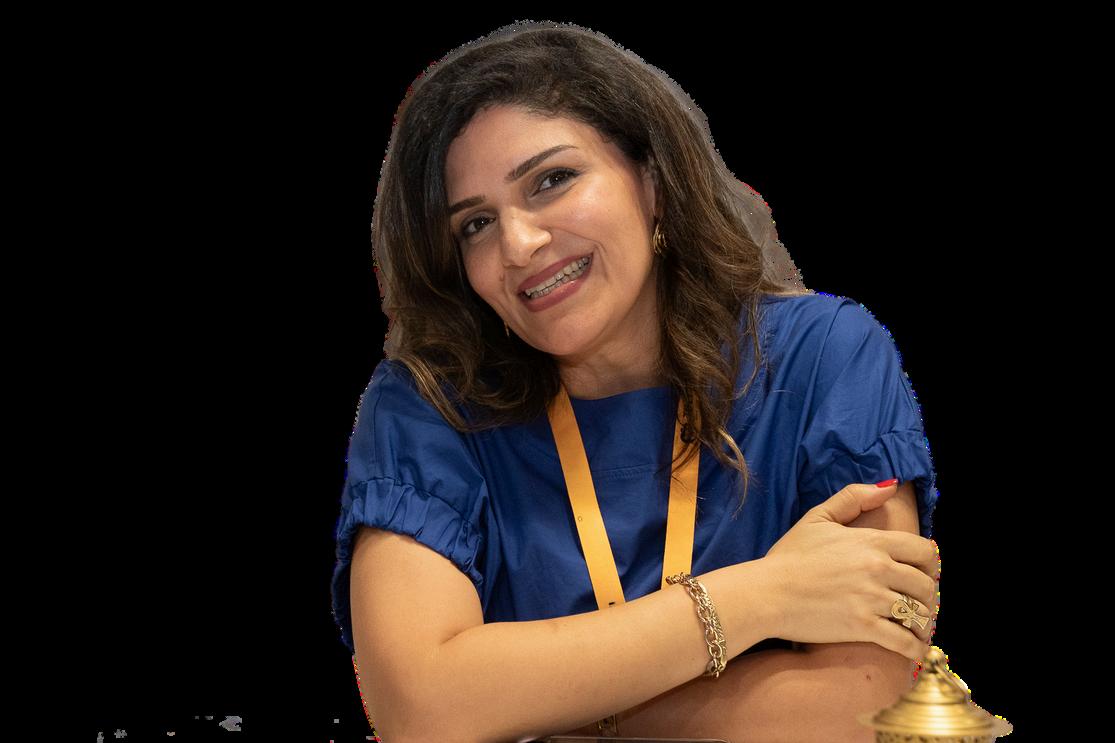
Heba Korayem
Founder, Coproduction Salon CoProductionSalon com | hello@coproductionsalon com
WHAT’S INSIDE
Insights into partnership frameworks, funding models, and international collaboration: existing structures, gaps, and emerging opportunities
Inside the region’s biggest annual content window, driving massive viewership, investments, and ad spend
A focus on detecting growing global appetite for Arabic content, by genre, type, and territory.
Exploring the Arab world’s sports ecosystem: opportunities in exporting and importing sports content, and Saudi Pro League’s rising global influence
A directory of some of our community’s finest production houses, platforms, distributors, and media service companies.
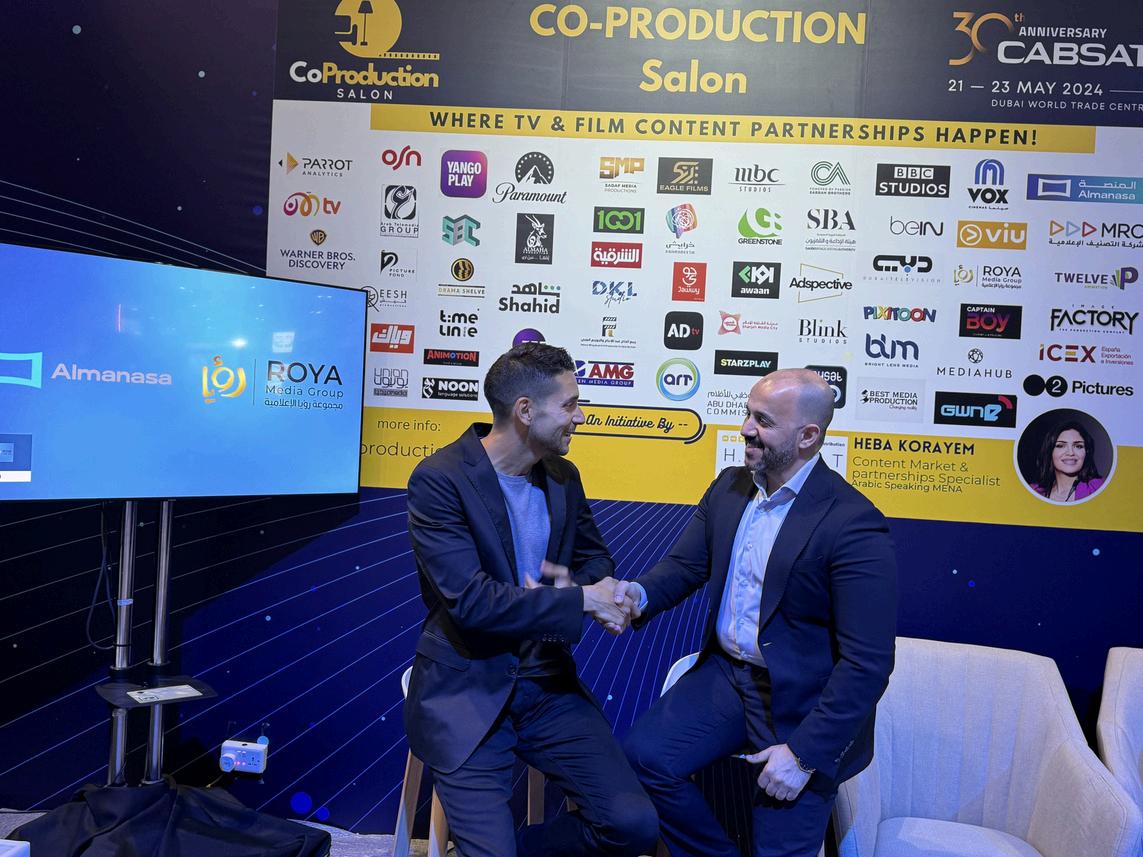
Deal Making @ CoProduction Salon
WHAT’S MENA?
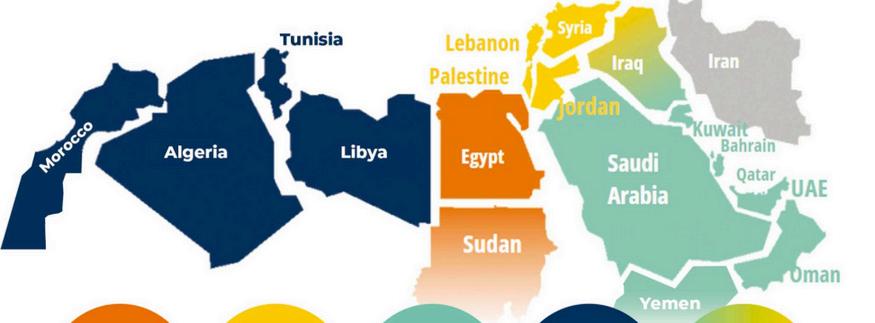
A resource-rich region of countries content trade sub-regions, MENA is united by a shared language and a deep storytelling heritage
Dialect: AStrategic Factor in Pricing and Distribution
The Arab world speaks over 100 dialects, shaped by geography and history, but for content trade, they’re grouped into five main market categories.
Sub- Regions Explained
Why Dialect Matters?
Egyptian
Native Reach ~110M native speakers; widely understood across MENA
Secondary markets: highly accepted across all regions Tastes shifting with younger audiences
ROI Impact: +20–30% tradability premium; top export for entertainment
In Arabic-language content, dialect is one of the strongest determinants of a video asset’s tradability, licensing value, and crossmarket ROI Although all 22 Arab countries share Modern Standard Arabic (MSA) as a formal language, audience preferences lean heavily toward colloquial dialects for drama, entertainment, and unscripted content directly impacting marketability and price
ROI Impact: Neutral or slightly negative for entertainment; positive for kids/edu
Levant
Native Reach ~45M widely understood across MENA
Secondary markets: Good acceptance across GCC & North Africa, and recently also Egypt and Iraq
ROI Impact: +15–20% tradability premium; favored for dramas
Maghreb
Native Reach ~80M
NOT widely understood across MENA
Secondary markets: Limited intelligibility with other sub-regions; often subtitled
ROI Impact: −20–30% tradability unless localized; strong local monetization
Khaleeji (GCC)
Native Reach ~58m
Secondary markets: Moderate acceptance outside GCC; needs subtitling in Egypt/Maghreb
ROI Impact: Neutral ROI within GCC; −10–20% resale value elsewhere This is changing as production values continue to rise
Iraq
Native Reach ~35-40M
Secondary markets: Moderate mutual understanding; subtitling often required
ROI Impact: −10% tradability; strong domestic & diaspora monetization Growing demand in Maghreb & GCC.
INDUSTRY INISIGHTS
The MENA region hosts one of the world’s most diverse and rapidly growing content industries With over 22 markets spanning the Gulf, Levant, Egypt, Maghreb, and Iraq, production capacity and incentives are evolving quickly: driven by OTT growth, government-backed investments, and rising demand for Arabic storytelling.
Production Landscape
What is MENA producing?
Scripted series are the most valuable and most produced/ traded content type in MENA
Scripted drama is the most valuable and most traded genre in the Arab world For decades, Egypt and Syria with Lebanon have led the way, building strong traditions and experience in drama production. Today, Saudi Arabia, Morocco, and the UAE are quickly rising, backed by new investments, modern studios, and growing local talent. Multi-dialect and niche productions that speak to local identities are attracting interest from regional platforms
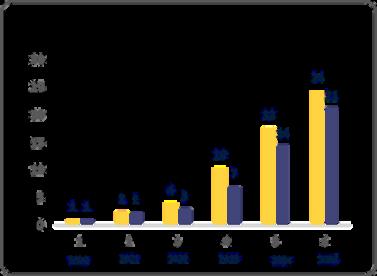
Iraq has emerged as one of the fastest-growing drama markets in the Arab world Once reliant on imported content, the country’s scripted output has expanded from just 3 tradable- quality titles in 2019 to 26 (and still counting) in 2025, marking nearly a ninefold increase in six years This consistent year-on-year growth reflects rising local demand, improved production capacity, and growing recognition from both government and private investors who now view the media sector as a promising, untapped opportunity.
Need Help Navigating MENA?
Where to produce in MENA?
Every MENA sub-region offers what productions need diverse landscapes, strong incentives, and distinct market advantages
The MENA Region’s Key Production Hubs
Studios count is rated on a 1–5 scale, reflecting how many significant, professional-grade studios exist in each region that can handle TV/film production, post-production, and international-level projects. For example, NEOM in Saudi Arabia, Dubai Studio City and Twofour54 in the UAE, and Katara Studios in Qatar give the GCC its high score.
Production Volume (1–10) reflects how much content a region produces each year — including TV series, films, and shows. It indicates the scale and consistency of output based on industry size, workforce, and broadcaster activity A higher score means strong, year-round production (e g. Egypt, GCC), while lower scores signal smaller or emerging industries.
Incentives (%) shows how much financial support governments offer to producers through cash rebates, tax credits, or grants on local spend. t’s a key factor lowering production costs and attracting co-productions higher percentages mean stronger savings and appeal.
Top incentives:
GCC (up to 40% KSA, UAE, Qatar), Maghreb (30%), Levant (25% driven by Jordan), while Egypt relies on low costs Iraq currently offers limited support, but this is rapidly changing as the industry continues to evolve.
HowWe Measure Supply & Demand
All data in this guidebook is collected and compiled by CoProduction Salon’s HCONSULT Content Market Tracker, which tracks content investments across the MENA region Supply is measured by the number of scripted titles produced, with each title traced back to its financing model and distribution scope to map how projects are funded and circulated. Unless otherwise stated, all other supply & audience demand insights are sourced from Parrot Analytics, the CoProduction Salon’s trusted data partner in the region. Parrot measures demand by analyzing billions of daily audience interactions including viewing, streaming, social engagement, searches, and downloads to provide a holistic view of what audiences truly want across all platforms.
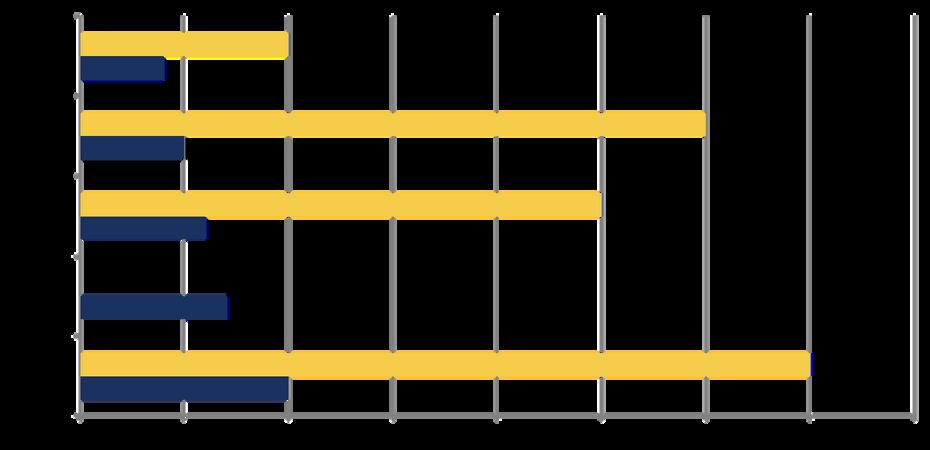
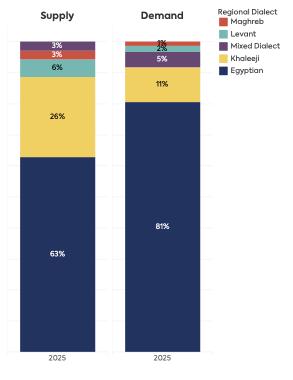
The data highlights a significant concentration of audience demand around Egyptian dialect content, which accounts for 81% of total demand, while supply lags behind at 63% This gap underscores strong cross- regional appetite for Egyptian storytelling and suggests sustained investment potential in this dialect particularly in high-value genres such as social drama and comedy series
The current oversupply of Khaleeji content — 26% of total supply vs 11% of demand reflects a strategic shift by major domestic platforms, particularly Shahid, which are prioritizing investment in Saudi and Gulf productions. This gap signals a market in transition, as audiences are still adapting to the surge of high-productionvalue titles entering the market As viewing habits evolve and the visibility of premium Khaleeji storytelling increases, demand is expected to catch up, reinforcing the region’s ambition to position Khaleeji content as a major cultural export.
Levantine, Maghrebi (Franco-Arab) , and Mixed dialect incl. Iraqi content each account for under 10% of total supply and demand While niche, these categories present rising opportunities especially for regional platforms seeking differentiation or international co-productions looking for authentic, localized storytelling.
What Genres are there in MENA? what do audiences like?
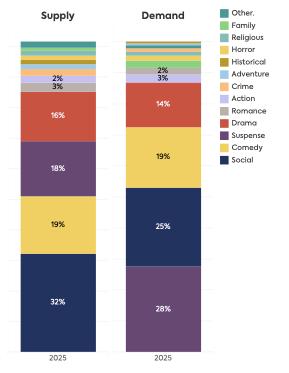
Socio-cultural drama and comedy genres dominate, MENA audiences are signalling stronger interest in socially conscious, comedic, and suspense-driven content.
In MENA, Drama/ Social stories are still the main focus of Arabic content (32% of what’s made vs 28% of what’s wanted)
It’s strong, but to keep audiences engaged, producers should bring in new storylines, subgenres, and higher quality.
Comedy is one of the few genres where audience demand and production supply are perfectly aligned, reflecting a healthy and stable segment in the Arabic content market
In contrast, socially themed dramas show an oversupply (32% supply vs 25% demand). While these stories have long been a comfort zone for producers, the data signals a potential market imbalance: if this gap isn’t addressed, it could lead to declining returns and audience fatigue over time. Suspense genre accounts for nearly 30% of audience demand, yet remain underproduced. Meanwhile, action, crime, and historical dramas are gaining steady year-on-year popularity especially outside the Ramadan season fuelled by strong storytelling and improved production quality from Saudi Arabia, Morocco, and Iraq.
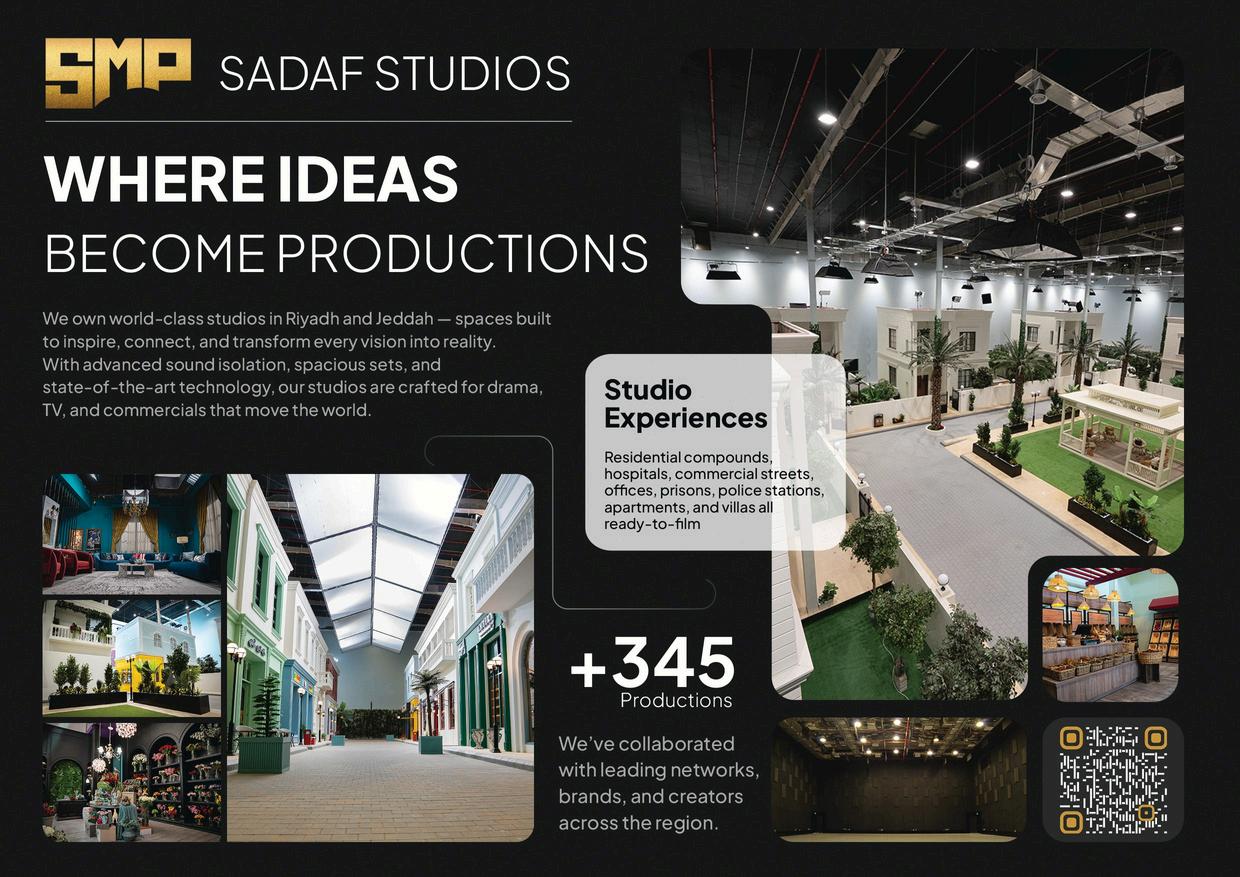
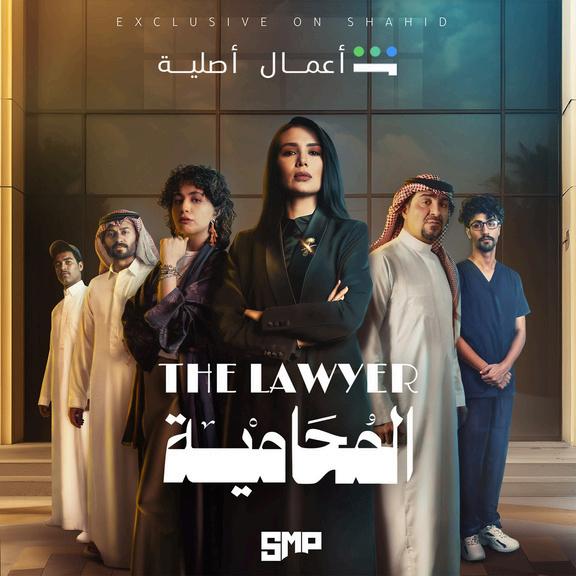
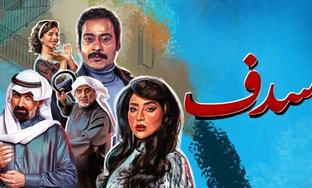
The first Saudi series led by women Shahid Original Produced by Sadaf Media Production
CO-PRODUCTION PARTNERSHIPS
Overview: Co-Production Market
Co-production structures in MENA vary significantly between series and films, shaped by distinct funding sources, distribution goals, and ROI horizons. While series prioritize speed, cashflow, and platform demand, films rely on grants, equity, and festival exposure for long-term value and IP retention
Co-Production Models: Series vs. Films in MENA
Series Films
Platform demand (Shahid, Netflix, Yango Play) and Ramadan cycles
Consistent output & regional reach
Full platform commission
Equity partnerships (e g. MBC + Cedars Art, or Dubai Studios +Kaband)
Brand integration & sponsorships (popular model during Ramadan in Algeria, Tunisia, Libya)
Funding Profile
Streamer-led, cashflow priority, limited IP retention
Equity co-productions (cross-border)
Grant stacking (DFI, Red Sea Fund, AFAC)
Hybrid (equity + grants + rebates)
Festival/distributor pre-sales
Grant- and equity-led, higher IP ownership
ROI Focus
Fast recoupment (6–18 months), ad/sponsorship-driven
In 2025, 38% of scripted series released in MENA were co-produced with one or more regional partners
While the main drivers were Arab-led platforms such as Shahid, STC, WatchIt, Forja, and other satellite broadcasters, international co-producers and financing partners were primarily regional platforms with a strong MENA presence, including Viu, Yango Play, Zee, and Netflix.
Examples of successful Co-Prodctions in MENA
Co-Production Treaties for TV & Streaming
Most existing treaties and funding mechanisms focus on film, leaving series and digital platforms without clear cross-border frameworks
Diversified Funding Mechanisms
Current initiatives like the Red Sea Fund and Doha Film Institute primarily support cinema, with limited options for TV and episodic content
Risk Mitigation Tools
Insurance and completion bond frameworks are still in development, limiting investor confidence and access to international financing
Standardized IP-Sharing Models
The region lacks common IP and revenue-sharing templates, which would help shorten negotiations and facilitate equitable partnerships.
Voices from the Industry
“At Fujairah Films, we’re constantly exploring international partnerships that align with our vision for premium productions with global reach. We’re proud to be investing in a major Hollywood production set to be announced by the end of the year Stay tuned!”
Aïcha (2024)
Films
Series
Hanging Gardens (2022) Paletine 36 (2025)
Perfect Strangers (2022
Rashash (2021)
Saad Shawabkeh, COO, Fujairah Films
Taj (2024) ����
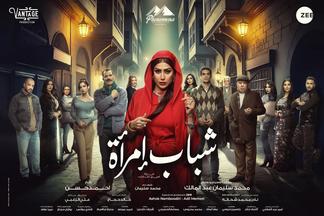
Shabab Imra’a (2025) ��������
Wesh ElSa’d (2025)
“Dune: Part Two”, “Star Wars”, “Mission Impossible” (filmed in Abudhabi, “Kandahar” (filmed in Saudi), and many other documentaries and independent films filmed across Egypt, Morocco, Jordan, and Tunisia, all leveraged MENA incentives
Proven by Global Studios
How do the MENA region’s ROI and recoupment timelines compare with those of other major content markets.
Arabic scripted drama — the region’s flagship content asset — is now achieving ROI levels comparable to leading global formats within its home market, signalling a self-sustaining, profitable industry. (See page 31)
Even without the international exposure and export scale enjoyed by markets like Turkey, South Korea, Latin America, and Bollywood, investors in MENA are benefiting from comparable ROI’s and faster than average recoupment timelines highlight strong domestic monetization and a sector primed for global breakout success
ROI and Recoupment Benchmarks Across Leading Markets- Scripted Series
Revenue Drivers
Peak ad rates, sponsorships, regional licensing, OTT / YouTube second windows
Domestic broadcaster base + strong international exports (MENA, Balkans, LATAM)
���� Telenovela (Latin America)
���� K-Drama (South Korea)
���� Bollywood / Indian
���� U.S. Average
–
����
Low cost per ep, daily schedule, huge ad inventory, global dubbing + format sales
Global platform pre-sales (Netflix, Viki), product placements, remakes
Huge domestic ad revenue, OTT licensing (Netflix, Amazon, Hotstar), international diaspora rights
With Egypt leading in cost efficiency and quick recoupment, and the wider MENA market offering strong box office and platform demand, Arabic cinema currently stands out as lower than usual-risk, high-potential compared to other markets.
Expanding international co-productions can blend financial ROI with cultural export value, boosting global visibility for MENA storytelling.
Saudi
(Sharjah Media City)
Doha Film Institute (DFI)
/ Soft
Applies to qualifying local spend; part of Vision 2030
Supports Arab & African filmmakers
Offers location access & promotional support
Facilitates low-cost media company setup
Funds Arab films & coproductions
Incentive for foreign shoots
Rebates on eligible spend; strong crew base
Supports independent projects
Relies on low-cost production & V.strong talent base
Early-stage incentive schemes emerging
While Saudi Arabia, UAE, Morocco, and Jordan lead with structured rebate programs, Iraq, Syria, and Lebanon are at early stages of incentive development signaling future potential as governments media’s economic and cultural value. Hybrid models combining local funds and international partners remain the most effective path for high-quality Arabic co-productions.
Despite the rapid rise of streaming platforms, linear television remains a powerful medium across the Middle East and North Africa
Regional Reach & Viewing Habits
1000+ 1000+
Leadership insights: Profitability in a volatile region
Years of Profitability in a Dynamic Region: Lessons From Cedars Art Production
5 Insights From a Veteran Who Built the Middle East’s Leading Production Powerhouse
From the heart of a dynamic region, Cedars Art Production (CAP) has made resilience its trademark: Transforming volatility into opportunity while leveraging moments of stability to grow the business.
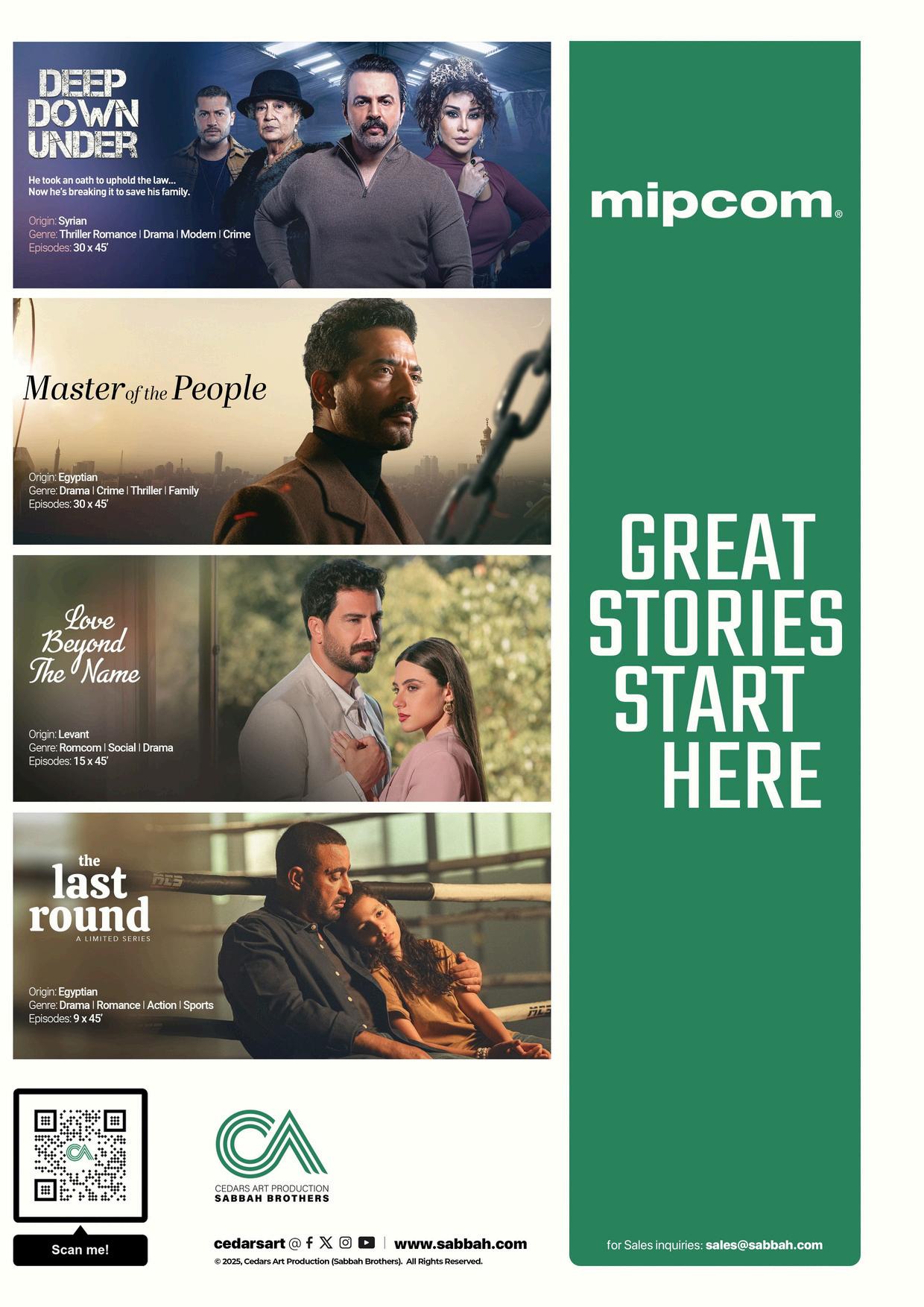
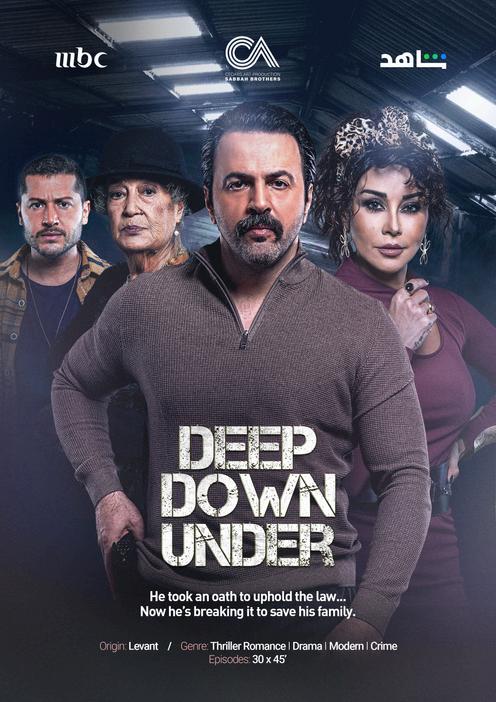
For more than seven decades, CAP has carried Arabic stories through major broadcasters including Shahid and MBC the region’s leading platforms as well as Netflix, Amazon, and other global players. Appetite for Arab drama is rising: Ay Yapim acquired the rights to adapt Al Hayba into Turkish as Uzak Şehir, achieving record-breaking ratings on Kanal D with a 14.3% rating and 40% share. Netflix’s global release of Al Hayba reached audiences in over 30 countries, while Soul Rising earned an International Emmy nomination, adding global recognition to CAP’s slate. Today, with Deep Down Under (Tahet Sebeh Ard) winning five Murex D’Or awards and reaching more than 12 million viewers across MENA, CAP shows that Middle Eastern drama is not merely weathering storms it’s setting benchmarks for the Arabic content industry.
Operating in one of the world’s most politically and economically complex regions, CAP has not only endured challenges but also capitalized on periods of stability to expand, building state-of-the-art locations in Lebanon, Egypt, Syria, Morocco, and Saudi Arabia. These facilities have birthed some of the Arab world’s most iconic series, with production values competing with global counterparts. From constructing an entire village in the Egyptian desert for social drama Dahsha (2014), to re-creating the Syrian city of Raqqa for the Emmy-nominated Egyptian series Soul Rising, Cedars has turned infrastructure into both a survival strategy and a competitive edge
Here are five insights from Sabbah and his team on building a powerhouse in the world’s most dynamic region: 11
In the Middle East, unpredictability is the norm but so are long stretches of growth. CAP writes scripts, budgets, and schedules with volatility in mind while maximizing productivity during stable windows This dual approach has yielded consistent delivery across more than 35 annual series from Egypt, Lebanon, Syria, KSA, and Morocco, ensuring reliable returns
Streaming landscape
YouTube is the most popular streaming platform MENA- wide, reaching 50-80% of the total population
*By Both popularity & Arabic population relevance
Telcos/ Telco- backed platforms that lead in content Partnerships:
Much like the satellite channel boom of the early 1990s, the region is now witnessing a new wave of niche streaming platforms catering to specific cultural communities, sports fans, and interest-based audiences These platforms are reshaping the digital landscape by focusing on targeted content experiences rather than broad, one-size-fits-all programming.
FAST Channels
Bahry is a marine-themed OTT platform based in Kuwait and serving the MENA region, fully dedicated to content about the sea, boating, marine life, fishing, diving, and nautical culture
Free Ad-Supported Streaming TV (FAST) is gradually regaining momentum after last year’s initial hype slowed down. Key players such as Rotana, Smashi, Roya TV, and DAZN FAST are now experimenting with curated 24/7 channels, while SAWA Rights Management continues to lead the technological and distribution development of this emerging segment across the MENA region.
Super Apps
Yango Play, the region’s entertainment super app launched last year, has quickly positioned itself as a leader in premium Arabic original drama while offering a 360° entertainment experience that includes music, games, and streaming content Meanwhile, Tesliya, launched this year, features microdramas alongside a diverse catalogue of Western hits, games, and Arabic variety content, reflecting the growing shift toward multi-format entertainment platforms in MENA
Microdrama
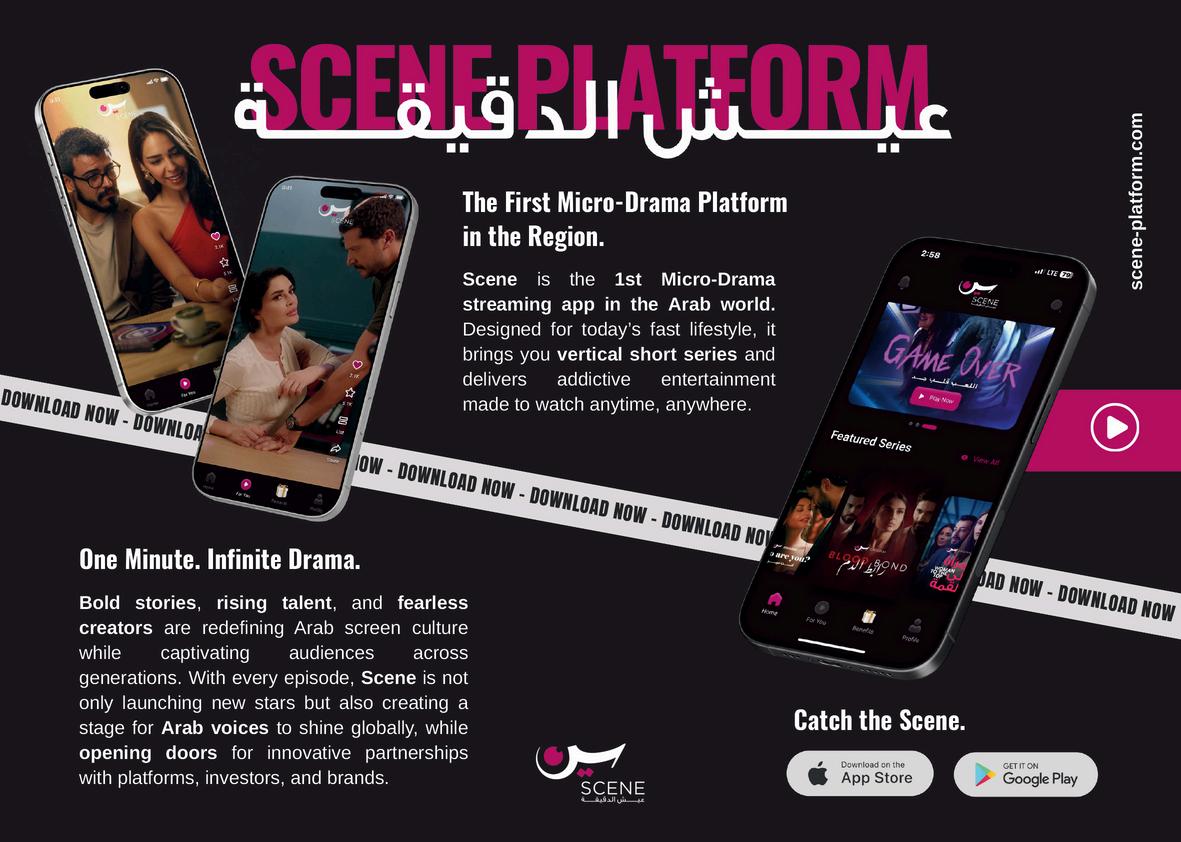
Brand New Launch: Scene platform following a model pioneered by Chinese short-form platforms, Scene delivers short, intense episodes of Arabic drama designed for mobile-first audiences The platform uses viewer incentives, interactive hooks, and subscription rewards to keep audiences engaged — adapting a format that has proven wildly popular in China, where microdramas regularly generate billions of views and high monetization through subscriptions and micro-payments.
Voices from the Industry
Sayed Fenianos, Chairman, Scene Platform
“Scene
isn’t just another streaming platform it’s a movement redefining how stories are told and consumed”
Billion: The Ramadan TV season
The Ramadan TV drama season is a multi-million dollar industry in the Arab world, driven by hefty production investments, surging advertising spend, and extensive distribution deals. this section provides an overview of the 2025 season’s market value by country and category.
Ramadan: Explained
Season Duration/ timing
TV Consumption/ Viewing hours
Ad Spend
Platform and BroadcasterAnnual Budget Allocation
Distribution snapshot
Ramadan’s Seasonal Impact
30 days of Prime Programming Moves back 15 days each year, depending on lunar calendar Ramadan 2026 is in February
60-80% increase during Ramadan
20-35% increase in ad spend across digital and linear TV.
60% of yearly acquisition/ production budgets dedicated to Ramadan series & programs
230 titles in Ramadan 2025 were distributed across 120 TV `channels and 37 OTT platforms in MENA
Unique distribution window
Countries
The Ramadan season has established its own specialized distribution framework, with streaming platforms and broadcasters sometimes securing premium content rights for just 30 days. The content is then re-windowed throughout the year to various sub-regions
17 Countries actively invest in and produce scripted series for Ramadan each year, typically ranging from 10, 15, 30 episodes
Ramadan stands as the most profitable season in the Arab media calendar, Its unique ecosystem, built on peak consumption, premium pricing, and strategic re-distribution Ramadan delivers the highest ROI of the year for those who could participate: content producers and investors alike
Ramadan How Distribution Trends Reveal Market Traction for investors
Top 10 Countries by Number of Ramadan Titles Produced - March 2025 in this study, a title's "Country of Origin" is determined by evaluating production company HQ, financing sources, creative control, perceived intellectual property rights, and target audiences These factors help establish the project's country of origin, which is done this way for the purpose of tracking investment flows and measuring production impacts on national economies For instance, MBC, a Saudi company, finances Egyptian-speaking series, leading to titles being attributed to either Saudi Arabia or Egypt.
“Title” is defined as one full season of a scripted series that has been released, including only titles that hold tradeable or commercial value in the market
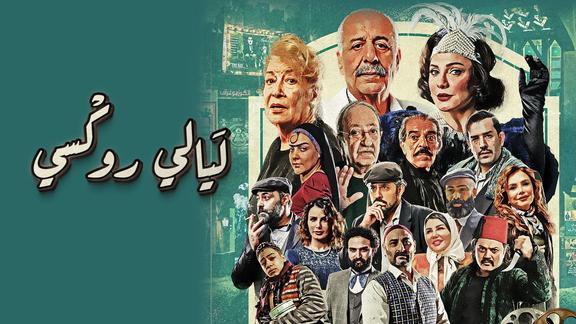
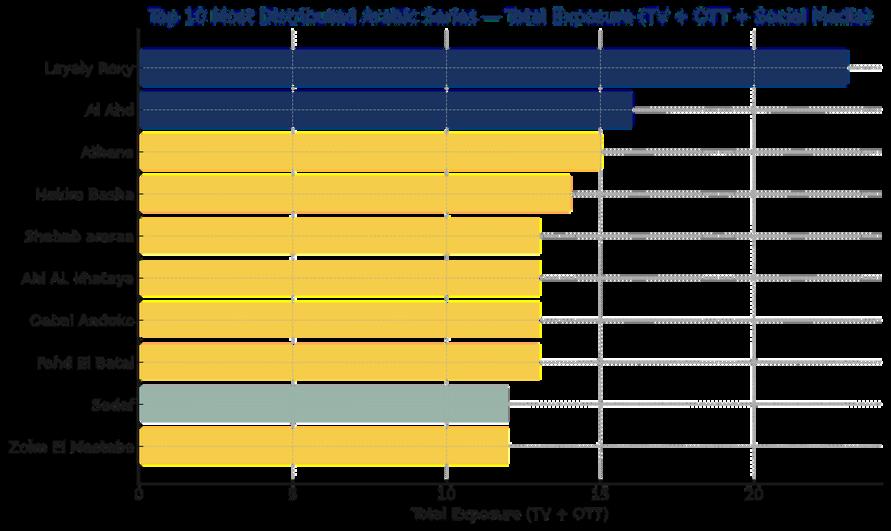
This season’s most widely distributed title, “Roxy Nights” is a co-production between Dubai Studios and Kaband Media.
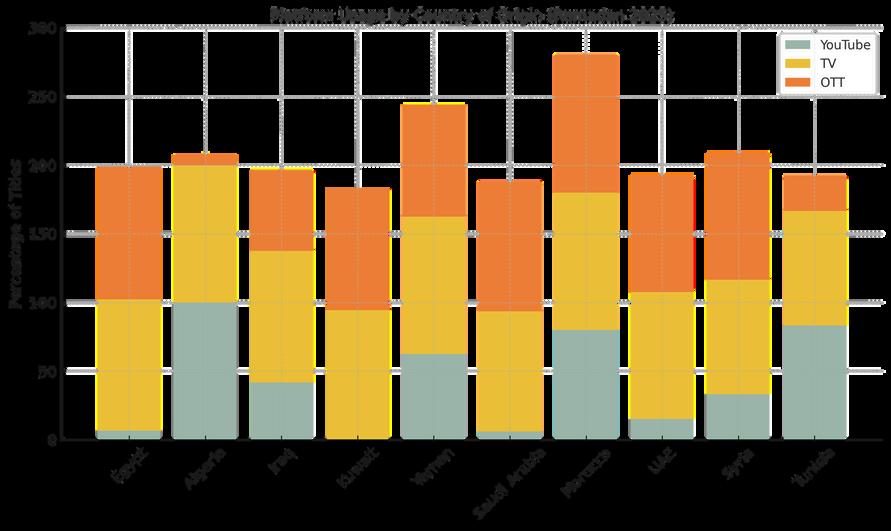
Number of times a title appeared on TV channels + Regional OTT platforms Excluding Youtube
Ramadan title exposure drives investment confidence in the absence of unified audience data in MENA Investors seek scalable, low-risk properties: Layali Roxy (Roxy Nights) appeared on 20+ platforms across TV and OTT Dialect dominance in specific regions allows investors to target funding toward content with broader distribution potential.
Distribution Patterns: Arabic Dialects
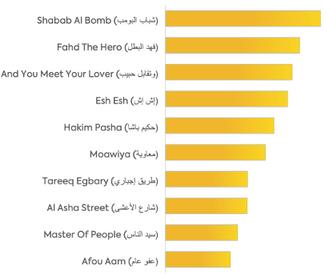
Demand Rankings: All Arabic Scripted Series
Demand data reveal a mismatch between supply and demand in the Ramadan 2025 market Widely distributed Syrian titles such as Layaly Roxy and Al Ahd did not rank highest in audience demand, while the Saudi comedy Shabab Al Bomb and Egyptian drama Fahd El Batal lead in popularity despite having fewer distribution windows, or as a result of being available on a single high-impact platform like MBC/Shahid.
This shows that wide distribution enhances a project’s profitability through multiple windows, a perfect scenario for distributors, achievable mainly during the Ramadan season Maximizing exposure however, doesn’t necessarily guarantee higher audience demand of Ramadan scripted series were released on YouTube. These series have an estimated value of $80M
One month valued at $500M who are the main investors?
Scan to continue reading this report.
Global interest in ARABIC CONTENT
With growing international demand and rising platform investments, Arabic content stands on the verge of a global breakthrough.
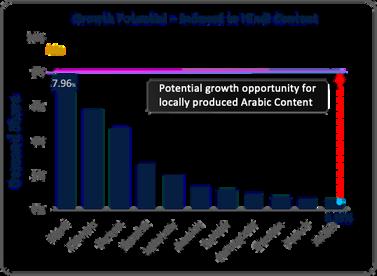
According to a joint study by Parrot Analytics and Rise Studios, audience trends and supply-demand metrics indicate that Arabic content is poised for its own "Squid Game moment. "
What key patterns are emerging in regional investment toward Arabic original productions?
Between 2020 and 2025, locally funded MENA streamers have been the primary engine behind Arabic original production, accounting for over 70% of all titles
This dominance reflects the region’s growing creative autonomy, strong government and private investment, and a strategic focus on local-language storytelling tailored to domestic audiences
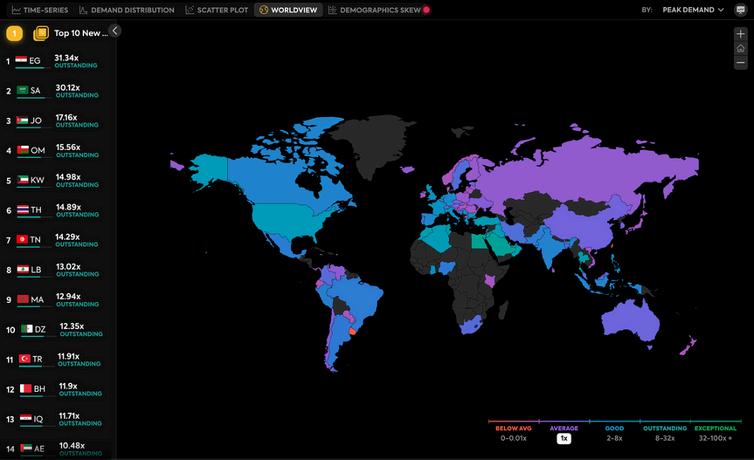
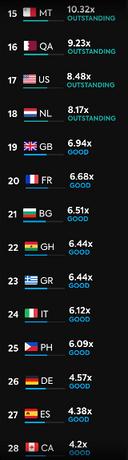
A snapshot from the Global Demand tool on the Parrot Analytics platform reveals intriguing patterns in how far Arabic content truly travels mapping the international performance of the top 10 most in-demand Arabic releases of 2025 (see page 33) and highlighting the key markets where each title performed best
Global Travelability of Top 10 Arabic Series Released in 2025 (Peak Demand Average)
(Data Source: Parrot Analytics – Demand Distribution by Country)
TOP 10 Demanded Titles (ARABIC)
Title: And You Meet Your Lover (ﺐﺒﻴﺒﺣﻞﺑﺎﻘﺗو)
Country of Origin: EGYPT ����
Dialect: Egyptian Arabic
Genre: Romance, Drama
Release: Ramadan 2025 (March)
Produced/ Distributed by: Synergy, UMS
Streamed on: Watch IT
Short synopsis: a wealthy woman who seeks a new romance after discovering her husband's infidelity and secret second marriage.
Title: Fahd The Hero ( ﻞﻄﺒﻟاﺪﻬﻓ )
Country of Origin: EGYPT
Dialect: Egyptian Arabic
Genre: Drama, Suspense, Action
Release: Ramadan 2025 (March)
Produced/ Distributed by: Synergy
Streamed on: Watch IT, Viu
Short synopsis: a young man from Upper Egypt who flees to Cairo after his uncle kills his father. Starting a new life as a marble craftsman, he finds himself drawn into dangerous conflicts and an intense quest for revenge.
Title: Esh Esh ( شإشإ )
Country of Origin: EGYPT ����
Dialect: Egyptian Arabic
Genre: Social, Drama
Release: Ramadan 2025 (March)
Produced/ Distributed by: MBC Studios, Sadaf Media Prod.
Streamed on: Shahid
Short synopsis: a young, beautiful woman who, born into poverty, is forced to become a dancer to provide for her family.
Title: Mother ( ﻰﻣأ )
Country of Origin: KSA ����
Dialect: Saudi, Khaleeji
Genre: Drama
Release: May 2025
Produced/ Distributed by: Medyapim
Streamed on: Shahid
Short synopsis: A story that explores the struggles of multiple mothers, with a primary focus on a child named Basma who is living in an abusive home.