
This quarter has continued to demonstrate the strength, adaptability, and forward momentum of the iron and steel slag industry—both within Australia and across the global stage. From major investments in sustainable steelmaking capacity to breakthrough applications of slag in energy systems, alongside important milestones in industry legacy and international collaboration, the sector is clearly accelerating its transition toward a more circular and low-emissions future.
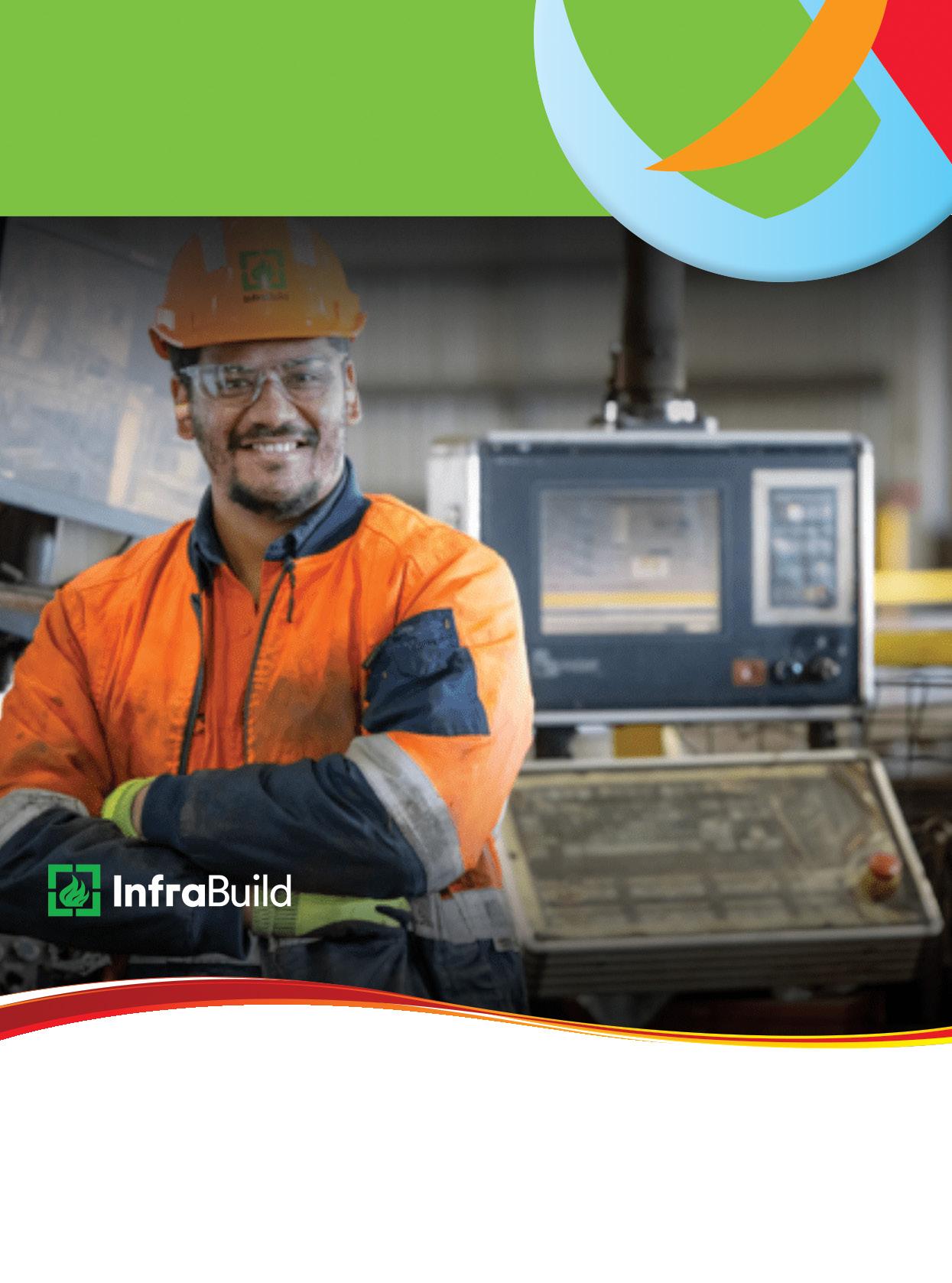
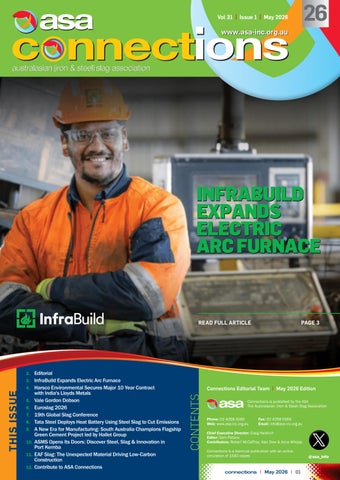
A key highlight has been ASA Member InfraBuild’s significant investment in expanding electric arc furnace (EAF) capacity across its Australian operations. The planned increase to one million tonnes per annum at its Melbourne facility, alongside capacity growth in Sydney, reflects rising demand for sustainable steel and reinforces the critical role of scrap-based EAF production in reducing emissions. With EAF steelmaking generating substantially lower CO2 emissions compared to traditional methods, this investment represents a major step forward in strengthening Australia’s domestic manufacturing capability while supporting the construction sector’s transition to lower-carbon materials.
Internationally, collaboration and sustainability continue to drive major developments. Harsco Environmental’s landmark 10-year agreement with Lloyds Metals and Energy Limited in India signals a growing global focus on integrated, sustainable steelmaking practices. The establishment of a new metal recovery plant—delivering both environmental and economic benefits—highlights the increasing importance of advanced slag processing and resource recovery as core components of modern steel operations.
Innovation in slag utilisation has also taken an exciting leap forward, with Tata Steel deploying a large-scale heat battery system incorporating steel slag as a key material. This breakthrough application demonstrates how slag is evolving beyond traditional construction uses to become a valuable contributor in advanced energy storage systems. By capturing and reusing industrial waste heat, the technology offers a practical and scalable pathway to emissions reduction—further reinforcing slag’s role in enabling decarbonisation across heavy industry.
At the same time, the industry has taken a moment to reflect on its foundations, with the passing of Gordon Dobson—a pivotal figure in the early development of slag utilisation in Australia. His contributions to the establishment of the Australasian Slag Association and the promotion of ground granulated blast furnace slag were instrumental in shaping the industry we know today. His legacy serves as a reminder of the vision and commitment required to build enduring progress in this sector.

Global knowledge exchange continues to underpin industry advancement. Euroslag 2026 in Sweden will bring together leading researchers, producers, and policymakers to explore the evolving role of slags in a decarbonising steel industry, while the 18th Global Slag Conference in Istanbul will focus on maximising value, performance, and profitability across both ferrous and non-ferrous slag applications. These events highlight the increasing alignment between technical innovation and commercial outcomes, ensuring that slag remains central to the future of sustainable materials.
Collectively, these developments reflect an industry that is not only responding to global challenges but actively shaping the solutions. Whether through investment in low-emissions steelmaking, expansion of circular economy practices, or the emergence of new high-value applications, the momentum across the sector continues to build.
As we move further into 2026, it is clear that the Australasian slag industry is well-positioned to lead—supported by strong collaboration, ongoing innovation, and a shared commitment to sustainability. Thank you to all members and partners for your continued contribution and engagement. Your efforts remain critical in driving progress and ensuring a resilient, forward-looking future for our industry.
Sam Patane Editor
ASA Member Infrabuild has announced a major investment in its Australian steelmaking operations, increasing capacity at its Melbourne facility while progressing plans to expand output in Sydney as demand grows for more sustainable steel across the construction and infrastructure sectors.
The investment will see steelmaking capacity at the company’s Laverton Melt Shop in Melbourne increase by 25 per cent to one million tonnes per annum (Mtpa). In New South Wales, InfraBuild is also increasing production capacity at its Sydney facility to 680,000 tonnes per annum, while undertaking studies and regulatory assessments on the optimal pathway to reach 1 Mtpa in the future.
A key component of the Melbourne upgrade is the delivery of two new electric arc furnace (EAF) bowls, which will support the next phase of production growth. The equipment is expected to be operational from October 2025, enabling a larger tap mass and supporting increased steel output.
Electric arc furnace technology is central to InfraBuild’s sustainability strategy. Unlike traditional blast furnace steelmaking, which relies on iron ore and coal, EAF technology primarily uses recycled scrap metal. According to worldsteel 2023 data, scrap-based EAF production generates approximately 70 per cent lower CO2 emissions per tonne of steel compared with conventional blast furnace methods.
InfraBuild Chief Executive Officer Francisco Irazusta stated that the investment demonstrates the company’s commitment to strengthening manufacturing capability while supporting the transition to loweremissions steel production.
“Investing in our manufacturing assets allows us to continue growing, improving efficiency and meeting the increasing demand for more sustainable steel,” Mr Irazusta stated.
Our ability to produce more sustainable steel means we are ready to support our customers and the broader construction industry as it works towards a more sustainable future. “ “
Francisco Irazusta - CEO of InfraBuild
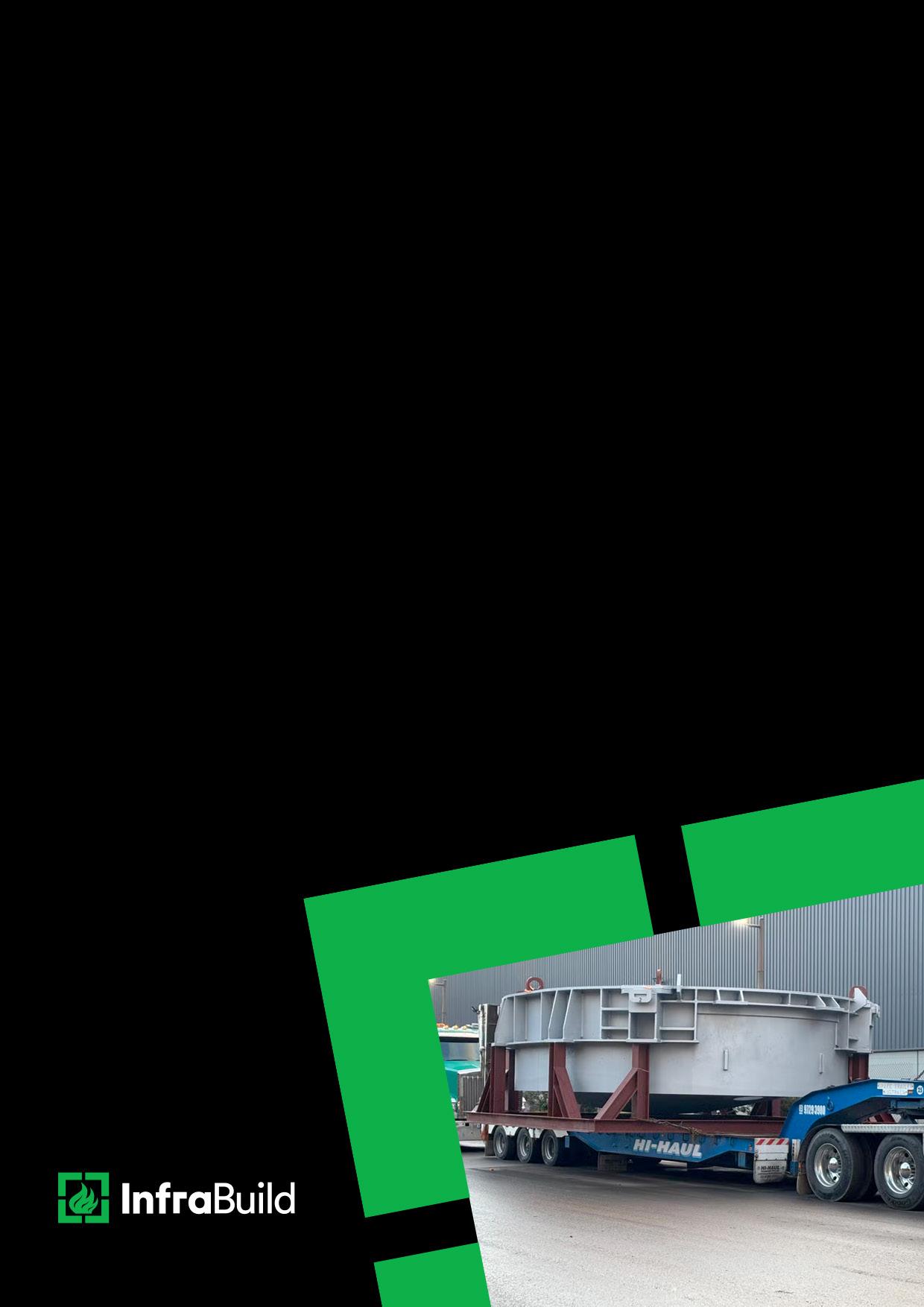
“These new EAF bowls are one of the critical upgrades that will help the Laverton facility deliver on its future one million tonne per annum production target.”
The new furnace bowls will operate as part of a rotation system, with one bowl periodically taken offline for re-lining and replaced by another approximately every six weeks. This process ensures ongoing operational efficiency while maintaining equipment performance.
InfraBuild’s steelmaking model is built on a circular approach, recycling scrap metal through electric arc furnace technology at its Victorian and New South Wales facilities. The recycled steel is then supplied into major Australian infrastructure, construction and manufacturing projects.
Mr Irazusta stated that expanding sustainable steel production will play an important role in supporting the construction industry’s transition toward lower-emissions materials.
“Our ability to produce more sustainable steel means we are ready to support our customers and the broader construction industry as it works towards a more sustainable future,” he stated.
With upgrades underway in Melbourne and planning progressing in Sydney, the investment reinforces the growing role of recycled steel and electric arc furnace technology in delivering lower-carbon materials for Australia’s built environment.
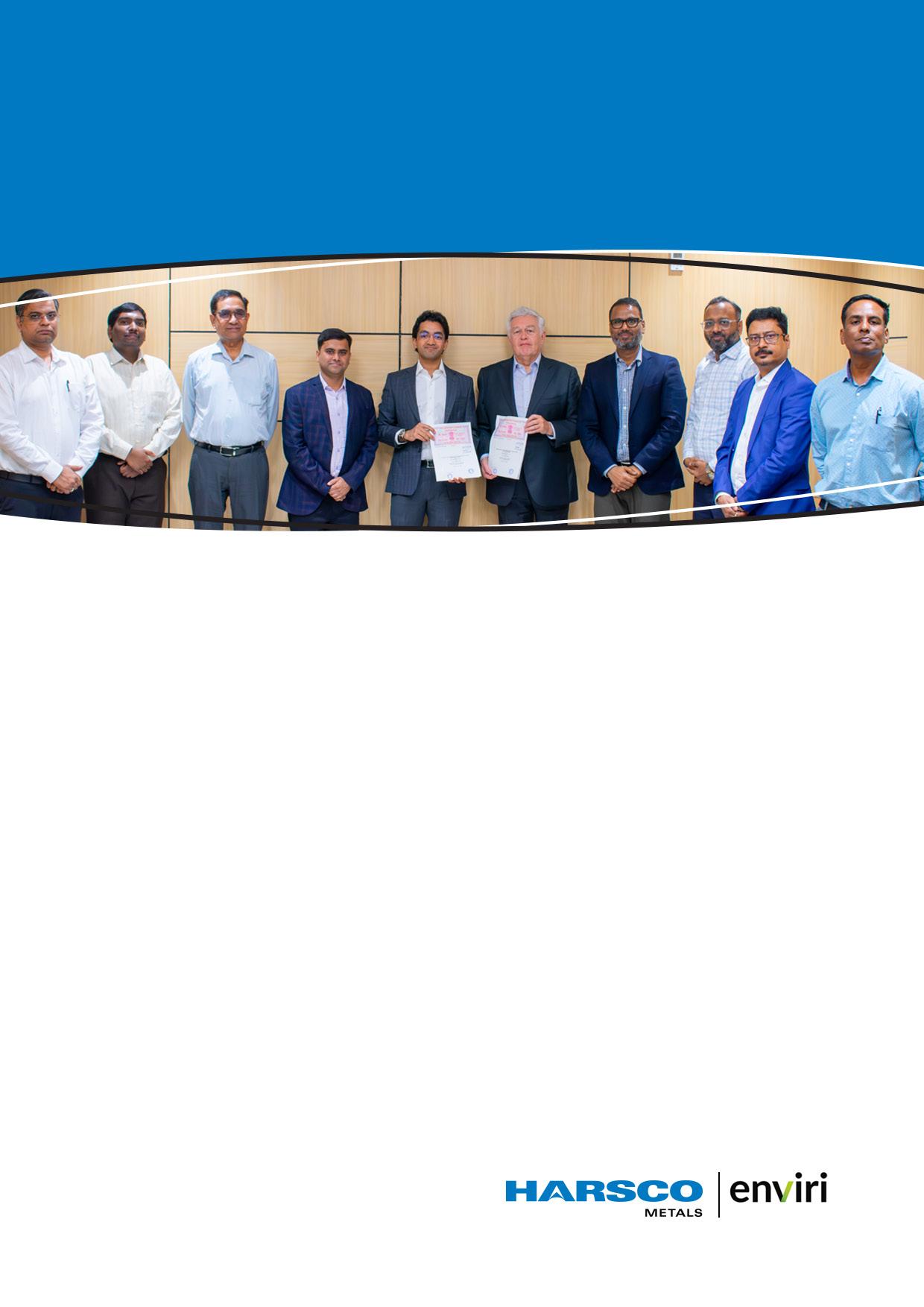
New agreement to establish a metal recovery plant at Maharashtra steel facility, creating 54 jobs and advancing sustainability goals for one of India's fastest-growing minerals and metals companies.
ASA member, Harsco Environmental, a division of Enviri Corporation (NYSE: NVRI) and a global leader in providing innovative environmental solutions, has signed a landmark 10-year contract with Lloyds Metals and Energy Limited (LMEL) — a major steel and mining company headquartered in India. The agreement marks a significant expansion of Harsco Environmental's footprint in the Indian market and signals a deepening commitment to sustainable industrial practices across the subcontinent.
Under the terms of the contract, Harsco Environmental will be responsible for the design, build, commission, operation, and maintenance of a new metal recovery plant at LMEL's integrated steel plant in Maharashtra, India. The scope also encompasses all associated slag processing activities at the site. Work is expected to begin in 2027, and the project is projected to create 54 new jobs in the local region.
“This new agreement with LMEL underscores our shared commitment to sustainability while meeting the needs of a growing industry. As we continue to expand our footprint in India, we’re helping our customers meet their environmental goals.”
— Christophe
Reitemeier, President, Harsco Environmental
The deal reflects a growing trend among Indian steelmakers to align capital investment with environmental responsibility. LMEL, which is aggressively scaling its integrated steel production capacity and pursuing vertical integration across the value chain, views the partnership as integral to building a steel facility designed around sustainability from the ground up.
Madhur Gupta, Executive Director of LMEL, highlighted the strategic rationale: “By leveraging Harsco Environmental’s expertise in metal recovery and slag processing, we aim to enhance resource efficiency and reduce environmental impact. This collaboration aligns with our ambition to establish our integrated steel plant, centered around sustainability and innovative practices within the sector.”
Lloyds Metals & Engineers Ltd. (LMEL) was incorporated under company’s Act, 1956 on 5th April 1977 as a Private Sector Company in the name of Nagarjuna Metals and Engineers Pvt Ltd. The company was converted to a Public Company on 9th September, 1986.
LMEL has grown into one of India’s most ambitious operators in the minerals and metals space. The company holds the distinction of running India’s largest iron ore mine and is pursuing a bold capacity expansion programme, targeting 26 MTPA through the adoption of advanced BHQ beneficiation technology. Alongside this, pellet production is being scaled from 4 MTPA to 12 MTPA as the business moves toward full vertical integration in steel manufacturing. The company’s ambitions extend well beyond iron ore. LMEL is building a diversified global portfolio that includes copper projects in the Democratic Republic of Congo and emerging gold mining ventures within India. Its Mine Developer and Operator subsidiary, Thriveni Earthmovers and Infra, further broadens the group’s reach into commodities including coal, manganese, and barytes.
Operating as a division of Enviri Corporation, Harsco Environmental holds the position of the world’s leading onsite provider of material processing and environmental services to the metals industry. With a presence spanning more than 130 sites across over 30 countries, the division works as a hands-on technology partner - helping steelmakers reduce their environmental footprint while improving the efficiency of metal production through the recovery and reuse of industrial co-products.
For more information, visit www.harsco-environmental.com

Recognising the advantages of Ground Granulated Blast Furnace Slag (GGBFS), Steel Cement Limited (SCL) constructed a mill in Port Melbourne, completed in March 1991. The decision hinged on securing a reliable supply of granulated slag from BHP Newcastle works. BHP’s motivation to granulate slag at their facility was driven by the opportunity to add greater value compared to air-cooled slag. In 1987, SCL entered into a contract with BHP, granting SCL access to substantial quantities of granulated slag, to be transported to Melbourne or sold as Road Base material in the Hunter region. Around this time, SCL became aware of Gordon’s expertise in the local slag market and engaged him to assist with slag sales.
David Noonan (Then SCL Managing Director) recalls “He was a big-hearted beautiful communicator who took on an immensely difficult task of placing tens of thousands of tonnes of slag into a sceptical local market and then didn't bat an eyelid (just smiled) when I told him that 'we' were going to export it. We used our shipping contacts and backloaded the stuff to Ssangyong Korea (who I had contacts) but, audaciously, then the Philippines, a totally cold call. And he did it !!! And Steel Cement became a multi-client exporter. He was Steel Cement's sole outpost employee on the ground. Answering only to me and only BHP employees to talk too. He was totally solid, dependable and never received the credit he deserved. Mind you, BHP recognised him as gold. His performance made a huge contribution to Steel Cement's credibility.”
The Australian Slag Association (ASA) was founded and officially launched with the backing of the late Australian politician John Button, then Minister for Industry. Gordon played a key role in helping SCL with the association's establishment and became its inaugural Chairperson. Supported by Martin Venour, Brian Heaton, and Doug Prosser, the team produced and published the association’s first major technical guide, A Guide to the Use of Slag in Roads, in collaboration with the NSW Roads and Traffic Authority.
Gordon went on to manage the NSW operations of Independent Cement and Building Products Supplies (Based in Thornton NSW) until his retirement.
Gordon Dobson’s efforts during those formative years were instrumental in the introduction and adoption of Ground Granulated Blast Furnace Slag (GGBFS) as a sustainable cement replacement in Victoria. These advances enabled SCL to continually invest in specialised facilities, including upgrades to its slag grinding plant in Yarraville, Victoria, to accommodate increasing industry demand.
The present success of Steel Cement stands as a testament to the foresight and commitment of individuals like Gordon, who will be fondly remembered by all who knew him.
The global slag industry will come together next year for Euroslag 2026, hosted in Luleå, Sweden from June 16–18, 2026. The event is jointly organised by Jernkontoret (the Swedish Iron and Steel Producers’ Association), Swerim (the metals research institute), Luleå University of Technology, and the European association EUROSLAG.
This prestigious conference serves as a leading platform for collaboration between steel producers, slag processors, equipment providers, government bodies, researchers, and end-users of slag.
As the steel and metallurgical industries undergo major transitions to reduce CO2 emissions, the characteristics and potential applications of slags are also evolving. Euroslag 2026 will explore how these newgeneration slags can be repurposed for sustainable applications, contributing to a circular economy and lower-carbon construction solutions.
Attendees can expect in-depth presentations and discussions on:
• Innovations in slag utilisation and processing technologies
• The role of slags in decarbonising the steel industry
• Legislative and environmental frameworks shaping the future of by-product management
• Real-world case studies and industrial applications driving sustainability outcomes
With a focus on research, regulation, and real-world application, Euroslag 2026 aims to bridge the gap between innovation and industry adoption.
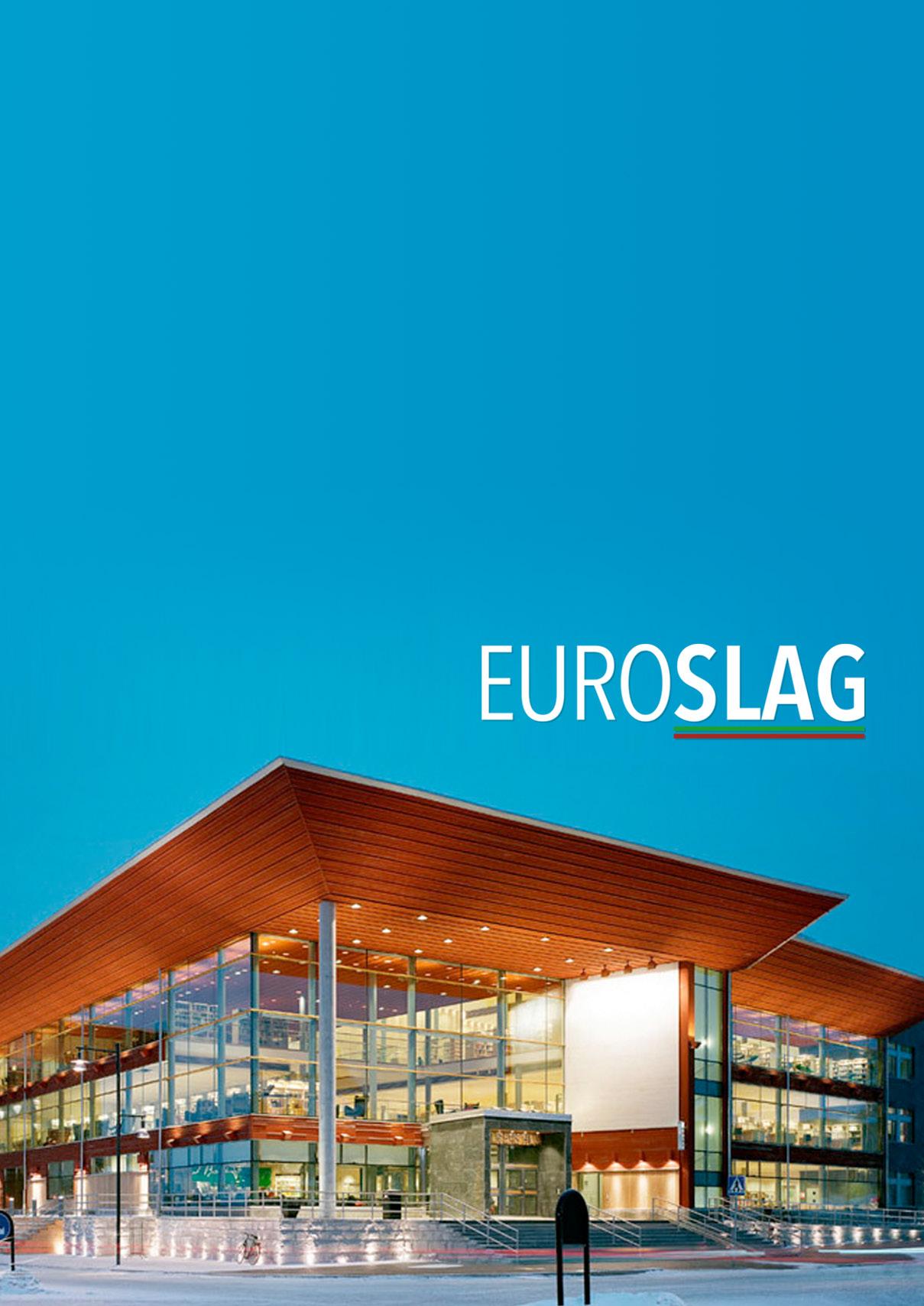
KEY DATES:
• January 2026 – Registration opens
• June 16–18, 2026 – XIII European Slag Conference
Detailed information regarding the program, timetable, and abstract submissions will be released progressively, with a preliminary program available in late 2025. The organisers warmly invite industry professionals and researchers worldwide to attend this important event and contribute to shaping the future of sustainable steelmaking and slag utilisation.

The 19th Global Slag Conference will allow all attendees to maximise their profits from slag - both ferrous and non-ferrous, will keep them up-to-date with the industry state-of-the-art and will provide extensive networking and business opportunities for both producers and users of slag and slag-based products. If your business is slag, make it your business to attend the 19th Global Slag Conference!
Registration for the conference opens in November 2026. Delegate passes are all-inclusive, providing full access to the conference and exhibition, along with a comprehensive range of networking opportunities and hospitality. Each registration includes attendance at all conference sessions and the exhibition, as well as the official conference proceedings book, which features a full delegate list (including names, companies and countries) and all available presenter slides in PDF format. Delegates will also receive a name badge and a special distribution magazine. The program places a strong emphasis on networking, with access to dedicated networking and speeddating sessions, in addition to social functions including the welcome reception and farewell reception. All catering is included, with coffee breaks, snacks and lunches provided throughout the event.
Conference themes:
• Slag and slag cement market trends
• Non-ferrous slags
• Slag product trends
• Benefaction of slag and slag products
• Slag cement production and use
• Case studies
• New applications for slag and slag products
Who should attend?
• Slag producers and users
• Cement producers and users
• Equipment vendors
• Traders and shippers
• Academics and researchers
A key highlight of the conference is the Global Slag Awards Dinner, held after the first day. This flagship event is included in the registration fee and offers a premium networking opportunity for attendees.
The conference offers a tiered pricing model based on registration timing:
• Super Early Bird: €795 (available until 30 November 2026)
• Early Bird: €925 (1 December 2026 – 31 January 2027)
• Standard Rate: €1025 (1 February 2027 – 28 February 2027)
• Final Rate: €1125 (from 1 March 2027 onwards)
Please note that there is no refund for non-attendance at the dinner.
Employees of partner associations are eligible for a €100 discount on all standard registration rates, partner organisations include
• Euroslag
• National Slag Association
• Slag Cement Association
• Australasian Slag Association
• Nippon Slag Association
• Brazil Steel Institute
Speakers are eligible for reduced registration, with a set fee of €620. Confirmed speakers representing slag producers or slag users are granted complimentary registration.
BY-PRODUCT TO
Global steel producer Tata Steel has taken a major step toward reducing emissions by deploying an innovative heat battery system at its Jamshedpur plant in India - featuring technology that directly utilises steel slag as a core material.
Developed by German startup Kraftblock, the 20-megawatt-hour thermal energy storage system captures and reuses waste heat generated during steel production. In a significant development for the slag industry, the system incorporates a proprietary “stone-like” storage material made from industrial by-products, including steel slag and copper mine residues.
This approach not only improves energy efficiency but also demonstrates a high-value, circular use for steel slag - positioning it as a key contributor to decarbonisation pathways in heavy industry. Currently operating as part of a one-year trial, the system has exceeded initial expectations. Kraftblock estimates the technology could reduce carbon emissions at the site by approximately 22,000 tonnes per year and eliminate around 110 gigawatt-hours of fossil gas consumption annually.
The system works by capturing excess heat from the sintering process - where iron ore, limestone, and other materials are heated before entering blast furnaces. Traditionally, much of this heat is lost. Kraftblock’s solution instead stores the energy at temperatures of up to 500°C and redistributes it back into the process, reducing the need for fossil fuel-based heat.
Unlike other thermal storage technologies that rely on electricity, this system leverages existing waste heat streams, making it particularly suited to energy-intensive sectors such as steelmaking. The integration of slag-based storage materials further enhances its sustainability credentials, turning what is often considered a by product into a functional energy asset.
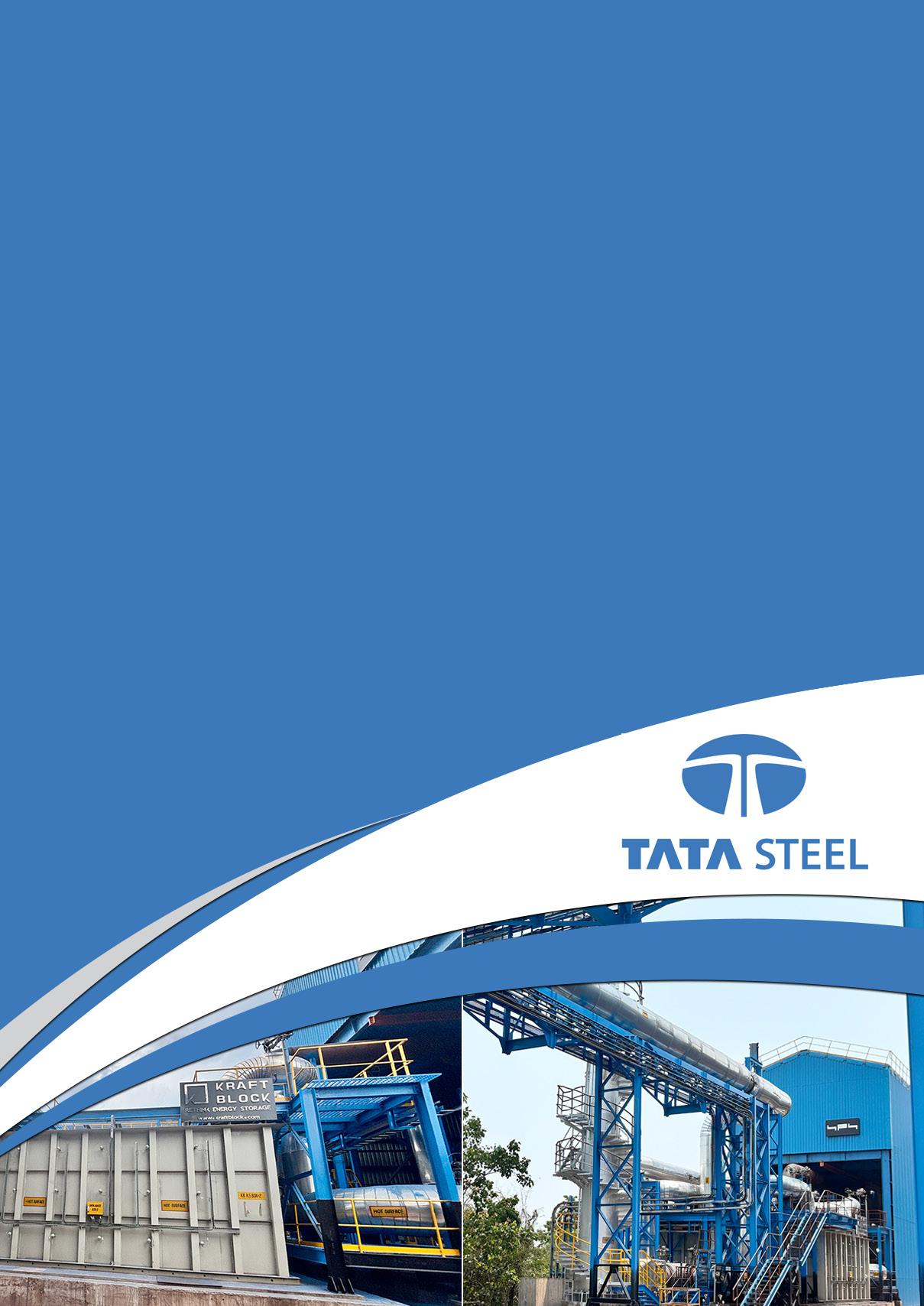
Tata Steel has described the project as a significant step toward improving process efficiency while lowering emissions. It also forms part of the company’s broader investment in low-carbon technologies, including initiatives to reduce coal use and implement carbon capture.
With steel production responsible for approximately 7–9% of global greenhouse gas emissions, solutions that improve efficiency at existing facilities are critical.
While long-term innovations such as green hydrogen continue to develop, technologies like thermal energy storage - particularly those utilising steel slag - offer an immediate and scalable pathway to emissions reduction.
For the Australasian iron and steel slag industry, this project highlights a growing opportunity: repositioning slag not just as a construction material, but as a valuable input in advanced energy systems.
As global demand for sustainable solutions accelerates, slag based technologies are emerging as a key enabler of circularity and decarbonisation in the steel sector.
South Australia is advancing a major step in its industrial and energy transition, with strong government backing for a new green cement project at Port Augusta led by the Hallett Group. The initiative is centred on transforming industrial by-products - particularly slag - into high-value, low-carbon construction materials, positioning the state at the forefront of sustainable manufacturing.
The $200 million Green Cement Transformation Project will repurpose the site of the former Northern Power Station into a modern processing and distribution hub. A key pillar of the project is the largescale use of granulated slag sourced from the Nyrstar Port Pirie smelter. Through a secured long-term offtake agreement, this slag will be processed into ground granulated blast furnace slag (GGBFS), a critical supplementary cementitious material capable of replacing a significant portion of traditional clinker in cement production.
By prioritising slag as a primary input, the project ensures a consistent and scalable feedstock that supports long-term supply. This approach also strengthens industrial collaboration within South Australia, linking smelting, manufacturing, and construction into an integrated value chain while reducing reliance on imported materials.
The South Australian government has committed $12 million in funding to support the project, alongside a $20 million contribution from the Australian Government. This investment is aimed at accelerating delivery and enabling the production of low-carbon cement at scale, with slag playing a central role in achieving these outcomes.
Once operational, the facility is expected to reduce emissions from cement production by up to 30%, with broader reductions of up to one million tonnes annually.
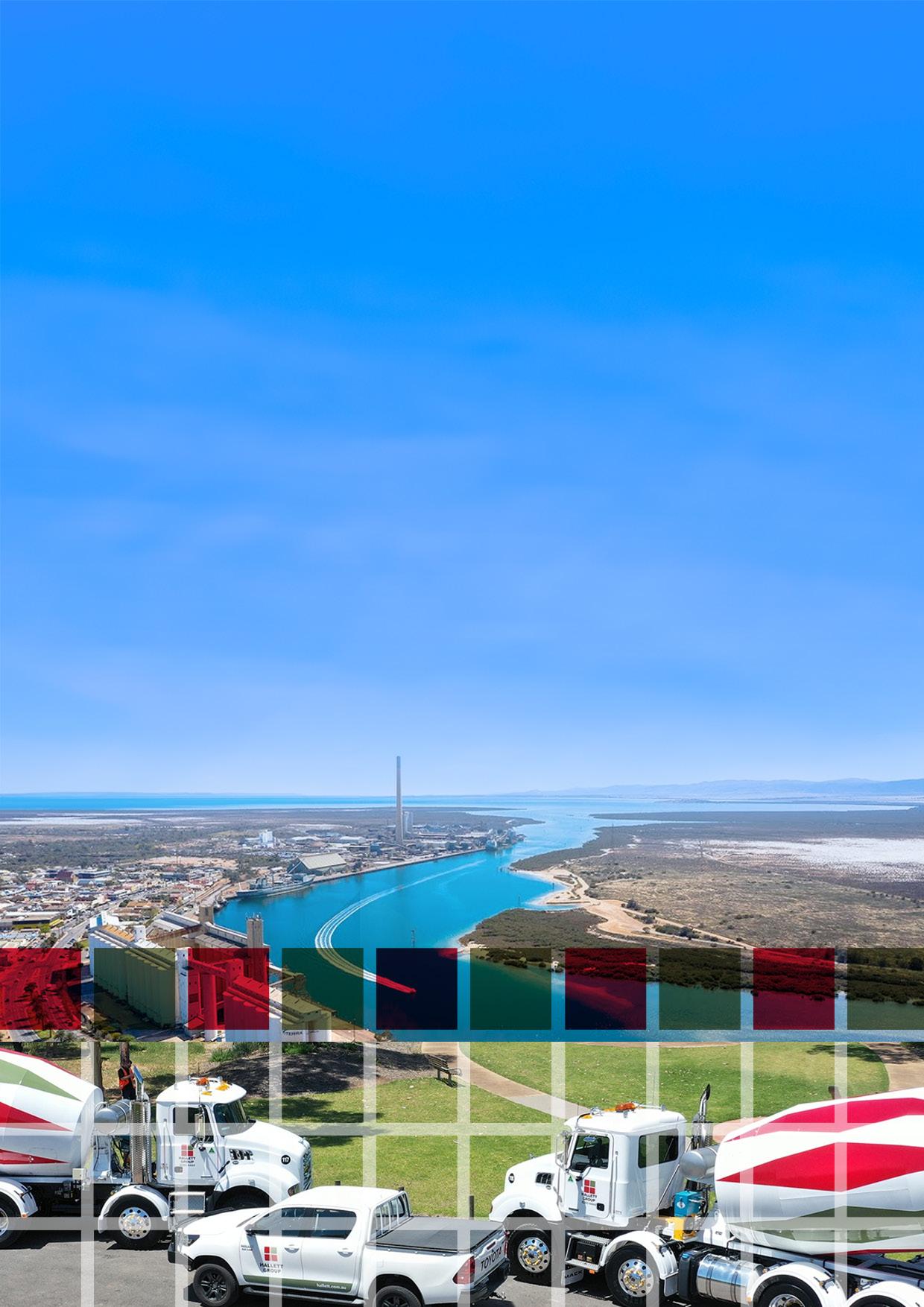
The use of slag-based cementitious materials not only lowers emissions but also enhances the durability and performance of concrete, making it a valuable solution for both construction and mining applications. In addition to its environmental advantages, the project will deliver strong economic benefits. Around 150 jobs will be created during construction, with approximately 50 ongoing roles once operational. The development will also support further industrial activity across the Upper Spencer Gulf, encouraging innovation in materials processing and advanced manufacturing.
The initiative forms part of a broader transformation of Port Augusta into a renewable energy and industrial hub. With its strategic location, established infrastructure, and access to key industrial inputs such as slag, the region is well positioned to support the large-scale production and distribution of green cement across Australia and into export markets.
By leveraging slag as a core resource, the Hallett project highlights the growing importance of industrial by-products in the transition to low-carbon construction. It demonstrates how existing materials can be repurposed at scale to support sustainable industry, strengthen domestic supply chains, and deliver long-term economic value for the region and the nation.
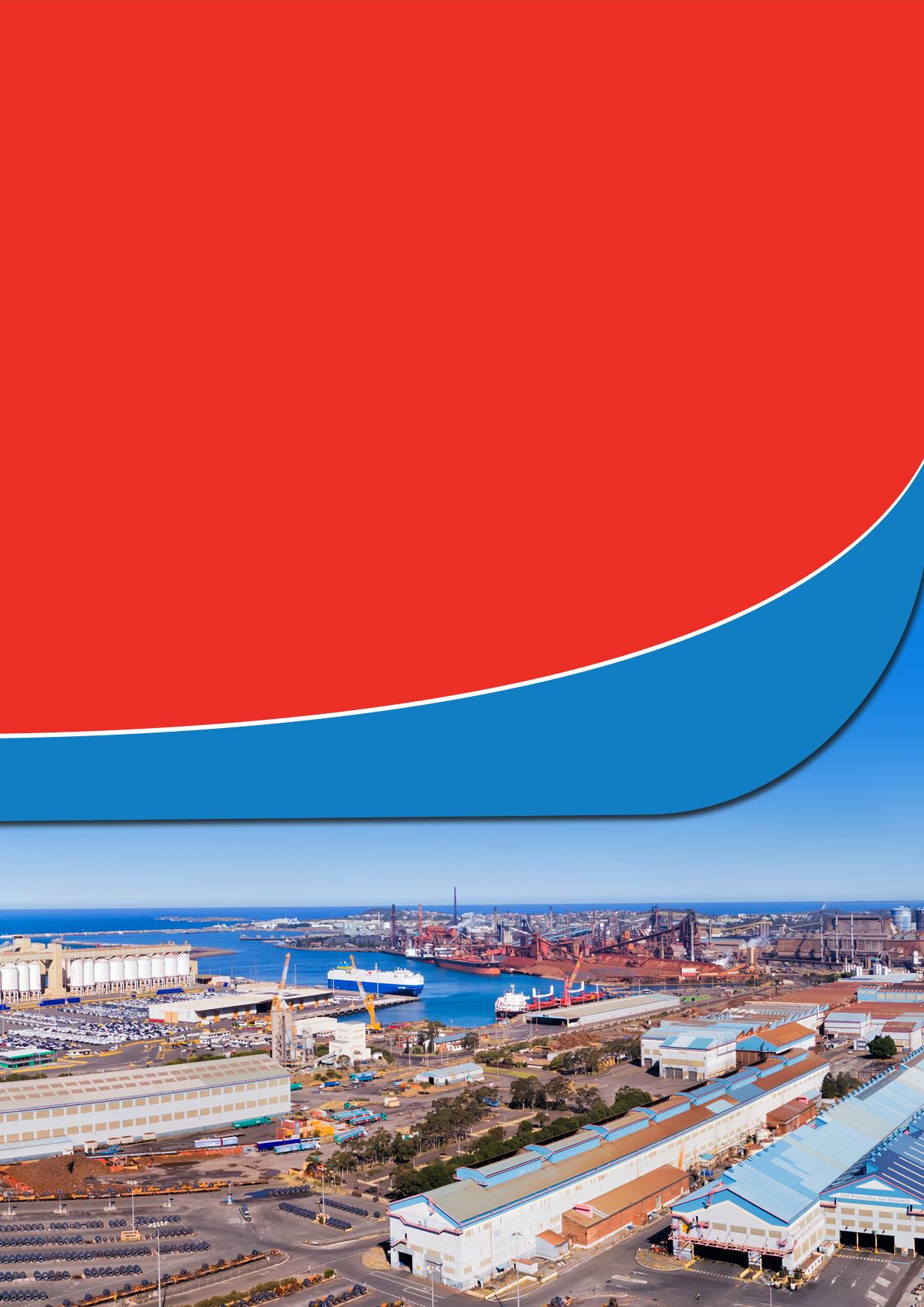
ASMS OPEN DAYS!!! Australian Steel Mill Services (ASMS) is excited to announce their first open day to give a behind the scenes look at what they do best.
Join ASMS for their Open Day where you can:
• Meet their team
• Learn more about their products
• Explore the plant
• Ask questions and make connections
Whether you’re an existing customer, a new prospective customer, a government representative, or an asphalt client – ASMS would love to see you there!
WHEN:
Date: 6 – 7 May 2026
WHERE:
BlueScope Recycling Area, Springhill Rd, Port Kembla, NSW, 2505
NEXT STEPS
Register for the ASMS open day by calling 0437 729 604 or emailing info@asms.com.au to confirm your attendance and secure your preferred date.
PRODUCT INFORMATION:
• Steel Furnace Slag
• Blast Furnace Slag
• Plant Tour
PPE REQUIREMENTS
• Hi Vis long sleeve shirt
• Long Trousers
• Eye Protection (positive seal)
• Hard Hat
• Footwear (steel caps)
• Gloves
The construction industry is shifting into a phase where waste is no longer just something to manage - it’s becoming part of the solution. A recent collaboration between SSAB and Heidelberg Materials reflects this shift, focusing on turning steelmaking byproducts into a viable, low-carbon alternative to traditional cement.
At the centre of this is electric arc furnace (EAF) slag, a byproduct of modern steel production. As the steel industry moves toward electric arc furnaces - seen as a cleaner and more sustainable method - the volume of this material is set to grow rapidly. Instead of treating it as waste, attention is now turning to how it can be reused effectively.
The goal of the partnership is to develop EAF slag into a supplementary cementitious material, allowing it to partially replace traditional cement. This is significant because cement production is one of the largest sources of global carbon emissions, and reducing clinker content is one of the most effective ways to lower that impact.
What sets this initiative apart is its focus on real-world application. Backed by funding and a structured research program, the collaboration brings together industry and academic expertise to move beyond lab testing and into scalable solutions. The aim is to create a material that not only performs well technically, but can also be adopted across the industry at scale.
EAF slag already has properties that make it suitable for use in cement systems, but refining its performance is critical. The research will focus on how it’s processed and integrated to ensure it meets the strength, durability, and consistency standards required in construction.
This builds on previous work between the two companies, where slag has already been used in cement production. What’s changing now is the intent - to move from supplementary use toward fully engineered, low-carbon binders designed to replace traditional materials more significantly.
The timing reflects a broader shift across both industries. Steel production is becoming cleaner, generating new types of byproducts, while construction faces increasing pressure to decarbonise. Bringing these two together creates a clear opportunity - one industry’s waste becoming another’s raw material.
For construction, this signals a change in how materials will be viewed going forward. Products like fly ash and slag are no longer just additives - they are becoming central to how next-generation cement is designed, optimised, and delivered.
Ultimately, this collaboration points toward a more circular approach to construction, where materials are reused with intent rather than discarded. As the push to reduce emissions continues, solutions like EAF slag-based binders are likely to move from emerging innovation to standard practice. The direction is clear: the future of construction won’t just rely on new materials, but on using existing ones far more intelligently.
Connections is produced twice a year for the benefit of ASA members and before each publication is drafted, an email is sent to all members urging them to contribute their stories.
The types of content we are looking for include:

We also have a Member Profile section, which is open to all member companies for contributions on behalf of the business in general, or a specific employee. So if you have an idea or content that you think might make an interesting article, get in contact with the Association today: publications@asa-inc.org.au