Thesearenotexperimentaltechnologies.Theyarealreadybeingdeployedbecausetheyare commercially available and increasingly affordable. What remains is not a technological barrier, but a coordination challenge one that requires leadership, a scalable framework, andcapital.
Jewish Communities Are Already Impacted
JewishinstitutionsacrossNorthAmericaarealreadyexperiencingclimatedisruption.Camps have faced destructive fires or closed temporarily due to smoke or extreme heat Synagoguesandschoolsfacerisinginsurancepremiumsandemergencyrepairsafterstorms. Federations and social service agencies are responding to climate-driven migration and economicinstability.
There is a growing recognition that resilience requires prevention, not just response. Decarbonization is not an abstract environmental goal, but a pragmatic strategy for safeguardingJewishcommunallife.
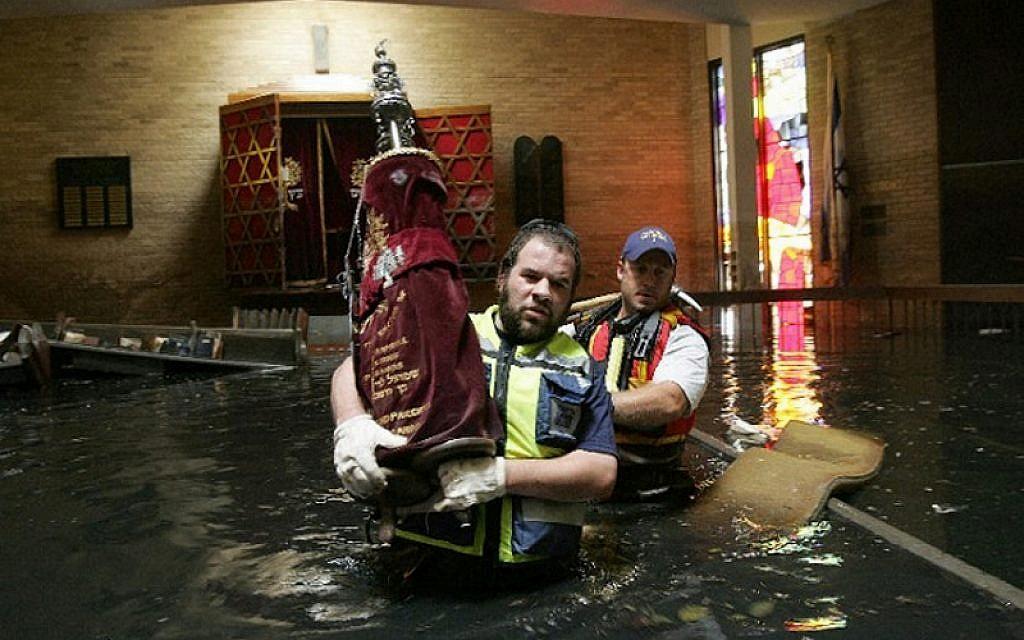
[Rabbi Isaac Leider carries a Torah scroll out of the flooded synagogue in New Orleans during Hurricane Katrina]
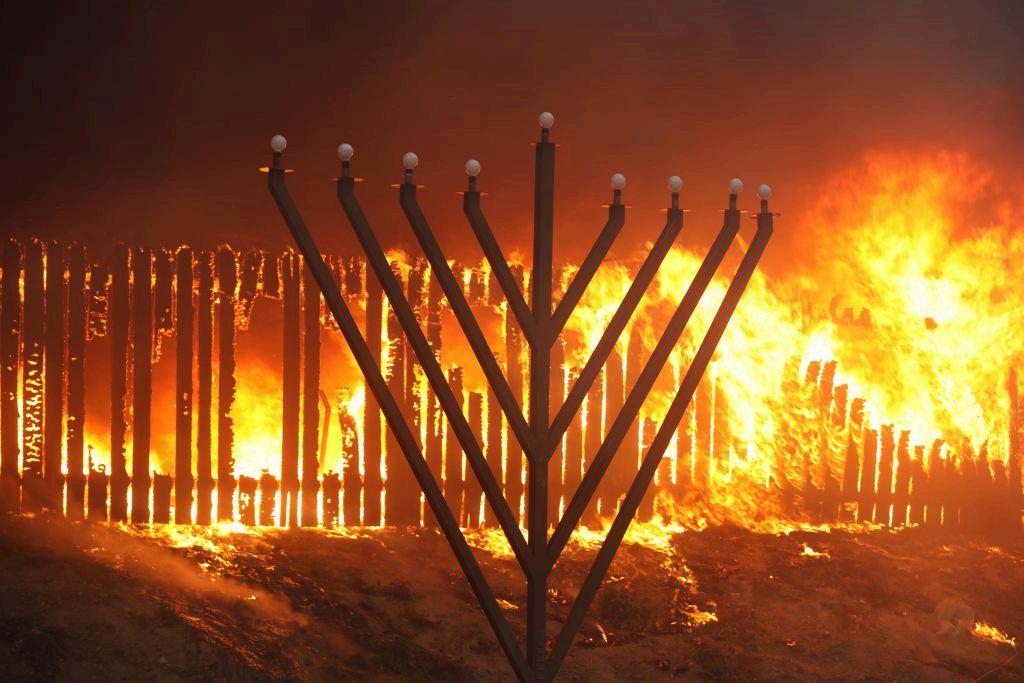
[A Menorah is surrounded by flames from the Pacific Palisades fire, Jan 2025]
Engaging a Wider Tent
In a recent poll, climate ranked as the top issue for American Jews under 40. In the face of a complex, accelerating crisis, many young people can feel discouraged or powerless, sliding into apathy not because they don’t care, but because they don’t know where their agency lives JudaismandJewishcommunityoffertoolstoholdtheemotionalandspiritualweightof thetimes,andJewishinstitutionscanofferclearstrategiestorespond.
Climateactionisapowerfulopportunitytowidenthetent.ItinvitesyoungerJews,andmany others who are searching for meaning and impact, into Jewish life through work that is urgent,hopeful,anddeeplyalignedwithourvalues.
Why Institutions are the Lever
Jewish institutions synagogues, day schools, JCCs, Hillels, camps, Federations, and community organizations are the backbone of Jewish life. They are also one of the most powerfulleverswehaveforacceleratingclimateactionatscale.
Institutions oversee substantial physical infrastructure buildings, campuses, fleets, and equipment that together account for a significant share of communal emissions. They are also trusted community anchors: their choices shape what staff, members, students, and families see as normal, feasible, and worth investing in. When institutions act, they don’t just reduceemissions,theymakechangeviable.
Decarbonizing institutions creates a multiplier effect. When someone watches their synagogue install heat pumps or solar panels, they are more likely to consider similar upgradesathomeoratwork Climateactionbecomesvisible,communal,andcontagious,and the norms of what responsible leadership looks like begin to shift across the wider community,includinghouseholdsandbusinesses.
Adamah’s Leadership Platform
Decarbonizing Jewish life at scale requires more than calls to conscience or a patchwork of isolated projects. It requires a durable platform that combines trust and legitimacy, technical capacity, and catalytic capital. Over the past several years, Adamah has intentionally built thatplatformforclimateengagementandaction.
Adamah’s platform includes:
A national climate team supporting hundreds of Jewish organizations across the country to decarbonize
A Climate Action Fund that has deployed more than $1.8 million into decarbonization projects.
Six Community Impact Hubs that “supercharge” the depth and reach of local climate work.
A robust database of hundreds of climate action plans and project outcomes across the Jewish community
Jewish Climate Leadership Coalition
Through the Jewish Climate Leadership Coalition, founded by Adamah in 2022, more than 500 Jewish organizations have participated in structured climate engagement, representing every major sector of Jewish life and a wide range of geographic, denominational, and institutional contexts. With Adamah’s support, institutions have developed comprehensive climate action plans, creating shared benchmarks and a common language for action.
The Coalition: Types of Jewish Institutions
& Foundations - 23
and Campus Organizations - 31
Service Agencies - 9 Camps - 12
National/Founding Partners - 22
These organizations include synagogues, schools, human service agencies, camps, Federations, foundations, Hillels, JCCs, national or virtual Jewish nonprofits, Jewish environmental organizations, and more.
This coalition approach creates a powerful peer network. It reduces the burden on any one institutiontoactalone,accelerateslearningthroughsharedexamples,andbuildsthecollective momentumneededforsystemicchange
The Coalition was launched in partnership with 20 umbrella organizations representing the major types of Jewish institutions. Its breadth reflects a growing community-wide consensus: climate change is both addressable and vital for Jewish institutions to confront with seriousnessandurgency.
Climate Action Fund
In Adamah’s work with hundreds of Jewish organizations, the Climate Action Fund is a core enginethatmakesitpossibletoturnavisionofdecarbonizationintoon-the-groundaction.
For many institutions, the most common barrier to action is upfront cost. By offering targeted grants and zero-interest loans, Adamah’s Climate Action Fund helps institutions movewhenopportunitiesarise.
This catalytic capital is designed to do more than fund individual projects. It is intentionally structuredto: unlockadditionalpublicandprivateinvestment, prioritizeprojectswithstrongfinancialandenvironmentalreturns, andsupportpioneeringprojectsthatbuildconfidenceacrossthefield.
To date, the Fund has deployed more than $1.8 million, supporting nearly 80 projects across North America. Together, these projects save participating institutions more than $1.3 millionannuallyinoperatingcostswhilesignificantlyreducingemissions.
Just as importantly, they demonstrate a powerful model for scale. Targeted, well-designed philanthropicinvestmentcangenerateoutsizedenvironmentalandfinancialreturns.Todate, $8.36 of additional capital has been mobilized for every $1 distributed through the Climate ActionFund.
Regional Community Impact Hubs
While Adamah’s climate work is national in scope, its impact is often greatest through its Community Impact Hubs. Hub staff and lay leaders bring deep regional knowledge building types,utilitystructures,incentives,andpolicyenvironments andprovidehands-ontechnical assistance to institutions navigating the real-world complexity of decarbonization. Just as importantly, the Hubs cultivate local leadership, ensuring climate action is rooted in trusting relationshipsandcommunityownership.
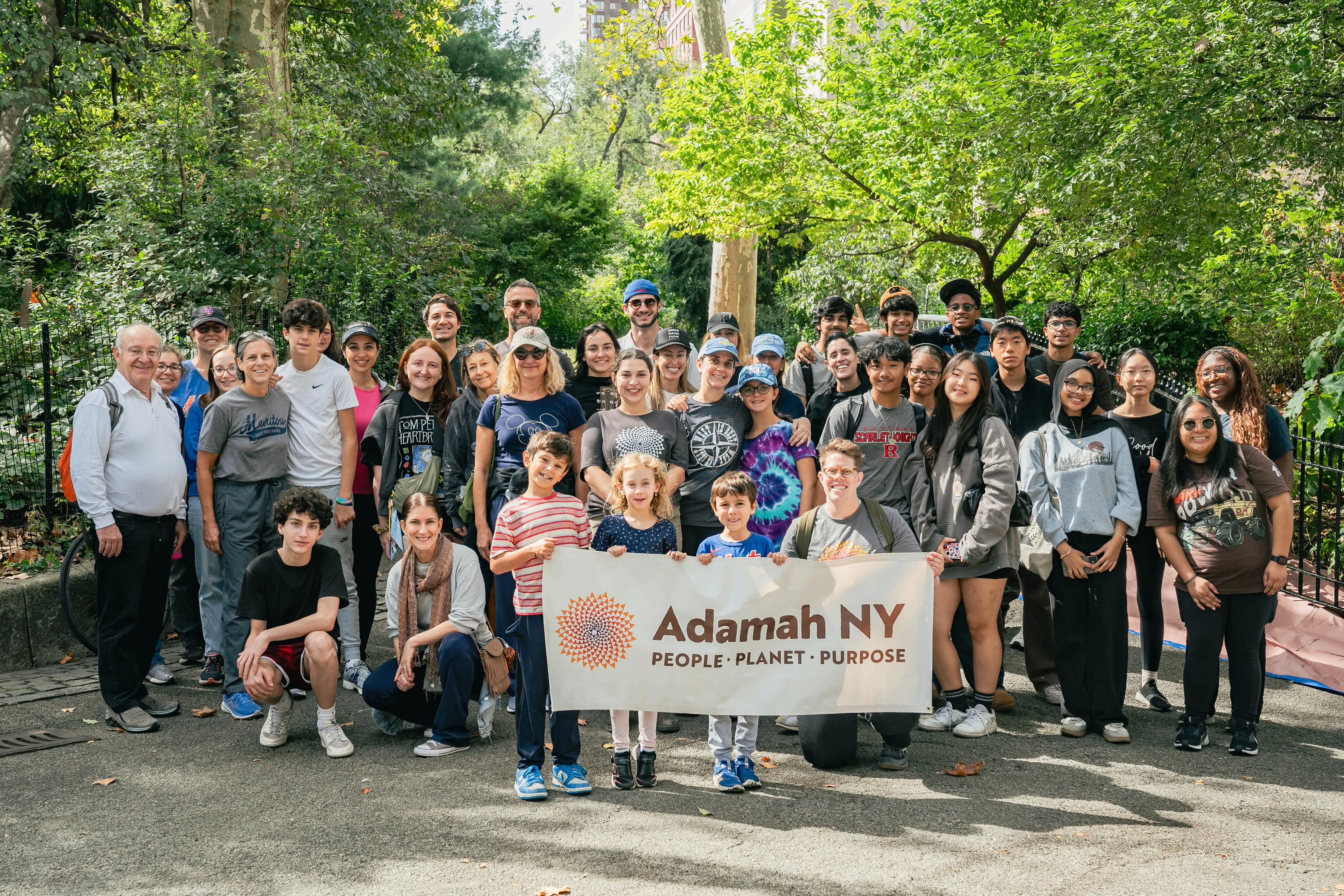
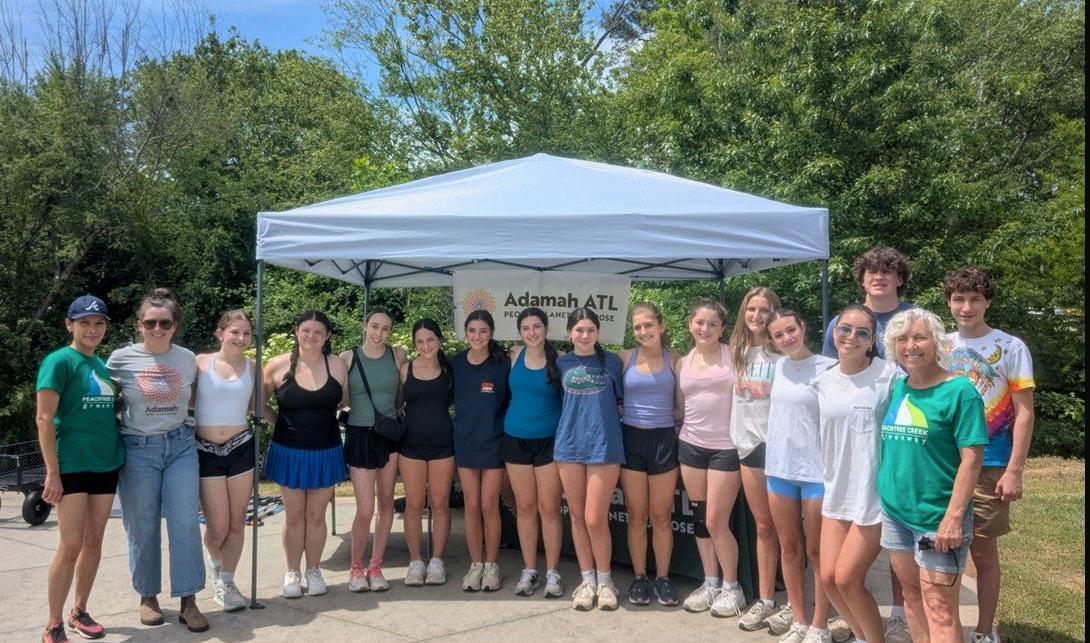
As of the end of 2025, Adamah has six Community Impact Hubs in New York, Los Angeles, San Francisco, Baltimore, Detroit, and Atlanta regions that together include a majority of the U.S. Jewish population. Adamah plans to launch additional Hubs in 2026–2027, expandingbothgeographicreachandthedepthofsupportavailabletolocalinstitutions.
Data, Learning, and Jewish Culture
Key Interventions
A small set of proven technologies, deployed at scale, can deliver the bulk of emissions reductions needed for Jewish institutions to move toward net-zero. The core interventions are:
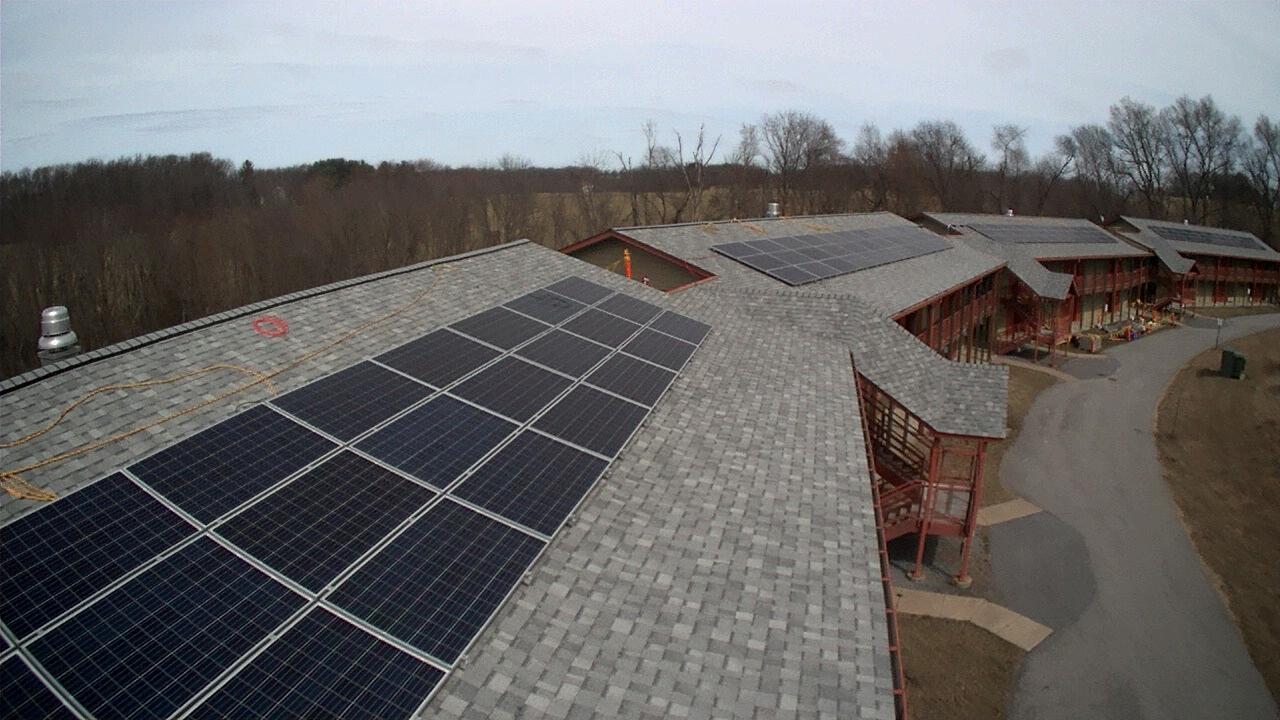
On-site solar. As climate writer Bill McKibben likes to say, we now live on a planet where “the cheapest way to produce energy is to point a sheet of glass at the sun.” Costs have fallendramatically:since2010,theinstalledcostofcommercialrooftopsolarhasdeclinedby 69%.Evenwiththeterminationoffederalincentives,solarcouldremaincompetitiveinmany markets,especiallywherestateandutilitypoliciesallowcustomerstoearncreditsforexcess generationexportedtothegrid(oftenthroughnetmetering)
Energy-efficiency retrofits. Upgrading insulation and air sealing, switching to LED lighting, and modernizing building controls reduce wasted energy and utility bills. Efficiency also “shrinks the load,” so electrification and renewables cover a larger share of remaining demand.Upgradinglightingtoenergy-efficientLEDsisoftenalow-hangingfruit.
Appliance electrification. Transitioning to electric appliances (including water heaters, kitchen appliances, and laundry) is necessary to eliminate reliance on fossil fuels. Because appliances naturally cycle out over time, electrification can often be phased in through planned replacement schedules. Additionally, heating, ventilation, and air conditioning (HVAC) systems are responsible for a large share of fossil-fuel use in many facilities. HVAC
Learnings From the Climate Action Fund Portfolio
The nearly 80 projects funded by Adamah’s Climate Action Fund range across these interventions. Adamah has collected a core set of data to begin to understand the impact of these interventions on the institutions that have already taken action.
Climate Action Fund: Types of Interventions
The $1.8 million the Climate Action Fund has awarded to date include $1.28 million in the form of no-interest loans and $560k for matching grants. Currently, across all projects funded by Adamah’s Climate Action Fund, Jewish institutions are seeing a return on investment of 6 3 years that is, the projects pay for themselves through cost savings in just over six years.
Interventions ranked by financial efficiency (years until payback) (lower is better)
Analysis of funded projects shows that different interventions serve different purposes
Energy efficiency measures have consistently delivered strong financial returns with quicker payback, though they tend to produce more modest emissions reductions. Solar projects, by contrast,offergreaterclimateimpactwithmoderatepaybackperiodsthatvarybygeography and available incentives. Lighting upgrades perform especially well on both cost and emissions metrics, though they are less visible as educational or community-facing interventions
These payback metrics only show the “years to payback.” But nearly all of these projects continue to produce value for Jewish institutions well after they have reached that point, savingtheJewishcommunitymoneyannuallywellbeyondthepaybackperiod.
Taken together, the data shows that no single intervention maximizes all outcomes. Instead, the Climate Action Fund’s strength lies in its ability to deploy philanthropic capital strategically, supporting a mix of projects that deliver financial savings, emissions reductions, andlong-termculturaltransformation.
There are approximately 6,500 Jewish institutions in America, of nearly a dozen common types. The most prominent are synagogues, schools, Hillels, camps, Jewish Community Centers, and Jewish Federations.
Of these institutions, a majority own their own buildings; some rent space; and some are virtual or remote with no building. Among the institutions who have submitted climate action plans to Adamah, approximately 70% own a building, 15% rent space, and 15% are virtual or remote with no building. The composition of Adamah’s Jewish Climate Leadership Coalition is similar to that of the overall American Jewish community.
Climate Action Fund Grants and Loans
Decarbonizing the 6,500 Jewish institutions across North America will require capital at scale – both philanthropic and catalytic (interest-free or low-interest loans).
Grants play a critical catalytic role. In nearly every project funded to date, Climate Action Fund dollars covered only a portion of total costs. That early capital unlocked the remaining investment and enabled institutions to move forward. Our experience shows that many institutions are willing to act but need a targeted financial push to do so.
Loans, particularly zero-interest loans, are important for larger projects with strong longterm savings. These tools allow institutions to move ahead now and repay over time from energy cost reductions, turning climate action into a financially responsible decision. By growing both grants and concessionary loans, the Climate Action Fund can unlock significantly greater scale. This model has proven effective with the nearly 80 projects alreadysupported.
With four years of demonstrated impact, Adamah aims to launch an expanded Climate Action Fund this fall, designed to meet the scale of the challenge ahead. This moment can accelerate climate engagement for Jewish institutions nationwide and help build an inspiring leadershipmodelforfaith-basedclimateaction.
An Invitation to Lead
Adamah’s vision to decarbonize American Jewish life by 2040 is ambitious but achievable. This Roadmap focuses on Jewish institutions, as they are a key lever to create a multiplier effect and accelerate change across the whole Jewish world. It will require visionary philanthropy willing to invest early capital, structured to unlock action, and partners committedtobuildingthefield.Adamahstandsreadytoleadthiswork.Weinviteyoutojoin us,notonlytoreduceemissions,buttohelpshapearesilientJewishfuture.
Themomentisnow.
Notes and Methodology:
Adamah made calculations using data provided by the nearly 70 institutions who have received funding from the Climate Action Fund for 78 different projects The numbers of total project cost, energy savings, etc , were reported directly to Adamah from the institutions (Adamah did not perform independent audits) Adamah also excluded eight projects from the calculations that had either incomplete or questionable data, or where the project type was a significant outlier
Adamah approximated the lifetime of climate interventions for each project through reference to industry standard for the life of each type of project. It is possible that these interventions will last longer than predicted, but we sought to maintain a conservative data approach.
When institutions install new HVAC or appliances, it is usually the case that the prior system was nearing the end of its life and would be replaced regardless Part of the replacement cost may include items that would have been purchased and installed anyway (such as ducting). An accurate assessment of climate and cost impact would not use the whole cost of the HVAC system or appliance but rather the marginal cost differential of a climate-friendly version compared to a baseline replacement When possible, Adamah calculated or estimated these numbers, and when not possible we took a conservative approach and incorporated full project cost.
Case Studies
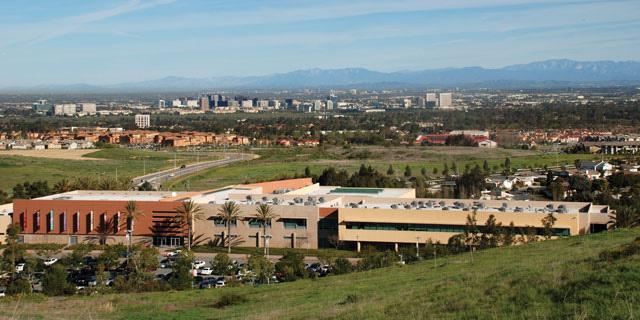
Case Study: Merage Jewish Community Center (Irvine, CA) Efficiency Upgrades with Rapid Payback
conversion to LED lighting, an upgrade that delivers immediate emissions reductions while freeingoperatingdollarsformission.
Merage JCC converted its entire campus lighting for$204,000, partially funded by anAdamah grant. The project is saving the JCC$70,000 annually, paying off the full cost inunder three years, and preventing~321 tons of carbon emissions each year. The success of the project also helped catalyze a broader energy strategy, including motion detectors, digital lighting controls, andhigh-efficiencypoolequipment.
This kind of climate action is the lowest hanging fruit: high confidence, fast payback, and an upgradethatstrengthensinstitutionsforthelonghaul.
By using less energy, we are doing our part to reduce our environmental impact and set a meaningful example for our students
–Chair of the Science Department
Ruth Fried
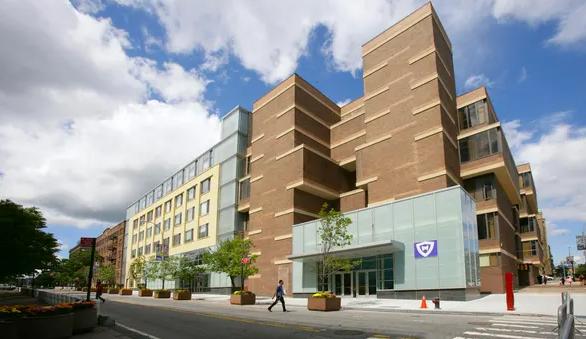
YeshivaUniversity(YU)hassetanambitiousgoalofmakingitsroughly20propertiescarbon neutralby2040.Theseeffortsreflectapragmatic“dogoodanddowell”approach:reducing environmental impact while responsibly managing operating costs for a large, complex institution.
Initial projects, with support from Adamah NY’s Climate Action Fund (CAF), include an LED lighting retrofit (reducing emissions by 195 metric tons of CO₂e per year) and a window replacement ($55.8k, 10-year payback made even shorter by utility rebates and Adamah ClimateActionFundgrant).
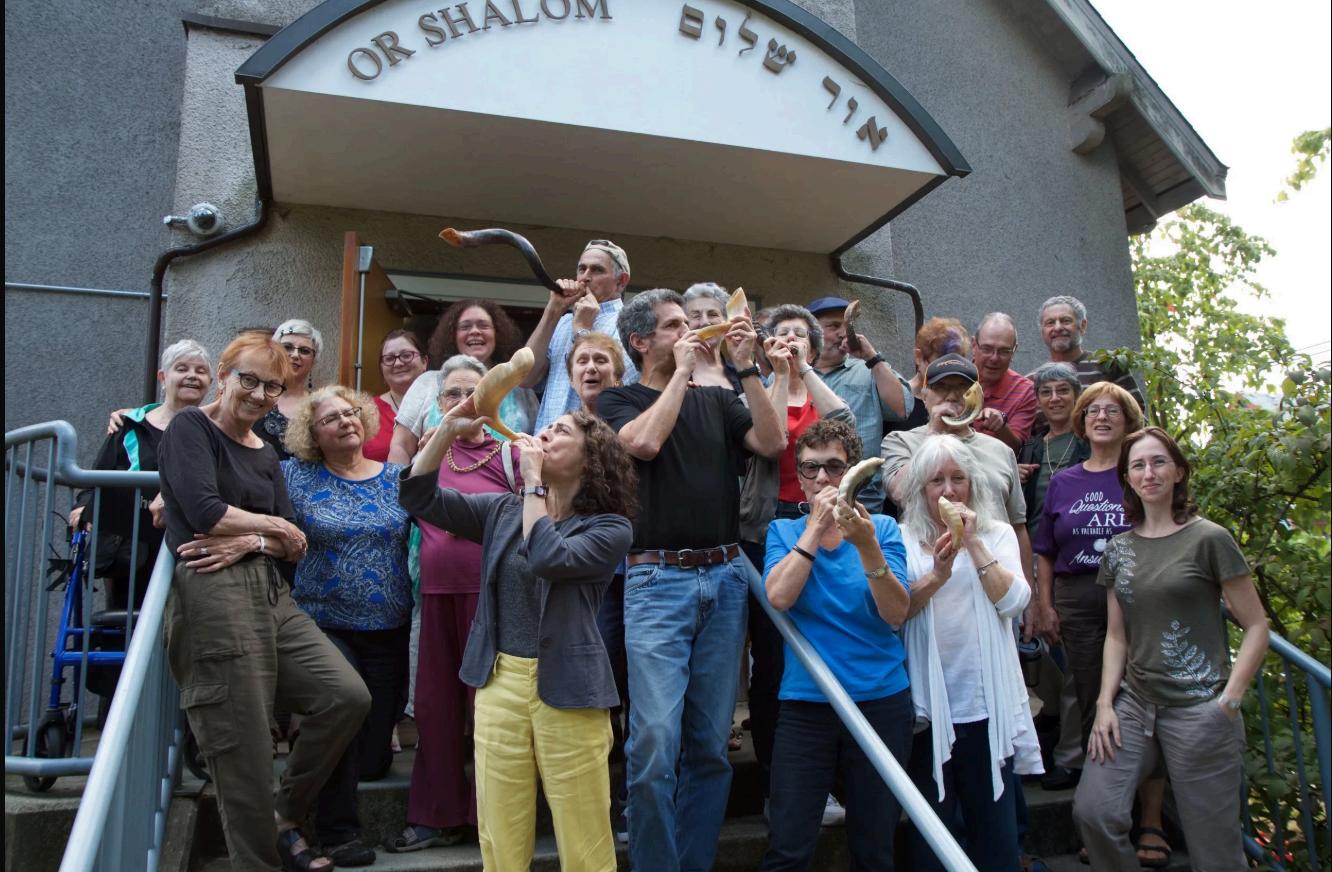
Case Study: Congregation Or Shalom (Vancouver, BC) A Fully Carbon-Free Jewish Institution
This project is about more than just bricks and mortar – it’s about building a future rooted in sustainability, inclusivity and connection
–Synagogue Board Member
Mira Oreck
In 1994, Congregation Or Shalom purchased its building, which was formerly a Scottish Highland church. They continue to expand and renovate the building to make room for their growing congregation. As part of the renovation, they will decarbonize the building completely, becoming one of the first completely carbon-free Jewish institutions. They are replacingtwogasfurnaceswithheatpumps,mini-splits,andanairhandler,andreplacingthe gas stove and water heater with electric appliances. Once these appliances are electric, they will run on renewable energy, as 97% of the electricity from their grid is generated from hydropower.
While the synagogue will save a minimal amount on their energy bill, they see decarbonization as a matter of social and environmental responsibility. Jewish teachings on sustainability are woven into education for children and adults, and they are lived out in the day-to-dayfoodoperationsofthecongregation
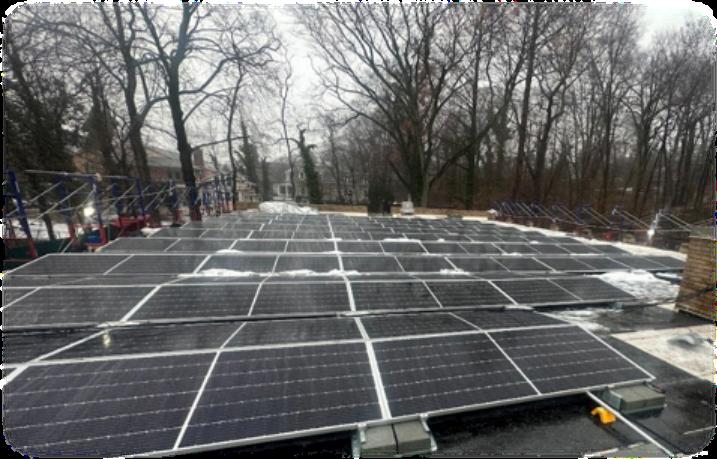
Case Study: CSAIR synagogue (Bronx, NY) Rooftop Solar as Visible Jewish Leadership
Beyond the balance sheet, the system has become ateaching asset. In the words of Rabbi Barry Dov Katz, “The solar panels are a visible symbol of our synagogue’s commitment to sustainability.Wecanpointtothemandsaytothechildrenandadultsofourcommunity,‘It isaJewishvaluetotakecareoftheearth—andthisisonewaywearedoingit.”
This case also shows how a relatively small philanthropic contribution can unlock a full project—reducing emissions, lowering operating costs, and strengthening the synagogue’s roleasamoralandcommunalleader
Solar as Resilience, Savings, and Mission Alignment
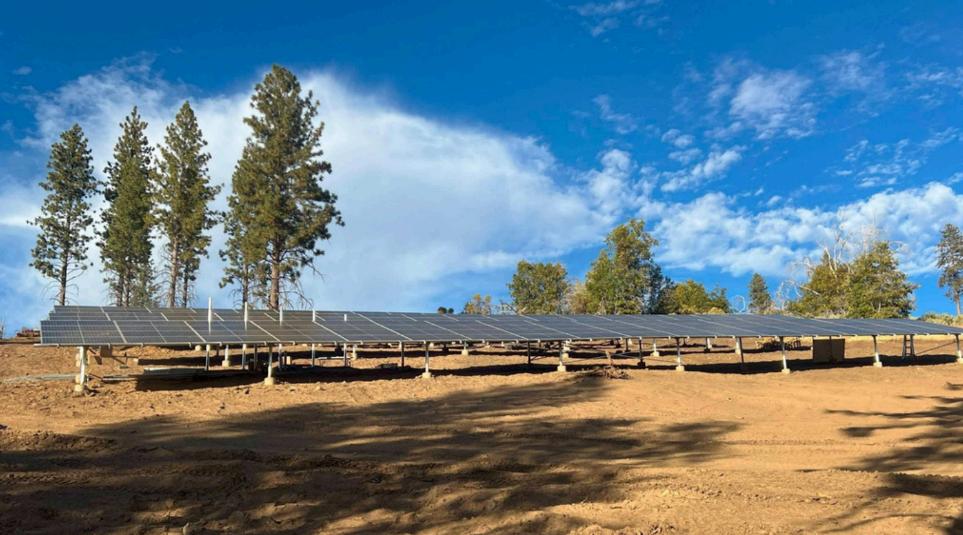
Camp Tawonga has experienced firsthand the destruction caused by climate-induced wildfires, including major fire events in1999, 2013, and 2019that limited operations, destroyedbuildings,andunderscoredthecamp’svulnerabilitytoclimatechange Inresponse, thecampsetouttoreduceitsrelianceonthefossilfuelsdrivingthosesamerisks.
With support from anAdamah grant, Tawonga installed a125kW ground-mount solar arrayon its 160-acre property for approximately$750,000. During planning, the camp also made a resilience-driven design choice: locating the array near its water source to make the system more defensible in the event of wildfire and working directly with the utility for technicalsupport.
For Tawonga, the project is not only an energy upgrade it’s a long-term institutional resilience strategy that protects programming, strengthens financial stability, and models valuesforthousandsofcampersandfamilieseachyear.