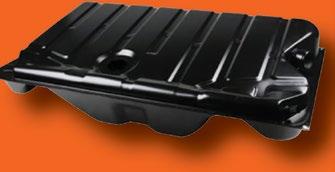
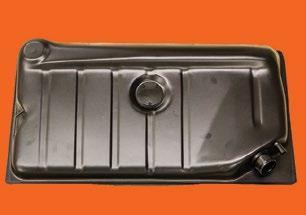
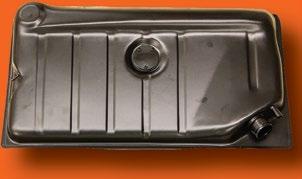
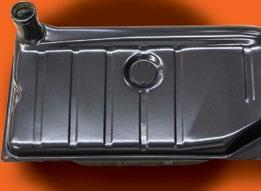
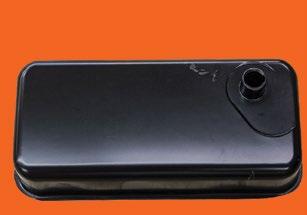
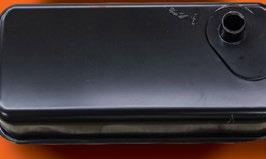
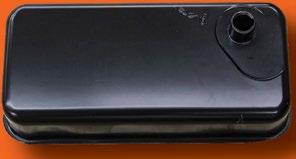
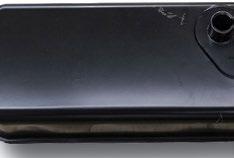
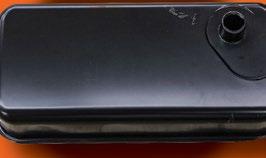
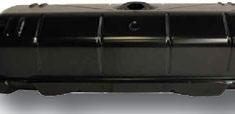
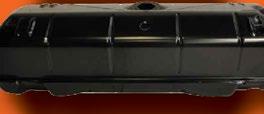
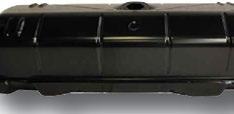
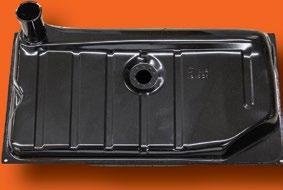
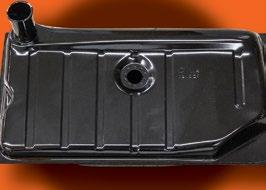
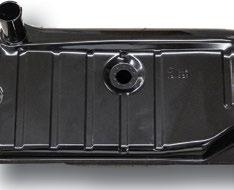
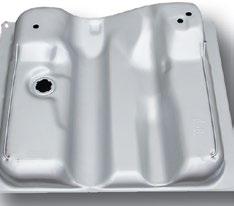
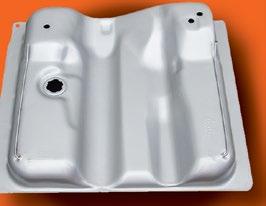
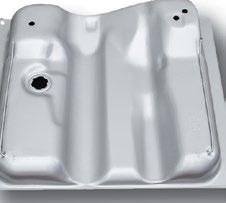
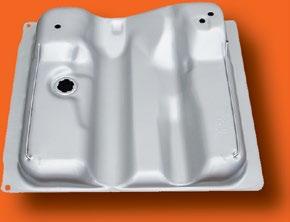
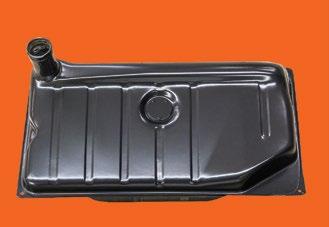
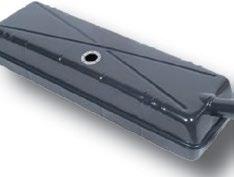
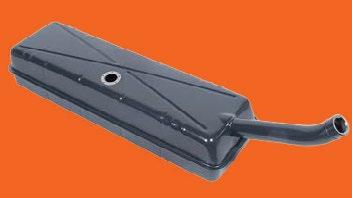
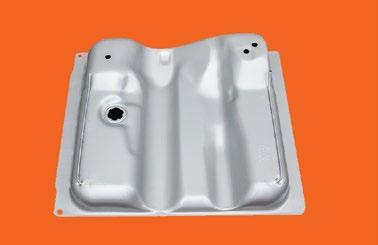
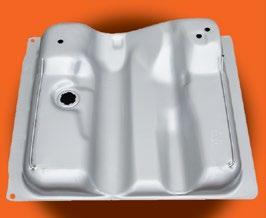
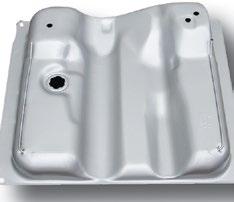
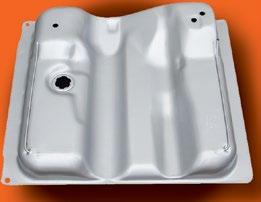
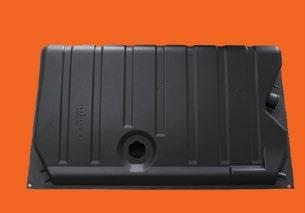
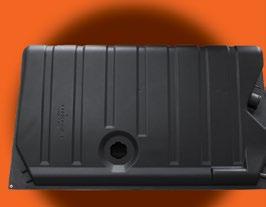
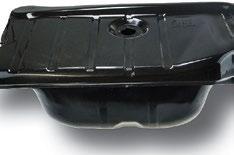
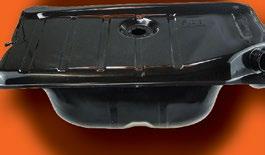
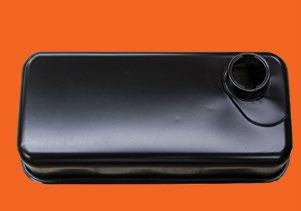
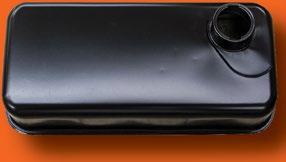
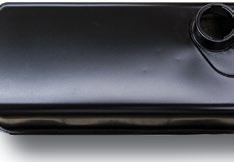
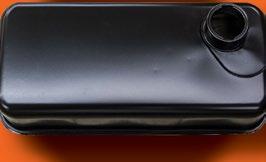
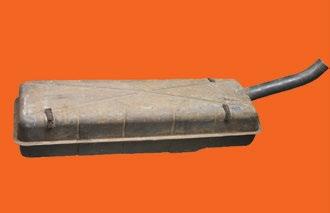
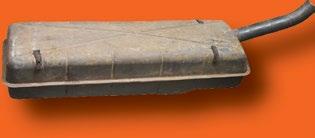
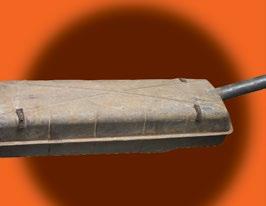
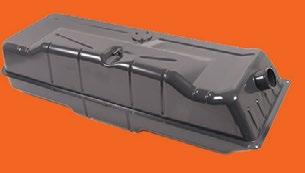
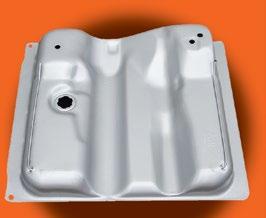
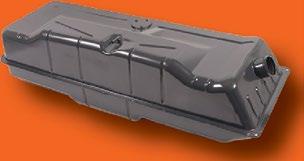
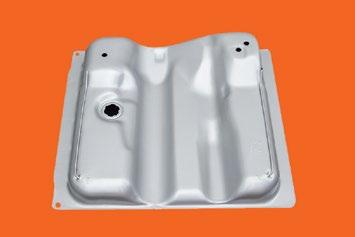
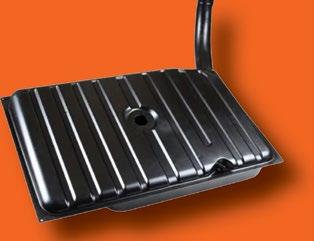
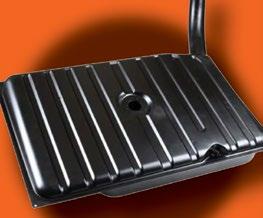
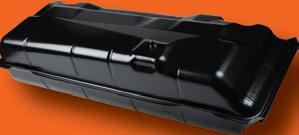
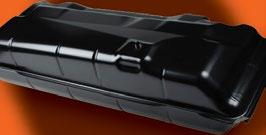
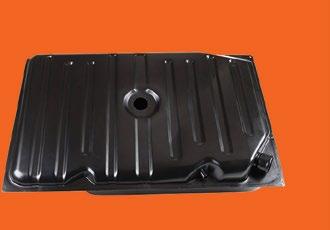
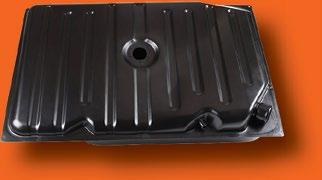
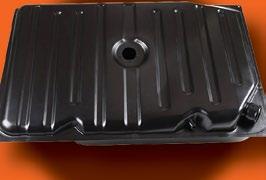
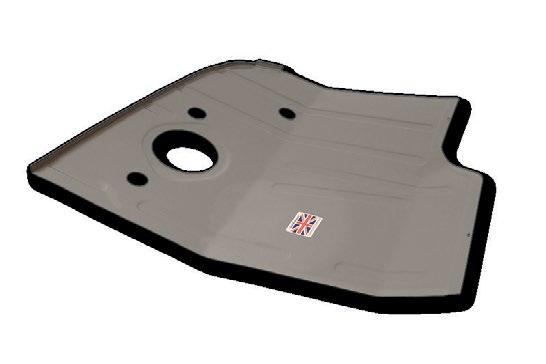
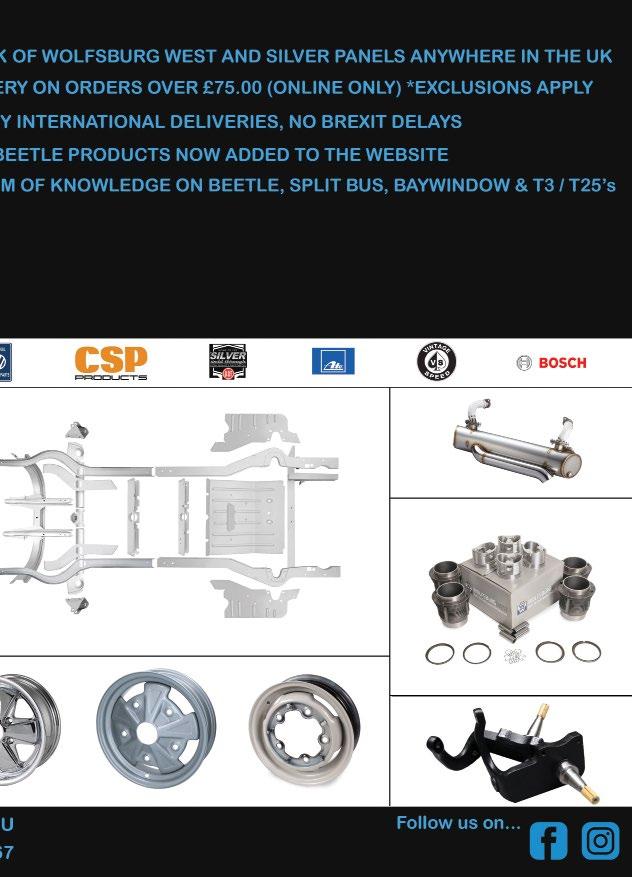
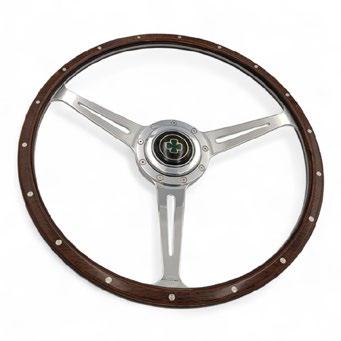
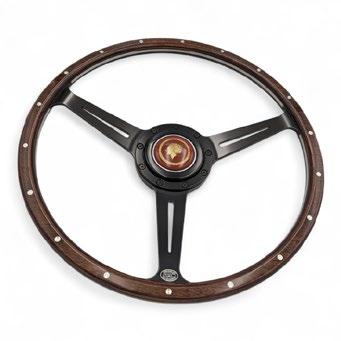
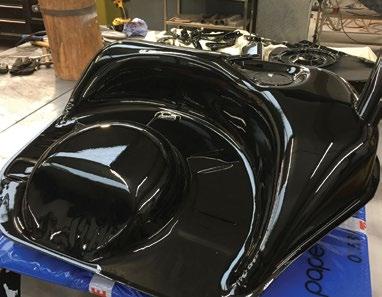
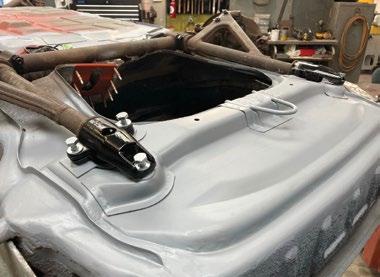
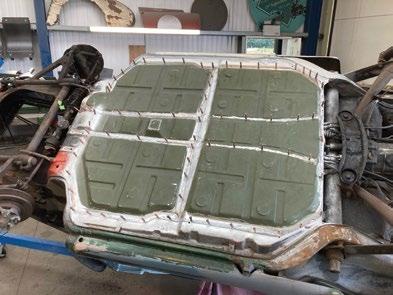
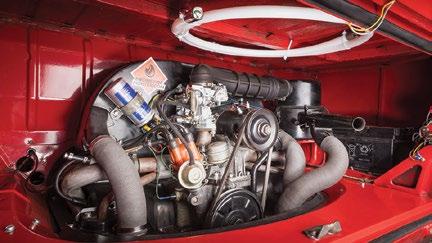
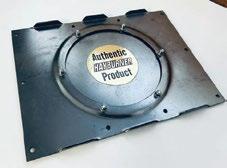
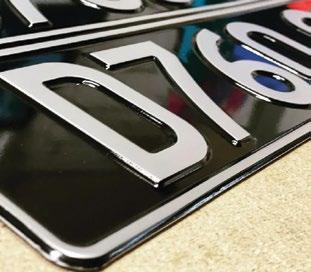
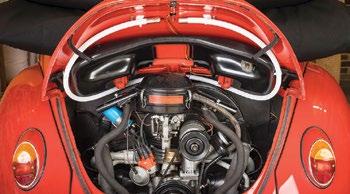
• fit for 1302/1303 AJ engine • with fuel-injected engine Order no. 201 135 075
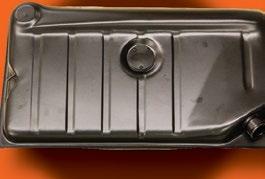
Beetle & Karmann Ghia Typ 14
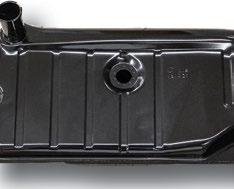
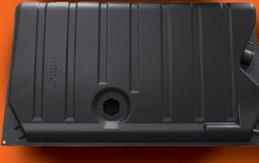
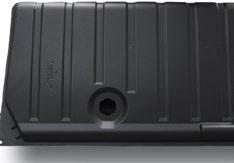
• fit for all models from year 08/67, except 1302/03
Order no. 201 111 077 WW
143,10 Beetle & Karmann Ghia Typ 14 • fit for all models from year 08/67, except 1302/03 Order no. 201 111 077 WW
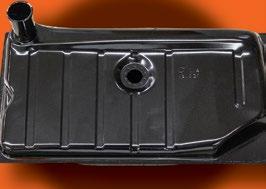
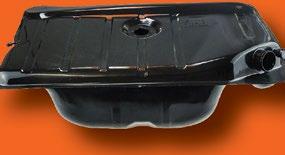
Karmann Ghia Typ 14
• from 08/55 to 07/60
• Connection for tank cover 60mm
Order no. 201 111 075AR
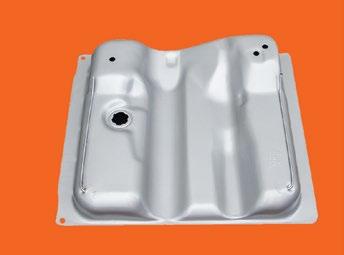
Bus T2
• fit for 01/73–07/79
Order no. 201 211 075 H
Beetle
• from 08/60–07/67
Order no. 201 111 075 R
• Petrol engines only with fuel injection
• Made by WERK34
Order no. 201 251 075 A
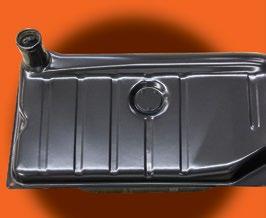
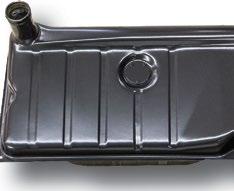
Beetle & Karmann Ghia Typ 14
& Karmann Ghia Typ 14
• fit for models from 08/60–07/67
• original part
Order no. 201 111 075 B
fit for models from 08/60–07/67
original part Order no. 201 111 075 B
Bus T1
• from 03/55–07/67
• opening for tank sender
Bus T1 • from 03/55–07/67 • opening for tank sender
• gray/blue powder coated color like original Order no. 201 211 055 N
Bus T3
216,88 Bus T3 • Petrol engines only with fuel injection • Made by WERK34 Order no. 201 251 075 A € 121,50
• fit for Diesel, from 1985
Bus T3 • fit for Diesel, from 1985
• Carburator (not injecton Engine)
• Made by WERK34
Order no. 201 251 075 C
Beetle
• fit for 1302/1303, from 08/70
Order no. 201 133 075 S € 215,10
Beetle & Karmann Ghia Typ 14
• from 08/67, except 1302/03
Order no. 201 111 077 R € 89,96
Beetle
• –07/55
• with large filler neck
Order no. 201 111 075 € 178,33
Bus T1
• fit for 03/55–07/67
• original part, used
Order no. 201 211 055 A € 187,97
• without opening for tank sender
Bus T3
• fit for Diesel up to 1985
• Carburator (not injecton Engine)
• Made by WERK34
Order no. 201 251 075 B € 125,96
Bus T2
• fit for 08/67–07/71
Order no. 201 211 075 D € 230,37
• fit for Type 3 & 34 up to 07/67
Order no. 201 311 055 B € 352,89
Bus T2
• fit for 08/71–01/73
Order no. 201 211 075 € 191,82
Type 3
• fit for 1.5–1.6, 08/67–07/73
Order no. 201 311 075 N € 332,10
Follow us on ...
THANK THEM .
Front Cover by Simon Medlicott
With special thanks to Seb & Penny, Matty Armstrong, Will Thomas, Jack Medlicott, Phil Jarvis, Myles Yarney, Luke Theochari, Rikki James, Dan Du Cros, Barbara Faux, Neil Mabbley, Giles Marchant, all the guys at HR Autowork, James Peene, Ben & Jen Robertson, ThreeFiftySix, Kenneth Anno, Matt Balls, Raphael Meyer, Devo Chiedere Al, Pete Marshall, Indra Hernandi, Kustomfest & Rais Maulana, Robert “Rorky” O’Rourke, Chris Wilburn, Jole Coupland, Micheal Gross, Andrea Camilleri, all in RSVP, Collin Miles, Julieanne @ Tatton Park, Matt Gill, Niels Timmerman, Joshua Smith, Steve Parsons, Marrion Taggart, Paul Medhurst, Bob BBT, Terrence Jonny Marriage, Eric Deen, Tania & Russ, Naomi Wilcox, Teresa & Georgina Iwasiuk, Trint Eastwood, Rob Amos, Alex & Lou Leiserach, Jo & Paul Archer, Mark Thurston & Wendy Clegg, Sam Lindsay, Dan Morrissey, Jen, Stevo, Brian Galpin, Bryan Moody, Lew Savage, Mim, Ben Laughton, Nick Gatt, Craig Petty, Frederic Peeters, Toby Lee, Heiko & Liv, Tish & Jack, Joni Makepeace, Bart and Alejendra @ Kombi Brazil, Rob Mullner, Brett Elesmore, PJ Gibbons, Ian and Sophie at Es Autos, Jess Medlicott, Steve Walker, Orb and Izzie, Lee Skelton, Steve Gosling, Mark Reynolds, Josh Reynolds, Trevor Sharp, Cheryl Dilley, Caroline Soons, Sally & Toby Walker, Helen & James Waller, Jasper Tattersall, Gilbert, Drummer Mat, Katy, Julietta Arden-Taylor, Danny Lord, Seaside Neil & Lyn, Jo Pro, Honor Auld, Chez Williams, Alan Scott, Gary Kennedy, Techno Hippy, Mark & Odette Watts, Rich Whitlock, Jeffrey Van Duin, Angie Simmons, Claude Schaub, 10 Foot Doug & Ewan McGregor.
And to everyone who has submitted, contributed and supported us, none of this could have been done without you. Thank you.
Butty’s Bits
SJ Bowles
Mad Matz
Paruzzi
FiftySixDelux
Es Autos
Aircooled Auto
Elec
Oil Can Stickers
Wonky Donkey
Emporium
MCJ
VW Aircooled
Works
Evil Bens
German Junkies
Aircooled
Accessories
Growl & Grandeur
Rarebreed
Photography
Beetlelink
Border
Restorations
OB1 Clothing
Geek Shack
Johnson
Autoworks
Alive & VDubbin
The VW Engine Company
Europl8
Autowares
Garage 87
SGS Aircooled
Joe Blow
N2 Engineering
Kinky Mick
BusOK
Empi US
VW Trends
JF Bodyworks
VDub Radio
R3 Garage
Robertson
Restos
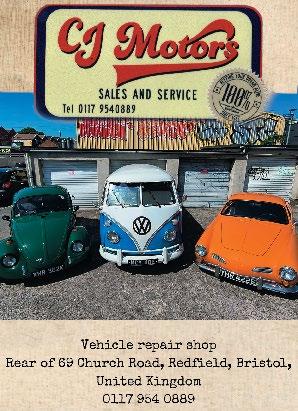
CJ Motors
Alive & Kickin’
Rustys Garage
Akciddento
Europl8
Sebright Creative
Modified
Aircooled
Stanford Hall
Trim Classics
EBI
The People’s
Air-Cooled Show
Fellows
Speedshop
Fritz Customs
Longstone Tyres
Matt Gill
Resto Haus
V Dub at the Pub
Rack Shack
Pre 69 Show
Bristol Volksfest
Doncaster VW Show
Lowd Vans
Double Cab Sake
Rooftent Utopia
Vw Breakout
ISSUE 57
GO ANYWHERE
When it comes to old Volkswagens, the earlier the better, or at least that’s how I’ve always seen it. It turns out that I was wrong. Really wrong..
98
WHAT?
Naturally, as a successful gentleman in the ’60s, like so many others, he decided he wanted a sports car. However, Martin wasn’t the kind of guy to just go out and buy one. 32
PROJECT ‘49
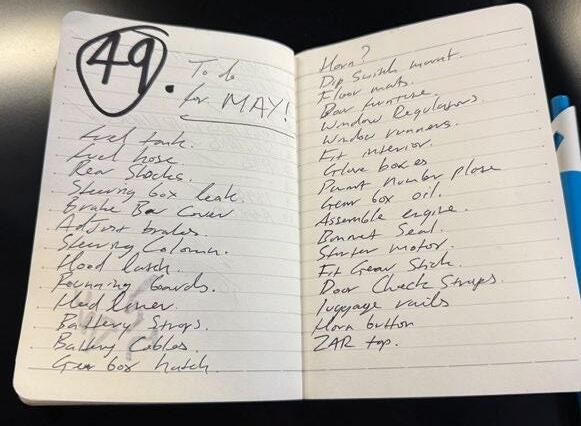
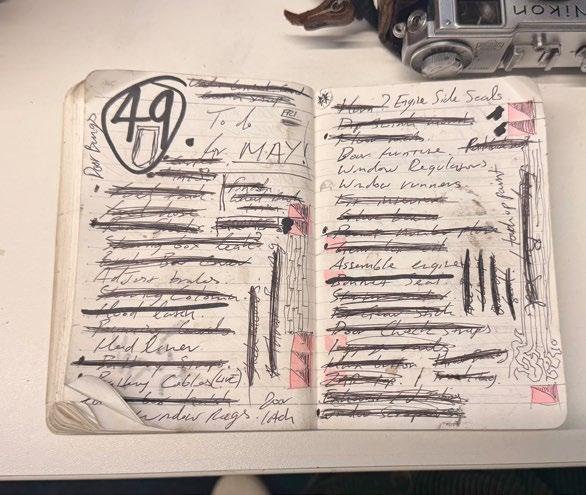
I am very proud to say I’ve actually done quite a lot since the last magazine came out, I’ve been in the workshop until late most nights full of enthusiasm working through my list.
FOR LIFE
52
There can’t be many car enthusiasts who can honestly say that they’ve never sold a car and regretted it.
But for the next few decades, alongside the Deluxe they still built and sold the Standard model.
GERMAN JUNK
As we now know, as far as Barndoors go this one was actually in very good original condition and had never been messed around with.
“this was when I had my epiphany. Why the hell am I not painting it?”
The third edition of the AirMighty Show took place on the third weekend of September 2025, bringing together air-cooled Volkswagen enthusiasts from across Europe
“It’s certainly the one car I own that I would never sell. I love the history of it, and it has great sentimental value.”
“I’ve got a plan for that car,” he said, “but I need to get a few others finished first”.
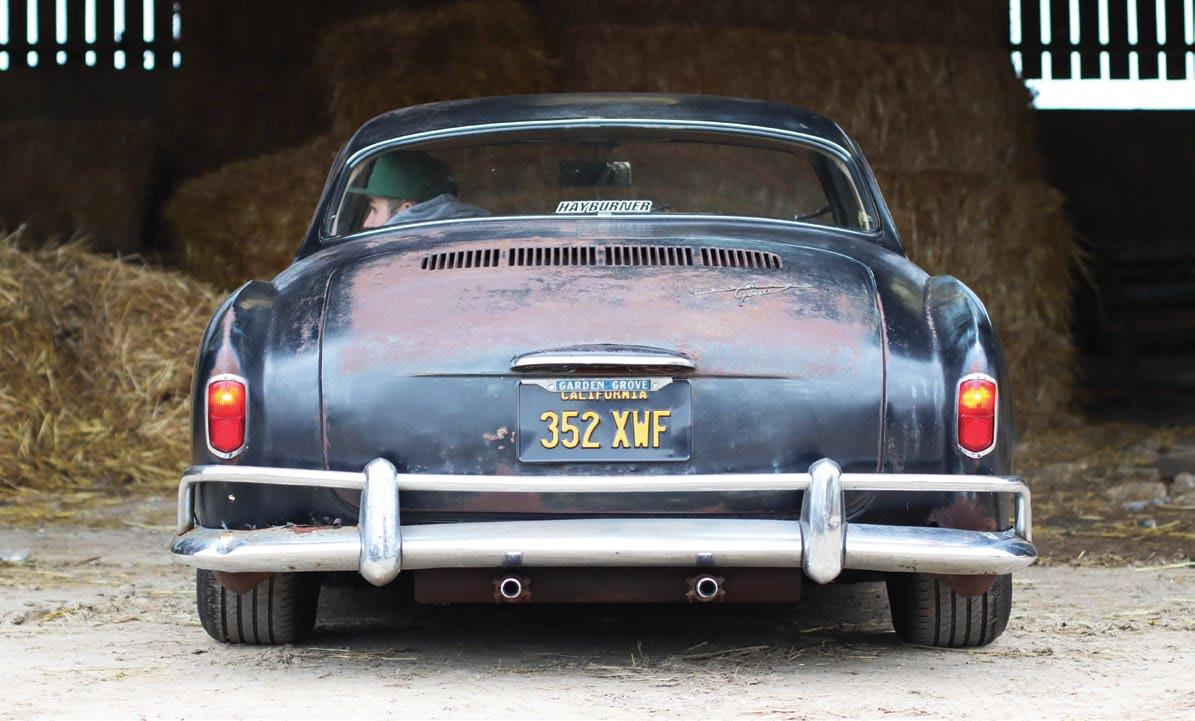
“It was a proper shed, but it was a California car and still had its Garden Grove number plate surround on it.”
An Oval Beetle had been a dream since I was a kid and after the Ninove trip I knew I’d be scouring the internet once I got home to see what was about that would tickle my fancy
Quality parts, designed, fabricated and tested in the UK.
10 YEARS CREATING QUALITY PARTS FOR THE VW SCENE
Air-cooled engines
If you need a replacement engine and you want ultimate peace of mind, Preservation Parts ‘new’ engine options are available in 1600, 1641 and 1776cc. All feature a new engine case, new cylinder heads and they come with a 12 month unlimited mileage guarantee.
Suspension
Take a look at our front beams - stock or narrowed.
For T2 Split and T2 Bay Windows, LHD or RHD with or without servo brakes.
Body Panels
Our Preservation Panels are manufactured to the highest quality on site at JK HQ using NOS or original panels as a template.
Exceptional quality panels manufactured and tested right here in the UK by skilled craftsmen and women using correct gauge steel.
So if you are tired of low cost, substandard, ill fitting parts, Preservation Parts has the answer.
Take a look at our range
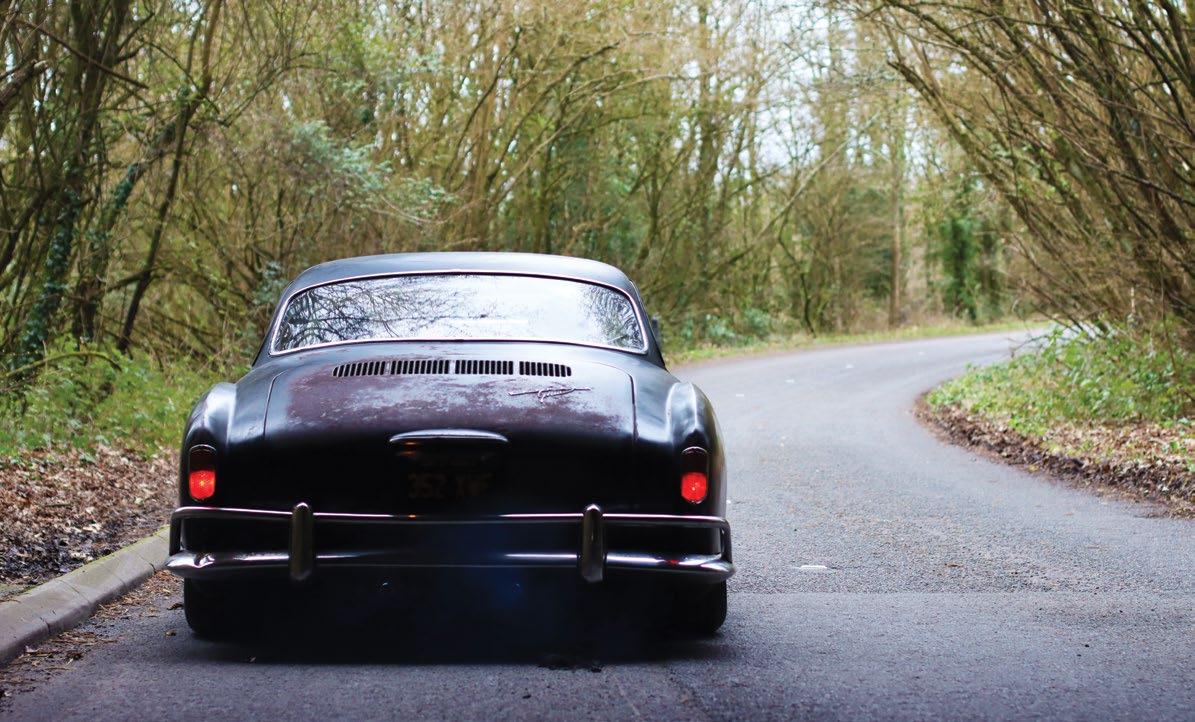
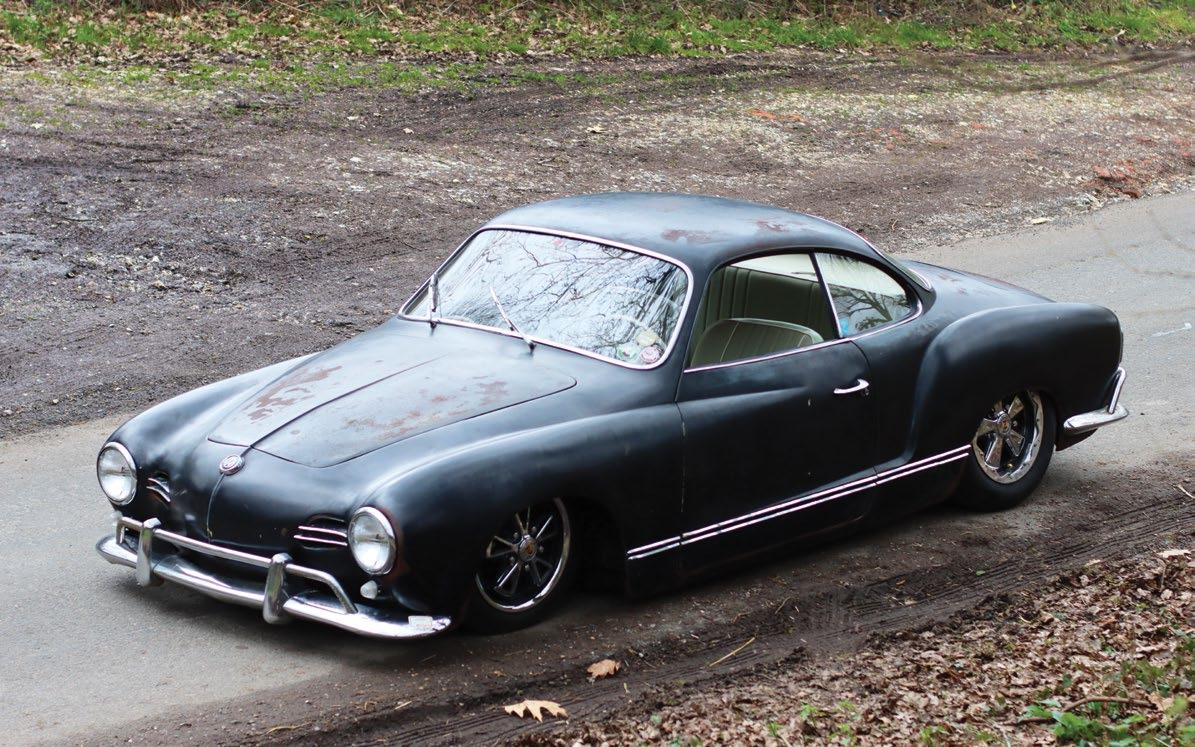
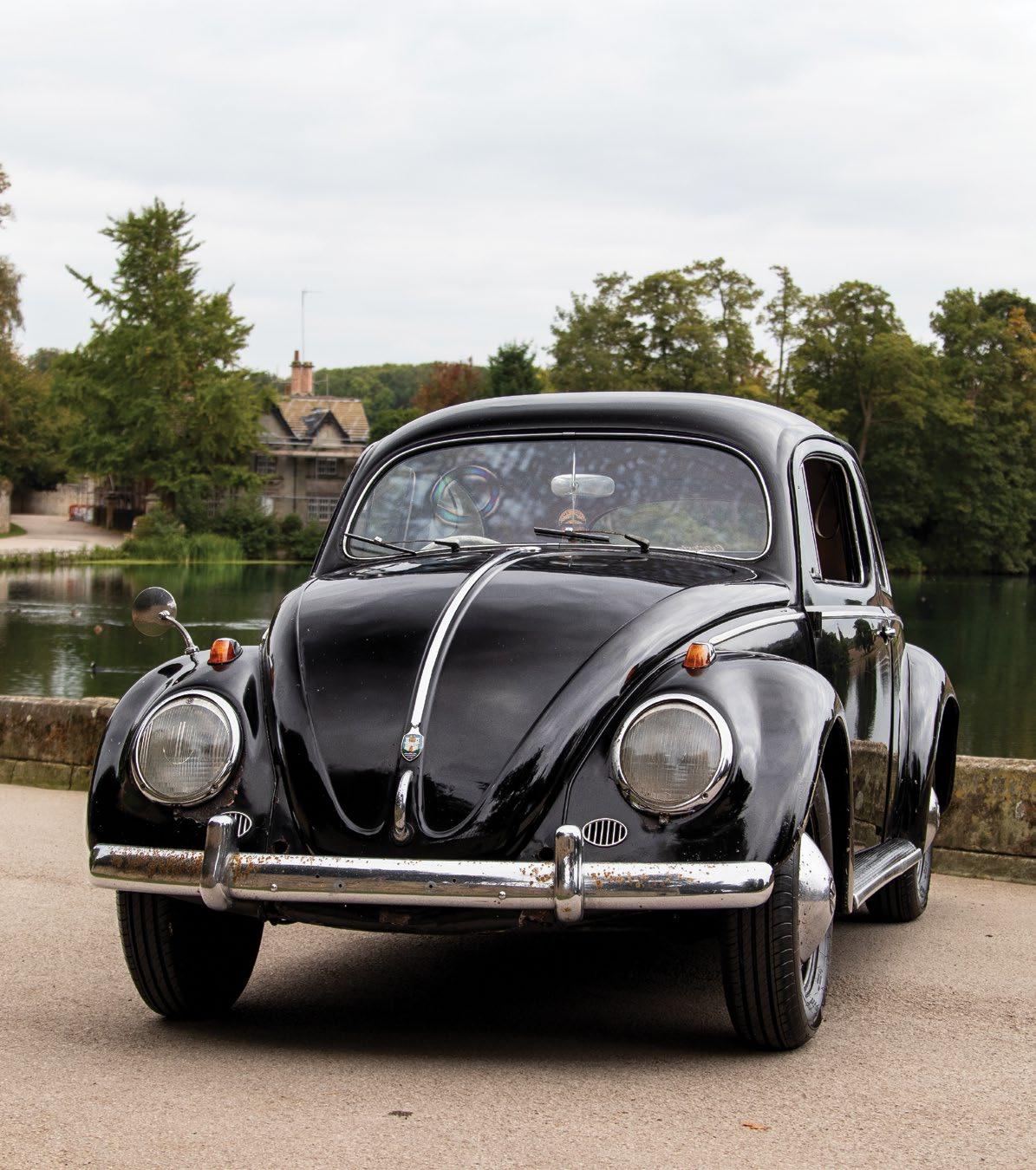
BACK IN BLACK
BY NED FAUX WORDS BY JAMES PEENE
PHOTOGRAPHY
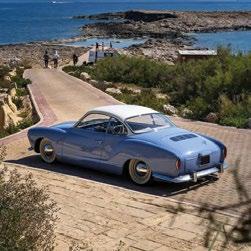
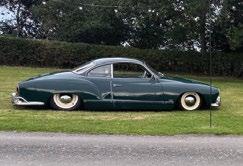
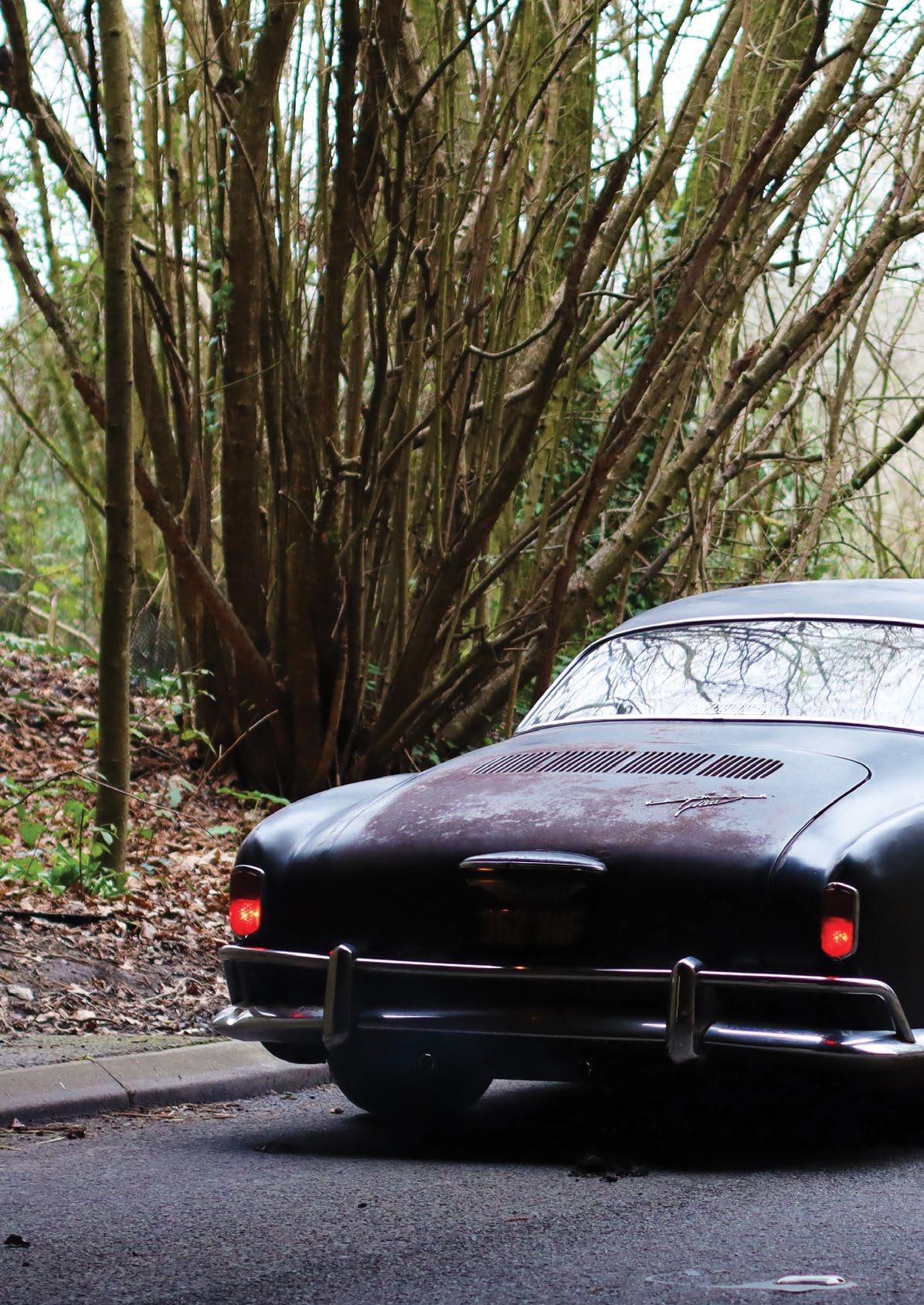
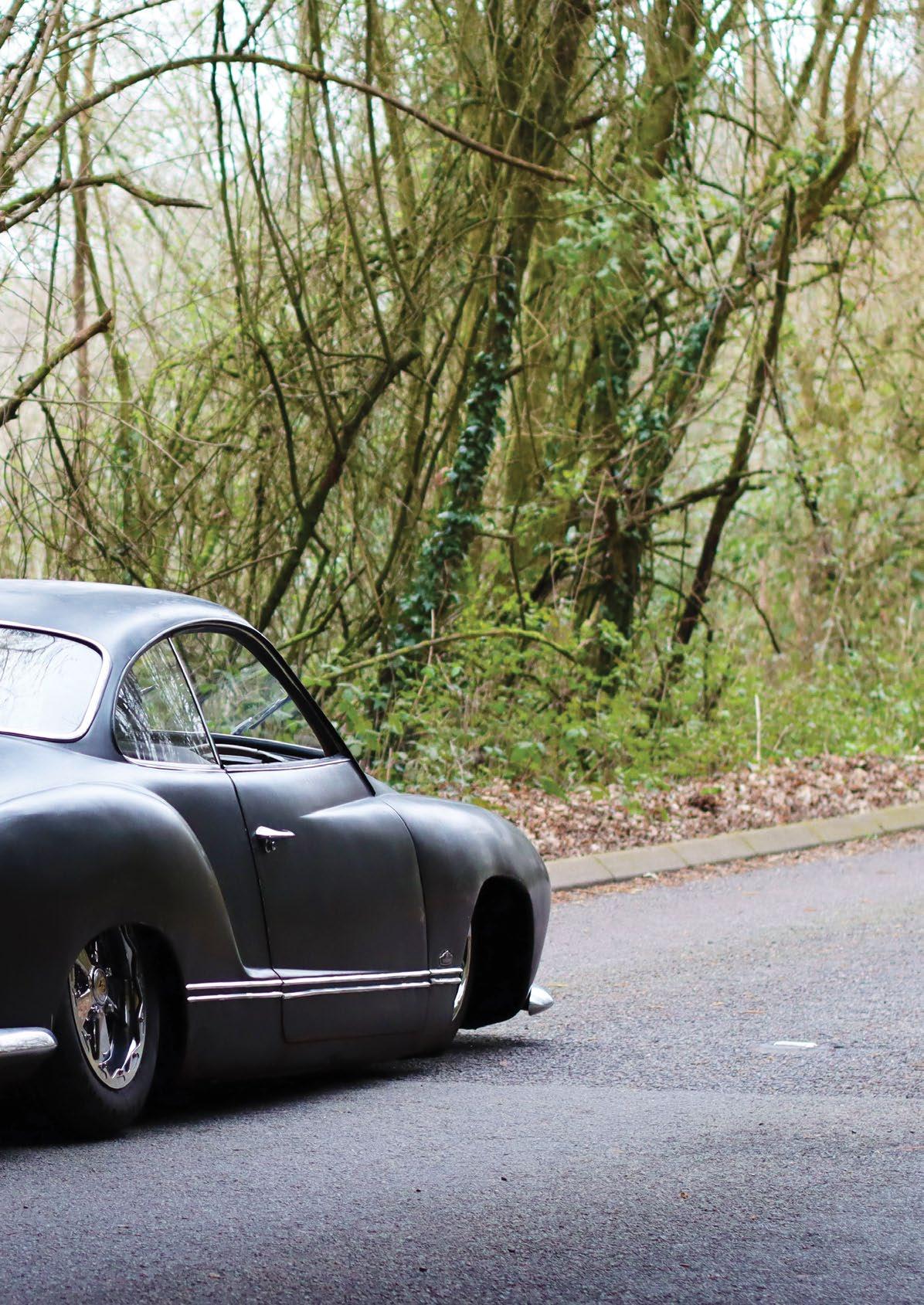
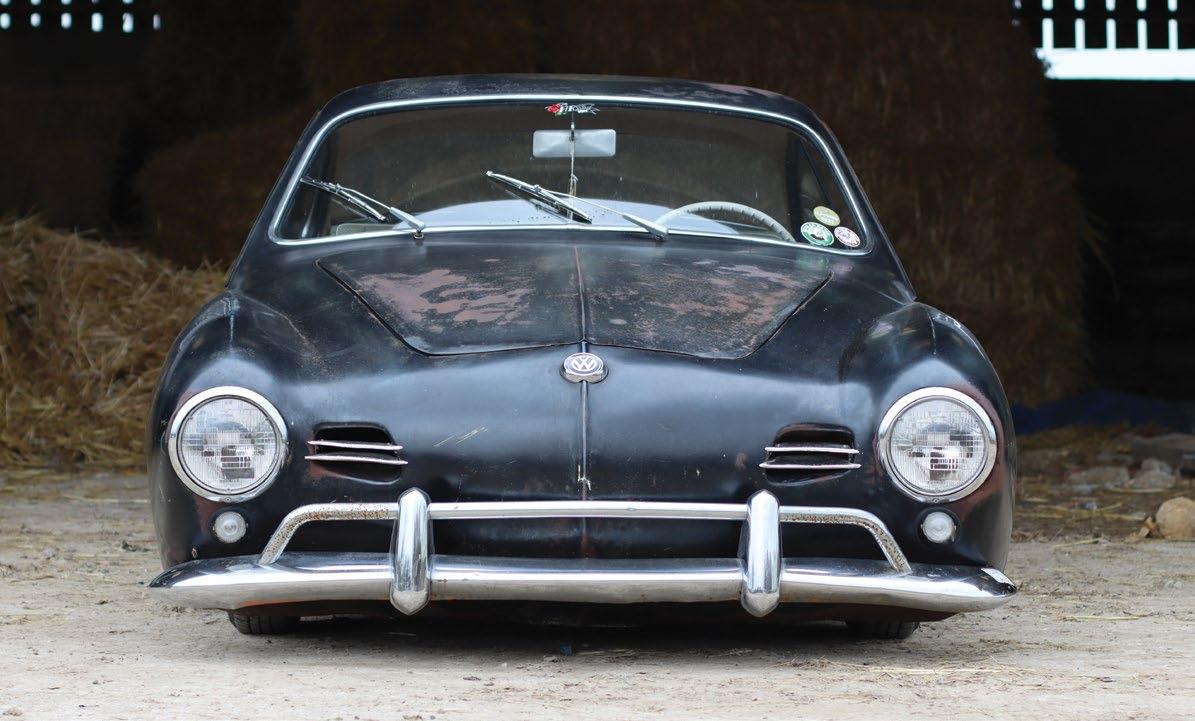
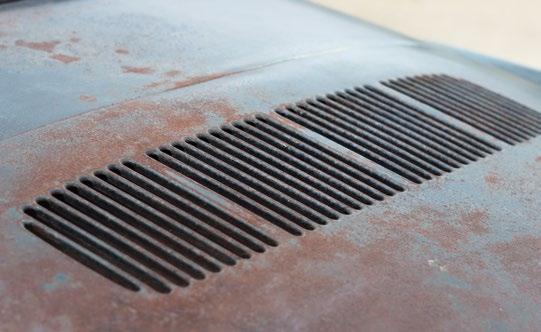
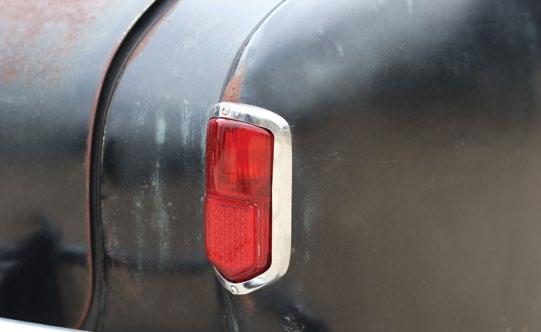
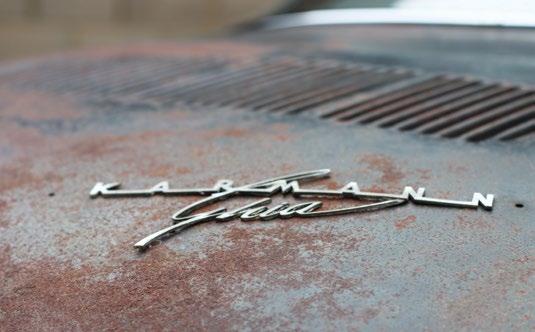
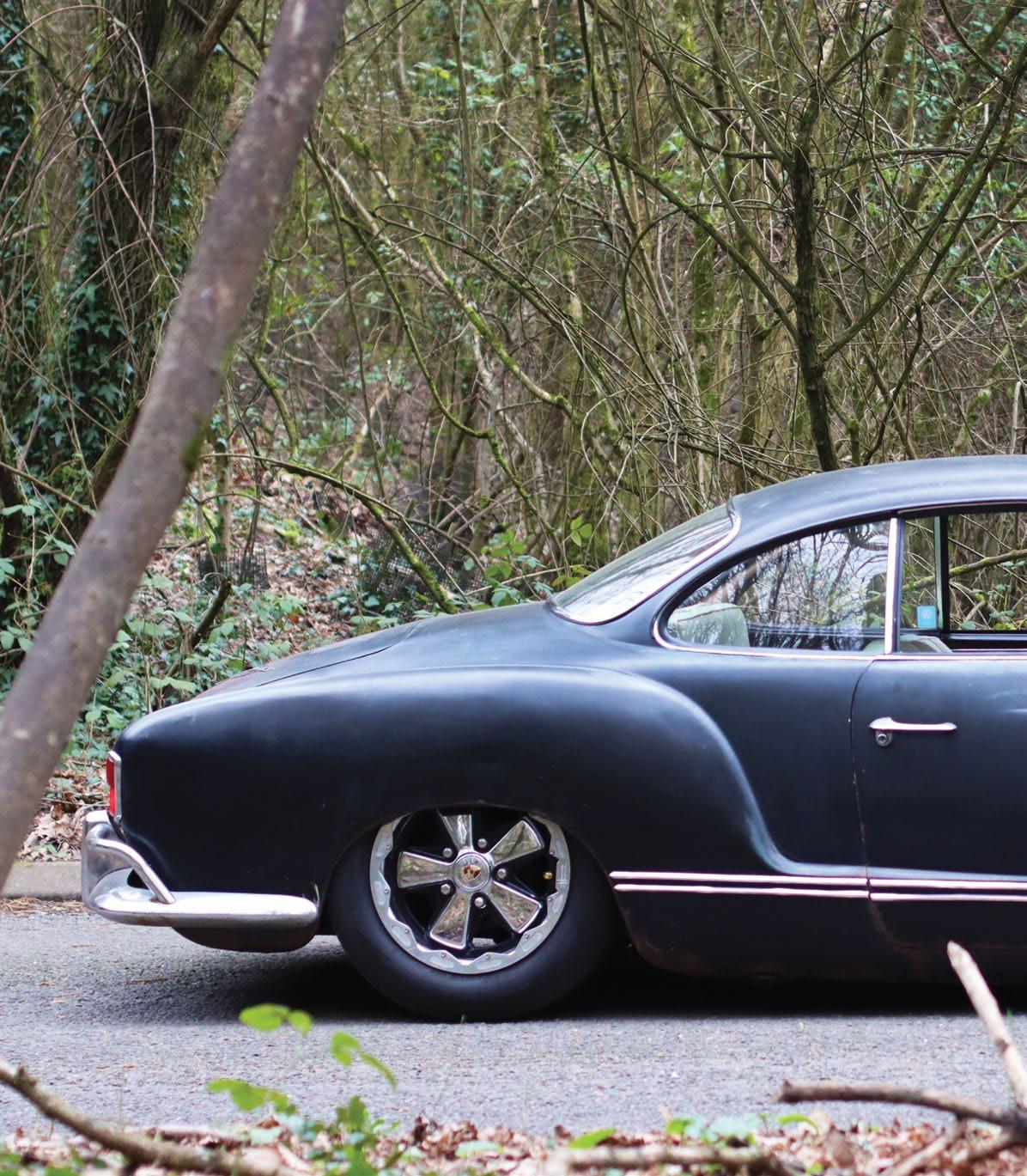
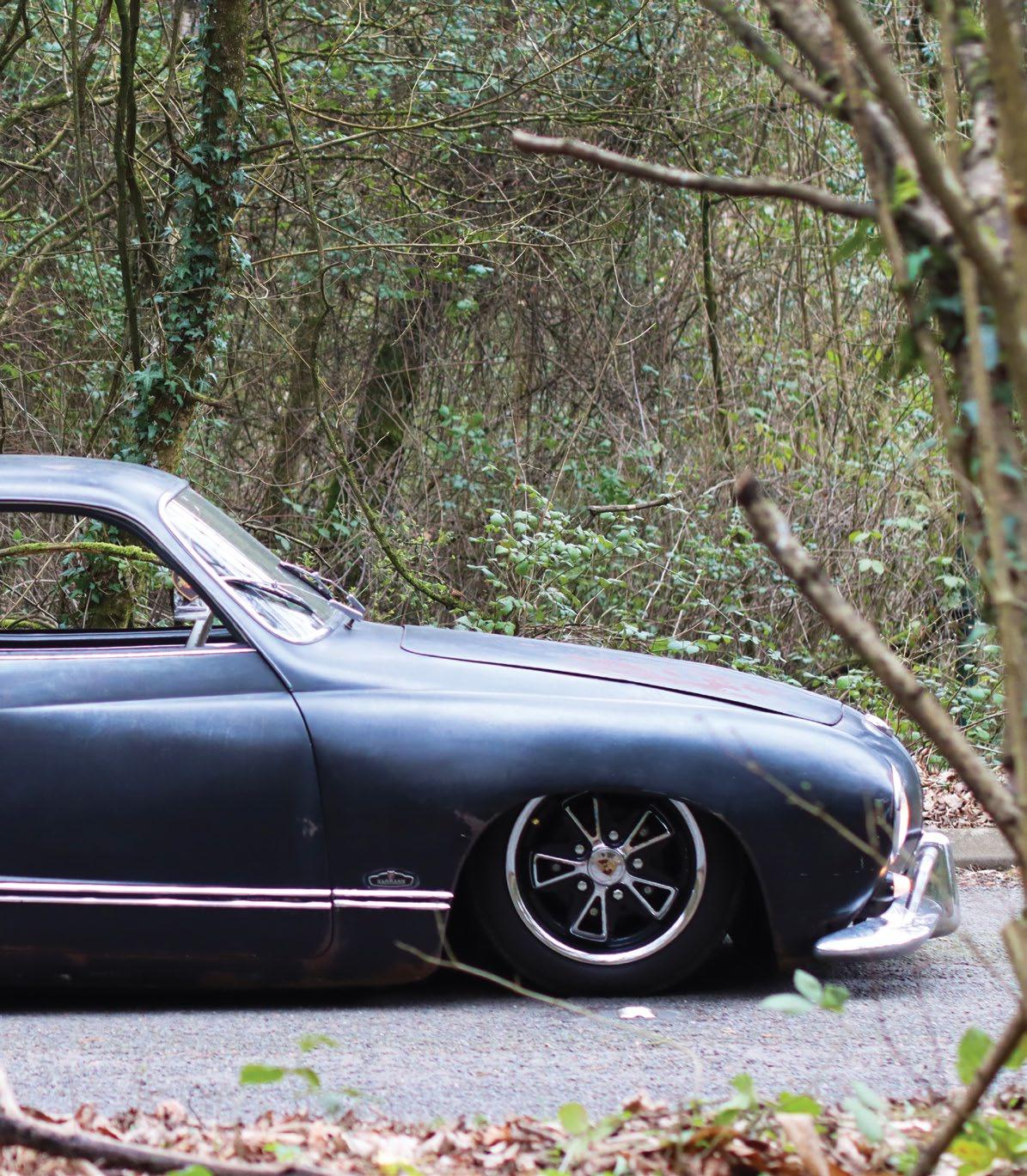
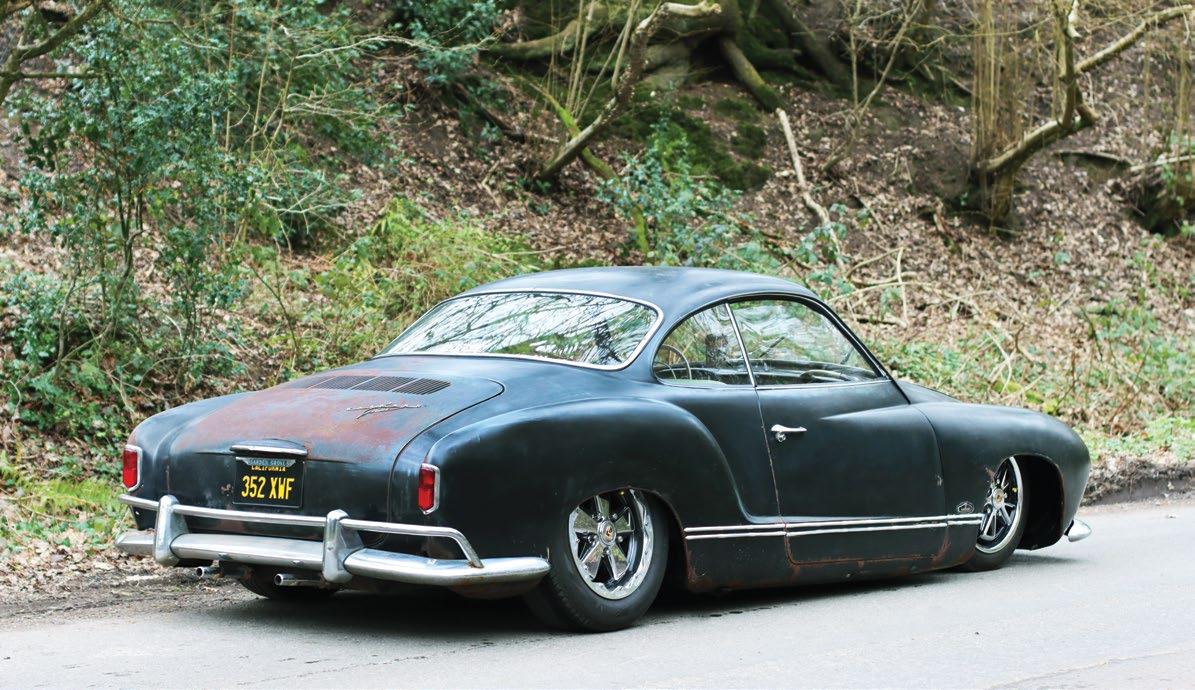
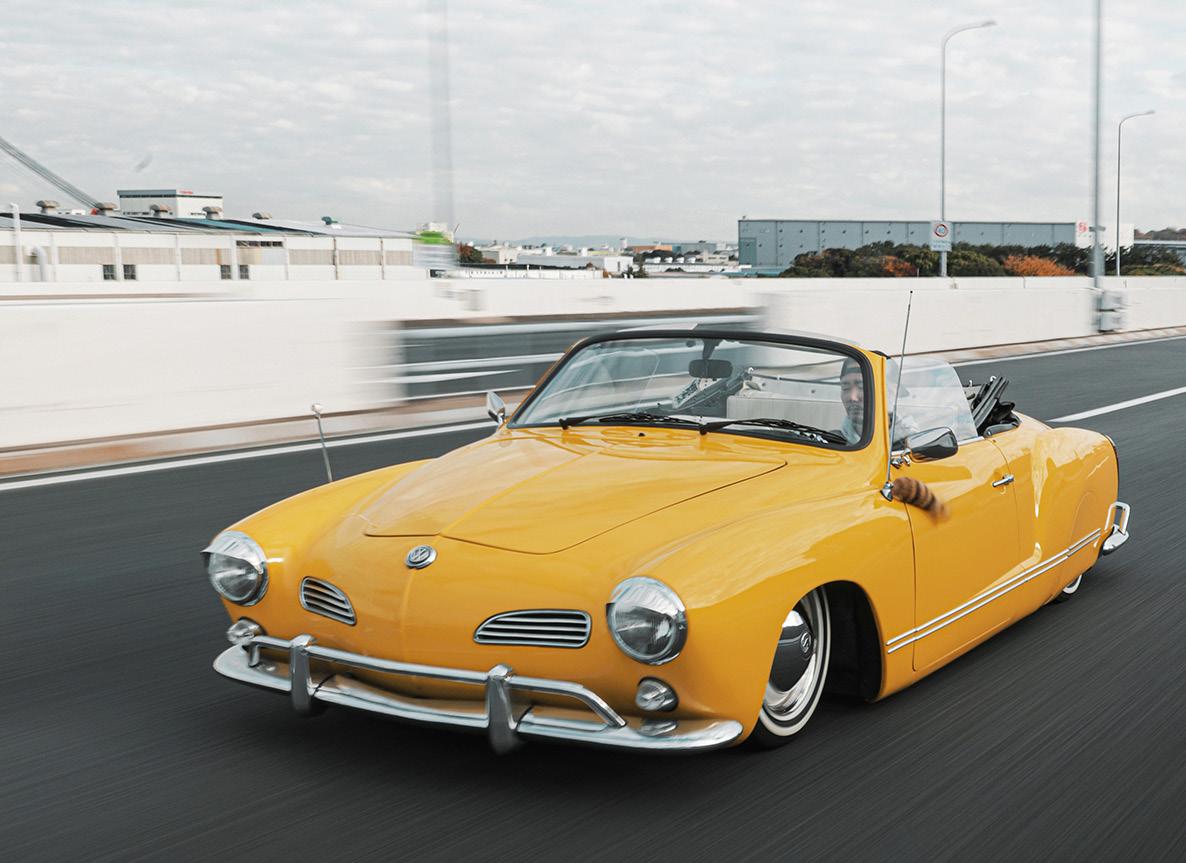
“If you’re going to build your first Karmann Ghia, you might as well make it a Low Light, right?”
These aren’t my words but those of Jake Hilling, and as anyone who follows Jake and of course HR Autoworks on social media will be aware, when it comes to building cool VWs this isn’t his first rodeo. He clearly has the skills and dedication to make that happen. The HR Autoworks’ workshop has a tried and tested yet simple formula for
turning out killer early Beetles – of which there have been many – with stance, wheels and patina done right, so when the time came for one of Karmann’s finest coupes to report to HR (Autoworks) it was a case of more of the same, but different.
Jake has been churning out modified VWs for a number of years and says: “The original idea was
to do a resto with my dad and my grandfather, which is where it all started, but what would have taken years now takes months instead. We have a policy of ‘one in, one out’ so you need to jump on them, keep the focus and turn the cars around quickly. Fortunately, the Ghia didn’t need that much, but it was still a bit of a learning curve as it was the first Ghia we’ve built.
“It’s a ’56, so proper early, and I bought it back in
2019 and sat on it for a bit. I’d just sold my ’51 ‘Crotch-Cooler’ Bug and had some cash when a load of Ghias popped up on Facebook. Anton – the seller –was spamming the page with them and they were all pretty cheap. I was trying to buy a black one but that was sold and the next best thing was this one, which had been really badly painted white, but Anton said he thought the paint would come off easily enough to reveal the OG stuff underneath. It didn’t...“It was a
proper shed, but it was a California car and still had its Garden Grove number plate surround on it. There’s not a great amount of history with it and it didn’t come with any documentation other than the title, but there was still a bit of signwriting on one of the doors that said The Lizard Roller Skate.
“It had some glass but the chrome surrounds were there, which was great because some of the bits are
not easily attainable, like the rear view mirror. I’m used to paying for early Beetle stuff, but I discovered that early Ghia parts are the next level up.
“Pete Morley at California Classics helped a lot. He was able to tell me what was missing and steer me in the right direction with specific parts. The plan all along was to try to make it as (sort of) stock as possible but low. We build all of our cars pretty much
the same way, so they’re all like stock-stock body –nothing custom or crazy colours – so all the bits have to be right and as they came from the factory and original as possible, but then we put them on the floor with the modifications. It’s all reversible stuff.
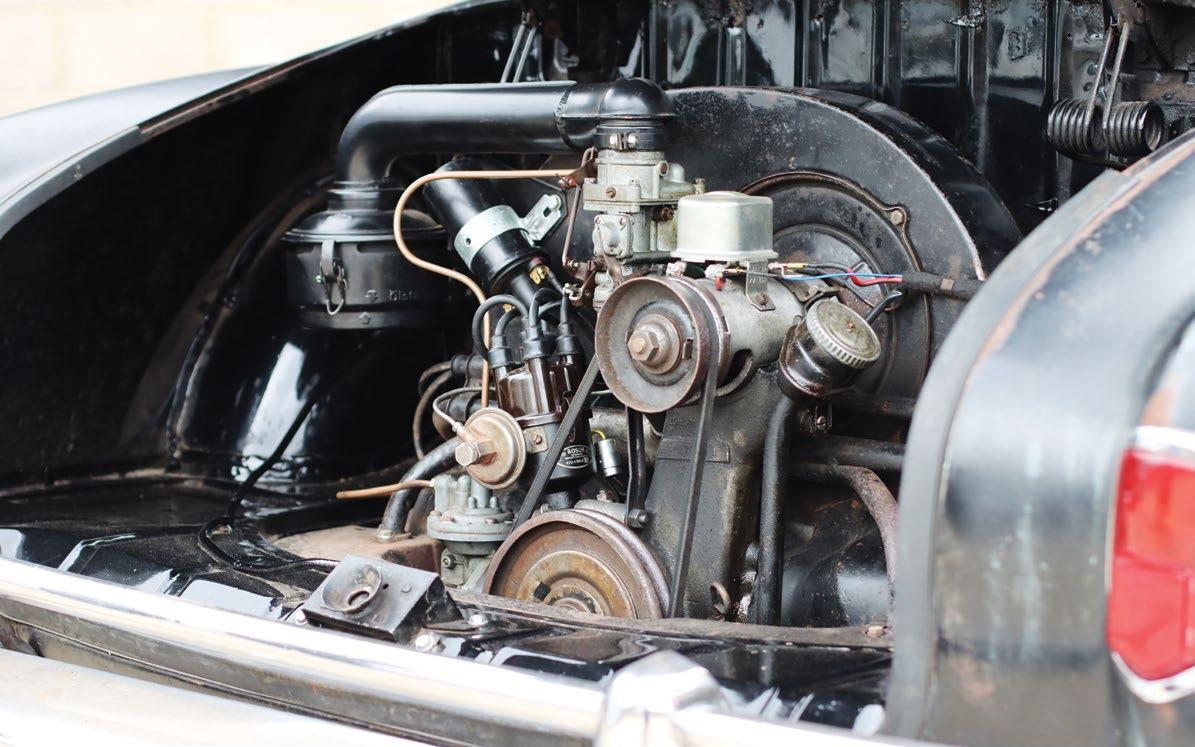
“The engine was missing, but fortunately we have a stash of early Bug parts that we can pull stuff from and a lot of that is transferable to a Ghia – body and trim aside – and the suspension is all new anyway. “Funny story, but back in around 2017 a friend of
mine went to a rave in some underground tunnels at an old mental asylum – as you do – and the next day he said he was pretty sure he didn’t imagine it, but he saw loads of old Volkswagen parts down there like he’d noticed in our workshop. Long story short, we went down there and there were loads of early bits, including engines, beams, you name it, and we ended up getting the lot.
“A few years after we recovered all those parts an urban explorer posted a video on YouTube going
even deeper into the tunnels and there’s more stuff in there, just a lot further in.
“The Ghia’s engine came from that stash. It’s not a matching numbers car – which doesn’t bother me anyway – but it’s close enough and a period-correct 30-horse which we stripped and rebuilt, keeping it as stock as possible. It’s still running on 12-volt electrics too.
“The gearbox was in the car but didn’t need a full
rebuild. We just cleaned it up, replaced all of the axles, bearings, seals, and so on. It all works as it should – whining and crunching as you’d expect a stock ’56 gearbox to.”
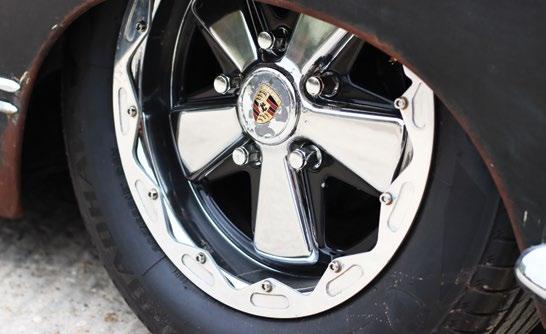
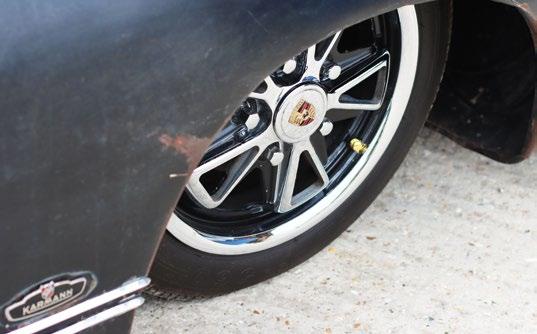
All of the brakes were gone through and fully rebuilt. Don’t let the wheels fool you, though. The Ghia is still running stock wide-five drums all round. The wheels are mounted on Porsche-pattern adapters.
Whilst on the subject of wheels, you may or may not
remember seeing them before on another car. They came off Terry Settle’s old black Karmann Cabriolet Beetle. Jake says: “I wish I could tell you more about them, but Terry had the fronts machined for the cut-face look and then added the bead-blocks to the rears.
“The backs are 6” wide and there’s not a huge amount of room under the rear arches in a Ghia, so they’re up there tight against the arch. Again, with the body being stock body I didn’t want to cut or roll
the lips, so it’s great fun if you ever need to change a wheel, especially on the side of the road – which has happened.”
Obviously, clearance is much less of an issue up front. There’s enough room to swing several cats under the front arches, thanks to an eight-inch narrowed shockless beam supplied by Max Edwards at EVA Resto. Jake says: “We get all of our suspension components from EVA. It’s got dropped spindles as well. And the front has been pie-cut and the frame
head and beam have been raised. It hasn’t really affected the turning circle, and it drives really well considering how low the car sits now.
“Bodywise, the car was surprisingly solid but definitely a bit rough, but that’s how we like them. It’s always better to start with an original and un-messed-aboutwith car than something shiny that’s hiding a load of stuff underneath. Original, patina paint is what we’re into rather than full-on shiny cars.
“The car was black on the inside and supposedly black
underneath the white. We tried stripping the top layers of paint off, but it soon became apparent that it wasn’t going to happen. There was just so much crap going on under the white paint that we had to get creative, strip it back and paint it again, but then obviously age it so it looks like original, faded paint. Many hours went into blending the paint and we know it’s been done, but it does fool a lot of people because we’ve kept some of the dents and scrapes and aged it in the areas they always wear, like the tops of the wings and round the arches.
“Underneath, the metalwork was surprisingly quite good so we didn’t need to do full channels or floors, just repairs. The worst bit for us to address was that the front clip had been hit and badly repaired at some point out in Cali.”
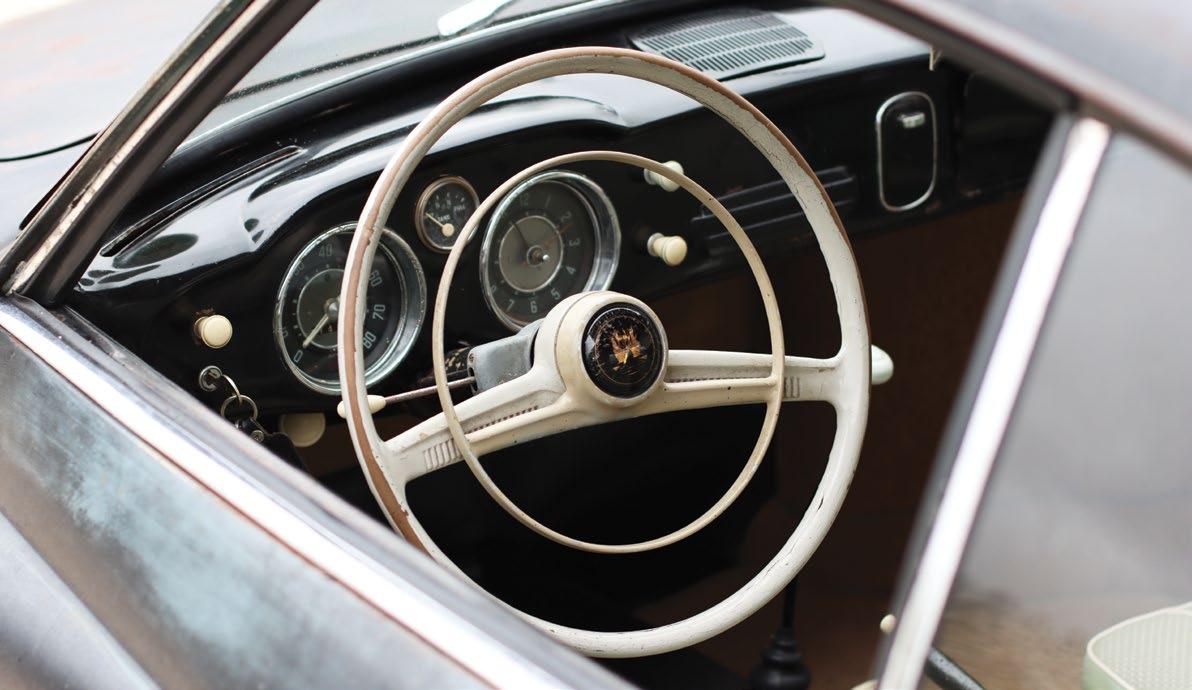
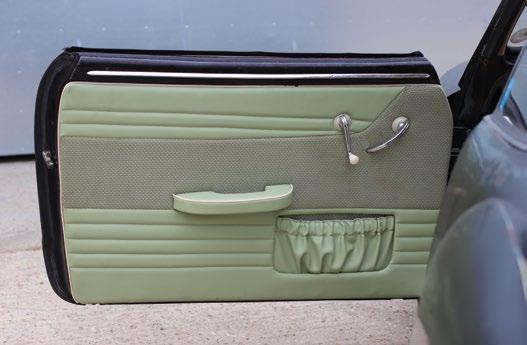
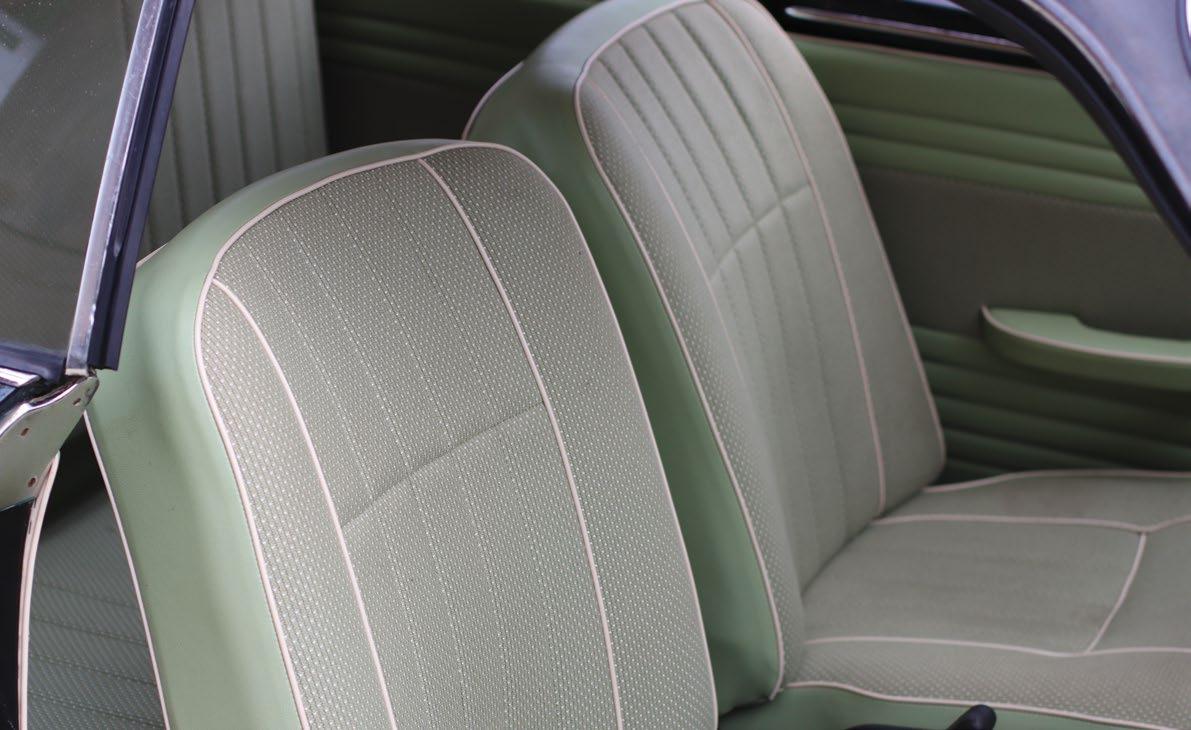
Patina cars are always given a lift when they have a fully done interior. This Ghia is mint – quite literally.
“It’s not the obvious colour to go with,” Jake admits. “Low Light Ghias had a lot of odd colour combos going on so we went down a different route. It was all done by Steve at 13 Stitches. He copied the pattern of the original piping, but the colour is what makes it different. It’s early Beetle cloth, so it ties in nicely, but when it first came back I thought it was a bit much. Once I built the
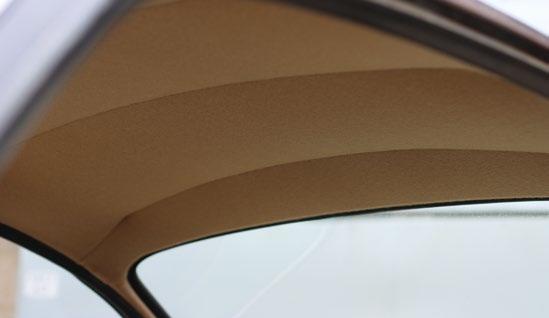
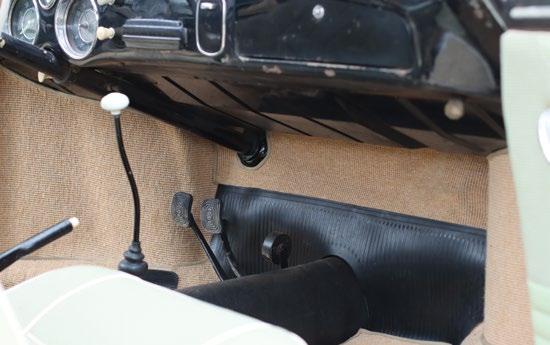
rest of the car up around it, the interior started to blend in. Steve also did the beige headlining and square-weave carpets.”
What comes next for the Ghia? “We build them and then they go,” says Jake. “It’s off to Canada. I sold another car to the same chap and he asked what was in the pipeline next and when I mentioned the Ghia he told me
to keep him in the loop as he would be interested. I didn’t think he was serious, but yeah, it’s going to him. We’ve got some other Low Lights waiting in the wings and lots of Beetles, so there’s always something coming out of the workshop.”
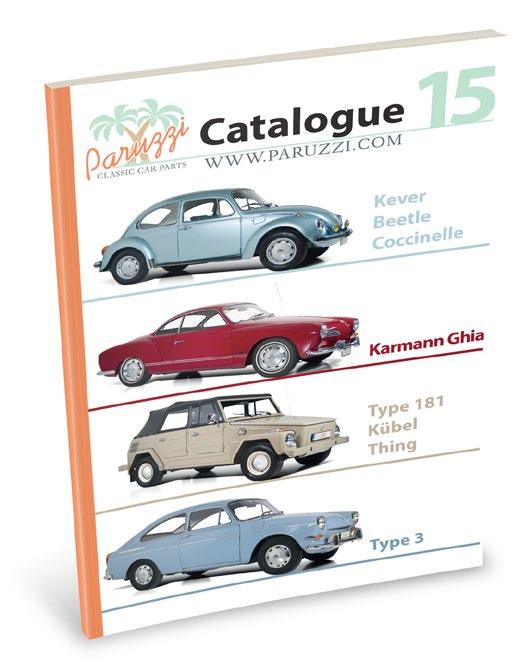
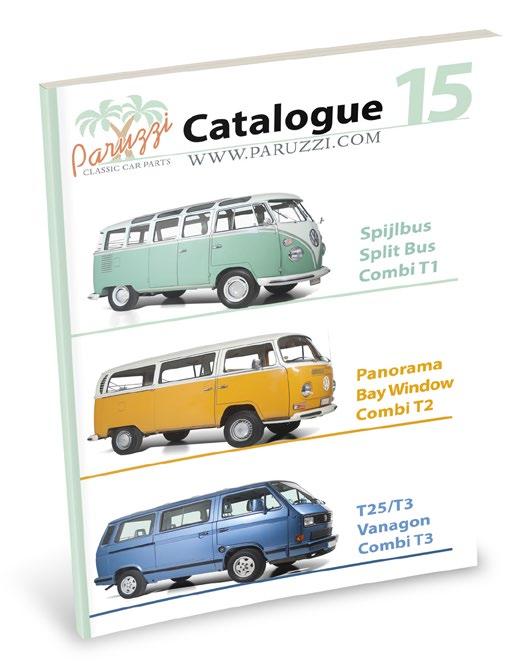
Paruzzi parts catalogues
www.paruzzi.com/en/catalogues
ready to install get your VW With MAg CASE bACk on thE roAd
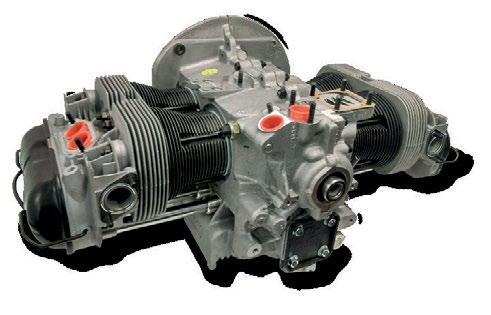
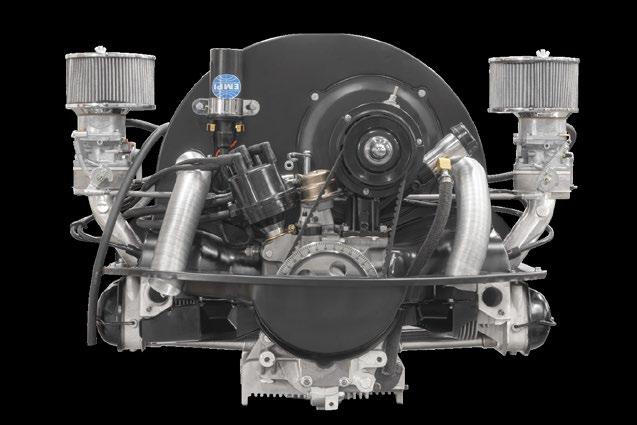
This complete Turn-Key Engine was constructed using topquality components from our extensive EMPI product lineup. Every Turn-Key Engine is dressed out, tested and tuned on the EMPI dyno ensuring that your new engine is ready to install and get your VW back on the road!
This 100% new and ready-to-install engine features AutoLinea cylinder heads upgraded with OSVAT OE style valves and a proprietary 3-angle valve job by Anthony Chicca at EMPI Anaheim.
The EMPI HEI ignition kit means you won’t ever have to worry about setting or replacing points for trouble-free operation. Just select the right exhaust and clutch for your application.
Plus every EMPI Turn-Key Engine is covered by a 12month/unlimited mileage warranty
Available Configurations:
• 1600cc
• 1776cc
• 1914cc
Every EMPI Turn-Key Engine Includes:
• New 55 Amp Alternator
• New Electronic Ignition Kit with High Output Coil
• Upgraded Dual Port Cylinder Heads with OSVAT valves CNC Machined in Anaheim CA
• 12 Volt 200mm Flywheel
• New Sheet Metal
• PennGrade 1 Oil Included
Fits most Type 1, Type 2, Ghia, Dune Buggy, Sand Rail and Kit Car applications using 12V Flywheel
GO ANYWHERE
PHOTOGRAPHS & WORDS BY PJ GIBBONS
When it comes to old Volkswagens, the earlier the better, or at least that’s how I’ve always seen it. It turns out that I was wrong. Really wrong.
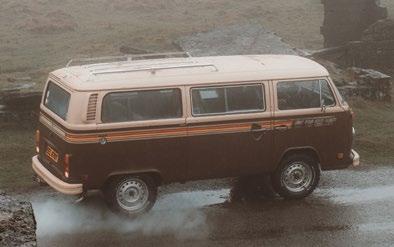
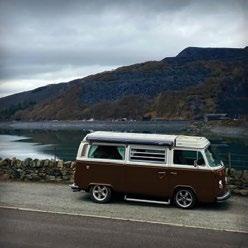
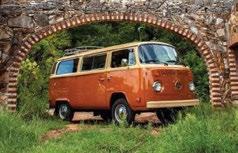
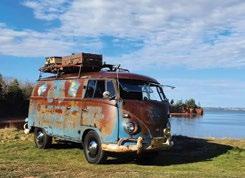
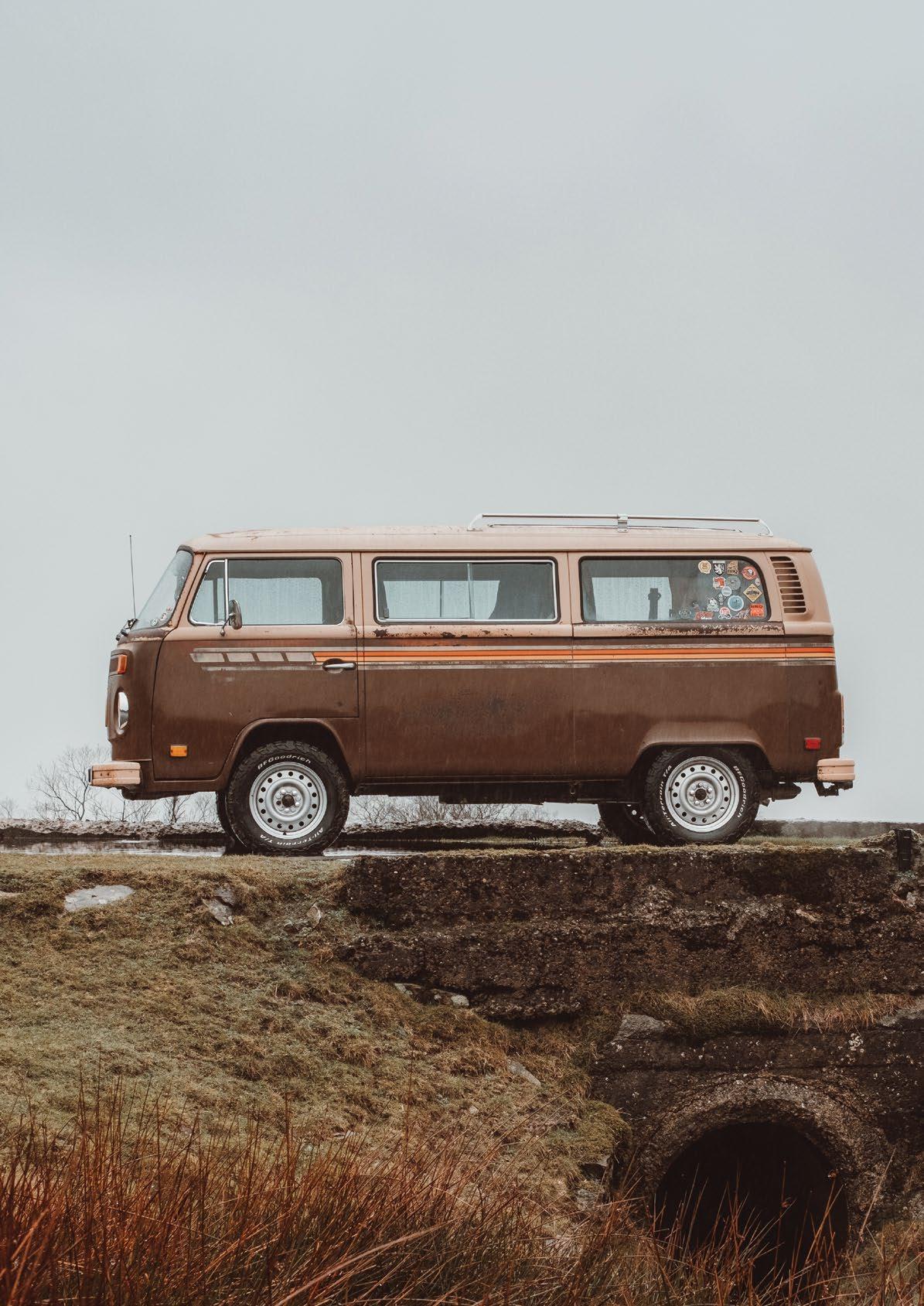
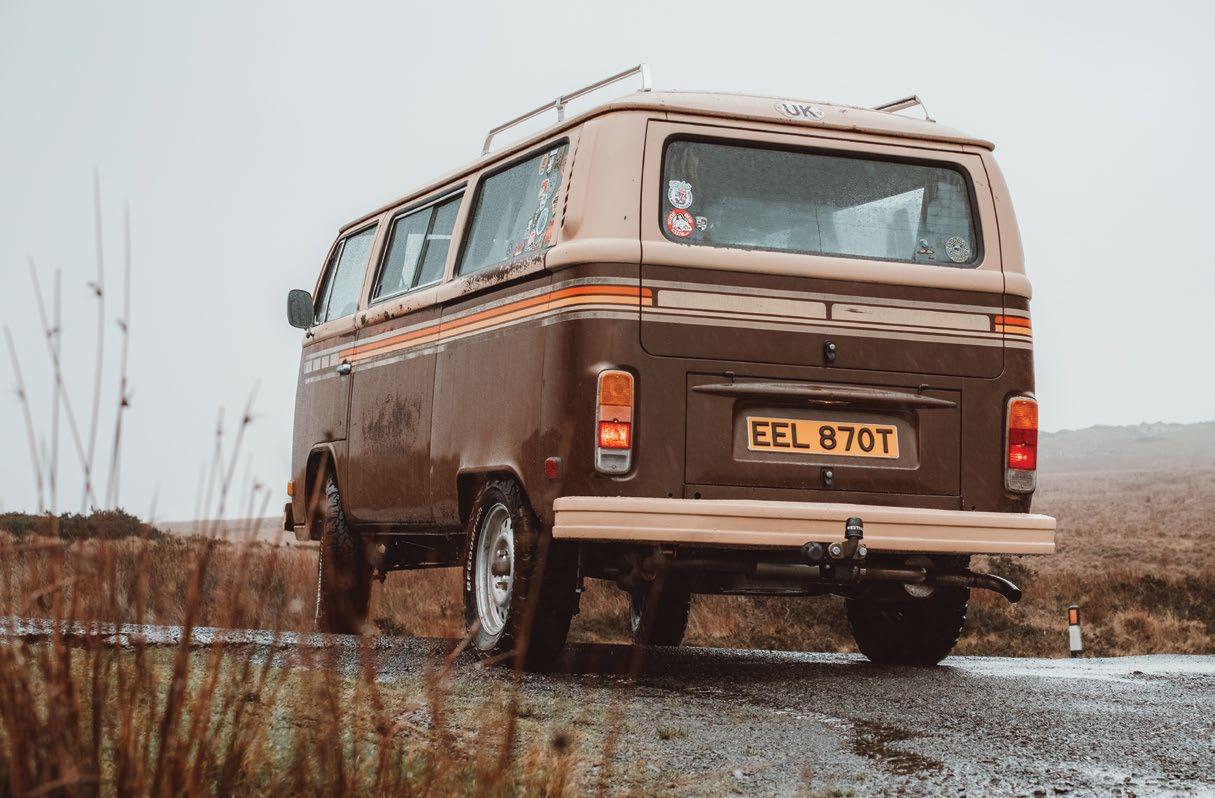
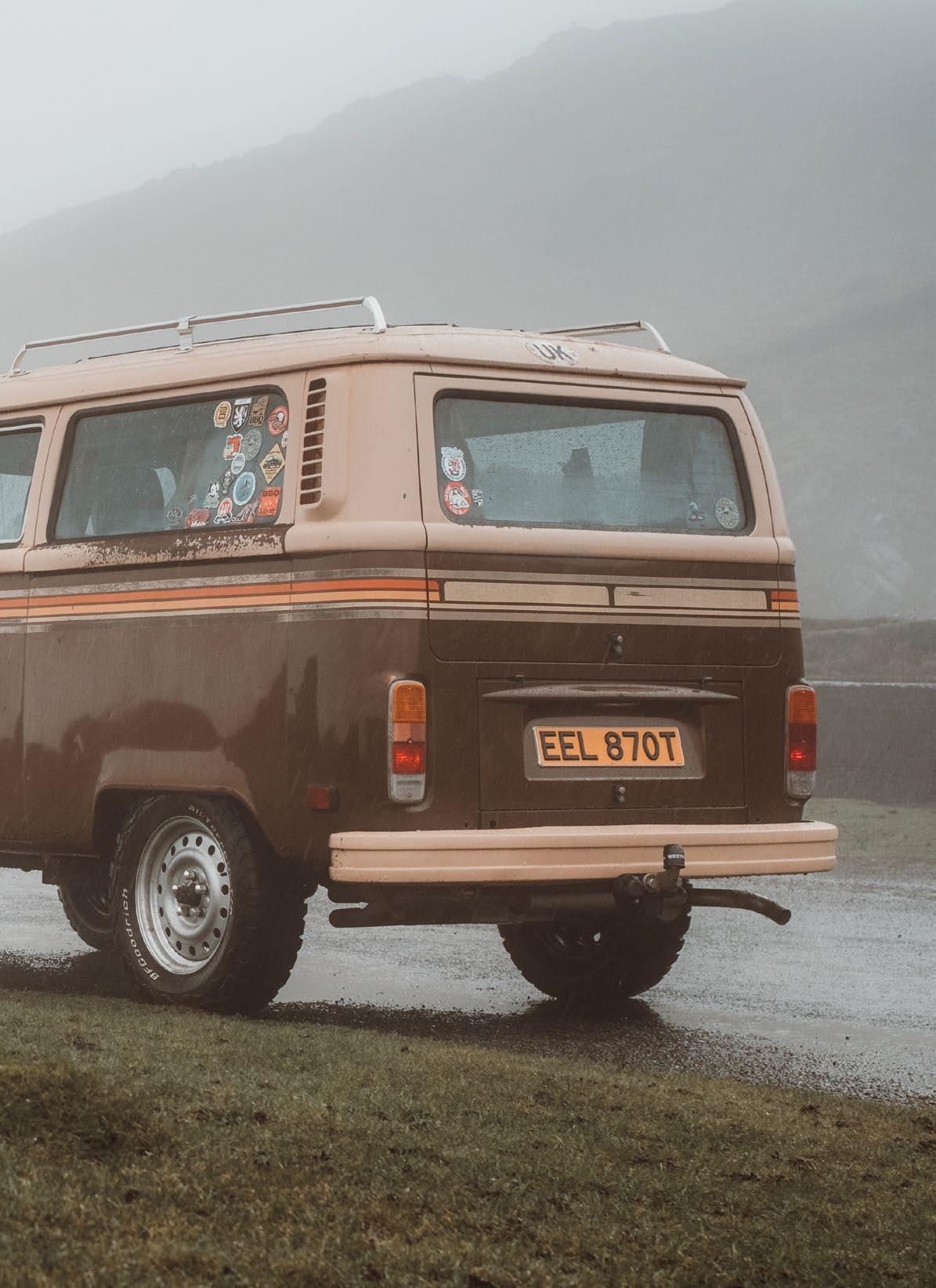
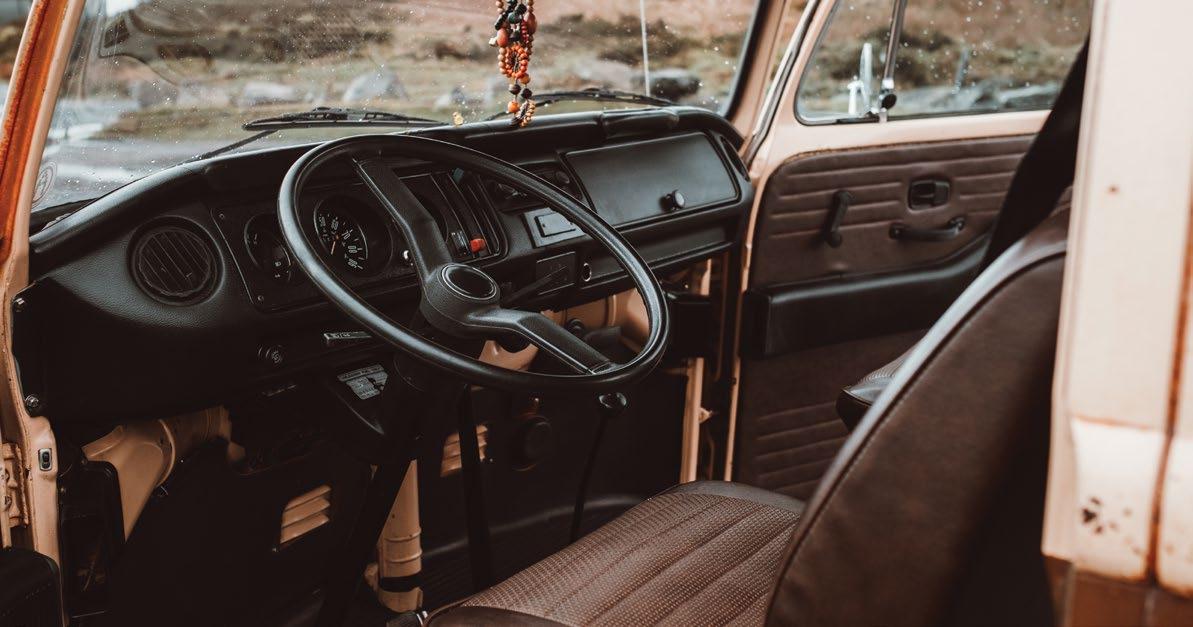
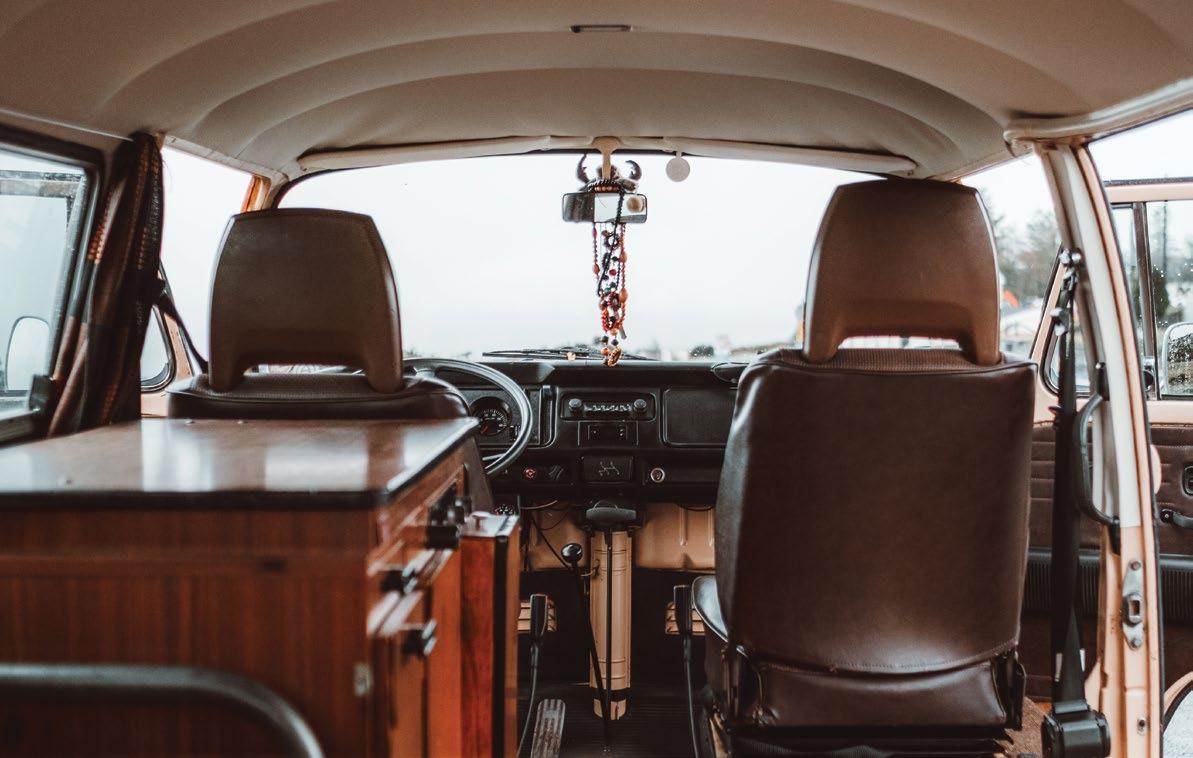
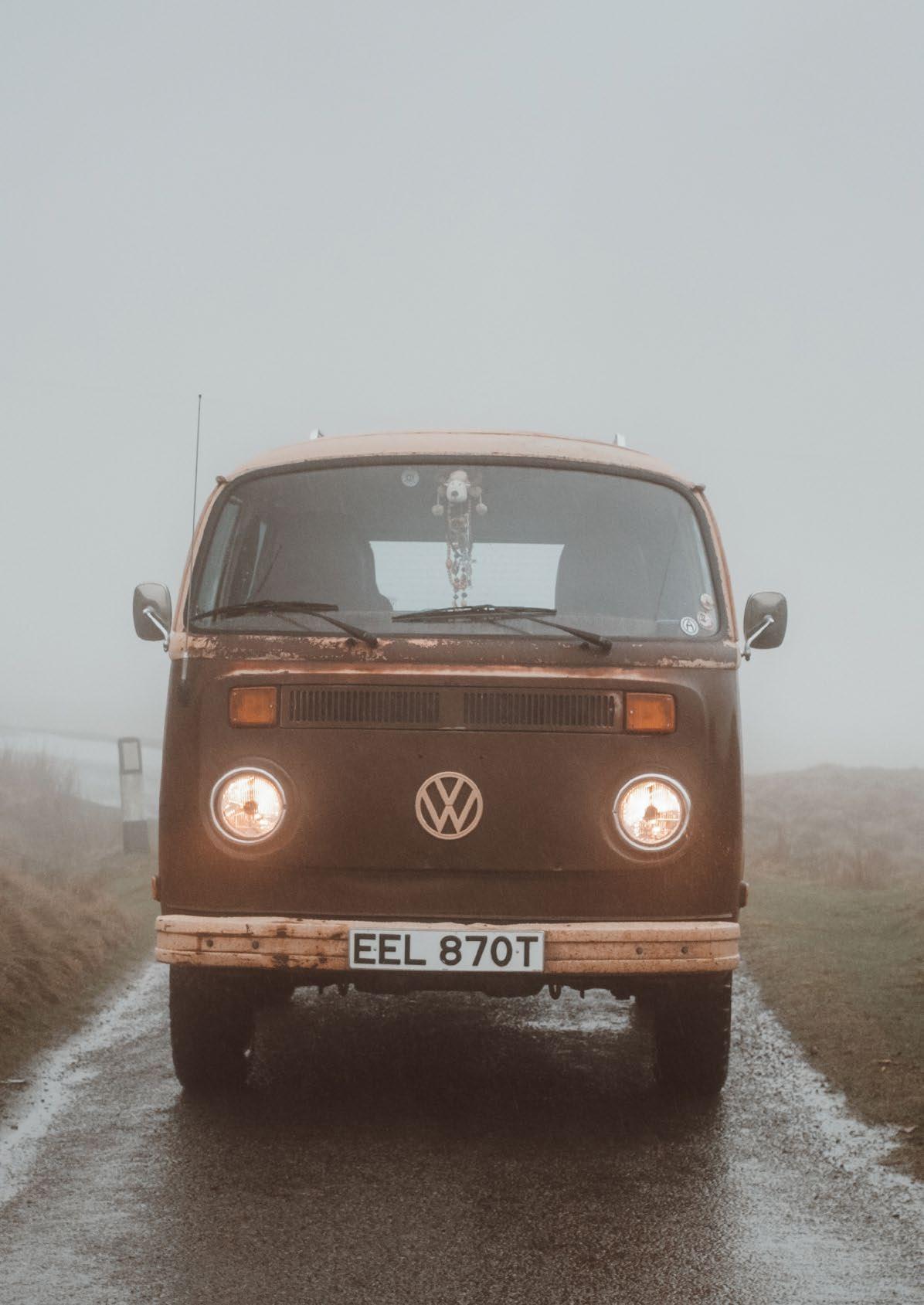
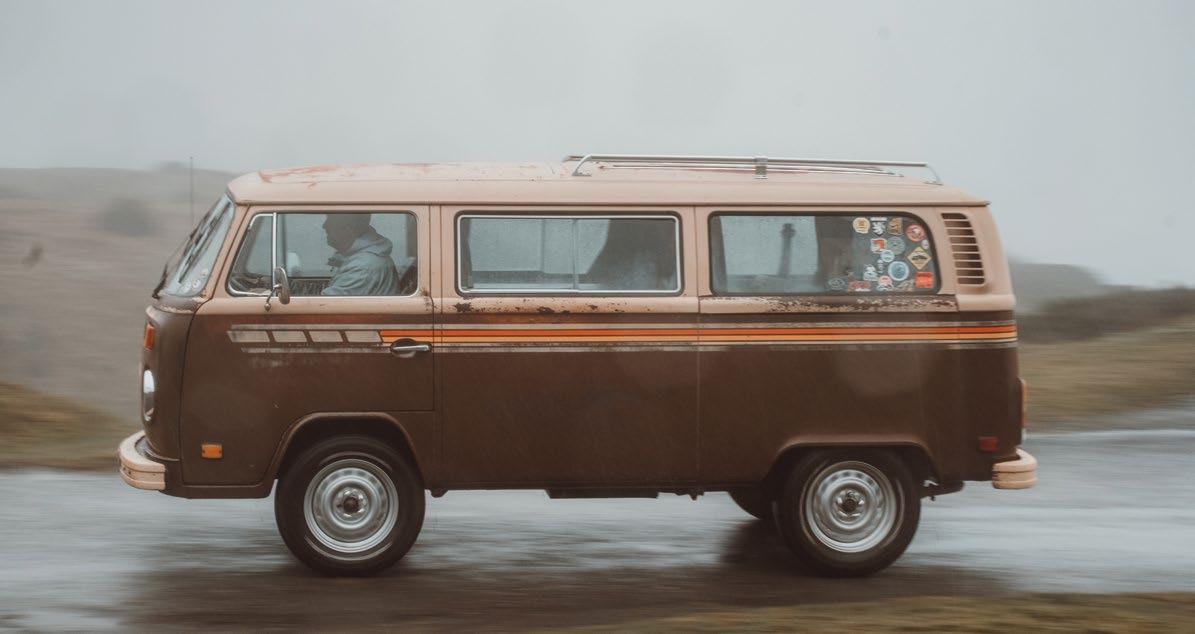
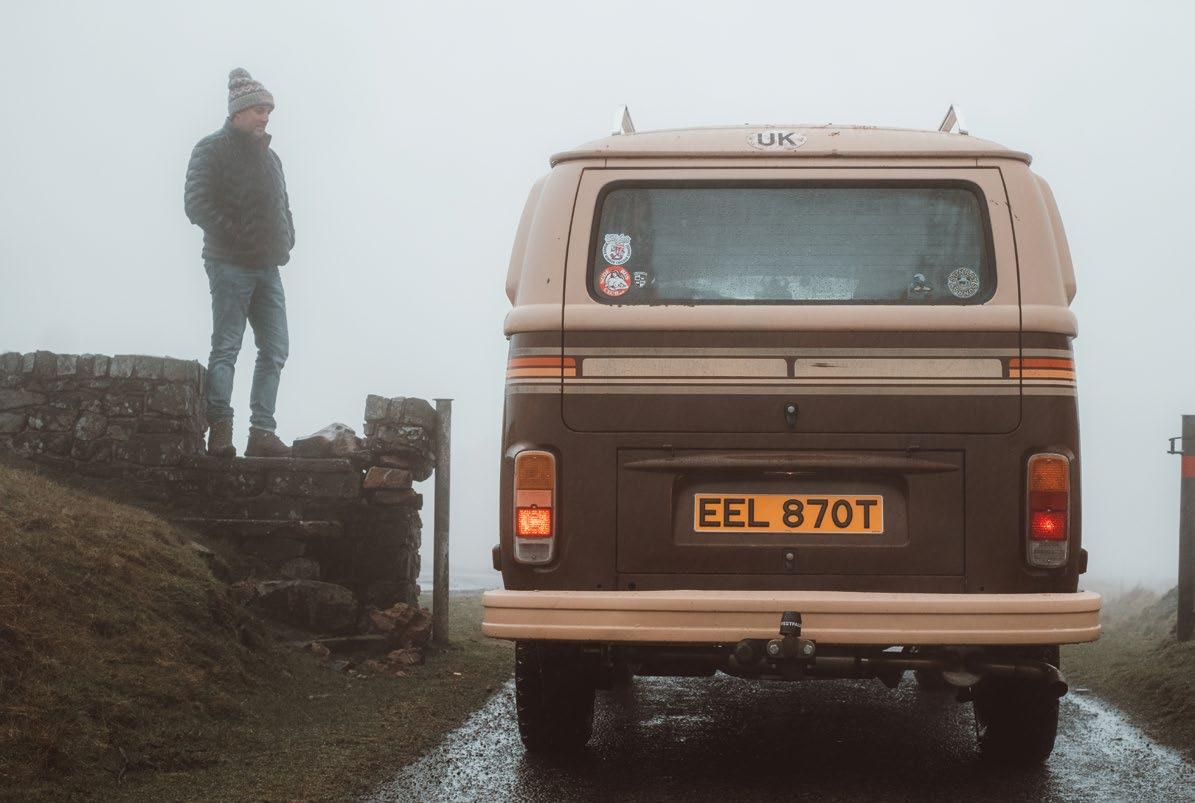
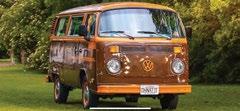
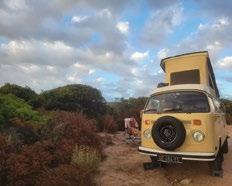
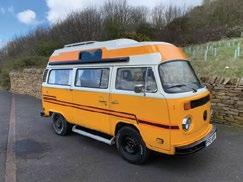
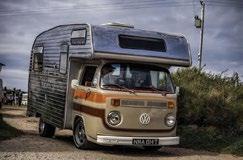
This is a “late Bay”, produced between 1973 and 1979. How do you easily differentiate one from an early Bay? Check out those chunky bumpers, the chunky rear lights, the relocated indicators, amongst other less obvious technical improvements.
The one you see here is a very late Bay, 1979 to
be precise, the latest of the late Bays – a US-spec vehicle from southern Texas.
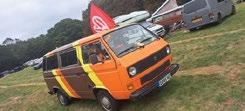
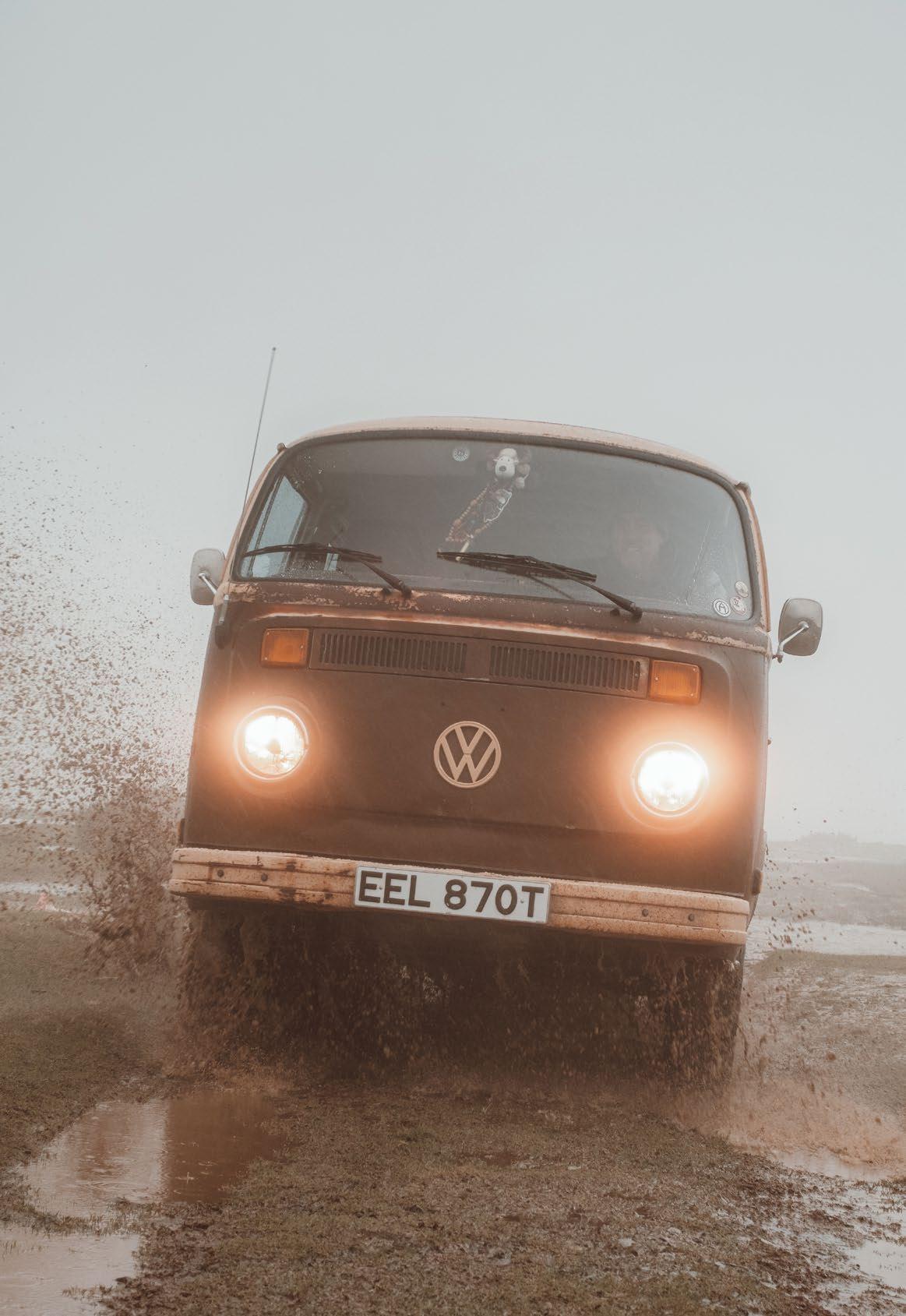
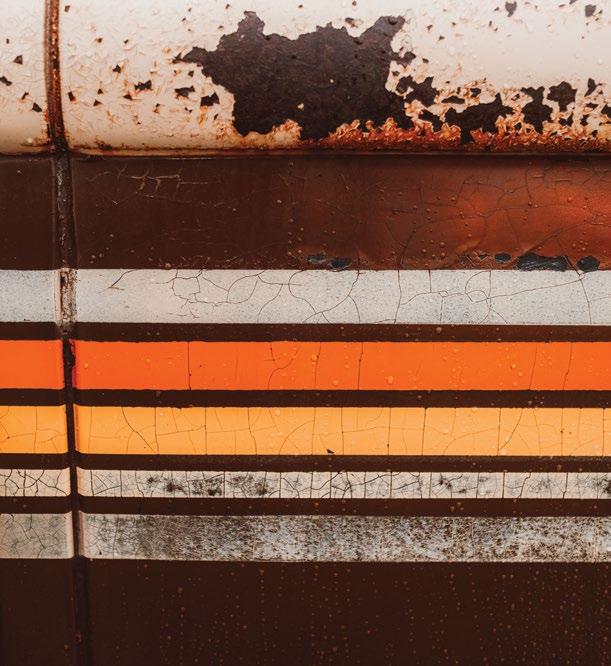
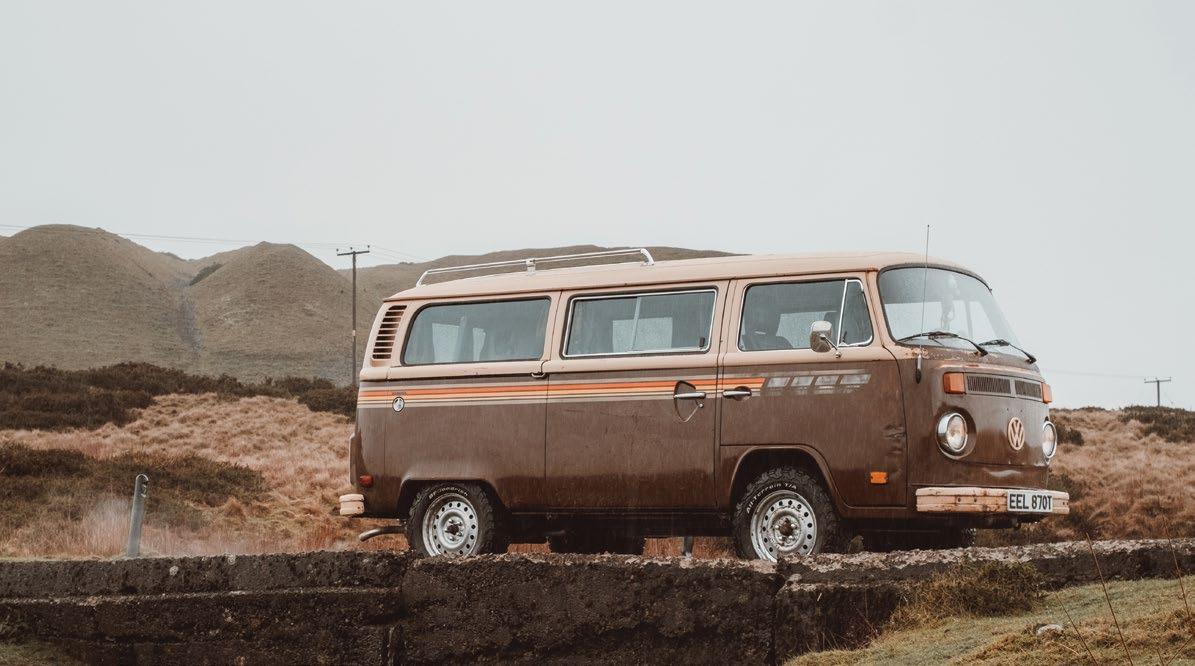
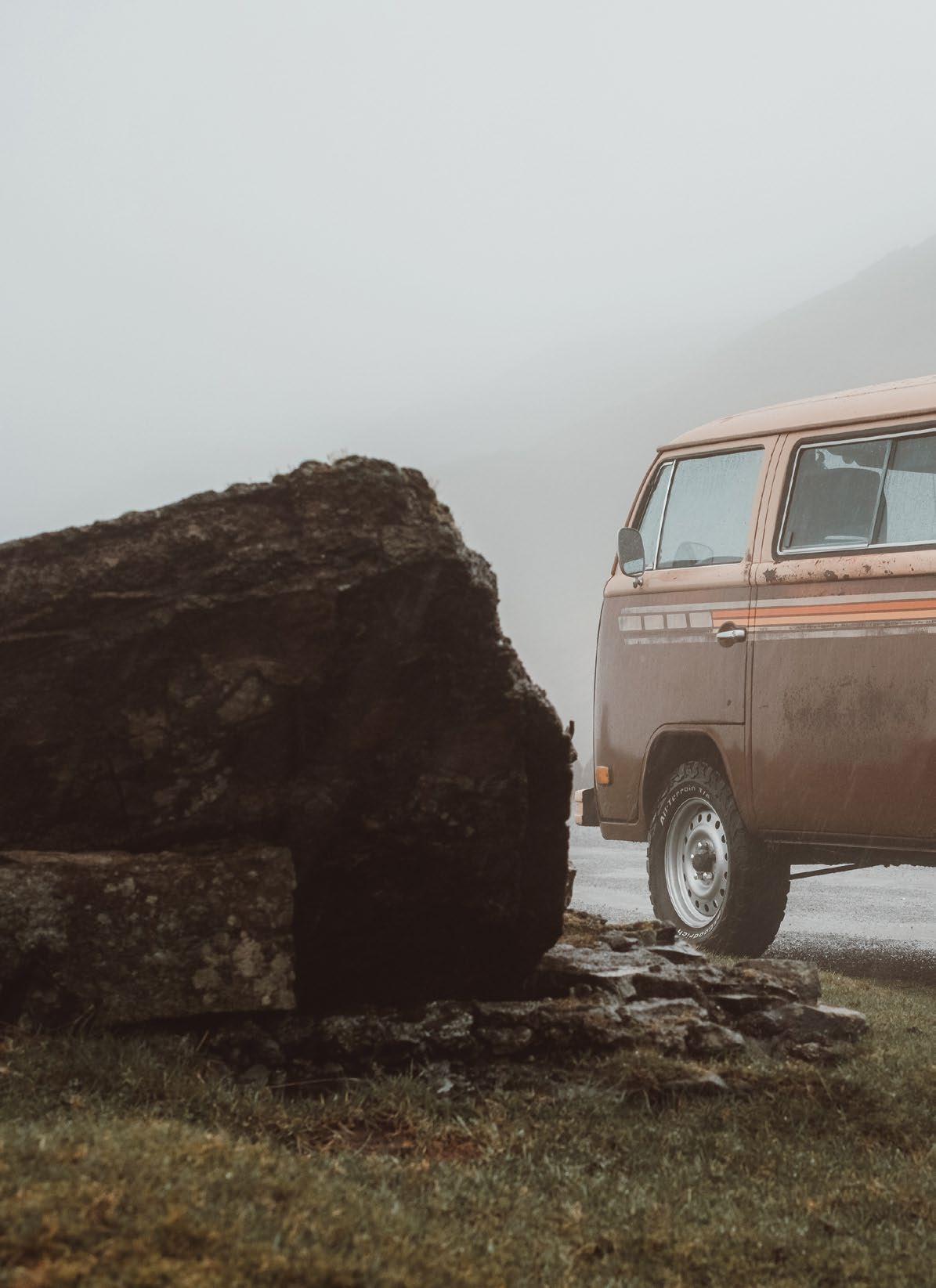
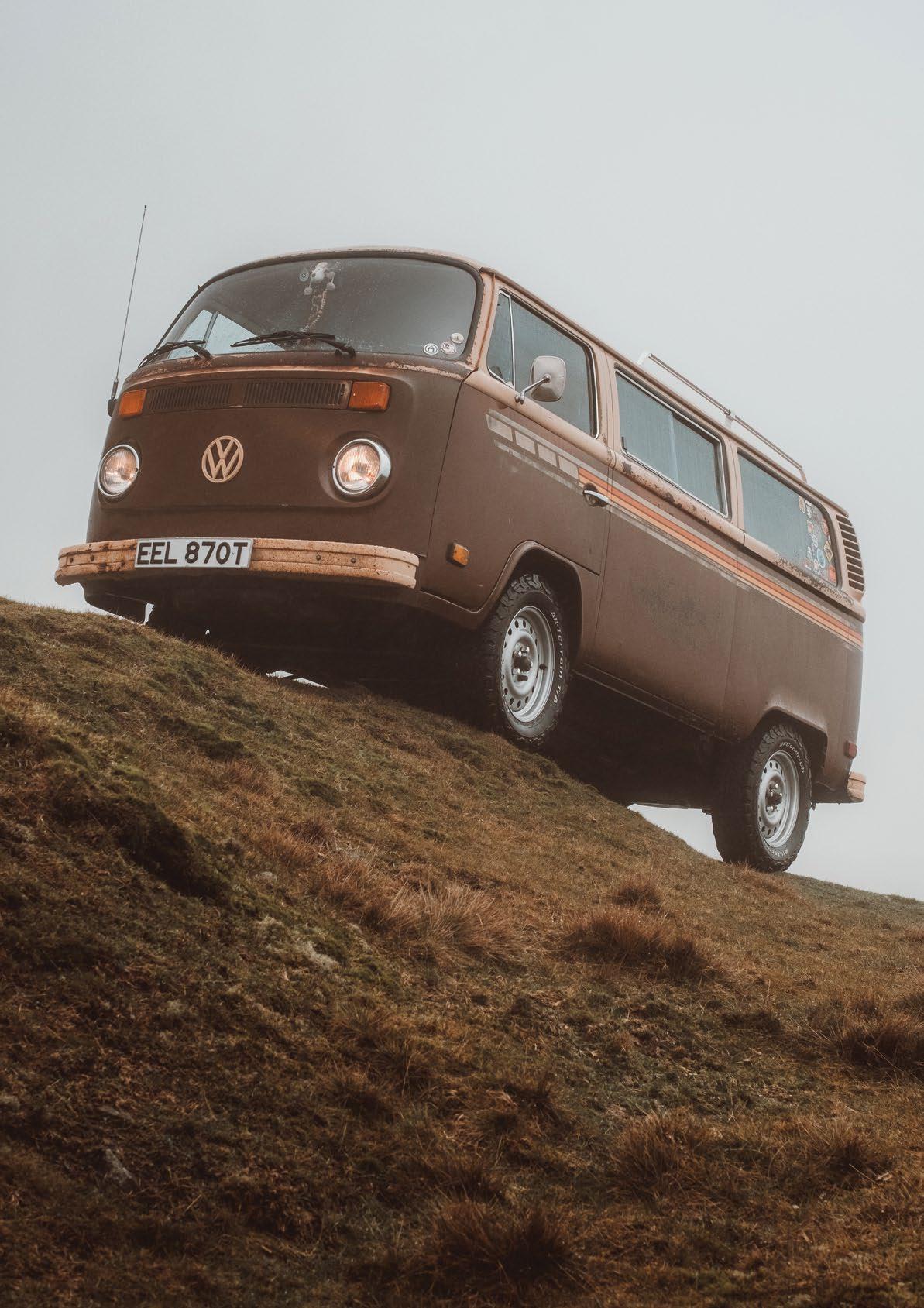
It doesn’t take much to realise that this is a very cool-looking bus. Other than the obvious killer stance, the first thing that really stands out is that incredible paint. The story goes that this ’79, being an outgoing model, was “gussied up” by the dealership in an attempt to make it more attractive on the forecourt. Take a minute to admire this super “of the time” paint job, a fashionable hue of
beige and brown with orange, cream and contrasting stripework. A paint job that has aged like the finest wine. We’ve seen this style replicated in recent years, but this is the real deal.
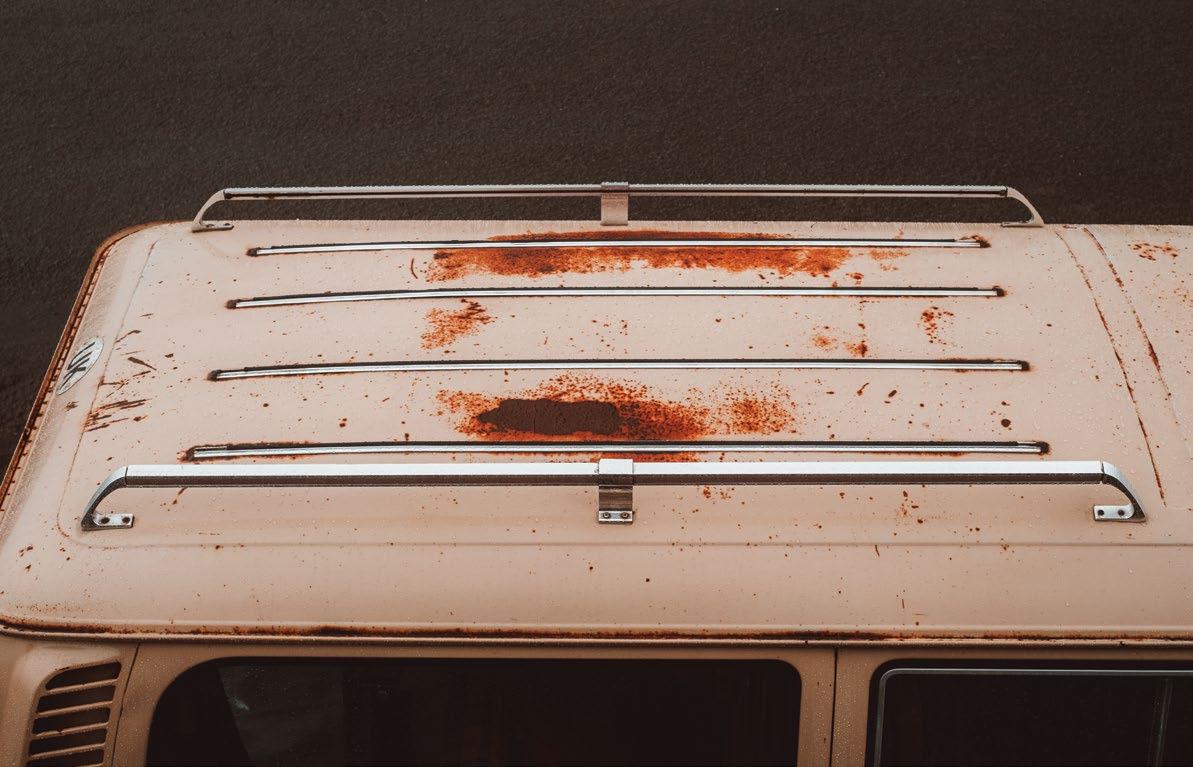
In addition to the spicy paintwork, you may notice the unique roof rack, mounted directly to the roof skin, likely an aftermarket piece suited to the likes of a Chevy
Suburban or a Ford Bronco. It has a super low profile and sits harmoniously with the shape of the roofline, and I think you will agree it suits the vehicle perfectly – although I’m not entirely sure I would want to put anything too heavy on it.
Whether this sleek makeover was an immediate success or not will remain a mystery, but what we
do know is that it looks simply phenomenal today.
The stripes have cracked and crazed from the Texas heat. The roof has blistered from years under the sun. I particularly like the inside of the driver’s door, where the paint has crazed heavily in a totally unique, localised fashion.
The bus remained in the Texas and Mexico border
region for the majority of its life and was eventually discovered by a couple of elderly bikers who were in the States, hunting down motorbikes and parts to take back to the UK. They figured the bus would make a suitable container that they could sell on afterwards.
It was back in 2017 when Colin Pace found it on
eBay. He took a chance, rolling the dice and buying it blind. The gamble clearly paid off and he was pleasantly surprised by just how solid this cool, unwelded old Bay was.
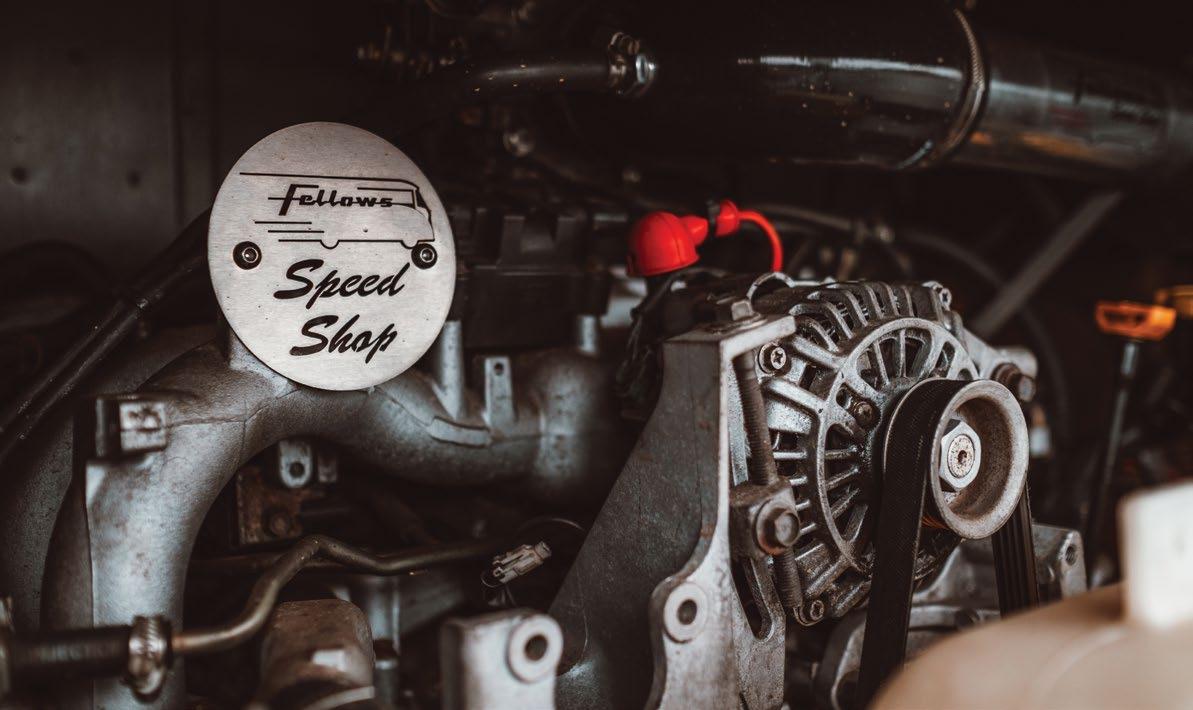
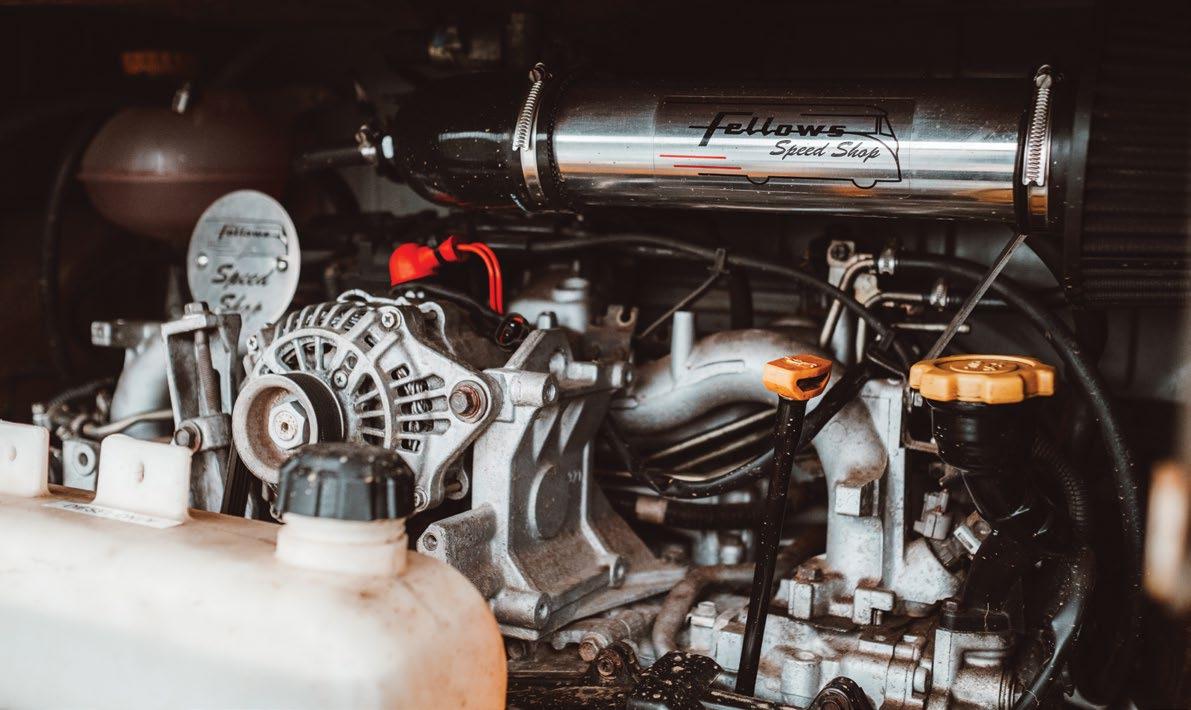
Since coming to the UK, the ’79 was treated to some upgrades, most notably a 2.0L Subaru engine conversion from Fellows Speedshop, where they are fast
approaching 500 conversions.
“We use Subaru engines because they have the same flat four configuration as a Volkswagen engine and are therefore an ideal fit with minimal modification required. Better fuel economy, options for front and rear heating, and a lot more power.”
It now rides high on a set of chunky BF Goodrich AllTerrain T/As and a perfectly suited set of 16-inch Syncro steels, which just look so right on this bus.
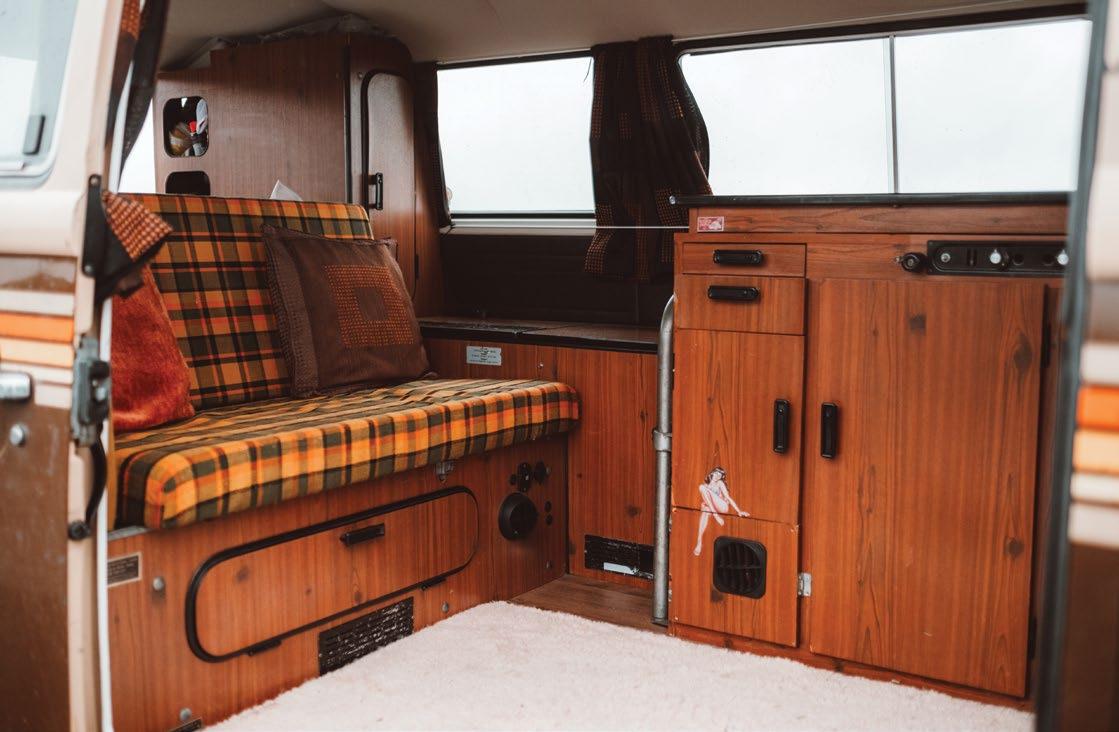
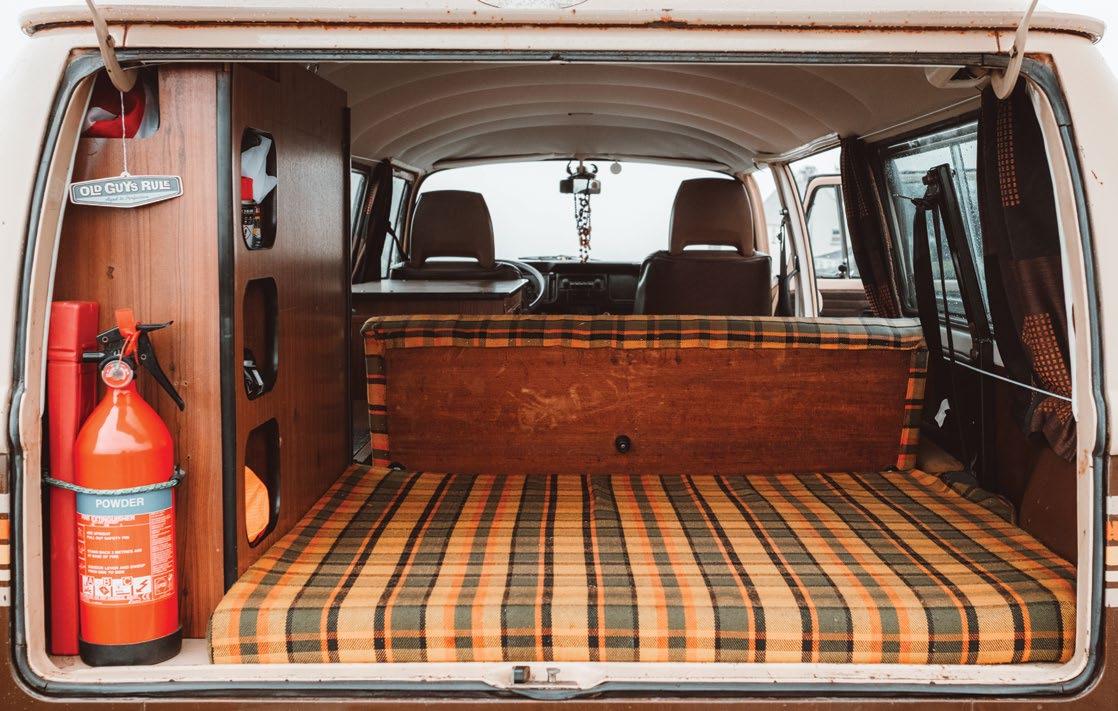
Some time after leaving Colin’s ownership, the microbus interior was removed and replaced with a Westfalia Berlin interior, a solid choice and an excellent upgrade for any conversion from bus to camper. It features a
stove, sink, table, rock ’n’ roll bed and plenty of storage. A rotating captain’s seat for the passenger adds a nice social element. A diesel heater provides extra warmth on a cold day, like during our shoot. The interior suits the bus perfectly and I had assumed it had always been part of its story.
It was in this state that our owner Dave Warner of
Kidderminster found the 1979 for sale back in 2023.
Dave is an overhead linesman, father of three girls, owner of two Miniature Schnauzers and husband to Fleur. He has a passion for motorbikes and classic vehicles, not exclusively Volkswagens, either. Old Land Rovers, Fords, Suzukis and Healeys have all passed through his hands. But it was only a matter of time before he scratched the itch for a Volkswagen.
“Volkswagens have been a love of mine for as long as I can remember. My sister had a semi-automatic Beetle and I adored it. But it wasn’t until later in life that I took the plunge and bought my first VW, a 1961 Split Screen Bus.”
Whereas most people start with late vehicles and work their way towards something earlier, Dave seems to have gone in reverse, proving that it’s not all about earlier being better, but about whatever
makes you happiest.
“Over the years I’ve owned a Beetle, a Squareback, a Beach Buggy and now my Bay Window. For a while I even had the Squareback and the Splitty together, but eventually reality tapped me on the shoulder, as it often does, and I realised that selling one would clear the last of the mortgage. So I
listed both and decided whichever sold first would go. Naturally, they both sold.”
Now Dave was left with no Squareback, no bus, but a paid-off mortgage, some spare change and an empty driveway. After a couple of months of moping around, Fleur gave Dave the go-ahead to find a suitable replacement. It didn’t take long for the hunt to begin.
Dave searched all the usual places, eBay, Facebook and The Samba, but nothing quite hit the mark. All of his previous air-cooleds had been clean and painted vehicles, so like many who have lived with the stress of a pristine classic, Dave found himself drawn to patina. He almost pulled the trigger on a project Bay from Fellows when a
familiar face popped up on eBay. He immediately recognised it as his good friend Colin Pace’s old late Bay. A quick word with Colin, who reassured him just how solid, original and cool this bus was, and Dave was convinced.
“A solid, unwelded bus with a 2.0L Subaru conversion, original paint and bags of patina. In other words, exactly my sort of thing.”
The bus was located in London, so Dave purchased a one-way ticket and headed to the big smoke to see the vehicle and meet the then owner, Rob. The bus was as described and everything he remembered,
and more. That was that. Hands were shaken, magic beans exchanged, and the bus was his. Quite a daunting trip now awaited for the first time in a new old bus.
“The drive home through London was an experience in itself. Waves, thumbs-up, people staring. I was absolutely chuffed, and the bus didn’t miss a beat.”
Ownership has been a joy. Other than regular maintenance and servicing, the bus has wanted for very little. Fleur located some fabric for the curtains, which she made, along with enough left over to create a set of cushions. An upgraded front anti-roll bar and adjustable shocks help keep the bus handling as it should.
“I love the patina, the stance, the whole ’70s vibe and its go-anywhere attitude. I use the bus at
every opportunity, for shows, weekends away and road trips. Last year at Ninove it picked up a Top 15 prize and a Top 5 at Skeg Vegas. Not bad for a brown ’70s survivor.”
This year Dave plans to make even more memories, with a return trip to Ninove, to EBI, Skeg Vegas, Bristol Volksfest and Classics at the Clubhouse.
Dave has no plans to sell or alter the bus in any
way. To him it is just perfect, and I agree. If it ain’t broke…
“It’s a bus with character, history and soul, and I’m lucky to be its current custodian.”
Dave would like to thank the following:
“I owe a huge thank you to Mark and Lou Sketchley, who have been part of my VW journey for years. Mark has spent many evenings in my garage helping me get various cars running or offering advice. Nothing is ever too much trouble.
A big shout-out as well to the team at Fellows Speedshop – Ben, Colin, Paul and Matt – for putting up with my fussiness in the pursuit of perfection and a clean MOT.
To my wife Fleur for all her support and encouragement over the years with countless hobbies and projects.
And a special mention to Steve Parsons for recommending my bus for this feature. Much appreciated.”
Behind this Shoot
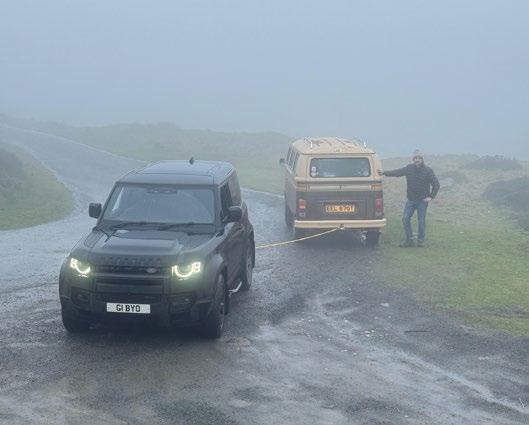
It’s been a wet, wet start to 2026, the wettest January of my lifetime, and likely yours too.
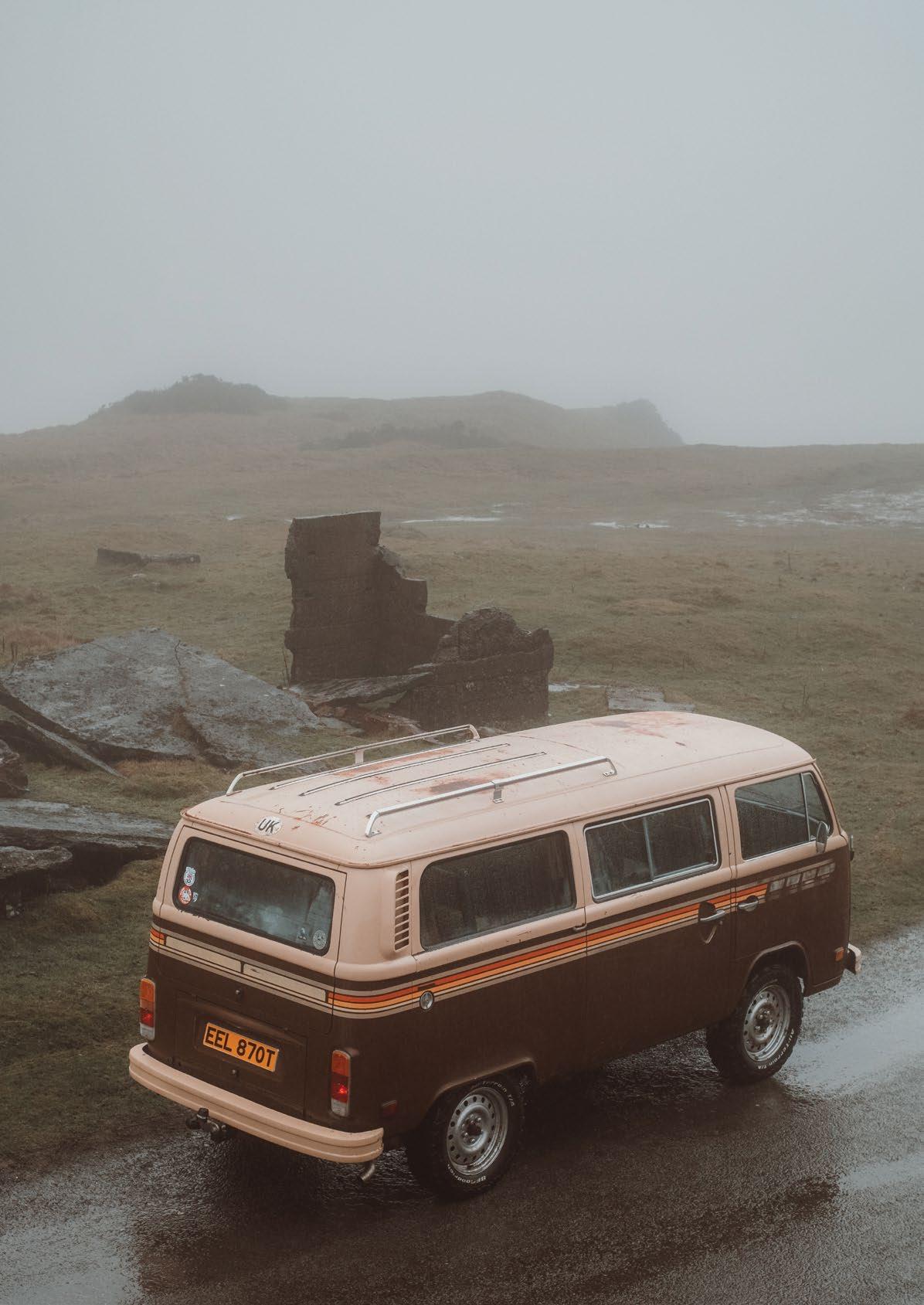
It’s a very wet Thursday in February in Clee Hill, a place where, so far, I’ve seen more sheep than people. A rugged, rocky landscape with a long history of quarrying.
Dave, the owner of this incredible vehicle, and I are sat in
some kind of lay-by next to one of those old quarries. The rain has been pouring all day. The fog has been thick and relentless. We are soaked through, watching a river of water flowing past the sliding door of the bus as we drink coffee and laugh about the day we’ve both had.
So why are we smiling, ear to ear – damp, cold, yet totally elated.
Logic would suggest this should have been a complete
washout of a shoot. In most cases, it would have been. But this was different.
Dave and I had been messaging about locations for his feature. He really wanted to make this special for the reader. He had a vision in his head: Clee Hill, with the famous “golf balls” looming in the background. With a deadline approaching, we picked a date that worked for us both, telling ourselves – it can’t rain forever … can it?
As the days crept closer, it became clear that actually, yes, it probably could.
After a long drive, I pulled up at the meeting point at the bottom of the hill. I was excited. The textures, the geology, the rugged terrain – it would make an incredible backdrop.
Provided we could see it.
Through the fog, I saw the bus appear. The first time I’d seen it in the flesh. A proper ’70s time capsule, brown, cream and orange – sitting high on big, fat all-terrain tyres. It looked brilliant.
We climbed higher and higher up the hill, following old muddy quarry tracks, weaving past twisted metal and broken stone structures, forgotten remnants of its former life.
The fog thickened. The mud deepened. The rain intensified.
But we were there. We were committed. We were getting the job done.
The golf balls? No chance. Completely swallowed by fog. At one point the visibility was so poor I nearly edged my car too close to the cliff.
Dave, meanwhile, didn’t hold back.
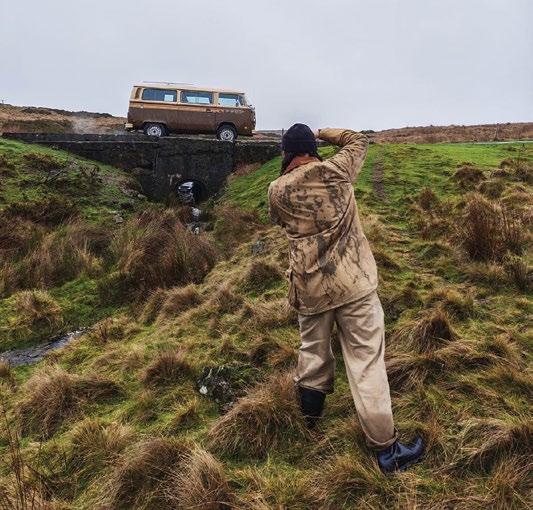
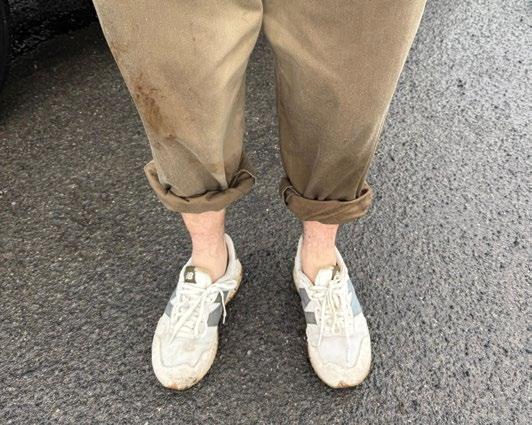
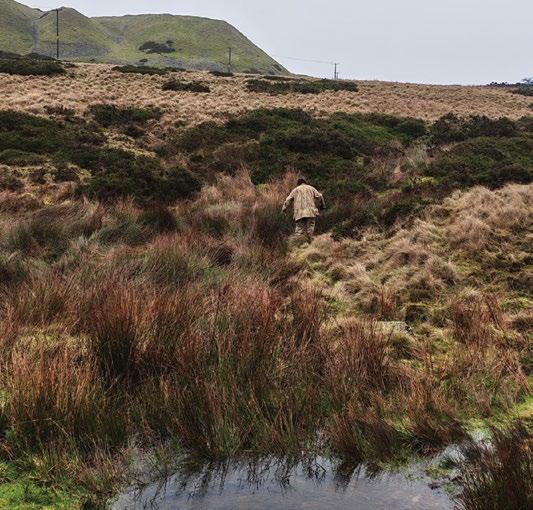
Every spot, every shot he was fully committed. At times rolling on three wheels to reach the right position. We got stuck. He got stuck. I fell into a stream.
We had an absolute blast shooting this feature. Genuinely.
It takes a unique kind of owner to drive an “un-welded” classic Volkswagen in the rain. Most only emerge in fair weather, during the safe, dry summer months. But it takes someone even more committed to push that further, to take that same vehicle up an abandoned quarry, into fog, rain and mud, all for the sake of art.
What a day. What a Bay. Well done, Dave. You are a hero.
Thank you for reading.
PJ
JETS
STUNT SHOWS • PUB QUIZ
PUBLIC
KIDS ENTERTAINMENT
KIDS ENTERTAINMENT
CLUB CAMPING
CLUB CAMPING *Free
SANTA POD
Graphic design: Creative and professional, fully custom to your needs
Brand identity: Logo design, business cards, stationery, etc. your entire corporate identity –development and/or rebranding
Paper print products: flyers, brochures, (business-) cards, catalogs, magazines, etc.
Stickers: from design to production in all sizes, single pieces, rolls, and any quantity
Promotional gifts and merchandise: air-fresheners, mugs, bags, socks, t-shirts, key-chains, lanyards and more… lots more!
Design & Print for everyone
While our roots lie in the air-cooled VW scene, our creative work goes far beyond it.
At AirMighty Design & Print, we welcome all types of graphic design projects! Just ask us...
E-mail: niels@airmighty.com
www.AirMighty.com/design-print
FOR LIFE
WORDS BY DAN
MORRISSEY
PHOTOGRAPHY BY SAM HAWKINS
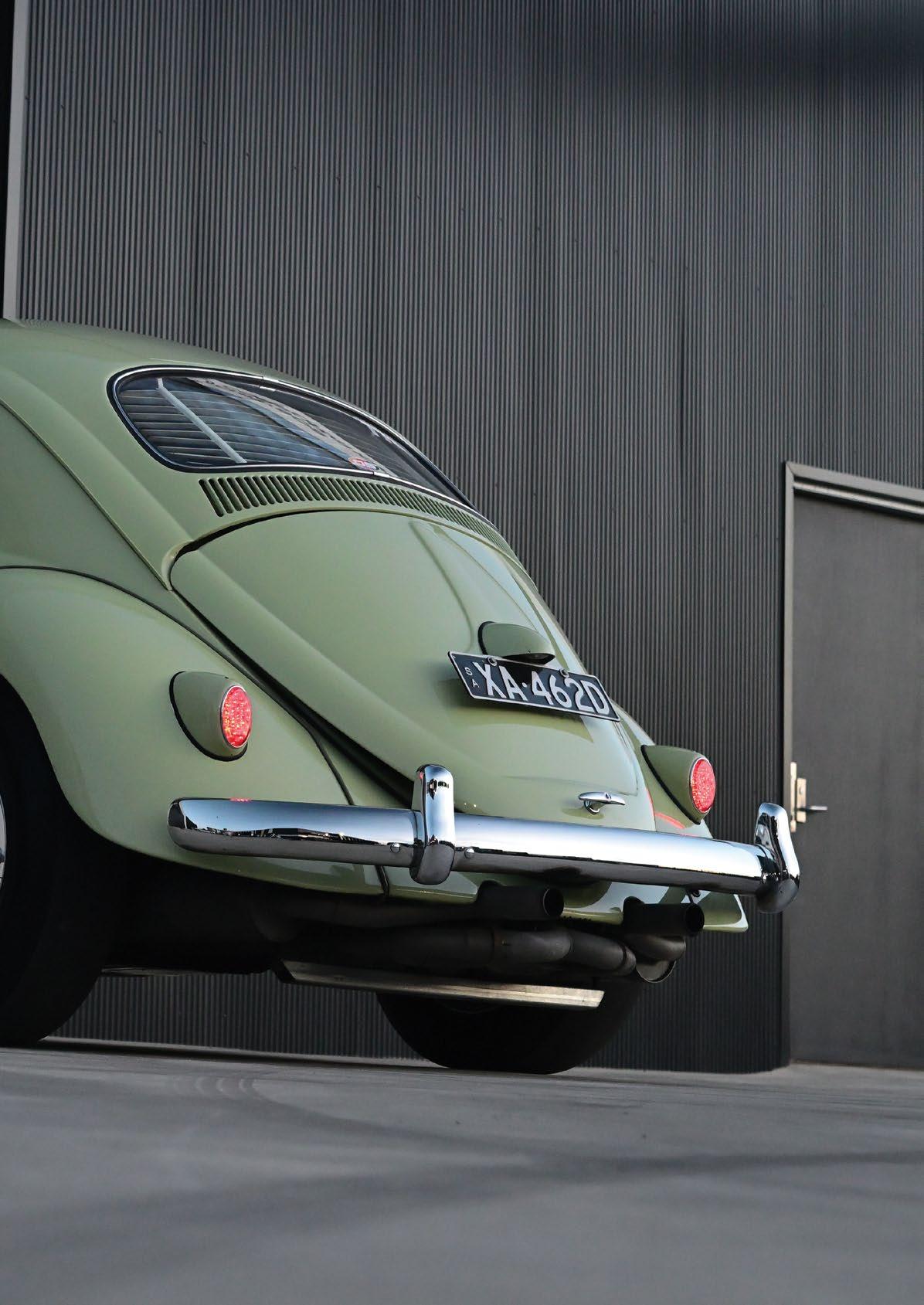
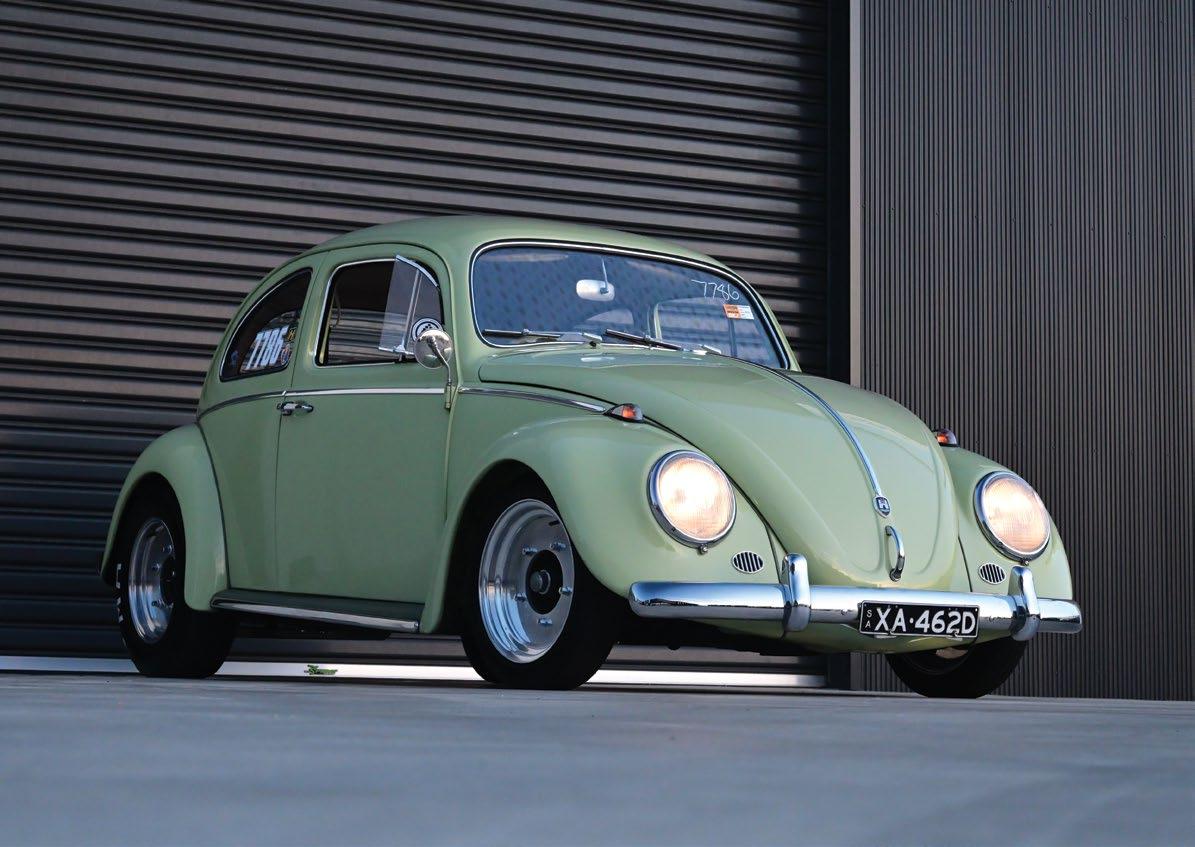
There can’t be many car enthusiasts who can honestly say that they’ve never sold a car and regretted it. On the other hand, many of us will also have owned cars that we are very glad that we did sell. Either way, that isn’t a problem that Sam Hawkins is likely to face. You see, 32-year-old Sam has owned this Beryl Green since the very first years of his fascination with aircooled VWs and he very much intends to still have it at the end of them. Meet Sam Hawkins, a Bolton-born
lad who moved to Australia in his teens, currently living in Adelaide with his wife Jen and their two daughters.
Sam got interested in VWs by chance. At the age of 16 he passed his driving test in Australia and needed a car. He wasn’t really fussed about what, but he wanted something retro with a bit of style. He found a 1971 Super Beetle for sale and ended
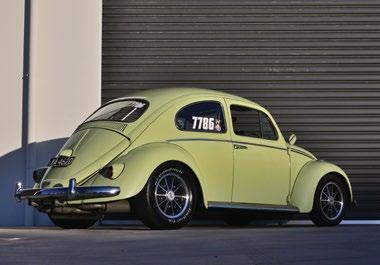
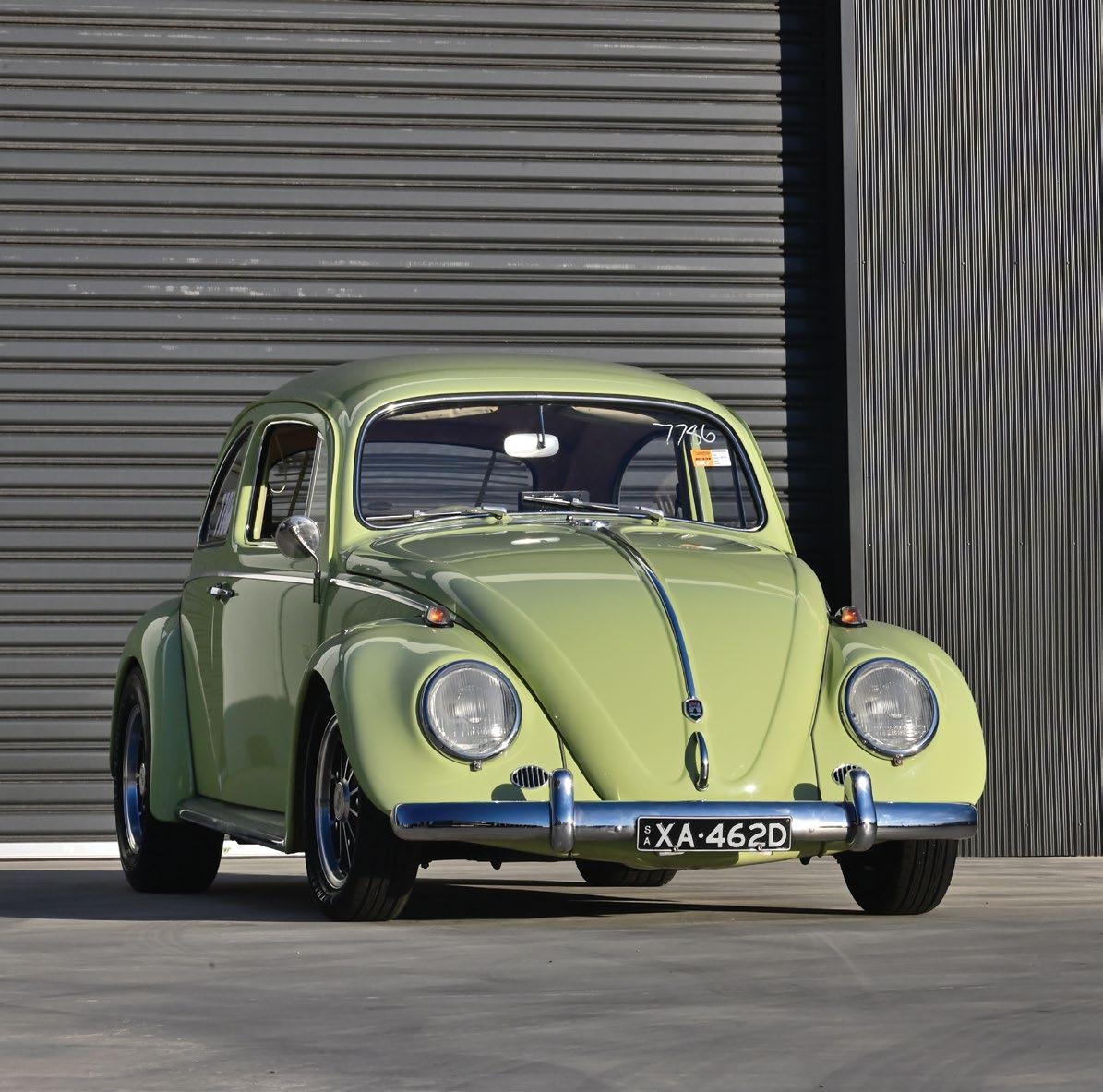
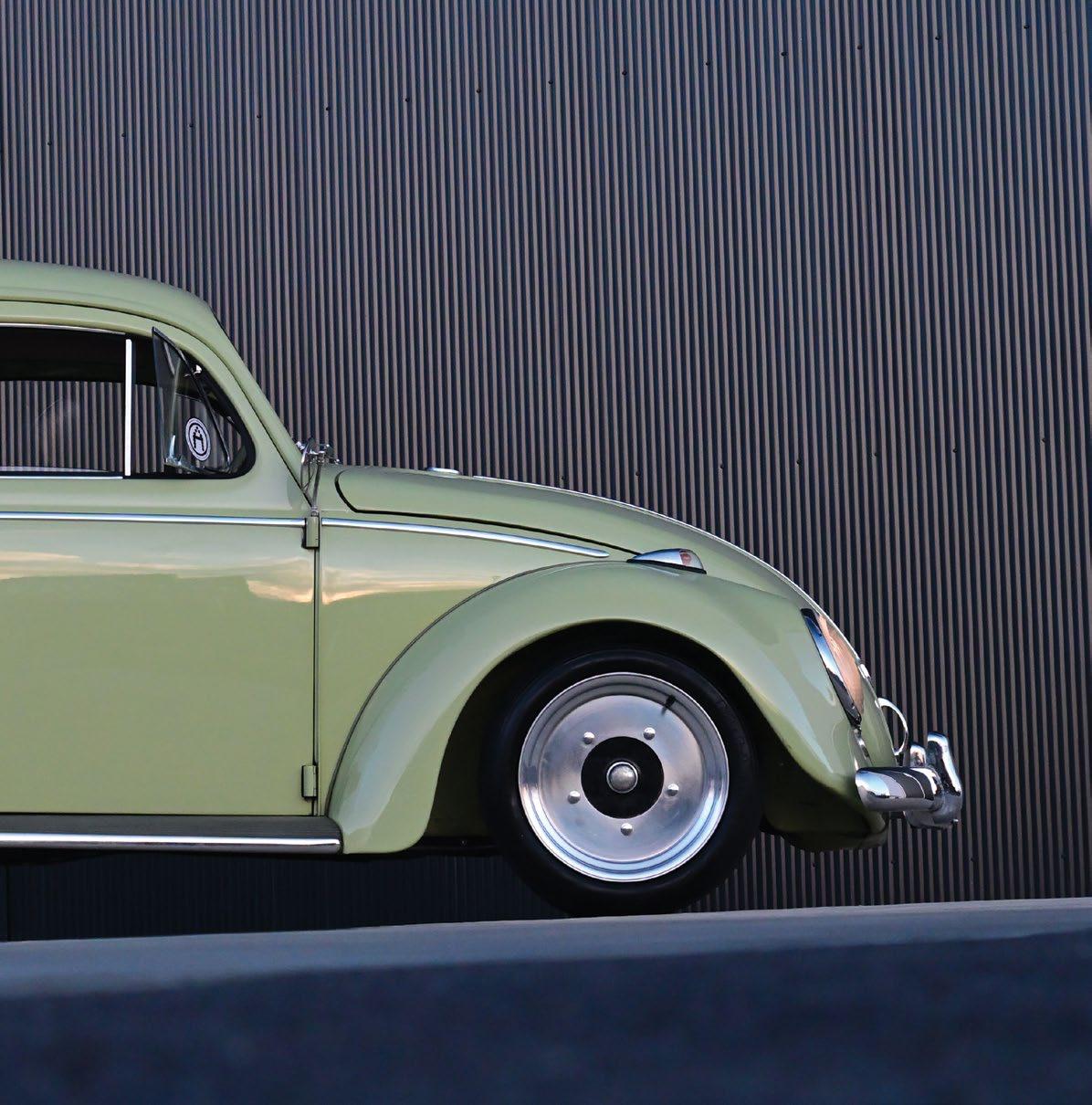
up doing a deal. The Super Beetle became Sam’s daily driver and he loved it. In Sam’s words, the more he drove it, the more he loved it, and the more he got the air-cooled VW “thing”. Very soon into owning that Beetle another one popped up for sale locally on eBay. Sam had started researching Beetles like crazy with his new-found fondness for Bugs and knew, even then at the age of 16, that what he was looking at was a very special Bug to find. He was looking at an imported 1961 Beryl Green. Now a Triple Green (this means green interior, running board trim, steering wheel, floor mats and exterior colour), right-hand drive ’61 would be a rare beast to find in the UK, but it is extra hard to find down under. The reason for that is that Australia makes its own Volkswagens. It has done since 1954. Just like other markets that have their own factories, they have their own touches that they put on their CKD cars, including colour schemes and trim levels. This Triple Green Beryl Green was not something that was ever made by Australian factories. The only way
it could have got there was by being imported, which this one was. In fact, just like Sam, it had started its life in the UK before being exported to Adelaide in the mid-1970s. A very rare car indeed.
So back in 2010 the teenage Sam arranged to go and have a look at the car. He confirmed that it was indeed a Wolfsburg-produced UK import that had been owned by the seller’s parents since it was imported. He confirmed that it was indeed a Beryl Green. The outside had been hand-painted blue but the interior was completely original. The Beryl Green dash and green interior trim hadn’t been touched. He had to have it, and $2200 Aussie dollars later he owned a new Beetle.
One of the first things Sam did with his ’61 was to put on a new set of wheels and lower it. As a teenager this was his daily driving car and he drove it everywhere.
He drove it to school, out with his mates and to car shows. This was his only car and it saw a lot of use during those last few years of school. After leaving school Sam trained as a plumber and still used his Beetle as an everyday workhorse, simply bolting a toolbox in the front.
The next things on the list were some performance upgrades. A stock 1200 motor is enough to plod around quite comfortably. But for a young lad wanting a little bit of extra power, 30 hp was just simply not enough ponies. So Sam set about building himself a tried and tested 1776cc engine. The increase in power was night and day and soon Sam started to get a new fascination for vintage speed. Then came a massive turning point in this car’s story, something that turned the hand-painted blue Bug into the beauty you see before you. Sam got a new
plumbing gig, this time with a company work van.
There were always things that Sam wanted to do to his Beetle, and although he and his friends had spent many late nights in the shed working on it, they were all just young lads and didn’t have other cars to use. This limited what they were able to achieve because any work had to be done that night as Sam would need the car in the morning to get to work. But now he had a company van!
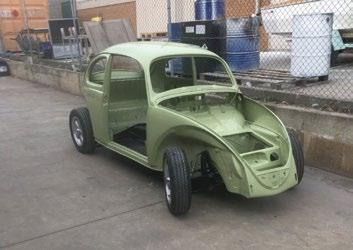
Sam had had his eye on patches of rust that had been developing under the A-pillar of the Beetle for some time and knew that it needed to be sorted properly. At this point the car was well loved and Sam wanted to do it right. So he took the plunge and separated the body from the pan. At this point he also knew that he
wanted to get rid of the old blue paint and to make it Beryl Green once again. He decided to have it chemically dipped to (1) get rid of all the paint and (2) verify any rust that needed addressing. What could go wrong?
“I didn’t expect so many holes. It looked like Swiss cheese”, says Sam.
Ahh yes, the old hidden horrors. Chemical dipping is great and a good way to see what you actually have left. However, it is nearly always worse than you think. Shocked but not deterred, Sam, with the help of his dad, got to work making the Beetle whole again. It took several years of evenings and weekends but they got there. They did the big jobs like heater channels down to even the smallest pinpricks, making sure that the body
was once again as nice as it could be before going off to the body shop to be once again painted L478 Beryl Green.
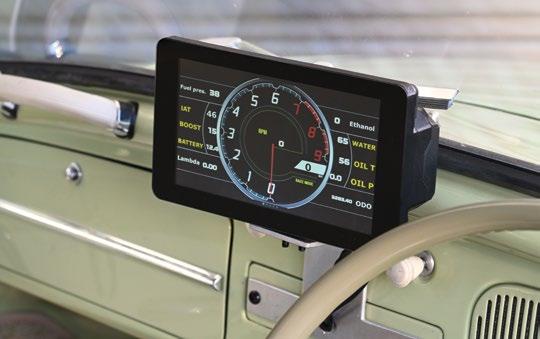
With the help of his friends and his father, Sam rebuilt the car over evenings and weekends. He rebuilt the 1776cc that he’d had in it previously with a couple of small performance upgrades, but also changed over to an EFI system with a Megasquirt ECU and a single throttle body. He began to use the car almost every day again and said that he was very surprised and happy with the reliability of the EFI. It covered 22k km and still ran like a Swiss watch. However, Sam wasn’t done with it yet. Over the decade that he’d owned it his interests had changed, along with the car, and now he’d become more and more interested in drag racing and the
street car “drag and drive” events. So the pursuit of the quickest times and more performance led the next wave of this car’s journey.
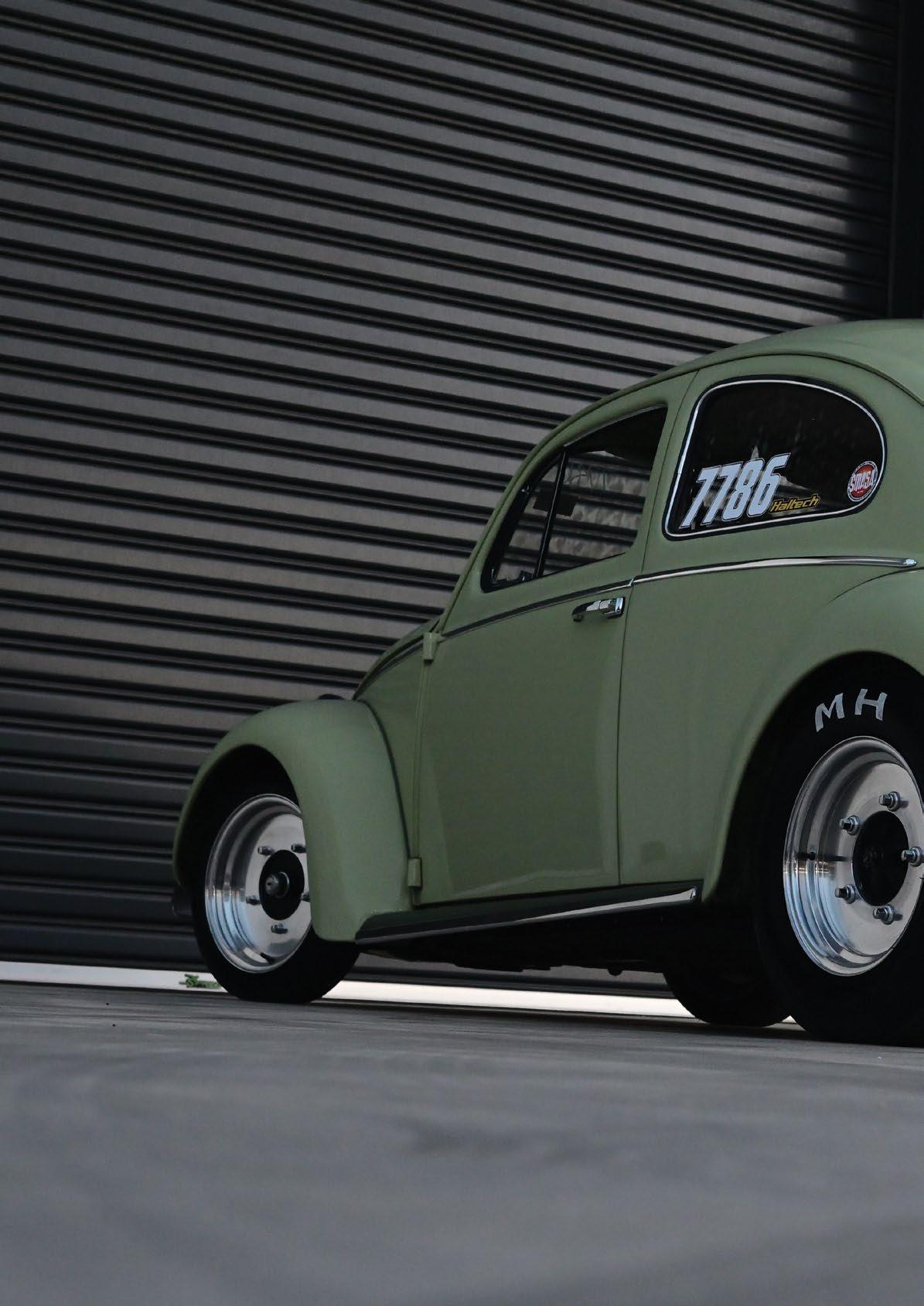
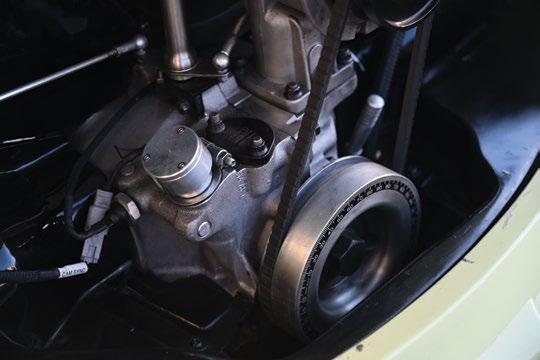
For his new power plant, Sam started with an aluminium shuffle pinned case, with an 82mm stroker crank and 90.5mm pistons, giving him 2110cc, not far off double the original displacement of the Beetle. That was topped with twin IDF throttle bodies and a Haltech ECU, Engle FK8 Cam, CB Performance Wedge Port Heads with 1.4 Ratio Rockers and CSP Evo Competition exhaust. With all that power there was no way the stock transmission was going to hold up, so a Quaife differential, aluminium Rhino case and a full set of Albins gears were also fitted to the Beetle. For suspension Sam fitted a 4” narrowed Skinned Knuckle adjustable beam, Type3 rear torsion bars, a CSP Kafer bar, Gene
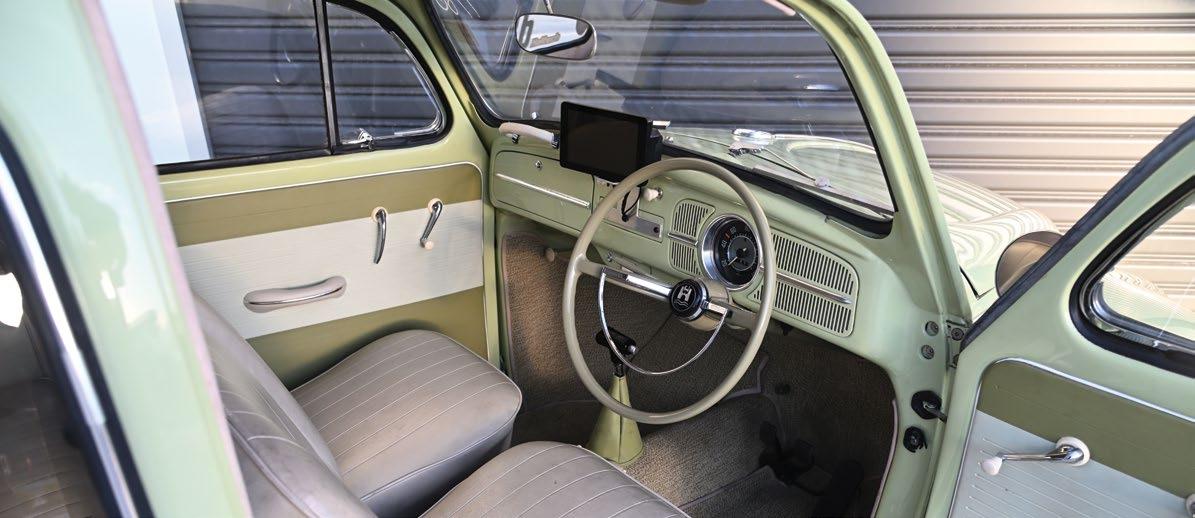
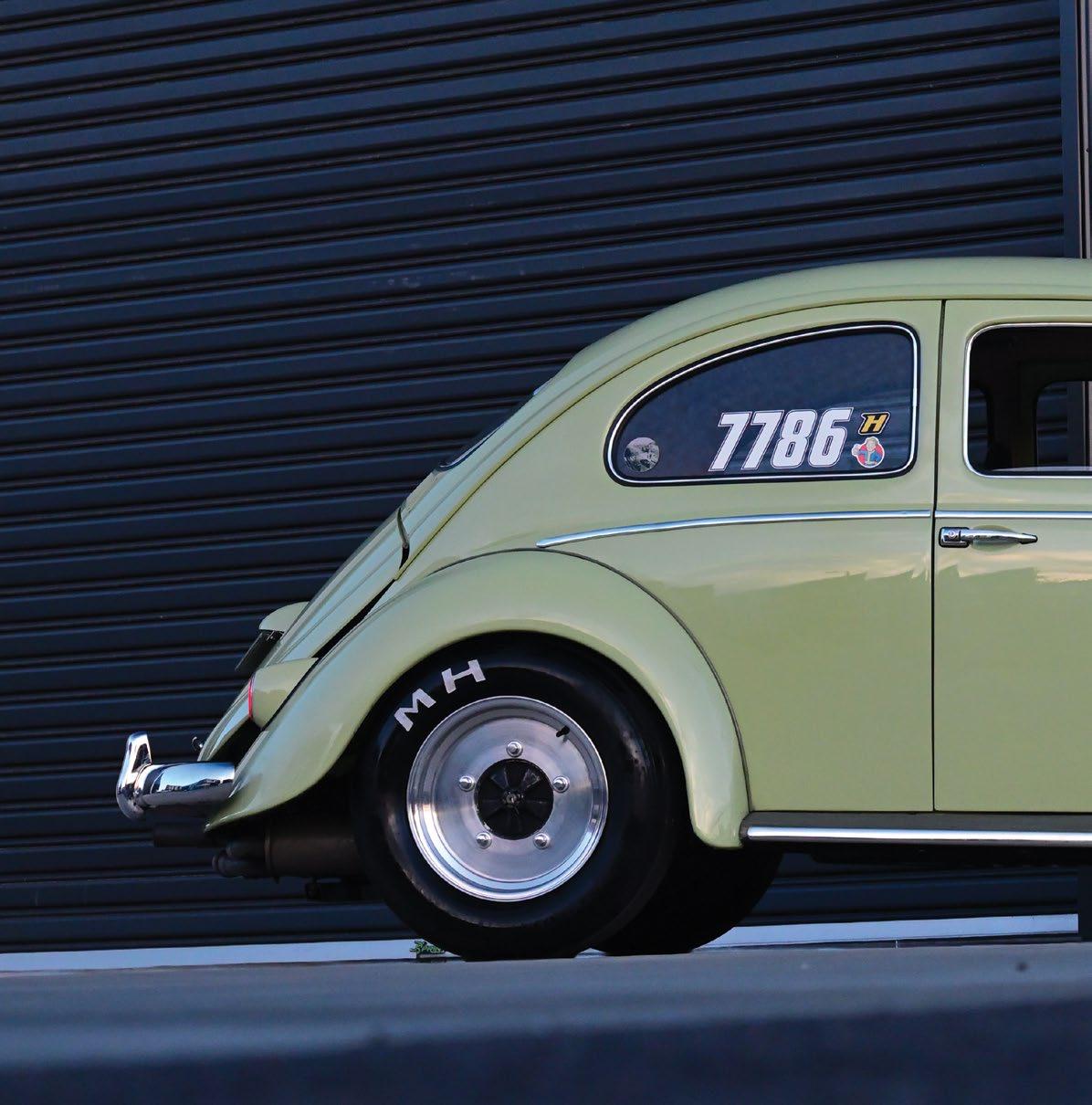
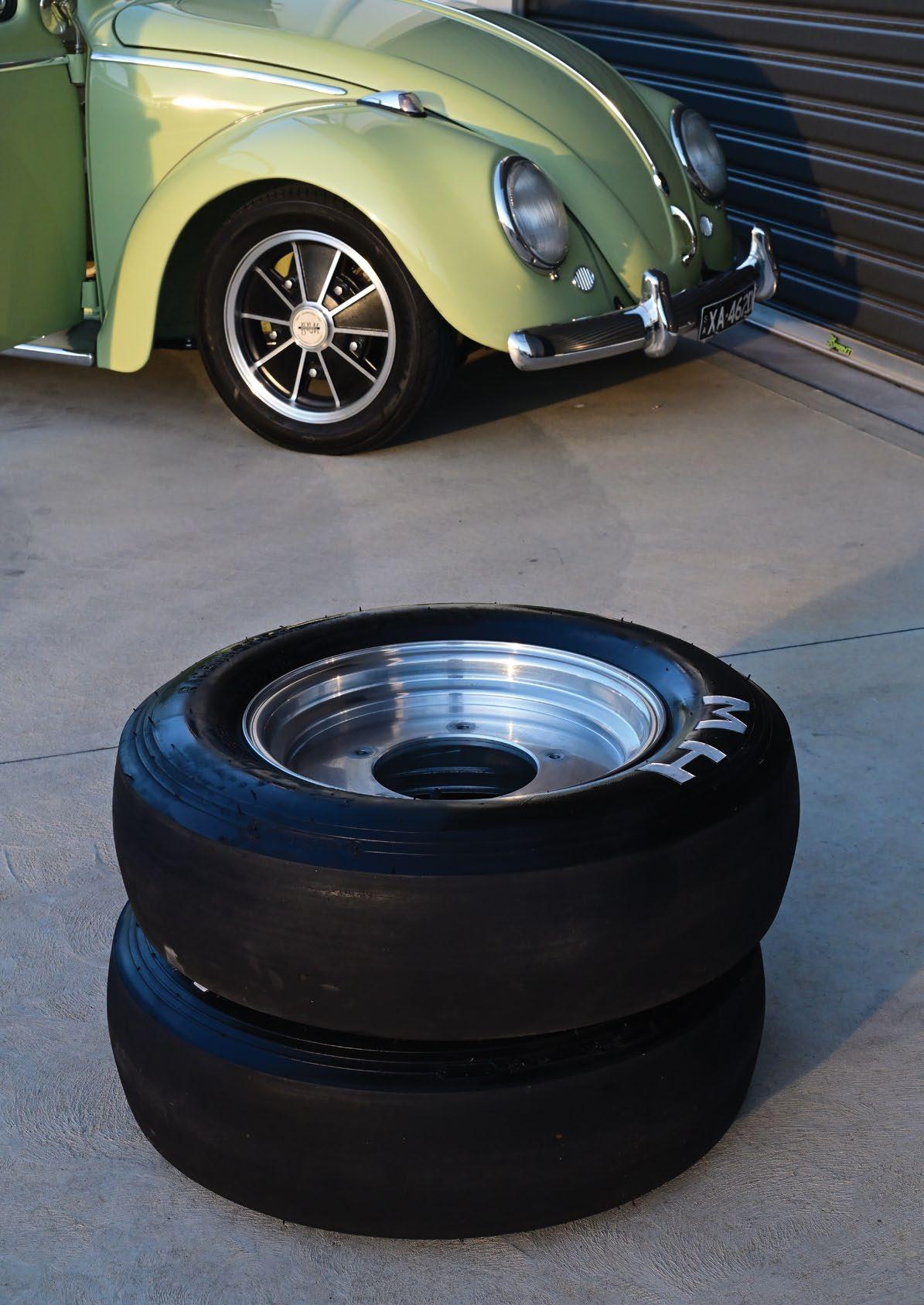
Berg mid mount and traction bar. And finally, to put all that to the road, Flat 4 15x6.5” rear wheels with BF Goodrich Radial TA 215/65. Up front are a set of modified Flat 4 BRMs reduced to 4” with 165/65. For race days Sam uses race-weight Erco Aluminium wheels running MH Racemaster bias ply slick tyres, 6” rears and 3.5” fronts. For the interior Sam wanted to stay as stock as possible, something he says his location made into a challenge. Finding all the green trim parts meant sourcing most stuff NOS from Europe. This was time consuming and expensive but to Sam was well worth it for the final result.
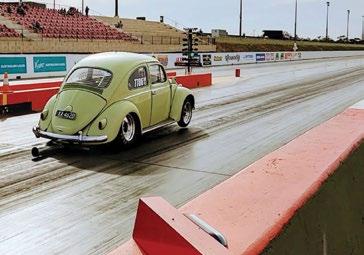
After that Sam just used it, then used it some more and then raced it. Sam says he’s driven the car most days and takes it to the drag strip as often as he can. He has made some great memories over the years with this
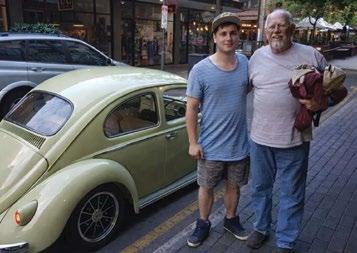
car and he carries on making them. One of his favourite was when he first broke into the 12s at the drag strip and when he gave a ride to Ron Flemming (Cal Look royalty). He says that Ron was visiting Australia and was having a tour of their local car scene and Sam picked him up in the Beryl from a dinner with some of Sam’s friends and took Ron back to his hotel. He said they had a great chat about VW performance and racing and
the early days in California. Keen to show off the Beryl’s performance to Mr Flemming, Sam opened the Bug up a bit on the road. Ron advised Sam that “he hadn’t come halfway across the world to die in a Bug with the steering wheel on the wrong side”. As a celebration of his safe arrival at the hotel, he signed Sam’s glove box lid. But of course with highs come lows. I asked Sam what his were. It wasn’t the build or the parts sourcing,
but once the Beetle had been finished. He’d parked it up on a hill to go into a shop. On the way back to the car he was admiring it from a distance. He then watched as his Beetle rolled backwards down the hill, then over a corner, then through a garden fence. “Lesson learned. Always leave it in gear on a steep hill!” Sam said.
Sam plans to use the car for many years to come, to go
to classic car meets with his family and friends, and he has plans to attend some more drag and drive events. While Sam says that the car is finished and he just wants to use it, he also said some more displacement changes might be on the horizon as well.
Sam would like to thank: “My friend Aaron Britcher who has helped me so much over the years. He taught
me how to build a performance VW from the ground up. My parents have also been very supportive. My father spent many hours helping me with body work. My lovely wife Jen, who has allowed me to spend many late nights tinkering in the shed. I’d also like to thank Ben Monro, Richard Bevan and Mark Smith for their support.”
VW Aircooled Mechanical Services
THE
Steering Boxes - All types refurbished, inc split screen shortening.
Spindles - Built, rebuilt and/or flipped
Built, rebuilt & upgraded Straight Axle Kits100 % complete end to end. Early Bay CalipersRebuilt IRS KitsBolt on or weld on, 100% complete
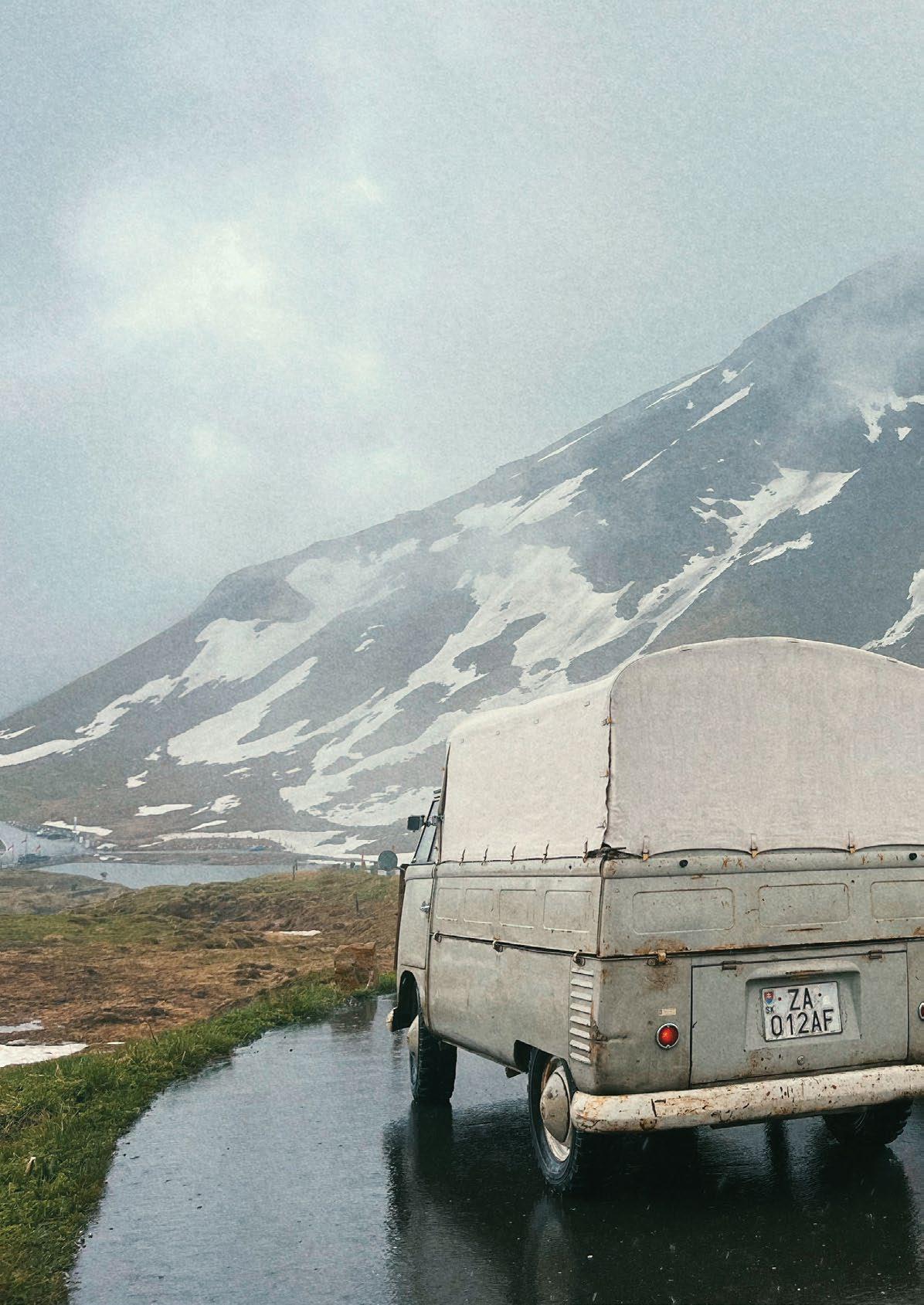
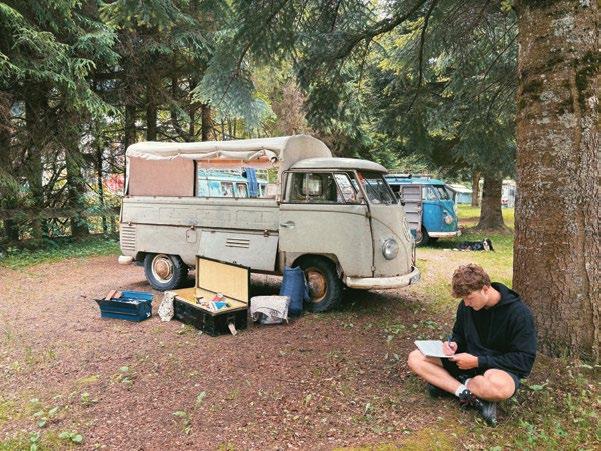
I’ve always loved driving old buses anywhere and everywhere. That probably explains why I don’t own any other type of car – just buses. Low cars are cool. I’ve had a few and I’ll definitely have more. But the freedom of stock height – being able to point the nose at a mountain pass, a gravel track or a forgotten campsite without thinking twice – that’s what really does it for me.
This mindset is what led us to the Dolomites.
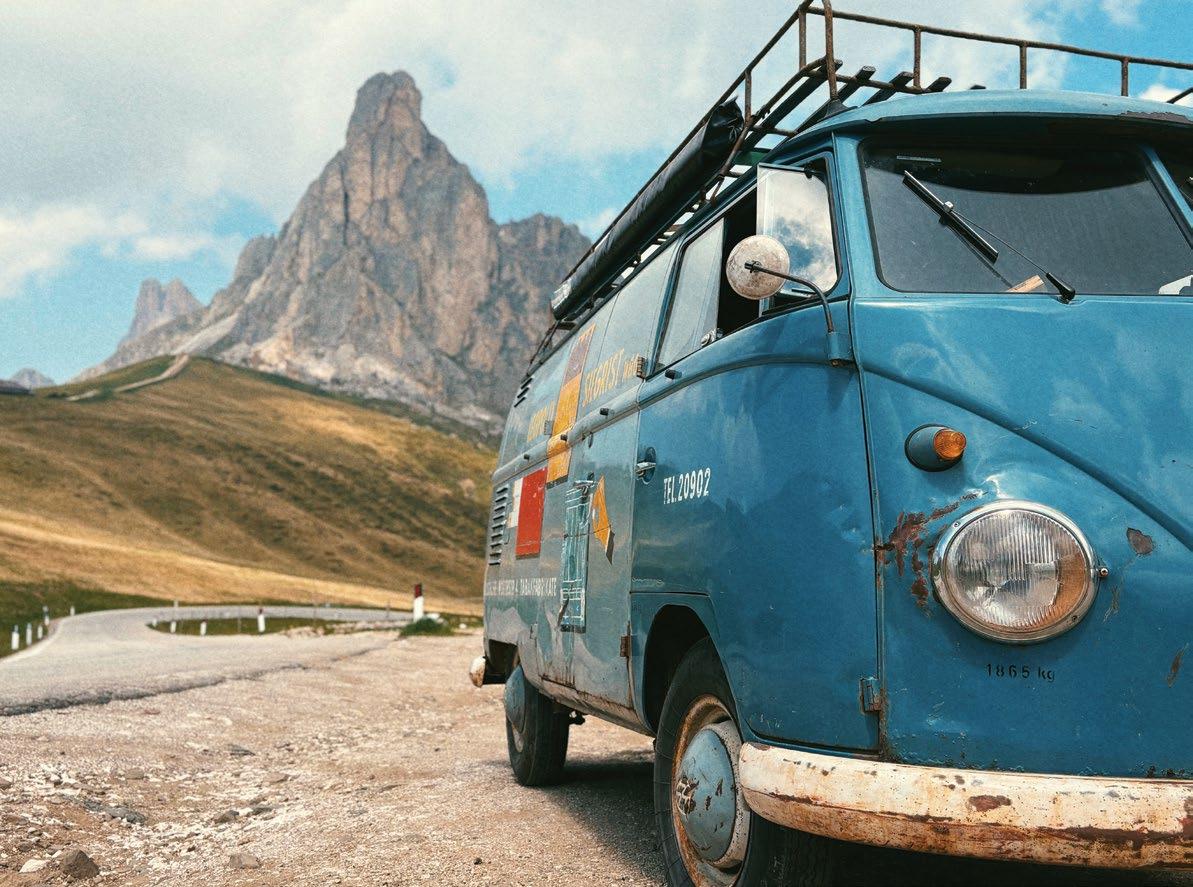
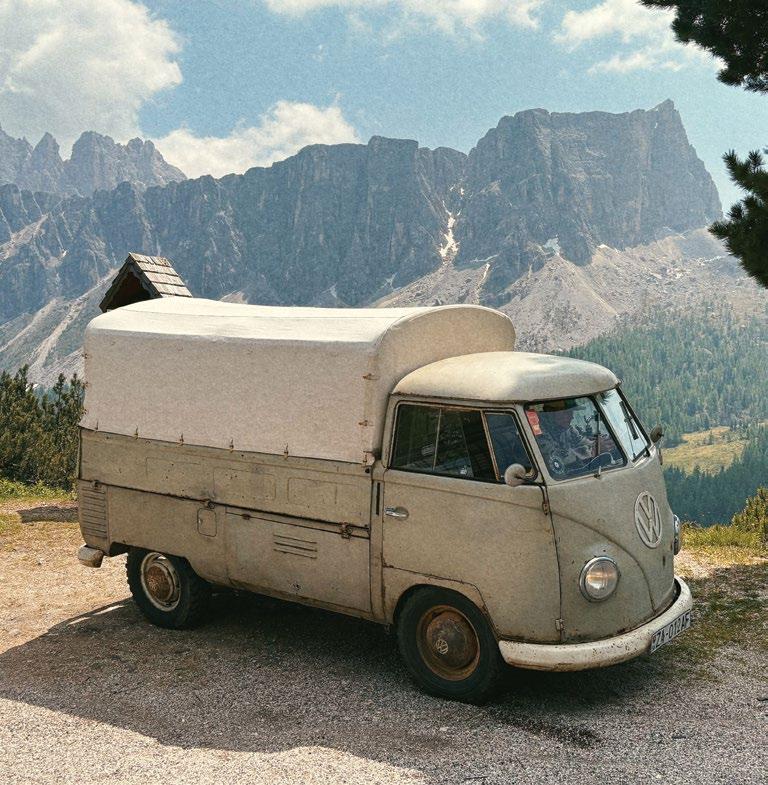
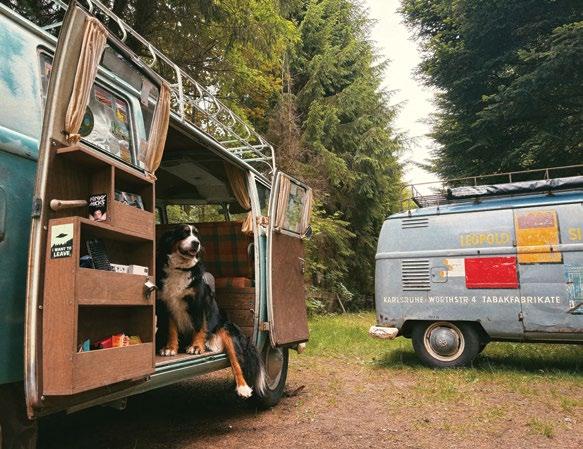
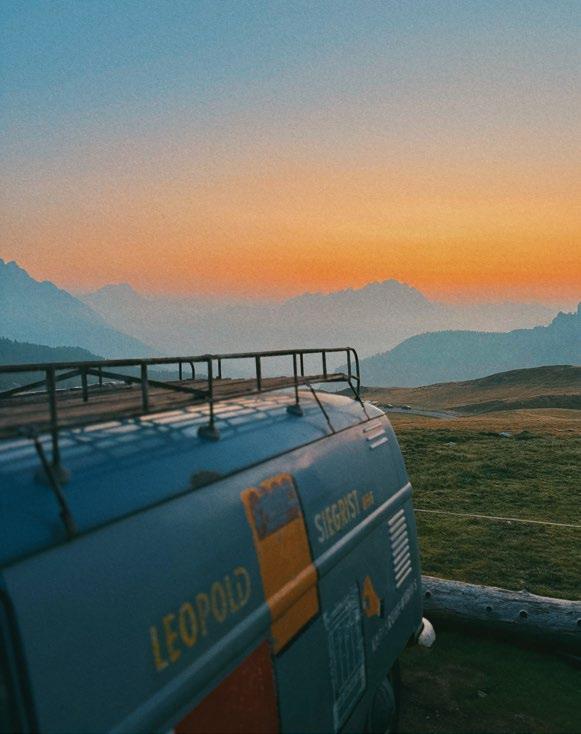
Whilst planning the trip, something special happened: I managed to buy back my old logo Panel van, the 1961 “Leopold Siegrist”, after years apart. That was the spark I needed. The bus would remain completely original in appearance, but I quietly swapped the original 1200cc engine for a 1600 single-port industrial motor. The Dolomites are breath-taking, but climbing them with only 34 horsepower? That’s character-building in all the wrong ways.
At this time, I was also selling a 1962 SO-34 Flipseat Westfalia. By coincidence, Dante – a great guy from
California – got in touch. We had met during a Shasta snow trip in the US. He decided to buy a bus in Europe since he has family in Italy and wanted a proper way to explore the country. When I mentioned our planned Italian adventure, he didn’t hesitate.
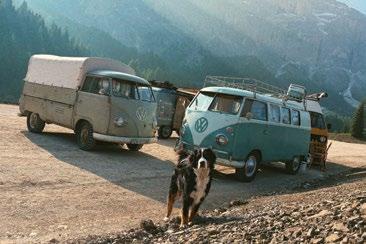
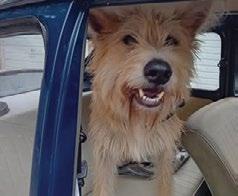
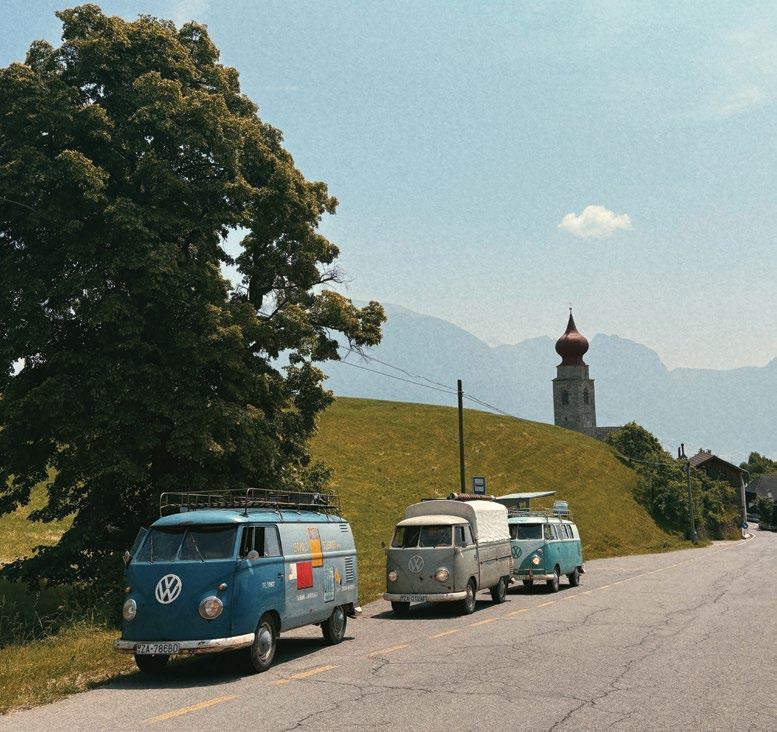
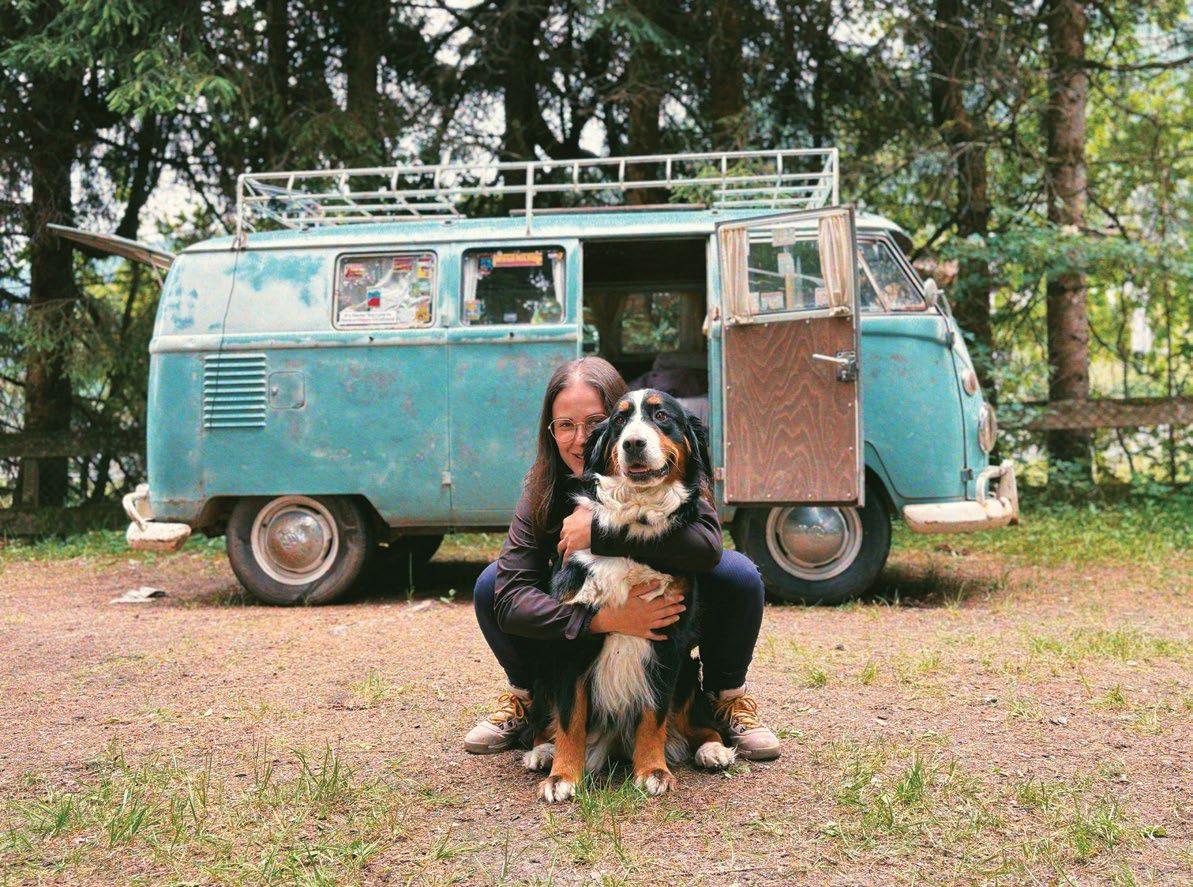
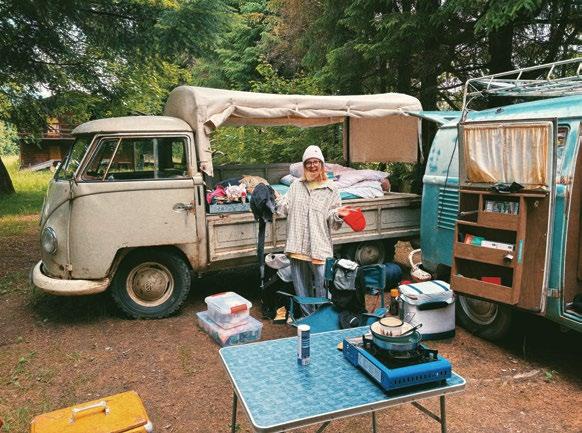
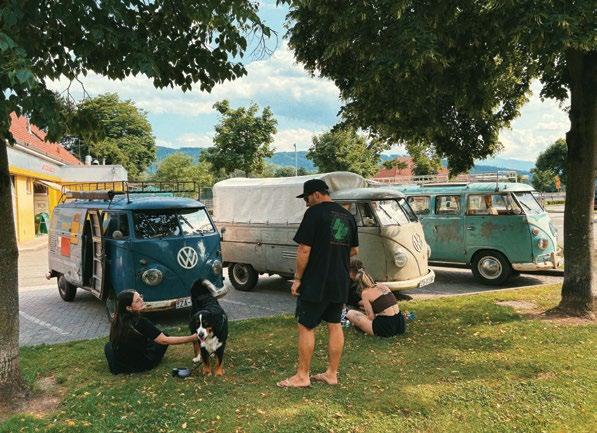
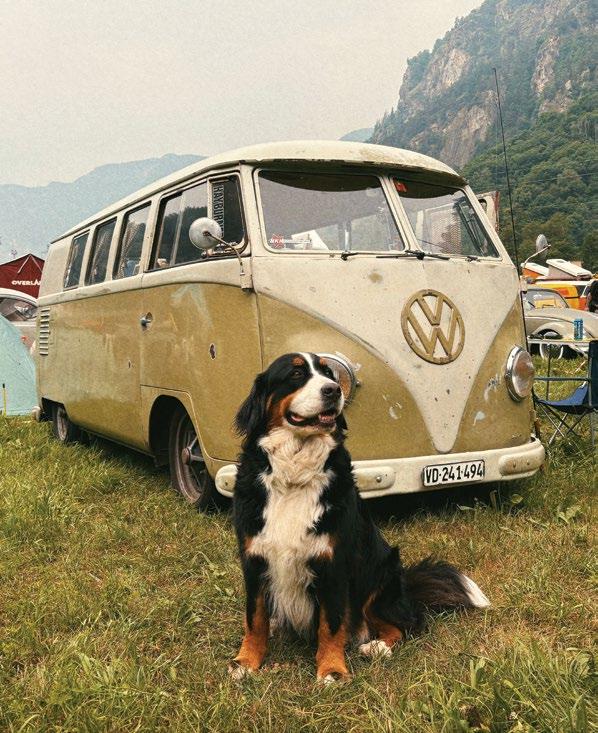
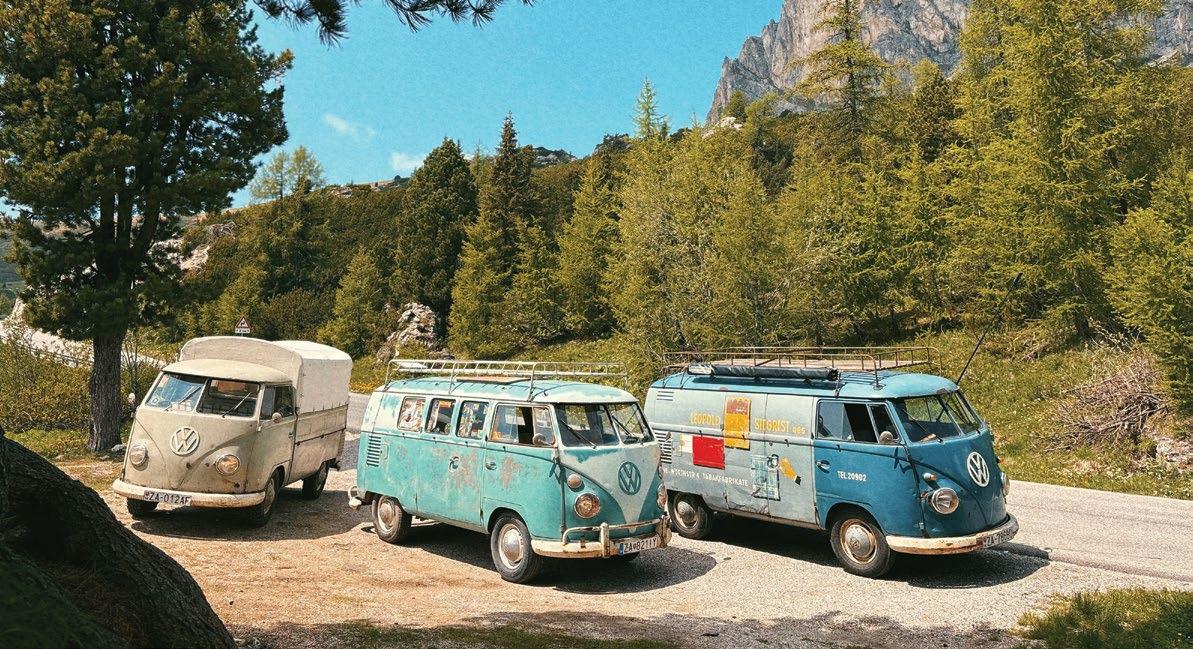
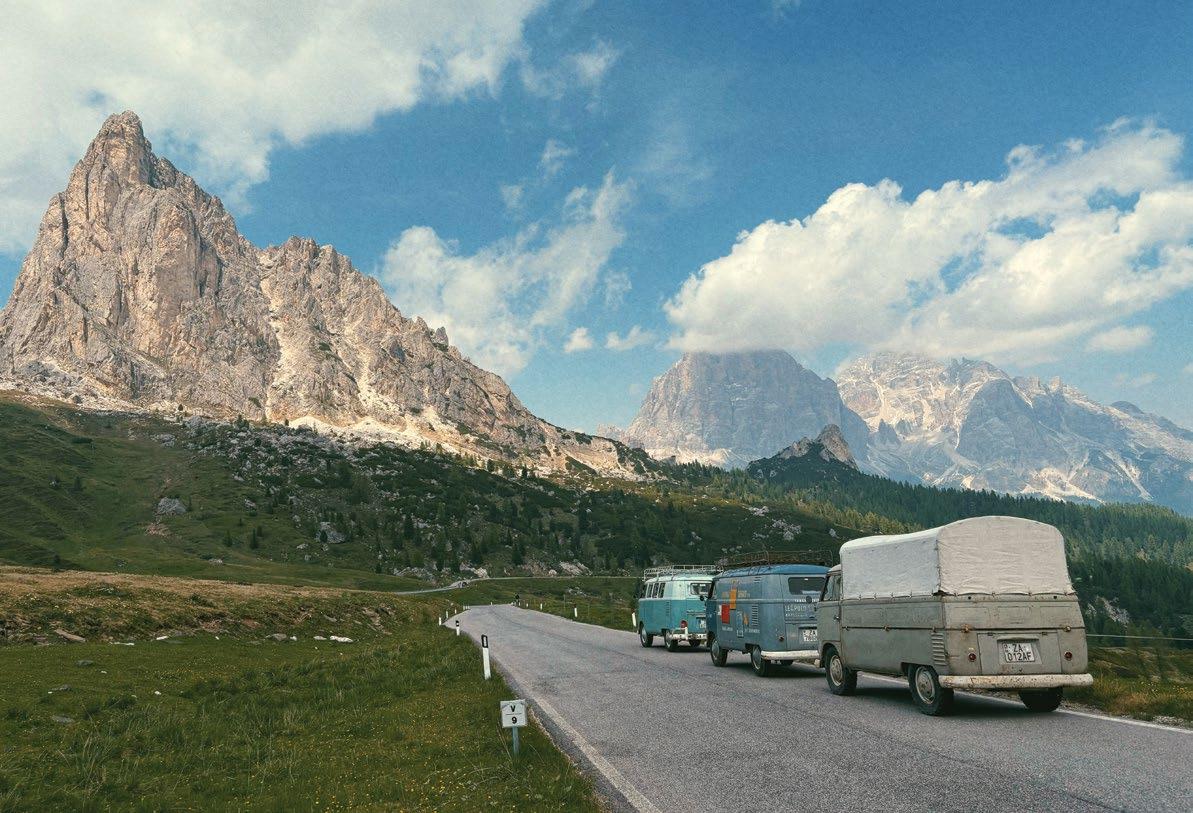
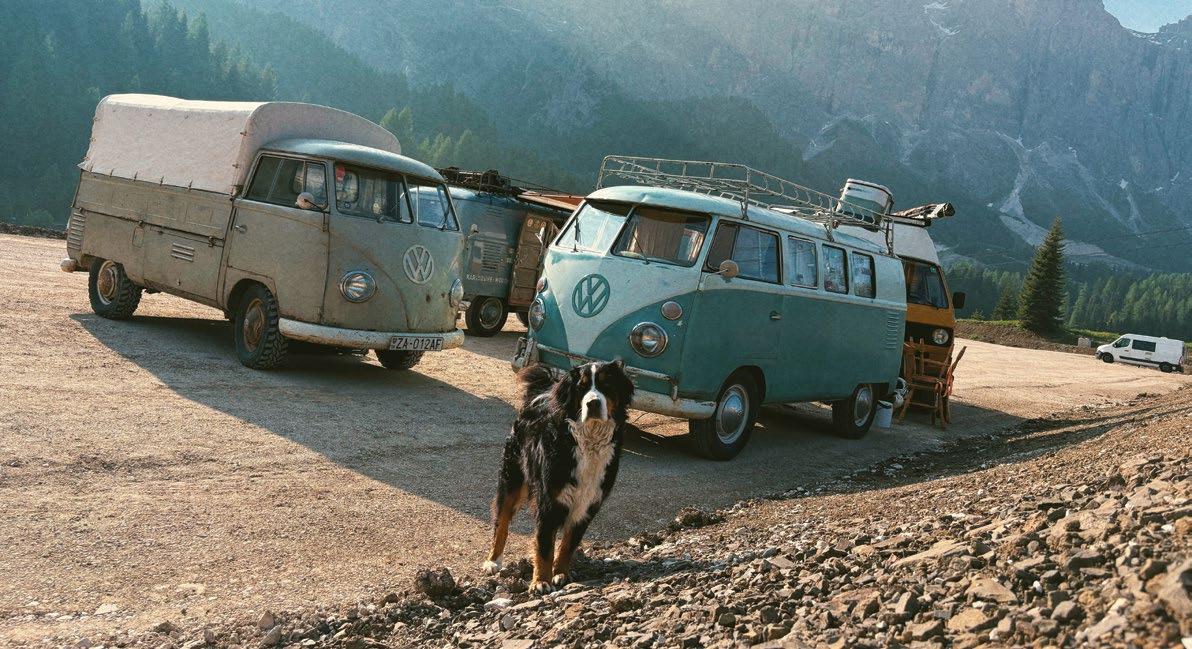
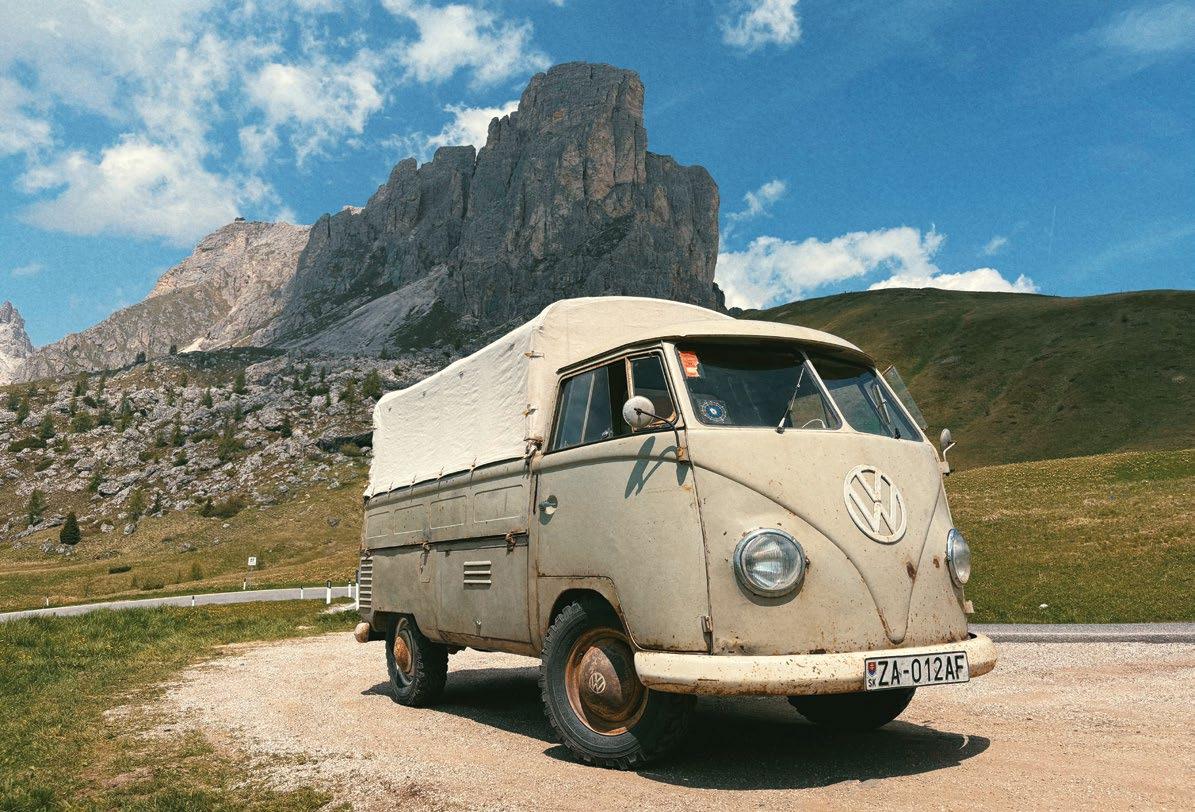
So now I wasn’t just preparing one bus for a multi-thousand-kilometre journey – I was preparing two. The SO-34 also received a 1600 industrial engine. Then came the third addition! My younger brother loves buses but didn’t own one at the time, so I handed him the keys to my 1959 Single-Cab, also running a 1600. Just like that, we had a three-Split convoy: a SlovakAmerican gang heading toward the Alps. In the ’61 Panel, me, my girlfriend Nika and our Bernese mountain dog Naďa; in the ’59 Single-Cab, my brother Filip and his girlfriend; and in the ’62 SO-34, Dante, beginning his European bus chapter.
I felt responsible for all three buses. Spare parts, fuel pumps, carbs,
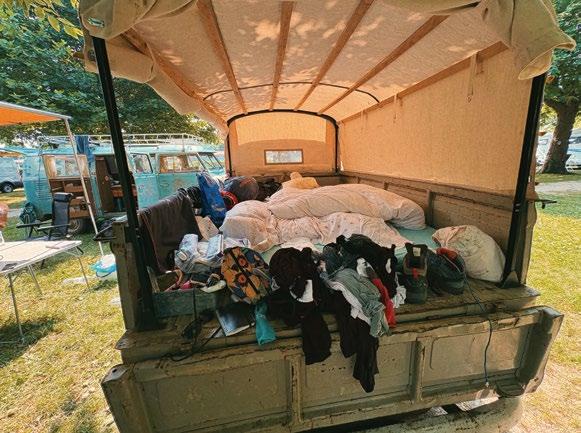
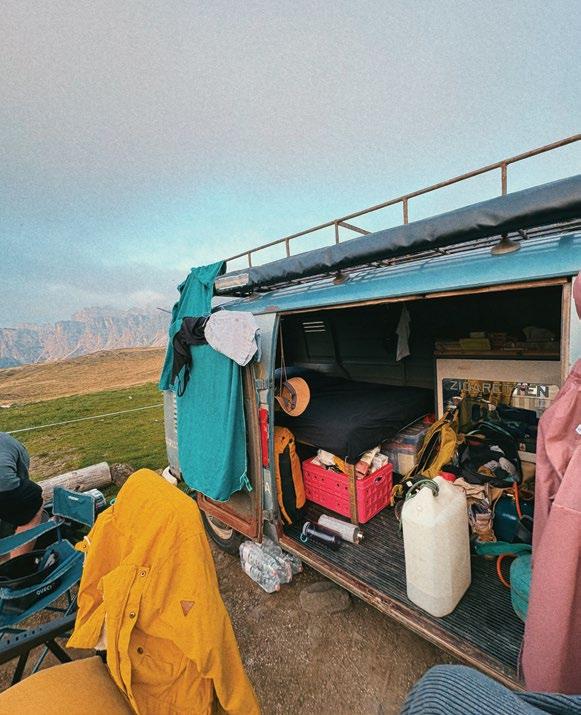
cables, tools – the Single-Cab’s load bed was loaded like a mobile workshop. Ironically, it was also my daily driver and the one I trusted most. The other two busses had barely been tested. And of course, typically just 80 kilometres from home – still in Slovakia – the Single-Cab started acting up. We lost most of the first day to long roadside pauses. It would run perfectly, then stumble again. Eventually I traced the issue to a faulty fuel pump. A simple issue, but frustratingly inconsistent. Once fixed, we rolled west toward Austria and camped near Zell am See. A basic campsite, a creek behind us, grilled dinner, cold beers. Spirits restored.
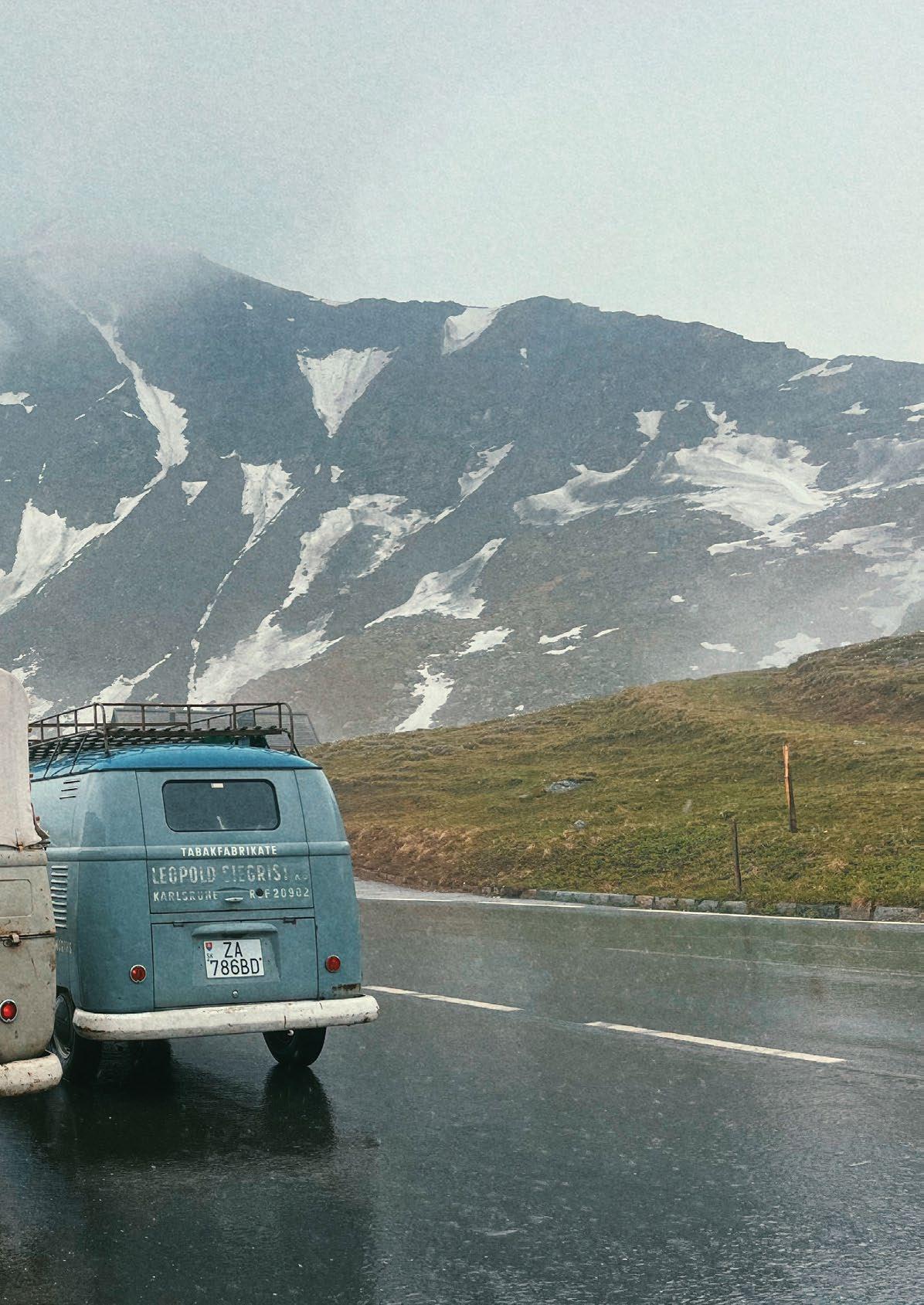
The next morning began as any proper Split-window road trip should: valve adjustments, oil checks, quick carb tuning. Then we aimed for the legendary Grossglockner Hochalpenstrasse.
It was the first week of June so we were prepared for fair weather, but the Austrian mountains had other plans. After a steady climb,
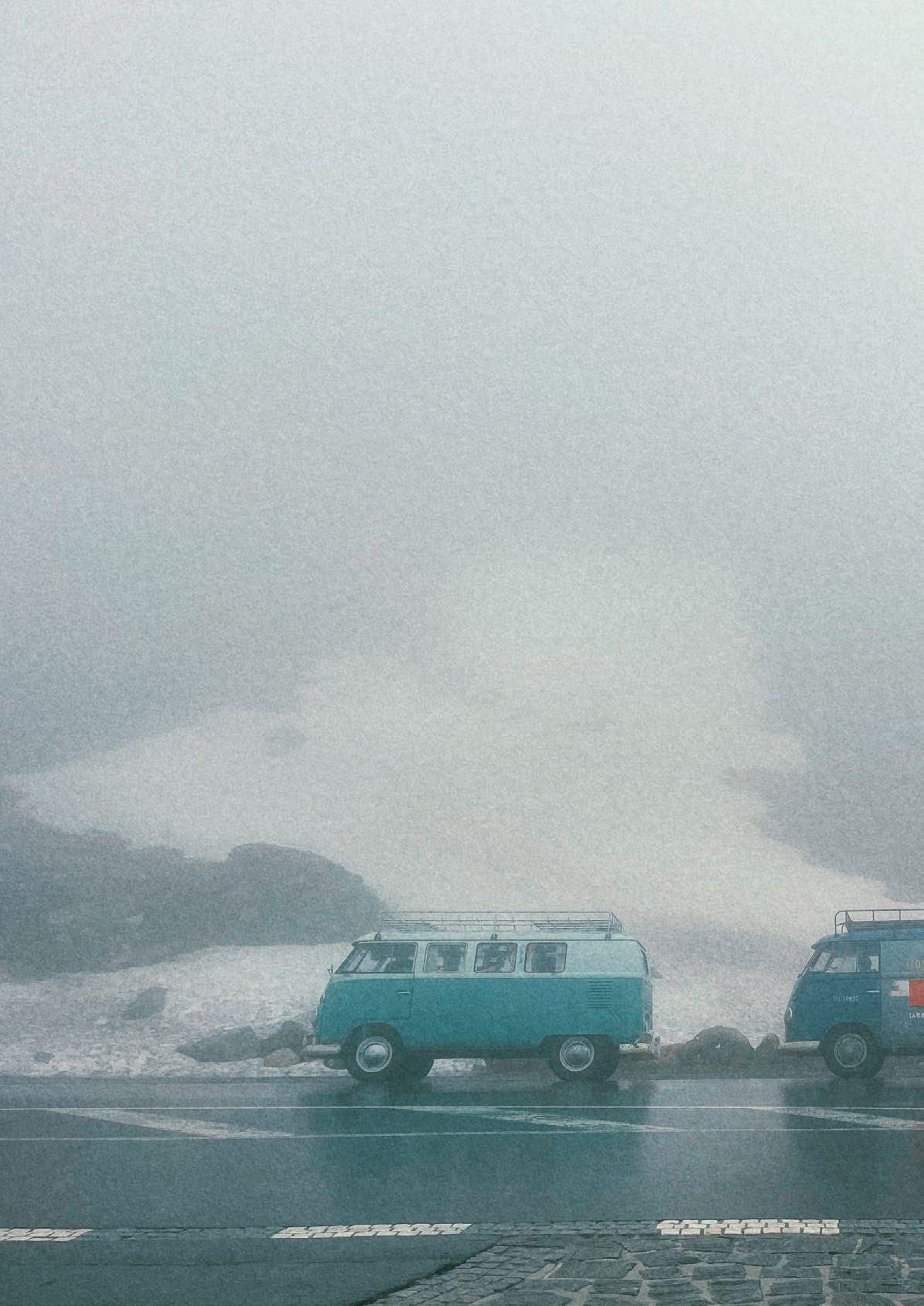
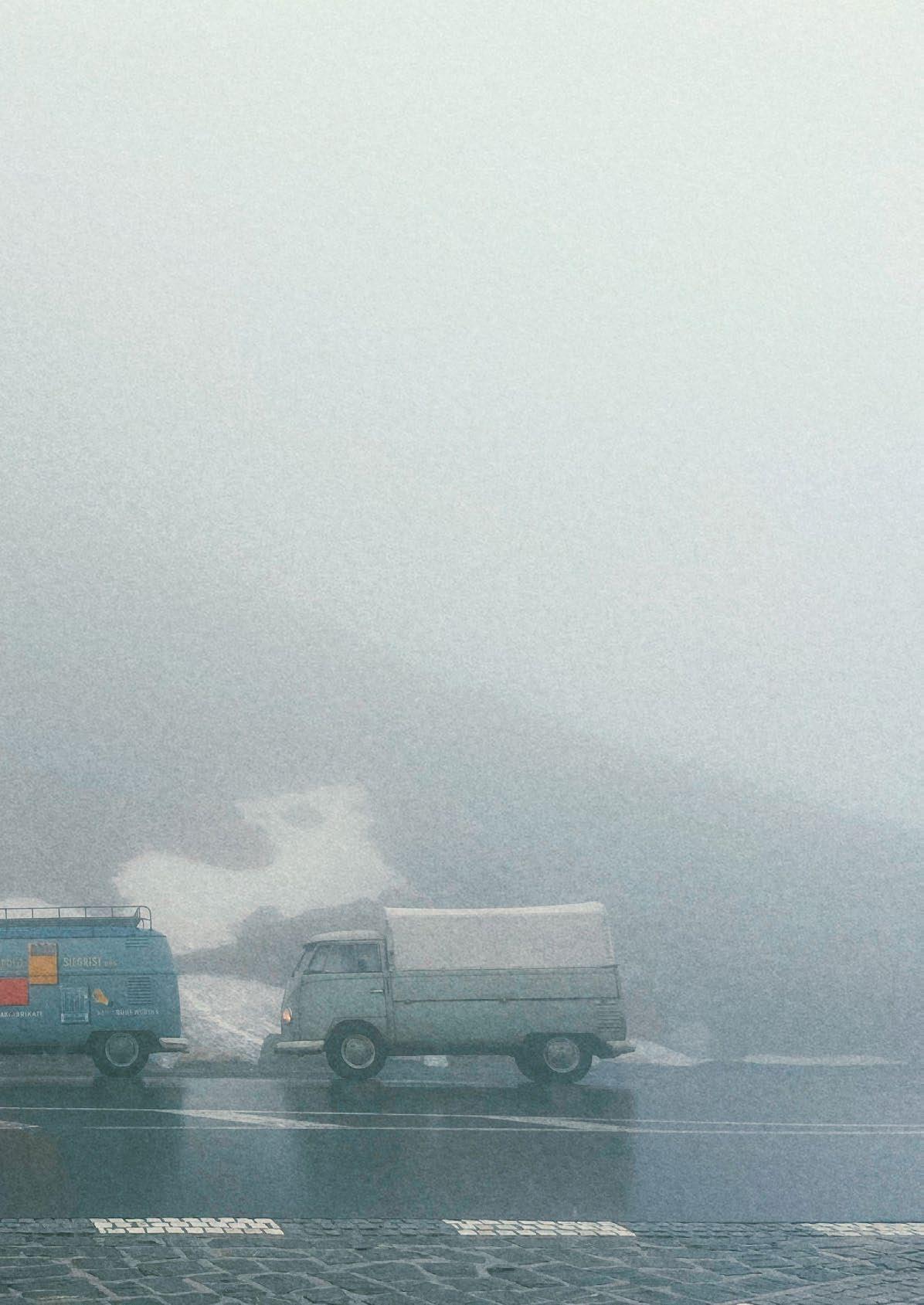
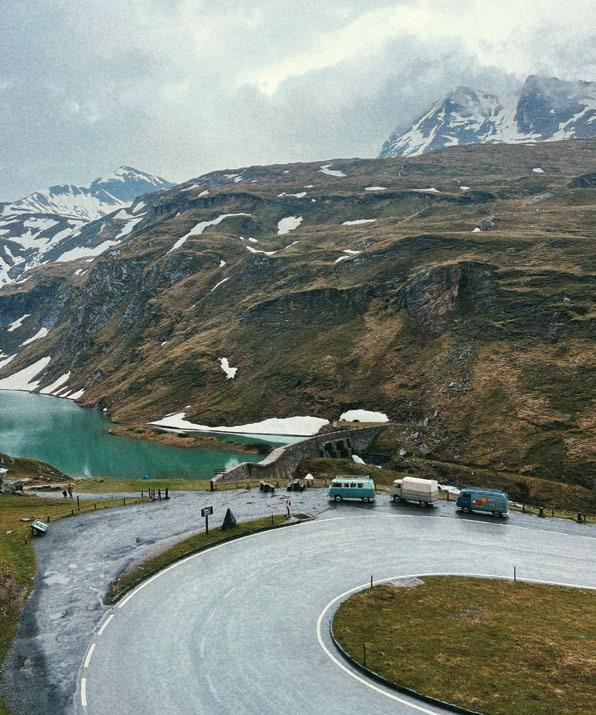
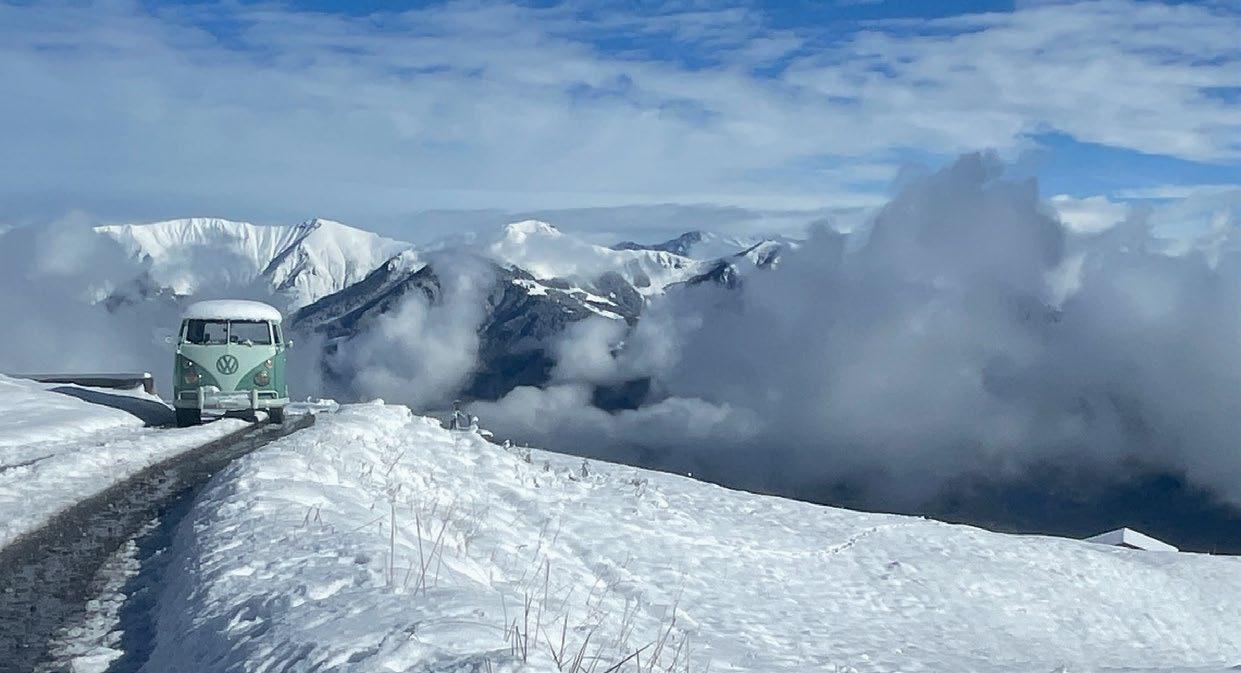
we reached the top – and saw absolutely nothing. Thick fog. Visibility of maybe a metre. Heavy rain, even snow in places. The postcard views were reserved for fridge magnets in the souvenir shop. Still, it was unforgettable. Imagine how many Austrian sightseeing Barndoor Sambas once crossed this road! We didn’t see a single vintage VW. Instead,
dozens of Porsches blasted past us, and hundreds of Vespas appeared out of the mist like ghosts. Lakes, waterfalls, soaked asphalt, and three old workhorses pushing through the clouds. On the descent, the aroma of hot brakes filled the cabins – the smell of effort.
That evening, we crossed into Italy and found ourselves
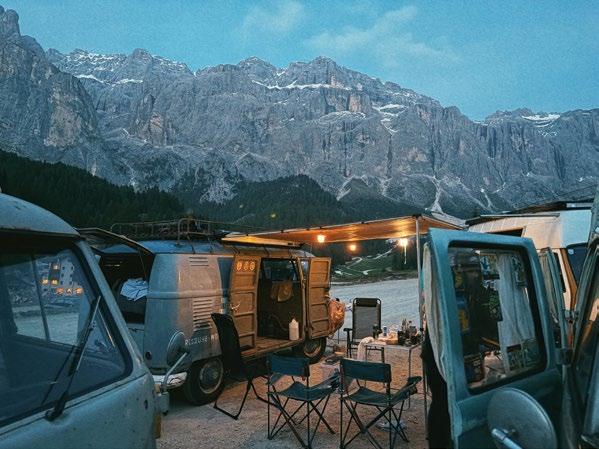
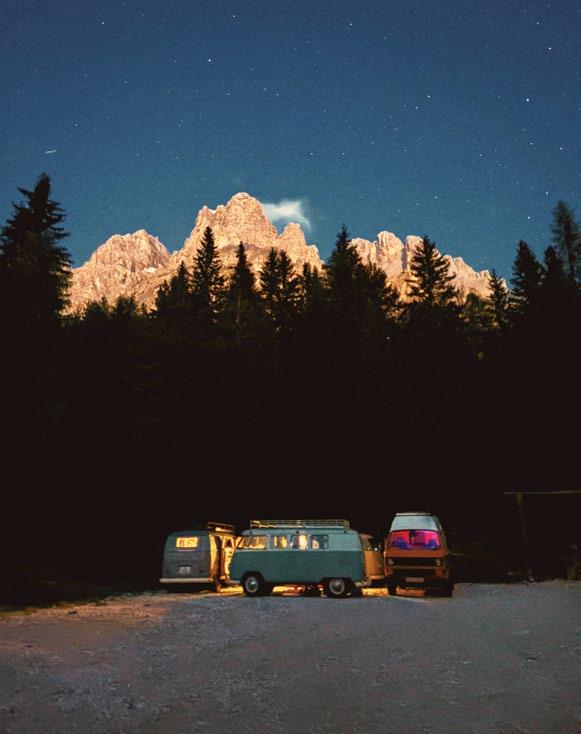
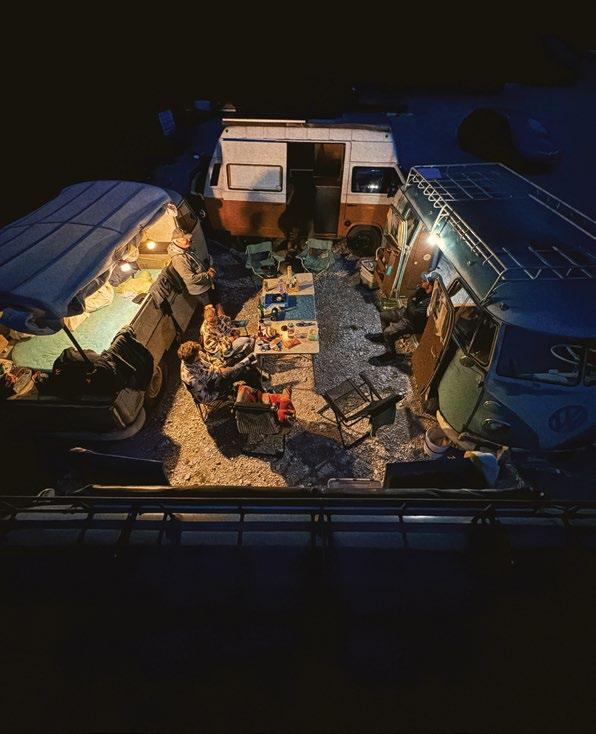
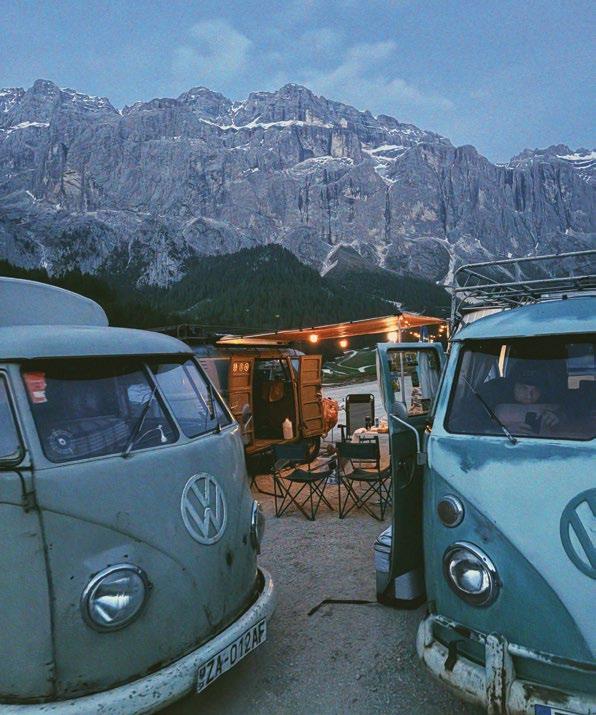
eating proper pizza in the heart of the Dolomites. Full, tired, happy, we camped beneath a forest with massive peaks towering above us.
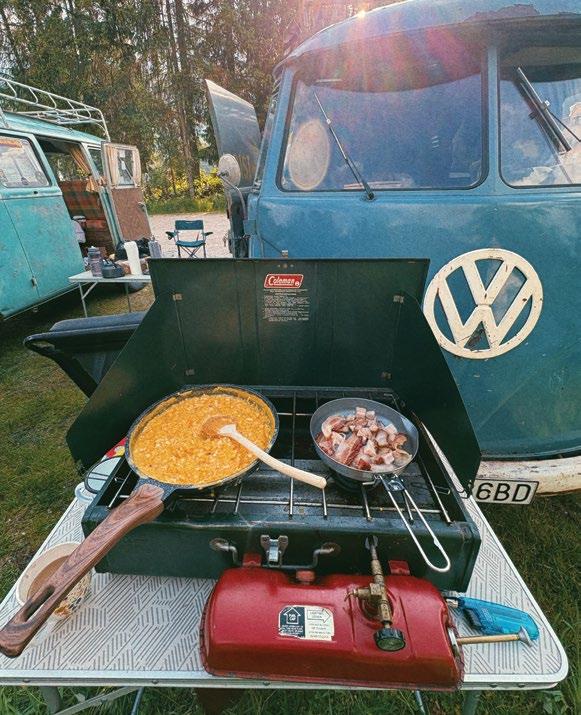
The next day did not disappoint. The Dolomites don’t need to be described – they need to be seen. Bacon and eggs on a Coleman stove between three Volkswagens.
Coffee in enamel cups. Then boots on and hiking trails ahead. We visited iconic spots like Lago di Sorapis and Tre Cime di Lavaredo, buses parked below, legs doing the climbing. Somewhere during that hike, between limestone peaks and alpine silence, I managed to buy a ’55 Single-Cab online. Apparently mountain air improves decision-making –
or weakens resistance.
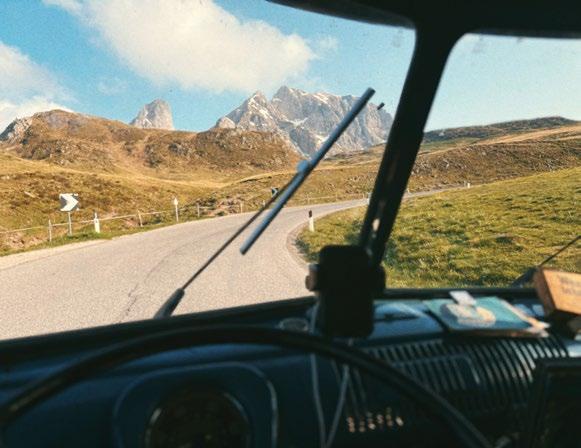
Driving through forests, between jagged rock walls, swimming in icy streams, passing horses and cows by the roadside – it felt like another world. For me, the highlight was Passo di Giau. Epic scenery, surprisingly little traffic, and the kind of road that feels designed
specifically for a Split bus at full song in third gear. Sleeping beneath towering rock faces, the silhouettes of roof racks against a pink Alpine sunset – that’s the reward for 50 km/h determination.
After a few days – a test run, really – we headed south to Lago di Garda. Campsite by the beach. Swimming.
Eating. Boating. Proper relaxation, mixed of course with engine tuning and fuel consumption comparisons. The numbers were terrible! But we were loaded to the roof, running bias-ply and off-road tyres, roof racks mounted, even a cover over the pickup bed. If saving fuel were the goal, we wouldn’t be driving Split buses across the Alps.
Soon it was time for our first Italian show: Volks’n’Roll near the Swiss border. Great atmosphere, music, food, drinks, old and new friends from across Europe – all in a stunning setting. The weekend disappeared in a blur of conversations and air-cooled exhaust notes. Dante continued south to Sicily to visit family. We turned north toward home, with one final stop
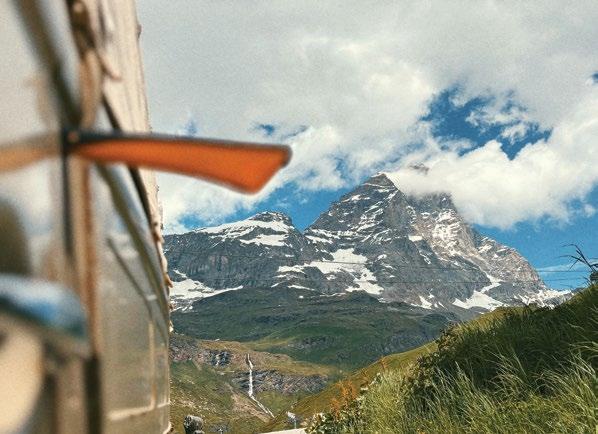
as close as you can drive to the Matterhorn. Photos. Reflections. Thin mountain air.
Then, right on schedule, my Panel’s charging light refused to turn off. At least it waited until the end of the trip. The fix? A precisely aimed hammer tap to the voltage regulator. Old vehicles sometimes appreciate decisive solutions.
The drive home was smooth. It was a roughly 3000 kilometres round trip. Three Splits, one unforgettable adventure that still crosses my mind almost daily.
And in June 2026 we’re doing it again! The line-up will change slightly. I’ll take my Semaphore Mango. Friends from the US will take my ’56 PG/SG. We’ll
cross Grossglockner Hochalpenstrasse and the Dolomites once more, then head all the way to Sicily where Dante will be waiting with his Turkis Westfalia. Good food, cool places, Swiss passes on the way north, then on to Hessisch and European Bug-In.
Because that’s the thing about old buses. They’re not about speed. They’re not about comfort. And
they’re definitely not about economy. They’re about freedom.
P.S. I always have some Splits and Bays for sale. So if you’re looking for a bus and want the adventure of a lifetime … you know where to find me.
@vansofvw
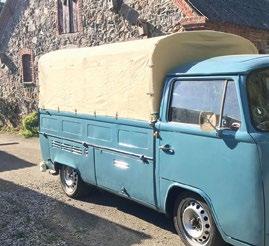
C9653 Waterproof Cotton Pick Up Canvas Cover
See online for our full range of canvas covers
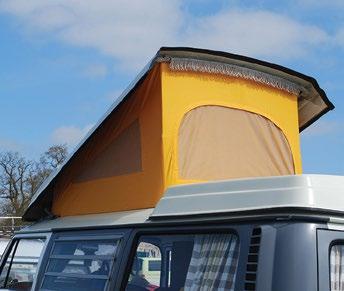
C81783Y VW T2 Early Bay Roof Canvas, 3 Windows, Yellow
Also comes in Tan (C81783B), Grey (C81783G), and Orange (C81783O) and 1 Window versions
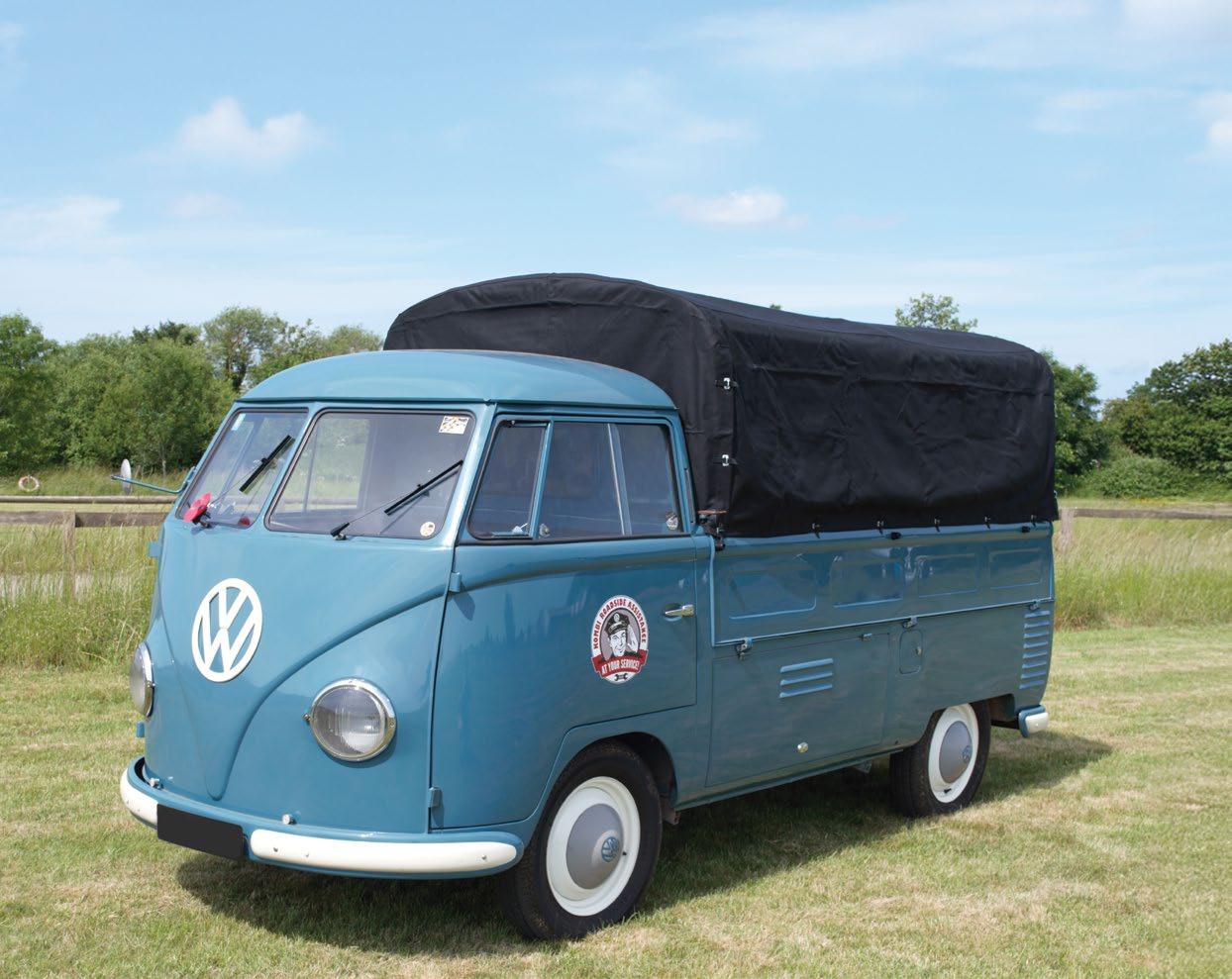
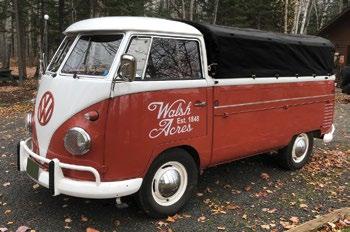
C9656B Flush Height Pickup Canvas for Split Single Cab
See online for our full range of new black pickup canvases
C9127 German Quality Cab Child Bunk for VW T4
Also availble for T5/6 (C9129), T2 Split (C9039), T2 Bay (C9040) & T25 (C9041)
Q: Let’s start at the beginning. What’s your name, how old are you and where do you come from?
A: My name is Louie Gould. I’m 25 and come from Birmingham, West Midlands.
Q: What’s your day job and do you have any other hobbies?
A: My day job is as a mechanical maintenance engineer at a steel rolling company where I have worked since I left school (nine years ago), and where I started my apprenticeship as a CNC turner/ operator and setter. I have many other hobbies such as Motocross, downhill mountain biking, fishing, RC planes/cars and touring in my camper van. But mainly it’s CARS!
Q: What got you into Volkswagens and how many have you owned before this one? Can you list them?
A: I guess it’s in my blood and has been passed down from earlier generations. Since I was young (before I could walk) I’d be at VW shows most weekends with my dad. Catching the bug for VWs came quite naturally, as my dad had a classic VW Beetle (orange
’76) that he had been restoring for years tucked away in the corner of his garage. I’d tinker around with it most weekends, bugging him to get it finished and to take me out in it. I couldn’t wait until I was old enough to drive it. Twenty years later, after he’d lost interest in the project which was sitting under a cover in storage, I was able to get it finished and on the road for myself and experience my first air-cooled VW. This then led me to wanting another VW Beetle, the ’57 Oval. I’ve always loved the scene. There are lots of great people who are always willing to help and the shows are a good crack. You just can’t beat the vibes. It’s unlike any other car scene.
Q: What’s your ultimate VW/Porsche?
A: That’s a very hard question as I like all classic VWs/Porsches, but it would probably have to be a Porsche 356.
Q: Who, or what, would you say is your biggest influence in the worldwide VW community?
A: Hayburner has always been an influence for me.
I’ve subscribed to the magazine since I was young and love their merchandise and historic VW posts on social media. Also the lads at HR Autoworks, as I love what they do with their builds. They are very skilled and also the same sort of age as me, which I like to see as I feel it’s down to us youngsters to keep the scene alive.
Q: Best moment during classic VW/Porsche ownership?
A: I’d say the best moment was the UK cruise to Ninove, pulling out from Bonjour services in France early on the Saturday morning, seeing the roads full of hundreds of VWs. It was all you could see for miles! It was a literal takeover. That was the one for me as it was my first European road trip. Not knowing what to expect or even if we were going to make it there which added to the “fun”, it was definitely an eye opener and a trip to remember.
Q: Worst moment during classic VW/Porsche ownership?
A: The worst moment I can remember was the time I was on the way to BugJam. It was the very first show in the Beetle that my dad built and was really the only time it had been driven on the road in 22. All was going well until I pulled into Corley services for a quick check over and piss stop. I soon noticed a large trail of oil leading off the slip road, across the car park leading to the Bug. The rear main seal had gone and this soon changed the mood! With my girlfriend in the passenger seat, we were both thinking that was the end of the weekend! Despite that I still managed to make it there and back, although it was a very stressful trip. Well worth it, though.
Q: So, what is it we’re looking at here (year, spec and
model)?
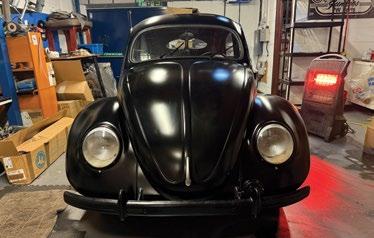
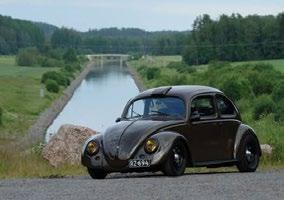
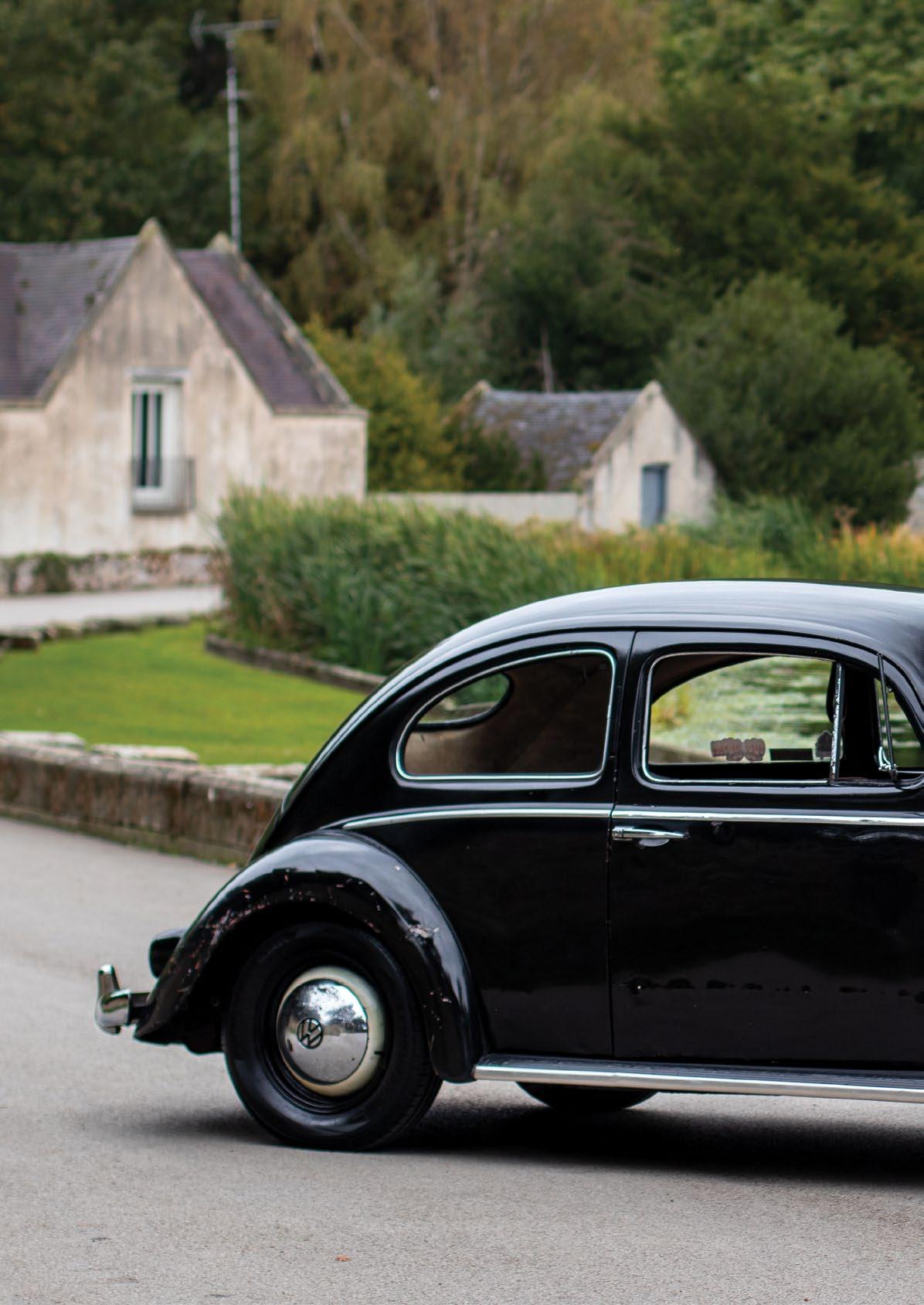
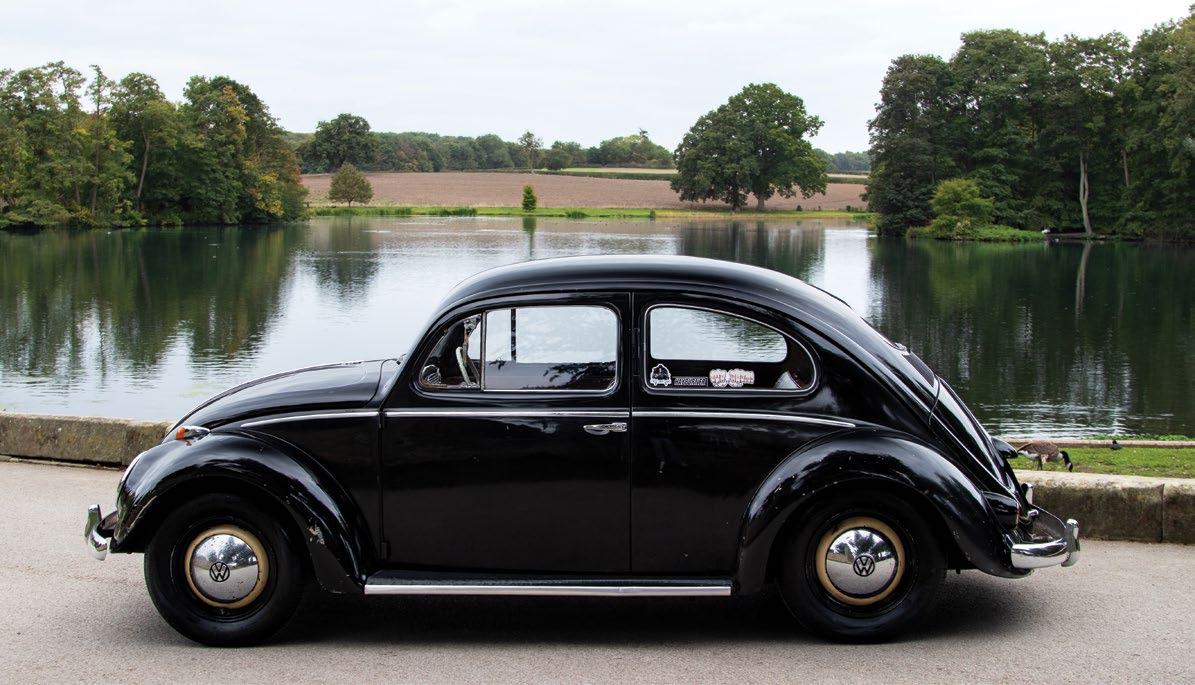
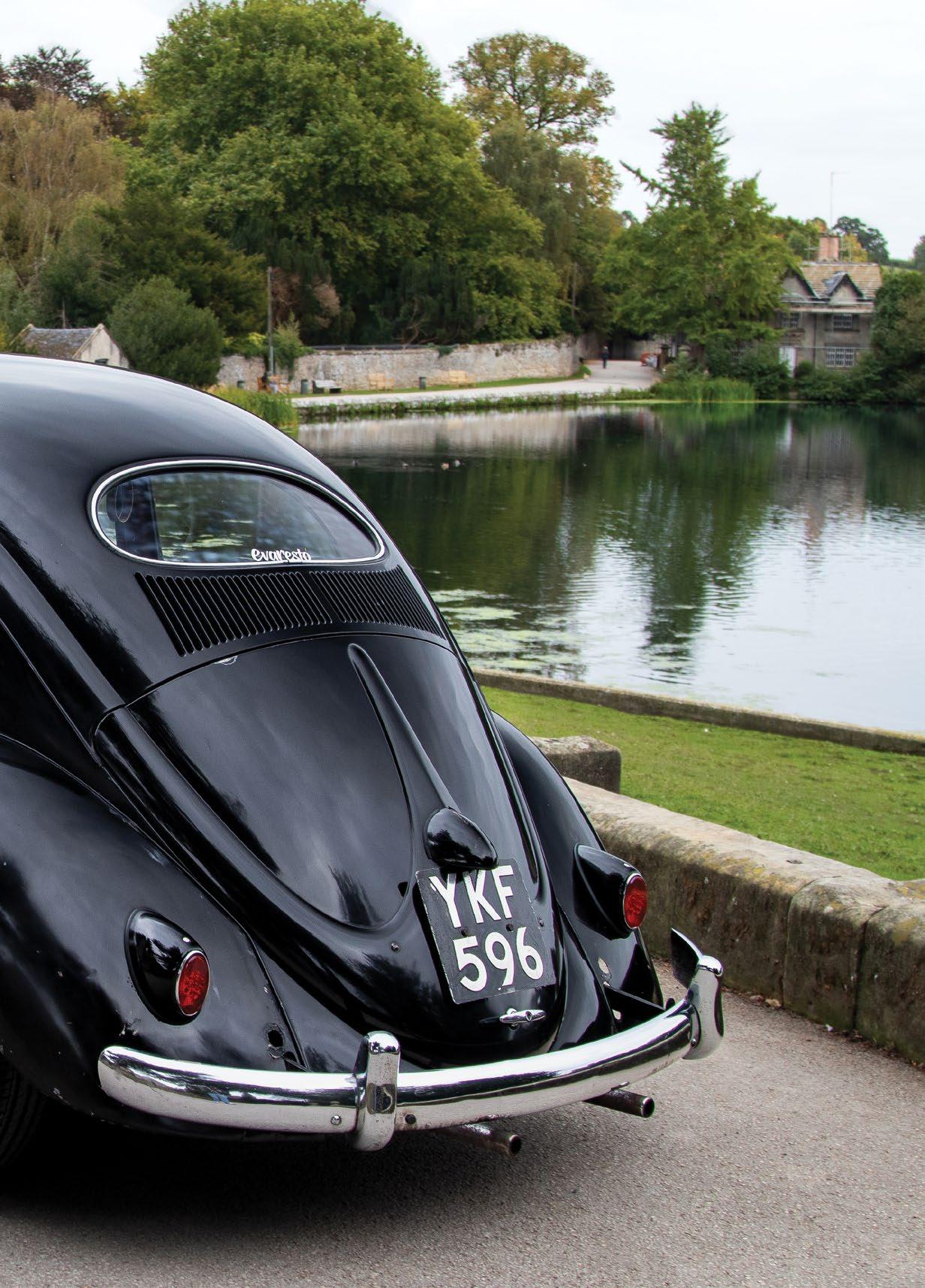
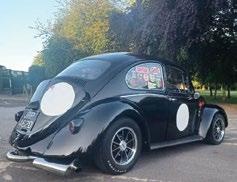
A: This is “Herman”, my 1957 RHD Oval originally from Cyprus. It’s a matching numbers car and still running 6v electrics. It’s got its chips and dings but that all adds to the history and character of the car which I love.
Q: What’s the story? How did you get hold of it?
A: Well, I’ve always loved Beetles and after driving my dad’s ’70s Beetle around for a few years and taking it to various shows, I realised that I’d love a earlier Beetle
because there’s just something different about them. I was after something not as shiny and clean – maybe something with some patina that I could use as a daily driver and not have to worry about stone chips and driving in the rain. An Oval Beetle had been a dream since I was a kid and after the Ninove trip I knew I’d be scouring the internet once I got home to see what was about that would tickle my fancy. As many had told me, a Split/Oval Bug in the UK is not always the easiest thing to find, especially one that hasn’t been messed
around with or restored. Shortly afterwards, this one popped up and straight away I knew it was a right place right time moment. It ticked all the boxes and the owner seemed a nice genuine guy. It was almost like it was meant to be. A deposit was made and a 500-mile round trip was planned for the following weekend.
Q: Did the car come with any history?
A: Yes, the car came with lots of history, with receipts
dating back to the early 1960s from when it was imported from Cyprus to Liverpool by a major in the military, along with lots of paper records of work carried out on the car by servicemen in the military and other various interesting facts about the car.
Q: Tell us about the condition of the car when you first got it home
A: The car had been sitting for over 40 years so
it needed a good overhaul to get it driving. It was delivered on a recovery truck and the car wasn’t running at that moment in time. We had to push it up the steep drive and chock the wheels to get started on the build. The paint had faded to grey and the interior was covered in dust so it was well overdue a good clean to bring it back to life again. The car has had various bits of paintwork in the past but this was all still old enough to give the car its patina look and match the rest of its appearance.
Q: Run us through the restoration/recommission. Who did the work?
A: All the work was done at home on the drive by me and my dad. The first job was to give the car a really good scrub, removing decades of dust from being stored in a barnyard. I wanted to do as little work as possible but still had to make sure the car would be reliable as it would be my daily from now on. All four tyres were changed. New brake flexihoses and hard lines were also fitted along with new
brake cylinders on all corners. Even though the drums and shoes were old, they were original to the car and I thought that I would leave them for the time being as they weren’t in bad condition. Surprisingly, the brakes work really well even still being on a single master cylinder.
Now the car was rolling and stopping it was time to get it running. My dad had been soaking the tank for days in his special potion to get it clean enough to use. This was then fitted along with new fuel lines and filters throughout. Very little work was carried out on the engine side to get it running – just an engine and gearbox oil change, new HT leads and a secondhand distributor as we couldn’t get a spark. A quick carb rebuild as it was leaking fuel and the 30hp motor was running sweet as a nut! The wiring loom had years’ worth of bodging. I didn’t know much about electrics, but my dad was able to get the lights, etc. all working well, although this is what took the most time. Finally I was able to get the car looking somewhat nice so I decided to wet flat the whole body by hand and polish back up. Not perfect, but it was a night and day difference compared to how it had been. It was also very satisfying seeing the shine come back. Finally I replaced the rear lights with the correct snowflake units as the car came fitted with the later style with indicators. I also fitted a pair of
blade bumpers which I swapped with a good friend Reece Burrows for a crate of beer, as the car came with US-spec bumpers which I’m not sure were meant to be on the car from factory. I also prefer the cleaner look of blades with just overriders.
Q: Paint colour and code?
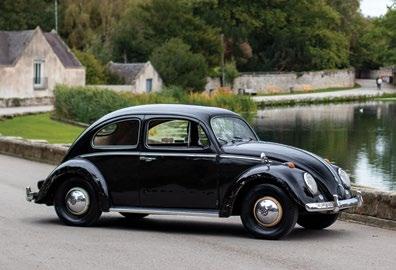
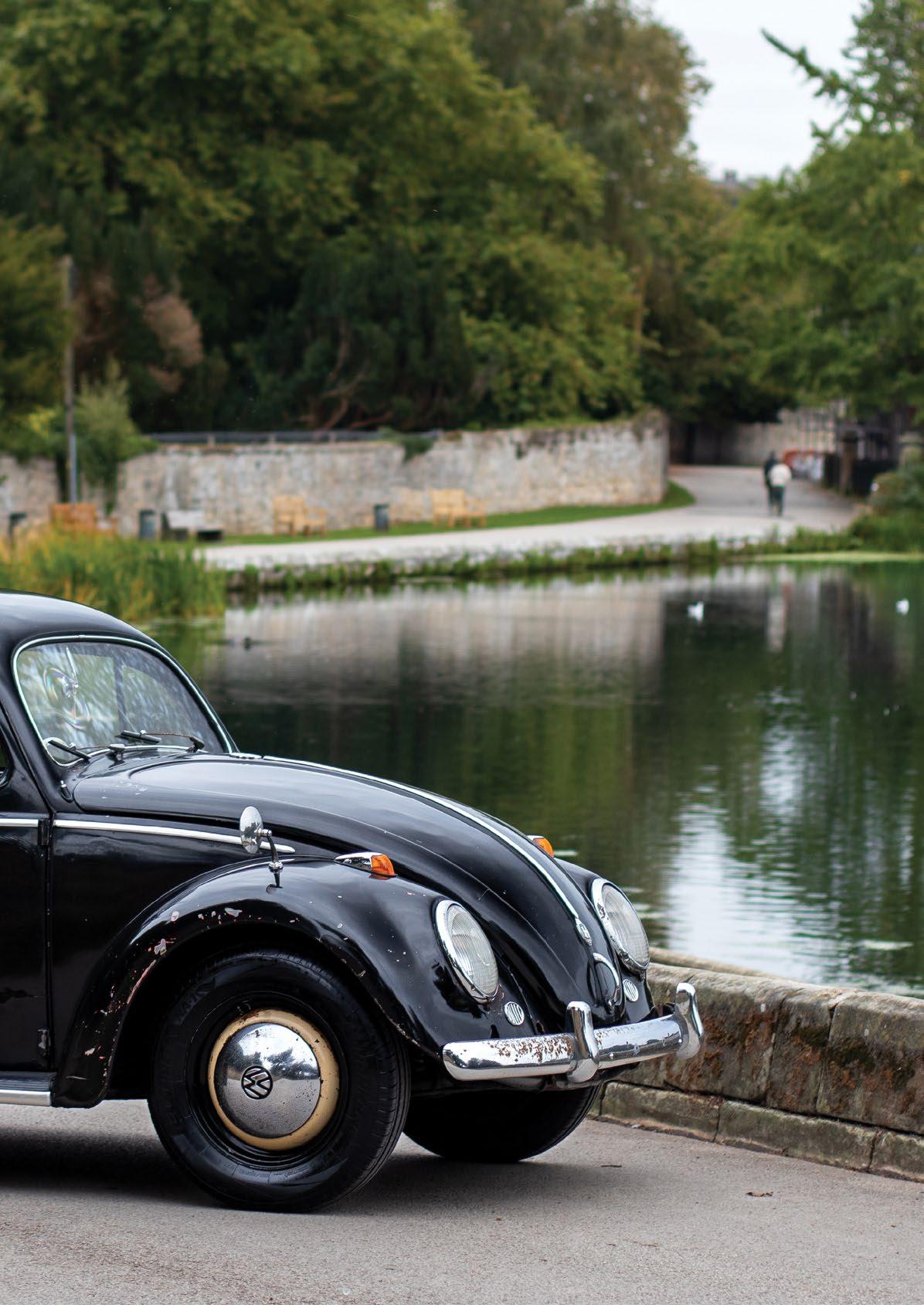
A: L41 Black
Q: Suspension set-up?
A: All stock.
Q: Wheel and tyre type and sizes?
A:165-80-15 Nankangs. I wanted to run the original tyre size but they were hard to find and at the time I just wanted to drive it.
Q: Engine and gearbox?
A: Stock 30hp
Q: Were there any parts that you found it hard to get hold of?
A: I struggled to get some working semaphores that were original. Shout out to Jake at HR for sending me some over.
Q: What is your go-to VW parts shop?
A: Max at Eva supplied all the service items such as brake parts and oils, etc. Wolfsburg West. Dave at Kingfisher Kustoms for all the “I need it now” parts and Nos parts. Schofields, of course.
Q: Run us through the original interior
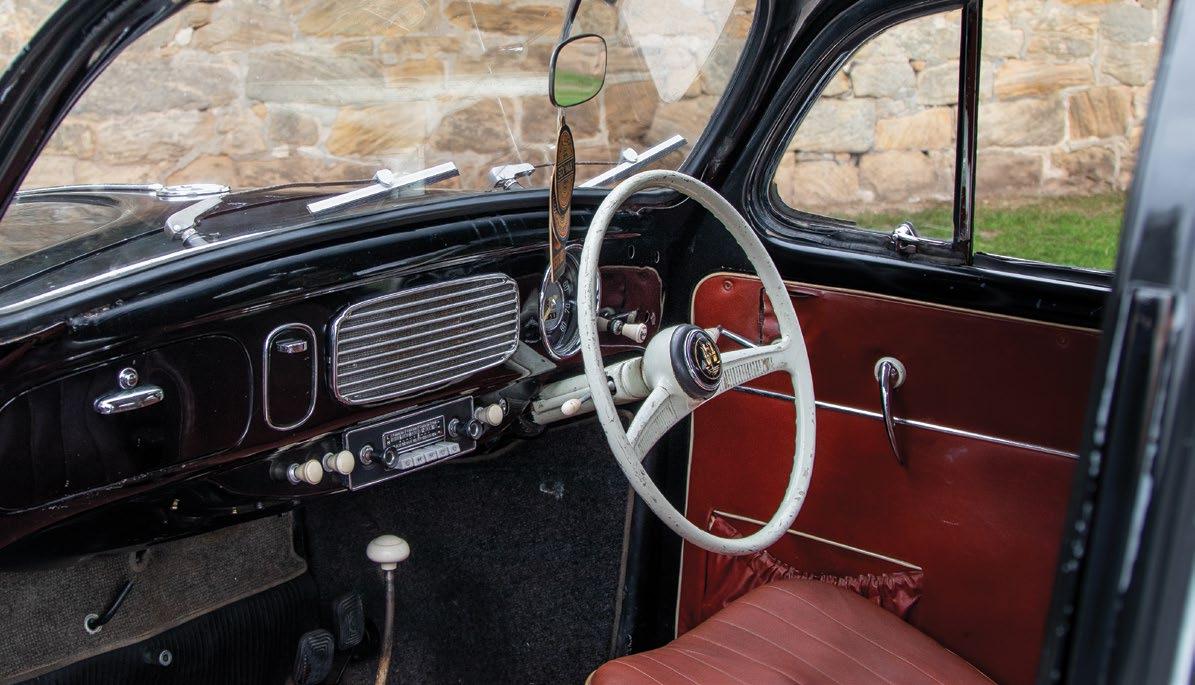
A: The interior is mainly OG (I think). I’m not a purist and couldn’t really tell you what parts are and aren’t original. I’m pretty sure most of it is original apart from the footwell carpets but I could be wrong. It’s also got the original Blaupunkt stereo that works too.
Q: Accessories?
A: No. I did have a wind/bug deflector on the bonnet but I decided to remove it.
Q: Have you got a stereo fitted and, if so, what are you currently listening to (either in the car or during those late nights in the workshop/garage)?
A: I listen to all sorts, from 70s and 80s music that makes me happy all the way to DnB and baseline. I’m currently listening to the Foo Fighters.
Q: What’s your favourite thing about the car, e.g. wheels, paint, detail, trip it’s been on, memory with it, etc.?
A: I like the paint as I’ve always wanted a black Beetle and the patina adds to the character. I also love stock height as the car drives so smoothly compared to a slammed ’70s Beetle. I don’t have to worry about potholes and speed bumps (there are many in my area). I drive the car daily so I’d have to take some crazy route to work if it was slammed. I also go fishing sometimes after work and it’s great off-road. I was thinking
about slamming it, narrowed beam, the usual stuff, but I’m leaving it as is as I want to enjoy and use the car. As I said it’s a real daily driver.
Q: If you had change one thing, what would it be and why?
A: I’d love to change the wiring loom as it would look much tidier and cause me fewer problems. Maybe also
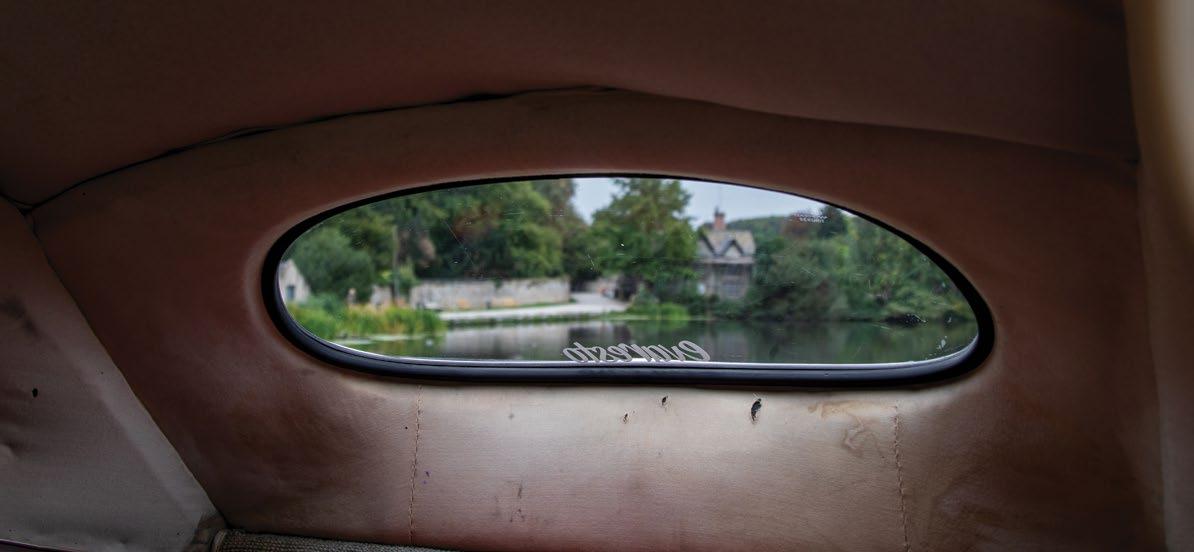
the windscreen as it’s pretty badly scratched.
Q: What’s next for you and the car?
A: Future plans are just to use the car and enjoy it, and to do plenty more European trips such as EBI, Spa and Hessisch. I was thinking about pulling the engine and doing a light rebuild, but it runs mint and doesn’t leak too badly. I’ve done thousands of miles in it so far this
year and it hasn’t let me down one bit (touch wood). So I guess if it’s not broken don’t fix it.
Q: What’s your next project going to be?
A: Who knows what’s next! I don’t have any plans as of yet but I do have other vehicles that need bits of work that I can get on with. I have a 1964 Lambretta li125 that I’ve been restoring over the last year or so. That should be ready to enjoy soon.
Q: Favourite VW event?
A: There are a few good ones to pick from but it’s got to
be Skeg Vegas. It’s super chilled out and there’s always a good display of air-cooled cars.
Q: Who would you like to thank connected to the project?
A: Mainly my old man (Dave), Max Eva Resto and Dave Kingfisher Kustoms. My girlfriend and all my mates for supporting and pushing me along the way, and of course Hayburner for allowing this opportunity to happen.
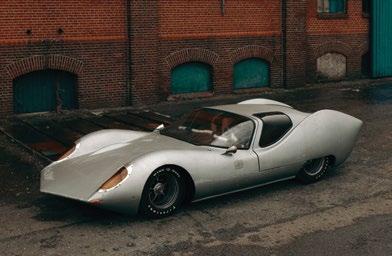
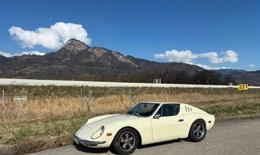
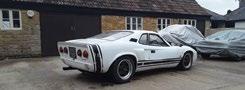
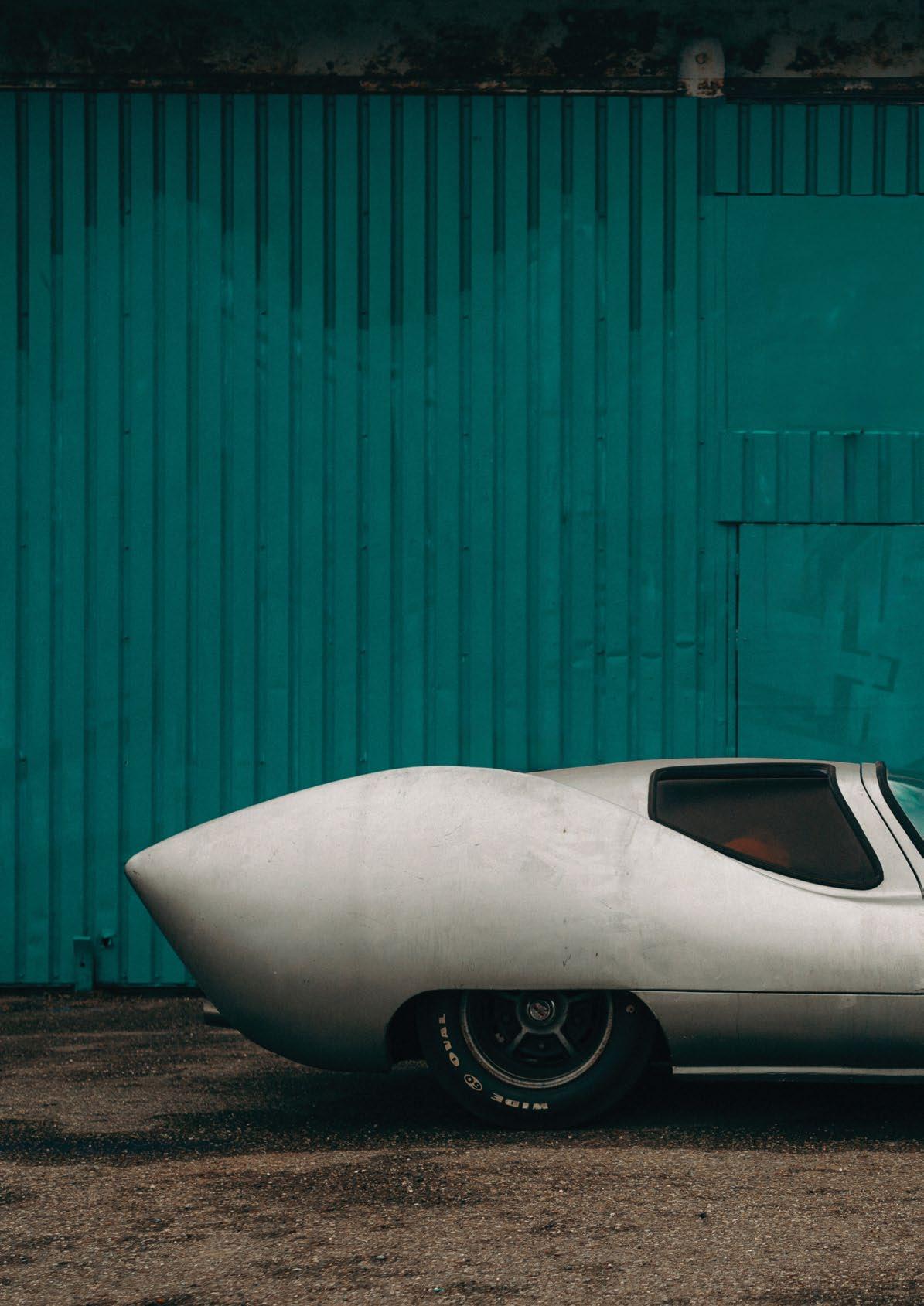
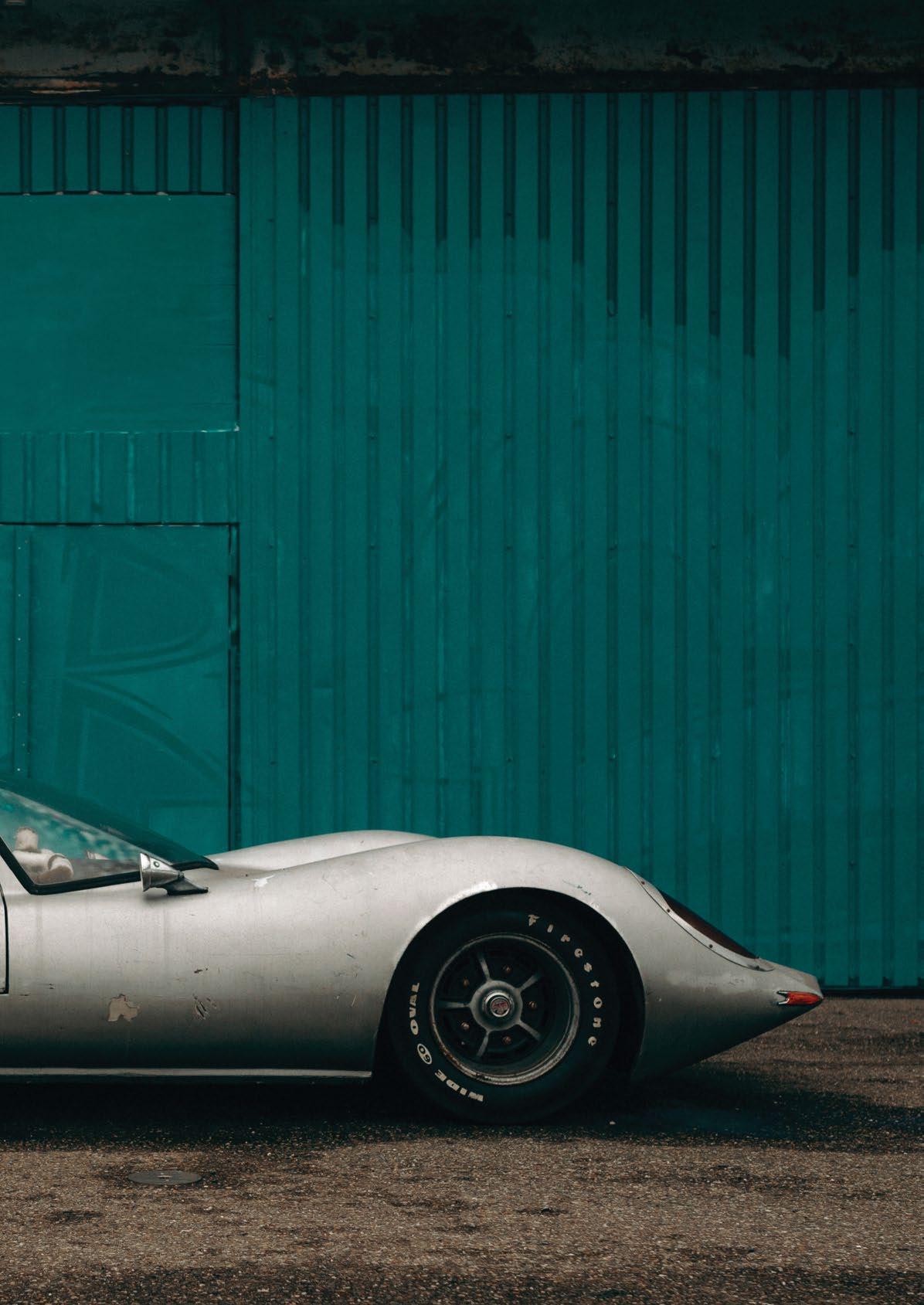
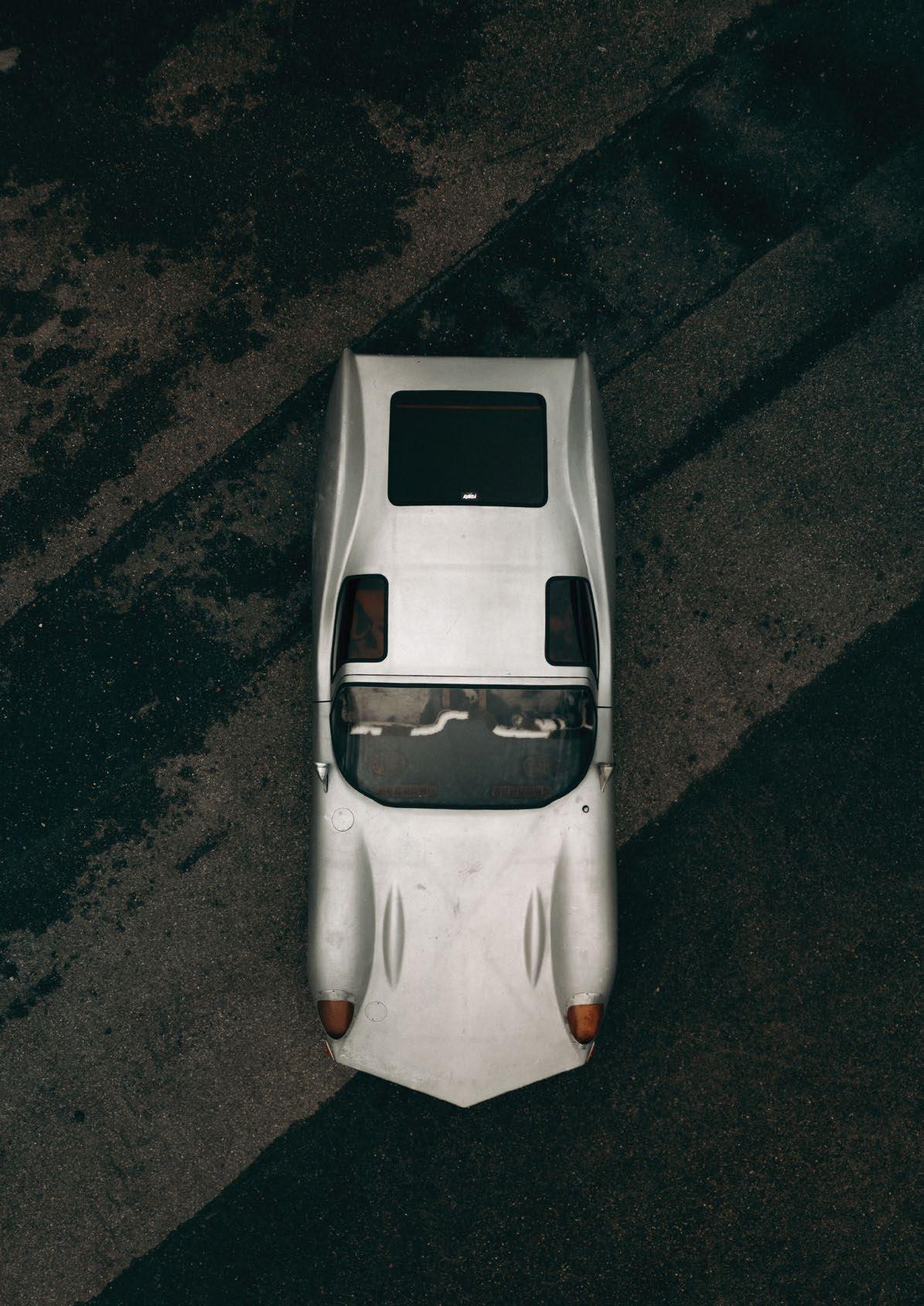
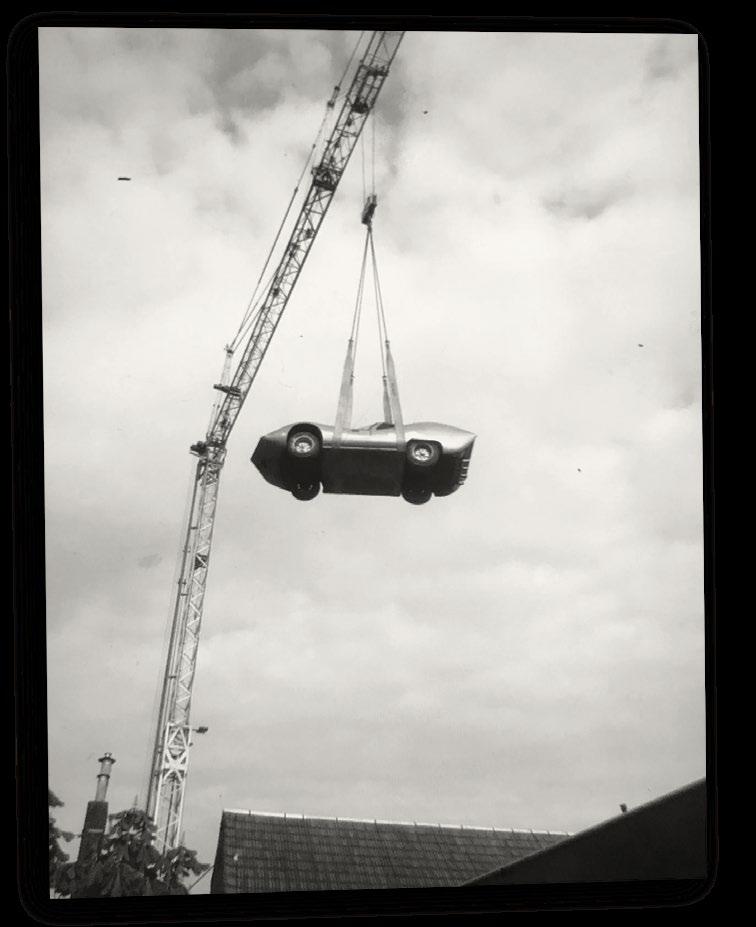
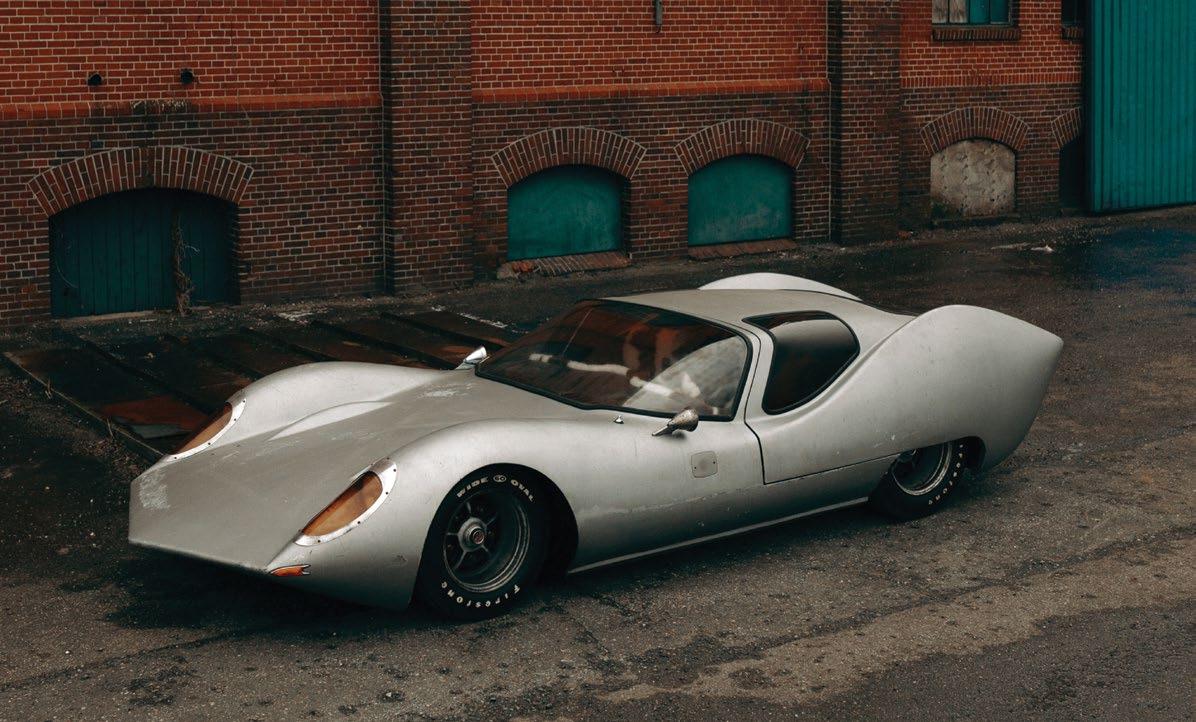
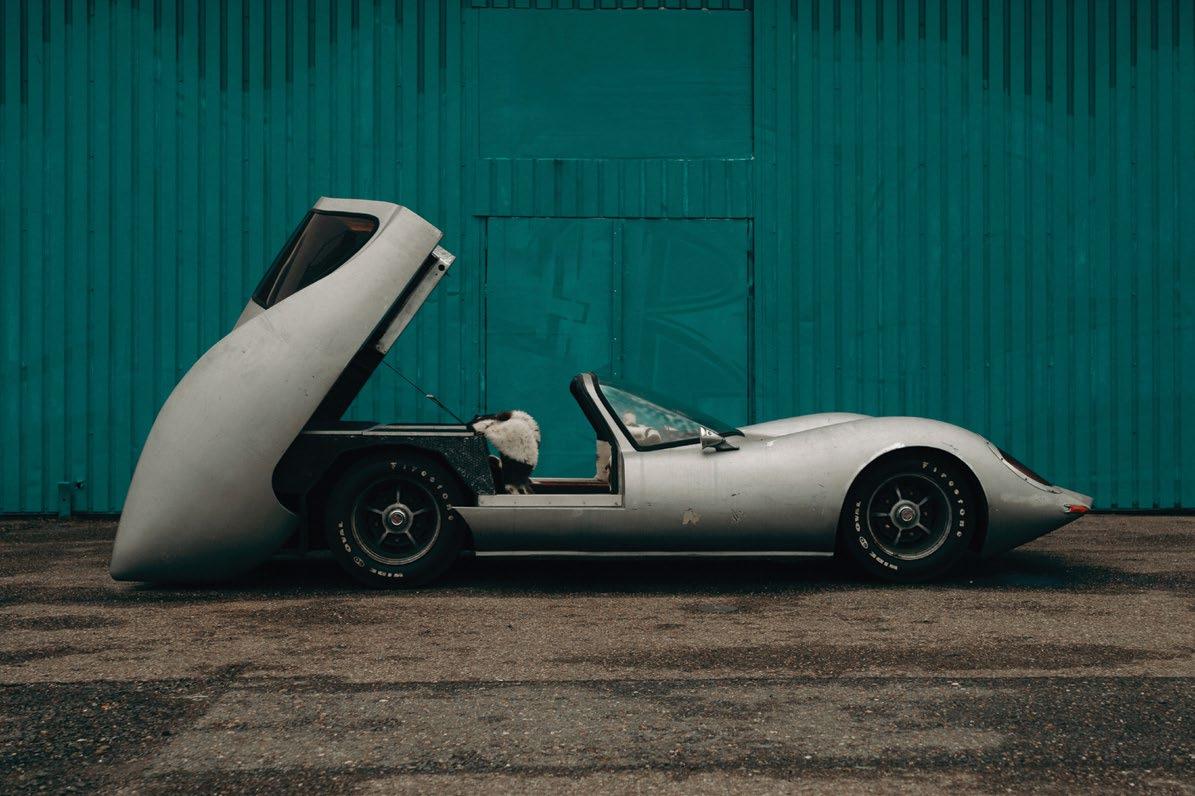
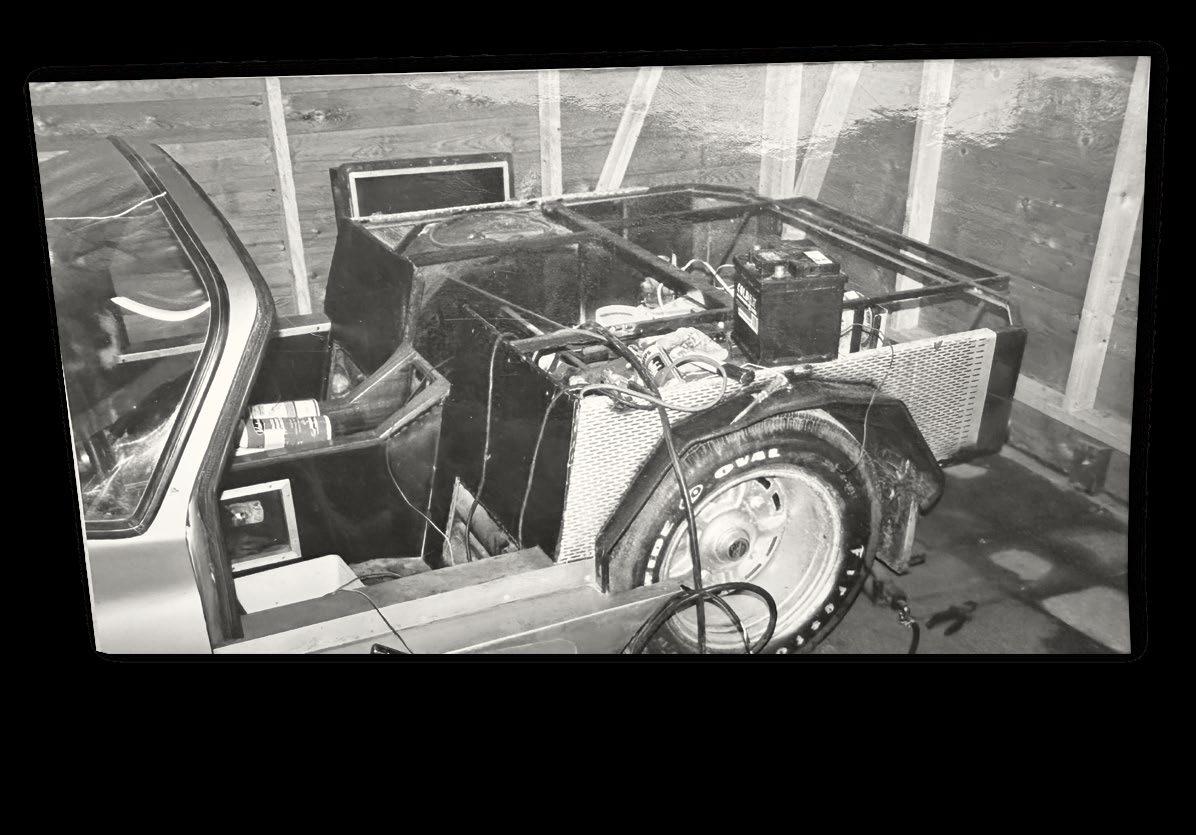
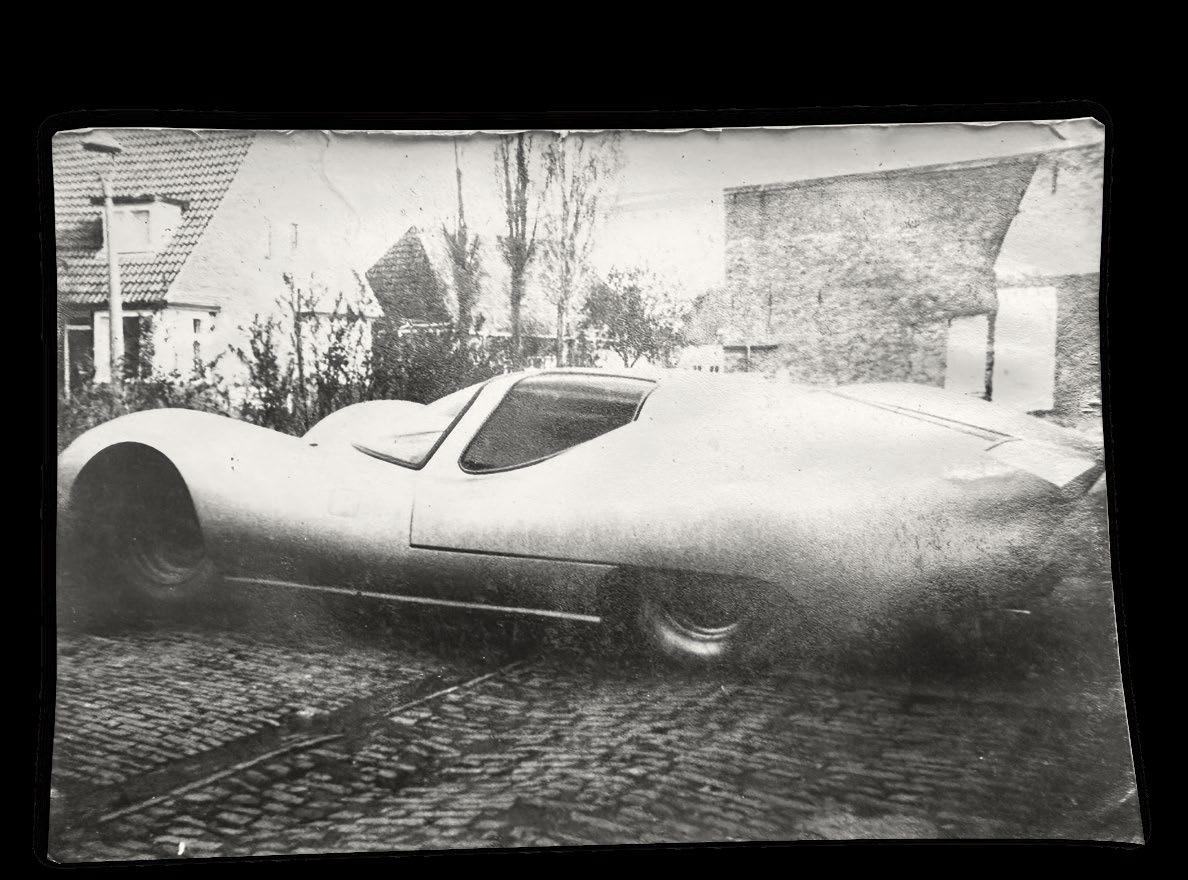
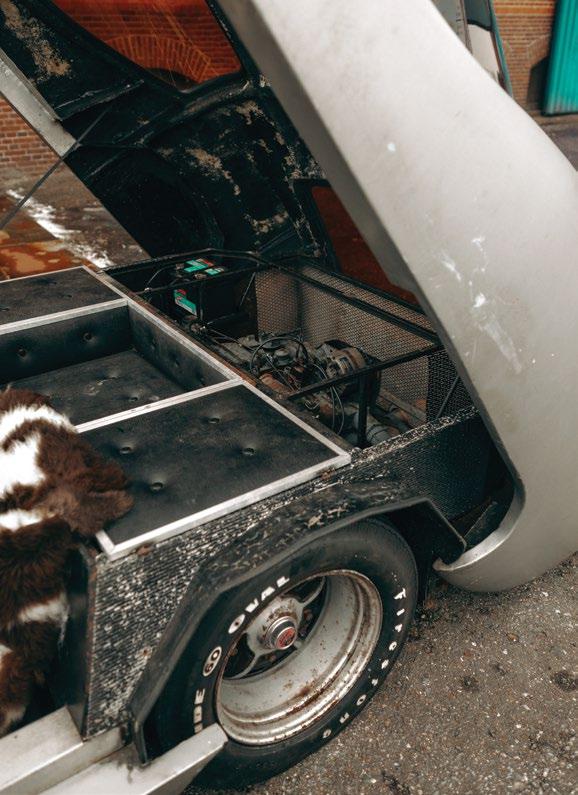
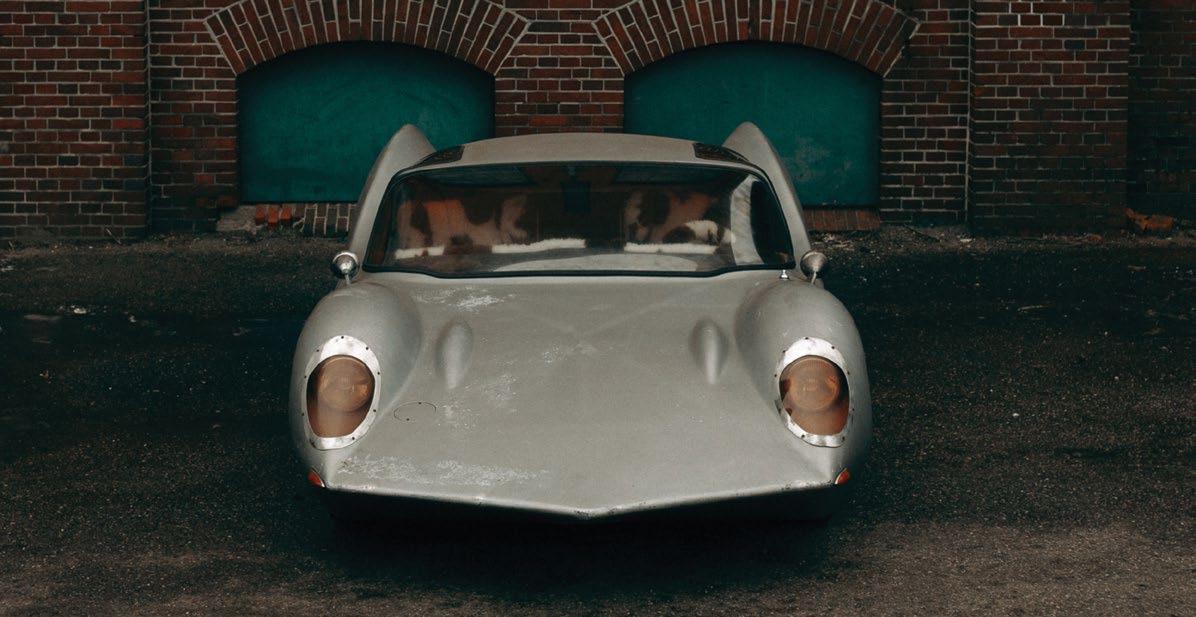
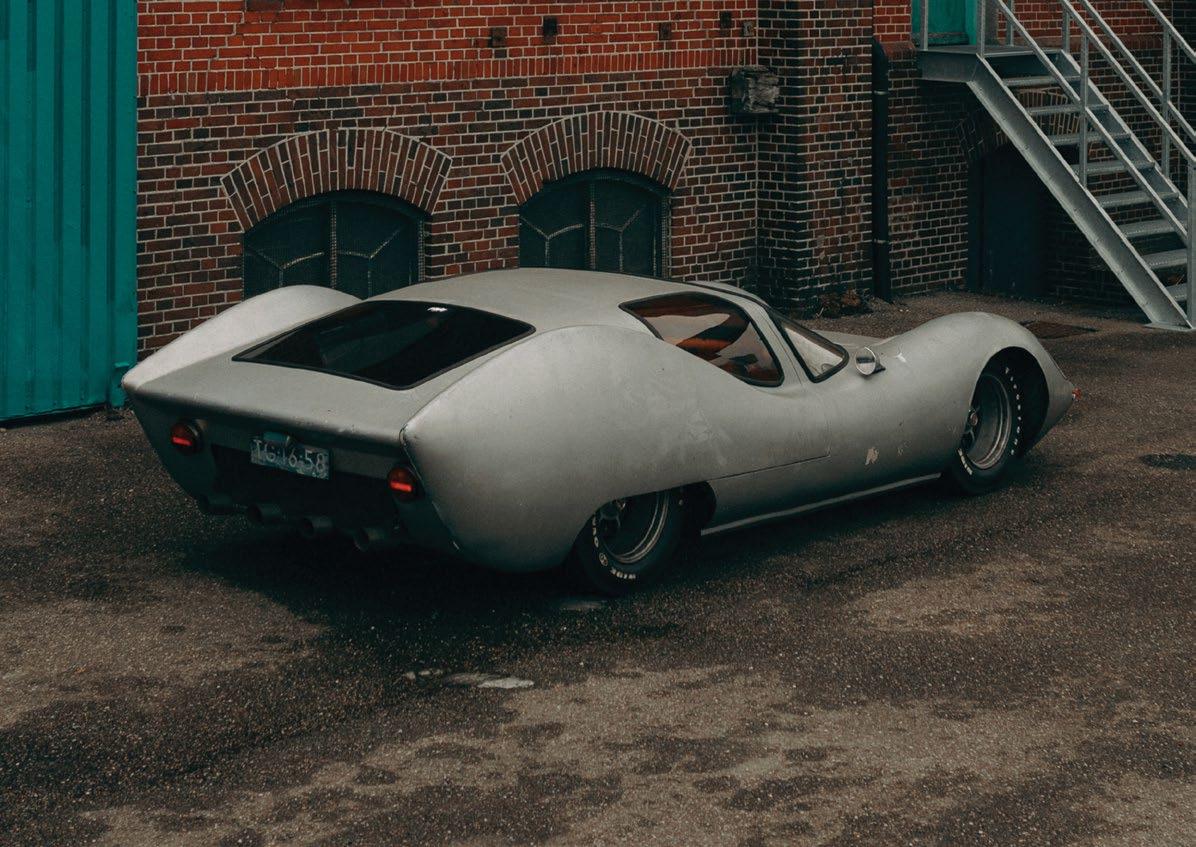
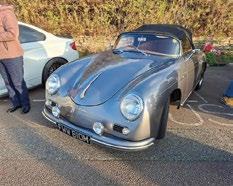
Good gracious! I don’t know what it is but I love it. At least that was my first thought when I saw this car. It’s bonkers, low, massive and has folding bits and bobs. It’s just great! But what on earth is it? Well, let me introduce you to the Van Der Velde Special or, to be more precise, the Het Prototype of the Van Der Velde Special.
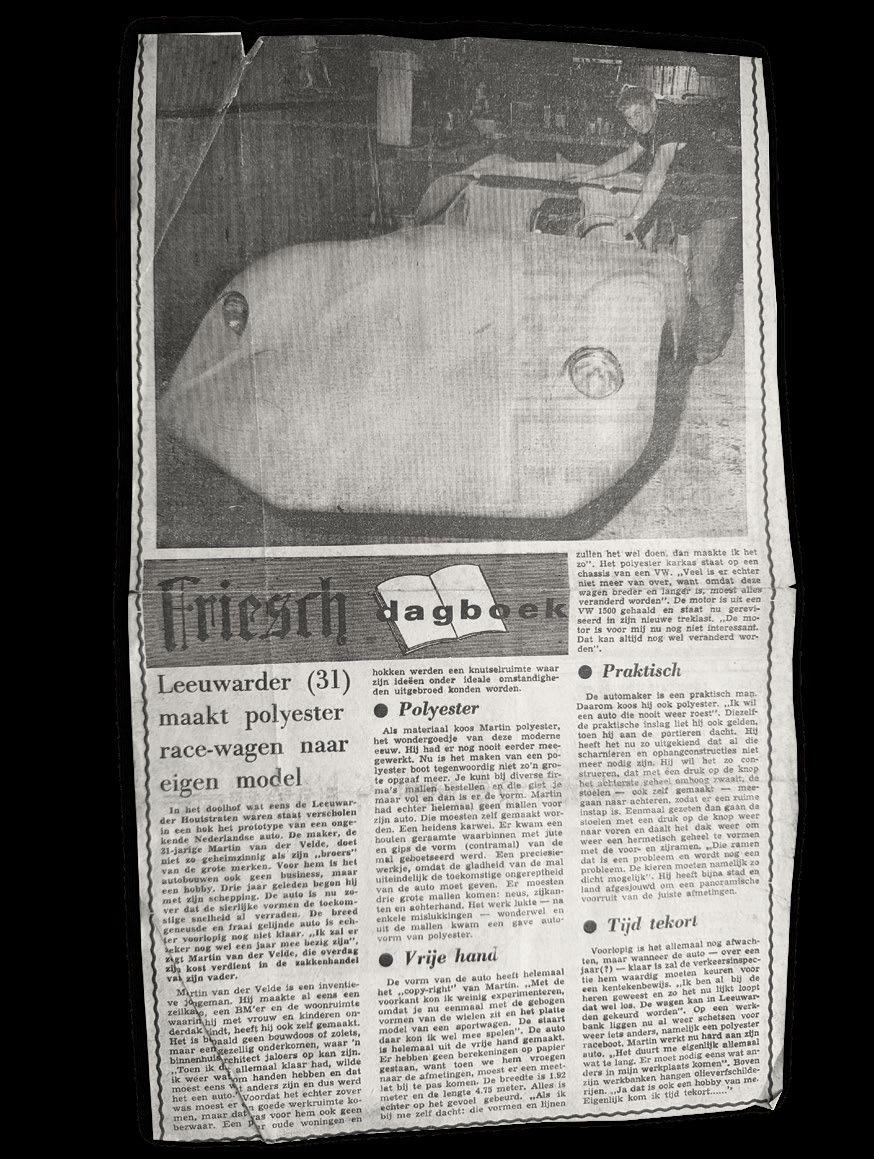
Like most good things, it all stems back to a quirky man with some mechanical knowhow, a dash of artistic vision and a can-do attitude. Oh, and quite a little disposable income of course. That man was Dutch artist Martin Van Der Velde. Martin hailed from the town of Leeuwarden in the Netherlands and was
prominent throughout the 1960s. Naturally, as a successful gentleman in the ’60s, like so many others, he decided he wanted a sports car. However, Martin wasn’t the kind of guy to just go out and buy one. You see, when Martin wanted his own house, he built one in his own style; when Martin wanted a boat, it had to be in his own style. So the same is true for his sports car itch. He wasn’t going to buy one, oh no, he was going to build one, and from scratch, no less.
So in the late 60s he got to work. Martin drew inspiration from all the cars he loved as well as early supercar concepts from his current decade. He wanted it to be sleek, curvy and fast. He also wanted it to be low. In fact, because he was all about the aesthetics, he wanted it to be the lowest car ever built. He decided that the best thing to do was to use an existing chassis and build up from there. The chassis he chose? A 1955 VW Beetle.
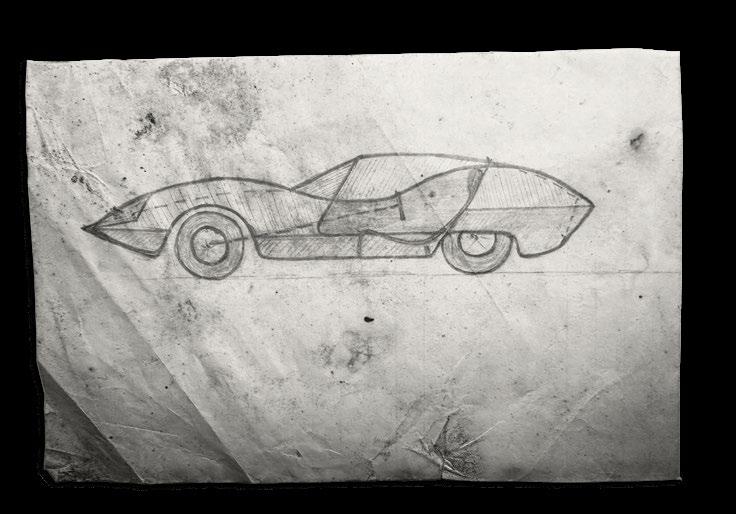
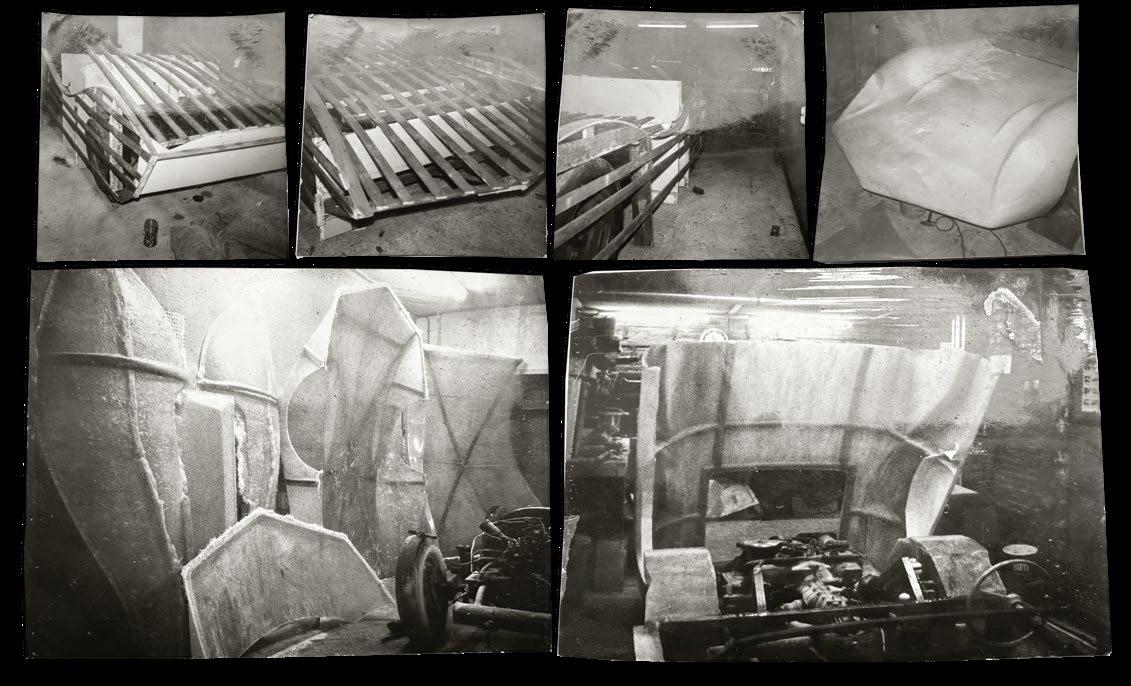
Martin had made a quick sketch on paper for how he wanted the finished product to actually look. Martin’s father owned a big factory on the canal side of their local town, so a quick deal was made to turn this empty space into his car fabrication workshop. He got to work making the body using wooden forms smoothed over with plaster. The completed model was then used to create five separate fibreglass moulds that would come together to
form the body you see here. The body is steelframed fibreglass. I should probably mention at this stage too that Martin’s intention was not just for a one-off car for himself, but for this to be a production car by the name of the Van Der Velde Special. With this in mind, ten cars were planned
for the initial run.
By 1971 most of the work was complete on the first car and it was ready for the Dutch transport authority to carry out their technical tests to assess whether the car
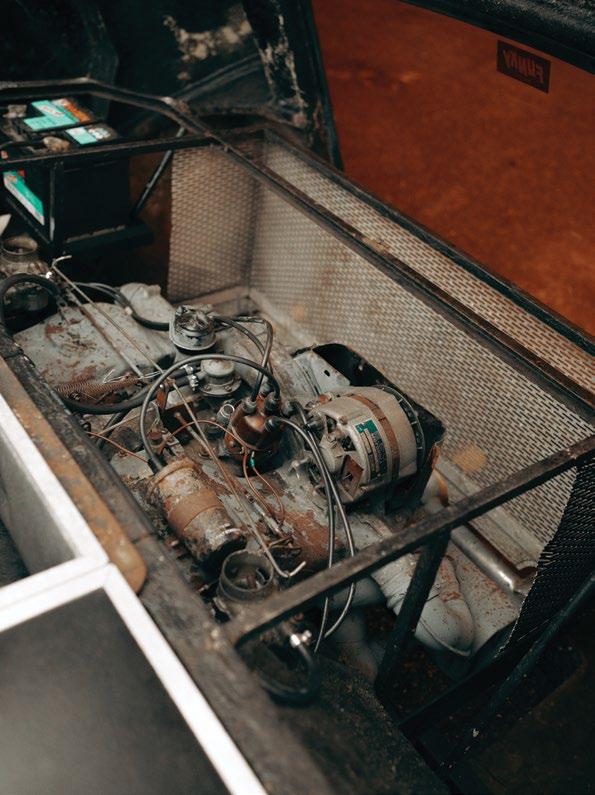
was roadworthy. With the car nearing completion they had to think about the power plant. He decided that the 30hp engine just wasn’t going to cut the mustard with the wide body. Luckily Martin had a good friend, Eli Visser, who was a classic Volkswagen and Porsche enthusiast and knew his way around an air-cooled motor. He suggested using a 1500cc Type3 unit, an Albert Sports Cam, double cam springs from a Porsche, a 32mm Solex Carb, and the ignition system from a Porsche 356. Now, in the early 70s these parts were not easy to come by, because most of the cars they are generally salvaged from would still have been on the road. They had to drive to Essen in Germany for the camshaft, the Solex Carb was sourced from a crashed Skoda, and the Porsche ignition system was sourced from Eli’s own ’53 356! Delivering that new-found power to the road were 8” Sprintstars straight from Lemmerz, which again they had to road trip to fetch, wrapped in Wide Oval tyres – a combination that is still fashionable to this day.
Sadly the project was never completed by Martin. There are various speculations as to why. Maybe he lost interest and
pursued other passion projects like a houseboat, or perhaps it was just that life got in the way. Sadly Martin passed away in 2015 so I guess we’ll never really know the full story, but then in come Femme and Sander…
After Martin’s passing in 2015, the car went to Martin’s daughter, Martine. Not really sure what to do with it, her father’s car would sit in her grandfather’s factory for nearly a decade, completely untouched. In 2023 Femme and
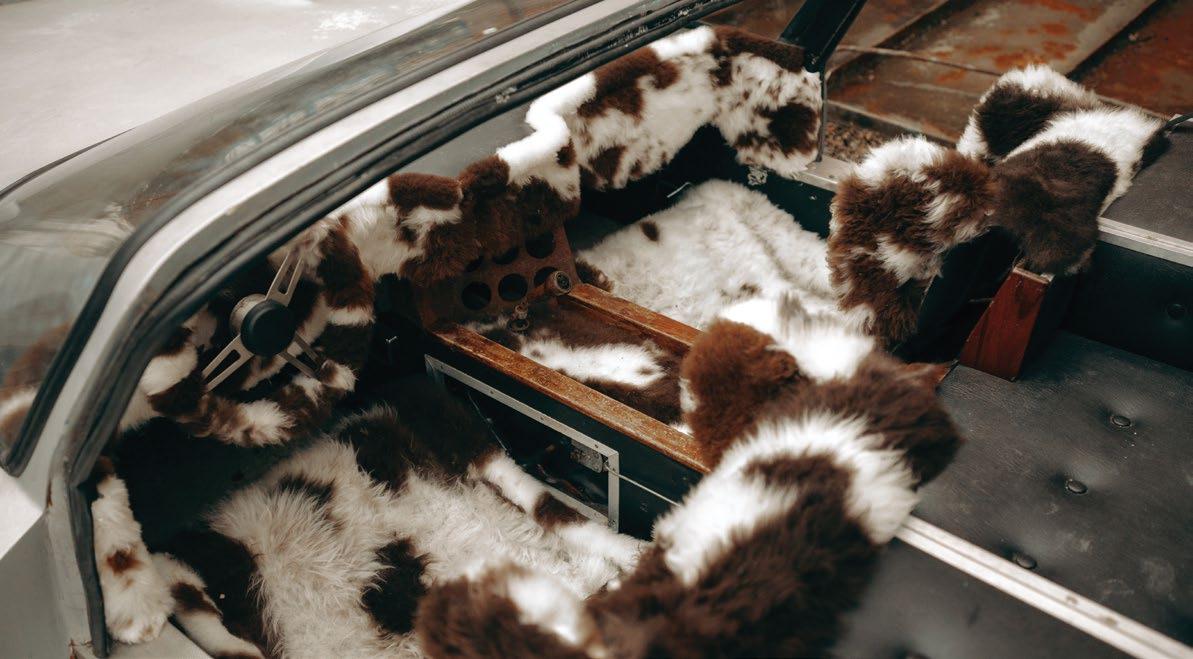
Van De Velde Special. They did the maintenance needed to get the car running and driving but changed nothing about it. What you see here is what Martin intended his car to be. The motor is still the original Type 3 crossed with Porsche parts too.
There are some features such as hydraulics that were in Martin’s original plan for the car but the project never got to that build stage.
So that’s the Van Der Velde Special and this is the Het Prototype of that original car. None of the planned ten cars was ever put into production and
this is the only prototype that ever existed, or ever will exist. The moulds to make the 10 bodies were smashed up and thrown in the canal outside the factory decades ago.
So what’s next for this extraordinary car? For now, Femme and Sander have it in their shop and don’t really have any immediate plans for the car. They
wanted to save it and preserve the history of it and they have done just that. When I asked if the car could be for sale, they said it would be to the right person – someone who appreciates the car for what it is, just as they do.
But for now it will stay in the Funky VW shop.
JP no. 819515120O // Ref. No. 113941175
VW Type 1 (1.2-1.6) ‘73-’86
Transporter T2 (1.6-2.0) ‘73-’79
Type 3 (1.5-1.6) ‘61-’73
BY THE SEASIDE
WORDS BY TOBY WALKER PHOTOGRAPHY BY NED FAUX
Where to start? It’s always difficult writing about one of your close friends without sounding too gushy. It’s also very difficult not to gush when writing about Neil Forster (or Seaside, as he’s known to his friends) when it comes to cars and engineering. This is largely down to the fact that he is one of the most talented people I know. I mean, how many people do you know that can produce a car of this standard and do everything himself, from start to finish? The only part on this car that Neil didn’t build was the engine, and that’s not because he couldn’t; it’s because good friend Ian Clark offered to build it for him, and if you are going to have anyone build an air-cooled engine you wouldn’t decline one of the best builders in the UK’s offer, now, would you? We will get down to that later, but for now a little more about Neil. I
have known him for over half my lifetime and he’s been a massive inspiration in my VW story. We have travelled to shows together all over the UK, Europe and America for decades. He was the first person I ever knew who was importing VWs from other countries. In fact Neil imported our ’67 Microbus way back when.
Neil’s obsession with cars started early when he was accepted for a five-year engineering apprenticeship at British Leyland as a technician working for MG and Jaguar at the Holland Brothers dealership in Skegness and Boston, which is where he learnt all of his engineering skills, including English wheeling, fabrication and engine building. You will discover later that this is just one of the many golden arrows
in Neil’s quiver. Once his apprenticeship had ended he went on to work for Jaguar until deciding to go into the family business with wife Lynn. But a love for all things motors continued and probably started to snowball out of control even more.
Initially Neil was involved with rallying at club level
with his 120 bhp 1340cc Austin Mini, running a Split Logan head and with Webbers poking out from the bonnet. However, he got into VWs early and if you know any of the cars and buses he has built (and there are plenty to choose from), one thing in common with them all is the unique and often trend-setting modifications or styling cues. This all
stems from the second phase in Neil’s automotive addiction: hot rods! Neil started modifying cars in the early 1970s and attending many UK hot rod shows. He even celebrated part of his honeymoon with wife Lynn at the world finals at Santa Pod in the early 80s. By this time VWs were starting to appeal to him more.
Jumping forward to the early–mid-90s, around about the time I met Neil, he had started importing VWs from Australia with good friend Roy Hodgkinson who had emigrated to Burleigh Heads on the Gold Coast. I remember visiting Neil’s house when the first batch arrived. There were about eight buses in his back garden, one of which was his son Will’s first car – a
1956 ribbed bumper Panel Van, super cool. I used to spend a lot of time at Neil’s back then, and when we sat down to make notes for this feature we spent about an hour reminiscing about some of the cool VWs Neil has owned and imported, totalling somewhere around 80. Some of the standout cars he has built include his killer ’56 nose-down Oval on OG sprints and Firestone wide ovals, Turkis Double Cab, The Pest Bus, one of the first Shasta-style double cabs in the UK, an awesome Early Bay with modified Split Bus bumpers, which was mine and Sally’s wedding car, a Turkish 11-window
he converted to a 15-window, a Seagull and Mango 11-window that was fresh paint on the lower half and OG paint on top with a fantastic paint blending job to retain the original paint (don’t forget this was the early ’90s and not a lot of that sort of thing was going on), not to mention a gaggle of cool 1950s American trucks. The list goes on and on.
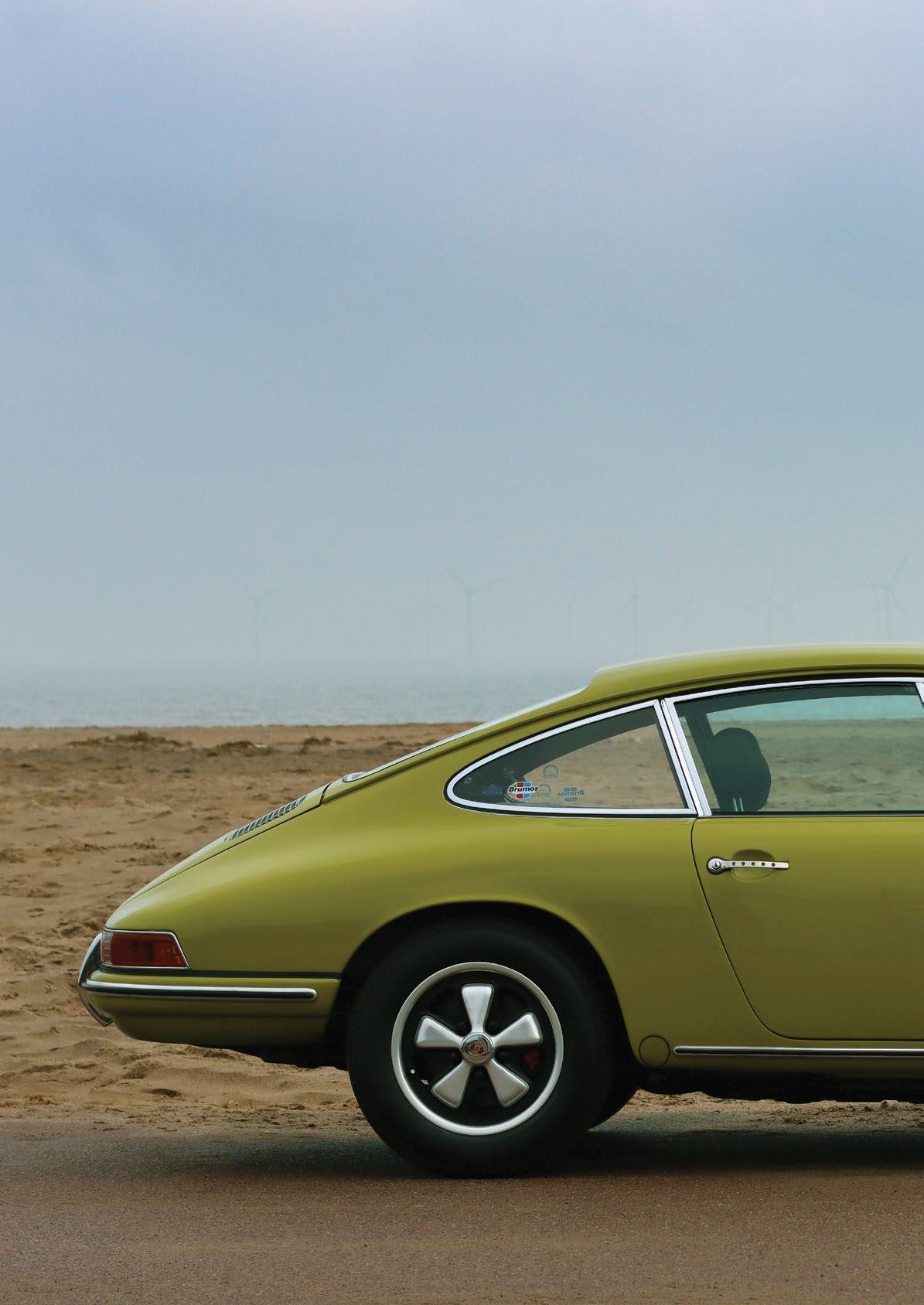
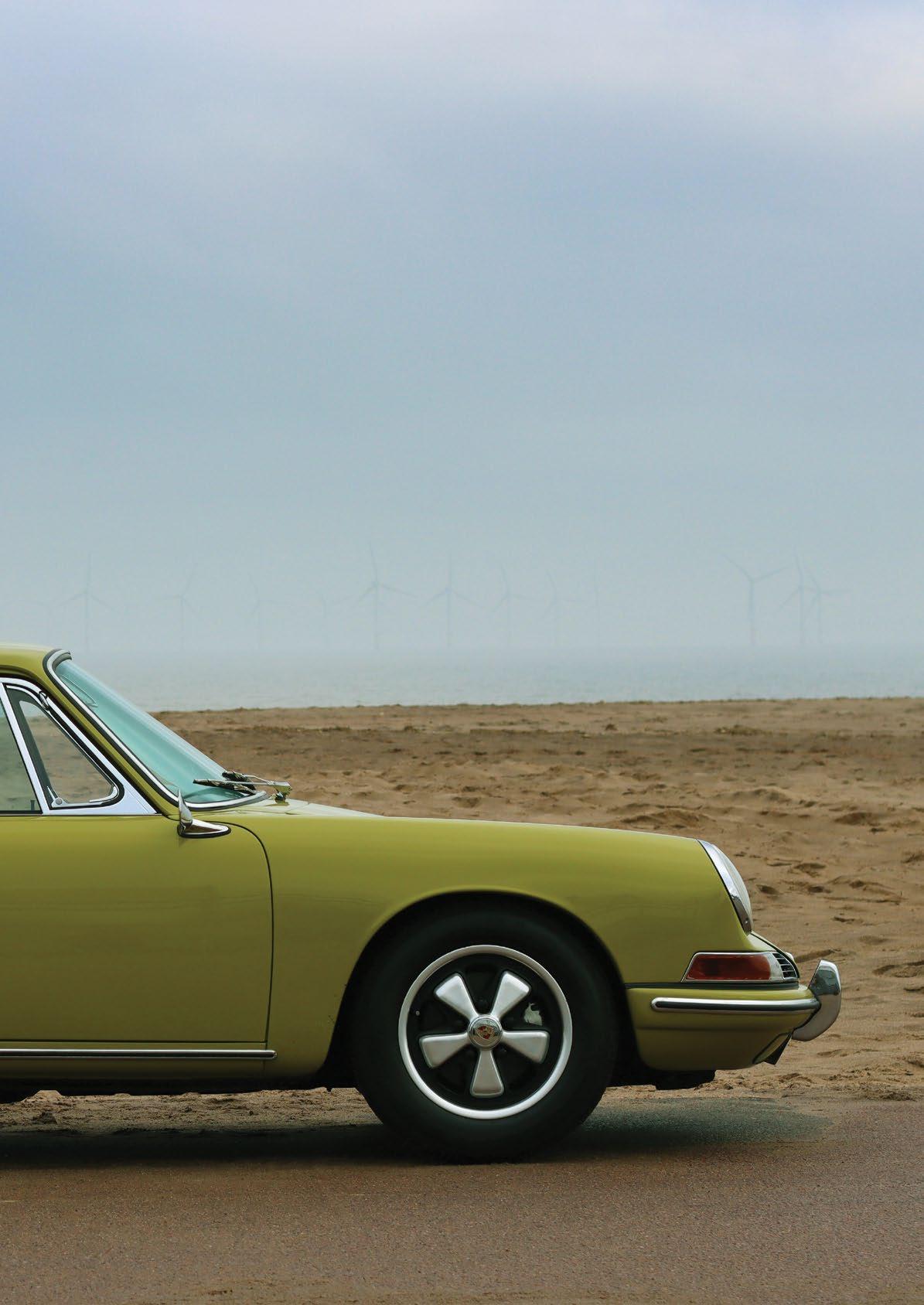
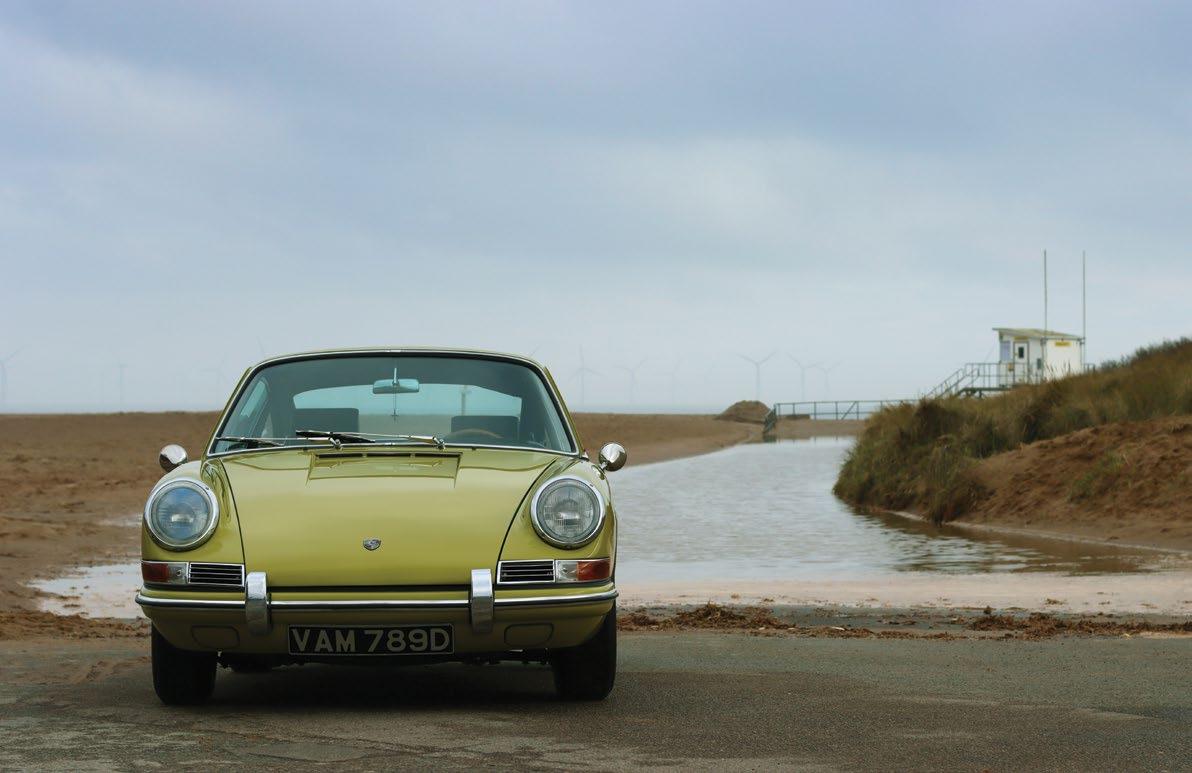
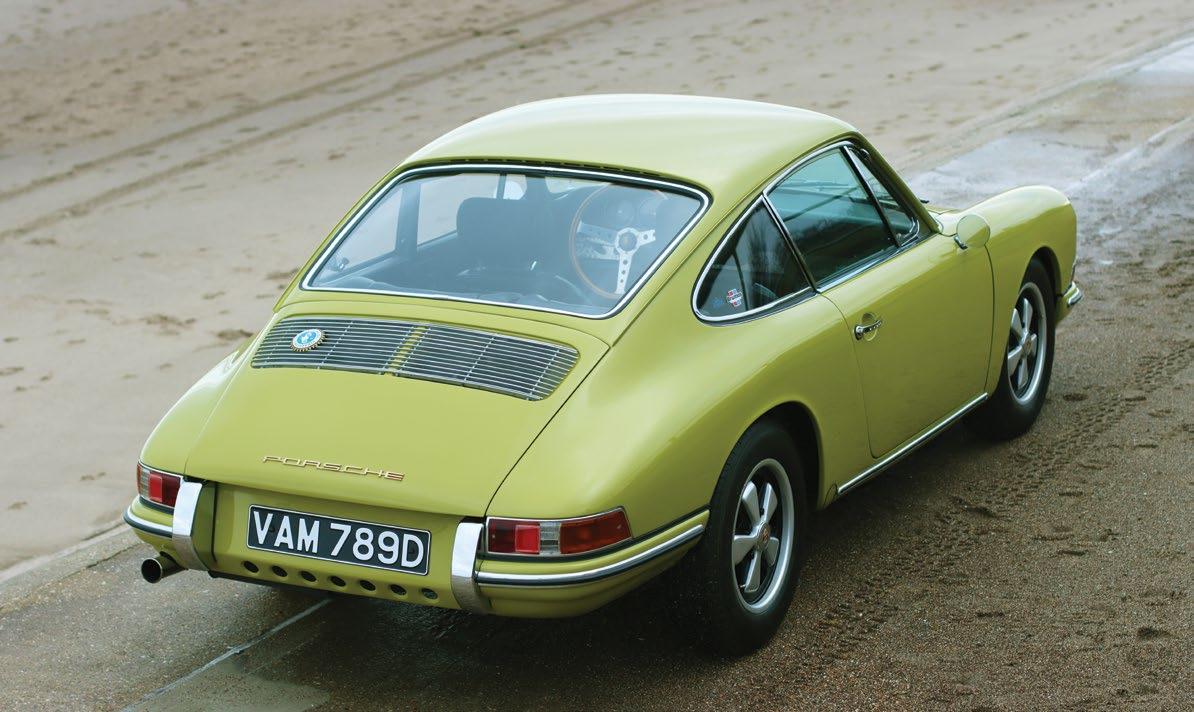
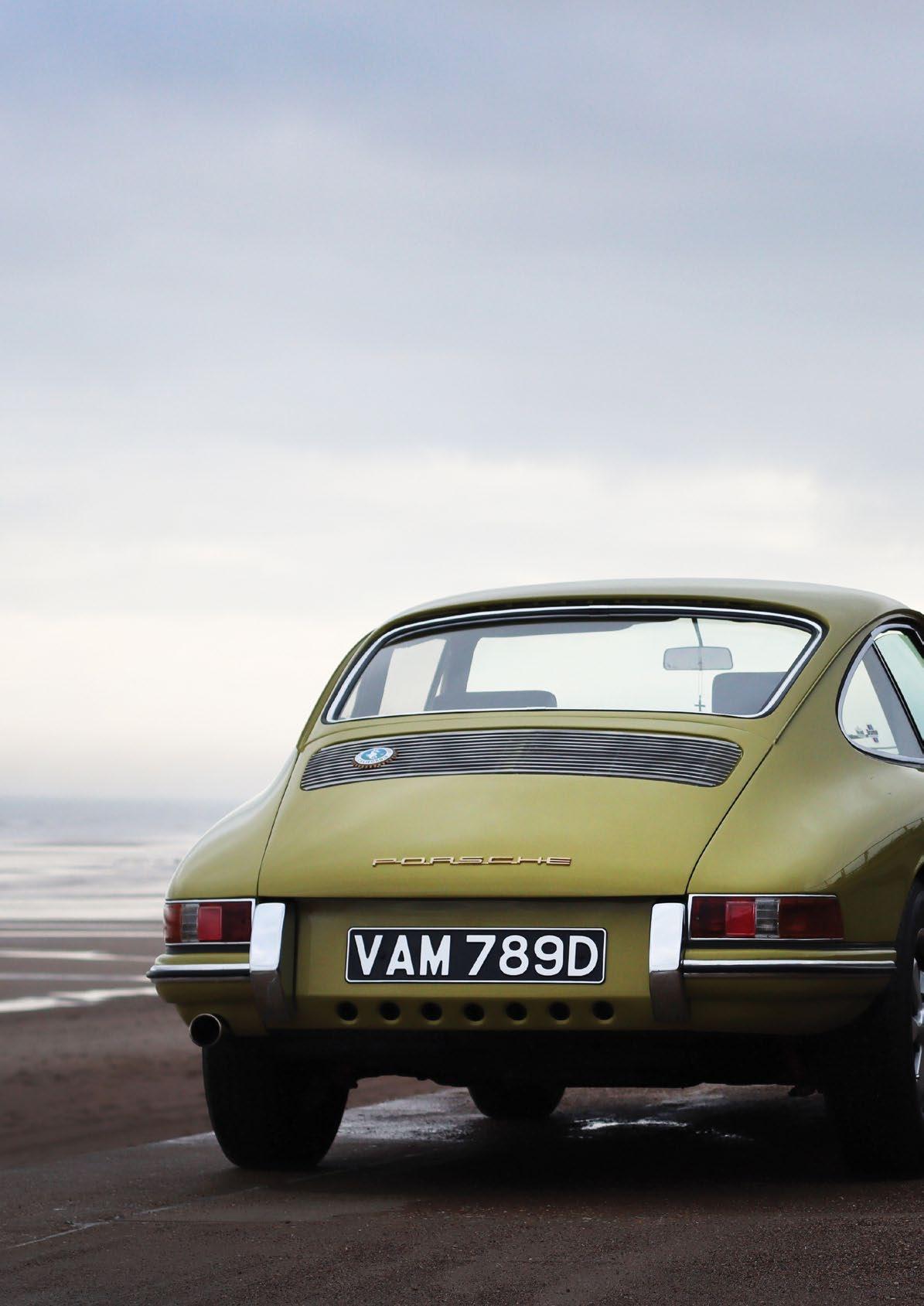
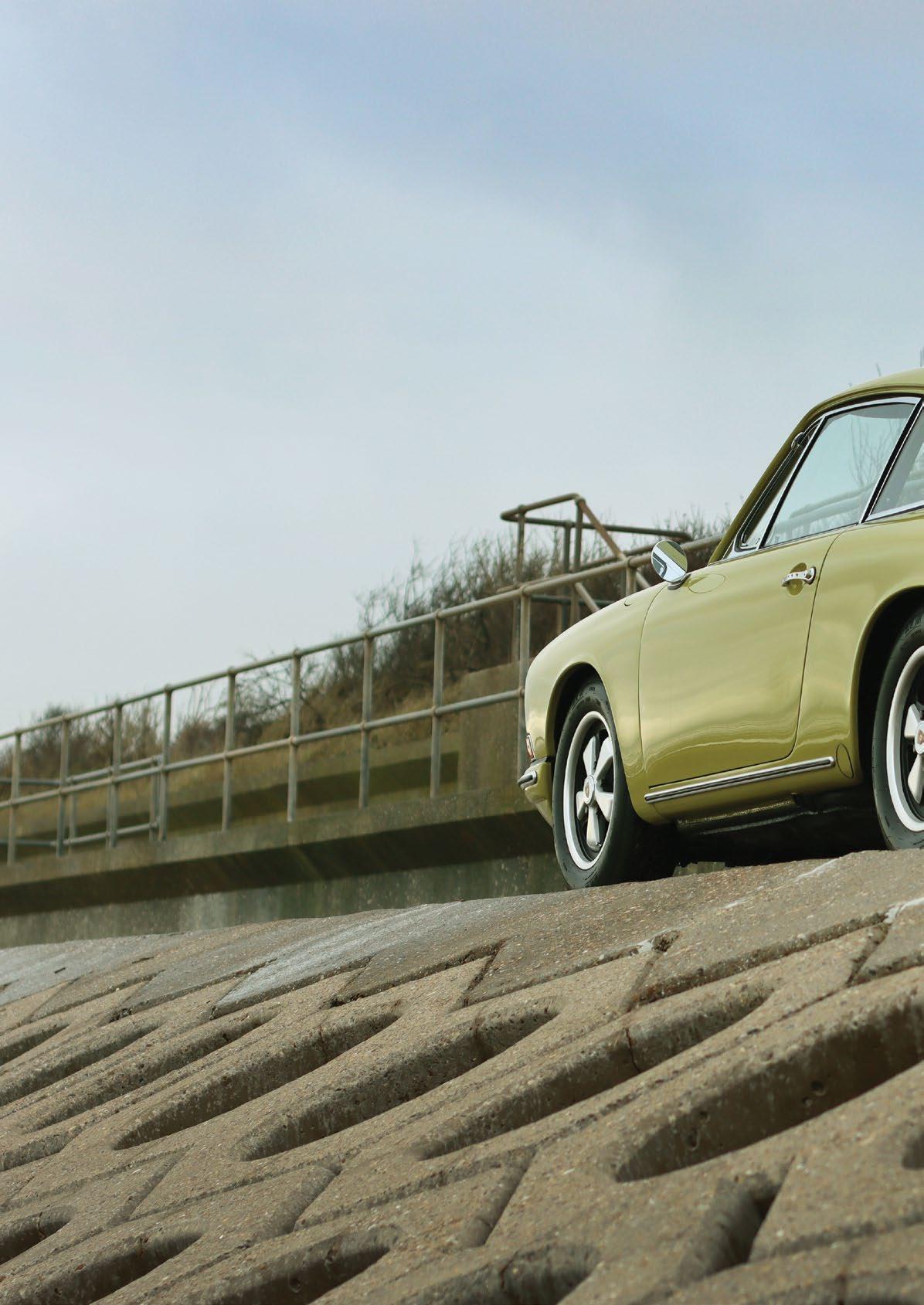
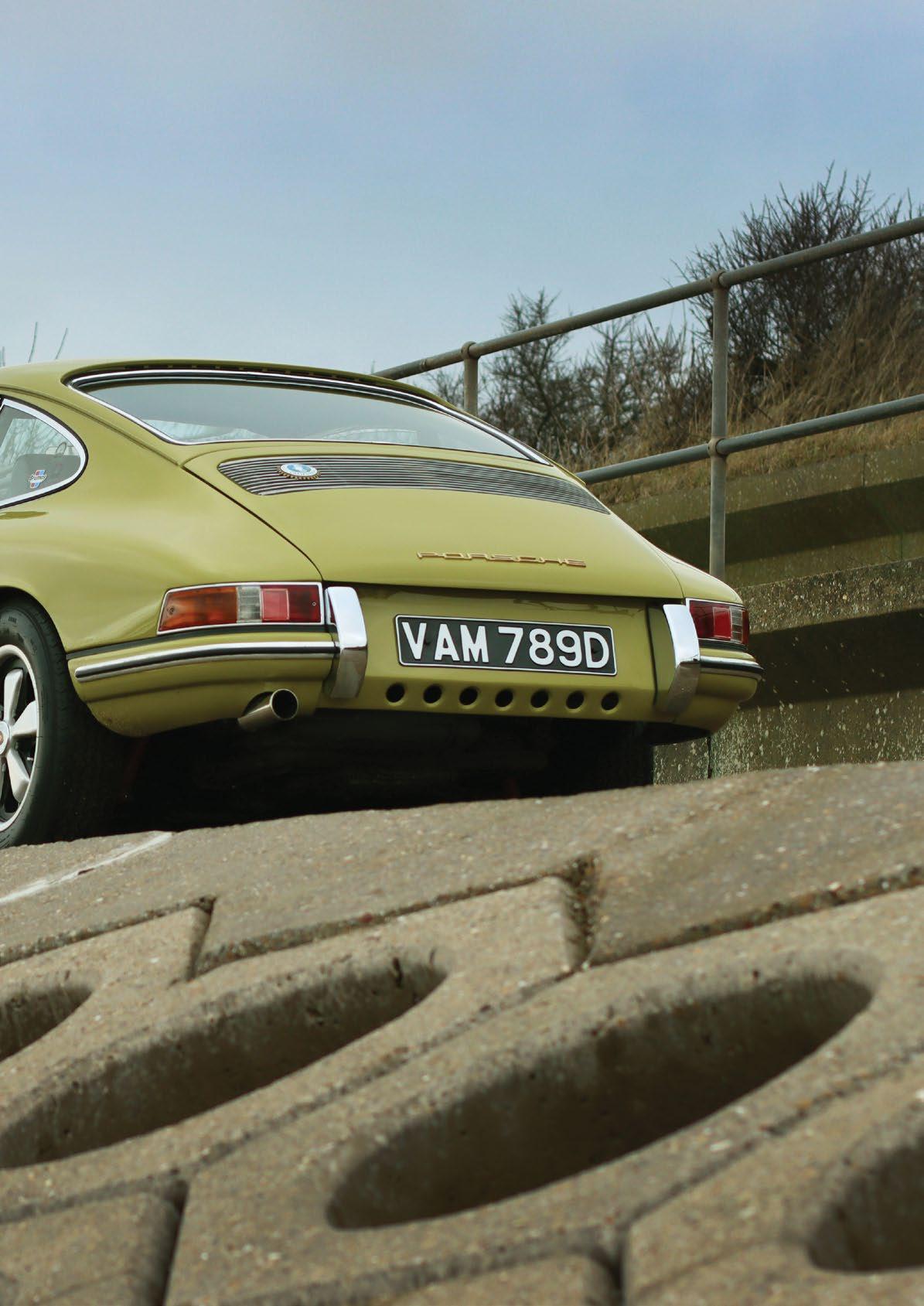
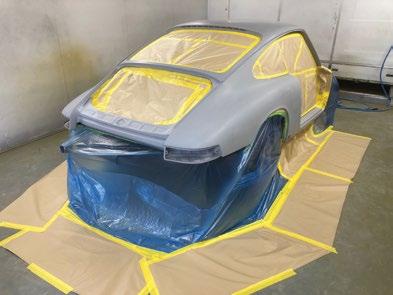
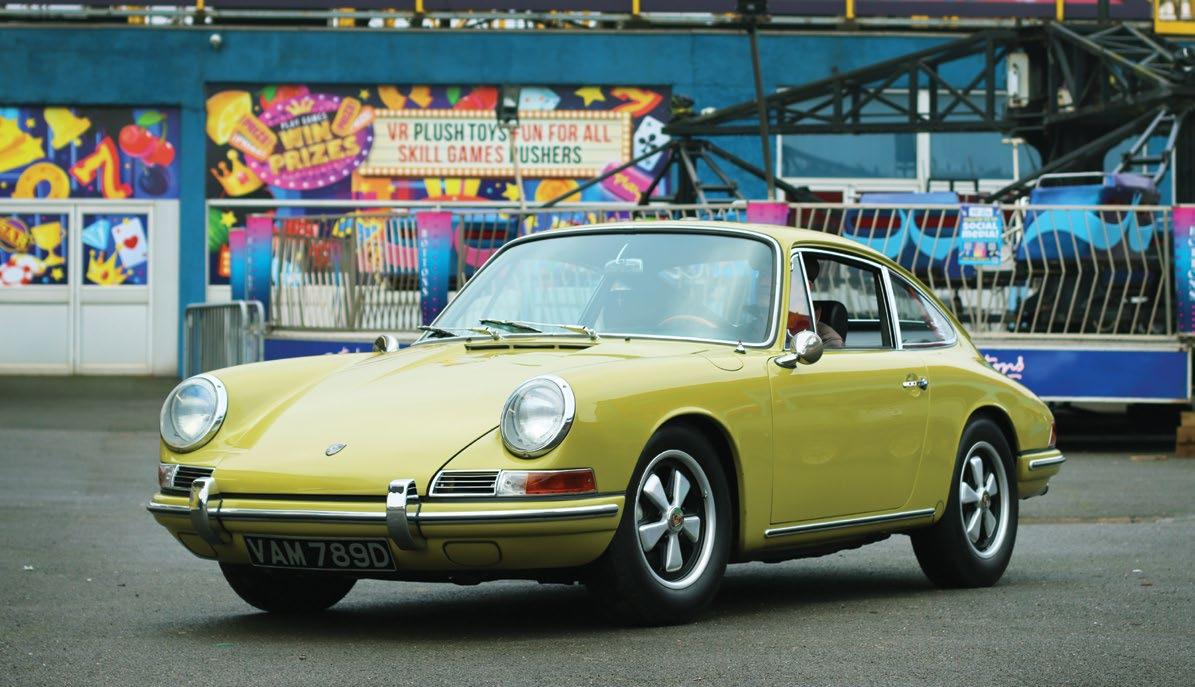
The 1966 912 you see here has changed over the years. Neil purchased the car from good friend Ian Ellis seven years ago. As you can tell, Neil is a man of many projects so he sat on this
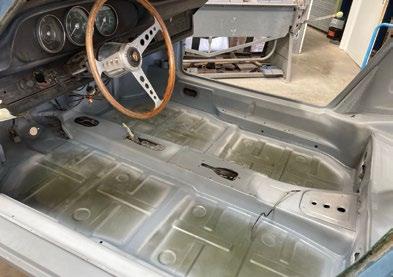
one for a couple of years before looking at getting it roadworthy. As a lover of original paint, the plan was to make the car good in all the areas needed and run with its fantastic sunburnt second paint – a blue metallic. Neil started the recommission by welding in new floor pans/front suspension pan. All the suspension was stripped and rebuilt. Nothing was particularly bad on the car. There were couple of areas on the body that required some blow-ins and burn matching, something Neil has been doing since I have know him, blending in faded paint and coming up with his own recipes
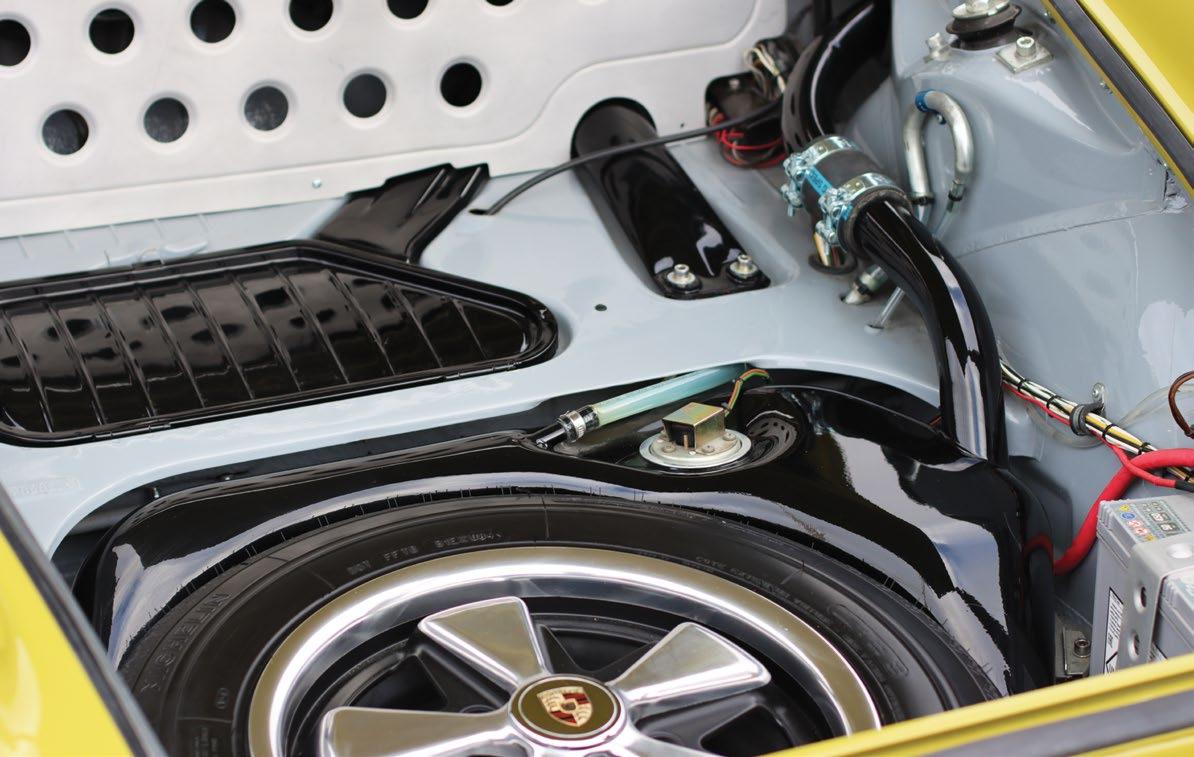
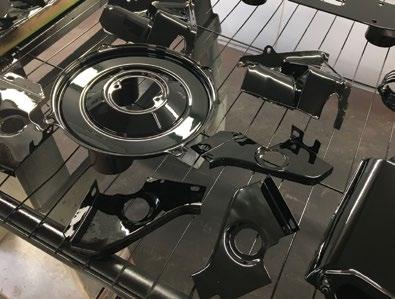
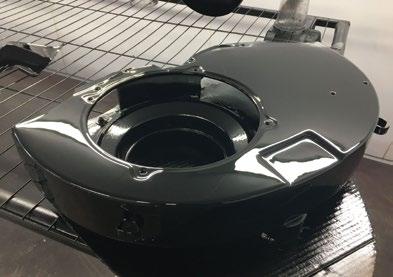
to match the powdery sunburn, etc. While the exterior was to look aged, Neil wanted the underside to look really sharp, so the engine bay and under the bonnet were prepped and painted in gloss grey, and the fuel tank, spare wheel tray, etc., were all painted gloss black, which contrasted great against the grey. He also custom-made some subtle touches as Neil does best: the aluminium wiring tidy and battery holder, etc., all handmade and all complete with dimple die holes.
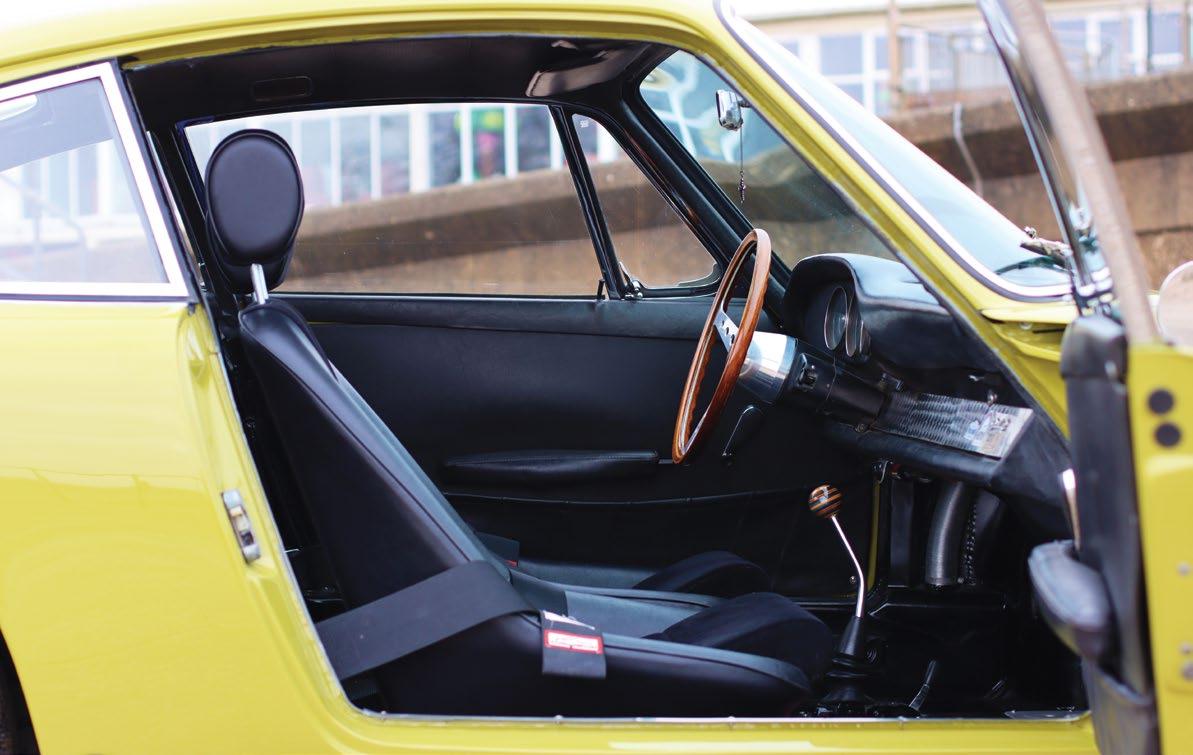
The interior was painted satin black – no need for carpets when
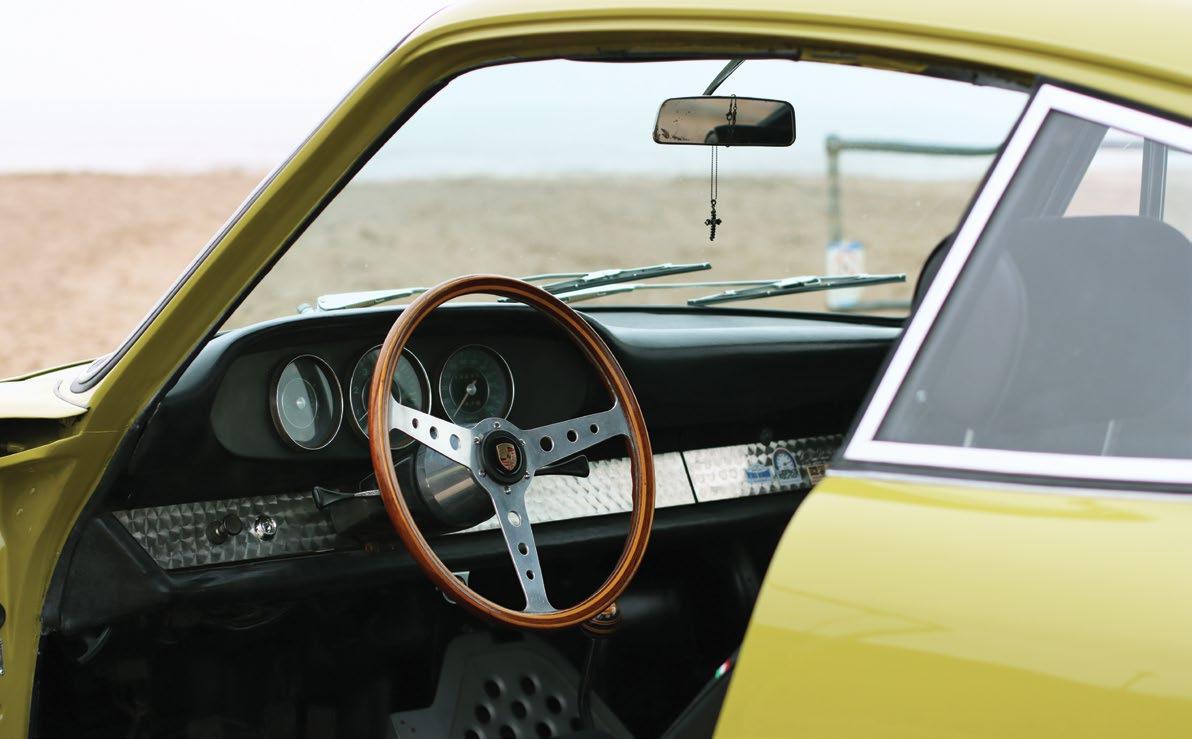
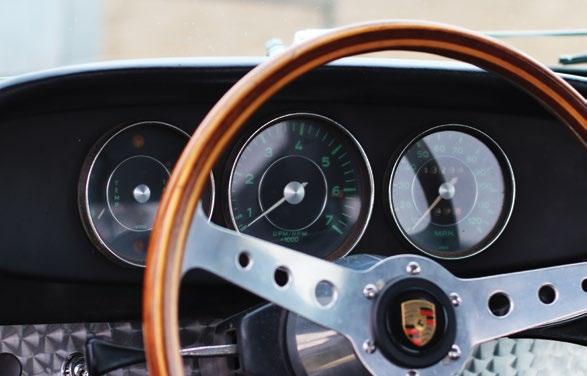
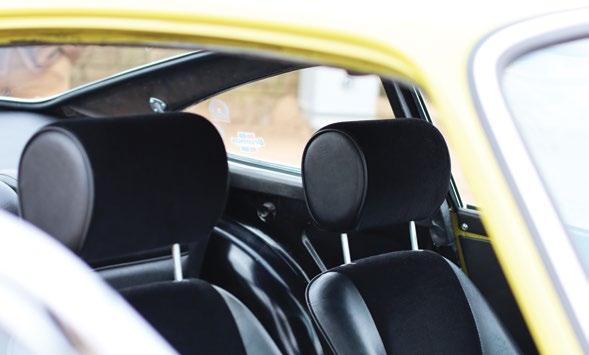
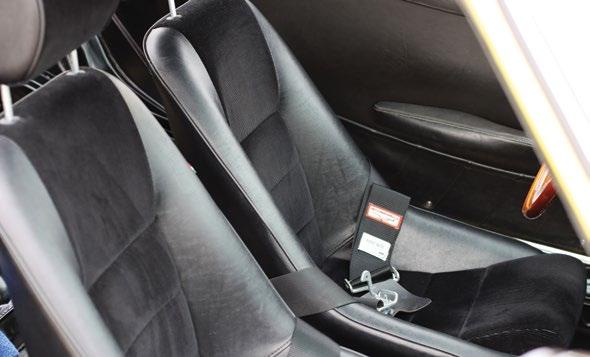
you can finish and paint metal like Neil can. A lovely pair of Italian Fusina sports seats were added, with vintage lap belts, of course. Neil made an engine tuned stainless steel dash insert, which houses the January ’66 3-dial clocks, ignition, etc., and eliminates all unnecessary clutter, radio hole, fog light switch, etc., giving a cleaner custom look. In keeping with this, under the bonnet a custom aluminium passenger foot plate was made by Neil. He even made his own pedal kick panel, but it was not fitted in the end. True to fashion, every time I would check in, Neil had made several
options for each item, swapping out for a more refined version or just having a fresh idea on how to approach the aesthetics in a different way. The same goes for wheel/tyre combo, another detail Neil takes seriously. In the short period the car ran in original paint, Neil ran it on Magnesium Minilites, OG Fusch and Group 4 Torque Thrusts, all of which changed the look while totally complementing the car at the same time. Neil also has a self-confessed steering wheel fetish/collection, and again this changed several times, from a 70s Momo Prototipo, which was swapped pretty quickly as he felt
it was too common, to a engine turned wood rim (too fussy), eventually settling for a vintage Irmscher from a Opal rally car.
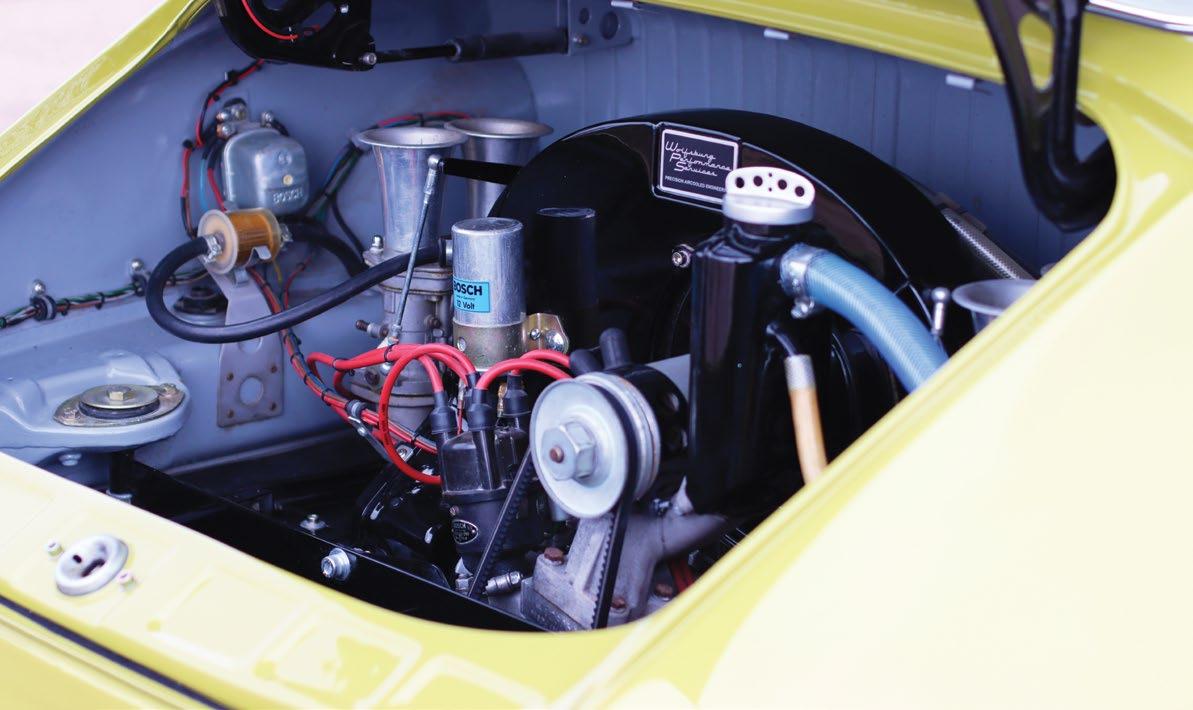
Ian Clark from Wolfsburg Performance Services offered to build Neil a long block for the car in
exchange for some fabrication work on a Fiat 600 race car of Ian’s. As mentioned previously, Neil usually builds his own engines, but in his own words, “I’d have to be crazy not to let him work his wizardlike skills on my engine”. Now in case you don’t know Ian, when it comes to engines they have to be right
and have to be quick.
Ian built a 100+hp 1720cc with full-flowed machined cases and 86mm cylinders, Shasta Cam with straight cut gears, with balanced and blue printed crank, rods, lighted flywheel, etc. The heads had already
been worked and opened up, so new guides and seats were fitted and match ported manifolds to suit which the Weber 40s with Harley Davidson ram pipes sit atop. Removing the gases is a Bursch exhaust with balanced header. “The engine has plenty of little tricks to up the horse power like a super-efficient breather
system. Most people don’t think about the hp that is lost just by crankcase pressure cushion effect.” The gearbox is a factory 5-speed close ratio, which was an optional upgrade from new for $40. I bet Neil was glad the original owner shelled out for that one. Neil also fabricated his own cylinder tin as he wasn’t happy with how the original sealed.
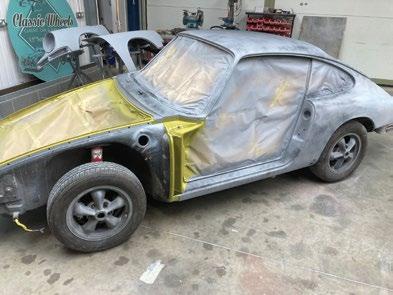
Neil ran the car like this for a couple of years, but he felt it was starting to look a bit ropey (for the record it wasn’t the kind of ropey you think when you read the word). Neil has owned and built enough patina cars to know that without the proper care and attention there is a fine line between good-looking original paint and an unloved look, so he decided the 912 really needed a bit of love. There were a couple of
nasty scrapes on both rear wings, the rear panel and bumper had received a pretty nasty knock at some point, and the front bumper was pushed in, right in between the overriders. The original idea was to sort all this out and continue with the paint blending and matching, but once the car was stripped and in primer, Neil had some health issues which led to the car sitting untouched for about a year. It wasn’t until his mate Ian Clark was over for coffee one day and they were sat in the workshop, that Ian said to Neil, “I can’t believe you are actually going to paint it”.
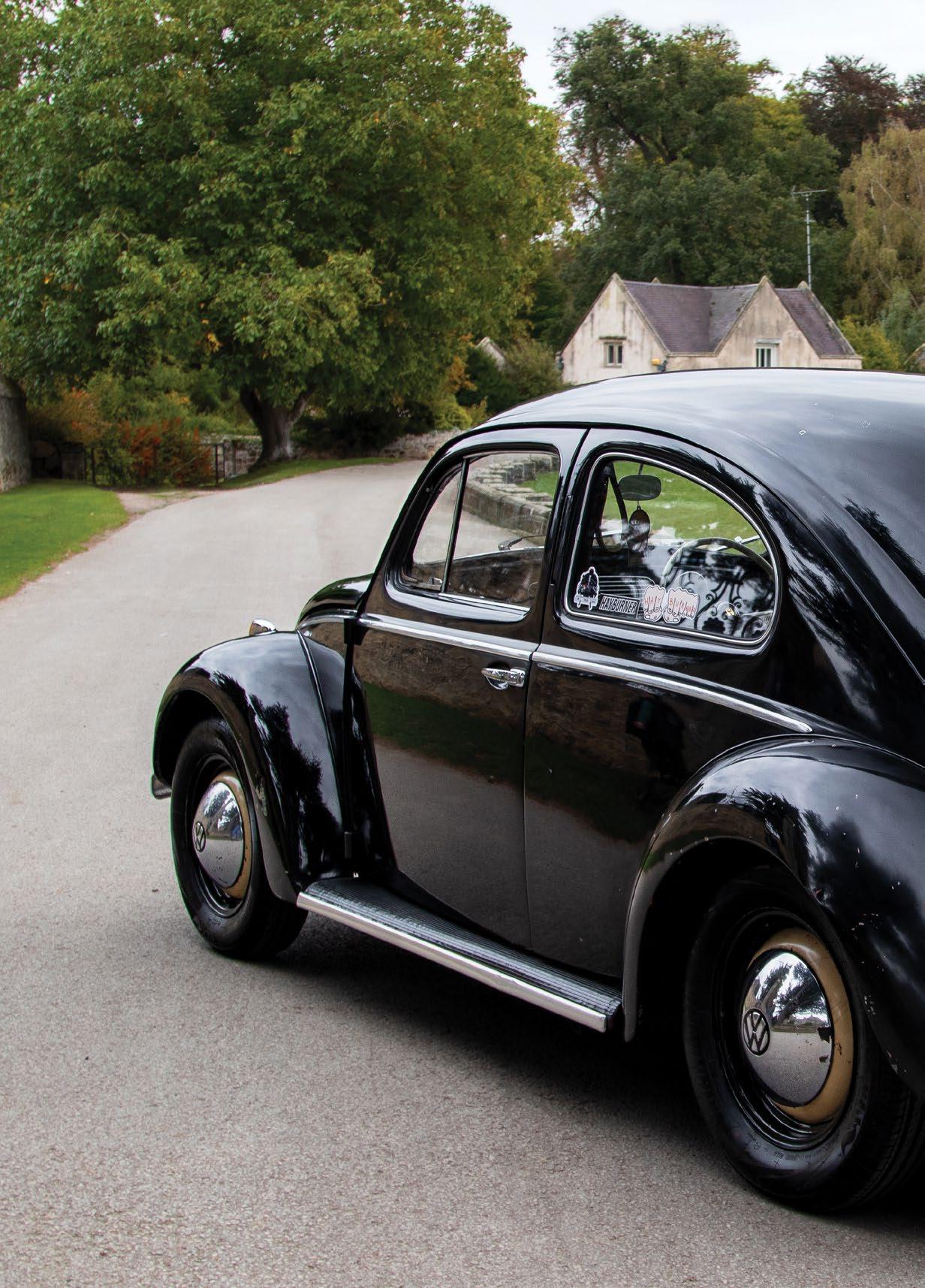
Neil tells us, “this was when I had my epiphany. Why the hell am I not painting it?” The glass
was out and prep work to some degree needed to be done on almost every panel, so why not go the whole nine yards? “I had fancied another shiny car as I had restored a few E-Types and Healeys. In the last few years prior to getting the Porsche, the shiny paint and cleanness all started to appeal. From that moment on I started thinking about a full repaint and colour change.” I have to say at that point I was with Ian, but when Neil sent me the first photo in paint, I knew he had made a great choice. (Neil hadn’t
disclosed his colour choice until this point either.)
Neil was back to full health and it was all systems go. Neil and Lynn had many discussions about colours. Metallic gold was in the running for a while, but it’s almost like a candy flake and they decided it might be a bit too “flashy”. Neil loves the early Porsches in the bright primary colours, “that big ass looks so good!” So Golden Green or
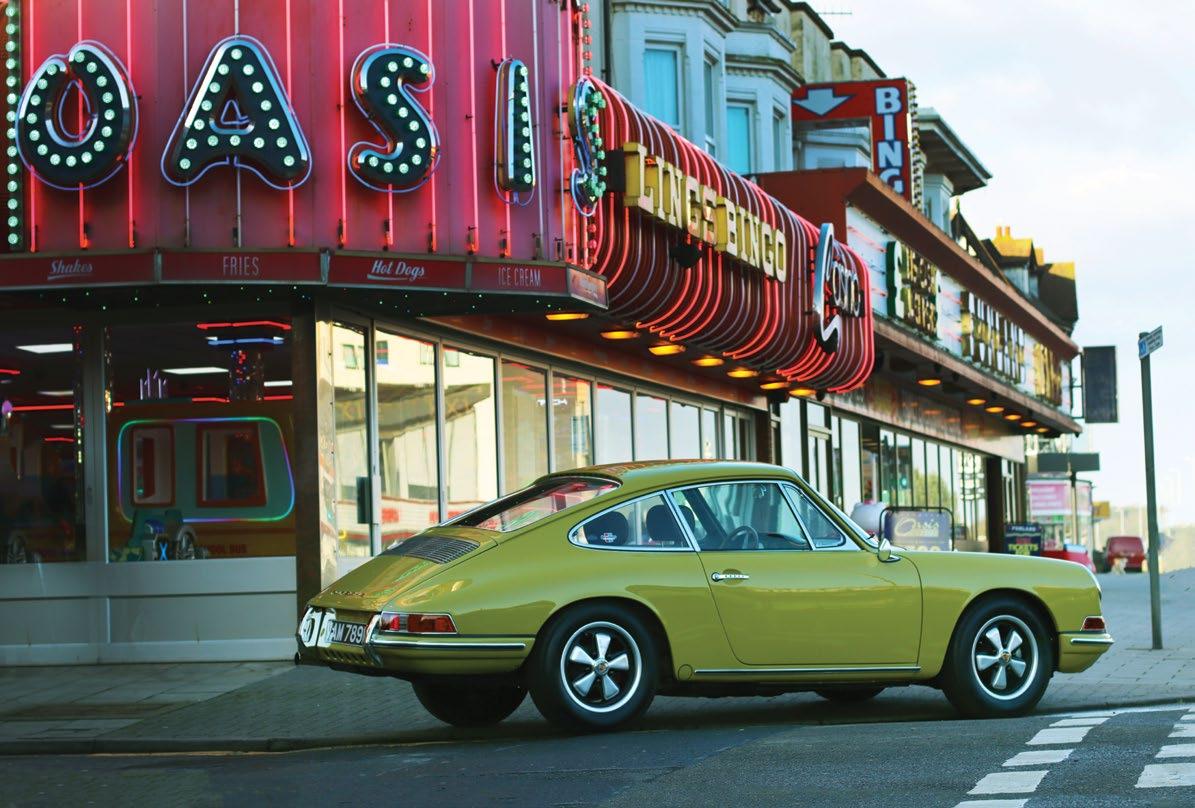
Goldgrün was chosen – a colour that was available between ‘66 and ’68, and what a great choice. Neil says, “some days it looks yellow, others olive, but it always looks classic”.
He painted the car himself and says although it’s not perfect he’s happy with it. I think he’s just being humble as it looks perfect.
The door tops and a couple of other pieces were re-chromed, but Neal didn’t want to lose the whole character of the car so wherever he could he used the original bright work.
Neil detailed the original Fuchs which are running Avon CR6zz, but he also still has the Group 4 Torque Thrusts which are fitted with a modern tyre, which he often swaps out for a thrash. “The Avons are great and period correct, but weigh a ton.” The spare is a detailed Fuchs with a NOS Michelin that still retains the original label, and is how it would have left the factory.
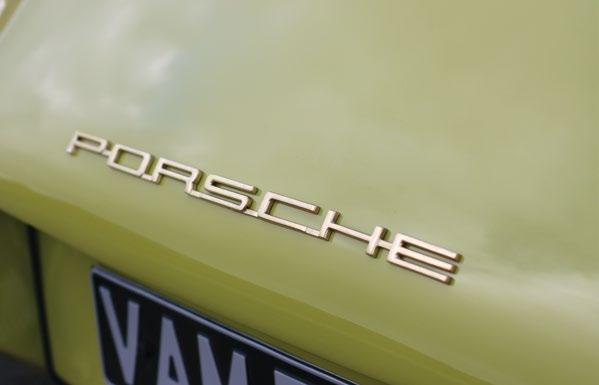
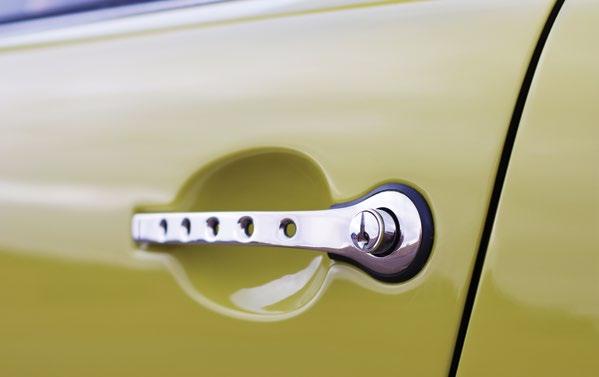
Neil says, “some bits on the car shouldn’t be fitted if you are looking at it from a purist point of view”, and apparently this is something that is regularly pointed out to him. I say if you have built a car it’s whatever floats your boat. The wheels’ centres should be plain, but Neil likes a bit of colour in the badge. The engine lid badge should be silver, but the gold just looks so good against that green paint. “The door handles are a bit controversial/annoying to some people.” Neil bought
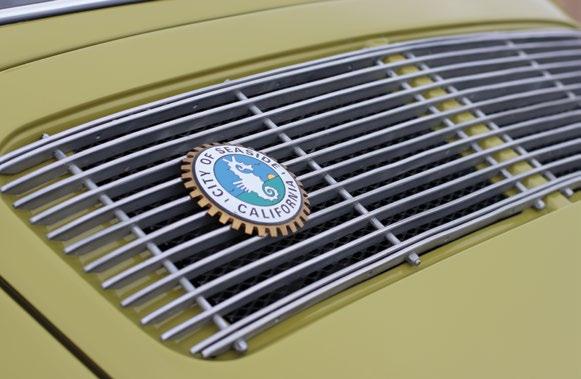
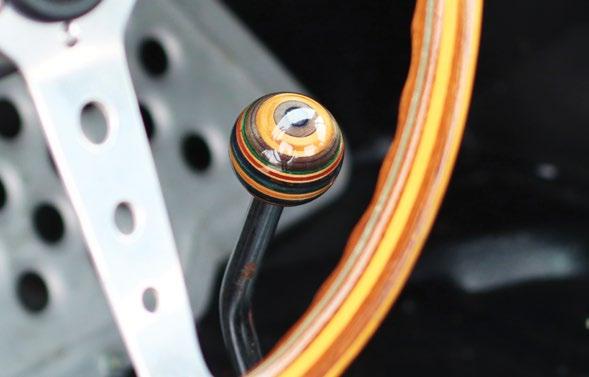
them on sale purely for the keys and barrels to be transplanted into the originals, but on arrival was surprised how good the chrome was. He had made a custom rear panel with dimple die holes when the car was in its original guise, and the handles sort of carried through with that so they stayed. Neil had Yasuhiro Nagai make a blue gear knob for the car’s first incarnation, but he loves it so much he has since commissioned a green version. “The gear knob and the steering wheel are probably my favourite parts of the car, along with the City of Seaside grille badge that came from Paul Medhurst of T2D fame, but my most favourite bit is driving it, it sounds great and handles perfect.” And drive it he does. The day after the photoshoot Neil was out in the rain for a good two hours or more as he is not scared to use it, and rightly so. Enjoy it, my friend. You have earned it!
Neil would like to thanks Ian Ellis of the workshop and spray booth, Ian Clark for the Craic, advice and cheese, Alex Leiserach and Andy Goodwin for lifts and a hand with the doors and glass, etc., and Arron Gass and Richard Wainright for paint advice and general piss-taking.
I would personally like to thank Neil for being an inspiration, right from the get go, and someone I could always go to with my styling ideas and get a solid answer whether it would work or not. Keep on trucking, mate.
An ever-changing collection of classic and pre-loved Volkswagens — all for sale.
Resto-Haus is home to an ever-changing selection of carefully sourced vehicles — from early icons to modern classics.
Every one with a story. Every one available for sale.
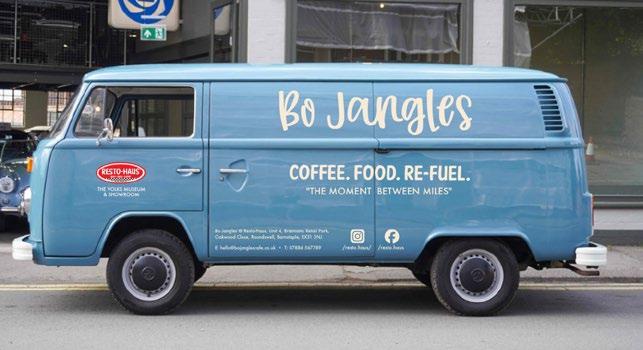
It’s also a place to slow down. Our in-house cafe, Bo Jangles, serves coffee and fresh food, while our weekly Drive-In Social evening 'See You Next Tuesday' brings together a relaxed mix of vehicles, people and conversation.
Come and join the journey with us!
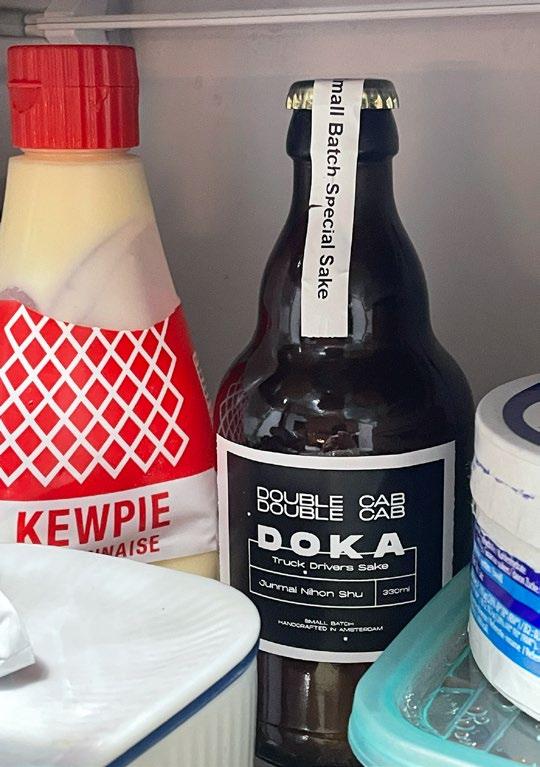
Double Cab Small Batch Sake
Tokubetsu Nigori Cloudy Special Sake
Hand brewed to a traditional recipe in Amsterdam from authentic Japanese Koji
available with numbered Limited Edition in-house designed & manufactured gold giftbox
If you would like us to promote your Volkswagen event, please enter for free on www.bUGbUs.nEt’s show calendar. Also on bUGbUs.nEt you will find the latest show entries from around Europe.
WORDS BY SEB SWINDELLS PHOTOGRAPHS BY SI MEDLICOTT
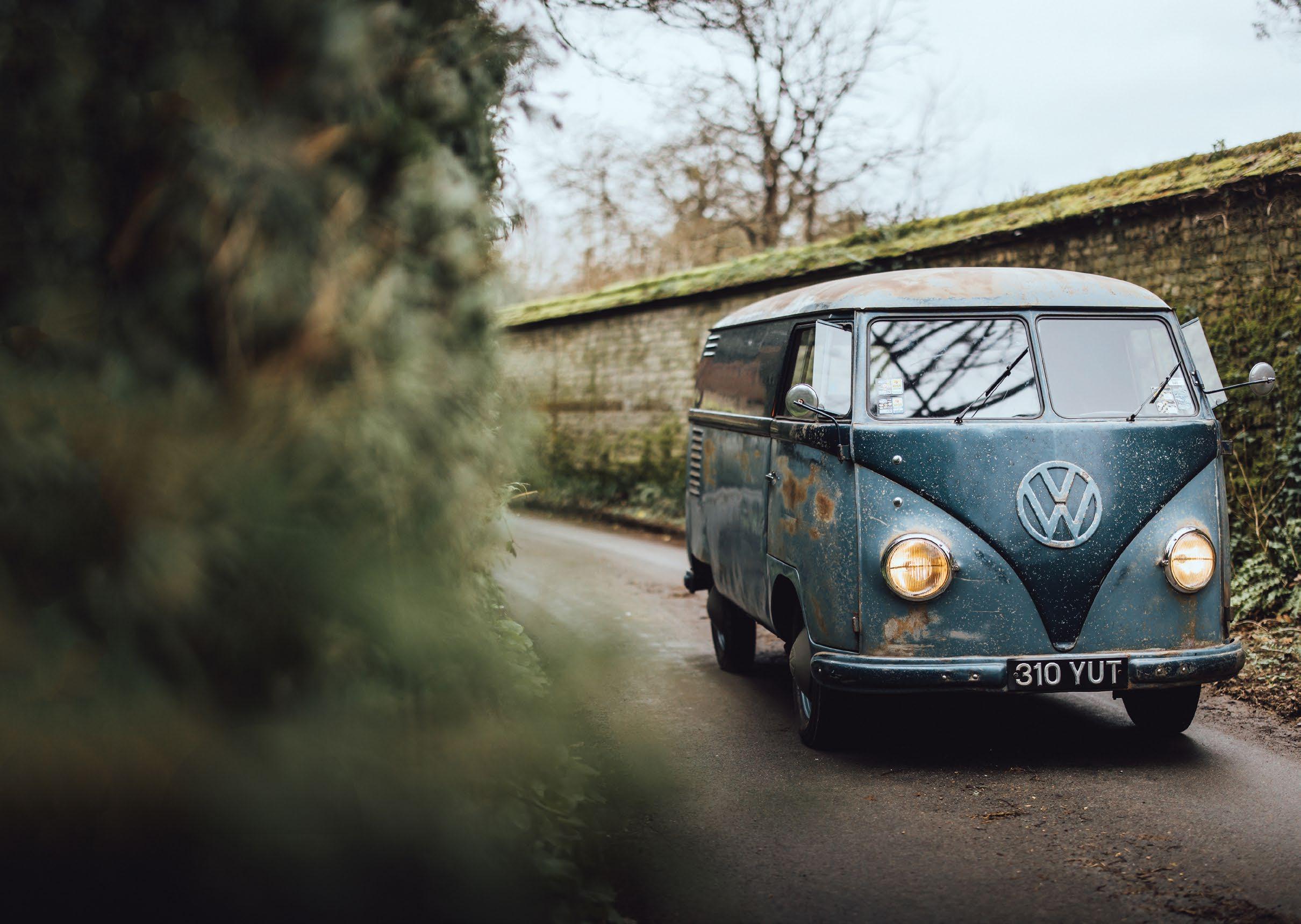
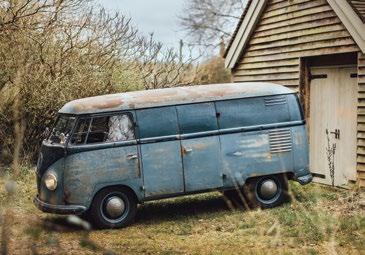
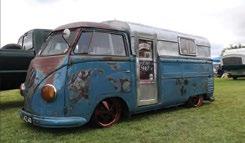
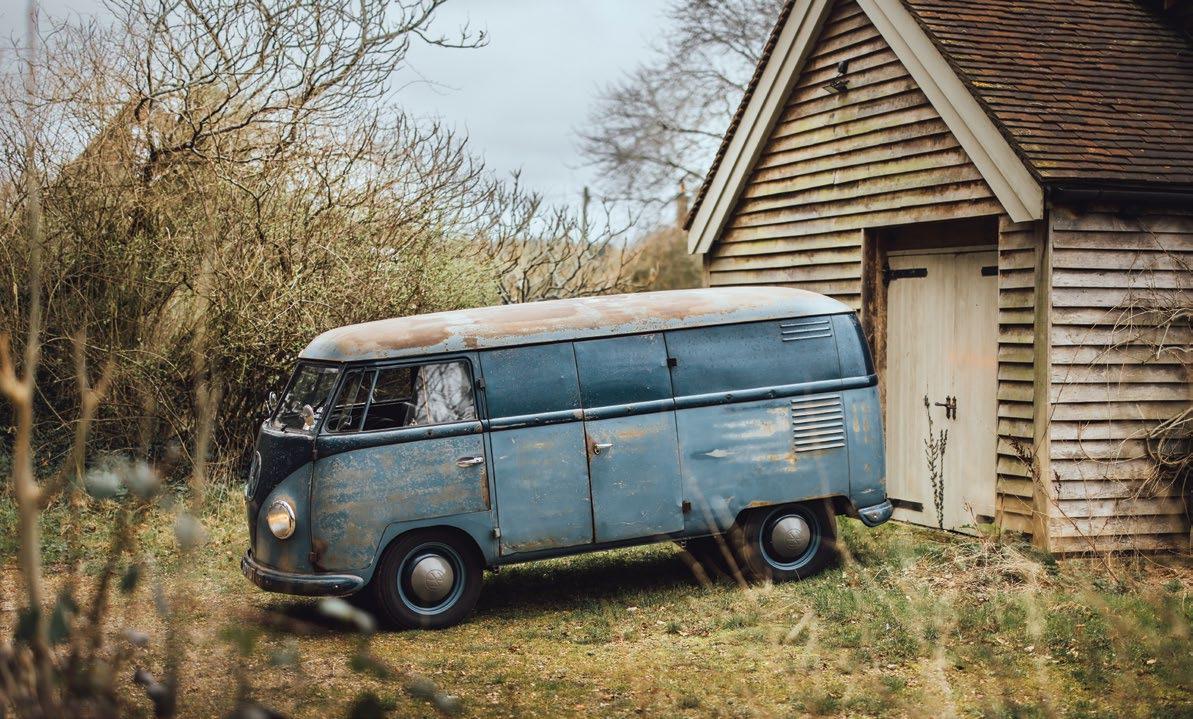
This VW 213 Delivery Van began its journey at the Volkswagen Factory Wolfsburg on 8 July 1954, and left the factory on 10 July 1954. It left the factory in M0130 grey primer and headed to Sweden, via Swedish importer Scania Vabis. On 17 November 1954 it was sold, new, to someone called Anderssen in Hansjo, Sweden.
It changed hands to its second owner in 1960. On 24 October 1962 it was reported scrapped (“Anmalt
Skrotat” in Swedish). The reason is unknown.
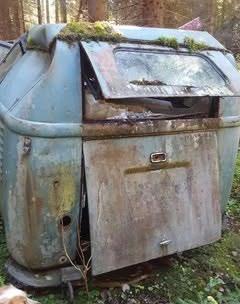
In 1987 a VW enthusiast called Per Berglund discovered the bus and told his friend and “Barndoor Hunter”, Lars Hasa, about it. Later that year Lars went on holiday to Solleron, a small island just outside Mora, with some friends and discovered it again, sitting in some land just outside an old lady’s house. It had been sitting in this spot for 27 years. It was then left again until 1994 when Lar’s friend, Conny Lindh, asked if Lars knew of any Barndoors that might be
available to buy.
After some phoning around, it turned out that the old lady who had owned the van had been taken into an old people’s home, but her younger brother was still local, in Orsa. He was surprised at any interest in the old van and agreed to give it to Conny and Lars for free.
In December 1994 Lars and Conny borrowed an old Mercedes and trailer and drove 350km north to collect it. It was finally moved for the first time in almost exactly 32 years and 2 months. Conny kept the van for five years but never got round to doing anything with it, then sold it to Lars. Lars kept it for a few years too, and sourced a front beam for it in 1999, which he collected in his Karmann Ghia. Lars then sold it to another Barndoor-crazy VW collector, Mats Janlov, in Uppsala. This is where it lived in a barn with Scotty’s RHD ’52 Standard, Dai’s old ’53 Radio Van and a ’53 Ambulance that Mats also owned.
Another crazy Barndoor and early Porsche 911 collector and friend Dai “Streetwagens” “BusBarn” Watkins and his friend Rob bought the van between them, indirectly from Mats, via a company called Pointbreak International in Boston, Lincs in approximately 2001 and took it to Wales.
The story goes like this:
I (Seb Swindells) have been around VWs pretty much all of my life, and luckily for me my very long-suffering girlfriend Penny loves them too. My mum and dad had an almost new Beetle in 1976 when I was three years old, and we’ve almost always had a VW as one of our family cars ever since. Whether they were Mk1 Polos, Golf and Scirocco GTIs, Scirocco Storms, 16v Passats or a Porsche 924 Turbo, we had a lot. A look back through old family photos shows that my family have always been VW nuts as so many of the photos feature one or other of our old family cars in them.
To add to the VW enthusiasm, in the mid-1980s my dad bought a Mk1 SWB GP Beach Buggy as a fun car. We went to all of the first Bug Jams, Beetle Bashes and Volksworld Shows and as many other VW shows as we could in it. My friends all had VWs too and – with the definite exception of my dad – my friends and I were all ravers and party and festival crazy, so we loved VW shows back then. I still own that Mk1 GP Buggy, but that’s another long story, and I go to a lot of VW shows and other Hot Rod meets to this day.
We were lucky enough to hear about this van when we were all round the campfire at Camping Allersee in Wolfsburg after Hessisch Oldendorf in July 2009. Dai had mentioned that
he was considering selling it. We didn’t have any money at the time, but did feel it was a good time in our lives for a new VW project.
After further chats, Dai mentioned a few Barndoors that he had for sale at the time. Some of them were cheaper than this one but in much worse condition, with roofs half ripped off and other big issues that people wouldn’t worry about so much today. However, we decided that with our total lack of experience of owning a Split bus, or any major restoration experience, and to stand any chance of ever managing to finish and drive the thing, we needed to buy the very best bus we could afford to begin with, and this one was originally going to be one of Dai’s keepers. It was a great starting point. So we got a bank loan.
As we now know, as far as Barndoors go this one was actually in very good original condition and had never been messed around with. The dealer-painted 1953–1954 Metal Blau colour paint was 90% original and still there, and so was the lighter blue on the bottom half. It had also been in dry storage since Lars and Conny rescued it in 1994, which must have massively helped prevent corrosion. On the scale of bus repairs these days this one only needed the same sort of lower rust repairs as your average late Bay Window would now need.
As far as air-cooled cars were concerned, we had only ever had Beetles and a early ’69 Bay Window Deluxe before. We had never owned a Split bus, and had never done any welding. Penny and I really wanted to build the van ourselves, in the vain hope that we might learn what we were doing and know a bit more about it at the end.
So I went on a welding course and tried to spend
as much time as I could while I was there learning tips and practising welding. Everyone else on the course was practising welding but also using the metal cutting presses, folding machines and English wheel, etc. We didn’t have any of that in our garage at home so I didn’t bother wasting my time playing with it. All we had in our small garage was a welder, an angle grinder, an air compressor and a few basic air tools, a Dremel, a vice, a joggle and some panel-beating hammers and a whole load of joint determination.
We started our first welds on the van by making a very strong cross-bracing across the whole front. We used one inch square bar from the A pillars to the B pillars and also on some of the lower chassis. After that we were reasonably confident in our welding skills and got going.
I think our first big progressive step was removing what was left of the rear cargo floor. Penny actually cut that out with the angle grinder and air chisel while I was away working as pit crew at the London to Brighton Veteran
Car Run for the weekend. I used to do it every year.
Over the next ten winters we gradually cut, ground, welded, and ground and welded it again, until we eventually made some progress.
We only really worked on it in the winter months, as we were busy going to as many European VW events and trading our old VW parts as we could. We were also doing lots of other fun things that you can do in the summer months. And let’s face it, it’s too nice to be stuck in a hot dirty garage getting arc eye and welding burns when the sun is out.
Some chassis and floor pieces are NOS, but most of
the front doglegs, cargo floor and lower rear corners and battery trays, sills, jacking points, etc. came from Gerson at Klassic Fab. We had to borrow panels from friends for templates and replicate a few other small panels ourselves, like the rear heater pipe Y piece, front and rear arch closing panels and a few others, as Gerson was out of stock at the time. There is not one spot of filler in the whole van, only welding, which shows a few subtle stitch repairs and some of its history in places.
While I was welding and prepping parts, Penny spent about 200 hours colour sanding and polishing the outside, and also stripping the white paint inside the cargo area back to its factory Grey.
As my business (The German Junkies) is finding and buying as many old, rare and interesting or NOS vintage VW parts as I can, we were in a good position. This is our keeper van and an advert for our business, so we pooled our resources and contacts together in Germany and the rest of Europe, and over a few years we gradually bought, swapped and upgraded as many NOS or great genuine VW parts as we could find for it.
We tried to do everything as accurately and correctly as possible, and never cut corners on originality, quality or overall fit and finish. Nearly all of the Kamax, Rebus and Dorn nuts, bolts and washers that hold this thing together
are correct, cleaned and re-plated back in their original threads.
This van is pretty much completely original and bone stock, even down to the correct NOS ATE aluminium single circuit brake reservoir, and complete brake system comprising NOS 2 bolt backing plates and drums and NOS ATE 2 bolt wheel cylinders all round. Even the brake pipe fittings and “T” pieces are NOS ATE. The ride height, front beam, track rods, king and link pins, gearbox with reduction gears and lever shocks and all rubbers and bushes, etc. are mostly NOS, or all original rebuilt restored parts.
It sits on its stock 16 x 3.50 Barndoor wheels fitted with super cool Michelin X tyres. The correct but not matching numbers May 1954 30hp Barndoor engine was stripped down and rebuilt for us by John Gurney using NOS or original parts. The only small modifications on the van are that it is fitted with a Speedwell supercharger and Porsche 356 distributor, powered by a reconditioned Porsche 356 12-volt dynamo, just to give it a little more mph. Overall it goes well, and the supercharger definitely gives it a bit more power on the hills.
The Porsche-supplied 12-volt electrics are pretty essential for longer weekend and European trips away in it, as the lights are a bit brighter, and it has a cigar lighter and USB port too, essential for charging your phone and Google Maps and cool box, etc. There is also an old Hella handheld spotlight to help see the way on extra dark nights. Oh, it also has a couple of VDO cockpit gauges to keep checks on oil temperature and pressure in order to monitor that old motor.
We fully restored the steering wheel ourselves. The pedals, rubbers, some switches and the gearstick were NOS parts. It has the correct original Barndoor “big spring” front seat frames covered in as close to correct as possible commercial VW material, all done for us by “Fabrik” Mike and Charlie at Fabrik Interiors.
We also built our own interior, in a vintage sort of “Westfalia style”, with seating for all our friends and also some storage for parts, so we can trade with it at swap meets, and a bed for camping in relative comfort.
We eventually lowered it off of the axle stands and drove it
out of the garage for the very first time in January 2020, after 10 years of hard winters working on it. It was the first time it had moved under its own power since 1962. This was also the day we exchanged contracts to move house –the very next week – so it had to be done in time. That was a crazily busy few weeks, but so worth it!
Since we have had the van on the road we have covered about 10,000 miles in it. We only really use it for vintage VW shows and local drives around the country lanes on nice sunny days (except for this photoshoot).
As it is all more or less stock original and a left-hand drive
Panel in a right-hand drive country, it is definitely interesting and challenging to drive, but quite exciting.
Some of the highlights in it so far have been a 2k road trip around Germany, and driving it through the streets of Hessisch and on to EBI in 2022. We have also loved the Barndoor Gatherings in the Netherlands as well as the Barndoor Campout at Classics at the Clubhouse in 2025. A final highlight we must not forget is winning Irv’s Choice, which was a fantastic Barndoor Dash Pod trophy awarded to
us at the brilliant Skeg Vegas VW show.
Overall we are very happy with the van, and even though it isn’t totally finished yet (we still have the headliner to complete and the engine wiring to tidy and vintage up a bit and a few other small jobs), we love it and try to use it and enjoy it when we can.
My first thanks go to Penny. We did it all together and couldn’t have done it without each other. Lars Hasa for
rescuing it in the first place and being a good friend now. Our friend Dai for selling it to us. Stephan Sprout for a bit of panel fit and welding advice on a couple of the harder bits. Gerson for the panels. Our old friends Fabrik Mike and Charlie for the interior and John Gurney for the great engine work. Also big thanks to Matt Turner for helping us out a bit with it now. Massive thanks to Ned and Si for the opportunity to be in your mag, and a fun photoshoot. Thanks Steve Walker for the use of his rural countryside industrial chic yard for some of the photoshoot. And thanks
to anyone else we know who bought something from us to help the cause, or sold us something for it over the years.
At the end of the day this amazing hobby isn’t really about the van or whatever car you drive, but about the fantastic, like-minded people from around the world you meet along the way.
For service parts, accessories and general care for your classic aircooled. We offer Worldwide shipping and FREE UK postage on all orders over £50! www.hayburner.co.uk
Supplying quality upgrades for your Beetle, Bus and Ghia plus much more.
NEW, IMPROVED & EASY TO FIT > Bay Window fuel sender access hatch for Late Bays. A simple solution for buses that have had (or are going to have) a hole cut in the rear parcel shelf to access the fuel sender. Laser cut to the correct profile with a raw finish.
< Official Hayburner ‘GET YOU OUT OF THE SH!T KIT ^ - This kit is a bag full of essentials to chuck into your classic VW in case of emergencies (all cars covered, just select on the website). The no.1 kit ALL vw owners should own to get themselves out of trouble when its needed; the perfect gift for a fellow enthisiast or why not for yourself?
^ENGINE BAY FIRE FIGHTERS^
3 & 2 metre fire suppression systems for your beetle & bus, click here >
< CUSTOM METAL PRESSED PLATES < BAY WINDOW FUEL ACCESS HATCH
Premium quality pressed plates in a range of styles and colours. Show plates and legal plates.
Available in: US Style, Yellow / Black, Black / Silver,Glitter, Sparkle, Chrome and much more!
GYOOTSK
‘49 TIME
PHOTOGRAPHY AND WORDS BY NED FAUX
I believe I began my last instalment by once again apologising for the magazine going to print late. Well, give or take a week or two, we should finally be back on track. Things seem to have simmered down a little with life in general. Rebuilding work has begun on our house so things are looking up for 2026. It’s currently Wednesday evening and I’m due to leave for Freddy Files, Ninove, Belgium on Friday morning.
So all I need to do is get this magazine off to print tonight, pack for the show (including our trade stand) and get my bus ready. Annoyingly, after a full gearbox rebuild (plus a lot more), I broke down on Sunday night on my way to get a bit of paint sorted by Steve Parsons and had to get the bus recovered home. I know the clock is ticking and I would be
better just sacking it off and taking a modern car, but I’m desperate to take this bus to the show. Believe it or not, I’ve not attended Ninove in an air-cooled vehicle for over 10 years!
Anyway, enough bus talk. I’m here to talk about the ’49. I am very proud to say that I’ve done quite a lot since the last magazine came out. I’ve been in the workshop until late most nights, full of enthusiasm, working through my list. My goal
is to drive the car to Stanford Hall on 3rd May. It’s only around 40 minutes from my office so it would make a really good first proper run out – a good shake-down for the 1000+ mile round trip to Hessisch later on in the summer.
I got to work just after the last magazine went out, starting to tie up all the small bits that were still to do. I feel like the car has looked almost finished for over a year, with all the big
aesthetic impact jobs wrapped up. It’s funny how the smallest tasks seem to take the longest. I even gave up filming the build because I figured nobody wants to watch someone adjusting a hood latch for three hours (that, and I absolutely loathe being on camera).
The first job was the running boards. I had bought early-style running boards from BBT and stripped them down to make a pre-’49-style set by recovering them with a thin rib rubber matting. This is probably a good time to add that I’m pretty skint
and finding it hard to afford completing this build. The costs involved are so much more than I was expecting, approaching double the initial build estimate. This has meant that there are a lot of jobs that I would have liked to have an expert take care of but I’ve had to tackle myself.
I then went over all the running gear again and installed the steering column and everything that goes with it. I was impressed at how tight the steering feels. I also got the
fuel system in place and made an under-bonnet liner using old photographs for the details. Once the under-bonnet area was complete, I moved to the back end. The only thing left to do was the shocks. I couldn’t afford to have the car’s original lever shocks rebuilt so I’ve done a bolton telescopic shock conversion. This was a very common upgrade in the 1950s as lever shocks didn’t perform nearly as well.
My next concern was the door gaps. I’ve never been very happy with the way the doors sit and
everyone seems to mention it when they see the car. I do understand that they’ll never be perfect, seeing as the car was tied in a knot, but I must have spent eight solid hours using every trick in the book to get them where they are and it’s just going to have to do. I really should have flagged it before it went to paint and done some major rejigging, but it’s easy to say that now.
It was then time to concentrate on the interior. I really like this job as it’s so rewarding seeing
it all come together. I made all the rubber matting by hand, using the same material as the running boards. I then made paper templates for every mat and brought them to be done by Mark at MadMatz. Then Vic and I fitted the carpets. I was really happy with the outcome. Once the seats were fitted, for the first time it actually felt like the pile of parts I’ve had sitting there all these years was rapidly depleting and the project was becoming a car again.
I’m very close to the stage where I need to
consider getting the car running. I have a business/pleasure trip to Japan booked for mid-April and I have to have the motor in before this. The reason for this date is that I have to find out if I have gears or not. After building the box from scratch between Dan and myself, I’ve learned a bit more about the process and I’m not convinced it’s going to be the winner I hoped. So, if it turns out to be a turd at least I can send it to someone while I’m away or even use that time to attempt sorting another unit.
There has been a slight hiccup with the engine, too. The 30hp I had bought to get me up and running turned out to be a lemon. However, the guy who sold it to me was a gentleman and saw me right on the deal. My good friend Toby Walker (Skeg Vegas owner) has been kind
enough to loan me a turnkey 25hp engine for the time being. After doing a few jobs on it I’m pretty sure it’s going to do the trick.
Other work includes the window felting which I’ve just received back from Dylan Cheasley. He has
done a fantastic job. Once I have the window regulators fitted I can then do the door cards and off to Mark’s for the headliner. Then, that’s a wrap … maybe.
So I’m off now to roll around underneath my bus in the hopes of getting it up and running for a weekend in sunny Belgium. I’m seeing this as the proper season opener. With the list of UK and European shows, what a season we have ahead of us!
II just want to say thank you to everyone. I find it astonishing that after 57 issues the magazine is still growing, and we owe it all to you guys.
As always, I want to say a huge thank you to everyone who has ever subscribed, advertised, supported, contributed, put a sticker on their car or represented us with a T-shirt. Much love to you all.
Standard or Stand Out…
Part Number (l-r) J40819, J40807, J61476, J39266
Wheel rims, various
All classic air-cooled models
There’s an ever-growing range of parts and accessories at Just Kampers, including a great selection of wheels. In fact, we’ve probably added more parts since the last time you looked!
Investing in a set of alloys can be much more affordable when you shop at Just Kampers, too. Our price match promise means we’ll equal the cost of any like-for-like parts if you find them cheaper elsewhere, and you’ll get a 10% discount when you insure with Just Kampers Insurance.
Whatever you’re looking for, we’ve got great parts at great prices here at JK.
It’s a win-win, you either get a great deal on insurance for your modified VW, or you get £50 to spend at JK. …we’ve
We don’t think you should have to pay more for insurance just because you’ve fitted cooler wheels to your VW. That’s why policies from Just Kampers Insurance include modification cover, so you can run anything from alloys to air-ride without it affecting the cost.
Getting a quote from Just Kampers Insurance is nice and easy, too, and if we can’t beat your like-for-like insurance quote we’ll send you a free £50 Just Kampers gift voucher!