Setting Out Our Ambitions
Sustainability Report 2025

About Us
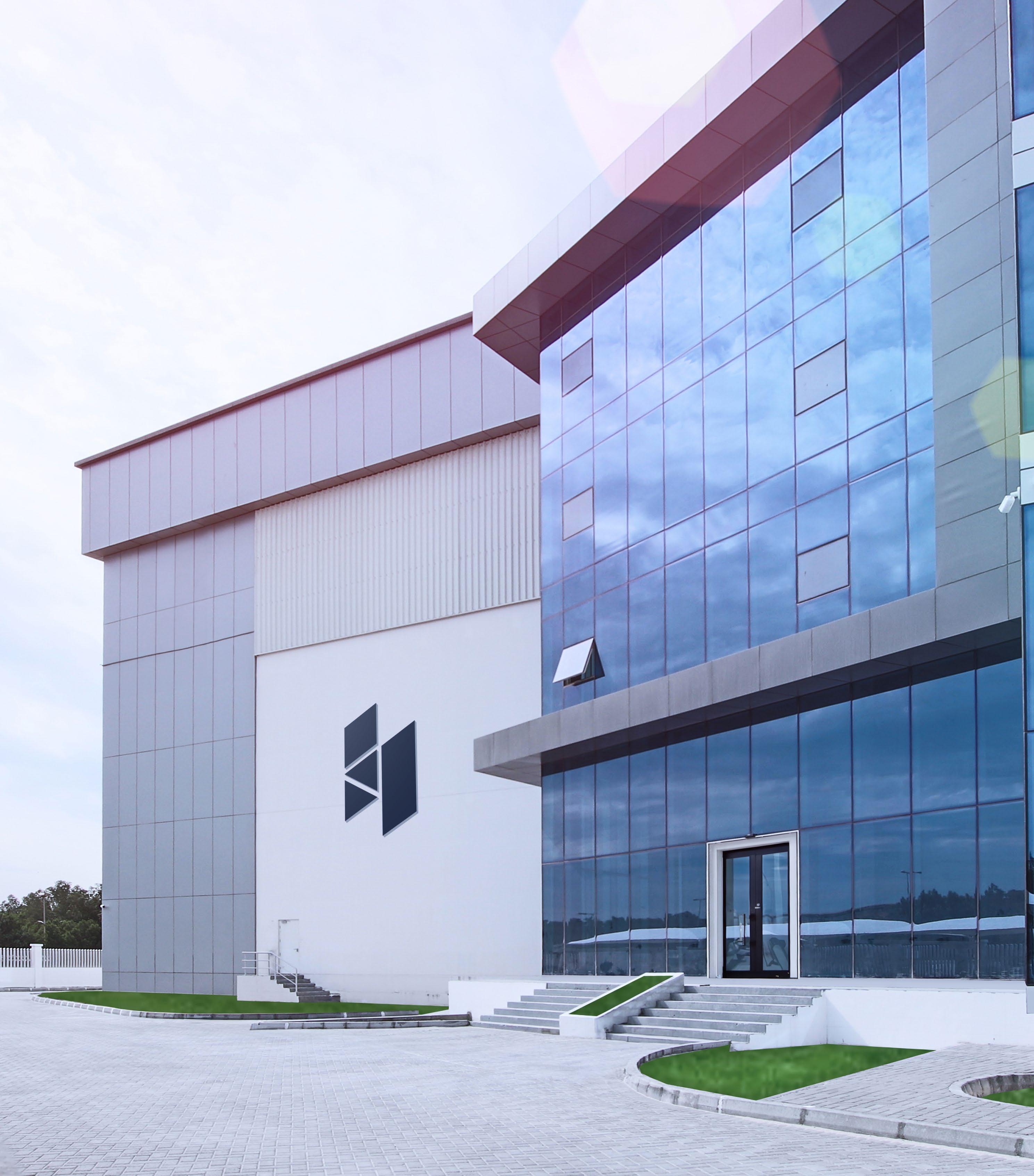
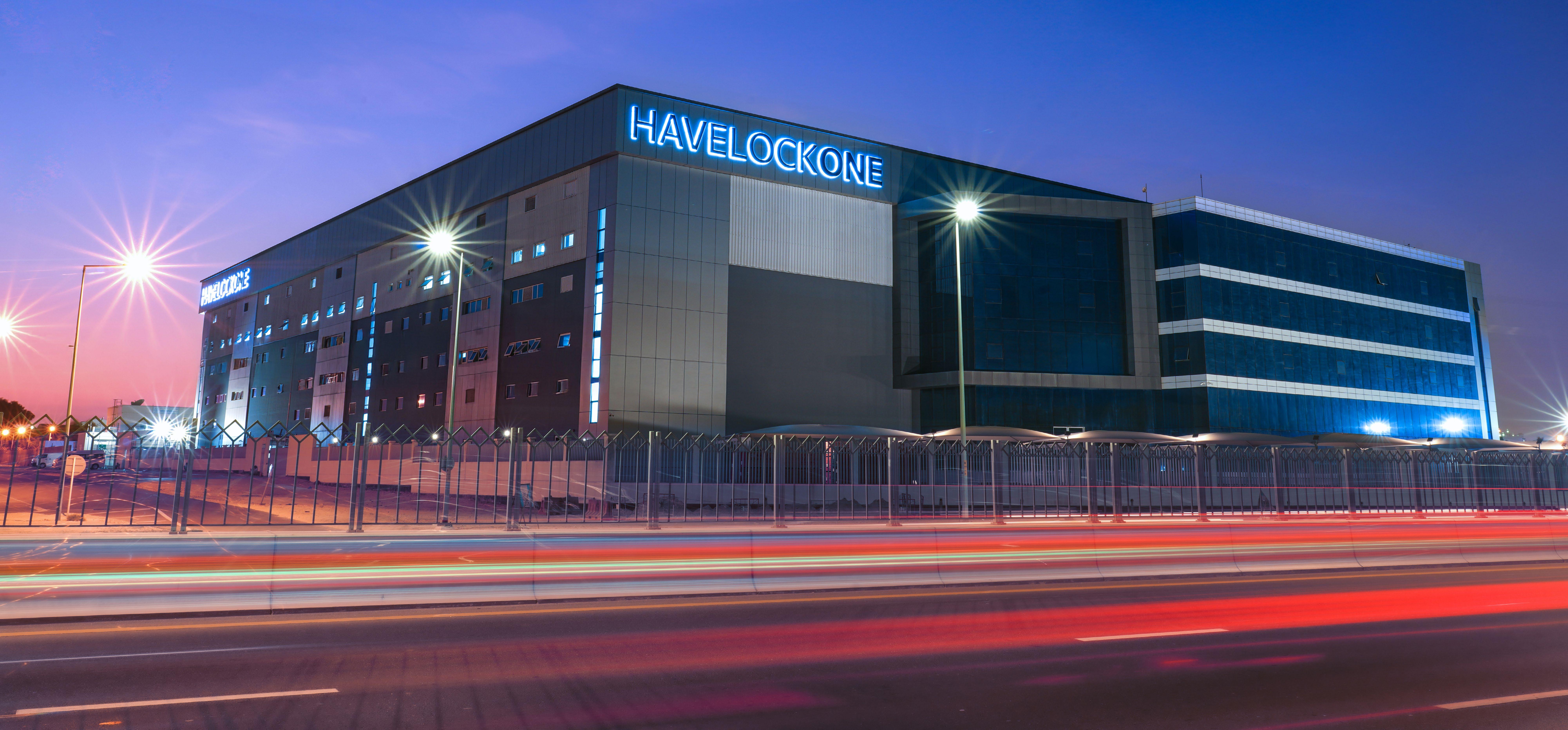
Established in 1998, Havelock One is now recognised as one of the leading fit out and custom manufacturing players in the industry. Based in five countries (Bahrain, KSA, Kuwait, UAE and Qatar), across seven offices, it employs over 2,000 people across the GCC with its main headquarters and 520,000 sq. ft. factory facilities located in Askar, Bahrain. Over the past 25+ years, Havelock One has completed more than 9,500 fit-out projects, across a range of sectors including hospitality, retail, entertainment, commercial, government, residential, F&B and more.
Misha Bhardwaj Specialist - Sustainability


About the Report
The 2025 Sustainability Report is our fourth report detailing progress against our targets, commitments, and environmental, social, and governance topics.
All financial figures are reported in Bahraini Dinars (BHD), unless otherwise stated. Please note that data within this report reflects progress from 01 January 2025 to 31 December 2025, unless otherwise indicated.
Reporting Frameworks
Havelock One has reported in accordance with the GRI Standards for the period 01 January 2025 to 31 December 2025, using the GRI 1: Foundation 2021. There are no applicable GRI Sector standards. For more information or feedback, please email sustainability@havelockone.com


Message from Group Managing Director
2025 was a year of steady progress for Havelock One as we strengthened our ESG performance across our operations. Guided by our four focus areas of people, planet, product and partner, we advanced responsible sourcing, expanded our sustainable project portfolio and continued to invest in the safety and development of our people. Our teams delivered six million safe work-hours and completed more than one thousand training programs.
We also improved material governance, with 41 percent of our timber purchased as FSC certified, and maintained more than 85 percent local procurement across our markets. To date, we have delivered fifteen high-value LEED and Estidama projects, reflecting our commitment to sustainable fit-out and manufacturing.
Our culture remains a core strength, supported by more than 90 percent alignment in our latest culture survey. As we look ahead, we remain focused on reducing our carbon footprint, improving resource efficiency and working with our clients and partners to build a more responsible and resilient future for our industry.
We are excited to announce that Misha Bhardwaj has joined our company as Sustainability Specialist. She brings a wealth of sustainability consulting experience and a passion for advancing sustainable practices and solutions that align with our commitment to environmental responsibility and social impact.
Syed Kashif Akhtar Group Managing Director
100% return-to -work rate post parental leave.

Planet
3,160 hrs total training hours logged.
6 million safe work-hours delivered.
26 nationalities in a diverse workforce.
1,063 training programmes delivered.
65,167kWh of renewable solar energy generated at worker camps.
100% employees completed performance & career development reviews.
60% recovery rate through in-house thinner recycling.
41% of timber procured FSC-certified, from responsibly managed forests.
IT-led digitalisation initiative to reduce paper use.
Product Partner
Zero fatalities or highconsequence injuries at our facilities.
15+ high-value LEED / ESTIDAMA certified projects completed.
100%
quality control and assurance inspection coverage.
ISO 27001 aligned controls resulted in no data privacy incidents.
100% project HSE impact assessment rate. Zero post-handover customer injuries.
100%
Supplier Code of Conduct covering ESG expectations.
85%+
average local procurement across all markets.
6 years continued support to Surge for Water Campaign.
100% of production metal scrap recycled, supporting circular material use.
100% projects issued formal client feedback forms.
Zero cases of anticorruption or bribery.
Havelock One Ecosystem
Coverage
We are recognised as one of the leading fit-out contractors and custom manufacturers in the GCC. Our dynamic teams operate out of seven offices across Bahrain, KSA, Kuwait, UAE and Qatar, making us a regional powerhouse. Our reach extends beyond the GCC as we also partner with global retail brands, manufacturing and shipping bespoke solutions worldwide.
Facility
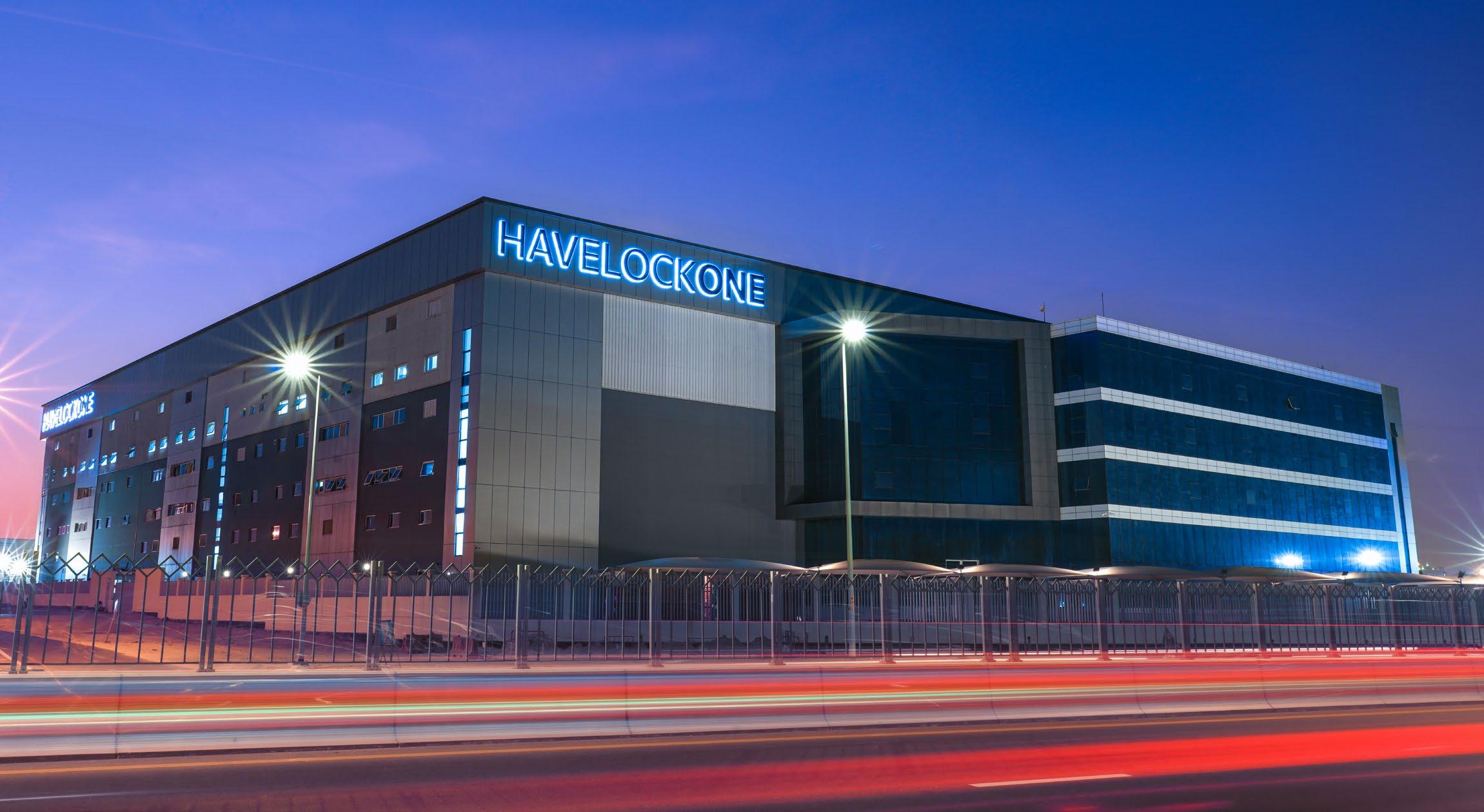
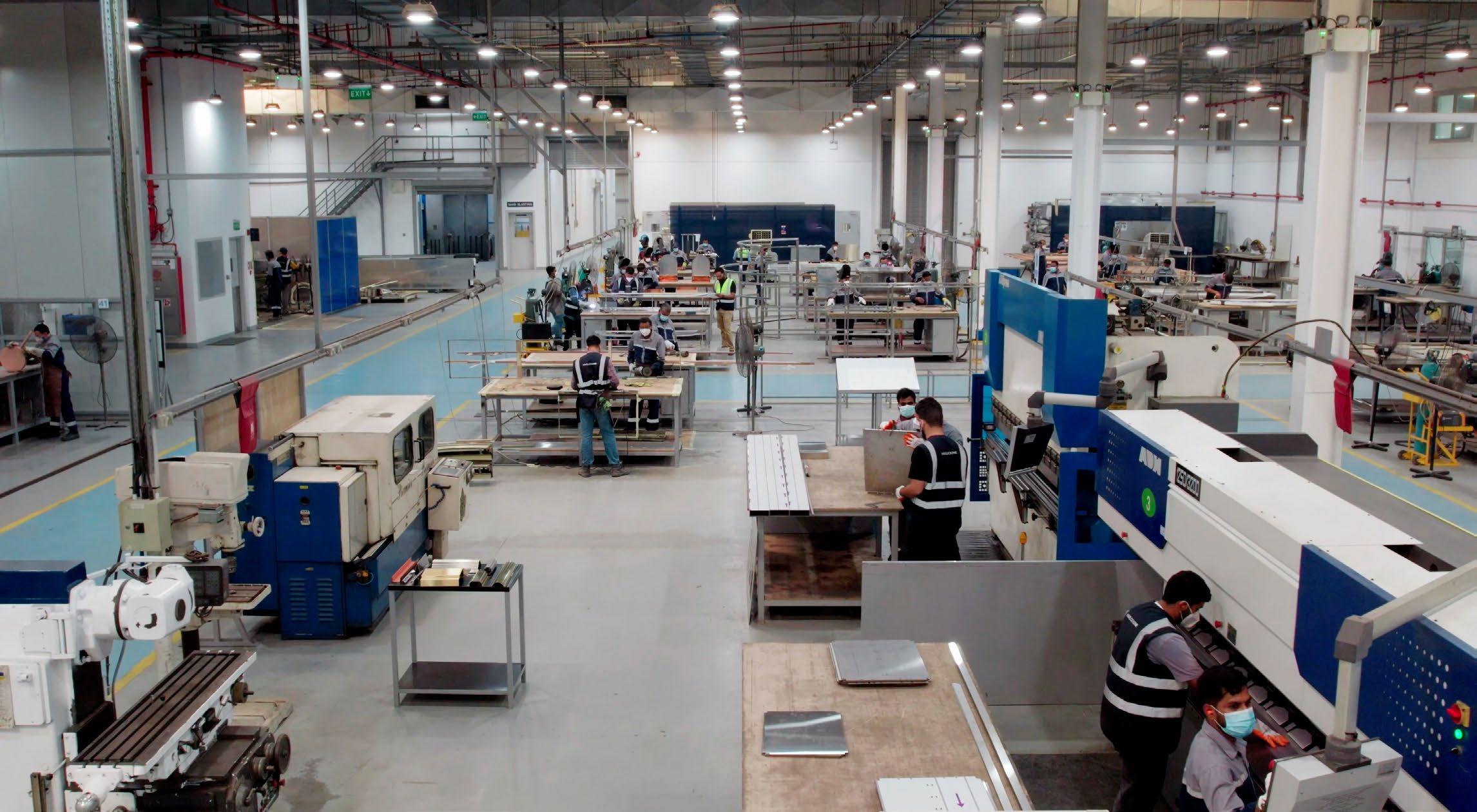
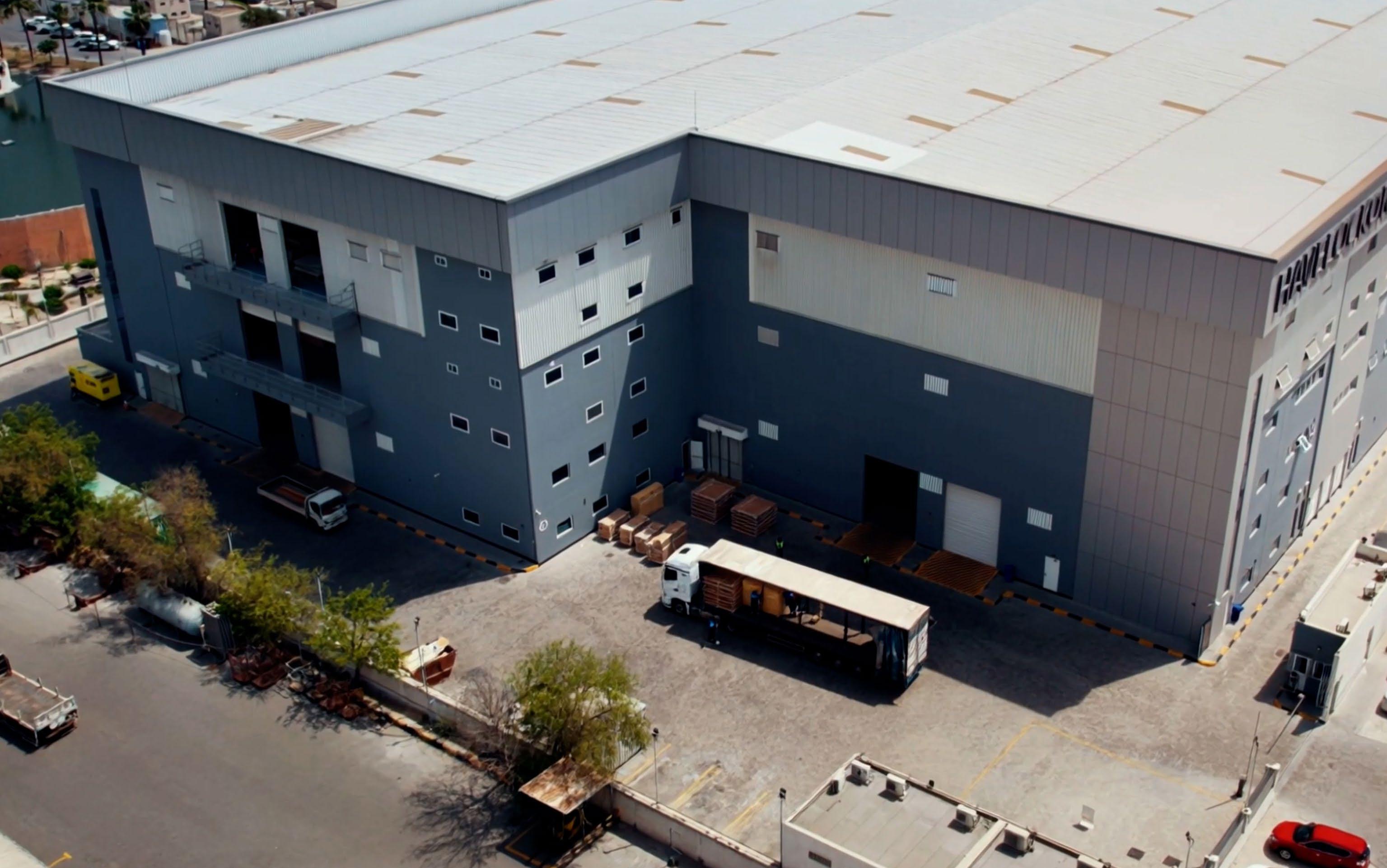
Our 520,000 sq. ft. custom manufacturing facility in Askar, Bahrain, lies at the centre of our operation. Here, our skilled teams carefully craft bespoke interiors, furniture and fixtures using the latest technology. Our in-house capabilities allow us to provide detailed cost breakdowns upfront and suggest value-engineered solutions to maintain quality while optimising cost.

Workforce
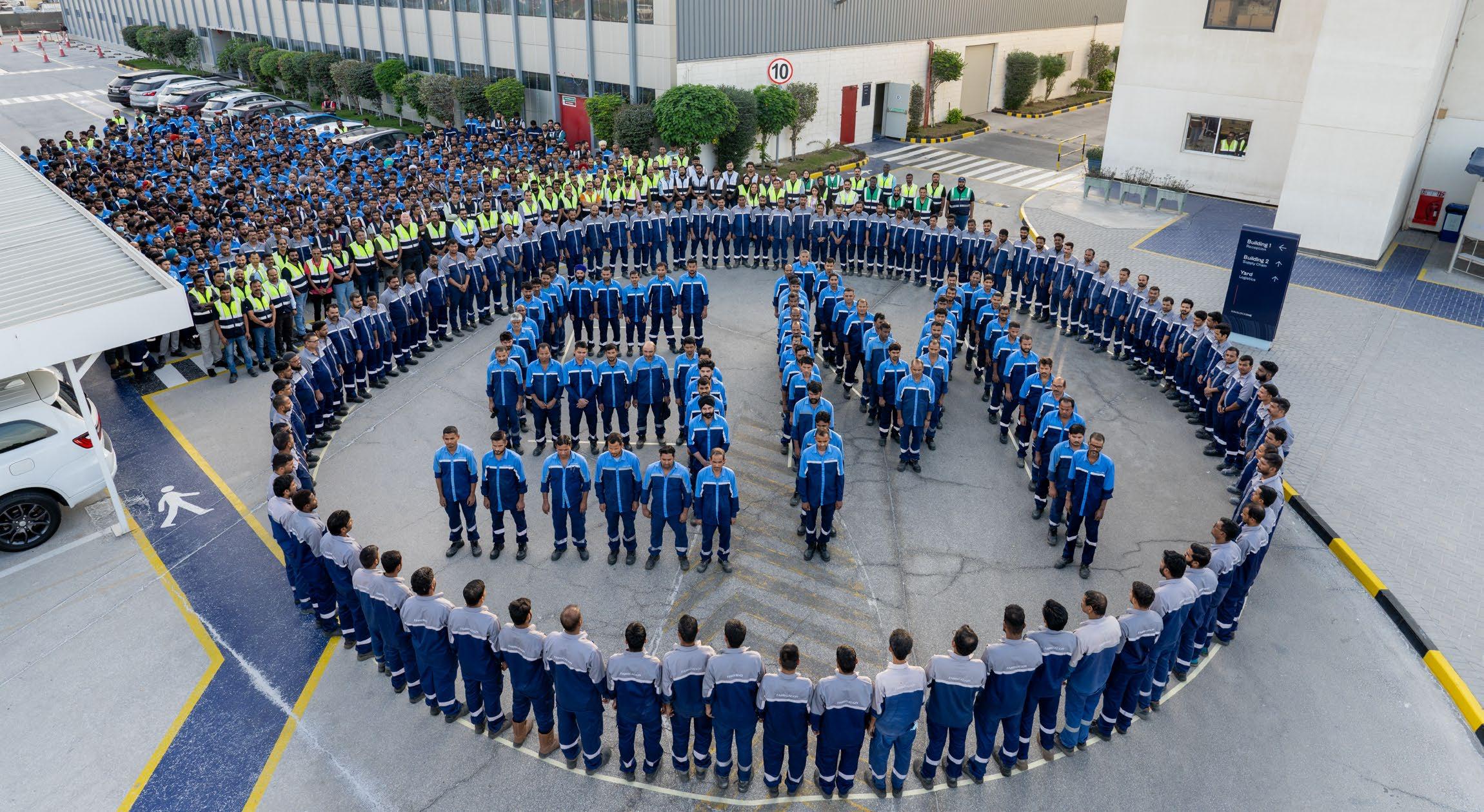
Established in 1998, we have since grown into one of the largest fit out and manufacturing players in the GCC. With a highly experienced workforce and a reputation for delivering only the highest standards, we’ve built a culture that makes Havelock One a great place to work.
The Havelock One Journey
Our Approach
Ethics and Compliance
Our Code of Conduct [Our Code] sets out the principles and business ethics that govern our daily activities. It provides a framework for safe and ethical decision-making, sets standards for how we do the right thing, and empowers us to speak up without fear of retaliation.
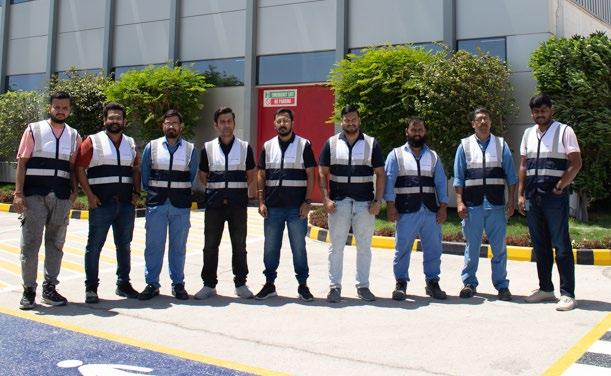
Our Code applies to all Havelock One employees, suppliers, contractors, and external consultants. Regular mandatory training and communications help employees understand how to apply the Code and how to raise questions or concerns. All Havelock One employees must confirm annually that they have read and understood the Code and act in line with its principles. We also expect our contractors and their employees to behave in ways that are consistent with the Code.
Speaking up
Our Code reinforces the importance of speaking up about anything unsafe, unlawful, or inconsistent with its requirements, and makes it clear that everyone who works for Havelock One has a responsibility to do so. It emphasises line managers’ responsibility to listen and act when concerns are raised and underlines our commitment to non-retaliation. We do not tolerate retaliation of any kind and consider it misconduct. Concerns or enquiries, including those related to human rights, can be raised through multiple channels, including speaking with managers or senior leaders, and via our independent whistleblowing helpline and web portal.
Concerns and enquiries in 2025
No cases of anti-corruption or bribery were reported.
Our ESG programs are driven by an ESG Steering Committee that provides oversight and strategic guidance on all material environmental, social, and operational governance themes. The committee, currently comprised of cross-functional representatives based at our Bahrain headquarters, convenes as deemed necessary to review progress, and assess emerging ESG priorities.
Management’s
Promote
We are actively working to strengthen our ESG processes by undertaking appropriate initiatives. As part of our continued evolution, we also plan to expand the committee’s scope and regional representation to enable a more integrated, enterprise-wide rollout of ESG programmes.
Be an ambassador: Demonstrate the application of the Code in your day-today actions. Promote understanding of the Code.
Encourage employees to speak up: Create an atmosphere where employees feel free to approach you with any questions or concerns related to the Code and assist them effectively.








People and Culture
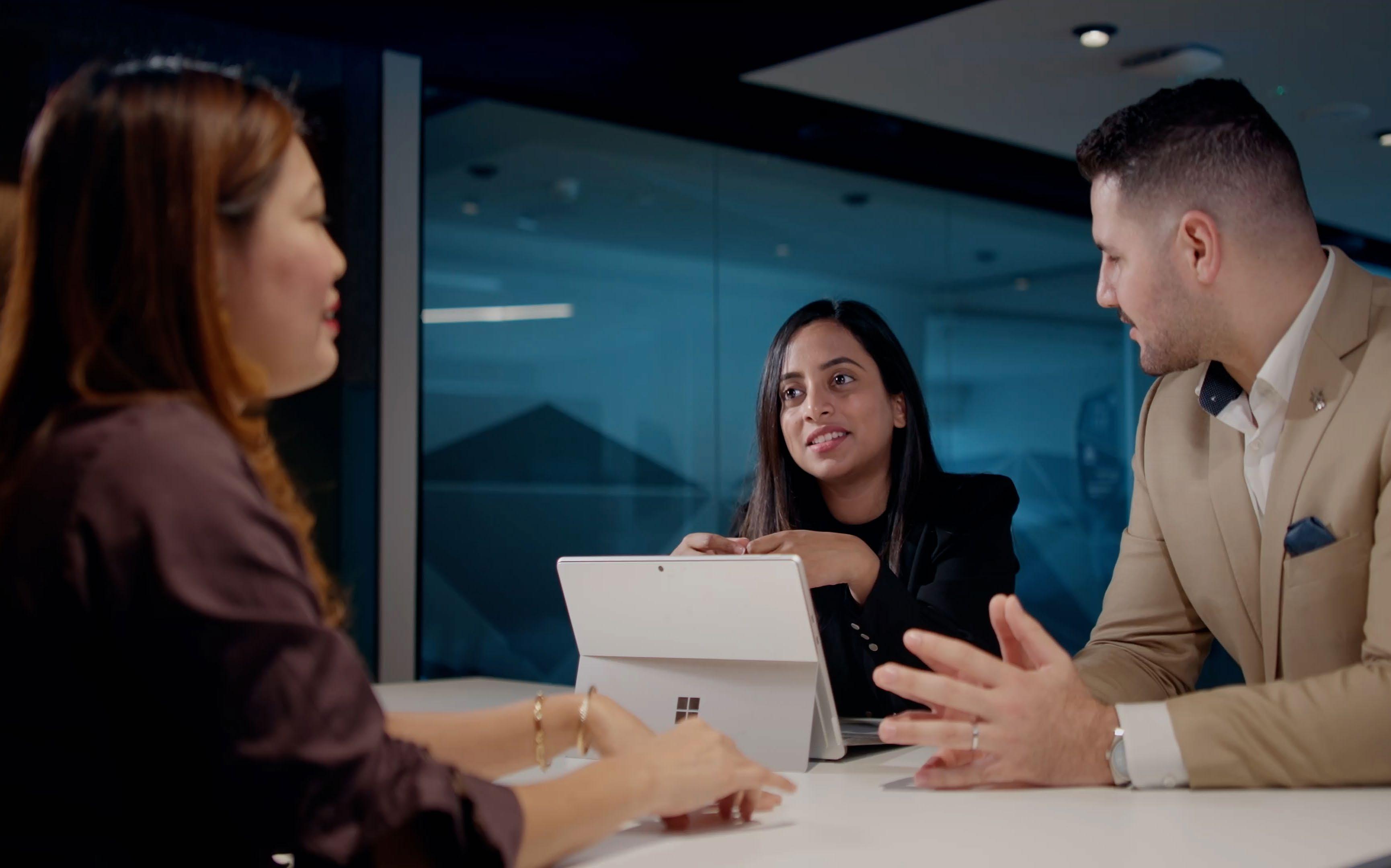
We create a safe and welcoming workplace where everyone can grow and build a meaningful career. We focus on wellbeing, developing skills, and giving people the support they need to succeed.
People and Culture
Workforce Diversity
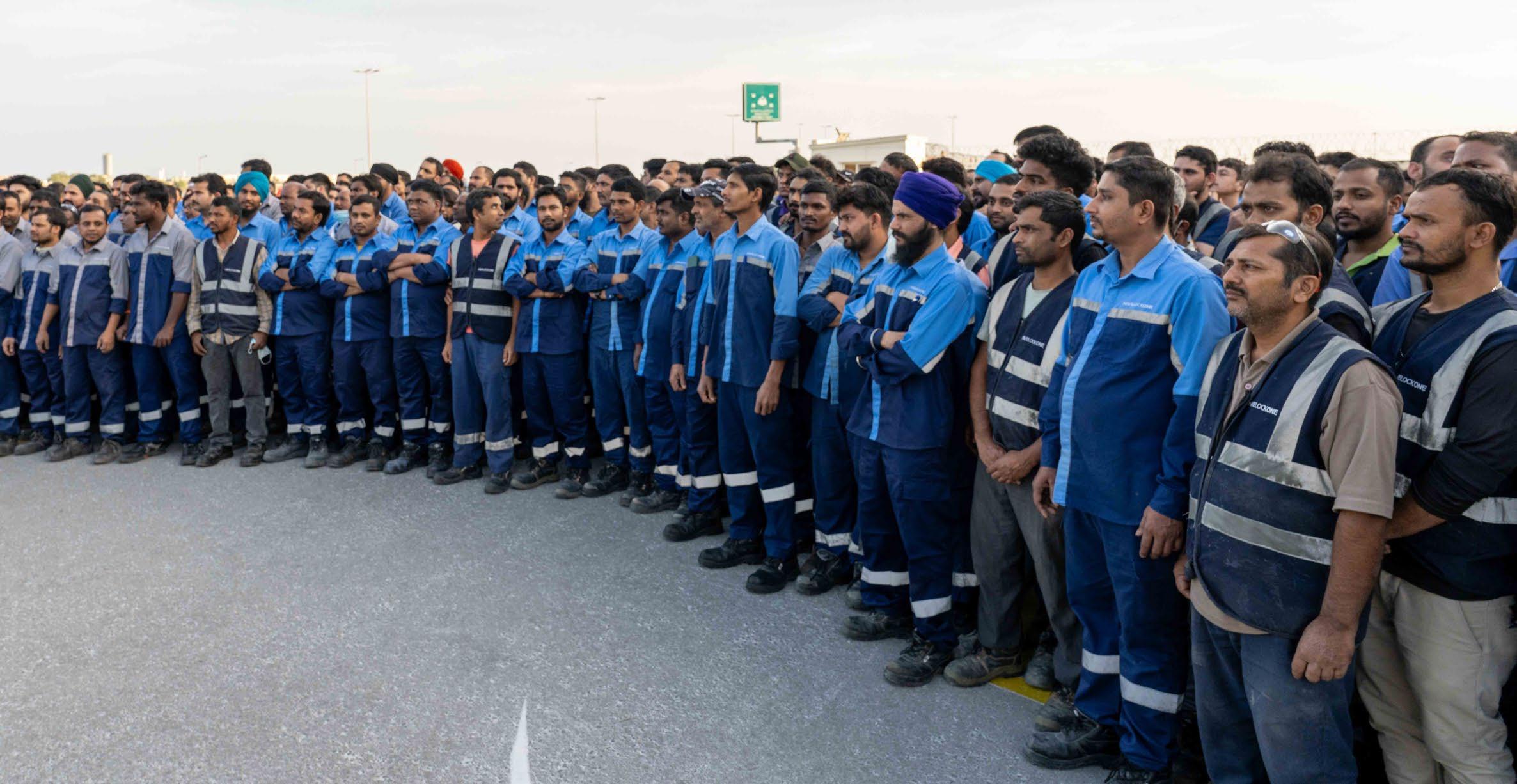
As of 31 December 2025, our workforce comprised of employees from 26 nationalities, reflecting a diverse and multicultural working environment. This diversity supports inclusive perspectives, knowledge exchange, and cross- cultural collaboration across our operations. This diversity aligns with our commitment to inclusive employment while supporting local and regional talent.
Inclusion & Disability Representation
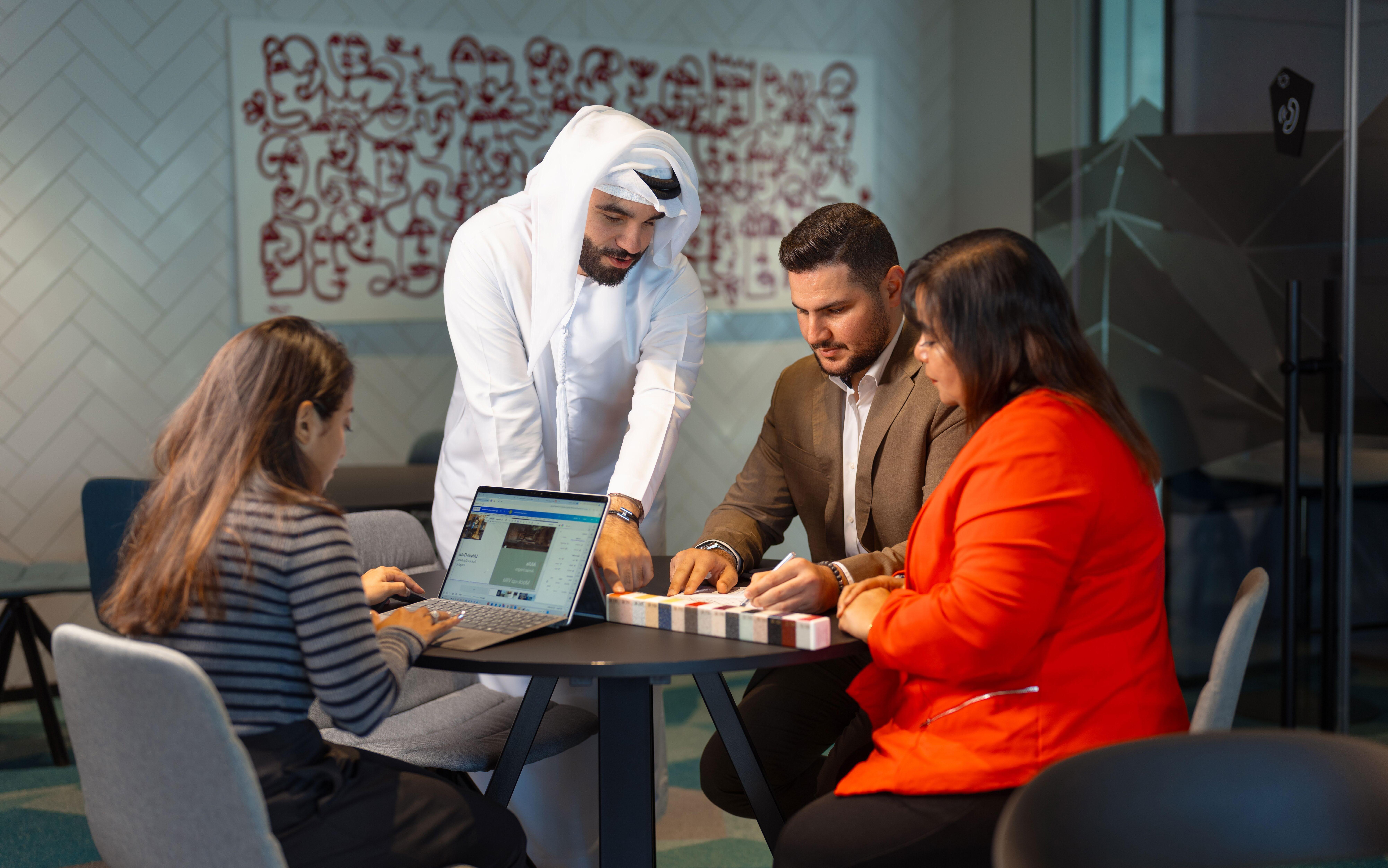
We currently have disability representation within our production team, reflecting our commitment to inclusive employment practices. In addition, we are actively collaborating with the Ministry of Labour (MoL) to support recruitment drives aimed at expanding opportunities for persons with disabilities. We plan to continue strengthening inclusive hiring initiatives across suitable roles.
Non-discrimination
Our Code of Conduct clearly prohibits all forms of discrimination and affirms our commitment to equal opportunity, fair treatment, and respect for all employees, regardless of gender, nationality, religion, age, or any other personal characteristic.
Pay Parity
We are committed to fair and equitable remuneration practices across our workforce. Pay parity is monitored by comparing the average gross salary of female to male employees, segmented by role level. This analysis helps us identify gaps, understand structural factors, and strengthen equitable pay practices over time.
People and Culture
Workforce Hiring and Turnover
During the reporting period, our hiring and turnover trends reflect a balanced approach to workforce renewal, regional growth, and experience retention. New employee hires were primarily driven by operational requirements in Bahrain and KSA, which together accounted for most new joiners, aligning with our core manufacturing and project delivery activities.
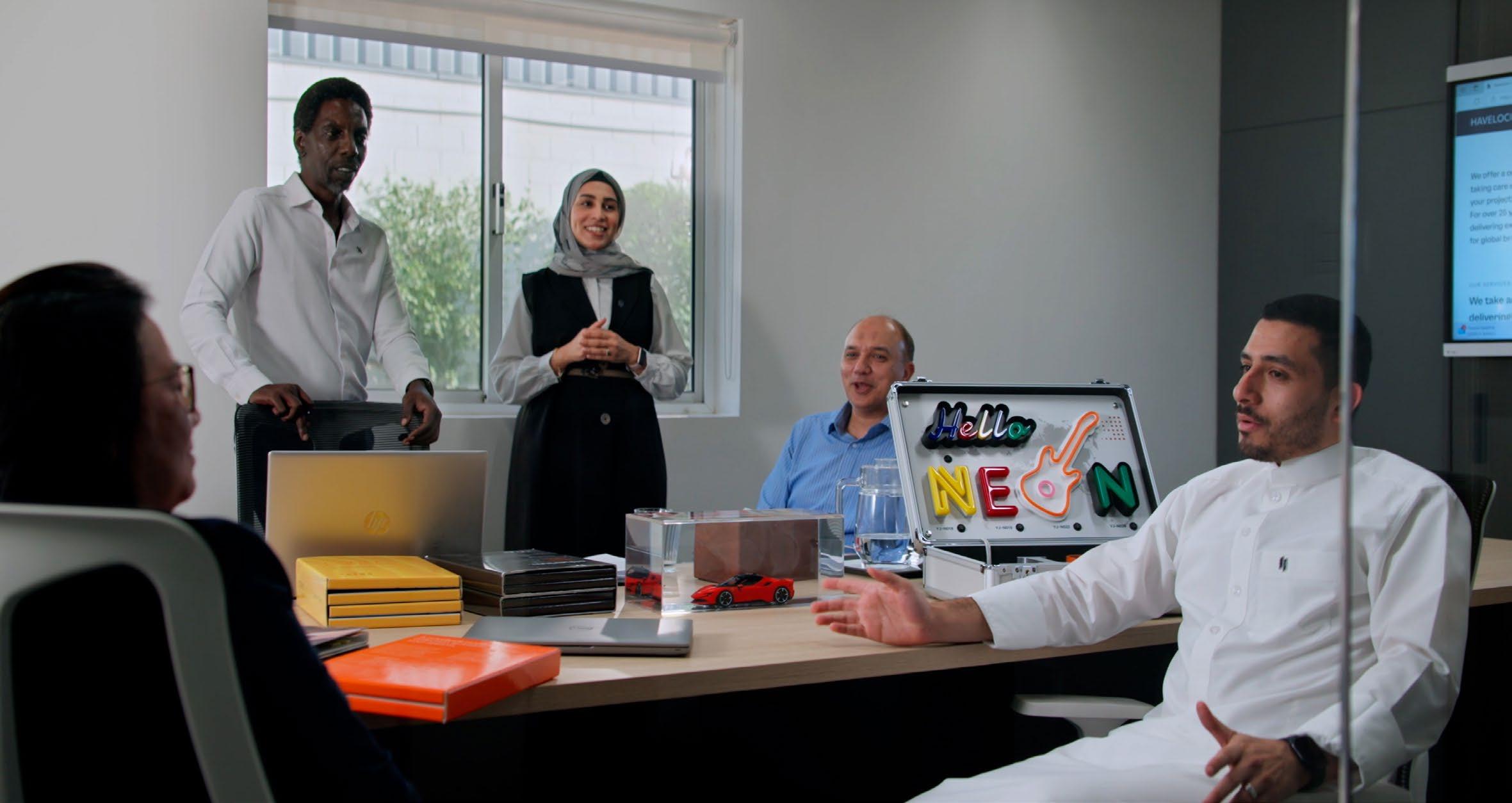
Age -wise, most new hires fell within the 30–50 years category, reflecting a focus on experienced professionals who can contribute immediately to operational effectiveness. At the same time, a meaningful proportion of hires under 30 years supports early career talent development and long term succession planning. Employee turnover followed a similar age distribution, with no disproportionate attrition observed across age groups.
People and Culture
Employee Benefits
We provide a comprehensive benefits framework designed to support employee well-being, health, and financial security. At our organisation, there are no part time employees, and for the purpose of data disclosure, employees working from India and the Philippines are considered temporary.
Apart from stock ownership and retirement provision, which are not applicable, benefits related to health, insurance, and leave entitlements are provided consistently to both full time and temporary employees.
Key benefits available include:
Parental Leave
We recognise the importance of parental leave in supporting family well-being and enabling employees to balance professional and personal responsibilities. Parental leave entitlements are provided in accordance with applicable regulations and company policy.
During the reporting period:
A total of 22 employees were entitled to parental leave (18 male and 4 female employees). Of these, 100% took parental leave during the year. All employees who took parental leave returned to work following the end of their leave. Return-to-work rates were 100% for both male and female employees.
In addition, expatriate employees, whether full-time or temporary, receive visa sponsorship and travel ticket benefits in line with company policy. This approach ensures employees across employment categories have access to essential benefits that support their health, well-being, and work–life balance.
A total of 22 employees were entitled to parental leave (18 male and 4 female employees)
People and Culture
Employee Engagement and Well-being
Women-Based Initiatives (Sadeeqati)
International Women’s Day was marked across all offices through health-focused engagement led by a gynaecologist from a leading hospital. The session provided valuable insight into women’s health and well-being. We also celebrated peer recognition via our Mashkoor online platform.
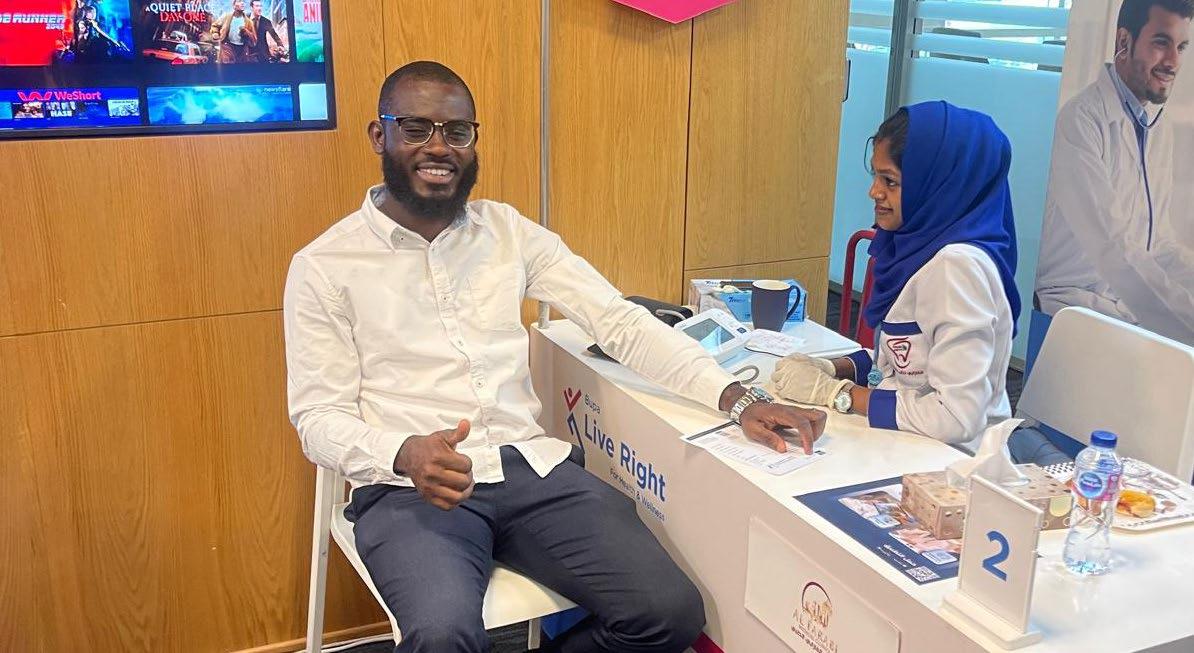
The annual Breast Cancer Awareness session engaged over 70 women employees, promoting early screening, preventive care, and open dialogue on women’s health. The session addressed common myths and fostered meaningful interaction, with participants sharing personal experiences in a supportive environment. Many employees also registered for the free ultrasound screening, taking proactive steps toward their health.
Health and Wellness Programmes
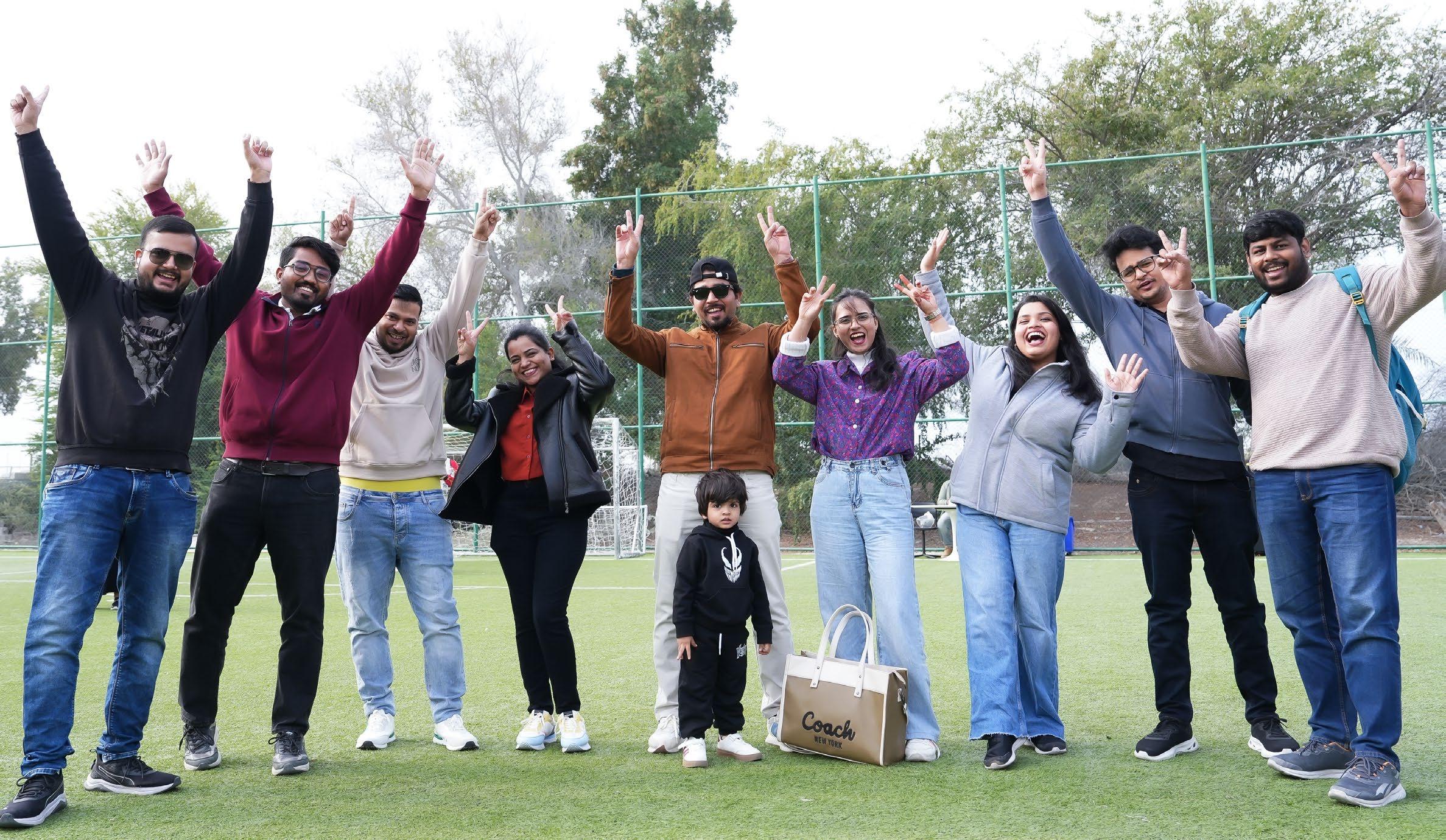
Employees and their families participated in multiple well-being initiatives across regions, including sports tournaments, community fitness events, stress management workshops, and wellness sessions. These programmes supported physical activity, mental well-being, social connection, and inclusive participation across our workforce.
Mashkoor Programme
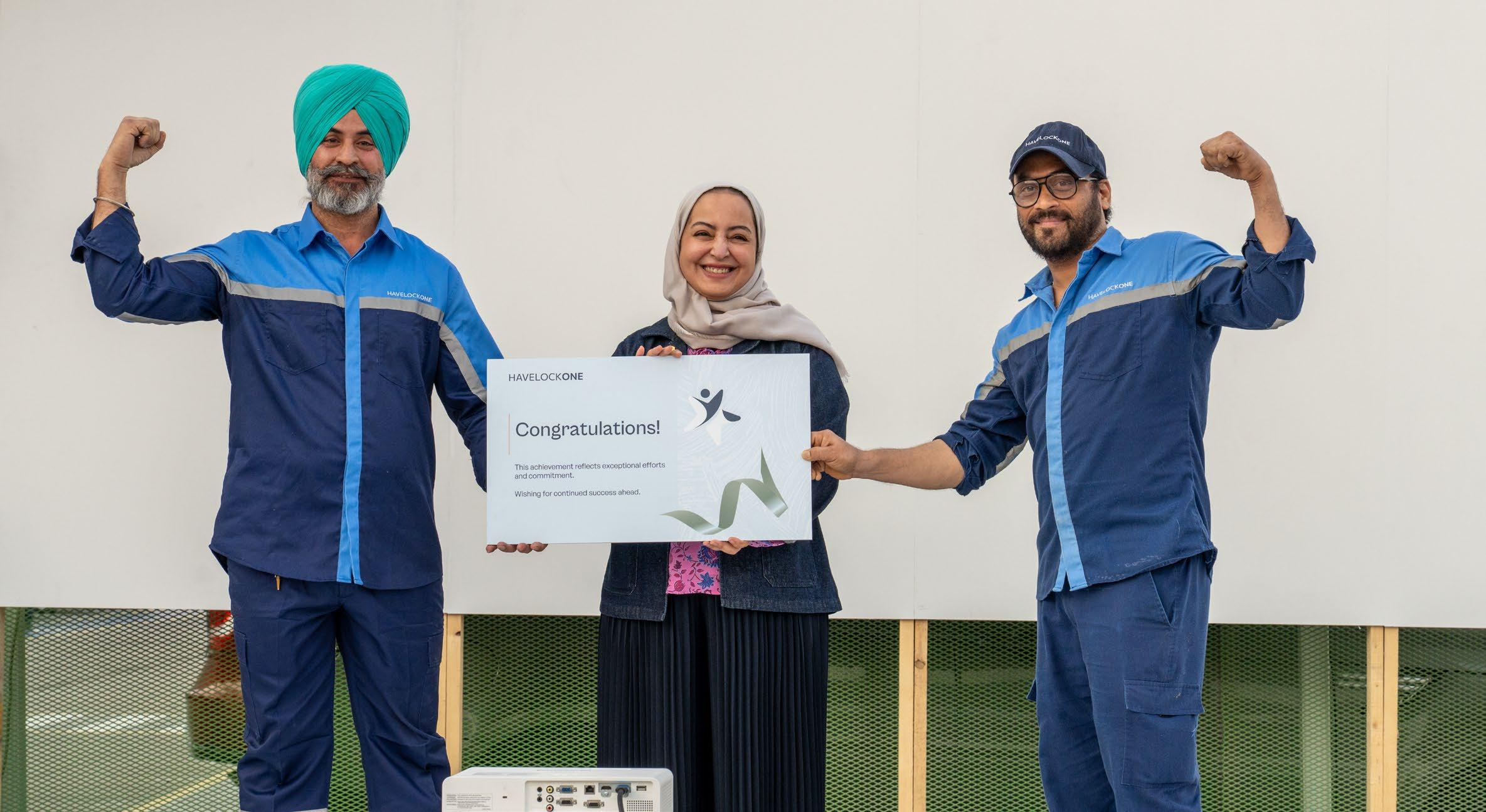
Our employee recognition programme, Mashkoor (meaning “Thank you” in Arabic), is a structured, group wide initiative designed to recognise and celebrate the contributions, performance, and service of our employees across all locations and functions.
Mashkoor is implemented at the group level and covers all employee categories, including office based staff, factory employees, and site teams, ensuring inclusive and equitable recognition across the organisation.
Through Mashkoor, we aim to:
• Recognise exceptional performance and positive behaviour
• Celebrate service milestones and long term commitment
• Reinforce a culture of appreciation, motivation, and engagement
Recognition Framework
Our Mashkoor programme includes multiple award categories tailored to different roles and employee groups, including:
• Achiever Awards for performance and behaviour
• Spot Awards for immediate recognition of specific contributions
• Service Milestone Awards to recognise tenure and loyalty
• Safety and Star-of- the-Month awards, including factory and site-based recognition
These awards are applicable across staff and worker categories, with recognition extended beyond office based roles to include factory and site teams.
Employee Communication
Effective internal communication is essential to employee engagement, safety, and operational continuity. We operate multiple structured communication channels, each with a dedicated purpose and mailbox, ensuring clarity, responsiveness, and inclusivity.
Communication Framework
Our communication framework is designed to ensure:
• Clear ownership through dedicated mailboxes
• Targeted messaging for relevant employee groups
• Consistent formats for easy identification
• Timely responses and accountability
Key Communication Channels
1. HR Communication: Employee lifecycle updates, onboarding, training, appraisals, engagement initiatives, and events
2. Admin Communication: Regional updates, holidays, government notifications, and work timing changes
3. IT Communication: System updates, security alerts, software rollouts, and help-desk support
4. Leadership and Organisational Communication: Strategic updates, organisational changes, leadership messages, crisis communications, and code of conduct matters
5. Safety Communication: Safety notices, drills, and compliance reminders
6. Other Dedicated Channels:
• Covid mailbox
• Family Open Day requests
• My-query (employee benefits and queries)
• Training mailbox
• Mashkoor (awards and recognition)
• PMS (performance management communication)
• Help-desk (event-specific contingencies)
• Travel Desk
• Fuel inquiries
• Medical insurance support
Employee Voice and Grievance Mechanisms
We maintain structured mechanisms to ensure employee concerns are heard, addressed, and resolved fairly. During the reporting period, eight employee grievances were reported, all of which were successfully addressed and closed through established grievance handling processes.
Talent and Development
Our people are at the heart of our success. We are committed to building a skilled, diverse, and future -ready workforce by investing in structured learning pathways, early talent engagement, inclusive employment practices, and transparent communication. Through strong partnerships with governments, universities, and academic institutions, we aim to nurture talent, support national workforce development, and strengthen long-term employability across the regions in which we operate.
Training
In 2025, we delivered 1,063 training programmes, amounting to 3,160 training hours across the organisation. 36% men and 40% women took trainings.
1,063
Total
3,160 Total
Internal Mobility and Career Progression
We actively encourage internal career growth and mobility. In 2025:
• 128 employees were promoted across the organisation
• One lateral movement took place through a UAE transfer
10.64
Our approach ensures fair and inclusive access to training opportunities for employees across genders and job levels. We offer a range of optional training courses and development opportunities, allowing employees to participate based on their individual development objectives and business requirements.
Performance and Career Development Reviews
We ensure regular and meaningful performance conversations across the organisation. During the reporting period, 100% of our employees, across all genders and employee categories, received a performance and career development review, reinforcing our commitment to continuous feedback, transparency, and growth.
Skill Development Programmes and Learning Platforms
We offer a mix of structured programmes and flexible learning opportunities to upgrade employee skills.
Key programmes implemented include:
• Managerial Skill Effectiveness Programme (MSEP)
• Taqadam online learning platform
• Role based learning paths assigned based on:
o Probation evaluations
o Performance Management System (PMS) outcomes
o Work enhancement requirements
o Project management, leadership, technical, professional development, and employee wellness needs
of our employees, across all genders and employee categories, received a performance and career development review
People and Culture
Transition and Employability Support
To support continued employability and career transitions, we provide need based learning and development support. This includes:
• Copilot and AI training, including targeted programmes for local talent
• English language courses
• Professional and technical certifications such as FIDIC, LEED, Lead Auditor, and safety certifications
Manager Enablement – M-POWER Initiative
We launched M-POWER (Manager’s Tool for Empowerment) to strengthen engagement and workplace culture. This initiative gives our managers the flexibility to plan and execute team activities without lengthy approval processes.
Through M-POWER, we enable managers to:
• Create engaging team events, celebrations, and get togethers
• Foster togetherness, well-being, and collaboration
• Strengthen a culture of trust, ownership, and inclusion
We believe M-POWER empowers our managers to enhance “One-ness” across teams as we continue to be recognised as a Great Place to Work and an Employer of Choice.
Early Talent Development and Structured Training Programmes
Apprenticeship Programme
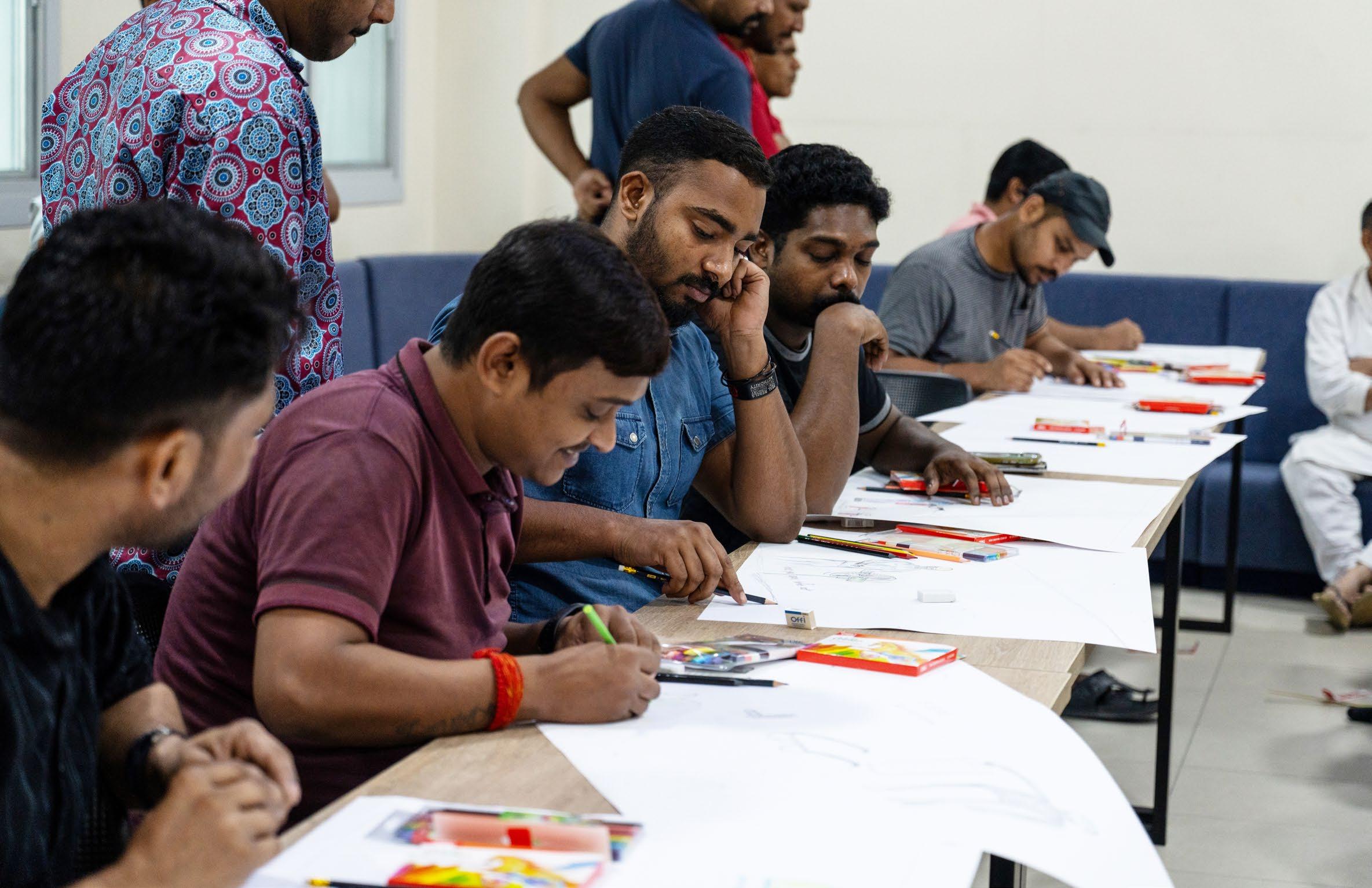
We actively support vocational education and hands on skill development through our apprenticeship programmes. In 2025, we on-boarded eight apprentices in Polishing and Assembly functions from Bahrain Polytechnic. This programme is delivered in collaboration with the institute and provides practical, on the job training aligned with academic learning outcomes, supporting local workforce development and employability.
Graduate Engineer Trainee (GET) Programme
Our programme is designed to attract and develop early career engineering talent from both local and international universities across the GCC and India. Through Structured rotations,
mentorship, and exposure to real world projects, the programme builds technical capability, leadership skills, and operational understanding, creating a strong pipeline of future engineering professionals.
Internship Programme
As part of our commitment to academic collaboration and early career exposure, we offer internship opportunities to students as part of their formal education requirements. In 2025, we provided internship placements to five students across Bahrain and Saudi Arabia, enabling them to gain practical industry experience while supporting their academic progression.
Campus Recruitment and Career Outreach
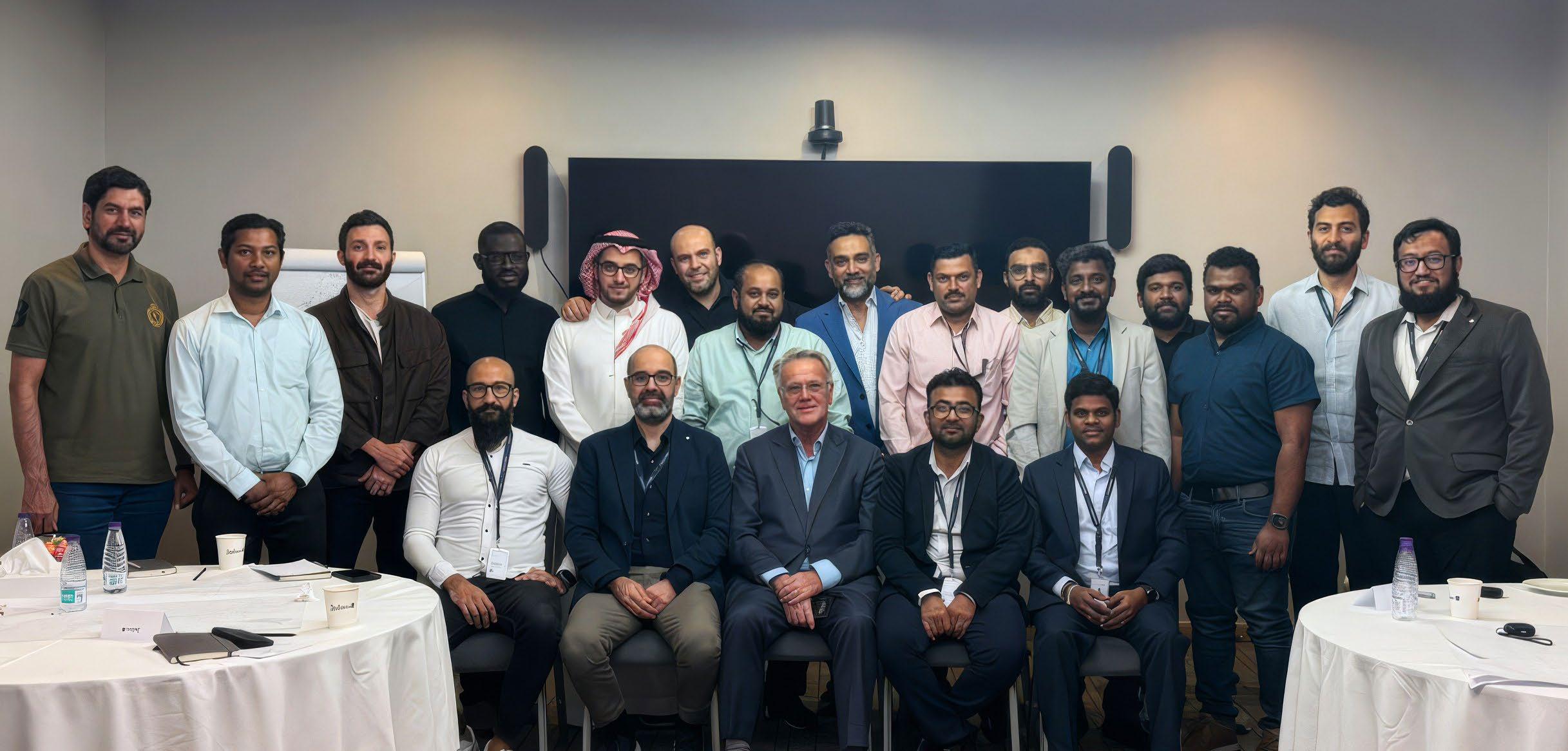
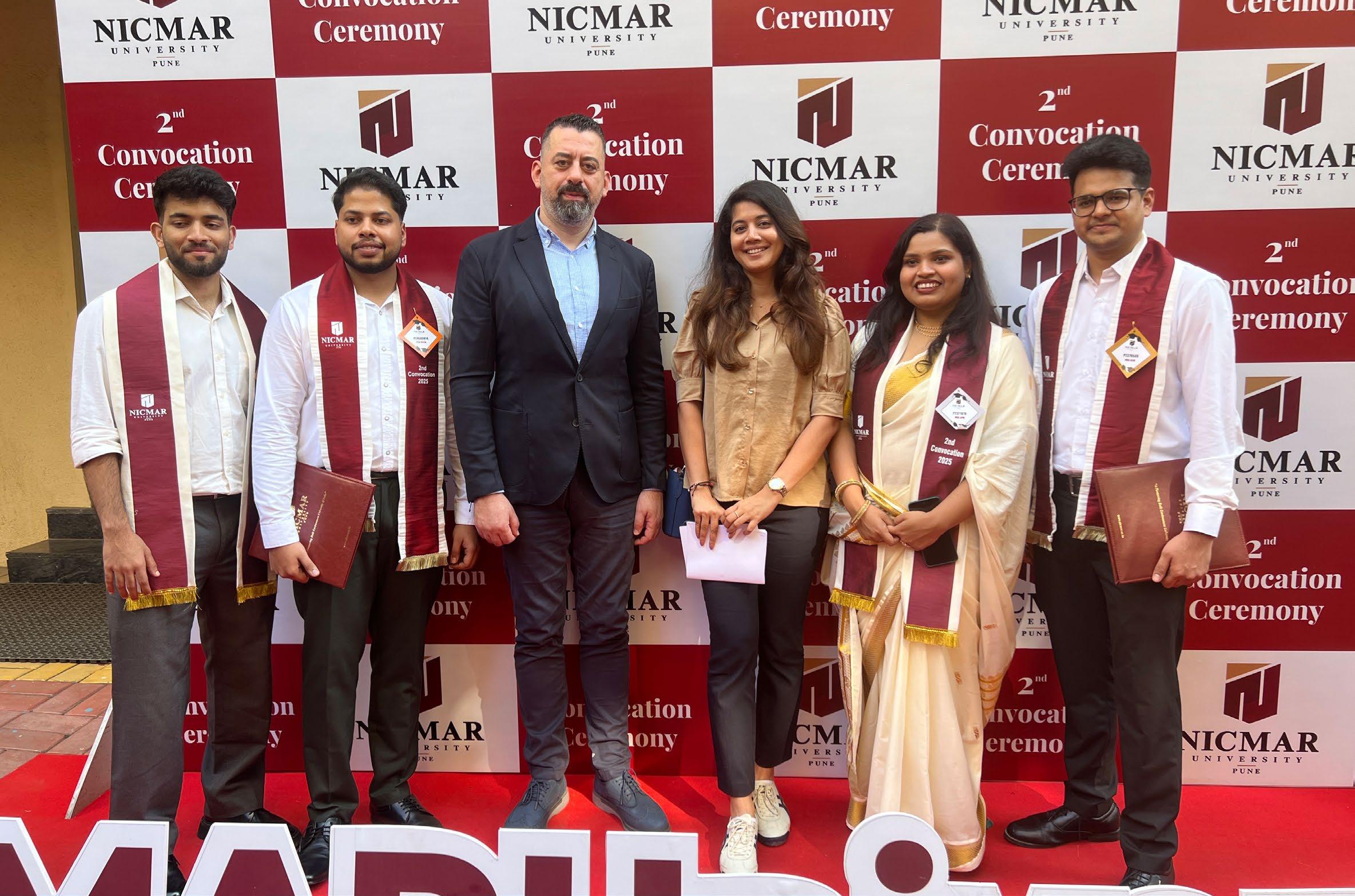
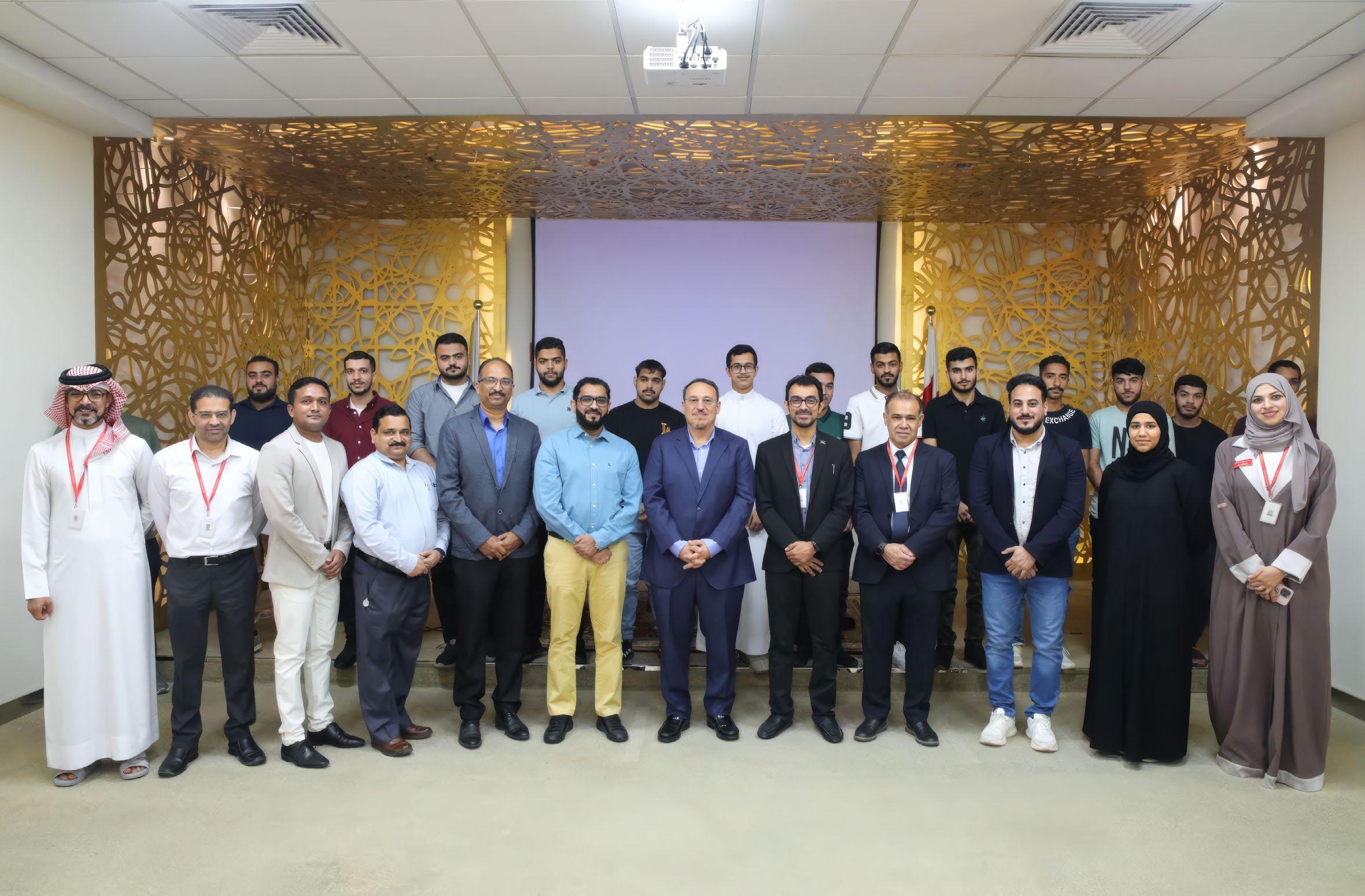
In 2025, we significantly expanded our campus outreach efforts to engage with diverse student talent across multiple geographies. Our recruitment teams participated in campus recruitment drives and career fairs across the following institutions:
1. Bahrain: Applied Science University (ASU), Bahrain Polytechnic
2. India: NICMAR, College of Engineering Pune (COEP)
3. Lebanon: Lebanese American University (LAU)
4. UAE (Dubai): American University in the Emirates (AUE)
As a result of these initiatives, we on boarded a total of 26 new joiners through campus recruitment during the year. These efforts support workforce planning while strengthening relationships with academic institutions across regions.
Industry–Academic Engagement and Partnerships
Student Industrial Visits
We actively engage with academic institutions to provide students with early exposure to industry environments. During the reporting period, students from three universities visited our production facilities as part of structured learning initiatives:
Strategic Academic Collaboration (MoU)
new joiners onboarded through campus recruitment
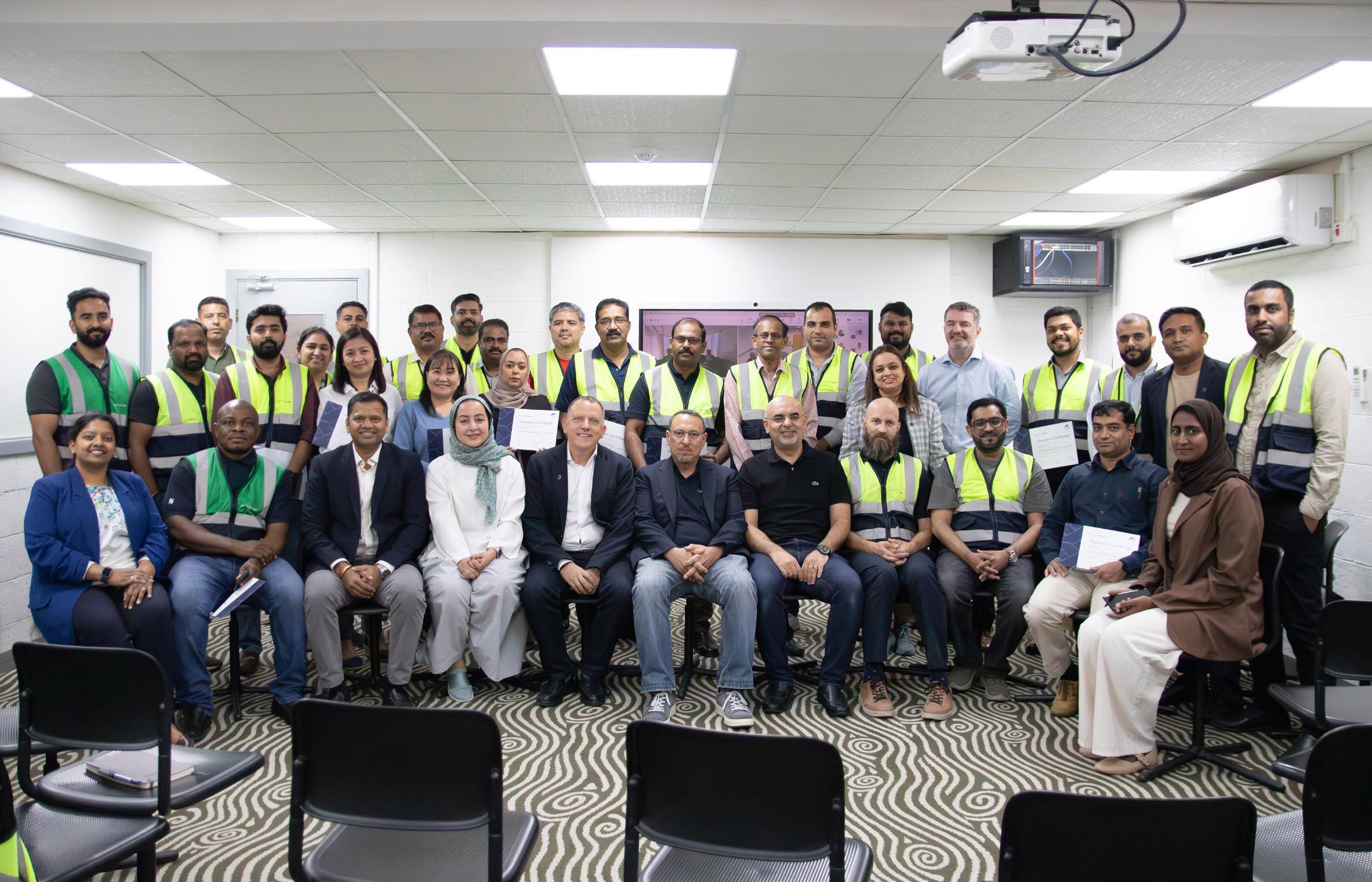
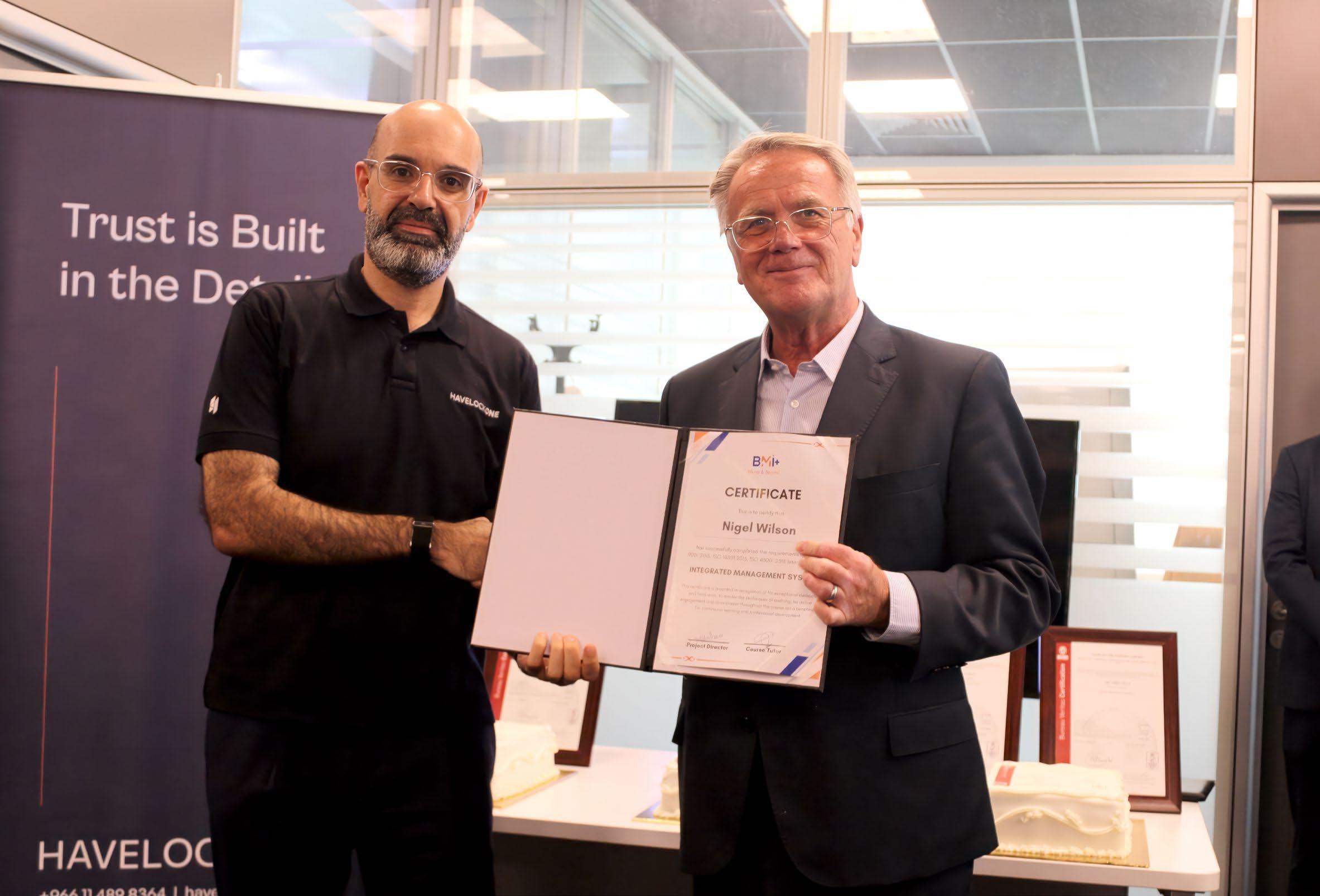
We have signed a Memorandum of Understanding (MoU) with NICMAR University, Pune, establishing a strategic collaboration focused on recruitment, knowledge sharing, skill-building programs, research exchange, and hands- on training opportunities. We have been collaborating with NICMAR University for over 10 years, reflecting a long-standing commitment to industry-academia engagement and talent development.
Data-Driven Talent Management and Assessments
We are in the exploratory phase of adopting AI- driven talent analytics, using AI-based tools to review candidate profiles and enhance the efficiency and quality of our screening processes.
To support leadership development and role fitment, we use psychometric and personality assessments at different organisational levels:
• Hogan Assessments for managers and above
• Personality assessments offered by Naukri for senior professionals and Assistant Manager to Manager levels
• These tools support objective talent evaluation, leadership development, and succession planning.


Occupational Health and Safety
Our Approach to Occupational Health and Safety
Occupational Health and Safety (OH&S) is a critical priority for our organisation due to the nature of our manufacturing operations, which involve machinery, fabrication processes, material handling, and on-site activities. We are committed to providing a safe, healthy, and secure working environment for all employees and workers operating under our control, including contractors.
We have established and implemented a comprehensive Occupational Health & Safety Management System (OHSMS) across the organisation.
The system is implemented to comply with applicable national legal and regulatory requirements and is supported by maintained legal registers. In addition, the OHSMS is developed with reference to internationally recognised standards and guidance, including ISO 45001, relevant OSHA principles, and applicable local regulations.
The scope of the OHSMS covers all employees and workers whose activities and workplaces are under the organisation’s operational control, including manufacturing facilities, project sites, warehouses, and offices. The detailed scope statement is developed and maintained by the Health and Safety Department.
Hazard Identification, Risk Management and Incident Investigation
We conduct hazard identification and risk assessments for both routine and non-routine activities through an established inspection and risk assessment regime led by our Health and Safety Department. We apply the hierarchy of controls to eliminate hazards wherever possible and to minimise risks where elimination is not feasible.
The effectiveness and quality of these processes are ensured through competent HSE personnel, documented risk assessments, regular supervisor reviews, periodic workplace inspections, and refresher training for personnel involved in risk identification and assessment.
Findings from inspections, near miss reports, incident investigations, and audits are reviewed by management and used to update control measures, procedures, training programmes, and action plans. This structured review process supports the continual improvement of our Occupational Health and Safety Management System (OHSMS).
Aspect Description
Management system implemented Yes
Basis of implementation
Legal requirements and recognised standards
Standards referenced ISO 45001, OSHA principles, local regulations
Scope coverage
Exclusions
All employees and workers under operational control
None
People and Culture
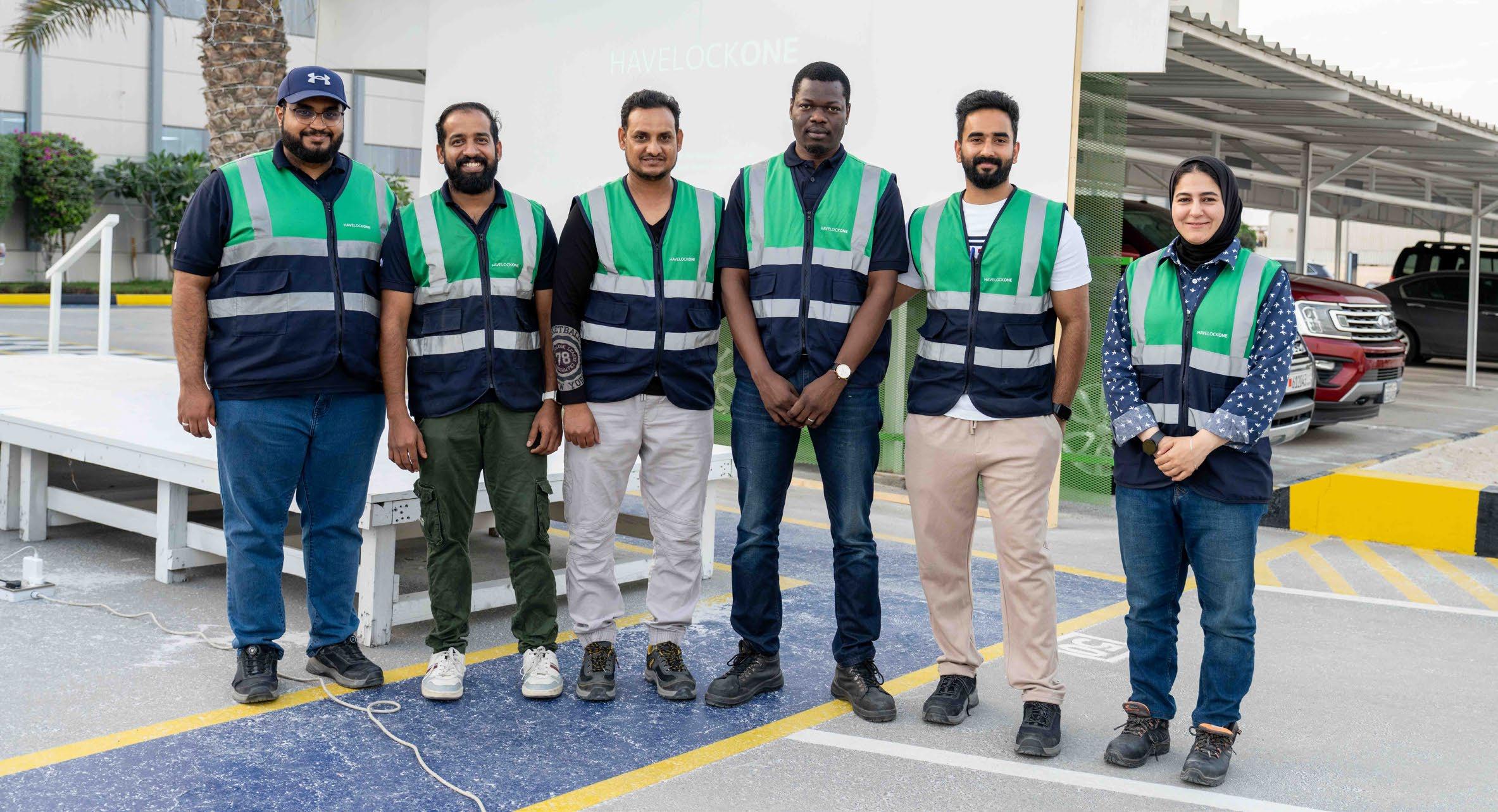
We encourage workers to report hazards and unsafe conditions through established feedback mechanisms and maintain a noretaliation approach for good-faith reporting. Workers are also empowered to stop work and remove themselves from situations they believe may pose a risk to their health or safety. All work-related incidents are investigated using a formal accident reporting and investigation procedure. These investigations focus on identifying root causes, determining corrective actions using the hierarchy of controls, and strengthening the effectiveness of our safety systems.
Worker Well-being, Health Services and Participation
Occupational Health Services
Our occupational health services support the identification and control of health risks and contribute to overall worker well-being. These services include medical checkups, first aid and treatment, fitness-for-work assessments, and health-related advice.
Access to occupational health services is facilitated through onsite first aid and medical arrangements, supported by referrals to approved healthcare providers where required. Service quality is maintained through approved providers and structured management processes.
Worker Participation, Consultation and Communication
Worker participation is embedded within our OHSMS. We actively consult employees during the development, implementation, and evaluation of health and safety procedures and encourage open feedback on OH&S matters.
Formal joint management-worker health and safety committees operate in accordance with established procedures. These committees support consultation, information sharing, and monitoring of OH&S performance. All worker groups are represented, and no workers are excluded from participation mechanisms.
Promotion of Worker Health and Well-being
In addition to occupational health services, we provide access to non-occupational healthcare through medical insurance coverage, approved clinics and hospitals, emergency medical assistance, and referral support.
We also offer voluntary health promotion initiatives aimed at addressing non-work-related health risks. These include wellness awareness programmes, hygiene campaigns, periodic health checks, and well-being initiatives designed to encourage early medical attention and healthy lifestyles.
OH&S Impacts in Business Relationships
We manage occupational health and safety impacts linked to contractors and other business relationships through structured controls. These include contractor prequalification processes, safety inductions, risk assessments, permit-to work systems, site supervision, and ongoing monitoring of contractor safety performance.
These measures help prevent and mitigate significant OH&S risks that may be directly linked to our operations, products, and services.
Workers Covered by the OH&S Management System
Our Occupational Health and Safety Management System is ISO 45001 certified and applies to all employees and workers under our operational control.
People and Culture
Work-Related Injuries
We monitor work related injuries for both employees and non employees under our operational control. During the reporting period, no fatalities or high consequence injuries were recorded.
High-consequence hazards are identified through risk assessments and first aid room analysis. No high consequence injuries occurred during the reporting period.
Risk mitigation measures implemented include:
• Elimination of unsafe tasks
• Substitution with safer materials
• Engineering controls such as machine guards and extraction systems
• Administrative controls including permits to work and toolbox talks
• Mandatory task-specific PPE as the final layer of control
Work-Related-Ill
Health
Work-related health hazards are identified through process and machine-specific risk assessments. Control measures are applied using the hierarchy of controls to minimise exposure and prevent occupational ill health. No workers were excluded from this disclosure.
No cases of work-related ill health or fatalities were recorded for employees or non employees during the reporting period.
Health and Safety Training and Awareness
Leadership Engagement
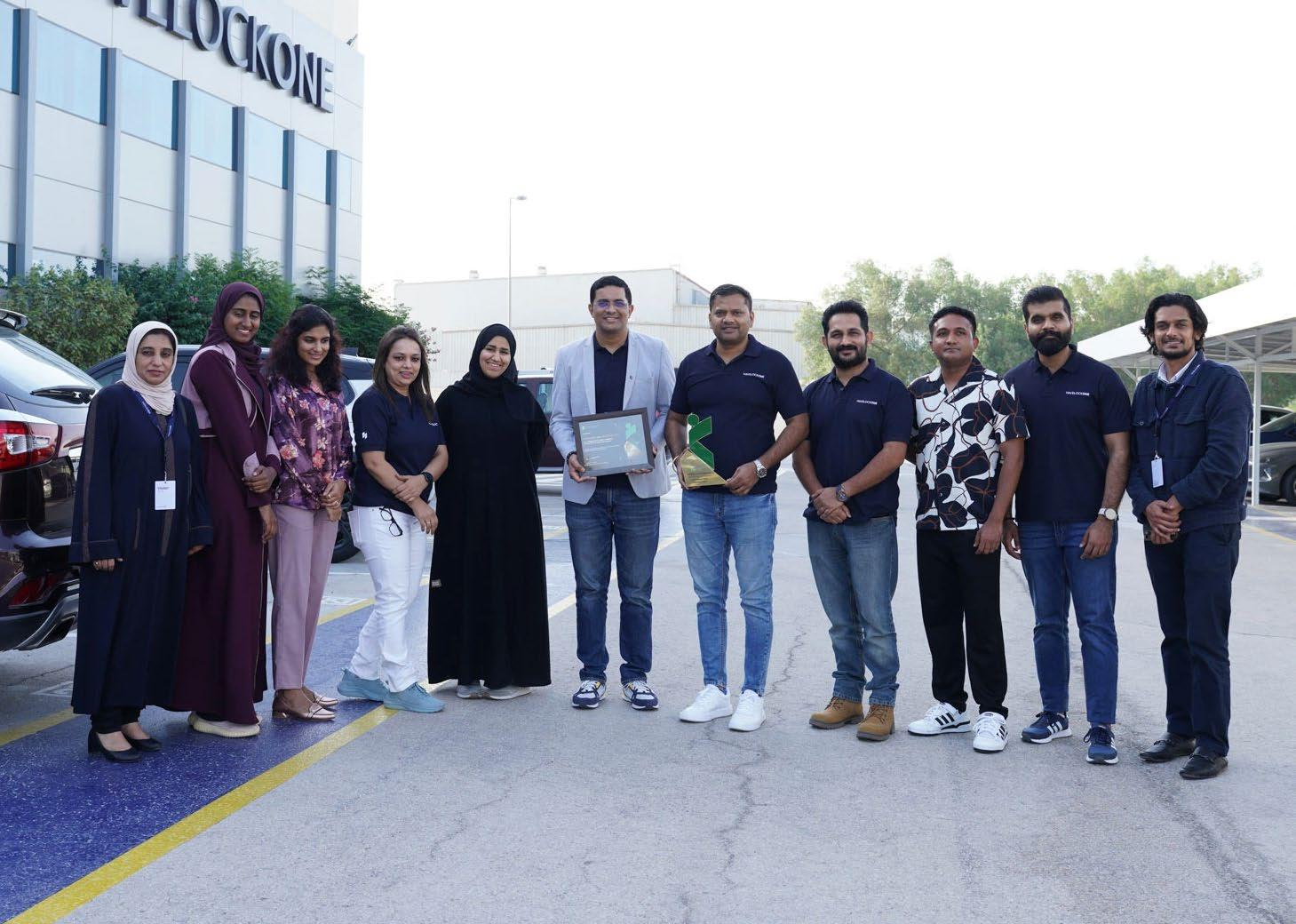
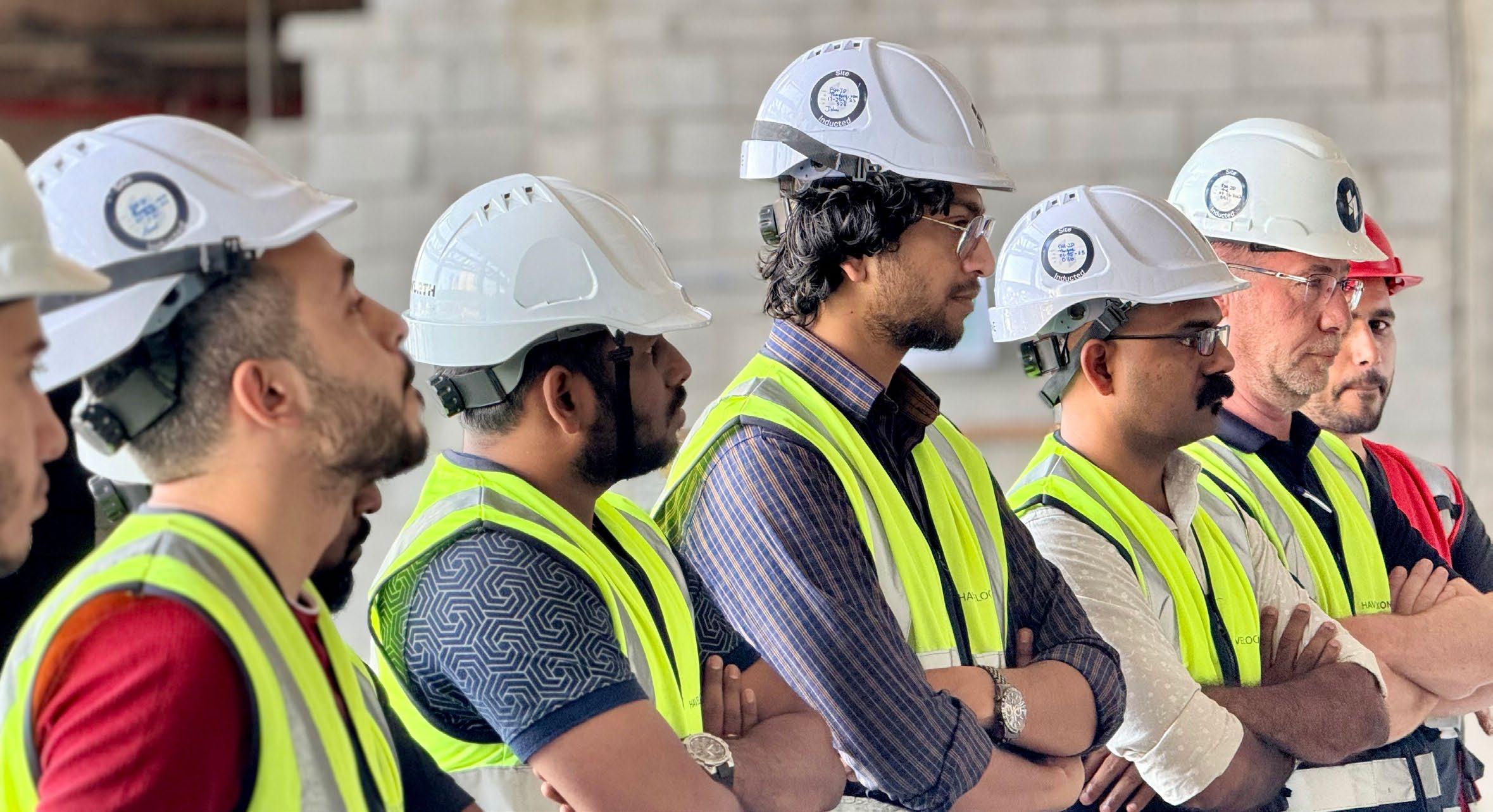
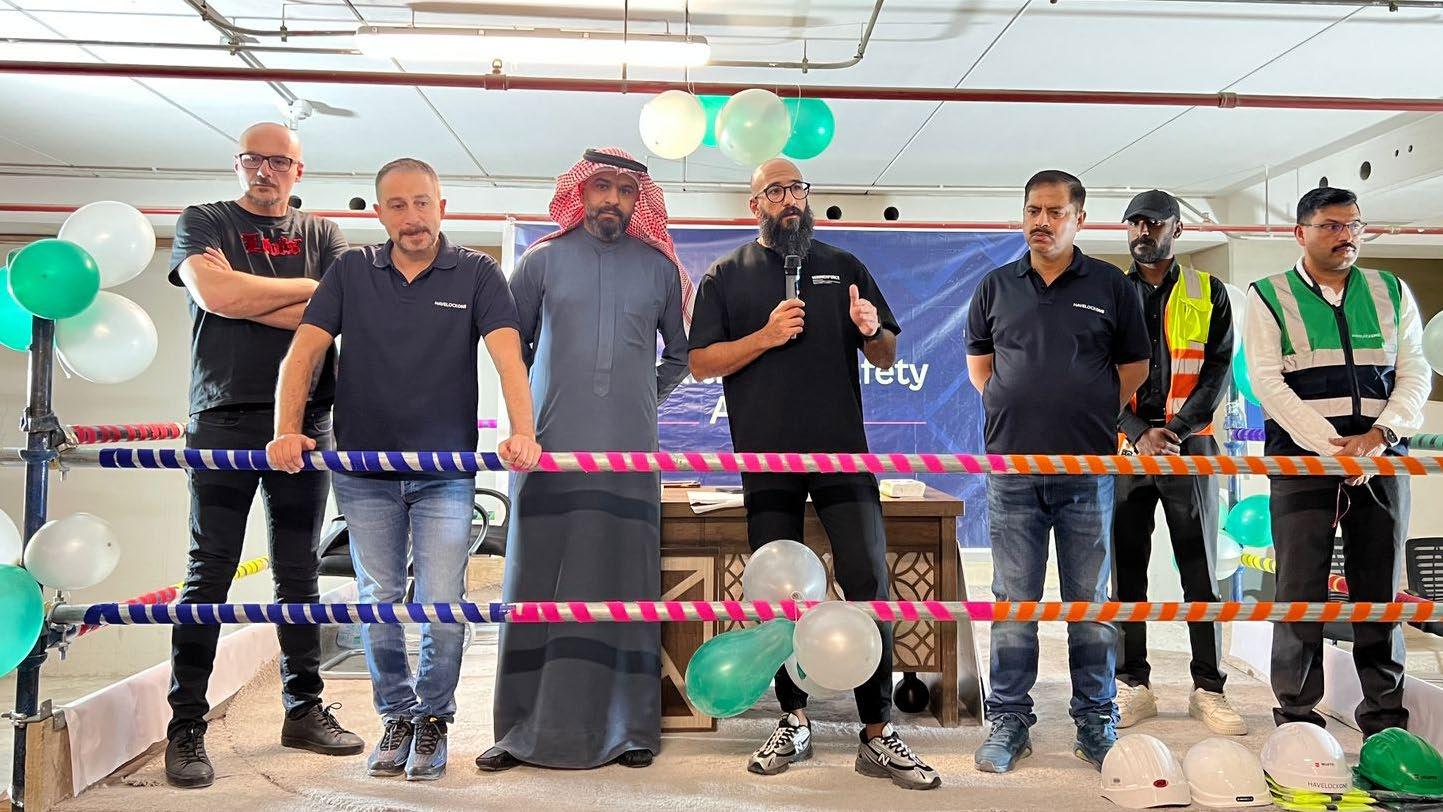
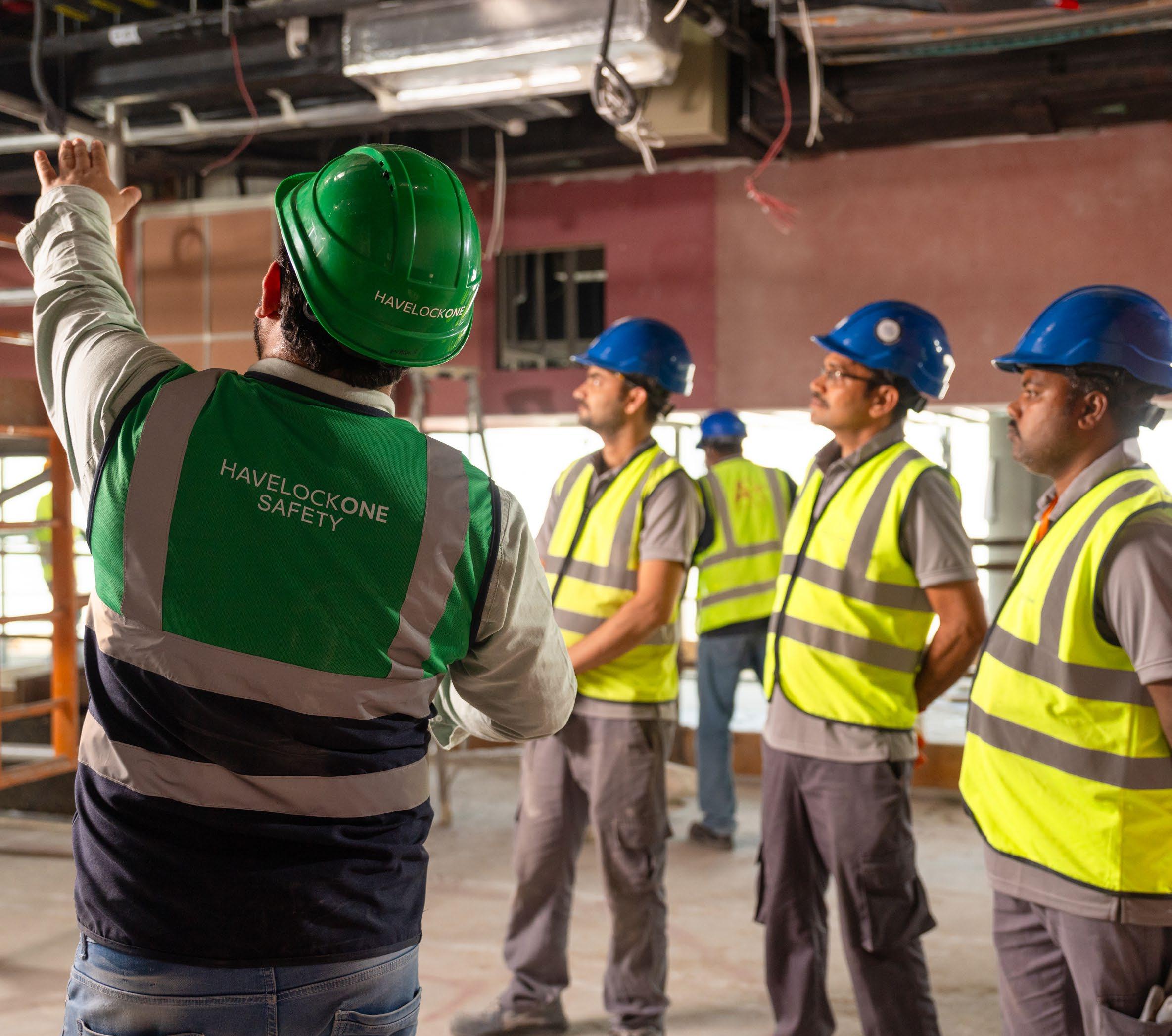
We conducted leadership safety walkthroughs at active project sites, including the AMAALA project, to reinforce our commitment to health, safety, and worker engagement. These walkthroughs enabled direct interaction with site teams, on-ground observation of operations, and timely identification of safety risks and improvement opportunities. Through visible leadership presence, we strengthened communication, reinforced safety expectations, and supported proactive issue resolution to maintain safe and productive working environments.
OH&S Training
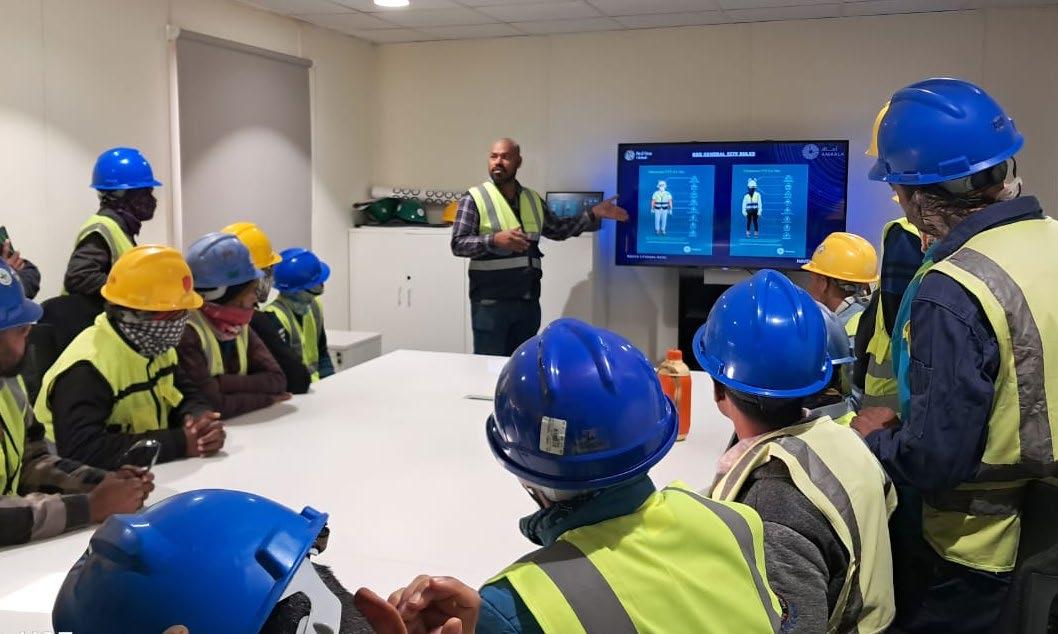
We provide OH&S training to ensure that workers are aware of general safety requirements as well as specific workplace hazards relevant to their roles. Training content is tailored to job functions, activities, and identified risks to reinforce safe work practices across manufacturing and support functions.
Training methods include:
• Toolbox talks
• Video-based safety training
• External training programmes
• Medical and emergency response training
Security Staff
In 2025, we focused our security staff training on access control, visitor management, patrol discipline, and incident reporting to strengthen site safety and operational integrity. Through regular daily
and weekly toolbox talks, we reinforced correct ID verification, vehicle and entry/exit controls, CCTV monitoring, emergency response procedures, data privacy, and professional conduct. Training also emphasised behavioural awareness, including identifying suspicious activity and preventing unauthorised access, ensuring our security teams are well equipped to protect people, assets, and information across factories and accommodation facilities.
Housekeeping Staff
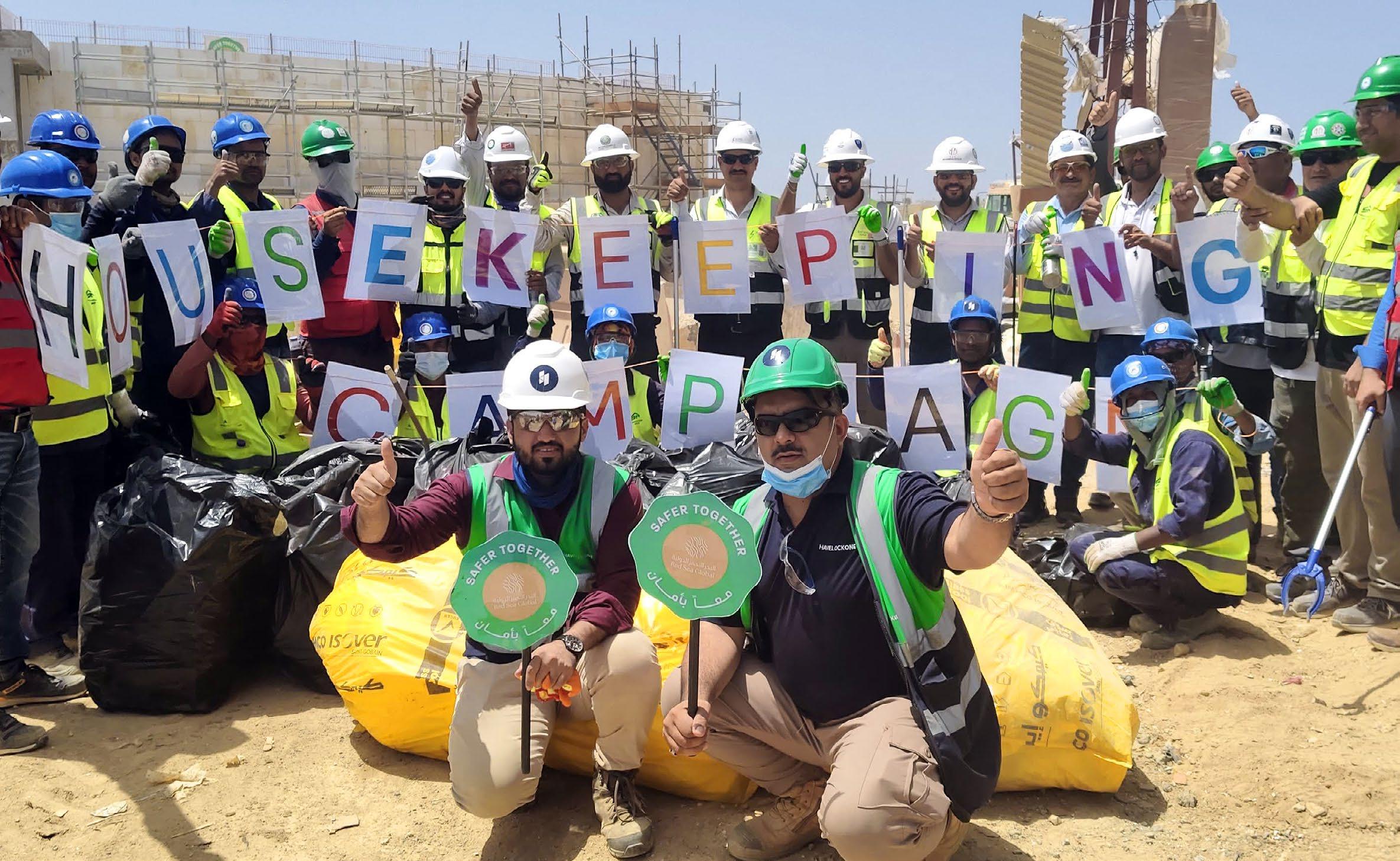
We delivered structured daily and weekly training to housekeeping staff covering personal hygiene, safe cleaning practices, chemical handling, and workplace safety. Key focus areas included PPE usage, hand hygiene, cross-contamination prevention, correct chemical dilution, hazard pictograms, MSDS and COSHH awareness, and safe waste segregation using colour coded systems. We also trained teams on respectful conduct, including protocols for entering sensitive spaces, proper use of safety signboards, and timely reporting of unsafe conditions, supporting a safe, hygienic, and respectful working environment across all sites.
Protecting our Planet

We are working to reduce our impact on the environment by using resources wisely, cutting emissions, and avoiding waste. We look to global best practices on cleaner energy, responsible water use, and better packaging to guide us. Our goal is simple: protect nature today and help build a more resilient planet for the future.

Energy Efficiency and Resource Conservation
Protecting our Planet Water
As part of our environmental performance monitoring, we track water consumption across our key operational locations monthly. This data helps us understand demand patterns, prioritise efficiency actions, and identify opportunities to reduce resource use across our factories and accommodation facilities.
63,394 m³
Total Water Consumption
Water Conservation Efforts
Water conservation is addressed through practical improvements in high-use areas. We replaced conventional valve -type taps with push-pull (self- closing) taps in common worker areas and maintenance zones. These fittings automatically control water flow, reducing unnecessary wastage and improving overall water efficiency.

Surge for Water Campaign
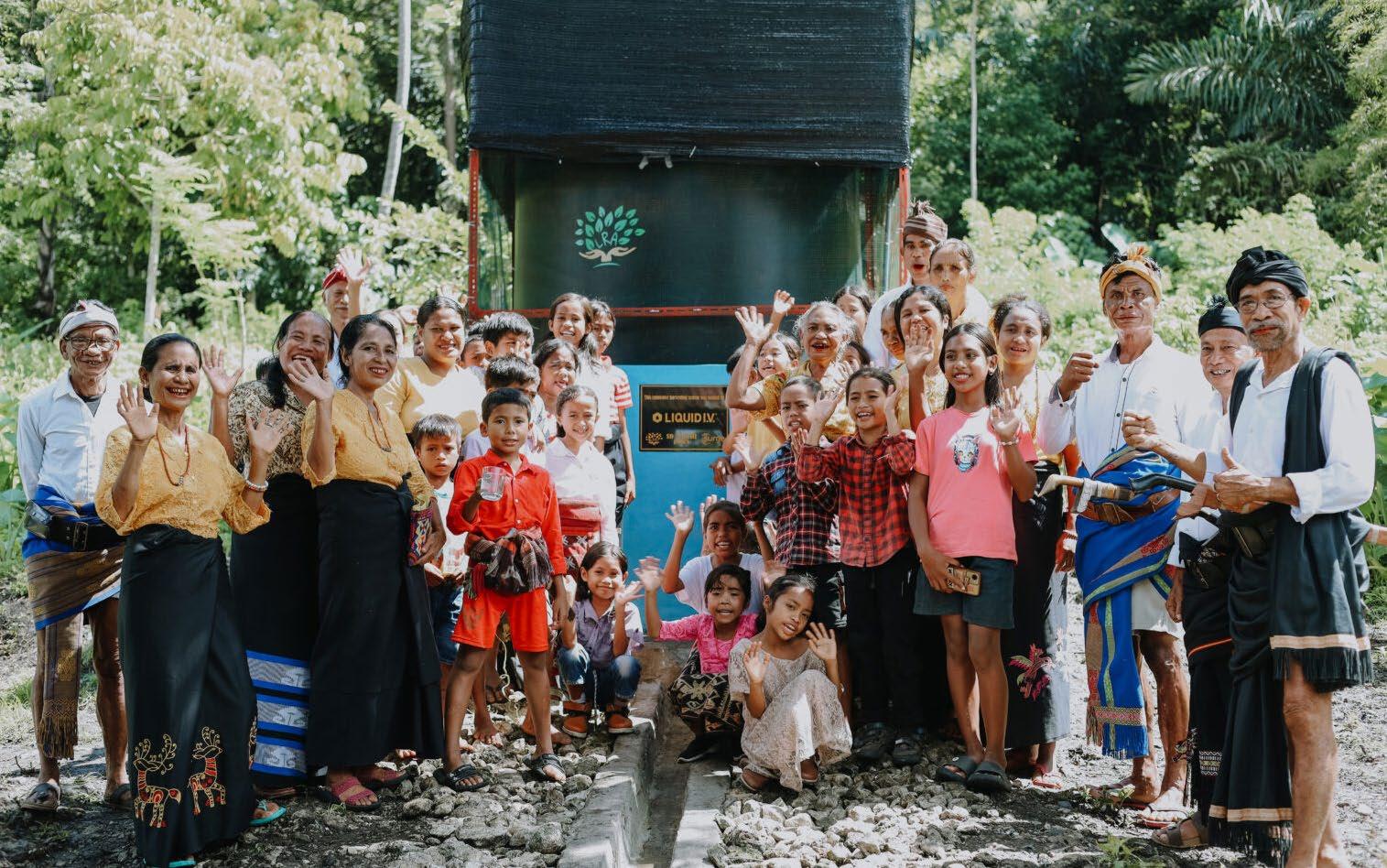
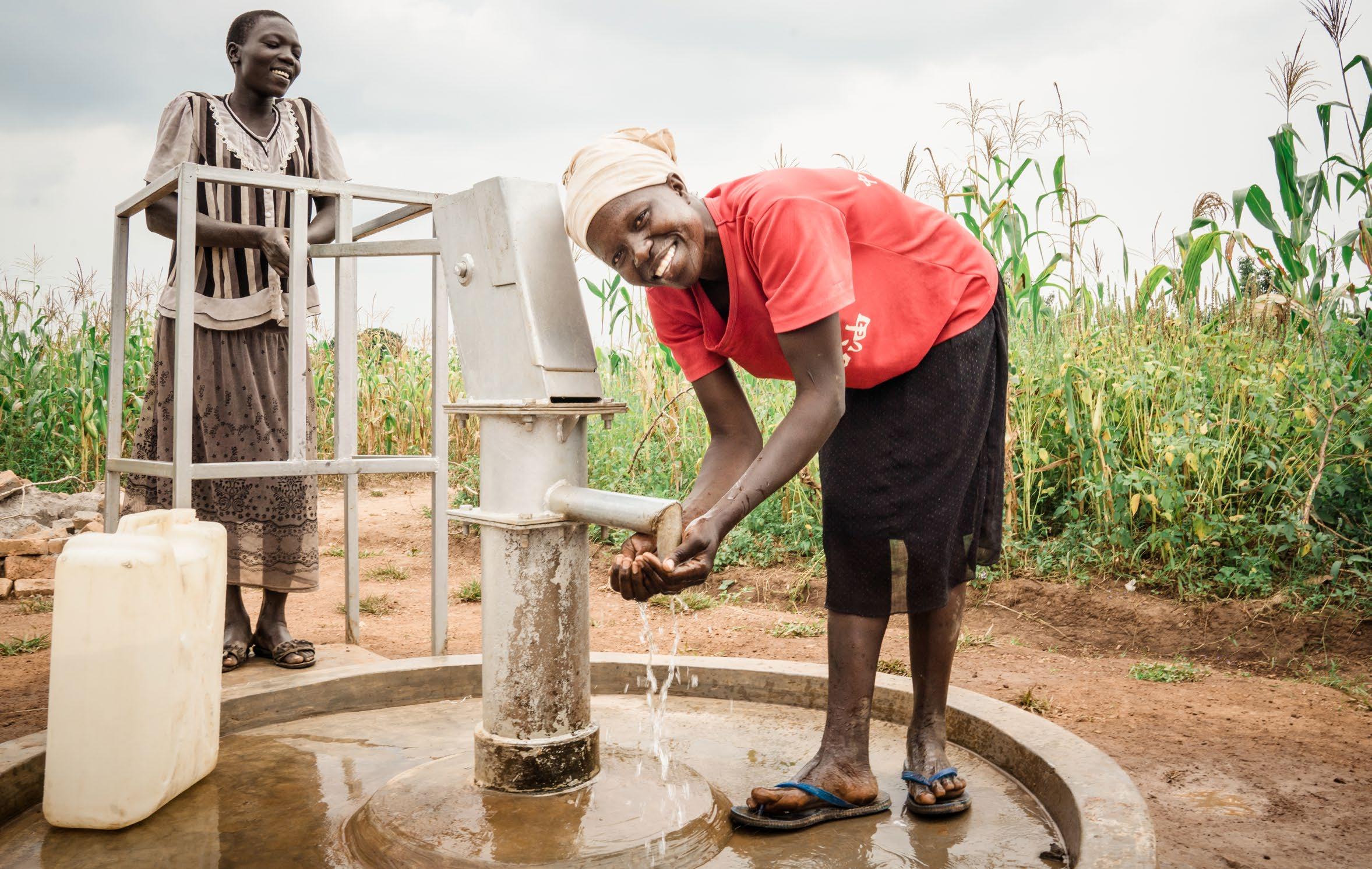
Surge had an ambitious goal to bring safe, clean water to 500 families in Indonesia, and they exceeded the goal by providing 841 families with access to safe water at home.
In 2025, marking our sixth consecutive year of support, we were proud to sponsor the Surge for Water annual gala that united the region’s design community and helped raise AED 1.48 million to expand lifechanging access to water for communities around the world. What began as a modest initiative has grown into a global movement, inspiring collective action and delivering tangible impact where it is needed most. Surge reached 132,354 people through comprehensive Water+ solutions in 2025.
Our electricity consumption is primarily driven by manufacturing activity in our factories. Our South and North factories represent most of the electricity demand due to production loads, machinery usage, and operational utilities. Camps and other facilities contribute smaller shares, reflecting accommodation and auxiliary site requirements.
Electricity Conservation Efforts
Lighting efficiency is a major focus area within our energy conservation efforts. We have upgraded lighting systems in the canteen, selected workplace areas, electrical panel rooms, and office corridors. In office corridors, sensor-based lighting has been introduced to reduce energy use during unoccupied periods.
A significant initiative during the reporting period involved replacing 243 fluorescent light fittings with energy efficient LED light fittings.
kW per hour This replacement has resulted in an energy reduction of approximately
Contributing to lower electricity consumption and reduced indirect emissions, while maintaining appropriate illumination levels for safe and efficient operations.
Protecting our Planet
In addition to completed upgrades, we are planning a factory-wide replacement of the existing conventional lighting system with highefficiency LED High Bay Lights. This planned initiative is expected to enhance visibility, reduce power usage, extend lighting lifespan, and lower heat generation within factory spaces. Quotations have been received and will be submitted to management for review and approval.
Solar Energy at Camps
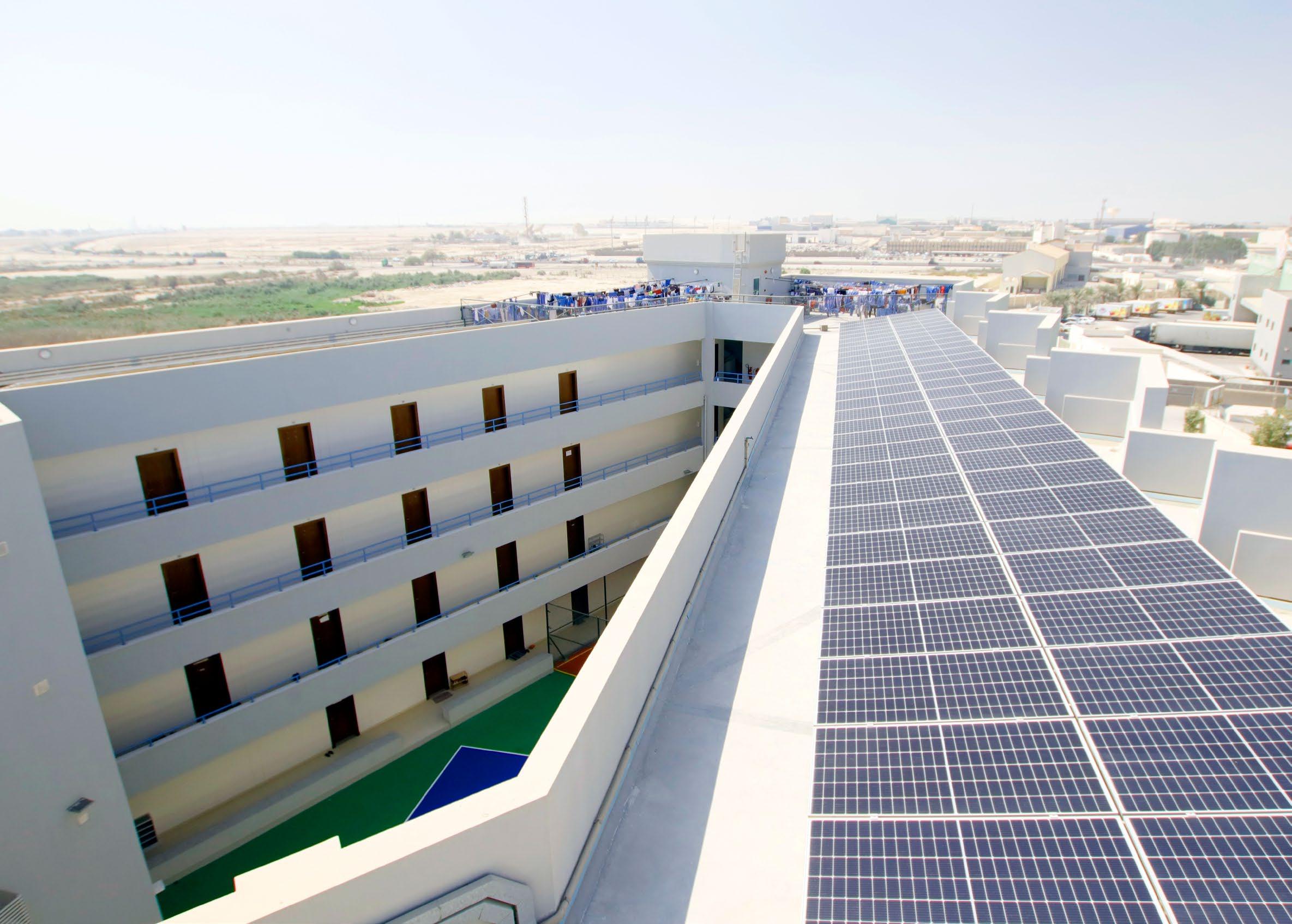
We have installed solar panels at our camp facility in Bahrain as part of our commitment to utilising renewable energy and reducing dependence on grid electricity. This initiative supports environmental protection by harnessing natural resources while contributing to lower power consumption and associated emissions. Our on-site solar system has demonstrated consistent performance over recent years.

This upward trend reflects improved system utilisation and reinforces the role of renewable energy in meeting a portion of our operational energy demand.
Fuel Conservation Efforts
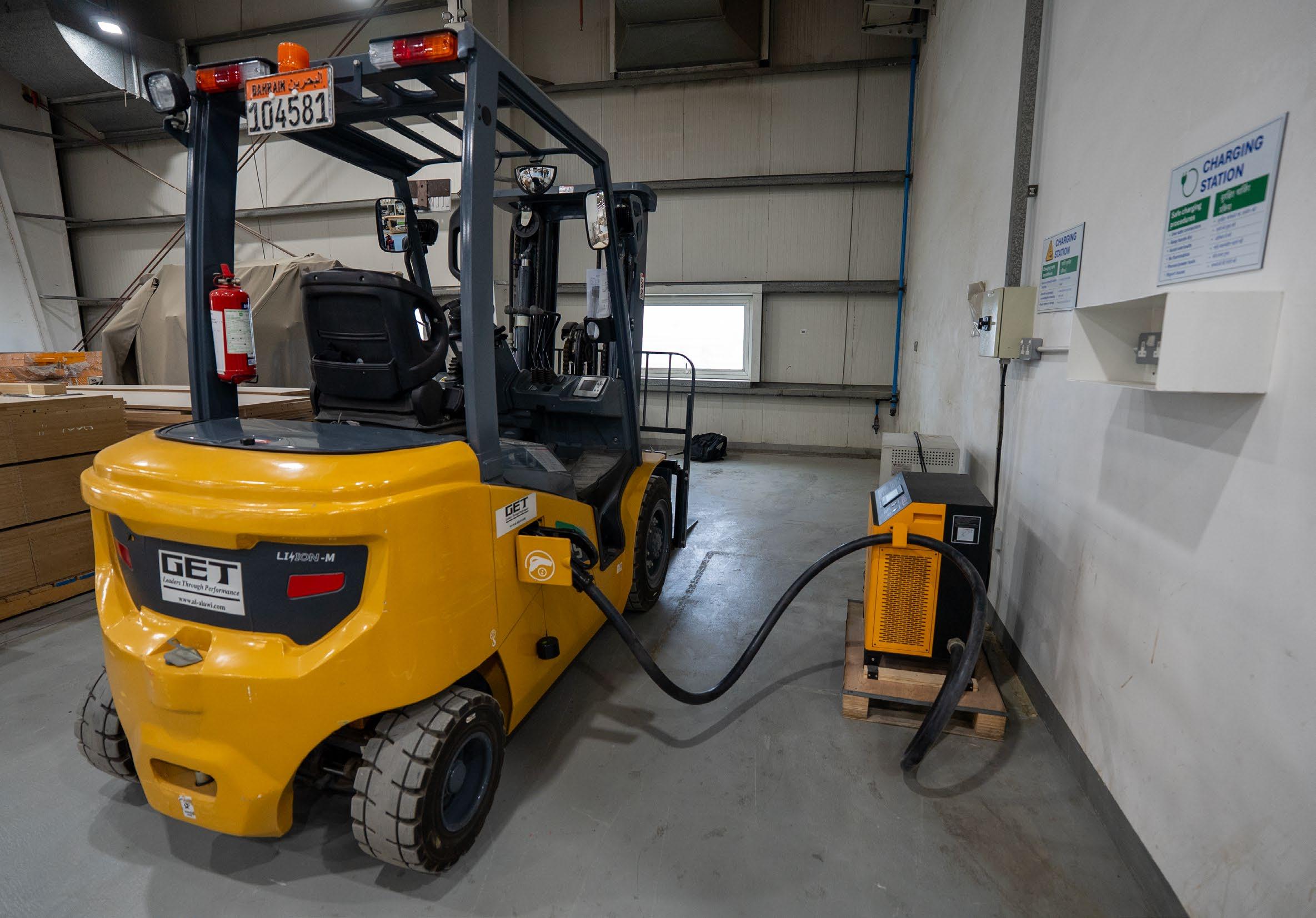
Material handling equipment is integral to our manufacturing operations and represents a key source of fuel consumption and emissions. To address this, we are progressively transitioning from diesel-powered forklifts to battery- operated alternatives across our factories.
30%
reduction in diesel usage achieved using batteryoperated forklift.
Our current fuel consumption is approximately 400 litres of diesel per week. By adding battery-operated forklift, we achieve an estimated 30% reduction in diesel usage. This change helps us lower fuel costs and reduce CO₂ emissions, contributing to a more sustainable operation.
At the South Factory, we currently operate three diesel forklifts and one battery- operated forklift, with plans to procure two additional battery- operated units. At the North Factory, three diesel forklifts and two battery- operated forklifts are in operation. This phased transition reflects our commitment to reducing reliance on fossil fuels while maintaining operational reliability.
Employee Transportation
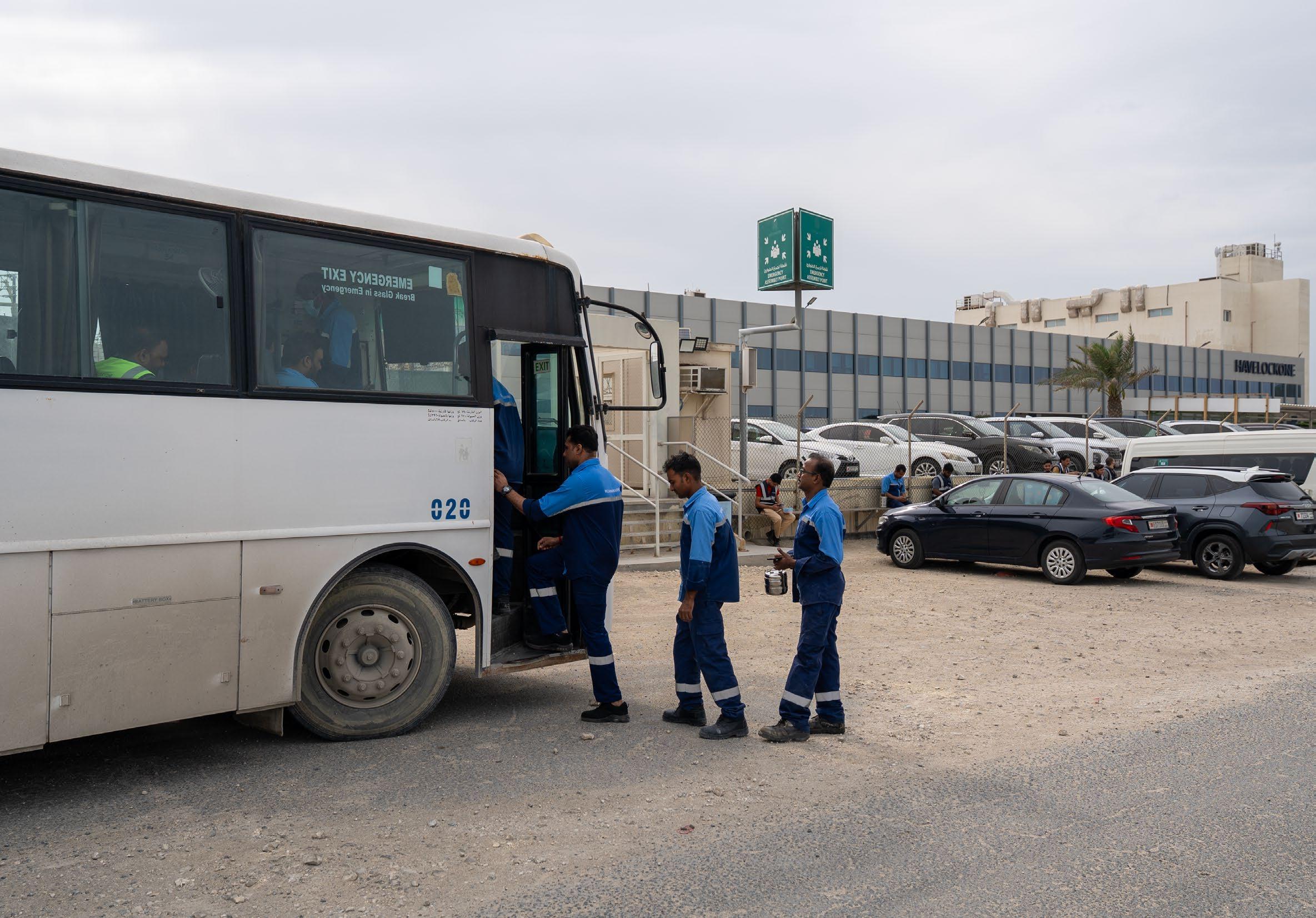
To reduce fuel consumption and emissions associated with individual commuting, we provide organised transport services for both workers and employees.
In addition, we operate a dedicated bus service for employees, with scheduled services running twice daily in the morning and evening to support convenient and efficient commuting.
All workers are offered a free shuttle service
Between the accommodation camps and factory locations, ensuring safe, reliable, and shared transport for daily operations.
Preventive Maintenance and Operational Efficiency
We conduct regular preventive maintenance on machinery and utility systems to improve performance and reduce environmental and operational risks. These activities help improve machine output, increase operational efficiency, reduce energy consumption, and minimise unplanned breakdowns.
Protecting our Planet
Workplace Environmental Quality Monitoring
Ensuring a safe and healthy indoor working environment is a core component of our environmental management approach. We conduct annual workplace environmental monitoring to assess compliance with occupational health and environmental standards.
This monitoring includes indoor air quality assessments and particulate matter (general dust) measurements. The results are reviewed by relevant teams to identify potential risks and implement corrective actions where required.
Electrical Safety and Energy Risk Controls
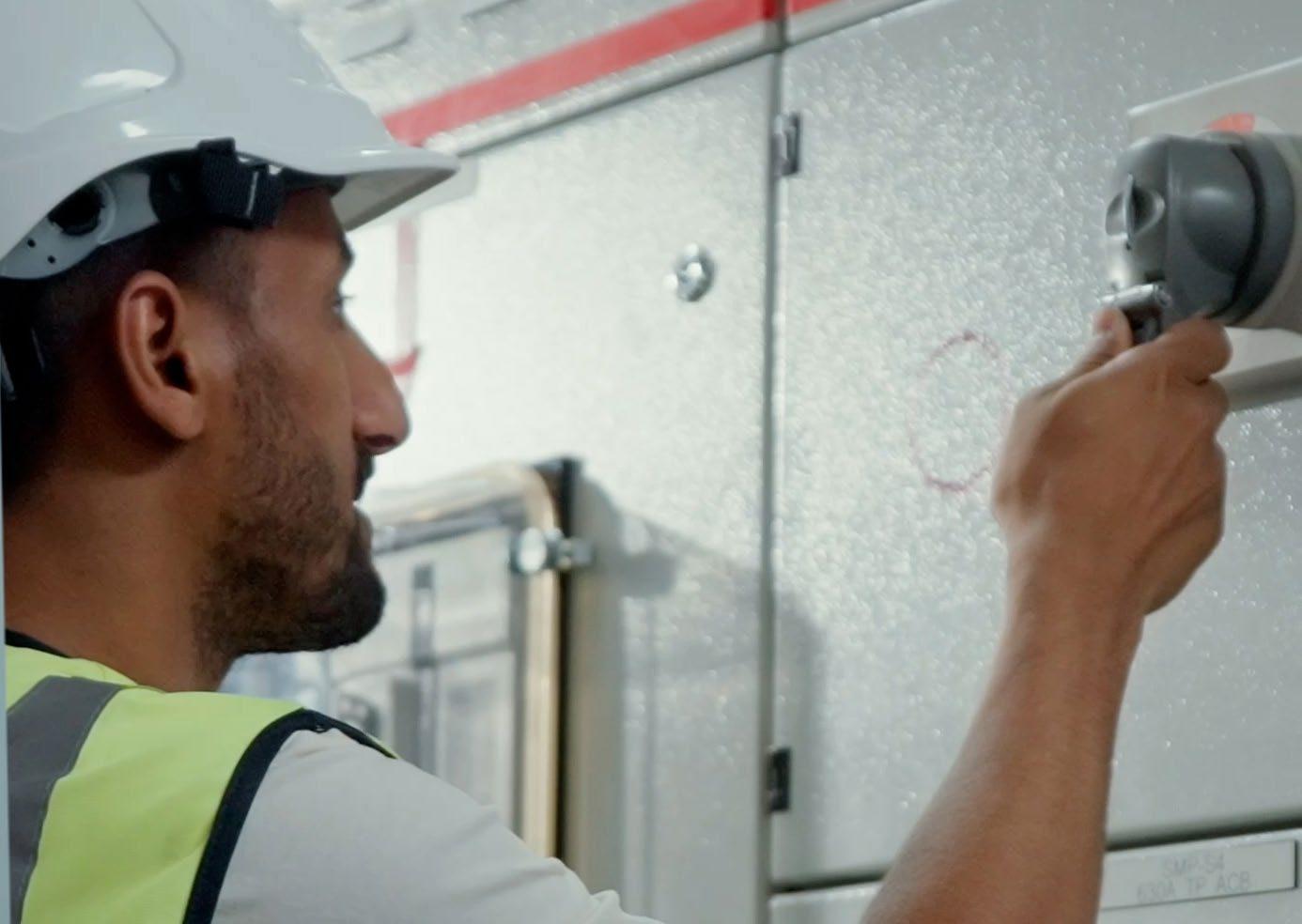
As part of our commitment to safe and efficient energy management, we carry out thermographic inspections on electrical systems. These inspections help detect overheating connections, overloaded circuits, faulty breakers, and imbalanced load conditions. Early identification of these issues helps prevent electrical fires, arc flash incidents, unexpected shut-downs, and energy losses, supporting both safety and environmental performance.
Waste Management
Our waste management approach is grounded in material traceability, recycling- driven circularity, and transparent accounting of residual waste across manufacturing and joinery operations. Materials are monitored through structured inventory balances, enabling clear identification of consumption, recycling, and landfill disposal pathways.
Oil Waste Management
We have taken targeted actions to improve environmental performance related to oil usage and waste handling. As part of these efforts, we replaced conventional mineral oil with synthetic oil for selected equipment. Synthetic oil offers improved lubrication performance, longer oil life, and reduced environmental impact, contributing to more efficient resource use.
Paper and Cardboard Waste Management
In 2025, Havelock One recycled approximately 10 tonnes of paper and waste cardboard, generated across offices and manufacturing facilities. These materials were systematically segregated at source and channelled to approved recycling vendors, ensuring traceability and compliance with local waste -management regulations.
This initiative forms part of our broader waste -reduction and circularity approach, aimed at diverting recoverable materials from landfill while improving resource efficiency across operations.
Metal Waste Management
Metal materials are tracked by weight (metric tons), allowing clear identification of consumption and scrap generation. Scrap metal generated during fabrication is systematically segregated and sold to authorised recyclers.
Scrap generation is an inherent part of fabrication and manufacturing processes. During the reporting period, approximately 21.13% of total material consumption was generated as recyclable scrap, which was segregated at source and routed for recycling. This reflects both the complexity of fabrication activities and our commitment to ensuring
that production scrap is recovered and reintroduced into the material value chain rather than disposed of as waste.
100% of production scrap is segregated and recycled, supporting circular material use and waste minimisation.
Material Balance










Metal
Protecting our Planet
Responsible Metal Sourcing
In addition to internal recycling, we prioritise sourcing metals from manufacturers that provide verified recycled content declarations and sustainability credentials, supporting circular economy objectives at the upstream stage.
• Stainless Steel
Stainless steel used in our projects is sourced from manufacturers operating electric arc furnace–based production routes and utilising both pre - consumer and post- consumer scrap. Certified declarations indicate high recycled content, with an average total recycled content of approximately 79%, comprising both industrial and end- of-life recovered material. Stainless steel is also inherently 100% recyclable, with no loss of material quality at the end of life.
• Galvanized Steel and G.I. Sections
Hot-dip galvanised steel sheets, pipes, SHS, and RHS sections are sourced from manufacturers that incorporate recycled scrap into their steel making. Recycled content declarations confirm the presence of both pre - consumer and post- consumer recycled content, with steel scrap inputs forming a meaningful share of raw material used in production. Galvanised steel products are also confirmed to be fully recyclable after their service life, with zinc recoverable during recycling processes.
• Mild Steel Products
Mild steel products used in fabrication are procured from suppliers that utilise recycled scrap during steel production and operate formal scrap recovery systems. Post-industrial scrap generated during steel processing is systematically returned to recycling streams, contributing to closed-loop material recovery.
• Aluminium Products
Aluminium sheets, coils, and extruded profiles are sourced from suppliers providing LEED -aligned recycled content declarations. Certified documentation confirms the use of both pre - consumer and post- consumer recycled aluminium, supporting reduced reliance on virgin aluminium, which is typically associated with high embodied energy. Aluminium products remain fully recyclable at the end of life, enabling repeated reuse without material degradation.
• Recycled Content in Powder Coatings
In addition to metal recycling, circularity considerations extend to coating materials used in finishing operations. The powder coatings applied in our facilities contain pre - consumer recycled content, supporting responsible material sourcing at the finishing stage.
Key attributes of the powder coating materials used:
pre-consumer (post industrial) recycled content 10 %
Surface finishing is a critical stage in metal fabrication, influencing durability, performance, and aesthetics. Our powder coating processes are carried out in Jotun and Alwan-approved work zones, with both North and South factories certified as approved applicators. This certification confirms that application processes meet Jotun and Alwan’s technical and quality requirements.
Approved applicator by:

Reclaimed Products & Packaging
At present, product take -back or reclamation is not implemented for metal or joinery operations. As a result, reclaimed products and packaging materials are not applicable for the reporting period. Zero Percentage of reclaimed products and packaging materials.
Chemical Waste Management
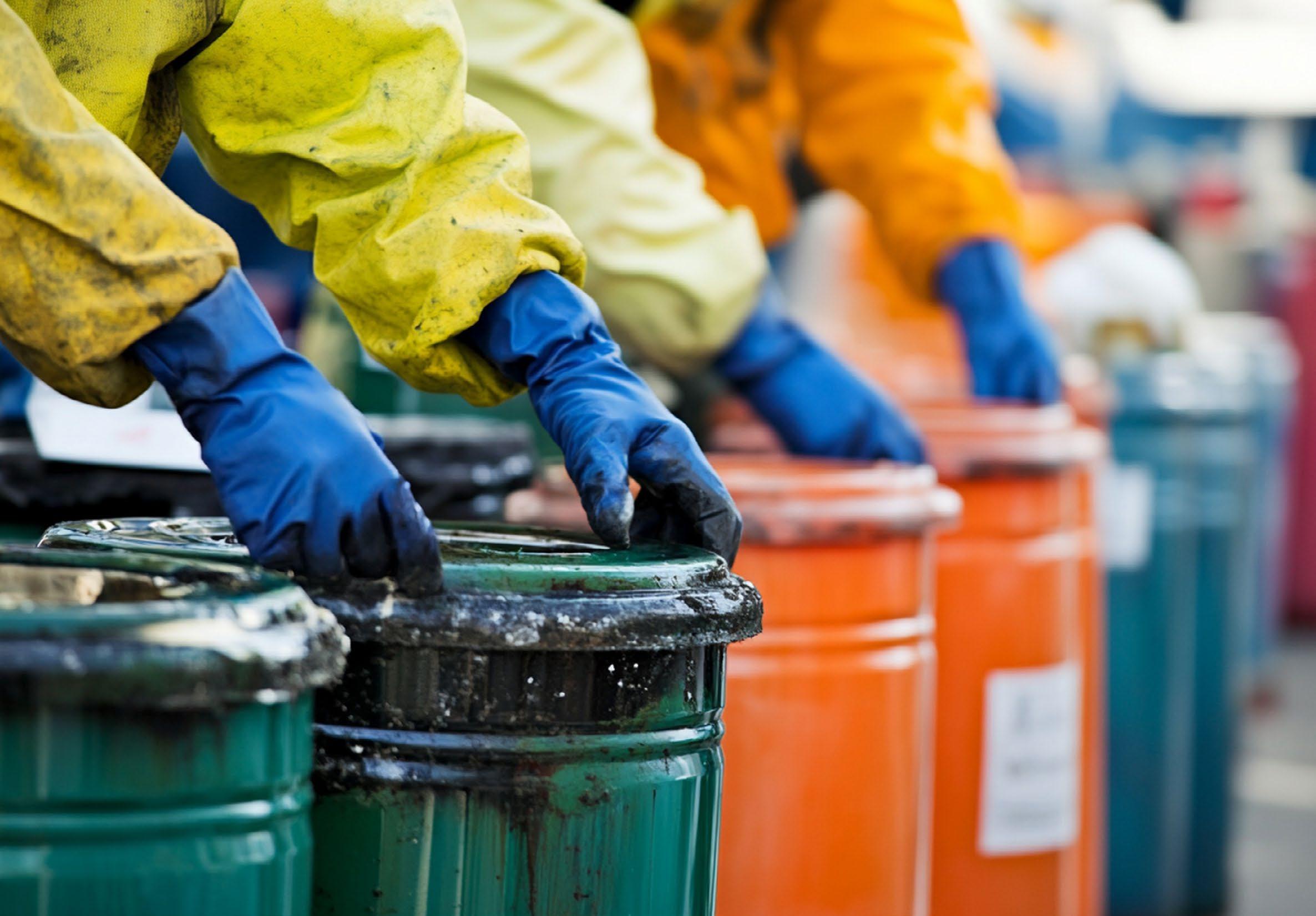
Chemical waste is generated primarily from painting and polishing activities, with waste thinners forming the most significant chemical waste stream. To manage this responsibly, we have implemented a controlled chemical waste management and solvent recovery system within our finishing operations.
Protecting our Planet
Chemical Waste Segregation and Handling
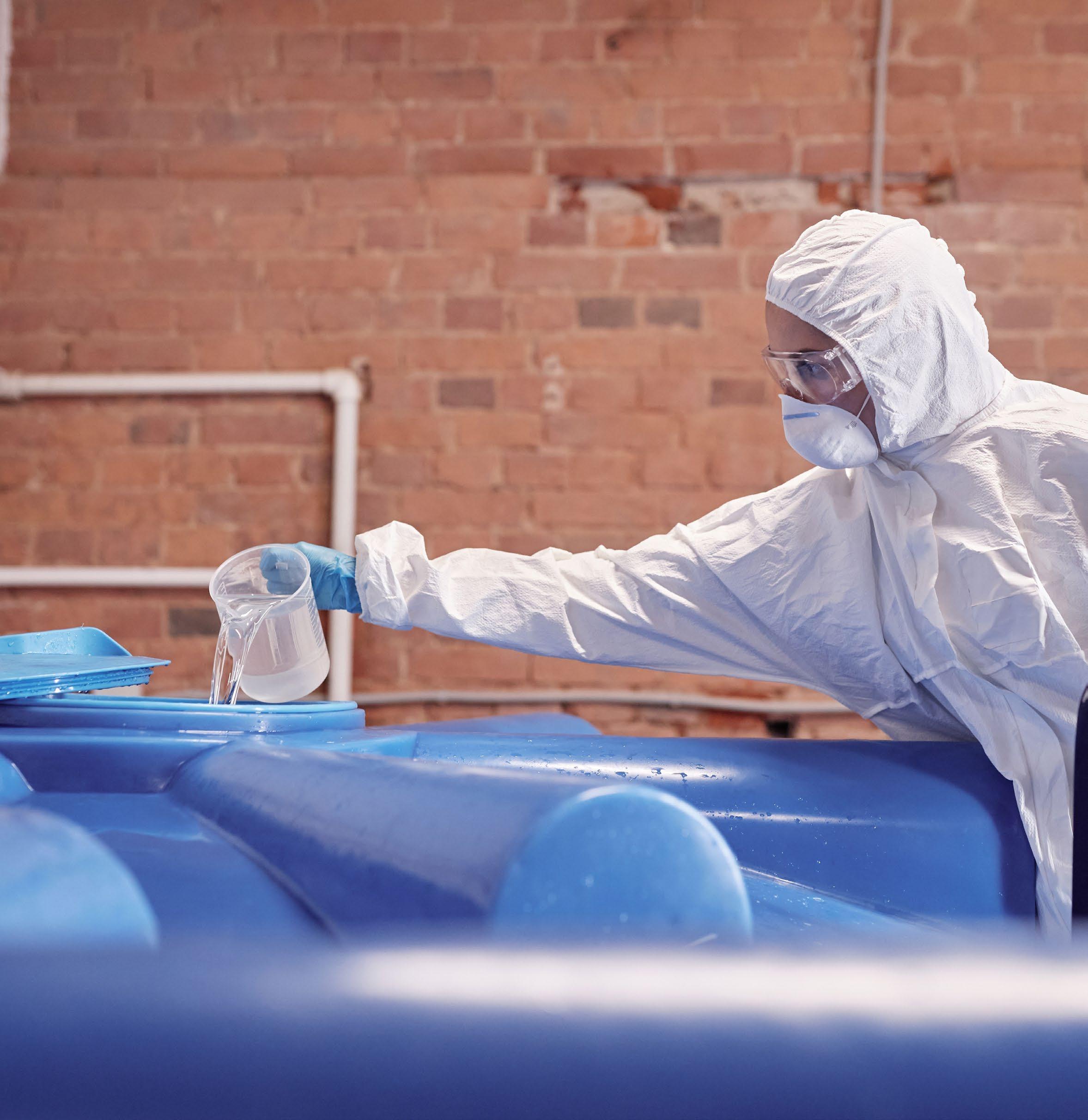
Chemical waste is segregated at source and collected daily from designated points across the facility using labelled, leak proof containers. Waste streams are clearly classified to distinguish between material routed for solvent recovery and residual waste requiring off site disposal. All handling activities are carried out under defined safety procedures, including the use of appropriate personal protective equipment, adequate ventilation, and spill response protocols.
• In-house Thinner Recycling Process
Waste thinners generated during operations are routed through a dedicated in-house thinner recycling machine. This system enables the recovery of reusable thinner from waste solvent streams, reducing the demand for virgin thinner procurement and minimising hazardous waste volumes.
• All waste thinners are routed through the recycling process where technically feasible
• The recycling process generates recovered thinner as a usable output
• A non recoverable residue remains after processing and is managed as chemical waste
Recovered thinner is reused internally within operations, while residual waste that cannot be recovered is securely stored and transferred to licensed waste disposal contractors in accordance with regulatory requirements.
• Chemical Waste Performance
• A total of 25,335 litres of chemical waste was recorded from finishing operations
• 15,128 litres of thinner was recovered and reused through the in house recycling system
• 1,231.5 litres of chemical waste was classified as direct waste and sent for licensed disposal
• The overall recovery yield from the recycling process was approximately 60%
Chemical Waste Disposal
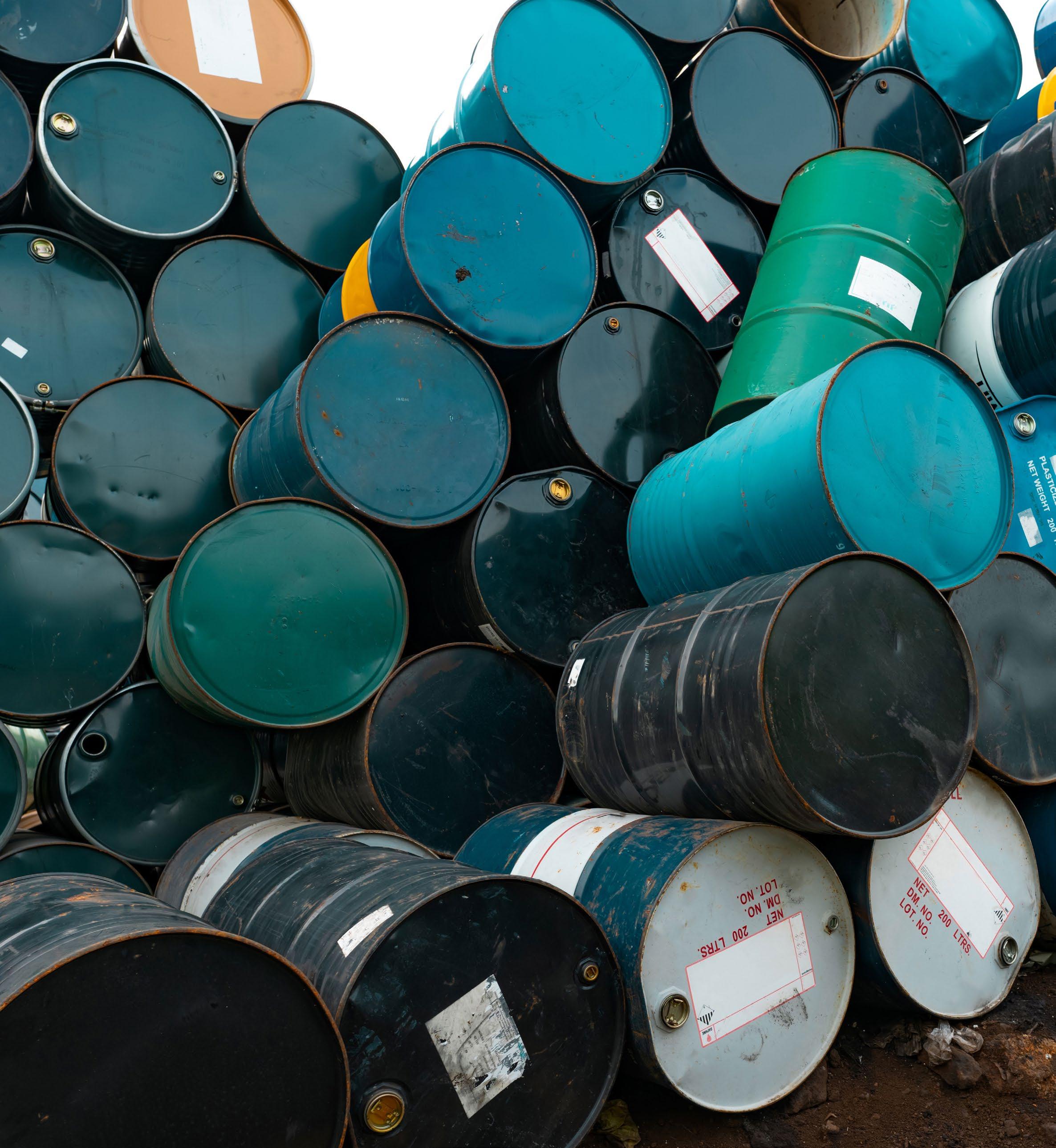
In addition to solvent waste, chemical waste is generated in the form of mixed and expired paints. These waste streams are managed separately and are not suitable for recycling. All paint related chemical waste is transferred to authorised waste management contractors for high temperature incineration, ensuring environmentally sound treatment and regulatory compliance.
Incineration
7,340 kg
Protecting our Planet
Sustainable IT Infrastructure
Environmental Impact Reduction
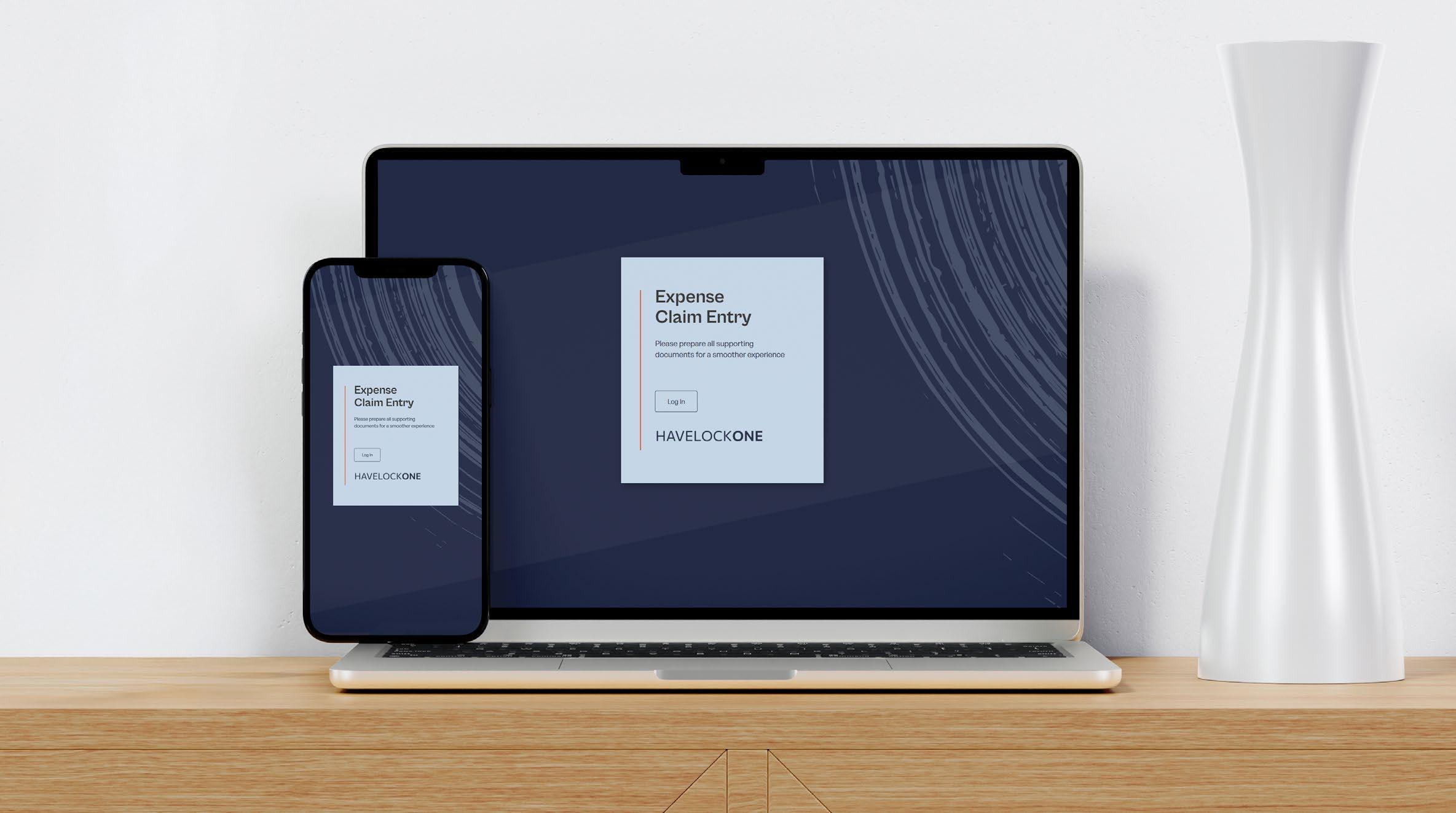
The IT Department has accelerated digital adoption across the business, reducing manual processes, increasing transparency, and lowering paper consumption.
Key initiatives include:
• E-invoicing, digital approvals, and automated work-flows, which have substantially reduced paper waste
• Digitalisation of subcontractor hiring, housekeeping tracking, and inventory management
• Automation of customs duty and GRN approval work-flows, improving speed and traceability
• API-based digital business cards, eliminating the need for printed materials
• Rollout of digital time attendance systems, including pilot testing of Sign-in App.
Collectively, these initiatives support measurable reductions in paper usage while improving operational efficiency across departments.

Advancing Digital Transformation and Operational Efficiency
Sustainability is embedded in the IT hardware and infrastructure strategy. Since 2011, Havelock One has utilised VMware virtualisation to consolidate physical servers, reducing both hardware requirements and associated energy consumption. This approach is complemented by the deployment of energy- efficient Dell VxRail systems, further lowering power usage across the IT environment.
Our environmental initiatives include:
• Cloud-based Disaster Recovery (DR) to reduce physical backup infrastructure
• Migration of project and business data to OneDrive and Share Point, decreasing reliance on premise storage
• Extending hardware lifecycle to approximately 3 years and software lifecycle to 7 years through proper maintenance, updates, and patching
• Approved e-waste recycling channels to ensure ethical disposal of all end-of-life equipment
The combination of virtualisation, cloud adoption, and energy efficient hardware contributes to a lower IT carbon footprint.
Safety Awareness and Environmental Training
We recognise that employee awareness and engagement are critical to environmental and safety performance. We conduct regular safety awareness programmes for maintenance teams, focusing on safe operating practices, understanding equipment safety parameters, correct segregation of scrap materials, and coordination with internal safety personnel.
These programs reinforce a strong safety culture, improve compliance with environmental procedures, and help reduce environmental and operational risks across our facilities.

Product and Safety
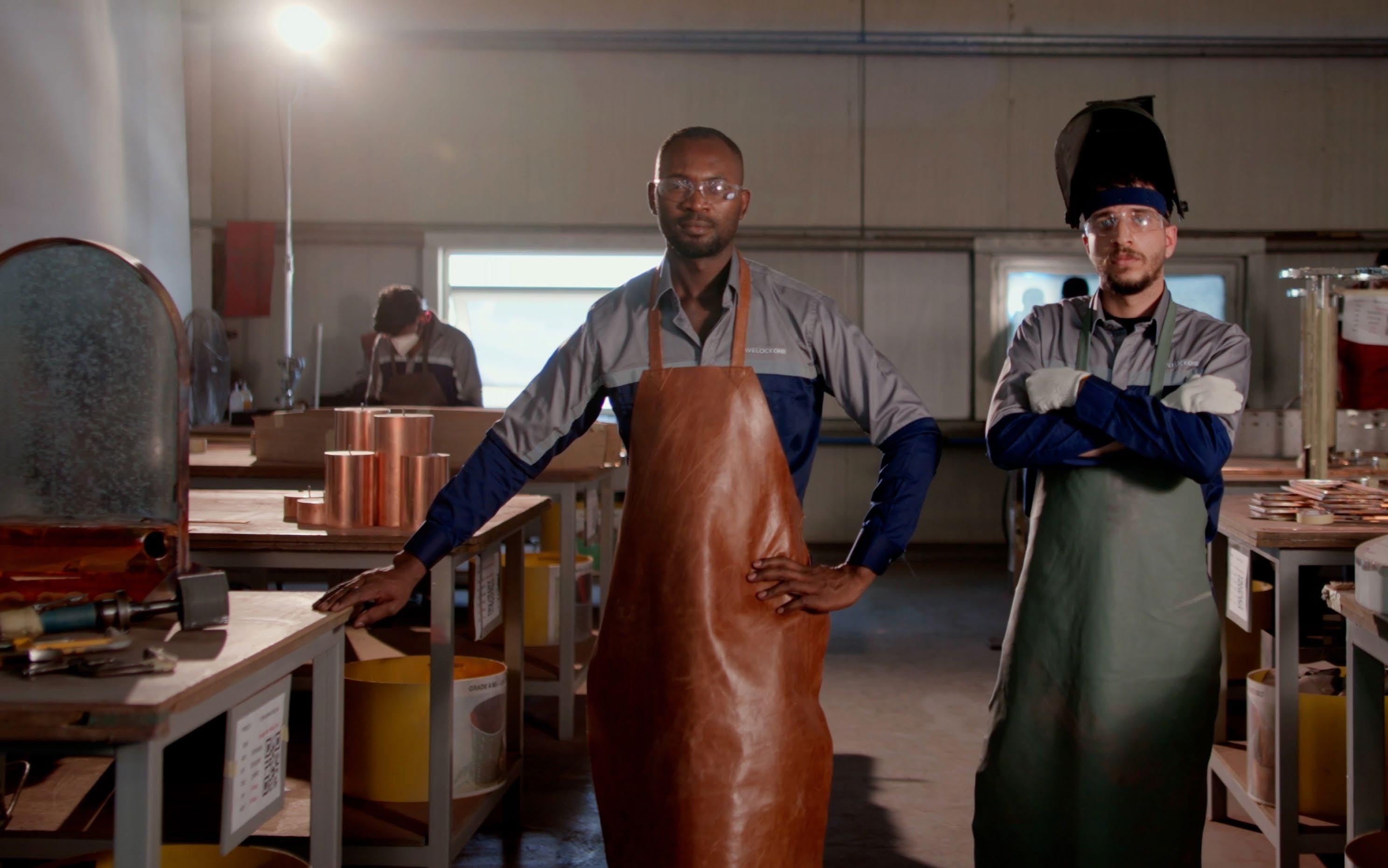
We aim to create products and services that are high- quality, safe, and sustainable. This means choosing better materials, thinking about a product’s full life cycle, and designing in ways that reduce environmental impact. Our focus is on making things that last, that are responsibly sourced, and that are better for people and the planet.
Product and Safety
Supply Chain
Supplier Code of Conduct
We require our suppliers to voluntarily comply with key ESG requirements, including ethics, environment, labour and human rights, and safety and health, and to establish management systems for compliance.
The use of child or forced labour is strictly prohibited, and workers’ wages must be paid on time, with overtime remaining strictly voluntary. We expect our partners to maintain safe working conditions, protect the confidentiality of any information shared by Havelock One, and always follow ethical business practices, strictly prohibiting bribery, kickbacks, or any improper financial or non-financial advantage.
Any unethical behaviour can be reported through our official whistleblowing channel, supporting transparency and accountability. Suppliers are also required to comply with the terms and conditions of our purchase, work, or asset orders and, where necessary, enter into confidentiality or non-compete agreements. Through this Code, we reinforce our commitment to operating responsibly, ethically, and in line with our core values across all projects and geographies.
Suppliers commit to:
Compliance with laws and regulations is non-negotiable, as is the adherence to fair competition practices and ethical sourcing.
Driving Sustainability Through Responsible Procurement
Through our growing portfolio of FSC - certified timber, recycled wood-based materials, and recyclable packaging solutions, we continue to reduce our environmental footprint while supporting responsible supply chains.
FSC-Certified Timber and Forest Products
Responsible sourcing of wood-based materials is a core pillar of our business strategy. We maintain 54 approved suppliers for FSCcertified materials, ensuring that we are sourcing from responsibly managed forests that promote biodiversity, ethical forestry practices, and long term resource conservation.
Reducing carbon emissions
Combating pollution
Preserving the region’s delicate ecosystems
5,836.22 CBM
This demonstrates our continued commitment to increasing the share of responsibly sourced timber and aligning with global best practices for material sustainability.
Packaging Material
We also expanded our adoption of packaging materials made from recycled and recyclable components. In 2025, we procured:

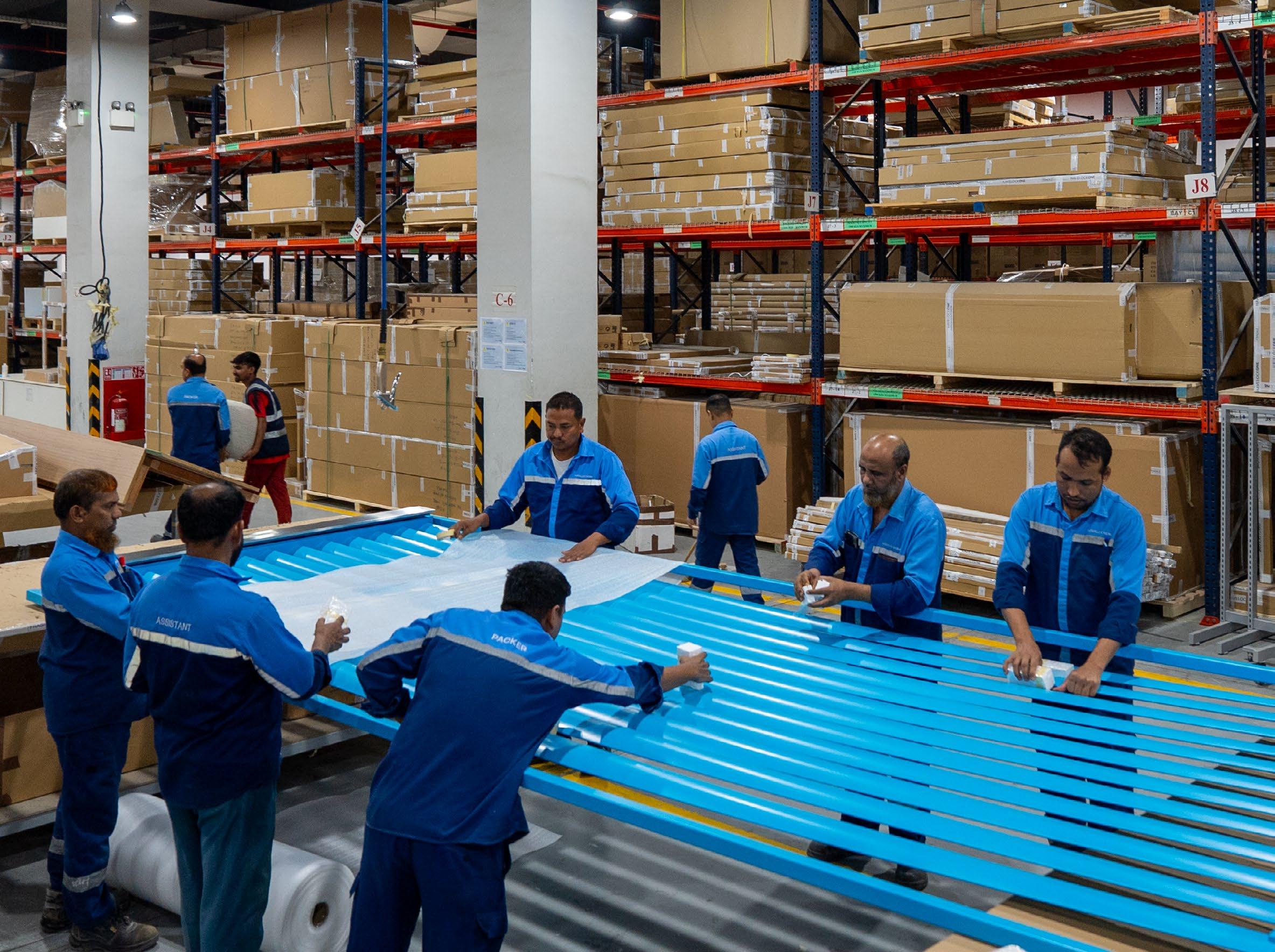
Totalling 22,200 meters, these foam products support safer transportation of joinery and metal components while using recycled raw materials that can be recycled again after use. of total forest products purchased.
Product and Safety
Sustainable and Recycled-Content Materials
Beyond FSC products, we also procure alternative sustainable products that contribute to reducing waste, supporting circularity, and lowering embodied carbon in our value chain.
In 2025, other sustainable products accounted for 11.18% of all forest related materials purchased, totalling 590.10 CBM.
Supporting Women- Owned Businesses
We also recognise that inclusive sourcing is a powerful enabler of economic empowerment. As part of our commitment to supplier diversity, we actively support women- owned businesses within our supply chain. In 2025, we procured a total of BHD 749,206 from women- owned enterprises.
Logistics Route Optimisation
We optimise our daily logistics operations through a coordinated, communication- driven system that ensures efficient vehicle utilisation and minimal transport emissions. To achieve this, we maintain an active WhatsApp group that includes our drivers,
purchasers, store personnel, and the transport-in- charge. This real-time communication channel enables us to consolidate requirements early in the morning, allowing everyone to submit their vehicle needs before the workday begins.
Once requests are received, our transport-in- charge collaborates with the drivers to design the most efficient route plan for the day. This planning mirrors the principles of a logistics milk run, where a single vehicle makes multiple scheduled stops to pick up or deliver materials along a pre - optimised route. By adopting this approach, we maximise vehicle utilisation, reduce empty mileage, consolidate shipments, and ensure smoother coordination between departments.
% of Local Purchases by Country / Market
Our Commitment to Local Procurement and Inclusive Sourcing
We place strong emphasis on local procurement across all our operating markets because it supports national economies, reduces transport related emissions, shortens lead times, and strengthens resilience within our supply chain. By prioritising local suppliers wherever possible, we ensure that our projects create shared value within the communities we serve.
These figures demonstrate our strong regional supply- chain integration and highlight how effectively we are leveraging local capabilities across the GCC.
Product and Safety Quality Assurance and Control
Integrated QA/QC Framework
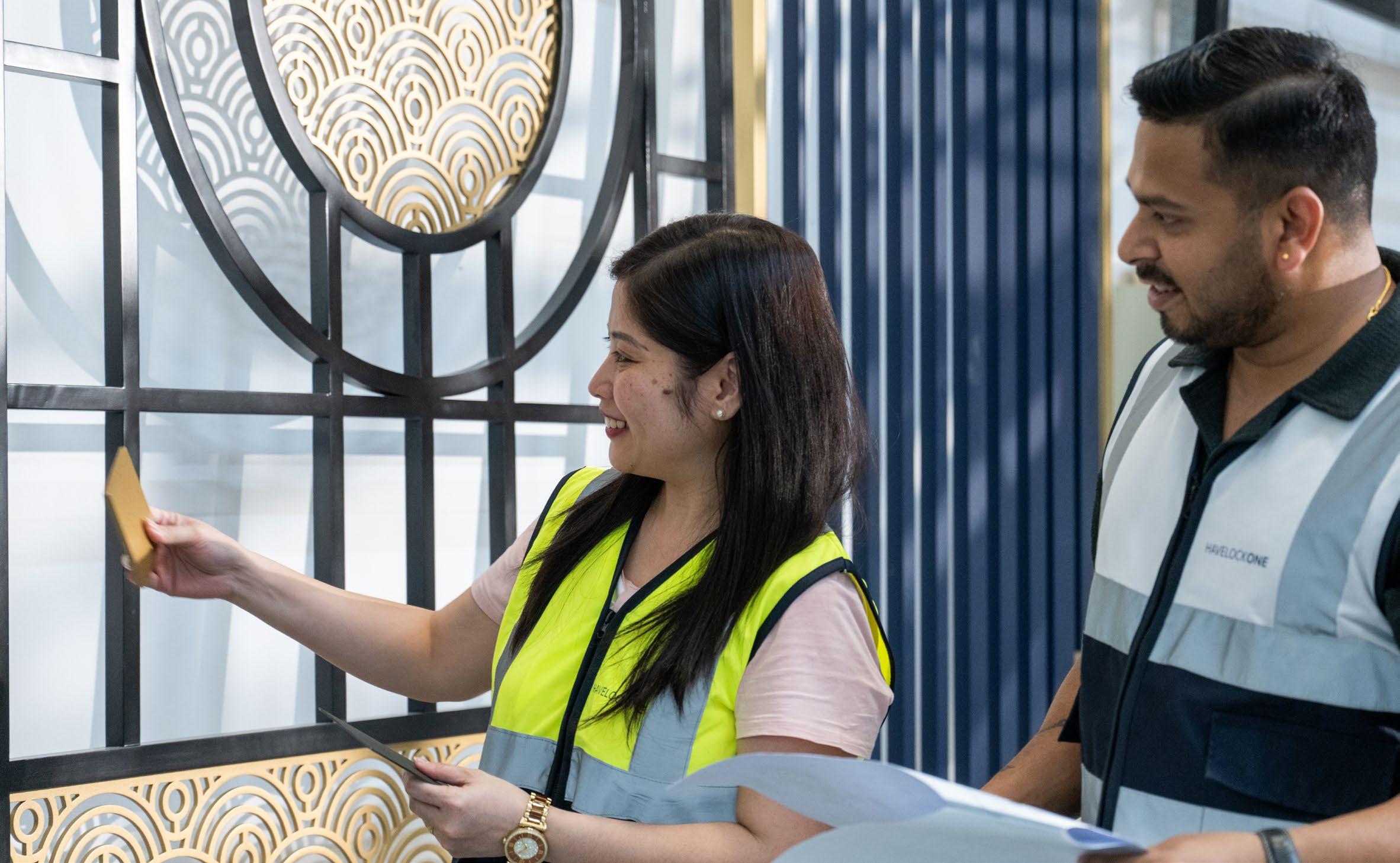
We maintain a rigorous, process- driven QA/QC framework to ensure our metal and joinery components meet high standards of precision, safety, and durability. Our system is built around 100% inspection coverage: every incoming material, in-process activity, and finished product undergoes formal quality checks before approval for downstream use or dispatch.
Quality management begins with verification of incoming raw materials and finished goods, supported by documented checklists such as the Incoming Raw Material Inspection and Finished Goods Inspection forms. Checks include visual inspection, dimensional verification, moisture readings, specification validation, grain and colour matching, defect detection, structural stability, functional performance and conformance to approved project samples. Any non- conformance triggers rework or supplier escalation, ensuring issues are addressed at source.
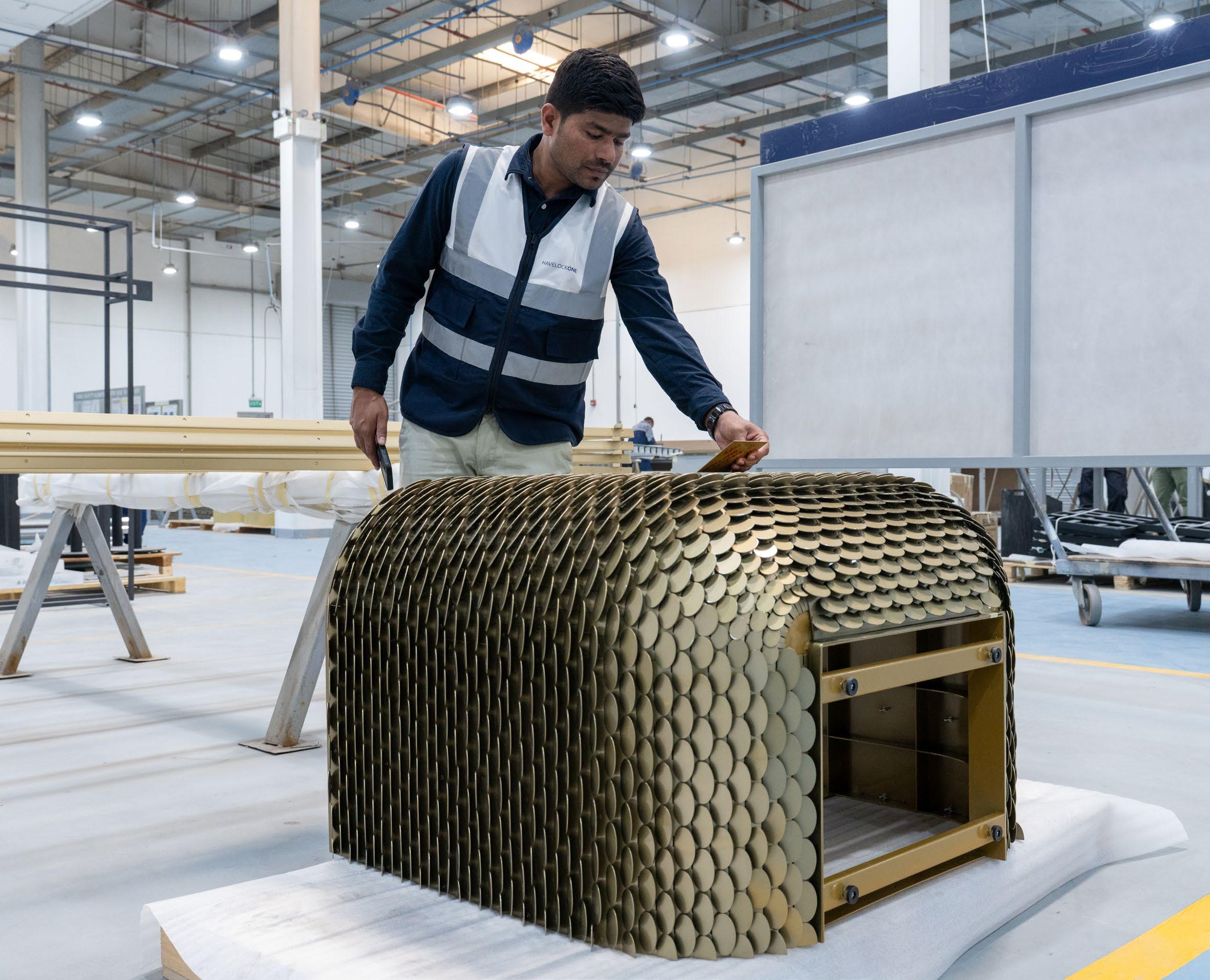
Precision Manufacturing with Full Traceability
Within our Metal Division, we follow a structured QC flow from raw material receipt through to final finishing, ensuring consistency at every machining and fabrication stage. Key quality checkpoints include:
• Visual and dimensional incoming inspections: all metal raw materials are verified prior to acceptance, and any non compliant stock is returned to suppliers.
• In process QC checks: dedicated inspections at critical steps (including laser cutting, lathe turning, milling, drilling, bending, and fabrication). No process proceeds without an “OK” status.
• Surface treatment and coating QC: special finishes, buffing or brush finishing, plating, and powder coating are checked for scratches, defects, pinholes, peeling, and finish consistency.
• Batch-wise QC lab testing: items are tested against approved project specifications and engineering drawings.
• Final QC and dispatch validation: assembly, packing, and dispatch take place only once full QC clearance is secured.
Through this end-to - end approach, we sustain traceability, minimise rework, and ensure every product meets our reliability and sustainability standards.
Craftsmanship Reinforced by Standardised Controls
Our Joinery Division operates in a multi-material production environment, requiring tailored QC controls for timber, veneer, laminates, substrates, solid surfaces, upholstery, acrylic/glass elements, and integrated metal components. Our QA/QC process has three stages:
a. Incoming Materials QC
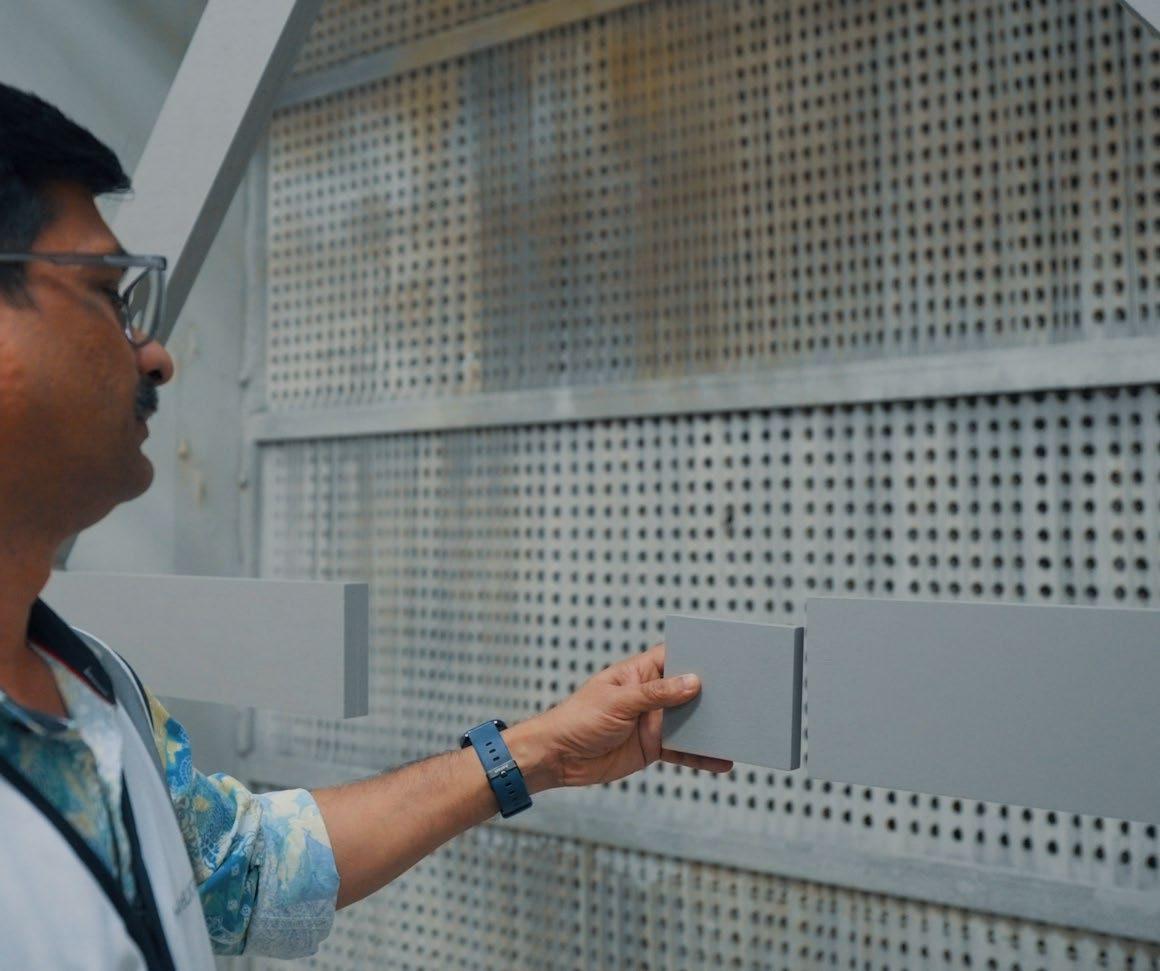
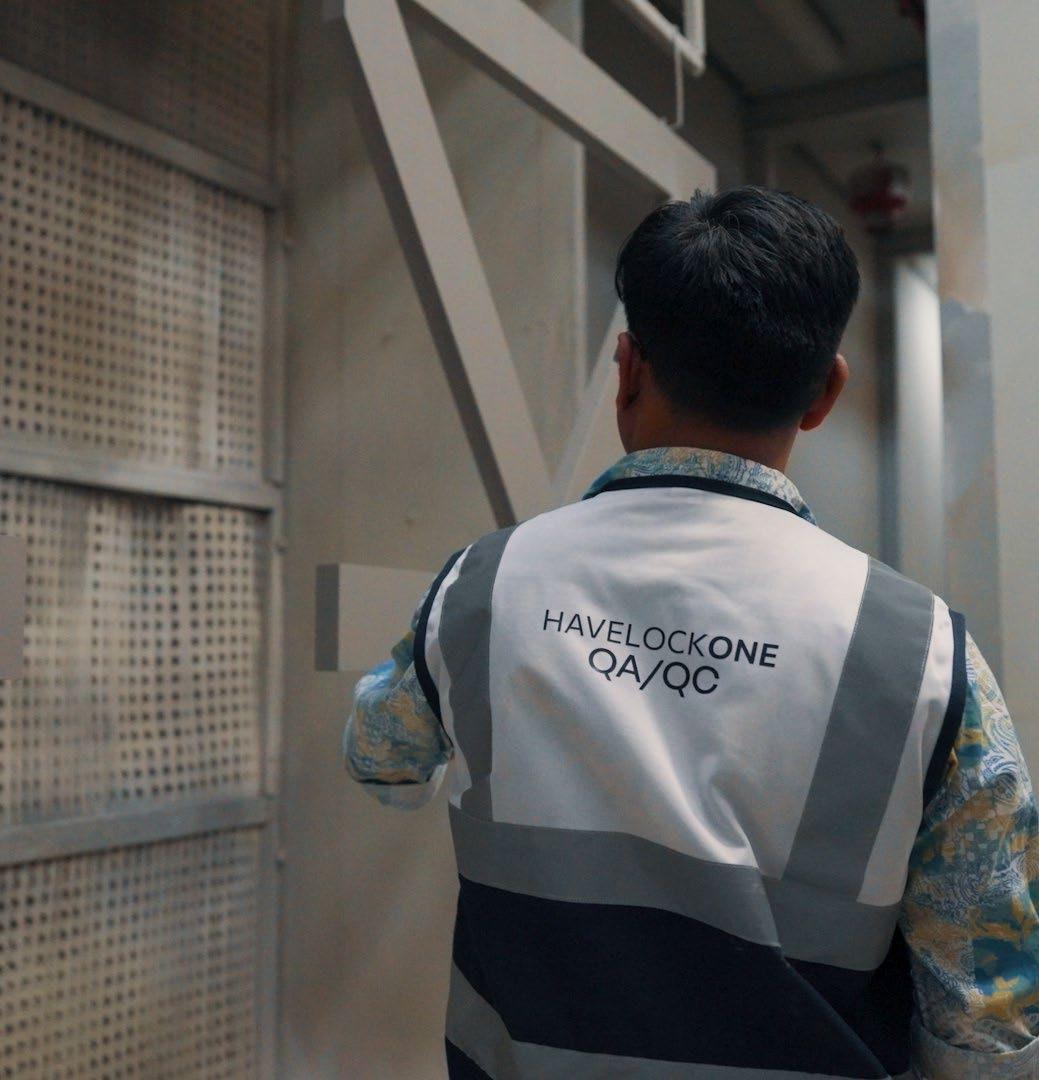
All raw materials—timber, veneers, boards, laminates, and solid surfaces—as well as finished items such as glass, mirrors, stone, FF&E, artworks, and hardware, are inspected using standardised checklists. We verify grain direction, colour matching, moisture content, dimensional accuracy, technical specifications, and surface condition. Any material that fails to meet requirements is segregated, documented, and escalated to our Supply Chain Management team for corrective action.

Product and Safety
b. In-process QC Across Joinery Work-flows
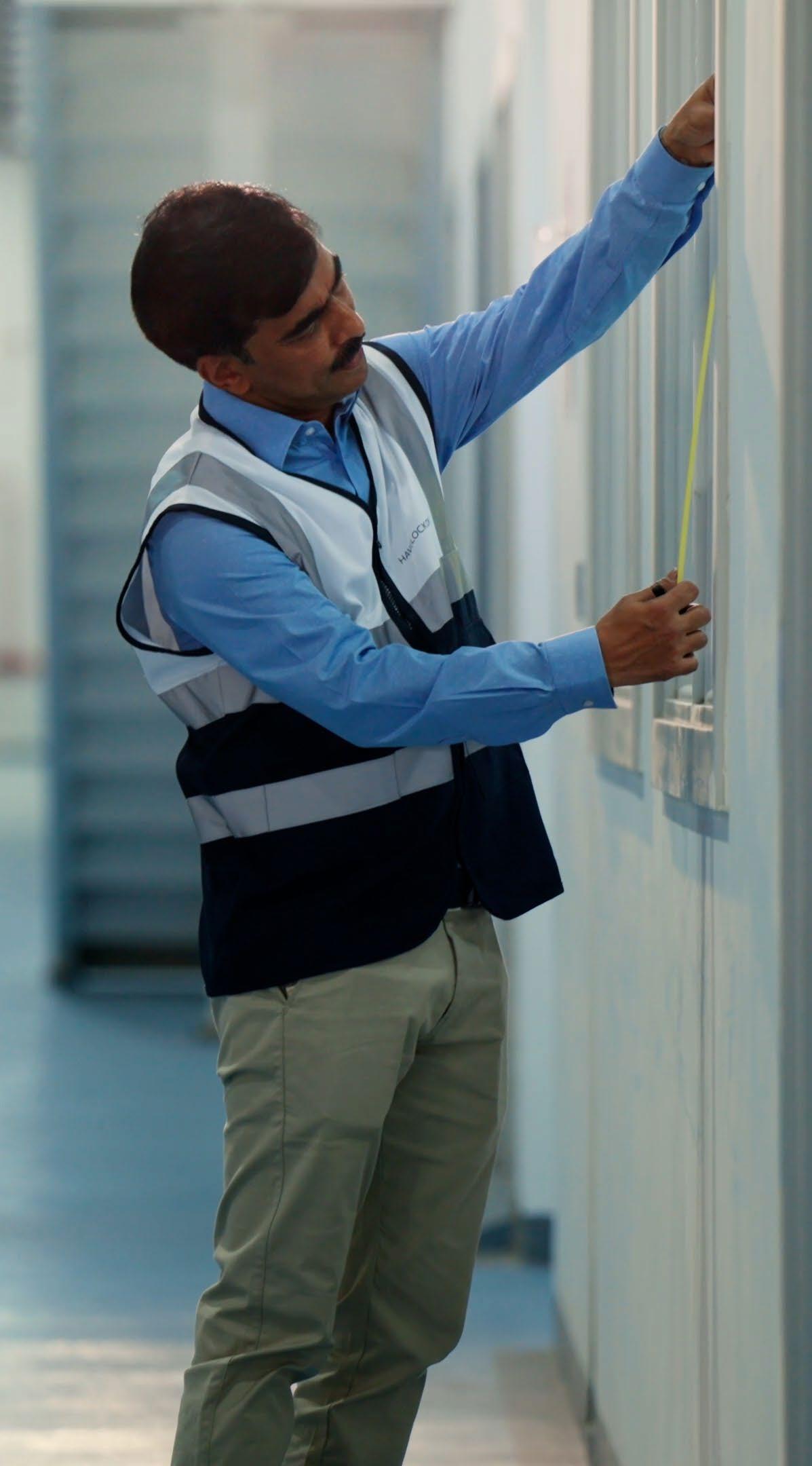
Each activity undergoes visual and dimensional checks supported by detailed QC documentation, such as the Milling Inspection Checklist, Paint Shop Inspection Checklist, and Assembly Inspection Checklist.
We embed QC checks at every stage of joinery production, including:
and
c. Final QC Prior to Dispatch
Our final QC inspections validate:
Only once full QC approval is achieved do products move to packing and dispatch, ensuring clients receive defect free, durable, and aesthetically aligned deliverables issues are addressed at source.
100% Inspection Coverage
Every metal and joinery item: raw materials, in-process components, and finished goods undergo full visual, dimensional, and specification-based quality checks before approval.
Customer Partnerships
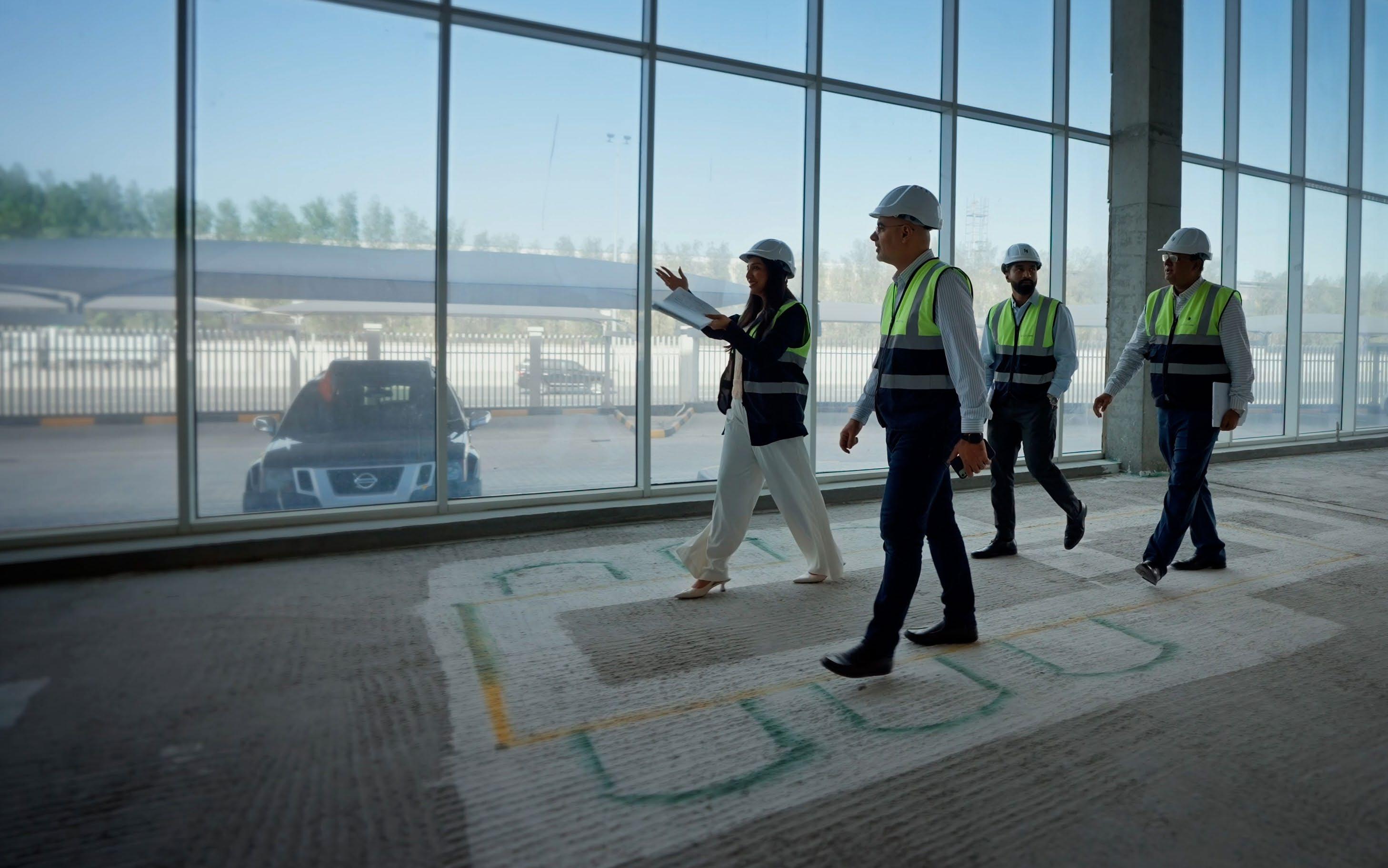
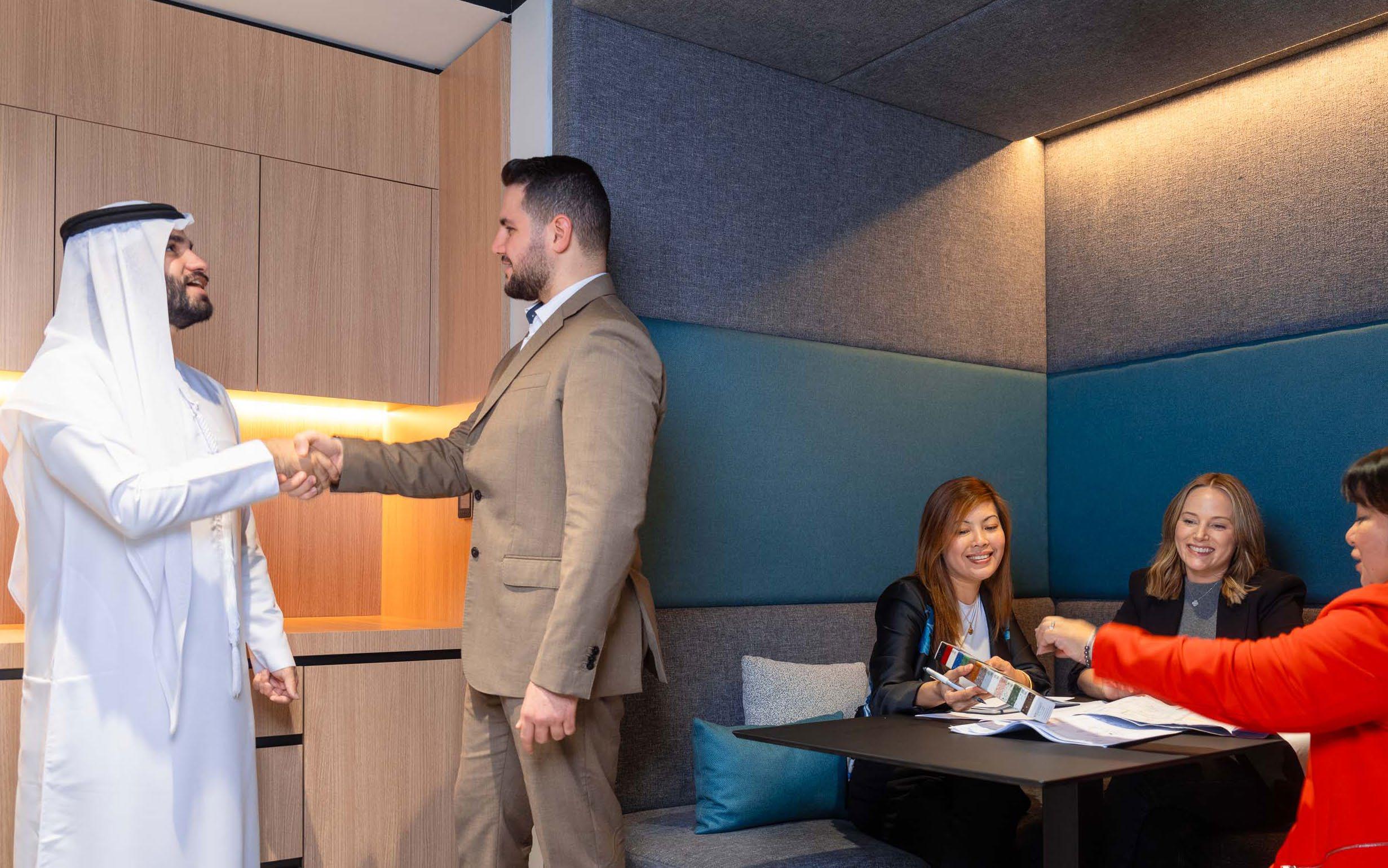
We strive to be a trusted partner to our customers by delivering reliable service and solutions that meet their needs. We listen carefully to feedback and use it to strengthen relationships and improve experiences. Our goal is for customers to feel supported, valued, and confident in choosing us.
Customer Partnerships
Driving Sustainable Outcomes for Our Clients
Our Commitment to Green Building Standards
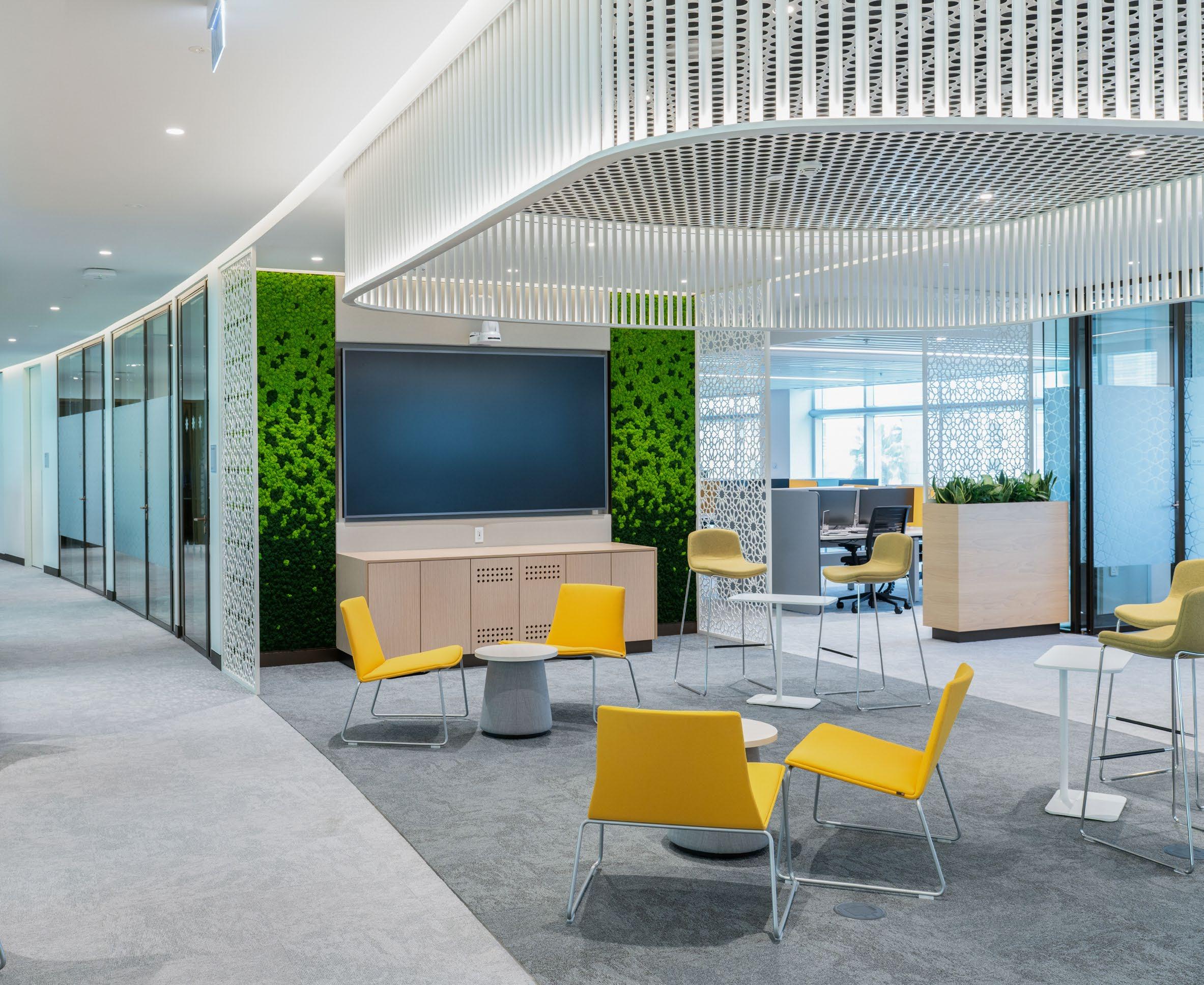
We support clients in delivering high-performance, environmentally responsible spaces aligned with internationally recognised green building standards. Our experience includes projects designed and delivered in line with LEED (Leadership in Energy and Environmental Design) and the ESTIDAMA Pearl Rating System, reflecting our commitment to sustainability, resource efficiency, and occupant well-being.
LEED is widely recognised as a global benchmark for sustainability leadership, while ESTIDAMA provides regionally relevant guidance for sustainable development in the Middle East. Through these frameworks, we contribute to projects that prioritise energy efficiency, water conservation, responsible material selection, and improved indoor environmental quality.
LEED and ESTIDAMA Projects by Geography KSA
• Starbucks, KAFD, Riyadh
• Balenciaga, Khayyat Centre, Jeddah
• Cluster 3- Marriott Autograph Collection, Sindalah Island NEOM
• Equinox Resort (MLH), AMAALA, Red Sea
• Village Boutique Hotel, AMAALA, Red Sea
• The Avenues Mall, AlKhobar
QATAR
• Hamad International Airport Duty-Free: Ralph Lauren, PUIG-Phantom, Hublot, DIOR and others.
• Place Vendome Mall: Burberry, D&G, Hublot, Alexander McQueen, Tommy Hilfiger.
UAE
• Zayed International Airport, Abu Dhabi: Polo Ralph Lauren, Hermes, Penhaligon’s, Bath & Body Works, DFS multi-brand area, Pernod Ricard group, Starbucks and others.
• Sheikh Zayed Desert Learning Centre
• Serenity Dental Clinic
• Etihad Airways at Al Ain
• VOX Cinemas in Nakheel Mall
BAHRAIN
• National Bank of Bahrain (Various branches)
• New International Bahrain Airport Duty-Free: Vilebrequin, Estée Lauder, Ralph Lauren, Pernod Ricard group.
• Marassi Galleria mall: Gucci, Prada and D&G.
• Confidential Global Financial Services Company, Seef District.
Greener Stores for
Starbucks
In addition to LEED-aligned projects, we have supported Starbucks “Greener Stores” initiatives, which differ from traditional certification frameworks by placing a stronger emphasis on operational performance metrics.
These stores meet rigorous requirements related to energy efficiency, water conservation, and waste reduction, enabling measurable environmental performance improvements throughout daily operations. Greener Stores projects delivered include:
KSA
• Hail Saudi German Hospital
• Madinah Airport-Int’nl Terminal
• AlUla AlJadedah
• Riyadh SABB Bank Tower
BAHRAIN
• Marassi Galleria mall (Ground Floor)
• Marassi Galleria mall (First Floor)
KUWAIT
• Hampton by Hilton, Salmiya Ground Floor
TURKEY
• Bursa Ahmet Taner Kislali Bulvari
• Balikesir Eresidence
• Istanbul Umraniye Yamanevler DT
• Forum Diyarbakir
• Sakarya Mavi Durak
• Onik isubat Tekerek
Enhancing Customer Health, Safety and Betterment
We are committed to safeguarding the health, safety, and wellbeing of customers, tenants, and end users throughout the project lifecycle, from design and construction to post-handover occupancy. Our approach integrates robust health and safety planning, strict compliance with regulatory requirements, and proactive risk management to ensure fit-out projects deliver safe, high-quality environments.
Product and Project Safety
Health and safety considerations are embedded from the earliest stages of our projects. 100% of our fit- out projects undergo a Health and Safety impact assessment, enabling us to identify and mitigate risks associated with construction activities, materials, and final occupancy.
We incorporate indoor environmental quality (IEQ) considerations, including air quality, volatile organic compound (VOC) levels, dust, and humidity, as part of our project safety approach. Where applicable, low-VOC materials, adhesives, paints, and coatings are used to support healthier indoor environments for occupants.
Fire safety is a critical priority across all installations. 100% of our projects comply with fire safety requirements, including the use of Civil Defence approved materials, fire stopping systems, and fire -rated doors, where required. In addition, full compliance with building codes and authority approvals, such as Civil Defence and Municipality requirements is maintained across all projects.
Client and Occupant Safety During Project Execution
We take comprehensive measures to protect customers and tenants during ongoing fit- out works, particularly in live or operational environments. Safety signage and hazard communication are implemented on all projects, ensuring clear visibility of risks and safe movement within work areas.
Safe access pathways are always maintained for clients and occupants, and temporary protection measures, including dust barriers, hoardings, and warning signage, are implemented to minimise exposure to construction-related risks. These controls help ensure continuity of client operations while maintaining a safe environment.
Environmental Safety Controls
During Construction
Environmental safety is closely managed during construction to protect occupants and surrounding areas. Air quality and noise monitoring are conducted on relevant projects, supporting compliance with environmental standards and minimising disturbance.
We also ensure 100% compliance with waste management and safe disposal of hazardous waste, alongside the consistent application of dust suppression practices. These measures help reduce environmental impacts and contribute to safer, cleaner project sites.
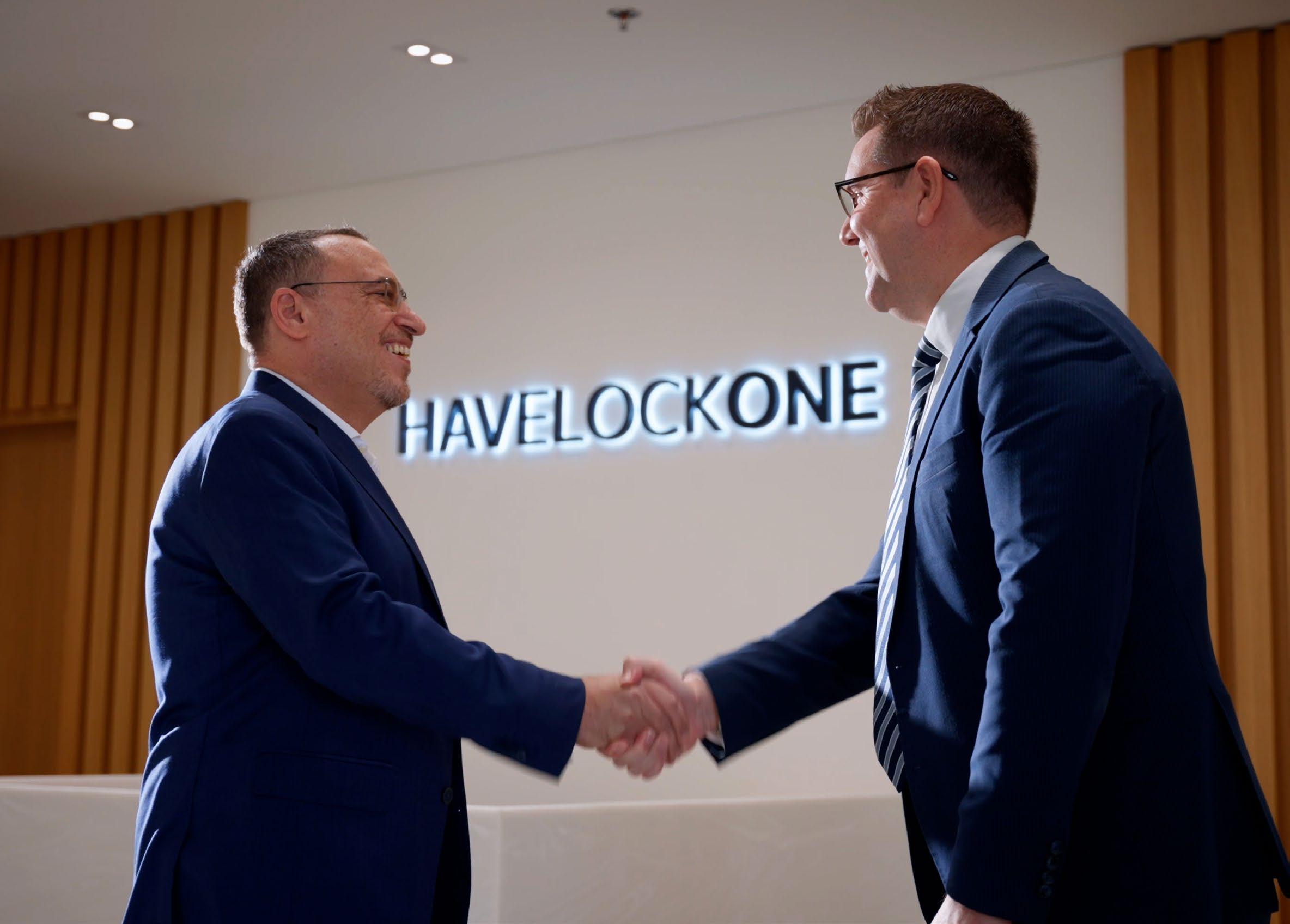
Post-Handover Safety and Client Assurance
Our responsibility to customer safety extends beyond project completion.
We maintain a swift response approach to any safety-related customer concerns, ensuring that issues are addressed promptly and effectively to maintain client confidence and occupant safety.
During the reporting period, there were zero customer or tenant injury cases linked to fit-out defects post handover, and no safety related call outs during the defect liability period (DLP).
Client Feedback and Continuous Improvement
Following the completion of each project, our project managers issue a client feedback form to capture insights on customer satisfaction, safety performance, and areas for improvement. This feedback plays a key role in strengthening our project delivery processes, enhancing safety practices, and continuously improving the customer experience across future projects.
Our Voice of Customer feedback form capture insights on customer satisfaction at the end of every project.
Customer Partnerships
Customer Privacy and Data Protection
Protecting customer information is central to our commitment to ethical business practices and responsible service delivery. We maintain robust data protection protocols, secure digital systems, and clear accountability to ensure personal and project related information is handled with the highest standards of confidentiality.
Strengthening Governance, Security and Data Protection
In 2025, we recorded zero substantiated complaints related to customer privacy breaches, zero data leaks, thefts, or losses, and no complaints from external parties or regulators. These results reflect effective internal controls, proactive monitoring, and continual improvement of our information security measures.

Information security remains a key governance priority for the company. Havelock One maintains an Information Security Management System (ISMS) certified to ISO 27001:2022, covering Bahrain and KSA operations, with planned expansion to the Dubai and Abu Dhabi offices. This certification helps ensure our processes, systems, and access controls align with international best practice for safeguarding sensitive information.
Complementing this, the IT Department applies cybersecurity principles aligned with the NIST Cybersecurity Framework, ensuring structured risk identification, protection, detection, and response across the organisation. Annual penetration testing and regular vulnerability scanning, conducted jointly with the Alshaya security team, help validate the effectiveness of these controls.
Additional security safeguards include:
• Multi-factor authentication (MFA) across critical systems
• Centralised patch management to keep endpoints updated with the latest security fixes
• Incident detection and escalation procedures under the ISO 27001 framework
• Centralised identity and access management, aligned to role-based access
• A formal mechanism to raise and report data privacy concerns

Appendix
Our ESG report communicates Havelock One’s sustainability philosophy, approach and performance for the reporting period from 1 January 2025 to 31 December 2025 (“2025”), unless otherwise stated. Unless otherwise stated, the data and information in this report cover all entities and operations. The report is published annually; certain amounts and percentages that appear in this ESG report may not sum due to rounding.
Appendix Reporting Frameworks
Havelock One has reported in accordance with the GRI Standards for the period 1 January 2025 to 31 December 2025, using the GRI 1: Foundation 2021. There are no applicable GRI Sector standards.
Reporting Context and Limitations
This Sustainability Report has been prepared during a period of heightened geopolitical instability in the GCC region. Ongoing regional conflict and associated operational constraints have temporarily affected access to certain data sources, site activities, and stakeholder engagement processes. As a result, some disclosures reflect the best available information at the time of reporting. Where limitations exist, these have been applied transparently and without material misrepresentation. The organisation remains committed to maintaining robust sustainability reporting and will continue to strengthen data completeness and coverage as conditions stabilise.
Forward-Looking Statements
This report contains forward-looking statements. All statements other than statements of historical fact contained in this report, including but not limited to, statements about Havelock One’s goals, targets, projections, outlooks, beliefs, expectations, strategy, plans, objectives of management for future operations of Havelock One, and growth opportunities, are forward-looking statements. Some of these forward-looking statements can be identified by the use of forward-looking words, including “anticipate,” “expect,” “suggest,” “plan,” “believe,” “intend,” “estimate,” “target,” “project,” “should,” “could,” “would,” “may,” “will,” “forecast” or other similar expressions. Forward-looking statements are based upon estimates and forecasts and reflect the views, assumptions, expectations, and opinions of Havelock One, which involve inherent risks and uncertainties, and therefore should not be relied upon as being necessarily indicative of future results. A number of factors, including macro-economic, industry, business, regulatory and other risks, could cause actual results to differ materially from those contained in any forward-looking statement, including but not limited to: Havelock One’s ability to grow at the desired rate or scale and its ability to manage its growth; its ability to further develop its business, including new products and services; its ability to attract and retain partners and consumers; its ability to compete effectively in the intensely competitive and constantly changing market; its ability to continue to raise sufficient capital; its ability to reduce net losses and the use of partner and consumer incentives, and to achieve profitability; potential impact of the complex legal and regulatory environment on its business; its ability to protect and maintain its brand and reputation; general economic, social and political conditions, currency exchange fluctuations and inflation; expected growth of markets in which Havelock One operates or may operate; and its ability to defend any legal or governmental proceedings instituted against it.
Industry and Market Data
This report contains information, estimates and other statistical data derived from third party sources, including research, surveys or studies, some of which are preliminary drafts, conducted by third parties, information provided by customers and/or industry or general publications. Such information involves several assumptions and limitations and due to the nature of the techniques and methodologies used in market research, and as such neither Havelock One nor the third-party sources can guarantee the accuracy of such information. You are cautioned not to give undue weight on such estimates. Havelock One has not independently verified such thirdparty information and makes no representation as to the accuracy of such third-party information.
Sustainable Development Goal Alignment