

























































4 BEDS | 4
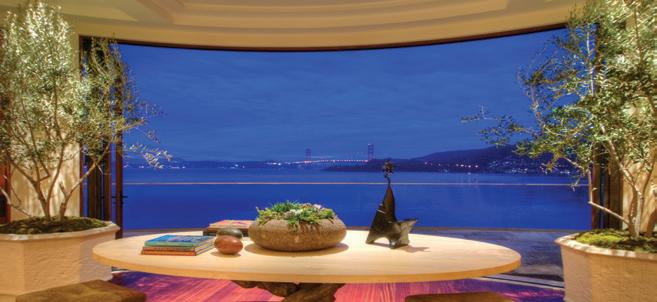
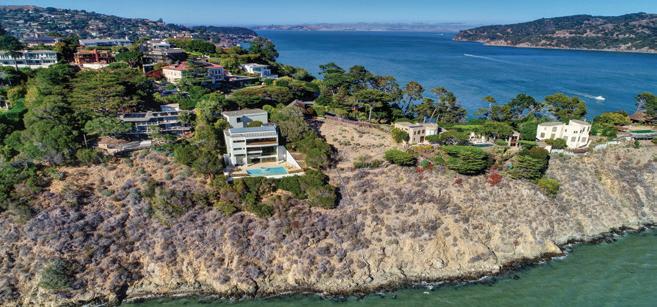
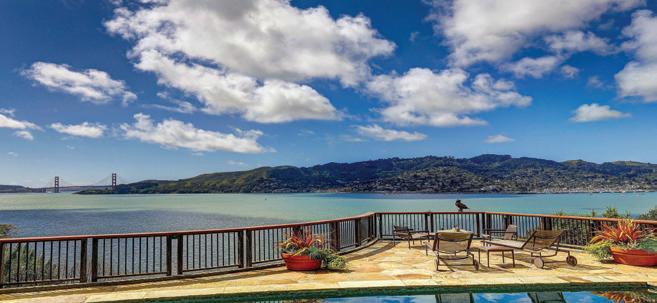
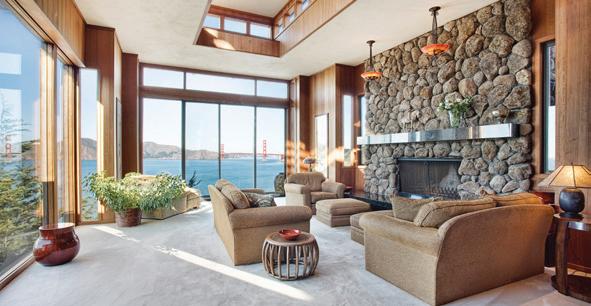
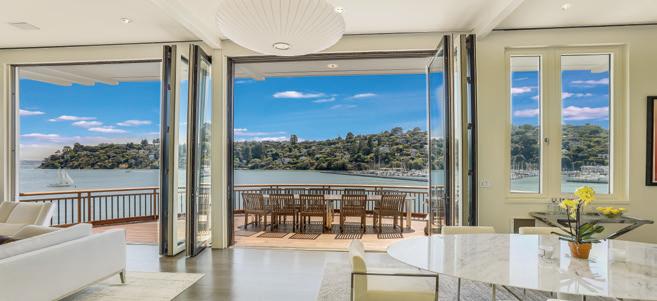
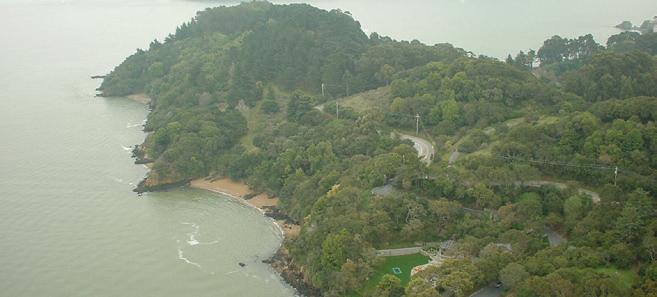
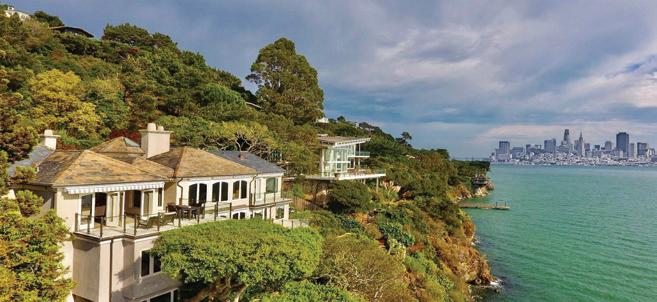
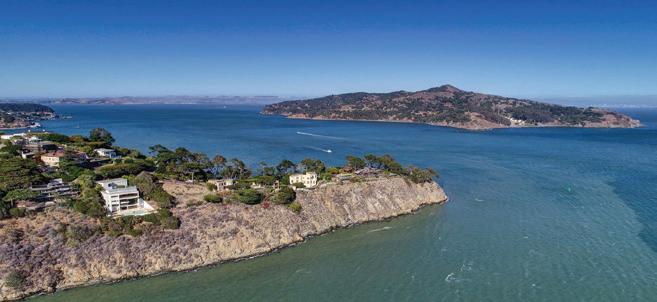
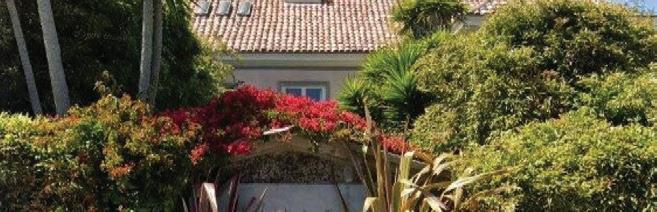
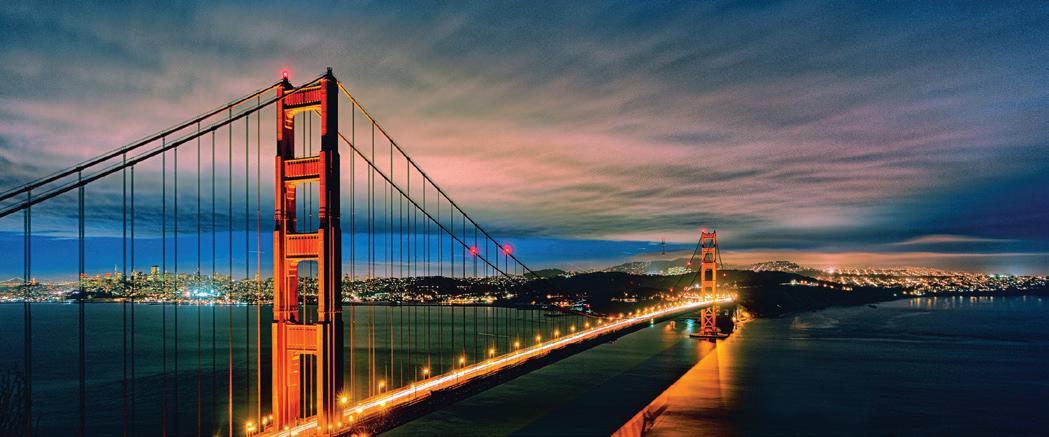
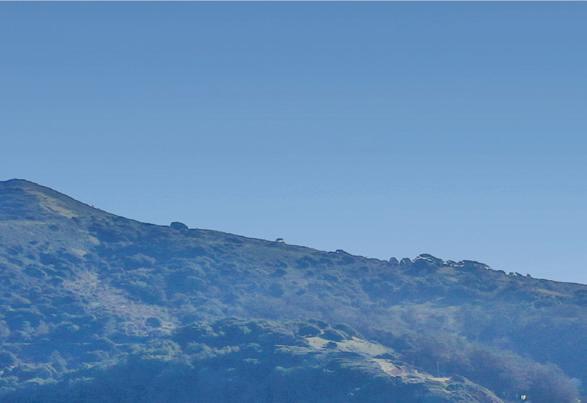
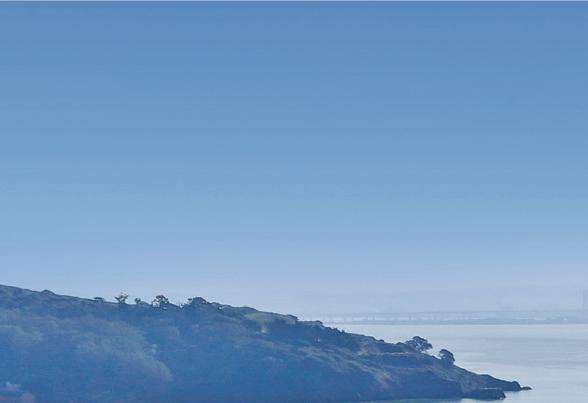
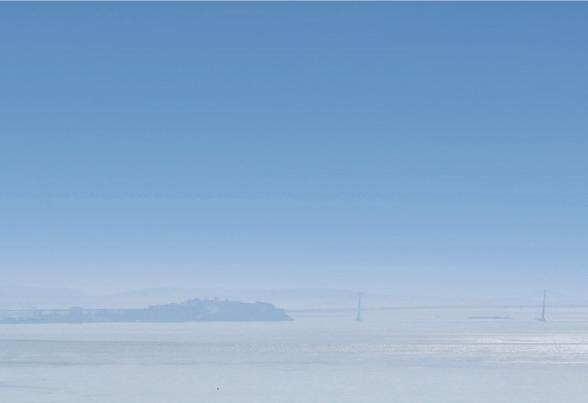
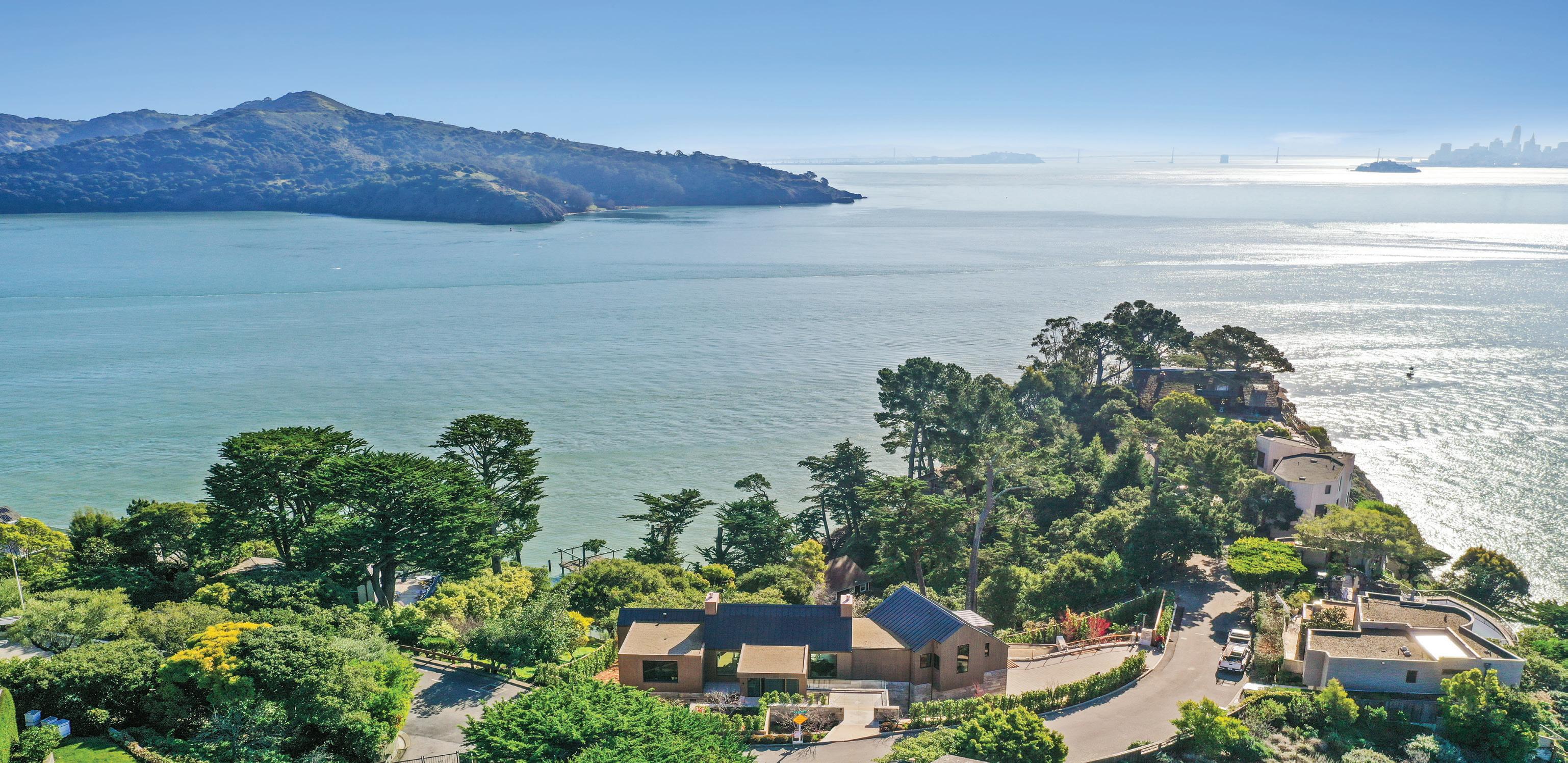
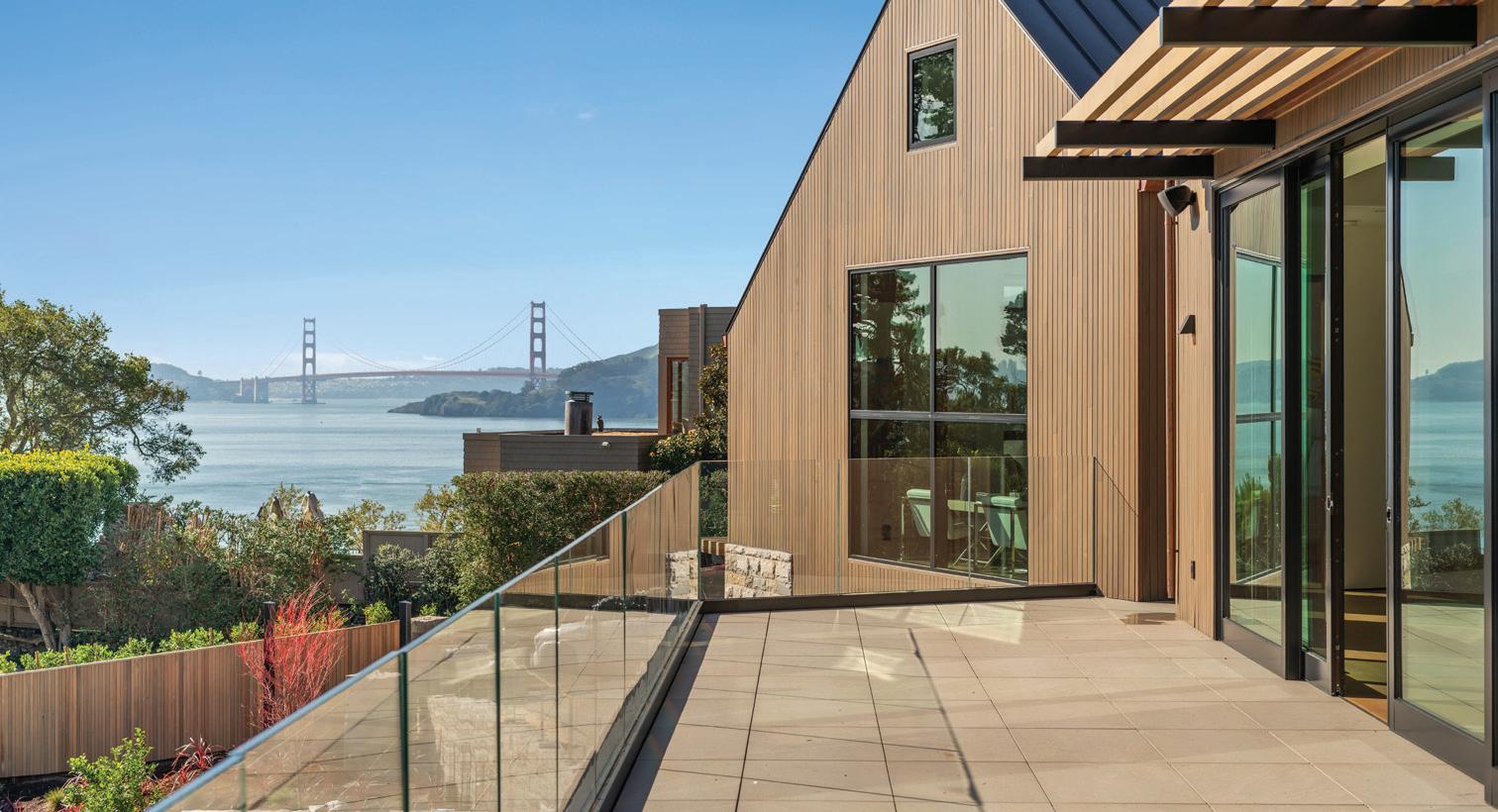
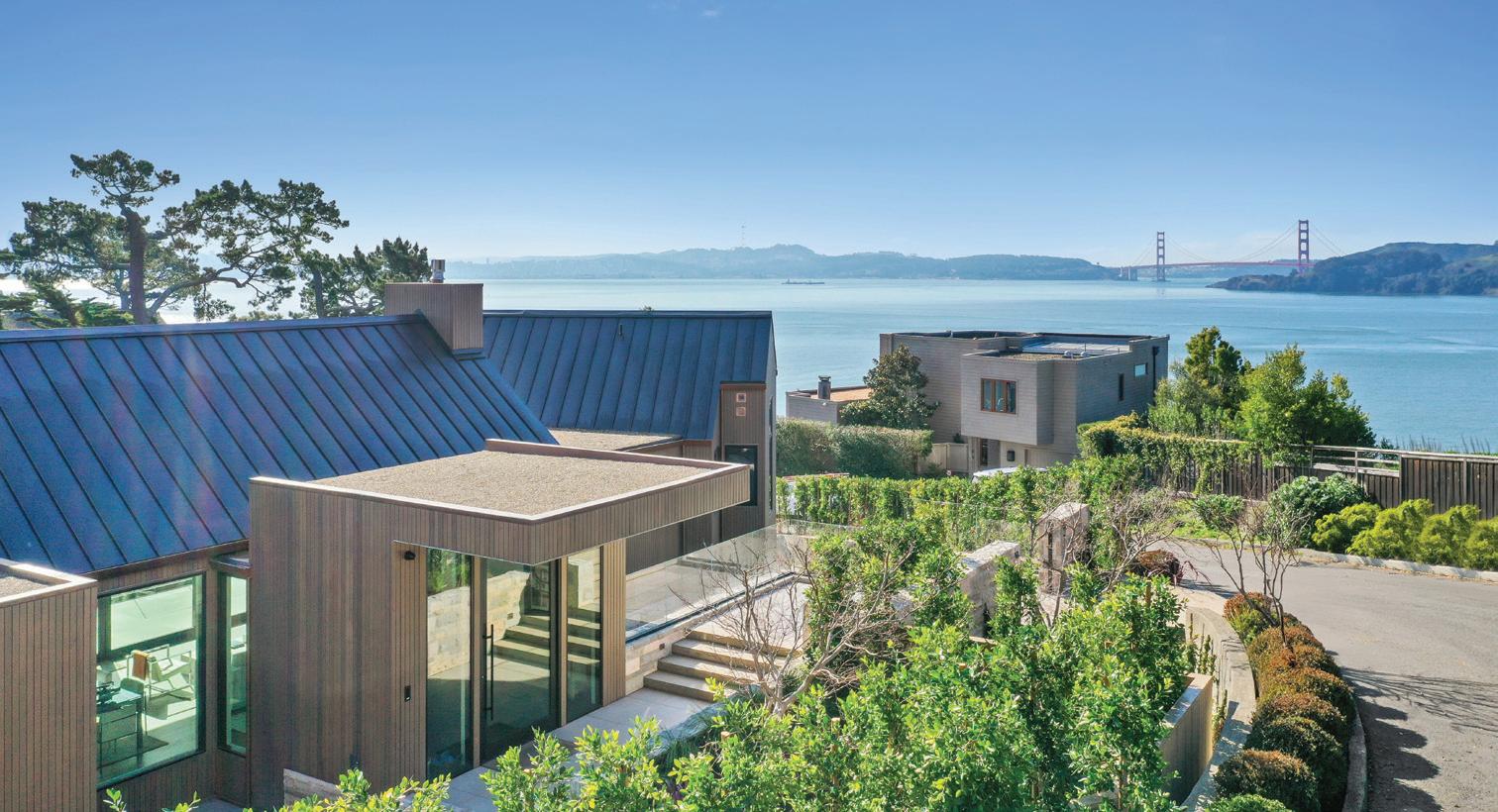
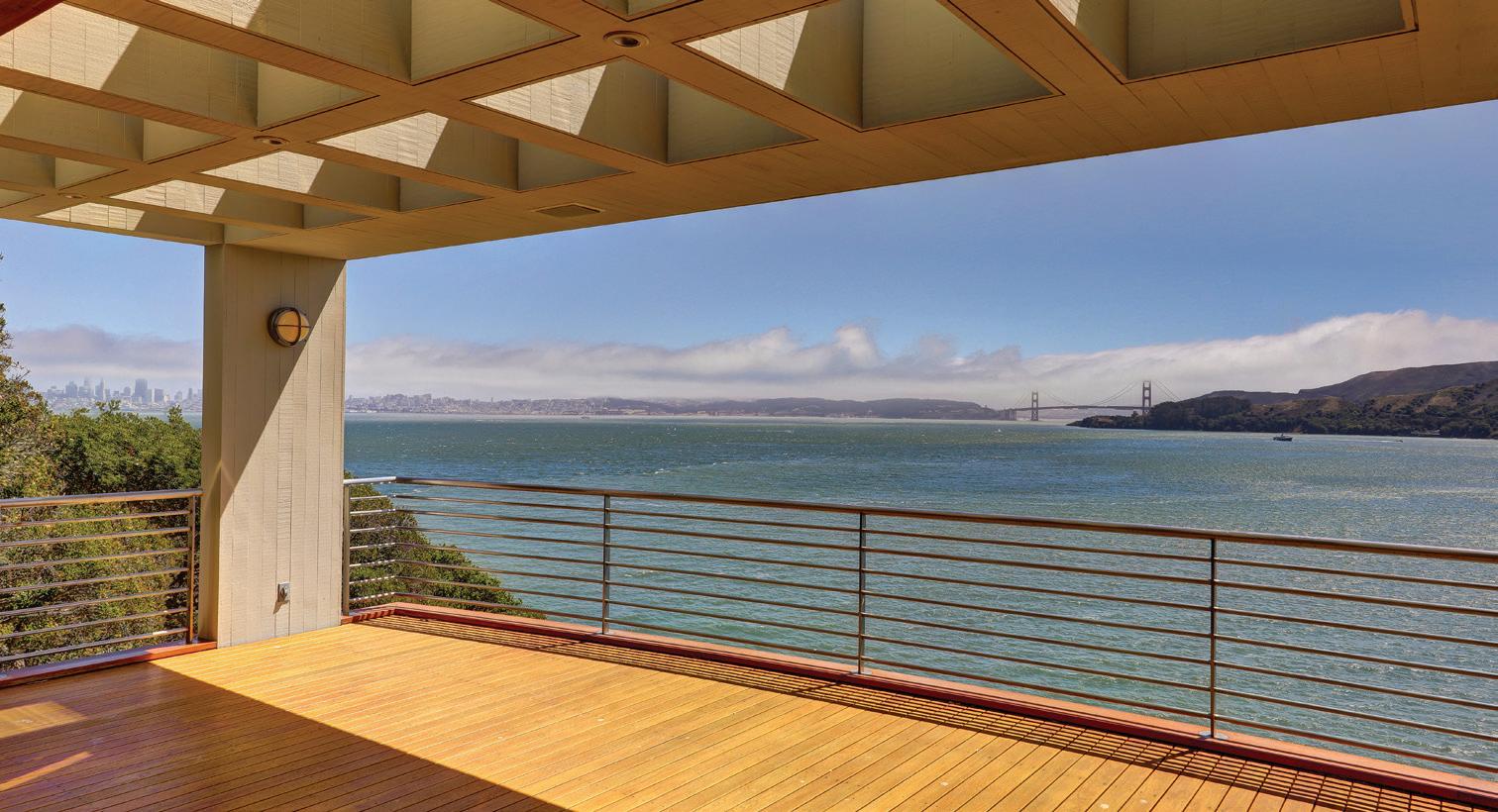
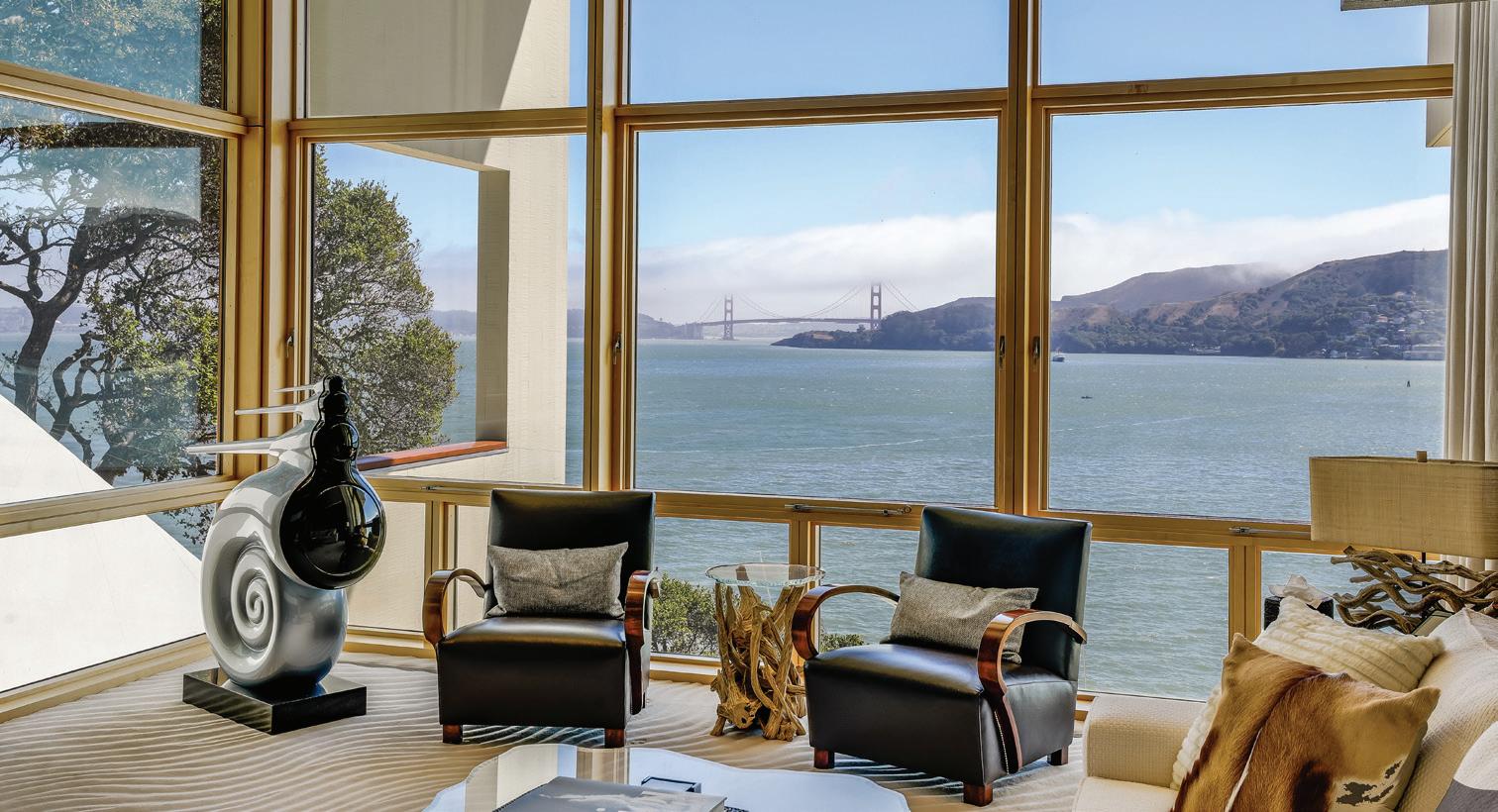
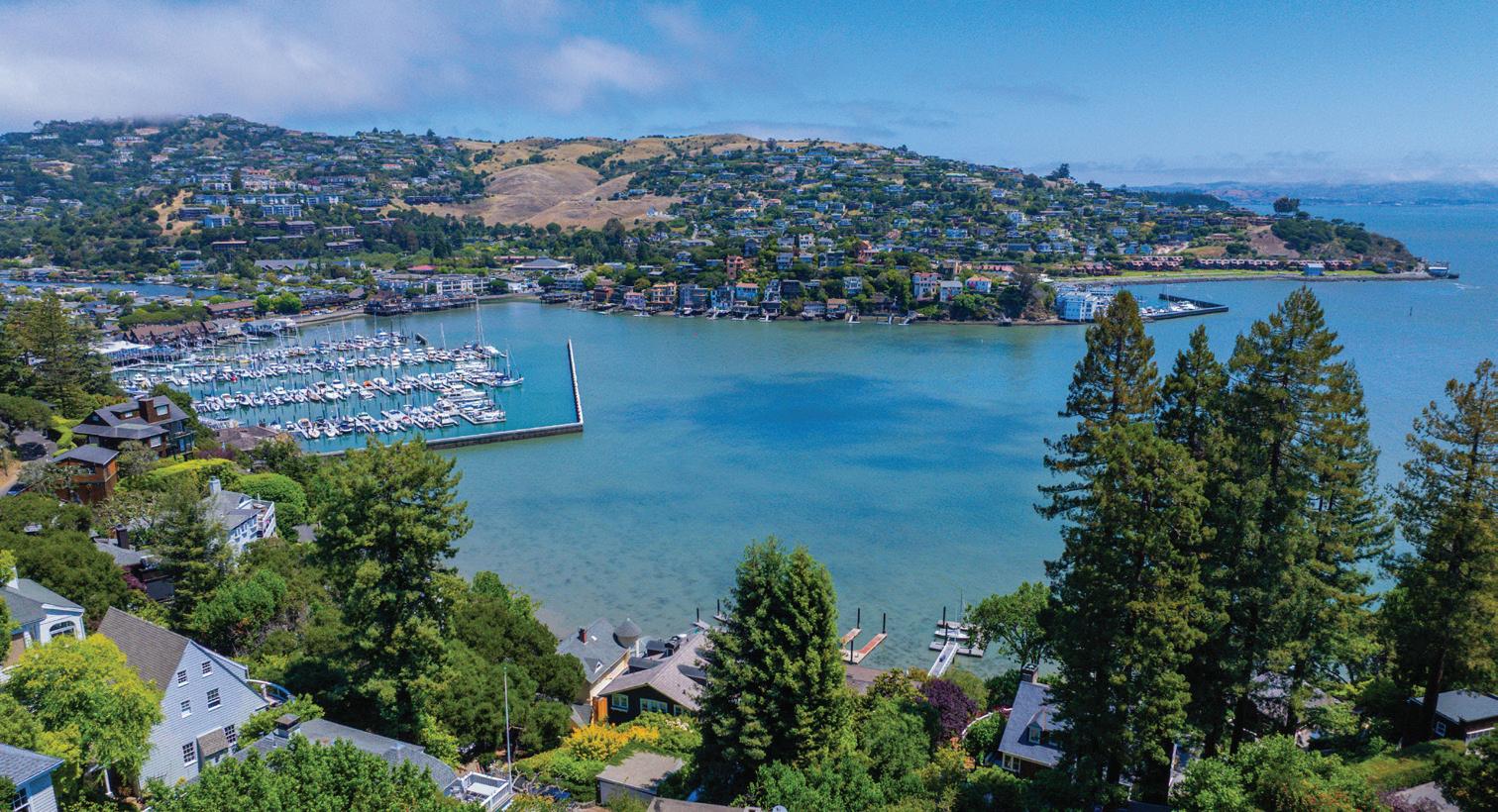
Discover a newly constructed coastal estate where world-class design meets the most iconic views in the Bay Area. Perched on the coveted tip of Belvedere Island, this 5,000± sq. ft. residence—formerly known as 465 Belvedere Avenue—o ers an unmatched vantage point with sweeping panoramas of the Golden Gate Bridge, San Francisco skyline, Bay Bridge, Angel Island, and the East Bay.
Discover a newly constructed coastal estate where world-class design meets the most iconic views in the Bay Area. Perched on the coveted tip of Belvedere Island, this 5,000± sq. ft. residence—formerly known as 465 Belvedere Avenue—o ers an unmatched vantage point with sweeping panoramas of the Golden Gate Bridge, San Francisco skyline, Bay Bridge, Angel Island, and the East Bay.
Discover a newly constructed coastal estate where world-class design meets the most iconic views in the Bay Area. Perched on the coveted tip of Belvedere Island, this 5,000± sq. ft. residence—formerly known as 465 Belvedere Avenue—o ers an unmatched vantage point with sweeping panoramas of the Golden Gate Bridge, San Francisco skyline, Bay Bridge, Angel Island, and the East Bay.
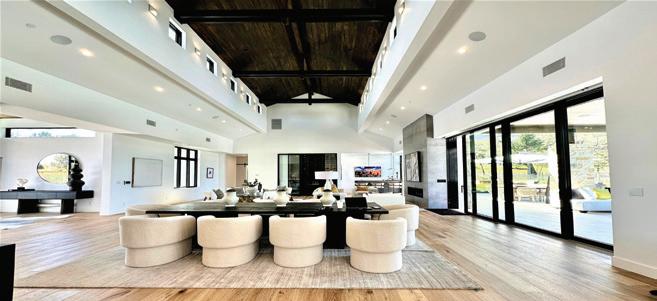
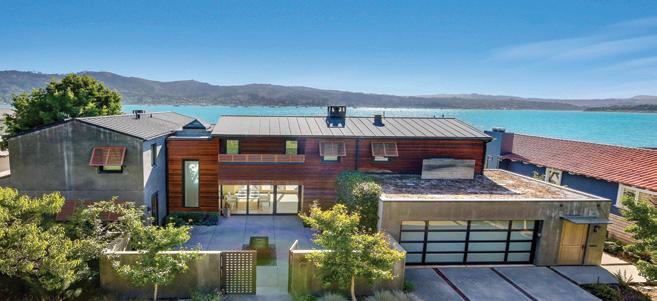
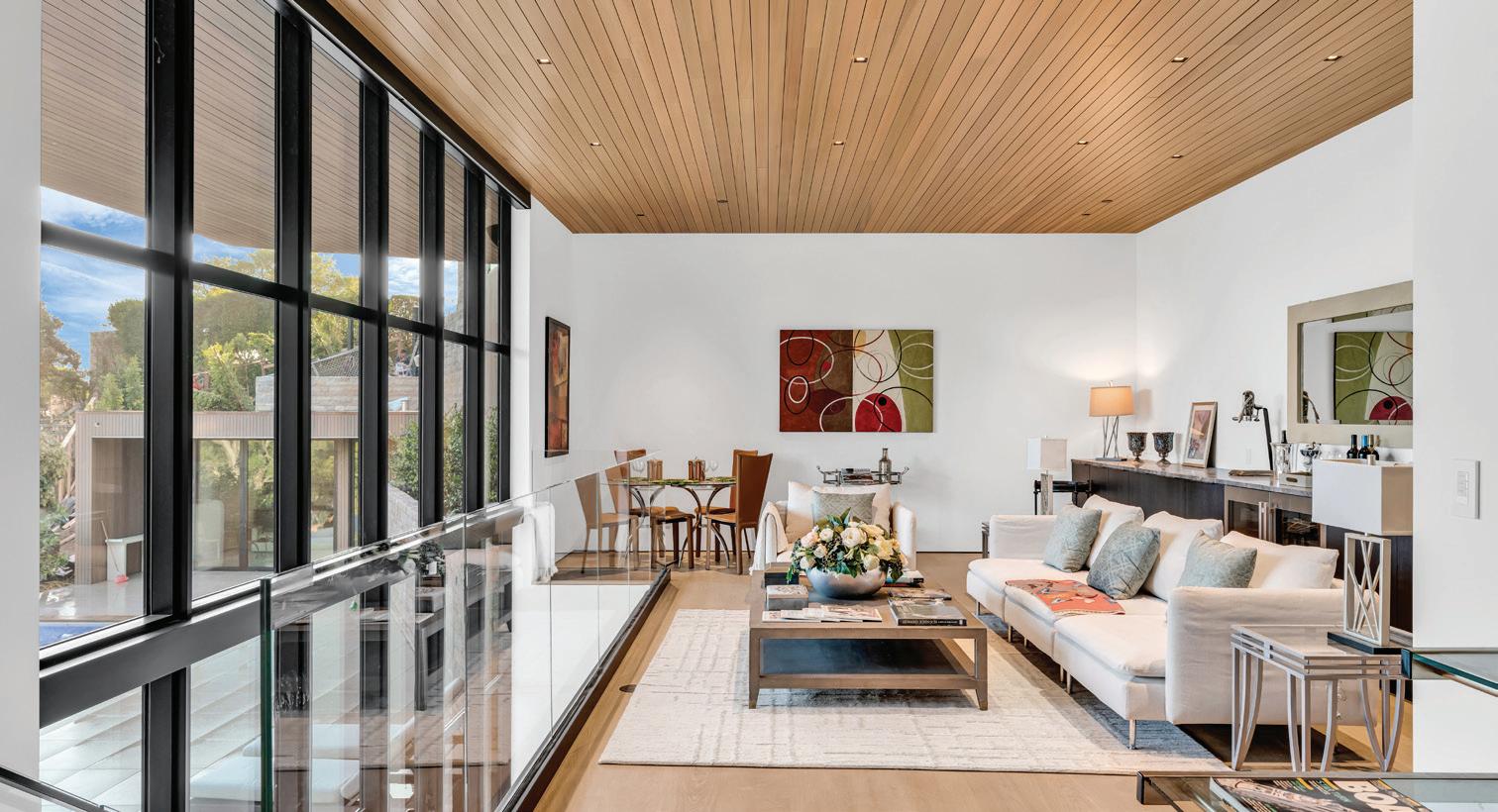
Designed by acclaimed architect David Kotzebue, the home reflects a perfect balance of modern elegance and timeless sophistication. Every element has been thoughtfully considered—from handcrafted white oak finishes and cedar ceilings to Spanish stone accents and soaring 18-foot vaulted ceilings.
Designed by acclaimed architect David Kotzebue, the home reflects a perfect balance of modern elegance and timeless sophistication. Every element has been thoughtfully considered—from handcrafted white oak finishes and cedar ceilings to Spanish stone accents and soaring 18-foot vaulted ceilings.
Designed by acclaimed architect David Kotzebue, the home reflects a perfect balance of modern elegance and timeless sophistication. Every element has been thoughtfully considered—from handcrafted white oak finishes and cedar ceilings to Spanish stone accents and soaring 18-foot vaulted ceilings.
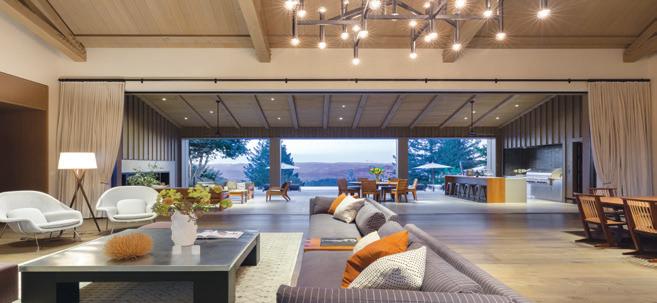
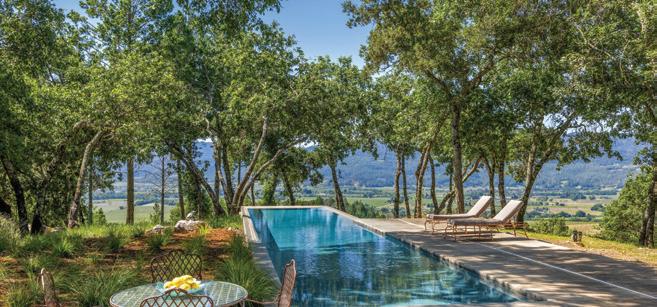
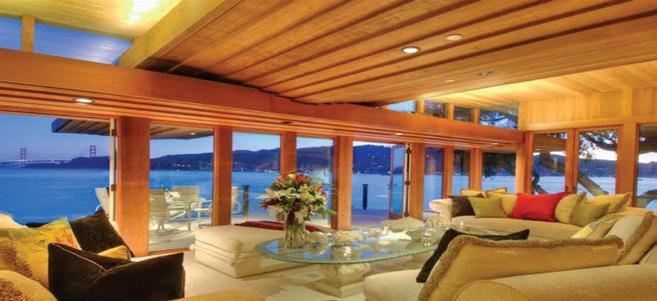
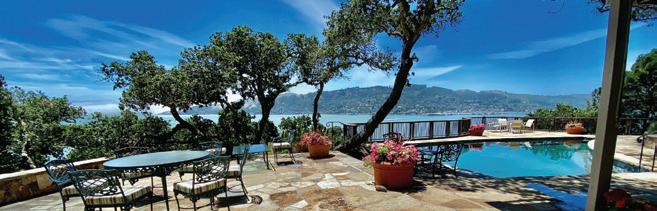
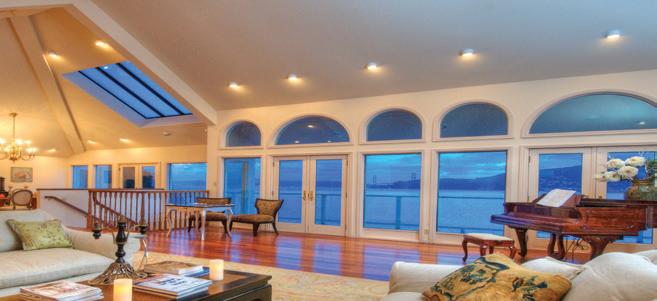
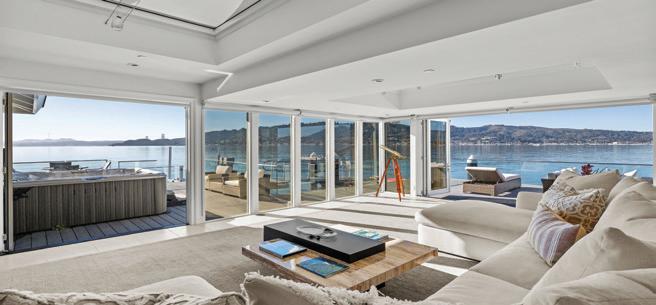
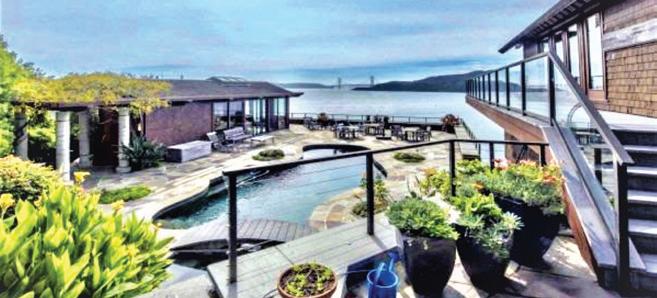
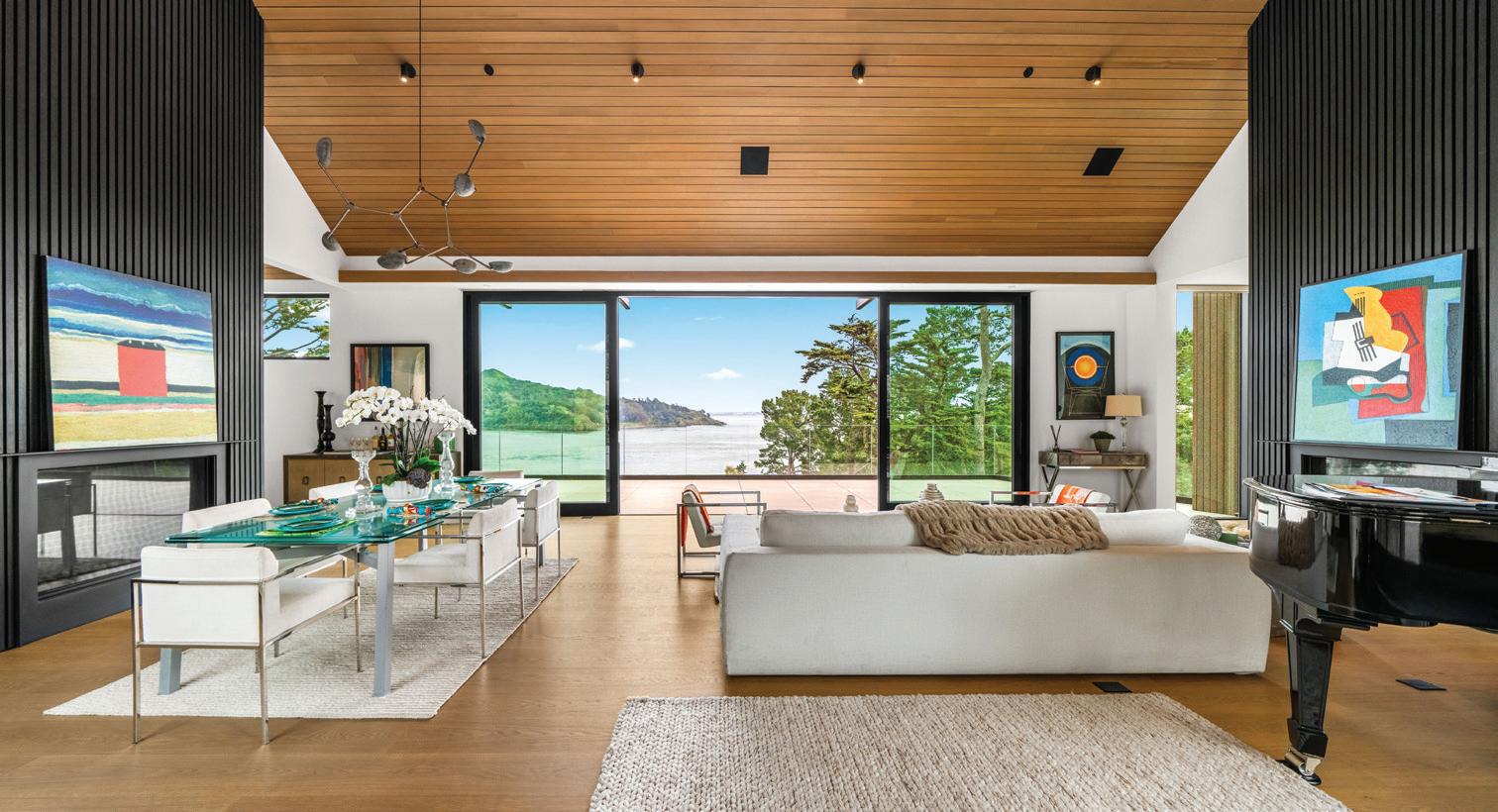
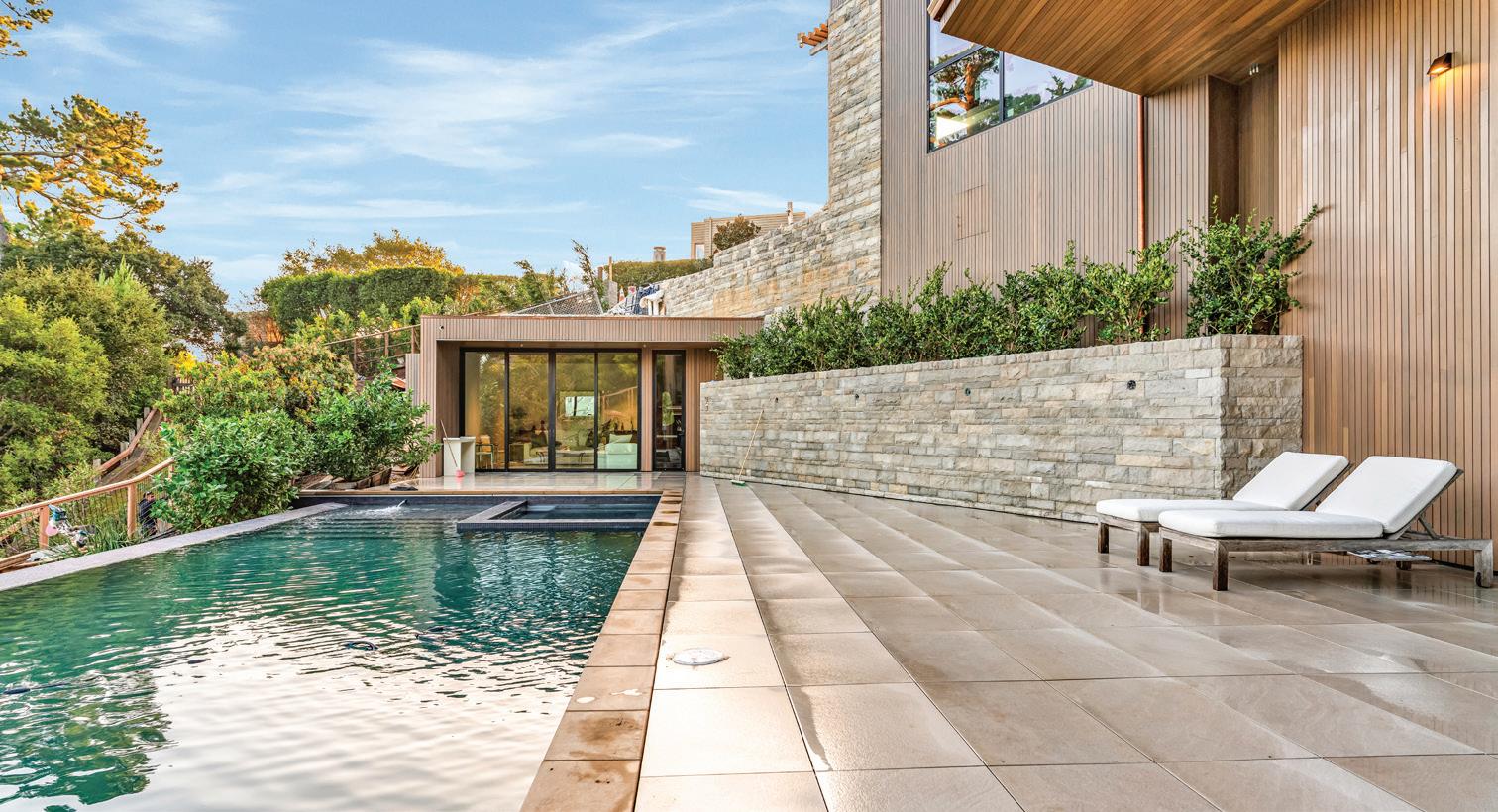
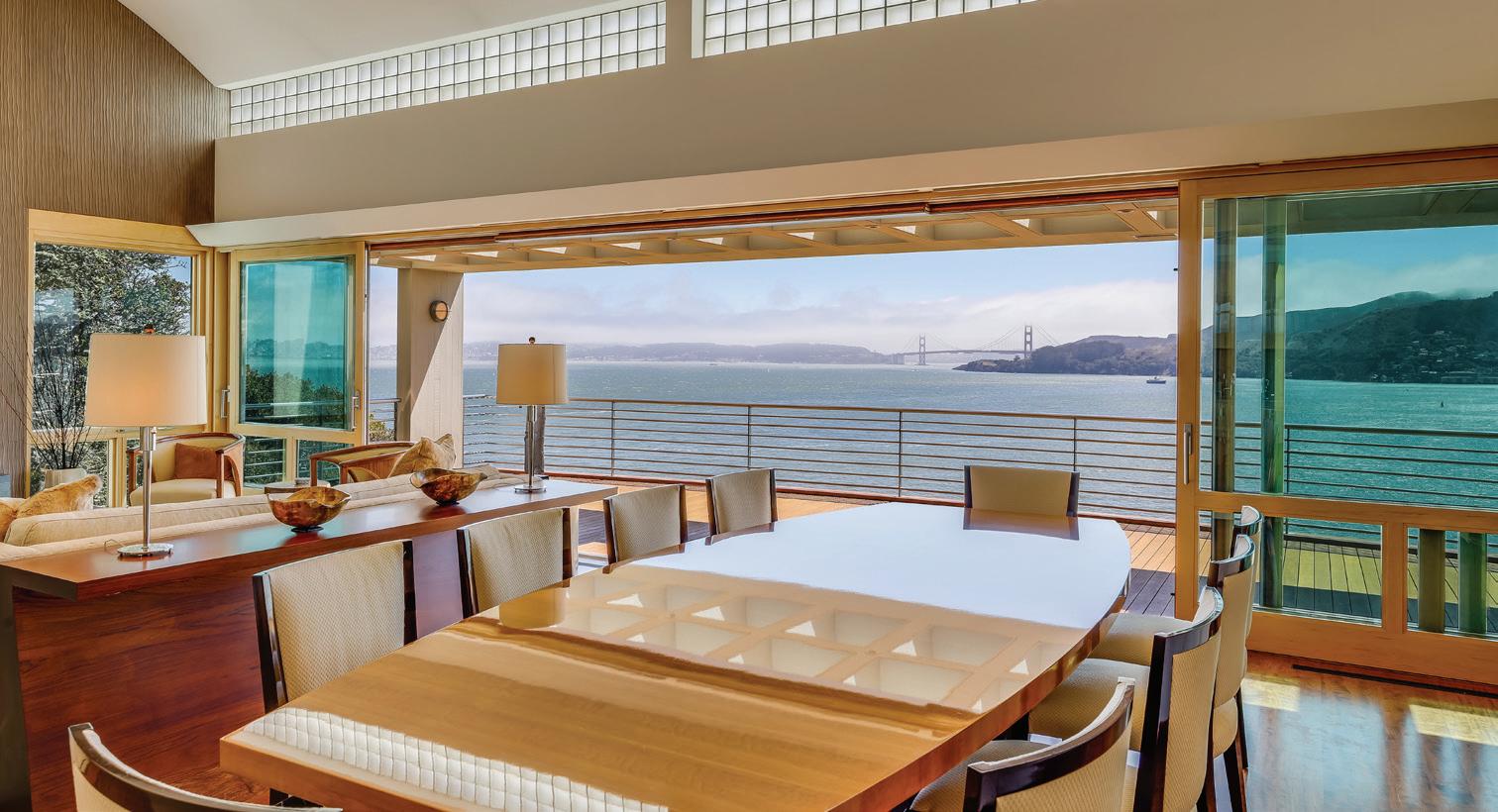
The heart of the home is a stunning great room with floor-to-ceiling glass doors that open onto a dramatic stone terrace. The outdoor living space features a 46-foot infinity edge pool, fully appointed pool house with wet bar and appliances, and a state-of-the-art outdoor kitchen—ideal for entertaining against a backdrop of endless water views.
The heart of the home is a stunning great room with floor-to-ceiling glass doors that open onto a dramatic stone terrace. The outdoor living space features a 46-foot infinity edge pool, fully appointed pool house with wet bar and appliances, and a state-of-the-art outdoor kitchen—ideal for entertaining against a backdrop of endless water views.
The heart of the home is a stunning great room with floor-to-ceiling glass doors that open onto a dramatic stone terrace. The outdoor living space features a 46-foot infinity edge pool, fully appointed pool house with wet bar and appliances, and a state-of-the-art outdoor kitchen—ideal for entertaining against a backdrop of endless water views.
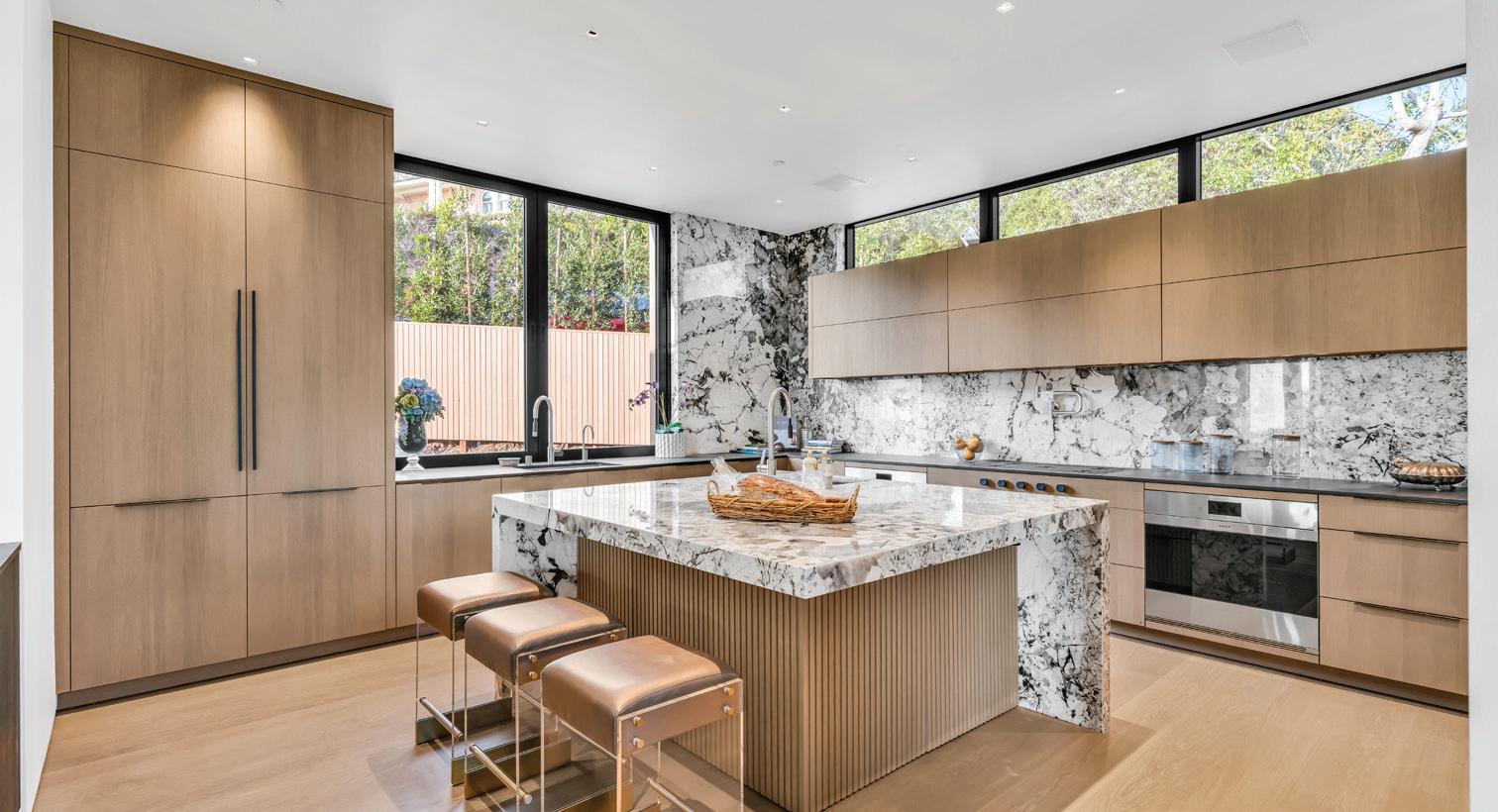
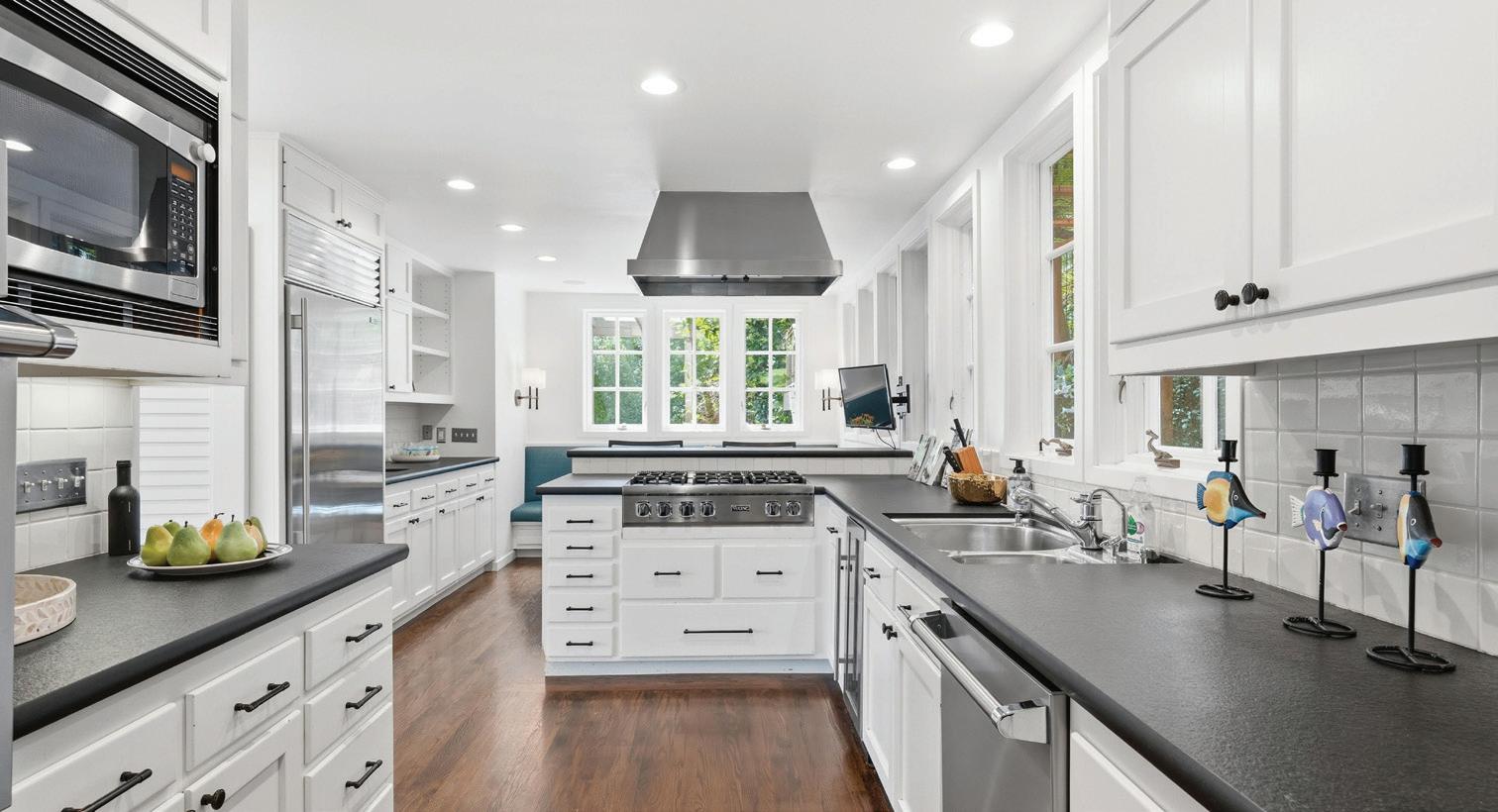
Inside, a chef’s kitchen awaits with Italian marble, custom oak cabinetry, dual dishwashers, a six-burner Miele range, and Sub-Zero refrigeration. The luxurious primary suite boasts breathtaking views and a spa-inspired bathroom with steam shower, marble soaking tub, and a custom walk-in closet.
Inside, a chef’s kitchen awaits with Italian marble, custom oak cabinetry, dual dishwashers, a six-burner Miele range, and Sub-Zero refrigeration. The luxurious primary suite boasts breathtaking views and a spa-inspired bathroom with steam shower, marble soaking tub, and a custom walk-in closet.
Inside, a chef’s kitchen awaits with Italian marble, custom oak cabinetry, dual dishwashers, a six-burner Miele range, and Sub-Zero refrigeration. The luxurious primary suite boasts breathtaking views and a spa-inspired bathroom with steam shower, marble soaking tub, and a custom walk-in closet.
Additional en-suite bedrooms o er private terraces and panoramic views, creating a resort-like experience for family and guests. Every level of the home is connected to outdoor space, maximizing natural light and indoor-outdoor living.
Additional en-suite bedrooms o er private terraces and panoramic views, creating a resort-like experience for family and guests. Every level of the home is connected to outdoor space, maximizing natural light and indoor-outdoor living.
Additional en-suite bedrooms o er private terraces and panoramic views, creating a resort-like experience for family and guests. Every level of the home is connected to outdoor space, maximizing natural light and indoor-outdoor living.
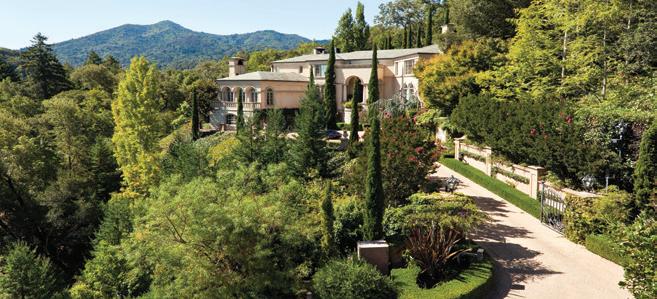
Set on a 0.38-acre lot surrounded by open space and lush trees, this private retreat is just minutes from Tiburon’s vibrant downtown, two prestigious yacht clubs, ferry service to San Francisco and Angel Island, and scenic bayfront paths.
Set on a 0.38-acre lot surrounded by open space and lush trees, this private retreat is just minutes from Tiburon’s vibrant downtown, two prestigious yacht clubs, ferry service to San Francisco and Angel Island, and scenic bayfront paths.
Set on a 0.38-acre lot surrounded by open space and lush trees, this private retreat is just minutes from Tiburon’s vibrant downtown, two prestigious yacht clubs, ferry service to San Francisco and Angel Island, and scenic bayfront paths.
With top-rated schools, world-class amenities, and limited access to Belvedere Island, this is one of the most exclusive and desirable addresses in California.
With top-rated schools, world-class amenities, and limited access to Belvedere Island, this is one of the most exclusive and desirable addresses in California.
With top-rated schools, world-class amenities, and limited access to Belvedere Island, this is one of the most exclusive and desirable addresses in California.

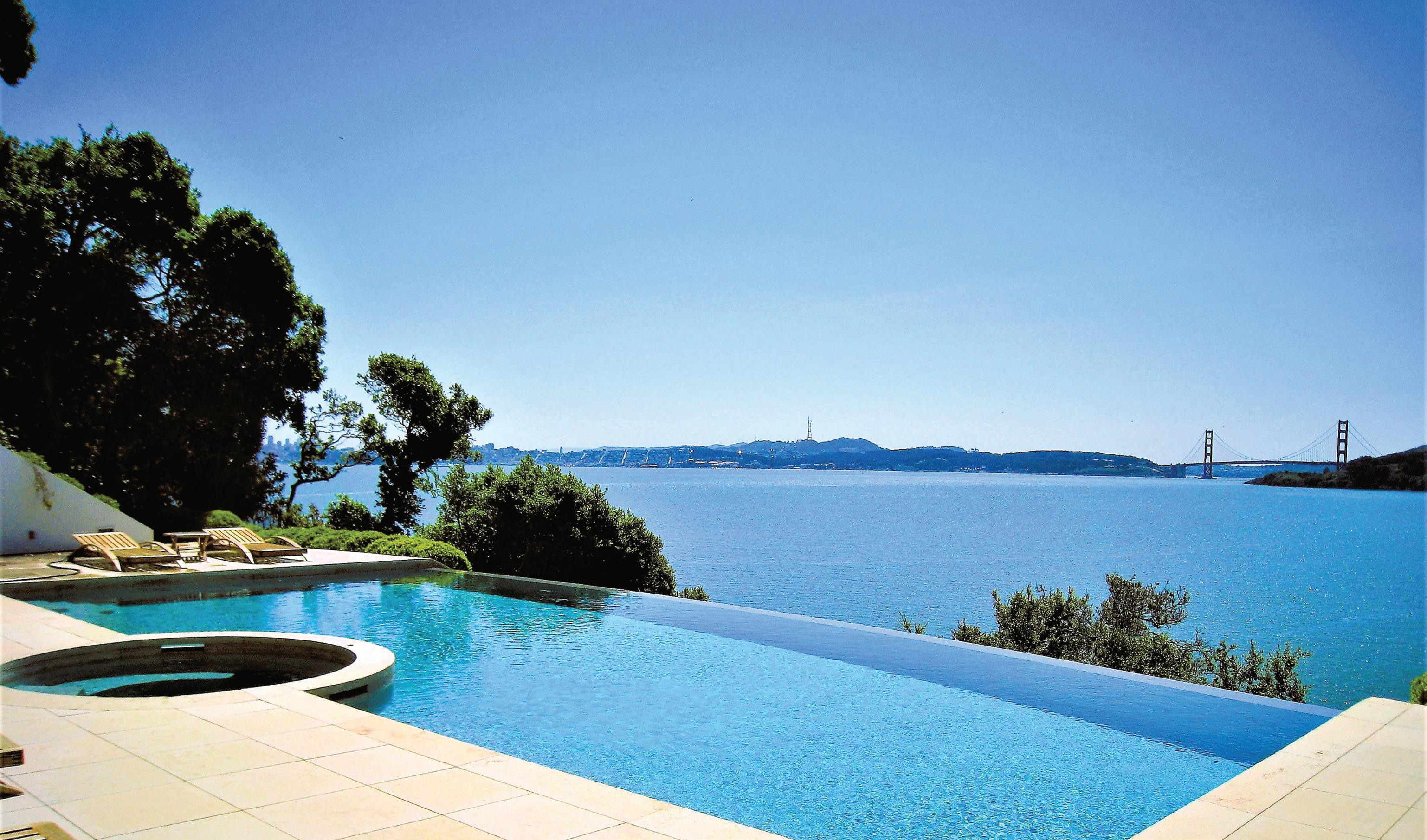
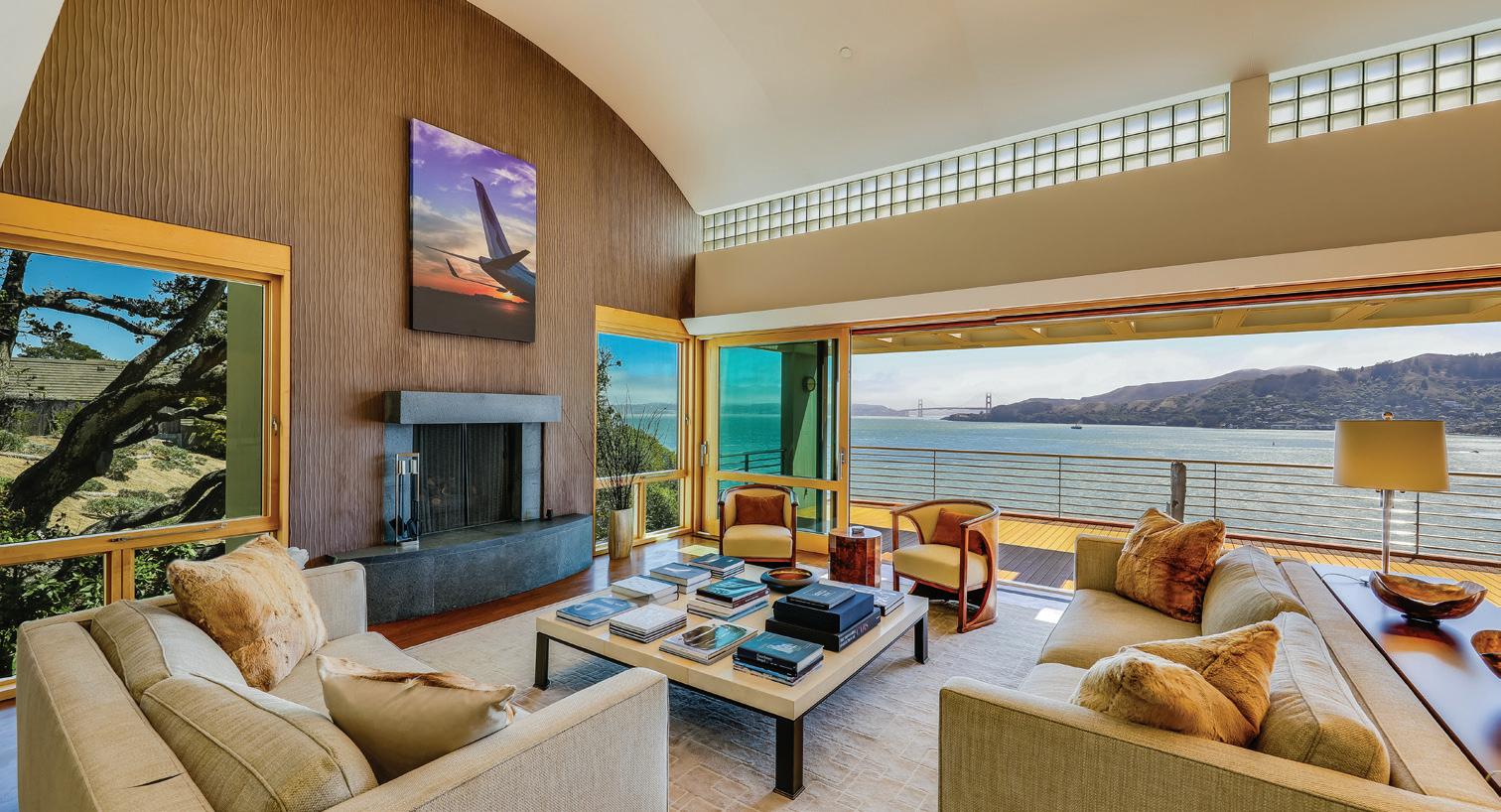
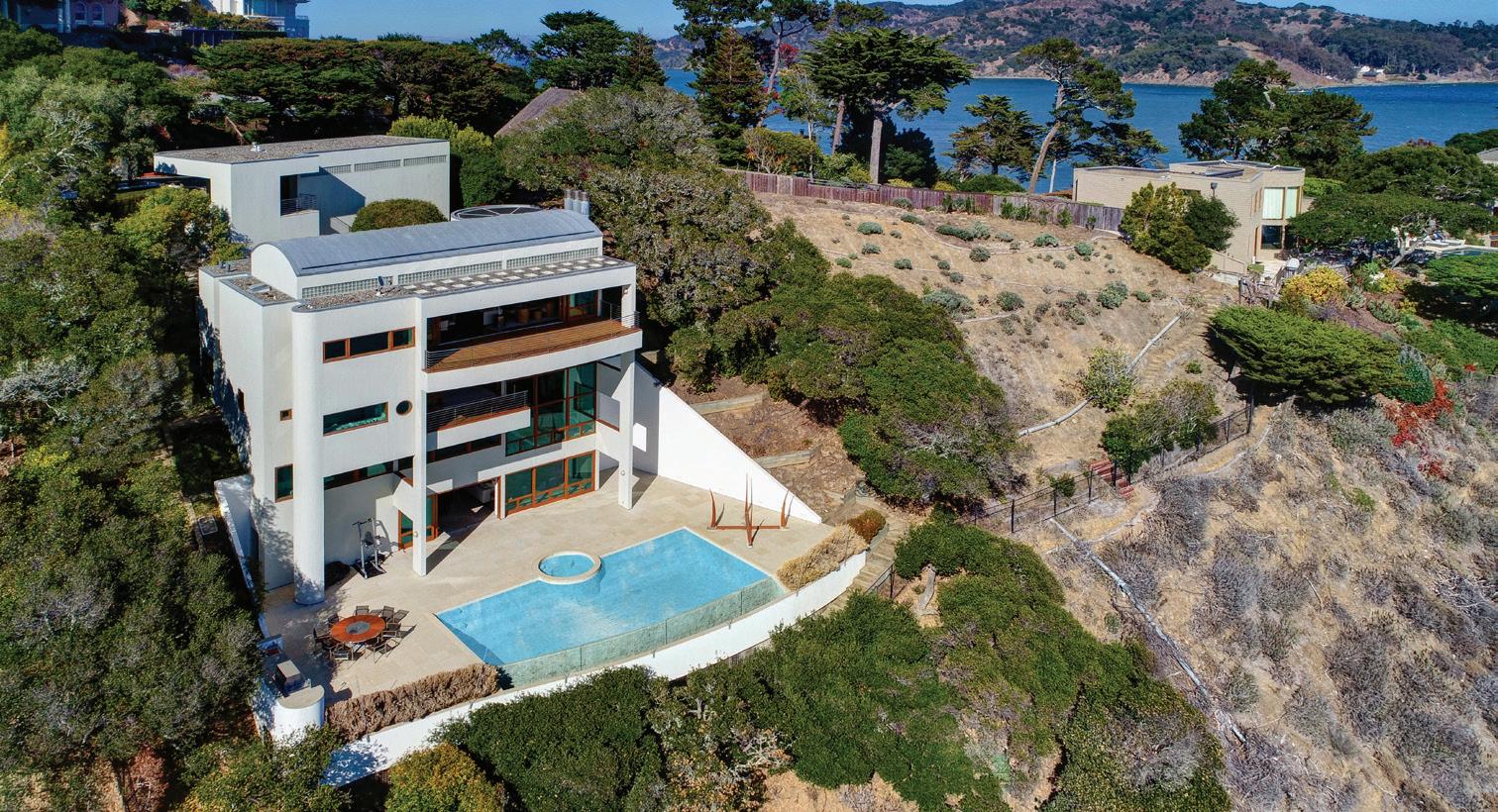
Featured in Architectural Digest, this world-class residence showcases panoramic views of the San Francisco Bay, the Golden Gate Bridge, the skyline of San Francisco and Sausalito. This magnificent masterpiece in a dramatic setting on the most prestigious location is comprised of a ±8,131 sq .ft. home on a ±0.67 acre lot, featuring 4 bedrooms and 5.5 baths. This architectural work of art was designed by architect Charles Gwathmey, with spectacular outlooks from every corner of the expansive 4-level floor plan. The primarily vertical organization of this home takes advantage of its sloped site on the southern coast of Belvedere Island. The uppermost level contains a 3-car garage with glass doors, an elevator which descends to a courtyard, a detached one bedroom, one bath guesthouse and a spacious wine cellar. The remaining levels of the main house are situated between two large retaining walls, which follow the natural contours of the site and splay outwards towards the Bay. The house’s compact organization within the precinct formed by the retaining walls ensures privacy. An interior circular stair winds around an elevator and forms the cylindrical focal point of the house’s massing. A barrel-vaulted ceiling articulates the living and dining room at the entry level of the main house, and a large deck projects towards the Bay to extend the space into the landscape. 3 bedrooms, 3 baths, a study and a two-story entertainment room occupy the intermediate floors, while a media room, a beautiful wet bar, a full bath with steam shower and sauna on the lowest level open onto a spacious outdoor terrace with a pool, whose “infinity edge” of water establishes a poetic connection to the Bay. The interior floors are limestone and wide plank Bubinga wood and cabinets are lightly stained maple. The exterior is clad in gray stained cedar, with a curved standing seam zinc roof. All exterior windows, doors and decks are teak, all terraces are beige/gray flamed limestone pavers and the retaining walls are painted warm white stucco. This is one of the very rare large size newer contemporary homes on Belvedere Island on south and west facing waterfront.




5 BEDS | 3.5 BATHS | ± 3,907 SQ. FT | ±0.11 ACRES ASKING $4,550,000
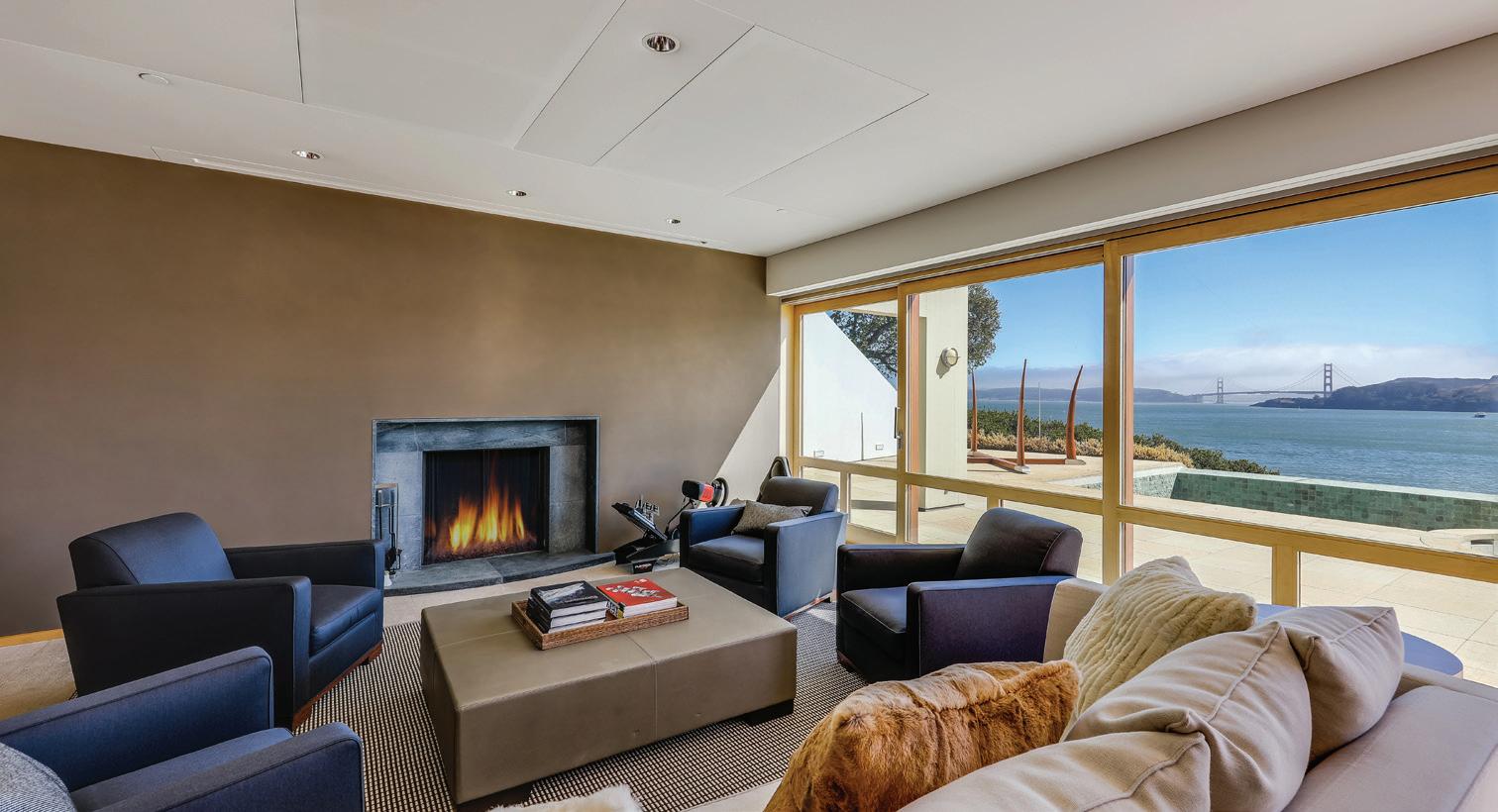
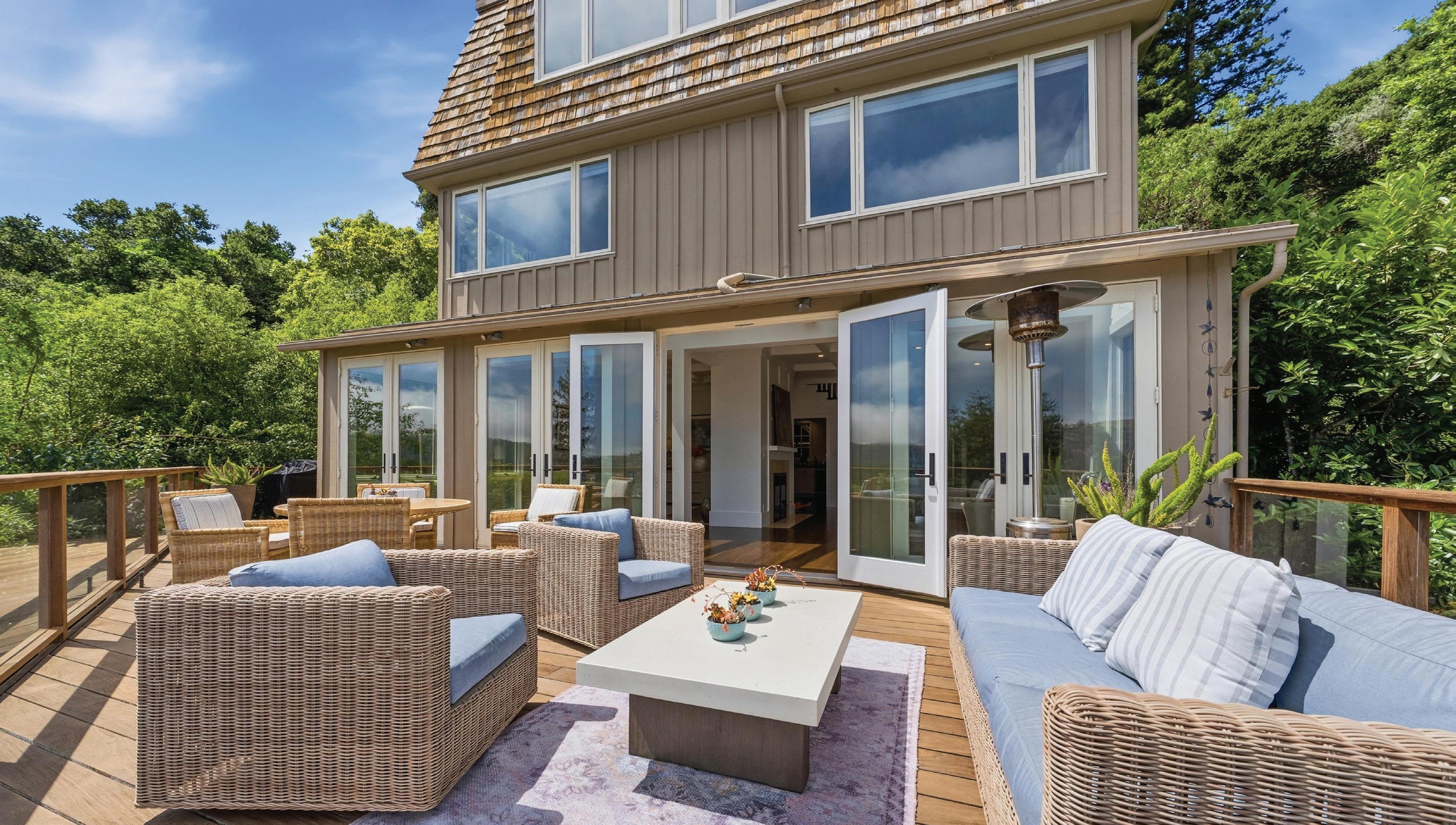
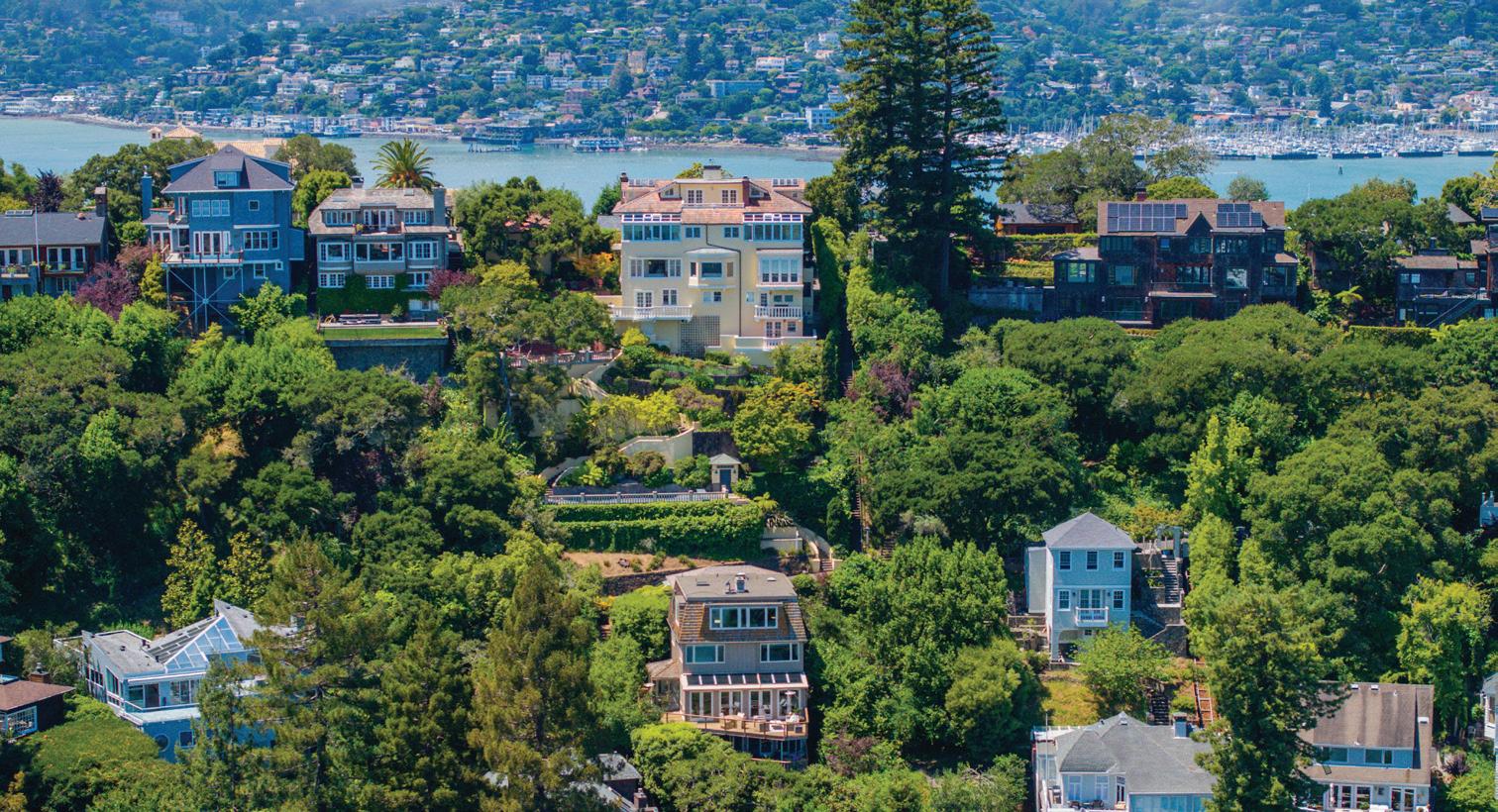
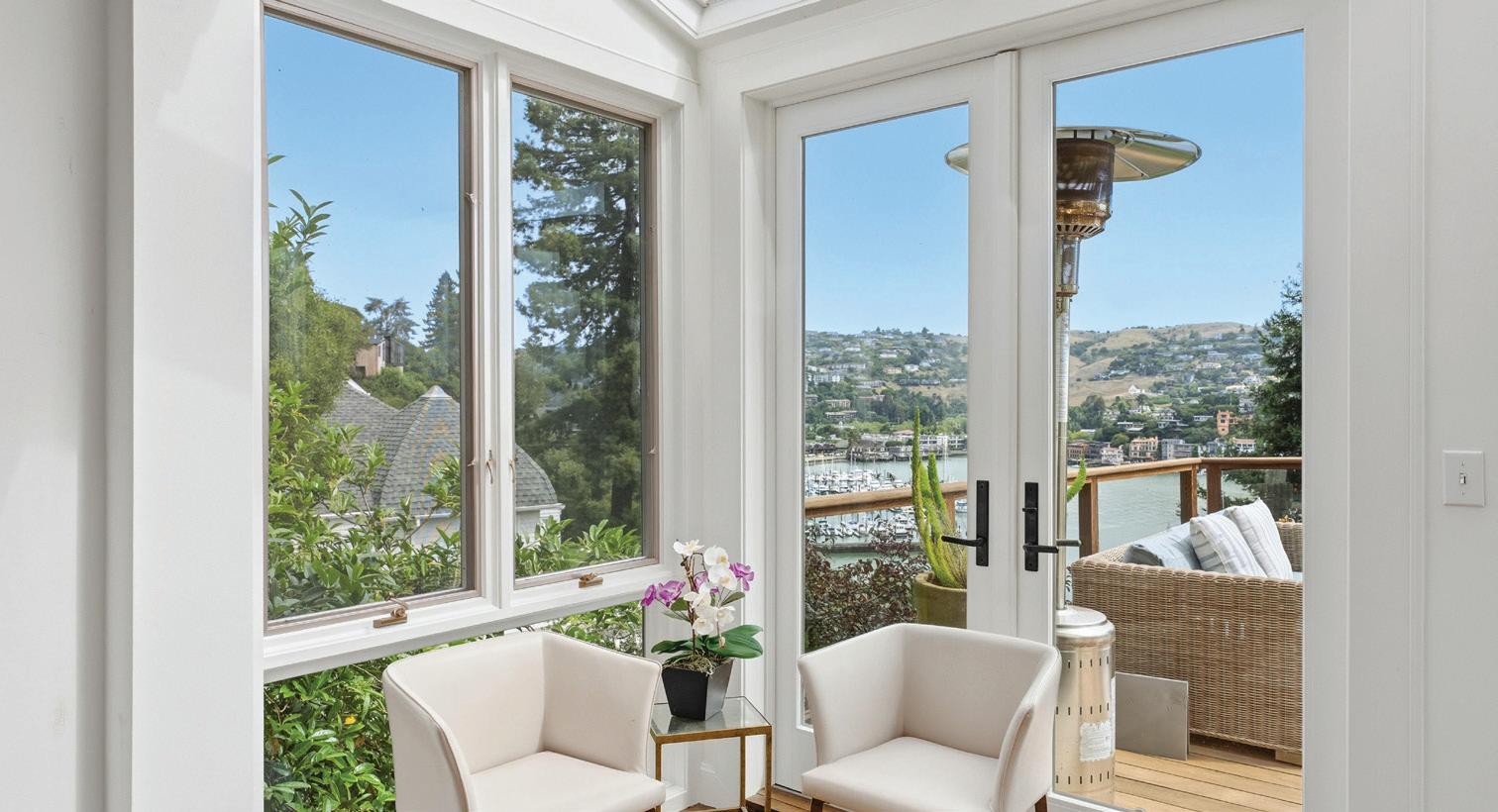
Commanding breathtaking views across the bay, 306 Bella Vista Avenue is a distinguished four-story residence on Belvedere Island where Raccoon Strait, Angel Island, Corinthian Harbor, and the San Francisco skyline unfold in a stunning, unobstructed panorama. It’s a view that captivates at every hour of the day.
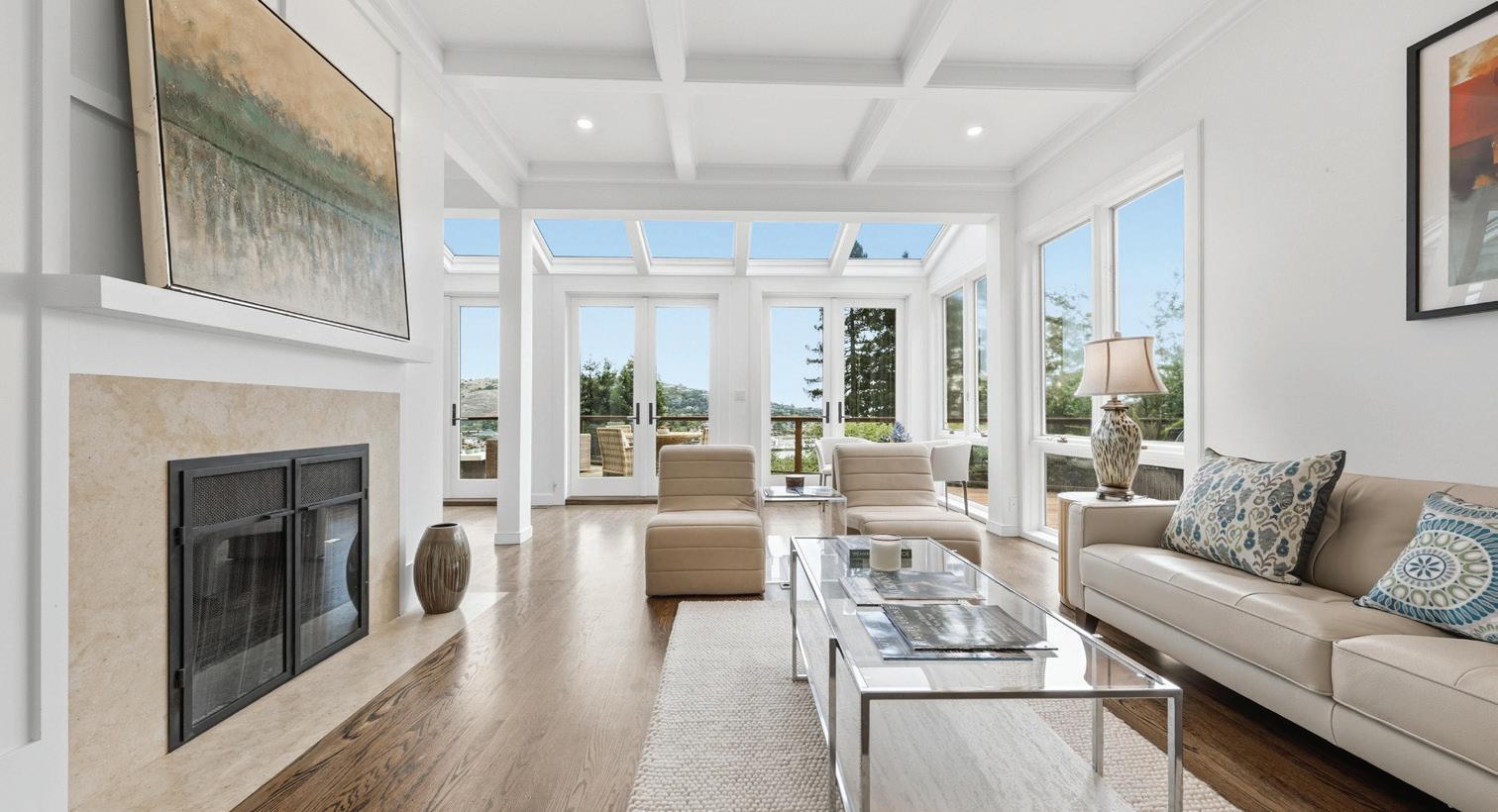
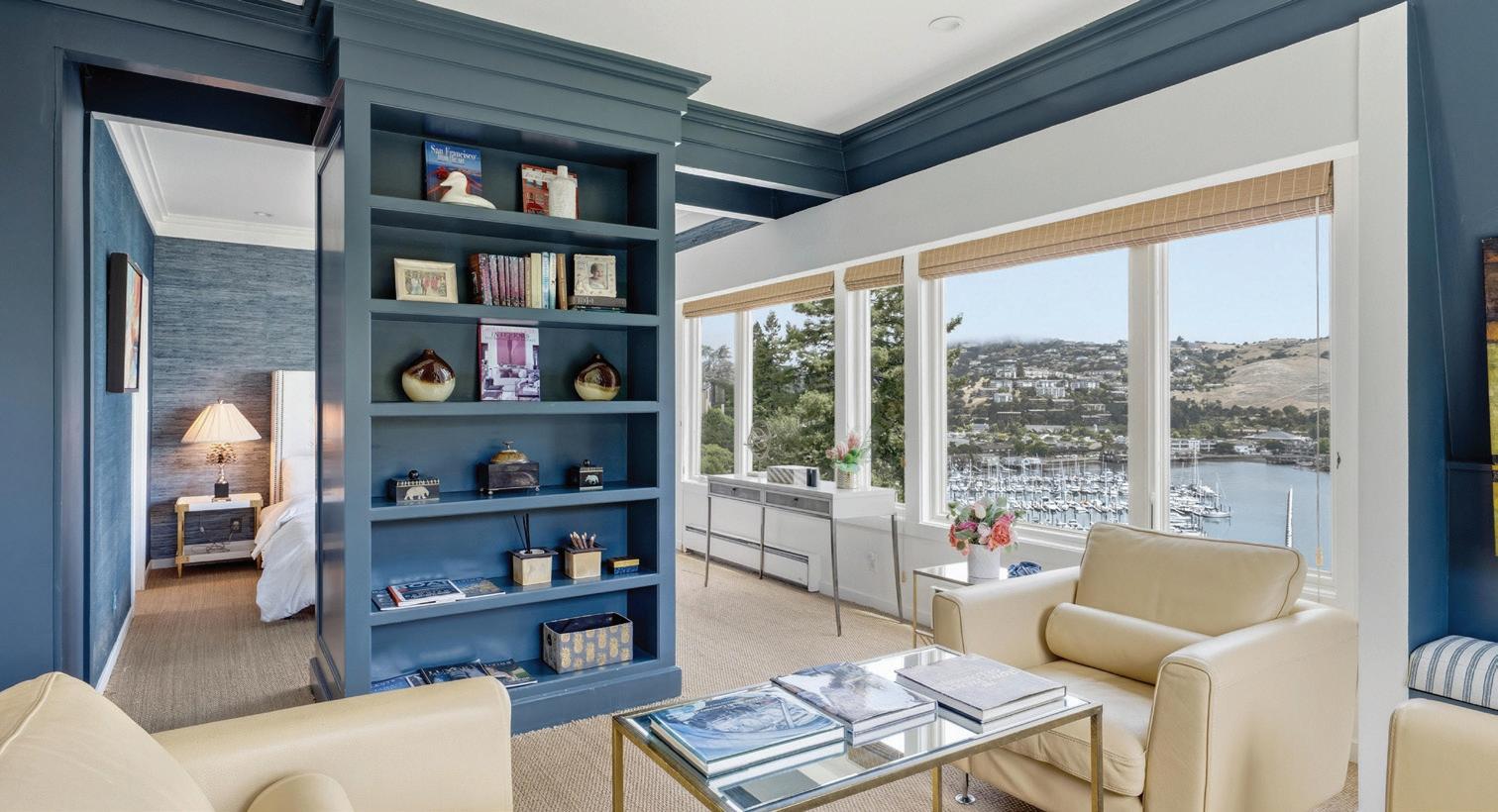
At the heart of the main living level, a striking double-sided fireplace elegantly separates the living and dining rooms, while oversized doors open to a sweeping entertainment deck that extends the living space seamlessly outdoors in true Marin fashion. The gourmet kitchen is appointed with top-ofthe-line Wolf appliances and a casual breakfast area, all framed by ever-present bay views. Three expansive decks throughout the property ensure every level connects to the outdoors. A second deck o the ADU level invites relaxed al fresco living, while a rear yard deck creates a private retreat ideal for entertaining or quiet evenings at home. The level above the main living area o ers four well-proportioned bedrooms, including two with commanding bay views and one perfectly suited as a home o ce or den overlooking tranquil gardens. The entire top floor is devoted to a spectacular primary suite wrapped in sweeping views, complete with a generous sitting area, large walk-in closet, and a spacious bath with double vanity.
A legal ADU adds exceptional flexibility for guests, a gym, studio, or rental opportunity, while three-car covered carport parking further enhances this rare Belvedere o ering.
Just beyond the home, a charming stairway connects directly to downtown Tiburon, with its celebrated restaurants, boutique shopping, and ferry landing moments away. Situated within one of Marin’s most sought-after school districts, 306 Bella Vista o ers an extraordinary lifestyle in one of the Bay Area’s most coveted settings.




Williams on her late husband, Robin Williams, were close to my heart. I met Robin a couple of times in Paris, the first time at the celebration of Lance Armstrong’s victory in the Tour de France. He told me jokes about Tiburon-Belvedere. It was one of the saddest moments when I heard of Robin’s suicide. I went to his Tiburon home and placed flowers at his front gate, along with dozens of other fans. Our editor-in-chief’s interview with Robin’s widow, Susan Schneider Williams, seeks to understand his life and death. Susan’s dedication to the beloved comedian and actor’s impact was immeasurable and gives Robin’s legacy new meaning. Susan spoke to Teresa about the details and complexity of the Lewy body dementia Robin suffered.
Spring is here, and it’s our annual fashion issue again! The timing is perfect as the de Young Museum holds its first major exhibition of notable costume collections in over 35 years, more than 100 pieces “reflect San Francisco’s longstanding tradition of selfexpression through fashion,” according to the Fine Arts Museums of San Francisco. Please read our cover story by Laurie Jo Miller Farr, “100 Years of Fashion in San Francisco,” and visit the exhibit which runs through August 11.
This issue is an emotional one for me, as the cover story about Gordon Getty and the story of Susan Williams on her late husband, Robin Williams, were close to my heart. I met Robin a couple of times in Paris, the first time at the celebration of Lance Armstrong’s victory in the Tour de France. He told me jokes about Tiburon-Belvedere. It was one of the saddest moments when I heard of Robin’s suicide. I went to his Tiburon home and placed flowers at his front gate, along with dozens of other fans. Our editor-in-chief’s interview with Robin’s widow, Susan Schneider Williams, seeks to understand his life and death. Susan’s dedication to the beloved comedian and actor’s impact was immeasurable and gives Robin’s legacy new meaning. Susan spoke to Teresa about the details and complexity of the Lewy body dementia Robin suffered.
This issue is an emotional one for me, as the cover story about Gordon Getty and the story of Susan Williams on her late husband, Robin Williams, were close to my heart. I met Robin a couple of times in Paris, the first time at the celebration of Lance Armstrong’s victory in the Tour de France. He told me jokes about Tiburon-Belvedere. It was one of the saddest moments when I heard of Robin’s suicide. I went to his Tiburon home and placed flowers at his front gate, along with dozens of other fans. Our editor-in-chief’s interview with Robin’s widow, Susan Schneider Williams, seeks to understand his life and death. Susan’s dedication to the beloved comedian and actor’s impact was immeasurable and gives Robin’s legacy new meaning. Susan spoke to Teresa about the details and complexity of the Lewy body dementia Robin suffered.
OLIVIA HSU DECKER
OLIVIA HSU DECKER
OLIVIA HSU DECKER
OWNER/PUBLISHER
CELL 415.720.5915
We added fashion news articles on new trends, accessory angles on fashion accents, a fashionable journey from stylist and film producer/director Antonio Contreras, and the winter whites of diamond and pearl jewelry. Plus, there’s a profile on Bay Areaborn Yetunde Beutler who brings clean wellness to fashionable skin care products through her company, Essènci. We even feature a trendy travel article on hotels incorporating your favorite fashion designers, such as Dolce & Gabbana® , Missoni, Armani, Dior® , and Gucci® .
Spring is here, and it’s our annual fashion issue again! The timing is perfect as the de Young Museum holds its first major exhibition of notable costume collections in over 35 years, more than 100 pieces “reflect San Francisco’s longstanding tradition of selfexpression through fashion,” according to the Fine Arts Museums of San Francisco. Please read our cover story by Laurie Jo Miller Farr, “100 Years of Fashion in San Francisco,” and visit the exhibit which runs through August 11.
Our cover story subject, Gordon Getty, is truly an original Renaissance man. I’ve met Gordon dozens of times over the last 35 years, since we were both on the board of the now-defunct Marin Opera in early 1990s. Gordon is larger-than-life, not because of his billions, but because of his big personality and openhearted generosity. He inspired my pledge of $5 million to Festival Napa Valley for the Olivia Decker Power of Music Series. Gordon announced his $5 million matching grant when he hosted a dinner at his home to welcome me and others as new board members of Festival Napa Valley in November 2019. His grant was for five years and matched anyone who donated to festival during that period. My donation fulfilled his remaining grant within less than three years. Gordon was impressed and donated another $5 million matching grant in January 2023. At nearly age 90, Gordon’s long, rich life is iconic and fascinating. It’s truly interesting to read even a glimpse of his vast world.
Spring is here, and it’s our annual fashion issue again! The timing is perfect as the de Young Museum holds its first major exhibition of notable costume collections in over 35 years, more than 100 pieces “reflect San Francisco’s longstanding tradition of selfexpression through fashion,” according to the Fine Arts Museums of San Francisco. Please read our cover story by Laurie Jo Miller Farr, “100 Years of Fashion in San Francisco,” and visit the exhibit which runs through August 11.
We also profile Daydreamers founder, Bay Area entrepreneur Katina Bajaj, who is a clinical psychology researcher, author, speaker, and creator. You must read this article to understand why, although daydreaming seems to be not doing anything, it works the brain to make myriad connections through creativity and help us with burnout and stress.
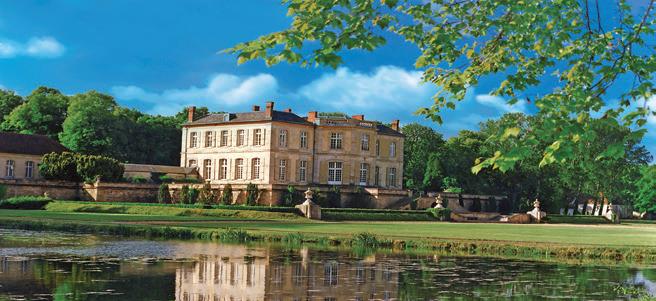
If you are all dressed up and looking for fabulous events and trips to go, please check out our three pages of events taking place in March and April in San Francisco. Better yet, come visit Villa Tardieu in South of France near Monaco, which is for sale in our Haute Residence section.
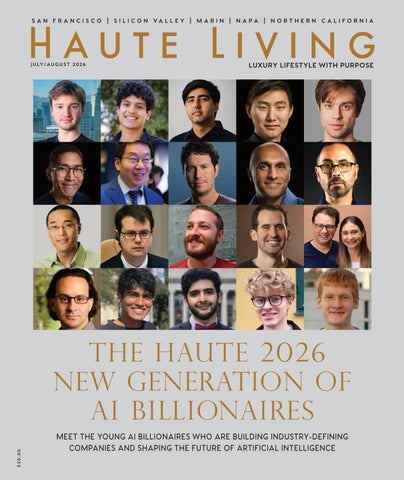
TIME FLEW BY SO QUICKLY. IT HAS BEEN A YEAR SINCE WE FEATURED OUR HAUTE 100 Most Influential AI Leaders in our July-August 2025 issue. What has moved even faster is the pace of AI innovation and the remarkable impact dozens of young AI founders are already having on the world. In this issue, we are featuring a new generation of AI visionaries whose startup companies have not only transformed industries, but have also made them the world’s youngest billionaires in their 20s. I had the opportunity to meet some of them, and these super bright kids are definitely worth getting our attention. One thing they all have in common is they work 25 hours a day!! I remember very well when Mark Zuckerberg became the world’s youngest self-made billionaire in 2008 at age 23, and today his estimated net worth stands at more than US$230 billion. I can only imagine the impact our 20 new generation AI billionaires in this issue will have in the coming years, how their companies will evolve, and how profoundly their innovations will change the world and our everyday lives.
We also profile British fashion designer Marchesa’s co-founder, Georgina Chapman. I met at her at a 2019 fashion show for San Francisco Opera Guild’s annual fundraiser. I won the bid to go to New York Fashion Week, where I visited her at the Marchesa atelier. Georgina returned to Fashion Week this year. Her flowing, colorfully floral gowns are so feminine and romantic. I think the world would be much more peaceful if every woman dressed in Marchesa!
Our cover story subject, Gordon Getty, is truly an original Renaissance man. I’ve met Gordon dozens of times over the last 35 years, since we were both on the board of the now-defunct Marin Opera in early 1990s. Gordon is larger-than-life, not because of his billions, but because of his big personality and openhearted generosity. He inspired my pledge of $5 million to Festival Napa Valley for the Olivia Decker Power of Music Series. Gordon announced his $5 million matching grant when he hosted a dinner at his home to welcome me and others as new board members of Festival Napa Valley in November 2019. His grant was for five years and matched anyone who donated to festival during that period. My donation fulfilled his remaining grant within less than three years. Gordon was impressed and donated another $5 million matching grant in January 2023. At nearly age 90, Gordon’s long, rich life is iconic and fascinating. It’s truly interesting to read even a glimpse of his vast world.
We added fashion news articles on new trends, accessory angles on fashion accents, a fashionable journey from stylist and film producer/director Antonio Contreras, and the winter whites of diamond and pearl jewelry. Plus, there’s a profile on Bay Areaborn Yetunde Beutler who brings clean wellness to fashionable skin care products through her company, Essènci. We even feature a trendy travel article on hotels incorporating your favorite fashion designers, such as Dolce & Gabbana® , Missoni, Armani, Dior® , and Gucci®
We added fashion news articles on new trends, accessory angles on fashion accents, a fashionable journey from stylist and film producer/director Antonio Contreras, and the winter whites of diamond and pearl jewelry. Plus, there’s a profile on Bay Areaborn Yetunde Beutler who brings clean wellness to fashionable skin care products through her company, Essènci. We even feature a trendy travel article on hotels incorporating your favorite fashion designers, such as Dolce & Gabbana® , Missoni, Armani, Dior® , and Gucci® .
Our cover story subject, Gordon Getty, is truly an original Renaissance man. I’ve met Gordon dozens of times over the last 35 years, since we were both on the board of the now-defunct Marin Opera in early 1990s. Gordon is larger-than-life, not because of his billions, but because of his big personality and openhearted generosity. He inspired my pledge of $5 million to Festival Napa Valley for the Olivia Decker Power of Music Series. Gordon announced his $5 million matching grant when he hosted a dinner at his home to welcome me and others as new board members of Festival Napa Valley in November 2019. His grant was for five years and matched anyone who donated to festival during that period. My donation fulfilled his remaining grant within less than three years. Gordon was impressed and donated another $5 million matching grant in January 2023. At nearly age 90, Gordon’s long, rich life is iconic and fascinating. It’s truly interesting to read even a glimpse of his vast world.
We also profile Daydreamers founder, Bay Area entrepreneur Katina Bajaj, who is a clinical psychology researcher, author, speaker, and creator. You must read this article to understand why, although daydreaming seems to be not doing anything, it works the brain to make myriad connections through creativity and help us with burnout and stress.
If you are all dressed up and looking for fabulous events and trips to go, please check out our three pages of events taking place in March and April in San Francisco. Better yet, come visit Villa Tardieu in South of France near Monaco, which is for sale in our Haute Residence section.
We also profile Daydreamers founder, Bay Area entrepreneur Katina Bajaj, who is a clinical psychology researcher, author, speaker, and creator. You must read this article to understand why, although daydreaming seems to be not doing anything, it works the brain to make myriad connections through creativity and help us with burnout and stress.
If you are all dressed up and looking for fabulous events and trips to go, please check out our three pages of events taking place in March and April in San Francisco. Better yet, come visit Villa Tardieu in South of France near Monaco, which is for sale in our Haute Residence section.
OLIVIA HSU DECKER OWNER/PUBLISHER
HAUTE LIVING, SAN FRANCISCO AND
OLIVIA HSU DECKER OWNER/PUBLISHER
CELL 415.720.5915
CELL 415.720.5915
WWW.HAUTELIVINGSF.COM
WWW.HAUTELIVINGSF.COM
HAUTE LIVING, SAN FRANCISCO
HAUTE LIVING SAN FRANCISCO AND NORTHERN CALIFORNIA
WWW.HAUTELIVINGSF.COM
CO-OWNER OF GOLDEN GATE SOTHEBY’S INTERNATIONAL REALTY 24 OFFICES SERVING SAN FRANCISCO


In this issue, we also profile Hawi Awash and Yema Khalif, co-owners of YEMA, a high-end urban streetwear fashion store in Tiburon, just a few doors from my Haute Living lounge on Main Street. The story of how they met and created YEMA is as powerful and as colorful as their clothing. Yema emigrated from a refugee camp in Kenya to the U.S.; Hawi was a refugee from Ethiopia. They started YEMA after they met at Dominican University in San Rafael, and they donate a portion of YEMA’s profits toward education for kids in Africa. They are the only other minority owners, like me, in Tiburon’s Main Street shops. I hope you shop at YEMA whenever you are in Tiburon and meet this creative and generous couple.
In this issue’s Haute Events, I cover the San Francisco Opera’s 100th anniversary concert and a dinner with the artists. This one-night-only centennial celebration featured a program spanning San Francisco Opera’s first century with the San Francisco Opera Orchestra and Chorus; conductors Eun Sun Kim, Sir Donald Runnicles, and Patrick Summers; and 15 vocal soloists who have been active on the opera stage for decades. The concert included projected archival imagery from 100 years of San Francisco Opera history. Founded in 1923, San Francisco Opera is only the third American opera company to reach the centennial milestone.
Keeping up with the young AI billionaire theme in this issue, we’ve also included extra dose of new exotic cars including Maserati’s MCPURA Cielo convertible, Aston Martin’s Valhalla-a hypercar performance made liveable, Ferrari’s 12 Cilindri Spider V8 grand touring and the most talked-about Ferrari Luce, the Cavallino Elettrico with the unique timeless design by LoveFrom, the creative firm of former Apple Chief Design Director Sir Jonathan Ive who designed interior and the user interface along with his Australian industrial designer partner Marc Newson who did the body design. Ive designed dozens of Apple products including MAC Book, ipod, ipad and iPhone. We also features 181 Fremont Grand Penthouse as our Haute Residence this issue where some of the AI founders have visited it recently.
We also profile British fashion designer Marchesa’s co-founder, Georgina Chapman. I met at her at a 2019 fashion show for San Francisco Opera Guild’s annual fundraiser. I won the bid to go to New York Fashion Week, where I visited her at the Marchesa atelier. Georgina returned to Fashion Week this year. Her flowing, colorfully floral gowns are so feminine and romantic. I think the world would be much more peaceful if every woman dressed in Marchesa!
We also profile British fashion designer Marchesa’s co-founder, Georgina Chapman. I met at her at a 2019 fashion show for San Francisco Opera Guild’s annual fundraiser. I won the bid to go to New York Fashion Week, where I visited her at the Marchesa atelier. Georgina returned to Fashion Week this year. Her flowing, colorfully floral gowns are so feminine and romantic. I think the world would be much more peaceful if every woman dressed in Marchesa!
In this issue, we also profile Hawi Awash and Yema Khalif, co-owners of YEMA, a high-end urban streetwear fashion store in Tiburon, just a few doors from my Haute Living lounge on Main Street. The story of how they met and created YEMA is as powerful and as colorful as their clothing. Yema emigrated from a refugee camp in Kenya to the U.S.; Hawi was a refugee from Ethiopia. They started YEMA after they met at Dominican University in San Rafael, and they donate a portion of YEMA’s profits toward education for kids in Africa. They are the only other minority owners, like me, in Tiburon’s Main Street shops. I hope you shop at YEMA whenever you are in Tiburon and meet this creative and generous couple.
In this issue, we attended and covered five charity events where millions were raised for various charities and worthy causes. I am hoping the young AI billionaires will be among the attendees and the donors in the years to come. We also covered several concerts from the San Francisco Opera to the Grace Cathedral and my Festival Napa Valley Powe of Music concert at 181 Fremont Grand Penthouse the tallest residence West of Chicago.
In this issue’s Haute Events, I cover the San Francisco Opera’s 100th anniversary concert and a dinner with the artists. This one-night-only centennial celebration featured a program spanning San Francisco Opera’s first century with the San Francisco Opera Orchestra and Chorus; conductors Eun Sun Kim, Sir Donald Runnicles, and Patrick Summers; and 15 vocal soloists who have been active on the opera stage for decades. The concert included projected archival imagery from 100 years of San Francisco Opera history. Founded in 1923, San Francisco Opera is only the third American opera company to reach the centennial milestone.
and contemporary songs. The Manetti Shrem Opera on July 21 will be
In this issue, we also profile Hawi Awash and Yema Khalif, co-owners of YEMA, a high-end urban streetwear fashion store in Tiburon, just a few doors from my Haute Living lounge on Main Street. The story of how they met and created YEMA is as powerful and as colorful as their clothing. Yema emigrated from a refugee camp in Kenya to the U.S.; Hawi was a refugee from Ethiopia. They started YEMA after they met at Dominican University in San Rafael, and they donate a portion of YEMA’s profits toward education for kids in Africa. They are the only other minority owners, like me, in Tiburon’s Main Street shops. I hope you shop at YEMA whenever you are in Tiburon and meet this creative and generous couple.
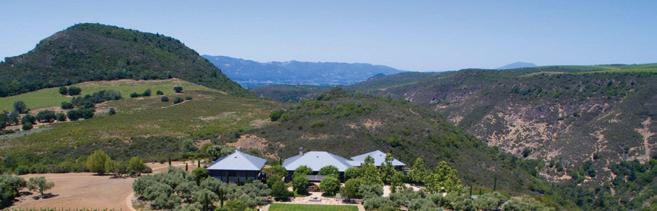
One other Haute Event this issue is my beloved Festival Napa Valley. Please read Jennifer Boden’s interview with Festival President Rick Walker on this 17th season’s upcoming programs, July 14–23. Highlights this year include the Arts for All Gala fundraiser at Nickel and Nickel with a special dinner by chef Charlie Palmer, a concert headlined by 8-time GRAMMY® award winner Carrie Underwood on July 16, and the Olivia Decker Power of Music concert of Matteo Bocelli on July 15. Young Bocelli has an amazing voice like his father, Andrea. He will perform a mix of classic and contemporary songs. The Manetti Shrem Opera on July 21 will be Don Pasquale, starring Lucas Meachem, Alexey Lavrov, Serena Saenz, and Xabier Anduaga. Both concerts go on stage at Charles Krug Winery in St. Helena. While you attend Festival Napa Valley, please check out the vineyard estate for sale in this issue’s Haute Residence at www.3265SodaCanyon.com.
In this Summer vacation time, we also feature several travel stories and hotels from our local newly renovated iconic Huntington Hotel to Napa Valley’s Auberge du Soleil where I hang out in the 1990s to the reimaged Mauna Kea Beach Hotel, the Camero Beverly Hills, Bacara Hotel and Punta Mita beach resorts in Mexico.
Another fascinating profile in this issue is the world-renowned writer Amy Tan, whom I have known for over 35 years. I sold her the home where she found inspiration for her latest book, The Backyard Bird Chronicles, a beautifully illustrated work on the fascinating world of birds in her backyard. Amy has not stopped surprising the world with her creativity since her first novel, The Joy Luck Club, became a bestseller and was turned into a successful movie. Her second novel, The Bonesetter’s Daughter, was adapted into a dramatic San Francisco Opera production. She, Dave Barry, and some other writers performed with her band, Rock Bottom Remainders, for charity, showing her amazing musical talent!
In this issue’s Haute Events, I cover the San Francisco Opera’s 100th anniversary concert and a dinner with the artists. This one-night-only centennial celebration featured a program spanning San Francisco Opera’s first century with the San Francisco Opera Orchestra and Chorus; conductors Eun Sun Kim, Sir Donald Runnicles, and Patrick Summers; and 15 vocal soloists who have been active on the opera stage for decades. The concert included projected archival imagery from 100 years of San Francisco Opera history. Founded in 1923, San Francisco Opera is only the third American opera company to reach the centennial milestone.
Our July-August issue is our official kick-off for summer. We feature a lot of food, wine, and travel stories, too. Enjoy reading it!
I hope you enjoy all the colorful and joyful articles in this issue. I am sure they will stop the winter rain from dampening your spirit!
The Summer is hot with the FIFA World Cup in San Francisco Bay Area and several North American Cities and I attended the game of US vs Bosnia with my entire family of 12 adults and children on July 1 in Santa Clara, along with over 68,800 fans in attendance and 26.4 million viewers on Fox TV coverage. Sports and musical continues to be among the most powerful ways to unite people across cultures, backgrounds and differences, reminding us of the shared experiences that brings the world and the people together. I hope you enjoy reading about them!
Another fascinating profile in this issue is the world-renowned writer Amy Tan, whom I have known for over 35 years. I sold her the home where she found inspiration for her latest book, The Backyard Bird Chronicles, a beautifully illustrated work on the fascinating world of birds in her backyard. Amy has not stopped surprising the world with her creativity since her first novel, The Joy Luck Club, became a bestseller and was turned into a successful movie. Her second novel, The Bonesetter’s Daughter, was adapted into a dramatic San Francisco Opera production. She, Dave Barry, and some other writers performed with her band, Rock Bottom Remainders, for charity, showing her amazing musical talent!
One other Haute Event this issue is my beloved Festival Napa Valley. Please read Jennifer Boden’s interview with Festival President Rick Walker on this 17th season’s upcoming programs, July 14–23. Highlights this year include the Arts for All Gala fundraiser at Nickel and Nickel with a special dinner by chef Charlie Palmer, a concert headlined by 8-time GRAMMY® award winner Carrie Underwood on July 16, and the Olivia Decker Power of Music concert of Matteo Bocelli on July 15. Young Bocelli has an amazing voice like his father, Andrea. He will perform a mix of classic and contemporary songs. The Manetti Shrem Opera on July 21 will be Don Pasquale, starring Lucas Meachem, Alexey Lavrov, Serena Saenz, and Xabier Anduaga. Both concerts go on stage at Charles Krug Winery in St. Helena. While you attend Festival Napa Valley, please check out the vineyard estate for sale in this issue’s Haute Residence at www.3265SodaCanyon.com.
Publisher/Editor-in-Chief, Haute Living Magazine, San Francisco and Northern California Cell: 415.720.5915
Our July-August issue is our official kick-off for summer. We feature a lot of food, wine, and travel stories, too. Enjoy reading it!
Another fascinating profile in this issue is the world-renowned writer Amy Tan, whom I have known for over 35 years. I sold her the home where she found inspiration for her latest book, The Backyard Bird Chronicles, a beautifully illustrated work on the fascinating world of birds in her backyard. Amy has not stopped surprising the world with her creativity since her first novel, The Joy Luck Club, became a bestseller and was turned into a successful movie. Her second novel, The Bonesetter’s Daughter, was adapted into a dramatic San Francisco Opera production. She, Dave Barry, and some other writers performed with her band, Rock Bottom Remainders, for charity, showing her amazing musical talent!
One other Haute Event this issue is my beloved Festival Napa Valley. Please read Jennifer Boden’s interview with Festival President Rick Walker on this 17th season’s upcoming programs, July 14–23. Highlights this year include the Arts for All Gala fundraiser at Nickel and Nickel with a special dinner by chef Charlie Palmer, a concert headlined by 8-time GRAMMY® award winner Carrie Underwood on July 16, and the Olivia Decker Power of Music concert of Matteo Bocelli on July 15. Young Bocelli has an amazing voice like his father, Andrea. He will perform a mix of classic and contemporary songs. The Manetti Shrem Opera on July 21 will be Don Pasquale, starring Lucas Meachem, Alexey Lavrov, Serena Saenz, and Xabier Anduaga. Both concerts go on stage at Charles Krug Winery in St. Helena. While you attend Festival Napa Valley, please check out the vineyard estate for sale in this issue’s Haute Residence at www.3265SodaCanyon.com.
I hope you enjoy all the colorful and joyful articles in this issue. I am sure they will stop the winter rain from dampening your spirit!
Our July-August issue is our official kick-off for summer. We feature a lot of food, wine, and travel stories, too. Enjoy reading it!
Founder and co-owner of Golden Gate Sotheby’s International Realty with 22 Offices Serving the San Francisco Bay Area www.SanFranciscoFineHomes.com, Olivia@SanFranciscoFineHomes.com
I hope you enjoy all the colorful and joyful articles in this issue. I am sure they will stop the winter rain from dampening your spirit!
Unlock the best of San Francisco’s luxury lifestyle with purpose with Haute Living’s yearly subscription. Dive into the city’s culture, arts, and exclusive events.
Get 50% off yearly subscriptions. Promo Code: ‘HLSF’ HauteLivingSF.com/magazine or scan below:
PUBLISHER + EDITOR-IN-CHIEF
Olivia Hsu Decker
Olivia@HauteLivingSF.com
CREATIVE DIRECTOR
Michelle Restante Michelle@HauteLivingSF.com
DIGITAL MARKETING DIRECTOR Krisha Chhaganlal Krisha@HauteLivingSF.com
LUXURY AND CHARITY EVENT AMBASSADORS
Jennifer Boden, Aubrey Brewster, Jennifer Raiser, Claudia Ross, Adam Routledge, and Olivia de Santis
HEALTH & WELLNESS AMBASSADOR
Lydia Graham
LUXURY AUTO AMBASSADOR
Tim Lappen
INVESTMENT AMBASSADOR
Charles R. Johnson
CONTRIBUTING WRITERS
Krisha Chhaganlal, Olivia De Santis, Laurie Jo Miller Farr, Fran Endicott Miller, and Kevin O’Connor
ADVERTISING SALES
Sydney Reyes Sydney@HauteLivingSF.com Advertise@HauteLivingSF.com
ACCOUNTING MANAGER
Sarah Trissel Accounting@HauteLivingSF.com
SUBSCRIPTION & DISTRIBUTION INQUIRIES
Olivia Decker Olivia@HauteLivingSF.com

6
10 CONTRIBUTORS
12 HAUTE CALENDAR
This summer brings a calendar of can’t-miss events.
16 COVER STORY
Meet the new generation of AI billionaires whose groundbreaking companies are redefining innovation, wealth creation, and the future of technology.
HAUTE FEATURES
28 Crue is redefining social connection by replacing endless scrolling with accountability, meaningful relationships, and shared progress toward real-life goals.
30 From medieval masterpieces to immersive installations, this season’s must-see museum exhibitions are worth planning an international journey around.
HAUTE WINE + SPIRITS
32 Flora Springs debuts a sophisticated downtown Napa wine lounge celebrating exceptional vintages, seasonal cocktails, elegant design, and elevated hospitality.
34 Why today’s best wine discoveries happen inside neighborhood bottle shops, not traditional tasting rooms, across Napa Valley and San Francisco.
36 Far Niente unveils a beautifully restored historic winery where timeless architecture, thoughtful design, and exceptional hospitality create unforgettable wine experiences.
HAUTE CUISINE
38 Stanly Ranch’s Bear welcomes Buenos Aires icon Florería Atlántico for an unforgettable collaboration celebrating cocktails, culture, hospitality, and extraordinary cuisine.
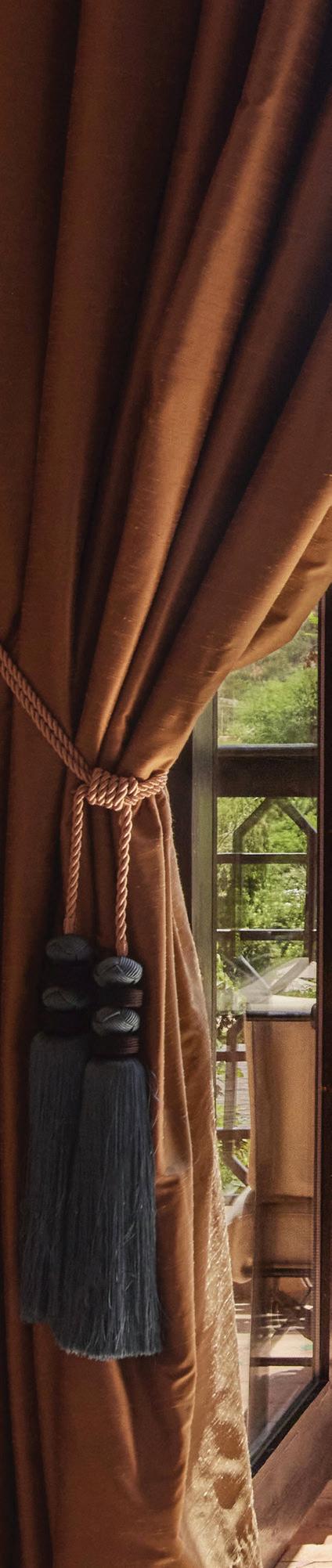
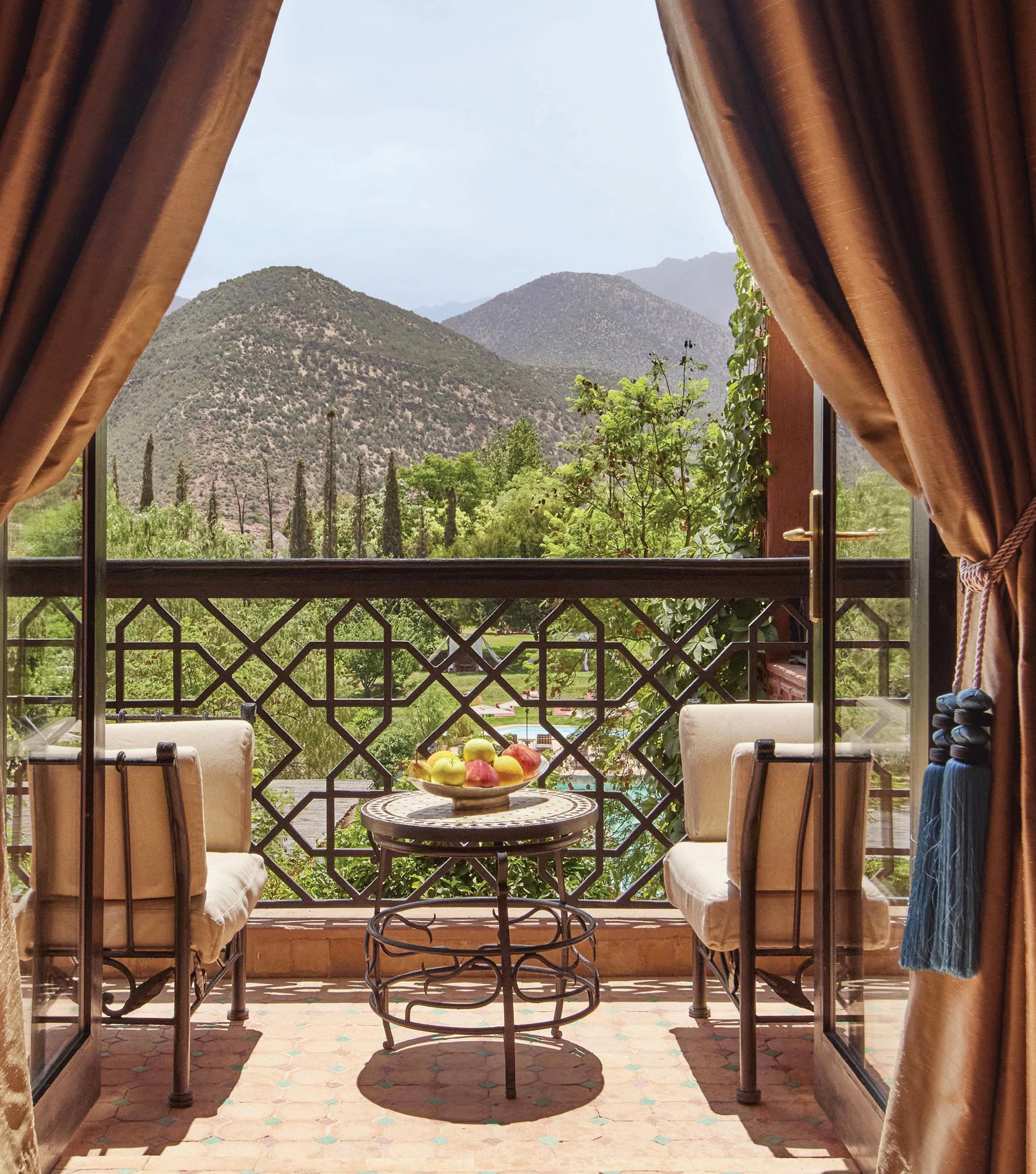
40 Kasbah Tamadot offers an unforgettable Moroccan escape where extraordinary hospitality, Berber culture, and breathtaking mountain landscapes create lasting memories.
HAUTE TRAVEL
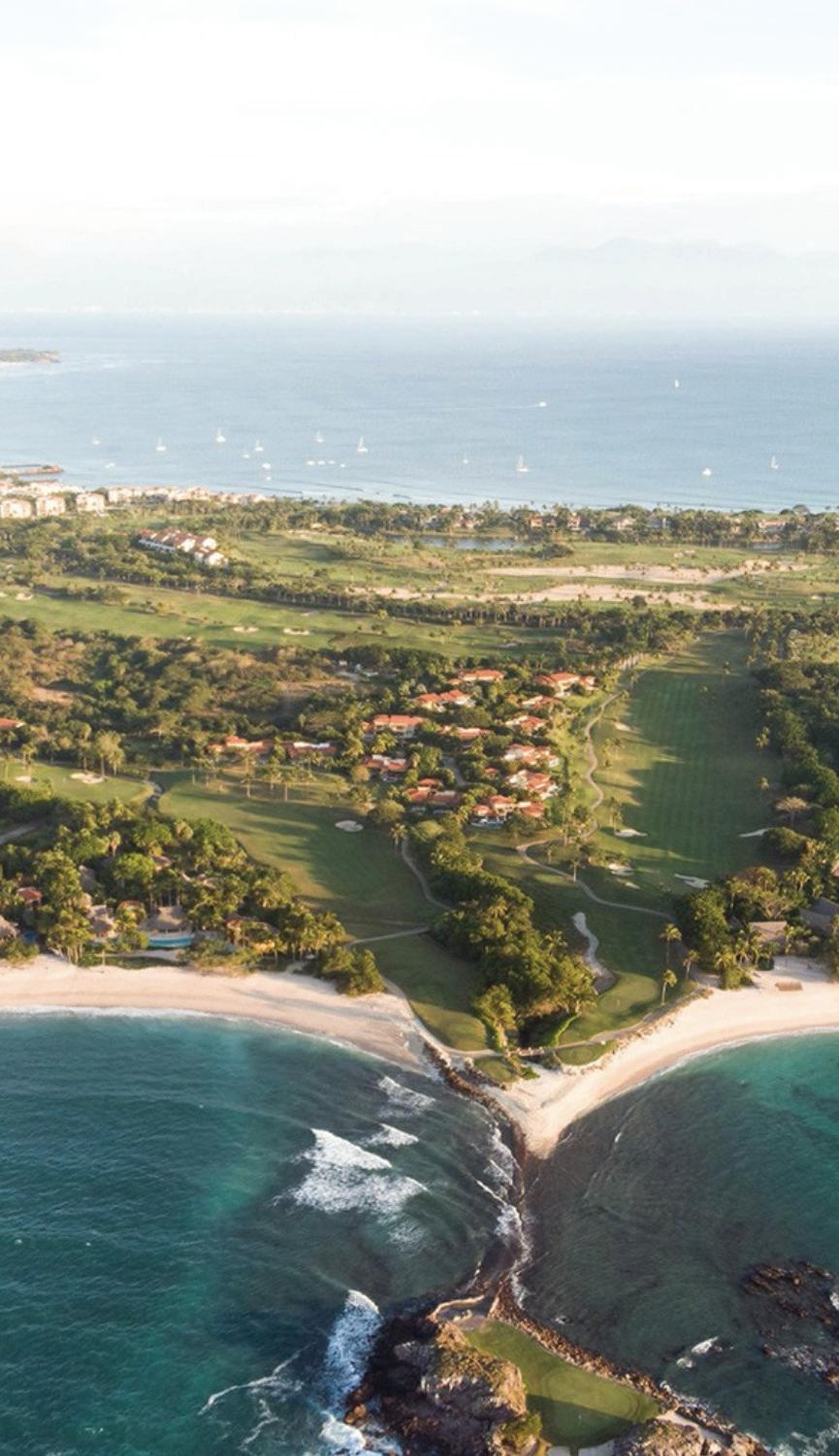
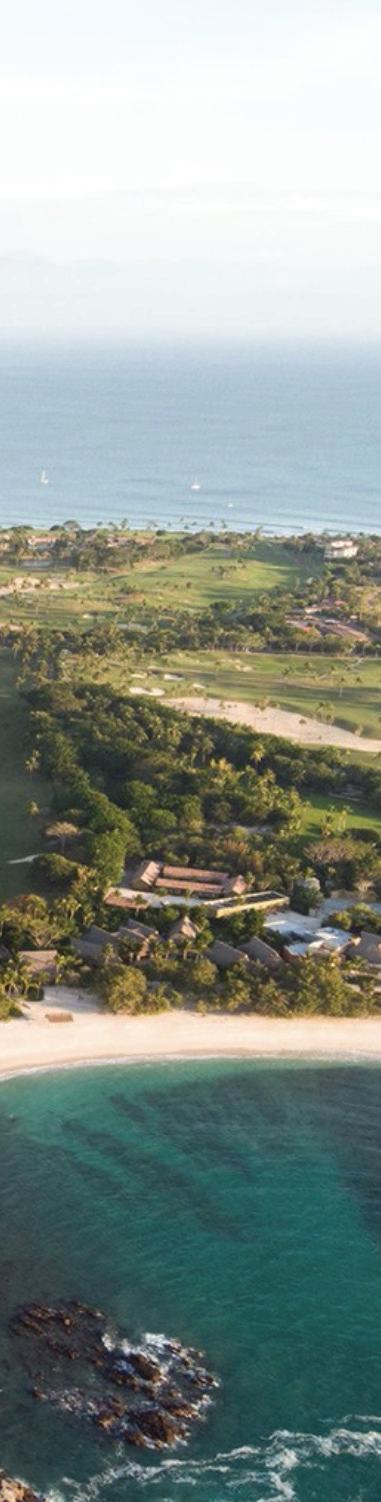
42 Punta Mita blends barefoot luxury, world-class resorts, and authentic Mexican culture along one of the Pacific’s most exclusive coastlines.
44 Cameo Beverly Hills provides the perfect backdrop for life’s milestone celebrations with refined luxury, exceptional dining, and timeless California style.
46 The Huntington Hotel returns to Nob Hill with timeless elegance, restored grandeur, and renewed dining, wellness, and hospitality experiences.
48 Auberge du Soleil remains Napa Valley’s ultimate sanctuary, offering Michelin-starred dining, serene wellness, and effortless elegance among breathtaking vineyard views.
50 Mauna Kea Beach Hotel enters a new era, preserving its legendary Hawaiian spirit while unveiling elevated design, dining, and experiences.
54 Bacara celebrates 25 years with a refined transformation, preserving its coastal elegance while elevating luxury, dining, wellness, and hospitality.

ASTON MARTIN’S VALHALLA
HAUTE AUTO
56 Ferrari’s 12Cilindri Spider revives the legendary V12 grand touring experience with breathtaking design, exhilarating performance, and timeless Italian craftsmanship.
58 Ferrari Luce redefines automotive excellence with a visionary blend of Italian craftsmanship, cutting-edge innovation, and timeless design for a new generation.
62 Maserati’s MCPURA Cielo delivers Italian artistry, open-air exhilaration, and thrilling performance in a breathtaking expression of modern automotive passion.
64 Aston Martin’s Valhalla brings Formula One technology to the road, delivering hypercar performance, breathtaking design, and unmatched exclusivity.
70 HAUTE RESIDENCE
181 Fremont’s Grand Penthouse redefines San Francisco luxury with unparalleled views, exquisite design, and the city’s most exclusive address.
HAUTE EVENT
86 Inside Grace Cathedral’s luminous solstice celebration, TILT: Midnight Sun united music, artistry, and immersive light in a transcendent evening.
88 San Francisco Opera’s Il Barbiere di Siviglia dazzles with Rossini’s timeless genius, extraordinary voices, and a vibrant celebration of theatrical brilliance.
90 San Francisco Opera transforms The Barber of Seville into an unforgettable immersive celebration of fashion, fantasy, music, and theatrical revelry.
92 Festival Napa Valley and Olivia Decker Power of Music soared above San Francisco with Narada Michael Walden concert at the magnificent 181 Fremont GrandPenthouse
94 Healdsburg Wine & Food Experience celebrated Sonoma’s finest farmers, chefs, and winemakers through unforgettable culinary moments, exceptional wines, and community.
96 HAUTE SCENE
118 Charles R. Johnson explores strategies for maximizing unused 529 savings through thoughtful planning, beneficiary options, and retirement opportunities for families. 64
Robert Mondavi Winery unveils a visionary transformation, honoring six decades of Napa heritage with elevated hospitality, innovation, and exceptional winemaking experiences.
HAUTE CHARITY
99 Auction Napa Valley united wine, philanthropy, and community, raising millions for youth wellness while celebrating the generosity of Napa’s vintners.
100 Festival Napa Valley and Olivia Decker Power of Music brought world-class music, fine wine, and timeless elegance to the Palace Hotel with violinist Ray Chen’s extraordinary performance.
102 Runway of Pride at Glide unites fashion, activism, and community as San Francisco celebrates LGBTQ+ voices through an unforgettable couture showcase.
104 WineaPAWlooza unites Napa’s finest vintners, chefs, and philanthropists for an extraordinary weekend raising vital support for Jameson Humane’s lifesaving animal programs.
108 Napa Valley philanthropists unite at Louis M. Martini Winery, raising $5 million to expand access to vital community healthcare.
HAUTE AMBASSADOR
110 Lydia Graham explores the science and strategy behind smarter sun protection, sharing expert insights on sunscreen, UV safety, and healthy aging.
112 Aubrey Brewster brings Capri’s effortless glamour to San Francisco with an enchanting luncheon celebrating Mediterranean cuisine, fashion, and la dolce vita.
116 Claudia Ross launches a new series celebrating the women reshaping wine, beginning with Cécile Latour and a legacy of tradition, innovation, and leadership.

10 CLIFF ROAD BELVEDERE


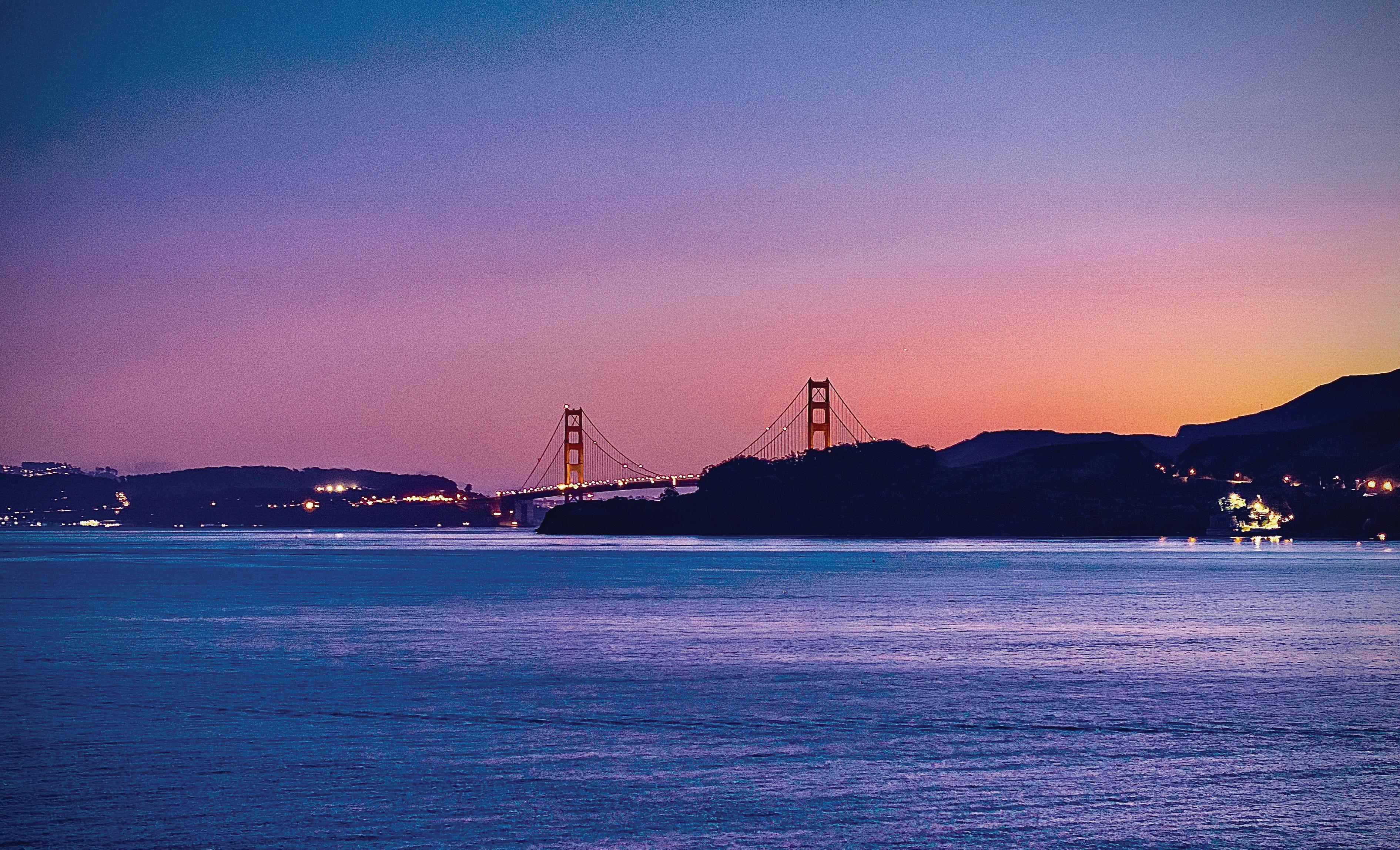
5 BEDS | 3.5 BATHS | ± 3,641 SQ. FT | ±0.45 ACRES ASKING $8,880,000
Perched on prestigious Cli Road in Belvedere, 10 Cli Road represents a rare o ering in one of Marin County’s most exclusive enclaves of an intimate, water-surrounded peninsula renowned for its breathtaking panoramic views of the San Francisco Bay, Golden Gate Bridge, city skyline, Sausalito and Mount Tamalpais. Cli Road itself is among the most coveted addresses, known for its dramatic vantage points and enduring appeal to the region’s most discerning buyers. The existing 3,641sq ft contemporary residence, originally built in 1976, includes 5 bedrooms, 3.5 bathrooms, 3 fireplaces, and a detached 550 sq ft garage. While the home o ers a solid three-level structure, it is primed for a full transformation presenting a compelling value-add opportunity to create a bespoke estate tailored to your vision. Whether imagined as a sleek modern showpiece with walls of glass, a timeless shingle-style retreat, or a forward-thinking sustainable design, the potential here is exceptional. Set on a nearly 20,000 sq ft parcel, the property o ers a meaningful advantage rarely found in Belvedere. The configuration allows for both a primary residence and a separate ADU, creating flexibility for extended living, guest accommodations, rental income, or a private o ce or studio, enhancing both lifestyle and long-term value. Opportunities where a world-class location aligns with true transformation potential are exceedingly uncommon. For the buyer with vision, 10 Cli Road is more than a home, it is the chance to craft a legacy property in one of the Bay Area’s most iconic settings.

San Francisco Giants | Oracle Park
There’s plenty of summertime action on the baseball diamond on the waterfront. The Giants play 13 home games in July plus 16 home games in August. mlb.com/giants and mlb.com/athletics
THROUGH JULY 26
de Young | Matisse’s Jazz Unbound
Experience Monet’s vision of the famed Italian city, which he visited only once. Organized with the Brooklyn Museum, the first show dedicated to Monet’s Venetian cityscapes since their debut over a century ago. Golden Gate Park, 50 Hagiwara Tea Garden Dr. famsf.org
THROUGH JULY 27
Asian Art Museum | Chiharu Shiota:
Two Home Countries
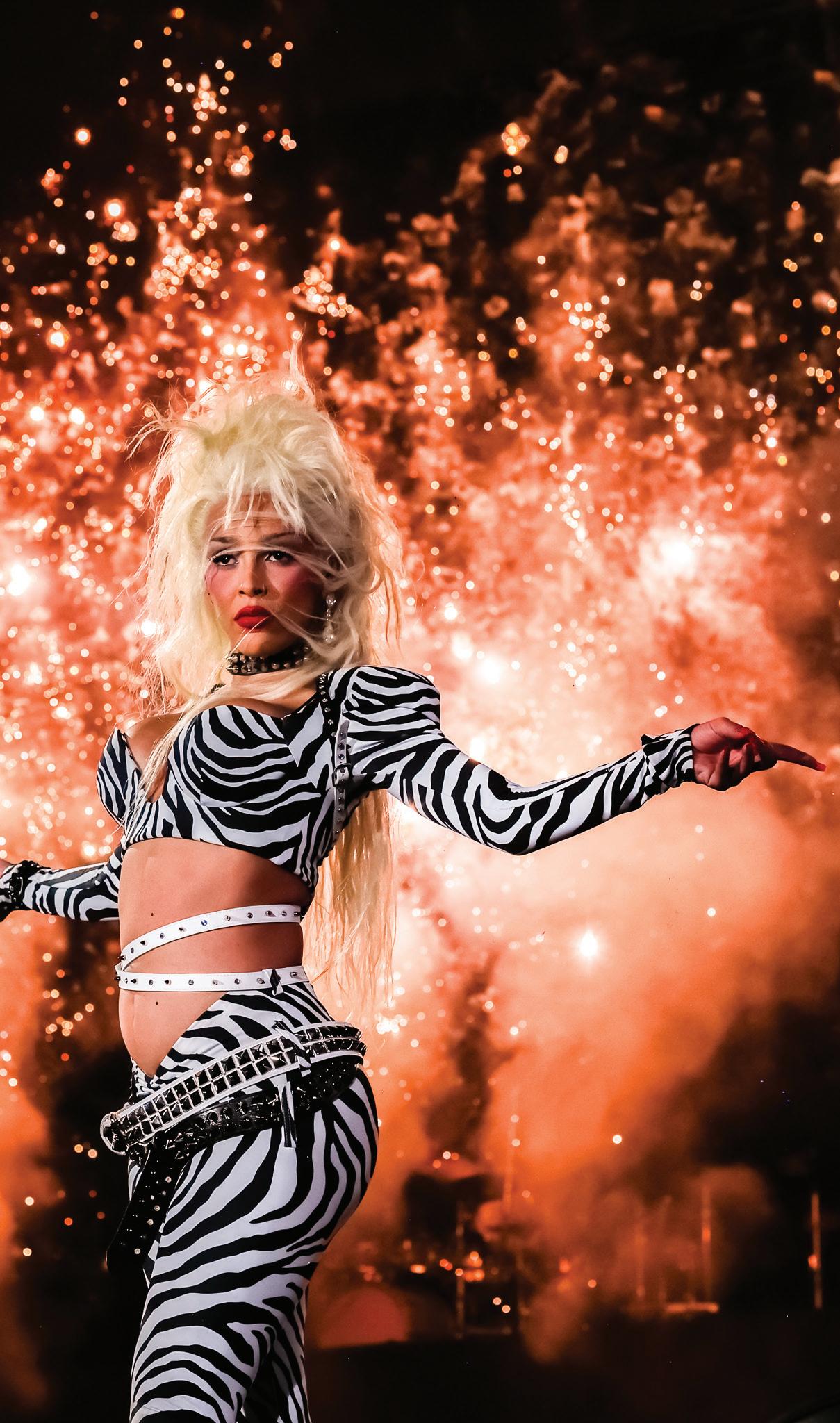
Step inside the artist’s first solo museum exhibition in the Bay Area, she is best known for large-scale installations that fill spaces with densely woven webs of colored fibers. 200 Larkin St. asianart.org
THROUGH AUG. 1
Davies Hall | Michael Tilson Thomas “A Maestro for San Francisco.” On display at Davies Symphony Hall first tier lobby, a photo exhibit explores Michael Tilson Thomas’s transformative tenure with the San Francisco Symphony. symphony.org
THROUGH AUG. 2
Happy 250th birthday, America! Beyond our semiquincentennial, this summer brings lots of landmark events. Once again, Haute Living, San Francisco is proud to be a Media Sponsor of Festival Napa Valley, now in its 20th year. For more wonderful things to do in July and August throughout the San Francisco Bay Area, here’s our list of picks. Enjoy!
BY LAURIE JO MILLER FARR
Legion of Honor | Drawn to Venice
Spanning the Renaissance to the Rococo period, this exhibition celebrates the vitality and originality of the arts in Venice and the Veneto region through more than 30 drawings and prints. Lincoln Park, 100 34th Avenue. famsf.org
THROUGH AUG. 16
Stern Grove Festival
Celebrating 89 years of free outdoor summertime music on Sunday afternoons in the amphitheater, this is the nation’s longest-running non-profit festival. The 2026 artist lineup features SF Symphony on July 12 and closes with Al Green. 19th Avenue at Sloat Boulevard. Reservations required. sterngrove.org
THROUGH SEPT 13
SFMOMA | Matisse’s Femme au chapeau: A Modern Scandal
In 1905, Henri Matisse sent shockwaves through the art world with Femme au chapeau. The portrait of his wife, Amélie, painted in bold color and loose brushstrokes defied convention. 151 Third St. sfmoma.org
THROUGH SEPT. 20
Legion of Honor | The Etruscans: From the Heart of Ancient Italy
The Etruscans thrived for almost a millennium before the rise of the Roman Empire. Nearly 200 examples of exquisite sculpture, gold jewelry, ceramics, and the longest-surviving piece of Etruscan writing. 100 34th Avenue. famsf.org
JULY 3 - 12
Orpheum Theatre |
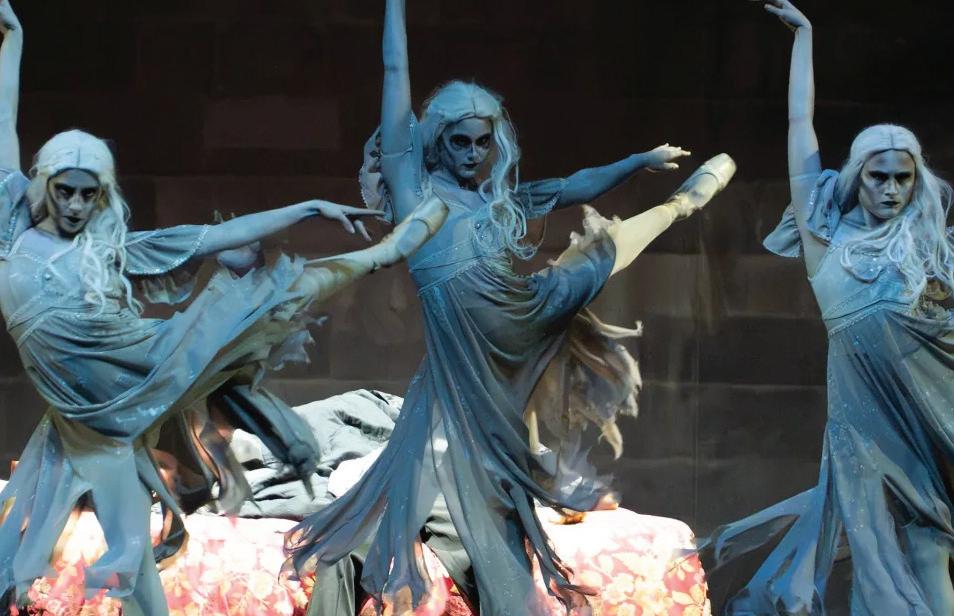
Fresh from a sold-out season in London and recordbreaking tour across Australia and New Zealand. Ballet at its darkest is driven by masterpieces from Bach, Rachmaninov, Mozart, Liszt, Mussorgsky, Mendelssohn, Saint-Saëns and Debussy, unleashing a collision of desire, torment and immortality. 1192 Market St. us.atgtickets.com
JULY 4
San Francisco Symphony | Fireworks Spectacular
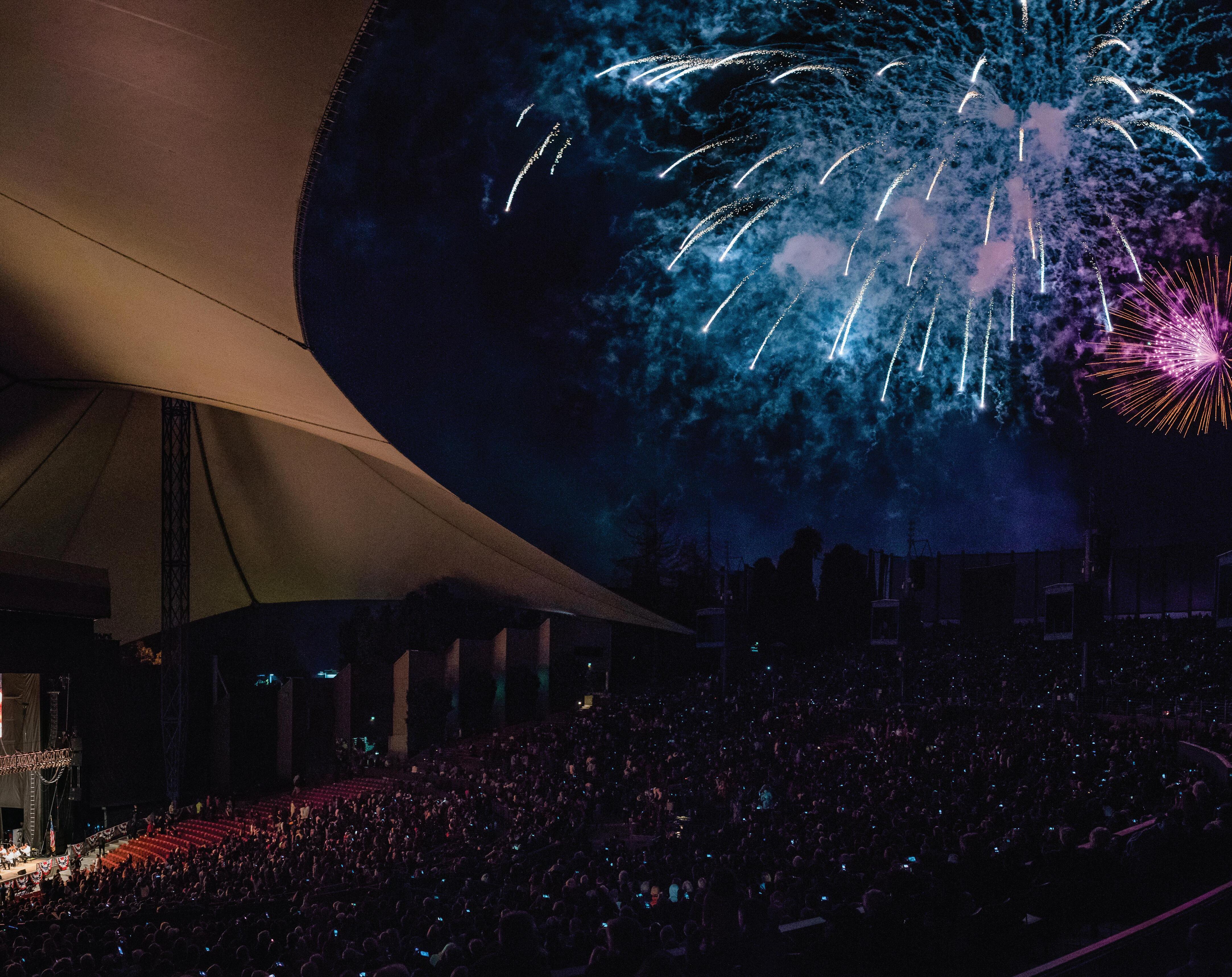
Conductor Ted Sperling, vocalists, and the symphony light up the night for the annual event featuring oldie-but-goodie classics for “Summer 1969: The Soundtrack of a Generation.” Fireworks spectacular grand finale. 7 p.m. Shoreline Amphitheatre, Mountain View. sfsymphony.org
JULY 4 - 19
Festival Napa Valley
Jazz icon, trumpeter, and composer Wynton Marsalis headlines on July 12 at the Arts For All Gala, Nickel & Nickel. More than 60 classical music, opera, dance, contemporary, jazz, film, culinary, and wine events at iconic venues throughout Napa Valley. Haute Living, San Francisco is a proud Media Sponsor. festivalnapavalley.org
JULY 9 & 10
San Francisco Symphony |
Hailed as one of the greatest American musicals of all time, Leonard Bernstein’s score is performed live with the 1961 film. It’s an exuberant and heartbreaking tale of young love. Davies Symphony Hall, 201 Van Ness Ave .sfsymphony.org
JULY 9 & 11
Merola Opera Program | Peter Brook’s
Catch opera’s rising stars at Merola Summer Festival, one of the world’s premier opera training programs. This production is a condensed and starker adaptation of Bizet’s Carmen, in French with English subtitles. San Francisco Conservatory of Music Caroline H. Hume Concert Hall, 50 Oak St. merola.org
JULY 10 - SEPT. 12
San Francisco Playhouse |
In 1960s Baltimore, Tracy Turnblad fights racial segregation and television bias to dance her way to stardom. A Broadway hit, winner of eight Tony Awards, is an uplifting celebration of selfexpression, inclusion, and standing up for what’s right. 450 Post St. sfplayhouse.org
Olivia Decker Power of Music, Ray Chen
JULY 11
25th Annual Best of the Bay
The event brings together a lineup of the city’s most iconic and celebrated chefs, restaurants, culinary and beverage partners to benefit Union Square Foundation, advancing the vitality of the area. Conservatory at One Sansone, 1 Sansome St. sfbestofthebay.splashthat.com
JULY 11 - 26
Hanna Center Auditorium | 12th Valley of the Moon Music Festival
Three weekends of 10 classical and romantic chamber concerts. The theme is “Postcards from Dvořák,” highlighting composer Antonín Dvořák’s works. A kids & family concert at Sonoma Community Center on July 19 and two outdoor concerts at Buena Vista Winery. 1700 Arnold Drive, Sonoma. valleyofthemoonmusicfestival.org
JULY 12
Ferry Building | Ferry Fest
Back for a second year on the 128th birthday of the beloved landmark, an afternoon of live free entertainment by Bay Area musicians, plus wine tastings, vintage vendors, and artists in partnership with Noise Pop. ferrybuildingmarketplace.com
JULY 14 & 15
SFJAZZ | Wynton Marsalis Septet
Trumpeter, composer, and master Wynton Marsalis is widely recognized as a towering figure in the evolution of the art form. With nine Grammy Awards and a Pulitzer Prize for Music, Marsalis is the founder of Jazz at Lincoln Center and an SFJAZZ Lifetime Achievement Award honoree. 201 Franklin St. sfjazz.org
JULY 14 - AUG. 9
Orpheum Theatre |
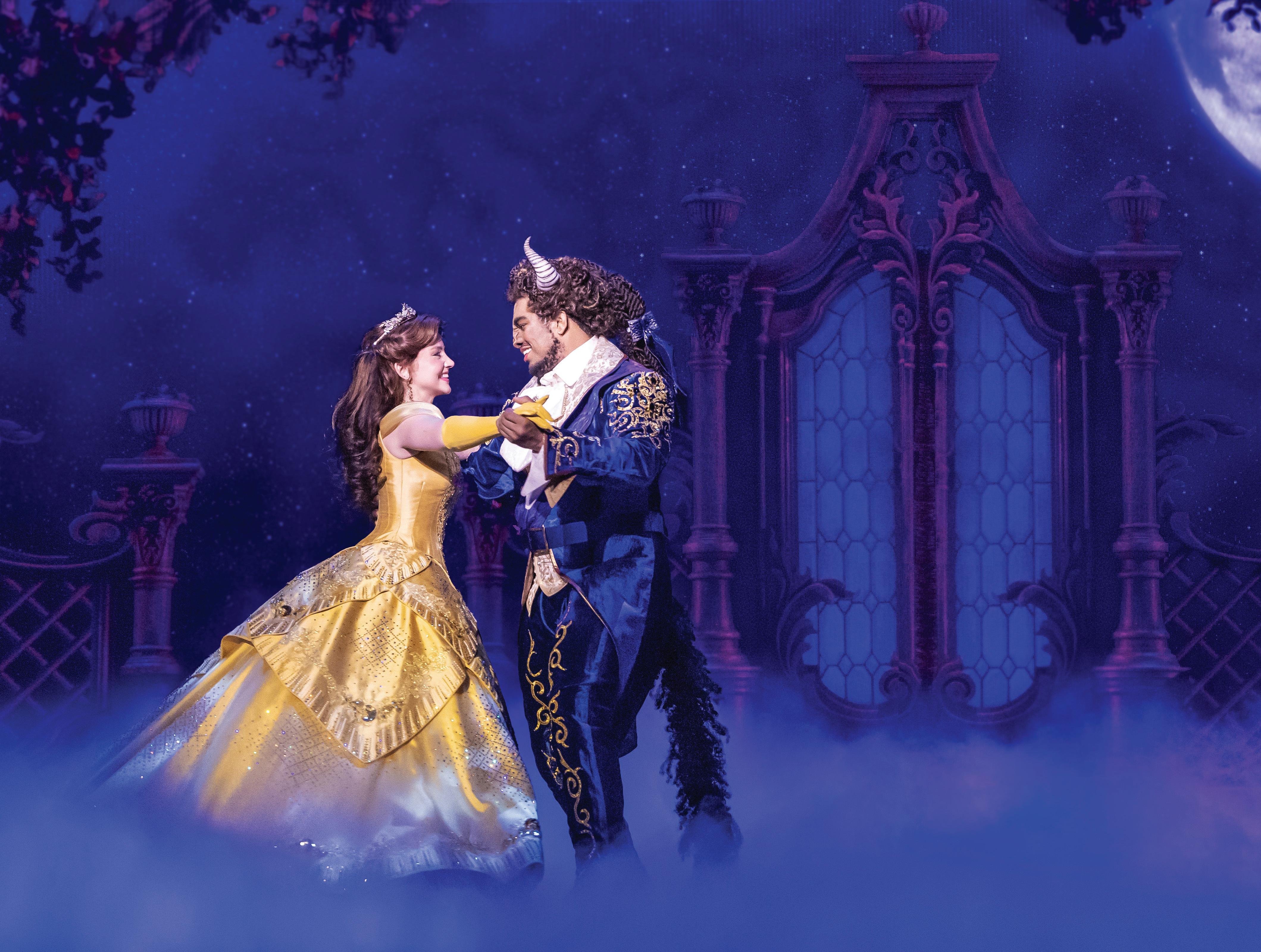
The first North American touring production of the musical in over 25 years is an enchanting, timeless tale with new sets and costumes. A crowd-pleasing Oscar®-winning and Tony Award®-nominated score, including classic songs Be Our Guest and Beauty and the Beast. 1192 Market St. us.atgtickets.com
JULY 15
Festival Napa Valley | Olivia Decker Power of Music Series
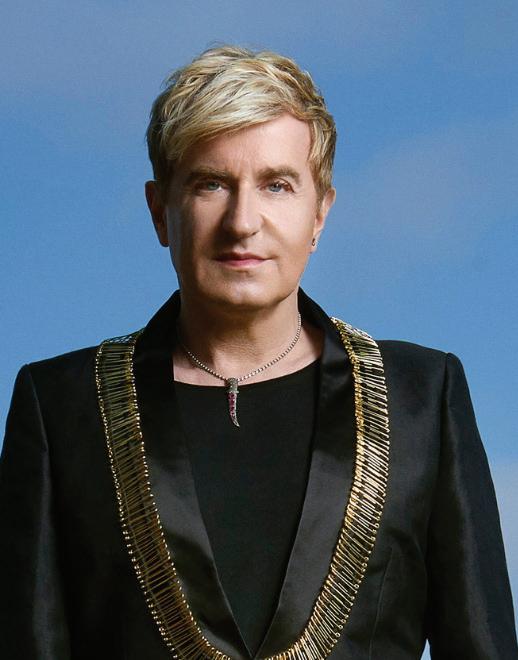
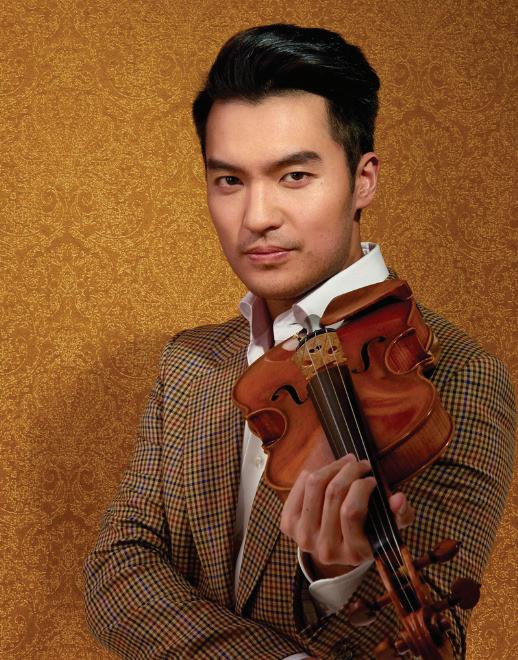
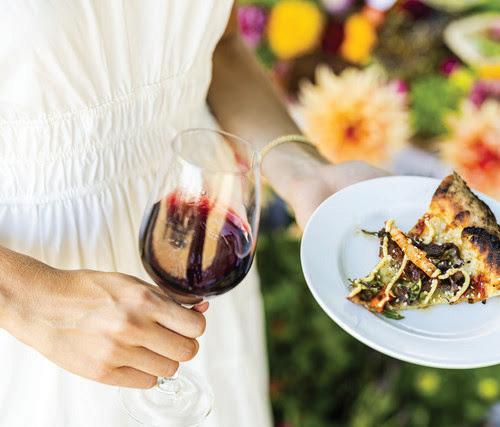
Grand Cru Recital: Jean-Yves Thibaudet, piano, and Ray Chen, violin, for their debut duo recital, uniting internationally acclaimed virtuosi. Hailed by the Los Angeles Times as “one of the finest violinists of his generation,” Chen joins Thibaudet, renowned for his distinctive artistry and wide-ranging repertoire, to celebrate the expressive power and musical dialogue of violin and piano. Patron reception at 5:30 p.m., Serge Sorokko Gallery. Concert at 6:30 p.m., Uptown Theatre, 1530 3rd Street, Napa. festivalnapavalley.org/calendar/grand-cruthibaudet-chen
JULY 17

Blue Note Napa Summer Sessions | Willie Nelson & Family
With a seven-decade career, Willie Nelson has earned every conceivable award as a musician and amassed reputable credentials as an author, actor, and activist. Outdoor evening concert at The Meritage Resort and Spa, 850 Bordeaux Way, Napa. bluenotejazz.com
JULY 18
San Francisco Symphony | An Evening with Sutton Foster & Kelli O’Hara
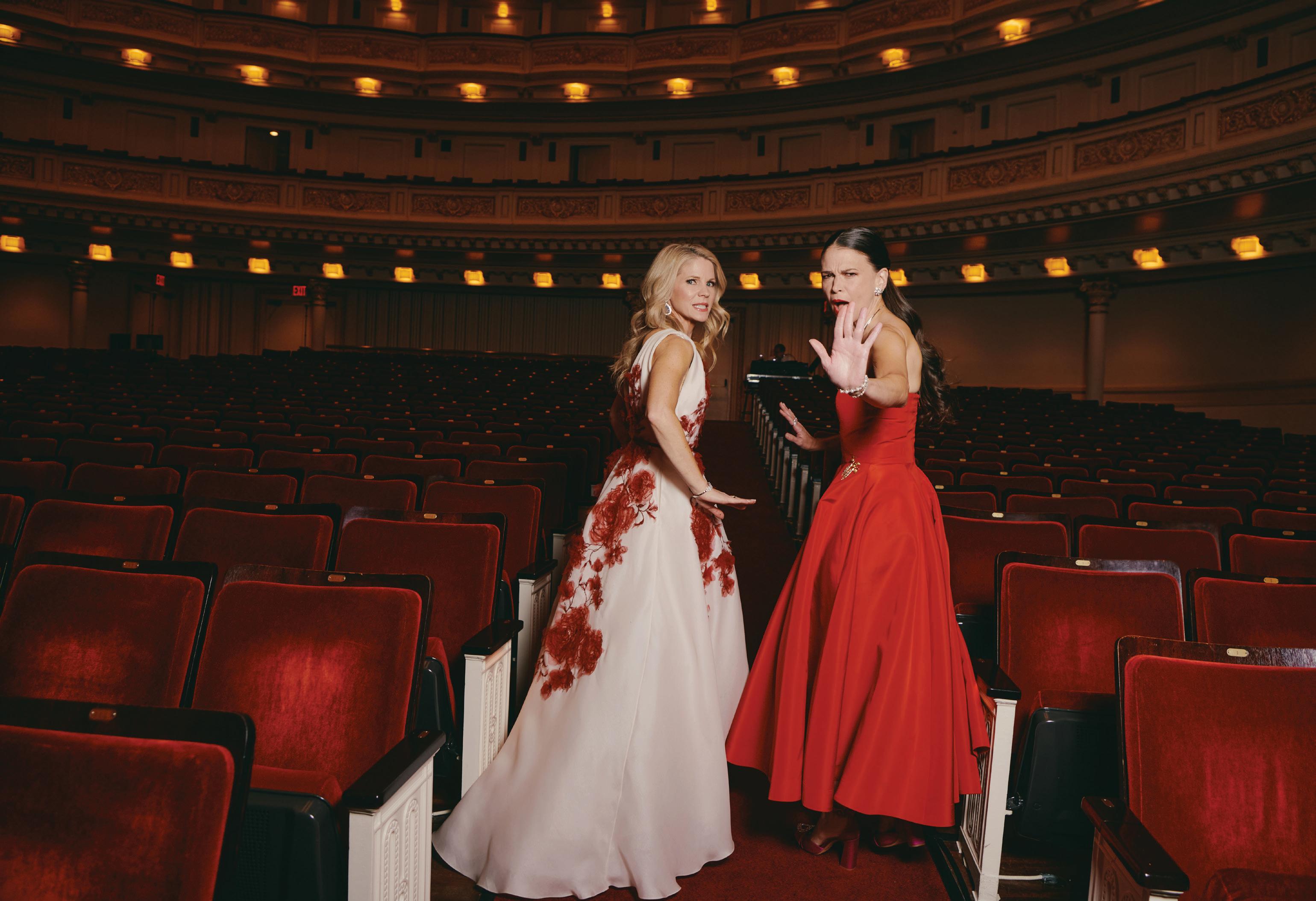
Celebrated Broadway stars, Sutton Foster and Kelli O’Hara, join the symphony for a spectacular evening of music and storytelling. Inspired by Julie Andrews and Carol Burnett’s 1962 CBS special Julie and Carol at Carnegie Hall, Sutton and Kelli team up to perform songs from their Tony Award–winning shows. Davies Symphony Hall, 201 Van Ness Ave. sfsymphony.org
JULY 23 & 24
San Francisco Symphony |
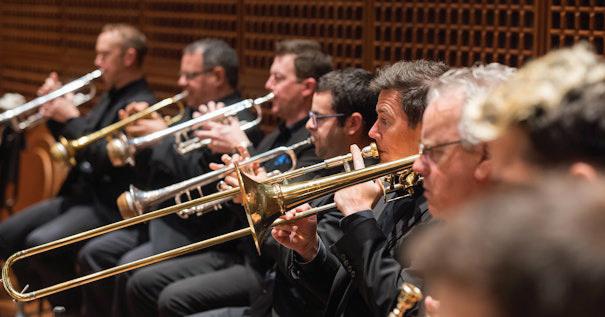
Sixty years of 007 with the San Francisco Symphony. Conductor Steven Reineke leads the concert featuring iconic Bond hits from Goldfinger, Skyfall, Thunderball and more with Broadway star Lena Hall. Frost Amphitheater, Stanford (7/23) and Davies Symphony Hall (7/24). sfsymphony.org
JULY 23 - 26
Presidio Theatre | Tony n’ Tina’s Wedding
From Off-Broadway, an immersive theatrical event where you’re not just watching the show, you’re part of the family. Celebrate alongside the hilarious Italian-American newlyweds with a ceremony, reception, family-style buffet, and a cash bar. 99 Moraga Ave. presidiotheatre.org
JULY 25 & 26
San Francisco Symphony |
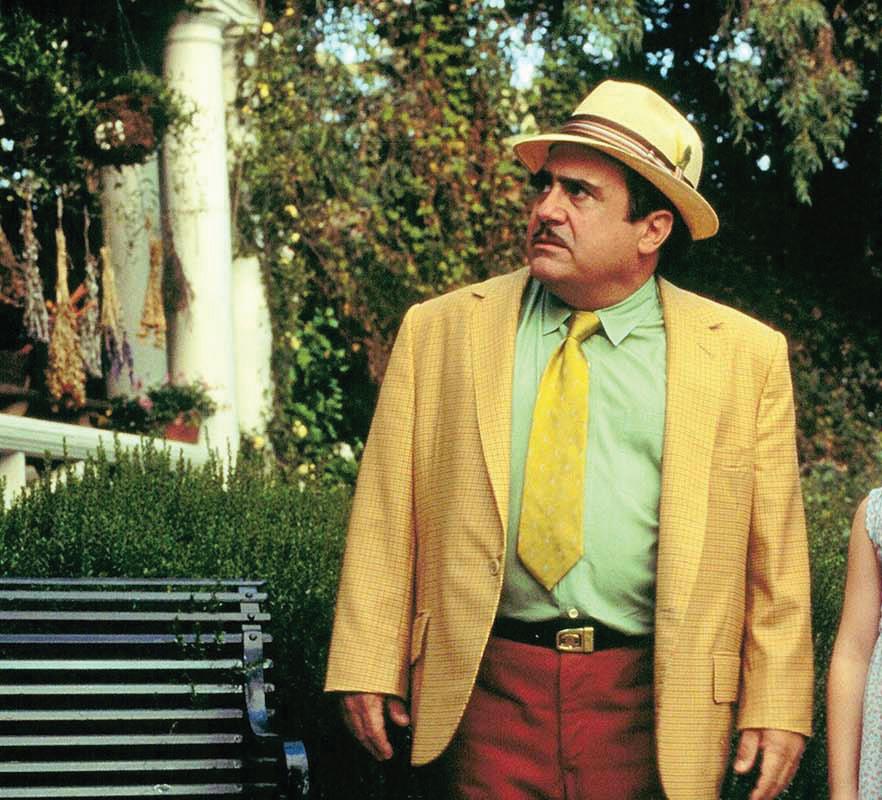
Narrated live by director and star Danny DeVito, the beloved modern fairytale comes to life on the big screen as composer David Newman conducts his enchanting score live-to-picture. Based on the book by Roald Dahl. Pre-show Q&A. Davies Symphony Hall, 201 Van Ness Ave. sfsymphony.org
JULY 26
San Francisco Marathon USATF-certified, Boston Marathon and Olympic Time Trials qualifying race.The start for 30,000 full marathon runners is 5:15 a.m. at Embarcadero. The last northbound runner must access the Golden Gate Bridge by 7:40 a.m. and southbound runners must access the bridge by 8:50 a.m. thesfmarathon.com
AUG. 2
REAF | Help is On the Way
Richmond/Ermet Aid Foundation marks its 32nd Anniversary Concert & Gala to benefit Project Open Hand and REAF’s Small Emergency Grants Program. Show by Broadway touring cast of Disney’s Beauty and the Beast. Marines’ Memorial Theater, VIP after-party at Beacon Grand Ballroom. reaf.org
AUG. 3 - 6
The Ultimate Golf & Wine Escape | Limerick Lane Cellars
A curated hospitality experience hosted by Owner Karen DeGolia and Winemaker Chris Pittenger at Limerick Lane Cellars plus Mayacama Golf Club. Three-night stay on the estate, two rounds of golf, private tour and wine tasting, meals in Healdsburg. Limited availability. limericklanewines.com
AUG. 6
Chase Center | Lionel Ritchie and Earth Wind & Fire
International superstar Lionel Ritchie has sold 125 million albums worldwide, earned an Oscar®, Golden Globe®, and four Grammy Awards®. A music institution, Earth Wind & Fire have scored eight number one hits and sold more than 100 million albums. 1 Warriors Way. chasecenter.com
AUG. 13 - 30
Transcendence Theatre Company |
Fueled by ABBA’s greatest hits, a joyful tale of family, friendship, love, and second chances has captured the hearts of millions worldwide. Field of Dreams, 151 First St. West., Sonoma. transcendencetheatre.org
AUG. 7 - 9
Outside Lands
The 18th annual three-day event with seven stages is the nation’s largest independently owned music festival. Features 90 performers, including Grammy Award-winners Charli xcx, RÜFÜS DU SOL, and The Stokes. Also, Taste of the Bay, Cocktail Magic, Wine Lands, and Beer Lands. Golden Gate Park. sfoutsidelands.com
AUG. 8 & 9
53rd Annual Gravenstein Apple Fair
Know your farmers, know your food. The fundraiser for Sonoma County Farm Trails supports all things hand-made and home-grown with fun, food, animals, and music for all ages. 10 a.m. - 6 p.m. at Ragle Ranch Regional Park, 50 Ragle Rd., Sebastopol. gravensteinapplefair.com
AUG. 12
Golden Gate Theatre | An Intimate Evening with Michael Feinstein
Two-time Emmy and five-time Grammy Awardnominee entertainer Michael Feinstein is the widely regarded Ambassador of the Great American Songbook. He delivers his signature polish and style for one night only. 1 Taylor St. us.atgtickets.com
AUG. 14 & 16
Filoli | Fleetwood Mask
Time travel back to the 70s. The tribute band performs on the outdoor Summer Stage in the meadow. 6 Cañada Road, Woodside. filoli.org/ summer-stage
AUG. 15
Merola Opera Program | Merola Grand Finale
Electrifying performances featuring arias, ensembles, and scenes from across the repertoire, highlighting technical skills and artistic growth achieved throughout the program. Optional postreception with artists at Wilsey Center for Opera. War Memorial Opera House, 301 Van Ness Ave. merola.org
AUG. 21 - 22
16th Annual Project Zin
A charity wine weekend unites dozens of coveted Zinfandel producers and top chefs led by Chef Charlie Palmer and Mauritson Wines in support of Down Syndrome Connection of the Bay Area. Appellation Healdsburg. projectzin.org

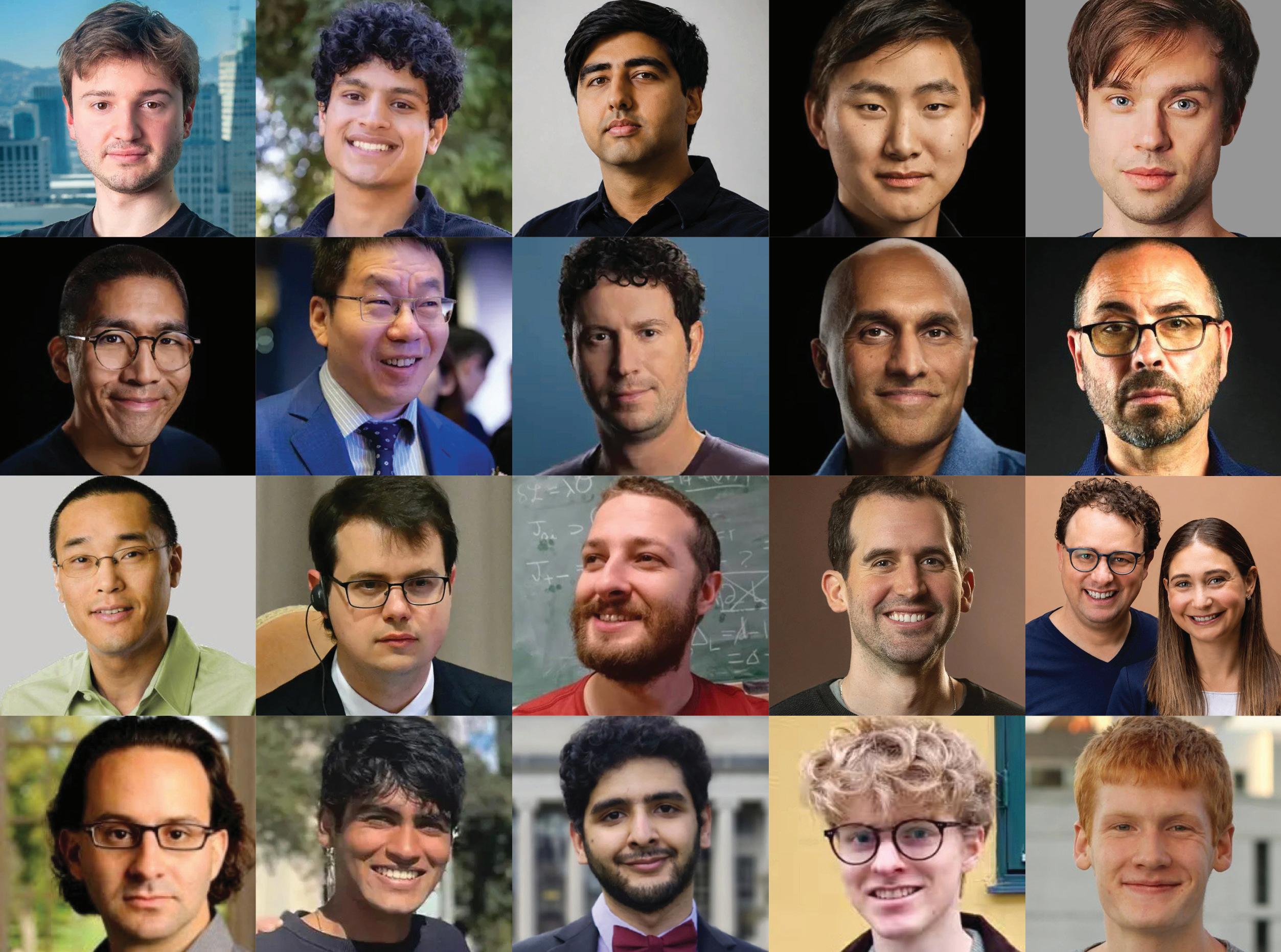
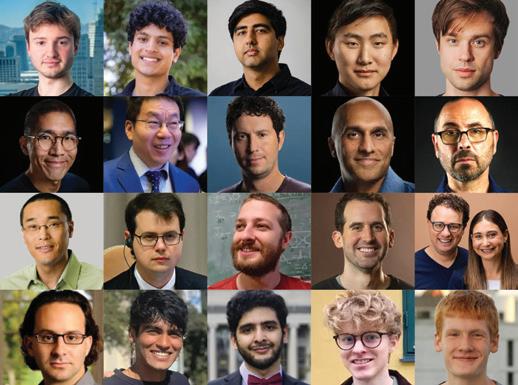
Artificial intelligence is transforming nearly every aspect of our daily life, and in the process has fueled the fastest rise of new young billionaires in modern history. Here in the San Francisco Bay Area alone, a new generation of AI company founders is driving this shift: the seven former OpenAI employees co-founded Anthropic in 2021 with a mission in developing frontier AI with safety at its core; the four co-founders of Cursor at age 26, created one of the world’s most widely adopted AInative code editors and has agreement to sell to Space X for $60 billion by third quarter of 2026; and the three co-founders of Mercor at age 23 built the fastest-growing company in AI-driven labor and data services. Beyond Bay Area, a growing number of young AI entrepreneurs with huge net worth are emerging across Asia and Europe too. In our 2026 Leaders and Legends issue, we spotlight a selection of these new AI billionaires of this new era. What stands out most is not the scale of their wealth, but the significance of their work, redefining capability, expanding possibility, and reshaping how society builds, learns, and creates.
BY HAUTE LIVING SAN FRANCISCO


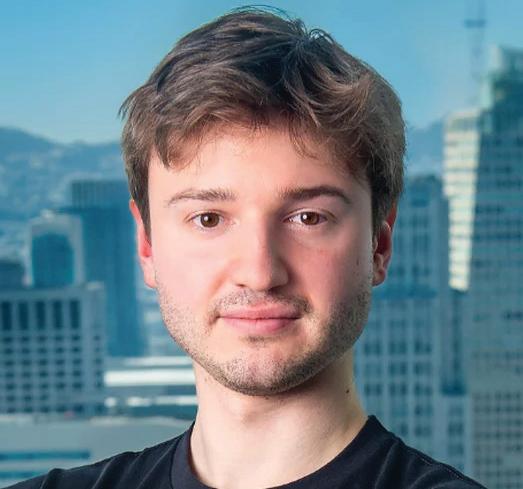
THE 23‑YEAR‑OLD BEHIND ONE OF AI’S FASTEST‑GROWING COMPANIES
Brendan Foody is a 23 - year - old co - founder and CEO of Mercor, one of the fastest - scaling companies in the artificial intelligence labor and data - services ecosystem. Born and raised in Silicon Valley in Bay Area, Foody attended Bellarmine College Preparatory before enrolling at Georgetown University, where he studied economics and computer science. He left college in 2023 to pursue Mercor full - time, joining the Thiel Fellowship shortly after.
Foody launched Mercor with longtime friends and debate teammates Surya Midha and Adarsh Hiremath, aiming to solve a growing bottleneck in AI development: the shortage of qualified technical talent and high-quality human feedback for model training. Mercor’s platform uses AI-driven interviews, automated evaluations, and a global expert network to match engineers with top AI labs while also supplying reinforcement -learning data and specialized human feedback for frontier models.
Under Foody’s leadership, Mercor reached a valuation of $10 billion within two years, making its founders the youngest self-made billionaires in the world. Known for his analytical writing on AI and the future of work, Foody represents a new generation of founders building the infrastructure that powers modern artificial intelligence.
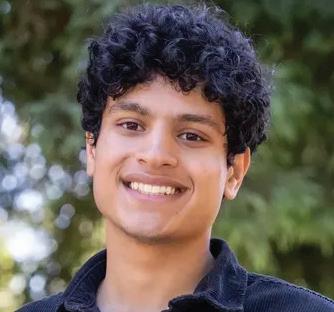
THE YOUNG ENGINEER HELPING REDEFINE AI TALENT INFRASTRUCTURE
Adarsh Hiremath is a 23-year-old American technologist and co-founder of Mercor, the AI-driven recruiting and expert-data platform that has become one of the fastest-growing companies in the artificial intelligence ecosystem. Born in California and educated at Bellarmine College Preparatory, Hiremath met future co-founders Brendan Foody and Surya Midha through competitive debate, a formative experience that sharpened his analytical instincts and collaborative style.
Hiremath briefly attended the University of California, Berkeley, where he studied computer science before leaving to build Mercor full-time. As the company’s technical co-founder, he played a central role in developing Mercor’s automated interview systems, evaluation models, and global talent-matching infrastructure. His engineering leadership helped transform Mercor from a small startup into a platform used by thousands of AI companies seeking rapid, high-quality hiring and specialized human feedback for model training.
Mercor’s explosive growth—reaching a valuation of $10 billion within two years—made Hiremath one of the youngest self-made billionaires in the world. Known for his quiet, methodical approach to problem-solving, he represents a new generation of founders building the operational backbone of the AI economy.

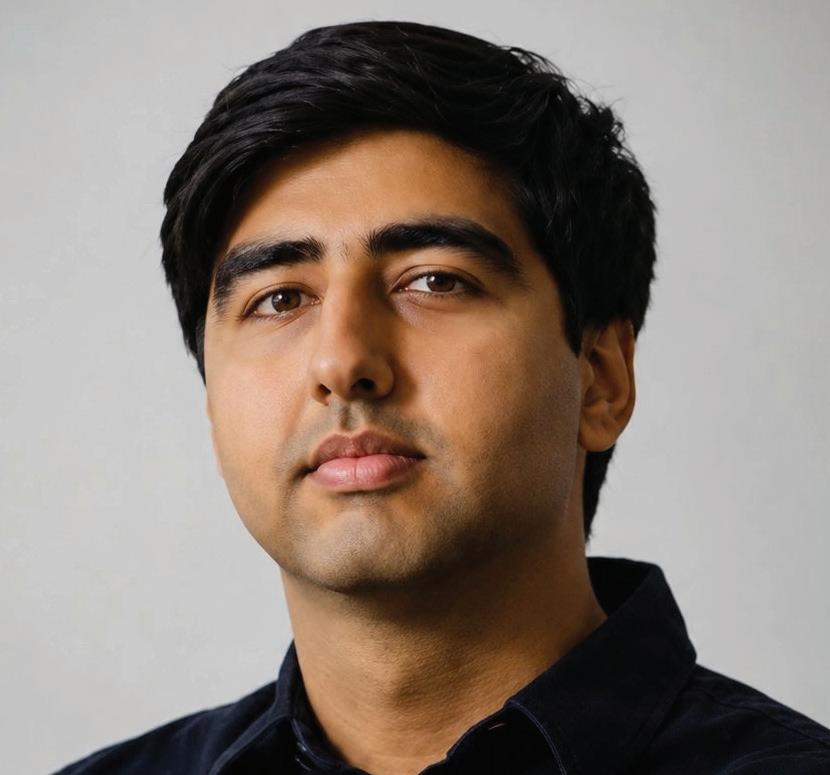
THE YOUNG ARCHITECT BEHIND MERCOR’S GLOBAL AI TALENT NETWORK
Surya Midha is a 23 - year - old American entrepreneur and co - founder of Mercor, the AI - powered recruiting and expert - data platform that has rapidly become one of the most influential infrastructure companies in the artificial intelligence sector. Raised in the Bay Area, Midha attended Bellarmine College Preparatory, where he met fellow co - founders Brendan Foody and Adarsh Hiremath through competitive debate. The trio’s shared interest in technology, economics, and systems thinking later evolved into the foundation of Mercor.
Midha studied economics at the University of Chicago before leaving to build Mercor full - time. At the company, he is widely regarded as the operational architect behind its global expert network, helping design the systems that allow Mercor to evaluate talent, deliver high - quality human feedback for AI model training, and scale internationally with remarkable speed. His work has been central to Mercor’s ability to match engineers and domain experts with leading AI labs in under 24 hours.
Mercor’s meteoric rise—reaching a valuation of $10 billion within two years—made Midha one of the youngest self - made billionaires in the world. Known for his strategic clarity and disciplined execution, he represents a new generation of founders building the human - AI infrastructure that underpins modern machine learning.
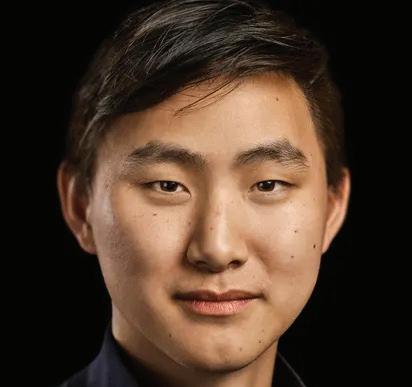
THE YOUNG VISIONARY POWERING THE AI DATA REVOLUTION
Alexandr Wang is the 29 - year - old founder and CEO of Scale AI, one of the most influential companies in the artificial intelligence ecosystem. Born in New Mexico to physicists at Los Alamos National Laboratory, Wang showed early talent in math and computer science, competing in national coding and physics competitions before enrolling at MIT. He left after his first year to build Scale AI, recognizing that the future of machine learning would depend on high - quality data and efficient labeling infrastructure.
Wang launched Scale in 2016 with co - founder Lucy Guo, initially focusing on data labeling for self - driving cars. The company quickly expanded into defense, enterprise AI, and frontier - model training, becoming a critical supplier of structured data, evaluations, and model - building tools for organizations across the public and private sectors. Under Wang’s leadership, Scale AI has grown into a multibillion - dollar powerhouse and a foundational player in the modern AI supply chain.
Widely regarded as one of the youngest self - made billionaires in tech, Wang is known for his sharp strategic instincts and his belief that high - quality data— not just algorithms—will determine the next era of artificial intelligence.
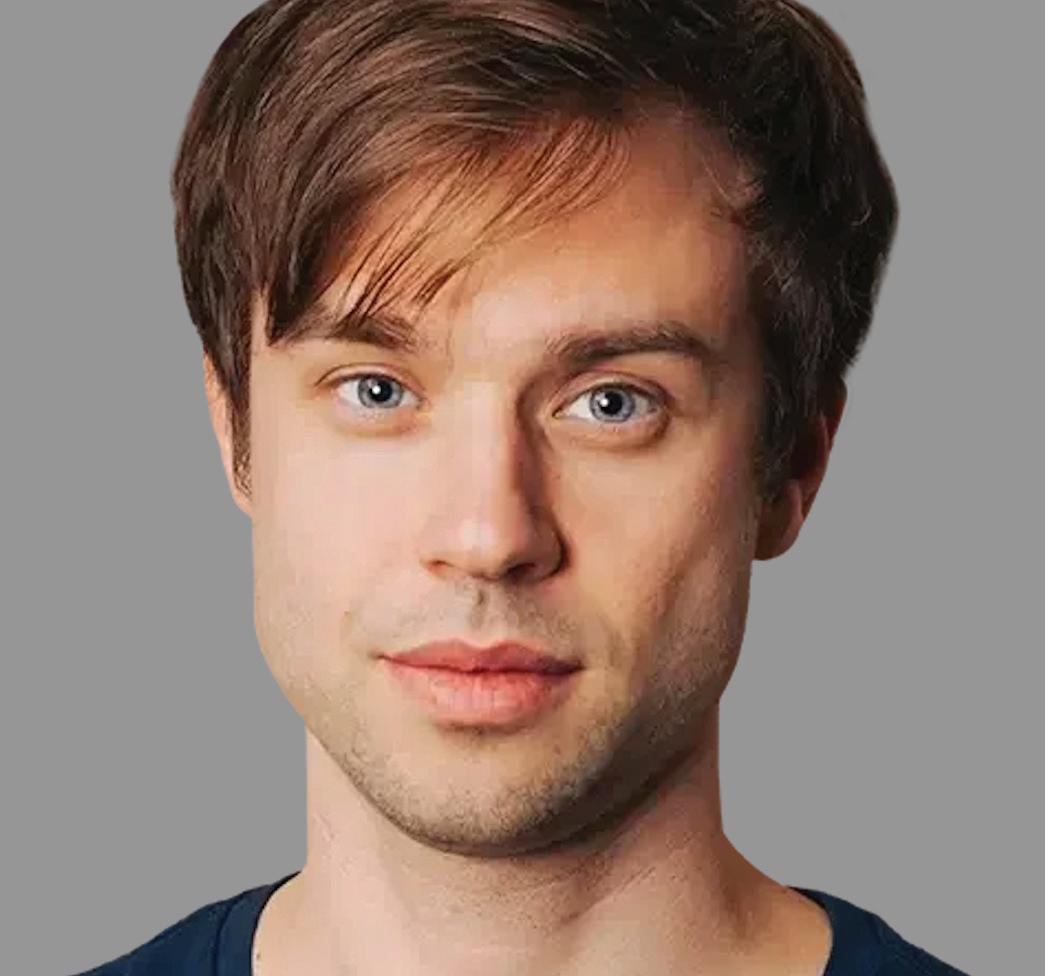
THE RESEARCHER‑ENGINEER ADVANCING OPEN‑SOURCE
Anton Osika is a Swedish AI researcher and engineer best known as the creator of GPT - Engineer, one of the most influential open - source tools in the generative - AI ecosystem. Trained in mathematics and machine learning, Osika has built a reputation for designing elegant, highly practical systems that make advanced AI capabilities accessible to individual developers and small teams. GPT - Engineer, released in 2023, allows users to generate full software projects from natural - language specifications, helping spark a wave of open - source innovation around AI - assisted coding.
Osika’s work stands out for its clarity, transparency, and commitment to community - driven development. Rather than building closed, proprietary systems, he focuses on tools that empower developers to understand, modify, and extend AI models. His projects have been widely adopted across GitHub and the broader open - source community, influencing how engineers prototype software and experiment with LLM - driven workflows.
As AI development becomes increasingly centralized, Osika has emerged as a leading voice for openness and accessibility in the field. His contributions continue to shape the rapidly evolving landscape of AI - assisted software engineering.
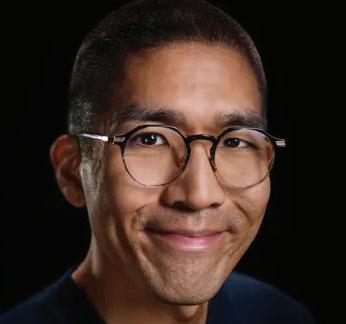
THE DATA‑DRIVEN FOUNDER BEHIND SURGE AI’S METEORIC RISE
Edwin Chen is the founder and CEO of Surge AI, one of the most important companies in the modern AI supply chain and a key provider of high-quality human feedback for training large language models. A mathematician and economist by training, Chen studied at MIT and UC Berkeley before building a career at some of the world’s most data-intensive organizations, including Google, Twitter, and Dropbox. His expertise in large -scale data analysis and machine -learning systems laid the foundation for Surge AI’s creation.
Chen launched Surge AI to solve a critical bottleneck in frontier-model development: the need for precise, expert-level human feedback to train and align increasingly powerful AI systems. Surge quickly became a preferred partner for leading AI labs, supplying reinforcement -learning data, safety evaluations, and domain-expert annotations at global scale.
In 2026, Surge AI’s explosive growth propelled Chen into billionaire status, making him one of the most influential figures in the alignment and data-quality segment of the AI industry. Known for his analytical rigor and commitment to building safer, more reliable AI systems, Chen has become a central voice in shaping how human expertise guides the next generation of machine intelligence.

THE TECHNOLOGIST LEADING CHINA’S
FIRST PUBLIC GENERATIVE‑AI GIANT
Liu Debing is a Chinese computer scientist and entrepreneur, best known as the co - founder and chairman of Knowledge Atlas Technology—also known as Zhipu.AI or Z.ai—one of China’s most prominent generative - AI companies. Born in 1975, Liu earned a bachelor’s degree in computer science from Beijing Jiaotong University in 1997 and later completed a Ph.D. at the Chinese Academy of Sciences in 2007.
After early engineering roles at the Beijing Institute of Technicolor and later Tsinghua University, Liu co - founded Zhipu AI in 2019 with fellow Tsinghua researchers, aiming to commercialize the university’s advanced computing research. The company quickly attracted major investors including Alibaba, Tencent, Ant Group, and Qiming Venture Partners.
In January 2026, the company went public in Hong Kong, raising $560 million and becoming the first major Chinese generative -AI startup to list publicly. By mid-2026, its market cap reached $100 billion, propelling Liu into the ranks of the world’s wealthiest technologists.
Liu is widely regarded as a central figure in China’s AI ecosystem, shaping the country’s push toward large -scale model development and regional AI leadership.
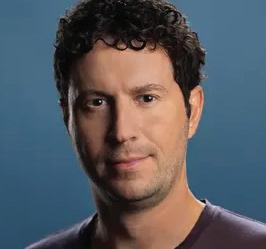
THE ECONOMIST‑POET BUILDING AI FOR THE FUTURE OF MEDICINE
Daniel J. Nadler, age 43 is a Canadian-born entrepreneur, economist, and poet, best known as the founder and CEO of OpenEvidence, one of the fastest -growing medical AI platforms in the world. Born in Toronto in 1983 to immigrant parents from Poland and Romania, Nadler studied mathematics, classics, and poetry at Harvard University, where he later completed a Ph.D. focused on the pricing mechanisms of credit derivatives .
Nadler first gained prominence as the co-founder of Kensho Technologies, an AI-driven financial analytics company acquired by S&P Global for $550 million in 2018 . In 2021, he launched OpenEvidence, a clinical decision-support platform that helps physicians navigate millions of peer-reviewed medical studies in seconds. By early 2026, OpenEvidence reached a $12 billion valuation and was used by nearly half of all U.S. doctors, propelling Nadler’s net worth to an estimated $7.6 billion .
A TIME100 Health honoree, Nadler is also an acclaimed poet and active figure in the contemporary art world, serving on committees at MoMA PS1 and the Whitney Museum.
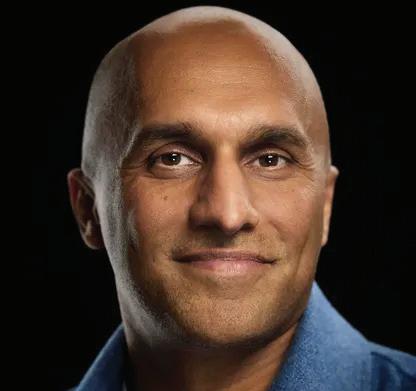
THE ENGINEER‑OPERATOR BUILDING THE SOFTWARE BACKBONE OF AUTONOMOUS SYSTEMS
Qasar Younis, age 44 is a Pakistani - American co - founder and CEO of Applied Intuition, one of the world’s leading autonomy - software and simulation companies. Born in Punjab, Pakistan in 1982, he immigrated to the United States in 1988 and grew up in the Detroit area. Younis studied mechanical engineering at Kettering University, working across General Motors’ tech centers and factories, before earning his MBA from Harvard Business School.
After early engineering roles at General Motors and Bosch Japan, Younis founded two startups, including TalkBin, which graduated from Y Combinator and was acquired by Google in 2011. He then spent three years as a product lead on Google Maps before returning to Y Combinator as a partner and later COO, helping launch major initiatives such as the $700M Continuity Fund.
In 2017, Younis co - founded Applied Intuition, which builds simulation platforms and autonomy - development tools used by 18 of the world’s 20 largest automakers, defense contractors, and robotics companies. The company reached a $15 billion valuation in 2025, making Younis one of the most influential figures in the global autonomy ecosystem.

THE ENTREPRENEUR BEHIND THE WORLD’S LARGEST AI CHIP
Andrew D. Feldman, age 55 is an American technology entrepreneur and the co-founder and CEO of Cerebras Systems, the AI-infrastructure company known for building the Wafer-Scale Engine (WSE)—the largest processor ever created for artificial intelligence workloads. Born and raised in Palo Alto, California, Feldman grew up on the Stanford University campus, where both his parents were professors. He earned a B.A. in Economics and Political Science from Stanford University in 1991 and later returned for his MBA in 1997.
Feldman began his career in Silicon Valley’s networking sector, holding senior leadership roles at Riverstone Networks and Force10 Networks before co-founding SeaMicro in 2007, a pioneering microserver company acquired by AMD for over $330 million in 2012.
In 2015, he launched Cerebras Systems, assembling a team of computer architects and chip designers to pursue wafer-scale computing. The company went public in 2026, reaching a valuation near $100 billion and propelling Feldman’s net worth to an estimated $3.4 billion.
Feldman is widely regarded as one of the most influential figures in AI hardware, reshaping how frontier models are trained and deployed
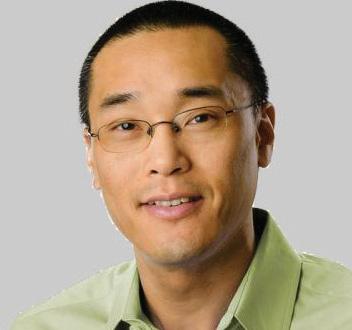
THE ARCHITECT BEHIND CEREBRAS’S WAFER‑SCALE BREAKTHROUGH
Sean Lie is an American computer architect and the co-founder and Chief Hardware Architect of Cerebras Systems, the company behind the world’s largest AI chip. His career and academic background place him among the most influential hardware designers in modern AI infrastructure.
Lie earned both his B.S. and M.Eng. in Electrical Engineering and Computer Science from MIT, where he studied under renowned computer-architecture professors Charles Leiserson and Krste Asanović. His graduate research focused on high-performance microprocessors and transactional memory, laying the foundation for his later work in massively parallel compute systems.
Before co-founding Cerebras in 2016, Lie served as Chief Architect for Data Center Server Solutions at AMD, where he worked on next-generation server-class processors. At Cerebras, Lie leads the design of the Wafer-Scale Engine (WSE)—a revolutionary processor containing hundreds of thousands of AI-optimized cores and unprecedented on-chip memory and bandwidth. His work enables training of frontier-scale neural networks with dramatically higher efficiency than traditional multi- GPU clusters. Lie’s contributions have made him a central figure in the semiconductor industry’s shift toward specialized AI hardware, helping position Cerebras as one of the most important companies in the global AI-compute race.

THE INTERPRETABILITY PIONEER
MAPPING THE INNER WORKINGS OF AI
Christopher Olah age 34 is a Canadian machine -learning researcher and one of the world’s leading figures in AI interpretability, best known for his work uncovering how neural networks represent and transform information. Born in Canada, Olah left university at age 18 and later became a Thiel Fellow, pursuing independent research rather than a traditional academic path.
Olah first gained prominence at Google Brain, where he contributed to early neural-network visualization research, including DeepDream and later activation atlases, tools that helped reveal the internal structure of deep learning systems. He later joined OpenAI, leading interpretability work before co-founding Anthropic in 2021, where he now heads efforts to map “features” inside large language models and connect interpretability to AI safety.
In 2025, Forbes reported that Olah had become a billionaire due to his ownership stake in Anthropic, one of the world’s most valuable AI companies. He has been recognized globally, including being named to the TIME100 AI list for his pioneering contributions.

THE PHYSICIST SHAPING THE SCIENCE OF LARGE‑SCALE AI
Sam McCandlish is an American AI researcher and the co - founder and Chief Architect of Anthropic, one of the world’s leading frontier - model companies. Trained as a theoretical physicist, McCandlish earned his B.S. and M.S. in mathematics and physics from Brandeis University, followed by a Ph.D. in theoretical physics from Stanford University, where he studied quantum gravity and holography under Eva Silverstein . McCandlish transitioned into machine learning at OpenAI, serving as a research scientist and later research lead. There, he co - authored foundational work on neural scaling laws, demonstrating how model performance predictably improves with increases in data, compute, and model size—research that directly influenced the development of GPT - 3 and modern LLM training strategies .
In 2021, he co - founded Anthropic, where he now leads large - scale pre - training and model - architecture efforts. By 2026, Anthropic reached a private valuation of $380 billion, and Forbes estimated McCandlish’s net worth at $15.5 billion, placing him among the world’s youngest AI billionaires . McCandlish is widely regarded as one of the most influential empirical researchers in modern AI, shaping how the field understands and builds frontier - scale models.
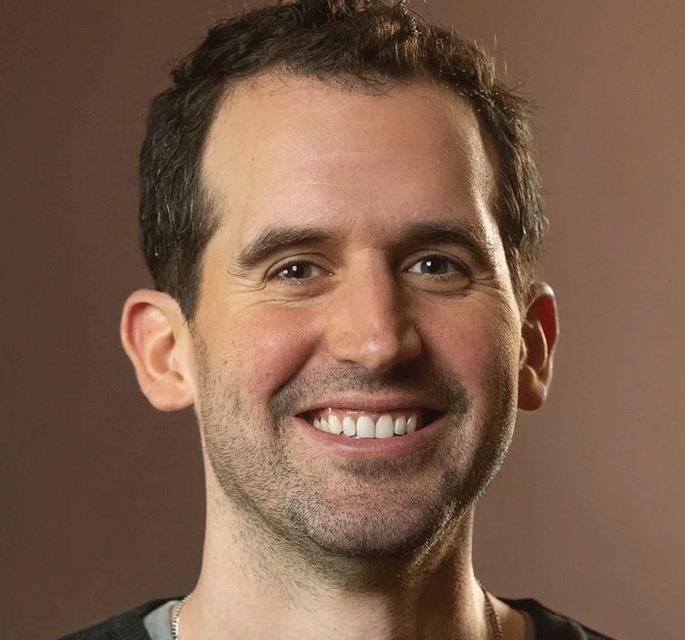
THE ENGINEER BEHIND GPT‑3 AND THE NEXT GENERATION OF FRONTIER AI
Tom Brown is an American AI researcher best known as the lead engineer of GPT-3 and a co-founder of Anthropic, one of the world’s most advanced frontier-model companies. Brown studied computer science at UC Berkeley, where he focused on large -scale distributed systems before joining Google and later OpenAI .At OpenAI, Brown led the engineering team behind GPT -3, the breakthrough 175-billion-parameter model that helped ignite the modern generative -AI wave. His work centered on large -scale training infrastructure, optimization, and the orchestration of massive compute clusters—expertise that became foundational to the next era of model development.
In 2021, Brown co-founded Anthropic alongside Dario and Daniela Amodei, Sam McCandlish, and Chris Olah. As the company’s Chief Technology Officer, he oversees training systems, model scaling, and the engineering architecture behind the Claude family of models. By 2026, Anthropic reached a valuation of $380 billion, and Brown became one of the world’s youngest AI billionaires. Brown is widely regarded as one of the most influential engineers in large -scale AI, shaping how frontier models are trained, deployed, and aligned.
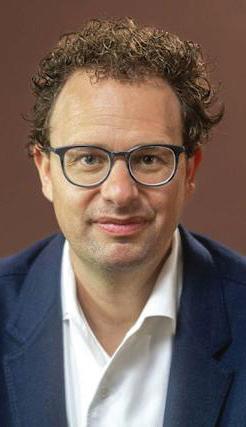

THE SIBLINGS REDEFINING AI SAFETY
Dario and Daniela Amodei have become two of the most influential figures in artificial intelligence, not only for the systems they build but for the philosophy that guides them. After leading major research, safety, and policy efforts at OpenAI, the siblings co-founded Anthropic in 2021 with a mission that set them apart: developing frontier AI with safety at its core.
Dario, Anthropic’s CEO, is known for his rigorous scientific approach and his belief that understanding model behavior is essential to responsible scaling. His work on large-model training and safety frameworks has shaped the industry’s thinking on how powerful AI systems should be developed.
Daniela, the company’s President, brings operational discipline and a deep commitment to governance. Her leadership ensures that Anthropic’s research culture, organizational structure, and long-term planning reflect the company’s safety-first ethos.
Together, the Amodei siblings have built one of the most respected AI labs in the world, an organization defined as much by its scientific ambition as by its insistence on responsibility.
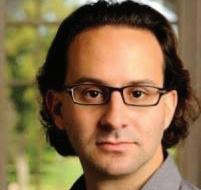
THE PHYSICIST WHO GAVE AI ITS PREDICTIVE BLUEPRINT
Jared Kaplan, co-founder and Chief Science Officer of Anthropic, is one of the most quietly influential minds in modern artificial intelligence. Trained as a theoretical physicist, Kaplan earned his PhD from Stanford University and later became a professor at Johns Hopkins, where he specialized in quantum field theory and string theory. His transition into AI brought a physicist’s instinct for elegant, universal laws and it led to one of the field’s defining breakthroughs.
Kaplan is best known as the co-author of the scaling laws for neural networks, the discovery that model performance follows predictable mathematical curves as data, compute, and parameters increase. These laws became the roadmap for the entire frontier-model era, guiding the development of GPT-3, Claude, and nearly every large-scale system built since.
At Anthropic, Kaplan shapes the scientific direction behind the Claude family, grounding the company’s research in empirical rigor and long-term predictability. His work has transformed AI from an experimental craft into a discipline governed by measurable, forecastable principles an achievement that continues to define the trajectory of the field.
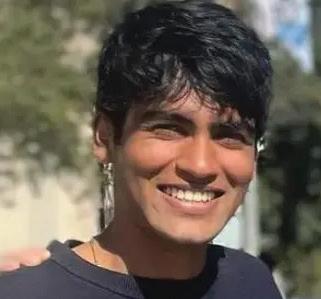
THE 25‑YEAR‑OLD MIT ENGINEER POWERING THE AI CODING REVOLUTION
Aman Sanger is a 25-year-old American software engineer, best known as a co-founder of Anysphere, the company behind Cursor, one of the world’s fastest-growing AI-native code editors. Born in New York in 2000, Sanger began coding at age 14 and later attended the Horace Mann School before studying computer science and mathematics at MIT.
At MIT, Sanger met co-founders Michael Truell, Sualeh Asif, and Arvid Lunnemark, with whom he launched Anysphere in 2022. Cursor quickly became a breakout success, used by millions of developers and more than 50,000 enterprises, including Nvidia, Adobe, Uber, Shopify, and PayPal. By late 2025, Anysphere reached a $29.3 billion valuation, making Sanger one of the youngest self-made billionaires in the world with an estimated net worth of $1.3 billion.
Before founding Anysphere, Sanger interned at Google and Bridgewater Associates, and even ran his own AI consultancy. Known for his product intuition and operational discipline, he helped architect Cursor’s strategy, pricing, and viral developer adoption—propelling the company to over $1 billion in annualized revenue.
In June 2026, SpaceX reached an agreement to an all-stock acquisition of Cursor for $60 billion. Under SpaceX’s corporate structure, Sanger and his cofounders will continue to build their AI development tools while tightly integrating with the aerospace and tech giant’s ecosystem.
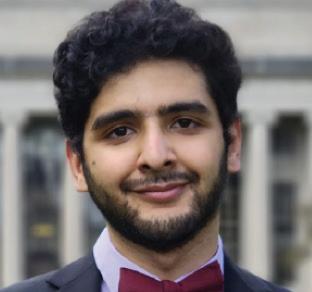
THE KARACHI‑BORN PRODIGY BEHIND ONE OF THE WORLD’S FASTEST‑GROWING AI DEVELOPER TOOLS
Sualeh Asif is a Pakistani-born computer scientist, best known as a co-founder and Chief Product Officer of Anysphere, the company behind Cursor, one of the world’s most widely adopted AI-native code editors. Born on January 24, 2000, in Karachi, Pakistan, Asif demonstrated exceptional mathematical talent early, representing Pakistan in the International Mathematical Olympiad from 2016 to 2018 .
Asif moved to the United States to study Mathematics and Computer Science at MIT, where he conducted research in the Supertech Lab and ParAlgs group before graduating in 2022 . In 2022, he co-founded Anysphere with three MIT classmates, launching Cursor—a tool now used by millions of developers and more than 50,000 enterprises, including Nvidia, Adobe, Uber, and Shopify .
Asif is widely recognized for blending deep mathematical insight with product -driven engineering, helping redefine how developers write and reason about code.
Cursor’s explosive growth pushed Anysphere to a $29.3 billion valuation in late 2025, making Asif one of the youngest self-made billionaires with an estimated net worth of $1.3 billion. In June 2026, SpaceX reached an agreement to an all-stock acquisition of Cursor for $60 billion which increased Asif’s net worth to a greater level.
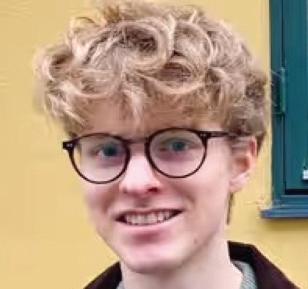
THE SWEDISH PRODIGY BEHIND CURSOR’S RISE — AND ITS FIRST BREAKAWAY FOUNDER
Arvid Lunnemark is a Swedish computer scientist and entrepreneur best known as one of the four MIT-trained co-founders of Anysphere, the company behind Cursor, the AI-native code editor used by millions of developers worldwide. Born in Malmö, Sweden, Lunnemark distinguished himself early as a top competitive programmer, earning a Gold Medal at the International Mathematical Olympiad (2018) and a Silver Medal at the International Olympiad in Informatics (2017) .
Lunnemark studied Mathematics (18) and Computer Science (6 - 3) at MIT, graduating in 2022, and completed internships at Jane Street, Stripe, and QuantCo before co - founding Anysphere in 2022 with Michael Truell, Sualeh Asif, and Aman Sanger . Cursor’s explosive growth—reaching a $29.3 billion valuation in 2025 and more than $1 billion in annualized revenue— made him a billionaire by age 26 .
In October 2025, at the height of Cursor’s success, Lunnemark left the company to found Integrous Research, a new venture focused on AI safety and long-term alignment . His shift from hyper-growth startup founder to safety-focused researcher has made him one of the most intriguing young figures in the global AI ecosystem.
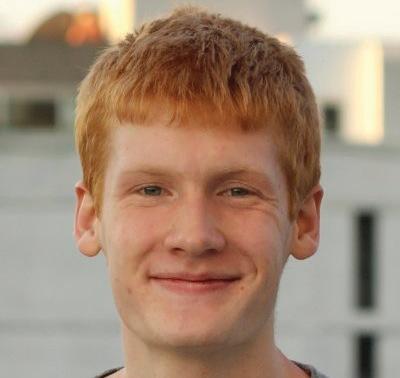
THE 25‑YEAR‑OLD CO FOUNDER OF CURSOR SOLD HIS AI CODING STARTUP TO SPACEX FOR $60BN
Michael Truell is an American computer scientist born in September 2000 and raised in New York City. Truell attended the Horace Mann School where he began coding competitively and developing early developer-focused tools. Best known as the co-founder and CEO of Cursor, the AI-native code editor built by Anysphere, Inc. Truell and his co-founders launched Anysphere in 2022 while studying at the Massachusetts Institute of Technology, where he pursued computer science and mathematics before dropping out to build the company full-time.
Cursor quickly became one of the fastest-growing developer tools in the world, used by millions of programmers and more than 50,000 enterprises, including Nvidia, Adobe, Uber, and Shopify. By late 2025, the company reached a valuation of $29.3 billion, driven by its ability to integrate AI directly into real coding workflows rather than offering generic assistants. Truell’s rise accelerated further in June 2026, when SpaceX reached an agreement to an all-stock acquisition of Cursor for $60 billion, placing him among the youngest self-made billionaires in the AI industry. Under SpaceX’s corporate structure, Truell and his co-founders will continue to build their AI development tools while tightly integrating with the aerospace and tech giant’s ecosystem. Cursor will now be part of SpaceX’s xAI division, potentially helping Grok AI survive the competition in an enterprise-centric world.


Connection was never meant to be passive.
BY KRISHA CHHAGANLAL
THE WAY WE LIVE IS CHANGING. YOU CAN FEEL IT IN THE QUIET choices people are making every day. More than any generation before, people are prioritizing fitness. They read more. They care about sleep, about what they eat, about how they spend their mornings The sober-curious movement is becoming mainstream. Ice baths and saunas are a lifestyle. This generation did not inherit a wellness culture; they actually built one.
Yet the tools we reach for every morning are still the same ones designed to pull us in the opposite direction. Infinite feeds. Algorithmically amplified outrage. Dopamine loops engineered by people who have publicly admitted they do not let their own children use the products they built.
Crue, born in the San Francisco Bay Area, is a social accountability app built around a different idea: that connection should support the life you’re trying to build, not distract from it.
It’s not a competitor to social media. It’s not trying to win your attention. It’s built for everyday people, their goals, and the version of their lives they’re actively working toward.
WE WERE PROMISED CONNECTION. WE GOT CONTENT.
The platforms we were sold as social networks have become something else entirely. Meta’s own internal research, made public through whistleblower testimony, confirmed what most of us already felt intuitively: the feed is engineered for engagement, not relationship. The average user today sees content from brands, strangers, and sponsored posts far more than they see updates from the people they actually follow. The people you actually care about didn’t disappear. They just got buried.
This is not a minor UX inconvenience. It represents a fundamental betrayal of what the social internet promised. And the damage runs deeper than frustration. Studies consistently link passive social media consumption to elevated rates of loneliness and anxiety. We are more connected than ever in the technical sense, and more isolated in the human one.
Crue does not attempt to compete with the algorithmic giants on their own terms. It makes a different bet entirely: that people are
“CONNECTION SHOULD SUPPORT THE LIFE YOU’RE TRYING TO BUILD, NOT DISTRACT YOU FROM IT.”
hungry for a feed that actually means something. One that shows you whether your training partner hit the gym this morning. Whether your work group read the chapter they committed to. Whether your friends completed the 30-day challenge you all started together. A feed built not around virality, but around accountability.
James Clear’s Atomic Habits has sold over 15 million copies worldwide. Mel Robbins built a media empire on the science of momentum. The message from behavioral psychology has been consistent for years: small, consistent actions, performed with structure and witnessed by others, are how humans actually change. We have known the formula. What we sometimes lack is the infrastructure.
Clear dedicates entire chapters to the concept of identity-based habits and the role of social environment in sustaining them. His research confirms something intuitive: we are more likely to follow through when someone is watching, and far more likely to stay consistent when the people watching are people we respect. Accountability partners outperform solo willpower almost every time.
Crue is built on exactly this foundation. The app creates structured challenges across categories including fitness, mindfulness, reading, nutrition, creative practice, career moves, and more, and invites your actual circle to join. Progress is posted with proof. Momentum is tracked and celebrated.
It looks like starting a no-screens-before-9am challenge with a group of friends trying to reclaim their mornings. Commit to a weekly date night with your partner and use Crue to hold both of you to it, with proof. Do a Whole30 with your coworkers and document every meal. Pledge to walk 10,000 steps a day with your college roommates, no matter what city you are each in. Decide collectively that every Sunday is a cooking-from-scratch day, and post photos to prove it. Whatever you are trying to build, or trying to stop, Crue creates the social container that makes it stick.
The same engine that powers a six-person challenge among friends becomes something far more significant when a community, organization, or brand steps in.
Imagine a physician who puts a group of patients on a 30-day walking challenge to reclaim their health. A school counselor running a 21-day gratitude practice. A financial coach holding a group of clients accountable to a no-spend week. A therapist creating a daily journaling challenge for patients working through anxiety. A sober community
using Crue to mark milestones together and hold each other through hard days. Or a corporate team lead using Crue to build culture across a distributed team. The platform becomes the ritual, and the ritual becomes the relationship.
The loneliness epidemic is no longer a fringe concern. The U.S. Surgeon General declared it a public health crisis. Younger adults report fewer close friends than any previous generation on record. And the platforms that were supposed to fix that have quietly made it worse, replacing genuine interaction with performative posting and replacing community with audience.
What’s refreshing about Crue is that it doesn’t ask you to grow a following, go viral, or optimize a personal brand. It wants you to do the thing you said you would do, in front of the people who actually care whether you do it. That is a radical repositioning of what a social app can be, and it arrives at exactly the right moment.
There is something quietly powerful about an app that asks you to close it and go live your life. That has no infinite feed, no algorithm deciding what you see, no sponsored content between your friend’s morning run post and your partner’s date night photo. Just the people you chose, the goals you set, and the proof that you showed up.
Crue is available on the web, apple, and android. 100% free to join. joincrue.com
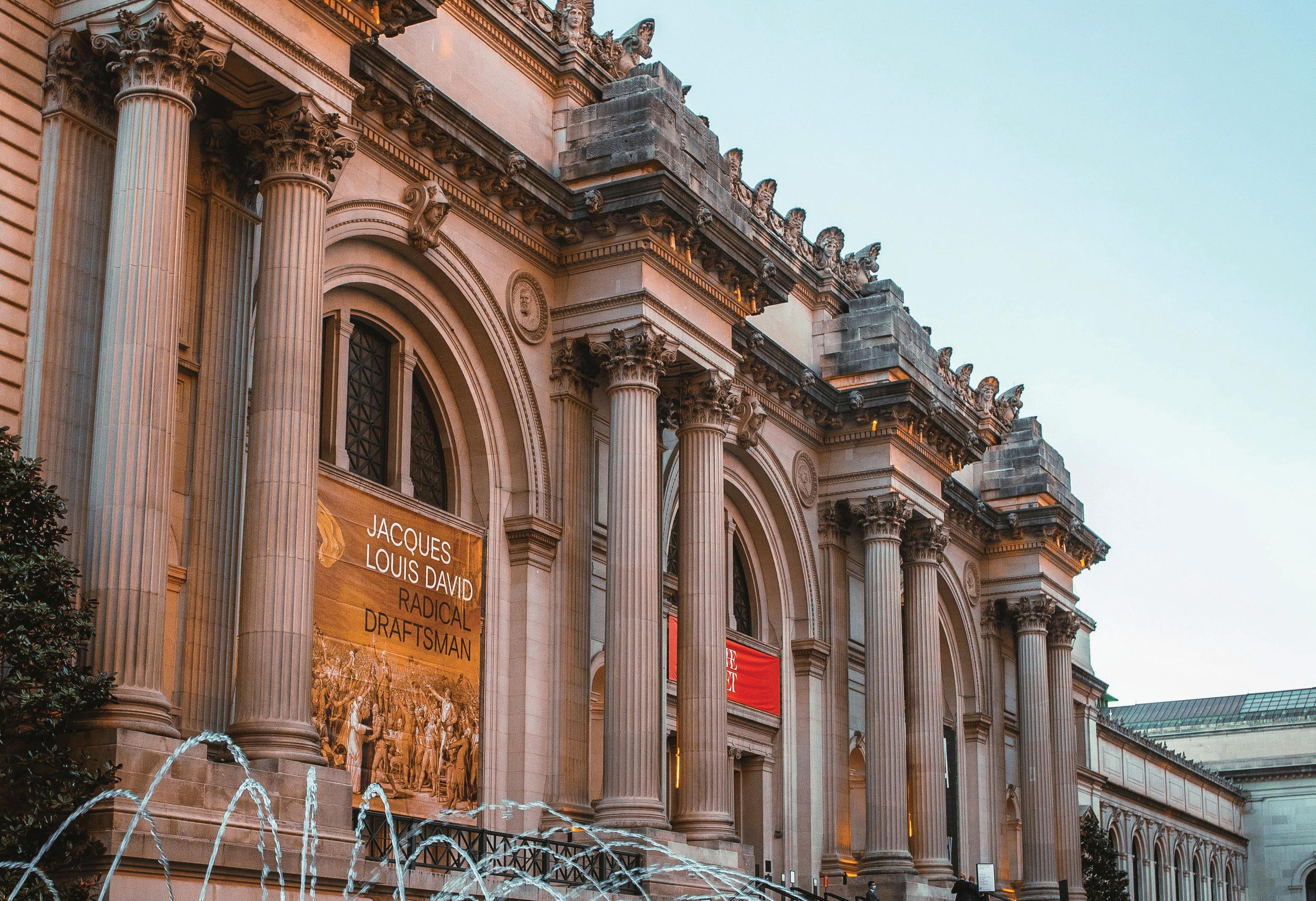
Major museum shows this fall and coming winter
BY FRAN MILLER
PEOPLE HAVE ALWAYS BEEN WILLING TO GO ABSURD DISTANCES to look at beautiful things. Long before frequent flyer miles, collectors and scholars were crossing continents in pursuit of masterpieces. The 18th-century Grand Tour sent wealthy Europeans tramping through Italy just to stand in front of the right paintings.
Here’s the thing about great art: it holds time in place. A medieval tapestry still carries the tension of a long-ago conquest. A painter’s canvas can make someone else’s heartbreak feel like your own. A single garment can tell you everything about who had power in a given era and who most definitely did not. Walk through the right museum on the right afternoon and you can cover a thousand years without leaving the building.
THE BLOCKBUSTER
Every so often, a museum pulls off something genuinely extraordinary — an unlikely loan, a once-in-a-generation retrospective, a gathering of objects that will never share a room again. These are not ordinary gallery visits. They’re events. The kind you book flights for, plan trips around, and talk about for years afterward.
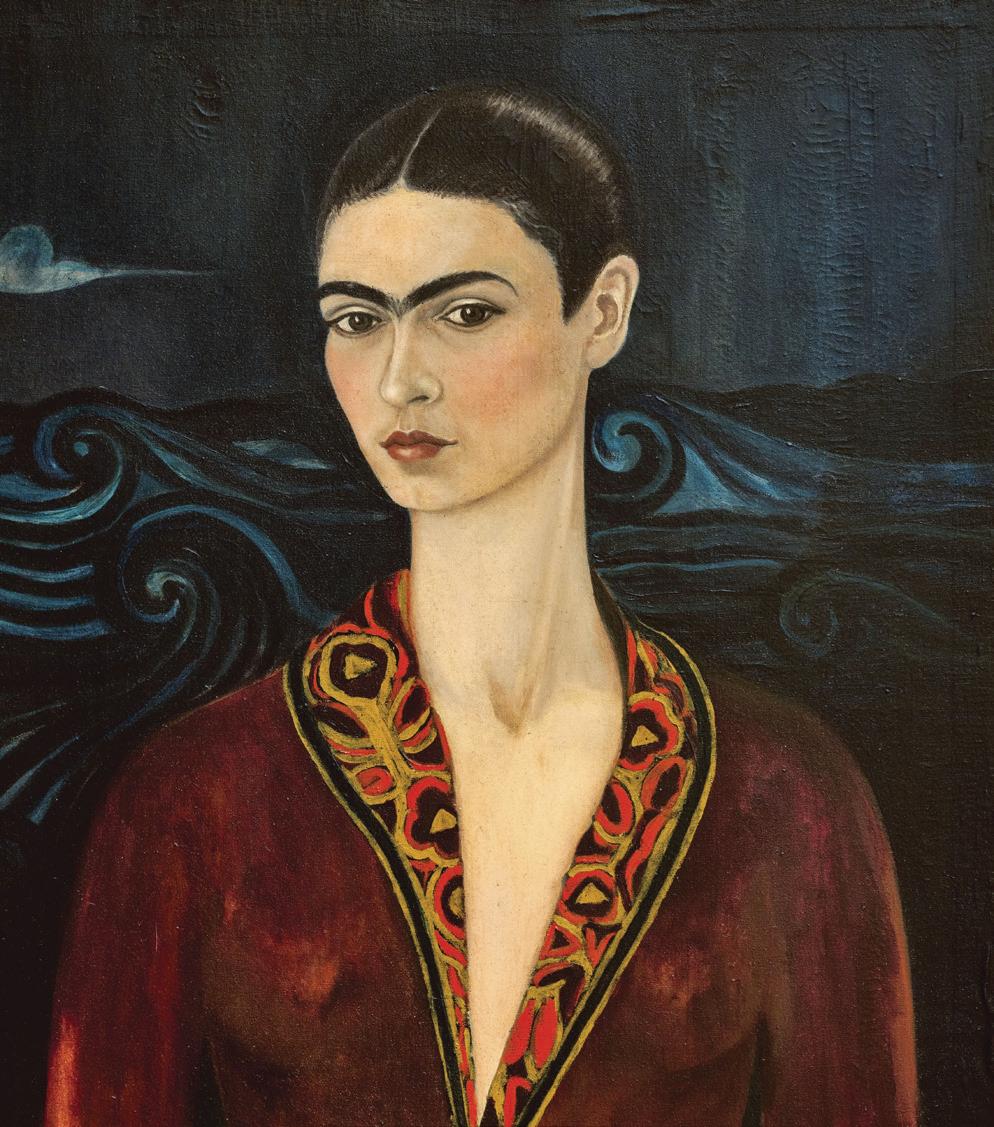
Autumn and winter are shaping up to be exceptional. Major museums across Europe and the United States are mounting shows that serious art lovers will want on their radar now, before the crowds figure it out. Consider this your early warning. Because the best reason to travel has always been the thing you can’t unsee.
Here are several exhibitions that will define the museum season from September 2026 into early 2027.
British Museum, London — The Bayeux Tapestry
September 2026 – July 2027
Few objects from the Middle Ages possess the narrative energy of the Bayeux Tapestry. Stretching nearly seventy meters in length, the embroidered linen recounts the events surrounding the Norman conquest of England in 1066: ships crossing the English Channel; nobles gathering for feasts; armies marching toward the climactic Battle of Hastings.
In 2026, this extraordinary artifact will travel from Normandy to London for a major exhibition at the British Museum, an event that
has already generated anticipation among historians and art lovers alike. Loans of this magnitude are rare, and the tapestry’s fragile condition means it rarely leaves France. What makes the work so powerful is the way it merges art with storytelling. The embroidery functions almost like a medieval graphic novel, presenting a continuous sequence of scenes filled with detail. Viewed in person, the tapestry becomes less a single object than an unfolding narrative. Walking along its length feels like moving through time.
Frida Kahlo Beyond the Myth
Tate Modern, London — Frida: The Making of an Icon
Through January 2027
Frida Kahlo’s image has become one of the most recognizable in modern culture. Her braided hair, floral crowns, and piercing gaze appear everywhere, from museum galleries to fashion campaigns. Yet the mythology surrounding Kahlo can sometimes overshadow the complexity of her work. A major exhibition at Tate Modern (showcasing more than 30 of her most iconic works, as well as treasured garments, jewelry, photographs and memorabilia) sets out to examine that transformation. Rather than focusing solely on the artist’s biography, the show traces how Kahlo’s paintings evolved into a global cultural symbol. Visitors will encounter her well-known selfportraits alongside photographs, archival material, and works by later artists who responded to her imagery. The exhibition explores how Kahlo’s deeply personal visual language, rooted in Mexican identity, political conviction, and physical suffering, resonated far beyond the circumstances of her life.
Fashion in Dialogue with Art
Metropolitan Museum of Art, New York — Costume Art
Through January 2027
Each spring, the Costume Institute at the Metropolitan Museum of Art stages one of the museum world’s most widely discussed exhibitions. The 2026 presentation takes an ambitious approach: placing fashion directly in conversation with traditional works of art. The exhibition pairs garments from the institute’s renowned collection with paintings, sculptures, and prints from across the museum. The goal is to explore how clothing shapes the human figure, not just physically but culturally.
A Renaissance portrait might hang beside a couture gown. A sculpted marble body might appear alongside a contemporary garment designed to alter silhouette and posture. The effect highlights something museums do not always address directly: fashion is one of the most immediate ways societies express identity, power, and aspiration. What we wear communicates status, creativity, and belonging. By situating clothing within a broader artistic context, the exhibition argues that garments deserve to be understood as objects of cultural meaning rather than simply seasonal trends.

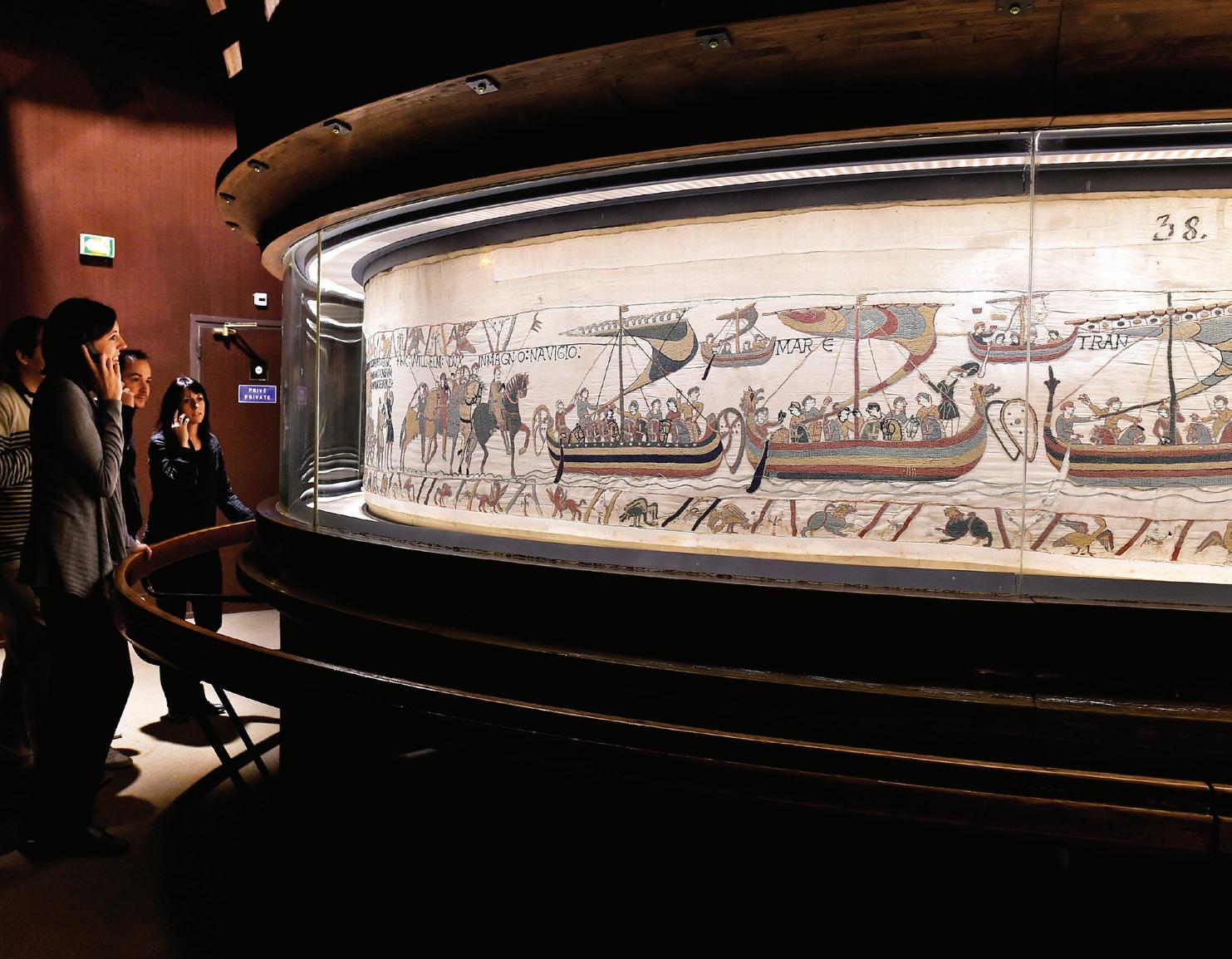
Yayoi Kusama’s Expanding Universe
Stedelijk Museum Amsterdam — Yayoi Kusama
Through January 2027
For decades, Yayoi Kusama has created art that dissolves boundaries between viewer and environment. Her signature polka dots cover canvases, sculptures, and entire rooms. Mirrors multiply those patterns until space seems to stretch endlessly outward. A major retrospective at the Stedelijk Museum Amsterdam will bring together works spanning Kusama’s long career, from early paintings to the immersive installations that have captivated audiences worldwide.
The experience of her work is unlike traditional museum viewing Visitors often step directly into mirrored chambers where lights and reflections create the illusion of infinite space. The installations feel simultaneously playful and philosophical, inviting contemplation about perception, repetition, and the vastness of the universe. Kusama’s art reflects a distinctly contemporary approach to the museum experience, one where the viewer becomes an active participant in the artwork itself.
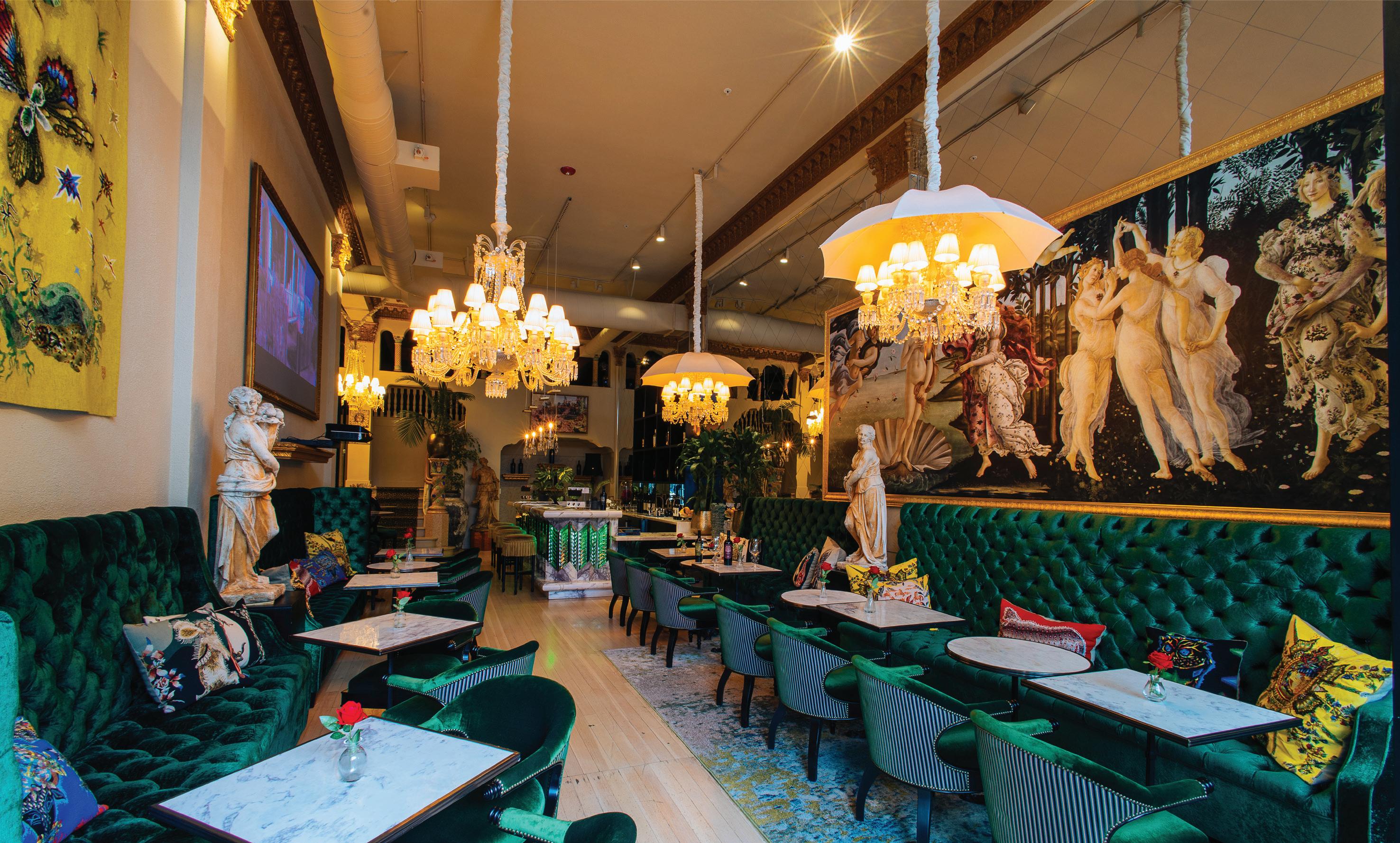
BY JENNIFER BODEN
FLORA SPRINGS WINE LOUNGE IS NOW OPEN IN DOWNTOWN Napa’s historic Gordon Building. Envisioned by Napa Valley couple Gina Gallo-Boisset and Jean-Charles Boisset, the lounge pairs beautiful design with delicious wine and decadent bites.
“Flora Springs Wine Lounge celebrates the beauty of Napa Valley — from the vineyards that give us extraordinary wines to the culture of hospitality that brings people together around the table,” said co-owner Gina Gallo-Boisset.
The lounge introduces a distinctive menu of wine-based cocktails, crafted from their wines, sparkling cuvées, fresh botanicals, and seasonal citrus. These refreshing, lower-alcohol creations are complemented by a selection of Flora Springs wines served by the glass, through bottle service, and in curated tasting flights.
Guests will discover the debut of a new portfolio of crisp, vibrant white wines, alongside the winery’s celebrated Trilogy Red Wine—one of Napa Valley’s most iconic Bordeaux-style blends—
and Soliloquy White Wine, a signature expression of Napa Valley elegance. The experience is enhanced by California-inspired small bites, caviar tastings, and artisanal chocolate pairings. Inspired by Flora, the Roman goddess of flowers and renewal, the design of the space unfolds as a poetic journey through the four seasons. Sculptural installations evoke Awakening, Enlightening, Harvest, and Sky, reflecting the timeless rhythm of the vineyard and the cycle of nature that guides every vintage.
At the heart of the lounge stands a luminous marble bar bathed in natural light, echoing the textures and radiance of Napa Valley’s landscape. Above the main salon, a hidden private mezzanine speakeasy tasting room offers an intimate sanctuary for collectors, wine club members, and guided tasting experiences.
“Beyond the lounge, we are looking forward to welcoming visitors to the newly reimagined Flora Springs Winery in St. Helena, as it debuts its spectacular renovation,” said co-owner Jean-Charles Boisset.
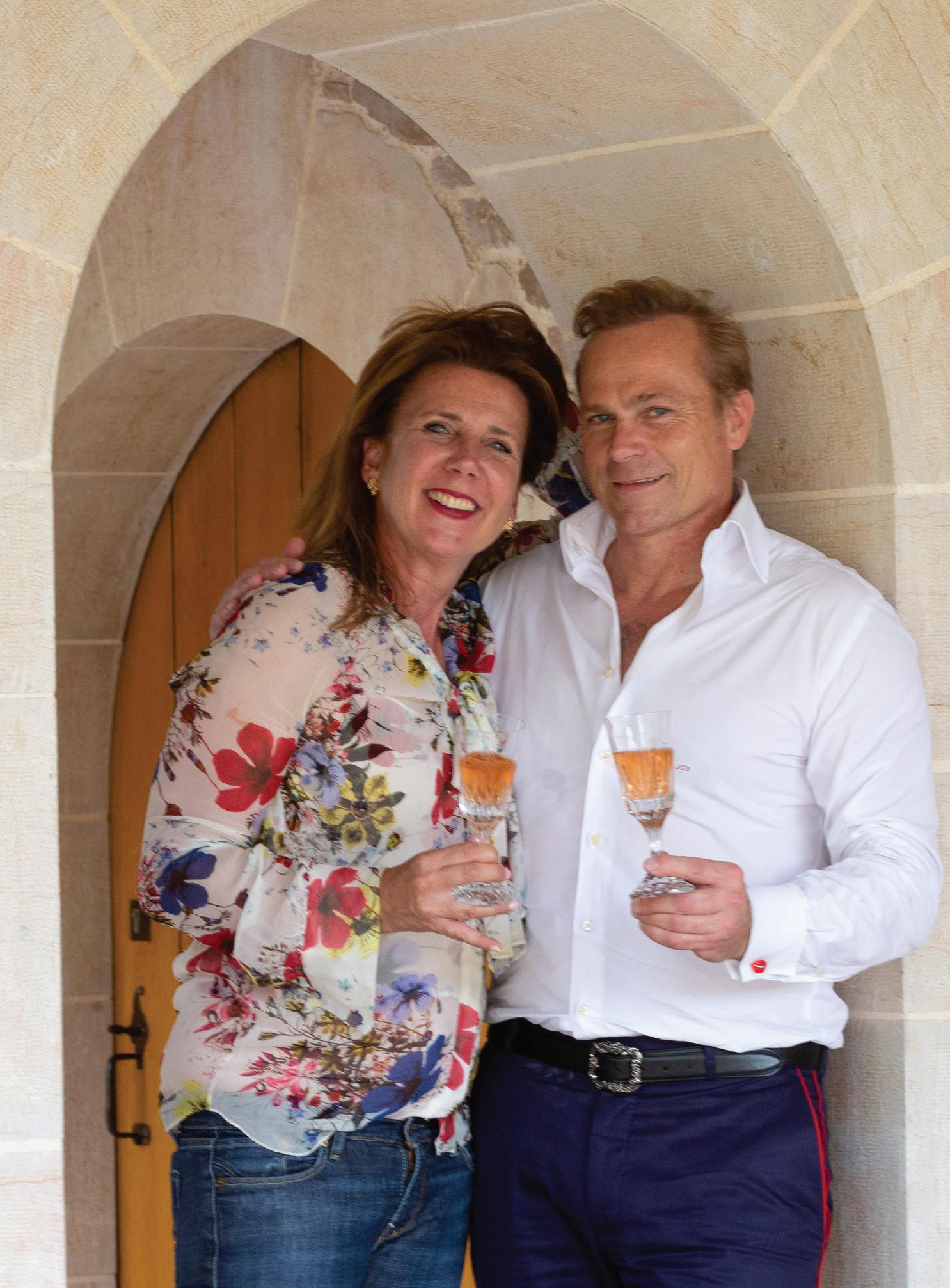
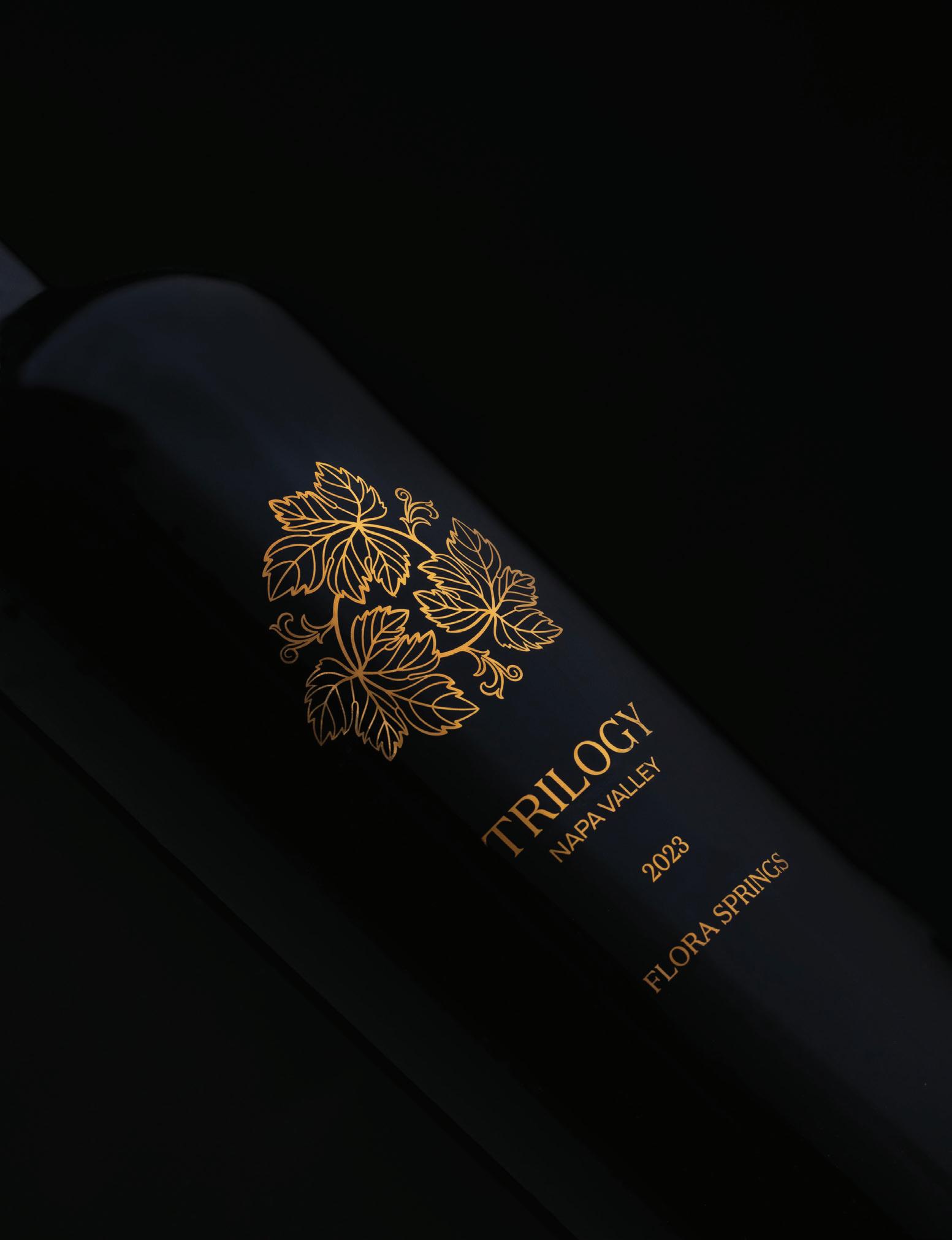
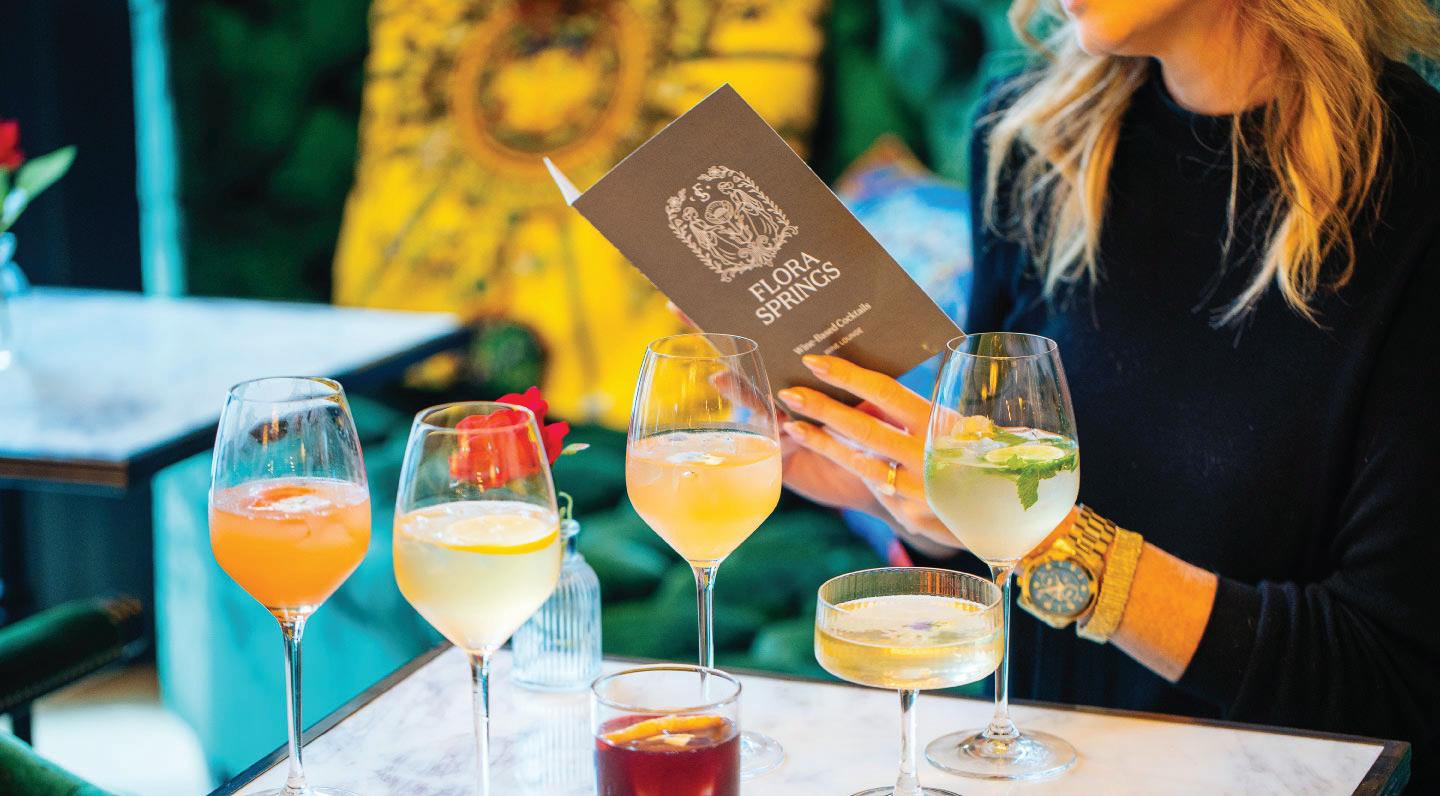
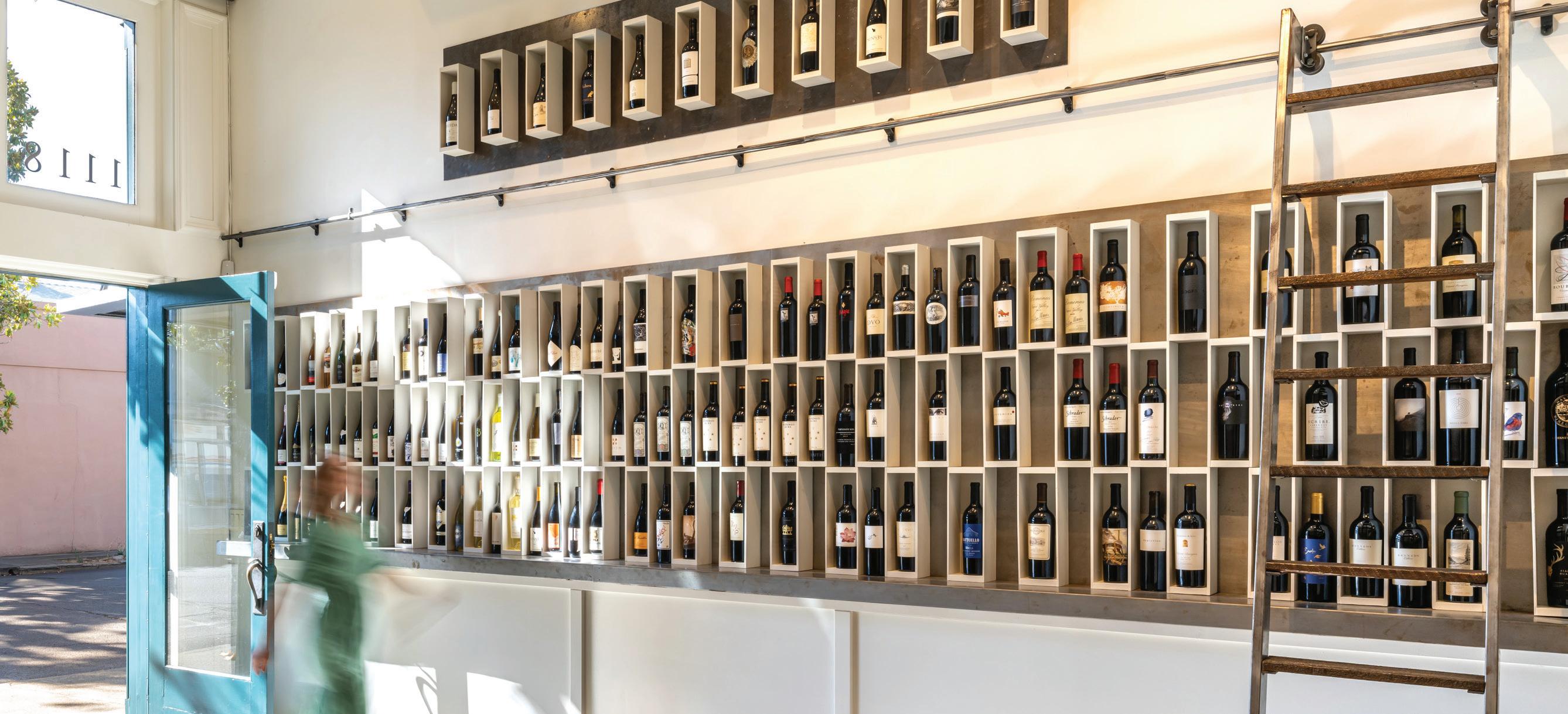
BY CLAUDIA CASTILLO ROSS
LET’S BE HONEST: THE TASTING ROOM, AS WE ONCE KNEW it, is having a bit of a midlife crisis. Reservations booked three weeks out. Flights that cost more than a nice dinner. A hostess with a clipboard eyeing you like you might be there for the free crackers and not the Cabernet. Somewhere along the way, “come taste our wine” turned into “please schedule an appointment and bring a credit card for the deposit.”
Enter the wine shop — a new breed entirely. Curated. Conversational. Increasingly, the place where real wine discovery happens. I spent time with three shops that couldn’t be more different — a quietly influential Napa institution, a San Francisco original demystifying wine since 1992, and a family-run Calistoga shop with deep local roots — and came away with the same conclusion three times over: it’s not really about the wine. Not first, anyway. It’s about the relationship.
ACME, is one of Napa Valley’s most quietly influential wine shops. Twenty-three years in, they’ve built a reputation for finding — as the SF Chronicle put it — the best wines you’ve never heard of. They’re not chasing the big names; they’re chasing the good story, the tiny production run that hasn’t found its audience yet. Sound familiar? It should — that’s exactly the kind of “relationshipfirst” hustle that got Ross Ranch & Vineyards onto their shelves.
Wine Country, (because its not just the Napa Valley) is a small community where the wine world, is becoming increasingly small… thus allowing a shop like ACME to offer what a tasting room can’t: one stop, dozens of regions, a guide who knows your
palate. The discipline is no joke — ACME tastes daily and shares only about 5% of what crosses their table, and members never get the same wine twice, so every bottle has to earn its spot. Their clubs reflect that same specificity, from Napa Cab devotees to grower Champagne obsessives to fans of debut West Coast brands. For emerging labels like ours, a shop like ACME often becomes something closer to a founding partner than a retailer — believing in a wine early, before the rest of the world has caught on.
Cross the bridge into San Francisco and you’ll find PlumpJack Wine & Spirits, whose mission hasn’t budged since Gavin Newsom opened the original Fillmore Street shop over three decades ago.
As Hilary Newsom, Co-President of PlumpJack Group, tells it, a 26-year-old who loved wine but found buying it intimidating decided to build something different: a varied selection across regions and prices, where nobody had to pass a test to ask a question. Even the Shakespearean namesake was deliberate — Sir John “PlumpJack” Falstaff is irreverent, not stuffy — the same instinct that led PlumpJack to pioneer screw caps on luxury wine back in 1997. Convention doesn’t get to outrank the wine.
Where a winery visit hands you one producer’s point of view, Hilary notes, a great shop hands you the whole map — a Beaujolais next to a big California red next to an Alsatian white, tasted side by side until your palate comes into focus. A neighborhood shop, she adds, is fundamentally about the neighborhood: regulars stop in just to chat, and when they’re ready to buy, the staff already knows what they’ll love.
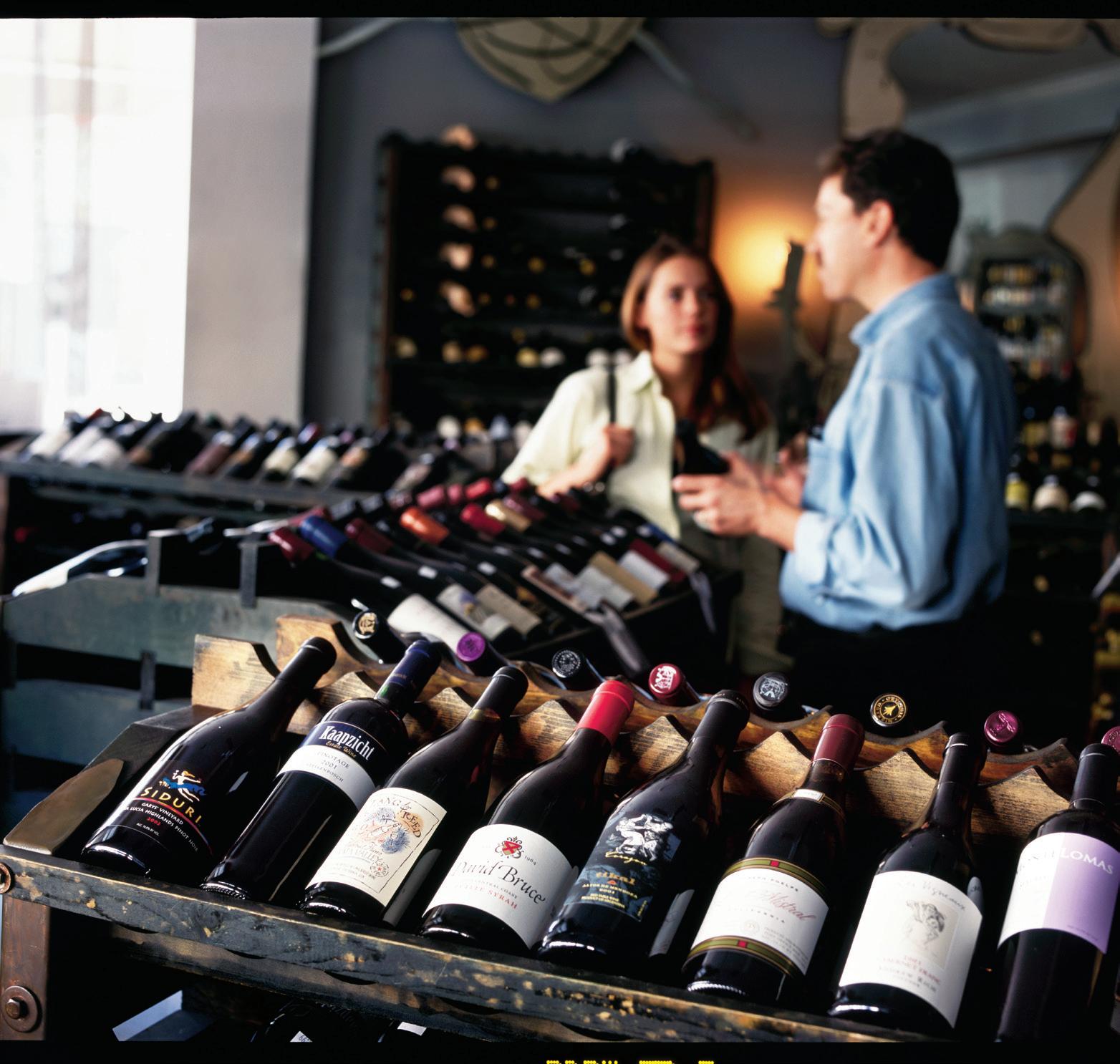
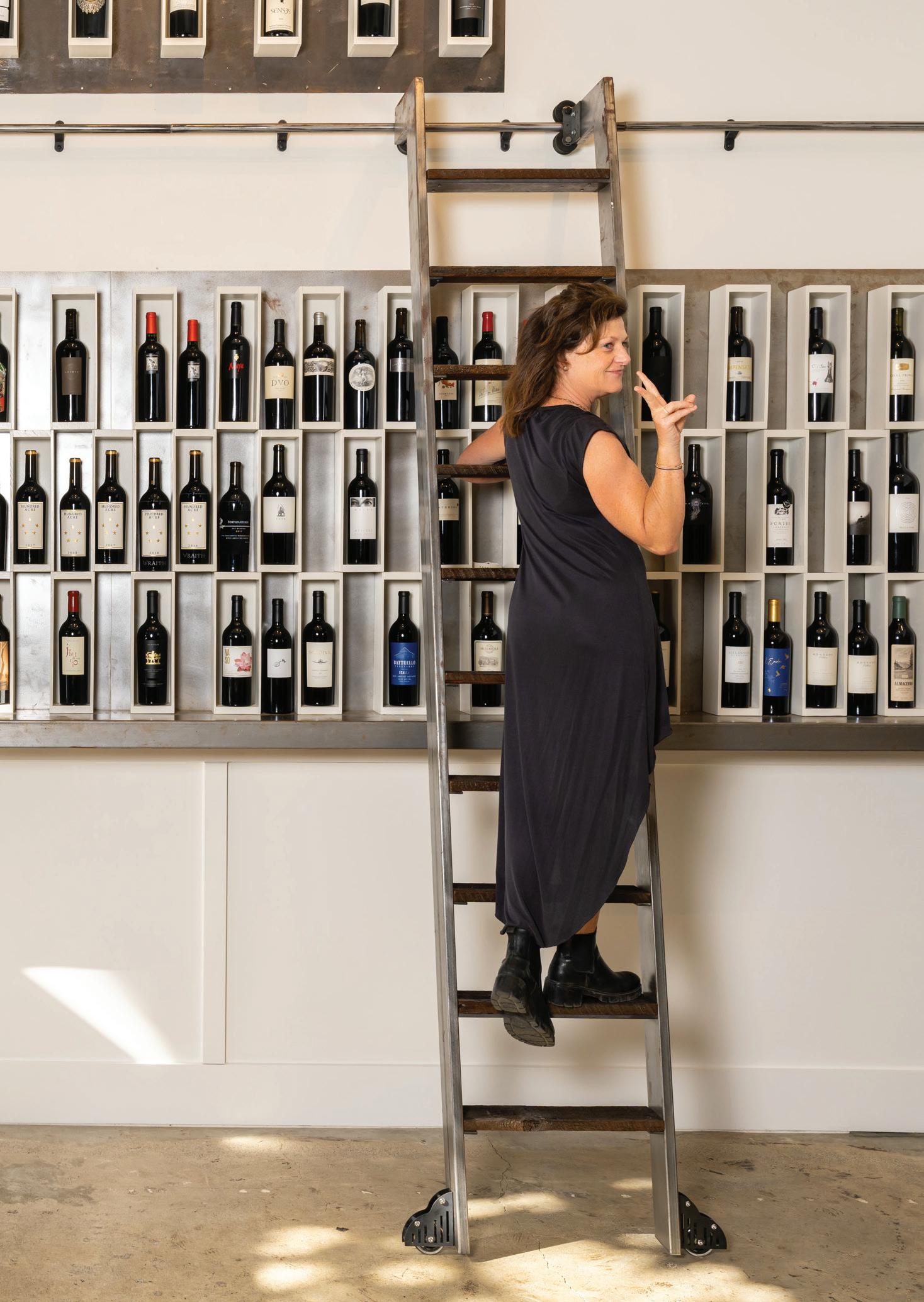
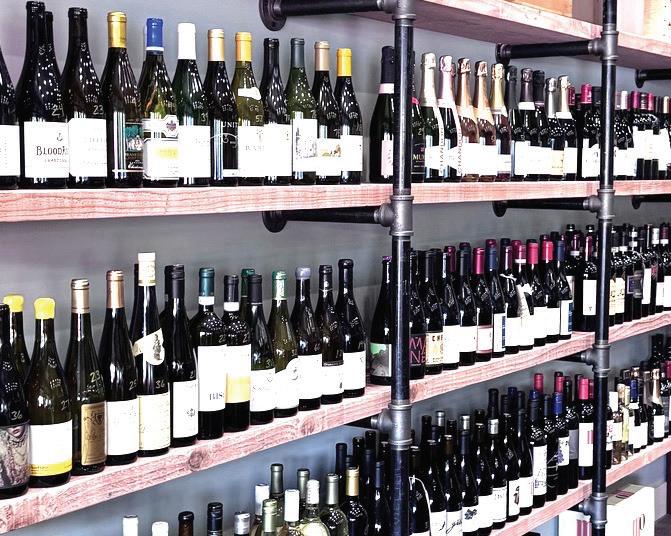
Guillaume Issaverdens, PlumpJack’s Director of Operations, boils the buying philosophy down to three questions: does it deliver on price, does it have an interesting point of view, and can we tell its story in a sentence. His own pour of choice this summer is a curveball — a chilled light-bodied red, like a Sancerre Rouge or a Cru Beaujolais, given twenty minutes in the fridge, over rosé. On staff as trustworthy guides rather than gatekeepers, he’s blunt: it’s about understanding the customer’s palate, not the team member’s — a ten-dollar beach bottle matters just as much as a two-hundreddollar one at a family celebration. As for where neighborhood shops are heading, Guillaume points to PlumpJack’s two distinct San Francisco pockets — the Marina/Cow Hollow and Noe Valley — and expanding e-commerce so that local specificity can travel well beyond the block it’s on.
Then there’s Papa Lou’s, a family business with Calistoga roots going back generations — this isn’t just where they do business, it’s home. When a visitor walks in not knowing the town, the shelves become the introduction: Napa Valley wines alongside local makers, specialty foods, and wellness items that reflect Calistoga’s character, with staff happy to tell the story behind every producer. As the team put it, a tasting room tells the story of one winery exceptionally well — a bottle shop can tell the story of an entire region.
Papa Lou’s buyer has spent more than 35 years in the industry, and while he talks often about QPR — quality-to-price ratio — there’s no real formula. It’s experience, travel, and getting to know the people behind the labels, peeling back the layers of an onion, as he puts it, where the more there is to uncover, the more interesting a bottle becomes. The shop isn’t chasing the biggest selection, but one worth exploring — and the most rewarding moments are the same ones every shop here described: introducing someone to a bottle they didn’t walk in looking for, then watching them come back asking for it by name.
So — are wine shops the new tasting rooms? I’d argue they’re something better: a tasting room without the velvet rope, run by people who’ve spent decades, sometimes generations, learning which bottles deserve your attention first. No appointment necessary. Just show up, say what you like, and let someone who knows the neighborhood point you toward your next favorite bottle.
Turns out the best tasting room in Wine Country might not have a tasting room at all.
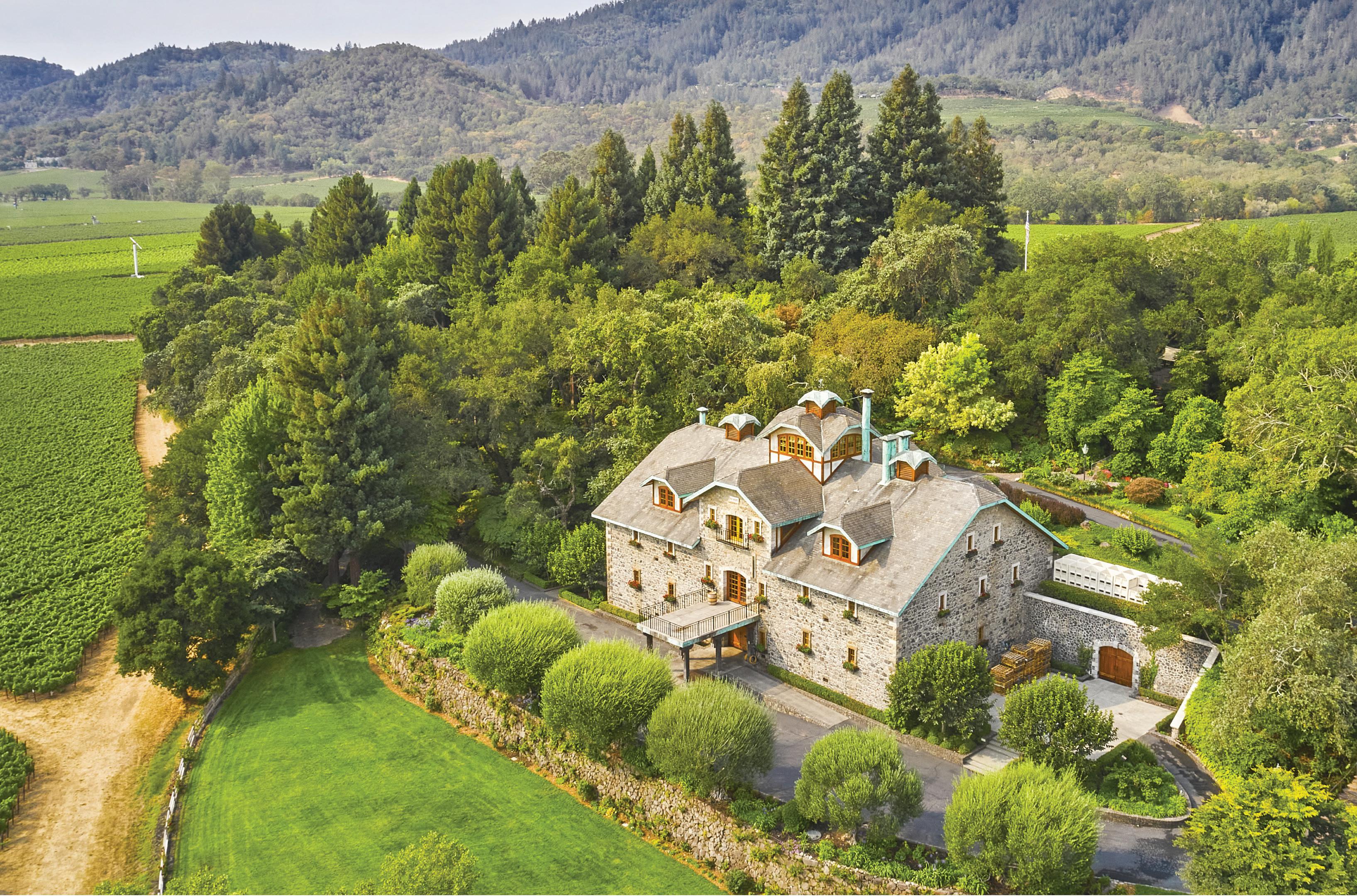
BY JENNIFER BODEN
FOR MORE THAN A CENTURY, FAR NIENTE’S HISTORIC 1885 stone Napa Valley Winery has stood as a defining landmark in Oakville. The heart of the building is the Great Hall, which has been revitalized while preserving the building’s character. “Our goal was to create a place where guests feel personally welcomed, while working entirely within the existing scale and structure of the building,” said Shawn Conway, CEO of Far Niente Wine Estates. “That same discipline defines our winemaking, where precision and attention to detail shape something elegant and memorable.”
Spaces that once formed part of the private residence for the Nickel family, who became stewards of the property in 1979, have been thoughtfully adapted into distinct tasting environments. The Fireside Room, Salon, and Garden View are each designed to support a different kind of experience, from communal storytelling to private conversations for two. The intention was to honor the spirit of home that the Nickel family created, while hosting guests with greater comfort and ease. The Vineyard View Room, the largest room, serves as the communal anchor, where guided
tastings can unfold at a relaxed pace. Original architectural features, including fireplaces, staircases, and hand-hewn beams, ground the new design in the building’s long history, and reinforce the sense that what is most enduring here has been carefully preserved.
Two signature elements anchor the transformation and deepen the sense of story within the space. In the Great Hall, a custom Schumacher wallpaper mural, inspired by a painting by Evelin Wander that hung in late proprietor Gil Nickel’s library, depicts the bucolic Napa Valley as it appeared in the late 1800s, dotted with fruit trees, rolling hills, and early vineyards. Spanning two walls, the artwork establishes an immediate connection to the landscape and to the estate’s roots. In the adjacent Salon, another personal touch appears in the whimsical motif on the handcrafted Gracie wallcovering, a nod to proprietress Beth Nickel’s fondness for birds’ nests.
Taking inspiration from the landscape, the interior design draws directly from the property’s gardens, the ginkgo trees lining the driveway, and the warmth of the stone walls themselves, creating a continuity that feels effortless as guests move from room to room.
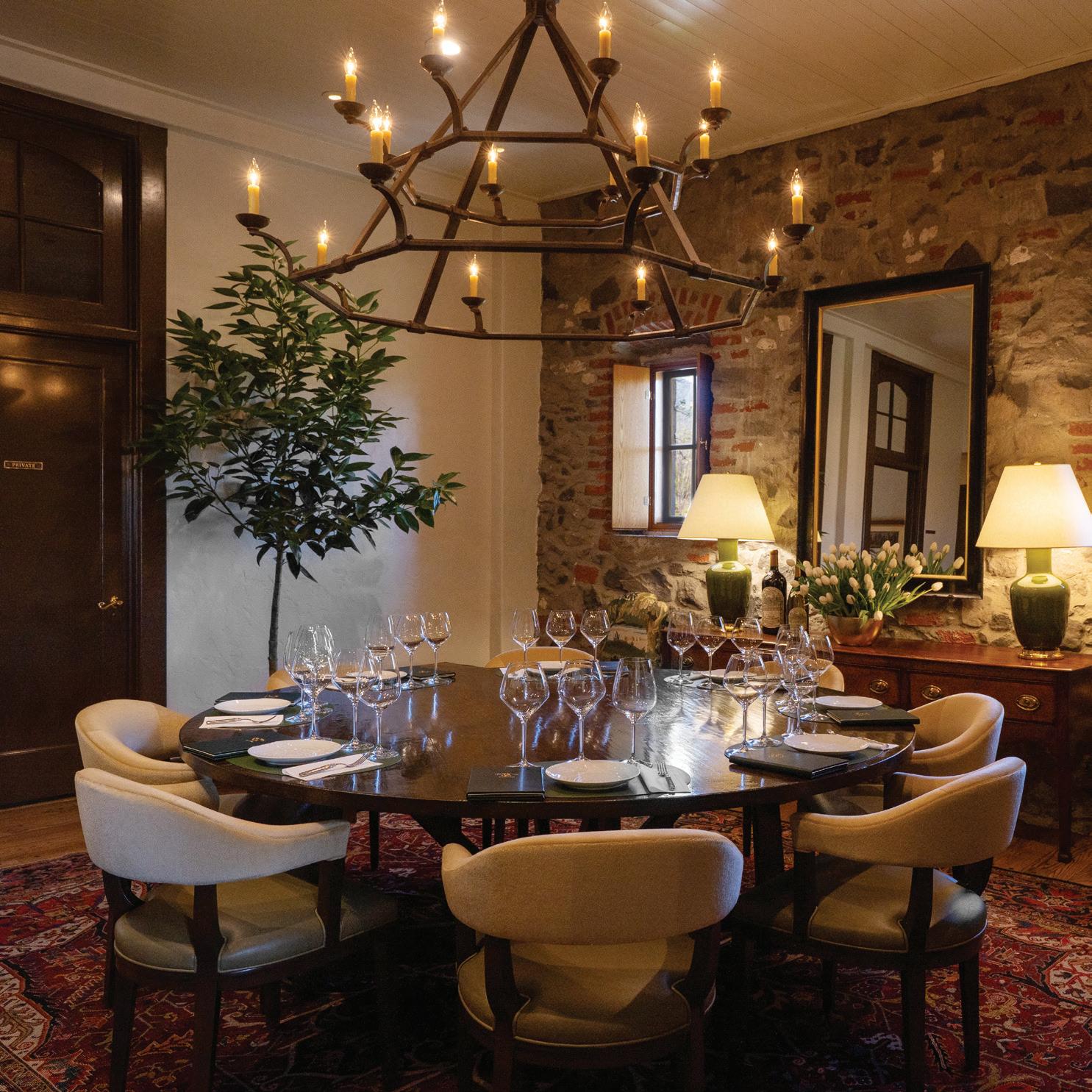
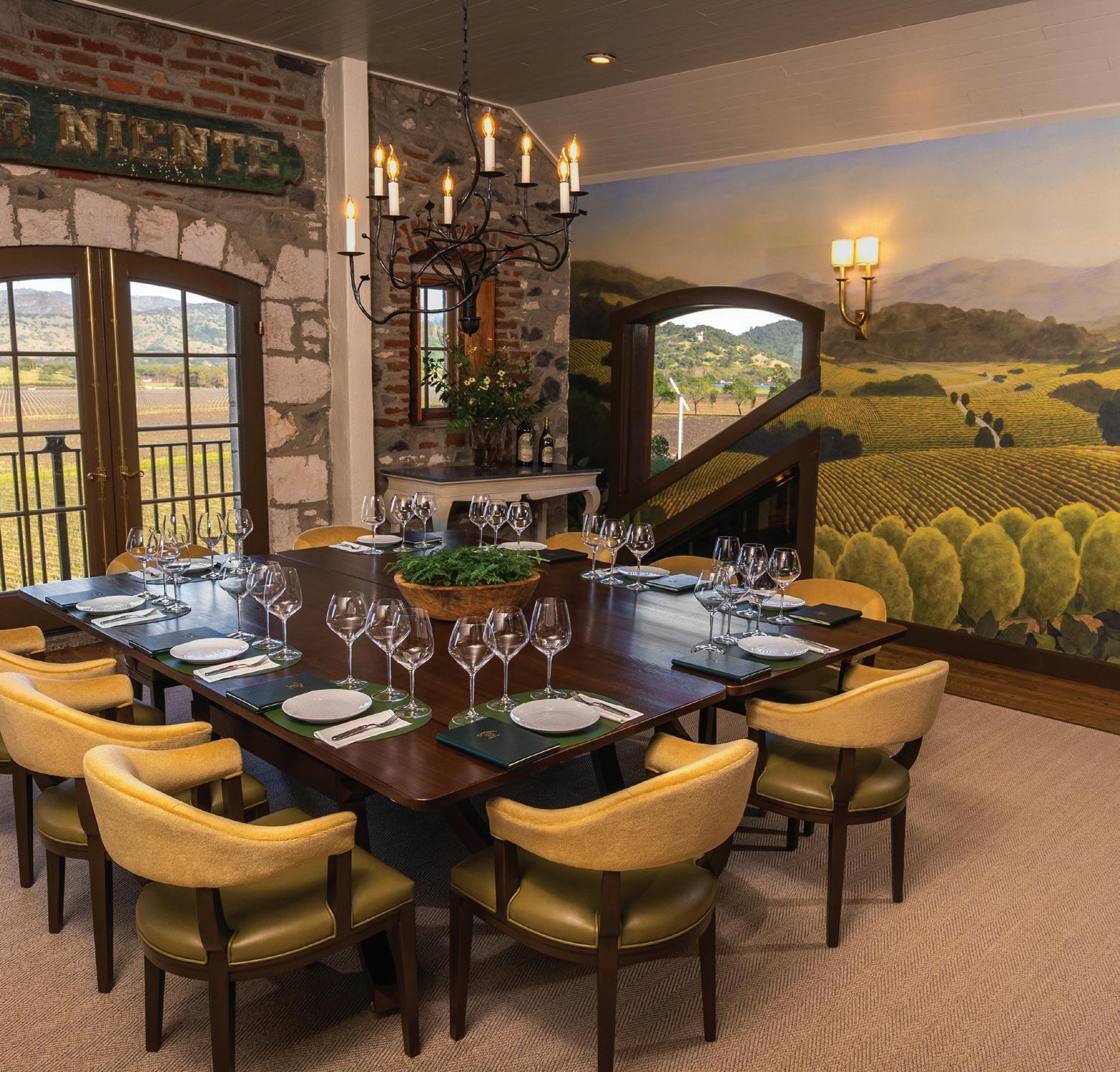
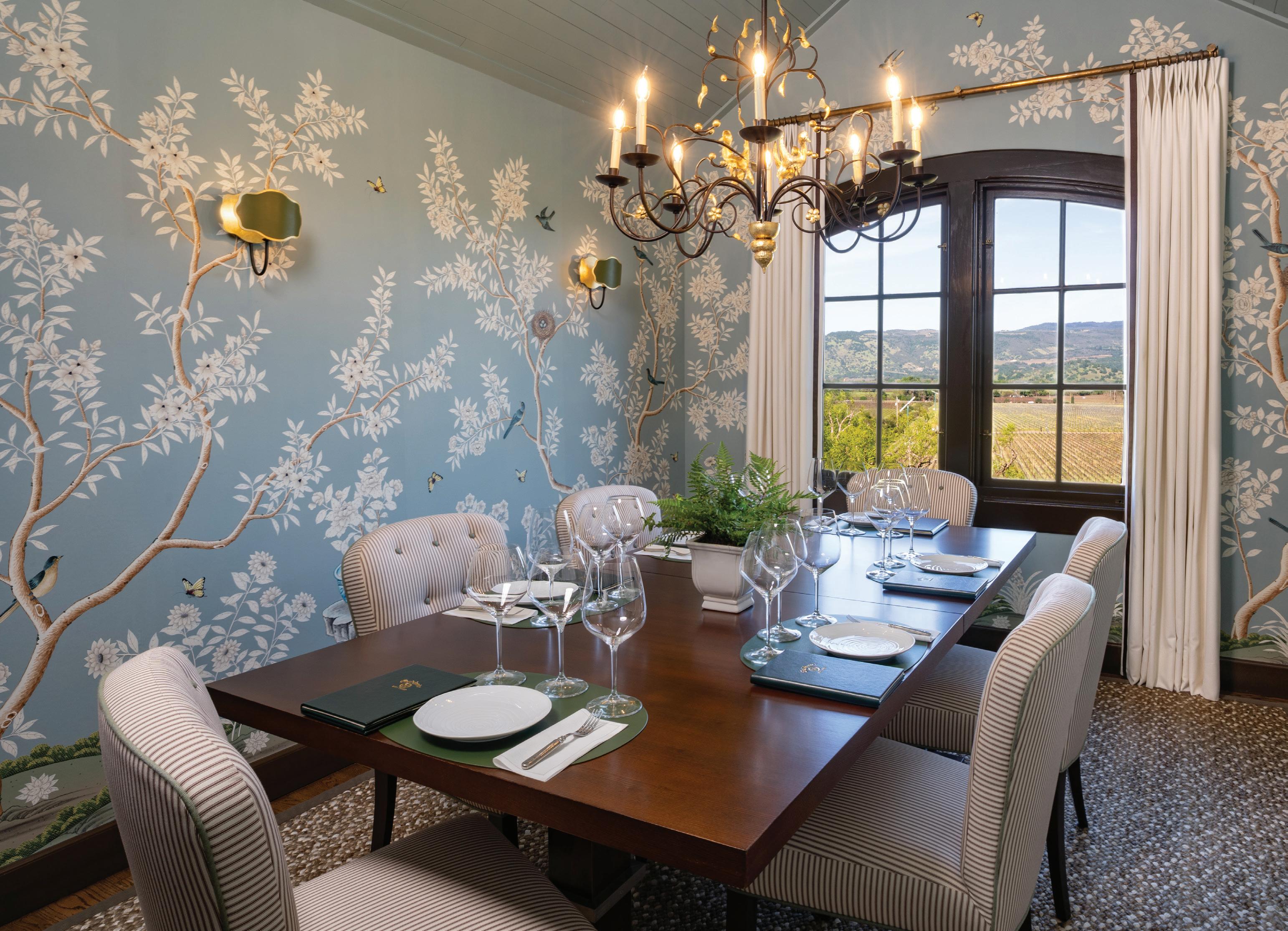
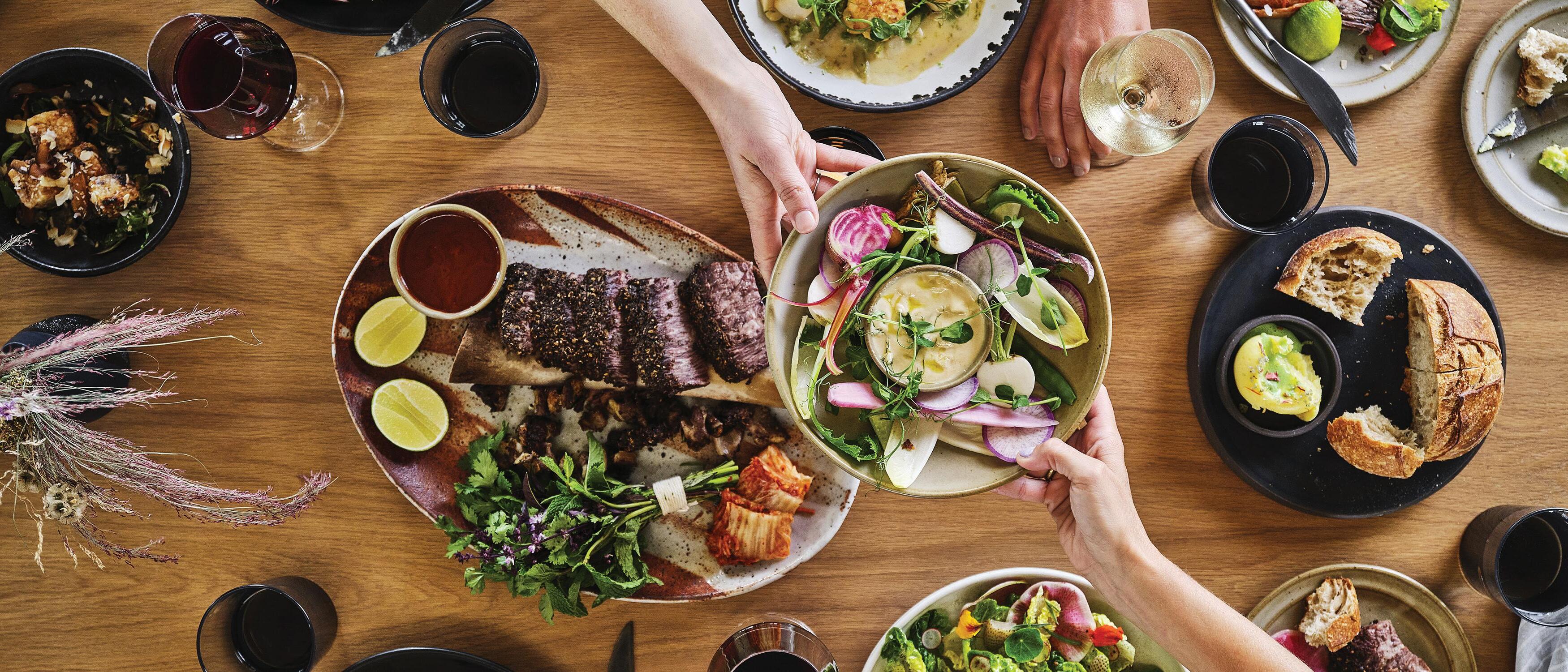
BY OLIVIA DE SANTIS
IT IS RARE FOR A STORY CENTERED ON IMMIGRATION, CULINARY farming, and the concept of luxury hospitality to occupy the same table. The two-night Florerìa Atlántico x Bear pop-up at Stanly Ranch brought all three elements together with ease and elegance. Tato Giovannoni, the founder and master mixologist of Florerìa Atlántico, told the story of immigration in Argentina through his cocktails and bar menu; Bear showcased the art of farming with flavorful dishes featuring produce from the on-site grange; and the team behind the scenes delivered the extraordinary hospitality that elevates a delicious meal into an unforgettable experience. This is what the most discerning, elite, travelers are currently seeking - an experience that enlightens as much as it indulges. A meal that sends you home with cultural appreciation, a feeling of awe, and delighted tastebuds begging for an encore.
To launch their newly expanded bar program and patio, the Bear team brought in Tato Giovannino, the founder and award-winning mixologist behind Buenos Aires’ famous speakeasy Florerìa Atlántico for a celebratory collaboration. What was previously an intimate 14seat bar, is now a sunny open-air oasis that can accommodate up to 60 guests. I was fortunate to be one of the first to enjoy this new space, in the company of two legendary culinary teams and three leaders in the world of gastronomy and hospitality.
Tato Giovannoni opened Florerìa Atlántico in the Retiro district of Buenos Aires with a singular mission: to tell the story of immigration and the multicultural community woven into Argentine identity. The menu draws on the flavors brought by Italian, French, Polish,
and British immigrants who shaped the city’s culinary character. It took him years to bring his vision to life- a speakeasy hidden below a quaint flower shop, with an entrance masked by a refrigerator door. What started as a creative concept and a small team of seven, is now an award-winning bar that has been on the World’s 50 Best List for 13 consecutive years and requires a team of over 70 to manage. Even more impressive, Tato made it onto that exclusive life-changing list just six months after opening his very first bar.
To recreate the magic of Florerìa Atlántico, Bear assembled a stunning flower cart bursting with lavender, roses, zinnias, hyssop, and snapdragons, all cut from the on-site garden. At the end of the evening, guests were invited to assemble their own bouquets to take home as a memento.
Tato’s partner, Alex Resnik, explained the unexpected upside of operating underneath a flower shop with a great sense of humor: guests come for the cocktails, get swept away by the excitement of the speakeasy, and hours later find themselves grabbing a beautiful bouquet on their way out — a peace offering, of sorts, for arriving home much later than intended. Bear should certainly keep that in mind with their new bar program tailored to entertain both hotel guests and Napa Valley locals.
Tato’s wine-based cocktails got a quintessential Napa Valley edit, incorporating Stanly Ranch’s soon-to-be-released wines: a rosé and a pinot noir, both crafted in partnership with Donum Winery from grapes grown entirely on the Stanly Ranch estate. The Saint Marthe featured Stanly Ranch rosé, lemon, lavender, and pastis syrup. It
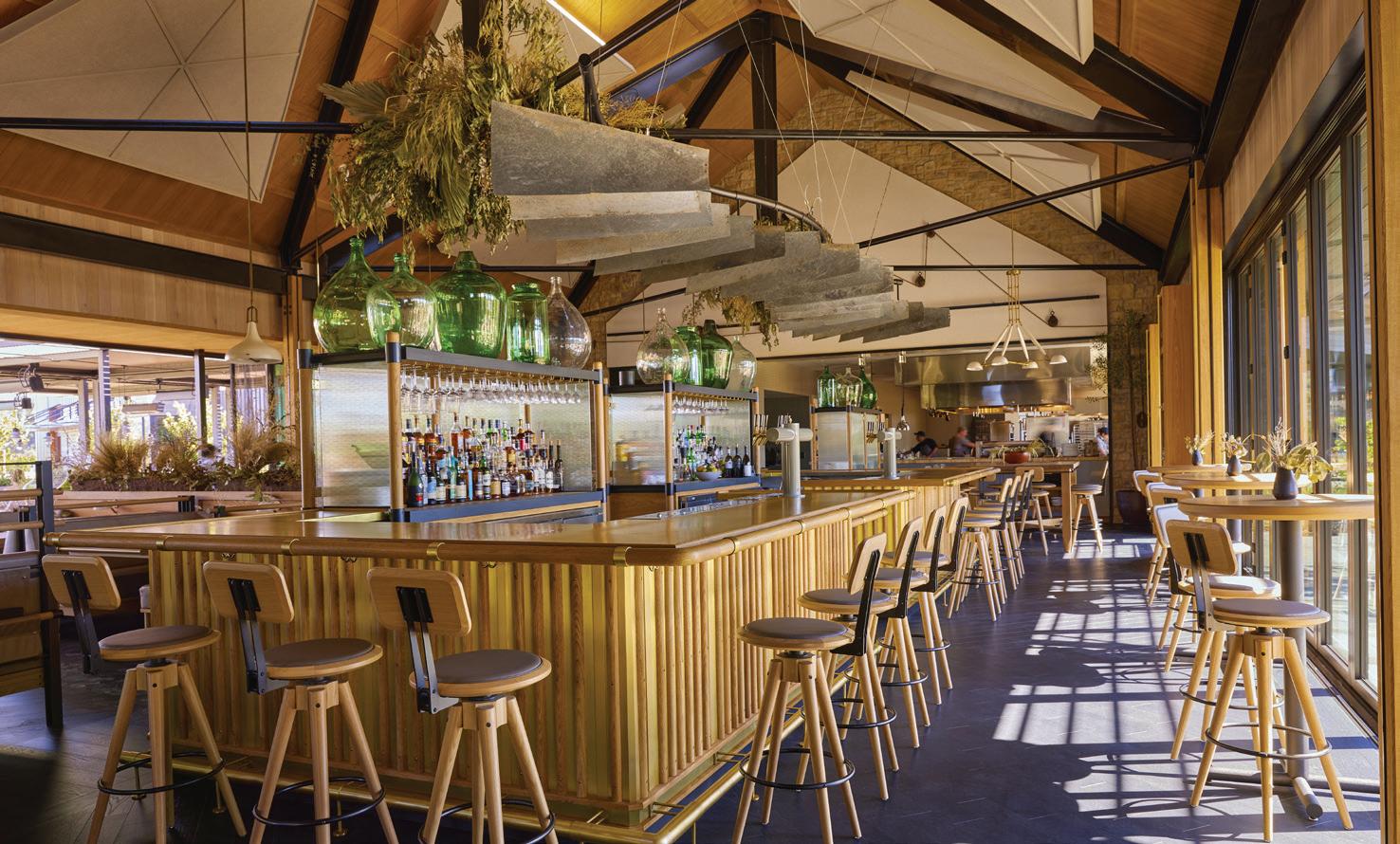
was bright, floral, and dangerously easy to drink. To follow, Tato prepared his Clericot cocktail. A seasonal drink featuring Stanly Ranch pinot noir, Argentine white wine, grilled apricot from a nearby farm, and fresh mint.
As we sipped on our drinks and talked about Tato’s travels, we snacked on Brasero Atlántico king crab and hand-cut beef empanadas. Crispy, salty, and seasoned to perfection, they paired perfectly with the cocktails’ bright acidity and freshness.
Chef Anthony Stagnaro has led the Bear culinary team since its inception in 2021 and continues to elevate and refine the menu by keeping signature dishes and introducing new favorites. Anthony grew up in Northern California - his father was the executive chef at Edgewood in Tahoe. Understandably, he developed a draw to the kitchen early and resolutely pursued his culinary ambitions. Working under Michael Voltaggio and Dominique Ansel in Los Angeles, Anthony developed the skills he continues to practice today- meticulous precision, creativity, and incorporating pastry into savory dishes
Anthony was excited to share his newest addition to the Bear menu: the Nori’os. Featuring two savory black nori sablé cookies sandwiched with caviar, crème fraîche, and sweet onion gelée, it is the most luxurious take on a savory Oreo cookie you could possibly imagine. The pastry technique was impeccable and the flavor combination — crumbly, salty, creamy, briny — was nothing short of a revelation.
For the collaborative pop-up menu, Anthony worked closely with Manuela Carbone, the executive chef behind Florerìa Atlántico’s food program. The potato tortilla was topped with langostinos al
ajillo and pimentón de Cachi, a special Argentine paprika with a protected denomination of origin that Chef Manuela described as the champagne of spices; a suitable comparison for Napa’s self-proclaimed champagne fairy. The Argentine grass-fed ribeye was flown over with the Florerìa Atlántico team. It had a melt-inyour mouth marbling unlike any steak I’ve tried in the Valley. The chimichurri served on the side was a vibrant mix of parsley, cilantro, garlic, and shallot foraged that same morning from the Grange; it cut through the fat and char of the steak with the kind of zingy brightness exclusive to freshly picked herbs.
And because Bear never underestimates the power of well-grown vegetables, the atlas Parisian carrots with Greek yogurt, parsley, and chives were a quiet reminder of how hyper-local, seasonal produce should be the star of the dish. Think tiny Thumbelina-style carrots bursting with vegetal sweetness, balanced with a peppery, tangy yogurt. Simple and extraordinary.
For dessert, Tato highlighted his Licor de Príncipe — a gin he produces in Argentina and the very first to feature yerba mate in its botanical blend. Surrounded by eucalyptus trees on Stanly Ranch’s property, it was hard to tell if the flavors and scents were carried by the breeze or coming from the gin itself. Fat-washed for creaminess and balanced with mate tea and citrus, Tato’s gin-based dessert cocktail arrived alongside a vanilla sablé cookie with dulce de leche and vanilla tahini gelato. It was a perfect ending to an incredible meal.
Bear launched in 2021 with a clear vision: farm-to-table cooking where the land and season drive the elemental ingredient-focused menu. Farmer Nick Runkle, who tends the Grange just steps from the dining room, is the quiet protagonist behind every plate. This season, Bear is deepening that connection through their Grange Dinners — intimate evenings that begin with a farm tour, where Nick guides guests through the cultivation techniques that transform hyperlocal ingredients into flavorful gastronomic creations. This year’s dinners will feature collaborations with some of Napa’s most acclaimed restaurants: Press, Solbar, and Charlie’s.
But what makes Bear truly stand out isn’t any single dish or accolade. It’s the people. After four years of living in Napa, Bear is the restaurant I always want to go back to- whether I’m celebrating a special occasion with friends or craving a delicious solo meal on a Tuesday night. It is one of the rare restaurants in the Valley where the whole team has stayed, grown, and built something truly special together. Erika’s genuine smile at the door, Sol Angel’s updates about nursing school and stern dedication to taking care of guests, and George McGettigan’s attention to detail and fearless drive in directing the food and beverage program. The cocktails and food at the pop-up were exceptional, but Tato, Alex, Manuela, and the Bear team exemplified the modern concept of luxury by creating an authentic experience driven by storytelling, culture, and community.
It’s no surprise that when Tato and his team arrived in Napa, they found a kindred spirit at Bear. I can say with full confidence that when I make my way to Florerìa Atlántico in Buenos Aires, I will be welcomed like a friend who’s been away far too long. And I will absolutely be home later than expected, having enjoyed a few extra cocktails, with a bouquet of flowers in hand. But for the time being, you will find me on the patio at Bear, enjoying a glass of Stanly Ranch rosé in the summer sun.
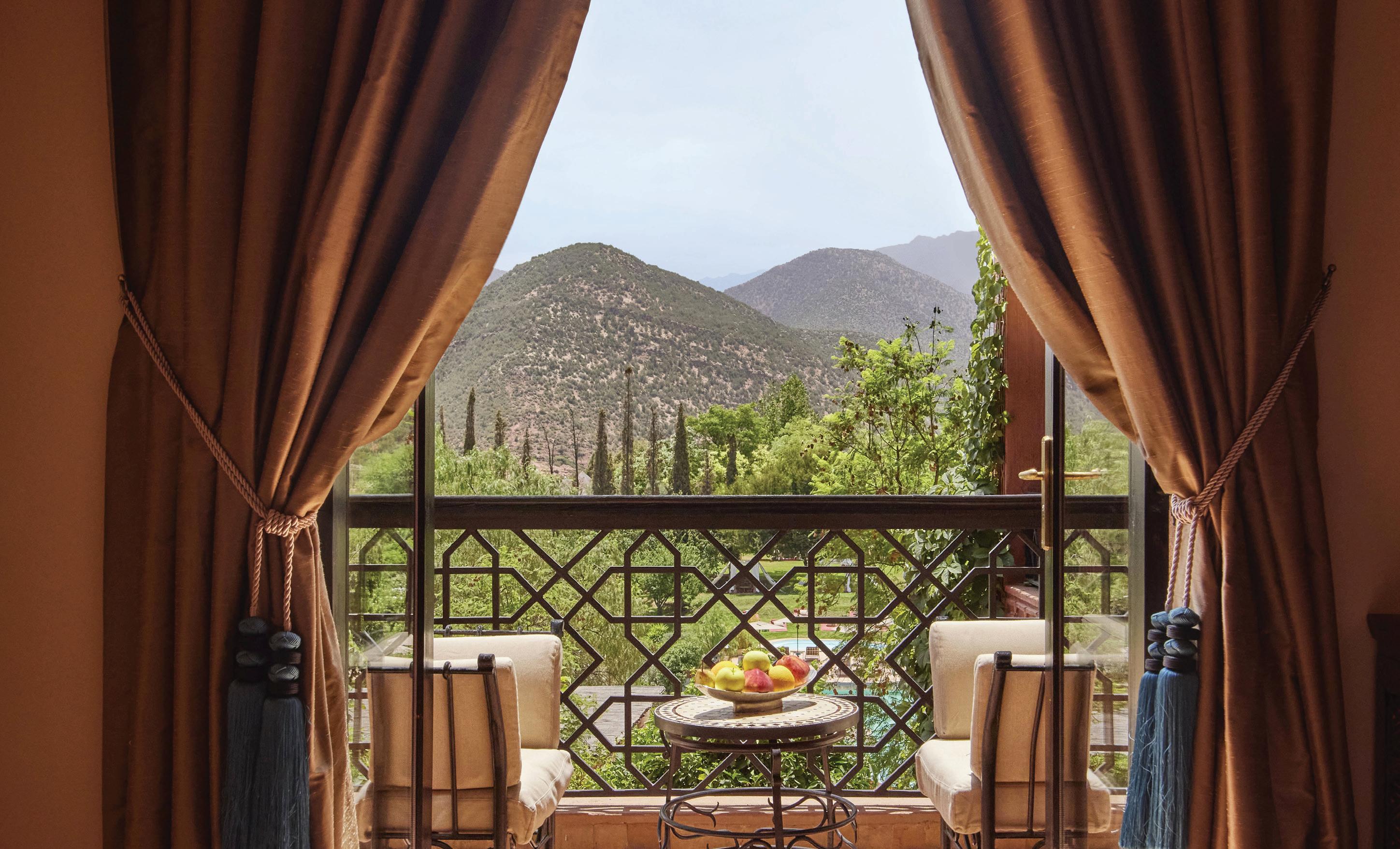
Inside Kasbah Tamadot, the Atlas Mountains Retreat
Founded by Eve Branson
BY CLAUDIA CASTILLO ROSS, WINE COUNTRY AMBASSADOR
THERE IS A PARTICULAR KIND OF QUIET THAT EXISTS ONLY IN the Atlas Mountains — the kind that settles into your chest and doesn’t leave. I found it a week ago, an hour outside Marrakech, at a hillside fortress called Kasbah Tamadot. I went with my husband, Keith, and our dear friends Kimberly and Todd, expecting a beautiful hotel. What we found instead was something closer to a home — one that happens to belong to Sir Richard Branson, but that opens its arms to you as if it always belonged to you too.
The hot air balloon makes for a good headline, but ask anyone at the hotel and they’ll set the record straight: this was Eve Branson’s project from the start. In 1998, while her son was in Marrakech staging his ballooning expeditions, Eve and her husband Ted wandered into the foothills of the High Atlas and knocked on the door of a crumbling Berber fortress. It belonged at the time to Luciano Tempo, an Italian antiques dealer and interior designer who had spent years filling the kasbah with treasures gathered from India, Indonesia and North Africa. Eve fell for the place instantly, and it was she who pushed to buy it and build it into something lasting — giving her son the nowfamous ultimatum that he acquire it or risk being disowned. Richard did the buying. His mother did the founding.
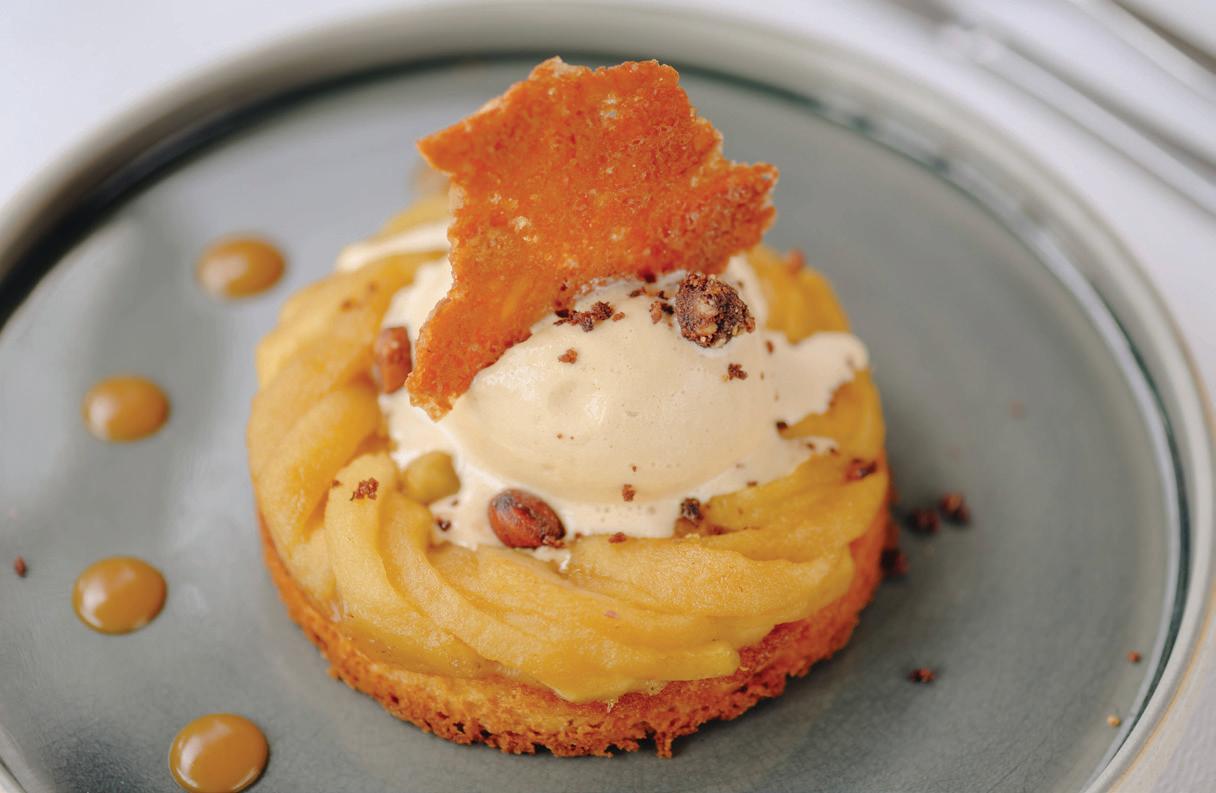
The name Tamadot comes from the Amazigh word for “soft breeze,” and it is exactly right. Renovations stretched on for years — interrupted, at one point, by the financial fallout of September 11 — before the doors finally opened to guests in 2005. What emerged was not a flashy Virgin production but something far more restrained: a 28-room retreat built around Tempo’s original antiques, handcarved ceilings, and furnishings still commissioned today from local blacksmiths in the nearby village of Asni and artisans in Marrakech. The dining room at Assays, tented like a sultan’s pavilion, was framed by a Moroccan craftsman named Hamid Agouim. Nothing here feels imported. Everything feels of the mountain.
There is a photograph hanging in the lobby that explains more about this place than any brochure could. It shows Branson standing beside Nelson Mandela in 1998, the same year he bought the kasbah. In the years that followed, Eve Branson founded the Eve Branson Foundation to train and employ local Berber women and craftsmen, work that continued even after her passing in 2021, and that took on new urgency after the devastating 6.8-magnitude earthquake that struck the region in 2023. The Kasbah itself sustained damage that night — the general manager sheltered a full house of guests on the
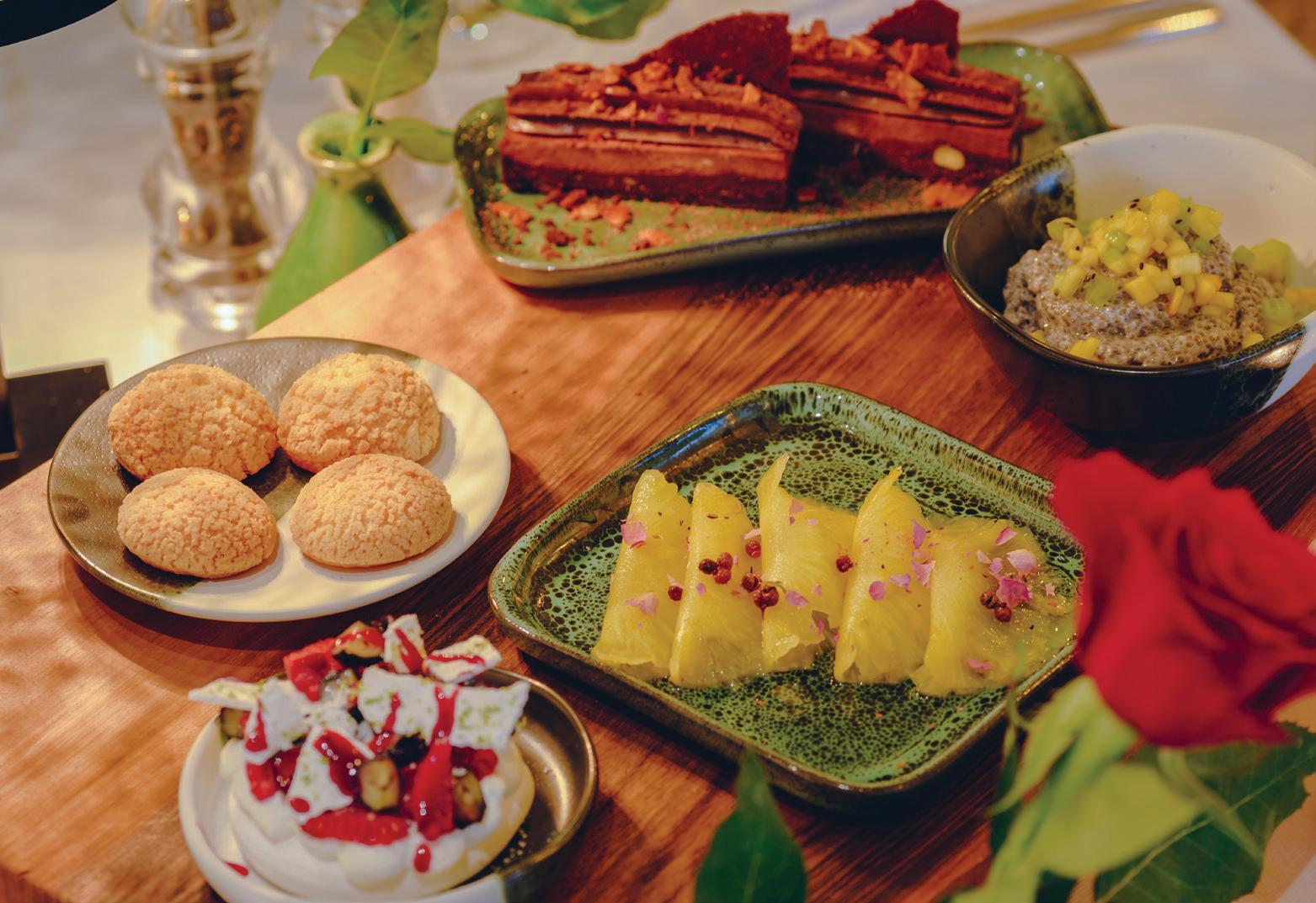
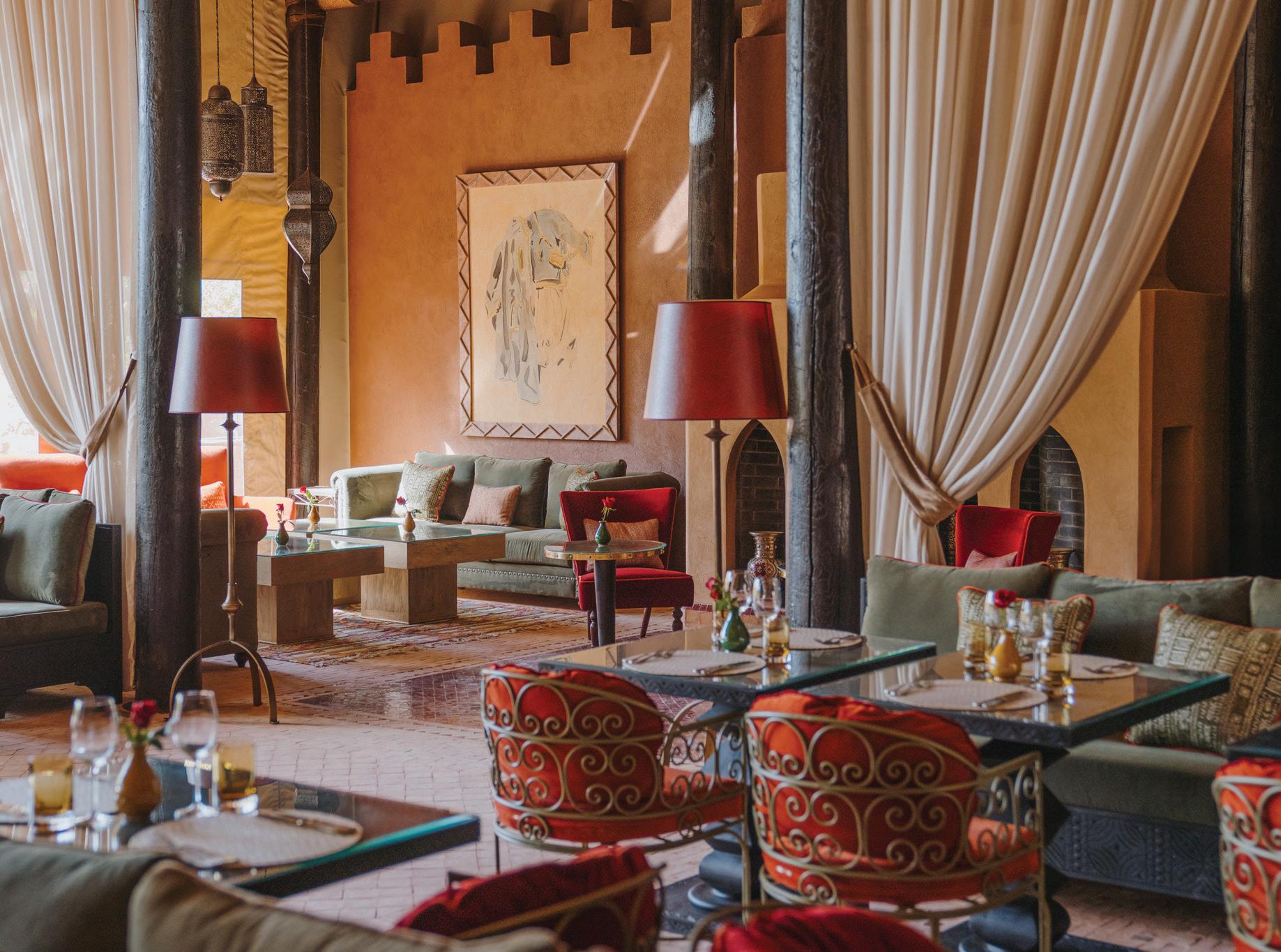
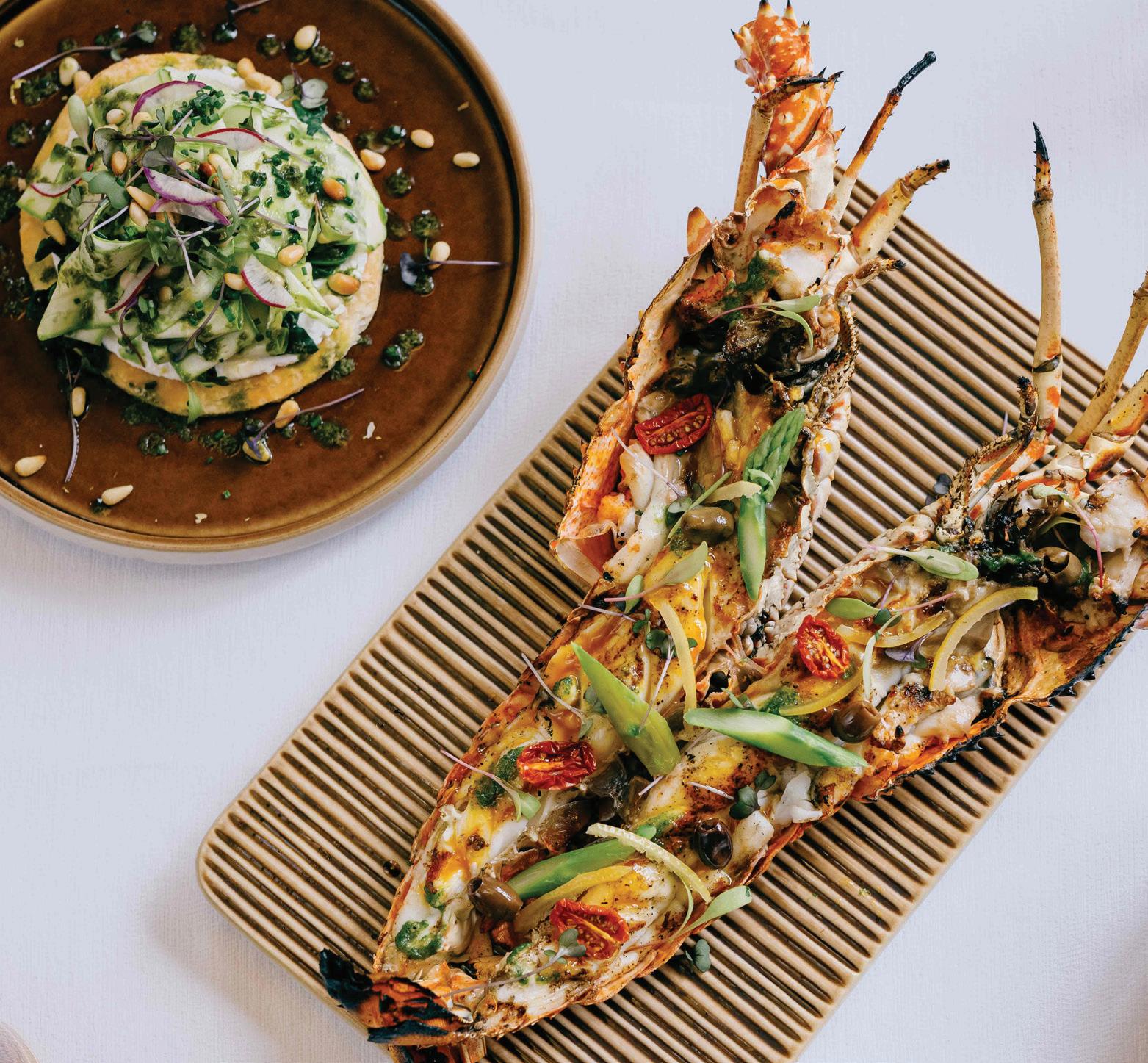
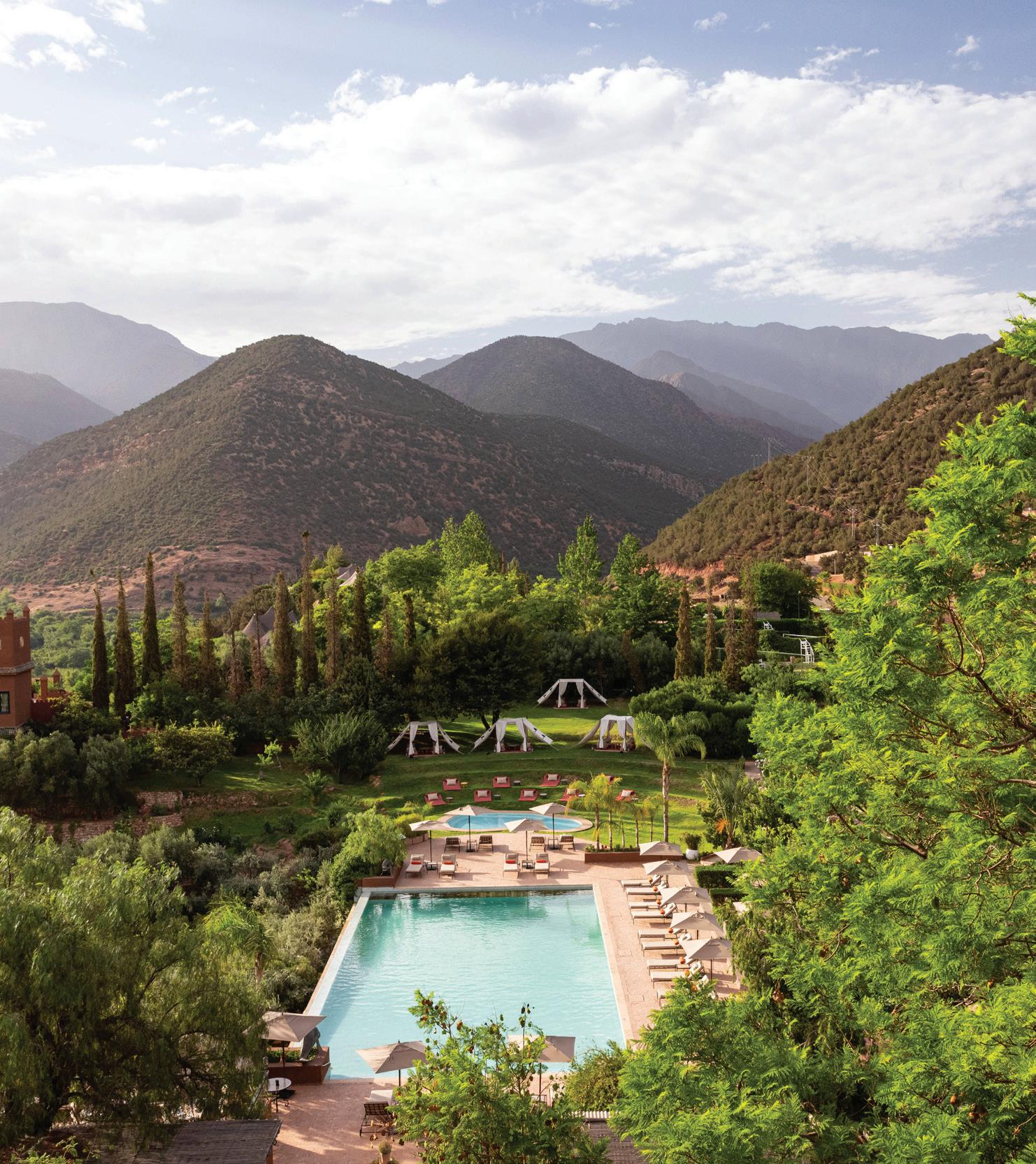
tennis court until the roads could be cleared — and Branson spent the following year and a half rebuilding it, reopening in late 2024. The foundation has since raised more than a million dollars for regional earthquake relief, and nearly all of the hotel’s staff, roughly 140 strong, are hired from the surrounding villages.
Staying there, you feel all of it. We walked the gardens past fountains and orange blossom, took tea with a Berber family whose children ran barefoot through red dirt, and sat for a proper hammam that no spa outside Morocco could replicate. In the evenings, there were Moroccan feasts under the stars, eaten from wooden bowls carved by the foundation’s trainees, with live folk music drifting across the terrace.
The kitchen, I learned from Barry Vera, the property’s Director of Culinary & Beverage for EMEA, is as rooted in place as the architecture. Ingredients come from the estate’s own garden, from farmers in the Asni Valley, and from trusted suppliers in Marrakech — mountain saffron, walnuts, almonds and stone fruit that find their way into tagines cooked low and slow, breads pulled from wood ovens, and a Ras el Hanout blended fresh and differently for chicken, meat, and fish. The dish that seems to define the place, Vera told me, is a simple Chicken Tagine with peas and preserved lemon — Branson’s own favorite, and the kitchen’s best seller for good reason. On the wine list, Moroccan bottles from the Meknès region, the modern heart of the country’s winemaking, pair beautifully with the food’s sweet-savory layering, though for those who abstain, the mint tea poured on arrival is its own kind of ritual.
I have stayed in a great many beautiful hotels for this magazine. I have rarely wanted to stay in one forever. Words genuinely fail me here — which, for a writer, is either a problem or the highest compliment I know how to give. Kasbah Tamadot is not a hotel. It is a place that decided, quietly and for nearly thirty years, to call itself home. I am already counting the days until I go back.
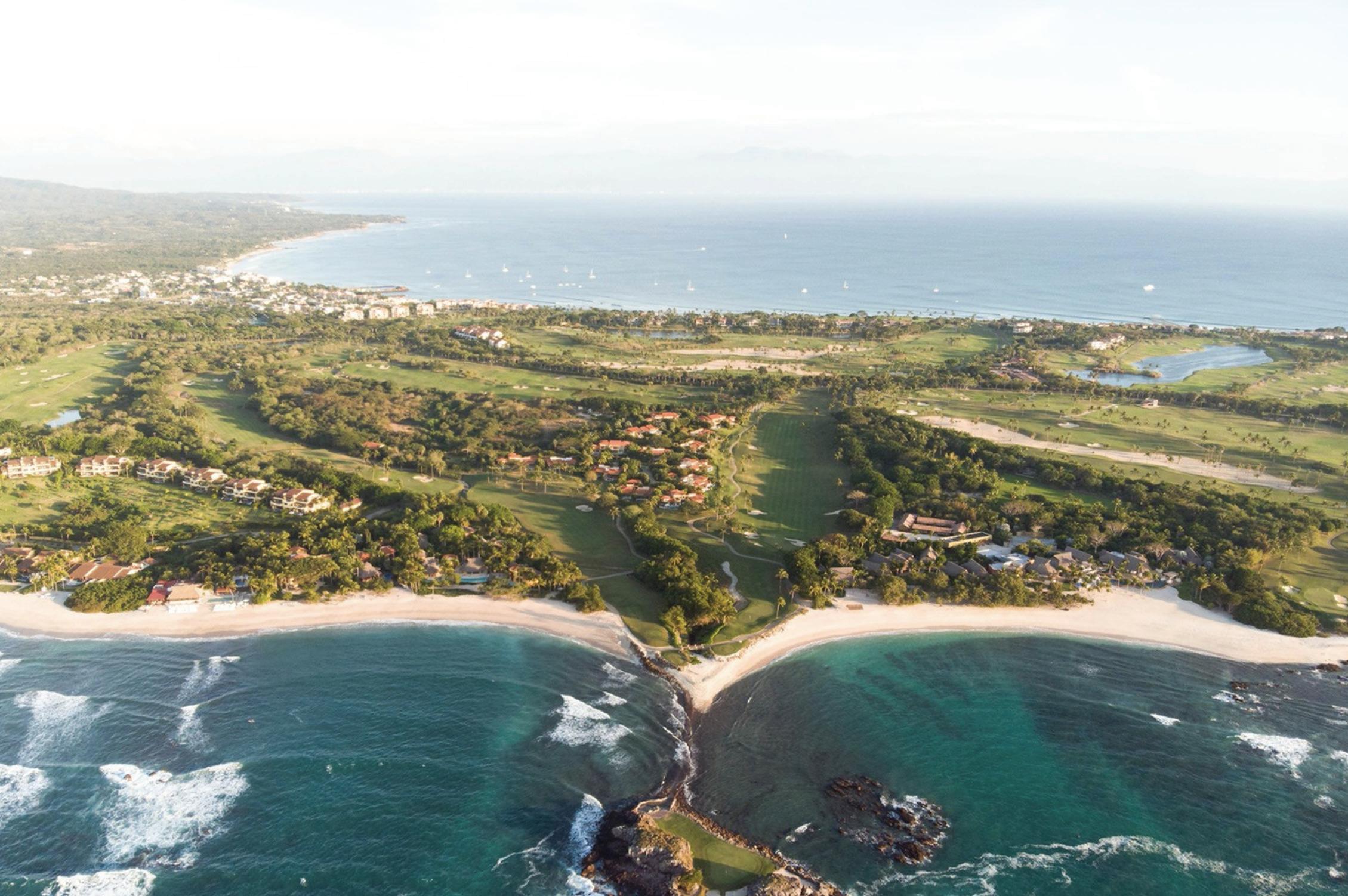
BY CLAUDIA CASTILLO ROSS, WINE COUNTRY AMBASSADOR
THERE’S A PARTICULAR KIND OF PLEASURE IN ARRIVING somewhere that hasn’t yet been overrun. Punta Mita — that 1,500-acre private peninsula stretching into the Pacific along Mexico’s Riviera Nayarit — still holds that quiet, conspiratorial feeling, even as the rest of the world finally catches on. The region keeps turning up on the year’s “best of” lists, and the smart money has been circling for a while. But for those of us who’ve made the 45-minute drive north from Puerto Vallarta and watched the coastline turn lush and unhurried, this was never a secret worth keeping to ourselves. I’ve just returned, in fact, from a stay across two of its resorts — and I’m still finding sand in my luggage and stillness in my chest.
Punta Mita is, at heart, a study in contrasts: double-gated exclusivity wrapped around 9.5 miles of beach, three award-winning hotels, two Jack Nicklaus signature golf courses, and a culture rooted in the sacred traditions of the Huichol people. It is polished and wild at once. Glamour and grit, if you’ll allow me.
Anchoring it all is Four Seasons Resort Punta Mita, the Forbes FiveStar institution that’s been the gold standard here for years. Oceanfront casitas, private villas, the serene Apuane Spa, and that famous “Tail of the Whale” — Hole 3B on the Pacifico course, the only natural island
green in the world. It sits on a black-lava atoll nearly 200 yards offshore, a real island rather than some manmade platform, and how you reach it depends entirely on the tide: a flagstone sandbar at low water, an amphibious cart when the Pacific rolls back in. As a winemaker, I’m a sucker for anything that lets me play with a blend, so I couldn’t resist the resort’s private tequila-blending class. Led by the cultural concierge, it walks you through the five tastes and some 50 aromas of agave before turning you loose to compose your own expression from a lineup of barrels — your personal bottle to carry home. (The resort even keeps a private-label añejo of its own, a bespoke collaboration with Jose Cuervo’s ultra-premium Reserva de la Familia.) The dining earns the trip, too: beachfront Bahía, the spirited Dos Catrinas, MEZ Bar with its 200-plus Mexican spirits, and the newly reimagined Aramara, now leaning Pan-Asian with a serious sake list.
But if the Four Seasons is the grand dame, then Naviva is her wilder, more enigmatic sister — and the property that most captures my imagination. The name translates to “love of life or living things,” and the resort lives up to it. Naviva opened in December 2022 as Four Seasons’ first adult-only tented resort in the Americas — fifteen ocean-view bungalows scattered across 48 forested acres, each with a
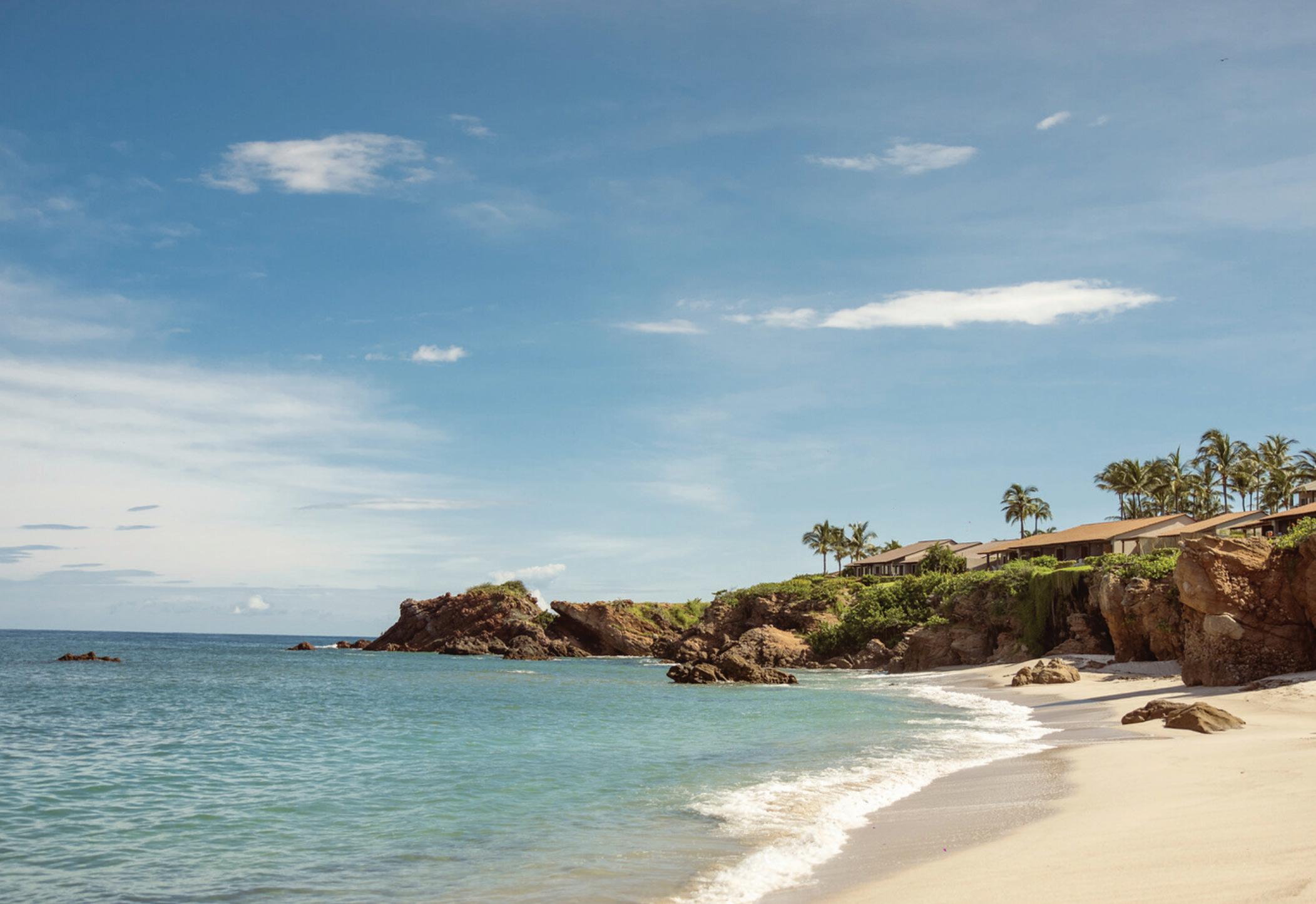
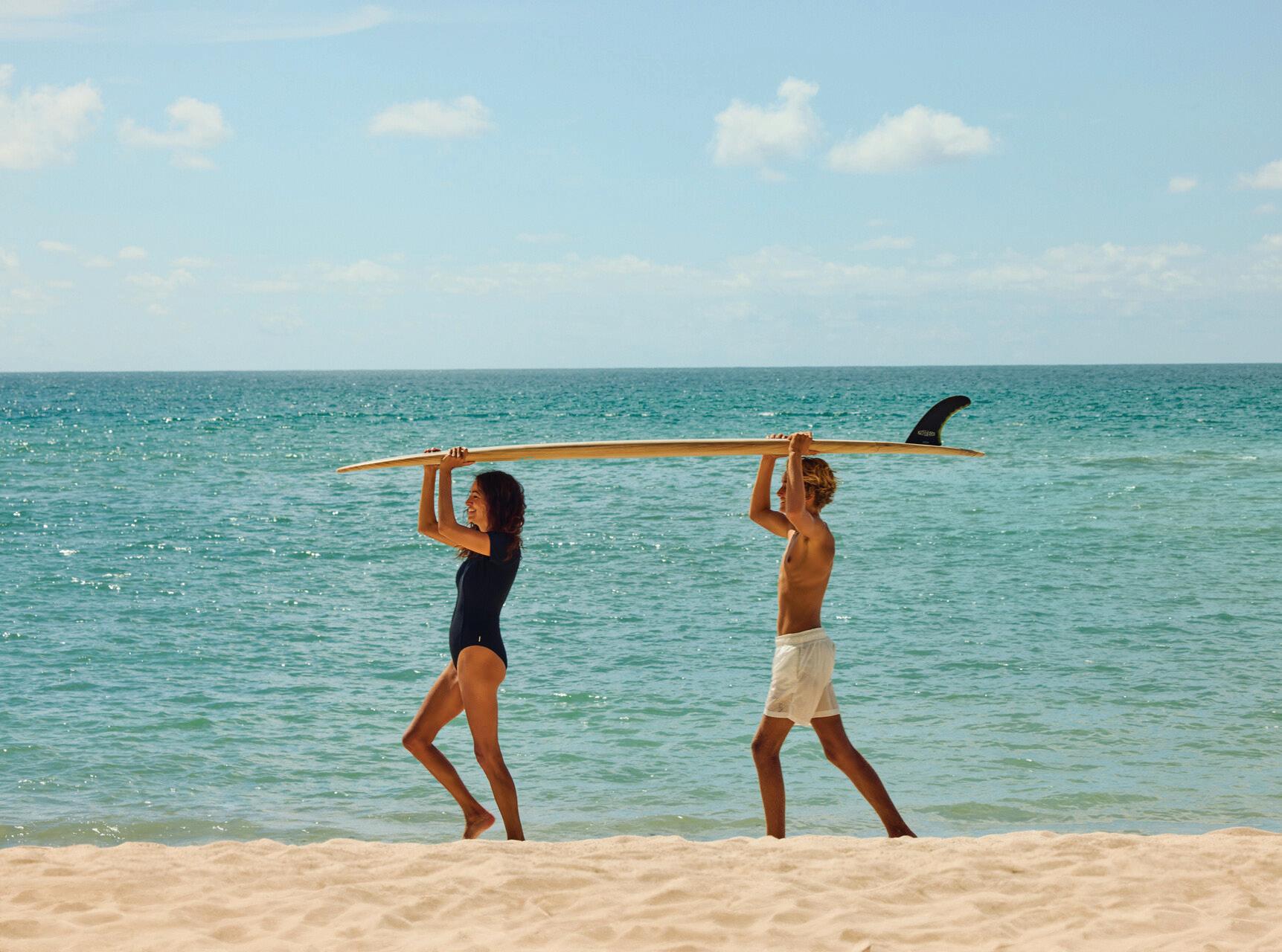
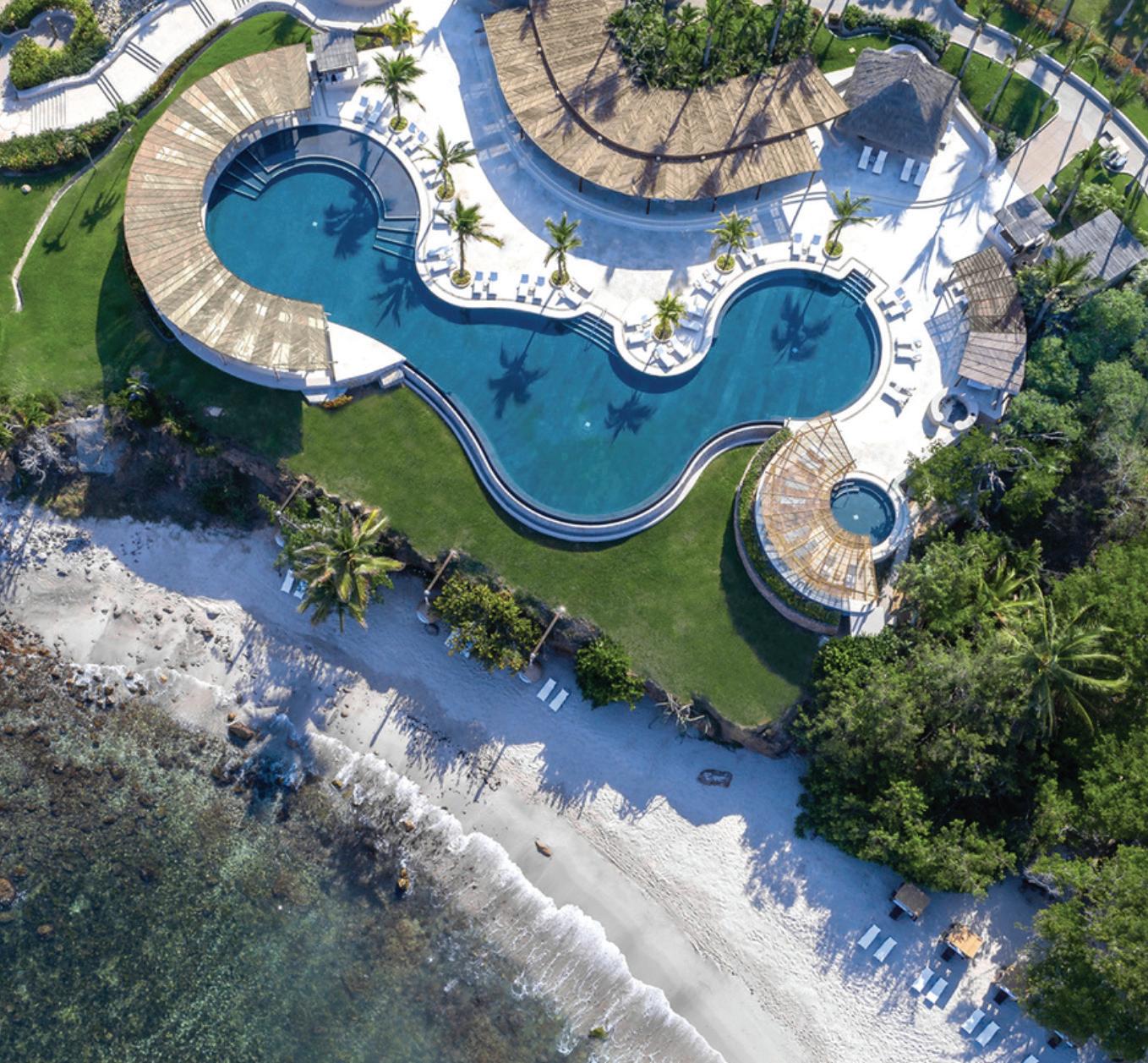
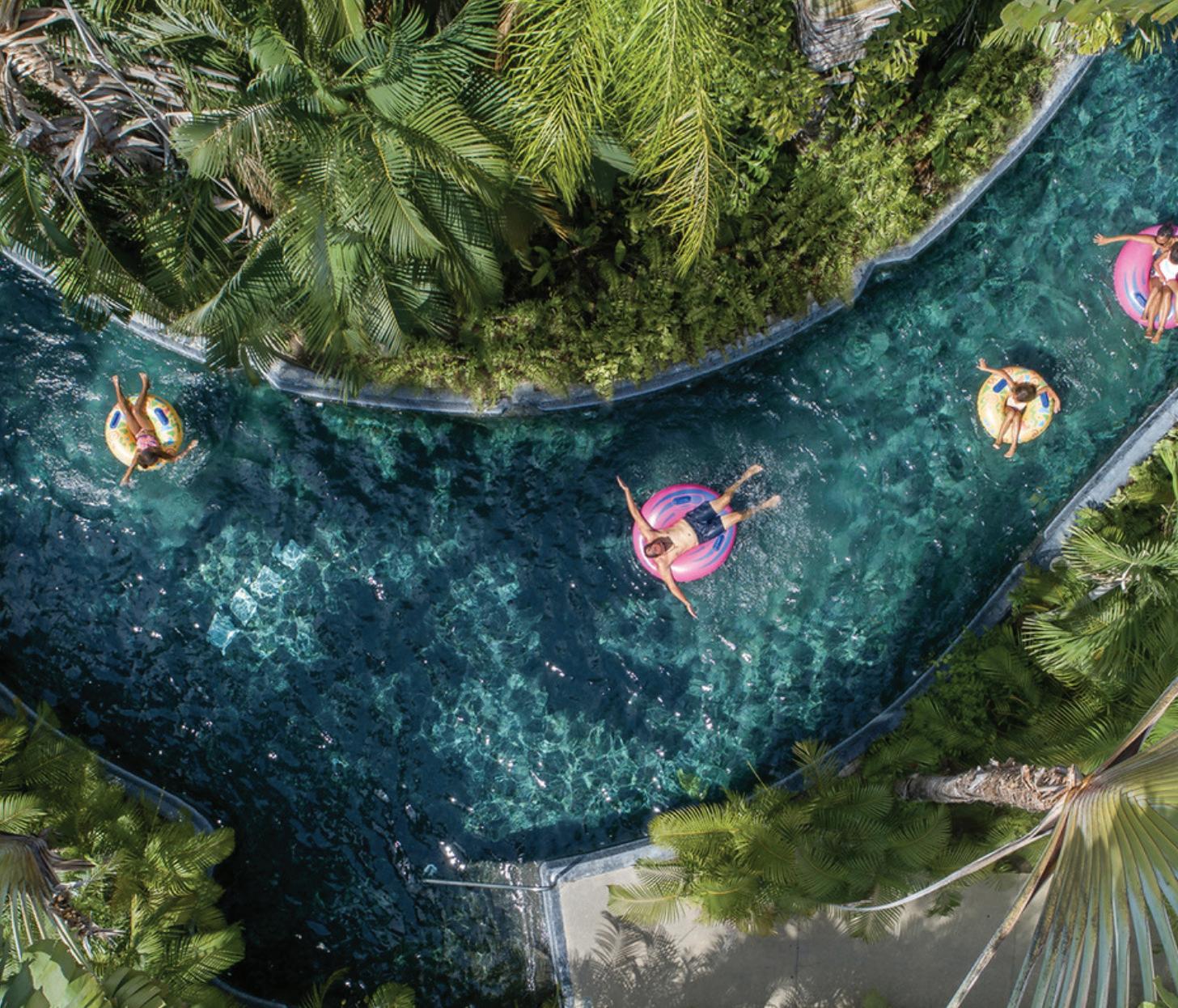
glass-enclosed bedroom that opens to a private plunge pool and outdoor shower. It is intentionally small; at maximum capacity there are never more than 30 guests on the property. What makes it extraordinary isn’t the thread count — it’s the philosophy. There are no set schedules, no fixed mealtimes, no menus. You order what you want, when you want, where you want: an impromptu beach picnic, a sunset hike with a guide on call, a smoky house-made mezcal Negroni delivered to your deck. The all-inclusive rate even folds in a 60-minute spa treatment in a forest hut.
And then there is the temazcal — the “House of Heat.” I surrendered to the ritual myself, an ancient Mesoamerican purification ceremony led by two shamans inside a darkened dome, where water infused with copal and palo santo is poured over fire-heated stones until the steam becomes the whole world. It moves through rounds, each one a kind of release, and I’d urge even the spa-skeptics among you to climb in. It is humbling in the best way — and I emerged feeling scrubbed clean down to the spirit.
Across the peninsula, St. Regis Punta Mita has been a fixture since 2008, and in 2024 it unveiled a property-wide transformation that earned it a fresh chapter. The reimagination touched every public space, introduced five beachfront villas, redesigned the guest rooms, refreshed the spa, and added the new Marietas Pool. Within its 120-room footprint you’ll find the signature butler service St. Regis built its name on, two Nicklaus courses minutes away, and easy access to the Marietas Islands. Years of honors and a fresh Forbes Four-Star rating only confirm what regulars already know — reinvention, done right, deepens the loyalty.
The most telling sign of Punta Mita’s moment, though, is what’s still under construction. Montage Punta Mita and Pendry Punta Mita are both underway, bringing their own residential experiences to the bay side, while the Ritz-Carlton Reserve Siari begins welcoming guests this November along a pristine stretch of the coastline. Add Rosewood Mandarina, which opened in 2025, and you have more than a billion dollars of hospitality investment landing here at once.
And yet, for all the new keys (that’s hotel rooms “ industry,“ talk), the soul of the place remains perfectlyintact. The peacocks still cross the road on their own schedule. The surfers still gather around one of the best Surf points and… The whales still pass through in winter. Punta Mita knows exactly what it is — and that, more than any award, is what keeps me coming back.
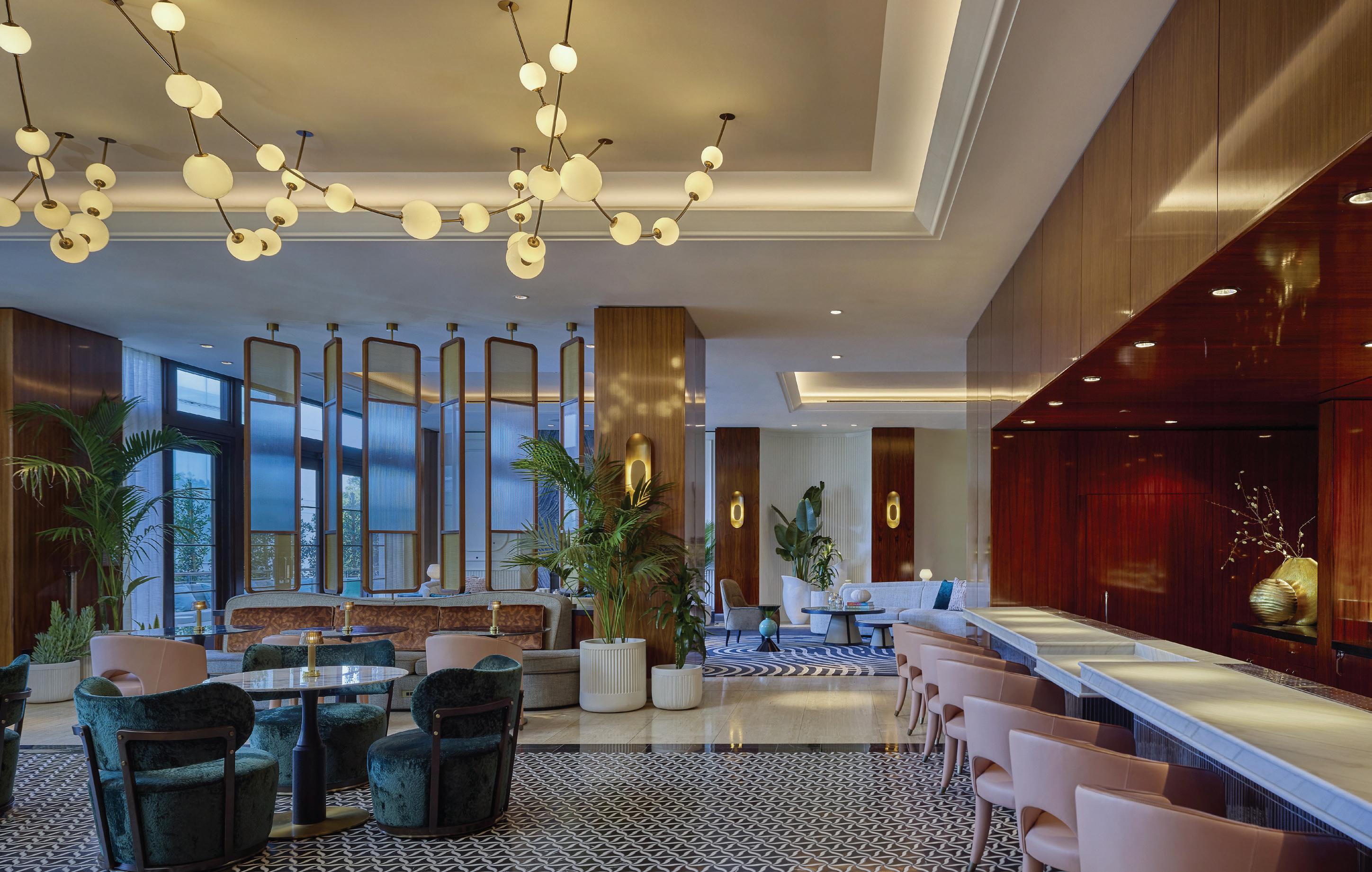
Old Hollywood glamour meets modern sophistication at Beverly Hills’ most quietly captivating new arrival.
BY CLAUDIA CASTILLO ROSS, WINE COUNTRY AMBASSADOR
THERE ARE WEEKENDS YOU PLAN FOR YEARS, AND THEN THERE are the few hours within them you’ll actually remember forever. My son’s graduation from USC was one of those rare occasions where the milestone and the setting rose to meet each other — and the setting, this time, was Cameo Beverly Hills.
I’ll confess I came in with a winemaker’s skepticism. When you spend your life chasing balance in a glass, you develop a suspicious eye for anything that promises “luxury” and “calm” in the same breath. Most places deliver one at the expense of the other. Cameo, newly reborn this year under Hilton’s LXR Hotels & Resorts after a complete transformation, somehow holds both. Tucked along a quiet edge of Beverly Hills, it sits just moments from the pulse of Rodeo Drive while feeling like a secret you stumbled into. For a mother juggling a graduation, out-of-town family, and a handful of celebration events, that combination of energy and escape turned out to be exactly what I didn’t know I needed.
We stayed in one of the suites, and I understood the redesign the moment I walked in. Custom burl wood and smoked white oak anchor the rooms in a kind of natural warmth, and the private balcony — every room has one — quietly extended our living space outdoors, framing
Beverly Hills and the city beyond. There’s sculptural lighting, handwoven textiles, abstract work by local artists. It reads as polished without ever tipping into precious. As someone who fusses over the interiors of our own guest houses back home in Sonoma, I notice when a space is composed by people who actually care. This one was. The soaking tub didn’t hurt, either, after a long day on my feet in graduation heels. But what made Cameo right for us, specifically, was that it let me celebrate the way I wanted to. I hosted a few gatherings on property over the weekend, and the spaces made it effortless. The reimagined pool deck — oiled teak loungers, draped cabanas, that warm modern ease — turned a casual afternoon with family into something that felt intentional. And then there is the Starlight Ballroom on the 12th floor, which may be the single most photogenic room I’ve encountered in Los Angeles. Its wraparound deck offers genuine 360-degree views of Beverly Hills and the skyline beyond, and at golden hour, with my son in his cap and the whole city glittering below, I had to stop and simply take it in. Some backdrops you couldn’t buy if you tried. This one came with the room. The dining is where my professional curiosity got the better of me. Cameo’s debut arrived with an entirely new food and beverage program, and its signature destination, Zampo, draws on Peruvian
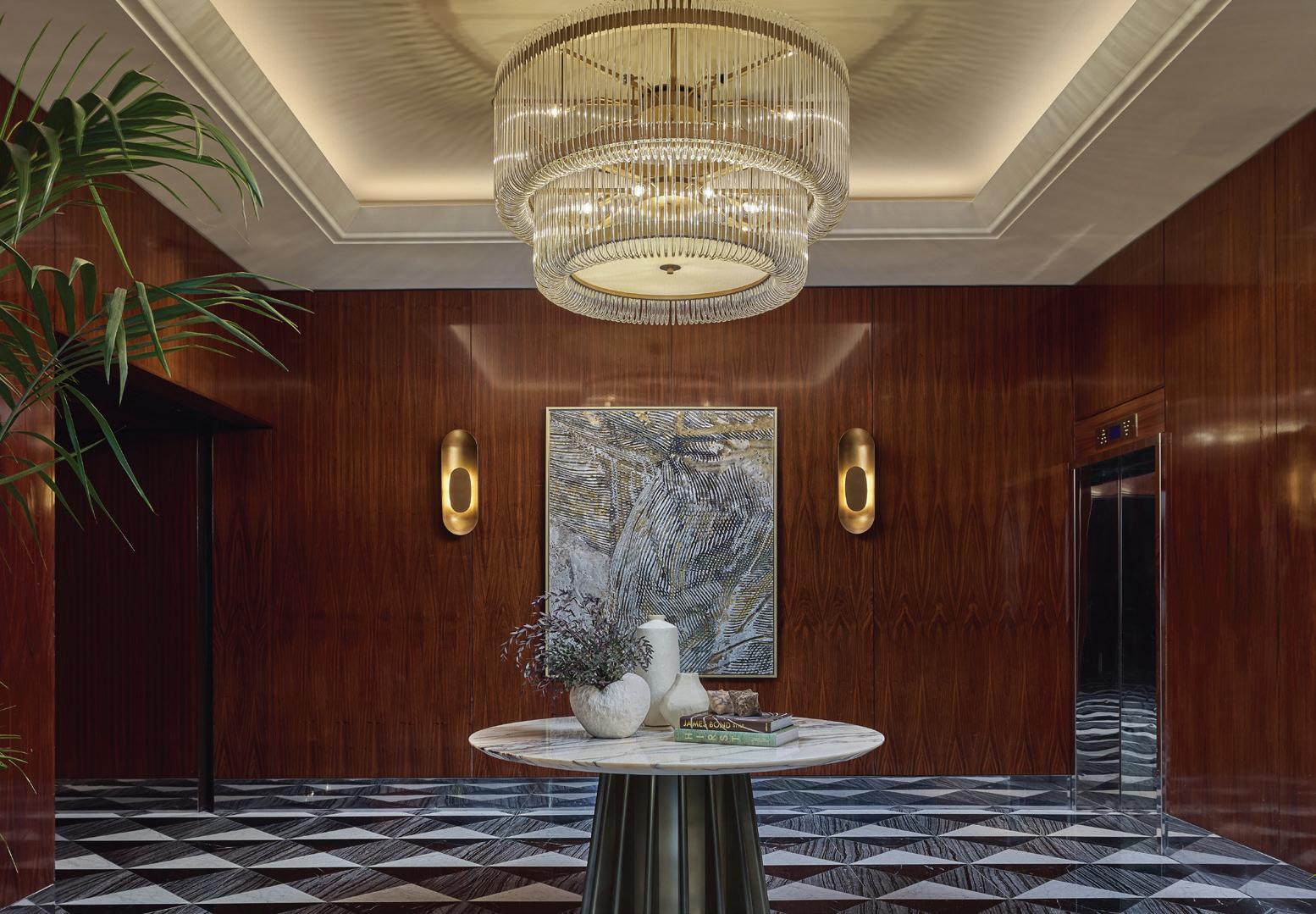
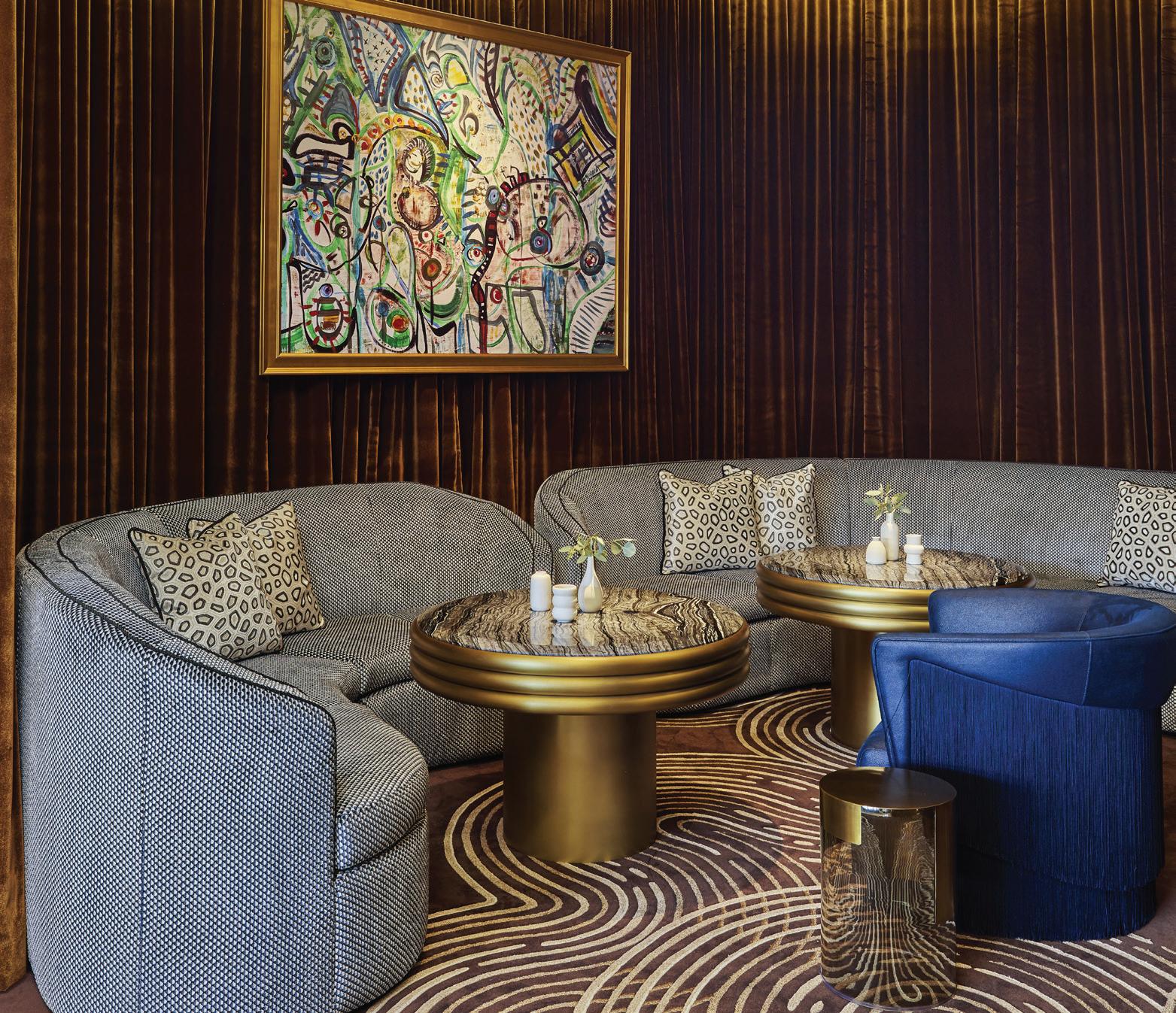
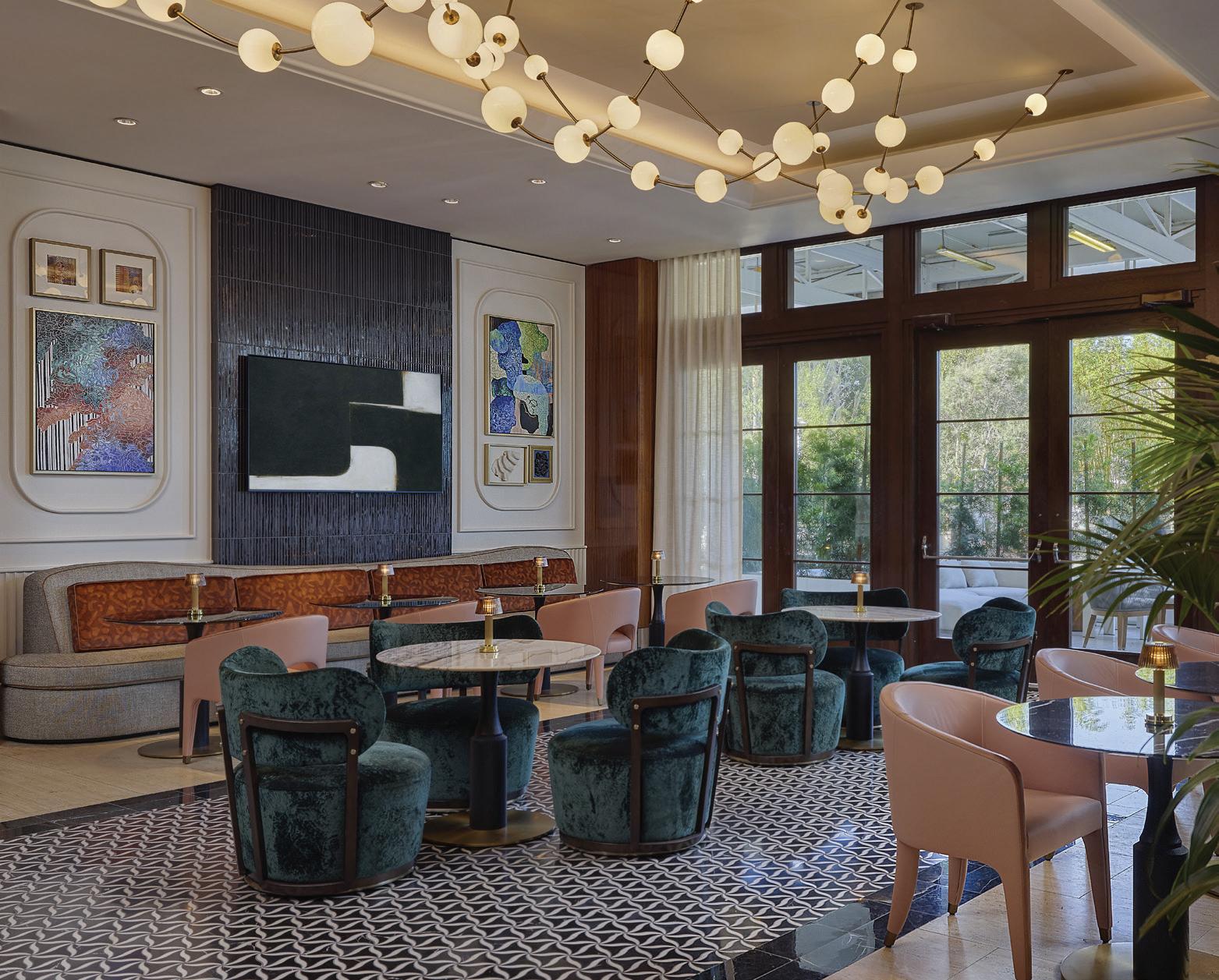
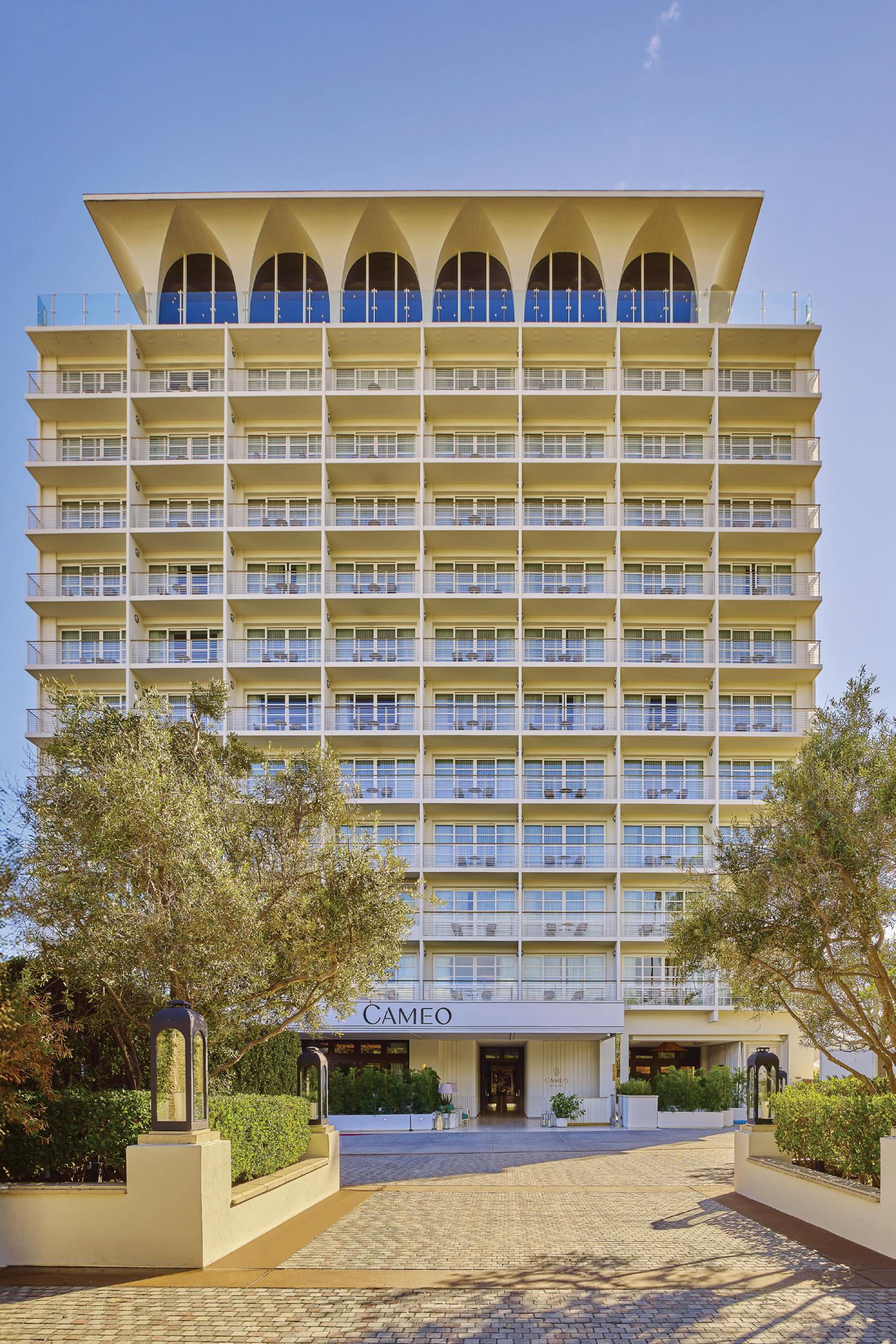
tradition with a confidence I admired. The space itself is gorgeous vein-cut travertine, amber-toned Rojo Alicante marble, a custom mural that softens all those clean lines with something organic. We worked our way through the cebiche and the smoked yellowtail crudo, but the Lomo Saltado was the table’s clear favorite: marinated prime tenderloin, sweet onions, that decadent aji amarillo sauce. Downstairs in the lobby, Silhouette became our nightly ritual — globally inspired small plates for sharing and a cocktail program with real craft behind it. I’m partial to the Chicha Morada, their house pisco riff on the traditional Peruvian drink. As someone who builds her livelihood around what goes in the glass, I can tell you those cocktails were taken seriously by people who knew what they were doing.
What stays with me, though, isn’t any single detail. It’s that Cameo understood the assignment of a weekend like ours. A graduation is a passing of the torch, a moment of transmission from one generation to the next — and there’s a quiet poetry in celebrating that in a property that just reinvented itself, honoring its history while stepping boldly into something new. Old Hollywood glamour, modern sophistication, and a genuine sense of place: Cameo earns all three.
My son starts the next chapter of his life this year. I’m grateful the first page of it was written somewhere this beautiful.
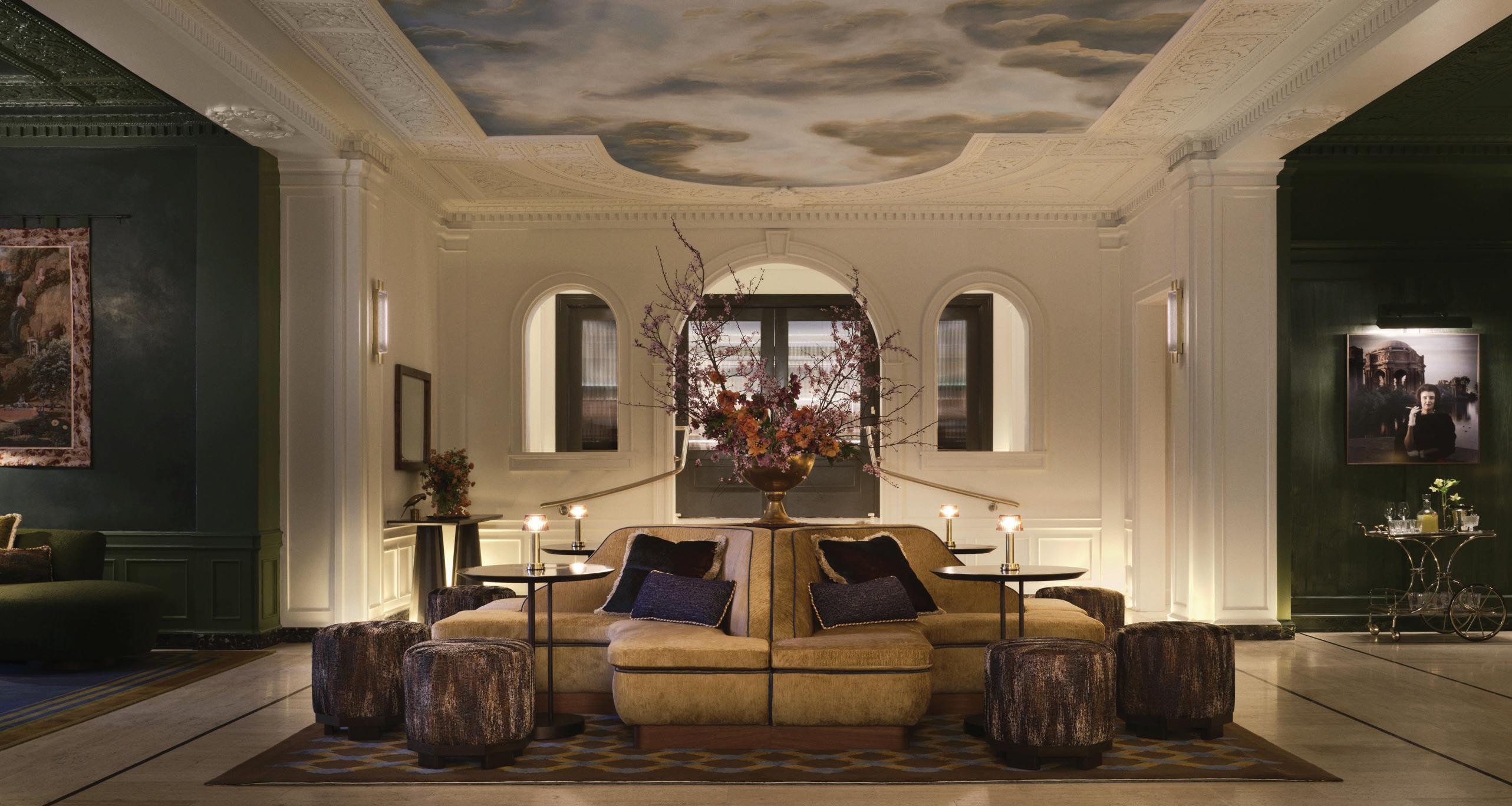
BY FRAN MILLER
SOME SAN FRANCISCO ADDRESSES CARRY A SENSE OF permanence. The newly restored Huntington Hotel, atop Nob Hill is one of them. Cable cars still climb the hill outside its doors. Fog still drifts past the bay-facing windows. And now, after an ambitious reimagining led by acclaimed designer Ken Fulk, one of the city’s most storied hotels once again feels entirely like itself.
The Huntington has lived several lives over the decades, including a recent chapter as The Scarlet Huntington, a bold and theatrical interpretation that layered the hotel in surrealist fantasy and high-design eccentricity. Though the aesthetic found its admirers, many felt the grand old Nob Hill address yearned for something more timeless. This corner of San Francisco has always carried a particular elegance, one tied to old money, chilled martinis, and the enduring glamour of the city’s railroadera elite. The Huntington’s newest incarnation understands that.
The Georgian bones remain intact, now polished and elevated with residential warmth, refined detailing, and a distinctly San Francisco sense of sophistication. Fulk approached the project like a rescue mission, bringing the property back to the version of itself many locals never wanted to lose. And that includes the addition of a signature color – “Huntington Green,” a rich shade woven throughout the lobby in upholstery, wall coverings, and subtle design accents. In an unintentionally perfect moment of alignment, I arrived for my tour dressed head-to-toe in nearly the exact same monochromatic hue, looking less like a visiting journalist and more like I had accidentally coordinated with the design team.
One of the Huntington’s greatest luxuries is something increasingly rare in modern hospitality: space. Originally designed as an apartment building, the property features oversized guest accommodations that are more residential than hotel-like. The 143 rooms and suites (including a grand Penthouse at 1,500 square feet) are among the most generous in San Francisco, many framed by sweeping views of the bay, Grace Cathedral, Coit Tower, or the city’s rolling hills. Those vistas become part of the experience itself, particularly at sunrise and sunset when fog slowly drapes across the skyline.
Thoughtful details subtly reinforce the Huntington’s return to luxury hospitality done properly: rich textiles, tailored furnishings, bespoke bath amenities, and curated artwork. A signature fragrance drifts through the lobby and has already become part of the hotel’s identity. Guests enamored with the scent can bring it home in candle form, extending the memory long after checkout.
If the reopening of the Huntington sparked excitement, the return of The Big Four made it emotional. For nearly fifty years, the legendary dining room served as one of Nob Hill’s great social institutions, a refuge where San Franciscans gathered beneath dark wood paneling over icy martinis, piano music, and deeply comforting American classics. Its absence during the hotel’s closure left a noticeable void in the neighborhood. Now, The Big Four is back exactly where it belongs.
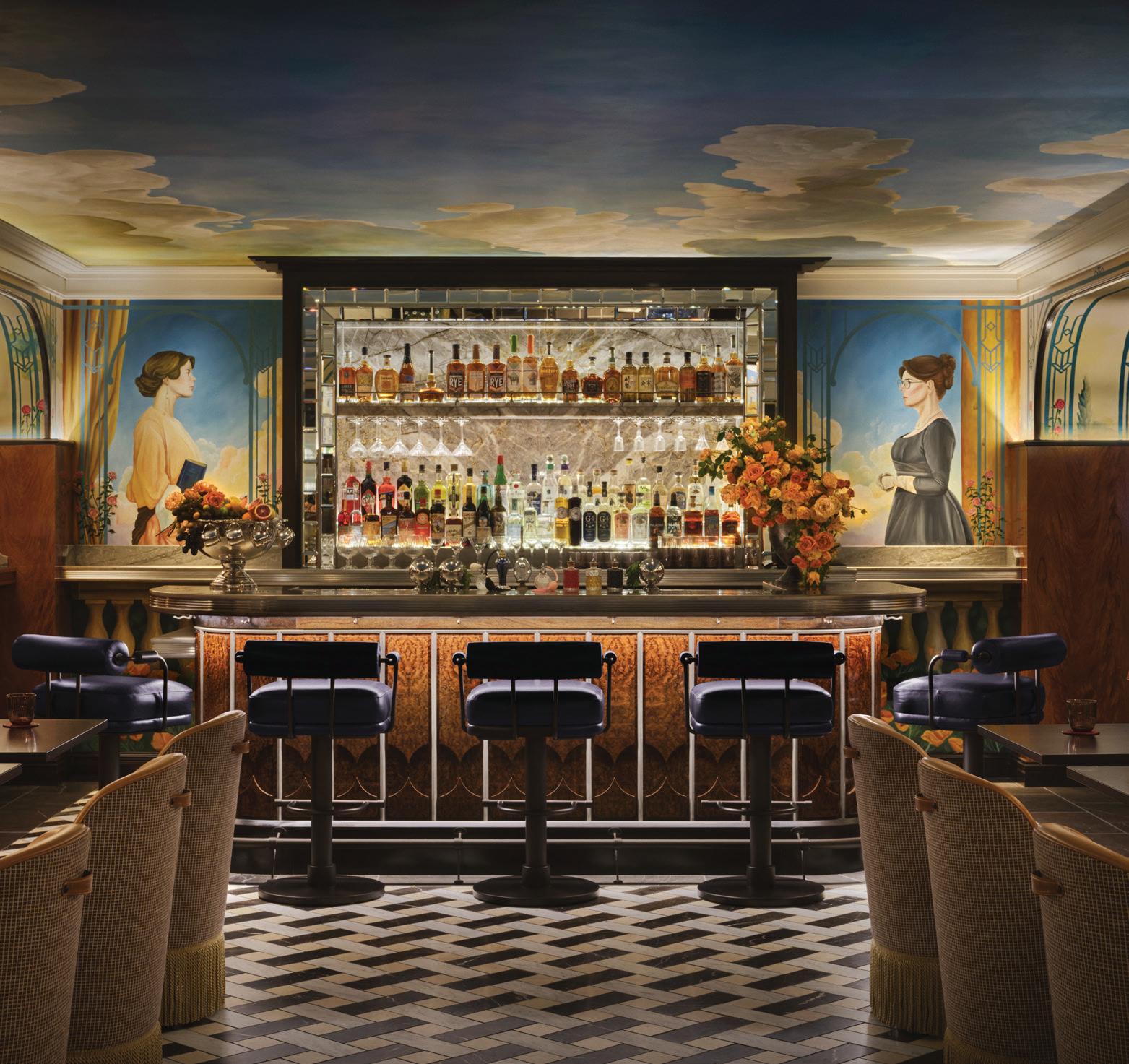
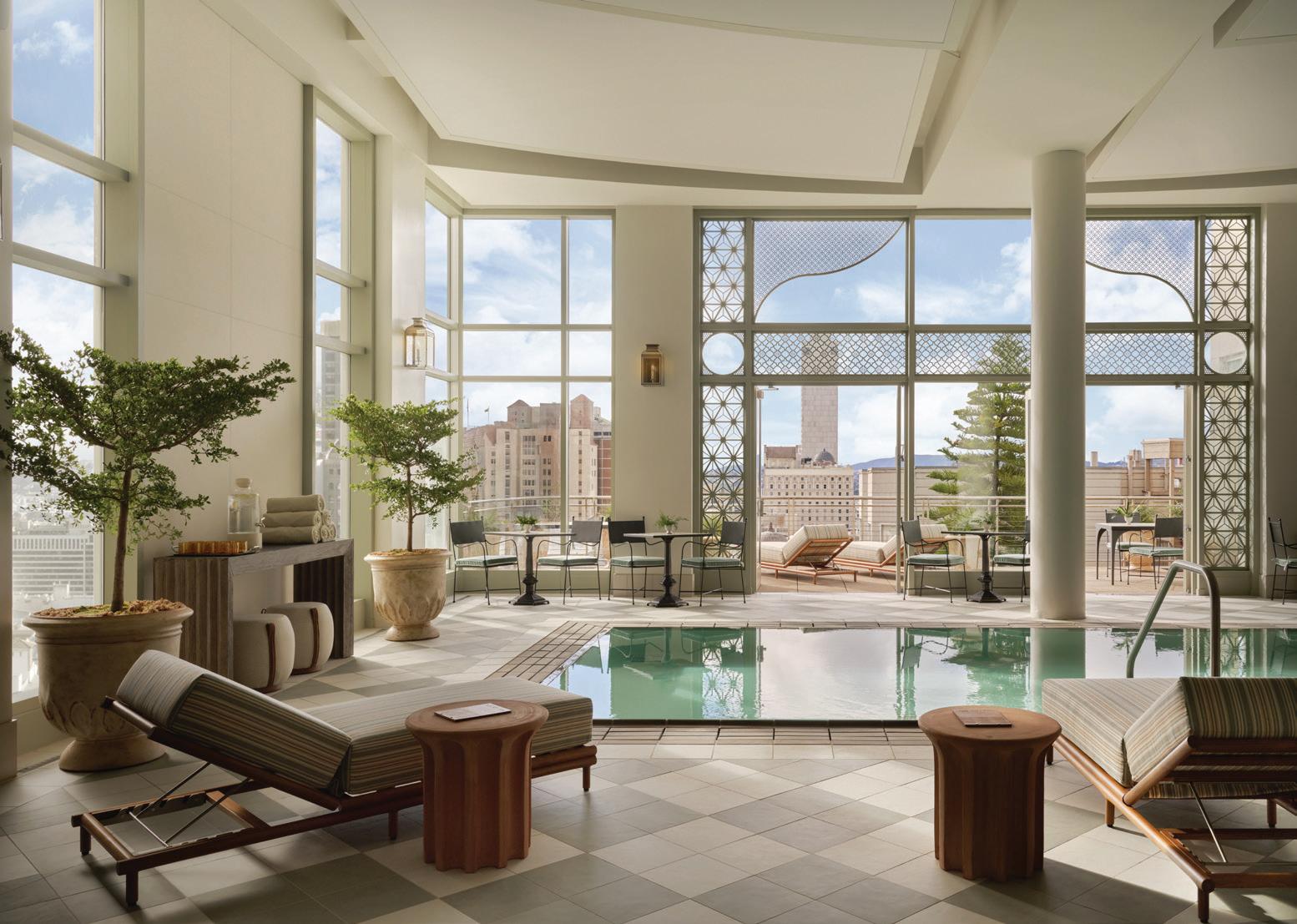
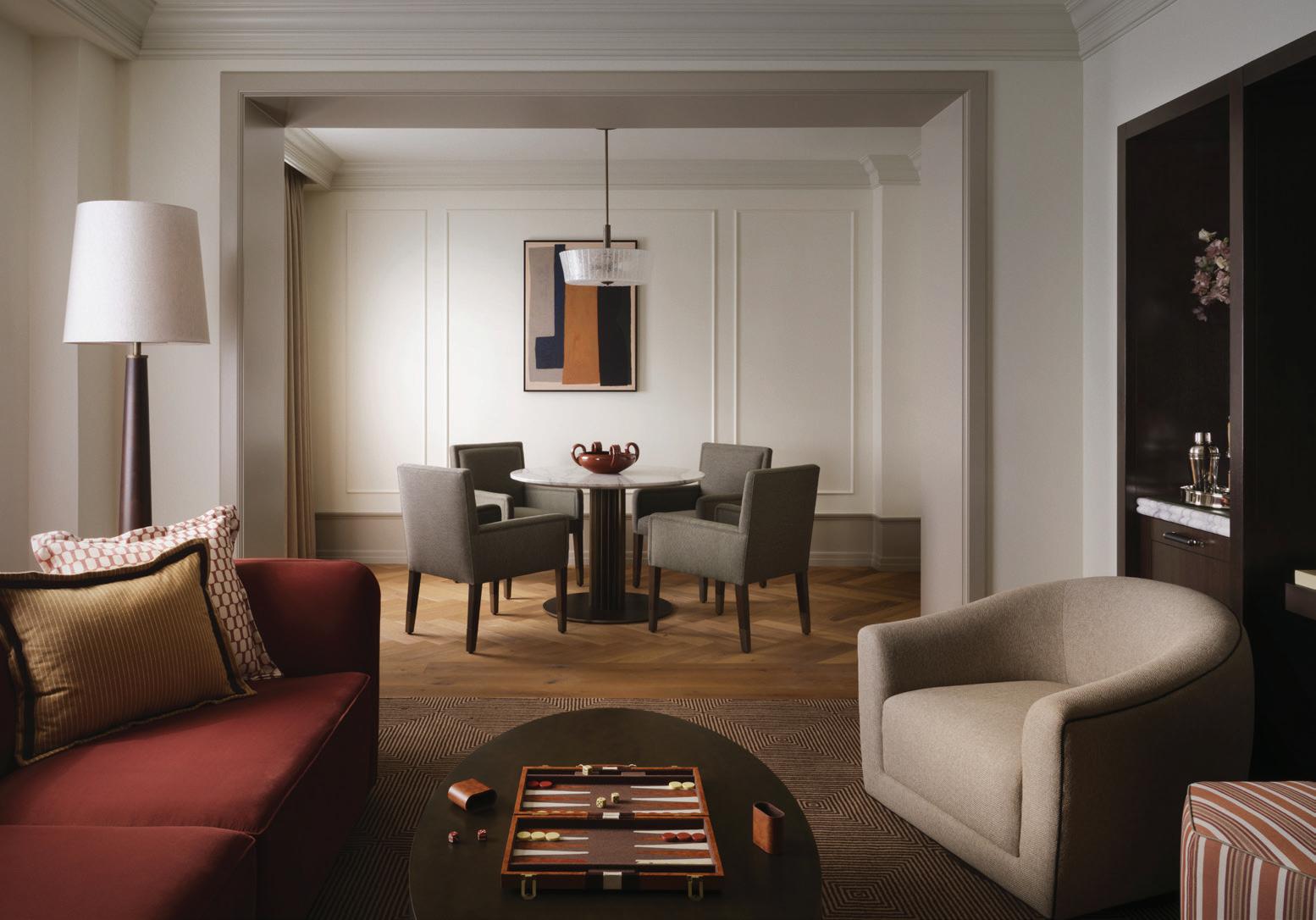
Named for California railroad magnates C.P. Huntington (the hotel’s namesake), Leland Stanford, Mark Hopkins, and Charles Crocker, the restaurant remains one of the city’s most atmospheric dining rooms. Fulk wisely resisted the urge to over-modernize the space. Instead, he refined and restored it: polished brass gleams again, the deep green accents remain, illumination is softly seductive, and the walls still carry the eclectic archive of artifacts, photographs, historical documents, and memorabilia that give the restaurant a nostalgic sense of place.
And yes, the famous Chicken Pot Pie has returned as well, prepared from the original recipe and still priced at $35 — a small miracle in modern San Francisco dining. The Big Four’s appeal has always rested in its reverence for heritage. Years ago, I wrote that its “traditional, clubby atmosphere could be exactly what the hipsters ordered,” and the observation feels even more accurate today. There are few places left in San Francisco where a pianist still works through Gershwin and Cole Porter nightly while bartenders expertly mix properly proportioned cocktails. The bar program remains one of the city’s quiet triumphs. The Vesper, Cable Car, and Huntington Negroni all suit the room perfectly. Executive Chef David Intonato’s menu preserves the restaurant’s sense of familiarity while sharpening its culinary edge through premium California ingredients, coastal seafood, and classic supper-club dishes. Simply put, there is comfort in a restaurant that understands exactly who and what it is.
One of the hotel’s most intriguing new additions is Arabella’s, an elegant new bar and gathering space adjacent to the lobby. The name references Arabella Huntington (wife of C.P) whose influence on San Francisco society extended well beyond Nob Hill. Her personal history unfolds visually through a striking mural chronicling her life and legacy. Like much of the redesigned property, the speakeasylike bar balances glamour with intimacy. It’s designed for intimate conversation, late-night cocktails, and the type of social crosssection that has always defined great San Francisco hotels: travelers, politicians, artists, financiers, and locals all sharing the same room.
Equally missed during the closure was the Nob Hill Spa, long considered one of San Francisco’s premier urban wellness escapes. Its reopening restores a ritual destination beloved by both hotel guests and city residents alike. Now reinvigorated, the 8,900-square-foot spa spans three serene levels with refreshed treatment rooms, saunas, steam rooms, relaxation lounges, and an airy indoor warming pool overlooking the city. It delivers exactly what guests hope for atop Nob Hill: calm, privacy, and restoration above the energy of the city below. The spacious fitness center has also been elevated with top-tier equipment and dedicated stretch spaces.
The Huntington’s reopening arrives at an important moment for San Francisco. After years of conversation about what the city has lost, the hotel stands as a reminder of what still makes San Francisco unlike anywhere else. Not every great luxury hotel needs to reinvent hospitality. Some simply need to remember who they are.
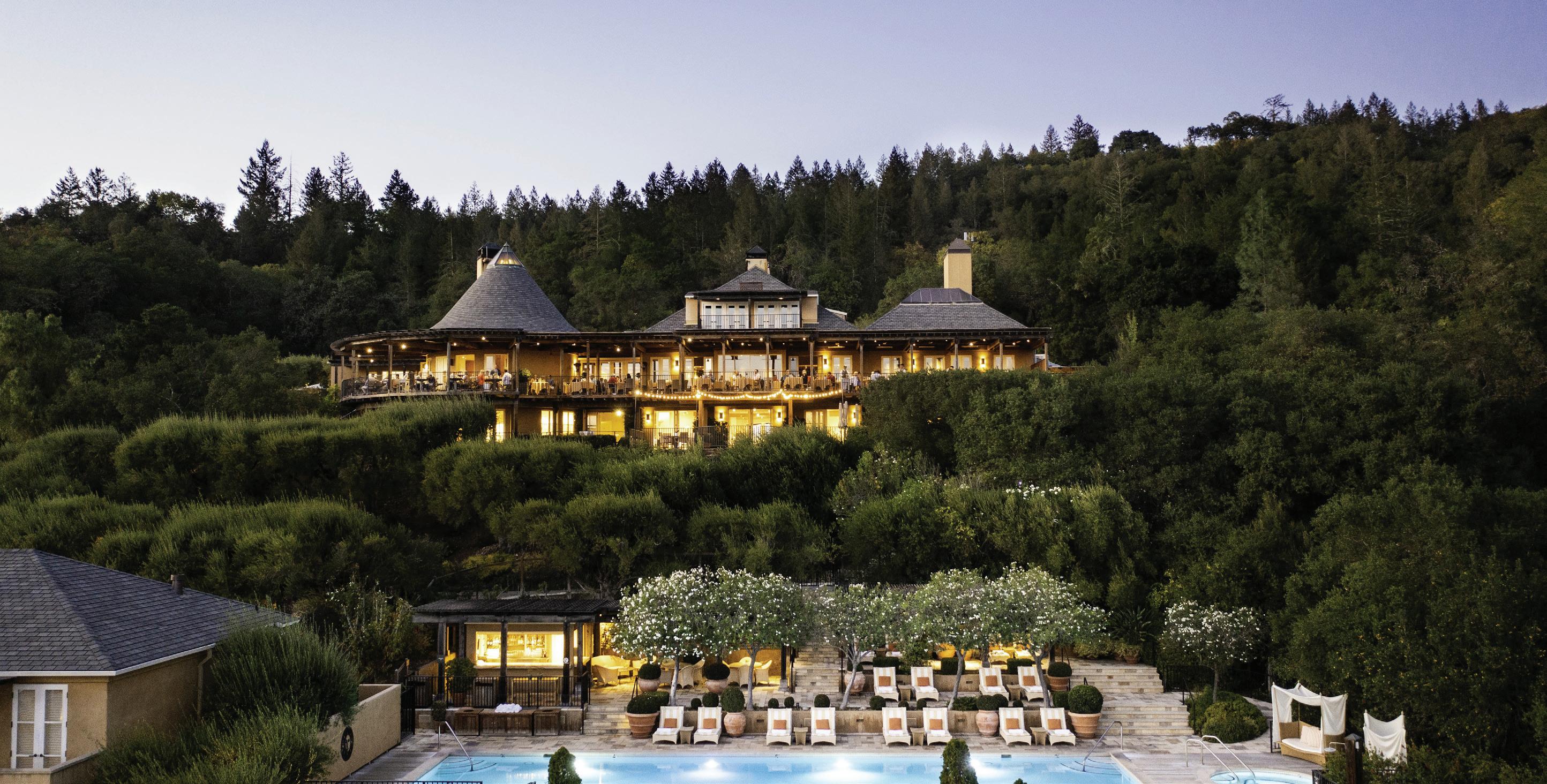
BY FRAN MILLER
Auberge du Soleil rises above Napa Valley’s Silverado Trail offering panoramic views toward Mount Veeder. It’s gated, discreet, and designed for travelers who value privacy as much as beauty. It is, in every sense, a destination for those who prefer the best of the best. For decades, the resort has held its place as Napa’s most luxurious hideaway.
Arriving at Auberge du Soleil feels like stepping into a soft, sun-washed dream. The silvery green canopy of the property’s former olive tree orchard borders Parc du Soleil, the resort’s .7-mile garden path dotted with whimsical sculpture curated by ÆRENA Galleries. Collectors snatch up pieces quickly, so the landscape evolves often, adding a sense of discovery with each visit. Lavender borders walkways, and the architecture calls to mind a relaxed Provençal manor.
Just past the entrance patio, the intimate lobby offers morning coffee, tea, pastries, and a selection of daily newspapers. Each evening, you’ll find cordials, digestifs, and freshly baked treats. Feel free to dawdle here in one of the easy chairs, but public areas are minimal by design. Beyond the restaurant and bar—local favorites—the resort is meant to be enjoyed in peaceful semi-seclusion. It never feels crowded, and the gated entry adds the assurance of safety and discretion.
With just 50 rooms and suites, Auberge du Soleil’s atmosphere of calm is aided by its adult focused environment, designed to promote an air of tranquility. Accommodations are housed
in French-inspired maisons, each containing four rooms— except Cannes and Monaco, which are standalone two-bedroom cottages. (Guests staying in these particular cottages are greeted with chilled Dom Pérignon and may enjoy breakfast served in-room.)
Inside my own maison, sunlight filled the space from morning to evening, warming the high ceilings and softening every corner. And the amenities—Nespresso coffee, sparkling water, complimentary wine (the hotel’s own label), gourmet snacks from beloved Napa purveyors, and a refrigerator filled with beverages—made it tempting to spend an entire day inside, and I did. Cozy furnishings invited me to settle in. My private terrace overlooked the vineyards and olive groves. My gas fireplace added comfort during morning and evening chill. And my deep soaking tub and its bath salts provided a soothing evening ritual. All I needed was a good read and some soft jazz to feel utterly satisfied.
Executive Chef Robert Curry, who has led The Restaurant at Auberge du Soleil since 2005, has upheld its Michelin star for an extraordinary 18 consecutive years. (His longevity mirrors that of many on the resort’s team, many of whom have been part of the Auberge du Soleil family for years. That consistency creates an atmosphere of genuine hospitality.) Chef Curry’s menus shift with the seasons. Lunch features two- or threecourse options; dinner expands into curated prix fixe menus of three or four courses. Ingredients are sourced with meticulous care, transforming each dish into something refined and richly satisfying.
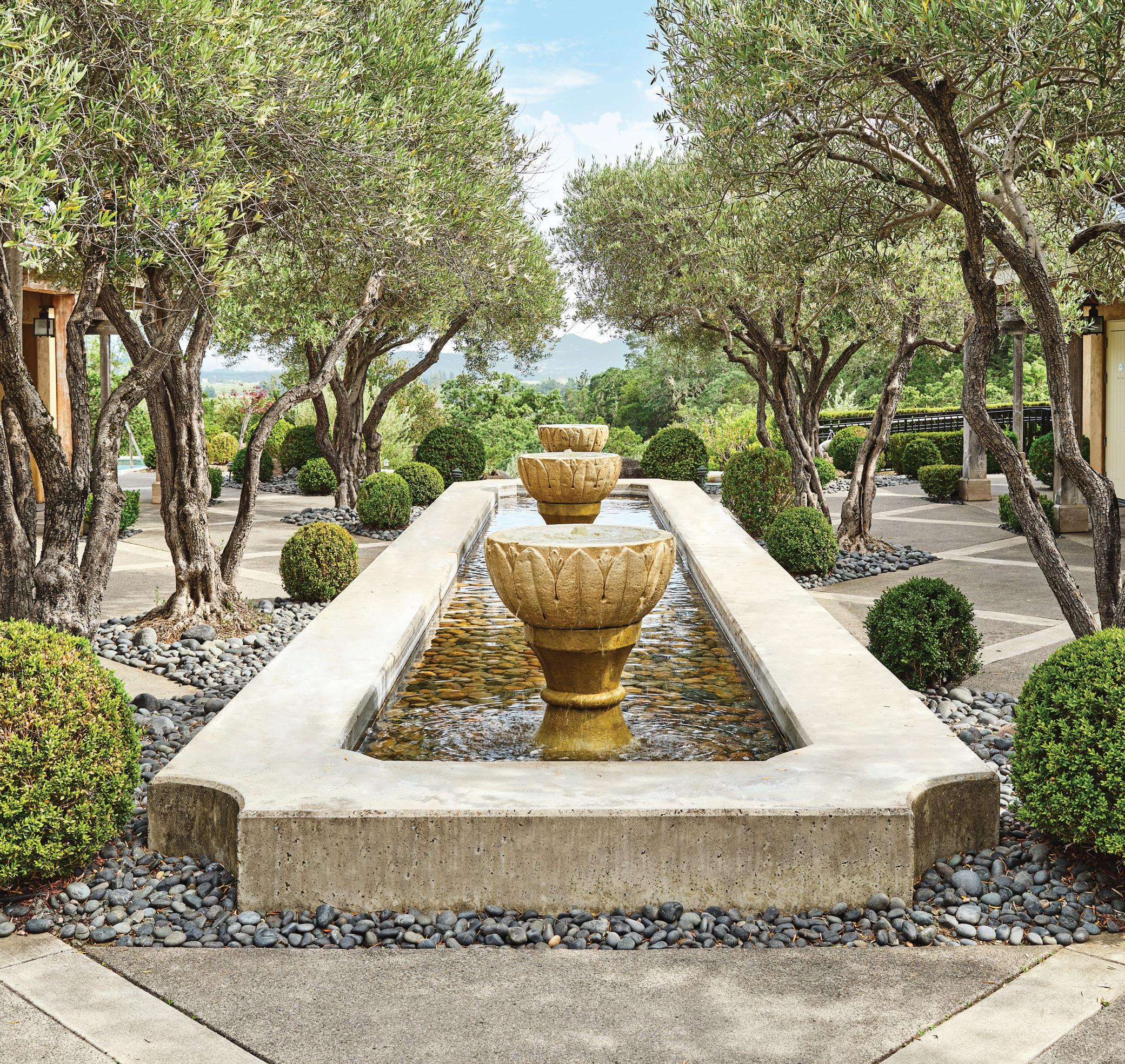
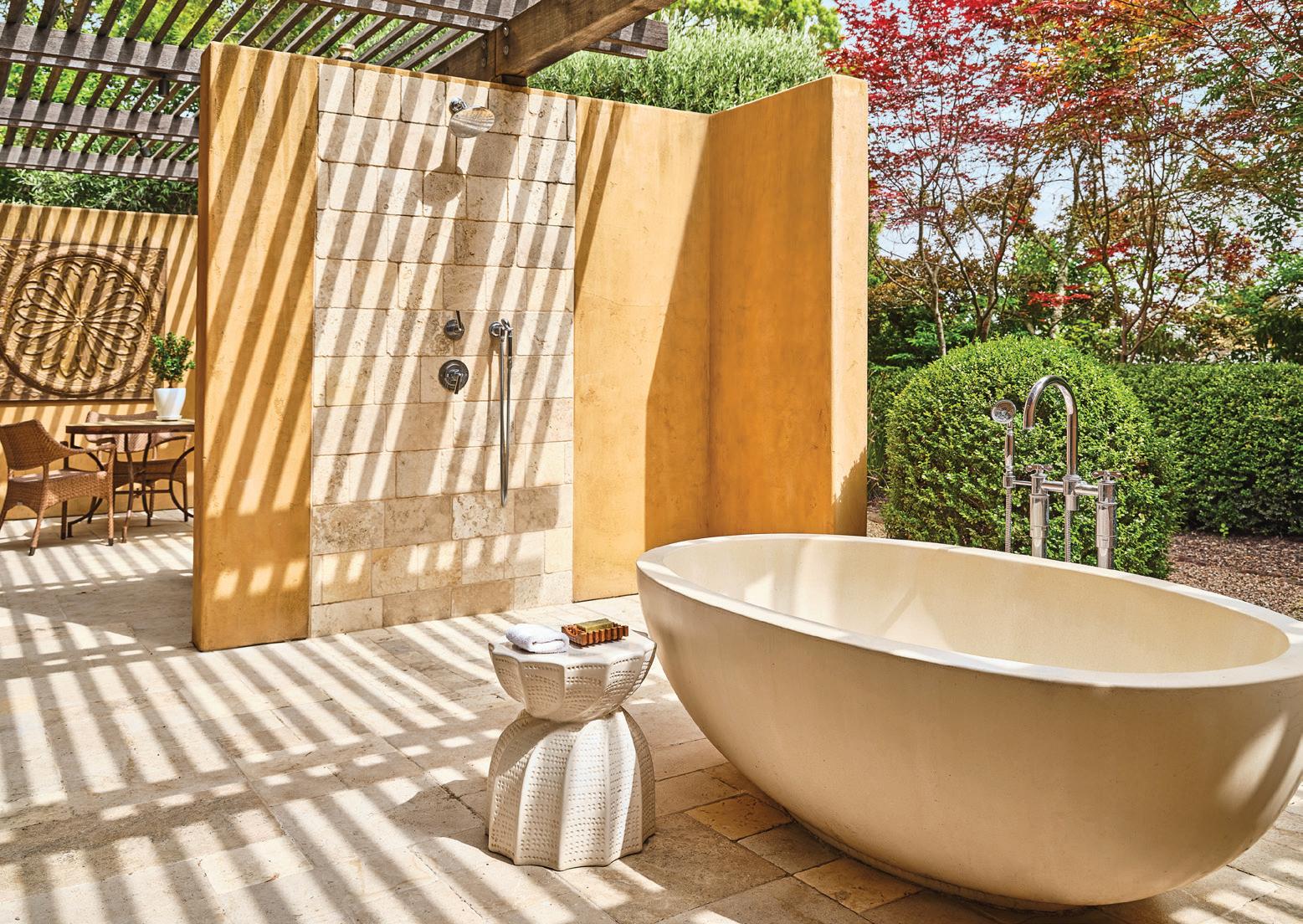
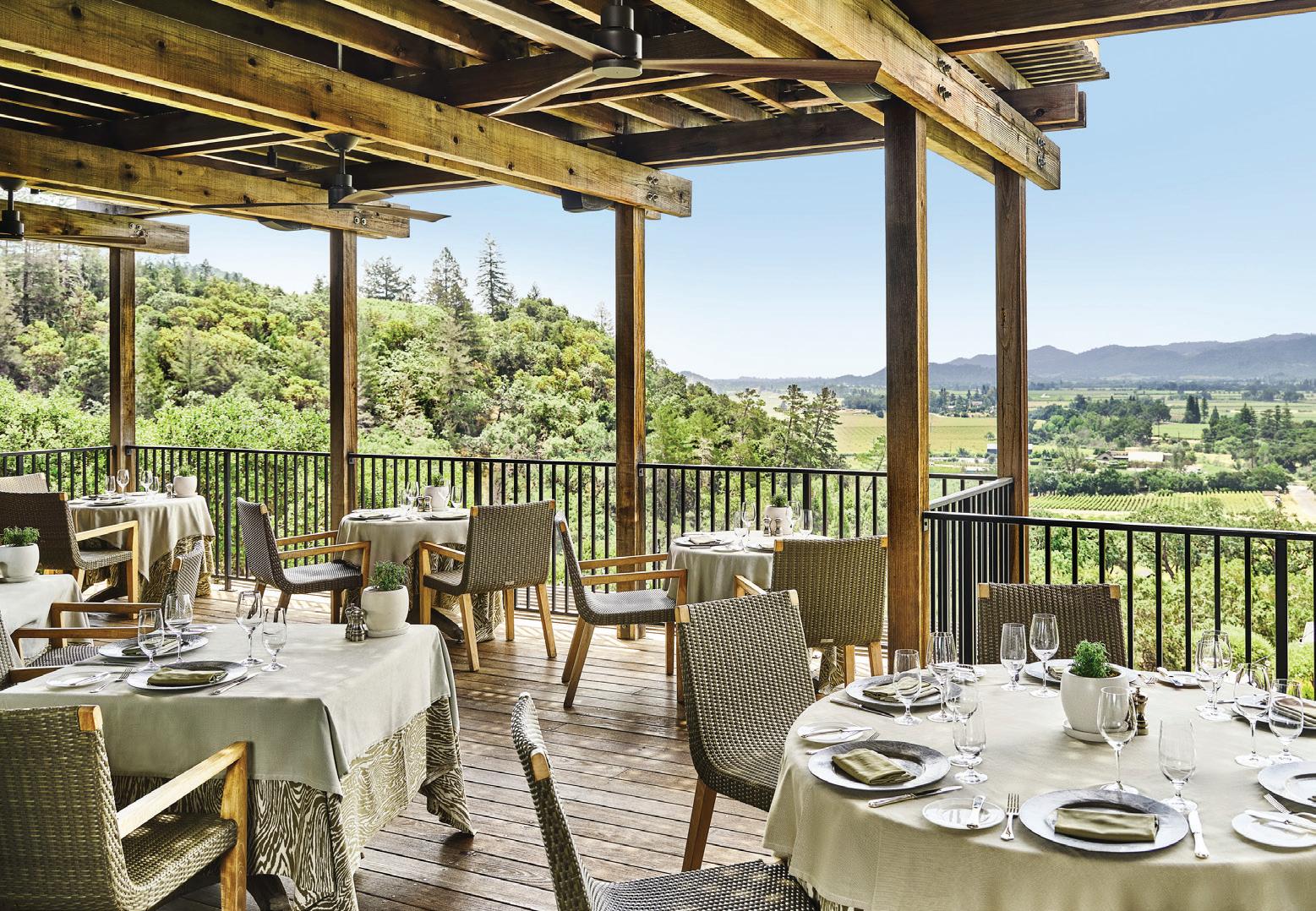
The dining room glows with the warmth of a fireplace, while the terrace opens to wide, unobstructed valley views. The wheeled Champagne cart, offering both domestic and international labels, remains a beloved touch, and the wine cellar—home to 15,000 bottles—understandably has earned Wine Spectator’s “Best of Award” for 29 consecutive years.
Nearby, The Bar welcomes guests and locals for relaxed meals, cocktails, and sunset viewing. And for a more intimate moment, the culinary team can prepare Picnic in the Parc feasts complete with linens, curated décor, and a private hillside setting. It has become one of the region’s favorite proposal experiences for good reason.
A sumptuous, made-to-order breakfast is included with every stay. The kitchen will start you off with house made coffee cake; that and a large cup of hot coffee might be all you need. But you’d be remiss not to delve further; the Eggs Benedict should not be missed. Enjoy your meal indoors or out.
The fitness center includes Peloton bikes, rowers, and indoor-outdoor free weights. The serene spa features six treatment rooms and outdoor thermal pools, including an infinity-edge hot tub that looks out over the valley below. Steam and sauna are directly adjacent, creating a thermal hydrotherapy circuit. On this visit, my husband had the place to himself. He sank into the infinity hot tub and watched the sun drift behind the hills, describing it as a moment of sheer bliss.
Although the resort is idyllically insulated, downtown St. Helena is only a short drive away. Stroll its boutiques, galleries, and Model Bakery, its famed English muffins of which are served at The Restaurant. Guests can take advantage of the gated property’s partnership with MercedesBenz. Licensed drivers can borrow a house car for up to four hours, ideal for visiting neighboring wineries such as Quintessa, Joseph Phelps, or Mumm Napa. (But again, one need not leave the property to experience the essence of the valley; on Thursday and Friday afternoons, hosted wine tastings are often led by the vintners themselves.) If you’ve arrived with your own car, you’ll park it directly near your maison for easy access—and there is no parking fee. A true rarity for a property of this caliber. (Complimentary valet is also offered.)
What truly makes Auberge du Soleil unforgettable is not just its views, its architecture, or even its Michelin-starred cuisine; it’s the way it makes you feel. A morning walk on the Soleil trail, an hour with a book on the terrace, an evening dip in the spa’s warm water, and finally a glass of wine by the fire… it all adds up to something more than luxury. It becomes a state of being; a state you’ll want to repeat time and again. And many do. The resort sees its fair share of return guests.
For travelers who prize privacy, security, exceptional service, and the kind of comfort that settles into the spirit, this hillside retreat remains the definitive Napa Valley experience: sunlit, elegant, and profoundly restorative. A stay here is sublime.
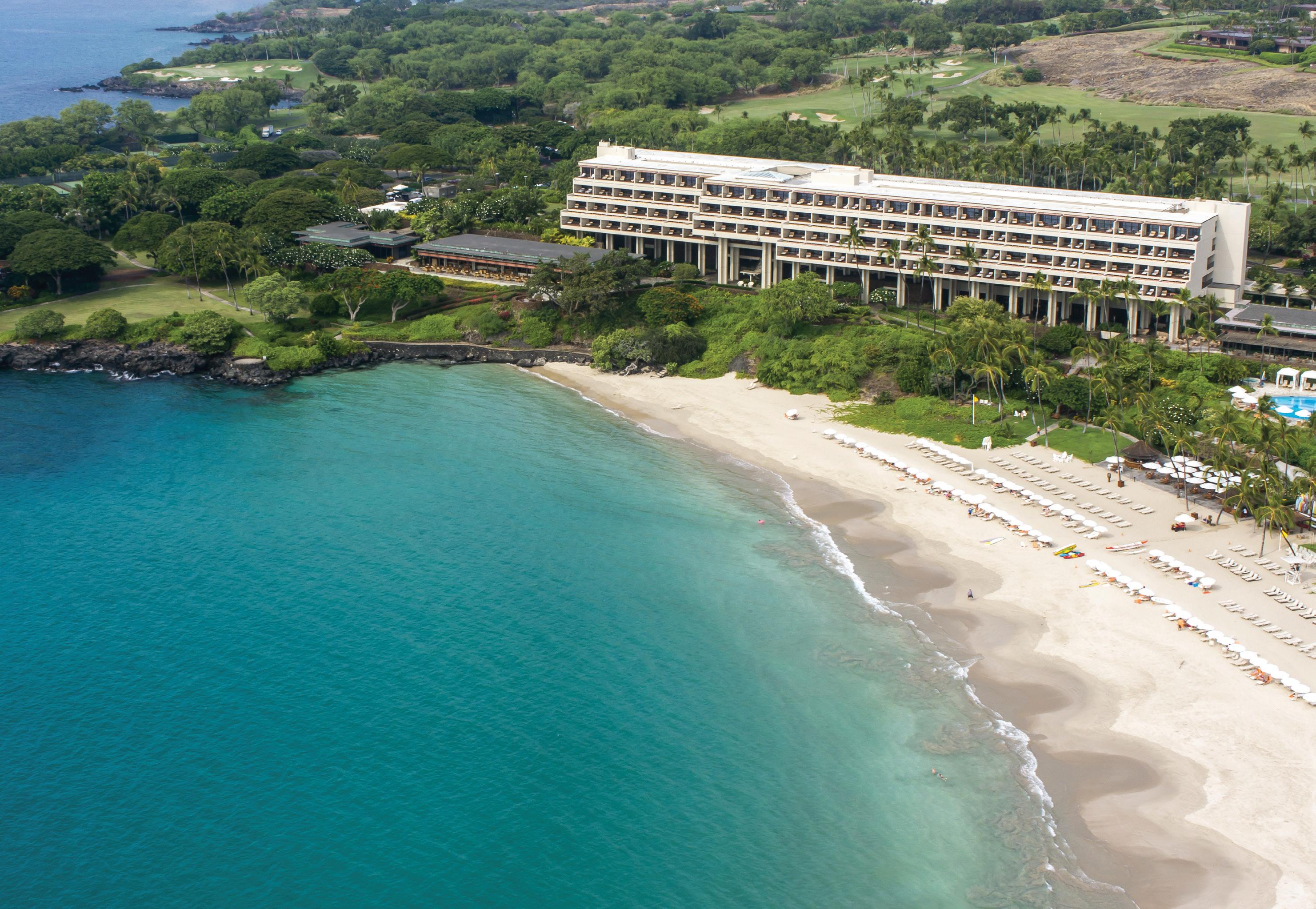
BY FRAN MILLER
WHEN MAUNA KEA BEACH HOTEL ANNOUNCED A multi-million transformation of its legendary Kohala Coast property, the phones started ringing. Emails poured in. Decades-long guests — the ones who’ve been coming every year since childhood, whose children now bring their children, who know the staff by name and the beach by heart — had a single, urgent message: “Don’t mess this up.”
They did not mess this up.
The story begins with Laurance S. Rockefeller. It was while swimming in the turquoise waters of Kaunaʻoa Bay, with clear views of the Maunakea summit, that the American conservationist and venture capitalist decided to build Hawaiʻi Island’s first resort. This was the early 1960s, and the site had nothing going for it except, well, everything: a perfect crescent of white sand set against an expanse of ancient black lava. There were no nearby highways, water sources, or
jet airports. Rockefeller built them, essentially to support his vision of a resort that would celebrate the landscape.
The original, mid-century modern building opened in 1965, taking advantage of tropical breezes and ocean views. The design was bold, a structure that today reads as Brutalist in its use of concrete and its clean geometric lines, yet it feels anything but cold. The open-air lobby dissolves the boundary between inside and out so completely that you register the ocean before you register the architecture.
The renovation goal was clear: preserve what Rockefeller created, and elevate it. The iconic blue tile flooring (by Sausalito’s Heath Ceramics) in the Main Lobby and original terrazzo flooring in the Beachfront Wing were preserved. The open-air architecture remains untouched. What changed is most everything else — the rooms, the dining, the pools, the spa, the fitness facilities — all brought to contemporary excellence. Legacy guests who walked back in at the 60th anniversary gala exhaled in something very close to relief.
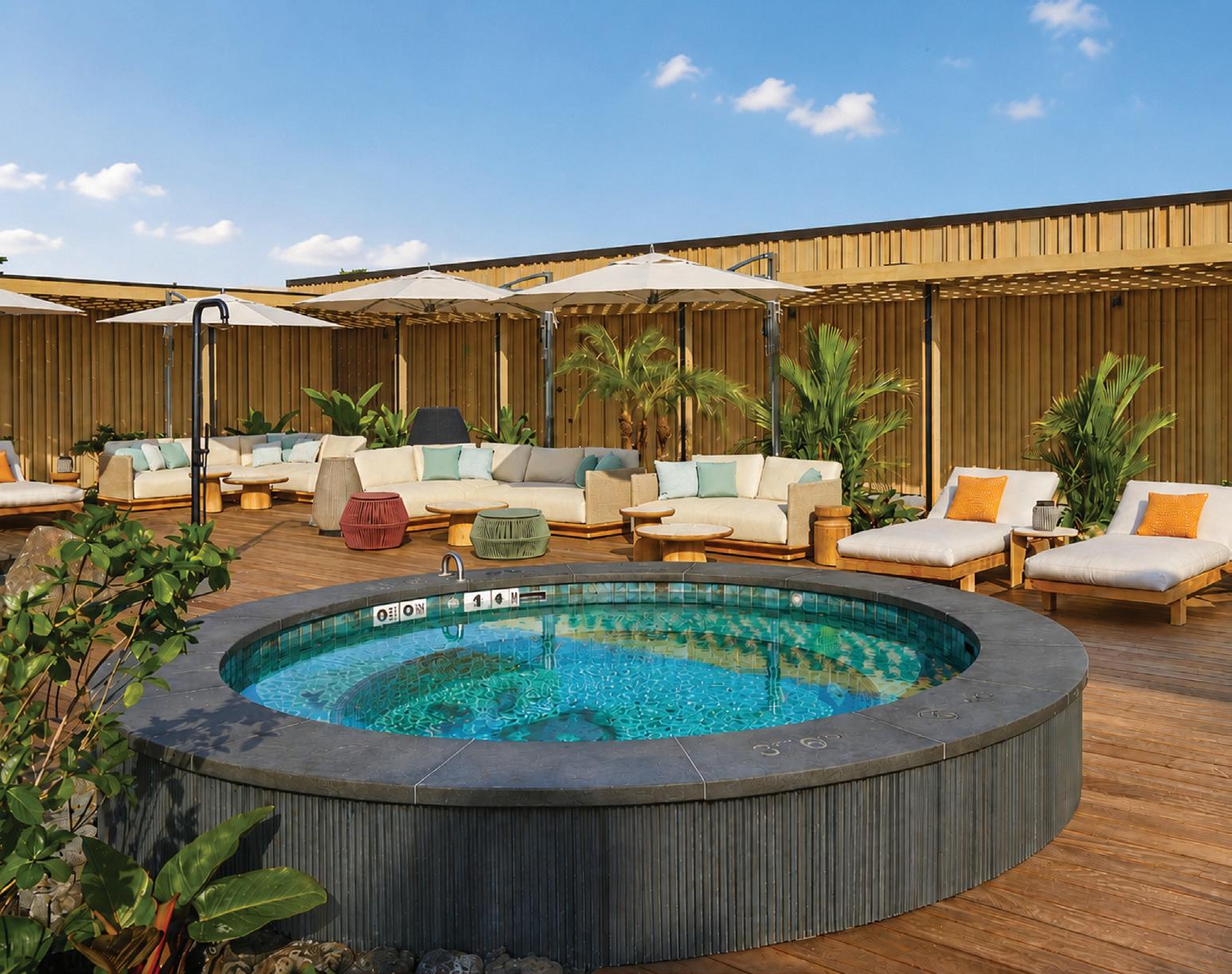
Rockefeller’s mother was co-founder of the Museum of Modern Art, and his brother Nelson founded the Museum of Primitive Art in New York City; Laurance was raised in a home where art was as much of a conversation as business, conservation, and philanthropy. That background produced something extraordinary at Mauna Kea: a collection of more than 500 works — Hawaiian quilts and kapa cloth, ancient Buddhist sculpture, artifacts from across the Pacific Rim and Southeast Asia — distributed throughout the property without a velvet rope or a wall tag in sight. Rockefeller wanted guests to feel the art as part of their private home, not as objects behind glass in a museum. An ancient granite buddha, for instance, sits in casual proximity to the spa entrance.
This approach is as radical now as it was in 1965, and it works. You turn a corner and find yourself face-to-face with something ancient and magnificent, and the absence of interpretive signage somehow makes it more powerful. As part of the renovation, the resort partnered with Honolulu’s Bishop Museum to refurbish and conserve the collection, ensuring these irreplaceable works endure for the next 60 years.
For guests who want context without placards, the Smartify app provides it elegantly. Point your phone at any work to discover provenance, history, and significance.
Kaunaʻoa Bay features water in a shifting palette of turquoise and deep blue. It’s calm enough for children, clear enough for snorkeling, and curved like a natural amphitheater. Skirting the bay’s edge is a coastal hiking trail that runs from the hotel along the water, winding past lava formations and dramatic shoreline, to The Westin Hāpuna Beach Resort — Mauna Kea’s sister property. The trail comes with its own app as well, offering guests interpretive points along the route.
Every one of the hotel’s 252 guest rooms and suites has been reimagined with the philosophy of honoring what was, and brightening what is. Local art anchors each. The furnishings are warm, and the details include filtered water stations that eliminate single-use plastic, and televisions that disappear behind sliding
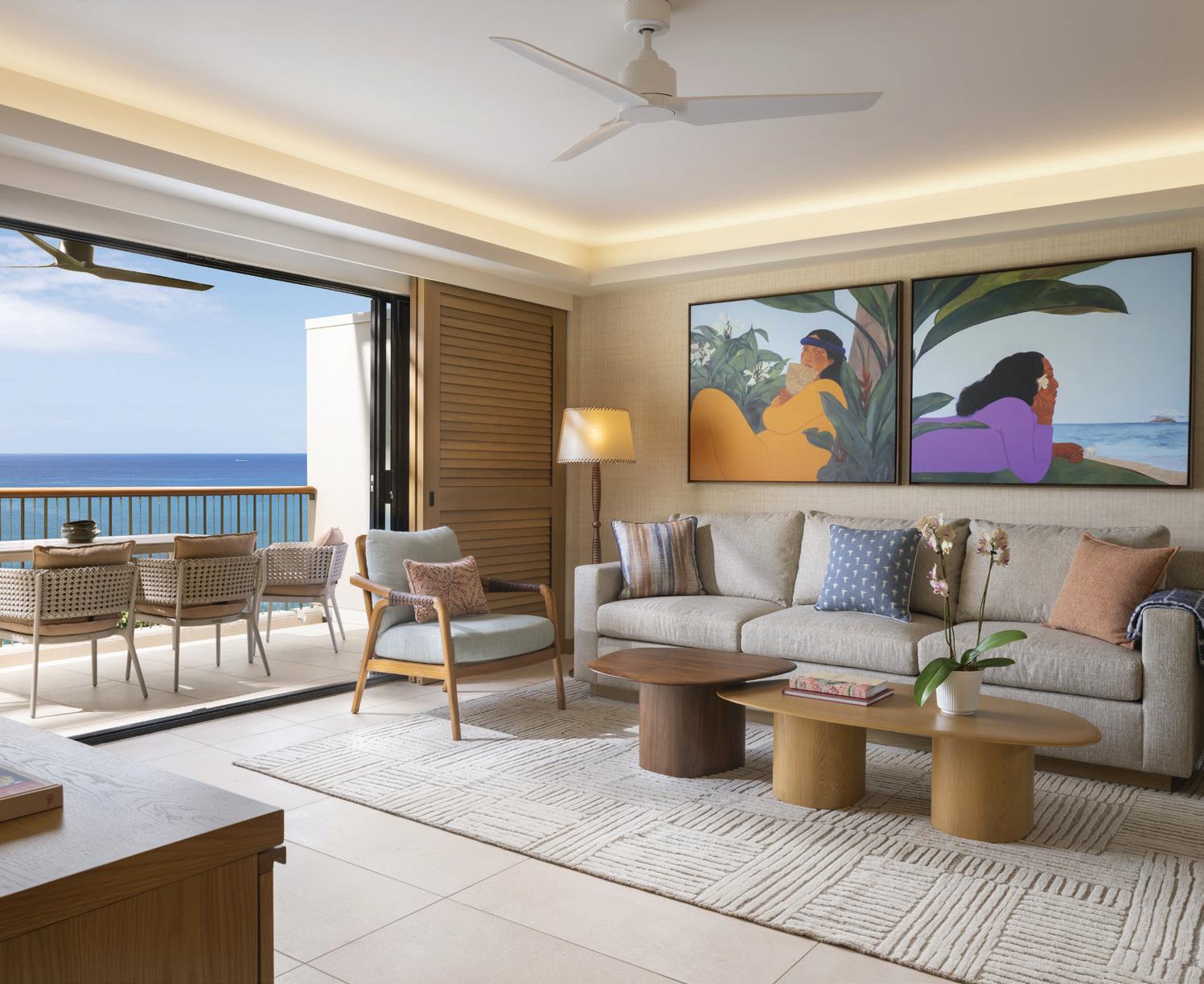
wooden screens, visible only when you want them. Louvered shutters allow the Kohala Coast’s famed trade winds to move through the room — the world’s finest air conditioning, free of charge. L’Occitane bath amenities add a note of Provençal luxury.
Mauna Kea’s dining landscape is one of its superpowers. Here, you don’t have to leave the property to eat well. The signature Manta restaurant, above the bay with unobstructed views, anchors the experience with Pan-Pacific cuisine. Hau Tree delivers in the shade of the property’s namesake tree, offering contemporary Mexican cuisine with an ocean backdrop. The Copper Bar pours well into the evening. The luau — a timeless Mauna Kea tradition staged on the beach lawn as the sun drops into the Pacific — is performance and feast. Dancers and musicians work alongside chefs presenting kalua roasted pig, poi, and poke in a stunning setting.
But here is what no dining guide tells you, and what should be reason enough for a stay on its own: the banana bread. Served as an amusebouche at breakfast, dense with ripe banana, it’s a revelation. Guests who have been coming to Mauna Kea for years mention it first when you ask what they love about the place. It is a small, yet perfect thing.
The new Spa at Mauna Kea is one of the renovation’s crown jewels. The facility features eleven indoor and al fresco treatment rooms, steam and sauna, a movement pavilion, and a spa vitality pool. Every treatment begins with an oli, a traditional Hawaiian chant, an invocation that immediately signals you have left the ordinary world behind.
The Lomi Lomi massage — the traditional Hawaiian healing practice, performed with long, flowing strokes that move the body as the ocean moves — is the treatment to seek out here. In the right hands, it is a negotiation with tension you didn’t know you were carrying. Practitioners trained in this tradition work not just the body, but the breath, the rhythm, and the space between.
The terrace with its outdoor pool, hot tub, and cushy chaise lounges is worth an entire afternoon on its own. Inside, a cold plunge and hot tub complete the contrast therapy circuit. You might pop in for just your treatment only to find you’ve whiled away an entire afternoon.
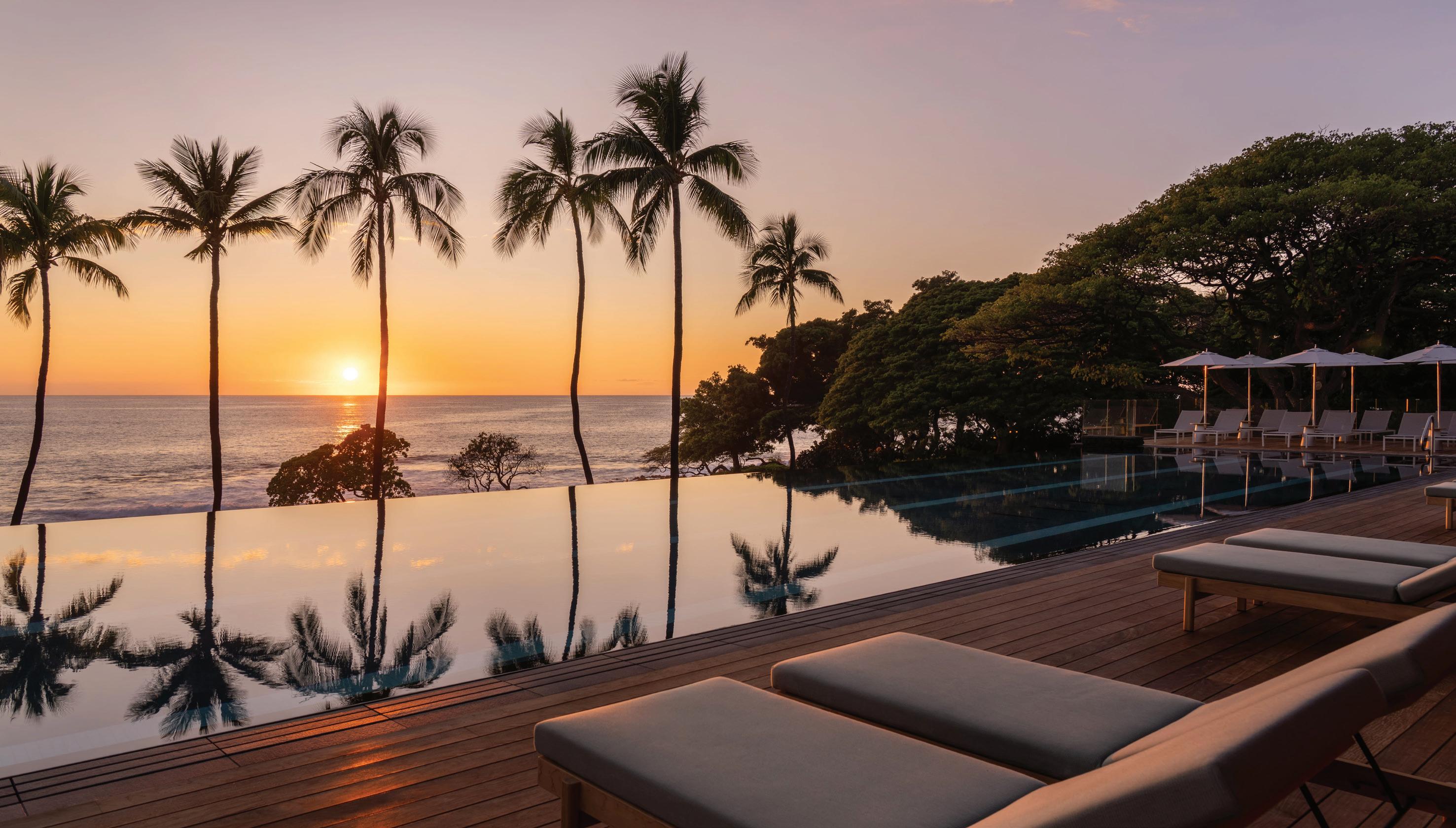
The fitness center, too, has been given prime real estate, a rarity in resort design, where gyms are so often relegated as afterthoughts. Here, floor-to-ceiling windows look out on a genuine view. It’s spacious, sparkling, and outfitted with the best equipment.
Of everything on offer at Mauna Kea, nothing quite prepares you for its Manta Ray experience. At night, a light positioned in the shallows draws plankton to the surface; the plankton draws the mantas; and the mantas, enormous and otherworldly, arrive to feed.
The experience is managed by Martina Wing and Manta Ray Advocates, whose program is the only swim-out manta encounter on the island. Martina has been swimming with manta rays for almost three decades and is the most experienced female manta ray guide along the Kona coast. She knows what works best for manta rays and guests, and is all about raising awareness and spreading knowledge about the gentle giants of the sea.
I was part of a small group that waded in from the beach, swimming a short distance to where these majestic creatures move through the lit water. There we were, masked and flippered, when a shape the size of a dining room table materialized beneath us. She rose through the light, white-bellied and impossibly graceful, to feed on plankton mere inches from our faces. It was one of the most thrilling aspects of my many, many Hawaiian visits through the years.
The activities menu extends generously across the bay. Paddleboards glide out from the beach in the early mornings; an outrigger canoe program takes guests out in traditional Hawaiian canoes with guides who explain the culture of canoe voyaging, the stars used for navigation, and the relationship between this coast and the ocean that shapes it.
The cultural programming on land includes hands-on workshops in traditional Hawaiian crafts. I spent one morning learning to weave a haku lei, the braided flower crown worn for centuries by hula dancers and Hawaiian brides, and a keepsake no gift shop purchase could replicate.
The recent 60th anniversary celebration was the party the hotel deserved. The beach lawn overlooking Kaunaʻoa Bay was the setting: a four-course dinner blended classic and modern island cuisine, there was live music, dancing, and as the evening reached its peak, fireworks exploded over the bay. The governor attended. Legacy guests who have been coming to Mauna Kea since the 1960s stood alongside first-time visitors discovering what all the reverence is about – myself, one of them. (I am now a devoted fan.) The spirit on the lawn, by the water, under the Hawaiian sky, was joyful.
There’s a reason guests keep coming back across generations, and it isn’t only the banana bread or the mantas. It’s the staff. Warm, genuine, knowledgeable about the place they work in, everyone is skilled at making guests feel not like visitors but like family returning home. The aloha spirit is a real thing at Mauna Kea; you feel it in the morning when someone remembers how you take your coffee, and in the evening when someone asks how the snorkel went. It’s not performative; it’s simply how people are here.
That particular texture of hospitality is perhaps Rockefeller’s most enduring legacy. He built a hotel that he wanted to feel like a private estate, a place where everything was cared for and everyone was welcome, where the art and the land and the ocean and the people were in conversation with each other. Sixty years on, after the most ambitious renovation in its history, the conversation continues. The legacy holds.
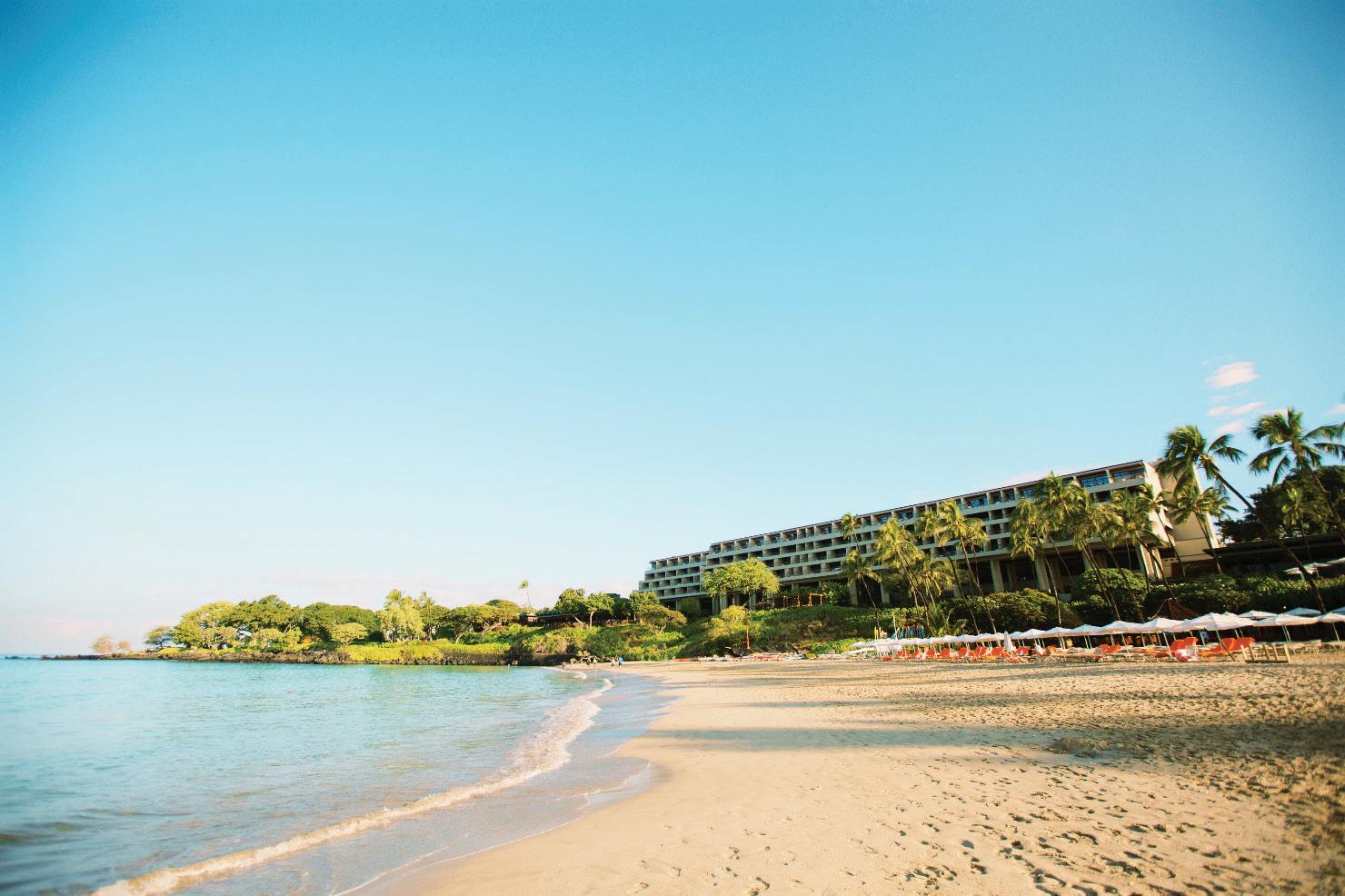
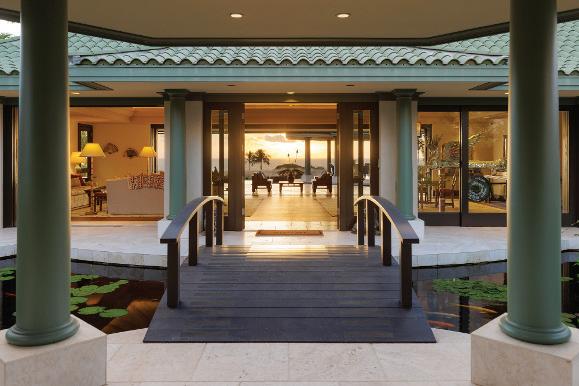
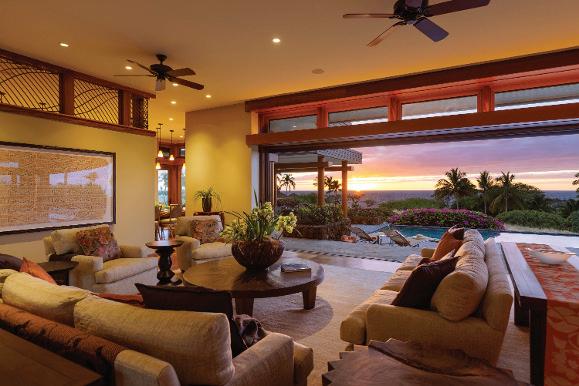
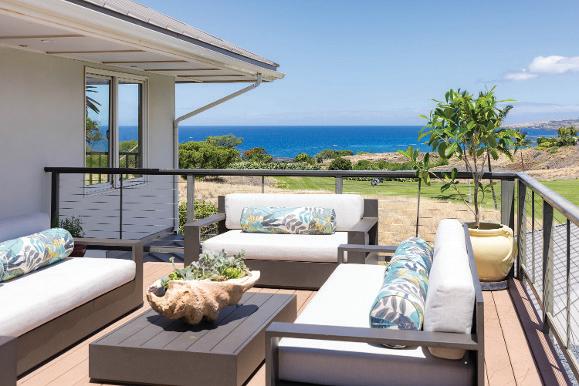

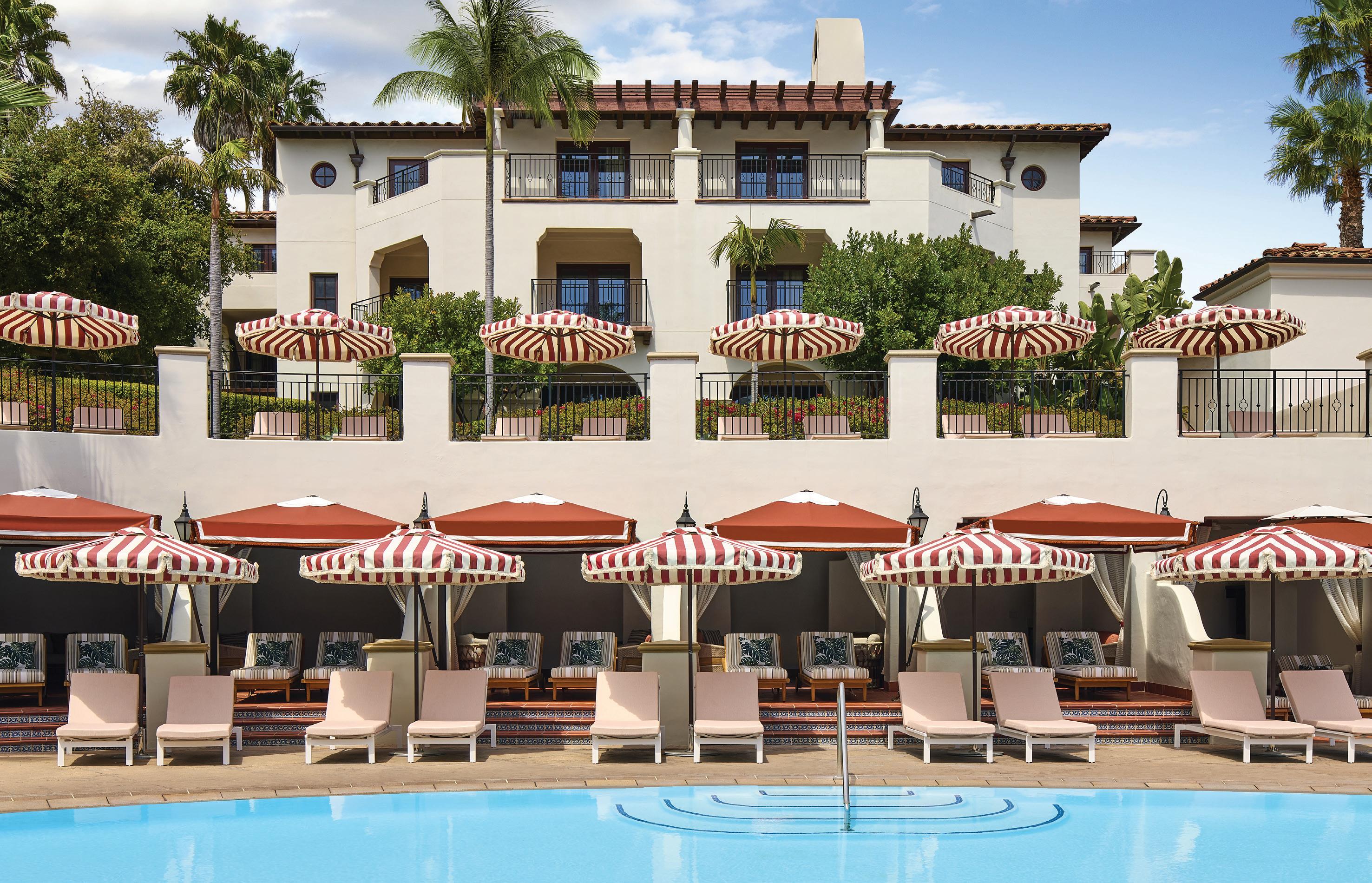
At twenty-five, The Ritz-Carlton Bacara deepens its understated elegance along the Santa Barbara coast.
BY CLAUDIA CASTILLO ROSS
SOME PLACES OVERSELL THEMSELVES. BACARA NEVER has to. It sits, quite literally, on a bluff — a Spanish-tiled vision spread across 78 acres along the Santa Barbara coast, where the mountains lean toward the Pacific and the light goes gold by four o’clock. North of Santa Barbara, past the polished town and toward quieter Goleta, the scenery softens and the crowds thin. It’s here, on land once inhabited by the Chumash at the mouth of Tecolote Canyon, that the resort waits, its name a blend of Barbara and Anacapa. Bacara makes a quiet promise of beauty.
I first knew this place as a student at UC Santa Barbara, when the resort was new and I had no rea understanding about the need for relaxation and luxury, yet at the time, I knew it was special. What has always distinguished Bacara is restraint. When Kelly Klein (I’m a huge fan) photographed it in those early years, the images were remarkable for what they withheld — no excess, no staging, just a place confident enough to be shot plainly and still look extraordinary. That confidence is the through-line, and it has survived every transition the property has weathered.
This year, in honor of its 25th anniversary, Bacara underwent a multi-million-dollar transformation overseen by the celebrated hospitality firm Meyer Davis — a thoughtful reimagining of the lobby, guest rooms, restaurants, pool experience, and public spaces. The achievement here is a subtle one: they didn’t reinvent Bacara. They deepened it. As Meyer Davis co-founder Gray Davis has described it, the intent was an immediate sense of place — a quiet elegance built from natural materials and rich textures, grounded in the land and its history, inviting a slower pace. That ambition is felt the moment you arrive, sweeping down a lush, tree-lined road off the 101 toward a grand circular entrance and fountain. The vast lobby greets you with cream sofas and a stone fireplace — though the real welcome may be the Chandon Champagne trolley, where a cheerful greeter (most likely a UCSB student) offers a complimentary pour before you’ve even found your room.
The accommodations themselves unfold across 358 rooms and suites tucked into nineteen California hacienda-style villa buildings, ranging from one to four stories, connected by sloping garden
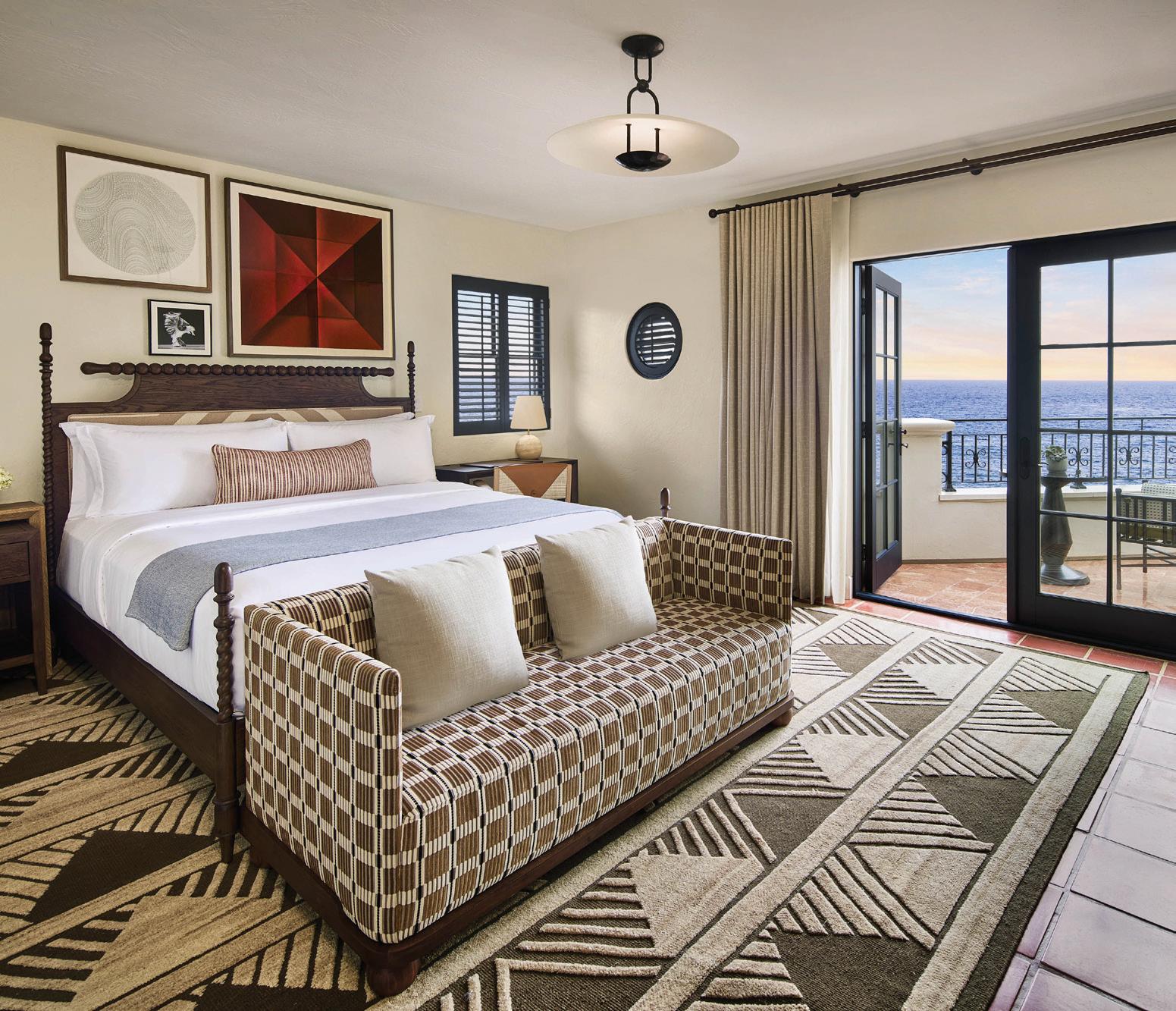
pathways. The residential feel is deliberate. Each room carries that unmistakable sense of luxury you feel in your shoulders the moment you set down your bags — the finishes lighter now, cleaner, distinctly California coastal, the Spanish architectural soul fully intact. The property remembered who it was and simply stood up straighter. What Bacara does effortlessly is hold contradictions in balance. It is a serious luxury resort that is also genuinely warm to families. There are three saline infinity pools, direct beach access down to Haskell’s Beach and its celebrated surf break, bluff-top trails for scenic walks along the shore, and Ritz Kids programming (my kids were huge fans) for the little ones — alongside distinctly grown-up pleasures. The fourstory spa is a destination unto itself: 42,000 square feet, 36 treatment rooms, an adults-only pool, and a serene rooftop lounge with breathtaking ocean views. For those who upgrade, the Ritz-Carlton Club Lounge rewards the choice generously, with all-day access to breakfast, a light lunch, high tea, snacks, desserts, and drinks. Golf is at hand. Bacara never asks you to choose between indulgence and ease — it assumes you came for both.
As a polo player myself, I was delighted to learn the resort has become the official hospitality sponsor of the 2026 Santa Barbara Polo season — a tradition that has flourished here for more than 130 years. The resort’s new Polo Club Experience carries guests to the field in style, with roundtrip transportation, premium reserved seating exclusive to resort guests, and a complimentary bottle of wine and charcuterie board to enjoy from the sidelines. The season runs May through October across twenty-two Sundays of competition, complete with opening ceremonies, themed afternoons, halftime entertainment, and the beloved ritual of divot-stomping. It is the kind of pairing — sport and sun and a glass in hand — that Bacara seems made for.
And then there is the dining, where the resort’s latest chapter becomes impossible to miss. Lulio, the Mediterranean restaurant, sets a warm, transportive scene — woven tapestries, rattan chairs, an ocean-facing patio anchored by an outdoor fireplace — with a kitchen unafraid to surprise, from black garlic meatballs to Brussels sprouts cooked in pineapple, and a wine list that proudly champions the Central Coast.
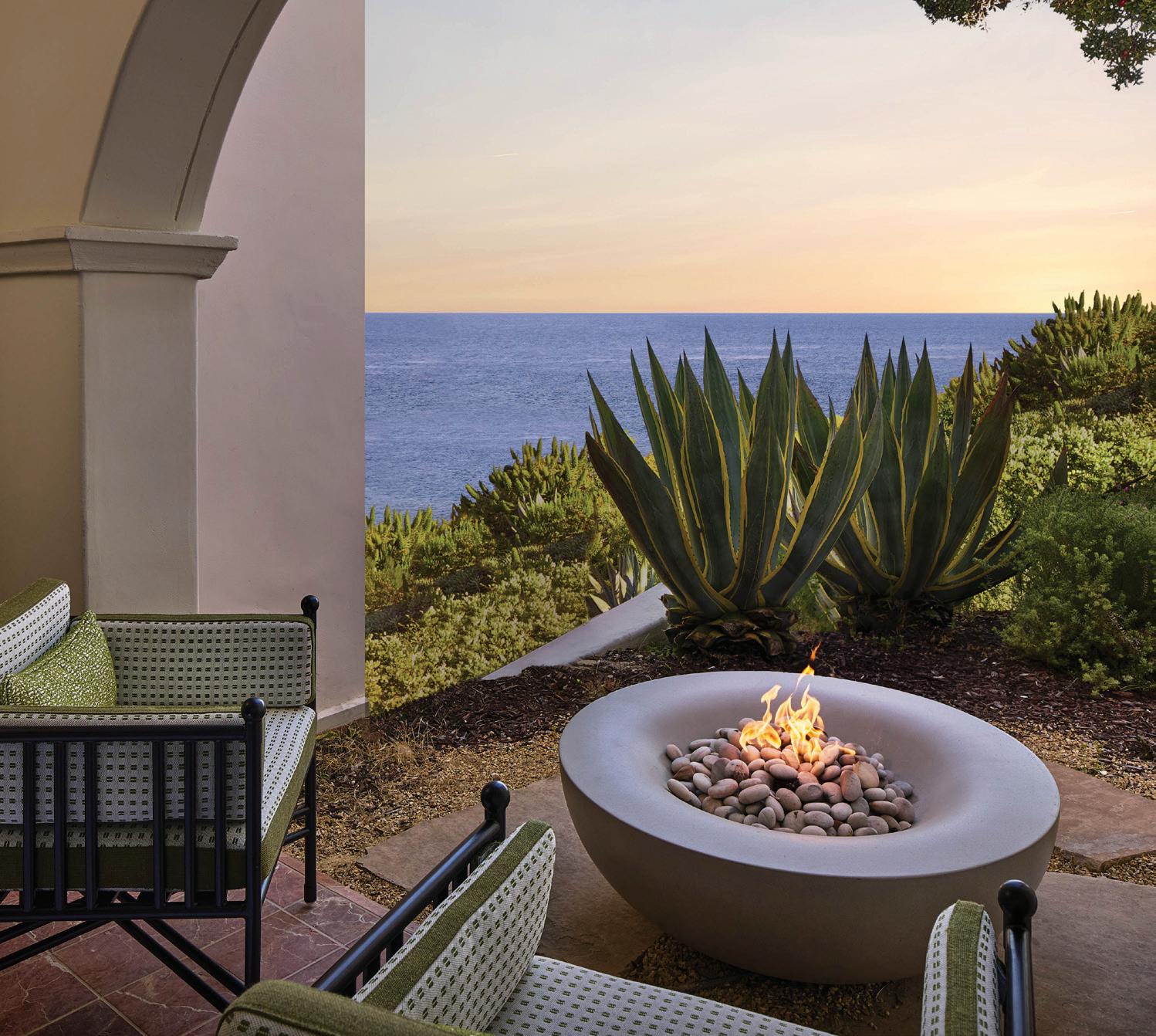
But the property’s crown is Marisella, the coastal Italian restaurant from two-Michelin-star Chef Danny Grant. The name means “star of the sea,” and the room earns it — light-filled by day, romantic by evening, perched above the Pacific in a way that makes the ocean feel like part of the table. Grant draws on Amalfi Coast traditions and the bounty of California’s own land and sea: handmade pastas, local seafood, wood-fired meats. It is refined without being precious, exactly the register this coastline deserves. The wine list is thoughtful and unhurried — and I’ll admit a quiet pride that our Ross Ranch & Vineyards Estate Cabernet Sauvignon has found a place on it, a small Knights Valley thread woven into a table above the Santa Barbara surf.
For those who want to go deeper into the craft, the resort has introduced a Winemaker for the Day experience in partnership with McKinney Family Vineyards. Priced from $18,400, it goes well beyond a tasting or blending session: participants work alongside the winemaking team to craft a custom wine that is actually produced, bottled, and labeled exclusively for them. As someone who knows intimately how much patience and love a single bottle demands, I find there’s something wonderful about a resort willing to hand a guest the keys to the cellar.
Bacara has also opened its doors to those who wish to stay close year-round. The new Bacara Club Membership extends the resort’s signature coastal luxury to locals and frequent visitors, with access to the spa and wellness facilities, the adults-only pool, tennis amenities, dining and retail privileges, preferred room rates, and a roster of member-only perks — a graceful way to make the property a part of everyday life rather than a once-a-year escape.
Yet the truest measure of Bacara isn’t the architecture or the dining or even the view. It’s the service — that unteachable instinct for anticipating what you need before you’ve thought to ask. It’s the warmth at the valet stand, the easy grace of the staff, the sense that every detail has been considered on your behalf. It is the reason a property of this scale never feels like a machine. It feels, improbably, like something closer to home.
The photographs that first drew me in, all those years ago, weren’t exaggerating. If anything, they undersold what was coming.
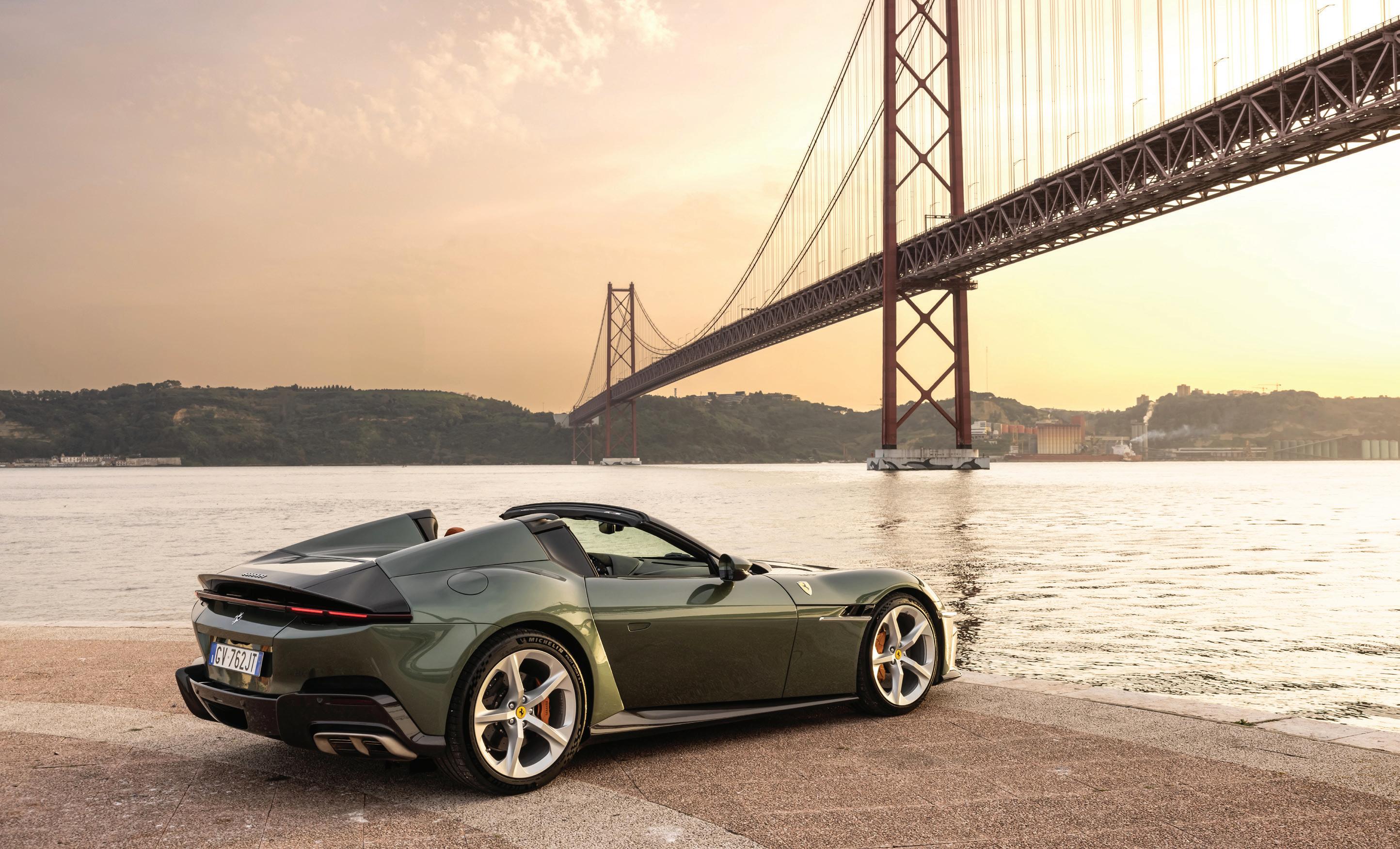
They do make ‘em like they used to … thankfully!
BY TIM LAPPEN
THE FIRST THING YOU NOTICE WHEN EXPERIENCING THE Ferrari 12Cilindri Spider (or, as Ferrari often denotes it, “Ferrari Dodici Cilindri,” which means “Ferrari 12 Cylinder” in Italian) is its overall shape. The car’s outline greatly resembles the legendary and world-dominating mid-century Ferrari road rockets, those of hood (“bonnet”) long and tail (“boot”) short, all the better to ensconce the lucky driver and passenger and their luggage while being motivated by a prodigious V-12 motor. Ah, that sweetly sonorous engine: to some tifosi (“rabid fans”), that’s truly the automotive ASMR creator. Ferrari points out that the concept behind this new machine “draws inspiration from open-topped Ferrari Gran Turismo models of the 1950s and ‘60s” — how beautifully they have brought that concept to life.
You will note that Ferrari named it excluding the space between “12” and “Cilindri,” as they have done with other models on several occasions. Maybe, like the cars that they create, they’re always in a hurry. Regardless of the genesis of that nomenclature, this car is no poseur as it has all of the class, nimbleness, and oomph required to be a top-tier two-seater grand touring convertible.
This is the part of the story where we typically would mention the supercharger or the twin-turbo and all of the power and torque that come from that setup. However, this is a naturally aspirated car, meaning that it breathes unfettered and unboosted air. That allows for a much more responsive accelerator pedal and a more appealing sound, unmuffled by any blockage of the intake or exhaust sounds. And when you buy a Ferrari, the
sound alone is worth the price of admission. So why not enjoy it, especially when this twelve-pot engine can redline at 9,500 RPM? It has the scream of the banshees, and I mean that in a good way. Some cars foreshadow their arrival with clever grilles, fancy headlights, and multi-straked running lights. Ferraris arrive with great aplomb, being at once gorgeously elegant and menacingly snarling. The 12Cilindri does all that and more, especially at a time when all-electric seems to be the current moteur de jour. This is a car that joyously lights up any scene (and tire).
Now, it’s time for the fun facts. With 820 horsepower and 500 ft-lbs of torque from its 6.5-liter V12, this machine hits 60 in under 3 seconds and sings all the way to 9,500 RPM. Those stats, when coupled with the looks and sound of this primo machine, typically bring the buyer home. The looks and performance of this machine are next-level.
As much as Ferrari is highly (and deservedly) proud of its heritage, it’s also on the cutting edge of innovation and execution — thanks in no small part to its legendary racing heritage. For example, the torque of the prodigious engine is actually modified automatically, depending upon the transmission gear that the driver has chosen. This is a remarkable feat of software engineering, present for the very first time in a car with a naturally-aspirated engine, and it provides smooth and almost seamless acceleration as the driver rockets through the gears. As is their wont, Ferrari has also included the most sophisticated emissions-reduction system ever to comply with the always-more-stringent air quality standards.
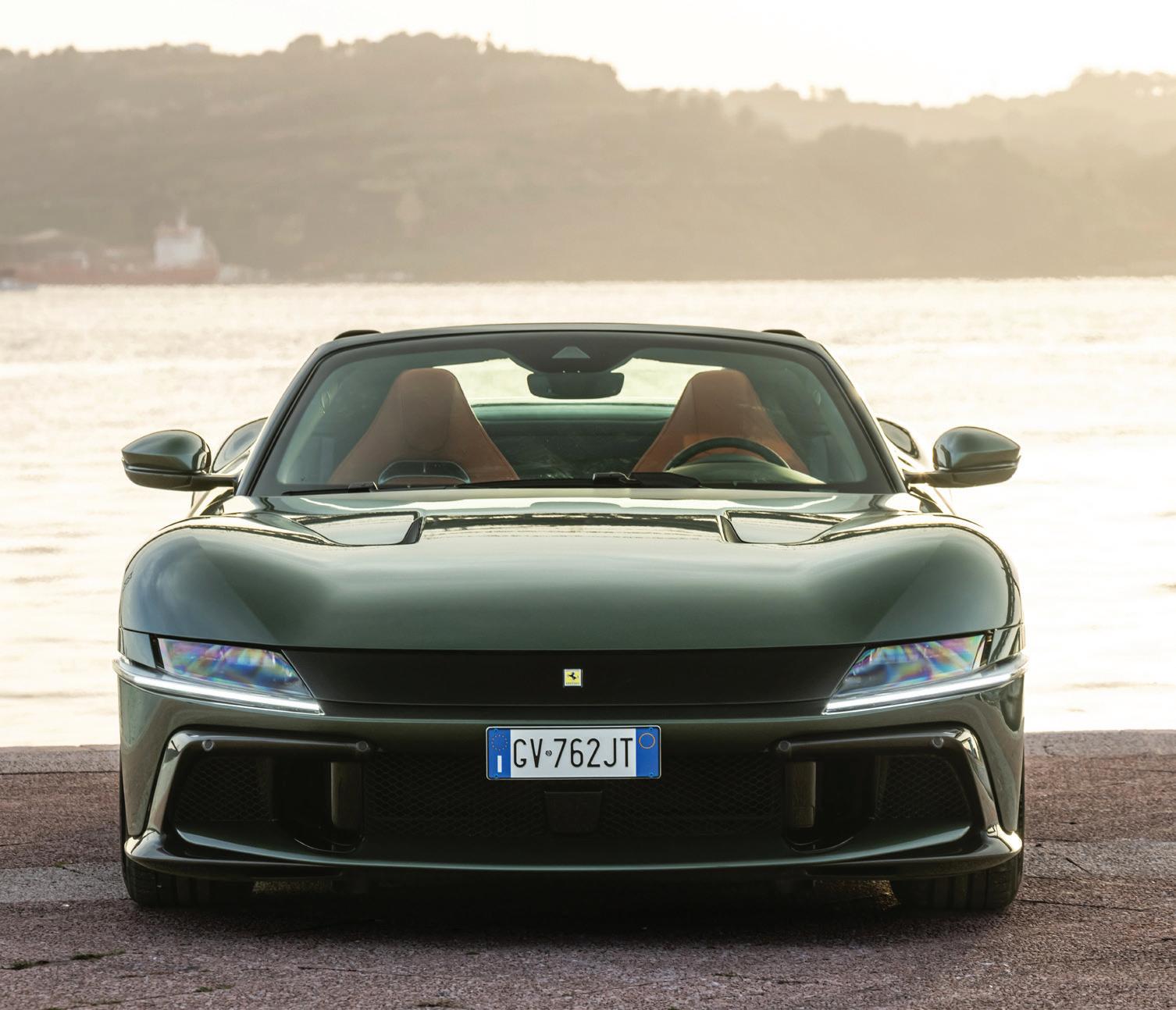

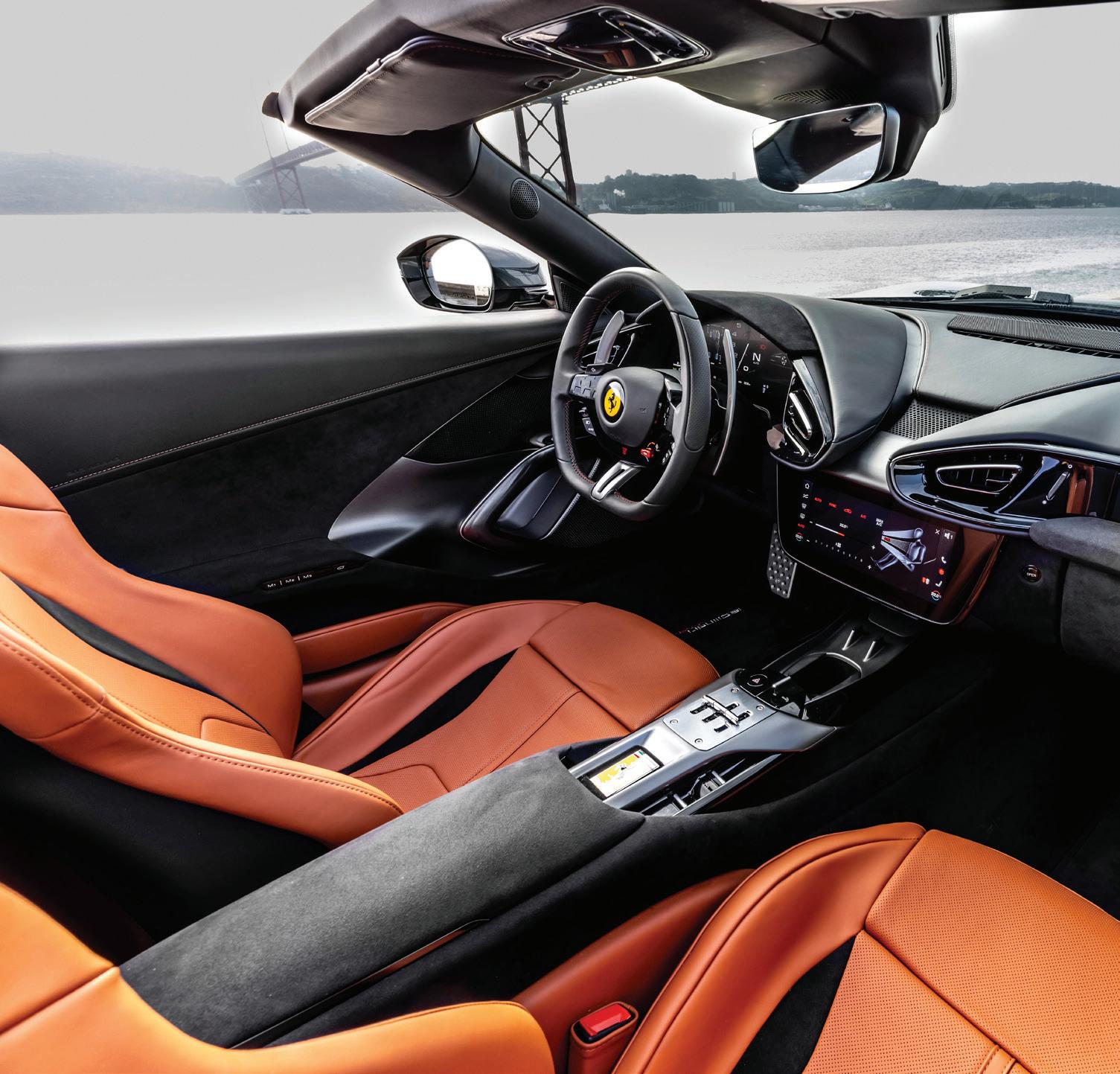
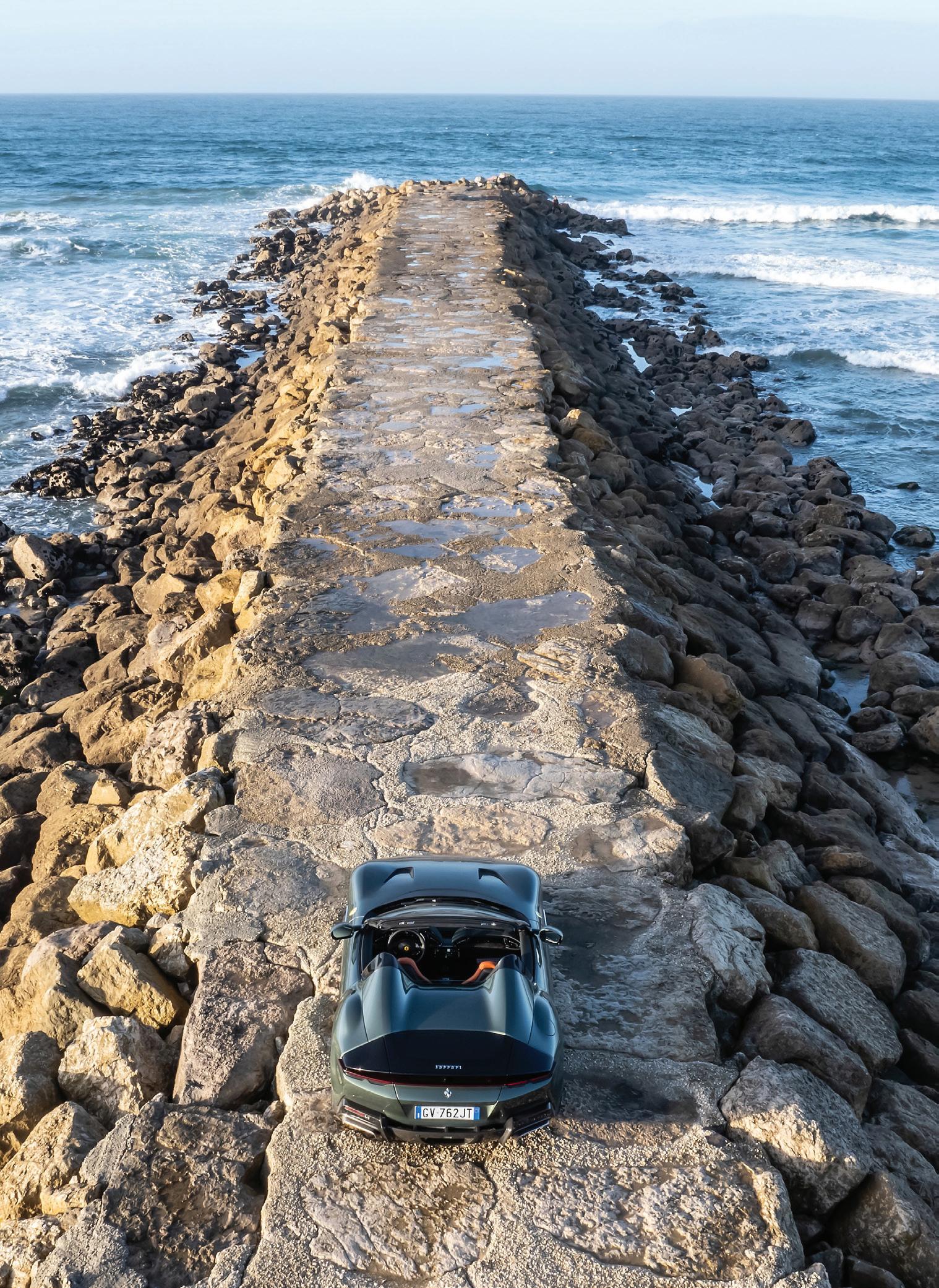
Back to the original concept of the look of this wondrous machine, the stance is like a tiger getting ready to pounce, emphasized by the long nose / short tail and further enhanced by the stately 21” rims that, depending upon the buyer’s desire (and budget), can be shod with low-profile tires framing colored-to-order brake calipers (“mine” wore gold, thank you very much). And while we’re on the topic of the build sheet, take a gander at carbon fiber bits and pieces (engine covers, filter box cover, front spoiler, etc.), which added another five large to the total. Starting with a base price of $507,000 and change, my ride ended up with a total of $661,364 and I thought that each of those options provided the perfect complement to an awesome car.
How did I love my multi-day loan? If you’ve read this far, can there be any doubt? Sliding into the driver’s seat of a new Ferrari is an experience not to be missed. A few tweaks of the Manettino (the Formula One-inspired switch on the steering wheel to adjust settings like throttle response, traction control, sound, and so forth) and then the shiny-red “Start” button brings the dragon out of its lair. The sound of a V12 Ferrari start up is second only to the sound of a V12 Ferrari at full honk (but if you keep that sound going for too long, you’ll hear sounds of law enforcement coming from behind you). Going through the hills around Malibu, accelerating through sweepers, calling forth the immaculate throttle-blip-enhanced downshifts, and the cornering as precise as a hot knife through butter — what’s not to like? Yet with all of the swagger and performance of a track car, the 12Cilindri knows how to behave and is perfectly docile when it needs to be, even in stop-and-go traffic. This is Los Angeles, after all, so no road test would be complete without that slog. And with a convertible hard top that can disappear and reappear in mere seconds, it truly is a car for all reasons and for all seasons.

Inside the Luce, the Prancing Horse’s First Electric Gamble
BY KEVIN O’CONNOR
FOR 79 YEARS, FERRARI’S IDENTITY HAS BEEN INSEPARABLE from the sound and fury of the internal combustion engine. That era officially ended this past May, when the Italian marque unveiled the Luce, its first fully electric production car, beneath the soaring glass canopy of Santiago Calatrava’s Vela di Calatrava in Rome. It is, by nearly every measure, the most radical car Ferrari has ever built. It is also, by the reaction of press, purists, and the stock market alike, one of the most divisive.
A DESIGN TEAM FERRARI HAS NEVER USED BEFORE
Rather than lean on its storied in-house studio, Ferrari handed the Luce to an outside collective: LoveFrom, the design house founded
by former Apple chief design officer Sir Jony Ive, working alongside Australian industrial designer Marc Newson. It marks the first time in the company’s history that a car’s exterior, interior, and driver interface have all been conceived under a single, unified design language by a team from outside Maranello, though Ferrari Design Director Flavio Manzoni and the in-house studio partnered closely with LoveFrom throughout, engineering the car for production and homologation.
The result looks almost nothing like a Ferrari. The exterior is built around what the designers call a “glass house”, a continuous, shelllike cabin of Corning Gorilla Glass that runs uninterrupted below the beltline, wrapped in a separate aluminum body shell. Suspended aerodynamic wings float at the front and rear, doing double duty
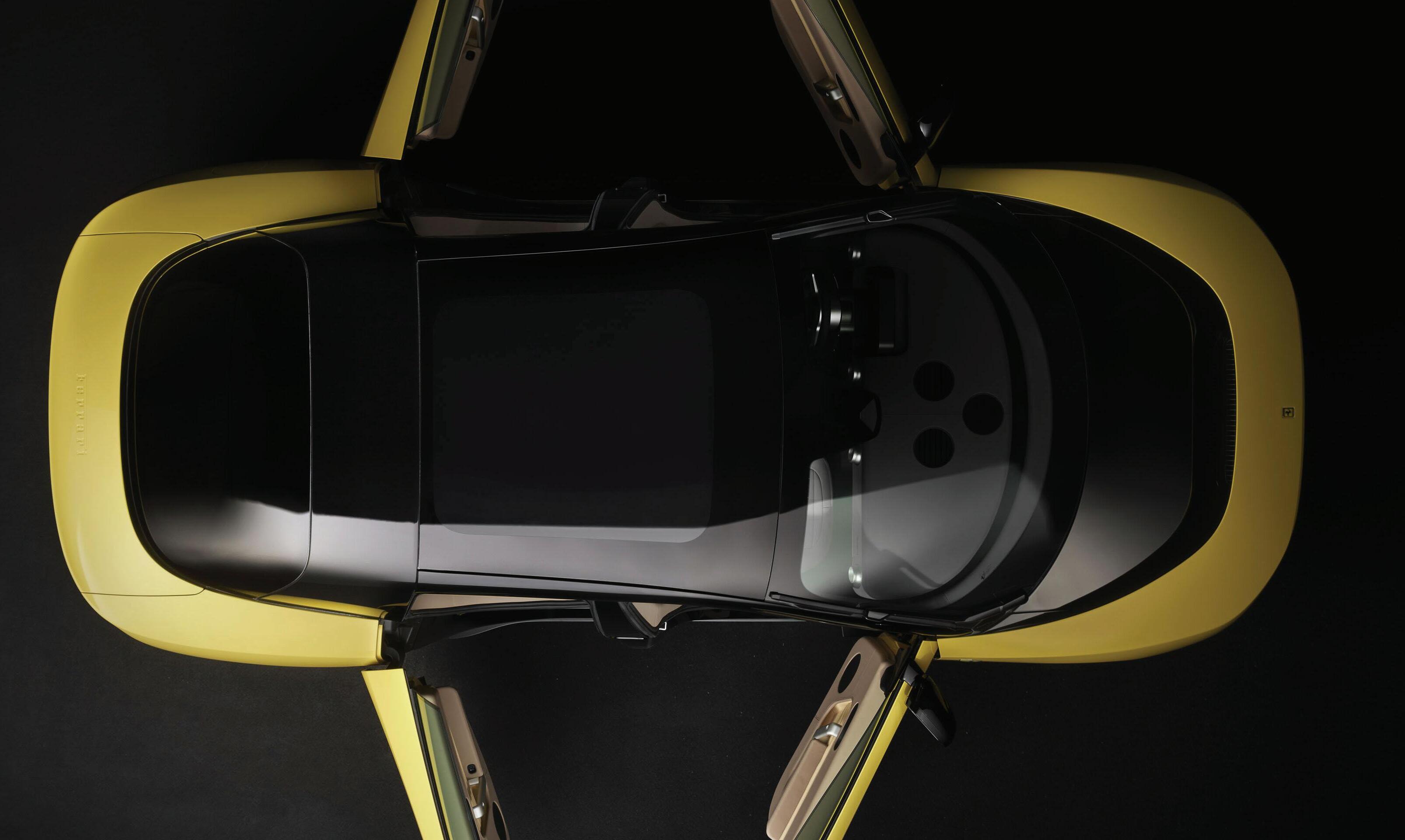
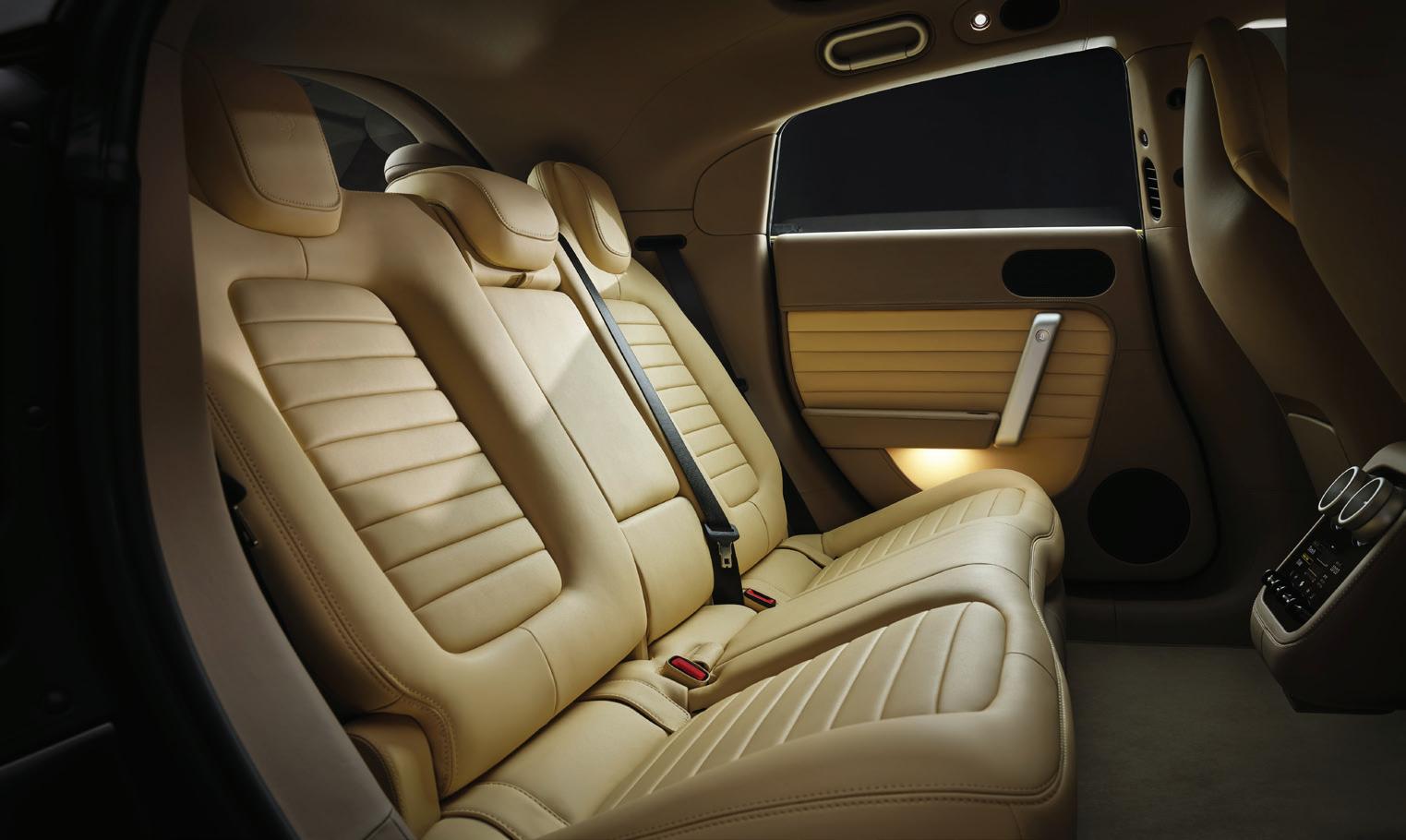
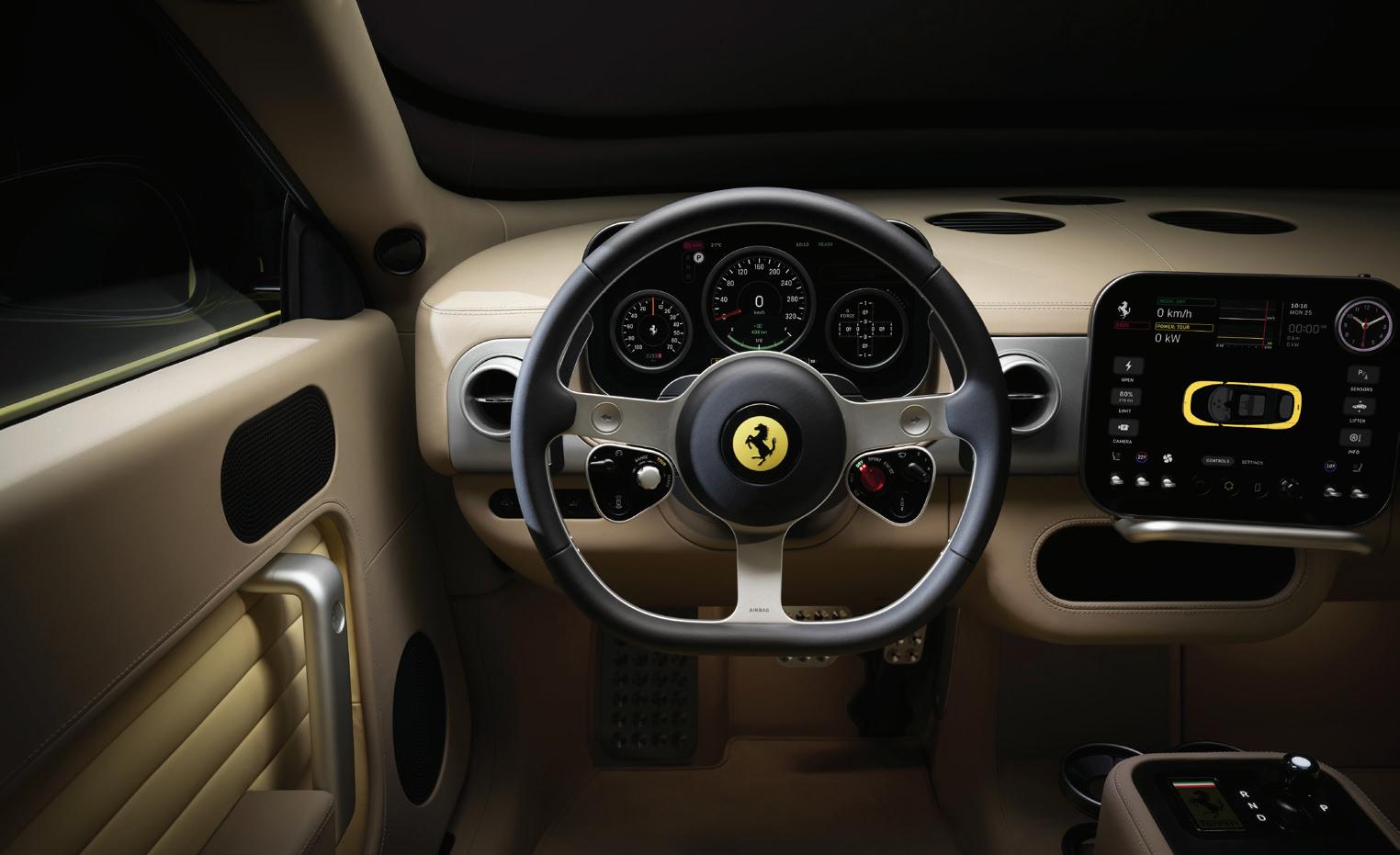
as both styling signature and functional downforce generators, while transparent light panels recede flush into the bodywork when switched off. It is the brand’s first four-door, five-seat model, and its softened, minimalist volumes have already been compared by critics to everything from a Honda Accord to a high-end kitchen appliance.
The interior continues the theme: a cabin of recycled anodized aluminum, Gorilla Glass, and Italian leather, with a steering assembly that pairs old-world mechanical dials with magnetic torque-control paddles, and a multilayered instrument binnacle that superimposes physical needles over digital displays. Even the key is a first for the industry, machined from scratch-resistant glass with a built-in E Ink display that, Ferrari says, floods the interface with the brand’s historic yellow the moment it docks into the console.
The wheels underscore just how far the design strays from Ferrari norms: at 23 inches up front and 24 at the rear, they’re the largest ever fitted to a series-production model from Maranello. Launch colors include a soft blue called Azzurro la Plata and a dedicated yellow, Giallo Luce, developed to echo the historic hue of the prancing-horse badge itself.
Ferrari’s president, John Elkann, framed the project as a continuation of the brand’s identity rather than a break from it, saying the car represents the company “once again redefining the limits of what is possible.” CEO Benedetto Vigna, meanwhile, has described the Luce as evidence that real leadership means having the courage to embrace new technology rather than resist it, part of what Ferrari calls a “technologically neutral” strategy that will keep electric, hybrid, and combustion models in showrooms side by side rather than replacing one with another.
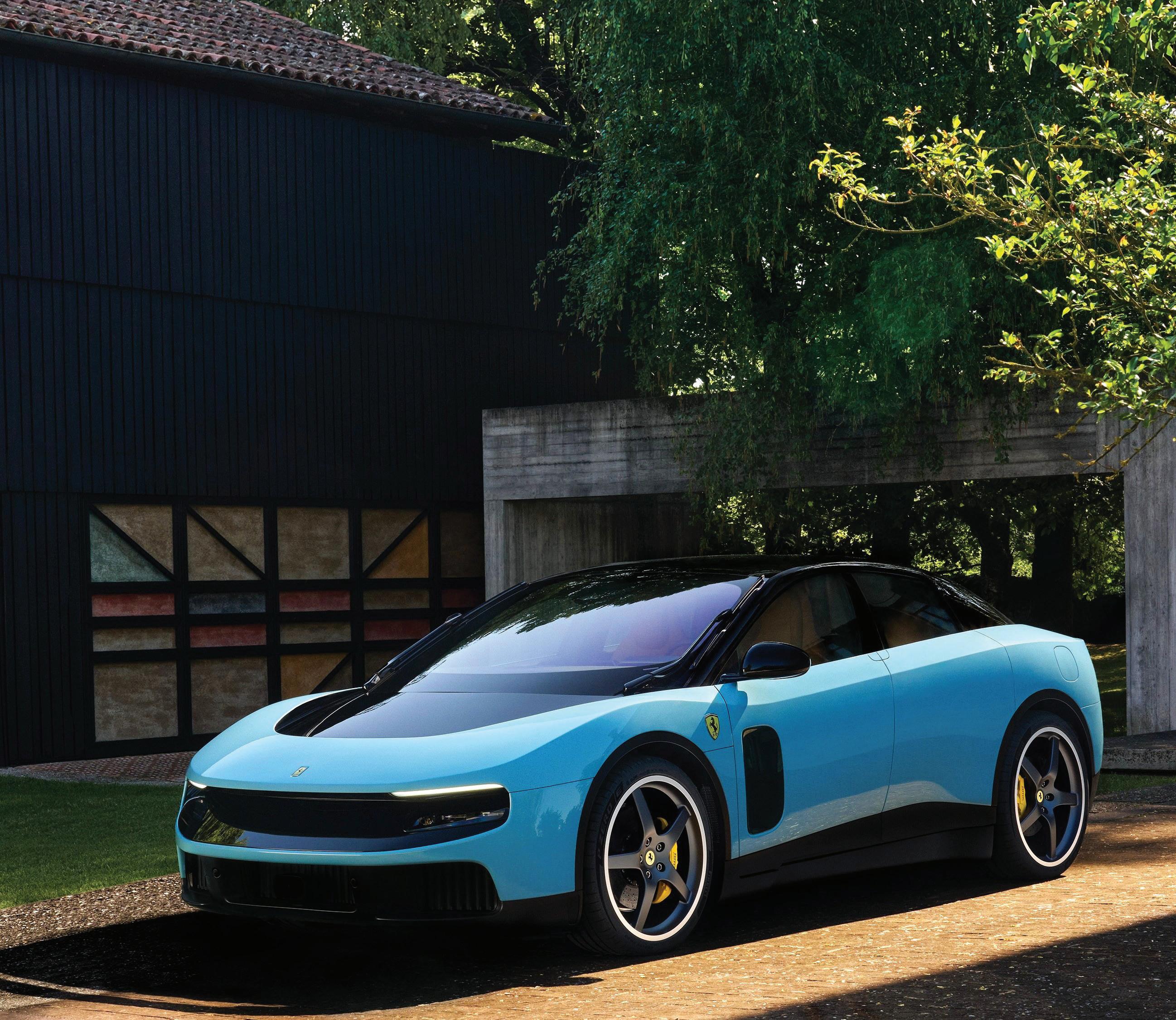
Underneath the design flourish sits genuinely serious hardware. The Luce rides on a bespoke platform built around a battery pack integrated into the floor, with one electric motor driving each wheel, a first for the brand for a combined output Ferrari lists at 975 bhp. In Launch Control mode, that’s enough to hit 0-60 mph in 2.5 seconds and 125 mph in 6.8 seconds, on to a claimed top speed of 195 mph, with an estimated range around 330 miles. Curb weight comes in at 4,895 lbs despite the car’s five-meter length, something Ferrari attributes largely to its extensive use of recycled aluminum in both chassis and body.
The 122-kWh battery uses 210 cells arranged across 15 modules, co-developed with Korean supplier SK on, and supports fast charging of roughly 70 kWh in 20 minutes. A new Vehicle Control Unit, the first of its kind on a Ferrari, governs the powertrain and suspension together, recalculating targets some 200 times per second. Perhaps most tellingly for a brand built on engine note, the Luce’s
exhaust-free “sound” is engineered rather than invented outright: an accelerometer mounted on the rear axle picks up real vibration from the motors and gearing, which is then filtered and amplified into the cabin much the way an electric guitar amplifies a string’s vibration, rather than piping in a synthesized tone.
Aerodynamic development alone reportedly ran more than five years and involved thousands of CFD simulations and hundreds of hours of wind-tunnel testing in pursuit of what Ferrari calls the lowest drag coefficient of any road car it has built. The cabin, meanwhile, is wired for a 21-speaker, 3,000-watt audio system with five curated sound presets, and the car ships with a seven-year routine maintenance program plus a separate eight-year warranty on the battery and electric powertrain. Ferrari says the project generated more than 60 new patents. Pricing starts around $640,000, with deliveries expected in the fourth quarter of 2026 and a U.S. launch to follow in 2027.
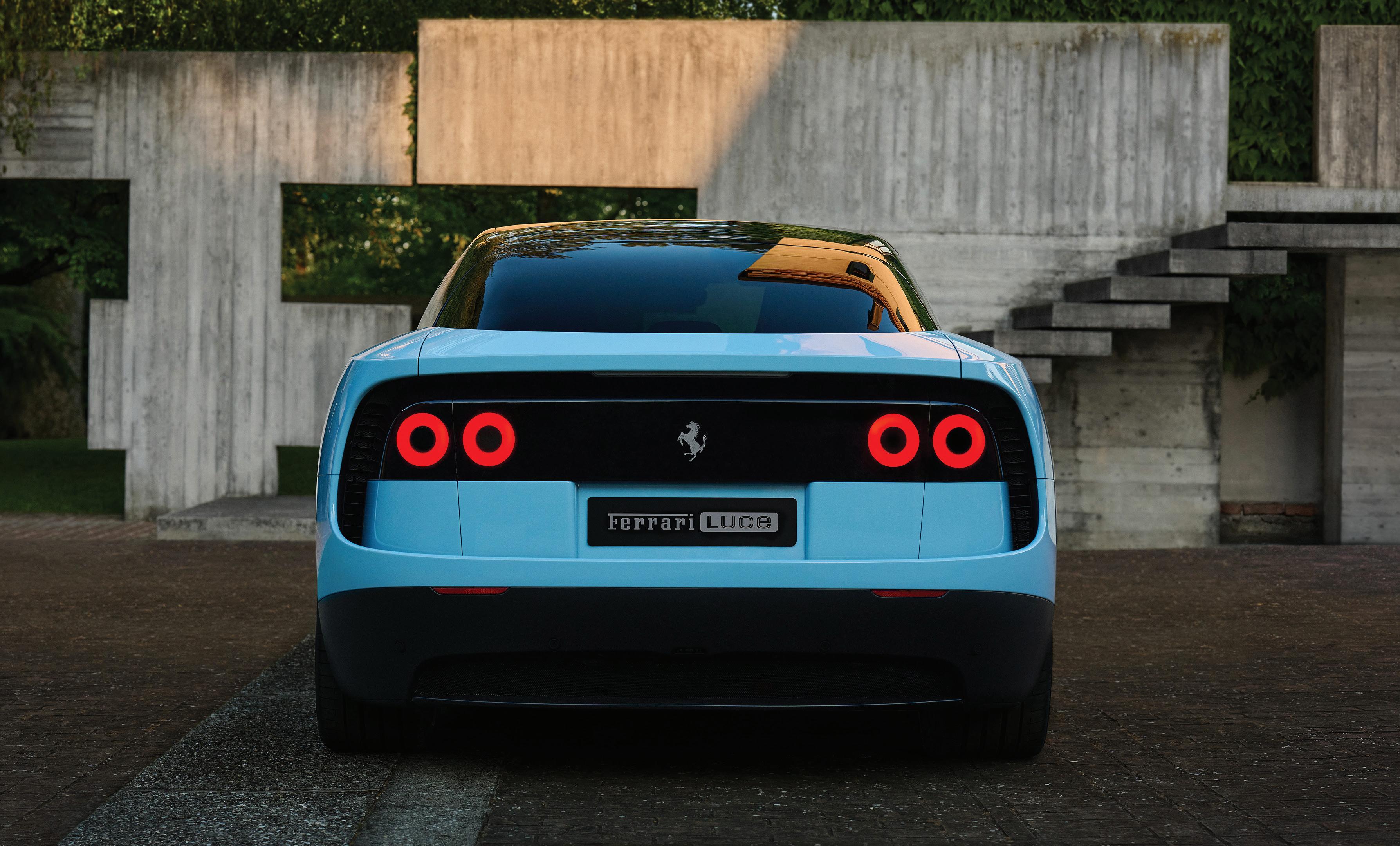
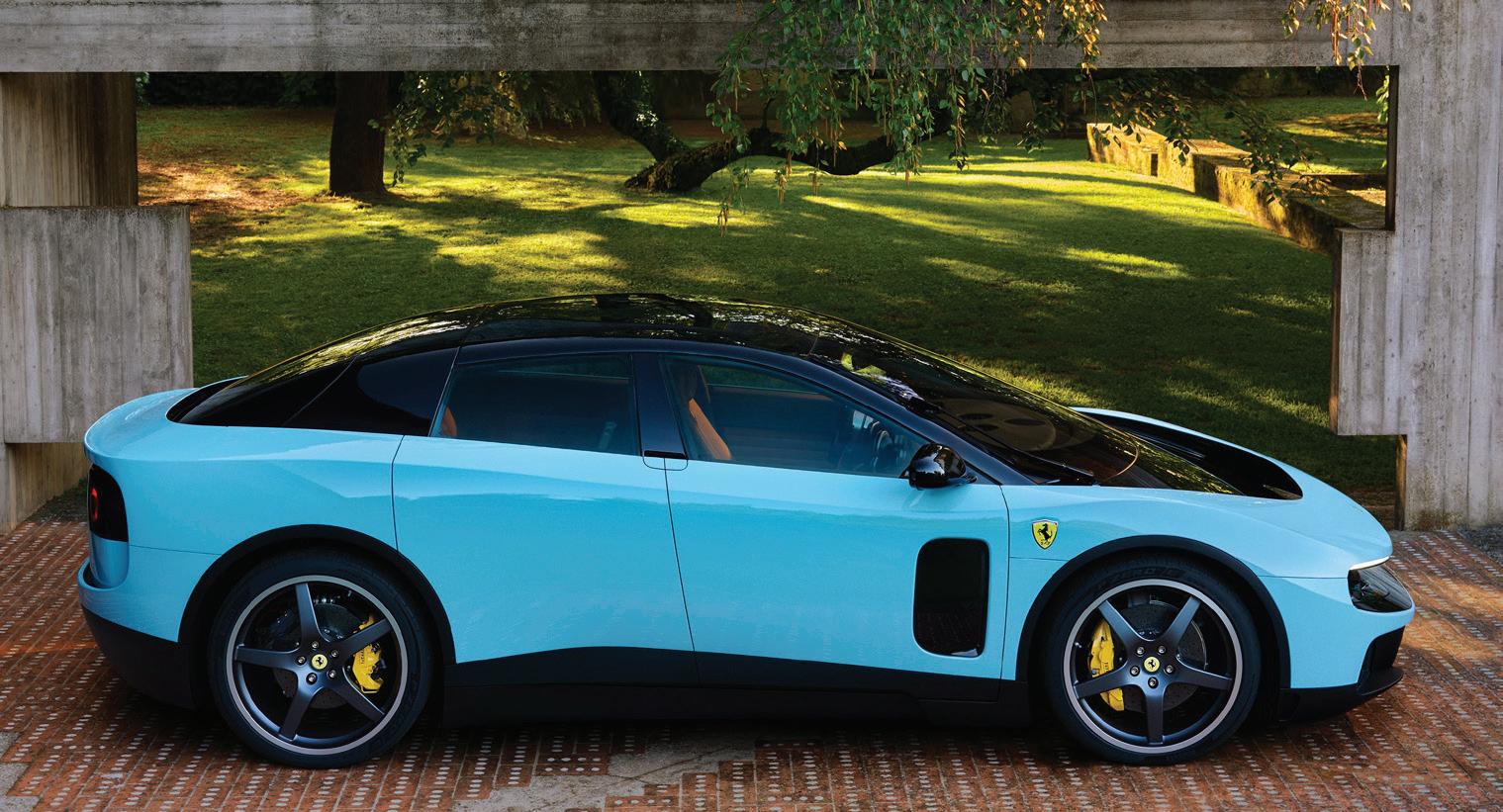
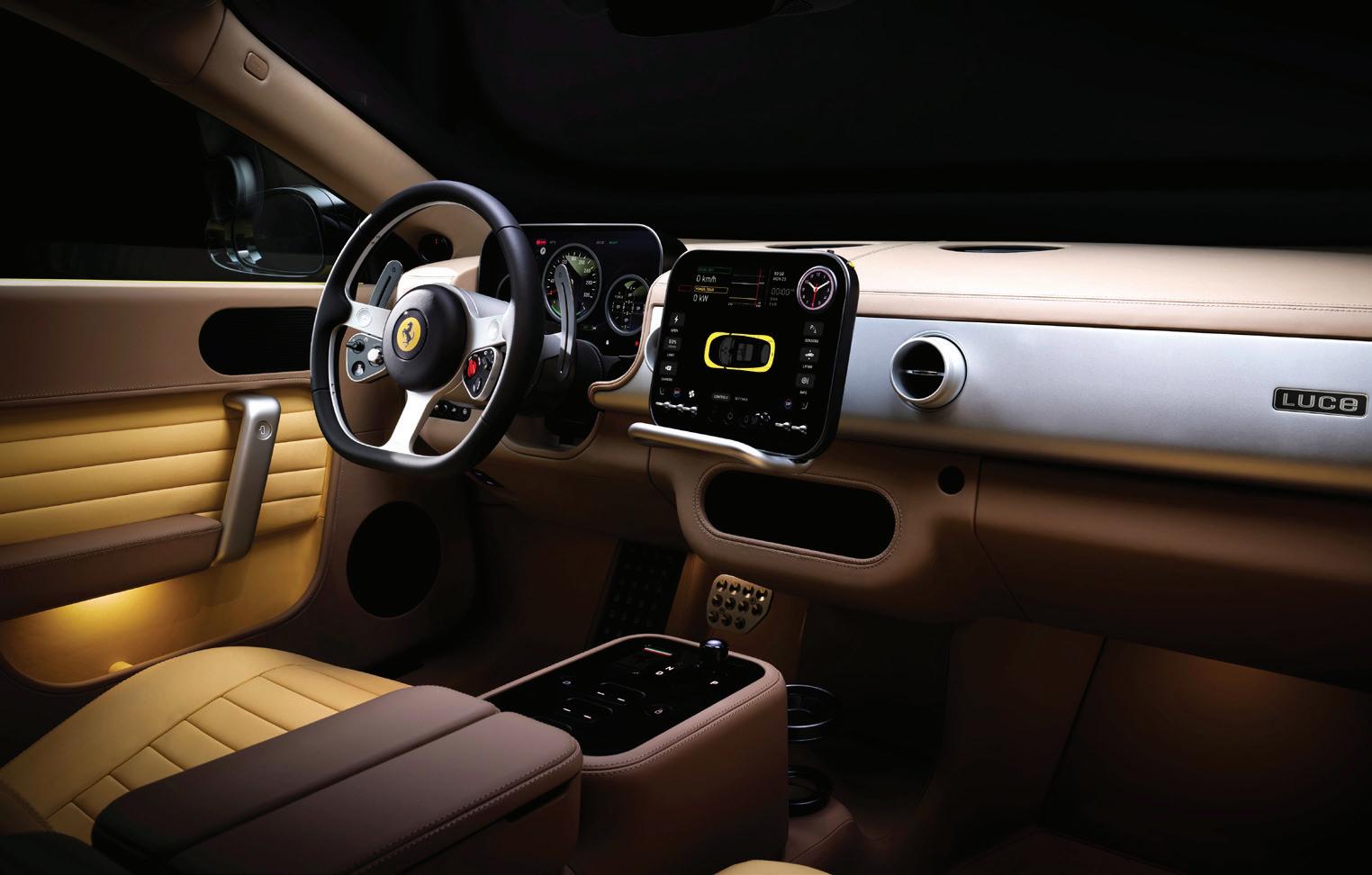
Ferrari spent over a decade insisting an EV would never wear the Prancing Horse. That reversal, paired with a design language so far removed from the brand’s combustion-era silhouette, has provoked a genuinely fierce backlash, one sharp enough to knock more than 6% off Ferrari’s share price in the days following the reveal.
The loudest voice belongs to Luca di Montezemolo, who chaired Ferrari for 23 years until 2014 and once vowed the company would never build an electric car under his watch. Asked for his verdict on the Luce, he didn’t hold back: “We risk destroying a legend, and I am very sorry about that.” He went further still, suggesting Ferrari remove its own badge from the car and adding, dryly, that it was “certainly a car that at least the Chinese won’t copy.” Italian politicians weighed in too, with transport minister Matteo Salvini publicly questioning whether the car represented “innovation” at all.
Ferrari’s own design chief, Flavio Manzoni, hasn’t shied away from the word polarizing, he’s used it himself. And Marc Newson has been candid that the Luce wasn’t originally conceived as an EV at all; the electric architecture, freed from a traditional front-mid engine and rear gearbox, is what ultimately allowed LoveFrom the clean-sheet freedom to pursue such an unconventional shape.
Whether the Luce becomes Ferrari’s boldest reinvention or its most expensive misstep depends, ultimately, on the very people it was built to court a wealthier, design-literate buyer who may never have considered a Ferrari before, and whose taste, for now, remains a genuine unknown.
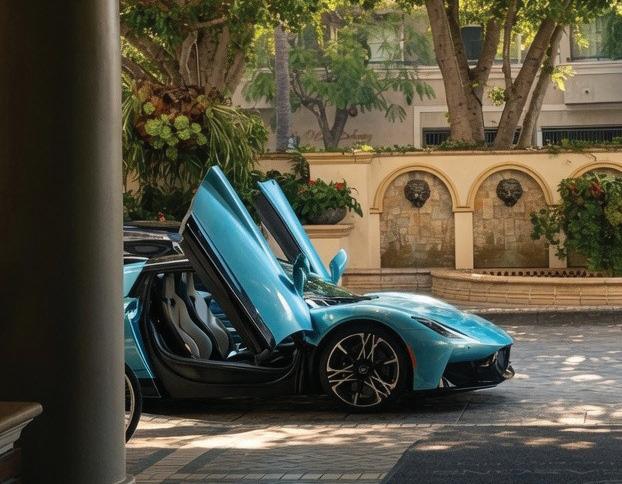
BY ADAM ROUTLEDGE
IT WAS ONE OF THOSE PERFECT, MERCILESSLY GOLDEN California afternoons — the sort where the light makes even the most hardened Angeleno think they’re one ring light away from quitting their day job to become a full-time ‘wellness ambassador’. I had just collected the keys to the new Maserati MCPURA Cielo from The Hollywood Burbank Airport and was headed straight to the Malibu Hills.
As a Brit who has spent rather too many years testing Italian machinery against the damp realities of the English countryside and the horn honking chaos of Manhattan, I approached the MCPURA Cielo with a lot of optimism and excitement for the roads of SoCal. Named for “pure” (Pura) and “sky” (Cielo), this is the open-top evolution of the MC20 Halo Car that in 2020 launched a new era of
style for the brand. Promising the essence of Maserati distilled: midengine drama, Nettuno V6 thunder, and a retractable electrochromic glass roof that transforms the cockpit into something resembling a very expensive convertible observatory.
First impressions? It is absurdly beautiful. Low, wide, and purposeful without descending into the cartoonish aggression; so common among modern supercars. The carbon-fiber monocoque (developed with Dallara) keeps the weight down, and the retractable roof adds remarkably little mass while delivering structural rigidity that would shame many fixed-roof rivals. In Ai aqua rainbow; the launch color at the 2025 Goodwood Festival of Speed, it initially felt a little OTT, but grew on me very quickly. Who doesn’t love “butterfly doors”?

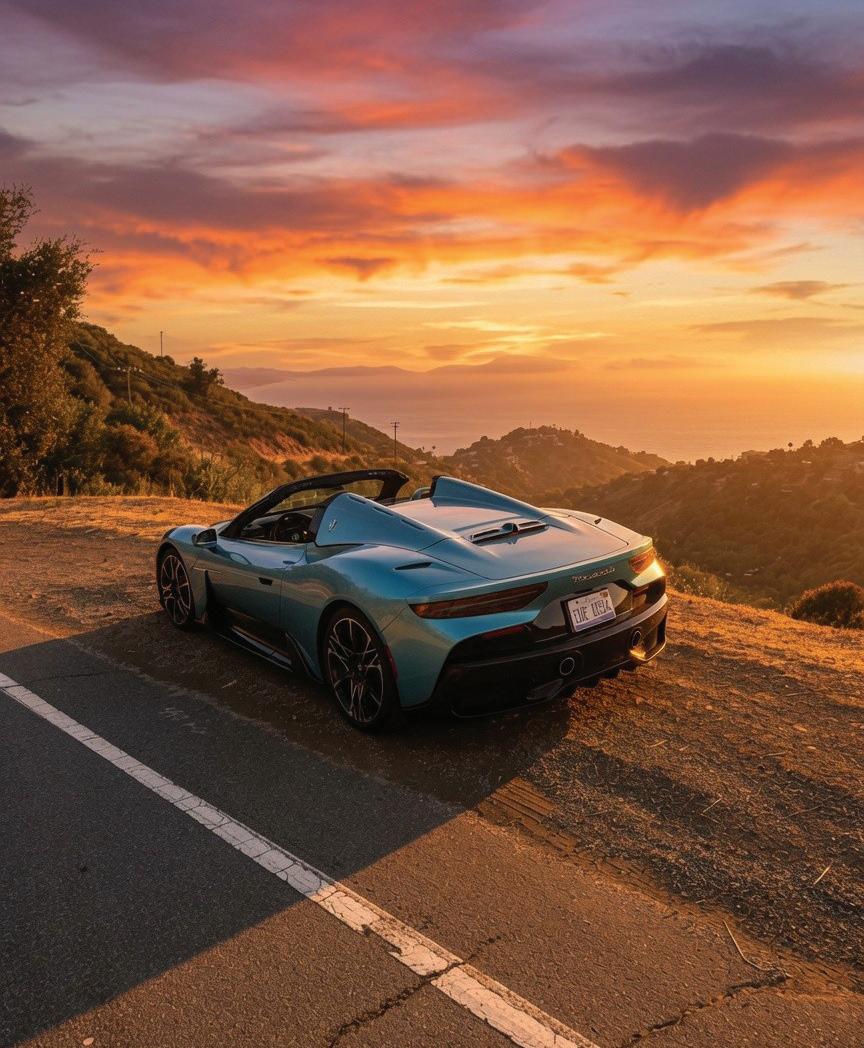
With a lowered roof (a 12-second affair that works up to modest speeds) and the sun glistening all over the Malibu coastline, immediately the theater began. The distinctive rasp of the 3.0-liter twin-turbo V6 — 621 horsepower and 538 lb-ft of torque on tap — turned every influencer and tourist into an amateur photographer. Particularly on Rodeo Drive, in Beverly Hills, where the MCPURA seemed to get the most attention. Having crowds of people filming and taking photos will take a bit of getting used to.
The eight-speed dual-clutch transmission is a revelation in city traffic: smooth enough for creeping past the boutiques without drama, yet capable of snapping off shifts that pin you to the seat when the road opens up. The winding Latigo Canyon Road in the Maliu Hills offered the first proper test. The MCPURA’s steering is deliciously precise, the adaptive suspension striking an impressive balance between grand-tourer comfort and mid-engine sharpness. One moment you’re gliding past hidden hillside estates in a casual manner; the next, you’re carving canyons with the sort of aggression that can set envious lap times at Laguna Seca.
Cruising in comfort mode was also pure joy. Top down, the Pacific glittering to the left, the Nettuno engine singing its mechanical opera directly into the cabin. Maserati claims 0–60 mph in 2.9 seconds, and I have no reason to doubt it— the surge is visceral, instantaneous, and accompanied by that glorious, unfiltered exhaust note that modern regulations so often neuter. The chassis feels alive, communicating every nuance of the road while shielding you from the worst of it. It is fast, yes, but more importantly it is engaging — the sort of car that makes you want to extend the journey by an hour simply because the drive itself is the point. I may have done this a couple of times.
Intellectually, the MCPURA Cielo intrigues. It represents Maserati’s continued commitment to pure internal-combustion passion in an increasingly electrified world. The “Pura” philosophy shines through: this is not a car chasing lap records at the expense of soul. It is engineered for the driver who appreciates the alchemy of Italian design, racing-derived technology (that twin-combustion Nettuno is pure witchcraft), and the simple, almost hedonistic pleasure of open-air motoring. In Los Angeles — a city built on performance, appearance, and narrative — it feels curiously at home, yet still defiantly European. A trident in a sea of stars.
As the sun began its slow descent over Malibu, I found myself reflecting on the peculiar alchemy of these machines. We live in an age of relentless optimization, yet here was a car that reminded me why we bother with the analog joys: the wind, the sound, the connection between machine and road. I eventually returned the MCPURA Cielo with genuine reluctance, handing the keys back to a valet who now regarded me with something approaching envy.
If you’re fortunate enough to find yourself to be in a position to fill your time with something Maserati-shaped, do yourself a favor. Point the MCPURA Cielo toward the Pacific, drop the roof, and let the car do the rest. Just don’t blame me when every head on Rodeo Drive turns and the flashing begins.

Aston Martin’s Valhalla — Son of Valkyrie, Born of Formula One
BY KEVIN O’CONNOR
THERE ARE SUPERCARS, THERE ARE HYPERCARS, AND THEN there is the Aston Martin Valhalla, a machine that occupies its own singular territory, born of mythology, forged in the crucible of Formula One, and delivered in numbers so limited that the waiting list may outlast your patience.
The Valhalla’s lineage is extraordinary. It is the direct descendant of the Valkyrie, Aston Martin’s most extreme creation, a road-legal race car conceived with the aerodynamic genius of Adrian Newey, then Chief Technical Officer at Red Bull Racing and the most decorated car designer in Formula One history. Newey’s fingerprints are on the Valhalla’s DNA. Aston Martin’s own engineers have stated that everything they learned from developing the Valkyrie alongside Newey, a new way of thinking about aerodynamics, weight distribution, and hybrid integration, became the foundational
methodology from which the Valhalla was built. The student, in this case, is very nearly as brilliant as the teacher. Where the Valkyrie was an act of pure, almost reckless ambition, the Valhalla is something rarer: hypercar performance made liveable.
Now, in a development that would have seemed fantastical just a few years ago, Newey has left Red Bull and joined Aston Martin as Managing Technical Partner and Team Principal, bringing the full weight of his unmatched intellect to bear on the marque’s Formula One ambitions and its road car philosophy simultaneously. The Valhalla was shaped by his thinking. The cars that follow will be shaped by his hands.
“Where the Valkyrie was an act of pure, almost reckless ambition, the Valhalla is something rarer: hypercar performance made liveable.”


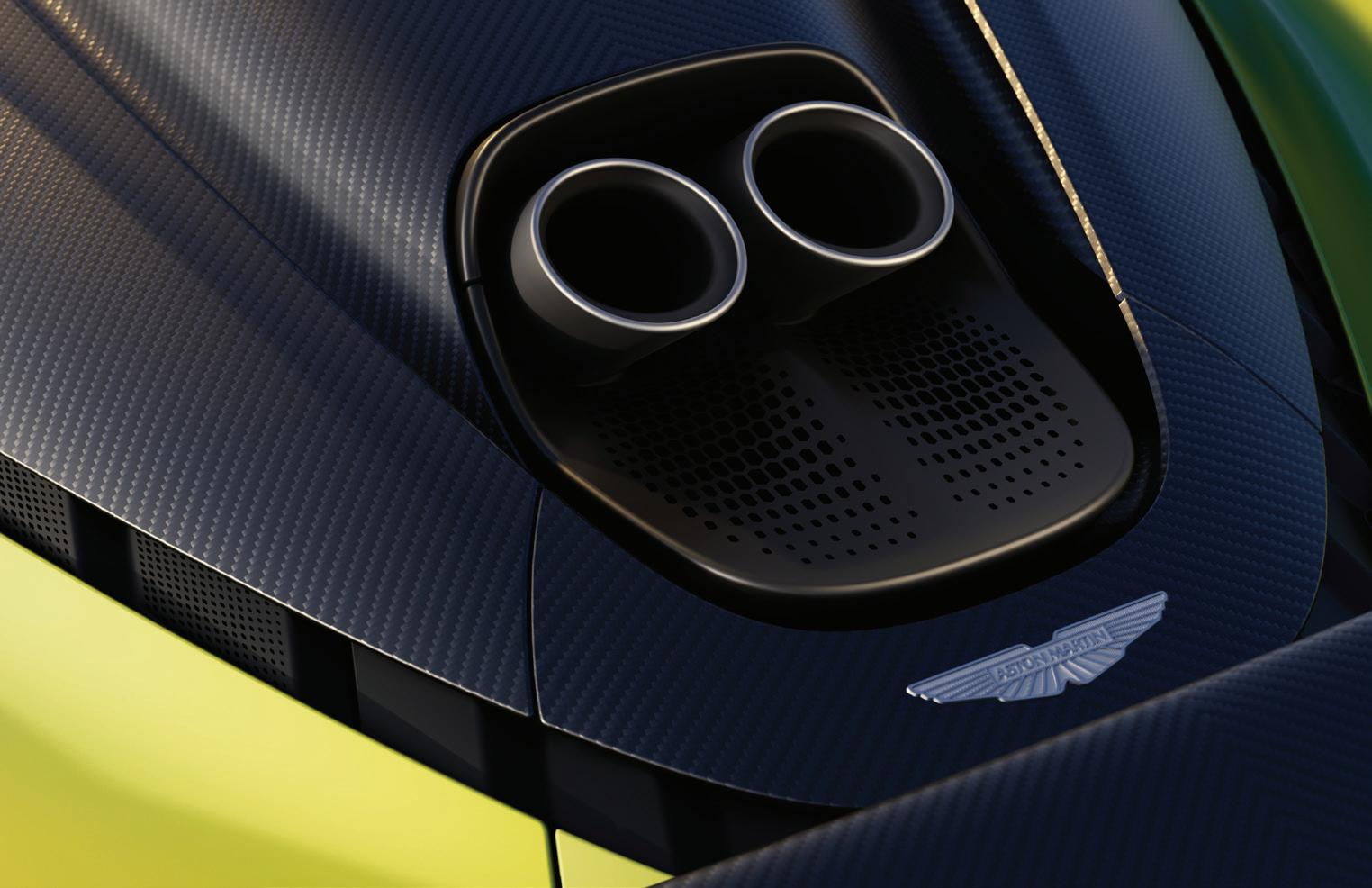
THE POWERTRAIN: ONE ENGINE. THREE MOTORS. 1,079 PS.
Where the Valkyrie was powered by a naturally aspirated Cosworth V12 screaming to 11,100 rpm, an engine so extreme it bordered on the religious, the Valhalla takes a more sophisticated, if no less intoxicating, approach. At its heart is a 4.0-litre twin-turbocharged V8 producing 828PS on its own, augmented by three electric motors, two on the front axle, one integrated into the bespoke 8-speed dual clutch transmission, contributing a further 251PS. Combined total power output: 1,079PS and 1,100 Newton-meters of torque, delivered to all four wheels.
The numbers are arresting. Zero to 62 mph in 2.5 seconds. A top speed of 217 mph. More than 600 kilograms of downforce at 150 mph in Race mode, a figure that makes the car more aerodynamically loaded than many dedicated track machines. The twin electric motors on the front axle do more than add power: they provide torque vectoring, actively distributing force between the front wheels to eliminate both understeer and oversteer with a precision that no mechanical differential can match. The result, Aston Martin promises, is a car that shrinks around the driver, scalpel-precise on turn-in, neutral at the apex, ferocious on exit.
The flat-plane crank V8 breathes through a roof-mounted snorkel, a Formula One signature designed element, that feeds air directly to the turbos and charge coolers. Four exhaust outlets, two roof-mounted, two flanking the vast rear diffuser, announce the car’s presence with what one imagines will be considerable theatre. The active rear wing rises 255mm in Race mode and responds within half a second. The front wing, hidden behind the traditional Aston Martin grille, deploys simultaneously. The aerodynamics are not passive decoration. They are a living, reactive system.

Like the Valkyrie before it, the Valhalla is built around a full carbon fiber monocoque, developed in partnership with Aston Martin Performance Technologies, the company’s in-house advanced materials division. The lower tub is formed using Resin Transfer Molding technology; the upper structure creates a complete safety cell around the occupants. Ultra-rigid aluminum subframes front and rear provide mounting points for the Formula One-derived pushrod front suspension with inboard springs and dampers, invisible behind the carbon bodywork, just as on Aston Martin’s F1 cars and a conventional multi-link rear setup.
Stopping power is provided by 410mm carbon ceramic discs up front, 390mm at the rear, manufactured by Brembo with monobloc calipers borrowed directly from motorsport. In Race mode, the active aerodynamics join the braking system, shifting the center of aerodynamic pressure rearward within half a second to provide additional air braking and stability under extreme deceleration. The brakes slow the car. The wings help stop it.
“Limited to 999 examples at approximately $800,000, the Valhalla is already spoken for. It is not a car you buy. It is a car you are chosen to receive.”
Climb through the dihedral “scissor” doors engineered to open wider than any previous Aston Martin, providing access worthy of the occasion and settle into the Formula One-inspired seating position. Hip-to-heel height ratio is deliberately low with raised footwells, the driver sits close to the center of the car, surrounded by carbon fiber, with two 10.25-inch displays, one column-mounted, one central touchscreen, providing information in road mode and transforming into a race-derived layout when Race mode is engaged. A digital rear-view mirror replaces the traditional glass, maintaining clean rear sightlines despite the dramatic rear bodywork.
The optional Bowers and Wilkins sound system with 14 speakers and 745 watts, offers two modes, studio, which replicates recordingstudio acoustics, and stage, which places the listener at the front of a concert hall. Given the soundtrack available from the V8 outside, one suspects the audio system will spend most of its time switched off.

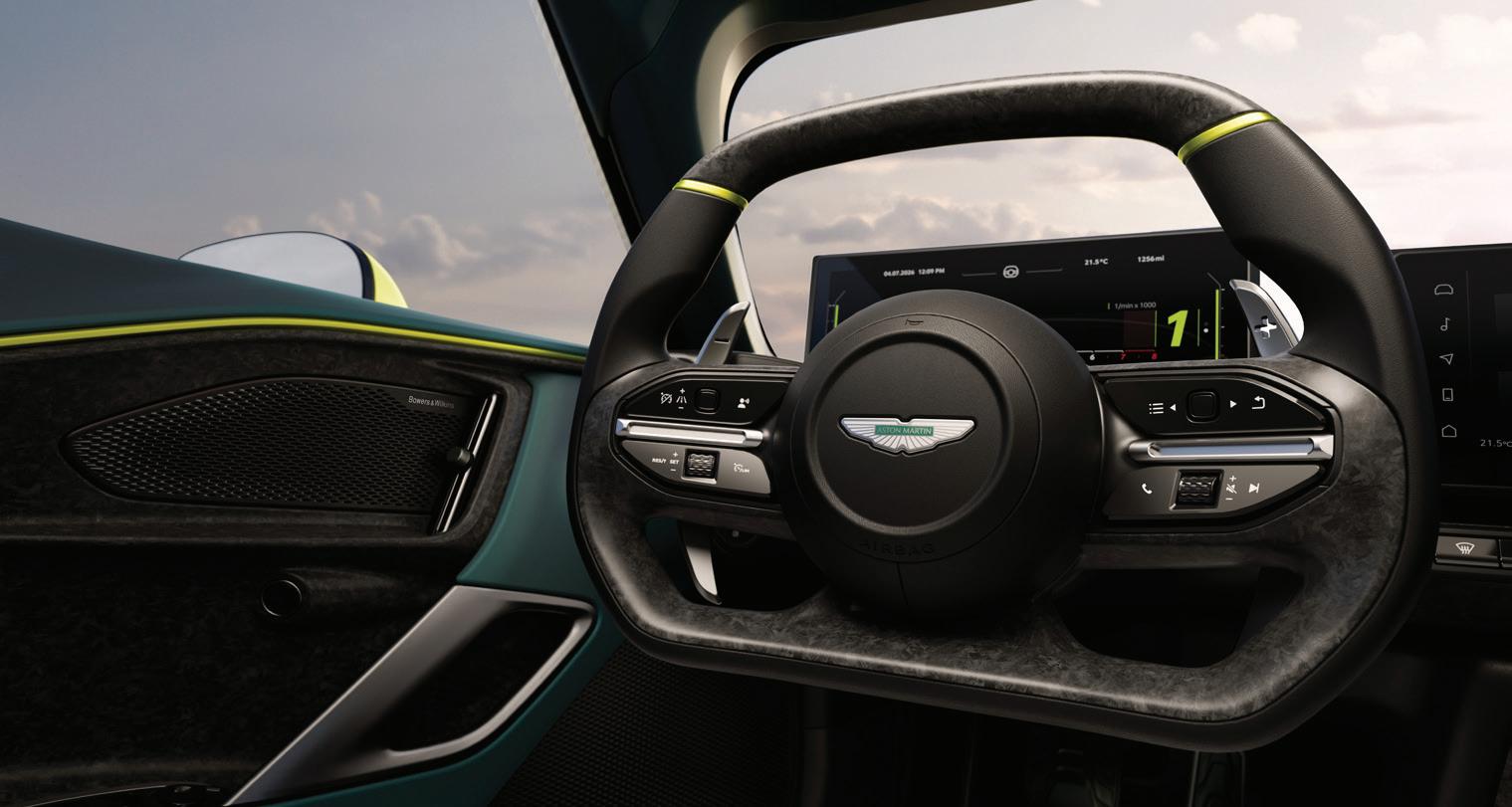
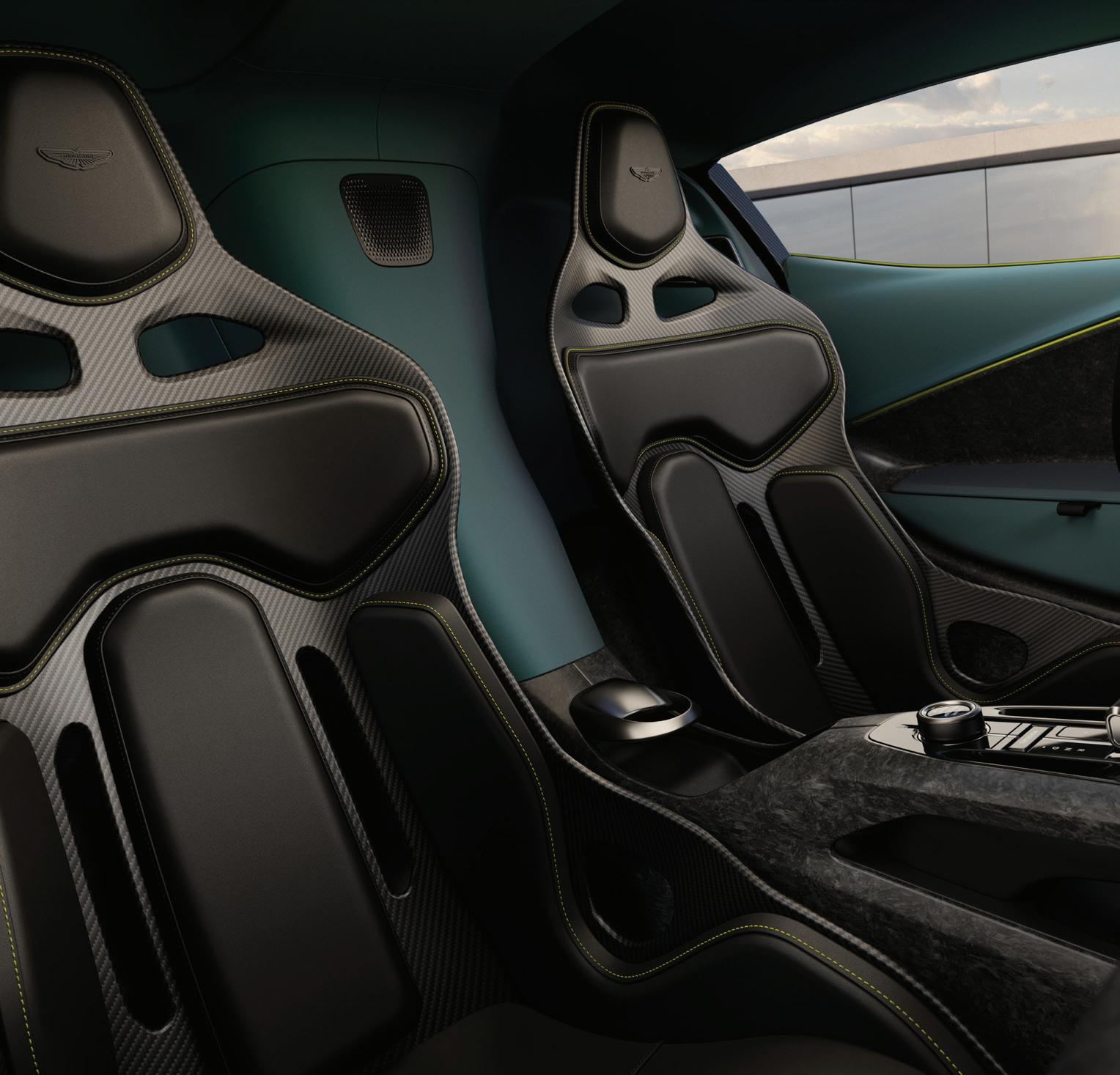
Engine: 4.0-litre twin-turbo V8 + 3 electric motors (PHEV)
Total Power: 1,079 PS (1,064 bhp) / 1,100 Nm torque
0–62 mph: 2.5 seconds
Top Speed: 217 mph (350 km/h)
Downforce: In excess of 600 kg at 150 mph (Race mode)
Transmission: 8-speed dual clutch with integrated rear e-motor
Drivetrain: All-wheel drive with torque vectoring
Chassis: Full carbon fiber monocoque
Production: Limited to 999 examples
Price: Approximately $800,000
First Delivery: December 2025, United Kingdom
The Valhalla is a more considered machine than the Valkyrie. More liveable, more road-oriented, more willing to be driven rather than merely survived. That is not a criticism. It is the point. Aston Martin set out to build a car that carries the Valkyrie’s Formula One philosophy into territory that more than a handful of people on earth can actually inhabit. At 217 mph and 1,079PS, “more liveable” is a relative term. But the intention is genuine, and the execution, by all accounts, extraordinary.
Limited to 999 examples at approximately $800,000, the Valhalla is already spoken for. It is not a car you buy; it is a car you are chosen to receive. The Valhalla was always going to find its owners quickly. The first customer car was delivered in December 2025 in the United Kingdom. Production is now underway in Gaydon, Warwickshire, where Aston Martin has assembled the cars by hand for over a century. There is a detail, almost a footnote, that deserves a final word. The Valhalla appeared briefly in No Time to Die, the James Bond film released in 2021, sitting in a wind tunnel at Q-Branch. It was not driven. It was simply displayed, as if even the fiction writers understood that some machines exist beyond the reach of ordinary plots. Bond, apparently, was not ready for it. Perhaps none of us are, but 999 people soon will be.
SAN FRANCISCO
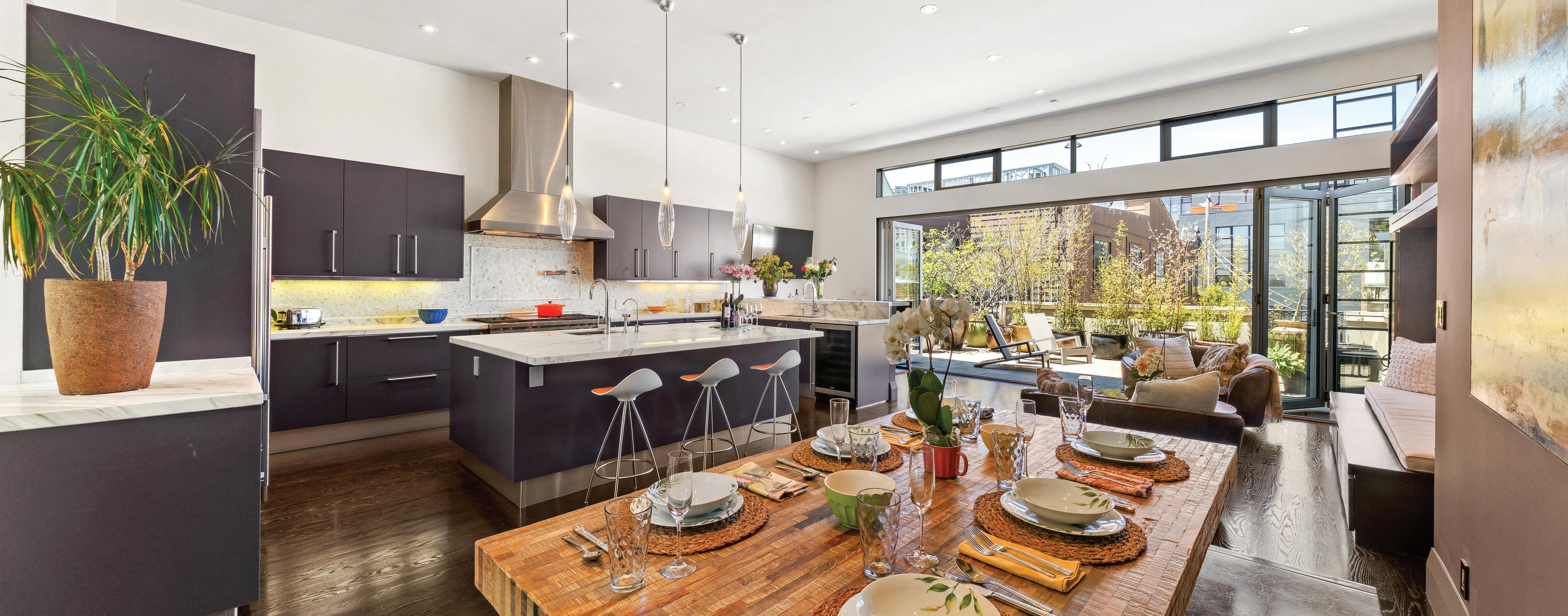
4 BEDS | 3.5 BATHS | 7-CAR GARAGE | ±4,250 SQ. FT ASKING $3,788,000
Welcome to 720 Clementina Street, a breathtaking, newly and comprehensively renovated urban masterpiece in the heart of SOMA. Commanding approximately 4,250 square feet of meticulously finished indoor space and approximately 1,720 square feet of outdoor living across three dramatic levels with elevator access throughout, this extraordinary residence is truly one-of-a-kind in San Francisco.
The crown jewel of this home is its spectacular museum-quality 7-car garage, a perfect sanctuary for the automotive aficionado and an almost impossible find in San Francisco. Finished with stunning custom Tivoli stonework throughout and paved in cobblestones reminiscent of the streets in Europe, the garage sets the tone for the entire home. Included in the garage in storage for toys, trophies, tools, and treasures. There is an auxiliary sink, car washing station, and stone covered powder room that completes this level. Even though the home is accessed on all levels by a full-size elevator, the primary architectural feature is the breathtaking curved stone staircase that ascends through a soaring, skylit two-story entry, flooding the space with natural light and creating a grand, gallery-like arrival experience unlike anything else in the city.
The bedroom level is anchored by a dramatic primary suite featuring an opulent marble bathroom with a fully tiled wet room, steam shower, and a supersized walk-in wardrobe. The primary bedroom is grand in scale and features a terrace and fireplace. Two additional well-appointed bedrooms and a full marble bathroom along with a well apportioned laundry room complete this level, o ering flexible living arrangements for a variety of lifestyles.
The main living level stuns with an open-concept great room anchored by a showroom-grade chef’s gourmet kitchen. Calacatta Gold countertops, an oversized island with generous seating, a 48-inch SubZero refrigerator, and a six-burner Wolf range with griddle create a culinary environment as beautiful as it is functional, all complemented by custom cabinetry and impeccable finish details. Alongside the kitchen is a full-service bar with refrigerated wine storage
Collapsible paneled glass doors dissolve the boundary between indoors and out, opening to a landscaped terrace with a fire pit, custom lighting, and an elegant courtyard-inspired venue space all framed by sweeping San Francisco skyline views. A private rooftop with 360-degree views crowns this remarkable home.
Additional highlights include hardwood and stone floors throughout, Nest-controlled hydronic radiant heating throughout, Sonos sound system in all rooms and outdoor spaces, Bloomberg Window aluminum-framed glazing, and structural steel and grade beams ensuring that performance is as durable as it is aesthetic.
Grand in scale, meticulous in detail, and impossible to replicate, this is San Francisco living at its absolute finest.




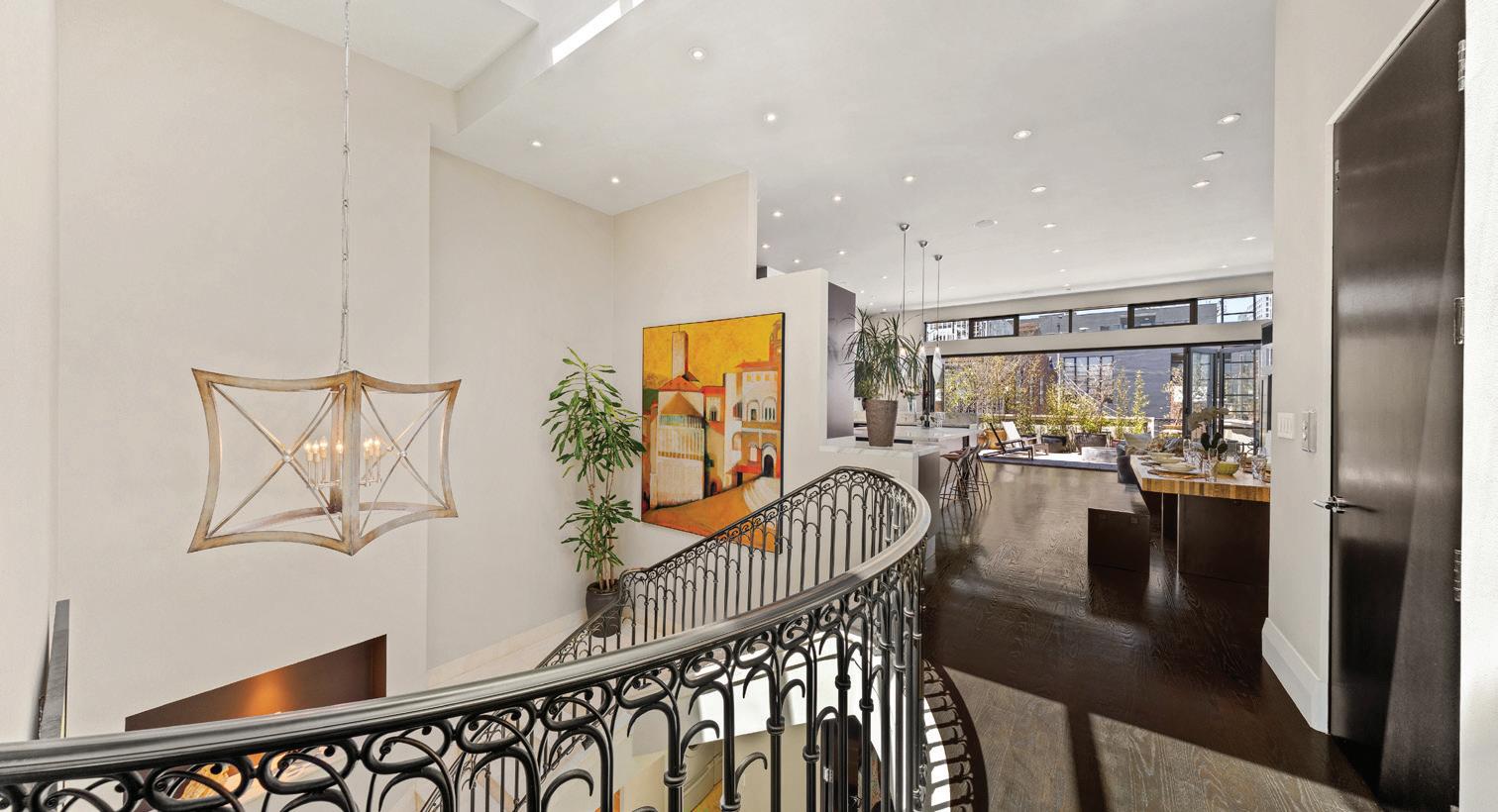
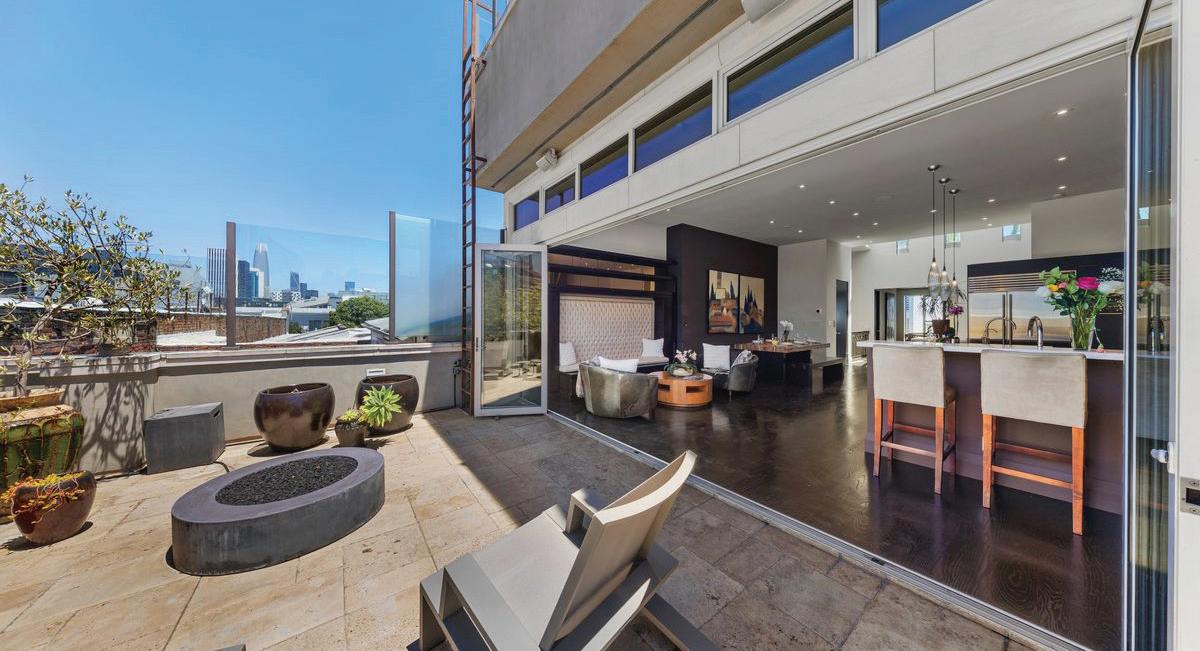
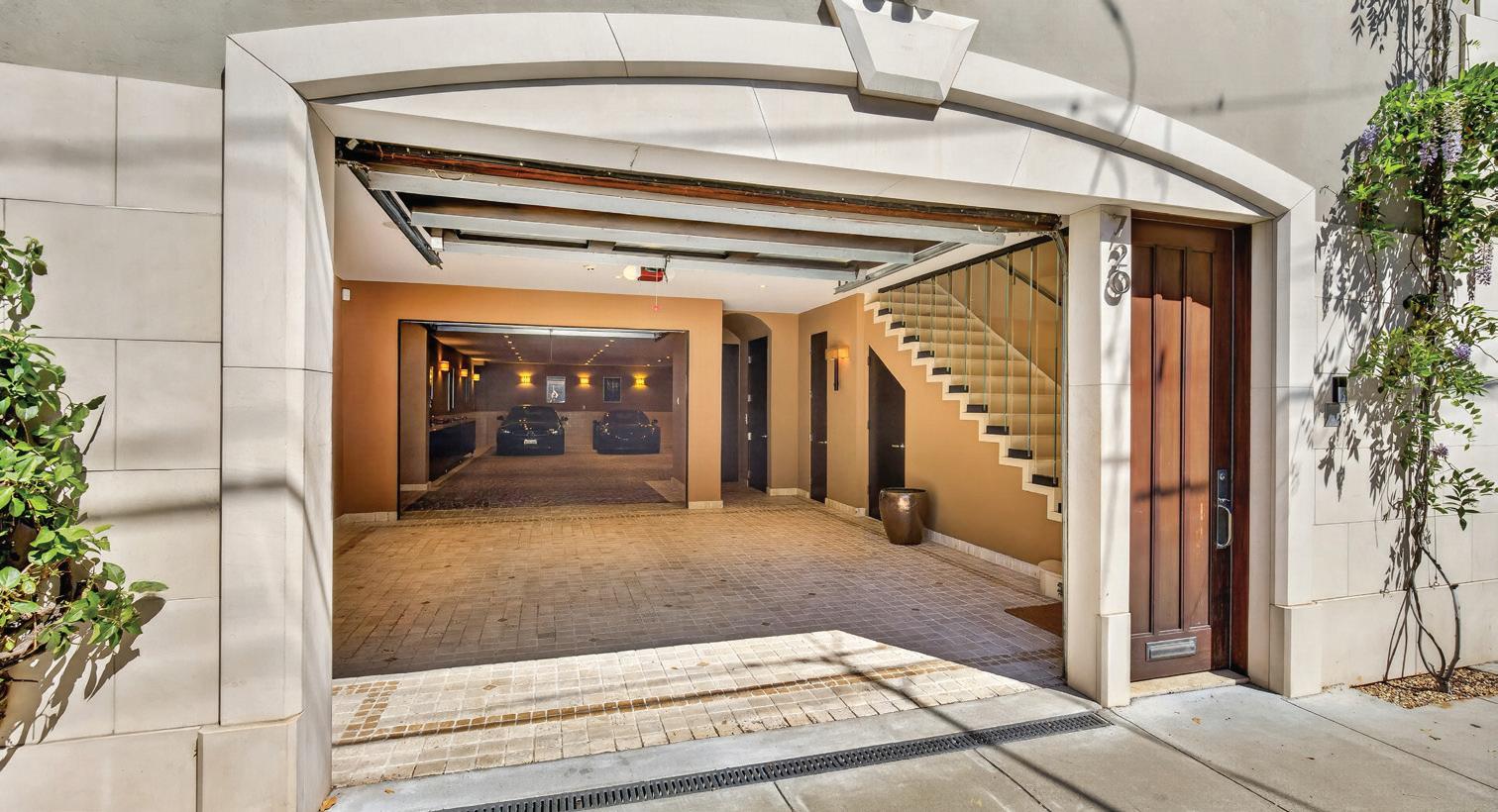
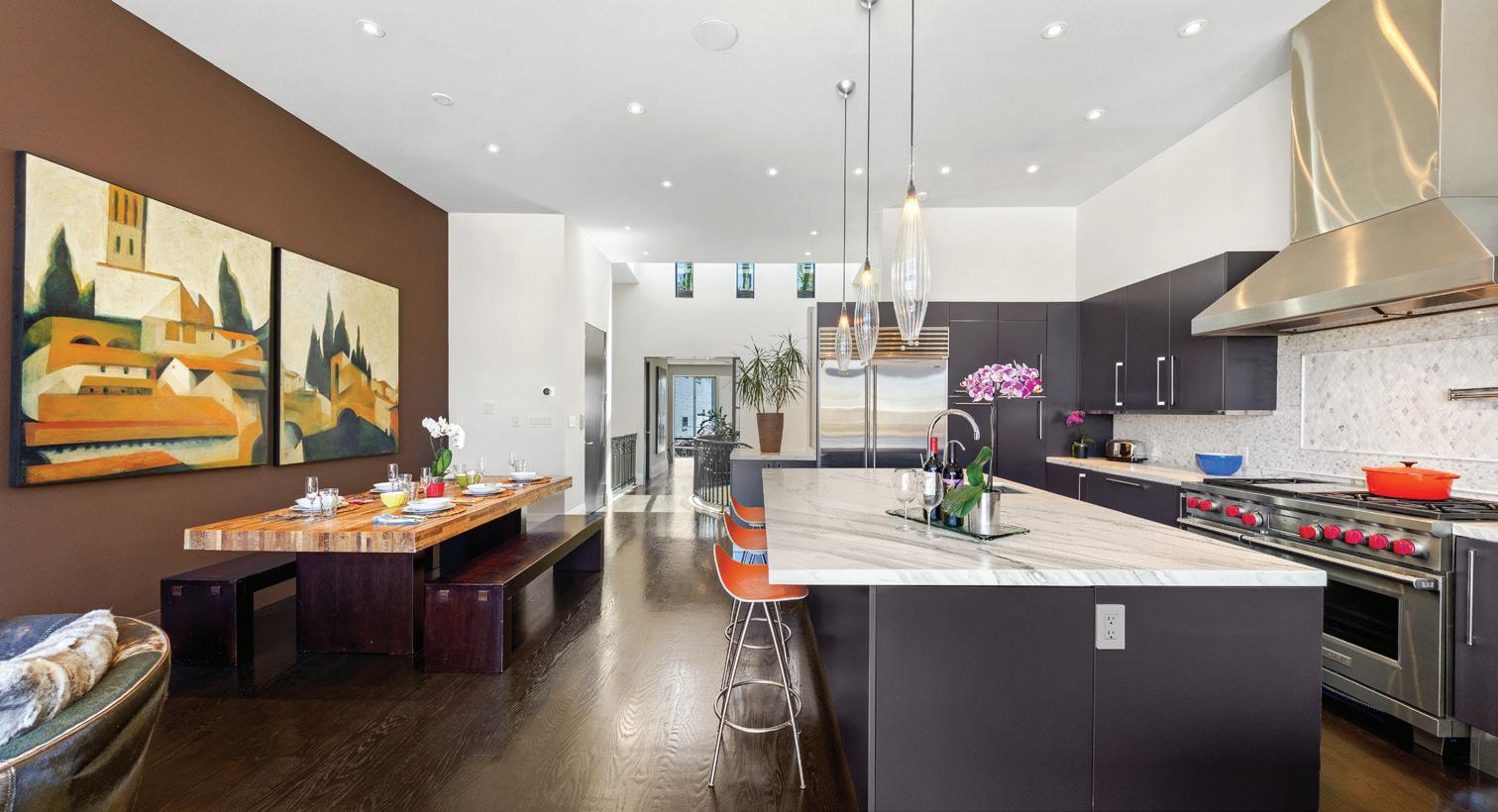
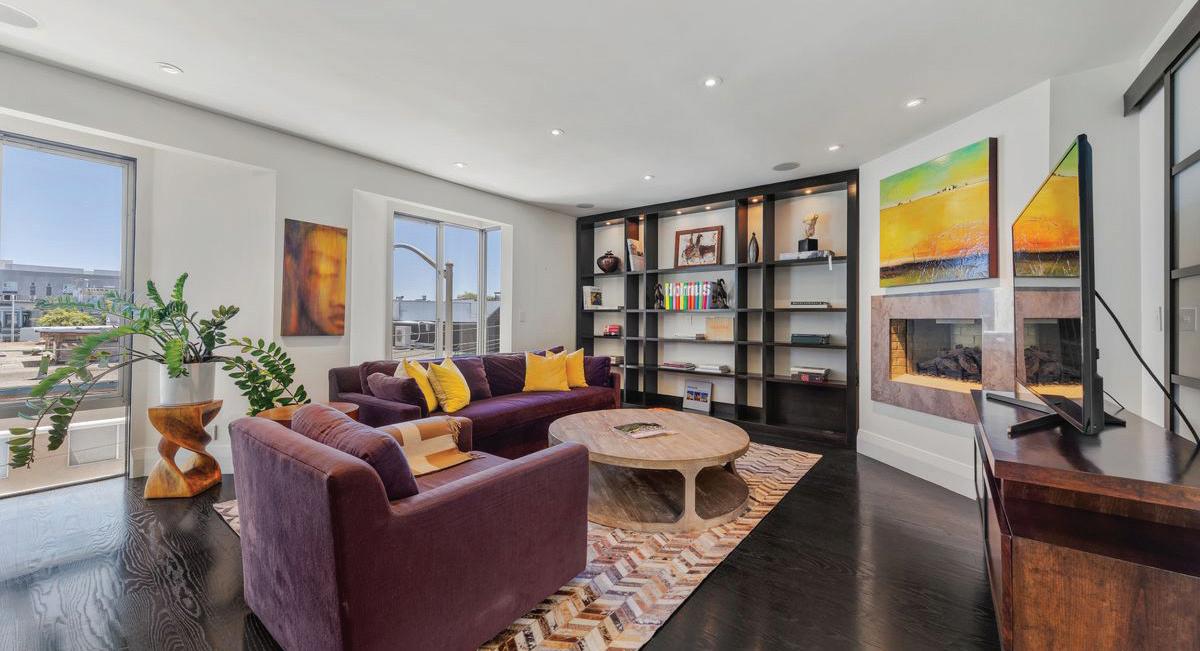
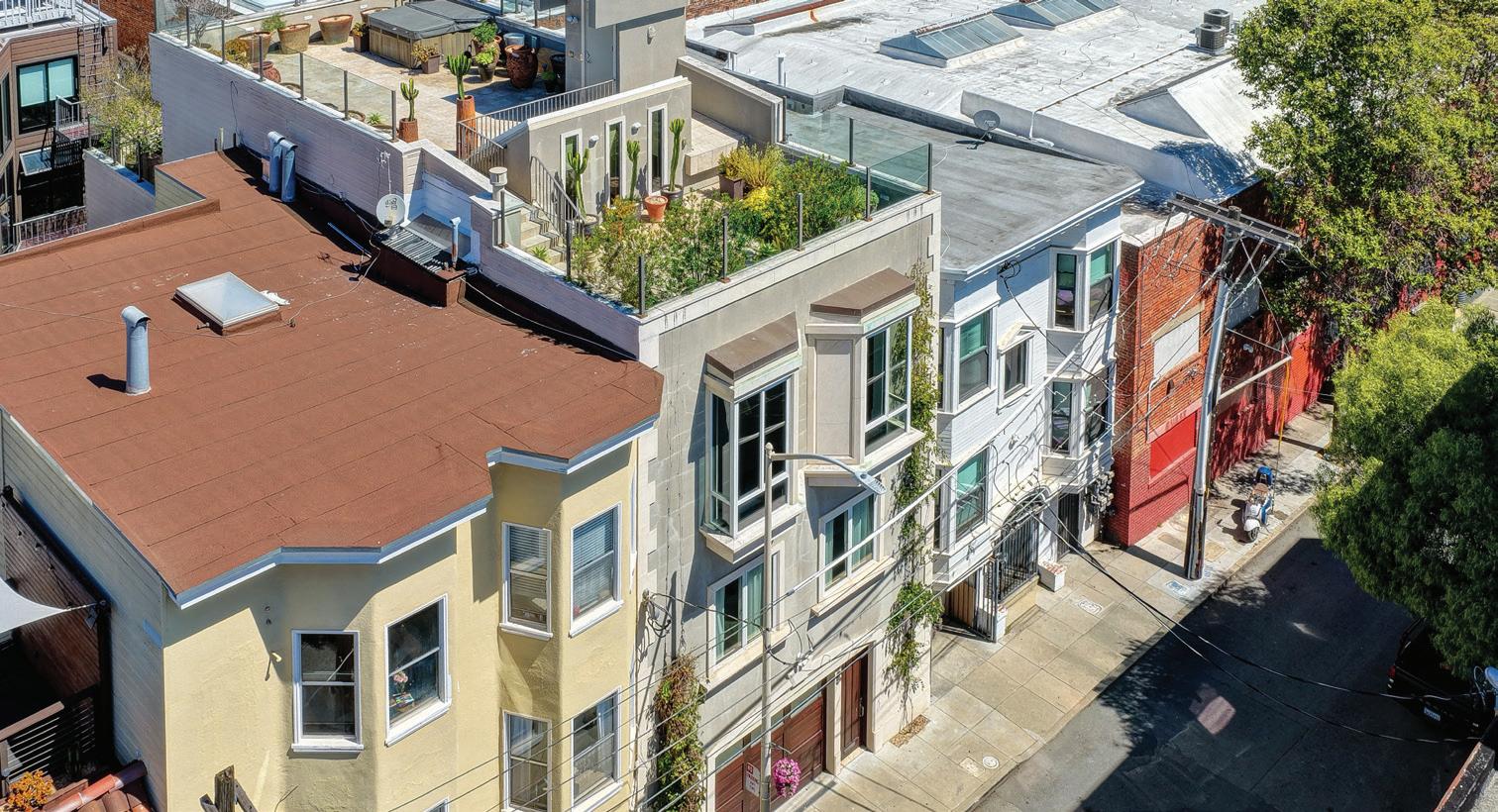
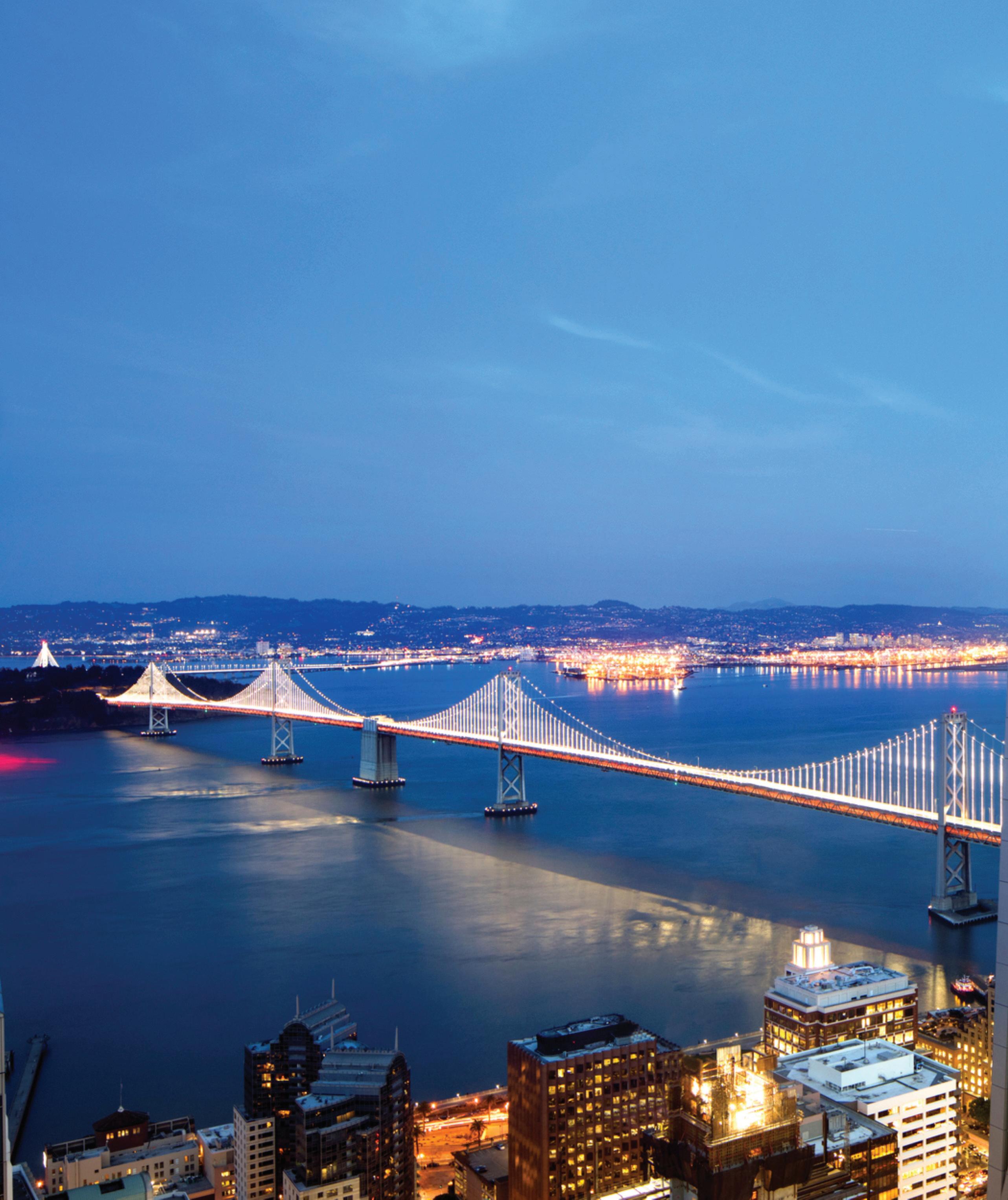
The Grand Penthouse at 181 Fremont
BY
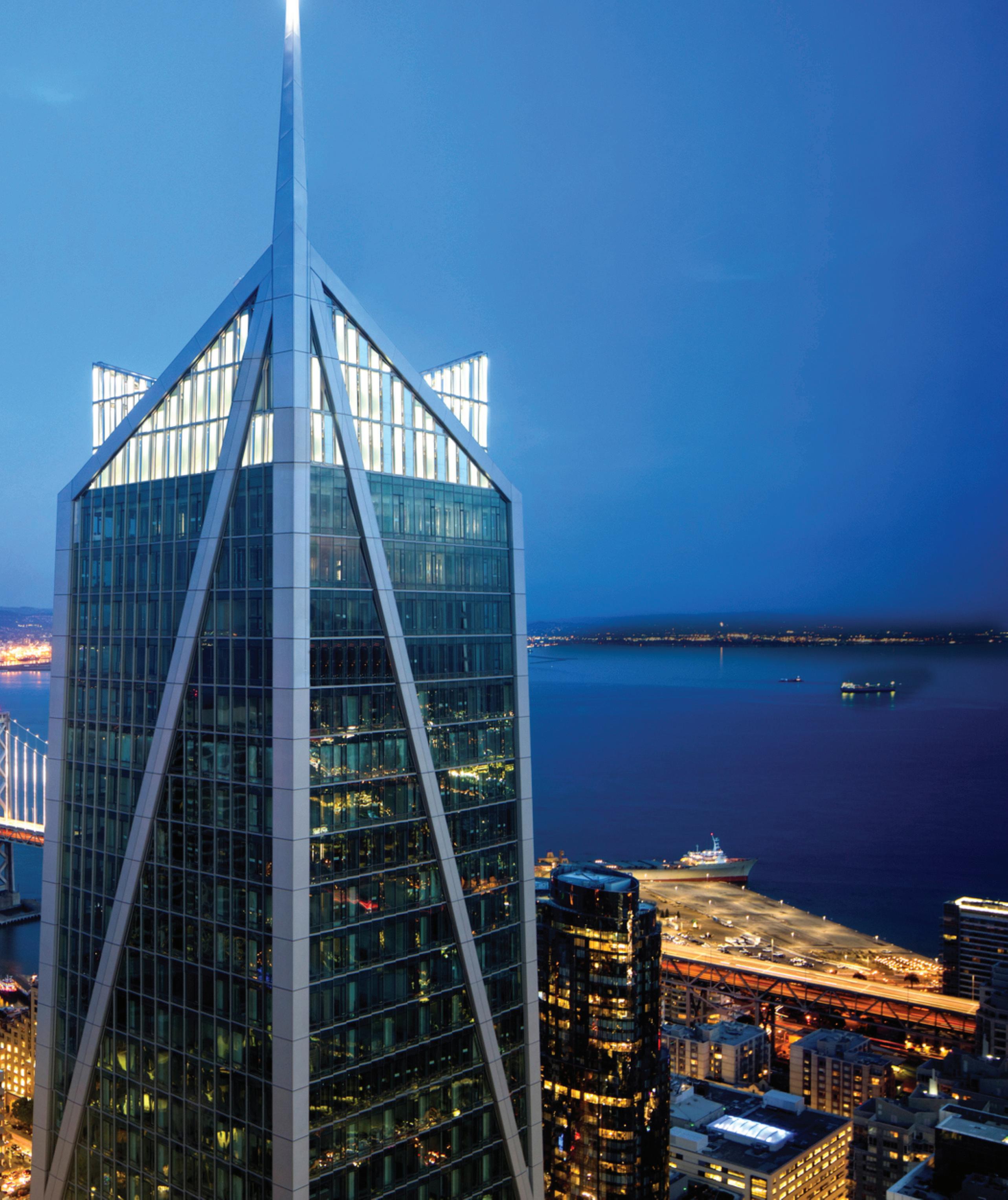
The Grand Penthouse at 181 Fremont is the boldest statement and most defining achievement of luxury living ever realized on the West Coast. It sets a new standard for aspiration, design, and accomplishment, an expression of grandeur at its highest level.
Spanning 6,941 square feet, the residence commands the entire top floor of 181 Fremont, rising over 700 feet above San Francisco as its highest home. Walls of glass frame sweeping, uninterrupted 360 degree views of the Pacific Ocean, Marin Headlands, the Golden Gate Bridge, the Bay Bridge, the Transamerica Pyramid, Salesforce Tower & Park, and the city skyline in its full majesty.
This extraordinary residence offers four bedrooms, six and a half baths, and a thoughtfully curated collection of living spaces designed to inspire at every turn. A grand dining room, a magnificent primary suite with north and west unobstructed views, dual spa-like master baths, a room for a private gym, and an exhibition-style kitchen with custom Rossana cabinetry and counter seating come together in seamless harmony.
Every detail reflects precision, intention, and timeless elegance. Every window frames a masterpiece view. Every vantage point is unrepeatable. Each morning begins with a perspective reserved for only one place in the City. The Grand Penthouse at 181 Fremont embodies the ultimate expression of luxury in San Francisco, an offering defined by distinction and rarity. There is only one highest home in San Francisco. Only one residence that occupies an entire Grand Penthouse floor. Only one place where you live above the clouds, above the bridges, above it all, and call it home.
There is a moment, riding the whisper-quiet elevator to the upper floors of 181 Fremont Street barely feeling the motion, when San Francisco simply falls away beneath you and the world reorganizes itself around water, light, bridges and sky. The bay spreads in every direction. The Golden Gate and Bay bridges arc across the blue with the Richmond and the San Mateo bridges connecting lands on the distant horizon. The hills of Marin rise in the distance. The Transamerica Pyramid and Salesforce Tower punctuate the skyline below and you understand, with complete clarity, that you are somewhere truly exceptional, a residential address that belongs in the same conversation as One Hyde Park in London, 432 Park Avenue in New York, and the great tower residences of Hong Kong’s Victoria Peak. San Francisco has produced many remarkable buildings but it has produced very few that can credibly claim to stand among the finest in the world. 181 Fremont is one of them.
181 Fremont rises as the West Coast’s tallest mixed-use tower, an 800foot exoskeleton-framed skyscraper engineered to exceed the most rigorous seismic standards, anchored directly to bedrock and built for enduring resilience. Fifty-five private residences occupy the upper half of the building culminating in the Grand Penthouse at its crown 700 feet in the sky.
Residents enjoy exclusive access to the full-floor Residents‘ Club on the 39th level at 470 feet, featuring a wraparound observation terrace, a fitness center with yoga studio, piano bar, private dining room, catering kitchen, multiple lounges, media room, and conference facilities. Whiteglove living is ensured through dedicated on-site concierge service, 24hour lobby staff, and valet parking. Uniquely, the building offers direct skybridge access to Salesforce Park and the Salesforce Transit Center, a 5.4-acre elevated park and a major transportation nexus connecting eleven transit lines below.
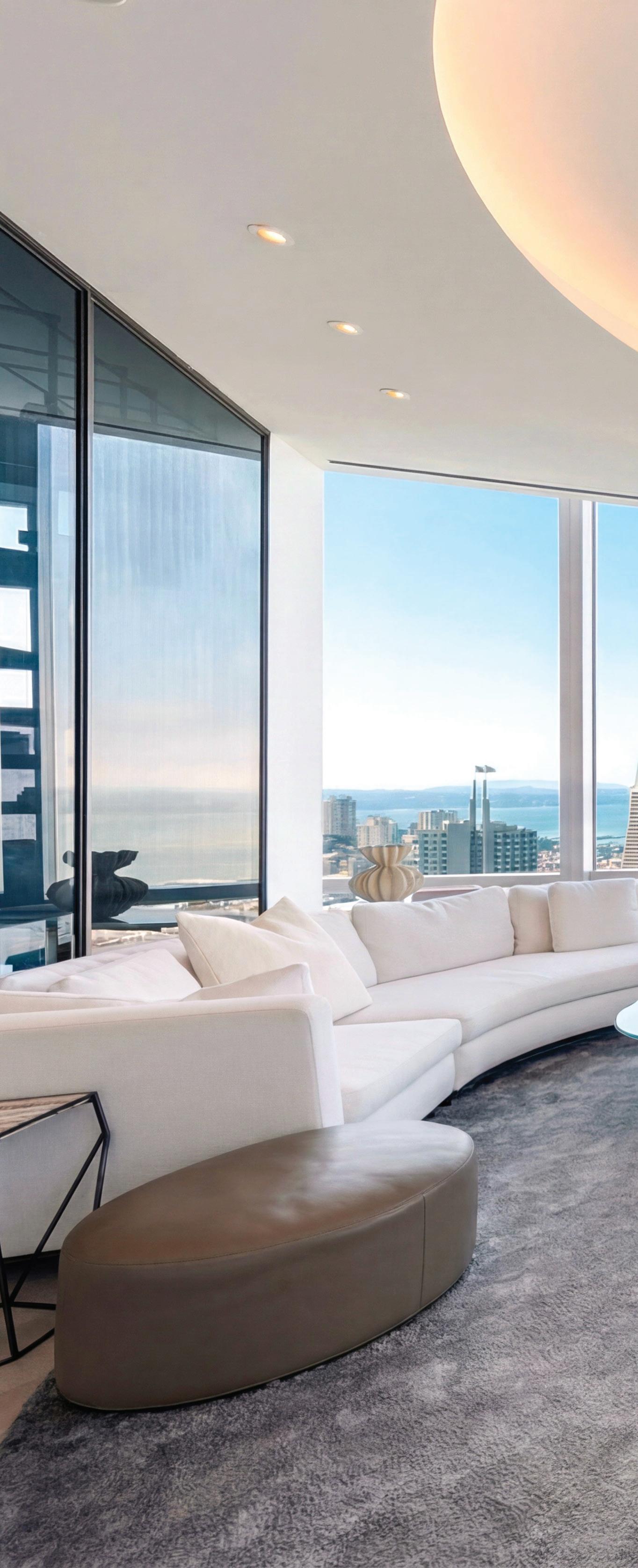
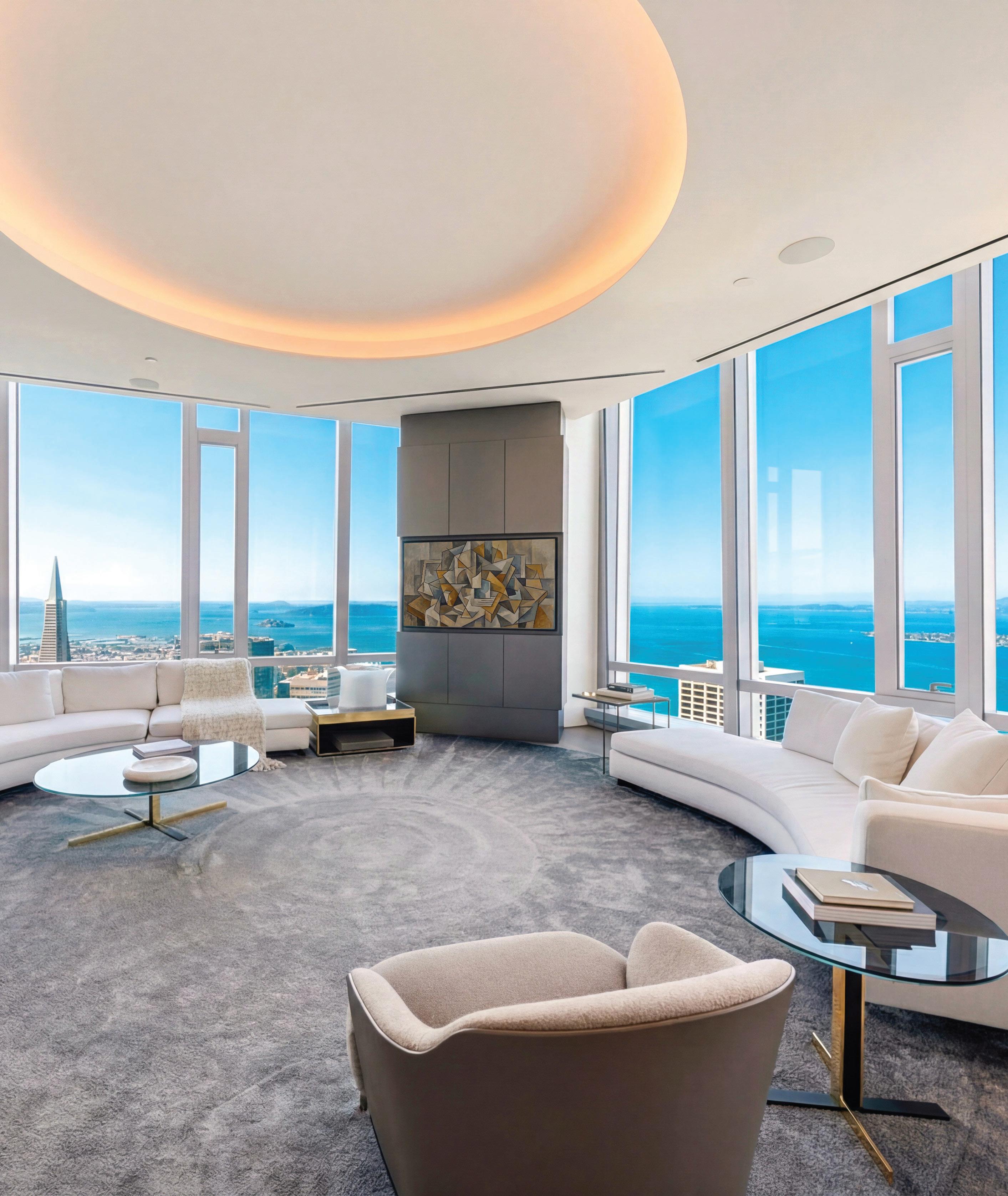
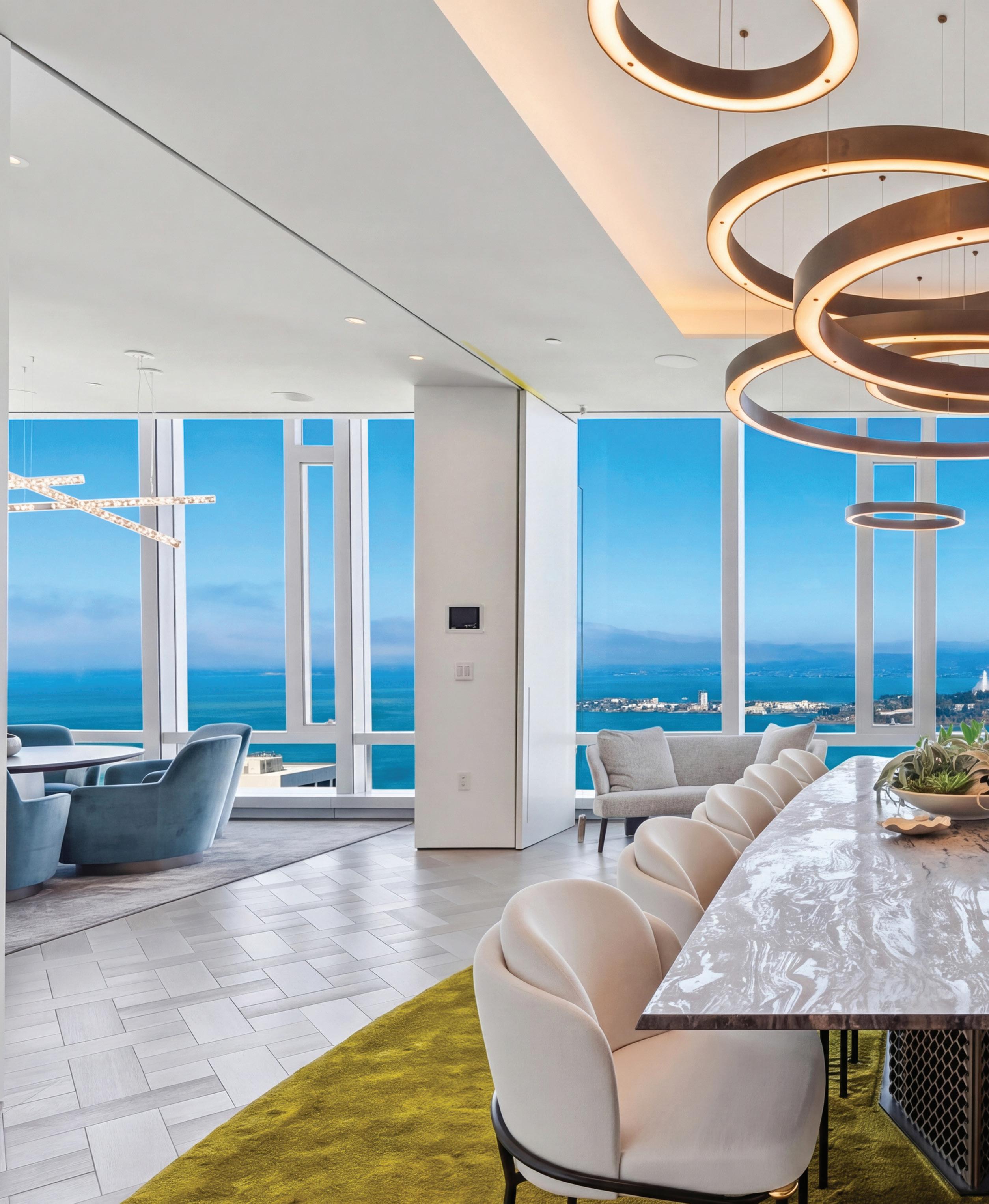
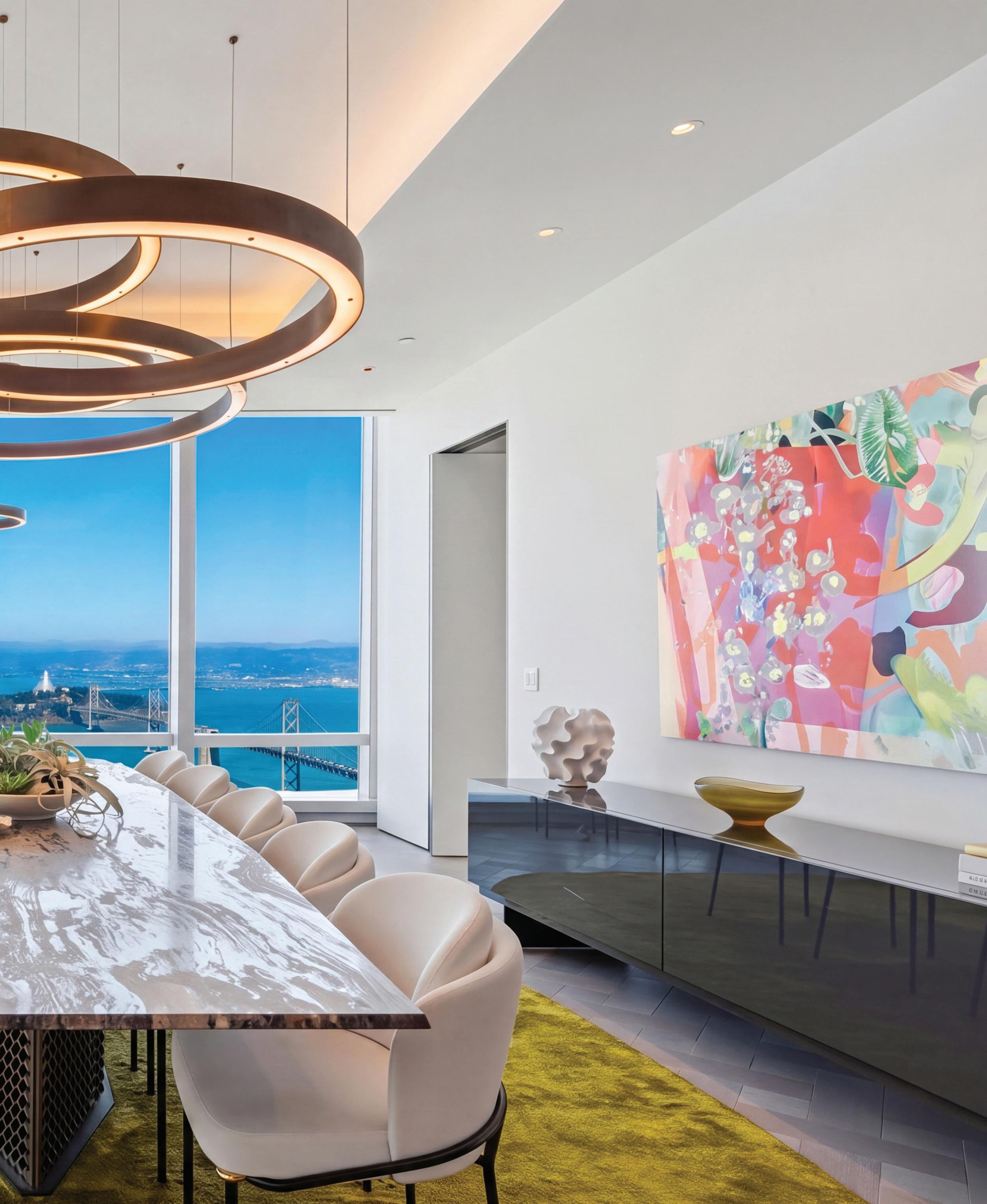
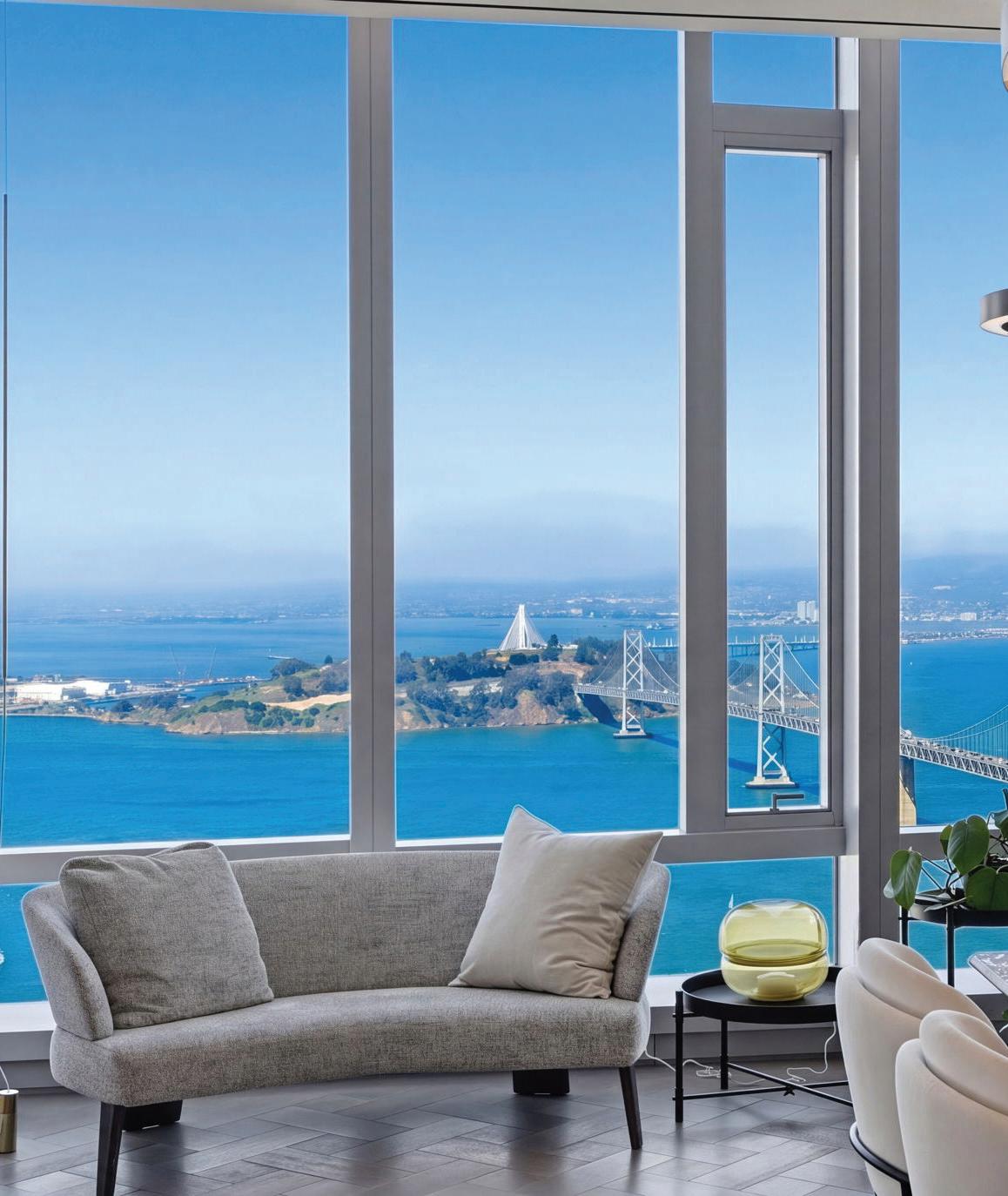
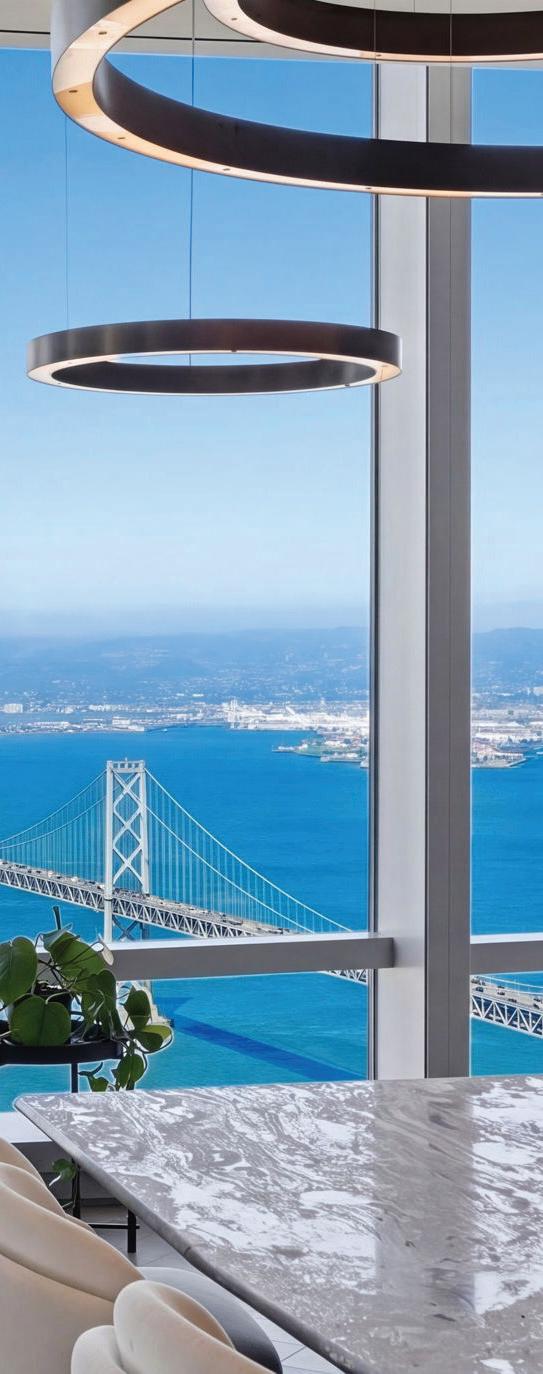
San Francisco stands at the forefront of the artificial intelligence economy, a global center where the next era of innovation and capital is being defined. Those shaping that future: founders, investors, and visionaries require a residence that reflects both achievement and trajectory. There is one address that answers that call with absolute clarity. The Grand Penthouse and two half-floor penthouses, with six staff suites, are now offered for acquisition.
Venetian plaster walls set a serene, tactile backdrop beneath ceilings that rise to ten and a half feet. Underfoot, wood flooring laid in an intricate Marie Antoinette pattern, micro-beveled and softly luminous, brings warmth and quiet grandeur. The parlor anchors the residence, centered around a full-slab Carrara marble, dual-sided fireplace, complemented by a refined wet bar, an elegant setting for both intimate evenings and sophisticated entertaining.
The grand dining room is a destination in itself, complete with a dedicated wine cellar and tasting bar, designed for curated experiences and memorable gatherings. Nearby, the family room opens seamlessly onto a Salvatori Servery, blending functionality with understated luxury.
A glass-enclosed study, crafted with Rimadesio smoked glass and stacking sliding doors, offers both privacy and presence. Framed by Henge bronze and walnut integrated shelving, it is a space designed for clarity, focus, and decisive thought. Throughout, a Savant home automation system and Lutron lighting anticipate your preferences, responding effortlessly, often before they are even expressed.
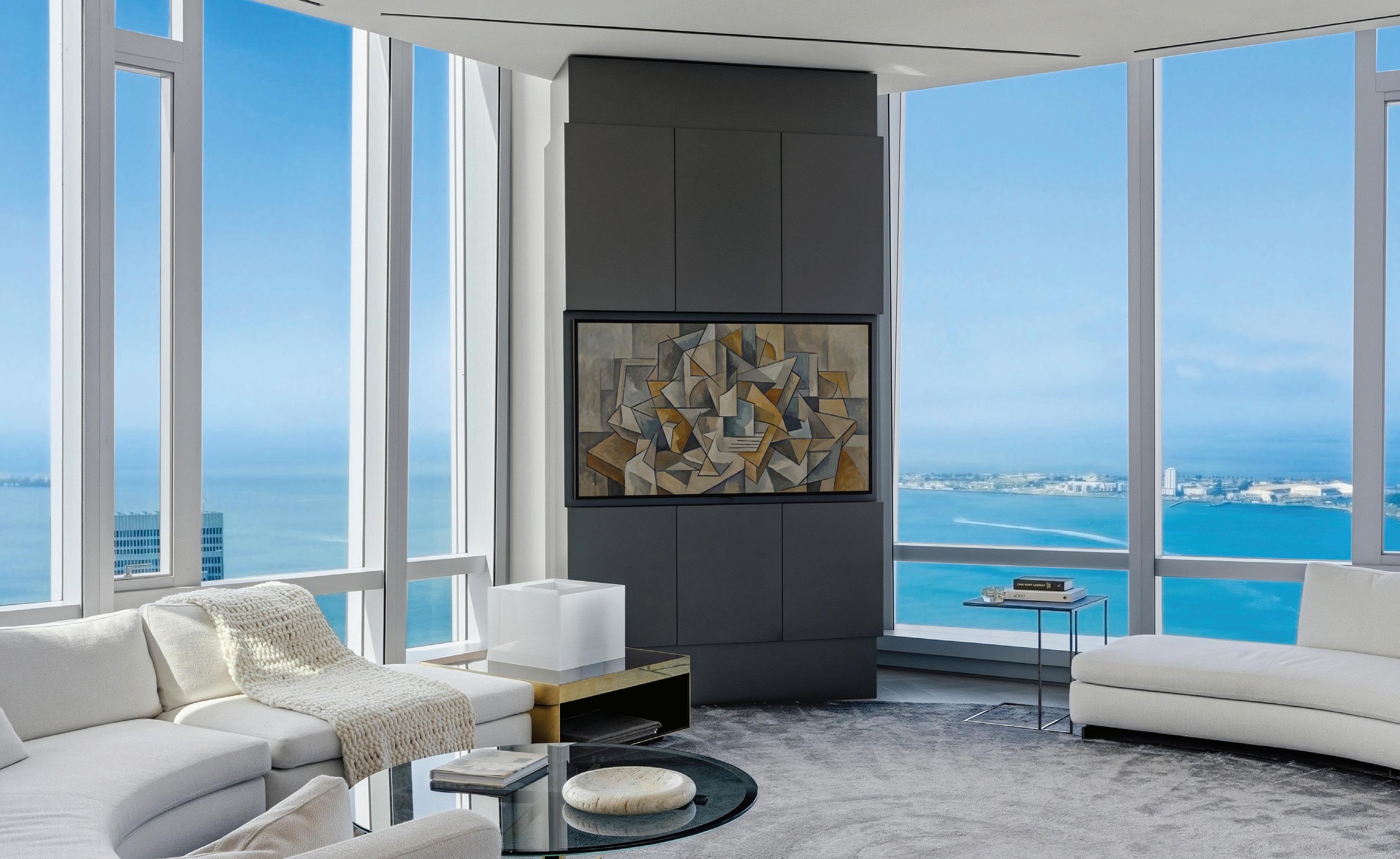
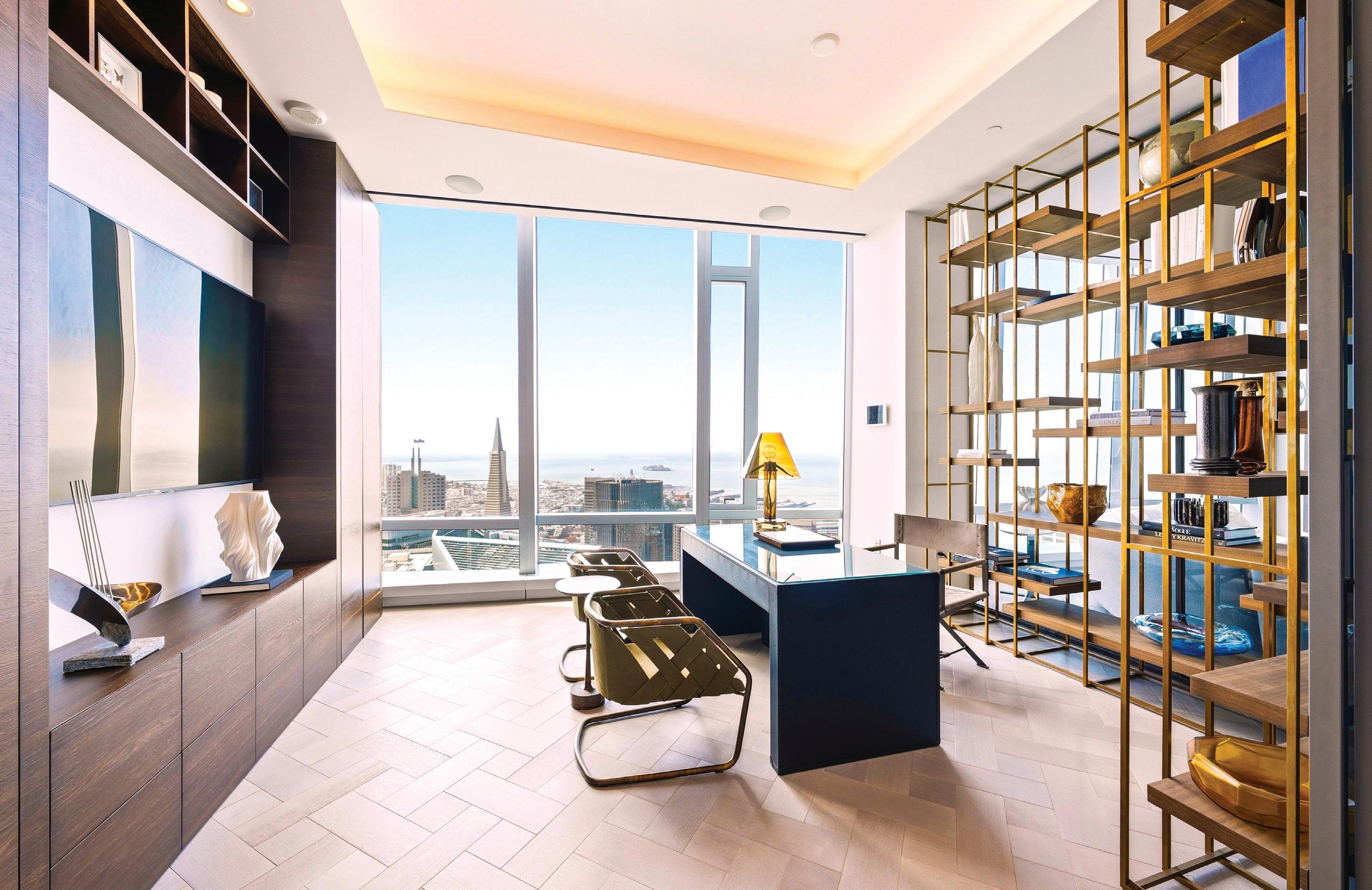
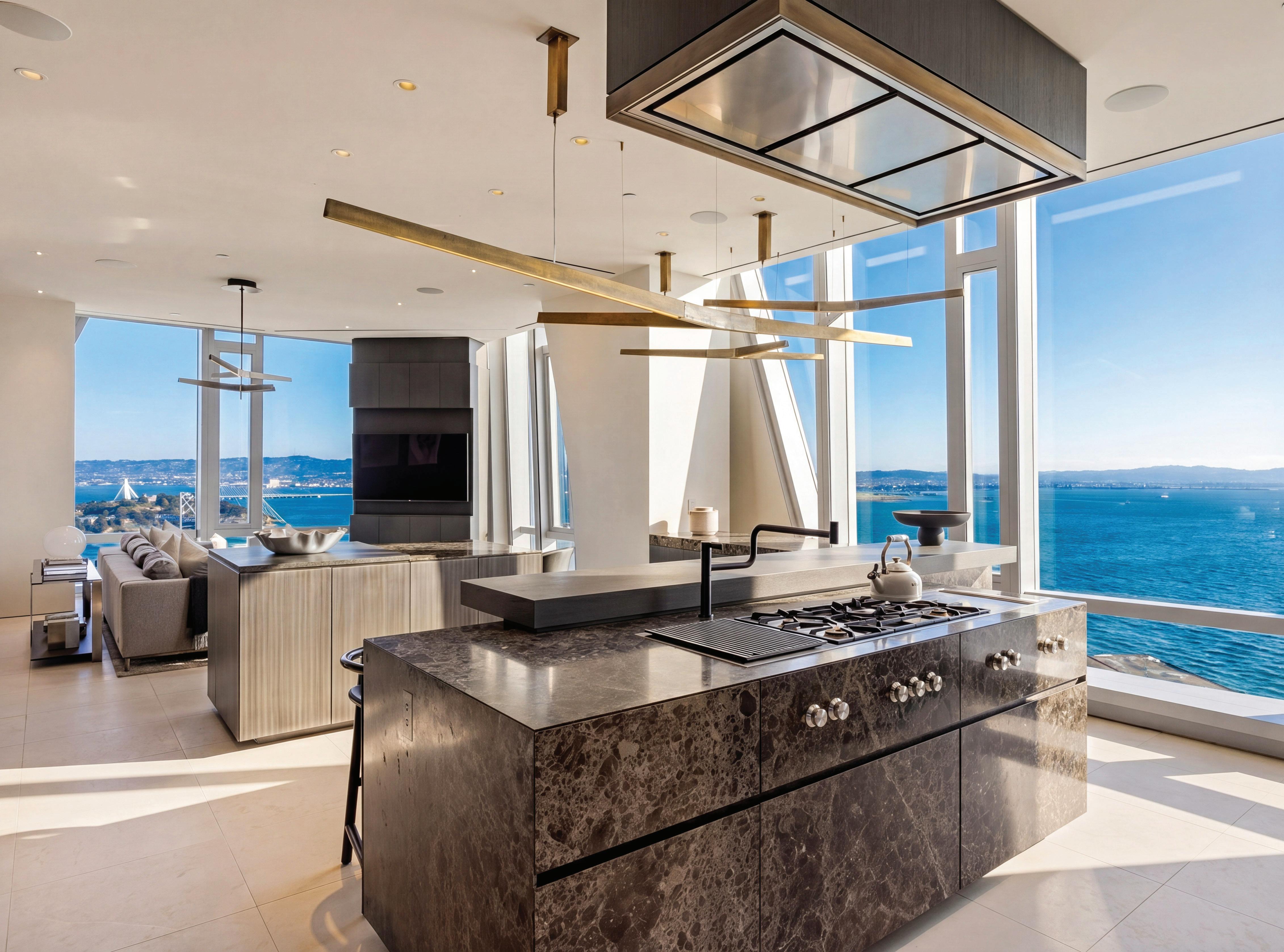
The exhibition kitchen is exactly that, both a stage and a workspace designed as much for performance as for culinary mastery. Emperador marble countertops set a rich, dramatic tone, complemented by Rossana custom cabinetry detailed with Acciaio steel accents and a sculptural wood bar top. Wall cabinets in Stopsol backlit bronze mirrored glass introduce depth and a warm, ambient glow.
A full suite of Gaggenau appliances elevates the experience: refrigerator and freezer towers, double ovens with warming drawer and steam oven, a wine tower, fiveburner gas cooktop, integrated grill, and teppanyaki station, each element curated for precision and versatility.
A separate catering kitchen is equipped with Sub-Zero refrigeration, Valcucine glass cabinetry, and a Miele double oven induction cooktop, allows for seamless service while preserving the integrity and elegance of the main space.
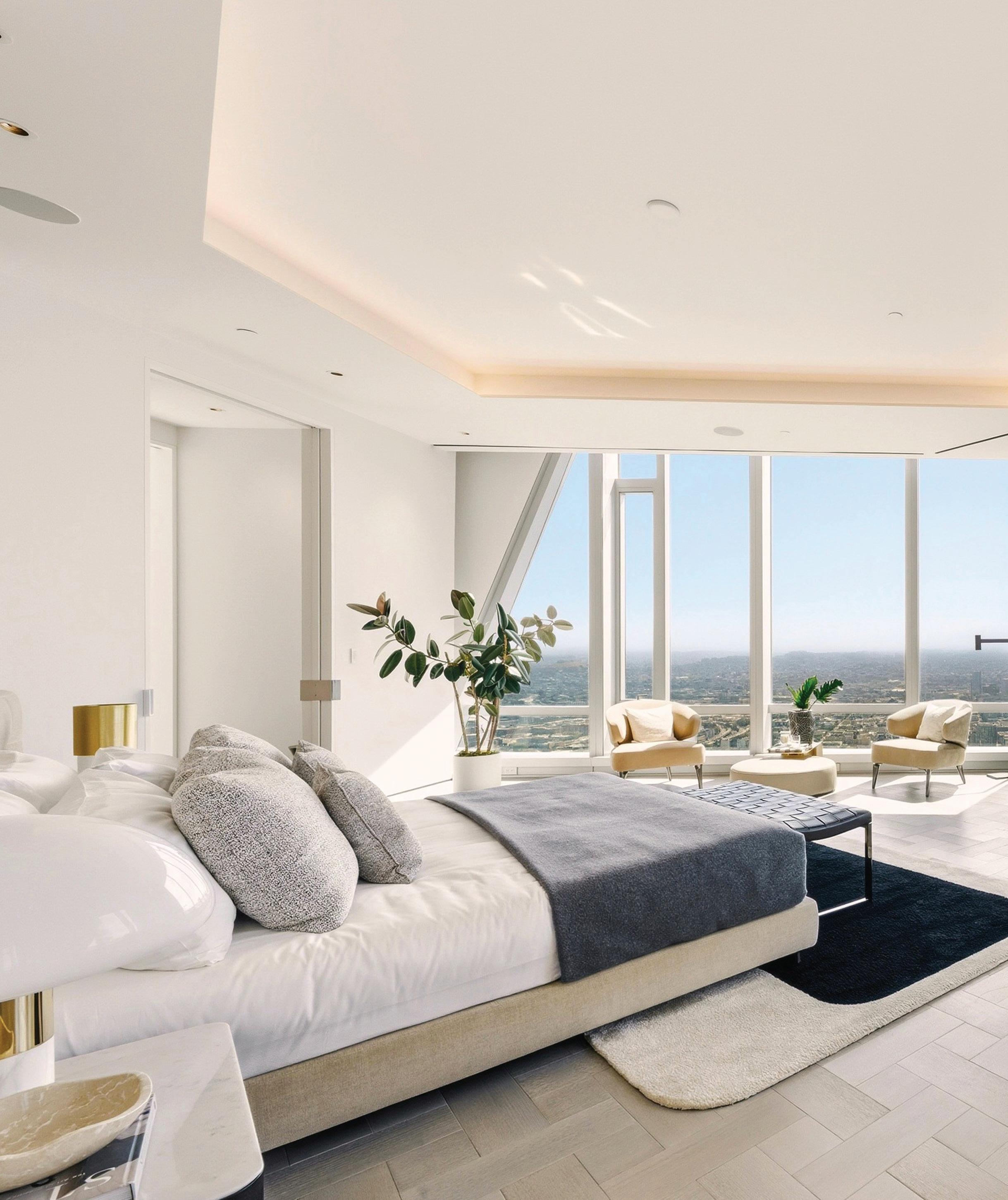
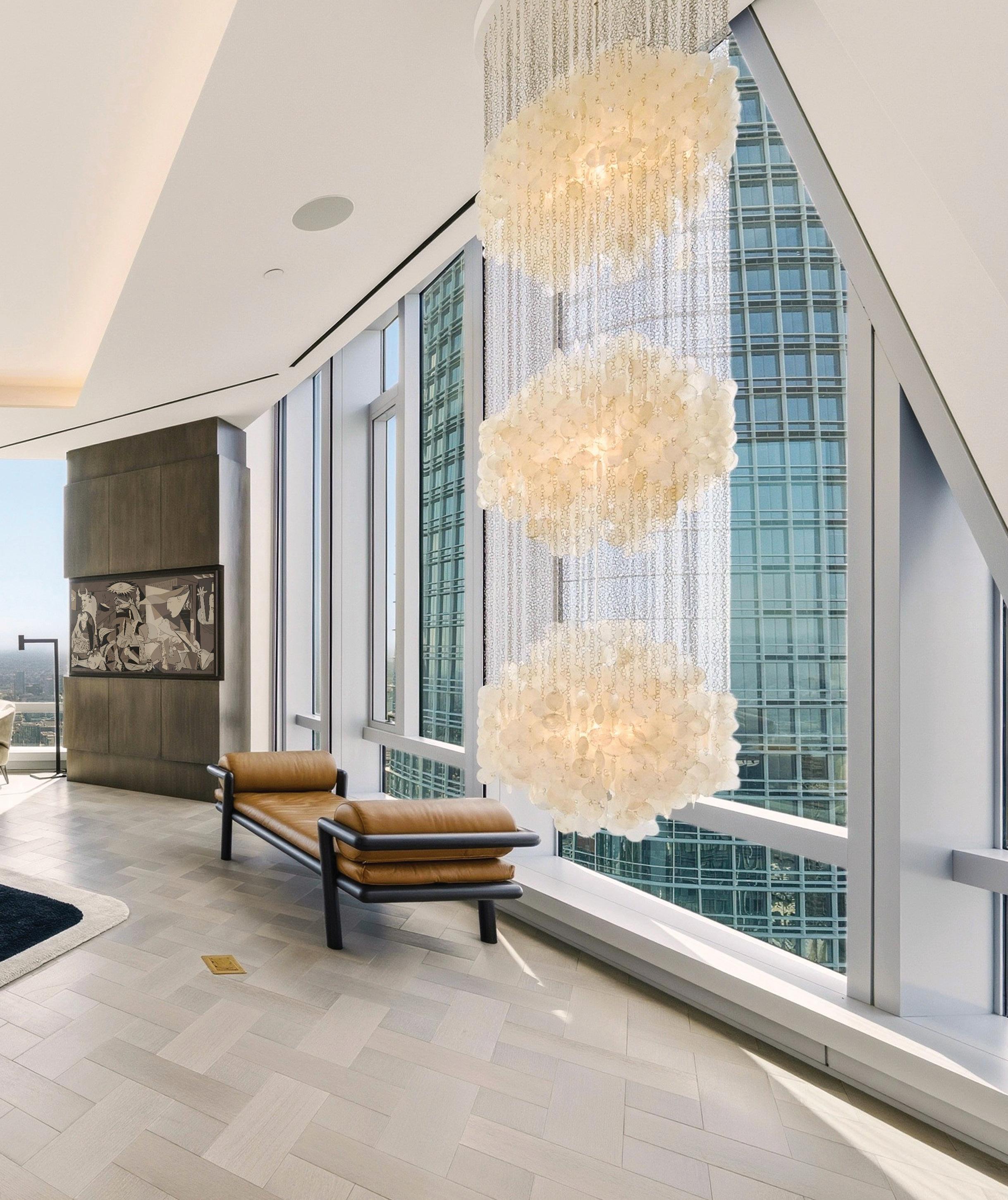
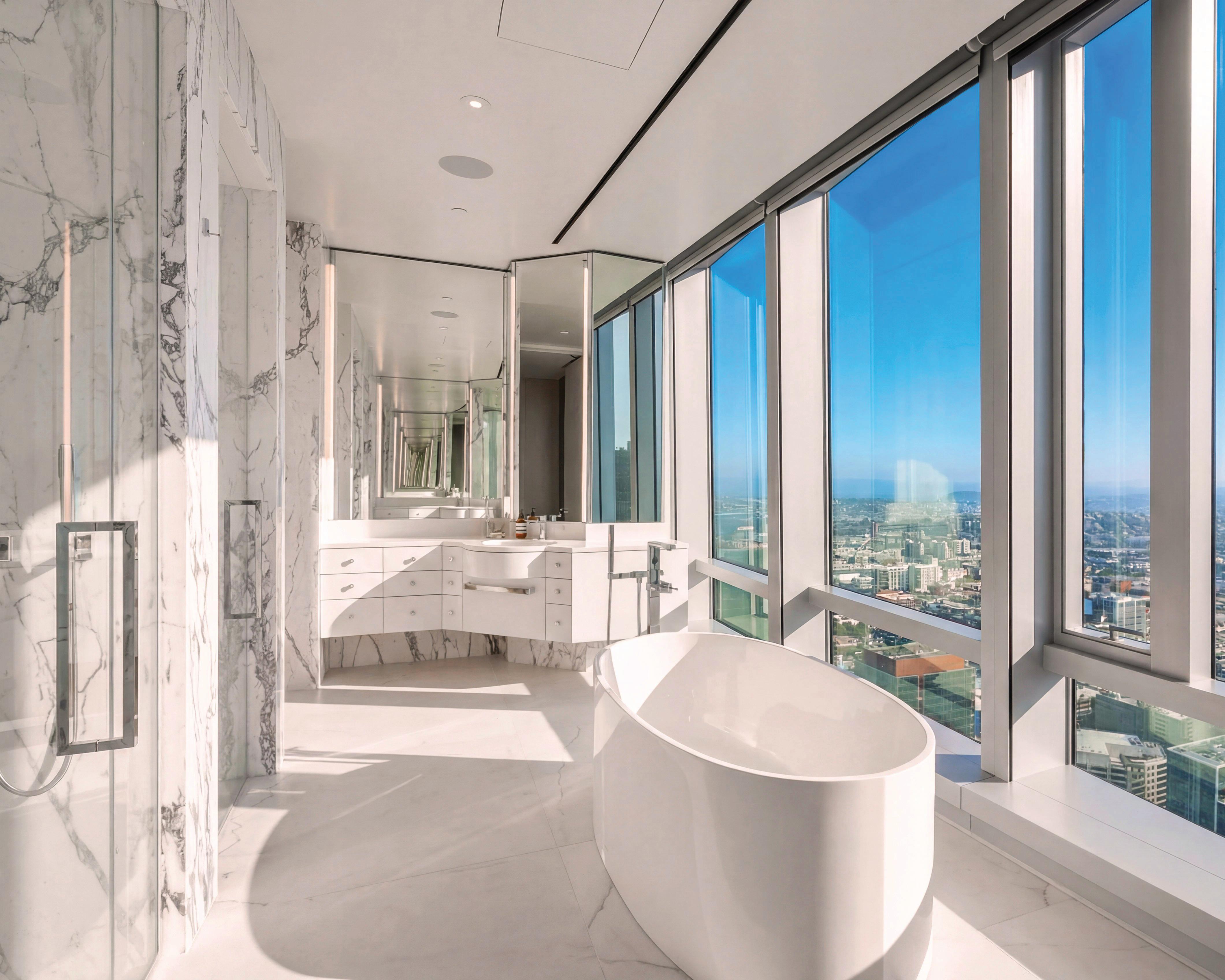
The primary suite unfolds at the northwest corner, where sweeping views extend across the bay, the iconic Golden Gate Bridge, and the open Pacific horizon. Light moves through the space from morning into evening, creating a constantly shifting backdrop. Dual custom walk-in closets and a bespoke corner entertainment cabinet complete the suite with both elegance and intention.
Three additional bedrooms, each with en-suite baths and generous closets, offer the same rare privilege of elevation and outlook, views that few will ever experience from any altitude. Four bedrooms. Four private sanctuaries. Seven hundred feet above the rhythm of the city below.
The primary bath to the west is conceived as a private spa. An Antonio Lupi freestanding soaking tub rests against book-matched statuary marble floors with radiant heat, while Arabescato Corchia marble walls and a secluded steam shower complete the serene, immersive environment. The north primary bath is equally striking, enveloped entirely in Salvatori Gris du Marais marble across floors, countertops, and steam shower. Gessi Rettangolo fixtures and radiant heated surfaces enhance both comfort and refinement.
The powder room is a sculptural statement, finished in custom Italian acid-washed and sandblasted titanium travertine. An Antonio Lupi vanity, Gessi fixtures, and Henge silver-plated sconces complete the composition. Each bath is conceived as its own destination: distinct, immersive, and executed with uncompromising precision.
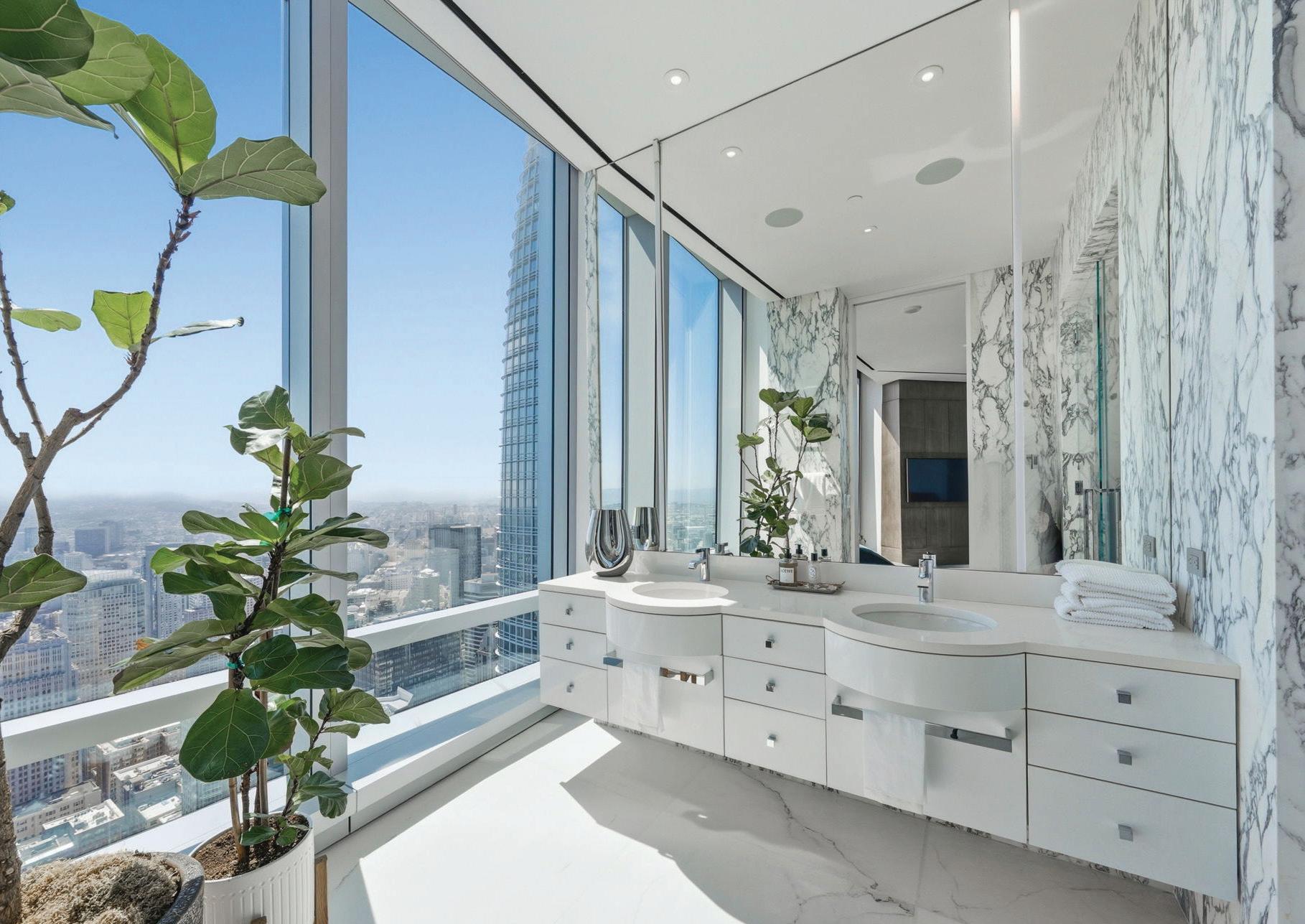
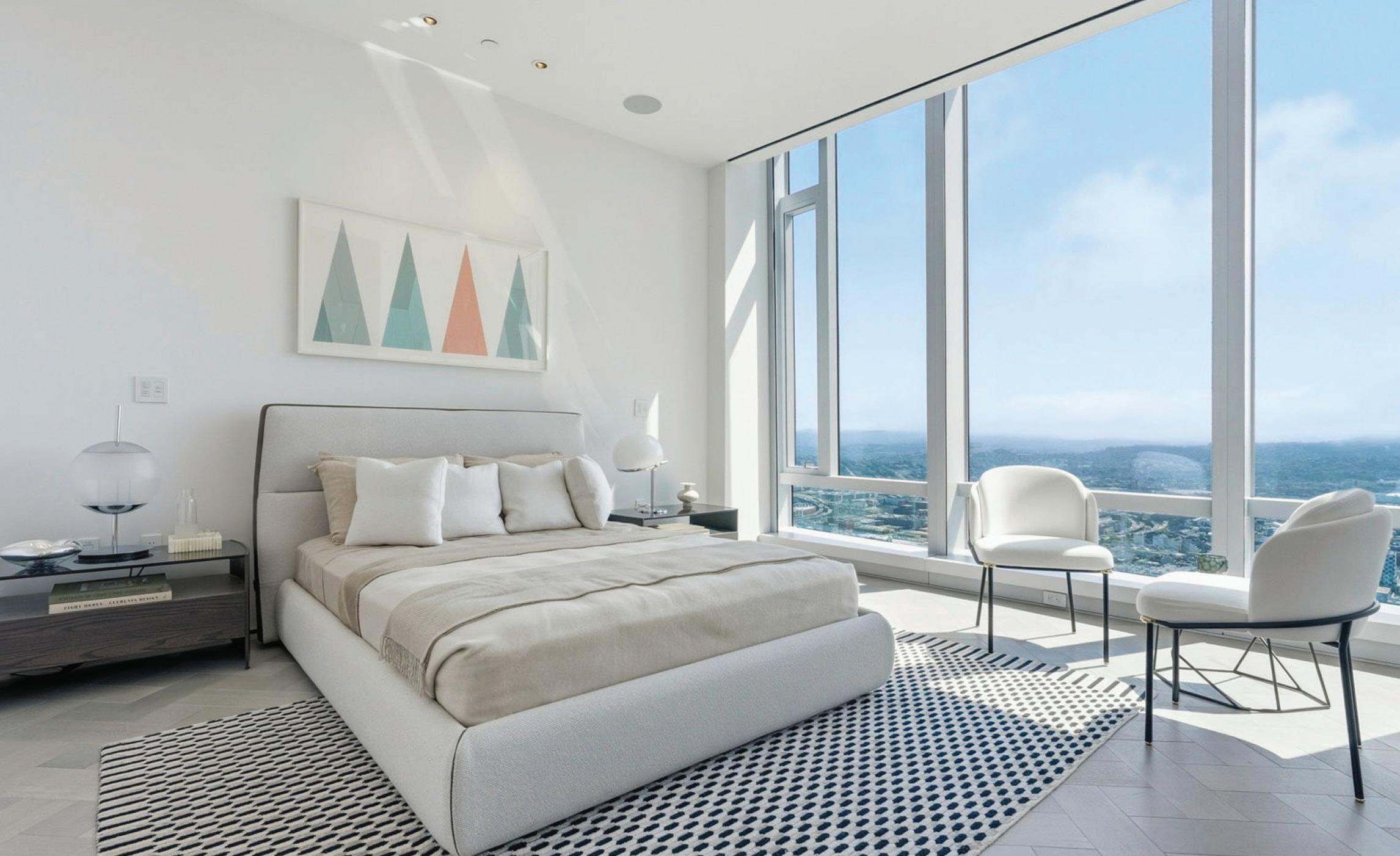
181 FREMONT, SAN FRANCISCO, THE GRAND PENTHOUSE IS OFFERED AT $47,500,000 INCLUDING TWO ATELIER UNITS FOR GUESTS OR STAFF.
TWO HALF PENTHOUSES 69B IS OFFERED AT $16,000,000 INCLUDING ONE ATELIER UNIT AND 68B IS OFFERED AT $13,000,000 WITHOUT AN ATELIER UNIT.
When standing at the floor-to-ceiling windows as the city stretches out below, there’s a quiet moment of recognition that this isn’t just a home, it’s a milestone. Every late night, every calculated risk, every sacrifice has led to this view. The Grand Penthouse isn’t merely square footage and skyline, it’s proof. Proof that the climb was the journey and the dream come true. That the vision held, that “someday” finally arrived. This is what it feels like to have made it to the top, not just to arrive, but to belong here..

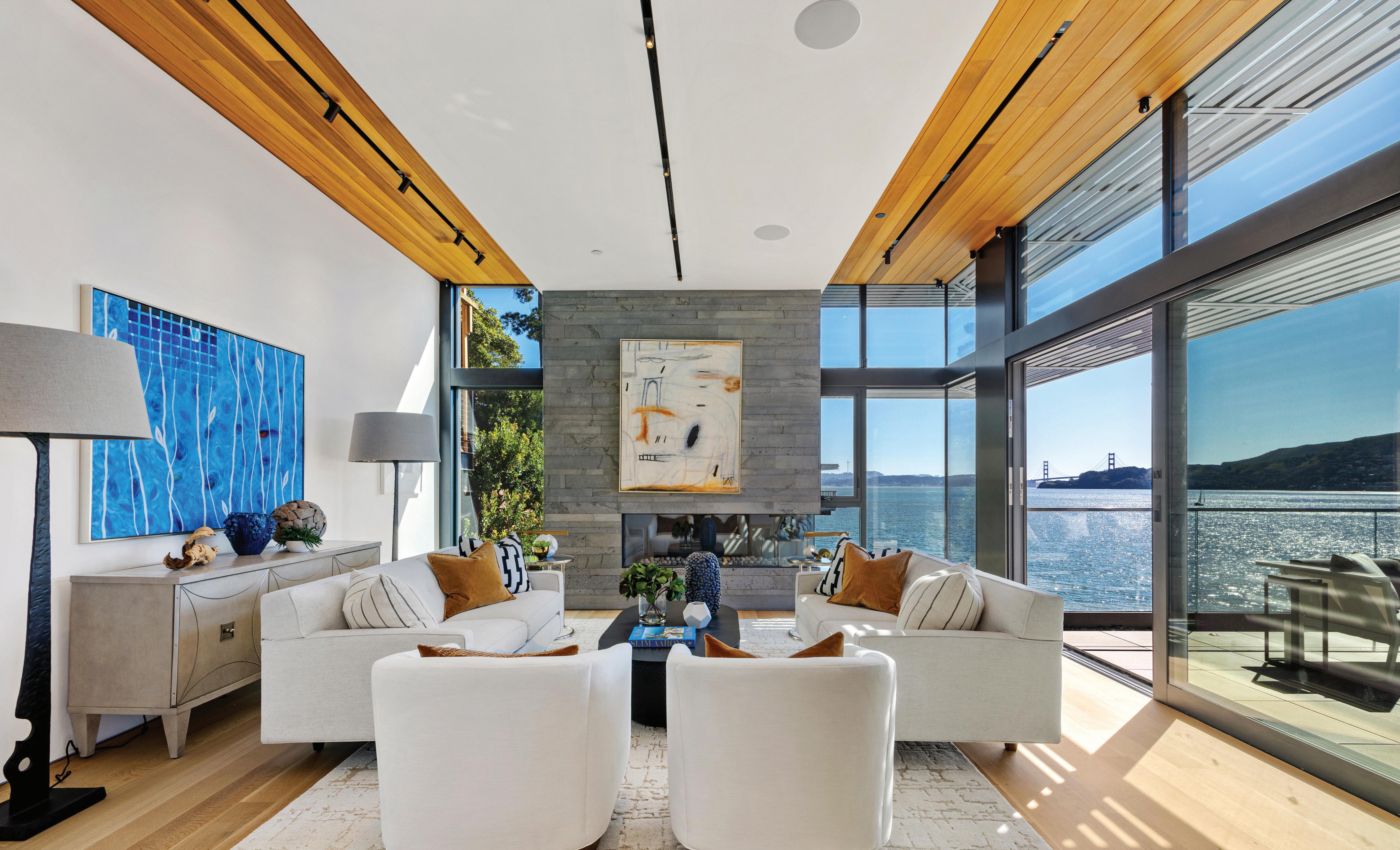
4
BEDS | 4.5 BATHS | ± 5,099 SQ. FT | ±0.38 ACRES ASKING $25,950,000
A very rare, brand-new waterfront masterpiece combines luxury with breathtaking, unobstructed views of the Golden Gate Bridge, San Francisco, Sausalito, and Mt. Tam. Perched dramatically on the edge of Belvedere Island’s prestigious west side, 46 Cli Road is a true architectural triumph. The four-bedroom, 5,099-square-foot home is designed with the highest craftsmanship and structural integrity. This modern and spacious coastal sanctuary features corner glass walls and expansive, tall, wallto-wall Fleetwood glass doors that open onto sprawling terraces for indoor-outdoor living. This cli side retreat o ers unmatched views, timeless design, and serenity within a unique paradise for buyers seeking the extraordinary experience of the best waterfront living. With elegance, comfort & waterfront perfection, every room in this stunning home o ers Golden Gate views. Inside, you’ll find grand interiors with 10-foot to 14-foot ceilings, a floor-to-ceiling fireplace, and wide plank, vertical grain white oak flooring. The deluxe primary suite with a spa-like bathroom features a freestanding soaking tub, a glass shower, a double vanity, and a spacious walk-in closet. The dramatic gourmet kitchen has vertical grain white oak cabinets and a Vadara Blanco Venato quartz countertop. The expansive waterfront terraces feature an outdoor BBQ center, plumbing forthree firepits, a stainless steel spa, and a lounge area perfect for relaxation. Whether you’re relaxing by the shore, taking a peaceful walk along the coastline, or watching the waves roll in, the beachfront oasis provides the ultimate in tranquility and privacy. Other amenities include a private guest suite, Ipe wood deck, stainless steel cable railing, a desk/seating area to enjoy the amazing views, a large full bath, a laundry room, and a full kitchen. There is Warmboard radiant heating throughout. Norstone natural lava stone veneer was selected for its beauty, strength, and durability for exterior and interior wall cladding. There is solar power generation, an EV charger, an entry fountain made of natural stone, a large level lawn, a two-car garage, and three o -street parking spaces.
Asking $25,950,000 | Visit 46Cli Belvedere.com for details, photos, and video.




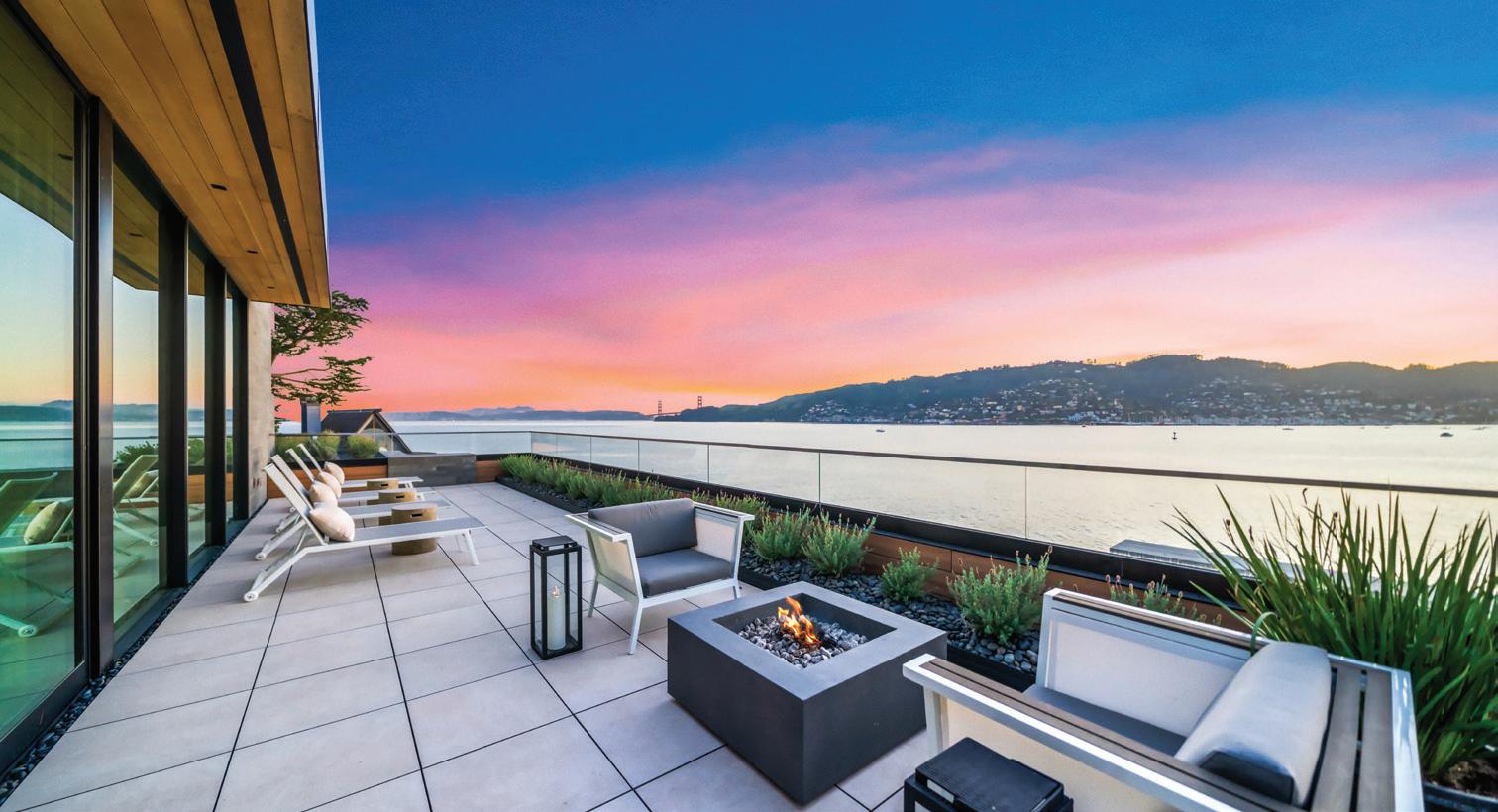
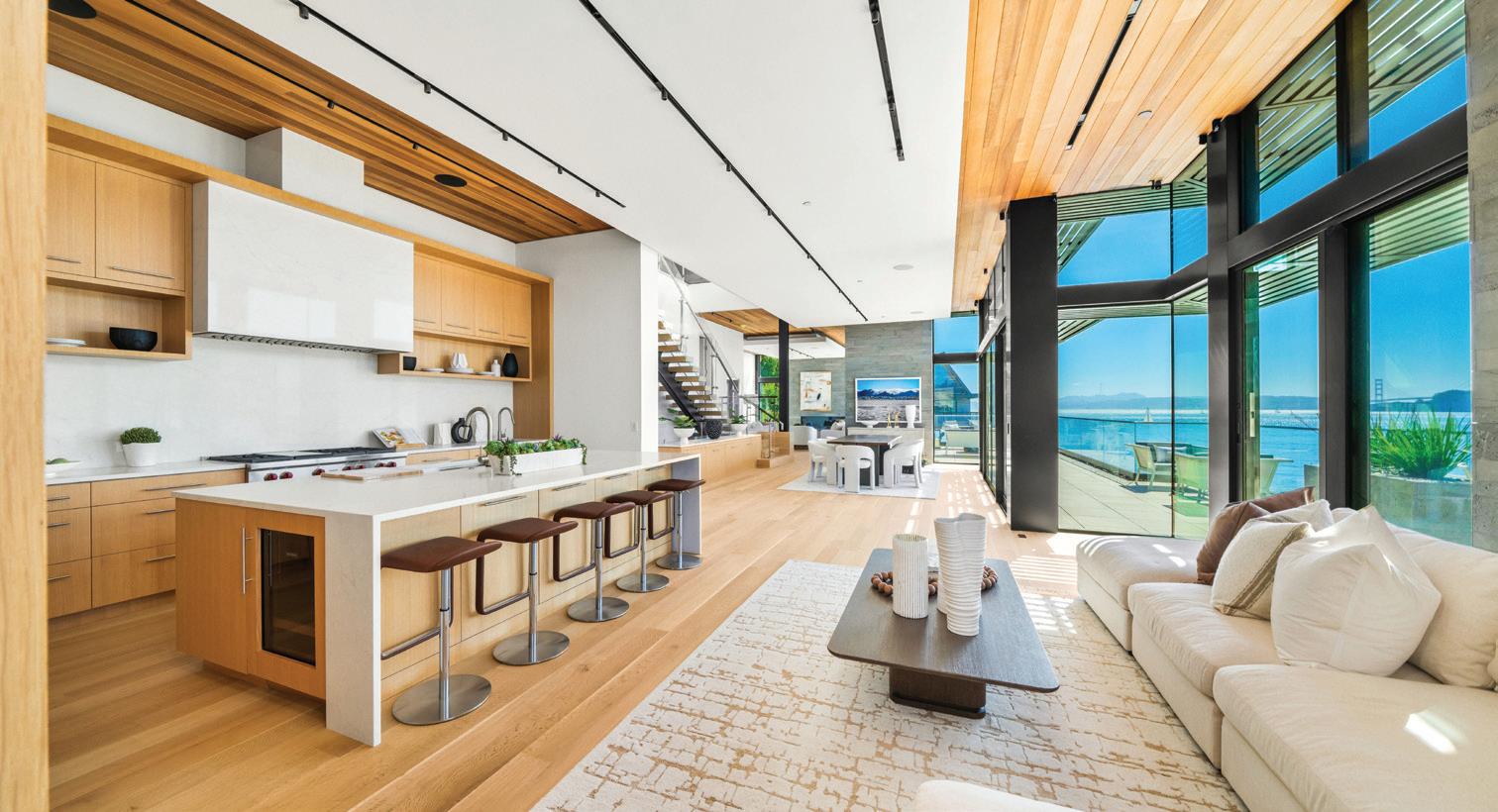
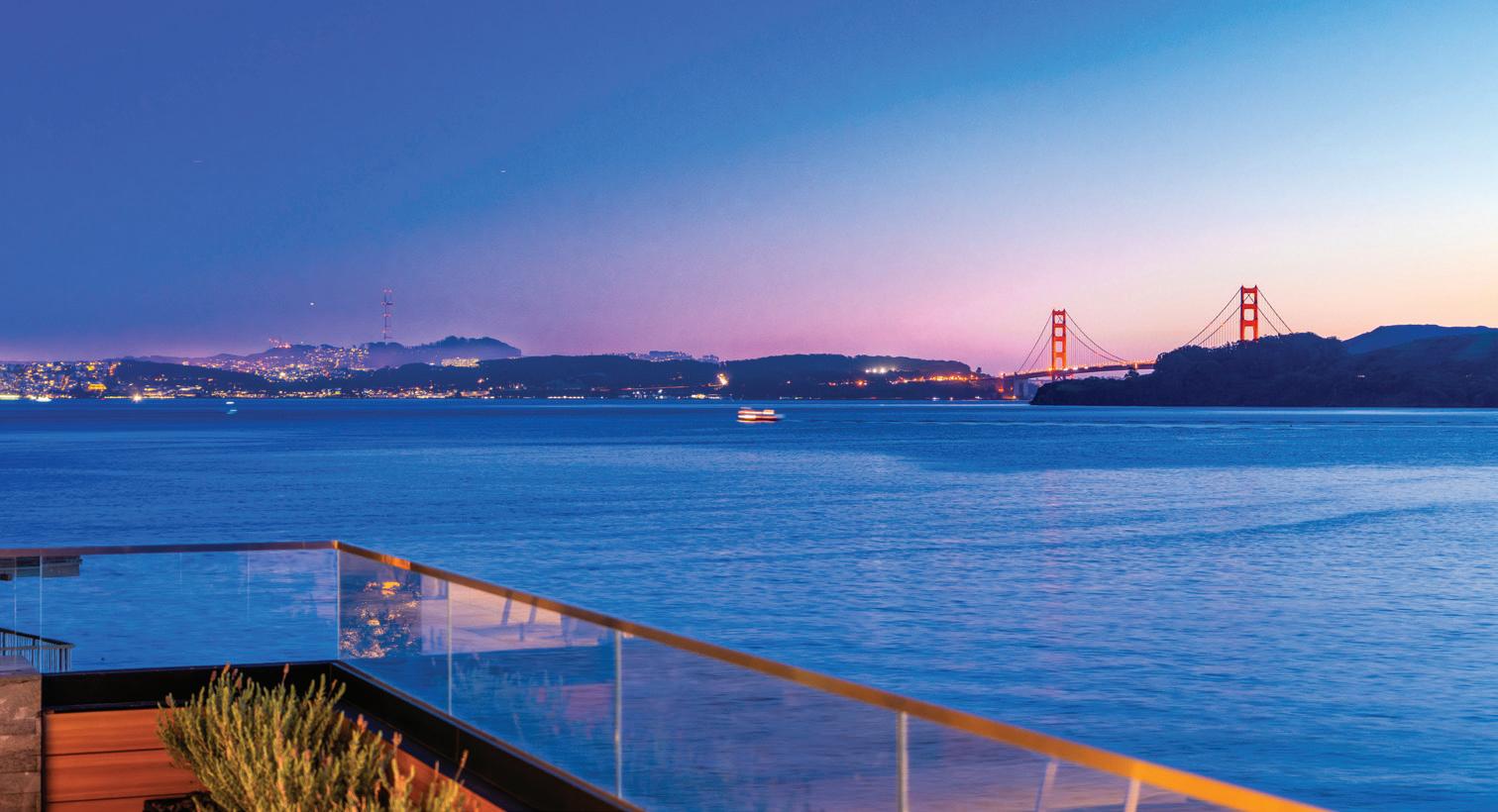
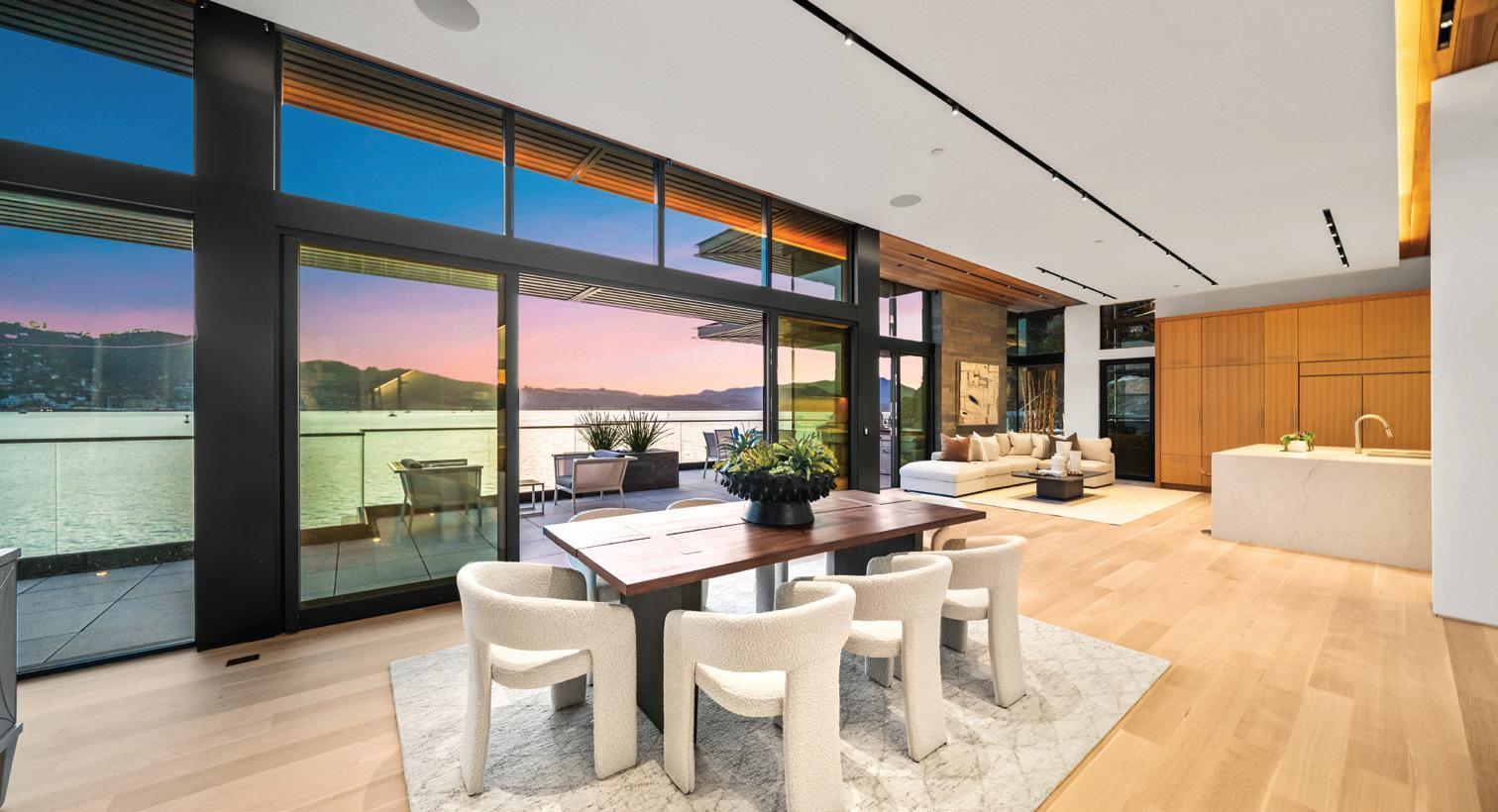
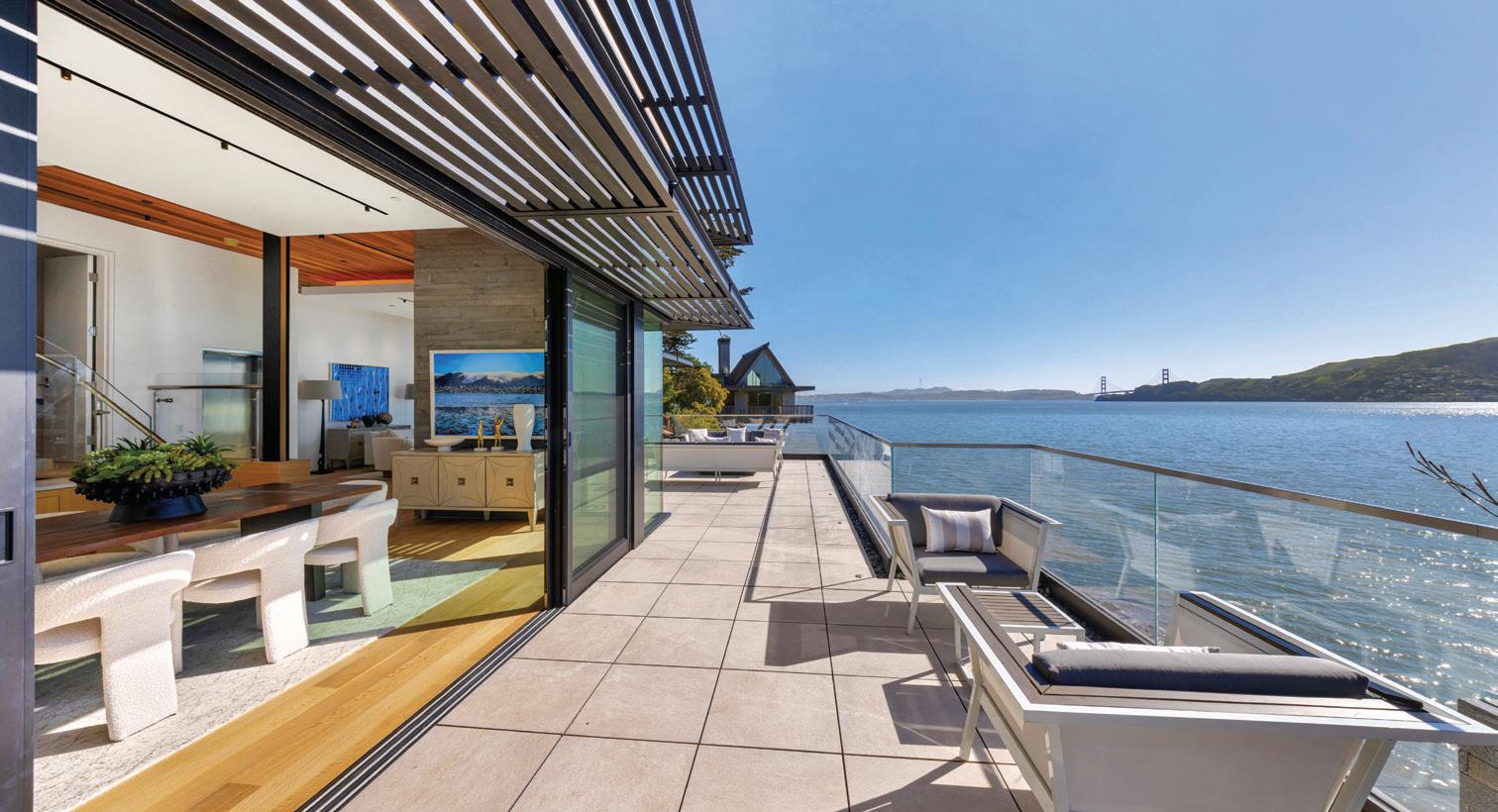
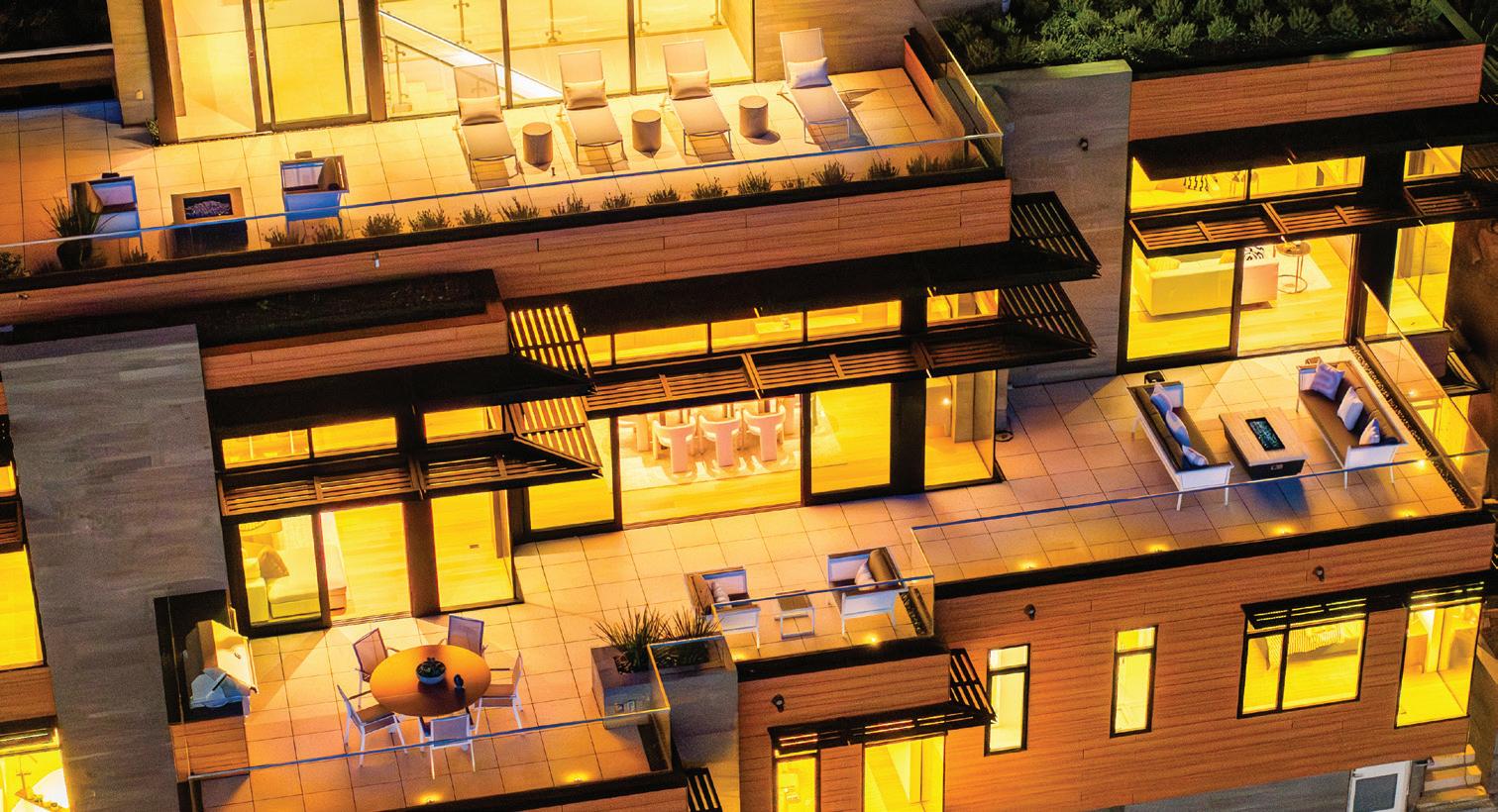
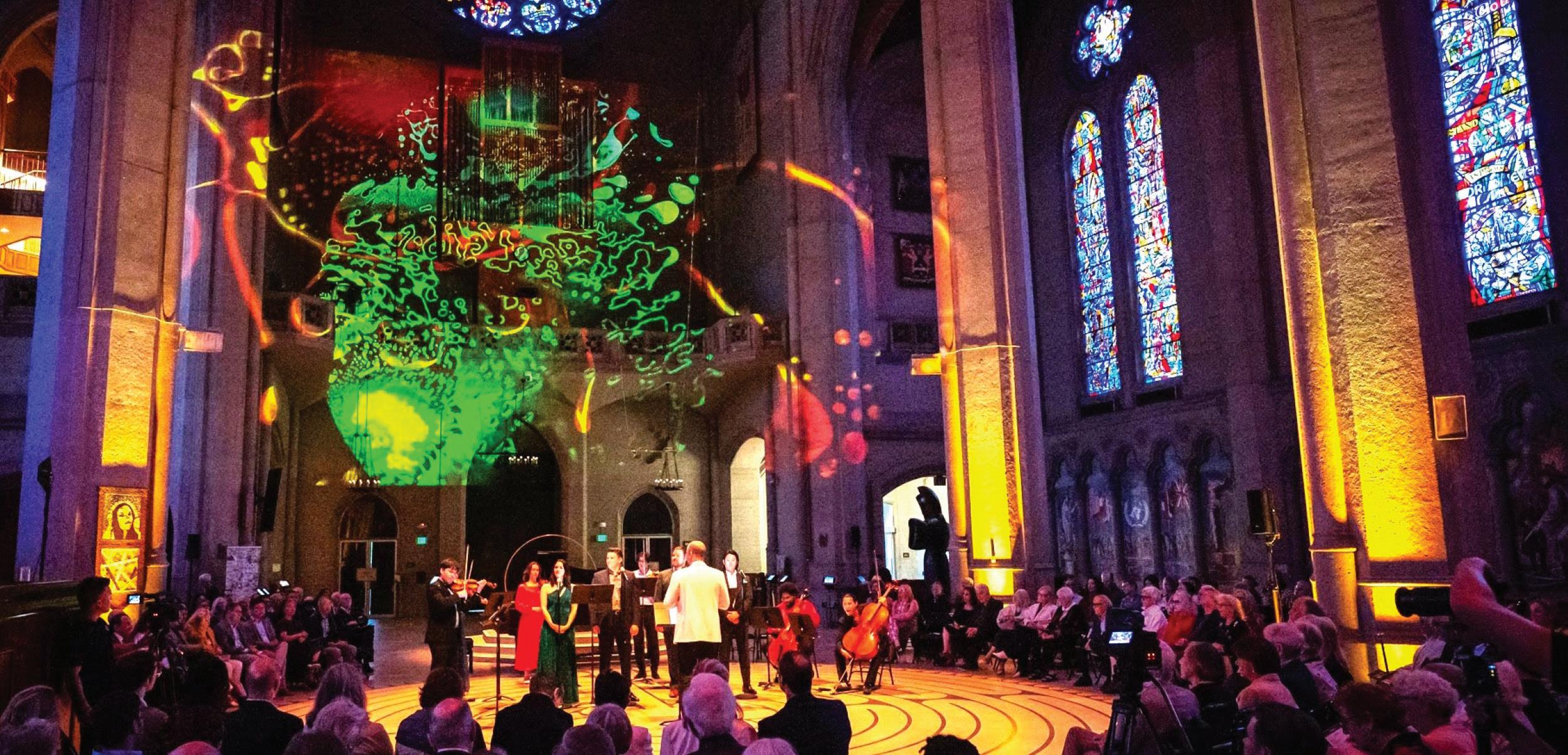
BY ALYONA MARENCHUK
ON JUNE 20, 2026, THE LONGEST AND MOST LIGHT-FILLED day of the year, San Francisco’s iconic Grace Cathedral opened its doors for an unforgettable celebration of the summer solstice. Bathed in the shimmering hues of Mad Alchemy’s legendary analog liquid-light show, the cathedral became a living canvas for TILT: Midnight Sun, an intimate musical experience where sound, architecture, and light converged in rare harmony.
At the heart of the evening was Ronny Michael Greenberg, the creative producer, pianist, and curator behind TILT, whose artistic vision has redefined how audiences experience classical music at Grace Cathedral. Greenberg’s fresh, contemporary approach to curation, rooted in community and emotional connection, guided the program from its first nocturnal notes to its final burst of summer brilliance. He unveiled new arrangements of Antonio Vivaldi’s The Four Seasons—Winter and Summer—reimagined for voices and strings, inspired by the composer’s own vivid poetry. These striking adaptations created a dynamic dialogue between text and music, with virtuoso vocalists and instrumentalists trading phrases. The result was a sound world that felt both ancient and startlingly new, echoing through the cathedral’s vast stone interior. Greenberg’s luminous reinterpretation of Midnight Sun, originally composed by jazz legend Lionel Hampton, captured the paradox of the solstice—where darkness and daylight coexist—and became the emotional highlight of the night, glowing with warmth. The program featured world-class artists performing works by Wagner, Puccini, Charpentier, Williams, Ravel, and Hampton, each piece
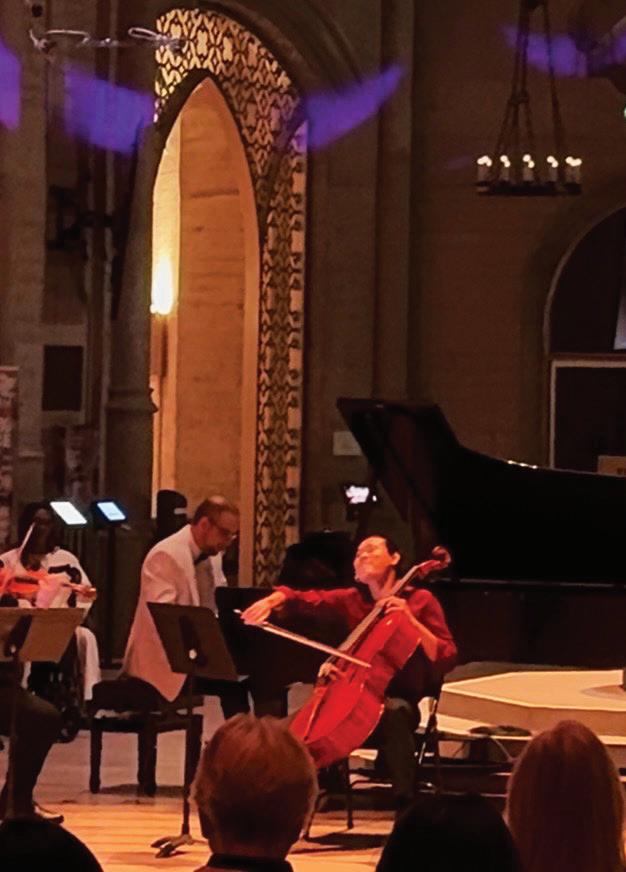
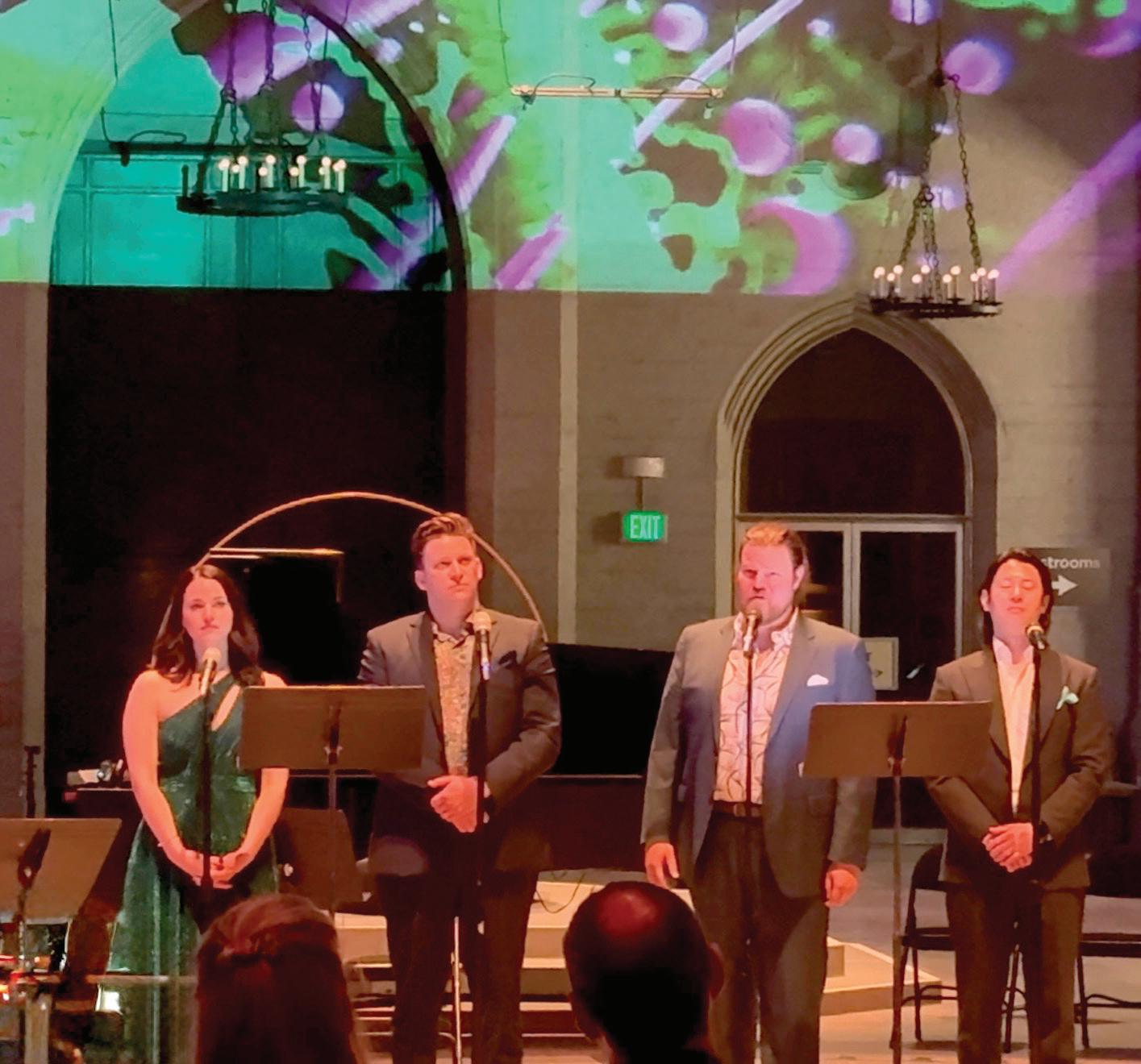
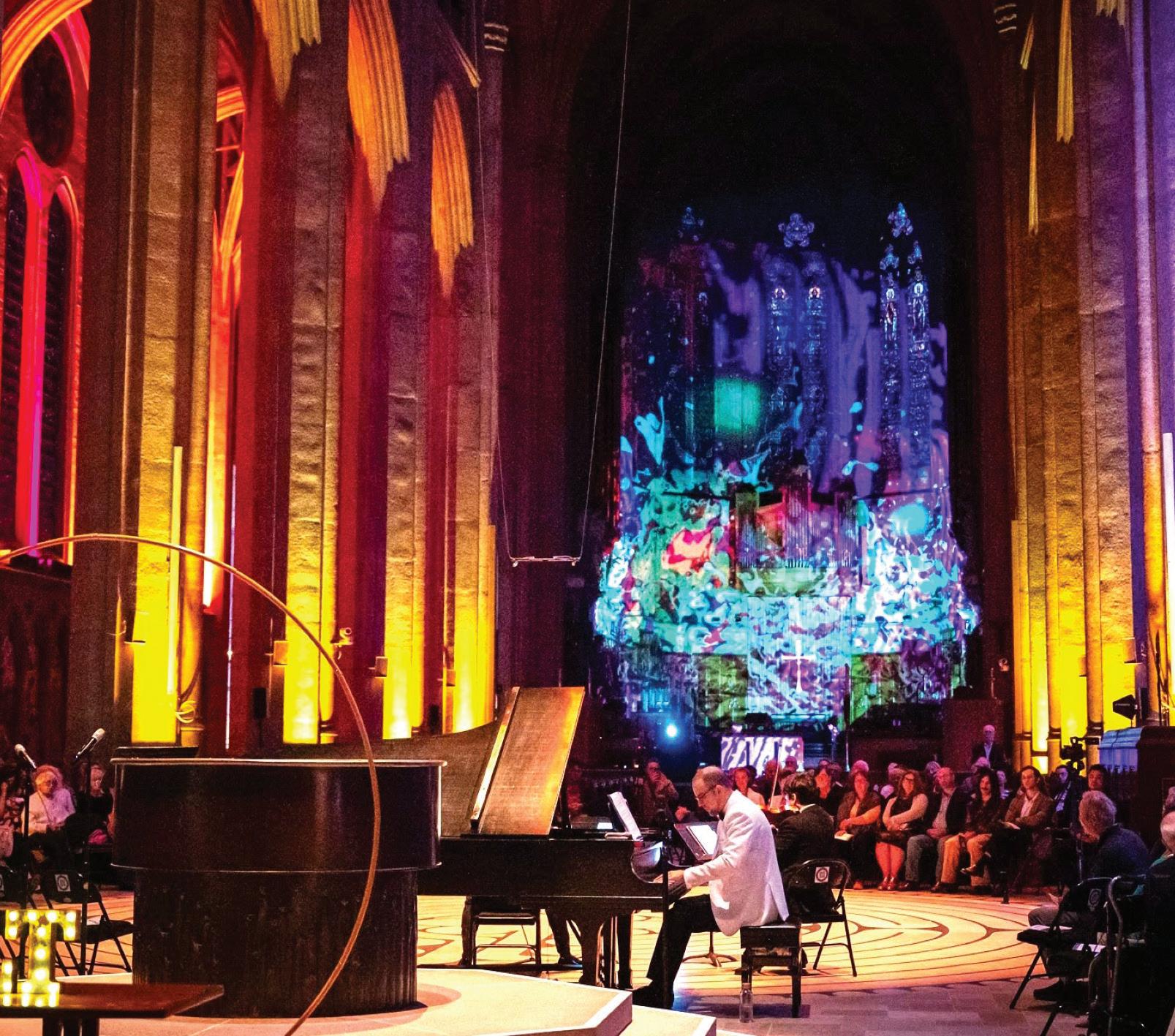
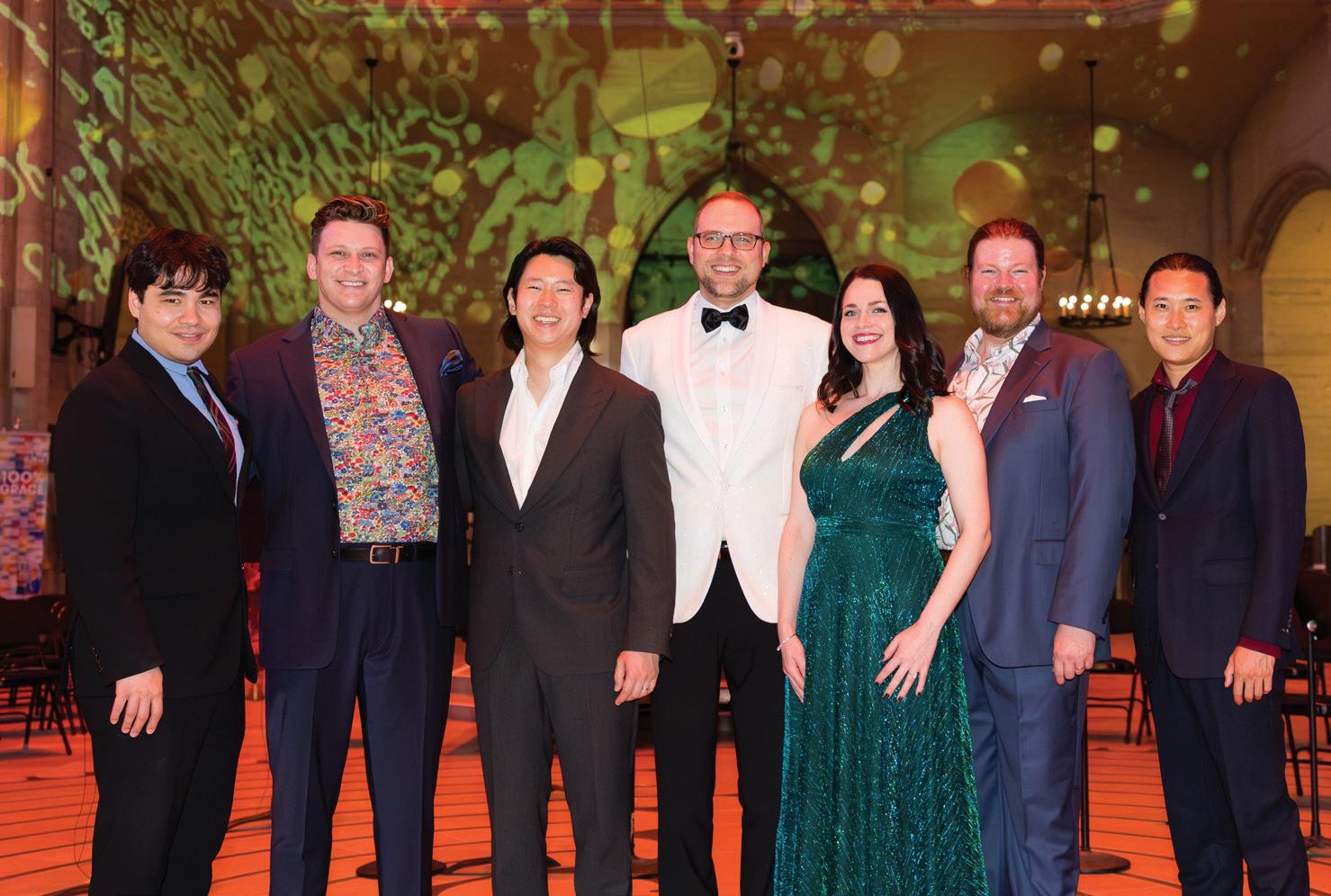
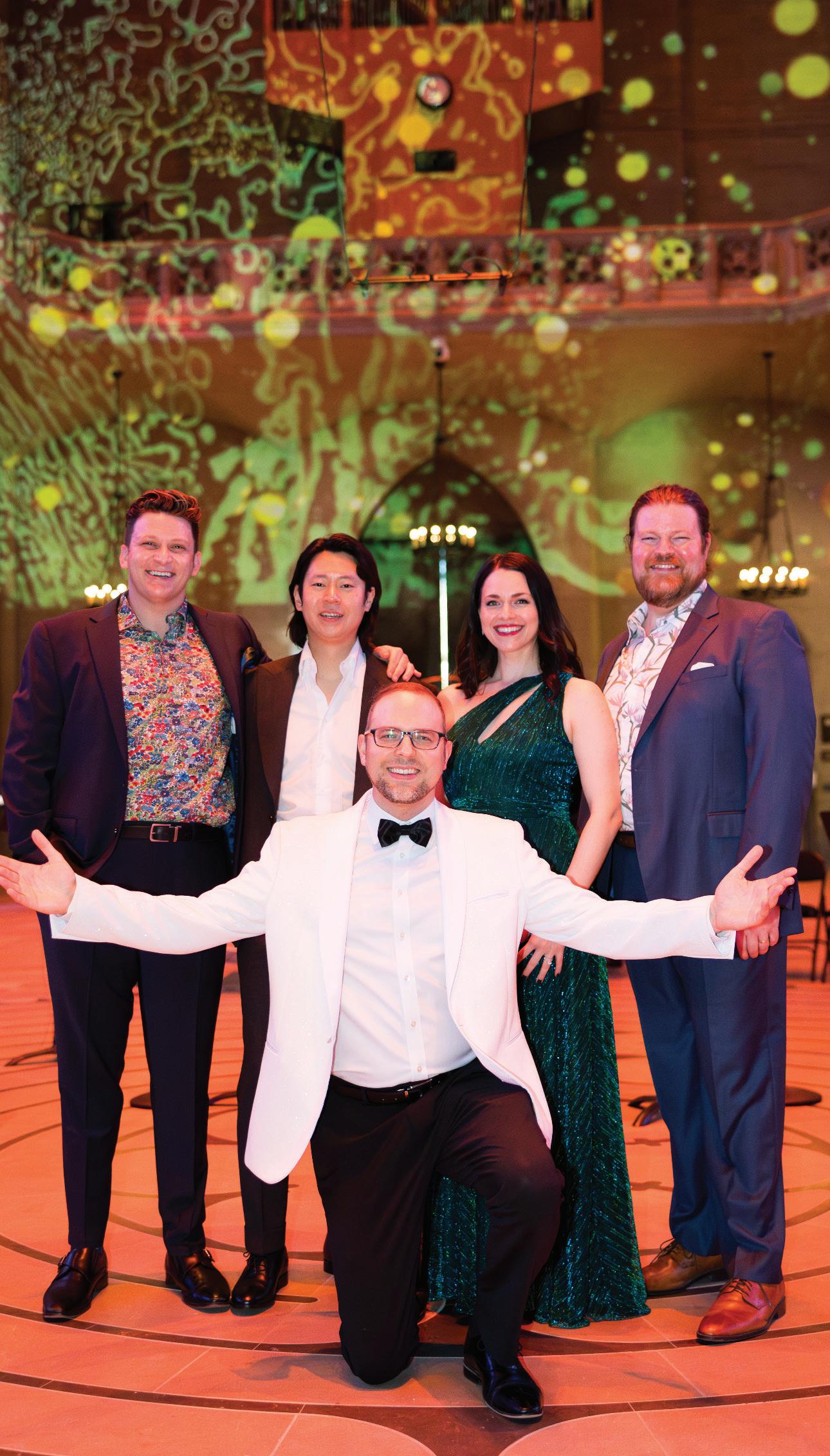
carefully chosen to reflect the evolving arc of light across the evening. Their performances filled the cathedral with expressive power and energy.
The night also carried a deeper resonance: it honored the memory of Paul Crane Dorfman, the visionary arts producer, curator, and creative director who founded TILT and shaped it into one of Grace Cathedral’s signature cultural events. Dorfman’s legacy—his belief in the transformative power of art and his commitment to crafting immersive, boundary-breaking experiences—was felt in every moment of the performance. TILT: Midnight Sun was more than a concert. It was a celebration of light, a tribute to artistic vision, and a reminder of how music can bring a community together in shared wonder. On the longest day of the year, Grace Cathedral glowed from within.
A scene from Act I at a Seville home where Rosina lives
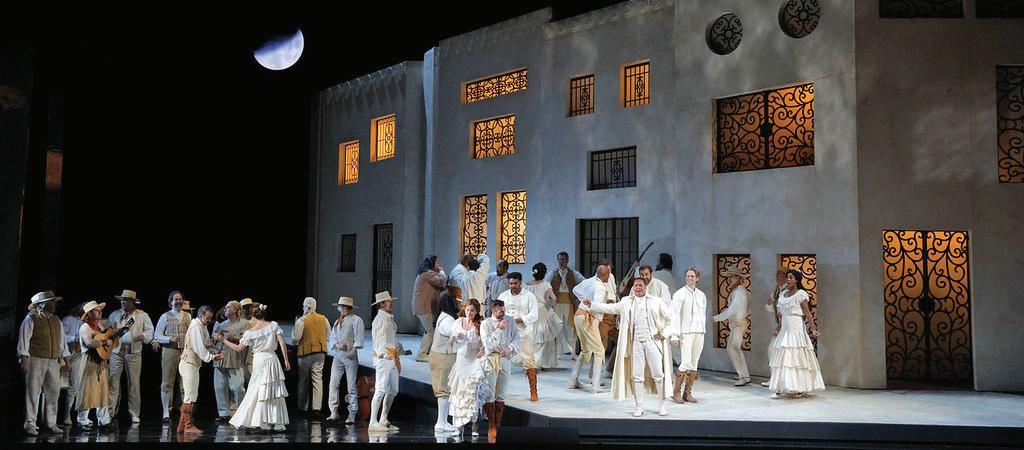
BY ALYONA MARENCHUK AND OLIVIA DECKER
GIOACHINO ROSSINI WAS NOT ONLY A GENIUS COMPOSER but also a culinary artist. His favorite flavor combination—black truffle, foie gras, and Madeira wine—entered the gastronomic world as à la Rossini. Igor Stravinsky once remarked, “True immortality comes when dishes are named in your honor.”
Il Barbiere di Siviglia is Rossini’s perfect operatic recipe, one that continues to captivate audiences more than two centuries after its premiere. Seven vivid characters are immersed in an intoxicating romantic intrigue, seasoned with witty dialogue, enriched by instantly recognizable melodies, and brought to life through dazzling ensembles and a vibrant, engaging orchestra.
It is remarkable how a three-hour performance seems to pass in an instant. The June 9 cast at San Francisco Opera featured baritone Joshua Hopkins as Figaro, mezzo-soprano Maria Kataeva as Rosina, tenor Levy Sekgapane as Count Almaviva, baritone Renato Girolami as Dr. Bartolo, mezzo-soprano Catherine Cook as Berta, baritone Olivier Zerouali as Fiorello, tenor Thomas Kinch as the Officer, and Gabriel Natal-Baez as Ambrogio. Together, they captivated the audience with vocal brilliance, comedic precision, and superb acting. The theater was filled with laughter and warm appreciation.
The 2026 San Francisco production of Il Barbiere di Siviglia is distinguished by a creative team whose vision brings Rossini’s world into vivid, contemporary resonance. This intricate romantic comedy, centered around the clever barber Figaro, unfolds in Seville, Spain. The set design is refined and elegant, enhanced by soft, atmospheric lighting that sculpts depth, texture, and shadow across the stage. Moments of shimmering rain, whispering winds, and bursts of theatrical fireworks heighten the dramatic action, seamlessly intertwining visual spectacle with Rossini’s effervescent music. The costumes remain timeless and sophisticated, providing
a visual language that enriches both the choreography and the mood. The result is an atmosphere of pure theatrical pleasure—light, playful, and irresistibly alive—where happiness and vitality seem inherent in every scene. The brisk pacing of both the music and the narrative leaves no room for stagnation, sustaining an infectious energy that carries the audience effortlessly from beginning to end.
Fiorello’s rich baritone voice opened the evening following the orchestral overture, immediately setting the tone. Rosina won not only Count Almaviva’s heart, but also that of every spectator in the theater. Natural, vibrant, and utterly mesmerizing, Maria Kataeva enchanted the audience with both vocal beauty and expressive charm. Her bel canto aria, “Una voce poco fa,” reveals Rosina’s wit, confidence, and intelligence in equal measure.
Figaro’s electrifying “Largo al factotum,” with its rapid-fire invocation of “Figaro! Figaro! Figaro!,” stands as one of opera’s most iconic displays of virtuosity, while Basilio’s “La calunnia è un venticello” unfolds in a masterful crescendo from whispered insinuation to overwhelming force. The Act II ensemble “Zitti, zitti, piano, piano” epitomizes Rossini’s genius for controlled comic chaos, layering voices into a perfectly structured whirlwind of intrigue.
Despite being written more than two centuries ago, the opera remains strikingly fresh and contemporary. Its themes of love, ingenuity, courage, and wit remind us that life, like a fine comedy, requires lightness, humor, and a touch of boldness.
The libretto by Cesare Sterbini, based on the play by Pierre Beaumarchais, provides the ideal framework for this operatic machine of wit, rhythm, and theatrical sophistication—an enduring masterpiece that continues to delight audiences with its elegance, humor, and unstoppable momentum. Rossini’s masterpiece continues to sparkle, proving that true artistry, like the finest cuisine, never goes out of style.
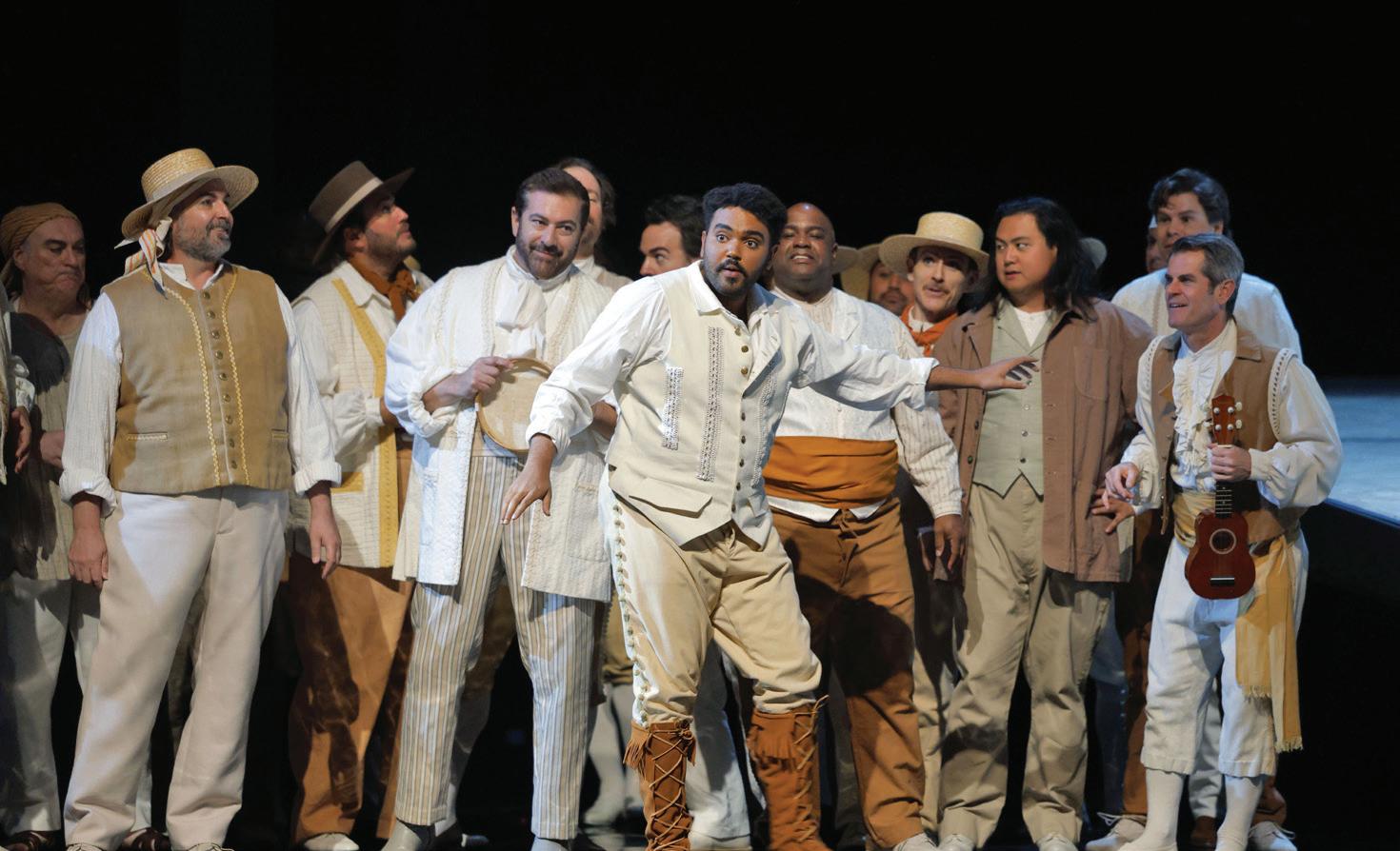
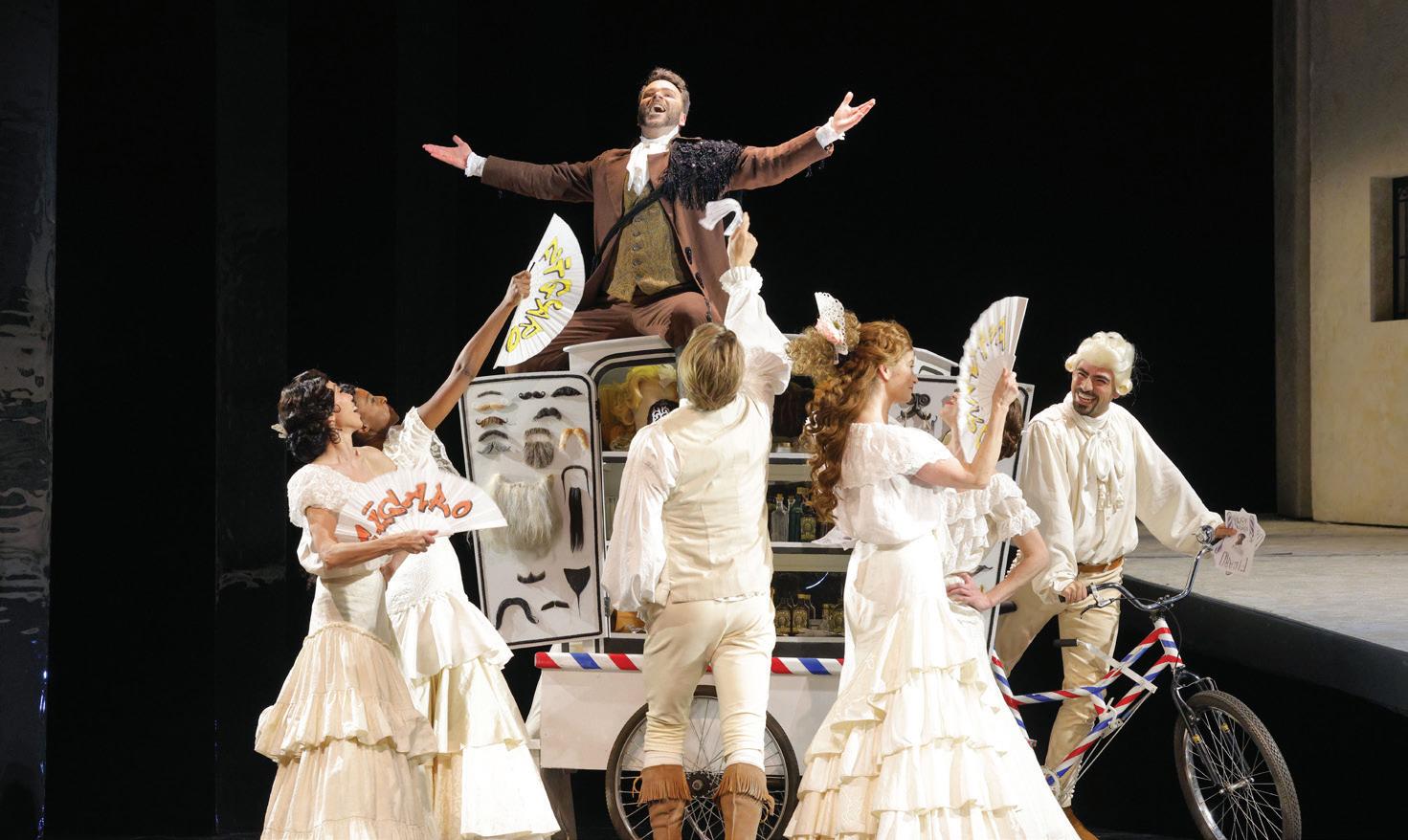
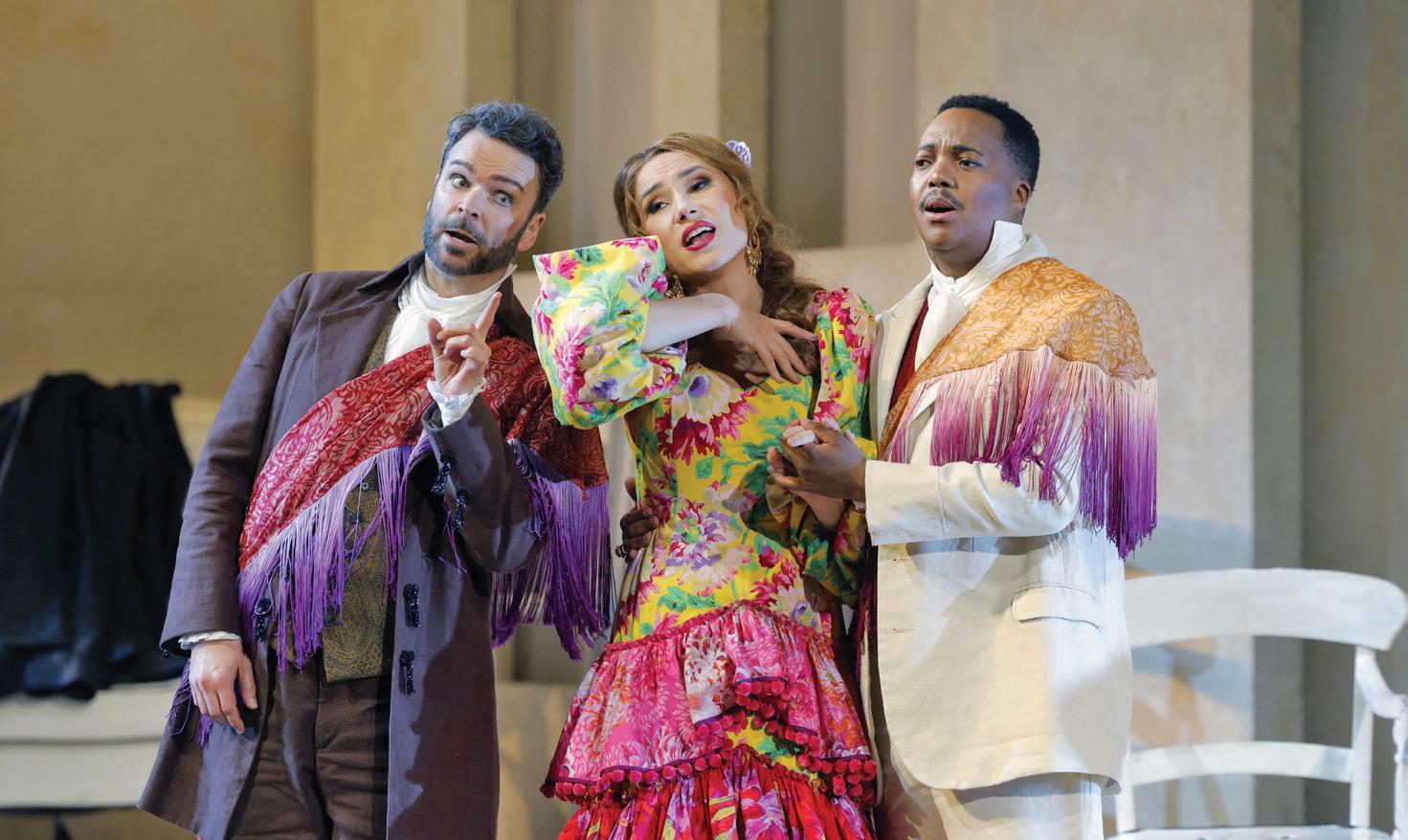
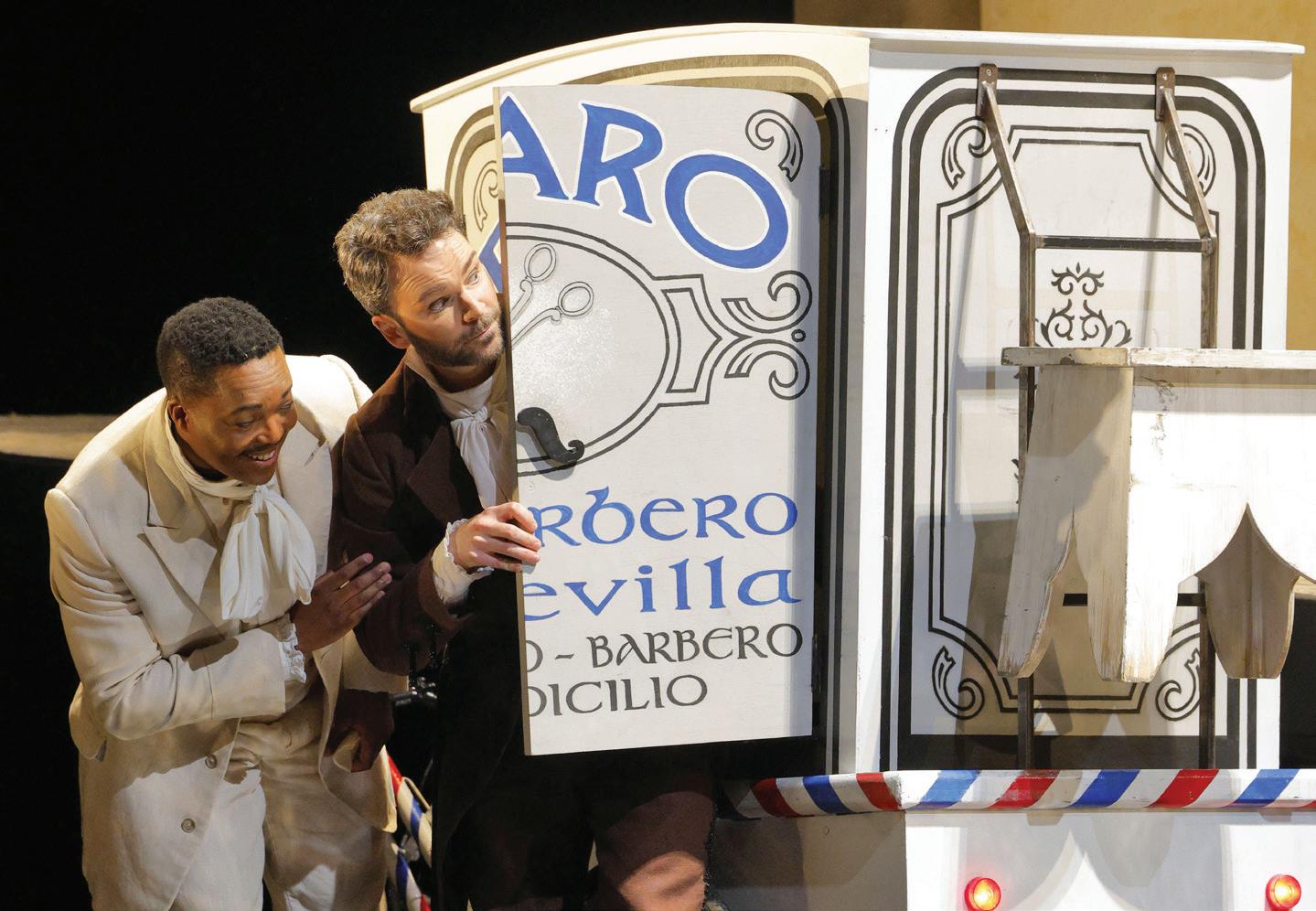
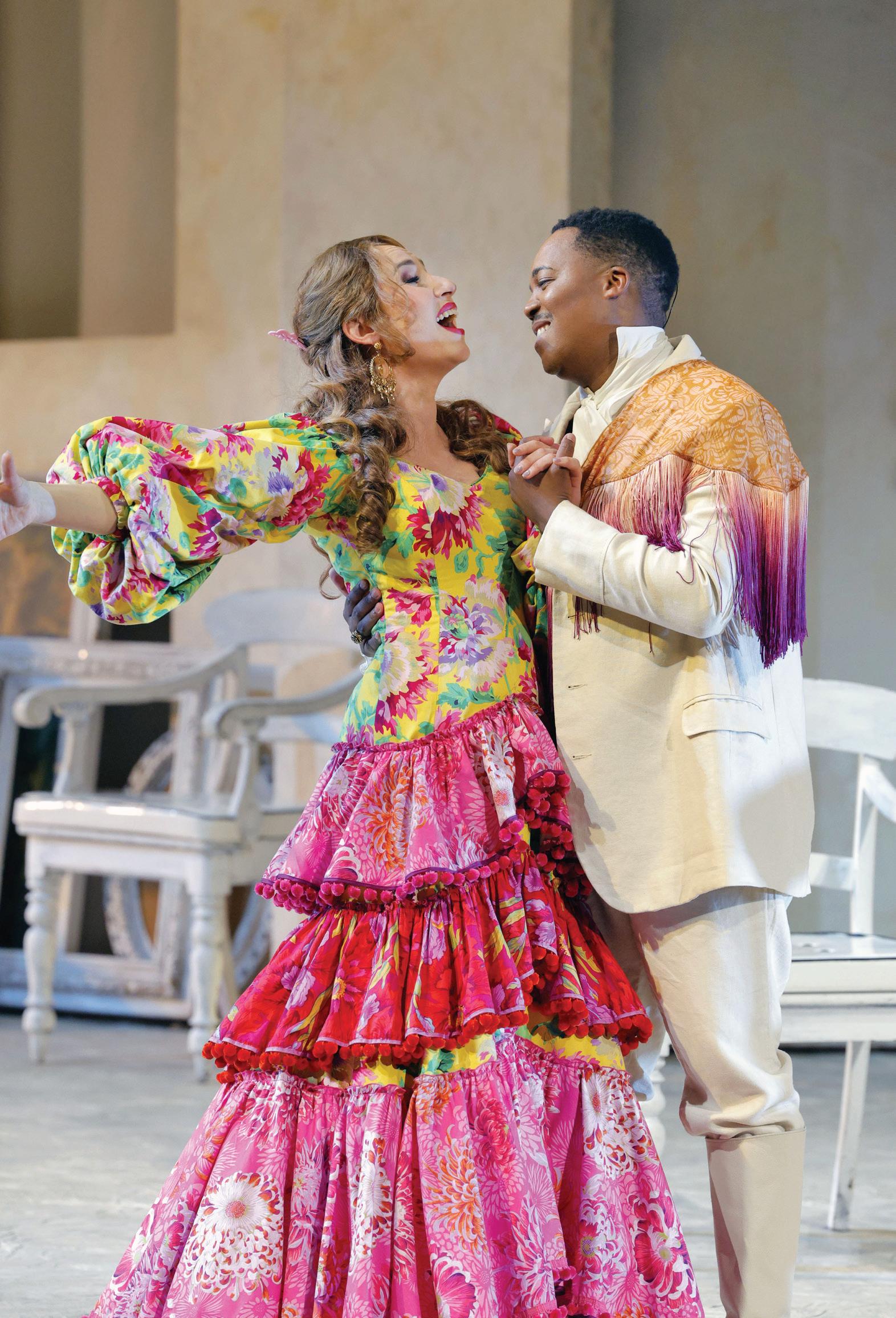
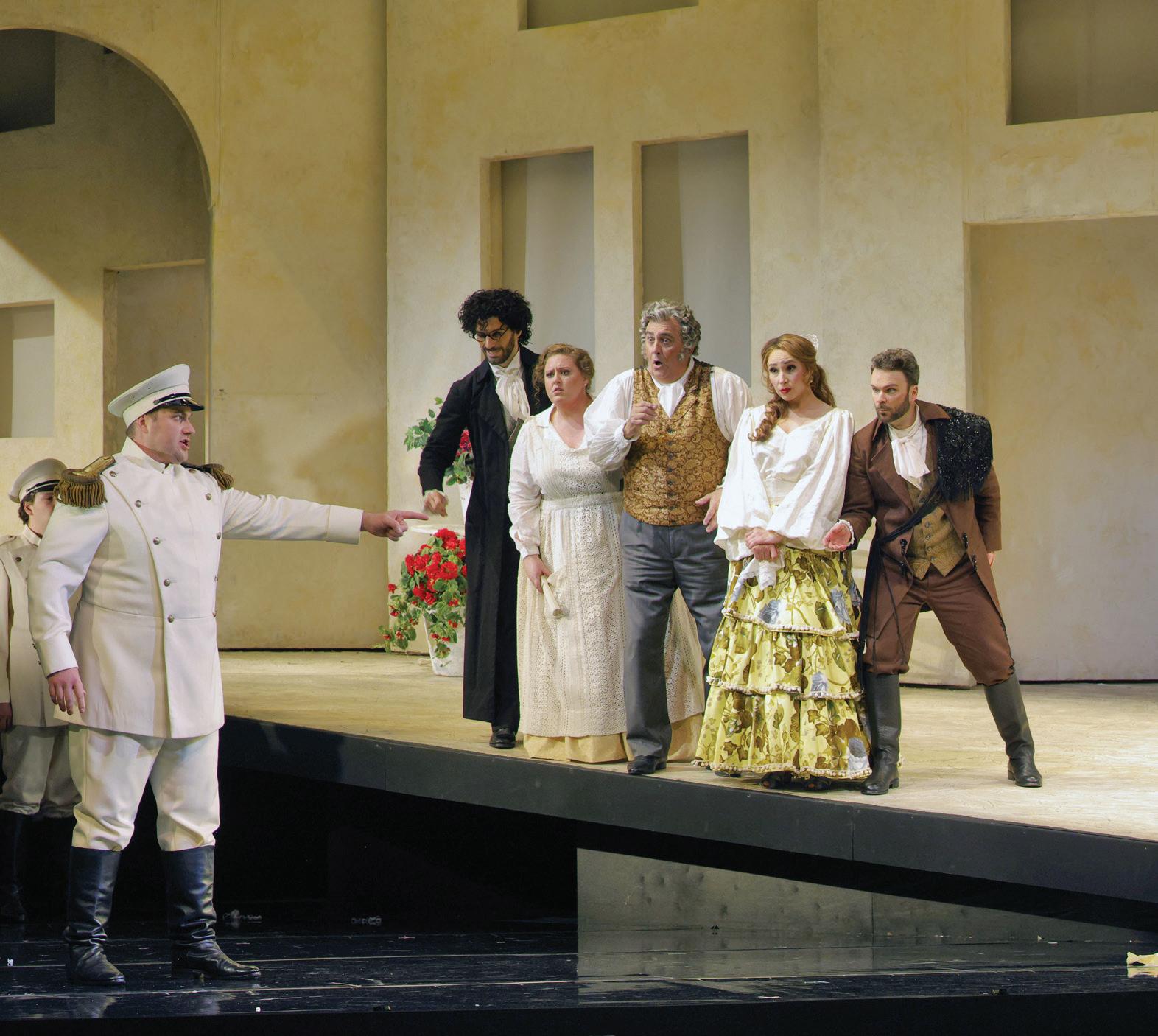
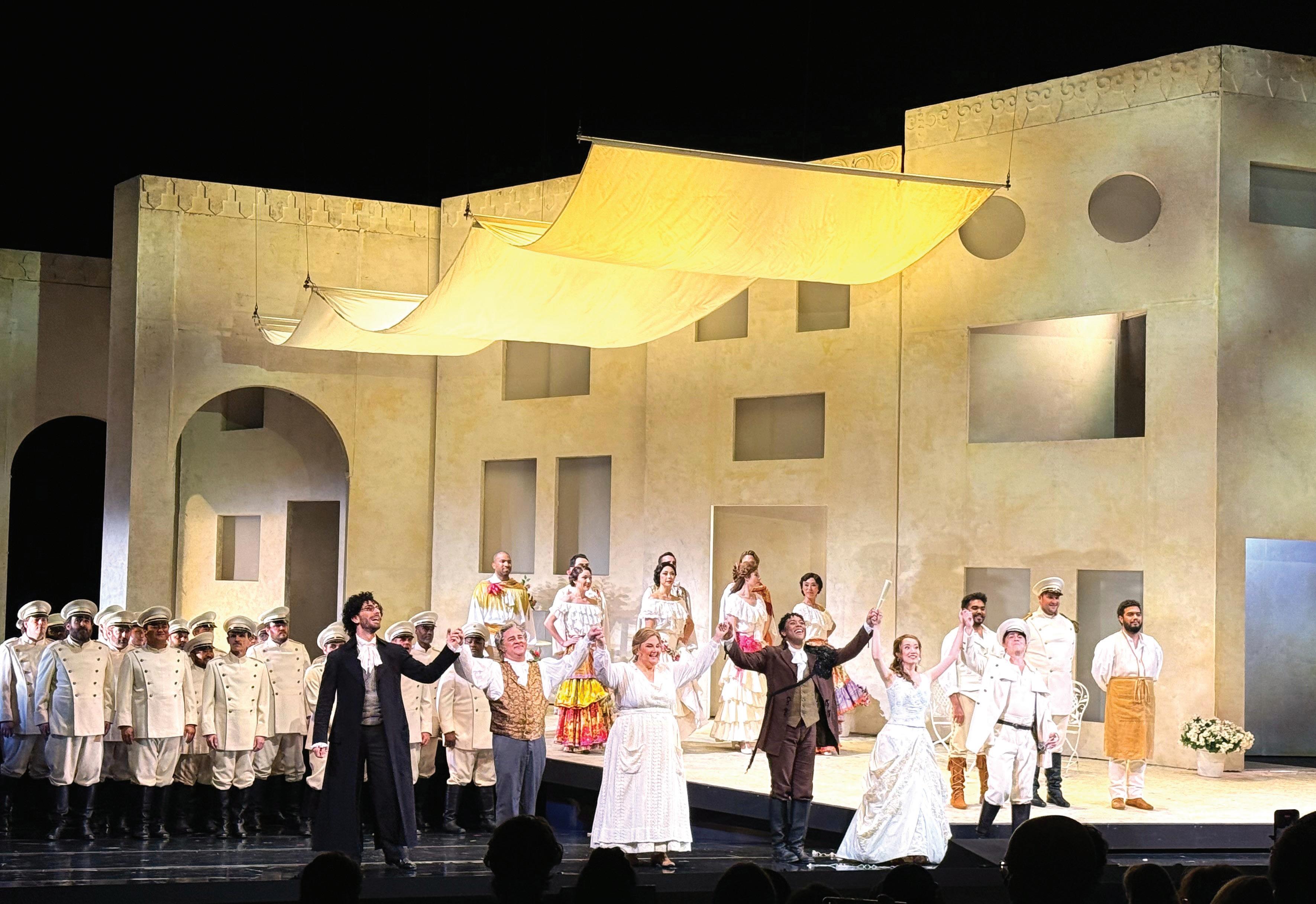
BY ALYONA MARENCHUK AND OLIVIA DECKER
PHOTOS COURTESY OF SAN FRANCISCO OPERA
ON JUNE 17, SAN FRANCISCO OPERA PRODUCED THE ONE-NIGHT only Barber of Seville Encounter . War Memorial Opera House was transformed into a dazzling Sevillian adventure, filling the air with excitement, dance, magic and music. Guests arrived dressed with bold imagination, turning the space into a runway of playful glamour. After Act I of The Barber of Seville, the audience spilled into the mezzanine, basement, and every floor of the Opera House, each space thoughtfully curated to surprise and delight. Flower arrangements bloomed throughout the halls like couture accessories, illuminated by creative lighting that cast dramatic shadows across marble and gold. DJ-driven beats threaded through the building, transforming the historic opera house into an Andalusian nightclub.
Paramour’s Plaza in the Main Lobby became the evening’s social heartbeat: a meet-and-greet with principal singers and cast members, a glamorous photo set for capturing unforgettable memories, castanet rhythms that sparked spontaneous flamenco dancing, ruby-red sangrias that transported guests straight to Seville, and pedicabs waiting just
steps away for a whimsical ride into the night. On the box level, The Wily Barber’s Workshop became the event’s fashion playground. Costume try-ons were a runaway hit. Hats, feathers, and authentic opera garments from past productions invited guests to transform into fantastical characters. SF Opera’s hair and makeup artists completed the metamorphosis with face painting and dramatic hairstyles, turning the crowd into a living gallery of operatic style. The Toxic Tunnel at The Dangerous Damsel’s Garden at Grand Tier teased guests with surreal creatures hidden within a wild, dreamlike garden, while The Drunken Soldier’s Arcade offered casino games, themed cocktails, savory bites, and a cheeky mustache bar that kept the atmosphere mischievous and lighthearted. The evening was more than an opera—it was a full-scale immersion into the magic of music, transformation, and high-energy revelry. It was a night where fashion met fantasy, where Rossini’s world spilled into every hallway, and where San Francisco’s cultural scene embraced the dramatic, the playful, and the utterly unforgettable.
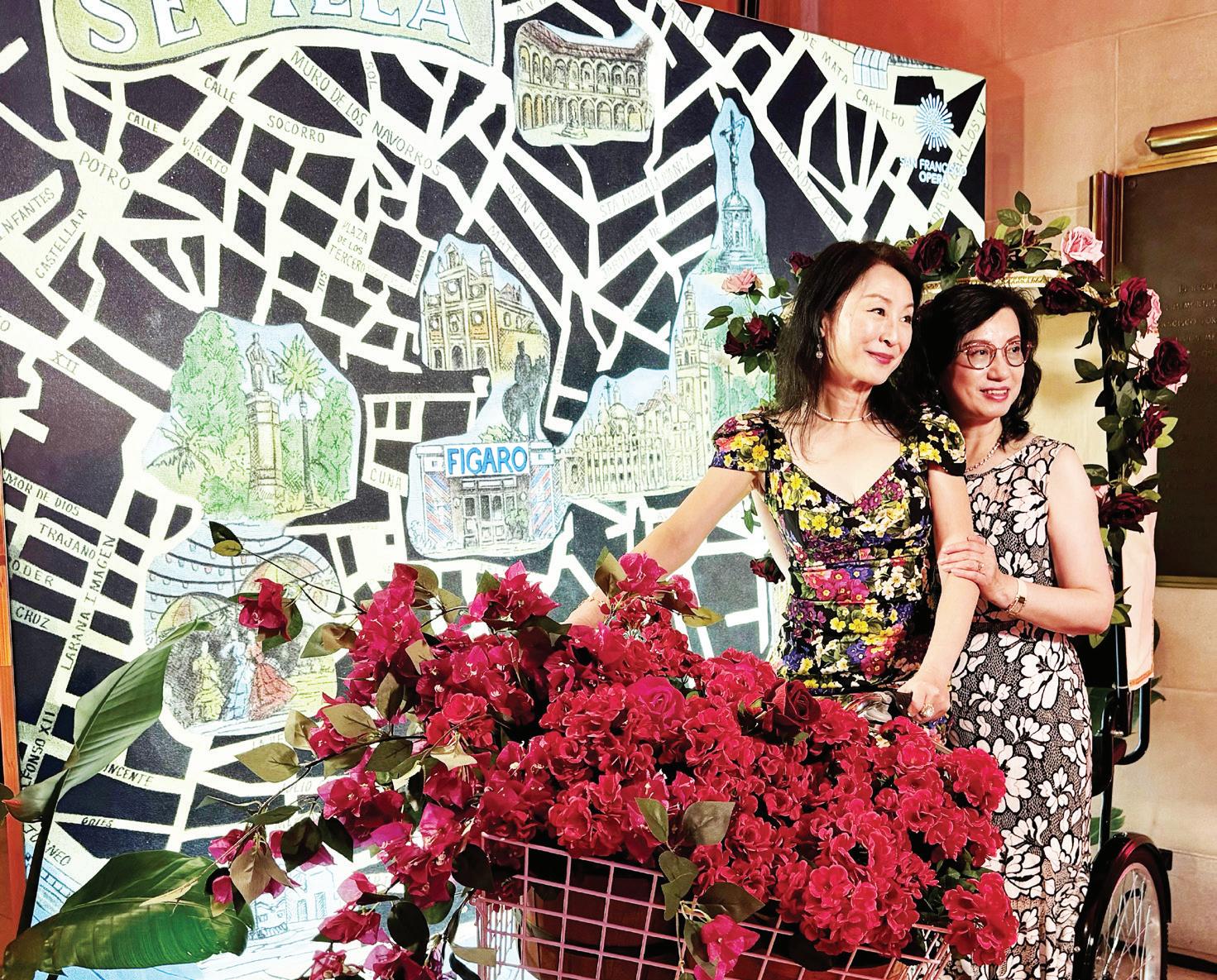
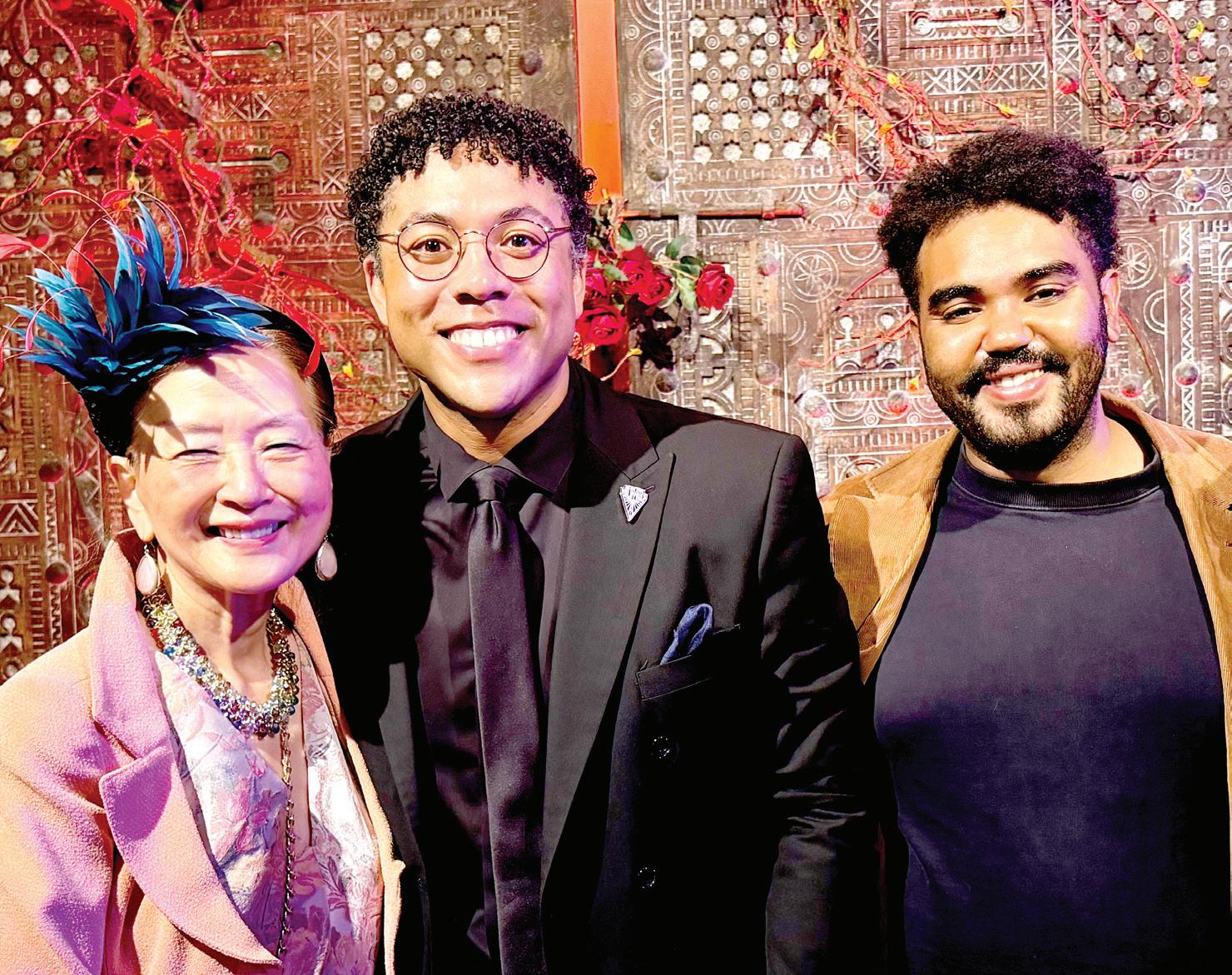
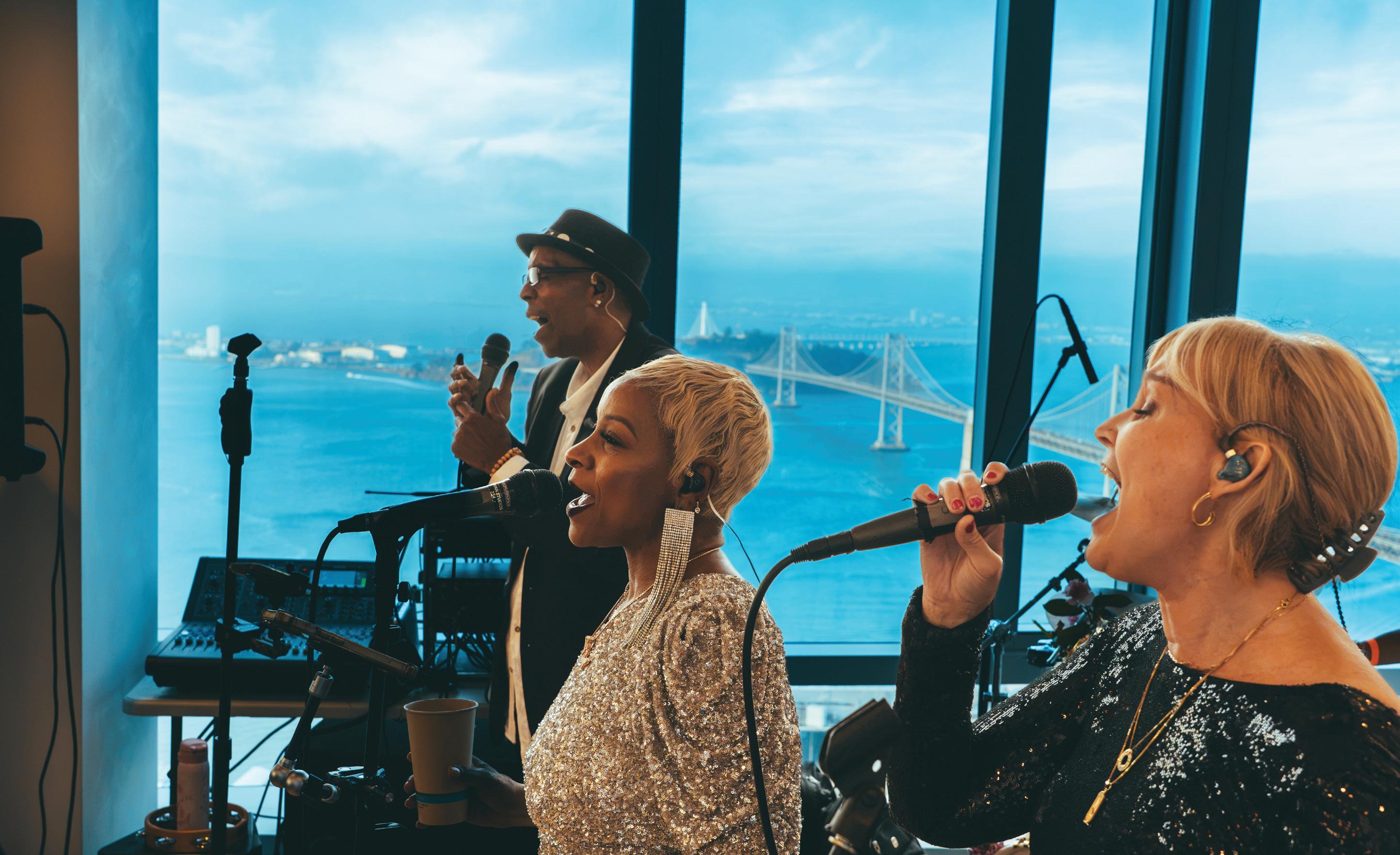
BY OLIVIA DECKER
PHOTOS HARRISON MCCULLOUGH
FESTIVAL NAPA VALLEY’S OLIVIA DECKER POWER OF Music brought together music, wine, luxury, and breathtaking views for an exclusive concert featuring Grammy-winning producer, composer, and recording artist Narada Michael Walden, held at the 181 Fremont Grand Penthouse in San Francisco. Rising more than 700 feet above the city, the Grand Penthouse crowns the tallest residential building on the West Coast, offering sweeping 360-degree views of the Golden Gate Bridge, Bay Bridge, Marin Headlands, Salesforce Tower, the Transamerica Pyramid, and the entire San Francisco skyline. It is a residence of extraordinary scale and beauty and the perfect stage for an unforgettable evening. The concert also marked the official launch of the remaining residences available at 181 Fremont, including the crown jewel Grand Penthouse, two half-floor penthouses, and six Atelier units. An extraordinary collection of residences in one of the world’s most iconic addresses. More details can be found at www.181FrementGrandPenthouse.com.
One hundred guests experienced the penthouse’s stunning interiors while Narada Michael Walden and his band performed the #1 hits he produced for Whitney Houston, Shanice, and Aretha Franklin. A Billboard Top Ten Producer of All Time, Walden’s credits span decades and include work with Aretha Franklin, Whitney Houston, Mariah Carey, George Michael, Barbra Streisand, Lionel Richie, Jeff Beck, Carlos Santana, Stevie Wonder, James Brown, Ray Charles, and many more. He produced seven of Whitney Houston’s number one hits, breaking Michael Jackson’s record at the time. In 1993, he shared the Album of the Year Grammy with Houston for The Bodyguard — Original Soundtrack Album. Following Houston’s death in 2012, Walden continued to honor her legacy through his book, Whitney Houston: The Voice, the Music, the Inspiration.
An eight time Grammy nominee and 3 time winner for Producer, Album, and Song of the Year, Walden also began his career as a drummer with the pioneering Mahavishnu Orchestra, later touring
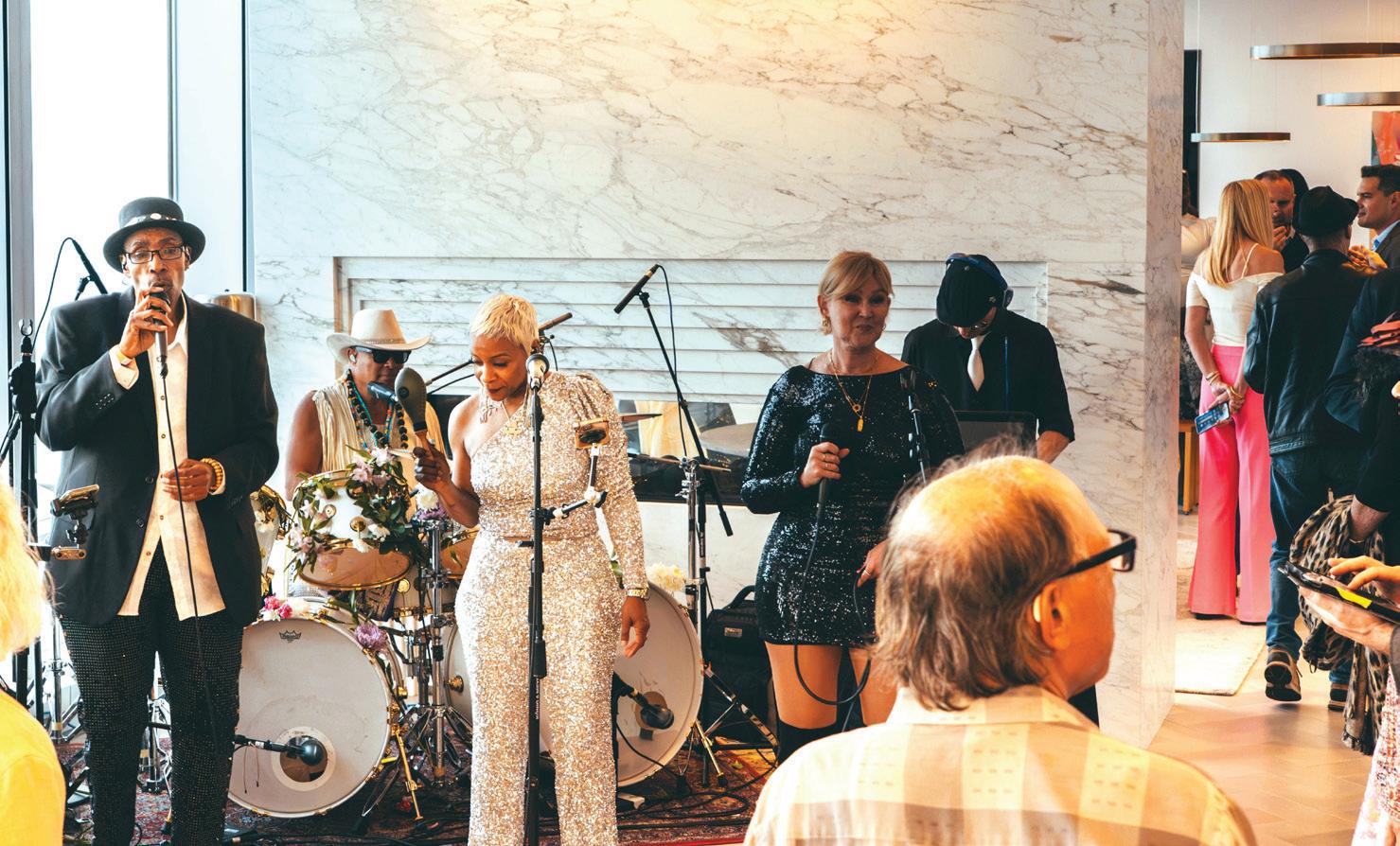
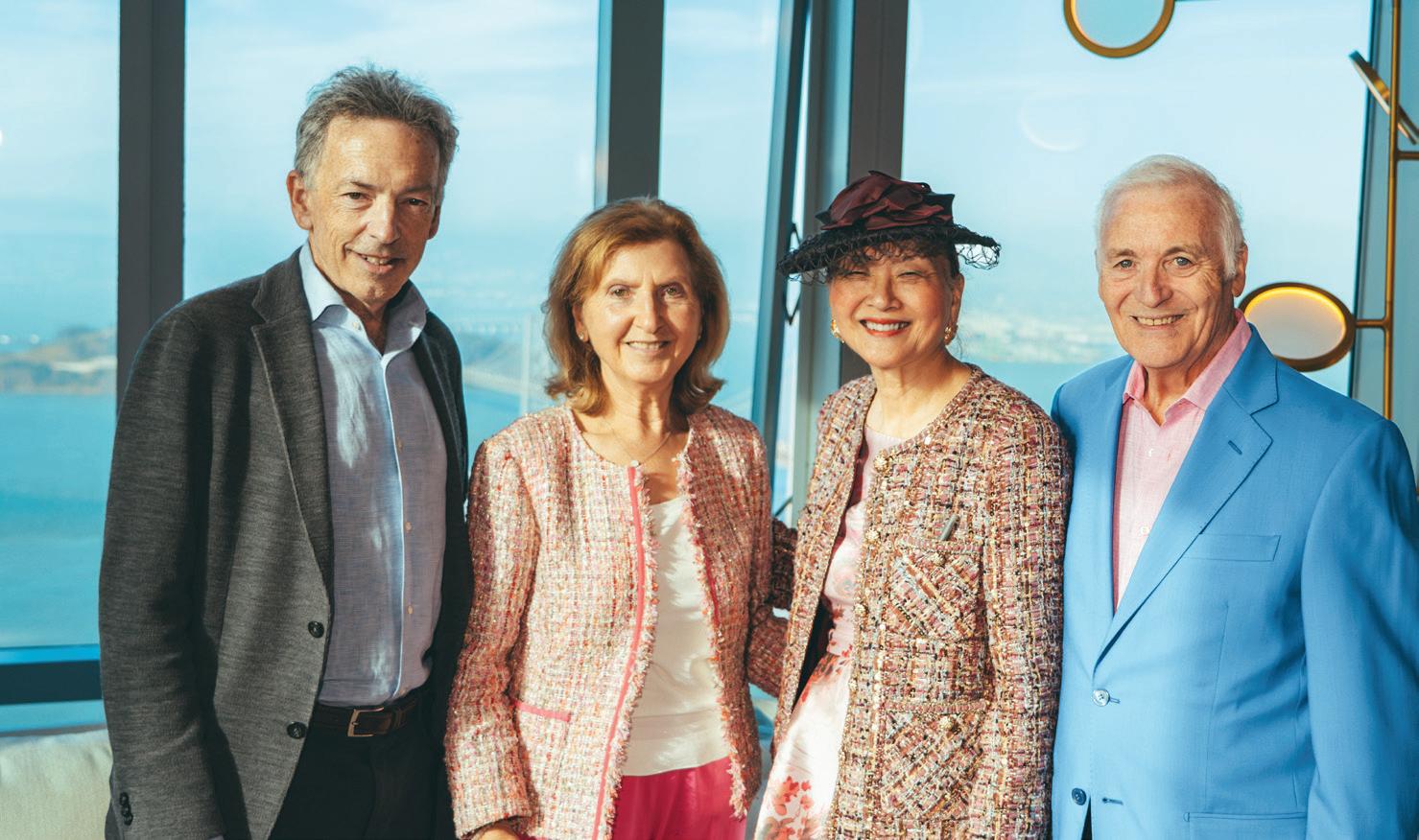
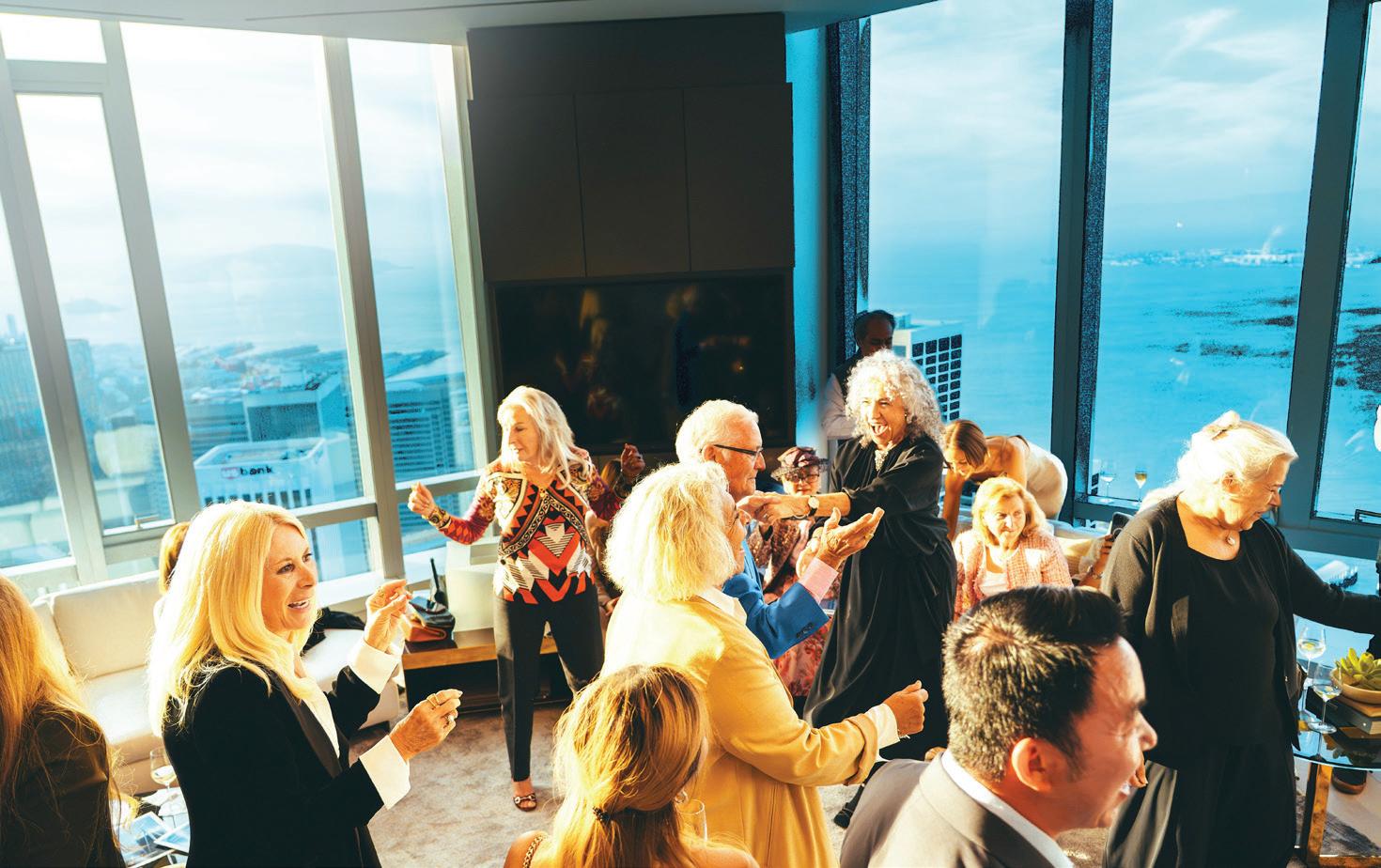
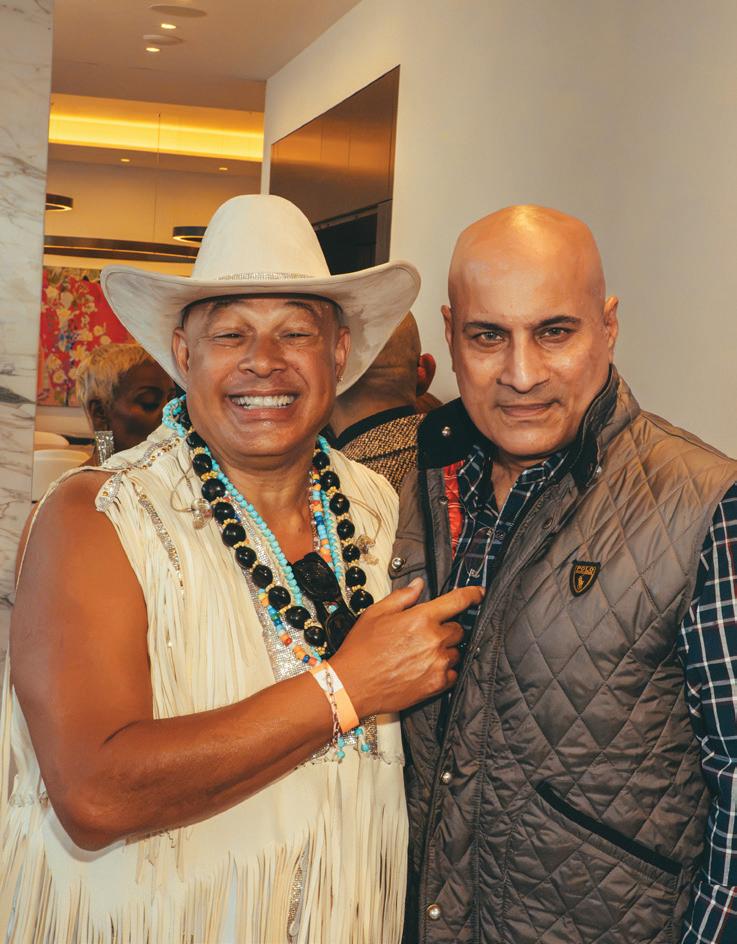
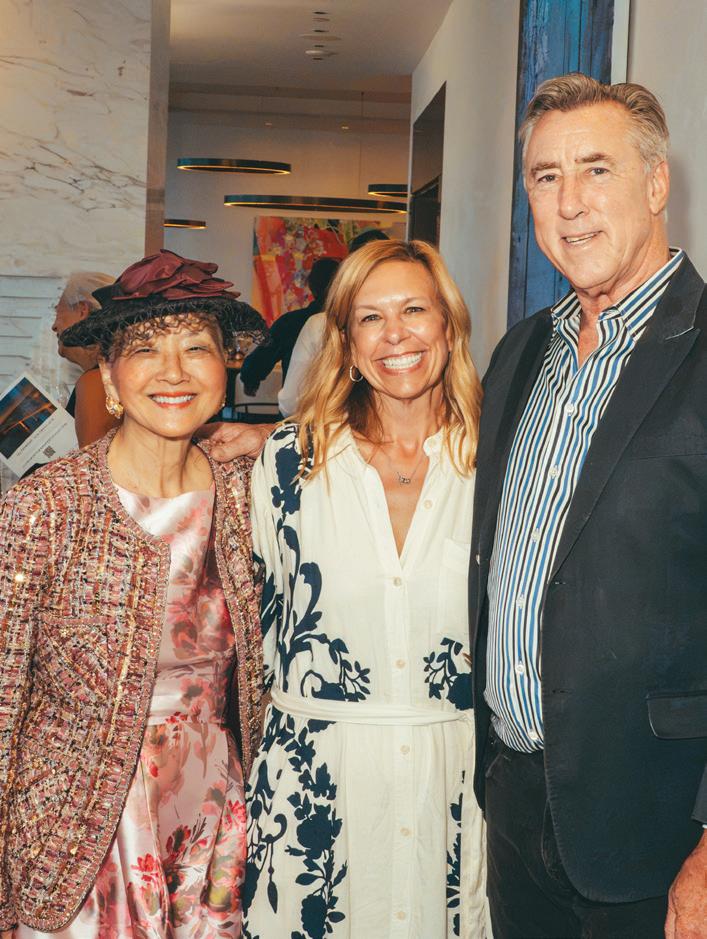
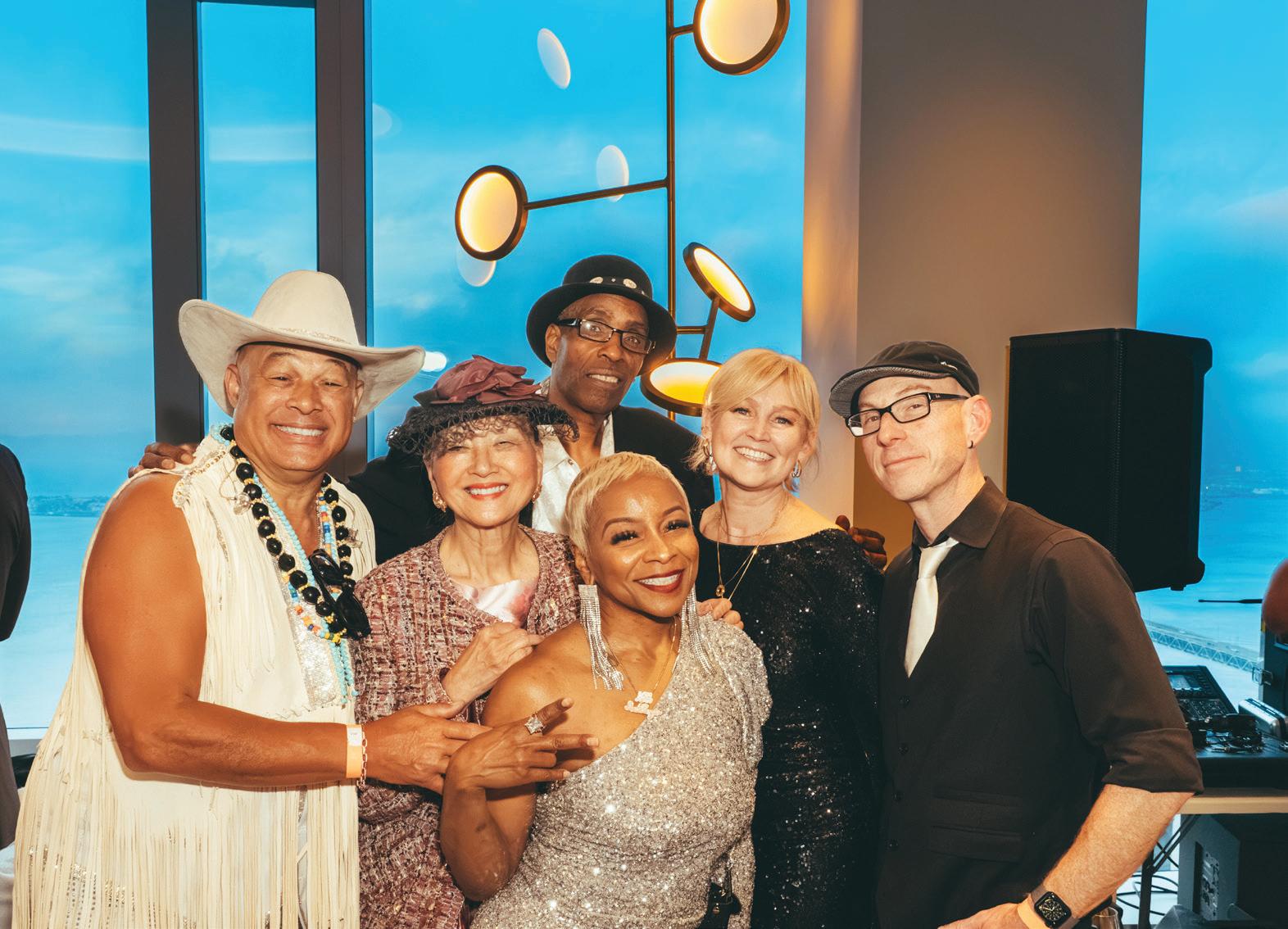
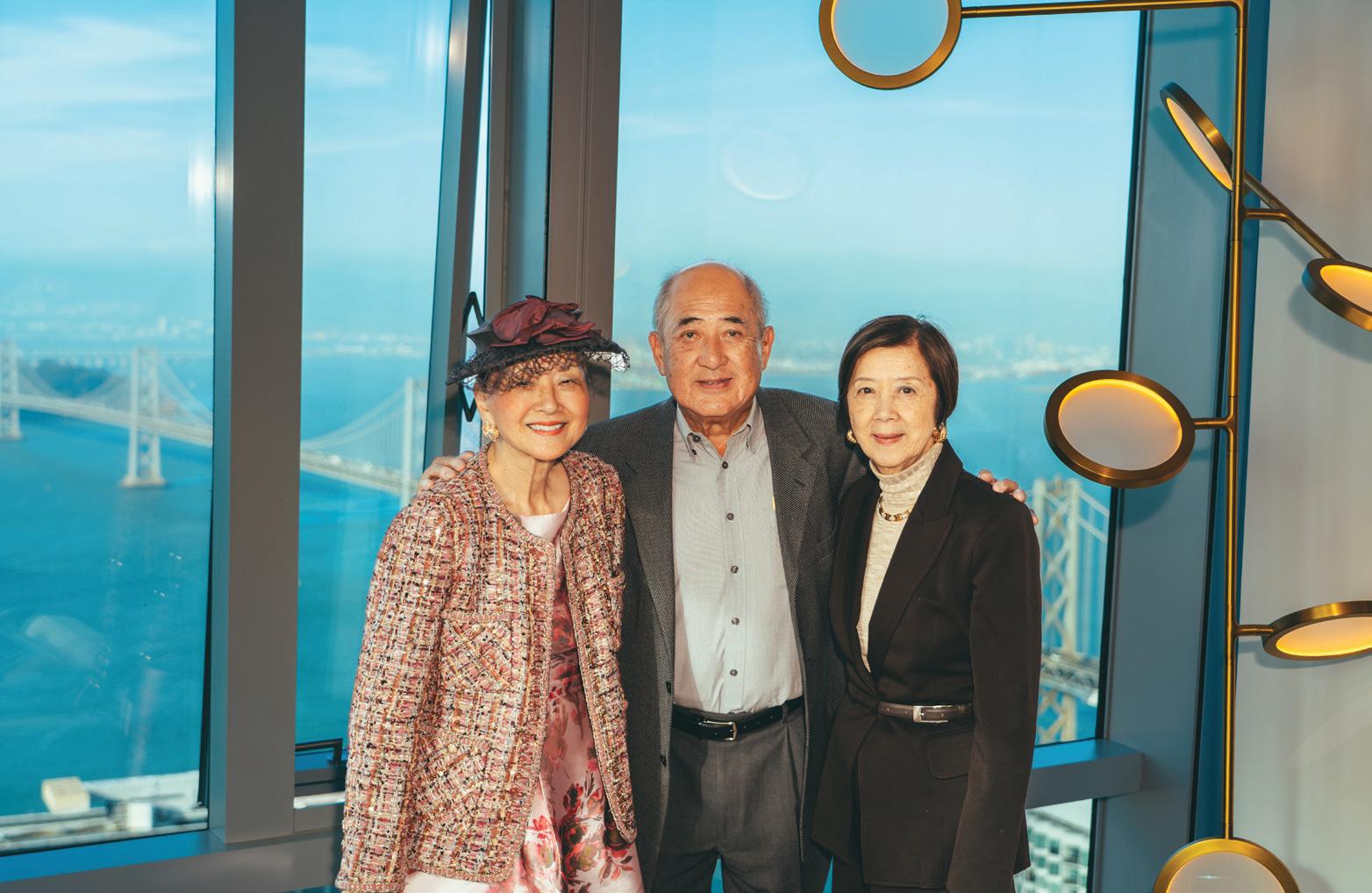
with Jeff Beck and Weather Report, and has composed music for blockbuster films including The Bodyguard, Beverly Hills Cop II, and Free Willy. Beyond his 57 #1 hit success, Walden is deeply committed to philanthropy, serving for over seven years as Music Director for the Rainforest Foundation Concert at Carnegie Hall, and running his own foundation supporting music education for youth around the world. Details on The Narada Michael Walden Foundation can be found at www.naradamichaelwaldenfoundation.org
This special Music in the Sky concert was dedicated to the memory of Clive Davis, the legendary music executive whose vision helped shape the careers of Narada and many of the most celebrated artists in modern music. A longtime collaborator and friend, Narada Michael Walden honored Davis’s extraordinary legacy through an evening of music, reflection, and tribute to a man whose influence continues to resonate across generations and gave the world some of its most memorable hits.
Festival Napa Valley President Rick Walker co-hosted the concert and presented the Festival winery partners Turnbull Wine Cellars who provided the sparkling wine, and Riverain Vineyards poured their Sauvignon Blanc, completing an evening where world-class music, exceptional wine, and one of the world’s most remarkable residences came together in perfect harmony.
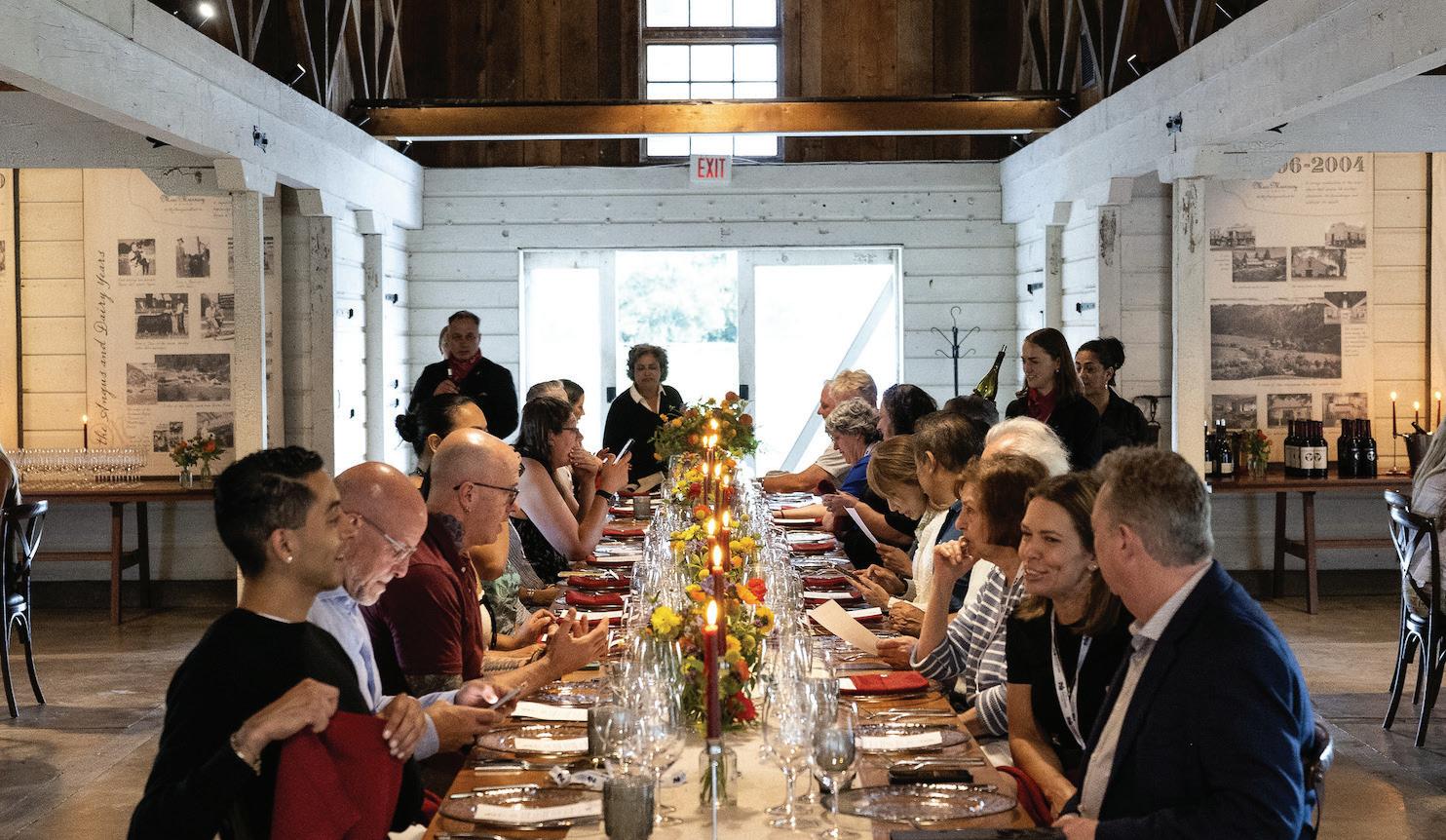
BY JENNIFER BODEN
THE HEALDSBURG WINE & FOOD EXPERIENCE RETURNED
May 14–17 for a four-day celebration of Sonoma County’s farmers, growers, winemakers and chefs, showcasing celebrated local wines alongside vintages from leading regions around the world. The weekend opened with a welcome celebration at Appellation Healdsburg, the culinary-focused hotel founded by Chef Charlie Palmer and Executive Chef Reed Palmer. The evening featured dishes from chefs Maneet Chauhan and Duskie Estes alongside offerings from the Appellation culinary team, paired with curated wines.
Saturday’s Grand Tasting featured bites from nationally recognized chefs, including Joe Sasto, Nadia Caterina Munno “The Pasta Queen”, Viet Pham, Lee Anne Wong, and Britt Rescigno, while more than 150 local and international wine producers poured throughout the afternoon.
OTHER FEATURED EXPERIENCES INCLUDED:
Platinum Dinner at MacMurray Estate with Ravenswood Winery. Set in MacMurray Estate’s historic barn, the exclusive soldout dinner for 50 Platinum VIP guests featured live-fire cooking by acclaimed chef Britt Rescigno. Winemakers Michael Eddy-Cort and Sarah Lampi walked guests through Ravenswood’s history while sharing their signature wines.
Sushi by Scratch Restaurants Omakase Dinner at Aperture Cellars. Chef Willer Larreal presented an omakase-inspired tasting paired with wines from Founder and Head Winemaker Jesse Katz.
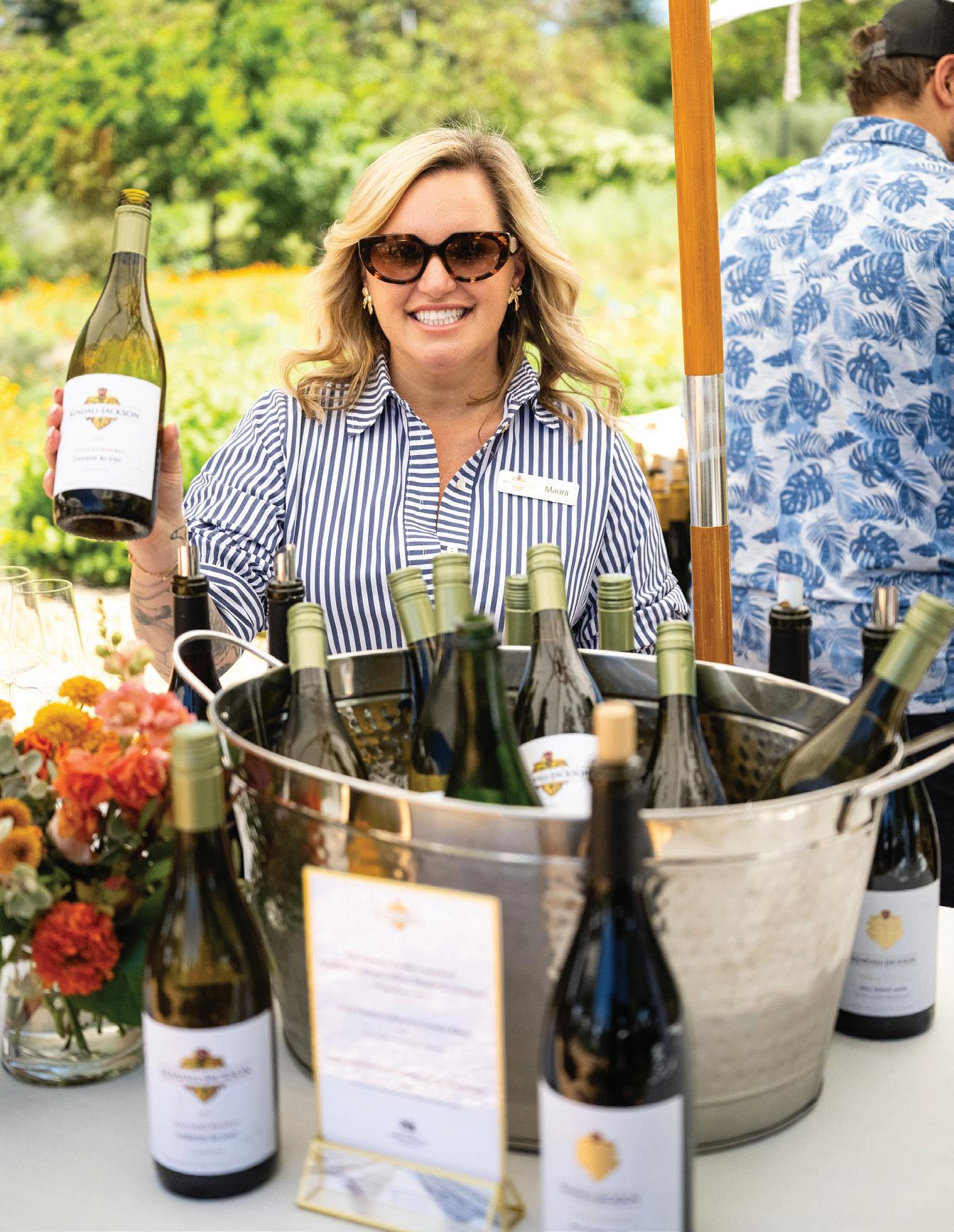
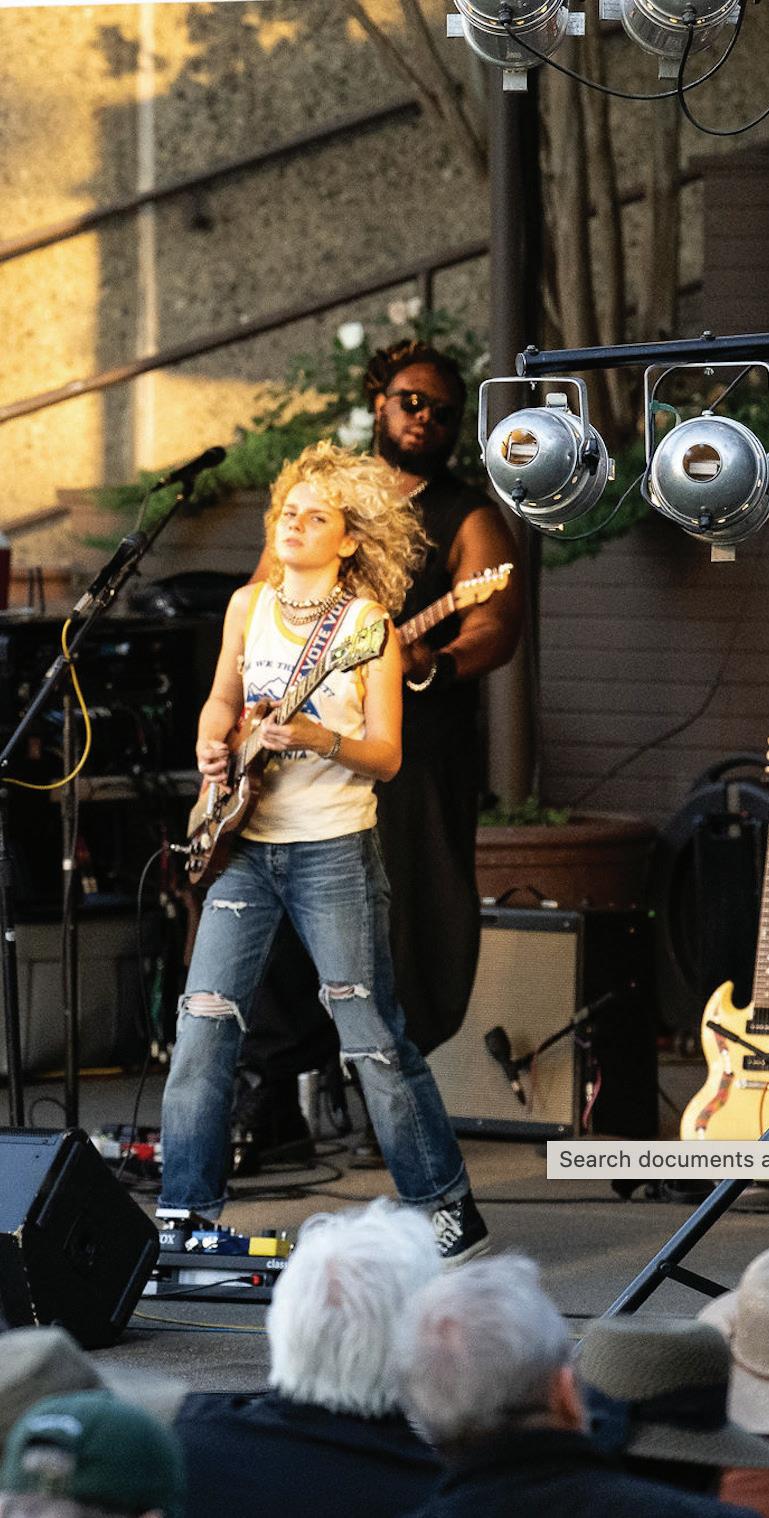
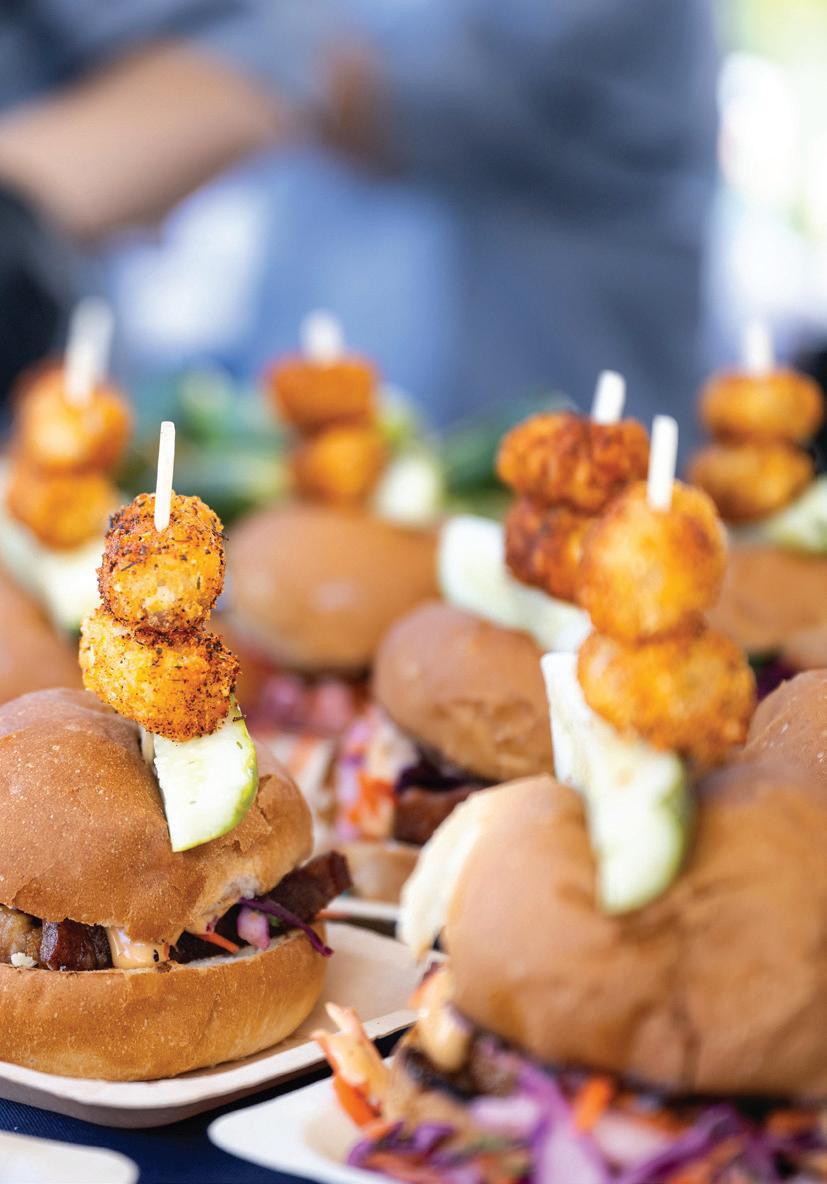
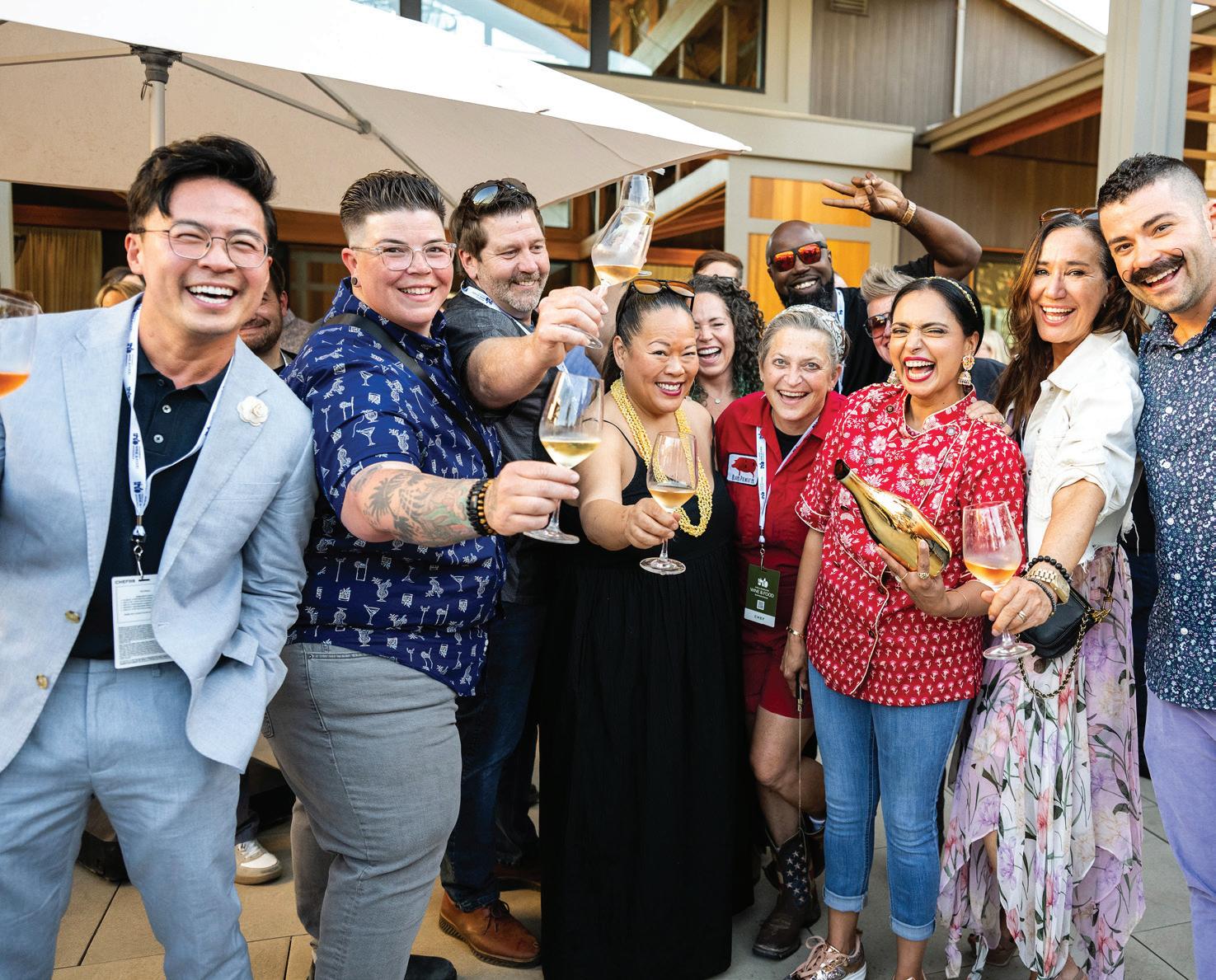
Garden to Table Lunch at Kendall-Jackson Wine Estate & Gardens. Guests enjoyed lunch with Food Network–awardwinning chef Maneet Chauhan and Kendall-Jackson Executive Chef Tracey Shepos Cenami.
Sommelier Showdown Dinner at Dry Creek Kitchen. American and international sommeliers went head-to-head, competing to pair the perfect wines with an exclusive menu crafted by Executive Chef Shane McAnelly alongside Chefs Charlie Palmer, Reed Palmer, and Daniel Kedan of the Culinary Institute of America.
Lunch at Ferrari-Carano Vineyards and Winery featured fresh pastas by Nadia Caterina Munno “The Pasta Queen” and Italian dishes by Domenica Catelli, paired with wines from Ferrari-Carano, Chalk Hill Estate, Chateau St. Jean, Silverado Vineyards and more.
J Vineyards’ Shifting the Lens series returned with a brunch hosted by Iron Chef, Top Chef, and restaurateur Stephanie Izard.
Outdoor concert at Rodney Strong Vineyards. The evening kicked off with an opening performance by country music singersongwriter Hannah Ellis, a nominee for New Female Artist of the Year at the Academy of Country Music Awards. Headlining the night was 19-year-old award-winning guitarist, singer, and songwriter Grace Bowers, who delivered a standout performance under the stars.
The Big Bottle Party at The Matheson returned with largeformat wines paired with late-night bites by Chefs Dustin Valette and Lee Anne Wong, plus a Sushi by Scratch Restaurants pop-up omakase tasting, wine lounges, caviar stations, and a dance floor
Healdsburg Wine and Food Experiences concluded with the Sunday Wine-Down Pool Party at Appellation Healdsburg and the Pizza & Pinot Party at Copain Wines in the Russian River Valley, where Joe Sasto and Ari Weiswasser served handmade pizzas paired with pinot noir.
A portion of ticket sales and sponsorships will go toward local organizations including Farm to Pantry, and Future Farmers of America (Healdsburg Chapter)
Save the date for next year’s Healdsburg Wine & Food Experience, May 20-23, 2027.
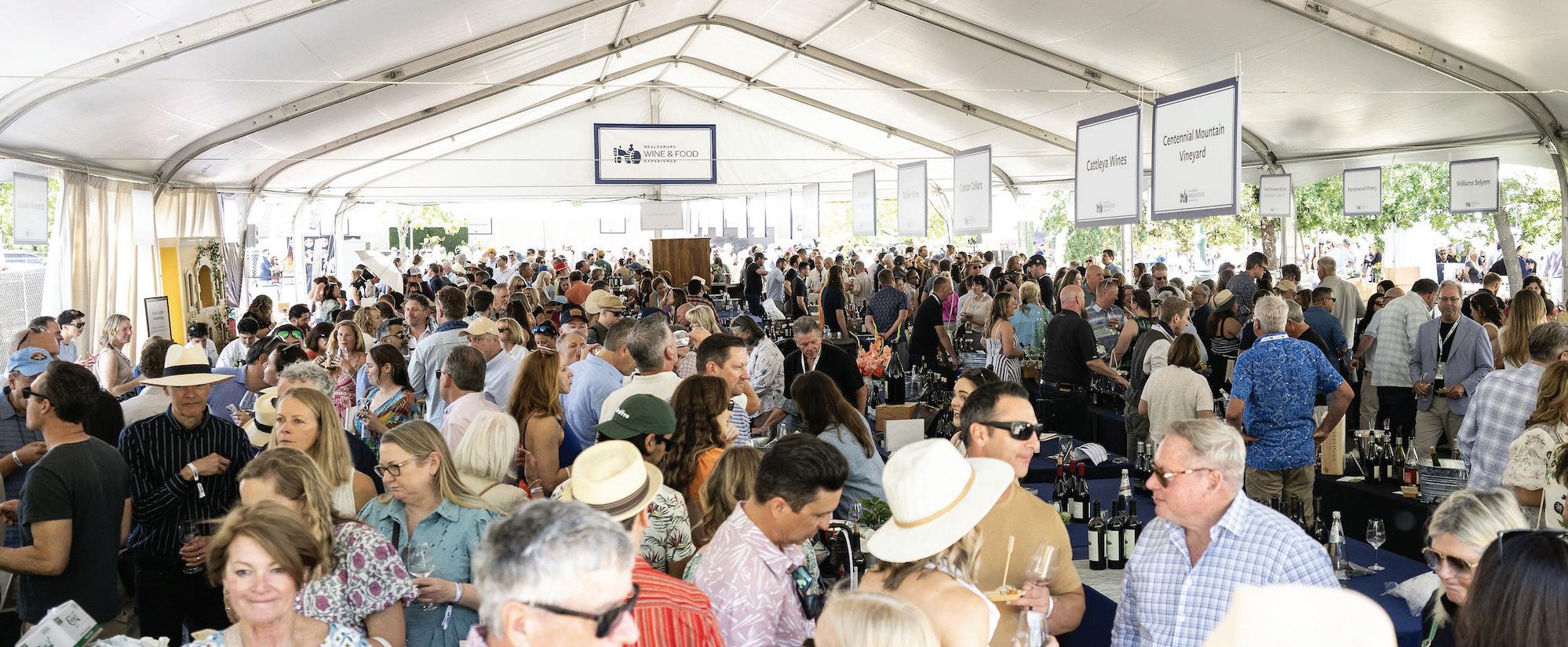
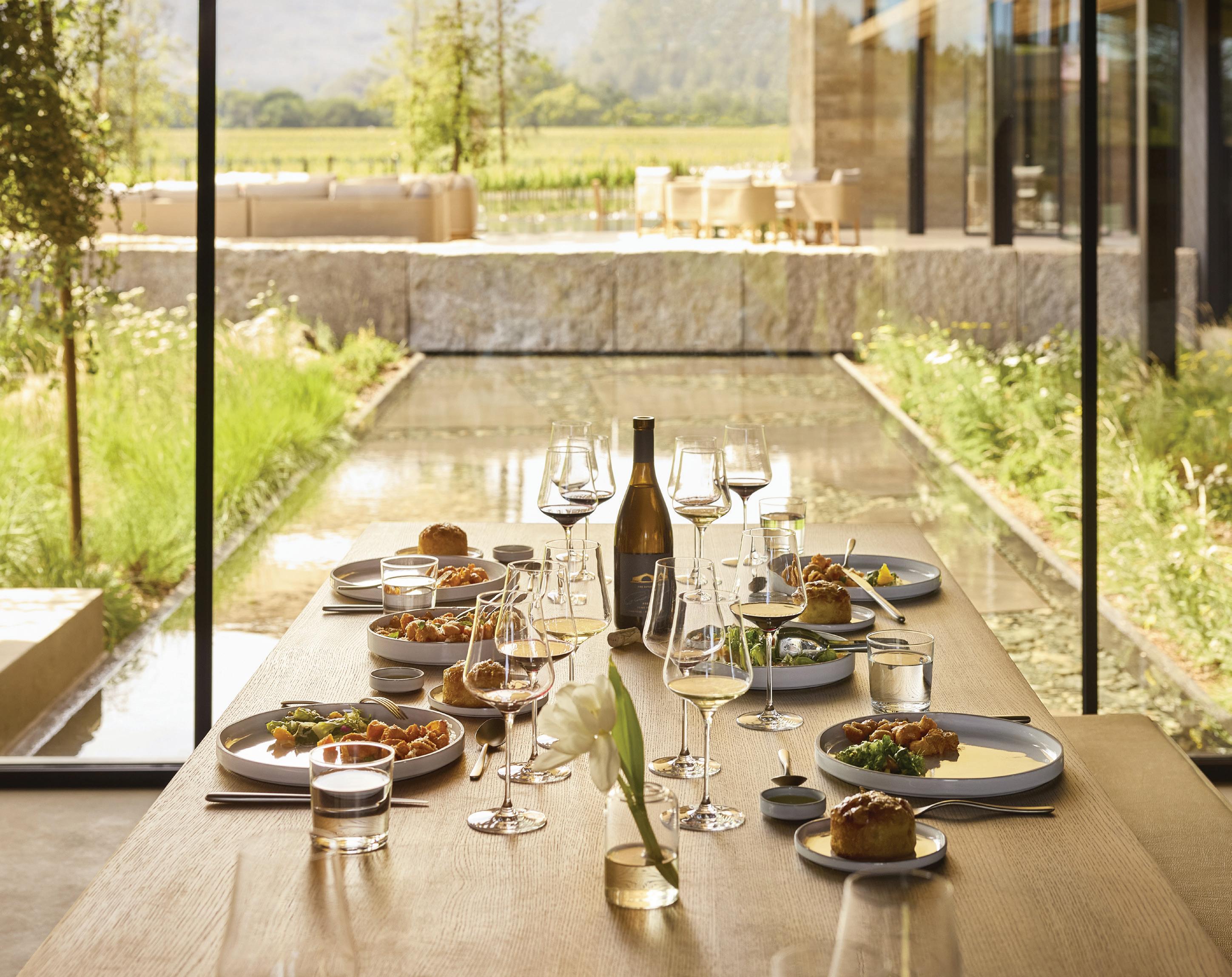
BY JENNIFER BODEN
FOLLOWING A THREE-YEAR TRANSFORMATION, ROBERT Mondavi Winery is welcoming visitors back to its historic Oakville Estate. Timed to its 60th anniversary, the reimagined winery introduces a fully modernized destination, including a new hospitality wing, expanded indoor-outdoor tasting experiences, enhanced culinary and visitor spaces, and state-of-the-art winemaking facilities.
Marking the most significant transformation of the property since its founding in 1966, the reopening is also commemorated with the debut of a limited-edition 60th anniversary Napa Valley Cabernet Sauvignon. At the core of this next chapter is an evolved approach to winemaking, anchored by the estate’s vineyards, including the renowned To Kalon Vineyard. “While our approach is grounded in decades of tradition, we continue to refine how we farm and vinify—bringing greater precision to each decision. This
allows us to highlight the distinct character of the vineyards we work with and the intention behind every wine we produce, said Kurtis Ogasawara, Head Winemaker.
The new To Kalon Cellar introduces advanced technology— including optical sorting, gravity-flow systems, and temperaturecontrolled fermentation and barrel spaces—allowing for smaller, more precise lot vinification. These enhancements support a more nuanced and site-driven approach, resulting in wines that reflect both immediacy and age-worthiness.
The redesign restores key elements of the original vision while introducing a contemporary architectural language that opens the estate outward. A new inverted gable canopy—referencing the winery’s iconic arch—anchors a series of indoor-outdoor tasting spaces, terraces, and gathering areas with panoramic vineyard views. Adjacent, a new culinary building with an indoor-outdoor
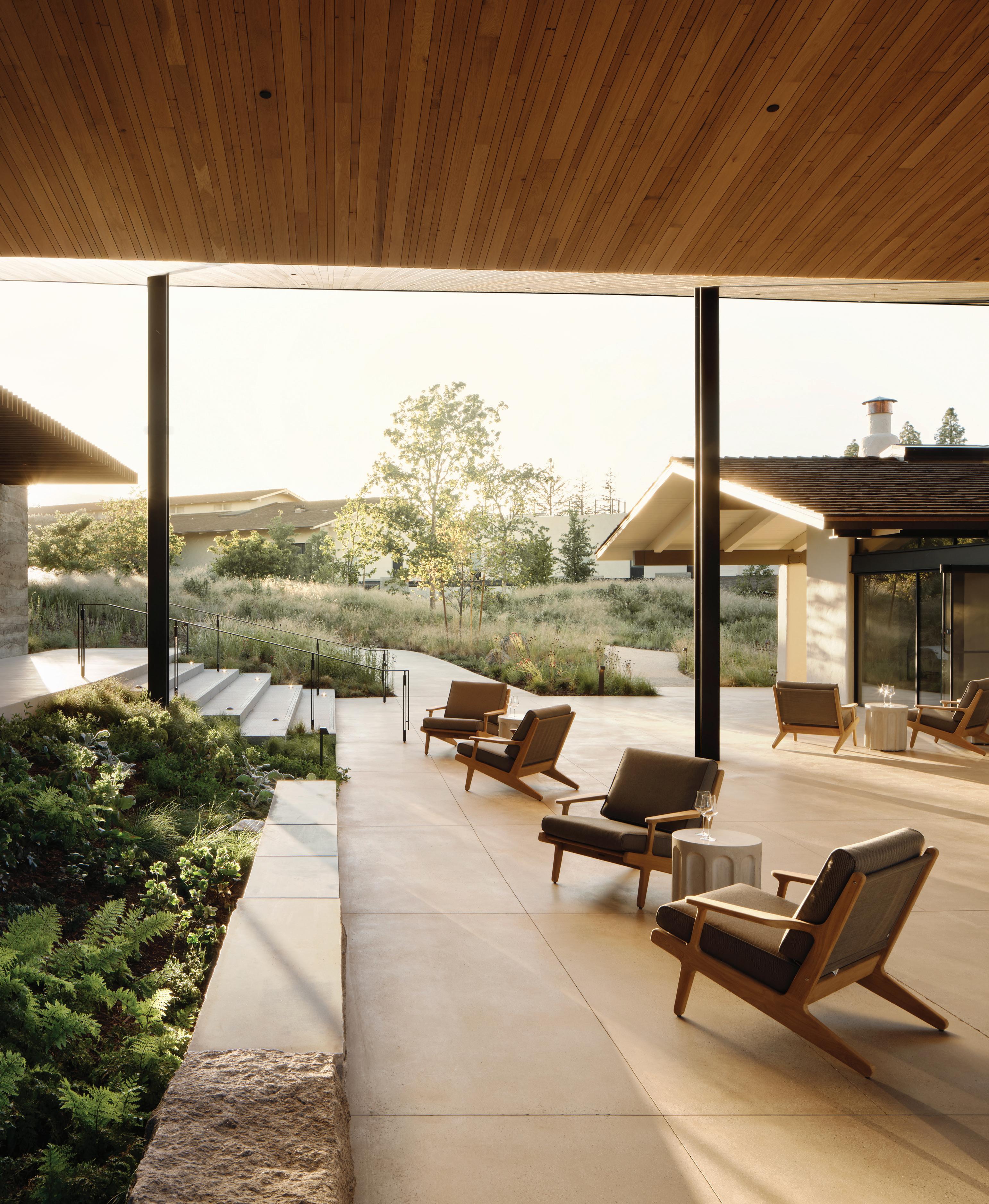
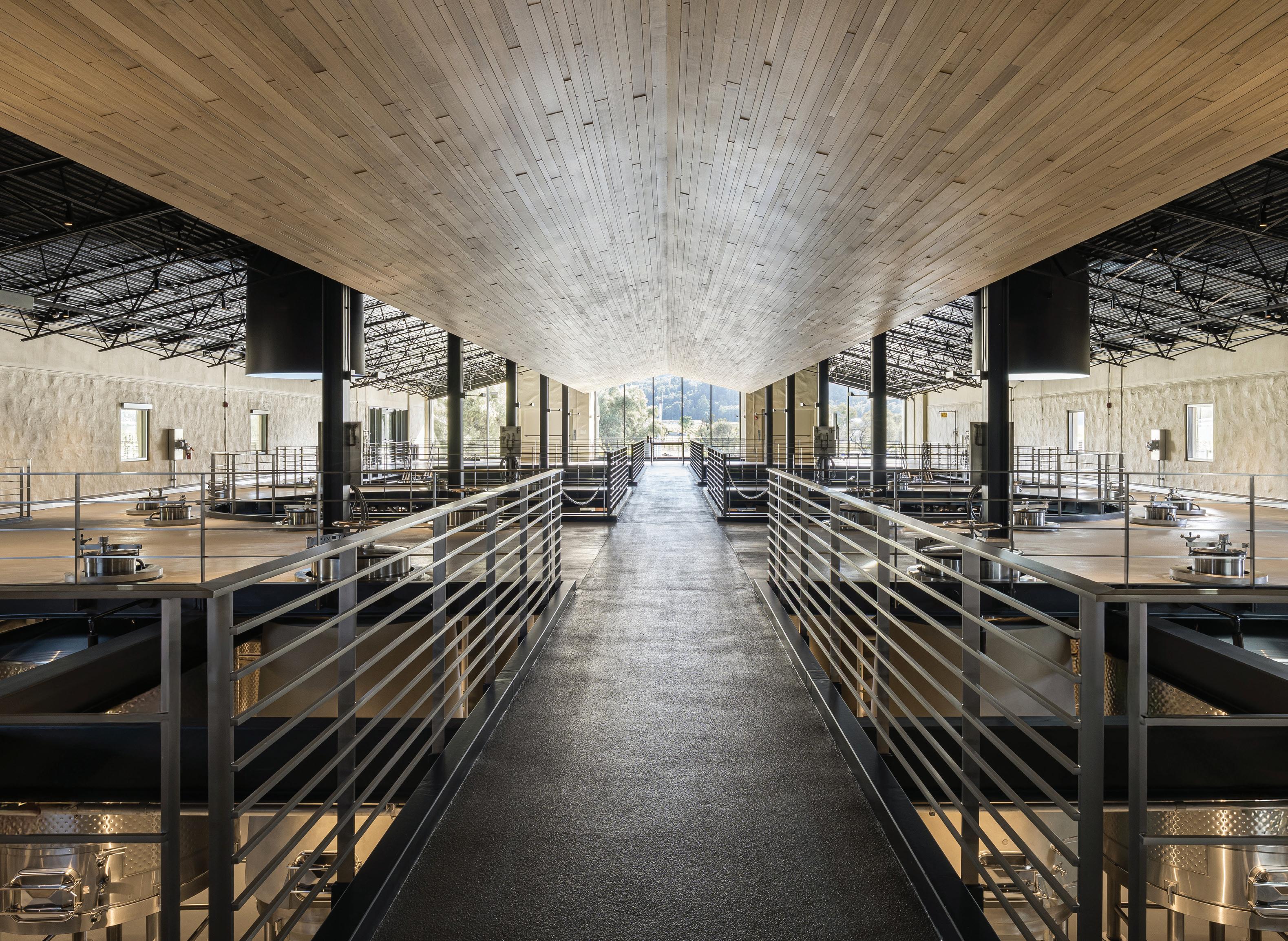
veranda supports an expanded wine and culinary program rooted in the surrounding gardens. A linear water feature— inspired by traditional agricultural aqueducts—runs through the south wing, reinforcing the winery’s commitment to sustainable water stewardship.
Interior furnishings and guest environments draw on the textures and palette of the Mayacamas Mountains and the To Kalon Vineyard. Original elements, including hand-painted tiles by Margrit Mondavi, have been thoughtfully preserved and integrated alongside works from the Mondavi collection.
Designed to showcase winemaking at every stage, the transformed north wing now houses production, private tastings, and immersive guest experiences. The To Kalon Collective introduces three dedicated tasting spaces, offering access to wines sourced from To Kalon Vineyard, including Robert Mondavi Winery, To Kalon Vineyard Company, Schrader Cellars, and Double Diamond. The estate’s iconic bell tower has also been reimagined as the Tower Library, an intimate tasting space that offers a new perspective on the winery’s history and wines.
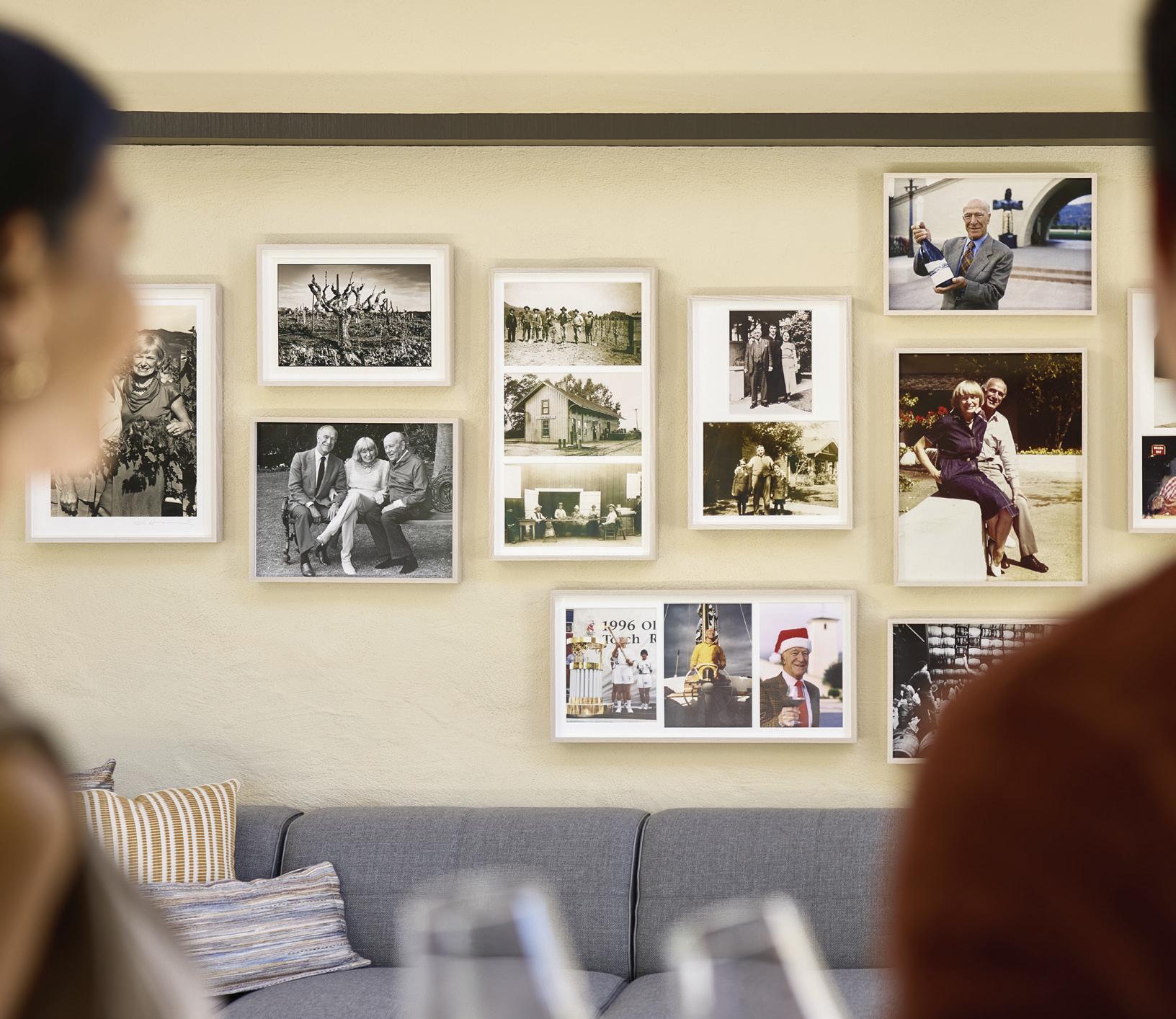
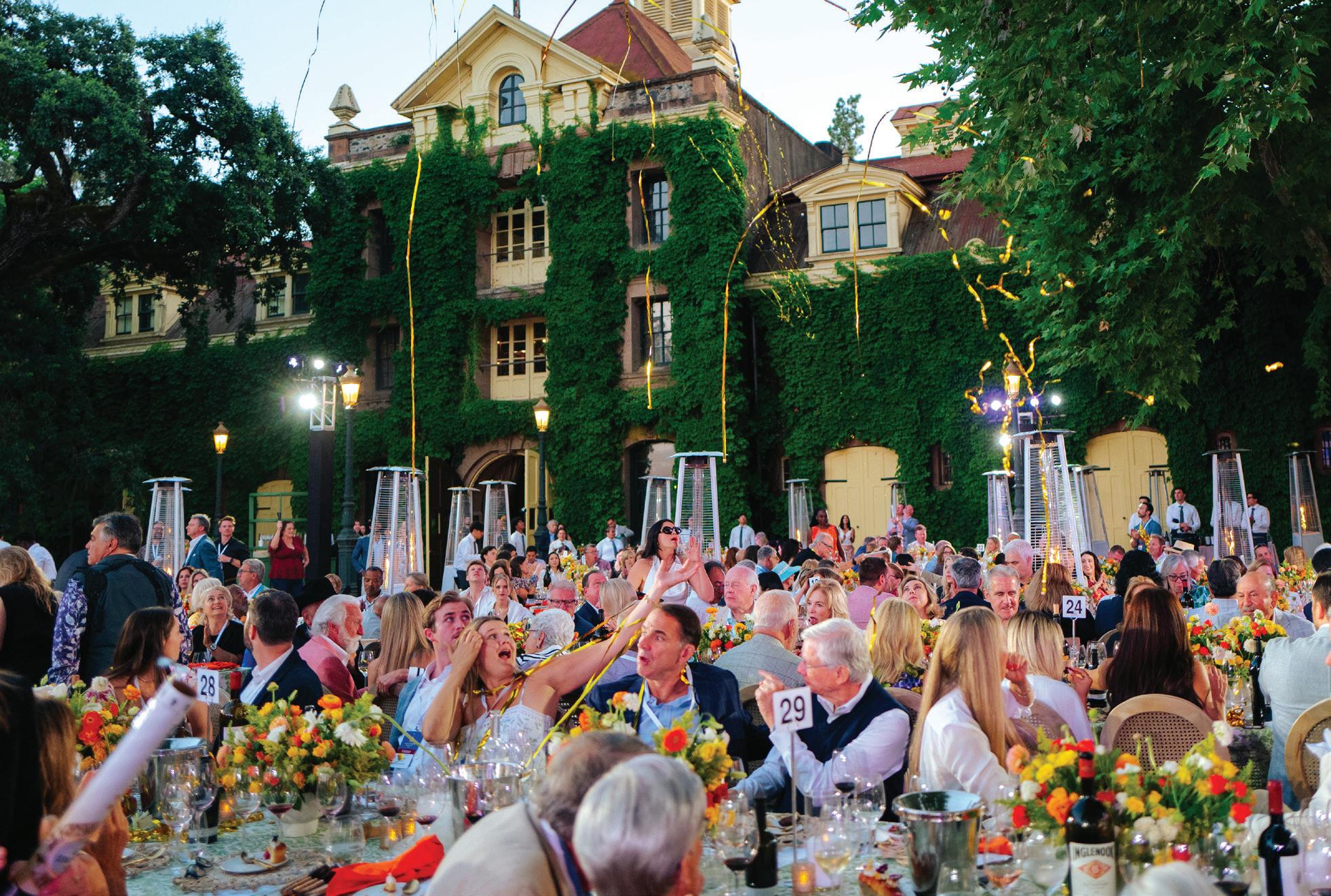
BY JENNIFER BODEN
A SHARED LOVE OF NAPA VALLEY BROUGHT 2,000 PEOPLE together from June 4–6 for Auction Napa Valley. Throughout the weekend, guests participated in bidding, fund-a-need donations, and other creative fundraising activities—raising $6 million for the Napa Valley Vintners Youth Wellness Initiative. “It was inspiring to see so many people eager to make a difference while enjoying the connection that great wine naturally creates,” said Darioush Khaledi, honorary chair of this year’s auction alongside his wife Shahpar Khaledi and his daughter Sally Khaledi.
Hosted at the newly reimagined Robert Mondavi Winery, the Napa Valley Barrel Auction gave guests the chance to meet winemakers and taste wines directly from the barrel. The top grossing lots of the day included wines from Chappellet Vineyard, Cardinale, Joseph Phelps Vineyards, Continuum Estate, Shafer Vineyards, Alpha Omega, Davies Vineyards, Ovid. Napa Valley, Robert Mondavi Winery and Favia.
Set against the stunning backdrop of Inglenook’s historic estate, the celebration began with a special tribute to Robin Lail. She was honored with a lifetime achievement award for her role in creating Auction Napa Valley more than four decades ago. The recognition brought focus to the pioneering vintners whose vision established wine as a force for good in Napa Valley and beyond.
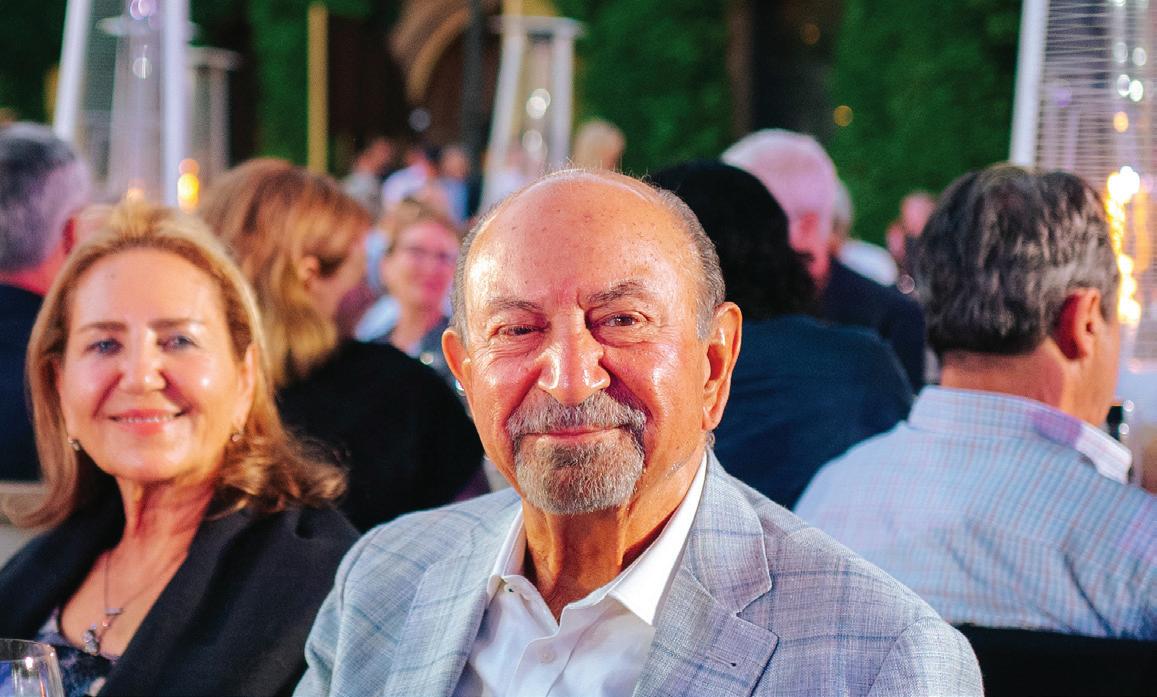
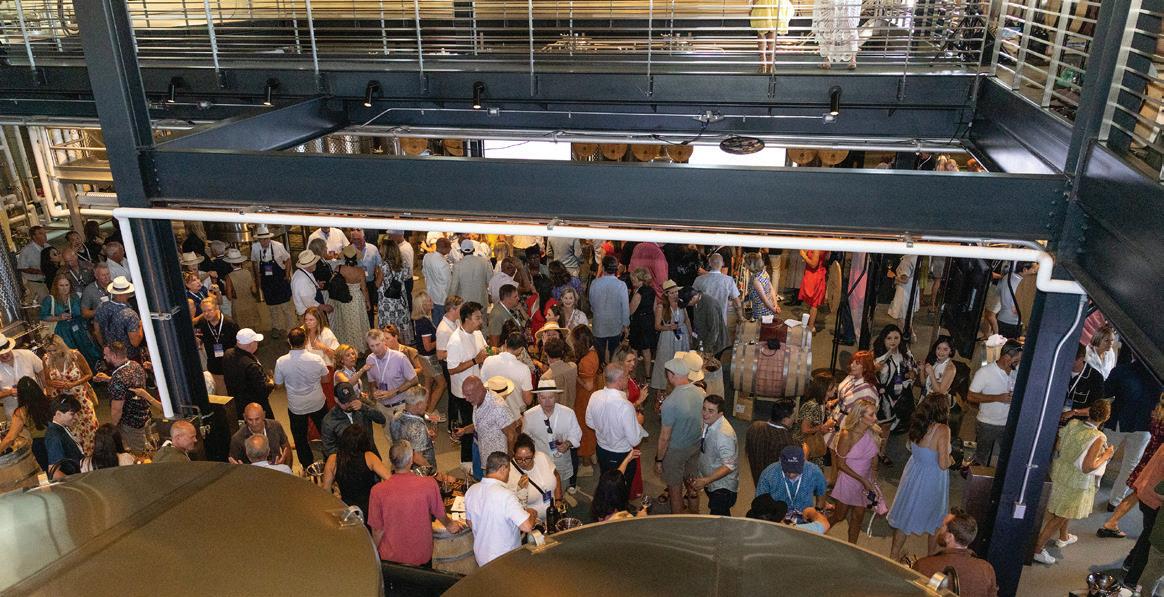
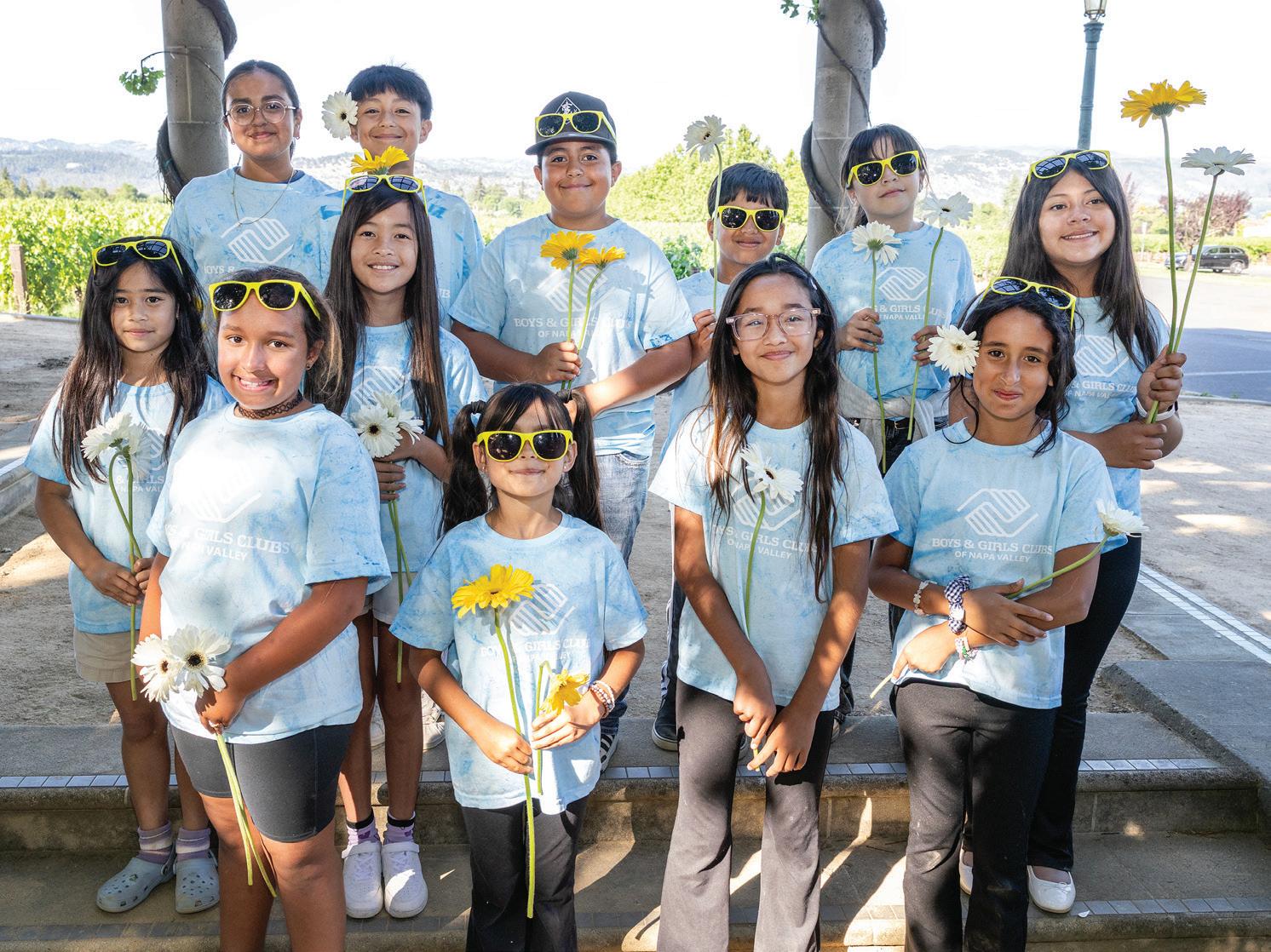
As the auction progressed, the momentum grew. Lot after lot inspired spirited bidding. Top grossing live lots were those donated by multi-winery partnerships for events taking place in Napa Valley, including an evening with Sebastian Maniscalco by Gargiulo Vineyards, B Cellars and Silver Oak and a tribute dinner to Michel Rolland organized by Staglin Family Vineyards, Accendo Estate, Dalla Valle Vineyards, Darioush and Screaming Eagle.
Other top lots were a trip to Morocco donated by The Vice and backstage access to BottleRock Napa Valley by John Anthony Vineyards. In a memorable finale, the auctioneer created an impromptu offering, selling the final magnum of the evening to the last paddle raised. One by one, attendees committed an additional $1,000 for every time they raised their paddle. In total, through contributions of all amounts, Fund-A-Need brought in $1 million.
Auction Napa Valley will return June 3-5, 2027, with the multigenerational family behind Continuum, Tim Mondavi, Marcia Mondavi Borger and their families, serving as honorary chairs.
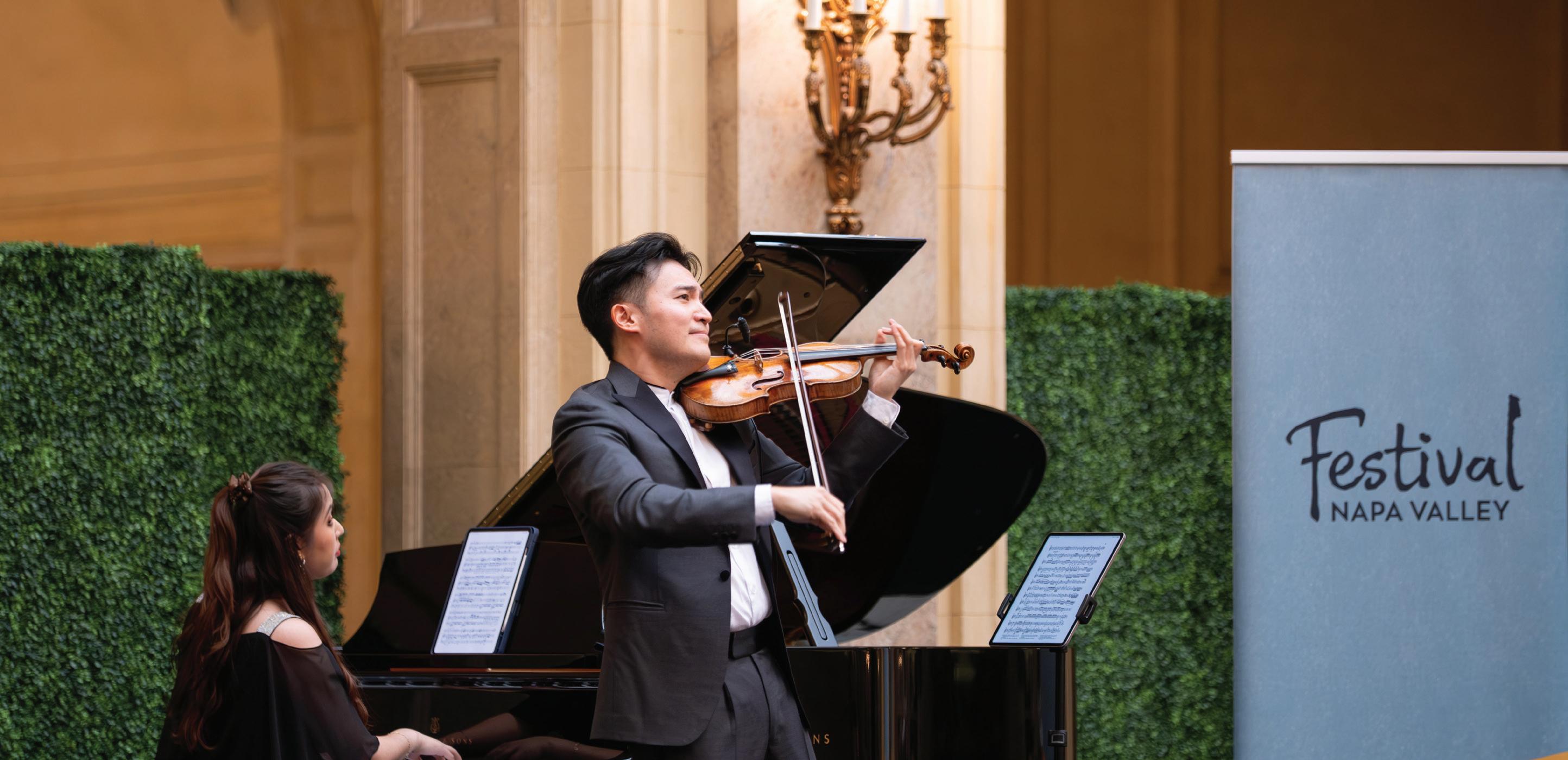
BY OLIVIA DECKER
FESTIVAL NAPA VALLEY BROUGHT ITS SIGNATURE BLEND of music, fine wine, and gracious hospitality to San Francisco’s historic Palace Hotel for an Olivia Decker Power of Music event on April 25. The evening featured sensational violinist Ray Chen, joined by pianist Chelsea Wang, in a program bridging tradition and modern virtuosity. Highlights included Edvard Grieg’s Violin Sonata No.3 and Pablo de Sarasate’s fiery Carmen Fantasy, showcasing Chen’s dazzling virtuosity and Wang’s nuanced, expressive accompaniment.
Taiwanese-Australian violinist Ray Chen began studying violin at age five. In 2008, he won First Prize in the senior division of the Yehudi Menuhin International Competition in Cardiff, Wales, where jury member Maxim Vengerov noticed him and subsequently engaged him for debut performances with the Mariinsky Theatre Orchestra and the Azerbaijan State Symphony Orchestra at the International Rostropovich Festival in Baku. Chen also won the 2008–09 Young Concert Artists International Auditions in New York and First Prize at the Queen Elisabeth Competition in Brussels. Following these achievements, he toured with the Antwerp Symphony Orchestra, National Orchestra of Belgium, and Orchestre Philharmonique du Luxembourg.
Signed to Sony Classical in 2010, Chen released his debut album, Virtuoso, which earned the Newcomer Award at the 2011 Echo Klassik Awards. In 2012, he performed at the annual Nobel Prize Concert with the Royal Stockholm Philharmonic Orchestra under Christoph Eschenbach. On Bastille Day in 2015, he performed
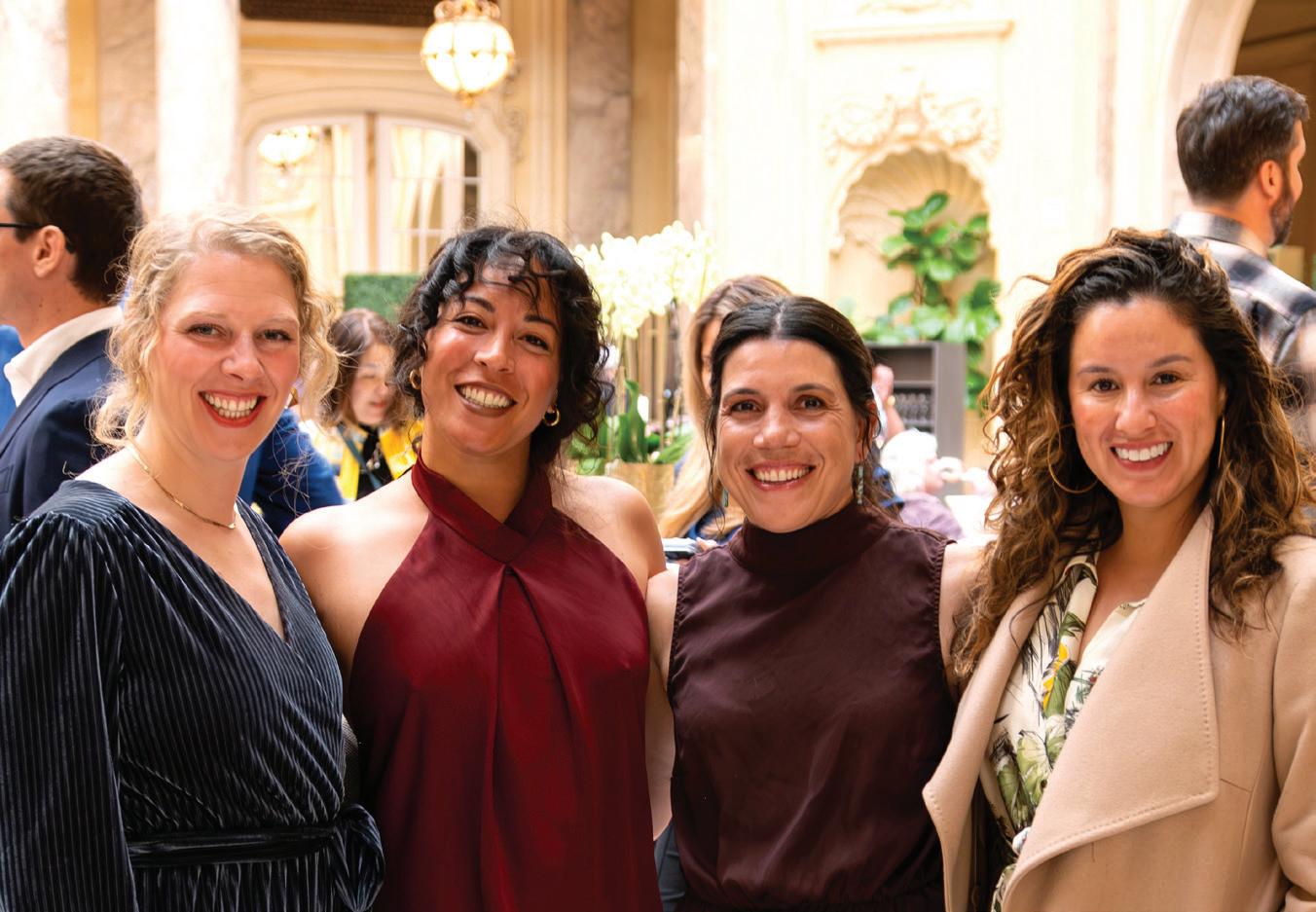
Michelle
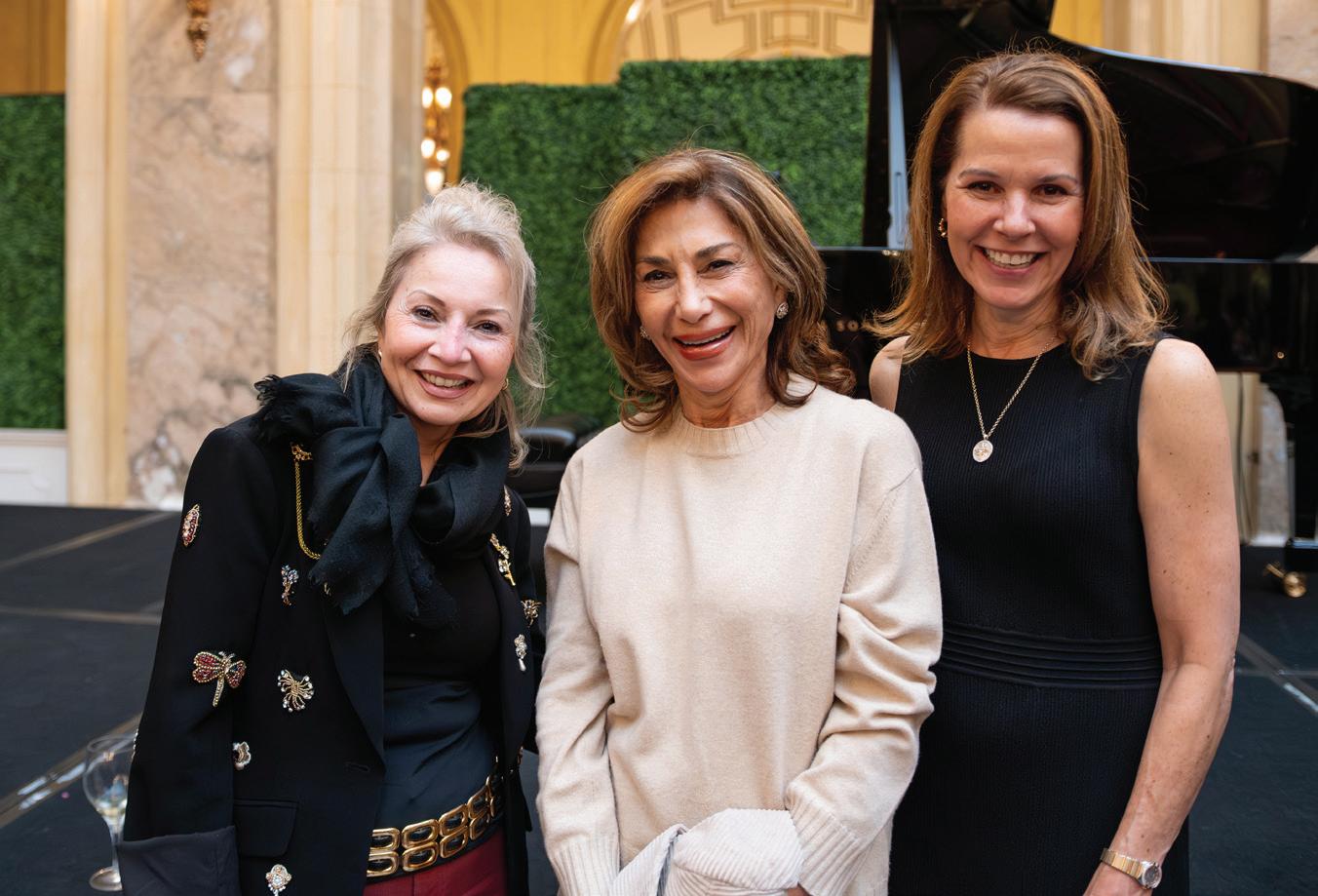
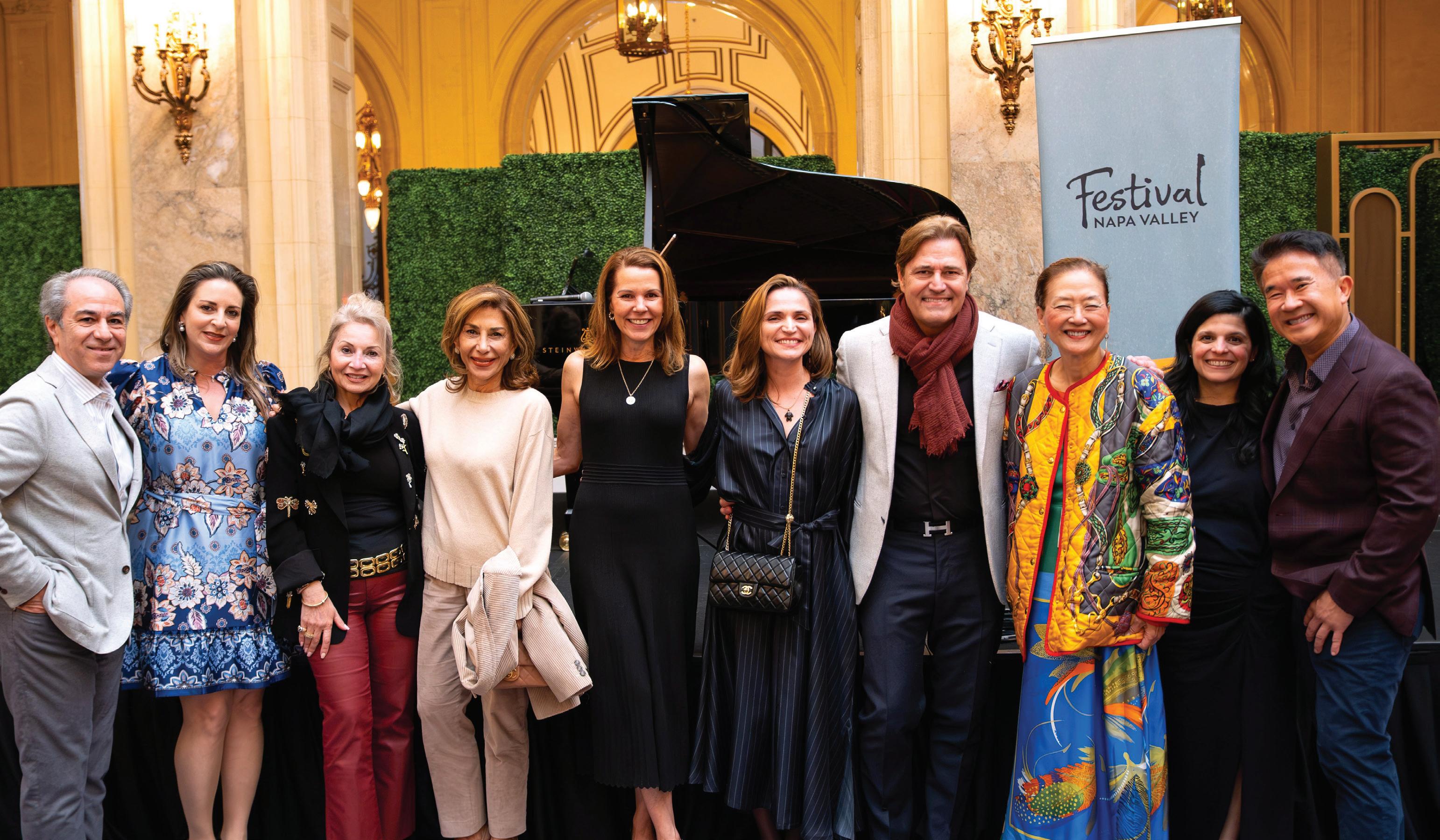
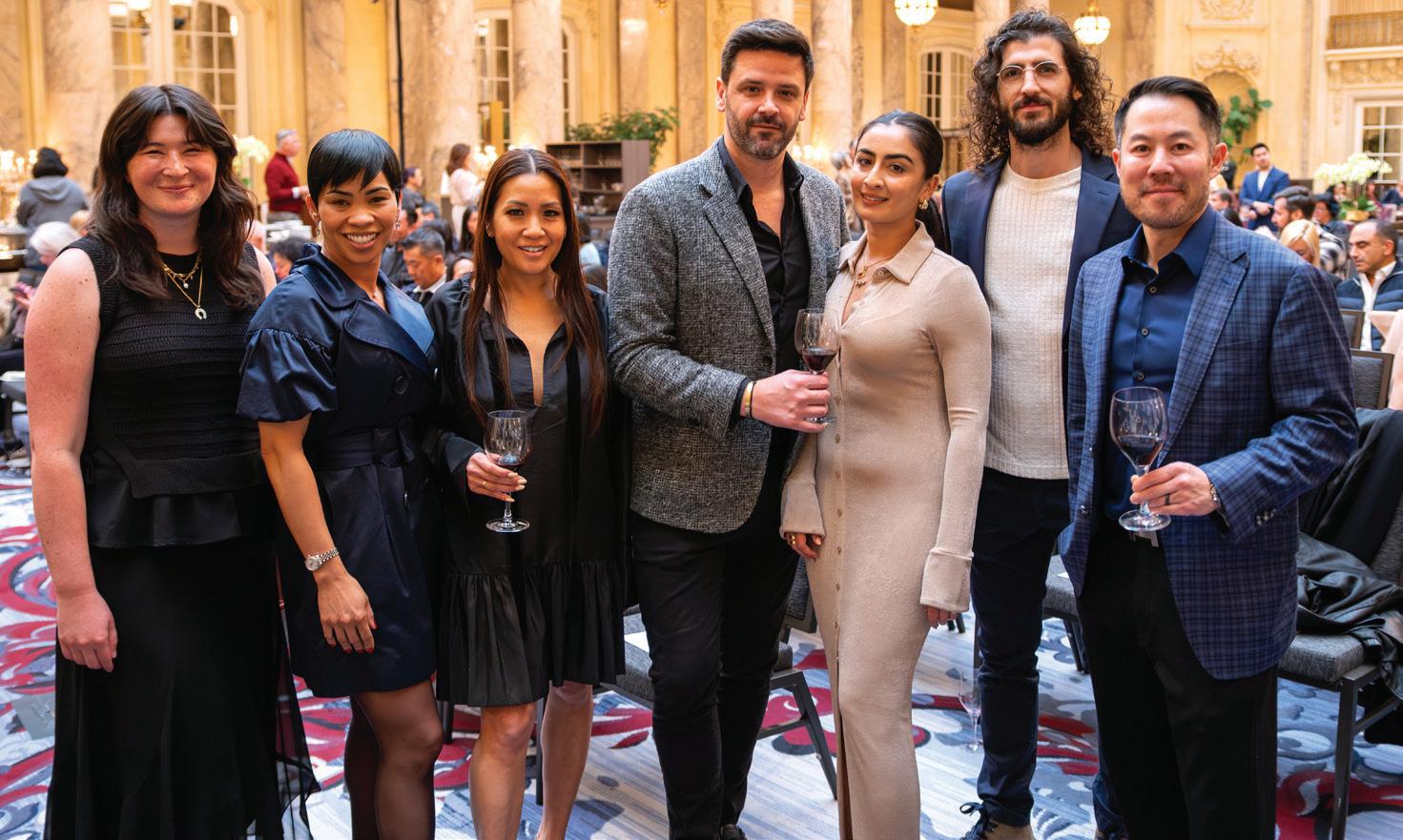
Sienna Peck, Moanalani Jeffrey, Lillian Phan Pickering, Marco Fraternale, Maryam Beria, Gerard Frigola, and Brandon Au
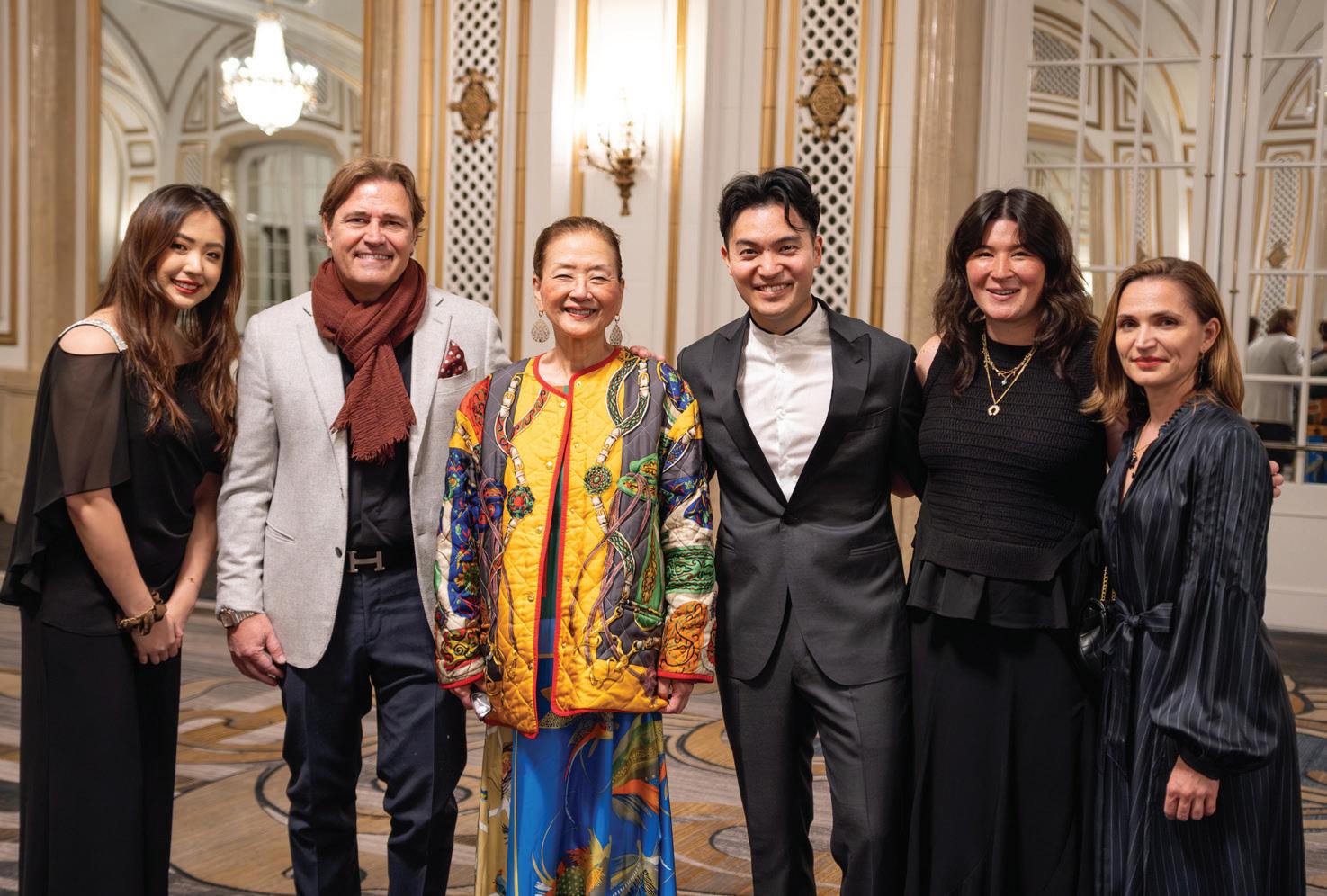
ChelseaWang, Pasquale Esposito, Olivia Decker, Ray Chen, Sienna Peck, Alyona Marenchuk
Iraj Zolnasr, Samira Ghazvini, Fariba Zolnasr, Afie Royo, Kristen Sorinsen, Alyona Marenchuk, Pasquale Esposito, Olivia Decker, Mona Tavss,
before an audience of 800,000 at Paris’s Champ de Mars with the Orchestre National de France and Daniele Gatti.
In 2017, Chen signed with Decca Classics, and his first album for the label, The Golden Age, was nominated for an ARIA Music Award for Best Classical Album. During the 2017–18 season, he was named an “Artist Focus” artist with the Berlin Radio Symphony Orchestra. He also appeared in an episode of Amazon Prime’s Mozart in the Jungle in 2018 and opened the Golden Horse Awards ceremony in November 2020. Chen performs on a 1727 Stradivarius, one of his favorite instruments.
Before the concert, guests gathered in the magnificent Palace Hotel’s Garden Court for an elegant reception featuring wines from the Treasury Wine Estates portfolio, including Beringer Vineyards’ Private Reserve Chardonnay, Beaulieu Vineyard’s Reserve Cabernet Franc and “Clone 4” Cabernet Sauvignon, and Sterling Vineyards’ Rosé of Pinot Noir and Reserve Diamond Mountain Cabernet Sauvignon, along with hors d’oeuvres from the Palace Hotel culinary team. The evening offered a stylish preview of Festival Napa Valley’s 2026 Summer Season, which marks its 20th anniversary and runs throughout Napa Valley July 4-19. Chen will return during the season as the recipient of the Festival’s Khaledi Prize for Excellence and Innovation in Classical Music.
Hosted by President of Festival Napa Valley Rick Walker, Executive Producer Sienna Peck and Olivia Decker, noted attendees included Rosalyn Chen, Pasquale Esposito, Samira Ghazvini, Moanalani Jeffrey, Anna and Aria Mehrabi, Patrick McCabe, Lillian Phan Pickering, Afie Royo, Kristin Sorensen and Danny Tran, Kristen Sze and Jason Wong, Mona Tavss, Fariba and Iraj Zolnasr, Alyona Marenchuk and the Palace Hotel’s General Manager Jason Paradis.
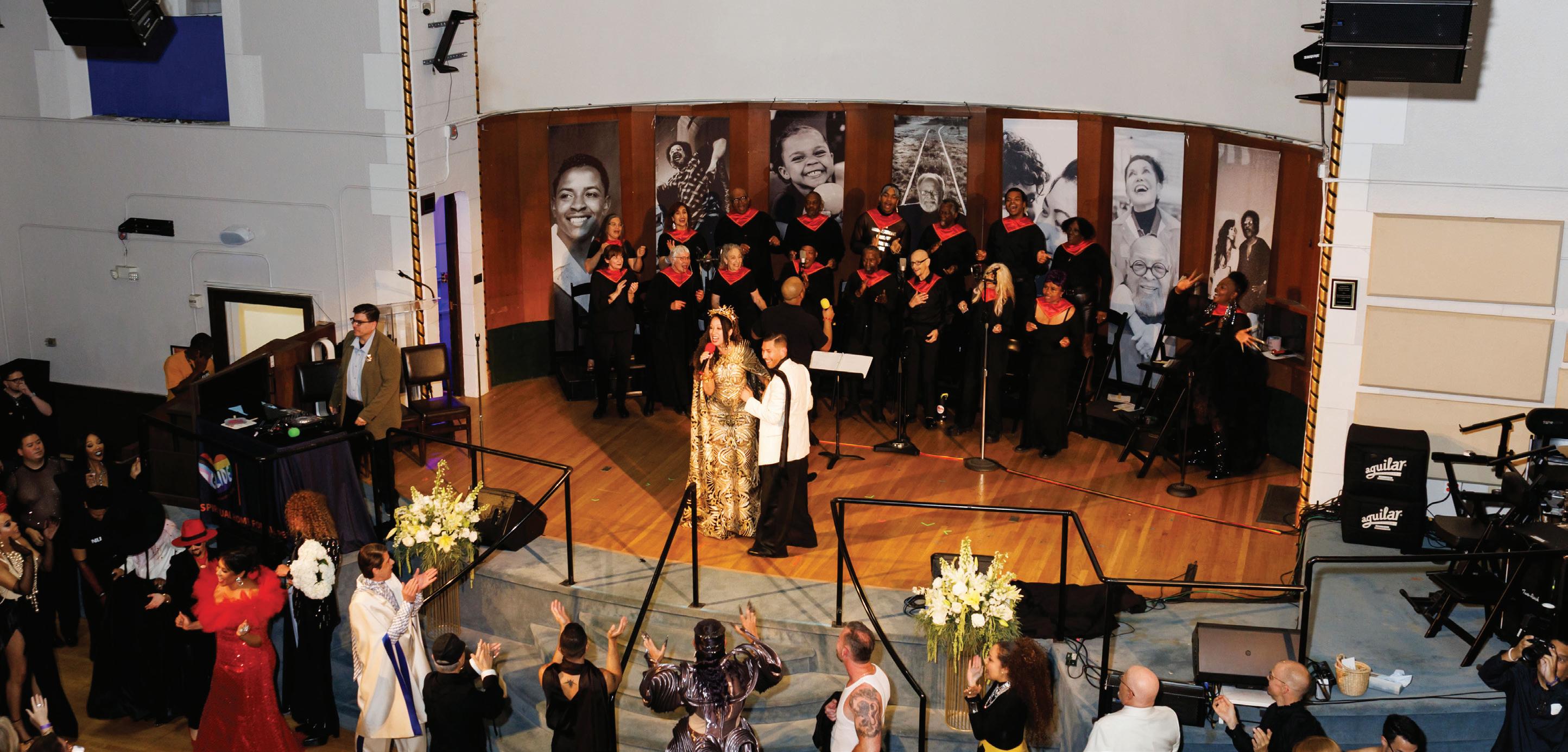
BY OLIVIA DECKER
ON THE EVENING OF JUNE 23, 2026, RUNWAY OF PRIDE at Glide transformed the historic sanctuary of Glide Memorial Church into San Francisco’s most unforgettable fashion moment of Pride season. The night opened with a tribute to Thierry Mugler at his 1984 zenith—a nod to fashion’s most theatrical and queeraffirming legacy—before legendary supermodel Pat Cleveland descended the runway in a couture gown by Naeem Khan. She was followed by Honey Mahogany in a striking Nuvaa creation and the incomparable Mother Jahnell Chanel in a surprise runway appearance that stopped the room.
What unfolded next was pure San Francisco: luxury real estate legend and city fixture Joel Goodrich; party extraordinaire and Haute Living Ambassador Aubrey Brewster; Mayor London Breed, looking fabulous in a custom red gown by Vassily Vein; Board of Supervisors President Rafael Mandelman in a faux fur by Banana Republic; CEO of the Union Square Alliance Marisa Rodriguez; Glide Memorial’s own Minister Marvin White in a Rick Owens outfit; and the first transgender woman Executive Director of SF Pride, Suzanne Ford— all walked the runway. The show closed with State Senator Scott Wiener in a Mariya Milovidova ensemble, bringing the house to its feet. Rafael Mandelman was presented with the inaugural Runway of Pride Fashion Award, the first of its kind.
The model cast was as intentional as the runway itself— representing every letter of the LGBTQ+ spectrum and spanning generations, a living reflection of Glide’s radical inclusivity and the show’s commitment to community over convention.
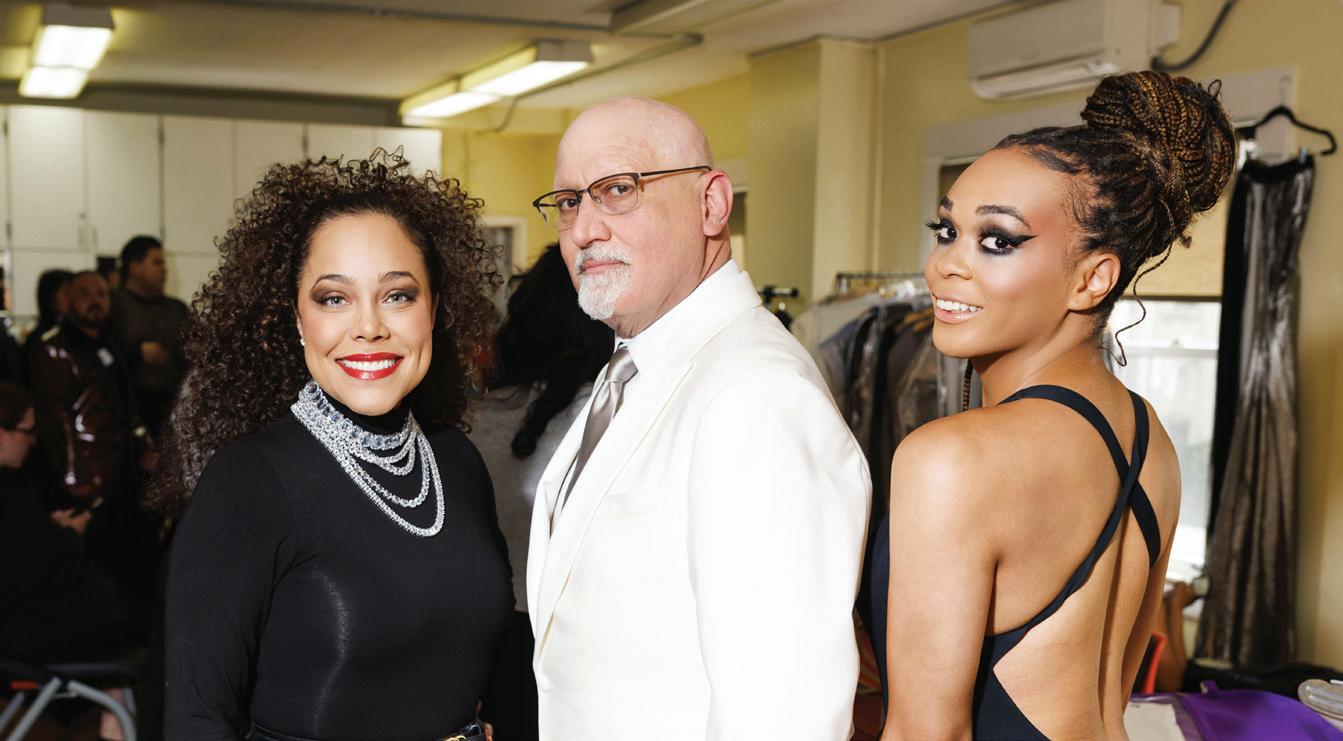
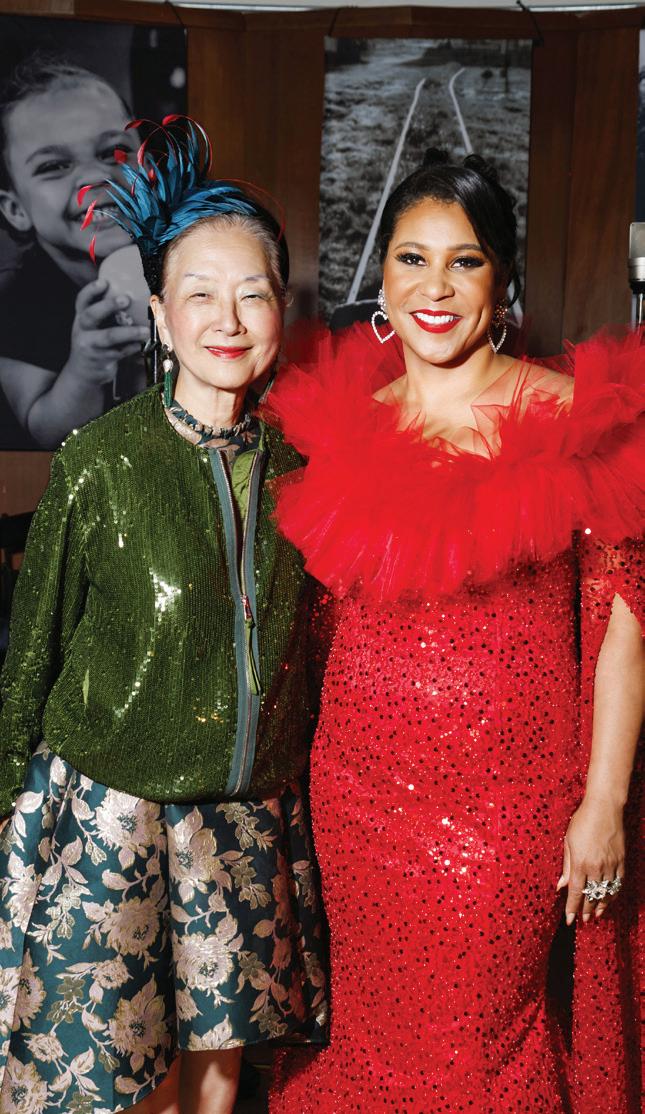
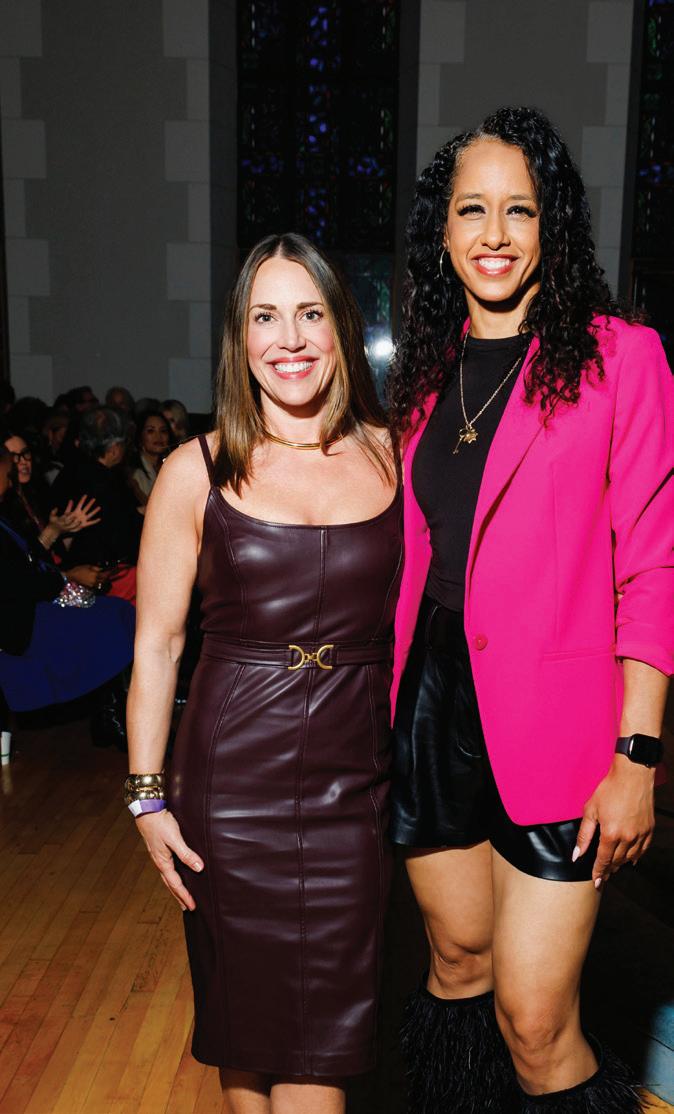
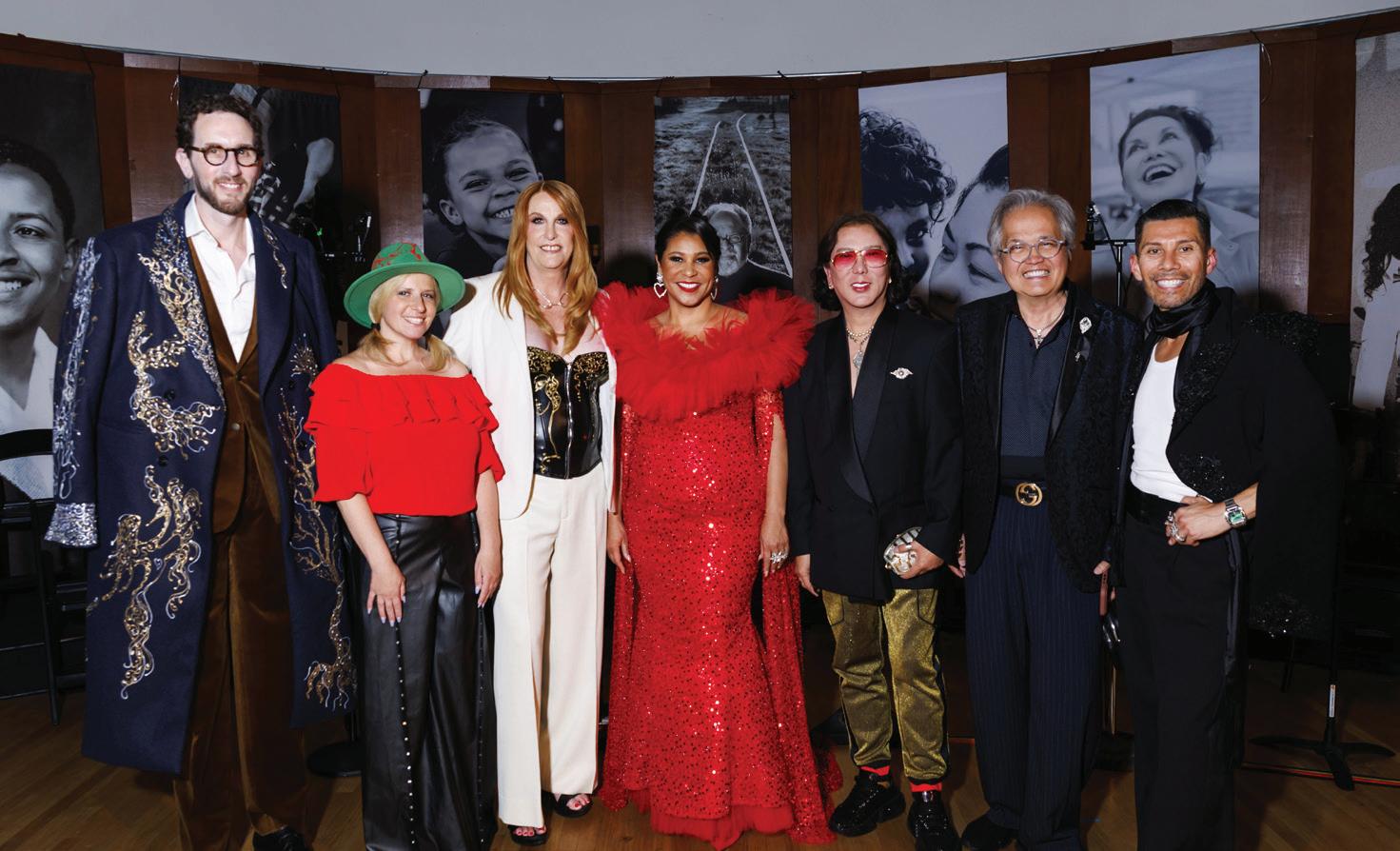
Senator Scott Wiener, Mariya Milovidova, Suzanne Ford, London Breed, Vincent Gotti and Antonio Contreras
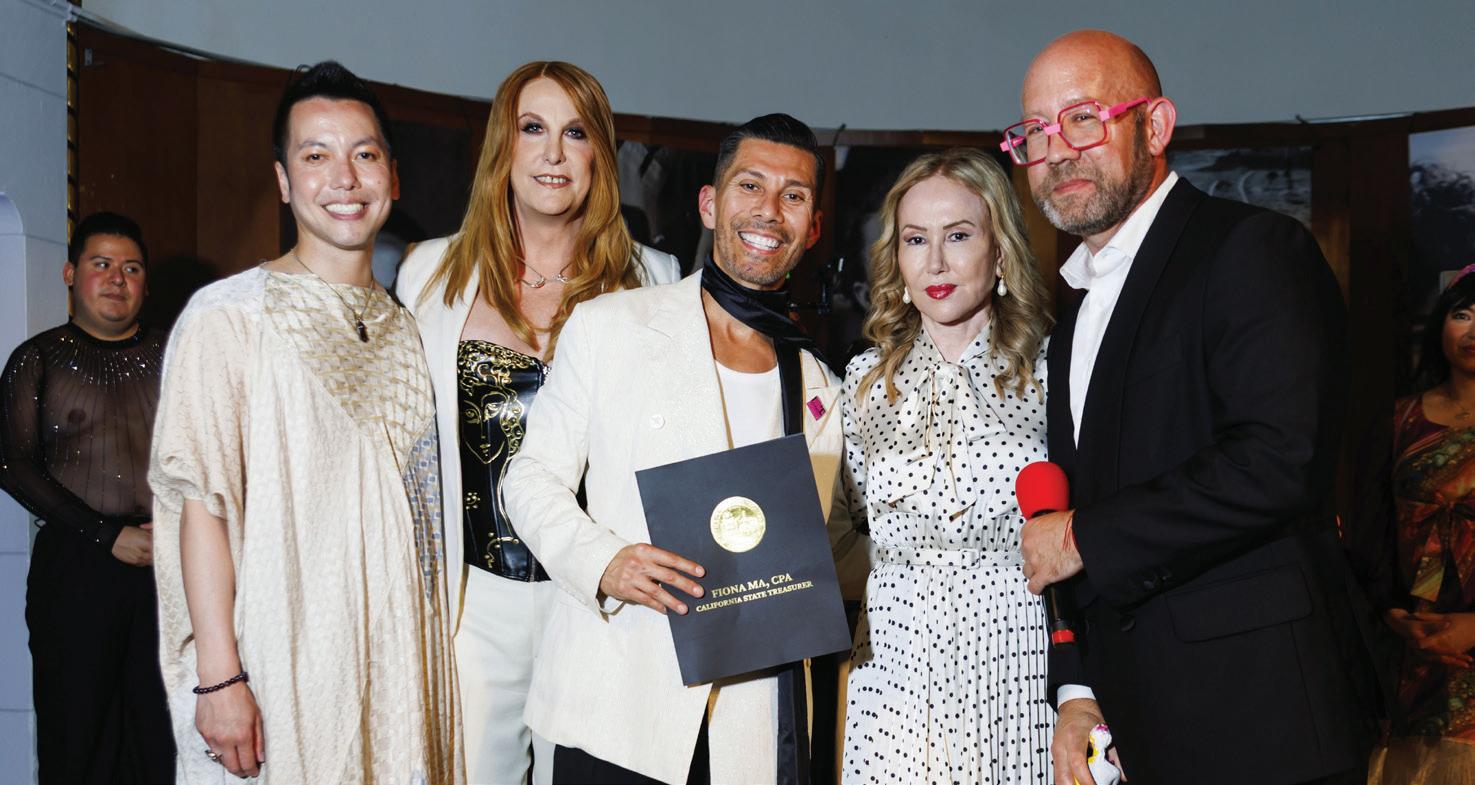
Nguyen Pham, Suzanne Ford, Antonio Contreras, Sophie Azouaou and Rafael Mandelman
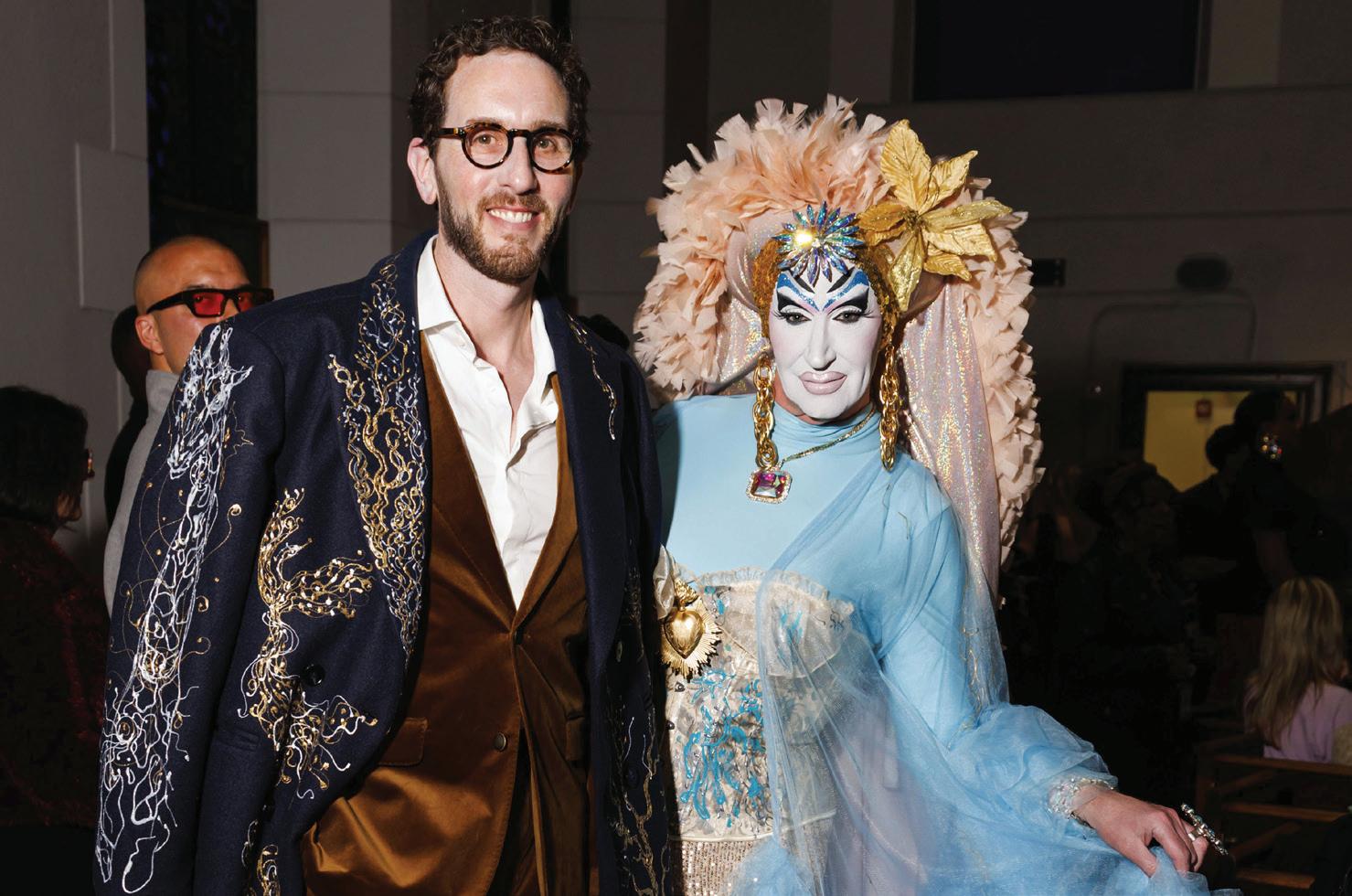
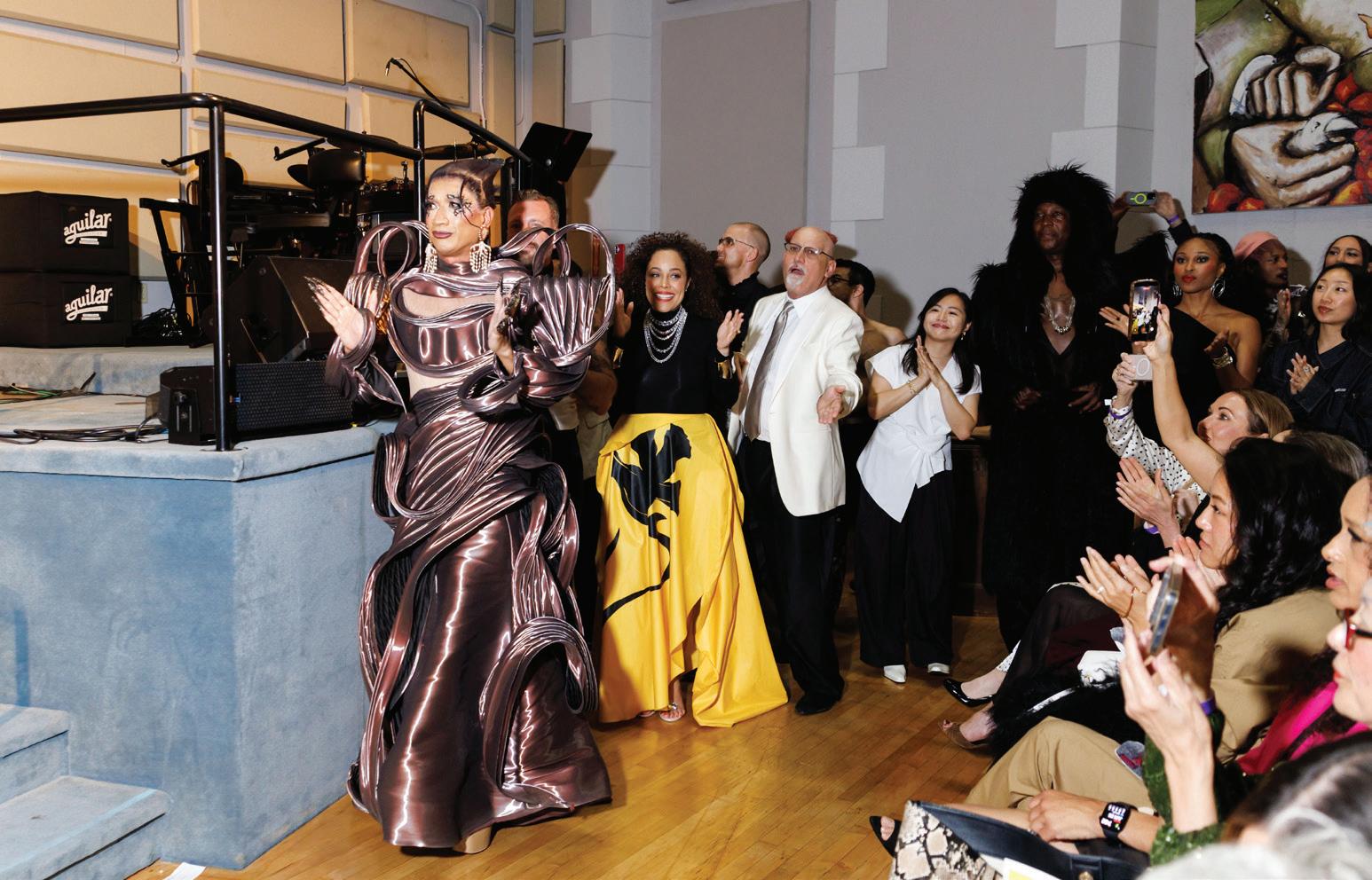
Sister Roma, Tom LeNoble and Jarrod Baumann
California State Senator Scott Wiener and Sister
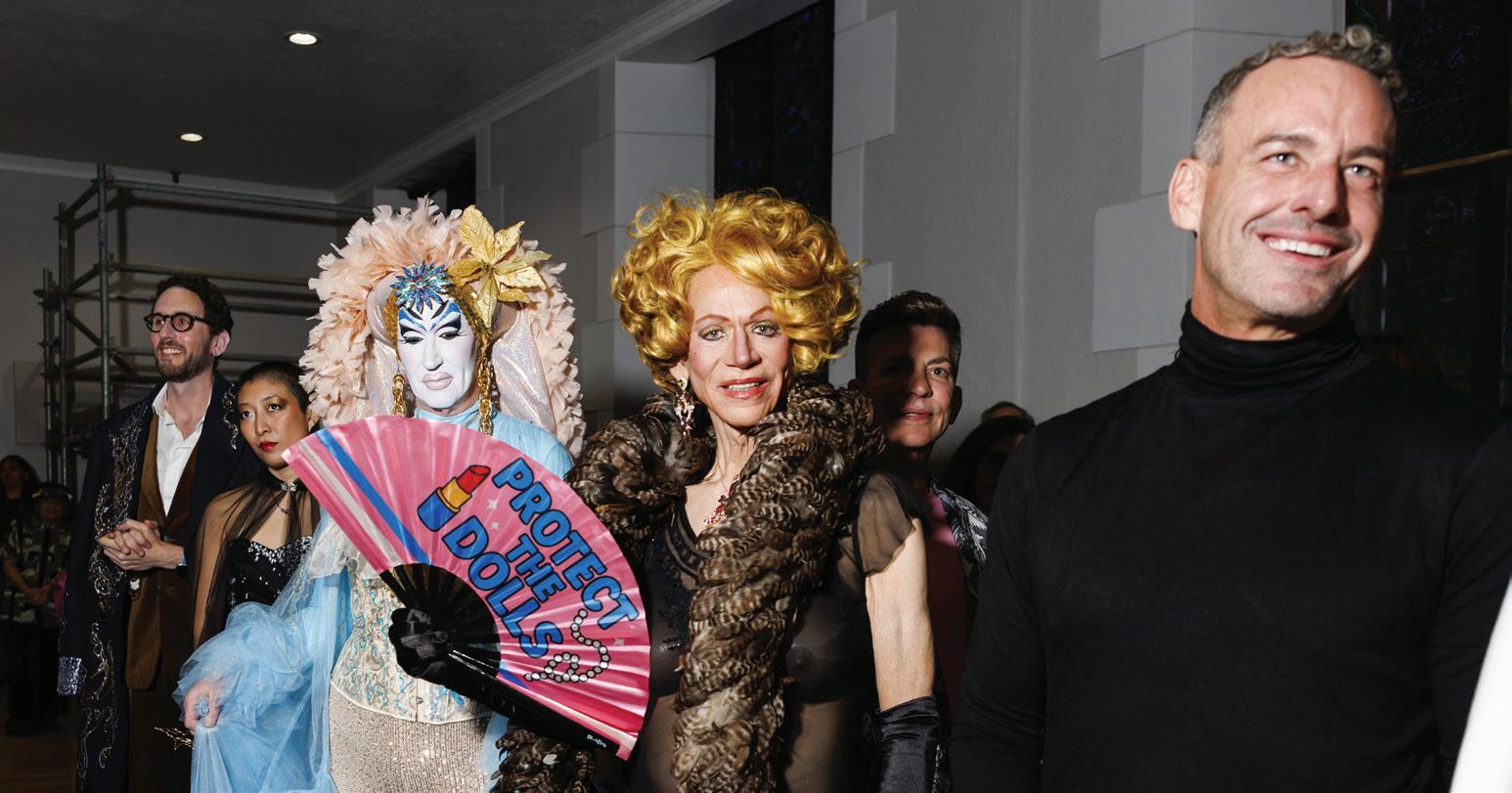
In a dual moment of civic pride, both legendary supermodel Pat Cleveland and event producer and stylist Antonio Contreras were individually recognized by the San Francisco Board of Supervisors for their outstanding contributions to the arts and community. In the front pews, event co-chair Esther Yang, Athleta CEO Maggie Gauger, and Haute Living magazine owner Olivia Decker sat alongside District Attorney Brooke Jenkins, Dr. Gina Fromer (CEO of Glide Memorial Church), Maryam Muduroglu, Autumn O’Keefe, and Robert Beadle. The Glide Memorial Choir sang over house music spun by DJ Sergio Fedasz—a collision of spirituality and the dance floor that is entirely, unmistakably Glide. The finale track, Cheryl Lynn’s “Got to Be Real,” brought nearly 600 guests to their feet and reminded everyone in the room: we are all equal and free to love. The evening raised nearly $30,000, benefiting San Francisco Pride and Glide Memorial Church.
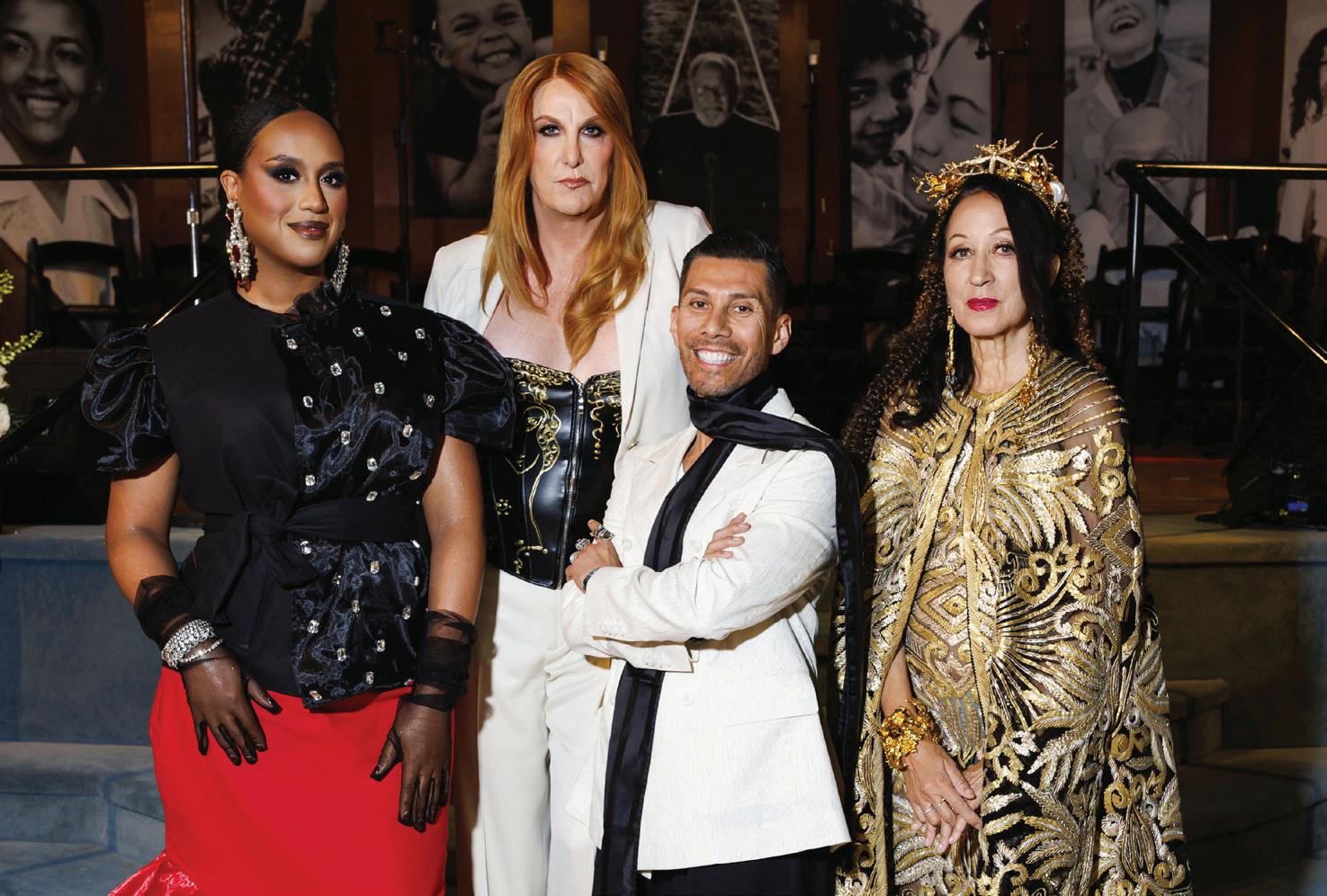
Honey Mahogany, Suzanne Ford, Antonio Contreras, and Pat Cleveland
Notable VIP guest models included legendary supermodel Pat Cleveland, who opened the runway in a couture gown by Naeem Khan and was honored by the San Francisco Board of Supervisors alongside event producer Antonio Contreras; California State Senator Scott Wiener, who closed the show in a Mariya Milovidova ensemble celebrating LGBTQ+ leadership on the runway; former San Francisco Mayor London Breed, who made a surprise runway appearance in a custom-made red gown by Vassily Vein; San Francisco community icon and drag luminary Honey Mahogany, who walked the runway in a striking Nuvaa original; and Rafael Mandelman, President of the San Francisco Board of Supervisors, who walked in a faux fur by Banana Republic and was presented with the inaugural Runway of Pride Fashion Award.
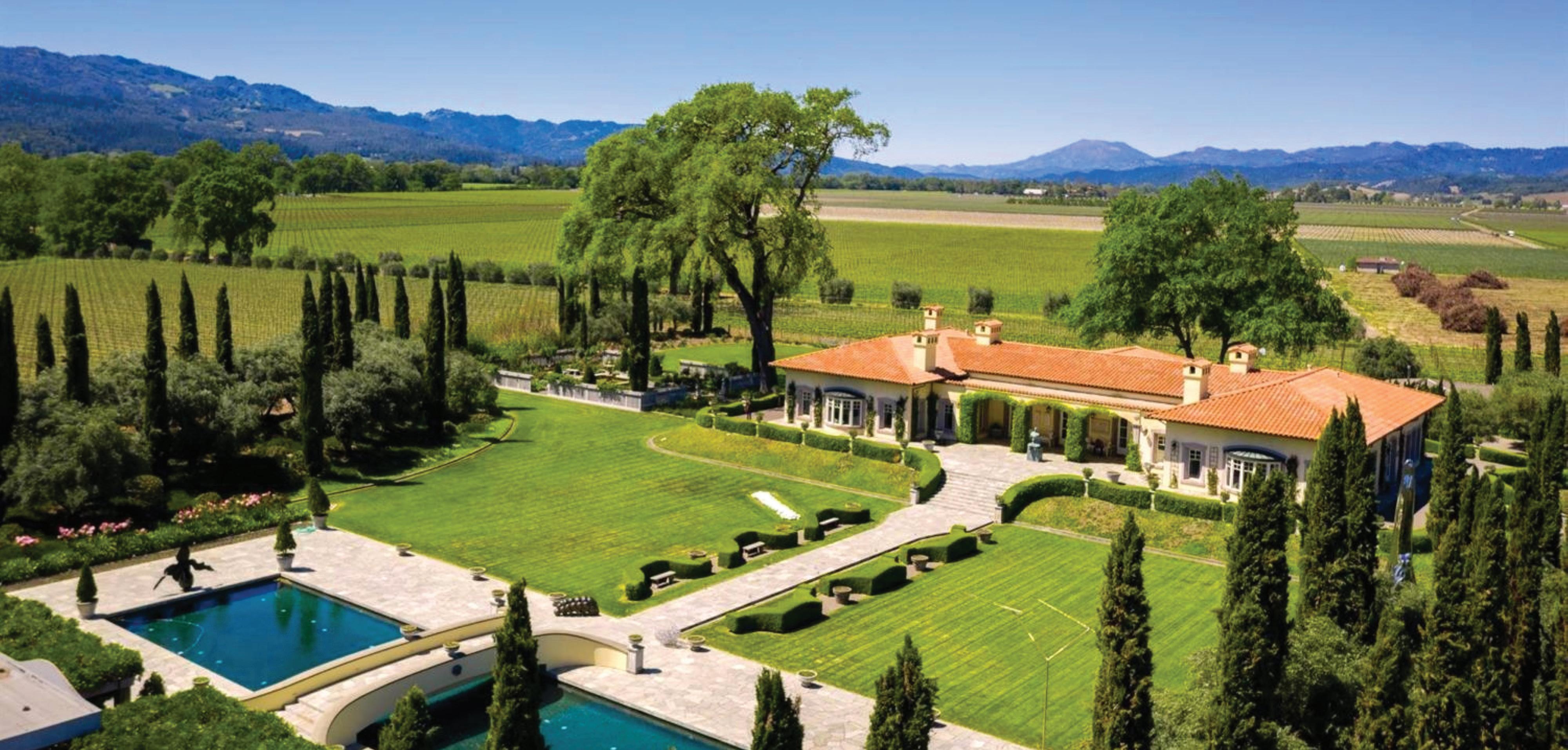
BY OLIVIA DECKER + JENNIFER BODEN
THE BELOVED WINEAPAWLOOZA FUNDRAISER RETURNED on June 19th and 20th. The high-energy weekend brought together an impressive lineup of world-class Napa Valley vintners, premier winemakers, and acclaimed chefs to support Jameson Humane’s life-saving programs.
As the signature fundraiser for Jameson Humane—a Napa Valley-based animal rescue and welfare organization—the event proved just how deeply people care. “Love for the animals was evidenced by a total of $1,925,625 raised this year,” said Monica Stevens, the Founder of Jameson Humane and WineaPAWlooza. “Proceeds support important programs including critical medical care, crisis & behavioral support, community aid and disaster response both locally and throughout the country.”
On Thursday, June 18, Kelly and Ken Brophy hosted an intimate dinner at their beautiful Yountville home for 30 guests to meet and greet the Youngest Runway Fashion Designer in the World, Max Alexander, and his family ahead of the weekend’s Wineapawlooza auction, where Max donated his first-ever piece of canine couture for the highest bidder. During the welcome dinner, chef created a special menu to capture the spirit of Provence in the South of France, including the renowned Le Puy green lentils, grown for generations by the family in Le Puy-en-Velay. Often referred to as the “caviar of lentils,” their distinctive character elevated the Tailored Vegan Shepherd’s Pie, where they provided both depth and elegance. A separate dessert table provided a sweet finale to the evening, featuring Lemon Silk Vegan Cake and Midnight Atelier Flourless Chocolate Cake.
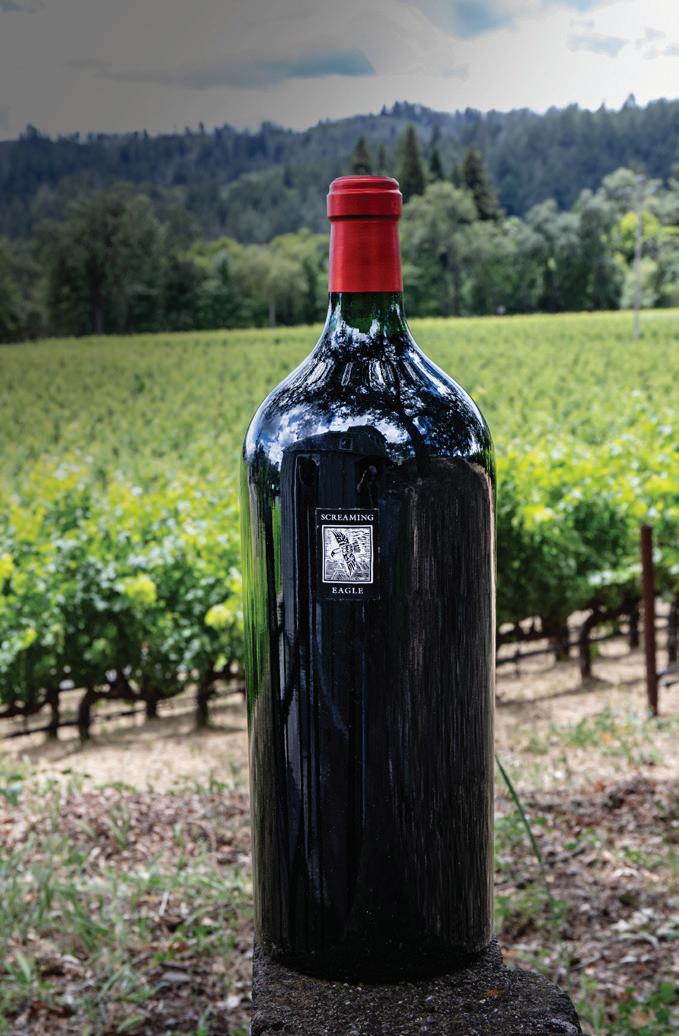
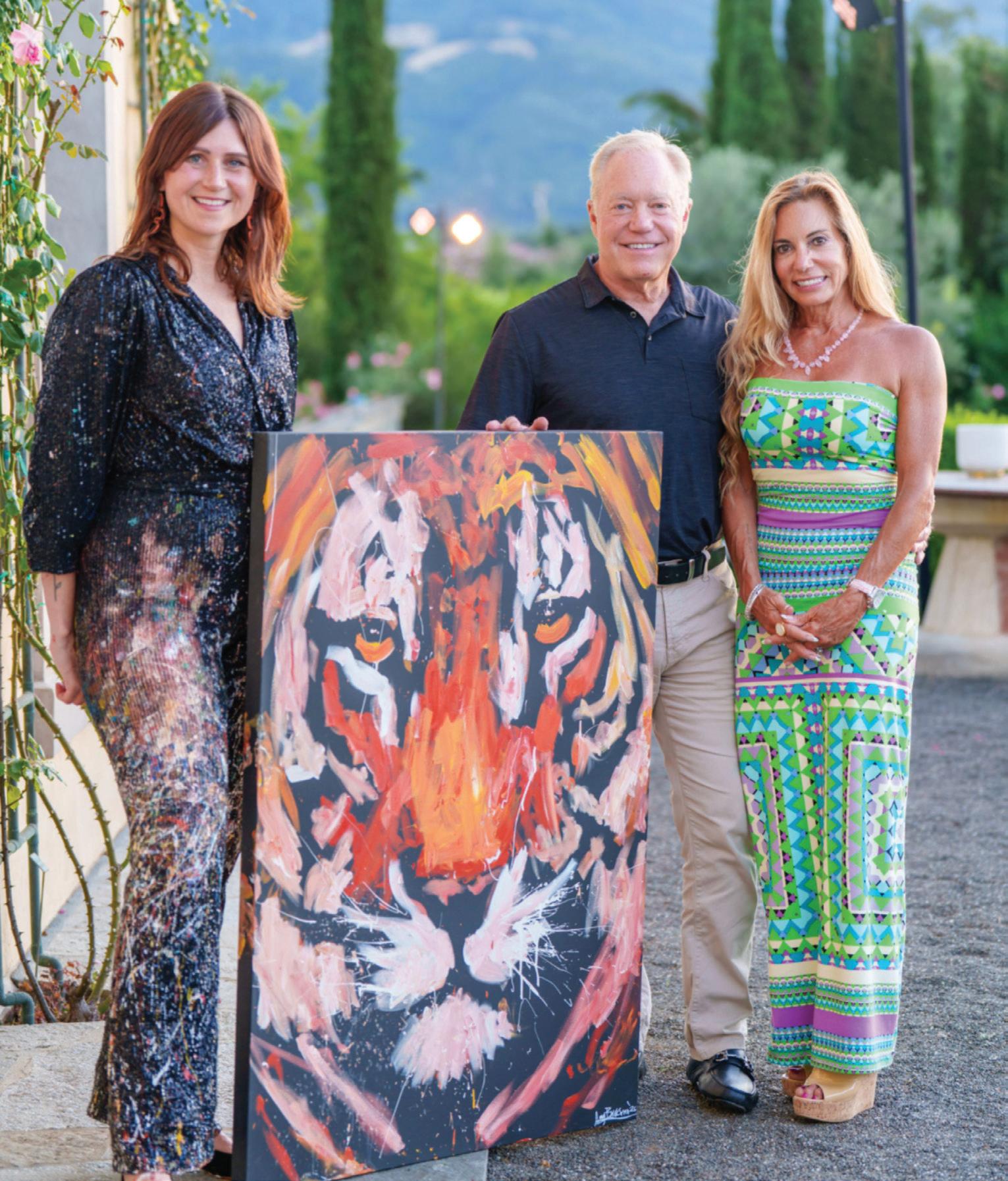
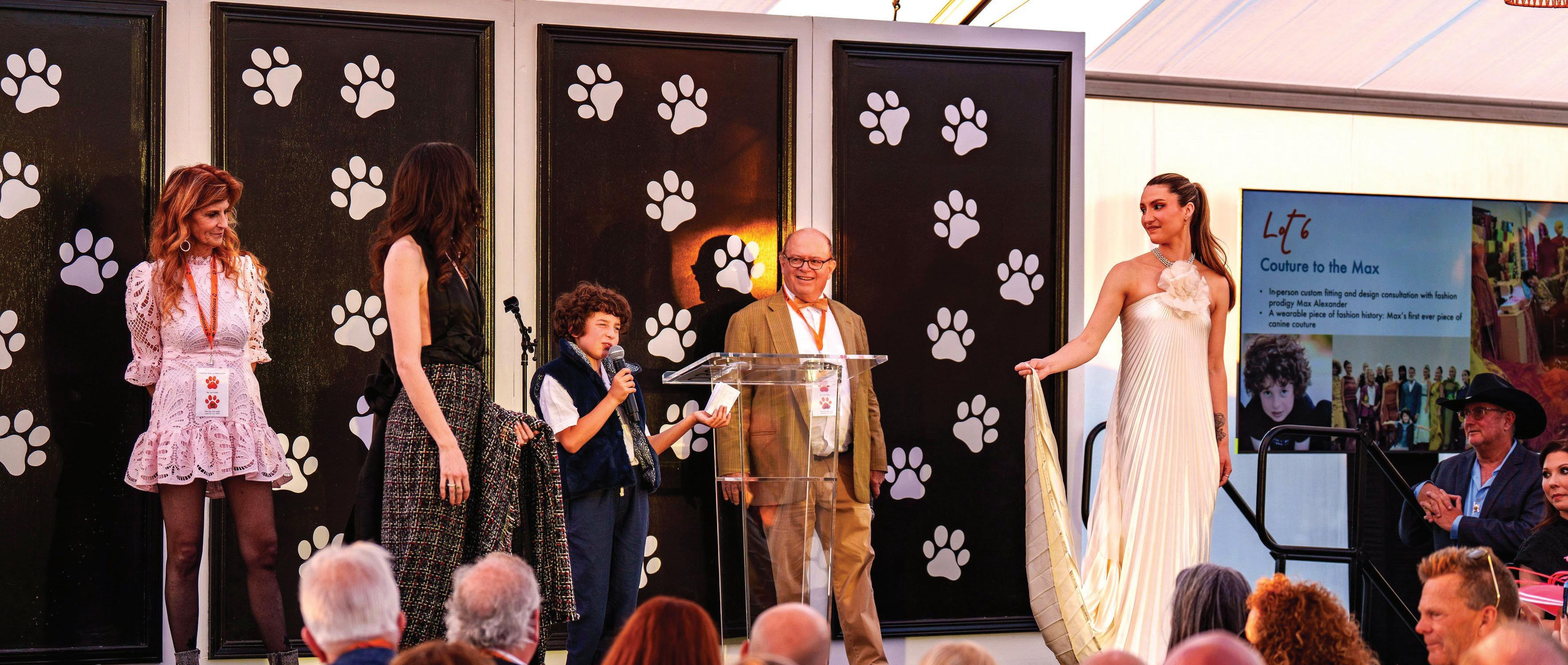
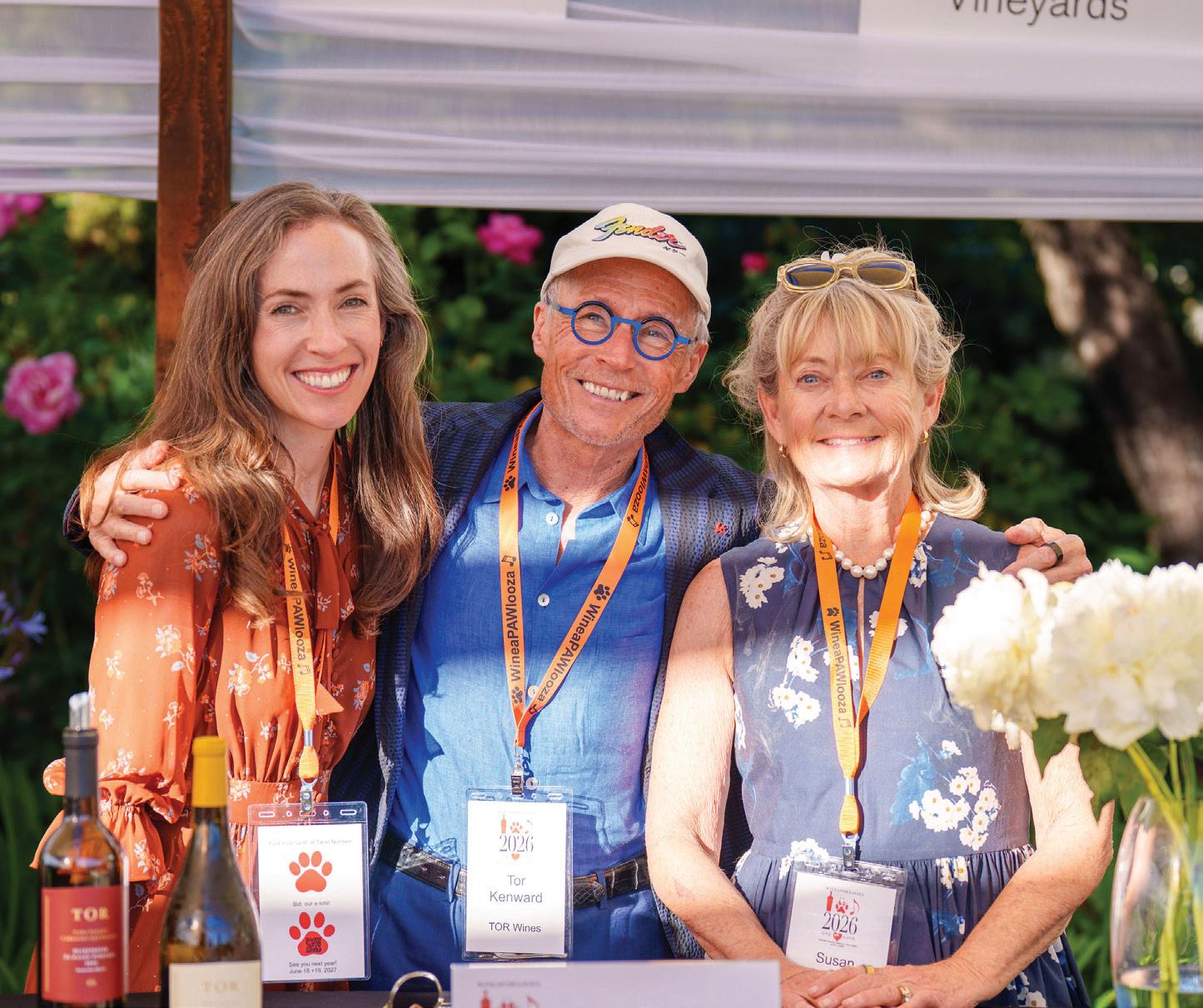
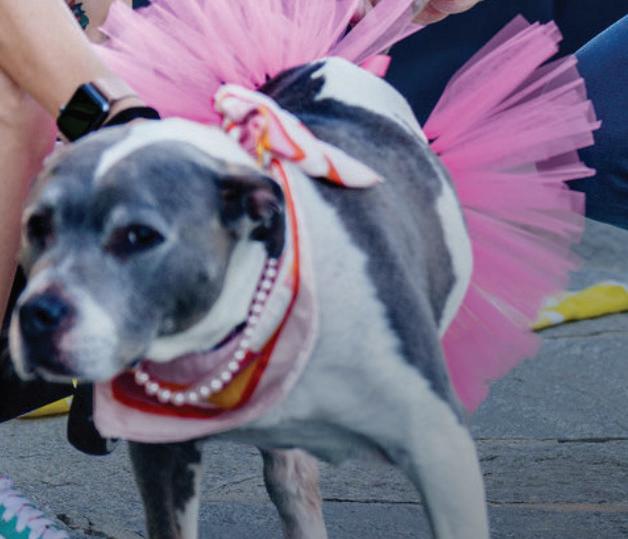
Friday, June 19th kicked off at Vice Versa’s new winery in Calistoga, hosted by vintner-owners Patrice & Samantha Breton, featuring a To Kalon vineyard discussion with legendary grape grower Andy Beckstoffer, Patrice Breton and Alex + Graeme MacDonald, Tor Kenward and Matt Stamp, Master Sommelier. The evening included a palate-stimulating Beckstoffer To Kalon tasting of Lithology, Revana, Tor, Vida Valiente and Vice Versa; a musical performance by WRISTROCKET; and culinary delights from Napa Valley Chef Itamar Abramovitch, Blossom Catering.
On Saturday, close to 400 guests gathered at the stunning Castellucci Estate in Oakville, generously hosted by the Antonio Castellucci Family. The evening opened with a Grand Tasting featuring sought-after wines, creating an unforgettable meet-andgreet experience with vintners and winemakers, paired with a delectable culinary experience from Chefs Daniel Gomez Sanchez (DGS Culinary) and Elliot Bell (Charlie’s), both alumni of The French Laundry. The evening also honored Bill and Ginger Nemerever, recipients of the Jameson Humane Philanthropic Hero Award.
Antonio Castellucci started the dinner and auction on stage and said “My family and I are very proud to host this memorable and spectacular event again this year for a wonderful cause at the perfect setting of Villa Castellucci.” Haute Living magazine owner Olivia Decker sold philanthropist Maria Manetti Shrem’s former home, Villa Mille Rose, to the Castellucci family in 2021.
“The night’s highlight was the electrifying Live Auction, spearheaded by renowned auctioneer Fritz Hatton, and included child prodigy turned celebrity fashion designer, Max Alexander,” said Stevens. “At just ten years old, Max has already made fashion history as the Youngest Runway Fashion Designer in the World, recognized by Guinness World Records. He auctioned off a custom-designed piece of canine couture, which fetched $30,000 at the auction.”
The auction featured 17 exceptional live lots — plus 4 surprise lots that showcased exclusive experiences and ultra-rare wines. The weekend’s crown jewel was a 1994 six-liter Screaming Eagle Cabernet Sauvignon, sourced directly from the private cellar of Founder Jean Phillips. The spectacular lot commanded a jawdropping $290,000. Another standout lot was a private lunch with legendary grape grower Andy Beckstoffer, which sold for $150,000.
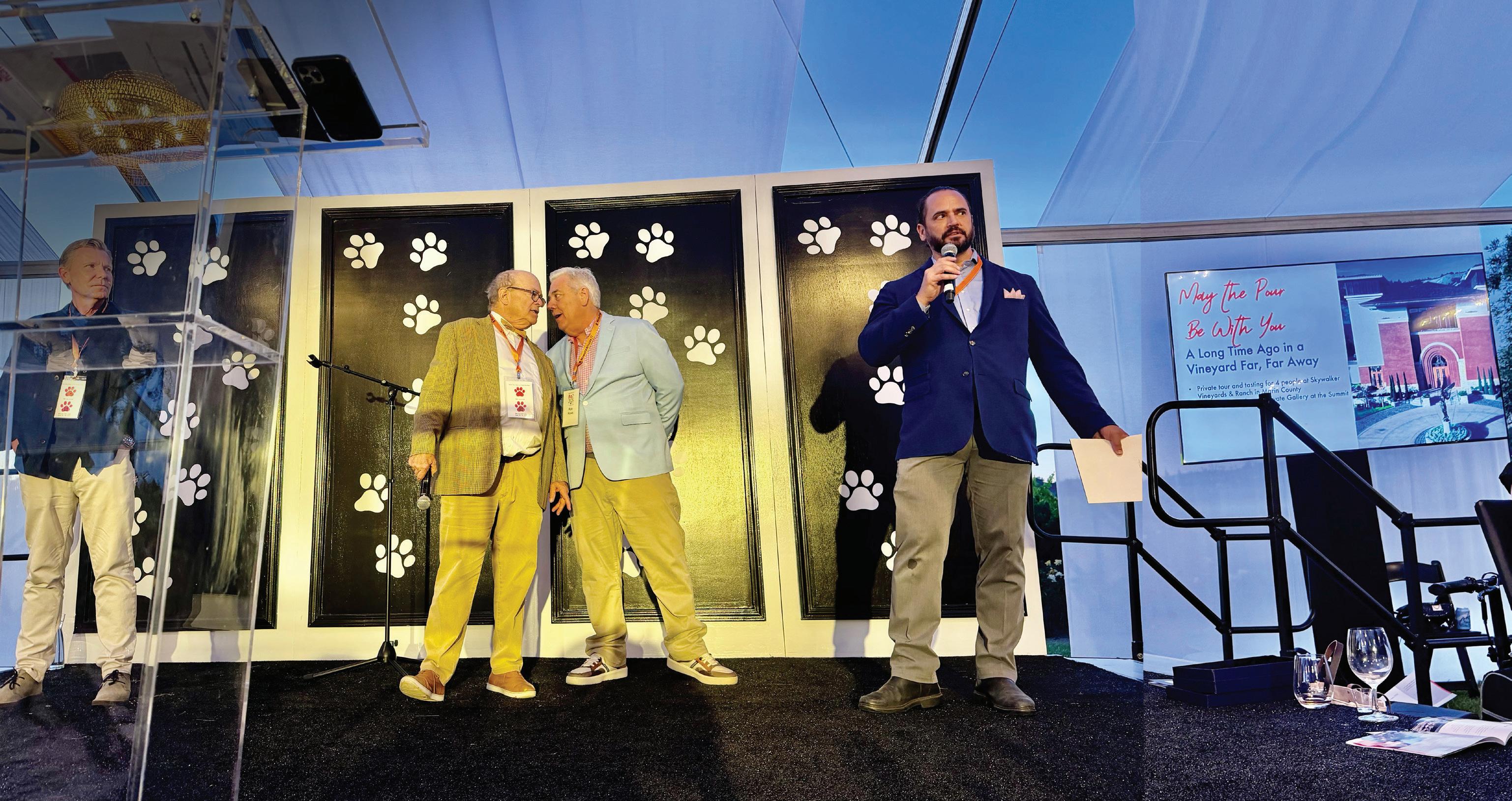
Other Auction Lots Included:
10 Custom Cases: One Legendary Winemaker, One Iconic Vineyard. This lot was doubled and sold for $100,000. It features 10 cases of Cabernet that will be crafted by winemaker, Russell Bevan, who plans on whipping up a custom wine from Martha’s Vineyard - the Rutherford site that produced Napa Valley’s first-ever vineyard designate wine. Beyond the cases, the winning bidder will also get an invite to a blending session with Russell.
LIVE Painting demonstration. Artist Amy Burkman brought a striking tiger piece to life on the WineaPAWlooza stage, with the finished artwork offered as part of the evening’s auction.
The Thomas Keller Culinary Journey & Sttupa Estate Stay. This lot was also doubled and sold for $130,000. Eight guests will enjoy a rare dining journey through each of Chef Thomas Keller’s celebrated Yountville establishments, including The French Laundry and Bouchon Bistro. The winning bidders’ party will have exclusive, private use of Sttupa Estate (formerly Poetry Inn) to enjoy its stunning vistas, intimate experiences, and personalized service. Sttupa proprietor JP (Juan-Pablo) Torres-Padilla and his team will also host at Rutherford’s iconic Sullivan Estate for their immersive Merlot Mastery tasting experience.
Hit the links with Napa Valley wine icons Alex MacDonald and Tor Kenward at Mayacama Golf Club. For this lot, a party of six will be going shot-for-shot with Tor and Alex over 18 challenging holes— before returning to the clubhouse for dinner at the club’s farm-totable grill. There, Tor and Alex will share tales from the vines, along with rarities from their cellars.
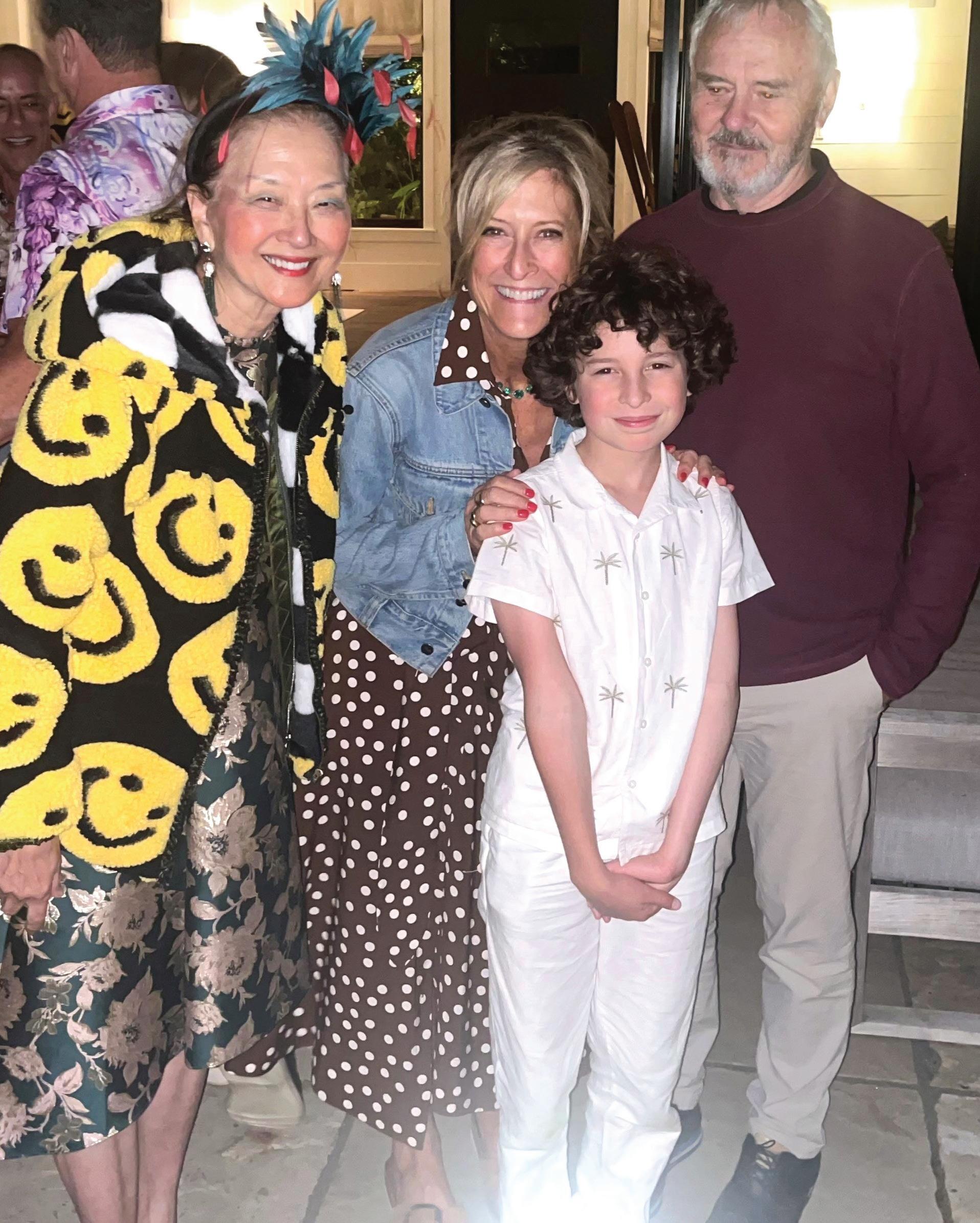
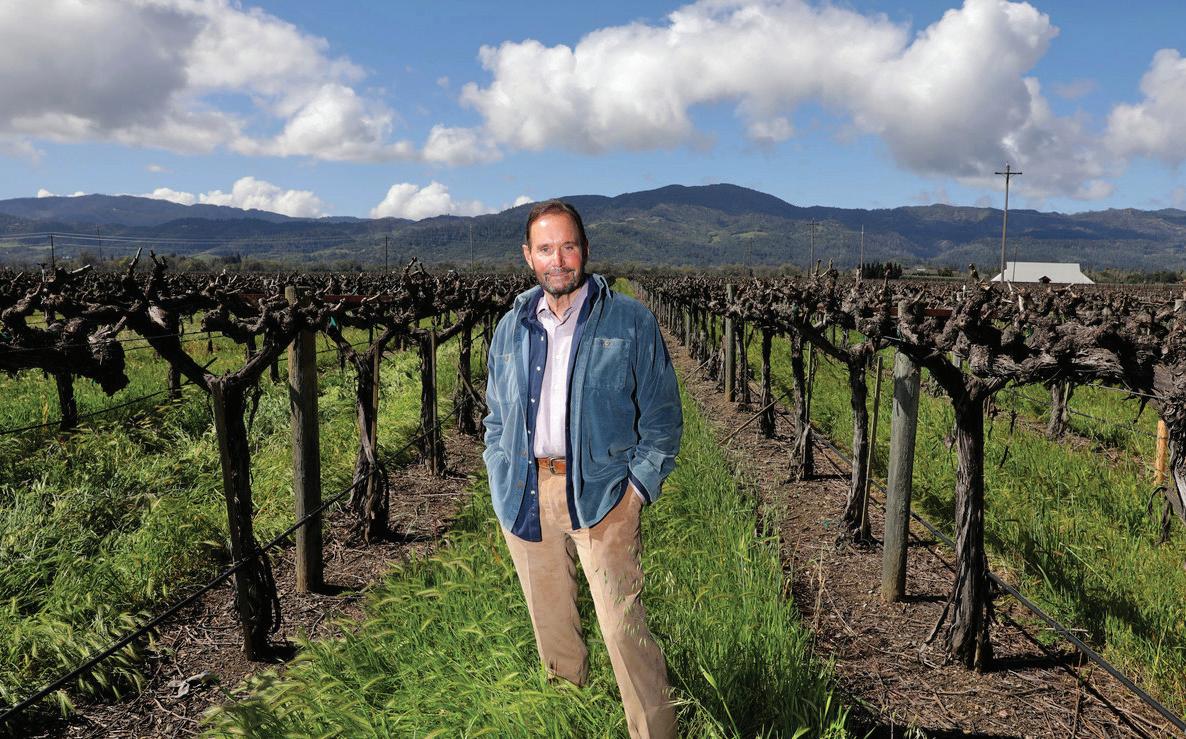
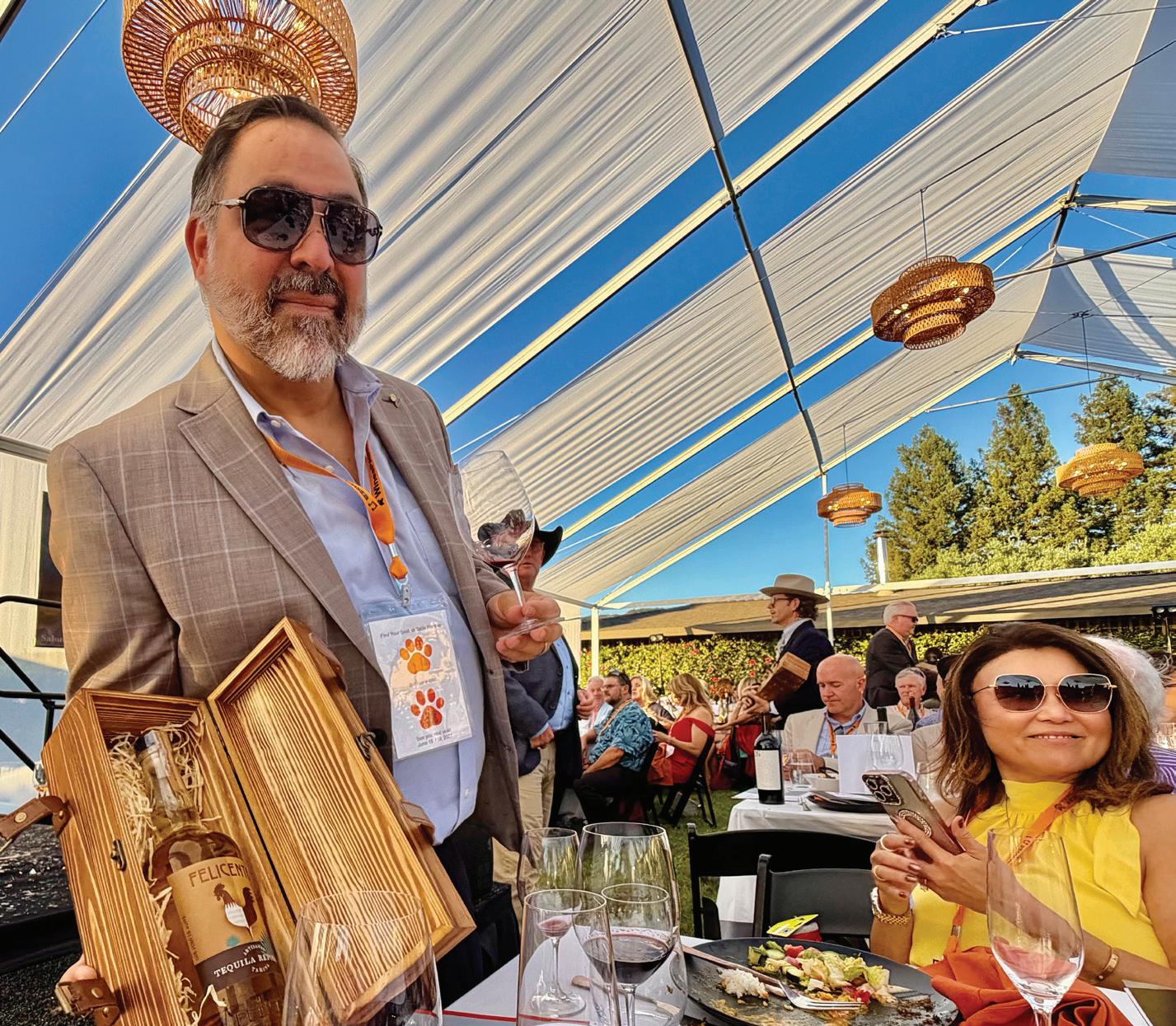
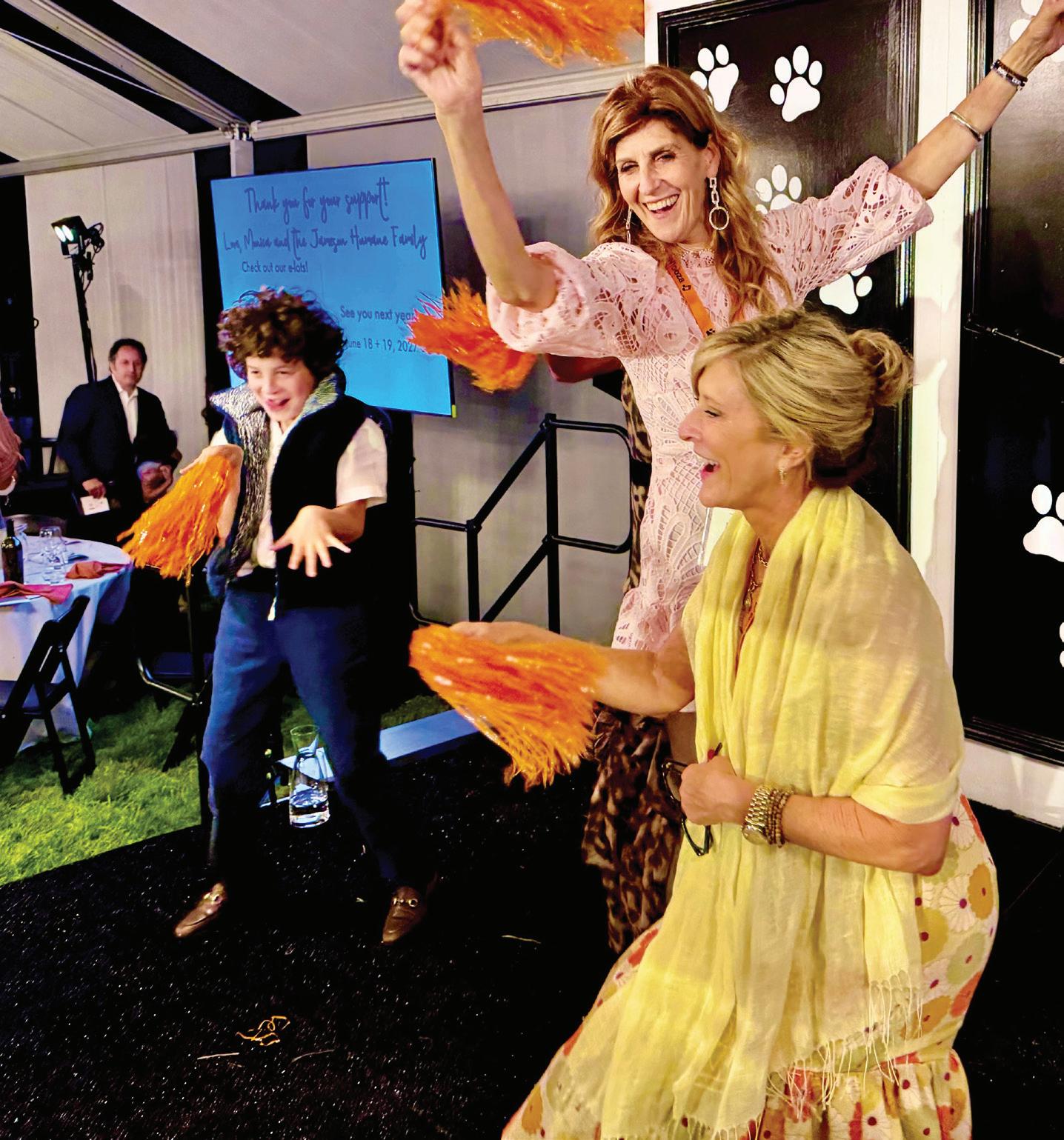
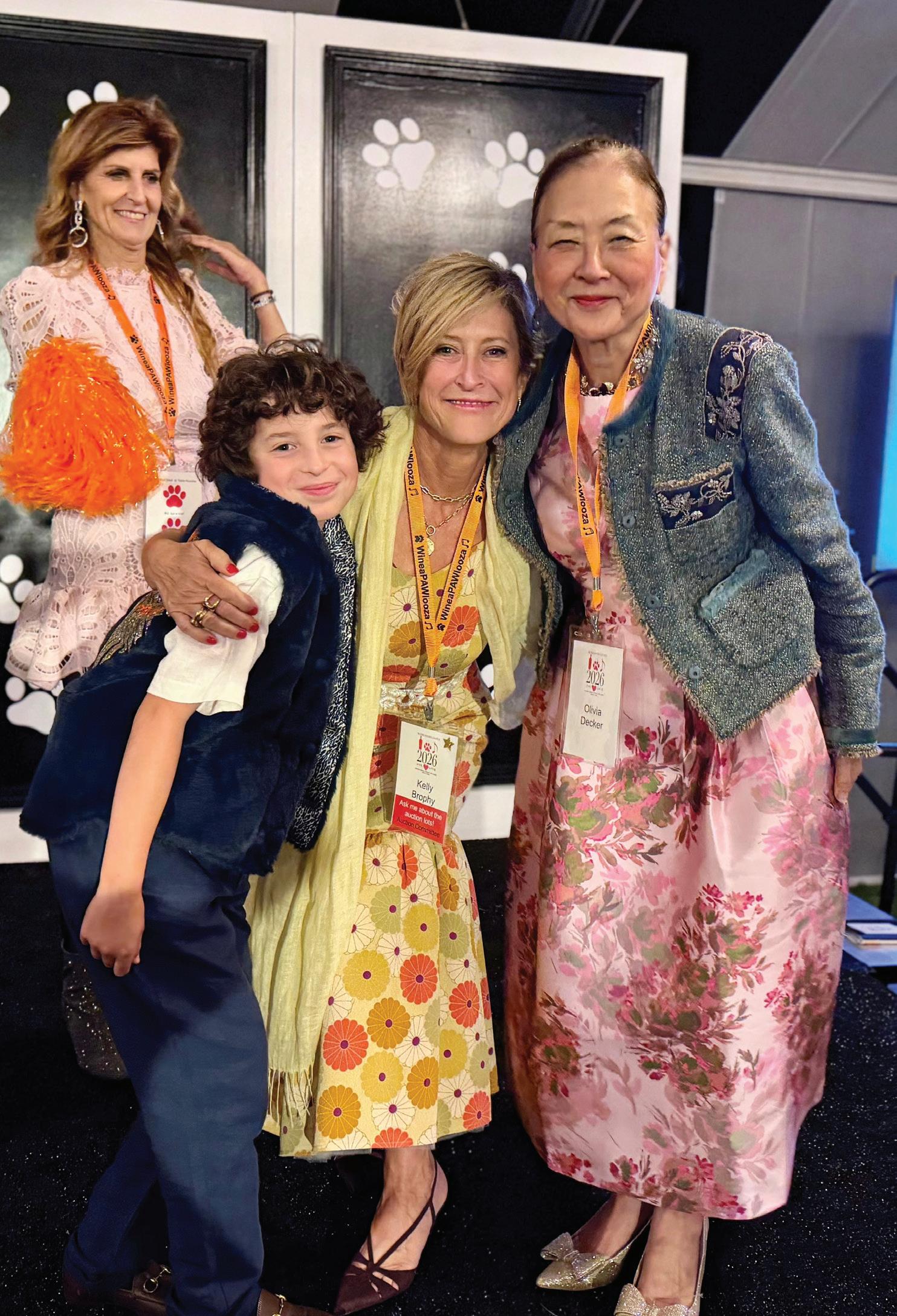
WineaPAWlooza also included a limited Grand Cru Burgundy Masterclass with Dana Estates. The event paired rare White and Red Grand Cru selections with an exquisite lunch.
The annual success of WineaPAWlooza relies on a dedicated network of volunteers and sponsors, anchored by Napa Valley partners like Carneros Resort, Bardessono Hotel and Beau Wine Tours. “We support the humane treatment of animals and the extraordinary rescue efforts of Jameson Humane. Monica Stevens’ unwavering dedication to animal welfare, coupled with her commitment to championing local vintners and the Napa Valley community, has had a lasting and positive impact throughout the region,” said Thomas Buck, owner of Beau Wine Tours.
“At Bardessono Hotel & Spa, supporting WineaPAWlooza and Jameson Humane is a natural extension of our commitment to community. As a hospitality destination, we believe in creating meaningful connections and supporting organizations that make a lasting impact on the lives of both people and animals,” said Alain Negueloua, Vice President and General Manager of
Hotel & Spa.
From start to finish, the weekend captured the heart, generosity, and resilience that make Napa Valley so special. It reflected just how deeply committed the wine community is to giving back and driving lasting change for the betterment of animals.
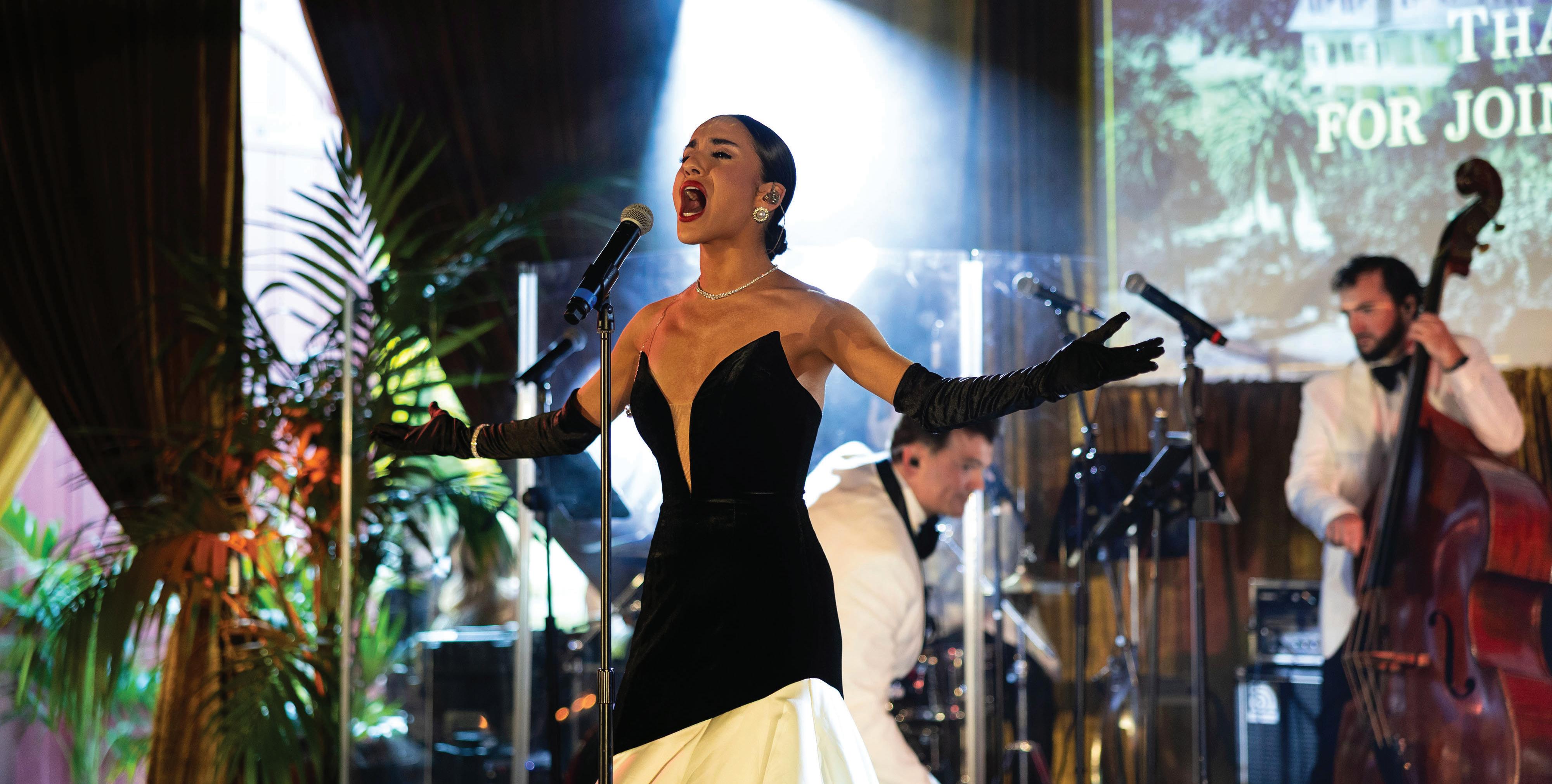
BY CLAUDIA CASTILLO ROSS
TWO HUNDRED NAPA VALLEY LOCALS GATHERED AT the historic Louis M. Martini Winery on May 30th for an evening that felt more like a scene from the Rat Pack era than a fundraiser — crystal chandeliers, lush florals, and a room full of people who showed up to do something real. By the end of the night, more than $5 million had been raised to build a new Rapid Care & Primary Care Center for the Upper Napa Valley, benefiting the St. Helena Hospital Foundation.
At the heart of it all was Lauren Dickson. As a Hospital Foundation Executive Board Member and this year’s Gala Chair, Lauren didn’t just organize the event — she and her husband Roger personally underwrote every expense, which meant every single dollar raised went straight toward the facility itself. That’s the kind of quiet, all-in generosity that doesn’t always make headlines but changes what’s possible for a community.
What made the evening resonate wasn’t just the scale of the giving — it was Lauren’s willingness to make it personal. Speaking not only as a board member but as a mother of three, she reminded the room what proximity and access to care actually mean in the middle of the night, when a fever spikes or a child struggles to breathe. Her point was simple: exceptional healthcare doesn’t just happen. Communities have to choose to build it.
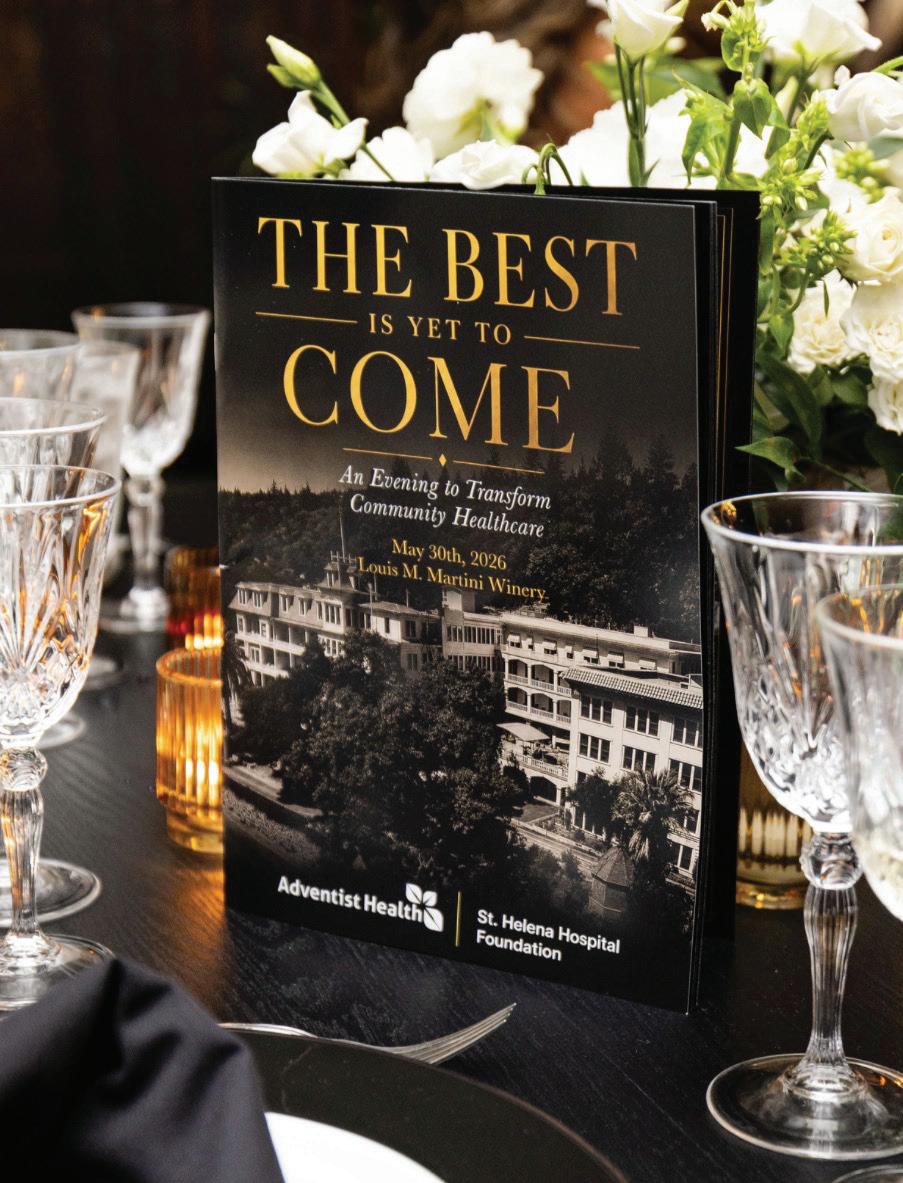
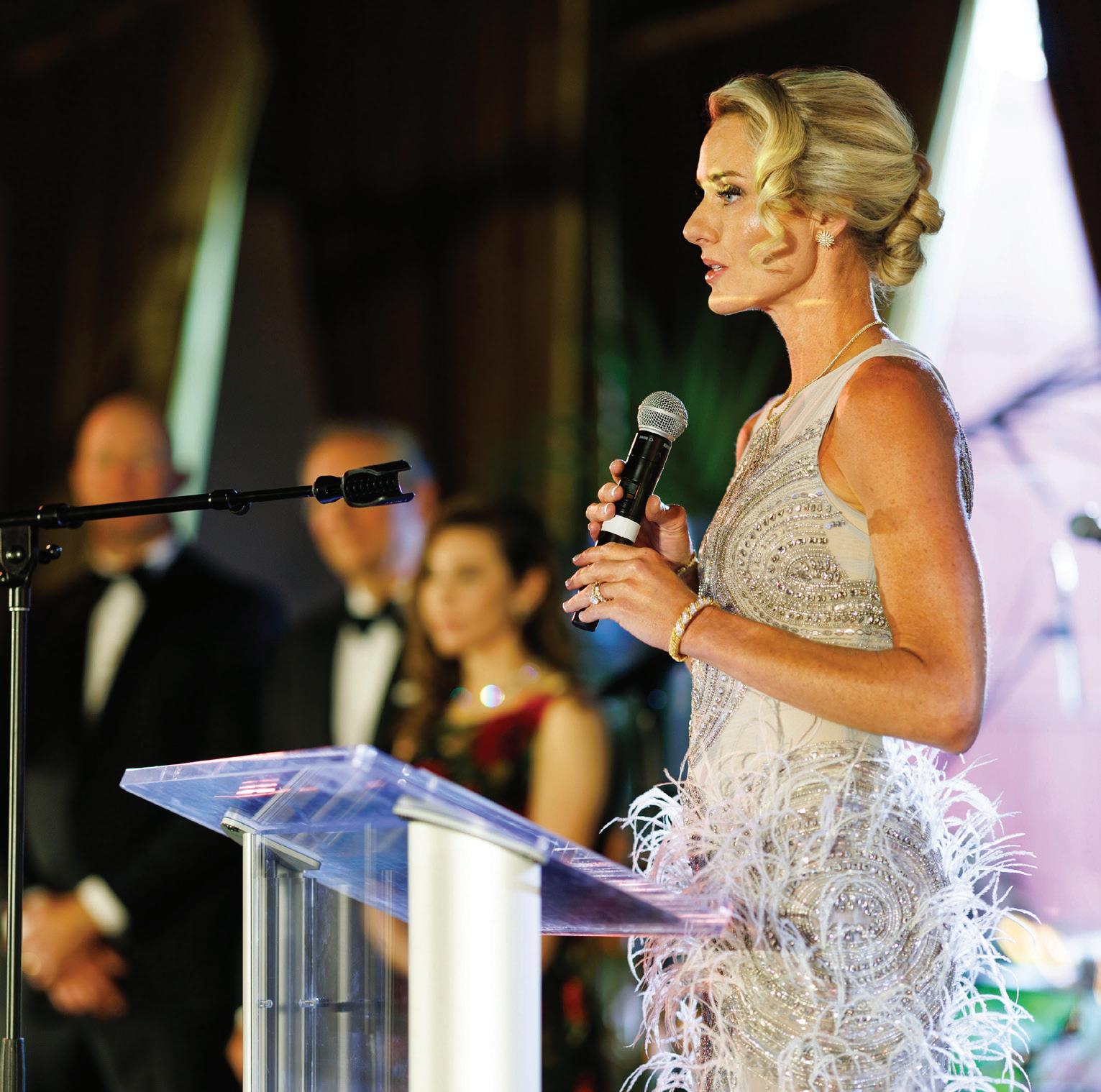
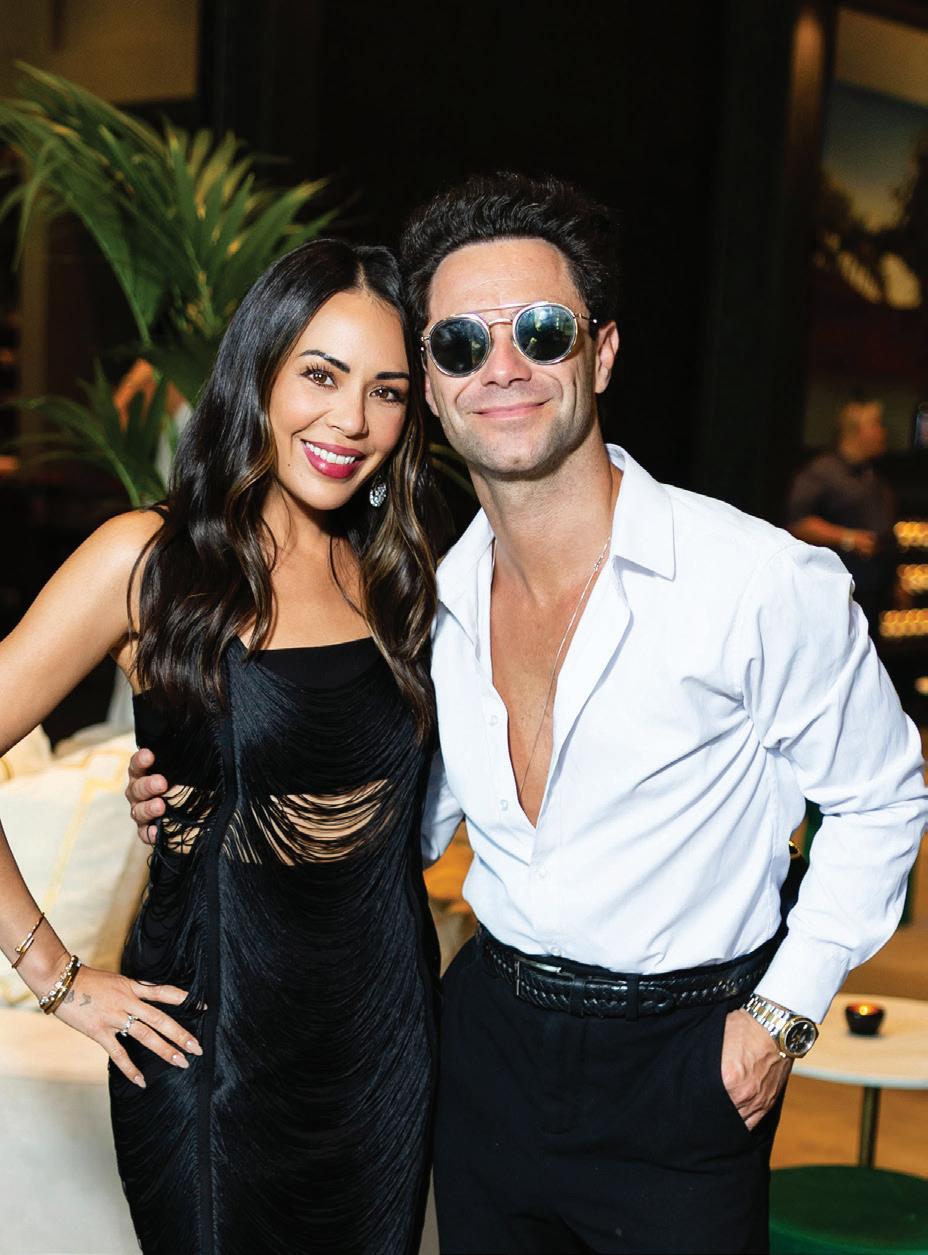
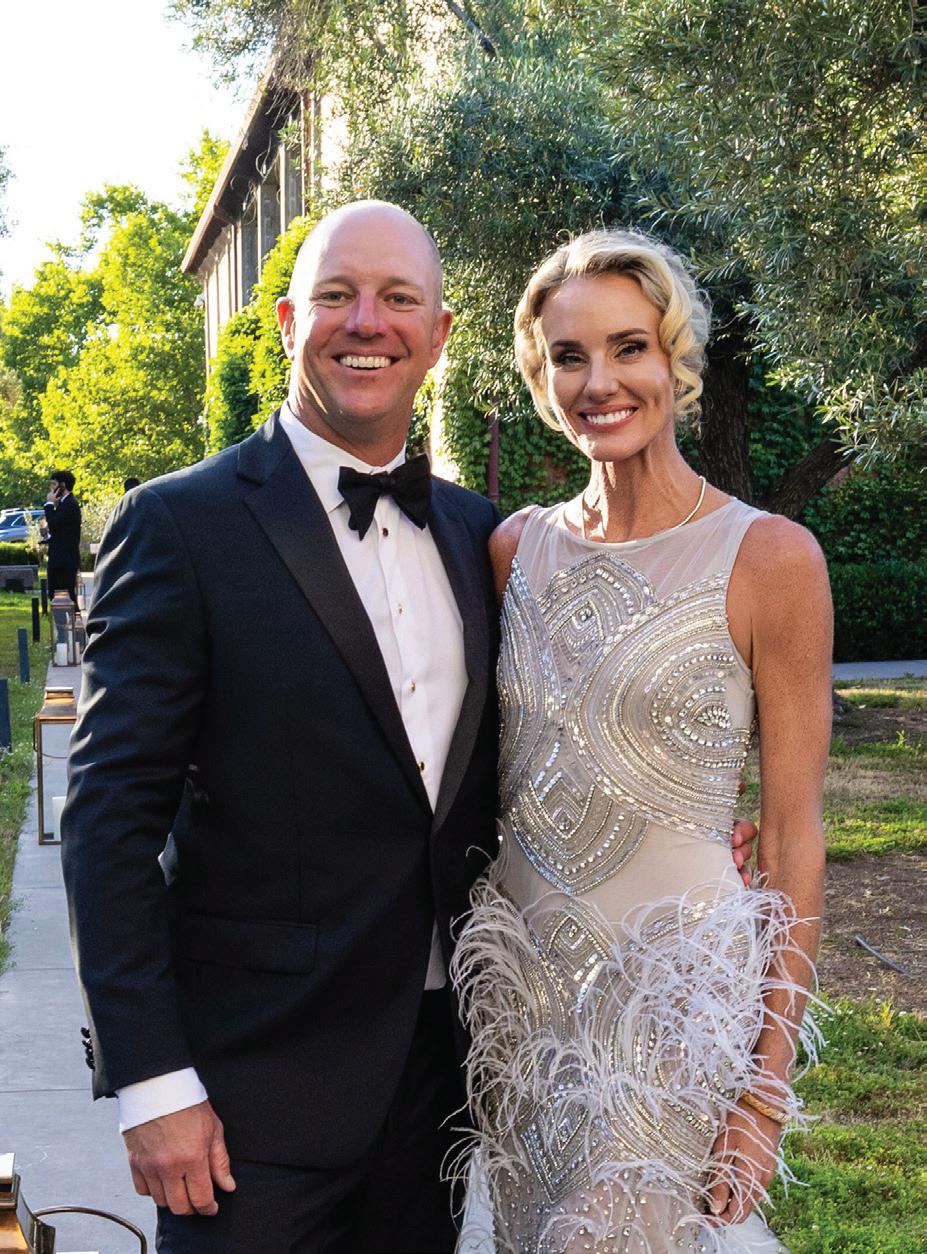
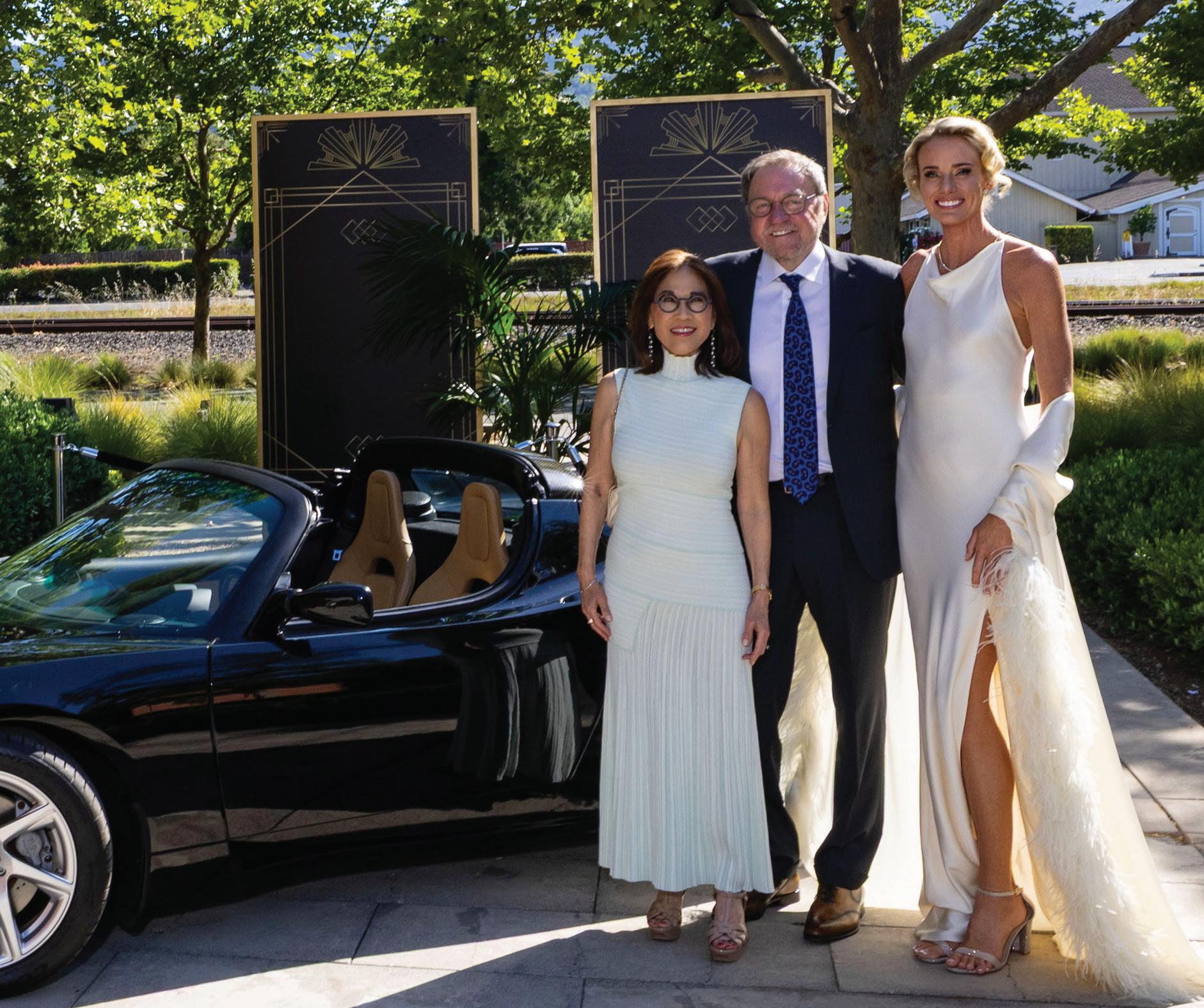
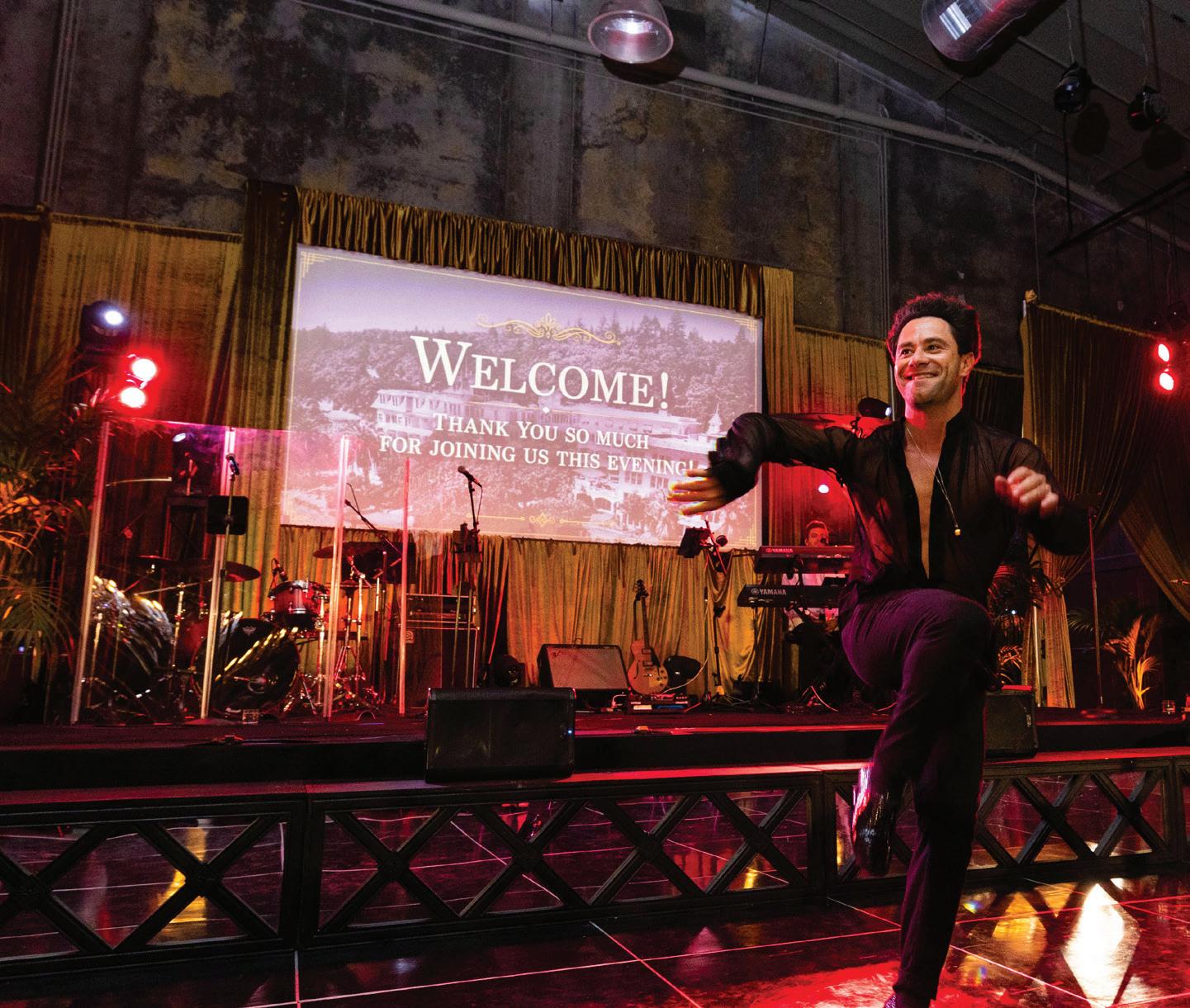
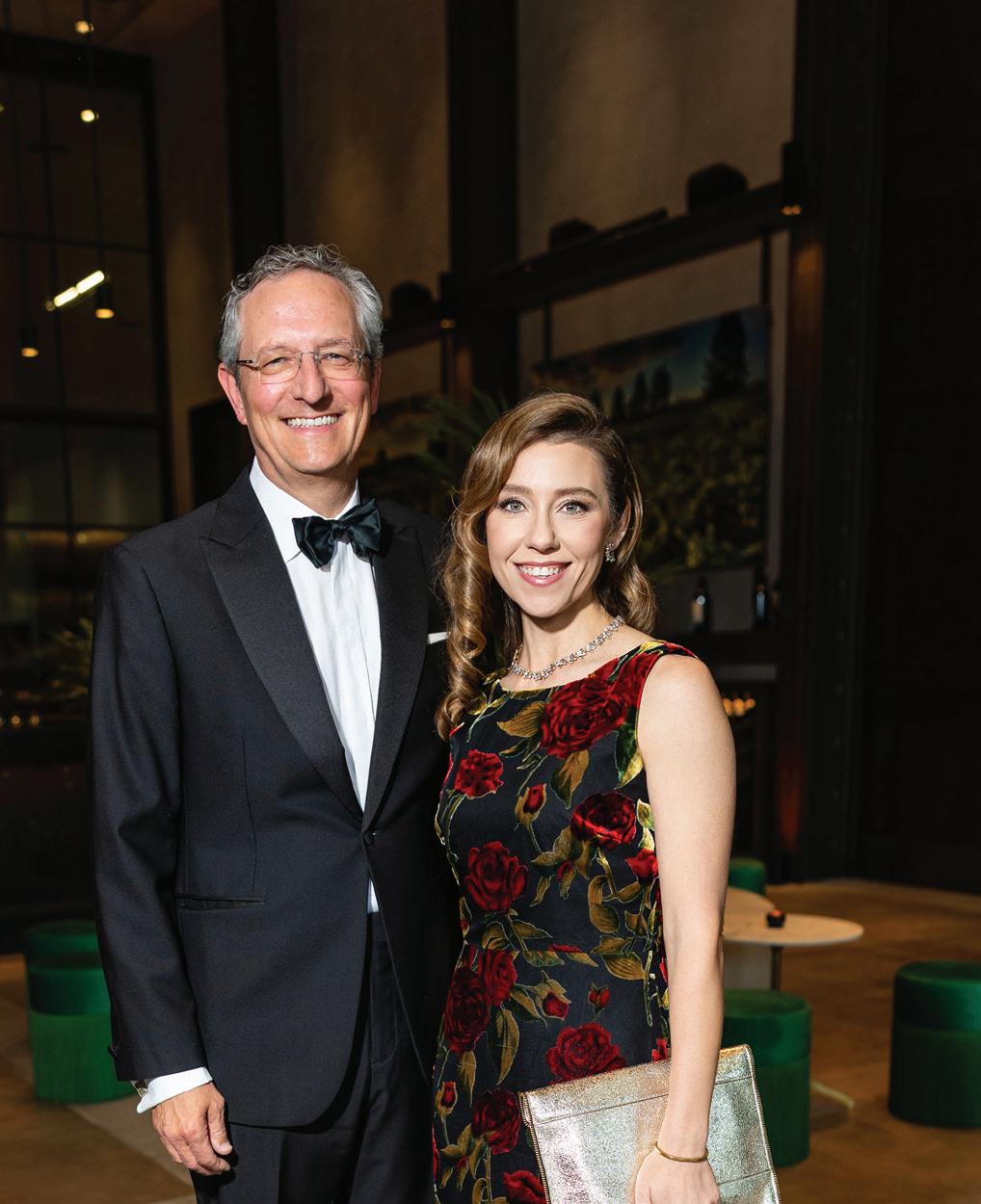
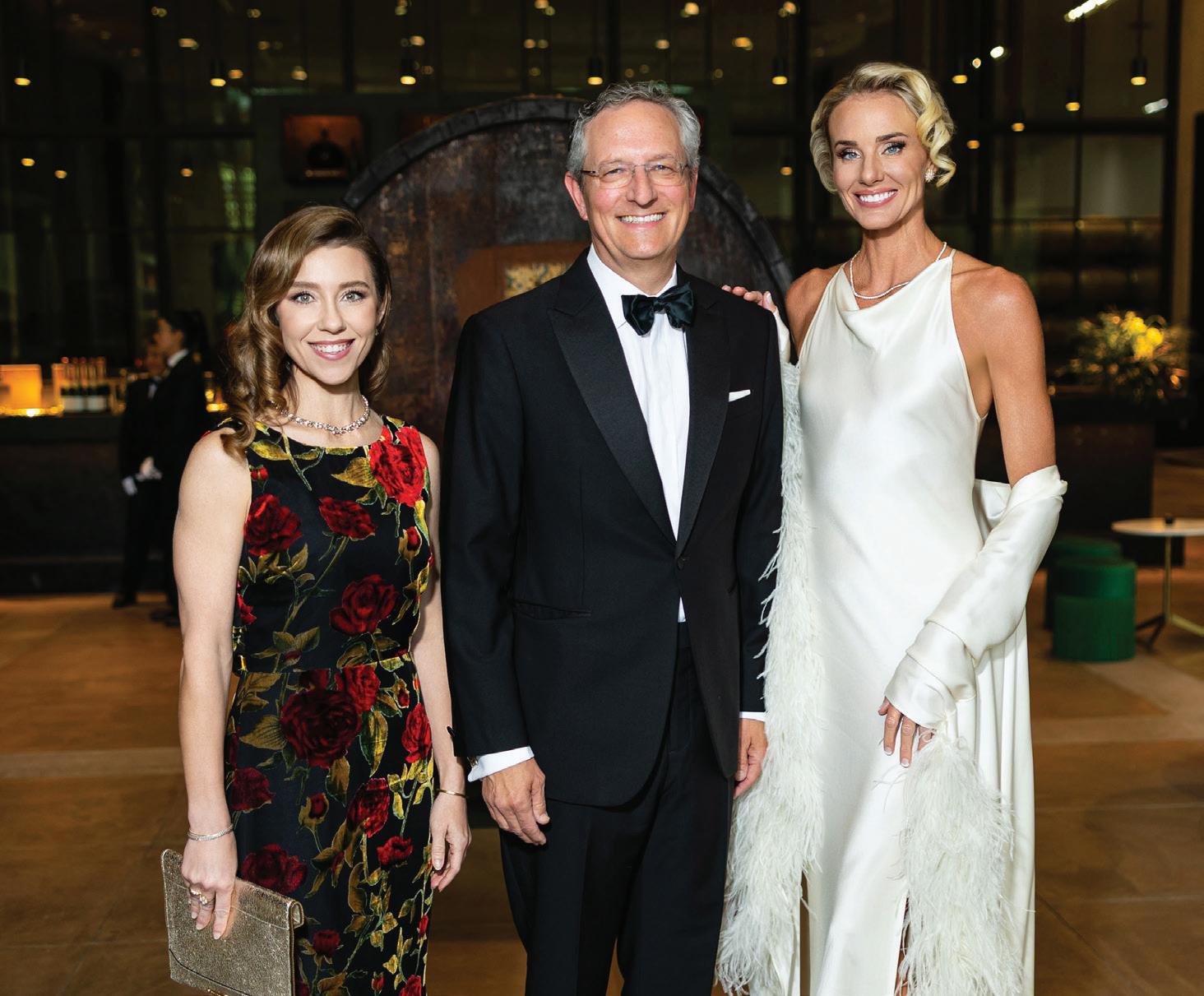
That message clearly landed. A surprise $1 million matching gift from the Roger J. Trinchero Family Foundation, announced mid-evening, brought the room to a standing ovation and sparked a wave of additional giving that pushed the total past $5 million.
The new center will offer 12-hour, seven-days-a-week access to primary and non-emergency care — a first-of-its-kind piece of permanent infrastructure for the Foundation, designed to ease pressure on the ER while giving families a real path to ongoing care close to home.
Beyond the ask, the night itself was pure Napa Valley showmanship: performances by vocalist Carolina Rial, a surprise appearance from Dancing with the Stars’ Sasha Farber, a live auction with everything from Bora Bora escapes to a Tacori jewelry vault experience, and a menu from Chef Anthony “Nash” Cognetti.
But at its core, this was Lauren Dickson’s night — a testament to what happens when someone doesn’t just support a cause, but builds it from the ground up.
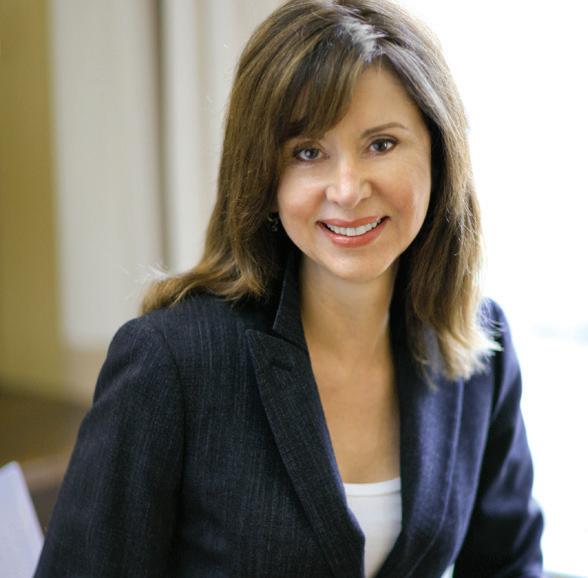
Lydia Graham is a passionate advocate of healthy living. She has launched and positioned health and wellness-related companies, products, technologies, and organizations receiving more than 100 awards nationally and internationally. Her focus in the health sector is specifically on healthy living, aging, and longevity. She is a partner and investor in several nationally recognized brands. Graham envisions the possibility people can enjoy life at 95 as much as at 25 and that the steps we take each day matter on our heallh journey.
BY LYDIA GRAHAM
SUMMER IS IN FULL SWING AND AS SO, WE ARE SPENDING more time outdoors doing sports, enjoying backyard barbecues with family and friends, relaxing poolside, traveling on vacations, and basking at the beach. And summer is when the sun is at its strongest. As of late, there has been lots of chatter about sun exposure and sunscreens.
Let us begin with a few basic questions for you to consider. First off, how well does your skin tolerate sun? Someone with an olive or dark complexion and who has more melanin might be able to take more sun than someone very fair who absorbs more UV light and has less melanin in their skin. However, darker skin can still burn. Secondly, many popular cosmetic products and treatments can impact your skin’s photosensitivity like retinol or vitamin C. Check the ingredient list on your skin care products. Drugs such as tetracycline, among others, can also increase your skin’s sun sensitivity (ask your pharmacist if you are uncertain about a drug). Are you using these? Cosmetic procedures such as laser treatments or chemical peels leave your skin more exposed and sun sensitive. Do not undo all the benefits you were hoping for by getting out in the sun too soon or do these treatments during winter months. Thirdly, what time of day do you plan to be out in the sun (rays are strongest between 10:00 AM to 2:00 PM). Fourthly, do you have a history or family history of skin cancer? And lastly, how long will you be out in the sun? Thinking about your sun exposure is not just about laying out in the sun. When we are active and engaged in activities we enjoy, such as playing tennis, golfing, or running, for example, it is easy to forget about the length of our sun exposure. One of the worst sunburns I ever experienced was from camping in Florida when I was in college. I was so busy with all the camp and cooking preparations and enjoying the outdoors, I forgot how many hours I had been out in strong sun until that evening. Oh boy.
Some doctors argue some sun is good for us as it stimulates the production of Vitamin D which has almost four hundred functions in our body including on our immune system and our bones. While maybe 10-20 minutes daily in non-peak hours might be good for us, (the amount of time determined by your skin type and where you live) and early morning light can be good for regulation of your circadian rhythm, the majority of experts recommend not indulging in extended hours of sun exposure during peak hours.
Headed outdoors? You have three choices: i.) choose the amount and time of your sun exposure, ii) don coverage via physical protection such as hats and clothing and iii.) apply sunscreen. Let us start with the most complicated one--sunscreens.
Your sunscreen should meet the following criteria. Choose a product that provides full-spectrum or broad-spectrum coverage, has the fewest toxic ingredients, is not a spray or powder, and has an SPF of 30 to 50 (but not above 50). Most of all, it should be a product you use and apply every two hours.
According to the National Cancer Institute, the leading cause of skin cancer is exposure to ultraviolent (UV) radiation.’ As consumers, when choosing sunscreen, we tend to focus on the SPF, the sun protection factor, or how well it protects from UV rays but there is a lot more to consider than that number. SPF 15 blocks 93% of UV rays, SPF 30 blocks 97%, and SPF 50 blocks 98%. SPF 100 blocks 99% of UV. You can see that the SPF protection benefit above SPF 30 is marginal
Regarding the duration of your sun exposure, SPF does not indicate how long you can stay in the sun, for example, SPF 30 does not mean you can stay in the sun twice as long as when you use a SPF 15. This is a common misconception. It is recommended to apply sunscreen every two hours and after swimming.
It is also key to note that SPF measures UVB, ultraviolent B rays from the sun. These rays cause sunburn. But SPF does not protect against UVA, or ultraviolent A rays, which can cause skin aging and skin cancer. Look for a sunscreen that says “broad spectrum” or “full spectrum” to ensure you are covered on both types.
Sunscreens cannot claim to be waterproof but rather can only claim to be water-resistant. Sunscreen must be tested for SPF after a tester has spent 40 or 80 minutes in a tub. It is important to re-apply sunscreen after time in the water.
There are two types of sunscreens: chemical sunscreens and physical sunscreens. Physical sunscreens are mineral-based and are not absorbed through the skin but provide a physical barrier. They work immediately while chemical sunscreens need to be applied 15 to 20 minutes ahead to be effective. Personally, I prefer physical, mineralbased sunscreens that are not nanosized (if nanosized they can penetrate the skin as these microscopic particles measure less than 100 nanometers)). Physical sunscreens contain zinc oxide or titanium dioxide. Both ingredients are generally recognized as safe and effective by the FDA. Titanium dioxide serves as a broad-spectrum UV filter (although it does not block long UVA1 rays, the longwave rays causing skin aging). Zinc oxide also provides broad-spectrum coverage.
Experts advise avoiding sprays or powders with zinc oxide or titanium dioxide, however, as they spray tiny nanoparticles which are potentially dangerous and carcinogenic to inhale and may cause lung inflammation.
What about chemical sunscreens? Chemical ingredients can be absorbed into the bloodstream which was confirmed in a small 2019 research randomized control study published in JAMA. According to the Environmental Working Group (EWG), avoid products with Retinyl palmitate (Vitamin A), “The FDA and the National Toxicology both say it may heighten risk of skin damage and cancer.” Oxybenzone is common in chemical sunscreens. It filters both UVB and UVA, but some suggest avoiding it as it has been linked to hormone disruption (which some studies dispute), can cause allergic reactions in sensitive individuals, and can cause bleaching and poisoning of coral reefs. While it is one of the most popular ingredients in U.S. sunscreens, it has been banned in Hawaii because of its marine impact.
Another common chemical ingredient is Octinoxate, a potent UVB absorber. When combined with avobenzone, together they can provide broad-spectrum protection against burns and aging. Octinoxate is banned in Hawaii, and parts of Florida due to marine impacts. Avobenzone is controversial in certain circles but is commonly combined with other ingredients such as Mexoryl as on its own, it is not very stable. Mexoryl was approved in the U.S. in 2006 for L’Oréal and addresses sun damage as it blocks UVA1 rays. Researchers in the 2019 study found that Oxybenzone, Avobenzone, Octocrylene and Ecamsule made it into the bloodstream within just one day. A 2023 article published by the Cleaveland Clinic advised avoiding these chemicals.
When it comes to chemical ingredients, there are too many to mention and delve into here, you can research the positive and adverse risks of the ingredients in your sunscreen more carefully using the Yuka app or referencing Environmental Working Group’s 2026 Guide to Sunscreens and their Healthy Living™ app. This year, they vetted 2,784 products, only five hundred were deemed safe and effective.
In June, the FDA added approval of a new chemical, bemotrizinol, as an ingredient in sunscreens in concentrations up to 6%. An FDA press release cited this as a milestone, “Bemotrizinol is the first new active ingredient added to the over the counter (OTC) sunscreen monograph since the late 1990’s.” It further states that this ingredient has been used safely in Europe for decades. It provides, “protection against both ultraviolent A and B rays and has low levels of absorption through the skin into the body. The FDA recognizes it as generally safe and effective for use in sunscreens by adults and children 6 months of age and older. It will take some time for companies to integrate bemotrizinol into their formulations. I have not reviewed the research on this ingredient.
OTHER WAYS TO PROTECT
This brings us to clothing coverage. I am a huge fan of hats. I always have one in my car ready for any spontaneous occasion and always travel with one. Not only are they fun and fashionable and, at times, even glamourous, they can ward off premature facial aging. But just like sunscreens, they are not all equal. Worst of all are the baseball hats which everyone seems to wear. While they may look sporty and cute, they leave the cheeks and lower face exposed as well as the neck, About the only part of your face they cover well is the forehead. Save them for bad hair days or running errands. A word about visors, while they may cover your face well, they can leave your scalp exposed and yes, you can get skin cancer on your scalp. When choosing hats, look for tight weaves, hold a hat up to the light before you buy and if you can see light peeking through it, keep looking. No matter how much you love the hat, your face will thank you. The same rule applies to clothing-look for tight weaves if you want sun protection. Gauzy fabrics, for example, while flowy and
fun in the moment, offer little sun protection. There are also UPF ratings (ultraviolent protection factor) for clothing. Look for clothing that achieves their rating from denser fabric weaves vs. chemical coatings which can leach into the skin especially when sweating. Darker fabrics provide more protection than lighter ones. Similarly to SPF, a UPF of 50 blocks 98% of UV rays. While bikinis and fashionable swimsuits are cute and sexy on tropical vacations or poolside, if you plan to do some serious snorkeling, swimming, surfing or paddle boarding, consider full coverage surf shirts and skins. It does not take long in tropical sun to get serious sunburn while enjoying time in the water. Finish it off with water-resistant sunscreen on your face and neck. And do not forget the sunglasses; your eyes need protection, too. When you purchase them, check what protection they offer.
A supplement, Astaxanthin, in some studies, has been shown to bolster sun protection by taking it internally, but it takes several weeks to build up levels. If this is of interest, check with your nutritionist or health practitioner.
While total sun avoidance is not healthy, smart management of your sun exposure is key. The ultimate rule is to avoid the burn however you choose to navigate the sun. Enjoy your summer.
Note: Nothing in this article constitutes medical advice. Please consult your physician if you have questions before undertaking any physical activity or dietary changes.
Aubrey Brewster, a bon vivant and man-about-town, is a. product of his environment. His affinity for cooking, fashion, and entertaining was inherited from summer vacations shared in Charleston, West Virginia with his Southern belle model-turned-hostess grandmother. It should come as no surprise that Brewster followed in his grandmother’s footsteps, with an inherent talent for hosting legendary parties. He is often listed among San Francisco’s best dressed. Aubrey is a San Francisco native, traveler, and food and lifestyle blogger (aubreyabouttown.com). He resides in San Francisco with his husband, Edward. Aubrey can be found enjoying afternoons lunching with friends at Neiman Marcus and some of San Francisco’s favorite haunts when not hosting or attending events.
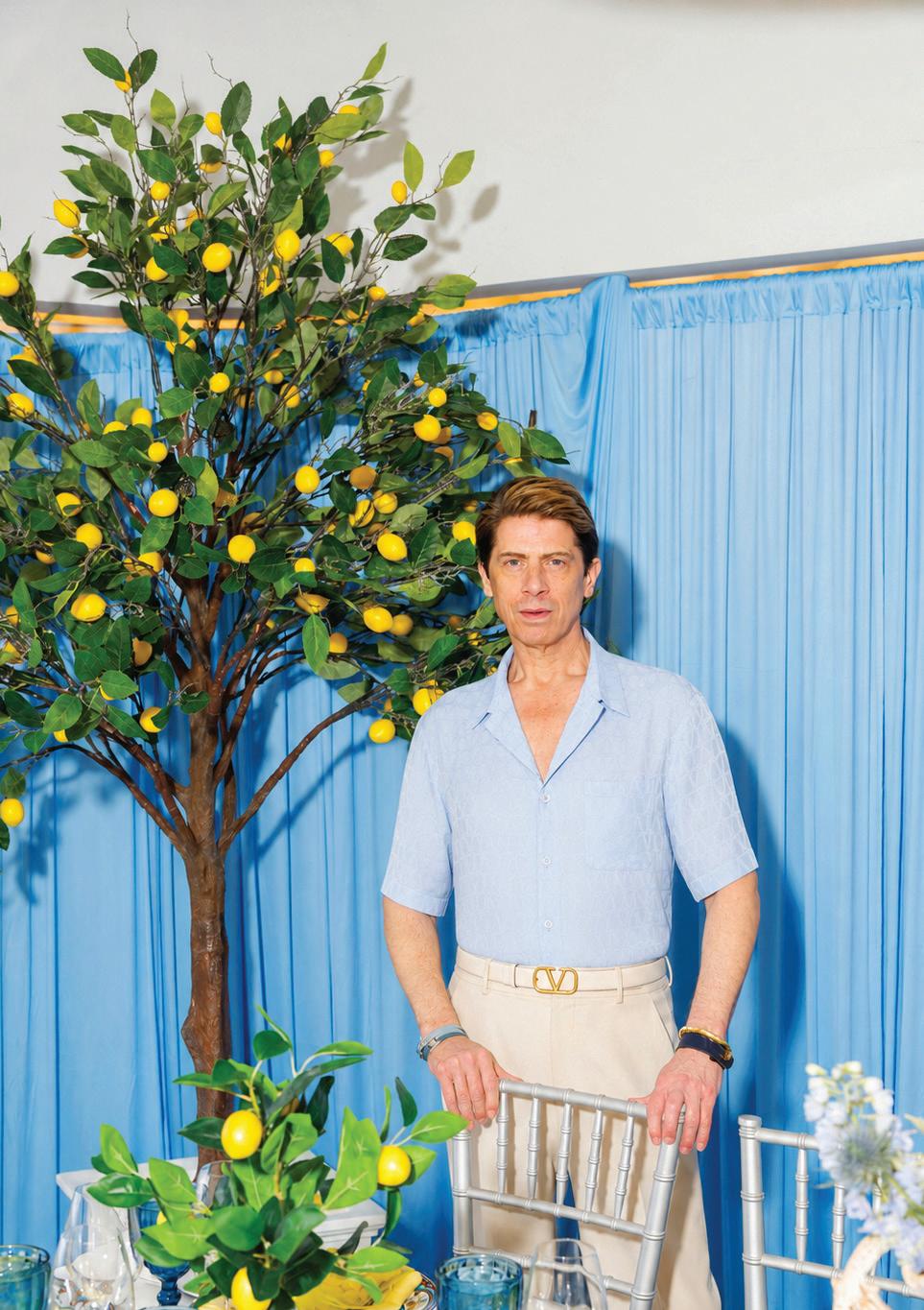
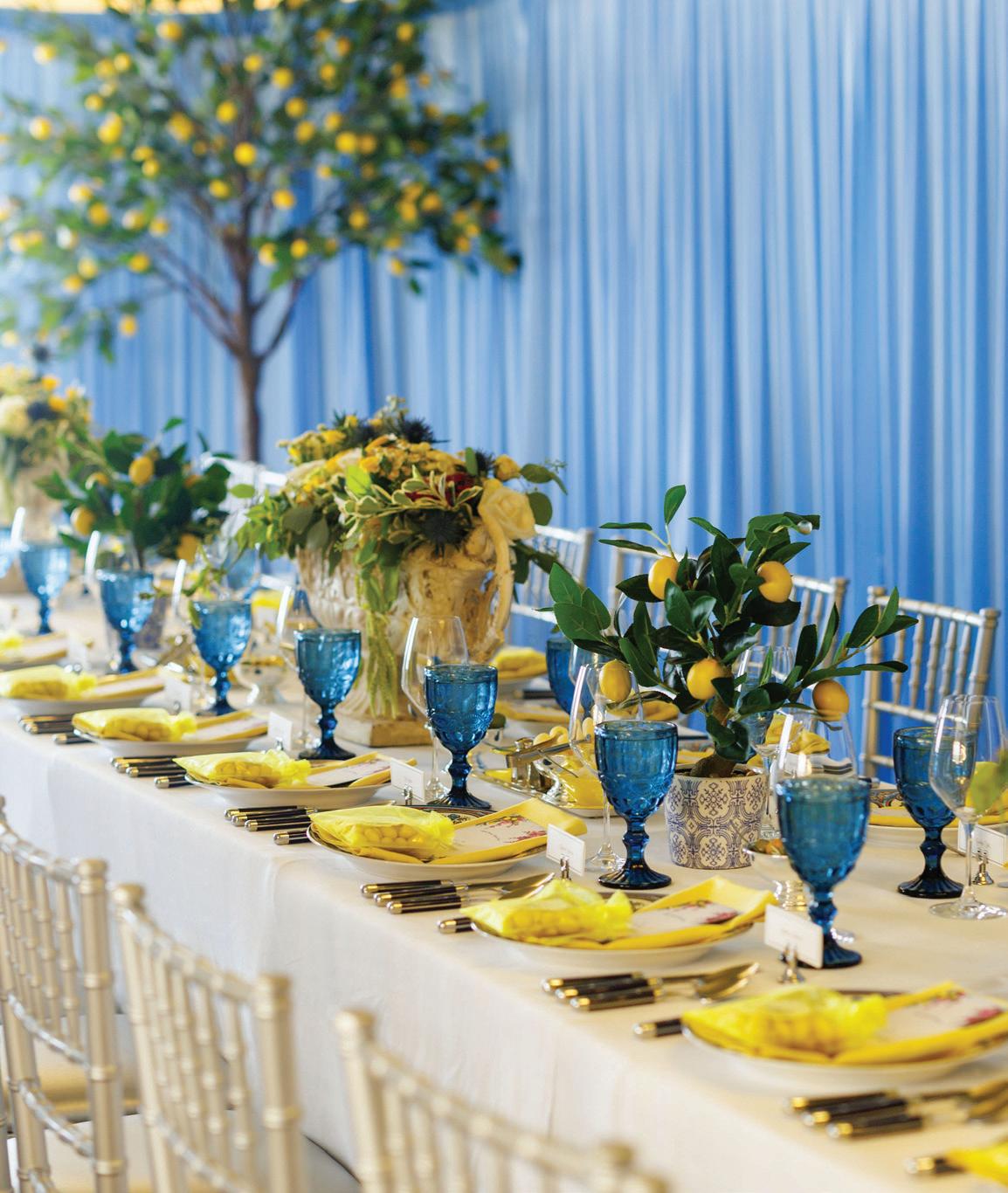
BY AUBREY BREWSTER PHOTOGRAPHY DREW ALTIZER PHOTOGRAPHY
“NO SOONER HAVE WE SET FORWARD OVER THE BROW OF a hill than it grows lighter on the sea horizon in the southwest, the ruins on the peak become visible, Capri is in full sunlight.” — Anonymous
What better way to usher in the summer season than with the spirit of a quintessential Italian escape: the sun-drenched isle of Capri.
The Capri Incantata Luncheon (enchanted Capri) was created as a chic summer getaway in the heart of San Francisco, transporting guests to the romance, color, and effortless glamour of the Amalfi Coast while also celebrating the arrival of Neiman Marcus’ new executive chef, Alvaro Dalmau. Argentina-born, seasoned in Spain, and bringing more than 30 years of culinary experience to the table, Chef Alvaro arrives with a worldly sensibility and an elegant Mediterranean touch. Before joining San Francisco’s iconic Rotunda restaurant, he was part of the Neiman Marcus Hudson Yards team in New York City before the location’s 2020 closure, later returning to Spain to continue his culinary pursuits.
Luckily for San Francisco, Chef Alvaro ultimately made his way back across the globe to lead the kitchen at The Rotunda. When I asked him what his favorite cuisine was to prepare, I was delighted to hear him answer, without hesitation, “Mediterranean!” At that very moment, I knew The Capri Incantata Luncheon could not possibly be in better hands.
Shortly after Chef Alvaro’s arrival, The Rotunda also welcomed his new sous chef, Nickolai Craig, affectionately known as “Chef Nico.”
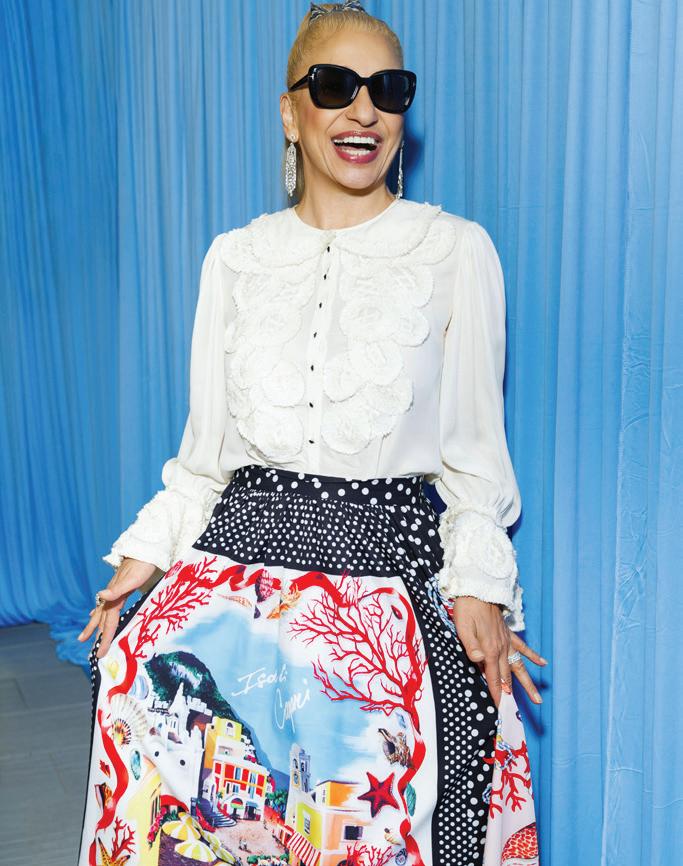
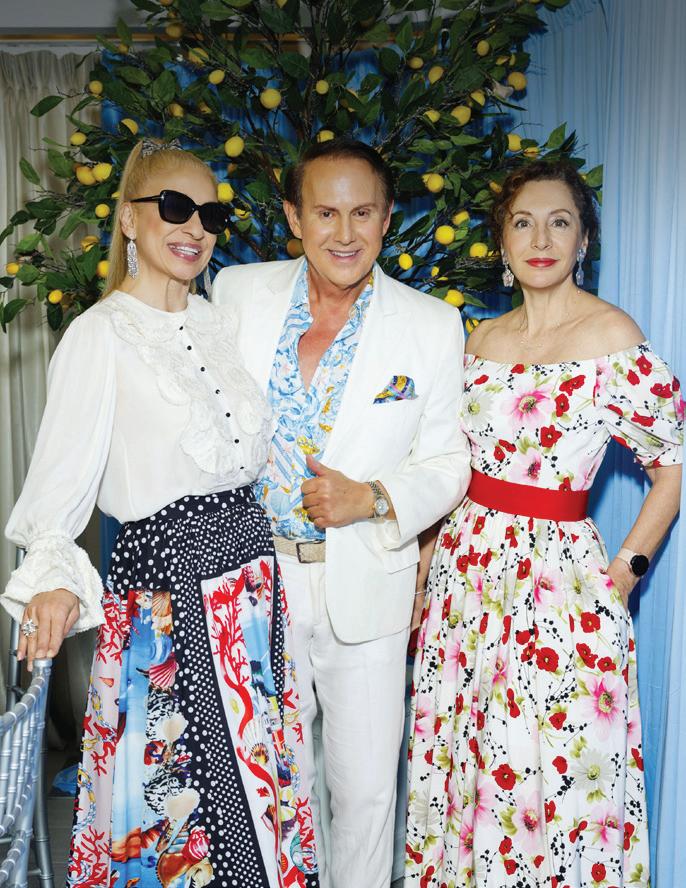
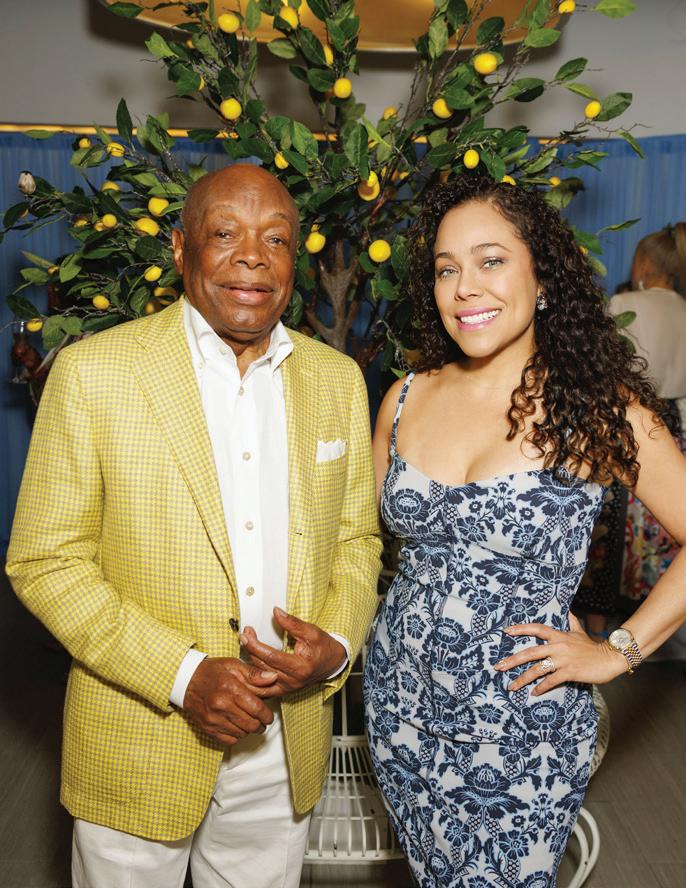
Like Chef Alvaro, Chef Nico is a Neiman Marcus alumnus, joining The Rotunda from the Palo Alto Neiman Marcus kitchen. With Executive Chef Alvaro and Chef Nico at the helm, it was clear we were in for something very special indeed: a luncheon as exquisite, joyful, and transportive as Capri itself.
From the moment guests swept past the pair of eight-foot olive trees flanking the entrance to the Amalfi Bar & Lounge, it was clear they had stepped into something decidedly special. After a spirited stop to wet their whistles at the full bar on themed classics like Aperol & Hugo Spritzes and the Il Sogno Amalfitano di Rachel (an exclusive to the afternoon, until now!) - and a photo moment on the round antique-white wrought iron lemon tree bench, revelers were instantly transported to an afternoon of enchantment, elegance, and dolce far niente delight.
To evoke the shimmering sea and endless sky of the Amalfi Coast, Neiman Marcus’ posh private dining room at The Rotunda was transformed from floor to ceiling in silky, bright sky-blue organza draping, creating an immediate sense of airy Mediterranean glamour. Guests entered the dining room from the adjacent Amalfi Bar & Lounge through a circular antiqued-white arbor archway, lavishly adorned with the iconic flora of Capri: cascading bougainvillea, branches of vivid yellow lemon, and delicate lemon blossoms, recalling the island’s dramatic cliffs, whitewashed villas, and sun-kissed terraces.
Emerging through the lemon and bougainvillea-clad archway, the illustrious guests were greeted by the pièce de résistance: a magnificent 28-foot table dressed in fine Italian hemstitch linen and set with whimsical Mediterranean ceramic dishware, blue Italian al fresco silverware, lemon-yellow Italian hemstitch linen napkins, and Amalfi-blue glass water goblets. At each place setting, a bright yellow organza favor bag filled with limoncello-flavored white chocolatecovered almonds offered a sweet and playful welcome.
Down the length of the Capri-inspired table, hôtel-silver serving platters and dishes held house-made lemon and chili olives, alongside baskets of warm Pane Cafone, the rustic Neapolitan sourdough rounds beloved throughout Southern Italy. Moorish blue-and-white ceramic pots of lemon bonsai trees mingled with grand, three-foot-long cast antiqued-white bronze oblong urns overflowing with yellow spray roses, ivory roses, white hydrangea, hot pink dianthus, chamomile daisies, blue thistle, cascading variegated pittosporum, seeded eucalyptus, silver dollar eucalyptus, olive branches, lemon branches, and freshly cut lemons, beautifully arranged by farmer/florist Bonnie Lummis of Moon Seed Farm & Flora.
Eight-foot-tall lemon trees, planted in white Italianate box planters, gilded the room with yet another flourish of Capri fantasy, offering guests endless opportunities to sip, smile, and pose beneath the spell of la dolce vita.
The moment guests took their seats for lunch, they were greeted with a charming amuse-bouche presented in a darling lemon-shaped Italian ceramic dish: sea scallop crudo bathed in a zesty Sorrento lemon sauce. It was a bright, briny little kiss from the coast — and the perfect overture to the specially curated five-course meal that was about to unfold.
Next came the dish that, without question, stole the afternoon: Chef Alvaro’s take on decadent Fiori di Zucca al “Da Luigi.” Fresh ricotta, provolone, and red onion were tucked into delicate zucchini blossoms, that Chef Alvaro & Chef Nico spent a fair bit of the afternoon delicately
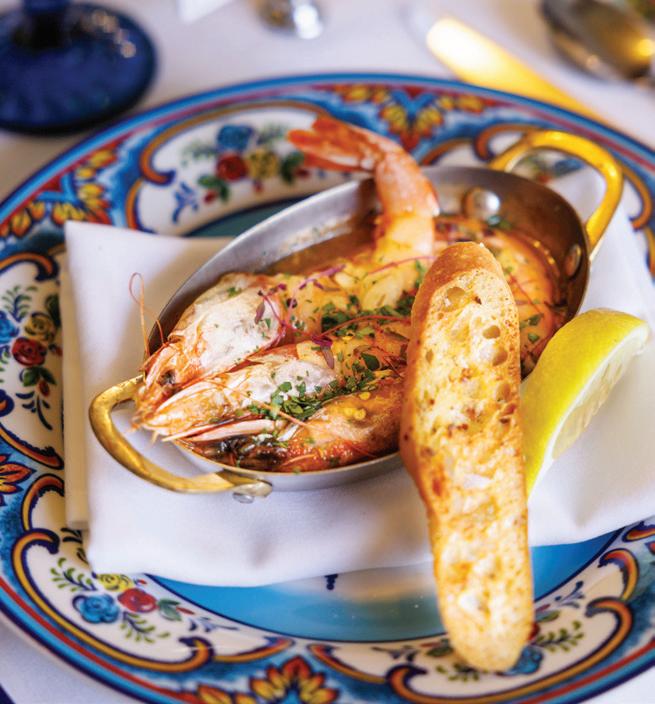
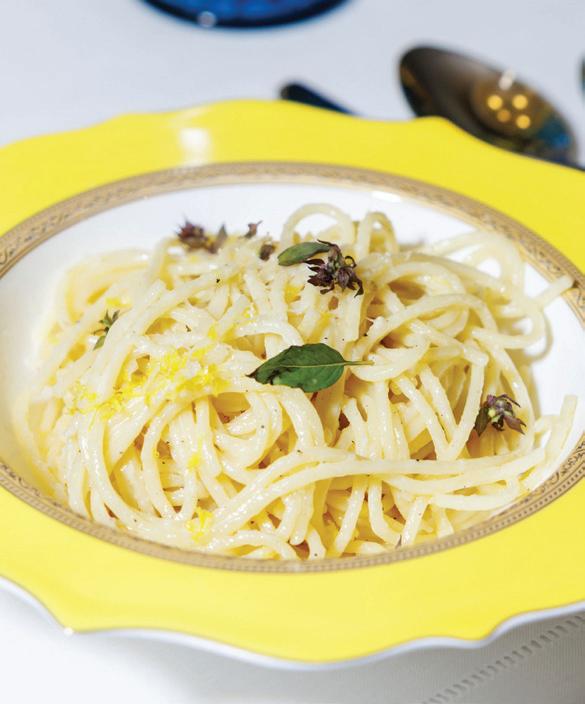
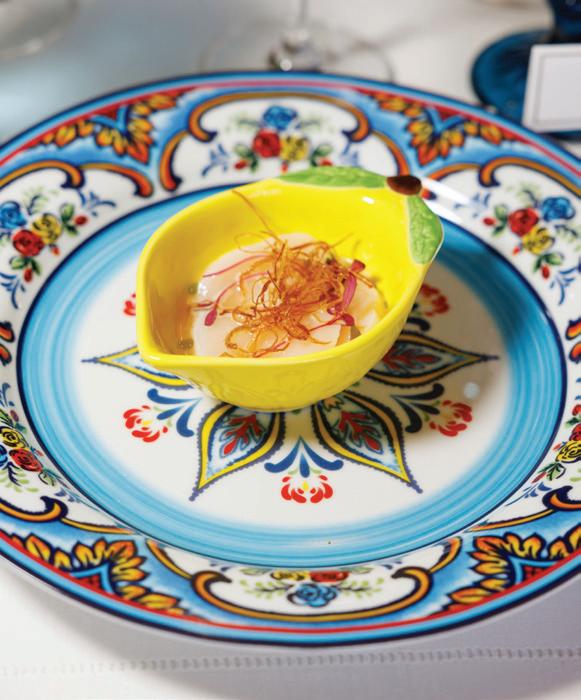
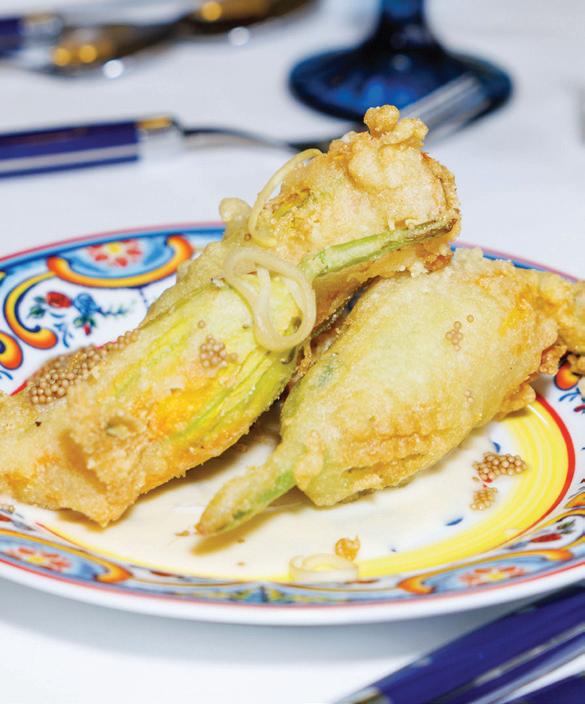
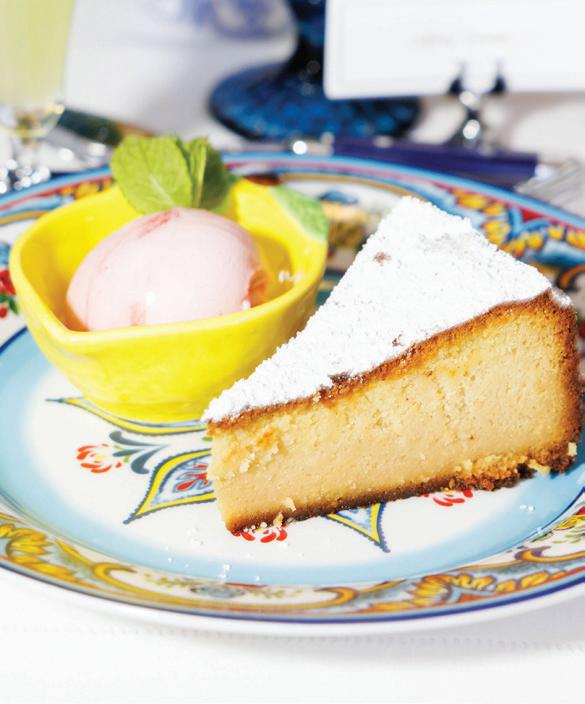
plucking stamens from and filling, then battered and fried to golden perfection. The dish was an homage to Capri’s iconic and historic beach club and restaurant, Da Luigi ai Faraglioni — that dreamy, boat-accessonly seaside institution perched beneath the famed rocks, where stuffed zucchini blossoms are a beloved seasonal treasure during the fleeting two-week window when the blossoms are at their peak. Even as I write this, I find myself longing for just one more.
The pasta course celebrated one of the Amalfi Coast’s most beloved classics: Spaghetti al Limone — simple, soulful, and impossibly elegant. The spaghetti was cooked in salted water until just shy of al dente, then finished with Sorrento lemon juice, olive oil, pasta water, Parmesan, and a touch of cream, creating a silky, sunlit sauce that clung beautifully to every strand.
Just when guests thought the afternoon could not possibly become more indulgent, the main course arrived: Scampi Arrostiti. Customordered and fresh from the boat, the langoustines were served head and tail on, roasted with butter, parsley, and a whisper of chili flakes. Crisp crostini stood ready for dipping in that luscious butter, while a wedge of Sorrento lemon — flown in from Capri for the occasion — offered the final flourish. Truly, gilding the lily, Italian-style
For the feast’s sweet finale, chefs Alvaro & Nicko once again turned to those glorious Sorrento lemons, presenting a moist and luminous Torta Caprese Bianca al Limone. A lighter, sun-drenched interpretation of Capri’s famed flourless chocolate cake, this version was made with almond flour, white chocolate, lemon, and a generous kiss of limoncello, served alongside a quenelle of strawberry ripple gelato. La dolce vita, indeed.
Fashionable revelers arrived in full Capri chic, channeling the sun-soaked glamour of an Italian summer escape. Tracy Chen, Sonya Molodetskaya, and Farah Makras bloomed beautifully in vibrant florals and lemon-kissed Dolce & Gabbana sundresses, each a love letter to la dolce vita. Carolyn Chang brought timeless D & G elegance in classic Italian blue Sicilian tile motif Majolica-print strapless mini dress, while Navid Armstrong delivered pure whimsy in the “Piazzetta Capri” cotton midi skirt by Dolce & Gabbana - a flowing
skirt illustrated with the dreamy Capri landscape and the words “Isola Capri” — a deliciously tongue-in-cheek nod to the occasion and paired with a white blouse by Oscar de la Renta. Not to be outdone, the gentlemen brought their own Mediterranean flair, turning up in bright Italian sport coats that gave the afternoon its perfect dose of sprezzatura and sunshine.
The afternoon gathered a glittering constellation of illustrious guests, including hosts Aubrey Brewster and his husband, Dr. Edward Winger; former San Francisco Mayor Willie L. Brown Jr. and his partner, the ever-fabulous socialite Sonya Molodetskaya, accompanied by her beloved fur-baby, Kukla; Neiman Marcus vice president/market manager Anna Chung, Neiman Marcus dir. brand experience Alesandra Keys, San Francisco socialite Farah Makras and her husband, real estate tycoon Victor Makras; Union Square Alliance President Marisa Rodriguez and her husband, wealth manager Sean Peake; socialite Clara Shayevich; Roman Gronkowski; Gary Love and his partner, retired ABC7 Bay Area anchor Carolyn Tyler, KTVU Fox2 anchor/reporter Betty Yu, Cartier San Francisco boutique manager Ian Raz; Ken Martinez; filmmaker Antonio Contreras; attorney Michael Mazzocone; couture designer Vasily Vein and his husband, Alex Axel-Vein; socialites Heide Betz and Tracy Chen with her husband, Tom Schoenherr; Ryan and Martina Sourada; Mauricio Rodriguez, who graciously lent a hand by helping the host with bringing the event décor to life, and his husband, Richard Burg; businesswoman Liz Curtis; Rivian’s Bacca DaSilva; Bravo’s “Million Dollar Listing” real estate agent Joel Goodrich; socialite Navid Armstrong; The Caviar Co. founder Petra Bergstein Higby; and renowned plastic surgeon Dr. Carolyn Chang.
As the final spoonful of torta disappeared and the last glasses were raised beneath the lemon trees, The Capri Incantata Luncheon proved that one need not board a plane to be transported. For one luminous afternoon at the Rotunda at Neiman Marcus, San Francisco shimmered in Amalfi blue, lemon yellow, bougainvillea pink, and pure Mediterranean joy — a sunlit celebration of friendship, food, fantasy, and the irresistible magic of Capri.

From the sun-drenched terraces of Capri to the sparkling blue edge of the Amalfi Coast, our cocktail offerings capture the romance, freshness, and easy glamour of an Italian afternoon by the sea. Begin with the classic Aperol Spritz, bright and bittersweet with golden citrus charm; drift into the garden-like elegance of the Hugo Spritz, fragrant with elderflower and mint; then surrender to Il Sogno Amalfitano di Rachel, a dreamy espresso limoncello martini where chilled espresso meets limoncello in a spirited nod to la dolce vita.
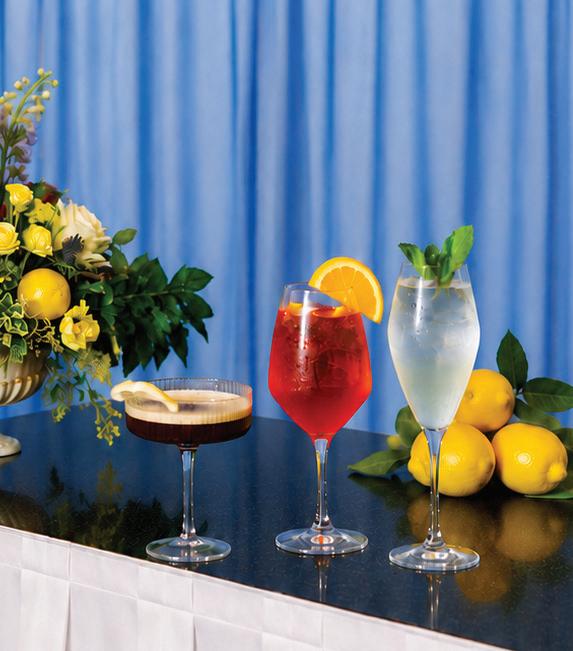

SOGNO AMALFITANO DI RACHEL (Rachel’s Amalfi Dream)
An afternoon pick-me-up reminiscent of a shot of espresso taken with a sugar cube and a twist of lemon to keep one in the Amalfi moment and who’s namesake is of Neiman Marcus’ Rotunda Rachel Leiderman, our favorite bartender who brought this concoction to life and kept us in the moment.
~ 1 ounce Limoncello
~ 1 ounce Mr. Black Cold Brew Coffee Liqueur
~ 1-1/2 ounces Espresso, chilled
~ Pinch of Salt
~ Candied Lemon Rind
Fill a Boston shaker with ice. Add chilled espresso, Mr. Black Cold Brew Coffee Liqueur, limoncello, and a pinch of salt. Shake vigorously to form foam (crema). Strain into coupe or cocktail glass, garnish the rim with a candied lemon rind.
APEROL SPRITZ
A staple of Italian aperitivo hour. It is the most ordered drink to sip before dinner while peoplewatching.
~ 3 ounces Prosecco
~ 2 ounces Aperol
~ 1 ounce Club Soda or Seltzer Water
~ 1 Orange Slice
Fill a large wine glass with ice. Add Aperol and prosecco and top with club soda (or seltzer). Garnish with a slice of orange (and some like it garnished with two olives!).
THE HUGO SPRITZ
A lighter, floral alternative to the more bitter Aperol Spritz, made simply with prosecco, elderflower syrup, soda, lemon, and fresh mint, a recipe for a refreshing sipping libation on a warm afternoon al fresco.
~ 4 ounces Prosecco
~ 1 ounce St-Germain Elderflower Liqueur
~ 1 ounce Club Soda or Seltzer Water
~ Sprig of Fresh Mint
~ 1 Lemon Wedge
Smack the mint leaves against your palm to release the herbal oils. Place sprig of mint into a champagne flute or coupe glass. Add in the elderflower liqueur and club soda. Slowly pour the Prosecco over the mixture. Give it a brief stir to combine. Drop in an extra lemon wedge and a fresh sprig of mint, then serve immediately.
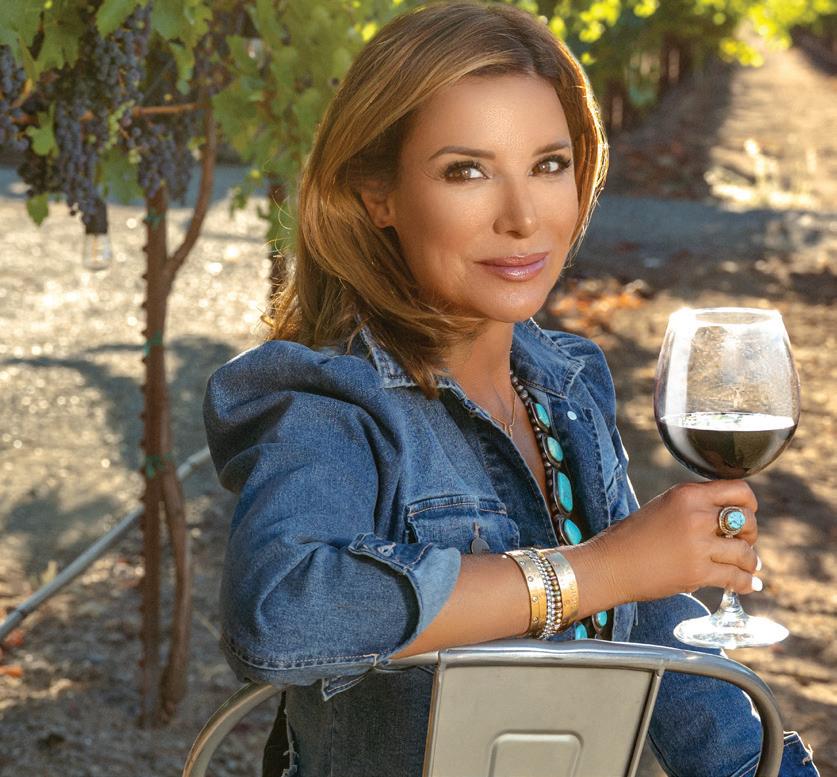
Rooted in California and having earned her degree at UCSB, Claudia Ross is living her best life in Knights Valley after leaving behind a career in public relations as the founder of Cross Marketing and former director of Harper’s BAZAAR and Marie Claire. She has worked with the world’s most iconic luxury brands. The owner and vintner of Ross Ranch, a working farm and vineyard producing a farm-totable experience, Ross now enjoys sharing thoughtful insights into the world of wine country life, both socially and agriculturally.
Rooted in California and having earned her degree at UCSB, Claudia Ross is living her best life in Knights Valley after leaving behind a career in public relations as the founder of Cross Marketing and former director of Harper’s BAZAAR and Marie Claire. She has worked with the world’s most iconic luxury brands. The owner and vintner of Ross Ranch, a working farm and vineyard producing a farm-totable experience, Ross now enjoys sharing thoughtful insights into the world of wine country life, both socially and agriculturally.
Rooted in California and having earned her degree at UCSB, Claudia Ross is living her best life in Knights Valley after leaving behind a career in public relations as the founder of Cross Marketing and former director of Harper’s BAZAAR and Claire. She has worked with the world’s most iconic luxury brands. The owner and vintner of Ross Ranch, a working farm and vineyard producing a farm-totable experience, Ross now enjoys sharing thoughtful insights into the world of wine country life, both socially and agriculturally.
Rooted in California and having earned her degree at UCSB, Claudia Ross is living her best life in Knights Valley after leaving behind a career in public relations as the founder of Cross Marketing and former director of Harper’s BAZAAR and Marie Claire. She has worked with the world’s most iconic luxury brands. The owner and vintner of Ross Ranch, a working farm and vineyard producing a farm-totable experience, Ross now enjoys sharing thoughtful insights into the world of wine country life, both socially and agriculturally.
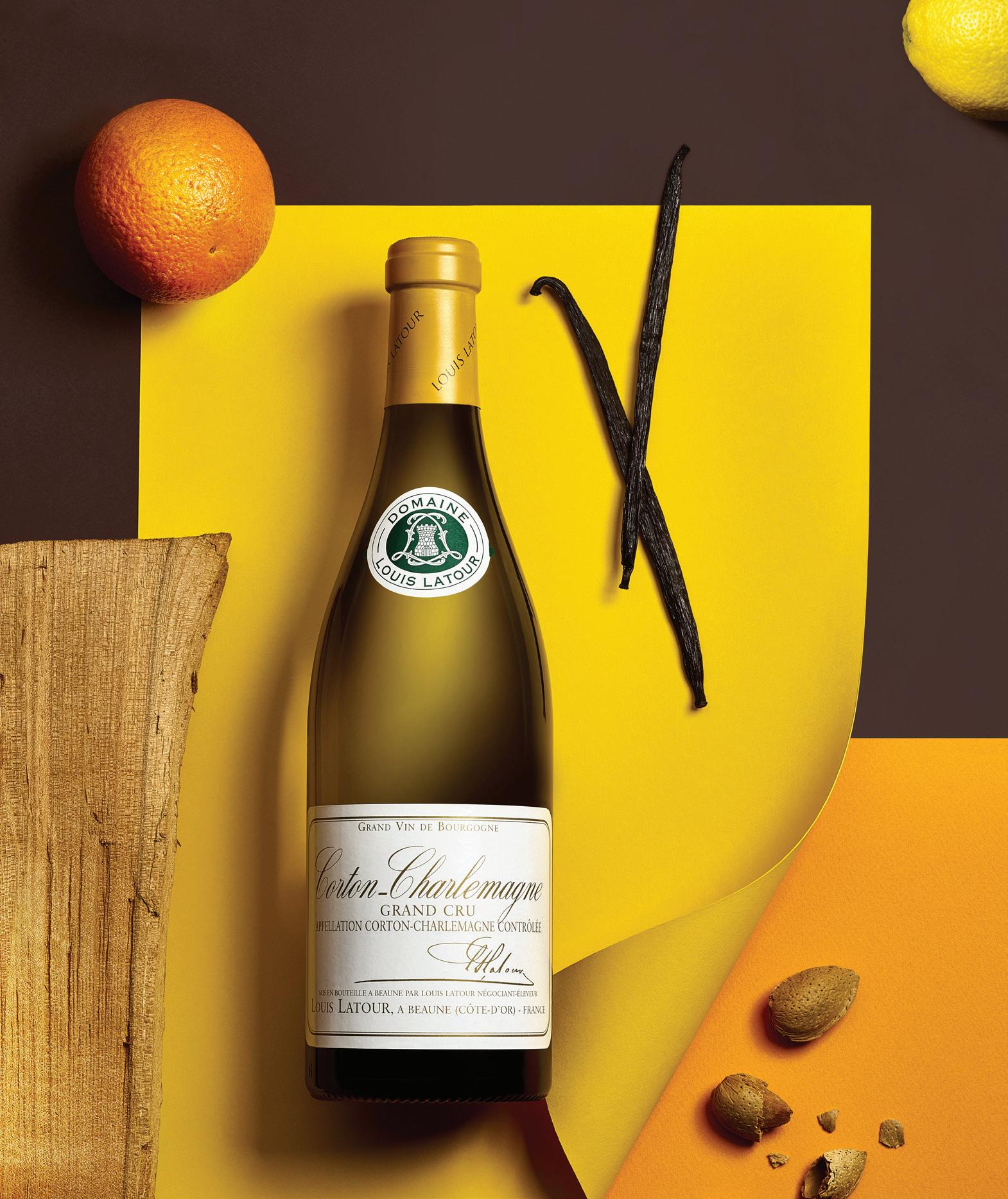
A Haute Living Series Celebrating the Women Reshaping Wine — Beginning in Burgundy
BY CLAUDIA CASTILLO ROSS
BY CLAUDIA CASTILLO ROSS
BY CLAUDIA CASTILLO ROSS
BY CLAUDIA CASTILLO ROSS
I MAKE WINE FOR A LIVING, WHICH MEANS I KNOW EXACTLY what it feels like to walk into a cellar and be the only woman in the room. For most of wine’s history, that room belonged to men. The growers, the négociants, the names on the labels — almost all of them men, passing the work from father to son across centuries. So when I set out to spend the next six issues introducing you to the women quietly rewriting that story, I knew where I wanted to begin: with someone carrying two hundred years of legacy on her shoulders, and choosing to carry it her own way.
FOR THE PAST 15 YEARS, I HAVE BEEN ON A TRANSFORMATIVE journey with The Happy Body program, a holistic approach to fitness that not only reshaped my body but also revitalized my spirit. My path to discovering this life-changing exercise regimen was not straightforward. After suffering a debilitating back injury from a car accident 25 years ago and battling with my (ideal) weight for years, I was desperate for a solution that would not only alleviate my pain but also help me regain control over my health.
want to understand the wine, the place, the values, and the people behind the bottle.”
What strikes me about her is that she doesn’t frame change as rebellion. The bold move, in her words, isn’t changing who they are — it’s being more open about who they are. As a winemaker myself, I find that distinction deeply honest. The best of my generation aren’t trying to tear down what came before. We’re trying to let people in.
A WINEGROWER AND WINEMAKER
Her name is Cécile Latour, and she is the first woman from the Latour family to join Maison Louis Latour in an executive role. If you know Burgundy, you know that sentence alone is remarkable. This is a house that has existed for more than two centuries — a place where, for generations, the wine spoke and the name spoke and very little explanation was required. Cécile represents the twelfth generation. She could have simply inherited the silence that came with all that prestige. Instead, she’s decided to talk.
“For a long time, houses like ours did not need to explain themselves,” she told me. “Today, that is not enough. People
It was a friend who first introduced me to The Happy Body, passionately sharing her experience and the profound impact it had on her life. Skeptical yet intrigued, I decided to take the plunge. I drove 60 miles three times a week for eight weeks to Palo Alto, where I had the opportunity to learn from the master himself, Jerzy Gregorek, creator of The Happy Body program. That decision marked the beginning of a new chapter in my life—one filled with strength, confidence, and a renewed sense of purpose.
HAUTE COUTURE AND CAVIAR MAY SEEM LIKE UNLIKELY companions, but they share striking similarities going beyond their association with luxury. Just as haute couture represents the pinnacle of craftsmanship and artistry in the fashion world, caviar embodies the epitome of culinary refinement. Both are synonymous with elegance, exclusivity, and an unwavering commitment to quality. Few delicacies evoke the same level of opulence and fascination as caviar. From the shimmering pearls to the delicate burst of flavor, caviar has long been hailed as the epitome of culinary refinement and luxury. Among the esteemed purveyors of this exquisite delight, Haute Caviar Company stands out as a champion of ethical sourcing, sustainability, and uncompromising quality. Just as haute couture represents the pinnacle of craftsmanship and artistry in the fashion
Cécile came to wine the long way around. Before the estate, she practiced business law in Paris — and she credits that world with teaching her precision, patience, and how to listen carefully before deciding anything. Wine is romantic, she reminded me, but it is also a precise business with long-term consequences in every choice. I laughed when she said that, because it’s the truth nobody tells you. Behind every bottle that makes you feel something is a thousand unglamorous decisions about oak, soil, timing, and trust.
At its core, The Happy Body is more than just a workout; it is a lifestyle that emphasizes the importance of balance, strength, and overall well-being. The program combines elements of
comprehensive approach that addresses both physical and mental health. The philosophy promotes the idea that true fitness is achieved when one aligns one’s body and mind, fostering a sense of harmony that extends beyond the gym.
Jerzy Gregorek emphasizes the importance of functional movement: exercises that mimic everyday activities, allowing the body to perform optimally in daily life. This approach resonated with me, especially as someone who had endured chronic back pain. The exercises were designed not just to build muscle but also to enhance mobility and stability, ultimately leading to a stronger, more resilient body.
And the soil, for her, is personal. Some of Cécile’s earliest memories are on the Hill of Corton, where her family established the Domaine in the 18th century — walking the vineyards with her father, playing in the winery. The company’s headquarters in Beaune
At Montage in his wines by telling be found first locally. and local clientele, James Beard Award robust and different opinions and flavor ‘house palate’ and approaches.” For most treasured wines the power of relationships. has potential to be more value in using our guests that can When talking wines have become overall consensus overdeliver, and when not want a Napa do not have enough which doesn’t pair and spirits buyer down to personal
finer things in life, are we now seeing caviar on so many not just for special occasions? “When enjoying caviar, you meant to be a special occasion,” says Suppes. Like couture, wearing the absolute best, and with caviar, it sets the tone Most recently on a lunch date with her son, Michael Suppes, The Village Pub, they dined on caviar and champagne. collectors’ thing, it’s a mindset of wanting to indulge in no matter one’s age.
As I embarked on my journey with The Happy Body, I was initially overwhelmed by the variety of movements and techniques. However, under Gregorek’s expert guidance, I learned to embrace the process. Each session was tailored to my individual needs, allowing me to progress at my own pace while ensuring that I was safe and supported.
The program’s emphasis on mindfulness transformed my relationship with exercise. I learned to listen to my body,
At Solage in Calistoga, that guests travel
Valley, Sonoma County, I am always looking to support local wineries when dining out. Whether in Silicon Valley or Napa Valley, I do my best to select unique, exceptional wines to support my wine community. When I travel abroad, it’s all about the local fare. When in Italy, I look for the best Barolo; in Spain, a Rioja Gran Reserva; and my opinion, I have I can bring an extraordinary Kelly. At Protégé Kelly is always there don’t love expensive
To deliver the very best, Lisa Simon, a visionary entrepreneur with a passion for the finer things in life, founded the Haute Company which has become synonymous with excellence industry. Simon’s journey began as a young restaurateur York, managing two of the largest champagne and caviar
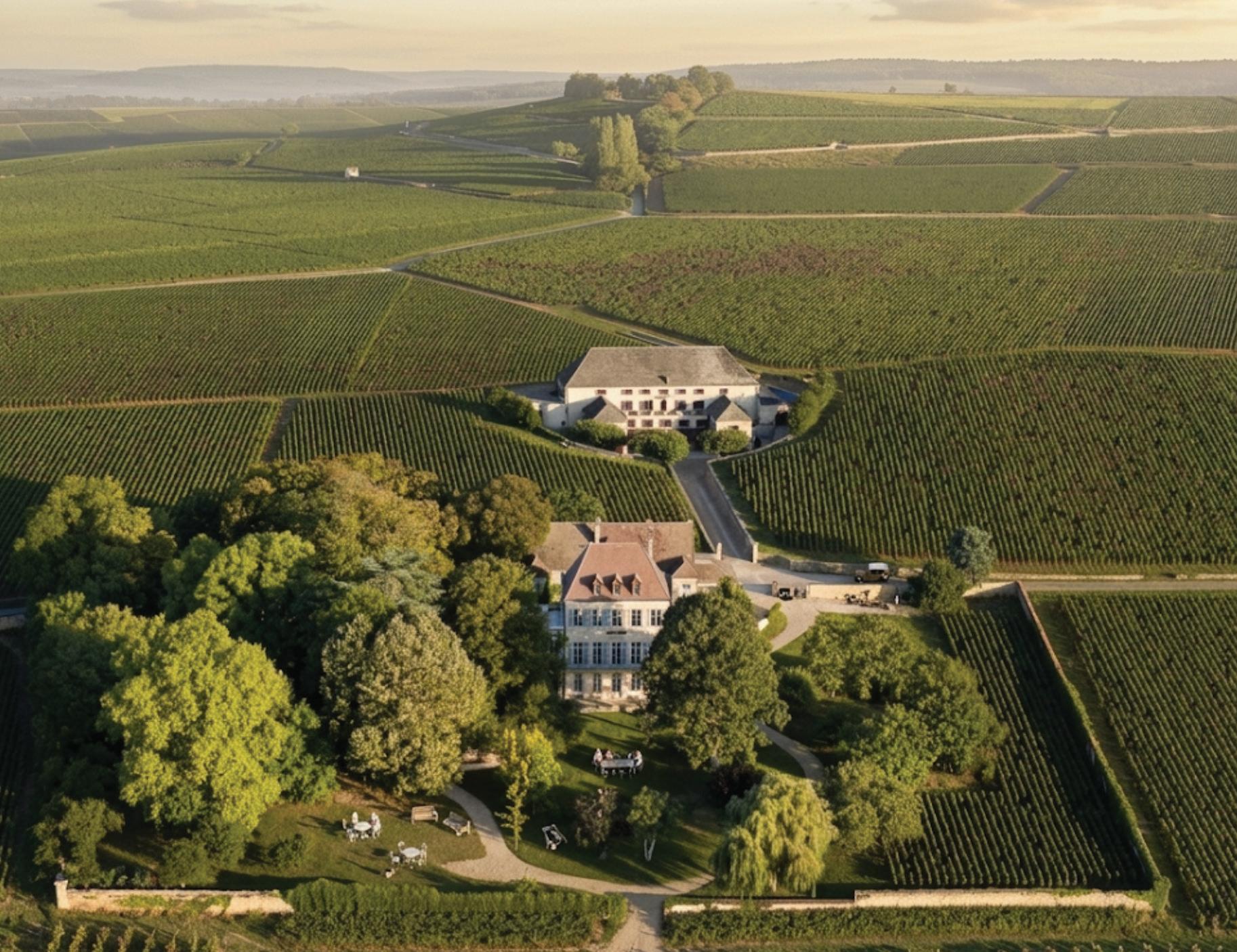
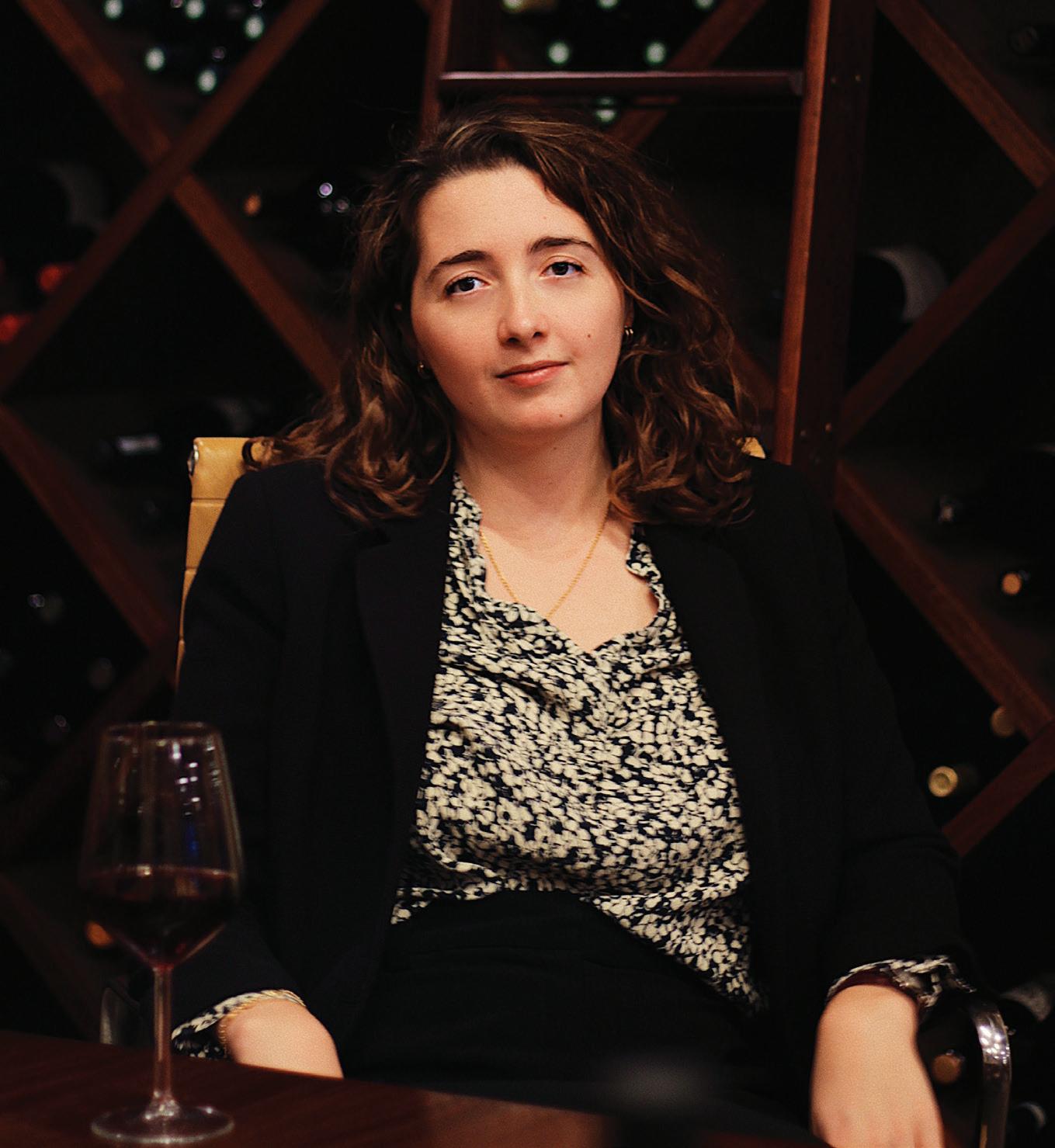
were her family’s home until the early 2000s. “There is something very moving,” she said, “about making decisions for the future from offices filled with the presence of the past.” That sense of duty runs through everything she touches, including the estate’s recent organic certification, which she sees less as a label and more as a promise to the generations who haven’t arrived yet.
What I admire most is that none of this reads as a woman trying to prove she belongs. Cécile already belongs — by name, by blood, by the work. What she’s adding is something the old model never prioritized: emotion, transparency, a more personal way of speaking about Burgundy. “Authenticity, honesty, and trust,” she said, “is something my generation is aching for.” So am I. So, I suspect, are you.
This is why I wanted to start the series here. The women you’ll meet over the coming issues come from different regions, different scales, different soils some from dynasties, some who built everything from nothing. But they share what Cécile embodies: the conviction that you can honor tradition and still insist on being heard. They didn’t ask permission to take their place at the table.
Women in wine. They simply pulled up a chair, poured something extraordinary, and changed the conversation.
I’ll see you there. Cheers!

Charles R. Johnson, Wealth Director, is responsible for developing investment and trust relationships with families and organizations. He works closely with the trust and tax planning group to help clients determine optimal asset allocation and transfer strategies. Before joining Fiduciary Trust, he worked for Rockefeller Capital Management, an independent financial services firm offering global family office, asset management, and strategic advisory services to ultra-high net worth families, institutions, and corporations. He received his Bachelor of Science degree in business administration from the University of Southern California. He works closely with the Addiction Education Society nonprofit.
BY CHARLES R. JOHNSON, WEALTH DIRECTOR, FIDUCIARY TRUST INTERNATIONAL AND RICHARD PIANOFORTE, HEAD OF THE NEW YORK PERSONAL TAX GROUP
SAVING FOR A CHILD’S EDUCATION IS ONE OF THE MOST important financial goals many families take on. But what happens if there’s money left over in the 529 plan?
A child may receive scholarships, attend a less expensive school, or choose a different path altogether. When 529 funds are left over, families may have an opportunity to turn those unused education savings into an early start on retirement savings for the beneficiary.
This may be possible thanks to changes to 529 education savings plans. If a student finishes school with unused 529 funds, rules allow a portion of those savings to be rolled into a Roth IRA in their name, potentially giving them decades of tax-free investment growth.
For families who have carefully saved for education, this creates a valuable new planning opportunity. Instead of worrying about unused 529 funds, parents may be able to turn them into a powerful financial head start for the next generation.
Understanding your options can help you make the most of their education savings.
USING 529 FUNDS
For many families, the most straightforward use of a 529 plan is to pay for college education expenses. Qualified withdrawals are generally free from federal income tax, and many states also allow tax-free withdrawals, similar to federal rules.
However, 529 plans can be used more broadly than many families realize. In addition to traditional college expenses, funds may also be used for:
K-12 expenses: up to $20,000 per year per beneficiary beginning in 2026 including tuition and certain educational expenses
Apprenticeship programs: including program fees, books, supplies, and required equipment for registered apprenticeship programs
Student loan repayment: use a lifetime limit up to $10,000 per beneficiary toward qualified student loans
Professional credentials & career training: tuition, fees, books, supplies, exam costs, and required continuing education for qualified postsecondary credentialing and licensing programs
Special needs services: educational therapies, services, and required equipment necessary for enrollment or attendance at an eligible educational institution
And if education plans change or are delayed, the funds do not have to be used immediately. The account can remain invested and continue growing tax-deferred until they are needed in the future.
Leftover 529 funds do not necessarily have to go unused. In many cases, the account owner can change the beneficiary to another eligible family
member, such as a sibling, first cousin, grandchild, or even themselves. In many situations, this allows families to redirect education savings without triggering taxes.
It is important to understand that changing the beneficiary of a 529 plan may have tax implications in certain situations. For example, gift and generation skipping transfer (GST) tax rules can apply when the new beneficiary is in a lower generation than the old beneficiary. The statute provides relief when the new beneficiary is in the same or higher generation and is a family member.
For this reason, beneficiary changes are often best reviewed as part of a broader estate and tax planning strategy.
Families may also withdraw funds for non-educational purposes. However, the earnings portion of a non-qualified withdrawal is typically subject to ordinary income tax as well as a 10% federal penalty, which reduces some of the tax advantages of the account.
Because of these potential tax consequences, many families prefer to explore other planning strategies before taking a non-qualified withdrawal.
An opportunity: Turning education savings into retirement savings
Under current rules, certain unused 529 funds are allowed to be rolled into a Roth IRA for the beneficiary.
This can be particularly meaningful for young adults because it allows them to begin building retirement savings, giving those funds more time to grow. Starting early is one of the most powerful advantages an investor can have, and even modest contributions can grow significantly over time thanks to the power of compounding returns.
Unused 529 funds may be moved through a special trustee-totrustee rollover from a long-standing 529 plan into a Roth IRA owned by the beneficiary.
To qualify, several requirements must be met:
The 529 plan must have been maintained for the beneficiary for at least 15 years
Contributions made within the last 5 years (and the earnings on those contributions) are not eligible for rollover
The Roth IRA must be in the beneficiary’s name, and the beneficiary must have earned income at least equal to the rollover amount in that year
The rollover counts toward the beneficiary’s annual IRA contribution limit ($7,500 in 2026 for those under the age of 50)
There is a lifetime rollover limit of $35,000 per beneficiary.
To understand why this opportunity can be so valuable, consider a simple example:
Let’s say a 24-year-old beneficiary has $35,000 left in a 529 plan that satisfies the 15-year rule, and none of the remaining funds are from contributions made within the last five years. If the beneficiary is working and earns at least $7,500 in 2026, they could transfer up to that amount from the 529 plan directly into a Roth IRA, assuming they don’t make any other IRA contributions. This reflects the current annual IRA contribution limit for someone under the age of 50. The remaining balance cannot be moved all at once. Instead, it can be transferred gradually over future years, subject to the requirements stated above.
Because the money is held within a Roth IRA, qualified withdrawals in retirement would generally be tax-free. In other words, unused education savings could ultimately become a meaningful source of retirement income later in life.
Few young adults begin saving for retirement this early, which is what makes this option especially powerful.
CREATING A LASTING FINANCIAL ADVANTAGE FOR THE NEXT GENERATION 529 plans were created to help families save for education, but today they can support a broader range of planning goals than many families realize. What began as a college savings tool can now potentially support a range of financial goals—from education expenses and student loan repayment to helping the next generation begin building retirement savings.
Because these options come with different rules, tax considerations and long-term implications, thoughtful planning can make a meaningful difference. Decisions about how and when to use 529 funds, whether redirecting them to another family member, rolling unused funds into a Roth IRA, or incorporating them into broader family gifting strategies can significantly affect the long-term value of those savings.
For many families, reviewing their 529 strategy as children approach college, or even after graduation, can uncover opportunities they may not have realized were available.
A note on state taxes:
State tax rules may differ from federal rules when it comes to 529 plans, and those rules can change over time. While certain 529-to-Roth IRA rollovers may be federal tax-free if all requirements are met, some states may not fully conform to the federal treatment and may tax all or part of the transaction or may require recapture of prior state tax deductions or credits claimed for 529 contributions. State treatment may also vary for other 529 uses, including K-12 expenses, student loan repayment, and qualified credentialing expenses. Families should review the rules in the state where they file income taxes, as well as the applicable 529 plan disclosure materials, before taking a distribution or rollover.
Charles R. Johnson, Wealth Director, Fiduciary Trust International is responsible for developing investment and trust relationships with families and organizations. He works closely with the Trust and Tax planning group to help clients determine optimal asset allocation and transfer strategies.
Richard Pianoforte, Head of the New York Personal Tax Group, Fiduciary Trust International, provides tax services to clients with complex financial situations and goals. He is part of a team of experts that offers comprehensive and customized financial planning and solutions for wealth transfer, estate planning, charitable giving, and philanthropy.
Charles R. Johnson
Wealth Director | 628 286 8403 charles.r.johnson@ftci.com
One Franklin Parkway, Bldg 920, 1st Floor San Mateo, CA 94403 fiduciarytrust.com

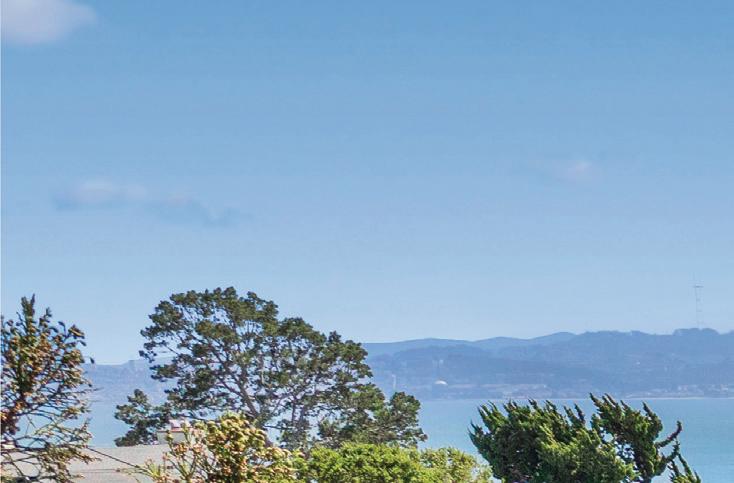
408 GOLDEN GATE AVENUE
BELVEDERE
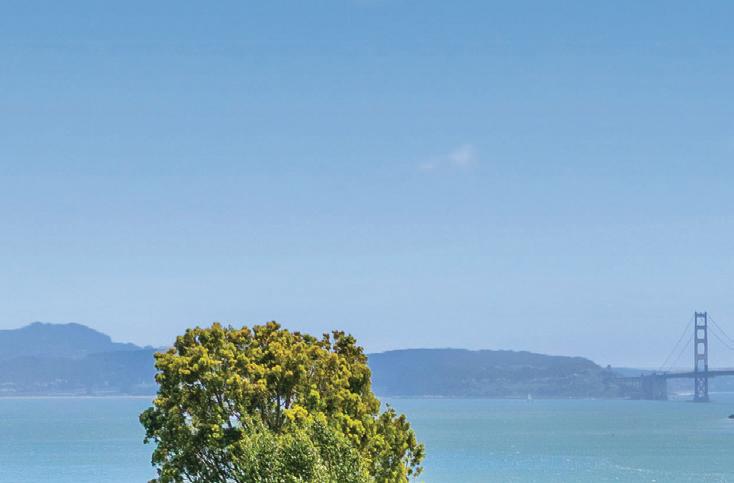
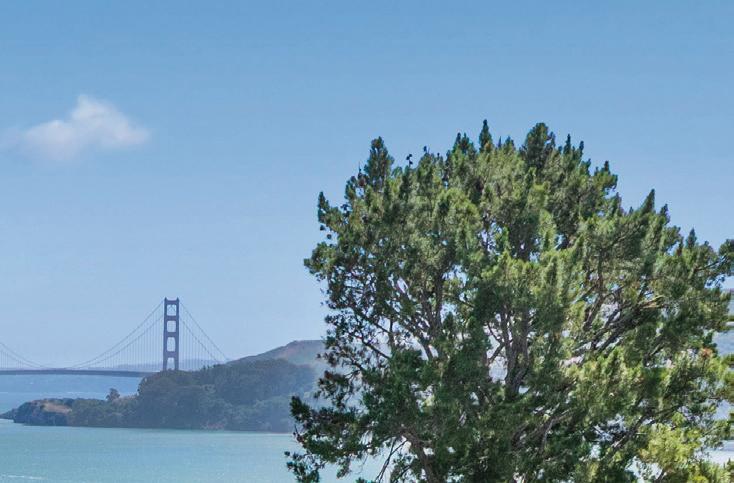
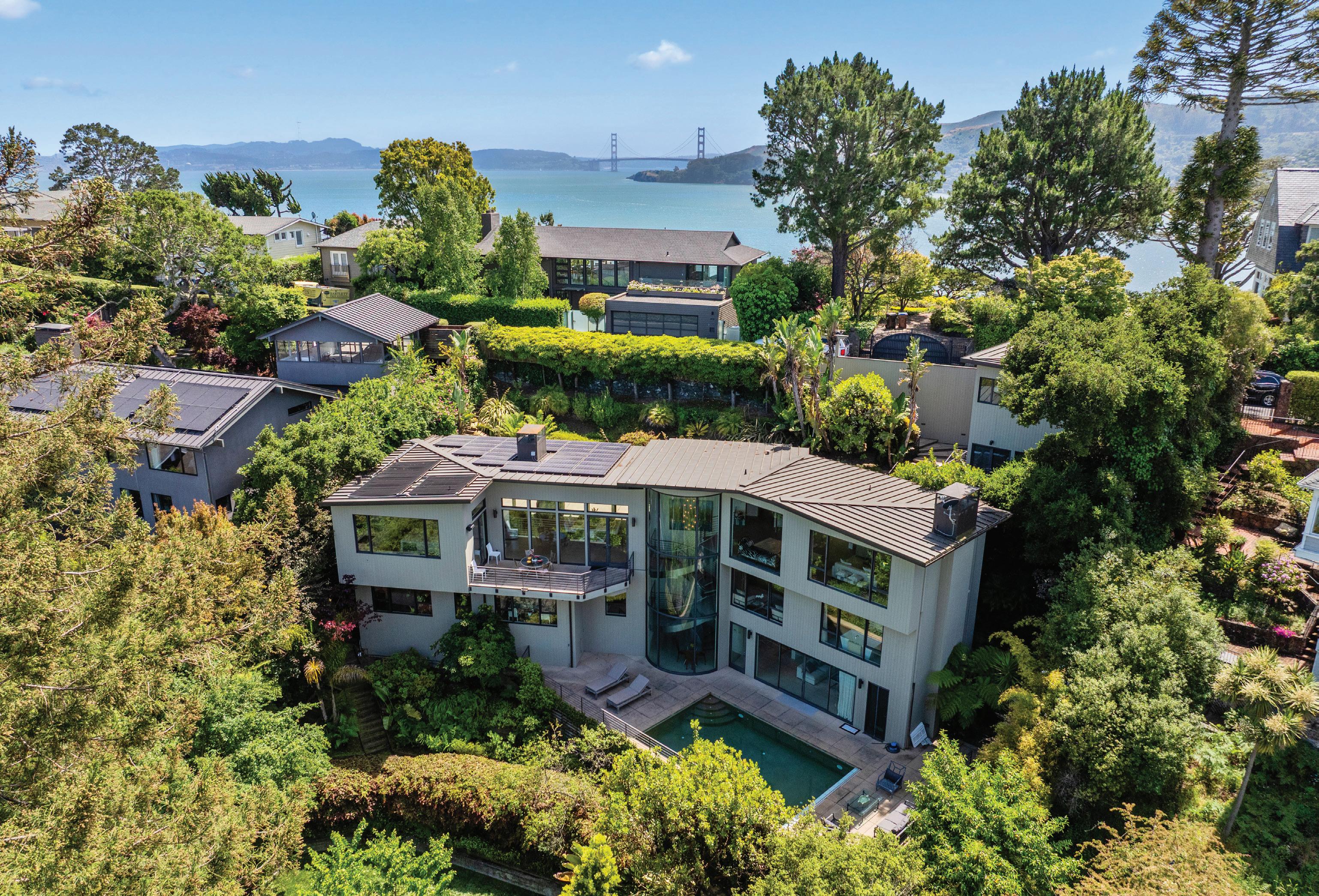
4 BEDS | 5 BATHS | 1 HALF-BATHS | ±4,890 SQ. FT
Pool Magni cent New Construction with Breathtaking Views of San Francisco Bay
$28,000/month
Luxury Fully Furnished
Spectacular contemporary style home designed by renowned architect Daniel Hunter AIA, built in 2003 and renovated in 2014. This unique home with view of downtown Tiburon, Corinthian Island, two yacht clubs, Belvedere Cove, and Angel Island features lush tropical gardens, a dramatic entry bridge, foyer with living room, an o ce, and staircase with curved glass walls descends to huge open-floor plan dining/family room/kitchen with high ceilings and wall to wall glass doors on both sides. Luxurious primary suite, two en-suite bedrooms, sitting room, and media room with full bathrooms can serve as a bedroom. O pool level, there is a detached guest quarter with a full bathroom, a beautiful pool with a huge lounging terrace for outdoor entertaining, and a level turf athletic green lawn. Amazing turnkey home for Belvedere on the best block at the end of Golden Gate Avenue. Also o ered for fully furnished rental at $28,000 per month.


Olivia Decker has been the leading luxury home specialist for over 40 years and handled over $4.5 billion in sales. She is founder and co-owner of Golden Gate Sotheby’s International Realty with 22 o ces in the San Francisco Bay Area. Text: 415.720.5915 or Visit SanFranciscoFineHomes.com | Lic.# 00712080