JUNE 11 - JULY 25, 2026
HArWooD ArT CENTEr
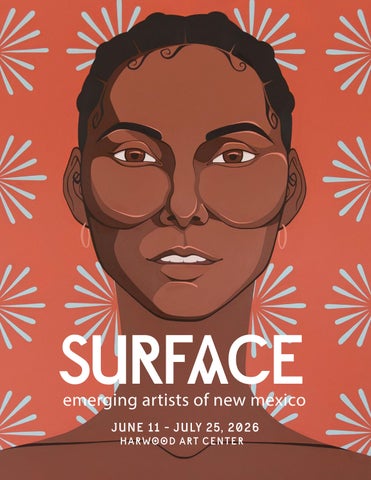
JUNE 11 - JULY 25, 2026
HArWooD ArT CENTEr
June 11 - July 25, 2026
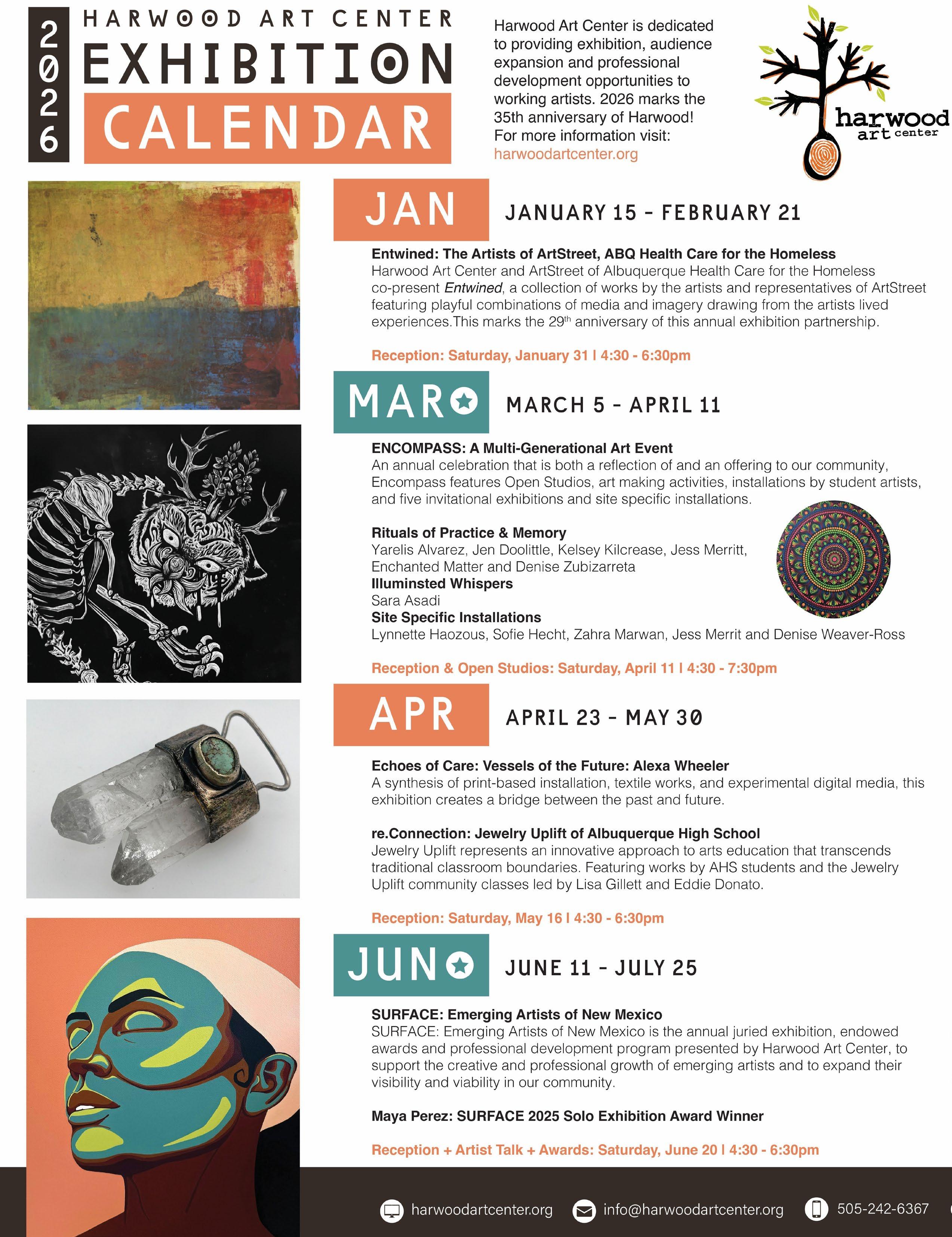
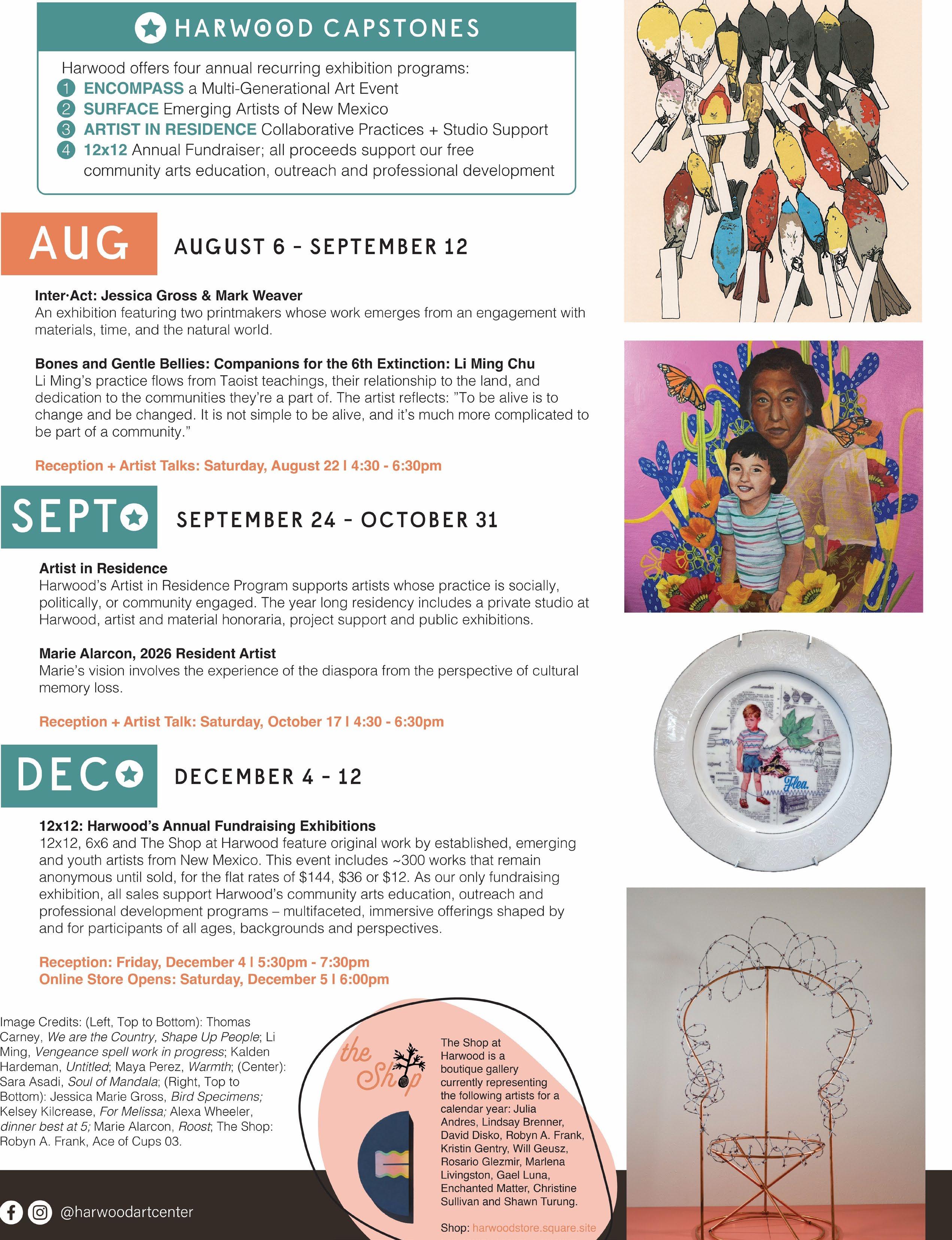
Harwood Art Center is pleased to present SURFACE: Emerging Artists of New Mexico and Hózhó by Maya Perez. SURFACE is an annual juried exhibition, endowed awards and professional development program presented by Harwood Art Center, to support the creative and professional growth of emerging artists and to expand their visibility and viability in our community.
This year’s SURFACE exhibition in Harwood’s Hall Gallery features Adrian Ricca Lucci, Briana Salazar, Eleanor Foy, Eliana Barela, Evan Marquez, Jasmine Venes, Jazmin Novak, Jo Paff, Karl Orozco, Lillian Estes, Maki Kimura, Mariah Scee, Maze Raghavan Cohen, McKenzie Fitz, Mimolo and Victoria DeBlassie.
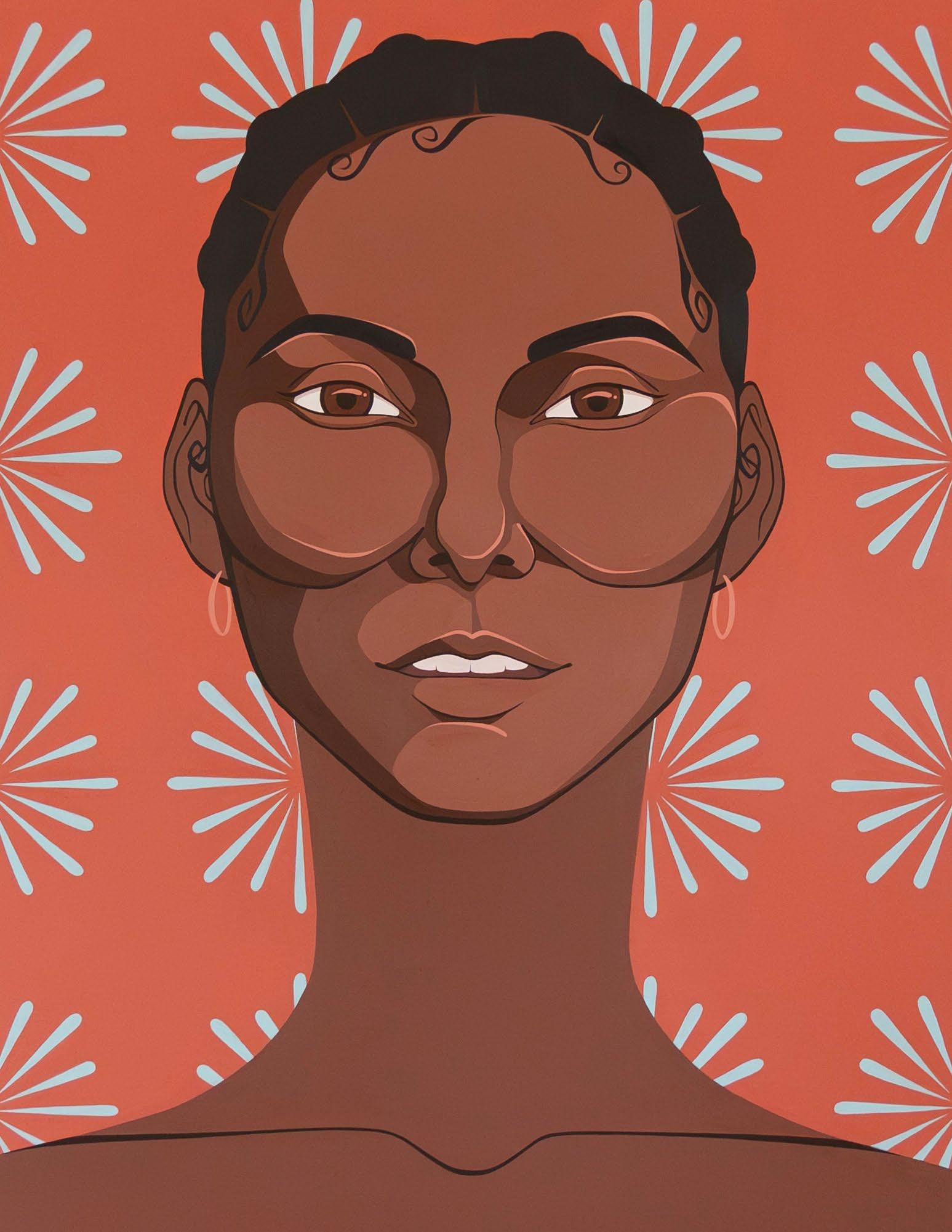
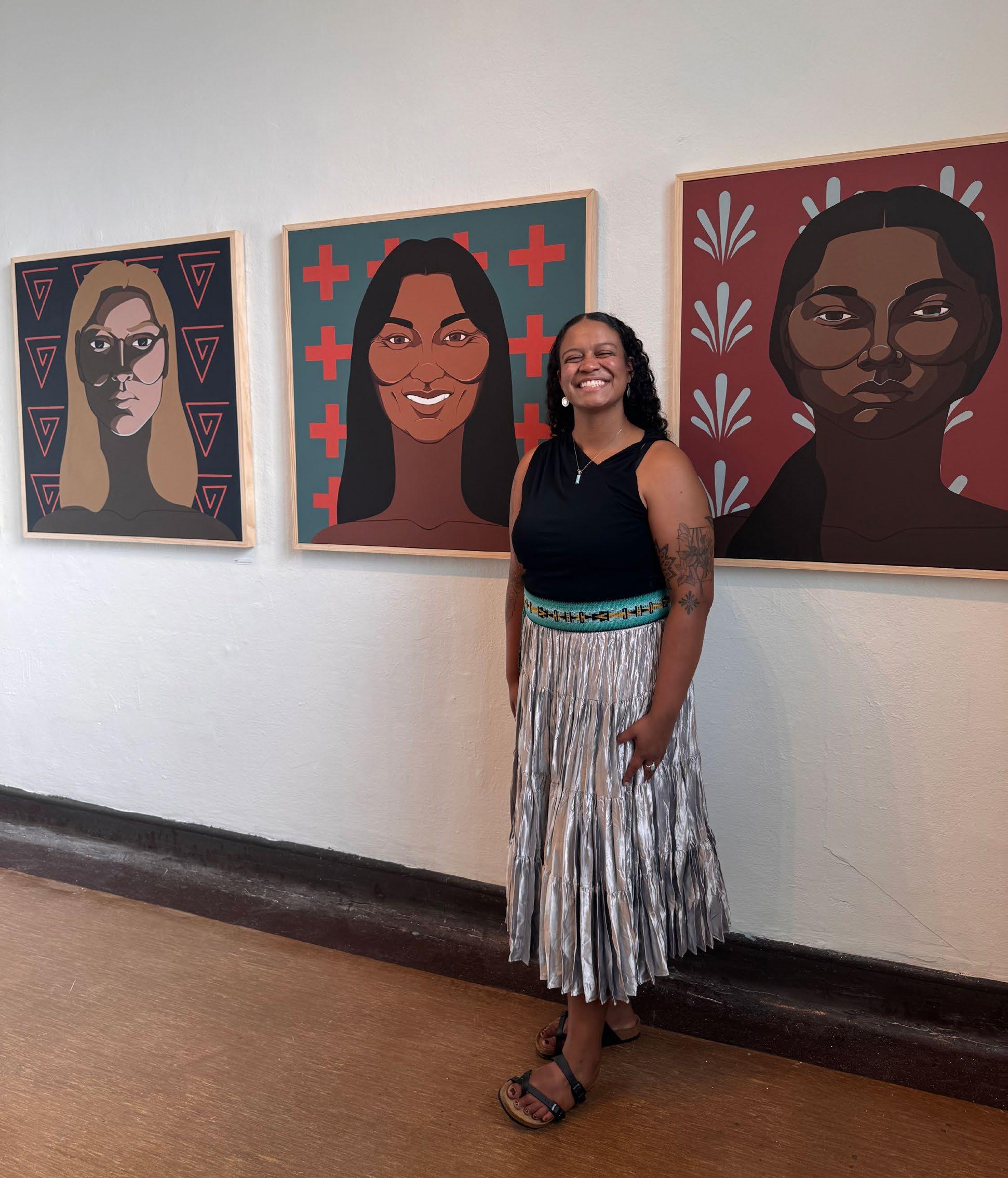
Each year one artist receives the Harwood Art Center Solo Exhibition Award, presented for artistic excellence, originality of vision and dedication to practice. The selected artist works for a year with support from Harwood staff to make a new body of work to exhibit the following year during our SURFACE Emerging Artists program at Harwood. In SURFACE 2025, Maya Perez received the Solo Exhibition Award, and this year, showcased her work in the Front gallery.
SURFACE: Emerging Artists of New Mexico is dedicated to cultivating the creative and professional growth of artistic talents and to expand their visibility and viability in our community. Each year Harwood Art Center invites emerging artists from around New Mexico to submit their artist materials and artworks for consideration. Invited SURFACE artists are eligible for four named awards and a solo gallery exhibition award, and all receive a $250 honorarium for their participation.
SURFACE is open to individuals working in any media and from diverse creative fields, including drawing, painting, printmaking, jewelry making, fashion, design, architecture, digital media, etc. We encourage submission of new and / or experimental works. Harwood takes a broad approach to “emerging artist,” and applicants are asked to self-identify with this description. Applicants must be currently living, working and/or studying in New Mexico.
SURFACE artists enjoy a seven-week exhibition in Harwood Art Center’s Hall Gallery throughout June and July. Artists also participate in a private day-long professional development workshop. Workshop sessions are led by professional artists, gallerists, public relations/communications specialists, curators, and local media, and focus on refining artist statements/ written materials, developing a web and communications presence, audience and collector cultivation, as well as an exhibition walkthrough with feedback provided on each artist’s work.
Harwood has a generous community of supporters, funders and partners. With support from the Urban Enhancement Trust Fund, New Mexico Arts & National Endowment for the Arts, and the McCune Charitable Foundation, we are able to present the SURFACE Emerging Artists of NM Award & Microgrant of $250 to each artist.
As part of our mission to cultivate the growth of artistic talents in our community we recognize our artists with awards. Some awards are endowed with honoraria and opportunity, while named awards recognize the unique talent within each cohort and honor the legacy of creatives who have been integral to Harwood’s community.
Each participating artist receives the SURFACE Emerging Artist Award which recognizes their dedication to practice, unique vision, and exemplary talent. Building on Harwood’s ongoing missional commitment to value the arts, artists, and labor, with their award SURFACE artists receive a $250 honoraria.
Reggie Gammon Award: Since 2011, Harwood has honored the memory of painter, printmaker, and longtime member of our creative community, Reggie Gammon, by recognizing and presenting an endowed award in his name to a New Mexico-based emerging artist of exemplary caliber, character and dedication.
This year’s awardee is a print maker who creates vibrant, layered, excavations of complex, deeply fragile machines. The 2026 Reggie Gammon Awardee is Karl Orozco.
Marion & Kathryn Crissey Award: The Marion & Kathryn Crissey Award was established and endowed to support the endeavors of emerging artists who demonstrate a commitment to their artwork, their on-going education, and the community in which they live.
This year’s recipient began taking a ceramics class one night a week, with no idea how quickly clay would become a passion for both of them” the 2026 Marion & Kathryn Crissey Award is presented to Mimolo.
Meghan Ferguson Mráz Award: The Meghan Ferguson Mráz Award celebrates an emerging artist based in New Mexico who explores themes of personal and social significance, exhibits noteworthy care for and skill in their craft, and invites reflection on connection, compassion, and gratitude.
This year’s awardee address complicated experiences such as grief, care, loss, and resilience in the face of emotional, social, and cultural historical traumas. The 2026 Meghan Ferguson Mráz Award goes to Jazmin Novak.
Valerie Roybal Award: The Valerie Roybal Award recognizes an emerging artist based in New Mexico who – with Valerie’s spirit of curiosity and courage – channels identity, circumstance, and experience into creative practice, generating work that considers transfiguration, metamorphosis, or transmutation.
This year’s recipient explores the cyclicality of rebirth and decay, and imagining futures, the 2026 Valerie Roybal award goes to Lillian Estes.
Harwood Solo Exhibition Award The Harwood Solo Exhibition Award is presented annually for artistic excellence, originality of vision, and dedication to practice, and culminates with a show concurrent to SURFACE in the following year.
This year’s recipient explores the physicality of grief and fear of the unknown. The Solo Exhibition Award winner is Mariah Scee.
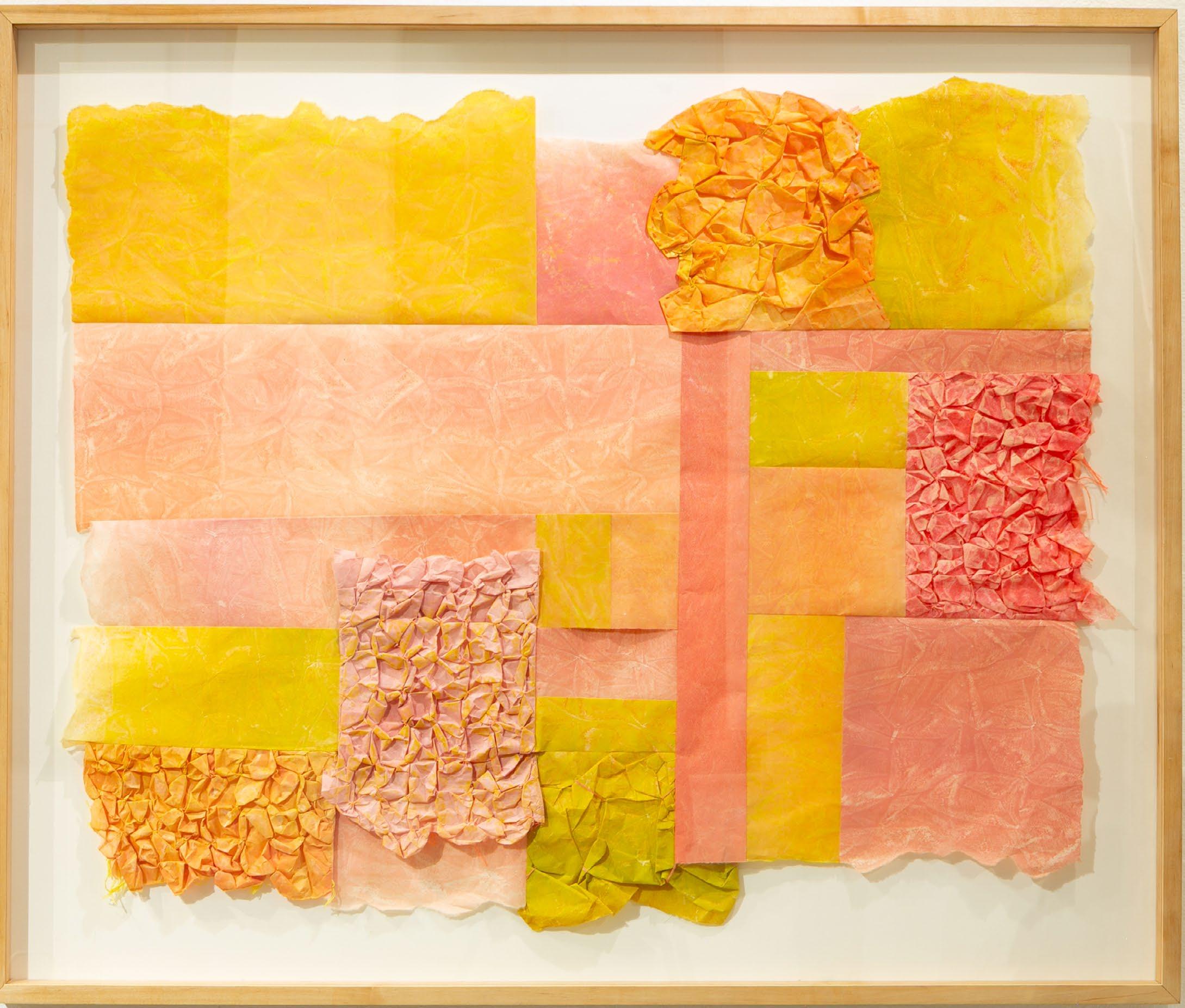
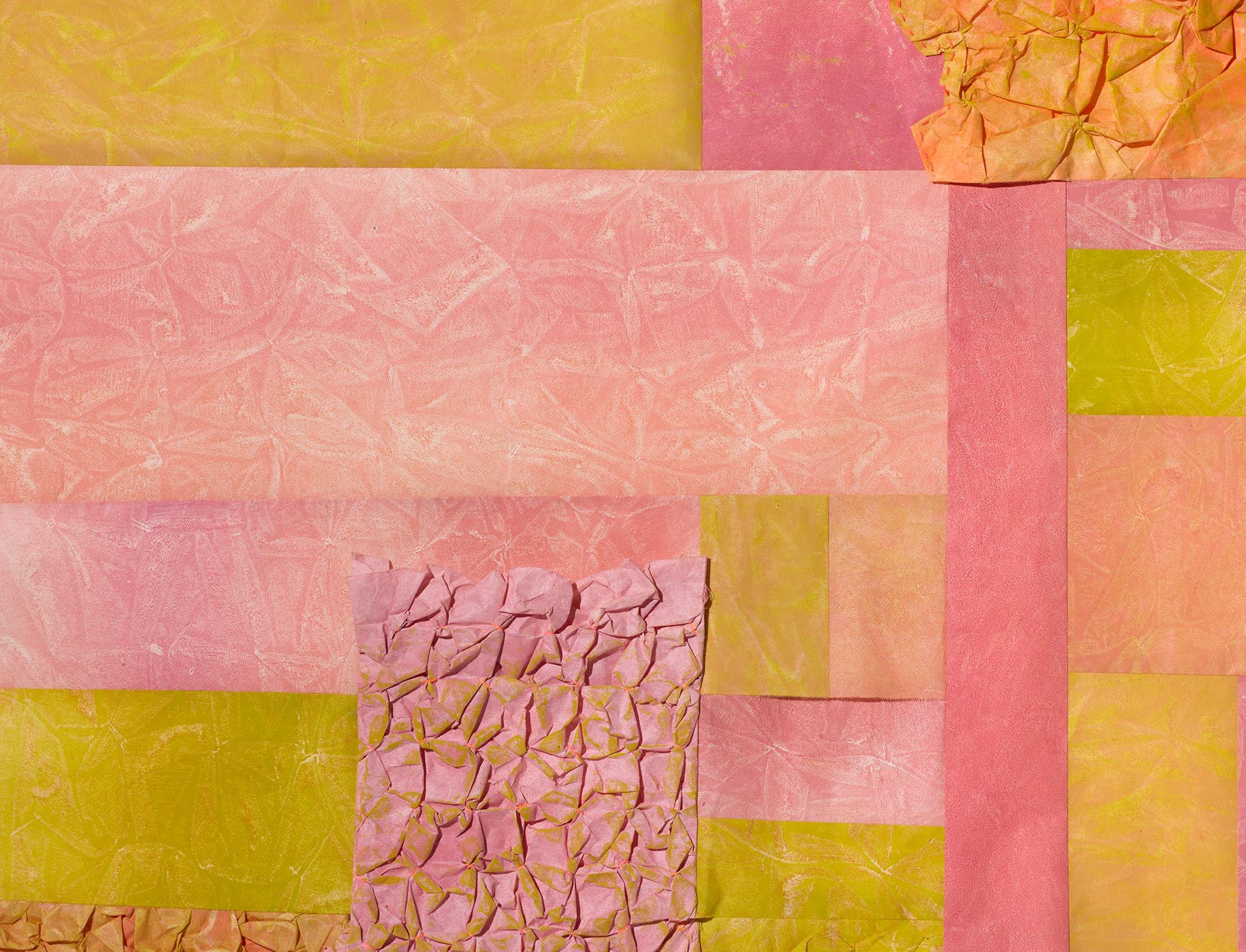
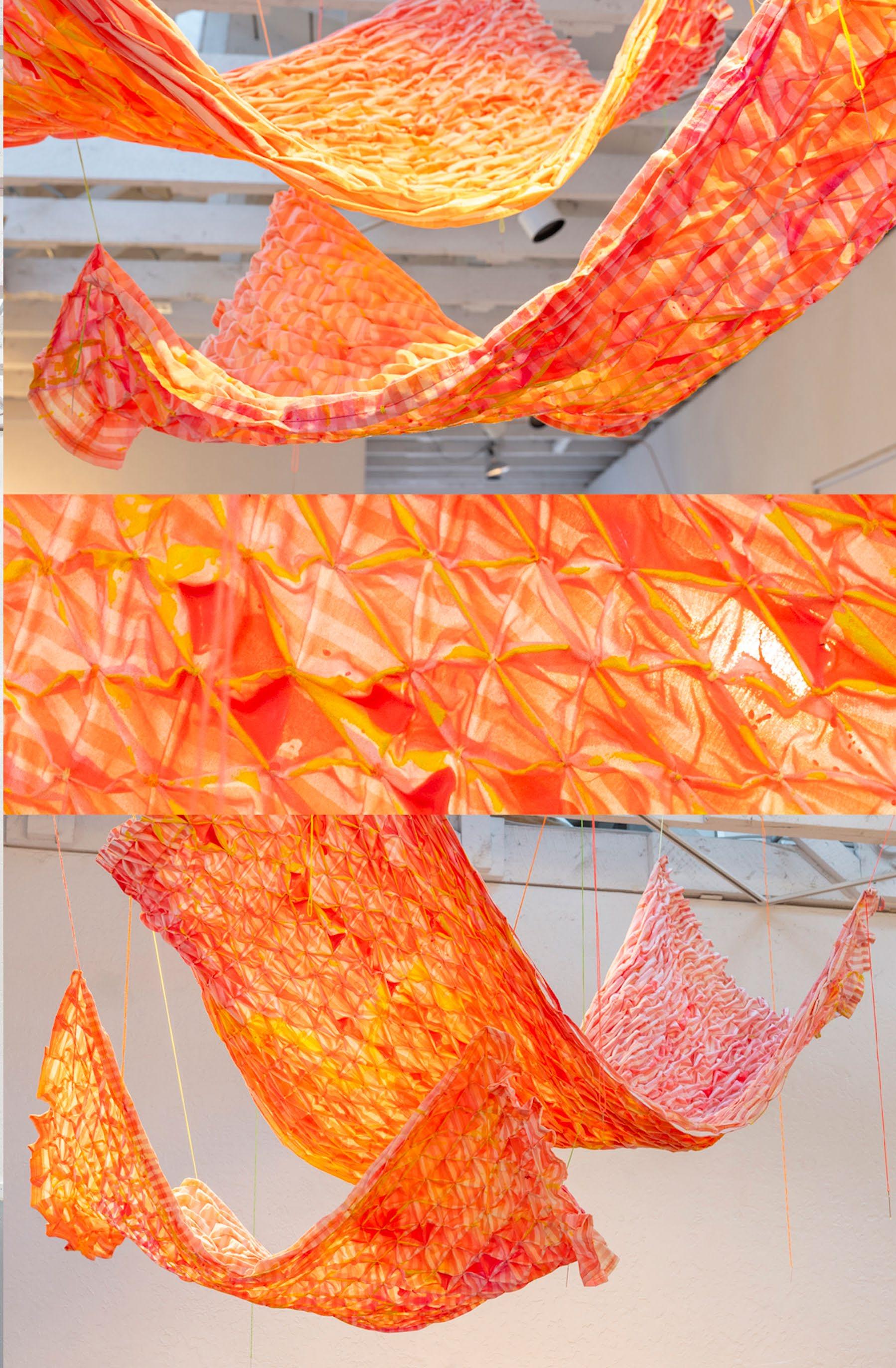
Adrian Ricca Lucci is an artist and educator who lives and works in Albuquerque, New Mexico. He is interested in the capacity to sense touch through sight, histories of abstract painting, fabric manipulation techniques, and tension between social structures and subjectivity. Adrian has shown work at SITE Santa Fe, The University of New Mexico Art Museum, Strata Gallery, and Harwood’s 6th Street Studios. He attended the University of New Mexico and will begin a Master of Fine Arts program at University of California, Riverside this fall.
“I work at the intersection of painting and textile arts. My process begins with marking a grid on the wrong side of the fabric that I use as a matrix for a stitching pattern. I build volume in the surface of the fabric through a hand-embroidery technique called smocking. Each stitch serves as a metonym for touch, explicitly putting my hand in the work. Moving forward, my spontaneous and intuitive practice is guided by material behavior. I press and pour paint onto the sculpted fabric surface, allowing chance elements and marks to emerge in response to the uneven surface.”
https://adrianriccalucci.com
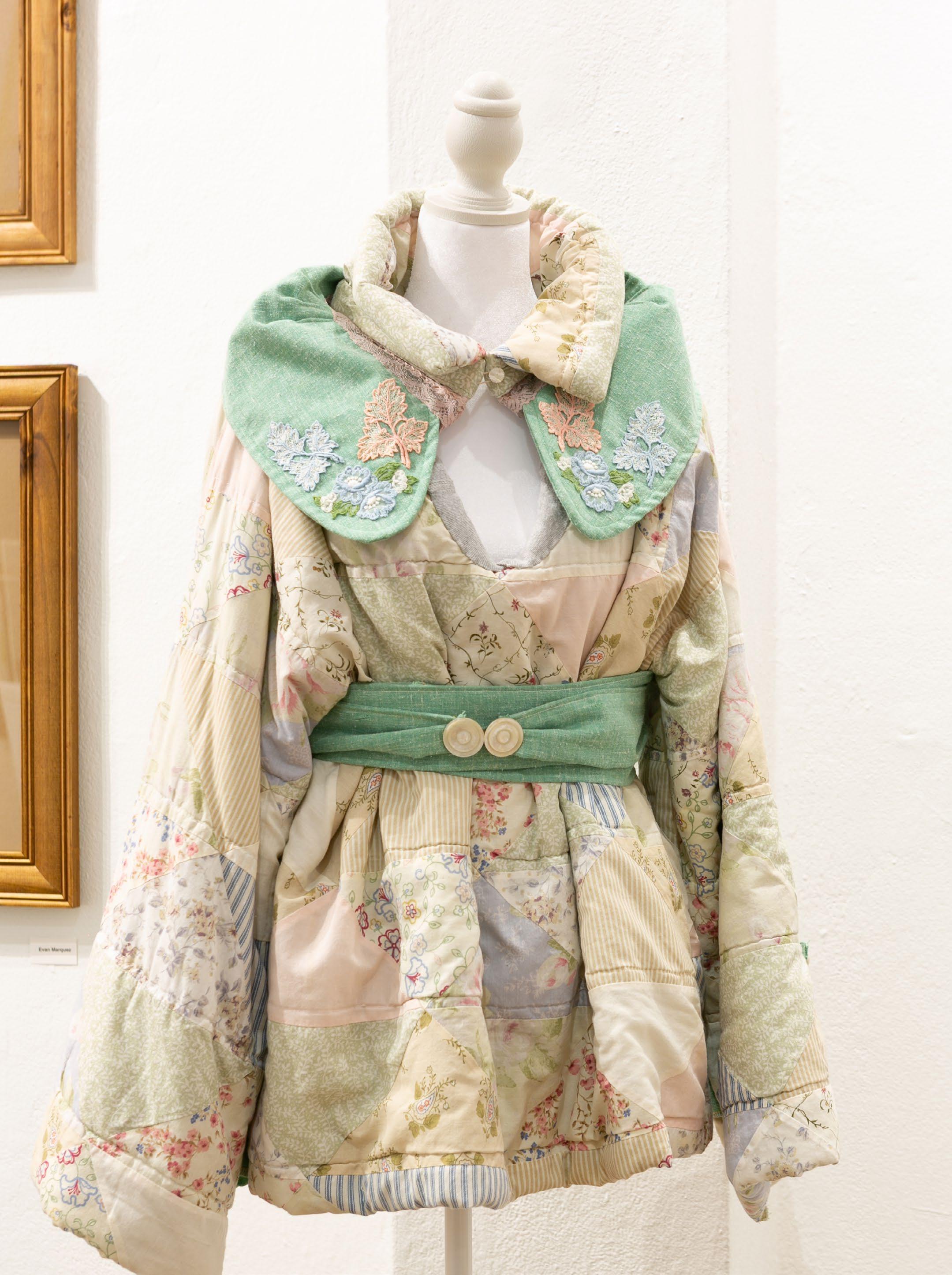
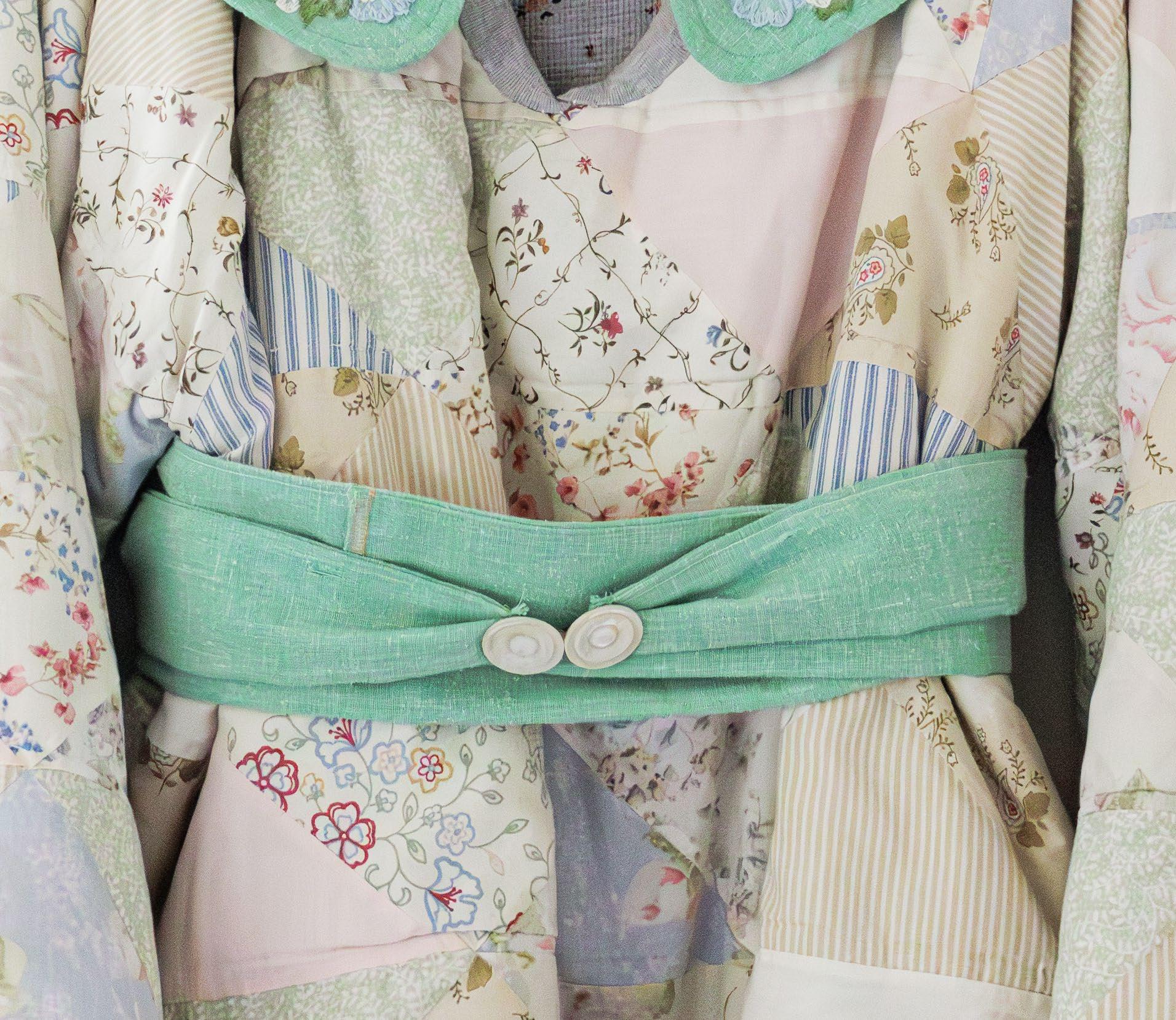
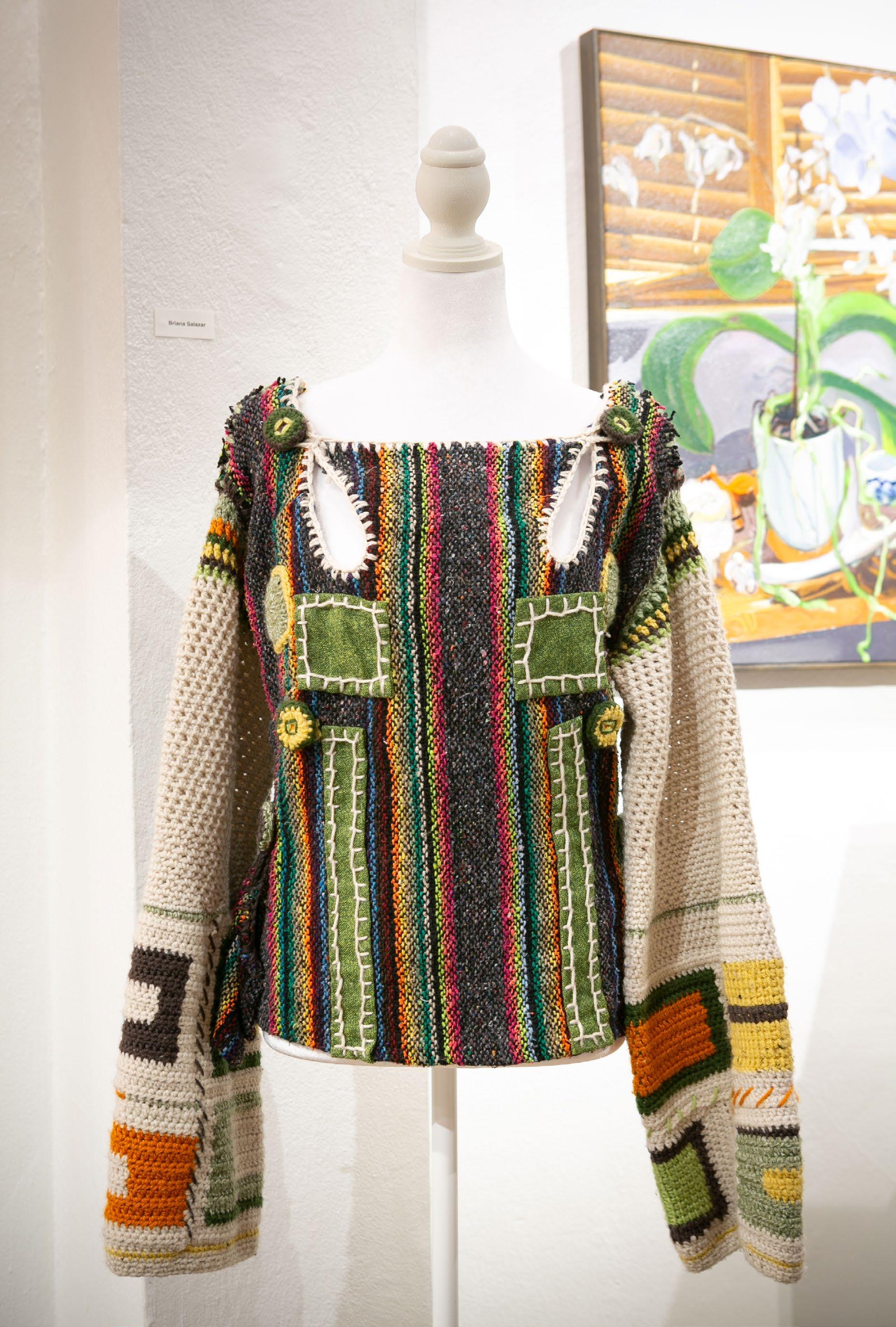
Briana Salazar is a native New Mexican who has been driven by creativity from a young age. Upon exploring fashion design, Briana experienced the satisfaction of true artistic expression where her illustrative ideas could be materialized into a physical form and displayed as a token of individuality. In February of 2023, she began her fashionable art under the name Salvaged Nostalgia, defining her work by the transformation of secondhand materials through sewing and crocheting. Her fashion designs aspire to draw from the surreal aesthetics of nature and act as a reflection of individual identity. Her designs have layered meaning due to the history of the textiles she uses; for example the comforter she shared with her sister during childhood and too-small thermal pajamas are now transformed into a wearable garment.
“Through my garments, I aim to embody individuality as well as the nature of shared universality. The shape language in my designs is driven by the fluidity of nature’s elements and iconography. My garment designs strive to push boundaries through innovative and experimental design work by reimagining what’s been worn, loved, or left-behind. In cohesion with nature’s renewing processes, my fashion designs transform secondhand materials into one-of-a-kind, original pieces.”
breesalazar58.myportfolio.com
BRIANA’S GARMENT DESIGNS STRIVE TO PUSH BOUNDARIES THROUGH INNOVATIVE AND EXPERIMENTAL DESIGN WORK BY REIMAGINING WHAT’S BEEN WORN, LOVED, OR LEFT-BEHIND.
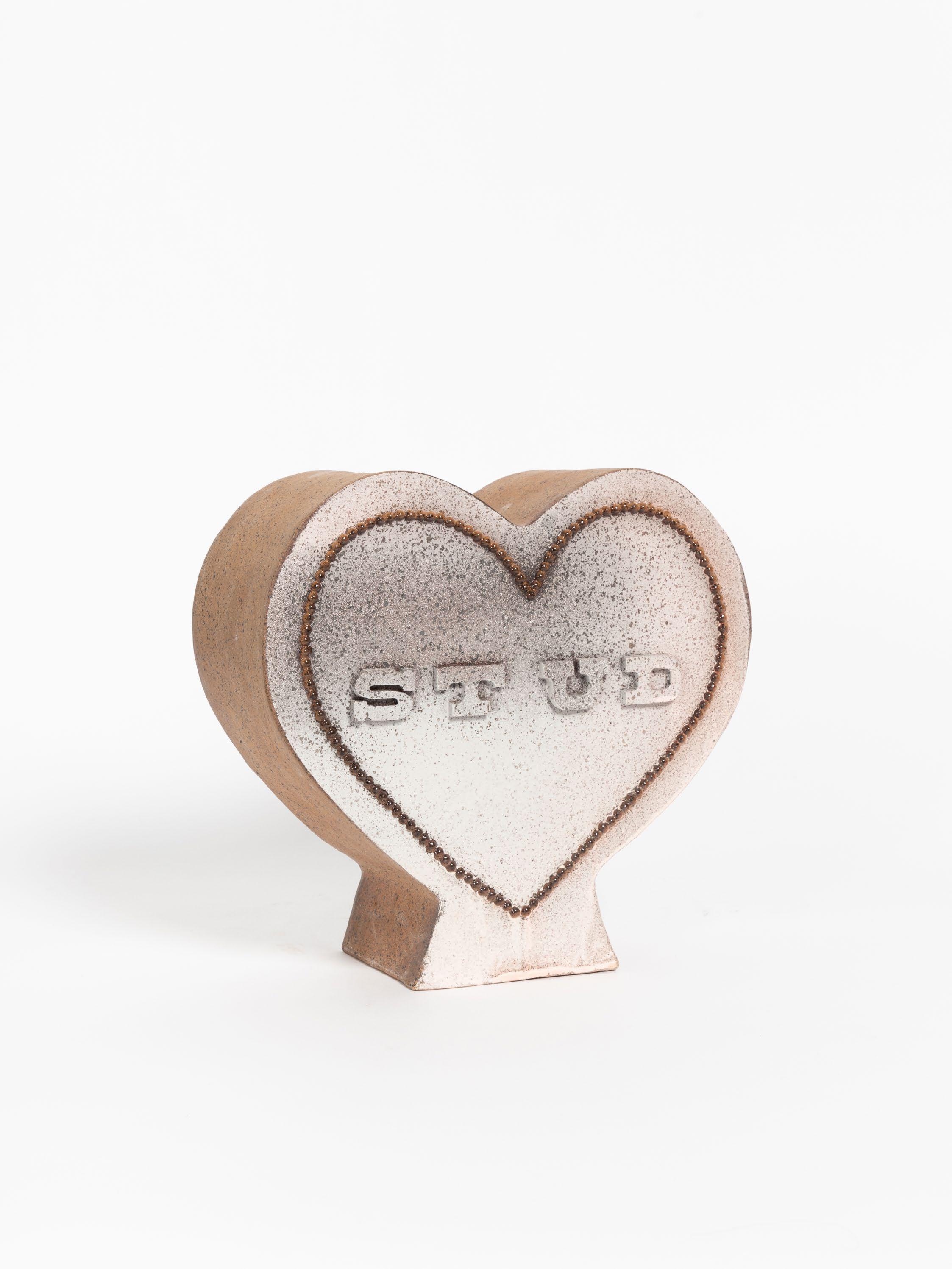
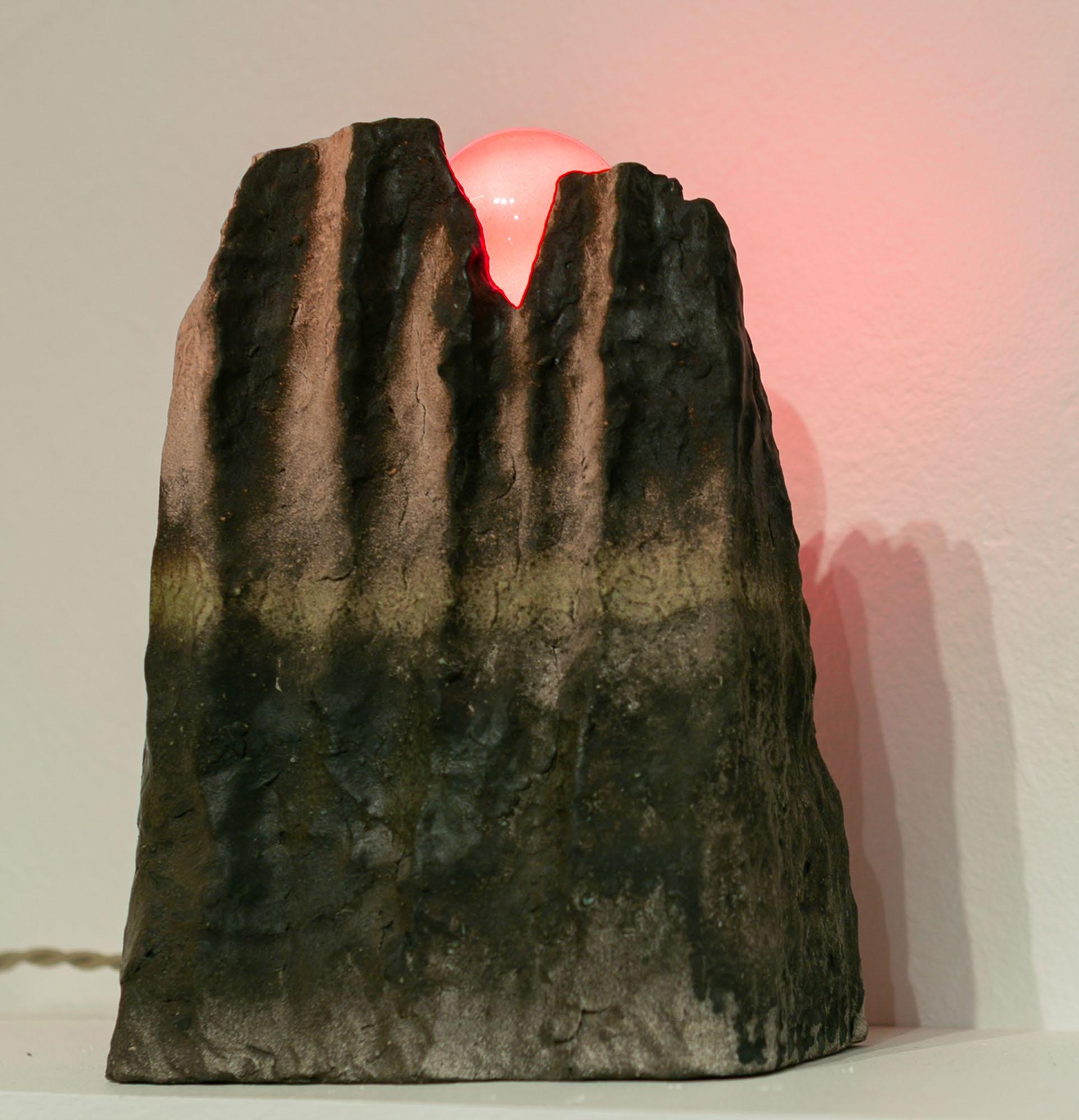
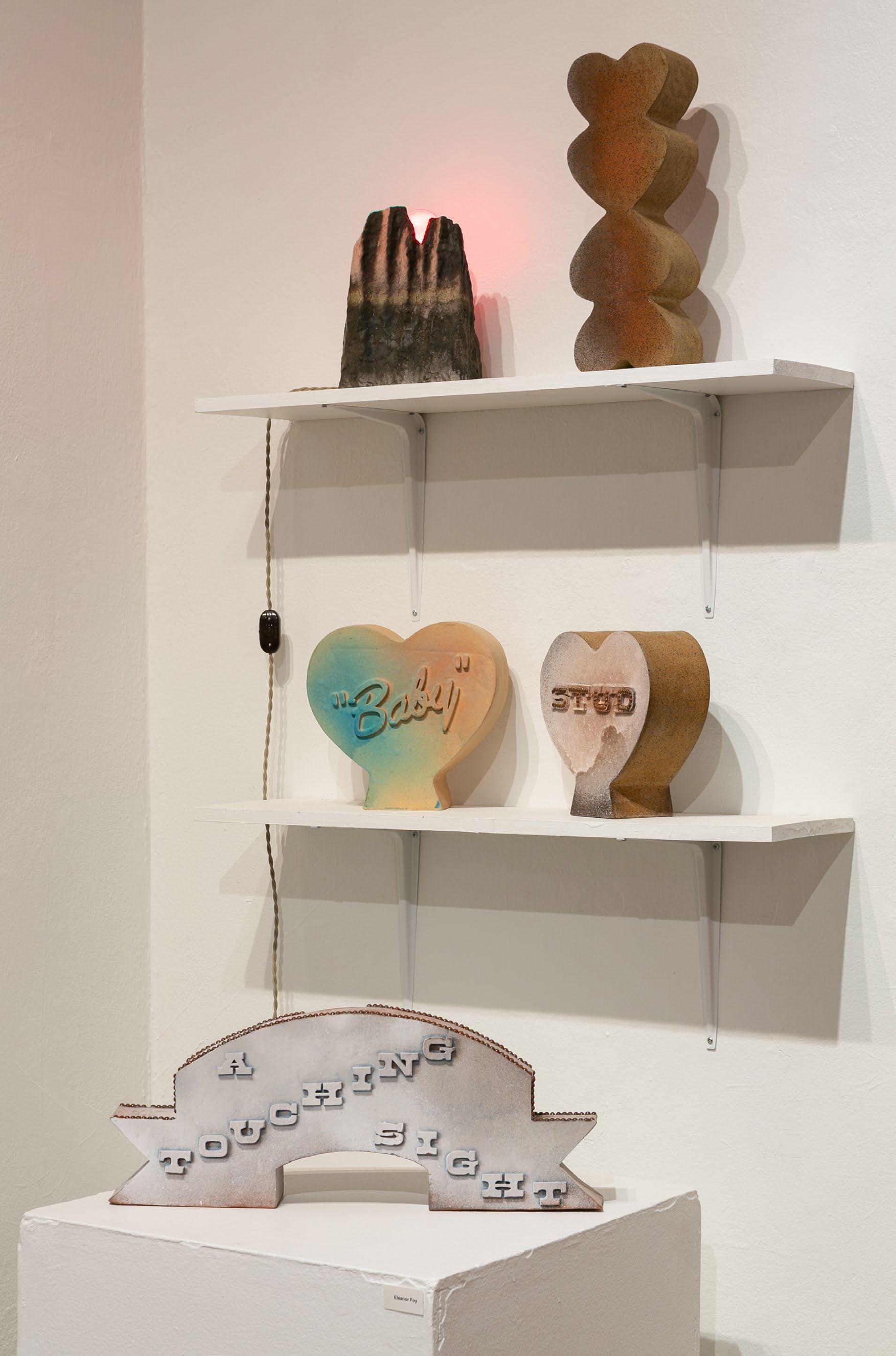
Eleanor Foy is a multi-disciplinary artist based in Albuquerque, New Mexico. Raised in the San Francisco Bay Area, the landscape and mythology of California and the American West continues to inform her work. After studying painting for three years at Pratt Institute in New York, Foy transferred to Kansas City Art Institute to complete her BFA (Ceramics, 2021). This change in focus was compelled by a desire to work in a medium that spans fine art, craft, and mass- production. Foy has exhibited nationally and has received numerous awards, including the Regina Brown Undergraduate Student Fellowship through the National Council on Education for the Ceramic Arts (NCECA) and the Warren MacKenzie Advancement Award through the Northern Clay Center in Minneapolis, Minnesota. Foy holds an MFA (Ceramics, 2025) from the Lamar Dodd School of Art at the University of Georgia in Athens.
“I build ceramic objects that reference geologic formations and images of Americana, constructing tableaux that depict an amalgamated fantasy of pop culture and dreams. Inspired by the simultaneous camp and desolation of Westerns, this imaginary landscape explores the instability of perception and meaning. Like a mirage, their resolution continually recedes. These objects function both on their own as discrete entities and collectively as a diorama of a fictionalized landscape. I am compelled by the associative power of form and language, and the potential for objects to allude to something beyond what is present. My process is led by the opportunities of ceramic: matte surfaces absorb light like velvet, and fingerprints read like tree bark or mountain ridges. In my practice I contend with forces beyond my control, like gravity and time. Through this process, my work explores the limits of meaning by constructing a world at once familiar and strange.”
www.eleanorfoy.com
ELEANOR IS COMPELLED BY THE ASSOCIATIVE POWER OF FORM AND LANGUAGE, AND THE POTENTIAL FOR OBJECTS TO ALLUDE TO SOMETHING BEYOND WHAT IS PRESENT.
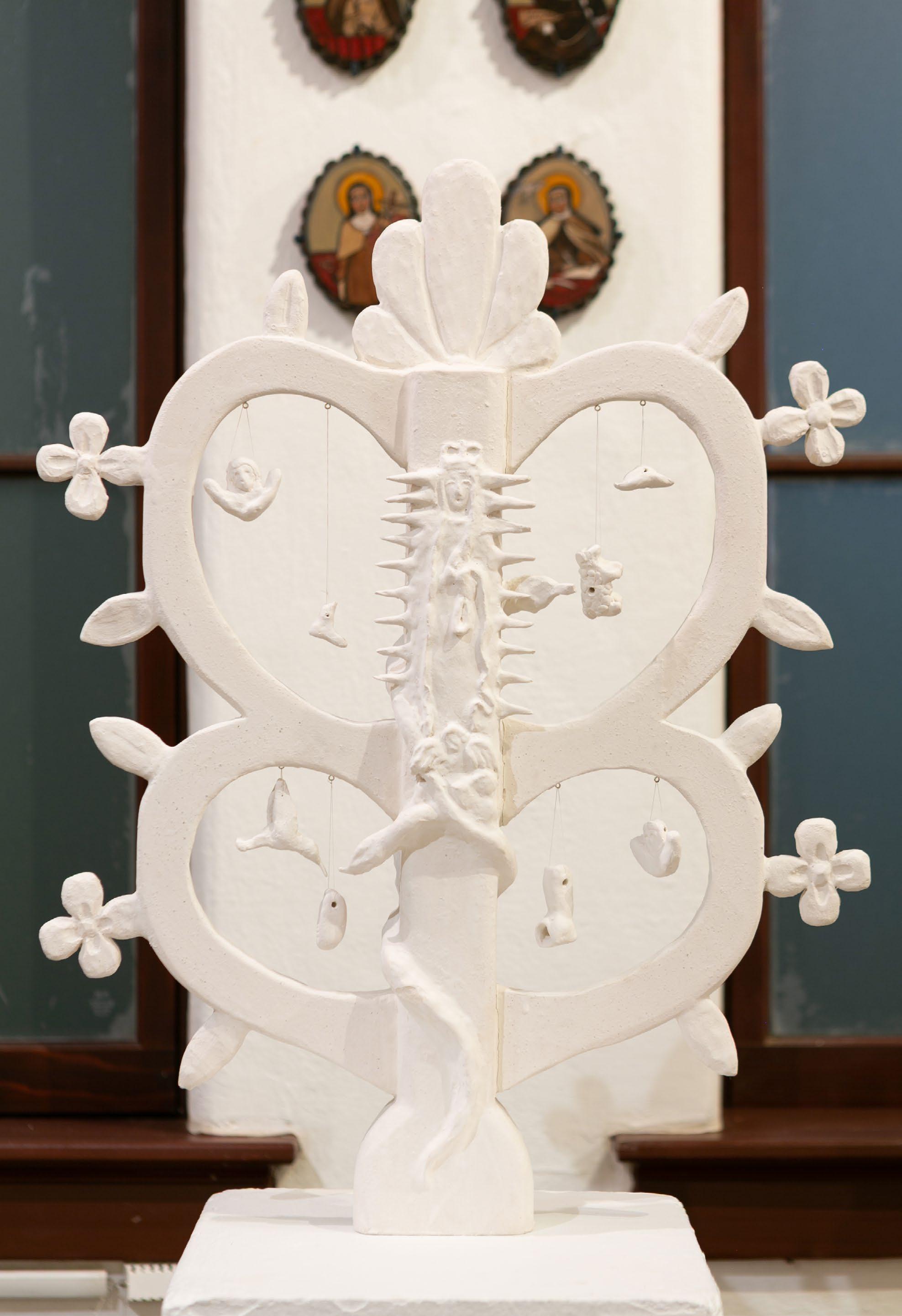
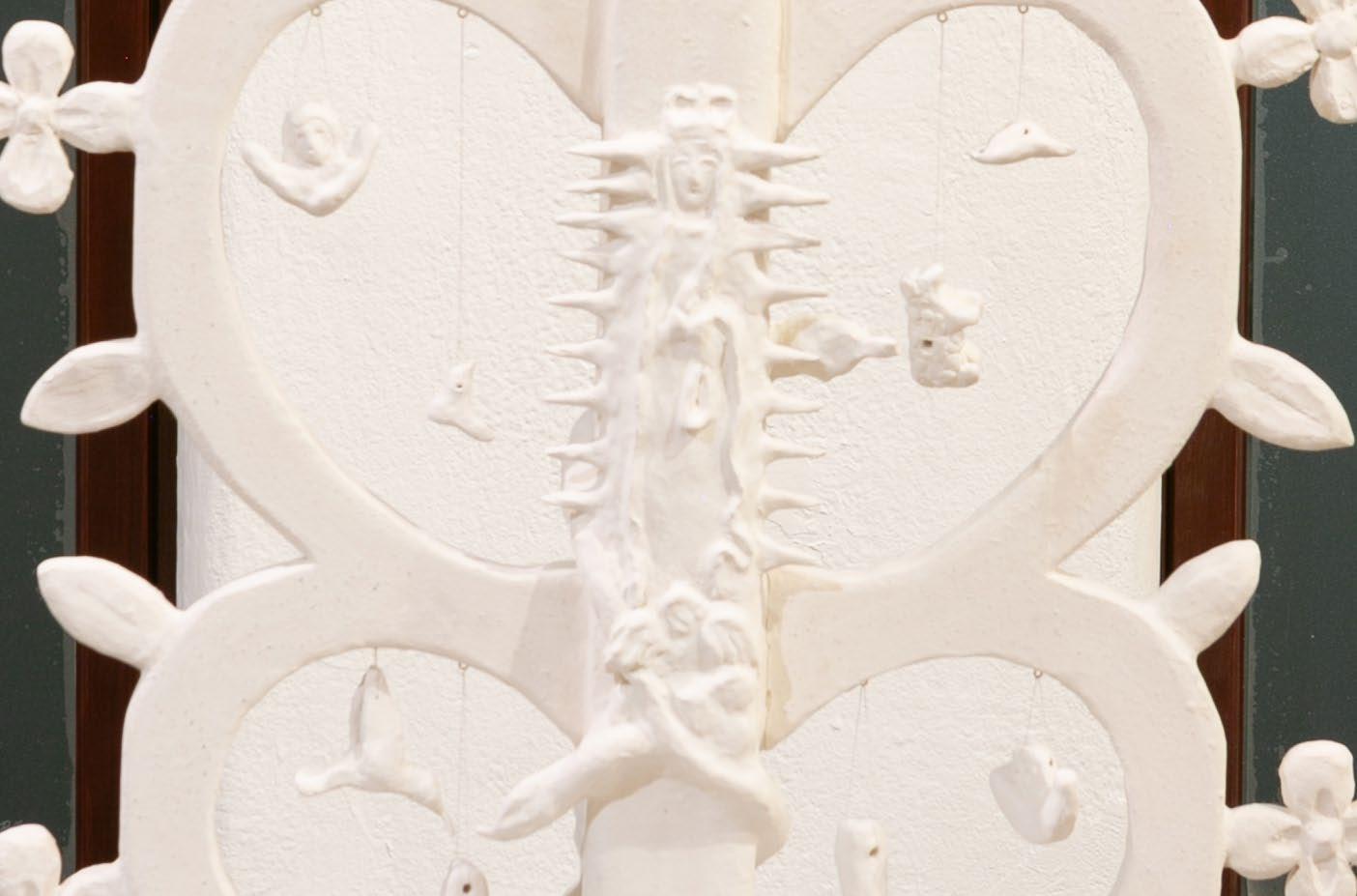
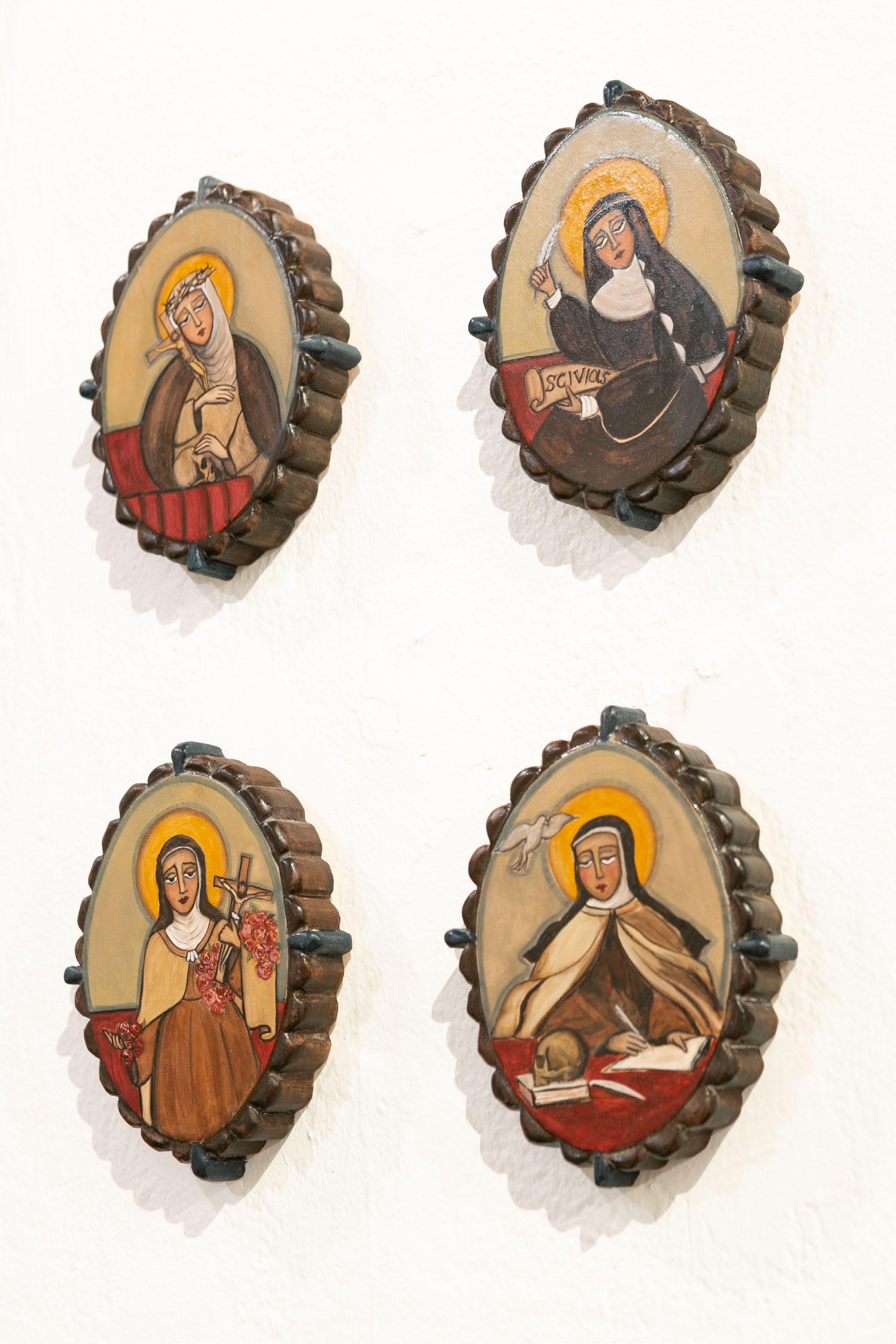
Eliana Barela works primarily in painting and wooden sculpture. Their practice is influenced by Nuevo Mexicano culture, familial traditions, and Catholic visual language. She received a BA in Studio Arts from the University of New Mexico in 2025. Eliana continues to show in The Traditional Spanish Market, various local venues, and group shows.
“I focus on my family’s history in New Mexico, exploring traditions, inherited roles, and the weight of generational memory. My paintings serve as both a tribute to the people and practices that formed me and a way to understand how those influences continue to shape my life. Through this work, I look closely at the ties between family, culture, and place.”
www.elianabarela.com
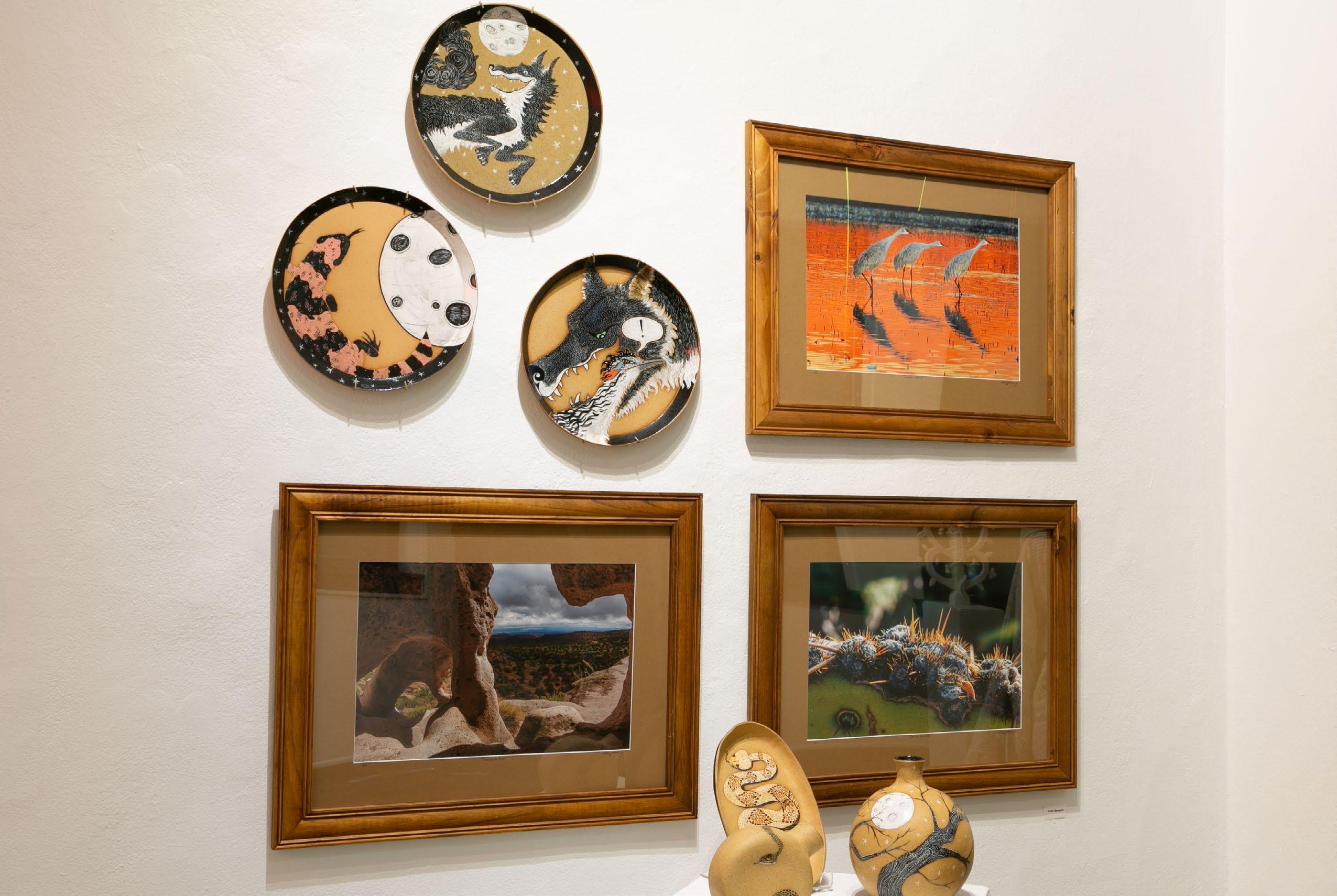
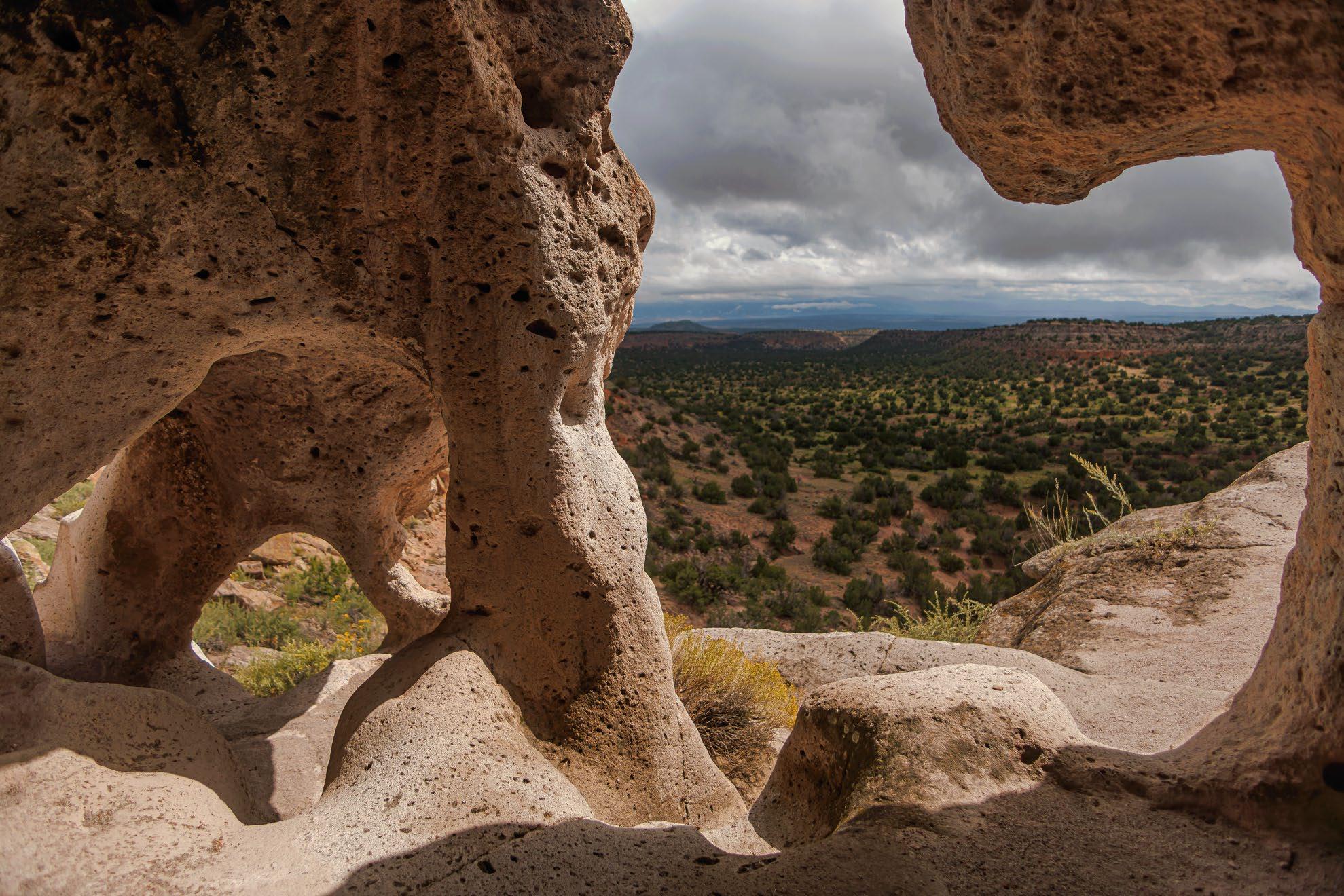
Evan Marquez is a lifelong New Mexican with a passion to create, and he has spent his life learning and perfecting various art forms. As a teenager in search of reference for drawings, he developed a burning passion for photography. His late grandfather was a wildlife biologist and avid photographer who instilled a love of nature – specifically the southwest and its rich history. They spent many years driving out on backroads, in what his inspiration and mentor would call the “boondocks”. Today, he lives by the classic photography motto “F/8 and be there”, emphasizing the importance having a camera ready to capture life’s precious moments. Evan frequents New Mexico’s wildlife refuges, pueblos and state/national parks to satisfy his urge to create. Besides photography, Evan has a career in videography but also has experience in 2D and 3D animation, woodcarving, crochet, and many more hobbies.
“My work consists of digital photography meant to capture the beauty of the natural world. Something my mentor taught me is the fleeting nature of life’s precious moments and that they are worth capturing to share with people who might not have had a chance to appreciate their significance. I shoot and edit raw photos on a collection of cameras and print them large and in archival ink. Regardless of the work of art I create, I hope to inspire the viewer to stop even just for a moment to appreciate the instance in time that I had the opportunity to experience. Ultimately, art is meant to evoke emotion and that’s the goal of everything I create.”
evanwmarquez.myportfolio.com
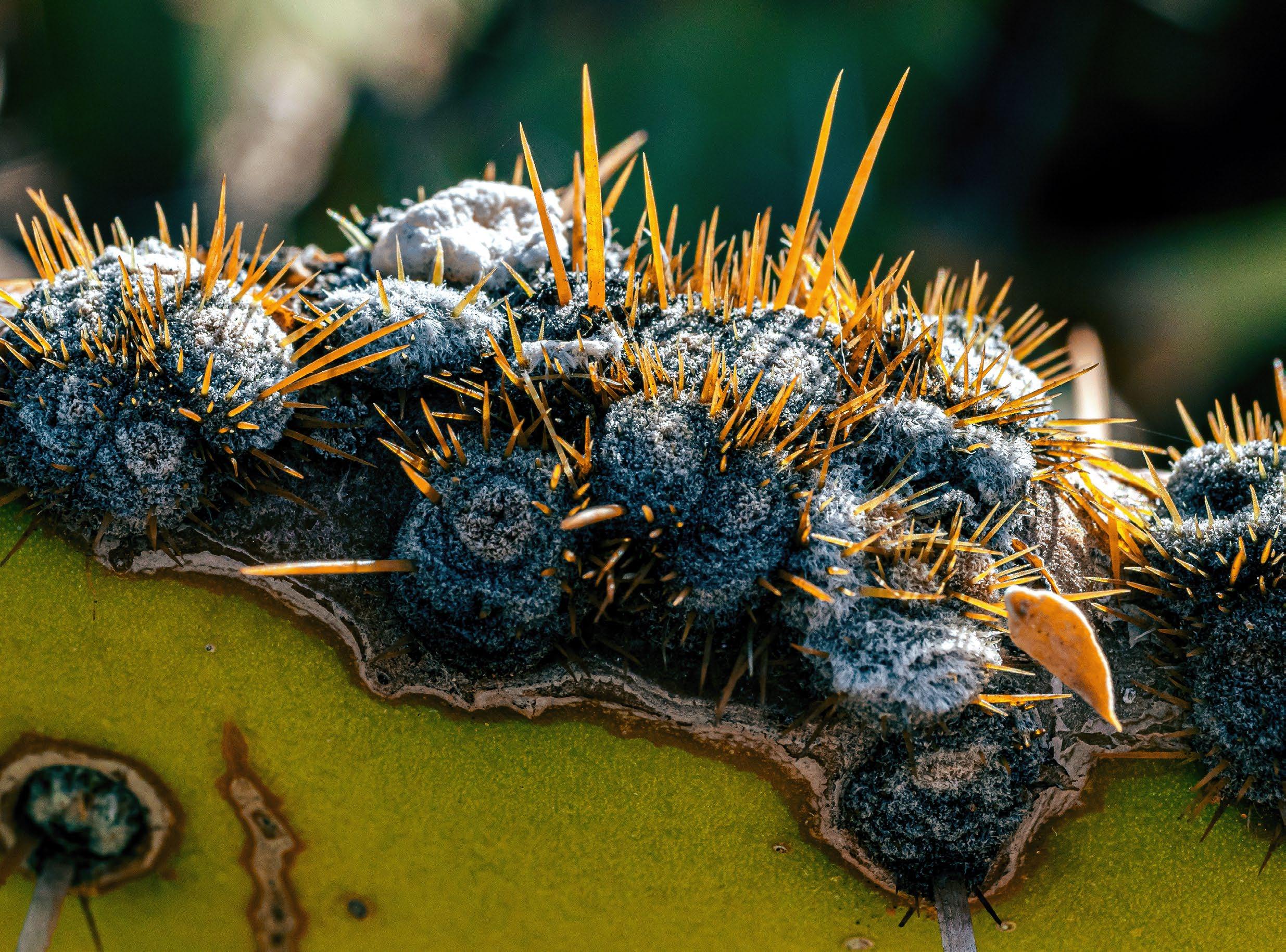
EVAN HOPES TO INSPIRE THE VIEWER TO STOP EVEN JUST FOR A MOMENT TO APPRECIATE THE INSTANCE IN THE TIME THAT HE HAD THE OPPORTUNITY TO EXPERIENCE.
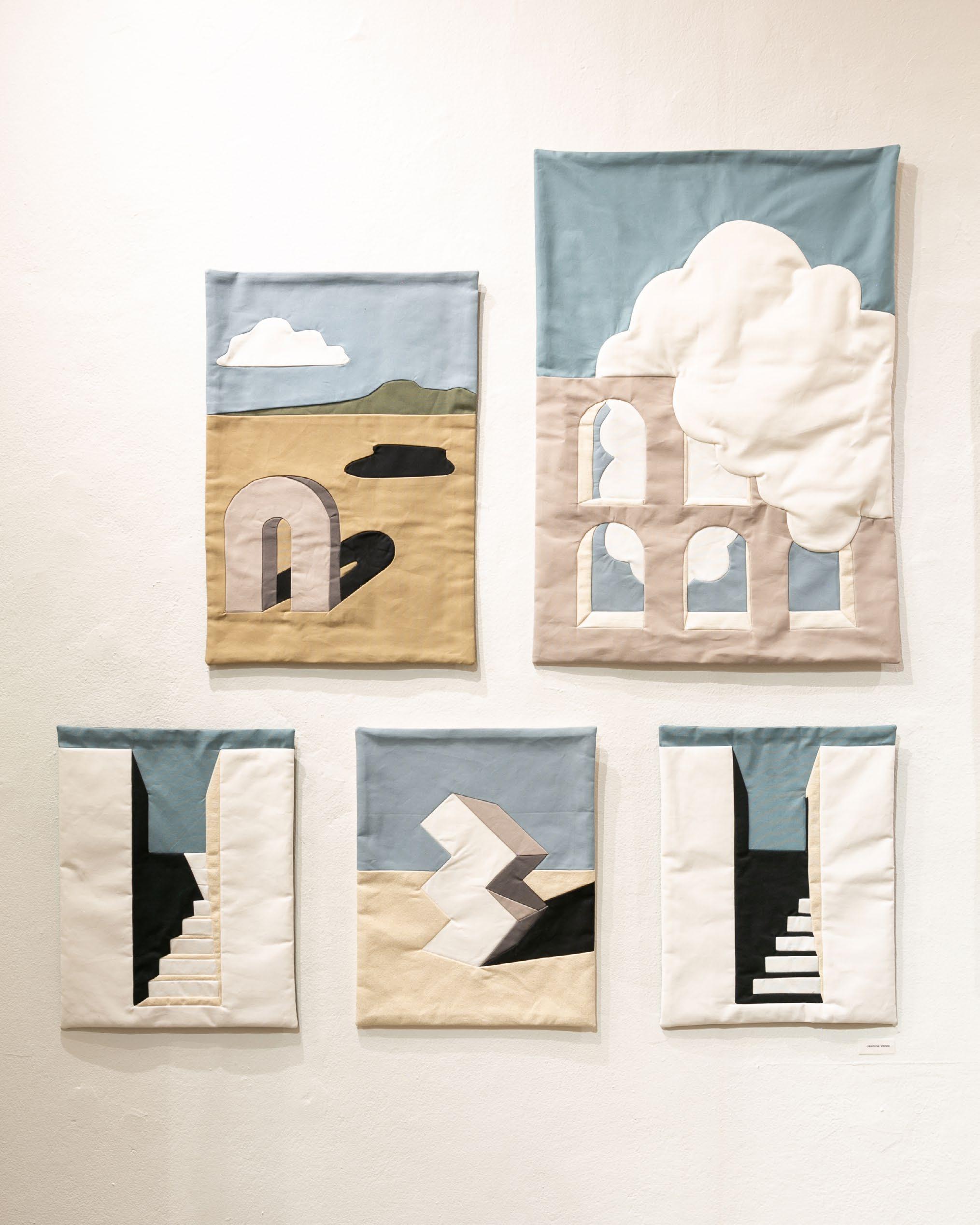
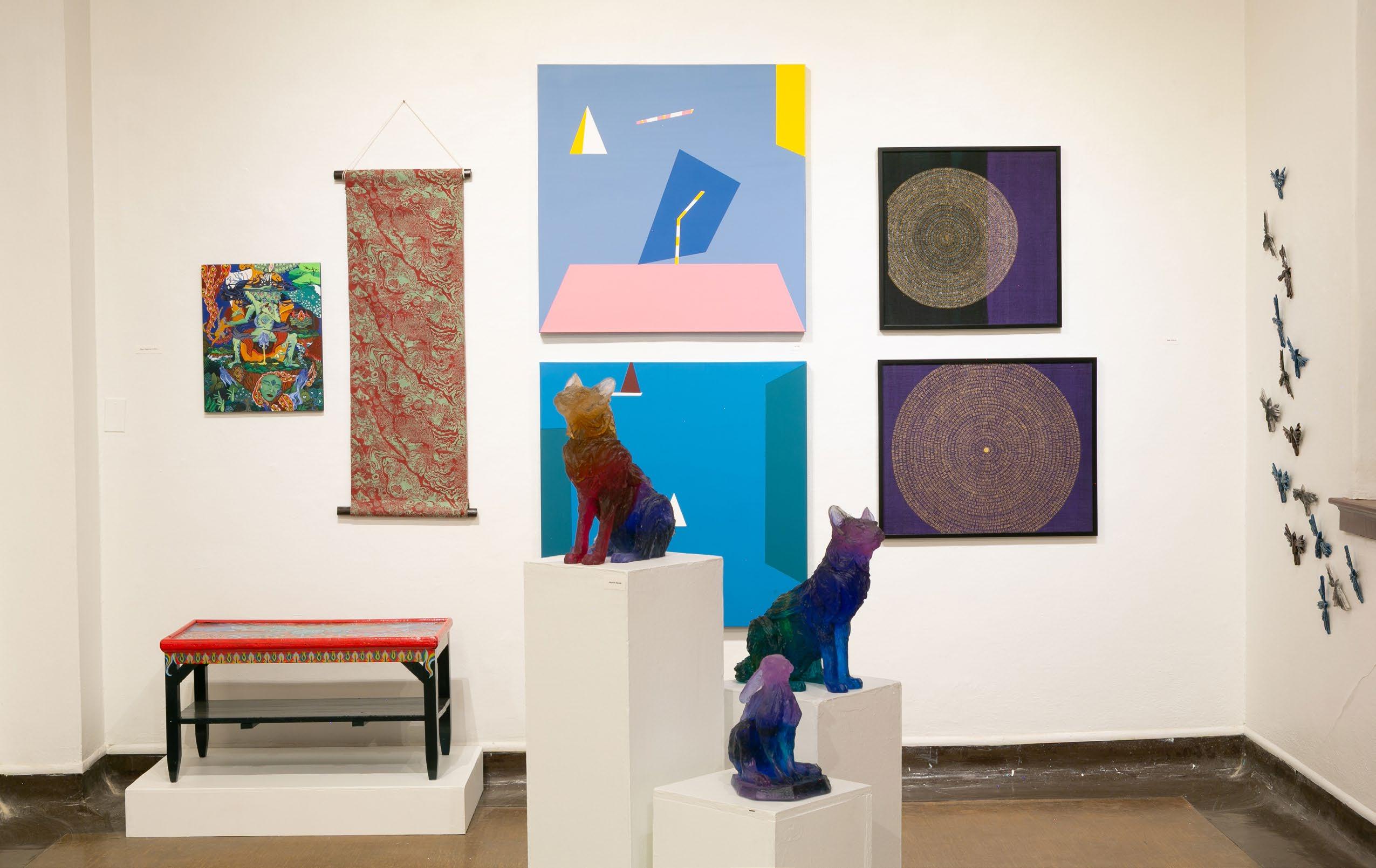
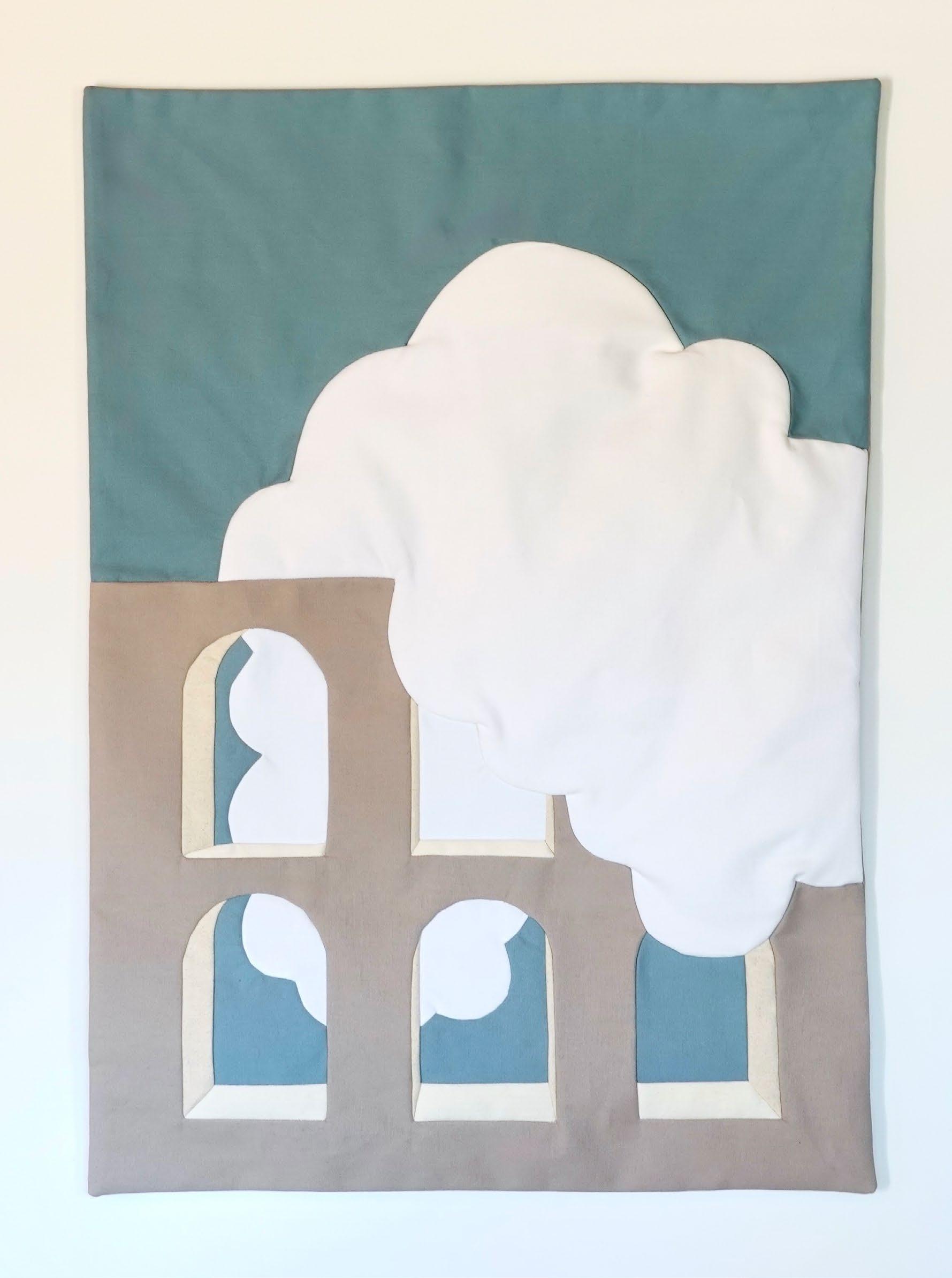
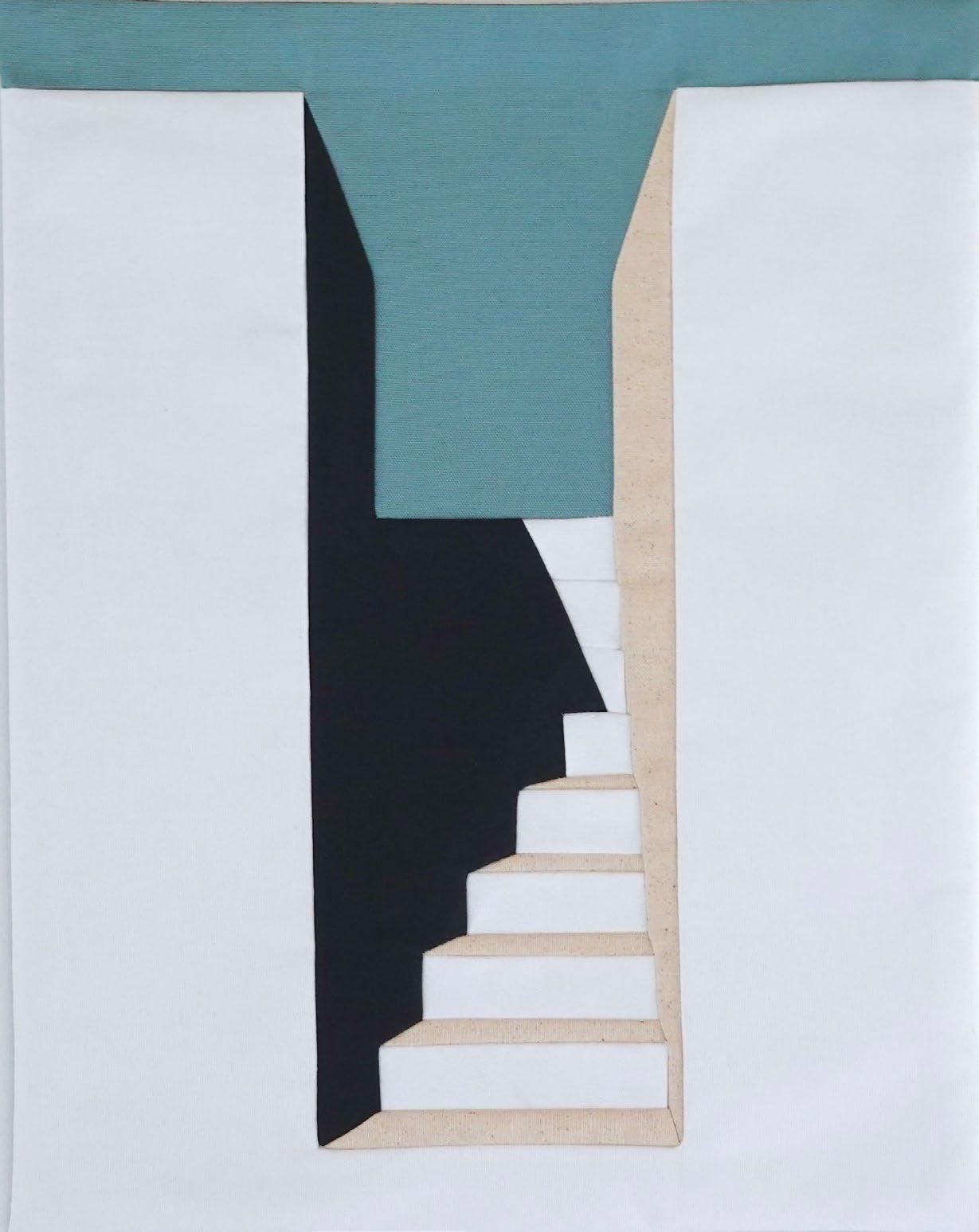
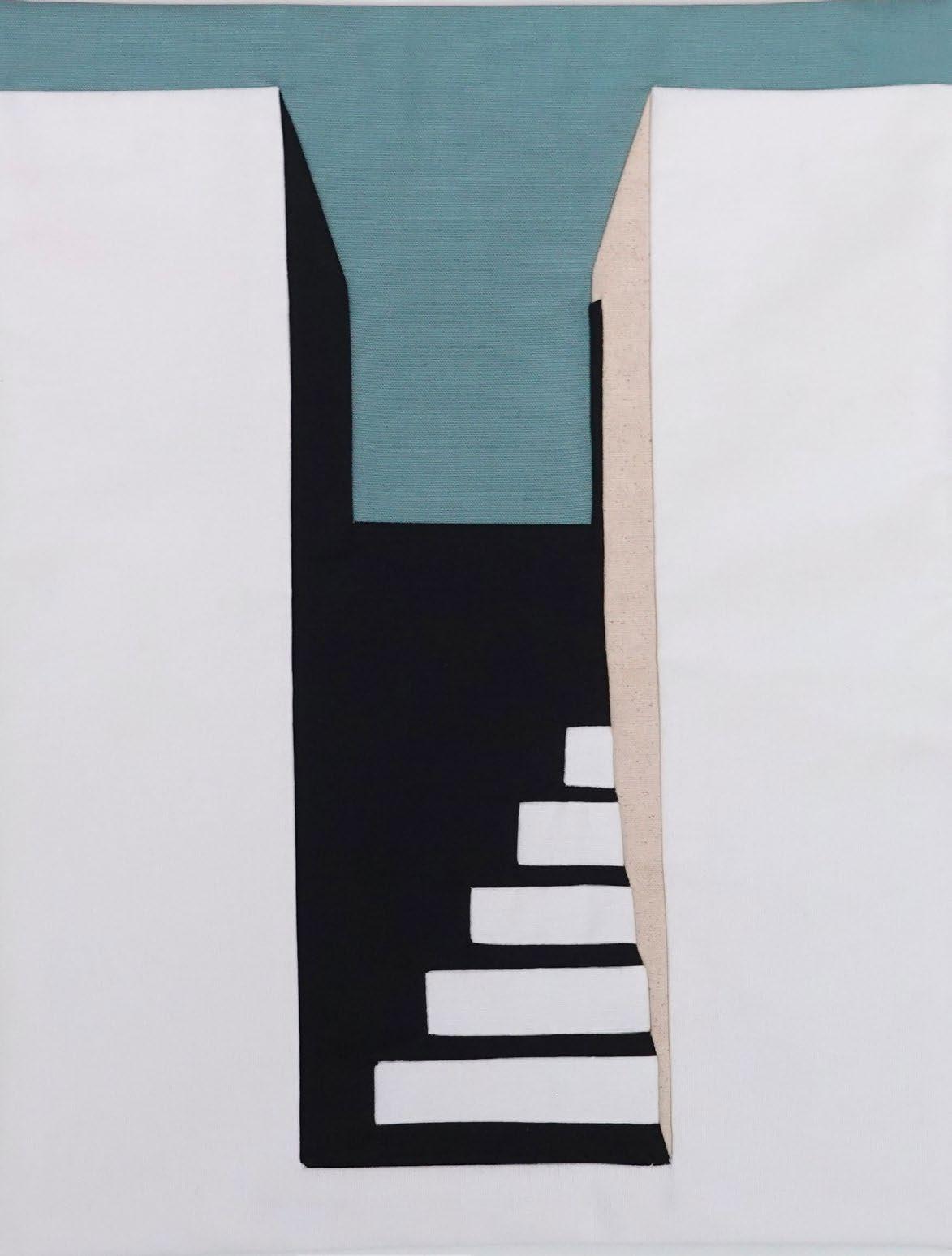
Jasmine Venes is a Santa Fe based artist working in sewn textile assemblage. With a background in Interior Design, Jasmine explores an ongoing conversation with architectural form through her artwork. But there is a sense of a problematic tension with architecture, an asymptotic approach that never quite resolves. This tension is a palpable undercurrent of her work. Exploring contrasting elements she playfully pairs opposites. Hard angles are softened by clouds, shadows take on solid form and make negative space the protagonist. Her formal vocabulary of arches and doorways functions as both physical and metaphysical thresholds, interrogating how constructed frameworks mediate our experience of landscape. The tactile nature of fabric adds depth, creating textures that engage both eye and imagination. Her latest series “Cloud Play” is based off “Cloud Colosseum” and will be in the window display at Hecho a Mano Gallery in Santa Fe for the month of July 2026.
“I create architectural textile assemblages that investigate spatial relationships between constructed and natural environments. Based in Santa Fe, my works transform the ephemeral qualities of New Mexico’s distinctive light and shadow into tactile compositions through precisely constructed canvas tapestries. My practice engages a conversation with interior/exterior space through a formal visual vocabulary of horizons, arches, and architectural constructions. By transforming transient elements like clouds and shadows into tactile objects, I materialize the immaterial, challenging conventional perceptions of permanence, and assumed roles. “Cloud Colosseum” becomes a sarcastic inversion of roles, the soft dominating the rigid. My methodical process begins with sketching and digital modeling of my scenes, drafted to scale as pattern pieces, cut and stitched together, then stuffed with quilt batting for added dimension. Through these material investigations, I seek to create environments where architectural language opens into questions of presence, perception, and belonging within the contemporary landscape.”
jasminevenes.com
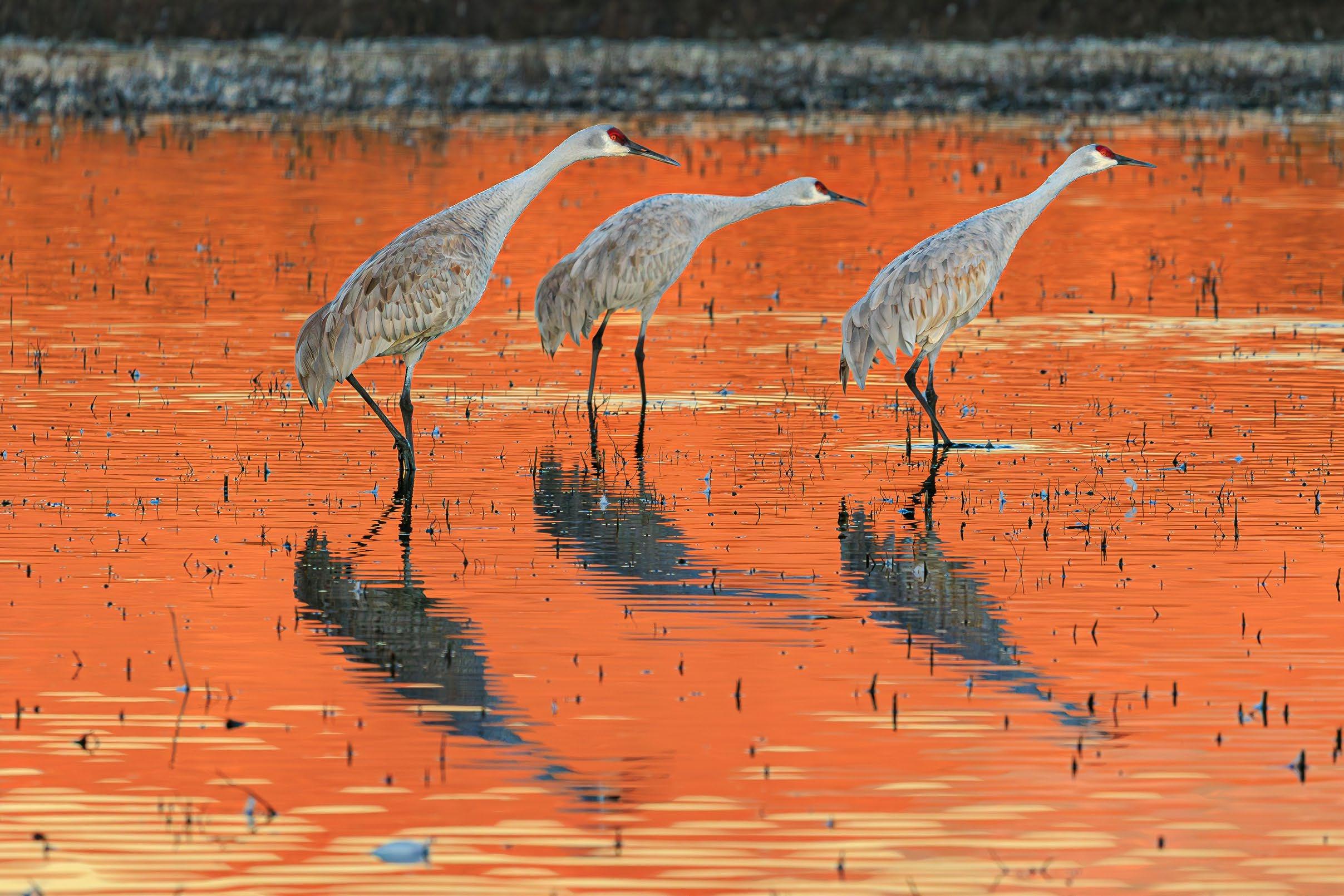
Jazmin Novak earned a Bachelor of Fine Arts in Studio Arts with a minor in Performing Arts from the Institute of American Indian Arts in Santa Fe, New Mexico, and is currently pursuing a Master of Fine Arts in Sculptural Dimensional Studies at Alfred University in New York. Her work has been exhibited at SITE Santa Fe, the Indian Pueblo Cultural Center, and 516 Arts, as well as internationally at the Marist LdM Biennale during the Venice Biennale. She presented her first solo exhibition at the IAIA Museum of Contemporary Native Arts in 2025. A Diné artist born and raised in Albuquerque, New Mexico, Novak taught as adjunct faculty in the Sculpture Department at the Institute of American Indian Arts from 2022–2025, and her work has been featured in Santa Fe New Mexican LEGACY, Native American Art Magazine, Santa Fe Magazine, Navajo Times, and TREND Magazine.
As a Diné sculptor, I explore themes of connection, identity, and shared humanity from an Indigenous perspective. My work is centered on relationships: with the land, the ecosystems which sustain us, and the people who care for us. I believe that connection to one another and to the ecosystem is critical for our well-being, and my work explores what it means to carry that responsibility. I typically work with metal, stone, and glass, often using animal figures as storytelling tools. While they may appear gentle or familiar at first view, they carry layered meanings and address complicated experiences such as grief, care, loss, and resilience in the face of emotional, social, and cultural historical traumas.
www.jazminnovak.com
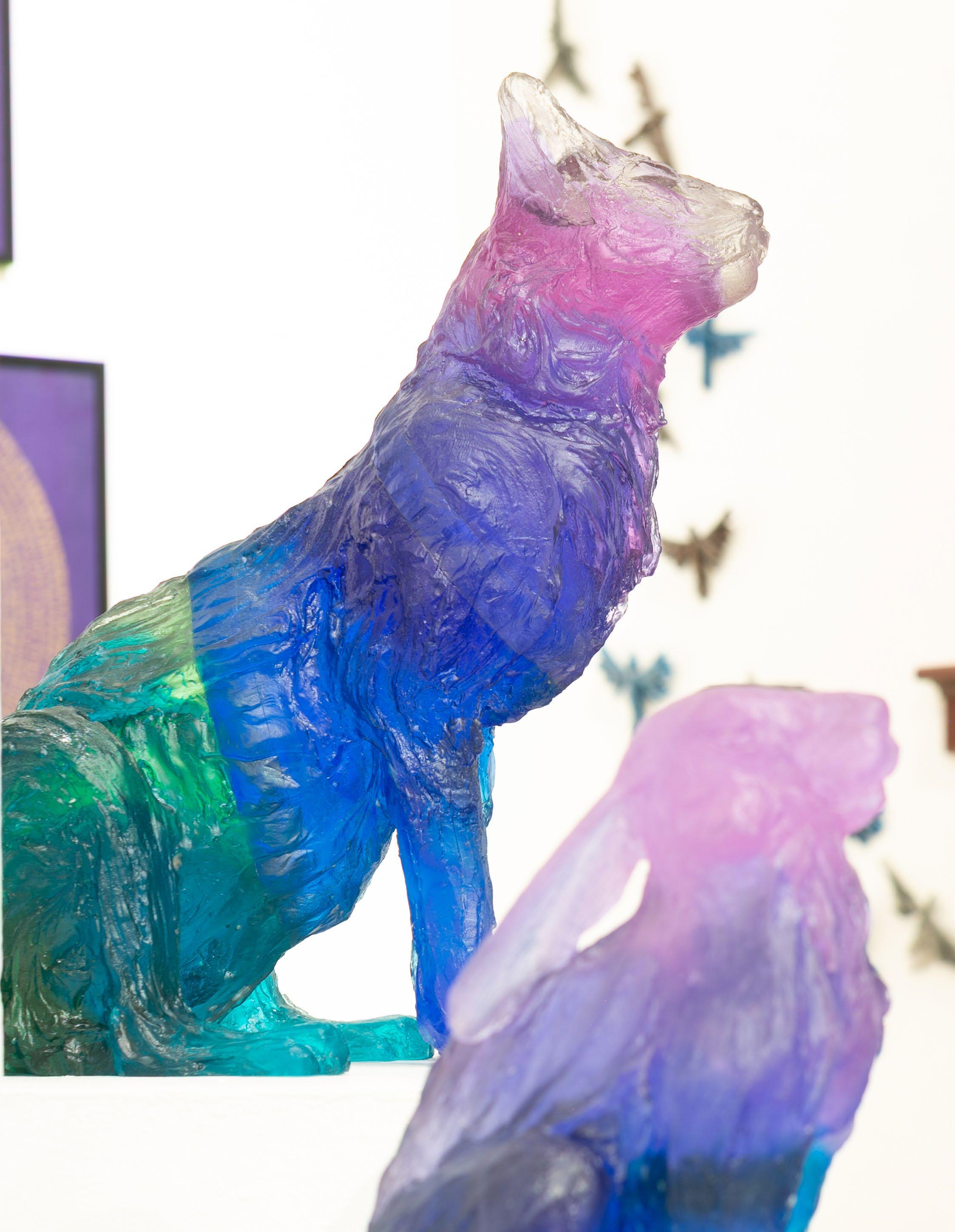
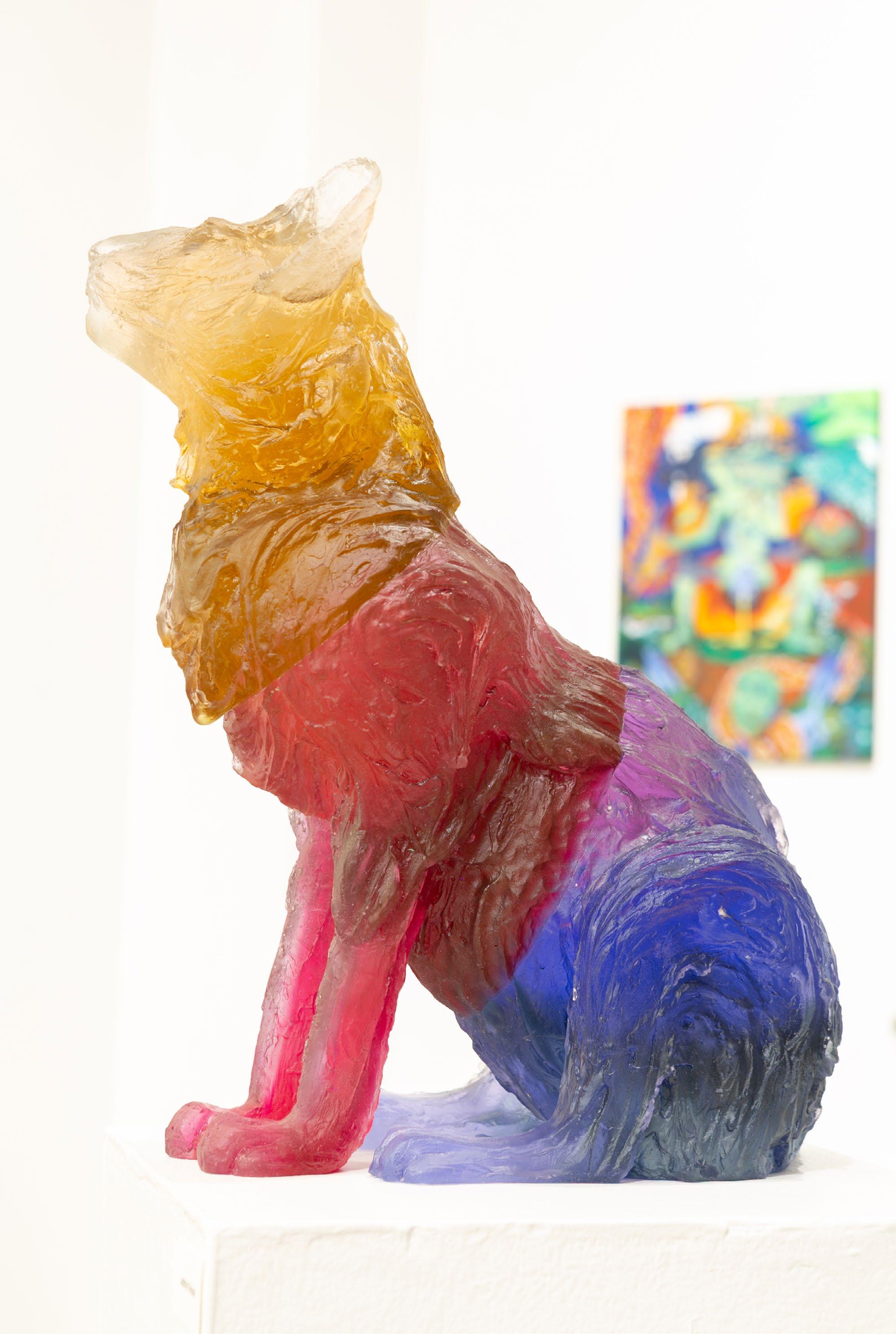
JAZMIN BELIEVES THAT CONNECTION TO ONE ANOTHER AND TO THE ECOSYSTEM IS CRITICAL FOR OUR WELL-BEING, AND HER WORK EXPLORES WHAT IT MEANS TO CARRY THAT RESPONSIBILITY.
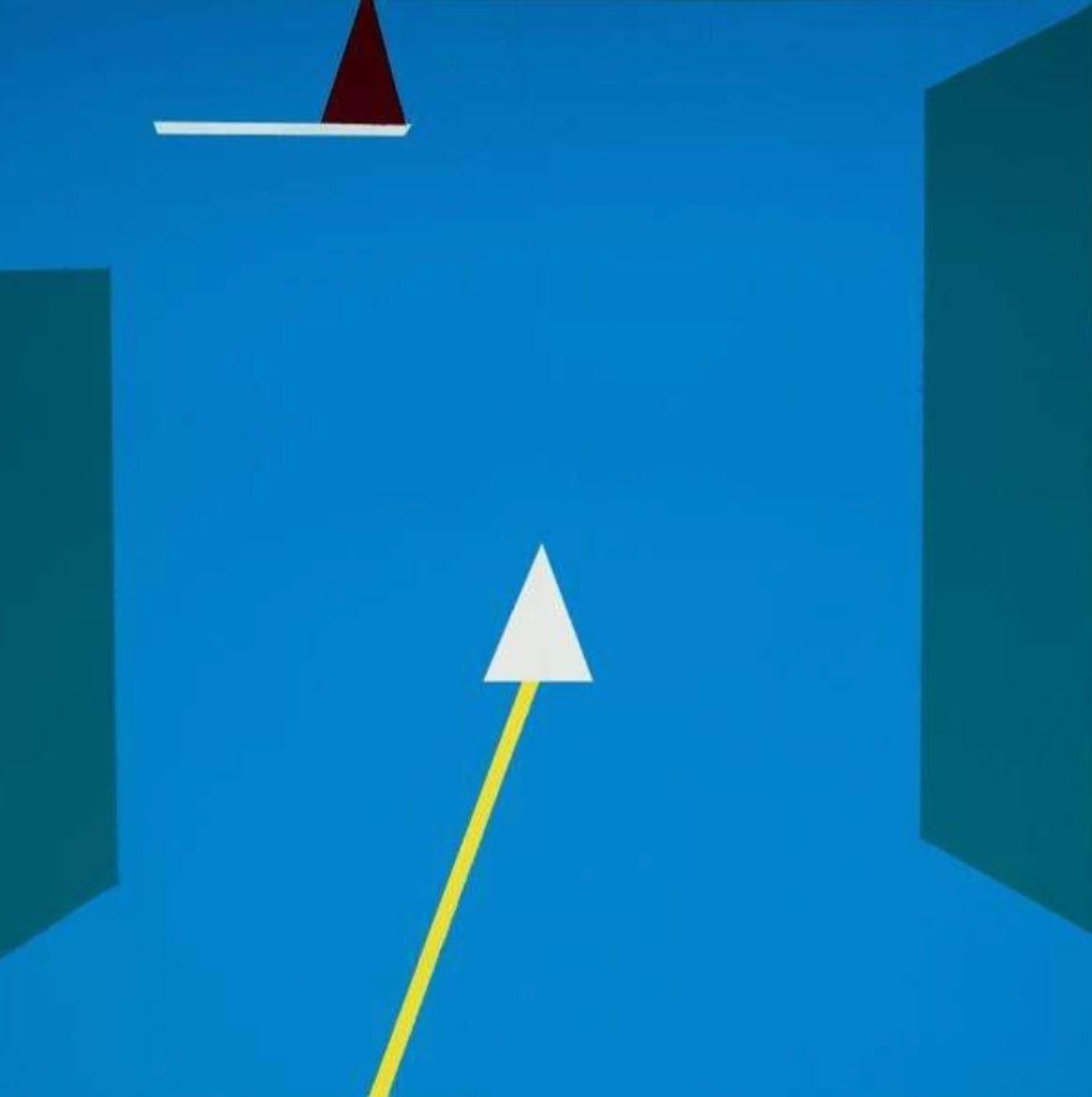
Jo Paff is a retired United States Combat Marine. Prior to enlisting in the Marine Corps, he studied art at the University of Nebraska in Omaha, and trained with art teachers and mentors: Peter Hill and Sidney “Buzz” Buchanan in Fine Arts & Art History 1976-1980. In 2025 he was awarded two International Prizes by the Effetto Art Foundation of Italy and also, the Persona Art Honor from the Contemporary Art Station in Madrid. In 2007, Jo Paff obtained a Master’s Degree in Business and Marketing from the University of Phoenix and then taught at the college level for 10 years. Currently, he resides in New Mexico and enjoys contemporary hard edge painting. The depth and feeling in his paintings is a reflection of a brave and selfless heart, molded by his 20 years of Military service and sacrifice.
“I paint to inspire, never to impress. In my art I seek to create a visual language that balances structure and spontaneity. I use bold geometric shapes and striking color palettes to construct compositions that are both playful and sophisticated. My process is rooted in curiosity, allowing unexpected interactions to emerge on the canvas. Color is central to my practice. I use it to evoke emotion and to guide the viewer’s eye to create a sense of depth and movement. The interplay between crisp lines and organic splashes, reflectd my fascination with the tension between order and chaos, inviting viewers to pause, interpret, and engage with each piece on their own terms. Ultimately, my goal is to spark curiosity and joy. I want my work to be a space for exploration where viewers can find new perspectives, embrace ambiguity, and experience the uplifting power of color and form.” www.jopaffgallery.com
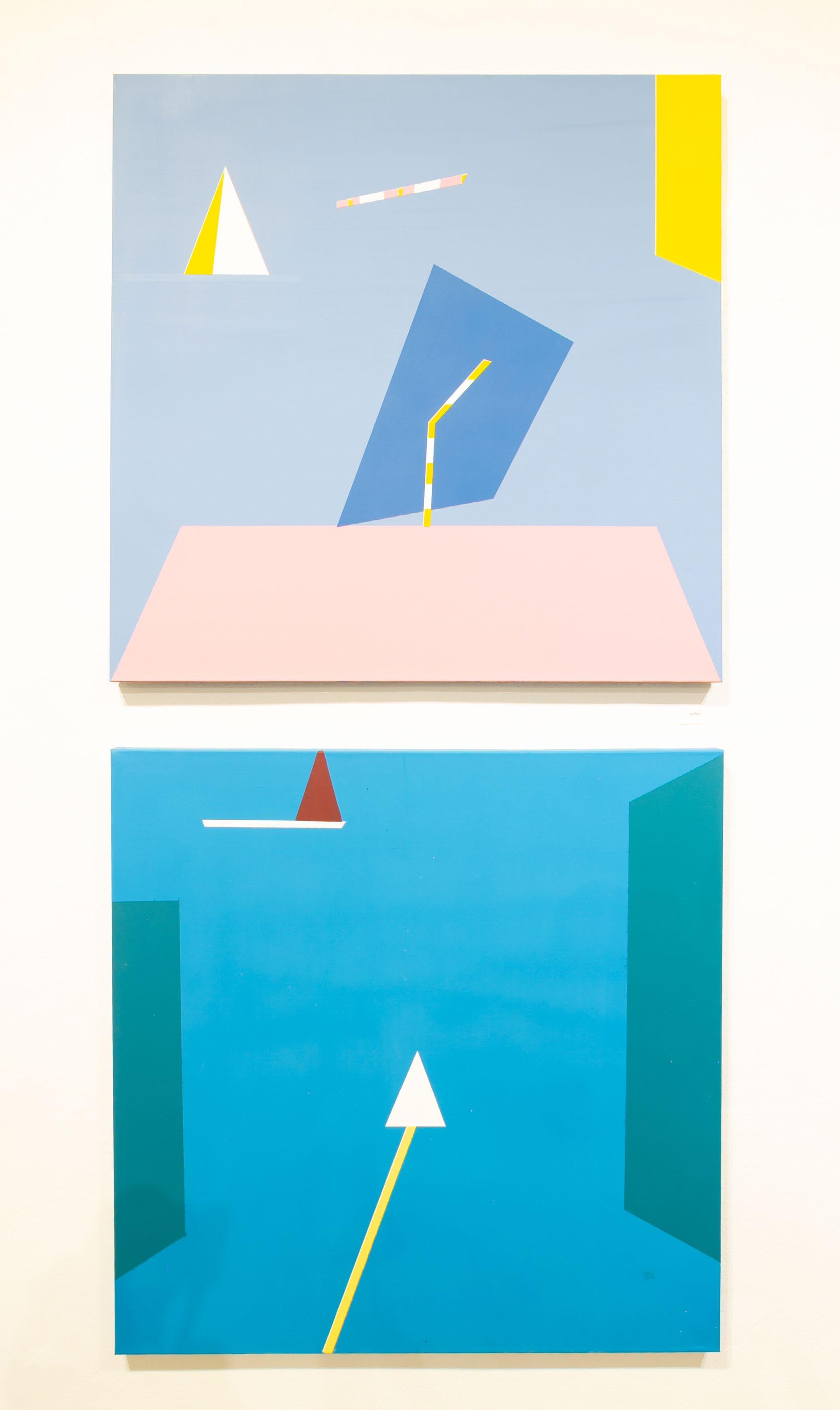
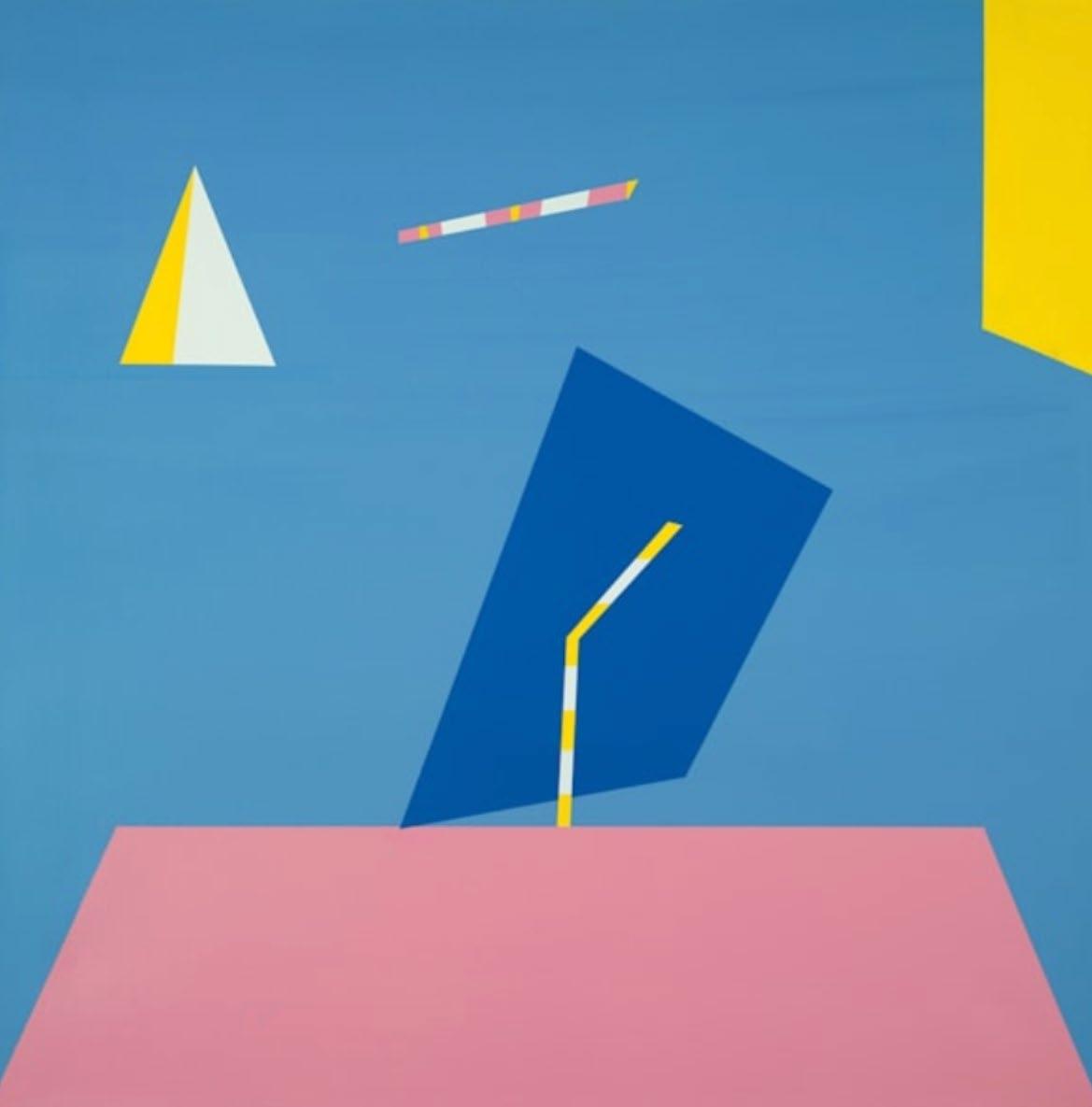
JO’S PROCESS IS ROOTED IN CURIOSITY, ALLOWING UNEXPECTED INTERACTIONS TO EMERGE ON THE CANVAS.
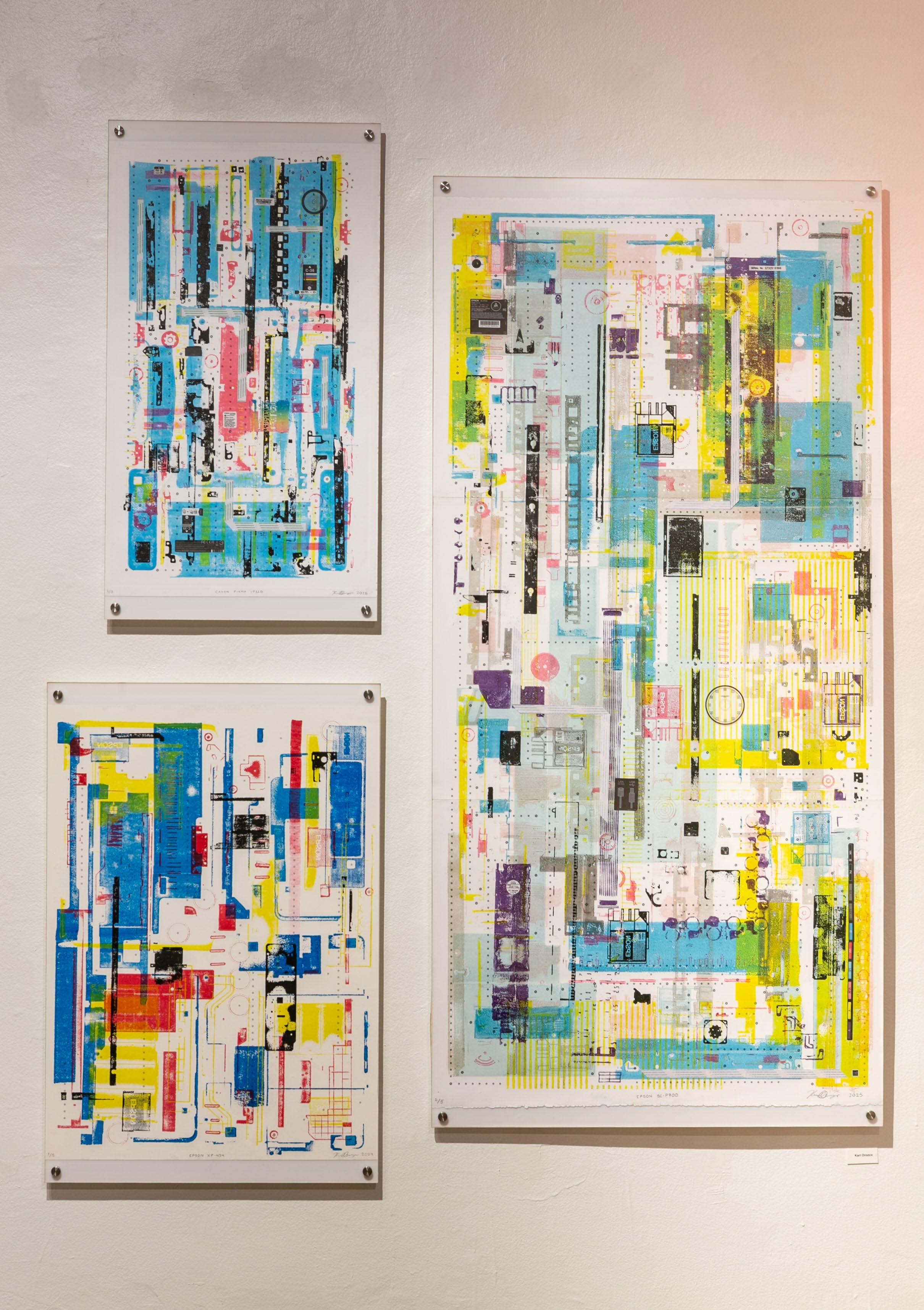
Karl Orozco is a visual artist who uses broken graphic communication tools to create vibrant prints, dynamic animations, and immersive installations. His work repurposes obsolete technologies to explore how messages persist after systems fail. Orozco’s work has been exhibited at MoMA PS1, the Bronx Museum, the Neon Museum of Las Vegas, 1415 Gallery and Sanitary Tortilla Factory. Orozco is the co-founder of Risolana, a community risograph studio in Albuquerque’s South Valley guided by the New Mexican concept of la resolana, a south-facing wall where people gather, share, and reflect. Orozco is a visual arts faculty member at Albuquerque Academy, specializing in graphic design and video art.
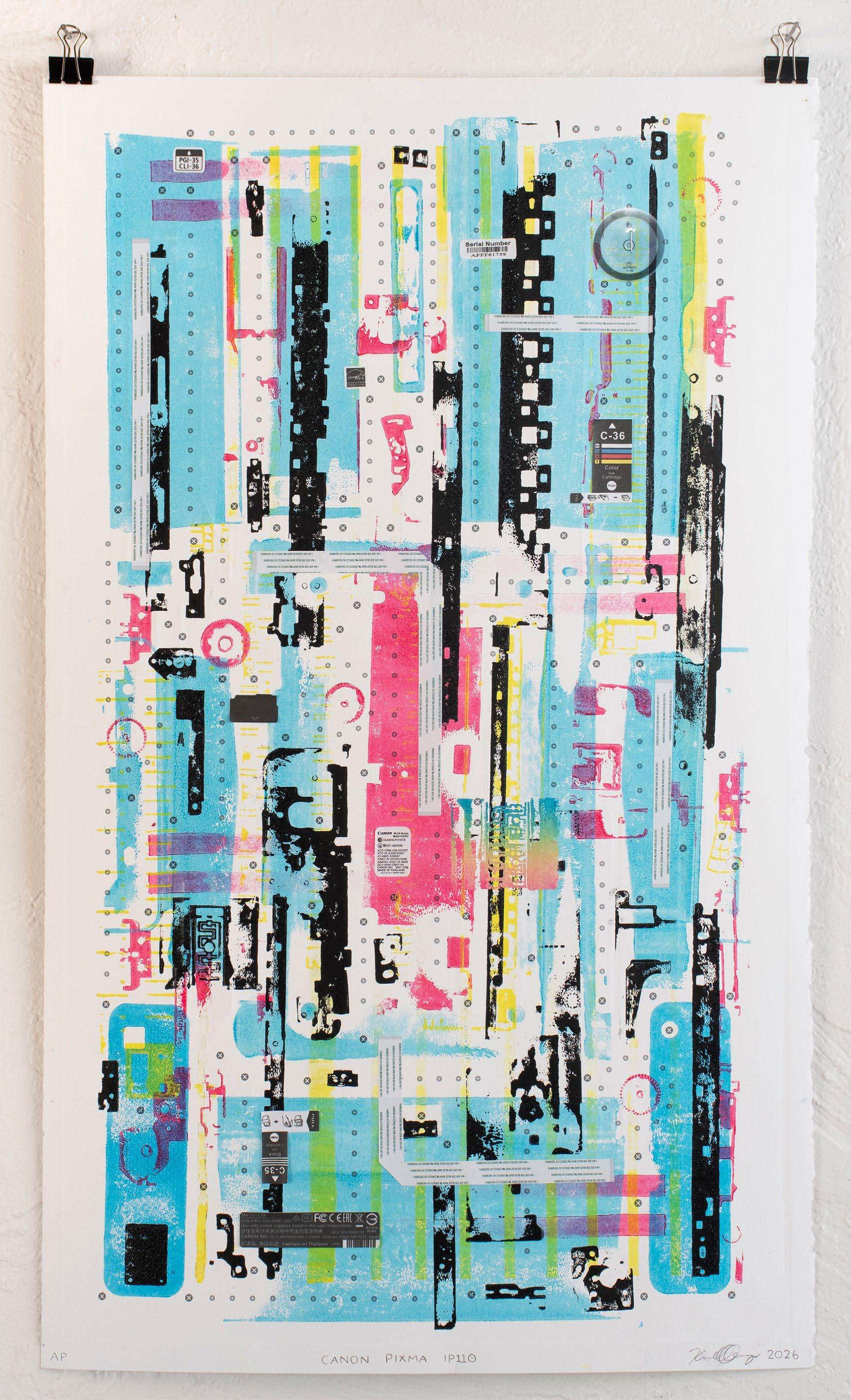
“I am fascinated with home office printers. They are technological marvels, but are one of the most frustrating pieces of consumer electronics. I begin each of my “Printer’s Proofs” by procuring a broken inkjet printer, then disassembling it into a hundred loose components: cartridges, panels, gears, rollers, chips, screws, and more. I keep every single component that has even an inch of printable surface area, then organize them by function. Each component is stamped in cyan, magenta, yellow, or black across a limited edition of large relief prints. Creating these editions can take up to six months from disassembly to print. Over time, I began saving other printer components like stickers, serial codes, cables, and ink absorbing felt, to the point that nearly every piece of the printer is utilized. “Printer’s Proofs,” the final prints lie somewhere between tapestry and taxidermy: vibrant, layered, excavations of complex, deeply fragile machines.”
www.karlorozco.com
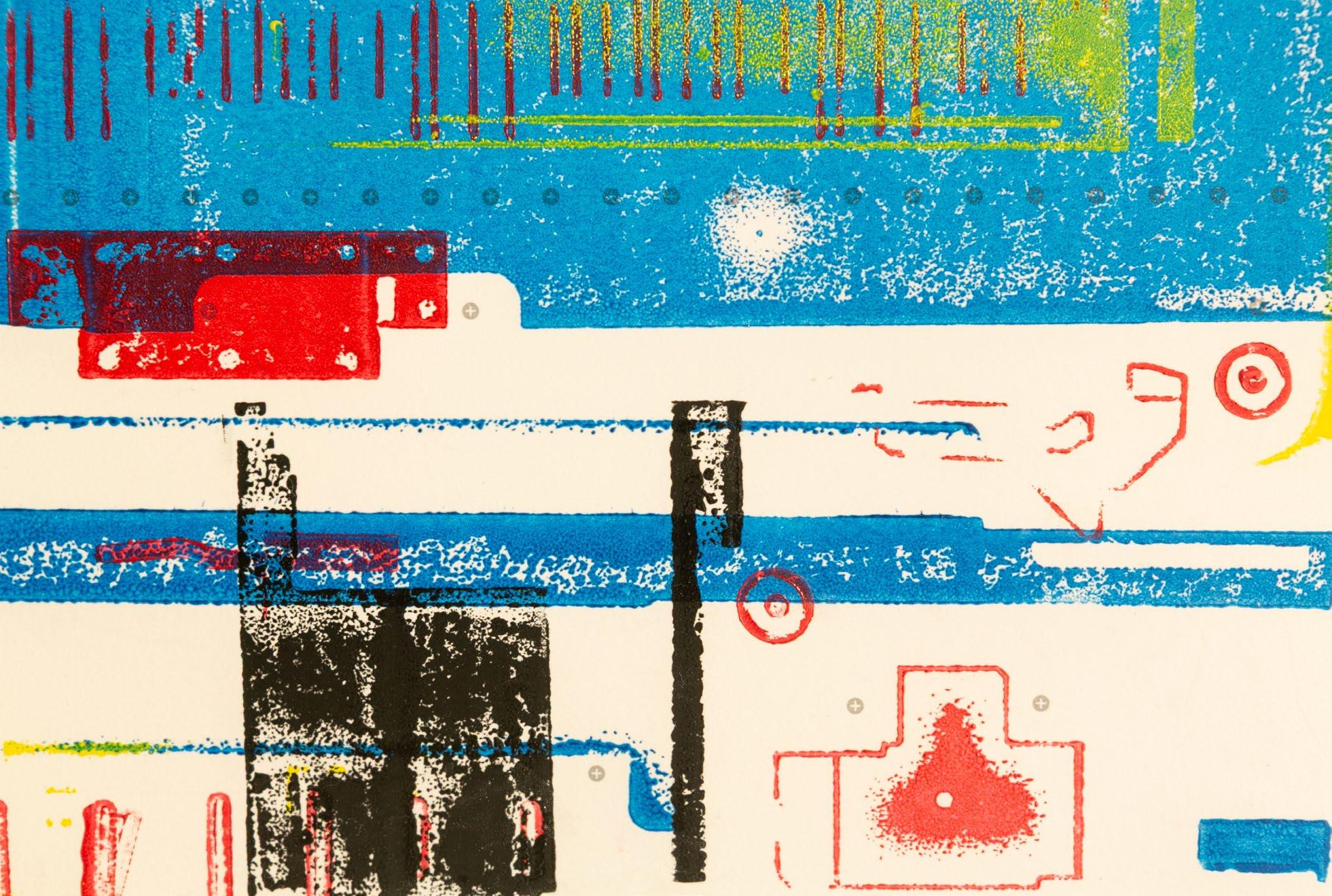
KARL’S WORK REPURPOSES
OBSOLETE TECHNOLOGIES TO EXPLORE HOW MESSAGES PERSIST AFTER SYSTEMS FAIL.
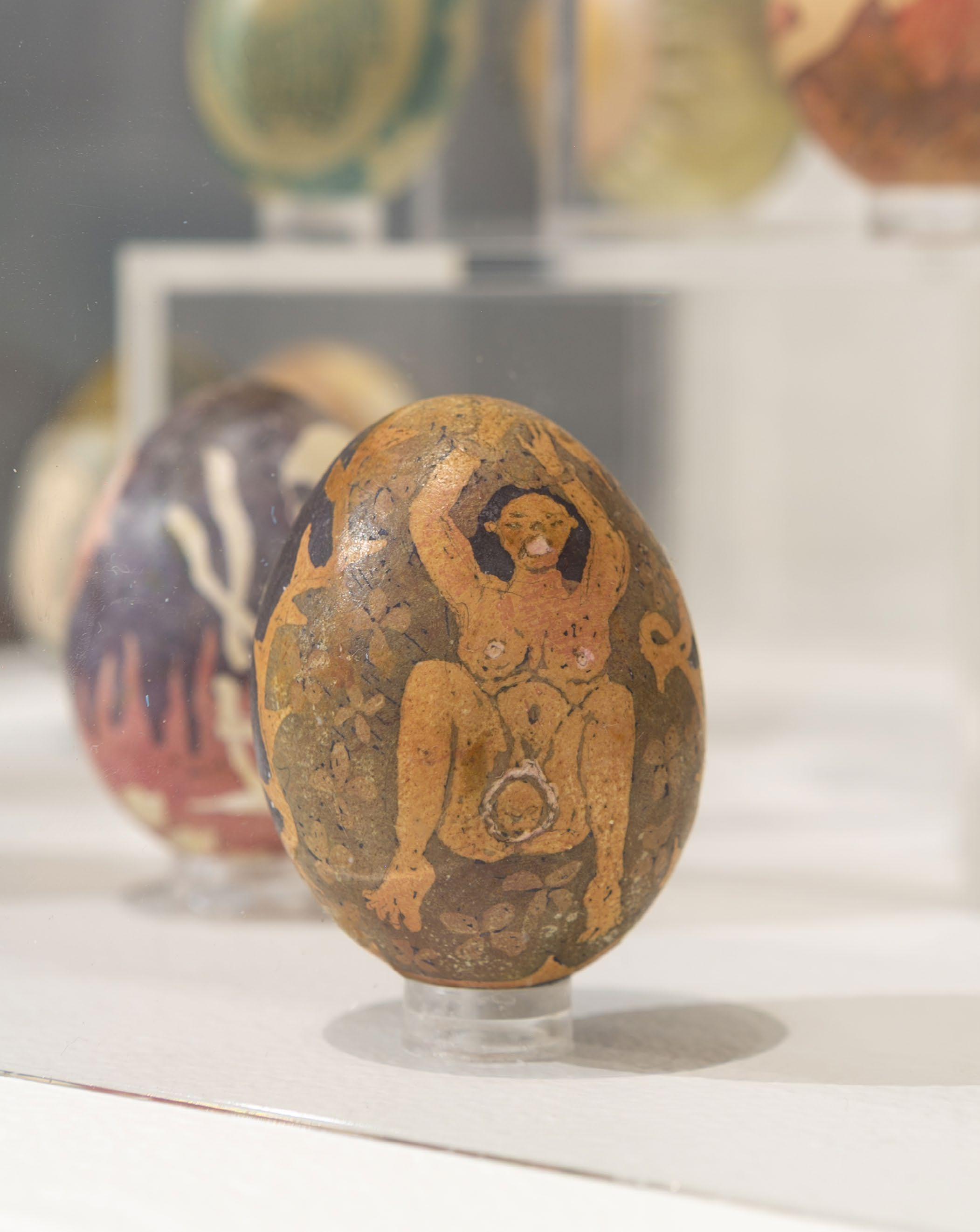
Lillian Estes is an interdisciplinary disabled artist based in ancestral Tewa lands. Her work explores the cyclicality of rebirth and decay, imagining futures in a world facing annihilation. Informed by histories, lived and researched, her work excavates, gently illuminating pain. She seeks to connect to the voice of the materials she works with, untangling stories from void spaces. Her chronic illness and body horror inform her practice, as she explores the parallels of living in an ill body, and in an extractively ailed world. She was the winner of the 2024 Marigolds y Muertos design contest. She was an apprentice and supporting artist from 2018-2021 for Harwood Art Center’s Apprenticeship for Art and Social Justice.
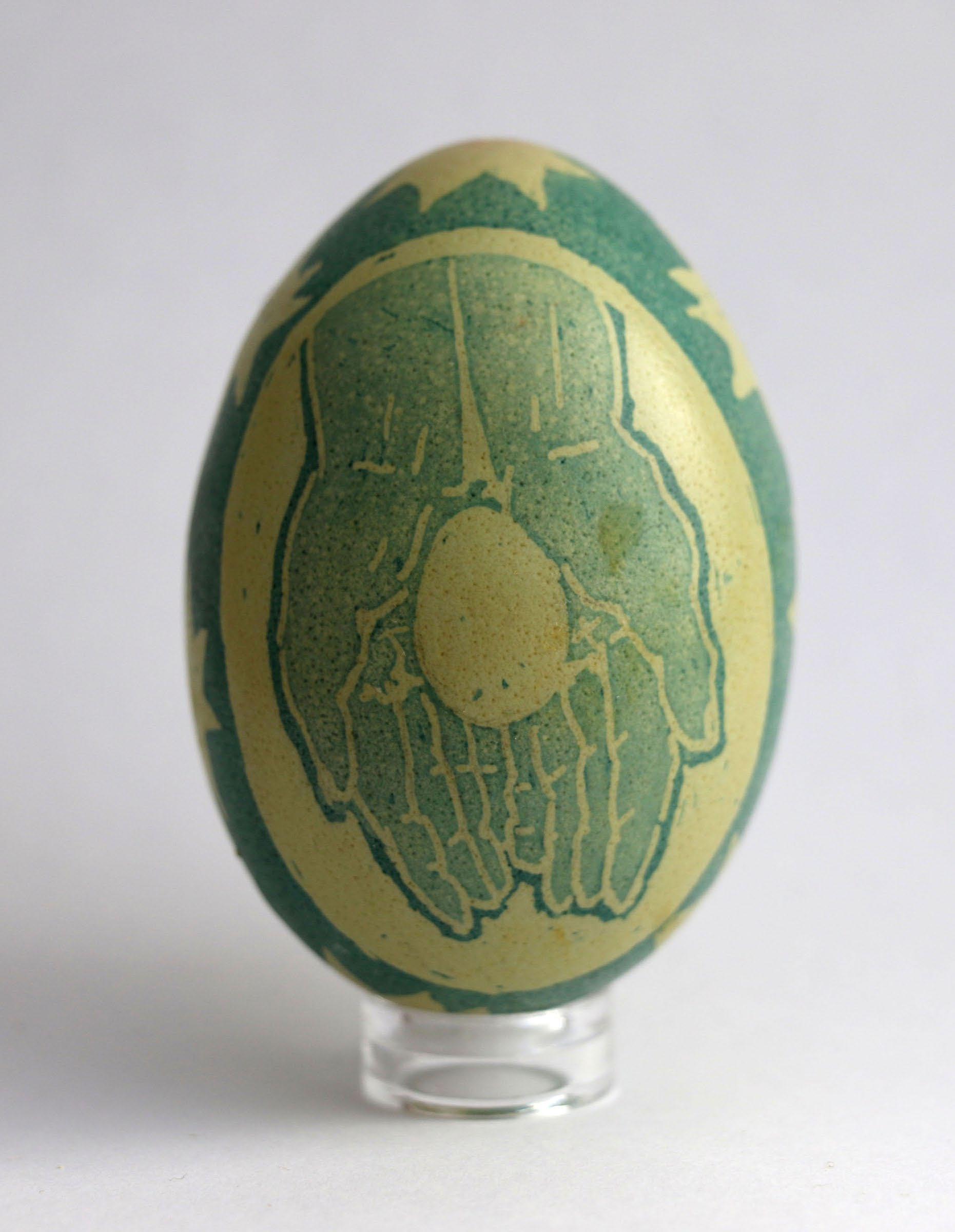
Attaching narratives of human sexuality to the pysanky egg tells stories of the lineage that egg bear-ers carry from their ancestral mothers. Through a blend of traditional pysanky symbolism, traditional Polish folk fertility stories, and contemporary experiences of reproductivity, “Fertility Eggs” aim to unearth the conflicts between life-bringing as a gift, commodity, and burden. The tenuous relationship between human and egg is parallel in the process of pysanky and managing human fertility. Batiked with bees-wax, and submerged in layers of natural dyes made of cabbage, onion skin, blueberries, and cochineal, each egg is cyclically created to decompose. Ephemerality is inherent; mistakes are permanent, and a faulty move could crack the egg, destroying it entirely. Our eggs, and those who carry them, also carry a great burden of their potentiality. Full of multiplicities, eggs hold life and pain simultaneously, and require gentle care.
www.instagram.com/lillianviolet.estes
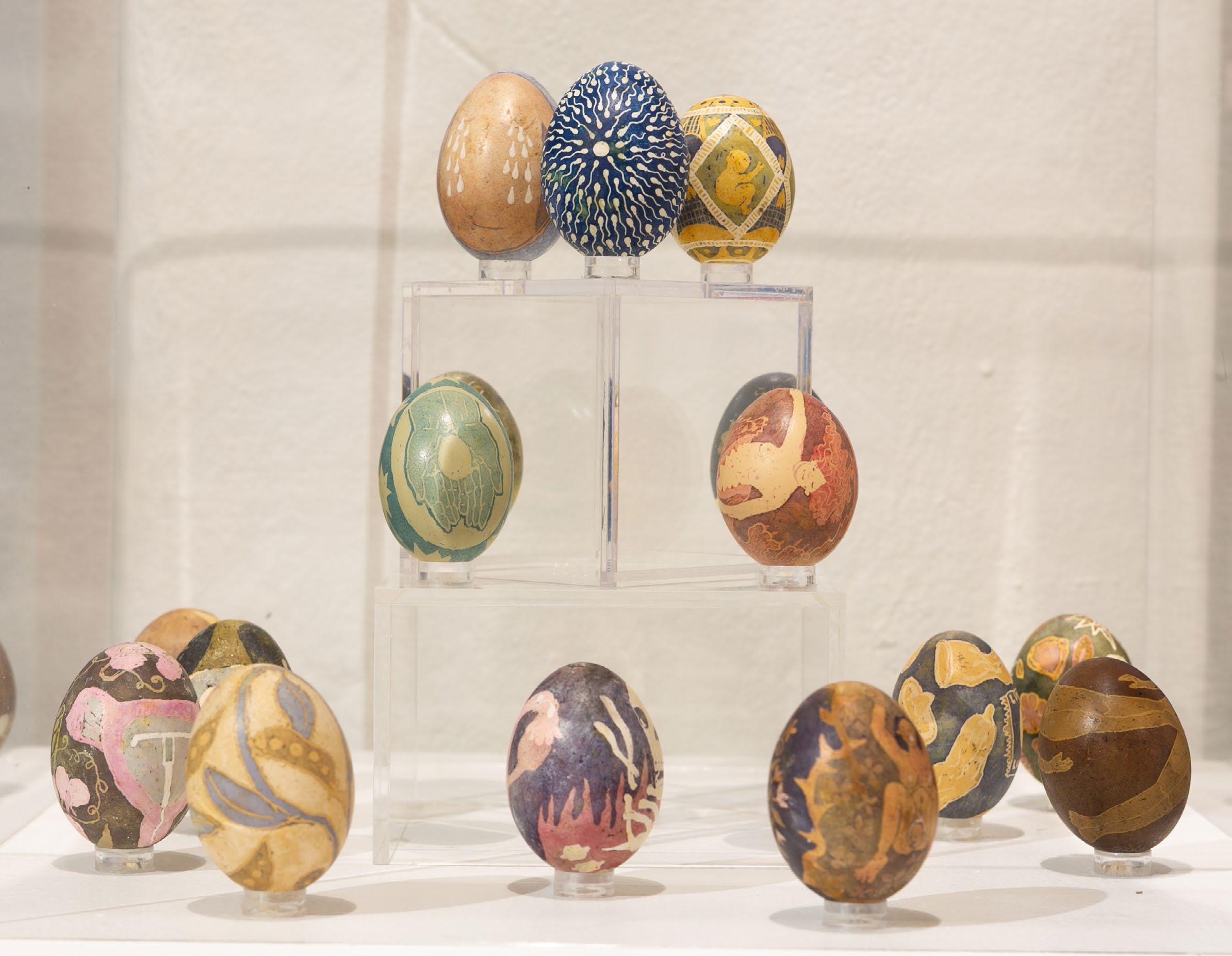
“FERTILITY EGGS” AIM TO UNEARTH THE CONFLICTS BETWEEN LIFEBRINGING AS A GIFT, COMMODITY, AND BURDEN.
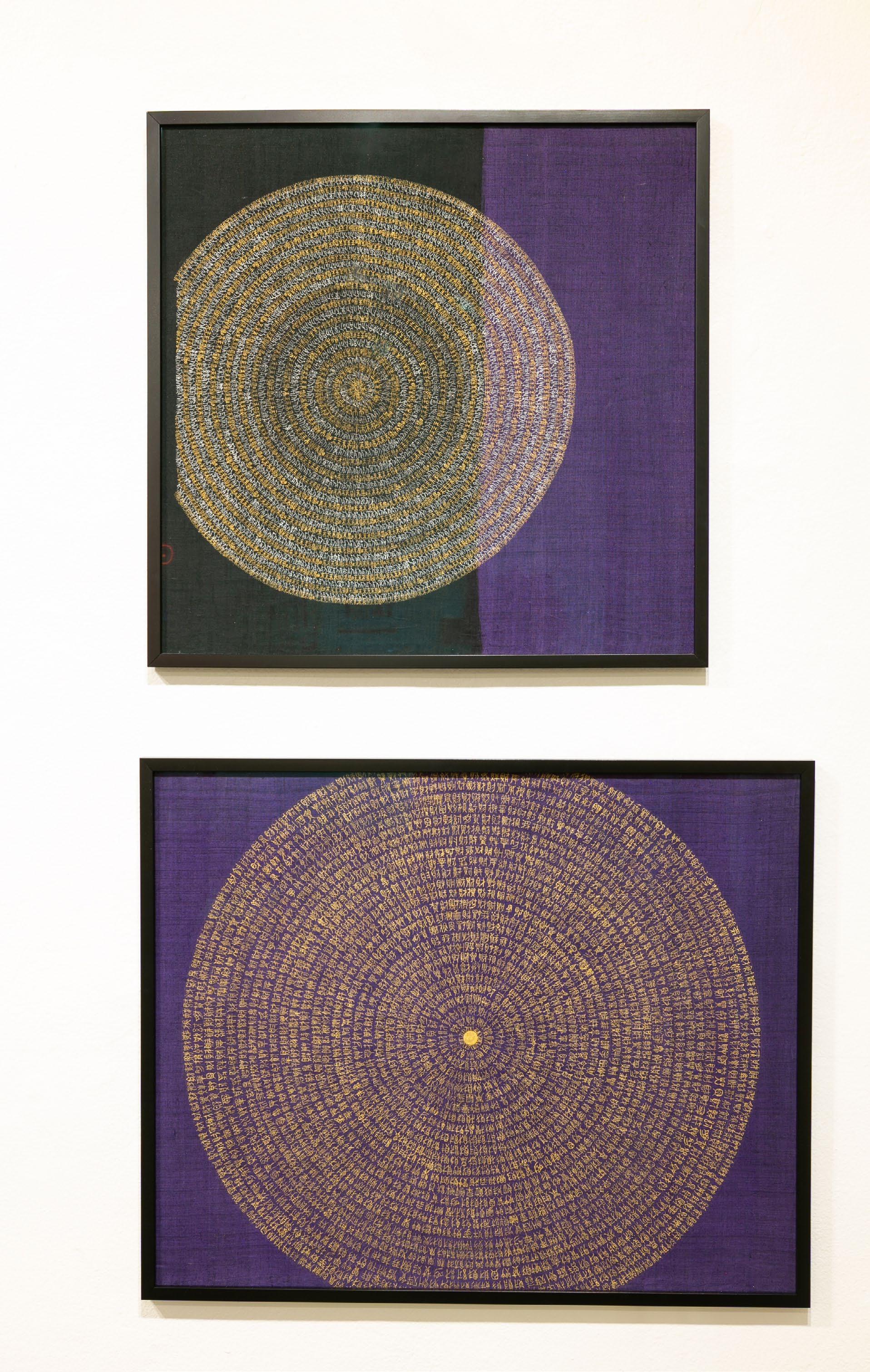
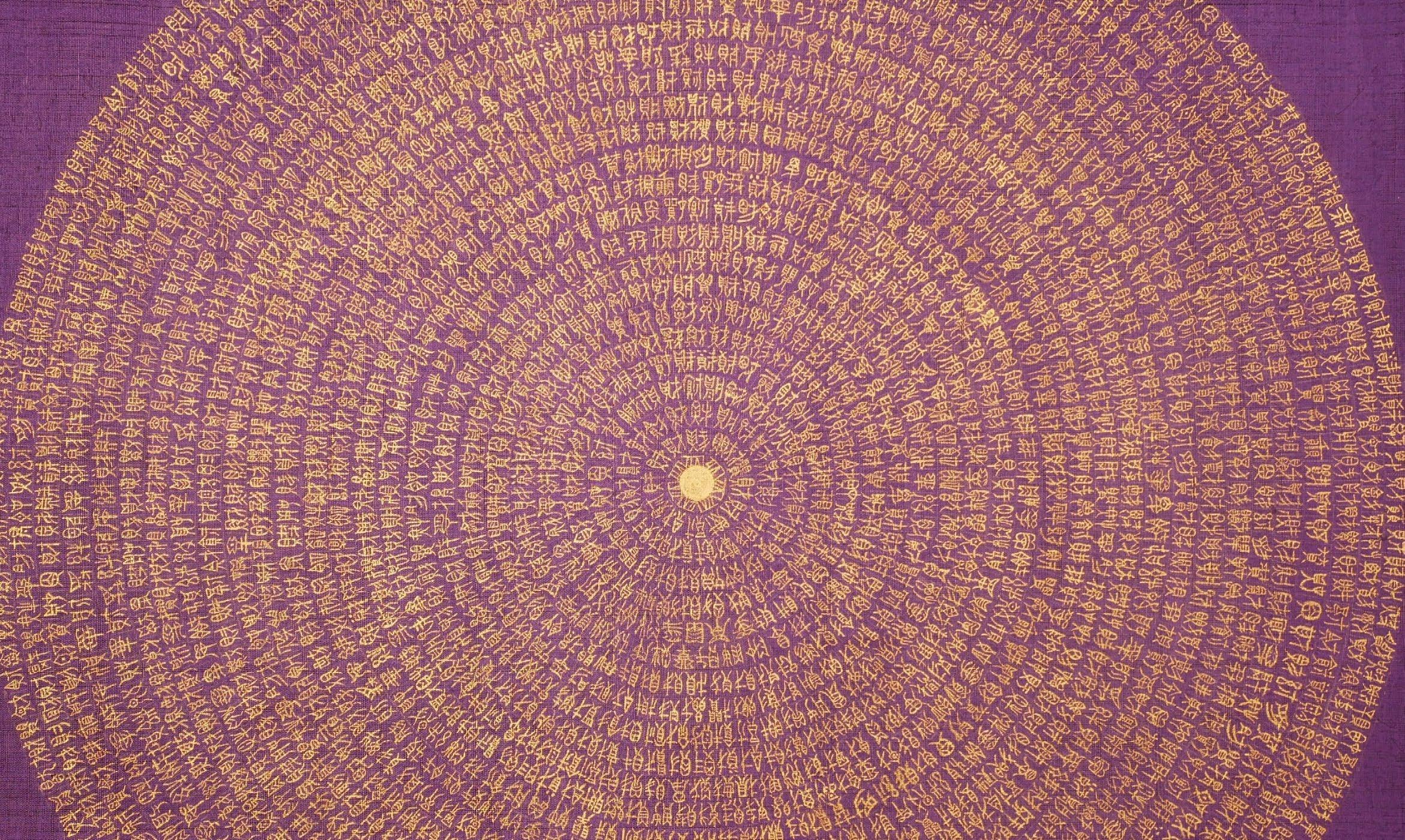
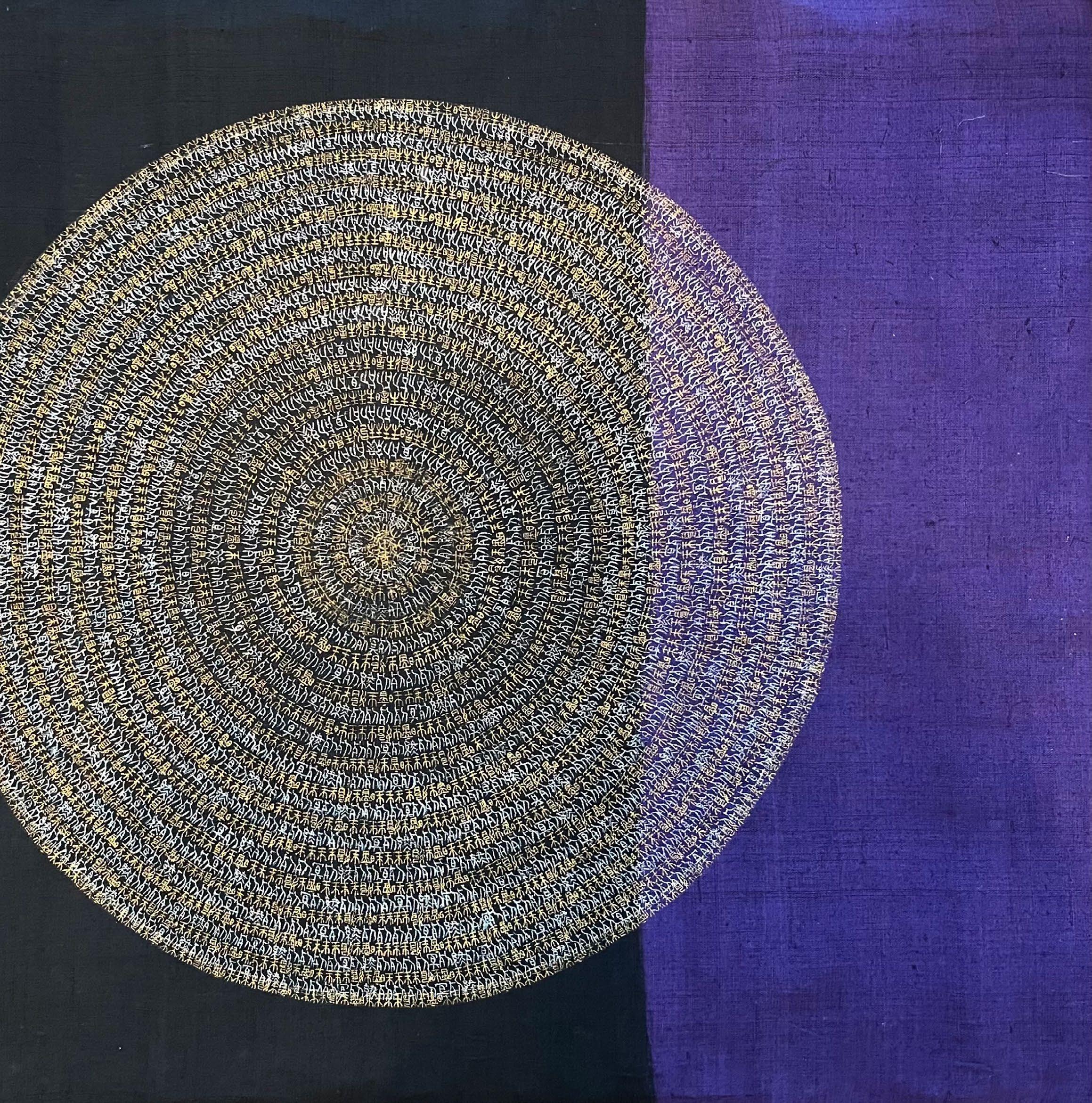
Maki Kimura is a Japanese calligrapher based in Albuquerque, New Mexico. After over two decades of professional work in the United States as an award-winning collaborative pianist, she returned to calligraphy following a serious hand injury. She began studying traditional Japanese calligraphy in childhood and later exhibited in Tokyo as a member of Hakuho- Sha, receiving several awards. After moving to the U.S. in 2003, she focused on her musical career in New Mexico, setting aside calligraphy, a deeply Japanese aspect of her identity, while adapting to life in the United States. She now creates work rooted in authentic materials and disciplined technique, incorporating contemporary design and scale. Her work is characterized by the repetitive rendering of characters inspired by ancient Japanese scripts. She holds dual master’s degrees in Piano Performance and Collaborative Piano from the University of New Mexico. Her work continues to evolve across boundaries of language and culture.
“I carry forward the spirit of Japanese calligraphy as an enduring art of silence, depth, and resonance. Rooted in tradition yet expressed through a contemporary presence, my work is created with uncompromising authenticity using materials such as washi paper, hand-dyed hemp, pinesoot sumi ink, and pure gold and silver pigments mixed with sacred water from a Japanese shrine. After immigrating from Japan, I became increasingly conscious of communication beyond language—through atmosphere, presence, and unspoken awareness. This experience helped shape the foundation of my practice: seeking moments where the viewer’s inner silence can meet my work and resonate deeply within them. In a world overwhelmed by speed and noise, fleeting emotions and quiet shadows are easily lost. Through calligraphy, I hope to offer a space for stillness, grounding, and reflection, while bringing the subtle depth of Japanese art into dialogue with the diverse and vibrant landscape of American culture.”
maki-kimura.com
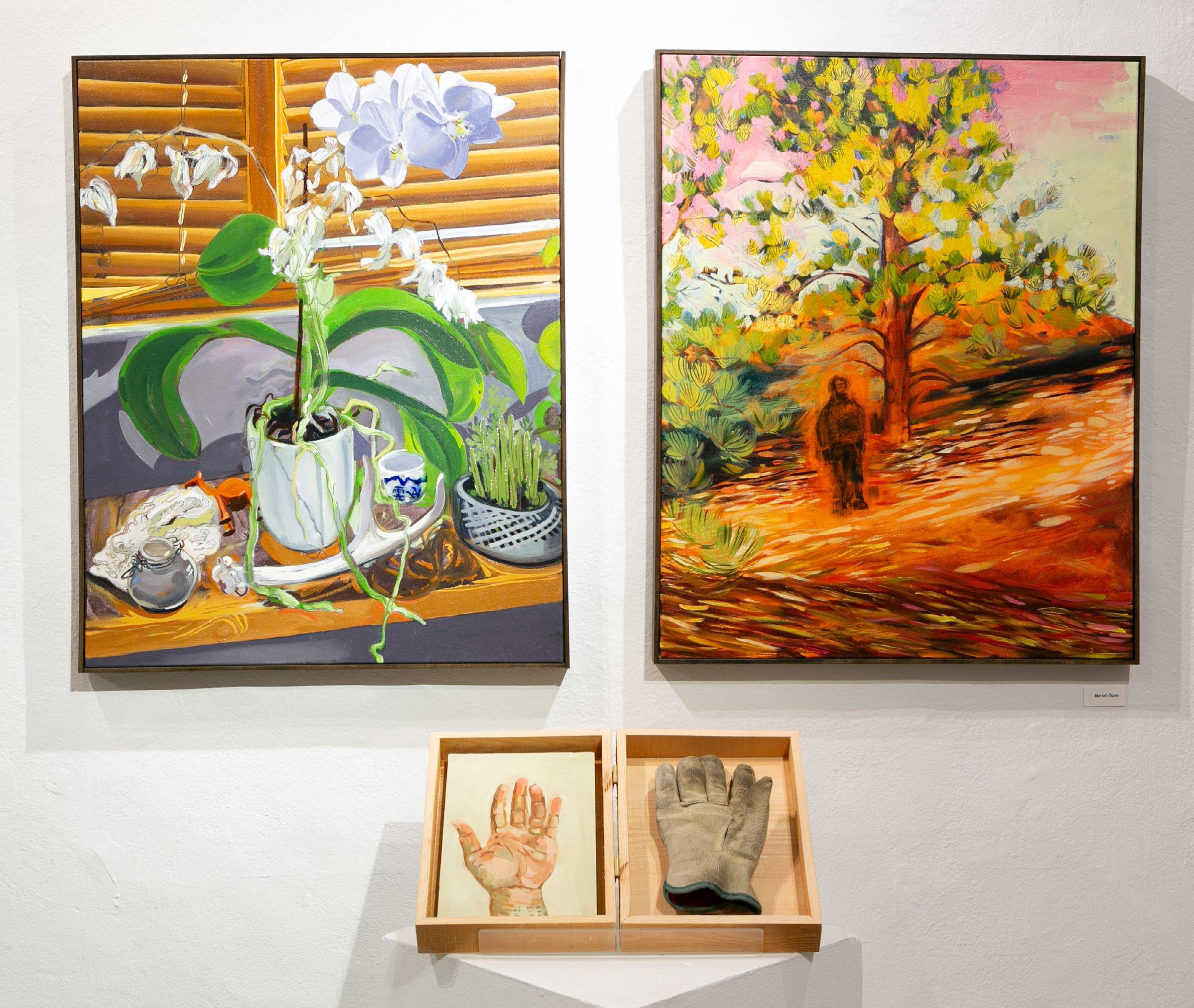
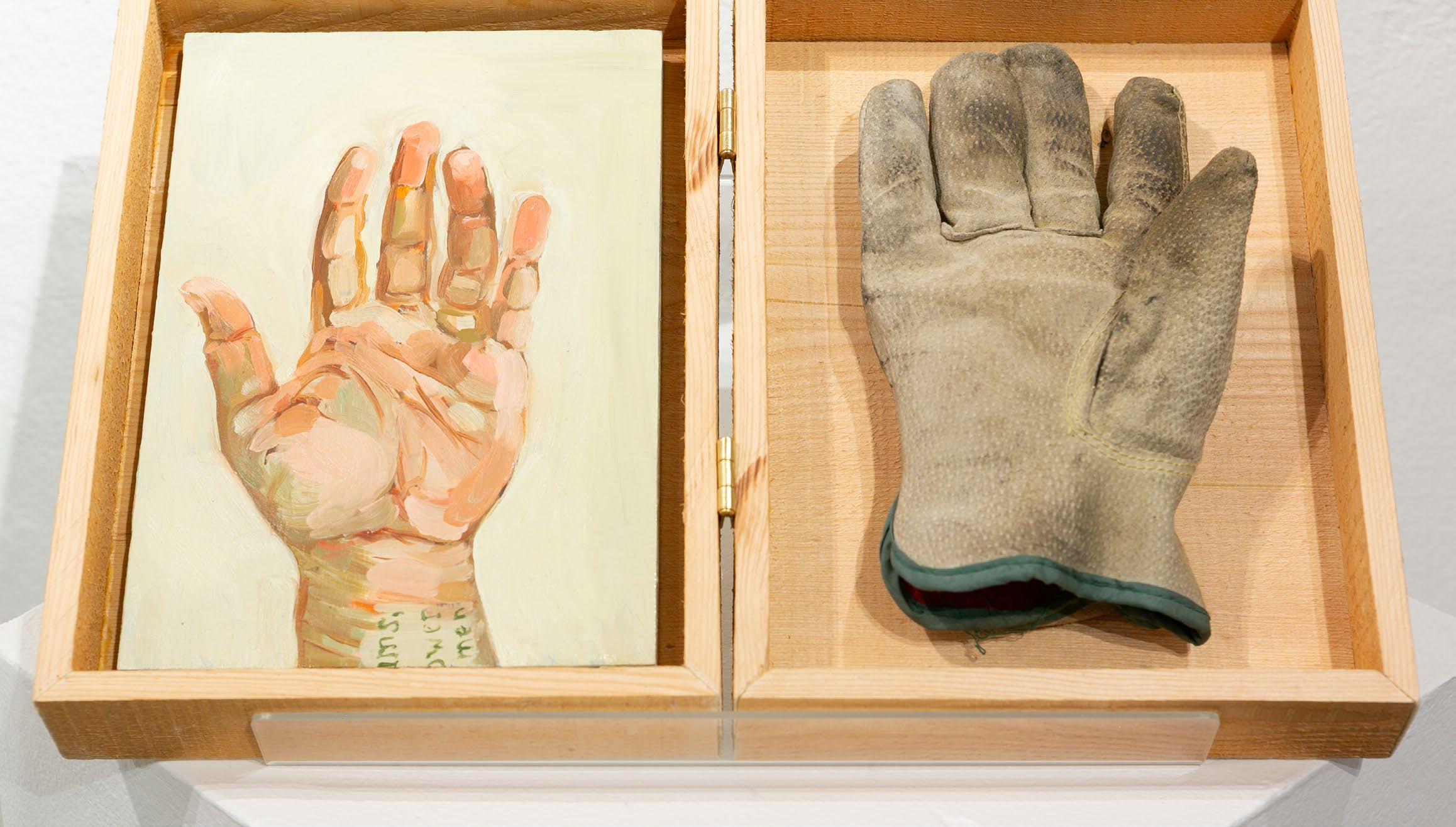
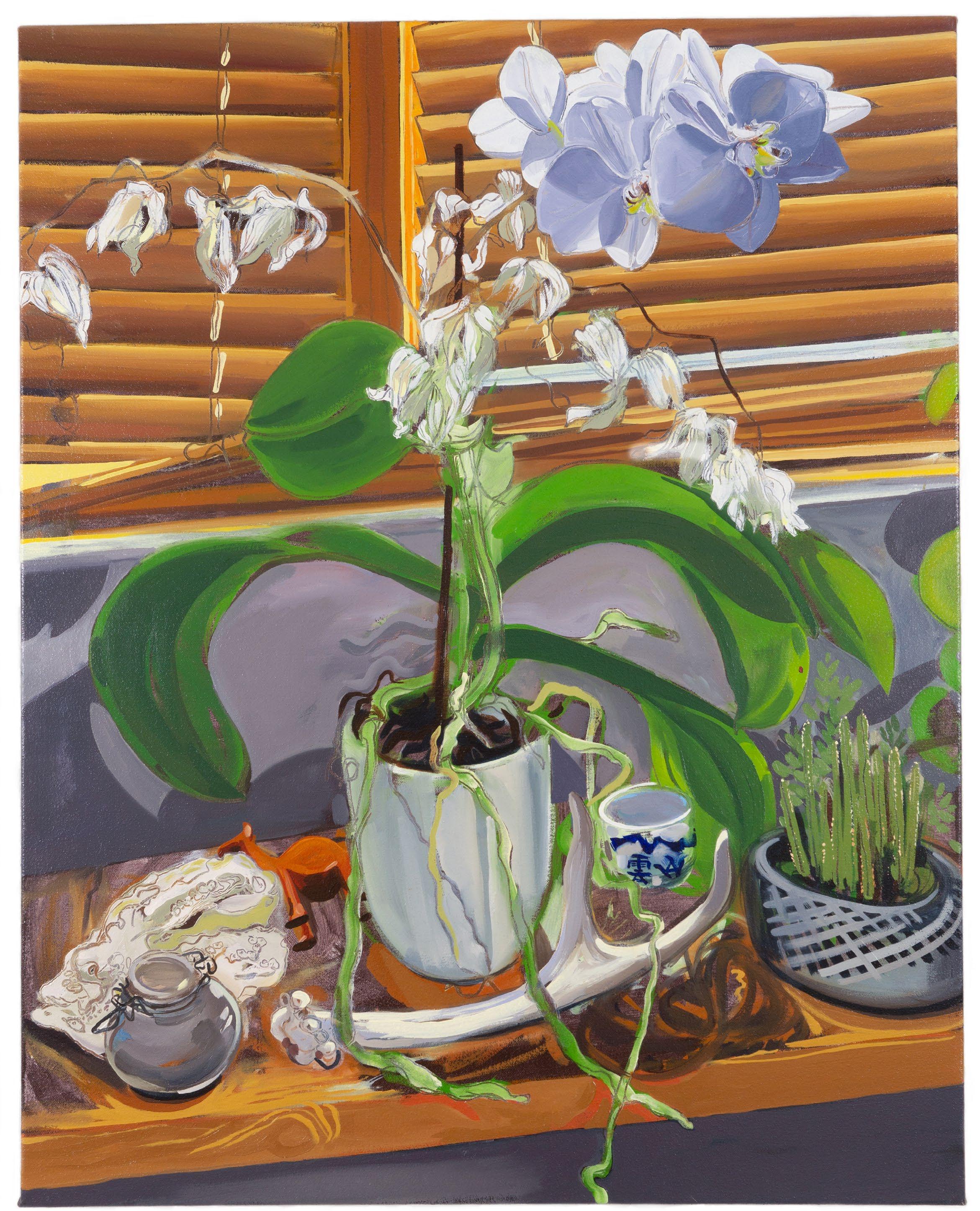
Mariah Scee (b. 1983, Missoula, MT) is an interdisciplinary artist working with paint, textile, and reclaimed materials. She holds BFA from Rhode Island School of Design and built an award winning illustration and design career before focusing on art. She had an eccentric upbringing in Maine, raised by a single mother, surrounded by books and rescued pets. Scee lives and works in Santa Fe, New Mexico, and spends her summers in central Montana, stewarding the land of her family cattle ranch.
“Through landscape and memento, my work explores the physicality of grief and the poignancy of multilocal life. What is a ghost, really, but the shadow of someone you loved and lost? Is there a cure for homesickness when you’re already home? I use painting and drawing, along with sewing and sculptural techniques, to consider these questions. My materials are chosen for their contrast and emotional weight. “Damon’s Ashes” uses charcoal under oil paint for the vestigial figure, representing ashes I buried beneath a ponderosa pine in the Colorado hills. “I Never Held My Father’s Hand Until the Day He Died” is a box I made from raw lumber, hewn and sawed by my father. Both our hands built it, and reside in it, yet still don’t touch.”
mariahscee.com
Page 50: Mariah Scee, installation photo, Photo by Aziza Murray
Page 52: Mariah Scee, I Never Held My Father’s Hand Until the Day He Died, Raw lumber felled and milled by the artist’s father, glove of the artist’s father, oil paint, cotton, batting, acrylic medium, sewing thread, hardware, 11.25” x 17” x 2” (open), 2025
Page 53: Mariah Scee, In Consideration of Time Passed and Still to Come, Oil on canvas, 30” x 24”, 2025
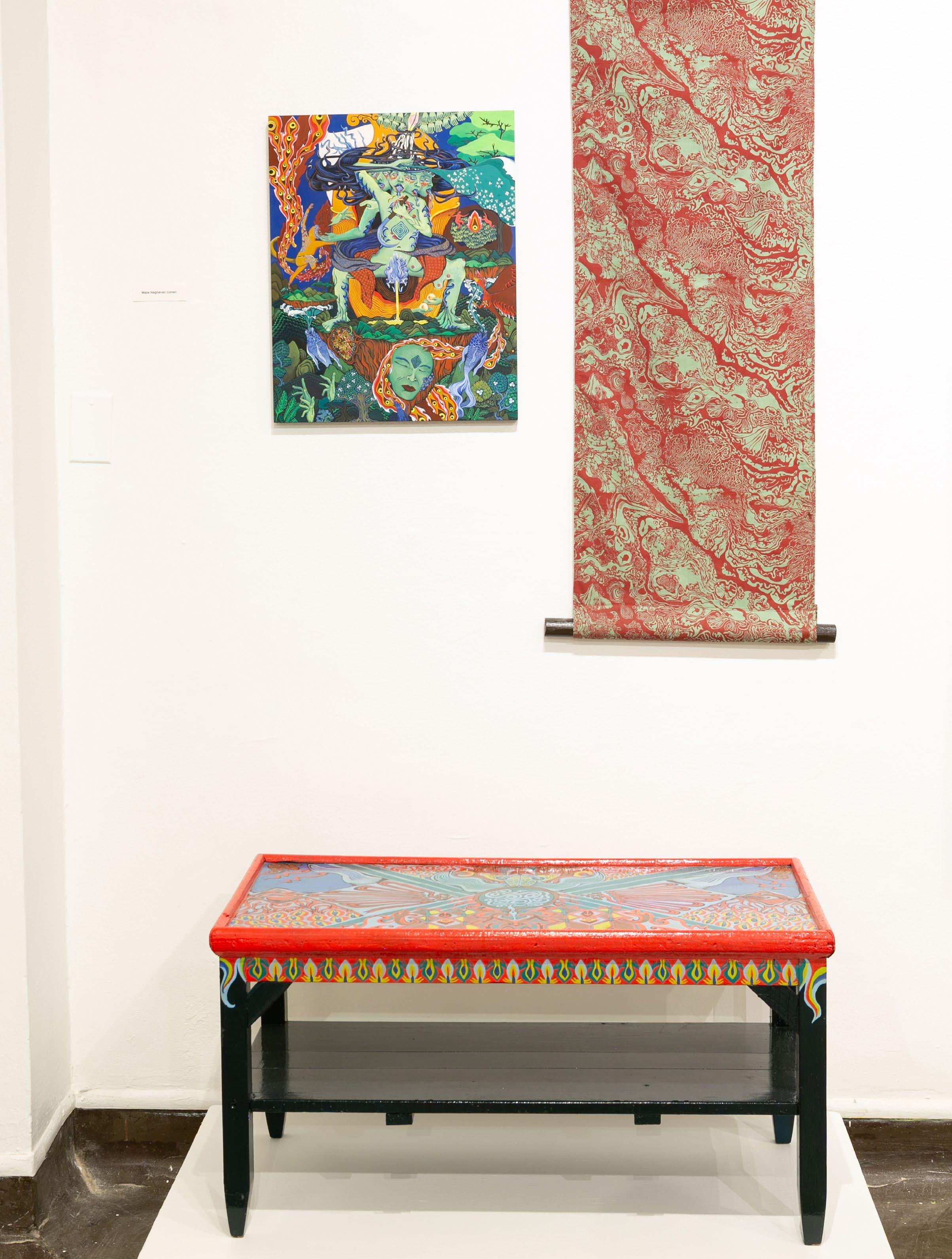
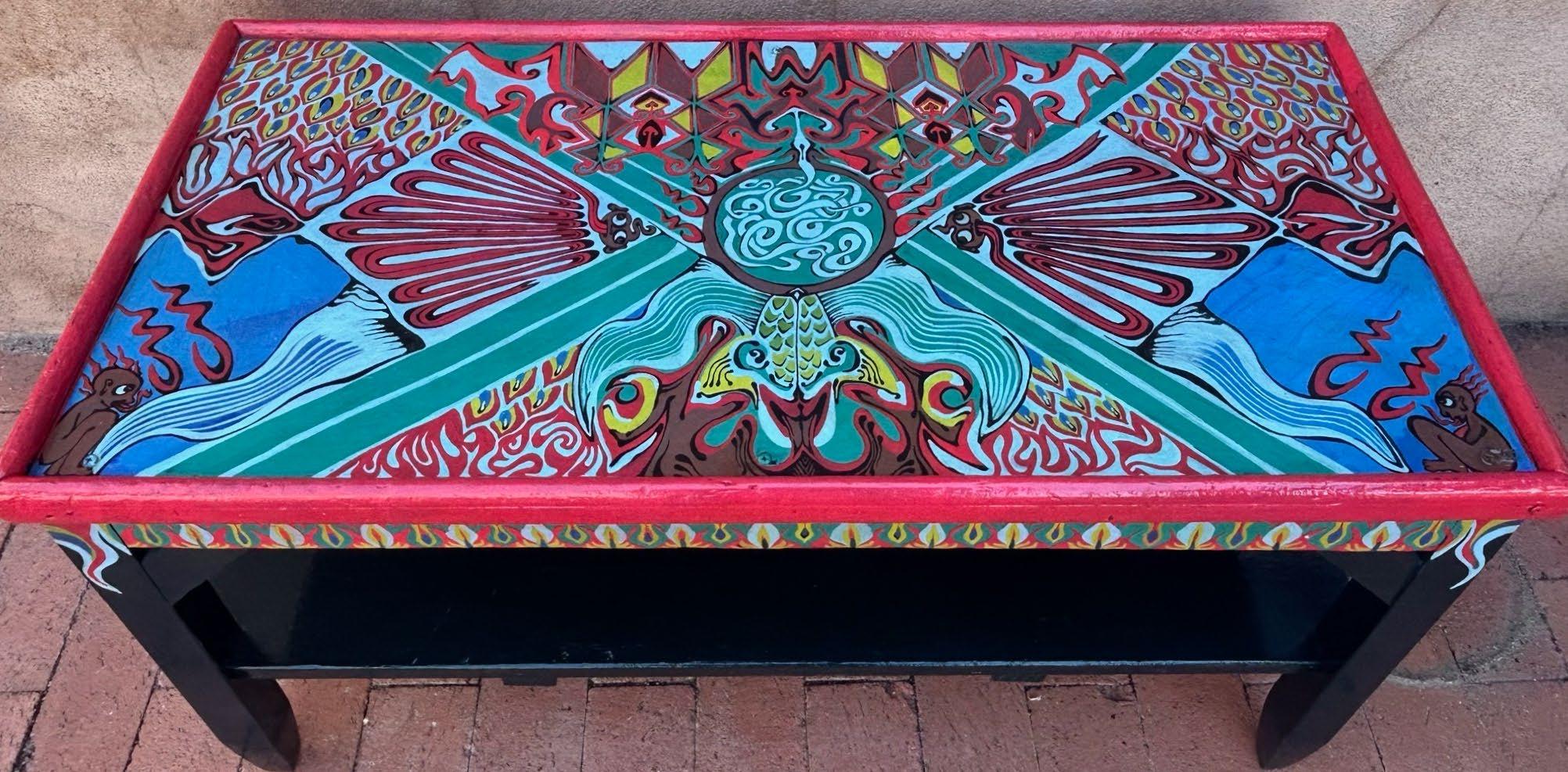
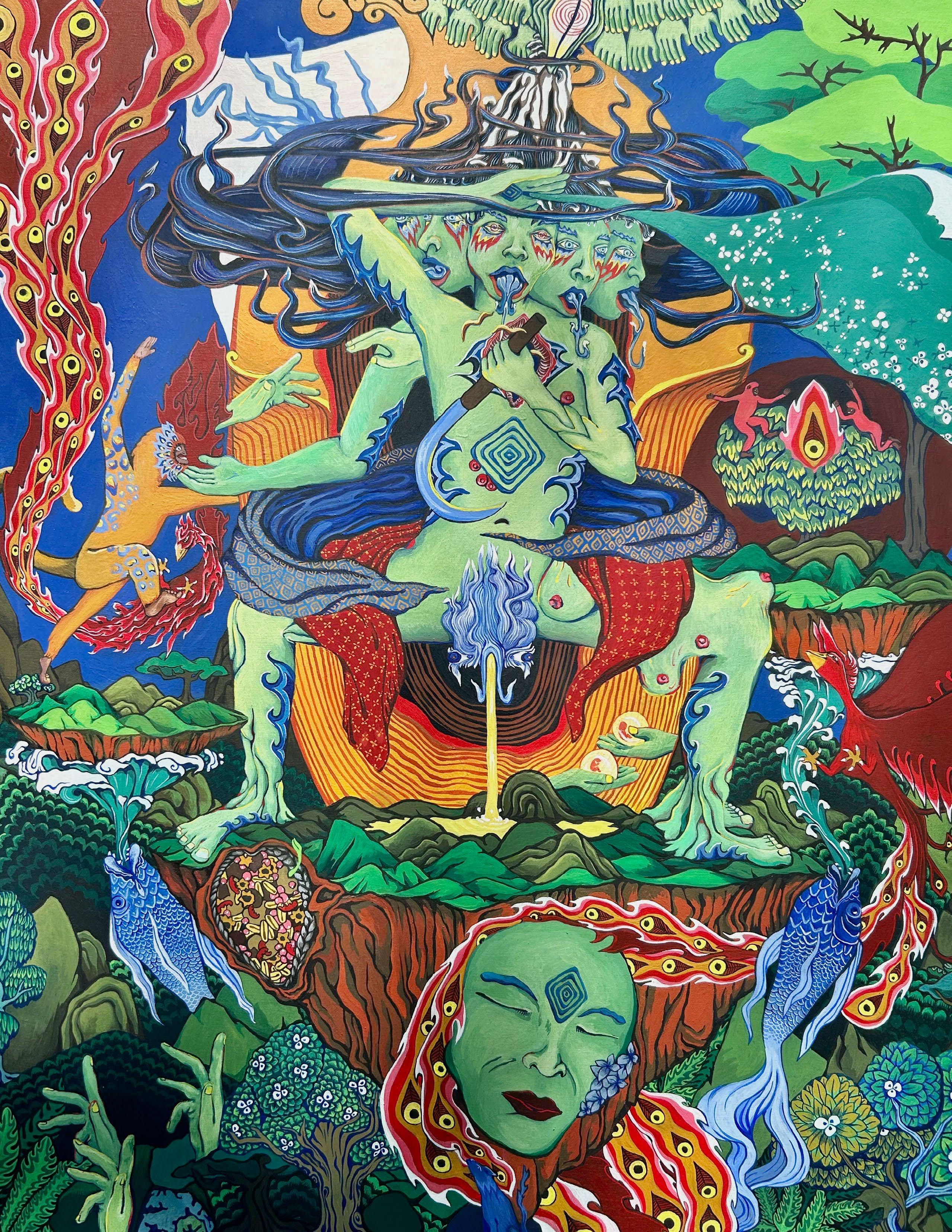
Maze Raghavan Cohen’s creative work spans visual art, writing, herbalism, land stewardship, farming, social practice, and community organizing. Through this collage of healing justice mediums, they co-create experiences of liberation. From about 2019 to 2024, their creative practice was focused on building physical spaces of liberation through participatory permaculture design and community organizing. In 2024, they transitioned to being a full-time artist, bringing these skills of social transformation and Earth-based practice. Since then, they have exhibited work at Art Thou Neurodivergent, completed a three-month residency at Olamina Global Arts, and published a chapbook titled My Liberation Work Has Been Damn Ableist. Their practice is currently centered on a long-term multimedia framework called Loving through Apocalypse, which integrates writing, research, painting, printmaking, and social practice to explore how we might navigate the ends of worlds, rooted in their own experience with life-changing chronic illness.
“I create windows into liberatory futures. My practice is an offering to my collaborators and communities to guide us, resource us, celebrate us, and help us heal. From archiving bathroom wall art to designing food forests, my projects bleed across surfaces and mediums, spill out of the gallery walls and onto the streets. In every project, my motivation is to create microcosms of home and healing, as someone coming from Ashkenazi and South Asian lineages of diaspora, displacement, disownership, queerness and disability. My visual work explores themes of neurodivergence and embodiment, bringing my experience of reality as a neurodivergent person into physical form. The work is inspired by the visual relationships between human and ecological bodies, finding the shared visual patterns that reminds us we are Earth.”
a-maze.art
THIS WORK IS INSPIRED BY THE VISUAL PATTERNS THAT REMINDS
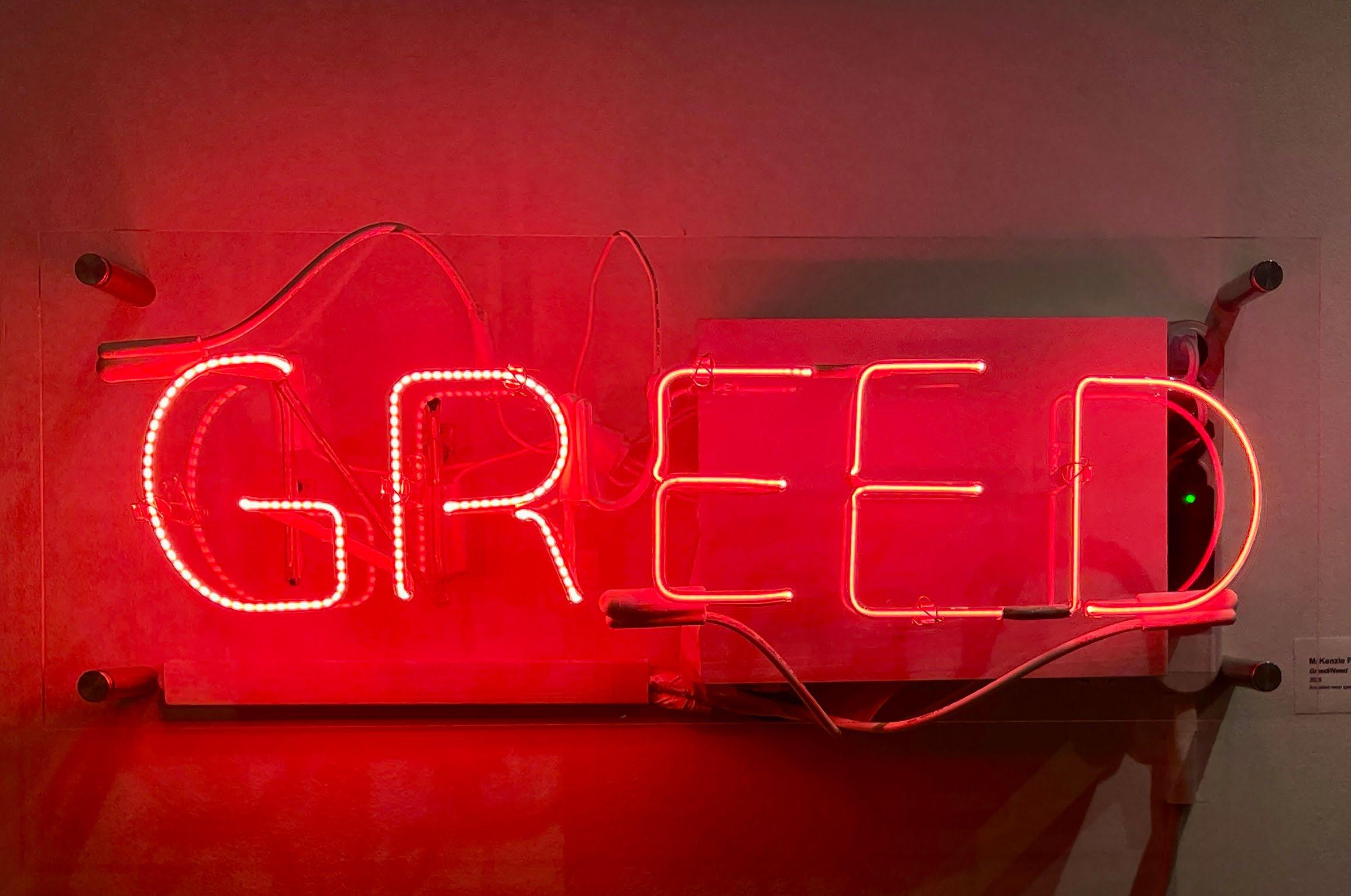
McKenzie Fitz was born at the turn of the millennium in the Chicago suburbs. McKenzie grew up during the ever- changing, constantly unprecedented times of the 21st century. During her most influential years of critical development for identity formation, brain restructuring, and social influence, she was a part of the first generation to come of age in the era of social media. This pivotal period of perceptions in flux can be seen throughout her body of work, which includes a multitude of mediums. Fitz practiced these modes of expression at the School of the Art Institute of Chicago, where she received her Bachelor’s in Fine Arts in 2023. From there, she continued to exhibit her work throughout the city of Chicago and beyond, while also developing first-hand experience working for SAIC Galleries. As of 2026, Fitz has relocated to New Mexico, like many artists before her, to seek out new experiences and perspectives.
“My artistic practice has continued to evolve materially, while remaining firm in the principles of intersectionality, autonomy, and equality. Rather than always offering answers, I deliberate on designing a space for dialogue. I intend to use art as a facilitator for discussions of the commercialized concepts and performative gender constructs in our collective unconscious and cultural structures. To reject shame and resist being reduced to others’ definitions, I investigate the historical canon of the body and the linguistic origins of the words we use to label one another. My work is informed by an ideology in which vulnerability and intimacy are foundational to the open conversation necessary to reclaim agency and empower one another. My approach allows form to follow the function of delivery by creating with an array of mediums and appropriating media according to each statement. While the final form may vary, the unapologetic process remains the same.”
www.mckenziefitz.com
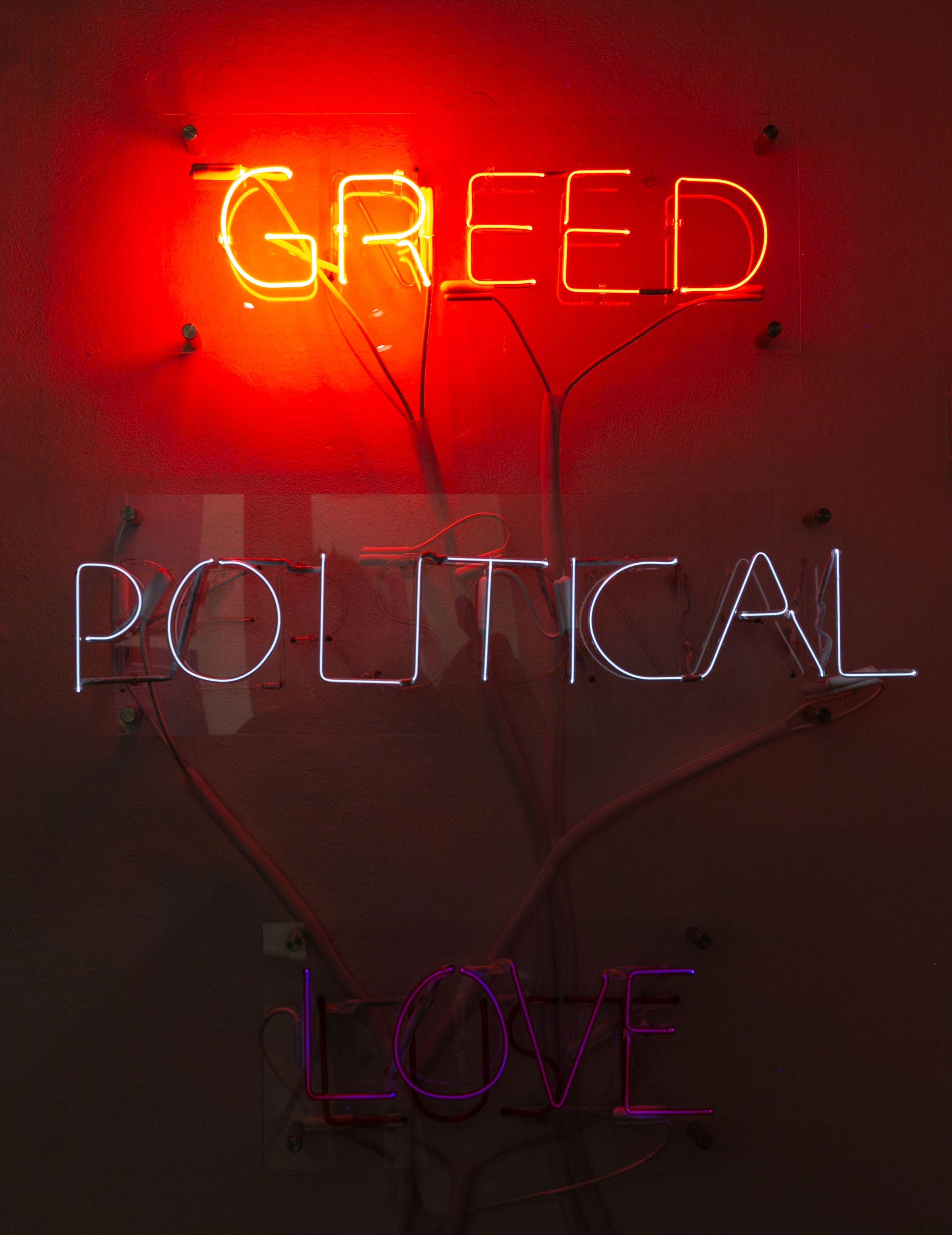
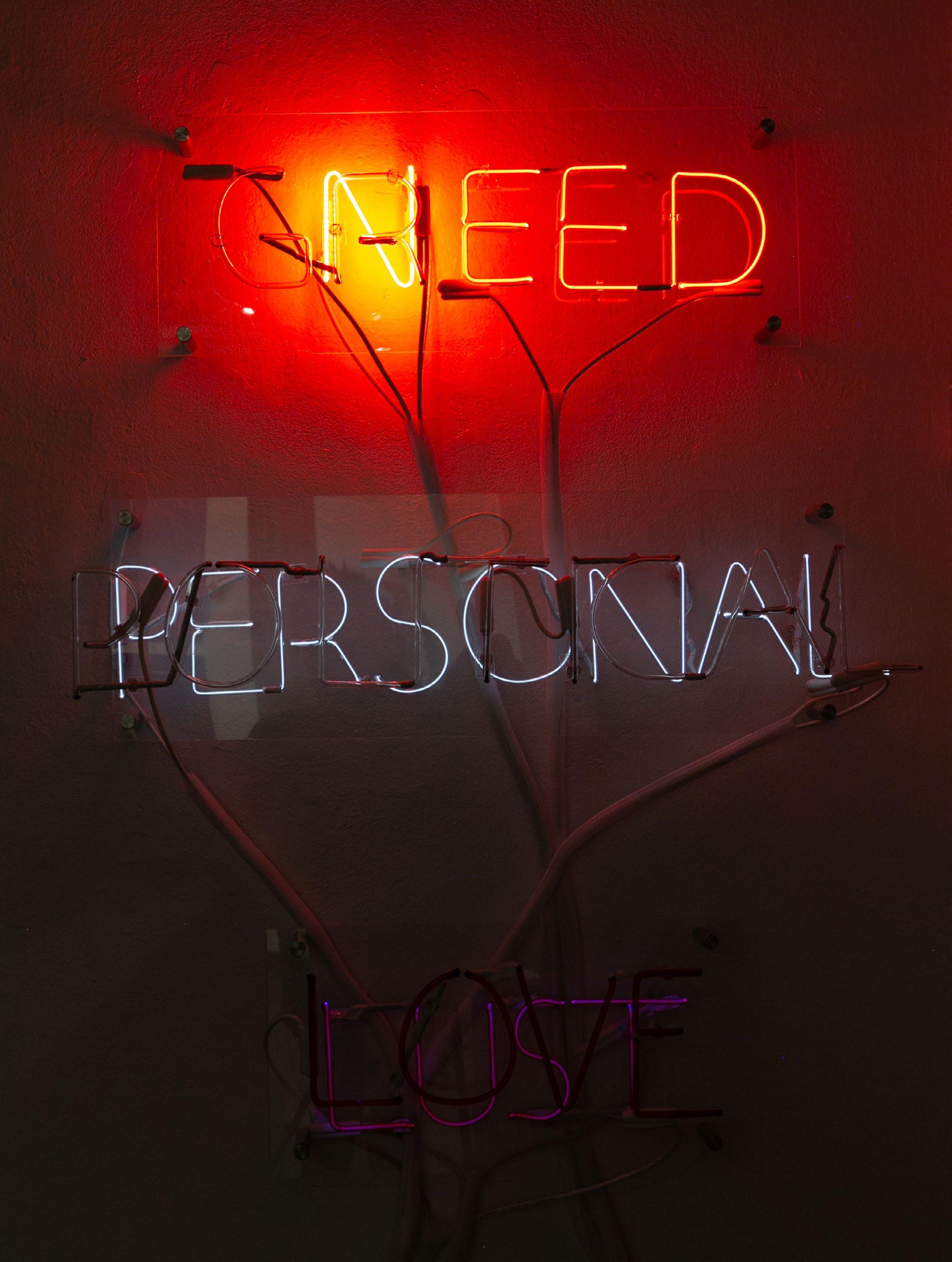
MCKENZIE’S WORK IS INFORMED BY AN IDEOLOGY IN WHICH VULNERABILITY AND INTIMACY ARE FOUNDATIONAL TO THE OPEN CONVERSATION NECESSARY TO RECLAIM AGENCY AND EMPOWER ONE ANOTHER.
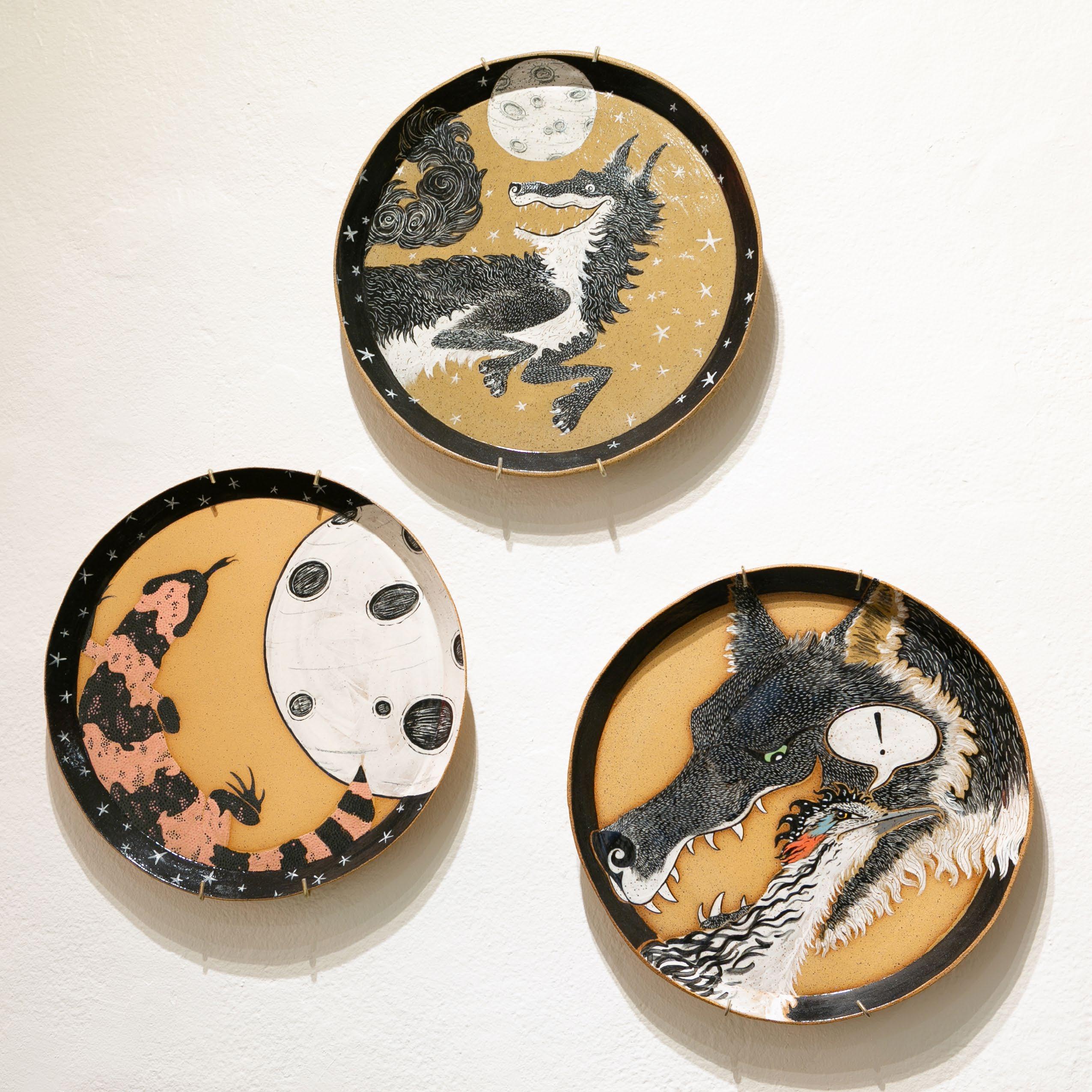
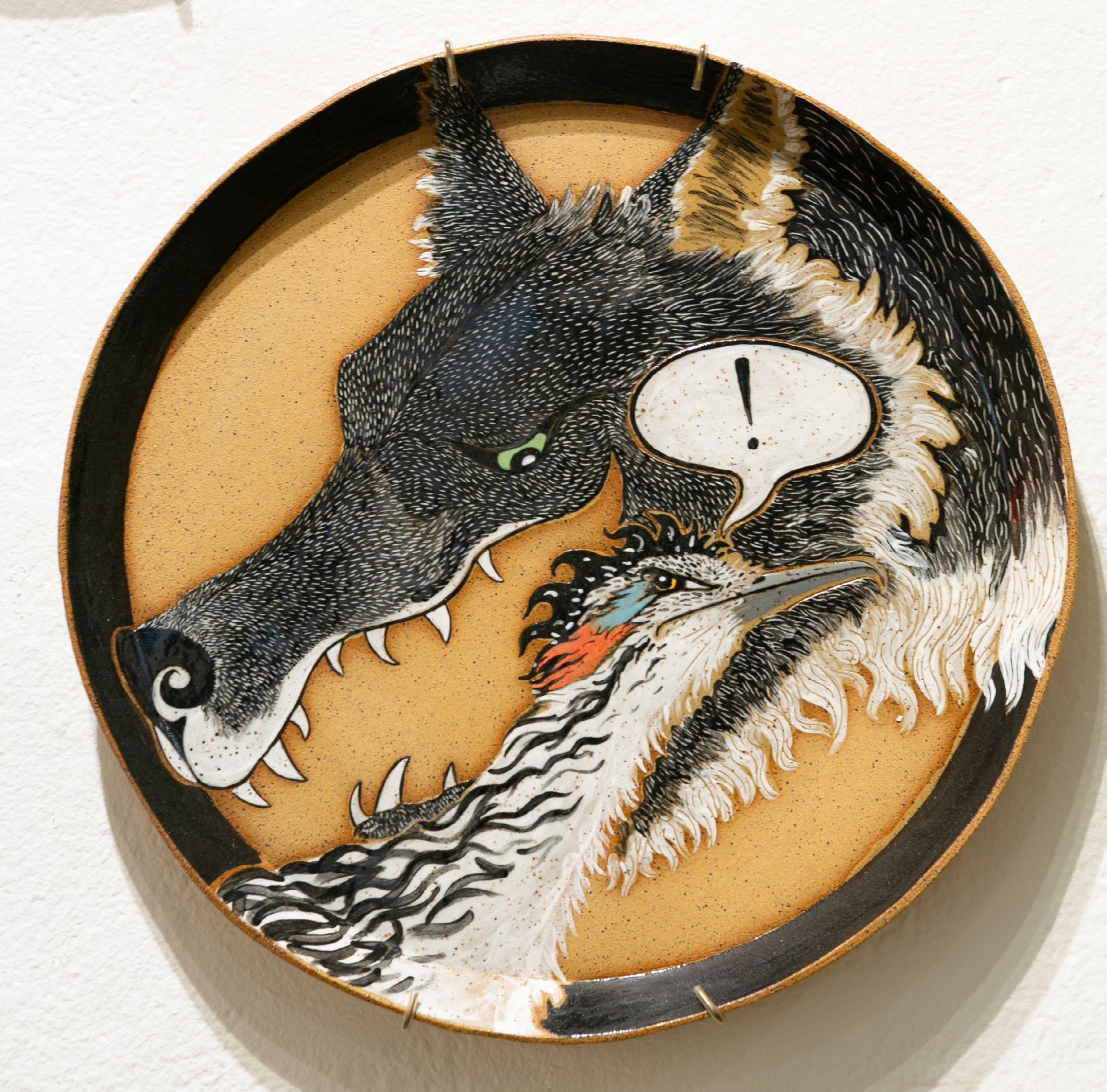
Mimolo is husband and wife team, Mike and Morgan Loven. Mike is still learning to think of himself as an artist in addition to an info tech specialist. Morgan has always been an artist working in a variety of mediums, so she says Mike knew what he was getting into from the beginning. They live in Albuquerque with their dog, Six, their cat, Five, and four chickens who couldn’t care less what their names are.
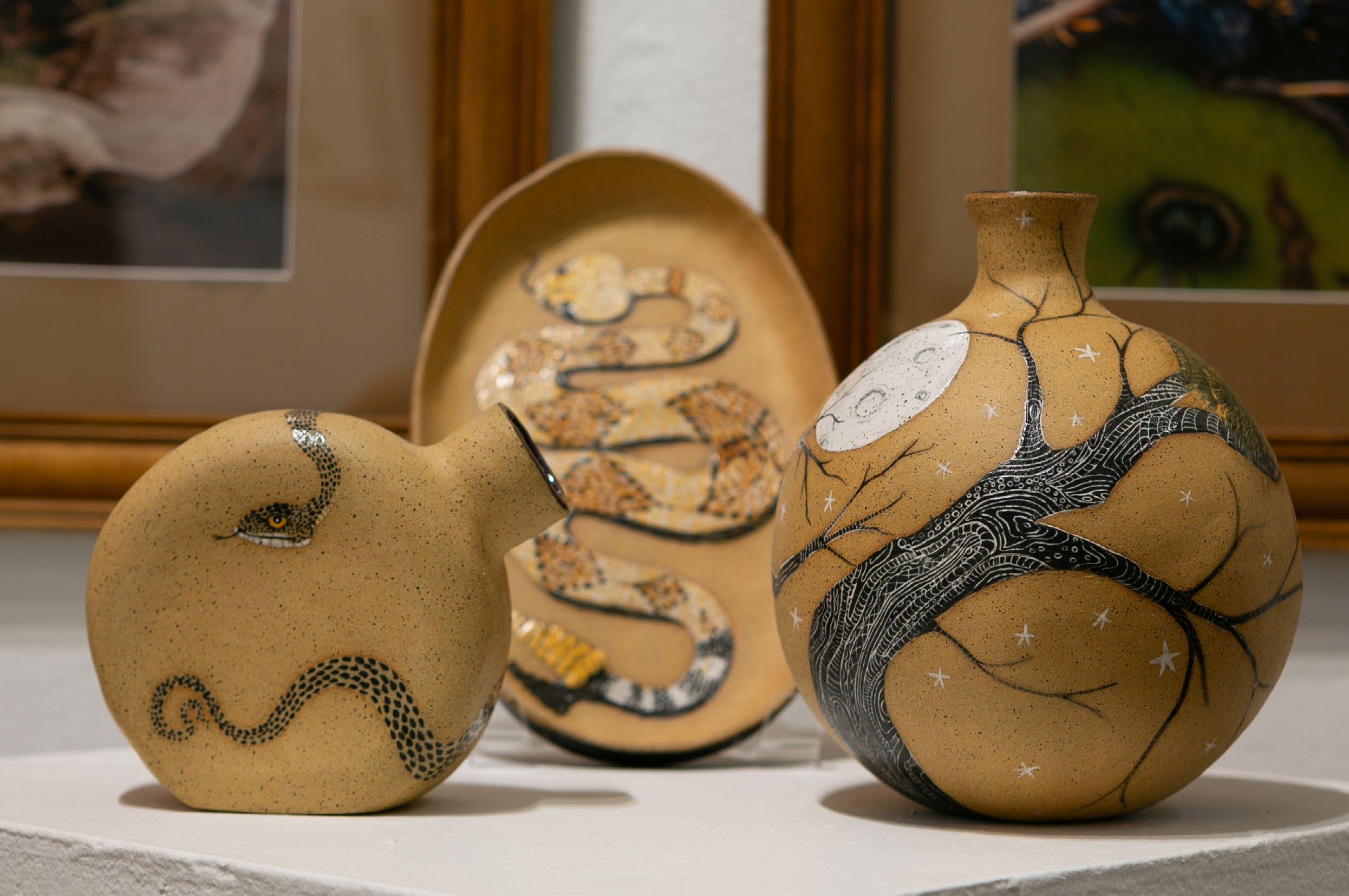
Mimolo is the collaborative practice of Morgan and Mike Loven, creating ceramic forms rooted in the desert landscape of the southwestern United States. Mike builds functional and sculptural vessels: Morgan decorates them with under glaze and sgraffito, carving intricate drawings of the desert wildlife she loves. The work begins in the body of the land – its creatures, its silence, its stubborn peculiarity – and ends with objects meant to be lived with. The sgraffito line is both deliberate and intuitive: a record of close attention to the animals, plants and geographies that share the land with us. Morgan hopes her drawings encourage people to think about the desert and its residents with love and humor, as beings very much like ourselves, worthy of living their lives freely in their desert homes.
www.mimolo.design
Victoria DeBlassie is a Native New Mexican Mestiza (of Latina, Indigenous, and European descent), an award-winning international artist, and an Italian Fulbright grantee, with her MFA from the California College of the Arts and her BFA from the University of New Mexico. Currently based in Albuquerque and teaching Art at the Native American Community Academy and the Central New Mexico Community College, Victoria has participated in numerous residencies, including the International Printmaking Thomas Wood Art Residency at Il Bisonte, Foundation for Printmaking in Florence, Italy, and her upcoming residency at Chroma Printmaking in Albuquerque, New Mexico, thanks to the Karen Arms Biology Scholarship. Solo exhibitions include Cascading Citrus, curated by MUSE at the Palazzo Medici Riccardi in Florence, Italy, and group shows include Post Print Media at the Galleria Il Bisonte, curated by Silvia Bellotti. www.victoriadeblassie.com
In Diacitrus, New Mexican artist Victoria DeBlassie draws upon the intertwined histories of citrus cultivation in Florence, Italy, and the resourcefulness embedded within the cultural landscapes of New Mexico to examine how systems of value shape our relationships to land, labor, and material culture. Grounded in her Mestiza roots, DeBlassie considers what communities choose to preserve, what they discard, and how acts of transformation can become gestures of respect toward the environments that sustain us.
Growing up in New Mexico, where water scarcity and the realities of desert life necessitate ingenuity, DeBlassie inherited an ethic of making do with what is available. Across Indigenous communities of the Southwest, survival has long depended upon attentiveness to the land, reciprocity, and the careful stewardship of limited resources. Honoring her Indigenous roots, DeBlassie embraces a philosophy of resourcefulness in which nothing is wasted; materials are reused, repaired, and approached with reverence and respect for the land. This sensibility echoes throughout DeBlassie’s practice, where discarded and quotidian materials are reimagined as sites of beauty, memory, and resistance to cultures of excess.
The work takes as its point of departure the history of citrus in Florence, where DeBlassie lived for 13 years. During the Italian Renaissance, citrus fruits were coveted by the Medici family and other elites as symbols of wealth and prestige. Because citrus could not naturally thrive in Tuscany’s colder months, elaborate citrus houses known as limonaia were constructed to shelter the trees. Architectural heating systems and braziers built into these spaces enabled citrus to survive where it otherwise could not. What appeared as abundance was, in fact, sustained through continual intervention, labor, and the consumption of resources.
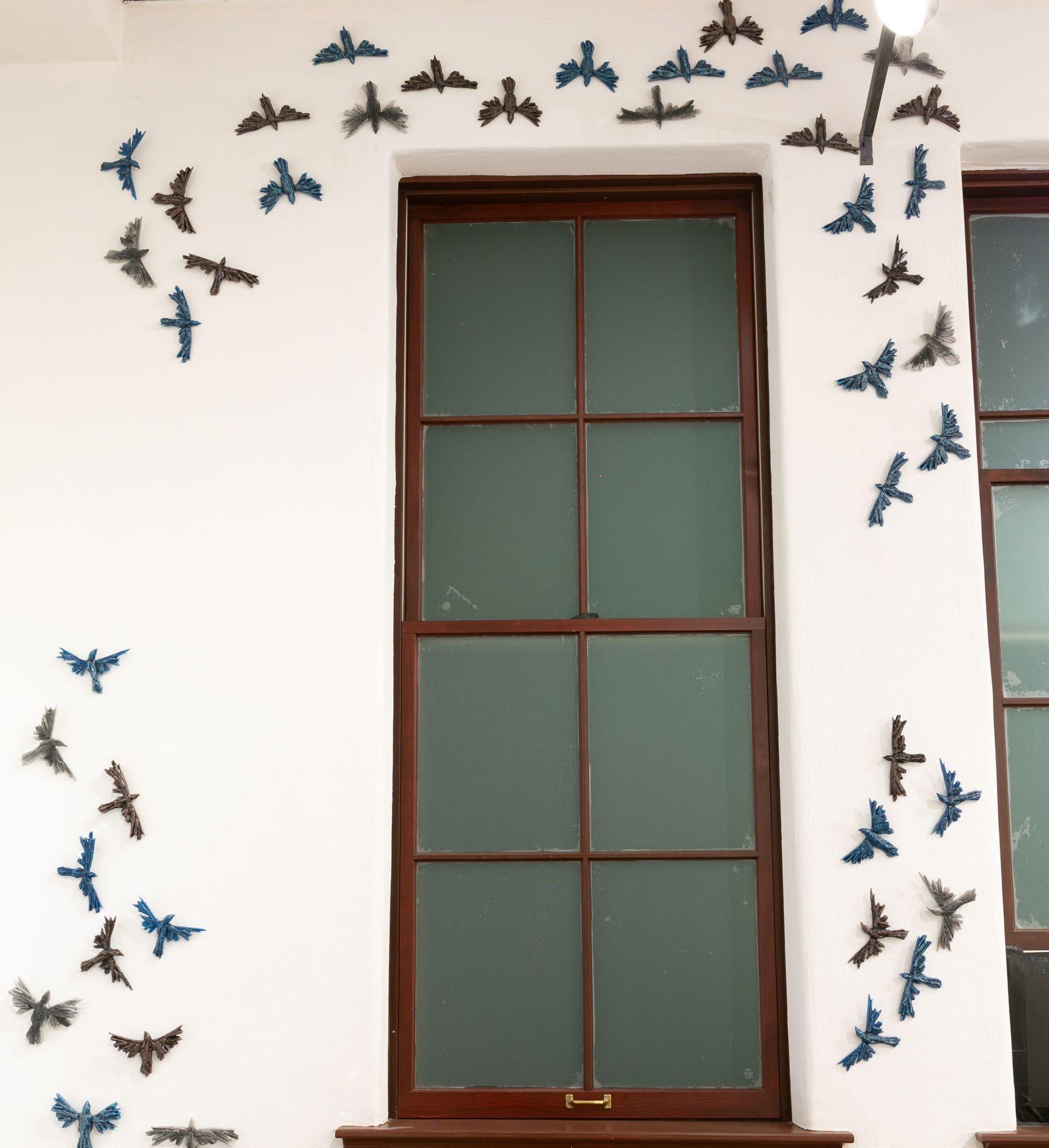
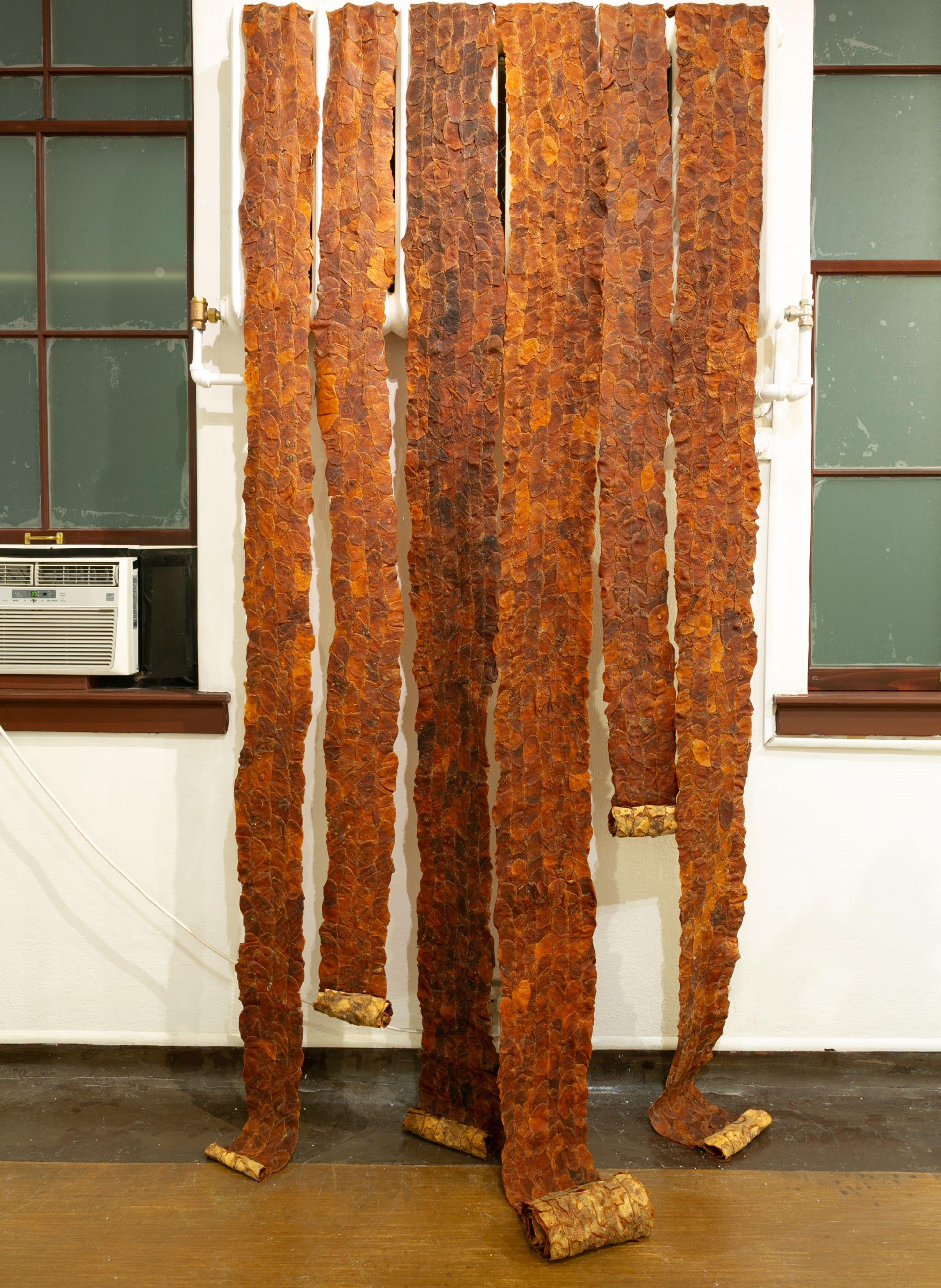
For this installation, DeBlassie suspends cascades of community-collected citrus peels from the architectural heater elements that echo the ones that once kept the limonaia functioning. These overlooked structures—designed to force life beyond its natural rhythms—become both literal supports and conceptual anchors for the work. The hanging cascades invite reflection on the lengths to which societies will go to cultivate desire: to make something grow where it should not, to preserve what status deems valuable regardless of ecological cost.
The metaphor extends far beyond Renaissance Florence. Today, global systems of production allow us to expect abundance without seasonality—to consume foods from distant places year-round, often disconnected from the environmental consequences that make such access possible. We have become accustomed to heating our metaphorical limonaia: expending extraordinary resources to sustain systems, economies, and desires that exceed the carrying capacity of the land.
At the same time, the work asks us to consider another possibility. Throughout history, marginalized communities have also learned to flourish in societal environments not built for their survival. Indigenous peoples of the Southwest have continuously adapted, persisted, and created beauty despite colonial systems designed to uproot them from their relationships to land and tradition. In this sense, Diacitrus becomes a meditation on resilience as much as excess. It asks what it means to nurture growth responsibly rather than force it; to cultivate futures grounded in reciprocity instead of extraction.
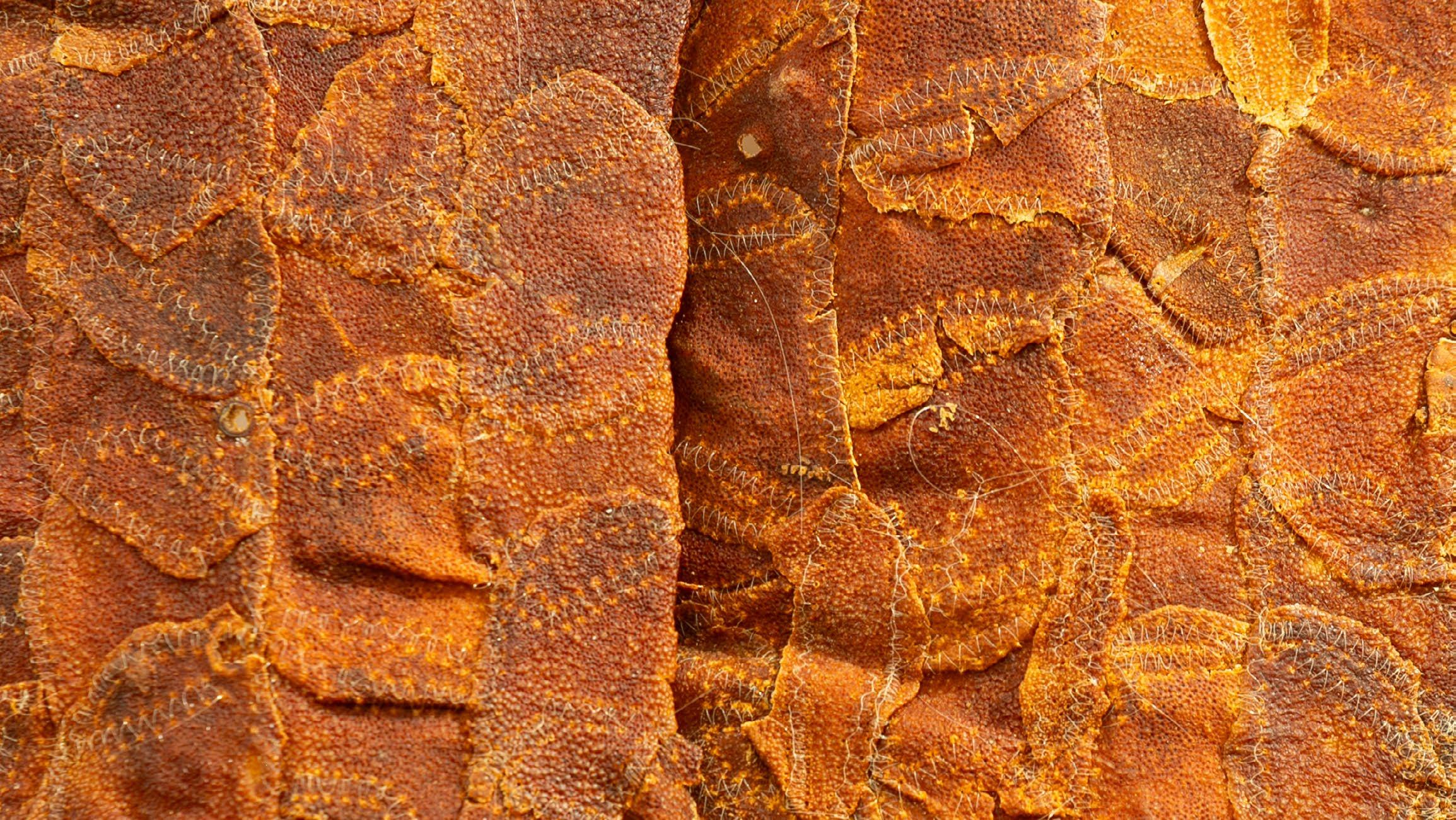
Using ecologically conscious Tuscan tanning techniques, DeBlassie preserves citrus peels that would otherwise have been discarded, machine-stitching them into unfurling forms reminiscent of the dramatic fountains of Renaissance gardens. Their transformation challenges the socially constructed boundaries between waste and worth. Once destined for the garbage, the peels are granted renewed presence and dignity, embodying the possibility that what contemporary culture deems expendable may instead hold the seeds of renewal.
Through Cascading Citrus, DeBlassie proposes that sustainability is not merely a technological problem but a cultural one. It requires reconsidering the values that determine what we conserve, what we consume, and what we cast aside. By honoring discarded materials and drawing connections between Florence and Albuquerque, Renaissance luxury and desert pragmatism, the installation invites viewers to imagine futures rooted in resourcefulness, reverence for the land, and the understanding that true abundance arises not from endless accumulation, but from learning to live within the rhythms of the places we call home.
Page
Page
Page
Maya Perez is the creator of Skinny Legend Creations, named in honor of her dog and best companion, Zeus. As a contemporary visual artist, Maya is known for her distinctive “pop art” female portraits and intricate geometric mandala designs. Drawing inspiration from her Navajo and multiracial background, as well as her personal journey, Maya’s work explores the emotional depth of the human experience and the pursuit of balance. She primarily works with acrylics, using bold, vibrant color combinations to bring her visions to life. She also recently started to explore her love for ceramics, creating quality pottery pieces customized with her mandala designs.
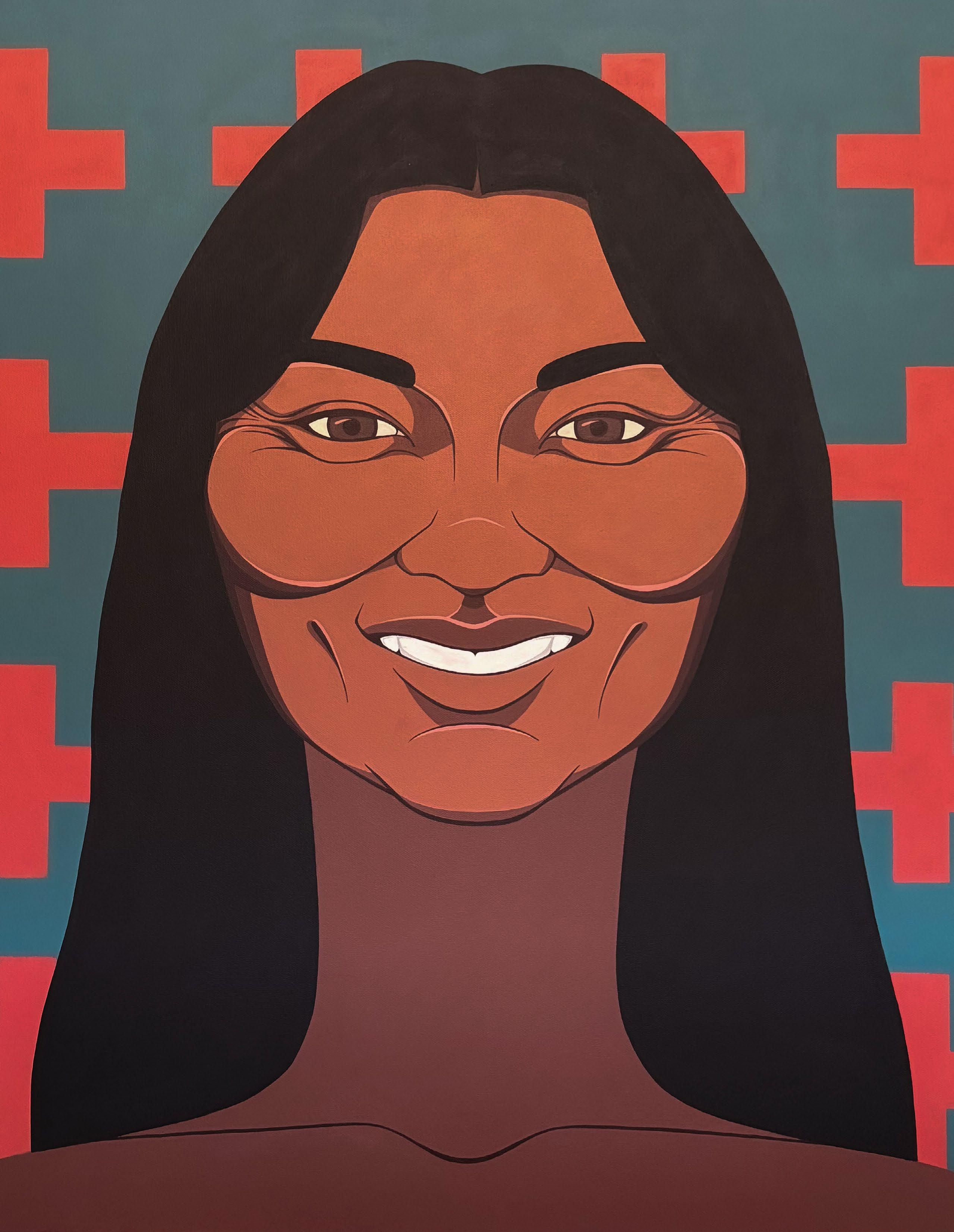
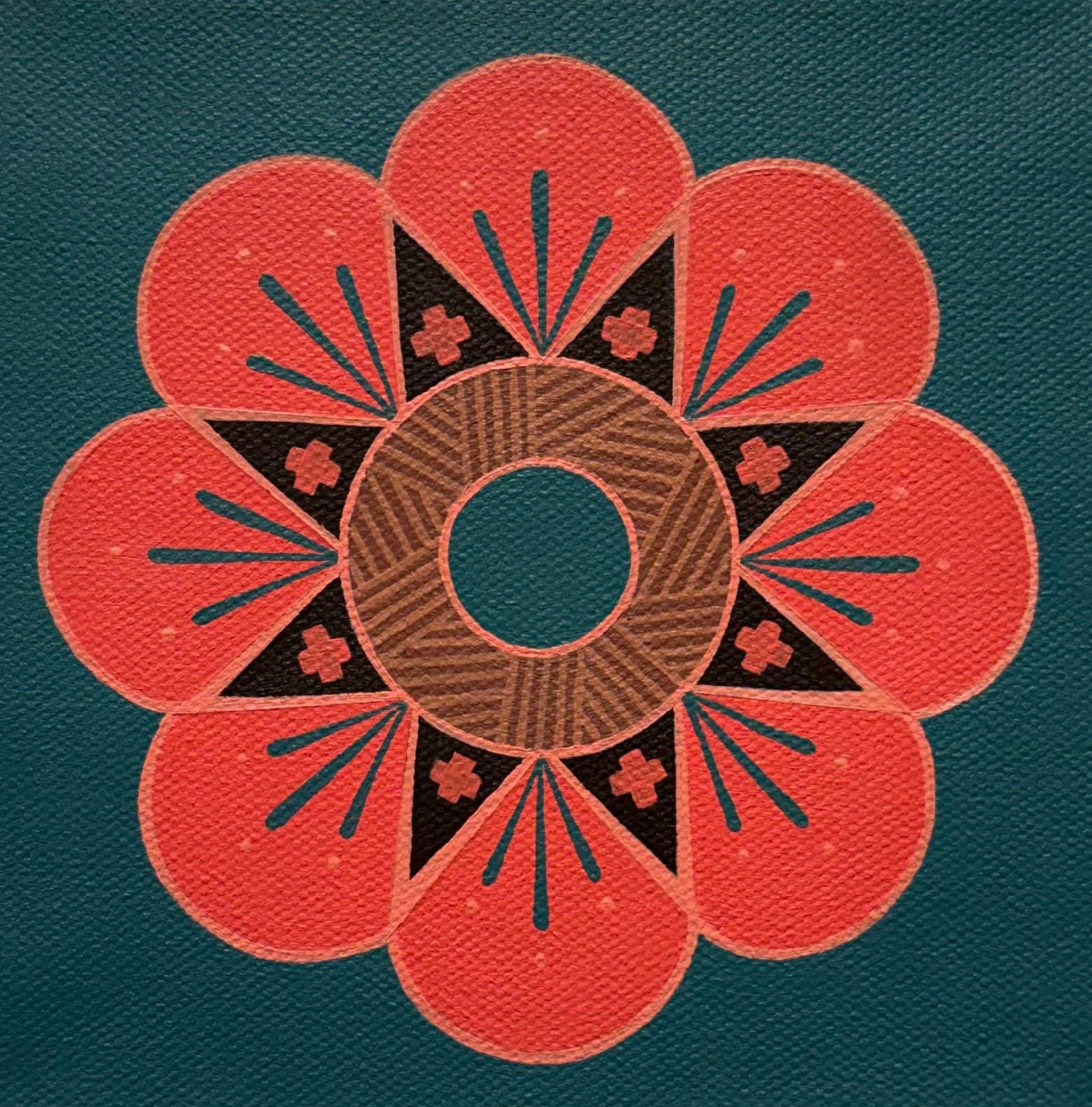
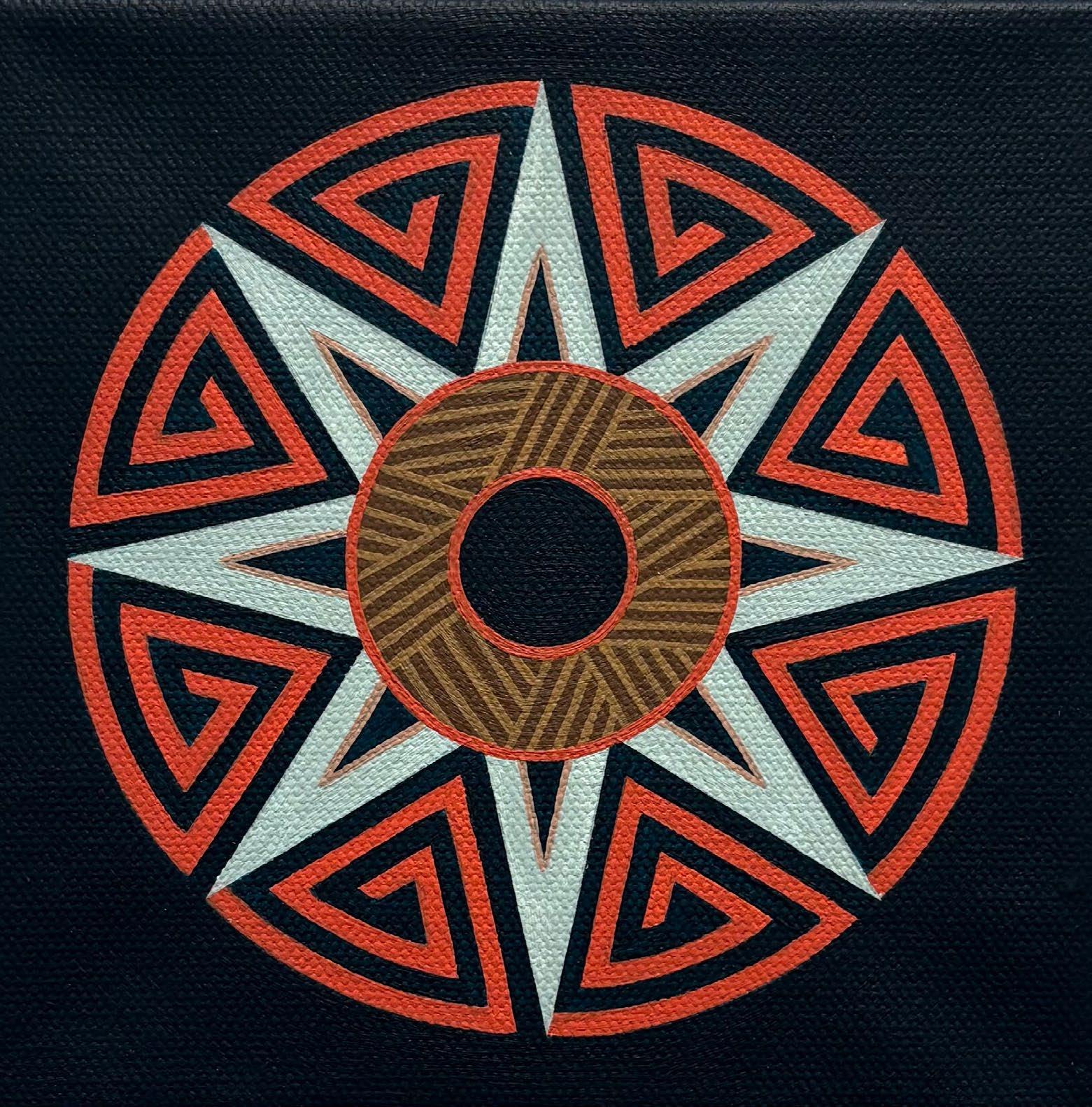
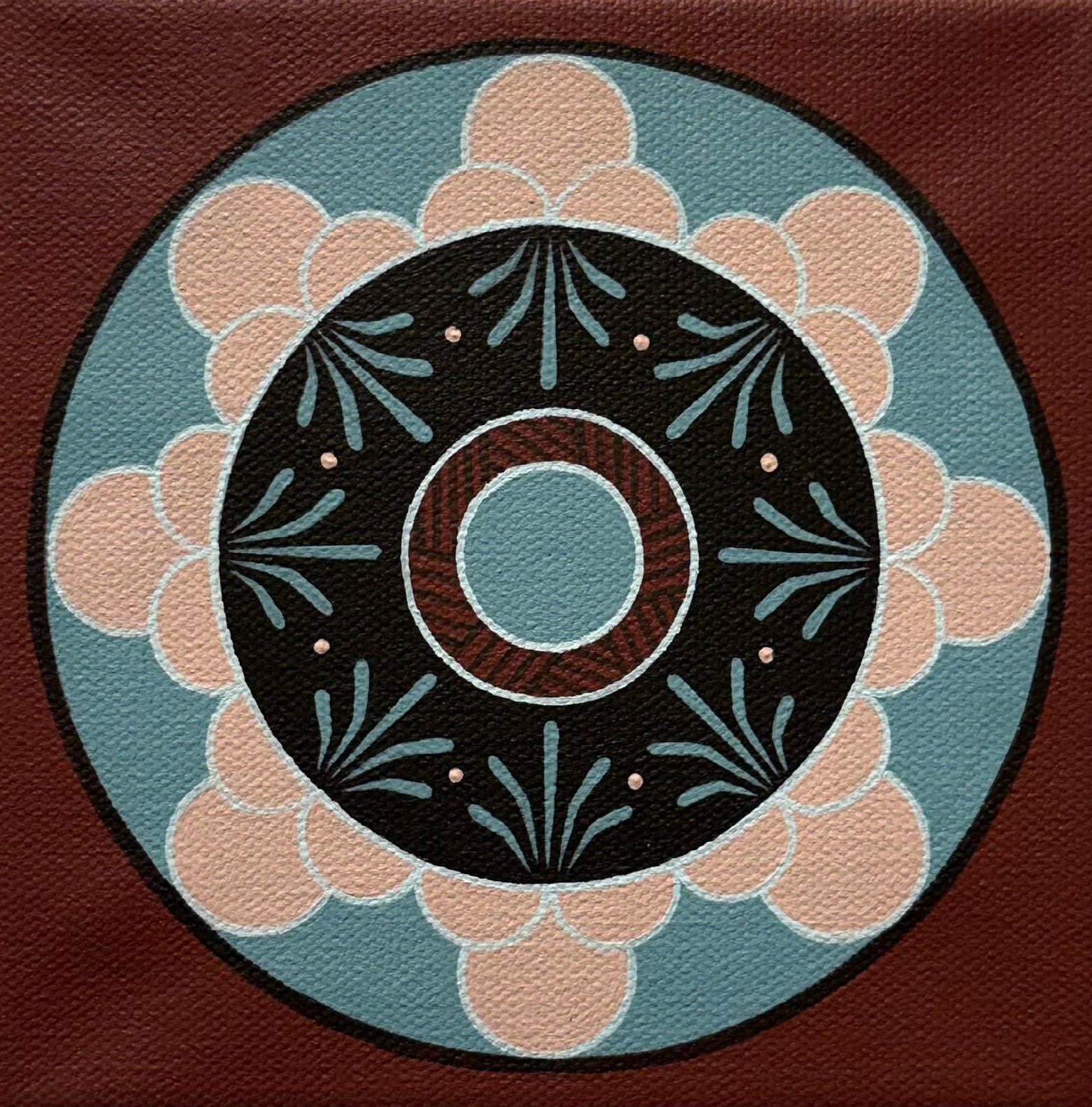
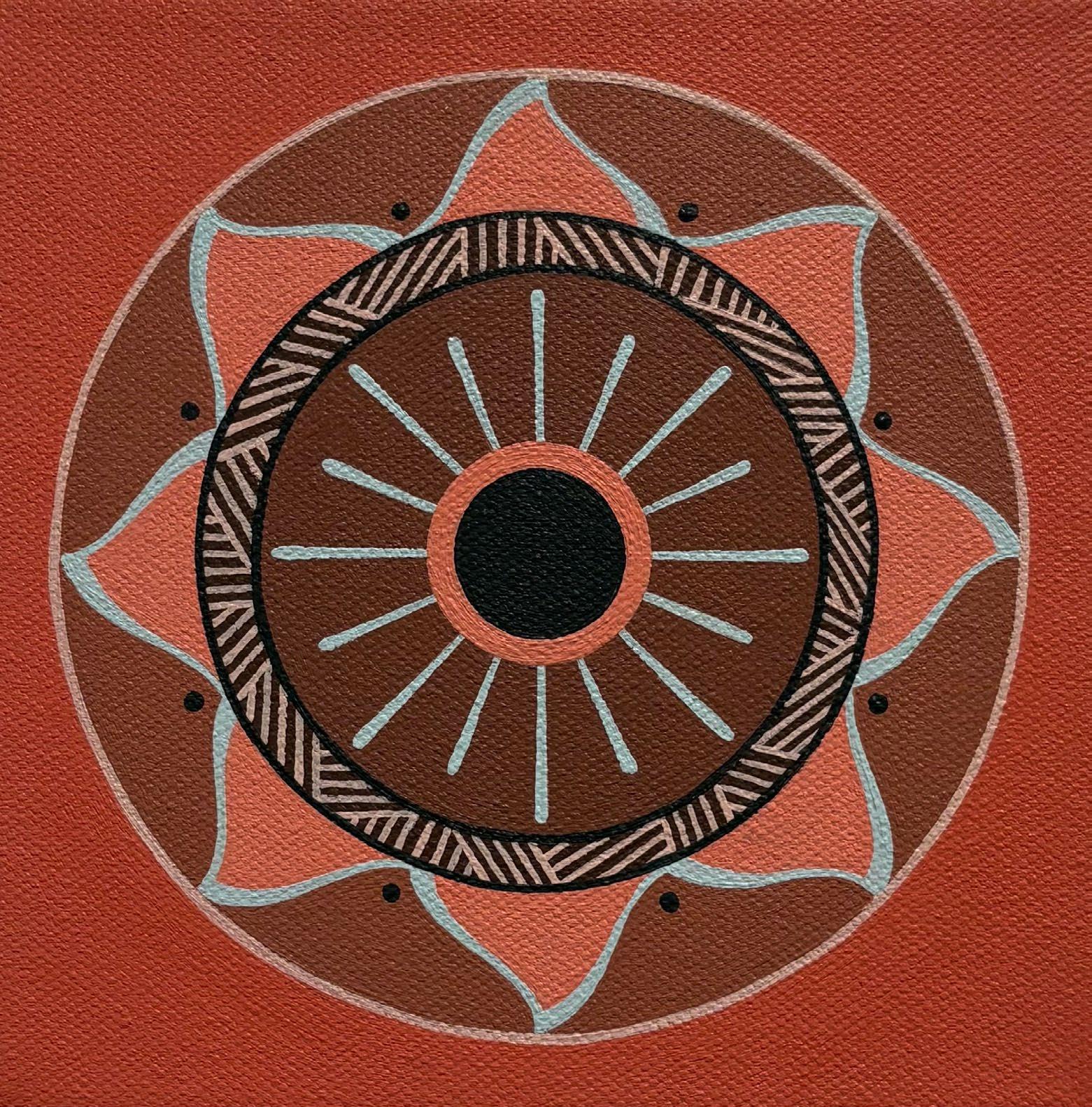
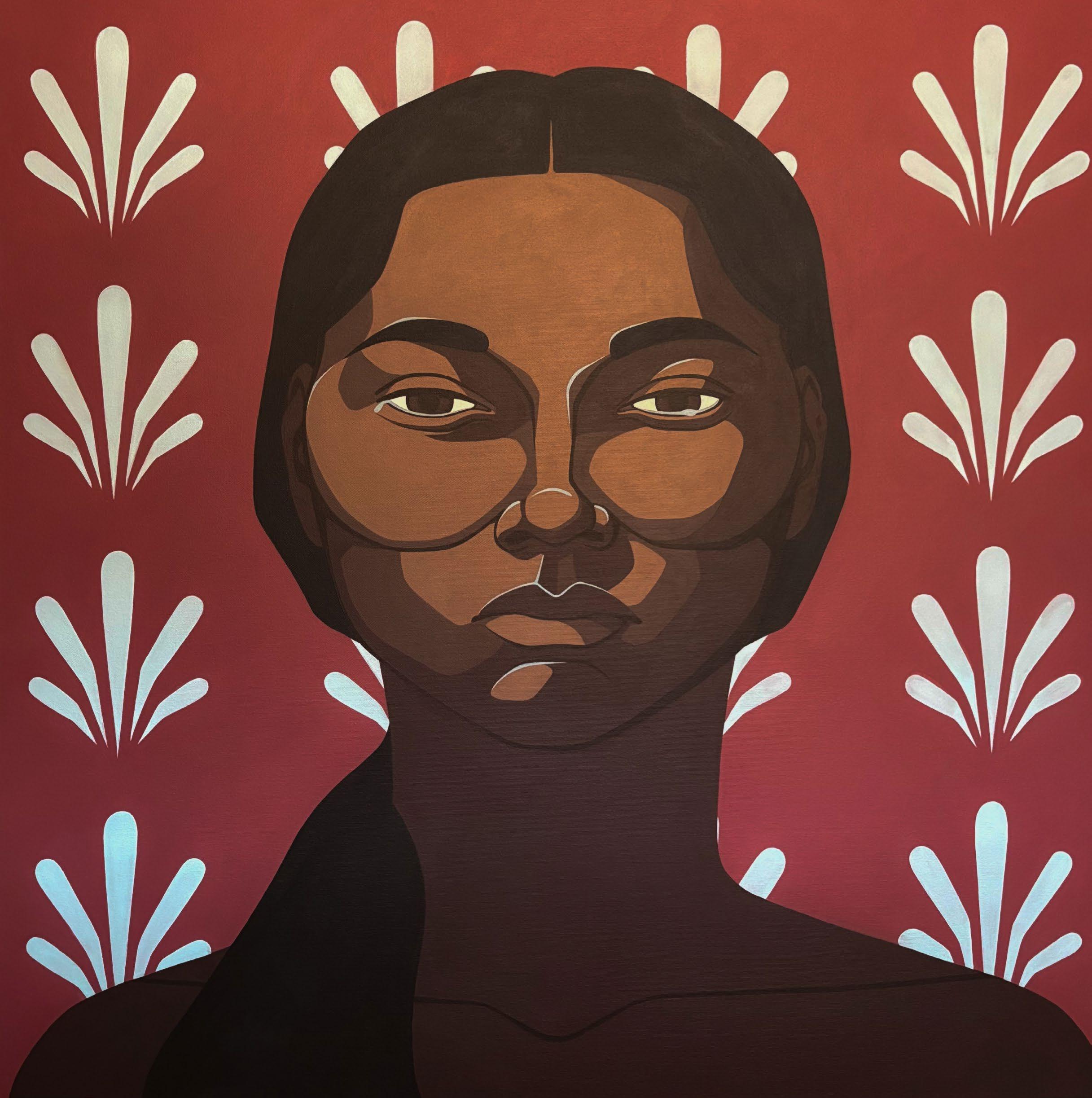
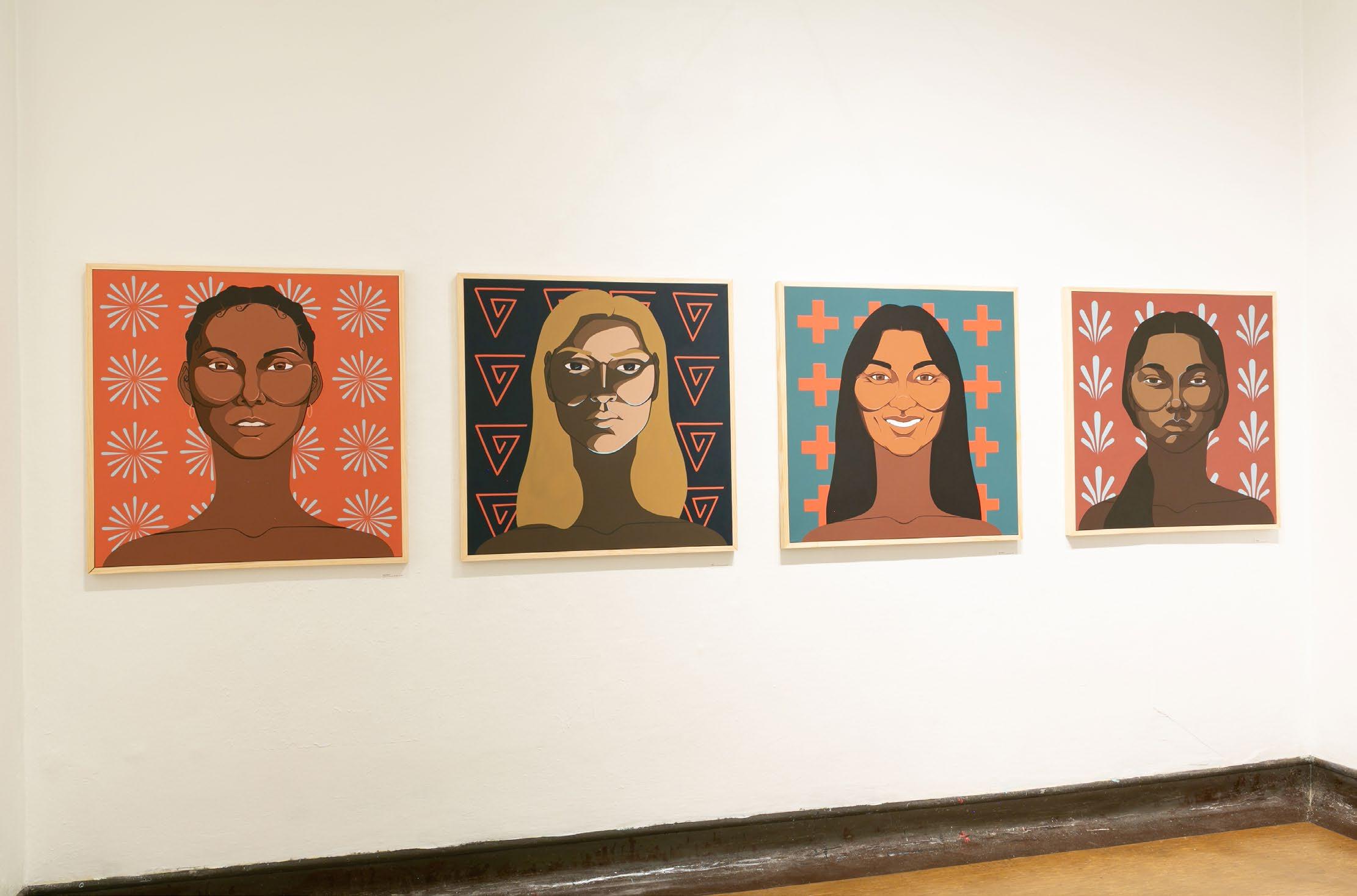
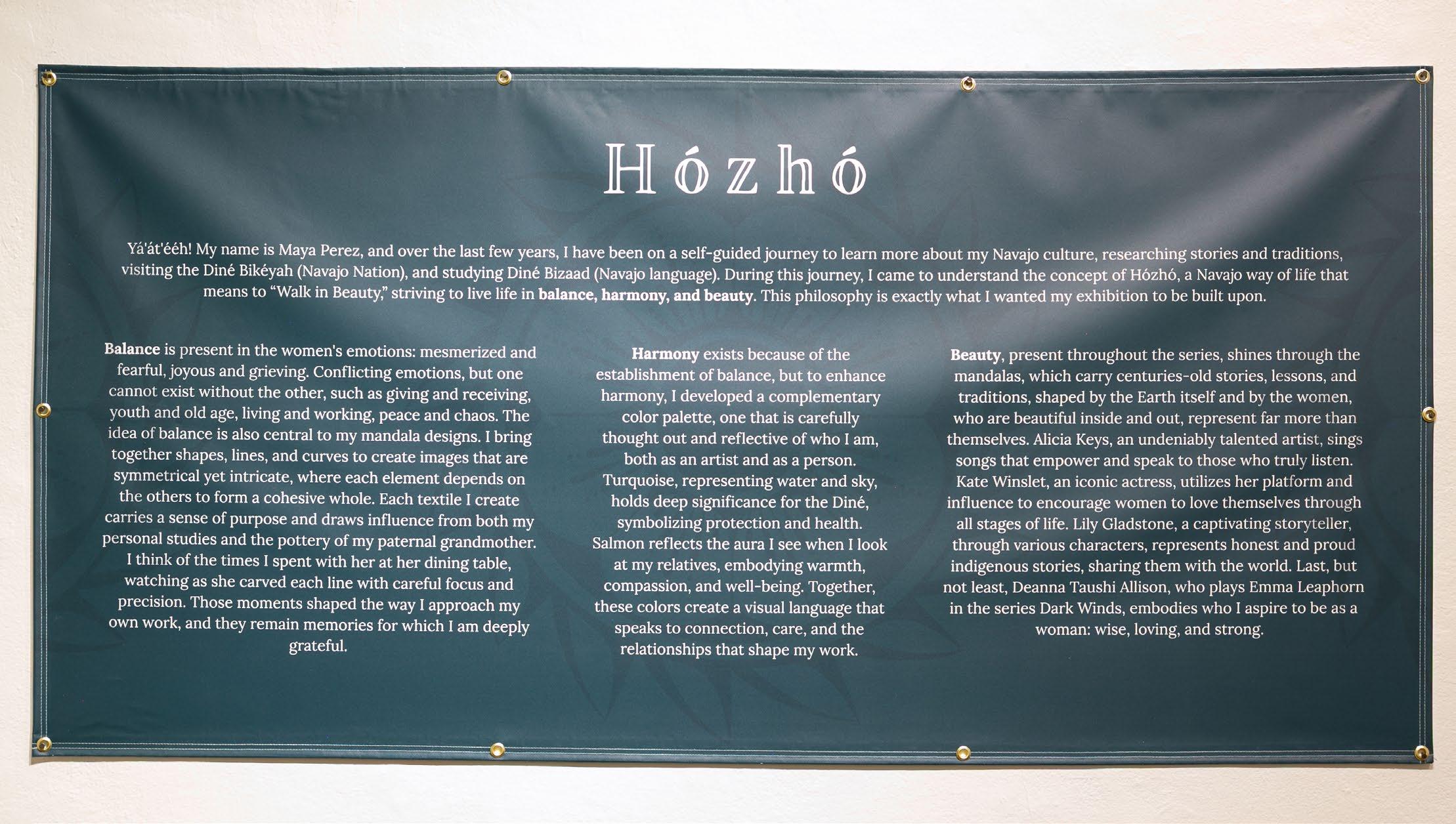
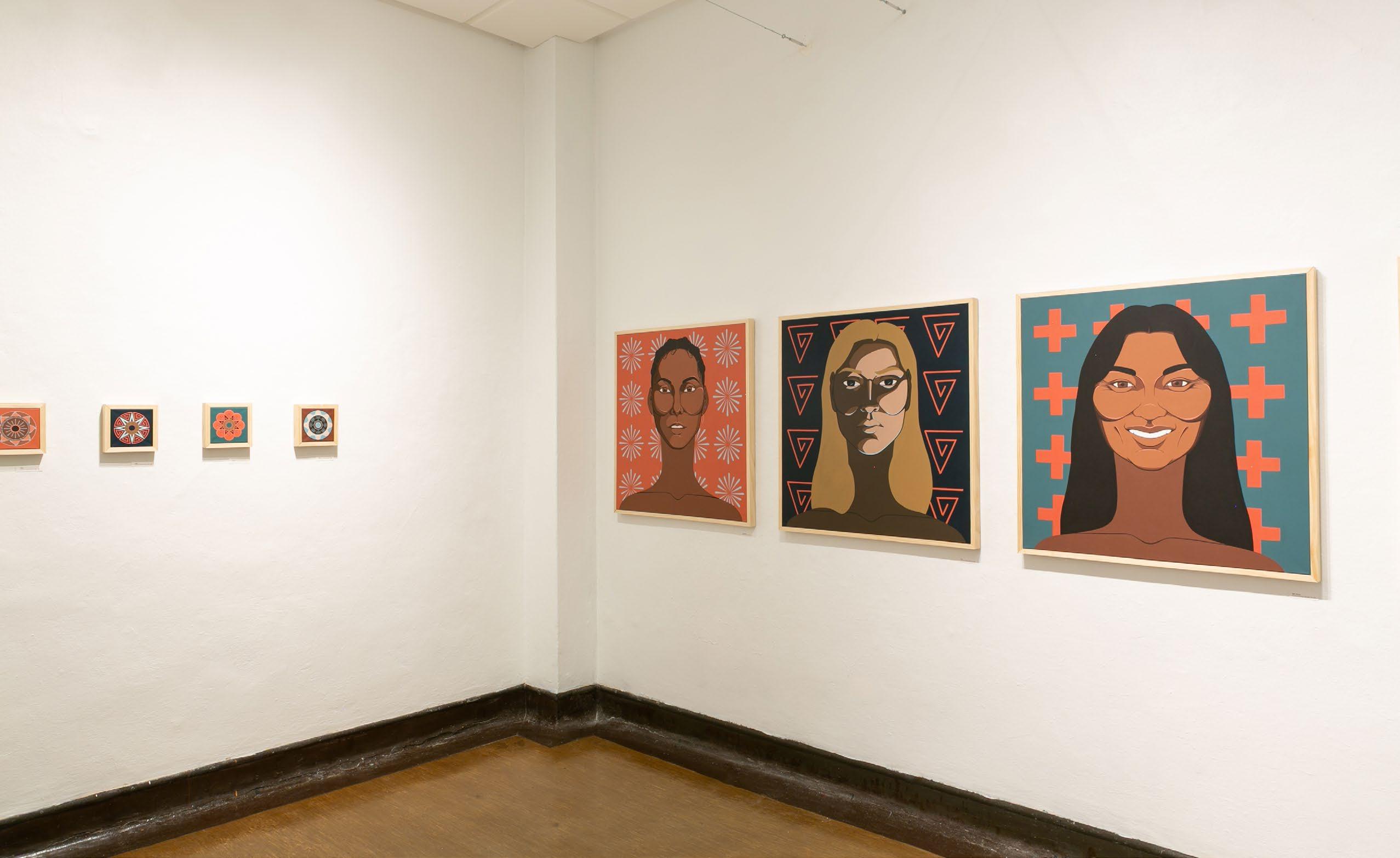
Over the past several years, Maya has dedicated countless hours to learning more about her Navajo culture, researching stories and traditions, and studying Diné Bizaad, the Navajo language. During her research, she came to understand the concept of Hózhó, a Navajo way of life that means to “Walk in Beauty,” striving to live in balance, harmony, and beauty. That philosophy is exactly what Maya wanted this exhibition to be built upon.
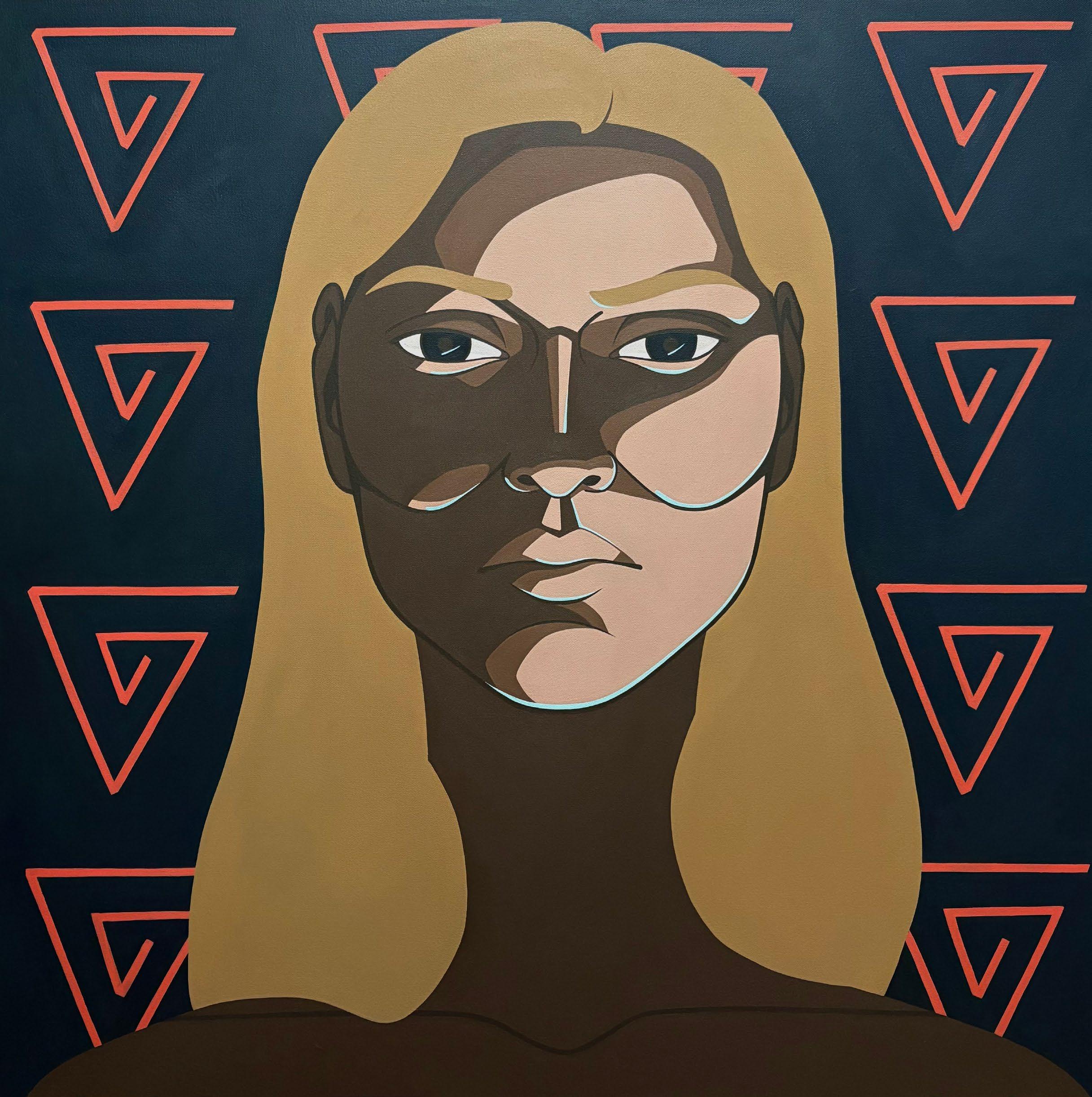
EACH YEAR ONE ARTIST RECEIVES THE HARWOOD ART CENTER SOLO EXHIBITION AWARD, PRESENTED ANNUALLY FOR ARTISTIC EXCELLENCE, ORIGINALITY OF VISION AND DEDICATION TO PRACTICE. THE SELECTED ARTIST WORKS FOR A YEAR WITH SUPPORT FROM HARWOOD STAFF TO MAKE A NEW BODY OF WORK TO EXHIBIT THE FOLLOWING YEAR DURING OUR SURFACE EMERGING ARTISTS PROGRAM AT HARWOOD. MAYA RECEIVED THIS AWARD IN 2025 AND THIS YEAR, SHOWCASED HER WORK IN THE FRONT GALLERY.
is dedicated to providing exhibition, audience expansion and professional development opportunities to artists working in any media and from diverse creative fields. Our gallery program is curated and managed by our Chief Programs Officer and Associate Directors of Opportunity and Engagement. Artists are invited to exhibit during three of our annual capstone events, Encompass, Residency for Art & Social Justice & 12x12, the rest of our exhibitions are awarded to individuals and groups through a competitive application process. Most of our applications are free to apply, any collected fees allocated to replenishing Harwood’s endowed cash awards for the program. Each featured exhibition is a supportive process, we work with the artists from concept development to installation in the galleries. For each exhibition we create comprehensive outreach and digital materials including exhibition catalogs, virtual archives and artist talks to support the unique visions and voices of our gallery artists.
Seeded in 1991, Harwood Art Center blooms the philosophy of our parent organization Escuela del Sol Montessori, with recognition that learning and expression offer the most resilient pathways to global citizenship, justice and peace. Harwood engages the arts as a catalyst for lifelong learning, cultural enrichment and social change, with programming for every age, background and income level. We believe that equitable access to the arts and opportunities for creative expression are integral to healthy individuals and thriving communities. In all of our work, we cultivate inclusive, reflective environments where everyone feels cared for. We nurture long-term, multi-faceted relationships with participants, building programs with and for diverse communities of Albuquerque. We integrate the arts with social justice, professional and economic growth, and education to cultivate a higher collective quality of life in New Mexico.
We are so thrilled to have an official Harwood Photographer for our galleries program this year! We are able to present the SURFACE Emerging Artists of NM Award and Microgrant of $250 to each of this year’s artists thanks to the Urban Enhancement Trust Fund, New Mexico Arts, National Endowment for the Arts, and the McCune Foundation.
Aziza Murray is a New Mexico based artist working primarily in photography. In 2015 she graduated with an MFA from the University of New Mexico where she also worked as a pictorial archiving fellow for the Center for Southwest Research. Since then, Aziza has worked in different capacities in the film industry in Santa Fe and Albuquerque, further piquing her interest in cinematography. Much of her work stems from a well of nostalgia for objects and moments, the materiality of photography, and her personal history—from experiencing tragic loss at an early age, to her multilayered experiences as a biracial person growing up in Washington, DC. She has shown her work in DC at Connersmith and the Corcoran Gallery of Art, in Albuquerque at the Harwood Art Center, the UNM Art Museum and the National Hispanic Cultural Center and, at MASS Gallery in Austin, TX.
azizamurray.com azizamurray@gmail.com
Many thanks to our genrous supporting partners: Albuquerque Art Business Association / ARTScrawl, Albuquerque Community Foundation, Downtown Neighborhood Association, McCune Charitable Foundation, New Mexico Arts and National Endowment for the Arts, City of Albuquerque Urban Enhancement Trust Fund, US Bank, and A Good Sign. Special thanks to Nusenda Foundation and Sandia Foundation for support of our Creative Roots program and to Fay Abrams and to Debi & Clint Dodge for support of our exhibiting and commission artists. As well as to Marion & Kathryn Crissey and Reggie Gammon for establishing our endowed awards for this program, and to Meghan Ferguson Mráz and Valerie Roybal for their unwavering support and constant inspiration – and for whom we named new annual awards in 2019. SURFACE would not be possible without our extraordinary local collaborators.