Simon Lee Hong Kong, Europe and Middle East sales@harvest-info.com
Chua Chew Huat Asia Pacific sales-sg@harvest-info.com
Matt Weidner North America mtw@weidcom.com
TECHNICAL SUPPORT
MJ Magsalin tech@harvest-info.com
GRAPHIC LAYOUT
Danico Acosta
EDITOR’S NOTE
Dear Reader,
More cargo today is moving under stricter handling requirements. From pharmaceuticals to perishables, this shift is placing greater emphasis on control and consistency across every stage of the cargo journey.
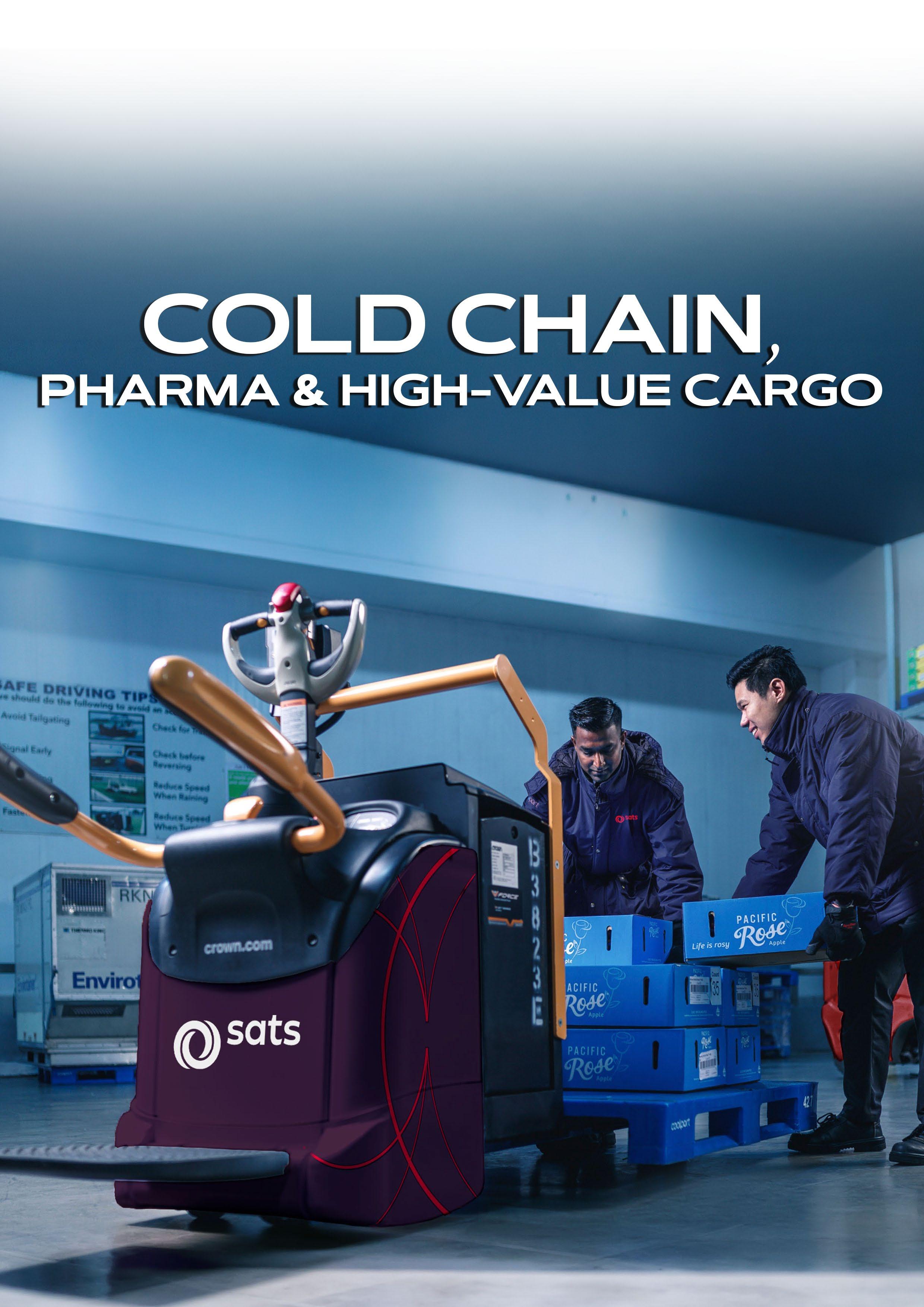
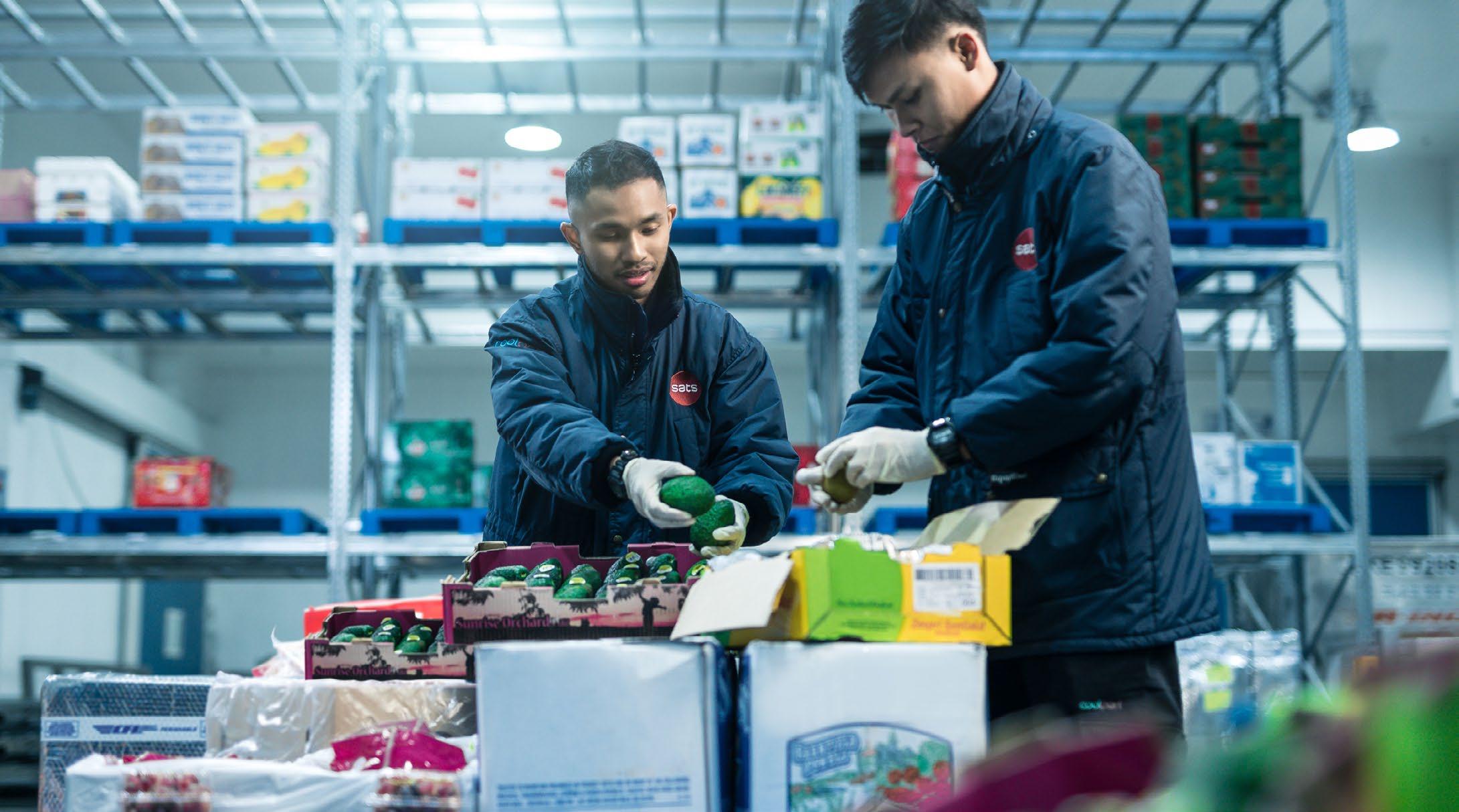
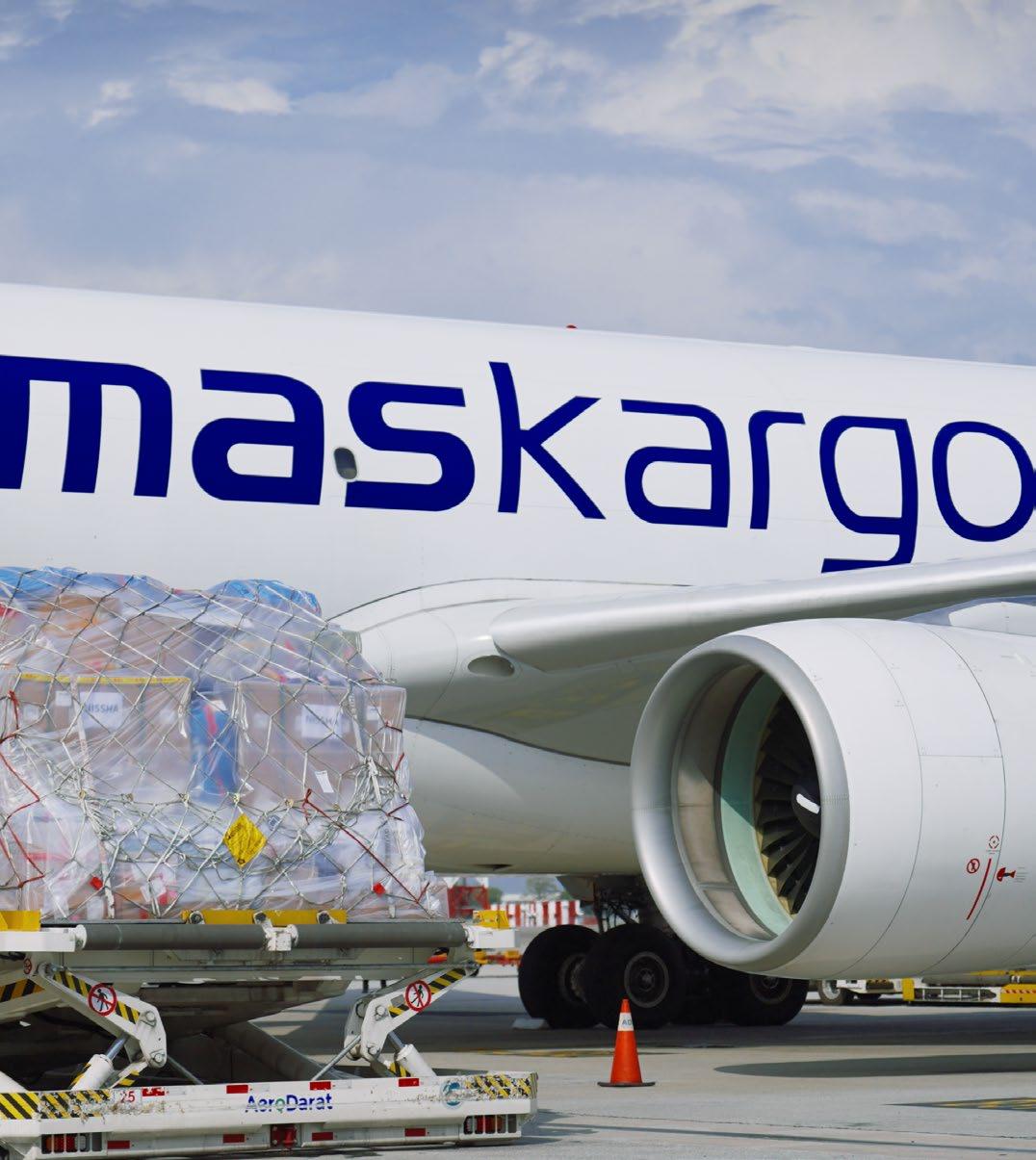
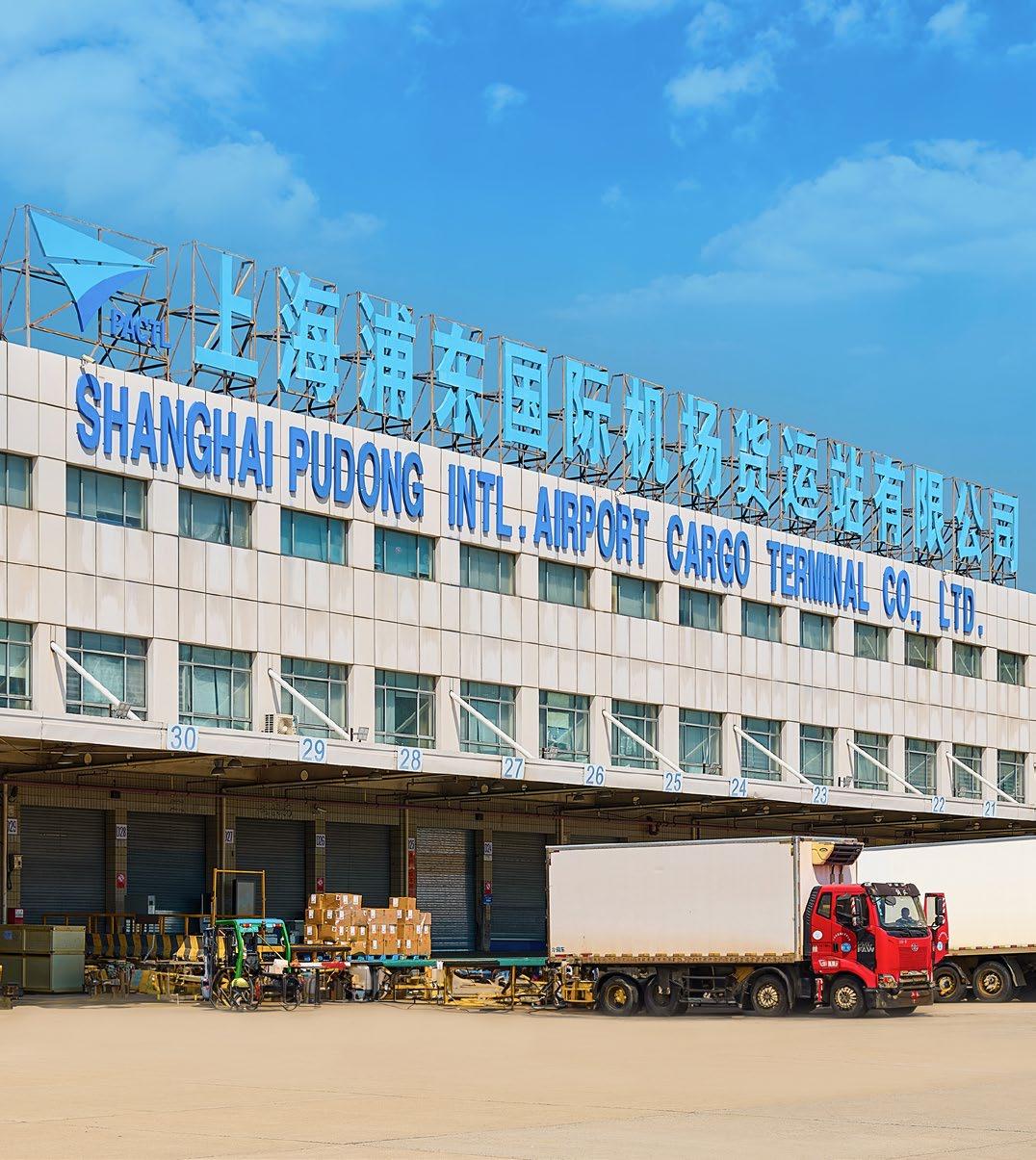
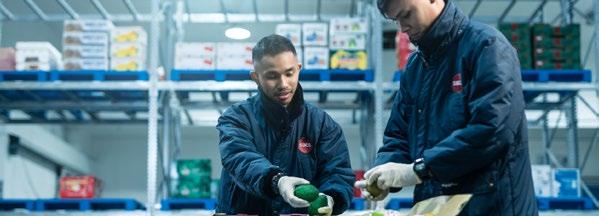
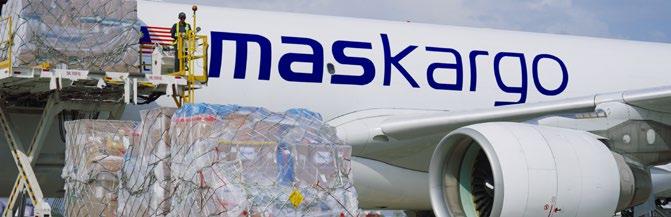
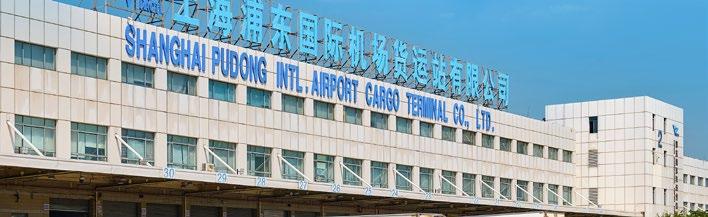
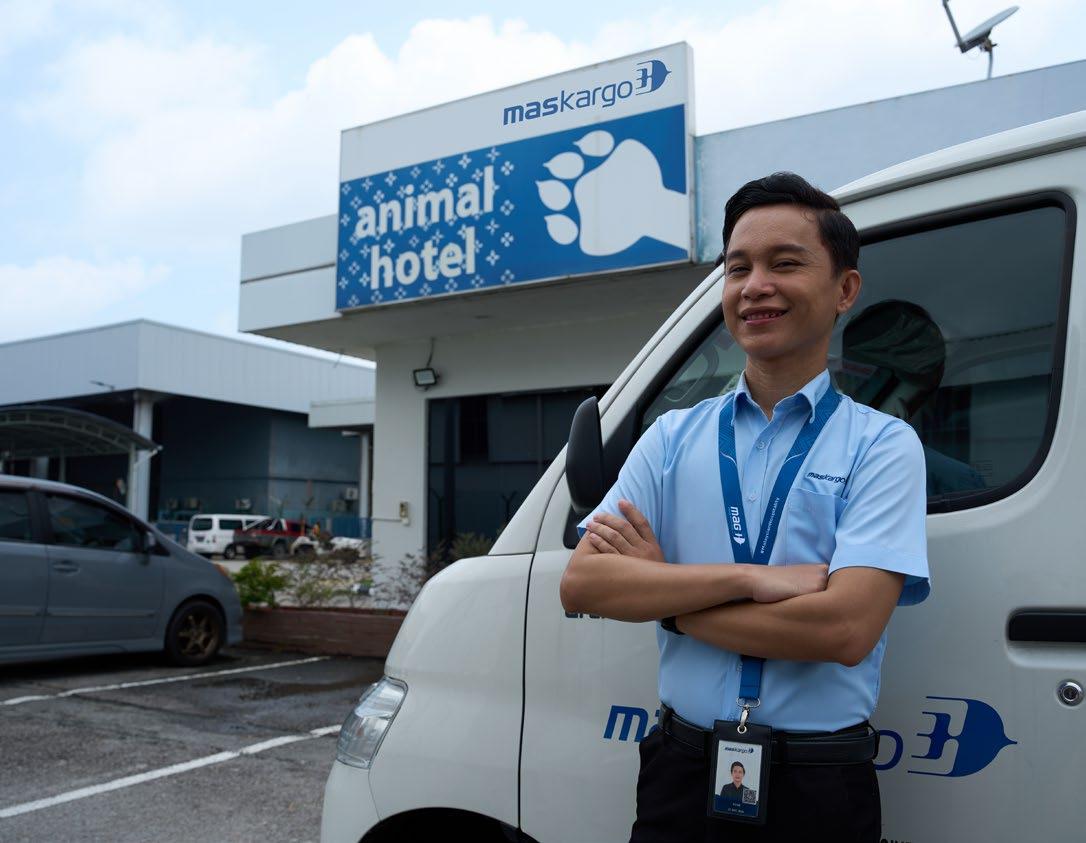
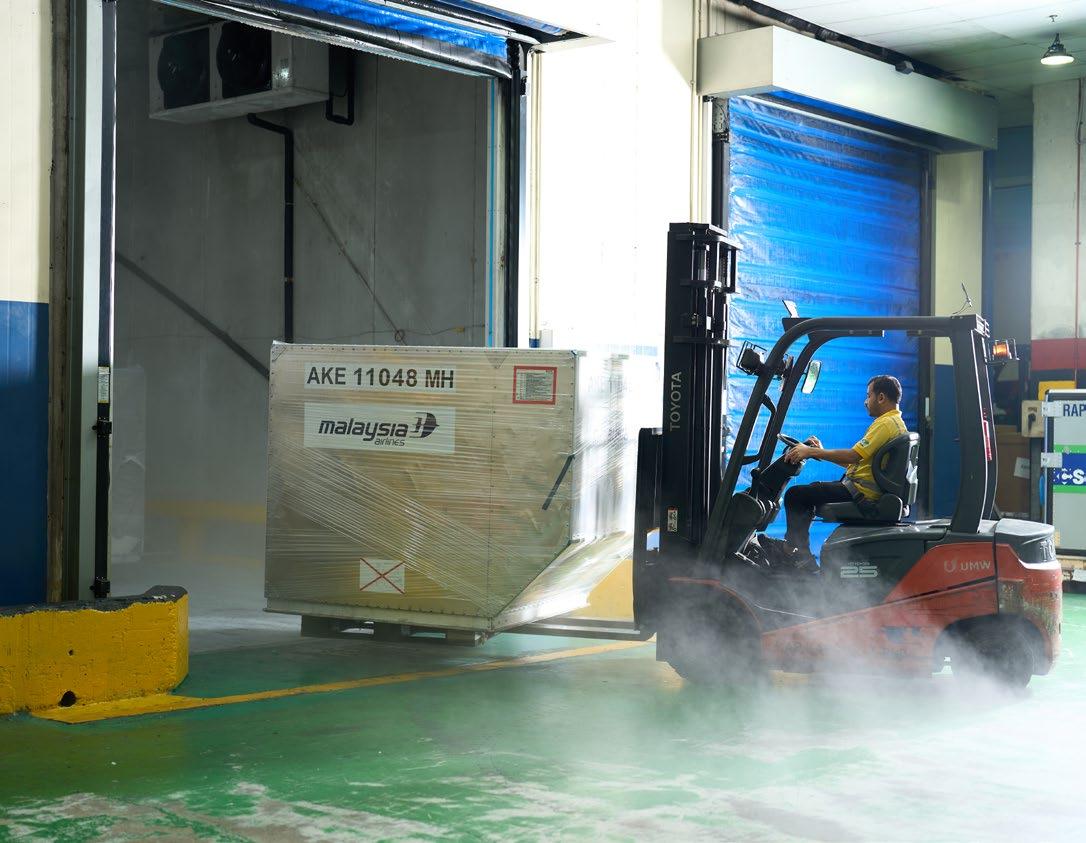
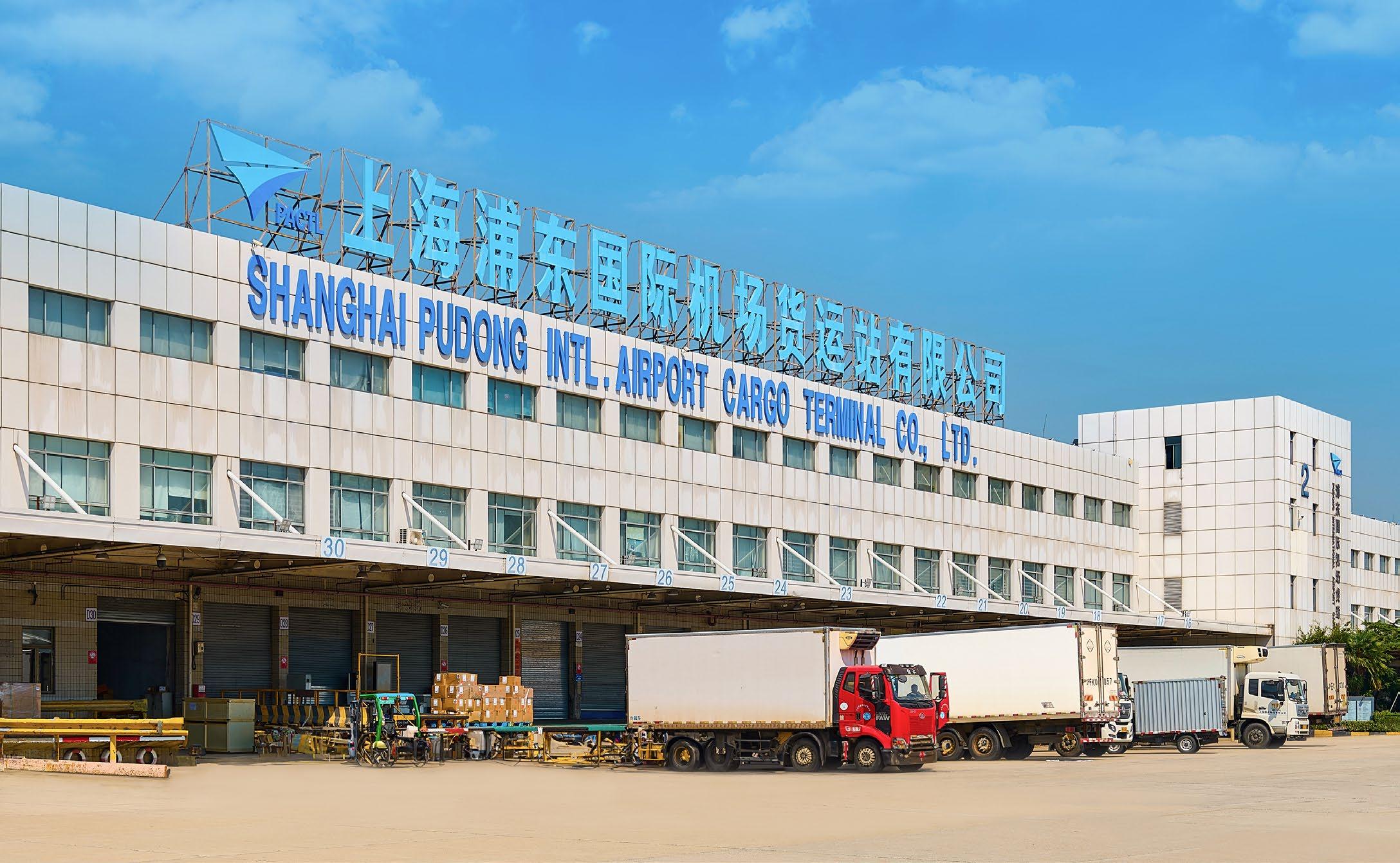
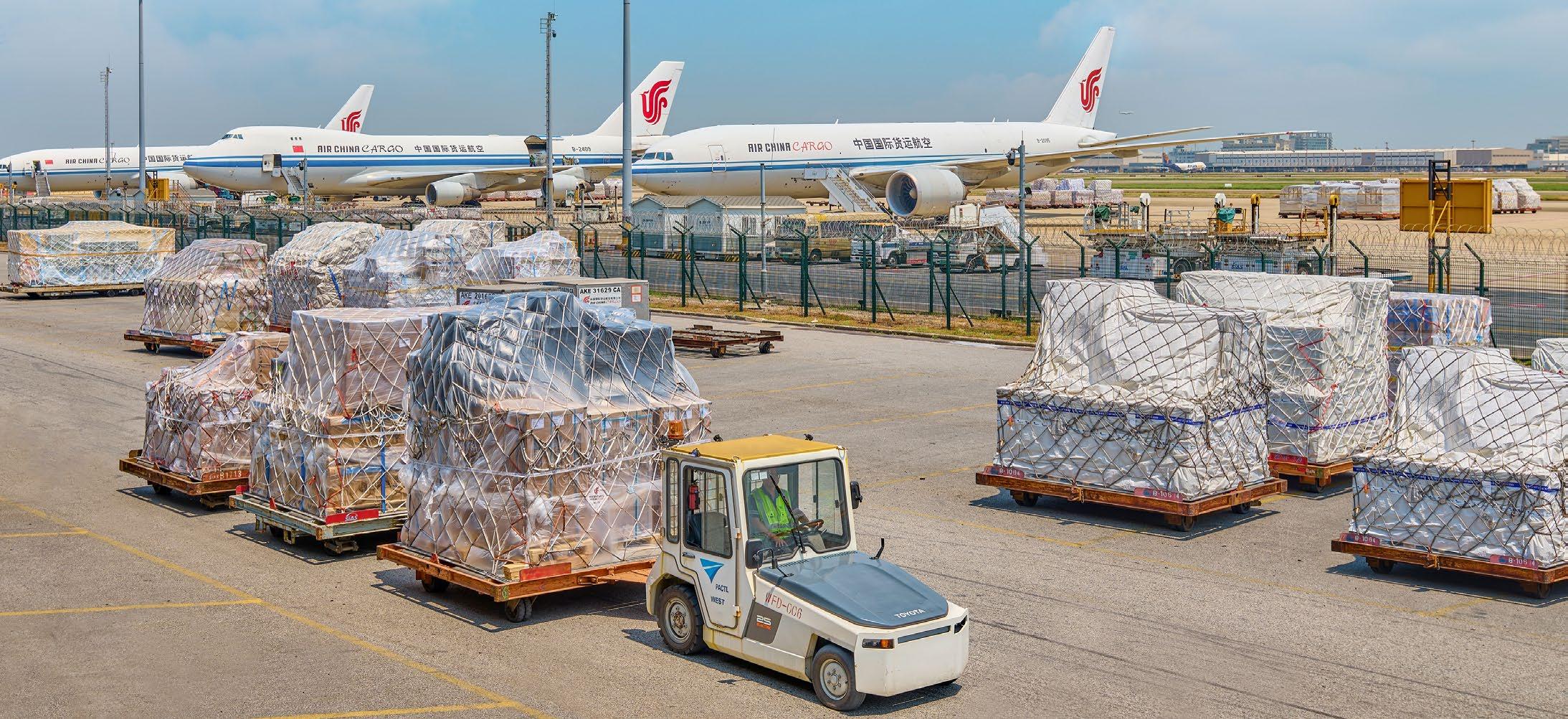
In this March–April issue of Payload Asia, we focus on cold chain, pharma, and highvalue cargo, examining how industry players are strengthening control through infrastructure, process discipline, and digital visibility. SATS highlights how integrated infrastructure and standardised processes support consistency across global networks, while MASkargo underscores the importance of discipline at handover points where risk is highest. From the terminal side, PACTL demonstrates how scale is matched with precision through investments in cold chain infrastructure and digital systems.
Across these examples, a common priority emerges: reducing risk while maintaining speed and compliance, supported by greater emphasis on end-to-end visibility, standardisation, and operational resilience.
In today’s environment, success will depend not just on capability, but on the ability to deliver it consistently—every time.
Warm regards,
Monina Eugenio
Chief Editor
the bar for cold chain and high-value cargo handling
Cathay Cargo reports 5% growth in January 2026, driven by pharma, fresh and live animal shipments
Air France KLM Martinair Cargo launches new freighter service to Seoul–Incheon
IAG Cargo launches dedicated Aircraft on Ground (AOG) service
Etihad Cargo launches Etihad Cargo Excellence Hub
Emirates SkyCargo deploys two additional freighters to India
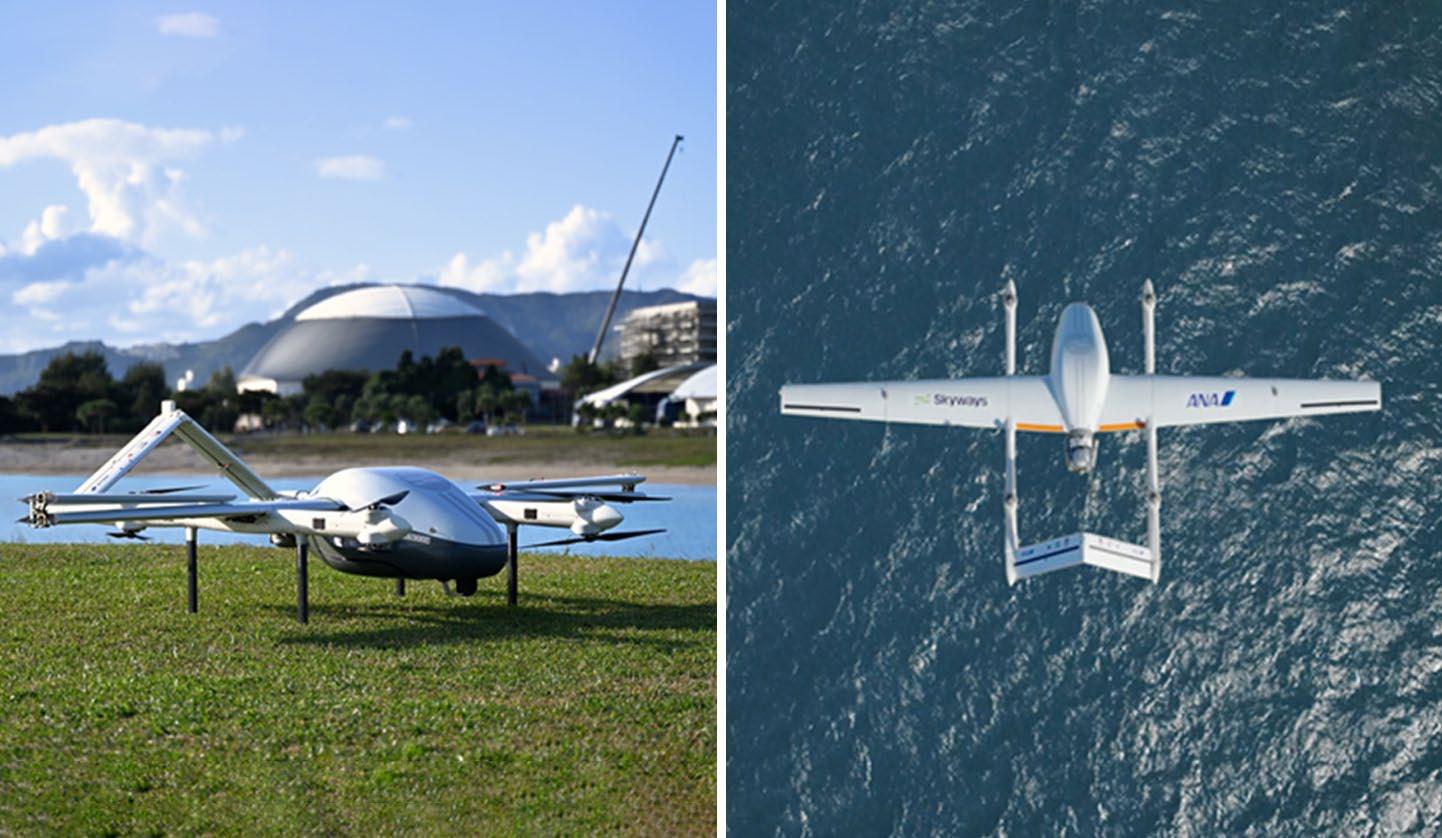
ANA HD completes long-distance medical supply drone delivery trials in Okinawa
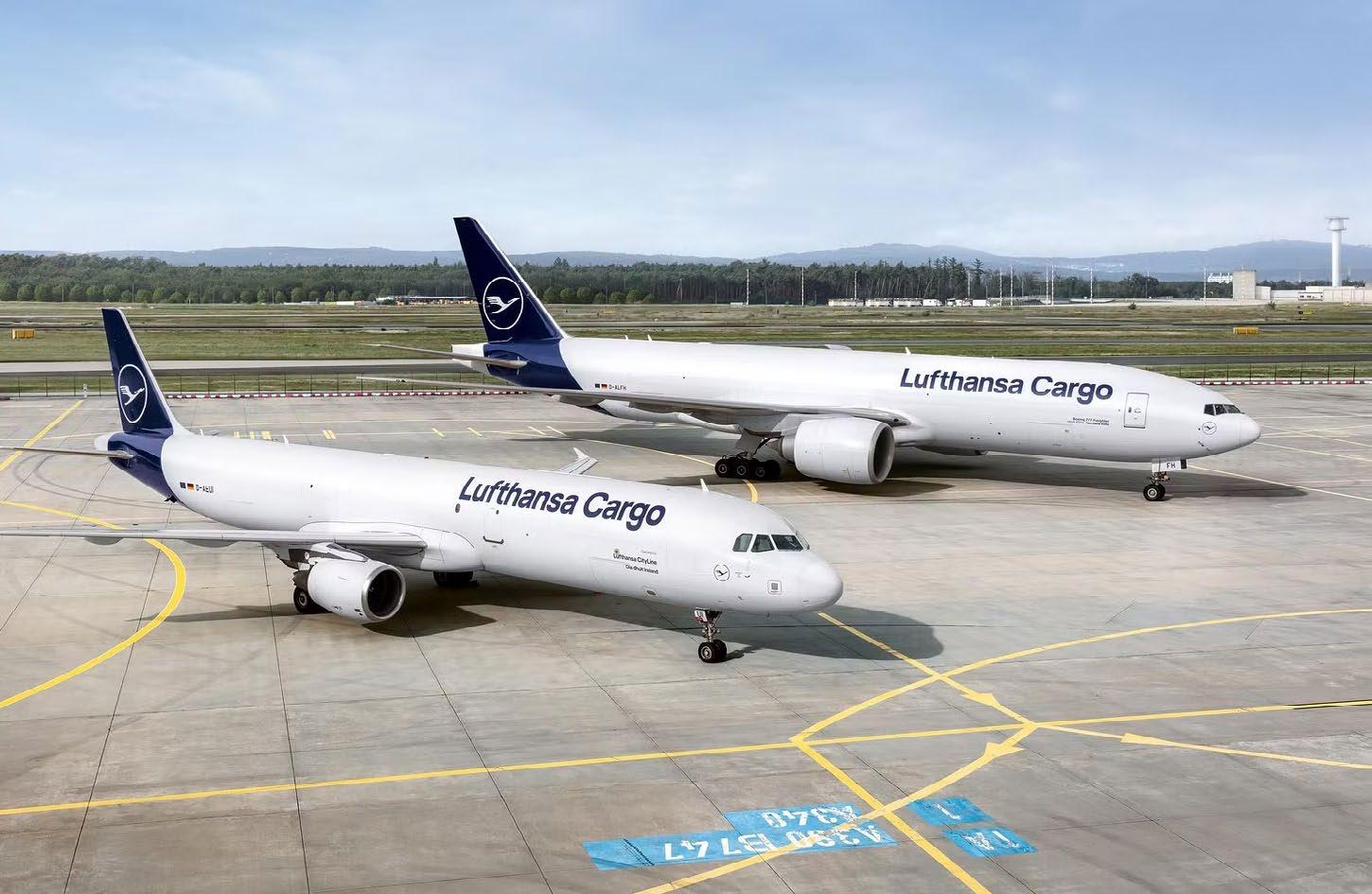
Lufthansa Cargo’s business results significantly increased for the second time in a row
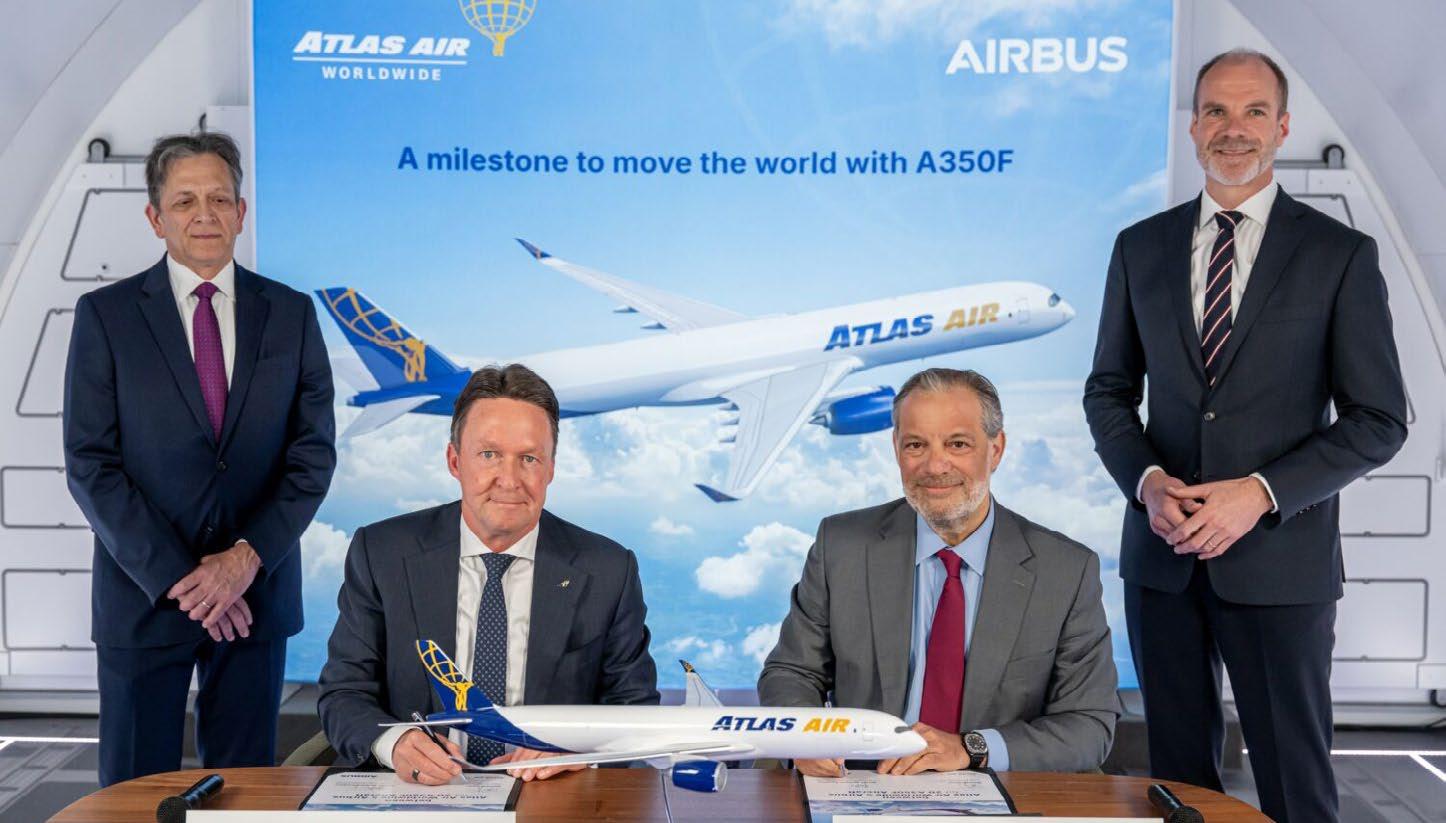
Atlas Air Worldwide places landmark order for 20
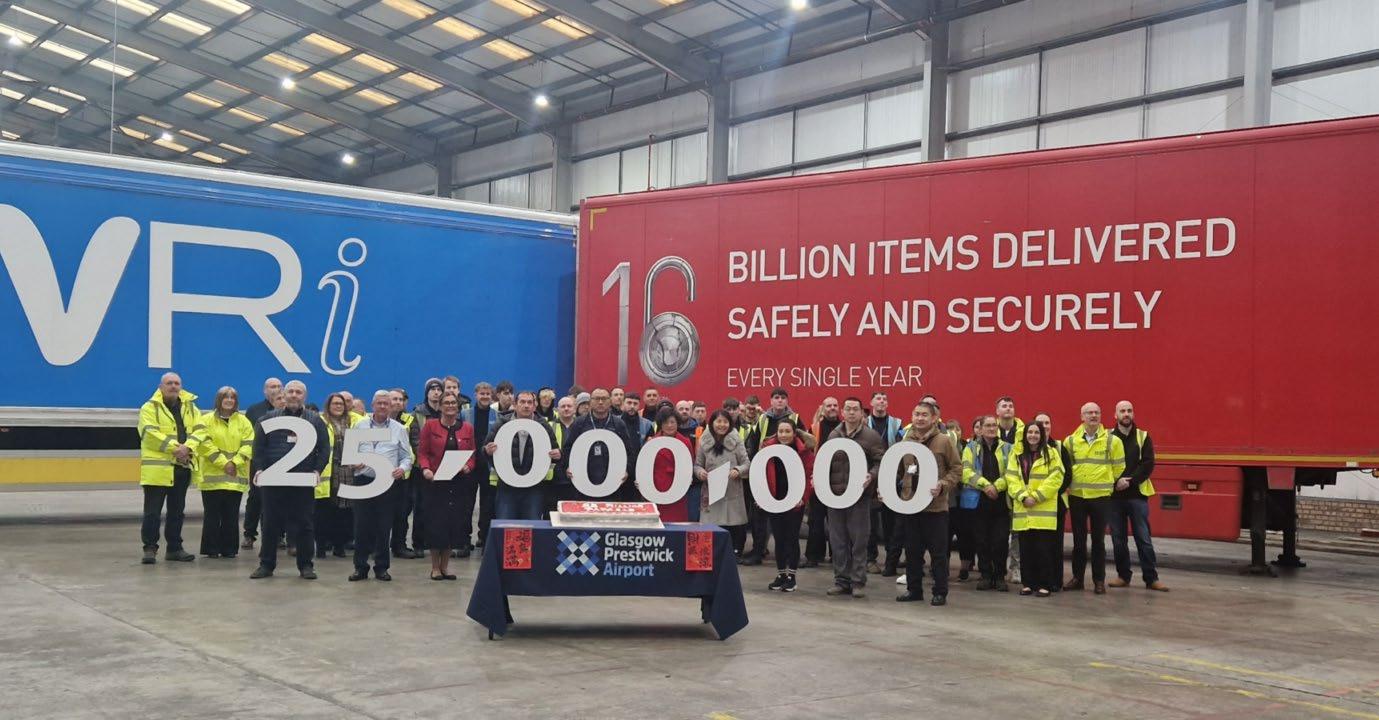
Glasgow Prestwick Airport celebrates processing 25 million e-commerce
Rapid charging park now available to forwarders and cargo companies at Frankfurt
CargoLand by LGG and Cathay Cargo confirm leadership in elite equine logistics with Hong Kong charter
Maastricht Aachen Airport secures PNAO designation for fruit, vegetables, and flowers
Art & Valuables Storage Facility marks milestone for HKIA’s SKYTOPIA development
WFS completes acquisition of Aviapartner Cargo NV at Brussels Airport
dnata on track to expand Zurich cargo capacity by 50% with new facility
Swissport opens new air cargo warehouse at Sofia Airport in Bulgaria
New HiSERV building strengthens operations at Brussels Airport
AAT achieves IATA ISP IEnvA Certification
Hactl becomes the first air cargo terminal in the world to roll out 100% closed-loop recycled plastic sheets
DHL Group and JD.com sign MoU to support German brands’ growth in China and Europe
DACHSER emission-free delivery implemented in 10 countries in Europe
MIT CTL and Mecalux develop an AI-based simulator to optimise inventory across warehouses
Saudia Cargo, Mawani, and ZATCA launch sea-to-air logistics corridor linking western ports to airports
Cainiao to build large-scale global robotic warehouse network
KLN named full-line distributor for APT Medical’s coronary intervention products in Hong Kong
Maersk boosts Asia Pacific logistics footprint with new fully automated global and regional distribution centre in Singapore
Air Charter Service’s Time Critical operation sees huge growth in NFO offering
103° FCZ officially opens – powering new momentum in the Johor–Singapore logistics corridor
HAECO extends line maintenance partnership with ANA in Hong Kong
ST Engineering enhances MRO offerings with integrated airframe and nacelle service centre in Singapore
AEI announces Hainan Airlines commences second B737-800SF freighter conversion
LBC surpasses 600,000 global deliveries, marks 75 years and positions Asia Pacific as key growth engine
FedEx bolsters Asia Pacific supply chain capabilities with expanded Taiwan transhipment centre
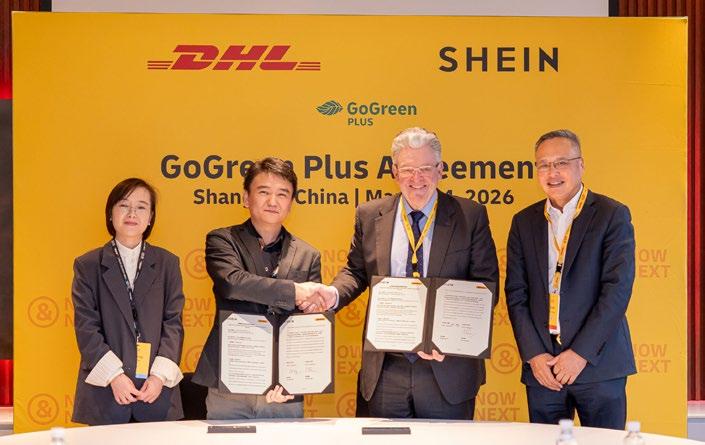
DHL Express and SHEIN sign GoGreen Plus agreement to advance more sustainable logistics in cross-border e-commerce
Crane Worldwide Logistics deploys cargo.one to power its quoting and procurement globally with speed and accuracy
DHL Global Forwarding expands air freight capacity between Asia and Europe by
DHL Aviation assets
TCE signs strategic
Chapman Freeborn appoints R-BAG Group as GSA across Eastern Europe
Global GSA Group appointed GSSA for Asiana Airlines Cargo in France and Germany
Kale Logistics Solutions marks 15th anniversary with launch of new crossborder e-commerce parcel visibility platform for airlines
cargo.one acquires ocean platform Cargofive, launches AI-native operating system for multimodal logistics
Lödige Industries launches Cargo Direct for intelligent terminal orchestration
IATA highlights three priorities for air cargo
Asia Pacific airlines report strong February cargo and passenger growth amid rising geopolitical risks
Northwind Global Logistics appoints Emma Oliver as Managing Director ANA announces new President and CEO 21
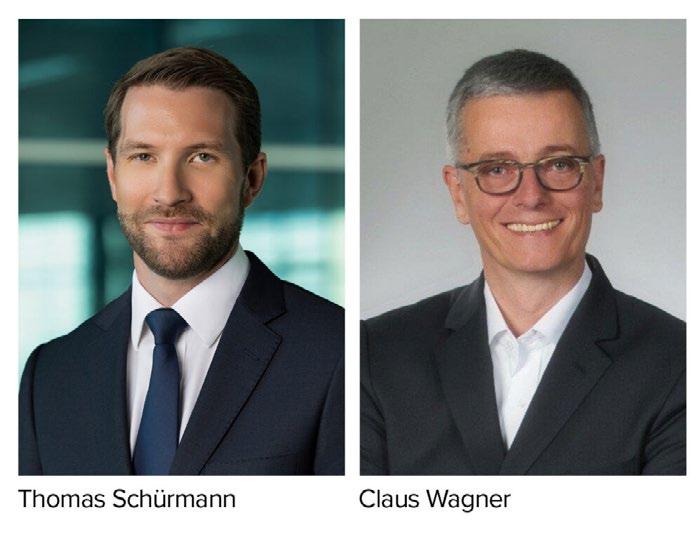
Thomas Schürmann appointed Managing Director Germany of Frankfurt Cargo Services
4RCargo appoints Olga Palec-Furga as Chief Operating Officer
Chapman Freeborn appoints Latha Narayan as President APAC
Magma Aviation advances commercial strategy with Paul Hoatson’s appointment as Commercial & Network Planning Director
DHL Express appoints new commercial lead for Asia Pacific
ACC Aviation appoints Jack Burt as SVP Cargo to drive Cargo Charter expansion
NEWS - CARRIERS
Cathay Cargo reports 5% growth in January 2026, driven by pharma, fresh and live animal shipments
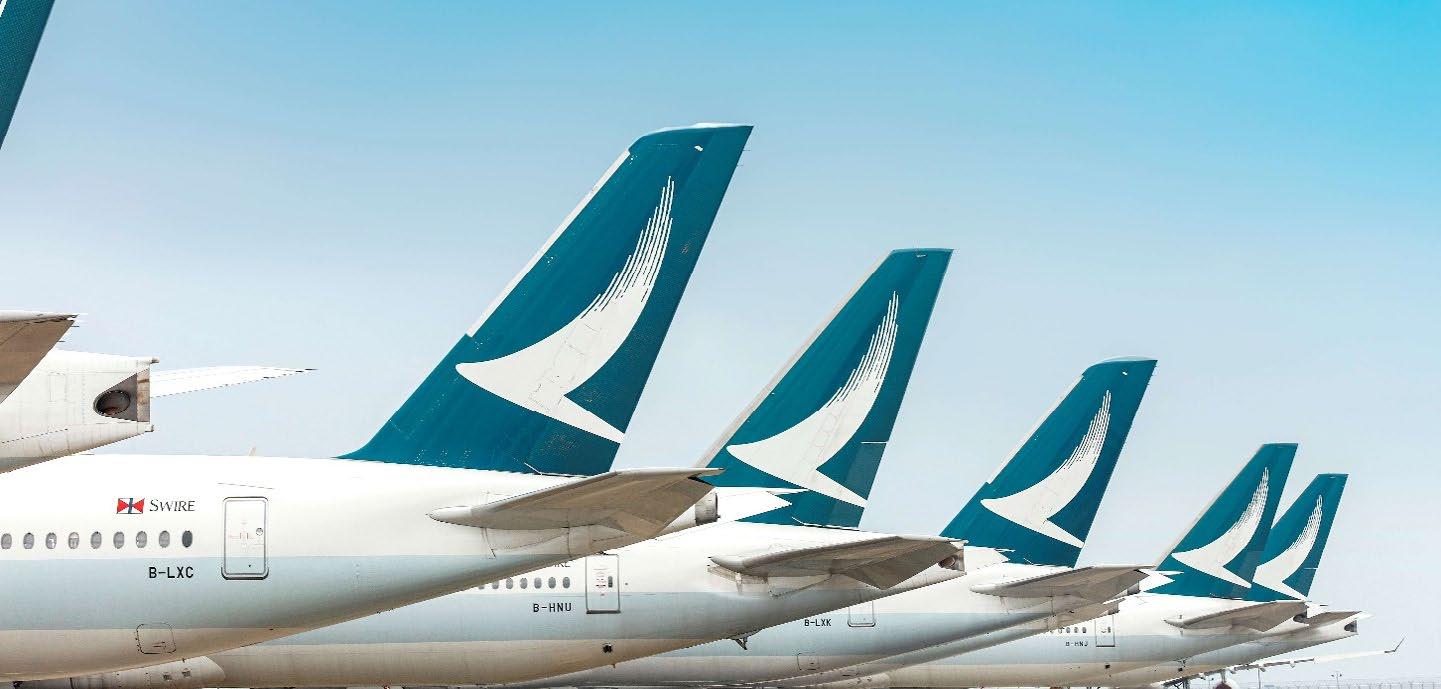
The Cathay Group reported a solid start to 2026, with sustained momentum from the year-end travel peak carrying into January. Its passenger airlines, Cathay Pacific and HK Express, carried more than 3.3 million passengers during the month, up 11% yearon-year. Cargo volumes also rose, with Cathay Cargo transporting over 130,000 tonnes, a 5% increase compared to January
2025. Chief Customer and Commercial Officer Lavinia Lau said demand remained strong into February, highlighted by a new single-day record on 14 February when Cathay Pacific carried more than 100,000 passengers for the first time. Combined with HK Express, the group handled around 128,000 passengers that day. Passenger performance was driven by student travel,
Air France KLM Martinair Cargo launches new freighter service to Seoul–Incheon
Air France KLM Martinair Cargo (AFKLMP Cargo) has launched a dedicated Boeing 747-400 freighter service between Amsterdam Airport Schiphol (AMS) and Incheon International Airport (ICN) starting 30 March 2026, marking its return to
South Korea’s main deck cargo market and strengthening its Northeast Asia network.
The new route operates three times weekly and will be integrated into a rotation via Hong Kong International Airport (HKG). As
post-holiday return traffic, and a rebound in business travel, with premium cabin load factors exceeding last year’s levels.
Increased flight frequencies also boosted transit traffic, reinforcing Hong Kong’s hub connectivity.
On the cargo side, demand softened slightly after the year-end peak but remained positive. Growth was supported by perishables under Cathay Fresh, including seafood and cherries from Oceania, alongside pharmaceutical shipments via Cathay Pharma from Europe and Central America. The carrier also transported around 60 showjumping horses for the Longines Hong Kong International Horse Show 2026.
Meanwhile, HK Express carried over 710,000 passengers in January, up 8% year on year, supported by strong demand across Northeast and Southeast Asia, with bookings remaining healthy into the first quarter.
part of this expansion, freighter frequencies to Hong Kong will increase from five to six per week, enhancing connectivity between key Asian cargo gateways and providing greater flexibility for customers.
The addition of Incheon reflects rising demand and South Korea’s growing role as a global logistics and manufacturing hub. The service offers dedicated main deck capacity independent of passenger operations, supporting high-value, time-sensitive, and specialised cargo flows between Europe and Northeast Asia.
According to Pierre-Olivier Bandet, Executive Vice President Cargo at Air France-KLM, the move reinforces the group’s position in Northeast Asia while improving reliability and access to capacity.
From Europe, expected cargo includes high-tech and semiconductor equipment, aerospace parts, pharmaceuticals, and project shipments. From South Korea, outbound flows will consist of semiconductors, electronics, automotive and EV components, medical technology, and e-commerce.
Operated by Boeing 747-400ERF and 747400BCF aircraft, the service will connect via Amsterdam to markets across Europe, Africa, and the Americas, supporting resilient and future-ready supply chains.
IAG Cargo launches dedicated Aircraft on Ground (AOG) service
IAG Cargo has launched a dedicated Aircraft on Ground (AOG) service to support the urgent transport of critical aircraft parts, responding to growing demand for specialised, time-sensitive logistics across the aviation industry.
Available globally, the service is designed to minimise downtime when aircraft are grounded, helping airlines maintain schedule integrity. It leverages IAG Cargo’s network of more than 250 destinations and its proximity to major manufacturing and maintenance hubs across Europe and North America, enabling faster access to essential components.
AOG shipments are handled by specialist teams operating 24/7, offering rapid triage and real-time updates to ensure visibility and control for customers moving highpriority consignments.
David Rose, Chief Commercial Officer at IAG Cargo, said the product addresses the need for a fast, focused response to unexpected technical issues. He added
that the combination of a dedicated team, global network, and continuous oversight allows critical parts to be delivered quickly and securely. The launch comes amid rising demand for AOG logistics, driven
by increasing air traffic, ageing fleets, and leaner inventory strategies. The sector was valued at $3.14 billion in 2025 and is projected to reach $4.16 billion by 2032, highlighting the growing importance
Etihad Cargo launches Etihad Cargo Excellence Hub
Etihad Cargo has launched the air cargo industry’s first airline-led logistics training academy, the Etihad Cargo Excellence Hub, aimed at strengthening operational, safety, and compliance standards across its global network.
The initiative comes as regulatory requirements grow more complex and networks expand, increasing the need for structured capability development to maintain consistency and customer trust. The digital platform delivers both mandatory and elective training for employees, partners, and stakeholders worldwide.
The curriculum covers operating standards, product and service frameworks, safety and compliance aligned with international regulations, as well as industry-certified programmes delivered with accredited institutions. It also includes targeted soft skills training to enhance customer engagement.
By embedding structured learning across its ecosystem, Etihad Cargo aims to improve operational consistency, strengthen risk management, and safeguard service quality at every touchpoint. The platform enables scalable and standardised knowledge sharing across regions, ensuring alignment
regardless of geography. Stanislas Brun, Chief Cargo Officer, said the hub ensures partners operate under the same standards, adding that consistency will become a key competitive advantage as the airline grows. Meanwhile, Nadia Al Bastaki highlighted the company’s continued investment in
people, noting the academy will support professional development and improve efficiency across the industry.
The Excellence Hub forms a core part of Etihad Cargo’s strategy to support disciplined, high-quality growth.
IAG Cargo has launched a dedicated Aircraft on Ground (AOG) service for the urgent transport of aircraft parts for the industry.
Emirates SkyCargo deploys two additional freighters to India
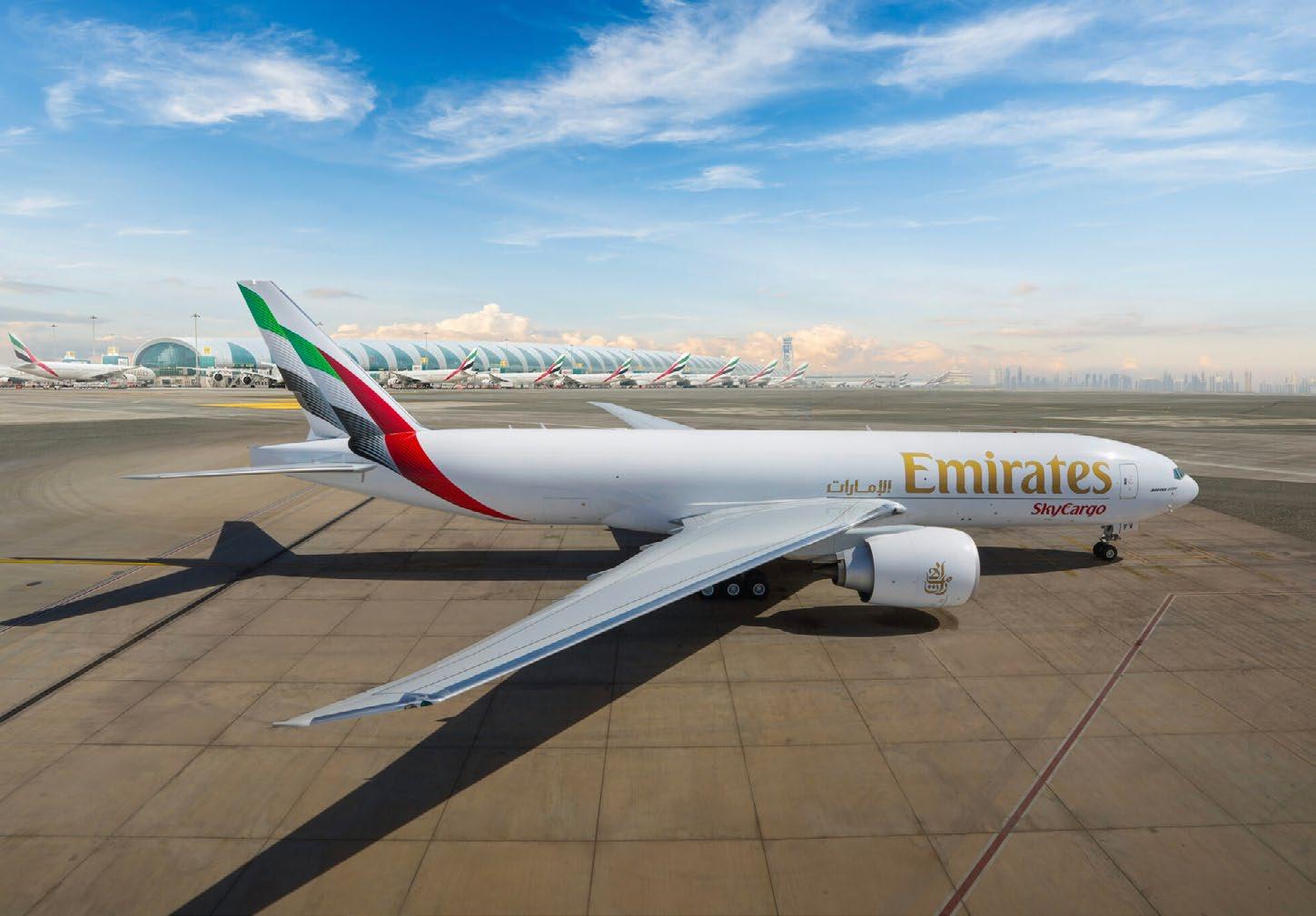
Emirates SkyCargo is expanding its India operations with two additional weekly freighter services, reinforcing its longstanding presence in the market and growing regional demand. The new flights—one to Mumbai and one to
Ahmedabad—were scheduled to launch in March 2026, increasing total freighter capacity alongside extensive bellyhold operations across nine Indian gateways. The Mumbai freighter will operate via Dubai and Singapore, while Ahmedabad will see
a direct, dedicated service. Together, the airline expects to transport key commodities including pharmaceuticals, perishables, and electronics, supporting India’s role as a major manufacturing and export hub. Emirates SkyCargo currently uplifts around 3,000 tonnes of cargo weekly from India.
The expansion aligns with strengthening trade ties under the UAE–India Comprehensive Economic Partnership Agreement (CEPA), with rising volumes of pharmaceuticals, perishables, garments, and electronics moving between the two markets.
Beyond air capacity, Emirates SkyCargo continues to invest in multimodal connectivity through its trucking network, linking offline cities such as Coimbatore and Goa to its global network. In 2025, this network moved over 5,500 tonnes of cargo, including specialised shipments such as automotive parts and temperature-sensitive pharmaceuticals.
Badr Abbas, Divisional Senior Vice President, Emirates SkyCargo, said the additional freighters reflect strong demand across India’s trade corridors and the airline’s commitment to providing reliable capacity.
ANA HD completes long-distance medical supply drone delivery trials in Okinawa
ANA Holdings Inc. has completed long-distance medical drone delivery trials in Okinawa, demonstrating the viability of transporting pharmaceuticals and blood samples across remote islands using VTOL fixed-wing aircraft.
Conducted from October 2025 to January
2026, the trials covered routes between Itoman, Kumejima, and Nago, with flight times of just over an hour. The drones combined vertical take-off and landing with efficient long-range cruising, enabling faster and more reliable deliveries to areas with limited access. The initiative forms part of Japan’s
Ministry of Land, Infrastructure, Transport and Tourism drone delivery programme and aligns with ANA’s medium-term strategy to launch commercial drone services by 2027. Operations were carried out in collaboration with local authorities under a regional drone implementation council.
Equipped with temperature-controlled containers, the drones successfully transported mixed medical payloads on demand while maintaining cargo integrity throughout. The trials also simulated emergency scenarios, confirming the system’s ability to support disaster response logistics with coordinated aviation operations.
In parallel, ANA signed a long-term partnership with Skyways Air Transportation Inc. to explore commercial deployment of VTOL drone services across the Asia Pacific. The collaboration includes pilot training and certification to support scalable operations.
ANA said it will assess the next phase of implementation with partners and local governments, positioning drone logistics as a future pillar for healthcare delivery in remote and disaster-prone areas.
Lufthansa Cargo’s business results significantly increased for
the second time in a row
Lufthansa Cargo reported strong financial and operational performance in 2025, with revenue rising 4% to €3.4 billion and adjusted EBIT increasing 29% to €324 million. The adjusted EBIT margin improved to 9.5%, while available freight capacity grew 5.4% and load factor
reached 63%. Delivery reliability also improved, with on-time performance up five percentage points year on year. The carrier achieved a key milestone under its BOLD MOVES strategy, returning to the global top five air freight providers ahead of its 2026 target. The strategy
focuses on competitive growth, operational efficiency, and strengthening organisational culture. Ashwin Bhat, Chief Executive Officer of Lufthansa Cargo, said the early achievement reflects both strategic execution and team performance, noting that improvements in quality, customer satisfaction, and efficiency were delivered simultaneously. He added that partnerships with ITA Airways and Swiss WorldCargo are expanding network reach and supporting the airline’s ambition to rank among the global top three by 2030.
Network expansion was a key driver, including the integration of ITA Airways’ cargo capacity and the addition of Rome as a fifth hub, which is expected to increase long-term bellyhold capacity by around 20%. New freighter routes and expanded regional and intercontinental connectivity further strengthened Lufthansa Cargo’s position.
Gregor Schleussner, Chief Financial Officer and Chief Human Resources Officer of Lufthansa Cargo, said the company outpaced market growth and exceeded margin targets, underscoring strong cost management and profitability while enabling continued investment in infrastructure, technology, and service quality.
Atlas Air Worldwide places landmark order for 20 Airbus A350F aircraft
Atlas Air Worldwide Holdings has placed a firm order for 20 Airbus A350F freighters, with options for an additional 20, making it the largest customer for the new widebody freighter platform. Deliveries are scheduled from 2029 to 2034.
The order marks a significant step in Atlas’ long-term fleet strategy, supporting growth while modernising its operations. The A350F, powered by Rolls-Royce Trent XWB-97 engines, offers enhanced payload, range, and fuel efficiency, complementing Atlas’ existing fleet of Boeing 747, 777, and 767 freighters.
Michael Steen, Chief Executive Officer of Atlas Air Worldwide, said the investment reflects the company’s commitment to operating a modern and fuel-efficient fleet while meeting growing global demand. He added that the A350F’s performance and sustainability benefits will strengthen Atlas’ ability to serve customers and support longterm expansion.
Airbus highlighted the aircraft’s efficiency and compliance with upcoming ICAO CO2 emissions standards, positioning it as a next-generation freighter solution. Lars Wagner, Chief Executive Officer Commercial Aircraft at Airbus, said the partnership marks a key milestone, noting the A350F’s strong performance and sustainability credentials. The aircraft features the
industry’s largest main deck cargo door and a lightweight design optimised for standard pallets and containers. The investment also supports future operational expansion and workforce growth, reinforcing Atlas’ position in the global air cargo market.
(L-R) Yuichiro Kito, Executive Officer, Cargo and Mail Division, JAL and Pierandrea Galli, Executive Vice-President, Commercial Planning, Cargolux Airlines.
NEWS - AIRPORTS
Glasgow Prestwick Airport celebrates processing 25 million e-commerce parcels
Glasgow Prestwick Airport has marked more than 25 million parcels passing through its Terminal E facility, a major milestone in the airport’s expanding e-commerce operations and its growing role in UK trade. The achievement follows a year of sustained growth, with more
than 600 e-commerce cargo flights, over 10,000 pallets, and 23,000 tonnes of imports processed since May 2025, when the first scheduled e-commerce flight landed. “The volume of parcels handled at Prestwick demonstrates the strength of demand for a reliable, uncongested
gateway to the UK, and the expertise of our team in delivering at scale,” said Ian Forgie, Chief Executive Officer, Glasgow Prestwick Airport. “By growing our route network, investing in our processing capability, and continuing to recruit locally, Prestwick is strengthening the reach of Scottish exporters and creating skilled jobs and real economic value for Ayrshire and the whole United Kingdom.”
Expansion has been driven by the launch of new long-haul cargo services in 2025, with Air China Cargo and China Southern Airlines opening UK operating bases at the airport.
Prestwick now operates 12 scheduled cargo services per week direct to China, and these new trade routes are expected to facilitate GBP 250 million of cross-border trade in 2026. Royal Mail and EVRi also established e-commerce hubs at the Airport’s dedicated 5,302 square metre e-commerce facility last year.
Rapid charging park now available to forwarders and cargo companies at Frankfurt Airport
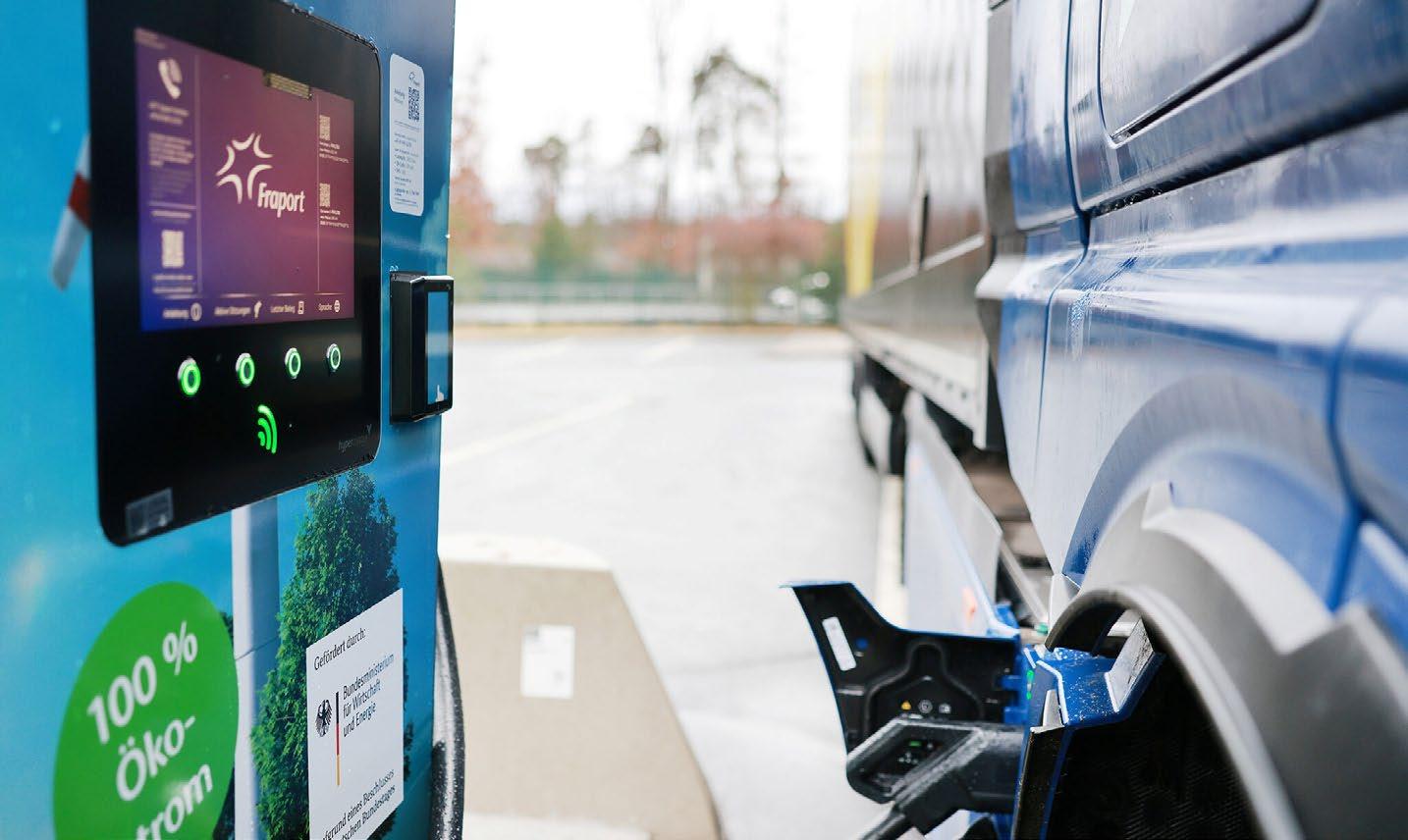
Fraport AG is accelerating its push toward sustainable cargo operations at Frankfurt Airport (FRA), following a 2025 survey showing a growing shift to electric trucks among logistics providers.
In response, Fraport has opened its first highspeed charging park for trucks at CargoCity South, equipped with four charging points delivering up to 400 kW each. The move reflects changing sentiment in the trucking
sector, where operators are increasingly investing in electric fleets. Michael Kuschel, Manager for Power Networks and Services at Fraport AG, said industry attitudes have shifted significantly, noting that while electric trucks had little traction two years ago, companies are now actively placing orders. He added that a broader transition is expected in 2026 as fleets increasingly adopt battery-powered vehicles.
The charging facility forms part of Fraport’s CargoHub master plan, which focuses on modernising infrastructure and enhancing sustainability to maintain FRA’s position as a leading European air cargo hub. It also supports the ReSkaLa@FRA project, aimed at scaling bidirectional charging infrastructure that allows vehicles not only to draw power but also feed energy back into the grid.
Backed by German government funding and private investment, Fraport plans to install around 950 charging stations by 2027, including 92 bidirectional units. The initiative aligns with the group’s broader goal of achieving net-zero emissions across its fully consolidated operations by 2045, reinforcing its commitment to climatefriendly logistics.
The high-speed charging facility for trucks is part of a project dubbed ReSkaLa@FRA, an acronym that stands for “living laboratory for scaling up bidirectional charging infrastructure at Frankfurt Airport.” Source: Fraport AG
CargoLand by LGG and Cathay Cargo confirm leadership in elite equine logistics with Hong Kong charter
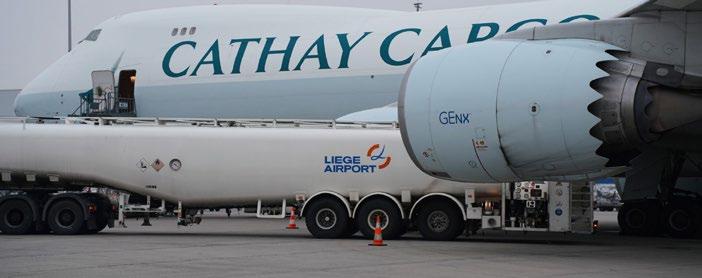
CargoLand by LGG and Cathay Cargo have completed a specialised live-animal charter transporting elite competition horses from Europe to Hong Kong, highlighting their capabilities in high-value equine logistics. The operation, conducted with Peden Bloodstock, positioned Liège as a key European gateway. Central to the process is the Horse Inn, a dedicated on-airport equine facility accommodating up to 54 horses in climate-controlled stalls with direct airside access, ensuring seamless transfer and minimal stress.Temperature conditions were maintained at approximately 15°C
throughout the journey, with onboard grooms and veterinarians monitoring the horses. The charter was prepared nearly two months in advance, requiring close coordination between European and Hong Kong stakeholders.
Anand Yedery, Regional Head of Cargo Europe at Cathay Cargo, said transporting elite sport horses requires precision and a strong focus on welfare, adding that LGG’s infrastructure and coordination ensured optimal conditions. Henry Bullen, Director at Peden Bloodstock, emphasised the
Maastricht Aachen Airport secures PNAO designation for fruit, vegetables, and flowers
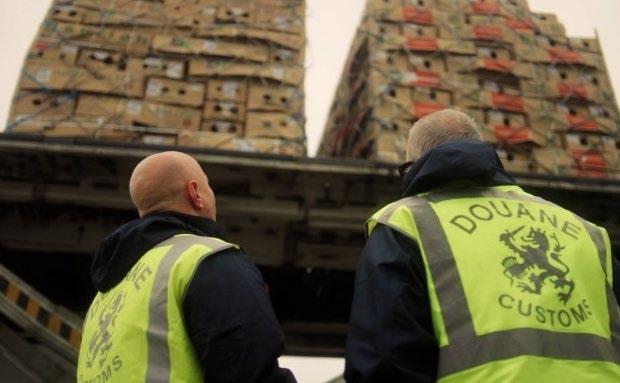
Maastricht Aachen Airport (MST) has been officially designated as an approved inspection location for Products of NonAnimal Origin (PNAO) by the Netherlands Food and Consumer Product Safety Authority (NVWA). The authorisation, following a comprehensive audit by the NVWA and confirmation by the European Commission (EC), allows mandatory inspections of plant-based goods to take place directly on-site at MST.
As the Netherlands’ second-largest cargo airport, this designation enables MST to handle a significantly wider range of fruits, vegetables, flowers, and other plant-based products more efficiently. By conducting official controls at the point of arrival,
the airport can now release shipments that previously required transit to other locations for inspection, and expand its list of permitted products and countries of origin.
“Maastricht Aachen Airport is well known for its short transit times and efficient handling processes – critical factors in maintaining the quality and shelf life of fresh, temperature-sensitive goods,” said Dean Boljuncic, Head of Commercial Development, Maastricht Aachen Airport.
“Enabling on-site PNAO controls reduces waiting times even further, and ensures an optimally safeguarded cold chain for our customers.”
Art & Valuables Storage Facility marks milestone for HKIA’s SKYTOPIA development
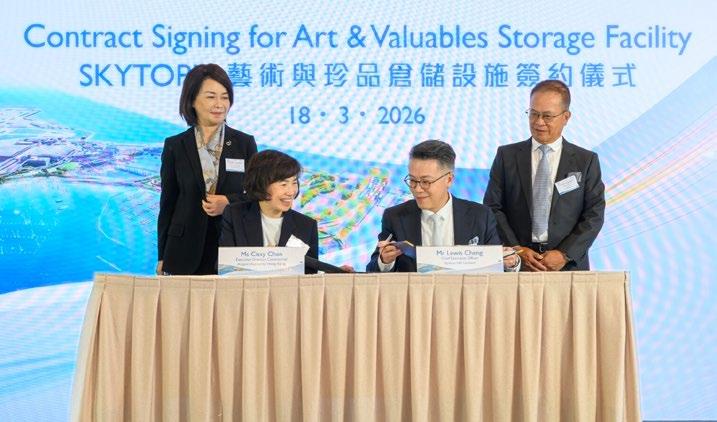
Airport Authority Hong Kong (AAHK) has appointed Eythos to operate the SKYTOPIA Art & Valuables Storage Facility at Hong Kong International Airport (HKIA), marking a key step in the airport’s transformation into an Airport City.
Spanning 53,000 sq ft, the purpose-built facility will offer museum-grade storage and private viewing rooms for art and high-value assets. Located in a two-storey building within the airport’s non-restricted area, it is scheduled to begin operations in early 2027. Vivian Cheung, Chief Executive Officer of Airport Authority Hong Kong, said the facility is a core component of SKYTOPIA’s Art Ecosystem, which will integrate storage, appreciation, and trading activities to
support Hong Kong’s position as a global art hub. She added that the ecosystem will complement other premium developments, including luxury hotels, a business aviation centre, a yacht bay, and exhibition venues at AsiaWorld-Expo. SKYTOPIA combines art, entertainment, marine leisure, and lifestyle offerings, leveraging HKIA’s land and waterfront assets to create a world-class destination for travellers and residents.
Following this development, AAHK plans to launch an expression of interest later this year for water-themed projects, including what is expected to be Hong Kong’s largest marina, further strengthening SKYTOPIA’s positioning as a regional yachting and waterfront hub. Eythos, which operates
importance of calm handling, efficiency, and minimal transit times, noting that the Horse Inn facility supported a stress-free movement.
Frederic Brun, Head of Commercial Cargo & Logistics at Liège Airport, said CargoLand by LGG is purpose-built for such operations, combining specialised infrastructure, experienced teams, and 24/7 cargo handling. The charter reinforces LGG’s position as a European hub for complex and high-value cargo.
In 2025, the airport’s status as a Phytosanitary Inspection Centre was reaffirmed. The addition of approved PNAO controls on-site reinforces MST’s role as a key phytosanitary hub in Europe. The designation marks a significant milestone in MST’s ongoing development as a specialist logistics hub, providing the infrastructure and regulatory approvals necessary to support the global fresh produce trade.
facilities in Hong Kong and Seoul, has supported major events such as Art Basel Hong Kong.
the witness of
for operating SKYTOPIA Art & Valuables Storage Facility.
Under
Vivian Cheung, CEO of AAHk (1st from left) and Paul Cheng, Chairman of Eythos (1st from right), Cissy Chan (2nd from left), Executive Director, Commercial of AAHK, and Lewis Cheng (2nd from right), CEO of Eythos sign the contract
NEWS - GROUND HANDLING
WFS completes acquisition of Aviapartner Cargo NV at Brussels Airport
Worldwide Flight Services (WFS), a SATS company, has completed its acquisition of Aviapartner Cargo NV at Brussels Airport,
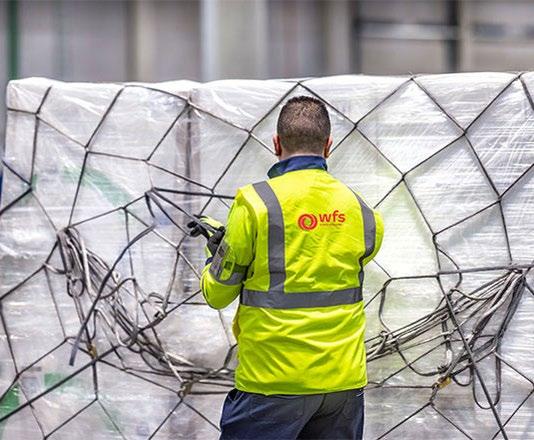
following full regulatory approval. The deal strengthens WFS’s capabilities in Brussels by adding freighter ramp handling, towing, and airside transport services, while integrating more than 200 Aviapartner Cargo employees into its operations. It also expands WFS’s infrastructure footprint with the addition of Aviapartner’s 33,000 sq m cargo terminal, which includes specialised pharmaceutical handling areas, a phytosanitary inspection point, and dedicated mail and courier facilities.
WFS has operated in Brussels since 1992 and currently provides warehouse handling for over 50 airlines across nearly 30,000 sq m of facilities. The company also maintains a strong presence in Liège, supporting both
warehouse and ramp handling operations
The acquisition enhances WFS’s position in the Belgian market by combining landside and airside capabilities, offering customers a more integrated service portfolio and increased capacity for freighter operations.
Philippe Torry, Managing Director Belgium at Worldwide Flight Services, said the acquisition adds capacity, customers, and expertise to its Brussels operations, while introducing freighter and ramp handling capabilities that will support future growth with both existing and new clients.
Aviapartner will continue to provide passenger and executive ground handling services at Brussels Airport.
dnata on track to expand Zurich cargo capacity by 50% with new facility
dnata is expanding its cargo operations at Zurich Airport with a new purpose-built cargo centre, aimed at supporting longterm growth, improving efficiency, and
enhancing service reliability.
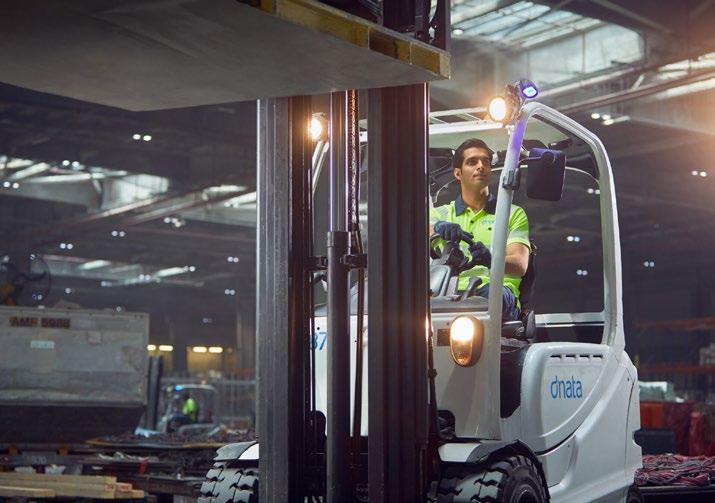
The investment follows steady demand, with dnata handling 56,000 tonnes of cargo in 2025, up nearly 4% year on year. Scheduled to open in early 2027, the new facility will increase annual handling capacity by 50% to 90,000 tonnes.
Developed by Zurich Airport with infrastructure investment exceeding CHF 40 million, dnata is contributing approximately CHF 6 million for equipment, including a modern ULD handling system.
The facility will replace the ageing Fracht West warehouse and feature over 8,000 sq m of warehouse space, along with covered outdoor handling areas. Willy Ruf, Managing Director of dnata Switzerland, said the new cargo centre reflects
a long-term commitment to Zurich and addresses evolving operational demands, including higher volumes, faster turnaround times, and a growing share of specialised shipments.
Designed for efficiency and scalability, the facility will include 18 dock levellers, dedicated ULD handling areas, and a 1,000 sq m pharmaceutical zone with temperature-controlled storage compliant with GDP standards. Advanced systems will improve cargo flow, throughput, and operational control.
The Zurich project forms part of dnata’s broader global expansion, with recent and ongoing developments in Amsterdam, Milan, Dubai, and Erbil, reinforcing its strategy to build future-ready cargo infrastructure worldwide.
Swissport opens new air cargo warehouse at Sofia Airport in Bulgaria
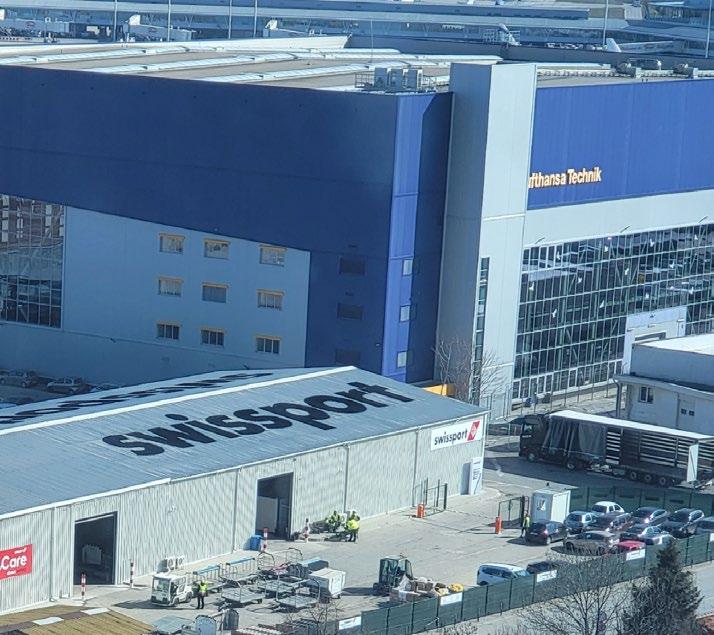
strengthening Bulgaria’s role as a regional air freight gateway. The facility offers 2,200 sqm of space, including 2,000 sqm of storage, and is located just 80 metres from the apron, enabling faster aircraft turnaround and more efficient cargo flows. It is designed to handle a wide range of shipments, including pharmaceuticals, perishables, e-commerce, live animals, and valuables.
Dirk Goovaerts, CEO Continental Europe, Middle East, Africa, India & Global Cargo Chair at Swissport, said the investment strengthens the company’s regional network while supporting Bulgaria’s growing role in international trade. He added that Sofia’s strategic location enhances connectivity and service reliability for airline and logistics partners. The warehouse
includes temperature-controlled zones for sensitive cargo, supporting full cold chain compliance, as well as advanced screening and security systems. A 2,000 sqm fenced yard also enables efficient road feeder service operations.
Swissport’s digital cargo management platform will provide real-time tracking, automated documentation, and integrated customs processes to improve transparency and efficiency.
Certified under ISO 9001, ISO 14001, and ISO 45001, the facility reflects Swissport’s focus on quality and safety. The Sofia expansion forms part of the company’s broader investment in modern cargo infrastructure across key global markets.
Swissport has expanded its Central and Eastern European cargo network with a new warehouse at Vasil Levski Sofia Airport,
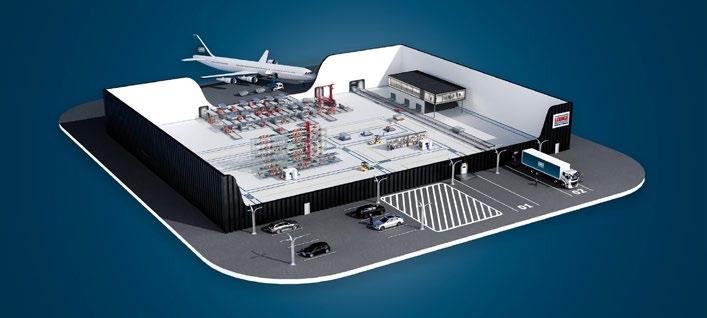
New cargo centre will offer handling capacity of up to 90,000 tonnes annually.
New HiSERV building strengthens operations at Brussels Airport
Brussels Airport Company and HiSERV have inaugurated a new sustainable facility at Brussels Airport, strengthening operational efficiency and supporting future growth. Located near the cargo zone,
the development includes 2,000 sqm of workshop space, over 600 sqm of offices, and a 2,400 sqm courtyard. Designed to enhance airside handling operations, the facility supports smoother workflows while improving working conditions for on-site teams.
Geert Aerts, Chief Cargo & Real Estate Officer at Brussels Airport, said the project reflects a shared commitment to investing in modern, high-quality infrastructure that meets evolving operational needs while supporting sustainability goals. He added that HiSERV plays a critical role in ensuring reliable and efficient airside operations.
The facility features dedicated workstations, specialised maintenance areas, equipment
AAT achieves IATA ISP IEnvA Certification
with global environmental standards.
Developed by the International Air Transport Association, the IEnvA certification evaluates how sustainability is embedded across governance, operations, and management processes, with a focus on continuous improvement.
Mike Chew, Chief Executive Officer of Asia Airfreight Terminal, said the certification validates the company’s environmental management maturity and progress in decarbonisation, infrastructure, and governance, adding that sustainability is integrated into daily operations.
washing zones, and individual workshop access points, enabling more efficient handling and servicing of ground support equipment.
Roland Ueckert, Chief Executive Officer of HiSERV Group, said the new site enhances operational efficiency and provides a foundation for future expansion, noting that Brussels Airport remains a key hub within the company’s European network.
The project underscores the long-term partnership between both parties and supports Brussels Airport’s continued development as a major European logistics hub, while reinforcing HiSERV’s position as a leading ground support equipment provider in the region.
include energy-efficient infrastructure upgrades, fleet electrification, deployment of autonomous electric tractors, and the use of Hydrotreated Vegetable Oil (HVO), contributing to a 33% emissions reduction from 2018 levels and supporting its netzero target by 2050.
Marie Owens Thomsen, Senior Vice President, Sustainability & Chief Economist at the International Air Transport Association, said the certification demonstrates how structured environmental management can deliver measurable sustainability outcomes while supporting efficient cargo operations.
Asia Airfreight Terminal (AAT), a subsidiary of SATS Ltd, has achieved the IATA ISP Environmental Assessment (IEnvA) certification, strengthening its sustainability framework and alignment
AAT’s sustainability strategy is guided by a multi-tiered governance structure, including board oversight and crossfunctional execution teams. Key initiatives
The certification adds to AAT’s portfolio of international accreditations, reinforcing its role in supporting Hong Kong’s long-term competitiveness as a global air cargo hub.
Hactl becomes the first air cargo terminal in the world to roll out 100% closed-loop recycled plastic sheets
advancing sustainability efforts in the air cargo industry. Since 2022, Hactl has used plastic sheets containing 30–50% recycled material and has worked towards a fully circular solution. In collaboration with the Nano and Advanced Materials Institute (NAMI), the company has now developed sheets made entirely from post-consumer plastic waste generated within its own operations.
Hong Kong Air Cargo Terminals Limited, said the move accelerates the company’s transition to a circular economy while delivering tangible environmental benefits. She added that Hactl’s position in the supply chain enables it to influence material usage in aircraft pallet wrapping and drive improved recycling rates.
Hong Kong Air Cargo Terminals Limited (Hactl) has achieved a world first by introducing 100% closed-loop recycled plastic sheets for cargo operations,
The initiative significantly reduces reliance on virgin plastic and offers a scalable model for wider industry adoption. The solution is already being rolled out, supporting efforts to embed circular economy practices across cargo handling operations.
Amy Lam, Chief Sustainability Officer of
By increasing recycled content and closing the material loop, the initiative is expected to reduce the industry’s carbon footprint and divert significant volumes of nonbiodegradable plastic from landfills.
The development reinforces Hactl’s role in promoting sustainable practices and encouraging broader adoption of ecofriendly solutions across the global air cargo sector.
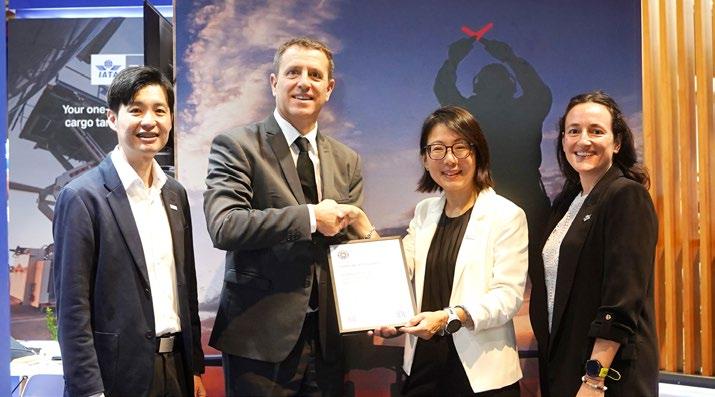
Wendy Loh, Senior Vice President, Sales & Marketing of SATS Ltd, received the certification on behalf of AAT at the World Cargo Symposium 2026.
Hactl, in collaboration with NAMI, has now successfully developed 100% closed-loop recycled plastic sheets for cargo operations.
DHL Group and JD.com sign MoU to support German brands’ growth in China and Europe
through JD.com’s Joybuy platform.
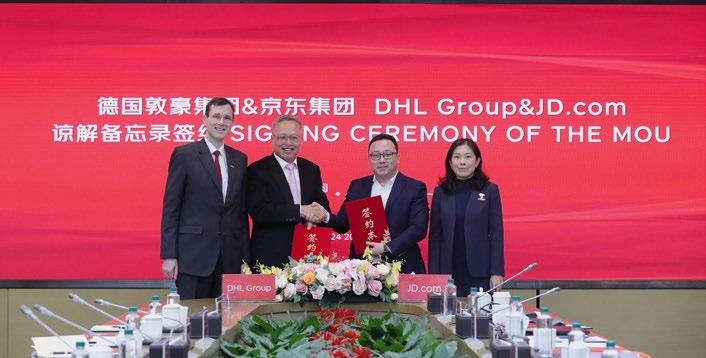
The agreement, signed in Beijing, combines DHL’s global logistics network with JD.com’s e-commerce ecosystem to create integrated, end-to-end solutions connecting brands, merchants, and consumers across both regions.
Officer of DHL Group, said the partnership combines logistics expertise, digital reach, and fulfilment capabilities to create scalable pathways for European brands entering China. Sandy Xu, Chief Executive Officer of JD.com, said the initiative will help brands better understand Chinese consumer demand, optimise market entry strategies, and drive long-term growth.
DHL Group and JD.com have signed a memorandum of understanding to support German brands expanding into China while strengthening their presence in Europe
Under the partnership, DHL will help introduce German brands to JD.com’s platform, enabling them to access more than 700 million Chinese consumers via cross-border e-commerce, without requiring a physical presence in China. Collaboration with JINGDONG Logistics will provide seamless fulfilment solutions, including preferential customs and VAT schemes for direct-to-consumer shipments, reducing entry costs. Tobias Meyer, Chief Executive
DACHSER emission-free delivery implemented
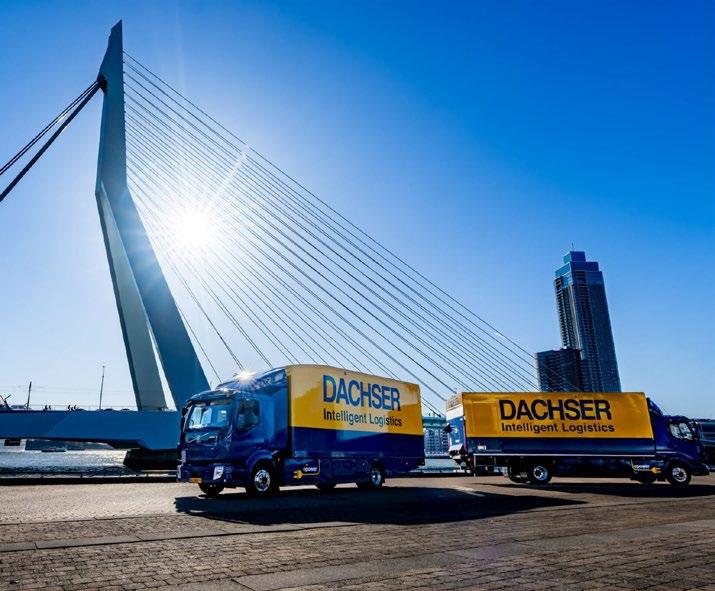
Dachser has doubled its urban zeroemission delivery areas across Europe, reaching 25 cities by the end of 2025 as part of its long-term climate strategy.
In parallel, JD.com will support German brands’ expansion in Europe through its Joybuy platform, offering new sales channels and retail infrastructure.
The collaboration strengthens cross-border e-commerce links between Europe and China, enabling brands to expand globally through integrated logistics and digital solutions.
in 10 countries in Europe
The initiative enables non-refrigerated groupage deliveries in designated city centres using battery-electric trucks, cargo bikes, and microhubs, eliminating local emissions. Dachser currently operates 60 electric vehicles and 13 cargo bikes, covering around 1.8 million kilometres in 2025 and reducing emissions by approximately 1,000 metric tonnes of CO2e.
Stefan Hohm, Chief Development Officer at Dachser, said the programme reflects the company’s approach to integrating climate action into daily logistics operations through practical, scalable solutions.
Originally launched in Stuttgart in 2018, the concept has expanded through a modular approach tailored to local conditions, with
input from employees and collaboration across Dachser’s network. The zeroemission zones now cover major cities including Amsterdam, Berlin, London, Paris, and Vienna.
Alexander Tonn, Chief Operations Officer Road Logistics at Dachser, said the increased availability of production-ready electric trucks has been key to scaling the initiative across multiple markets.
The programme also supports improved urban air quality and prepares the company for stricter emissions regulations in European cities. Dachser reported a 95% reliability rate for emission-free deliveries in 2025, highlighting the operational viability of sustainable last-mile logistics.
MIT CTL and Mecalux develop an AI-based simulator to optimise inventory across warehouses
MIT Center for Transportation and Logistics and Mecalux have developed an AI-powered simulator, GENESIS (Genetic Evaluation & Simulation for Inventory Strategy),
designed to optimise inventory distribution across multi-warehouse networks. The platform uses machine learning and genetic algorithms to analyse thousands of scenarios, determining optimal stock levels and replenishment timing. It factors in demand forecasts, transport costs, and warehouse capacity, enabling companies to test strategies without disrupting live operations.
Matthias Winkenbach, Director of Research at the MIT Center for Transportation & Logistics, said the system allows businesses to compare multiple scenarios and identify the most efficient logistics strategy.
A key feature is its ability to rebalance inventory across locations, prioritising internal stock transfers over new purchases
to reduce costs and improve utilisation. The system also recommends transport strategies, such as shipment consolidation or optimal fulfilment points, to enhance efficiency.
Rodrigo Hermosilla, Research Engineer at the MIT Intelligent Logistics Systems Lab, said GENESIS can evaluate thousands of scenarios simultaneously, reducing analysis time from days to minutes and enabling real-time planning.
Javier Carrillo, Chief Executive Officer of Mecalux, said the tool helps companies minimise logistics costs while maintaining high service levels. The project marks a broader collaboration between MIT and Mecalux to expand AI applications in logistics.
(L-R) Tobias Meyer, CEO, DHL Group; Dongming Wu, CEO, DHL Express China; Eric Zheng, Head of Global Service, JINGDONG Logistics; Sandy Xu, CEO, JD.com.
Saudia Cargo, Mawani, and ZATCA launch sea-to-air logistics corridor linking western ports to airports
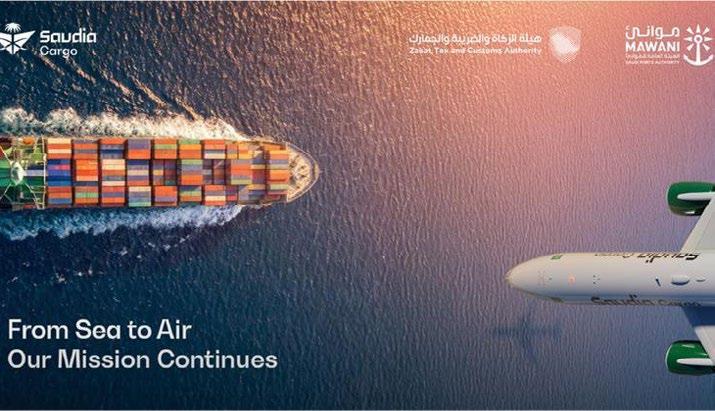
Saudia Cargo has expanded its collaboration with Saudi Ports Authority (Mawani) and Zakat Tax and Customs Authority (ZATCA) to launch new sea-to-air logistics corridors via Saudi Arabia’s western ports.
The initiative enables maritime shipments
to be transferred to air transport, creating a faster “air bridge” that reduces transit times while balancing cost and speed. It is designed to maintain supply chain continuity amid shifting shipping patterns and flight schedules.
Initial routes have been activated through Jeddah Islamic Port, supporting the redirection of cargo flows when needed. The corridor integrates seaports and airports into a unified logistics system, allowing cargo to move seamlessly between transport modes. ZATCA plays a central role by enabling a single customs declaration framework, supported by pre-clearance and smart inspection processes. This allows shipments to move more efficiently
from port to airport, significantly reducing handling times and improving overall supply chain performance.
The development strengthens Saudi Arabia’s position as a global logistics hub by enhancing connectivity between maritime and air networks. It also reflects Saudia Cargo’s strategy to provide flexible routing options and maintain reliable cargo flows during disruptions.
By enabling faster, more resilient multimodal logistics, the initiative supports businesses moving goods across international markets while reinforcing the Kingdom’s role as a key trade bridge between regions.
Cainiao to build large-scale global robotic warehouse network
Cainiao plans to build a global network of robotic warehouses in 2026, expanding fulfilment capabilities for cross-border e-commerce across key markets including China, Europe, and the United States.
The facilities will deploy next-generation warehouse robots and AI-powered scheduling systems to improve storage
density and operational efficiency. The move aligns with rising demand for faster delivery, with the global warehouse robotics market expected to exceed USD 25 billion by 2034.
Shuai Yong, Vice President of Cainiao and General Manager of its Global Supply Chain business, said the company is accelerating the integration of AI and robotics to enhance consumer experience and expand next- and two-day delivery coverage.
Beyond automation, Cainiao is redesigning logistics processes using AI-driven demand forecasting, intelligent robot scheduling, and automated customs solutions. These technologies aim to improve accuracy,
reduce stock imbalances, and streamline cross-border flows.
The company is also expanding valueadded services, including consolidated shipments, direct inbounding of unpackaged goods, and in-warehouse assembly, helping merchants reduce costs and improve efficiency.
Cainiao currently operates more than 40 overseas warehouses across 18 countries, supporting industries such as electronics, home goods, and automotive parts.
The expansion reflects broader industry efforts to build flexible, technology-driven logistics networks capable of supporting the rapid growth of global e-commerce.
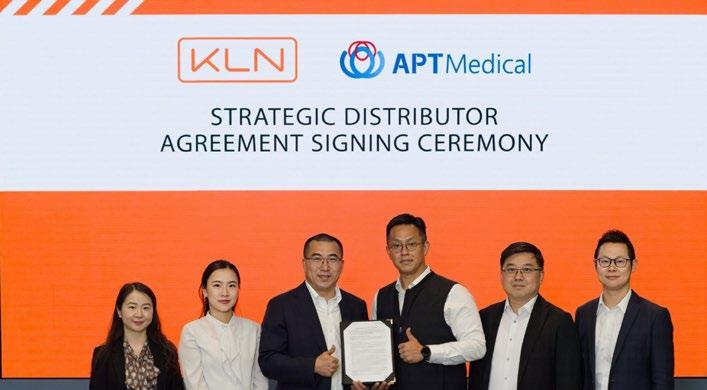
KLN named full-line distributor for APT Medical’s coronary intervention products in Hong Kong
KLN Logistics Group (KLN) has appointed its healthcare arm, KLN Medical Limited, as the exclusive distributor of coronary intervention products from APT Medical Inc. in Hong Kong. Under the agreement, KLN Medical will distribute APT Medical’s full portfolio of interventional cardiology devices, including guidewires, catheters, and angioplasty balloons, while providing clinical training, after-sales support, and logistics services. The partnership aims to enhance access to advanced treatment solutions and support the adoption of percutaneous coronary intervention technologies.
Leveraging KLN’s established medical logistics infrastructure, the products will be delivered to public and private hospitals across Hong Kong. KLN Medical’s capabilities in cold chain handling, warehousing, and
inventory management will support efficient and reliable supply to healthcare providers. Samuel Lau, Managing Director – Integrated Logistics at KLN Logistics Group, said the collaboration will provide healthcare institutions with cost-effective and reliable treatment options while supporting the long-term development of Hong Kong’s cardiology device market.
Fangyuan Liu, Deputy General Manager of APT Medical Inc., said the partnership leverages KLN’s strong local logistics expertise to expand access to advanced medical solutions for patients and healthcare providers.
The agreement reinforces KLN’s growing role in healthcare logistics and specialised medical supply chains.
Jorhway Chong, Director – Integrated Logistics, Thailand & Regional Logistics Operations of KLN (third from right) and Fangyuan Liu, Deputy General Manager of APT Medical (fourth from right) sign the distribution agreement. KLN is officially named the fullline distributor for APT Medical’s coronary intervention products in Hong Kong.
Maersk boosts Asia Pacific logistics footprint with new fully automated global and regional distribution centre in Singapore
its contract logistics and e-commerce capabilities in Asia-Pacific.
Supported by the Singapore government, the facility is designed to serve both regional and global distribution needs, handling B2B and B2C fulfilment across sectors including FMCG, retail, lifestyle, and technology. Its proximity to Tuas Port and Changi Airport enhances connectivity and supply chain efficiency.
Vincent Clerc, Chief Executive Officer of A.P. Moller – Maersk, said the investment reflects Singapore’s strategic importance and supports growing demand across Asia, enabling more resilient and flexible supply chains. The facility features advanced automation, including automated
storage and retrieval systems, multishuttle systems, and autonomous robots, improving speed, accuracy, and scalability.
Maersk has invested over S$200 million in the project, which is currently about 70% occupied and expected to create around 500 jobs.
Chang Kee Seng, Head of Contract Logistics Asia Pacific at Maersk, said the expansion strengthens regional leadership and unlocks opportunities in high-value sectors.
The development reinforces Singapore’s position as a key logistics hub, supporting integrated supply chains and growing demand for automated, technologydriven distribution solutions.
Air Charter Service’s Time Critical operation sees huge growth in NFO offering
Air Charter Service (ACS) reported strong growth in its Time Critical division, with
its IATA-accredited Next Flight Out (NFO) service recording a 175% increase in shipments year on year.
Robert Alleman, Chief Executive Officer of ACS Time Critical, said the division saw significant growth across all services, with NFO volumes nearly tripling. He attributed the performance to rising demand for flexible and cost-effective urgent logistics solutions amid geopolitical challenges, tariffs, and supply chain disruptions. He added that IATA Cargo Accreditation enables faster access to airline capacity, improving booking speed and service efficiency.
The company’s Onboard Courier (OBC) service also saw strong demand, with
shipments increasing by 85%—its highest annual volume since launch. Meanwhile, ACS’s US ground transportation operations grew by 53%, supporting increased trucking requirements for time-critical shipments.
Dan Morgan Evans, Group Cargo Director at Air Charter Service, said recent leadership restructuring, including the appointment of Robert Alleman as head of the division, has strengthened performance and positioned the business for continued growth.
The results highlight increasing demand for rapid-response logistics solutions, as businesses seek reliable alternatives to navigate supply chain volatility and ensure time-sensitive cargo delivery.
103° FCZ officially opens – powering new momentum in the Johor–Singapore logistics corridor
strengthening cross-border logistics along the Johor–Singapore corridor.
The first phase includes two warehouses totalling 1.5 million sq ft, fully leased by international operators such as DSV. The strong uptake reflects demand for the “Singapore + 1” model, enabling companies to expand regionally while maintaining a base in Singapore.
Chief Executive Officer of Equalbase, said the project supports resilient supply chains and regional trade growth through collaborative infrastructure development.
Gerard Soosay, Chief Executive Officer of Sunway City Iskandar Puteri, said the initiative strengthens the township’s role as a key economic node, linking Johor’s resources with Singapore’s global connectivity.
Equalbase and Sunway Group have opened 103°, a 55-hectare Free Commercial Zone in Sunway City Iskandar Puteri, Johor,
As the first sustainable FCZ within the Johor–Singapore Special Economic Zone, 103° benefits from fast-track approvals and streamlined customs processes, including single transhipment permits to improve efficiency and reduce costs. Future phases will expand the development to over 6 million sq ft, with additional facilities scheduled through 2028. Nicholas Bischoff,
Catherine Soo, Regional Chief Executive Officer APAC Contract Logistics at DSV, said the development enables integrated crossborder operations aligned with the JS-SEZ vision.
The project positions 103° as a strategic hub for regional logistics and trade.
AP Moller Maersk has opened a 1.1 million sq ft automated distribution centre, World Gateway II, in Singapore, expanding
Robert Alleman, CEO of ACS Time Critical
Artist Impression of 103° Free Commercial Zone – provided by Equalbase.
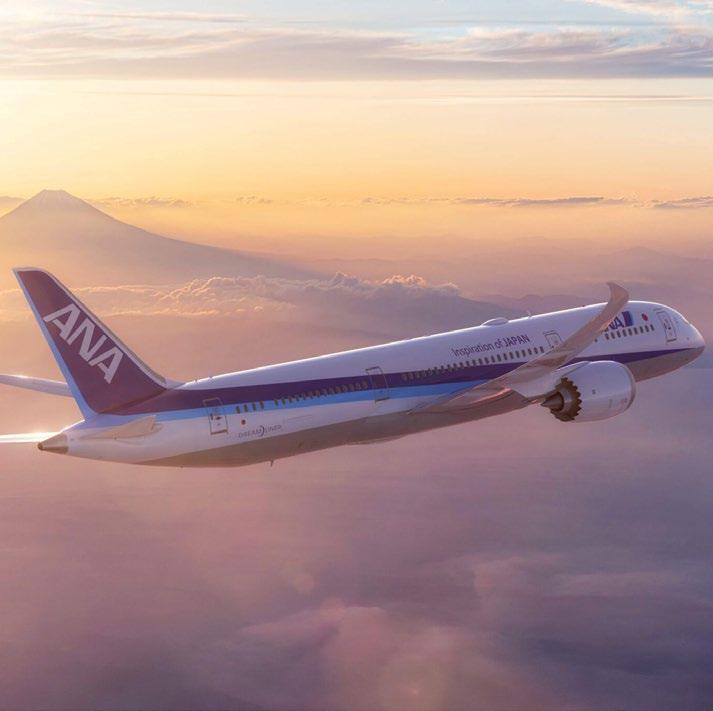
HAECO extends line maintenance partnership with ANA in Hong Kong
HAECO has extended its line maintenance partnership with All Nippon Airways (ANA) in Hong Kong through 2030, covering both technical and non-technical support services. Under the agreement, HAECO will continue providing line maintenance for ANA’s Boeing 787, 767, and 777 freighter fleets. The extension also includes cabin and operational support services, reinforcing ANA’s standards for safety, reliability, and passenger experience.
Gerald Steinhoff, Chief Commercial Officer of HAECO, said the renewal reflects a long-standing partnership built on trust and a shared commitment to delivering high-quality maintenance solutions.
Tatsuhiro Shioda, Vice President of Aircraft Operations at ANA Engineering & Maintenance Center, said HAECO’s support in Hong Kong has contributed to ANA maintaining its SKYTRAX 5-Star rating, highlighting the importance of the partnership to its global operations.
HAECO provides line maintenance services to more than 140 airlines and operates across multiple locations in Hong Kong and the Chinese Mainland, as well as globally.
The extension reinforces HAECO’s position as a key MRO partner in Asia while supporting ANA’s operational reliability and continued service excellence.
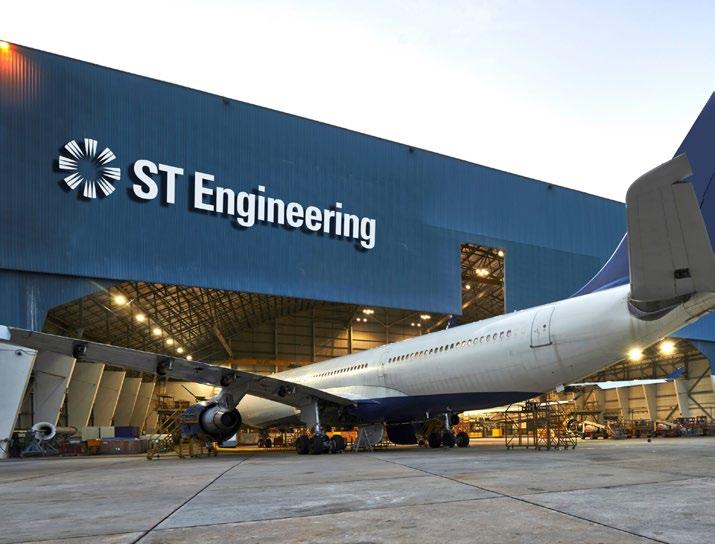
ST Engineering enhances MRO offerings with integrated airframe and nacelle service centre in Singapore
ST Engineering has launched an integrated airframe and nacelle maintenance, repair and overhaul (MRO) service centre in Singapore, enhancing efficiency for aircraft operators.
The facility, a first within its global network, combines airframe and nacelle capabilities at a single site, allowing operators to consolidate maintenance work and reduce turnaround times. Equipped with advanced tooling and OEM-approved processes, the centre supports both scheduled and unscheduled maintenance while ensuring consistent technical standards. Jeffrey Lam, President of Commercial Aerospace at ST Engineering, said the integrated
service strengthens the company’s global MRO network and offers customers a streamlined, one-stop solution, improving flexibility and operational efficiency.
ST Engineering’s Commercial Aerospace business is the world’s largest airframe MRO provider, with facilities across Asia-Pacific, the United States, and Europe. Its nacelle MRO network spans locations including Stockholm, Baltimore, Melbourne, and Xiamen, supported by additional service centres worldwide. Certified by multiple aviation authorities and approved by major OEMs such as Boeing, Airbus, Safran, and Collins Aerospace, the company provides globally aligned repair solutions.
The new centre reinforces ST Engineering’s position in the MRO sector by delivering integrated, efficient, and customer-focused maintenance services.
AEI announces Hainan Airlines commences second B737-800SF freighter conversion
Aeronautical Engineers, Inc. (AEI) announced that Haikou-based Hainan Airlines Co., Ltd (Hainan) has commenced its second AEI B737-800SF freighter conversion as part of a three-freighter conversion order. The aircraft (MSN 32603) commenced modification on January 5th.
Grand China Aviation Maintenance Co., Ltd (GCAM) is performing the modification touch labor and maintenance requirements. While not yet scheduled, the third aircraft is expected to commence modification immediately following the completion of MSN 32603.
Upon this release date, AEI has stated that Tianjin Air Cargo has since assumed the
original Hainan agreement for the second conversion and will operate the aircraft to support the airlines growing cargo operations.
The AEI converted B737-800SF freighter offers a main deck payload of up to 52,700 lbs. (23,904 kg) and incorporates eleven full height 88” x 125” container positions, plus an additional position for an AEP/AEH. The conversion also incorporates new floor beams aft of the wing box, a large 86” x 137” Main Cargo Door with a single vent door system.
AEI’s forward-thinking design allows for containers to be loaded into the aircraft a full 16.5” aft of the forward door jamb,
ensuring ground operators have sufficient manoeuvring room, which minimises potential door and aircraft strikes. Additionally, the AEI B737-800SF includes a flexible Ancra Cargo Loading System, a rigid 9g barrier, five supernumerary seats as standard, a galley, and a full lavatory.
LBC surpasses 600,000 global deliveries, marks 75 years and positions Asia Pacific as key growth engine
LBC Express marked its 75th anniversary by reporting over 600,000 balikbayan box deliveries worldwide as of Q3 2025, underscoring its expanding role in regional supply chains and e-commerce across the Asia Pacific. Operating under its theme “We Move With You,” the company has grown its global footprint to more than
6,400 locations, partners, and agents across 30 countries. It handled over 4,000 TEUs globally, with nearly 1,000 TEUs from Asia-Pacific, highlighting its increasing contribution to regional trade.
Financially, LBC recorded PHP 10.47 billion (approximately USD 187 million) in revenue for the first nine months of 2025, with overseas markets contributing 39% or PHP 3.83 billion (USD 68 million).
Domestic operations generated PHP 6.29 billion (USD 112 million), driven by its Retail division—including courier, air cargo, and balikbayan box services—and its Corporate division covering freight forwarding and
e-commerce solutions. A balikbayan box— widely used by overseas Filipinos—is a repatriate box filled with gifts, household goods, and personal items sent to families in the Philippines, symbolising connection and support across borders. Enrique Rey, President and Chief Operating Officer of LBC Express, said the company remains committed to connecting communities and enabling trade, noting that Asia-Pacific continues to be a key growth engine for logistics and e-commerce.
Founded in 1950, LBC pioneered the balikbayan box service and remains a key logistics partner for Filipino families and businesses worldwide.
FedEx bolsters Asia Pacific supply chain capabilities with expanded Taiwan transhipment centre
Federal Express Corporation (FedEx) has expanded its Asia-Pacific network with a newly upgraded transhipment centre at Taoyuan International Airport, marking its largest investment in Taiwan in 35 years.
The 19,000 sqm facility doubles the size of
the previous site and features an automated sorting system capable of handling up to 9,000 packages per hour. Processing efficiency has improved significantly, enhancing speed and reliability for crossborder shipments, including express parcels, freight, hazardous materials, and cold-chain goods.
The expansion supports rising demand from high-tech, semiconductor, and e-commerce sectors, reinforcing AsiaPacific’s role as a global manufacturing and technology hub. With the region producing over 80% of the world’s semiconductors, the need for precise, secure, and timesensitive logistics continues to grow.
and sensor technologies to provide real-time visibility and ensure shipment integrity Salil Chari, Regional President Asia Pacific at FedEx, said the investment strengthens the company’s logistics backbone to meet evolving trade flows and support customers’ supply chain needs. The facility is supported by 40 weekly flights connecting Taiwan to the United States, Europe, and regional markets. Additional network enhancements, including new intra-Asia routes and increased AsiaEurope frequencies, further improve connectivity and transit times.
The development underscores FedEx’s continued investment in infrastructure and digital solutions to support growing trade across Asia-Pacific.
DHL Express and SHEIN sign GoGreen Plus agreement to advance more sustainable logistics in cross-border e-commerce
FedEx has integrated advanced monitoring sustainable aviation fuel (SAF) for international express shipments, supporting efforts to reduce carbon emissions on intercontinental routes.
The agreement, announced at the DHL NOW & NEXT Summit in Shanghai, builds on the companies’ long-standing partnership and expands collaboration in sustainable air logistics. Through the initiative, SHEIN will leverage DHL’s SAF solution to lower Scope 3 emissions across its global supply chain.
of Sustainability at SHEIN, said partnerships with logistics providers are essential to exploring how SAF can be integrated into global operations, while contributing to broader industry adoption.
Launched in 2023, DHL’s GoGreen Plus service enables customers to reduce emissions through SAF “insetting,” using fuel derived from renewable sources such as used cooking oil. SAF can cut lifecycle emissions by up to 80% compared to conventional jet fuel.
DHL Express and SHEIN have signed a GoGreen Plus agreement to use
John Pearson, Chief Executive Officer of DHL Express, said the agreement marks a key step in advancing greener air logistics and reflects DHL’s commitment to supporting customers in reducing emissions through innovative solutions. Mustan Lalani, Head
The initiative supports DHL’s broader sustainability strategy and highlights growing collaboration between logistics providers and e-commerce players to advance low-carbon supply chains.
(L-R) Amy Yang, Global Head of Channel Logistics, SHEIN; Ethan Shen, Global Head of Supply Chain Logisitcs & Fulfilment, SHEIN; John Pearson, Global CEO of DHL Express; Wu Dongming, CEO for China, DHL Express.
Crane Worldwide Logistics deploys cargo.one to power its quoting and procurement globally with speed and accuracy
Crane Worldwide Logistics has partnered with cargo.one to deploy cargo.one’s AIpowered platform across its global operations, streamlining procurement, quoting, and booking processes.
The collaboration centralises Crane’s rate management into a single digital infrastructure, integrating tools such as AI-powered quoting, live and static rates, and a unified rate engine. This enables teams to access real-time market data, improve pricing accuracy, and reduce operational complexity.
cargo.one’s platform allows Crane to consolidate multiple data sources into one interface, improving consistency across global branches and reducing the need for manual processes. Integrated with Crane’s WiseTech transport management system, the solution enhances efficiency while supporting datadriven decision-making.
Brannon Kuykendall, Chief Information Officer of Crane Worldwide Logistics, said the partnership strengthens quoting capabilities by providing access to a wide range of airline
rates within a single platform, enabling faster and more accurate responses to customers
Moritz Claussen, Co-Chief Executive Officer of cargo. one, said the collaboration delivers a strong data foundation and intelligent automation to support Crane’s global
operations and evolving digital strategy. The partnership reflects growing industry demand for integrated, AI-driven logistics platforms, enabling forwarders to enhance efficiency, improve customer service, and manage increasingly complex supply chains.
DHL Global Forwarding expands air freight capacity between Asia and Europe by leveraging DHL Aviation assets
DHL Global Forwarding is expanding its AsiaEurope air freight capacity with new weekly Boeing 777F services linking Shanghai–Leipzig and Hong Kong–Liège, strengthening connectivity across key logistics hubs.
The move enhances collaboration with DHL Express, supporting growing demand on the Asia-Europe trade lane and improving reliability, speed, and resilience for customers. Shipments arriving in Leipzig will feed into DHL’s European distribution network, while Liège will serve as a key gateway for flows from Hong Kong.
Henk Venema, Global Head of Air Freight at DHL Global Forwarding, said the additional capacity reinforces the company’s commitment to meeting rising demand and maintaining service reliability across critical trade corridors.
The Liège–Hong Kong route will include a stopover in Tel Aviv, supporting operational flexibility and ensuring continuity of service. The expansion also aligns with DHL’s strategy of leveraging major European hubs to handle peak demand and optimise cargo flows.
Travis Cobb, Executive Vice President Global Operations and Aviation at DHL Express,
said the collaboration demonstrates the strength of DHL’s integrated network, enabling more efficient global trade flows. Further network enhancements are planned, including increased transpacific
capacity between Southeast Asia and the United States. The initiative underscores DHL’s focus on integrated logistics solutions and cross-divisional synergies to support evolving global supply chains.
NEWS - GSSAs
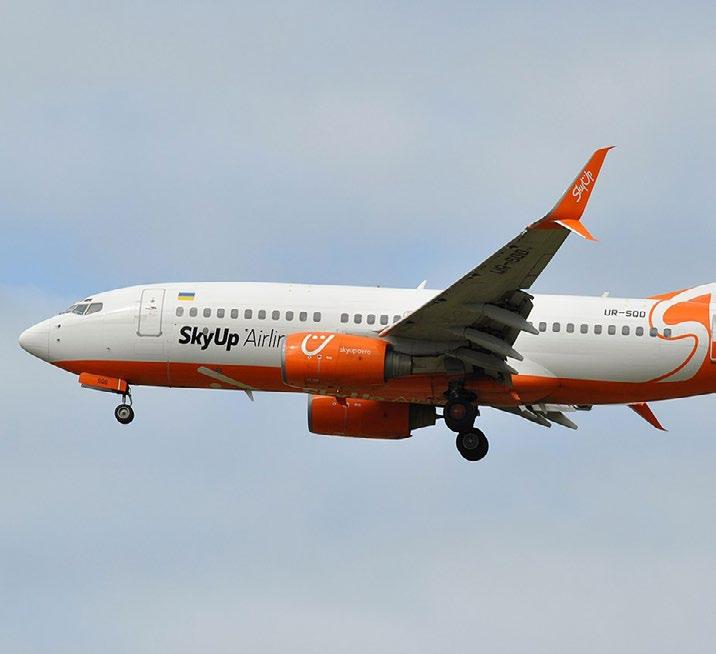
TCE signs strategic TCM agreement with SkyUp Airlines
TCE, part of Aerion, has signed a Total Cargo Management (TCM) agreement with SkyUp Airlines, appointing ECS Group and Global
GSA Group as subcontracted sales partners. Effective 5 January 2026, the agreement introduces a flexible, optimisation-driven cargo model aligned with SkyUp’s network strategy. Chișinău (RMO) will serve as the central hub, supporting cargo flows across Europe and neighbouring markets.
The TCM framework covers a full range of products, including General Cargo, Dangerous Goods, Perishables, Live Animals, Mail, and E-commerce, enabling SkyUp to target both high-yield and timecritical segments. Commercial execution will be managed through ECS and Global GSA Group’s networks, ensuring consistent market coverage. Sarah Scheibe, Managing Director of TCE, said the agreement reflects a shift towards integrated, performance-
driven cargo platforms that prioritise network optimisation and commercial agility. Daria Alieksieienko, Director of Regular at SkyUp Airlines, said the partnership supports the airline’s return to cargo operations, combining operational capability with global commercial reach.
Jean Ceccaldi, Chief Executive Officer of ECS Group, said the collaboration enables scalable revenue growth through coordinated global sales execution.
Aytekin Saray, Chief Executive Officer of Global GSA Group, added that aligned GSA operations will ensure consistent market positioning across regions. The partnership establishes a unified cargo ecosystem focused on performance and growth.
Chapman Freeborn appoints R-BAG Group as GSA across Eastern Europe
Chapman Freeborn has appointed R BAG Group as its General Sales Agent (GSA) across Eastern Europe, effective 1 March 2026, to expand its cargo charter presence in the region. Under the agreement, R-BAG Group will manage cargo charter sales
across Eastern Europe, excluding Poland, where Chapman Freeborn maintains its own team. The move aims to strengthen local market access and enhance customer support in a region experiencing growing demand for charter services.
Markus Schmidt, Vice President Cargo Commercial Operations at Chapman Freeborn, said the partnership provides a strong local presence supported by R-BAG’s regional network and sales expertise, reinforcing the company’s commitment to expanding its European footprint.
Eva Van Baaren Horvath, Group Managing Director of R-BAG Group, said demand for
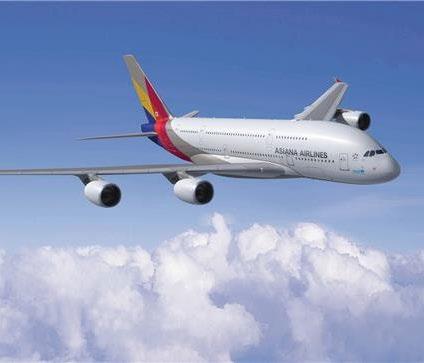
Global GSA Group appointed GSSA for Asiana Airlines Cargo in France and Germany
Global GSA Group has been appointed General Sales and Services Agent (GSSA) for Asiana Airlines Cargo in France and
Germany, strengthening the airline’s presence in two key European export markets. The agreement ensures sales continuity and operational stability as Asiana integrates within the Korean Air framework. Global GSA Group will manage commercial and operational activities, including sales, reservations, billing, marketing, and customer service.
Both France and Germany play critical roles in Asia-bound trade flows, particularly to South Korea and Japan, with shipments routed via Seoul Incheon for onward global distribution. The partnership focuses on optimising capacity across passenger networks while supporting specialised cargo segments. Aytekin Saray, Chief
air charter services in Eastern Europe has been steadily increasing, adding that the partnership enables a more localised and responsive offering for customers.
The appointment forms part of Chapman Freeborn’s broader European growth strategy, focused on strengthening regional coverage and delivering tailored air charter solutions.
By combining Chapman Freeborn’s global capabilities with R-BAG’s local expertise, the partnership is expected to improve service delivery and capture new opportunities across Eastern Europe’s evolving air cargo market.
Executive Officer of Global GSA Group, said the company combines local expertise with structured capacity management to enhance sales performance and support diverse cargo flows.
Germany’s strong industrial base and France’s role in consolidated and diversified exports underpin demand, with the GSSA model enabling closer alignment with freight forwarders and consistent commercial execution.
The collaboration reinforces Global GSA Group’s expanding European footprint while supporting Asiana Airlines Cargo’s network integration and service reliability.
Together, the partners aim to provide forwarders with stable access to Asian markets through coordinated sales, operational expertise, and efficient capacity management.
Kale
Logistics Solutions marks 15th anniversary with launch of new crossborder e-commerce parcel visibility platform for airlines
Kale Logistics Solutions has launched AvSys, a cross-border e-commerce platform designed to improve visibility, control, and compliance in parcel shipments.
AvSys enables piece-level tracking within both individual and consolidated air cargo shipments, allowing airlines, e-tailers, and shippers to monitor each parcel while meeting customs requirements. The platform supports end-to-end operations, with enhanced visibility across first mile, middle mile, and last mile logistics.
e-commerce. He added that AvSys delivers parcel-level visibility while maintaining full regulatory compliance across domestic and international shipments. The platform also enables airlines to operate e-commercefocused services more efficiently, reducing reliance on complex hub-and-spoke networks and improving direct connectivity.
AvSys supports real-time data sharing across stakeholders, enhancing operational efficiency and decision-making throughout the supply chain.
(L-R) Rajesh Panicker, Co-founder and COO, Kale Logistics Solutions, Amar More, Co-founder and CEO, Kale Logistics Solutions, and Vineet Malhotra, Co-founder and Director, Kale Logistics Solutions, pictured at Air Cargo India.
Amar More, Chief Executive Officer and Co-founder of Kale Logistics Solutions, said traditional air cargo systems were built around weight-based models and lack the transparency required for modern cargo.one has acquired ocean rate platform Cargofive and launched an AI-native operating system for multimodal freight, integrating air and ocean data into a single platform.
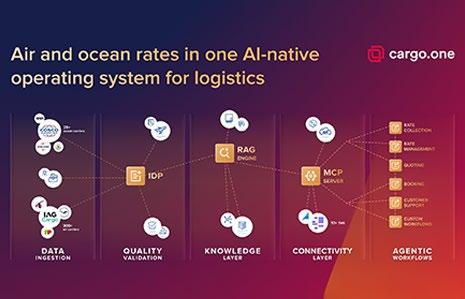
Backed by approximately $20 million in funding from investors including Bessemer Venture Partners, the move positions cargo. one as a key infrastructure provider for AIdriven logistics transformation.
The new platform unifies rate data and workflows, enabling freight forwarders to manage quoting, booking, and customer service across air and ocean freight within one system. By combining structured data with AI-driven “agentic” workflows, it aims
The launch follows Kale’s acquisition of AVLOG Systems, strengthening its capabilities in express and e-commerce logistics technology. It was unveiled at the Air Cargo India event, where Kale also marked to eliminate fragmented tools and improve efficiency.
its 15th anniversary and introduced a refreshed brand identity. The development reflects growing demand for digital, scalable solutions to support the rapid expansion of cross-border e-commerce logistics.
cargo.one acquires ocean platform Cargofive, launches AI-native operating system for multimodal logistics
The acquisition of Cargofive expands cargo. one’s data capabilities, adding connections to major ocean carriers and coverage across millions of trade lanes. This creates a comprehensive rate database that supports automated, data-driven decision-making.
Lödige Industries launches Cargo Direct for intelligent terminal orchestration
Lödige Industries has launched Cargo Direct, a software module designed to optimise air cargo terminal operations by linking air waybill (AWB) data with terminal resources in real time.
As cargo volumes rise and operations become more complex, terminals are evolving into digitally connected hubs requiring greater efficiency and predictability. Cargo Direct addresses this by synchronising workflows, reducing unnecessary movements, and improving capacity utilisation without the need for infrastructure expansion. The system integrates shipment data, handling requirements, equipment availability, and workforce resources into a unified
Moritz Claussen, Co-Chief Executive Officer of cargo.one, said unified data infrastructure is essential for delivering real value from AI, adding that the integration of ocean capabilities strengthens the platform’s ability to operate at scale. Sebastian Cazajus, Chief Executive Officer of Cargofive, said the partnership enables seamless multimodal platform that actively determines the next optimal process step for each cargo unit. Using handheld scanners and real-time connectivity, cargo is automatically directed to appropriate locations such as storage, screening, or build-up areas.
By introducing structured, system-guided automation, the solution enhances throughput, shortens handling times, and improves asset utilisation. It also optimises landside processes through early gate and door assignments, while integrating additional data such as weight and volume to improve load efficiency. Philippe De Backer, Chief Executive Officer of Lödige Industries, said the solution moves beyond
solutions by removing data silos between air and ocean freight.
The platform allows logistics teams and AI tools to operate on the same data foundation, improving accuracy, control, and automation across global supply chains.
data visibility to enable real-time operational orchestration, allowing terminals to deliver consistent and predictable performance.
Cargo Direct integrates with existing cargo management systems using industry-standard interfaces and provides continuous data feedback for monitoring and optimisation. The platform supports terminals in improving efficiency, reducing variability, and strengthening resilience in increasingly high-pressure air cargo environments.
NEWS - ASSOCIATIONS
IATA highlights three priorities for air cargo
The International Air Transport Association (IATA) has outlined three priorities for the air cargo industry: accelerating digitalisation, strengthening global standards, and enhancing safety and security.
Speaking at the IATA World Cargo Symposium 2026, Brendan Sullivan, Global
Head of Cargo at IATA, said the industry must build resilience amid geopolitical and trade disruptions by focusing on areas within its control. On digitalisation, IATA highlighted fragmented data systems as a key challenge, particularly for e-commerce. The ONE Record standard, now the preferred method for cargo data exchange,
aims to enable seamless, end-to-end data sharing. Wider adoption by airlines, forwarders, governments, and technology providers is needed to accelerate progress.
In terms of global standards, IATA stressed the need to align Dangerous Goods Regulations and improve airport slot allocation. Increasing regulatory variations and limited access to slots at major hubs are adding complexity and reducing operational flexibility.
On safety and security, IATA called for modernising frameworks to address evolving risks, including undeclared dangerous goods and lithium battery misuse. It also urged broader adoption of electronic Consignment Security Declarations to improve compliance and efficiency.
Sullivan emphasised that collaboration between industry and governments will be essential to maintaining safe, secure, and efficient global supply chains, ensuring air cargo continues to support international trade and economic growth.
Asia Pacific airlines report strong February cargo and passenger growth amid rising
geopolitical risks
Association of Asia Pacific Airlines (AAPA) reported strong growth in both passenger and cargo traffic for February 2026, driven by Lunar New Year travel and resilient trade demand.
International passenger numbers rose 9.0% year on year to 33 million, while revenue passenger kilometres increased 8.8%.
Capacity grew 8.0%, pushing the average load factor up to 83.4%.
Air cargo demand also remained robust despite seasonal factory closures, with freight tonne kilometres rising 8.7%, supported by e-commerce and demand for intermediate goods. Growth outpaced capacity expansion, lifting the average cargo
load factor to 58.2%. Subhas Menon, Director General of the Association of Asia Pacific Airlines, said passenger traffic reached 69 million in the first two months of 2026, up 6.3%, while cargo volumes increased 7.6% over the same period, reflecting strong regional demand.
However, he warned that rising geopolitical tensions in the Middle East are creating operational challenges, including restricted airspace and reduced capacity on key Asia–Europe routes.
Higher fuel costs are also adding pressure, with jet fuel prices rising sharply to around USD 150 per barrel in March, increasing operating expenses and affecting margins.
Menon added that while demand remains positive, continued geopolitical uncertainty may impact both passenger and cargo markets, underscoring the need for close coordination between governments and industry to maintain safe and efficient air connectivity.
ANA announces new President and CEO
All Nippon Airways (ANA) has announced changes to its board.
Juichi Hirasawa, Representative Director, Senior Executive Vice President, will succeed Shinichi Inoue as President and CEO from April 1, 2026, while Mr. Inoue will become Senior Advisor of ANA HOLDINGS INC. on the same date.
Mr. Hirasawa graduated from Keio University and joined ANA in 1986. During his tenure with the ANA Group, he has held multiple positions, mainly in business planning and corporate strategy. Notably, as an Executive Officer since 2018, he played a pivotal role in formulating and executing management strategies, effectively navigating the company through the crisis caused by COVID-19. He currently serves as Representative Director and Executive Vice President of ANA HOLDINGS INC., focusing
primarily on industrial policy, government affairs, and economic security. He is aged 62.
Mr. Inoue was appointed President and CEO of ANA in April 2022. Under his leadership, ANA overcame the COVID-19 crisis and contributed
to the Group’s record-high operating revenue in FY2024, while maintaining its SKYTRAX 5-Star rating. He has steered ANA back to a growth trajectory as a leading global airline, with a continued priority on safety.
Thomas Schürmann appointed Managing Director Germany of Frankfurt Cargo Services
Worldwide Flight Services (WFS), a SATS company, has appointed Thomas Schurmann as Managing Director Germany of its subsidiary
Frankfurt Cargo Services (FCS), effective April 2026. Schürmann joins from Etihad Airways, where he served as Head of Cargo Operations & Delivery, overseeing global cargo operations across more than 80 stations.
With over 20 years of experience, he brings expertise in both airline and ground handling operations.
Current FCS Managing Director Claus Wagner will transition to lead WFS’s Frankfurt operations, focusing on expanding freight forwarding and e-commerce handling services. Under his leadership since 2019, FCS has strengthened its position as the
largest airline-independent cargo handler at Frankfurt Airport. John Batten, Chief Executive Officer EMEAA at WFS, said the appointments reinforce the company’s leadership team and support its growth ambitions at the Frankfurt hub, particularly in freight forwarding and e-commerce.
WFS recently launched operations at a 24,000 sqm site in Cargo City South, with capacity to handle up to 100,000 tonnes annually. The leadership changes reflect WFS’s strategy to strengthen its presence in key European cargo hubs while expanding its capabilities in highgrowth segments such as e-commerce and integrated logistics services.
Northwind Global Logistics appoints Emma Oliver as Managing Director
Northwind Global Logistics (NGL) has appointed Emma Oliver as Managing Director, effective 1 April 2026, following a Total Cargo Management (TCM) agreement with Norse Atlantic Airways.
Oliver brings over a decade of air cargo experience from a major North American carrier, where she led initiatives to improve operational efficiency and commercial performance. At NGL, she will focus on strengthening operational synergies within Norse Atlantic’s cargo network and enhancing service delivery. In a statement, Oliver said the partnership presents an opportunity to scale operations, innovate, and deliver stronger outcomes for customers across the
airline’s niche network. Stephen Dawkins, Chief Executive Officer of Air Logistics Group, said Oliver’s leadership and industry expertise will support the expansion of NGL’s TCM capabilities globally.
Magnus Engstrom, Cargo Director of Norse Atlantic Airways, added that her track record in driving innovation and revenue growth will help further develop the airline’s cargo product and unlock new business opportunities.
The appointment reflects Norse Atlantic’s confidence in NGL’s ability to optimise cargo capacity, expand commercial reach, and deliver high-quality cargo management solutions.
4RCargo appoints Olga Palec-Furga as Chief Operating Officer
4RCargo appointed Olga Palec-Furga as Chief Operating Officer as part of its strategy to strengthen its leadership team and solidify its position in the Eastern European market. Palec-Furga joins 4RCargo with over 20 years of industry experience, having worked with airlines, general sales and service agents
(GSSAs), and airports across Poland. “As we enter our fifth year, we are building on the momentum achieved to date and looking to consolidate our position in the Eastern European market,” said Pawel Kazmierczak, Chief Executive Officer, 4RCargo.
“Since we founded 4RCargo, we have prioritised local expertise, and this remains central to our business.
“Olga’s appointment reflects our commitment to combining deep regional knowledge with operational excellence as we support our airline partners with scalable, future-focused solutions.”
In her new role, Palec-Furga will support the senior management team to drive expansion into new markets while maintaining the GSSA’s
Chapman Freeborn appoints Latha Narayan as President APAC
Chapman Freeborn, part of Avia Solutions Group, has appointed Latha Narayan as President APAC, effective 1 April 2026.
Narayan will lead strategic and commercial development across Asia Pacific, focusing on scaling operations, improving performance, and strengthening alignment across cargo, passenger, and business aviation services.
She brings over 20 years of aviation experience, having held senior roles at British Airways and Etihad Airways, where she led commercial strategy, revenue management, and transformation programmes. Most recently,
she worked as an independent aviation and cargo consultant. Saska Gerasimova, Group Chief Executive Officer of Chapman Freeborn, said Narayan’s strategic insight and commercial expertise will support the company’s next phase of growth in the Asia Pacific.
Narayan said she aims to accelerate growth, deepen collaboration, and deliver integrated aviation solutions across the region, leveraging the company’s global capabilities.
The appointment reflects Chapman Freeborn’s continued investment in Asia Pacific as a key strategic market and its focus on strengthening
strong Eastern European ties.
“4RCargo is continuing to expand as a GSSA, and I am looking forward to playing a role in shaping how the company grows in the years to come,” said Olga Palec-Furga, Chief Operating Officer, 4RCargo.
“The Eastern European air cargo market is evolving rapidly, and 4RCargo is well positioned, combining operational experience with a fresh approach to how a modern GSSA should operate and a strong focus on supporting the next generation of air cargo professionals.”
4RCargo recently announced the opening of its Baltic operations, as well as an update to its management team’s titles, the latest development in its growth strategy.
leadership to support expanding global operations.
Magma Aviation advances commercial strategy with Paul Hoatson’s appointment as Commercial & Network Planning Director
Having previously served as Head of Network Planning & Alliances, Hoatson has played an instrumental role in shaping Magma Aviation’s network strategy, route development initiatives, and partnership framework. His transition into the director role heralds a more comprehensive focus on aligning commercial objectives with network planning capabilities.
“I am delighted to take on this expanded responsibility at Magma Aviation. Network and fleet expansion will remain my main focus as we aim to create stronger opportunities to support our customers, develop new markets by bringing commercial and marketing strategy and network planning closer together,” Hoatson mentioned. His expanded role will strengthen Magma’s current global market position and further optimise service
excellence across Magma’s network. “Since he joined Magma 8 years ago, Paul has consistently demonstrated a deep understanding of our network, our customers, and the markets we serve. His appointment as Commercial & Network Planning Director strengthens our leadership structure and ensures closer alignment between our commercial and marketing direction and operational strategy,” Peter Kerins, CEO, said in a statement.
Paul Hoatson brings more than 20 years of extensive industry experience and a strong grasp of operational planning, airline partnerships, and market dynamics. Magma’s long-term expansion will be further supported by his leadership, which will also help establish the company as a dynamic player in the international air cargo market.
Paul Hoatson was recently appointed Director of Commercial & Network Planning at Magma Aviation, creating a major step in the company’s ongoing expansion and strategic advancement.
DHL Express appoints new commercial lead for Asia Pacific
DHL Express has appointed Herbert Vongpusanachai as Senior Vice President, Commercial for Asia Pacific, effective 1 April 2026. He will be based in Singapore.
Vongpusanachai brings more than 20 years of experience within DHL Express, having led key markets including Thailand & Indochina, Singapore, and Hong Kong & Macau. Most recently, as Managing Director for Thailand & Indochina, he drove sustained profitable growth and strengthened the cluster’s
performance. Ken Lee, Chief Executive Officer Asia Pacific at DHL Express, said Vongpusanachai’s leadership, customer insight, and ability to identify growth opportunities make him well-suited to lead the company’s regional commercial strategy.
In his new role, Vongpusanachai will focus on expanding high-potential sectors, trade lanes, and routes, while strengthening customer engagement and driving sustainable volume growth. He will also support the adoption of new technologies to enhance commercial
execution across the region. Vongpusanachai said Asia Pacific remains a key driver of global trade, adding that he aims to work closely with regional teams to strengthen DHL Express’s commercial performance and support customers’ growth.
The appointment underscores DHL Express’s continued investment in Asia Pacific, as the region plays an increasingly important role in global supply chains and trade connectivity.
ACC Aviation appoints Jack Burt as SVP Cargo to drive Cargo Charter expansion
ACC Aviation has appointed Jack Burt as Senior Vice President of Cargo, supporting the expansion of its global cargo charter operations.
Burt brings over 18 years of experience in air cargo, having held senior roles at Chapman Freeborn and Air Partner. He is recognised for building strong global networks and delivering solutions for time-critical and complex cargo movements.
In his new role, Burt will lead the growth of ACC Aviation’s cargo division, focusing on strengthening market presence, developing strategic partnerships, and expanding capabilities in specialised cargo segments such
as oversized and urgent shipments. He will also support the integration of cargo services across the company’s charter, ACMI, and consultancy offerings.
Phil Mathews, Chief Executive Officer of ACC Aviation, said Burt’s industry experience and leadership make him well-positioned to drive the company’s next phase of growth. Burt said he aims to scale a best-in-class cargo charter offering by leveraging ACC’s integrated service model and global network.
The appointment reflects ACC Aviation’s strategy to strengthen its cargo capabilities and enhance its ability to serve customers with flexible, end-to-end aviation solutions.
COVER STORY - SATS
Raising the bar for cold chain and high-value cargo handling
Recognition at the Payload Asia Awards is often a reflection of consistency rather than a single standout achievement. For SATS, securing both Ground Handler of the Year – Asia Pacific and Global Ground Handler of the Year at the 12th edition of the awards underscores a broader shift in how the company is redefining cargo handling across increasingly complex and time-critical supply chains.
As cold chain, pharmaceutical, and high-value shipments take on greater prominence in Asia’s trade flows, the demands placed on ground handlers have evolved beyond speed and scale. Precision, compliance, and end-to-end visibility are now non-negotiable, and in this context, SATS has been strengthening its capabilities across infrastructure, processes, and workforce disciplines.
“SATS has evolved from a traditional cargo handler into an integrated and specialised cargo solutions partner,” says Bob Chi, CEO of APAC Gateway Services at SATS. “These capabilities create a structural advantage that cannot be easily replicated, enabling us to adapt quickly as trade flows shift and demand for specialised services increases.”
Building a network for specialised cargo
Central to this transformation is the scale and depth of SATS’ global network. Operating across more than 225 stations in 27 countries, the company has invested
heavily in building out its cold chain footprint, with 42 dedicated facilities—32 of which are CEIV or GDP certified.
But expansion alone is not the defining feature. Instead, SATS has focused on strengthening consistency across the cargo journey, particularly in areas where variability has historically posed the greatest risk.
“Our focus has been on strengthening consistency across the cargo journey— particularly temperature stability, handover discipline, and end-to-end visibility,” Chi explains.
This has translated into targeted facility upgrades, process redesigns, and the gradual standardisation of procedures across its network. Programmes such as the Hub Handler of the Future initiative in Singapore are aimed at reducing manual intervention, integrating IoT-enabled tracking, and standardising processes across stations to minimise variability across
the network. At its core, the strategy reflects a clear understanding: cold chain reliability depends not on isolated excellence, but on eliminating weak links across every touchpoint.
Bob Chi CEO, APAC Gateway Services, SATS
Infrastructure designed for integrity
While process discipline is critical, the physical environment in which cargo is handled remains foundational. SATS continues to invest in specialised infrastructure designed specifically to support temperature-sensitive and highvalue shipments.
Facilities such as the AISATS BLR Logistics Park at Kempegowda International Airport in Bengaluru illustrate this approach. Spanning more than 240,000 square feet, the logistics park integrates temperaturecontrolled storage, bonded warehousing, and secure handling zones within a single ecosystem.
By reducing the number of handling interfaces and consolidating operations within a controlled environment, SATS is able to minimise exposure risks for sensitive cargo while maintaining tighter control over the entire handling process.
“We continue to invest in specialised infrastructure to enable cold chain corridor solutions across our network,” Chi says.
Design plays an equally important role. Facility layouts are optimised to shorten transfer paths, while insulated staging areas, configurable temperature zones, and restricted access controls help mitigate both environmental and security risks.
At SATS Coolport in Singapore, these principles are brought together through the company’s Cool Corridor solution—a purpose-built system that enables direct airside-to-warehouse transfer using temperature-controlled equipment such as cool dollies.
Supported by continuous monitoring, integrated building management systems, and redundant cooling mechanisms, the design ensures that temperature-sensitive cargo is protected throughout the handling process.
“Risk mitigation is embedded in design—not treated as an afterthought,” Chi notes.
Yet even the most advanced infrastructure cannot eliminate risk on its own.
Process discipline at every touchpoint
If infrastructure provides the foundation, operational discipline ensures consistency.
Nowhere is this more critical than at handover points—widely recognised as the most vulnerable stage in the cold chain. SATS addresses this through a combination of standardised processes and strict control
measures, including documented chainof-custody protocols, dual verification checks for high-value shipments, and timestamped digital logs.
Controlled vehicle transfers between apron and warehouse further reduce variability, while continuous staff training ensures adherence to CEIV and GDP-aligned standard operating procedures.
“Infrastructure protects cargo, but disciplined process execution ensures integrity throughout the journey,” Chi says.
This emphasis on discipline also underpins SATS’ approach to balancing speed and compliance—a tension that has become more pronounced as shipment profiles grow increasingly time-sensitive.
“Speed and compliance are not trade-offs,” he adds. “When processes are engineered correctly, they reinforce each other, enabling turnaround speed to be achieved through disciplined operational design rather than procedural shortcuts.”
Operational excellence means delivering both speed and reliability.
At facilities such as SATS Coolport, temperature-controlled docks and specialised equipment enable rapid transfers without breaking the cold chain,
supported by continuous monitoring and pharma-trained teams operating within secure environments.
Embedding compliance into culture
Certification frameworks such as CEIV Pharma and GDP play an important role in shaping industry standards. For SATS, however, their value lies not in accreditation, but in how they influence day-to-day operations.
“Compliance is embedded into our culture—it governs how we work every
COVER STORY - SATS
day,” Chi explains. Standard operating procedures, training programmes, audit drills, and exception reporting are all aligned with these frameworks, ensuring that compliance is not treated as a periodic requirement but as a continuous operational baseline.
This is particularly important given the scale of SATS’ network, where maintaining consistency across multiple stations and regulatory environments requires both structured processes and a shared operational mindset.
People at the core of performance
Despite increasing levels of automation and digitalisation, cold chain integrity ultimately depends on people.
SATS has placed significant emphasis on workforce capability, recognising that human error remains one of the most critical risk factors in specialised cargo handling.
“People remain at the heart of all SATS operations,” Chi says.
Training programmes are designed not only to reinforce procedures but also to build a deeper understanding of how individual actions impact the broader supply chain, from regulatory compliance to downstream delivery.
Initiatives such as the company’s “Just Culture” programme encourage open reporting of incidents and errors without fear of punishment, fostering a culture of accountability and continuous improvement.
At the same time, digital tools such as the PULSE mobile application enable frontline staff to report and track incidents in real time, strengthening both transparency and responsiveness.
Digital visibility and proactive risk management
As cargo flows become more complex, digitalisation has emerged as a critical enabler of visibility and control. At SATS, systems such as its proprietary Cosys+ platform provide real-time tracking of shipment milestones, operational status, and special cargo requirements across its network.
Automated alerts flag deviations from defined thresholds, allowing control centres to intervene early and coordinate corrective actions. Combined with IoTenabled sensors, monitoring platforms, and integrated dashboards, these systems provide a comprehensive view of cargo handling processes.
“Together, these technologies strengthen operational oversight and enable proactive risk management without compromising the speed required for time-critical shipments, such as pharmaceutical and high-value cargo,” Chi explains.
The result is a more resilient operating model better equipped to manage variability while maintaining service consistency.
Meeting evolving customer expectations
The shift towards more specialised cargo has also reshaped customer expectations. Airlines and shippers are no longer looking
solely for handling capacity, but for partners capable of supporting highly time-critical and sensitive shipments with precision and reliability.
“Customers now expect greater transparency, reliability, and specialised capabilities from their cargo handling partners,” Chi says.
This has driven SATS to expand its service offerings, including time-critical solutions for aircraft-on-ground (AOG) scenarios through partnerships such as its collaboration with Sterling, enabling rapid acceptance, handling, and release of urgent shipments supported by real-time updates and milestone visibility.
These capabilities reflect a broader shift in the role of ground handlers—from service providers to integrated partners within the supply chain.
Recognition and the road ahead
For SATS, its recognition at the 12th Payload Asia Awards reflects the strength of the operational systems and culture it has built across its network.
“The awards reinforce our commitment to delivering consistent service excellence across the SATS network,” Chi says.
Looking ahead, the industry is moving towards more specialised handling solutions as operators seek to mitigate commoditisation and meet the growing demands of temperaturesensitive and high-value cargo.
These solutions require not only dedicated infrastructure, but also tightly controlled processes and integrated networks that strengthen reliability across the cargo journey.
SATS expects this shift to be shaped by three key enablers: AI and automation, continued investment in specialised infrastructure, and deeper network integration. Backed by investments in automation, digital cargo systems, and specialised facilities, the company is also advancing real-time visibility and proactive risk management through integrated platforms and centralised control centres.
As supply chains grow more complex, the ability to deliver both precision and pace will remain critical—with SATS continuing to strengthen the systems and processes that underpin cargo integrity at every stage of the journey.
FEATURE - MASKARGO
MASkargo’s
cold chain edge across the Asia Pacific
In air cargo, risk rarely comes from the skies—it happens on the ground, at handover points. For MASkargo, safeguarding cold chain and high-value cargo integrity across Asia Pacific begins there, through disciplined protocols, controlled environments, and coordinated processes that minimise temperature excursions and disruptions.
Across a region defined by varied infrastructure, regulatory frameworks, and operating conditions, maintaining that level of control requires more than standardisation—it demands consistency in execution.
“Integrity is built on control, consistency and accountability,” says Mohd Nadziruddin Mohd Basri, Chief Executive Officer of Aviation Services, Malaysia Aviation Group (MAG). That discipline translates into industry recognition. At the 12th Payload Asia Awards in Singapore, MASkargo was named Overall Carrier of the Year –Asia Pacific, underscoring its operational reliability and its ability to deliver specialised cargo services consistently across a complex regional network.
This edge is underpinned by a portfolio of specialised products designed around cargo-specific requirements rather than generic handling standards. Products
such as MK Pharma, MK Fresh, MK Secure, and MK Live enable MASkargo to apply tailored procedures for pharmaceuticals, perishables, high-value shipments, and live animals—each governed by defined protocols for temperature control, security, and handling priorities.
Managing risk at handover points
Nowhere is this level of discipline more critical than at handover points, where shipments move between aircraft, terminals, ground handlers, and onward transport. These transitions, often compressed within tight turnaround windows, present the highest risk of exposure.
“Risk exposure is highest at custody transfers,” Nadziruddin notes, which is why structured protocols—complete with seals, shipment counts, and documented signoffs—are enforced at every milestone.
Temperature-sensitive shipments are prioritised for rapid transfers and staged in controlled environments where available, reducing dwell time outside defined temperature ranges. High-value cargo is managed within restricted zones, while delicate consignments are handled with orientation controls and, where required, photo documentation to preserve condition and traceability across each movement.
Beyond airside handling, MASkargo extends this control through integrated logistics support. According to Nadziruddin, customs-bonded trucking with GPS visibility, warehousing support, and coordinated forwarding ensures that cargo remains secure and trackable as it moves between airport facilities, hubs, and final delivery points.
Temperature control across cargo types
For pharmaceutical shipments, maintaining temperature integrity is both a technical and procedural exercise. Nadziruddin says MASkargo supports defined temperature ranges such as +2–8°C, +15–25°C, and frozen conditions, with handling processes aligned to Good Distribution Practice (GDP)
standards. Prioritised cut-off times and time-critical handling further reduce the risk of temperature excursions during transfer and storage.
Perishable cargo follows similarly stringent controls, guided by IATA’s Perishable Cargo Regulations (PCR). Temperature-managed storage areas and expedited transfers between aircraft and ground facilities help preserve product quality, particularly for shipments moving across multiple climate zones within the region.
Consistency across a diverse region
Maintaining these standards across the Asia Pacific requires careful coordination between central oversight and local execution. Nadziruddin explains that MASkargo applies internationally aligned SOPs, including IATA frameworks, and routes shipments through qualified lanes based on station capabilities—ensuring that infrastructure and handling requirements are matched at every stage of the journey.
Continuous training plays a critical role in sustaining this consistency. Nadziruddin adds that ground teams and partners are aligned through shared procedures, documentation standards, and productspecific training covering GDP principles, time- and temperature-sensitive handling, security protocols, and live animal regulations.
Special care for live animal cargo
For live animal shipments, precision is paired with welfare under MK Live. Shipments follow IATA Live Animals Regulations, with pre-booking assessments covering species, routing, and climatic conditions. Dedicated “Animal Hotel” facilities provide calm, climate-controlled staging with minimal
dwell time, supported by trained teams conducting regulated care checks.
Staying resilient during disruptions
Disruptions—whether caused by weather events, capacity constraints, or schedule changes—introduce additional complexity for temperature-sensitive cargo. Nadziruddin says risk mitigation begins at booking through optimised routing and simplified transfer points.
When disruptions occur, shipments are prioritised for re-accommodation under MK Priority, enabling faster connections and next-flight solutions. Temperature-sensitive cargo may be reassigned to controlled storage, while high-value shipments remain secured within restricted facilities. Coordinated trucking and warehousing support further stabilise cargo flows during irregular operations.
Digital visibility and control
Digitalisation underpins much of this operational visibility. Nadziruddin notes that milestone alerts, GPS-enabled trucking, documented custody logs, and structured notification protocols enhance traceability across both air and ground segments.
As supply chains become more complex and time-sensitive, real-time visibility becomes critical—not only for compliance, but also for enabling faster response and maintaining customer confidence.
Balancing growth with operational discipline
Looking ahead, Nadziruddin points to a landscape shaped by both opportunity and uncertainty. While demand for e-commerce, advanced manufacturing, and timesensitive trade remains strong, geopolitical
tensions, evolving regulations, and airspace disruptions continue to reshape routing patterns and operational planning.
“Carriers must therefore balance agility with discipline,” Nadziruddin says, highlighting the growing need for precision in handling specialised cargo such as pharmaceuticals and high-value shipments despite tighter timelines and more complex rerouting scenarios.
For MASkargo, this environment underscores the importance of resilient network design, strategic connectivity, and integrated logistics capabilities. “Our focus remains on strengthening operational flexibility and delivering secure, reliable solutions that support evolving trade flows across Asia Pacific and beyond,” Nadziruddini adds.
MOHD NADZIRUDDIN MOHD BASRI Chief Executive Officer of Aviation Services, Malaysia Aviation Group (MAG).
FEATURE - PACTL
PACTL strengthens cold chain and specialised cargo capabilities at Shanghai
As global supply chains grow more complex, the role of cargo terminals is evolving beyond handling into enabling precision, compliance, and connectivity. At Shanghai Pudong International Airport, one of the world’s busiest air cargo gateways, PACTL is strengthening its capabilities in pharmaceutical and temperaturesensitive logistics, supported by ongoing investments in cold chain infrastructure and internationally recognised standards in security and sustainability.
In this Q&A, Carsten Hernig, Deputy General Manager, VP Sales & Marketing and Production at PACTL, shares insights on evolving cargo demands, digital transformation, and how the terminal is reinforcing its role in supporting Shanghai’s position as a global cargo hub.
Payload Asia (PA): Shanghai Pudong International Airport is one of the world’s busiest air cargo gateways. How does PACTL support the airport’s role as a major global cargo hub?
Carsten Hernig (CH): At PACTL, we see ourselves as an enabler of connectivity, ensuring cargo moves seamlessly, safely, and on time. We reinforce Shanghai Pudong International Airport’s position as
a global hub through scale, reliability, and precision. With a designed annual handling capacity of over 2 million tonnes, supported by extensive infrastructure and 24/7 operations, we provide airline and logistics partners with a stable and efficient gateway.
Our well-developed transit services enable smooth cargo connections across regions, while our support for industry initiatives such as ONE Record contributes to a more connected and transparent cargo ecosystem.
Working closely with airlines, forwarders, and authorities, we help facilitate efficient cargo flows and attract new traffic, reinforcing Shanghai’s role in global trade.
PA: What key trends are you currently seeing in air cargo demand through Pudong, particularly for specialised cargo segments such as pharmaceuticals and perishables?
CH: We are seeing continued growth in specialised cargo, particularly pharmaceuticals, perishables, dangerous goods, and other high-value shipments. These segments are increasing not only in volume but also in complexity and handling requirements. For pharmaceuticals, the
focus is shifting towards stricter compliance, tighter temperature control, and greater end-to-end visibility. Perishables are becoming more diversified, with growing demand for speed and freshness, while the rise in dangerous goods—especially lithium batteries—is placing higher requirements on safety standards. At PACTL, specialised cargo is fully integrated into our operations, supported by dedicated facilities, trained teams, and CEIV-aligned certifications covering Pharma, Fresh, Live Animals, and Lithium Batteries.
Overall, the industry is moving towards higher standards of precision, compliance, and reliability, and we continue to evolve to meet these expectations.
PA: Pudong handles significant volumes of time- and temperature-sensitive shipments. How is PACTL strengthening its infrastructure and operational processes to support these specialised cargo flows, such as by expanding cool centres or implementing real-time monitoring systems?
CH: To support this growing demand, our Cool Centre plays a central role, with dedicated temperature zones tailored to different product requirements. We are also
Pudong
Exterior view of PACTL Terminal 1 at Shanghai Pudong International Airport (PVG)
upgrading our cold chain facilities at PACTL WEST to enhance capacity and handling efficiency further.
Operationally, we have strengthened standardised procedures, staff training, and 24/7 monitoring through our Security Monitoring Centre (SMC), ensuring full visibility and control throughout the handling process. Time- and temperaturesensitive shipments are prioritised, with clearly defined service standards, including a breakdown target of within three hours.
Our temperature-controlled solutions, ranging from -18°C to +25°C, combined with CEIV Pharma-aligned processes, ensure cargo integrity is maintained at every stage.
PA: Cold chain logistics continues to evolve rapidly. What investments or innovations has PACTL introduced to ensure temperature integrity and compliance for sensitive shipments such as pharmaceuticals?
CH: For us, cold chain is not just about facilities, but about building a reliable endto-end ecosystem.
We have enhanced temperature monitoring systems, strengthened process controls, and work closely with airlines and forwarders to minimise risks throughout the handling journey. Our procedures are continuously refined in line with international standards and evolving customer requirements.
Our cold chain transportation includes actively temperature-controlled dollies capable of maintaining a range from +30°C to -30°C, supporting a wide range of temperature-sensitive cargo while ensuring integrity during the critical transfer between the warehouse and the aircraft.
We also continue to invest in infrastructure and IT systems to improve precision and visibility, supported by regular internal and external audits, including CEIV certifications, to maintain high levels of compliance.
Our focus is on risk prevention at every stage, reducing temperature excursions from acceptance through to delivery.
PA: Digitalisation and automation are becoming increasingly important in cargo terminal operations. What technologies is PACTL implementing to improve efficiency and cargo visibility?
CH: At PACTL, digitalisation is central to how we are evolving our operations.
At the core is our self-developed platform, Easy Cargo. With the launch of Easy Cargo 2.0, we have achieved full digital coverage
of inbound and outbound operations, connecting the entire process chain—from online booking and cargo pick-up to realtime shipment visibility and automated reporting—reducing manual intervention and improving efficiency. Our Security Monitoring Centre (SMC) complements this by providing 24/7 real-time visibility across key processes, enabling early detection of irregularities and coordinated response.
We are also deploying advanced technologies, including AI-supported safety alert systems and automated guided vehicles (AGVs) at our Dangerous Goods Warehouse at PACTL WEST to enhance handling efficiency and safety.
Looking ahead, we are supporting industry initiatives such as ONE Record to enable more integrated, end-to-end data sharing across the supply chain.
PA: How do these digital tools enhance coordination between airlines, freight forwarders, customs authorities, and terminal operators?
CH: Digital tools are transforming how stakeholders collaborate across the cargo chain by improving the accuracy, consistency, and accessibility of data.
Shipment information—including master and house air waybills and supporting documents—can be transmitted directly into our systems, reducing duplicate data entry and creating a reliable single source of truth for all parties involved. This enables
airlines, freight forwarders, customs authorities, and terminal operators to access timely and accurate information, improving coordination, shortening processing times, and reducing operational uncertainty.
Looking ahead, initiatives such as ONE Record and the development of digital twins will further support end-to-end visibility and real-time synchronisation across the supply chain.
PA: PACTL recently became the first air cargo terminal in mainland China to achieve the IATA Environmental Assessment (IEnvA) certification. What were the key initiatives that enabled the terminal to meet these standards?
CH: Achieving IEnvA certification reflects a long-term commitment to embedding sustainability across our operations, rather than a one-time initiative.
At PACTL, we have implemented a range of measures to reduce our environmental footprint, including the transition to electric forklifts, expansion of on-site photovoltaic power generation, and upgrades at PACTL WEST with energy-efficient technologies such as LED lighting and intelligent energy management systems.
Digitalisation also supports our sustainability goals, with paperless processes through our Easy Cargo platform improving efficiency and reducing manual documentation.
Equally important is our structured
PACTL’s Security Monitoring Center (SMC) provides 24/7 real-time oversight, enabling early detection, coordinated response, and stable, safe handling across the entire process
FEATURE - PACTL
environmental management approach, supported by continuous monitoring, internal alignment, and adherence to international standards to ensure consistent implementation and ongoing improvement.
PA: How has achieving IEnvA certification influenced PACTL’s operations, partnerships, or customer demand?
CH: The certification has reinforced our internal standards and also strengthened external confidence.
Operationally, it has helped us further structure and standardise our environmental practices. From a partnership perspective, it aligns us more closely with airlines and customers who are increasingly focused on sustainability.
We also see growing interest from customers who value environmentally responsible partners. In that sense, sustainability is no longer just a responsibility; it is becoming a shared expectation across the supply chain.
PA: From a cargo terminal perspective, where do you see the biggest opportunities for improving sustainability across air cargo operations today?
CH: One of the biggest opportunities lies in stronger collaboration across the value chain. Meaningful progress depends on closer coordination between airlines, ground handlers, freight forwarders, and other partners to reduce paper use, optimise resources, and improve operational efficiency. Energy management is also a
key focus, particularly for temperaturecontrolled facilities where demand is high. Improving energy efficiency, expanding the use of renewable sources, and applying smarter energy management practices can deliver a significant impact.
We also see practical opportunities in the wider adoption of battery-powered equipment and stronger recycling practices, particularly for loading materials.
Digitalisation remains an important enabler, helping reduce unnecessary processes while supporting more precise planning and resource allocation.
PA: Looking ahead, what are PACTL’s key priorities for strengthening its cargo handling capabilities and supporting Shanghai’s continued growth as a global air cargo hub?
CH: Our priorities are centred on strengthening both infrastructure and service capabilities to meet increasingly diverse and specialised customer needs.
A key focus is the continued upgrade of PACTL WEST, including enhancements to our ETV, cross-border e-commerce cargo handling centre, and cold chain facilities to improve efficiency, safety, and capacity for specialised cargo.
At the network level, we are expanding our transhipment capabilities and enhancing transit operations, while exploring offairport terminal solutions to build a more flexible and resilient cargo network.
Digitalisation and standardisation remain key pillars. We will roll out the next phase of Easy Cargo, implement Cargo iQ standards, and adopt ONE Record to enhance transparency, efficiency, and end-to-end visibility. At the same time, we will deepen international partnerships to unlock new opportunities and further strengthen Shanghai’s position in the global air cargo network.
CARSTEN HERNIG
Deputy General Manager VP Sales & Marketing and Production, PACTL
Airside operations at PACTL West, where streamlined ground handling and logistics meet 24/7 service demands