By Karen Zacarías
By Nicole A. Watson


By Karen Zacarías
By Nicole A. Watson
Attending live theater is a unique experience with many valuable educational and social benefits To ensure that all audience members are able to enjoy the performance, please take a few minutes to discuss the following audience etiquette topics with your students before you come to Hartford Stage
• How is attending the theater similar to and different from going to the movies? What behaviors are and are not appropriate when seeing a play? Why?
• Remind students that because the performance is live, the audience affects the performance. No two audiences are exactly the same and no two performances are exactly the same this is part of what makes theater so special!
• Theater should be an enjoyable experience for the audience Audience members are welcome to applaud when appropriate and laugh at the funny moments Talking is distracting to other audience members and the actors on stage. Theaters are constructed to carry sound efficiently!
• Any noise or light can be a distraction, so please remind students to make sure their cell phones are turned off. Students should not text, or take photos or video during the performance
• Students should sit with their group as seated by the Front of House staff and should not leave their seats once the performance has begun
The play’s the thing
Native Gardens
is a good example of how contemporary theater plays with conventional dramatic form On the surface, it’s a traditional comedy, unfolding sequentially to the happy ending, but on close examination, we see how Karen Zacarías blends several styles to keep the show zipping along.
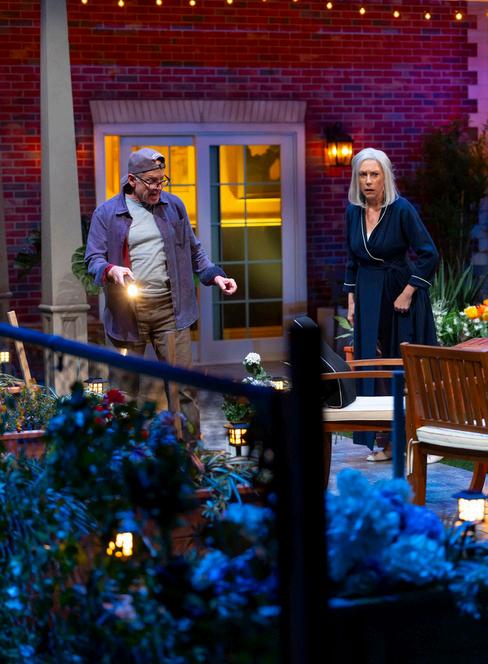
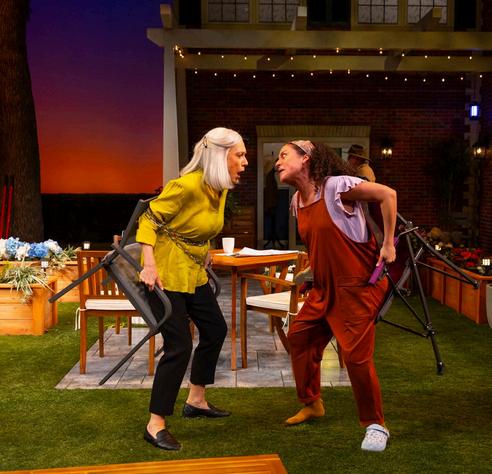
Native Gardens begins with a prologue, with characters in spotlights and speaking directly to the audience A prologue, in drama as in fiction, sets up a situation before dramatic action takes place Here, the prologue breaks the fourth wall, that invisible barrier between the stage and the audience, to have Pablo, Tania, Frank, and Virginia state the opening situation: the Del Valles are moving into a neglected home, and the Butleys are ready to welcome them
Each of the following scenes, segments with dialogue that are action and character driven, is introduced with a vignette, a short silent piece that captures a moment in images In Native Gardens, that leads to the action of the following scene. After the last scene, the four characters speak in an epilogue, a wrap-up, tying up loose ends, again directly addressing the audience
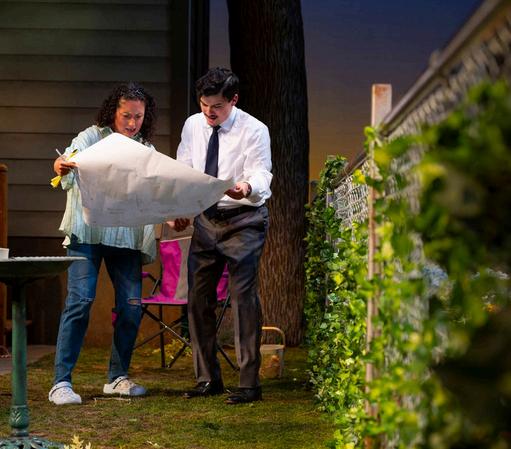
The prologue and the closing epilogue show the influence of film documentary and the TV “mockumentary” form where characters will sometimes speak their thoughts directly to the camera in an interview with an unseen other person This style, pioneered in reality shows, became a staple of comedy in shows like The Office and Modern Family
Reprinted courtesy of Syracuse Stage
Courtesy of Syracuse Stage
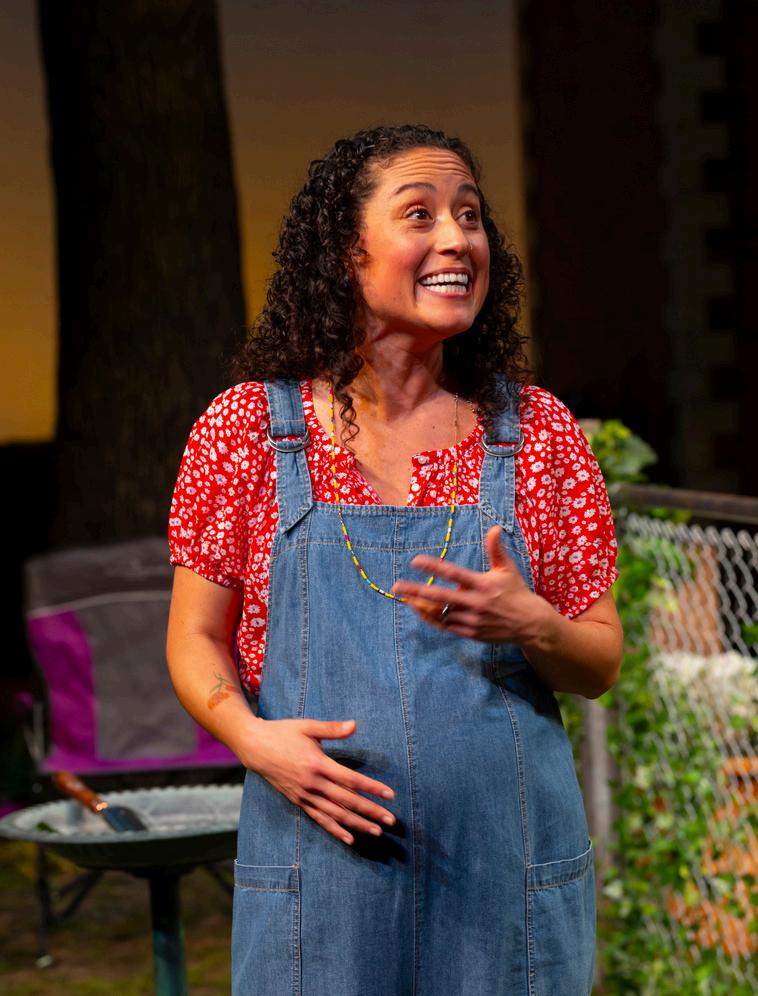
Tania is a 29 year-old PhD candidate married to Pablo Del Valle She’s positive, passionate, and eight months pregnant Tania is excited about creating a native plants garden in her new backyard Although she’s from New Mexico and of Mexican heritage, she speaks very little Spanish except for cursing
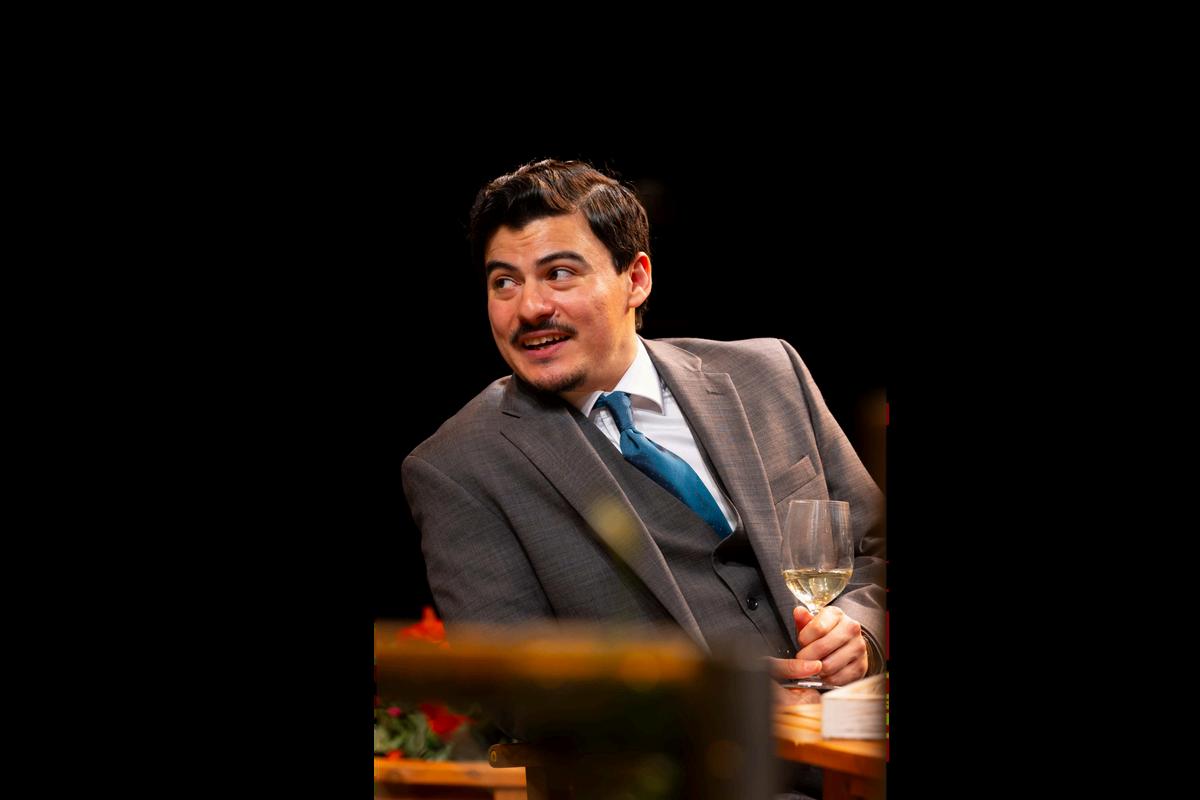
Pablo is a 31 year-old lawyer who has just started working for a prestigious Washington firm. He’s smart, ambitious, and ready to climb the ladder in the firm He comes from an influential Chilean family
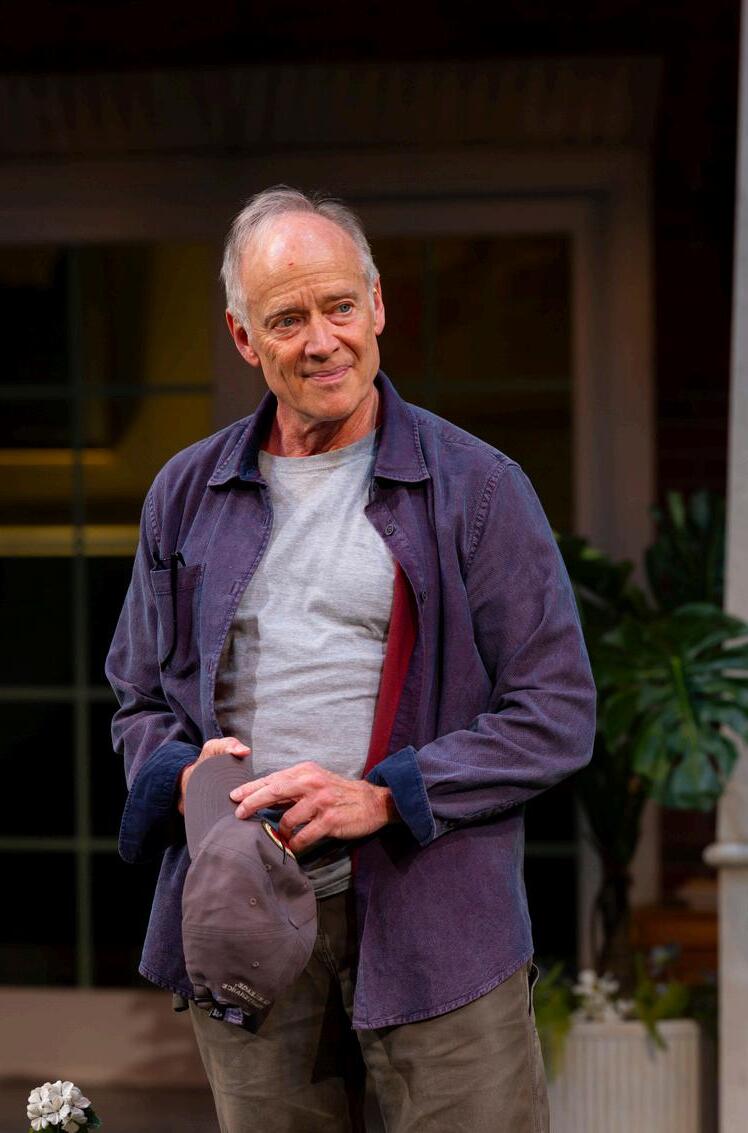
Frank is in his 60's He is a detail-oriented semi-retired Federal employee who is rightfully proud of his meticulously designed and maintained garden
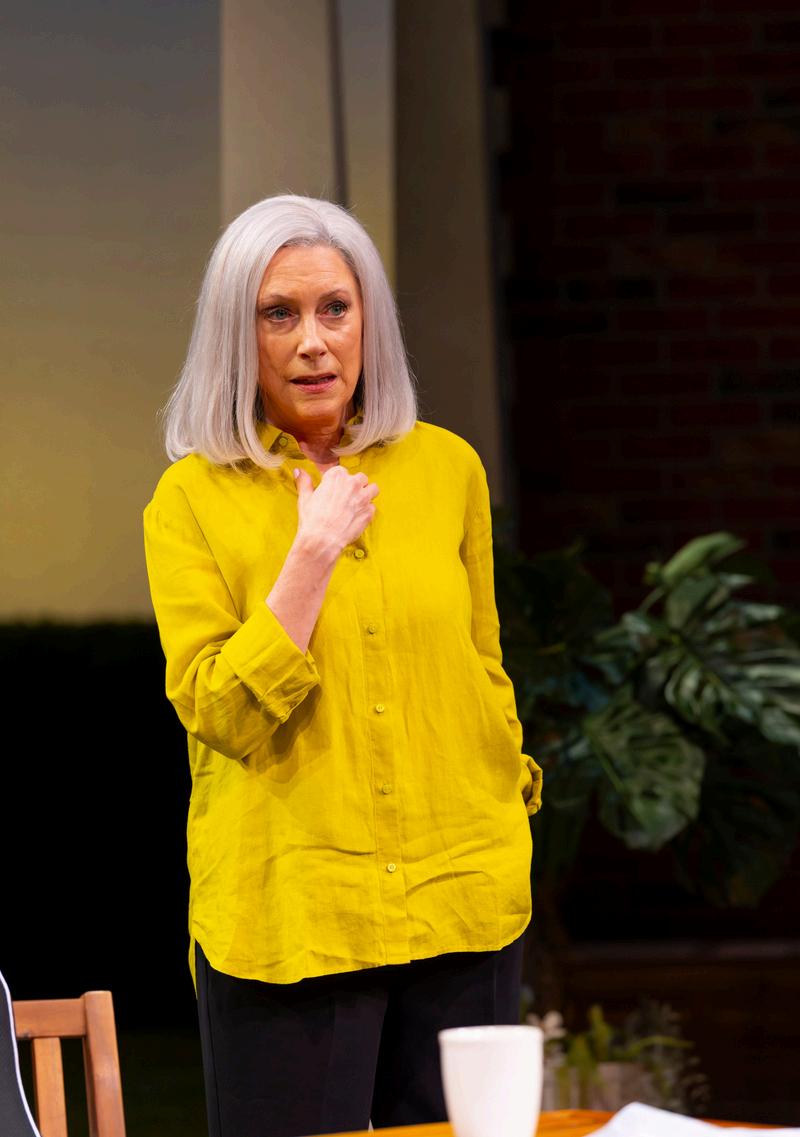
Virginia is Frank’s supportive wife and is a no-non-sense engineer doing defense work for Lockheed Martin She and Frank have one child She’s PolishAmerican from Buffalo, NY
This garden party isn’t just a garden party. Pablo needs to impress his boss because he is trying to make partner at his law firm. A partner is a co-owner of the firm. According to the American Bar Association, this process can take around 10 years. In addition to working long hours and bringing in lucrative clients, ambitious lawyers need to seize every opportunity to build relationships and impress their colleagues and supervisors, especially early on
Pablo pictures adding his name to the firm: “Smith, Krause, Wilson and Del Valle.” Partnership is coveted, and Pablo, as a Chilean-American lawyer, would be part of a slim minority The American Bar Association reports that the percentage of Hispanic lawyers nationwide has rose from 4% to 6% in the years between 2014 and 2024 (https://www americanbar org/news/profile-legal-profession/ demographics)
Reprinted courtesy of Rebecca Campana and Arena Stage.

Melia Bensussen: Karen, we are so thrilled to be producing your play at Hartford Stage
Karen Zacarías: Gracias I love your theater I’m just
Native Gardens
I lovethisplay so
Ithink all fights come down to this sense of property, taste, and culture, in a sense, no matter what’s going on. And so when I first started this play, I had all of these [neighbor] stories and I kept finding how absurd it was that people are getting stabbed over shrubs but how common it was
MB: Well, we’re thrilled. And I’m excited to talk toyou about much and I’m so excited to be producing it. But it’s a play of yours that you have seen produced a lot now
KZ: Yes, it’s the 10-year anniversary of the play!
MB: Why do you think this play has such an enormous impact, that we are here producing it 10 years after it premiered?
KZ: I think the reason so well at so many different theaters is because everybody understands what it feels like to have a neighbor And everybody understands how uncomfortable it is to be in an argument with people close to you. has done
Native Gardens honored to be on your stage
The other thing that makes this comedy popular is that it’s not mean-spirited All four of the characters are basically good people with different points of view And they’re all redeemable, even though they behave badly And they don’t want things to go badly, they just kind of do But I think that’s a really important part of it, is that there is no great villain in it. And I wrote all four of the characters with a lot of affection for them.
Someone once told me, that comedy is disarming it disarms you, so you stop crossing your arms and you have to listen to an argument in a different way. You judge each couple, but at the end, the person you’re really judging is yourself. What would you do if you were in a fight over a tree next to you?
MB: That’s wonderful. We know all four people in the play [in our own lives].
What’s fascinating to me is how primal people feel about property There’s something about it that brings out the best and the worst in us And so it’s a very relatable story. The number of neighbor fight stories I have gotten! “Oh, my father got stabbed by their neighbor because of shrubbery ” Or “this guy was parking one inch in my driveway So I moved!” There’s a lot of crazy neighbor stories, some resulting in very onerous and exhausting things, and some, of course, ending in tragedy
Talk to me a little bit about the Latinidad in the play and your own Latinidad, and how that informs these characters
KZ: I am Mexican, and I’m always interested in seeing our people portrayed in places that are unexpected. There’s all these roles that we fill, and some are more common than others, but they’re all part of our story And so I was very interested in having the young couple be an up-and-coming Latino couple He’s an attorney and she’s a PhD, but they’re the newcomers in
the neighborhood, and their earning potential is growing She’s expecting a baby, and he’s trying to impress He’s very, very aware that he’s trying to impress He’s the only Latino at his law firm So, the stakes in doing well there there’s this extra pressure to perform, which is what leads him to make some bad choices very early on in the play. It’s that pressure, you have to be better than everybody else in order to get ahead. So that’s already embedded in the story
And then we see the other, well-intentioned white couple and what assumptions they make about this Latino couple immediately. As well as what assumptions the Latino couple makes about the white couple right next to them, too
MB: I love that I love the sense of the assumptions about each other being unpacked That for me is such a strong piece of it of what we assume the Latino neighbors are, what we assume the white neighbors are And you really do surprise us in a number of ways And I feel like each individual in each couple is looking for connection, not just the couples.
KZ: And the other thing that I was very interested in, as a Mexican, is that the two Latinos on stage are not Mexican One is Chilean and the other one is American, in the sense that she was born in New Mexico, and what assumptions get made about her all the time because of how she looks
MB: You’re also exploring affluence and socioeconomic differences within Latinidad We have this trap in the United States of flattening out Latinidad and not understanding, or not being curious about the difference between an affluent Chilean and a poor New Mexican
KZ: Exactly And so that idea that there is so much diversity within one group just like it’s true for every group, but that doesn’t always get portrayed
MB: You’ve experienced this play over the last 10 years. How do you feel it relates now?
KZ: We see the seeds of the division that have been sowed And we also feel in the audience this craving to find a way to bring the temperature down, the exhaustion of being in a fight. So I think the fact that it’s a comedy and it holds everybody accountable everybody’s wrong and everybody’s right at some point in this play I think it does what theater does best, which is bring different people from different communities into one room to experience one thing and hear the other comments, hear the other responses in the audience And the fun thing with a comedy is you hear people laugh, and like I said, it disarms people. So, I think the fact that it’s still so relevant today is both great and terrible at the same.
MB: Right! It is a great communal experience Theater brings us together and then laughter is such a great healing force
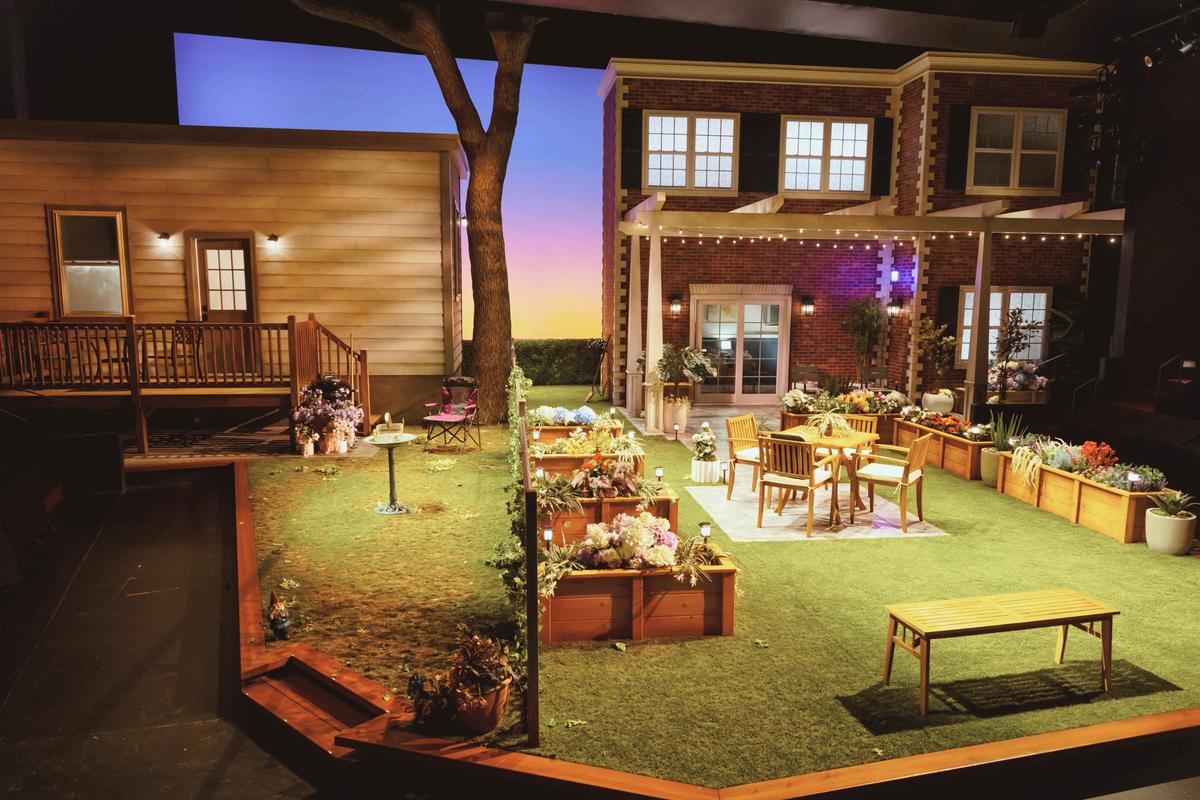
You mean, weeds? You are planting weeds, on purpose?
Tania and Frank want very different gardens for different reasons
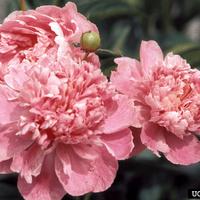
Many American flower gardeners, like Frank, plant formal gardens bursting with color, tightly packed with the plants readily available in greenhouses Many of these plants are exotic, meaning they are not

native to the United States Flowers like tulips, peonies, dahlias, daylilies and even many daisies are originally from Europe, Asia and Africa. Some of these plants were brought to the Americas long ago, and have become standard flowers in gardens
Frank’s garden is for beauty and pleasure “a canvas on which to plant ” Removing his oak tree provided him with more sun and garden space and protected his home from falling branches. Frank is meticulous about weeding and uses pesticides to keep bugs from eating his flowers
For Tania, planting a native garden is an opportunity to build an ecosystem in her backyard She mentions researching the subject, citing an actual interview with Doug Tallamy, an entomologist and proponent of native gardening.
Tallamy says that only 5% of the United States is naturally pristine (unaffected by humans) Therefore, to preserve our country’s biodiversity, humans need to use some of their space to cultivate plants native to their region.
A lot of plants we think of as weeds are actually native plants and they have a purpose.
It’s a food web. Native bugs have evolved to only eat and process native plants. These bugs, in turn, are food for birds and so on
Preservation of native plants is important to the survival of species The population of monarch butterflies is rapidly decreasing, in part, because their caterpillars’ only food source milkweed is disappearing Other plants are not viable food sources because they are toxic to the caterpillars
Some exotic plants, like English ivy and kudzu, are destructive and invasive, escaping from gardens and spreading into nature There, they choke out other plants, wrapping around trees or taking over space meant for native grasses An invasive species called “cheatgrass” in the American Southwest is more flammable than native grasses.
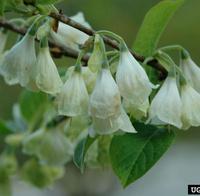
Not all exotic plants are invasive or dangerous They may not contribute to the ecosystem, but they don’t harm it. However, gardeners need to consider the needs of these plants For example, non-native
plants in drought-plagued California demand more water
Tania’s garden may not be popular in her neighborhood Some people see native gardens as a collection of weeds They think their natural look is unkempt The bugs her garden attracts may make their way into their gardens
Is there a way for these two gardeners to find common ground?
Tania suggests that Frank listen to a report on NPR about native plants. Listen to the report Bringing Nature Home by Doug Tallamy
http://tinyurl.com/nprgardens
Plants provide food, oxygen, and habitats A plant is considered native to Connecticut if it grew here before the arrival of Europeans Native plants support natural habitats and ecosystems, and provide food and shelter for wildlife – primarily by feeding insects, which feed up the food chain. According to CT Audobon, “native plants provide food and shelter for 10-15 times more species of birds, butterflies, and other wildlife than non-native plants ” Native plants include flowers, trees, grasses and shrubs
Here are some common plants that are native to Connecticut and support local wildlife.
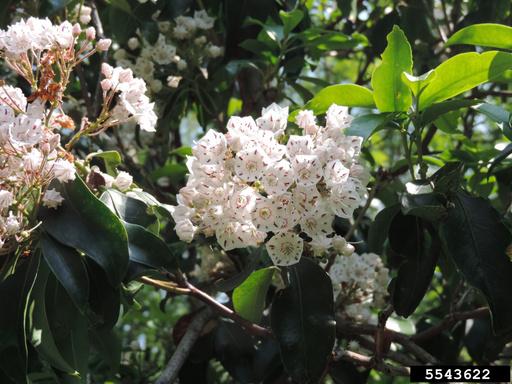
Mountain laurel is Connecticut’s state flower. It provides thick ground cover for nests and dens and attracts pollinators such as bees, hummingbirds and butterflies
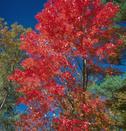
Red maple trees feature stunning red leaves in the fall, attracts wildlife, and stabilizes the soil
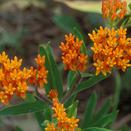
Butterfly weed is a type of milkweed that has bright orange flowers that produce nectar and attract butterflies
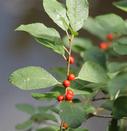
Winterberry is a ground covering with bright red berries that feed caterpillars and support birds throughout the winter
Invasive plants in Connecticut include:
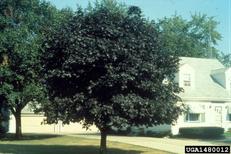
Norway Maple spreads quickly due to aggressive root systems and prolific seeds, crowding out native plants and limiting sunlight to other species with its dense canopy
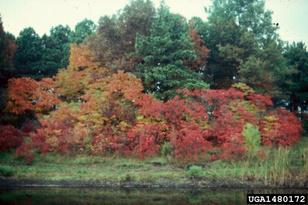
Winged burning bush is often planted as an ornamental for its bright red flowers. Seeds are carried by birds, spread into woodlands and form dense thickets, choking out native plants
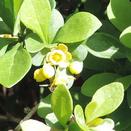
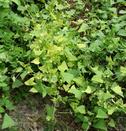
Japanese Barberry spreads quickly and crowds out native plants and is thought to attract rodent hosts of ticks, leading to more spread of Lyme disease.
Mile-a-minute weed can grow up to 6 inches per day.
Non-native plants may have been introduced for their ornamental properties, or accidentally Because plants and insects evolve together, native plants provide the best nutrition for insects Some insects may eat nonnative plants, but many don’t Some non-native plants actually cause harm; with no natural predators, their growth can be uninhibited. Left unchecked, these plants can choke out native plants, impeding natural habitats and threatening wildlife, particularly endangered species
For more information on native gardening in Connecticut, check out these resources:
cipwg uconn edu
ipm.cahnr.uconn.edu/connecticut-native-availability portal ct gov/-/media/deep/wildlife/pdf files/outreach/n ativelandscapingpdf pdf www audubon org/connecticut/news/getting-startednative-plants
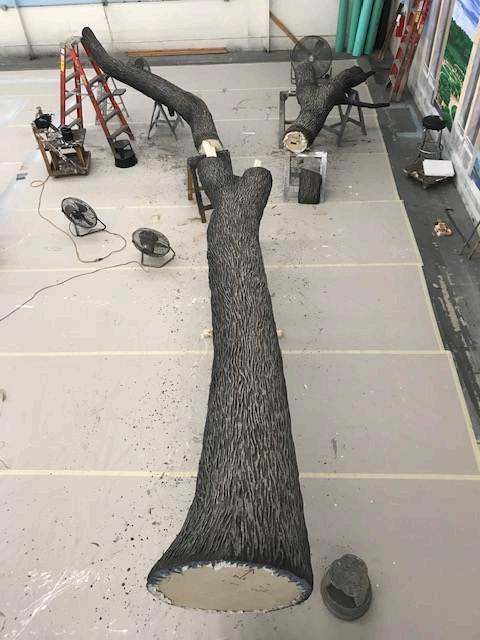
By Nathalie Schlosser, Charge Scenic Artist
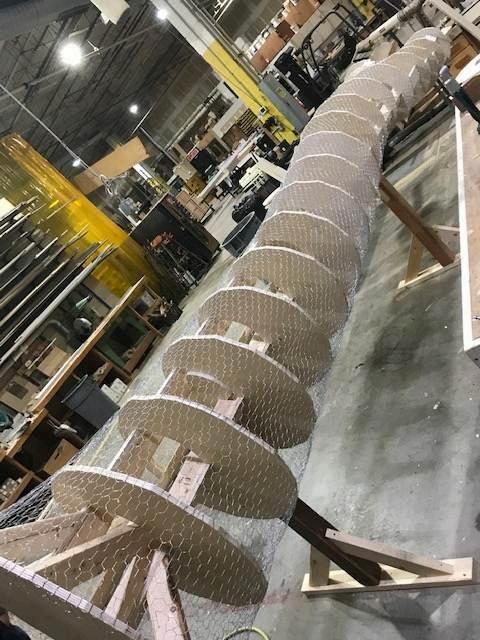
After the chicken wire, the tree was covered in a canvas fabric and white glue to give us a surface to apply our bark texture to.
The tree was constructed in three sections to be able to fit in the truck to get from the Scene Shop where it was built, to the theater
It has a 2x4ft core with plywood slices to make the varying widths of the tree shape The chicken wire was stapled on to form the inner structure of the bark
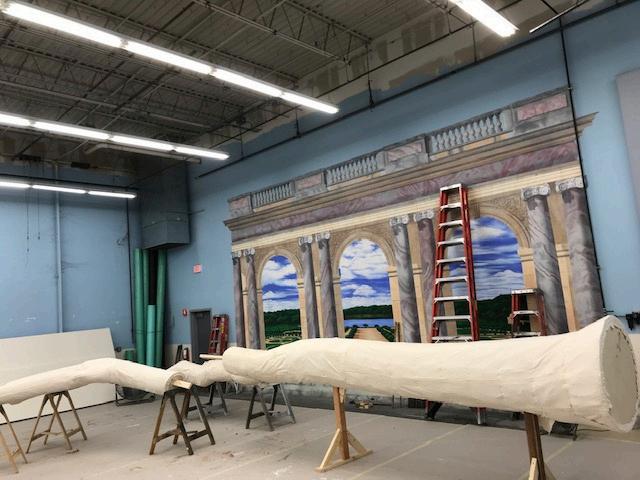
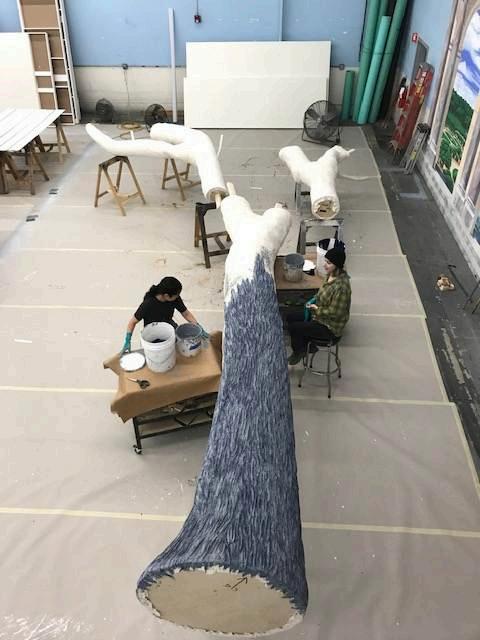
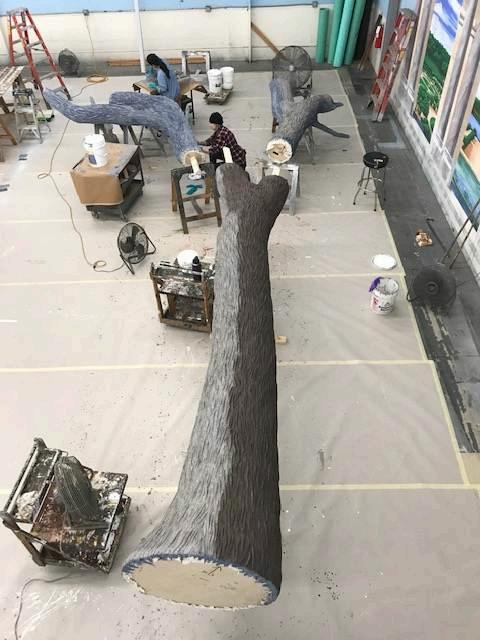
We took leftover velour fabric and cut “fish” shapes along the bias of the fabric to allow it to stretch and be more malleable.
We dipped each piece into a goop made up of elastomeric roof coating, joint compound, and paint, then applied it to the tree, creating little ripples giving us ridges to mimic tree bark
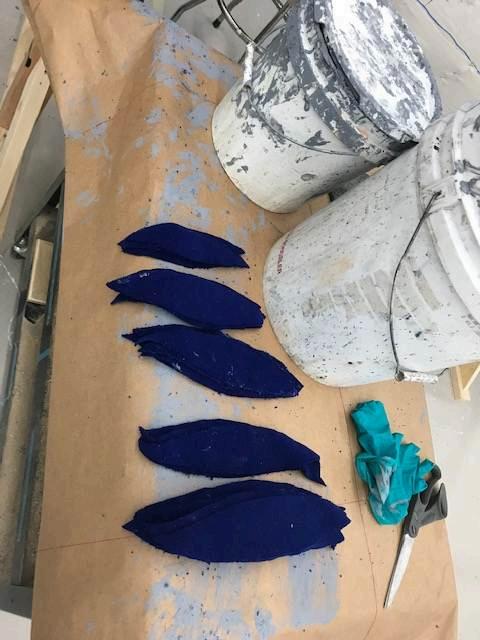
Next was a layer of crumbly texture made out of cork, paint, and glue (pictured as beige) followed by a base coat of dark brown
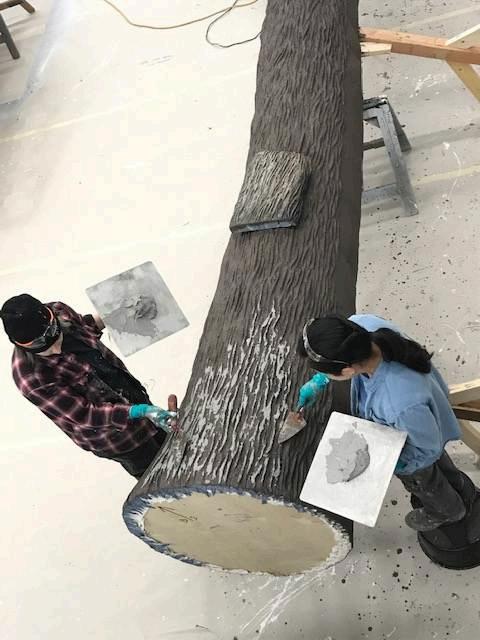
After the base coat, we troweled on a thicker version of our “tree goop” which included more joint compound, clay, and glue.
This gives the extra dimension and shapes of the bark
Finally, we applied brown and black paint for color, depth, and shading
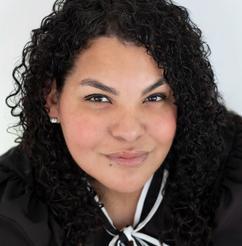
Our production of Native Gardens features an ensemble of three actors who play gardeners, surveyors, landscapers and others who silently transform the garden. We chatted with one ensemble member, Mia Lozada, a Hartford native, about her experience with acting and with Hartford Stage
HS: How did you first get interested in theater?
ML:
I remember my elementary school teacher named Ms. Donovan. I was placed in a special classroom setting with kids who had learning disabilities. When I was young, I remember that my anger used to take the best of me, and so Ms Donovan brought her musical theater DVDs and CDs, before digital streaming existed, and my first Broadway cast album was The Sound of Music with Julie Andrews and Christopher Plummer From there, I fell in love with the world of musical theatre My interests kept climbing until I was accepted as a student at the Greater Hartford Academy of the Arts as a vocalist, and then auditioned for the musical theater department and officially became a Musical Theater major at the Greater Hartford Academy of the Arts!
HS: Where did your path as an actor and student go from there?
ML:
A year ago, I graduated from CT State Capital Community College in Hartford with my Associate of Arts in Theatre, and I still currently attend school I am a candidate for the BFA program at Connecticut State University in New Britain, and thus far as a student I am still gaining essential skills that will help me prepare my craft for the real world As a student and a working actor, my path is opening doors like never before. I did a show back in March, and a local one-night stage performance, and now I’m in a show at Hartford Stage
HS: Take us back a little. What was your very first experience with Hartford Stage?
ML:
My very first Hartford Stage show was when I got to see To Kill a Mockingbird starring Matthew Modine and Hallie Foote in 2009 That was when I realized how magical theatre was and how it illuminated my dream to be on that stage one day. I told myself, “I’m going to be on that stage one day.”
Sixteen years later, I’m making my debut in Native Gardens How special is that? When I was 15 years old, I made a promise to myself with one dream, and it’s about to come true It’s a very special moment, and I plan to keep going until I make it into a supporting or lead role whenever that moment happens. It’s never too late. Always follow your heart
HS: What are some of the other different things you’ve done at Hartford Stage?
ML:
Some other projects I’ve done with Hartford Stage was when I did a mini stage dramatic reading of A Christmas Carol in Spanish to promote the show, and I loved it I also interned in 2024 for the production of Dr Jekyll and Hyde as a prompter, which means that I feed actors lines when they forget what they’re supposed to say if needed, even in front of a live audience. That was fun, and it motivated me to continue doing this kind of work, even if it’s behind the scenes You get a different perspective of how people come together to put on a show and support others while doing it
HS: What has the experience of being in Native Gardens beenlike for you?
ML:
One morning, I was scrolling through my email and received an invite to audition for Native Gardens, and I immediately accepted. Once I auditioned, I waited a couple of weeks for casting decisions and was offered a role in the ensemble My heart dropped I could not believe it The first day of rehearsals was so rewarding, being in the studio surrounded by talent who have been on Broadway, experienced actors who have worked with regional theatres and film. My experience is very rewarding.
HS: What do you think the message of Native Gardens is?
HS: What advice do you have for a high school student interested in theatre?
Native Gardens
ML: how fragile community can bewhen people prioritize pride, entitlement, and control over understanding. On the surface, the play is about a conflict over property lines, but underneath that, it’s really about cultural differences, privilege, and how people react to change What starts as something small quickly escalates because neither side is fully willing to listen or let go of being “right ”
ML: The message of is about
The play shows that community is not just about living next to each other it requires respect, communication, and a willingness to see things from another person’s perspective. Without that, even the smallest conflict can grow into something much bigger
Always follow your heart and aim for the dream. My dream is to be a full-time working actor and to make it to Broadway one day. It’s hard work, so I try to focus on one thing at a time by focusing on school, obtaining my degree, and then heading into auditioning full time If you are interested in theatre, understand that you are enough, and if you want to do a play, do it If you’re nervous, use that feeling and pour it into your performance Build that fourth wall. Theatre is magic, so always trust yourself. There is no right or wrong it’s about your interpretation.
Don’t compare yourself to others, and don’t listen to those voices in your head saying you’re not good enough Surround yourself with a community of people who are supportive and will be there for you Viola Davis once said, “Every role is an opportunity to be better It’s another opportunity to learn your craft ” I look up to that quote to remind myself to keep going
ADVERSE POSSESSION:
a law under which a trespasser can obtain legal possession of someone else’s land free of charge by treating the property as their own. The trespasser’s use of the property has to meet certain standards (ex. length of use, paying taxes, etc )
CODE:
a set of laws and regulations Building codes are often concerned with safety standards If someone wants to build a fence, garage or addition to their property they must obtain a permit and make sure it meets the legal standards.
COLONIALIST:
the practice of extending a nation’s political and economic control over another people or area
EPIGRAPH:
a quotation or motto at the beginning of a work of literature that sets forth the theme Native Gardens’ epigraph is “The difference between a flower and a weed is a judgment” (author unknown)
HORTICULTURE:
the science or art of cultivating plants INVASIVE: tending to spread, often aggressively.
LOCKHEED:
short for Lockheed Martin. For 20 years Virginia was the only female engineer in her division at this prestigious defense contractor
SQUATTER’S RIGHTS: a common term for “adverse possession,” but it evokes negative images
SURVEY: to determine the boundaries, area or elevation of land.
XENOPHOBIA:
Fear, dislike, or distrust of anyone or anything considered “foreign” or different than oneself
Reprinted courtesy of Rebecca Campana and Arena Stage.
Hartford Stage Education Programs are supported by
The BFA Endowed Fund at the Hartford Foundation for Public Giving
Connecticut State Department of Education
Connecticut State Judicial Branch
Enterprise Foundation
Ensworth Charitable Foundation
Mr & Mrs William Foulds Family Foundation
Greater Hartford Arts Council
Hartford Foundation for Public Giving
The George A. & Grace L. Long Foundation
The MorningStar Fund at the Hartford Foundation for Public Giving
SBM Foundation
Scripps Family Fund for Education and the Arts
The Michael E Simmons Foundation
Talcott Resolution
Travelers Foundation
The University of Saint Joseph



Production Sponsors
David & Janice Klein


Post-Show Discussion Sponsor

For more information about education programs at Hartford Stage, please call 860-520-7244 or email education@hartfordstage.org.