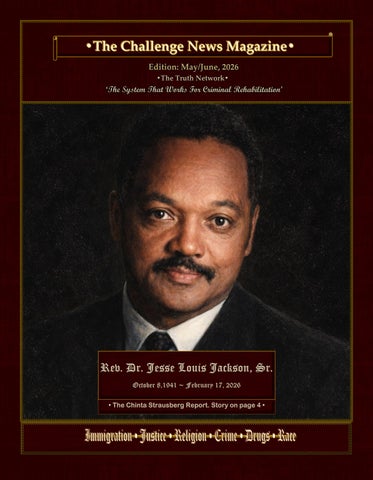





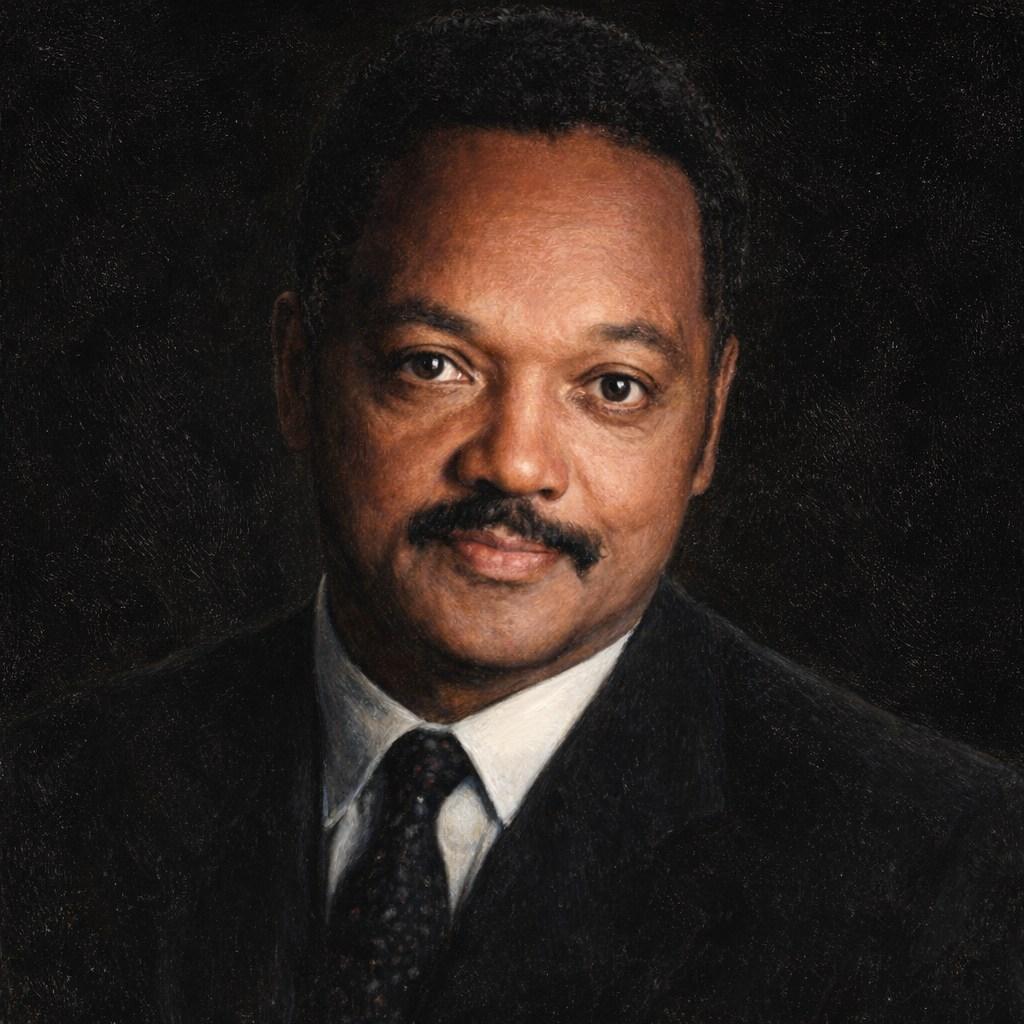





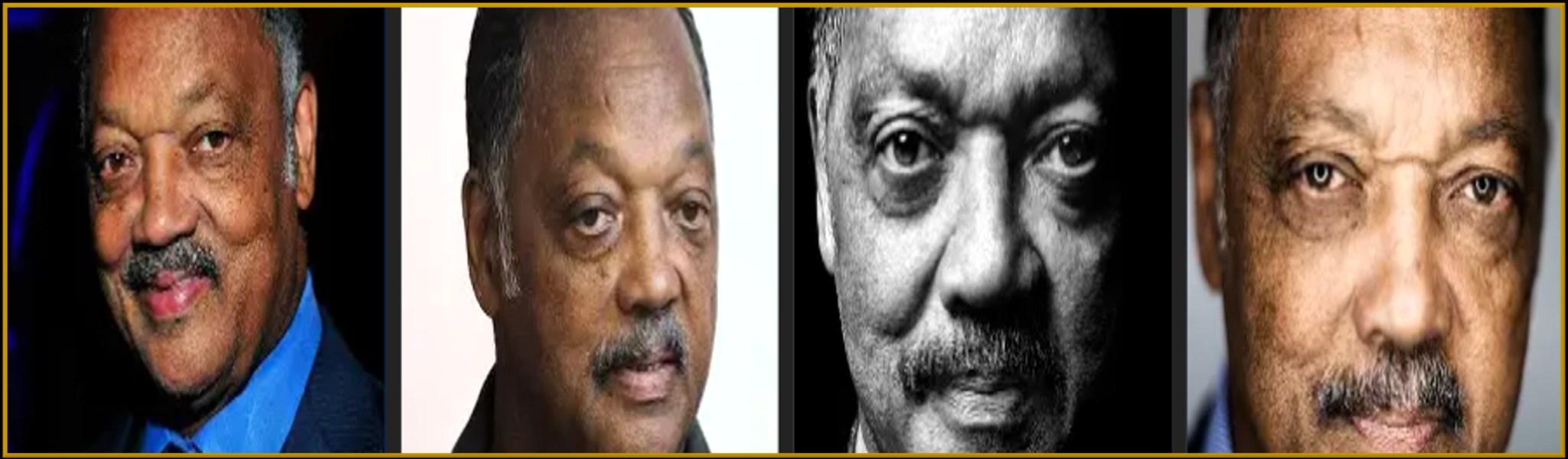




















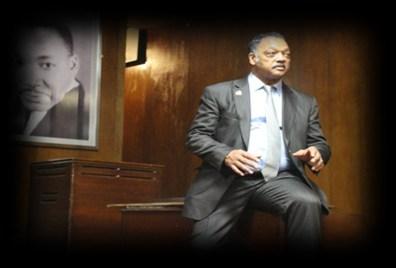



Why I miss Rev. Jackson





By Chinta Strausberg






years that officially abolished by the 13th Amendment and ratified in December of 1865?








ev. Jesse L. Jackson, Sr. s passing this year has left a void especially with Trump s turning back the civil rights clock particularly on Blacks even though his son, Yusef Jackson, is fighting to maintain and add to his father s iconic legacy.

Or how they forget to tell me about how the slaves were freed by that




often reminded us about the story of slaves being excited and anxiously awaited word in December 1865 to see if they would be free on January 1, 1866.






Many people have asked me why I covered Rev. Jackson for so long beginning in 1981 to the day he passed away and continue covering the Rainbow PUSH Coalition he began in 1971.
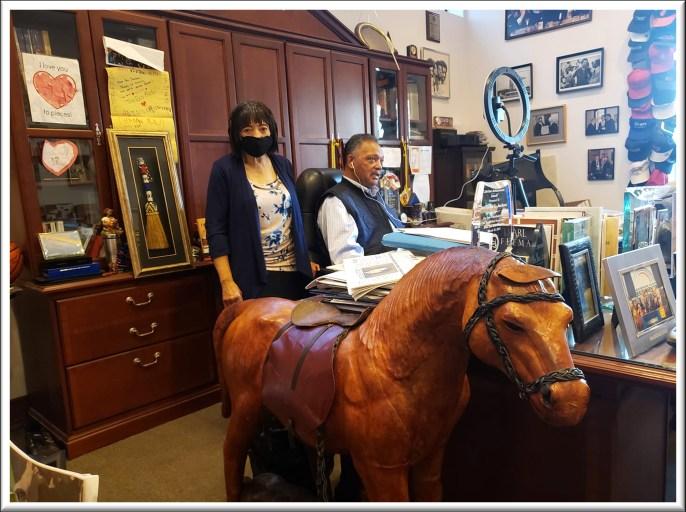


In some ways, Rev. Jackson and I were very much alike. He was a workaholic who breathed and exhaled civil rights and social justice just like I begun to do.







He said the slaves prayed the night before to see of the 13th Amendment would be ratified so they could celebrate on New Years day as freed people.






So, every Saturday I would go to the Operation PUSH renamed Rainbow PUSH Coalition every Saturday not just to cover the iconic civil rights organization, but to learn from the master, Black history professor, Rev. Jackson.





He was like a big brother to me who had so much history himself and our Black ancestors that I didt know about because my parents, grandparents and schools I attended kept that a secret. Some people call this era of slavery our Black Holocaust.



legislation and that did not happen until June 19, 1965, when Union troops came riding into Galveston, Texas bringing good but very late news to Black people who soon found out the Civil War had ended and that they had been freed. That was something that was never discussed in our home or
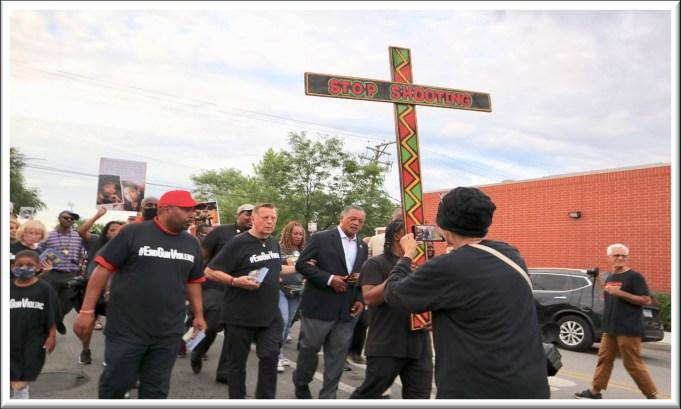
Rev. Jackson wanted all children to learn about this sinful history that included the hangings, thousands of raping of Black women, men and children by white slaveowners.








It was like my parents, grandparents and teacher s had selective amnesia or something. How could they forget to tell me about the chattel slavery that existed for 246

schools. I studied European history and knew nothing about Black history. During that shameful era of U.S. history Blacks only knew their history a legacy of being kidnapped from Africa, enslaved, forced to create white wealth and poverty for their own people.
Rev. Jackson often talked about this human and racial disparity and


Rev. Jackson often said Black people didn t read enough especially their own history like how slavery existed in the American colonies for more than a century before the United States was founded in 1776.












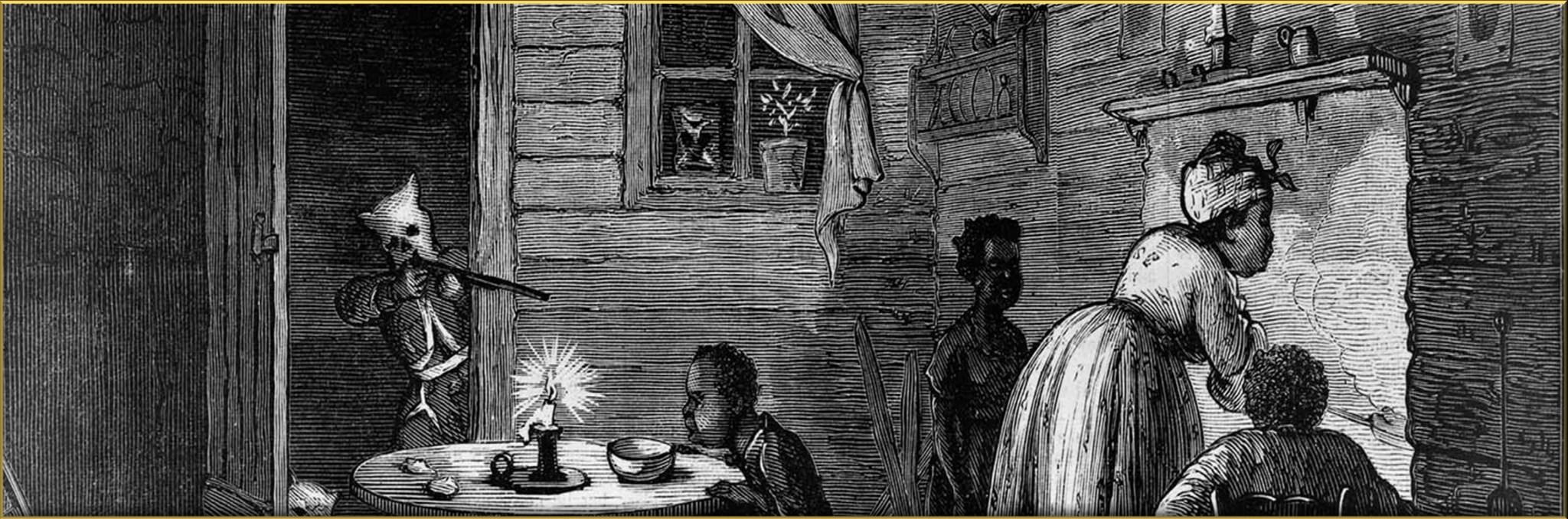
Rev. Jackson was a living walking history book. He wanted all children, especially Blacks, to know that just because the slaves were free on paper, they still lived in some sort of bondage like the southern Black Codes. Under this new racist policy, Blacks would get arrested for simple things like walking on grass or selling cotton at night and when caught they received long term prison leasing sentences, according to The Library of Congress.
Rev. Jackson wanted everyone to know how whites still wanted to rely on free Black labor and how


Continue on page 5.



Continued from page 4







of the bus.


they created convict leasing, according to the Equal Justice Initiative, headed by Jackson s friend, founder and executive director, Byron Stevenson.




A popular ploy to continue legalized slavery under a new name was convict leasing where southern states actually leased out mostly Black men and women to private companies making them legal slaves all over again.




to know about the Jim Crow era that ranged from 1877 to the mid 1960s where he was a part of during the latter part of that era.





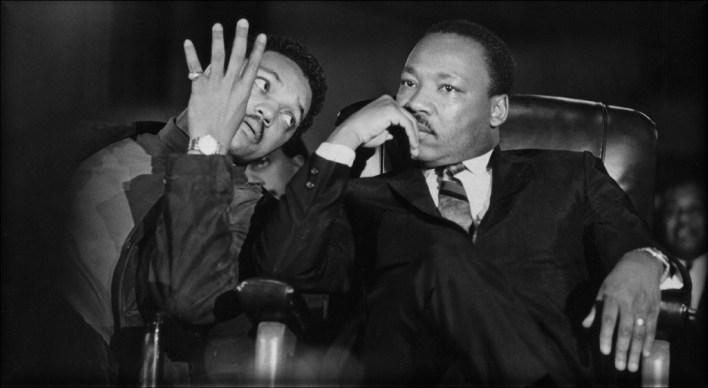
Jackson, whom I privately called Professor, began his career on


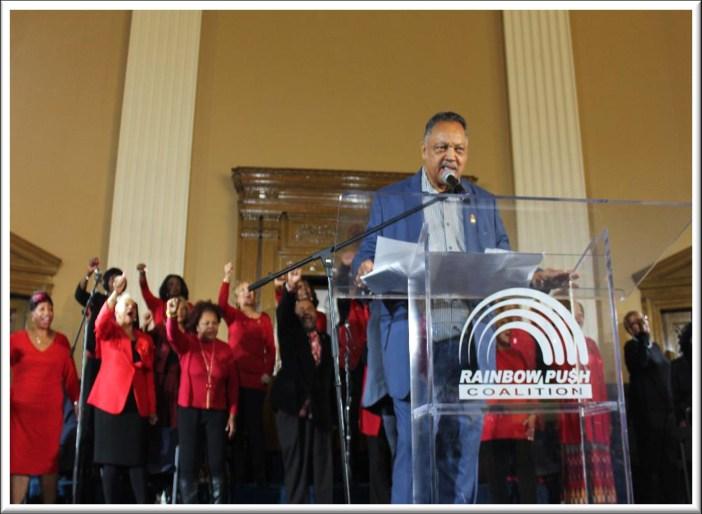

Upon his return to Greenville during his summer school break, Rev. Jackson and the students tried to integrate the downtown library, but they were given a choice, leave or get arrested; so, they left.

But when they told Rev. James S. Hall, who was then vice president of the South Carolina NAACP, how they left, he told them to go back and this time stay until they were arrested.


Convict leasing was not only popular, but it was also profitable, according to Wikipedia which stated that in 1898, 73 percent of Alabama s total state revenue came from convict leasing. They were used to mine coal, cut timer, make bricks and build railroads all while Continue on page 4. Continued from page 4.
being chained to each other.

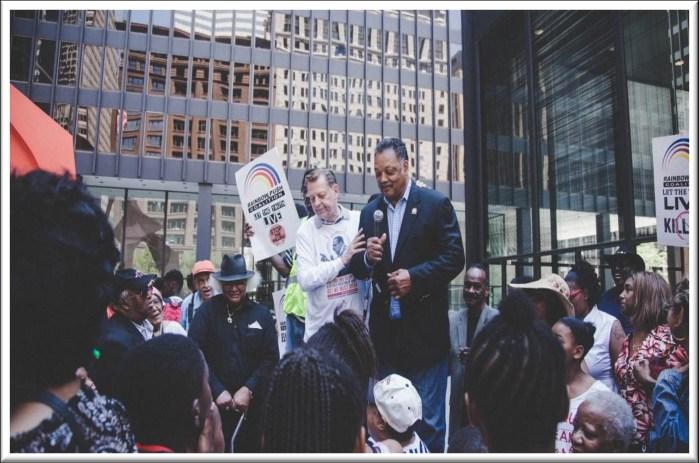


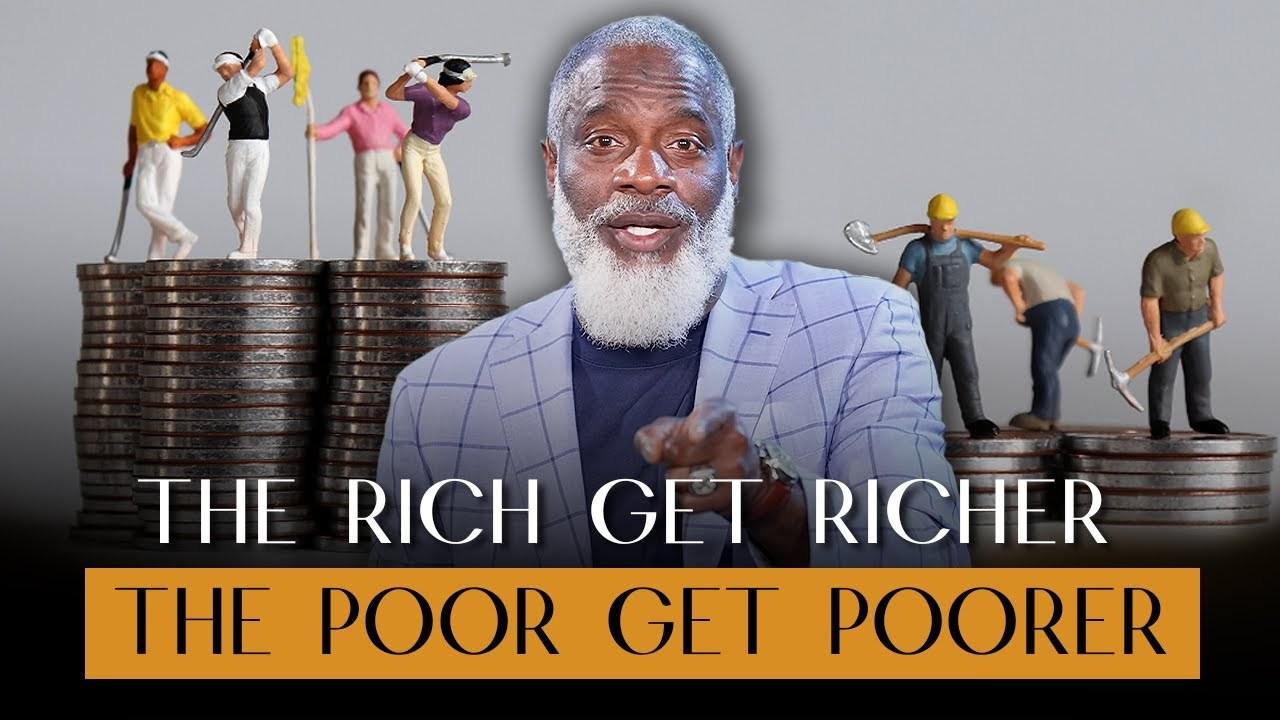
They were known as chain gangs” and were not properly fed, clothed or provided medical care which often led to their deaths, according to PBS, but white America got richer and richer and Blacks, poorer and poorer. Only because of public protests did the 80 year convict prison
1959 when at the age of 18 and a student at the University of Illinois, went back home to Greenville, SC, on a Christmas break.









Because he still had homework, he first went to a for Negro only patrons for a special book which was not there. So, he went to the downtown for whites only library but was quickly told to leave because he was colored.





slave system end.
Rev. Jackson also wanted people




Led by Rev. Jackson and the seven students, comprised of Dorris Wright, Hattie Smith Wright, Elaine Means, Willie Joe Wright, Benjamin Downs, Margaree Seawright Crosby and Joan Mattison Daniel, they went back and were arrested.








We broke the mold, and we were arrested and charged with disorderly conduct, Jackson told this reporter. We were brought up under crippling, racist policies. He said they were the victims of racism; however, “because we fought back and resisted, we have a different America today, he said.






After their arrests, all libraries were desegregated, In retrospect, Jackson added, Our standing up had an impact upon oppressed people around the world. Some doubted is success, but he proved them wrong. This one protest was the seed that began is 60 year civil rights career.







Young Jackson and still 18 year old returned to Greenville, SC on July 16, 1960, two months before his 19th birthday, organized seven students, who forever will be known as the Greenville Eight. It was during this era that coloreds were told to drink out of for whites only” fountains, use the same segregated toilets and they had to sit in the back

These are just some of the reasons why I chose to cover Rev. Jackson. He was my Black history professor who gave me the knowledge of America s sinful past and an incentive to learn more so I can teach others.



He often said those who don t know

Please continue on page 21.

By Chinta Strausberg


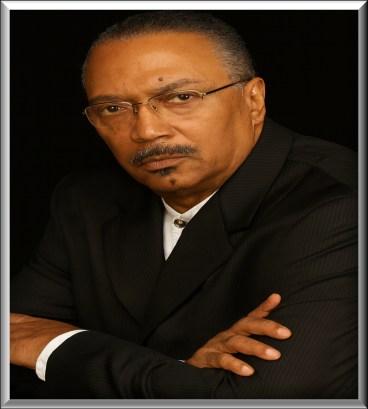
ev. Adolphus Jerome Bailey, better known as “A.J.” who just celebrated his 90th birthday representing a span of nine decades may have retired from his stellar career in corrections, but his faith in the Lord and love for his wife, Patricia, of 68 years, and family is as strong as ever.
A man of commitment and true to his faith, Bailey was born to a family of four at the Cook County Hospital including Rev. Harold E. Bailey who is president and CEO of the renowned Probation Challenge program.
His other brothers were William ‘Bill’, and his baby brother Ronald. Reverends A.J. and Harold Bailey are the only surviving children of the politically prominent Bailey family who grew up at 4306 S. Forestville St. on Chicago’s South Side.
At the time, their building, then known as the Francis Apartments, built in 1895 and designed by Frank Loyd Wright in 1895, was the place to live.
The building was an early Prairie School -style, middle-income structure that was designated by a Chicago Architectural Landmark in 1960 before it was demolished in1971, according to city records.
But it was home to the Bailey family for 32-years until 1968 when their family moved to South Shore where the Bailey
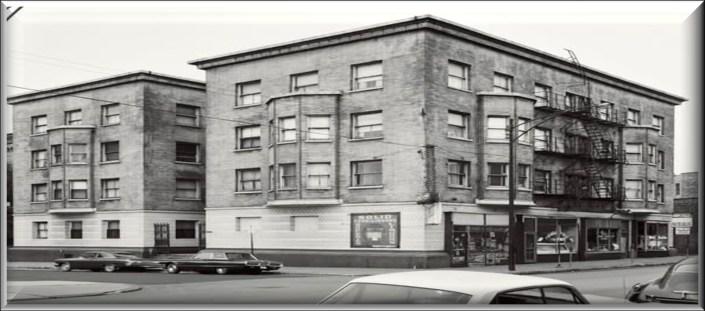
brothers still reside. It’s where they still watch out for each other as their family did for nearly a century.
Chicago where he initially tested automobiles at 31st and Lake Shore Drive.

Bailey’s mother, Lillian McCottry Bailey, was born in Wynona, Mississippi but raised in Clarksdale, Mississippi. His father, Adolphus, Sr., born in Lebanon, Tennessee was employed by the City of
A former precinct captain, his father then began working at the Cook County Election Commission at 51st and Cottage Grove, where he worked on the voting machines.
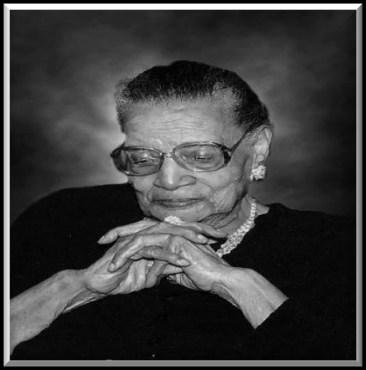
When he retired from Cook County, his father turned over his precinct captain position to his wife who carried on the Bailey tradition of being involved in politics. “My mother was also a Cook County Clerk for Judge Sophia Hall,” Rev. A.J. Bailey said proudly.


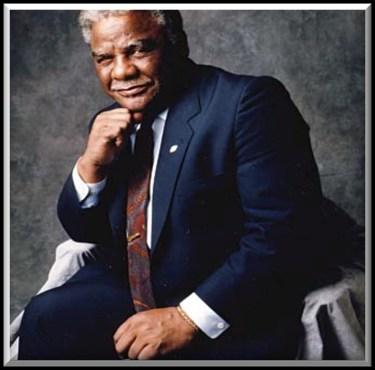


His loving and devoted mother was more than a politician. She also shared her excellent Southern cooking skills with her son, Rev. Harold Bailey, who operated the Probation Challenge ex-felon program serving more than 2,500 ex -felons a year on the campus of the Olive Harvey College in one of the annex houses
Building #4 donated to him by Mayor Harold Washington.
Rev. Harold Bailey enjoyed a five percent recidivism rate in that program, but it was his mother’s cooking for his students, which included a hot breakfast and lunch, that students looked forward to every day. She even sent them home with a hot dinner.
It was that personal touch of Mama Bailey’s food and her son’s love and protection for the thousands of students that kept them coming to classes every day and an incentive to end a life of
crime.
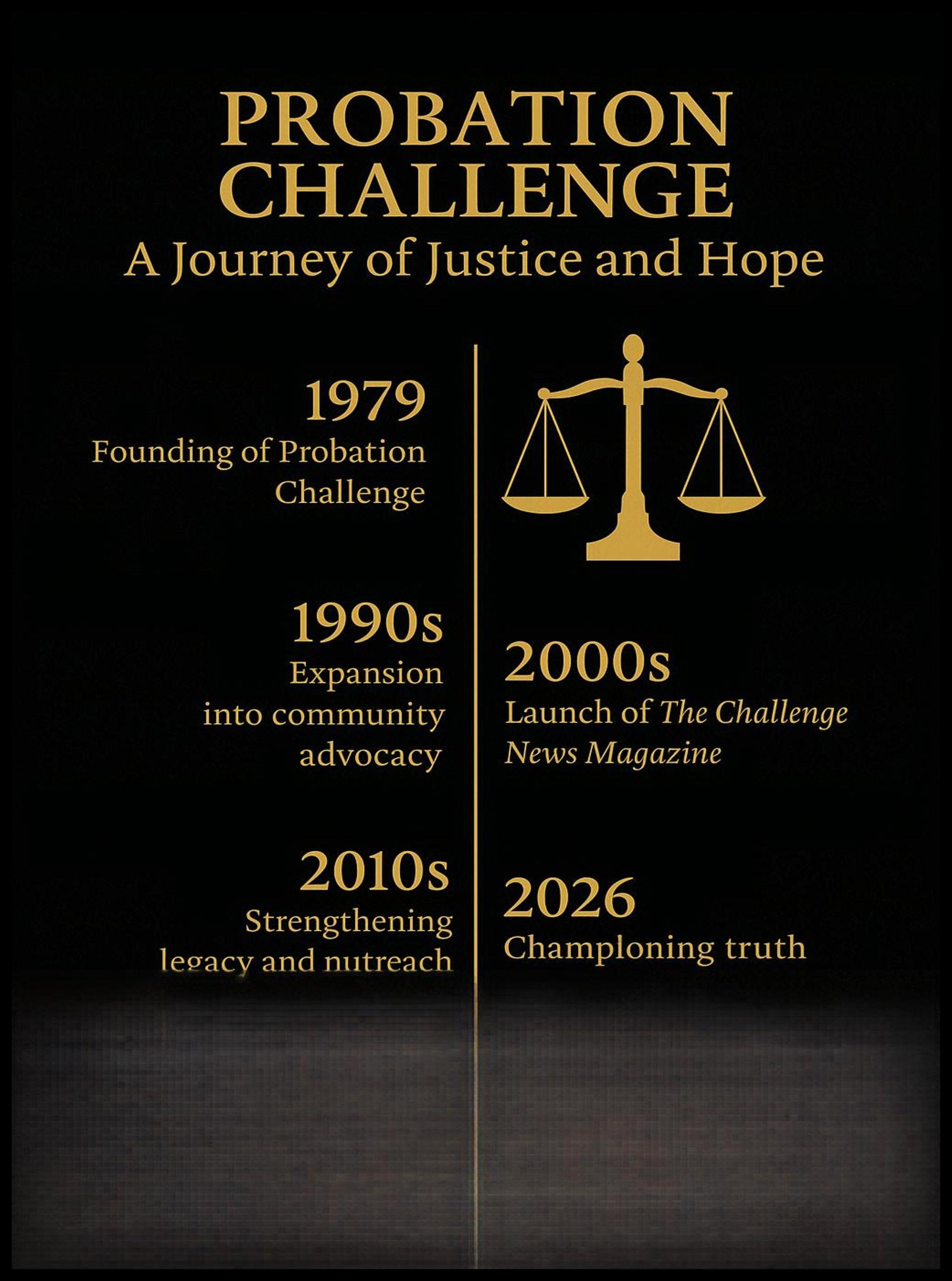
Unfortunately, after starting the program in 1979, Bailey and his acclaimed violence prevention program were evicted from the campus on August 30, 2008, on orders of the City Colleges of Chicago (CCC). Without cause.
Ironically, when some of the students graduated, they enrolled at OliveHarvey College boosting its admissions rates.
The CCC claimed it had ownership and control over the Probation Challenge program and the space it occupied on the Olive Harvey College. However, Bailey accused the CCC of allegedly attempting to illegally end his independently founded, state-mandated GED program for probationers.
Rev. Harold Bailey was caught in the crossfires of Chicago politics, but his brother stood by his side giving the spiritual and family unity he needed to get through his legal battles with the City of Chicago.
“I grew up in a political home,” said Rev. A.J. Bailey. “We grew up as Democratic children,” he said laughing.
Rev. A.J. Bailey graduated from Englewood High School in1955 and enrolled at the Wilson Junior College. He was supposed to attend the Officer Candidate School (OCS) that trained students to become commissioned officers in the military; however, because he served two-terms in the Illinois National Guard from 1954-1960, the government couldn’t draft him without taking the entire Guard. Because of that, he missed being drafted in time for the Korean War.
So, Rev. A.J. Bailey went downtown and got a job working at the Chicago House of Corrections in 1960 before it was combined with the Cook County Jail to form the Cook County Department of Corrections in 1969. Bailey served as a correction officer for ten years.
Continue on page 9.


Continued from page 7.
While there, Bailey was mandated to take a course at the U.S. Department Bureau of Prisons in 1967 where he received a special correspondent’s course in correctional management. Always thirsting for more education, he racked up more college credits at the Loop Junior College, since renamed the Harold Washington Junior College, after the death of Mayor Harold Washington on November 25, 1987.
Bailey took several more courses to enhance his escalating career including courses in corrections and leadership development. He also took a weapons instruction exam that gave him the ability to become a weapons instructor who trained correctional officers how to properly handle weapons.
Taking all of those courses paid off because in 1976, as a correctional officer, Bailey was promoted to sergeant in charge of A and B blocks. In 1978, he was promoted to lieutenant at the Cook County Department of Corrections.
In 1979 Bailey received a certificate in Spiritual Outreach Christianity Versus Crime. Besides being a corrections officer, he had a passion for the Living Word.
Like his brother, Rev. A..J. Bailey became a minister on April 12, 1985, and was ordained by Elder C. Patterson at the True Church Missionary Baptist Church, 5102 S. Racine, along with seven other ministers. When asked why he
cia, a former City of Chicago employee, right after he moved to Chicago from Mississippi in1956. When he laid eyes on her, it was like a spiritual awakening.
“I met her at her aunt’s house at 45th and St. Lawrence,” he recalled. At the time, he was the director of the young people’s choir at the Morning View Baptist Church, 611 E. 45th St., headed by Rev. William G. Smith, where his future wife attended.
“When she walked in the door at her aunt’s house, I looked at her and said,

“hmmm huh, this is mine. I fell in love with her at first sight, and when I walked down the aisle, I said to myself, ‘This is the one I want to live the rest of my life with.’” They were married on January 26, 1958, in his wife’s uncle’s house above the church 68 years ago and still going strong.
es. God saw us through it all. We respect each other. I truly love her. That is what keeps us together.”
While the Bailey’s enjoy a happy married life, they also experienced a close death of one of their children.
The father of four, Rev. Bailey still mourns the death of his son, Demetrius Bailey, who died two years ago while riding on a CTA bus on his way to his city job.
His death was heartbreaking to the entire Bailey family because Demetrius was always there to help whenever he was needed and sometimes when you didn’t even ask for help. He always stepped up. He will always be missed.
Bailey’s oldest son, Denoise, lives in Indiana. The two girls are Myoshia and Fern. He is also the proud grandfather of five grandchildren and 11 greatgrandchildren and growing.
As the tradition in the Bailey clan, Rev. AJ Bailey keeps a watchful eye on his entire family and always ready to give them sound advice personally and professionally.
His career as a corrections officer is always helpful in guiding the children on the right path in life, and of course, he is prepared to share his spiritual wisdom to everyone including strangers.
When asked his advice to married couples, Rev. Bailey said, “Not to get into other people’s business and to be true to themselves.”





s the United States approaches its 250th anniversary on July 4, 2026, preparations unfold across the nation parades, commemorations, and reflections on our history.
We salute well-known figures whose names are etched into the national story.
But beyond these grand celebrations, there is another story one that should be told widely, one that unfolds quietly each day.
It is the story of faith in action in our neighborhoods and community spaces.
There is a powerful light burning far from the grand marquees. It is powered by the efforts of ordinary people with big hearts and even bigger dreams, who make tremendous sacrifices every day to do extraordinary things.
Their light burns not only in history, but in the lives we live each day.


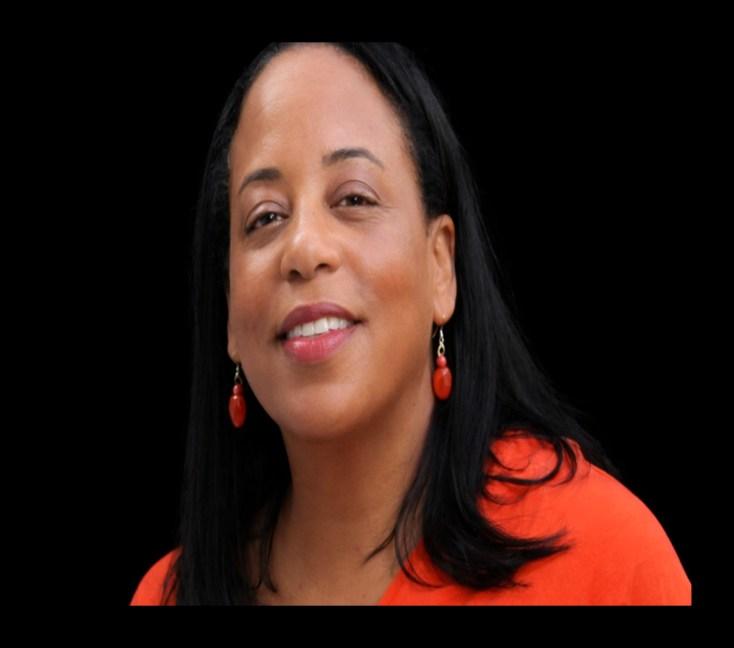
I have watched a Chicago-area entertainer command the stage with power and grace, carrying forward a musical legacy that stirs the soul. Yet offstage, her heart turns toward children mentoring, guiding, and creating opportunities for those who need encouragement the most. Through that nonprofit work, she keeps the light burning for youth navigating loss, uncertainty, and hardship.
That light burns—not in applause, but in what is given away
I have seen this light in a journalist
who once sat in a college classroom with a dual calling determined to tell news stories and to share his musical talent with the world. Today, he does both anchoring the news with integrity while using proceeds from his creative work to fund schol-

arships. He measures success not by visibility, but by what he makes possible for others.
The light still burns in purpose that reaches far beyond the self.
I have seen it in former students who have chosen lives of service registering voters, building nonprofits, advocating for others, and expanding opportunities where none existed before. Their work is steady, often unseen, and rarely celebrated. Yet it is deeply impactful.
Their light burns in quiet consistency.
I have read about community spaces where people gather not for recognition, but to serve. In one such place, hundreds wait in line for something as simple and as essential as a hot meal, official identification, or a chance to begin again. Volunteers stand present, attentive, and committed. They are not seeking acknowledgment. They
simply show up.
The light burns where compassion meets presence.
This is what faith looks like in motion.
It is not confined to words spoken on a particular day. It is revealed in daily acts of care, in quiet sacrifices, and in the willingness to serve without expectation of reward.
Spiritual teachings remind us that what we do for others especially in unseen ways carries lasting meaning.
The light burns—in what is done when no one is watching
As a nation reflects on 250 years of history, perhaps the truest measure of its strength lies not only in the figures we honor from the past and those whose names make headlines but in the daily lives of ordinary people all around us, lives rooted in compassion, generosity, and purpose.
These are the individuals who keep the flame burning.
Long after the celebrations conclude and the echoes of history fade, it is this steady, faithful presence expressed through regular folks consistently doing extraordinary things that continues to sustain our nation.
And in that, there is something deeply sacred.














By Chinta Strausberg

cording to NPR.









uring Donald J. Trump s second term hundreds of thousands of people have died either because of the cuts in his One Big Beautiful Bill Act (OBBBA) or his Defense Department targeting alleged "narcoterrorists" boat people in Venezuela killing a reported 168 people with no proof of guilt and ending USAID funding.







But the ruthless acts of Trump and his regime don t end there. Trump has authorized the Justice Department to use firing squads as a means of executions along with a reauthorization of lethal injections with pentobarbital used to carry out 13 executions during Trump s first term.

"The prior administration failed in its duty to protect the American people by refusing to pursue and carry out the ultimate punishment against the most dangerous criminals, including terrorists, child murderers, and cop killers," Acting Attorney General Todd Blanche said in a statement.



As of April 13th, 168 people were killed on orders of Trump s Department of Defense headed by former Fox talk show host Pete Hegseth who has illegally renamed his department the Department of War.



The boat killings reportedly occurred near Venezuela, Colombia and the Pacific Ocean, and the killings were done without congress authorization. Trump has been sued by the ACLU and the Center for Constitutional Rights accusing the Trump administration of allegedly conducting illegal strikes on civilian vessels including fishermen. Ironically, the evidence of their killings with no proof of guilt offered lies in the bottom of the ocean.

Vowing not to let the Trump regime get away with murder, the ACLU filed a lawsuit last January on behalf of the deaths of two Trinidadian men, Chad Joseph and Rishi Samaroo killed on October 14, 2025. They were described by their families as fishermen and not narco traffickers as Trump and his regime claim, ac-

Trump has also authorized executions, lethal gas and lethal injections to kill those inmates who have committed federal crimes.
It is reportedly more than any president has ordered in the modern history, according to the Associated Press.

Under the Biden administration, lethal injections use of pentobarbital had been removed due to the “potential for unnecessary pain and suffering, the Associated Press stated.


When Biden was in office, there were three defendants on federal death row after Biden converted 37 inmates of their sentences to life opposed to Trump s authorizing death sentences against 44 defendants.


"Under President Trump's leadership, the Department of Justice is once again enforcing the law and standing with victims."
The federal government has not previously included firing squad as a method of execution in its protocols, according to the Death Penalty Information Center.

In a statement from Human Rights Watch said the military strikes amounted to extrajudicial killings,” and that the United States cannot summarily kill people.

Currently, five states allow executions by firing squad: Idaho, Mississippi, Oklahoma, South Carolina, and Utah, as reported by the Associated Press.




Trump s ramping up his crackdown on those who committed federal crimes was necessary to restore the lawful administration of the death penalty. Trump said he s ready to carry out executions if specific lethal injections drugs are unavailable.



The Trump administration says the crackdown is being done to “strengthen the federal death penalty and expedite cases. He blamed Biden s administration for attempting to dismantle it
Those states that already allow exe Continue on page 13.


Continued from page 12.
cautions by firing squads included: Idaho, Utah, Oklahoma, Mississippi and South Carolina.

In a statement released Friday, April 24th, the Trump administration blamed the Biden administration for beings soft on crime. Trump accused Biden of getting the standards and the science.



The Trump administration reportedly claimed that the Biden administration "failed to address the overwhelming evidence" that an injected with pentobarbital quickly "quickly loses consciousness rendering him unable to experience pain," according to the report.


Currently those on death row include Dylann Roof, who carried out the 2015 racist slayings of nine Black members of Mother Emanuel AME Church in Charleston, South Carolina; the 2013 Boston Marathon bomber Dzhokhar Tsarnaev; and Robert Bowers, who fatally shot 11 congregants at Pittsburgh's Tree of

Life synagogue in 2018, the deadliest antisemitic attack in U.S history. But the high number of deaths doesn t end here. It keeps on growing especially after Trump the 90day pause of the USAID funding. According to Health Policy Watch, an estimated 757,314 people have died globally most of whom were children.
Impact Counter, which has monitored the effects of the USAID cuts, concluded that as of January of this year, 88 people were dying every hour due to the loss of health and food aid.
And globally, the impact of these cuts, which eliminated about 83 percent of USAAID programs, disproportionately affected children under five,
With estimates of more than 4.5 million child deaths could occur by the year 2030 if these cuts continue, according to UCLA Newsroom.
According to CIDRAP, the ending of
funding for food has reportedly caused malaria prevention and HIV medication that has so far led to about 159,000 adult deaths in subSaharan Africa along with more than 100,000 deaths from diarrhea and pneumonia in children.
And a study by the UCCLA Fielding School of Public Health projected that continued dismantling of these programs could lead to more than 14 million extra deaths globally by 2030, according to Congressman Brad Sherman (D CA).




However, last year Secretary Marco Rubio said, no one has died from the USAID restructuring contrary to evidence that the decision cut off funds to the U.S. Agency for International Development (USAID) has resulted in hundreds of thousands of deaths.







And his could not have happened if Trump s co conspirators, the Republicans, didn t go along with these anti civil rights, anti human rights violations. Chinta Strausberg.






Women's Roles, Criminal Justice, and Societal Dynamics

The evolving roles of women in society and their complex interactions with the criminal justice system prompt critical examination of societal expectations and pressures. These changes underscore the importance of understanding the broader contexts influencing women's experiences.

The Intersection of Race, Gender, and Economic Opportunity


The intersection of race, gender, and economic opportunity often shapes the choices available to African Amertions, sometimes leaving them with few alternatives. In these circumstances, some women may feel compelled to engage in activities that ultimately result in incarceration.





Historical and Contemporary Influences on Crime Narratives


It is crucial to recognize that both historical legacies and contemporary realities profoundly shape the narratives and perceptions surrounding crime and punishment. Examining these underlying factors offers insight into why, despite progress in certain areas, many women remain trapped in cycles of dependency, hardship, and criminal





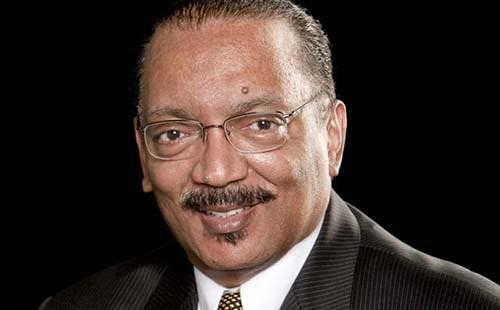









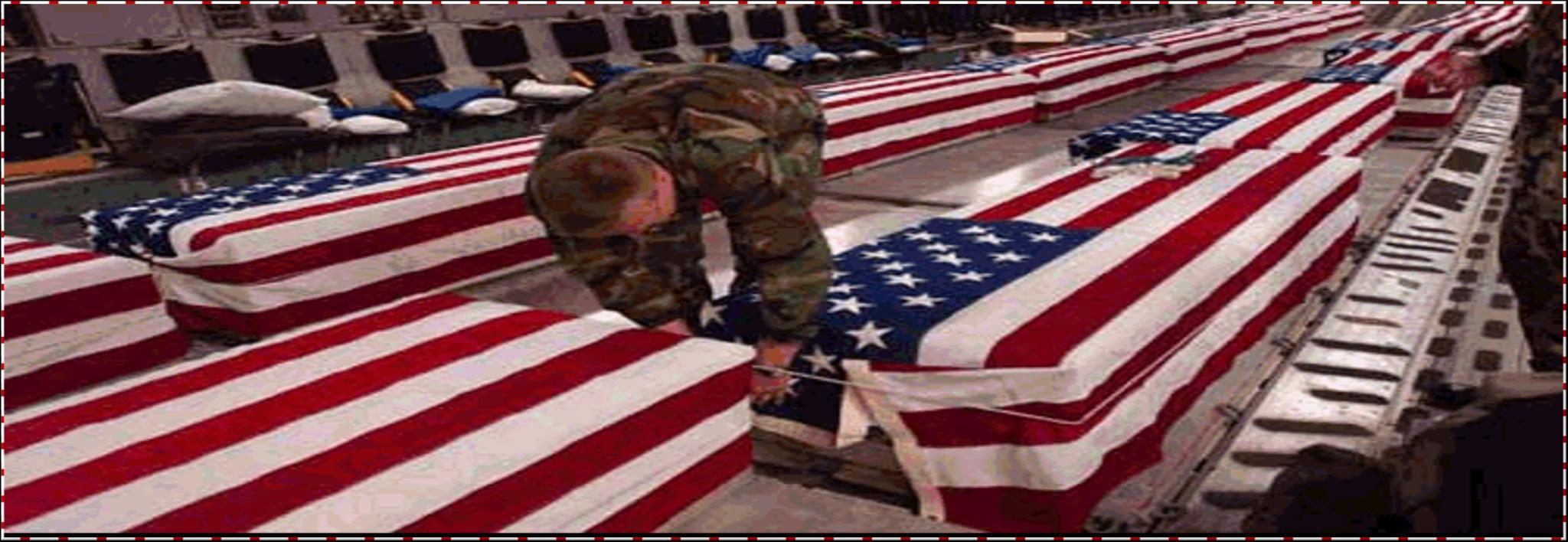


ar is often perceived as a distant event, but its impact strikes closest to home when it involves our children. The grief and loss are magnified when the soldier who makes the ultimate sacrifice is one's own child. This personal connection transforms abstract conflict into profound heartbreak.
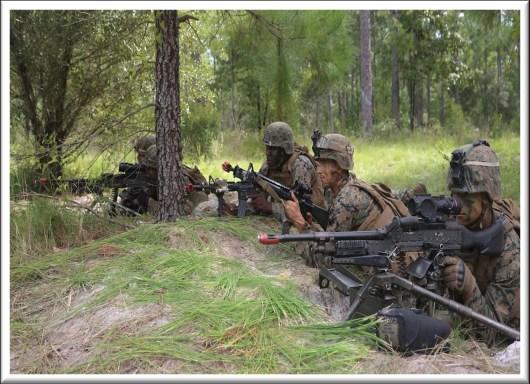
In the eyes of those who govern and manage warfare, the departure of men and women from their families
may seem routine. Yet, these individuals are sent to harm or kill people with whom they have never exchanged even a simple greeting. The administration's lack of personal involvement raises questions about its understanding of the actual cost borne by families.
The fundamental question remains: What is this war truly about? The motivations behind conflict are often obscured by official narratives, leaving those affected to wonder about the real reasons for such sacrifice and suffering.
'Don't be crazy. Put the gun down and vote.'

he Importance of Rational Decision-Making.
In moments of tension or crisis, it is vital to remain calm and act rationally. When emotions run high, it can be easy to make impulsive decisions that may lead to regrettable outcomes. Instead, choosing a measured response
can help preserve safety and promote positive change.


Choosing the Path of Democracy
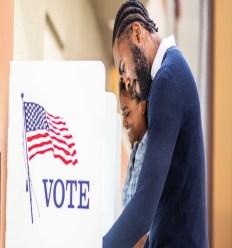
'Don't be crazy. Put the gun down and vote.'
This statement emphasizes the importance of resolving conflicts and disagreements through peaceful and democratic means. Rather than resorting to violence or destructive actions, individuals are encouraged to participate in the electoral process, using their voice and vote to influence decisions. By doing so, people uphold the values of democracy and contribute to a safer and more constructive society.
























• Definition and Biblical Context




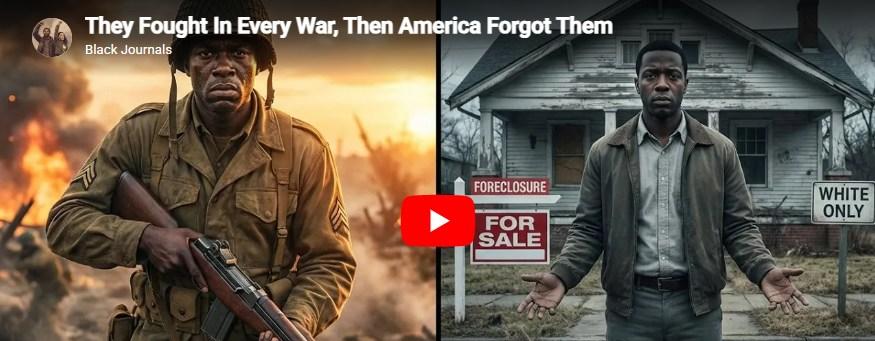















he Bible places significant emphasis on respecting elders and honoring parents. One of the foundational scriptures is Exodus 20:12, "Honor your father and your mother, so that your days may be long in the land that the Lord your God is giving you." This commandment is reiterated throughout the Old and New Testaments, highlighting the importance of showing respect and care for one’s parents.
Leviticus 19:32 also instructs, "You shall stand up before the gray head and honor the face of an old man, and you shall fear your God: I am the Lord." This verse shows the value placed on showing respect to the elderly in the community. In the New Testament, Ephesians 6:2-3 echoes the command to honor parents, noting that this is "the first commandment with a promise," so that it may go well with you, and you may enjoy long life on the earth.
states, "The memory of the righteous is blessed, but the name of the wicked will rot." This passage suggests that remembering and honoring the lives and legacies of those who have lived righteously brings blessing.

The Bible also speaks about the blessings of caring for parents. 1 Timothy 5:4 says, "But if a widow has children or grandchildren, these should learn first to put their religion into practice by caring for their own family and so repaying their parents and grandparents, for this is pleasing to God." Jesus also criticized the Pharisees for neglecting their parents in Matthew 15:4-6, emphasizing that caring for parents is an important part of living a faithful life.
About honoring the memory of elders, Proverbs 10:7
In summary, the Bible teaches that respecting elders, honoring their memory, and caring for parents are all acts that are pleasing to God and come with promises of blessing. These principles encourage individuals to keep strong family bonds and to show gratitude and compassion to those who have cared for them.






















Continued from page 5. Jackson



11246, which had been in existence for many decades that mandated federal contractors to take steps in preventing workplace discrimination.
hundreds injured.
their history will repeat their past. It was a quote similar to the one attributed to Winston Churchill who said, Those that fail to learn from history are doomed to repeat it. However, besides Rev. Jackson s remarks what is also branded in my mind also is this same quote on a plaque at the infamous Auschwitz concentration camp where about one million Jews were killed.
During the Holocaust, the Nazi German regime and supports of its leader, Adolph Hitler, killed six million Jews between 1933 and 1945.

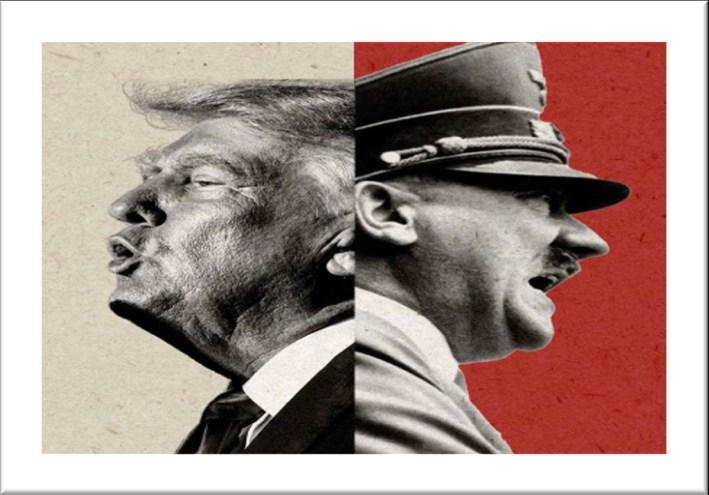
Many activists compared Trump to Adolph Hitler including his former


And the drama continues under Trump who is demanding that Iran cut a deal with him to end this war that is costing U.S. tax dollars $1 $2 billion a day.

I covered Rev. Jackson when he protested the infamous South Africa s apartheid system where white minorities ruled that country from 1948 to 1994. It was a system based on whether you were white, black, colored or Asian.

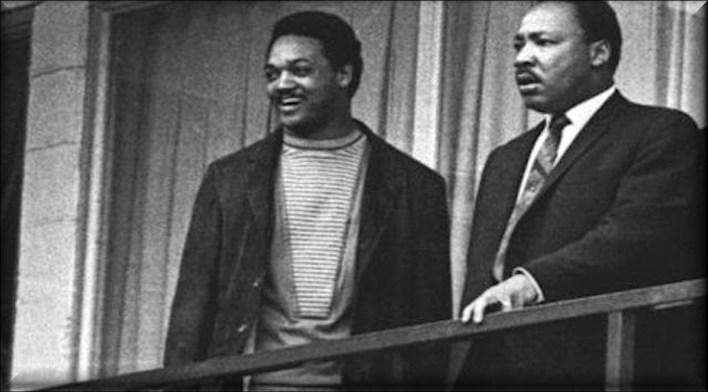




At the time, I knew nothing about the apartheid system in South Africa where Blacks were relocated to homelands or Bantustans. It was a raced based system, that allowed the white minorities to dictate where Blacks lived, worked, traveled even though Blacks were the majority. Everything I learned from Professor Jackson and now from his son, Rep. Jonathan Jackson (D1st), who is a former Chicago State University professor, about history repeating itself seems to be coming true under this second term president, Donald J. Trump.
Rev. Jackson was particularly disturbed by Trump s legally questionable executive orders during his first 100 days of his second term like his dismantling the Diversity, Equity and Inclusion (DEI) programs which Rev. Jackson said benefited white women more than the other minority groups. Trump rescinded Executive Order
chief of staff, General John Kelly. In a Vanity Fair interview, Kelly, said Trump allegedly admired Hitler and had Fascist tendencies and that he craves unchecked power.


Kelly, a retired Marine general security secretary who served 18 months during Trump s first term, said Trump prefers the dictator approach to government.



He wants permanent control and possession of Iran s precious uranium s which Iran said that is not going to happen.

But the biggest demand Trump has with Iranian leaders is the control of the Strait of Hormuz, the international shipping route that is controlled by Iran. Trump wants to control that so he can make money by charging ships a fee to pass through with their cargo. With Trump, it s always about making money, but the question is for whom?

Like what he did in Venezuela where he kidnapped President Nicolas Madura and his wife, Cilia Flores, then stole their oil and ships.
s acts like this, including banning Black books, that I miss Rev. Jackson s voice and wisdom just like so many miss the same activism and advice from Jackson s mentor, Dr. Martin Luther King, Jr.


The question remains who will help lead us to victory on Tuesday, November 3, 2026, for the Midterm General Election given the remapping of congressional seats Trump has ordered.

And that is what we are seeing today via one executive order after another including starting an illegal war with Iran after agreeing to a request from Israeli Prime Minister Benjamin Netanyahu without congressional approval.
As a result, so far 13 U.S. soldiers have been killed in the U.S. led Operation Epic Fury illegal war and
While Democrats have won several primaries and with the resignations of some members pf both parties, the chances of winning are becoming greater for a Democratic sweep; however, it all depends on if Blacks and independents come out and vote.
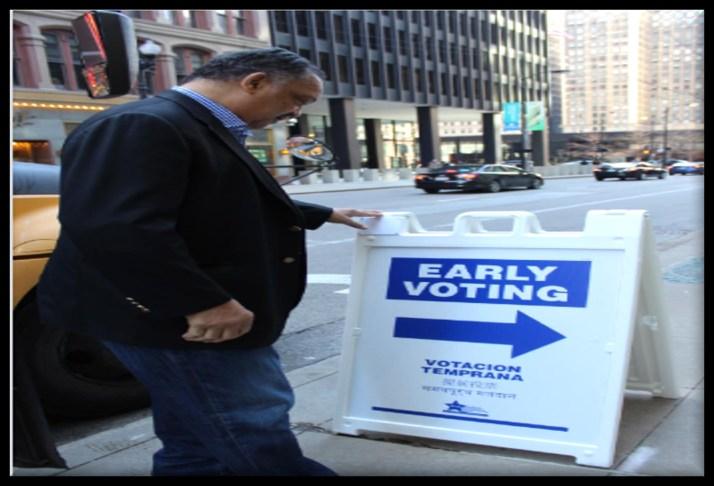
Are you registered to vote? Are you ready to change this toxic political environment? The answer and choice lie in your hands.
Biblical Morality and the Evangelical Dilemma in an Era of Misinformation

Lying in the Public Square.


n recent years, public discourse has been increasingly dominated by misinformation and accusations of dishonesty among political leaders. For many, especially within the Evangelical Christian community, this environment poses a significant moral and religious challenge. How should believers respond when those they support are accused of lying? What does faith require in the face of widespread deception? This aims to explore these questions by examining biblical teachings on lying, the tensions within Evangelical political support, and the broader effects of misinformation on faith and society.

The Bible speaks unequivocally about the importance of truth and the moral gravity of lying. In the Ten Commandments, Exodus 20:16 instructs, “You shall not bear false witness against your neighbor,” underscoring that honesty is foundational to a just and godly society. Proverbs 12:22 declares, “Lying lips are an abomination to the Lord, but those who act faithfully are his delight,” making clear that truthfulness is not just a social virtue but a spiritual imperative.
Jesus himself finds truth as a central characteristic of God’s kingdom, saying in John 8:32, “You will know the truth, and the truth will make you free.” At the same time, Scripture warns of the destructive power of deceit. In John 8:44, Jesus describes the devil as “a liar and the father of lies,” showing that
falsehood stands in direct opposition to divine nature. For believers, these verses establish a moral framework that condemns lying and elevates truth as a reflection of God’s character.

Despite these clear biblical injunctions, the Evangelical community in the United States has, at times, found itself in the uncomfortable
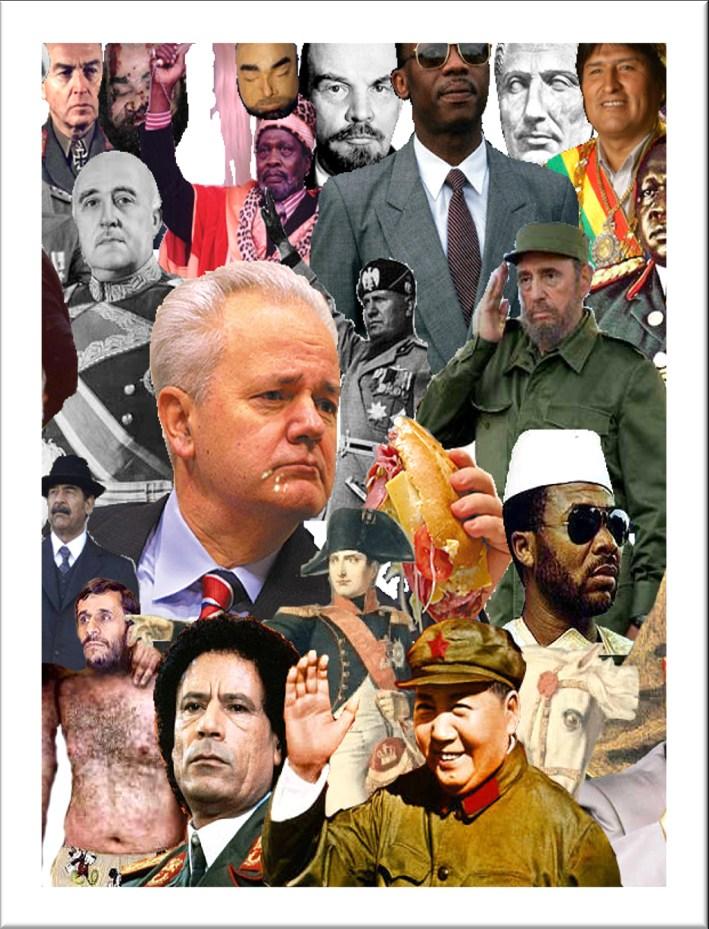


position of supporting political figures who face credible accusations of dishonesty. This support often stems from a desire to advance specific policy goals or protect perceived religious freedoms. However, such allegiance can create a tension between faith-based values and political loyalty.
Many Evangelicals grapple with the question: Should one overlook a leader’s personal failings including dishonesty if their policies align with Christian convictions? Some argue that no human leader is perfect and that God uses flawed individuals to conduct His purposes. Others contend that endorsing dishonesty, even indirectly, compromises the church's witness and undermines its moral authority. This dilemma reflects a broader struggle to reconcile spiritual principles with the practical realities of political engagement.


The challenge is further complicated by the proliferation of misinformation in today’s media landscape. False reports, conspiracy theories, and manipulated narratives can make it difficult to discern what is true. For people of faith, this creates a moral hazard: Whose report should we believe? When trusted sources conflict and truth itself seems contested, the danger is that believers may grow cynical or disengaged, or, worse, become complicit in spreading falsehoods.
Scripture calls Christians to be “wise as serpents and innocent as doves” (Matthew 10:16), urging discernment without sacrificing integrity. The Apostle Paul exhorts believers to “test everything; hold fast what is good” (1 Thessalonians 5:21), emphasizing the need for critical evaluation and commitment to truth. In an age of misinformation, these biblical principles demand careful reflection and a willingness to challenge falsehood, even when it is politically inconvenient. Continue on page 23.
The question of whose report to believe is not merely a political or intellectual choice, but a profoundly spiritual one. For Evangelical Christians, the call to truth is rooted in the character of God and the teachings of Scripture. While political engagement is essential, it must not come at the expense of moral integrity. In a climate of widespread dishonesty, Christians are called to be people of truth speaking honestly, seeking wisdom, and refusing to compromise their witness
for temporary gain.
Navigating the tension between faith and political allegiance is never easy. Yet, by returning to biblical values and practicing discernment, believers can resist the corrosive effects of misinformation and uphold the standard of truth that honors God. In doing so, they bear faithful witness to a world in desperate need of honesty and hope.
Now, after hearing the matters of truth, who will you believe God or man?

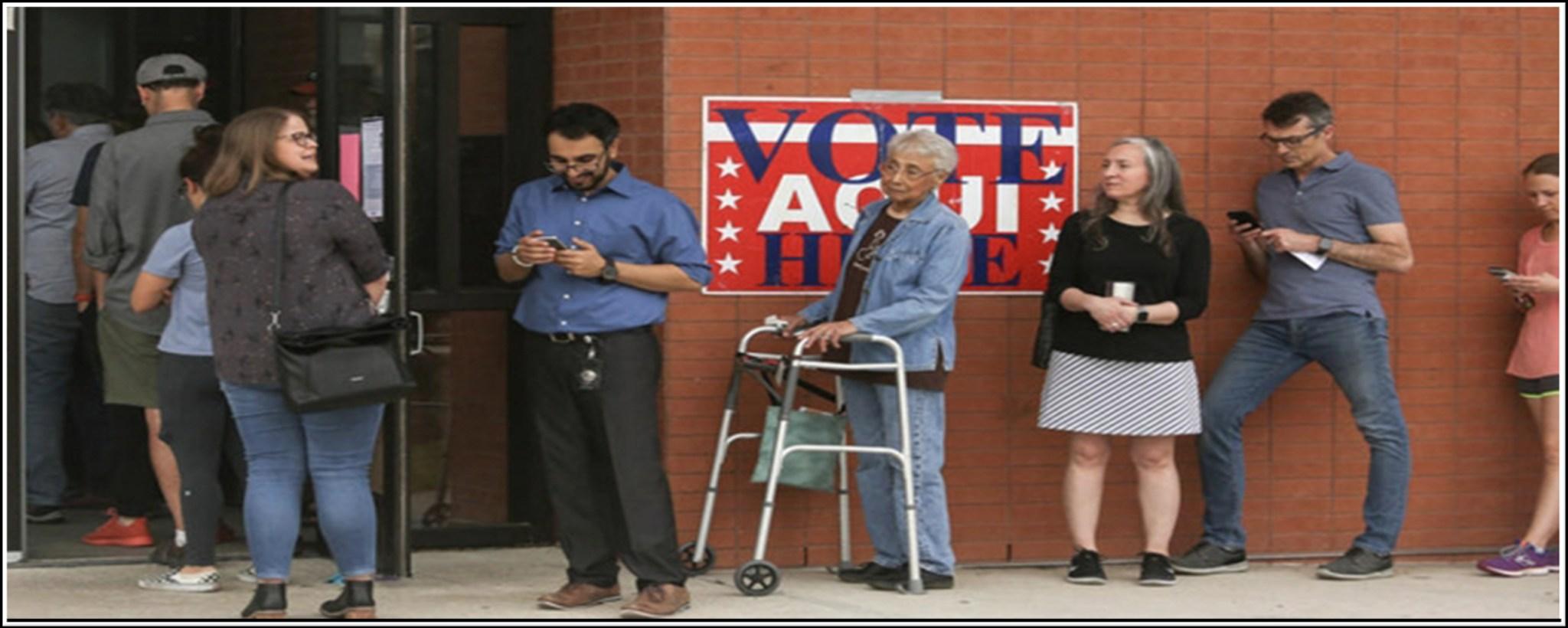
One powerful approach to increasing voter turnout is to encourage young men and women to take the initiative in organizing a campaign that inspires both youth and seniors to participate in the upcoming election.
By harnessing the energy and enthusiasm of young people, the campaign can reach a wider audience and foster a sense of community involvement.
Reminding the Community to Vote
Another effective strategy involves knocking on doors to remind individuals who might have forgotten
Personal reminders help reinforce the importance of voting and can motivate those who may otherwise be hesitant or unaware.
To maximize the impact of these

efforts, it is essential to begin planning immediately. Organizing trans-
portation, coordinating door-to-door outreach, and developing a clear campaign strategy will ensure that every eligible voter is encouraged and supported in participating.
The goal is to achieve such a high level of voter turnout that the election results are unmistakable and cannot be misinterpreted.
Through collective effort and determination, this objective is within reach. Together, we can make a difference yes, we can.




The Ongoing Challenges in the Chicago Public School System



Persistent Problems




he Chicago Public School System has faced persistent difficulties over the years. Despite the appointment of a new president and strong support from the mayor, these issues continue to affect the city s educational environment. The lack of resolution has had a significant impact on schools throughout Chicago.

Impact on Students



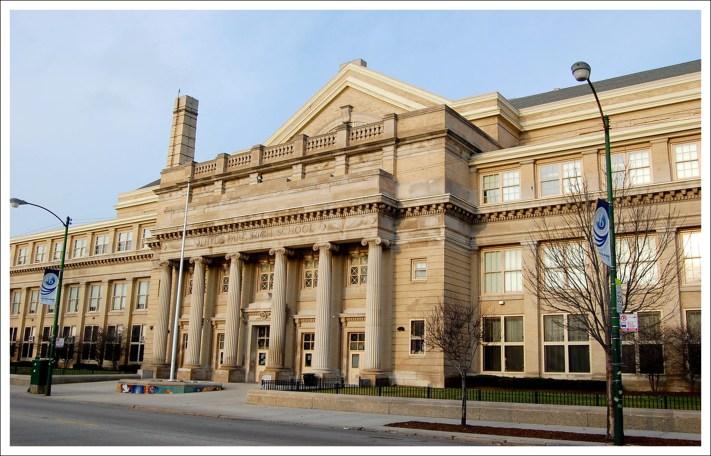
Students are at the core of the ongoing challenges. Many enter the school system without the essential educational foundations necessary for success. This lack of preparation hinders their academic progress and is linked to a concerning increase in youth violence. Without a strong educational background, negative outcomes become more likely, emphasizing the need to address these foundational issues.


itizens are employers, and government workers are employees, yet they don’t act like it.
Recently, concerns have arisen about the balance of power within the United States government. There is growing discourse about the executive branch’s ambitions and Congress’s apparent silence. The issue is not simply political rivalry but a fundamental question about the structure and function of American democracy.
The President's Role and the Fear of Dictatorship
Historically, the U.S. president has wielded significant influence, always within the constraints of constitutional checks and balances. The suggestion that a sitting president might seek unchecked power expressed
publicly rather than whispered in the shadows challenges the very principles upon which the nation was founded. The notion of ruling without Congressional consent echoes fears of authoritarianism, something the Constitution was designed to prevent.
Congress: Silence or Strategy?
Congress serves as the legislative backbone of the United States, elected to represent and safeguard taxpayers' interests. Its duty is not merely to rubber-stamp presidential wishes but to debate, challenge, and provide oversight. However, the current climate is marked by an unusual quiet in the halls of Congress. The question persists: Is this silence a strategic pause, a sign of internal divi-





Despite changes in leadership and government support, the same issues persist year after year. Efforts at reform have not broken the cycle, raising questions about the underlying structural or systemic factors that prevent meaningful progress. These deep rooted challenges remain unresolved, suggesting that further efforts are required to address the core causes.

Leadership Background
Recently, attention has shifted to the new president of the Chicago Public Schools. Understanding their background and experience is crucial, as their approach may determine the success of future reforms. However, information about their qualifications and history remains limited, and stakeholders continue to monitor for signs of improvement under their leadership.
sion, or a troubling abdication of responsibility?
The Importance of Congressional Action
When Congress does not assert its constitutional powers, the risk is that the executive branch may overreach. The American system depends on a healthy, functioning separation of powers. Taxpayers expect their representatives to uphold the law, promote transparency, and demand accountability from all branches of government. Congress must serve as a counterbalance, not as silent puppets.
Public Perception and Democratic Health
Public trust in government erodes when citizens perceive that elected officials prioritize political expediency
over their core responsibilities. Congressional inaction, or the appearance thereof, may be interpreted as complicity or weakness. For democracy to thrive, robust debate and clear opposition to any form of executive overreach are essential.
The current situation calls for renewed vigilance by Congress and public engagement. America was built on the premise that no single individual should hold unchecked power. It is incumbent upon Congress to reaffirm its role, speak up, and act decisively in defense of the Constitution and the people it represents. Silence must not become the norm in the face of potential threats to democratic governance.
The Challenge News Magazine.










entertainment.










lack consumers in the United States stand for a robust and influential segment, contributing significantly to the nation s overall consumer market. According to recent reports and market analyses, Black Americans spend more than $1 trillion annually, influencing trends across a variety of industries, including fashion, beauty, technology, food, and entertainment.
When comparing spending patterns between Black and white consumers, several differences appear:

Total Spending: White consumers, as a demographic group, spend more in total dollars due to their larger population size and higher average household incomes.




Income and Wealth: On average, white households have higher median incomes and wealth, which affects overall spending power and patterns. However, Black consumers often distribute a greater share of their disposm ducts, cultural experiences, and trends.

marketing strategies to appeal to this demographic, often resulting in increased sales and brand loyalty.





Discretionary Spending: Black consumers tend to spend a higher percentage of their income on specific categories, such as beauty and personal care, apparel, and communications, compared to white consumers. For example, Nielsen reports show that Black consumers account for a disproportionately high share of spending in the hair care and beauty industries, as well as in media and







Community Support: There is a strong emphasis on supporting Black owned businesses and brands within the community, which drives spending in specific sectors.


According to the U.S. Bureau of Labor Statistics and market research firms, Black consumer spending on beauty and personal care, for example, is significantly higher per capita than that of white consumers. Black Americans are estimated to spend nine times more on ethnic hair and beauty products than other groups.

Reasons for Higher Spending Among Black Consumers

Several factors contribute to higher spending in specific categories among Black consumers:


Cultural Significance: Products and services that reflect and celebrate Black culture and identity often command a premium. Black consumers are more likely to support brands that acknowledge and cater to their unique needs and preferences.

Targeted Marketing: Many companies have recognized the influence of Black consumers and have tailored their

Social and Economic Factors: Historical disparities in wealth accumulation and access to credit may lead some Black consumers to focus on visible status symbols, fashion, and personal care as a means of expressing success and individuality.


Household Composition: Differences in household size and structure can influence spending priorities, with Black households sometimes distributing more resources to multigenerational living and community events.


While total spending by white consumers stays higher due to population and income differences, Black consumers play a crucial role in shaping U.S. market trends, especially in specific product categories.
Their spending is driven by cultural, social, and economic factors, as well as a desire to support community businesses and brands that reflect their identity. Be wise in spending.









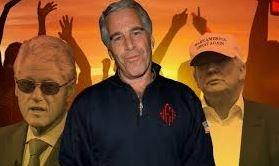

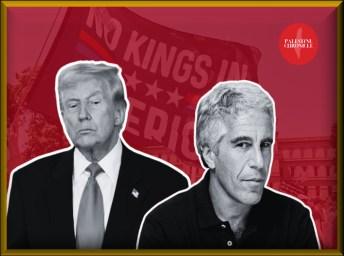
eports claims that President Donald J. Trump has had multiple opportunities to address alleged "dark, deep secrets," including any association with the Epstein case. The report examines the claim that various diversionary efforts have been employed to deflect public attention from these matters… Diversions!
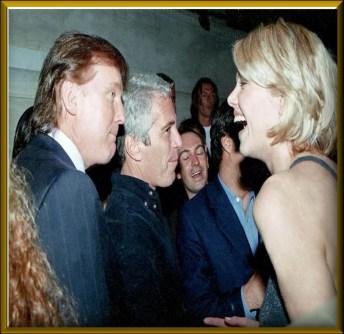
As a public figure and former President of the United States, Donald J. Trump has been subject to extensive media scrutiny, legal investigations, and public questioning. Throughout his presidency and postpresidency, there have been many press conferences, interviews, debates, and legal proceedings in which questions about his past associations and activities, including those related to Jeffrey Epstein, could have been addressed.
Focusing on immigration issues or border security to rally political support and shift the discourse.
Accusing political opponents of misconduct or corruption to build counter-narratives.
Announcing new policy initiatives or executive orders during times of negative press coverage.
Questioning the credibility or motives of journalists and media outlets covering sensitive topics.
While there have been many opportunities for President Trump to address allegations about his past and associations including those related to Jeffrey Epstein there has been no public admission or comprehensive disclosure of "dark, deep secrets."
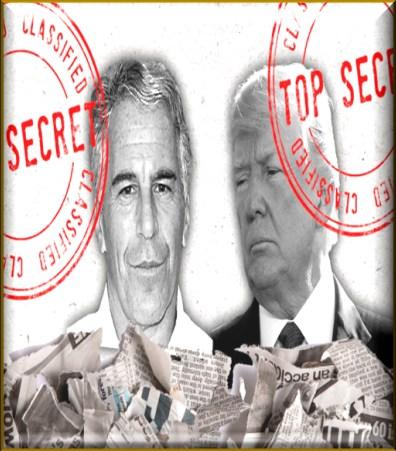





It has been suggested that there have been significant efforts to divert American attention away from controversial matters involving President Trump. While there is no definitive public record cataloging every diversion, common themes in media and political analysis include:

Highlighting foreign policy crises or international conflicts to divert attention from domestic controversies.
Highlighting economic achievements or legislative victories to shift the news cycle.
Engaging in social media disputes or making high-profile public statements that attract headlines.
Many reports claim that a major cover-up is creating significant tension between the United States and Venezuela, linked to related number of deaths following the alleged capture of Venezuela's president and his spouse. No U.S. lives are reported lost.
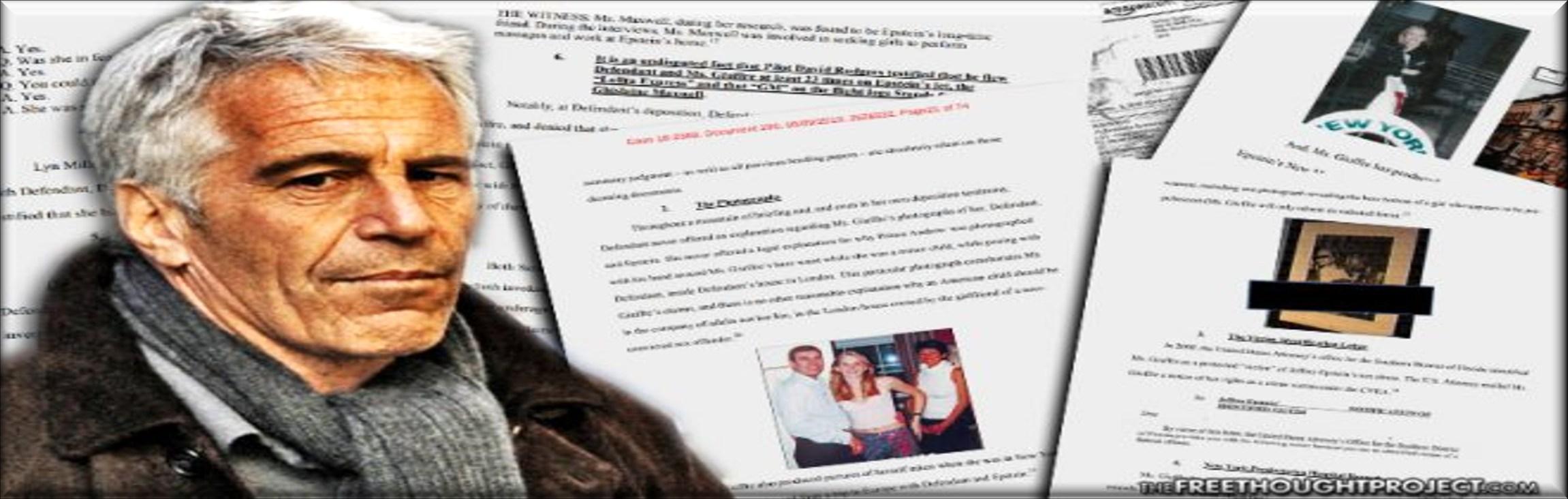
This military move has the world's attention, but it is still watching the Jeffrey Epstein matter, which is said to ‘won’t go away.’ The question remains whether this could be one of the president's more serious tactics yet.

While President Trump is overtly provoking war in countries without known provocation, he is showing dangerous intentions of starting a war in areas where many people are of color all while he and his devoted administration remain in secret. Cause war, stay in office indefinitely.

Amid all the world's drama, the people of God are advised to: Turn their eyes upon Jesus, look full in His wonderful face – then the things of earth will grow strangely dim in the light of His glory and grace.
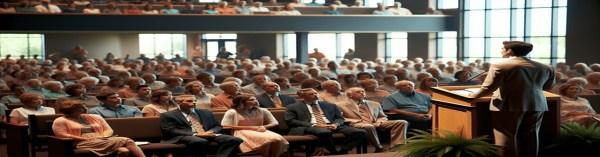

Maintaining Reverence in Places of Worship


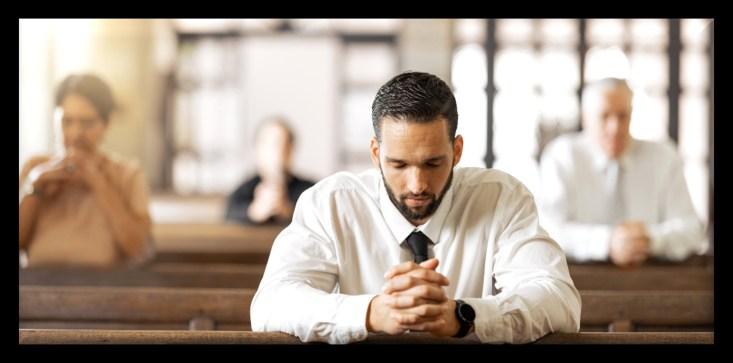
Impact of Attire and Behavior



Background on Draft Discussions


The Challenge News Magazine has previously reported that there is ongoing speculation and occasional discussion about the possibility of reinstating the draft system in the United States. These conversations often emerge in response to changes in military policy, international conflicts, or debates concerning national security. Despite these discussions, there is currently no official movement from the U.S. government to bring back the draft. The Selective Service System continues to operate as a contingency plan, but all military recruitment remains voluntary.
Public opinion regarding the potential return of mandatory military service is mixed. Some individuals express concern about the prospect of compulsory service, while others regard it as an essential response during times of national crisis. At this time, the topic remains hypothetical. Any shift toward reinstating the draft would require considerable legislative action and robust public debate.


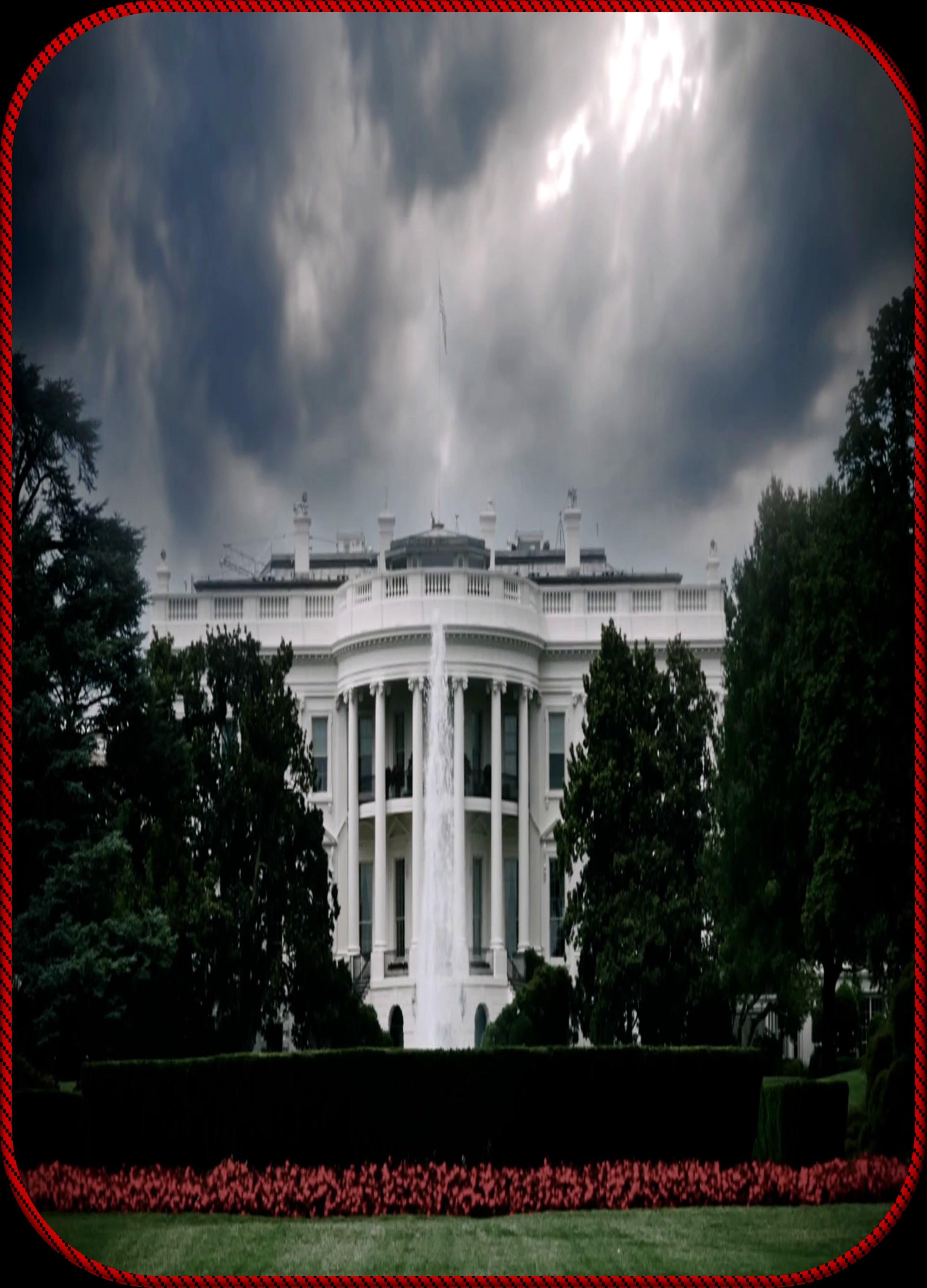





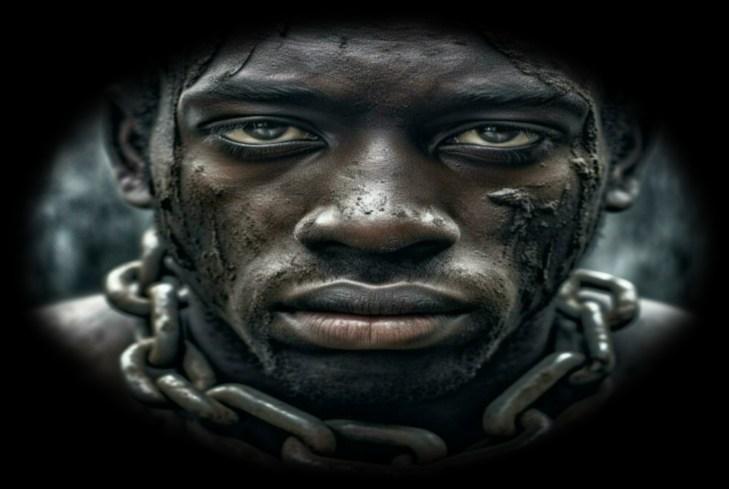
The experiences of young people in today’s political era are multifaceted, shaped by the actions and examples set by leaders and public figures. While certain politicians demonstrate behaviors that may negatively influence youth, it is important to remember that every generation confronts its own distinct set of challenges and pressures. Despite the prevalence of skepticism toward authority, many young people continue to pursue positive change and seek admirable paths in society.
commitment to public service, which can undermine youth respect for leadership. This shift often leads young people to question the value of authority and leadership in society.
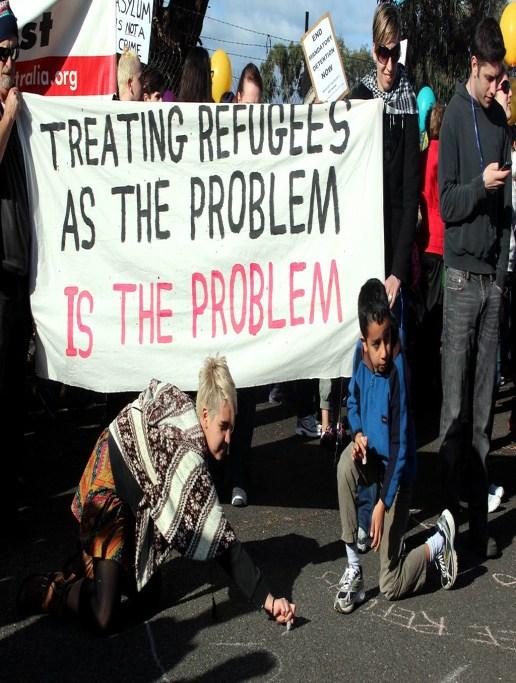
The transition from aspiring to emulate those in positions of power to feeling disillusioned or rebellious re-
Critical Thinking and Activism Among Youth
Although the current political climate may discourage admiration for leaders, it also encourages critical thinking and activism among young people. Many are inspired to demand greater transparency and accountability from those in power.
This environment motivates youth to rise above negative examples and strive for better futures, demonstrating resilience and a commitment to positive













Questions Surrounding the Department of Justice and the FBI
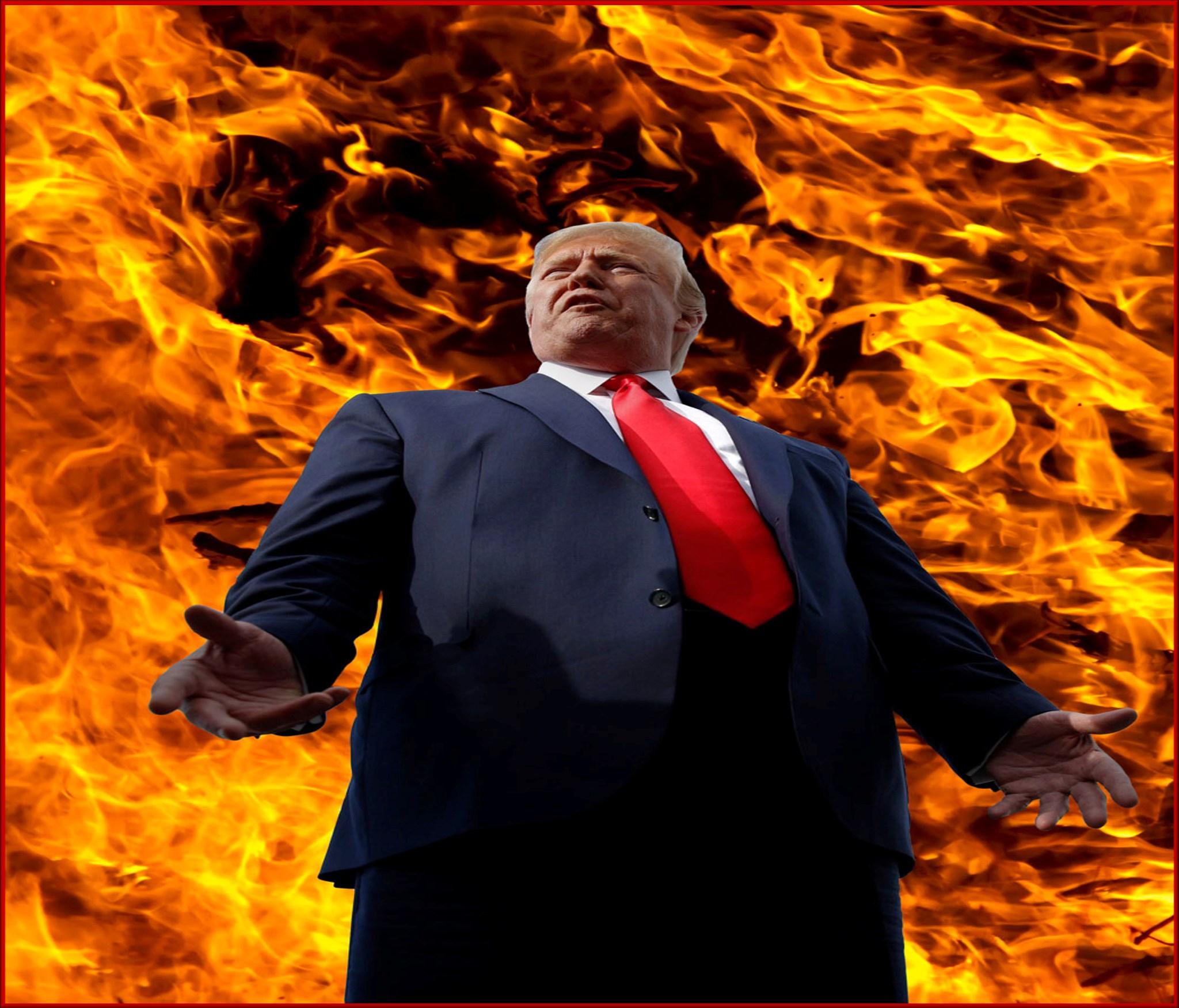
Recent events have sparked widespread confusion and concern about leadership in the United States government. The Department of Justice has become the subject of ongoing questions, and now the Federal Bureau of Investigation (FBI) is under scrutiny as well. Allegations involving the agency's leadership and the influence of alcohol in the workplace have added to the uncertainty and prompted further examination of both organizations.
The Leader of the FBI
Amid these controversies, public attention has turned to the head of the FBI. Many are asking who currently holds this important position. What is his background, and what path led him to become the chief of the FBI? These questions reflect a broader interest in understanding the agency's leadership during this challenging period.
Public Perception and Commentary
As these issues continue to unfold, public discussion increasingly focuses on the leader’s personal and professional history. There is significant interest in what is being said about him and in the FBI’s overall direction under his guidance. This commentary shapes perceptions of both the individual at the helm and the agency's future course.
What is happening in our government?
The public has a right to be informed. Citizens are the employers, and government workers are the employees, yet they do not behave accordingly.
Recently, concerns have emerged regarding the balance of power within the United States government. There is growing discussion about the executive branch's ambitions and Congress's silence. This issue is not just political rivalry but a fundamental question about the structure and function of American democracy.
The President's Role and the Fear of Dictatorship
Historically, the U.S. president has held significant influence, always within the boundaries of constitutional checks and balances. The idea that a sitting president might seek unchecked power publicly rather than covertly questions the very principles on which the nation was founded. Ruling without Congressional approval echoes fears of authoritarianism, which the Constitution was designed to prevent.
Congress: Silence or Strategy?
Congress represents the legislative
backbone of the United States, elected to protect taxpayers' interests. Its role is not just to approve presidential wishes but to debate, challenge, and over-
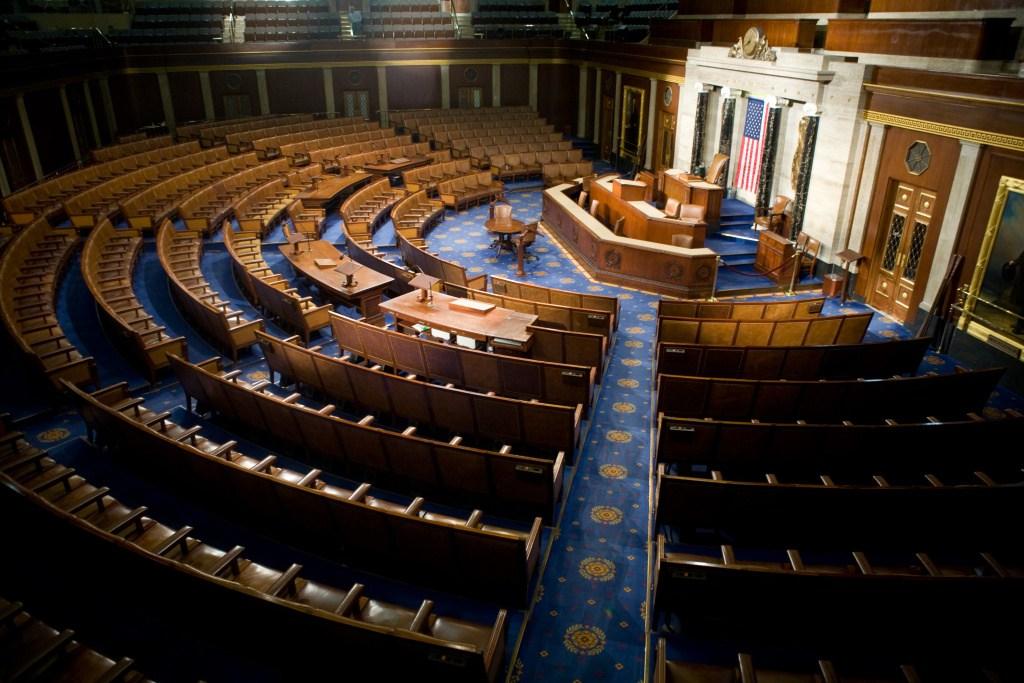
see. However, the current atmosphere is characterized by an unusual silence in Congress. Is this silence a strategic pause, a sign of internal division, or a troubling neglect of duty?
The Importance of Congressional Action
When Congress fails to exercise its constitutional powers, the risk is executive overreach The American system relies on a healthy separation of pow-
ers. Taxpayers expect their representatives to enforce the law, promote transparency, and hold all branches accountable. Congress must act as a check, not as a passive spectator.
Public Perception and Democratic Health
Trust in government diminishes when citizens see elected officials prioritizing political convenience over their core duties. Congressional inaction, or the appearance of it, may be seen as complicity or weakness. For democracy to flourish, vigorous debate and visible opposition to executive overreach are essential.
The current situation demands renewed vigilance from Congress and increased public engagement. America was founded on the principle that no single individual should wield unchecked power.
It is the duty of Congress to reaffirm its role, speak out, and act decisively to defend the Constitution and the people. Silence should not become the norm when democratic governance is at risk.
The Challenge News magazine
Examining the Department of Justice, Its Focus, and Implications for African Americans

urrent Dynamics Between the DOJ and President Donald J. Trump.
The Department of Justice (DOJ) is a central pillar of the United States government, responsible for enforcing federal laws, ensuring public safety, and upholding justice. In recent years, the DOJ has often found itself at the center of political debates, especially concerning its interactions with former President Donald J. Trump. Some observers feel that the DOJ’s actions and priorities are influenced by the political climate and leadership, raising questions about its independence and impartiality.
At times, the DOJ has been perceived as being aligned with or pressured by the sitting president, particularly when high-profile investigations or legal actions involve political figures. These perceptions can foster concerns about whether the DOJ is genuinely focused on justice or swayed by political vendettas. The DOJ needs to maintain its integrity and independence to uphold the rule of law fairly for all Americans.
attention on justice is significant, but it must be accompanied by concrete actions to address racial disparities and ensure equal treatment for all citizens.
Concerns about "real justice" are valid, particularly if political dynamics overshadow the pursuit of fairness. African Americans and advocates for justice
federal departments, has initiatives aimed at increasing representation and creating opportunities for minority groups, including African Americans. These efforts are intended to ensure that the department reflects the diversity of the nation it serves and brings a range of perspectives to its work.
Should African Americans Be Concerned About Real Justice?
Historically, African Americans have faced systemic challenges within the U.S. justice system, including disproportionate rates of incarceration, unequal treatment by law enforcement, and underrepresentation in legal institutions. The DOJ’s renewed or refocused
continue to call on the DOJ to prioritize civil rights, investigate patterns of discrimination, and hold accountable those who violate the rights of marginalized communities. Vigilance and advocacy remain vital to ensure that the DOJ does not lose sight of its mission to protect justice for every American, regardless of race, background, or political affiliation.
Diversity and Hiring Practices at the DOJ

The question of whether African Americans are expected to be hired at the DOJ speaks to broader issues of diversity, equity, and inclusion within government agencies. The DOJ, like many
While there is no mandate that the DOJ must hire Black people specifically, there is an expectation both from the public and within the government that federal agencies actively pursue diverse hiring practices. This includes recruiting, retaining, and advancing African Americans and other underrepresented groups. Such diversity strengthens the DOJ’s ability to understand and address the unique challenges faced by different communities and promotes trust in the justice system.
The Department of Justice occupies a critical role in upholding the rule of law and ensuring fairness across the United States. While its relationship with political leaders like President Trump can raise concerns, the DOJ must remain focused on its mission of impartial justice. African Americans, given the history of inequity in the justice system, have legitimate reasons to pay close attention to the DOJ’s actions and priorities. Continued advocacy for diversity, equity, and real justice is essential to hold the DOJ accountable and to foster a system that truly serves all Americans.




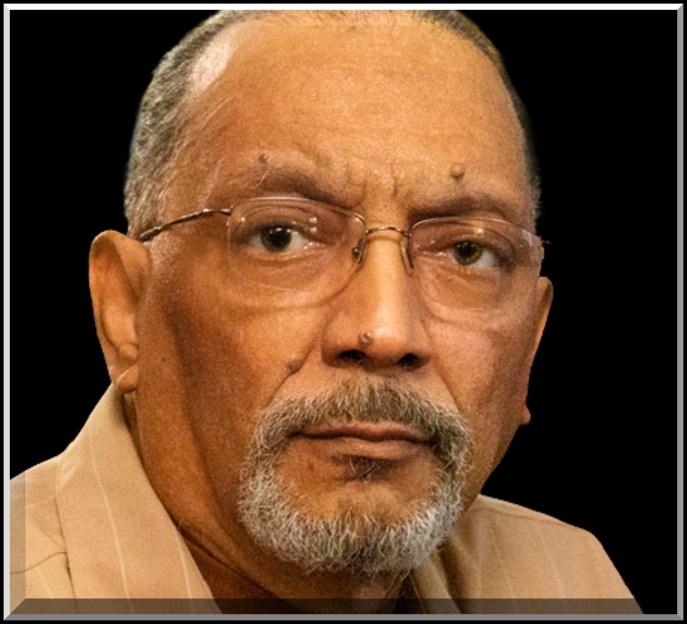
Chicago, IL The Rev. Dr. Harold Bailey's journey through the probation system is a tale of resilience, advocacy, and unwavering dedication to justice and rehabilitation. This document explores the multifaceted challenges he faced, the reforms he championed, and the transformative impact of his efforts on the probation system.
The Background
Rev. Harold Bailey, a respected community leader and cleric, found himself embroiled in the complexities of the probation system. His involvement began when he took a stand against the inequities and inefficiencies he saw in the treatment of individuals on probation. With a background in social justice and deep-rooted compassion for marginalized communities, Bailey's mission was to ensure fair treatment and effective rehabilitation for individuals navigating probationary pathways.
Challenges Faced
Bailey's journey was fraught with many obstacles. At the heart of his challenge was the systemic bias that often plagued the probation system. He met cases in which individuals were unfairly targeted, had their progress hampered by bureaucratic red tape, and were denied essential support services. Bailey's advocacy focused on highlighting these issues and demanding accountability from the authorities.
Administrative Roadblocks
One of the significant hurdles Bailey faced was navigating the administrative labyrinth of the probation system. With policies and procedures varying widely across districts, Bailey's efforts to implement consistent and fair practices were often met with resistance. He tirelessly worked to streamline these processes, advocating for standardized protocols that prioritized the needs of probationers.
Social Stigma
Beyond the administrative challenges,
Bailey grappled with the societal stigma attached to probation. He recognized that individuals on probation were often viewed through a lens of suspicion and judgment, which impeded their successful reintegration into society. Bailey launched awareness campaigns and community outreach programs to combat these prejudices, promoting a more inclusive and supportive environment for probationers.
Advocacy and Reform
Rev. Bailey's efforts extended beyond

merely finding problems; he actively sought reforms to overhaul the probation system. His advocacy ranged from grassroots movements to legislative lobbying; each aimed at creating a more just and rehabilitative framework.
Policy Recommendations
Bailey proposed several key policy recommendations to address the probation system's shortcomings. These included:
Enhanced Support Services: Ensuring that individuals on probation have access to comprehensive support services, including mental health counseling, job training, and educational opportunities.
Community-Based Rehabilitation: Advocating for community-based rehabilitation programs that focus on integration and support rather than punitive
measures.
Transparency and Accountability: Calling for greater transparency in probation practices and accountability for authorities overseeing the system.
Standardized Procedures: Promoting the implementation of standardized protocols across districts to ensure consistency and fairness.
Legislative Efforts
Bailey's commitment to reform led him to engage in active lobbying for legislative change. He collaborated closely with lawmakers to draft and support bills that aimed at improving probationary practices. His efforts were instrumental in the passage of several key pieces of legislation that enhanced the rights and support for individuals on probation.
Community Engagement
Understanding that change must also come from within the community, Bailey spearheaded many initiatives to foster greater empathy and support for probationers. He organized community forums, educational workshops, and support groups, each designed to cultivate a more understanding and initiative-taking community stance.
Impact and Legacy
Rev. Harold Bailey's dedication to probation reform has left an indelible mark on the system. His relentless pursuit of justice and rehabilitation has not only improved the lives of countless individuals on probation but also set a precedent for future advocacy efforts.
Improved Probation Practices
Thanks to Bailey's efforts, many districts have adopted more humane and effective probation practices. Enhanced support services, communitybased rehabilitation programs, and standardized procedures are now more commonplace, reflecting Bailey's vision of a fair and rehabilitative system. Continue on page 33.
Continued from page 32.





Bailey's advocacy has significantly raised awareness about the challenges faced by individuals on probation. Through his campaigns and community engagement, he has promoted a more understanding societal attitude, aiding probationers in their reintegration into society as taxpayers rather than as burdens on the tax system.


Ongoing Efforts
Although Bailey's contributions have been significant, the pursuit of an entirely fair probation system is ongoing. His legacy continues to drive initiatives to address remaining challenges, with a focus on keeping justice and rehabilitation as key elements of probation practice.


Several authorities have contacted Bailey to discuss replicating Probation Challenge educational programs at their locations. However, Bailey is optimistic about placing his vision in someone else’s hands. He said God in trusted it to him and that he must be spiritually cautious. He said that the vision from the Lord is none transferable.
Rev. Harold E. Bailey, despite semiretirement, continues to engage with youths through social media, the Probation Challenge PCConnection Network, and The Challenge News Magwww



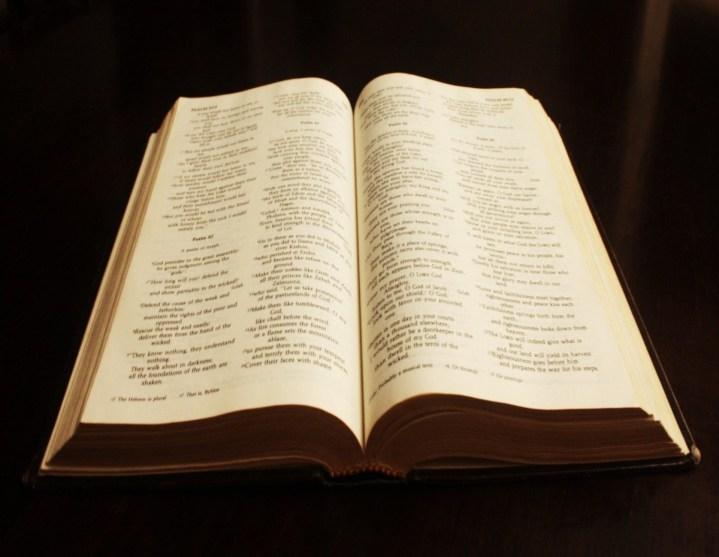
he word "all" appears frequently throughout the Bible, often in verses that have significant theological implications. The question of whether "all" always means "complete" or "every single one," or whether it is used figuratively or contextually, has been debated by scholars, theologians, and believers for centuries.

Biblical Usage of "All"

In the original languages of the Bible Hebrew (Old Testament) and Greek (New Testament) the word translated as "all" (Hebrew: kol; Greek: pas) can mean "every," "entirety," or, in some contexts, "many" or "whole." The intended meaning often depends on the context of the passage.
Literal Examples: In some cases, "all" is meant to be taken literally, as in Genesis 1:31, "God saw all that he had made, and it was perfect." Here, "all" refers to every part of creation.
Figurative or Hyperbolic Examples: In other places, "all" may be used in a more figurative sense. For example, Matthew 3:5 says, "Then Jerusalem, all Judea, and all the region around the Jordan went out to him." It's unlikely that every person attended; instead, many did.
Many Christians believe that God's words are precise and intentional, reflecting His character as truthful and faithful. This belief can lead to the interpretation that, when




God says "all," He means it in its fullest sense, without exception. However, others note that the Bible employs literary devices, including hyperbole and metaphor, which

means that "all" is not intended to be mathematically exhaustive but rather to convey vastness or significance.
things within God's will and purpose, not literally every possible action.
His court mandated program, introduced by the Illinois Legislature, is entitled the 'Probation Challenge Act' and aims to improve the probation system by emphasizing education, equity, and support. His work influences justice and advocacy globally.
Interpreting "all" requires careful consideration of its context. For example:
Romans 3:23: "For all have sinned and fall short of the glory of God." Most interpreters agree that this means every human, without exception.
Philippians 4:13: "I can do all things through Christ who strengthens me." Here, "all things" is generally understood to mean all
Because God is described as whole and complete, some argue that His words should be taken at face value, with "all" meaning "complete" or "without exception." Others recognize that human language, even when inspired, can employ conventions such as exaggeration or generalization for emphasis.
In summary, the word "all" in the Bible can mean "complete" or "every," but its interpretation depends on the passage's context and literary style.
While God's nature suggests truthfulness and precision, biblical language sometimes employs figurative language.
Careful reading, studying, and comparison with other scriptures are essential for understanding each use of "all."
Based on a theological perspective that God is full and speaks truthfully, it's reasonable to approach the word "all" with the expectation that it is meant precisely, unless the context clearly indicates a figurative usage.
Ultimately, study and prayerful consideration help clarify the intent in each instance. The Challenge News Magazine.
he disparities in medical attention, workplace treatment, and respect for African Americans stem from a long history of systemic inequality. Even though significant progress has been made since the abolition of slavery, the legacy of unequal access to opportunities and resources continues to impact African American communities.


Persistent Challenges
Despite advances, many obstacles remain. African Americans often face unequal access to healthcare and are subject to wage gaps and ongoing discrimination in the workplace. These issues highlight the need for both polm


Addressing these concerns requires sustained advocacy, education, and engagement. While the pace of progress can sometimes feel slow or frustrating, meaningful improvement is possible when individuals and communities work together. Continued collective effort is vital to achieving a more equitable society.





Faith and Political Influence in the African American Community


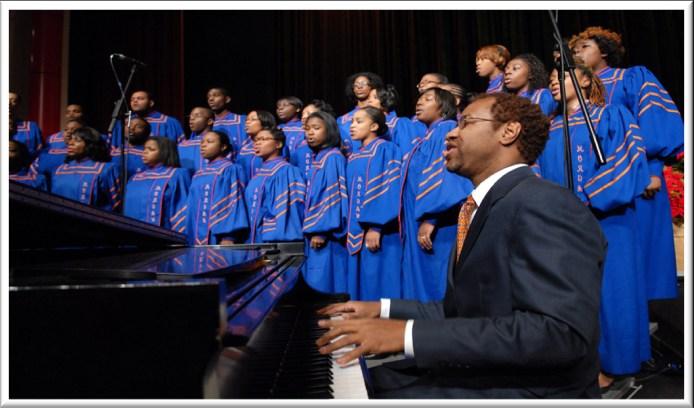
he intersection of faith and politics has long influenced the African American experience in the United States. The Black church, traditionally a source of strength and resilience, serves not only as a spiritual refuge but also as a hub for political activism. This relationship becomes especially clear during tough times, like government shutdowns and economic struggles, when families turn to their faith for hope and direction.
mon for politicians to address congregations to win votes and sway opinions.
On many Sundays, the message from elected officials precedes the

politicians who claim to have solutions. Unfortunately, this can lead to a situation in which the politician’s message takes precedence over the word of God, potentially shifting the congregation’s focus from spiritual healing to political promises.
Since its inception, the Black church has been more than a place of worship; it has served as a hub for community organization, social justice, and political mobilization.
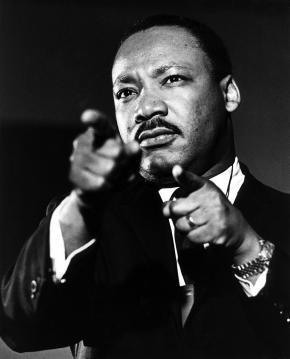
Leaders like Dr. Martin Luther King Jr. and countless others have leveraged the church’s influence to fight for civil rights and advocate for policy changes. Congregants gather not only to hear sermons but also to discuss pressing issues affecting their lives, from poverty and education to voting rights and representation.
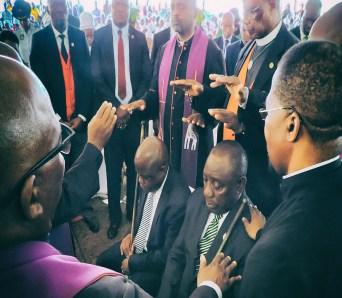
During times of crisis, such as a government shutdown or food insecurity, Black Americans often turn to their churches for support. The church is a space to seek God’s guidance, but it is also com-
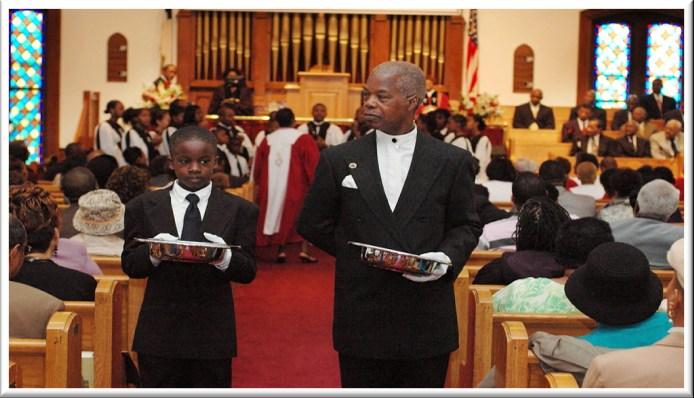

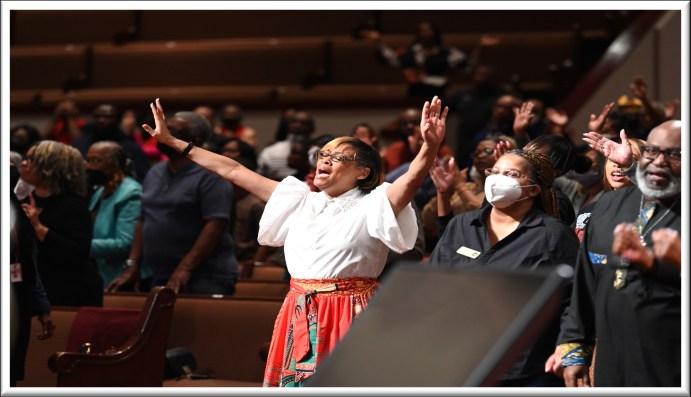
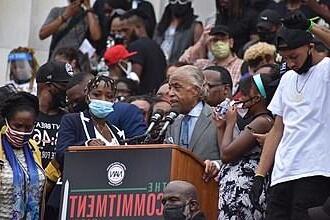
sermon, blurring the line between spiritual and political leadership.

The Delayed Message of Deliverance

While the church promises spiritual deliverance and hope, these messages can sometimes be overshadowed or delayed by political rhetoric.
The congregation’s immediate concerns paying bills, feeding families, and surviving systemic challenges make them receptive to
This tension raises profound questions about priorities and values. The biblical commandment, "There shall not be another god before me," calls believers to place their faith above all else. Yet, in the face of urgent needs and persuasive political leaders, some may inadvertently elevate politics above their spiritual commitments.
This phenomenon prompts consideration of the extent to which the pursuit of political solutions has become excessively prioritized, as well as whether the church’s role as a spiritual sanctuary is being diminished.
The relationship between the Black church and politics is complex and deeply rooted in history. While political engagement has empowered the African American community and driven social change, it is essential to maintain a balance that keeps faith central.
Churches must continue to provide spiritual guidance while thoughtfully engaging with political realities, ensuring that the quest for justice does not overshadow the pursuit of divine wisdom.
Ultimately, the challenge is to honor God’s command and keep faith at the forefront, even as political messages vie for attention.