












































































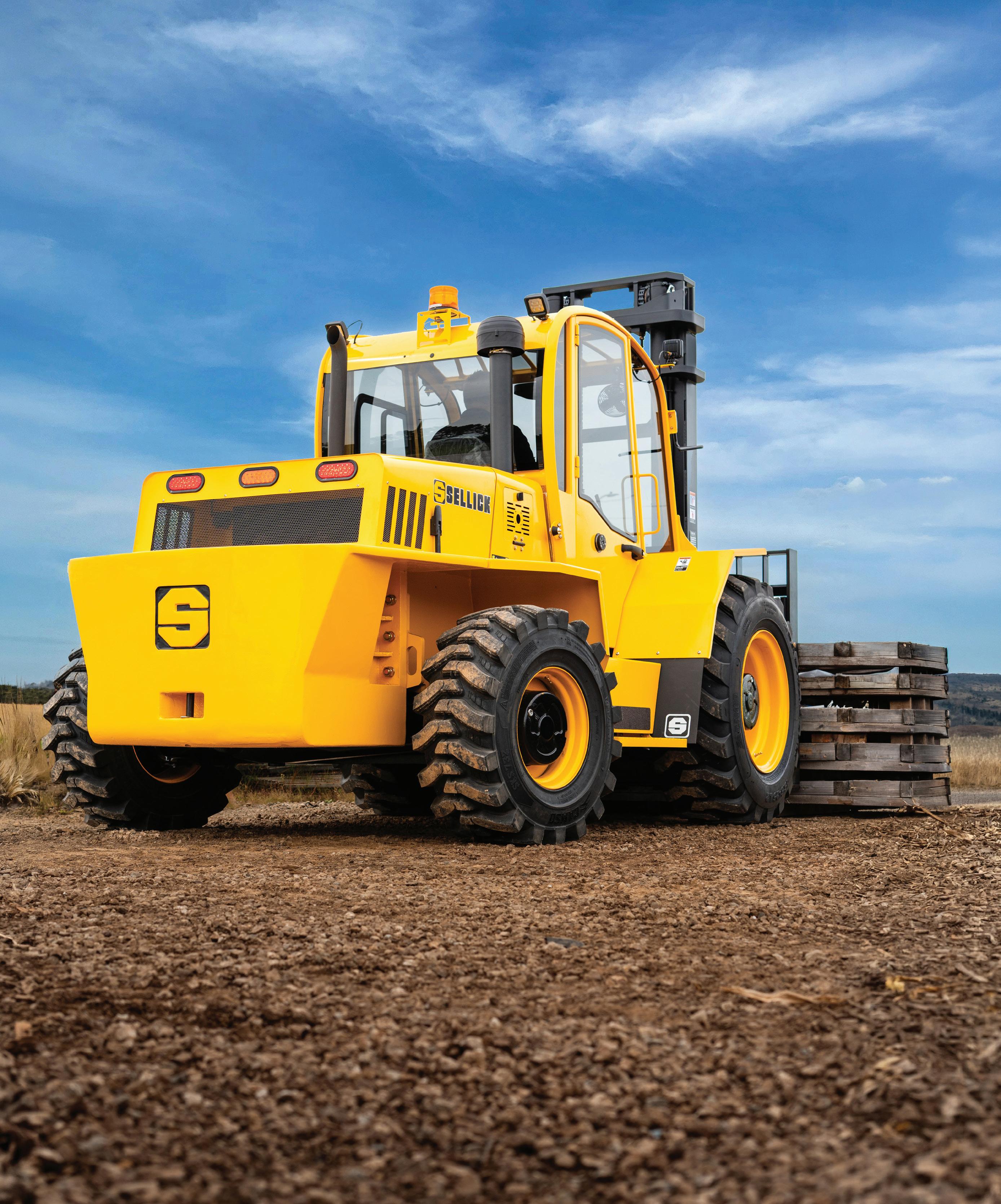














Sellick forklift distributed by

EDITOR-IN-CHIEF
Steve Payne steve@hardlines.ca
QUEBEC EDITOR
Geoff McLarney geoff @hardlines.ca
CONTRIBUTING EDITOR
Rebecca Dumais rebecca@hardlines.ca
MANAGING EDITOR
Rob Gerlsbeck rob@hardlines.ca
ART DIRECTOR
Shawn Samson shawn@twocreative.ca
FOUNDER & EDITOR-AT-LARGE
Michael McLarney mike@hardlines.ca
COVER PHOTOGRAPHY
Sellick Equipment
SECOND QUARTER/2026 // VOLUME 3, NO. 2

2060 Lakeshore Road, Suite 702, Burlington, ON L7R 0G2 • 905-330-3061 @Hardlinesnews • www.hardlines.ca
PRESIDENT & PUBLISHER
David Chestnut david@hardlines.ca
ACCOUNT MANAGER
Shannon MacLeod shannon@hardlines.ca
SENIOR MARKETING & EVENTS MANAGER
Michelle Porter michelle@hardlines.ca
CLIENT SERVICES MANAGER Jill MacLeod jillian@hardlines.ca
ACCOUNTING accounting@hardlines.ca
★ FREE TO HOME IMPROVEMENT DEALERS ★ To subscribe, renew your subscription, or change your address or contact information, please contact our Circulation Department at 866-764-0227; hhiq@mysubscription.ca.



Michelle Chouinard-Kenney GIBSON BUILDING SUPPLIES
Aurora, Ont.
Brian Lavigne
EDDY GROUP TIMBER MART
Bathurst, N.B.
Luc Léger
ELMWOOD GROUP HOME HARDWARE
Moncton, N.B.

Brent Perry ALF CURTIS HOME IMPROVEMENTS
Peterborough, Ont.

Gary Sangha CROWN BUILDING SUPPLIES Surrey, B.C.



Hardlines PRO Dealer is published four times a year by Hardlines Inc., 2060 Lakeshore Road, Suite 702, Burlington, ON L7R 0G2. $25 per issue or $90 per year for Canada. Subscriptions to the Continental United States: $105 per year and $35 per issue. All other countries: $130 per year. (Air mail $60 per year additional.)
Canadian Publications Mail Agreement #42175020. POSTMASTER: Send address changes to Hardlines PRO Dealer, 8799 Highway 89, Alliston, ON L9R 1V1.
All editorial contents ©2026 by Hardlines Inc. No content may be reproduced without prior permission of the publisher.




Hardlines PRO Dealer is just one facet of the Hardlines Information Network. Since 1995, we’ve been delivering the most up-to-date information directly to you online, in print, and in person. Find out how you can get your message out with us. Contact:

Shannon MacLeod, Account Manager 905-691-2492 • shannon@hardlines.ca














Are you having trouble finding good people? Or getting rid of a problem worker? Do you have a vision for guiding and coaching your team, and yourself, to take your business and your career to the next level? Hardlines HR Advisor is filled every month with insights and tips to help you.
Each issue of Hardlines HR Advisor features:
✔ News about HR topics of interest to our industry
✔ Legal issues that a ect your HR decisions
✔ Expert Advice of the Month from HR managers
✔ Ask The HR Department, from a well-known HR agency
USG APPOINTS CANADIAN CEO
RELIEF ON STEEL DERIVATIVE TARIFFS
HOME DEPOT ROLLS OUT NOTIFICATIONS FOR PROS
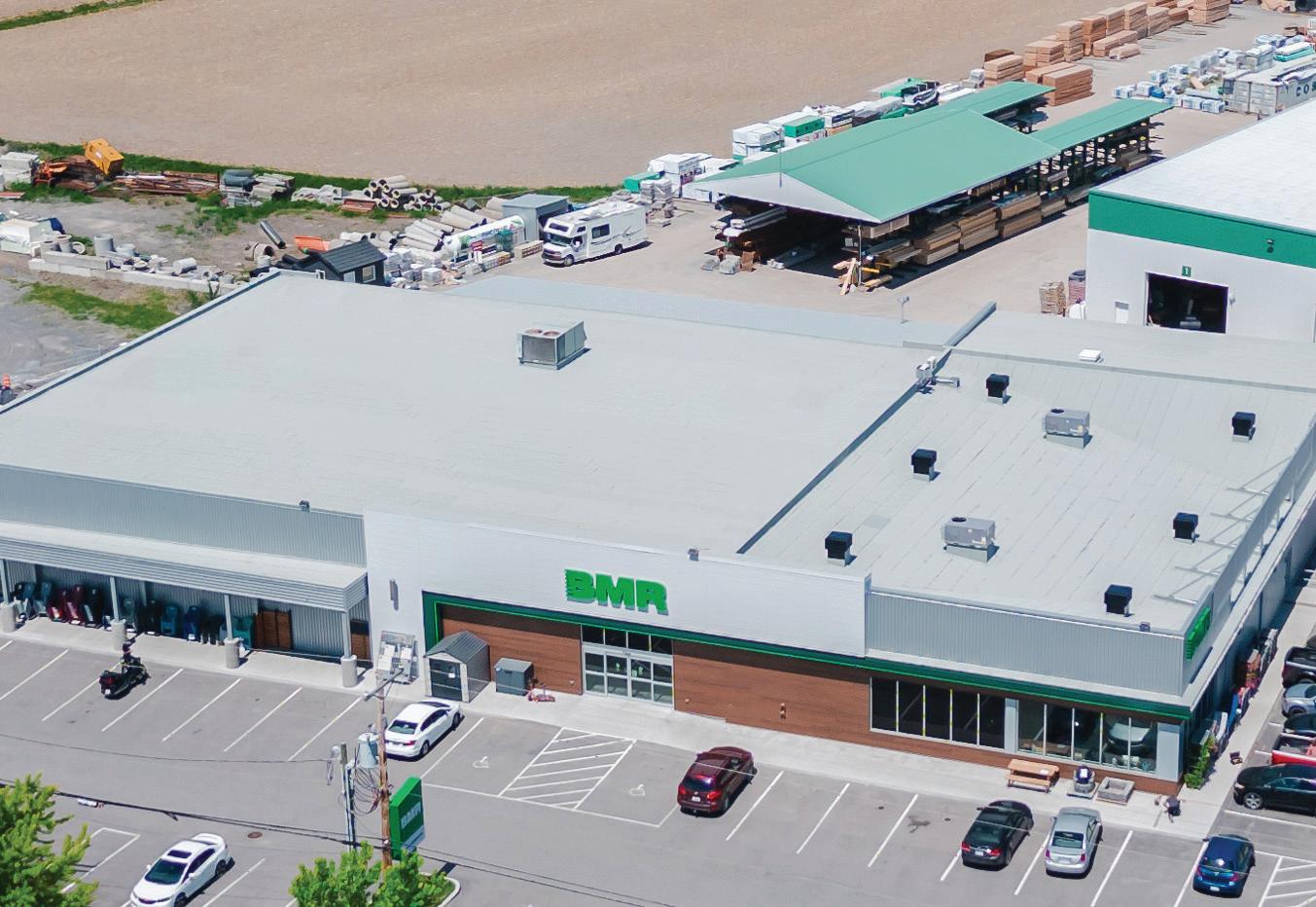
BMR’S VERY GOOD YEAR
ORA

SECOND QUARTER 2026 // VOLUME 3, NUMBER 2
EDITORIAL
VENDOR
















































































Expect this to be a bumpy summer of trade negotiations— with the Americans walking away from CUSMA









BY STEVE PAYNE Editor-in-Chief
DEALER
steve@hardlines.ca
As CEOs in this industry have repeatedly told me, Canada has the best trade deal with the United States of any country in the world.
This is because of the Canada-United States-Mexico Agreement (CUSMA), which took eff ect in July 2020.
When Donald Trump signed it, he called CUSMA the best trade deal ever. But when he imposed a variety of worldwide tariff s a year ago, we saw a lot of “elbows up” stuff from Canadian journalists. After all, CUSMA guarantees that 90 percent of our exports and imports travel tariff -free.
Truth is, we don’t get to the real haggling on trade with our southern neighbours until this summer. On July 1 and thereafter, CUSMA is scheduled to be renegotiated.
Canada has a comprehensive arsenal of tools to achieve a satisfactory agreement. Oh, the United States will predictably walk away from the table, almost guaranteed. Expect that to happen around August or September.
Journalists will then talk about the destruction of the Canadian economy. And the road to a revised CUSMA won’t be smooth.
But Canada and the United States (and Mexico) will get it done. Deals are signed because the cost of not working out a deal is too high.
This is the case with CUSMA negotiations. Canada has the trump card of $180 billion in energy exports to the United States. And an integrated economy in which large numbers of American parties hold vast interests in Canada.
Not signing CUSMA—or extending it, even for a year at a time (until 2036 when it finally expires)—is going to be far too painful for Americans. After all, there’s one trillion dollars in trade between our two countries.
So, try to relax. And expect the fireworks that dealing with the Trump administration always sets off.
But it will likely be solved over time. Because CUSMA works too well for the Americans. “

“

I think wearing the red shirt means something to people across this country.
100% Canadian.
100% Dealer-owned and operated.
When you join the Home Hardware family, you become part of a tight-knit community that’s free from the pressures of external shareholders. Gain access to a trusted brand with personalized resources dedicated to helping your unique business thrive, plus a coastto-coast Dealer network ready to back you every step of the way.


Scan to learn more
A Canadian veteran of the gypsum business has been appointed CEO of USG Corporation, headquartered in Chicago.
Christopher (Chris) Macey, who was formerly COO of USG, holds an MBA from Ivey Business School at Western University, London, Ont. The Oakville, Ontario native got that degree 20 years ago and Macey has been a veteran of the drywall industry for about the same time. He has led USG’s Mexican operations, USG LatAm, which also serves Central America and the Caribbean. He had a long stint as president of CGC Inc., starting in 2010.
Macey took the helm in a planned succession.
Christopher Griffi n, former CEO, is retiring after more than 30 years with USG. He will remain the company’s CEO Emeritus.
“I am honoured to lead USG at such a pivotal moment,” said Macey. “Having spent 20 years with this company and three decades in this industry, I know that our customer-first culture is our greatest strength. My focus is on maintaining our momentum and ensuring we stay the course on the strategy that has made us an industry leader.”
During his two decades at USG, Macey has held leadership roles in every major North American division, including serving as president of USG’s gypsum division.

USG is entering its 125th year of operation this year. It was acquired in 2019 for US$7 billion by Knauf Group, a giant German building materials manufacturer with sales organizations in more than 90 countries worldwide.
What Macey remembers most from his very first day at CGC 20 years ago isn’t the products or the process—it’s the people. Walking into the CGC lobby
on the first morning, he was impressed by the displays of ceilings and specialty products, but it was his first interaction that stayed with him.
“The first person I met, Linda Hertzy, CGC’s receptionist, was so professional and welcoming. It set the tone for the whole day,” Macey recalled.
“Looking back, that was a moment where I thought, ‘I can build a life and a career here.’”
Macey said: “As a Canadian, moving to the United
States was a pivotal moment—both exciting and, at times, intimidating.”
He has moved about 10 times. “At the time, I didn’t fully appreciate the impact on Cathy [his wife] and our young kids—new places, new schools, family far away.”
“But those moves also brought new relationships and exposure to different parts of the country. In many ways, it brought us closer. We relied on each other; it wasn’t always easy, but I wouldn’t change a thing.”
Since Dec. 26, 2025, the industry has been grappling with tariff s. Not tariff s placed on Canadian exports into the United States, but homegrown tariff s, imposed by Ottawa.
On Boxing Day, Ottawa imposed a tax on imports, called “steel derivative tariff s,” on more than 1,000 SKUs that the industry imports from abroad. The Finance Department’s main goal was to stamp out metal-product “dumping” from China and other countries, in favour of supporting Canadian metal producers. This was deemed necessary due to the 25 percent tariff s the U.S. imposed on Canadian aluminum and steel. Ottawa wanted to stimulate Canadian metal production for domestic use.
But Liohn Sherer, president of Ideal Security Inc., Montreal, cried foul. He noted that some of the products that were tariff ed (at a rate of 25 percent) by the Canadian government are only available through imports. No Canadian or U.S. firms make those items, so they cannot be sourced domestically.
And some of the products listed by the Finance Department didn’t contain any steel or aluminum.
Sherer was faced with the unappetizing choice of paying the tariff and passing it on to his customers or taking a loss on the import.
As Fenestration Canada’s director of regulatory aff airs, Adrian Edge, told Hardlines a few weeks ago, the Finance Department only has one net: a huge one.
“They caught some by-catch,” Edge said. Fenestration Canada set out to apply for “remissions” from Ottawa. In other words, some items would be struck off the list.
On Feb. 24, the Finance Department gave the industry some relief on tariff s. “There were two remissions ordered on Feb. 24,” Sherer said. “What tempers how good the news is,” he added, “is that the mechanism used is not an exclusion of the tariff s. We still have to pay the tariff and then we can file to get it back.
“And if we are paying about $15,000, we have to calculate what percentage applies to what category of product. So, it’s more cost and work.”
There were 43 codes (categories of products) in the remission order sent by the Finance Department.

The Home Depot will launch the industry’s “first real-time delivery tracker for big and bulky orders,” the retailer has announced.
The technology was expected to be available by the end of the firm’s first fi scal quarter in early May. It will “help pro customers better plan complex projects by providing minute-by-minute updates,” the company said in a press release.
Direct job site delivery is essential for contractors. Home Depot’s new feature will be available on mobile devices and at homedepot.com. It will show customers exactly where their order is on the delivery route and the remaining stops until its arrival.
“Pros will be able to access the near-real-time location of materials like 80-pound bags of concrete, bunks of lumber, and drywall. That’s less time waiting, and more time co-ordinating subcontractors, managing inventory, and keeping

multimillion-dollar projects on deadline,” Home Depot said.
“Last-mile logistics for large, fl atbed deliveries have been a persistent blind spot for retailers delivering building materials to pros. The Home Depot is focused on removing friction at every step ... We know that every minute counts at a busy job site,” said Dee Walk, the big-box chain’s senior vice-president of enterprise delivery experience.
The technology is powered by Home Depot’s driver handheld application. It transmits real-time GPS data directly from the delivery truck to show its location and progress on a live map. An SMS notification is sent to the contractor, alerting customers that their order is on the way.




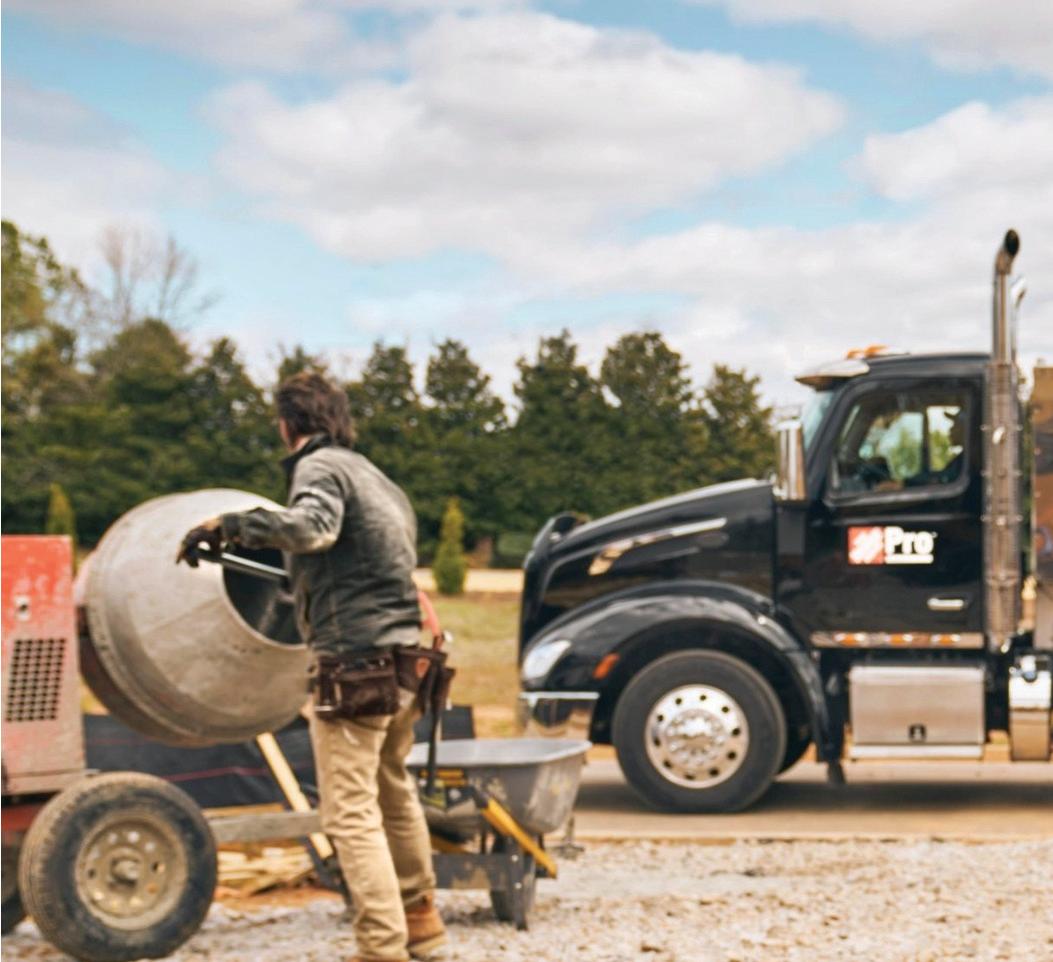






Through what the retailer calls an “active, manageable experience,” contractors can plan their day around the arrival times of orders. “A final screen confirms the time of arrival, ensuring customers are prepared when their order arrives.”









































Real-time tracking is already live today for customers ordering large appliances. Future updates will also bring live tracking to iPhone and Android locked screens, allowing users to stay informed without unlocking their phones.















Home Depot’s new technology will show customers exactly where their order is on the delivery route and the remaining stops until its arrival.



























Sollio Cooperative Group, the parent of BMR Group, held its annual general meeting in late February in Quebec City. The group, formerly known as La Coop fédérée, ended its most recent fi scal year with consolidated sales of $8.4 billion, up from $7.8 billion the previous year.
Earnings before patronage refunds and income taxes were $211.9 million for the fi scal year, compared to $129.5 million in 2024. BMR Group, Sollio’s retail division, had wholesale sales of $968.2 million.
According to Sollio, BMR’s performance was “better than expected,” which it attributed to “strict management, the recruitment of new dealers, and the deployment of major projects.”
But CEO Alexandre Lefebvre thinks BMR’s responsiveness to budget-conscious consumers also paid off. “In an economic context that’s a little more difficult, consumers are more and more sensitive to price,” he told La Presse. “We see that and we’re adjusting to it.”
Part of that adjustment is a major push on owned brands. At BMR’s last buying show in November,



when the retailer launched a new private-label paint line, Lefebvre told Hardlines those brands included 16,000 products. In the La Presse interview, he said they now account for up to 40 percent of BMR’s sales. The retailer is also going after pro customers, notably with a new dedicated mobile app unveiled at its buying show. It has also launched a new tagline for its BMR Pro banner, “Built for Pros.”
It’s time to submit applications for the 2026 Outstanding Retailer Awards (ORAs). Entries are due at Hardlines by June 12. The ORAs will be presented in Ottawa during a gala dinner at the Hardlines Conference on Oct. 20.
The ORA for Pro Dealer of the Year is one of the most prestigious awards in the industry.
In the past two years (2025 and 2024), the award has been won by Castle Building Centres Group members. Last year, it went to Adams Building Supply of Woodstock and Shakespeare, Ont. The co-owners, Jamie Adams and Tasha Birtch, were honoured as the best contractor-specialist dealer-owners in the country.
They built a new store in Woodstock that opened in 2023. With its double drive-through, project-selling approach, and installed sales focus, it is an impressive example of how stores can emphasize contractor services. It is also one of the best-merchandised pro stores in North America, designed by Burlington Merchandising & Fixtures.
Dealers are welcome to self-nominate this year and group head offices are invited to identify promising dealers and support them in the nomination process.
A chain or buying group may enter more than one store per category. Entries for the ORAs are due June 12. To get the ORA entry form, go to hardlines.ca.





“We have had seven major expansions since joining Sexton Group in 2010. We couldn’t have done that without the tight-knit team of professionals at Sexton Group pointing us in the right direction. I’m often asked at conferences and meetings if I feel the pricing is competitive. I say “YES.” You don’t expand seven times in 10 years without competitive pricing programs. That’s why I am a Sexton member.”





Albert Pike, Pike’s Building Centre

Affiliated Distributors posted strong member sales in 2025, with combined member sales reaching US$100 billion. That represented a 20 percent increase, and a record for the buying group.
The increase was due largely to acquisitions. However, growth was also strong on a like-for-like basis, including healthy performance from members north of the border. “Same-store sales by country, in local currency, increased 6.0 percent in the U.S., 5.0 percent in Canada, and 1.0 percent in Mexico,” AD said in a release.
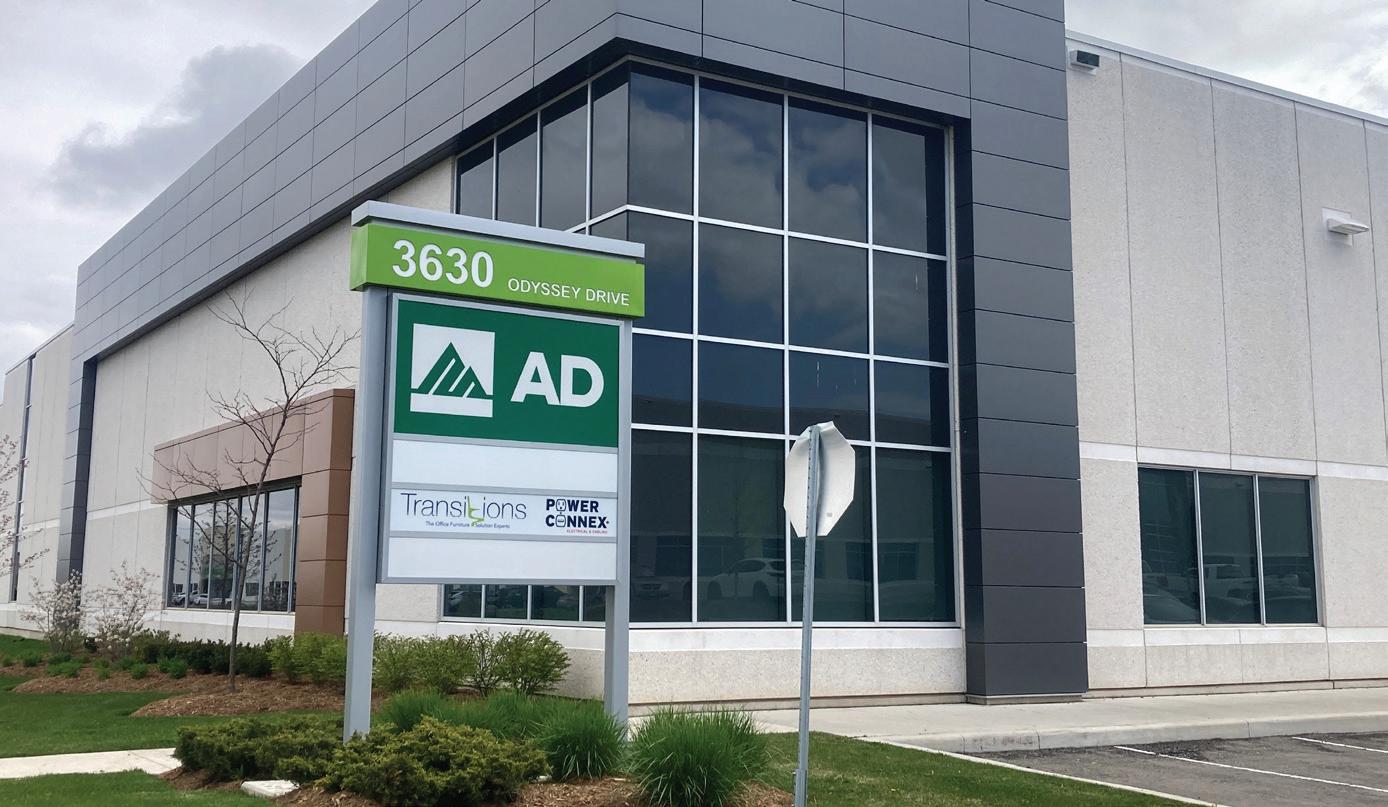
AD is a large North American contractor and industrial products wholesale purchasing co-operative that operates in a range of channels. In Canada, those segments are: AD Industrial & Safety, Plumbing and Heating, Electrical, and Building Supplies - Canada.
AD Canada’s headquarters are housed in its 50,000-square-foot warehouse in Mississauga, Ont., which supports all Canadian members.
Building supply stores in Canada comprise the AD Building Supplies – Canada division. That division was formed on July 1, 2022, when an existing buying group, TORBSA, merged with AD Canada.
At the time, TORBSA president Paul Williams
moved over to AD to head up the Canadian building supplies division, reporting to AD Canada president Rob Dewar.
Each division has its own board of directors. Gary Sangha, the CEO of Crown Building Supplies Ltd., based in Surrey, B.C., recently stepped down as chair of Building Supplies - Canada. He was replaced in the role by Len Hewson, president of Hewson Brothers Building Supply Inc., which has two stores in Southwestern Ontario.
The Building Supplies - Canada division has been growing steadily since its formation here, largely through the signing of independent dealers across the country. When it took over TORBSA, it inherited 30 members in 40 locations. It now counts 67 locations, Williams told Hardlines.
Recruitment is handled by Stephane Gaumond and Dave Kellam, both directors of business development, under Williams.
Williams observes that AD Canada brings a unique off ering to the marketplace, given that the group is “truly member-owned and governed,” he said. Williams cites “the transparency with our membership and our relationships with our supplier partners.” He said that “operational strategy adds profi tability to our members’ bottom line.”
Membership refl ects both DIY and contractor yards. “Commercial or residentially focused, our business can help our members grow their business and compete in today’s market,” Williams adds.
The team’s eff orts are showing results. Toward the end of 2025, the group announced two new members. Urban Design Building Materials of Langley, B.C., founded in 2014, serves Vancouver and the Lower Mainland. The company specializes in masonry, siding, building envelope, and stucco products. It became a member offi cially on Jan. 1.
More signings in Central Canada are already adding to AD Canada’s building supply ranks. They include Bedi Enterprises Canada, of Mississauga, Ont.; and True Building Solutions, of London, Ont., among others.










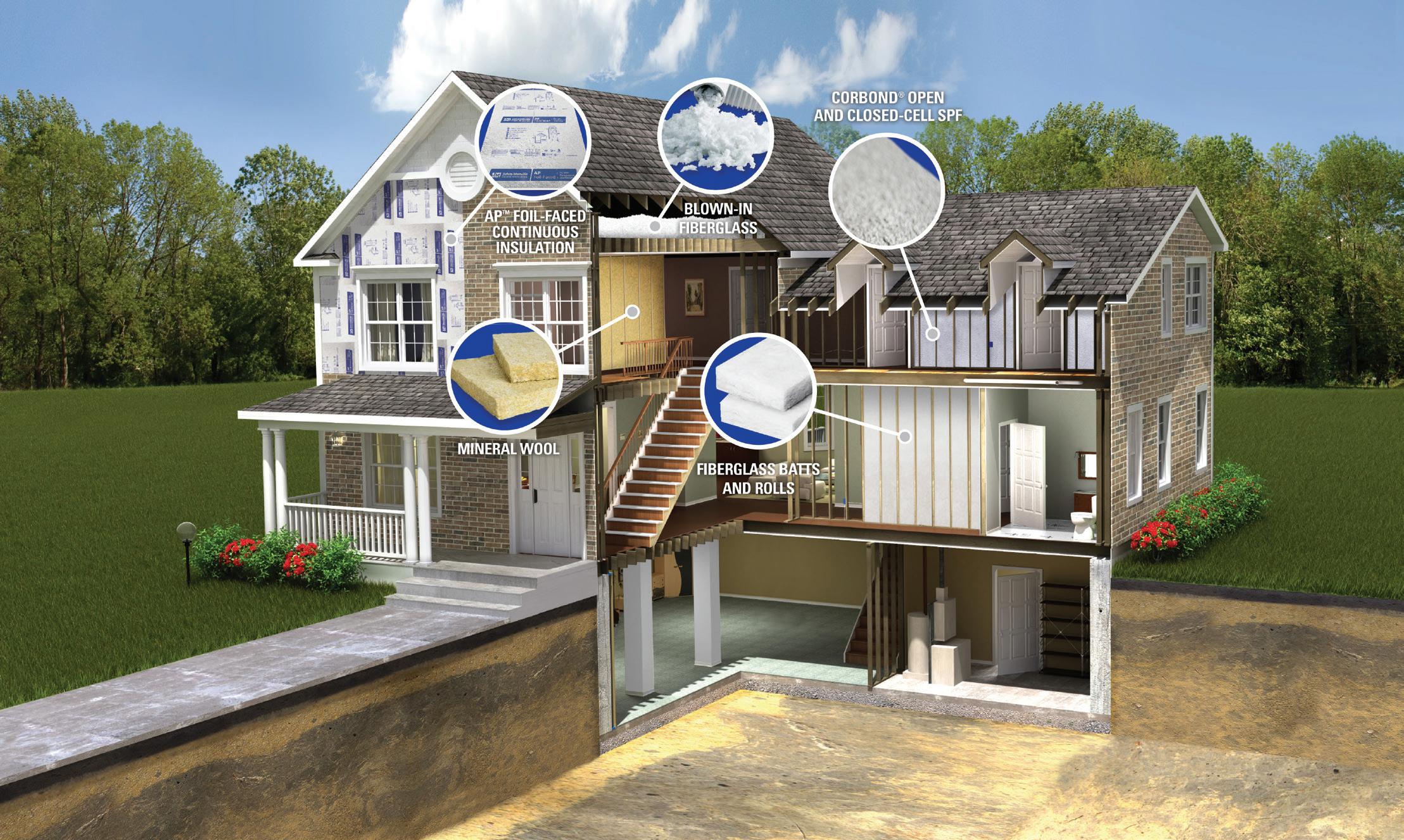


Make your home quiet and comfortable year-round with top notch insulation from Johns Manville.

















Our high performing insulation options provide thermal and acoustical support for every room in the house. Request Johns Manville from your local contractor.
Provan (Pro) Wylie, former president of Castle Building Centres Group, died March 6 at the age of 87.
When he arrived at the buying group in 1994 (the same year that Home Depot came to Canada), he often said that he wanted “evolution not revolution” at Castle.
Wylie’s conservative approach to business was undoubtedly key to his group’s resurgence.
Galvanized by the arrival of the big boxes in Canada, the building supply industry was replete with reactive business models. But Wylie avoided those pitfalls.
He declared in an interview that, while “everyone is trying to be all things to all people,” Castle would head in the opposite direction. The group would specialize in its core strengths, Wylie said. “Going back to basics,” he called it.
“We’re in the lumber and building materials business and we’re going to be there bigger and better
than anybody else. We’re going to ‘niche’ LBM into the year 2000 and we need a yard to do that.”
Like many business leaders of his generation, Wylie was a company loyalist. In his 54 years in the LBM business, he would work for just fi ve firms: Beaver Lumber, Regent Plywoods, Canfor, Cashway Building Centres, and Castle.
Wylie graduated from Ryerson Institute of Technology (now Toronto Metropolitan University) in 1961. Armed with a diploma in business administration, he went back to work for Beaver Lumber strictly because, he recalled later, “they had put me through school.”
“My obligation was to Beaver,” he said.
He would hitchhike between school and his weekend shifts at the lumberyard in his hometown.
Wiley was vice-president of marketing at Cashway Building Centres when he was hired by Castle in 1994. The buying group was 31 years old and had gradually been losing members.
Wylie set out to reverse that trend. He hired Ron Marchetti from Homecare Building Centres (today TIMBER MART) as vice-president of dealer recruitment. A new store identity program was rolled out. Typical of Wylie, it was implemented without costing the dealer-owner much money. The expense was mostly in paint (in Castle’s new colours: blue and gold).

Wylie’s wife, Linda, died less than two years before him after 56 years of marriage. The Wylies are survived by two daughters and six grandchildren. A celebration of life was held on April 23 in Guelph.
Provan Wylie was a company loyalist and in his 54 years in the LBM business, he would work for just fi ve firms: Beaver Lumber, Regent Plywoods, Canfor, Cashway Building Centres, and Castle.






• Easy to cut, transport, and install
• Performs durably on the jobsite, helping speed installation and minimize waste
• Backed by an industry-leading 5/15/50-Year Prorated Limited Warranty











By Steve Payne




















Webinar reveals crucial intel for building supply dealers looking to up their technology game




Webb Analytics held a webinar in early February that asked: “What is your best tech payback in 2026?” To answer, Craig Webb, a Washington, D.C., home improvement industry researcher and consultant, enlisted the help of two building supply dealers from diff erent parts of North America.
Sukhi Sidhu is the strategic project manager for Pacifi c West Systems Supply Ltd., a leading dealer to the wall and ceiling industry in Western Canada. PacWest is a TIMBER MART commercial division member. It has 21 branches in B.C., Alberta, and Manitoba. Sidhu is based in the Vancouver area.
Sidhu was paired on the dealer side with Brent Burrows, vice-president of retail and sales at CBS

Bahamas, which has two locations in Nassau, in the Caribbean.

The dealers were joined by a tech vendor, Kristina Henn, vice-president of product management for lumber and building materials and distribution at ECI Software Solutions, Palm Desert, Calif. Webb opened with an overview of technologies for building supply dealers that have attracted his attention in recent months. He started with digital shelf labels (DSLs). Webb then talked about robotics, which is used in retail to track products on the shelf and verify that planograms have been assembled correctly.
Next, Webb discussed software packages that can now be attached to store security cameras to iden-








“

















Recently AI has become so much better, so much quicker. Our customers rely on it heavily. And our staff relies on it heavily. The AI bot on the website is becoming aware enough to understand the context of the conversation.




—Brent Burrows, CBS Bahamas, Nassau

have them delivered quickly, thanks to technology.
“We can very easily add them to our website with just a few clicks. They’ll be priced instantly with our non-stock pricing rules from the POS system. And we can send the customer a link to purchase the item. And that’s money in our pockets that we wouldn’t have had,” he said.

tify who is entering a store. Webb name-checked various AI tools that will review retailer contracts and identify areas that need strengthening.


Burrows from CBS Bahamas brought up a special feature that ECI Spruce recently added to his stores. His customers have full access to real-time inventory from Orgill’s distribution centre, which can ship any special order to The Bahamas in 10 days. ECI even calculates the retail price of an item, based on store-controlled inputs.



“Let’s say a customer wants to buy a log splitter,” Burrows said. People don’t buy many log splitters in The Bahamas, he explained, yet the store can still





Burrows said his special-order business is clearing one container a week on average. “That’s a good bump in sales. The response has been amazing—way better than we ever anticipated.”





Burrows also highlighted his business’s AIpowered customer chat feature. He’s had it since the early days of ChatGPT in the fall of 2022, when generative AI first went mainstream.

“Recently it’s become so much better, so much quicker,” he said. “Our customers rely on it heavily. And our staff relies on it heavily. The AI bot on the website is becoming aware enough to understand the context of the conversation. It knows when a customer is frustrated. It knows when it’s not helping well enough and when it needs to escalate something to one of our team members.
“It’ll shoot us an email. It’ll tell us if it’s urgent or whatever the case might be. And so there’s





One of our main focuses was data. We wanted to make sure that our branches were making the right decisions based on the information we had at our fingertips.
—Sukhi Sidhu, PacWest Systems Supply
no frustration on the customer’s part. The bot is trained to upsell, close sales, and help customers. We’re quite happy with that.”
“It’s saved us a ton of time in customer support as well. And it’s available 24-hours a day. You can’t beat it, really. After some time, it becomes a member of your team.”
Sukhi Sidhu, from PacWest Systems in B.C., entered the conversation at this point. She talked about her building supply dealer’s “technology roadmap,” which it embarked on three years ago.
“One of our main focuses was data,” Sidhu said. “We wanted to make sure that our branches were making the right decisions based on the information we had at our fi ngertips. In order to do that, we had to build our data source. Basically, we connected to every third-party and our ERP system.
It wasn’t easy. To drive the data culture, management had to start “from top to bottom,” Sidhu said.
“We had quarterly meetings with our branch managers to tell the story on what’s happening at each branch. There was a very positive ROI on this.”

Sidhu then moved on to discuss the second stage of PacWest’s data journey. It was to implement DQT Technologies’ platform, which is partnered with Spruce at ECI Software. “Just like Amazon, we wanted to be able to provide notifi cations to our customers, for example, on proof of delivery. Because a lot of times we would get calls from one of our Alberta locations, saying, ‘Hey, we didn’t get the fi ve bags of insulation that you dropped off because there’s so much theft happening.’

“And we put all our data in one data link through Azure, and we built reports using Power BI. Once we had built the reports, it was a challenge to get people to actually look at the data to make strategic decisions. There are, after all, 21 branch managers at PacWest.”
But PacWest persevered and now it can have smarter conversations with its managers. “We are able to point out, for example, how much inventory they have. We wanted to make sure that we’re keeping our costs down. And making sure that we’re carrying the correct product to make sure we have the proper turnaround.”
“We were able to say, ‘Here’s a picture of the material we delivered.’” Sidhu also discussed smaller contractor customers who can now plan their days around PacWest’s notifi cations. For example, if a drywall delivery is set to arrive on site in the morning, the contractor can schedule drywallers to arrive in the afternoon and start work on the project.
“It’s a huge, positive ROI for us, based on customer notifi cations, proof of delivery, and cost savings,” Sidhu said.
Webb observed: “I like how you’ve got this on a cellphone.”
To which Sidhu replied: “And that’s how our customers live these days.”
Webb next introduced Kristina Henn, VP of product management at ECI Software Solutions.















Henn led off her remarks by comparing the two diff erent sides of technology: people issues and the tech itself. “It’s not about the technology, it’s about the problem that you’re trying to solve,” she remarked. “It’s a mindset. And with the generational change now happening, this has led to more people embracing and taking a risk on technology.”

they’re going to see a customer, such as very quick analytics of which categories this customer has dropped off in. Or what months do they drop off in sales? And being upfront with that, and knowing your information [about customers], is so much assuming information.
Henn spoke about the verbiage in place at ECI to clarify dealers’ expectations for technology. “For example, we call it we want to look at it from a practical





mation and just making everybody’s life easier. And happy employees are also more productive. I think that’s a really important point as well. By taking some of the stress off of them at work, with automation, it makes a huge diff erence.”











Webb then asked the group: “So are you telling me that it was as easy as pie to get all your employees onto these tech changes? What did you have to do



At this point in the conversation, Webb turned to Sidhu and asked, “Sukhi, you’ve already said that you’re looking at time. But you’re also looking at mistakes, errors, and safety. So, I presume those things all fi gure in when you’re trying to fi gure out whether it’s worthwhile.”

Sidhu replied: “Yeah, one hundred percent. As Kristina said, we’re now pushing our sales team to use the data more in preparation for when

“












—Kristina Henn, ECI Software



Sidhu responded: “We were trying to train our staff as well because technology is a huge, hard change. Most branch managers are more like doers. They’ll jump on a forklift truck when it is needed. Whereas sitting back and analyzing your data is a lot more diffi cult, in my opinion. And getting them on board was a question of asking them to come meet with us every quarter just to talk about their data.”

Brent Burrows then explained how technology aff ects employees, noting that in The Bahamas, people have been slower to adopt digital technology.




“The internet and online shopping are still a little bit scary or unfamiliar to people.”

When he fi rst launched his store’s website, Burrows said that he had to put his faith into the eventual buy-in “if the tech was good.”

It was. Thankfully, there was an “aha” moment “when it clicked and the benefi ts registered.”






But before that, his store needed a strategy for that most tech-averse customer group: contractors.
At ECI, we call it practical AI. People really appreciate it if you share the practicality of a solution with them. We don’t talk so much about technology, but about the problem you are solving.”
ALIGN COMPOSITE CLADDING HAS IT ALL: high-end aesthetics with superior durability that withstands the challenges of time and nature – including hail impact. Elevate your projects with the best exterior cladding yet.


ALIGN’s exclusive (GP)2 Technology® increases its structural strength for a powerful shield against hail, pounding rain, harsh winds, intense heat and frigid cold.
You’ll also appreciate the time and cost savings of this trade-friendly cladding. ALIGN requires fewer labourers – a single installer can get the job done, and no special tools are required.
• Remarkably realistic look of wood
• Available in 7" Plank and 12" Board & Batten
• Strong, lightweight construction for easier and quicker install than fibre cement
• No sealing, touching up, joint flashing or caulking
• 20 on-trend, fade-resistant colours
• Lifetime limited warranty; see warranty for details




We decided to tell our existing contractors who had in-store accounts: ‘Hey, sit with us for 10 minutes. We’re going to give you a $20 gift card. Let’s get you set up online. Let’s show you how to use this stuff.’
—Brent Burrows, CBS Bahamas, Nassau
“We decided to tell our existing contractors who had in-store accounts: ‘Hey, sit with us for 10 minutes. We’re going to give you a $20 gift card. Let’s get you set up online. Let’s show you how to use this stuff.’
“They were a bit apprehensive. But once we showed them, and once they saw the benefits, they were like, ‘Wow, this is terrific!’”
Henn said ECI Software sees one of the biggest opportunities as “reducing the friction” for customer transactions.
“I really think that the adoption of technology during COVID was a big step in the direction of reducing the friction. The biggest challenge we have is em ployees who are in their retirement years working part-time in stores. And we see a whole bunch of under-25-year-olds going to high schools or col leges. And those are two very different user groups.”





of seeing these complex, complicated websites like ours, and they think: ‘That’s too much to handle.’ But it doesn’t have to start like that. I always encourage people to start with what I call ‘hybrid e-commerce.’ “










Burrows advises dealers who are starting from scratch to set up a “simple payment portal.”
“Let people call in, get a quote from you, and then if they pay on that quote with your payment portal, get a gauge of their interest. Maybe add a PDF catalogue online next. Something simple.”

“There are very easy, scalable ways to do it, instead of diving headfirst in. Just take little steps here and there, and before you know it, you’ll be growing something nice and big. He recalls that before 2020, CBS had no e-commerce presence. “In five years, we’ve got something pretty complex and great.”

Webb asked the two dealers to imagine they were starting from scratch with technology. What would they start with first among four choices? E-commerce? Bill payment systems and tracking their invoices? Inventory control? Or fourth, customer relationship ways been my baby, so I’ll have to go with that.”






Webb asked the same “technology starting from scratch” question of Sidhu. She replied that she would focus on a customer portal first. “Because you can build the customer portal on a platform that can become e-commerce.”
Sidhu said that PacWest is not ready for e-commerce only because the



“Displaying the inventory on the e-commerce side could be costly, because you could faith of the customers




















MORE GLASS. CLEANER LINES. BUILT FOR THE CANADIAN CLIMATE.

The Gentek Window Collection brings together the 4000 Series and 3000 Series in a modern high-performance vinyl window system designed for today’s homes—and tomorrow’s expectations.
Delivering slimmer sightlines, stronger curb appeal, and energy-smart comfort year-round, it gives builders, contractors, and homeowners more of what matters on both sides of the glass.
• Refined, contemporary profiles that welcome more natural light indoors
• Two frame depths for residential replacement and new construction
• Energy-smart glass packages and premium finish options, including Armour Guard™ black exterior window coating
• Adaptable details for different wall conditions, siding types, and installation approaches

























MAKE ONE CLEAR CHOICE THAT COVERS MORE GROUND. Contact your Gentek Sales Rep, nearest retailer, or scan to learn more.












By Phil Aitken
A straightforward guide to buying the right forklift for your yard



If you’ve ever spent half a morning coaxing an old forklift through frozen mud or chasing down another repair bill, you already know—a bad forklift costs way more than its price tag.
Whether you’re loading drywall, shingles, or treated lumber, your forklift is the heartbeat of your yard. When it’s underpowered, oversized, or just plain wrong for your setup, everything slows down.


This forklift buying guide breaks down what actually matters when you’re buying a forklift for a building supply yard in Canada—not the glossy brochure specs, but the real-world stuff that impacts uptime, safety, and your bottom line.

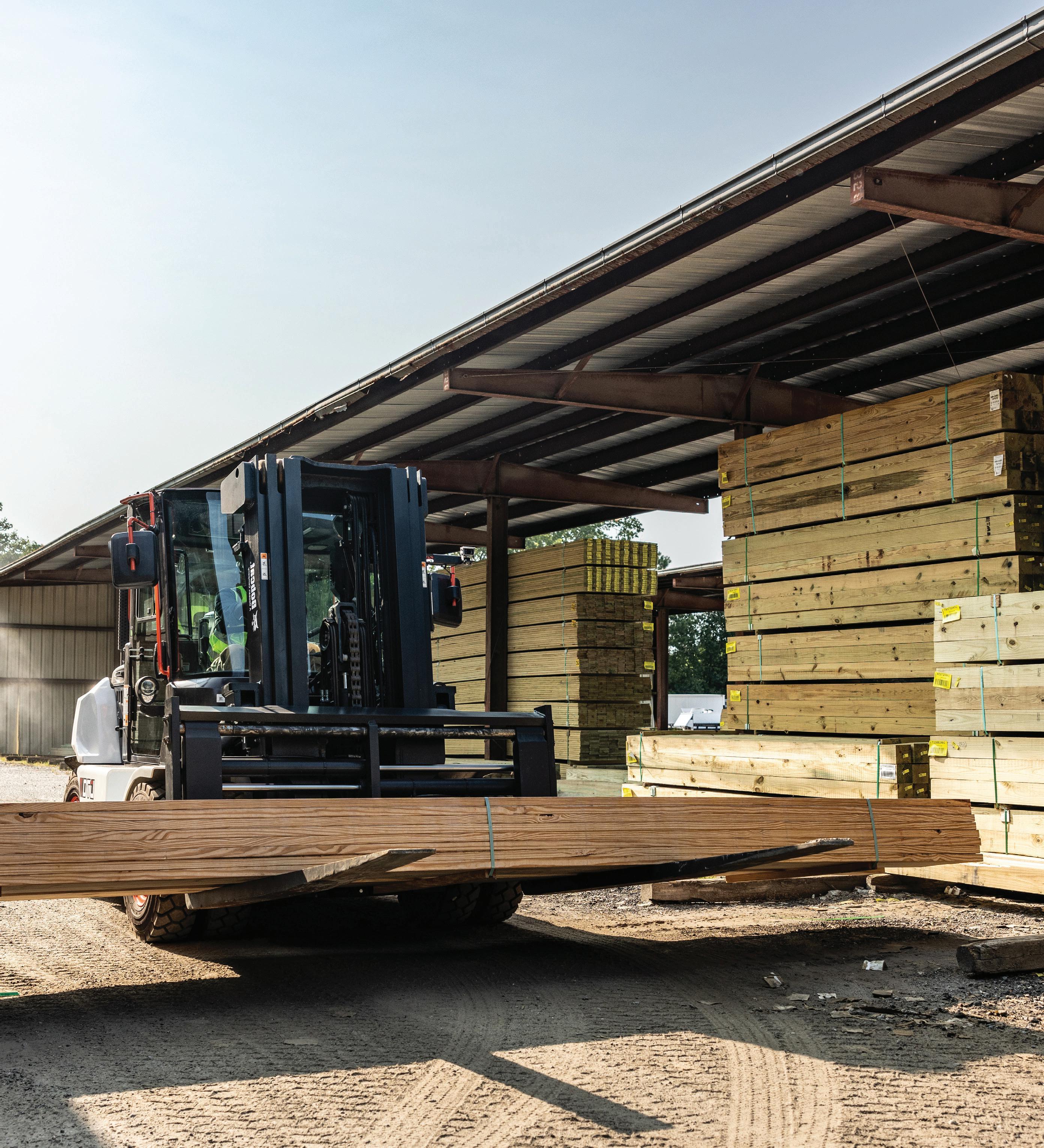
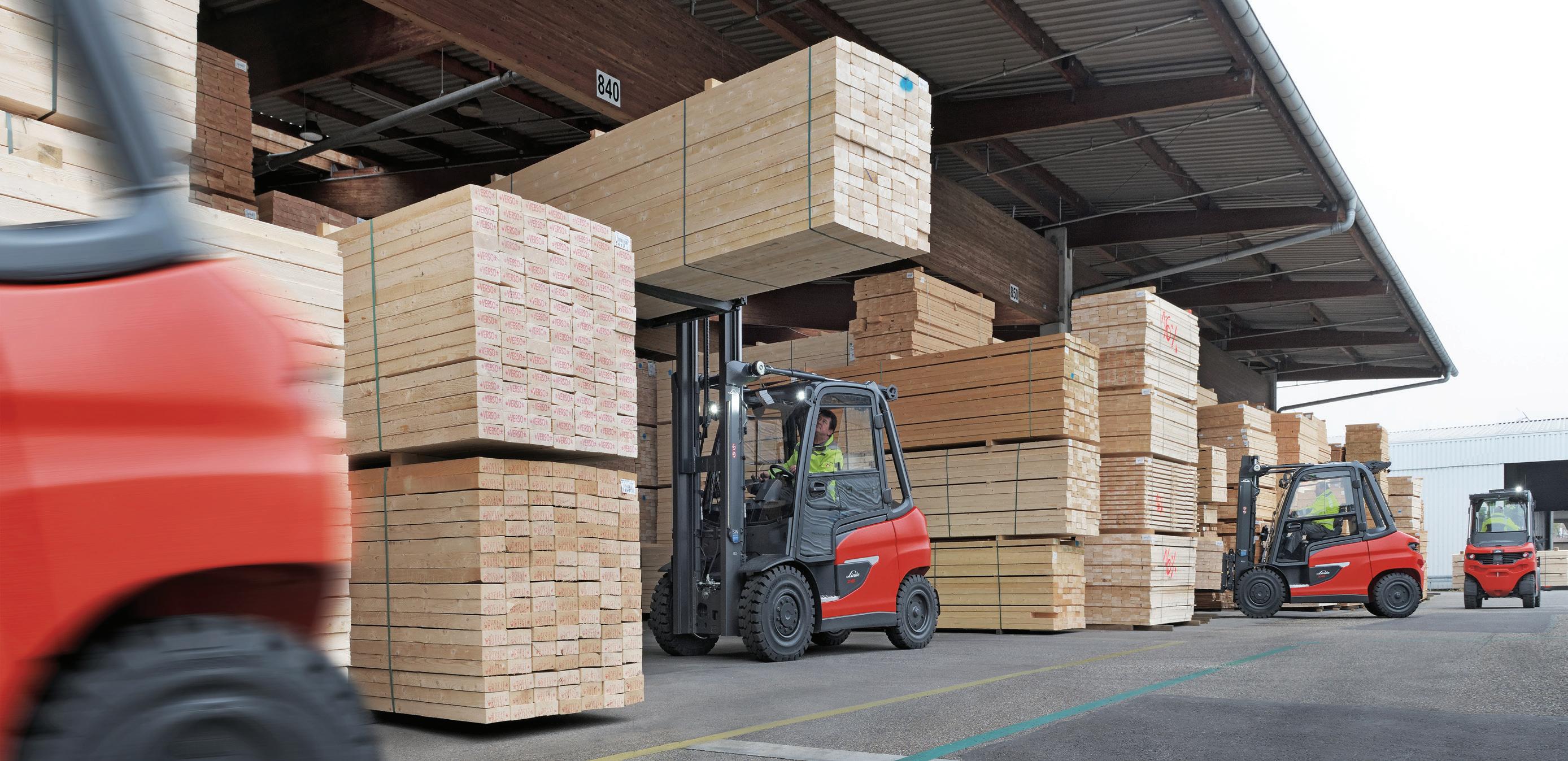
Every major brand—Sellick, Toyota, Hyundai, CAT, Linde, John Deere—makes solid machines. What separates them isn’t performance; it’s the dealer and service support in your region.
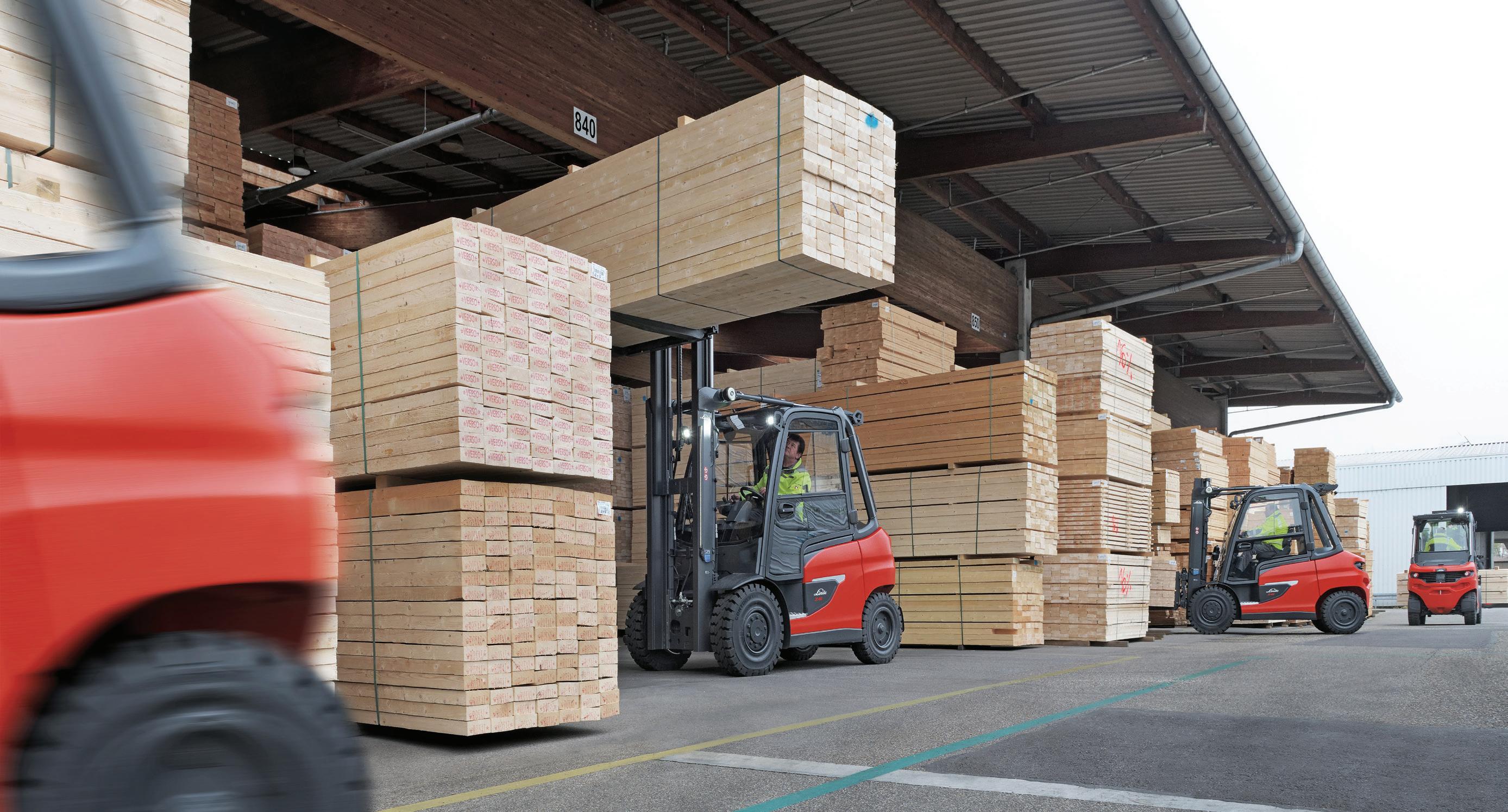
It doesn’t matter what the sales sheet says. Too many yards buy forklifts based on what’s in stock or what the forklift dealer pushes, not how their crews work day-to-day. Before you even look at brands, ask yourself three questions:
• What’s the heaviest load you’re regularly lifting? (Think bundles of OSB or a full lift of shingles, not a one-off.)
• How much travel distance do you cover in the yard or between lots?
• How tight is your turning space—especially around storage racks and delivery lanes? A 5,000-pound pneumatic forklift might sound like plenty until you’re lifting wet lumber or drywall in a breeze. On the fl ip side, overbuying capacity burns more fuel, eats more space, and beats up your yard surface faster. Most building centres fall in the
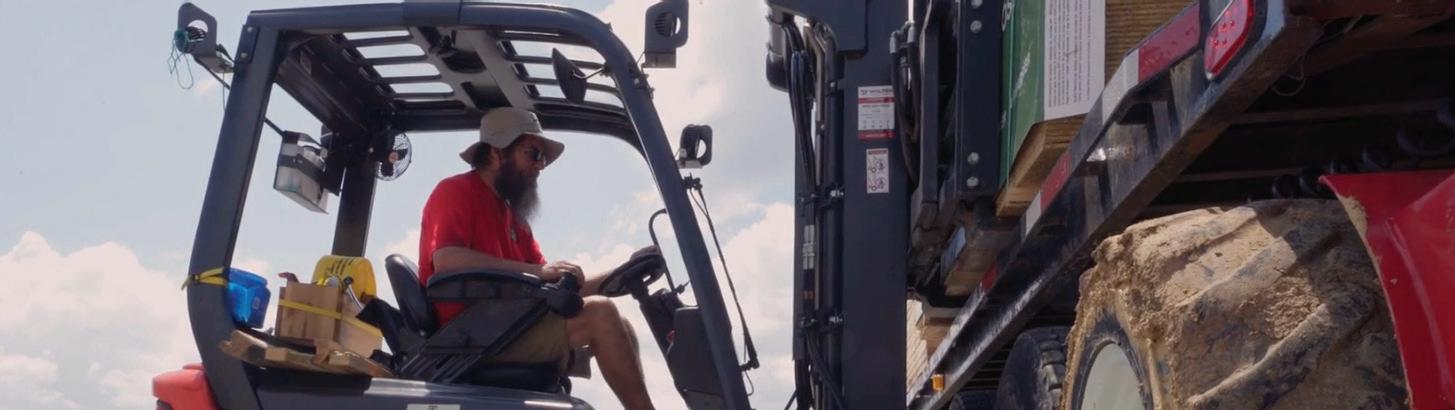
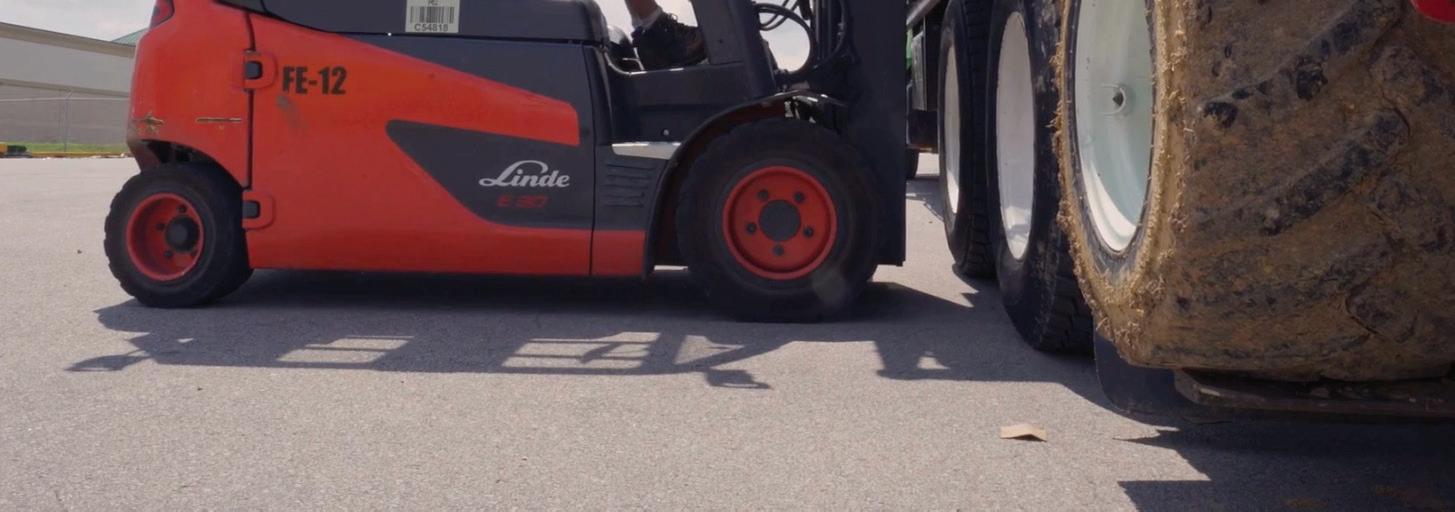
5,000- to 8,000-pound range with pneumatic tires. But your particular setup and the surface in your yard matter.
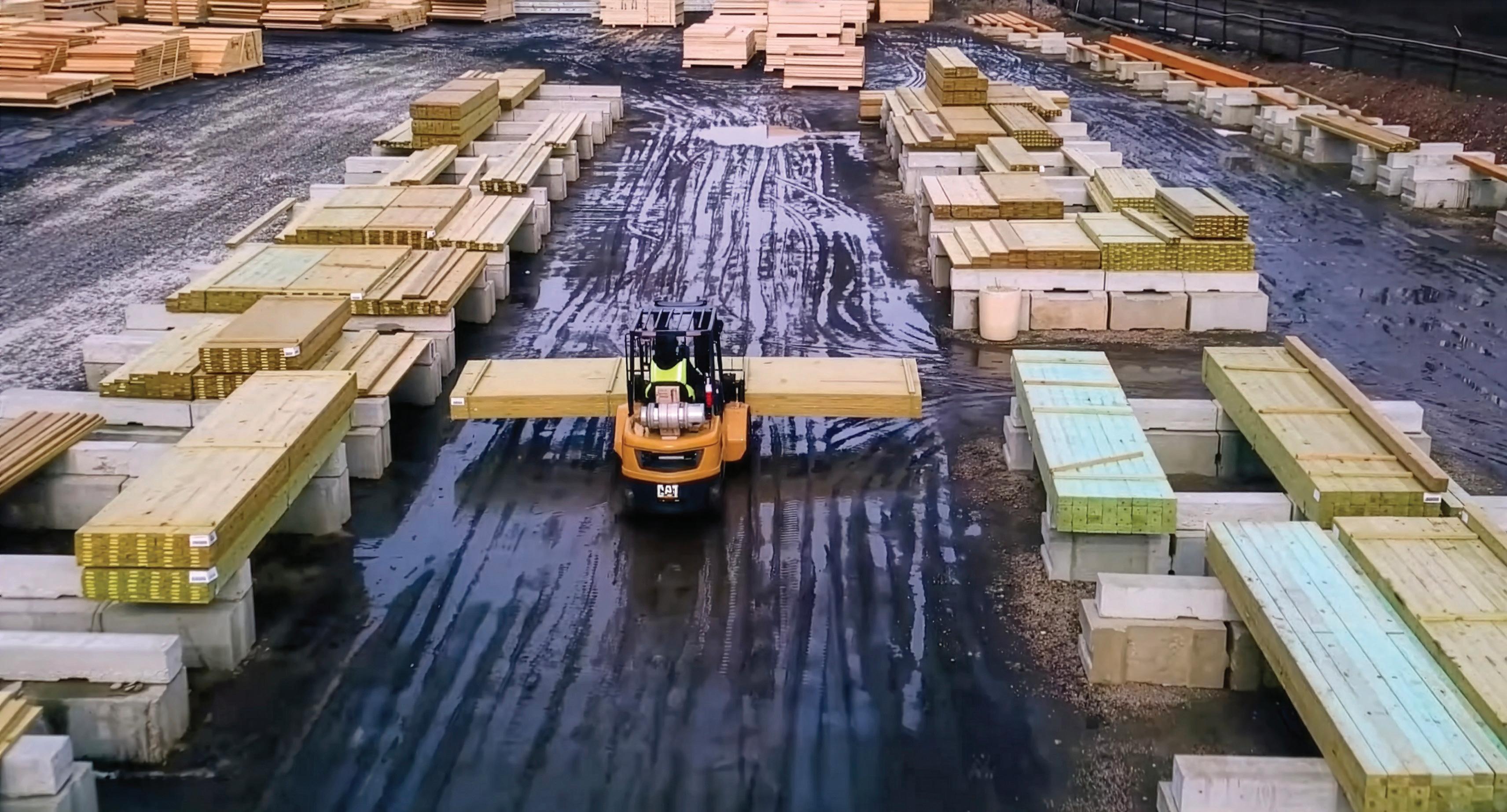
Here’s where a lot of folks get burned. Don’t ignore Canadian ground conditions. Cushion-tire forklifts belong on smooth concrete—not gravel, frost heaves, or slushy yard lanes.
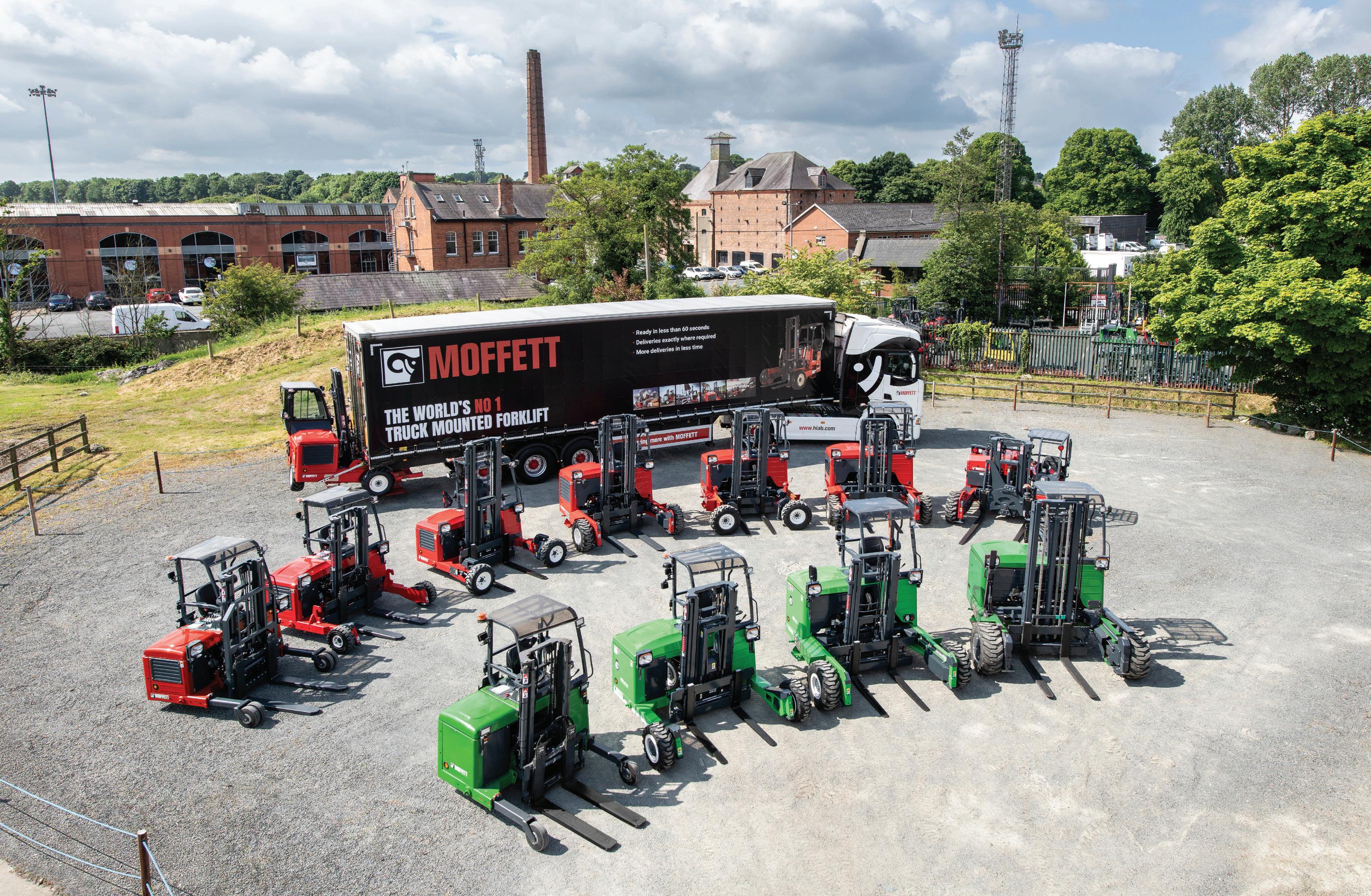
Regina, Saskatchewan – Effective today, operators in lumber yards, mine sites, construction, oil and gas, and scrap yards across Canada have access to superior support for Sellick material handling equipment through Brandt’s coast-to-coast dealer network.
The company has been Sellick’s dealer in Alberta, Saskatchewan, and Manitoba since Brandt acquired Cervus Equipment in late 2019.
The partnership between Sellick and Brandt has been strong—Canadian-built products being sold and supported by a Canadian, family-owned dealer—which makes the expansion into British Columbia, Ontario, Quebec, and the Maritimes a natural evolution.
Sellick equipment is renowned for its all-terrain capabilities and rugged reliability in demanding outdoor environments. Paired with Brandt’s nationwide service infrastructure, customers benefit from unmatched parts availability and 24/7/365 support.
and the quality of the product coupled with our industry-leading support commitment allow them to count on Sellick and Brandt, no matter how tall the task.”
The partnership addresses a critical gap in the Canadian market. Sellick’s all-terrain forklifts are proven performers in rough outdoor applications, but operators previously lacked consistent nationwide support. Across Canada, Brandt has more service points, more technicians on the road, more parts warehouses and longer hours of operation than any other dealer, which equips them well to meet the demanding needs of forklift customers coast to coast.
The full lineup of Sellick all-terrain forklifts, along with replacement parts and service, is now available through Brandt’s Canada-wide network. For more information, contact sales@brandt.ca or 1-888-2BRANDT (1-888-227-2638). For more on Sellick, visit www.sellickequipment.com.
“The Sellick product line is best in class,” said Rod Bowes, Senior Vice President of Sales at Brandt. “Our customers work hard,
“Brandt’s reputation for customer support and established infrastructure makes them the ideal partner to serve Canadian customers,” says Sellick Equipment CEO, Colin Sellick. “We are proud to partner with this Canadian, family-owned powerhouse to continue to bring our products to customers in all 10 provinces.”


The Brandt Group of Companies — headquartered in Regina, Saskatchewan, Canada — is a privately owned manufacturing and distribution company that serves a growing international audience in industries such as agriculture, construction, forestry, rail, mining, steel, transportation, material handling, and energy. The company has 6000+ employees and more than 180 locations in Canada, USA, Australia, and New Zealand. Brandt is one of Canada’s largest privately owned companies and is among an elite group of Platinum Club members of Canada’s Best Managed Companies.


If you’re working outdoors year-round, you want:
• Pneumatic or solid pneumatic tires for traction and clearance.
• Four-wheel drive if your yard slopes or fl oods in spring.
• Heated cabs or enclosed operator compartments if you’re in the Prairies or the Maritimes—a frozen seat kills productivity fast. Don’t underestimate the cost of downtime after a snowfall. A forklift that can’t move safely costs more in lost time than a cab heater ever will.
These are the main options for power in market-leading lumberyard forklifts, as of May 2026. You need to choose based on your situation. There’s no one-size-fi ts-all answer here. Each
















option comes with trade-off s depending on your setup and workfl ow:
• Propane (liquefied petroleum gas): Most common for mixed indoor/outdoor use. Reliable starts in cold weather, easy refuelling, but higher ongoing fuel costs.
• Diesel: Best for pure outdoor yards and heavy lifting. Great torque and a long lifespan, but it is louder and needs proper ventilation if ever used indoors.

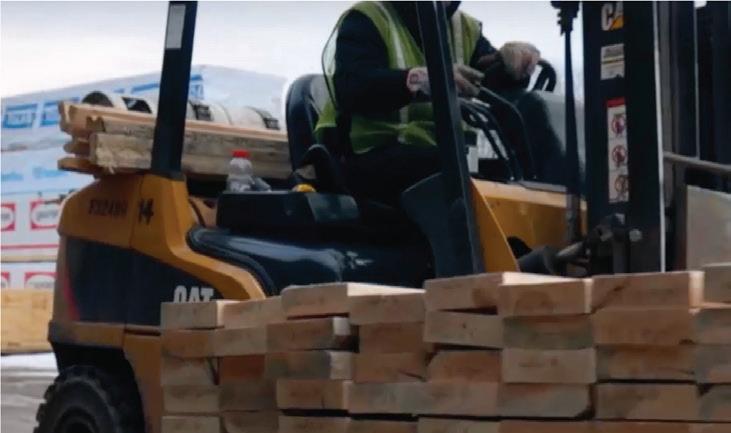


• Electric: Clean, quiet, and low-maintenance—but cold weather can cut battery life drastically. Works great for indoor lumber racks; not so great on icy gravel.






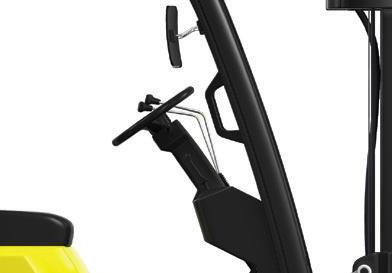
If your crews spend more than 75 percent of their time outside, diesel or LPG is your best bet. If you’ve got a heated warehouse or indoor racking area, electric might make sense—but budget for a second unit or extra batteries if you’re running long shifts.


















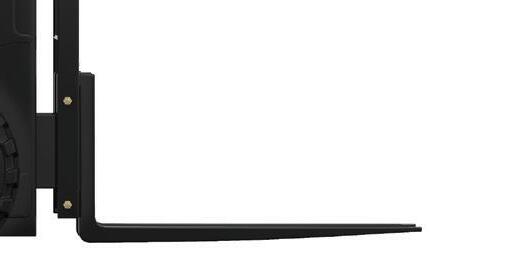
When choosing power sources—propane, diesel, or electric—there is no onesize-fits-all answer here.




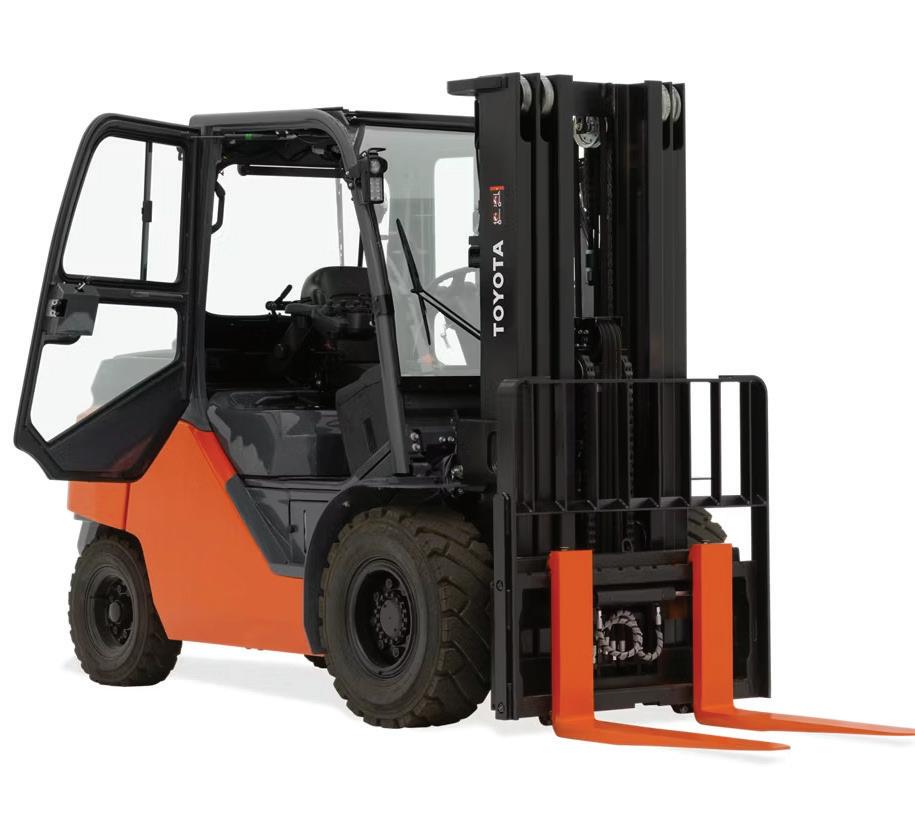
Here’s where we come to the “silent productivity killer.” Far too many forklifts in building centres are spec’d for warehouse ceilings, not outdoor yards. A triple-stage mast can be handy for tight indoor spaces, but outdoors,




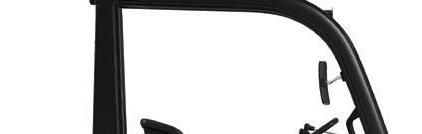





“ Mast height can be the silent productivity killer. Far too many forklifts in building centres are spec’d for warehouse ceilings, not yards.

those extra cylinders mean less visibility and more maintenance.
If your tallest load rarely exceeds 10 feet, a twostage mast is often stronger, simpler, and gives your operator a much clearer sightline, which means fewer damaged loads and yard posts.
Pro tip: If you deliver to jobsites, make sure your forklift’s collapsed height clears your delivery truck deck canopy or storage bay. It sounds like a small issue, but I’ve seen operators have to remove masts just to fi t under an awning—a completely avoidable pain.
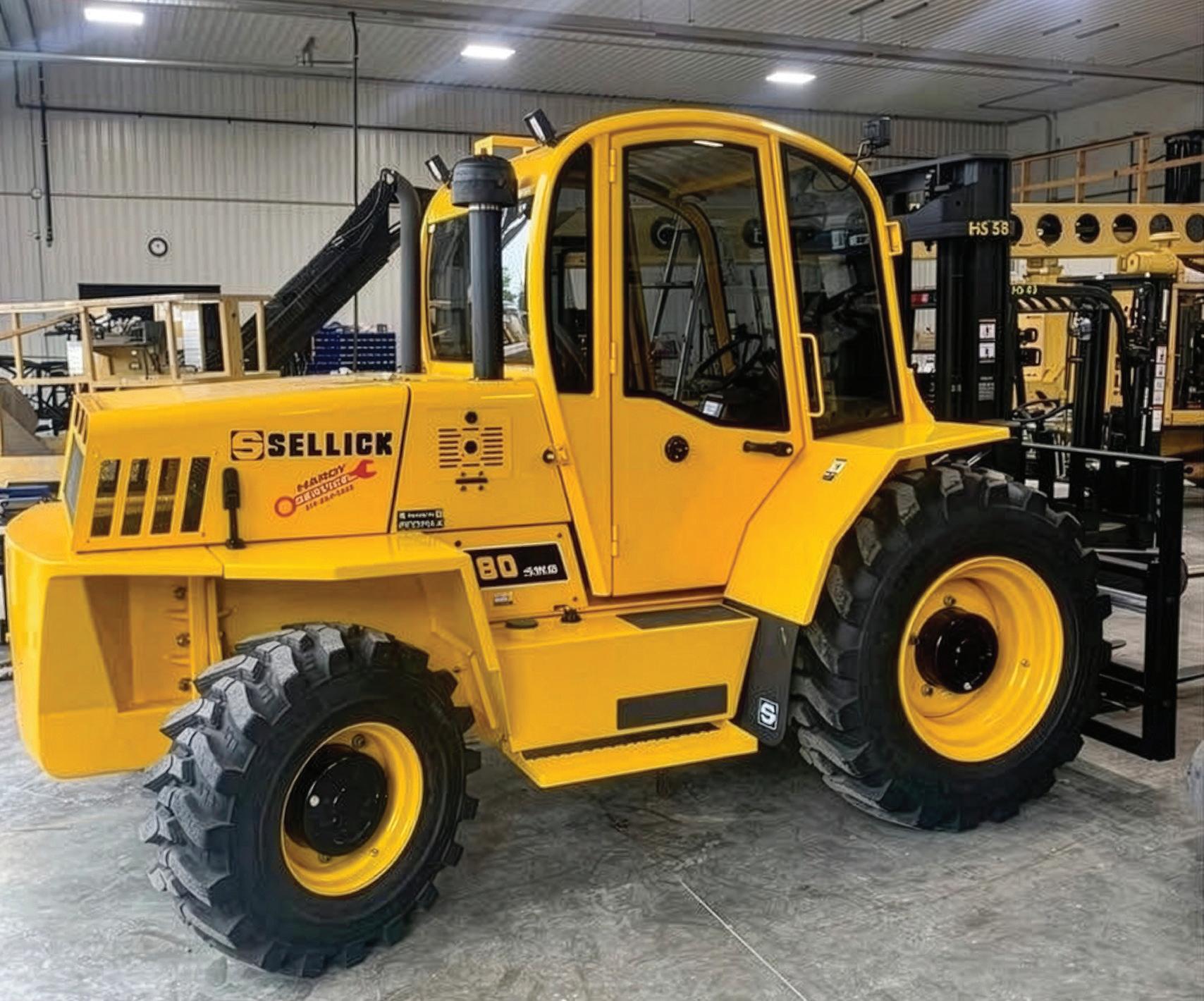
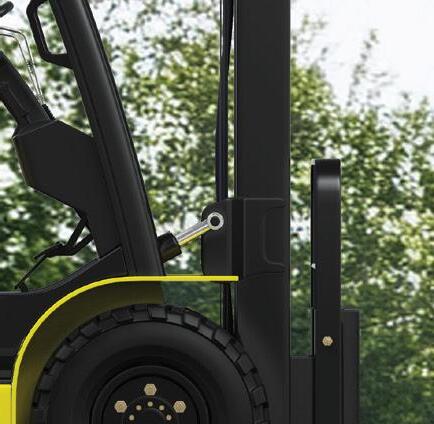
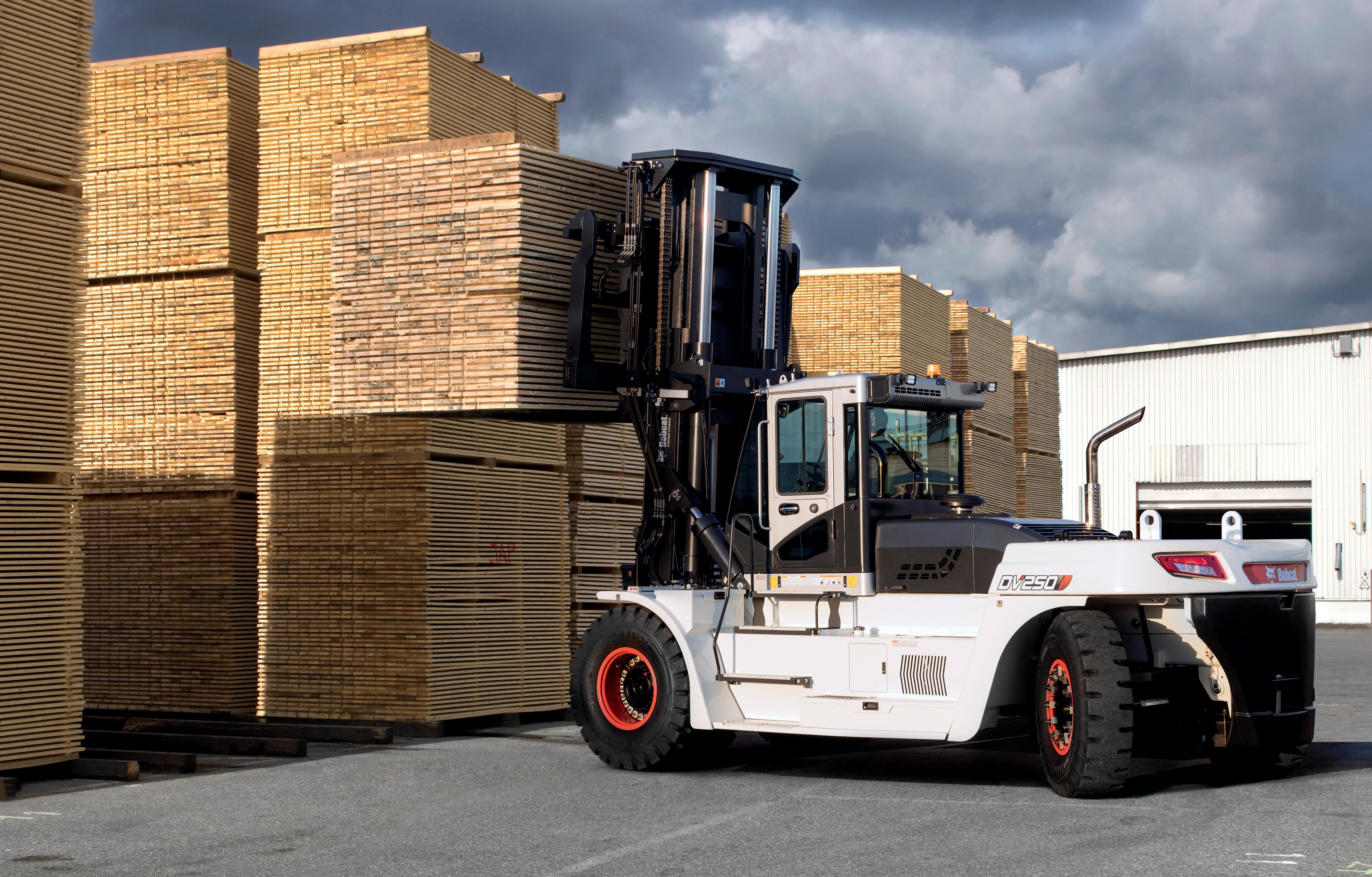
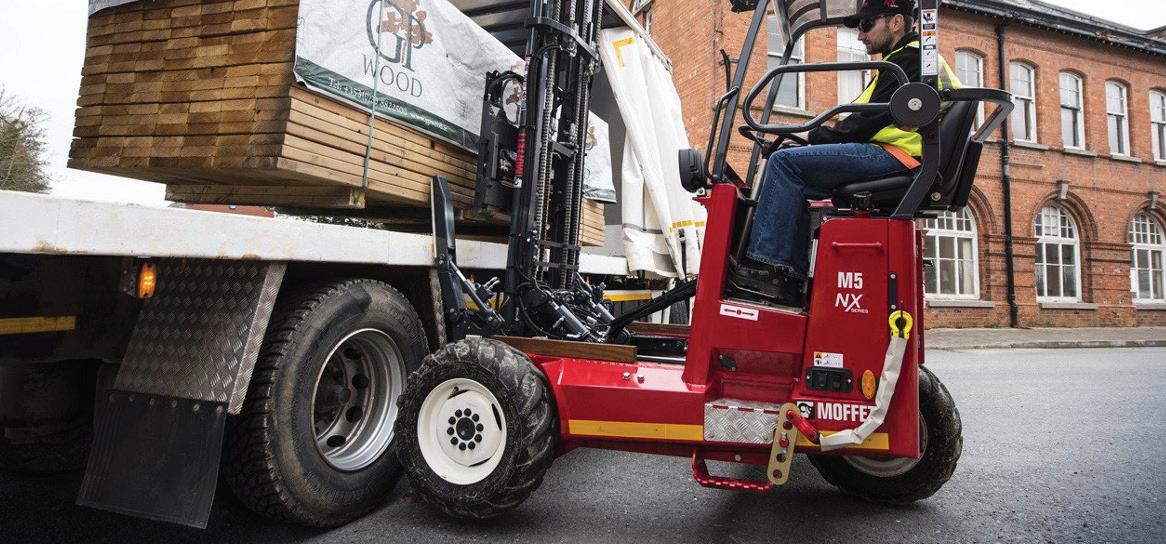
Sellick’s fl agship S Series prioritizes operator comfort and fork visibility for optimal productivity and safety.
These matter more than the equipment logo. Every major brand makes solid machines. What separates them isn’t performance; it’s the dealer and service support in your region of Canada.
So before buying anything, ask:
• Do they stock parts locally, or are they shipping from the U.S. every time you need a filter?
• What’s their average response time for breakdown calls?
• Do they off er on-site service in your area, or do you need to haul the forklift 100 kilometres for warranty work?
I’ve seen operations lose entire days waiting for a simple relay or mast hose because their dealer didn’t have it in stock. In the lumberyard business, that’s lost revenue—not inconvenience.
The purchase price is only part of the cost picture. Look at the fi ve-year total cost of ownership, including:
• Fuel or power costs
• Scheduled maintenance intervals
• Tire replacement frequency
• Insurance and operator training
• Downtime and repair likelihood
A cheaper forklift that breaks twice as often costs
more by year three. It’s the same reason buying a used truck without checking service history is a gamble—you might save $8,000 upfront and lose $25,000 in lost productivity.
If you’re comparing quotes, ask the dealer for hourly cost estimates—not just financing numbers. That’s the real picture.
A quality used forklift can be a smart move if you know its service history and it’s coming from a lowhour environment (like a warehouse, not a brickyard). Here’s my rule of thumb:
• Under 5,000 hours and under seven years old = a solid buy if inspected properly.
• Over 8,000 hours = expect major component replacements soon.
• Anything showing mast leaks, chain wear, or soft brakes = walk away or budget for rebuild costs. Ask for a third-party inspection or bring in someone who knows forklifts—not just a general mechanic. A $300 inspection can save you thousands.
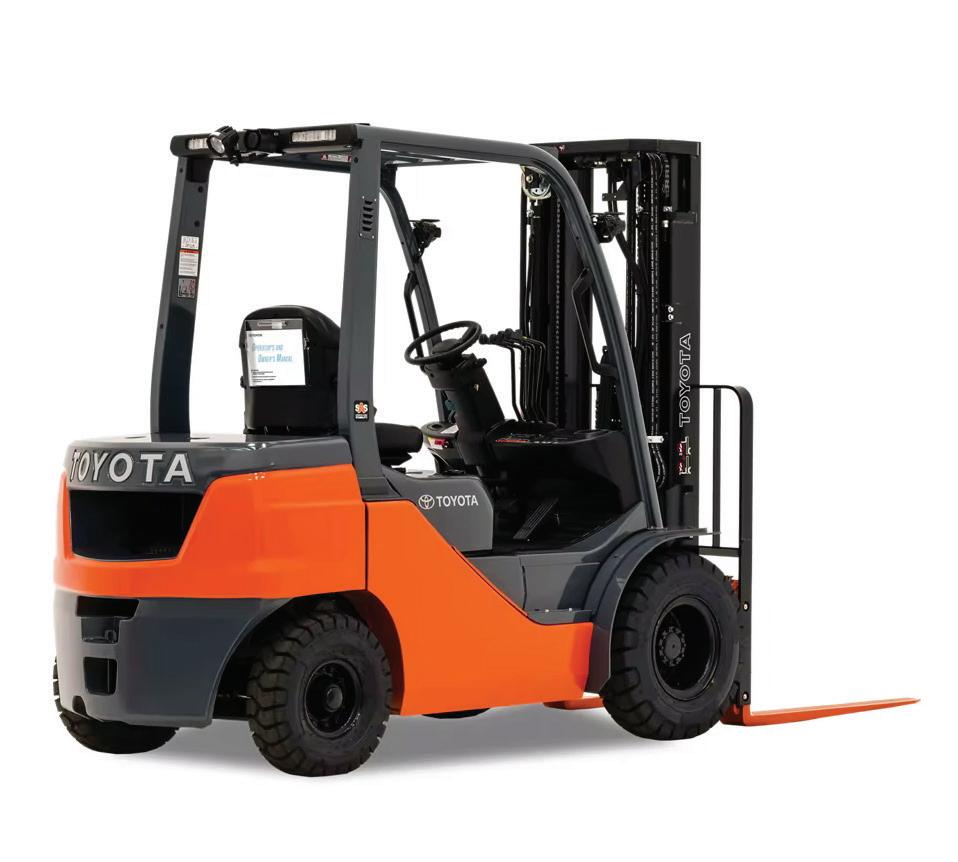
Every province in Canada has its own take on forklift safety regulations, but the basics are universal: You need documented operator training and regular inspections.
If you’re bringing in a new model or changing fuel types, update your training. It’s not just about avoiding fines. Trained operators cause fewer accidents and use equipment more effi ciently.
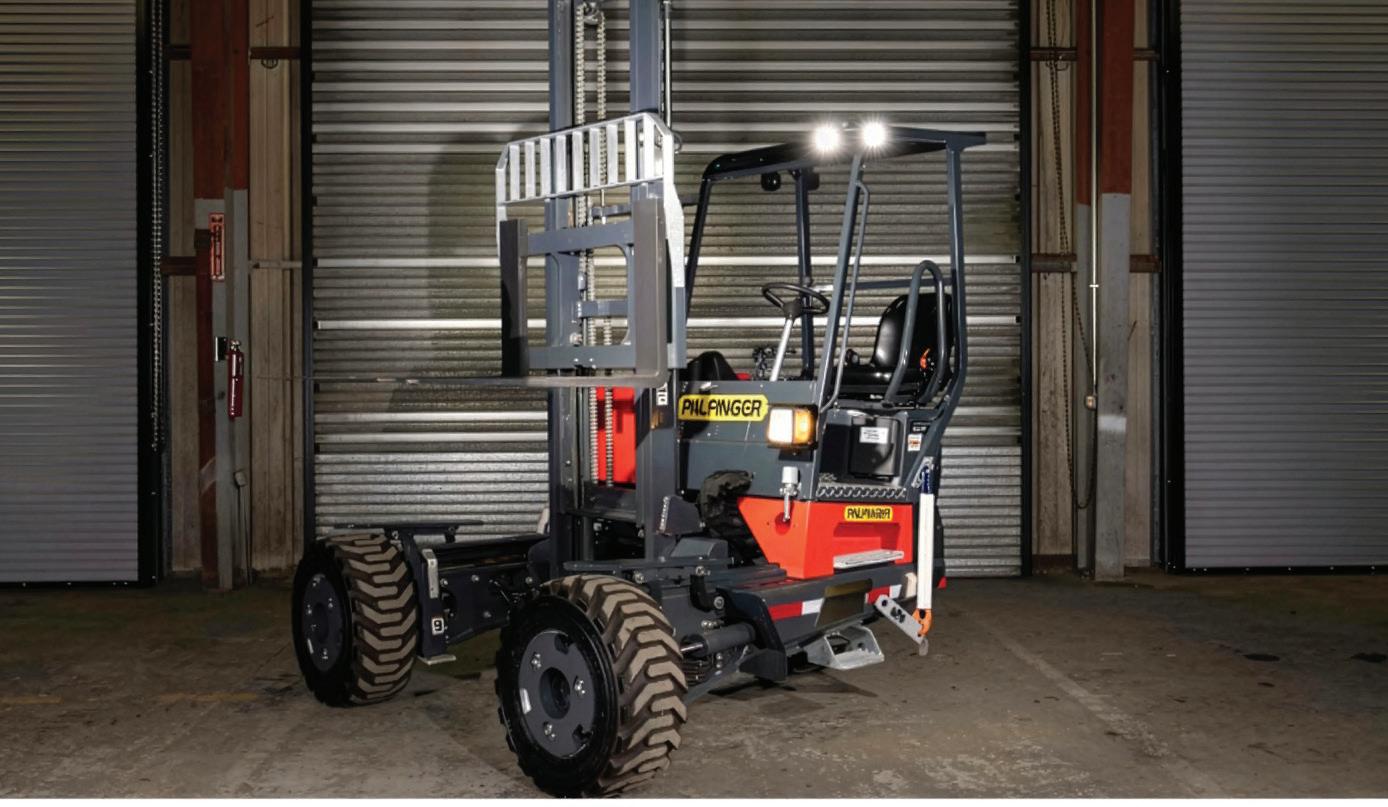
Palfinger combines rugged design, quick deployment, and superior manoeuvrability.
Buying the right forklift isn’t about chasing the biggest name or the newest tech. It’s about finding the machine that fi ts your yard, your crew, and your work reality. The right choice saves time, keeps your operators safe, and spares you from those Friday-afternoon breakdown calls.
If you’re not sure which setup makes sense for your mix of outdoor yard and covered storage, I’m happy to help you spec it out. I’ve seen just about every combination of forklifts in lumberyards from Kamloops to Kingston. And I can tell you what actually works in Canadian conditions.
PHIL AITKEN is a truck and equipment broker who has spent four decades working with building centres across Canada to help their operations run cleaner, faster, and more profitably. He has built programs for two major home improvement banners, and has supplied everything from pickups and fl atbeds to forklifts, Moffetts, and custom up-fits through a strong network of trusted partners. Contact him at phil@ trinitytrucksales.ca or call him at (289) 527-4345.






Interview by Geoff McLarney
DuPont Canada president Martha Swinn talks about the new DuPont organization, the company’s commitment to sustainability, and what’s going on in the country’s housing market
Let’s talk about the big Dupont-Dow merger, which was described as a “merger of equals” when it took place in 2017. Is the integration of the two companies water under the bridge at this point?
It was a big merger and resulted in big changes for our global shelter business. I came from what we call the “heritage” Dow Chemical organization in Canada, the home of our Styrofoam, Great Stuff and Froth-Pak product lines. Dow and DuPont merged in 2017 and then separated again in 2019. Our shelter business unit remained with the new DuPont organization, bringing together the bestin-class building envelope portfolio comprised of Styrofoam insulation, Tyvek housewrap and accessories, and the Great Stuff spray foam products.

The formulation of the foam has adapted to ensure that we are not using products in the manufacturing process that contribute to greenhouse gas emissions and climate change. In 2019 we began the process to reduce the global warming potential of our foam. And in 2023 we delivered a 94 percent reduction in embodied carbon of the product.

When it comes to sustainability, how is DuPont rolling with the punches? We know that climate change is a big concern, and building envelopes need to be adapted in response. Look at Styrofoam. It’s been around for ages. It was invented by Dow in the ’40s, but it has evolved a lot.
We see this as an iterative process that will continue. Our materials scientists are proactively working on the next generation of all our products, responding to the need to balance sustainability issues and product performance.
Let’s talk about the economy. It’s a tough time for homebuilding. What do you see as the way forward to weather these conditions?
Housing aff ordability is a huge problem. It is a complex set of circumstances that have created this problem. I understand the situation that both homebuyers and homebuilders find themselves in. I recently saw a survey of members from a local home builders association, where they heard from builders who were completing units where the sale
When the economics support it, we will start to build highperformance homes that meet the long-term needs of the families that are moving into them. “
price of their unit was literally below their cost to build.
It’s tough to see what the solution could be. Recent moves by the federal and provincial governments in Ontario, eliminating HST on new home purchases, and requiring municipalities to reduce development charges, may help. We do see builders currently shifting to build fewer detached single-family homes and focus more on density and more affordable rowhouses, townhouses, and semis.
Just recently, The Globe and Mail ran an op-ed arguing that, where we used to talk about the challenges for first-time homebuyers, Canada is now facing a crisis among secondtime buyers.

Absolutely, it’s 100 percent true, because so many units were built over the last five to 10 years that were aimed at the investor-buyer, with very small square-footage. These types of units don’t support families. They don’t support folks who bought when they were in their twenties and are now trying to “move up.” They now have a family and need more space, more bedrooms. There’s a gap, a huge gap in the market.
In November 2025, I stepped into the role of DuPont Canada president. I had been the Canada sales leader for our shelter business since 2017. I’m excited to extend that role to lead our entire DuPont Canada organization. A significant portion of our in-country resource footprint and revenue is aligned to our
shelter business. We have two manufacturing sites: one that makes our Styrofoam insulation products in Varennes, Que., just outside of Montreal; and a second site in Thetford Mines, Que., which manufactures our Corian quartz countertop products (regular Corian solid surface is made in the U.S.).
Our shelter solutions team in Canada brings a comprehensive portfolio of products to address needs around management of air, water, and thermal components of a high-performance building envelope. We educate end-users to drive demand and support the lumber and building dealer to meet their customers’ needs.
Our new 2026 alignment with Gillfor Distribution, as well as our long-term partnership with Taiga Building Products, ensures that both our Styrofoam and Tyvek product lines are easily available to the LBM channel. End-user demand creation is strongly supported in all markets across Canada.













By Michael McLarney








































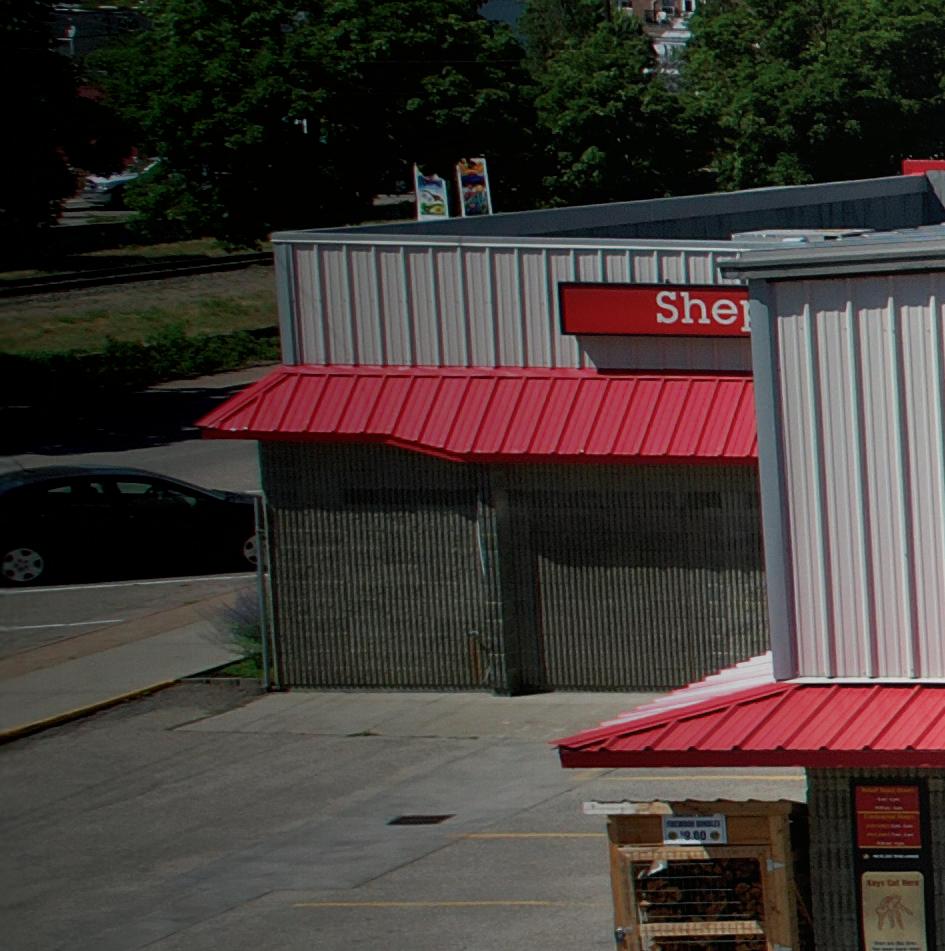



















































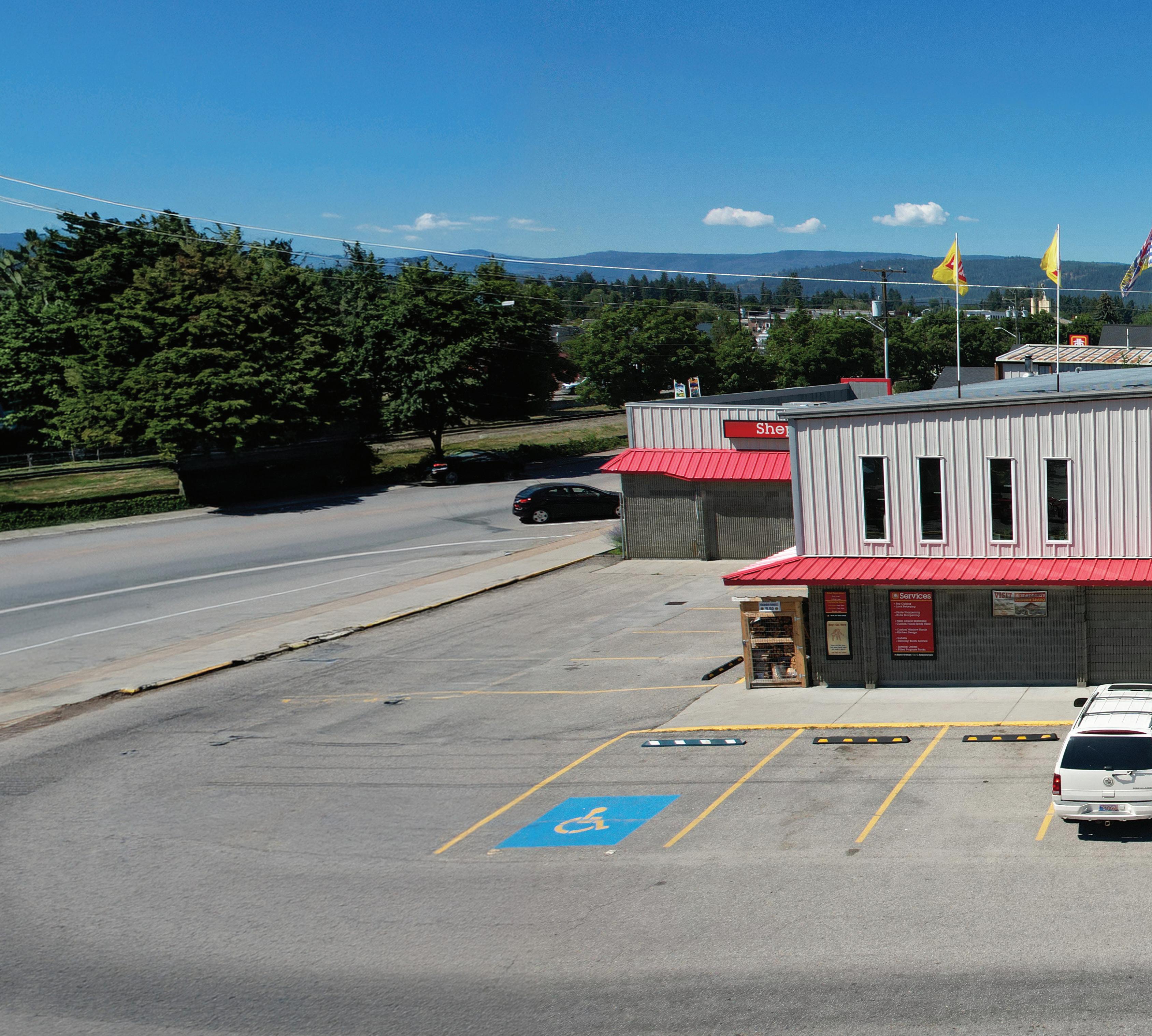
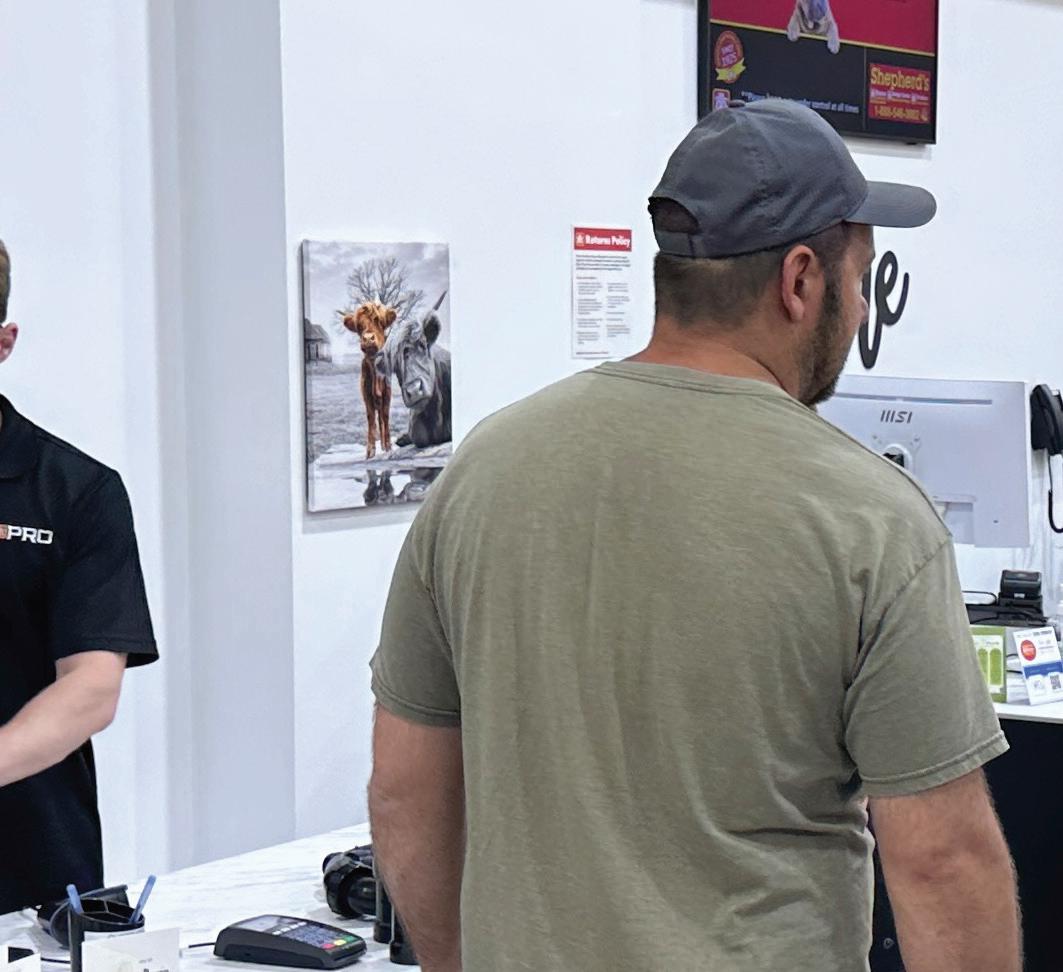
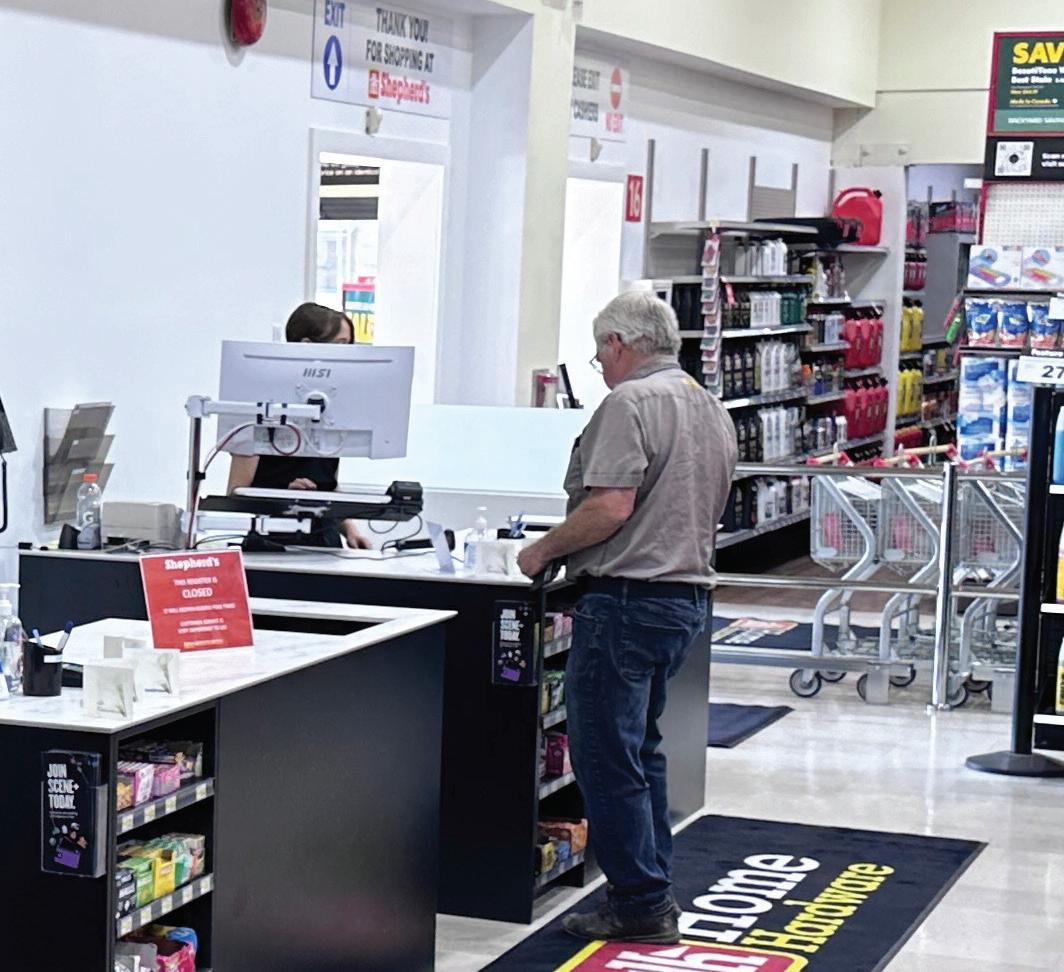
A close look at Shepherd’s Home Hardware Building Centre in Armstrong, B.C., provides answers. And they include everything from dedicated staff training to new business niches
Sitting near the top of the North Okanagan Valley, between Vernon and Salmon Arm, Armstrong, B.C., is a rural community with a strong base in farming and dairy. An infl ux of Dutch immigrants after the First World War helped establish a healthy local cheese-making industry. It’s also the market, 500 kilometres northeast of Vancouver, served by Shepherd’s Home Hardware Building Centre.
“For decades, Shepherd’s Home Hardware Building Centre has been woven into the fabric of our community, proudly supporting builders, homeowners, farmers, and fellow local businesses.
—Kyle Melvin
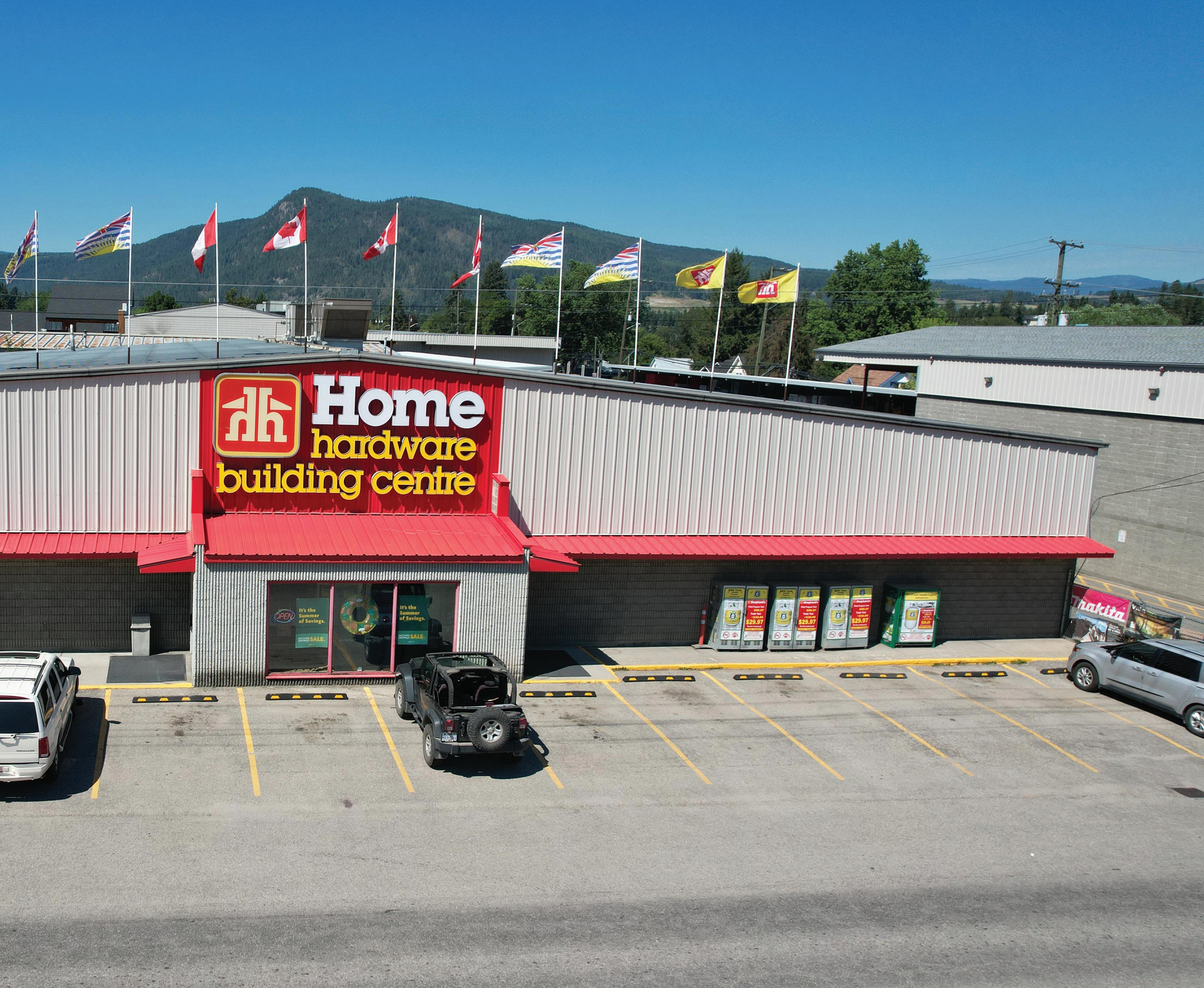
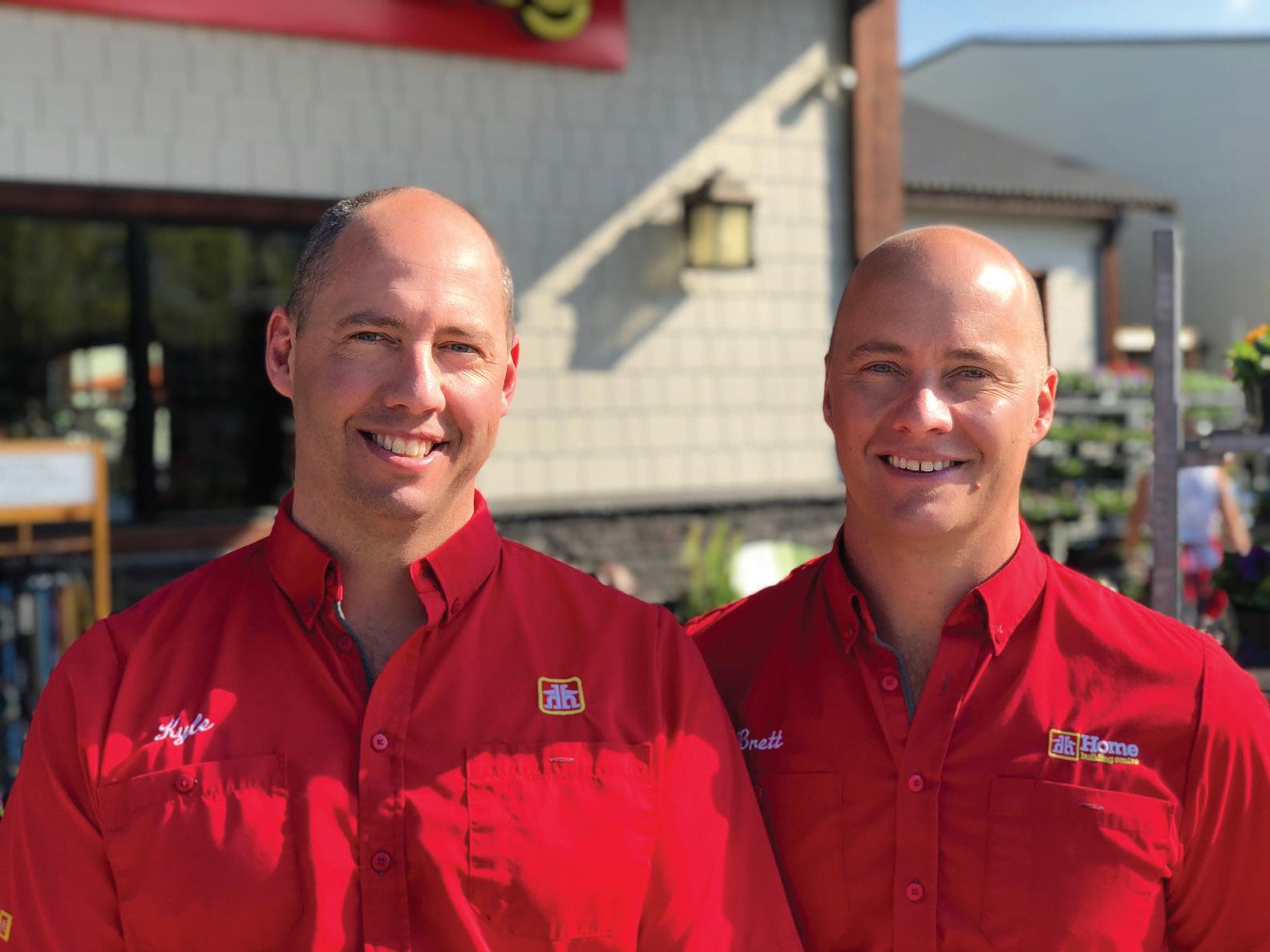
Shepherd’s has operated in Armstrong since 1925, when John Duncan Shepherd moved there from Erskine, Alta., and bought an existing hardware store. Generations of Shepherds oversaw the business until it was sold to Dale Melvin and his two brothers in 1971. In 2005, son Kyle joined and his brother Brett came on in 2014. Today, the brothers are the owners.
Over the years, the business expanded into lumber and building materials, filling a void left by the
local mill when it relocated outside of town. That move proved pivotal, enabling the store to begin serving both retail and contractor markets with a much broader product range.
As time went on, the focus on contractors became more targeted, including moving to a bigger location. The business was further enhanced over time with the addition of adjoining real estate to accommodate more warehouse space.
The company’s core principle has been to put its customers first.
“For decades, Shepherd’s Home Hardware Building Centre has been woven into the fabric of our community, proudly supporting builders, homeowners, farmers, and fellow local businesses with reliable service and unwavering dedication,” says Kyle Melvin.
The goal? To provide prompt service, expert advice—and competitive pricing. “Our customers trust us, and that’s been built over generations and reflected in the loyalty of those who have shopped with us for years.”
Continued expansion resulted in ways to make the business more pro-friendly. The yard got a major renovation in 2019, when Shepherd’s acquired a five-acre yard and 20,000-square-foot warehouse. This was transformed into a centralized distribution hub that allowed for more aggressive inventory management and increased operational efficiency.
Despite the enhancements, Shepherd’s HHBC still faces the usual seasonal slowdowns after the Christmas holidays. The Melvins have taken this opportunity to enhance the store’s training programs during this period. Starting in 2019, the store undertook significant changes to its employee
—Kyle Melvin “
We have 114 staff today. Wow. I don’t know how we would do it without someone in HR.
development, bringing in an executive coach specializing in business development and change management.
This led to the creation of the store’s first dedicated human resources position, bringing muchneeded structure and consistency to staffing.
“Like so many people that have a multi-generational business, we inherited a strong business, but a business that didn’t have all those organizational layers to it,” Kyle says. “And as people were retiring and moving on, that was becoming more and more apparent. So in 2019, we brought somebody in who was really first and foremost a business coach. And we ended up hiring him full time. He helped us to build structure within the company.”
Under the guidance of the new coach, the HR role was clearly defined. With it came better documentation of safety procedures, clearly defined management layers, and wage tiers to support employee growth and transparency. “We have 114 staff today. Wow. I don’t know how we would do it without someone in HR,” Kyle says, adding that the HR role freed the brothers to focus on their own strengths in sales and operations.

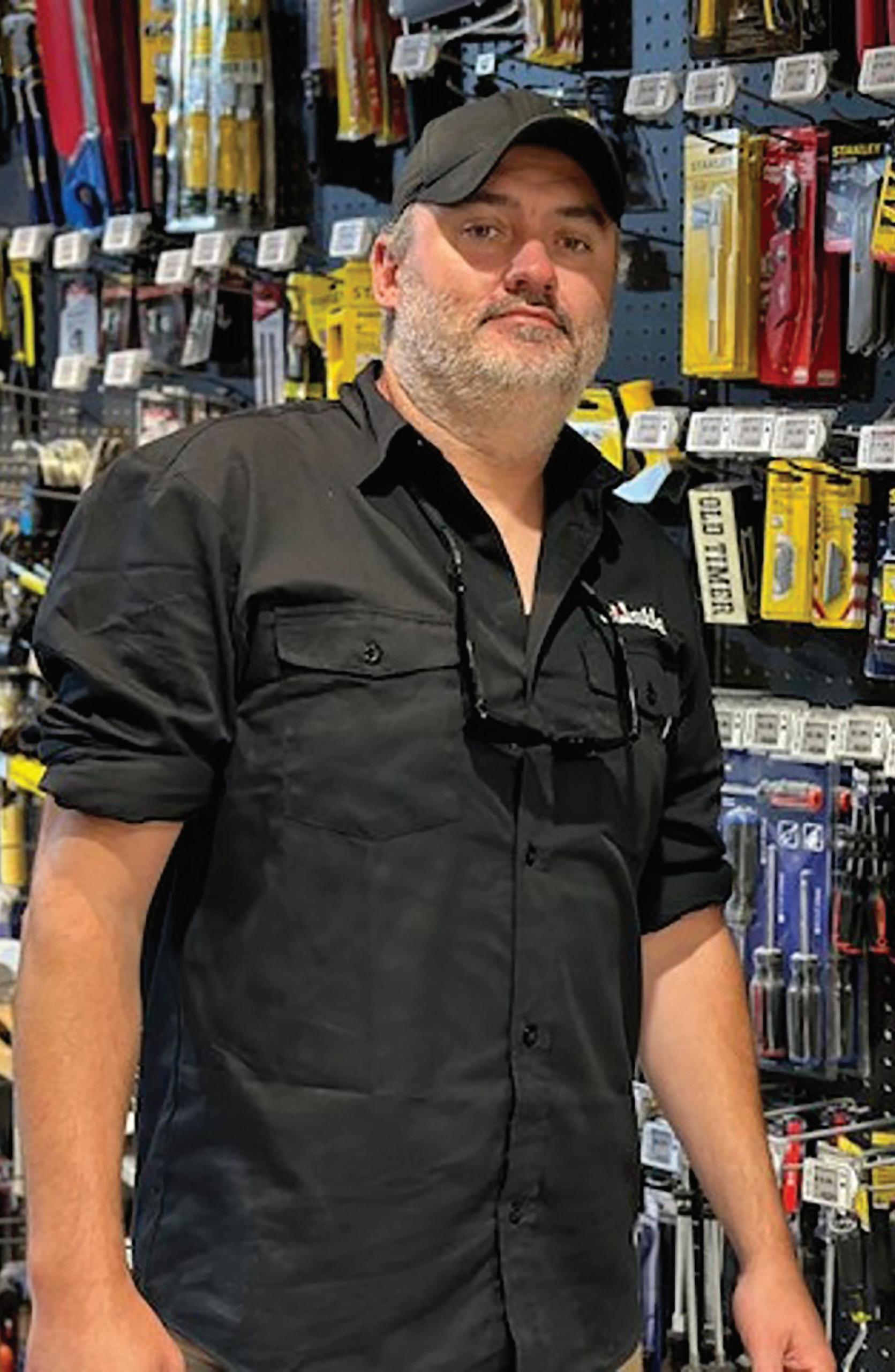







Installing digital price tags from JRTech Solutions was a no brainer! These labels have increased our efficiency in terms of price modifications resulting in increased profits. The price tags look slick and sharp, with the larger price tags providing us with a new way of pricing and displaying information on featured items, bringing our retail displays to a new level of professionalism.”













The new HR lead also convinced the company to take a closer look at its training, which is delivered mainly over the winter, and includes both rolespecific sessions and broader, inclusive programs.
“We also have a program where we bring vendors in every week to do ‘lunch-and-learns,’” Kyle says, noting that the training tends to focus on the LBM side of the business. “Constant training and reinvesting back into the staff are huge.”
The brothers’ ability to delegate is key to the program’s success. “We’ve actually, in the last few years, passed that duty on to one of our junior managers,” says Kyle. “Next year, we’ll move it to somebody else. It’s just a good thing to give everyone some exposure. They organize it and bring in diff erent vendors that they would like to have more knowledge on.”
The business has continued to look for new niches and opportunities. Three in particular have proved successful.

“
We were able to diversify our product line for seasonal products, move that out of our store, while increasing our hardlines and our lumber and building supply footprint.
—Brett Melvin
In 2019, the Melvins adopted Home Hardware’s commercial supply program, which focuses on supplying businesses, organizations, and institutions directly at their locations. Many commercial clients are existing store customers who have chosen to consolidate more of their purchases with Shepherd’s due to competitive pricing, a strong reputation, and a broad product mix.


























































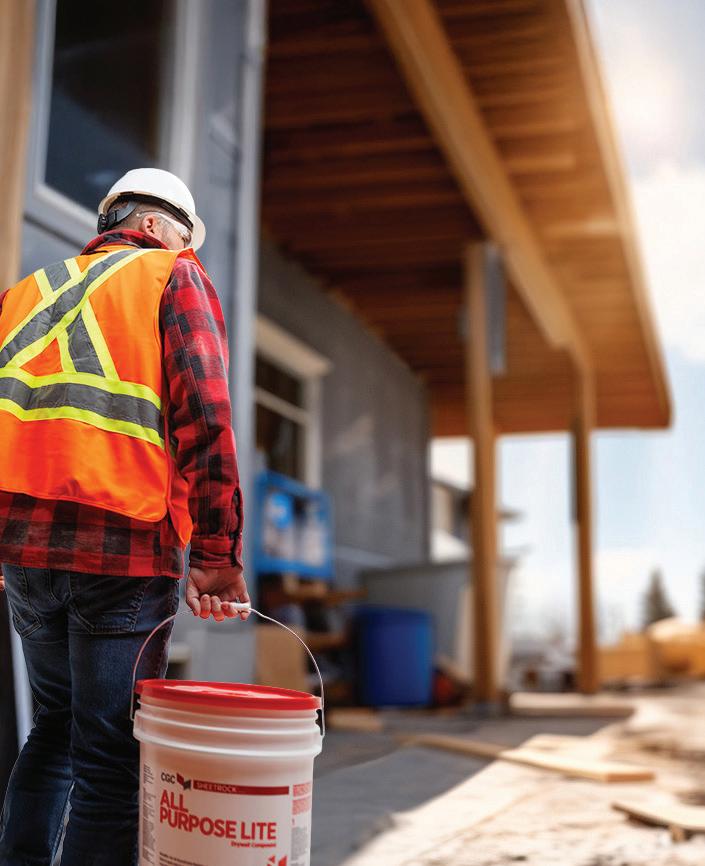
Trusted by Canadian pros for over 100 years. Canadian job sites don’t wait for perfect weather — and neither do Canadian contractors. Early mornings, frozen fingertips, blazing summers, and job sites that don’t slow down just because the weather does. Yet crews across the country show up, day after day, to keep the work moving. That’s what it means to build in Canada.
For more than a century, CGC wallboard, joint treatment, and performance solutions have delivered the strength, consistency, and results pros can count on — in every season, on every site.











Kyle notes that this niche is relatively free of competitors in the region. Shepherd’s advantage, he points out, lies in the comprehensive range of products available compared with a specialty supply store or OEM distributor. Many of the store’s existing customers have been able to broaden their purchases with the program.
“When I came on board in the business 12 years ago, we all of a sudden had the need to find more opportunity within our community to grow, because we had a few more people that we needed to provide for,” Brett says.
Also, the community’s location in the mountains means that large land tracts don’t become available for development very often. As a result, the typical contractor is a smaller builder developing a few properties a year. The brothers looked at those factors as they decided how to grow the business.
Brett says the store’s seasonal centre was a result of that thinking. “We were able to diversify our product line for seasonal products, move that out of our store, while increasing our hardlines and our lumber and building supply footprint.”
As land became available for the store’s continued expansion, new opportunities emerged. In 2022, the business acquired another piece of land on the block.

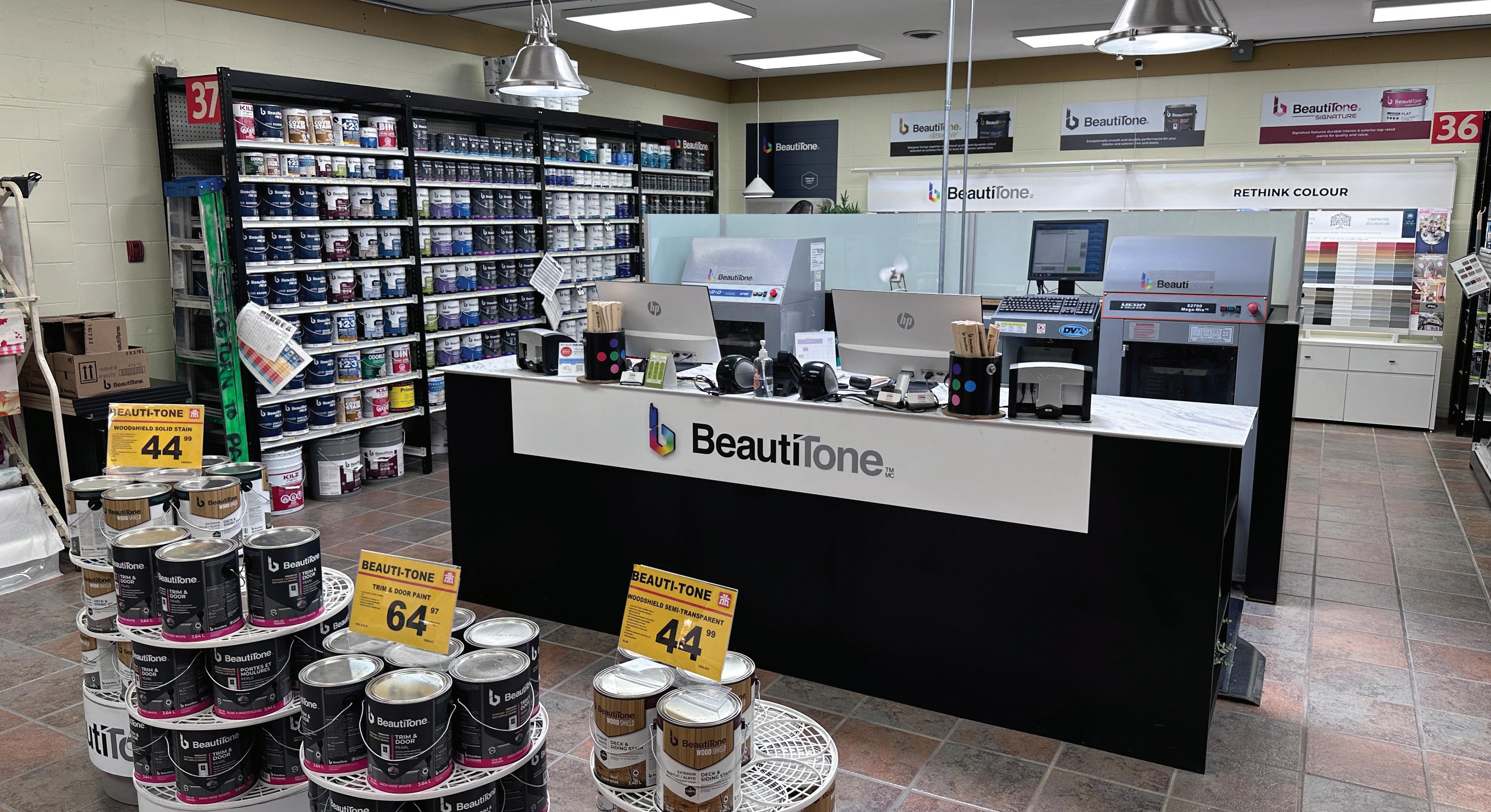















































“In 2024, Shepherd’s introduced a design centre to address challenges in flooring and cabinet sales, particularly with contractors,” Kyle adds.
While it’s valuable for the end-user homeowner to shop, the design centre has become an important addition for contractor customers. “Historically, only 13 percent of contractors purchased these design products from Shepherd’s, largely because many smaller builders managing three to four homes a year lacked support during the selection process and found it unenjoyable. The design centre was created as a welcoming, well-curated space designed to appeal to the primary decisionmakers—often female shoppers—while simultaneously supporting contractors by managing budgets, timelines, and customer experience.”
The results have exceeded expectations, say the brothers. Not only is the design centre providing a valuable service to existing contractor customers, but it’s also attracting new ones to the store.
“Additionally, the design centre has begun building relationships with interior designers, offering a consistent and stable business stream,” Kyle says. “The centre is projected to generate $15- to $20- million in
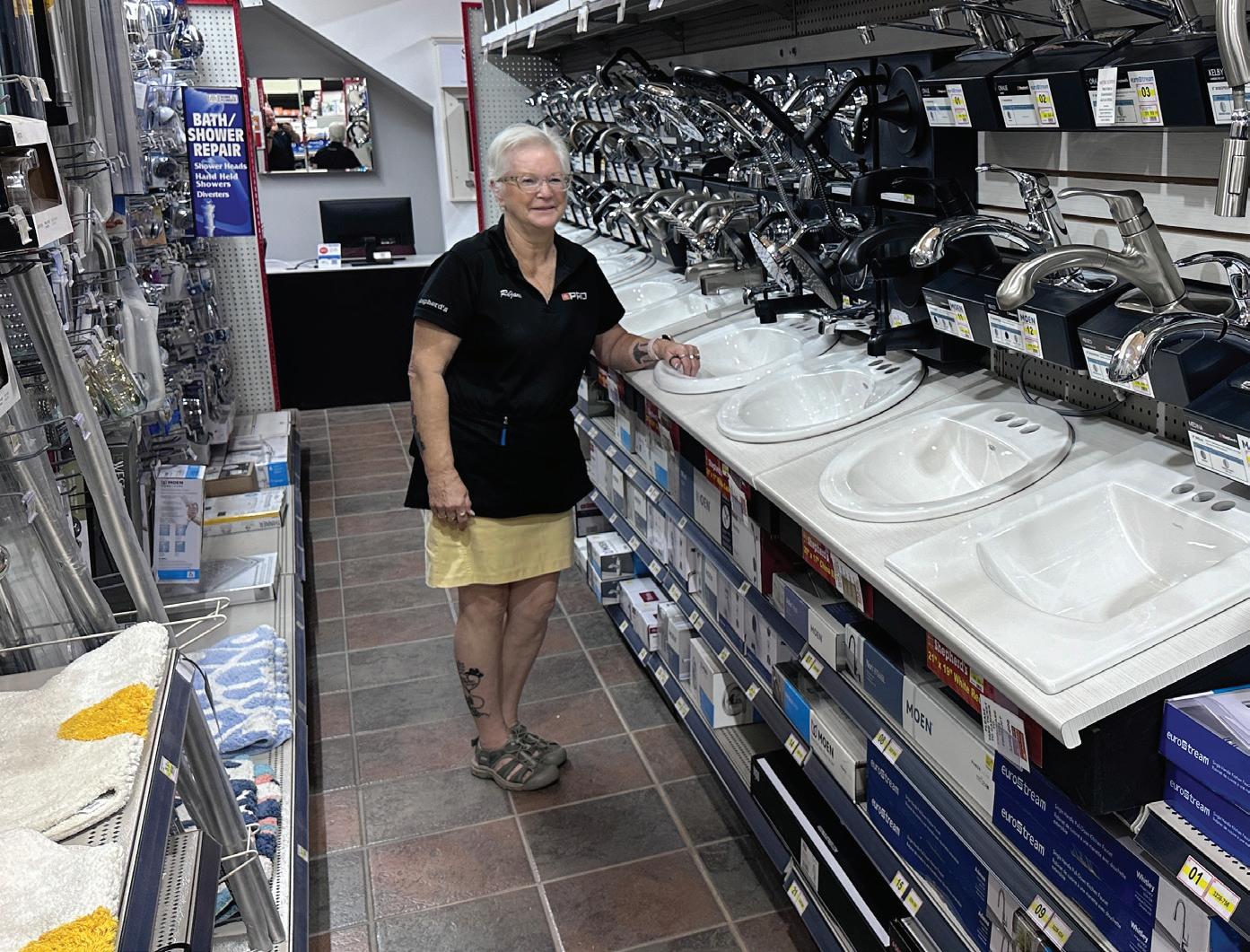
sales within the next seven to 10 years, with margins well above current store averages.”
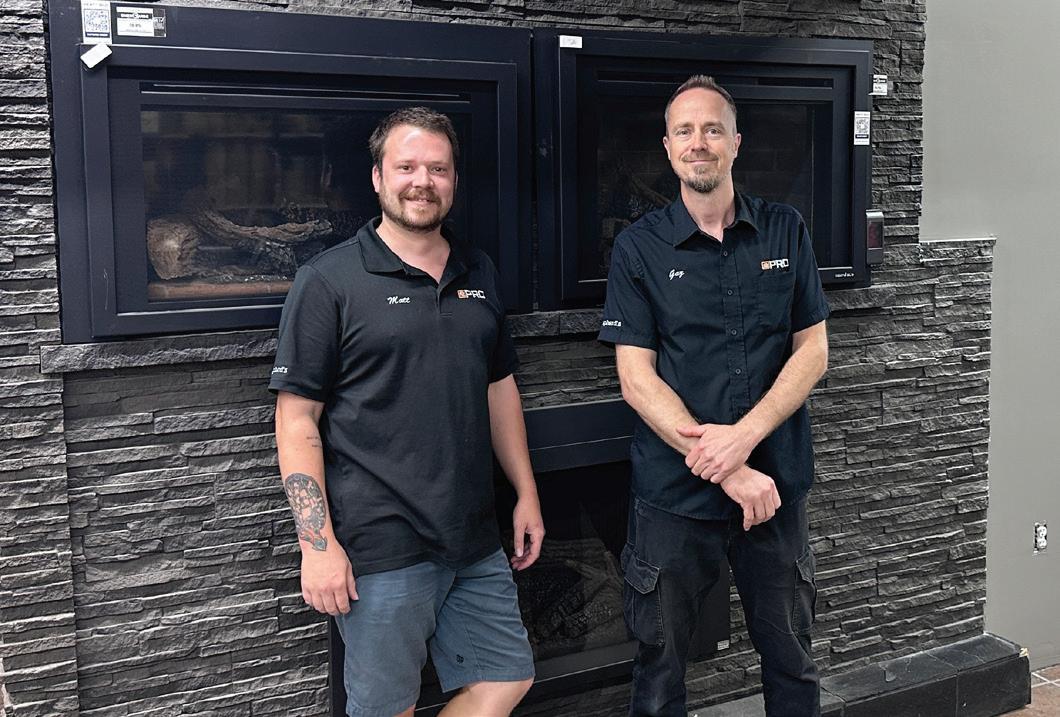
In 2023, Shepherd’s expanded its roofing category to capture new market share. While roofing has always been a core product sold to local roofers with long-standing relationships, growth was limited due to tough competition from a couple of specialty operators, including one that was the only other CertainTeed supplier in the Okanagan Valley.
Shepherd’s capitalized on its competitor’s inability to offer as much service to negotiate an improved program with CertainTeed. It also introduced flat roofing options by partnering with Polyglass, which had no market representation. Today, Shepherd’s operates two crane trucks and ships one or two roofs daily, with growth just beginning. This expansion into a market dominated by large distributors requires strategic stocking and competitive year-end rebate structures that align with industry expectations. These business extensions, alongside traditional offerings such as product expertise, installation co-ordination, and delivery services, have enabled Shepherd’s Home Hardware Building Centre to better meet evolving DIY and contractor needs. Through ongoing innovation and diversification, the store continues to reinforce its position as a full-service home improvement dealer with a longterm vision to serve its community.
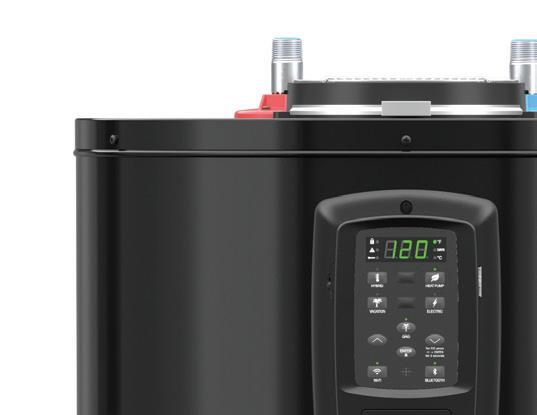
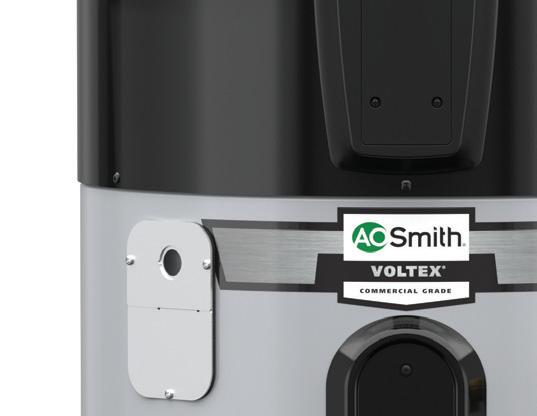

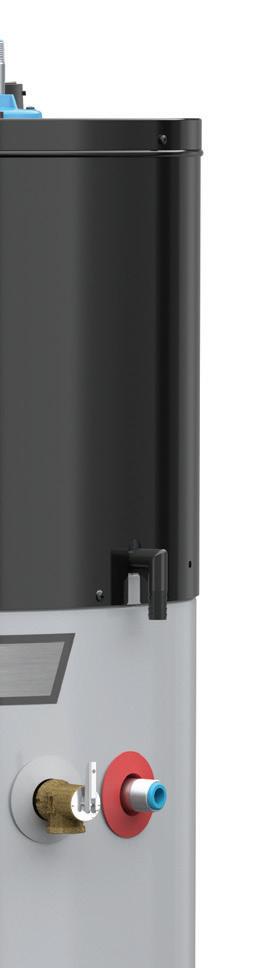
4x More Efficient
Compared to a standard electric water heater.




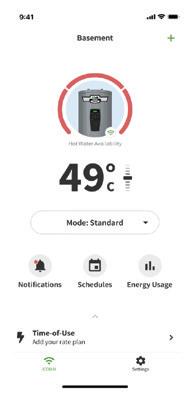



All-electric Installation
Self-contained heat pump - installs like a standard electric.
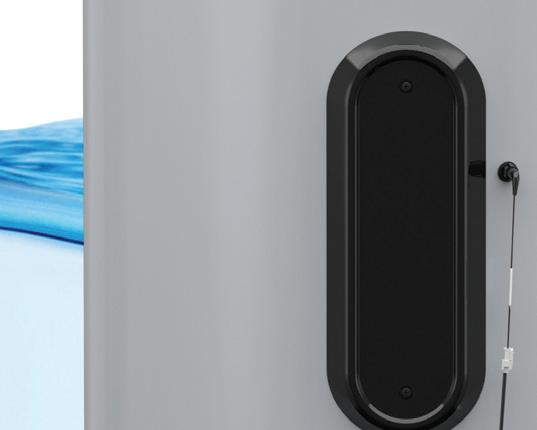
Reliable Performance
Commercial-grade quality with 10-year limited warranty.
Added Energy Savings
Increase tank size to operate longer in efficiency mode.


By Rebecca Dumais


Retail crime is rising fast across Canada. But for many pro dealers, the day-to-day challenge is still small-scale theft. That, and how to stop it without taking a sledgehammer to the customer experience


Retail theft and organized retail crime continue to climb across Canada with industry groups warning that the issue has reached crisis levels.
But for many independent building supply dealers, the reality on the ground is more complex—less about co-ordinated crime rings sweeping through stores, and more about targeted, opportunistic theft that requires practical, in-store solutions.
According to the Retail Council of Canada (RCC), the country’s retail shrink now totals $9 billion annually, representing about 1.5 percent of total retail sales. That fi gure is based on reported shrink as a percentage of total retail revenue, explains Rui Rodrigues, executive adviser, loss prevention and risk management at the RCC.
The organization’s Retail Crime in Canada report,







“




Retail shrink in Canada now totals roughly $9 billion annually, representing about 1.5 percent of total retail sales.
—The

Retail Council of Canada




based on data from more than 20,000 stores and $68 billion in sales, frames theft as more than a fi nancial issue. It has implications for employee safety, operations, and customer experience.
Police-reported shoplifting incidents continue to trend upward, with double-digit increases in recent years and a broader rise of more than 60 percent over the past decade. Some RCC members have reported
theft increases of up to 300 percent since 2020.
Yet among pro dealers in Canada, the experience does not always match the broader retail narrative.
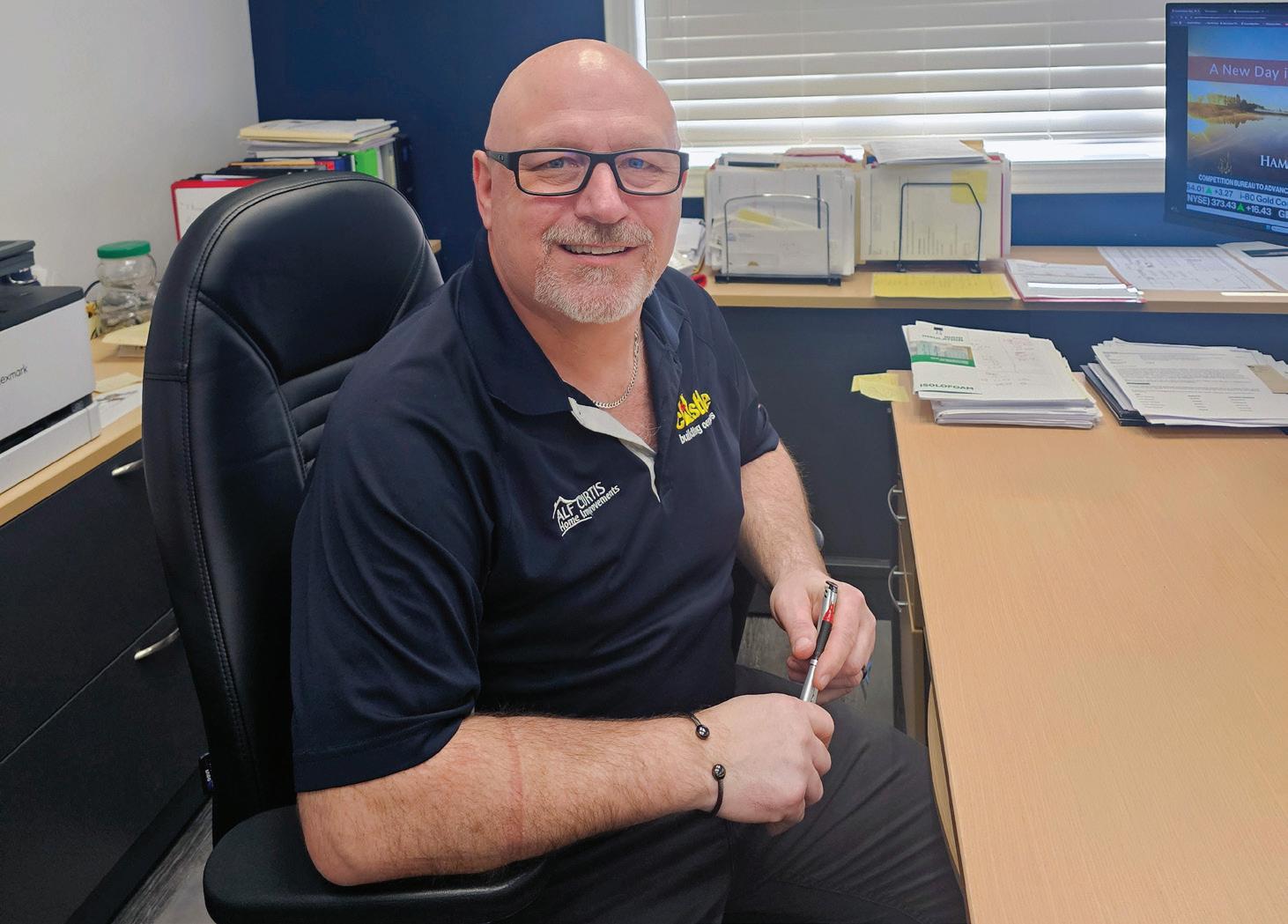
For Brent Perry, president of Alf Curtis Home Improvements, a three-outlet Castle dealer headquartered in Peterborough, Ont., shoplifting remains largely a

matter of convenience rather than co-ordination.
“Our stores average 70 percent contractors and builders. Any shoplifting we experience would be more opportunistic rather than organized, we believe.”
That distinction is critical in a sector built on accessibility and customer relationships. While RCC continues to highlight the growth of organized retail crime, many independent dealers are still dealing primarily with smaller, individual incidents.
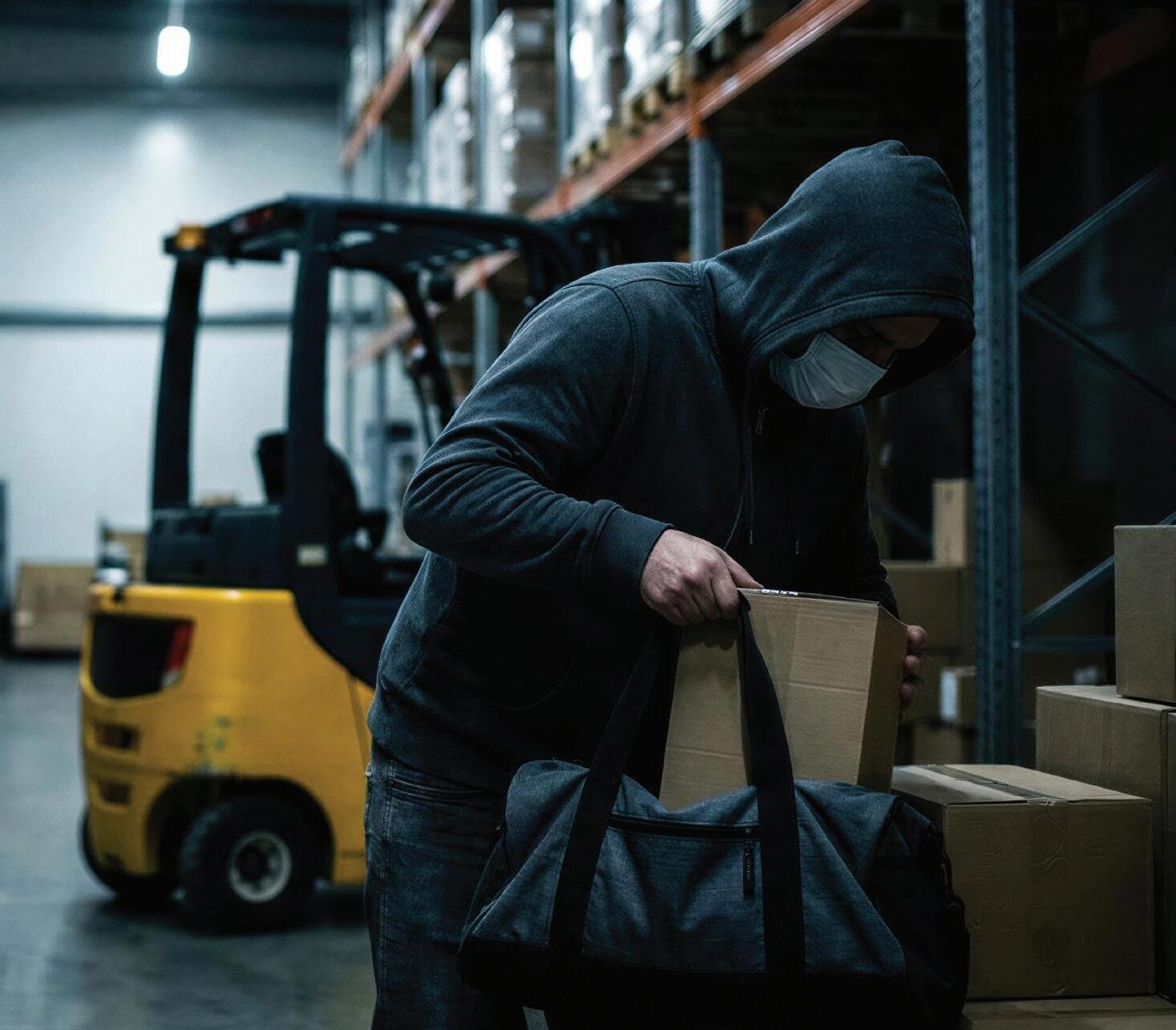
“That being said, we have been broken into at night and have had thefts of power tools happen, which would be organized-type crime,” Perry says.
For dealers, the difference matters. Shoplifting and organized theft may fall under the same category of retail crime, but they often require entirely different responses.
At the large-format retail level, the picture looks different.
Hardlines has reported that organized retail crime targeting home improvement chains such as Home Depot is growing at double-digit rates year over year, according to the company’s asset protection leadership.
“ Our stores average 70 percent pro contractors and builders. Any shoplifting we experience would be more opportunistic rather than organized, we believe.
—Brent Perry,
Alf Curtis Home Improvements
These incidents typically involve co-ordinated groups stealing high-value merchandise for resale through secondary markets. These operations are large-scale and multi-jurisdictional, with organized teams using distraction tactics and co-ordinated movements to steal product quickly.
In one case in Windsor, Ont., suspects used distraction techniques, while others loaded tools from a Home Depot into a vehicle, illustrating the structured nature of organized retail theft.
This aligns with RCC’s broader assessment that retail crime is evolving from opportunistic activity into more co-ordinated, repeat-driven operations.
Across retail sectors, RCC has identified a shift toward targeted theft of goods that are easy to conceal and resell. That trend is echoed at the dealer level.
“From a shoplifting perspective, it tends to be smaller pocket-sized items,” Perry says. “Expensive drill bits, Olfa knife blades, Paslode fuel cells, electrical breakers, etc.”
These products are compact, relatively high-value, and easily resold, making them consistent targets across both independent and big-box environments.
RCC has identified the growth of resale channels
Brent Perry, president of Alf Curtis Home Improvements, a three-outlet Castle dealer headquartered in Peterborough, Ont.




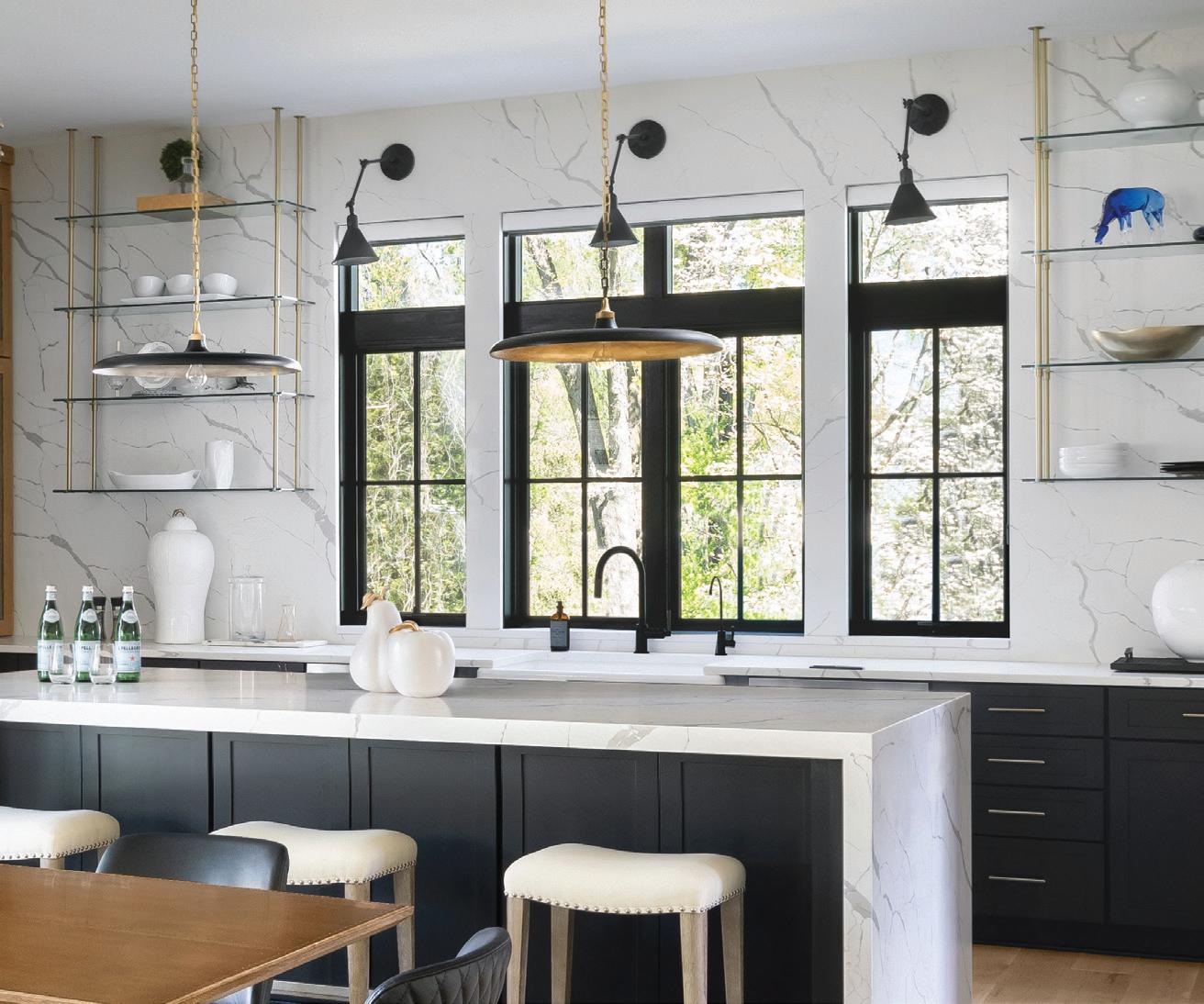

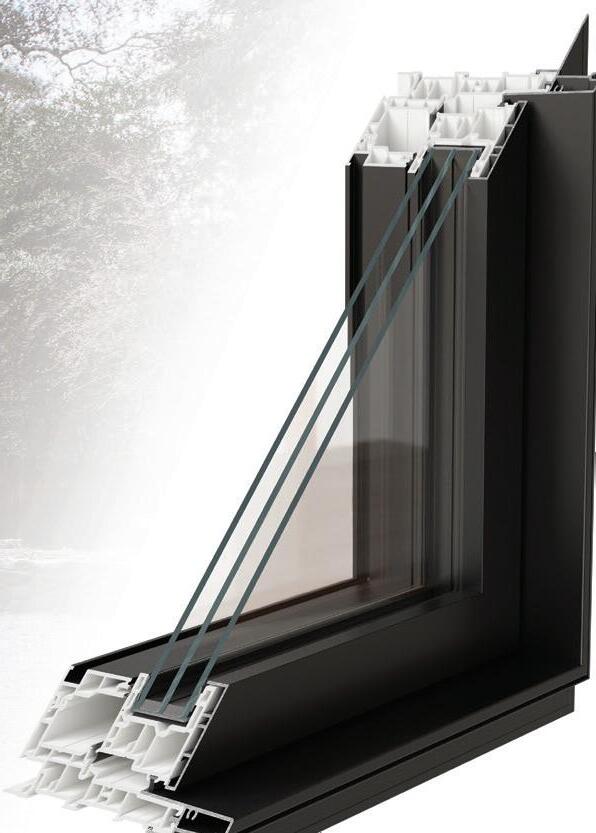



DURABLE AND LOW-MAINTENANCE VINYL AND ALUMINUM CONSTRUCTION
ALUMINUM-CLAD EXTERIOR, OFFERED IN AN ATTRACTIVE SELECTION OF COLOURS
SLEEK, LOW-PROFILE HARDWARE DESIGN
ENERGY-EFFICIENT DUAL-PANE AND TRI-PANE LOW-E GLASS OPTIONS
26% LOWER PROFILE FRAME INCREASES GLASS AREA
UP TO 22% BETTER ENERGY EFFICIENCY
With the unique changes of our Canadian climate, the demand for energy-efficient products that can stand up to the elements is higher than ever. JELD-WEN of Canada proudly introduces the groundbreaking JWC8500 series window —a perfect blend of style, performance, and energy savings, meticulously engineered to exceed expectations. Our newest JELD-WEN® window, the JWC8500 hybrid option exceeds performance, in all regions of Canada, offering an aluminum-clad exterior finish with an exquisite selection of colours to choose from.
Discover the advantages of JELD-WEN of Canada’s most energy-efficient window. Our 8500 series windows are 2030-rated to meet Canada’s U-Factor 0.14 (U.S./I-P) / 0.82 (Metric/SI) or ER 44 building codes, and are designed to significantly reduce energy costs while ensuring year-round comfort in your home.
Tailored to meet the regional needs of homeowners, our windows are the perfect fit when planning a renovation or new home build, seamlessly blending functionality and style to suit any project.
Discover the JWC8500 series window from JELD-WEN of Canada—and experience the future of home comfort and efficiency.

as a key driver of organized retail crime, enabling stolen goods to move quickly through informal marketplaces. For independent dealers, however, the impact is often felt as a steady, incremental loss rather than large-scale hits.
Despite rising theft, Perry says the impact on core operations—staffing, layout, and customer flow—has been limited.
“We haven’t had to change anything to do with staffing, store layout, etc. We did have an operational/merchandising change, though. To deal with the shoplifting we were experiencing.”
So Alf Curtis implemented targeted adjustments.
“First, we remerchandised our product to ensure that the products that were shoplifted were located within visual sight of our sales counters. We always have a salesperson in those locations.”
“Second, we invested in magnetized peg lock systems to ensure customers had to ask staff to come and unlock the hook.”
Additional measures then followed.
“We invested in plexiglass cabinets that could be mounted on our shelves to display our electrical breakers. The customer would have to come and ask to have the cabinet unlocked.”
And in some cases, removal from the shelf entirely proved most effective. For example, with Paslode fuel cells, “we have a price tag on the shelf for the fuel cells now,” he says. “The price tag comes with a note where the fuel cells would formerly sit—telling the customer to ask for them at the sales counter. We keep all the fuel cells under the sales counter to give to customers when they ask for them.”
One of the central challenges in addressing retail theft is maintaining a welcoming store environment while simultaneously introducing deterrents.
“This does possibly have a negative effect on customer experience … but we have not received any negative feedback about these changes,” Perry said. “All of our customers seem to understand and don’t say a word about it.”
Across the industry, that balance is becoming harder to maintain. “It’s a constant battle to find a happy medium,” says Rodrigues. “There is not one solution that is the perfect [answer].”
Cost is also a limiting factor.
“Many solutions come at a cost which may not be sustainable for everyone for a prolonged period of time.”
Rodrigues adds that retailers must tailor their approach by location.
“Not every location needs to have the same ‘target hardening,’ so retailers have to constantly evaluate each location, understand the risks and balance customer perception, and work towards a model that fits that environment.”
Hardlines has similarly reported that retailers are increasingly introducing controlled-access merchandising and other deterrents while trying to avoid alienating customers—a balancing act that continues to evolve.
RCC data indicates that violence associated with retail theft is increasing, with more than 76 percent of retailers reporting heightened incidents.
But that experience is not consistent across all stores.
When asked about confrontations or safety issues, Perry said there weren’t any at his stores.
Still, RCC continues to view retail crime as a workplace safety issue. It emphasizes that the rise in theft is often accompanied by increased aggression and repeat offending.
RCC also points to systemic factors behind the increase in theft. “The lack of consequences has led to an increased level of confidence and brazenness by retail criminals that continue to re-offend,” Rodrigues says.
He adds that retail crime is often treated as not a serious offence.
“Retail theft has been very much looked upon as a low-level crime, a victimless crime, and a property crime. A large majority of perpetrators of retail theft, even when arrested, are released immediately—only to re-offend!”
RCC and its members are calling for legislative changes to address repeat offenders and organized crime groups.
“RCC and its members have been advocating for bail reform and Criminal Code amendments to modernize the response to repeat, prolific, and violent retail criminals. And the increasing activity of organized retail crime groups,” Rodrigues says.
Recent submissions and consultations, including federal justice discussions and provincial initiatives such as Quebec’s Bill 13, reflect the organization’s push to elevate retail crime as a policy priority.
At the enforcement level, police are beginning to respond more aggressively.
Hardlines has reported that in Ontario a York Region investigation into organized retail theft resulted in 16 arrests and more than 1,500 charges tied to over $600,000 in stolen goods.

Perry supports stronger enforcement, particularly to ensure consistency in how theft is treated. “Honestly, I think it is a good thing they are trying to do.”
He also questions the distinction between lowand high-value theft.
“No theft can be justified, or is OK. It’s against the law, and it should be dealt with accordingly. The person stealing is breaking the law—whether they’re stealing a drill bit, a power tool, a lawn mower, or a vehicle. It is theft, and why should the dollar amount of what they’re stealing matter? Or make the crime any less serious?”
For many independent operators, the focus remains on practical deterrence, such as adjusting merchandising, maintaining visibility of certain SKUs, and preserving customer relationships.
At the same time, large-format retailers are facing increasingly co-ordinated theft, and industry groups continue to push for systemic reform.



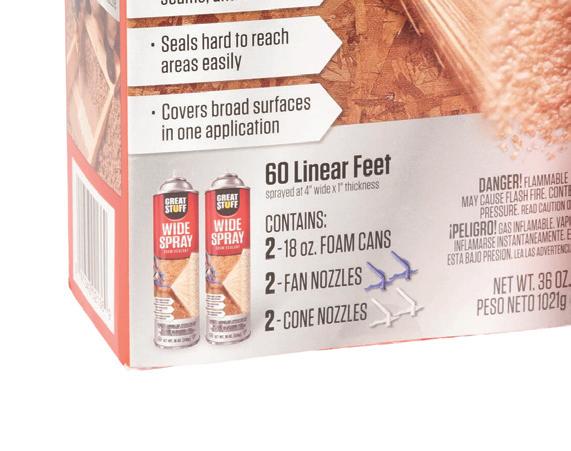
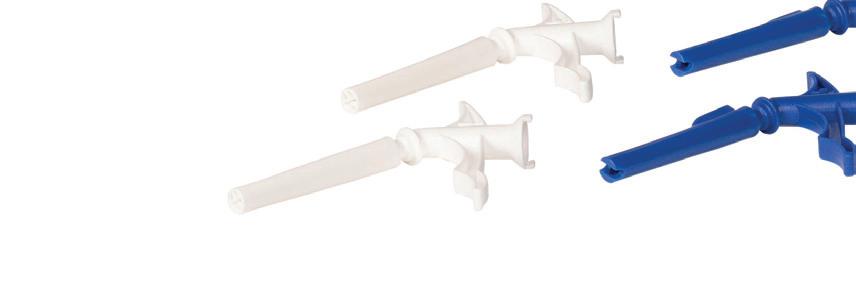
This is a one-component foam specially designed for quick application. It provides broad coverage to seal cavities, seams, and surfaces. It adheres securely to both vertical and horizontal surfaces without sagging, making it an ideal choice for challenging applications where traditional spray foam may not be suitable. Adheres to wood, metal, masonry, glass, and most plastics for fl exibility across various projects. Fast cure times: tack-free in 10 minutes, cuttable in 1-2 hours, and fully cured in 24 hours. dupont.com




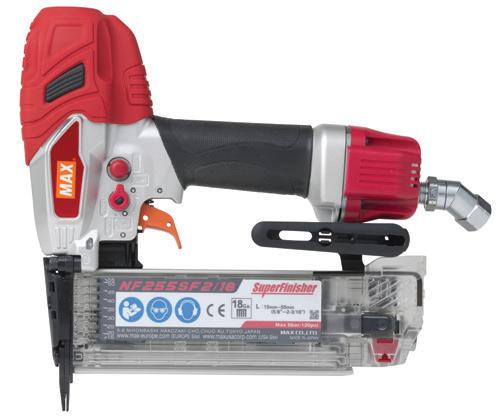
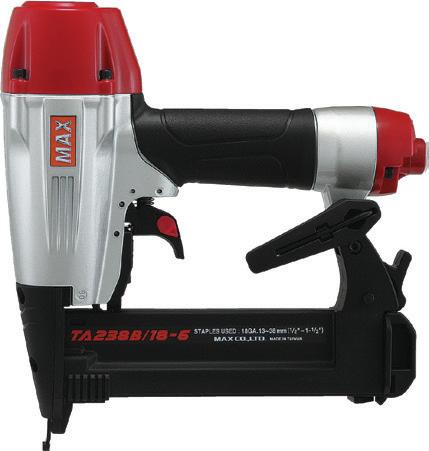
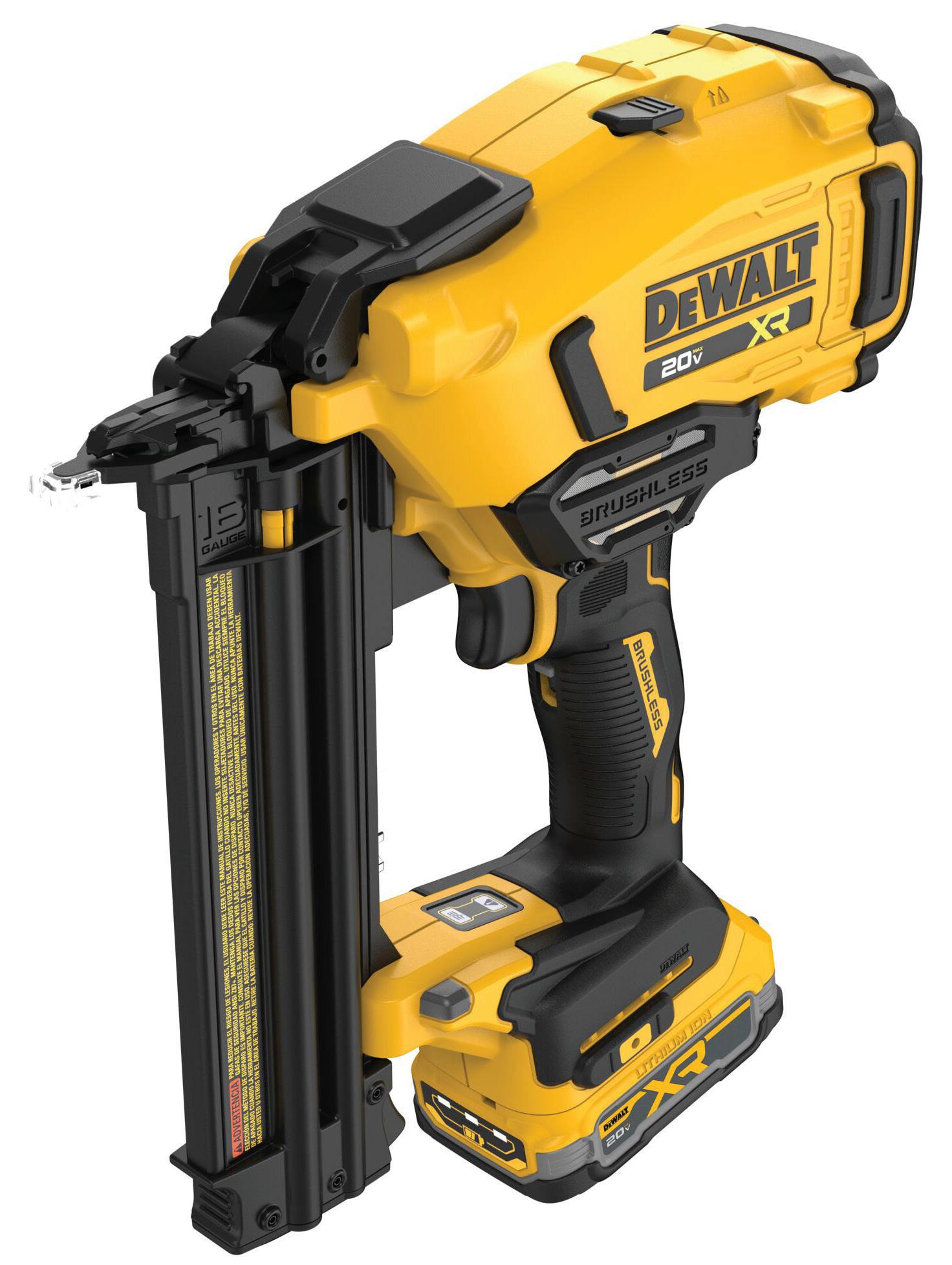
Finally, break-free from pneumatic nailers with the DeWalt compact cordless 20V MAX XR 18-gauge brad nailer. Capable of driving up to fi ve nails per second, this next-generation cordless XR tool is designed to manoeuvre in tight areas at only 10.2 inches in height, minimize downtime, and remove the limits of traditional pneumatic tools. This cordless brad nailer delivers pneumatic-productivity without the hassle of hoses, compressors, or gas. Battery and charger sold separately. dewalt.ca
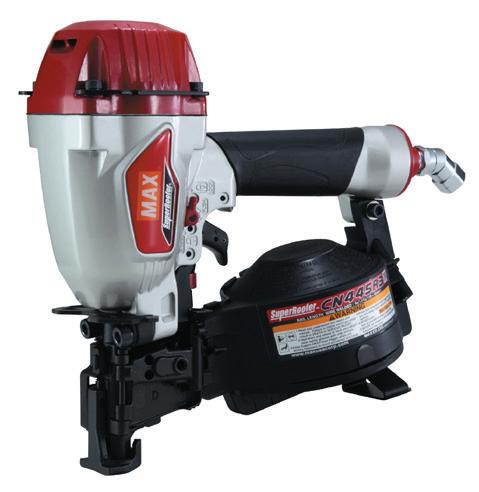
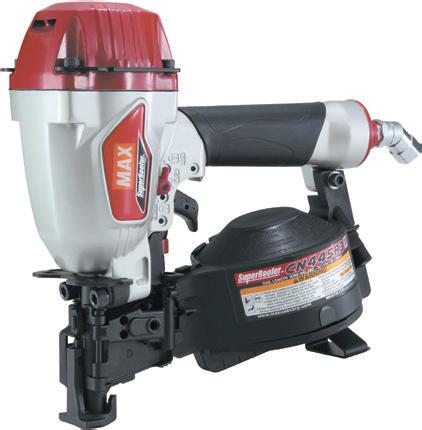
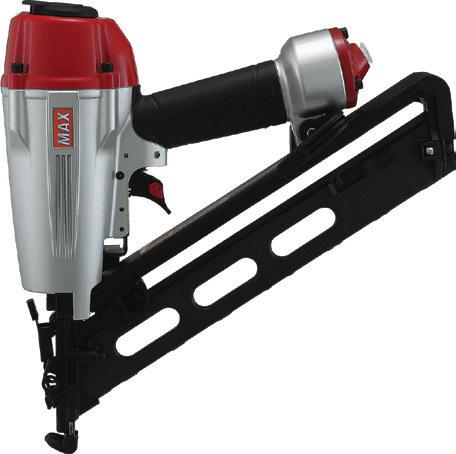
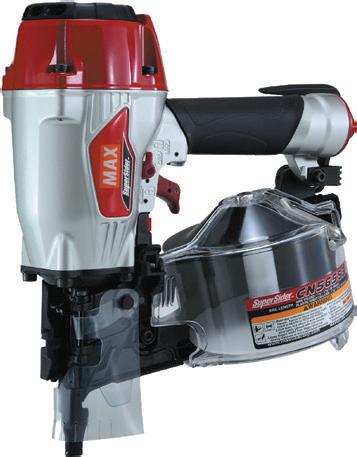
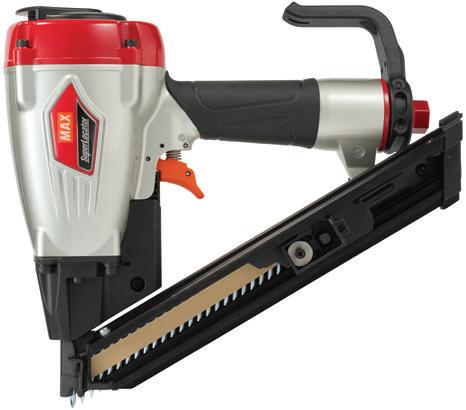
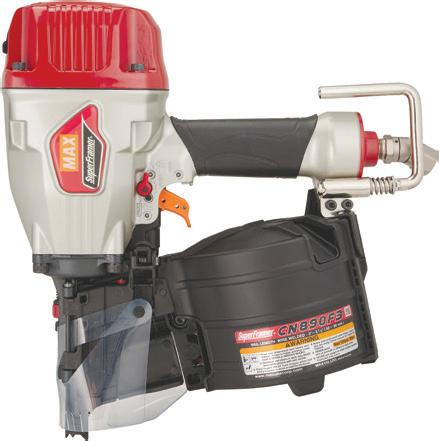
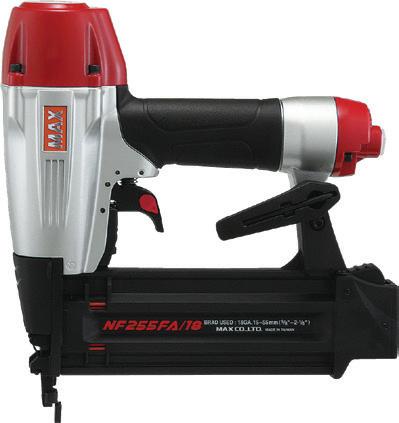
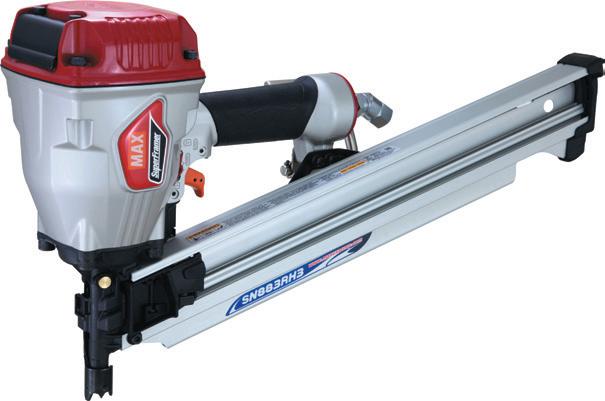
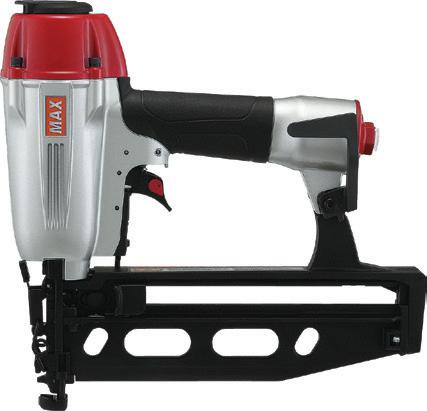
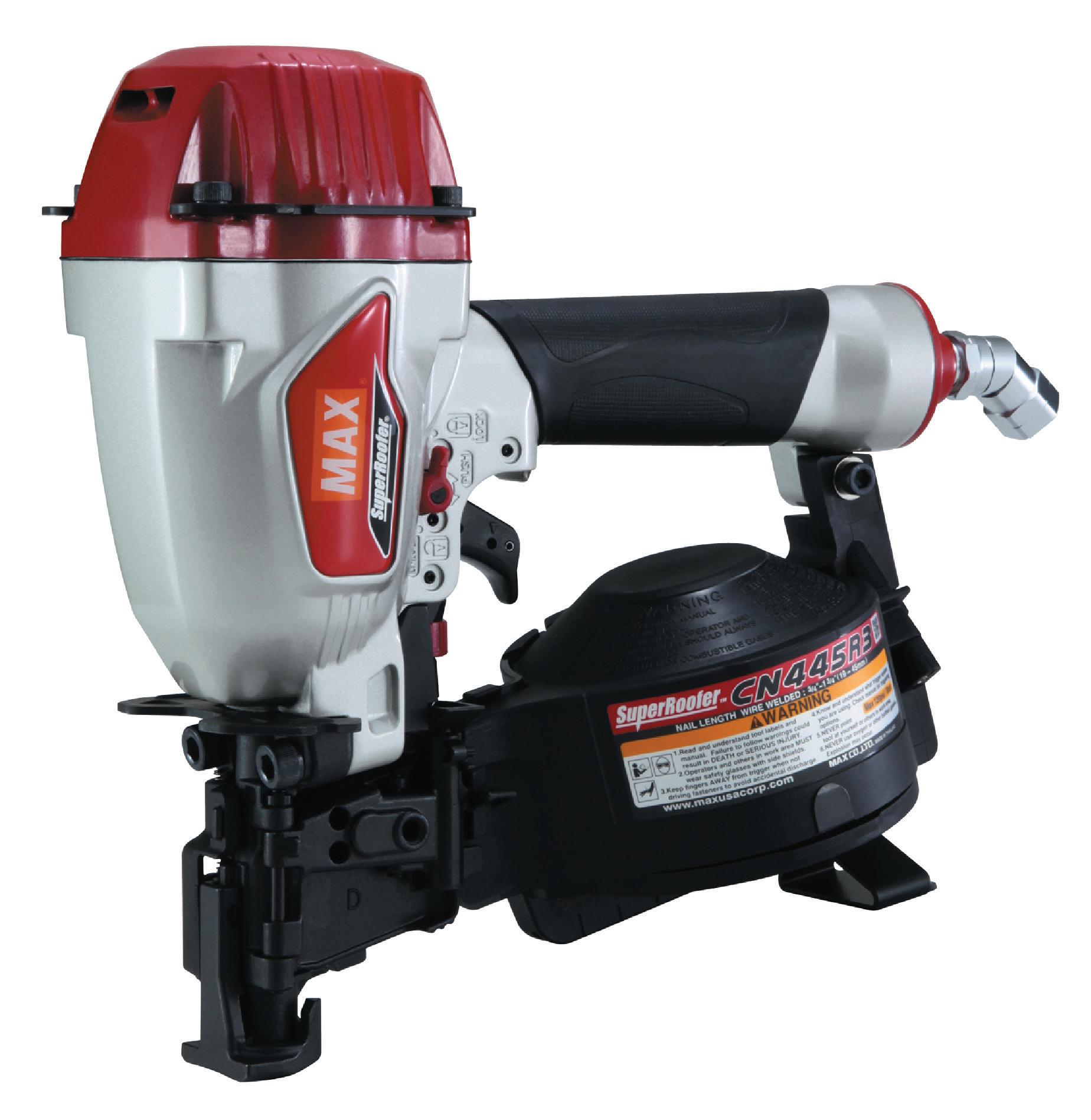
Engineered by the manufacturer of the world’s first roofing nailer, MAX combines durability and performance in the safety equipped SuperRoofer CN445R3. It is equipped with a full round-head driver blade which allows operators to drive nails in fl ush for dependable holding power. The tar-resistant nose is designed to block tar buildup up to eight times longer than conventional tools. The patented self-cleaning end cap filter traps foreign substances before they can enter the tool and safely ejects them when the air hose is disconnected. maxusacorp.com





Engineered for peak performance, these blades deliver on three core advantages: faster, cooler, and longer. These blades cut faster with an aggressive tooth angle and a thinner kerf than standard framing blades. They run cooler thanks to precision cut body openings that increase airfl ow and improve dust extraction. And they run longer because of the reduced blade body mass delivers more cuts per charge. exchangeablade.com





Sales to job sites require a specialized skill set. Four current and former pro dealers share their tips for what works—and what doesn’t
By Geoff McLarney



Closing any sale requires a mix of product knowledge, soft skills, and the ability to read the prospect. Dealers who sell to contractors on the job site must master all these elements.
Their job is made even more complex by the distinctive challenges of selling to an audience that’s often busy, distracted, time-pressed, and focused on building—not talking.
Jordan Wolfs is manager at corporatelyowned RONA Squamish, about an hour north of Vancouver. He points out that cold calls and site visits to established businesses call for diff erent approaches.
“We prioritize site calls with our top customers,” he explains, “to check in and maintain the relationship, and just show them that they’re valued and make them aware that we’re always there to service them.”







Contractors will switch yards if they don’t think they are receiving the service that they deserve.
—Roger Pike, Paradise, N.L.

I’ve never really been a big fan of cold calls. I always like to meet in person and talk with people face to face.
—Joel Seibert, Calgary
At the same time, says Wolfs, “we do a lot of cold calling.” This task is entrusted to “a few experienced staff.” Typically, that approach is used “when we recognize the builder, and it’s a reputable name that we know we don’t have. The bigger companies we’ll assign to a sales professional. A lot of the smaller names on the cold-call list, we have our junior associates take care of.”

Joel Seibert, former owner of Calgary’s Mountain View Building Materials, is less enthusiastic about cold calls. “I’ve never really been a big fan. I always like to meet in person and talk with people face to face. It’s a quick way to get their attention and doesn’t need to be long the first time around. Cold calls often get ignored or just kind of pushed off to the side.”
Wolfs recognizes the form’s limitations but sees a place for cold calls within certain parameters. “We try to limit those calls to information so they’re not too long. We don’t want to annoy. Every one of us knows what it’s like to get calls from people trying to drum up business.”
Roger Pike at Capital Home Hardware Building Centre in Paradise, N.L., agrees the line between persistent and pushy must be respected. “The [sales] guys are on the road, so they’ll go back, but they won’t bug the contractor. If they visit a contractor this week, the follow-up is probably in a week. You can’t just linger there.”



At the same time, Wolfs says his team knows it’s important to follow up when they notice that a customer’s sales volume is falling.
“When we see a business going negative in sales, we check in and see if we lost them to a competitor, or if there was an issue with pricing or service or anything that we can address to rebuild that business.
“Maybe there was a disagreement with a salesman and we have an opportunity to shift them to somebody diff erent. Maybe somebody else stopped by their site and gave them a cheaper price list so they just moved on without even checking in. That gives us an opportunity to revisit and get more aggressive to bring that business back in.”
More often, though, Wolfs says a pro going quiet is simply a function of the pace of their work. “A contractor might get 10 houses in one year and then only fi ve the next. Maybe they chose to downsize or the market just isn’t as hot.”
That outreach is part of keeping the dealer’s name in pros’ minds. “Not everyone’s going to come in and shop inside your store. You’ve really got to go out and find them.”
The goal, as Pike puts it, is to stay “top of mind” with contractors. Pros tend to stick with the dealer they know, “unless they see a benefi t” to switching or feel their current relationship isn’t yielding “the service that they think they deserve”.








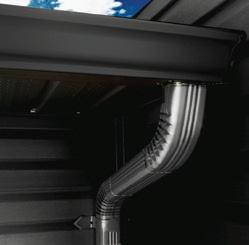



























Knowing how to conduct themselves on the job site is another skill sales personnel need to cultivate.
“You have to enter a job site aware of the site atmosphere,” says Murray Leis, of Leis Co., a BMR member in Goderich, Ont. “Whether you need to be in boots, safety glasses, and a hard hat … being aware and being dressed for it is the point.” Flouting any and all safety measures, he adds, is a red fl ag.
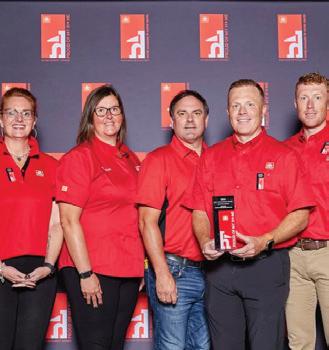
staff

Seibert likewise cautions against looking like an offi ce dweller. “You don’t want to come in dress shoes and dress pants and a button-down [shirt], walking through mud on a job site trying to find an installer. It just smells like you don’t know what you’re doing or where you’re going.”
Just as important as the entrance is knowing how— and when—to make an exit. “I believe you should have the ability to read people on whether your presence is welcome,” says Leis. “You learn an exit cue and say: ‘Good to meet you, you look busy: here’s my card.’”
Looking out of place isn’t the only potential pitfall to avoid.
“One of the things that always drove me crazy is when reps would start talking about the shortcomings of their competition instead of promoting the benefi ts of their product. I would mentally tune
—Jordan Wolfs, Squamish, B.C. “
that out right away because slandering your competition is low-hanging fruit.
“Everyone who’s worked with products over the years knows their pros and cons. You don’t need to remind us. Know your product inside and out and sell it on its own merits. You don’t need to slander your competition because it’s cheap and easy. And people see right through it.”
Another faux pas is forgetting one’s place on the job site. “Understand your role,” Leis urges. “To do any kind of inspections or criticisms when you’re a salesperson, that’s a huge drawback. If anything, try to compliment their work.” Contractors, he says, will take notice when a sales rep pays attention to and appreciates their work.
What about the familiar sight of “swag”? These simple items, like snacks and writing implements, are a common way salespeople break the ice on job sites.
Leis is not sold on the practice. “I believe a salesperson should not buy relationships. I don’t believe you walk onto a job site and dole out candy and coff ees and pencils. You introduce yourself; you let people know who you are, where you’re from, and what you can off er.”
For Pike, on the other hand, promotional wares can be a tangible way to insert the business into the pro’s consciousness.
We don’t want to annoy. Every one of us knows what it’s like to get calls from people trying to drum up business.





Low carbon. High circularity. No compromise.


A brighter solution for a better tomorrow.


Select products available with GREENGUARD Gold certification, contributing to healthier indoor air quality.



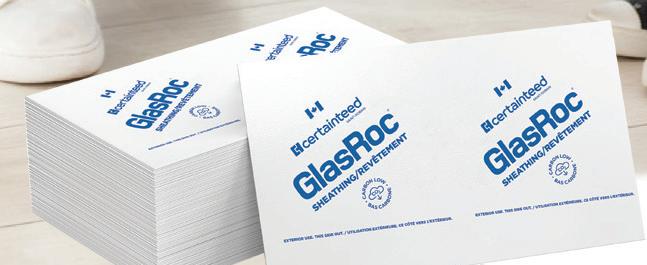

















Scan the QR code to learn more










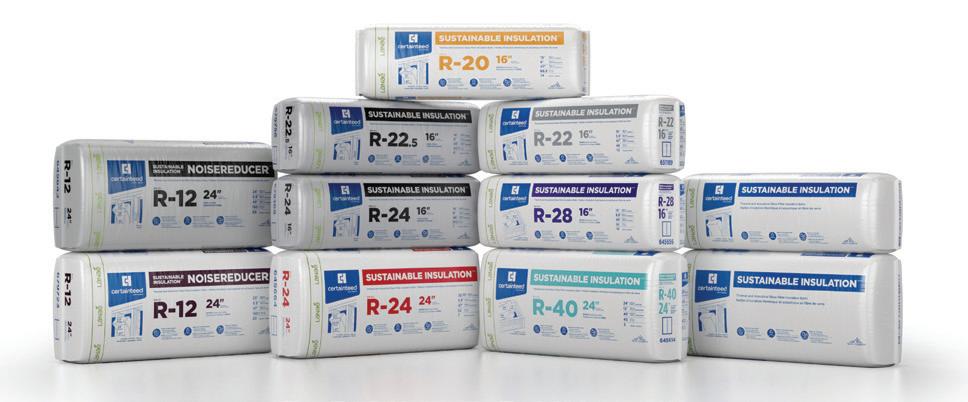
I believe you should have the ability to read people on whether your presence is welcome.
—Murray Leis, Goderich, Ont.
“Drop off carpenter pencils, drop off a hat. Contractors eat that stuff up. It’s part of following up, getting to know them. Then, if a problem arises, they’re going to remember we’ve been to see them a few times and maybe give us a shot.”
For Seibert, the key is to ensure those items go directly to job sites. “Too often, all that nice gear gets dropped off at head offi ce and very rarely trickles its way down to the guys that are actually out in the fi eld. I wanted our logo to be on the backs of everybody out in the fi eld. Not a lot of people see it when it’s in the offi ce.”
For many pro dealers, organizational structure is another way to maintain a direct channel of communication with pros. Wolfs’s fi ve sales specialists report directly to him. His sales are “95 percent pro; we live or die by that sword, so I like to be heavily involved in that part of the business.”
Pike’s sales team also reports to him, which has allowed him to get to know pro customers personally. “Contractors know if there are problems with a salesperson, they have that voice with the general manager.”
All four dealers agree that maintaining a personal connection and open communication is the foundation of the sales relationship. “I know all our big contractors by name,” says Pike. “If they come in and the sales guy is on the road, they’ll come and see me. We are in the relationship business. What Kent or Home Depot sells and what we sell is no diff erent.”



“Our key salespeople, both in the pro division and out on the road, report to me,” says Murray Leis in Goderich. “Even though we’re a bit of a bigger building centre, I believe in being an active part of the growth of our external team.”
That means knowing people by name. “Know the guys: get to know their names, what they like in their coff ee,” Seibert says, adding that “frequency of visits with the guys on the job sites goes a long way to building business.
“To be able to come back to the site and rattle off four or fi ve names, that goes a long way for sure.”
“The relationship is everything,” Wolfs at RONA Squamish concurs. “And you need to manage it like it’s a personal relationship.”




Combining
Combining siding colours, designs, and textures will shake up a home’s exterior and allow for endless creativity to give your clients what they’re looking for: a house that truly represents their style.
Combining siding colours, designs, and textures will shake up a home’s exterior and allow for endless creativity to give your clients what they’re looking for: a house that truly represents their style.
Ask your local Kaycan representative or visit us online to find out more about our unmatched range of exterior products, making us your one-stop shop for custom design solutions.
Ask your local Kaycan representative or visit us online to find out more about our unmatched range of exterior products, making us your one-stop shop for custom design solutions.
Ask your local Kaycan representative or visit us online to find out more about our unmatched range of exterior products, making us your one-stop shop for custom design solutions.












Reach qualified managers, executives, sales reps, and top-tier retail professionals with Hardlines Classified Ads featured in our exclusive Hardlines Weekly Report every Monday morning.
This industry-leading publication goes straight to the inboxes of decision-makers across Canada’s home improvement industry.
Why Choose Hardlines Classifieds?
Highly Targeted Exposure
Affordable Pricing
Immediate Placement
Trusted by Industry Professionals
RATES:
2 Weeks: $2.99/word (75-word minimum)
4 Weeks: $3.99/word (75-word minimum)
Logo Placement (optional): $149.99 (one-time fee)

































































































THE BUILDING The Anglican Church in Ulukhaktok, N.W.T.
THE WORKERS A small band of volunteers
THE CHALLENGE The window for delivering building supplies to the church is punishingly slender
The local Anglican parish church’s two buildings are in serious need of repair. In order for the volunteers to do the work, which is scheduled for the fall, the building materials need to arrive first.
The barge that will be used is owned by Marine Transportation Services, which is owned by the government of the Northwest Territories. It will begin its slow journey up the Hay River in June.
By Geoff McLarney
THE SINGLE BARGE A single annual visit from a barge, in late August, is the only opportunity


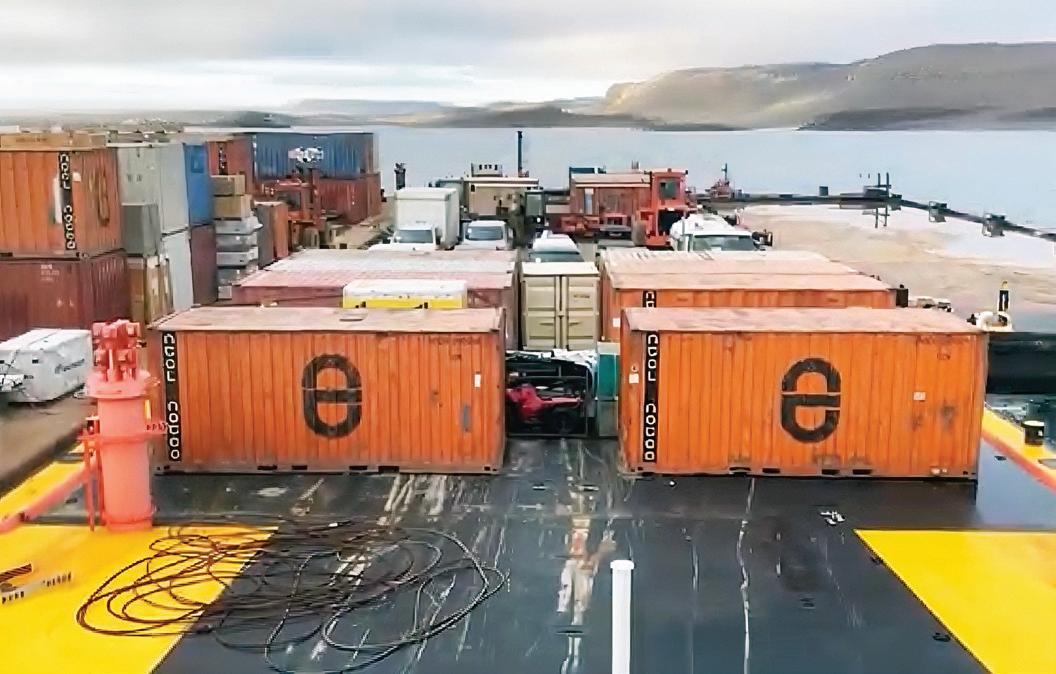








You built more than a business. You built a community.
Your name means something locally. Your relationships matter.
Castle doesn’t replace that. We reinforce it.
Stronger purchasing.
Stronger partnerships. Stronger independence.
Because thriving independents build stronger communities.

Western Canada
Jaana Reinikka
BUSINESS DEVELOPMENT MANAGER
BRITISH COLUMBIA & ALBERTA 780-722-1870 | jreinikka@castle.ca
Darren McCooeye
BUSINESS DEVELOPMENT MANAGER MANITOBA, SASKATCHEWAN, NORTHWEST ONTARIO 204-771-1908 | dmccooeye@castle.ca

Scan QR Code or visit www.youarethebrand.ca
Richard Hamel
BUSINESS DEVELOPMENT MANAGER EASTERN QUÉBEC & NORTHERN NEW BRUNSWICK 418-520-6244 | rhamel@castle.ca Quebec
Mélanie Belley
BUSINESS DEVELOPMENT MANAGER WESTERN QUÉBEC 514-809-6443 | mbelley@castle.ca
Terry Mulock
BUSINESS DEVELOPMENT MANAGER NEW BRUNSWICK, NOVA SCOTIA & PEI 902-471-3985 | mulock@castle.ca Atlantic
Brian Warr
BUSINESS DEVELOPMENT MANAGER NEWFOUNDLAND & LABRADOR 709-770-5607 | bwarr@castle.ca
Ontario
Lillian Diaz
BUSINESS DEVELOPMENT MANAGER ONTARIO - SOUTHWEST / CENTRAL 905-757-4918 | ldiaz@castle.ca
Lyndon Deyo
BUSINESS DEVELOPMENT MANAGER ONTARIO - NORTHERN / EASTERN 613-805-7271 | ldeyo@castle.ca