
HARBOR REGIONAL CENTER
By Jasmin Maravilla, Public Information Specialist
Harbor Regional Center continues to expand opportunities for advocacy, education, and community engagement to ensure the voices of individuals with intellectual and developmental disabilities and their families are heard.
Through statewide advocacy efforts, partnerships with local legislators, and com-
munity education initiatives, Harbor remains committed to strengthening the regional center system and empowering individuals to participate in conversations that shape policies impacting their lives.
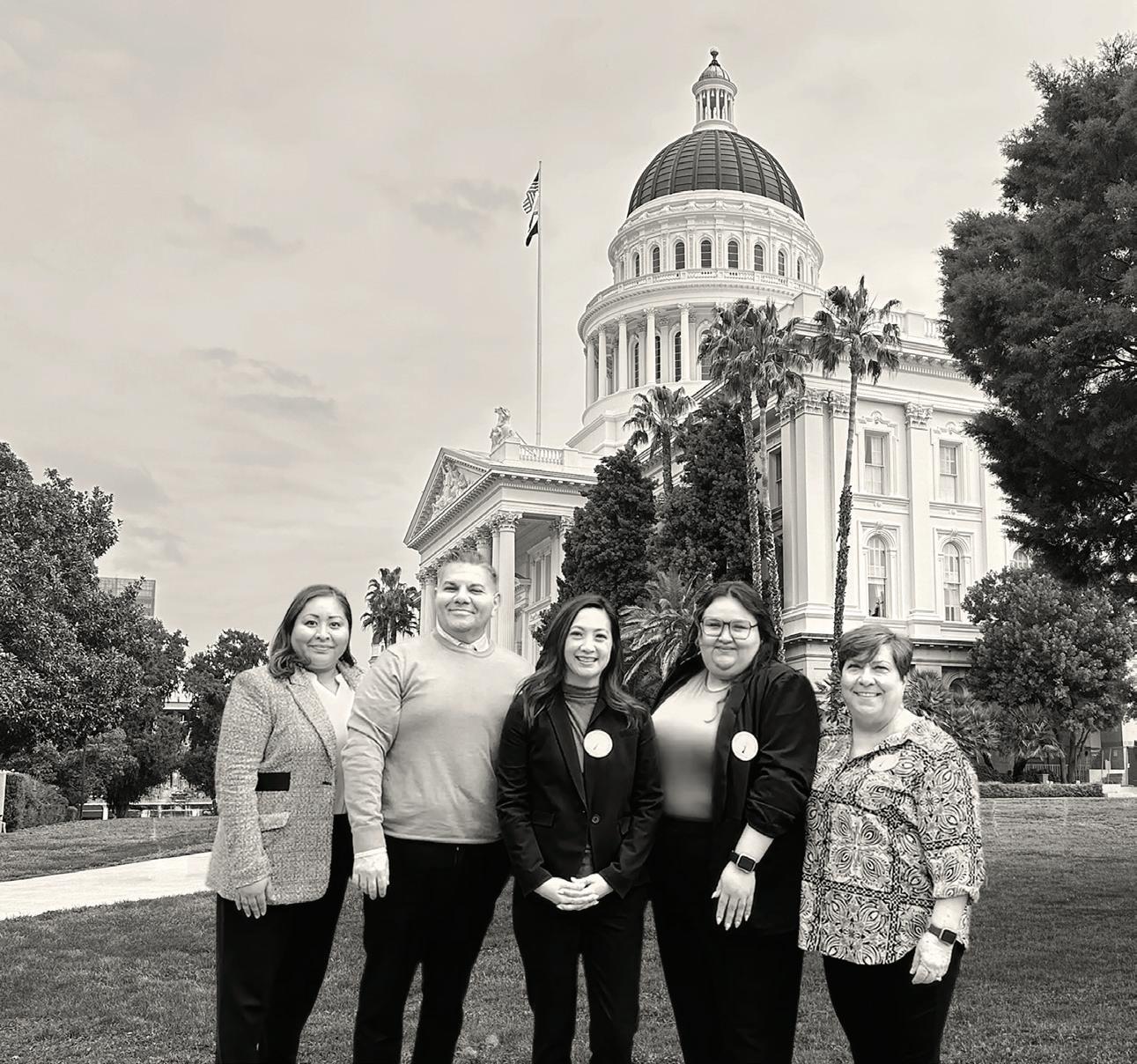
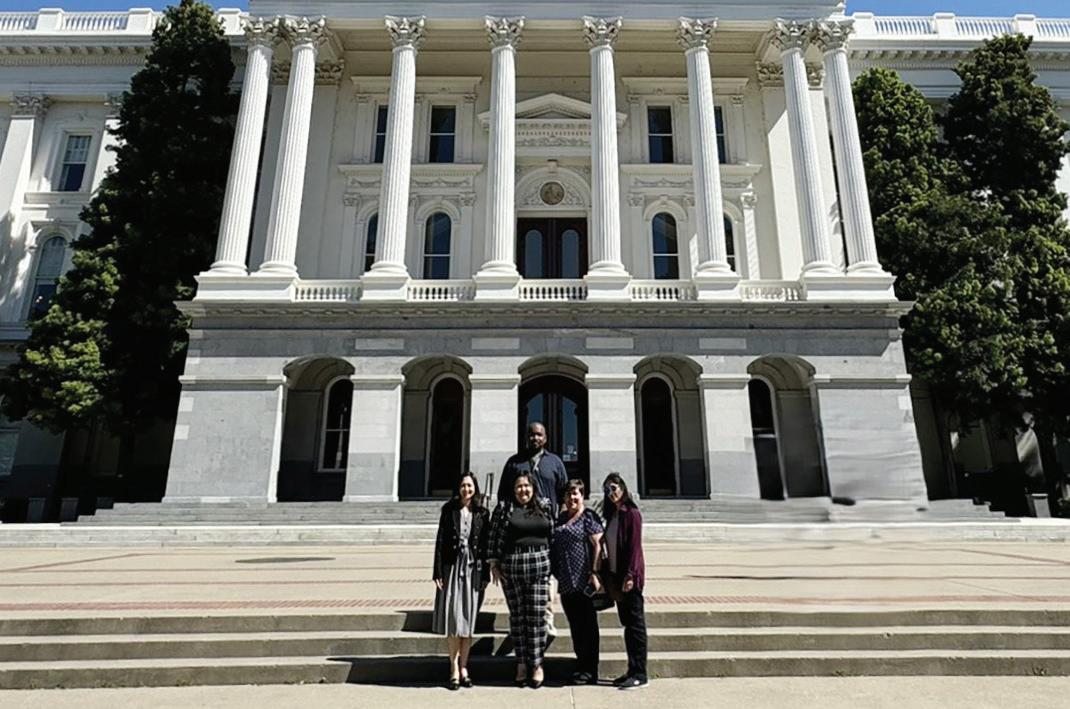
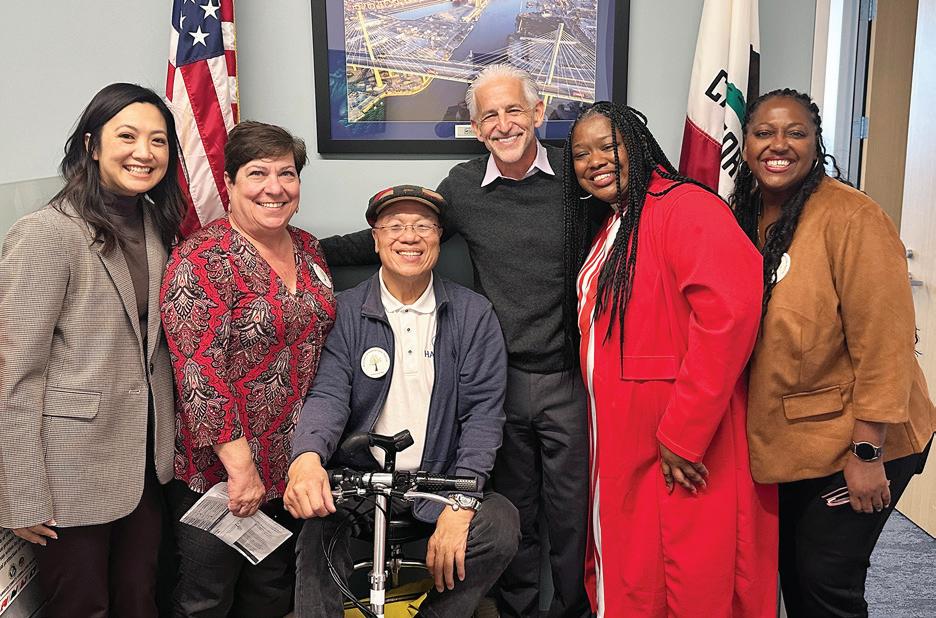
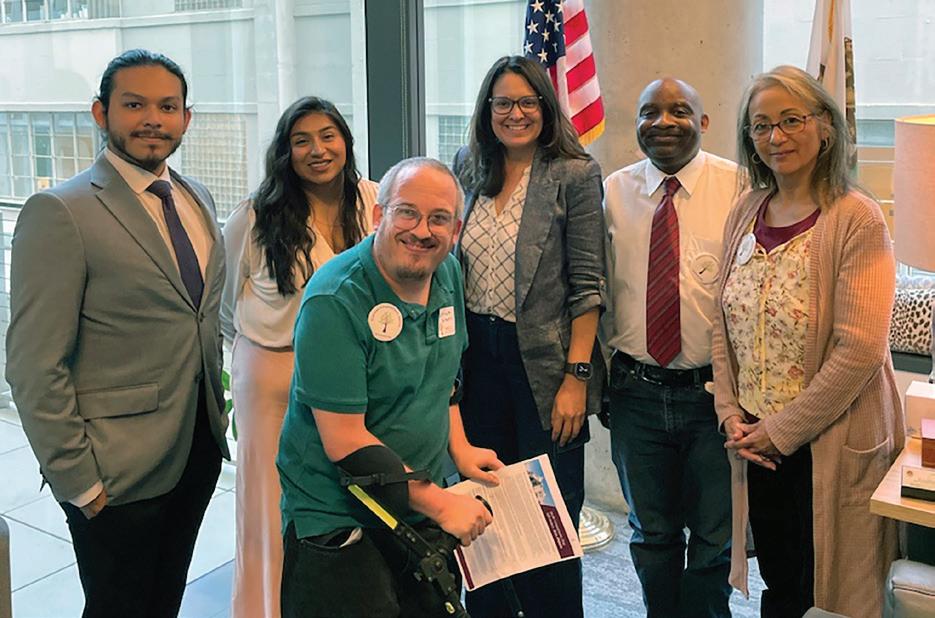
Earlier this year, Harbor Regional Center joined advocates from across California for ARCA Grassroots Day
at the Capitol, a statewide advocacy event organized by the Association of Regional Center Agencies (ARCA). This annual event brings together self-advocates, families, service providers, and regional center staff from all 21 regional centers to meet with legislators and share how policies and funding decisions impact the lives of individuals served.
Members of Team Harbor traveled to Sacramento to participate in meetings with legislative offices and discuss the importance of maintaining strong services and supports for the more than 450,000 Californians with intellectual and developmental disabilities served through the regional center system. These conversations provided an opportunity to highlight the critical role
regional centers play in supporting individuals and families throughout the state.
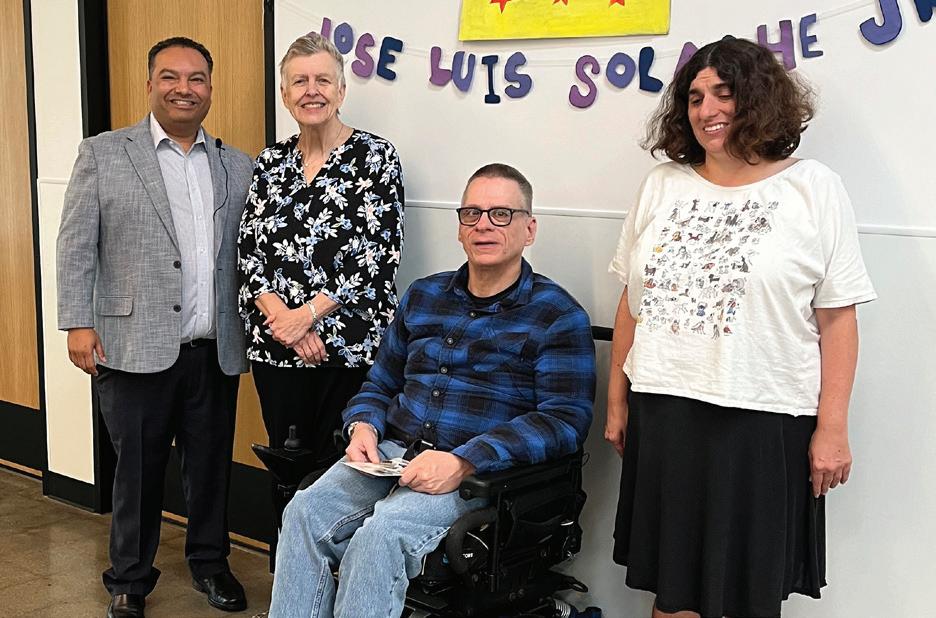
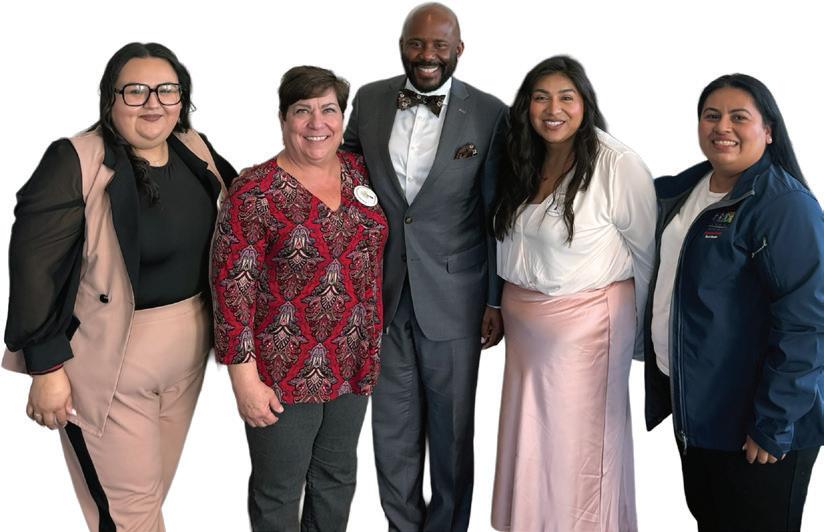
Harbor Regional Center continues to build strong relationships with local elected officials who represent the communities we serve. Harbor Regional Center was honored to welcome José Luis Solache Jr. and his staff
to our Long Beach office for a recent visit.
During the visit, Harbor staff and leadership discussed critical support for individuals with developmental disabilities and provided an opportunity for the Assemblymember to experience services firsthand. As part of the visit, participants stepped into the shoes of individuals served by rid-
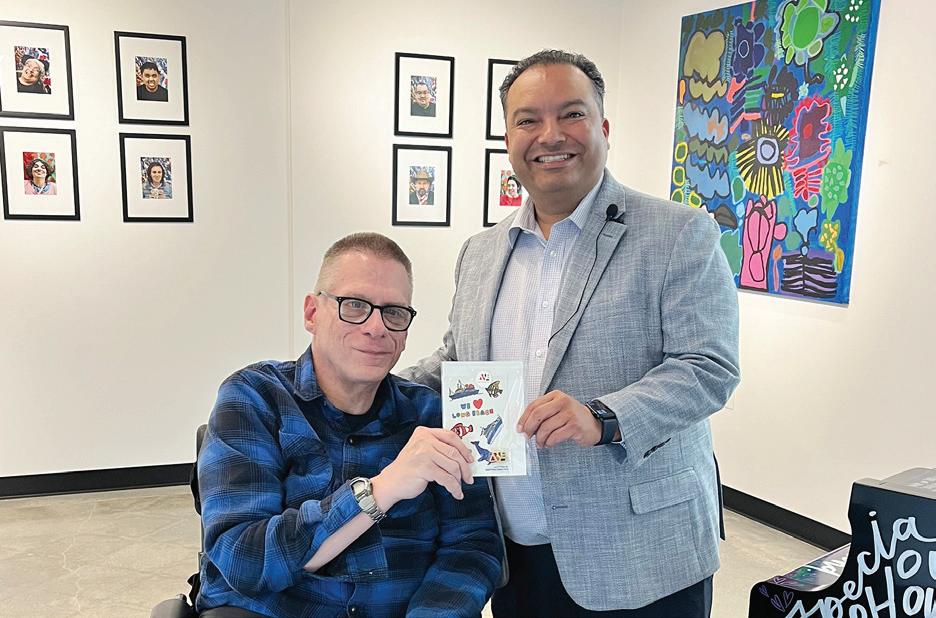
ing in a safety-equipped transportation van and visiting two of Harbor’s service providers: Social Vocational Services (SVS) and Able Arts Work. These visits highlighted the meaningful, day-to-day impact that service providers have in supporting individuals to live engaged and fulfilling lives. Individuals served, and program staff warmly welcomed the Assemblymember
with enthusiasm, guiding him through the program and sharing what they were working on. Participants highlighted their creativity and talents by showcasing projects such as art pieces, including a custom welcome banner and podcast work, offering a meaningful glimpse into their daily experiences and accomplishments.
Harbor also partnered with
the Assemblymember’s office for a community event: Special Needs Day in Lynwood, where Harbor team members provided resources, answered questions, and connected families with available services. Two families served by Harbor enjoyed the festivities by joining Assemblymember Solache at his table. These ongoing partnerships strengthen communication
between policymakers and the communities they represent while ensuring that the needs of individuals and families remain at the forefront of policy discussions.
In addition to engaging with policymakers, Harbor is focused on empowering individuals and families to become advocates within
their own communities. Earlier this year, Harbor hosted a Legislative Advocacy 101 workshop, designed to introduce participants to the fundamentals of advocacy and the legislative process.
The training provided an overview of how state policies are developed, the role of legislators in shaping services and supports, and
practical ways individuals and families can share their stories and engage with elected officials. Participants also learned about advocacy tools and resources available to help them stay informed and participate in future advocacy opportunities.
The workshop also featured self-advocates who shared their personal experiences and tips for effectively telling
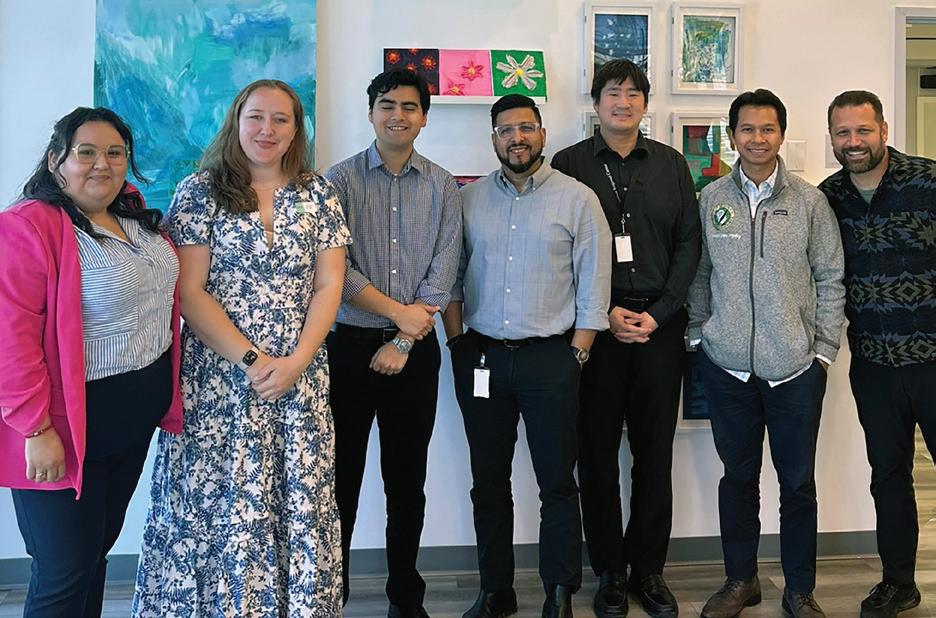
their stories in meetings with policymakers and community leaders.
Following the success of the initial workshop, Harbor Regional Center plans to offer Legislative Advocacy 101 again this summer to continue building advocacy knowledge within the community.
The workshop will provide individuals served, families, and community members with an opportunity to learn more about how legislative decisions impact services and supports for people with intellectual and developmental disabilities. Participants will gain practical tools for engaging with policymakers, sharing their lived experiences, and staying informed about advocacy opportunities.
More details, including dates and registration information, will be shared in the coming months.
Harbor Regional Center remains committed to strengthening partnerships with legislators, community organizations, and families while expanding opportunities for individuals to participate in advocacy efforts.
Through events like Grassroots Day, local legislative visits, community partnerships, and advocacy education workshops, Harbor will continue working to elevate the voices of the communities we serve and ensure their experiences help inform policies that impact developmental services across California.
By Daisy Bejarano, Person-Centered Practices Manager
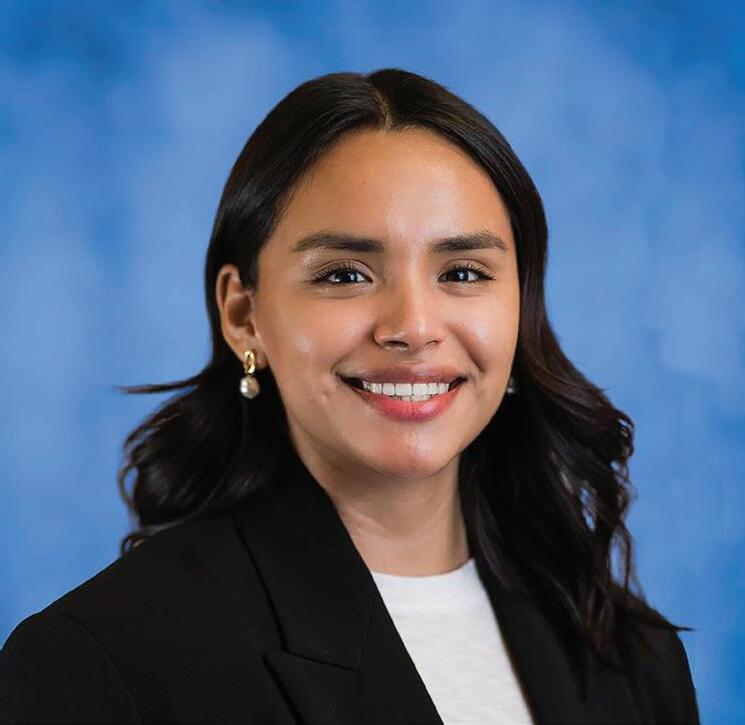
Daisy joined Harbor Regional Center in 2019 as a Service Coordinator.
Since joining Harbor, Daisy has also served as a Client Services Manager and most recently as Harbor’s PersonCentered Practices Manager. In this role, Daisy has dedicated herself to sharing person-centered practices with everyone in the Harbor community including indi -
viduals and families, service providers, and Harbor staff.
Daisy has led efforts to ensure that all Harbor employees are trained in Person-Centered Thinking practices so that they may carry principles into their day-to-day work with those we serve.
With community partner-
ships, Daisy continues to create spaces that maintain Harbor’s commitment to implementing person-centered practices. We now offer a growing array of training and workshops for individuals, families, and support staff who want to learn about person-centered thinking and practices! Continue reading to learn more about each unique offering!
The Community of Practice (CoP)
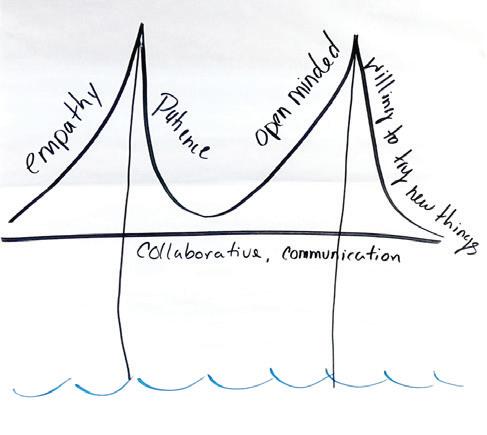
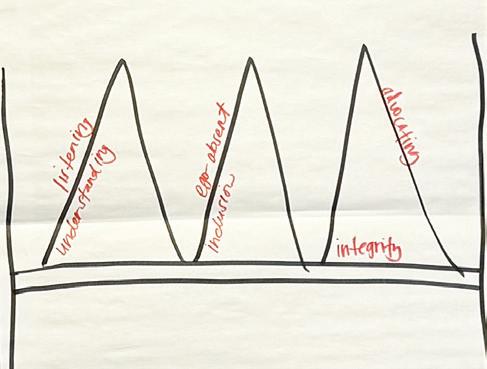
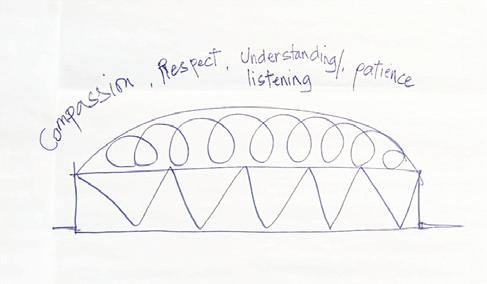
The Community of Practice (CoP) is a welcoming space for individuals, families, and service providers to come together to share what they have learned, what they have tried, and what success or challenges they’ve experienced when using person-centered practices. Our CoP blends both in-per-
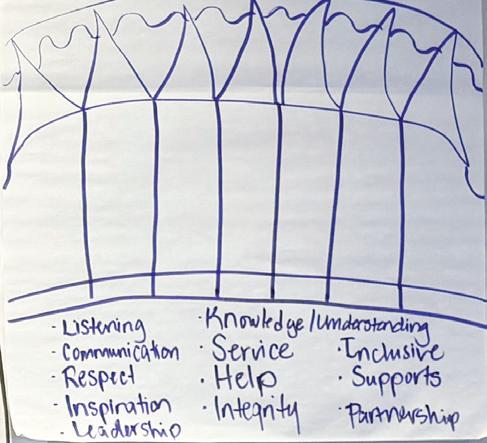
son Deep Dives and virtual Coaching Circles, making it easy for participants to join in the way that works best for them.
The CoP is driven by participants! Community members help shape each session by identifying the topics that matter the most to them. Past topics have included practicing the Home and
Community Based Services (HCBS) final rule through person-centered practices, partnering with other agencies to support individuals, and using person-centered language.
Anyone in the Harbor community who would like to meet others, share ideas, and learn practical person-centered thinking skills is welcome.
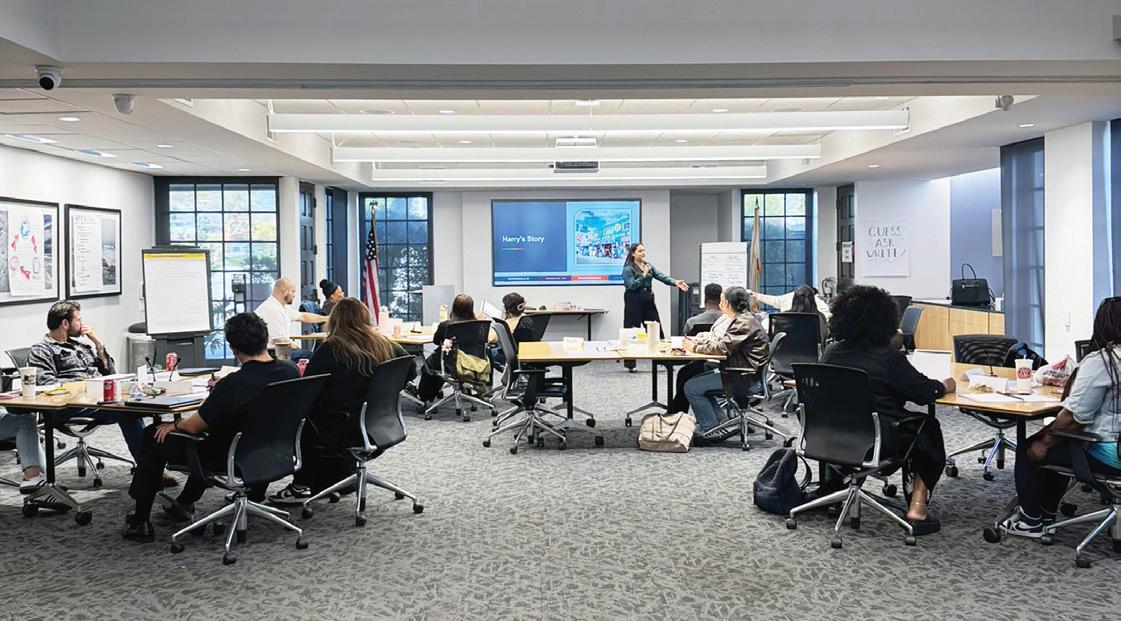
The next Deep Dive is scheduled to occur on June 10th at 10am.
Developing One Page Description for Families Workshop
The Developing One Page Descriptions for Families Workshop is a new quarterly workshop designed to help families and caregivers to create a One Page Description (OPD) for their child or family member! An OPD is a quick way to share information about
someone to ensure that they receive support in the way they want! OPDs include what others like and admire about the person, what is important to them, and how to support them. OPDs can be helpful in various situations including when meeting a new teacher or caregiver, starting a new job, or receiving medical care.
During this workshop participants learn:
• The core concepts of per-
son-centered thinking
• How to positively introduce their family member through an OPD
• Different ways to use an OPD to support their family member
• How to develop an OPD that truly reflects their family member
Workshops are offered in English and Spanish and at both Harbor Regional Center Campuses in Torrance and Long Beach, with morn-
ing and afternoon options available.
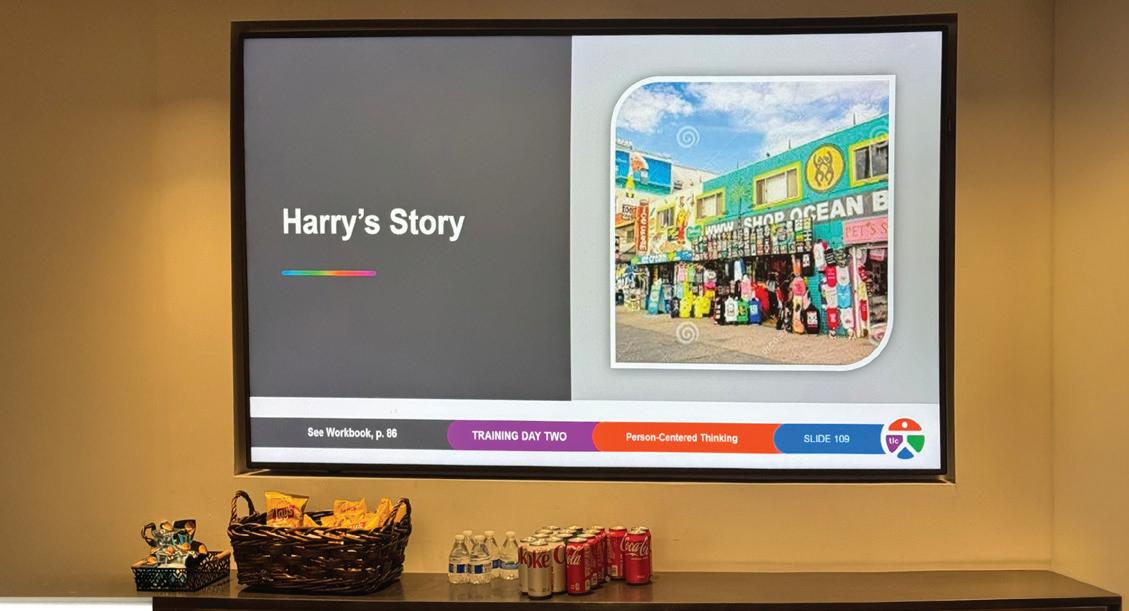
Developing One Page Descriptions for Families Workshop at Harbor Long Beach
• English - August 13th, 2026, from 1pm to 4pm
• Spanish - September 24th, 2026, from 1pm to 4pm
Person-Centered Thinking Training
If you’ve attended other Harbor’s person-centered
offerings and are ready for a deeper dive, we invite you to join our intensive 3-day Person-Centered Thinking (PCT) Training!
During Person-Centered Thinking Training, participants gain foundational person-centered thinking skills that help them support others to have positive control in their daily lives. This training is ideal for family members, caregivers, support staff, and regional center staff. All participants receive
a certificate of completion upon completing this 3-day course.
Person-Centered Thinking Training is offered twice a year at our Torrance Campus in English and Spanish.
• Spanish - September 7, 9, and 11 from 9:30am to 2:30pm
To register for any of our upcoming PCT offerings or questions email PCT@HarborRc.org
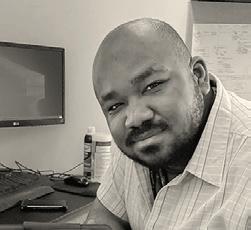
By Tim’an Ford, Peer Advocate, Harbor Regional Center

Terri Couwenhoven, M.S.
Whether you’re living independently or in the care of your parents or a caretaker, it’s natural to want other people in your life so that you can look for companionship. For many, it means a group of friends that you keep in touch with on a regular basis. For some, however, they yearn for a deeper, more intimate form of support in the form of a romantic relationship. For many people in our community, navigating social settings and especially the dating sphere can be quite challenging; even more so when you have a developmental disability. Some adult community members face an upward battle to put ourselves out there, especially those of us
whose disabilities present significant, lifelong challenges. I would like to provide you with my own quick and efficient guide to fostering and navigating interpersonal relationships-be they platonic or romantic- while having a developmental disability.
1. Prioritize your safety. This first step is crucial to your experience with making friends as well as dating. As an adult with a developmental disability, you need to have clear and honest conversations about your boundaries, your support system, and what you consider to be appropriate information to divulge during a first meetup. Additionally, you must also consider the na-
ture of your relationship as it relates to your age and the age of the person you’re interacting with. In the case of romantic relationships especially, as you should only be engaging with individuals over the age of 18. Above all, make sure you let your support system know your plans with another person. If you do not feel comfortable being with a stranger alone, you may bring a trusted friend or support person with you on a first-time meetup.
2. Start with common ground. Once you’ve established a safe and steady foundation with another person, you can start fostering the re -
lationship at your own pace. Share your hobbies and interests, make sure to give the other person time to share things about themselves, and communicate openly about how you feel. Real connections, romantic and otherwise, take time to truly grow, so make sure you go at a pace that makes you and others feel comfortable.
3. Be observant. As a person grows more comfortable around you, they’ll begin to show parts of themselves that they otherwise wouldn’t be towards a random stranger or acquaintance. While this can be a good thing, you should also be wary if their attitude toward you
shifts in a way that makes you feel uncomfortable or unsafe. If a friend or partner does this, consider bringing it to their attention either directly or with someone in your support system. Being in a relationship is a two-way street, and you shouldn’t sacrifice your own happiness and safety for someone who won’t listen or act in consideration of you.
4. Take it easy, take it slow. And above all else, remember that you deserve love in all of its forms. With proper support and guidance, you can foster a thriving ecosystem of interpersonal relationships.
Building and maintaining social relationships takes time,
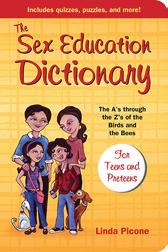
The Sex Education Dictionary By Linda Picone
patience, and self-awareness, along with an understanding of others. These are my personal reflections on healthy relationships, and I hope this guide supports you on your journey.
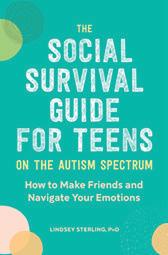
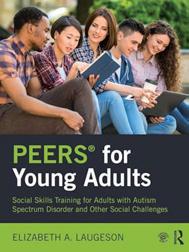
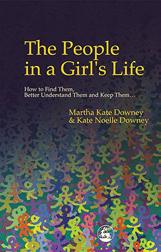
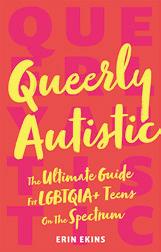
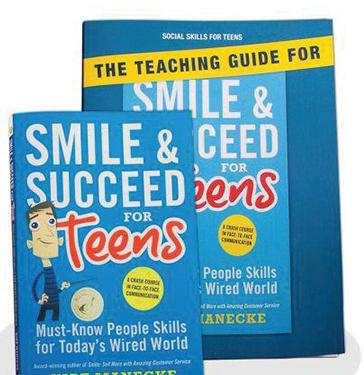
For more information about interpersonal relationships, explore some books that are available at the Harbor Family Resource Center sites!
By Erika Landeros, Provider Relations Specialist
Coordinated Family Supports
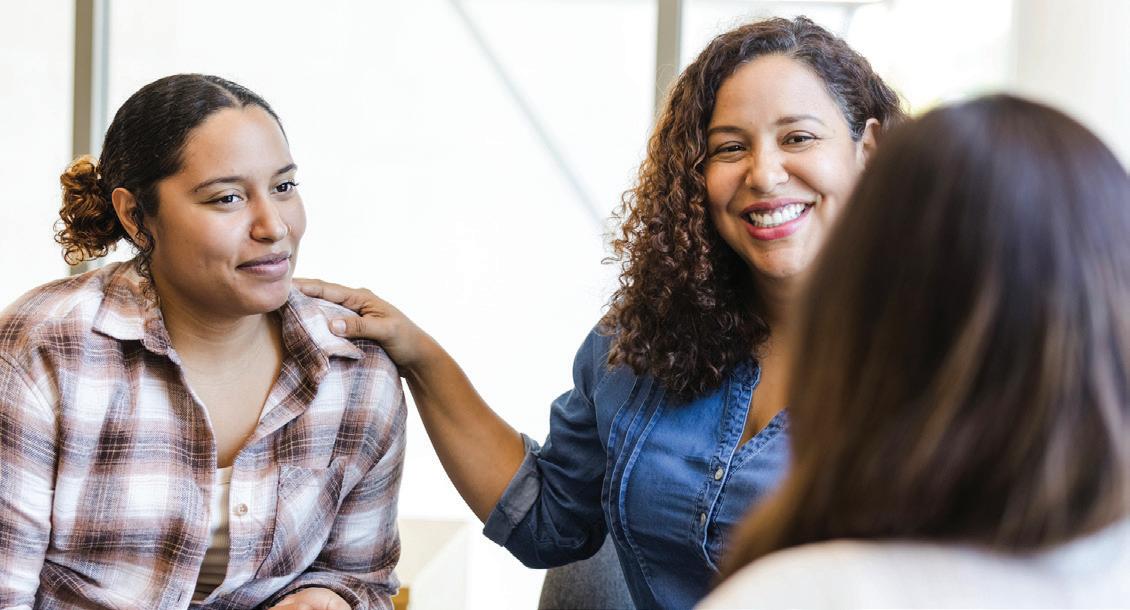
(CFS) is a pilot program designed for adults who are 18 years and older who choose to live in their family home and are served by the regional center. CFS helps with the coordination of services and supports that allow adults to continue living in the family home. Services are tailored and delivered in a manner that respects the language and culture of the individual.
CFS is designed to help you and your family with the following:
• Coordinate and schedule the services you receive
• Learn about your diagnosis
• Assist with planning for the future
• Identify and connect you with additional services that you may qualify for (generic and regional center funded)
• Training for the people who support you so that they are better prepared to work with you and your family
• Identify transportation resources, back-up providers, and help you learn about self-advocacy groups in your area.
Harbor has 13 CFS providers each being able to serve individuals in various languages including English, Spanish, Tagalog, American Sign Language, Khmer, Korean, and Halang! So far, over 400 individuals served by Harbor have benefitted from the support and services provided through this program! Additionally, our CFS pro -

viders continue to grow and they are actively hiring additional staff and expanding to meet the needs of Harbor’s community.
Harbor is proud of the visible impact that CFS is having in our area and how it is improving people’s lives. CFS providers are doing amazing work with individuals and their families. Families have expressed their satisfaction with the program and their desire to continue receiving these services. Thus far, CFS
providers have been able to assist our individuals and their families in many areas of their lives, including applying for ACCESS Services to help with community integration; navigating through the complicated process of applying for In Home Support Services through Medi-Cal; helping families find resources related to tenants’ rights; as well as assist with securing generic resources to help with payment of overdue utility bills. These are just a few examples
of the remarkable outcomes this program has been able to achieve in such a short period of time and are excited to see it continue to grow!
If you are served by the regional center, are at least 18 years of age, and live at home with your family and feel that CFS can help with realizing your goals, contact your Service Coordinator. They can assist you with learning more about the program and referral process.

LaVelle Gates
President
Joseph Czarske
Vice President

Dr. James Flores
Secretary Fu-Tien Chiou
Treasurer
Angie Rodriguez
Service Provider Representative
G. David Gauthier
Ronald Bergmann
Gordon Cardona
Ramon Gonzalez
Jeffrey Herrera
Patricia Jordan
Ann Lee, Ph.D.
Laurie Zaleski
Patrick Ruppe
Executive Director
Eun Kim
Director, Intake & Clinical Services
LaWanna Blair
Director, Early Childhood Services
Antoinette Perez
Director, Children and Adolescent Services
Judy Taimi
Director, Adult Services
Mary Hernandez Director, Case Management Support Services
Judy Wada
Chief Financial Officer
Tammy Carter Director, Human Resources
Elizabeth Garcia-Moya
Director, Community Services
Thao Mailloux
Director, Strategic Communications & Engagement
TORRANCE OFFICE
Main Building
21309 Hawthorne Blvd.
Torrance, CA 90503
(310) 543-0100
www.harborrc.org
LONG
21231 Hawthorne Blvd.
Torrance, CA 90503
Editorial Team: Thao Mailloux, Erika Segovia and Jasmin Maravilla
Design: Heather Lee, 7 Edge Creative