

What is bond........?
What is bond?
Create bonds not boundary.
-About me
-Towards the ocean -Flow with wave -Wave and the wave-rider -Break the whitebox
-From mountain to office
Camping
Surfing Fishing Diving
Zhengxin High School
2015/09~2018/06
EF Language School SanDiego 2018/09~2019/02
Tamkung University Dept. Of Architecture 2019/09~2024/06
OASIStudio No. 37, Lane 211, Taishan Rd, Yilan City, Yilan County, 260
李天鐸建築師事務所
No. 56, Section 2, Zhongcheng Rd, Shilin District, 111
Language
Chinese/English/ /Taiwanese
My name is Chih Han Chang, a nature enthusiast with a passion for exploration. Outside of design, I enjoy cycling along the North Coast, hiking or road-tripping with friends, and surfing solo in Jinshan during lighter school periods. My curiosity drives me to embrace the freedom of outdoor experiences, reflecting my desire for a life of exploration and independence.
Before joining the Department of Architecture at Tamkang University, I took a gap year in California, studying English while exploring life’s possibilities. This experience exposed me to diverse paths—friends making a living through YouTube and sneaker sales, others turning school activities into opportunities—broadening my perspective and strengthening my commitment to architecture.
“Choose what you love, love what you choose.”
After Architecture:
Entering the architecture program was a challenge, starting from zero and often questioning my own understanding during the first two years. My perspective shifted when I encountered Rem Koolhaas’ Seattle Central Library, whose method revealed the possibilities of architecture and helped me reflect on my early designs.
I am drawn to methodological, data-driven approaches like those of BIG and OMA, yet I am also exploring more intuitive, emotional design strategies to discover alternative possibilities. My current interests focus on outdoor-related architecture—mountains in junior-year projects, the sea in senior-year projects, and maritime activities in my fifth-year work—as well as digital design.
Date of birth : 1999/09/21
Cellphone:+886979669077
Date of birth : 1999/09/21
Email address : michael75105@gmail.com
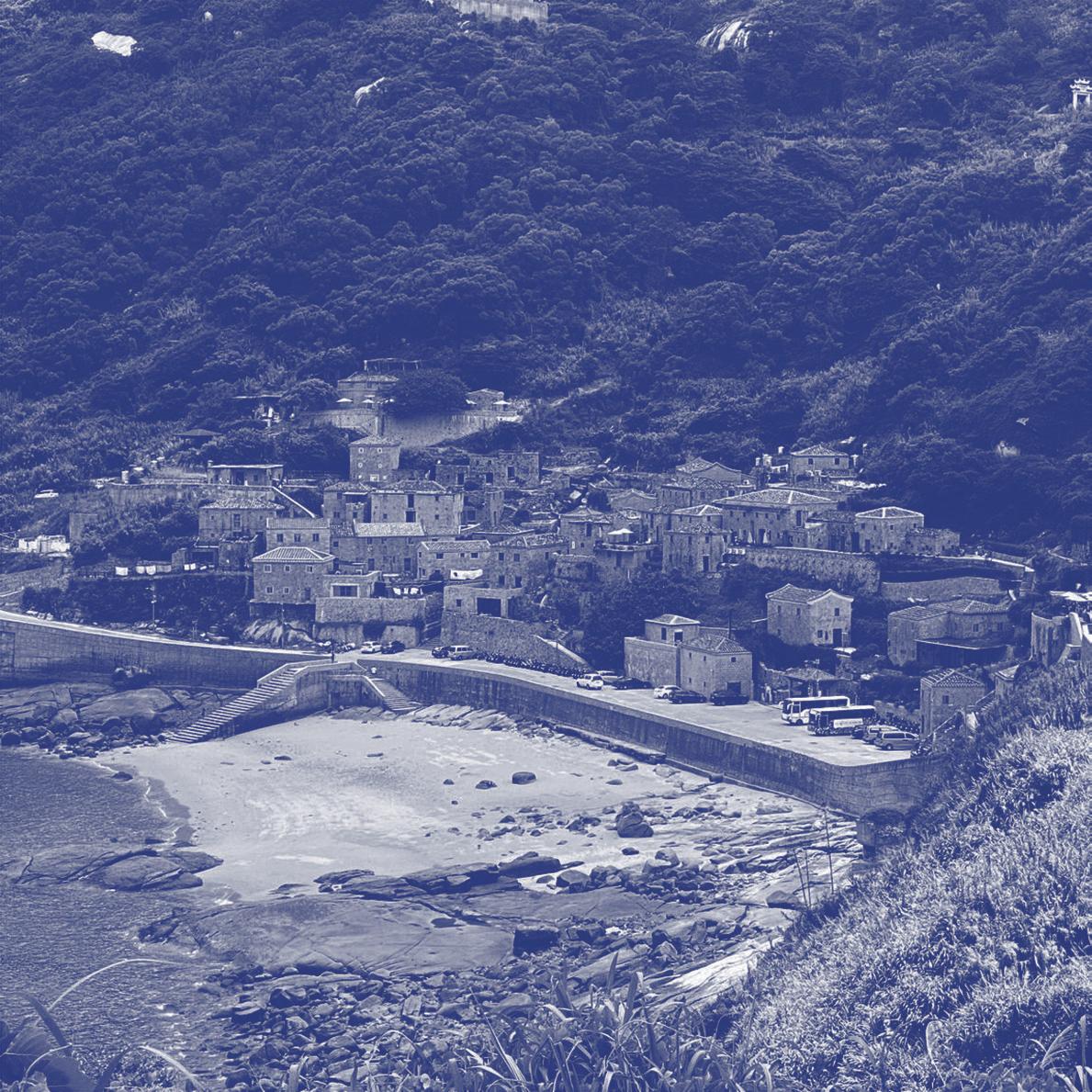
-Great day but no one on the beach Matsu Islands
廖鴻基:「一個島如果不向海進取,卻背對著海,島 還剩下什麼?」 EA5
Location: Yeliou,Taiwan
Type: Tourist Center
Key word: Ocean, Activity, Interaction

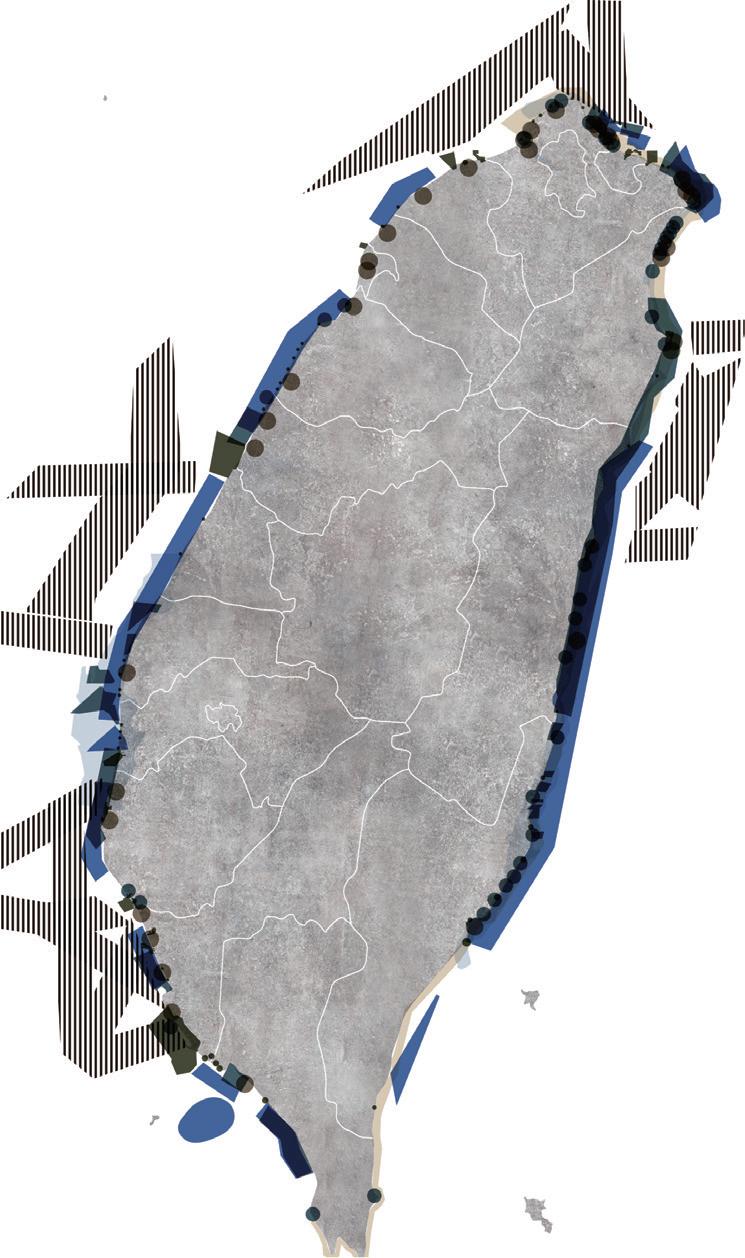
Taiwan is surrounded by the ocean, yet as an island nation we often lack awareness and passion for it—the sea has gradually faded from our everyday lives. To rebuild this connection, I researched various maritime activities and their users, uncovering conflicts not only between different industries but also among activities within the same field. By clarifying their goals, users, and interactions, I reorganized the coastline from these perspectives, creating opportunities for dialogue and mutual understanding.
Through phased spatial interventions, my design places maritime activities at its core, aiming both to invite the general public to rediscover the ocean through direct experience, and to encourage exchanges across diverse user groups. Ultimately, the project envisions the coastline as a shared platform where activities overlap, identities interact, and new connections with the sea can emerge.


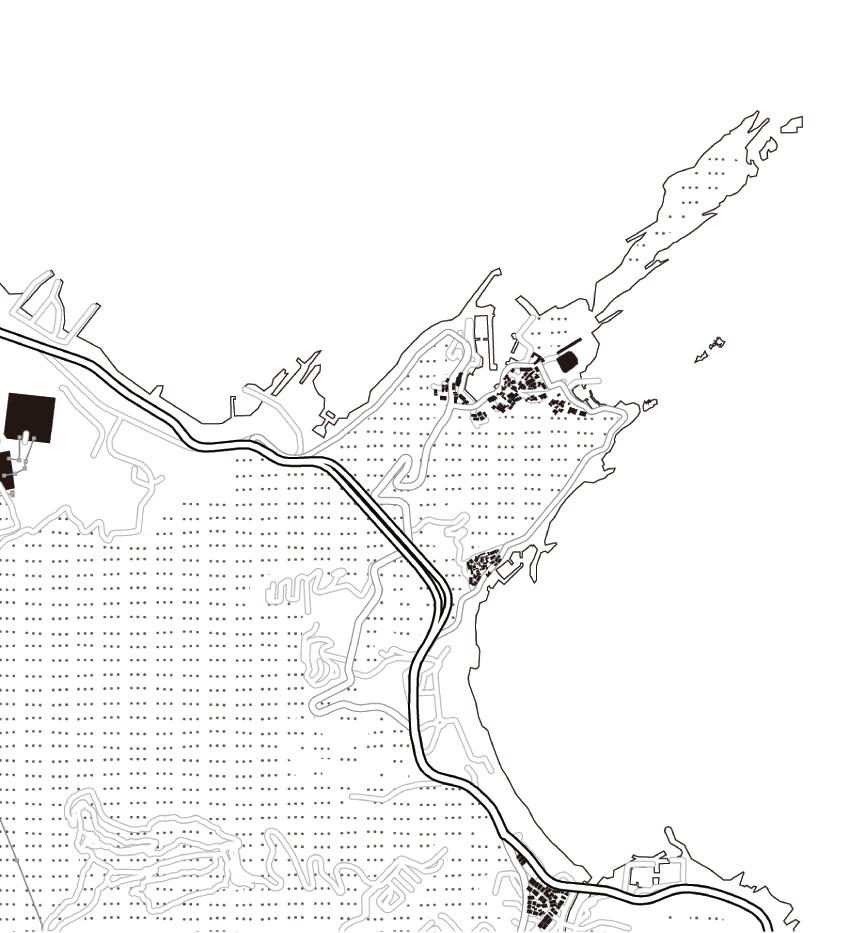
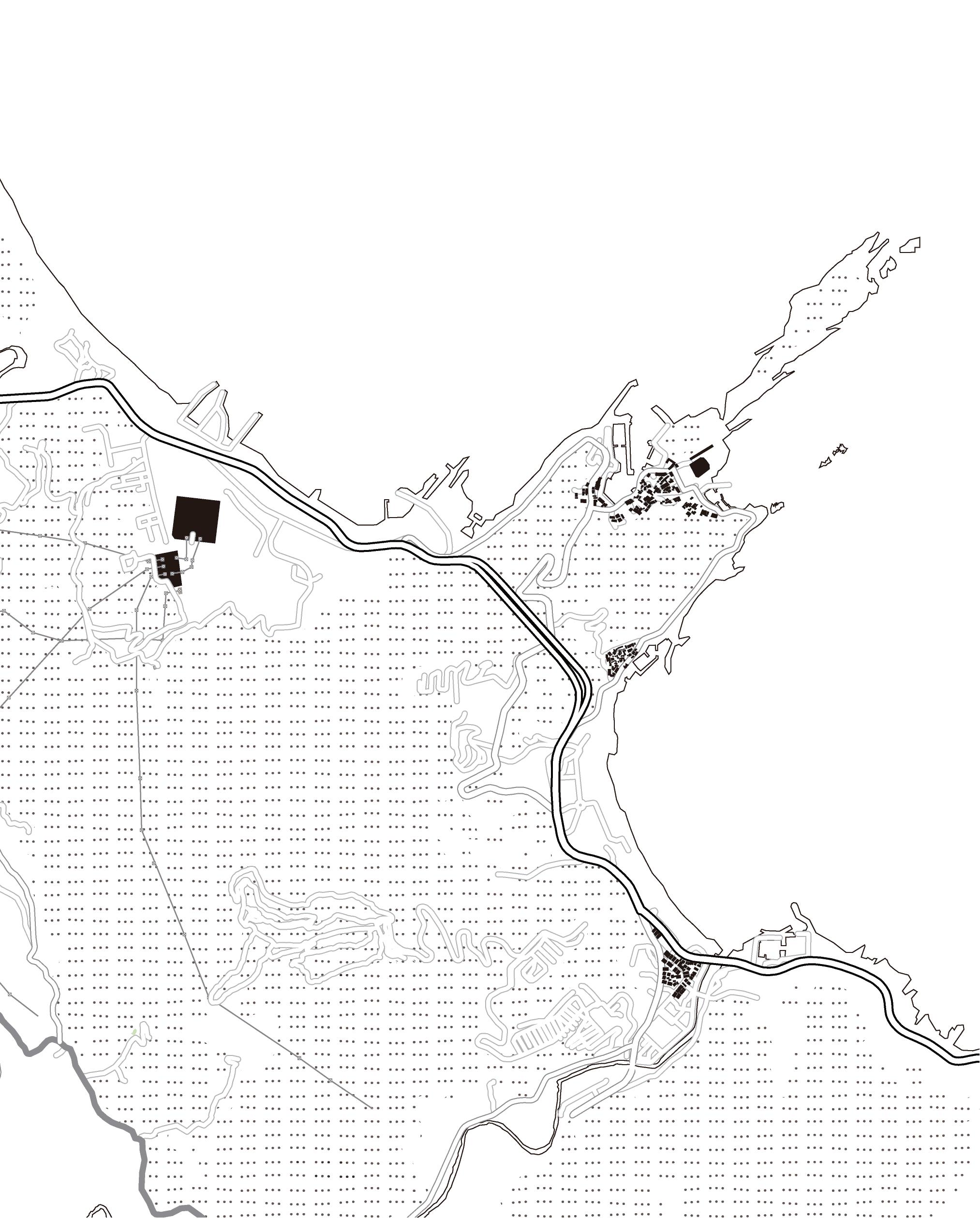
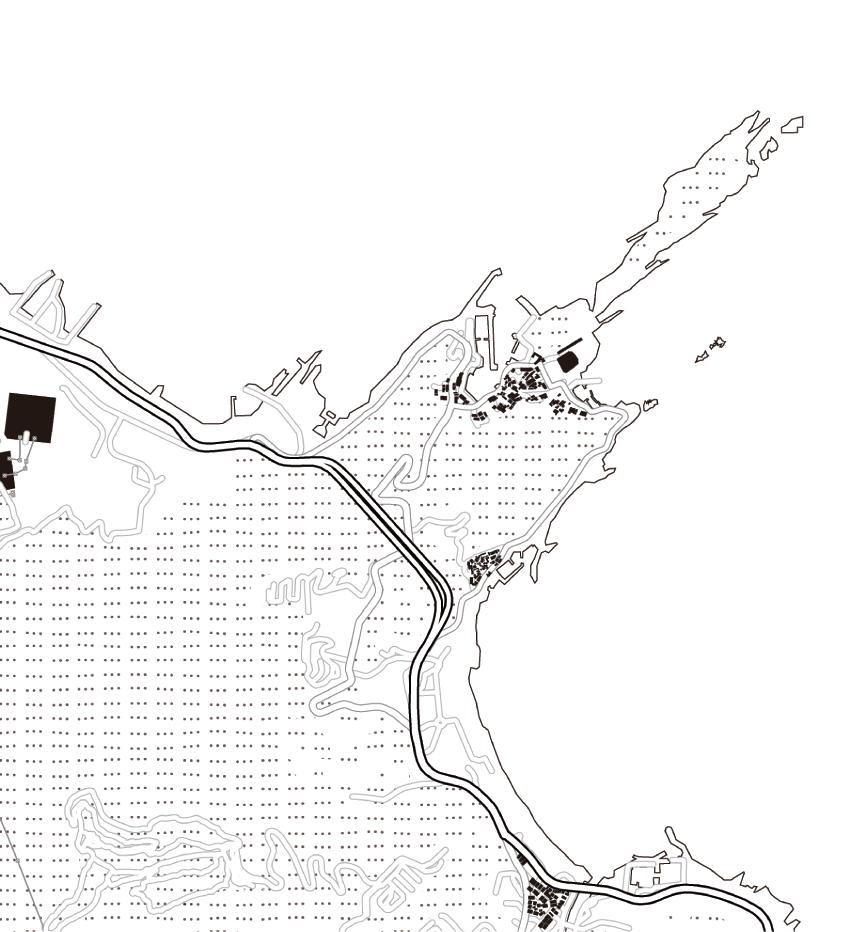
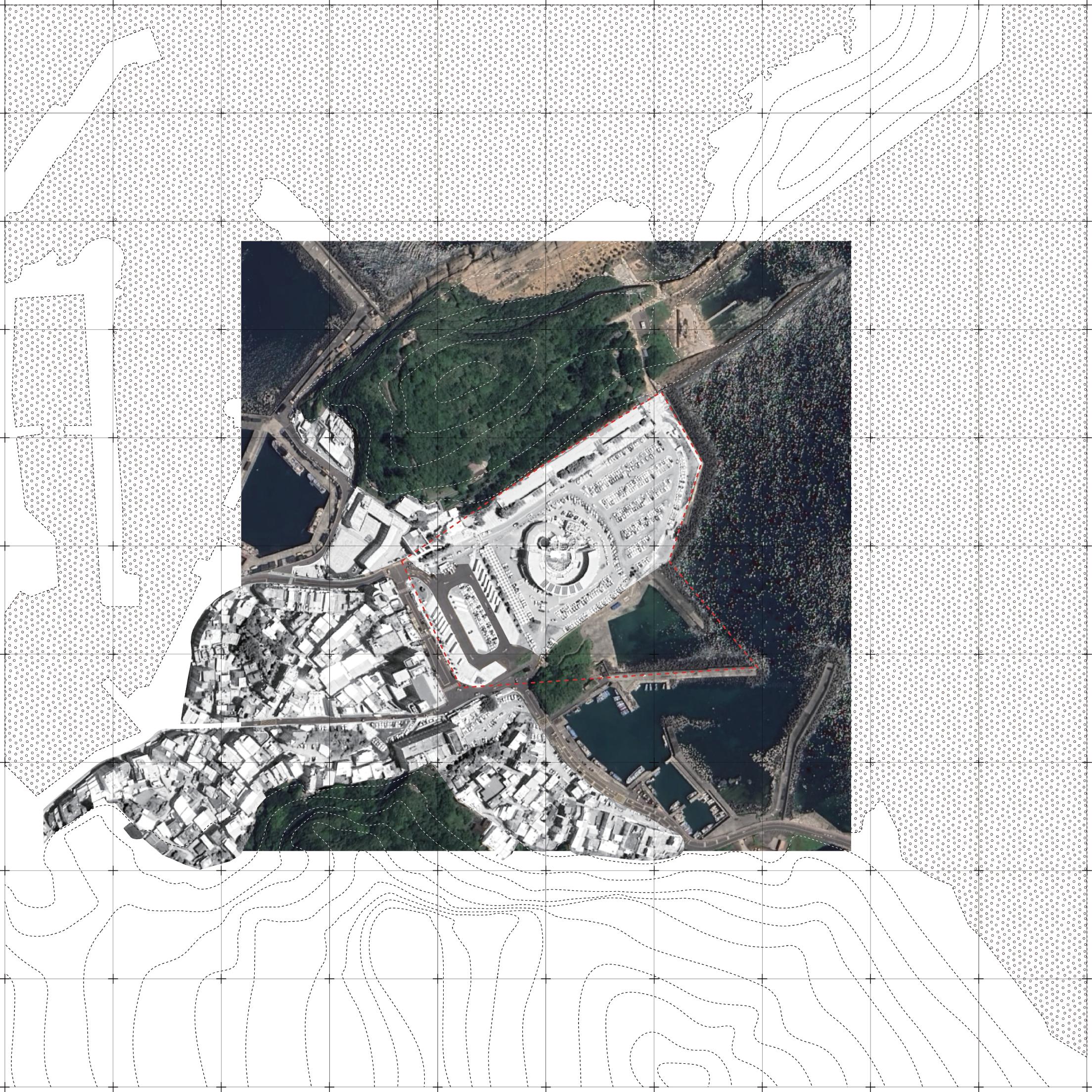
I categorized different activities and mapped their respective areas through layered diagrams. By analyzing these overlaps, aiming to reveal potential collaborations as well as conflicts when different activities coexist along the same section of coastline. In the early stages, I applied this method to several regions in Taiwan—such as Wu-wei Harbor in Taichung, Donggang in Pingtung, and the Qigu Lagoon in Tainan—but ultimately selected Yehliu, where the degree of overlap was the most significant.


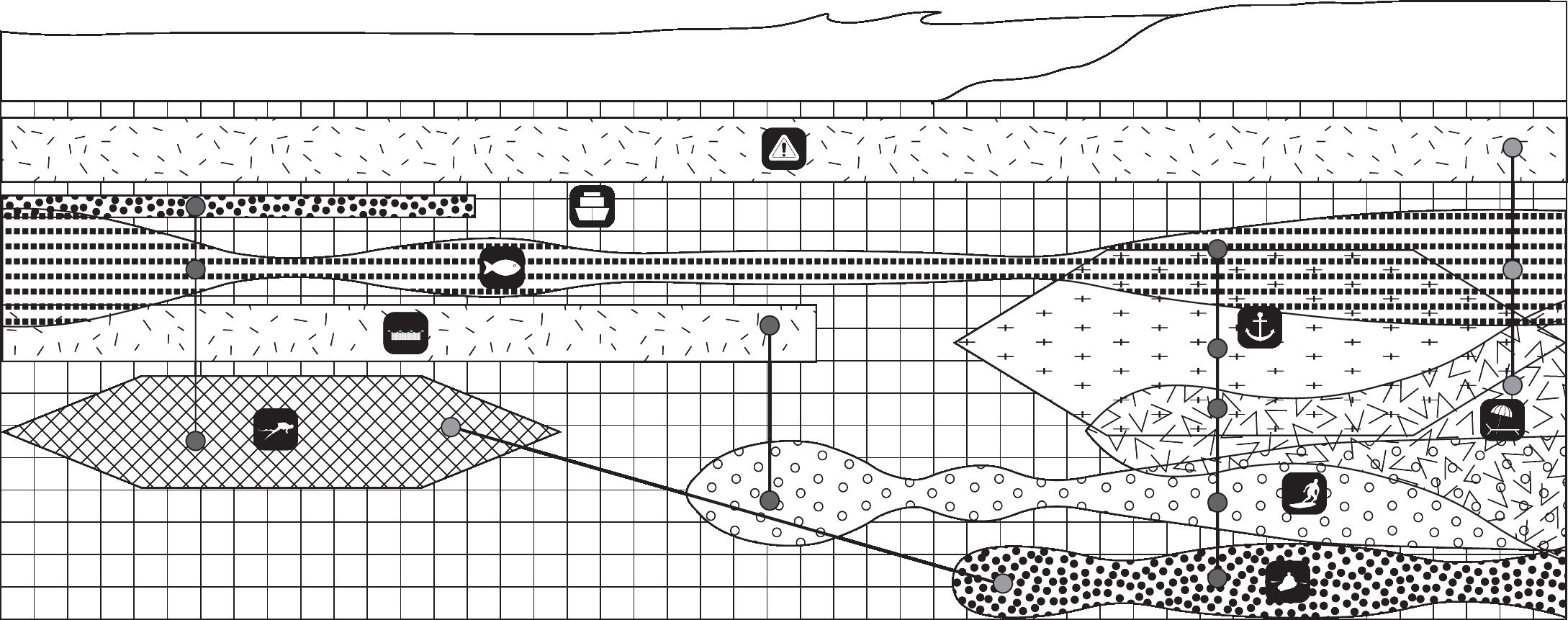
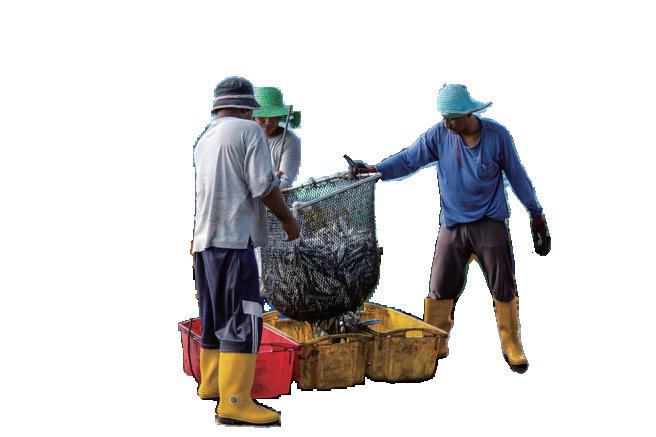

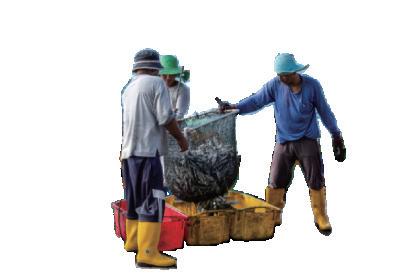
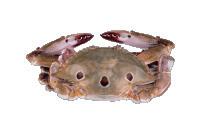
People generally have little understanding of fishing work, and fishermen prefer not to be disturbed by tourists while working. At Yehliu, the catch is auctioned directly in the harbor after being unloaded, preventing visitors from experiencing the full process from unloading to handling.
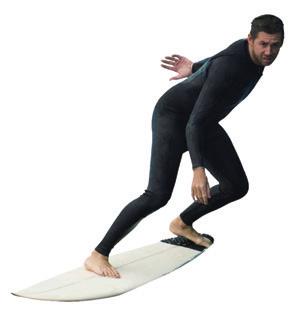
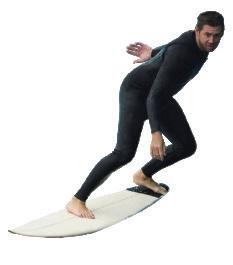
Surfing is a complex activity that requires a combination of skills. Unlike other sports, it takes place in a dynamic environment—the ocean—requiring constant attention and adaptation to changing sea conditions.
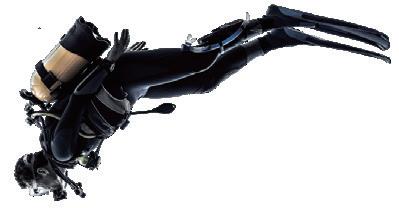
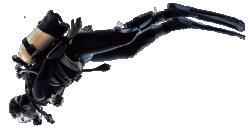
Diving is a highly specialized sport, mainly divided into scuba diving and freediving. Scuba diving allows breathing underwater using compressed air tanks, while freediving relies on holding one’s breath to extend time underwater. Both activities require advanced knowledge and skills.

Participation
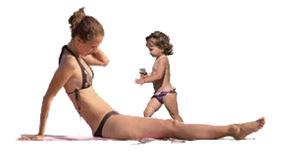
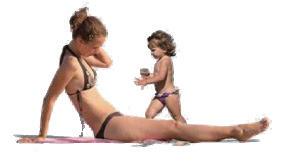
Typical visitors mainly tour Yehliu Geopark and Yehliu Ocean World. In the summer, they may wade in the water and sunbathe at Feicui Bay, and then stop by Guishou Fishing Port for a meal.
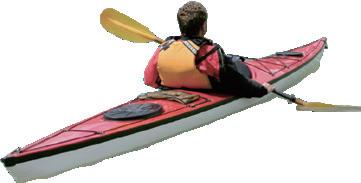
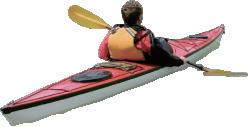
Stand-up paddleboarding is similar to surfing, but the main difference is that surfing is more physically demanding, while paddleboarding is lower intensity, closer to canoeing. However, since it still takes place on the ocean, participants must remain aware of sea conditions and adjust accordingly.
Time Spent
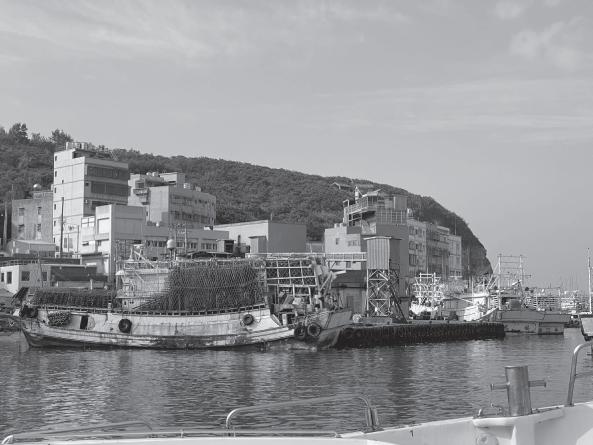
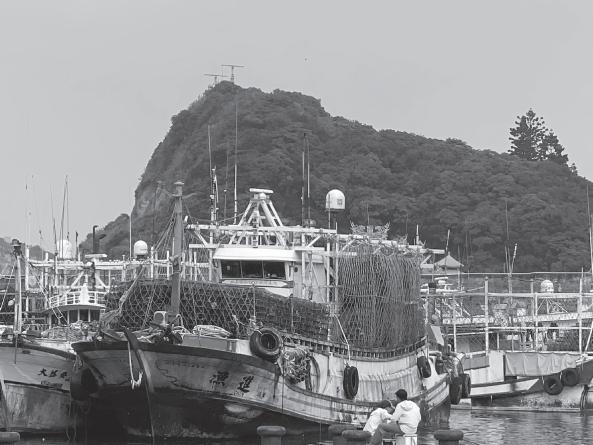
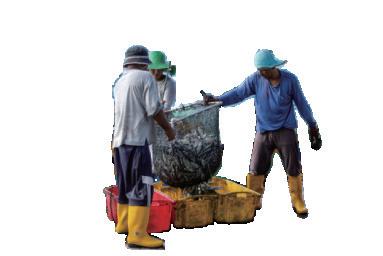
In contrast to tourist-oriented fishing ports, in recent years the New Taipei City Government has sought to transform Guishou Fishing Port’s tourism and dining industries, creating more opportunities for the local environment and maritime culture.
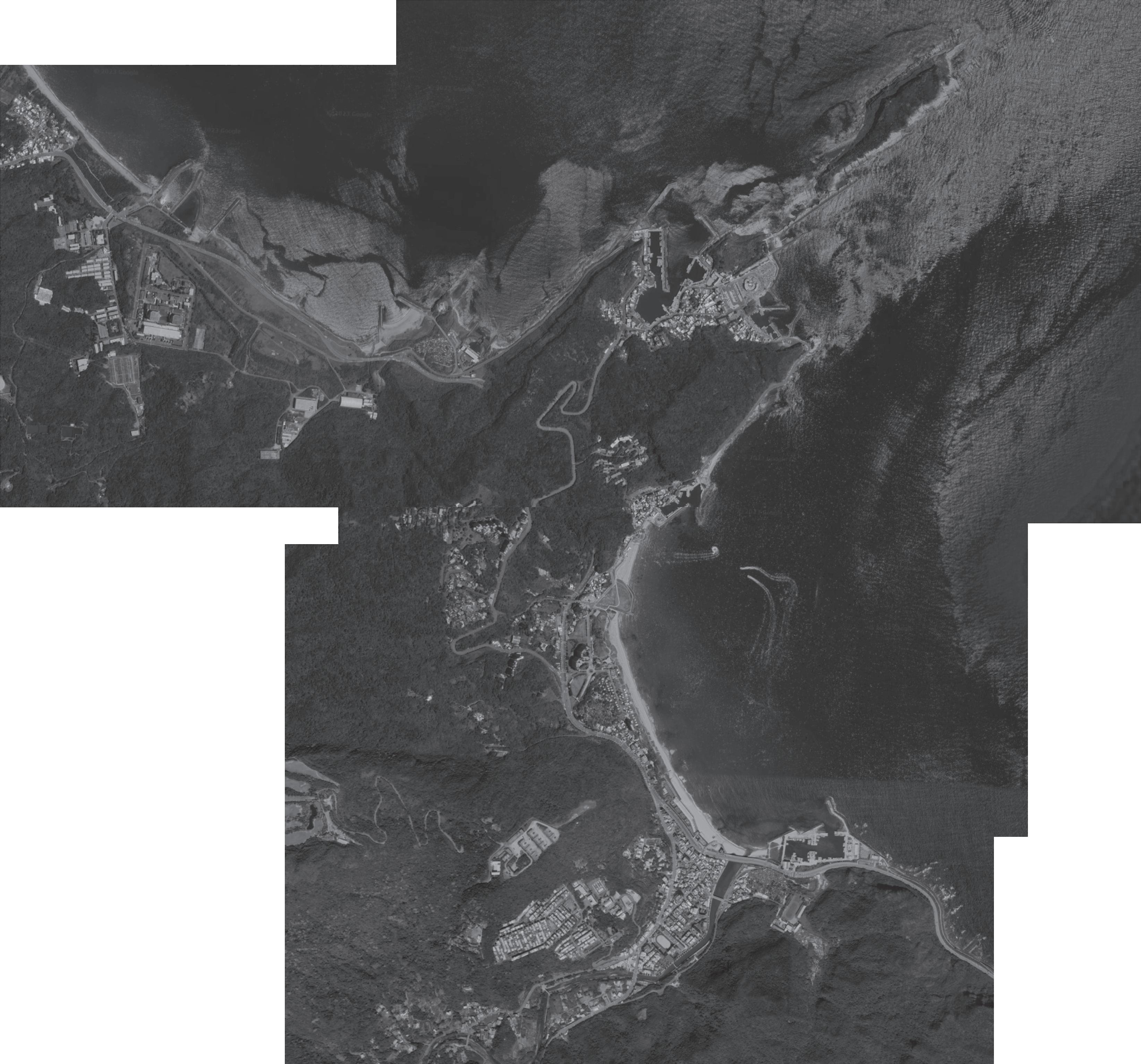
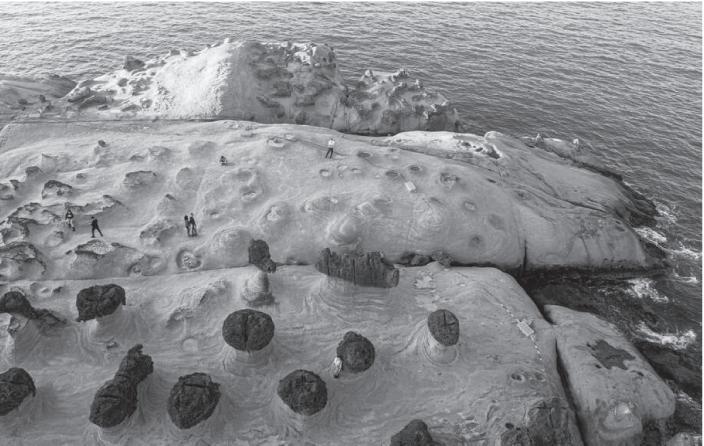
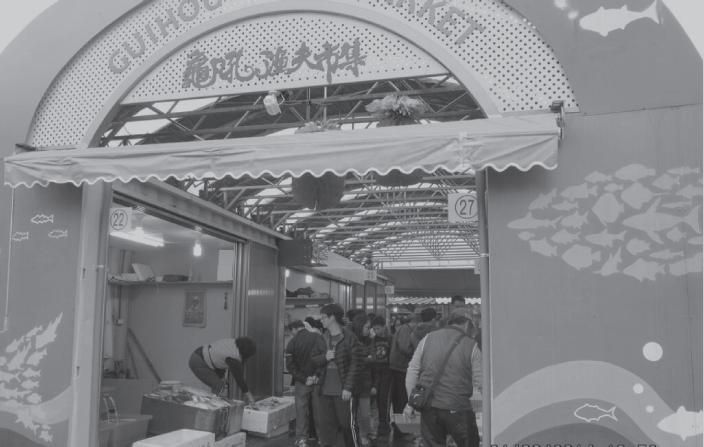
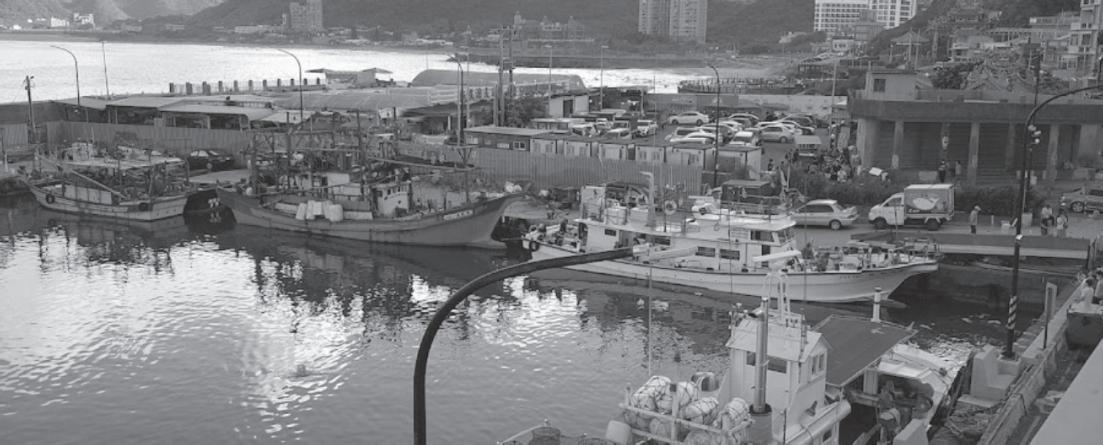
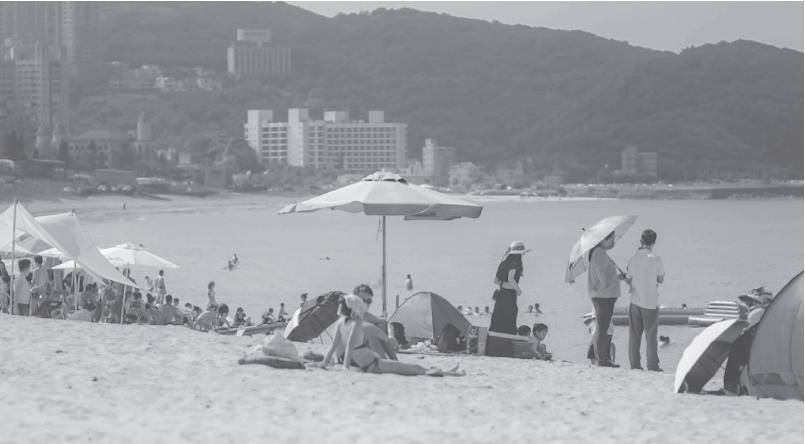
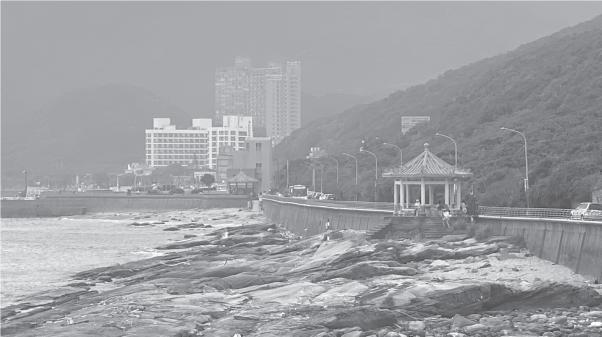
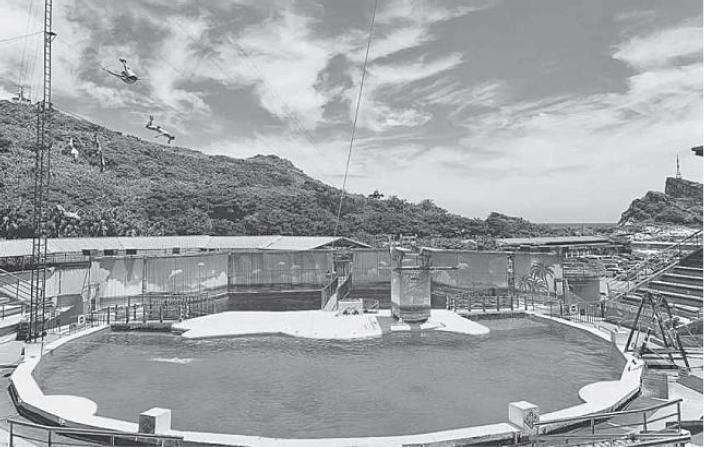
Activities
Site2. Site1.
禁漁區
forbidden fishing zone surfing
生態保護區
preserve zone
海岸遊憩區(衝浪、游泳)
海岸遊憩區(潛水、獨木舟、SUP)
diving、SUP、kayak
海洋學習區
learning
Ocean base
Site1.
The main users are tourists, with the goal of extending their stay and encouraging greater participation in diverse maritime activities through dedicated spaces for experience and practice.
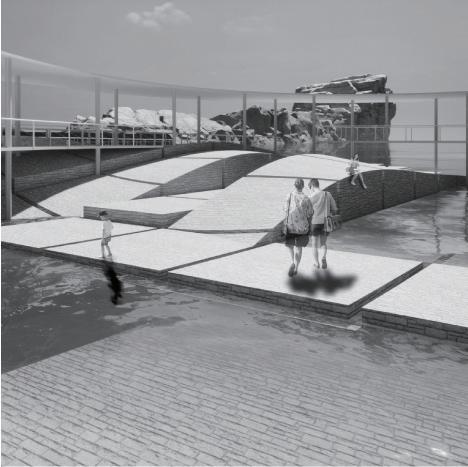
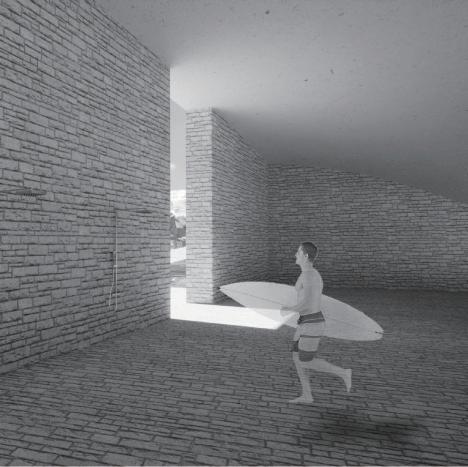
Phase one focuses on attracting more visitors, extending their stay, and creating opportunities for them to engage with different activities and participants. Through the previously established website, the spatial experience of various activities is expanded, enabling interaction among different events and their users. At the same time, to prevent potential conflicts in use, the maritime areas are divided according to specific activities.
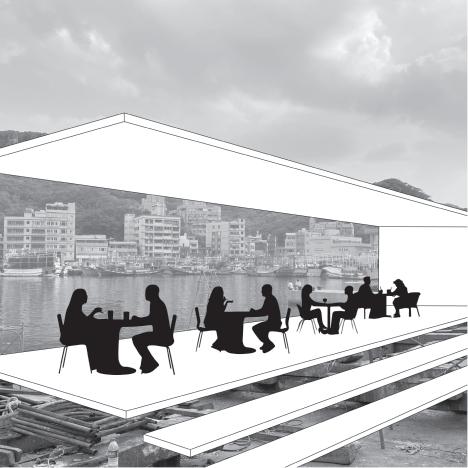
Fisherman Learning Center
Site2.
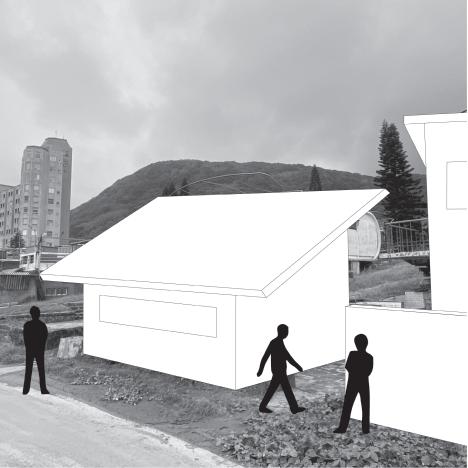
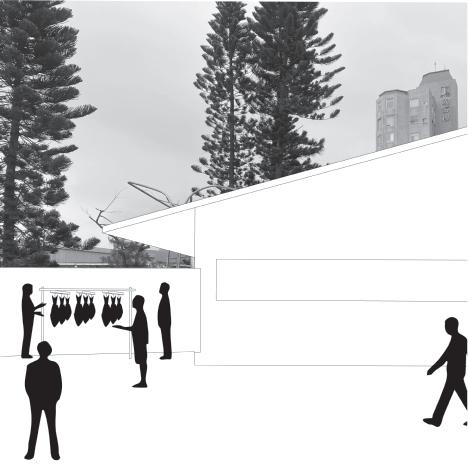
The main users are tourists and fishermen, with a fish market provided to help visitors better understand fishing activities while ensuring that tourism does not interfere with the fishermen’s routines.
禁漁區
forbidden fishing zone surfing
生態保護區
preserve zone
海岸遊憩區(衝浪、游泳)
海岸遊憩區(潛水、獨木舟、SUP)
diving、SUP、kayak
海洋學習區
learning
The multifunctional tower guides maritime zones through sightlines, while its interior provides spaces for bus stops and activity needs, such as surfboard storage, enhancing opportunities for interaction.
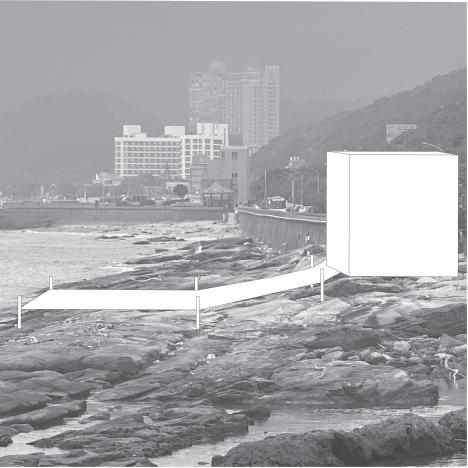
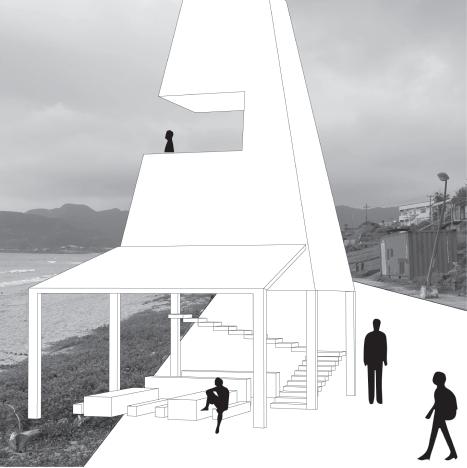
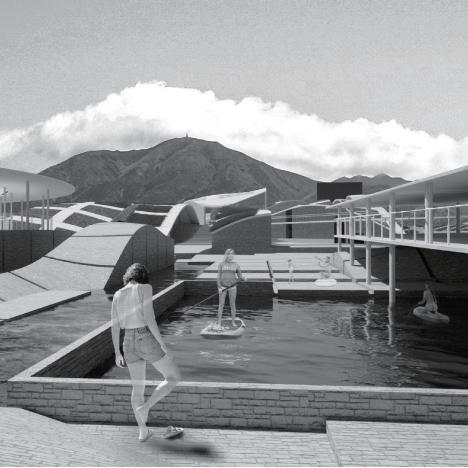
Phase two focuses on expanding opportunities for interaction among users of different activities, incorporating not only large practice areas but also smaller spaces used by each activity.
Phase three adds accommodation once a sufficient number of visitors and participants have been ensured, broadening local industry transformation opportunities and fostering mutual prosperity.
浮島
結合箱網
養殖和觀 光,嘗試
讓傳統漁 業轉型。
Provides accommodation for visitors, with spaces for cooking and overnight drying activities, allowing one-day trips to extend into multi-day stays
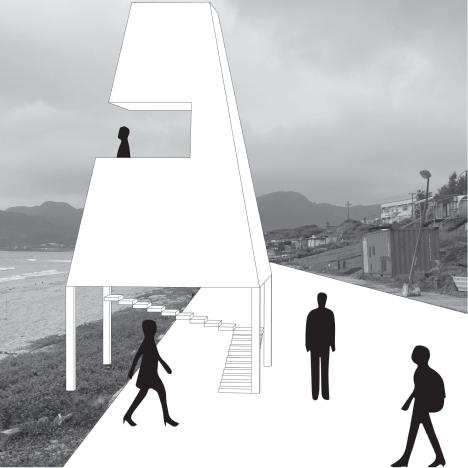
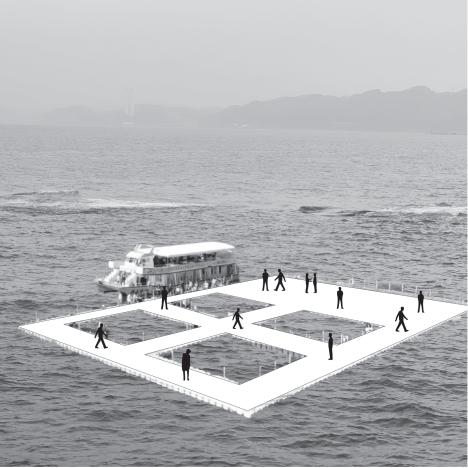
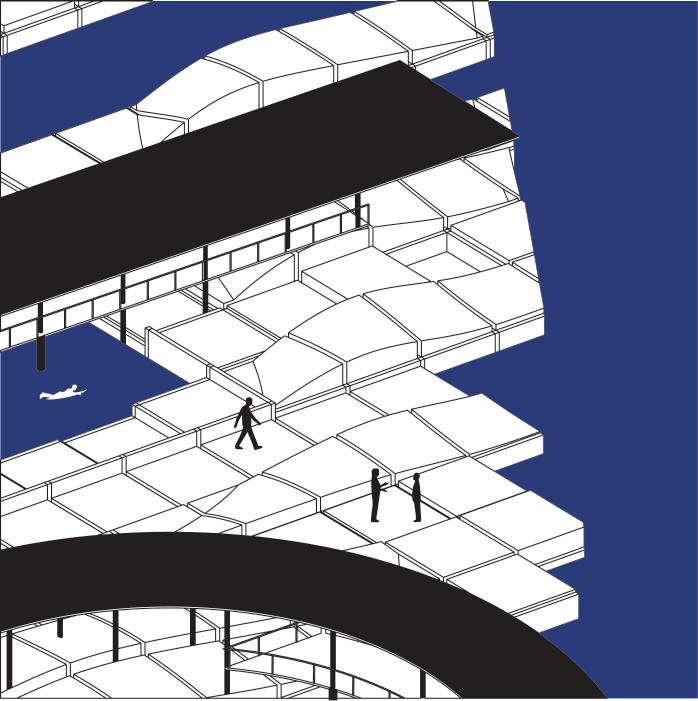
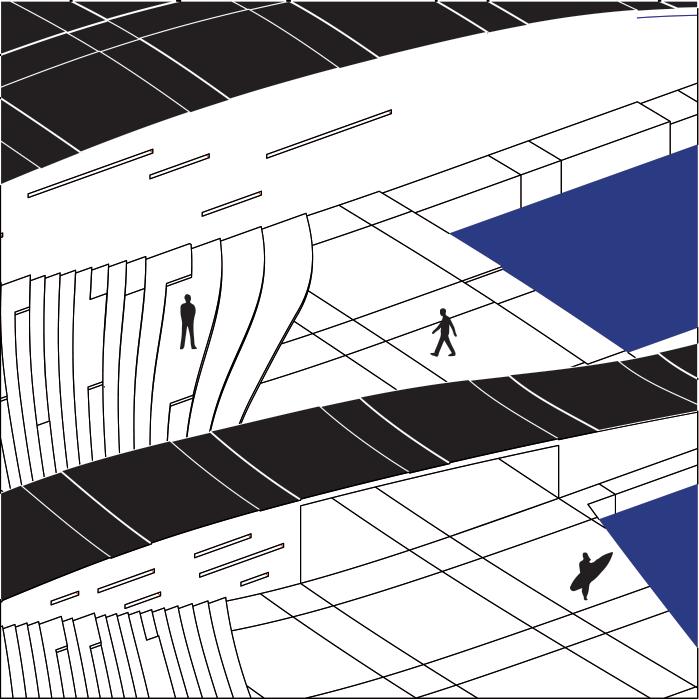
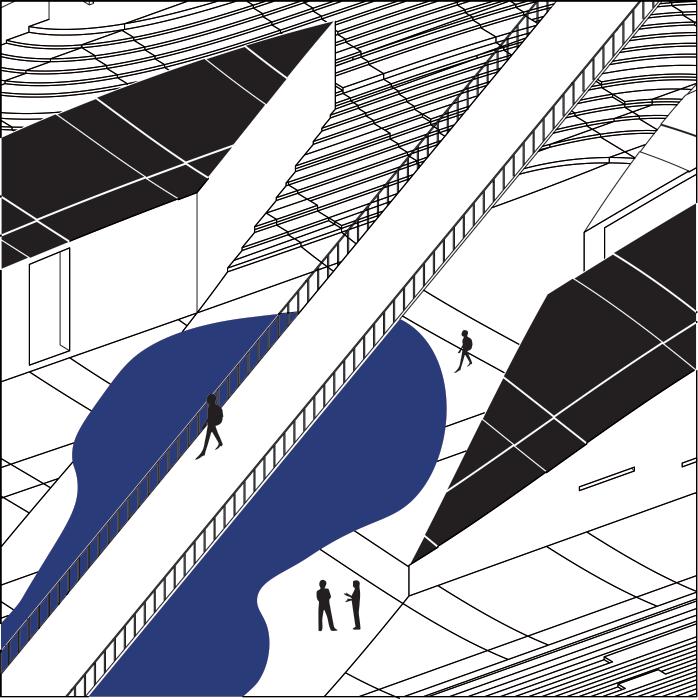
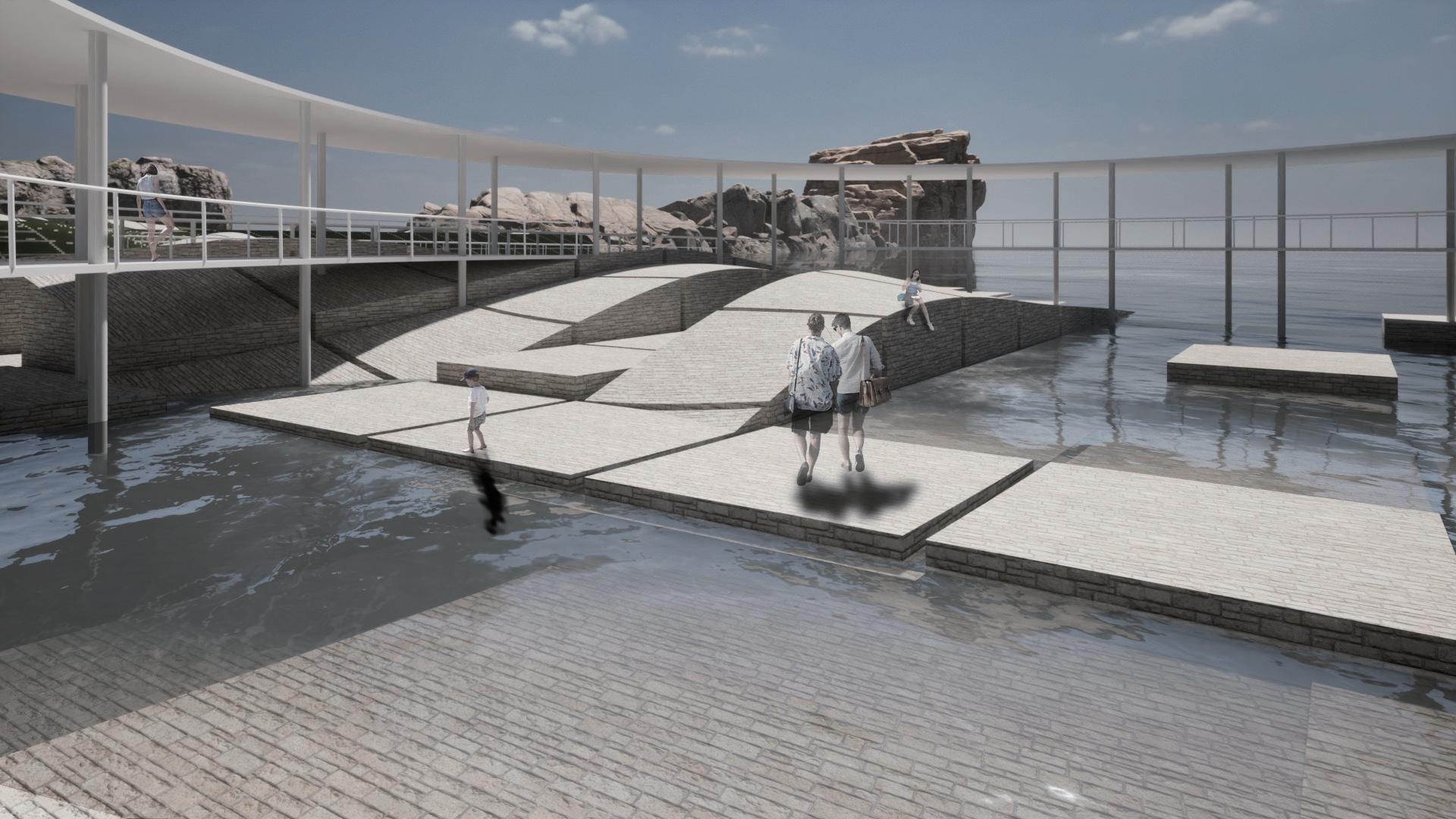
The end of the site serves as a water play area, integrating different users while also functioning as a breakwater to reduce the impact of waves.
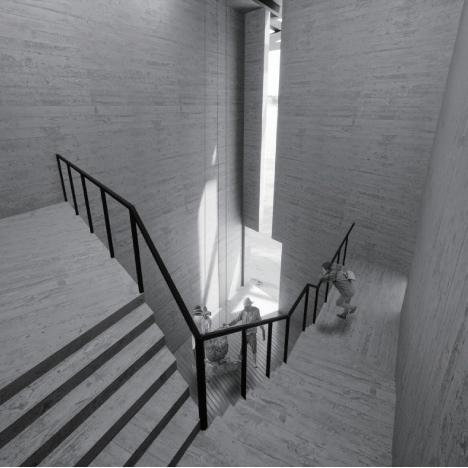
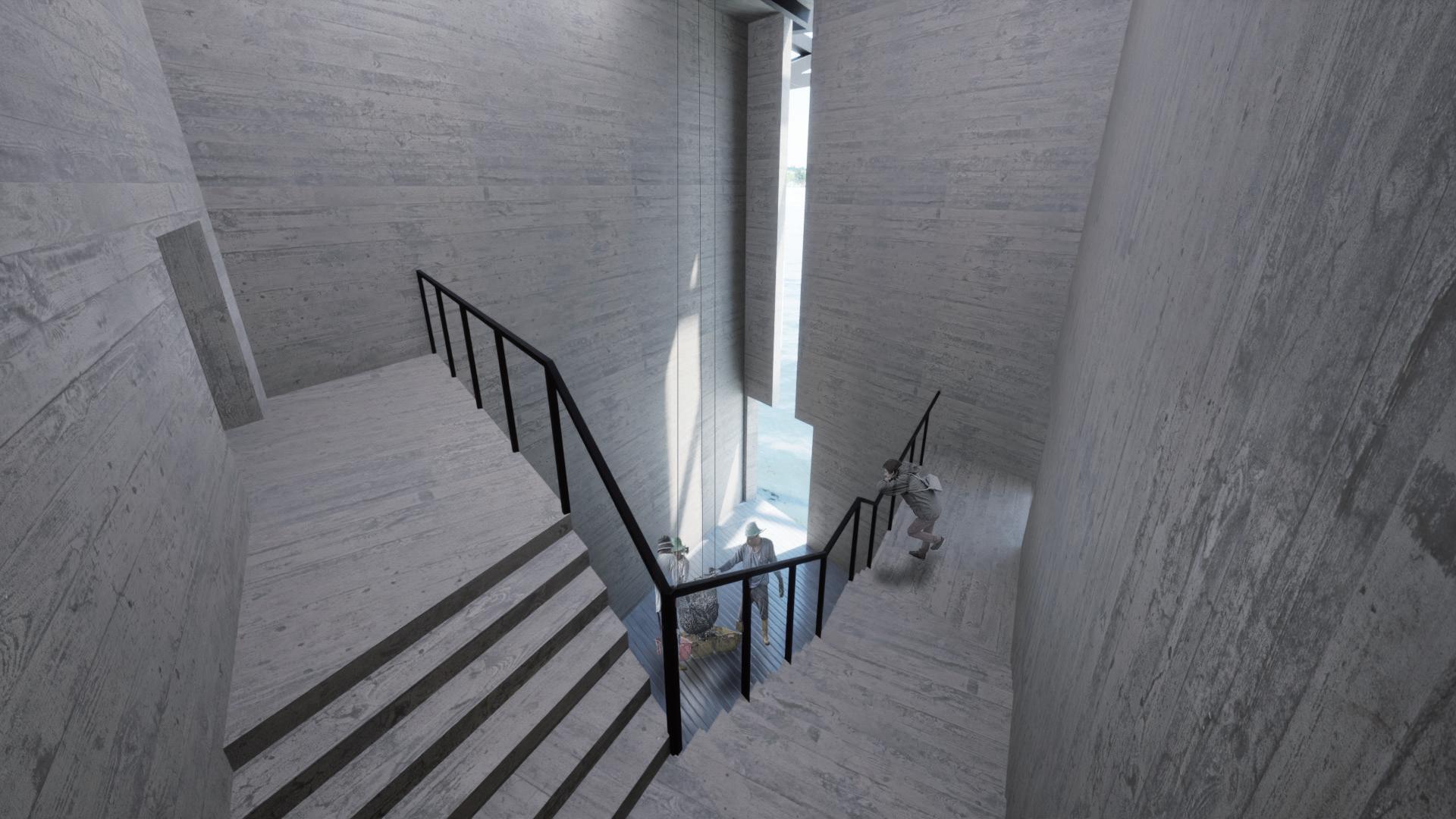
The stairs guide circulation while providing spaces for resting, sea viewing, and observing activities.
The skybridge serves as a fast route to the Yehliu Scenic Area while guiding sightlines, allowing people to observe the crowd below as they move.
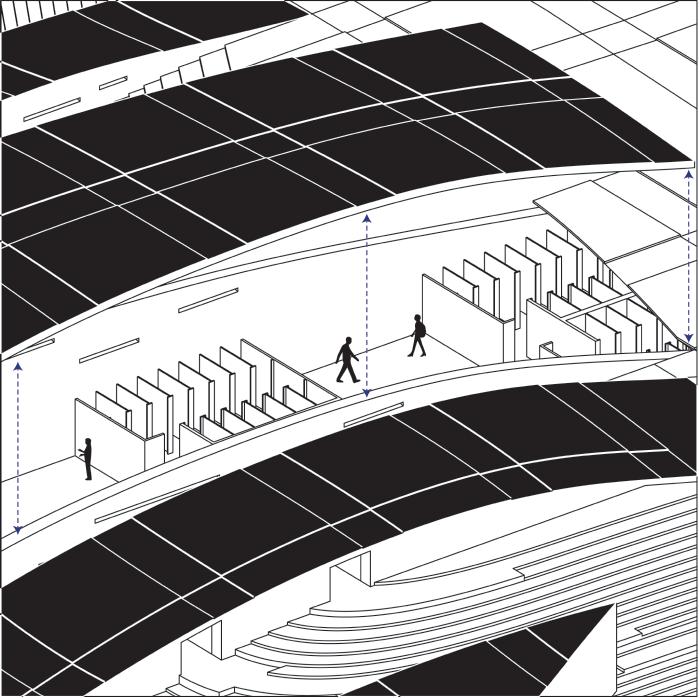
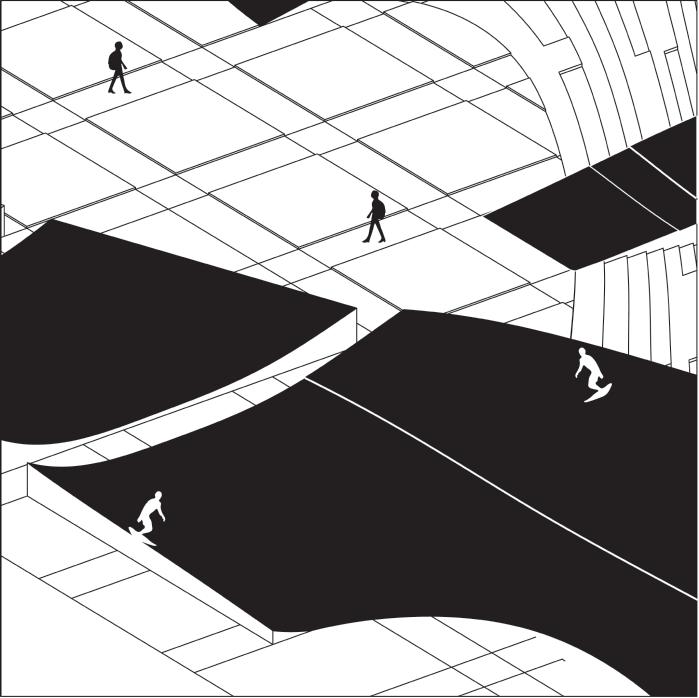
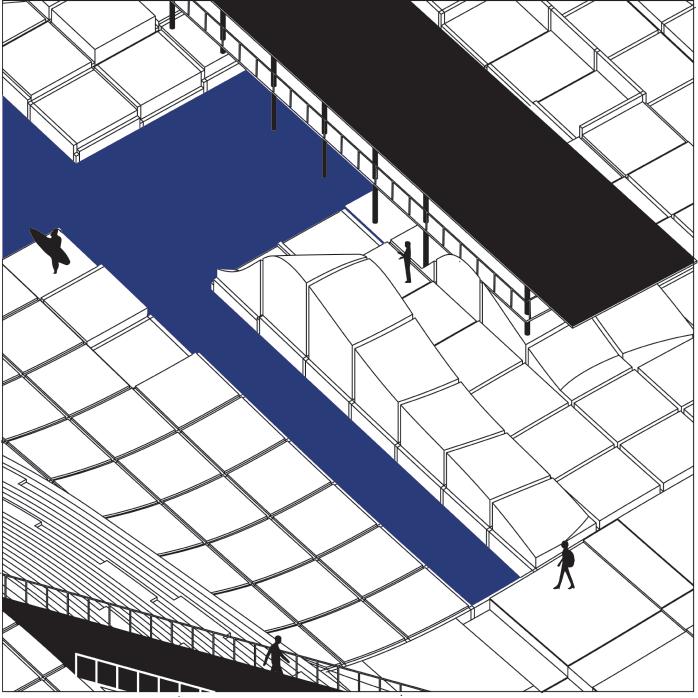
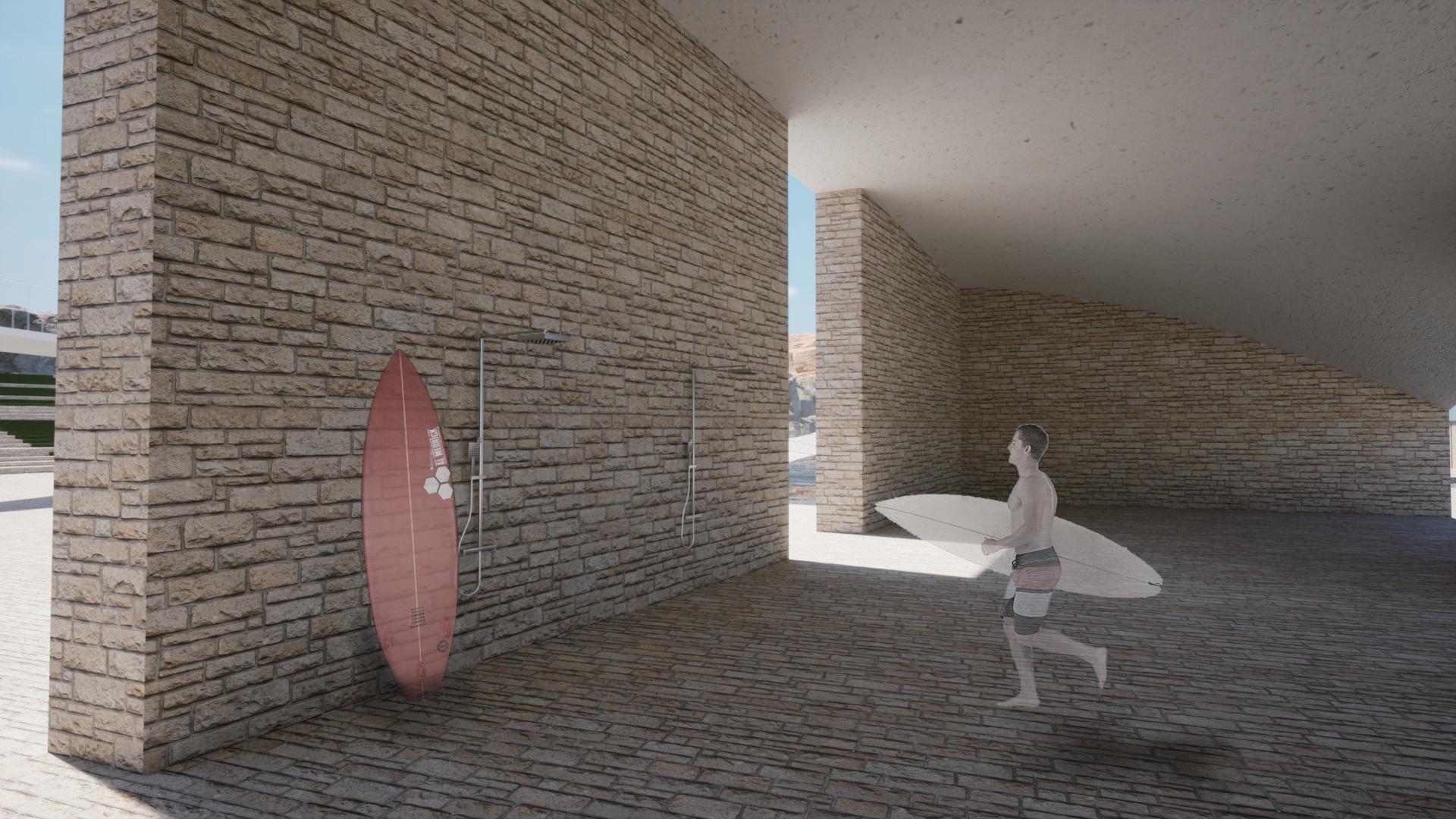
The changing area serves not only tourists but also users of overnight activities, acting as a point of interaction.
The building’s roof functions not only as a passage but also houses a skateboarding area, allowing surfers to practice on skateboards when there are no waves.
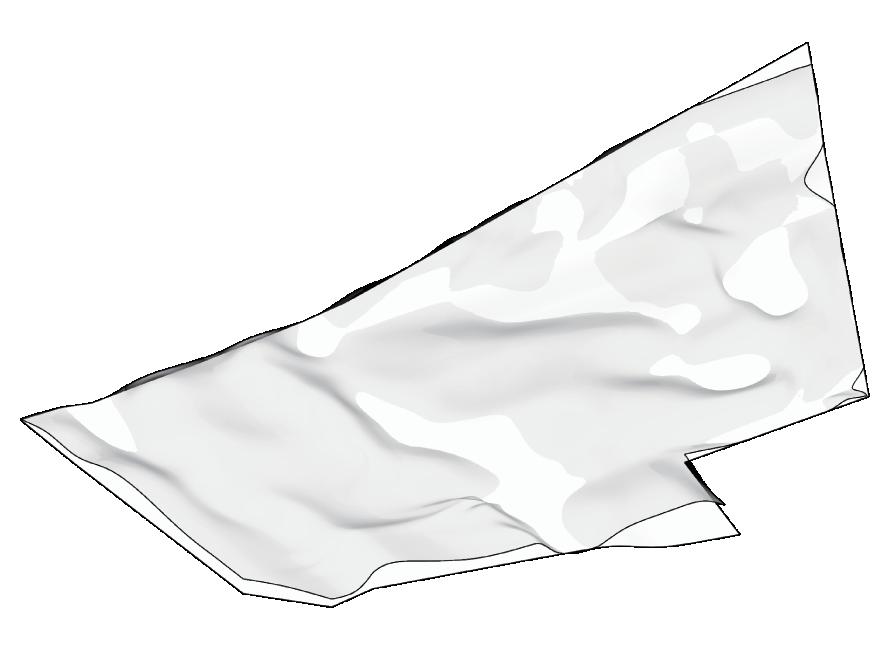
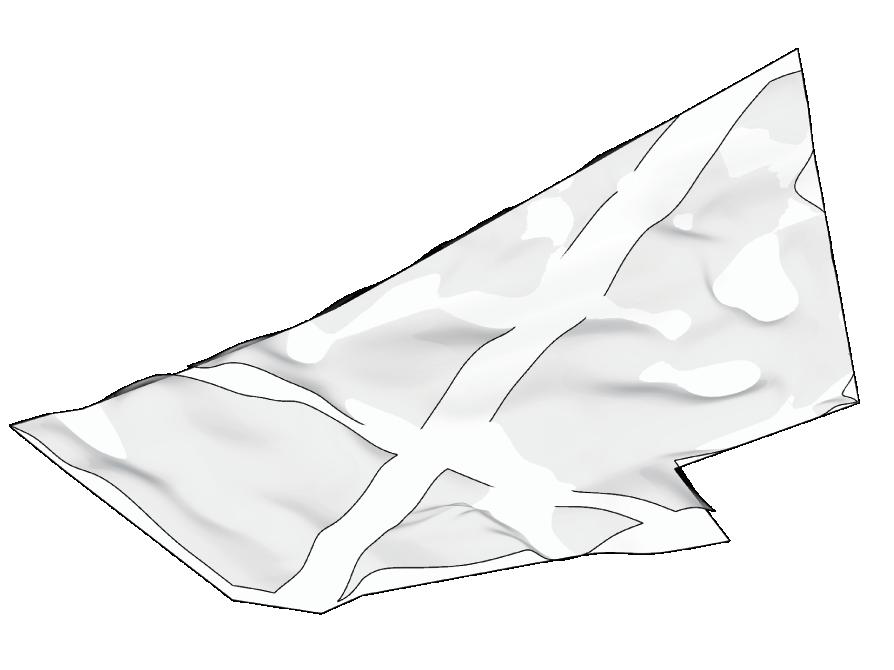
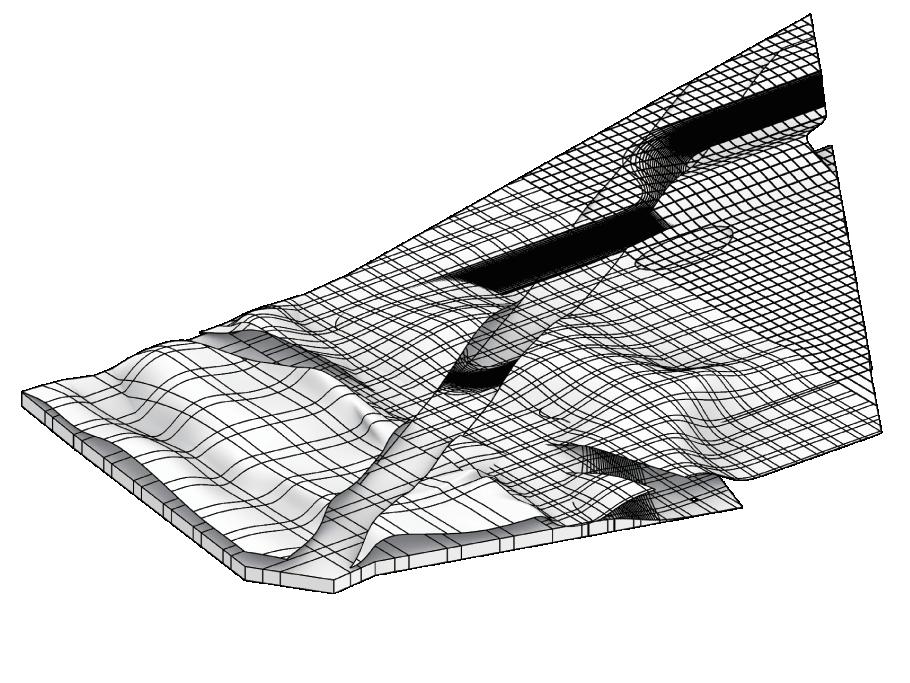
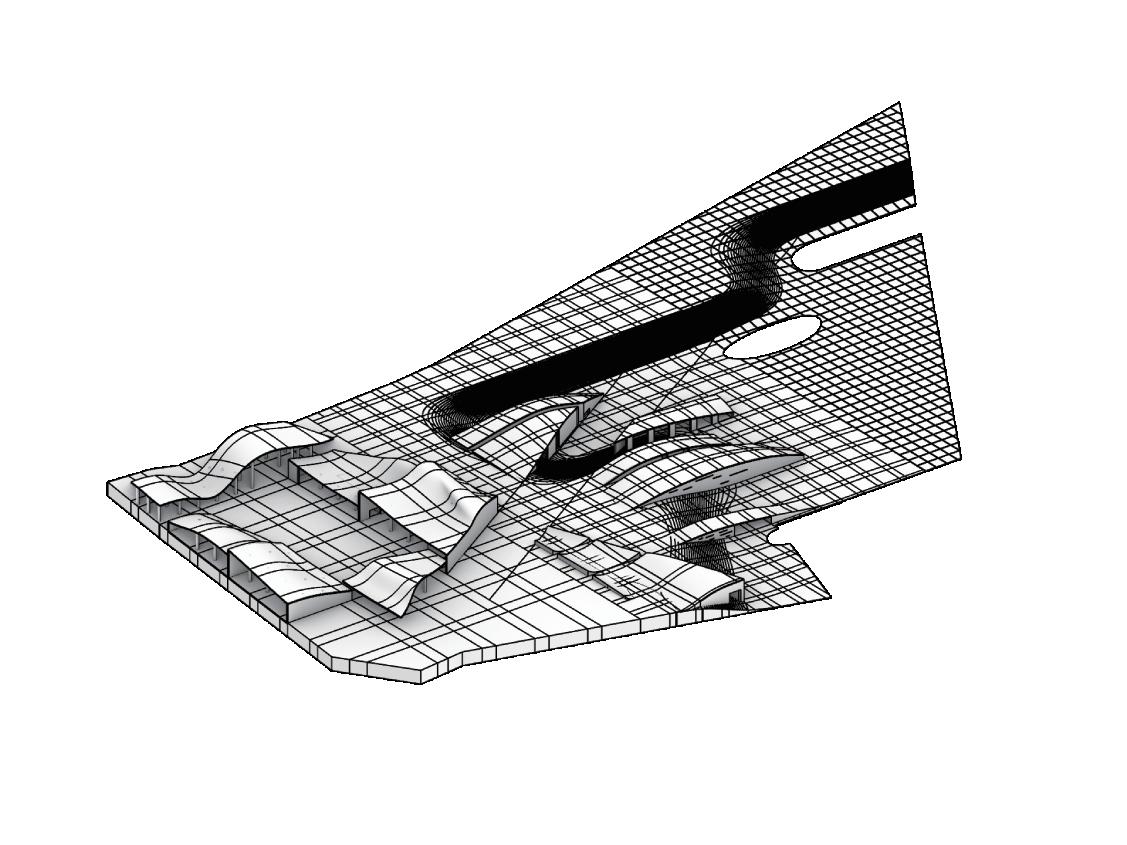
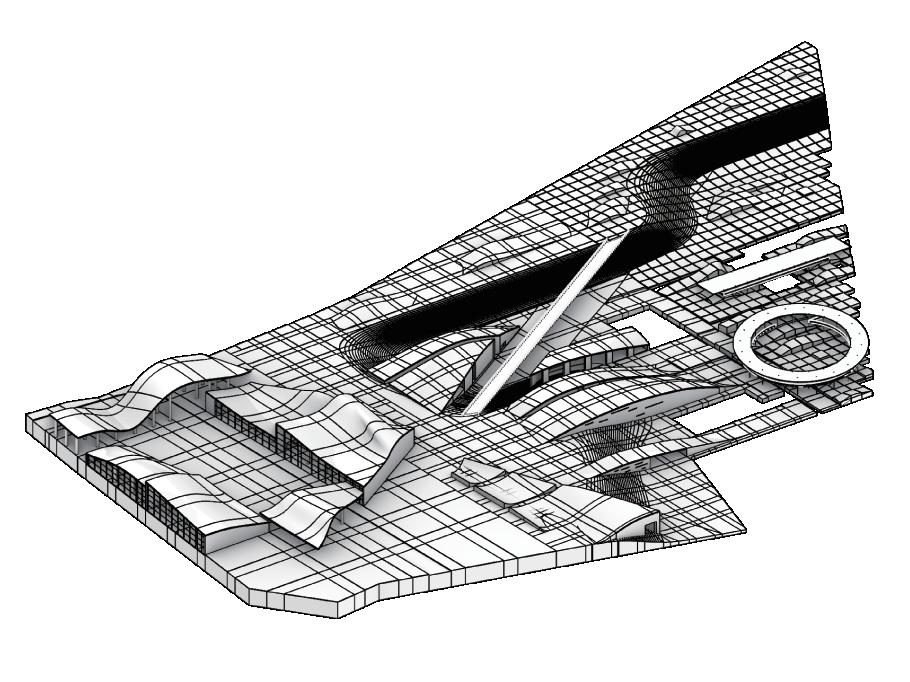
Seawater enters the site not only through the tides but also into the water activity practice areas. Regardless of low or high tide, seawater flows in, with varying depths used to define different activity zones.
潛水裝備曝曬區
潛水休息區
潛水室內教室
潛水活動區
潛水更衣區
潛水裝備存放區
衝浪裝備曝曬區
衝浪休息區
衝浪室內教室
衝浪活動區
裝備曝曬區
潛水教室
潛水活動區
潛水裝備存放區
衝浪教室
衝浪活動區
衝浪裝備存放區
SUP教室
SUP活動區
潛水裝備存放區
換洗區
入口大廳
親水區
野柳年降雨量:3000mm

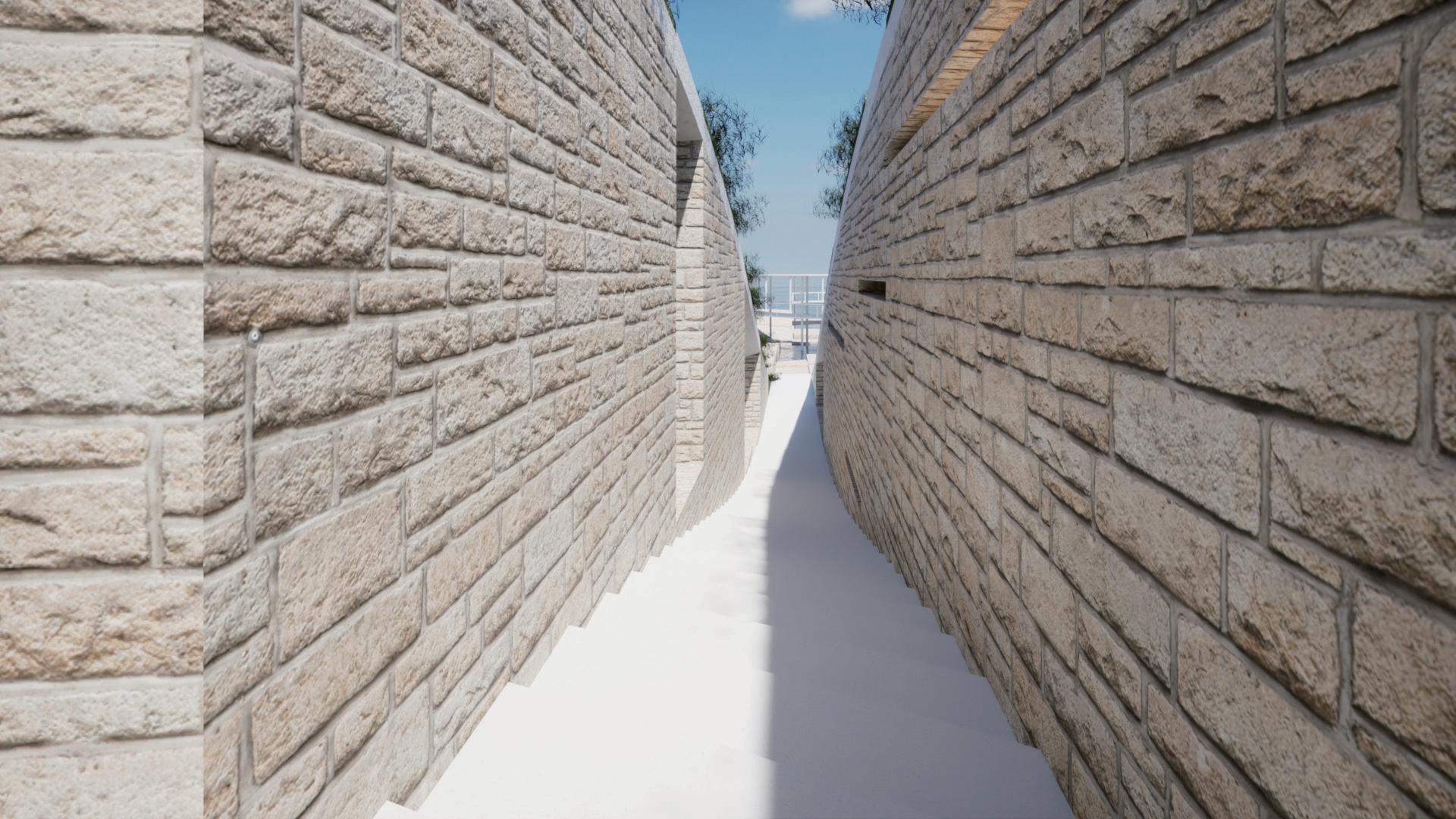
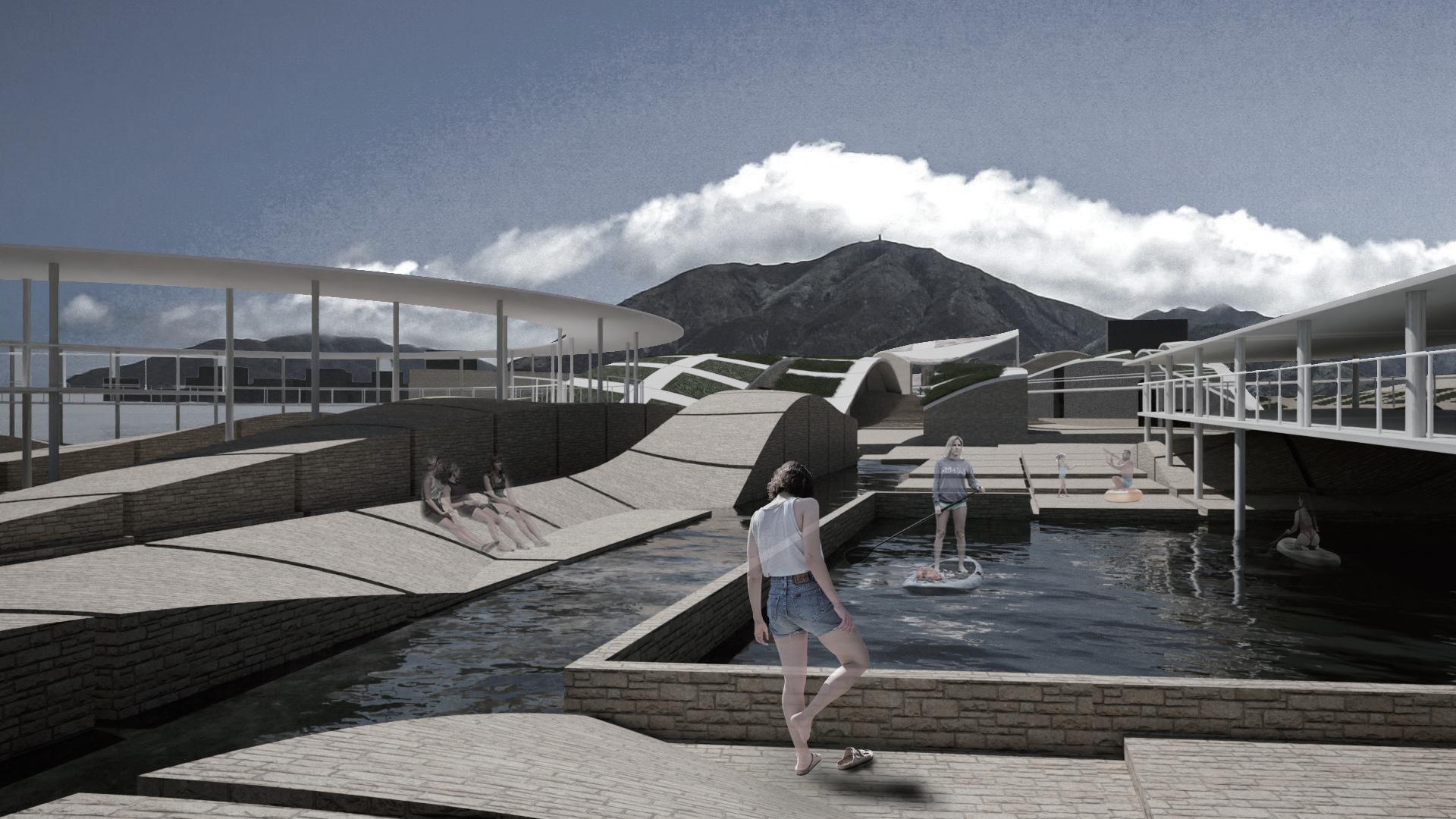
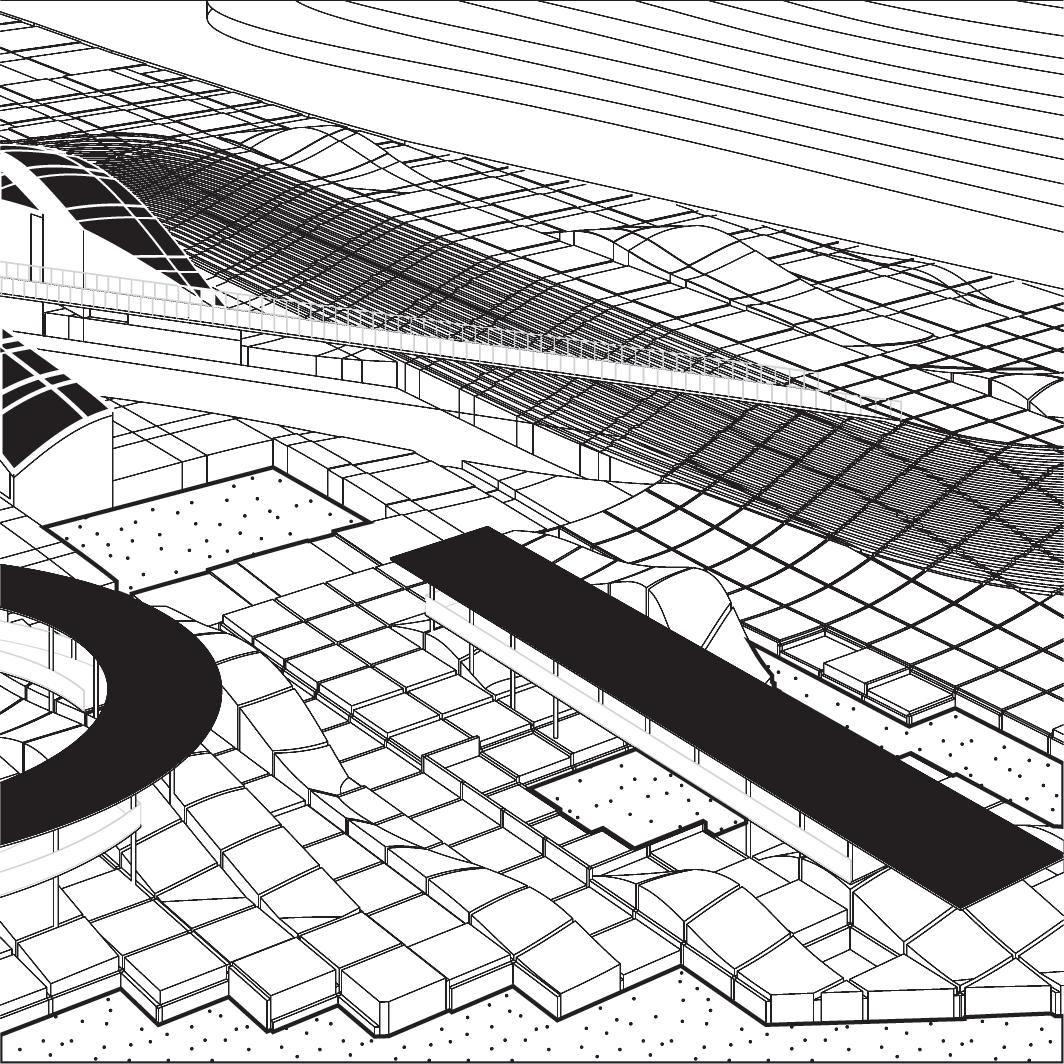
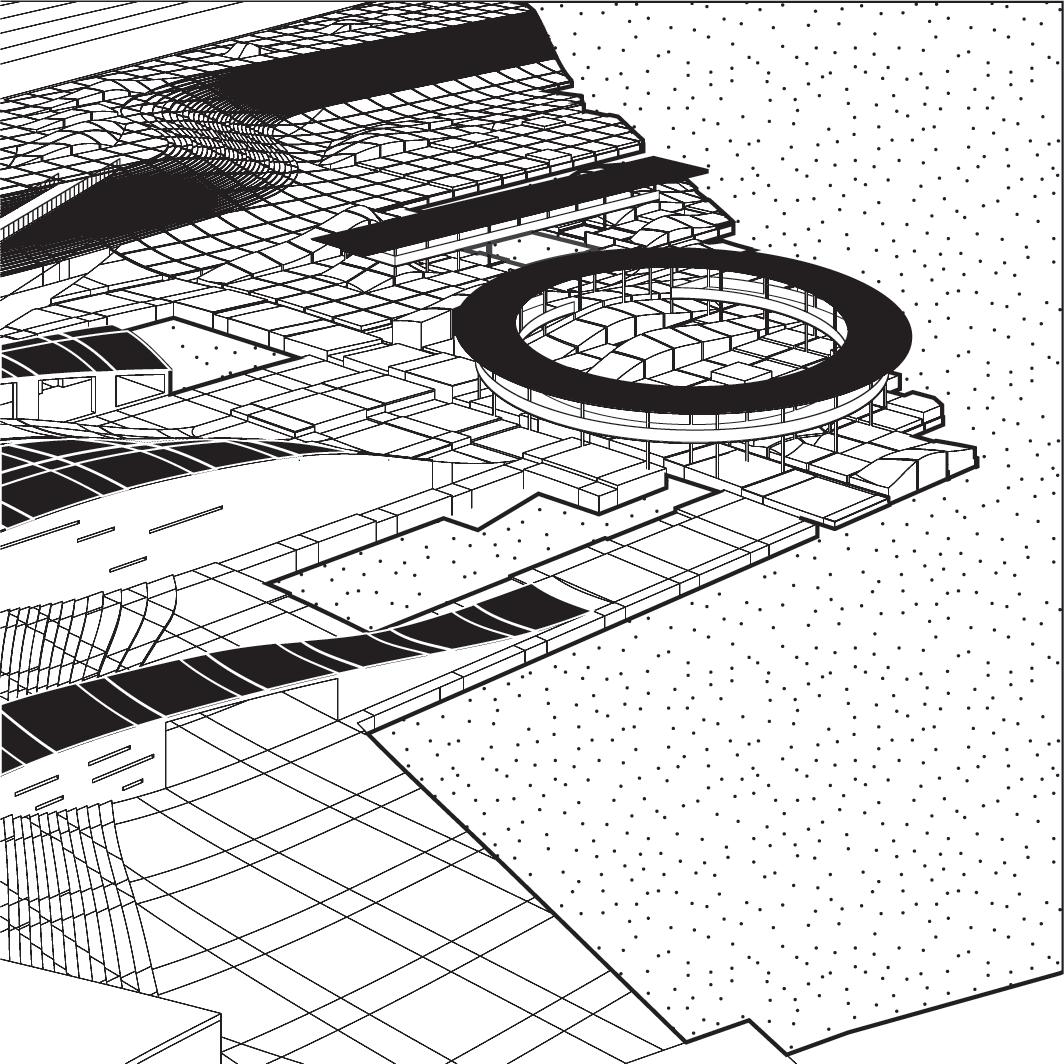
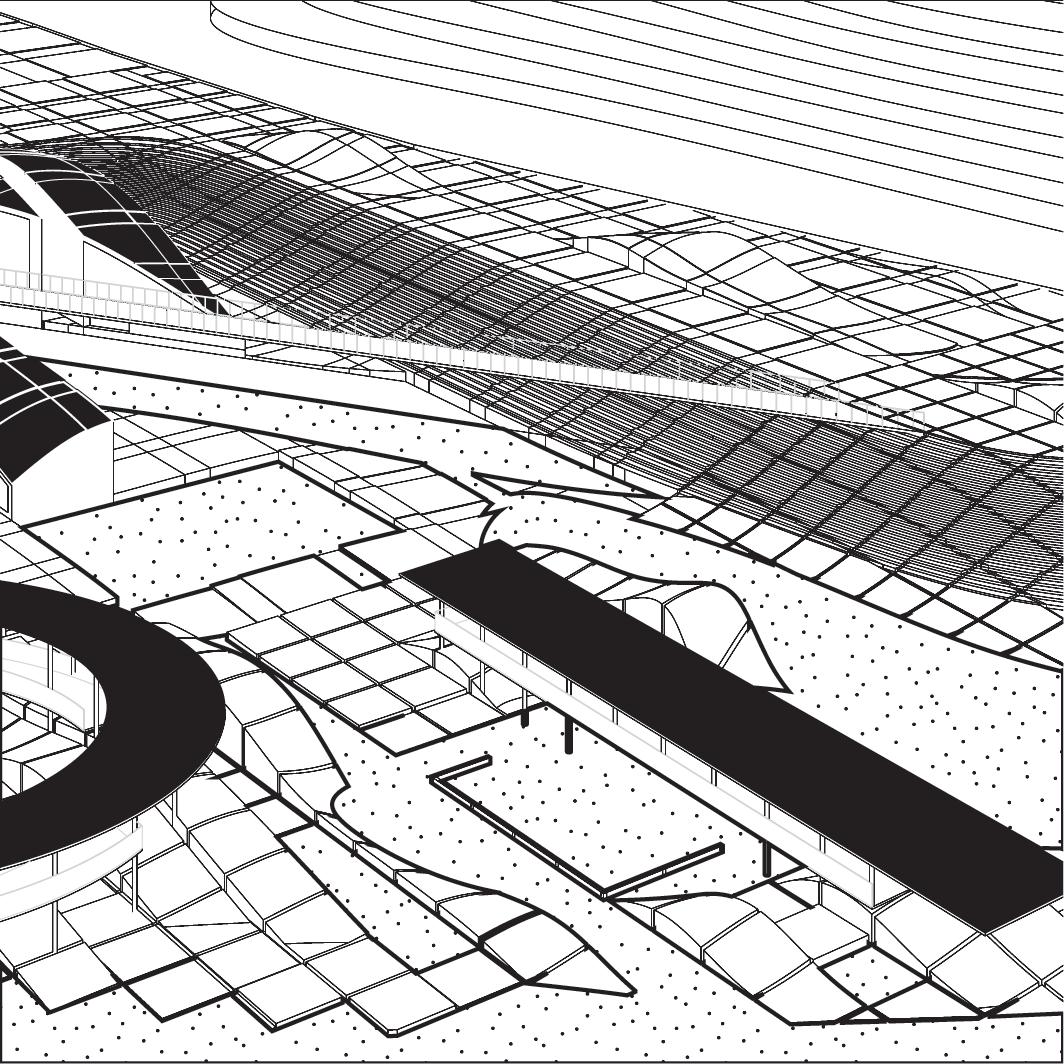
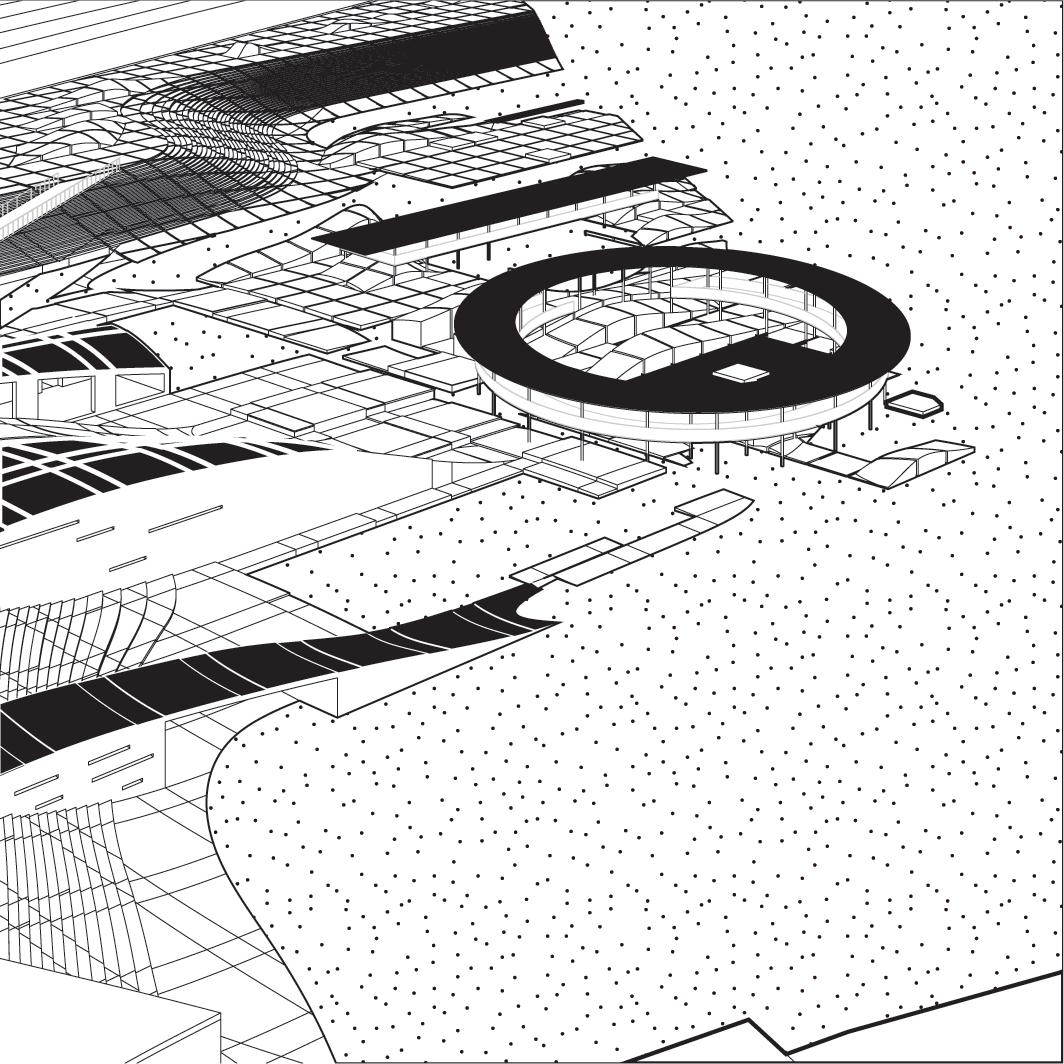
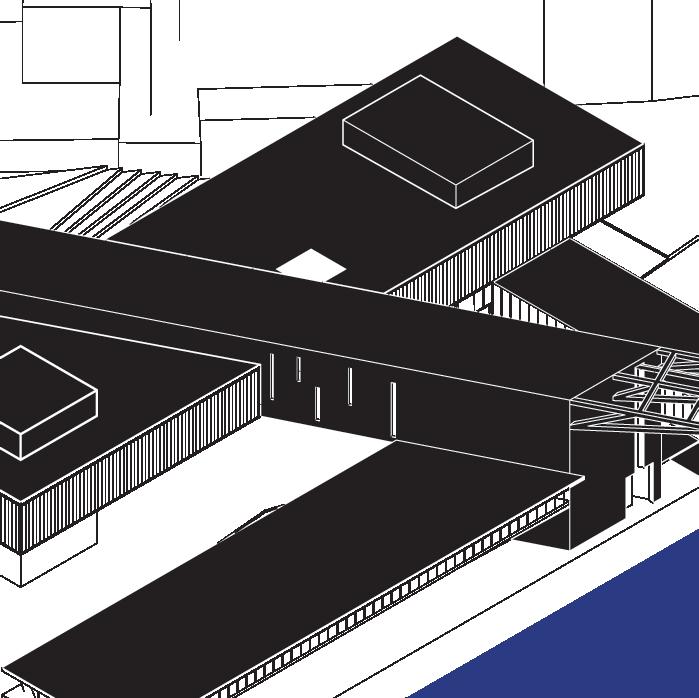
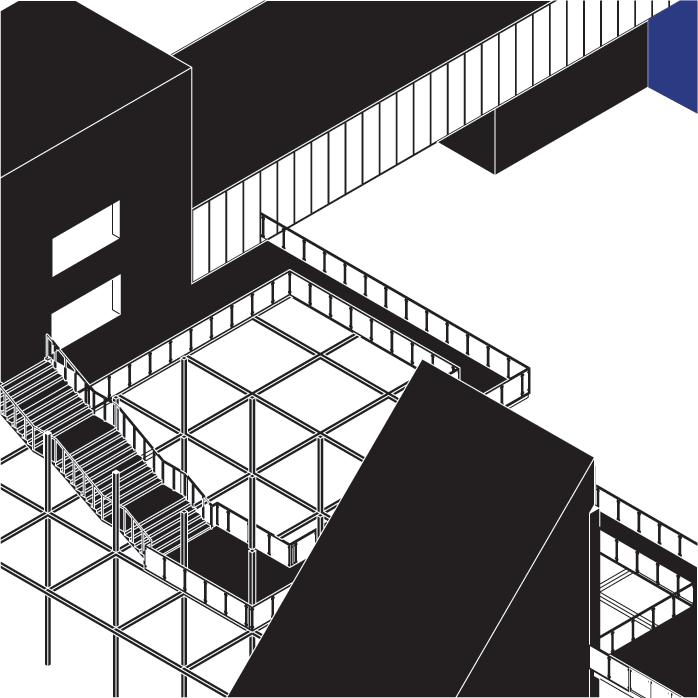
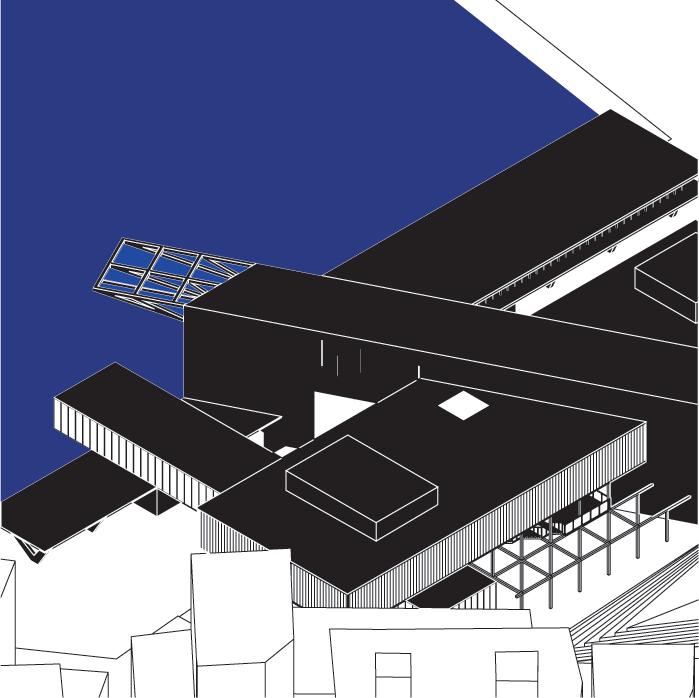
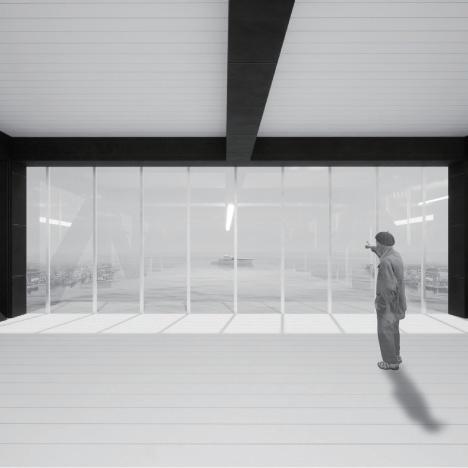
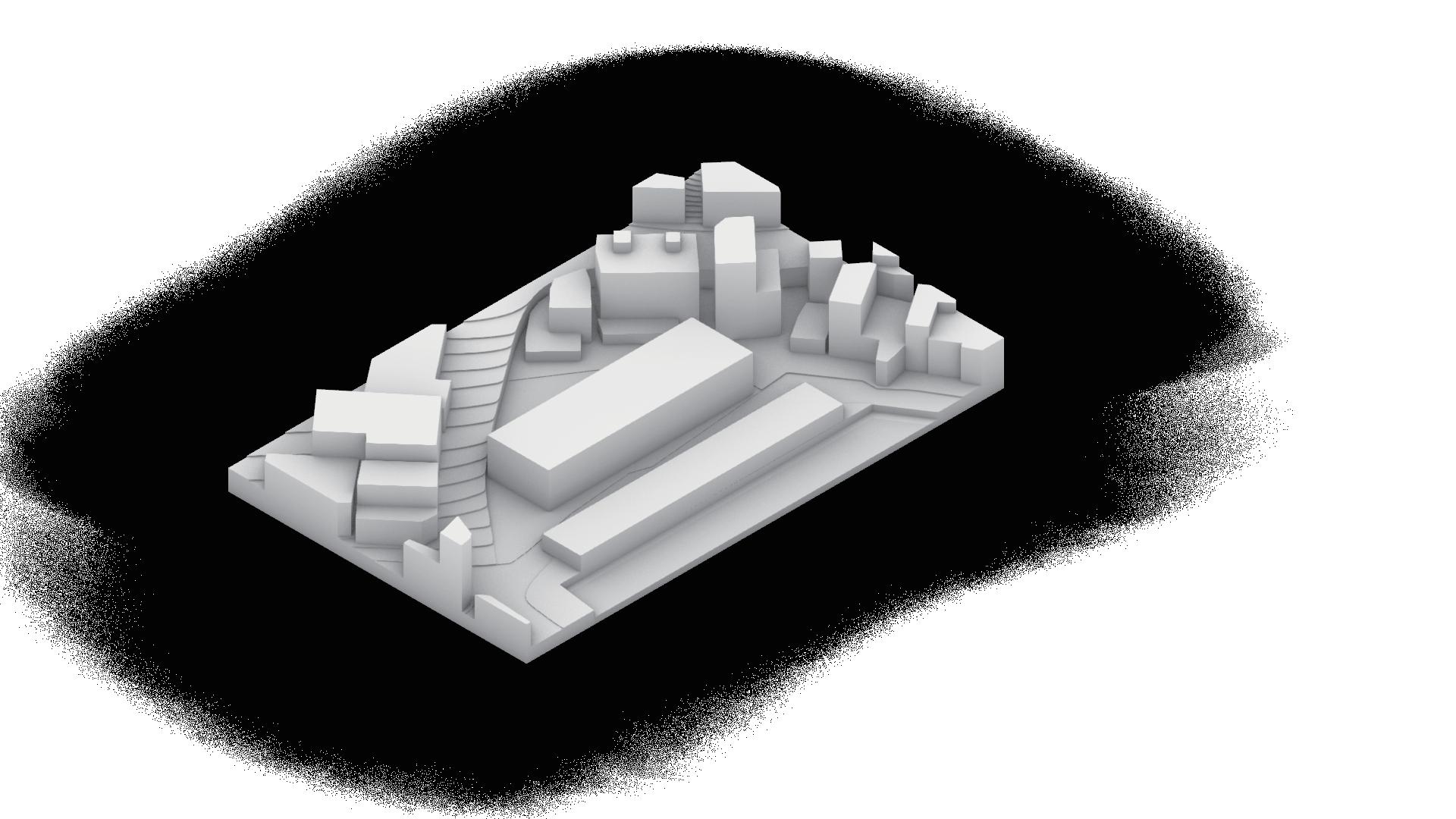
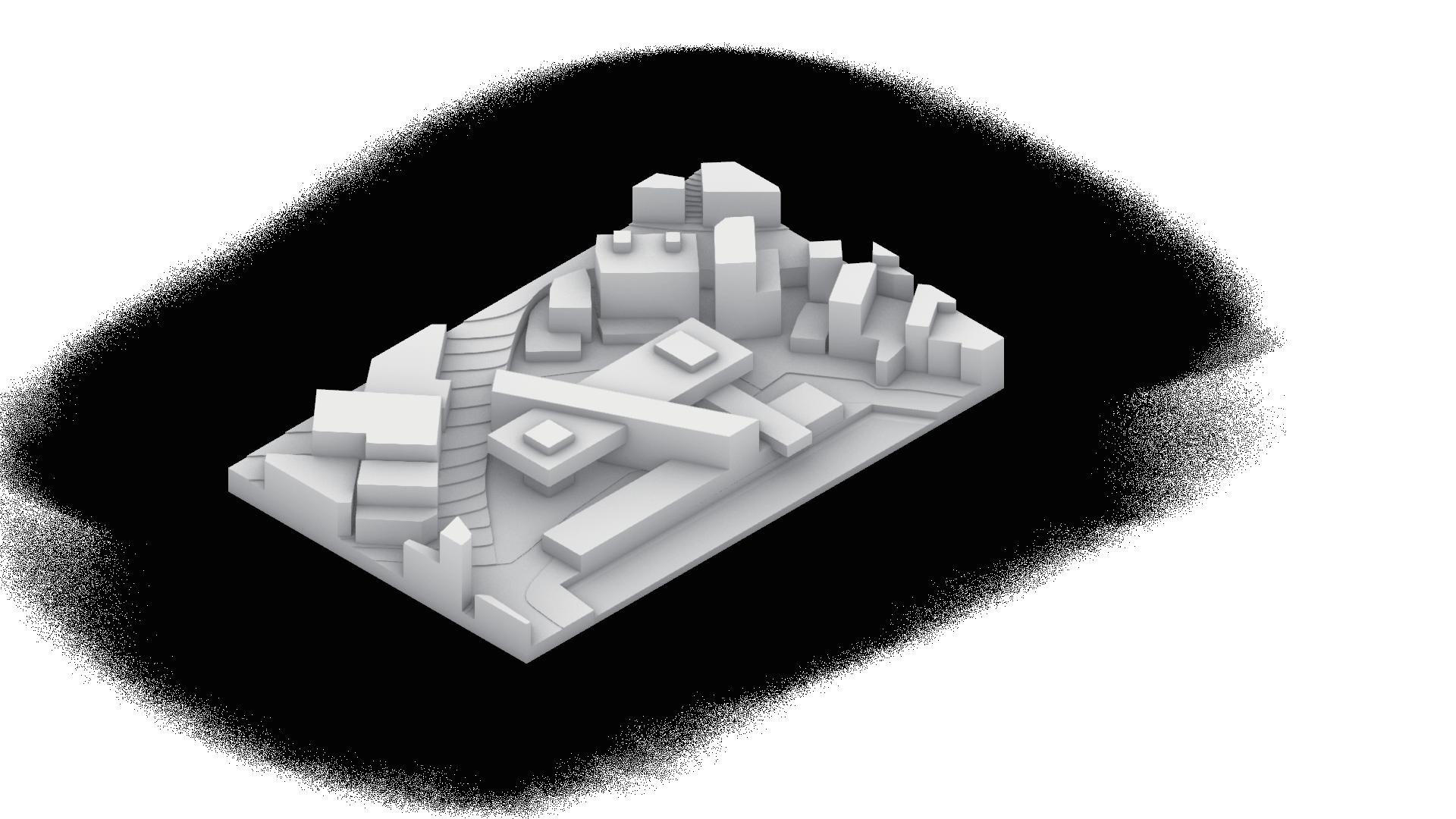
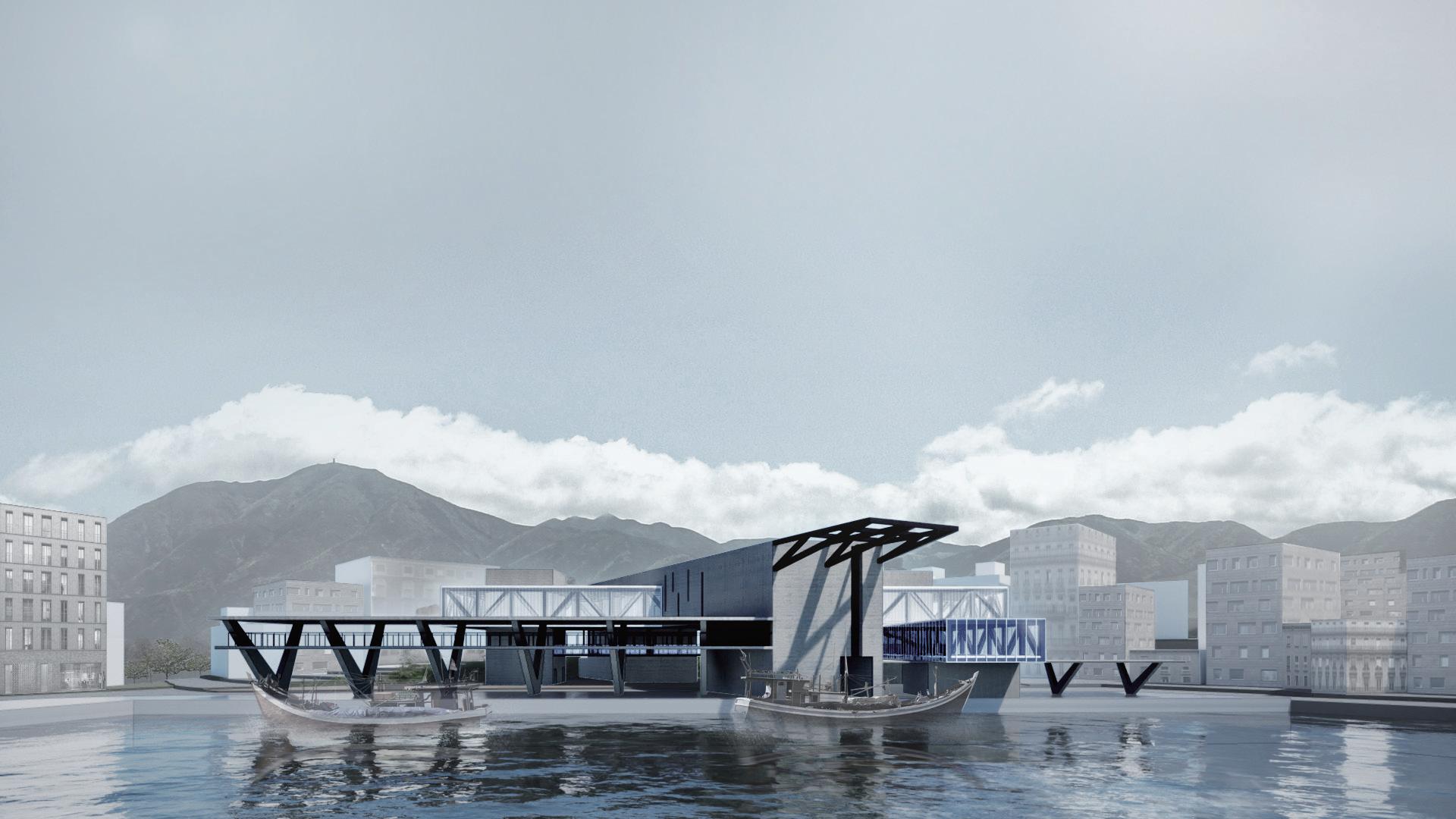
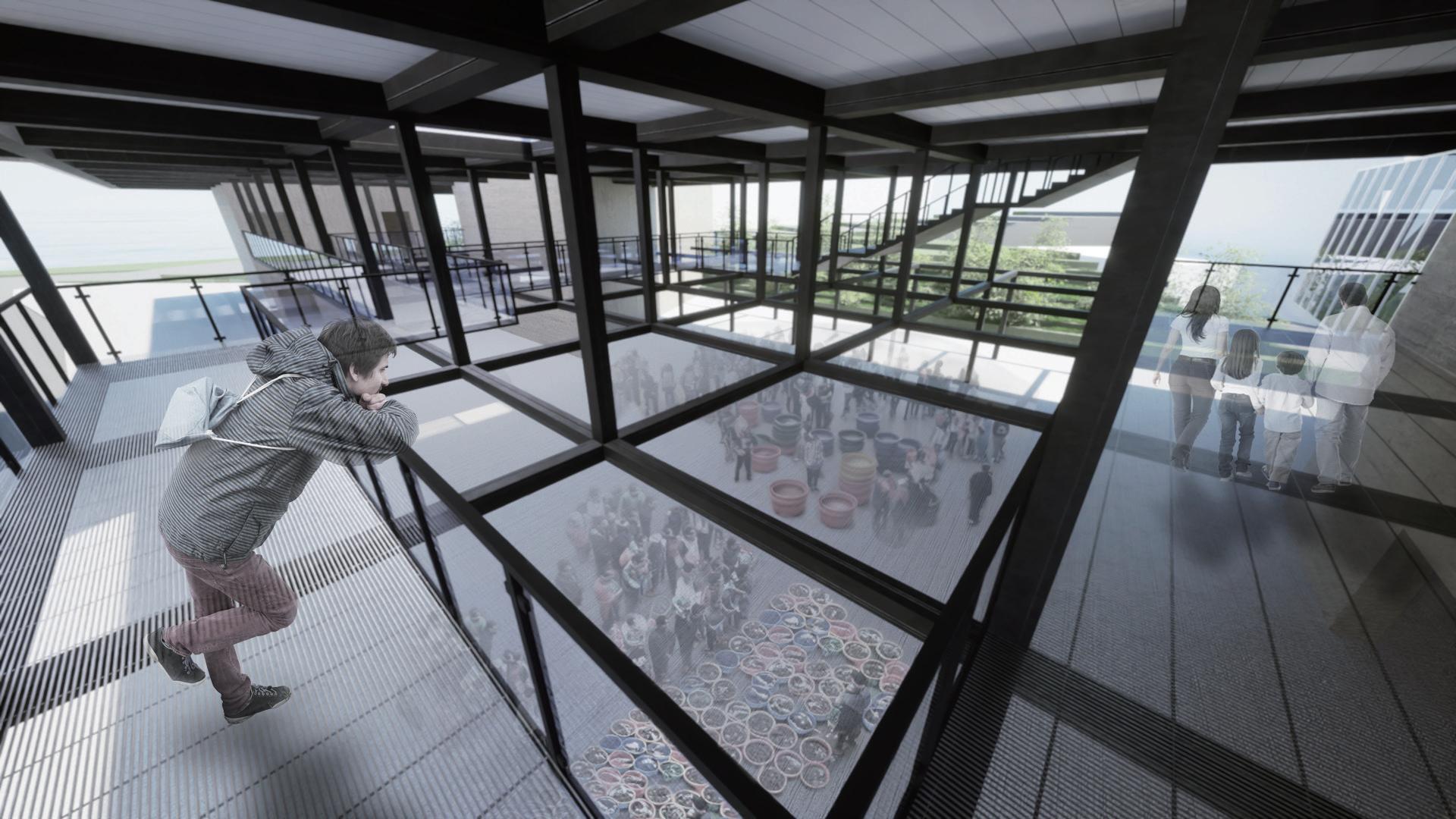
The area facing the harbor serves as the fishermen’s unloading zone, providing spaces for boats to dock and trucks to park, while allowing visitors to safely observe the loading and unloading of fish.
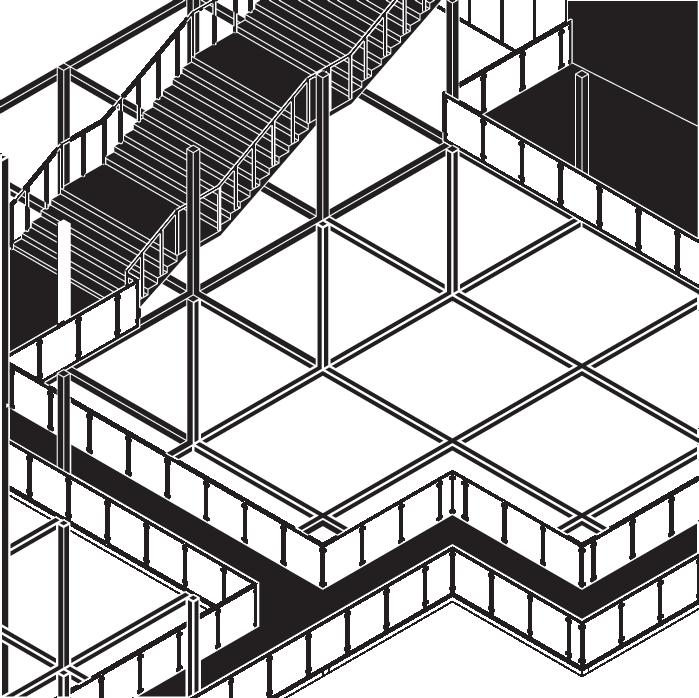
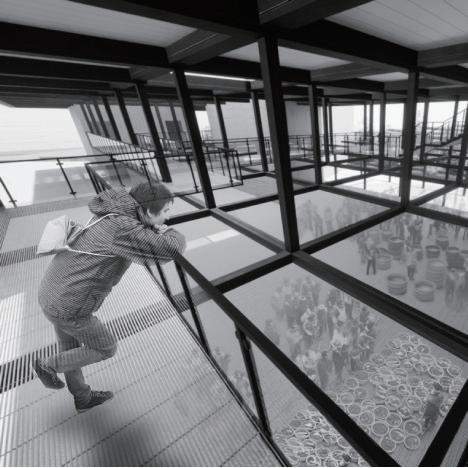
The second-floor walkway serves as an observation path for visitors, allowing them to fully experience the fish market visually, audibly, and olfactorily, while minimizing their impact on market activities.
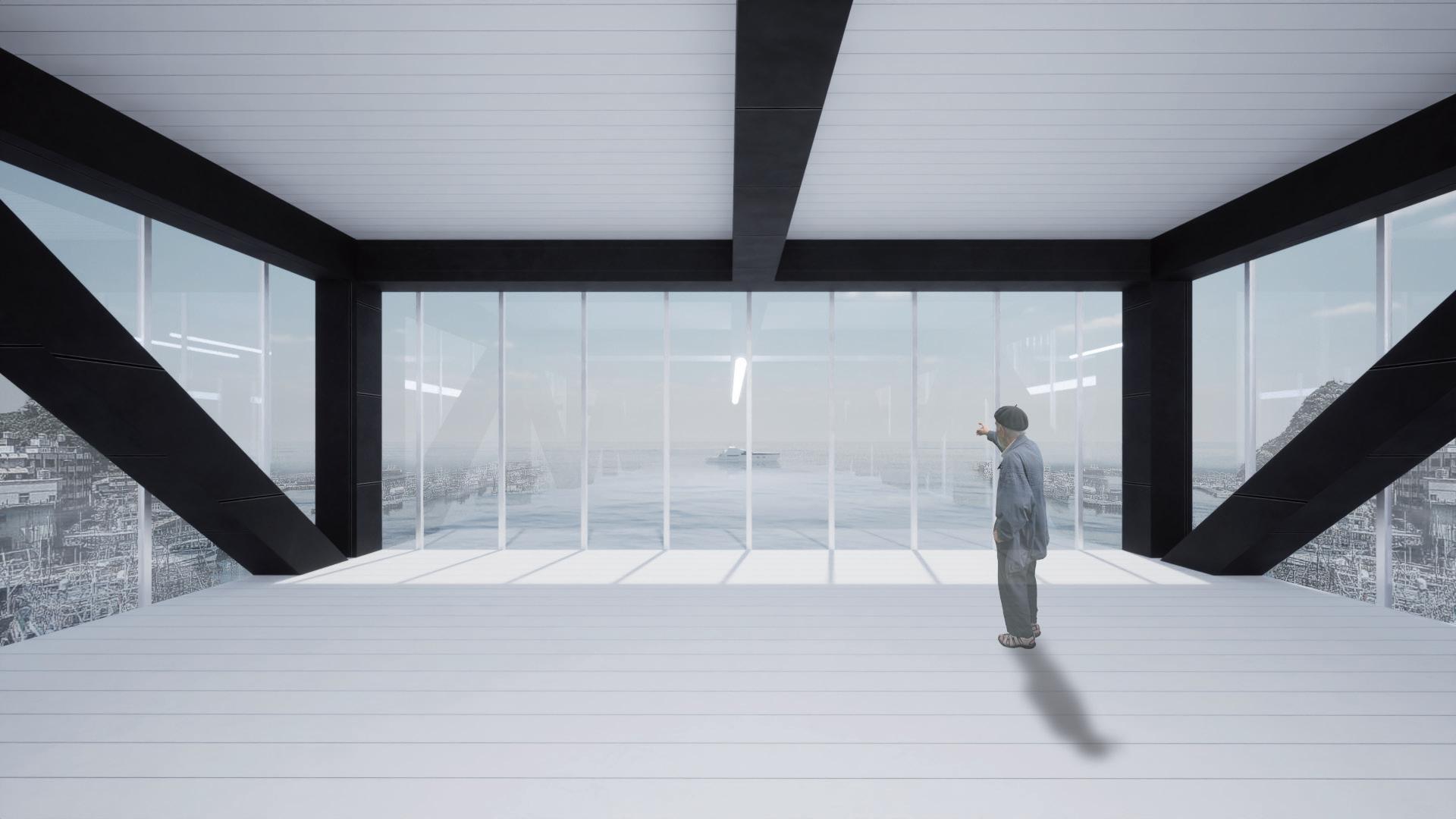
The building mass also guides sightlines, oriented toward both the harbor entry for fishing boats and the areas for boat maintenance, repair, and refueling.
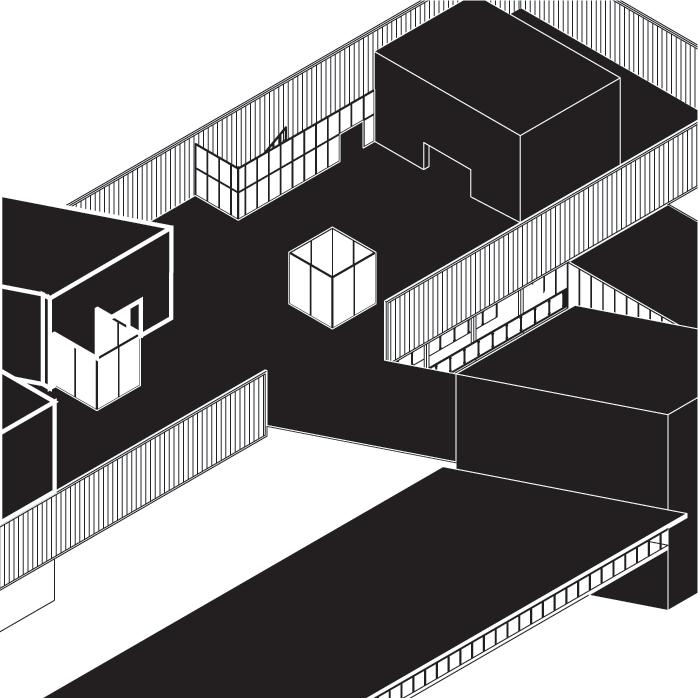
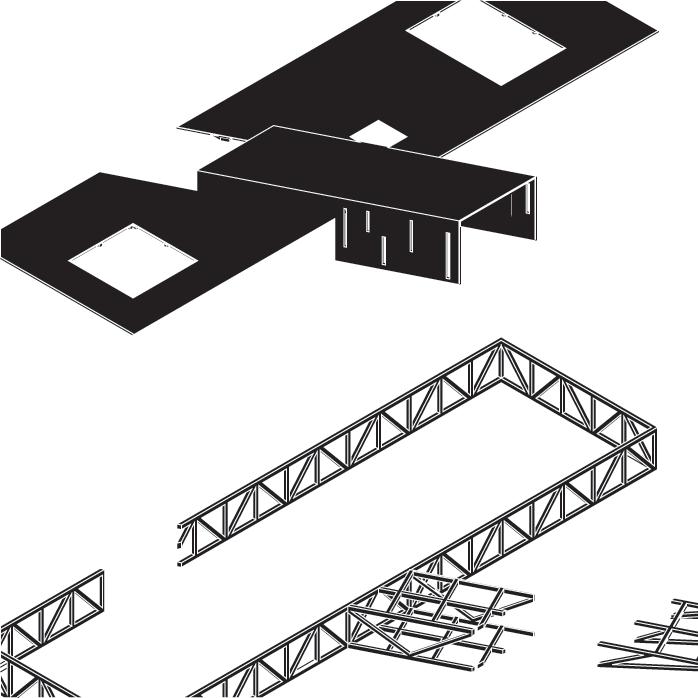
The second-floor walkway is suspended above, allowing the fish market below to have optimal space for loading, unloading, and operations.
The third floor houses the visitor center, where exhibitions can be held and visitors can learn about the operations of the fishing port.
The building’s structure relies on three large concrete volumes as the main load-bearing elements, with steel trusses supporting the visitor center above. This design provides good ventilation and shading for the fish market below.
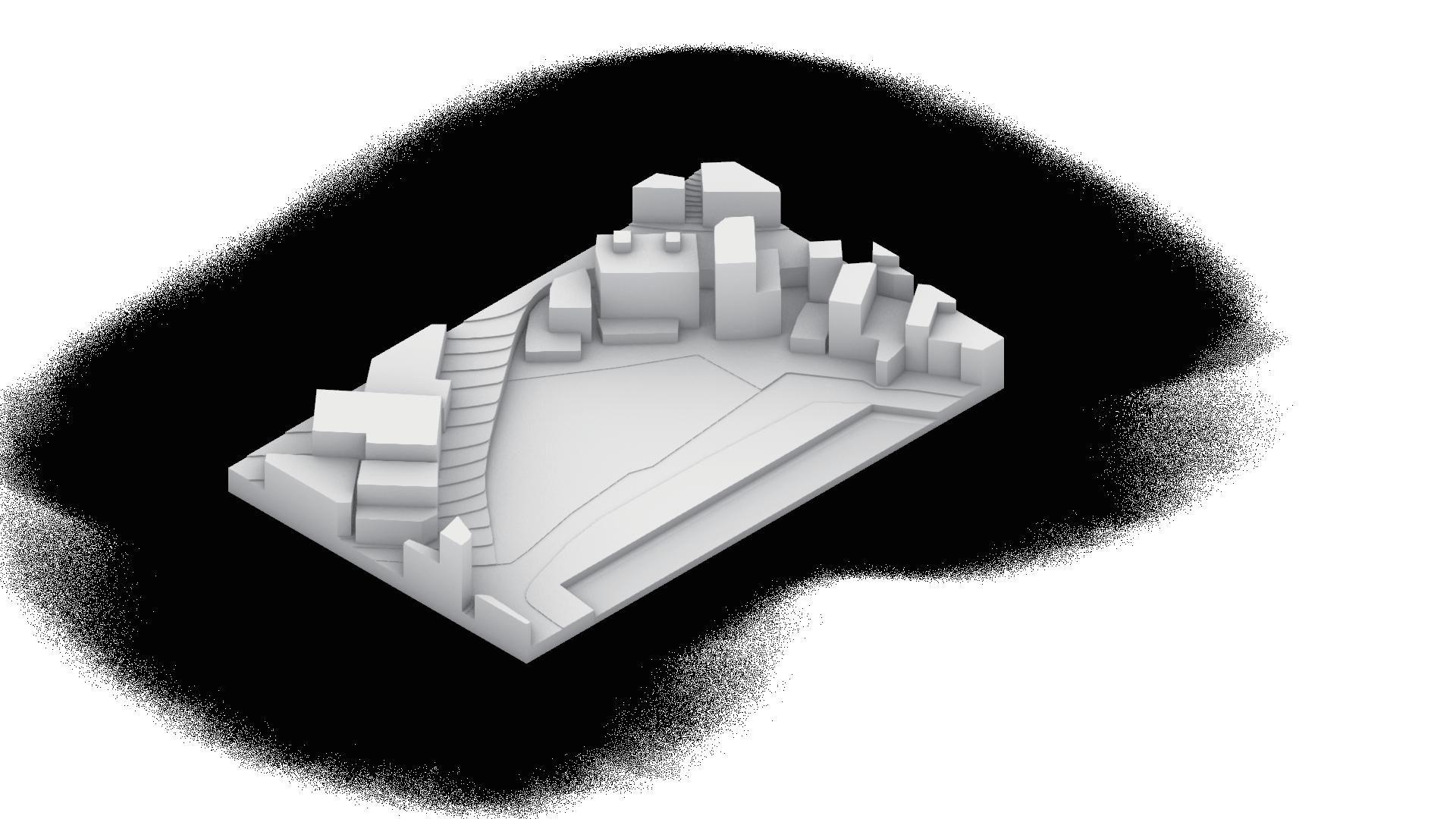
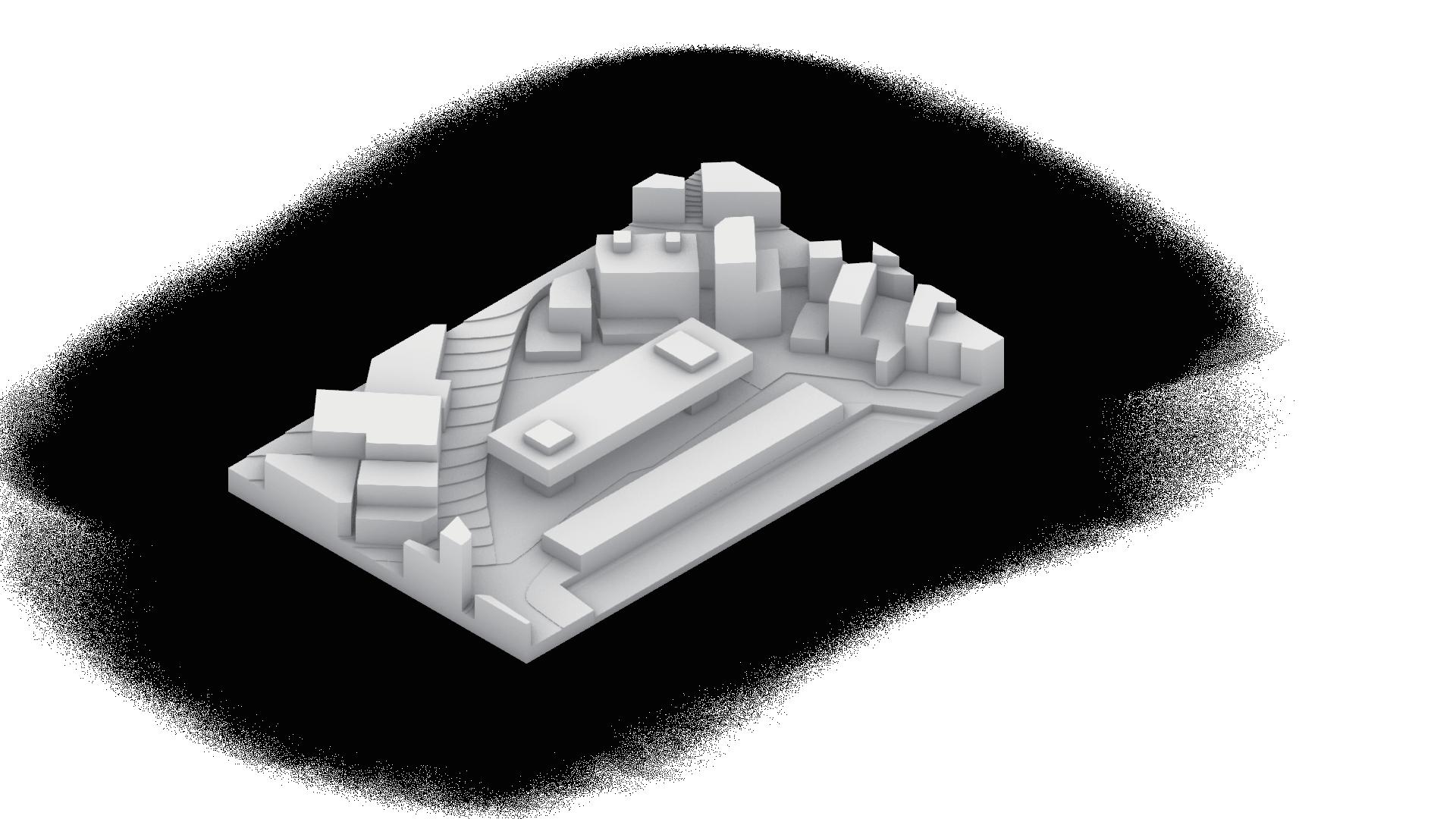
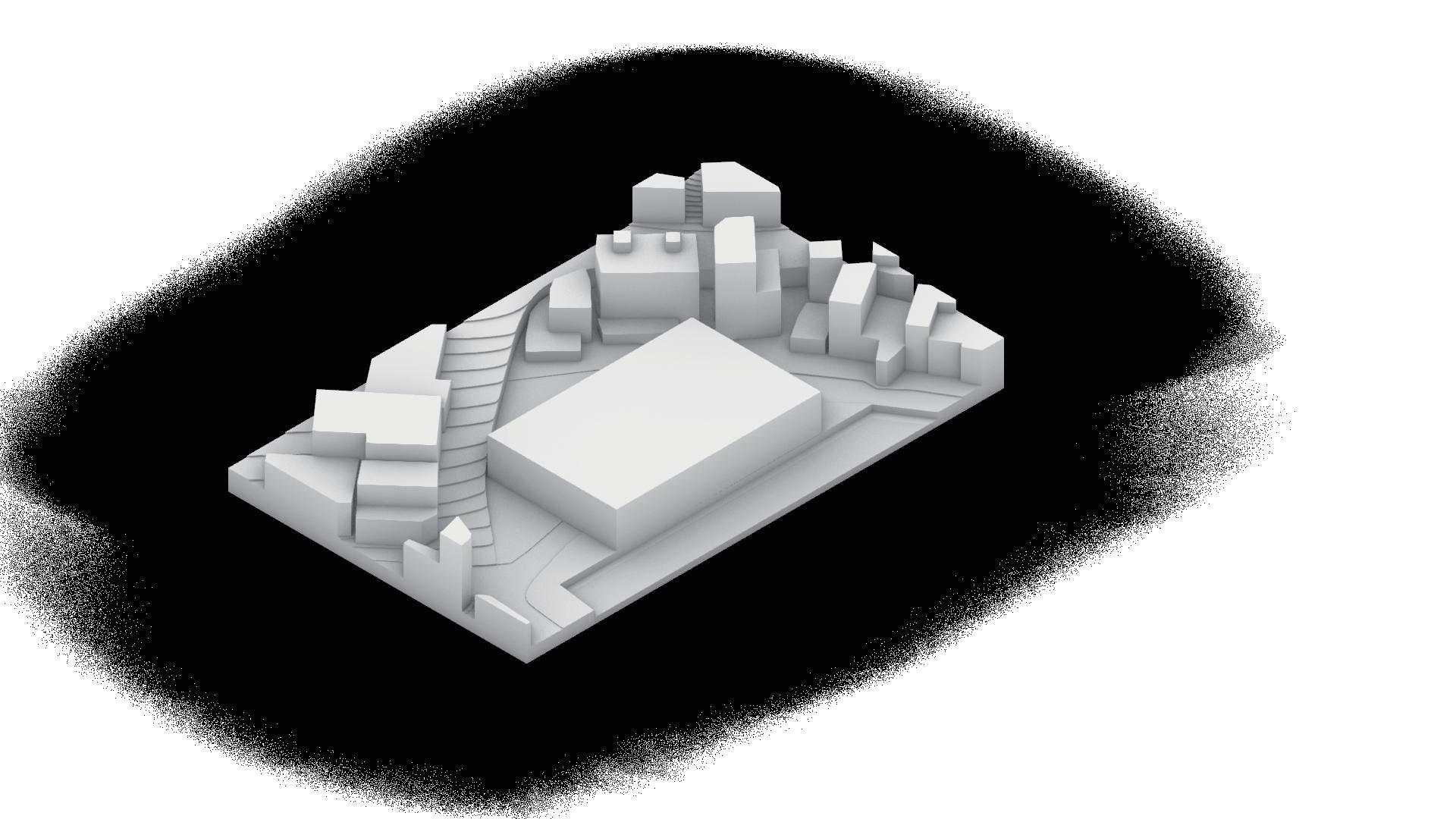
2. 3. 4. 5. 6. 7. 8.
野柳年降雨量:3000mm 野柳年降雨天數:183.6D
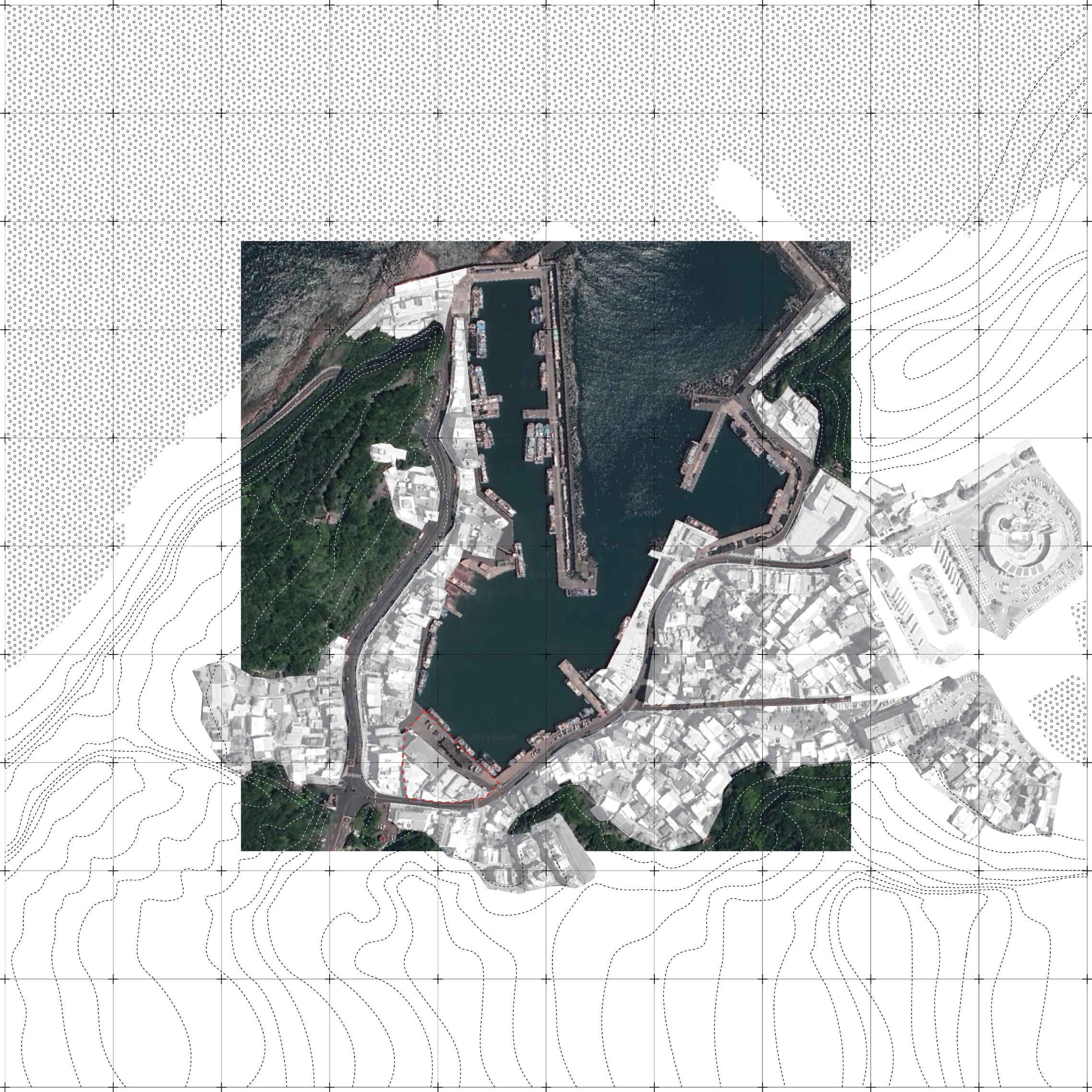
面積:5.7k㎡ 基地資料:
Location: Shezidao,Taiwan
Type: Pavilion
Key word: Wave, Movement, Interaction.

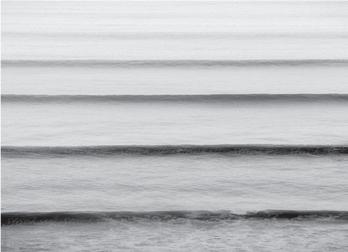
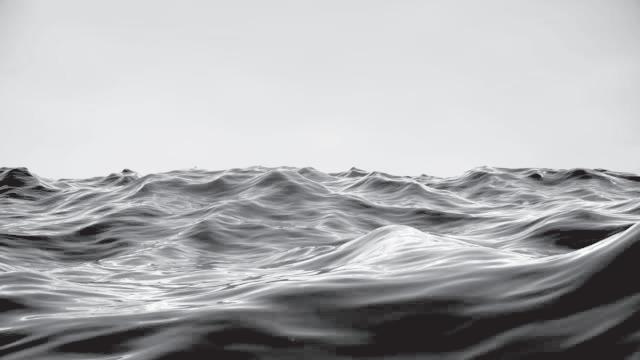
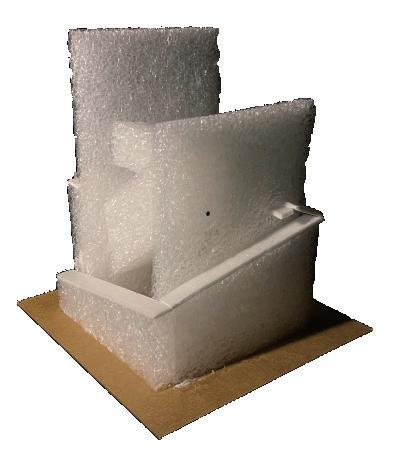
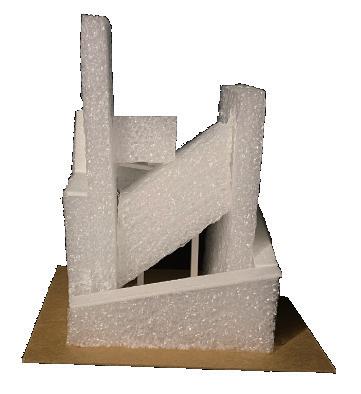
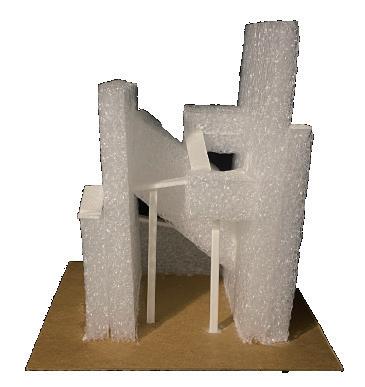
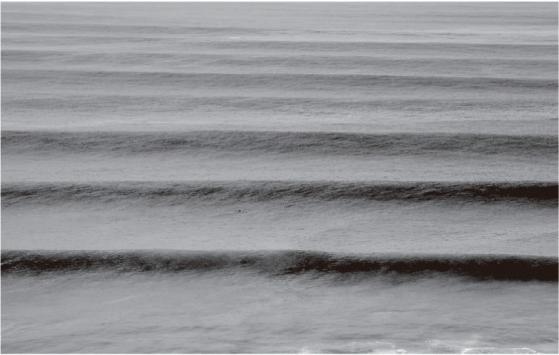
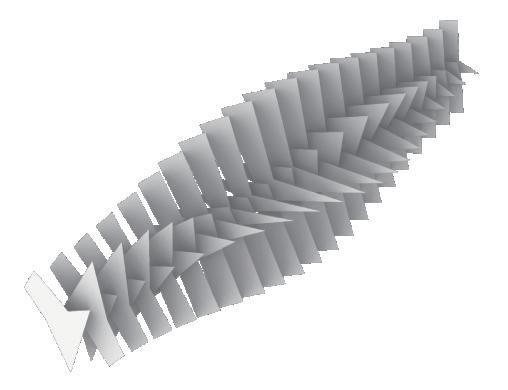
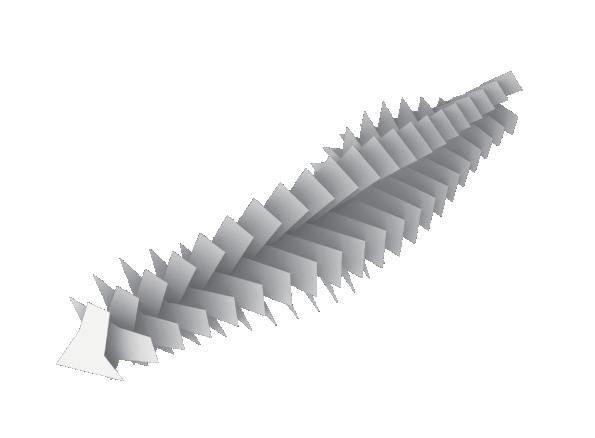
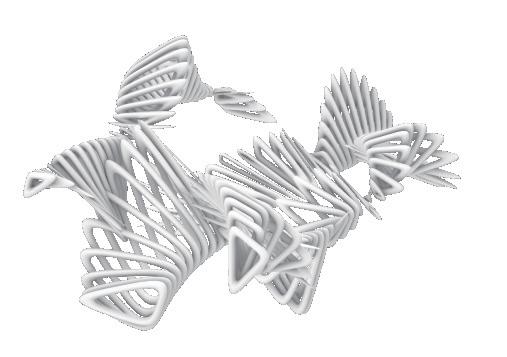
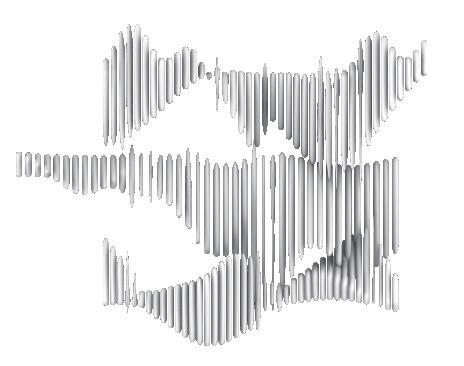
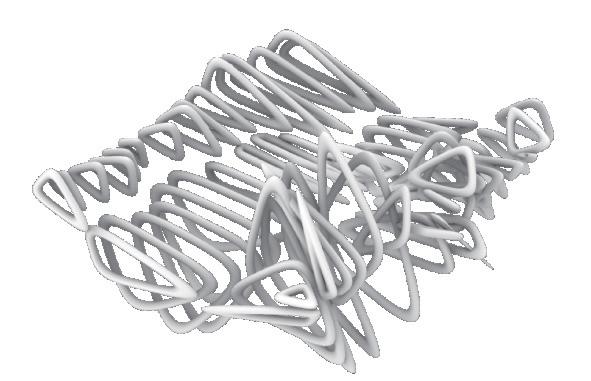
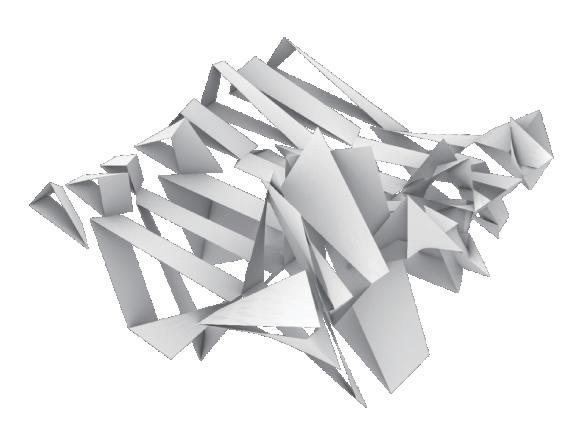
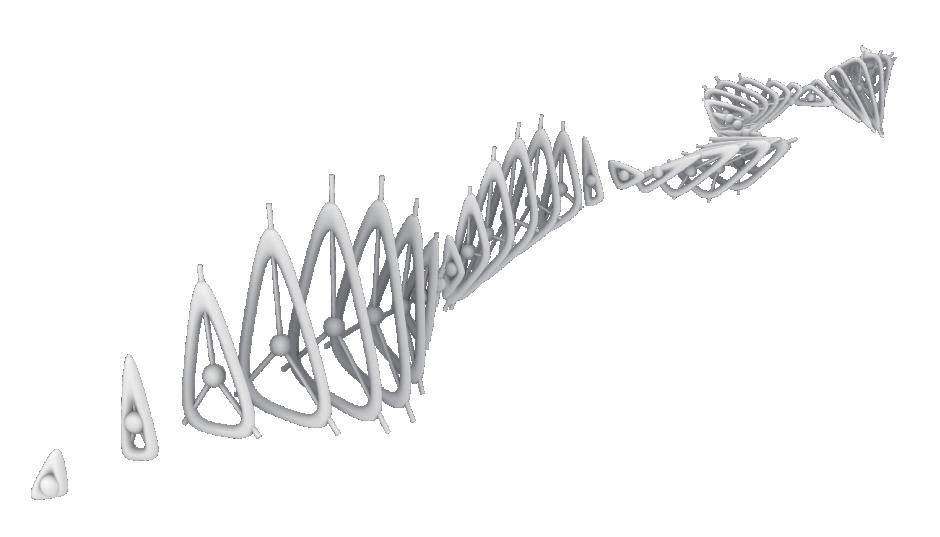
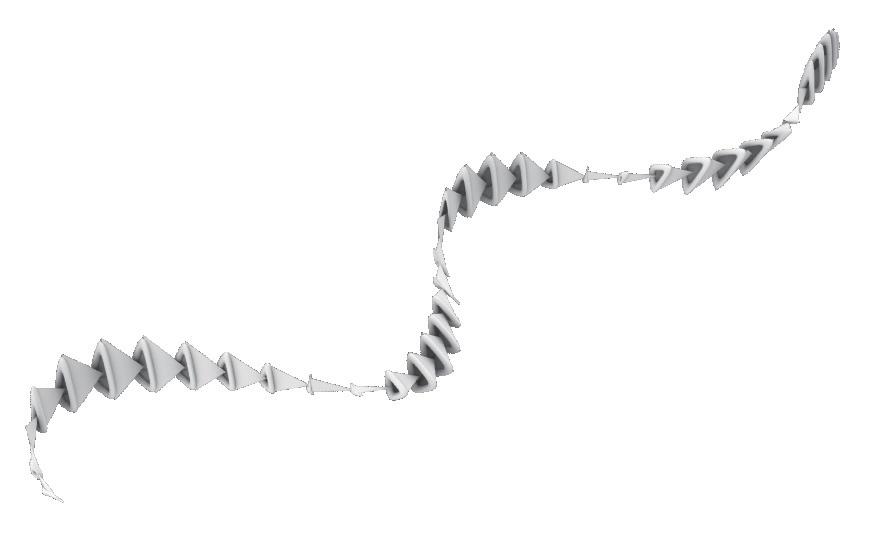
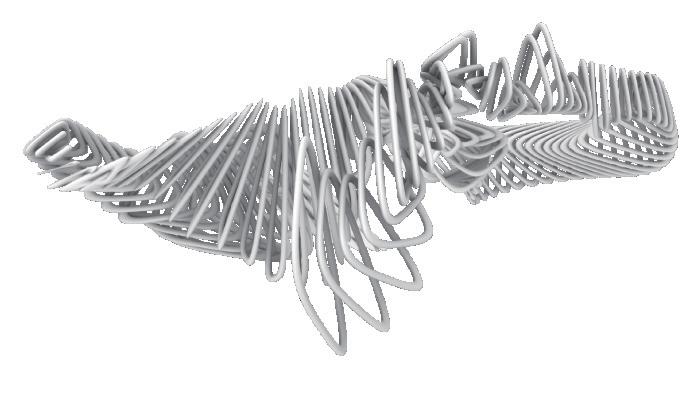
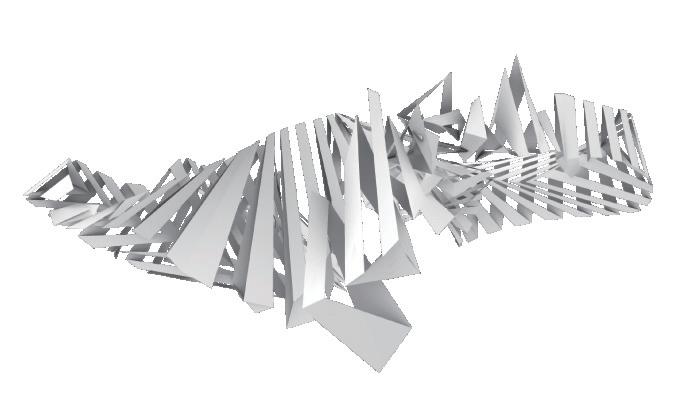
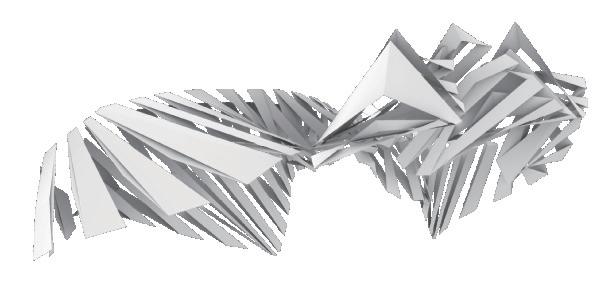
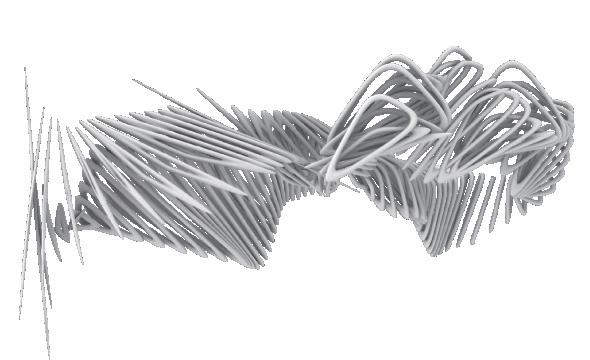
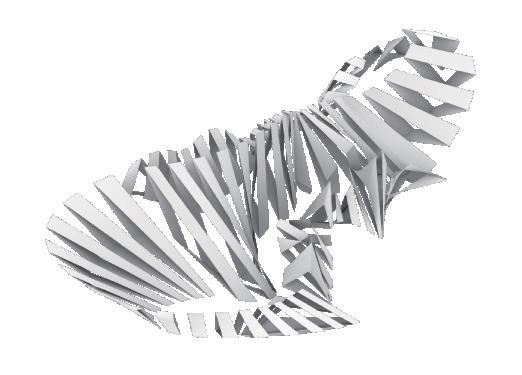
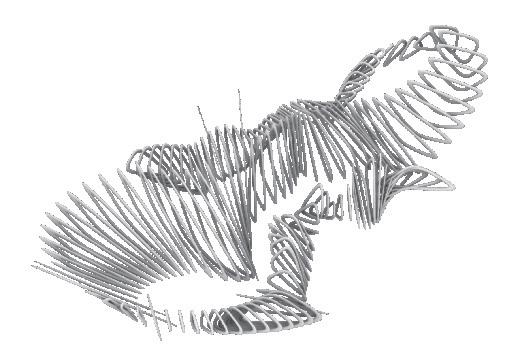
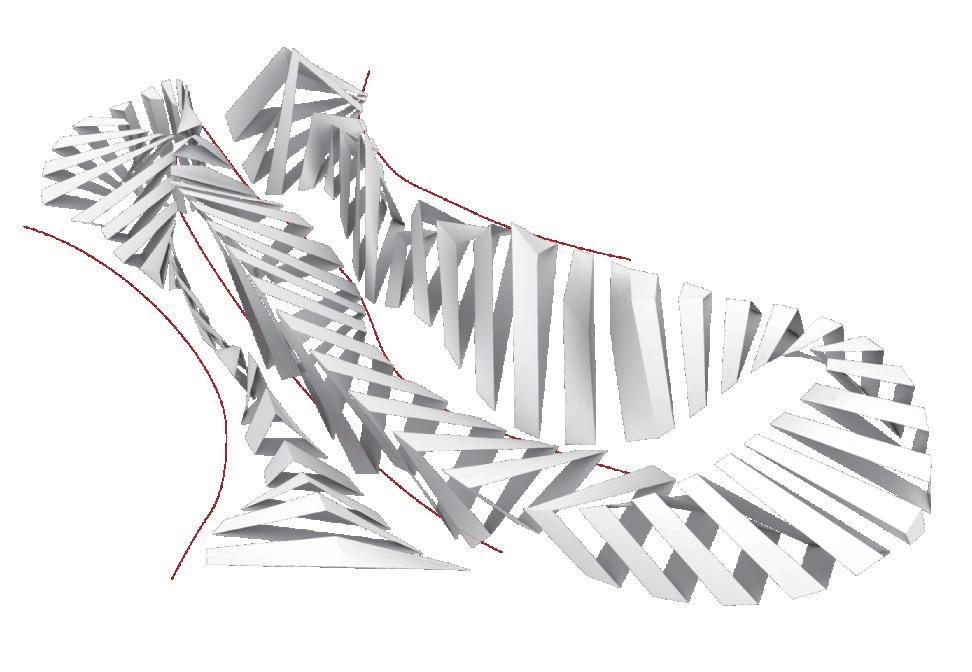
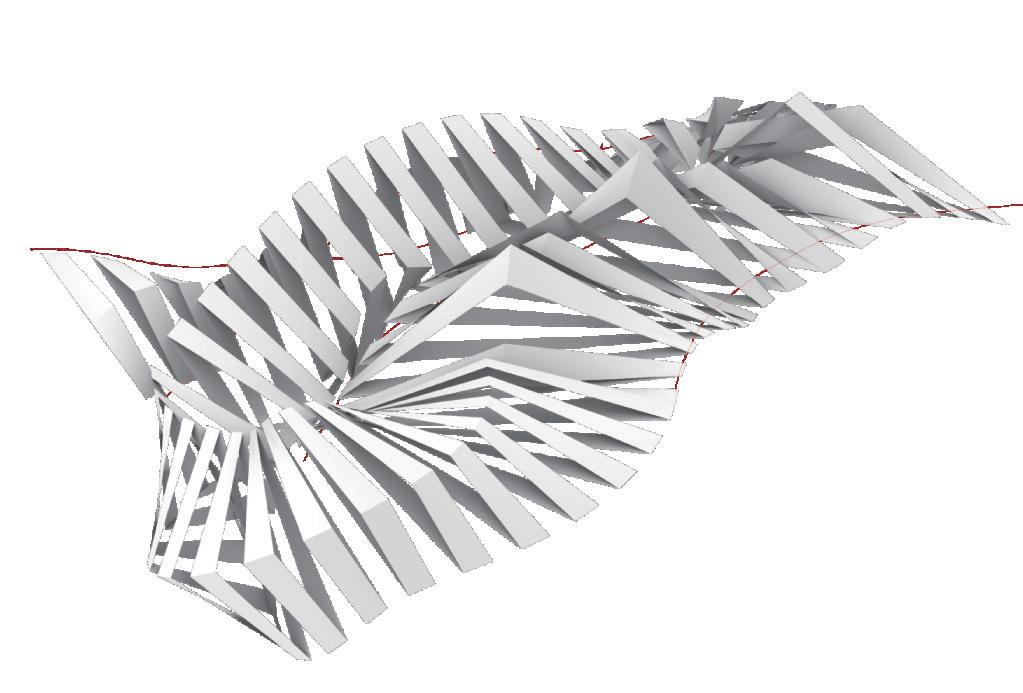
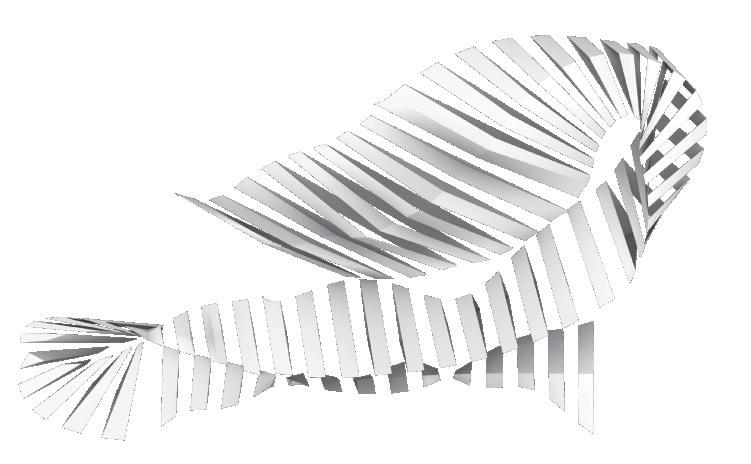
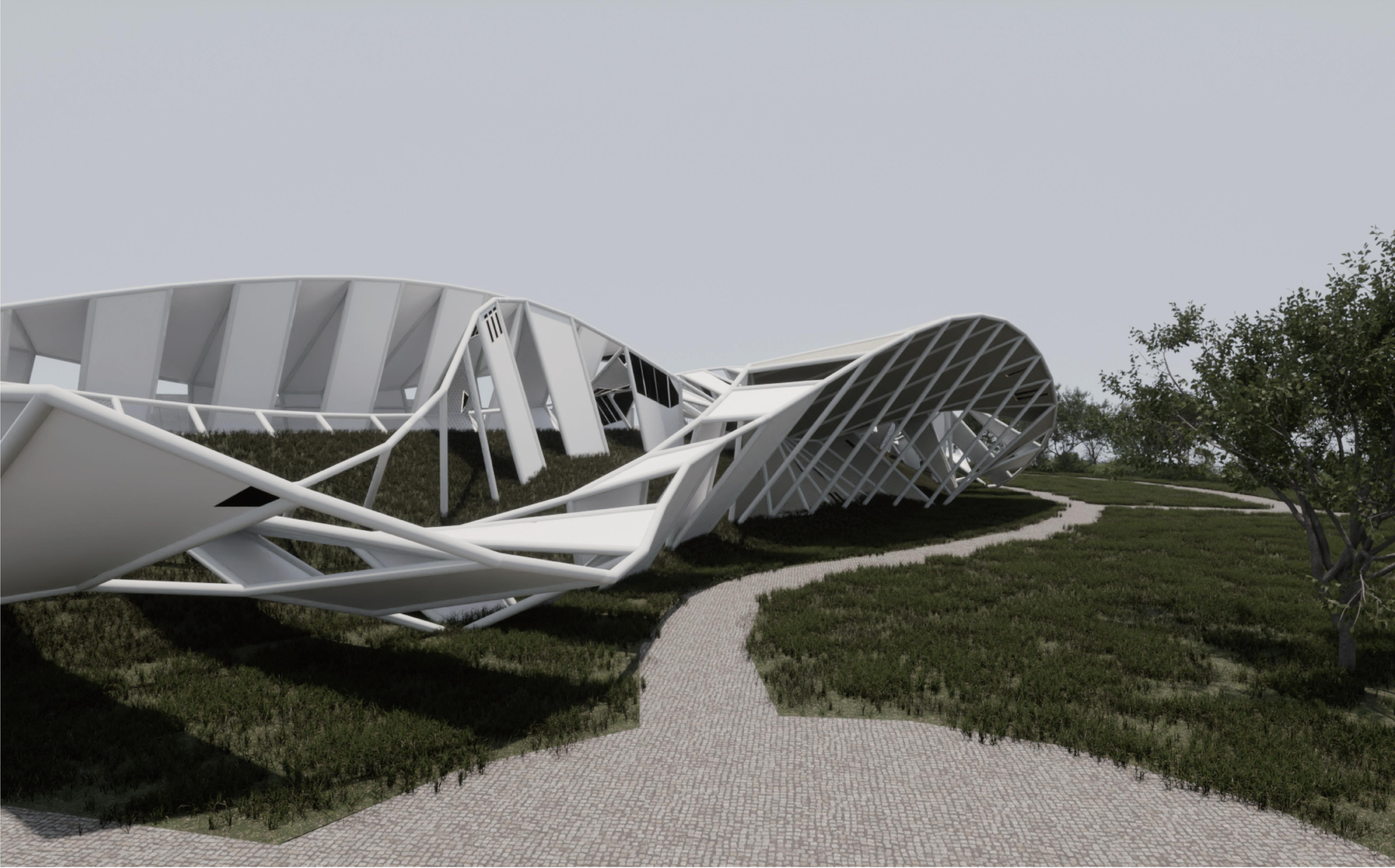
Through the study of the characteristics and dynamics of ocean waves, I abstracted a set of generative principles: beginning with the simplest sine wave, which, through superimposition, evolves into complex and chaotic waveforms, and ultimately transforms into breaking waves as they interact with the seabed near the shoreline. These disturbances were reinterpreted architecturally by treating various axes as metaphorical seabeds, each producing unique waveforms that intersect and interfere with one another. By further integrating the rotational and compressive effects of the seabed, a spatial system was developed—capable of generating architectural components and spatial organizations. The resulting constructs aim to reconfigure circulation paths and redefine the boundary conditions between human interventions and natural forces.
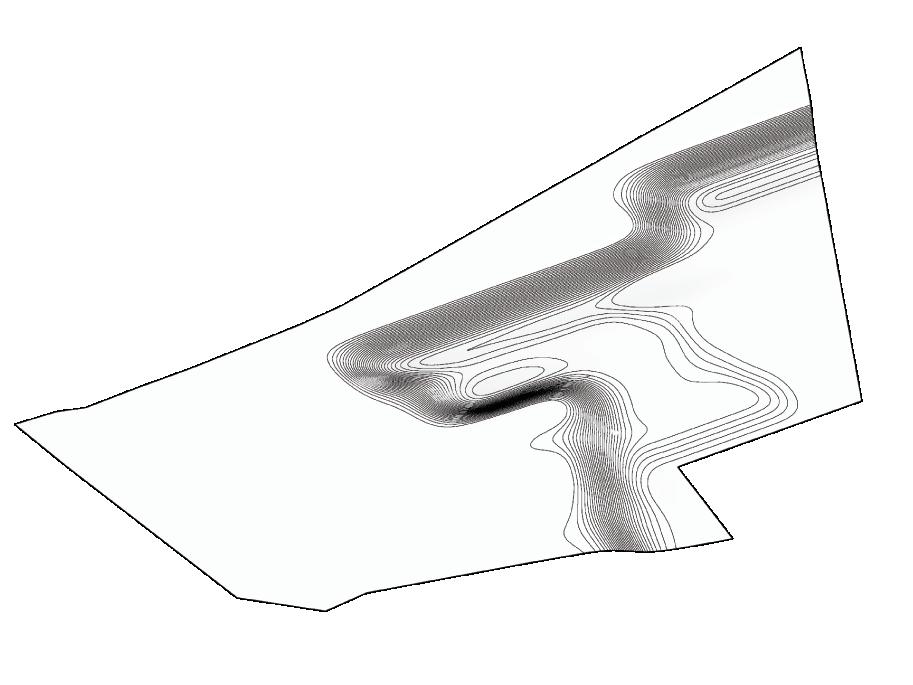
The site located at Shetou Park, it’s a park at the end of Shezidao. The park is been isolated by embankment .
The space is separated by embankment,on one side, it’s living area, on the otherside, it’s nature with river.
The paths are also isolate to eachother due to the embankment.
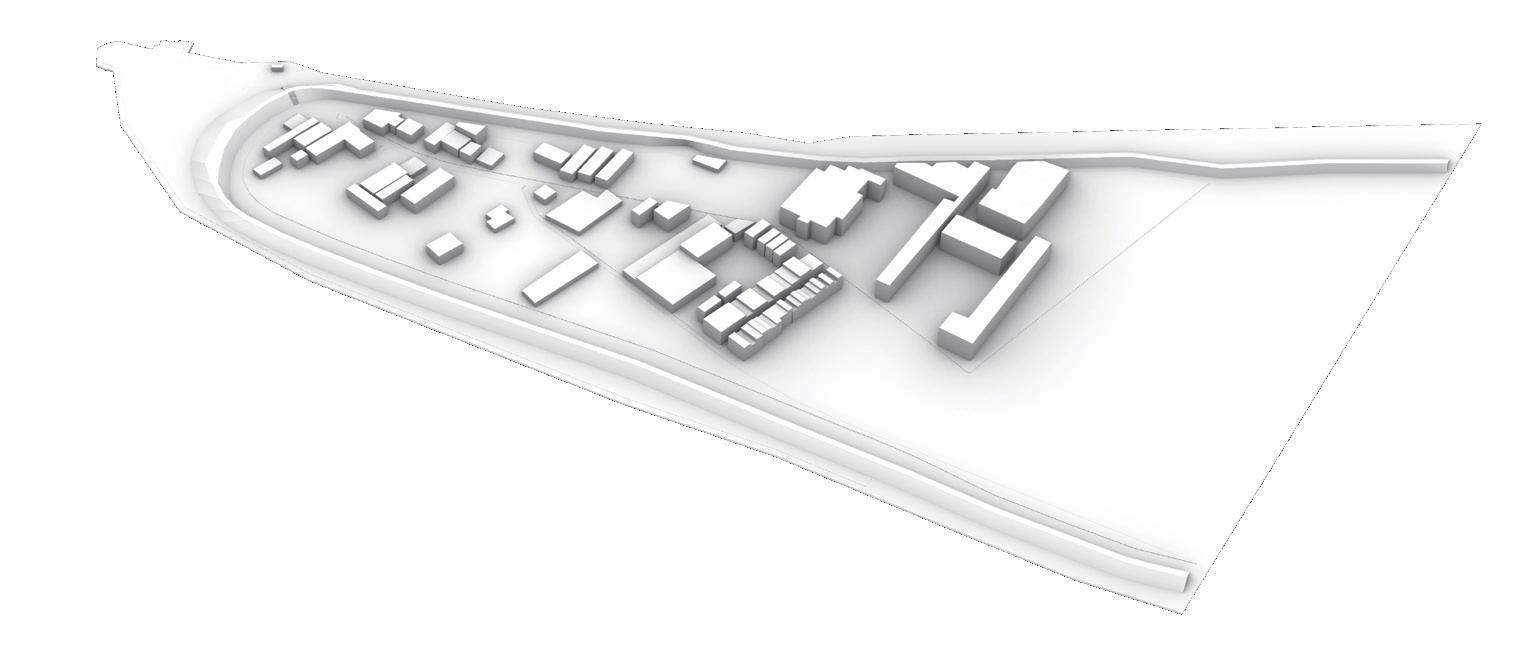
The curve I use to create the space is the path in the park, the bicycle path on the embankment, and the vehicle path.
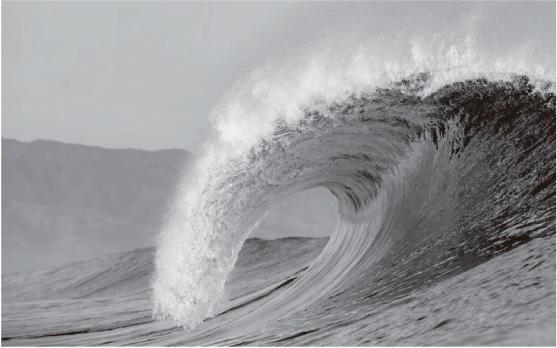
2.DIAGRAM
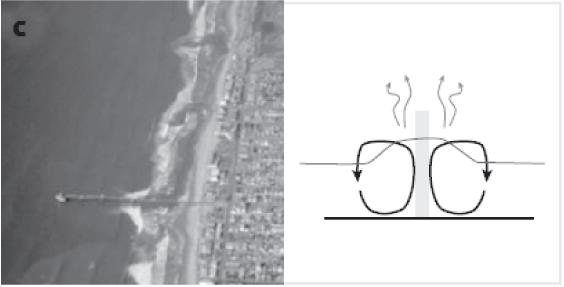
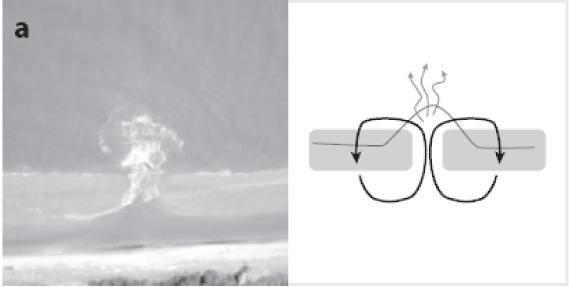
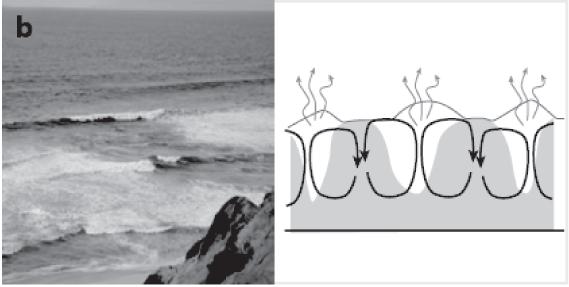
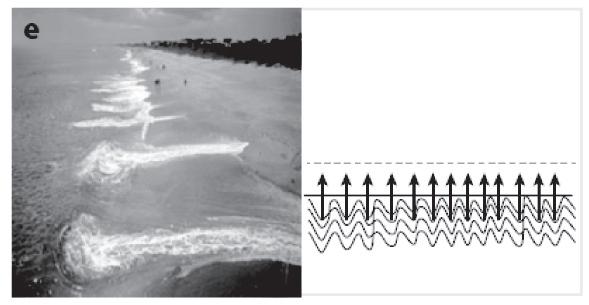
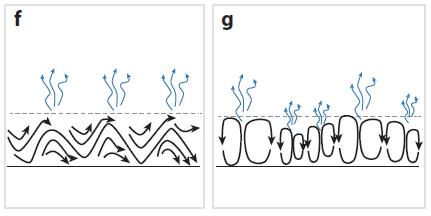
(a) Linear bar-trough rip current.(b)Semi-enclosed rip currents in Monterey, California (c) Rip current colocated with the pier. (d) Mega-rip current associated with a pocket beach. (e) Swash rip currents.(f) Obliquely incident wave angle(g) Near-normally incident wave angle
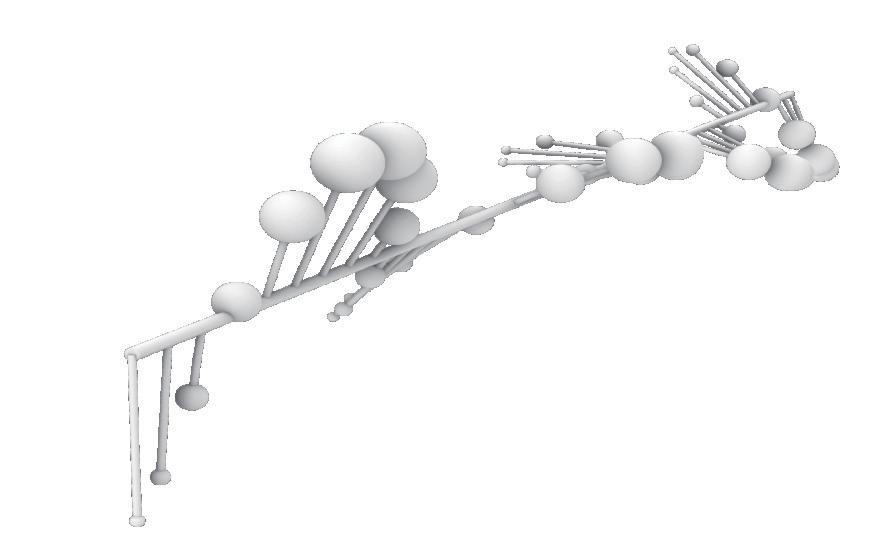
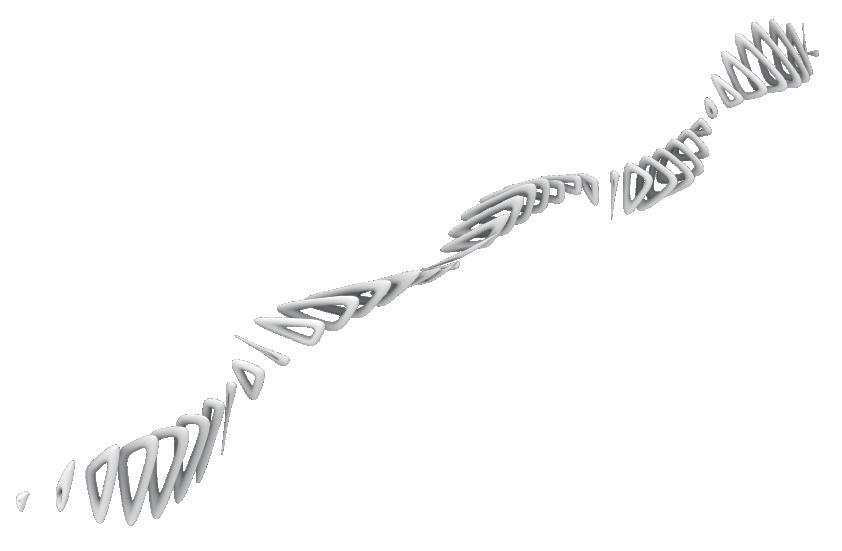
SECTION 1.
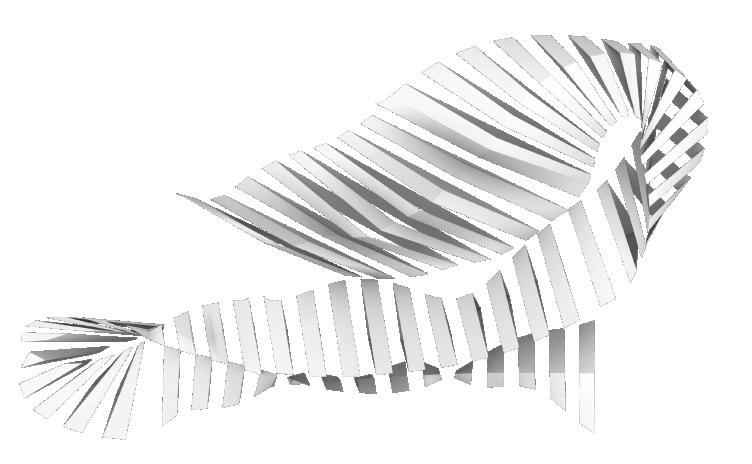
SECTION 2.
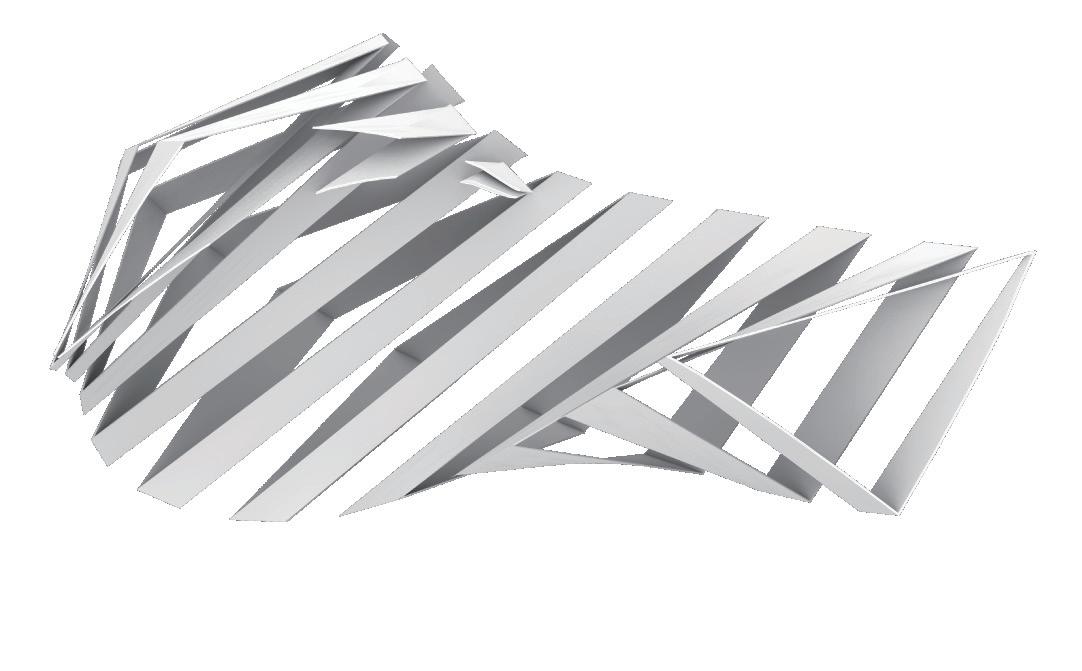
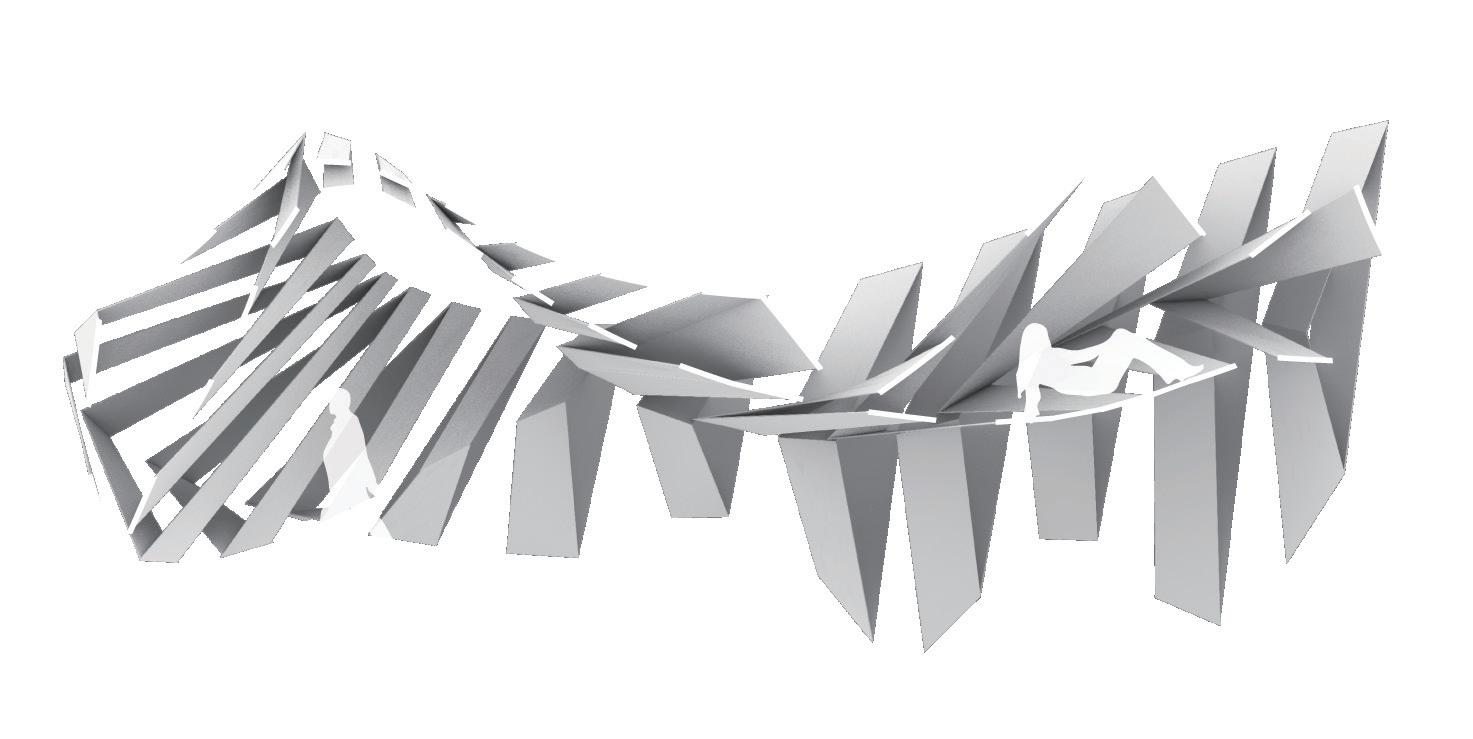
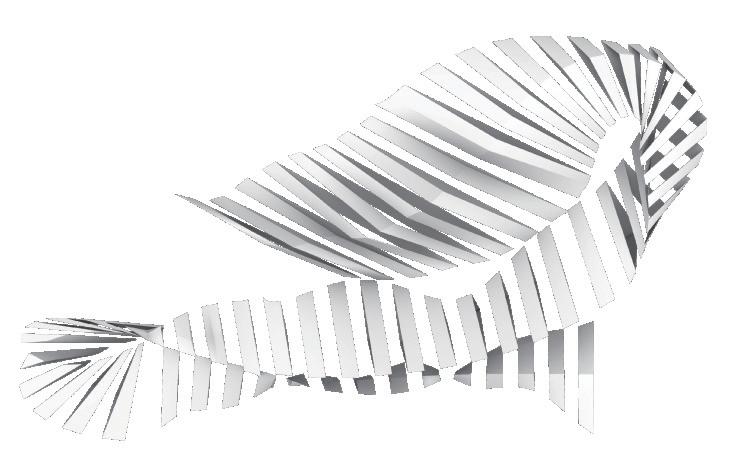
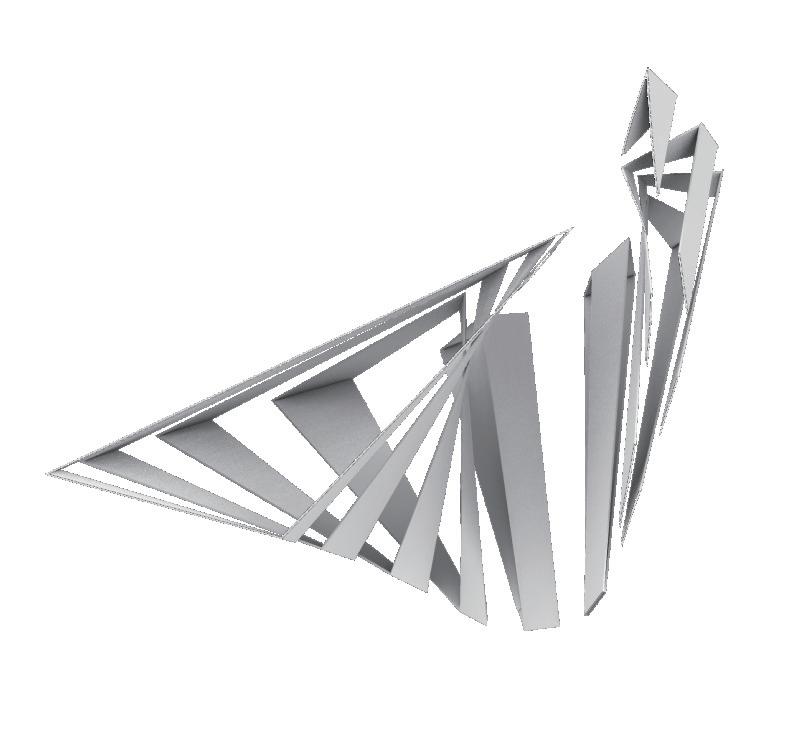
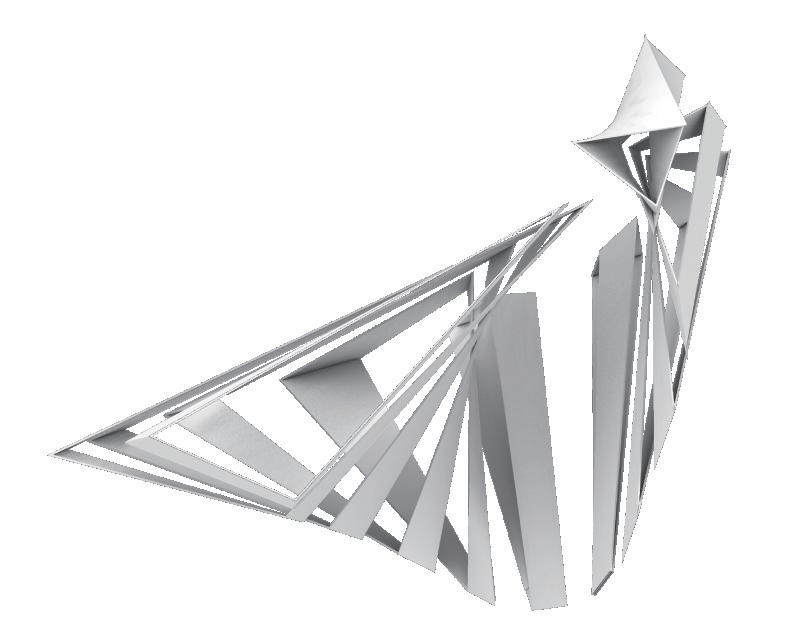
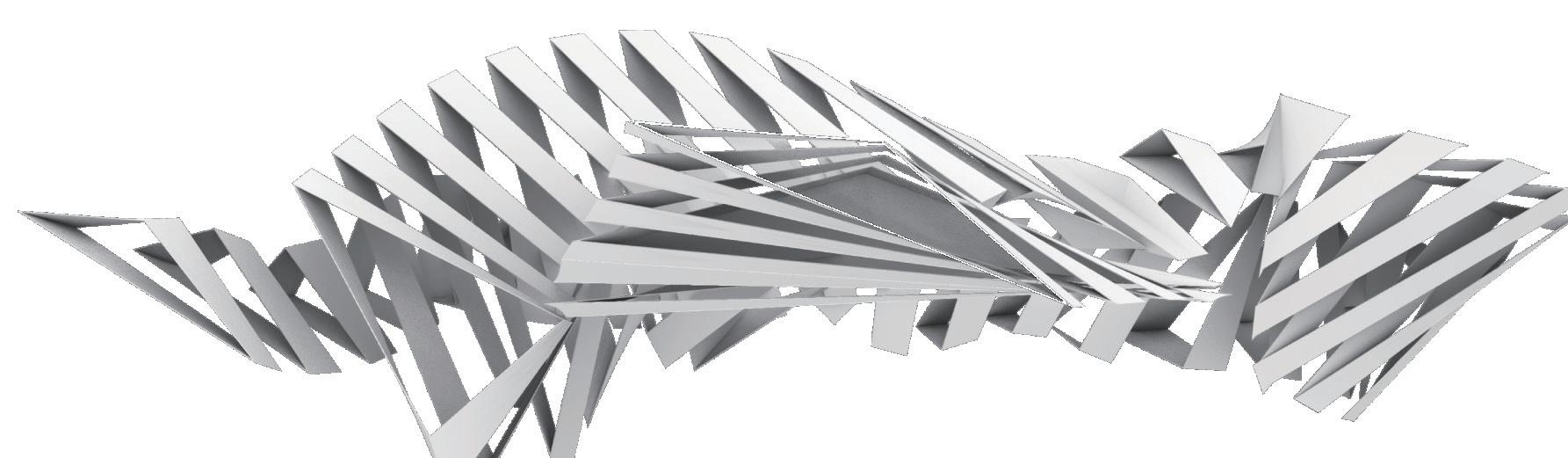
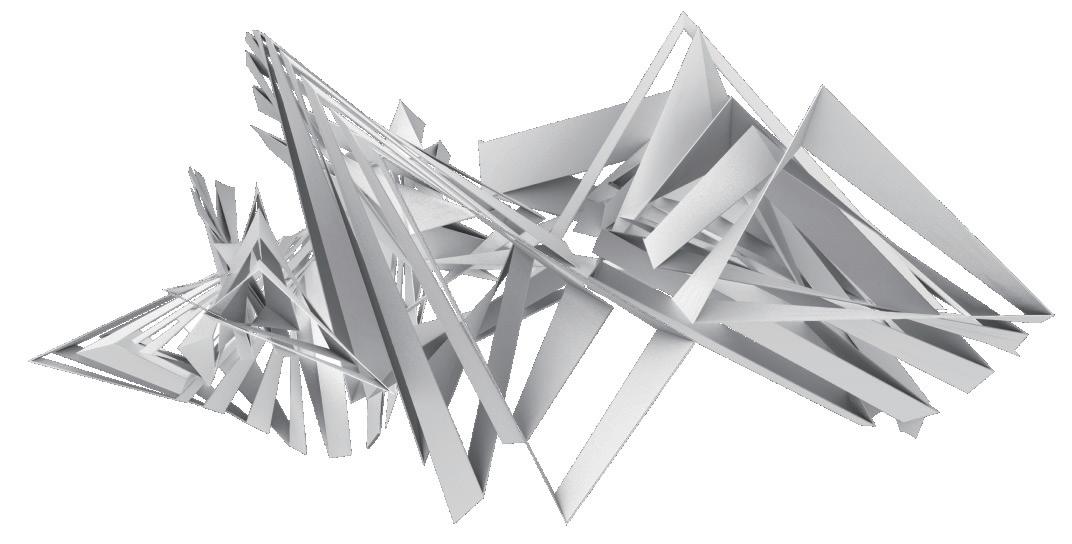
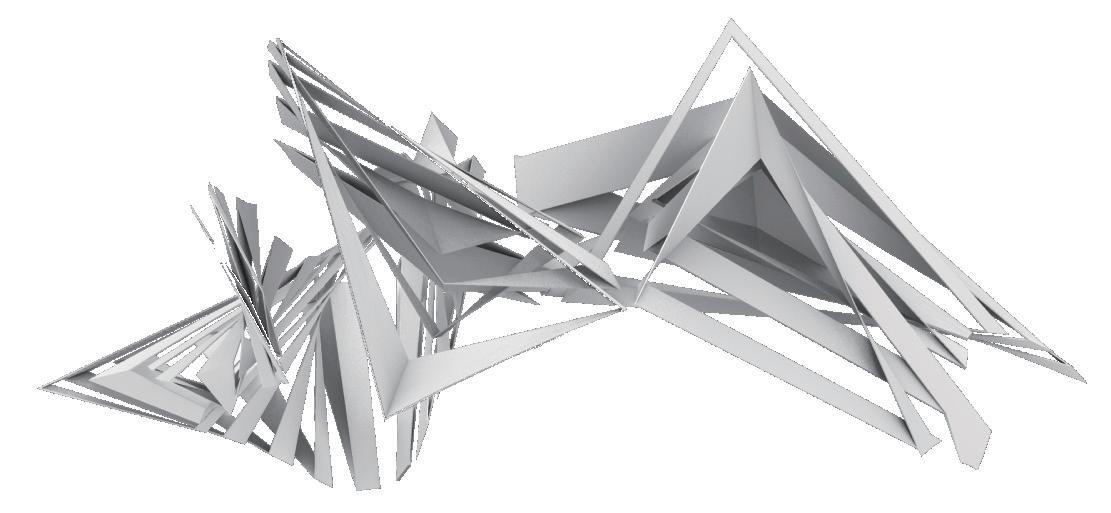
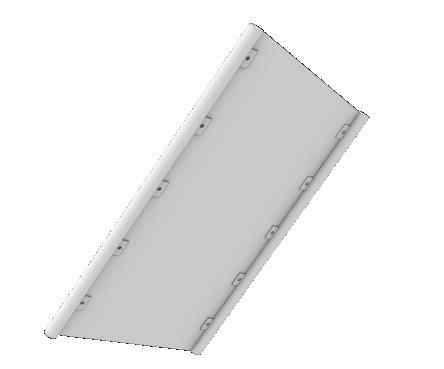
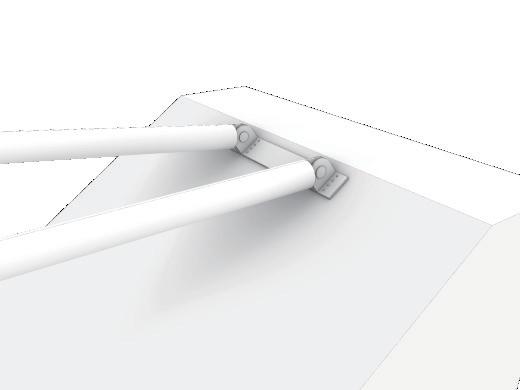
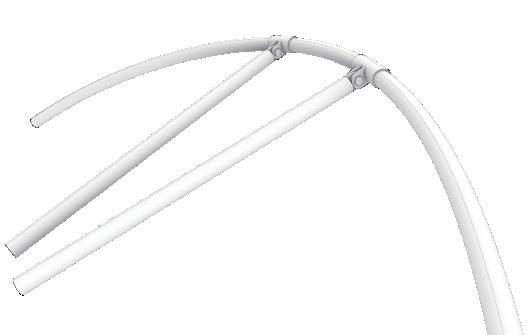
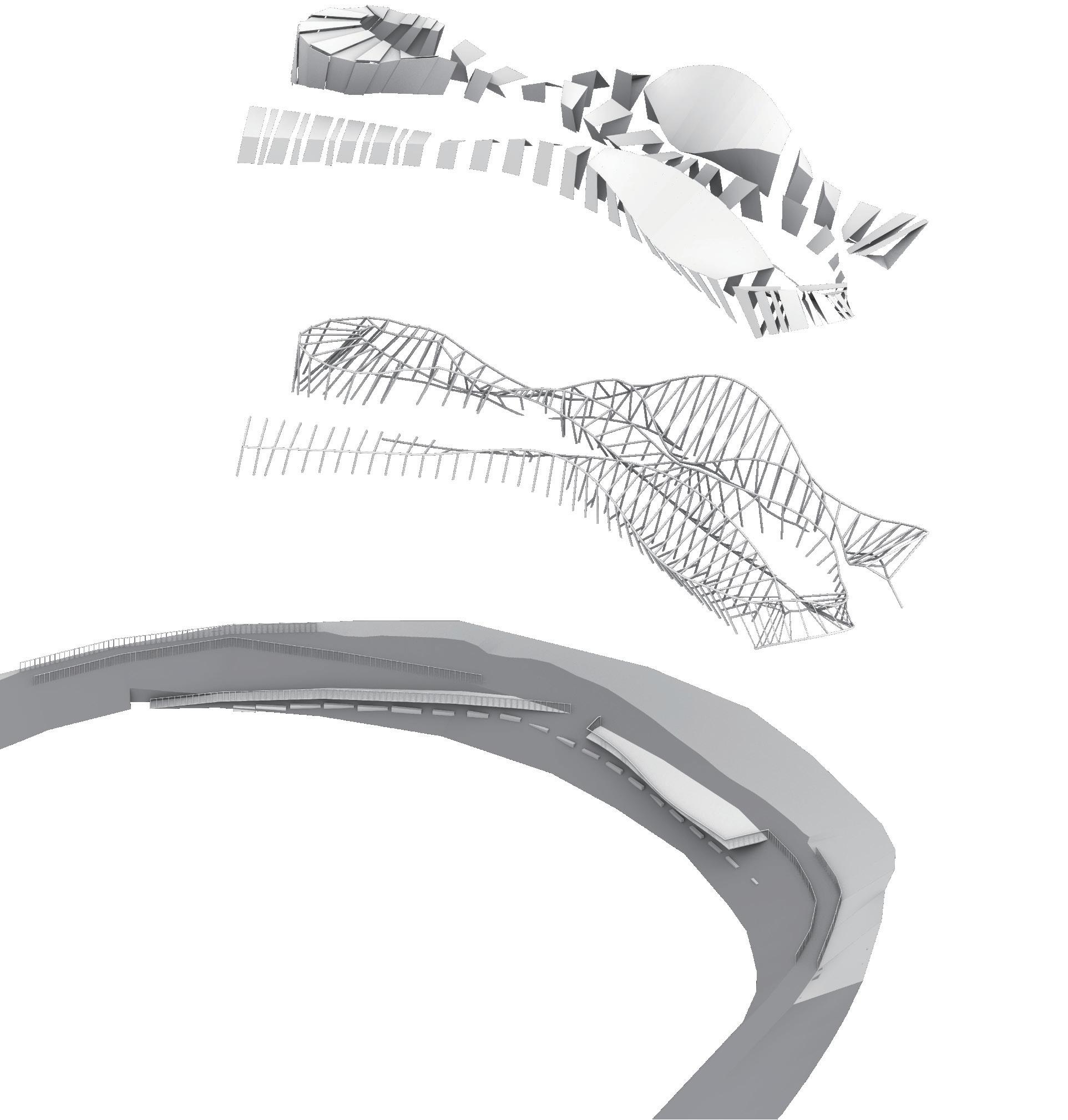
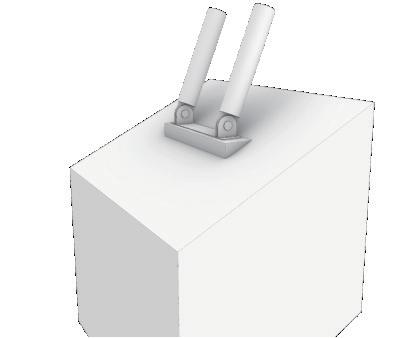
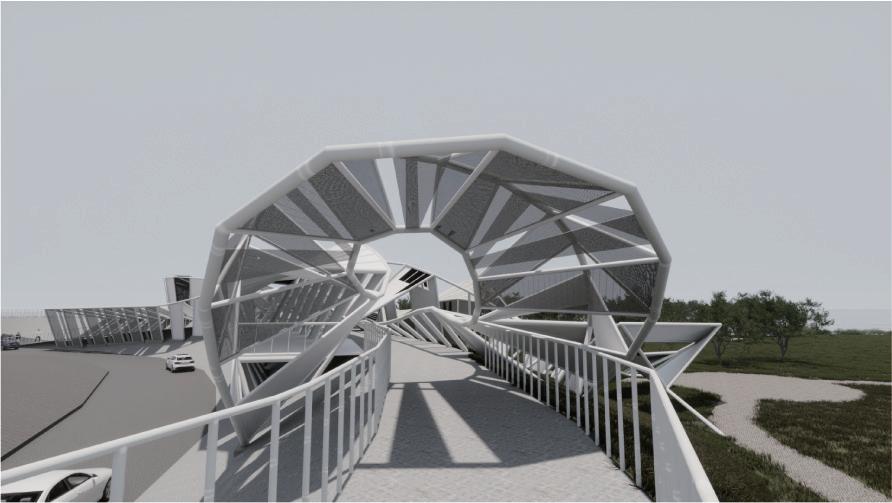
The circulation is first guided into the space in a clear and intentional manner. As one moves further inside, the spatial twists and interwoven forms gradually disrupt the fixed linearity of the path, transforming what was once rigid circulation into a fluid, layered, and ever-shifting spatial journey.
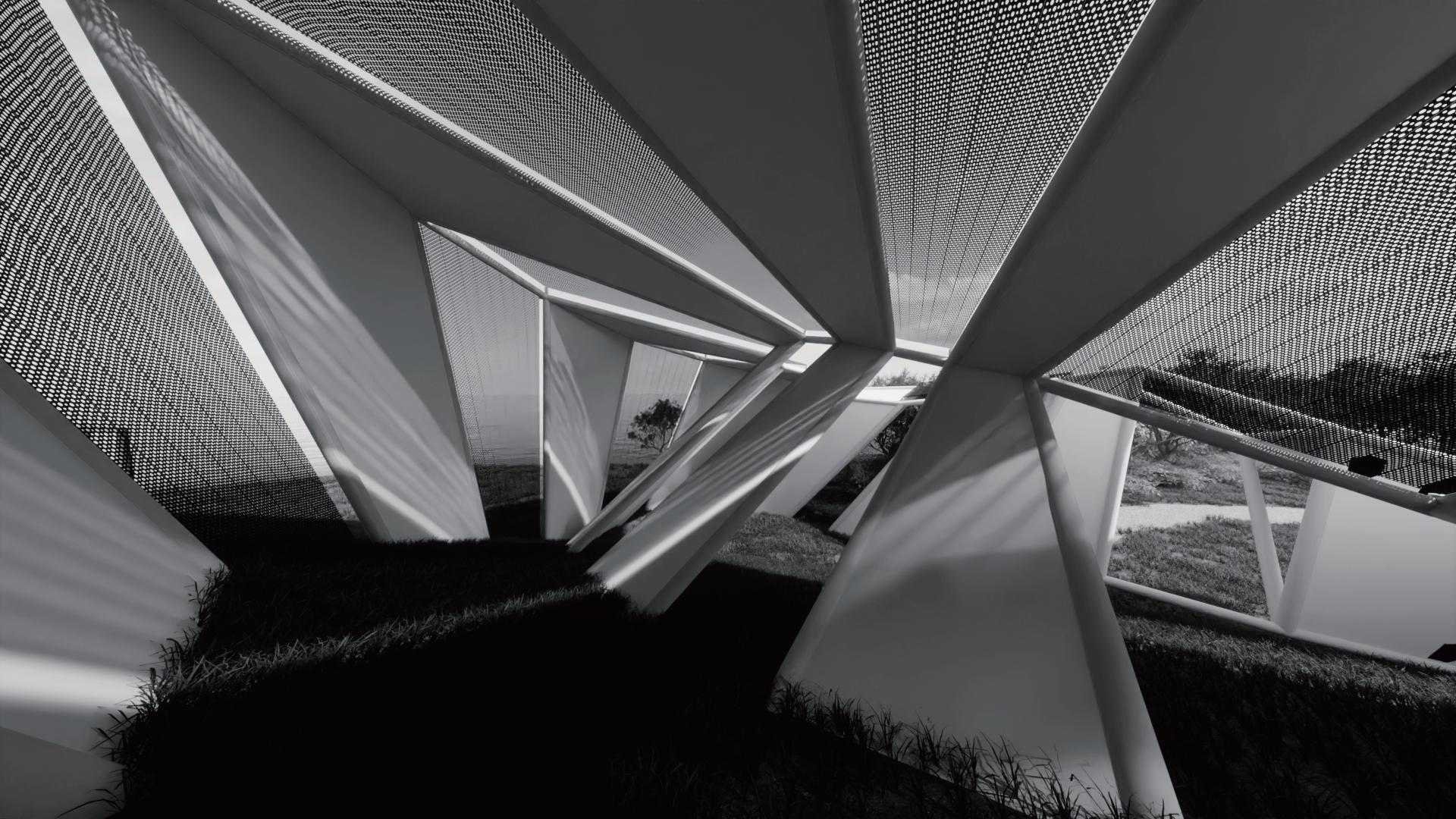
Within the architecture, spaces of varying scales are created to accommodate diverse activities. Since the spatial configuration is generated through algorithmic processes, these activities are not bound by continuity or territorial constraints, thereby dissolving conventional boundaries and redefining the notion of space.
Location: Shezidao,Taiwan
Type: Pavilion
Key word: Wave, Movement, Interaction.
Einstein believed that everything in the universe could be composed of a single formula.
A complex system can be form form a simple rule, like the ocean wave.
Location: Jinshan,Taiwan
Type: Toursit Facility
Key word: Wave, Surfer, Movement, Interaction.

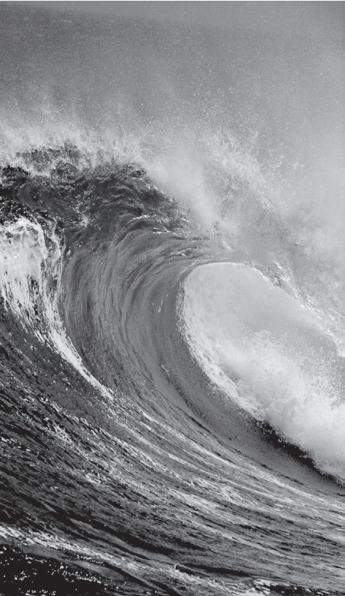
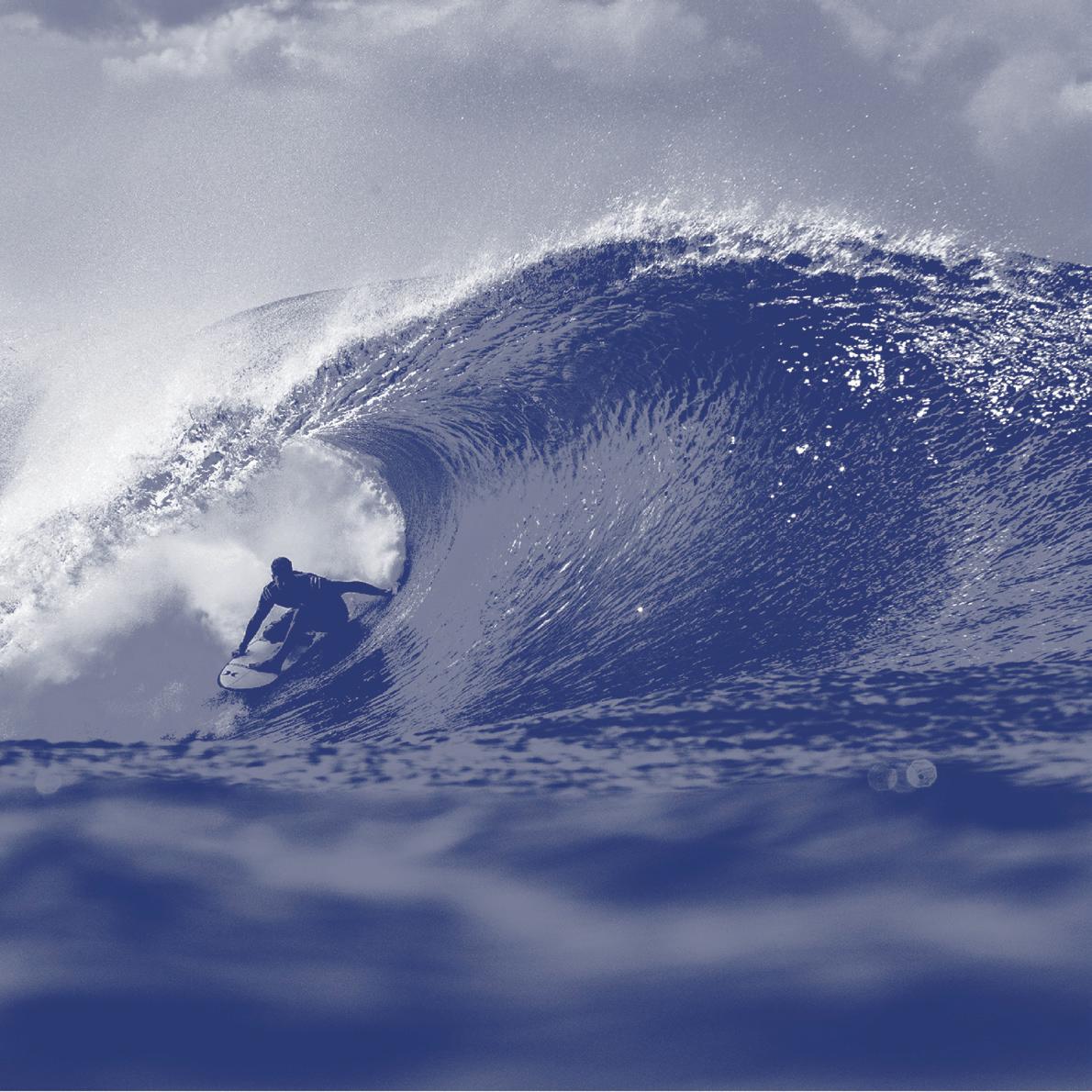
In surfing, waves represent both the essence and the greatest challenge of the sport. They embody a paradoxical nature—at times playful and liberating, at other times unpredictable and even life-threatening. Very often, they contain both beauty and danger within the same moment. This duality is what makes surfing not only a sport but also an experience of constant negotiation with nature.
In this design, I explore the fluid forms of four distinct types of waves, emphasizing their unique structures, rhythms, and motions. Beyond the waves themselves, I also illustrate the movement of surfers as they encounter and interact with these natural forces. The gestures of the surfers, shaped by both skill and instinct, reveal a dialogue between human presence and the immense power of the ocean. Together, these visual elements aim to capture the tension, harmony, and transformative energy that arise whenever surfers and waves meet.
Waves are the most important and difficult thing to learn in surfing, It could be fun, It could be deadly, usually it could be both at the same time.
01 02 03 04
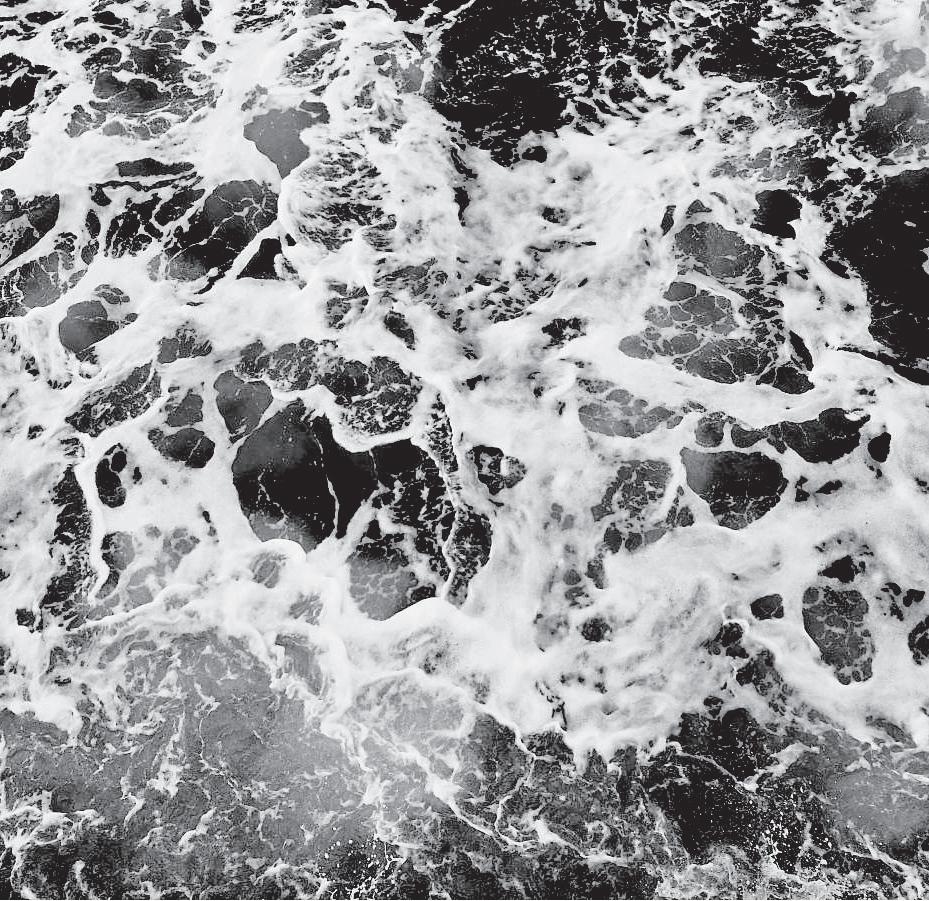
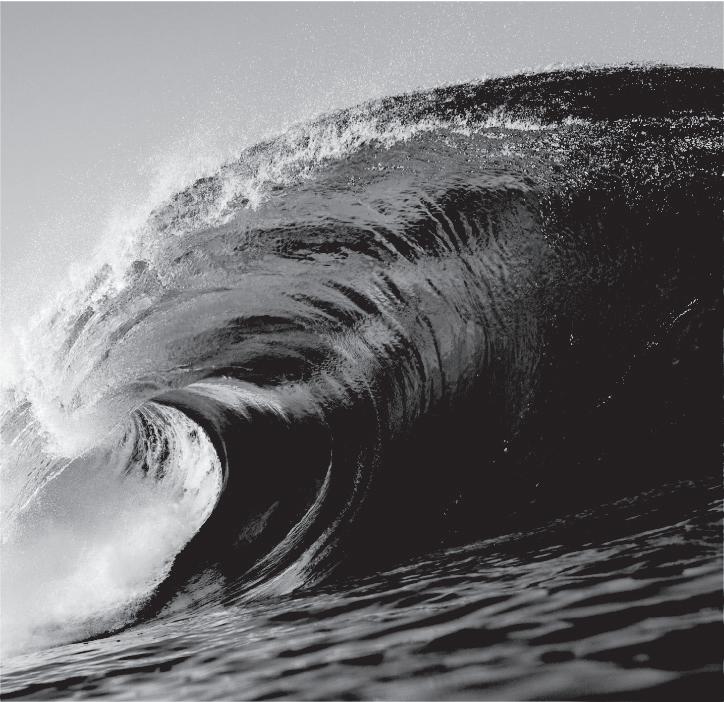
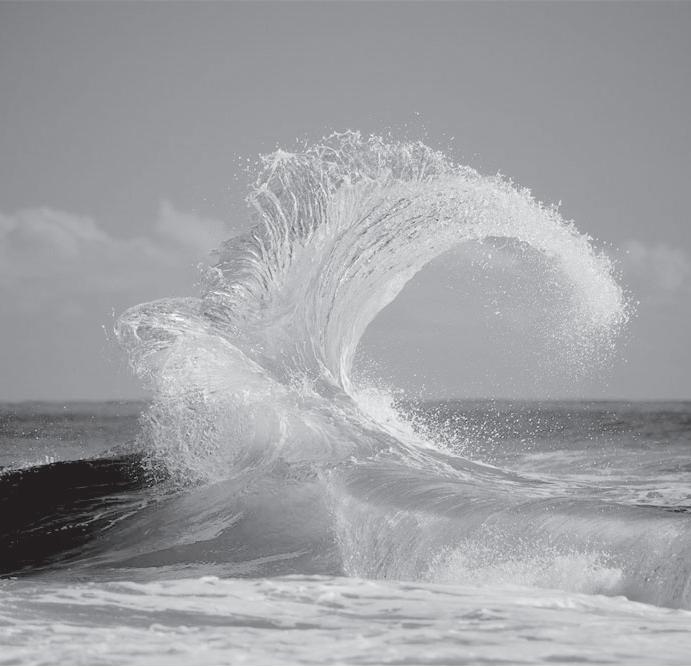
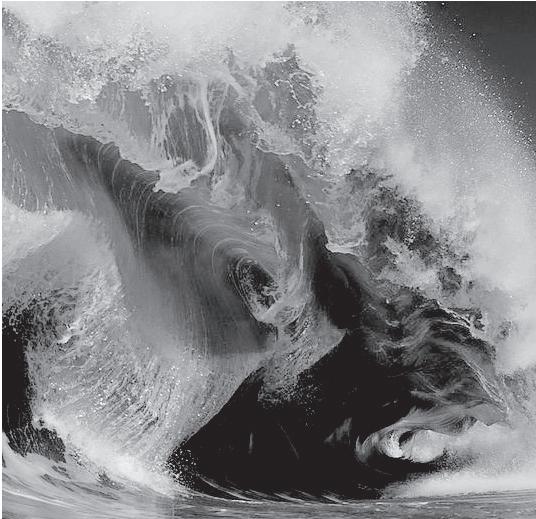
Afer the wave collaps, it will mix with air and froms this kind of marbling. Called ‘white water’ or ‘white wave’.
when the wave get closer to shore, the wave will first get higher untill a point, then start collapsing.
when the two waves run into eachother, the waves will colide forming a massive wave
when the second wave catches up the first wave, the two waves will stack into a bigger wave.
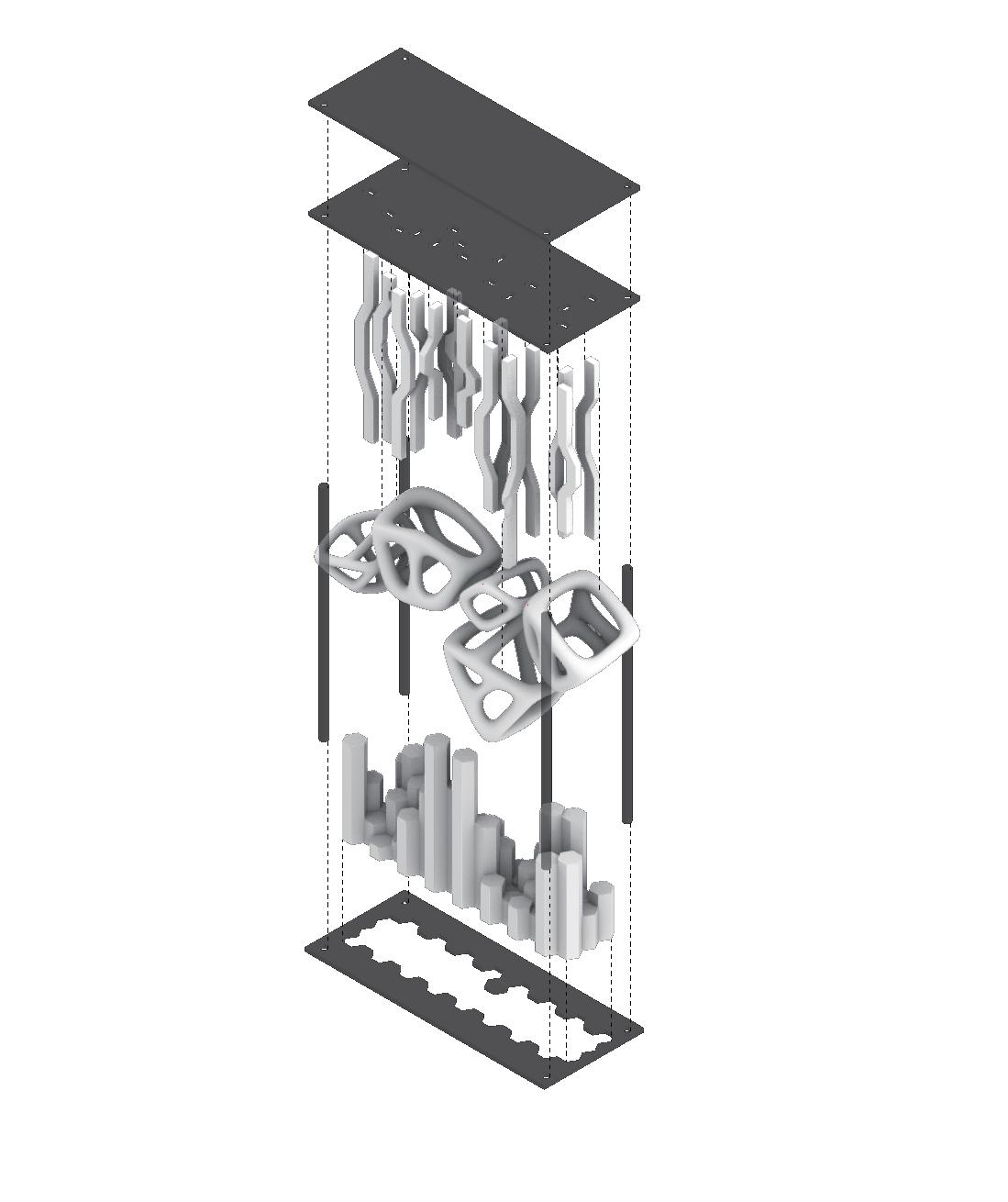
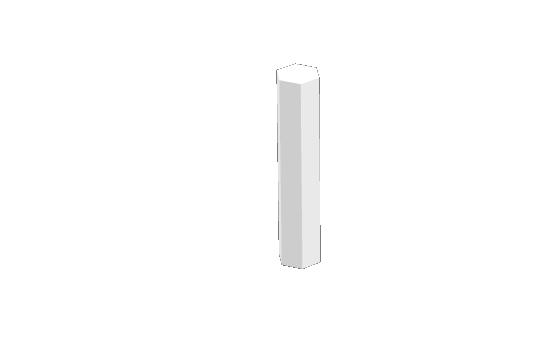
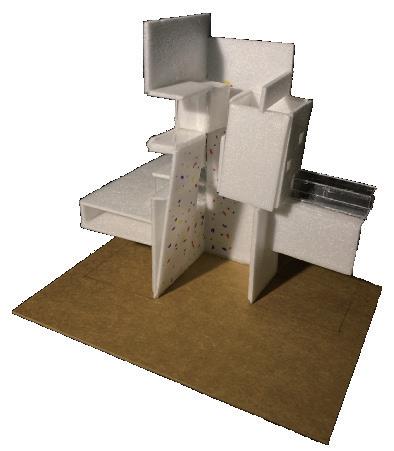
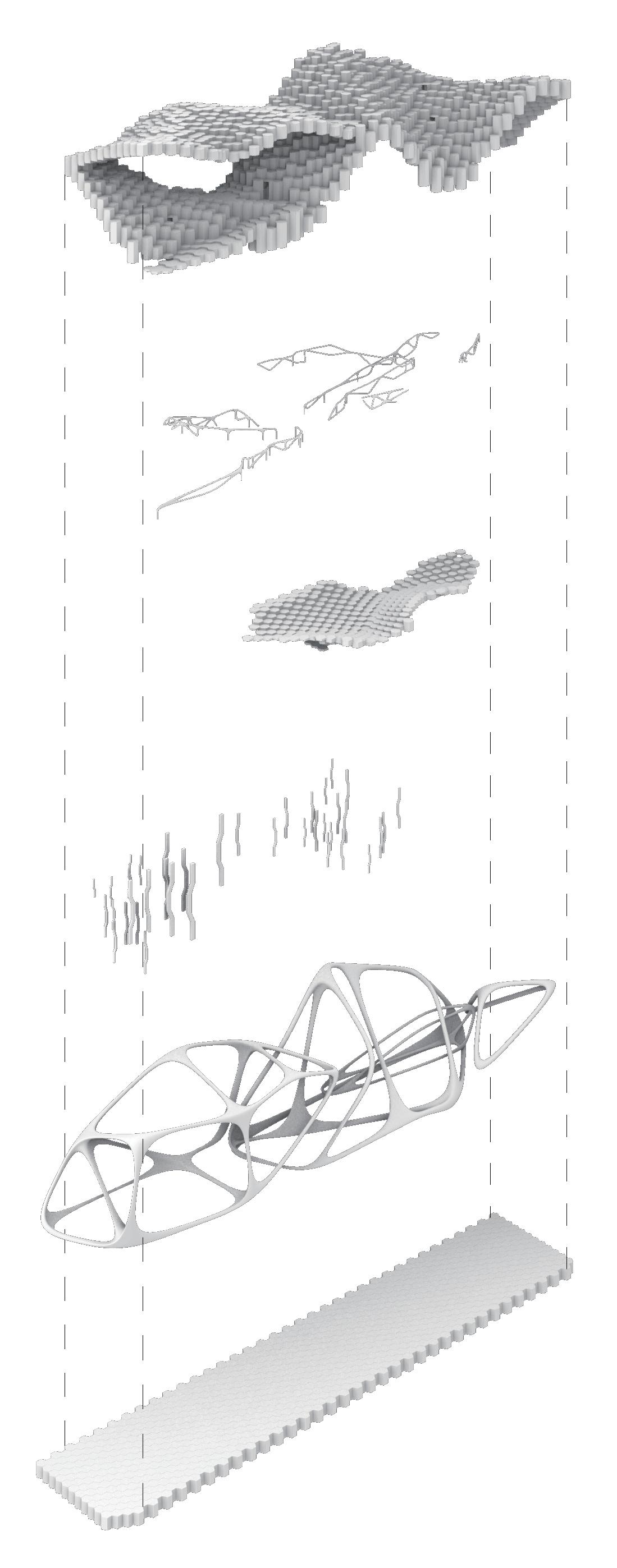
Prograss 1 : Use hexagon uni to simulate the seafloor.
3D Printed Unit Support
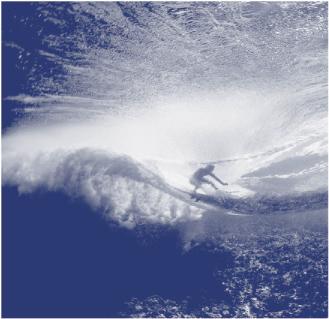
In this model I try to look under the wave to find a different angel, transfrom not just the from but the essence. Under the wave
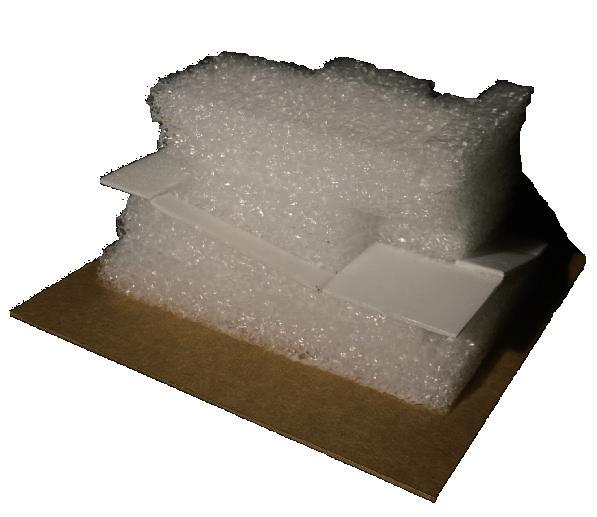
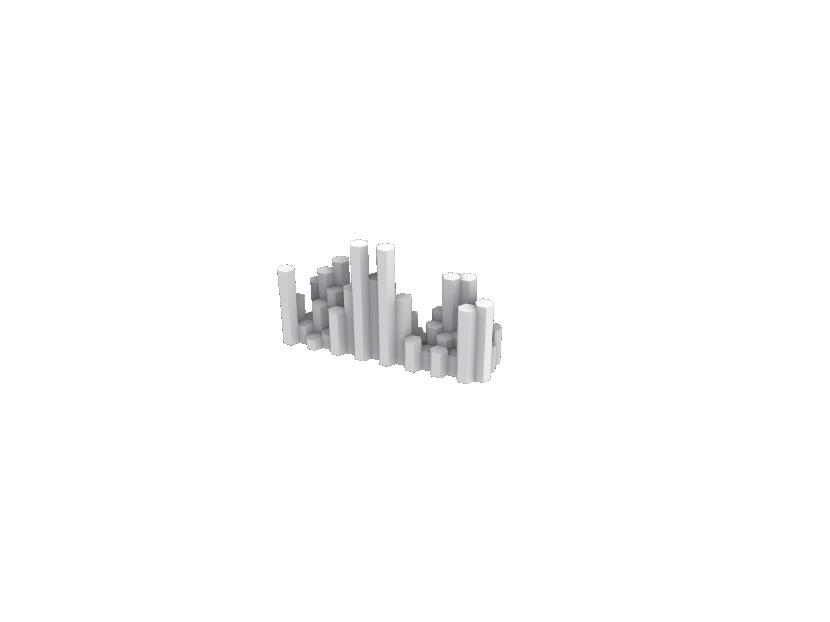
Prograss 2 : Build the hexagon in different hieghs to simulate the seafloor.
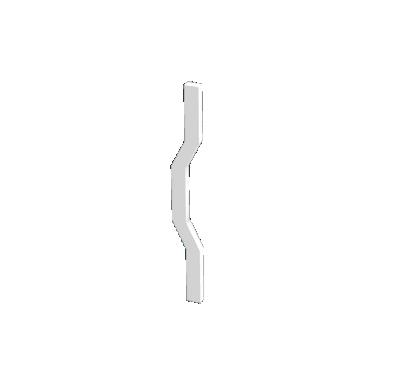
Prograss 3 : Use the diagram’s line to recreate the wave shape by same unit.
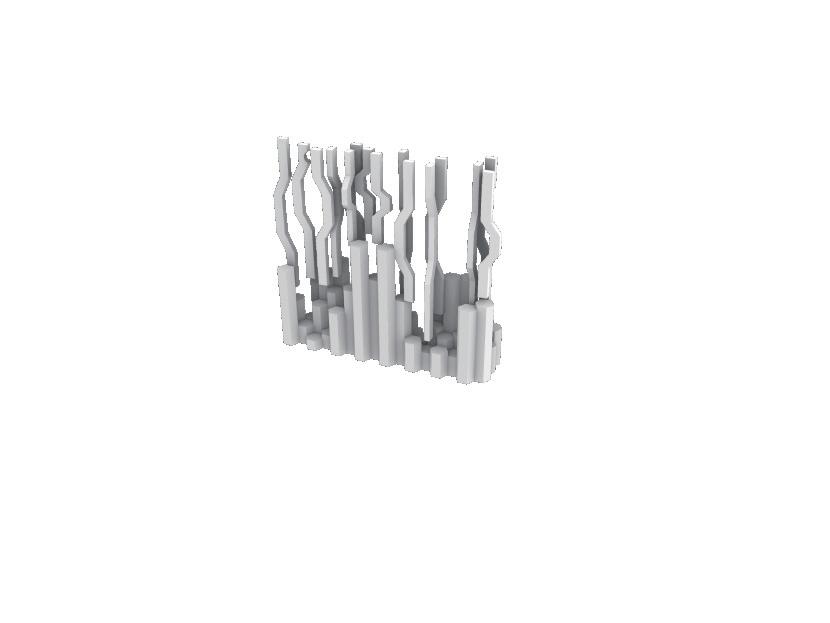
Prograss 4 : Make the wave unit move along the seafloor to recreate the affectoin of seafloor.
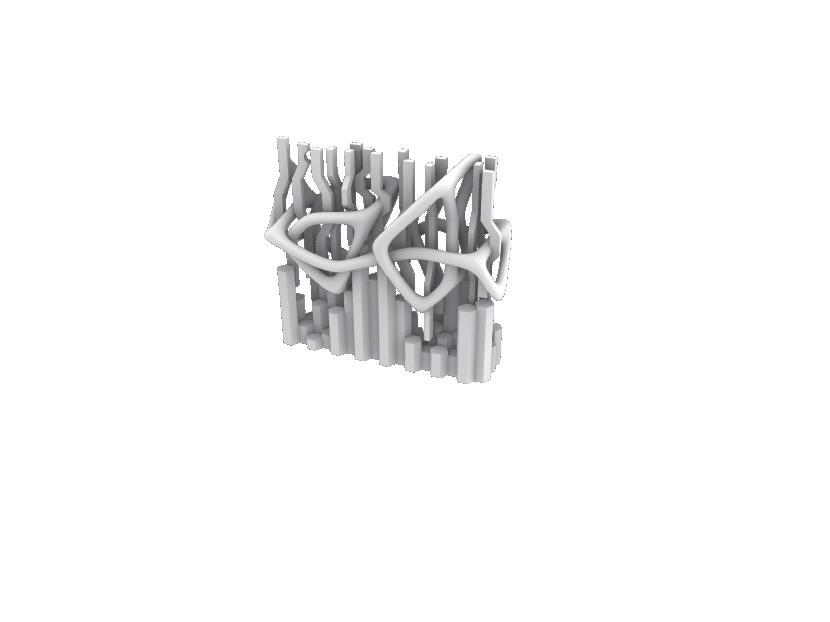
Progress 5 : Add the freefrom unit on it to recreate the ‘White water’ and the splash of wave.
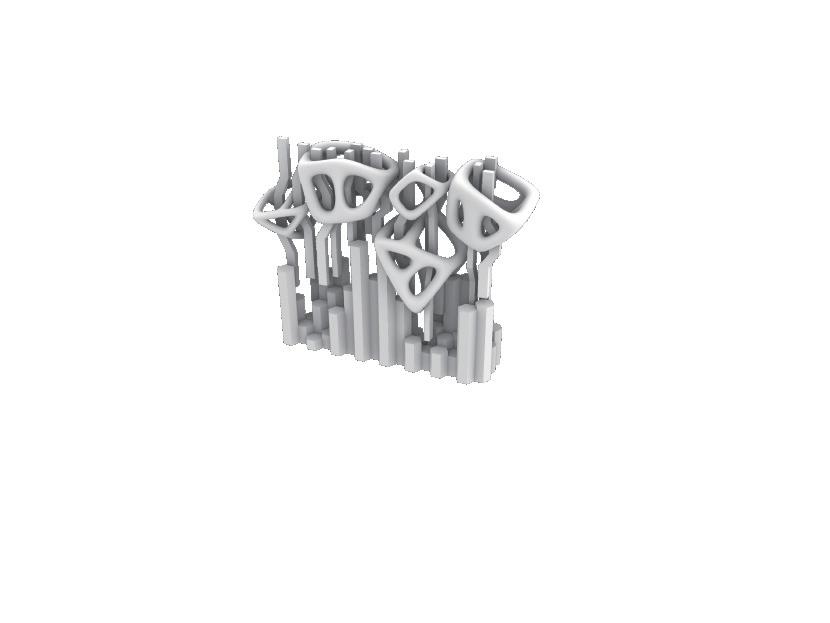
Prograss 6 : Add the freefrom unit on it to recreate the ‘White water’ and the splash of wave.
Location: Jinshan,Taiwan
Type: Toursit Facility
Key word: Wave, Surfer, Movement, Interaction.
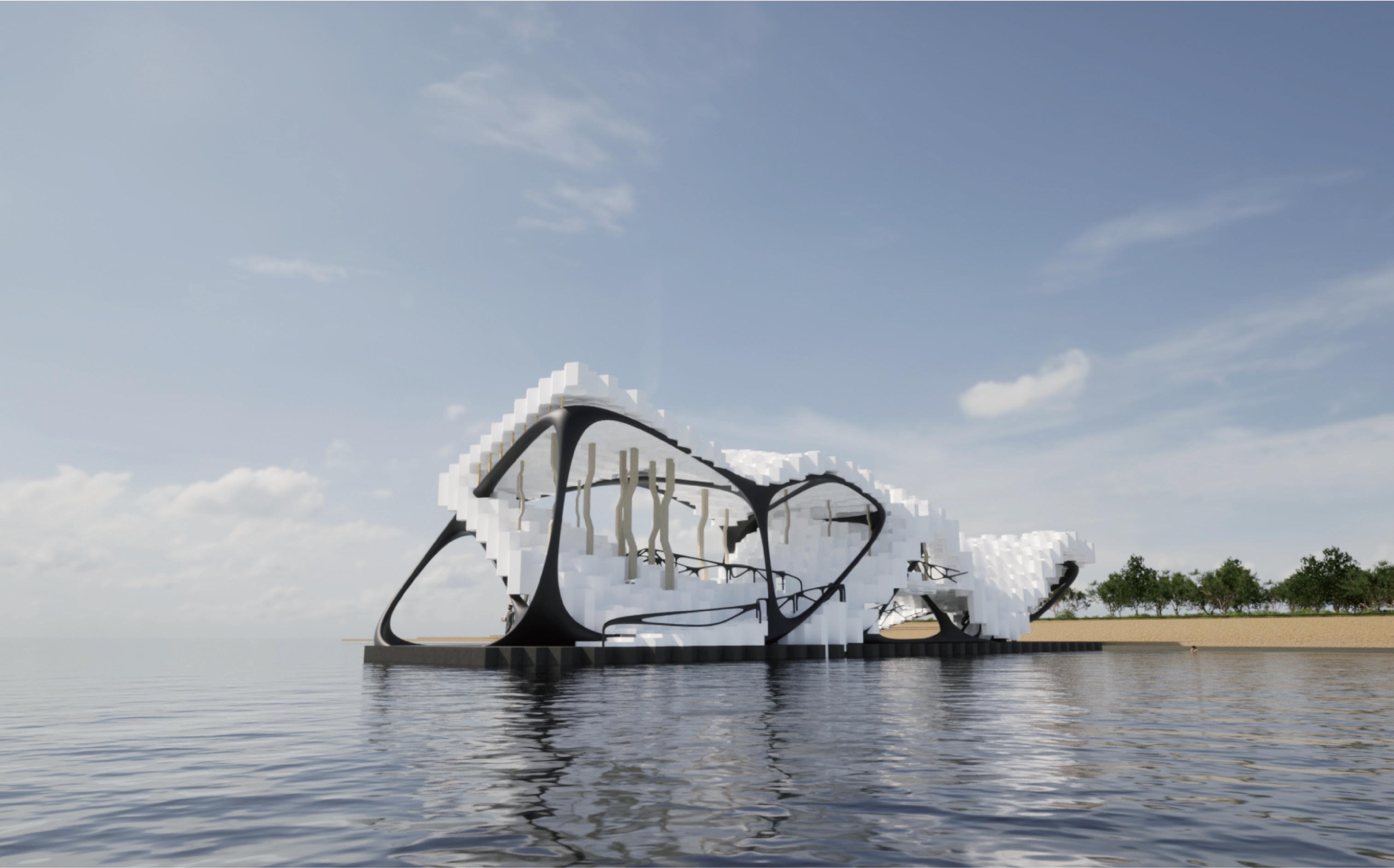
Waves are the most important and difficult thing to learn in surfing, It could be fun,It could be deadly,usually it could be both at the same time.
2.
Laserd acrylic
Laserd Fiberboard
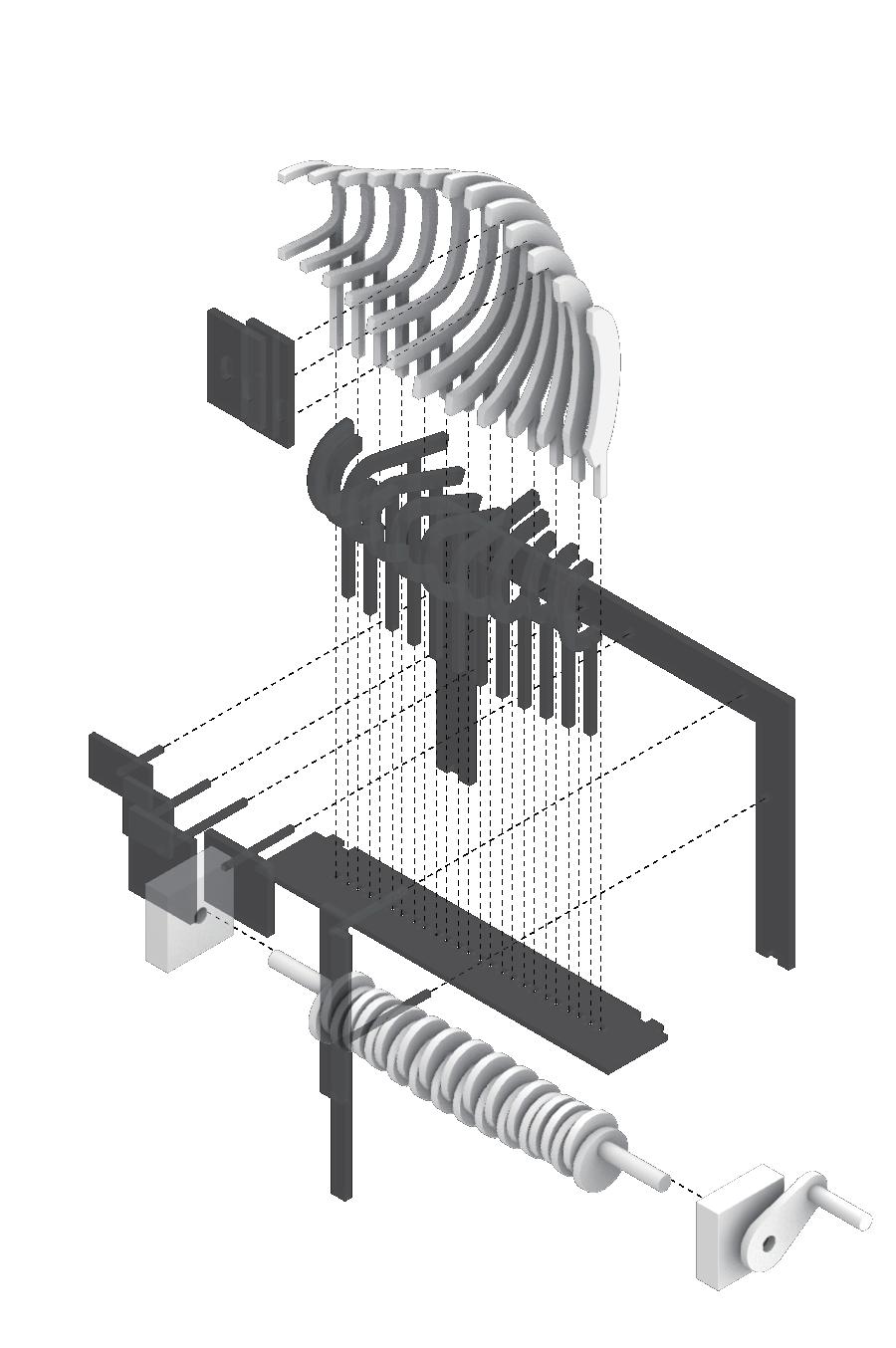
Prograss 1 :
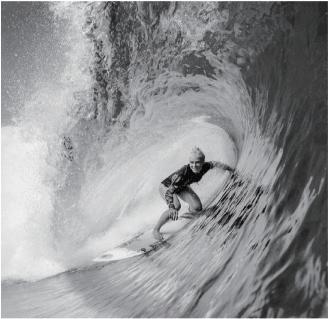
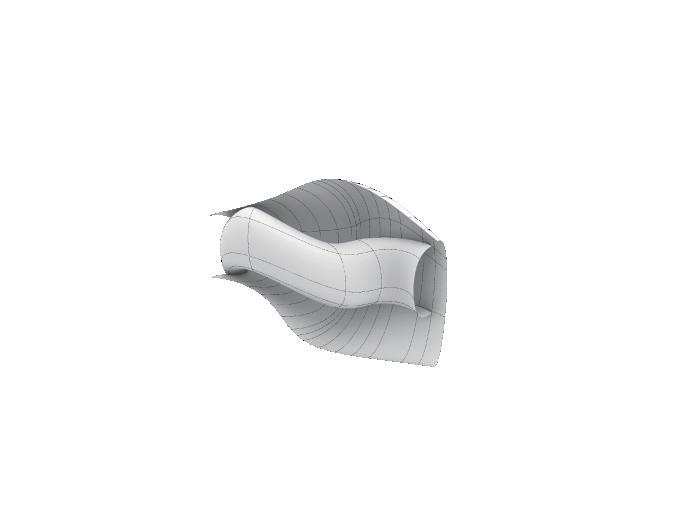
Find the wave motion and the surfer’s track, make the motion track to surface from.
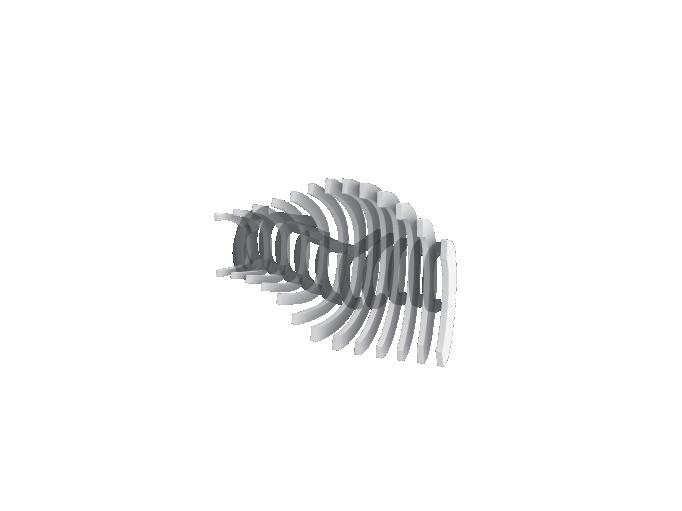
Prograss 2 :
Slice the surface to simulate the path of surfer and the wave, chose two material to make it looks difference.
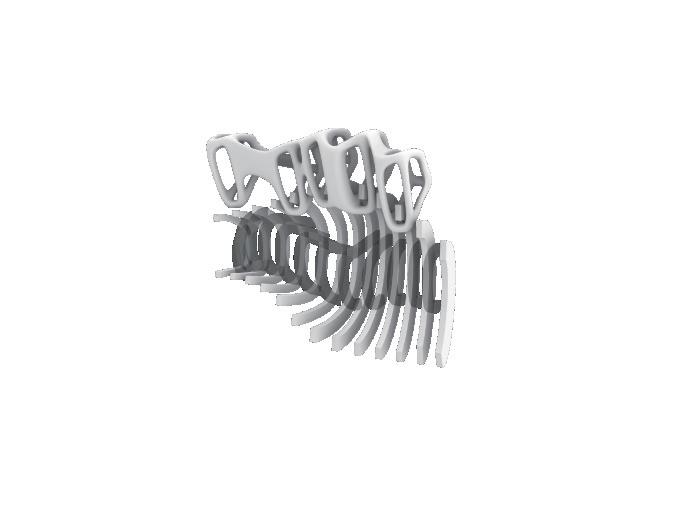
Prograss 3 : Add the freefrom shape unit on it to simulate the ‘White water’.
Prograss 4 :
Replace the freefrom shape unit to lasered acrylic to simulate the ‘White water’.
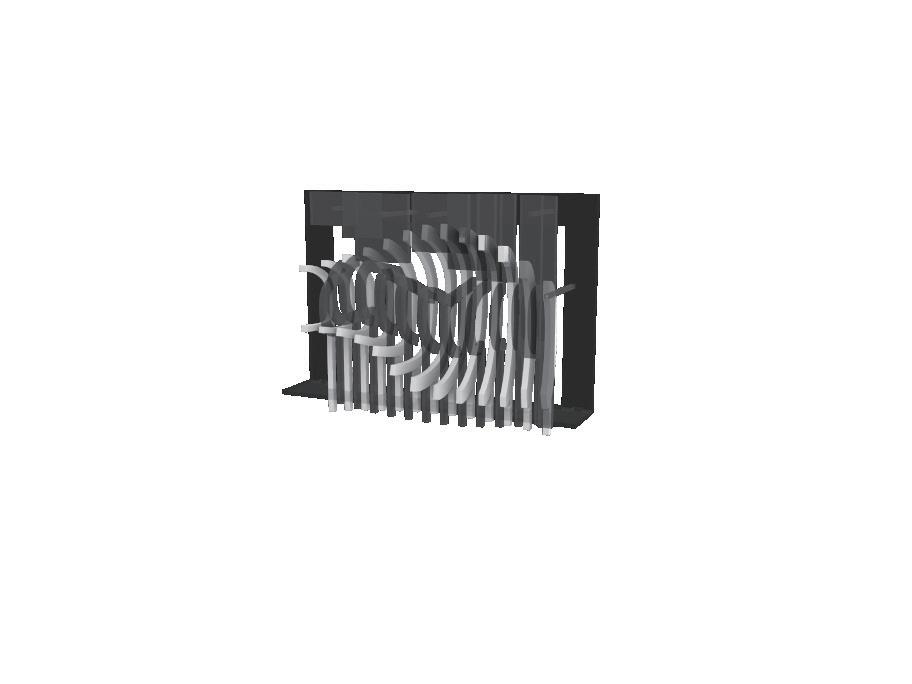
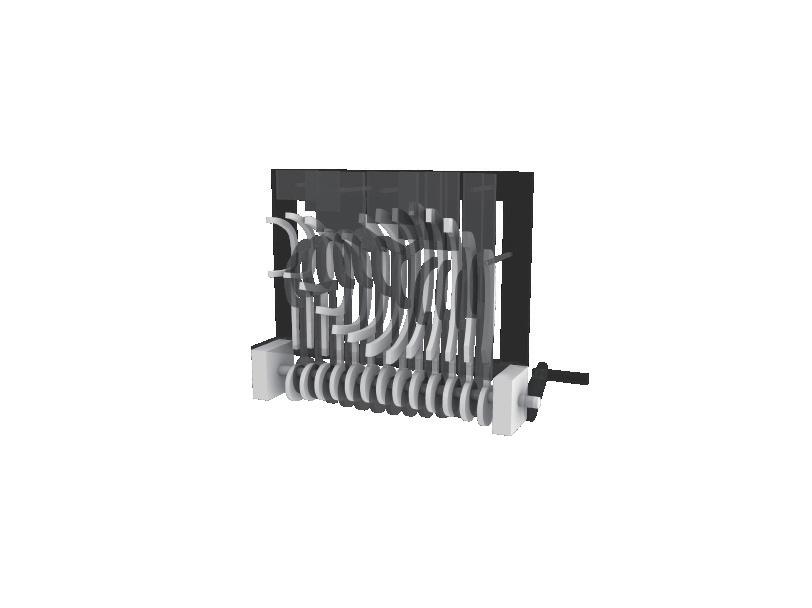
Progress 5 : Add support and make the path of sufer and wave can move individually.
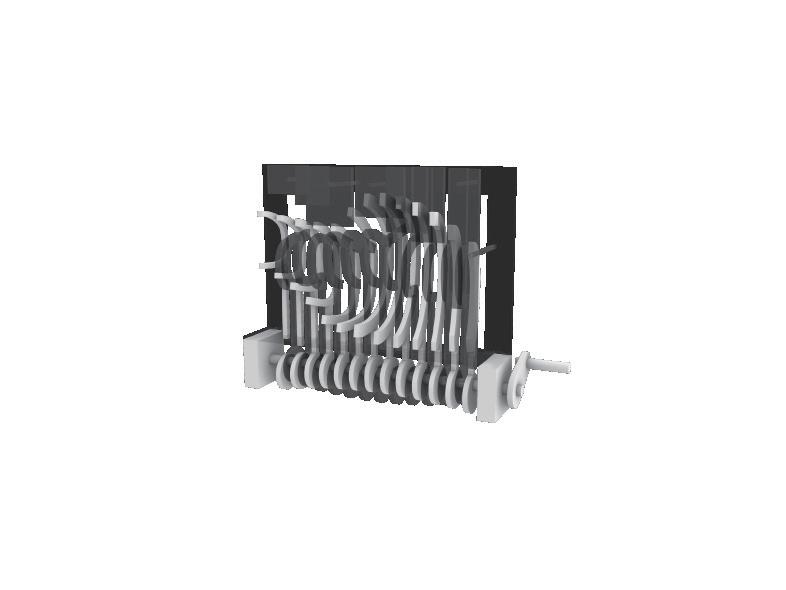
Prograss 6 : This model tries to recreate the perfect moment of sufing by making this model moveable.
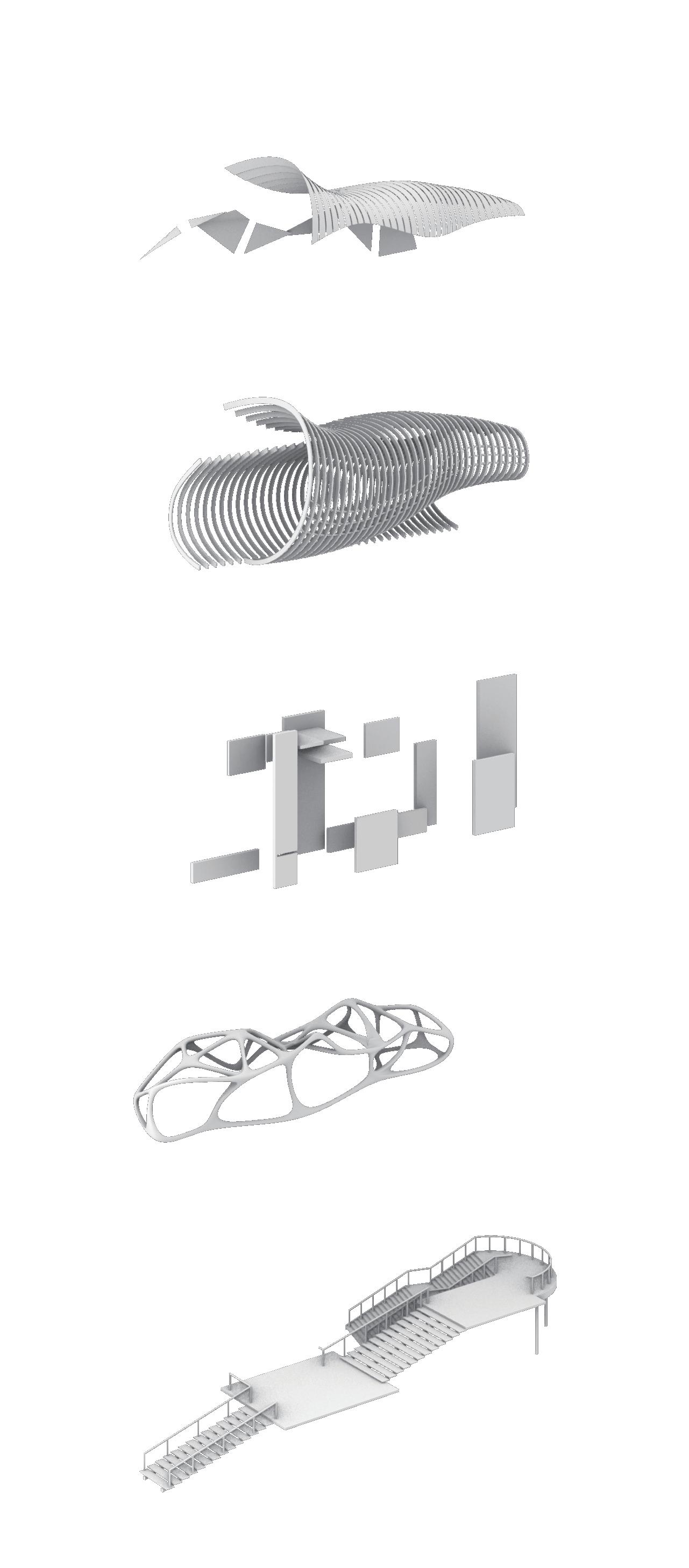
Location: Jinshan,Taiwan
Type: Toursit Facility
Key word: Wave, Surfer, Movement, Interaction.
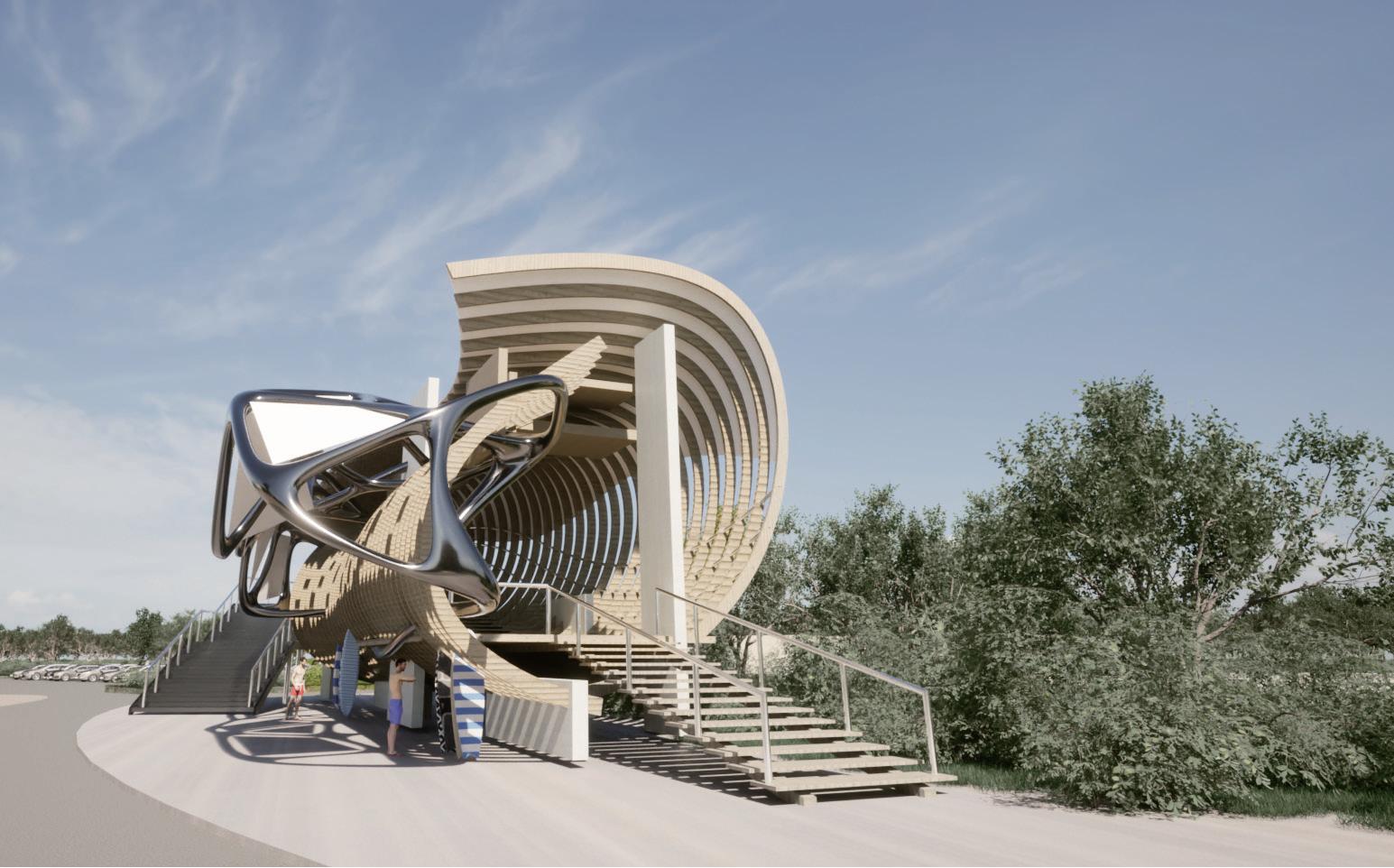
Waves are the most important and difficult thing to learn in surfing, It could be fun,It could be deadly,usually it could be both at the same time.
Prograss 1 :
Find the wave’s motion pattern, and construct the model from image diagram.
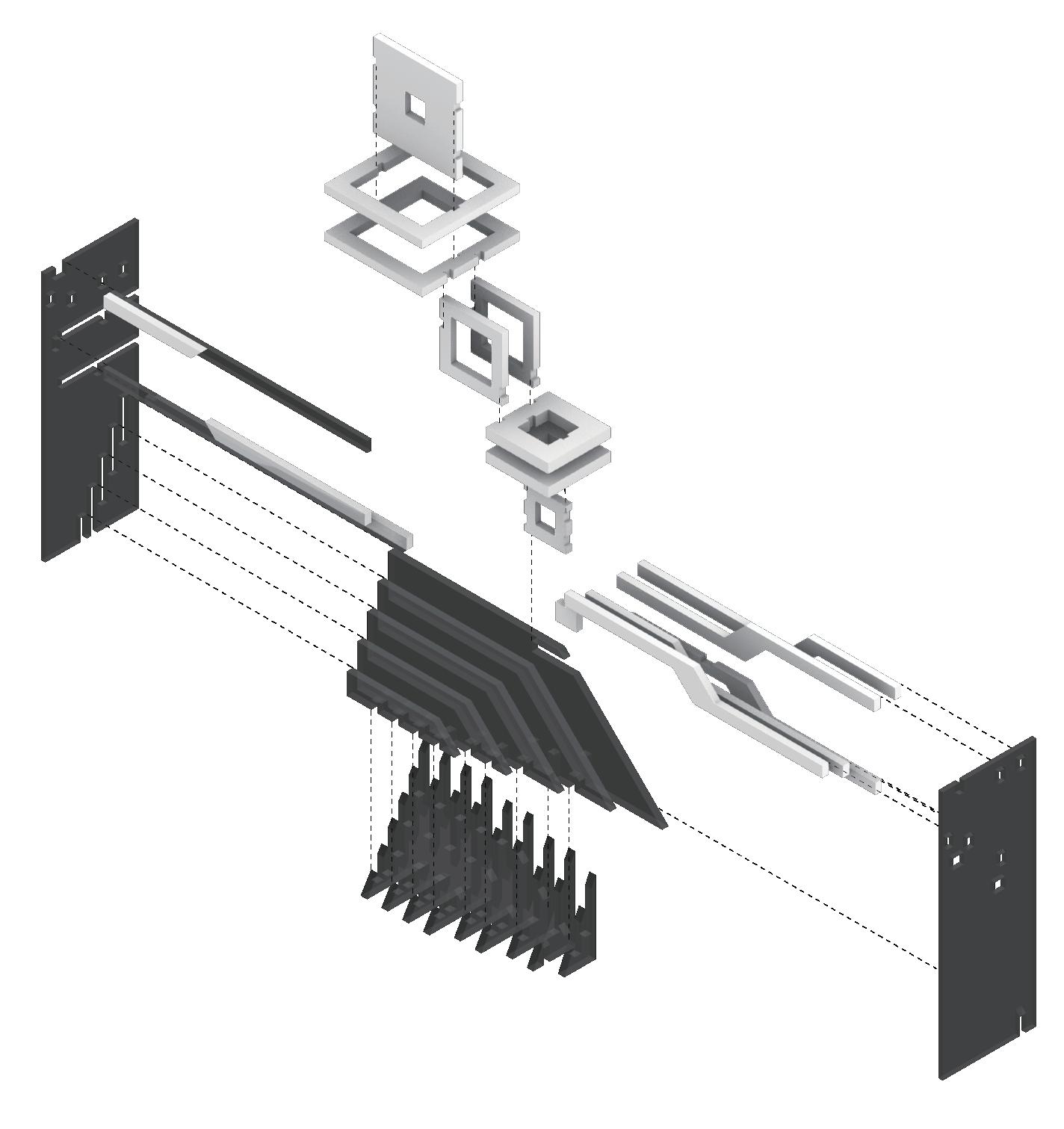
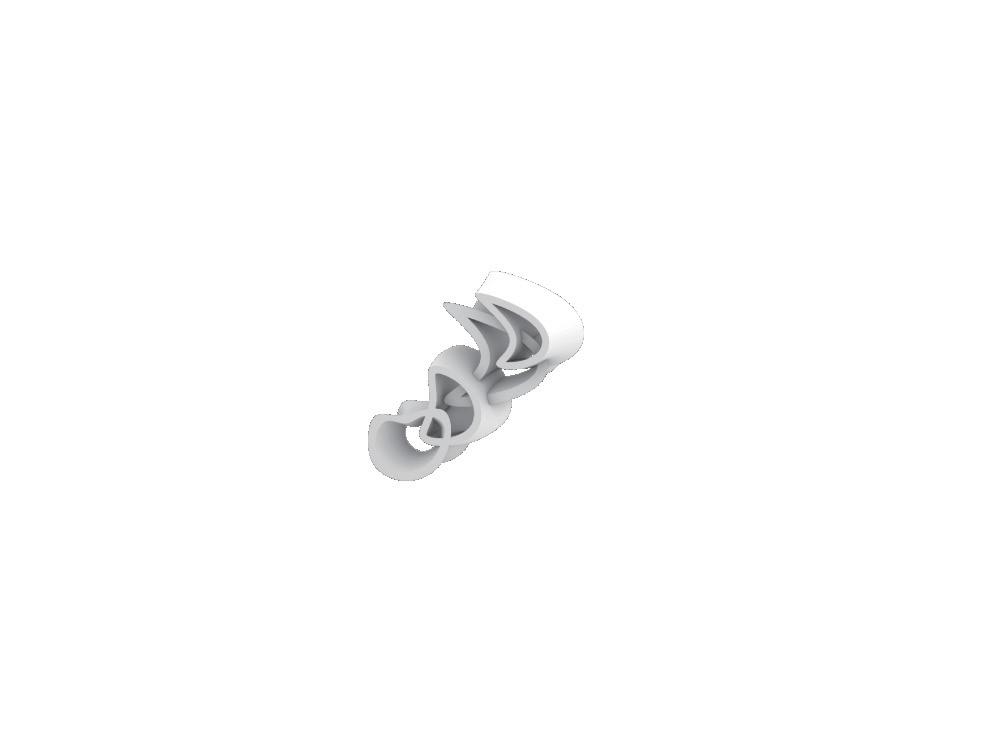
Prograss 2 :
The wave’s mption was round shaped and rise along the sea floor, this model tries to recreate the movement.
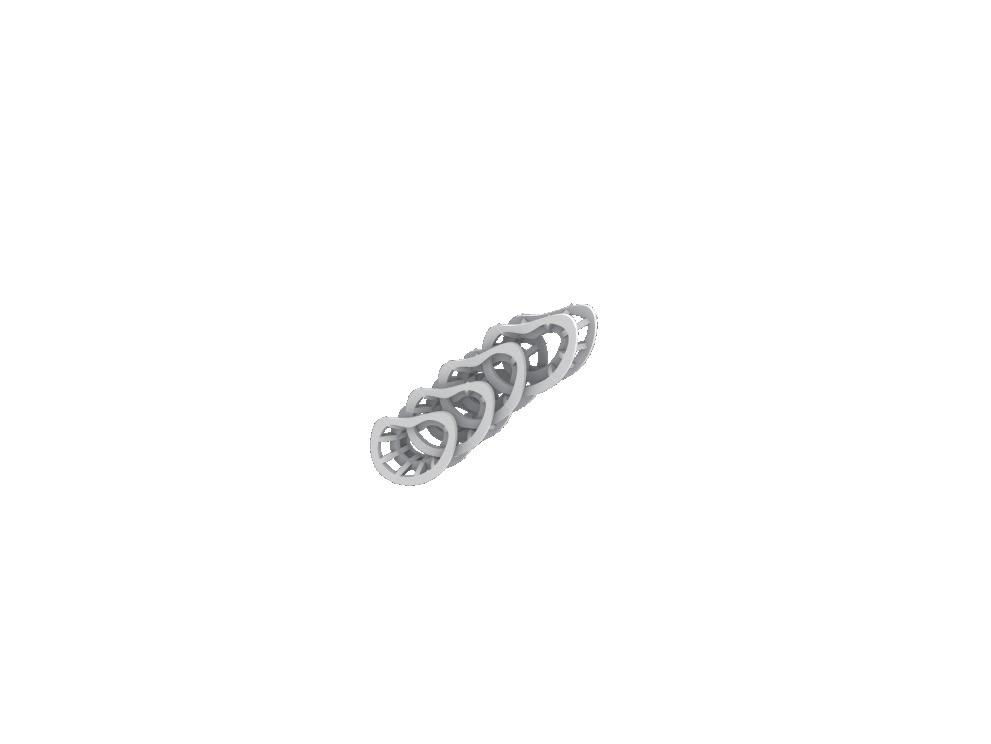
Prograss 3 :
The two things that affect the wave’s shape ‘The path of sufer’ and the ‘Sea floor’.
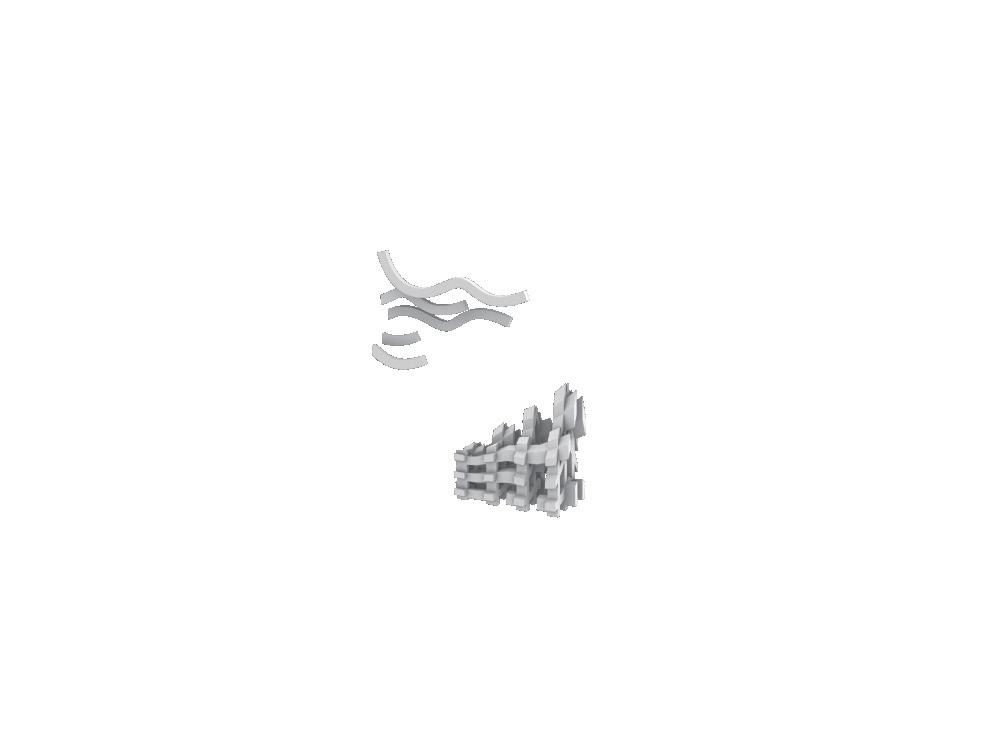
Prograss 4 :
Add the wave model back, this model tries to recreat the wave’s motion.
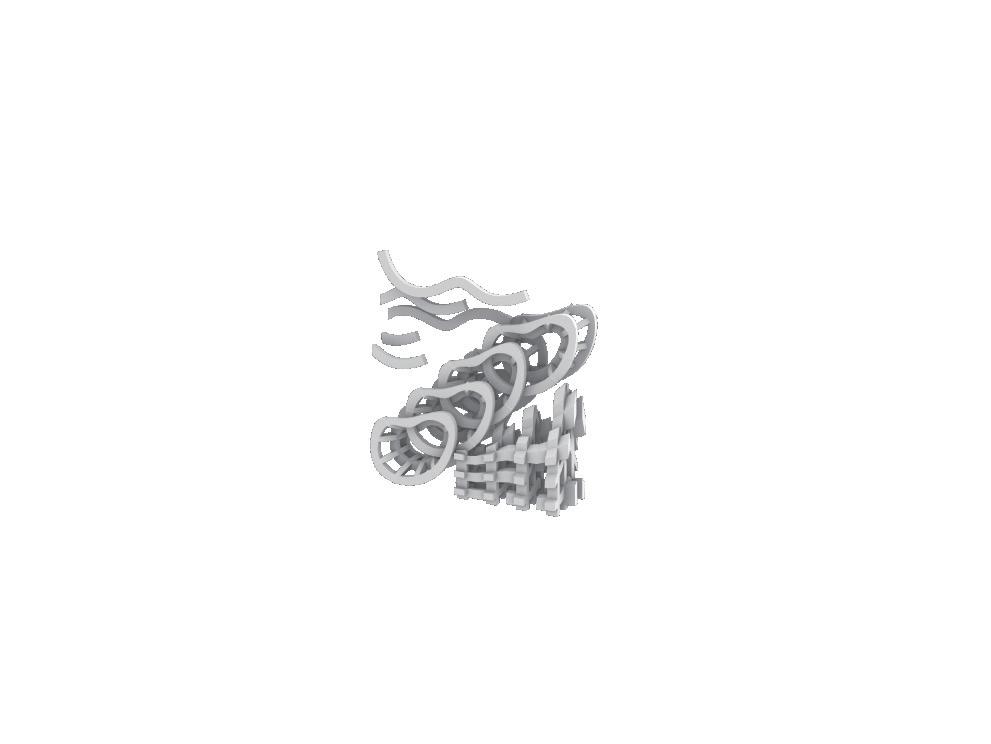
Progress 5 :
This model recreate the movement of wave, it can be place on the “Sea floor” or the “The path of surfer”, the two effection.
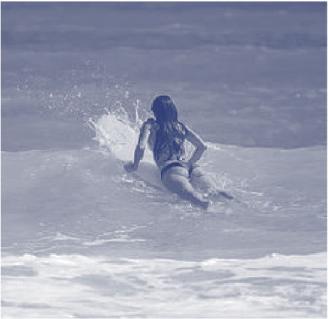
Crossing
paddeling to ‘outside’ from ‘inside’ to get the perfect zone, and wait for waves.
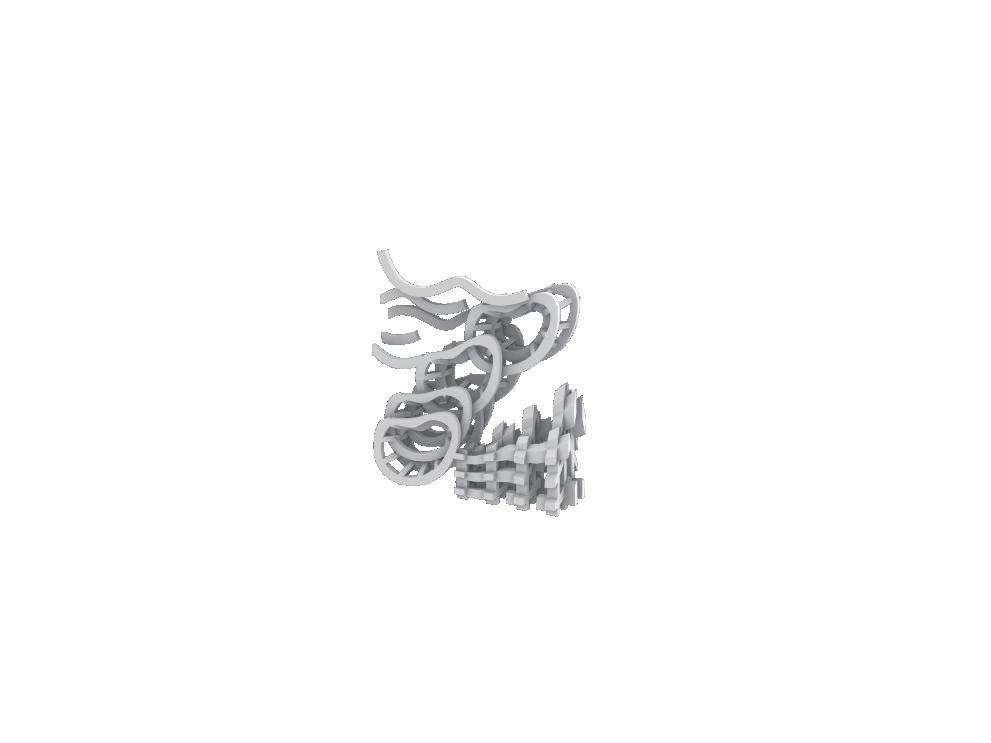
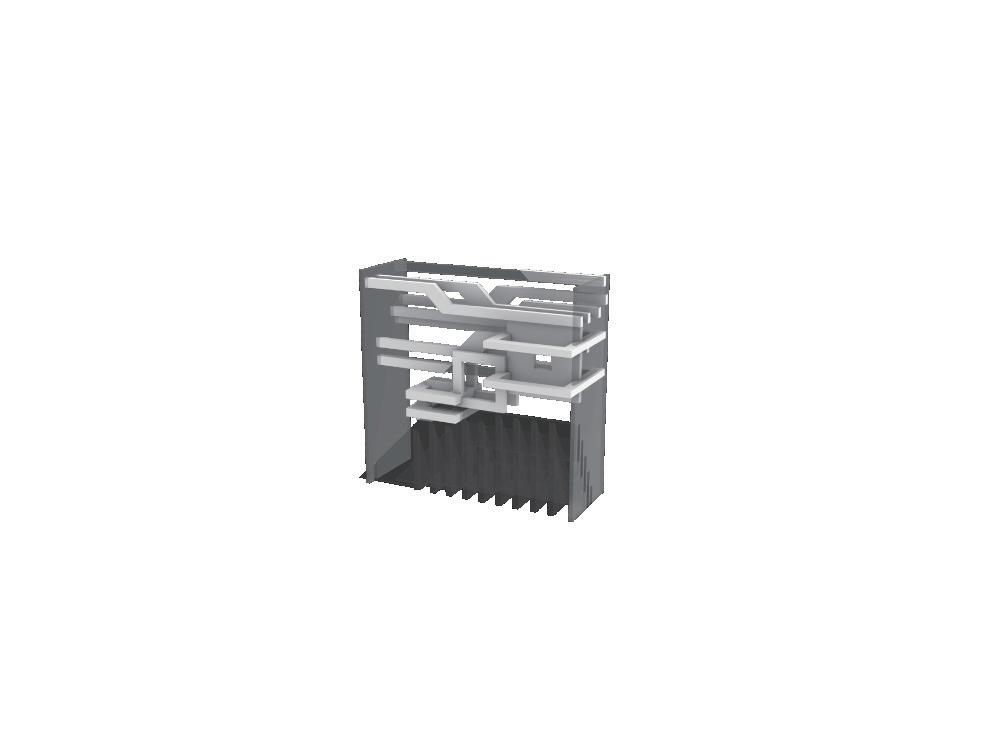
Prograss 6 :
Rebuild the model make it easier to manufacture, the original free from shape was to hard to build.
Location: Jinshan,Taiwan
Type: Toursit Facility
Key word: Wave, Surfer, Movement, Interaction.
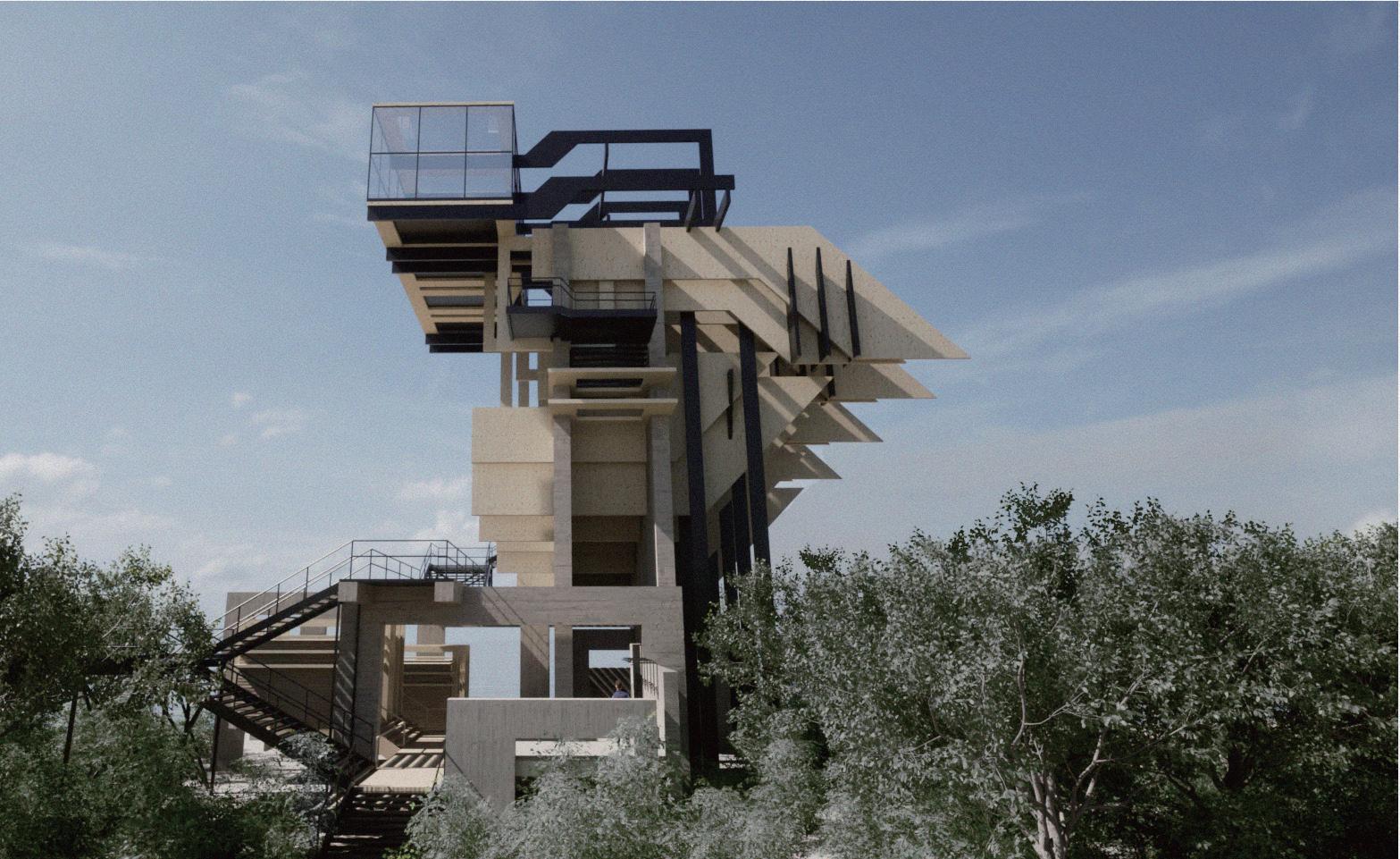
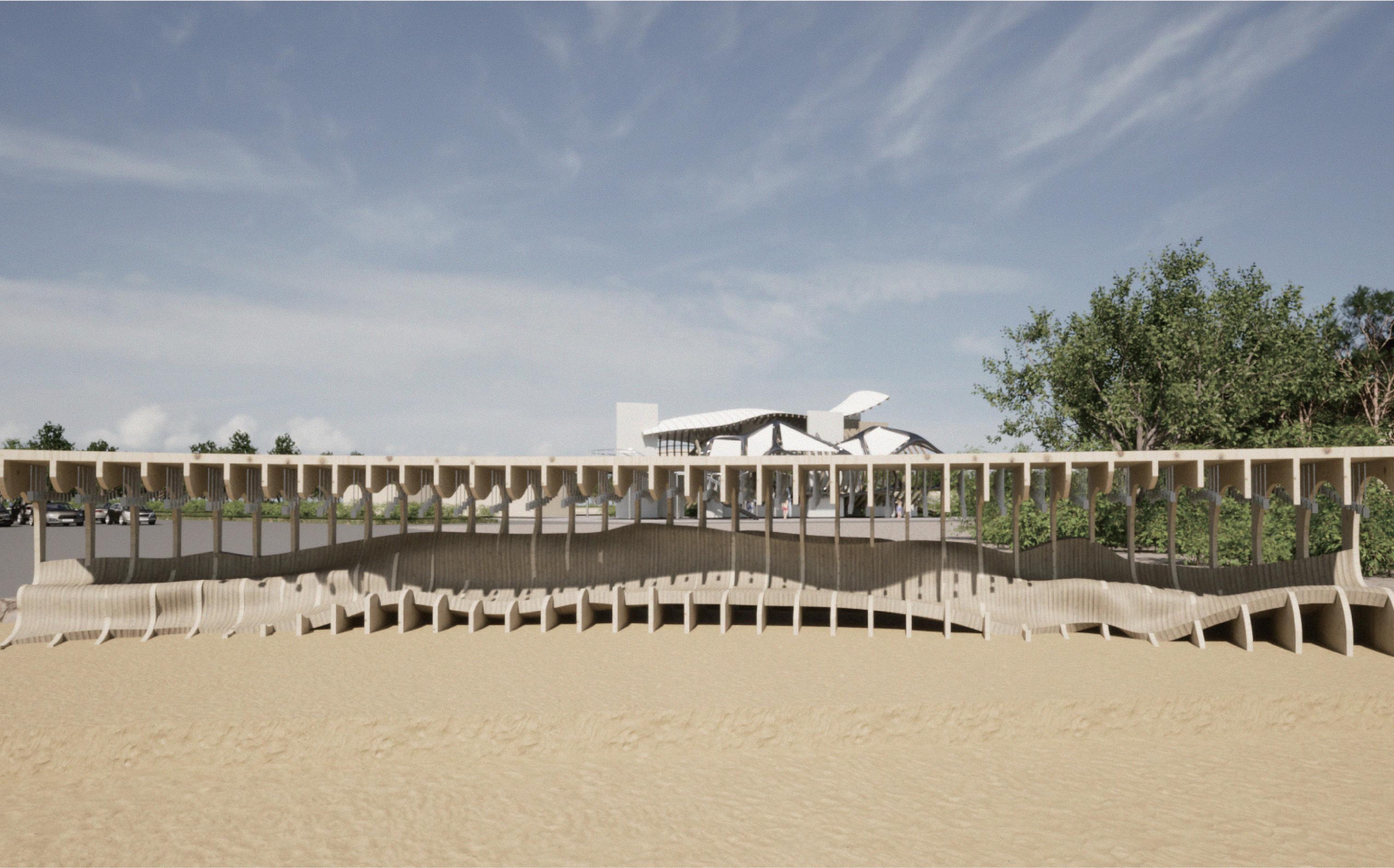
Waves are the most important and difficult thing to learn in surfing, It could be fun,It could be deadly,usually it could be both at the same time.
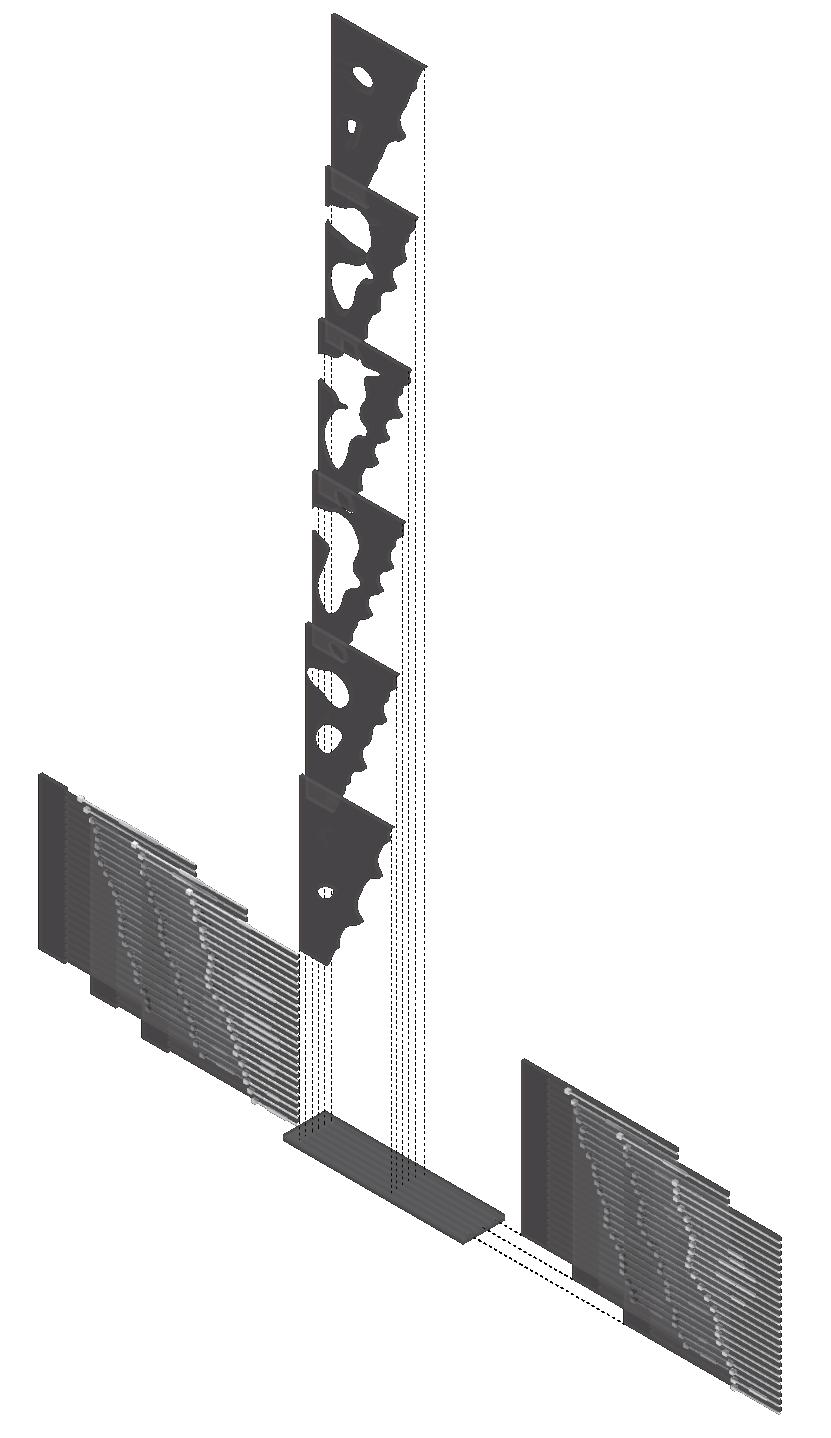
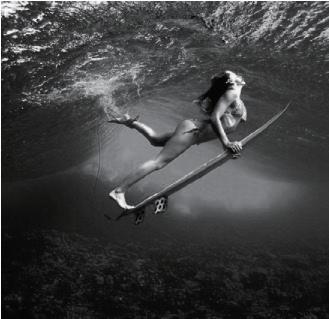
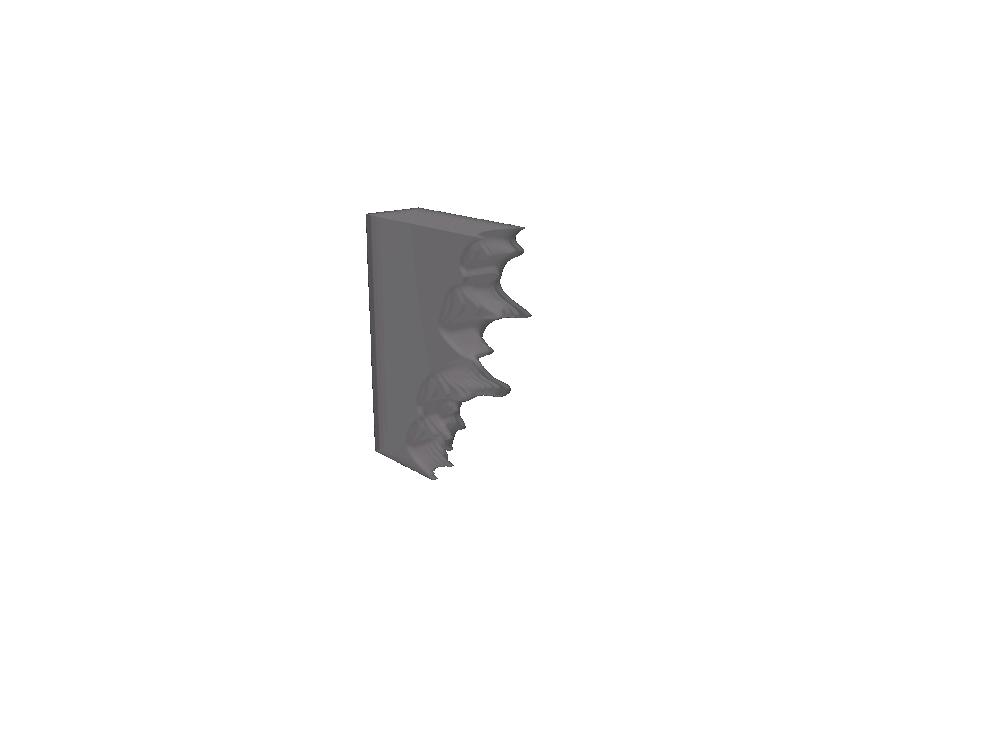
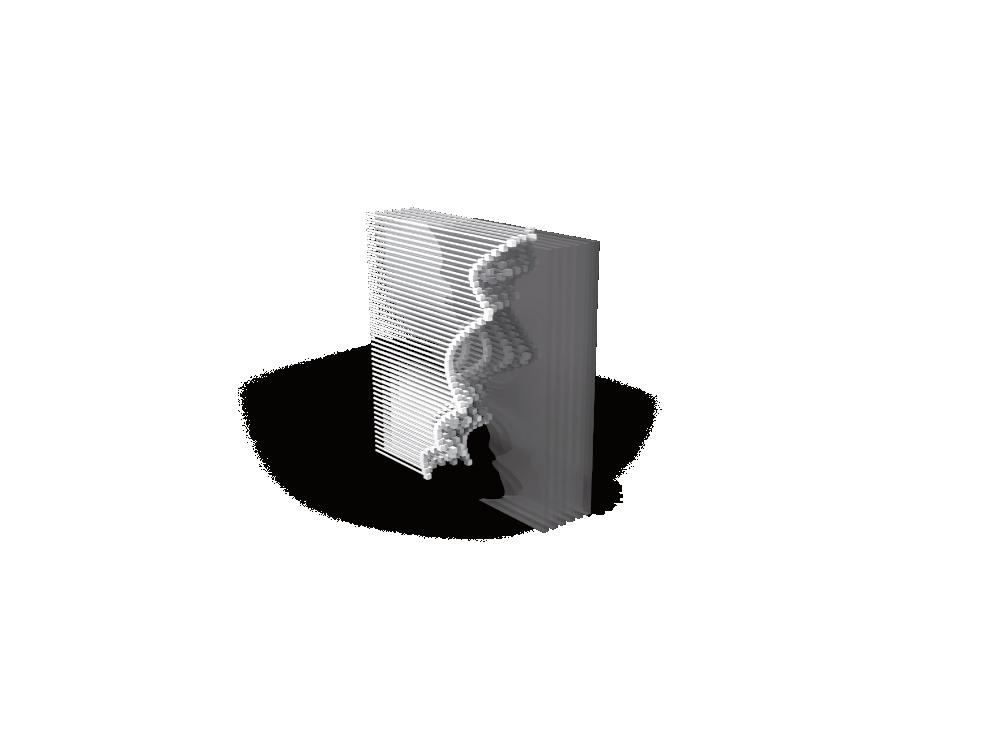
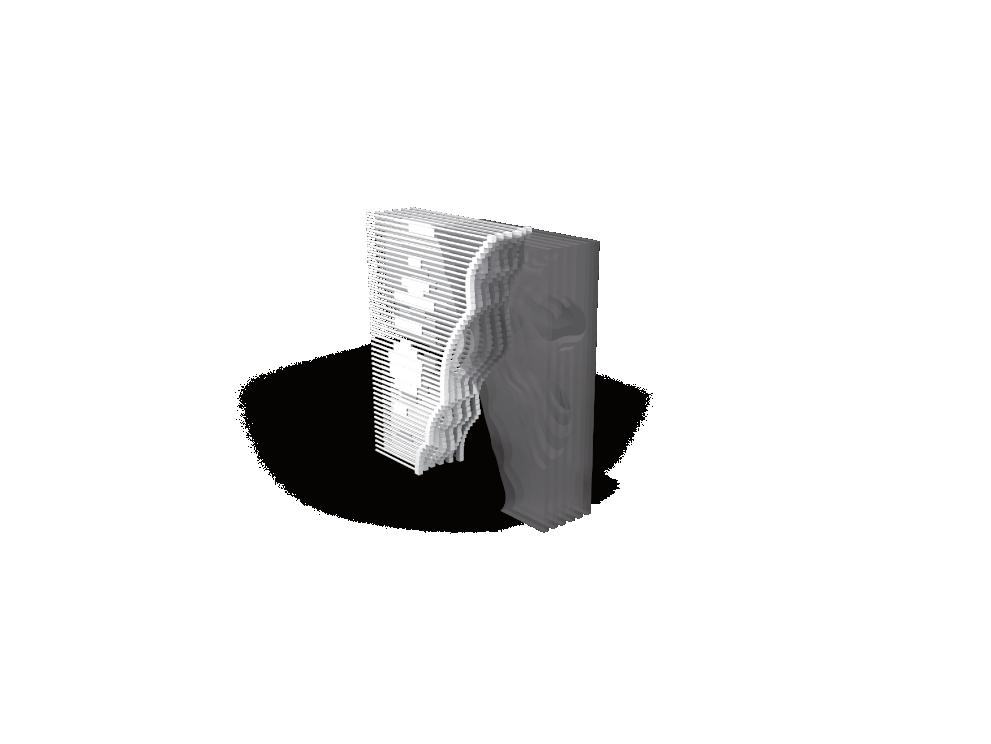
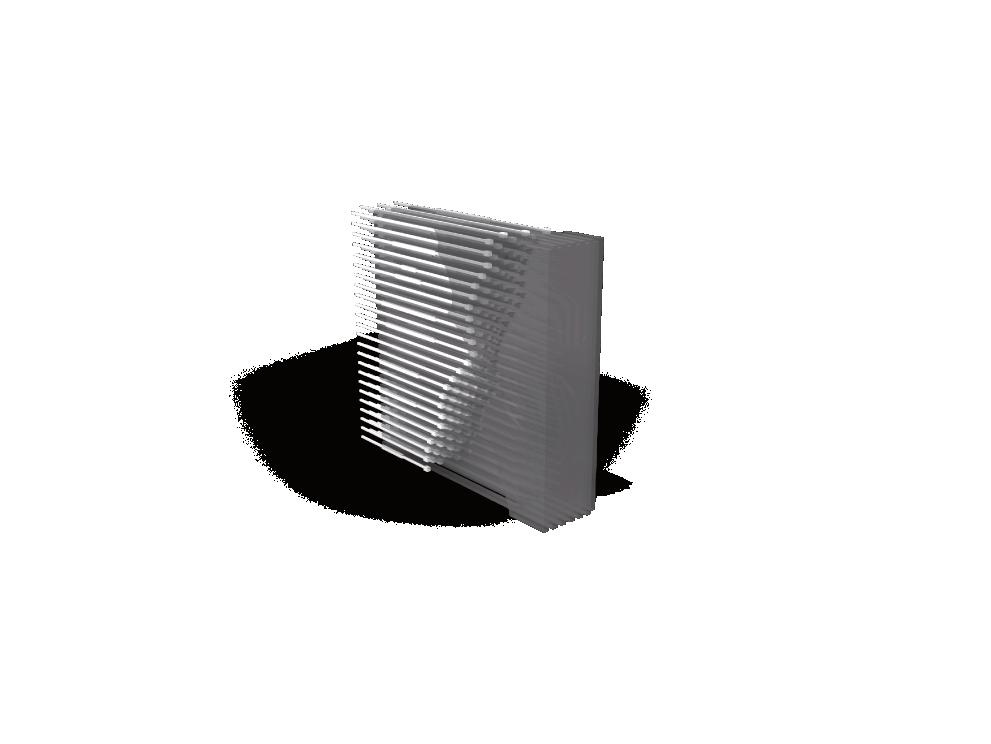
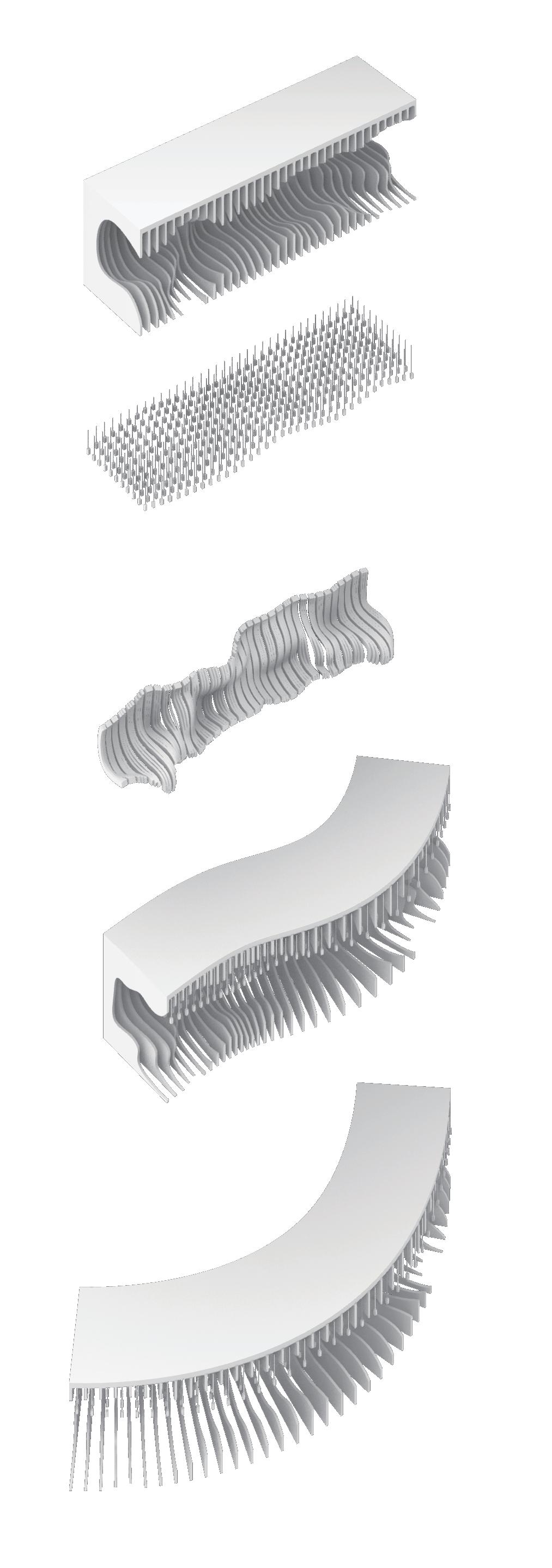
Find the wave shape form and than slice to the original from.
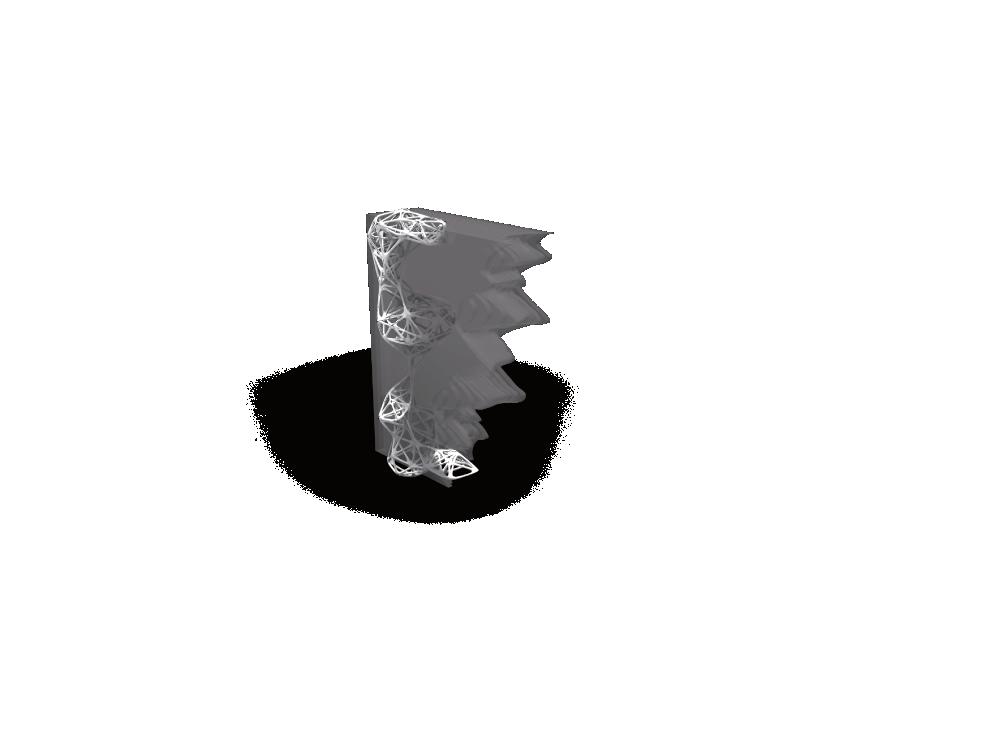
Simulate the path and space when sufer use throughthis kind of
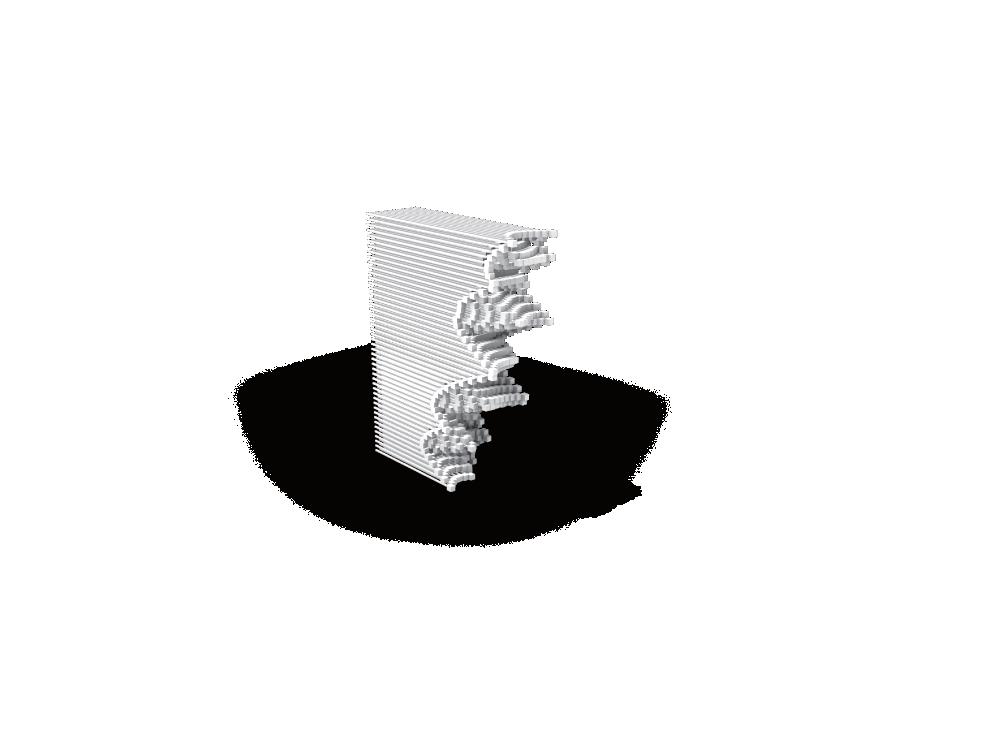
Use the same shap but this time take a unit and construct it
Location: Jinshan,Taiwan
Type: Toursit Facility
Key word: Wave, Surfer, Movement, Interaction.
Waves are the most important and difficult thing to learn in surfing, It could be fun,It could be deadly,usually it could be both at the same time.
-What’s museum for?
Location: Tamsui,Taiwan
Type: Museum
Key word: Art, Activity, Interaction

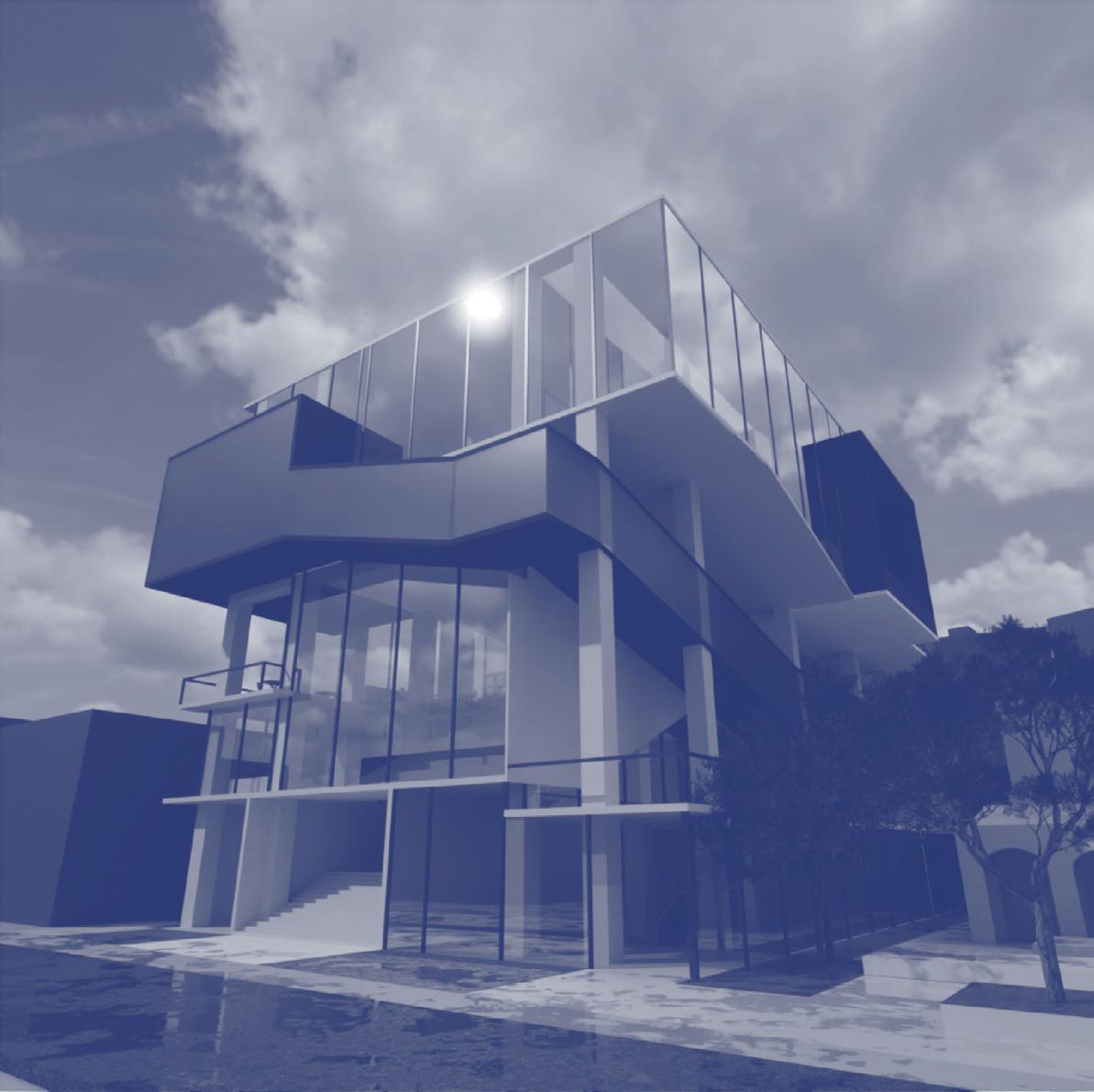
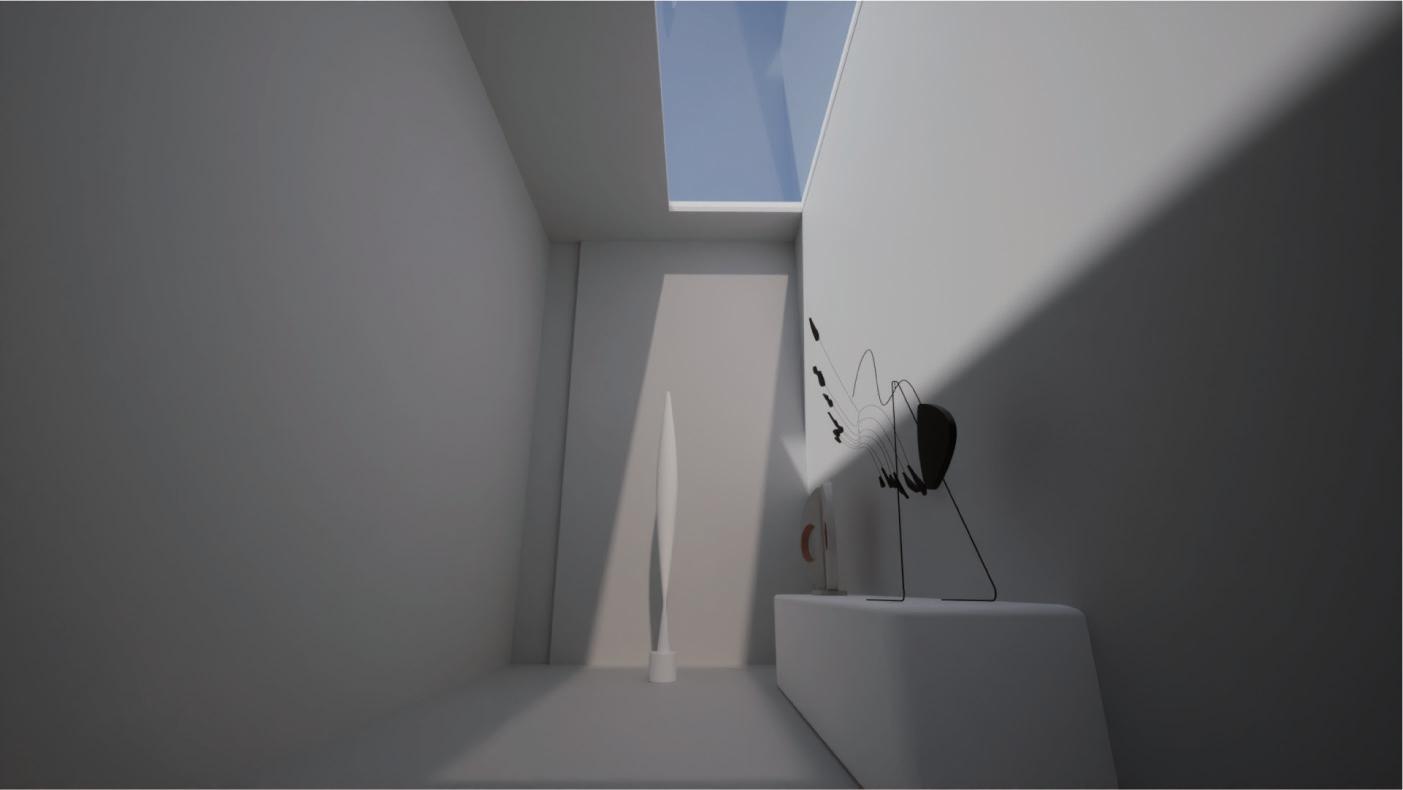
By conceptually folding the streets into the building, the design transforms circulation paths into spatial experiences. Smaller-scale streets are reimagined as intimate exhibition corridors, where visitors can closely engage with artworks in a more personal setting. In contrast, the larger-scale streets serve as the main communication arteries, running through the entire building and connecting different zones together. These broad pathways not only provide orientation and movement but also act as social spaces where encounters naturally occur. The smaller streets weave and intertwine around these larger thoroughfares, creating a dynamic layering of perspectives and experiences. Within this interplay, visitors are not merely passive viewers but also become part of the exhibition itself—at times observing, at times being observed—immersed in a fluid environment where art, space, and human presence continuously interact.
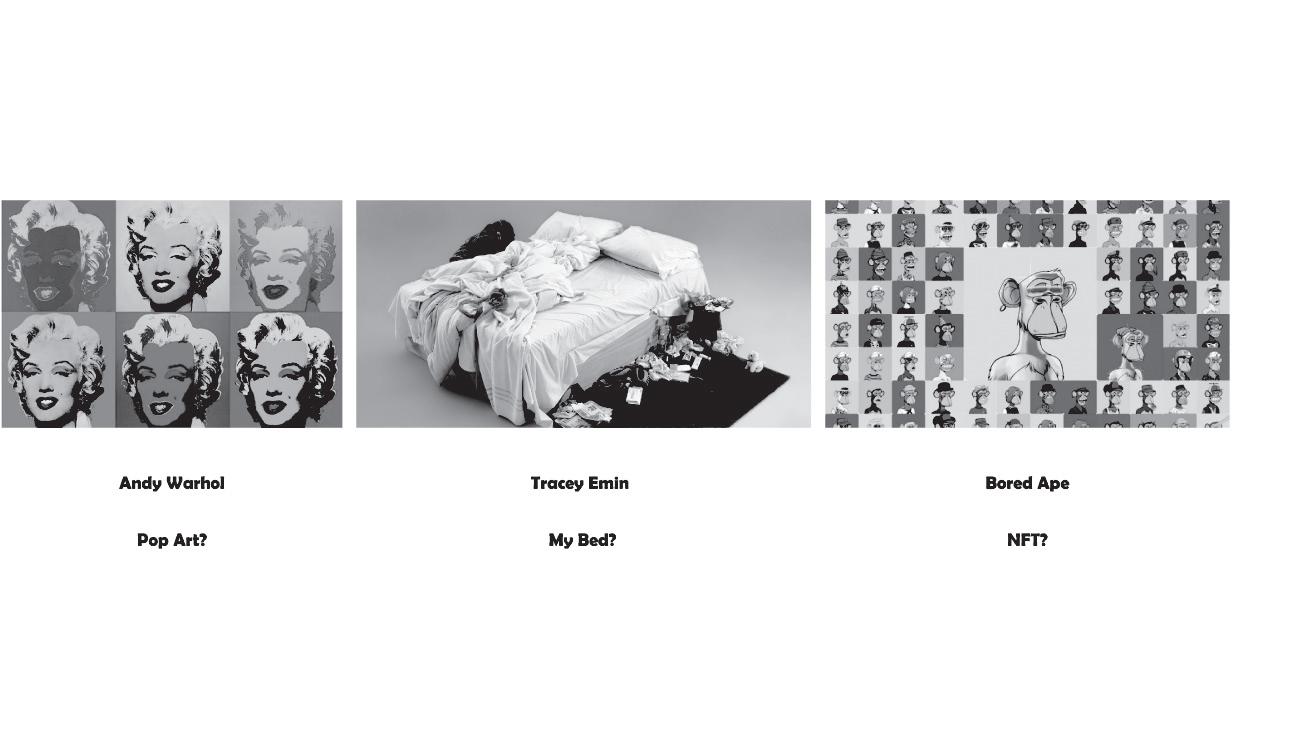
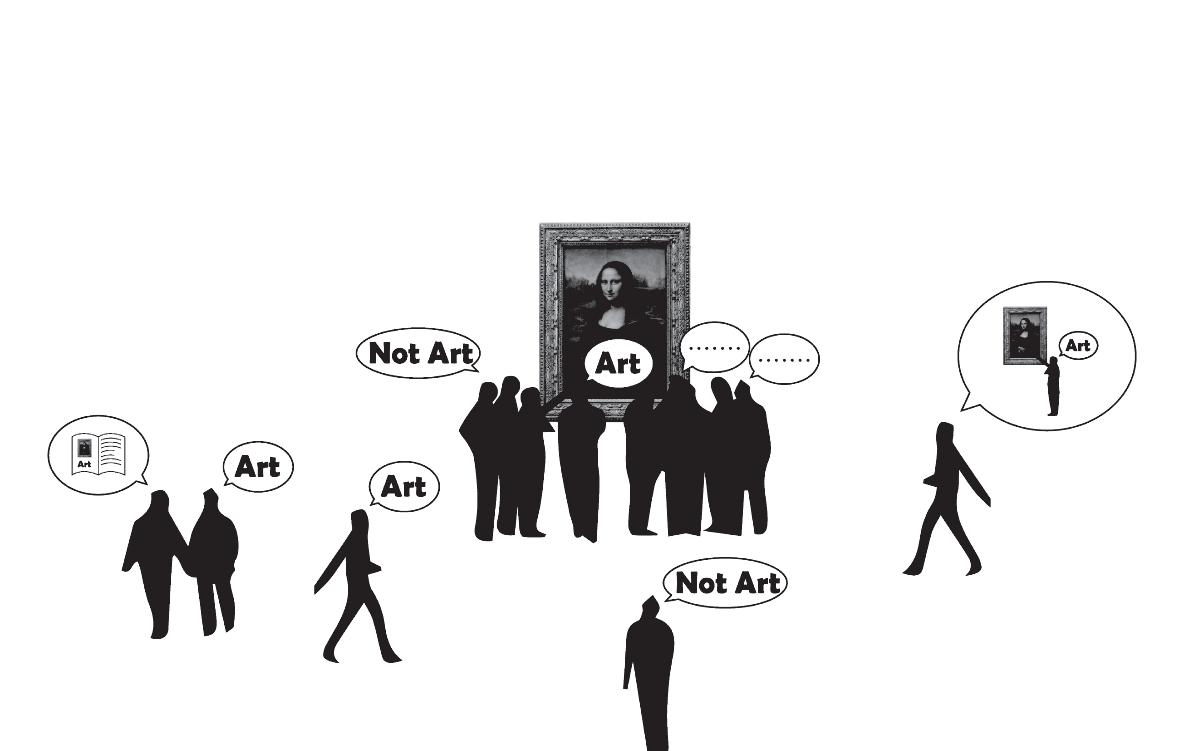
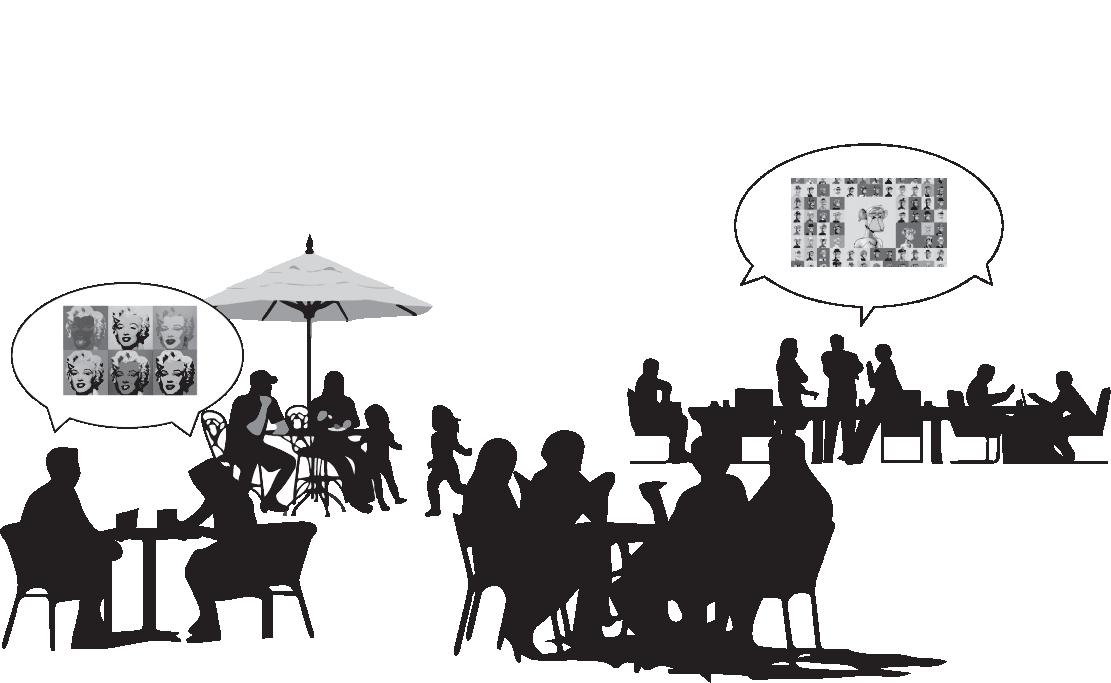
In this day and age, art has become increasingly difficult to define, as various creations and activities are labeled as artworks or artistic endeavors, blurring the boundaries. The term "art" no longer solely encompasses traditional art forms such as paintings, sculptures, or performances.
Art no longer has a universally recognized definition; it has become a matter of personal interpretation, like a "black box," where each individual defines it in their own way.
In light of this, I believe that art museums should no longer be limited to mere exhibition spaces for artworks. They should serve as venues that enable people to open the "black box" and engage in mutual dialogue about the definition of art.
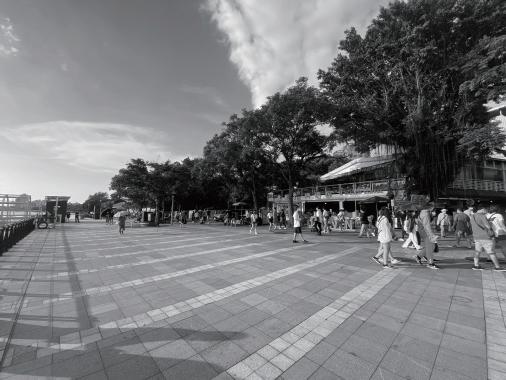
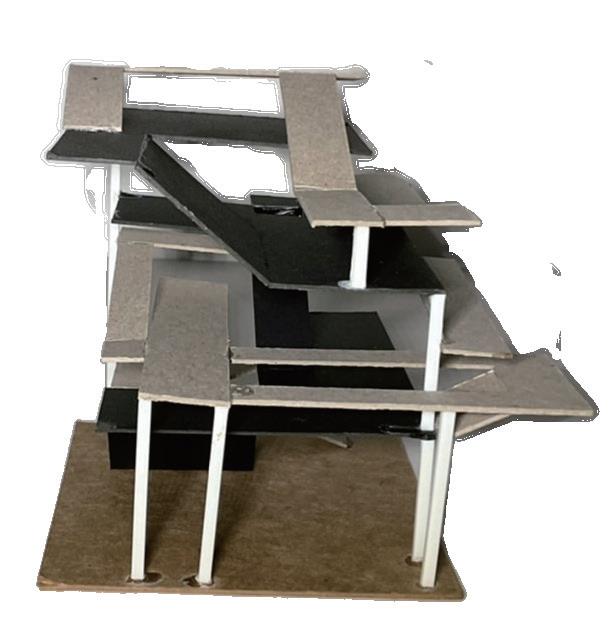
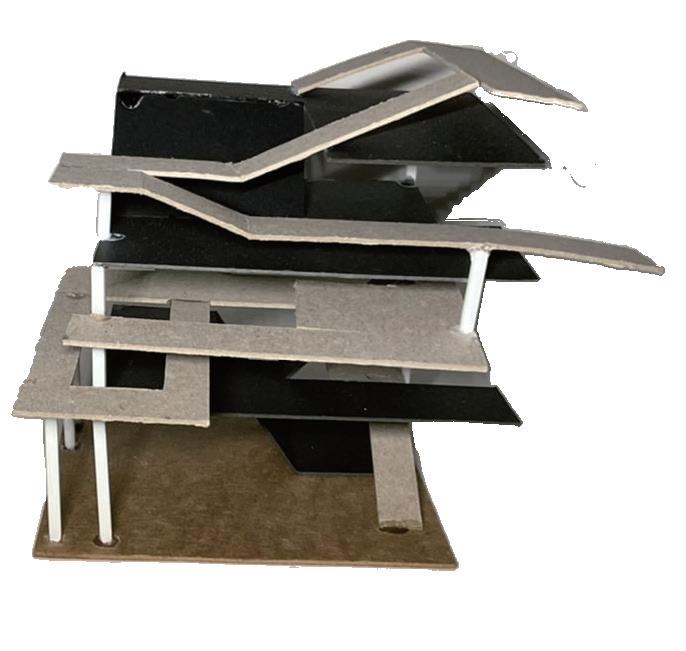
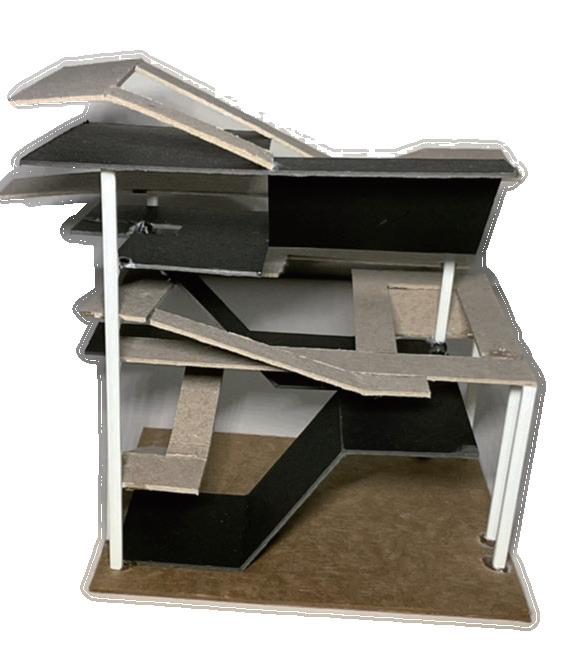
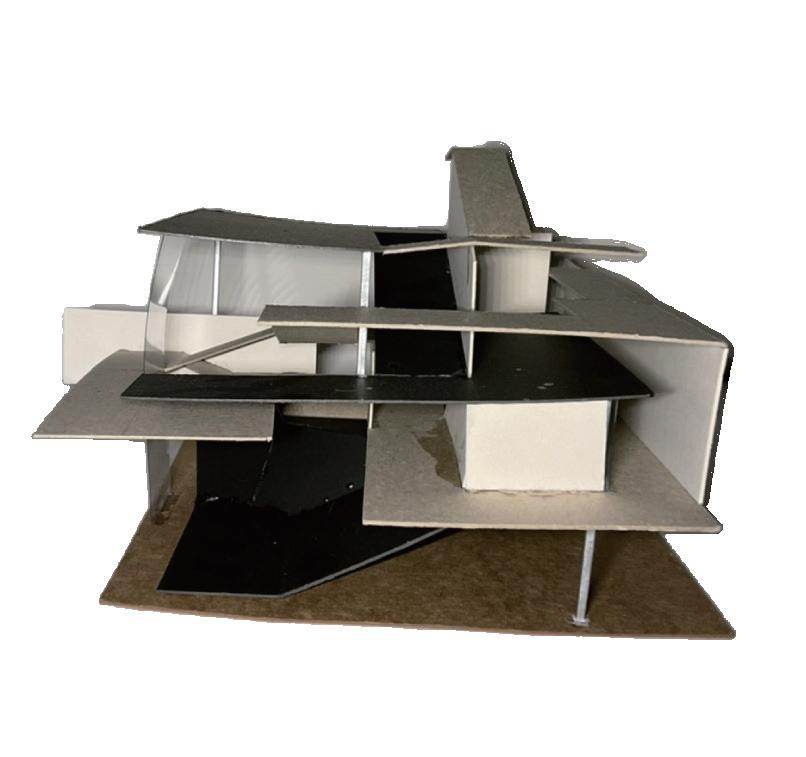
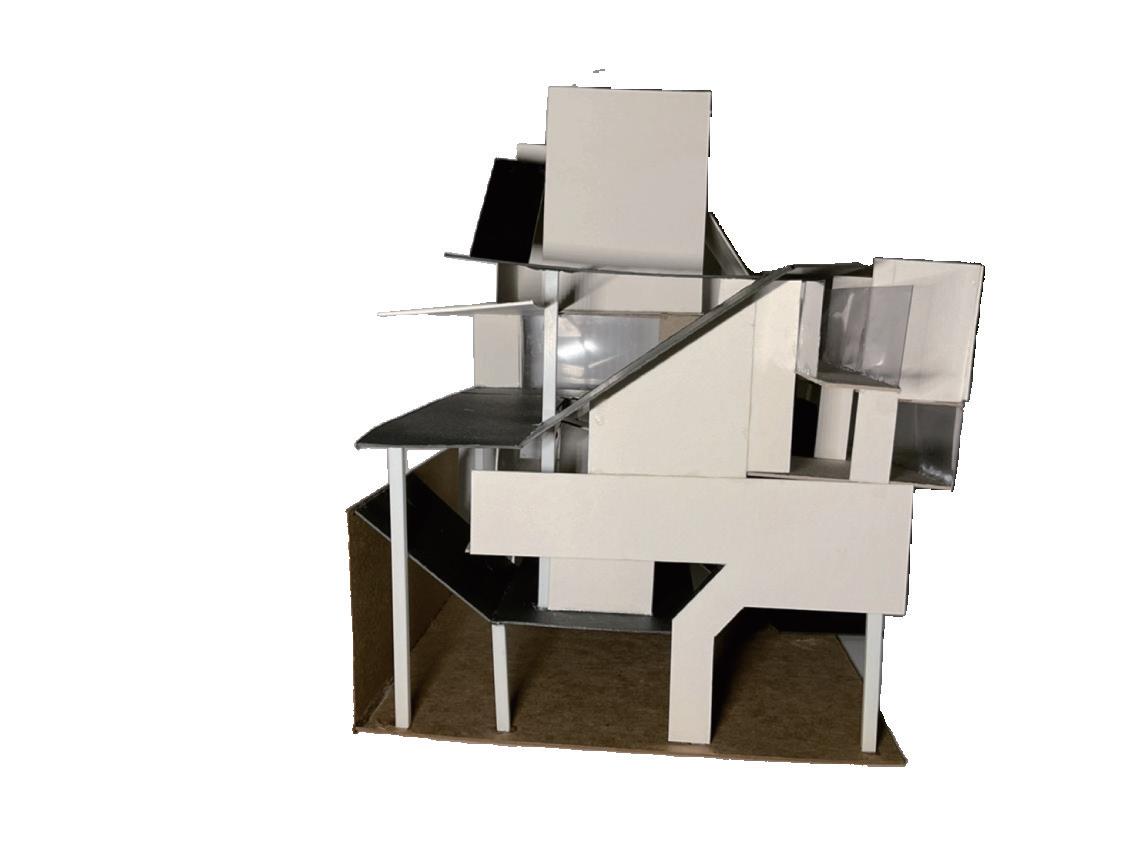
By conceptually folding the streets into the architectural design, the project transforms small-scale streets into intimate exhibition spaces, while large-scale streets serve as the main circulation corridors that run through and connect the entire building. The smaller streets weave and intertwine around these larger thoroughfares, creating a dynamic spatial relationship between movement and encounter. In this environment, visitors are not only viewers who actively engage with the artworks, but also become part of the scene themselves, as they are simultaneously observed by others. This dual role enriches the experience, blurring the boundary between observer and participant, and turning the act of walking through the building into an unfolding performative journey.
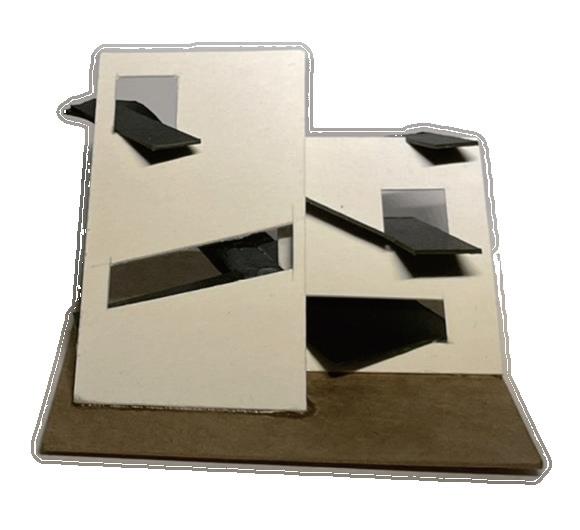
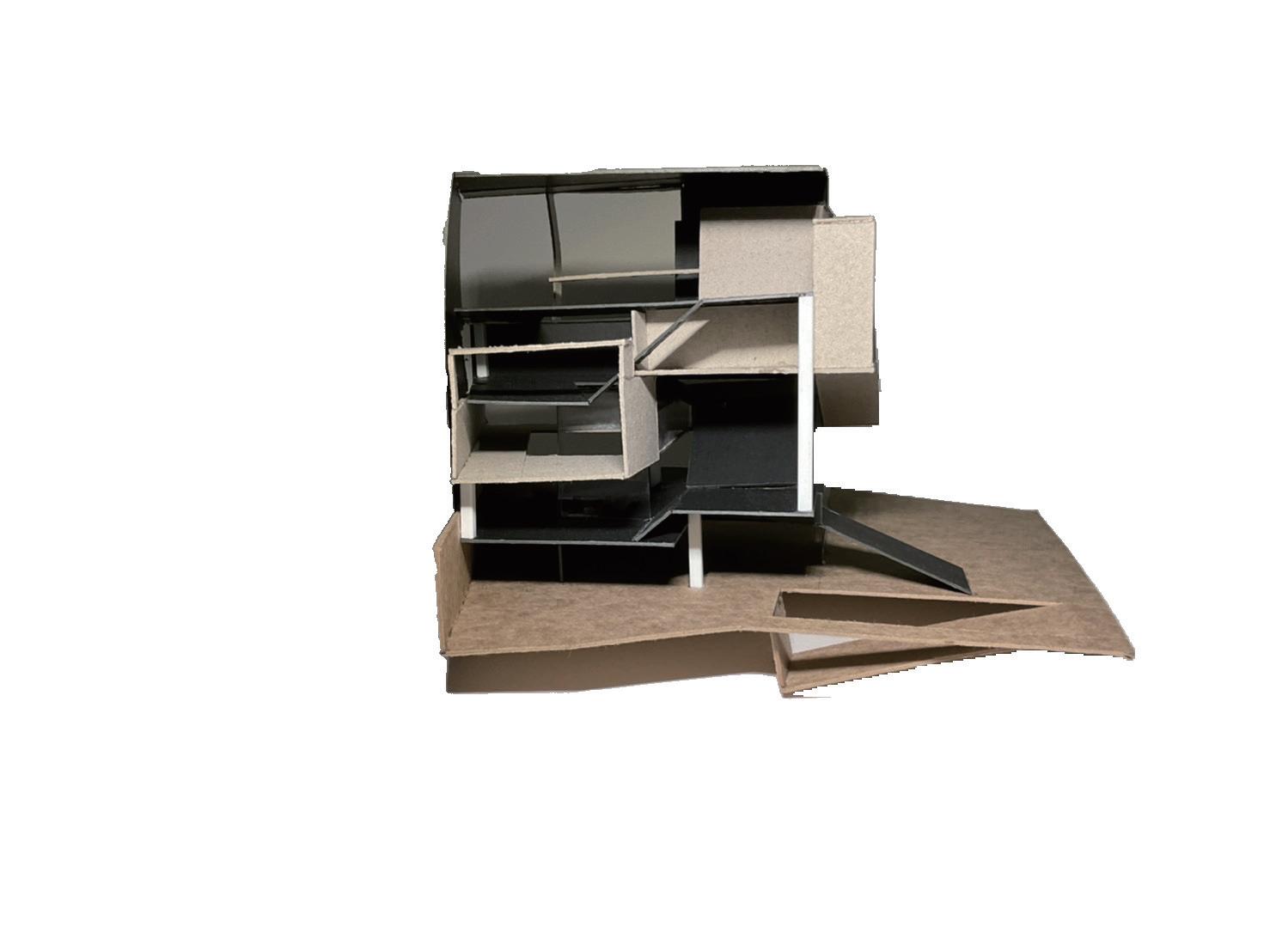
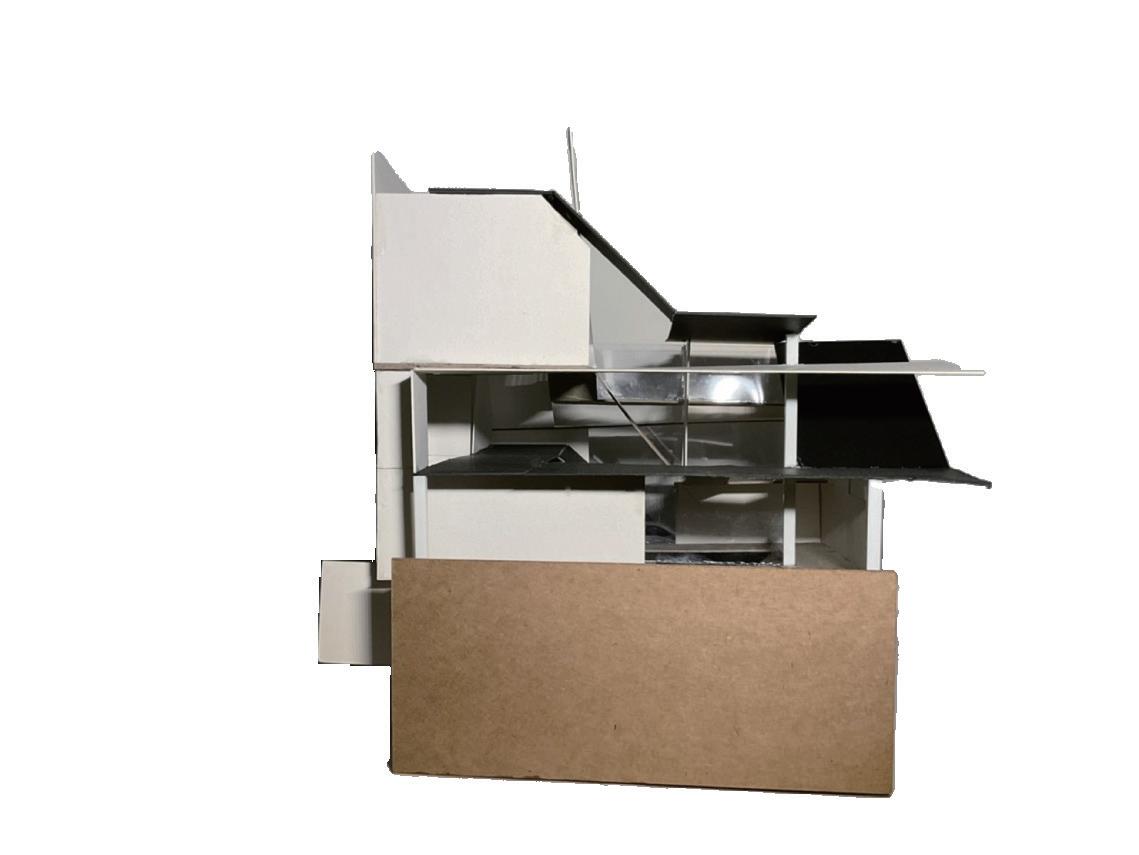
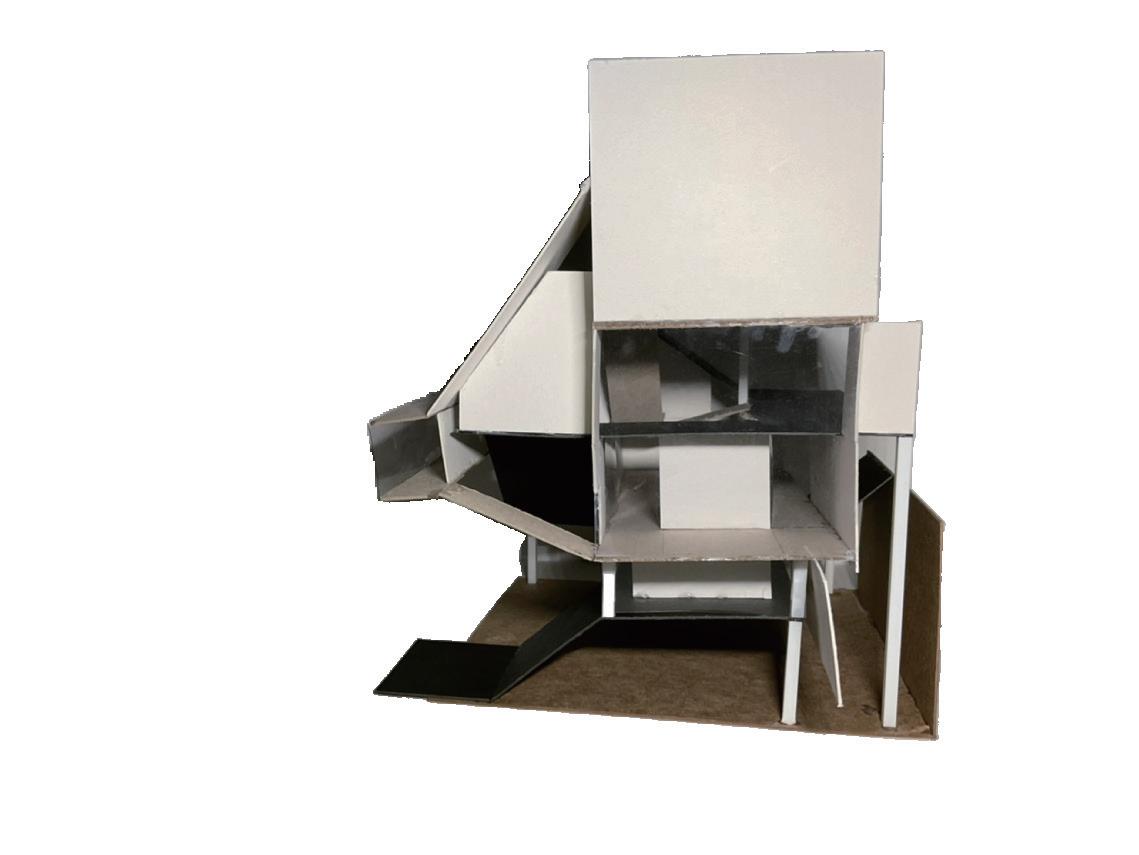
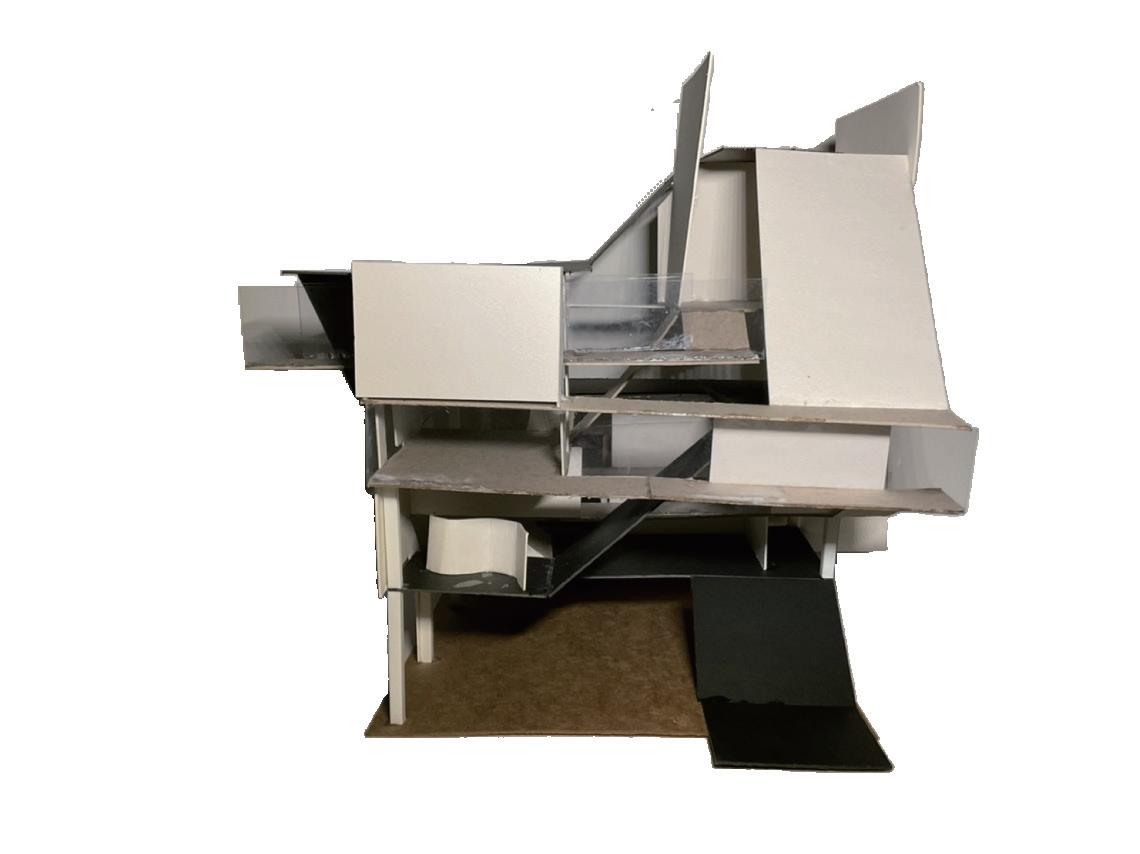
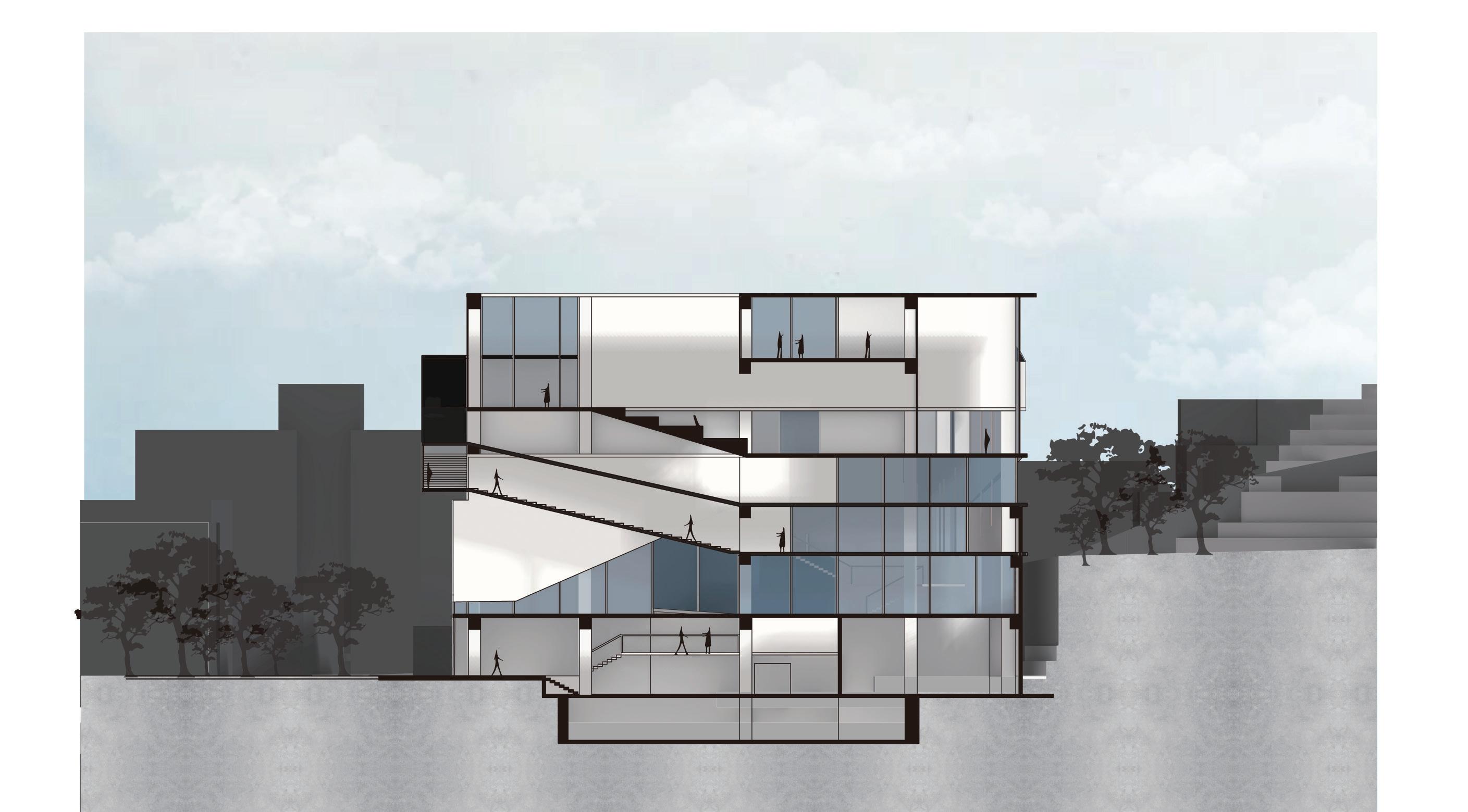
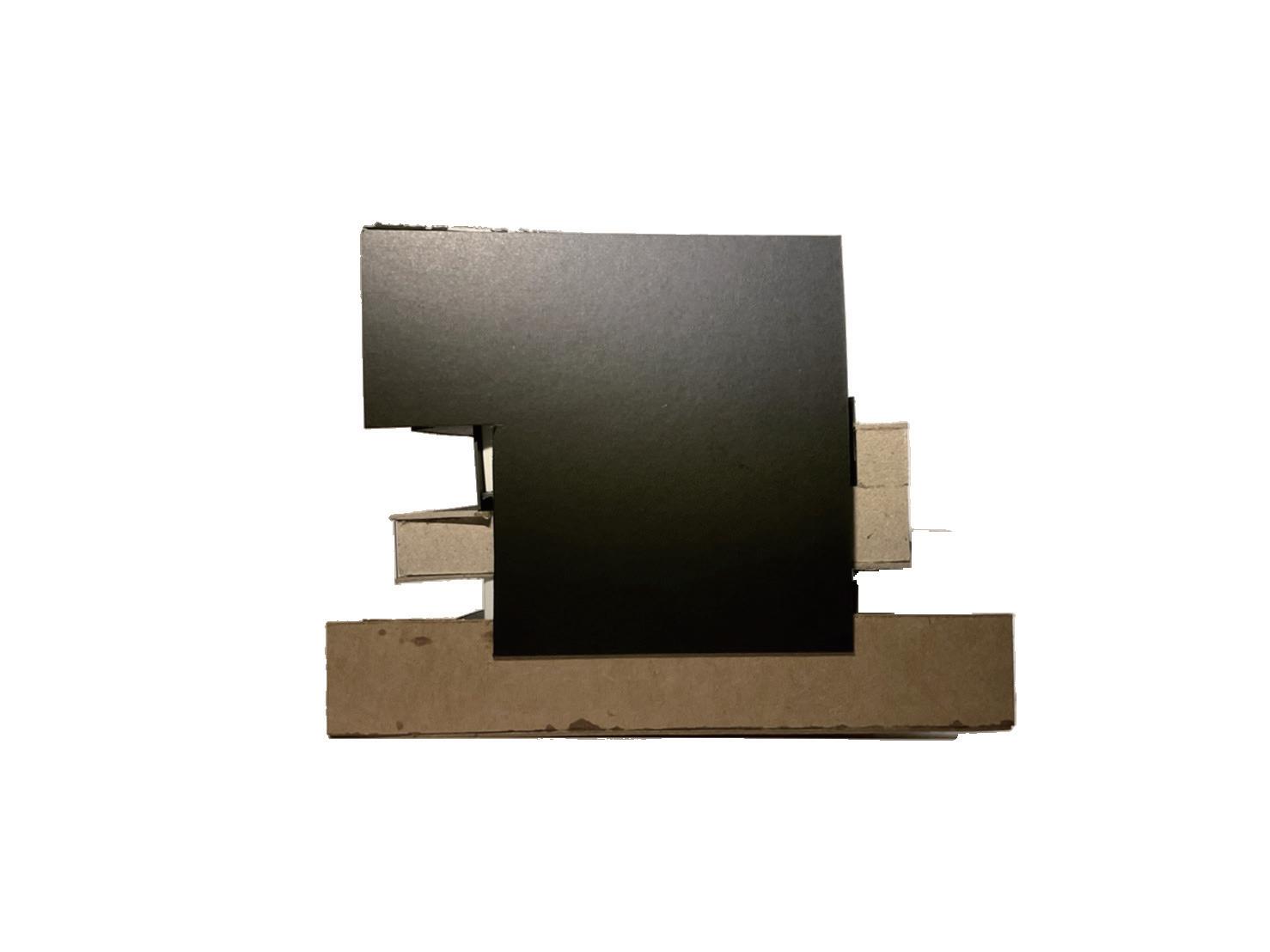
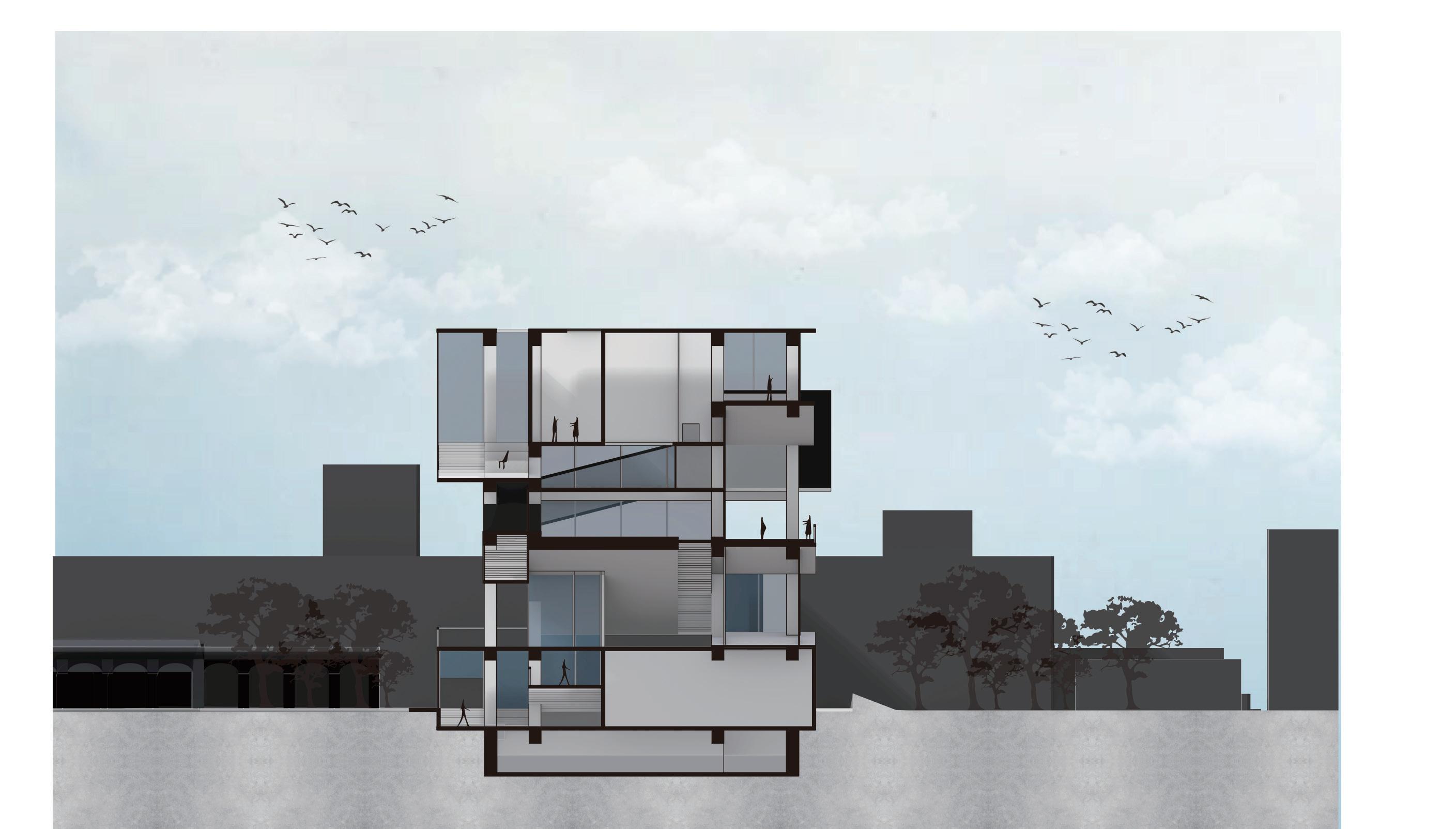
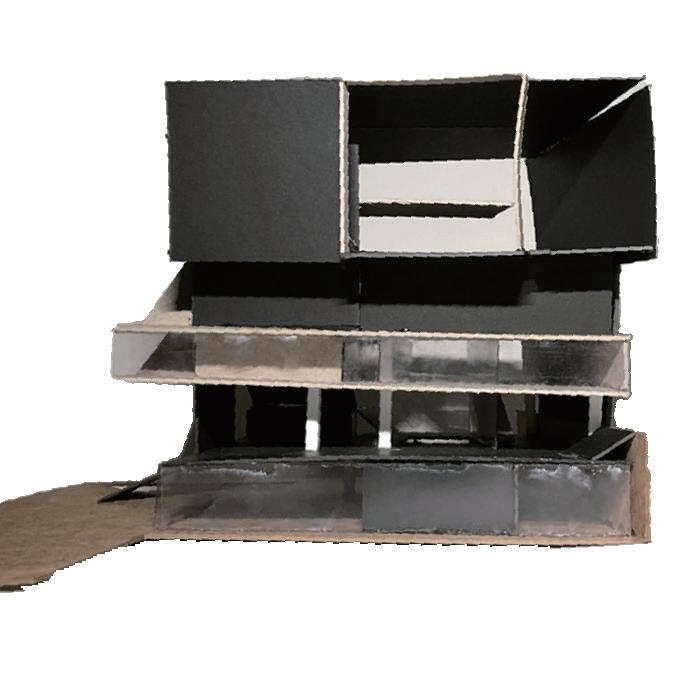
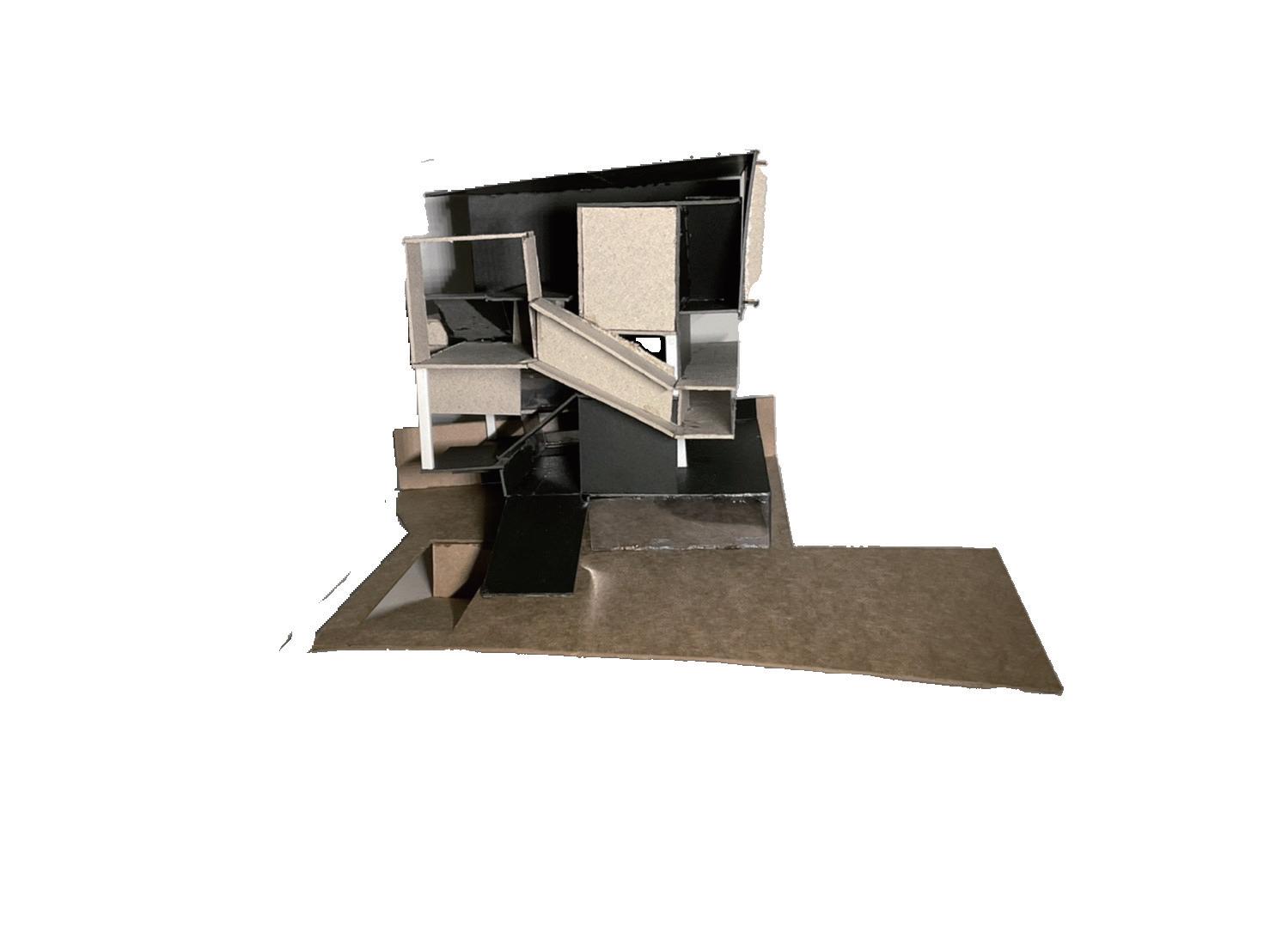
Exhibition spaces come in various forms, ranging from relatively enclosed display areas to more open ones, but they all interact with public spaces simultaneously.
Location: Da’an,Taiwan
Type: Office
Key word: Outdoor, Work, Post-Pandemic, Mountain.
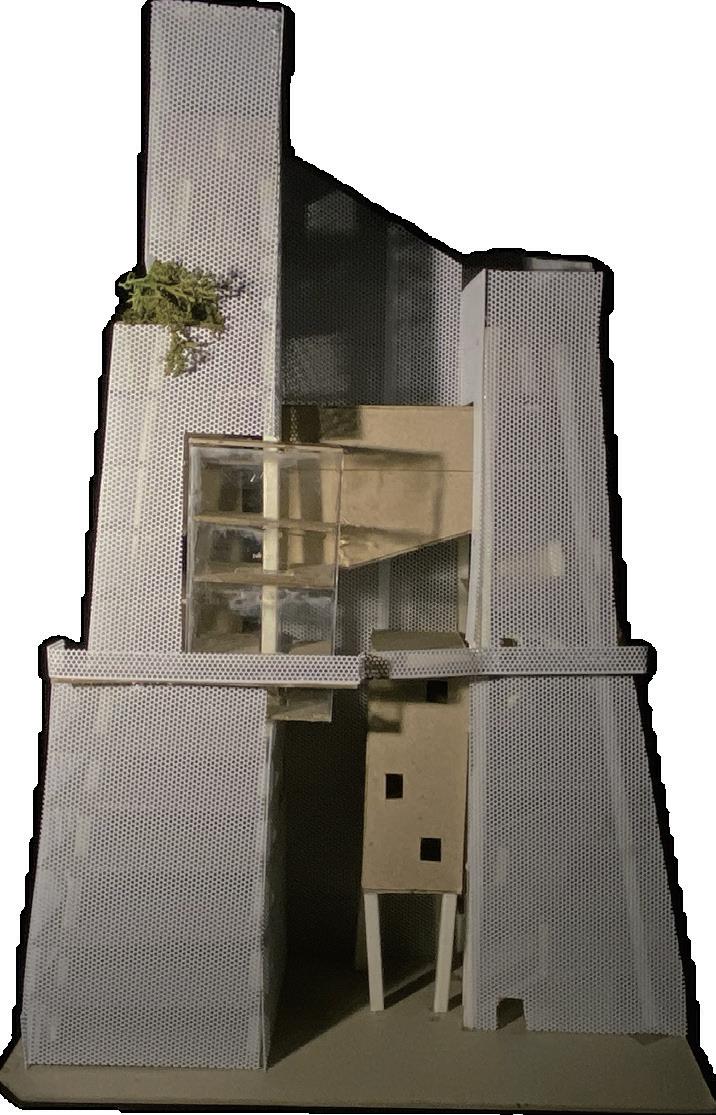
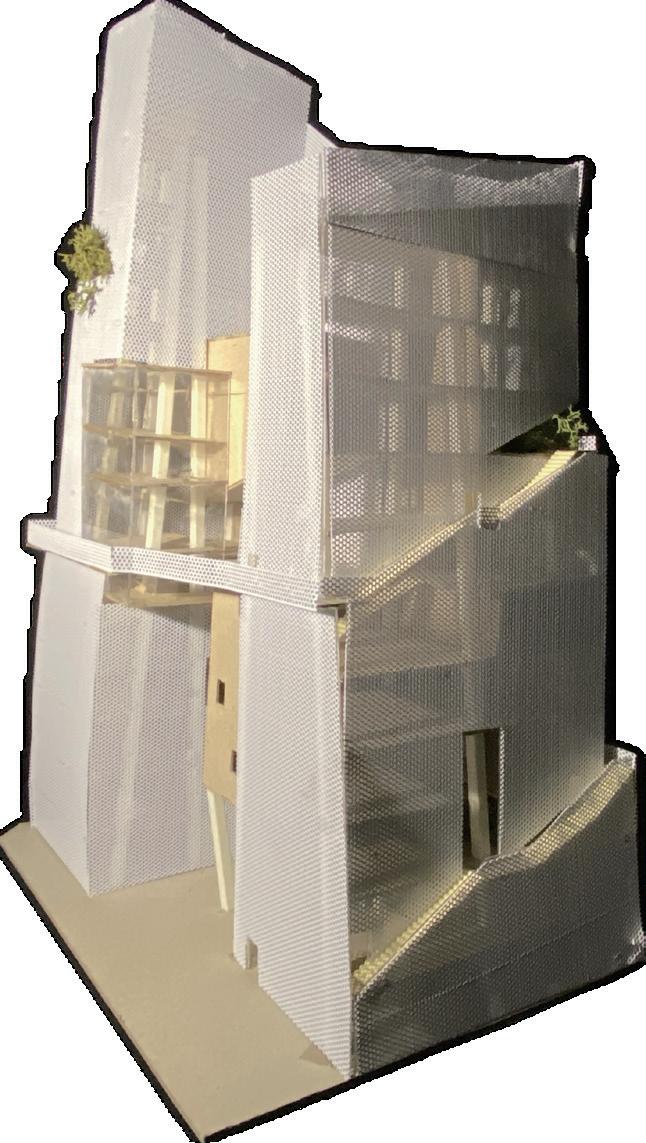
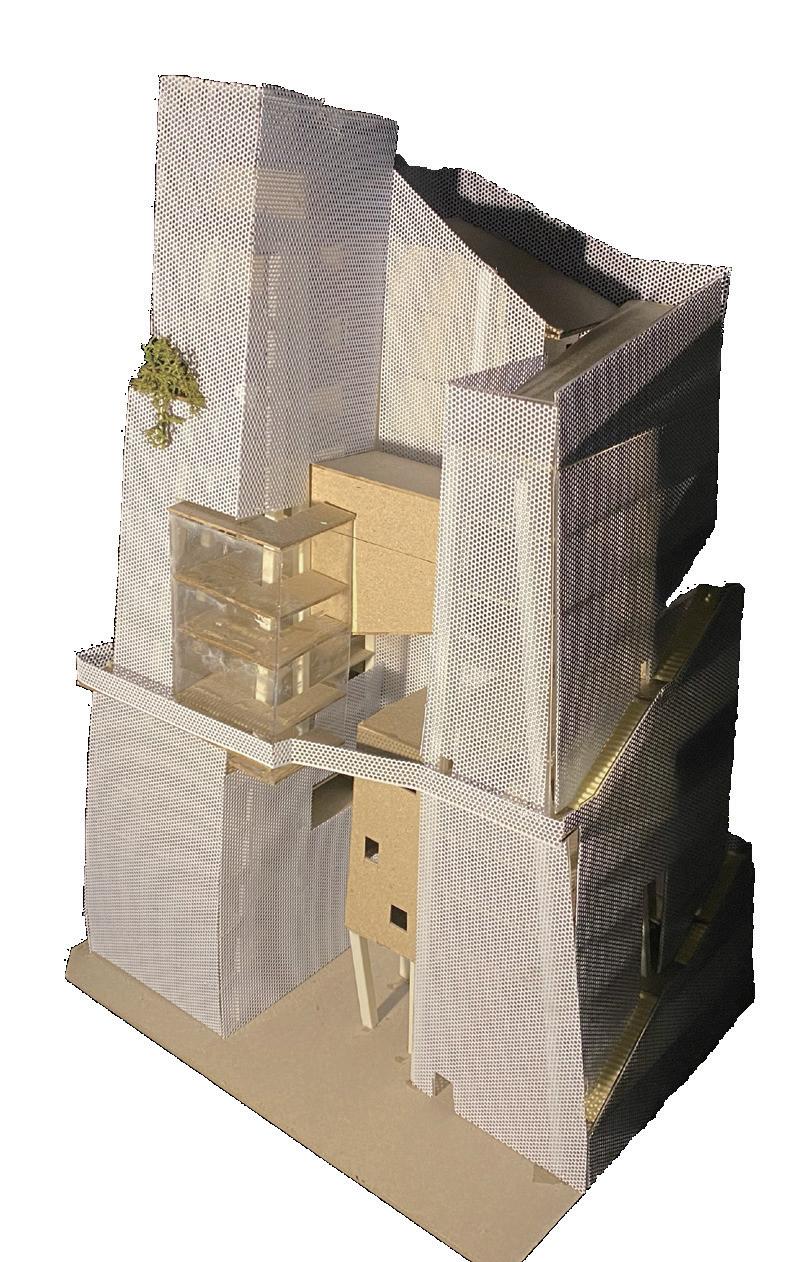
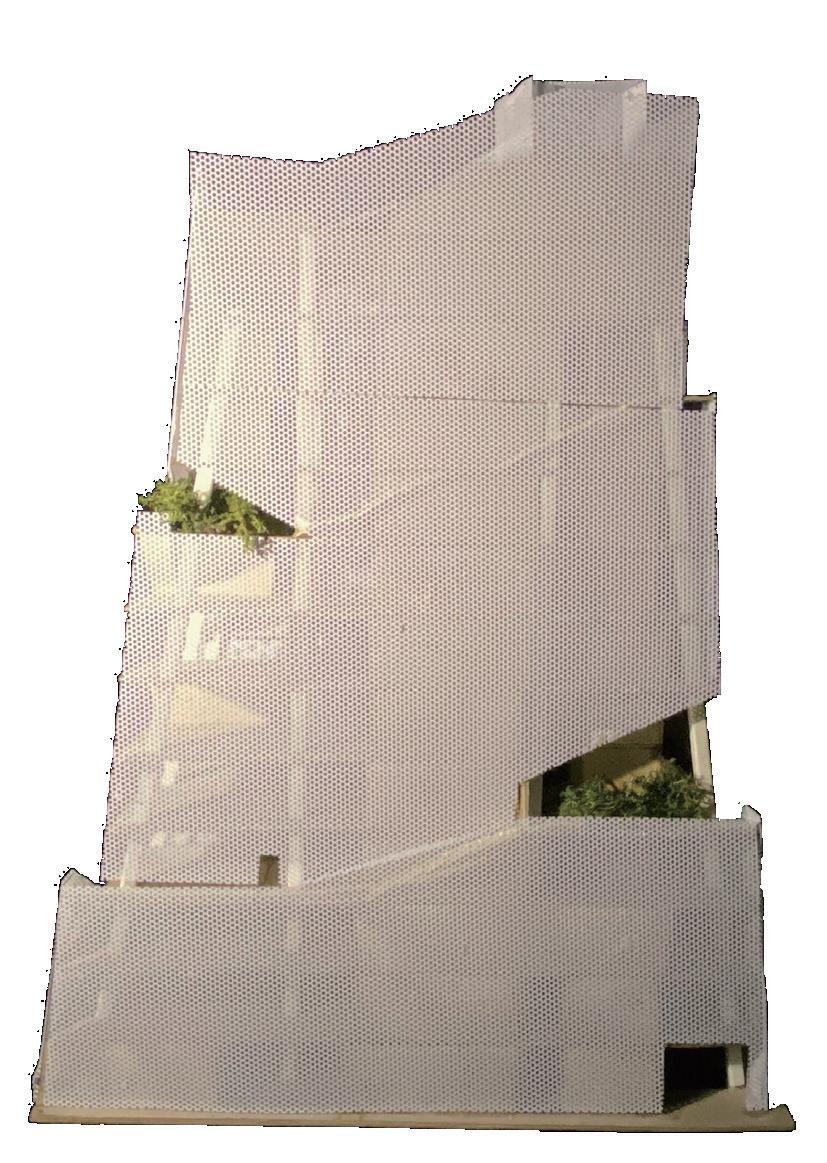
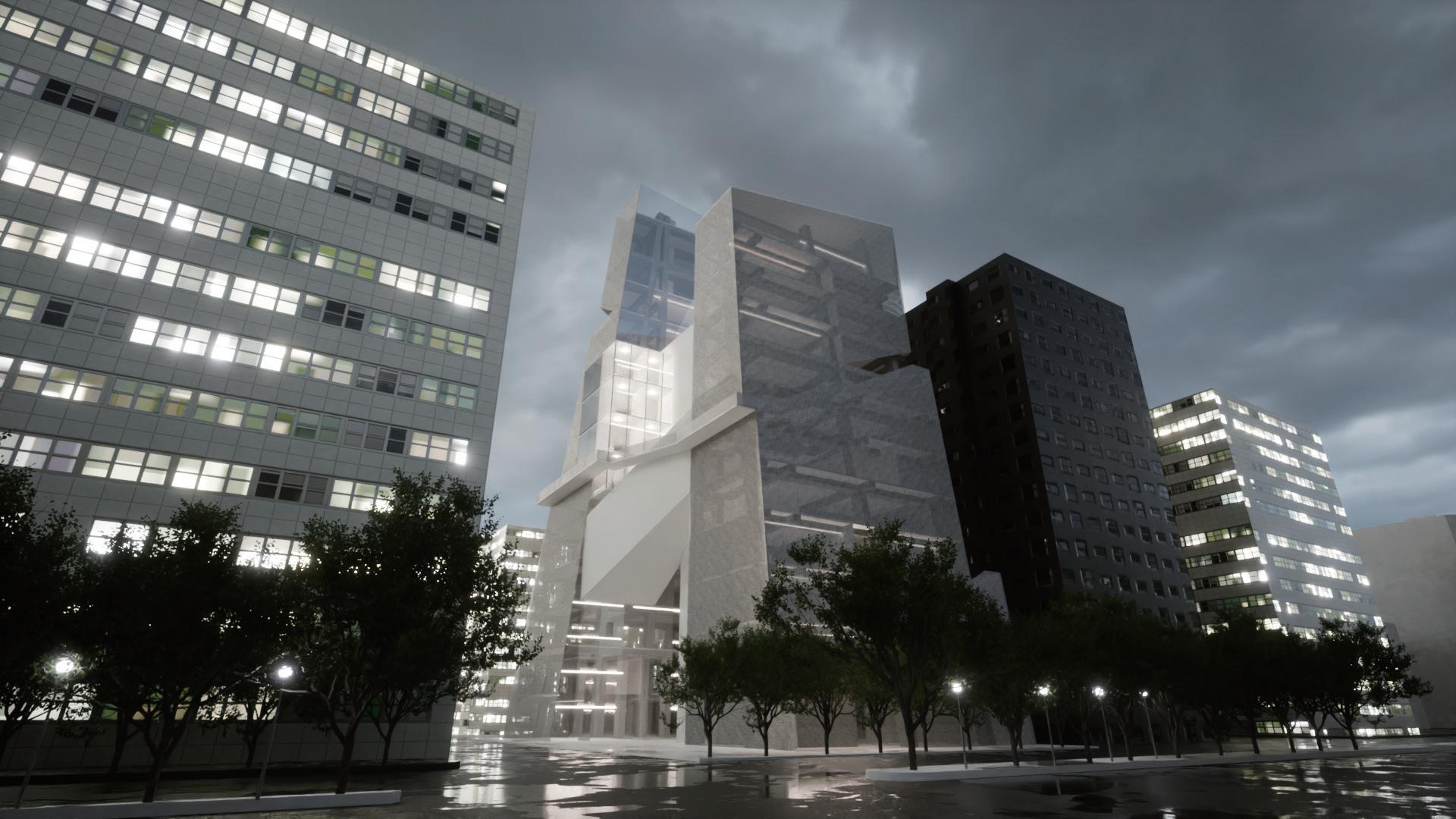
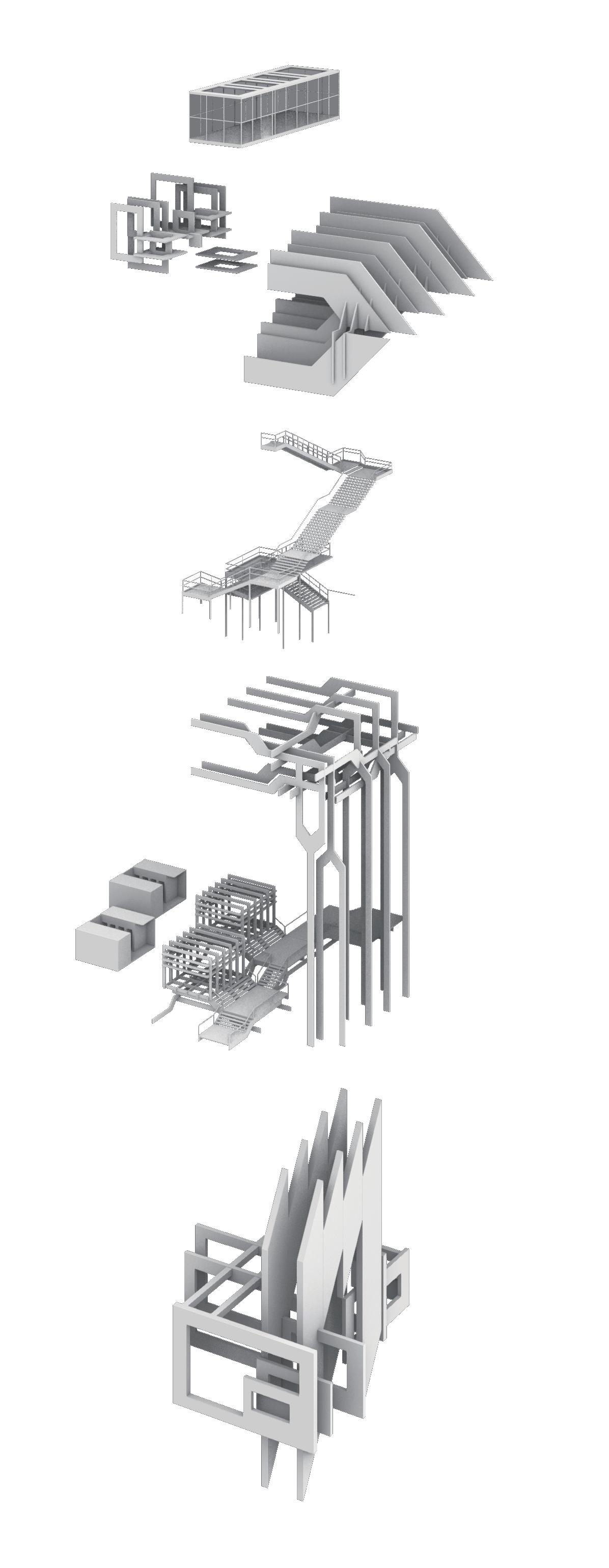
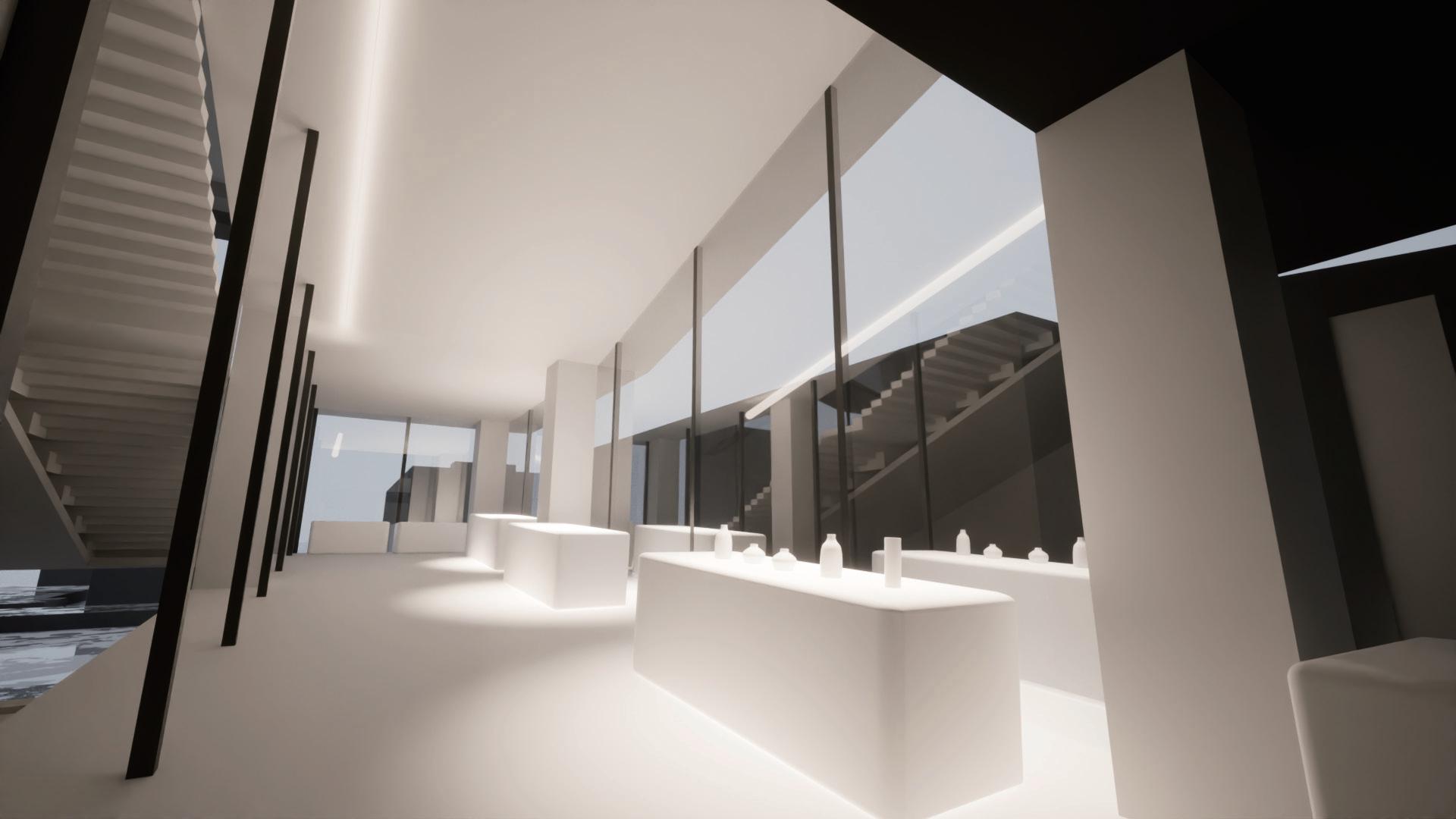
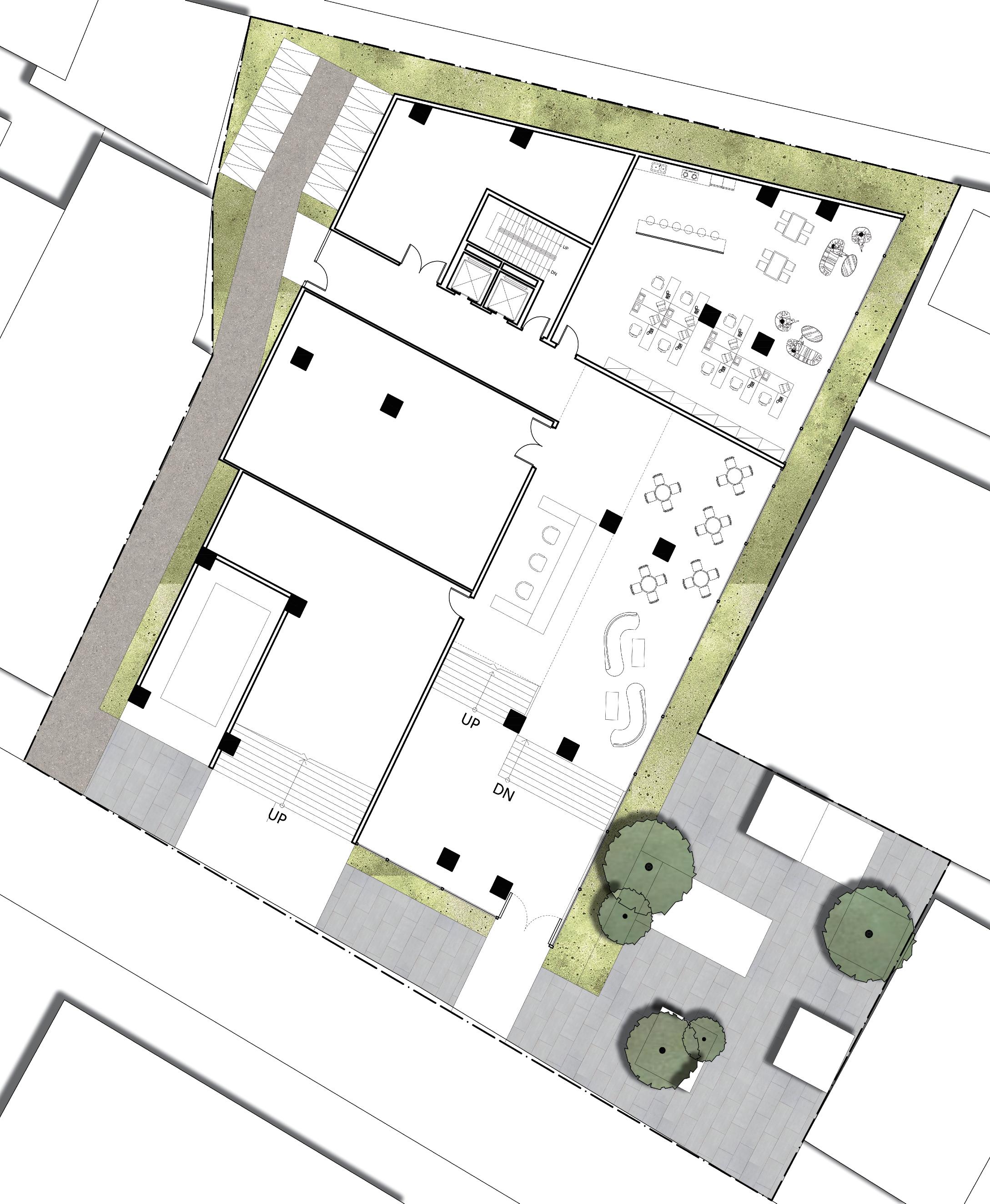
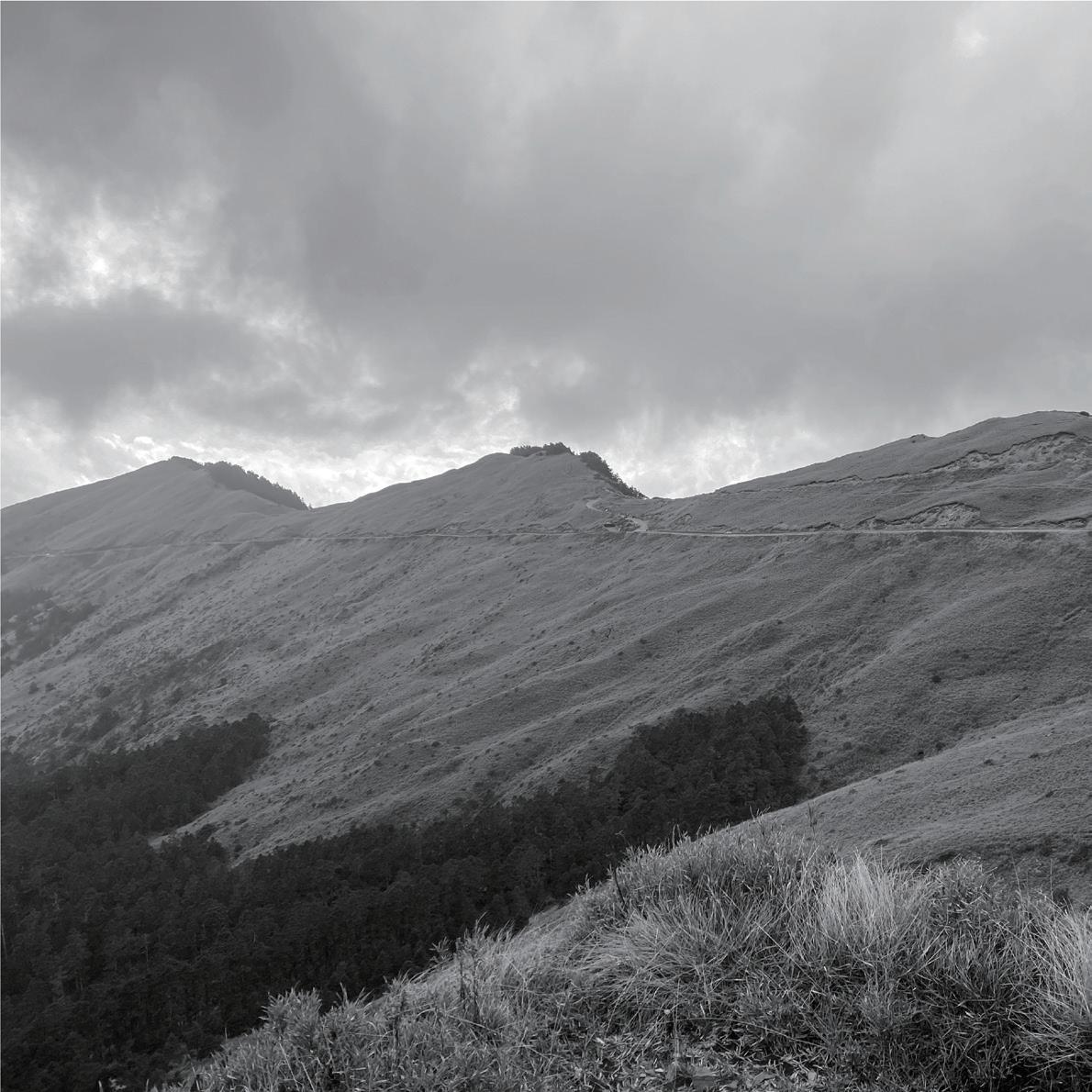
The central concept of this design is framed around the idea of a Nature Playground, reimagining the role of the workplace in the post-pandemic era. The project begins by redefining the essential activities of contemporary office environments and translating them into spatial strategies inspired by the metaphor of mountains. Outdoor circulation paths and elevated platforms are employed to weave together the entire building, fostering fluid movement and interaction. Meeting rooms act as vertical connectors, linking various office zones and enhancing spatial continuity. Commercial areas are conceived as an outdoor sports center, generating dynamic activities that extend beyond traditional office functions. By merging the vitality of recreational programs with workplace activities, the design seeks to create a cohesive environment where work, leisure, and nature converge.
The company use a mobile app to schedule and inform employees about meetings and activities for the day, allowing them to plan their own activities alongside the predetermined schedule at the office.