20 As the electrical jobs market in the UK continues to fluctuate and frustrate in equal measure, we catch up with a spark who is building a smarter way to find work
The team at NAPIT give our reader submissions the ‘Codebreakers’
Dr Zzeus, Tom Brookes, responds to another fire-related
The experts at NICEIC answer more frequently asked questions
Considerations for where consumer units are installed outdoors
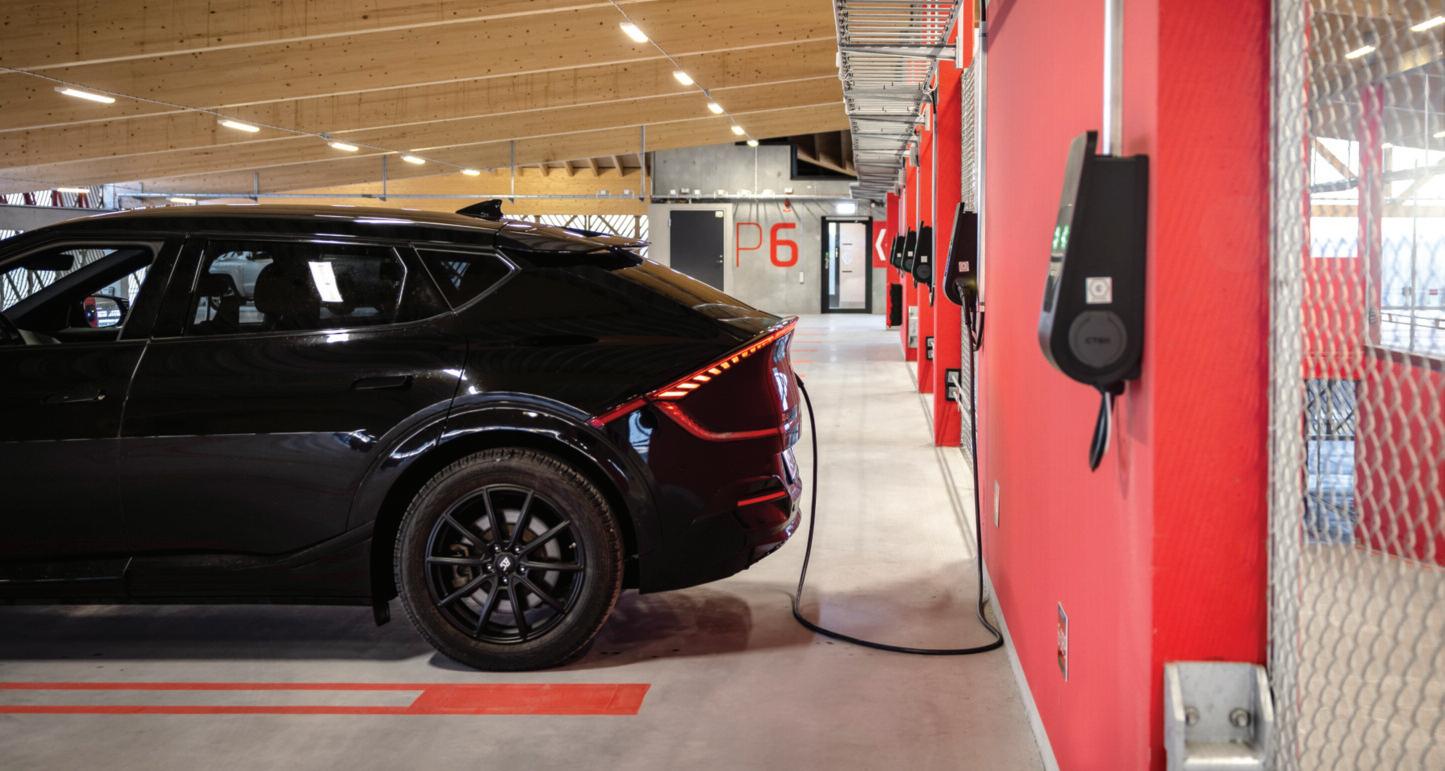
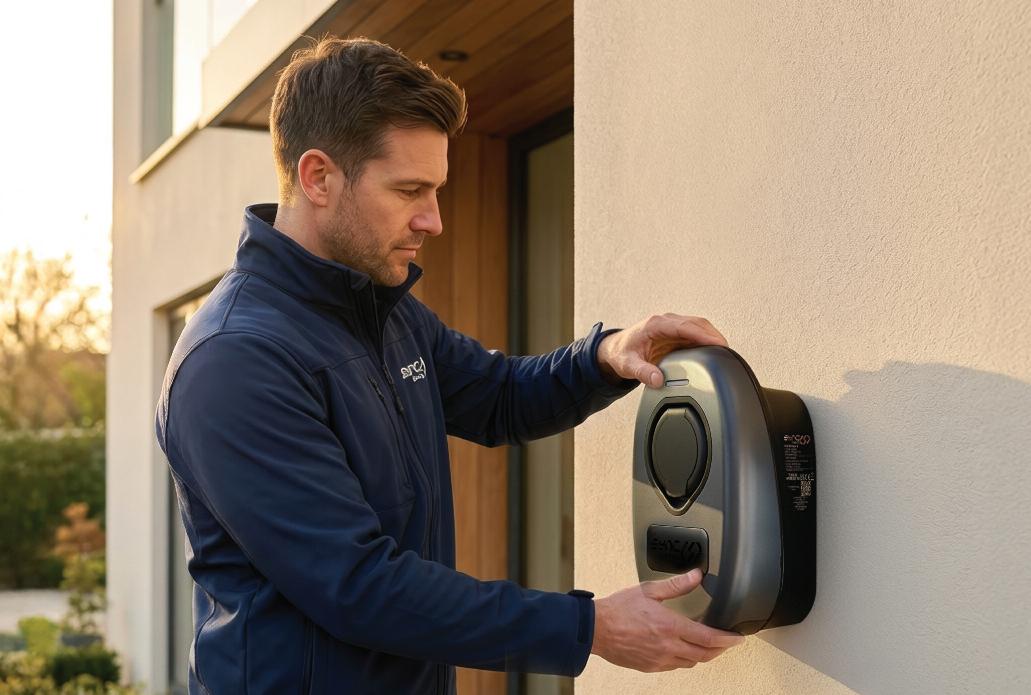
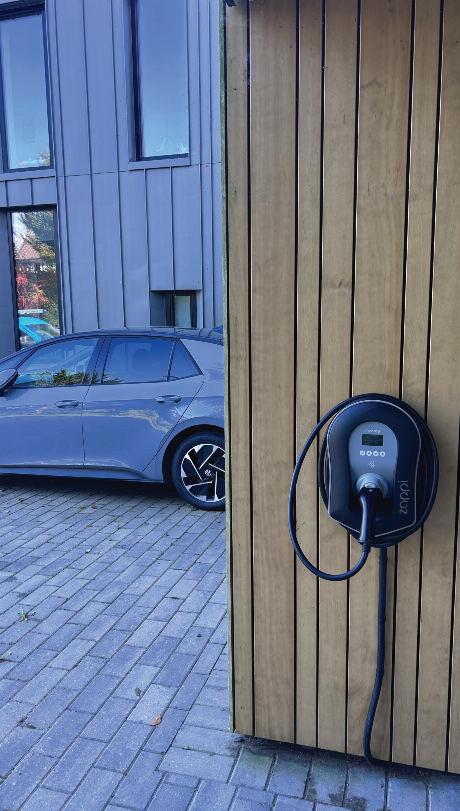
50 Why competent electricians are central to safe adoption of plug-in solar PV products 53 Exploring the evolution of home EV charging and why smarter systems matter more than ever
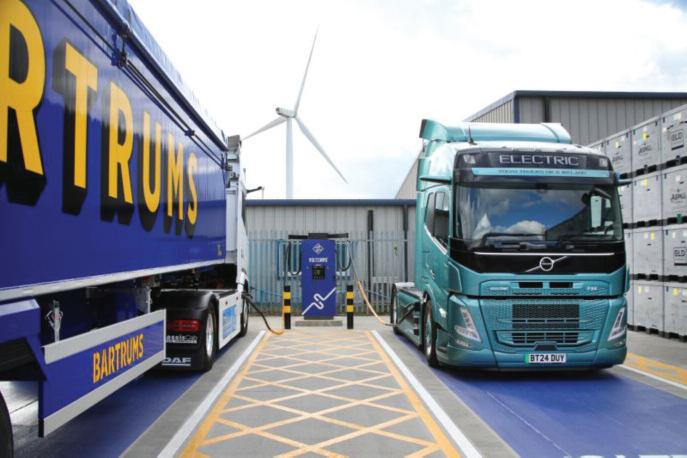
How does the Depot Charging Scheme offer an opportunity to contractors?
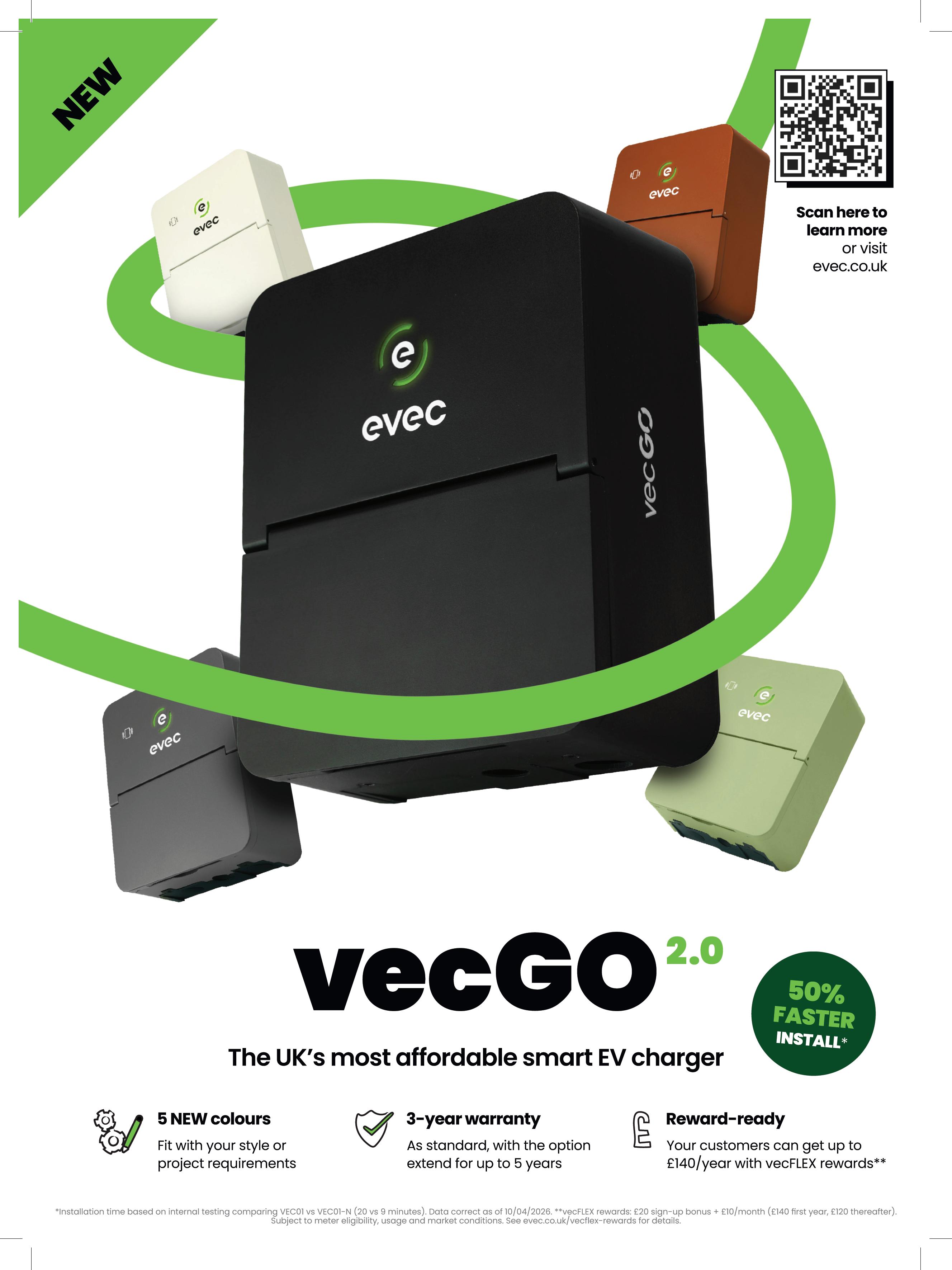
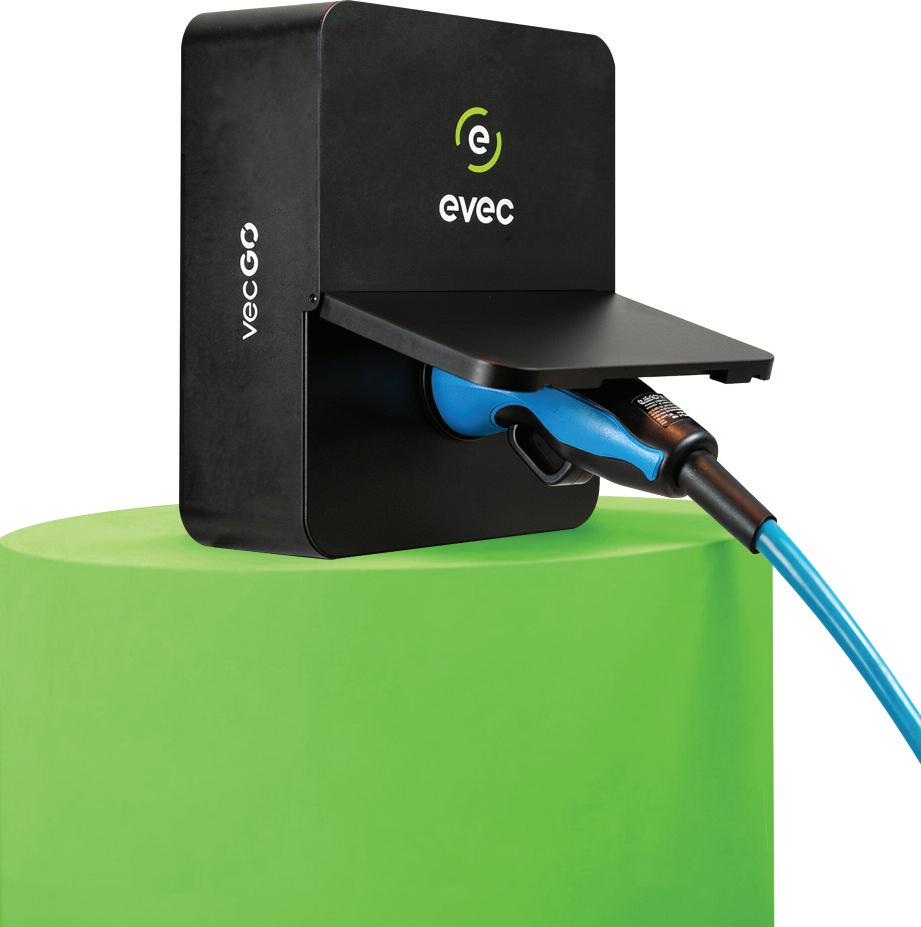
57 evec reveals the next generation of its hugely popular home charging range
Five key questions installers should ask when undertaking their next EV charging project
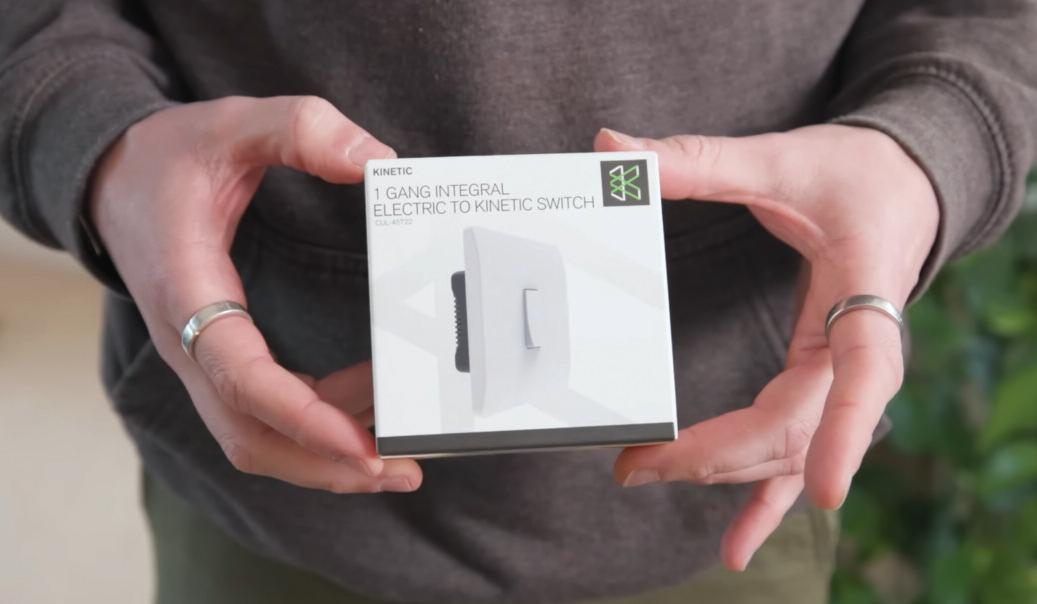
67 Kyle Gamble puts the Forum Kinetic Wireless Switch range to the test
68 How hands-on learning is helping electricians to stay ahead of changing standards and technologies
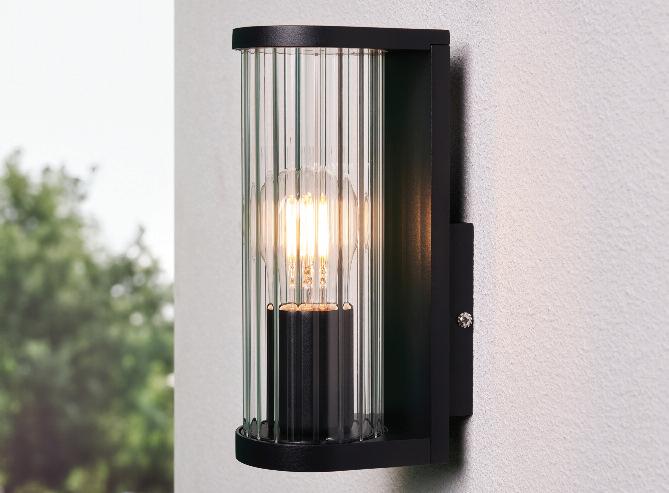
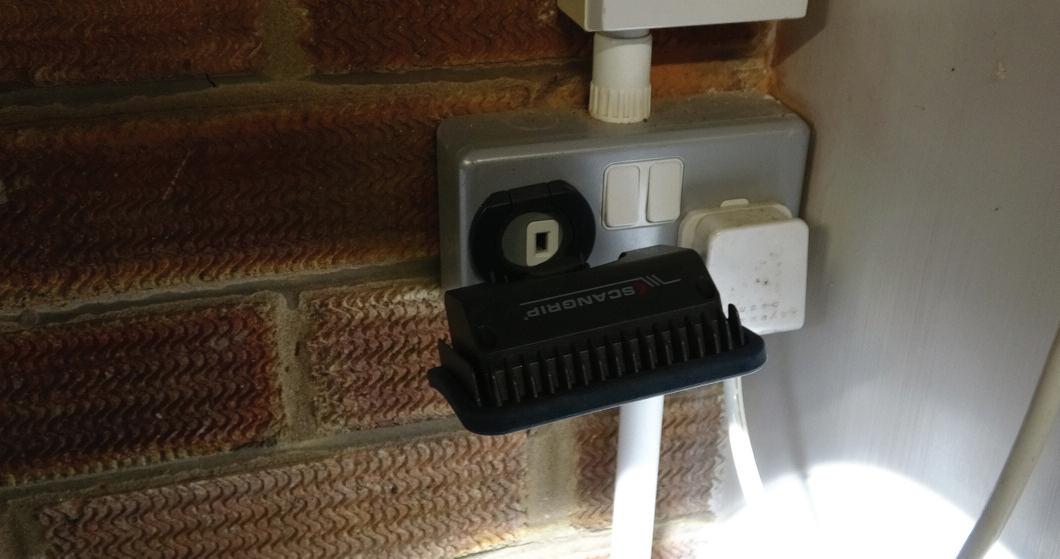
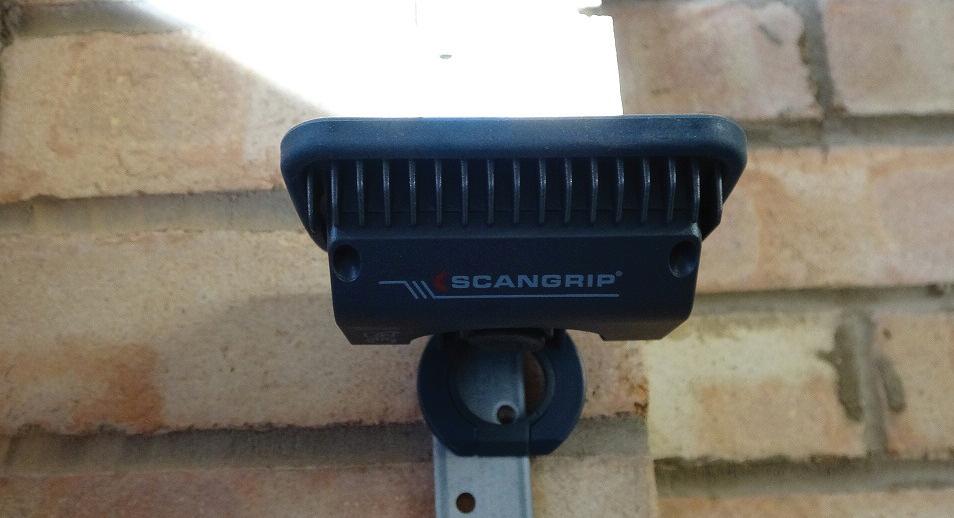
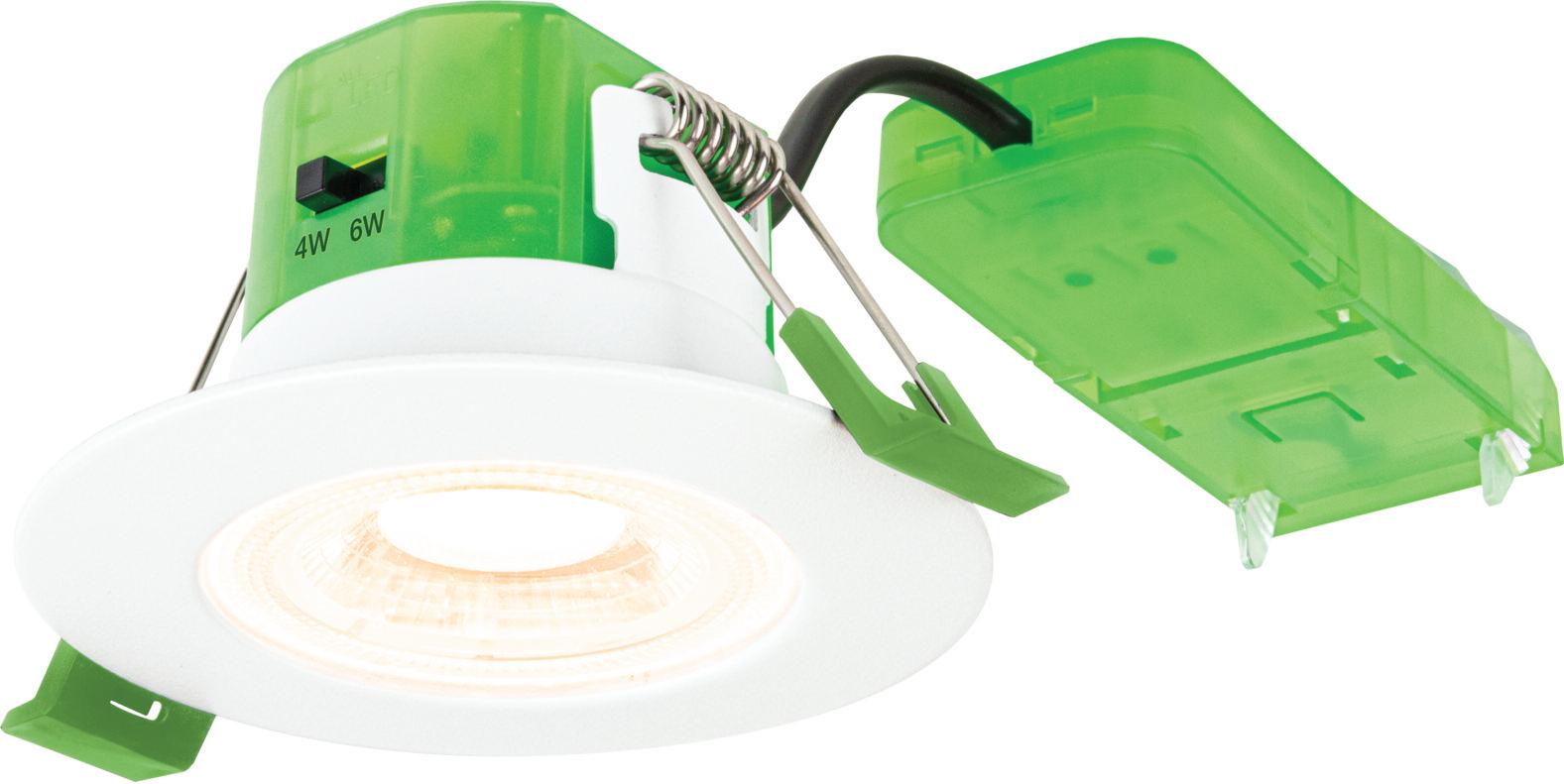
71 Reece Hardy puts two compact lighting solutions through their paces on real-world jobs
72 Which products have been specified, and where?
74 Rounding up the newest products, tools and equipment to help you with your work
Subscriptions to PROFESSIONAL ELECTRICIAN are available Please contact us for rates
Editor ’s Viewpoint
A small step towards making a big statement
The message from the recent local elections could hardly have been clearer
Across large parts of the UK, voters used the ballot box to send a warning to the main political parties that ordinary working people are tired of feeling overlooked, overcharged and only noticed when another bill needs paying
Whether it’s rising taxes through frozen thresholds, higher fuel costs, expensive compliance requirements or everincreasing business overheads, many working households feel they are carrying more of the load each year
And yet, these are the same people who are being told that they are essential to the future economy.
The country needs more electricians (and more skilled trades across the board), there is little doubt about that Politicians of every stripe are happy to stand in front of a camera and talk about growth, housing and net zero targets But those ambitions ultimately land on the shoulders of working tradespeople.
And this where frustration starts to build, as many trade professionals are simply not seeing the rewards of being classed as “essential”
Instead, they often feel treated as a convenient source of revenue Earn slightly more just to keep pace with inflation and more disappears in tax Put another van on the road and the running costs climb sharply Try to grow a business and the paperwork seems endless.
None of this is about asking for sympathy or hand-outs. Most people in the trade understand hard work and they accept businesses have to stand on their own two feet But there is a difference between contributing fairly and constantly feeling squeezed
The local election results suggest this feeling stretches far beyond the electrical
sector Increasingly, voters appear less interested in political slogans and more focused on whether their own standard of living is actually improving. Many simply want competence, fairness and the sense that somebody understands the pressures of everyday working life
Of course, there is another side to the argument Governments face enormous financial pressures too Public services cost money, infrastructure investment is expensive, and borrowing cannot rise forever The majority of sane individuals accept tax is necessary and that the country faces difficult economic choices. It’s when that burden feels unevenly distributed that the anger starts to rise.
Small businesses and skilled tradespeople are often the easiest group to lean on because they are productive, reliable and unlikely to stop working Yet there is a risk in continually pushing that group too far
When confidence disappears, investment disappears with it. Firms become cautious, slowing down investment in new blood like apprentices, and shelving expansion plans
This, in turn, has a significant knock-on effect for the whole economy
The recent elections may not solve any of these problems overnight, but they do show that working people are no longer quietly accepting being treated as an afterthought They want policies grounded in reality, not just headlines.
And for electricians up and down the country, that probably feels less like a political statement and more like common sense
Have a good month
Richard B o wler
TechLive Surrey schedule announced by NICEIC
Following the success of TechLive 2025, NICEIC has announced the programme for NICEIC TechLive Surrey.
TechLive is NICEIC’s flagship in-person CPD event, offering technical, regulatory and business-focused sessions hosted by NICEIC experts and specialist guest speakers from across the industry
The event comes at a significant time for the sector, following the publication of Amendment 4:2026 to BS 7671:2018 and changes to the Electrotechnical Assessment Specification (EAS).
NICEIC technical experts will deliver sessions on key updates, answer technical questions and provide guidance on assessments, training and support services Attendees can log up to five hours of CPD while staying up-to-date with the latest industry trends and regulatory developments
Paul Collins, Technical Director at NICEIC, said: “TechLive Surrey will give our certified businesses the support they need to stay compliant, confident and competitive
“There have been a number of significant regulatory changes this year and TechLive has been curated to ensure NICEIC-certified
businesses have direct access to the expertise and insight they need to stay ahead of the game
“I am particularly looking forward to spending time with NICEIC-certified businesses of all sizes and hearing from them about the day-to-day challenges, changes, and opportunities that are top of their agenda this year.”
Sessions throughout the day include Amendment 4 highlights, an EICR Coding Clinic, trends in battery storage systems, hazardous areas, domestic ventilation systems and a live Q&A with the NICEIC technical helpline team
Reflecting on last year’s event, Kirstie Elbourn of MM Electrical and Design, said: “NICEIC TechLive gave us
Glenn Grant takes the reigns as ECA President
Glenn Grant, Director of Drax360, part of Obsequio Group, has become the 113th President of ECA (Electrical Contractors’ Association), following his appointment at the organisation’s Council meeting
Glenn takes on the role during ECA’s 125th anniversary year, having previously served as Senior Vice President
A member of ECA’s East Region for more than 25 years, Glenn has held several leadership roles including Bedfordshire & Hertfordshire Branch Chair and East Regional Chair. He is currently serving his second six-year term as an East Region Council Member
Glenn began his career in electrical wholesaling before moving into the fire
detection and suppression sector In 2001, he established and ran his own fire and security business before joining Drax360 in 2018
Commenting on his appointment, Glenn said: “I am honoured to take on the role of ECA President, particularly during this landmark anniversary year
“Throughout this year I look forward to continuing to represent ECA as we support the advancements in our industry, driving electrification, tackling the skills shortage and creating a fairer business landscape.
“I am passionate about the people in our industry and a key priority for me this year will be developing the skills of the next generation of talent.”
the chance to attend a number of interesting technical sessions where we learnt a lot, and there were some great insights on how to engage with new customers which we're going to look at implementing.”
NICEIC TechLive Surrey takes place on Thursday 11th June at Mercedes-Benz World, Weybridge, from 08:30 to 16:15 The event includes networking opportunities, refreshments and lunch Tickets cost £25 + VAT per person, with limited places remaining at the time of writing
Andrew Eldred, Managing Director at ECA, added: “Glenn’s experience and commitment will prove a great asset as we continue our work to help ECA Members build strong businesses and a more resilient industry ”
BG launches “Buy, Spin, Win” promotion
British General (BG) has launched a new installer promotion, “Buy, Spin, Win”, giving electricians the chance to win instant prizes as well as trips to Munich, New York and Las Vegas.
Running until 31st October 2026, the promotion is open to installers who purchase selected BG consumer unit promotional boxes Each box includes a unique code, which can be entered online to access a digital spin-to-win game.
Every entry gives installers the chance to win an instant prize, as well as automatic entry into one of three major prize draws
What installers can win
BG is offering three headline trips:
● July draw – Munich, Germany
A four-night trip to Oktoberfest 2026,
including flights, accommodation, Oktoberfest access, a guided tour and £1,000 spending money
● September draw – New York, USA
A New Year’s trip to New York City, including a four-night stay, New Year’s Eve cruise, helicopter tour, attraction passes and £1,000 spending money
● November draw – Las Vegas, USA
A five-night stay in Las Vegas, including a Grand Canyon helicopter tour, excursions and £1,000 spending money
How it works
Installers can take part by:
● BUY Purchase a BG Consumer Unit promotional box
Score to Win with Schneider Electric
Schneider Electric has unveiled ‘Score to Win 26’, a football-themed competition aimed at electricians and contractors across the UK.
The online penalty shootout game challenges players to score against a virtual goalkeeper, with points awarded for shot speed, accuracy and placement
Scores are tracked on a live leaderboard, with top performers winning prizes across two competition periods
Customers who spend £250 or more on Schneider Electric products at
participating distributors can enter by scanning a QR code or following a link provided in-store Gameplay continues until three shots are missed or saved, with every goal contributing to the player’s overall score.
Prizes include Premier League hospitality tickets, signed football shirts, stadium tour experiences and £50 multi-retail vouchers All entrants will also be entered into a grand prize draw to win a framed Argentina 1986 shirt signed by Diego Maradona.
● SPIN Find the code inside, enter it online and spin the wheel
● WIN Instant prizes + a chance to win a VIP getaway
Each valid entry not only offers the chance to win an instant reward but also automatically qualifies for entry into the grand prize draws.
June, with the leaderboard resetting on 1st June to create two chances to win
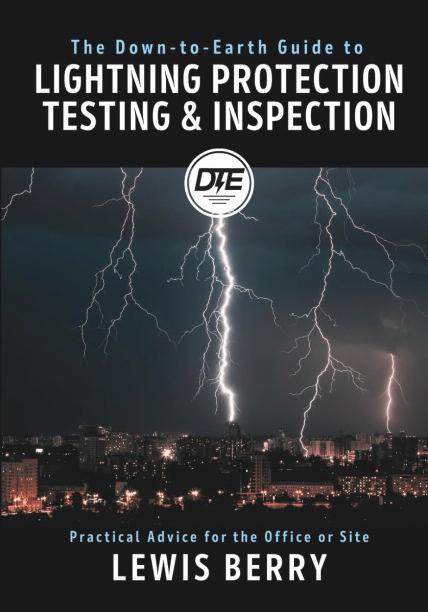
Lightning strikes with new book release
A new practical guide to lightning protection testing and inspection has launched, written by lightning protection engineer Lewis Berry.
The Down-to-Earth Guide to Lightning Protection Testing & Inspection is described as the first dedicated publication focused specifically on the testing and inspection of
lightning protection systems
Drawing on more than a decade of hands-on industry experience, the book is aimed at engineers, electricians and facilities teams
The guide has been developed to help demystify an area of the industry often seen as complex or misunderstood, while offering a reliable reference source for those who are involved in lightning protection system inspection and maintenance
Score to Win 26 runs until 30th
KNX courses help build from theory to on-site confidence
Completing a KNX Basic course is a solid first step. But for many electricians, the real question comes afterwards: how do you turn that knowledge into something you can use confidently on real projects?
That is where Theben’s KNX Application Courses come in. These complimentary training days are aimed at individuals who have already completed a KNX Basic course and want to build more confidence in the applications they are likely to meet on-site, from heating and HVAC to lighting and shading
The training is practical, UK-focused and designed to help attendees design, commission and troubleshoot more effectively That makes them a strong next step for electricians looking to move further into smart homes and building control
As projects increasingly demand joined-up control of lighting, heating, ventilation and shading, KNX knowledge is becoming more valuable Because KNX is an open standard, it is also a qualification that is not tied to one manufacturer, which makes it a smart way to future-proof your skills
Theben’s application days are focused on real-world use Day one covers heating, day two looks at HVAC and shading control, and day three focuses on lighting, including dimming and DALI fundamentals With a maximum of just six places per day, the small-group format also gives attendees more time for questions, discussion and hands-on learning.
A big part of the appeal is that the training is effectively free Theben asks for a £100 booking fee per day, but that fee is fully refunded on completion, giving electricians access to valuable follow-on training without the cost of another major training commitment
By booking your place on Theben’s complimentary KNX Application Courses you can take the next step from basic knowledge to real on-site confidence With only six places
available each day, early booking is recommended.
And with the £100 fee fully refunded on completion, it offers delegates a straightforward, low-risk way to build skills for their career
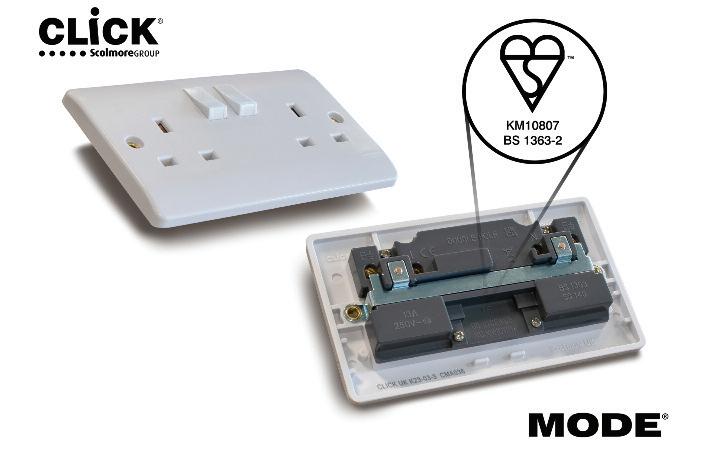
Click Scolmore is celebrating 35 years of continuous BSI Kitemark certification on its BS1363 socket outlets, marking a significant milestone for the company and highlighting the importance of independently verified product quality.
The BSI Kitemark, first registered in 1903, is one of the electrical industry’s most recognised safety and quality marks It confirms that products have undergone rigorous independent testing and ongoing assessment to ensure compliance with recognised standards.
Click Scolmore says the achievement comes at a time when imitation products and misleading “like for like” claims are becoming increasingly common across the market
The company warns that while some alternative products may appear similar on the surface, differences in materials and manufacturing standards can have a significant impact on safety, durability and long-term performance. It points to the use of lower-grade materials in some lower-cost products as a growing concern within the industry
Click Scolmore designs its products in-house at its Tamworth headquarters and works closely with a small number of long-standing overseas manufacturing partners The company says regular factory visits, investment in manufacturing facilities and strict quality control processes help ensure that products consistently meet its standards
Awards season kicks off for Thorn
Thorn Lighting has been shortlisted for the Venue Technology Award at TheStadiumBusiness Awards 2026 for its work on Sunderland AFC’s Stadium of Light.
The project, delivered in partnership with Sunderland AFC, centres on Thorn Lighting’s Altis Gen 5 LED floodlighting system Alongside improved broadcast-quality lighting and reduced energy consumption, the system enables dynamic lighting control to support the club’s pre-match light-and-sound
experience, known as “The Lighthouse”
TheStadiumBusiness Awards, now in their 17th year, recognise innovation and achievement across the global stadium and venue sector
Neil Thompson, Key Account Manager at Zumtobel Group, said: “With Altis Gen 5, we’re not only delivering broadcast-quality performance and energy savings but also enabling clubs to create moments like ‘The Lighthouse’ that connect with fans in a completely new way ”
Aico’s care for the Community
Aico’s Community Awards 2026 have brought together leaders and organisations from across the social housing and fire safety sectors to celebrate innovation, collaboration and community impact.
Hosted by Carl Jones, the event featured a keynote speech from former rugby league player Kevin Sinfield, who spoke about raising awareness of Motor Neurone Disease in support of his friend Rob Burrow. Aico also confirmed the MND Association as its chosen charity
for the 2026 awards.
Entertainment during the evening included comedian Ignacio Lopez and live music from Soho Collective
A new People’s Choice Award was introduced this year, with attendees voting live during the ceremony The awards themselves were handcrafted by students from Severndale Academy using coloured fused glass inspired by the Aico in the Community logo Award winners included Emily-Jane Simmons (Apprentice of the Year),
The company also cautions against claims that products are manufactured to equivalent standards without independent verification
As it marks 35 years of certification, Click Scolmore is encouraging specifiers, contractors and distributors to look beyond appearance alone and prioritise products that carry recognised independent approvals such as the BSI Kitemark.
GET MORE DETAILS AT: WWW.RDR.LINK/EBZ006
The winners will be announced at TheStadiumBusiness Awards 2026 in Manchester on 3rd June
FOR MORE INFORMATION ON THORN LIGHTING’S SPORTS LIGHTING RANGE, VISIT: WWW.RDR.LINK/EBZ007
Magnus Electrical Services (Electrical Contractor of the Year), Wolverhampton Homes (People’s Choice Award) and Martina Lydon from WHG (Woman in Fire Safety Award)
The awards continue to recognise individuals and organisations making a positive difference across the housing and fire safety sectors
T H E TR A
I N I N
G G R O U N D
v e h e a r d t h e A M 2 h a s c h a n g e d –i s t h i s c o r r e c t ?
Over the coming weeks, some changes to the AM2 bay layout are underway
This is happening because the AM2 has to reflect what’s in the industry apprenticeship standard and its assessment plan
Recently the apprenticeship and assessment plan have changed to reflect new technology and new ways of working So, in turn, the AM2 also has to be updated to comply with the standard set by industry
The new bay will contain an updated layout and heating system, and some updated materials AM2 centres are already making the changeover, so some of you sitting the assessment may encounter the new bay, or some will have the traditional bay style By August, the new bay will be operational in all AM2 centres
The most important message to bear in mind is this: regardless of the assessment layout, the skills and competences you’re being assessed on are the same, and the marking criteria are unchanged
An Assessment of Competence is all about being able to apply your skills and knowledge to any given situation Regardless of which installation scenario you’re working on, you should be able to follow instructions and meet the specification provided
You just need to ensure you read the AM2 Readiness for Assessment Checklist carefully and be confident that you can demonstrate every skill listed before you sit the assessment
One of the most important things you can do is to use the NET Checklists to ensure you have the skills needed for the assessment and read the NET guidance materials Don’t be misled by what any unofficial preparation resources are telling you.
On the day – follow the specification! If you’ve got the right skills going into the assessment, you just need to follow instructions and apply yourself
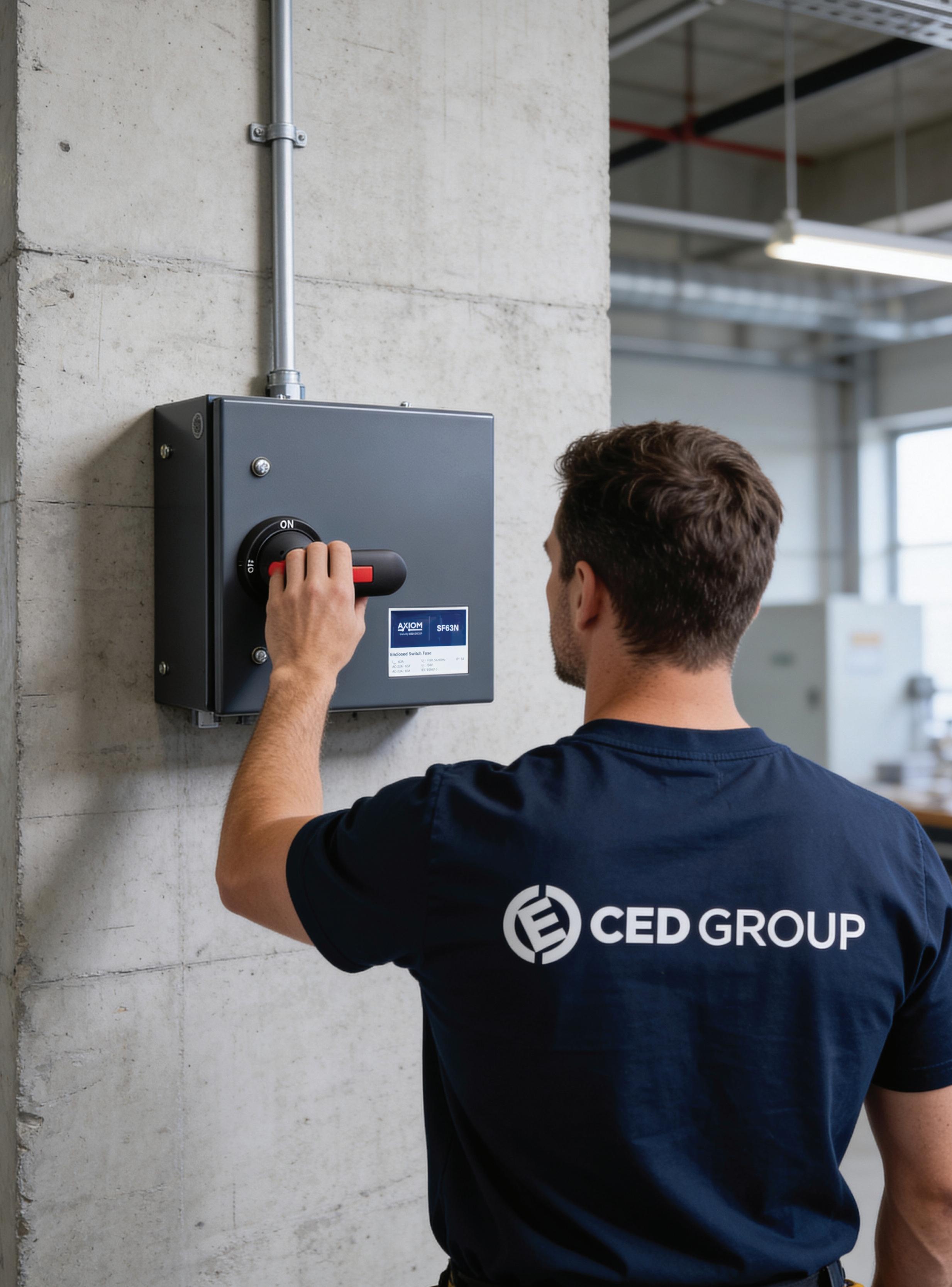
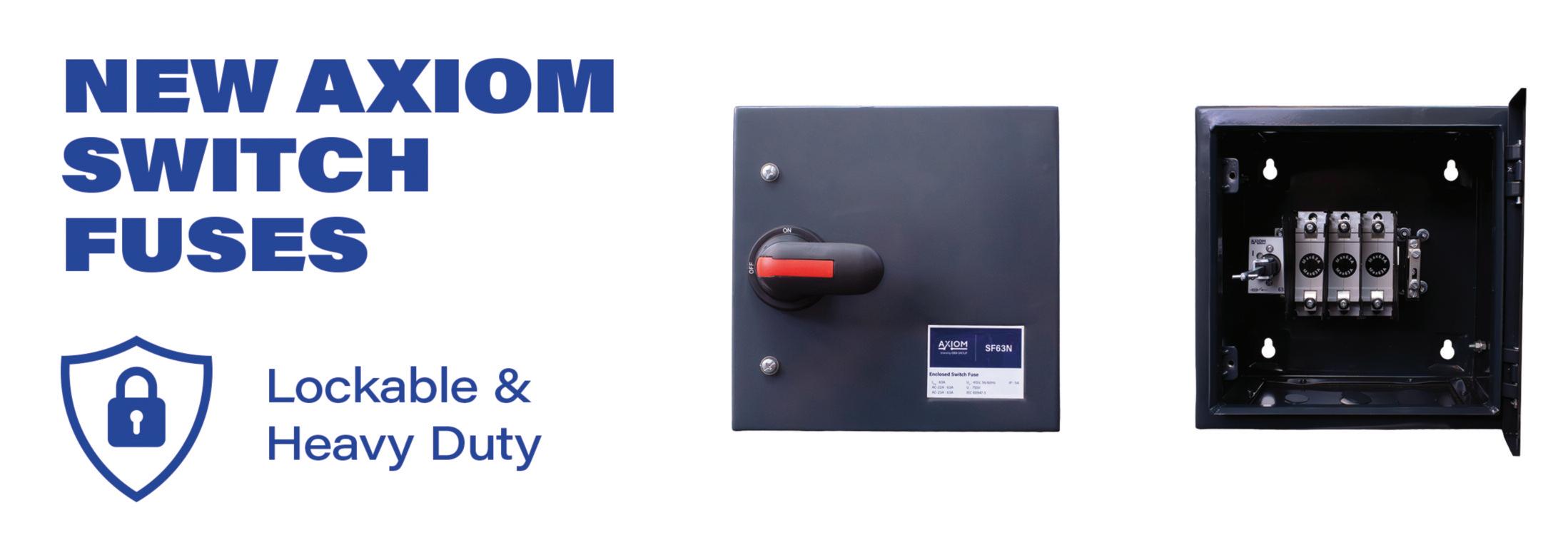
AXIOM SWITCH FUSE IS BIG NEWS
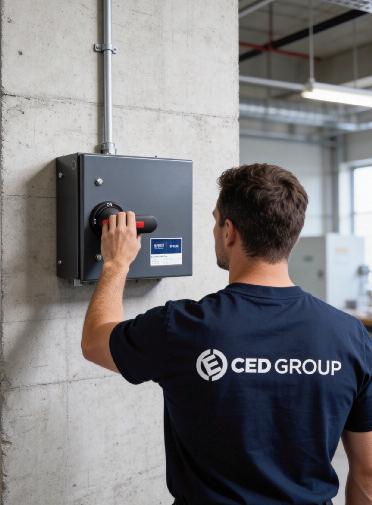
CED Electrical Group is celebrating another major launch with the introduction of a comprehensive Axiom switch fuse range, including integrated switch disconnectors and switch fuse isolators. We find out more about what it can offer to electrical installers.
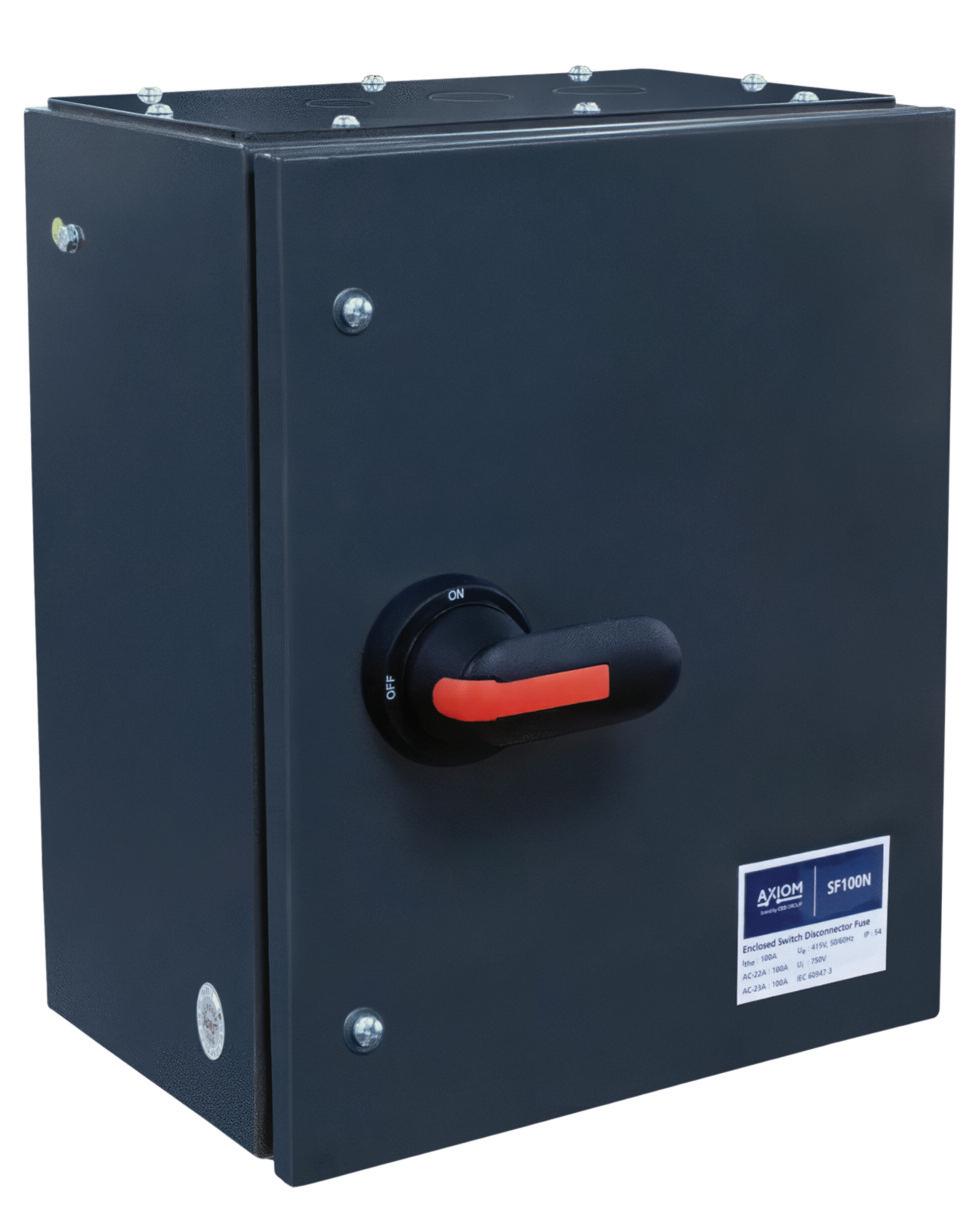
Axiom has unveiled a comprehensive switch fuse range that’s built for modern professionals demanding stronger protection, safer isolation and dependable control across commercial, agricultural, industrial and distribution environments
Designed for electricians, it delivers practical performance with installation confidence on every project
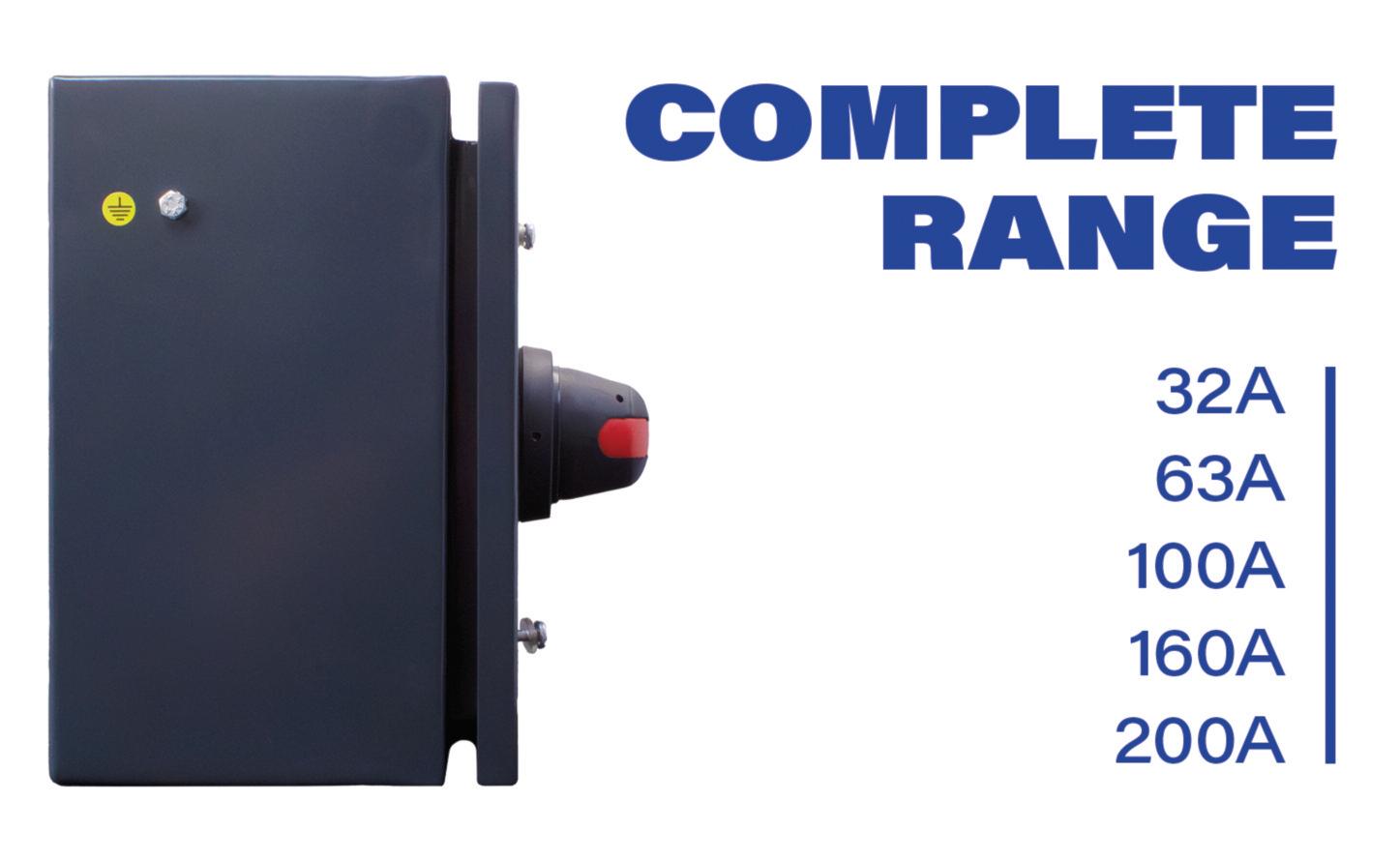
The range includes integrated switch disconnectors and switch fuse isolators in five power levels covering 32, 63, 100, 160, and 200 A That breadth gives contractors the right option for submain circuits, heating systems, plant equipment, three phase supplies and boards feeding multiple outgoing ways
One trusted platform means easier specification, smoother ordering, quicker replacements and cleaner standardisation across every installation – large, small, old, new, and retrofit projects alike.
Where fault levels exceed the breaking capacity of standard MCBs these units step forward with confidence
An 80 kA breaking capacity across the range supports demanding applications and helps maintain continuity when conditions are harsh.
Strong discrimination with downstream devices improves co-ordination, reducing nuisance interruption and helping engineers isolate faults accurately, quickly and safely during service calls, maintenance shutdowns and urgent repairs on-site Safety remains central throughout the design.
Safer compliance routines
Integrated switch disconnectors provide reliable manual isolation for circuits or connected equipment whenever maintenance is required
Switch fuse isolators allow fast deactivation and fully isolated fuse replacement from top and bottom positions.
Every model also features a padlockable handle – supporting lock-off procedures and safer compliance routines for contractors, facilities teams and site managers during planned works and emergency call-outs
Built for real working environments the enclosures use robust CRCA metal
bodies with DMC switch components for dependable long term service life. IP54 ingress protection helps defend against dust and splashing water in busy plant rooms, workshops, farms and service areas
Operating temperatures from 0-40˚C support daily reliability through changing seasons and varied conditions.
Electricians and end users will notice the finish immediately The enclosure is supplied in RAL 5008 blue-grey semi-gloss, chosen to align with many existing installations already in service That means upgrades, extensions and replacements can blend neatly with surrounding equipment instead of standing out awkwardly
A range of colours
Matching colours help maintain a professional appearance across boards, rooms, risers and plant spaces where presentation still matters greatly to clients, consultants and inspectors Ultimately, a tidy install saves time and money
Because the Axiom finish complements established equipment, electricians can complete additions without painting covers, hiding mismatched gear or explaining visual inconsistencies to customers
Cleaner rows, walls and switch rooms
create stronger first impressions and reinforce workmanship standards It is a simple detail that helps every completed job look organised, intentional and premium – from start to sign-off
Termination space has been engineered with installers in mind. Larger capacities support substantial conductors and industrial cabling while sizes scale through the range from 6 mm2 up to 95 mm2 depending on model selection
Clear access helps speed connections, reduce frustration and improve consistency when deadlines are tight. Practical dimensions also make wall mounting straightforward across compact rooms and demanding service locations for faster, easier and dependable fit-outs
For switch fuse isolators the benefits are numerous Contractors gain quick safe manual deactivation whenever servicing starts and fuse links that are fully isolated for safer replacement procedures For integrated switch
disconnectors the visible physical separation of contacts confirms a dead circuit while still allowing load breaking when required
Dependable products
Compliance credentials add further assurance The range is CE and UKCA approved and certified to IEC 60947-3 standards, fully suited to professional specification demands A one-year warranty cover provides added confidence after purchase
Input voltage is 415 V triple pole and neutral configuration, supporting common three phase applications throughout the market When buyers need dependable products quickly this range answers with recognised credentials and straightforward compliance support.
For contractors, wholesalers and end users seeking dependable isolation with a smarter finish the message is clear: Axiom has delivered a range that protects circuits, co-ordinates reliably and looks at home beside existing gear
Matching RAL 5008 colour keeps installations tidy, organised and professional – the kind of detail electricians appreciate
Alongside the launch, CED Electrical Group has unveiled its new website and group domain making it easier to explore products, services and support.
BROWSE THE NEW CED ELECTRICAL GROUP WEBSITE AND THE NEW INTEGRATED SWITCH DISCONNECTOR AND SWITCH FUSE ISOLATOR RANGES AT: WWW.RDR.LINK/EBZ009
JUST THE JOB!
As the electrical jobs market in the UK continues to fluctuate and frustrate in equal measure, we catch up with a spark who is building a smarter way to find work.
For many electricians, finding the next role can feel like a significant job in itself Hours spent scrolling listings, chasing dead leads, or applying for positions already filled quickly becomes frustrating – especially for those still building experience
That’s a challenge Lee Myers knows well Now an electrical improver, he’s turned his own journey into something practical by creating a platform that’s designed to simplify how electricians and employers connect
Indeed, Lee’s experience will be one that’s familiar to plenty of sparks: “I’ve been working in the electrical industry for just over three years now
“Around a year in the job I was on was coming to an end, and I needed a new opportunity I didn’t have loads of experience, and I found the process of finding something very frustrating and disheartening ”
Like many in the trade, Lee looked wherever he could – including smaller recruitment channels.
He adds: “I came across a recruitment company running a WhatsApp group where they posted jobs It worked, but there weren’t that many opportunities ”
That limitation sparked an idea in Lee Instead of relying on one source, why not
bring several together?
“I thought, why not create one group and invite multiple recruiters? That way, everyone could see more opportunities in one place – often before they hit bigger job sites ”
What began as a simple group quickly grew through word of mouth and, as more electricians joined, it became clear there was demand for something bigger
That idea has since evolved into UK Electrical Jobs, a recruitment platform built specifically for the industry.
Cutting out the time-wasting
At its core, the platform tackles the issue of individuals having their precious time wasted, as Lee explains: “I was trying to solve the problem of spending hours searching different platforms, only to find roles had gone In this regard, it’s even tougher for apprentices and improvers ”
The solution builds on the immediacy of WhatsApp groups – bringing jobs, candidates, and employers into one place with faster access to live opportunities
For job seekers, the process is simple: create a profile, upload a CV, and apply directly Conversely, employers can post roles quickly and search candidates by skills and experience
“Once a job goes live, we can push it out to WhatsApp groups and social channels straight away,” Lee says
“That gives instant exposure to people actually in the trade ”
A juggling act
One of the platform’s
biggest differences is its grounding in real site experience Lee still works in the industry while building the business – often balancing the rigours of his daily work with development.
He says: “I work nights on the London Underground doing remedial works Then during the day I’m focused on the platform
“Being on-site, I’m constantly speaking to electricians, apprentices, and improvers You hear exactly what people struggle with, so it keeps everything simple and focused ”
Users are also verified through ECS cards and qualifications, helping ensure roles reach genuine tradespeople
Bigger ambitions
While UK Electrical Jobs is rooted in recruitment, Lee’s long-term vision stretches further
“I don’t just want it to be another job board I want a proper platform for the trade – with forums, training help, and tools people can use day-to-day.”
He concludes: “It’s about simplifying things; giving people a more direct route to opportunities and improving how recruitment works across the industry ”
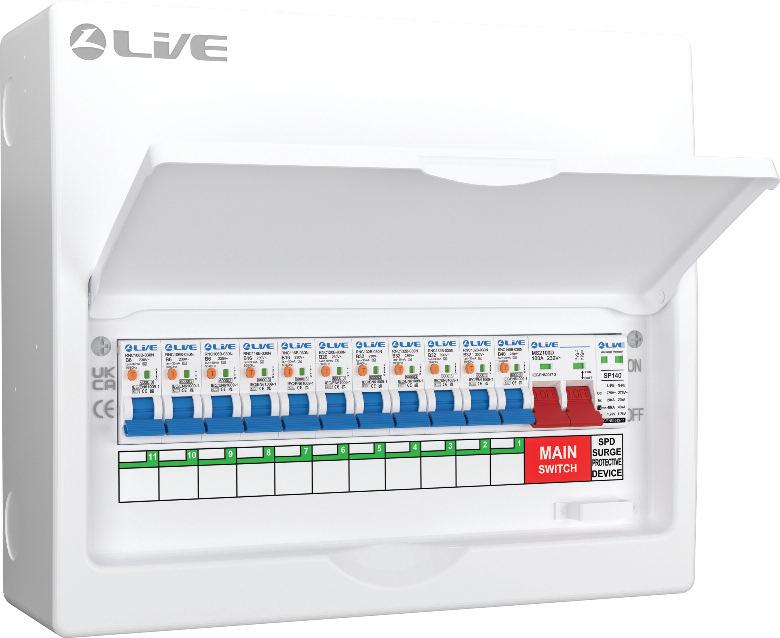
WIN A FULLY LOADED SRN CONSUMER UNIT
We have 10 x fully loaded Live Electrical SRN consumer units up for grabs this month. Plus, each winner will also receive a LFE10G Heat Aerosol Fire Extinguishing Device.
Built with installation efficiency at its core, the Live Electrical SRN range combines a practical enclosure design with simplified circuit connection methods to help speed up wiring and reduce congestion inside the board
Manufactured from robust non-combustible steel, the range is suitable for both surface-mounted and flush-mounted domestic and light commercial installs Multiple cable knockouts provide flexible cable entry options, while the spacious internal layout supports easier wiring, inspection and testing
A standout feature of the system is Live Electrical’s RNC series RCBOs, designed without traditional fly neutral leads By eliminating unnecessary internal wiring, the SRN system creates a cleaner, more organised installation and helps reduce fitting time
The integrated 100 A live and neutral copper busbar system further simplifies assembly, allowing RCBOs to connect quickly and efficiently while maintaining a tidy finish
With modular scalability and installer-focused engineering throughout, the range has been developed to support faster, more reliable installations without compromising safety or compliance.
The LFE10G Heat Aerosol Fire Extinguishing Device is a compact, automatic fire suppression solution designed to protect consumer units, electrical panels and distribution boards It covers up to 400 mm3 and activates at approximately 170˚C, extinguishing fire within six seconds
HOW TO ENTER
ENTER THE FREE PRIZE DRAW TO WIN 1 OF 10 FULLY LOADED LIVE ELECTRICAL SRN CONSUMER UNITS BY FILLING OUT THE CONTACT FORM AT: WWW.RDR.LINK/EBZ011 Deadline for entries: 10/07/2026 Usual T&Cs apply
Q. MORE CUSTOMERS ARE ASKING FOR MODERN, CLEAN-LOOKING LED STRIP LIGHTING, BUT STANDARD TAPE CAN STILL SHOW SPOTTING OR UNEVEN OUTPUT. WHAT’S THE BEST WAY TO ACHIEVE A SMOOTHER, HIGHER QUALITY FINISH?
This is something many installers are running into, especially with the rise of feature walls, kitchen upgrades and media units Standard LED strip has its place, but the visible spotting can be hard to avoid unless you recess it deeply or use bulky diffusers
Ovia’s new Infinity COB LED Strip has been developed specifically to overcome this
The strip uses COB (Chip on Board) technology, where the LEDs are mounted directly onto the PCB and coated with a phosphor layer. This acts as a built-in diffuser, producing continuous, dot-free illumination, even when the strip is exposed or installed close to reflective surfaces The result is a much more refined, professional finish
The Infinity range gives installers plenty of flexibility on-site It’s available in Standard (100 lm/W) and Pro Series (135 lm/W) versions, multiple wattages, and five colour options, including warm white, cool white, CCT adjustable and RGB variants.
Reels come in 5, 30 and 50 m lengths, with IP20 and IP67 options depending on the environment. Cutting points every 50 mm make it easy to tailor runs to the space
To complete the installation, Ovia offers surface, recessed, corner and plaster in extrusions, plus a full range of connectors for corners, joins and more complex layouts.
Control options include RF, Zigbee, remote and wall panel control, with integration into Scolmore’s Click Smart+ for smart home setups
For installers requiring a ready-to-fit solution, Ovia’s bespoke COB cutting service can supply pre-cut, pre-configured layouts within 7–10 working days.
ENTER THE CPD ZONE AND EARN 1 CPD CREDIT
TOWARDS YOUR PROFESSIONAL RECORD!
continuing professional development (CPD) can be broadly defined as any type of learning you undertake which increases your knowledge, understanding and experiences of a subject area or role. To help professionals to better document and prove this process, our CPD Zone contains content and articles that have been checked, verified and accredited by a third-party specialist organisation
Collectively, the content within this section has been deemed worthy of 1 x CPD credit, or one hours’ worth of CPD
Once this content has been consumed, readers will have the opportunity to scan a QR code which will provide a bespoke, downloadable certificate that can be used as part of a
professional’s ongoing CPD record
This means that if you’re a monthly reader of PE, you could earn up to 11 credits, or 11 hours’ worth of CPD, just by reading a regular copy of your favourite independent industry magazine in 2026
DO
NOT SCAN THE QR CODE
UNLESS
YOU HAVE READ ALL OF THE CONTENT WITHIN THIS SECTION!
A large element of CPD involves self-certification and relies on professionals being honest about what they have actually read, consumed and digested A QR code and RDRLink code have been placed with the final article in this month’s CPD Zone and ONLY once you have read ALL of the articles within this section, should you then scan/enter the code to receive your bespoke certificate
By skipping any of these steps, you’re not just cheating the system, but yourself and your fellow professionals at the same time!
NEW USERS – ACCESS YOUR BESPOKE CPD CERTIFICATE IN FIVE STEPS
1. Read ALL of the content and articles included within this month’s CPD Zone
2. Scan the QR code or enter the RDRLink code with the last article in this section
3. Enter your email address.
4. Fill out your details on the contact form.
5 Download your certificate for use as part of your annual CPD record
PREVIOUS USERS – ACCESS YOUR CPD CERTIFICATE IN FOUR STEPS
1. Read ALL of the content and articles included within this month’s CPD Zone
2. Scan the QR code or enter the RDRLink code with the last article in this section.
3. Enter your name and email address.
4. Download your certificate for use as part of your annual CPD record
All certificates are valid for one year from the issue date If you’re having any issues with downloading your certificate or using the system, please email us at: pe@hamerville.co.uk
THE CODEBREAKERS
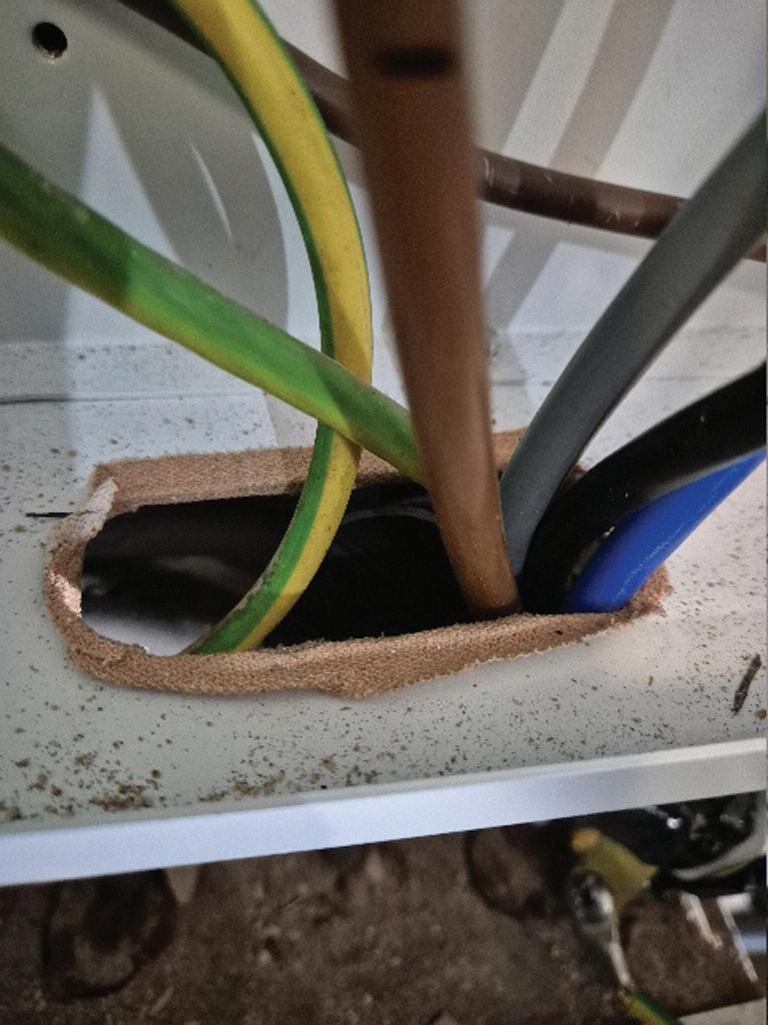
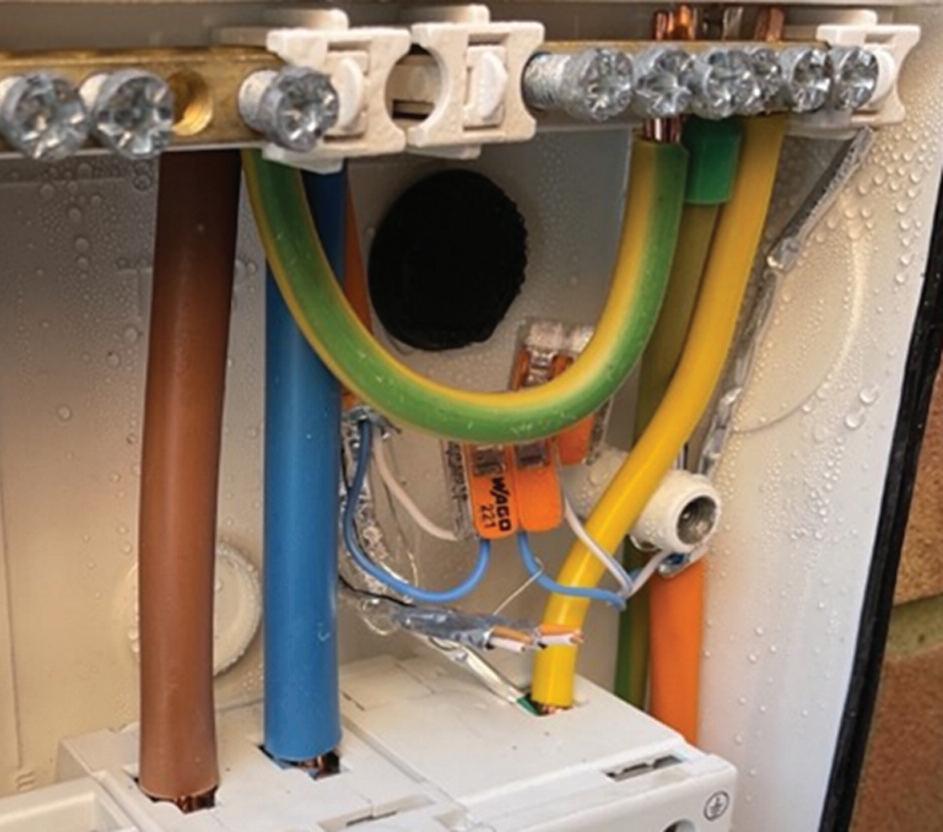
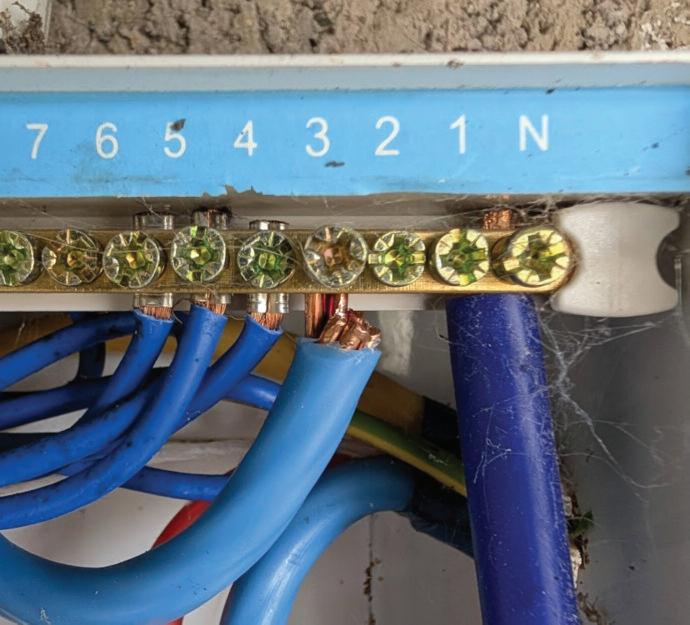
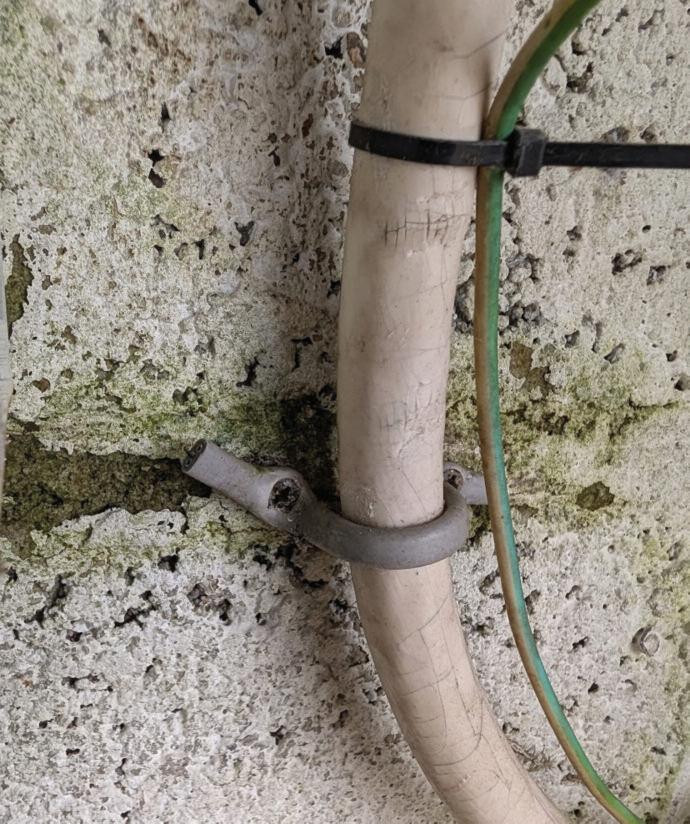
BRUCE FERROSSA: NO, YOUR EYES ARE NOT DECEIVING YOU, THAT REALLY IS ELASTOPLAST JUST IN CASE THE CABLES GET HURT HMMM!!! THIS BOARD WAS ONLY FIT
TED AROUND A YEAR AGO
For elec trical installations to comply with BS 7671, Regulation 134 1 1 requires that good work manship and proper materials shall be used in the erec tion of installation. As par t of the initial verification, and before being put into ser vice, the installation must be appropriately inspec ted and tested to verify that it meets the requirements of BS 7671
I t is of ten surprising the ex tent to which some installers will go to, in order to complete work without meeting these fundamental requirements
I n this case there is no justification for the use of materials such plasters when a wide range of proprietar y accessories are available to protec t cables against abrasion from the sharp edges of consumer units, distribution boards and associated equipment.
Although the plaster may provide some level of protec tion, it is not designed for this purpose. I t should therefore be a recommendation to replace with a produc t meeting the appropriate produc t standards
Another consideration in this scenario is the excessive aper ture in the base of the consumer unit/distribution board This is likely to exceed IP2X, potentially allowing access to live par ts
Therefore, the appropriate classification code would be a C3 improvement recommended for the unsuitable material providing abrasion protec tion but also a C2, Potentially dangerous, urgent remedial ac tion required due to the excessive hole exceeding IP2X.
Need help with cracking those all-impor tant EICR codes? Ever y month the technical team at NAPIT will be studying your latest ‘Caught on Camera’ photos and offering advice on the next steps, should you find a similar installation. If you want the team at NAPIT to help crack your codes then send your pic tures through to us at: pe@hamer ville.co.uk
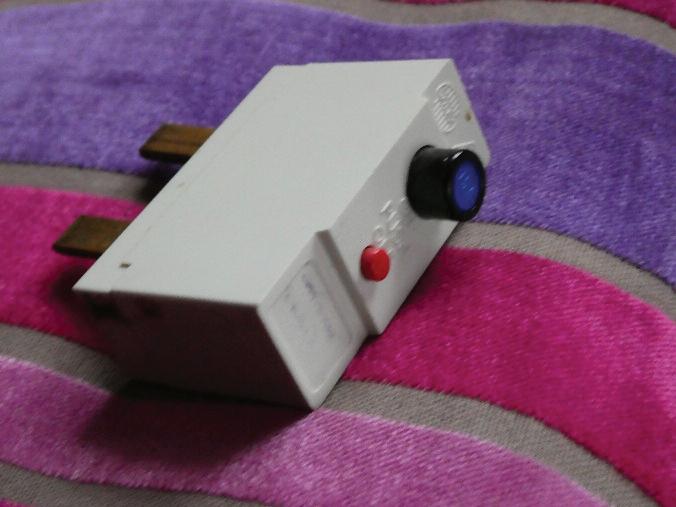
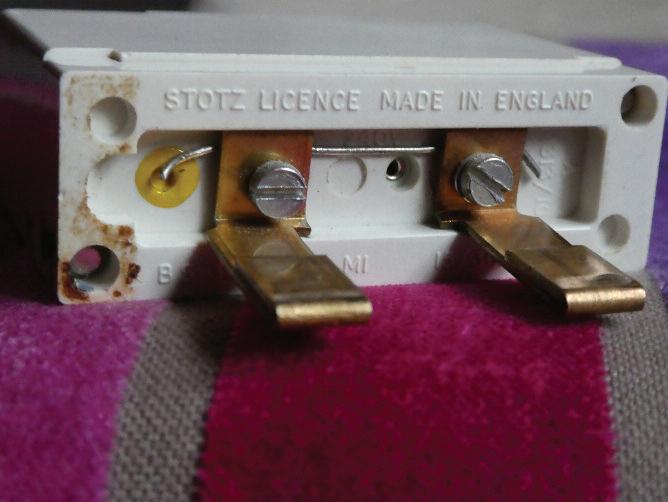
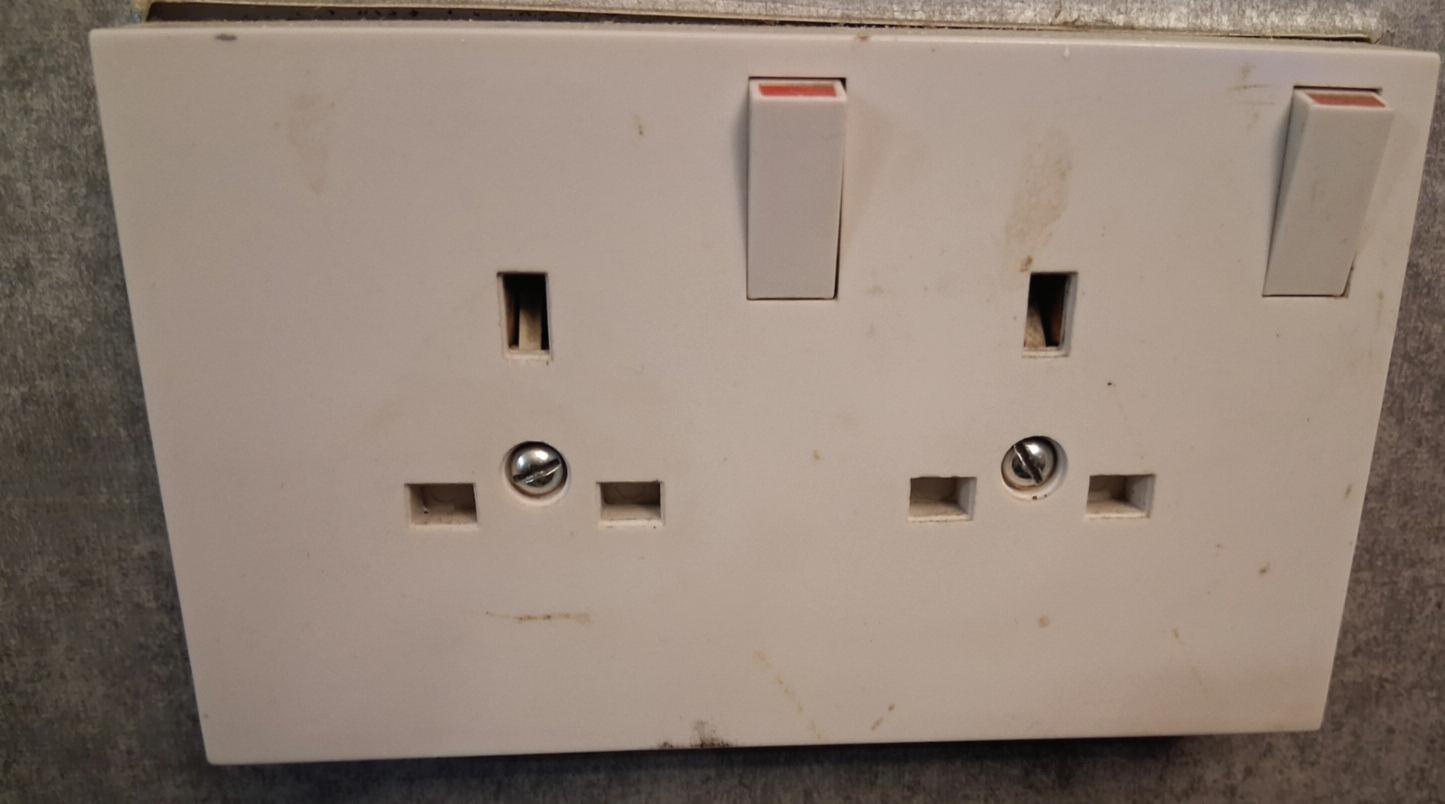
MARTYN GUEST: A LIT TLE LATE, BUT I FOUND THIS WHEN STARTING A REWIRE A FEW YEARS AGO. IT TOOK ME A WHILE TO WORK OUT WHY THE SOCKETS REMAINED LIVE AFTER TURNING OFF EVERY MCB!
of device t ypes are, and have been, available that meet these requirements
E
c t
an item of equipment that meets the appropr iate produc t
standards.
This dangerous modification is shown, where a sec tion of
wire (which does not appear to be a fuse wire), has been used to bypass the operation of the protec tive device This
presents a significant r isk of elec tr ic shock and fire within the
premises
This appears to be a case of a failed protec tive device
where the person car r ying out the repair either did not have,
or could not obtain, a suitable replacement and instead
car r ied out a potentially lethal modification.
A homeowner or tenant would be unaware that the
socket- outlet circuits are no longer provided with overcur rent
protec tion.
Therefore, the appropr iate classification code woul
Observations, Regulation infringements and Codes applicable to this observation would be:
The A2:2022 18th Edition Codebreakers publication is priced at £22.00 (members) and £24.00 (non-members). It is available in both hard copy and digital versions * Price is VAT exempt and excludes postage and packaging.
CABLE CALCULATIONS –WORKED EXAMPLES
Jake Green, Head of Technical Engagement at Scolmore Group, provides the second of several articles looking at the process of determining suitable cable sizes for an electrical installation.
In t h i
o f a s i n g l e - p h a s e c i r c u i t w i l l b e
u s e d t o d e m o n s t r a t e t
Example
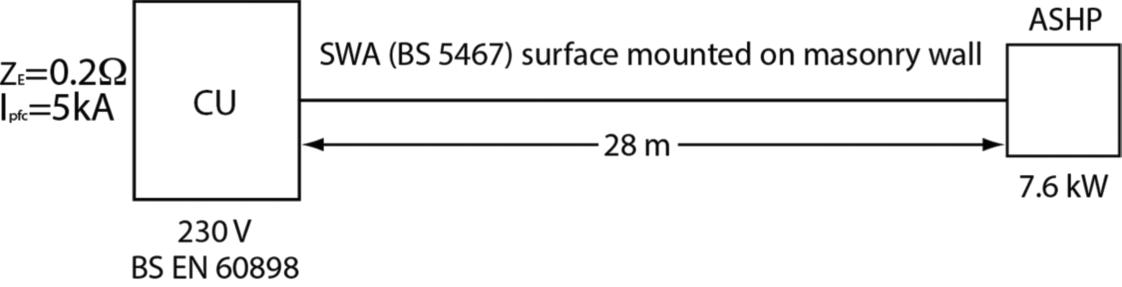
An air-source heat pump (ASHP) having a rating of 7 6 kW, 50 Hz, 230 V AC is to be installed in a dwelling.
The circuit is to be wired in steel-wire armoured (SWA) cable conforming to BS 5467 and is surface mounted on a masonry wall and grouped with one other circuit It is to be assumed that the ambient temperature is 30°C
The length of run between the consumer unit and ASHP is 28 m The local consumer unit contains circuit-breakers conforming to BS EN 60898. The Earthing system is TN-C-S having a measured external earth fault loop impedance of 0 2 Ω The measured prospective short-circuit current is 5 kA
temperature is 1.0 Cable SWA to BS 5467
1) Design current
2) Select a suitably rated overcurrent protective device In ≥ Ib In = 40
3) Determine cable cross-sectional area
Refer Regulation Group 525 and Clause 6 4 Appendix 4 BS 7671 Permitted voltage drop is 5% of nominal voltage (230 V) This allows for a maximum 11 5 V
4) Select a cable cross-sectional area of sufficient size to carry 50 A.
The basic process is as follows:
From Table 4A2 Appendix 4 BS 7671, the Installation Method is C (multi-core cable fixed on or spaced less than 0 3x cable diameter from a masonry wall)
From Table 4C1 Rating factor for grouping is 0 8
From Table 4B1 Rating factor for
Reference Column 2 1 two-core cable, single phase. Table 4D4A Appendix 4 BS 7671 since the conductor operating temperature is 70 °C (Strictly speaking Table 4E4A should be referenced for cables to BS 5467, however since the
temperature is limited Table 4D4A is used). 10 mm2 cable carries 67 A
5) Determine voltage drop
From Table 4D4B column 3 10 mm2 has a voltage drop of 4 4 mV/A/m
Determining the size of the circuit protective conductor
Where the protective measure is Automatic Disconnection of Supply (ADS), further consideration will need to be given to whether, or not, the selected protective device will operate within the time permitted by Table 41 1 for a TN system
Table 41.1 requires that the selected protective device must operate within 0 4 s (Regulation 411 3 2 2 refers) It is permitted for the armouring of a SWA cable to be used as a circuit protective conductor Indeed, it is a rare typical circuit in which the armouring is insufficient in size
In subsequent articles we will consider how to determine the earth fault loop impedance of a circuit.
Conclusion T
Dr. Zzeus
IN THIS REGULAR COLUMN, DR. TOM BROOKES, MD AT ZZEUS TRAINING AND CHAIRMAN OF THE BSI TECHNICAL COMMITTEE FSH 12/1
INSTALLATION AND SERVICING, ANSWERS YOUR QUESTIONS RELATED TO FIRE SAFETY. IN THIS MONTH’S EDITION HE OFFERS ADVICE ON EXTENDING OR MODIFYING EXISTING FIRE ALARM SYSTEMS.
Q: When extending or modifying a fire alarm system, what does BS 5839-1:2025 actually require, and where do engineers get it wrong?
The key principle in BS 5839-1:2025 is simple:
You are responsible for the work you carry out – and its impact on the system!
Extensions and Modifications under BS 5839-1:2025 – Section 7 Clauses 45 & 46
During the lifecycle of a fire detection and fire alarm system, change is inevitable Buildings are altered, layouts evolve, and system performance is refined in response to operational requirements or false alarms
In these circumstances, engineers are often required to extend or modify an existing system. While these tasks may appear routine, the 2025 edition of BS 5839-1:2025 makes it clear that they carry significant responsibility and must be approached with care
An extension involves adding to the system, such as installing additional detectors, extending circuits, or protecting new areas A modification involves altering the existing system, for example, by changing detector types, relocating devices, or adjusting cause-and-effect programming The distinction is important, as the standard applies different expectations to each.
A key principle within Clause 45 is that, when extending a system, only the new work is required to comply with the current standard The existing
installation may remain unchanged, even if it doesn’t fully conform However, this shouldn’t lead to complacency
Where the extent of an extension is significant, particularly if it approaches the scale of the original installation, consideration should be given to upgrading or replacing the system, especially where it falls well short of current recommendations
In practice, one of the most critical risks associated with extensions lies in system compatibility. This is particularly evident in addressable and networked systems, where extending circuits using cable with different electrical characteristics can introduce communication issues.
Variations in impedance can result in unreliable data transmission, intermittent faults, and long-term instability. Where the original cable type is no longer available, it may be necessary to replace the entire circuit rather than attempt a partial extension.
Responsibility for extension work must rest with a competent person who understands system design principles and is familiar with the requirements of the standard Following completion, the system should be recommissioned to confirm that the extension hasn’t adversely affected the existing installation
This includes checks on system loading, battery capacity, signal integrity, and cause-and-effect operation An extensions or modifications certificate should then be issued to formally record the work undertaken.
Modifications, addressed in Clause 46, carry an even greater level of
responsibility because they effectively involve an element of redesign
Whether the change is physical or relates to system configuration, the impact on the overall system must be carefully assessed The standard requires that the user is informed of any proposed modification and that their agreement is obtained before work proceeds
A key challenge with modifications lies in software and configuration changes Even minor adjustments to cause-and-effect programming can introduce unintended consequences elsewhere in the system. For this reason, testing must extend beyond the immediate area of work Additional checks are required to confirm that the wider system hasn’t been compromised, including circuit integrity and power supply capacity
Documentation is another critical requirement. Following any modification, all relevant records should be updated, including as-fitted drawings, system configuration, and operation and maintenance manuals. Importantly, modifications must not introduce new non-conformities
Ultimately, both extensions and modifications require a professional approach that considers the system as a whole Engineers must ensure that their work doesn’t compromise the integrity, reliability, or compliance of the installation
Q & A
NICEIC FAQs
Each month, our team of expert, technical engineers answer essential questions
Each month, our team of expert, technical engineers answer essential questions that have been put to them by NICEIC-certified businesses. Let’s take a look at some of the latest queries.
Q
A
Overload current
Q We are working in a domestic apartment block and have been questioned over the types of cable supports that we have installed. Within the communal area where a suspended ceiling is to be installed, we have supported the cables using steel ties to a cable tray system. Within the individual apartments, where a solid plasterboard ceiling is to be installed, we have used cable anchors and plastic ties. Should these also be steel ties?
‘An overcurrent occurring in a circuit which is electrically sound’ is the BS 7671 definition of what?
Q
A
Part 2 Definitions in BS 7671 gives the following definitions:
A Regulation 521.10.202 requires that all wiring systems shall be supported in such a way that, in the
Overcurrent
A current exceeding the rated value. For conductors the rated value is the current carrying capacity
collapse and result in an entanglement risk. Typically, for cables that are installed above a plasterboard ceiling, it is likely that the means of
Overload current
An overcurrent occurring in a circuit which is electrically sound
the cables are contained within the ceiling void, and the plasterboard is intact, they are protected from the
Fault current
A current resulting from a fault
It should also be noted that even in the event of the plasterboards failing, the cables will pass through joists, where this is necessary for their routing, further limiting
Can a 10 mm² aluminium single core cable be used as a protective conductor?
No
Q We have been asked to install some additional lighting on existing circuits within a school. All of the additional lighting will be installed using surface-mounted conduit. However, the existing circuits that we are extending are wired using thermoplastic insulated and sheathed cables buried in the walls. Do we need to upgrade the circuits to include additional protection?
BS 7671 regulation 543 2 1 states that:
A protective conductor may consist of one or more of the following:
A The alterations/additions that you are undertaking on the existing circuit(s) would need to meet the requirements of BS 7671 (641.5).
(a) A single-core cable
However, this would not necessarily require the existing circuit to be upgraded, provided that there
(b) A conductor in a cable
(c) An insulated or bare conductor in a common enclosure with insulated live conductors
(d) A fixed bare or insulated conductor
in accordance with the requirements of regulation
A protective conductor of the types given in items (a) to (d) of Regulation 543.2.1, which includes single core cables, having a cross-sectional area less than or equal to 10 mm2 must be of copper (543 2 4)
If you are an NICEICfor convenient CPD resources, scan the QR
WHY DO LED LIGHTS FLICKER?
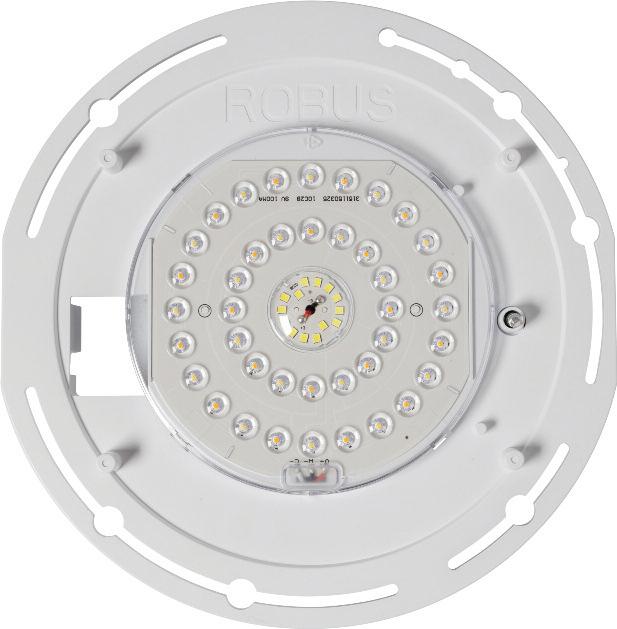
Ever had a “simple job” turn into a major headache? A few years ago, a ROBUS team member was troubleshooting flickering on a ground-floor lighting circuit After hours of fault-finding, the cause turned out to be a poor connection amongst a group of downlights hidden above the ceiling and tied into the same run!
It later became clear they’d been deliberately concealed to increase the dimmer load and bring it into its compatible range
The client didn’t even realise those hidden lights were drawing an extra 50 W – with no usable light to show for it
It’s an unusual fault, but it highlights something important: flicker isn’t always where you expect it to be, and without a clear process, it’s easy to lose time chasing
the wrong cause
In this article, we’ll walk through a practical step-by-step checklist to help you find and fix LED flicker fast
Start with the most likely causes:
1ST CHECK: LOOSE CONNECTIONS
Loose terminations are one of the most common causes of flicker When a connection isn’t tight, the metal-to-metal contact can be poor or intermittent (and can even arc slightly under load).
That increases resistance and causes unstable voltage or brief interruptions in supply – something LEDs and drivers show as flicker
If you’re very lucky, a lamp may just need a small twist to seat properly If not, here’s how to locate the cause
In this article the experts at ROBUS look at what might be causing LED lights to flicker and how to fix the issue fast.
How to check
Isolate and prove dead. Then re-check the whole loop: at the switch (common, switched live, neutrals if present), at each fitting (especially neutrals), and in any junction/maintenance-free connectors
Look and feel for loose conductors, browned insulation, melted terminals, or a “hot” smell Re-terminate as required, then load-test and confirm the flicker is gone
Common hotspots: First fitting on the run, last fitting (loose loop-out), switch back box, any connector hidden above ceilings, and any borrowed/shared neutral points
2ND CHECK: DIMMER INCOMPATIBILITY
Dimmer incompatibility isn’t just about wattage, it’s about how the dimmer controls the power, and how the LEDs and/or driver reacts to it
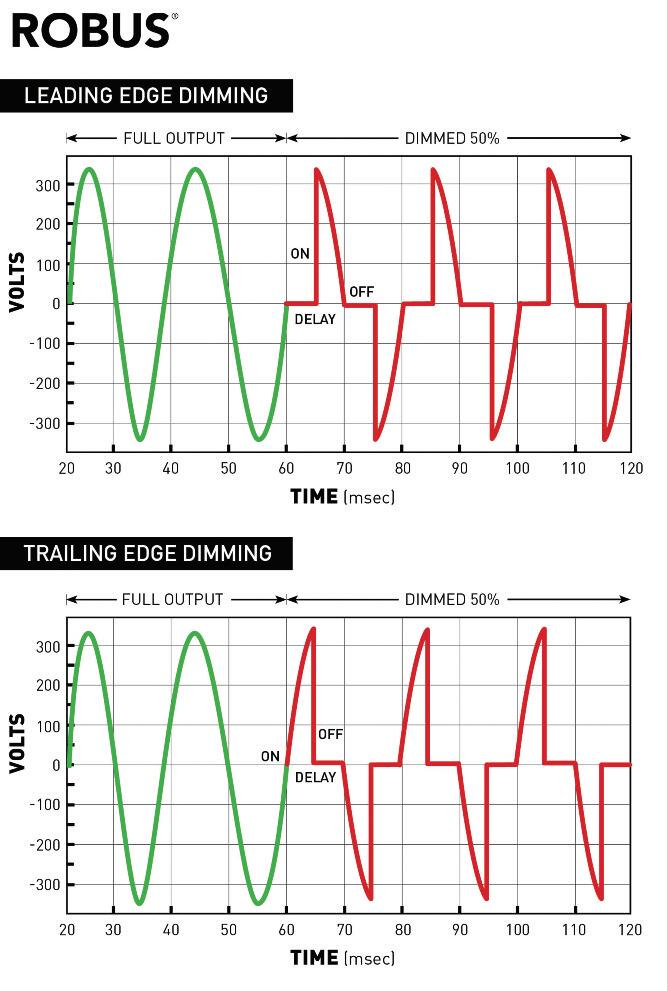
Older leading-edge (triac) dimmers “chop” the mains waveform, which can make some LED drivers buzz, shimmer, pulse, or drop out – especially at lower dim levels
Some LEDs need a trailing-edge dimmer, or a completely different control method (e.g., 0-10 V or DALI), so the LEDs and dimmer must be matched
How to check
To begin with, confirm a dimmer is actually in the circuit! Then bypass it temporarily (fit a suitable switch link or test with a working non-dim switch) and re-test for flicker If the flicker disappears, it strongly indicates that the dimmer is the source of the problem. This means the flicker is not caused by the LED fittings or wiring, but rather by incompatibility between the dimmer and the LED load
The next step is to check if the dimmer is the right type for the LEDs (leadingedge/triac vs trailing-edge), confirm it is rated for LED use, and ensure the connected load falls within the dimmer's minimum and maximum specifications. Where possible, test with a dimmer model listed as compatible by the LED/driver manufacturer
Common hotspots: “Universal”/old triac dimmers, multi-way (2-way/intermediate) dimmer setups, smart dimmers, and dimmers without a neutral (more prone to nuisance behaviour at low loads)
3RD CHECK: MINIMUM LOAD ISSUES
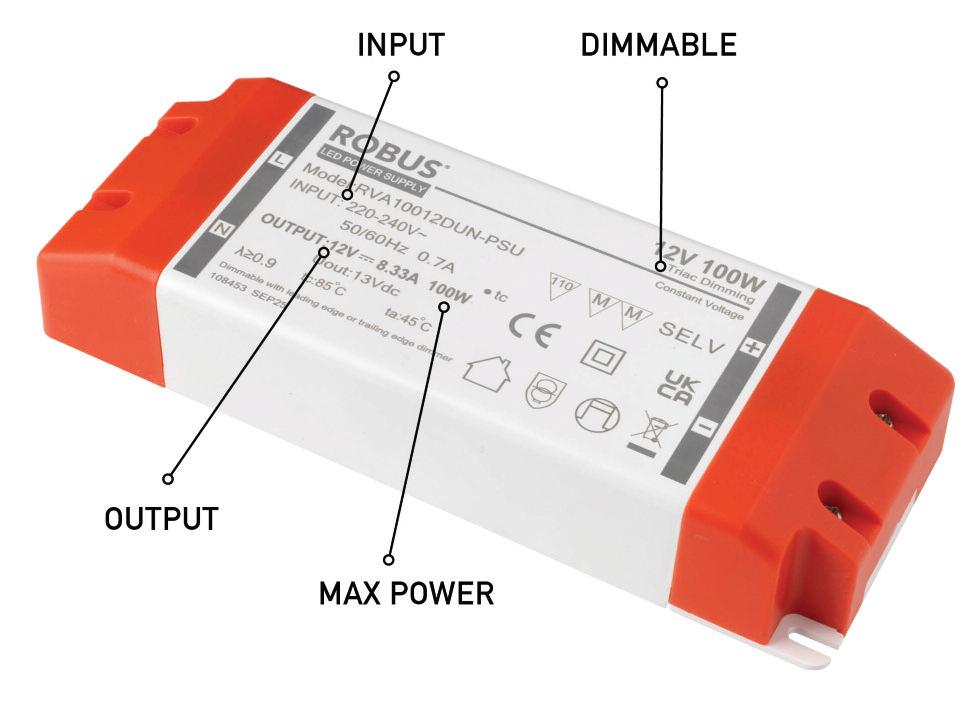
Dimmers, drivers, and even smart switches often specify a minimum load to operate correctly. If the connected LED load is too small, the control electronics may “hunt” (constantly searching for a stable operating point and over-correcting), causing shimmer, pulsing, or flashing – especially at low dim levels
Even if the LEDs meet the minimum load at full output, dimming down reduces the power draw. If the load drops below the dimmer’s minimum operating level at low settings, the dimmer can struggle to regulate the LEDs smoothly, resulting in flicker, pulsing, or sudden jumps in brightness near the bottom end
How to check
How to check
Identify the driver type and rating (constant current vs constant voltage, output range, dimmable/non-dimmable) and confirm it matches the fittings on the circuit
Add up the actual connected load on the dimmer/driver (LED wattages or driver output load), including any fittings on the same switch line Compare that total to the dimmer/driver’s stated minimum load
If you’re under the minimum, test by temporarily adding load (where appropriate) or by swapping to an LED-rated dimmer/driver designed for low loads
Common hotspots: Only 1-2 LED fittings on a dimmer, very low dim settings, noneutral smart controls, and circuits where extra fittings were added/removed over time (load no longer matches what the dimmer was originally sized for)
4TH CHECK: DRIVER MISMATCH
Flicker can come from an LED driver that’s the wrong type or is being pushed outside its operating range.
Common issues include using a non-dimmable driver on a dimmed circuit, mixing constant-current and constant-voltage components, or exceeding driver limits due to too many fittings
Alternatively, low-quality drivers can introduce flicker – even on a stable supply – due to poor internal regulation
Check for overload (too many fittings) or underload (outside the driver’s operating range) If the circuit is dimmed, confirm the driver is dimmable and compatible with that dimming method. Swap in a trusted, correctly rated driver to confirm.
Common hotspots: Non-dimmable drivers on dimmer circuits, mixed driver types on the same control, long cable runs causing voltage drop on 12/24 V systems, and incorrect replacement drivers fitted during maintenance
FINAL CHECK: SUPPLY STABILITY
If everything checks out, consider the supply Voltage fluctuations, shared circuits, or interference from other loads can all cause LED flicker – even when the fittings and controls are correct
The best way to avoid flicker call-backs is to start with proven, compatible gear Stick to trusted manufacturers (like ROBUS), follow the stated dimmer/driver compatibility guidance, and keep the load within spec.
Then the only flicker faults you’ll be chasing are the special case Fridayafternoon head-scratchers
BROWSE OR DOWNLOAD THE 2026 ROBUS LIGHTING CATALOGUE AT:
GRID GETAWAY
Steve Humphreys, Technical Commercial Manager at NAPIT, explains how battery storage systems can safely operate in island mode. From isolators to earth electrodes and system referencing relays, he outlines the key components that ensure automatic disconnection of supply (ADS) protects essential circuits when the grid goes down.
With so many battery inverters and all-in-one systems, it can be difficult for designers and installers to select a system that provides the required fault protection against electric shock in island mode Island mode occurs when the battery storage system operates independently from the main grid supply When the grid supply is lost, the battery system supplies power to essential consumer loads, effectively creating an “island” of power
This article looks at how fault protection through automatic disconnection of supply (ADS) can be achieved using three critical
components operating in the correct sequence
Island mode isolator
An island mode isolator is required to meet the requirements of Section 551 of BS 7671, that deals with low voltage generators and Regulation 21 of the Electricity Safety, Quality and Continuity Regulations (ESQCR) Regulation 21 of the ESQCR states:
Suitable precautions may include one or more of the following:
“Where a person operates a source of energy as a switched alternative to a distributor’s network, they shall ensure that the source of energy cannot operate in parallel with that network and where the source of energy is part of a low voltage consumer’s installation, that installation shall comply with British Standard Requirements ” BS 7671 and Regulation 551.6.1 go into more detail on how to achieve this by stating:
Precautions shall be taken so that the generator cannot operate in parallel with the system for distribution of electricity to the public.
l An electrical, mechanical or electromechanical interlock between the operating mechanisms or control circuits of the changeover switching devices
l A system of locks with a single transferable key
l A three-position break-before-make changeover switch
l An automatic changeover switching device with a suitable interlock
l Other means providing equivalent security of operation
During island mode, the isolator must disconnect all live conductors, including the neutral, to prevent backfeeding into the grid and protect anyone working on the distribution system, such as line workers
Relays alone do not meet the requirements of the ESQCR Regulations 21 and 22, or appropriate British, CENELEC or IEC Standards in BS 7671
The isolator must meet the requirements of BS 7671 and specifically Table 537 4
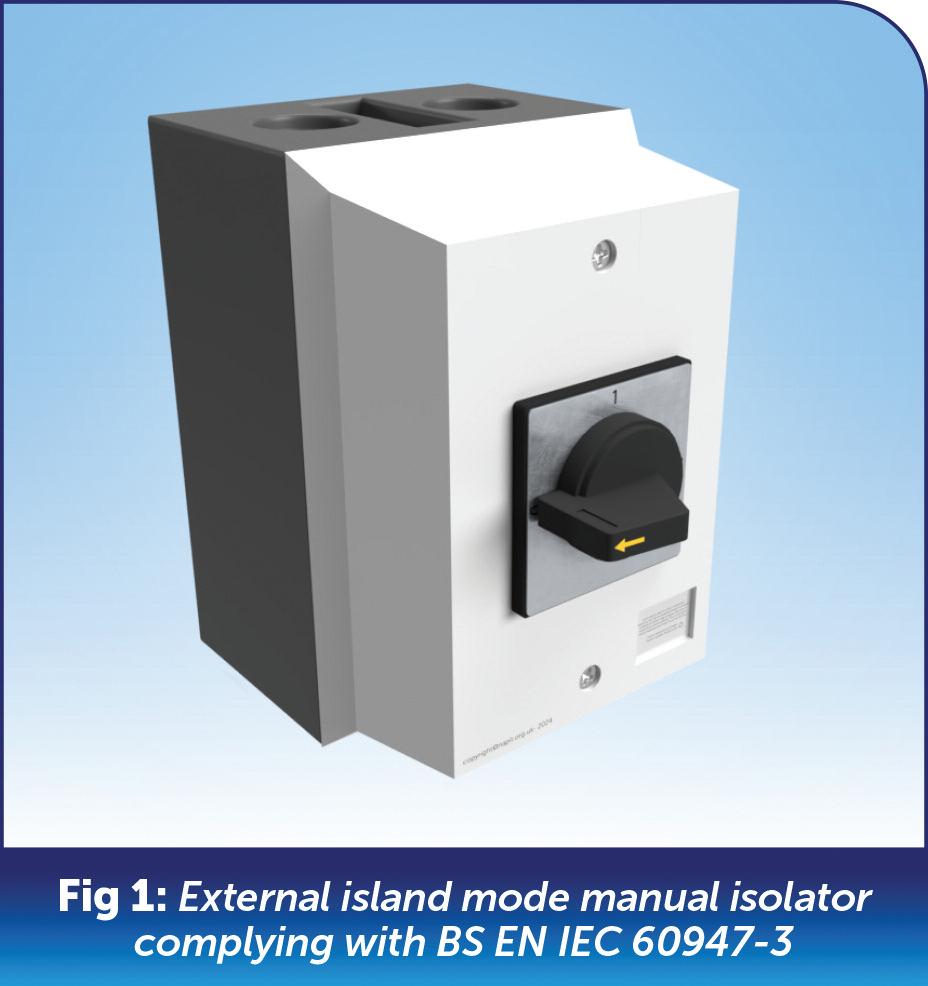
The isolator could be integral to the inverter in the form of a contactor that complies with BS EN IEC 60947-4-1 or an external manual switching device complying with BS EN IEC 60947-3, see Fig 1
Consumers earth electrode
In island mode the battery storage system will need to be provided with a means of earthing
This is often overlooked in the design
of systems that are capable of supplying back-up power in the event of the grid supply being lost. It stands to reason that any essential loads being supplied during island mode still need to have fault protection
BS 7671 tells us that during a loss of grid supply the distributors earth connection cannot be relied upon This is stated in Regulation 551.4.3.2.1:
operation In island mode we cannot have two neutral connections to protective earth at the same time. Ultimately this will help prevent circulating neutral currents, unwanted tripping of RCDs and reduce the risks for DNO engineers working on the network
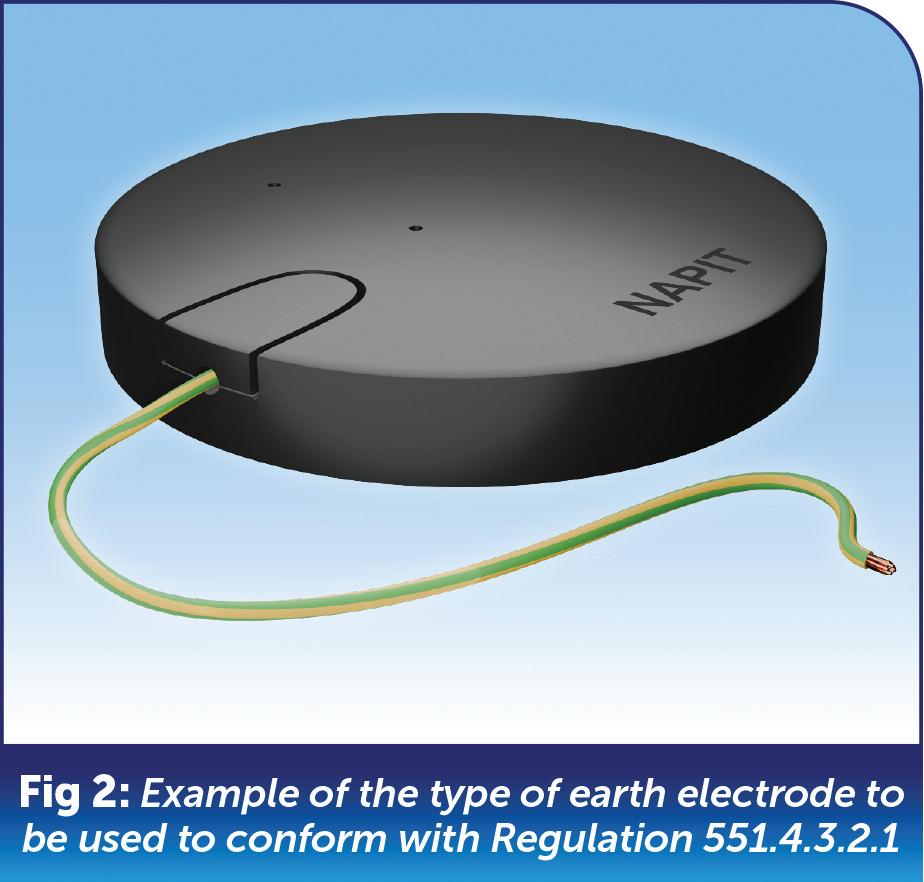
This means that a consumer’s earth electrode shall be provided for TN systems, as shown in Fig 2
The consumers earth electrode shall be connected to the main earthing terminal, and the earthing conductor shall be suitably sized in accordance with Chapter 54 of BS 7671
In TT systems, the existing consumers earth electrode can be used if its suitability has been confirmed, i.e. stable with a low resistance (not exceeding 200 Ω)
System referencing relay
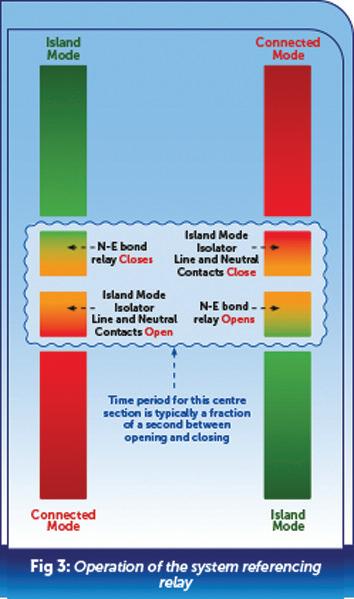
The system referencing relay, previously known as the neutral/earth bond relay, is a component part of the system that is integral to island mode
The system referencing relay must:
l Close immediately after the island mode isolator opens for island mode operation
l Open immediately before the island mode isolator closes for connected operation
The system referencing relay contact should be rated to be capable of making or breaking the largest sum of the prospective currents from all sources capable of simultaneously operating in parallel.
The system referencing relay should be connected between neutral and protective earth as near to the output of the inverter as possible
Bringing it all together
e x p l a i n e d w h a t t h e y d o , w e c a n
b r i n g t h e m a l l t o g e t h e r t o s h o w
h o w t h e y w o r k i n u n i s o n .
1 O n c e t h e g r i d s u p p l y i s l o s t , t h e
i s l a n d m o d e i s o l a t o r w i l l d i s c o n n e c t
a l l l i v e c o n d u c t o r s
2. The system referencing relay closes immediately after the island mode isolator opens (typically within a fraction of a second) This ensures only one neutral is connected to the protective earth
3. The consumers earth electrode has now become our reference point between the neutral of any essential circuits to true Earth
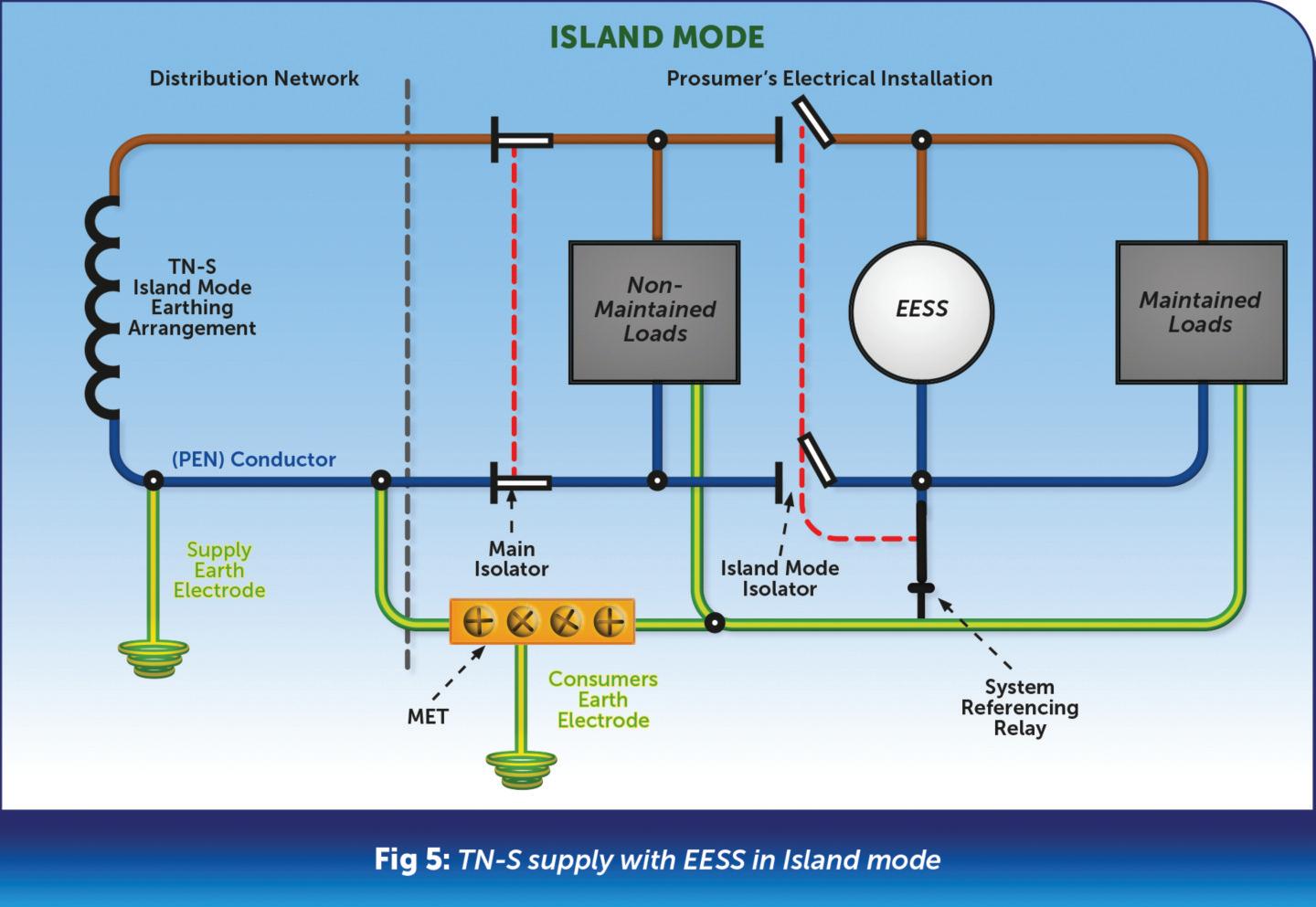
4 In island mode, a TN-S earthing arrangement has now been created
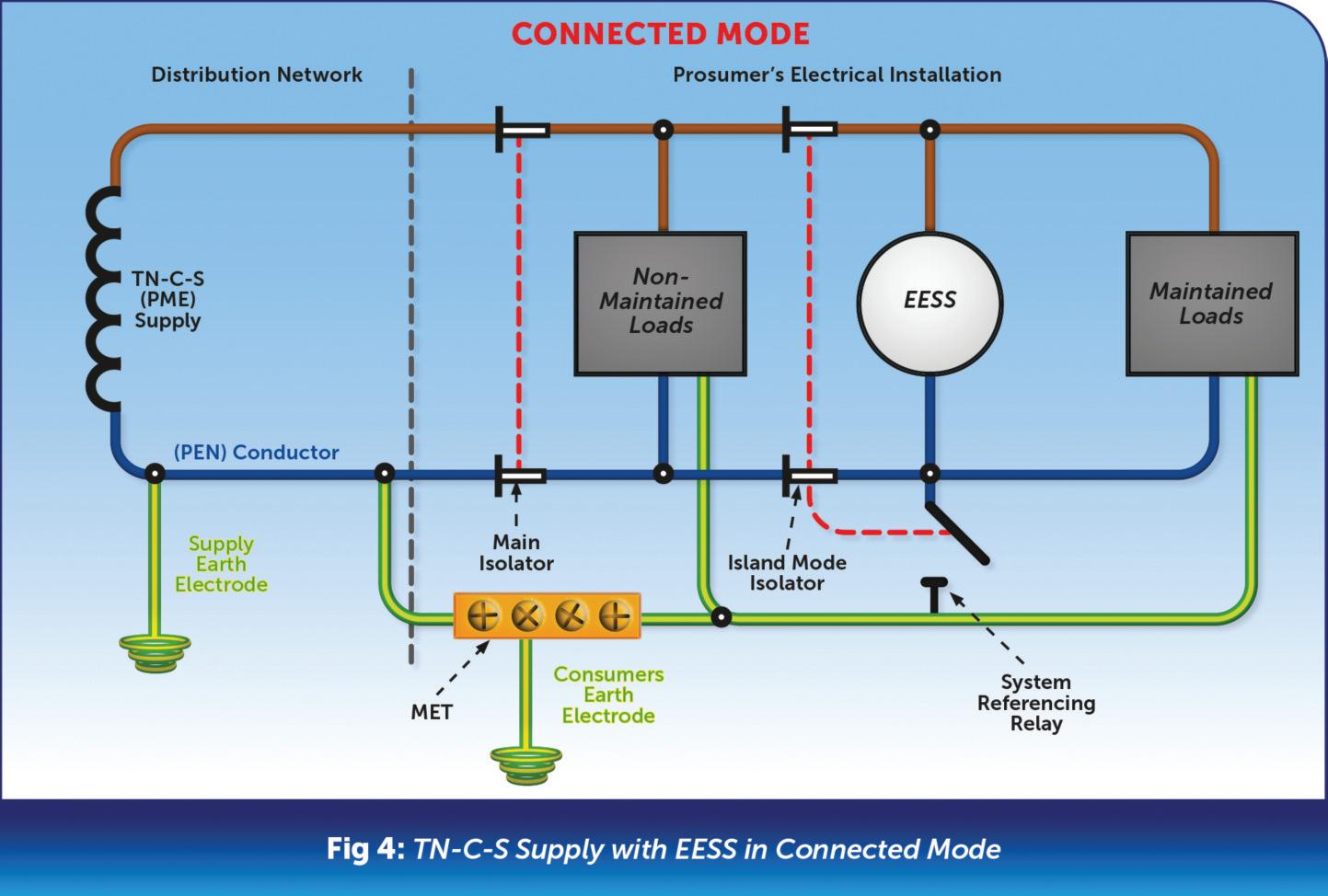
The diagrams in Fig 4 and Fig 5 show the differences between Connected and Island modes using TN-C-S and TN-S
arrangements For all connected mode supply earthing arrangements, it is recommended to switch to a TN-S earthing arrangement in island mode
Where PME conditions apply in connected mode, these conditions will remain in island mode, because for TN-C-S and TN-S supplies the installation remains connected to the distributor’s means of earthing.
However, as stated earlier in Regulation 551 4 3 2 1, the suppliers earth connection cannot be relied upon in island mode, it may be lost or become unreliable, so the system needs a new, dedicated earth to protect against electric shock.
Now that we have an earth reference point in island mode, along with suitable protective devices, essential circuits being supplied by the battery storage system will have fault protection by automatic disconnection
of supply (ADS)
A word of caution, some inverter manufacturers claim the consumer earth electrode and system referencing relay are unnecessary This type of inverter may use a ‘floating voltage’ arrangement that is unearthed during island mode operation, similar to an IT system
This type of system is not suitable for domestic battery storage systems and may violate BS 7671, The Electricity at Work Regulations (EAWR) and The Electricity Safety, Quality and Continuity Regulations (ESQCR)
Conclusion
Essential circuits being supplied during island mode still need to have fault protection Therefore, designers, installers and inspectors need to consider how fault protection is achieved during island mode operation of battery storage systems.
In this article we have shown how fault protection, using ADS, can be achieved in island mode by selecting the correct equipment and component parts and ensuring they operate correctly and safely
FOR MORE INFORMATION ON NAPIT SCHEME REGISTRATION VISIT: WWW.RDR.LINK/EBZ015
CPD ZONE ENDS! SCAN THE QR CODE TO CLAIM YOUR CPD CREDIT FOR THIS EDITION OR VISIT: WWW.RDR.LINK/EBZ016
Working on your own? Need some technical advice? Don’t know where to turn? Ask Megger What it doesn’t know about installing and testing electrical systems isn’t worth knowing Every question will be answered by the Megger Technical Team, and the best will be published in Professional Electrician So, take advantage of the ‘ every question answered’ guarantee today Email your questions to: meggermeasures@hamerville co uk
You ask:
I’M THINKING OF BUYING A NEW MULTIFUNCTION INSTALLATION TESTER, BUT I’M INCREASINGLY WORKING ON INSTALLATIONS THAT INCLUDE PV SYSTEMS. WITH THIS IN MIND, WHAT SORT OF TESTER SHOULD I CHOOSE?
Megger says:
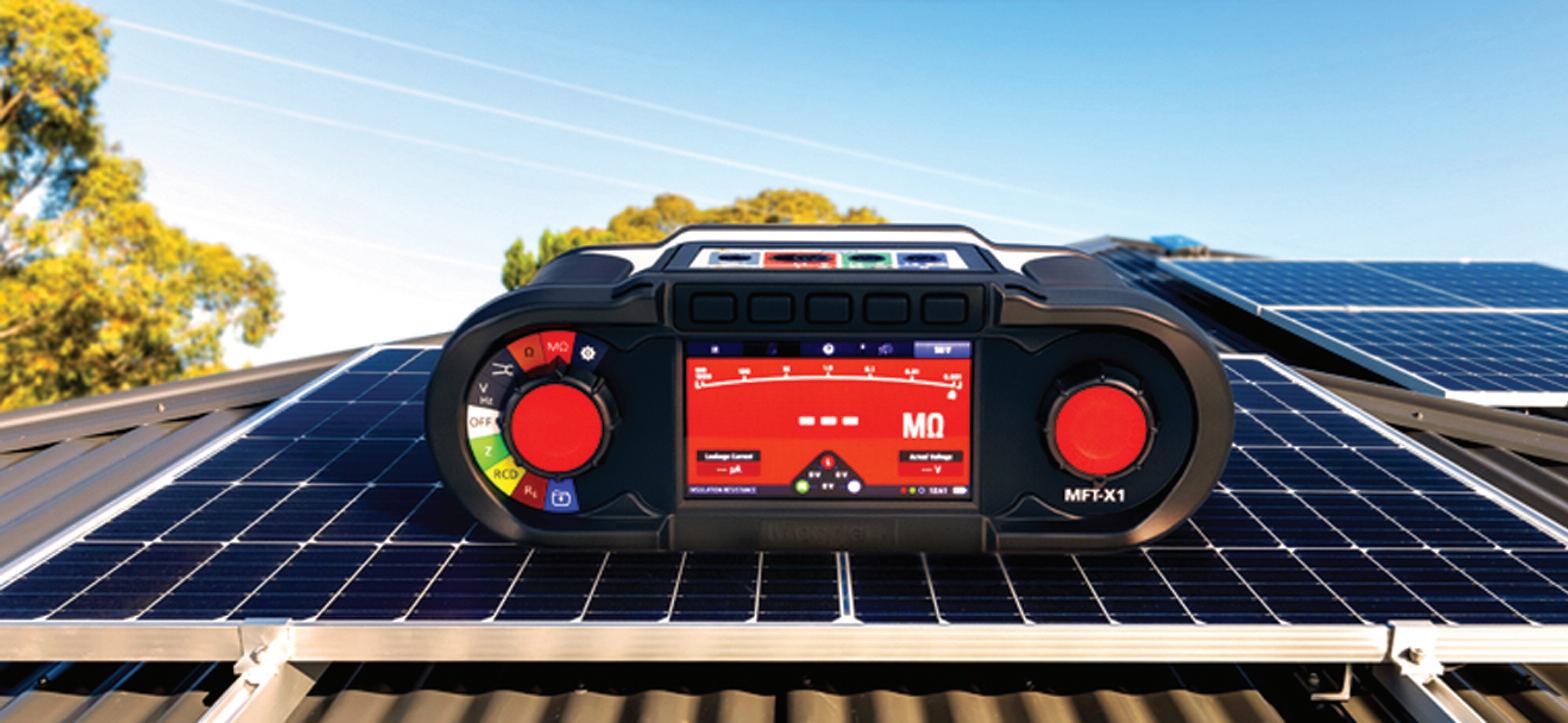
We would recommend the latest Megger MFT-X1 A common problem with PV installations is electrical noise, which makes it difficult to get accurate and stable loop impedance readings
The MFT-X1 incorporates True-Loop impedance testing technology that gives fast, reliable results – even in noisy environments It also has Megger’s unique Confidence Meter
As you ’ re performing a measurement, the Confidence Meter constantly checks its stability and provides you with a display that goes from red to amber to green as stability improves When it gets to green, you can be sure the measurement is stable and correct The MFT-X1 also supports non-trip testing for all of the types of RCD you ’ re likely to encounter in PV installations and, for insulation testing, it uses a stabilised voltage source This is important because if insulation test voltages are not accurately controlled, you could have spikes or under voltage being applied during the tests, giving you inaccurate readings The MFT-X1 is an excellent choice for testing all types of low-voltage installation, whether or not they include a PV system It’s intuitive in operation, it has a full range of features, and it integrates closely with Megger’s CertSuite software which makes preparation of reports and certificates fast and easy
CONSIDERATIONS FOR WHERE CONSUMER UNITS ARE INSTALLED OUTDOORS
This article from the experts at NICEIC considers the factors that must be taken into consideration when installing equipment such as consumer units on the outside of a premises to facilitate the connection of alternative sources of supply and the charging of electric vehicles to an existing electrical installation. It will also consider the various ways in which such an addition to an electrical installation may be carried out in order to conform to the relevant requirements of BS 7671.
Additions to an existing electrical installation such as when installing electric vehicle charging points, heat pumps and battery storage systems can be achieved in different ways These include the following, although not all options may be appropriate at every property:
Use of existing consumer’s distribution equipment
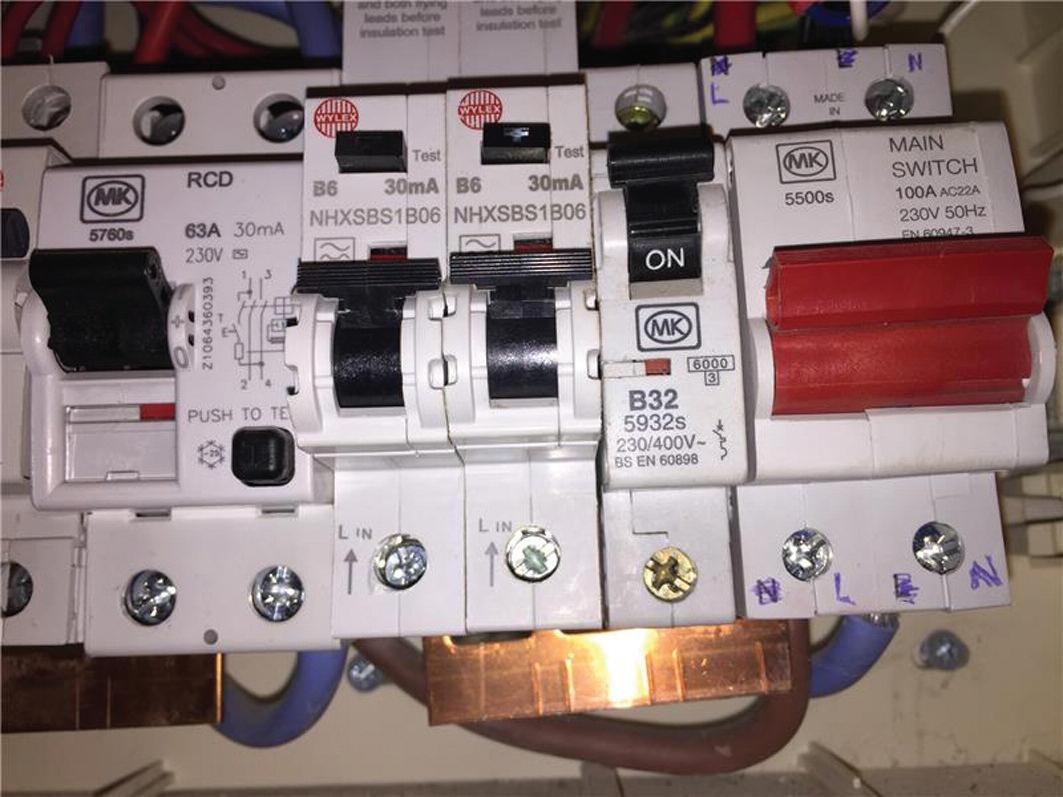
In some cases, there may be sufficient spare capacity and continued availability of compatible equipment such as RCCBs, RCBOs, circuit-breakers and the like to connect the new equipment to an existing consumer unit within the premises
Where this option is to be employed it must be determined that any devices or components to be incorporated into the existing
consumer unit are suitable for such use by the consumer unit’s manufacturer (536.4.203). See Fig 1.
Provision of an additional consumer unit at or near the existing consumer’s distribution equipment
In other cases, there may be sufficient space available, in a suitably accessible location, to install an additional smaller consumer unit near the existing intake equipment and first piece of consumer’s distribution equipment
As is the case with using the existing consumer unit, this option has the benefit of placing all switchgear that may need to be operated by the consumer in the same accessible location
Provision of an additional consumer unit on the exterior of the property On occasion however, neither of the
previous options may be a practical proposition and this, coupled with the physical location of the equipment to be installed in relation to that of the existing first piece of consumer’s distribution equipment, may lead to the installation of a consumer unit on the exterior of a domestic premises
This option will be considered in greater detail in the remainder of this article
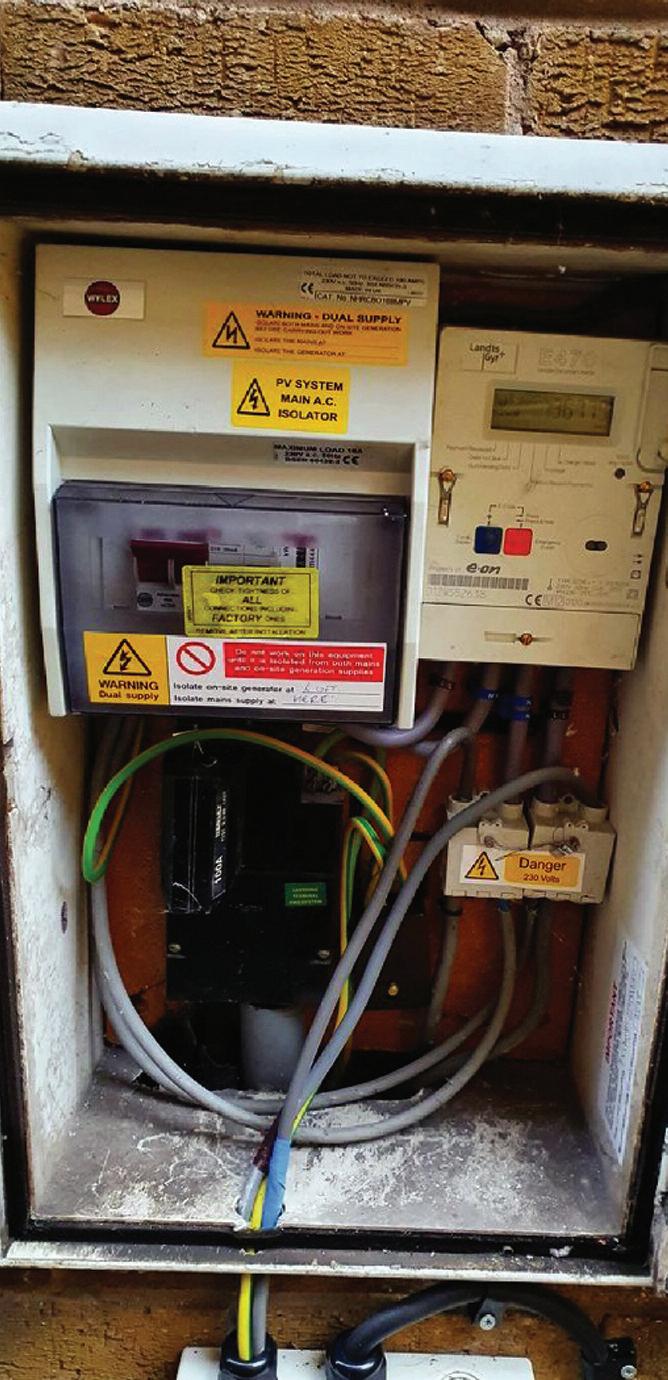
Do not install consumer’s electrical equipment in the external meter cupboard!
A meter cupboard, meeting the requirements of BS 8567:20121 must be provided at the service position of a premises to allow for the installation of the intake and metering equipment
The space allocation within this cupboard allows for the replacement of equipment at the end of its service
life, installation of smart metering equipment and for some degree of future supply capacity upgrade
As defined within the scope of BS 8567:2012, it is the intention that only intake and metering equipment be installed in the meter cupboard. No allowance of space has been made for housing additional equipment not associated with those functions
If a Distribution Network Operator (DNO) or Meter Operator (MOP) attends the premises to carry out work on their equipment and insufficient space is provided within the meter cupboard, work will not be able to proceed The customer will need to organise (at their expense) the removal of unapproved equipment to create the space needed for the work to be carried out
NICEIC strongly recommends that electrical contractors do not install any other equipment within meter cupboards See Fig 2
BS 7671 requirements where consumer units are installed outdoors
Suitability for the environment either intrinsically or extrinsically by provision of supplementary protection
As is the case for any electrical installation work, equipment must either be of a design appropriate to the situation in which it is to be used, or it should be installed in a manner appropriate to any conditions likely to be encountered (512.2.1).
Where equipment is not intrinsically suitable for the external influences to which it will be exposed once installed, it may still be used, however, if it is provided with the necessary degree of protection by other methods. In such cases, any such supplementary protection must not have an adverse effect on the operation of the equipment being protected (512 2 2)
Where a consumer unit is not deemed to be suitable for use externally its installation in such a
location might be acceptable if it was installed within a separate enclosure providing the required degree of protection in respect of, for example, ingress by water or solid foreign particles
However, it would be necessary to confirm that so doing would not have a detrimental effect on the operation of protective devices housed within the consumer unit as it is necessary to ensure proper functioning and reliability of the measures being relied on for protection of the installation (512 2 4)
The following external influences will need to be taken into consideration when installing a consumer unit externally:
Alternatively, the consumer unit could be placed in a location outside the dwelling, but not directly exposed to the weather, such as inside a garage, outbuilding, or under a porch or car port
PD IEC TR 61439-0:2022
Low-voltage switchgear and controlgear assemblies Part 0: Guidance to specifying assemblies is a technical report providing explanations of characteristics of assemblies such as consumer units, guidance on defining desired characteristics and selecting appropriate options to meet the needs of a particular application, and assistance to those specifying such assemblies
Where mention is made to ‘clauses’ hereafter in this article these are references to clauses within this technical report.
Further PD IEC TR 61439-0 states that an assembly may be specified as being suitable for indoor or outdoor locations Any references to the technical report in this article will only relate to suitability for outdoor locations
External influences
● Ambient temperature (AA)
● Presence of water (AD) or high humidity (AB)
● Presence of solid foreign bodies (AE)
● Presence of corrosive substances (AF)
● Impact (AG)
● Presence of flora and/or mould growth (AK) – not discussed in this article
● Presence of fauna (AL)
● Solar radiation (AN) and ultra-violet radiation
Ambient temperature
Electrical equipment, including consumer units, must be suitable for the highest and lowest temperatures to be expected at their point of installation (522 1 1) For outdoor locations, assemblies conforming to the BS EN 61439 series will be designed for use in ambient temperatures of between -25 °C and +40 °C (Clause 8 7)
Presence of water (AD) or high humidity
In general, in respect of presence of water, assemblies are considered
suitable for outdoor use where they provide a degree of protection of at least IPX3 (Clause 8 3) Within BS 7671, this can be seen in the requirements for external influences for outdoor lighting installations (714.512.2.105).
Notably a higher degree of protection of IPX4 is required for PV power supply systems (712 512 102) and EV charging installations (722 512 2 201) It is a general requirement that means must be provided, such as drainage holes at the lowest points of enclosures, wherever water may collect, or condensation may form (522 3 2)
See Fig 3
Simple measures such as only terminating cables or wiring systems such as conduits on the underside of the enclosure or via the back of the unit will minimise the likelihood of water ingress
Assemblies conforming to the
BS EN 61439 series are suitable for operation in conditions of 100 % humidity at between -25 °C and +27 ° C (Clause 8.8).
Presence of solid foreign bodies (AE)
Where equipment is to be installed outdoors it should provide a degree of protection of at least IP3X (714 512 2 105 & Clause 4 1) As was the case for protection against ingress of water, BS 7671 requires a higher degree of protection of IP4X for PV power supply systems (712 512 102) and EV charging installations (722 512 2 202)
In the case of both resistance to ingress by water/humidity and solid foreign bodies, it is essential that the required degree of ingress protection is maintained after installation (522 6 4)
Presence of corrosive substances (AF)
Noting that water is considered to be a polluting substance, equipment constructed fully or partly of metal installed outdoors will be susceptible to corrosion
The likelihood of corrosion taking place will be increased at points where the protective coating has been damaged and not been recoated afterwards; especially so where the atmosphere is salt-laden as would be expected for installations close to the coast (522 5 1)
Ferrous metallic assemblies conforming to the BS EN 61439 series intended for outdoor use are required to be resistant to such conditions (Clause 8 6)
Impact (AG)
For a consumer unit for outdoor use, BS EN 61439-3:20122 requires a minimum degree of protection against
mechanical impact of IK07 (Clause 8 2 1) This minimum degree of protection is also required for solar PV systems (712 512 102)
However, those parts of an EV charging installation installed outdoors are required to be protected against impacts of high severity (AG3), with a minimum degree of protection against impact of IK08 (722 512 2 203)
BS 7671 specifies that, in a fixed installation where impacts of medium severity (AG2) or high severity (AG3) can occur, protection shall be provided by:
(a) the mechanical characteristics of the wiring system, or (b) the location selected, or
(c) the provision of additional local or general protection against mechanical damage, or (d) any combination of the above (522 6 2)
Moreover, the degree of protection provided must be maintained on completion of the installation process (522 6 4) See Fig 4
Presence of fauna (AL)
It is important that any required degree of ingress protection (IP rating)
of equipment is maintained not only to prevent penetration by water and solid objects but also by animals of various sizes. It is an all-too-common occurrence to find that animals ranging in size from small insects and spiders to rodents such as mice have made their way into electrical enclosures and caused damage or operation of protective devices
While maintaining the integrity of an enclosure to prevent entry of the larger rodents is readily achievable, keeping insects, spiders and the like out is more problematic, particularly when providing drainage holes to allow for the escape of water or condensate. As a rule, any entries should be kept as small as is practicably possible
Solar radiation (AN) and ultra-violet (UV) radiation
Equipment installed outdoors will, to some degree, be exposed to direct sunlight (solar irradiance) and UV radiation
Where the degree of exposure is sufficient to cause damage or premature failure, such equipment should be either intrinsically suitable for such exposure or it should be
provided with additional protection sufficient to protect it from damage (522 11)
Enclosures declared suitable for outdoor use conforming to the BS EN 61439 series intended to be exposed to direct sunlight will be manufactured in a manner which makes them suitable for such use (Clause 8.5.3).
Manufacturers’ instructions
Whenever selecting equipment for use in an electrical installation account should be taken of manufacturers’ instructions (510 3) Even where a consumer unit meets or exceeds the minimum requirements for use outdoors in respect of the factors discussed previously in this article, a manufacturer may well still state in the product information that the equipment is only suitable for indoor use
Beware of over-specification!
PD IEC TR 61439-0 warns against over-specifying an assembly:
Specifiers are cautioned against over-specifying their requirements; it may not lead to a more appropriate assembly for their application More onerous requirements for one criterion usually have a negative impact on others.
For example, an outdoor assembly being specified to comply with IP66 of IEC 60529, when a lower IP degree, for example IP33, will suffice, can:
● increase temperatures within the assembly due to the lack of ventilation with the effect that the insulation ages more quickly;
● increase the risk of condensation causing tracking due to there being no ventilation and therefore no air exchange with the environment
outside of the assembly; and
● make the assembly larger and more expensive due to the need to manage the lack of ventilation
IEC TR 61439-0:2022. Clause 4.1
This warning is equally applicable to the selection of such products
Summary
Increasingly, consumer units are being installed outdoors to supply equipment such as electric vehicle charging points, heat pumps and battery storage systems
Oddly, this seems to be the cause of much discussion within the electrical contracting industry. Although, less common in domestic and similar installations, suitably selected and installed electrical equipment is often installed outdoors, returning acceptably long periods of useful service
More latterly, many electrical vehicle charging equipment assemblies have also been installed outdoors and so long as good workmanship and proper materials have been used (134 1 1) and appropriate equipment has been employed to cater for the ambient conditions (section 512) these will also remain serviceable for a considerable time
PD IEC TR 61439-0:2022 provides guidance on defining desired characteristics and selecting appropriate options to meet the needs of a particular application, and assistance to those specifying assemblies
The points covered in this published document of relevance to the selection of consumer units to be installed outdoors are summarised in this article
“IT’S NOT PLUG ‘N’ PLAY”
The UK government is actively working to make plug-in solar photovoltaics (PV) products available in UK retail environments as soon as possible, and the ambition is understandable Affordable, low-carbon domestic generation has obvious appeal against a backdrop of sustained energy cost pressures
However, these aren’t normal consumer appliances, like a kettle, and treating them as such creates risks that aren’t always visible until something goes wrong.
New research from the IET found that whilst almost eight in ten adults feel confident about their home's electrical safety, fewer than a third have had their property checked by a qualified electrician in over a decade Around 18% will daisy-chain extension leads, over 10% use damaged sockets, and 6% ignore warning signs like burning smells or flickering lights.
Plug-in solar PV panels feed generated electricity back into a home's circuits via a standard plug and socket That reversal of power flow is where the complexity begins Many protective devices, such as some models of RCDs, aren’t designed for bidirectional power flow; when power flows back through the circuit, there’s a real risk the device
will not operate correctly during a fault
Circuit loading presents further issues: plug-in solar PV can bypass the conventional overload protective device, effectively allowing a circuit to carry more current than it was designed for With multiple units connected, interactions become harder to predict Whether these systems reliably stop generating during a grid outage also remains uncertain
The fourth Amendment
Together with BSI, we’ve just published Amendment 4 (2026) to BS 7671:2018, reflecting the direction modern domestic installations are heading – smart home tech, stationary secondary battery storage and more complex electrical loads
The IET Wiring Regulations sets the standard for how an installation is designed, built and verified, however, it’s unlikely that plug-in solar was considered when most installations were originally designed.
Responsibility for what is connected to the installation ultimately lies with the householder A product that performs correctly in an installation for which it was designed can behave very differently in one for which it was not
Plug-in solar PV, although available in some European countries, isn’t yet permitted in the UK Whilst there is an
aim to harmonise installation practices, important differences remain between the UK and other European countries.
The types of RCDs historically used in the UK don’t meet the minimum requirements for plug-in solar inverters; not all protective devices are suitable for reverse power flow; the UK has a unique approach to wiring socket-outlet circuits; and the UK standard for plugs and socket doesn’t permit their use for connection of generation by a socket These are safety-critical systems that are now, arguably, being overlooked.
Given what the research tells us about the condition of UK domestic installations, the IET's position is that householders need to understand this risk before they reach the checkout
IF these are permitted, an assessment by a competent electrician, covering wiring condition, the suitability of protective devices for reverse power flow and overload protection, along with any historic DIY alterations, is the only reliable way to establish whether an installation is ready for solar generation
It’s highly likely that some additional electrical remedial work will be necessary to the installation in order to implement this technology and a competent electrician is the only person positioned to make that judgement reliably
GO SIENA!
Electric vehicles are no longer a niche technology Across the UK and Europe, EV adoption continues to accelerate as governments push towards lower emissions and consumers increasingly see electric mobility as the future of transport.
While public charging infrastructure often receives attention, the real centre of the EV charging ecosystem lies much closer to home
For the majority of EV owners, charging happens overnight, in a driveway or garage Home charging is not only more convenient but typically far cheaper than public fast-charging stations. As a result, domestic charging infrastructure has become a key component of the EV transition, driving demand for smart charging systems that integrate with modern homes
A typical domestic AC charger delivers up to 7 4 kW in a single-phase installation While slower than public DC chargers, it aligns with overnight charging patterns and avoids excessive strain on household electrical systems. However, installing a charger requires careful integration with the property’s electrical capacity and compliance with strict safety regulations
This is where smart charging technology becomes essential
In the UK, chargers must comply with smart charging regulations designed to manage electricity demand Modern systems can schedule charging, respond to
In this article the experts at Lewden explore the evolution of home EV charging and why smarter systems matter more than ever before.
grid signals, and provide users with energy management tools via smartphone Apps
Siena, Lewden’s EV charger, is built around intelligent charging Integrated with the Monta platform, it allows users to schedule charging sessions, monitor energy consumption, and optimise charging times to take advantage of lower tariffs. This ensures efficient energy use while giving homeowners greater visibility and control
Current affairs
Managing electrical load within the home is another key challenge A charger operating at full capacity can draw significant current for extended periods
Siena addresses this through dynamic load balancing, using a current transformer to monitor household demand in real time
If demand increases, the charger reduces its output; when demand falls, it
increases again This allows safe charging without exceeding electrical limits and enables installation in a wider range of properties without major upgrades
Siena also supports solar integration, allowing users to charge vehicles using surplus renewable energy generated by solar panels. This reduces reliance on grid electricity and improves overall energy efficiency
From an installation perspective, Siena is designed for practicality A detachable wall plate allows mounting and wiring before attaching the unit, while flexible cable entry options support different installation setups These features help reduce installation time and complexity.
Safety remains critical. Siena includes protection against over-voltage, under-voltage, over-temperature, and residual current faults, along with integrated PEN fault protection to meet UK regulations
As EV adoption continues to grow, home charging systems will play an increasingly important role The next generation of chargers will integrate more closely with home energy systems, including solar and smart tariffs
The most effective solutions will ultimately combine intelligent energy management with reliable electrical design
The UK government’s £1 billion Depot Charging Scheme (DCS) is set to transform the commercial transport sector, accelerating the shift to electric HGVs, buses, coaches and delivery fleets. In turn, this represents a significant infrastructure opportunity for contractors, as the team at Rolec explains.
HEAD TO FLEET STREET
As fleet operators move from planning to deployment, the demand is no longer just for charging hardware, but for capable delivery partners who can design, install and support complex, high-capacity depot charging infrastructure at scale
Depot electrification is fundamentally different from domestic or workplace EV charging It involves multi-layered technical requirements including high-power DC charging, load management, grid coordination, phased infrastructure rollouts and operational uptime requirements that directly impact logistics performance
Becoming central to the delivery of mission-critical fleet infrastructure projects is a shift that creates a clear opportunity for electrical contractors
Success in this space relies on more than installation capability alone. It requires access to specialist design support, technical training, and experienced engineering input to confidently deliver complex depot environments
Dedicated contractor support
Rolec is working closely with installers to enable this transition, providing the technical backbone, product range, and
project support needed to deliver large-scale depot charging schemes with confidence.
Central to Rolec’s approach is knowledge transfer This is built around empowering contractors to lead delivery, backed by manufacturer-level expertise, specification guidance, and hands-on technical support at every stage of a project It includes:
● Infrastructure design for depot charging layouts and load balancing strategies
● Guidance on DC solutions from 40 kW up to 1.6 MW+
● Support with grid capacity considerations and phased rollout planning
● Hardware and software integration understanding for high-demand fleet environments
● Free industry and technical CPD training for contractor teams
With over 35 years of UK manufacturing experience, Rolec combines in-house R&D, engineering expertise and UK-based technical support teams to help contractors efficiently deliver complex projects
Funding window
The DCS grant, part of the wider UK government initiative to decarbonise road transport, offers funding of up to £1 million per project for qualifying depot electrification schemes The first application window closes on 30th June 2026, with funding decisions expected by 30th September
This creates a time-sensitive pipeline of opportunity for contractors, particularly as fleet operators seek trusted delivery partners capable of
supporting both application development and technical execution.
Early engagement is vitally important. Installers who position themselves as knowledgeable delivery partners can play a central role in helping operators define realistic electrification roadmaps and infrastructure strategies
Technical capability
Depot charging projects are complex, with site constraints, grid capacity, phased fleet transitions and operational uptime requirements all working together to shape the right solution
Rolec supports contractors in navigating these challenges through a collaborative approach that prioritises practical delivery, scalability and long-term reliability This ensures installers are not only specifying suitable equipment but are also equipped to deliver systems that perform in real-world operational environments and scale with evolving needs.
Looking ahead
As depot electrification accelerates, the electrical contracting sector is set to become a key enabler of the UK’s transition to zero-emission transport
Rolec continues to invest in next-generation DC charging technologies and contractor-focused support programmes, helping installers build capability, expand service offerings and grow into high-value fleet infrastructure markets
BROWSE ROLEC’S RANGE OF EV CHARGING SOLUTIONS AND SERVICES BY VISITING:
GOOD 2 GO
evec has re
Designed in the UK for installers, housebuilders and developers, the new vecGO 2 0 charger has been engineered to deliver the speed, flexibility and reliability required as EV demand in the UK rapidly rises
The unit introduces a host of new features, including a redesigned mounting system that significantly reduces installation time and enables installers to increase their daily install capacity. It also debuts five new contemporary colourways, allowing the charger to fit effortlessly into any aesthetic or development style
The art of aesthetics
The vecGO 2 0 offers five colourways –Shadow Black, Anthracite Grey, Deep Red, Sage Green and Moonlight Cream Informed by customer feedback and extensive research, these interchangeable faceplates not only elevate the visual appeal of the chargers but allow them to adapt seamlessly to a wide range of architectural styles and planning requirement
For developers, th delivers practical ben areas where plannin require EV chargers into surrounding environments the ve 2 0’s natural scheme for seamless integra the simple, cost-effec addition of a faceplate
The expanded palette also
pular home charging range. Tom Bloor, MD, gives us the lowdown on the features and benefits that the upgrade will bring.
enhances the end customer experience. They can select the preferred charger finish that aligns with their interior or exterior design choices, elevating quality perception
Faster installations to meet rising demand
As EV adoption accelerates, the need for rapid, efficient charger installation has never been greater This pressure is amplified by Building Regulations Document S, which requires new residential and non-residential buildings to include EV charging infrastructure, placing additional demands on installers and housebuilders
In response, evec has redesigned the vecGO 2 0 around feedback from its approved installer network, focusing on significantly reducing installation time
The charger’s new mounting system, featuring an inbuilt spirit level, minimises drilling, streamlines wiring steps and simplifies cable routing, cutting installation time by up to 50% versus the previous charger generation
U t £140 in rewards
vecFLEX is an intelligent grid services scheme which pauses customer charging for up to an hour during grid stress periods By alleviating pressure on the grid, the scheme reduces reliance on carbon-intensive backup generation, allowing a continued reliance on renewable energy sources and limiting the need for costly infrastructure upgrades.
Modernisation and approved legislation
The vecGO 2 0 is a modernisation of the previous vecGO range
A new LED halo-logo indicator offers improved charger-state visibility while minimising light pollution in residential areas Users can still activate the popular manual charging mode option via a secure RFID tap & go function – with the ability to activate up to 50 cards per charger.
The charger range is fully OZEV approved, meeting the UK’s EV and smart charging standards This provides installers with compliance assurance as well as the ability to apply for grants to reduce project costs
Engineered according to OCPP standards, vecGO 2 0 also integrates effortlessly with leading back-office providers including tap, connekt, Monta and more. This allows operators the option to monetise their charger as well as control and monitor usage through their preferred system
THE BIG QUESTIONS
Installers approaching a new EV charging project will be best equipped to achieve a successful outcome and a happy customer if they’re armed with the essential information With that in mind, here are five questions to ask and why you need the answers:
QHow
many charging outlets does the customer need?
For all but single EV domestic installs, assessing how many charging outlets are needed is both a ‘present’ and ‘future’ question. The answers will depend on the location and the end-user
If it’s a workplace, an apartment block’s car park or a destination there will be an identifiable need now but also a perceived future need
Part S of Building Regulations in England sets out minimum requirements for new and refurbished car parks in terms
of a minimum number of sockets and parking spaces prepared for future installs
But the conversation can go in multiple directions – maybe the customer wants to have more charging points, yet they cannot have all the chargers they want due to supply limitations
On the surface a limited supply might appear to dictate the maximum number of outlets But depending on how they’re going to be used (for instance a business fleet’s EVs may be plugged in for long periods of time), it may be possible to have more outlets than the supply
Viktors Nikolajevs, National Account Manager EVSE at CTEK, takes a look at five key questions installers should ask when undertaking their next EV charging project.
suggests by using active load balancing and smart charging scheduling
Maybe the end user has only a couple of EVs to charge today but expects the number of vehicles to grow? In this case it could be beneficial to install some additional wiring now for the chargers to be added at a later date
QDoesthe customer have (or is planning on having) solar or looking to have V2G (Vehicle to Grid) in the future?
If either answer is ‘yes’ then the install needs to consider the hardware, back-end and planning that need to be taken into account. For example, some charging management platforms (back-ends) don’t have native solar integration, whereas others offer different types of integration, including ones based on energy meters or weather forecasts
In terms of hardware, there are considerations around what chargers are selected and the PEN fault protection requirements. The chargers may need to be V2G-ready, so necessary installation considerations may need to be made to accommodate future bidirectional usage together with Chapter 57 of BS 7671:2021+A4:2026
If solar is present or likely to be introduced then the installation voltage may increase over 253 V at times, causing nuisance tripping of PME protection
QHave
the charger locations been carefully considered?
The key things to consider here are costs and safety implications. If there are any groundworks involved, then the installation costs will be significant. It’s generally cheaper to keep the chargers closer to the supply
But this is where the safety element comes in – are safety routes affected by proposed charger locations? Are there any high risk services (gas and water pipes) running within direct vicinity of the proposed charger locations? How easy would it be for emergency services to access these parking spaces should something go wrong?
All of these could affect the insurance premiums for the customer and determine the liability of the system designer
So, when locations are tricky it may be worthwhile to involve third-party risk assessors
QHow is the site going to be used over time?
Is it a private car park? Is it a public car park? Is it a combination of both or is there a scope for the customer to charge staff EVs only during working hours and public EVs overnight to maximise return on investment?
Have provisions for accessible charging been considered in line with
PAS1899:2022, where the parking bays would accommodate EV drivers with limited ability by selecting appropriate chargers and allowing sufficient space between the bays to enable wheelchair users?
If the car park is going to be public, is it better to restrict the power output below 8 kW to avoid the need for payment terminals to comply with Public Charge Point Regulations 2023?
QHas
the customer considered ongoing maintenance for the chargers?
This is a critical point to ensure that infrastructure is functioning all of the time and the customer is maximising return on investment. Chargers should receive at least one annual preventative service, and many manufacturers have that as a condition to their warranties It’s therefore important that the customer is fully aware
There’s also a hardware specification angle to this – are the chargers futureproofed for firmware updates as new charging capabilities come on line? Do the chargers have replaceable components to prolong longevity?
Asking the right questions at the outset will help create a workable, efficient, costeffective and expandable EV charging installation that works for the customer –both now and in the future
BROWSE CTEK’S RANGE OF EV CHARGING SOLUTIONS AT: WWW.RDR.LINK/EBZ022
devices, so protection devices complying with IET01 may need to be considered
A PLACE IN THE SUN
With demand for electricians in high demand on the continent, particularly those with knowledge and skills in solar PV, Manuel Sequeira of Algarve Electric identifies the key things UK professionals need to know if they want to forge a career in Portugal.
Portugal has become one of the most attractive destinations in Europe for UK tradespeople looking to work abroad – and for electricians, the current opportunity is significant
A booming property market, one of the highest solar irradiance rates in Europe, and a large English-speaking expat community all combine to create genuine demand for skilled electrical professionals
But working as an electrician in Portugal is not as simple as packing your tools and flying south.
Here’s what UK electricians need to know before making the move:
Certification and qualifications
The most important thing to understand is that UK electrical qualifications aren’t automatically recognised in Portugal
To legally carry out electrical work you must be registered with the DGEG – the Direção-Geral de Energia e Geologia, Portugal's national energy and geology authority This is the Portuguese equivalent of being a registered electrician under NICEIC or NAPIT schemes in the UK
The DGEG registration process requires you to submit your qualifications and experience for review Without DGEG certification, you cannot legally issue
electrical compliance certificates – and any work you carry out will not be valid for insurance, property sales or rental licence purposes.
This isn’t a barrier to entry, rather a quality standard that protects both the electrician and the customer UK electricians who go through the DGEG process find that their existing qualifications and experience are well respected
The market opportunity
Portugal's Algarve region alone is home to tens of thousands of British and Irish expats, with more arriving every year. The demand for English-speaking, certified tradespeople is consistently higher than the supply – which means that qualified electricians who can communicate clearly in English and work to certified standards are in a strong position
The work available spans a wide range of services General electrical repairs and fault finding, full property rewires for older villas and apartments, solar panel installations, air conditioning
installations, smart home systems, pool and garden electrics, and electrical compliance certificates for property sales and Alojamento Local rental licences all represent regular, recurring demand in the expat property market.
Solar energy – the biggest driver Portugal receives over 3,000 hours of sunshine per year – more than twice the UK average Combined with rising energy costs and generous government incentives for renewable energy, solar panel installations have become one of the fastest growing areas of electrical work in Portugal.
UK electricians with solar installation experience are particularly well placed to capitalise on this Algarve villas
typically have large roof areas and high energy consumption from air conditioning, pool systems and smart home technology – making them ideal candidates for high-capacity solar arrays with battery storage
The Portuguese government's self-consumption regime allows property owners to sell surplus energy back to the grid, making the financial case for solar installations compelling for both primary residences and holiday let properties
Portuguese electrical installations follow European standards – broadly similar to those used across the EU, but with some important differences from the UK system
The most significant is the absence of the UK's ring final circuit wiring system
Portugal uses radial circuits throughout, which UK electricians adapt to quickly but need to be aware of from the outset
Consumer units, wiring colours and earthing systems also differ slightly from UK practice
Taking time to understand these differences before starting work in Portugal is essential – both for safety and for ensuring your installations pass certification
Practical considerations
Beyond qualifications and technical knowledge, there are practical steps to consider before working in Portugal
Registering as a self-employed worker – known as an ENI or Empresário em Nome Individual – is the simplest legal structure for most electricians working independently You will require a NIF (Portuguese tax identification number) and
you’ll need to register with the Portuguese tax authority, the AT
Opening a Portuguese bank account, understanding your tax obligations and ensuring you have adequate professional liability insurance are all important steps before taking on your first job
Language
While English is widely spoken in the Algarve's expat community, Portuguese is the working language for all official documentation, DGEG communications and dealings with local authorities.
Basic Portuguese or a reliable translator will make the administrative side of working in Portugal significantly easier
For UK electricians with solid experience and a willingness to navigate the certification process, Portugal – and the Algarve in particular – represents a genuine and growing market
“SMALL BOX, BIG IDEAS”
As part of PE’s growing YouTube video offering, Adam Stears of SOTA Electrical recently had the chance to try out the Sync Energy Link EV Charger. Here we share some of his thoughts about the product.
Electricians are no strangers to the issue of chunky EV chargers hogging space on a customer’s wall So when something genuinely compact comes along – and promises to make installations cleaner, smarter and a bit less of a wrestling match – it’s worth a closer look
That’s exactly what EV installer and a familiar face to PE readers, Adam Stears, has been doing with the Sync Energy Link EV Charger, putting it through its paces on-site and on camera
A charger that doesn’t look like one
One of the first things Adam highlights is just how small the unit actually is – around the same size as an iPhone – due to the fact that the product splits the usual bulky charger into two separate parts:
1. A recessed or surface-mounted external socket – the only thing visible on the wall
2. A compact control box – the “brains” of the system, which can be installed up to 50 metres away.
This two-part approach means the outside of the property stays neat and tidy, while all the clever electronics can be hidden out of sight
A different kind of install
During the video Adam walks viewers
through the installation step-by-step and, while it’s not identical to a typical EV charger setup, it’s far from complicated
The system uses two Cat 5 cables –one for communication between the socket and the control box, and another for load management.
● Ethernet, Wi-Fi or 4G connectivity –depending on the model
The inclusion of three years of 4G data and a three-year warranty adds some extra reassurance for both installers and homeowners
And yes, he does end up drilling a 117 mm hole through the first layer of a double-skinned wall in the rain. The neighbours were apparently thrilled!
Smart features without the faff
Once the hardware is in, commissioning is refreshingly straightforward Using the Sync Energy App, Adam runs through the simple setup in seconds The charger supports:
● Auto solar charging – ideal for customers wanting to maximise their PV investment
● Tariff Sense – helping users charge at the cheapest times
● Dual indicators – allowing the external light to be switched off for dark-sky areas while staying compliant thanks to the additional indicator on the control box
Once installed, the recessed version looks impressively flush and clean. Adam’s verdict is equally effusive, describing it as ‘an absolutely cracking finish!”
Who’s it for?
The Sync Energy Link EV charger feels purpose-built for:
● Installers working on modern or premium properties where appearance matters
● Jobs where the charger needs to be placed far from the consumer unit or router
● Customers wanting smart features without juggling multiple Apps
● Anyone fed up with bulky chargers dominating the front of a house
A CHARGER THAT’S BUILT FOR THE WAY YOU INSTALL
The Sync Energy Wall Charger 2 has undergone an upgrade, providing installers and end users with everything they trust from the original unit but with significant improvements to the things that could slow you down on-site
The redesigned fixing bracket now supports a fully sealed installation, reducing the risk of water ingress whilst the pre-fitted CT connectors that are integrated into the base cut down the loose components you're juggling on-site
Colour-coded push-lever terminals make wiring faster and tool-free, with laser strip-length markings helping deliver a consistent, tidy finish every time, whilst upgraded pin power connectors complete an installation experience that's clearly been thought through
Commissioning gets a boost too with a new front-mounted anti-tamper and smart function button giving one-touch access to RCD testing and Wi-Fi reset.
For installers, compliance is non-negotiable, and the Sync Energy EV Charger doesn't cut corners It's fully compliant with The Electric Vehicles (Smart Charge Points) Regulations 2021, including Schedule 1, and runs on OCPP 1 6J with free lifetime over-the-air updates
Integrated RDC-PD protection covers 30 mA AC Type A and 6 mA DC detection, meeting BS EN 62955 and BS EN 61008
Open PEN Detection is built in to IET01:2024, meaning no earth rod is required
IP65 and IK10 ratings, a three-year on-site warranty, and UK-based technical support round out a specification designed to give you and your customers confidence long after handover
Available in socketed and tethered formats across Wi-Fi and 4G variants, the charger connects to the Sync Energy App, giving end users Smart Charging, Tariff Sense and Auto Solar Charging as standard It's also compatible with Intelligent Octopus G
GET MORE DETAILS ON THE SYNC ENERGY EV CHARGER AT: WWW.RDR.LINK/EBZ024
THE VISIBLE PLAN
For many electricians, the move into renewables feels like the obvious next step – better work, stronger margins, and a chance to be part of where the industry is heading.
And yet, for some, that transition never quite happens. They invest in training, they buy the equipment and they’re fully capable of doing the work
But when it comes to actually winning those higher-value solar or EV projects, they find themselves competing for the same smaller jobs they’ve always done
At Wildfire Marketing, working closely with electrical contractors and smart home specialists, this is something we see regularly The difference isn’t usually technical ability, but instead how the business is seen
Searching for answers
In a growing and increasingly competitive renewables market, visibility and perception are becoming just as important as capability.
Most customers now do their research before making contact They’ll search online, compare options and form an opinion within seconds based on what they find – whether that’s a website, a Google profile, or a handful of reviews
That first impression carries weight In many cases, it determines who makes the shortlist and who doesn’t
In the case of those electricians looking to prosper in renewables, this creates a different kind of challenge No longer is it just about being able to do the work, it’s also important to make sure your business reflects the level of work you want to win.
Higher-value jobs come with increased expectations. Customers investing in solar or EV charging are making more considered decisions, and naturally want reassurance that they’re choosing the right contractor Increasingly, that reassurance is built before any conversation even starts
From what we see across the sector, a few consistent factors tend to make the difference:
● A professional website that clearly shows your renewable services and capabilities
● A strong, current Google Business Profile, backed by regular updates and reviews
● Visible examples of your best work, particularly higher-end or specialist installations
● Social media that feels professional, on-brand and community-focused, rather than just “posting for the sake of it”
None of this is especially complicated, but it does require consistency, and that’s often where good businesses fall short With the day-to-day demands of
running an electrical business, marketing and visibility are easy to push down the priority list
The result is that a business can be highly capable, but still appear no different to the next offering when viewed online Over time, that affects the type of work that comes in
The electricians who are successfully moving into renewables are becoming more deliberate in how they present themselves They’re selective about what they show, consistent in building trust, and aware of how their business is perceived
As a result, they become easier to choose and trust, and far more likely to win higher-value work
For those who are looking to climb that next rung on the ladder, we’ve put together a practical resource – The Electrician Growth Playbook – which breaks this down into clear, actionable steps
“NO WIRES, NO WORRIES”
Kyle Gamble of KG Electrical recently put the Kinetic Wireless Switch Range from Forum Lighting Solutions to the test for a new video review on PE’s YouTube channel. But was he impressed?
Electricians know the scenario all too well The decorating is finished, the walls are painted, the client wants additional switching –and nobody wants cables chased into freshly completed walls
That’s exactly the challenge Kyle Gamble faced on a recent job in Chorleywood, where the homeowners wanted better control of their hallway lighting after the property had already been completed
Fortunately, the Forum Lighting Solutions Kinetic range offered a neat way around the problem
A switch without the wiring headache
At the centre of the install was Forum’s Kinetic switch system – a wireless lighting control solution designed to add switching points without running additional cables
As Kyle explains in the video, the range includes switches, receivers and fobs, all built around Kinetic technology The stand-out feature? The wireless switch itself generates the signal purely from the energy created when the switch is pressed, removing the need for batteries, wiring or chasing walls/lifting floors.
For retrofit jobs or late-stage customer changes, it’s easy to see the appeal
Quick install, big impact
In the video Kyle demonstrates how simple the installation process really is After isolating the power and removing the existing switch, the new Kinetic-compatible switch plate is installed using quick
connectors on the rear of the plate
Pairing the wireless switch and key fob takes only seconds, with the system capable of supporting up to 10 secondary switches or fobs With a wireless range of up to 40 metres indoors, there’s plenty of flexibility for most domestic properties
The supplied kit also includes both black and white faceplates, fixings, instructions, and the option to mount the wireless switch either with screws or 3M adhesive pads
For this particular customer, the upgrade solved a long-standing
frustration – finally allowing the hallway lights to be controlled from upstairs
Kyle’s verdict is clear The ability to add secondary switching without disturbing décor or carrying out invasive wiring work makes the difference “night and day” compared to traditional methods
He also highlights another installer-friendly benefit: no neutral is required at the main receiver, helping simplify installations even further
FORUM LAUNCHES PREMIUM OUTDOOR LIGHTING RANGE
Forum has announced a significant expansion to its exterior lighting portfolio with the official launch of the Premium Outdoor range
Designed by an in-house team in Manchester, this 17-piece collection represents a bold leap into ‘statement luxury,’ blending oversized architectural designs with the rugged durability required for the British climate
The Premium Outdoor range moves beyond functionality, offering trend-setting designs that serve as striking focal points for any exterior space
With styles ranging from classic traditional to sleek contemporary, the collection is curated to meet the growing demand for high-end, oversized aesthetic statements in both residential and commercial landscaping
True to the Forum DNA, this premium range is built specifically for ease of installation, with features which make sure fitting is simple, such as:
Fast-fit connectors – streamlining the electrical connection process,
Generous wiring space – ensuring that even the largest, most statement fittings remain easy and hassle-free to install
The full Premium Outdoor range is now online and can be viewed in the Premium Outdoor Lighting supplement
BROWSE THE PRODUCT RANGE IN FULL AT:
LEEDS BY EXAMPLE
Qdedicated training facility in Leeds and why now?
Training underpins everything we do in aftersales because selecting a product is only the starting point If a system isn’t properly installed, commissioned and handed over, performance may not meet expectations, then customer satisfaction may be affected.
At the same time, installers are facing increasing pressure from new regulations, including the Future Homes Standard, and are being asked to adopt new technologies much faster than before
We believe there’s a clear need to provide electricians with structured, practical support that helps them feel confident in their recommendations and get things right the first time.
The new Leeds Training Centre represents a significant internal investment It officially opened in early March, when we hosted training sessions for Dimplex PRO Installer Club Partners, and it’s now part of our UK network of five dedicated training locations, including two in Scotland, one in the West Midlands and
long term commitment to skills development in the industry
QHow
does the Leeds centre reflect the changing needs of electricians?
As electrification continues and compliance requirements grow, installers increasingly request support at the specification stage –not just during installation.
Our training sessions focus on choosing the right solution for each property and application, whether that’s a storage heater, panel heater, heat pump or ventilation
Beyond specification, we provide expert advice on installation, maintenance, fault-finding and user handover
QWhat
courses are available and what skills do attendees gain?
We offer two training routes for installers: Dimplex product training and CPDs
Product courses cover key ranges including Quantum high heat retention (HHR) storage heaters, Xpelair ventilation, Edel hot water heat pumps, the Zeroth Energy System and Latitude commercial heat pumps
Delegates build hands-on skills using real products, receive a digital on-site toolkit, and a certificate of attendance To supplement this, we have a range of CPDs to provide technology and regulatory context
For larger teams, for example, social housing providers, Dimplex training can also be delivered on customer premises, depending on requirements
put the questions to Verity enden, Head of Training at mplex, to discover more about company’s new Leeds ining Centre and how handson learning is helping electricians to stay ahead of changing standards and technologies.
QWhy is hands-on training so important?
Electricians are practical learners, and each course is designed to be interactive, allowing attendees to handle the products, use the controls and work through real scenarios during the day
Short quizzes are built in throughout the day to reinforce the main points and keep the session interactive, helping installers apply their learning on-site
QWho is the training designed for and what are the benefits?
Dimplex training courses are open to everyone and free to attend – from apprentices and experienced contractors to housing associations and larger installation teams
The training helps electricians specify with confidence, complete installations more smoothly, and pass clear guidance on to end users so they know how to run their heating systems properly, making time away from the tools well spent.
For this review, Reece Hardy puts two compact lighting solutions through their paces on real-world jobs.
THE BRIGHT SIDE OF LIFE
Sometimes it’s the smaller bits of kit that end up making the biggest difference on-site.
Lighting is a perfect example –you don’t always think about it until you’re working in a tight void, under a floor, or chasing faults in poor visibility That’s exactly where the two SCANGRIP products I’ve recently reviewed come into the equation
I’ve been using the NOVA MINI work light and the I-VIEW head torch across a mix of jobs, and both have quickly earned their place in the tool kit.
Starting with the NOVA MINI, the first thing that stands out is just how compact it is It’s genuinely pocket-sized, which makes it ideal for quick inspections or working in confined spaces where a full-size site light would just get in the way Despite that, it still kicks out up to 1,000 lumens, which is more than enough for most tasks.
In use, the flexibility is what really sells it The magnetic base is strong and reliable, so sticking it to a metal surface and getting both hands free is effortless
The adjustable hinge is a nice touch too, letting you angle the light exactly where you need it I found myself using it clipped to my belt, perched on a surface, or even hung up when needed – it’s one of those tools that adapts to the job rather than the other way round.
Battery life is solid, giving over three hours depending on the setting, and the five light levels mean you’re not wasting power when you don’t need full output It feels tough as well, with the rubberised surround giving confidence it’ll handle the usual knocks For something so small, it punches well above its weight
The I-VIEW head torch is a different kind of tool but just as useful Compared to a basic head torch, it’s definitely a bit bulkier, but there’s a good reason for that – it lights up a much wider working area rather than just firing out a narrow beam.
A major difference
That wider spread of light makes a noticeable difference when you’re working on panels or in ceiling spaces
Instead of constantly moving your head to follow a beam, the whole area is illuminated, which feels far more natural
There are three light levels, including the OPTILight setting, and the output is strong at up to 400 lumens Runtime is decent too, comfortably covering a few hours of continuous use The battery indicator is a practical addition, taking the guesswork out of when it needs charging.
One feature I didn’t expect to use as much as I did is the sensor control Being able to wave a hand to turn it on or off –especially when wearing gloves – is surprisingly handy and quickly becomes second nature
Comfort-wise, despite being heavier than a basic dry cell head torch, it sits well and is perfectly manageable for extended
use It feels well built, and with its dust and water resistance, it’s clearly designed for site conditions
Overall, both of these lights do exactly what you want on-site – they’re practical, reliable, and genuinely useful day-to-day
The NOVA MINI is ideal as a go-anywhere, always-have-it-on-you light, while the I-VIEW is perfect for hands-free working with proper area coverage.
If you’re regularly working in low-light conditions, either of these would be a worthwhile addition Having both just makes life that bit easier
From cracks to control thanks to sunroom lighting solution
A recent residential project in Great Braxted, Essex demonstrates how intelligent lighting design can turn a persistent problem into a defining feature of the home.
Originally rewired in 2019, the sunroom extension was fitted with a conventional setup of downlights and a pendant across three zones However, the nature of the roof ’s construction and resulting temperature fluctuations led to ongoing
cracking in the plasterboard ceiling, prompting the homeowner to seek a more durable and visually engaging solution Electrician, Warren Bennett of WLB Electrical Services, working alongside builder Herve Scieller of Wickham Bishops, delivered a scheme that combined practical problem-solving with strong design intent
The installation of slat wall acoustic panels resolved the structural issue while creating an opportunity to integrate lighting directly into the architecture of the space
Tailored solution
With the client keen to incorporate colour-changing lighting, Warren specified a tailored solution using All LED products, sourced through his local wholesaler Drawing on previous experience, Warren noted that All LED was his first choice, having used its standard 12 V single colour LED strip on numerous occasions and knowing it to be a reliable, high-quality product
The perimeter of the room, measuring approximately 26 metres, was fitted with the All LED Pro RGBWW 20 W/m LED Strip
To ensure consistent output across the full length, the installation was configured across two runs and powered at both ends
Control was delivered via the All LED iQ range SMART-S 5-in-1 Intelligent LED Strip Controller, paired with the All LED RGBW Smart Remote All-in-One Remote for Colour, allowing both runs to operate seamlessly as a single zone with full colour flexibility
To complement this, two bespoke feature zones were created using the All LED Seamless-Pro 9 W/m COB LED Strip (3000K) Selected for its continuous,
dotless light output, it provides a clean, uninterrupted line of warm white light that enhances the linear form of the slatted panels
The design of these zones was influenced by the client’s own ideas, taking inspiration from a pattern seen on his mother’s ring This was carefully interpreted, mirrored at either end of the room and subtly offset to create a balanced yet distinctive visual feature
The installation itself presented several challenges New cabling routes had to be introduced, requiring sections of the ceiling to be removed and reinstated Working overhead and in confined conditions, precision was essential, particularly when aligning cable entry points with the slatted panel layout
Power for the installation was delivered using All LED Drive24 24 V DC Constant Voltage LED Drivers (320 W) for the RGBW runs, alongside the All LED Drive24TD 24 V DC Constant Voltage Triac Dimmable LED Driver (100 W) for the COB feature zones
All drivers were housed remotely within an accessible utility space, maintaining the visual integrity of the room while allowing for straightforward maintenance. The original switching arrangement was also retained, preserving three independent lighting zones
The finished result is a space that is both functional and highly adaptable. Whether used as a calm, ambient setting or a vibrant, colour-changing environment for entertaining, the transformation is striking
BROWSE THE ALL LED PRODUCT CATALOGUE ONLINE BY VISITING: WWW.RDR.LINK/EBZ030
The Carhartt classic still going strong after 100 years!
Workwear trends come and go, but some products earn their place through decades of use on-site.
Carhartt’s bib dungarees are a prime example Originally developed in the late 1800s, the design has evolved over generations while staying true to the qualities tradespeople value most –durability, comfort and practical storage
At the centre of the range is the iconic R01 Duck Bib Dungarees (102776) Manufactured from heavyweight cotton duck, they are built to withstand demanding working environments, featuring reinforced kick panels, double-layer knees and stretch side panels to improve movement and fit. A relaxed cut allows for easy layering, while multiple tool pockets, elastic braces and utility storage keep essentials close to hand throughout the day
For those who prefer a softer, broken-in feel from the outset, the Denim Bib Dungarees (104672) combine comfort with Carhartt’s established toughness
Constructed from midweight denim, they are designed to support movement when climbing, bending or working in confined spaces. Triple-stitched seams provide additional strength, while a multi-compartment bib pocket with zip closure, front pockets and a hammer loop deliver practical on-site storage
Flexibility is the focus of the Canvas Bib Dungarees (102987) Incorporating Rugged Flex technology, the fabric stretches with movement to support
bending, crouching and all-day comfort. Reinforced cuffs, double-layer knees and full-circumference kick panels increase durability, while utility pockets and multi-compartment storage maintain the practical functionality expected from Carhartt workwear
Carhartt also offers bib dungarees designed specifically for women The Women’s Canvas Bib Dungarees (102438) combine the traditional Carhartt styling with stretch canvas construction for improved comfort and mobility.
Reinforced knees, utility pockets, a secure zip chest pocket and hammer loop ensure the same site-ready practicality across the range
While materials and technologies have evolved over time, the thinking behind the Carhartt Bib remains unchanged – to provide reliable, hard-wearing workwear designed for demanding jobs
BROWSE THE FULL CARHARTT WORKWEAR RANGE AT: WWW.RDR.LINK/EBZ031
MARTINDALE ELECTRIC HPAT425 Handheld
PAT/EET Tester
Martindale Electric has expanded its PAT tester range with the launch of the new HPAT425 handheld PAT/EET tester Designed for ease of use, the compact unit offers one-button automatic testing for Class I and Class II appliances, as well as IEC power leads, making it ideal for engineers and contractors carrying out routine testing on the move The lightweight tester features a large high-contrast greyscale display for improved visibility in varying light conditions, alongside USB-C charging for convenient portable use Key functions include 500 V and 250 V insulation testing for surge-protected devices and an IT-safe 200 mA earth bond test. Replacing the popular HPAT400 model, the HPAT425 is supplied with essential accessories including an earth bond probe, IEC adaptor lead, carry case and USB-C charging cable. Optional accessories and starter kits are also available, providing a practical and flexible solution for portable appliance testing
DEXPRO Hand Dryer Range
deXpro has developed a versatile hand dryer range designed to meet the demands of modern commercial washrooms, where performance, efficiency and user experience are increasingly important Suitable for applications including transport hubs, offices and hospitality environments, the range includes the Aion Ultima Blade, Vayda Elite, Feisty Compact, Feisty Mini and Tetra models Leading the range is the Aion Ultima Blade, engineered for high-footfall locations where fast drying and hygiene are essential Offering an approximate six-second drying time, the unit helps reduce queues and improve washroom flow during busy periods A large drying cavity and washable two-stage HEPA filtration system also support cleaner, low-contact operation. Delivering airflow speeds of up to 90 m/s from a high-speed motor, the dryer combines strong performance with controlled noise levels of around 75 dB. Corrosion-resistant construction, an IPX4 rating and straightforward maintenance access further enhance durability and ease of installation.
A new range that Measures up very nicely
first fix through to final fit-off, accurate measuring, marking and levelling are essential to achieving safe, efficient and professional results.
Whether positioning containment, aligning sockets and switches or installing conduit and trunking, even small inaccuracies can lead to costly rework, wasted materials and delays on-site
As projects become more demanding and installation schedules tighten, electricians need tools that deliver dependable precision day after day Measuring and marking equipment is among the most frequently used kit on-site, making durability, visibility and ease of use just as important as accuracy itself
Responding to this demand, C K Tools has expanded its Measuring and Marking range with a broad selection of products developed specifically for professional electricians The updated range combines practical functionality with robust construction designed to withstand busy working environments
New additions include both traditional and digital measuring solutions, supporting fast and accurate setup across a wide variety of installation tasks Among the headline products are the T3586 Laser Cross Level and T3585 Laser Distance Measure, designed to simplify alignment and positioning when installing electrical accessories, cable management systems and containment
A standout addition to the range is the T3587 Electricians
Marker Level Developed specifically for electrical installation work, it combines levelling and marking functionality within a single compact tool, helping electricians complete layout tasks more quickly and accurately
The expanded range also introduces new box levels,
torpedo levels, speed squares and an extensive selection of professional marker pens and fine nib markers suitable for multiple surfaces and site conditions Designed for clear visibility and reliable performance, the marking products support accurate installation work across domestic, commercial and industrial environments
As digital technology continues to influence the tool sector, electricians are increasingly looking for solutions that improve efficiency without compromising reliability The latest additions to the C K Tools Measuring and Marking range reflect this shift, helping professionals work faster while maintaining the precision modern installations demand
With pressure on contractors to deliver high-quality work efficiently, dependable measuring and marking tools remain essential at every stage of the job
BROWSE THE FULL C.K TOOLS PRODUCT RANGE AT: WWW.RDR.LINK/EBZ034
KNIPEX Look After Your VDE Tools Video
KNIPEX is highlighting the importance of maintaining VDE tools with a short video demonstrating simple day-to-day care for insulated pliers and cutters Regular cleaning and inspection can help extend tool life, maintain performance and ensure continued safety when working on electrical systems
ESP
Espire IP65 Mains Sounder Strobe
Featured in the video is the KNIPEX Diagonal Cutter VDE (70 06 160), designed for everyday electrical installation work. Its narrow head and long cutting edges make it ideal for confined spaces such as junction boxes and distribution boards, while induction-hardened cutting edges and multi-component VDE grips provide durability, comfort and insulation protection. The video shows how straightforward maintenance can be, including wiping tools clean after use, drying them carefully, applying a light protective oil and lubricating the joint to reduce wear. Regularly checking handle insulation also helps ensure continued compliance and safe operation on-site
ESP has expanded its Espire fire and CO alarm accessory range with the launch of the new IP65 mains powered sounder strobe. Designed for apartment buildings, HMOs, student accommodation and assisted living environments, the unit delivers clear audible and visual alarm indication to support faster identification and response Engineered to work directly with Espire interconnected alarms, the sounder strobe does not require a relay base, helping to reduce installation time and project costs It integrates seamlessly with Espire Part 6 fire detection systems, making it ideal for modern residential developments Designed for reliable performance, the independently IP-tested unit offers multiple sounder options and a range of knockout points for straightforward wiring Available with either a red or transparent lens, it provides flexibility for different installation requirements and aesthetics Supplied with a five-year warranty, the sounder strobe offers a practical and installer-friendly fire safety solution
Spartan Pro offers a unique ‘twist’ on modern downlights
Innovation in downlighting has often focused on slimmer fittings, improved efficiency or increased output. The installation process itself, however, has changed very little –particularly when adjusting colour temperature after the fitting is already in place. The All LED Spartan Pro has been designed to change that
Powered by RotaLens Technology, Spartan Pro allows installers to adjust colour temperature directly from the front of the fitting. A simple twist of the lens switches between 3000K, 4000K and 6500K without removing the downlight from the ceiling.
For electricians, this removes one of the more frustrating parts of installation and commissioning There is no need to pull the fitting down, fight with spring clips or risk damaging plaster and paintwork simply to access a concealed switch Adjustments can be made quickly, cleanly and safely while the fitting remains securely installed.
Spartan Pro also combines colour selection with selectable wattage control Installers can switch between 4 W and 6 W output within the same fitting, delivering up to 755 lumens at efficiencies of 126 lumens per watt This added flexibility reduces the need to carry multiple product variants while allowing lighting levels to be tailored on-site.
Designed for modern
installation environments, Spartan Pro is IP44 rated for use in kitchens and bathrooms and remains fully insulation coverable to support airtight construction methods
Installation speed remains a key focus. The fitting uses a 2-part push-fit connector with loop-in, loop-out terminals to simplify wiring and maintain consistency across projects Enlarged terminals support faster connections, while the compact design allows installation in both new-build and refurbishment applications.
With a minimum ceiling void requirement of less than 40 mm, Spartan Pro is also suited to shallow ceiling spaces where installation options may be limited
Visually, the fitting maintains a clean architectural appearance
PROTEUS
SWITCHGEAR
IP65 Solar DC Boards
Proteus Switchgear has launched a new range of IP65 Solar DC Distribution Boards, designed specifically for domestic solar PV installations. Engineered to provide safe isolation and reliable protection, the boards support efficient installation and long-term performance in modern renewable energy systems Each board incorporates a 32 A DC isolator, enabling safe disconnection of power between the solar array and inverter during maintenance or emergency situations. A factory-fitted 1,000 V Type 2 DC SPD also safeguards solar panels, cabling and inverter electronics against lightning strikes, switching surges and transient overvoltages Available in a range of configurations, including 1-in-1-out and 2-in-2-out options, the units also function as solar combiner boxes for multiple PV strings Supplied pre-wired and ready to install, the robust IP65 enclosures are suitable for indoor or outdoor mounting and are designed to integrate seamlessly with Proteus Solar PV consumer units on the AC side of the installation
OVIA LIGHTING Pitch Finder LED Sports
Floodlighting System
Ovia has launched Pitch Finder, a high-performance LED sports floodlighting system engineered for professional outdoor sports facilities. Designed to deliver precise, energy-efficient illumination, the modular system offers scalable lighting solutions for applications ranging from local training courts to large stadiums. Available in 600, 1,200 and 1,800 W configurations, Pitch Finder can be tailored to suit specific project requirements, ensuring optimal coverage and lighting performance The system supports DALI, DMX and 0-10 V dimming protocols and offers a choice of symmetrical and asymmetrical optics to deliver targeted illumination while minimising glare and spill light Built for demanding outdoor environments, the IP66-rated system features C4 corrosion resistance, IK08 impact protection and a 100,000-hour LED lifetime A range of mounting and aiming accessories is also available, while Ovia’s in-house lighting design team provides full specification and compliance support for every project
UNICRIMP
Expanded Bootlace
Ferrule Range
Unicrimp has expanded its bootlace ferrule range with the introduction of new 16 mm and 35 mm sizes, following feedback from installers and wholesalers
The additions strengthen the company’s offering, allowing customers to source a complete range of ferrules from a single trusted supplier. Designed to provide safe and clean termination of multi-stranded cables, the expanded range offers a practical solution for electrical professionals working across a variety of installation applications The ferrules help improve wire safety while delivering neat, reliable end terminations
The insulating sleeves are designed to accept tri-rated cables, with a wide choice of sizes and colours available to support straightforward identification during installation The new 16 mm and 35 mm ferrules are offered in Ivory French and Red French finishes, aligning with industry conventions and providing greater flexibility for contractors and panel builders
CLICK SCOLMORE
ROBUS GOLF Retrofit Tray
ROBUS has expanded its lighting range with the new GOLF Retrofit Tray, designed to provide a simple, sustainable and cost-effective upgrade for ageing fittings Featuring CCT3 selectable out of 3000K, 4000K and 6500K, alongside tri-wattage options of 9, 12 and 16 W, the adaptable design helps reduce stock requirements while offering greater installation flexibility Engineered with a universal mounting system, the tray is compatible with a wide range of existing fitting bases, allowing contractors to modernise installations with minimal disruption and no need for redecorating The unit is also compatible with ROBUS plug-in microwave sensors used across the GOLF range, helping streamline stockholding Delivering efficacy of up to 162 Lm/W, the Retrofit Tray supports improved energy efficiency and lower running costs An emergency version is also available, featuring a LiFePO4 battery and combined emergency pack and driver for added convenience
CENTAUR
Aluminium Electrical Pendant for Labs, Desks & Workstations
Centaur has introduced a robust aluminium electrical pendant designed to provide safe, accessible power above desks, benches and laboratory workstations. Developed for hospitals, colleges and universities, the ceiling-mounted solution helps reduce trailing leads while improving safety and organisation in busy environments Manufactured from high-quality aluminium, the pendant features a durable four-sided profile that maximises access to power and data outlets from multiple directions A steel fixing plate and angled support brackets provide a secure suspended installation, while integrated trunking simplifies cable routing from above Available in lengths up to 3 metres, the pendant can be configured with a range of 1 gang or 2 gang outlet arrangements to suit specific project requirements Finished in RAL 9016 traffic white powder coat, it offers a practical and hard-wearing solution for educational, healthcare and laboratory applications
Flow 6 Pole Lighting Connection System
Click Scolmore has expanded its Flow lighting connection and management system with the launch of the new Flow 6 Pole range Designed for modern commercial environments, the advanced plug-and-play solution supports DALI, switch-dim and (0)1-10V dimming applications, offering contractors greater flexibility for intelligent lighting control installations. Building on the success of the existing 3 and 4 pole Flow products, the new 6 Pole range has been engineered to simplify complex lighting projects, reduce installation time and support easy reconfiguration as building layouts evolve Featuring Click’s screwless push-fit technology, the system enables fast, secure and low-maintenance installation Ideal for offices, retail areas, sports halls and exhibition spaces, the LSZH-manufactured range also delivers enhanced fire safety and environmental protection Ovia’s in-house lighting design team provides full project support, from lighting calculations to compliance-focused design guidance
C AM E RA CAUGHT ON
DAVID HORN: THIS NEUTRAL CARRIED POWER FOR A SHOWER BLOCK WITH A 9 KW ELECTRIC SHOWER ALONG WITH THE HOOK-UPS FOR A SIX-PITCH CARAVAN SITE IT WAS SUPPLIED FROM A THREE-CORE 16 MM SWA CABLE WHICH HAD THE ARMOUR UNWOUND TO GET IT INTO THE BUILDING.
SOCIAL SNAPS!
DAVID HORN: INTERESTING CABLE MANAGEMENT OF THE SAME SWA CABLE
STEVE DENNY: WE CAME ACROSS THIS WHILE ATTENDING A SITE VISIT PRIOR TO TENDERING FOR THE REFURBISHMENT AND YES, IT IS LIVE!!!!
ADVERTISER
Here is a useful summary of all the adverts that appear in this issue of Professional Electrician. Each is listed with its page number and a direct URL that will get you straight to the relevant online information.