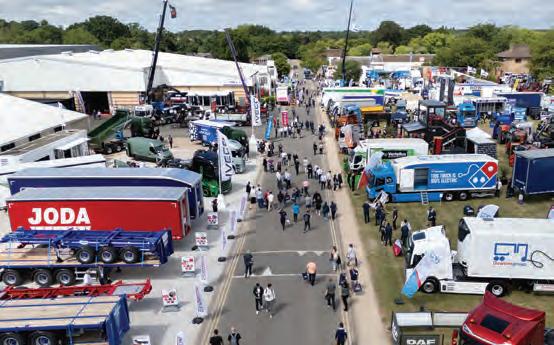
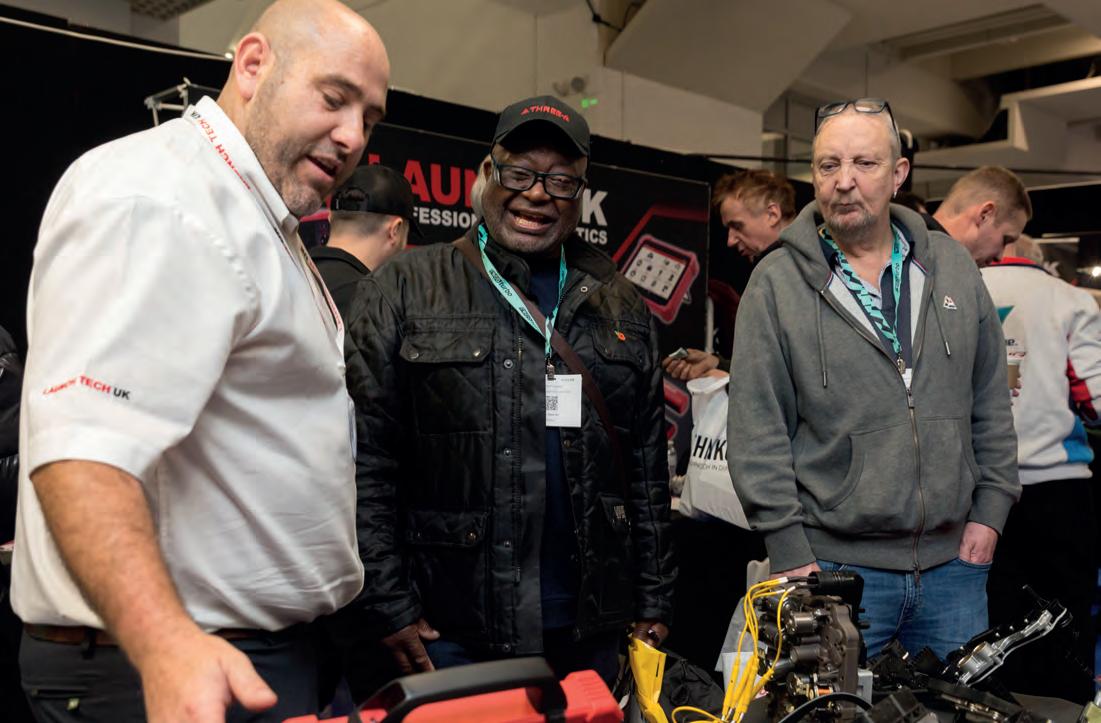
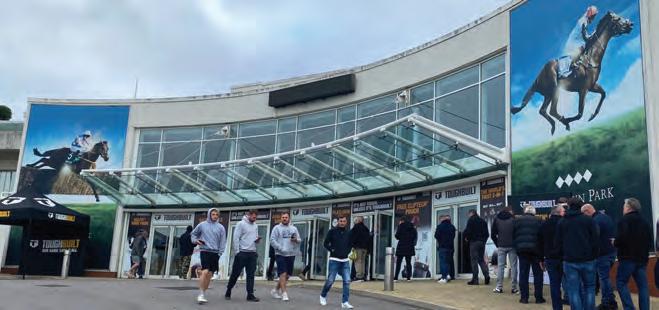
12 With the show’s return to Stoneleigh Park from the 30th of June – 2nd of July, read all about what to expect and who to go and see at the upcoming RTX show.
DIAGNOSTICS & SOFTWARE
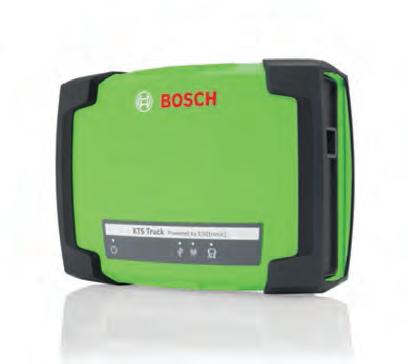
21 All about how Bosch ESI[tronic] OHW streamlines diagnostics, servicing and repairs for off-highway vehicles with KTS Truck technology.
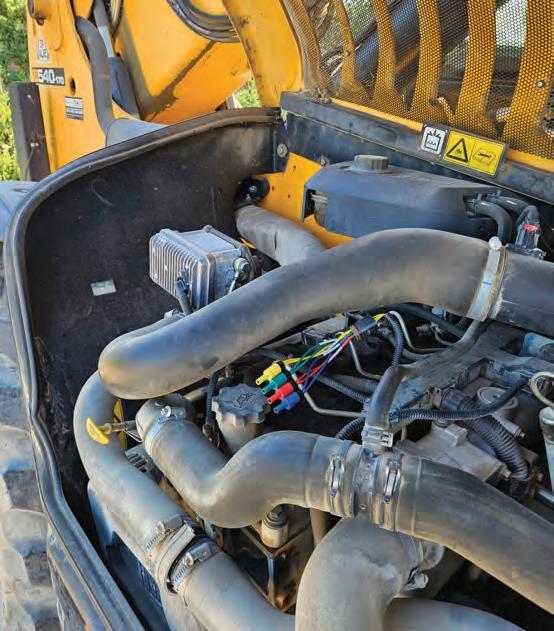
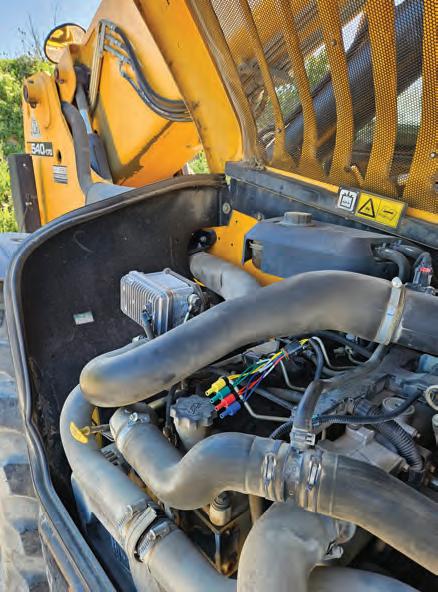
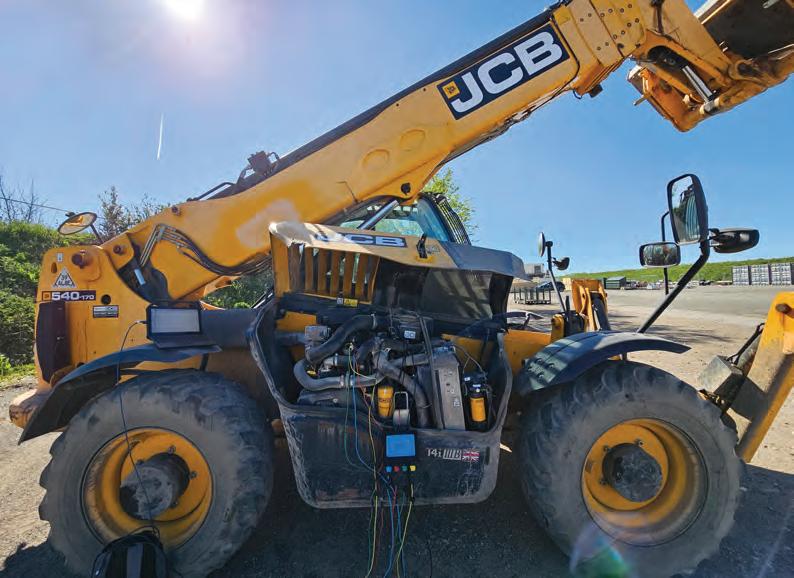
Pico uses a PicoScope oscilloscope to trace the cause of a fault code in a JCB 540-170 Telehandler.
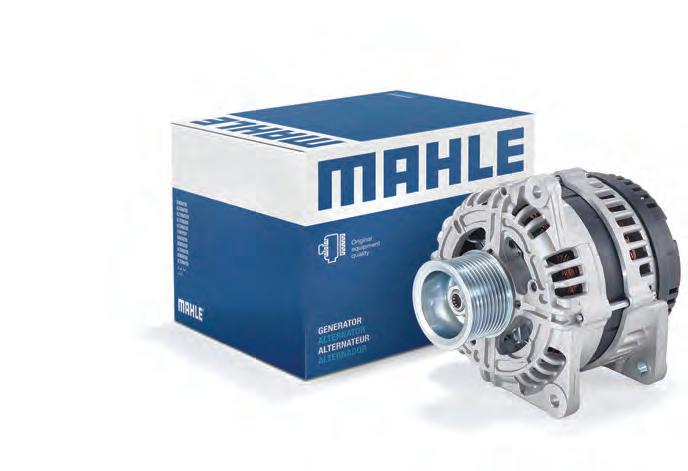
MAHLE emphasises the importance of correct diagnostics when it comes to alternator failures.
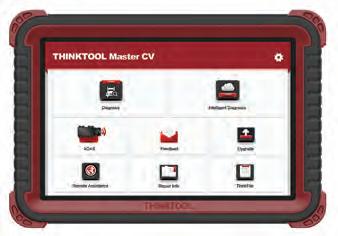
Details of Thinkcar’s commercial vehicle offerings, aiming to meet the demands of heavy-duty diagnostics.
TOOLS & WORKSHOP EQUIPMENT
28
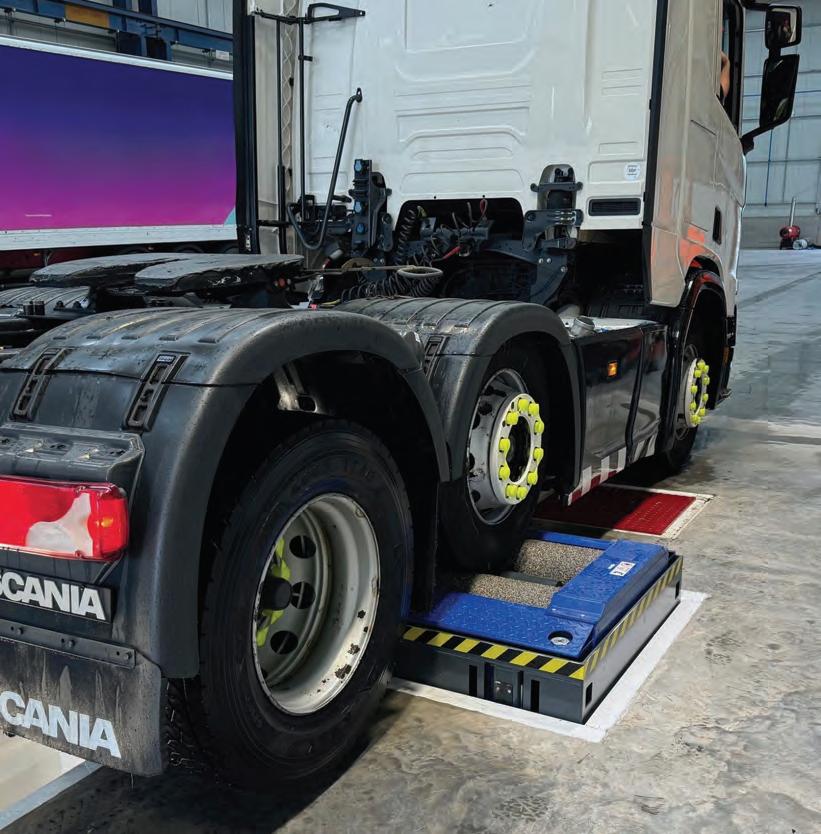
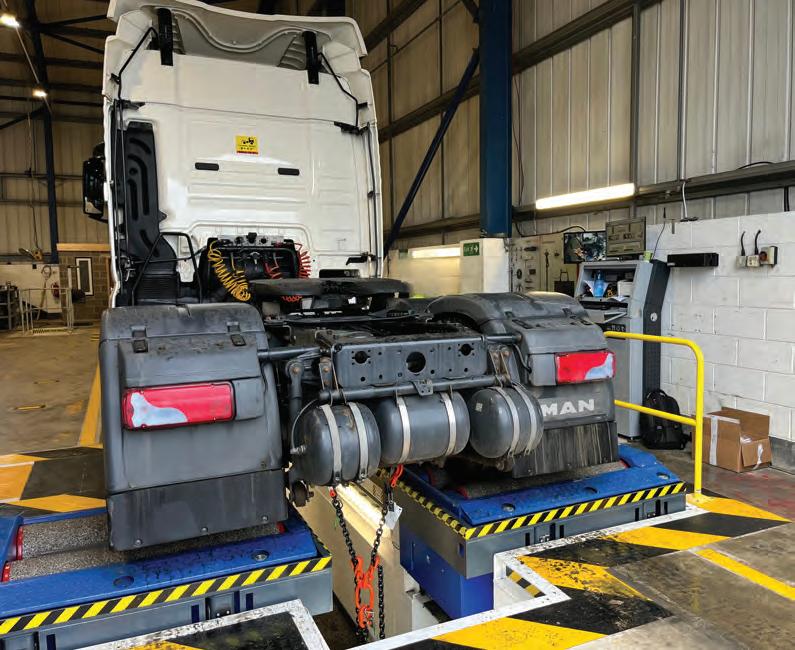
A year on from the introduction of the ‘meaningful brake test’, MAHA UK assesses why the commercial vehicle sector is still adjusting.
How Autolift can help you meet ATF and VOA test lane standards safely and efficiently with reliable pit jacks.
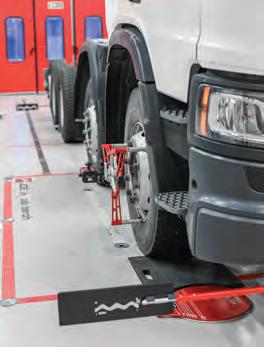
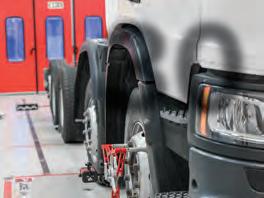
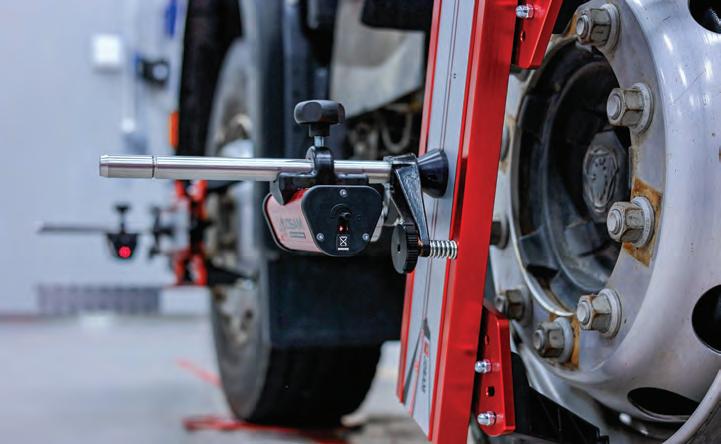
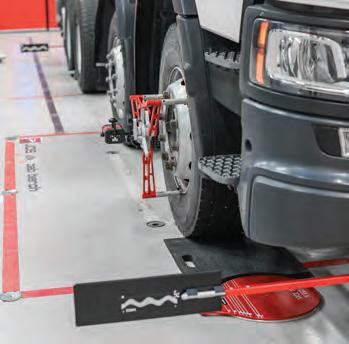
30 AES argues that HGV wheel alignment equipment plays a critical role in maintaining the performance, efficiency and safety of commercial vehicles.
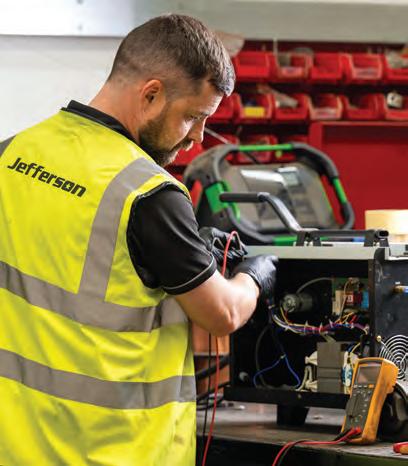
33 Jefferson Tools says manufacturers should treat warranties as a strategic tool for ensuring reliability and building long-term customer relationships.
34 How Sealey’s tools are meeting the demands of heavyduty servicing.
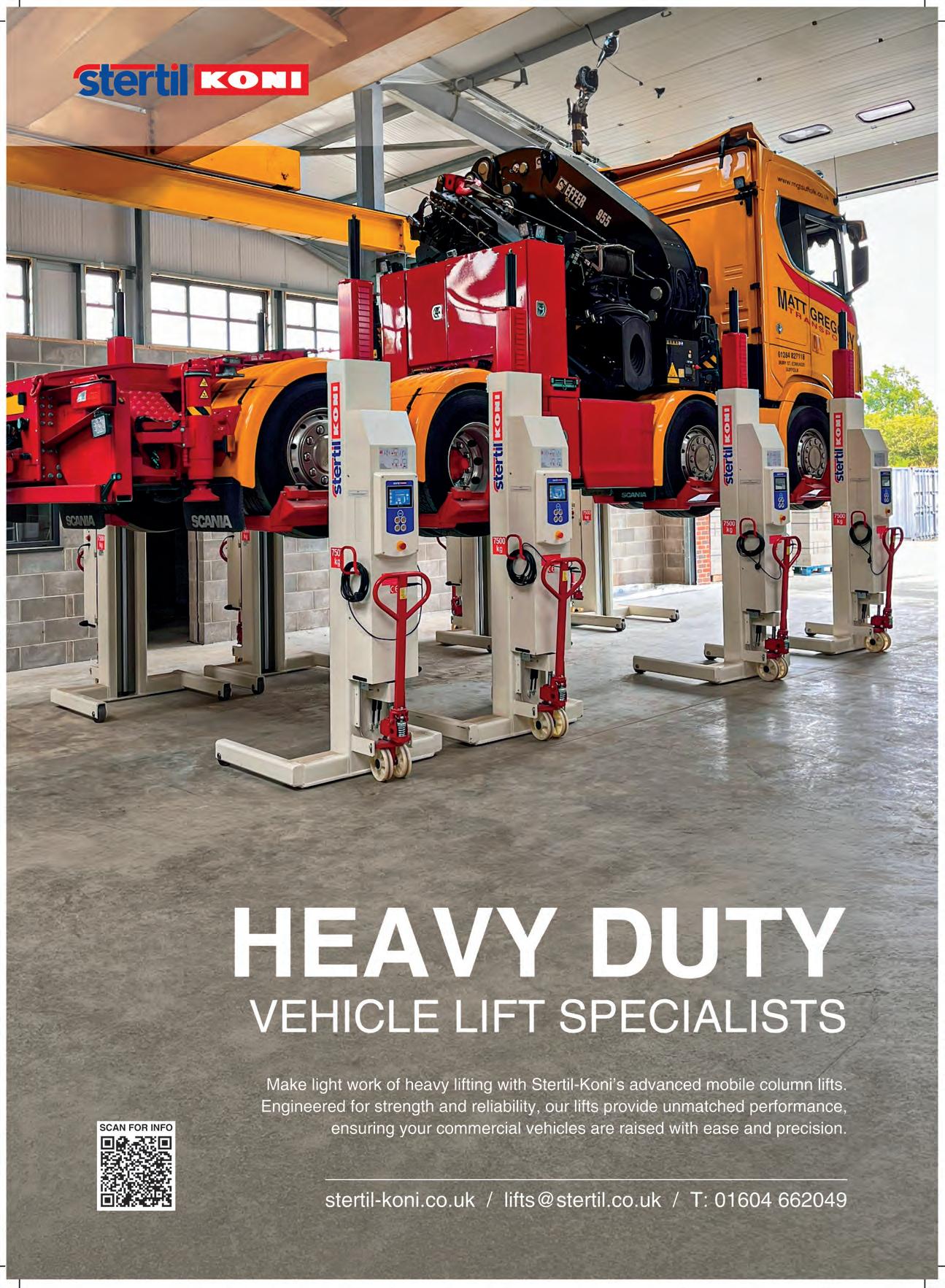
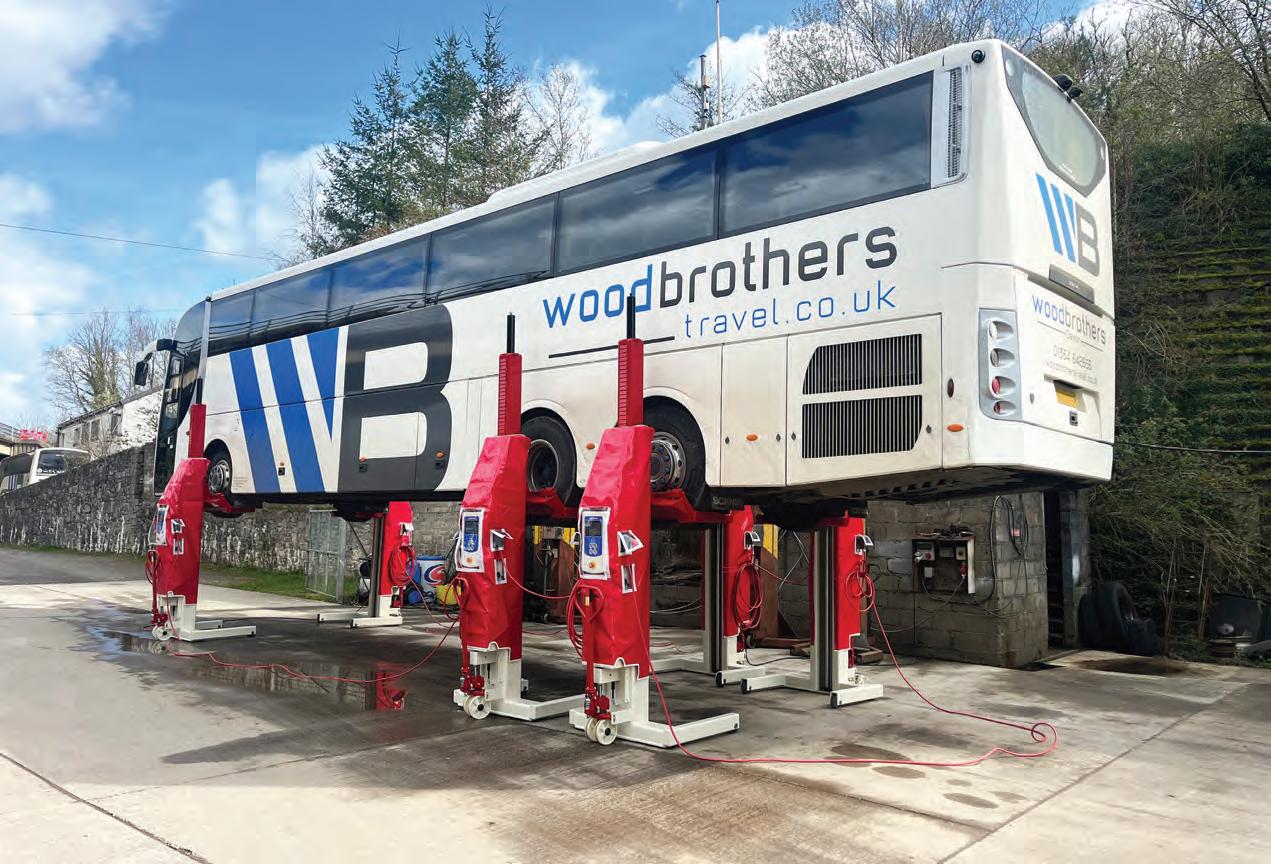
36 Wood Brothers Travel has upgraded its vehicle cleaning operations with Stertil-Koni mobile column lifts.
38 Draper Tools highlights the essential problem-solving equipment every technician should have close to hand.
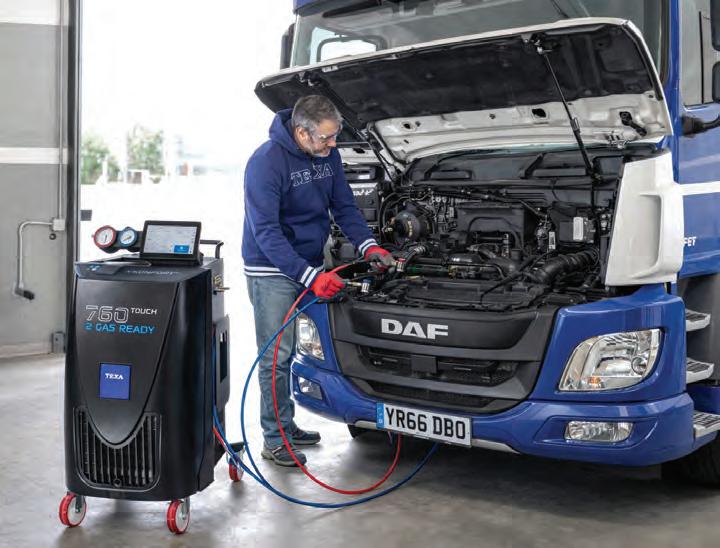
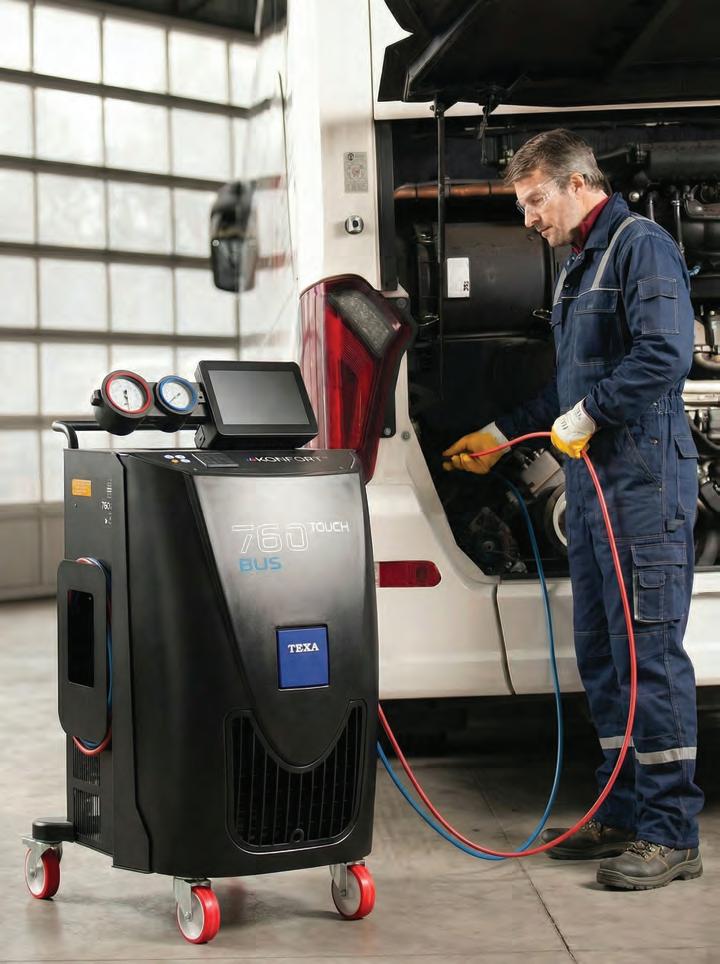
40 Details of how Totalkare’s latest air conditioning solutions help commercial vehicle operators.
ROAD SAFETY & VEHICLE SECURITY
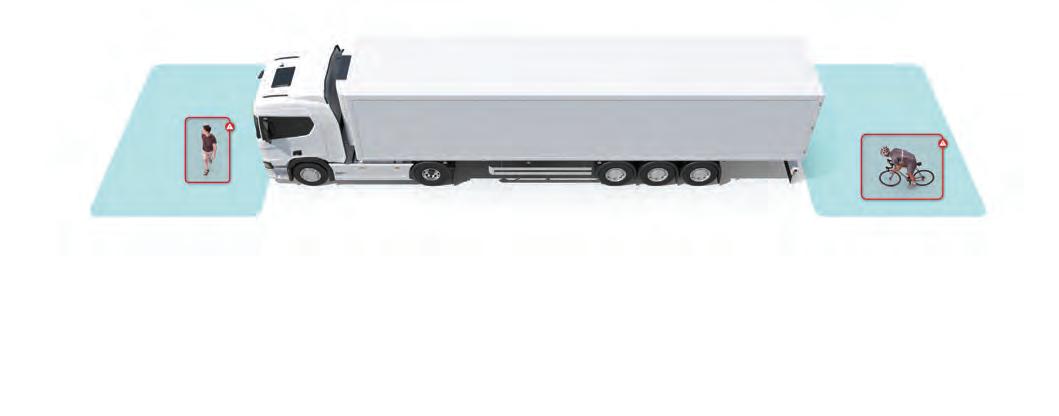
42 Brigade Electronics calls for safety-led implementation of GSR 2 in UK legislation.
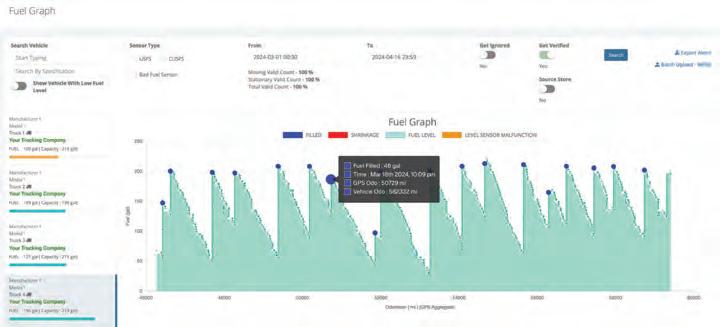
Intangles explores how data science and predictive maintenance are transforming road safety.
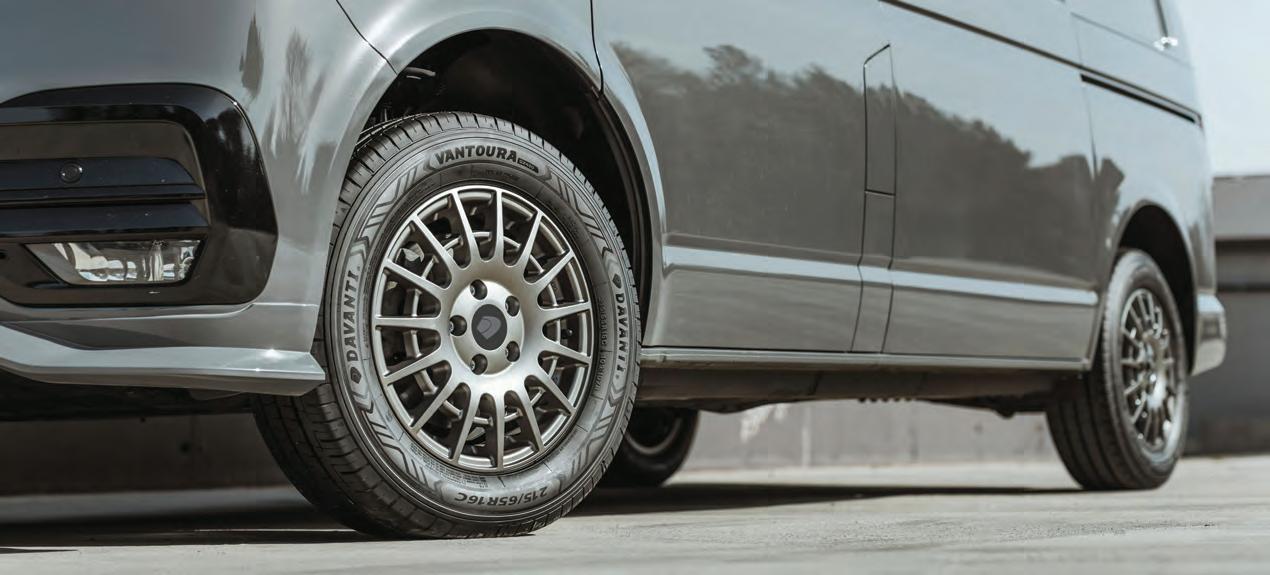
Five top tips from Davanti Tyres to help keep your tyres in top condition and keep you safe
Durite urges transport operators to prepare for likely expansion of UK vehicle safety legislation.
VIEWPOINT
Editor
FREYA COLEMAN
cvw@hamerville.co.uk
Group Editor
KIERAN NEE
Digital Manager
KELLY NEWSTEAD
Digital Assistant
JOE CLARKE
Group Manager
ALEX DILLEIGH
Advertisement Manager
MARCUS HOOPER
Graphic Designer
GEMMA WATSON
Group Production Manager
CAROL PADGETT
Subscriptions
Commercial Vehicle Workshop is a business magazine for companies and individuals involved in all aspects of commercial vehicle servicing.
It is published 11 times a year and is available on free subscription to qualified readers.
Subscription rates:
UK £30 post paid
Airmail £99 post paid
Europe £70 post paid
To be removed from this magazine’s circulation, please call 01923 237799 or email circulation@hamerville.co.uk.
As we enter show season in the CV industry, it’s important to remember that trade shows tell us more about the industry than the product launches themselves. Walk any exhibition hall long enough and certain themes quickly emerge –not just from the stands, but from the conversations happening in the aisles, cafés, and technical demonstrations. This year, one message feels impossible to ignore: the commercial vehicle workshop sector is under pressure to evolve faster than ever before.
Everywhere you look, suppliers are talking about connectivity, predictive maintenance, AI-assisted diagnostics, and electrification. For example, with LCV developments at the recent Commercial Vehicle Show. The technology on display is undoubtedly impressive, but behind the polished stands and marketing slogans lies a more practical question many workshop owners are quietly asking: how much of this is genuinely achievable in day-to-day operations?
For independent workshops especially, the challenge is no longer simply keeping up with tooling investment. It is keeping up with training, software subscriptions, calibration requirements, and increasingly complex repair procedures. The modern workshop technician is now expected to be part mechanic, part IT specialist, and part diagnostician –all while maintaining vehicle uptime in an industry where downtime costs fleets more than ever.
One noticeable shift on this year’s show floor is the growing focus on efficiency rather than outright expansion. Workshops are less interested in flashy concepts and more interested in anything that can save labour time, reduce repeat jobs, or streamline workflow. Practicality is winning attention over promises.
Another recurring theme is staffing. Almost every conversation eventually returns to recruitment and retention. Suppliers may be showcasing the future of workshop technology, but many operators are still struggling to fill bays with skilled technicians capable of using it effectively. The skills gap is no longer a future concern –it is a current operational problem.
Yet despite the challenges, there remains a strong sense of resilience across the sector. Trade shows still matter because they bring the industry together in a way digital platforms cannot. They allow technicians, workshop owners, suppliers, and fleet operators to compare experiences, challenge assumptions, and assess what genuinely works.
And perhaps that is the real value of the showroom floor: cutting through the hype to focus on the realities shaping the future of the workshop industry. With the UK Garage & Bodyshop Show this month and the Road Transport Expo show not long after, it’ll be interesting to see what other trends emerge.
Editor
CVW NEWS
NEWSIN BRIEF
■ Knowles Logistics strengthens EV fleet. This is with the addition of an electric rigid truck and six tractor units as part of its ongoing investment in operational efficiency and its long-term journey towards net zero logistics. The latest addition is a fully electric DAF LF Electric which brings the number of electric vehicles operated by Knowles to 11.
■ Clairos acquires recycling facilities. With all regulatory approvals now finalised, Clarios is integrating recycling operations in Freiberg and Braubach, Germany, and Arnoldstein, Austria, reinforcing its role as a key enabler of the circular economy and supporting Europe’s ambition for more sustainable and resilient industrial value chains.
■ Vaculug honoured with King’s Award for Enterprise. For over seven decades, Vaculug has championed the belief that operational performance and environmental responsibility are not mutually exclusive. By specialising in advanced retreading processes, the company provides high-performance tyre solutions, significantly reducing carbon footprints and this has now been recognised.
■ New electric Isuzu pick-up truck launched. Isuzu UK presents The New Isuzu D-Max Electric Vehicle in righthand drive at the Commercial Vehicle Show 2026. Announced in 2025 and previously shown in a European format, the new D-Max EV is the first fully electric pick-up in the UK to provide over 1-tonne payload, 3.5-tonne towing capacity and permanent four-wheel drive.
Fleets urged to tackle fuel waste
Webfleet, Bridgestone’s advanced fleet management solution, has said high fuel prices across the globe are putting fleet operators under renewed pressure but businesses can reduce the impact by tackling avoidable fuel waste.
Webfleet points out even modest gains in fuel efficiency can help reduce operating costs. As the experiences of Webfleet customers demonstrate, data-driven insights can be used to reduce fuel consumption through better driving behaviour, routing, and more proactive vehicle and tyre performance management, including tyre pressure and idling. After using Webfleet to improve driving
Hydrogen MOT success
Metier Technologies has announced a landmark milestone for the UK’s hydrogen economy as its H2ICE demonstrator vehicle has passed its MOT, becoming one of the first road-legal examples of this technology in the UK and among very few in Europe.
The achievement is said to mark a critical transition from prototype to realworld deployment.
It provides tangible proof that hydrogen-powered internal combustion technology is a viable, scalable, and
standards, Sanctuary Maintenance reportedly reduced fuel consumption by 25 per cent in two months. By using data to show the link between driving style and fuel use, the provider of building services and maintenance was able to raise driver awareness of how everyday behaviour affects costs, leading to rapid savings.
For example, Coviran, a European grocery retail cooperative, reportedly saved more than 159,000 litres of diesel in a year by improving driving behaviour and implementing professional navigation. This helped drivers take more efficient routes, while supporting more consistent driving across daily deliveries.
commercially realistic clean energy alternative for heavy-duty vehicle fleet operators.
“This is a defining moment not just for Metier, but for the hydrogen sector as a whole.” said James Budgett, managing director for Metier Technologies.
He continues “For years, hydrogen has been discussed as a future solution. By putting an operational, road-legal vehicle on UK roads, we are demonstrating that the technology is here, it works, and it can be deployed at scale.”
FOR UP-TO-DATE NEWS, SIGN UP FOR OUR WEEKLY E-NEWSLETTER. SIMPLY SCAN THE QR CODE
Truck sector must broaden recruitment
Volvo Trucks has warned the heavy-duty vehicle sector must adapt its recruitment approach to attract a broader and more diverse workforce as the industry transitions towards zero-tailpipe-emission transport.
Volvo has published findings from independent research examining how women and ethnic minorities perceive careers linked to electric and hydrogenpowered trucks, buses and coaches. The research, commissioned through Transport Scotland’s Skills Challenge Fund for HDV Decarbonisation and carried out by DJS
Research, focused on participants across Scotland and the North of England.
Volvo said the study identified low awareness of the sector as a major barrier to recruitment, with many participants struggling to identify the types of organisations, job roles and career pathways available within the zeroemission commercial vehicle industry. However, the study found perceptions changed significantly when the sector was framed around future technologies, sustainability and innovation.
Regulatory alignment for vans long overdue
Confirmation of formal changes to the rules governing the operation of goods vehicles have been signed into law, marking a significant step forward for the UK’s transition to zero emission vehicles, according to Logistics UK.
The new regulations will come into force on the 1st of June 2026, bringing regulatory alignment of the operation of 3.5 tonne diesel vans and 4.25 tonne electric vans in a move described as a “victory for the environment and common sense” by Logistics UK chief executive Ben Fletcher:
“Electric vans have faced disproportionate regulatory burdens up to now, and been subject to different rules to their conventionally-fuelled counterparts. The new regulations correct the nonsensical situation that saw standard size electric
vans treated as HGVs when it came to MOTs, driver hours requirements and mandatory tachograph use, unless they were operated under tight geographical restrictions.
“It is only the extra weight from the batteries that moved electric vans into the same category as HGVs, and this has limited the adoption of cleaner electric vehicles by creating cost and complexity for operators looking to decarbonise their fleets. Now the legislation has been amended to standardise the sector – a move that Logistics UK and its members have been pressing government on for some time – operators will have the confidence to invest in cleaner electric vans as the additional costs and administration from adhering to legislation designed for HGV operators have been removed."
NEWSIN NUMBERS
61 %
of European fleet professionals expect their fleets to be fully electric or have already made the switch according to Alphabet’s European Fleet Emission Monitor. Despite this, the wider sustainability outlook is also slipping. Only half of European companies now factor sustainability into their fleet planning – the lowest level since the study began and down from 60 per cent in 2023.
14 , 377
the number of entries for support the Automotive industry charity Ben received between April 2025 and March 2026 according to its ‘Year in Numbers’. This highlights the growing pressures faced by people working in the automotive industry.
42 %
of fleet managers across the UK identified driving range as their primary concern when selecting an electric van. That figure climbs even higher among businesses running smaller fleets, where there is less flexibility to absorb operational disruption. This is according to Dawsongroup’s Electric Vehicle Readiness Survey.
Ciceley Commercials has been recognised as both Mercedes-Benz Truck Dealer of the Year and Service Team of the Year at the prestigious Daimler Truck Dealer of the Year Awards, held at the Voco Hotel in Leicester.
COMMON FAULTS
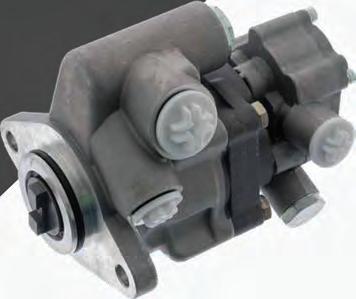
Tandem pump and dosage module
Febi shares two common faults: one with tandem pumps for power steering and fuel systems, and one with dosage modules for urea injection.
Tandem pump
Function
A tandem pump has a multiple function. It consists of a pump for the hydraulic steering system and a fuel pump that provides the necessary pressure in the fuel system.
Cause of failure
There are two different pumps for the separate systems, usually only one pump is defective. The power steering pump fails mainly due to polluted hydraulic fluid or
air contaminating the hydraulic system. Leaks, noises, decreasing steering assistance or the failure of the complete hydraulic steering can be the result. The fuel pump can be affected by leaking seals. Age related wear is also a cause requiring the tandem pump to be replaced. Symptoms such as reduced power due to insufficient fuel pressure could potentially lead to engine failure.
Dosage module
Function
Dosage modules are important components of SCR systems for reducing nitrogen oxide emissions in the exhaust tract. The dosage module ensures the precise metering of the urea-water solution required for the reduction process, also known as AdBlue, and takes over its atomisation and distribution in the exhaust pipe.
Cause of failure
The urea in the urea-water solution has the property of crystallising when the liquid dries. This can happen when the system is open, air gets into it or it is not operated for a long time and leads to clogging of the dosing module. Contaminated or poor quality AdBlue can also damage or clog the dosing module. If the dosing module is leaking, it cannot be repaired and must be replaced.
WANT TO KNOW MORE? Make sure to scan the QR code!
BEST PRACTICE TIPS
Transmission oil
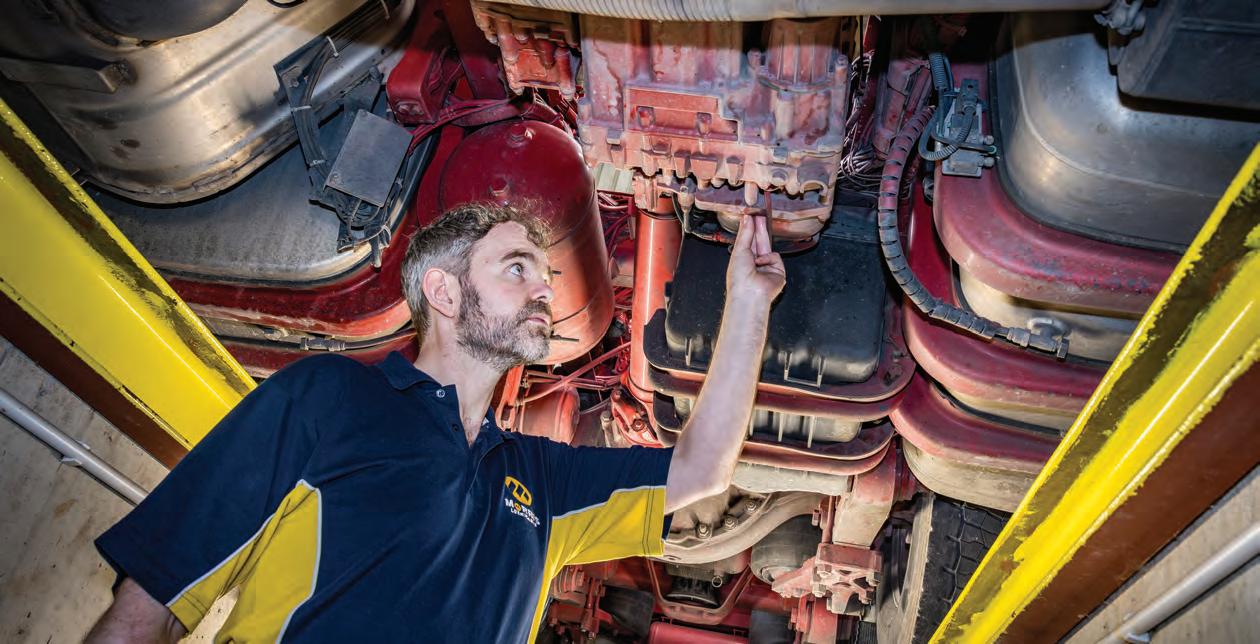
Morris Lubricant’s technical director Adrian Hill explores the different types of transmission that are used in commercial vehicles.
Transmission oils’ role in helping to ensure the reliable, efficient and effective operation of commercial vehicles is critically important. At a time of rising costs, it can be tempting to delay a transmission oil change, use a product that does not meet the correct specifications, rely on some spare oil left in the workshop or use the remnants of an old oil barrel.
But be aware that these cost cutting exercises can cause serious damage to a commercial vehicle. The consequences are massive and saving a few pounds today could cost thousands in the future. Plus remember a commercial vehicle in a workshop being repaired is not on the road earning its keep.
There are three main types of transmission that can be fitted in a commercial vehicle: Automated Manual Transmission (AMT), Automatic Transmission (AT) and Manual Transmission. Each of these have different technical aspects and different transmission oil requirements to help ensure reliable, efficient and effective operation.
Automated manual transmission AMTs are fitted to most of the commercial vehicles registered in Europe. The AMT can operate as an automatic, and in this mode, computer management control systems ensure faster and more fuel-efficient gear selection than those that the driver can make. This optimises power output in any given situation. AMTs also tend to be more compact and less complex in design than an AT as the internals in the AMTs are a Manual Transmission that use synchronisers employing electro or electrohydraulically actuated gear selectors.
For the AMT to work correctly and not breakdown when you need it most, it needs the correct transmission oil for full protection. The gear sets require a transmission oil with outstanding Extreme Pressure (EP) protection and a tough oil film to look after bearings under a wide variety of workloads and duty cycles. Friction control and multi-metal corrosion protection is also required to protect the synchronisers. Using the wrong transmission oil will have an adverse effect on transmission operation and component protection. Worn synchronisers will not only affect shift quality but may cause vibration and bearing wear. Under high loads and slow speeds meshing gears will suffer from ineffective extreme pressure chemistry, allowing metal-to-metal contact to take place. This can lead to gear tooth material failure with potentially catastrophic results. Under prolonged driving conditions heat soak may cause the oil to thermally degrade and form deposits. These deposits can have an impact on the integrity of components, causing a fuel efficiency deficit. As Adrian explains “the transmission oils used must be stable at high temperatures in order to help ensure smooth and reliable operation of the commercial vehicle”.
Automatic transmission
The other key transmission type, AT, is the ideal choice for commercial vehicles involved with predominantly stop-start work. Examples would include municipal vehicles, such as those used for refuse collection, buses and fire engines. The use of ATs makes the driving experience more comfortable for the driver and where applicable, the passengers.
The transmission oil requirements for an AT are very different to those of an AMT, and this is down to its increased level of design complexity. So again, the correct transmission oil needs to be used. In an AT, gear ratios are selected using a combination of clutch packs and brake bands that are engaged and disengaged hydraulically, in various combinations, to adjust the speed of the output shaft to the drive axles. As with AMTs, computer management control systems monitor speeds and loads to make the appropriate gear ratio selection to optimise the power to the wheels, whilst maintaining the best possible level of fuel efficiency. Transmission oils used in these heavy-duty AT applications found in commercial vehicles have a variety of functions. Firstly, they need to ensure positive engagement of the clutch packs by the addition of friction modifiers in the oil’s precise formulation to minimise the possibility of slippage. This is also the requirement for brake bands that ‘brake’ the carriers
holding the planetary gear sets that contribute to the various gear ratios.
Transmission oils used in AT must also protect the gear sets in the same way a standard gear oil would, to prevent wear and maintain integrity, especially under load. And of course, there are the bearings that need to be lubricated and protected from wear. Using the wrong transmission oil may result in the lack of essential friction modifiers needed for effective clutch pack and brake band operation. This may result in ‘judder’ and vibration due to slippage that saps energy and creates faster rates of component wear, as well as generating higher running temperatures that once again can have a negative impact on operational efficiency. Let’s not forget the conventional gears in this system that require EP protection. As with AMTs, gear teeth will wear and the system will suffer. As Adrain further explains “the transmission oil used in AT applications has many functions and using the wrong oil can reduce reliability of a commercial vehicle”.
Manual transmission
The conventional Manual Transmission still deserves a mention and in Europe, is still fitted to predominantly smaller units. It is particularly useful where vehicles are hired or leased short term, as training is unlikely to be needed due to their conventional ‘stick’ operation.
However, they are only a small percentage of Manual Transmissions fitted in Europe. The transmission oil used in Manual Transmissions are designed to prevent wear and maintain integrity of the gear sets, as with the examples highlighted above.
Transmission oils used in AMTs, ATs and Manual Transmissions also share common characteristics. Oxidation is a killer for transmission oils, and this is a challenge when heat soaks appear over long periods of time. The oil will start to break down and will cause deposits, form sludges and various other contaminants that can impede the action of the transmission. So, the transmission oil is precisely formulated to combat this unwanted side effect. Keeping components clean, protecting them under load and circulating effectively at low and high temperatures ensures maximum operational efficiency. As Adrian
continues “using the wrong oil may deprive the transmission of the essential chemistry needed to combat these harmful side effects, especially when the vehicle is working hard”.
Of course, the operational efficiency of this hardware relies on the critical fit of the correct transmission oil, so it is important you follow the Original Equipment Manufacturer (OEM) specifications for that commercial vehicle. This helps to make sure you are using the correct oil for the commercial vehicle being used. Morris Lubricants has a range of transmission oils suitable for use in many different brands of commercial vehicle such as Scania, MAN, Volvo to name a few.
Oil choice matters
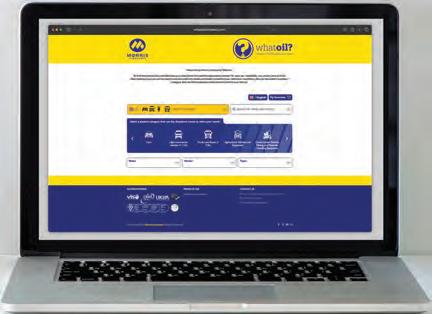
As highlighted, it is very important to make sure you are using the correct transmission oils in a commercial vehicle. With many oils available, it can be a little daunting knowing what to use so if you are unsure seek advice from the Morris Lubricants’ Technical Team or use the Whatoil online lubricant selector. Adrian concludes, “by selecting and using the correct oils and lubricants, it gives you the best opportunity to keep commercial vehicles out of the workshop and earning its keep on the road”.
ROAD TRANSPORT EXPO 2026
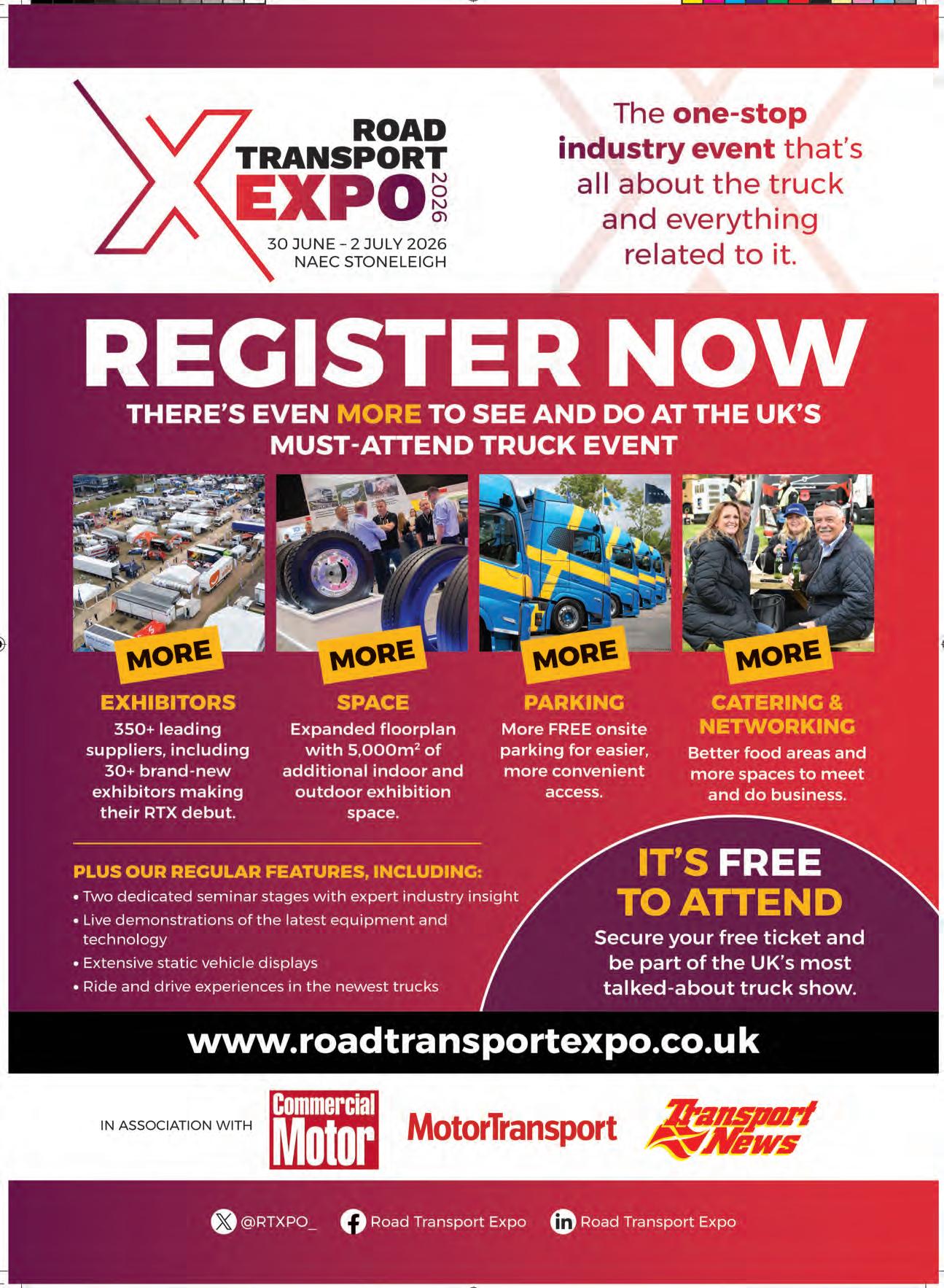
If you’re an HGV workshop owner, manager or technician, mark your calendars for this year’s Road Transport Expo (RTX) – which is gearing up to be the biggest and boldest to date.
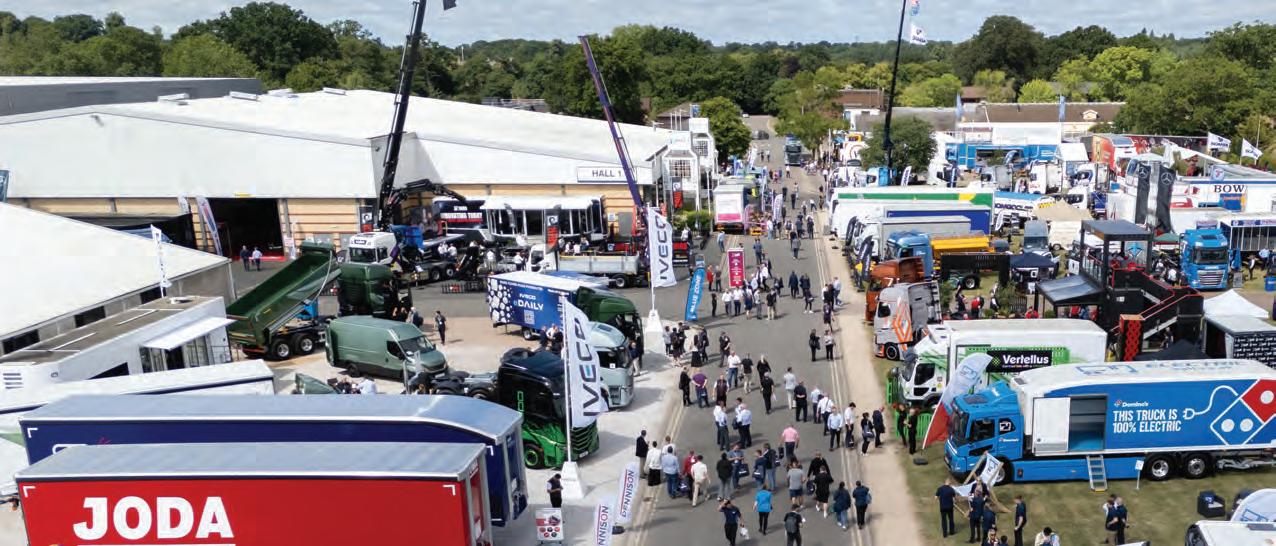
Returning to NAEC Stoneleigh, Warwickshire this summer, RTX is gearing up for its biggest outing yet as it marks the fifth event since its launch in 2022. In just a few short years, the show has established itself as a standout date in the road transport calendar, building a reputation for combining a high-quality exhibition with the kind of hands-on, accessible atmosphere the industry really values.
The event will bring the road transport industry together for three high-energy days packed with fresh ideas, cutting-edge kit and real-world expertise.
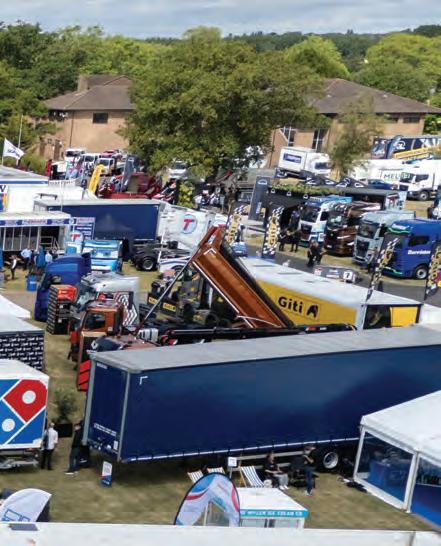
Across the indoor halls and outdoor display areas, visitors can expect a lively mix of major manufacturers, specialist suppliers, practical demonstrations and expert-led conversations covering every corner of the sector. Whether you’re
managing an HGV fleet, hands-on in the workshop or driving innovation in your business, RTX 2026 is set to deliver an unmissable mix of insight, inspiration and practical, on-the-ground experiences.
Plentytoseefor workshop operators
Workshop operators and technicians will find plenty to get stuck into at RTX 2026, from workshop equipment, tools and diagnostics to tyres, trailers, specialist bodies, tankers and essential service partners - all brought together across several indoor halls and a buzzing outdoor display area.
Alongside the vast product offering, visitors can speak directly with exhibitors, ask detailed technical questions and explore practical solutions to improve workshop productivity, vehicle uptime and long-term operational performance.
TRY IT OUT
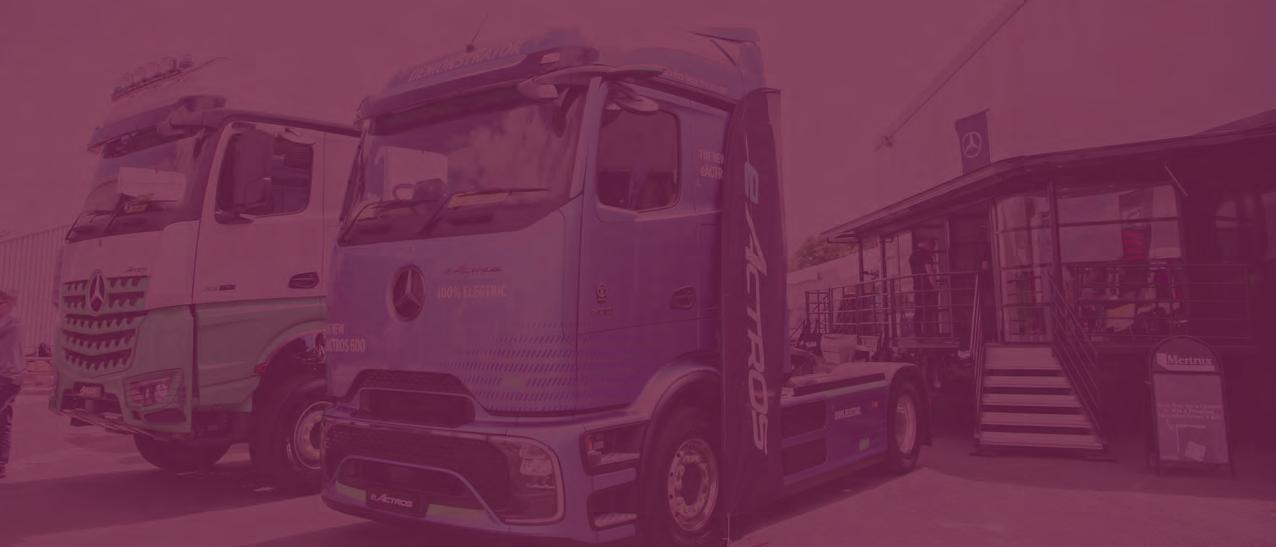
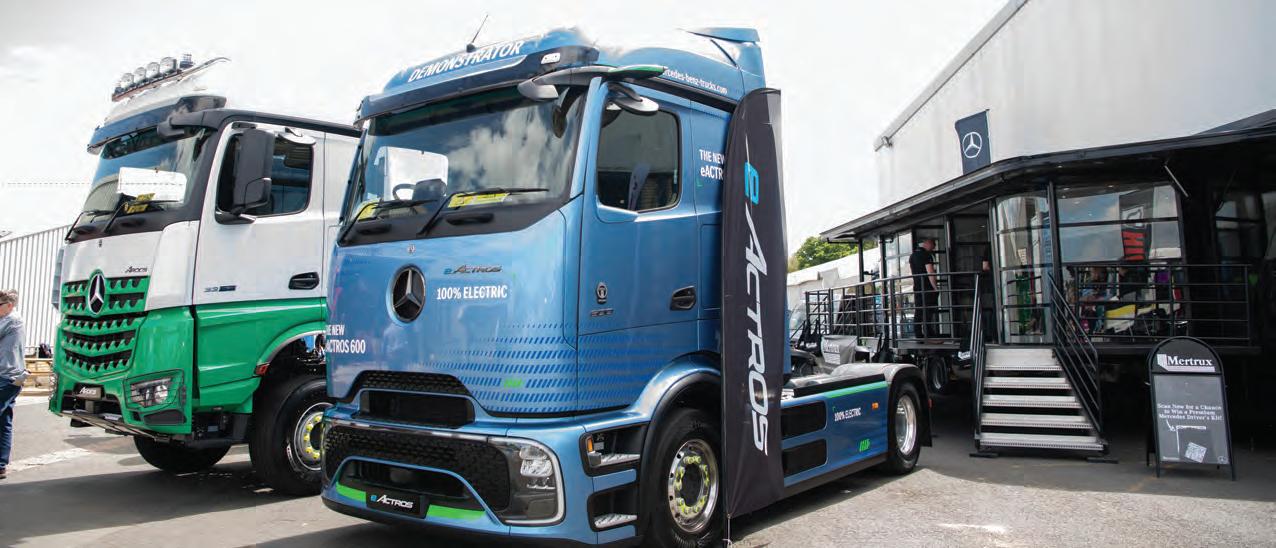
At RTX 2026, attendees will have the unique opportunity to participate in a Ride and Drive event, where you can get behind the wheel of the latest trucks, including diesel models, electric variants and those powered by low-carbon fuels, such as biomethane.
This is an excellent opportunity for workshop owners and technicians to familiarise themselves with the newest vehicles on the market and understand how the latest truck technology functions in real-world conditions. You can also engage directly with OEMs on
WHEN?
30th June - 2nd July
WHERE?
NAEC Stoneleigh in Warwickshire COST?
FREE!
HOW?
Simply scan the QR code!
Visitors will also be able to get up close to vehicles and technology from major OEMs, with a broad mix of launches, updates and demonstrations from hundreds of well-known international brands - giving workshop teams valuable insight into the latest servicing, repair and maintenance considerations.
their stands to ask key questions around the servicing and maintenance of new and emerging technology or perhaps chat with industry training specialists to discover what courses are available to help upskill your technician workforce.
With so much innovation under one roof, RTX 2026 is the ideal place for workshop operators and technicians to compare products, gather expert advice and make informed decisions about the tools, technology and partnerships that will support the future of their operation.
Making connections for workshop operators
For workshop operators, networking is one of the most valuable parts of attending RTX, offering the chance to connect with suppliers, OEMs, service providers and fellow professionals in a relaxed, approachable setting. Across the show’s busy halls, outdoor areas and seminar spaces, there are plenty of opportunities to meet new contacts, swap practical ideas and build relationships that can support your workshop long after the event ends.
The show’s friendly atmosphere makes it easy to form useful, lasting connections.
Exhibitors always go all out for RTX, and workshop visitors can expect plenty of valuable conversations when exploring new tools, diagnostics, equipment and training opportunities, along with welcome chances to pause for refreshments as they make their way around the venue.
RTX provides the ideal environment to grow your professional network and head home with fresh ideas, trusted contacts and useful insight to support the future of your operation.
Looking ahead
“We’re incredibly proud of how Road Transport Expo has grown since its launch in 2022,” says Vic Bunby, RTX show director.
“The show continues to evolve to meet the needs of every part of the industry, including the workshop teams who keep fleets moving day in, day out.
KEEPING YOU AHEAD OF THE CURVE
RTX 2026 will once again host a packedprogramme of seminars tackling the most pressing issues facing operators today.
Expect expert-led sessions on decarbonisation, fleet safety, new regulations, technology adoption and emerging industry challenges and opportunities.
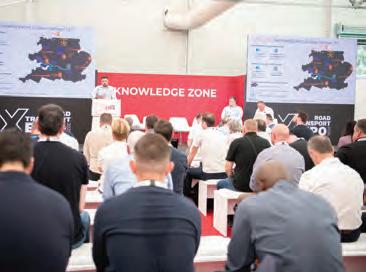
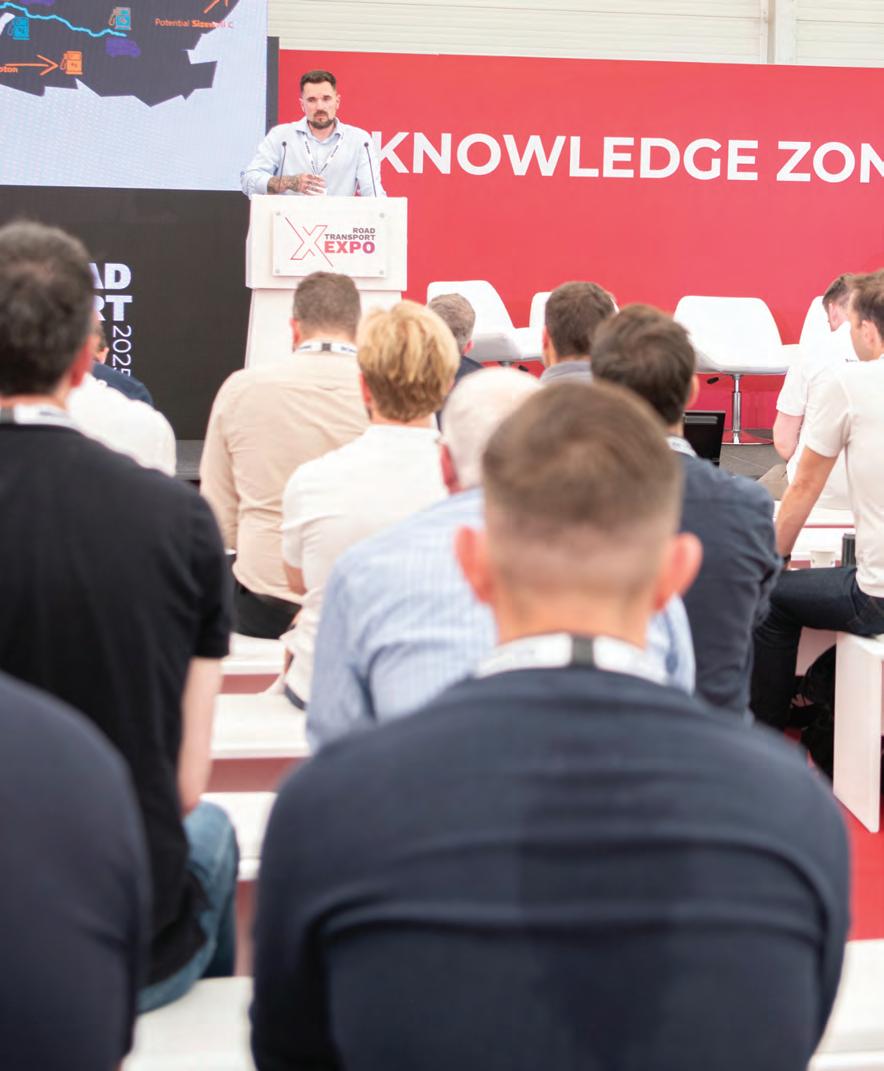
The Knowledge Zone and Talking Point stages will welcome a diverse roster of speakers - from leading fleet operators to enforcement bodies and forward-thinking technology specialists - offering practical guidance you can take straight back to your business.
This year’s programme will also delve into real-world case studies, showcasing innovative approaches from across the sector and giving attendees fresh insights, practical
takeaways and inspiration to help future proof their operations long after the event closes.
You could also stop by stands and chat to representatives from industry associations including the Garage Equipment Association, Society of Engineers and IRTE, DVSA, RHA and Logistics UK, giving workshop operators and technicians the chance to pick up practical guidance on compliance, inspection standards, training, best practice and the wider issues shaping the future of fleet maintenance and road transport operations.
He adds: “As we celebrate five years of RTX, I’m especially looking forward to welcoming workshop operators and technicians back to an event where they can discover new equipment, explore the latest technology and have valuable face-to-face conversations with the people behind it.
“RTX brings together fleet operators, manufacturers, workshop suppliers, innovators and technicians alike, and there’s a fantastic buzz the moment the gates open. I can’t wait for visitors to experience that atmosphere again this summer and see just how much practical value there is for workshop teams across the show.”
Join us at the NAEC Stoneleigh this summer for the road transport industry’s flagship event, and a must-visit date for workshop operators and technicians looking to stay ahead.
Whether you’re returning to explore the latest technology or visiting for the first time to find new tools, training and service partners, RTX is where you’ll want to be.
What you had to say!
RTX 2025 delivered a record turnout, with more than 14,000 visitors heading to Stoneleigh. Post-event feedback showed that 97 per cent rated the quality and quantity of exhibitors as good or excellent, while 96 per cent said they were likely or very likely to attend again.
Here’s what RTX 2025 visitors had to say: “The show was fantastic and exceeded expectations greatly, with commercial vehicles of all types covering all sectors and industries. I really enjoyed the displays and atmosphere around the showground,” said Mark Jones of Kernow Oils.
“What a buzz! RTX was a great event; it’s perfect to network with clients and industry professionals. We’ve had so many insightful and positive conversations,” said Emma Burdett of H-Tec Commercial Group.
“What a fantastic show! RTX is the perfect place to connect with customers, suppliers and industry friends,” said Clare Nzvere of Hireco.
WHO IS GOING TO BE THERE?
With more than 350 exhibitors at RTX this year, there is sure to be something for everyone, but here’s a small selection of some of the well-known parts, repair and maintenance brands you might expect to see there:
■ BOSCH
The Bosch Mobility Aftermarket division is a key partner in the aftermarket providing modern diagnostic and repair-shop equipment worldwide. In addition, there is a wide range of spare parts – from new and exchange parts to repair solutions –for passenger cars and commercial vehicles. All this is underpinned by Bosch training solutions, ensuring that the aftermarket has access to state-ofthe-art skills and knowledge based on a deep level of expertise and years of experience in OE system development. At RTX, Bosch will be showcasing its range of parts, diagnostics tools and workshop services for the heavy vehicle sector.
Stand number: G41
BPW
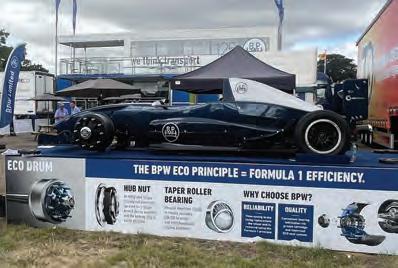
Highlights at this year’s show include the launch of BRAKE TRAK PRO, BPW idem’s new vehicle safety platform, and the impressive BPW tri-axle display. Visitors can also see BPW drum and disc brake options on its Formula Renault racing car, the BPW Airsave tyre inflation system, and ePower, the electric drive axle.
■ BRIGADE
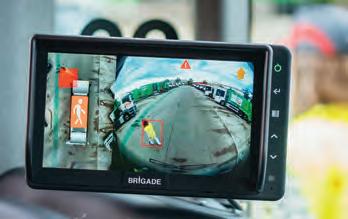
The expert team from Brigade will be demonstrating its latest vehicle safety innovations, including the AI HFR Box and Brigade Telematics at RTX this year. The AI HFR Box is an adapter unit which bridges the gap between traditional blind spot camera systems and advanced AI safety solutions. It enables operators to upgrade existing camera systems into intelligent pedestrian detection systems without the need to replace hardware, offering a costeffective route to improved safety. Also on display will be Brigade’s Telematics, a powerful system that provides fleet operators with real-time vehicle insights, including driver behaviour, vehicle tracking and operational data.
Stand number: G45
■ CERAMEX
Leading DPF cleaning and remanufacturing experts Ceramex will be showcasing its market leading DPF cleaning solutions, alongside its comprehensive range of aftermarket products and services designed to help commercial vehicle operators maximise performance, minimise downtime, and maintain compliance. A key focus on the stand will be Ceramex’s advanced Euro 6 DPF cleaning solutions. Whether you are looking to improve fleet reliability, reduce operating costs or explore sustainable emissions solutions, the Ceramex team will be available throughout the event to help.
Stand number: G30
BRAKE TRAK PRO, launching at Road Transport Expo 2026, offers improved operational efficiency and meets compliance requirements. Alongside a DVSA-compliant electronic brake performance monitoring system (EBPMS), the platform features
advanced safety solutions, including scalable options like a tyre pressure monitoring system (TPMS), brake lining wear sensors, and individual wheel station sensing. Together, these features ensure maximum uptime, lower maintenance costs, and reliable, industry-leading performance without compromising safety.
Stand number: B19
■ DOCTOR AIR BRAKE
At RTX, Dr Air Brake will be presenting the ReverseSmart, the UKmanufactured radar auto-braking system that does what reversing cameras and proximity bleepers can't: it actually stops the vehicle. It detects people and objects inside a configurable danger zone, alerts the driver, and autonomously applies the service brake. The company will also be presenting the Code Talk II , the latest generation of its handheld trailer diagnostics tool, that reads and clears fault codes across WABCO, Knorr-Bremse and Haldex ECUs, with live air pressures, wheel speeds, voltages and ride heights at a glance. At the show, both tools will be 10 per cent off when the order is placed at the stand – for three days only!
Stand number: R21
■ DOMETIC
At RTX, Dometic will be displaying its RTX 1000 and 2000 truck cooler. One of the most popular truck parking coolers is now also available as a 12 V version for panel vans, light trucks and special vehicles! This self-contained 1100 W rooftop parking cooler impresses with pleasantly quiet running, ample cooling power and outstanding energy efficiency. It’s said to be easy to install and easy to use, with four operating modes: Auto, Eco, Boost or Manual. The RTX 1000 / 2000 is a Self-contained and batteryoperated truck and campervan roof parking cooler with up to 12 hour running time. Can be installed in existing roof hatch and with a maximum tilt of 8°.
Stand number: GR30
EMS
EMS Truck and Trailer Parts will be showcasing a selection of quality products from leading brands, including BPW, PE, Haldex, Textar, Vignal, MANN-FILTER, Lemforder, Bosch, Mitsubishi, Autac alongside a comprehensive range of truck consumables. Whether it’s a replacement pit jack, a fully approved DVSA CV brake tester or a complete workshop fit-out, EMS has the expertise and products to support commercial vehicle workshops of every size. Visitors can also enter a prize draw for the chance to win a £100 Love2Shop voucher. If you are a workshop owner or responsible for purchasing truck and trailer parts, simply drop your details at the stand to be entered into the draw.
Stand number: GR4
■ FEBI
As a trusted name in the independent CV aftermarket, febi offers a wide range of OE-matching quality parts designed to support workshops, distributors and fleet operators in keeping commercial vehicles on the road. At this year’s show, febi will be highlighting its extensive range, which includes more than 13,000 components for all popular European “Big 7” vehicle manufacturers. Visitors will also be able to learn more about febi’s trailer range, which now covers over 2,250 parts. In addition, febi has added MEKRA Lang to its portfolio, meaning it can offer the widest range of high-quality mirrors for numerous European truck brands, as well as for LCV applications.
Stand number: R15
■ GYS
GYS, leader in professional battery charging equipment, will be present at the Road Transport Expo in Stoneleigh to showcase its battery balancing solution, designed specifically to address this issue in routine commercial vehicle maintenance. The GYSFLASH Battery Balancing system will be on display on the stand and can equalise the state of charge between two batteries in a 24V system in as little as two hours, saving operators thousands of pounds in early replacement batteries and reducing battery waste.
Stand number: GR38
■ HACO TAIL LIFT PARTS AND NATIONWIDE TRAILER PARTS
Haco is Europe’s leading manufacturer of high-quality alternative tail lift parts, supplying parts for all major tail lift brands. Nationwide Trailer Parts are the UK’s largest independent tail lift parts supplier, offering customers genuine OEM parts alongside high quality Haco approved alternative parts. The team from both Haco and Nationwide Trailer Parts will be available throughout the show to discuss parts availability, technical support, potential cost savings when compared
to OEM parts and the extended warranty available on many Haco products.
Stand number: N38
■ HICKLEYS
Hickleys will be presenting and demonstrating its range of garage and diagnostic equipment designed specifically for the van and truck market. Included in the range will be garage equipment from Dama, who are the Spanish brand that are a rapidly growing force in the UK market. The company will also be bringing information about lifting systems such as 5 and 6 tonne, 2 post lifts for small to medium commercial vehicles as well as the new HDM8500 mobile column lift from Isotech by Dama. Hickleys will also be able to supply 4 post and scissor lifts all the way up to 35 tonne capacity as well as commercial grade mobile or fixed brake testers. Speak to one of the show staff who will be able to supply you with one of its Commercial Vehicle Equipment Brochures that showcase the entire range.
Stand number: N52
■ KERNOW OILS
At this year’s Road Transport Expo, Kernow Oils will be bringing a fresh focus on simplifying fleet lubrication with the latest Castrol Vecton product structure. Visitors to the stand can learn more about key products including Castrol Vecton Long Drain, engineered to extend oil change intervals and maximise uptime; Castrol Vecton Plus, offering enhanced protection under high load and stress conditions; and Castrol Vecton Multi, a versatile solution aimed at reducing complexity across multiple vehicle types. Together, these products support improved operational efficiency and contribute to lowering total cost of ownershipuntitled folder 2. Based in Cornwall, Kernow Oils has built a strong reputation as a trusted distributor of premium lubricants, providing tailored support to fleet operators across the UK.
Stand number: G35
MANNFILTER
■ KUMHO TYRE
On display on the stand will be Kumho’s regional multi-performance range, including the KXA31, KXD31 and KXT31, tyres developed to meet the demands of mixed-use fleets operating across motorway, A-road and urban environments. Also featured will be the KMA12 and KMD41, tyres designed for mixed service applications where robust construction is essential to maintain uptime.
Stand number: R37
MAHAUK
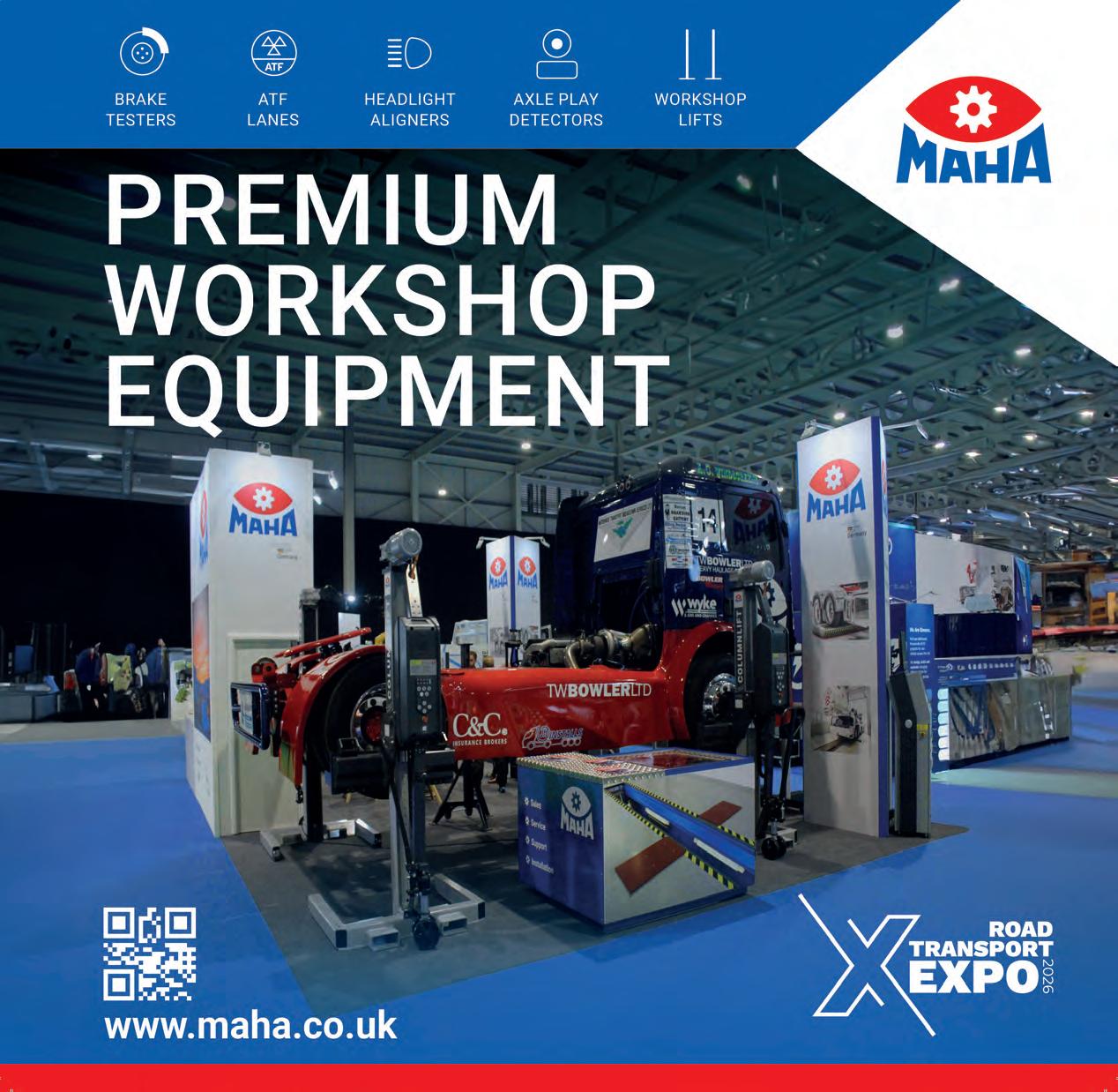
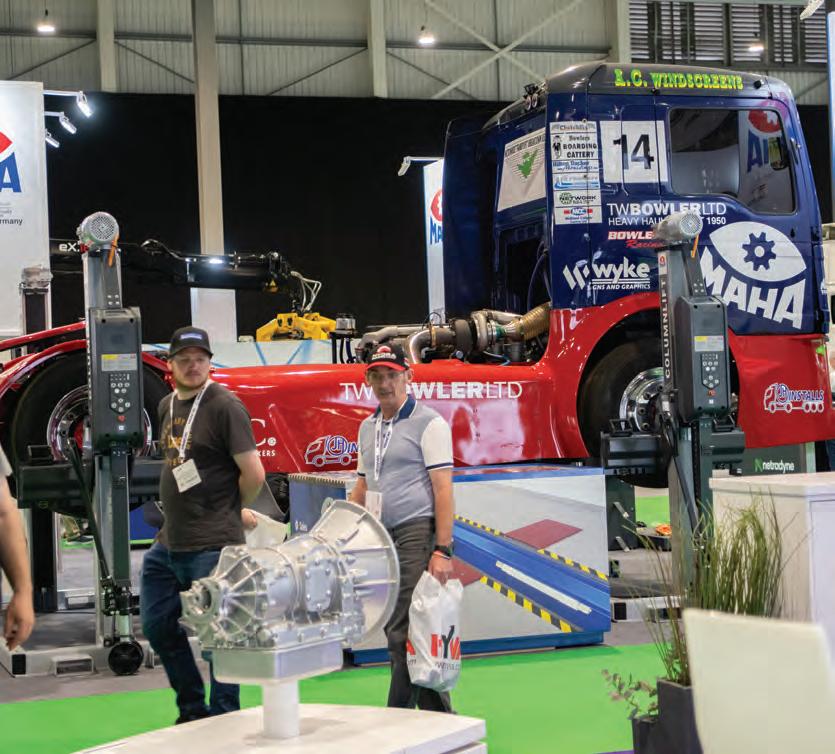
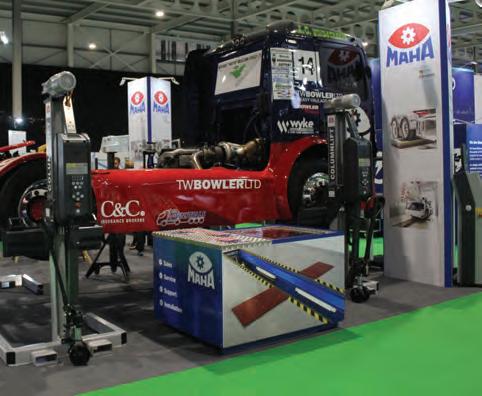
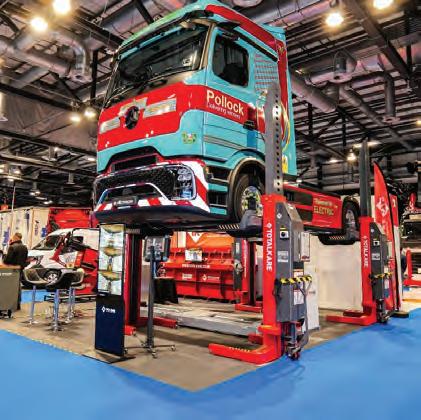
MAHA UK, the premium workshop equipment provider, returns to RTX with a larger, more impactful and engaging stand than previous years – ready to showcase its workshop equipment and vehicle testing solutions to industry delegates, including a commercial brake tester with rising roller bed option and mobile column lifts. MAHA UK’s team will be led by its managing director, Neil Ebbs, supported by colleagues, Luke Fuller, Louis Tunmore and James Thompson. MAHA UK is also proud to announce that John Bowler will make an appearance on its stand on the Wednesday. Visitors that stopped by MAHA UK’s stand in 2025 may remember the impressive sight of John’s British Truck Racing Championship MAN TGX challenger hoisted up on the aforementioned column lifts – and those who attended on the final day may have been fortunate enough to meet John.
Stand number: G40
MANN-FILTER delivers proven reliability and outstanding performance. Its OE quality filtration solutions significantly reduce downtime, protect critical components, and ensure smooth operation for commercial vehicles. From air, oil and fuel to cabin air filters and more, MANN-FILTER has the right solution for your fleet. The full CV filter product range will be on show at RTX, but a main highlight will be the OE Quality air dryer cartridges for the air-brake system. Made by MANN+HUMMEL, the world’s largest manufacturer of air dryers, the MANNFILTER range is the exact OE quality as first-fit, and with a four-tier range offering application and performance benefits, it is a great choice for your fleet or vehicle!
Stand number: G14
■ MORRIS LUBRICANTS
Morris Lubricants’ team of experts will be on the stand to answer any queries visitors may have about CV oils and lubricants, as well as the latest industry updates, OEM approvals, manufacturer specification changes and emerging lubricant technologies. The brand’s range of CV products covers everything from engine oils, gearbox and transmission oils, hydraulic oils, Adblue, brake fluids, antifreeze coolants, greases, and much more. On display will be the ‘Versimax’ range of high-quality heavy-duty engine oils, designed for the sector and suitable for a wide range of manufacturers including Volvo, MAN, Mack, Scania, Cummins, Caterpillar, DAF and Renault.
Stand number: GR41
■ PARKSAFE
Parksafe Group will be showcasing its latest vehicle safety and advanced
PREMIER PITS
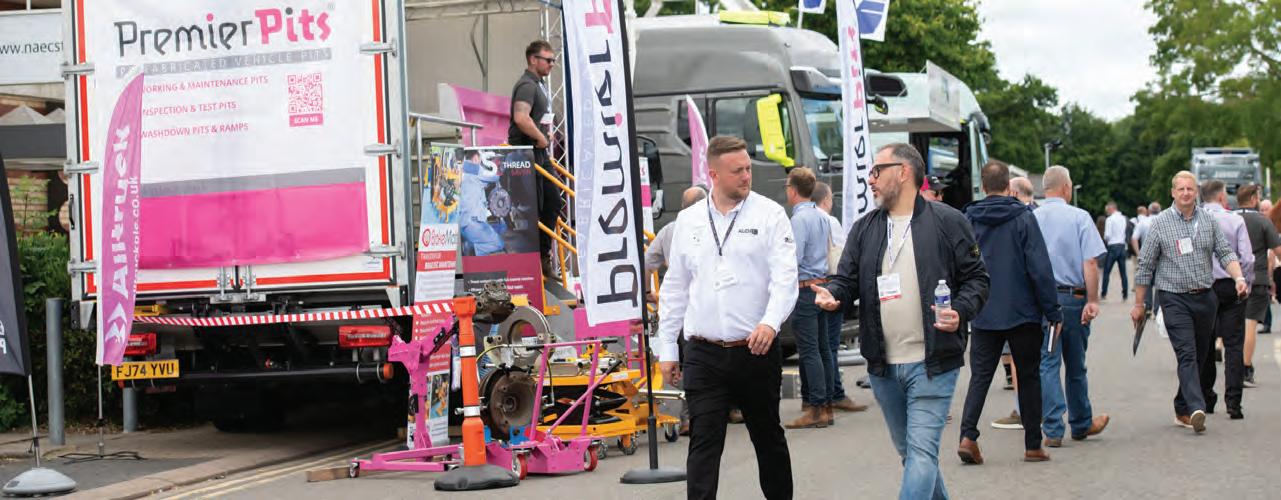
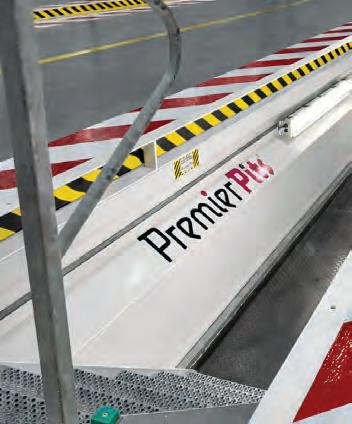
Premier Pits is the UK’s longestestablished manufacturer of prefabricated pits and has been a leading name in the sector for over 30 years. The company offers a wide range of inspection, maintenance, and ATF pits, along with accessories and safety products. Premier Pits is also the UK distributor for Silbertool Thread Saver, a precision-engineered tool that reforms damaged threads, preserving strength, improving efficiency, and reducing repair time and costs. At RTX 2026 the company will be showcasing its demo pit and demonstrating the Silbertool Thread Saver tool.
Stand number: B15
technologies, including Zone AI Detection Cameras, AI 360 Safety Camera Systems, and the On-Demand Video Telematics system solutions designed to enhance vehicle visibility, increase driver awareness, and help protect vulnerable road users. Liam Barber, strategic partnership director at Parksafe Group, said: "RTX is an excellent opportunity for us to introduce Parksafe Group to a wider audience. We look forward to meeting fleet operators and industry professionals and demonstrating how our safety solutions can help improve visibility and reduce risk on the road."
Stand number: G0
■ PROMETEON TYRES
At the heart of the stand will be the R02 Proway, Prometeon’s flagship truck tyre product. Developed for regional and long-haul operations, the R02 Proway is engineered to support strong mileage performance,
confident wet handling, even wear, durability and retreadability. Prometeon’s tyre experts and account managers will be available throughout the show to discuss tyre management strategies, service solutions and how fleets, workshops and service partners can take a more structured approach to tyre specification and maintenance. Visitors can also see demonstrations of Pro Management, Prometeon’s centralised tyre management platform.
Stand number: GR34
TOTALKARE
■ TIP GROUP
VACULUG
Totalkare will place a strong emphasis on live, on-stand demonstrations at RTX, particularly highlighting its advanced wheel alignment systems and tyre changing equipment. Visitors will have the opportunity to experience the full wheel service offering in action, with expert guidance from the Totalkare team throughout the show. Attendees can expect to see vehicle lifts, brake testers, wheel alignment systems, tyre changers and more, all designed to improve workshop efficiency, safety and performance. With over 20 pieces of equipment on display from Totalkare’s extensive portfolio, the stand will provide a clear overview of solutions available to modern workshops.
Stand number: N49
TIP, a leading provider of trailer and truck hire and support services, is to showcase its current range of solutions, including the latest electric truck vehicles available for hire and its growing expertise in trailer refurbishment. To demonstrate the latter, visitors to the outdoor stand will be able to explore a fully refurbished curtainsider trailer that showcases the capabilities of TIP’s dedicated trailer refurbishment centre in extending asset life and supporting operators’ sustainability goals. TIP will also have a DAF XD 6x2 electric rigid truck, complete with Hiab crane, on display. It will represent the wide range of electric vehicle that TIP can now specify for operators and provide for hire. This particular unit targets the builders merchant sector and offers a range of up to 150 miles, courtesy of its three battery packs.
Stand number: Y10
■ UPG
Visitors to the UPG stand will be able to explore the company’s expanding product portfolio across steering and suspension, engine components, filtration, body parts and emissions technology, with leading brands including Cos.Pel, MAHLE, Elring, KS Kolbenschmidt and Monroe featured throughout the stand. However, RTX 2026 is about more than just products for UPG. It marks a significant step in the company’s move towards becoming a regular, predictable supply partner to truck motor factors, shifting away from being seen as a go-to for urgent or hard-to-source parts, and instead focusing on getting its ranges consistently stocked on shelves.
Stand number: R23
■ WEBFLEET
Webfleet, Bridgestone’s advanced fleet management platform, will spotlight a range of capabilities at the event, from AI-powered fleet insights and OEM connectivity to driver support tools, cameras and tachograph solutions. Among the developments on show will be
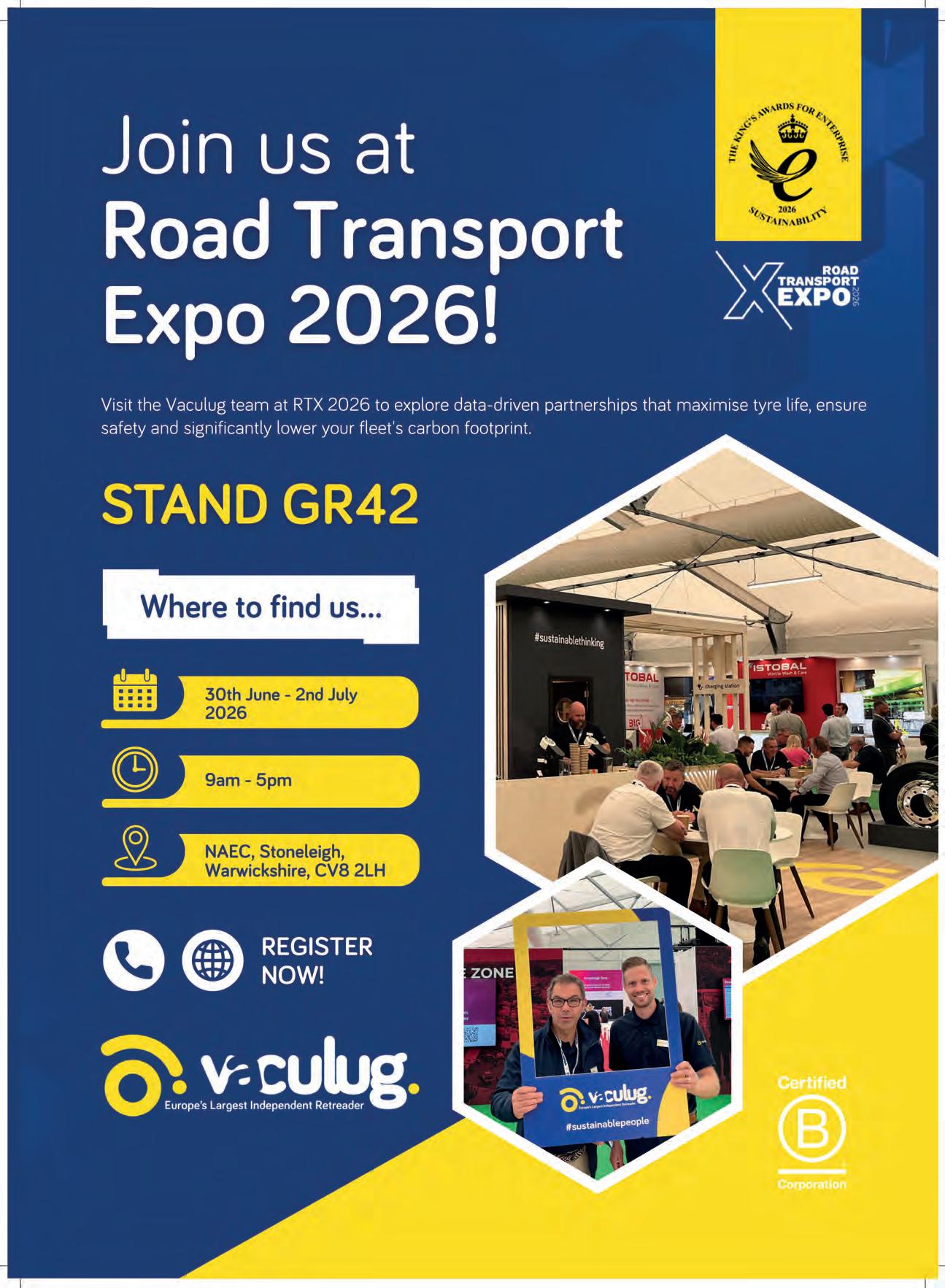
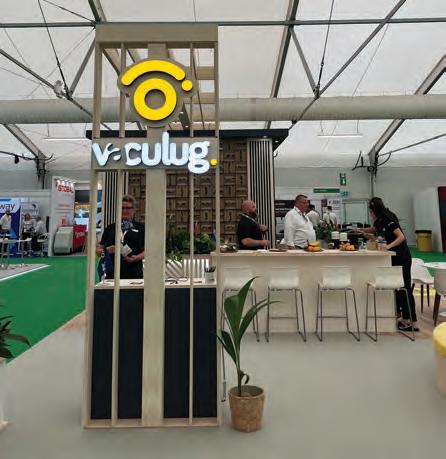
Established in 1950, Vaculug stands as Europe’s largest independent tyre remanufacturer and a definitive leader in the circular economy. From its Grantham HQ, it delivers high-quality retreading solutions that slash raw material consumption by up to 70 per cent. At Road Transport Expo 2026, the Vaculug team will demonstrate how they bridge the gap between sustainability goals and day-today operations. Visitors can get hands-on with three of their bestselling retreads and discover the engineering behind the performance. Visit the team to explore data-driven partnerships that maximise tyre life, ensure safety and significantly lower your fleet's carbon footprint.
Stand number: GR42
Webfleet Fleet Advisor, the AI assistant that helps fleets access faster, data-driven insights into fleet performance. By allowing users to query performance data in natural language, it is designed to help operators identify trends, uncover opportunities for improvement and make more informed decisions. Webfleet will also showcase its growing OEM.connect programme, including its recent integration with MAN Trucks.
Stand number: G51
OFF-ROAD DIAGNOSTICS
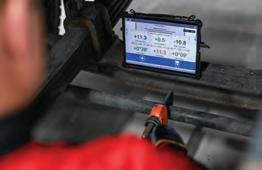
Bosch ESI[tronic] OHW aims to give workshops a complete diagnostic, maintenance and repair solution for agricultural, construction and material handling vehicles, combining specialist off-highway coverage with the flexibility and performance of the latest KTS Truck diagnostic technology.
The diagnostic software ESI[tronic] with the packages for agricultural vehicles (OHW 1) as well construction vehicles and engines (OHW 2) and material handling (OHW 3) from Bosch aims to provide workshops with information about the diagnosis, maintenance and repair of vehicles and forklift trucks, telescopic platforms and loaders used in agriculture, as well as construction vehicles and engines. Licenses can be used in conjunction with a Truck license but may also be used independently.
ESI[tronic] for agricultural machines as well as construction machines and engines:
Strong base
The structure of the diagnostic software is based on the user-friendly ESI[tronic] This system is enhanced by the packages OHW 1, OHW 2 and OHW 3 which add content specific to agricultural machinery, construction machines and engines aswell as material handling. The structure in vehicle information, diagnostics, diagrams, maintenance, technical data as well as access to the parts catalogue is also available in the diagnostic software ESI[tronic] for off-highway vehicles.
Additional information
For engines, the packages OHW 1, OHW 2 and OHW 3 provide setting and parameterisation functions as well as diagnosis of hydraulic systems. In addition, the diagnostic software offers technical details about the installation and removal of components.
Compatibility
ESI[tronic] for off-highway vehicles works only with KTS Truck modules from the second generation. It can be used with a Bosch DCU 220 or any other common laptop or PC.
Flexibility
ESI[tronic] OHW comes in two versions. These can be licensed separately or in combination as needed.
KTS Truck
A versatile diagnostic solution for commercial and off-highway vehicles, KTS Truck from Bosch is a modular diagnostic device for commercial vehicles, that
connects to the DCU 220 or a PC via USB or Bluetooth. With the ESI[tronic] packages Truck, OHW 1, OHW 2 and/or OHW 3, it offers extensive diagnostic options and supports workshops in repair, maintenance and service. The new generation of the KTS Truck improves performance thanks to a powerful microcontroller. Developed for current and future models, the extended protocol coverage and the modernized universal cable with 4-PIN connector increase efficiency through faster diagnostic start. Additional adapters and PassThru technology allow access to manufacturer data for updates.
Features include:
● KTS Truck module for light and heavy commercial vehicles, trailers, transporters and buses as well as agricultural and construction machinery and engines as well as material handling.
● Clear communication via multiplexer and cable adapter identification: K- and L-Line, SAE and CAN switchable to any terminal of the OBD connector.
● Integrated long-range Bluetooth module for high flexibility in the workshop.
● Bluetooth USB adapter for the connection to the Bosch DCU 220 or a computer
● Rugged housing suitable for workshop use.
● Supports Pass-Thru Technology.
● Compatible with Bosch connected repair.
TESTING TESTING
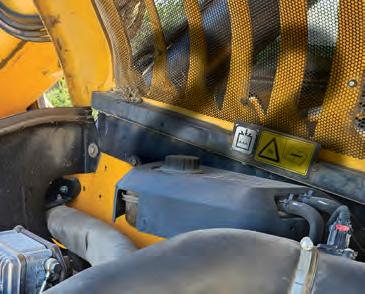
A Pico application specialist identifies the source of a U040D-54 fault code in a JCB 540-170 Telehandler with a PicoScope oscilloscope.
Variable geometry turbochargers (VGT) or variable nozzlet turbines (VNT) are controlled differently between manufacturers. Some use DC motors or vacuums, but more commonly they operate with CAN. VGTs are typically driven by a motor with a position sensor, where position feedback and command value alter how much current is consumed. Should the target and actual vary greatly, current is limited to protect the internal mechanical components, which can derate an engine up to 40 per cent to prevent damage, but also stalls construction work. One of the most common faults in VGTs is stiction. Caused by carbon build up in the vanes, it reduces span of travel and generates turbo fault codes, which is what we found with this 2015 JCB 540-170 Telehandler. This machine showed intermittent signs of turbocharger issues, and only when it was restarted at operating temperature, would it log the
following fault code: U040D-54 - VGT span out of allowable range <90 per cent or >110 per cent of the factory stored first learn. Depending on the manufacturer, a learning procedure can take place on shut down and/or start up that involves sweeping the turbocharger actuator through to the upper and lower limits to check full movement of travel. For this JCB, the learning process took place and displayed a U code, which typically means a communication fault.
Capturing the data
When connected to a PicoScope oscilloscope, we were able to capture CAN data that checked the signal, identified any errors, and exported that data. CAN controlled devices typically have four wires connecting them to the machine, making it easy to access the universal breakout lead set and the connector for the turbo. Care should be taken to ensure the correct terminals are connected.
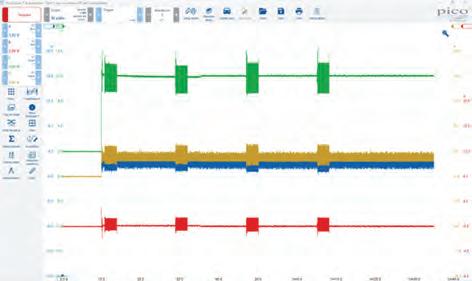
On our first test, we identified 4 signals including Power, Ground, CAN H and CAN L. We calibrated these signals using PicoScope 7 Software, so CAN H and L were mapped to channels A and B to use built-in math channels. We noticed interference affecting all channels, which was unrelated to the signal drop-out or connection issues, so we adjusted the settings to capture a startup sweep for the turbo, along with CAN data. In order to capture CAN correctly, the sample rate and sample interval were adjusted to accurately show the signal.
To accurately analyse and decode serial data, the sampling rate should be 10 times the baud rate. The baud rate on this JCB network was 500 kb/s, or 5 million samples per second when multiplied by 10. We also wanted a time base that would capture the turbo actuator on ignition, so we chose streaming mode, which captures anything equal to or greater than 200 ms/div across 3 channels for CAN H, L and the turbo actuator.
A PicoScope USB3 cable is preferred to maximise data, as they capture up to 20 MS/s in streaming mode for measuring CAN across a longer time base. A PicoScope attenuated lead also reduces the amount of overshoot and spiking in the waveform. With only a PicoScope USB2 cable and a standard 3m test lead, we adjusted the capture to 2.5 MS/s to measure CAN data across a longer time base.
What we found was that the fault code only presented on ignition, where we expected the VGT to complete a sweep. To understand if this was a good or bad signal, we checked the waveform library on the Pico website and consulted the Pico Community forum.
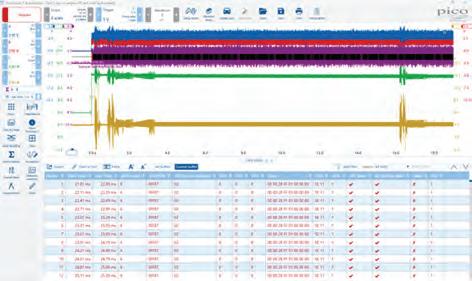
To establish if a fault is mechanical, electrical, or a communication, you must first decode the CAN signal. If there are a number of ECU’s present, you can assume the network is intact and communication should be present. Setting up the A-B math channel and applying the J1939 serial decoder revealed that the majority of the data was valid.
Making sense of the readings
In the decode table, we could see the first messages were invalid, with 1 set in the ACK (acknowledgement) column. This means the message has not been acknowledged by another ECU. We also saw a 0 set in the same column, which identifies the message is valid. On ignition, the turbocharger sent messages immediately, while other ECUs were still starting up, which suggests these invalid messages were not faults but due to staggered operation of ECUs.
We could also see 02 in the source address, which demonstrated that the turbo was online and sending data. Scrolling through the decode table, we found a source address 00 for the engine and F9 for off the board diagnostic tool. With these two ECU’s connected, we
would expect them to communicate and pass data between them. With no further invalid messages, it appeared that communication occurred between at least 4 ECUs on the network.
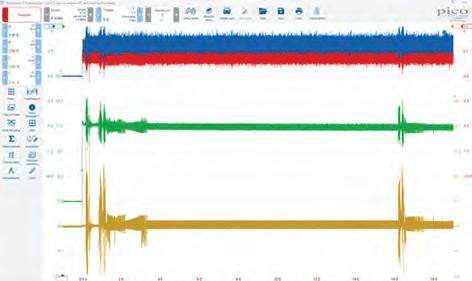
With this information, we knew that the fault was due to a span error when the turbo tried to do a sweep of the actuator. So, we spent some time graphing decoded data in a spreadsheet to identify the turbo vane position output.
After filtering and plotting individual bytes, we established that the PGN 0FF87 from the turbocharger appeared to change at the same point as the current demand. Given that this message is coming from the turbocharger (source 02), it revealed a change when the actuator is active,
identifying an issue with the VGT vane position feedback.
From this, we manually moved the connecting rod to change the position of the actuator. This showed a smooth transition after manual alteration, confirming we were looking at the right bytes. So, we knew:
● Power and ground supply was noisy but stable during turbo operation.
● CAN H and L had stable voltage levels throughout the capture.
● CAN H and L were decoded and showed multiple source addresses with valid messages, highlighting a connection to the network.
● The position sensor feed demonstrated a smooth output when manually moved with decoded data suggesting the turbo controller is working.
● Position output is sporadic during the span learn process following a key event.
This proved that the controller was working correctly, communicating with the network and other ECUs, but the feedback during the span learn process was not working, giving us enough evidence to replace the turbocharger.
After the turbocharger was fitted, we ran a verification test. The new capture showed a smooth transition during "key on" and a limit-finding current spike at "key off." We also found that the new turbocharger consumed significantly more current than the faulty one, exceeding 20A. This suggests the controller applies current limiting when actuator position limits are unknown to protect internal components.
As modern machinery continues to move forward, tools like PicoScope oscilloscopes, can reveal insights not found with traditional methods, getting to the root cause of a problem, so you can replace the part required, saving time and money on a right first-time fix.
ALTERNATOR FAILURES
MAHLE looks at alternator failures in commercial vehicles and why diagnostics matter more than ever.
When an alternator fails, the consequences are immediate. Downtime, missed deliveries and rising operating costs quickly follow. Yet despite its importance, alternator failure is still too often treated as a simple component issue - replace the unit and move on. The reality is very different.
Insights from MAHLE’s alternator damage analysis highlights a consistent pattern across the aftermarket - most alternator failures are not caused by the unit itself, but by issues elsewhere in the system. In many cases, the alternator is the final point of failure, not the root cause.
On paper, the alternator performs a straightforward task, converting mechanical energy into electrical power and maintaining battery charge. In practice, it operates within a complex environment influenced by mechanical loads, electrical demand and operating conditions. In commercial vehicles, where systems run longer, harder and under greater strain, that environment becomes even more critical.
This is where many diagnostics fall short. A failed alternator is replaced, but the conditions that caused the failure remain. The result is a repeat issue, often within a short timeframe, leading to unnecessary cost, lost labour and frustrated customers.
Contamination is one of the most common contributors. CVs operate in harsh conditions, where dust, moisture and oil are part of daily life. Over time, these contaminants can build up within the alternator, restricting airflow and reducing cooling efficiency. As temperatures rise, internal components begin to degrade. Bearings wear, brushes deteriorate and performance drops off. In more severe
cases, oil or fuel ingress, often caused by leaks elsewhere in the engine, can quickly lead to complete failure.
Installation practices also play a significant role. Under workshop pressure, it’s easy to overlook the finer details, but small errors can have serious consequences. Incorrect torque on a belt pulley, missing components or poorly secured electrical connections can all compromise the alternator’s performance from the outset. It’s not uncommon for early-life failures to be traced back to installation issues rather than product quality.
Why diagnostics matters
Electrical faults can be even more immediate. Incorrect polarity, short circuits or improper use of charging equipment can damage critical components such as rectifier diodes in seconds. In some cases, a brandnew alternator can fail before the vehicle even leaves the workshop, simply because correct procedures haven’t been followed.
Mechanical stress is another factor that is often underestimated. CVs are subject to constant vibration, and if mounting points, tensioners or pulleys are not functioning correctly, that vibration is transferred directly into the alternator. This can lead to internal damage, including worn bearings, cracked connections and misalignment of rotating components. The failure may not be immediate, but it is inevitable.
Heat adds further pressure. As electrical demand increases, so too does the thermal load placed on the alternator. If that heat cannot be effectively dissipated, whether due to contamination, poor airflow or increased system demand, the alternator is forced to operate beyond its limits. This is
particularly relevant in modern CVs, where additional electrical equipment is often fitted without fully considering the impact.
All of this points to a simple but important shift in approach. Alternator replacement should not be treated as a standalone repair, but as part of a wider system check. Identifying the root cause, whether environmental, mechanical or electrical, is the key to preventing repeat failures and improving long-term reliability.
For workshops, this means taking a step back and looking beyond the component itself. Checking for contamination, verifying installation procedures, assessing electrical connections and ensuring the alternator is correctly specified for the application are all part of a more effective diagnostic process. This saves time by reducing comebacks and improving first-time fix rates.
MAHLE’s approach reflects this need for deeper understanding, providing not just components but also the technical insight required to diagnose issues accurately. With access to detailed damage analysis, training and diagnostic support, technicians are better equipped to identify the real cause of failure rather than simply replacing parts.
For fleet operators, the benefits are clear. Fewer breakdowns, reduced downtime and more predictable maintenance all contribute to improved operational efficiency.
Alternator failure is rarely random. It is usually the result of a chain of events, installation issues, environmental factors or system-related problems that build over time. Understanding that chain, and diagnosing accordingly, is what separates a quick fix from a lasting repair.
THINKING ABOUT DIAGNOSTICS
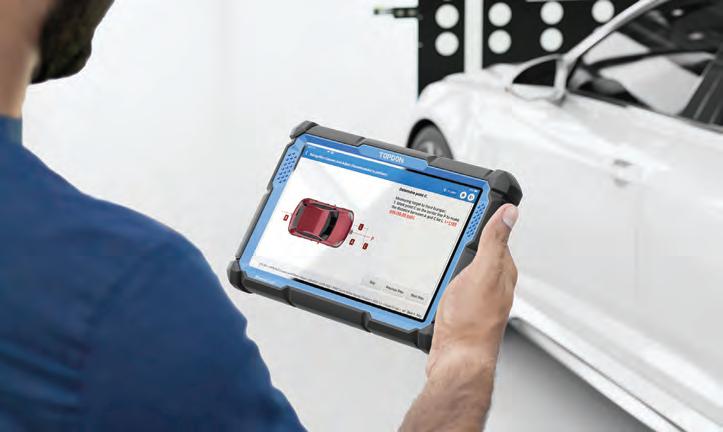
Alex Gillbanks, owner at Thinkcar UK, details how its meeting the needs of commercial vehicle diagnostics.
As commercial vehicles continue to evolve, workshop diagnostics has become increasingly complex. Today’s HGVs rely on interconnected electronic systems spanning multiple ECUs, emissions control strategies and networked safety functions. As a result, technicians are now expected to manage far more than traditional fault-code reading and troubleshooting.
Modern diagnostic platforms are responding by focusing on improved system access, guided workflows and enhanced connectivity, helping workshops maintain efficiency and uptime in increasingly demanding environments.
Beyond functionality, a factor influencing workshop purchasing decisions is overall value and scalability, particularly
for fleets and independent operators equipping multiple technicians or mobile support vehicles. A significant proportion of Thinkcar’s CV customers already own premium-brand HGV diagnostic platforms but when it comes to equipping a mobile van or a second technician, budget becomes a major factor. Rather than positioning itself as a direct replacement for OEM-level systems, Thinkcar’s focus is on delivering broad functionality and vehicle coverage at a competitive price. The THINKTOOL Master CV package includes the tablet, full cable set, two years of software updates
WANT TO KNOW MORE?
Make sure to scan the QR code!
and coverage across LCV, HGV, coach, agricultural and plant applications.
Thinkcar also offers a smaller handheld HD diagnostic unit, aimed at workshops and roadside technicians requiring a more compact and cost-effective solution for breakdown and mobile repair work.
MEANINGFUL BRAKETEST REFLECTIONS
MAHA UK assesses why the commercial vehicle sector is still adjusting to the ‘meaningful brake test’.
Ayear on from the updated Guide to Maintaining Roadworthiness, which set expectations for a minimum of four laden brake tests every year, MAHA UK believes the CV sector is still adjusting. The direction of travel is clear, but the company acknowledges work is still to be done.
The updated guidance aims to ensure that brakes are assessed under realistic
load conditions to reflect on-road performance. A laden roller braker test, a decelerometer with temperature readings and EBPMS are recognised methods.
MAHA UK managing director, Neil Ebbs, said: “Some operators have moved quickly to embrace the guidelines, while others continue to rely on established, conventional methods that, for now, still meet the required standard.”
Interest remains high
There is demand across the sector, from major fleets to independent workshops. Some OEMnetworks have already progressed with orders and installations, while large fleet operators are actively exploring the technology. Early adopters are reporting operational benefits, although widespread implementation is still developing.
There are some businesses that have taken a more cautious approach – insisting that they can still achieve a meaningful brake test by using traditional methods. Typically, this is by physically loading vehicles to simulate real-world conditions.
Neil said: “There are many reasons why businesses might be holding back – but experience tells us cost is a likely factor. That’s understandable too; installing advanced brake testing systems represents a significant capital investment. If businesses already have setups in place and believe they are compliant, why would they change?
In many scenarios, existing processes –however labour-intensive they may be – are compliant. Indeed, a vehicle can be loaded, tested and passed. From a regulatory standpoint, this is sufficient – but this may not capture the full operational picture.
Where operators are utilising newer brake testing systems, they are not only considering compliance, but they also bolstering efficiency.
By applying load directly onto the axle –via a rising roller brake tester, for example –it allows users to achieve consistent, repeatable test conditions, reduce reliance on manual handling, redeploy staff to other important roles and strengthen overall workshop throughput.
Consistency is key
One of the main aims of meaningful brake testing is to improve the quality and consistency of results. By applying weight through physical loading, there is always potential for inconsistencies and errors, especially if loads are not positioned identically every time. The tiniest of variations can affect brake performance readings. In contrast, direct axle loading enables operators to apply a consistent proportion of the vehicle’s axle weight –typically a minimum of 65 per cent – in a controlled, repeatable way.
Neil acknowledged: “No test method is perfect. Factors, like brake temperature and real-world operating conditions, can influence results and outcomes. Ultimately, though, the objective isn’t perfection – but improved reliability and repeatability.”
An evolving market
In conclusion, MAHA UK understands meaningful brake testing remains a new concept – the guidelines were only introduced just over a year ago – and the industry is still adapting. It is possible some operators are biding their time, waiting for the optimum moment –whether that’s down to economics, more changes in regulations or competition.
“No test method is perfect. Factors, like brake temperature and real-world operating conditions, can influence results and outcomes. Ultimately, though, the objective isn’t perfection – but improved reliability and repeatability.” Neil Ebbs, managing director.
On the theme of competition, with many suppliers offering similar and compliant solutions, this adds another layer of complexity to purchasing decisions – but MAHA UK is confident that investing in its rising roller brake testers would be a shrewd one. Neil added: “Those that choose MAHA UK will receive a proven solution, backed by technical expertise, ongoing support and a clear understanding of how CV businesses operate in the real world. It’s not just about
supplying equipment; it’s about supporting customers and helping them realise the potential of their investment.”
MAHA UK’s MBT 7250 brake tester, compliant with DVSA requirements, is recognised for its accuracy in assessing brake system performance. It features a large roller sensor (100mm diameter) and an axle load capacity of up to 20 tonnes, providing consistent coverage across each tyre. Its robust electronic, temperature-compensated strain gauge system is designed to deliver consistent and accurate measurements across varying conditions.
The MBT 7250’s rising rollers can be lifted up to 250mm to simulate an axle load of up to 13 tonnes, providing a reliable alternative to traditional laden testing methods. Additional equipment – such as hydraulic rams or fixed anchor points –may still be required to ensure the necessary load is applied.
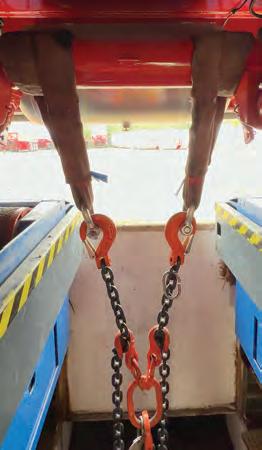
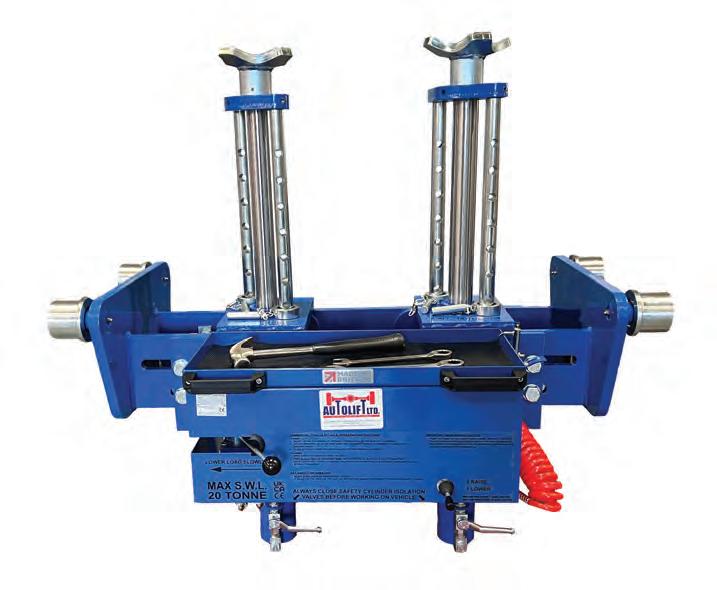
Autolift is here to help you meet standards safely and efficiently when it comes to pit jacks in ATF and VOA test lanes.
JACK OF ALL TRADES
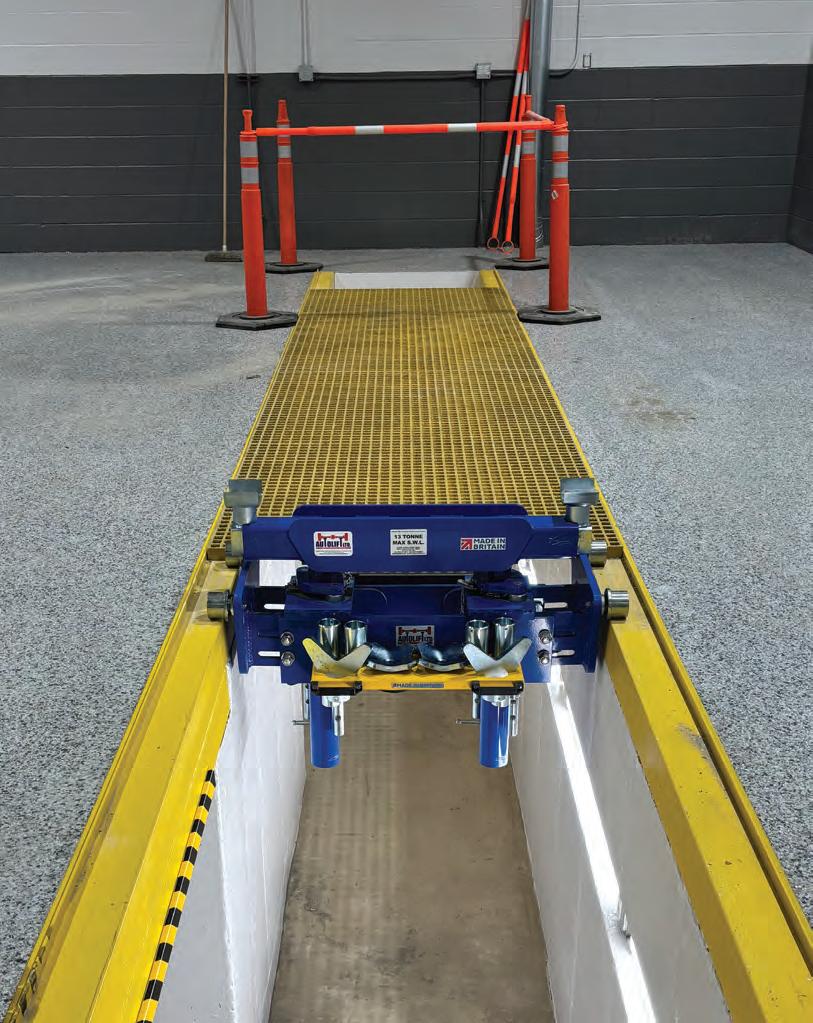
Authorised testing facilities (ATFs) and vehicle operator agency (VOA) test lanes –now operating under the DVSA –form a vital part of the UK’s commercial vehicle compliance network. These facilities are tasked with ensuring that HGVs, buses, and trailers meet strict roadworthiness standards, and the equipment used within them must meet equally high expectations. Among the most critical components in any test lane is the pit jack, playing a central role in both safety and efficiency.
The demands of modern test lanes ATF and DVSA-approved lanes are designed to deliver consistent, repeatable inspections across a wide range of vehicle types. Each test involves a detailed assessment of braking systems, suspension, steering, and overall underbody condition. To carry out these checks effectively, inspectors require safe, controlled access to the vehicle –often while working directly beneath it.
This environment leaves no room for compromise. Equipment must not only perform reliably but also comply with strict operational standards. Pit jacks are therefore an essential part of the testing process, enabling precise lifting of heavy axles in a controlled manner.
Why pit jacks are essential
Pit jacks allow operators to raise individual axles quickly and securely, providing access for inspections and enabling accurate
testing procedures. Their ability to travel along the length of the pit ensures flexibility, allowing technicians to position lifting points exactly where needed without moving the vehicle itself.
This is particularly important in brake and suspension testing, where isolating specific axles is necessary for accurate results. By providing stable, targeted lifting, pit jacks help maintain both the integrity of the test and the safety of the operator.
The legal requirement: 13T telescopic spreader beams
A key requirement within ATF and DVSA test lanes is the use of a 13-tonne (13T) spreader beam. There are fixed and telescopic models available with the latter providing more flexibility. These are a legal necessity, ensuring that lifting operations are carried out safely and in line with regulatory standards.
Spreader beams distribute the load evenly across the axle, reducing stress on individual lifting points and preventing instability. Given the variation in axle widths and vehicle designs, the telescopic function allows for quick adjustment, ensuring compatibility with a broad range of vehicles and reaching lifting points beyond the edge of the pit.
Without correctly rated and properly adjusted spreader beams, lifting operations would present significant risks. Their mandatory use reflects the importance of maintaining consistent safety standards across all approved testing facilities.
“Pit jacks allow operators to raise individual axles quickly and securely, providing access for inspections and enabling accurate testing procedures.”
Safety features in practice
Safety is fundamental in any environment where technicians are working beneath heavy vehicles. Modern pit jacks incorporate multiple layers of protection to ensure safe operation throughout the lifting process.
Manufacturers such as Autolift have focused heavily on integrating safety into every stage of operation. Key features typically include:
● Overload protection, preventing lifting beyond the jack’s rated capacity
● Anti-burst valves, ensuring loads remain secure even in the event of hose failure
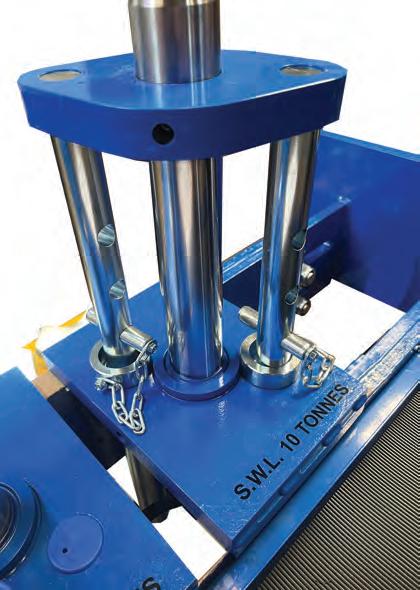
● Mechanical locking systems, such Autolift’s optional extra Security Strut
mechanism struts or pins, providing an additional physical safeguard against unintended movement
In high-pressure testing environments, these features are essential. They not only protect technicians but also ensure compliance with DVSA standards and audit requirements.
Efficiency in high-throughput environments
ATF test lanes are often required to process a high volume of vehicles within tight timeframes. Equipment must therefore support efficiency without compromising safety. Pit jacks contribute directly to this balance by enabling quick, accurate lifting and repositioning. The inclusion of 13T spreader beams further enhances workflow.
WANT TO KNOW MORE? Make sure to scan the QR code!
Their adjustability allows operators to adapt quickly to different vehicle configurations, reducing setup time and maintaining throughput.
Autolift pit jacks, for example, are designed with both durability and ease of use in mind, helping operators maintain consistent performance even under continuous demand.
Reliability and long-term compliance
In regulated environments such as ATF lanes, equipment reliability is closely tied to ongoing compliance. Regular inspection and maintenance of pit jacks are essential, but design also plays a significant role.
Sealed hydraulic systems, robust construction, and high-quality components all contribute to reduced maintenance requirements and extended service life. This is an area where manufacturers like Autolift continue to invest, ensuring their equipment meets the long-term needs of testing facilities.
Reduced downtime not only improves operational efficiency but also helps maintain consistent testing schedules –an important factor for both operators and regulatory bodies.
Pit jacks are a cornerstone of safe and effective vehicle inspection within ATF and DVSA test lanes. Their ability to deliver precise, controlled lifting supports accurate testing while protecting those working beneath heavy vehicles.
The legal requirement for 13T telescopic spreader beams further reinforces the importance of proper load distribution and compliance. Together, these elements ensure that testing facilities can operate safely, efficiently, and in line with national standards.
As vehicle technology continues to evolve, the demand for robust, compliant lifting solutions will only increase. With manufacturers such as Autolift continuing to refine design and safety features, pit jacks will remain a critical part of maintaining the safety and reliability of the UK’s commercial vehicle fleet.
GETTINGYOUR WHEELS IN A ROW
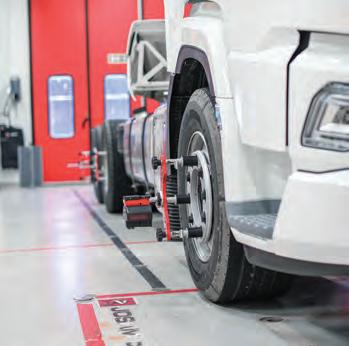
HGV wheel alignment equipment plays a critical role in maintaining the performance, efficiency and safety of commercial vehicles. Used to measure and correct axle alignment on trucks and trailers, these systems help reduce tyre wear, improve fuel economy and minimise costly downtime.
For today’s workshops and fleet operators, alignment is no longer a reactive task. With rising operating costs and increased pressure on vehicle uptime, accurate and repeatable alignment has become an essential part of preventative maintenance.
What is HGV wheel alignment?
HGV wheel alignment is the process of measuring and correcting the position of axles and wheels to ensure they are correctly aligned with the vehicle’s chassis. Even small deviations can have a significant impact across multiple axles, particularly on articulated vehicles and trailers.
Why alignment is critical for commercial vehicles
Tyre wear: Misalignment can rapidly reduce tyre life, increasing replacement costs
Fuel consumption: Poor alignment creates additional rolling resistance, leading to higher fuel usage
Vehicle handling: Incorrect alignment affects steering stability and driver confidence
Downtime: Undetected issues can lead to premature component wear and unplanned repairs
Common causes of misalignment
Misalignment can occur through a range of everyday operating conditions, including: Road impacts such as potholes or kerbstrikes, wear in suspension or steering components, incorrect installation or replacement of parts, load stress and general vehicle fatigue. Because these issues often develop gradually, regular alignment checks are essential to maintain performance.
Types of HGV wheel alignment equipment
Modern workshops can choose from a range of alignment technologies, each suited to different operational needs:
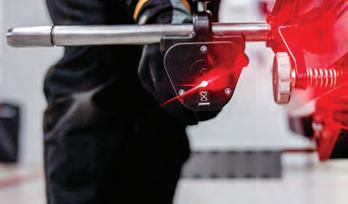
Laser alignment systems: A proven and reliable method, laser systems are widely used and well understood. They are typically suited to workshops with lower throughput or those looking for a straightforward solution.
AES highlights why HGV wheel alignment equipment matters for modern workshops and fleets.
Camera-based alignment systems: Digital camera systems offer higher levels of accuracy and repeatability, along with faster setup times. These systems are increasingly popular in professional workshops where efficiency and precision are key.
Drive-through alignment systems: Designed for high-volume environments, drive-through systems allow vehicles to be measured without complex setup. This makes them ideal for busy workshops or fleet operators requiring quick checks across multiple vehicles.
Comparing Alignment Technologies
ACCURACY GoodVery HighHigh
SPEED ModerateFastVery Fast
SETUP Manual SimpleMinimal
BEST FOR General Professional High volume workshopsworkshopsworkshops
How HGV wheel alignment works
While systems vary, the alignment process typically follows a structured approach:
Inspect tyres, suspension and steering components. Measure axle positions and wheel angles.
Identify misalignment across all axles. Adjust wheels/axles to manufacturer specifications.
Consistent measurement and repeatability are key to achieving reliable results.
Choosing the right system
Selecting the right alignment equipment depends on several factors: the types of vehicles being serviced; workshop throughput and work flow requirements; required levels of accuracy and reporting and; available space and operating environment. For many operators, seeing systems in action before purchase (demo) can be valuable in understanding how they integrate into day-today workshop operations and how different systems and technical knowledge compares.
The return on investment
Investment in wheel alignment equipment is often justified through measurable cost savings and operational improvements: Reduced tyre wear and longer replacement interval; improved fuel efficiency across the fleet; lower maintenance and repair costs; additional revenue opportunities for workshops.
In many cases, alignment systems can pay for themselves within a relatively short period when used consistently. HGV wheel alignment equipment is a key tool for maintaining vehicle performance and controlling operating costs in modern fleets and workshops. With a range of technologies available, selecting the right system comes down to operational requirements, vehicle types and desired levels of accuracy.
As the industry continues to focus on efficiency and uptime, alignment is becoming an integral part of both preventative maintenance strategies and workshop service offerings.
WANT TO KNOW MORE?
Make sure to scan the QR code! FEATURELASERCAMERADRIVE-THROUGH
WARRANTY: THE NEW METRIC OF BUSINESSLOYALTY
Warranty, once a secondary concern, has evolved into a central pillar in fostering customer trust and loyalty. Darren Binns, national sales manager at Jefferson Tools, asserts that manufacturers must view warranties not as a fallback but as a strategic approach to ensuring reliability and nurturing long-term customer relationships.
In the past, warranties were often an afterthought - just another item to tick off a list. Today, however, they’ve become a key business strategy. In industries like tools and equipment, where products face intense use and harsh conditions, customer expectations are continuously growing.
“Tools are no longer just machines; they are the foundation of someone’s livelihood. Professionals now expect the same reliability from the manufacturer when things go wrong as they do from the tools themselves,” says Binns.
This shift reflects a broader industry trend: Total cost of ownership. Customers now consider the lifetime cost of their tools, including repairs, downtime, and maintenance - not just the initial purchase price. For manufacturers, this means rethinking how warranties are structured. What was once a safety net is now a key value proposition.
Clarity, transparency, and education
One of the cornerstones of Jefferson Tools’ warranty programme is clarity. Every product comes with a clearly defined warranty period - typically one year for electrics and engine-powered tools, with extended or lifetime cover for select products. The programme’s transparency
eliminates the ambiguity that often plagues warranties across sectors.
“Warranty goes beyond fixing a product when it fails,” explains Binns. “We ensure our customers know exactly what’s covered and how to prevent common issues. Our goal is to eliminate any surprises when it comes to repair terms.”
Jefferson Tools also places a strong emphasis on customer education, ensuring users know how to properly maintain their tools and avoid potential warranty exclusions. By doing so, the company reduces the number of claims and empowers customers to maximise the life of their products.
“Equipping customers with the knowledge to care for their tools properly reduces the likelihood of misuse or neglect,” Binns says. “This leads to fewer repairs and less downtime for professionals. We believe a well-informed customer is a successful customer.”
A differentiator in a competitive market
In a marketplace where price and features alone no longer guarantee success, warranties have emerged as a significant differentiator. Consumers are seeking manufacturers who offer not just a quality product, but also a solid commitment to after-sales service.
For distributors and dealers, a robust warranty offering can help reinforce trust with customers. For end-users, a clear and accessible warranty programme can often tip the scales when choosing between competing products.
“Warranty gives customers confidence in their purchase. They want to know they’re investing in more than just a tool; they’re investing in a relationship with a company that will support them through thick and thin.”
A core business strategy
As tools and equipment continue to evolve, manufacturers must adapt their warranty strategies accordingly. Today’s customers expect more than just a product; they demand a comprehensive package that includes post-purchase support.
Companies that view warranty as a core business strategy are best positioned to build lasting relationships and foster customer loyalty.
“The future of warranties goes beyond fixing a product after failure; it focuses on ensuring customers never experience downtime in the first place. The best warranty programmes are built on trust, transparency, and a commitment to helping customers succeed in their work.”
HEAVY-DUTY DEMANDS
Sealey talks CVW readers through its range of tools aimed at addressing the challenges of working on trucks and heavy commercial applications.
The commercial vehicle sector presents a distinct set of challenges for workshops. Larger components, higher torque requirements and increased operating loads mean that tools and equipment must be built to withstand more demanding conditions than those typically encountered in passenger vehicle servicing. At the same time, fleet operators expect minimal downtime, placing added pressure on technicians to complete repairs efficiently and safely. As a result, the market for commercial vehicle tools continues to focus on strength, precision and reliability, with specialist equipment playing a key role in maintaining productivity.
Sealey has developed a range of tools aimed at addressing these challenges, supporting technicians working on trucks and heavy commercial applications with equipment designed for both durability and control.
Injector removal for commercial applications
Diesel injector removal on commercial vehicles can be particularly difficult due to carbon build-up, corrosion and limited access within the engine bay. Using incorrect tools risks damage to both the injector and surrounding components.
Sealey’s Diesel Injector Puller Socket for MAN/Mercedes and Scania (Model No. CV2060) is
Manufactured from Chrome Vanadium for strength and long service life, the tool features a 4-tooth profile that ensures secure engagement with the injector. A side window improves visibility and alignment during use, helping technicians position the tool accurately in confined spaces. Compatibility with a standard 22mm spanner or 6mm hex key allows for controlled application of force, reducing the likelihood of component damage during removal or installation.
Bush and bearing removal
Suspension bush and bearing replacement on commercial vehicles often requires significant force, and traditional workshop presses may not always be practical when working on-vehicle. The Hydraulic Bush and Bearing Removal/Installation Kit (Model No. VS7034) addresses this issue by providing a portable, high-capacity solution. The 18-tonne hydraulic cylinder enables the removal and installation of stubborn components while maintaining control. Parallel working tension elements help protect the bush during operation, while a sleeve viewing window ensures correct alignment. With press sleeves ranging from 26mm to 82mm in 2mm increments, plus larger options, the kit supports a wide range of applications across both passenger and commercial vehicles.
Brake disc removal
Seized brake discs are a common issue in commercial vehicle maintenance, particularly on vehicles exposed to harsh operating environments. Traditional removal methods can be time-consuming and may risk damage to hubs or surrounding components. Sealey’s Hydraulic Floating Brake Disc Press (Model No. CV050) provides a more controlled approach. Designed specifically for commercial vehicle use, the system employs low-profile rams that fit between the disc and hub. Two independent regulator valves allow gradual and even application of force, helping to separate seized components safely. This reduces the
need for excessive hammering or heat, improving both efficiency and component protection. The tool is suitable for applications including DAF, Renault and Volvo vehicles.
Cabin suspension maintenance
Accessing and servicing cabin suspension components on trucks presents its own safety considerations. Springs under tension can pose a risk if not handled correctly, and maintaining control during compression is essential. The Truck Cabin Shock Absorber Spring Compressor (Model No. RE251) is designed to address this. It allows safe removal and installation of cabin spring shock absorbers on
applications including Volvo FM and FH models. Carefully shaped safety yokes prevent the spring from bowing during compression, while controlled torque limits help maintain safe operation. When used with the compatible shock absorber
wrench, the process becomes more straightforward, reducing the risk of damage or injury.
Servicing commercial vehicles requires tools that can handle higher loads while maintaining precision and safety. From injector removal to suspension work and brake servicing, the right equipment plays a vital role in reducing downtime and ensuring repairs are carried out correctly. Sealey’s commercial vehicle range reflects these requirements, offering practical solutions designed to meet the demands of modern heavy-duty workshops.
KEEPING CLEAN
Wood
Brothers Travel invests in Stertil-Koni mobile column washbay lifts.
Wood Brothers Travel, a coach operator serving Torbay and South Devon, has strengthened its vehicle cleaning and maintenance operations with the addition of Stertil-Koni mobile column lifts.
Operating from Buckfastleigh, the company runs a modern fleet of coaches for school transport, private hire and airport transfers. To support regular outdoor washbay activity, Stertil-Koni supplied a set of cabled mobile column lifts complete with specialist protective covers, designed to withstand demanding external conditions.
The installation comprises six StertilKoni ST1075FSA mobile columns, each with a lifting capacity of 7.5 tonnes, delivering a total capacity of 45 tonnes. This provides Wood Brothers with a safe and efficient system for raising large vehicles such as buses and coaches during cleaning and inspection.
Key features
A key advantage for the operator is the ebright smart control system, which enables engineers to control the columns individually or as a synchronised set via intuitive touch screen consoles. This flexibility helps streamline washbay processes, reducing downtime and improving overall productivity.
Designed with safety and precision in mind, each column incorporates an independent mechanical locking system to
“The installation comprises six Stertil-Koni ST1075FSA mobile columns, each with a lifting capacity of 7.5 tonnes, delivering a total capacity of 45 tonnes.”
securely support the vehicle, alongside microprocessor-controlled synchronisation for smooth, level lifting. With a lifting speed of up to 1.85 metres in just 75 seconds, the system helps minimise turnaround times between washes.
The cabled configuration is powered by a standard 415V power supply and includes heavy-duty cabling, ensuring robust connectivity. In addition, maintenance-free synthetic runner wheels and an integrated hydraulic pallet truck mechanism allow the columns to be positioned quickly and easily within the washbay area.
For Wood Brothers, the inclusion of protective covers is particularly valuable. These help shield the equipment from water, cleaning chemicals and changing weather conditions, ensuring dependable performance during frequent outdoor use.
ALL TOOLED UP
From stubborn wheel nuts to flat batteries and heavy lifting, the right tools can save valuable time in a busy commercial workshop. Draper highlights the essential problem-solving equipment every technician should have close to hand to work safer, faster and more efficiently.
As a technician, it’s likely you’ll have a favourite tool that’s come to the rescue in tricky situations, or one that comes in handy time and again. Whether it’s a trusted socket set or a powerful impact gun that’s loosened up some tough nuts – we’ve all got our top tools. Over time you begin to build up a kit full of tools and equipment that just seem to make life easier, until you’ve got your absolute musthaves that you can’t be without. To help you with your tool collection, here is the Draper guide to a few problem-solving tools for the commercial workshop.
PROBLEM: You need extra torque
SOLUTION: A high quality socket set is always a worthwhile investment and will come in handy throughout your career but with so many to choose from it can be hard to know where to start. Look for a set with a lifetime warranty, that’s a good indication that it will withstand the commercial vehicle servicing environment. Choosing a set with accessories like an extension bar for extra torque makes a lot of sense too. One set with everything you’ll need is the Draper ¾ in. Expert 26 Piece Combined MM/AF Socket Set which includes three extension bars and a reversible ratchet.
wheel nuts. A torque multiplier is an excellent piece of kit that’s ideal for the removal and installation of highly torqued wheel nuts on commercial vehicles and trucks. It’s extremely beneficial in situations when you don’t have air or your impact wrench isn’t easily accessible. Models such as the one from Draper’s Expert range have a gear ratio of 1: 56 producing a maximum output of 3200Nm.
Efficient greasing
Applying lubricants and greases to various mechanical or moving parts is an essential and everyday job and when you’re doing it day in day out - you need this to be as efficient and effective as possible. So, look for heavy duty models of grease gun to help make quick and light work of the task. These are capable of generating the high pressure needed to unblock clogged, heavy-duty grease points on commercial vehicles. Their manual operation means you get precise control, while their durability generally means they are up to the job in demanding workshop environments.
PROBLEM: Flat batteries
PROBLEM: Stubborn wheel nuts (and your air impact wrench is not accessible!)
SOLUTION: Having enough torque for the job is a common issue for the workshop – so it warrants another solution to help, especially when it comes to highly torqued
SOLUTION: If you provide breakdown recovery and assistance, you’ll know batteries are a big issue. According to the RAC, batteries are the number one cause for commercial vehicle call outs. Whether it’s flat batteries or batteries reaching the end of their lifespan, RAC data suggests it makes up 18 per cent of all their breakdown jobs for businesses. With this being such a widespread and regular issue, you need a
charger or jump starter that can really withstand high levels of demand. Safety is key, look for models with protection against over discharge, over charge, over temperature, reverse polarity, short circuit, voltage error and overload. The 12/24V Schumacher Giga Lithium jump starter is a strong choice, suitable for starting those difficult vehicles, whilst also being lightweight with a carry handle, so that you can easily take it to the job.
PROBLEM: Safely lifting heavy vehicles with the minimum possible ef
SOLUTION: Every mechanic knows that jacks an absolute essential for the garage, but when it comes to commercial vehicles and regular heavy lifting, you need some extra power. If, like many garages, you’re using an air compressor, invest in an air bottle jack that you can connect to your compressor for pneumatic lifting. You can then control it by using the air valve, which makes heavy lifting effortless and improves work efficiency. If you’re not using air, or you’re mobile out on the road, a hydraulic bottle jack is a great option that will help make quick, easy work of lifting a range of commercial vehicles. Look for a good build quality and be sure to consider safety, you want to ensure any model you choose has been tested and certified to the current EN1494 standard.
WANT TO KNOW MORE?
Make sure to scan the QR code!
SUMMER READY
From year-round climate control to faster, more efficient workshop servicing, Totalkare’s latest air conditioning solutions help commercial vehicle operators keep fleets comfortable, compliant and road-ready with advanced A/C service technology built for modern workshops.
The UK weather may be unpredictable, but one thing remains constant –drivers rely on their vehicle air conditioning systems all year round. From clearing misty windscreens on cold mornings to keeping cabins cool during summer heatwaves, A/C systems work harder than many people realise. And with commercial vehicles spending long hours on the road, reliable climate control isn’t just about comfort –it’s essential for driver wellbeing, safety, and operational efficiency. That’s why regular A/C servicing is more important than ever.
Why air conditioning servicing matters
When A/C systems are left unused or poorly maintained, problems can quickly develop. Refrigerant leaks, damaged seals, moisture build-up, and contamination can all reduce performance and lead to costly repairs further down the line.
For busy workshops and fleet operators, efficient servicing is key to keeping vehicles road-ready while minimising downtime.
The good news? Totalkare now offers a complete range of advanced air conditioning service units and accessories designed to make servicing faster, easier, and more reliable than ever before.
Whether you’re maintaining HGVs, buses, vans, or passenger vehicles, our latest A/C solutions aim to help workshops improve productivity while delivering professional results every time.
Fully automatic A/C service units
Modern workshops need equipment that works smarter, not harder.
Our range of fully automatic Air Conditioning Service Units simplifies the entire servicing process through intuitive touchscreen controls and guided workflows. Designed for maximum efficiency and accuracy, these units automate every stage of refrigerant recovery and recharge.
“Regular cleaning and disinfection help improve air quality while creating a safer, more comfortable working environment for drivers.”
A simple, automated five-step process
Totalkare’s A/C service units handle the complete service cycle automatically:
Recover refrigerant safely from the vehicle’s A/C system.
Separate and collect used oil for disposal. Vacuum-test the system to remove moisture and identify leaks. Reinject fresh oil and UV dye for ongoing leak detection. Recharge the system with the precise refrigerant quantity required.
The result?
● Faster servicing times.
● Reduced risk of human error.
● Improved workshop efficiency.
● Consistent, accurate performance. Many units also feature low-emission technology to support environmentally responsible servicing.
Smart technology for modern workshops
Today’s workshops need connected, futureready equipment. Totalkare’s latest air conditioning service units include:
● User-friendly touchscreen interfaces.
● Vehicle refrigerant databases.
● USB software updates.
● Service data export functionality.
● Compatibility with both R134a and R1234yf refrigerants.
This makes them ideal for workshops servicing a wide range of modern vehicles.
“When
A/C systems are left unused or poorly maintained, problems can quickly develop. Refrigerant leaks, damaged seals, moisture build-up, and contamination can all reduce performance and lead to costly repairs further down the line.”
Improve cabin hygiene and driver comfort
A/C systems naturally collect dirt, moisture, bacteria, and unpleasant odours over time –especially in high-mileage commercial vehicles. Regular cleaning and disinfection help improve air quality while creating a safer, more comfortable working environment for drivers. Totalkare’s A/C hygiene solutions include:
● High-performance air conditioner disinfection units.
● Ozone generators for odour elimination.
● Professional cleaning fluids for complete system sanitisation.
These systems are suitable for larger commercial vehicles including trucks, coaches, and buses.
Protecting your A/C systems long-term
Preventative maintenance plays a vital role in extending the lifespan of air conditioning systems and workshop equipment alike.
To maximise performance and reliability, workshops should:
● Use high-quality compressor oils.
● Flush refrigerant circuits regularly.
● Prevent sealants and contaminants entering service equipment.
● Verify refrigerant purity before every service.
Totalkare also supplies refrigerant identifiers and gas analysis tools to help workshops avoid cross-contamination and ensure safe servicing procedures.
Double your capacity
Exclusive double unit fffers are available until the end of July 2026. Looking to increase workshop throughput and maximise servicing capability? For a limited time, Totalkare is offering unbeatable savings on pairs of TEXA TOUCH Air Conditioning Service Units.
The TEXA 707 TOUCH is a fully automatic air conditioning service station designed for modern workshop environments. Compatible with both R134a
and R1234yf refrigerants, the 707 TOUCH delivers dependable recovery, recycling, vacuum, and recharge functionality through a simple guided touchscreen interface. Built for high-volume professional workshops, the TEXA 712 TOUCH delivers advanced automation, faster service cycles, and premium efficiency.
Designed to maximise productivity while maintaining exceptional servicing accuracy, the 712 TOUCH is ideal for demanding workshop environments handling large numbers of vehicles daily.
Get your workshop A/C ready Whether you’re upgrading existing equipment or expanding your workshop capability, Totalkare’s Air Conditioning Service Units provide the reliability, efficiency, and performance modern workshops demand. WANT TO KNOW
SAFETY FIRST IS CRITICAL
Brigade Electronics, a global leader in commercial vehicle safety solutions, is urging the UK Government to ensure that any implementation of General Safety Regulation 2 (GSR 2) strengthens, not compromises, the UK’s position as a world leader in vehicle safety standards and protects UK industry.
The UK has long set the benchmark for best practice in commercial vehicle safety through initiatives such as Crossrail, FORS, and CLOCS. These schemes have been recognised worldwide, with CLOCS adopted as a mandatory framework for construction vehicles in New South Wales, Australia. The introduction of the Direct Vision Standard in 2020 marked a global first in mandatory safety regulation and has been widely praised internationally.
Brigade warns that a wholesale adoption of European GSR 2 requirements, without adaptation to UK market strengths, risks undermining these achievements and could represent a step backwards in safety performance.
While fully supporting the ambition of zero fatalities on UK roads, Brigade highlights that OEM-led, factory-fit solutions can lag behind the pace of technological innovation. Vehicle development and production cycles often take years, meaning systems fitted at manufacture may already be outdated by the time vehicles enter service.
This was clearly demonstrated during Direct Vision Standard Phase 2, where factory-fitted GSR-compliant systems permitted detection gaps of up to 0.9 metres along the vehicle side and 0.8 metres at the front –areas large enough to obscure vulnerable road users such as pedestrians and cyclists.
Brigade’s aftermarket solutions, including Radar Predict and Front Radar, provide full perimeter detection with no blind spots, offering enhanced safety performance and adaptability as technology evolves.
In light of this, Brigade supports the adoption of GSR 2 into UK legislation but
strongly advocates that compliance should be required at the point of vehicle registration, rather than at initial manufacture. This would ensure that the most advanced safety technologies available at the time of deployment can be fitted, delivering the best possible outcomes for road safety.
“Mandating fitment at the factory level risks locking in older technologies and limiting the effectiveness of safety systems on UK roads,” said Emily Hardy, international marketing and regulations manager, Brigade Electronics.
Additionally, a registration-based approach would provide UK-based multistage vehicle builders and vehicle converters with type approval the opportunity to compete fairly in supplying and installing safety technologies. Mandating factory fitment risks shifting significant volumes of business to original equipment manufacturers based in Europe, impacting the UK economy and reducing competition and innovation among domestic component suppliers.
With the consultation currently open, Brigade Electronics is urging policymakers to adopt a pragmatic, safety-led approach that protects the UK’s global leadership in vehicle safety, and supports a competitive domestic supply chain.
PREVENTION OVER CURE
Intangles takes a look at how data science and predictive maintenance are redefining road safety in the UK logistics sector.
In the world of commercial vehicle maintenance, the ‘Safety First’ mantra is more than just a slogan, it is the legal and moral foundation of every workshop operation. Traditionally, safety has been maintained through rigorous periodic inspections and reactive repairs. However, as the UK’s haulage and logistics industry faces rising operational costs and increasingly stringent regulatory standards, there is an ever-increasing demand to do things more efficiently and more effectively. The industry is evolving and looking for new tools and ways of analysing problems, and the advent of AI allows us to do that.
Modern HGVs are mines of data, generating millions of data points every hour. This data can be used to provide a window into the real-time health of a vehicle’s most critical systems, most importantly the engine and the powertrain. For the modern workshop manager, the goal is no longer just to fix what is broken, but to identify what is going to break before it poses a risk on the motorway.
The economic and environmental case for maintenance
It is a long-held industry truth that a wellmaintained fleet is a cost-effective and efficient fleet. When vehicles are kept in peak condition the total cost of ownership plummets. When engines operate more efficiently, they burn less fuel, produce fewer emissions, and breakdown less often. Predictive maintenance approaches reduce the reliance on reactive repairs and can avoid unexpected catastrophic failures. By smoothing out the maintenance cycle, operators can ensure that vehicles remain on the road earning revenue rather than sitting in a bay awaiting a part that should have been ordered weeks ago.
Furthermore, there is a direct correlation between mechanical health and environmental impact. In an era where the UK government is pushing for net-zero targets, increasing vehicle efficiency is a primary lever for reducing emissions. An engine that is struggling with a failing fuel injector or a partially blocked DPF (Diesel Particulate Filter) consumes more fuel and produces significantly higher levels of pollutants. By using data to keep engines running at their thermodynamic optimum,
we aren't just protecting the bottom line and the driver, we are actively reducing the carbon footprint of the entire logistics chain.
The engine: The heart of vehicle safety
While much of the industry's digital safety focus has historically landed on tyres and brakes, the engine and its peripheral systems represent a significant, often overlooked, safety variable. A sudden engine failure or "limp mode" activation while a 44-tonne artic is overtaking on a rain-slicked M6 is a critical safety incident. It leaves the driver vulnerable, creates an immediate hazard for other road users, and often necessitates a dangerous roadside recovery operation.
By monitoring the subtle digital tells of an engine, for example coolant temperature fluctuations, fuel injection timing, or exhaust gas recirculation (EGR) performance in realtime, AI can detect the onset of a failure weeks before a dashboard warning light appears. This allows workshops to schedule repairs during planned downtime, ensuring that every vehicle leaving the yard is in peak mechanical health, thereby eliminating the risk of catastrophic mid-journey mechanical failure.
Beyond the metal: driver behaviour and risk mitigation
Safety is a multi-dimensional equation, and even the most well-maintained vehicle is only as safe as the person behind the wheel. The integration of telematics and AI has opened a new window into driver behaviour, allowing fleet managers to move beyond simple speeding alerts.
Sophisticated data analytics can now identify patterns of aggressive driving, harsh braking, and erratic cornering. Crucially, when this data is overlaid with vehicle health data, it provides a holistic view of risk. For instance, is a driver braking harshly because of poor road awareness, or is there a subtle lag in the vehicle’s deceleration response that the driver is subconsciously overcompensating for? By understanding the interaction between man
“Sophisticated data analytics can now identify patterns of aggressive driving, harsh braking, and erratic cornering.”
and machine, operators can implement targeted training programmes that address specific safety concerns, fostering a culture of professional excellence and safetyconscious driving across the fleet.
Data-driven reliability: The role of Intangles
As the UK logistics sector matures into this data-led era, Intangles is working alongside fleet operators to bridge the gap between raw telemetry and practical workshop outcomes. Rather than simply adding to the volume of data a manager must process, the focus is on providing them with actionable and digestible recommendations backed by high-fidelity Digital Twin technology. This approach creates a virtual sophisticated model of the vehicle’s engine and sub-systems, allowing for a more nuanced understanding of mechanical health in real-time.
The value for a UK workshop lies in the move from reactive alerts to prognostic intelligence. While standard systems often report a fault only once a threshold is breached, the use of physics-based AI allows for the detection of subtle deviations in performance. By filtering out ambient noise and environmental variables, the platform
provides workshop teams with a clearer window into future maintenance requirements. For the operator, this translates to an environment where repairs are planned around the business, rather than the business being interrupted by the vehicle.
Precision in the engine bay A core focus of this technology is the powertrain –the area where mechanical health most directly impacts both safety and the bottom line. By monitoring the intricate relationships within the cooling, fuel, and after-treatment systems (such as DPF and SCR), it is possible to identify early-stage issues like injector drift or cooling inefficiencies long before they escalate into a roadside recovery. This level of oversight ensures that when a vehicle is on the road, it is operating at its design specifications, maintaining both safety standards and fuel efficiency.
A holistic view of fleet performance Beyond the hardware, the integration of driver analytics provides a more complete picture of fleet safety. By contextualising driving events –such as idling or braking patterns –against the specific load and route profile, the data offers a fair and objective basis for professional development. This avoids the friction of arbitrary monitoring and instead focuses on supporting drivers to operate as safely and efficiently as possible. By turning complex data streams into structured, actionable intelligence, Intangles aims to help workshops maintain a competitive edge. In modern fleet management, safety and efficiency are no longer matters of chance; they are the result of precise, informed decision-making. WANT
Whether managing a fleet of vehicles or commuting day to day, the condition of your tyres has a direct impact on your safety, the safety of your passengers, and everyone else on the road. However, tyres remain one of the most overlooked aspects of vehicle maintenance. Government data continues to highlight a worrying trend, with an average of 153 people killed or seriously injured each year in incidents involving defective tyres – a reminder of what's at stake when tyre checks are neglected. Davanti Tyres is sharing five practical tips to help drivers, fleet managers and workshops keep their tyres in top condition:
1
Make a pressure and damage check part of your routine.
Tyre pressure can drop gradually without any visible signs, making regular checks essential. Take a few minutes each month to inspect your tyres for cuts, bulges, or embedded objects, and top up the pressure to the manufacturer's recommended PSI. Under-inflated tyres wear unevenly, reduce handling performance, and increase fuel consumption. Catching the issue early could prevent a costly mistake later down the line.
2
Understand how changing weather affects your tyre pressure.
As the temperature changes as we move into summer, our tyres can in fact be
TIP TOP TYRES
Davanti Tyres shares five top tips to help keep your tyres in top condition.
impacted by this. For every 10°C drop, tyre pressure can fall by approximately 1–2 PSI. And if you live in the UK, you may experience this temperature swing within just a couple of days. Driving on incorrectly inflated tyres affects braking distance and handling, both of which become even more critical on wet roads.
3
Check your tread depth regularly.
The 20p test is a simple way to check tread depth. Place a 20p coin into the main tread grooves, and if the outer band of the coin is hidden, your tyres are above the legal minimum. If the band is visible, it's time to replace them. Although 72 per cent of drivers know there is a legal minimum tread depth, nearly three in ten do not know what that limit is. Driving on tyres below the legal tread limit can result in up to three penalty points and a fine of up to £2,500 per tyre.
4
Watch out for potholes.
The UK's roads continue to pose a real challenge for drivers, with potholes posing a hazard throughout the year. Hitting a pothole, particularly at speed, can cause immediate tyre damage, as well as knocking the wheels out of alignment or affecting your vehicle's suspension. Where
possible, reduce your speed when approaching a pothole and avoid swerving sharply, which can create a greater risk than the pothole itself. After a significant impact, it's worth inspecting your tyres and getting your wheel alignment checked.
5
Don't forget your spare.
A spare tyre is only useful if it's in good condition when you need it. Many drivers go months or even years without checking their spare, only to find it flat or damaged in an emergency. Include your spare in your monthly routine and check its pressure and condition so that if the unexpected happens, you're prepared. Davanti Tyres’ CEO, Peter Cross, explains: “Tyres don't get the attention they deserve when it comes to vehicle safety, but the good news is that keeping them in great condition doesn't have to be complicated, and a few minutes each month can genuinely save lives.
"Every Davanti tyre is designed in the UK by industry experts and put through rigorous testing across summer and winter conditions in order to push performance to its limits. We’re proud that our tyres are tested to the highest possible standards, but it's just as important that drivers play their part once those tyres are on the road.”
ROAD SAFETY &
FUTUREPROOFING COMMERCIALVEHICLE SAFETY
Durite urges transport operators to prepare for likely expansion of UK vehicle safety legislation.
Durite, a leader in commercial vehicle safety solutions, is advising fleet operators, OEMs, and bodybuilders to prepare for the likely extension of advanced vehicle safety legislation to trucks, following the UK Government’s consultation on mandating new safety technologies under the Great Britain type-approval framework.
As of writing, The Department for Transport is currently consulting on proposals to introduce up to 18 advanced safety technologies into UK law, aligning more closely with the EU’s General Safety Regulation (GSR2).
GSR2 consists of a comprehensive set of requirements designed to improve vehicle safety through both structural design and advanced technologies. Key areas include enhanced direct vision for drivers, collision avoidance systems, lane departure warning, intelligent speed assistance, and driver monitoring technologies.
EU Regulations
In the EU, GSR2 applies across vehicle categories including cars, vans, buses, and heavy goods vehicles. Should similar requirements be adopted in Great Britain, N2 and N3 trucks would be expected to comply with enhanced direct vision and safety system standards. Meanwhile, Government impact assessments indicate that advanced safety technologies could prevent more than 758,000 collisions and 65,000 casualties in Great Britain over a 15year period. Many operators – particularly those active in FORS and DVS environments – are already exploring how to enhance safety across their fleets.
“The consultation shows a positive commitment to improving road safety,” says Veronique Vanoli, marketing director at
“The consultation shows a positive commitment to improving road safety, and operators can take a gradual, informed approach. By understanding the technologies early, fleets can explore options that genuinely strengthen safety and operational efficiency.” Veronique Vanoli, marketing director at Durite.
Durite, “and operators can take a gradual, informed approach. By understanding the technologies early, fleets can explore options that genuinely strengthen safety and operational efficiency.”
Durite’s intention is to empower fleets with the knowledge and tools they need to make well-informed decisions. The company offers a broad portfolio of vehicle safety and vision systems designed to
WANT TO KNOW MORE? Make sure to scan the QR code!
support safer operations and help fleets prepare for potential future requirements.
Solutions include high-definition camera systems, multi-camera setups, blind spot detection, and in-cab displays engineered specifically for demanding commercial environments. Durite’s team also assists operators in reviewing their current safety and visibility systems, ensuring they understand where enhancements could offer the most value – whether for new vehicles or those already in service.
“When integrated correctly, these systems can support compliance with emerging safety expectations, but more importantly, they improve everyday safety for drivers and other road users,” Veronique adds. “Our role is to guide operators through the landscape, offer honest advice, and provide future-ready solutions that support long-term confidence.”
Partnering up
As discussions around legislation continue, Durite remains committed to partnering with UK fleets – sharing expertise, building trust, and delivering reliable, innovationled safety technologies that protect people, reputations, and businesses.
Durite are leaders in vehicle safety, lighting, and auto electrical parts, servicing the UK commercial vehicle markets, enduser fleets, and manufacturers.
For over 85 years, Durite have built a comprehensive range of over 5,000 highquality parts. From smart safety systems and LED lighting to thousands of reliable core vehicle components, the Durite product offering covers most vehicle applications. Durite have the perfect solution for you, your fleet, your business.
WORKSHOP TROLLEY MIRKA
The Solution Trolley II comes as a ready-made workstation that has been designed by the R&D team, to be suitable for use across everyday collision repair workflows, while also allowing for customisation from the user to enhance flexibility. It has a large tool drawer, that enables the user to keep multiple tools in one location. The design aims to ensure all storage areas are positioned at the front, so there is less jumping around to find what is required for the job at hand. In addition, it provides the technician with better visibility of materials, so if items are running low, it is noticeable. The trolley wheels provide better mobility and smoother movement across the workshop floor, which helps support workflow efficiency.
The trolley can be customised with the help of a range of accessories, including additional shelves, a tool wall and hose arm and spray gun holder, to name but a few. The breadth of accessories enables businesses to tweak set-ups easily based on the type of jobs being worked on and the requirements of the workshop.
WANT TO KNOW MORE?
WWW.RDR.LINK/VCG022
STRIPE-OFF ERASER PAD SET
LASER TOOLS
Removing vinyl stripes, stickers and sticky moulding adhesive without damaging the finish has just got easier.The Stripe-Off Eraser Pad Set (part number 9276), includes two cone-shaped rubber eraser wheels plus a drill adaptor, giving operators a fast, safe alternative to heat guns and metal scrapers. Designed to conform to curved panels and reach tight spots such as inner wheel rims, these eraser pads strip vinyl and adhesives cleanly while preserving paint, glass and metal surfaces. The rubber cones lift and roll adhesive away without gouging or scratching. Other features include a cone shape for access which is ideal for inner rims and awkward contours where flat discs struggle and multi-surface use. It is also great for wheel workm the smaller cone is perfect for removing leftover adhesive after wheel-balance weights are taken off.
WANT TO KNOW MORE?
WWW.RDR.LINK/VCG023 GOTO
■ ELECTRONIC PRESSURE MONITORING SYSTEM
BPW
BRAKE TRAK PRO is the new vehicle safety platform from BPW idem, offering fleet operators a range of options to lower operating costs, improve compliance and increase uptime. Compliant with the current DVSA regulations as set out in the DVSA Guide to Maintaining Roadworthiness, this in-service brake monitor can automatically generate a brake performance report aligned with a fleet’s maintenance schedule. A meaningful brake report can serve as an alternative to laden roller brake testing, reducing the need for testing to one during the annual MOT inspection.The platform also supports scalable features, including a TPMS, Brake Lining Wear Sensors, and Individual Wheel Station Sensing. The BPW idem TPMS continuously monitors tyre pressure and temperature to improve safety, efficiency, and performance. Fully compliant with UN ECE 141 regulations, the system transmits live tyre data directly to the truck via the Electronic Braking System,, enabling immediate driver alerts and reducing the risk of costly tyre blowouts.
WANT TO KNOW MORE?
WWW.RDR.LINK/VCG024 GOTO
LED LAMP HELLA
The SPF2200 3-in-1 LED lamp aims to combine work light, warning flash, and position lighting in one compact unit for commercial vehicles. Developed for close-range illumination, the lamp delivers a powerful 2,200-lumen output whilst integrating a primary work light, a day and night warning flash, and red and white position lights into one compact housing. The SPF2200 provides high-performance illumination for both front and rear applications, including dedicated reversing capability. It features a die-cast aluminium housing and impact-resistant polycarbonate lens to withstand harsh conditions. The lamp also meets IP 6K7 and IP 6K9 protection standards, providing resistance to both dust ingress and high-pressure water exposure.
WANT TO KNOW MORE?
WWW.RDR.LINK/VCG025 GOTO
Here is a useful summary of all the adverts that appear in this issue of Commercial Vehicle Workshop. Each is listed with its page number and a direct URL that will get you straight to the relevant online information.