“No species has ever had such wholesale control over everything on Earth, living or dead, as we now have. That lays upon us, whether we like it or not, an awesome responsibility. In our hands now lies not only our own future, but that of all other living creatures with whom we share the Earth.”
Sir David Attenborough
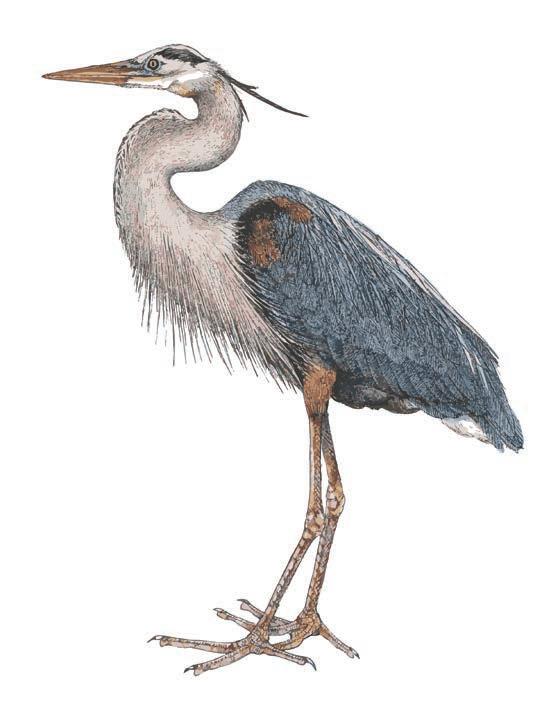
Garza Tita Great Blue Heron [Andrea herodias]
About ACES
The Heat is on for Arachnophobes: It’s Simple Math
As our house pet, Margaret is part of the Lane family. She’s a rescue animal saved from sure death. She’s quiet and mostly keeps to herself—except when she’s birthing babies, which is when I need to manage the situation to prevent an infestation of 150 pinpricksized spiderlings from spreading inside my house.
What’s interesting about Margaret is not that she is a black widow spider, nor that she has birthed nine egg sacs (so far), each with more than 150 spiderlings, but that she exists at all at an elevation of 7,500 feet! Just a few decades ago, there were no black widow spiders in the Aspen area. But now, they thrive in the Roaring Fork Valley’s warming climate.
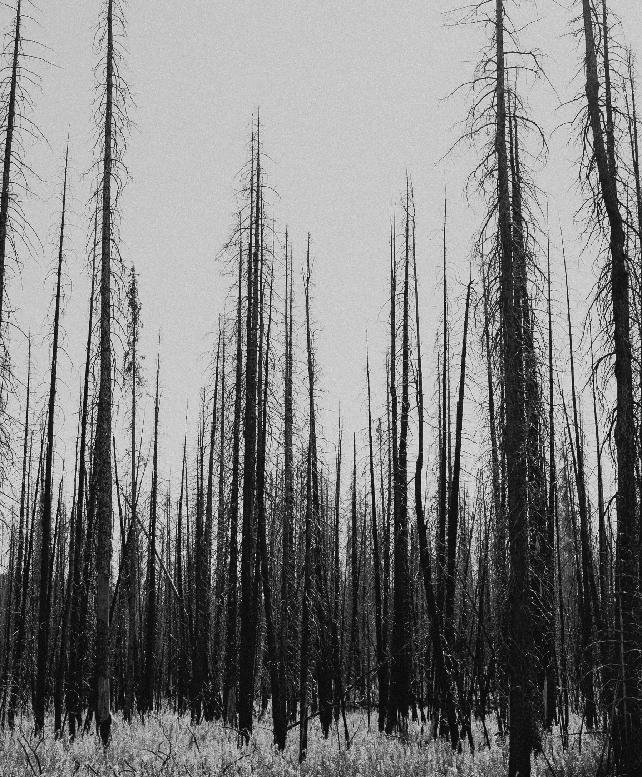
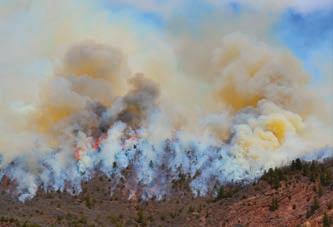
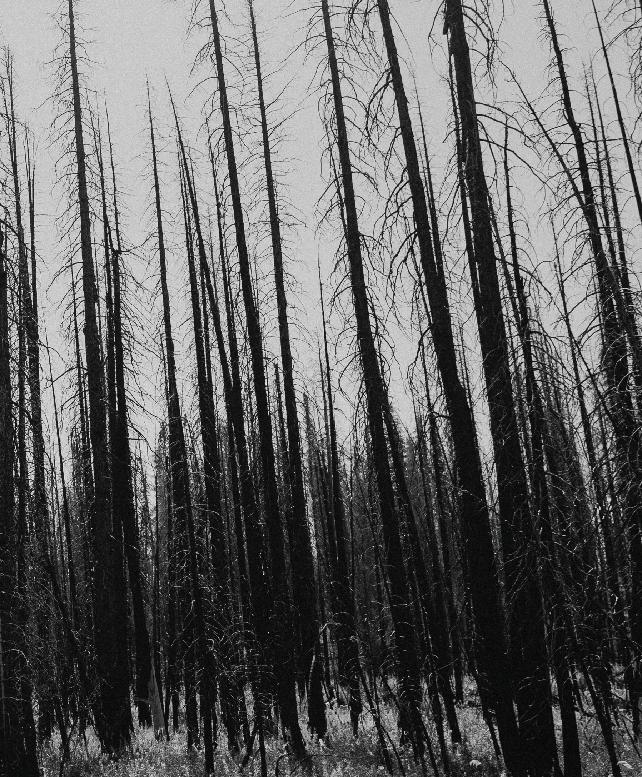
But this doesn’t compare to the more serious ways a warming climate affects us directly here in the Roaring Fork Valley—the things Sue warned me about 30 years ago: decreased spring runoff, low water levels in our rivers, and impacts on our recreation economy of skiing, fishing, and boating. Low snowpack, early snowmelt, and a warmer, drier summer all contribute to the risk of a large wildfire season. Also, drought-stressed trees are less able to produce resins and chemical defenses to fend off bark beetles and other insects. During past droughts entire aspen stands have died off, a phenomenon known as Sudden Aspen Decline.
These challenges have been decades in the making and won’t be solved instantly. Solutions will take time. And solutions, rooted in science, need dedicated and informed environmental stewards. ACES works to create that community.
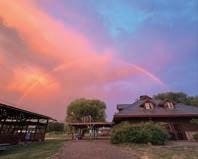
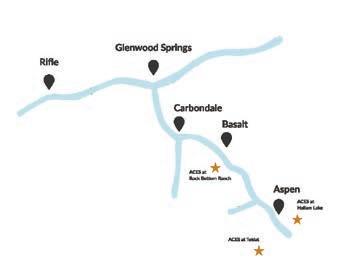
Aspen Center for Environmental Studies (ACES) is a nonprofit environmental organization with three locations in the Roaring Fork Valley: Hallam Lake, Rock Bottom Ranch, and the Catto Center at Toklat.
Since 1968, ACES has inspired a lifelong commitment to the Earth by providing innovative and immersive programming for all ages. Our programs focus on education, regenerative agriculture, forest and ecosystem health, climate, land restoration, and environmental leadership.
ACES contributes to a national agenda for increased environmental awareness. With support from many partner organizations, our programs reach over 140,000 individuals every year. We teach in local schools daily, lead camps in the summer, and host adult classes. We share the beauty and ecology of our area with locals and visitors through Naturalist-led hikes and field programs for all ages. We also engage our community by hosting public lectures and events. ACES collaborates with land trusts, public agencies, and other nonprofits to achieve our mission. In the decades ahead, ACES seeks to cultivate a community of environmental stewards so that children, parents, consumers, decision-makers, and leaders can make informed decisions in an increasingly complex world. Table of Contents
About the Illustrations: Mercedes Madriz
The art of Venezuelan illustrator and graphic designer Mercedes Madriz is featured throughout this year’s report. She graduated from the Neumann Foundation Institute of Design in 1978. For four years, she was part of the graphic design and exhibition design team at the National Art Gallery. Beginning in 1990, she has worked exclusively and independently as a scientific illustrator of Venezuelan flora and fauna.
In 1996, when I was leading the sustainability initiatives at Aspen Skiing Company, the renowned Senior Science Writer on the first three U.S. National Climate Assessments, Sue Hassol, approached me and warned, “Chris, we are seeing dramatic increases in average temperatures, but what’s more surprising is nighttime temps—they are almost twice as high. This has implications for the ski industry, especially since snow making is done primarily at night.” Her statement has stuck with me for 30 years.
That was 1996, when global annual carbon emissions (excluding methane) were 23.9 billion metric tons of CO2. Today, emissions are 38.1 billion metric tons of CO2. Not one of the 8.3 billion humans on the planet disputes these facts since the math is simple addition: it’s the sum of the 102 million barrels of oil and other fossil fuels burned each day in 1.64 billion vehicles, 35,500 aircraft, and roughly 60,000 utility-scale power plants. Add to that, carbon emissions from 30+ billion land-based livestock (28 billion chickens, 1.5 billion cows, and 1.4 billion pigs) and the carbon emissions from roughly 25 million acres of forests lost annually (equivalent to 11 Yellowstone National Parks), primarily from agricultural expansion.
This, along with a few other more esoteric greenhouse gas emissions, has resulted in temperatures today 2.5 degrees Fahrenheit higher than the preindustrial average. The only thing that one could possibly politicize, twist, or misunderstand is just how badly those emissions will affect life now and in the future for all living species on the planet.
In Colorado, this past winter (through March), was one of the hottest (4 degrees above average) and driest (6.9 inches of precipitation) on record, with the snowpack at 43% of the median.
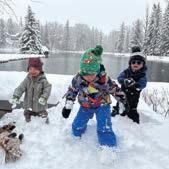
We witnessed a few of the daily banalities of a warm and dry winter. My wife missed a part of her morning routine— shoveling snow on our walkway. We didn’t build snow forts with our neighbor’s kids in the front yard. Mud season seemed to start in February. And why did I spend the money on a new set of snow tires?
ACES has been studying, educating about, and communicating the science of our environment and nature, connecting people to nature and motivating them—for more than 58 years. What has pushed us forward isn’t just the science, but rather what the science is telling us: human existence depends on nature for survival in countless ways. Protecting it should be a non-partisan issue.
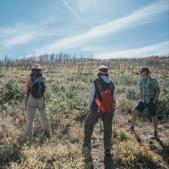
Through our full-time environmental education programs (meeting state science standards) in four regional schools, our Naturalistguided tours on our mountains, and outdoor education programs in partnership with 50 regional schools, we are helping connect people to nature while bridging gaps in science education. Our regenerative-agriculture farmer training program produces local, low-carbon food for our communities. Our five different speaker series and our adult community programs educate on cutting-edge environmental issues and connect people with the natural world. Our forest health and climate programs and the State of the Forest report impact decision-makers, educating on all issues related to climate change, biodiversity, and land and water conservation.
And new this year at the Catto Center at Toklat, ACES hosts day retreats for scientists and policy-makers from our community and around the country. Our month-long Wilderness Residency brings in cutting-edge change-makers at the junction of environment and art to reframe how the world can communicate about sustainability.
In this year’s report, see how ACES continues to evolve, advocating for the science to make informed decisions in this ever more complex world and finding creative ways to “educate for environmental responsibility” and connect people to nature— including the occasional arachnophobe!
Chris Lane, CEO
“If I
had influence with the good fairy who is supposed to preside over the christening of all children, I should ask that her gift to each child in the world be a sense of wonder so indestructible that it would last throughout life, as an unfailing antidote against the boredom and disenchantment of later years.” Rachel Carson
Community Programs
Our community programs transform our sites and the local environment into a vibrant community classroom. These programs thrive on shared discovery at every age, serving as the essential first step in building an informed citizenry and the engaged community leaders of tomorrow.
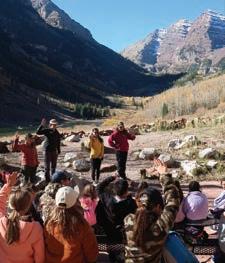
Our landscapes tell us stories, illustrating the vital roles that humans and wildlife play within a shared narrative. From exploring geologic mysteries to embarking on forest adventures, participants of all ages engage with the natural world through observation, adventure, games, and storytelling, helping participants visualize their own place within the ecosystem.
From toddlers to adults, our age-relevant programming instills the importance of environmental stewardship as an act of planetary healing. By inspiring a connection to and responsibility toward the natural world from an early age, we are building the long-term dedication needed to advocate for our planet.
We strive to cultivate authentic, place-based connections through engaging and creativity-driven offerings. These experiences do more than teach; they foster a love for the natural world, ensuring that our community is empowered to support and advocate for environmental health for generations to come.
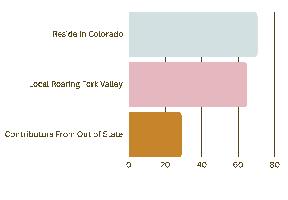
Summer Camp Registrants’ Residence
8 Trook Apprentices in environmental education
12 new workshops at Rock Bottom Ranch
75 staff & visitng instructors teaching our community programs
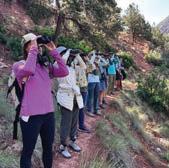
140+ bird species identified on our outings
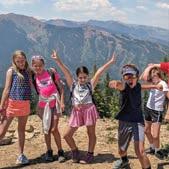
2,500+ Hours exploring outside during summer camp
2,800 participants in community programs
$23,000+ summer camp scholarships
represented
experiences
Outings
from Colorado, 93% of whom are Roaring Fork Valley residents
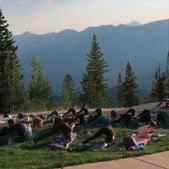
Toddler & Caregiver Programs Field Courses & Hikes Wellness
Hongo Tita
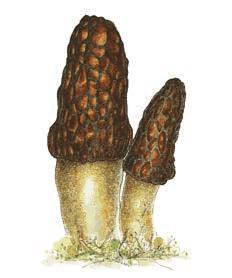
Black Morel [Morchella Brunnea]
“When we see land as a community to which we belong, we may begin to use it with love and respect.” Aldo Leopold
ACES Education
ACES’ Education programs, from pre-Kindergarten through high school, are an essential first step toward cultivating environmental stewardship in our community. We kindle curiosity, connect students with their natural surroundings, and provide crucial time outdoors for youth to form meaningful relationships with each other and gain a sense of belonging away from technology.
ACES Education partners with schools throughout the Roaring Fork Valley to provide environmental education in the classroom and in the field through exploration and investigation. Our curriculum and programs aim to develop students’ sense of belonging in nature, provide positive outdoor experiences, enhance awareness and knowledge of cultural, biological, and scientific systems, deepen engagement in learning, and foster self-efficacy.
Tomorrow’s Voices, ACES’ semester-long high school program (for college credit), asks youth to examine their responsibility to the environment, articulate their perspectives, and take initiative to create change in their communities. Dedicated to sharing their love and respect for the environment with students, ACES Educators commit time to continuously growing and developing their teaching skills. Educators attend the annual conference of the Colorado Alliance for Environmental Education, gather monthly for workshops, and attend training at each of their schools.
5,000+ STUDENTs
reached annually across the Roaring Fork and Colorado River valleys
287 field programs facilitated on more than 25 topics, including 109 Pre-K programs
52 PARTNER sCHOOLS collaborating across multiple districts to integrate science in the curriculum
119 scholarships offered for field programs
35
high school students participated in Tomorrow’s Voices, ACES’ civic engagement class at Roaring Fork High School
34 hours of environmental education classes that each student at our partner elementary schools receives with ACES each school year
“I arise in the morning torn between a desire to improve the world and a desire to enjoy the world. This makes it hard to plan the day.” E.B. White
Training the Environmental Leaders of Tomorrow
ACES Naturalist Program is a transformative opportunity that helps college graduates plot their career paths with confidence. More than 450 alumni from the ACES Naturalist Program are applying their skills in meaningful careers as scientists, teachers, land managers, policy makers, nonprofit administrators, and business leaders. They gained the ability to both appreciate the world around them and effectively work to protect it, becoming a powerful group that is effecting change throughout the world.
Naturalist Programs
Since 1978, the ACES Naturalist program has helped recent college graduates resolve E.B. White’s dilemma— the powerful pull between a desire to enjoy the world and a calling to improve it. We invite them to Aspen to find the perfect balance: a hands-on professional role that is inseparable from the opportunity to live, work, recreate, and build community in a beautiful place.
Each year, our 24 Naturalists become the face of ACES, engaging our local community and visitors with the natural world through guided tours and face-to-face communication. This is mutually beneficial—young professionals gain critical experience while enriching our community.
ACES Naturalists interact with more than 45,000 people annually, harnessing their passion to inspire environmental responsibility. Through training, mentorship, and individual research, they hone their knowledge, communication, and public engagement skills. ACES is lucky to be enriched and reinvigorated by the innovative ideas and energy each new cohort brings.
3,500 naturalist tours during summer
1,650 naturalist programs/ retreats at Hallam Lake
Above statistics averaged over last three years.
2,500 naturalist tours during winter 1,600 naturalist programs/ retreats at Toklat
Where Are They Now?
Dana Gunders President of ReFed
“I’m president of an organization called ReFED. We are focused on reducing the amount of food waste. Working at ACES helped confirm my love of nature and the possibilities that exist to work on protecting it. I still have some of the books got during our ACES training (Water, by Alice Outwater—one of my favs!). I live in Truckee, CA, and have maintained the mountain lifestyle. I’m teaching my kids wildflower identification and stories that I learned there, and animal tracking too.”
2000 Naturalist
Nick Sampson Senior Project Manager BNRG Dirigo Solar
“I work for Dirigo Solar, a Portland, ME-based utility scale solar developer. My time with ACES benefited my communication and public speaking skills. My experience leading Naturalist tours, building relationships with guests, and teaching people about the local environment transferred very well to my solar sales role, where I was responsible for teaching customers about solar, and developing relationships. I’ve relied on these skills to develop relationships with businesses and landowners interested in solar. My time with ACES significantly benefited and guided my work in solar over the past 10 years.” 2011 Naturalist
Forest & Climate Program
ACES’ Forest & Climate Program is rooted in a simple premise: the health of our forests and the health of our community are inseparable. We work to steward local landscapes, deepen our community’s understanding of climate change, and ensure that the public lands that define the Roaring Fork Valley remain protected.
This year, our on-the-ground stewardship work continued to grow. For the past four years, ACES, in partnership with the Aspen Fire Protection District, City of Aspen, Pitkin County Open Space & Trails, U.S. Forest Service, and Colorado State Forest Service, distributed pheromone packets on the front side of Aspen Mountain to mitigate the ongoing Douglas-fir beetle outbreak. The packets contain methylcyclohexanone (MCH), a synthetic chemical that mimics anti-aggregation pheromones naturally produced by Douglas-fir beetles, deterring them from colonizing treated areas. This year, in partnership with Reweaving the Web Fund, ACES will expand this effort to the backside of Aspen Mountain.
ACES also continues to help our community understand how climate change impacts us and our local ecosystems. Through writing and public presentations, we’ve focused this year on the impacts of the exceptionally warm and dry winter on local ecosystems. ACES will publish its eighth annual State of the Forest report this year focusing on the intersection of forests and fire.
Over the past year, this work has taken on new urgency. Staff and budget cuts at the U.S. Forest Service, the largest land manager in our watershed, are unprecedented, and proposals to transfer national forests to private hands have gained traction. In response, ACES, along with partners throughout the Roaring Fork Watershed, has worked to increase awareness of the importance of public lands to our natural and human communities, how federal decisions will impact local landscapes, and how residents can make their voices heard.
8 Forest Reports published
9 years
17 Local Organizations working together to protect local public lands
360 People guided through local burn areas 24,000 mch Pheromone packets distributed on Aspen Mountain to protect trees from Douglas-fir beetles
“We abuse land because we regard it as a commodity belonging to us. When we see land as a community to which we belong, we may begin to use it with love and respect.”
Aldo Leopold
Biodiversity: We Choose Our Future
We share Earth with roughly 8.7 million other species, and in the past couple of centuries we haven’t been good housemates. Species are disappearing faster than at any other time in human existence, a loss so severe that scientists call it “the sixth extinction.” Most of the species vanishing are ones few people have heard of: native pollinators, amphibians, small fish, and understory plants that hold soil in place. While many of these species escape our notice, they make up the foundations of our ecosystems.
The reasons aren’t complicated. We’ve fouled too much land with our cities, roads, and farms. Too much atmosphere with our emissions. Too much water with our runoff and waste. Our footprint now covers or degrades 75% of the Earth’s surface.
It simply isn’t morally sound for one species of more than 8.7 million to claim so much, and it isn’t sustainable. We need those other species. The ecologists Paul and Anne Ehrlich likened these small, often unobserved extinctions to slowly losing rivets on the wing of an airplane. If a plane loses one, two, even ten rivets, it will probably still fly. But at some point, if you lose enough rivets, the plane is going to come apart in mid-flight. How many species can our ecosystems lose before they are irrevocably damaged?
Saying “the sixth extinction” makes it sound inevitable—a chapter already written. But extinction is driven by choices, and choices can change.
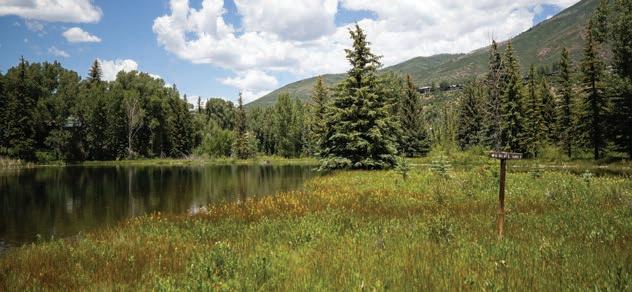
Before it became a nature preserve, the area now known as Hallam Lake lived many lives. It was a floodplain shaped by the Roaring Fork River. It was part of the homeland of the Ute people—land that was taken by, not given to, miners who turned the wetland into the lake that still exists today. For decades, it was a place where people threw their trash over the embankment toward the water.
Today, it’s hard to imagine anyone dumping trash on the green beating heart of our community. But the evidence is still there: cans and bottles working their way up through the soil, emerging each spring alongside the flowers. Decades ago, the community, led by Elizabeth Paepcke, made a different choice. The result is a nature preserve in one of the most unlikely places—some of the most expensive land in the country, set aside for flora and fauna.
This isn’t a unique story. Lynx and wolves have returned to Colorado; soon wolverines will join them. Decades after Aspen Mountain was completely deforested, trees once again thrive. Tracts of land once contemplated for development are protected in perpetuity as wilderness. But these recoveries and successes didn’t happen by accident, and they aren’t enough. Not while a warming climate is compounding every other pressure on the species with which we share this planet. Each habitat restored and species returned to its native range required, and still requires, policy: protections for public land, limits on development, investment in restoration.
While our community alone can’t solve the biodiversity crisis, we can be an example by protecting and restoring natural places and insisting our policymakers do the same. In the face of global problems, it’s easy to give in to nihilism, but places like Hallam Lake show us what’s possible when a community decides that the land matters.
Adam McCurdy, ACES Forest and Climate Director
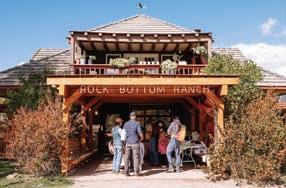
Rock Bottom Ranch
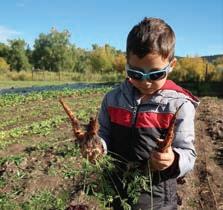
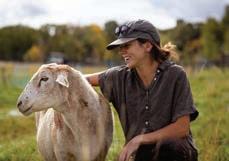
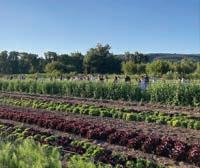
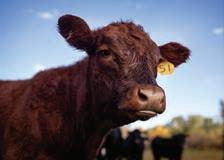
ACES at Rock Bottom Ranch aims to transform the way people think about food systems and farming—inspiring a community of food-educated citizens, from our Farm to Table Dinners to our Farmer Training Program. Our agricultural practices demonstrate that food production can be profitable while protecting local ecosystems and enhancing the social fabric of our community. Every year, we raise about 50 varieties of vegetable crops and graze cattle, sheep, chicken, and egg layers in our pastures. We integrate local food production with land stewardship, demonstrating that food production can be profitable and rewarding.
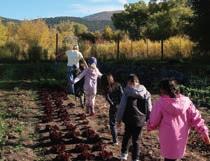
This year will be a very exciting year on the ranch. We are making improvements in production and our Farmer Training Program (FTP). We are expanding vegetable production by constructing three new high tunnels (simple greenhouses where you grow directly in the soil) to extend our season deeper into the shoulder seasons. This will expand our crop mix and improve overall offerings in our CSA and at our farmers market stand. We will also open a new outdoor vegetable production space to broaden our crop rotations, grow new crops, and implement a robust cover-cropping program.
Pigs returned to the ranch in 2026 after a sevenyear hiatus, and we will continue to make small improvements to our irrigation system to reduce labor and improve efficacy. We will also integrate more hands-on learning into middle school programs, providing students with more opportunities to get their hands in the dirt. We are always looking to improve our FTP trainings and will build out more farm finance training, as well as hands-on workshops to integrate into ranch projects to create an even more valuable learning experience for our apprentices.
A Place for First-generation Farmers
Each year, we train four apprentices at Rock Bottom Ranch who specialize in either vegetable or livestock production. What sets the Rock Bottom Ranch apprenticeship apart from most others is the deliberate effort and investments we make to provide a robust learning experience. The apprentice experience at RBR includes training, workshops, and field trips that are integral to teaching aspiring farmers a broad set of skills. In fact, our apprentices receive more than 100 hours of focused training and instruction over the seven months they spend with us, in addition to the natural on-the-job training that comes from the work of being a farmer. There are still significant hurdles facing first-generation farmers, but the intensive training our apprentices receive prepares them to take on management roles or to become entrepreneurs starting their own farm businesses.
“It seems to me that an understanding of the natural world is crucial for all of us—after all we depend upon it for our food, for the air we breathe and, some would say, for our very sanity.”
Sir David Attenborough
1,350 dozen eggs sent to Lift-Up food pantry
1,850 dozen more eggs sold in 2025 than 2024
45 csa members
104,000 eggs laid
17% increase in Aspen Saturday Market sales
11,300 vegetable items sold
12 Heifers bred
39 Lambs born 100+ hours of developmental programming per farm apprentice
Catto Center at Wilderness Retreat Center
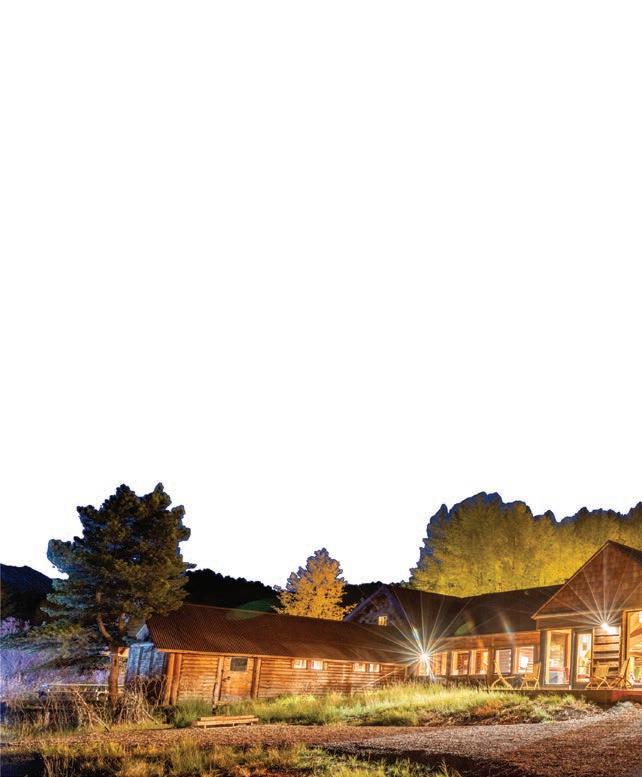
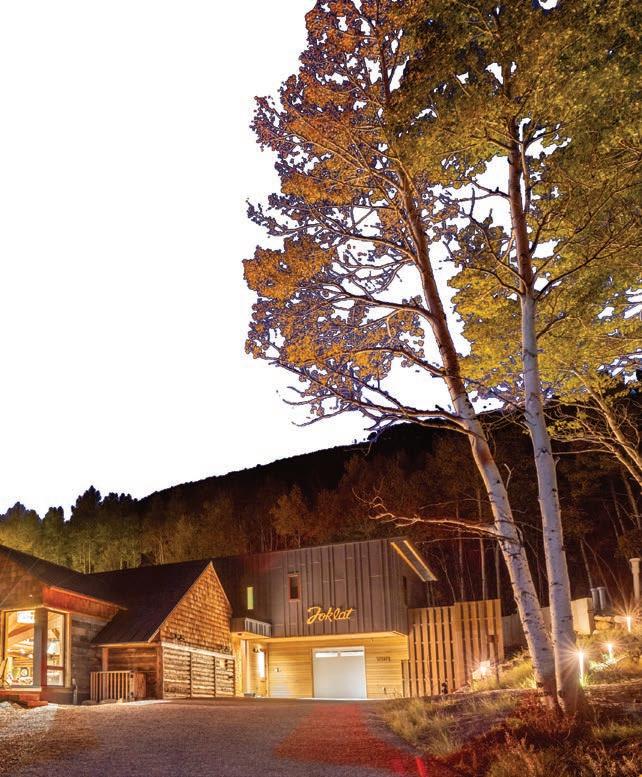
At 9,000 feet in elevation, nestled in the pristine and historic Castle Creek Valley 13 miles from Aspen, the Catto Center at Toklat offers a window into wilderness. A touchstone for many for over 75 years, it has nourished minds, bodies, and spirits of generations, helping disconnect individuals from their everyday lives and reconnect them with the natural world.
It has been a community space for artists and environmentalists, as well as musicians and sculptors, composers and poets, performers and chefs, wood workers and photographers, writers and naturalists.
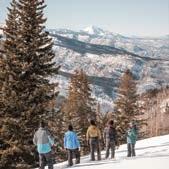
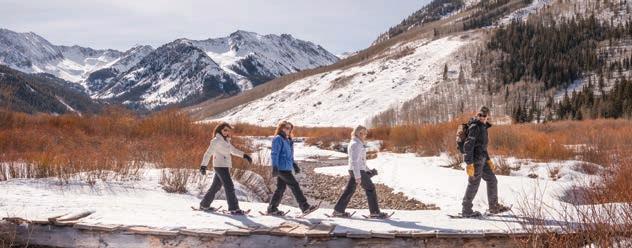
A locals’ favorite and a community hub for private retreats, the Catto Center gives groups a unique setting to reflect and inspire their best work. Visitors can also discover the Castle Creek Valley with a Naturalist guided snowshoe or hike.
This year, the Catto Center hosted wilderness retreats for organizations working on the frontlines of societal change. A few examples include: Aspen Global Change Institute, convening on climate change topics like methane solutions; Aspen Hope Center, tackling mental health crises; Aspen Institute Executive Seminars, creating networks of leaders to solve global challenges; and organizations like the U.S. Forest Service, Pitkin County Health and Human Services, and the Aspen Institute’s Food and Society group.
ACES Wilderness Residency
New this year: the ACES Wilderness Residency at Toklat is designed to advance and share the work of individuals, intersecting environmental challenges and artistic expression, offering them unencumbered time to think, work, and create in an inspirational setting with hopes of finding solutions to environmental challenges. The residency kicked off this year with renowned environmental humanities scholar Dr. Chris Dunn, whose work is at the crosscurrents of wilderness, energy, and global change.
Applications for the four-week residencies this year occur in the summer and are awarded in October.
“Paying attention is a form of reciprocity with the living world, receiving the gifts with open eyes and an open heart.” Robin Wall Kimmerer
ACES Events
are designed to cultivate a profound sense of reciprocity with the natural world. By prioritizing low cost and free events, we help shape a community that is passionate about caring for and protecting the natural world. Through immersive experiences, we move beyond simple education to help our community truly root itself in this landscape, fostering a lifelong connection with the places we call home.
An Evening on the Lake + William A. Nitze Community Lecture: Robin Wall Kimmerer
ACES was thrilled to welcome esteemed botanist, author, and professor Robin Wall Kimmerer as the 2025 Elizabeth Paepcke Visionary Award honoree at our An Evening on the Lake benefit. Her work explores how gratitude, reciprocity and community can create a more sustainable future. She also presented a free community talk as a part of the William A. Nitze Community Lecture.
Catto Center at Toklat Special Events: Snow Moon Dinners & Fall Colors Membership Potluck
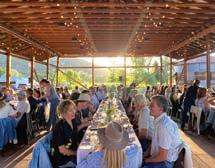
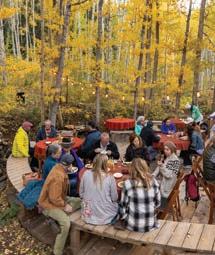
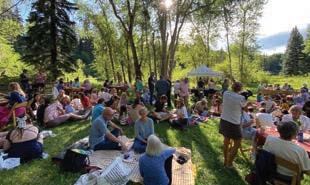
With Toklat fully reopened, ACES was thrilled to bring back some classic events like our Snow Moon Dinners and Fall Colors Membership Potluck. The first Snow Moon dinners in years were joyously celebrated by ACES Donor Circle Members with moonlit forest walks, live music, locally inspired fare, and fireside moments. Our first Fall Colors Membership Potluck at Toklat in more than five years was set against the golden backdrop of Castle Creek Valley at its autumn peak. This member-exclusive potluck brought together the community with live music, gorgeous views, and flavorful dishes.
Jessica Catto Dialogue: Jean-Martin Fortier
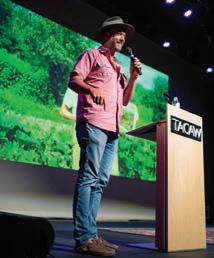
In addition to world-renowned National Geographic photographer and conservationist, Ami Vitale, the Jessica Catto Dialogue series welcomed Jean-Martin Fortier, a leading figure in the organic farming movement. He gave a free public lecture about the importance of small, local producers and hosted a farmer’s workshop at Rock Bottom Ranch, empowering market gardeners with knowledge and tools to grow healthy, nourishing food for their communities. This series is generously funded by the Catto Shaw Foundation.
ACES Partner Events: Pierre-Laurent Aimard, Jota Mombaça & The Birdsong Project
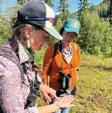
ACES hosted a number of special partner events at our sites: The Aspen Music Festival and School brought pianist Pierre-Laurent Aimard to Hallam Lake to play Olivier Messiaen’s Catalogue d’oiseaux while surrounded by natural birdsong. ACES was also thrilled to host artist Jota Mombaça’s performance, The Muted Saints, at Hallam Lake as a part of the Aspen Art Museum’s AIR program. Toklat was the site for a special Birdsong Project partner event with morning birding, and a lecture from the Audubon Director of Policy in the Rockies, followed by a picnic lunch and birdsong-inspired music from Aspen Music Festival and School students.
Potbelly Perspectives
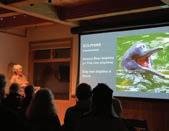
Potbelly Perspectives is a beloved winter speaker series that brings together community members to share inspiring adventure stories from around the world. In partnership with the Aspen Chamber Resort Association, this series highlights the spirit of exploration while fostering a deeper connection to Aspen’s small-town character and responsible travel values.
Across the Hemispheres: Birds Connect Us Through a New Sister Cities Exchange with Rebecca Weiss
The Thorny Path: A Mountain Boy’s Quest to Sail Around the World with Nick Devore
Participatory Science: Exploring the Peruvian Amazon with Patricia Goudvis
Naturalist Nights
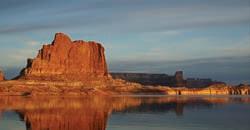
Life After Dead Pool: Lake Powell’s Last Days and the Rebirth of the Colorado River with Zak Podmore
Wild Perspectives
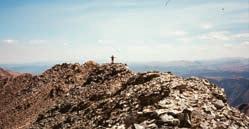
The Elks Traverse: Time for the Ladies to Lead with Marian Krogh and Carly Valerious
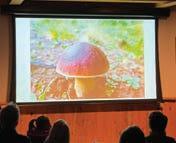
Flavor Hunter: Where Great Flavor Emerges with Barclay Dodge
A Crisis of the Commons: Uncovering the Impacts of Federal Neglect of Public Lands with Elizabeth Steward-Severy and Scott Fitzwilliams
Ecology and Resilience of Pinyon-Juniper Woodlands Under Global Change with Dr. Miranda Redmond
Sagebrush-Obligate Birds in Western Colorado: Unexpected Patterns and New Discoveries with Dr. Brett Walker
Douglas-fir Beetle in the Roaring Fork Watershed: Current Conditions and Future Outlook with Dr. Dan West
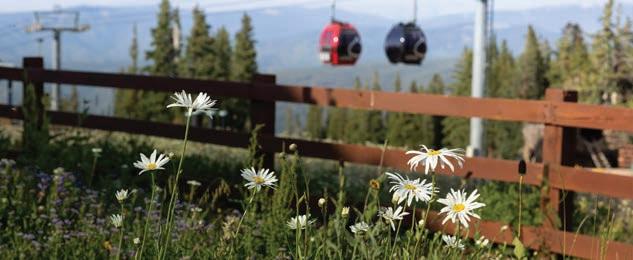
Edible and Medicinal Plants of the Roaring Fork Valley with Penelope Thorton
Science on Skis: Traversing the Juneau Ice Field with Izzo Steenrod
Don’t Pack Your Fears: A Camino Story with Nellie Conboy
Other Events
Throughout the year, ACES hosted many other engaging events that strive to connect the unique Roaring Fork Valley community with our mission.
Changemaker Speaker Series • Earth Day
Farm to Table Dinners • Harvest Party
Partnered Speaker Events • Picnic on the Preserve Raptor Fair • Stars Above Aspen
Membership
More Ways to Connect. More Ways to Belong. ACES has always been a member-supported organization—and that community continues to grow in meaningful ways each year.
Throughout the year, our members are invited into new experiences, early access opportunities, and moments that bring them closer to nature, science, and the people behind it all.
We continue to expand membership benefits to better serve and engage those who make our work possible—from priority registration for summer camps and discounted programs to early access to Farm to Table Dinners and invitations to gatherings like the Membership Dinner at Hallam Lake and Fall Colors Dinner at Toklat.
At the same time, membership continues to play a critical role in sustaining our work across the Roaring Fork Valley and beyond. If you are not a member yet, please join us! And if you are an ACES member, thank you!
ACES Donor Circles
ACES Donor Circles brings together dedicated supporters investing across the full scope of our work—from environmental education and regenerative agriculture to land stewardship and community connection.
At the $1,200+ level, you join a network that helps drive this impact forward and strengthens a more informed, connected, and resilient community.
Throughout the year, members are invited to curated Donor Circle Experiences—from special birding outings to conversations with leading voices like Robin Wall Kimmerer, breakfasts with leading climate experts, and unique site visits—all designed to inspire and connect.
Members also receive priority access to ACES’ most sought-after events, including Farm to Table Dinners at Rock Bottom Ranch, Snow Moon Dinners at Toklat, and Evening on the Lake at Hallam Lake (Advocate level and above).
Donor Circles support powers every aspect of ACES’ work—helping ensure a vibrant, sustainable future for our community and beyond.
A young leader giving back
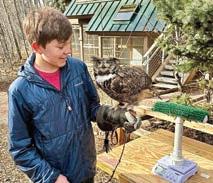
This year, we were inspired by a remarkable act of generosity from one of our community’s youngest environmental leaders, Sam Gilmore, an 8th grader at Aspen Middle School.
Following his Bar Mitzvah, Sam chose to donate a portion of his gifts to ACES—giving back to a place that has helped shape his connection to the natural world.
From Owl Night in first grade to snowshoeing on Ajax and a winter solstice evening surrounded by ice sculptures, Sam’s experiences with ACES have stayed with him—sparking both curiosity and a deep appreciation for the natural world.
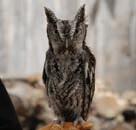
As part of his 8th-grade community project, Sam is working with ACES on raptor care and training, while also exploring ways to share ACES’ work with his peers at Aspen Middle School.
Sam’s story is a powerful reminder that when young people are given meaningful experiences in nature, they carry those lessons forward. We are deeply grateful to Sam and his family for the inspiring example they are setting for our community.
“All of these experiences have made
me grateful to ACES for educating us in our community and schools.” Sam Gilmore
The choices we make today shape the world that future generations will inherit.
As you reflect on the impact ACES has made this past year, we invite you to consider the role you might play in what comes next. Planned giving is a powerful way to carry this work forward—ensuring that future generations can learn from, care for, and feel connected to the natural world we all love.
By including ACES in your will or estate plans, you become part of the Elizabeth Paepcke Giving Society—a group of individuals who have chosen to extend their commitment far beyond their lifetime.
Your gift can reflect what matters most to you—whether that’s supporting a program you care deeply about or helping build long-term stability through ACES’ endowment. Planned giving is a simple and powerful way to shape your legacy.
To learn more or start a conversation, please visit aspennature.org/plannedgiving-elizabeth-paepcke-society or contact Christy Mahon, Vice President of Development, at cmahon@aspennature.org.
Birding at Toklat with Audubon’s Director of Policy and Outreach
Thank you!
We would like to express our gratitude to the contributors who generously supported ACES’ Annual Fund, Capital Campaign, Summer Benefit, and special projects from January 1, 2025 and December 31, 2025. Recognition in the ACES annual report is a membership benefit of the Bighorn Sheep membership level ($300) and above.
Our Donors
Chairman’s Circle ($50,000 & Above)
Anonymous (2)
The Benificus Foundation
Catena Foundation
Catto Shaw Foundation, in Memory of Bailey Shaw
Sabina Daley Deaton and Adam Deaton
Lori and Laurence Fink
Kristen and Wally Graham
Kresser Foundation
Melony and Adam Lewis
Living Peace Foundation
Merlin Foundation
Gina and Jerry Murdock
North Star Foundation
Peterffy Foundation of Reweaving the Web
Pettit Foundation
Margot and Thomas Pritzker
Barbara and Donald Rosenberg
Tillie Walton
Restorer’s Circle ($25,000-$49,999)
Anonymous
Jacolyn and John Bucksbaum
Ruth Turnquist Carver and Jim Schmidt
Kristina and William Catto
Fidel Duke
Malott Family Foundation
Lisa and Willem Mesdag
Helen Obermeyer
Penner Family Foundation
Aimee and Ben Pritzker
Richard A. Riffel Philanthropic Trust
Mary and Pat Scanlan
Rob Walton Foundation
Elisha and Jeffrey Zander
Benefactor ($10,000-$24,999)
Lisa and David Alpern
Anonymous (2)
Aspen Business Center Foundation
Aspen Community Foundation
Meredith Bell
Amy and Gilchrist Berg
Bezos Family Foundation
Brittingham Family Foundation
Julie and Randall Brodsky
Sarah Broughton and John Rowland
Carla and John Brozovich
Jessica and Bill Budinger
Lauren Callaghan and Beau Seguin
Sarah Challinor
City of Aspen
Ann Dahmer and Kevin Geiser
Pat and Dorian Damoorgian
Sarah and Chris Daniels
Linda and Ben Davis
Marsha and David Dowler
Jennifer DuBrul and Derek Foster
Terry and Wally Durham
Muriel and John Eulich
Suzanne Farver and Clint VanZee
Helen and Dave Feinberg
Jaimie and David Field
Dawn Ford and Eric Doppstadt
Ann and Tom Friedman
Jessica and John Fullerton
Jennifer and Greg Goldfarb
Sherri and Dean Goodwin
Margaret and Bill Greenfield
Michelle and Perry Griffith
Jody Guralnick and Michael Lipkin
Joanie and Craig Harrison
Ellen Bronfman Hauptman and
Andrew Hauptman
Amanda and Ashton Hudson
Carol and Mike Hundert
Soledad and Robert Hurst
J & M Foundation
Jaya Foundation
Ronald and Eva Kinney Family Foundation
Laura and Gary Lauder
Margaret and Daniel Loeb
Susanne and Bill Losch
Kathleen and Bruce MacDonald
Heidi and Jon McNeill
Diane Moore and Joel Sax
David Newberger
Nancy Paley and Geoff Rockwell
Melinda and Norman Payson
Pitkin County Healthy Community Fund
Cecilia and Ernesto Poma
The Rodel Foundation
Polly Scott and Jim Maher
Jacqie and Neal Shear
Wendy and Mike Sidley
Allison Tiller
Katherine Tomford and David Grossman
Olivia and Tom Walton
Water Innovation Fund
Misty and Tyson Weihs
Innovator ($5,000-$9,999)
Susannah and Jim Adelson
Julia and Tomakin Archambault
Aspen Thrift Shop
Ron Beller
Sallie and Thomas Bernard
Jody and Jeffrey Black
Bohen Foundation
Ruth H. Brown Foundation
Sam Brown and Alison Teal
Terri and Tony Caine
Cara Calvin and Sean Rosen
Janet Clark
Jane. E Cracchiolo
Sylvie and Gary Crum
Dee and David Dillion
Muffy, Andy, and Megan DiSabatino
DuBose Family Foundation
Maja DuBrul and Nicholas Paepcke DuBrul
Marcy and Leo Edelstein
Tracy and Bubba Eggleston
Joan Fabry and Michael Klein
Marilyn and Larry Fields
Alex and Lindsey Fisher
Ford Foundation
Gates Family Foundation
Ashley and Kevin Giles
Mary and Jim Griffith
Margot and Richard Hampleman
Bobbi and Matt Hapgood
Emery Holton and Michael Bourke
Max Hoshino
Diane and William Hunckler
Bill Hunt
Hyde Family Foundation
Denise Jurgens and Kevin Messerschmidt
Diane and Jack Kennedy
Sheila King
The Knapp Fund
The Laffey-McHugh Foundation
Tom Lemons
Shelly and Tony Malkin
Heidi Swartz-Marek and David Marek
Patricia and Ricardo Marino
Janna and Tom McNicholas
David Moray
Marcie and Robert Musser
Elizabeth Nordstrom
Hensley and James Peterson
Kathy Pick
Alexandra and Gunnar Sachs
Stephen Sander
The Seevers Family
Sarah and Richard Shaw
Shenandoah Foundation
Tina Staley and Harris Sherman
Linda Strickland
Patsy Tisch
Lucy Tremols and Galen Bright
Sarah Ward
Adelaide and Michael Waters
Carrie and Joe Wells
Heather and Phillip Wilhelm
Advocate ($2,500-$4,999)
Debra and Reza Abbaszadeh
Mone Anathan
Lisa and George Baker
Coventry and Davis Berg
Nancy and Stephen Bernstein
Allison and Randall Bone
Kristin Brittan
Morgan and Matthew Brown
Helen Bryan
Laurel and John Catto
Chinook Charitable Foundation
The Color Circles Fund
Pamela and Donald Conover
Liz Coplon and Carl Eichstaedt
Carol Craig
Laura Donnelley
John Driscoll
Amy and Ed Easton
Clayton Erikson
Kristen and Andrew Firman
Donna and Gary Freedman
Sam Gilmore
Katherine and Shawn Gleason
Patricia Goudvis
The William H. and Mattie Wattis Harris
Foundation
Karen Hollins
Michelle Hubbard
Toni and Daniel Hunt
Nina and Tim Itin
Karen Jaffe
Samantha Johnston
Laura and Mike Kaplan
Caroline and Hugh Kaplan
Katherine Kendrick
Carol Kirsh and Tom Gottlieb
Nina Kjellson and Sanford Zweifach
Leslie Lamont and Lance Luckett
Judy and Robbie Mann
Kim Master and Noah Lieb
Pete McBride
Andrea and Bobby McTamaney
Lynn Nichols and Jim Gilchrist
Ann Richards Nitze
Casey and Michael Patak
Jan and Jim Patterson
Steve Psaledakis
Emily and Phillip Ring
Kathy LeMieux-Rodman and William Rodman
Shereen and Jordan Sarick
Lorraine and Mark Schapiro
Lisa and David T. Schiff
David Scruggs
Carole and Gordon Segal
Rachel Shechtman and Jeff Orsulak
Susan Sparks
Mr. John Starr
William Stolz
Steve Stunda
David Von Storch
Alison and Jonathan Wente
The William H. and Mattie Wattis Harris
Foundation
Boniface and Alison Zaino
Steward ($1,200-$2,499)
Erin and Sam Ankin
Anonymous (2)
Shari Applebaum
Kaitlyn Archambault and Jon Brown
Nadine Asin and Thomas Van Straaten
Lisa and Steve Ayres
Ronald Baer
Lissa Ballinger
Connie and Buddy Bates
Gina Berko and David Fleisher
Ali and Ian Black
Rachael and Brian Brady
Kate Bulkley and Ross Biddiscombe
Marla and Lawrence Butler
David Byrnes
Heather Cabot and Gaelen Means
Cynthia Calvin and Mac McShane
Beverly Campbell
Julie Case
Donna Chase
Katherin and David Chase
Anne Chudolij and Chau Khuong
Rona and Jeff Citrin
Charles William Cole
Sally R. Cole
David Corbin
Alicia and Jon Creyts
Amé and Mike Damaso
Christina Dangler
Monica De Turris
Nicole DeWolf
Chelsea and Chace Dillon
Tom Dunton
Kim Edwards and Jesse Bouchard
Elizabeth Epstein and Stuart Bohart
Bruce Etkin and Laurel Gilbert
Fergus Foundation
Courtney-Celeste and Sam Fisch
Judith Fisher
Ruth and Dan Flournoy
Sarah Frech
Nikola and Todd Freeman
Barbara Fretz
Orly Friedman and Matthew Miller
Neil Glaser and Richie Lin
Drs. Lisa Braun Glazer and Jeff Glazer
Joanna Golden
John and Kathleen Goodin
Mr. and Mrs. Ronald Greenberg
John Grossman
Kate Gundry and Jeffrey Edelson
Julie and Jim Hager
Kim and Mark Hamilton
Lelia Harriman
Shirley and Barnett Helzberg
Kristen Henry
Nancy and Charles Hess
Constance Hoguet Neel and Richard Neel
Linda and Gregg Hollomon
Louise and Phil Hoversten
Ken Hubbard and Tori Dauphinot
Tavia and Clark Hunt
Jacqueline and Robert Hutton
Mr. & Mrs. Rodney Jacobs
Rusty and John Jaggers
Adriann and Chris Kelly
Alexandra Kendrick and Bob Nix
Wendy and Todd Kennedy
Robin Wall Kimmerer
Richard Kipper
Barbara Klein
Ali and Alex Kohner
Kim and Guy Lachman
Mary Lackner
Linda Lay
Elaine Le Buhn
Rebecca and Doug Leibinger
Kim Lewis
Francine and Tag Liebel
Beyron Lindenau
Peter Looram
Sam and Peter Louras
Marilyn Lowey and Pamela Rosenau
Jessica Kaplan Lundevall and Torjus
Lundevall
Jacqui Matthews
Emily and Kenny McCarty
Tita and Dan McCarty
Joe McGuire and Matthew Tenzin
Barbara and John Patrick McMahon
Denise Monteleone
Jennifer Monteleone
Swati and Rohan Nath
Kelly Wade Nemirow and Jordan Nemirow
Terri and Tom Newland
Allison and David Niles
Amy Ochs
Diane Oshin and Sidney Mandelbaum
Karen and Richard Parker
Fonda Paterson
Robin Pauli
David Pesikoff and Nicole Longnecker
Carol Hood Peterson and Brooke A. Peterson
Tiffany Phipps
Noah Pollack
Tanya and Michael Polsky
Jelena and Henning Rahm
Neda and Ali Rastegar
Barbara Reid and David Hyman
Louisa and James Rudolph
Mary Schmidt-Libby and Russell Libby
Gail R. Scott and Thomas D. Quinlan
David Seglin
Shelley Senterfitt and Ken Canfield
Layne and Mike Shea
Joyce and Charles Shenk
Joyce Sher
Jennifer and Daniel Shorr
Cyrena Torrey Simons
Andrea and Glenn Sonnenberg
Krista Speno
Jill St. John
Elizabeth and Aaron Stanley
Pamela Stanton and Jack O’Donnell
Valery Stevenson
Gretchen A. Straub
Megan Talarico and Alvaro Arnal
Amy and Doug Throm
Mary Ann and Ray Tittle
Anne Tobey
Betsy and Charles Townsend
Arden and Bob Travers
Barbara Trueman
Jennifer Turkat
Christine Van Horn
Kimberly Veber
Ruth and Bob Wade
Jane and Bruce Warren
Sandra and Daniel Webb
Patti and Jay Webster
local vs. out-of-state membership
Nancy and Edward White
Nancy and Edward White
Carlotta and Wendell Willke
Martha and Gerry Wyrsch
Martha and Gerry Wyrsch
Black Bear ($600-$1,199)
American Online Giving Foundation
Carol and Robert Auld
Anne Austin Clapper
Julia and Ted Behar
Blackbaud Giving Fund
Liz and John Bokram
Nancy H. and William C. Burton
Miriam and Robert Caslow
Kam and Michael Davies
Julia DeWahl
Eileen Fagan
Susan and George Fesus
Sistie Fischer
Emily and Loch Gallagher
Rebecca Goldfarb and Eric Eisenberg
Karen and John Gray-Krehbiel
Nicholas Groos
Roger Gurrentz
Bunny Harrison
Casady Henry
Lindsay and Hadley Hentschel
Katherine Hoctor
Meredith and Pete Hoffmann
Kate and Matthew Holstein
Cindy Houben
JP Morgan Securities LLC
Nancy and Todd Kettelkamp
Christina King
Sandra and Michael Klein
Sheila and Bill Lambert
Jessica Leeke
Monica Mayotte
Paige Mckenzie
Barbara Findlay Meyers
Eugene Ohr
Avi Peterson
Missy and Steve Prudden
Mandy and Adam Quinton
Beverly and Howard Robinson
Claire Shope
Anda and Ryan Smalls
Sarah Sparkes
Linda Vaughn
Kathy and Roger Wells
Barbara and Charles Winton
Courtney Wulfe
Nancy Lazar and George Zachar
Bighorn Sheep ($300-$599)
Sherry and Duane Abbott
Alison Coenen Abrams and Dale Abrams
Betts and C.D. Armstrong
Julie and Harrison Augur
J Auguston
Jack Barlow and Diane Humphreys-Barlow
Amy and Justin Barrow
Dawn Barton
Heidi Baumann and Rick Baer
Donna and Skip Behrhorst
Amy and Neal Beidleman
Lucy S. Belding
Financials
Driven by philanthropic support and robust engagement in our core programs, total revenue surpassed last year’s figures. Due to ACES’ steadfast commitment to hands-on learning and ecological stewardship, operating expenses rose as well, reflecting the continued growth and reach of our environmental education initiatives.
Supported by a positive Net Operating Income, our continued focus on enhancing our educational sites culminated this year in the successful renovation of the Visitor Center and Birds of Prey building at Hallam Lake. These essential upgrades ensure our facilities remain resilient, sustainable, and vital hubs for environmental education.
Four-Star Charity Navigator Rating
For 12 years, ACES has obtained a four-star rating from Charity Navigator, the nation’s largest and most utilized evaluator of non-profits. This exceptional rating, where ACES scored 100% in 2025, means that ACES exceeds industry standards and outperforms most charities in its category for financial health, accountability, and transparency.
We thank the following ACES’ corporate sponsors and business members who are committed to investing in the environment that sustains us all. Through their contributions and event sponsorships, these businesses help protect our natural world and ensure a sustainable future for our community and beyond. These donations and sponsorships occurred between January 1, 2025 and December 31, 2025.
Corporate Partners
Benefactor ($10,000-$24,999)
Alpine Bank
City of Aspen
Clark’s Market
Hermès of Paris
The Little Nell
ZEGNA
Innovator ($5,000-$9,999)
Aspen Chamber Resort Association
Aspen Thrift Shop
Bethel Party Rentals
Conservation Investment Management
Field to Fork Kitchen
Martin Woods Winery
Mountain Waste
Obermeyer Wealth Partners
Advocate ( $2,500-$4,999)
Black Diamond
CCY Architects
Chris Klug Properties
Event Rents
Michael Fuller Architects
Studio B
Steward ($1,000-$2,499)
Carington Creative
Holy Cross Energy
Ken Ransford, P.C.
Lachman Corp
Of Grape & Grain
West Bound & Down
Z Group Architecture & Interior Design
Partner ($500-$999)
Ajax Cellars
Aspen Distillery
Aspen Snowmass Sotheby’s Int. Realty Fusalp
Independence Run and Hike
North Drinkware
Promo Communications
Replay Sports Aspen
Strafe Outerwear
Westbound & Down
Woody Creek Distillers
Ashcroft Ghost Town
Aspen Elementary School
Aspen Meadows
Aspen Mountain
Castle Creek Valley
Hunter Creek
Independence Pass Foundation
Maroon Bells
North Star Nature Preserve
Pitkin County Library
Riverdance
Snowmass Mountain
U.S. Forest Service
Basalt Area
Basalt Elementary School
Lake Christine Burn Area
Rock Bottom Ranch
Trustees
Administrative Staff
Chris Lane
Chief Executive Officer
Brodie Kettelkamp
Vice President of Finance & Operations
Jim Kravitz
Vice President of Programs
Christy Mahon
Vice President of Development
Andrea Aust
Education Director
Morgan Gosda
Communications Director
Adam McCurdy
Climate & Forest Programs Director
Phebe Meyers
Community Programs Director
John Middleton
Rock Bottom Ranch Director
Molly O’Leary Events Director
Alyssa Barsanti Farmer Training Facilitator
Lillian Bell
Community Programs Coordinator, Hallam Lake & Toklat
Ella Dunn
Communications & Design Coordinator
Trisha Lavery
Community Programs Manager Rock Bottom Ranch
Cameron MacKenzie
Livestock Manager
Mason Marsh
Development Coordinator
Connor Matts
Vegetable Production Manager
Charlie Robinson
Toklat Projects Coordinator
Adrianna Shwaiger
Field Programs Coordinator
Trevor Washko
Toklat Steward
Caring For Our Community
ACES is committed to providing an inclusive environment for our staff, program participants, and community. We are continually working toward this through:
• Comprehensive training for our staff and Board of Trustees
• Updating policies and practices in order to better recruit and retain employees who are representative of our diverse community
• Encouraging innovative ideas from all areas of the organization
• Collaborating with local organizations to provide meaningful opportunities for all Roaring Fork Valley residents to engage with ACES
This past year we have:
• Incorporated an all-staff DEI training as part of our onboarding
• Hosted a free public lecture on the vital role of small-scale producers. Spanish translation ensured the entire community could engage in expanding our local food systems
• Donated surplus produce grown at Rock Bottom Ranch to a local food bank
• Installed new signage to improve accessibility at Rock Bottom Ranch
• Continued biweekly meetings of our education team’s Cultural Relevancy and Inclusion Committee
• Conducted Rifle Library programs for 1-4 year olds in English and Spanish in partnership with the Early Childhood Network
• Continued to translate our school and field program educational materials into Spanish
Editada Culebra Tita Western Terrestrial Garter Snake [Thamnophis elegans]