











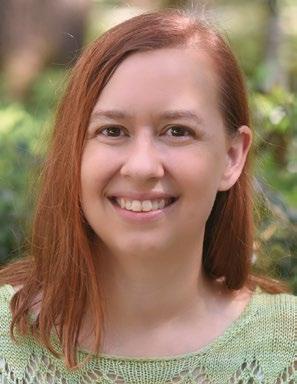
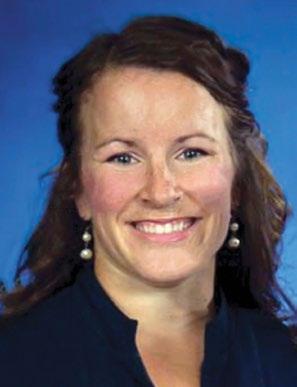
1. Alycia Calderin is a Florida native who moved to Georgia in 2013, where she planted roots with her husband of 16 years. When she’s not balancing the whirlwind of activities for her four kids, she escapes into the world of books.
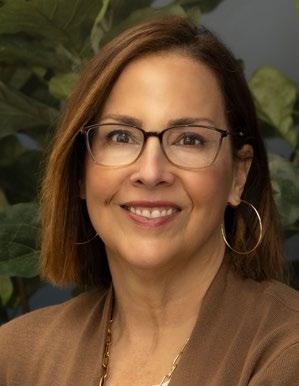
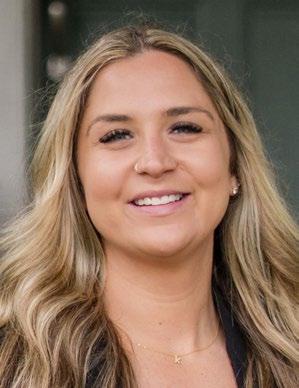
2. Leidy Lester is a freelance photographer, originally from Bogota, Colombia. One of her proudest achievements was working with models and highly experienced photographers in Las Vegas.
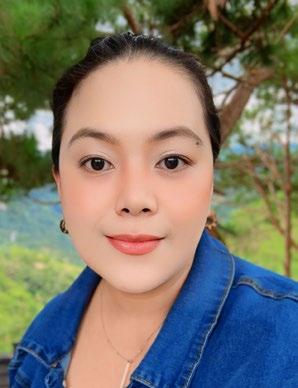
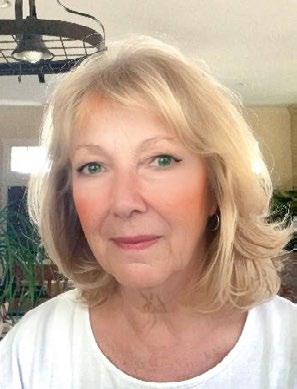
3. Gail Mihalik lives in Rincon with Scott, her high school sweetheart, and their two rescue dogs. Chef by trade with over 50 years of experience, she spends most of her time living, loving, and sharing the history and culture of the area.
4. Scott Douglas Miller is a broadcaster celebrating 50 years in radio as an air personality, news director, event DJ and content provider several publications. He Originally from Mississippi, Scott shares a home in Rincon with his high school sweetheart, Gail.
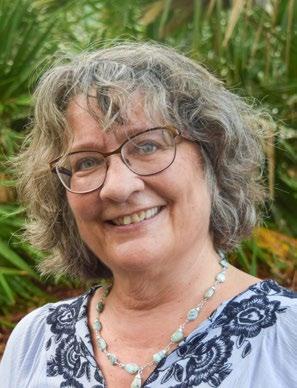
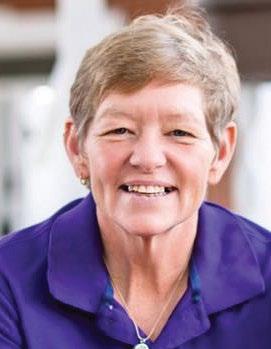
5. Gail Parsons has more than 30 years experience writing for magazines and newspapers. She most enjoys feature writing because it allows her to share the stories of interesting and inspiring people. She is also an artist and enjoys traveling and spending time at the beach.
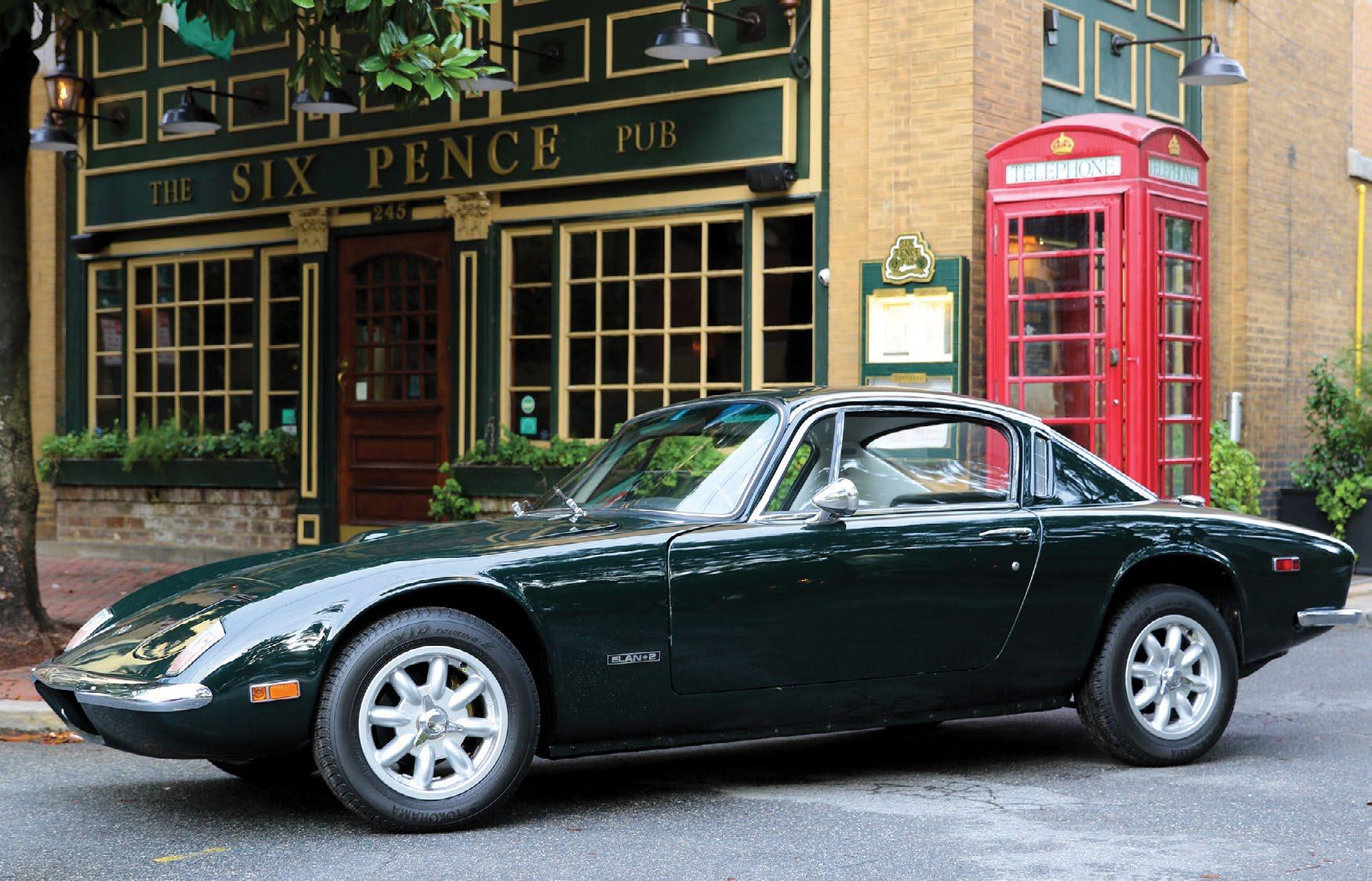
6. Thomas Reimer is a Kansas native that escaped, along with his wife Jacqueline, to Pooler in 2006. He has been involved in photography for over 50 years. When not shooting photos, he enjoys volunteering at the Mighty Eighth Museum and driving his classic Lotus Elan sports car.
7. Claire Sandow is a marketing professional who lives in Savannah with her husband, daughter and cat. In her spare time, she enjoys pursuing her many hobbies, including knitting, crocheting, quilting and running.
8. Laura Zielinski is a freelance graphic designer specializing in print design. When she’s not working, she loves spending time with her husband Keith and their three beautiful children.
9. Mabel, morale officer, enjoys roaming the backyard at home, sitting for hours on the back porch and coming to the office to greet visitors and encourage the staff. Mabel loves getting treats and taking long naps in her mommy’s office in the afternoons.




PUBLISHER
Jan Southern Jan@JDelSURMarketing.com 912-318-8645
CLIENT SERVICES
Kelsey Harrison, Account Executive Kelsey@JDelSURMarketing.com
Nancy Edwards, Account Executive Nancy@JDelSURMarketing.com
OFFICE MANAGER
Chris Antonio
DESIGN
Laura Zielinski
DISTRIBUTION
Penny Redmond
Effingham Magazine is proudly produced by:
135 Goshen Rd Ext., Suite 251, Rincon, GA 31326 (912) 295-5406 EffinghamMagazine.com
J. DelSUR Marketing Group is the publisher of Effingham Magazine Pooler Magazine and Bryan County Magazine in South Georgia. We are a full service marketing agency with products that include print, digital and social media marketing.
LETTERS TO THE EDITOR
Write and tell us what you think. Effingham Magazine welcomes all letters to the editor. Please send letters to Jan Southern at Jan@JDelSURMarketing.com. Letters to the editor must have a phone number and name of contact. Phone numbers will not be published.
ARTICLE SUBMISSIONS
Effingham Magazine welcomes story ideas from our readers. If you have a story idea or photos to share, please submit ideas and material to Jan Southern at Jan@JDelSURMarketing.com. Stories or ideas for stories must be submitted by email. Only feature stories and photo essays about people, places or things in the Effingham area will be considered.
CIRCULATION: Effingham Magazine is published bi-monthly and distributed to hundreds of locations throughout the area, as well as mailed to thousands of homes. The full magazine is available online at EffinghamMagazine.com Views expressed in editorial or advertising do not imply endorsement by J. DelSUR Marketing Group.
Reproduction in whole or in part in any manner without the written permission of the publisher is strictly prohibited.
There’s something special about a community that knows how to grow while still holding onto the things that matter most.
As Effingham County continues to evolve, we’re seeing new businesses, new opportunities, and new faces become part of our story. Growth is exciting, but what makes this area unique is that people here continue to value the things that gave these communities their character in the first place.
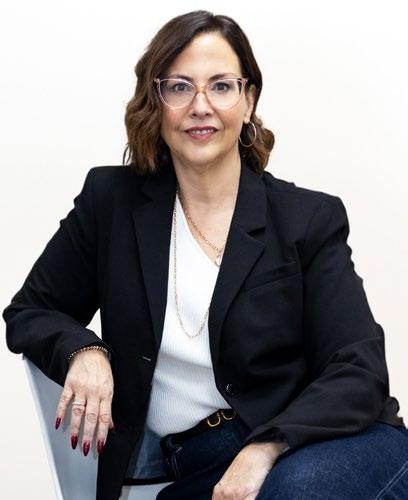
In this Home & Garden issue, that balance between progress and preservation shows up in many ways.
We introduce you to Springfield’s new mayor, Ricky Eilerman, whose vision centers on responsible growth while protecting the personality and charm that make Springfield feel like home. We also feature people who are preserving pieces of history rather than replacing them. In Guyton, a historic downtown building is getting new life and a new purpose, proving that sometimes the strongest foundations are already standing. We also share the story behind Vision Financial’s beautifully restored historic home, where the past continues to live on in every room.
Of course, home is more than buildings and growth plans. It is also found in the places where memories happen. Whether it is gathering around a table with family, exploring local businesses, or discovering a place that simply makes you smile, communities are built through everyday moments and connections.
As you flip through this issue, I hope you find inspiration for your own home and business, as well as appreciation for the people and places helping shape our future while honoring our past.
Thank you for continuing to support local businesses, local stories, and the communities that make Effingham County feel like home.

CEO/Publisher Effingham Magazine

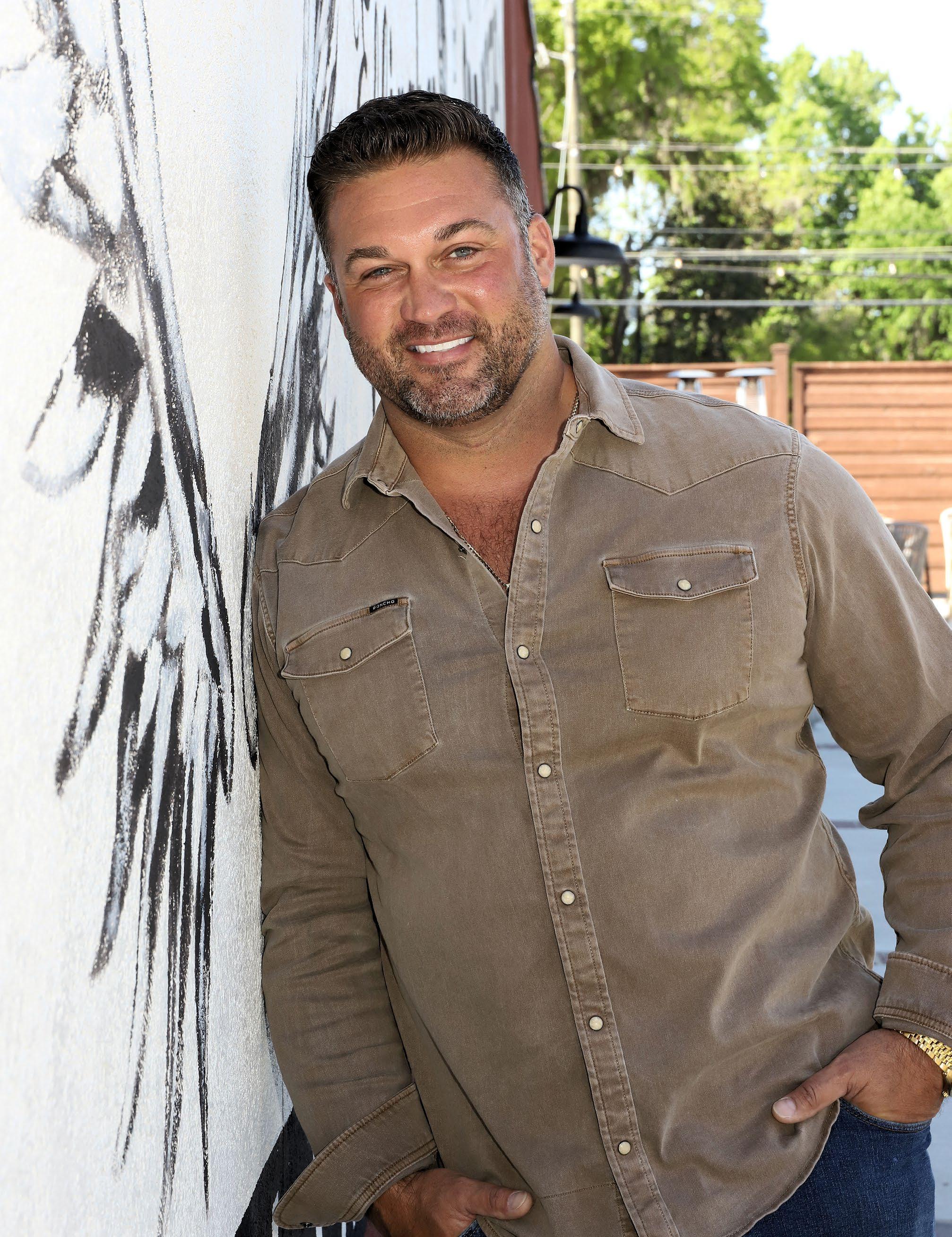
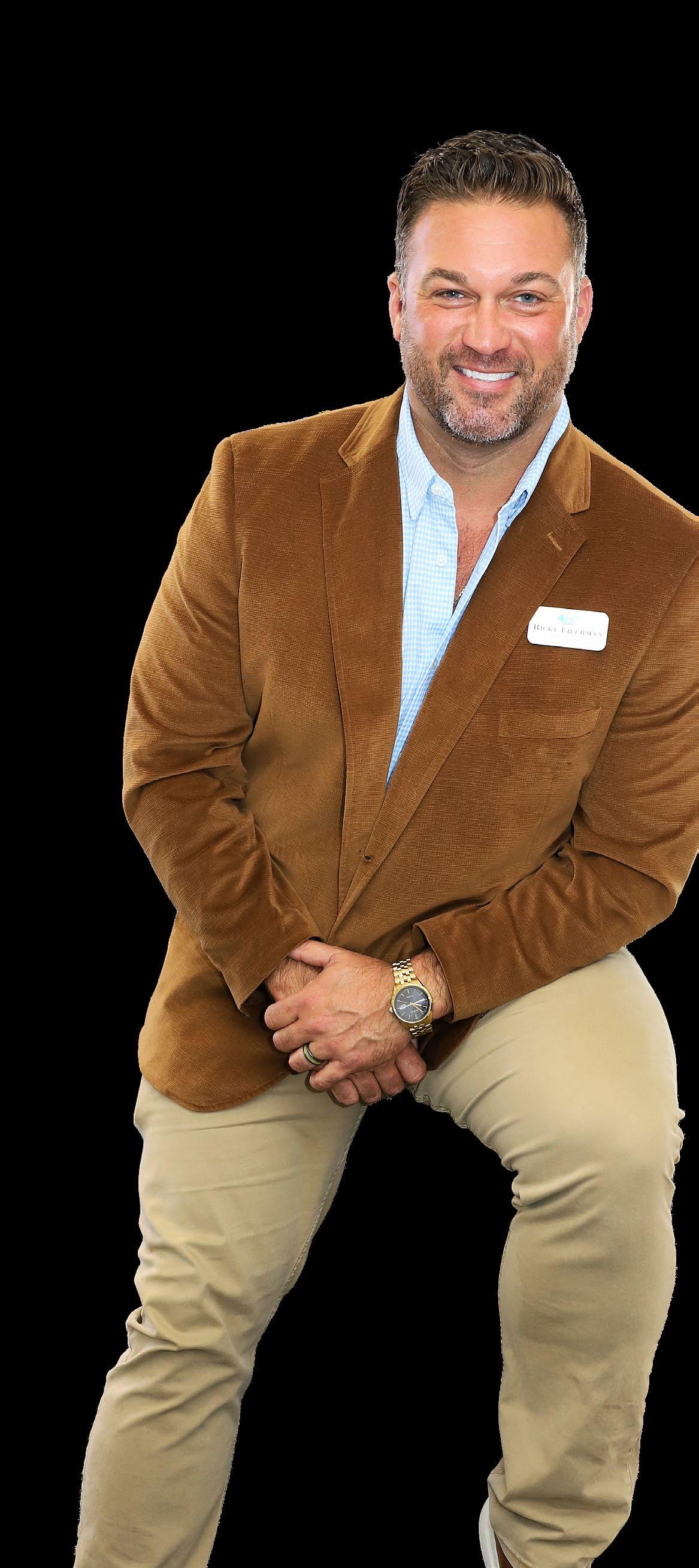
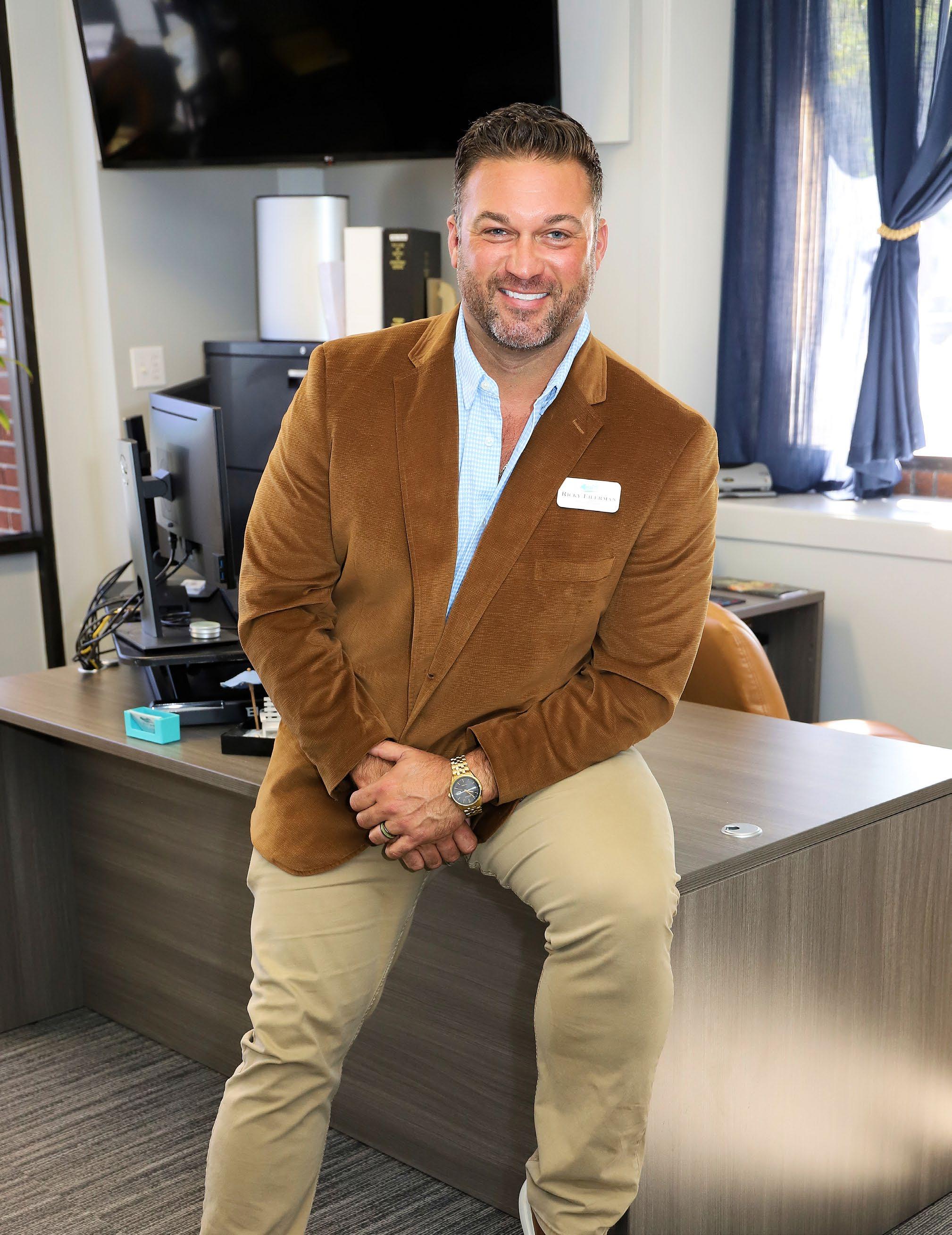
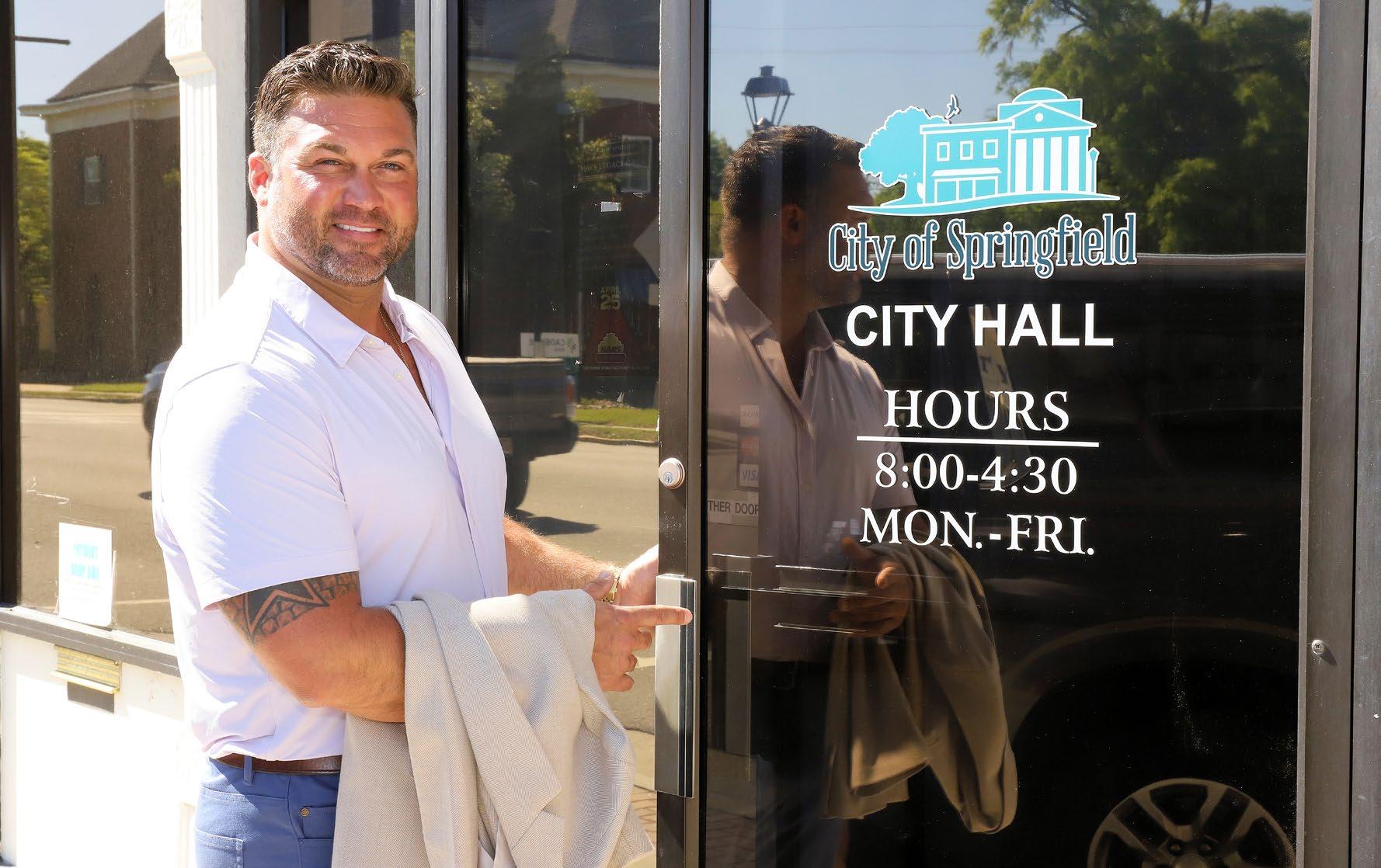
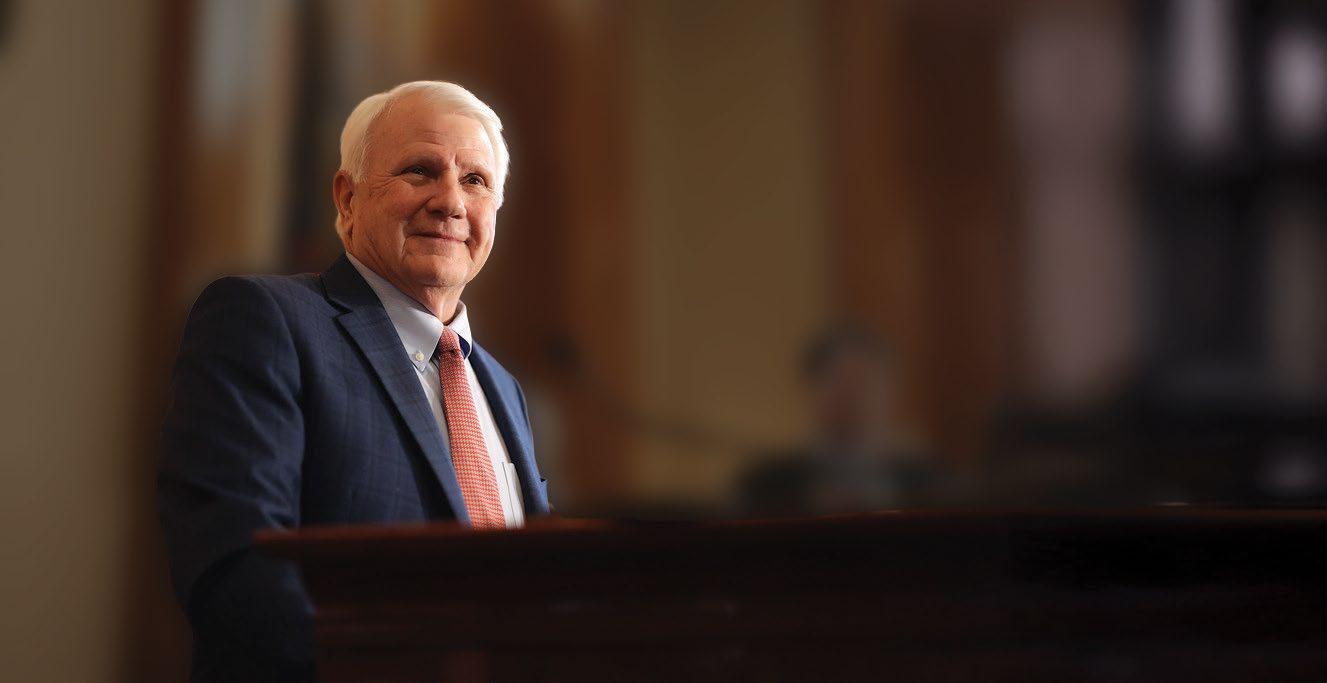
For Mayor Ricky Eilerman, the path to city hall wasn’t paved with political ambition; it was a matter of answering a call. The position was open with no takers when Eilerman was approached to run unopposed.
“I had no intention of running,” he says. “But when the time came and no one stepped up, I thought—if not me, then who?” After praying on the decision and consulting his wife, Ricky realized that if he wanted to see Springfield grow the right way he had to be part of the growth rather than part of the problem. That simple decision reflects the way he leads today: grounded, approachable, and willing to step in where needed.
Built on a Strong Foundation
As mayor Ricky is there to support the team that was already in place, ensuring that the momentum behind Springfield’s revitalization stays on track. He is quick to point out that Springfield’s progress didn’t start with him. “I can’t take credit for what Springfield has become,” he says. “People like James Carlson, Jimmy Moncrief, Dee Moncrief, and the leaders before them laid the groundwork. They saw the potential when others didn’t and started bringing this town back to life.” That legacy is something he’s committed to continuing—not changing.
He emphasizes the strength of the current leadership team. “I’m proud of the people we have in place,” says Ricky. “Lauren Eargle, Erin Phillips, and Jennifer Smith work incredibly hard. We wouldn’t have the city we have without them.” The council itself, he says, is the right mix. “We’ve got some seasoned members and some newer ones. That combination of experience and fresh ideas is exactly what you want.”
For Ricky leadership isn’t abstract—it’s personal. “I’m a business owner. I’m a real estate broker. What affects this city affects me,” he explains. “Several of us on council own businesses—some of us multiple. So, when we talk about fees, development, or growth, we feel it too. That makes us think deeper about every decision.”
Ricky embraces the everyday side of the job. “I love when people stop me in the street,” he says. “Ask questions. Talk to me. I may not make every decision. We’re a council-led city but I can help point people in the right direction or be their voice when needed.” He’s just as quick to credit the full team behind the scenes. “We’ve got a great police chief, an incredible fire department, and strong leadership throughout the city. It takes all of them.”
Growth is coming to Springfield, but Ricky is focused on doing it right.
“I understand why people worry about growth. I used to feel the same way,” he says. “But it’s going to happen. The key is doing it responsibly. “That means balance.”
The mayor views his approach like flipping a historic house. You respect the solid foundation and character that’s already there, but you update the “electrical and plumbing” to meet the needs of today. It’s not about erasing the past; it’s about a modern renovation. He believes Springfield is ready for a responsible evolution. His vision for Springfield is about economic growth and keeping residents’ tax dollars local.
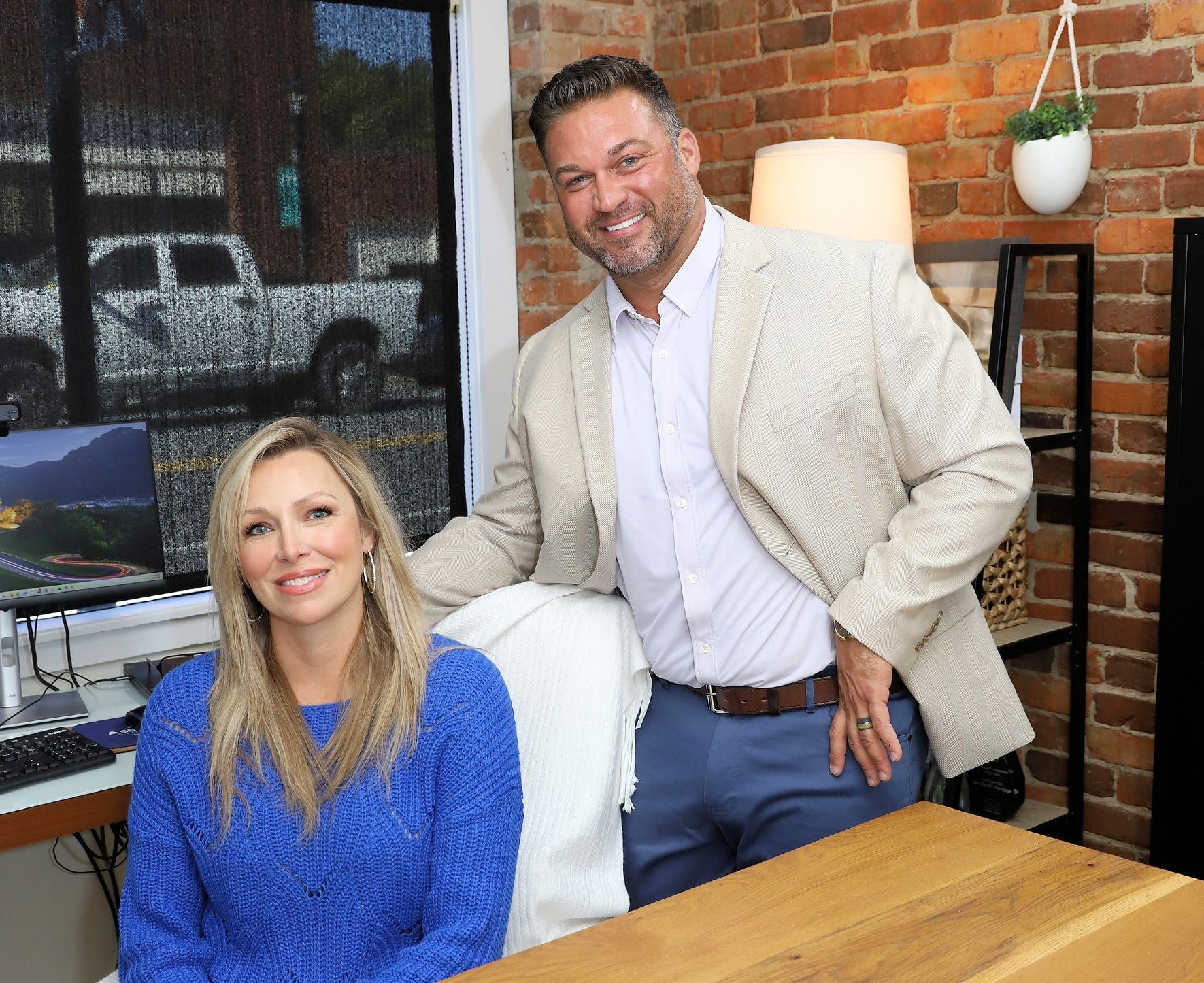
While the Highway 21 corridor is the appropriate place for commercial chains and heavy development, he is committed to keeping the downtown area historic and authentic. Ricky points to The Railyard project as the gold standard for this vision—taking something existing and revitalizing it into a vibrant community space without losing the city’s soul.
“We want to keep our downtown humble and full of character. We want our highway corridor to stay convenient. And we want to make sure we’re building a city that works for everyone, especially seniors and those with disabilities.”
He also addresses the reality of business development.
“We can’t pick and choose who opens what. That wouldn’t be fair. What we can do is set standards and conditions that protect the city and make sure growth benefits everyone. It’s about consistency, not favoritism. “By allowing upscale
projects, the city can attract a new demographic and provide the amenities people currently leave town to find.
For Ricky, there is a responsible way to modernize: follow the rules, maintain order, and ensure that the results create and sustain a vibrant, functional home for everyone.
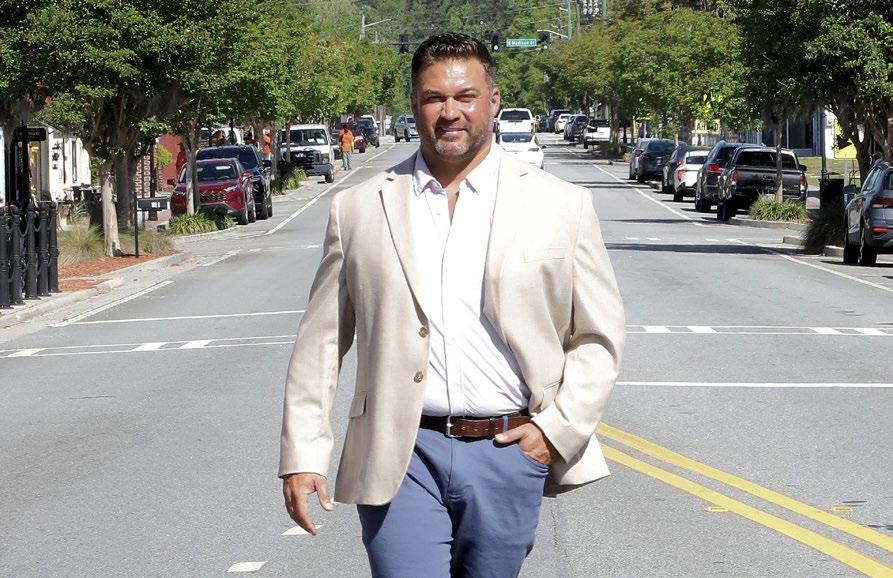
Springfield is more than just where he works. It’s where life happens. “I love walking my dog down Laurel Street in the morning and seeing people wave,” he says. “I love that folks stop for pedestrians. I love walking into a coffee shop and they know your name.”
He smiles when describing the energy downtown. “You’ll see families gathering at local spots for a meal. You’ll see kids riding scooters, parents walking with their kids, people window shopping. It really does feel like something out of Mayberry.”
Springfield isn’t just a hometown. It’s becoming a destination. Being just 25 miles from the hustle of downtown Savannah puts Springfield in a unique sweet spot. While Savannah faces rapid expansion and urban density, Springfield has become the go-to escape for those looking to retreat from the overflow.
The mayor sees this proximity as a primary driver for the city’s current momentum. People aren’t just moving here to sleep; they are coming because Springfield is creating its own identity. By maintaining its small-town charm while aggressively pursuing new initiatives, Springfield offers a refuge for those who want to get out of the growth of the big city without losing access to modern amenities. It’s about being close enough to the action to be convenient, but far enough away to remain a distinct, vibrant community
“I love when people come stay at Airbnbs here and end up extending their
stay because they’re enjoying the city so much,” he says. “That tells you everything.”
Even bigger names are starting to take notice.
“We’re fortunate that the Mars Theatre can bring in some big acts, and they don’t just perform. They stay and enjoy the city. Billy Bob Thornton stayed at my Airbnb. Tiffany did, and members of the band Lonestar. That’s pretty special for a town our size.”
As treasurer of the Downtown Development Authority, Ricky is deeply involved in supporting local businesses. “We help people take their ideas and turn them into something real, finding spaces, creating opportunities, promoting what they’re building.” And what’s being built is something unique.
“We’re like an antique store mecca,” he says. “You can get your haircut in several places, grab great food all over town, visit attorneys, insurance offices, a flower shop, alteration services, photography studios, ice cream shops—I can’t even name everyone. But I’m proud of every single one of them.”
Despite everything on his plate, Ricky is clear about what matters most. “The main character in my story isn’t me. It’s my wife, Ivy,” he says. “She pushes me, supports me, and keeps me going.” Together, they’ve built businesses, raised a family, and continue investing in Springfield, including new ventures like an upcoming restaurant. “I’m lucky. Not everyone gets to work alongside their spouse and enjoy it, but I do.”
Ricky stays grounded. “I’m not the perfect person for this job,” he says. “But I’m going to do everything I can to do it justice. “He reflects on advice that shaped him: “Dee Moncrief once told me, ‘You can’t complain if you’re not involved, be part of the solution.’ That stuck with me.”
One thing that surprised him most about politics? “A lot of what people hear isn’t the full story,” he says. “If you want facts, come to the meetings. They’re public. Our workshops are public. We promote them because we want people involved.”
He’s direct about community engagement. “The same people who complain online are often the ones we don’t see in the room. We want them there. We need their voices. If decisions are being made for you, you should be part of it.”
At the end of the day, the message is simple and genuine. “Come see Springfield,” he says. “Come to First Friday. Come to our Fall Festival. Pack the streets with us.” He pauses, then adds: “Visit our parks. Eat in our restaurants. Shop in our stores. Meet our people. You’re going to love it. “If you already live here, “keep showing up. This city belongs to all of us.”
And if you happen to see Ricky riding around downtown on his kids scooter with a cigar and a grin, wave, chat or just smile back. That’s Springfield’s mayor, and biggest booster, Ricky Eilerman. Ricky Eilerman is the Realtor® Assoc. Broker/Owner of Coast & Country Real Estate Experts. He and his wife Ivy connect people with homes new and old while renovating and revitalizing downtown Springfield through their real estate projects, such as The Railyard. ■
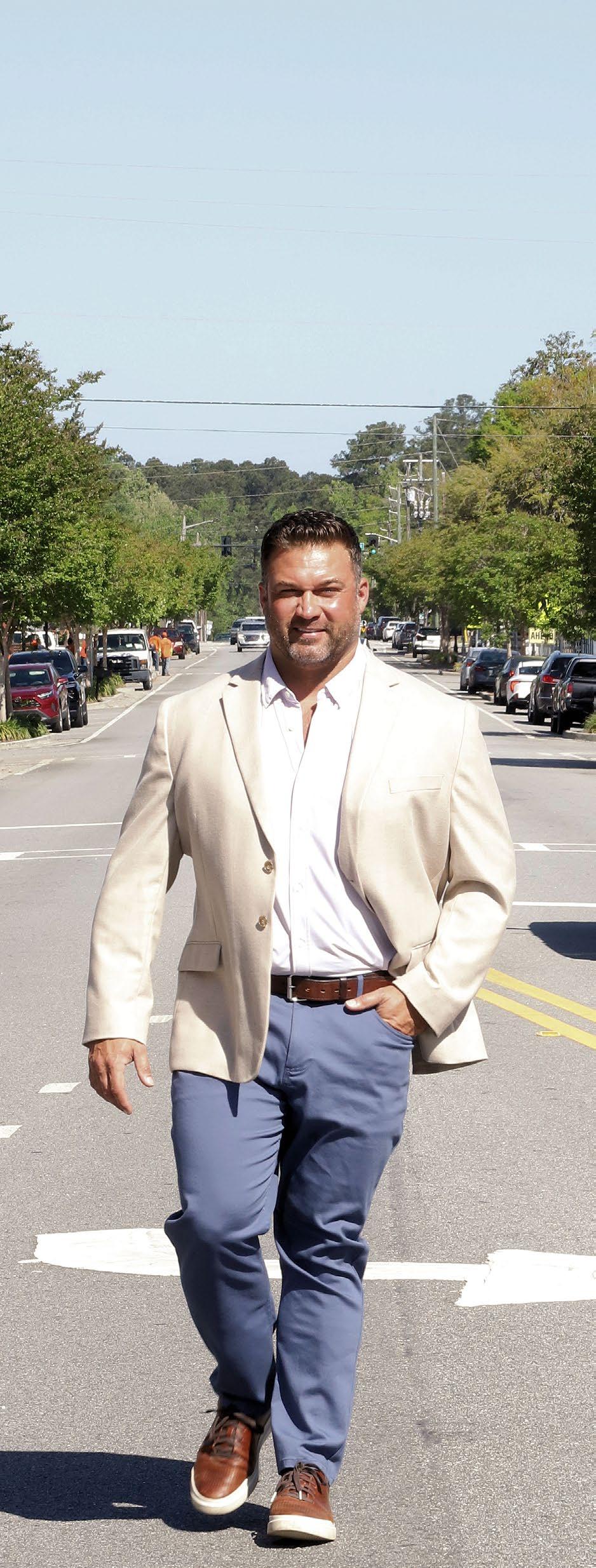
“We want to keep our downtown humble and full of character. We want our highway corridor to stay convenient. And we want to make sure we’re building a city that works for everyone.”

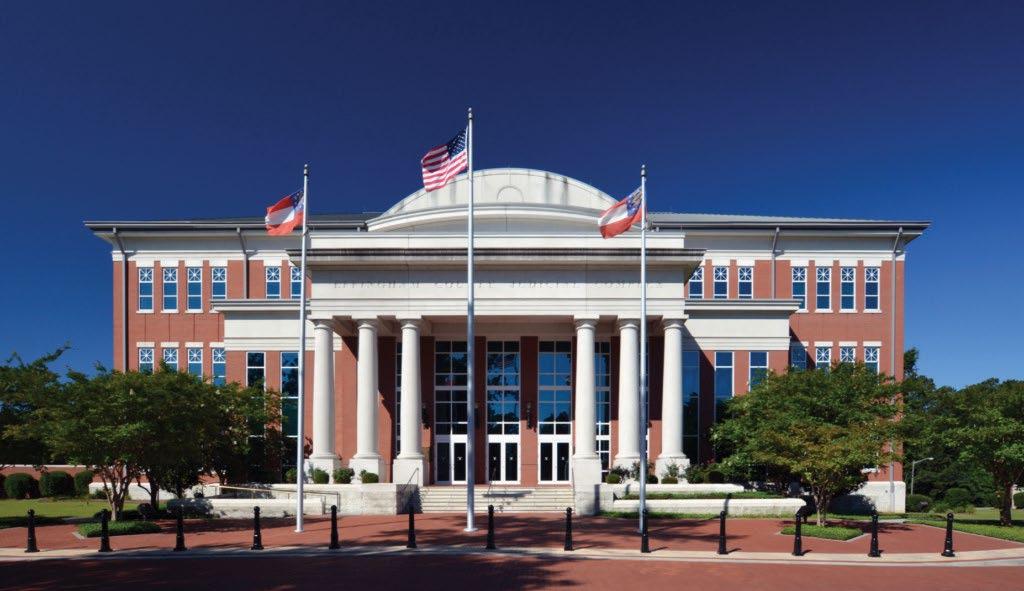
KICKLIGHTER LAW RECOGNIZED FOR EXCELLENCE

Proud winners in the 2025 Best of Effingham Law Firm and Attorney categories, Kicklighter Law is committed to delivering trusted legal representation.

Attorneys Mickey Kicklighter, Brian “B.J.” Fussell, Jr., and Kelsey Kicklighter focus their practice on Criminal Law, Family Law, Personal Injury, and Civil Matters, providing skilled advocacy and personalized guidance for every client.
WHEN IT COMES TO PROTECTING YOUR RIGHTS AND ACHIEVING RESULTS, YOU CAN RELY ON THE AWARDWINNING TEAM AT KICKLIGHTER LAW

















by Alycia Calderin

There’s this quiet, uncomfortable moment in motherhood that no one really warns you about. And it’s not the first day of kindergarten, or the first sleepover, or even the first time you have to Google what “six seven” means because apparently middle schoolers now communicate exclusively in coded slang.
It’s the moment you look around your house and suddenly realize…They don’t need you like they used to.
And now you’re standing there, holding a cup of coffee that went cold thirty minutes ago, wondering who you are without a diaper bag, a preschool pickup line, or a tiny human physically attached to your body demanding snacks shaped like dinosaurs.
Welcome to Mom 2.0, the identity update nobody told us we’d need.
Version 1.0: The Baby Years
I had Brooklyn, my daughter, at 19 which means she didn’t just grow up with me, she grew up alongside me. We figured life out together. I learned how to be a mom while she learned how to be a human.
Those early years were a blur of survival mode: diapers, drive thru dinners, school parties, and Googling every rash at 2 a.m. Motherhood wasn’t just something I did, it was my entire identity. Every decision, every schedule, every ounce of energy revolved around keeping my kids fed, safe, and relatively well adjusted.
Then came Sofia and Mikey, and with each child, motherhood layered itself deeper into who I was:
✓ Snack packer.
✓ Homework helper.
✓ Permission slip signer.
✓ Carpool coordinator.
✓ Finder of the one shoe that somehow disappeared overnight.
My twenties were spent fully immersed in motherhoodexhausted, overstimulated, and fiercely in love with the life we were building.
Back then, I thought the hardest part would be the sleepless nights or the toddler meltdowns. I didn’t realize the real emotional gut punch would come later, when the noise quieted and the constant need faded.
Version 2.0: The Tween & Teen Era Now?
Brooklyn is 16 and got her license in June, a sentence I still don’t fully believe. She’s independent, confident, and moving toward a life that doesn’t always include me in the center of it. Sofi is 13 and in her final year of middle school, standing right on the edge of becoming someone entirely new. And Mikey, my baby, is 11 and just entered his first year of middle school, at the same school as Sofia, which somehow feels both comforting and completely illegal.
Now, I’m standing in a season where I’m no longer consumed by survival, instead I’m faced with space.
✓ Space to think.
✓ Space to feel.
✓ Space to ask myself questions I’ve put off for years. Who am I outside of motherhood?
What do I enjoy when I’m not managing someone else’s schedule?
What parts of me have been waiting quietly underneath all of this?
It’s disorienting, like meeting yourself again after being too busy to look up.
The Awkward Beauty of Mom 2.0
Mom 2.0 feels unfamiliar. There’s no manual for this version.
She’s proud and heartbroken at the same time.
She’s grateful, but grieving.
They still need me, just not in the same ways.
✓ They need rides.
✓ They need money.
✓ They need reminders that were apparently mentioned “five minutes ago” but don’t count unless repeated three times.
But emotionally and physically? They’re pulling away in small, bittersweet increments. Doors close more often. Conversations happen on their terms. Affection looks quieter, like a quick hug, a shared joke, a hand brushing mine when no one’s watching.
And here’s the part no one prepares you for: When your kids grow, you have to grow too.
So Who Am I Now?
For years, my identity was rooted in being needed. In the physicality of motherhood. In the constant presence. The “Mom, watch this.” The bedtime routines. The sticky kisses and tiny hands reaching for mine.
She misses the little years while loving the people her kids are becoming.
She laughs more with them now, has real conversations, shared humor, moments of connection that feel deeper and more intentional. But she also feels the weight of time in a way she never did before.
And she’s learning something important: She’s allowed to exist beyond motherhood. Not instead of it, but alongside it.
The Truth No One Says Out Loud
Just because you’re done having babies doesn’t mean you stop mourning the idea of them. Just because your kids grow up doesn’t mean you stop being needed, you’re just needed differently. And just because this season feels uncomfortable doesn’t mean it isn’t sacred.
Mom 2.0 Isn’t the End — She’s the Upgrade This stage of motherhood is quieter, deeper, and somehow more emotional than the early years.
It’s the season of rediscovery.
Of remembering what you love.
Of finding joy outside of carpools and class parties.
Of realizing that the woman you are now exists because of everything you poured into your kids.
And maybe that’s the point of Mom 2.0. Not to replace who you were, but to finally make space for her again. ■






Story by Gail Parsons | Photography by Leidy Lester
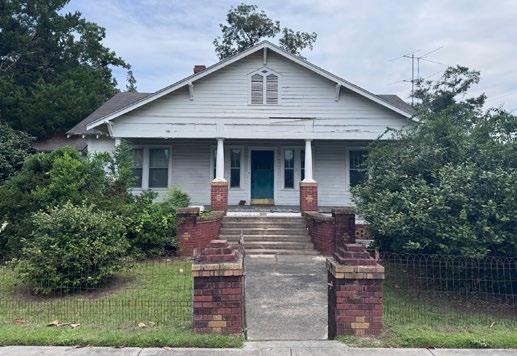
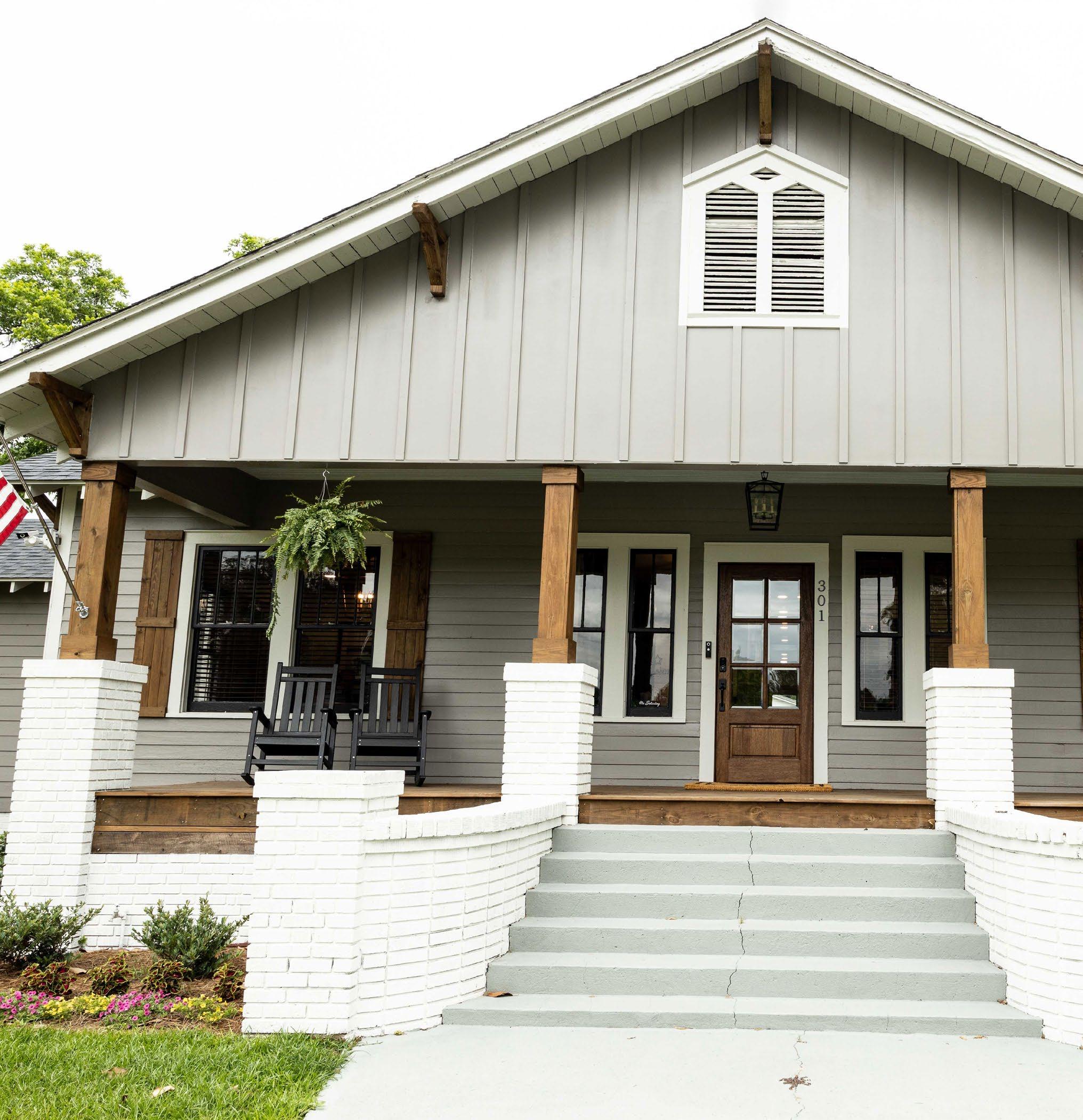
The old home on North Laurel Street has watched Springfield change for nearly a century. It survived the Great Depression. It remained in the same family for generations. Its pine floors softened beneath thousands of footsteps, and its tall windows continued catching the Georgia sunlight year after year.
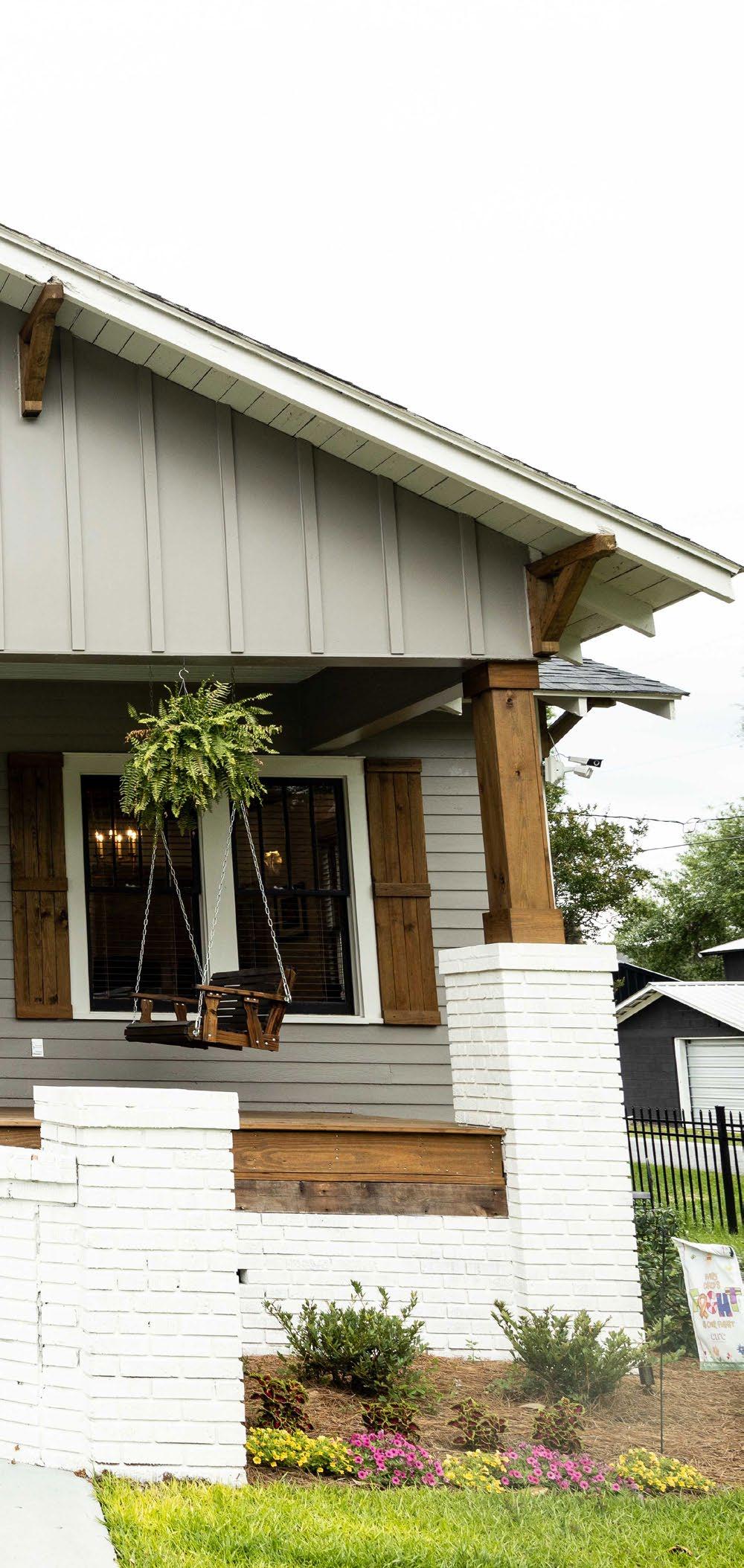
Now, nearly a century after its construction, the home remains remarkably intact; not frozen in time, but carefully preserved so that its history still feels alive in every room. Today, the historic house at 301 North Laurel Street has begun a new chapter, no longer as a private residence, but as the home of Vision Financial.
Before conference tables and client meetings filled its rooms, it was simply the home of a woman named Anna Kiefer Shearouse.
For Amelia Senecal, a financial advisor with the company, learning the story of the house has become just as meaningful as restoring it. “Every time we hear another story about Ms. Anna or her family, it feels even more like we made the right choice,”
Senecal said.
The home’s story begins during one of the most difficult economic periods in American history.
Anna Kiefer Shearouse built the house in 1929, at the beginning of the Great Depression, after the death of her husband, Barton Shearouse. According to family history shared with Vision Financial after the purchase of the property, Barton was deeply involved in civic and business life in Effingham County. He served as a county commissioner, school board member, bank president and Sunday school teacher.
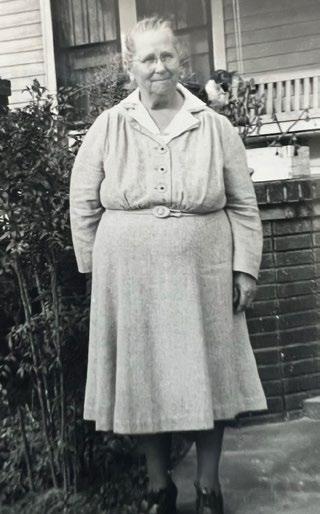
“He was a very socially involved man in Effingham County,” Senecal said. “His obituary even says in every business endeavor he ever had, he did very well.”
But after his death, believed by family members to have been caused by a heart attack, Anna found herself widowed with children. Three years after being widowed, she built the North Laurel Street home herself.
“She actually built the house during the Great Depression,” Senecal said. “I think that is pretty amazing of a widow woman.”
In rural Georgia in 1929, a widow setting out to build a home would have faced obstacles that went far beyond construction itself. The country was slipping into the Great Depression, and credit was tightening even for established families. For a woman without a husband to sign contracts, secure financing, or regularly oversee work in a maledominated building trade, the process would have faced great challenges.
Once construction began, the challenges would have deepened, but Ms. Anna met them head on. In rural Georgia in 1929, building materials were not simply ordered and delivered. For a widow overseeing such a project, each step would have required persistence, turning logistical barriers into decisions made through determination rather than convenience.
That determination is still embedded in the house itself. The pine floors remain original and were built from trees that once stood on the property itself.
“There were pine trees on the lot,” Senecal said. “She had them cut down and taken to Savannah to the mill, and then they were brought back to build the house.”
Nearly 100 years later, those same boards still stretch throughout the home. As visitors walk through the building today, they can feel the subtle shift and settle of the floors beneath them, a reminder that the house was built long before modern construction methods prized rigid perfection.
“They float and creak as you walk across them,” Senecal said. “Not everything’s perfectly level, but I think that’s part of what we love about it too. It’s not perfect. It’s a little quirky and cute.”
One of the home’s most unusual features remains hidden beneath the kitchen floor.
“They actually had the cellar, a cold cellar, underneath the kitchen,” Senecal said. “And we still have the cold cellar to this day.”
The underground space, once used for food storage before refrigeration became commonplace, remains noticeably cooler than the rest of the house. Though now cleaned out, the cellar still offers a glimpse into how families once lived and functioned in rural Georgia.
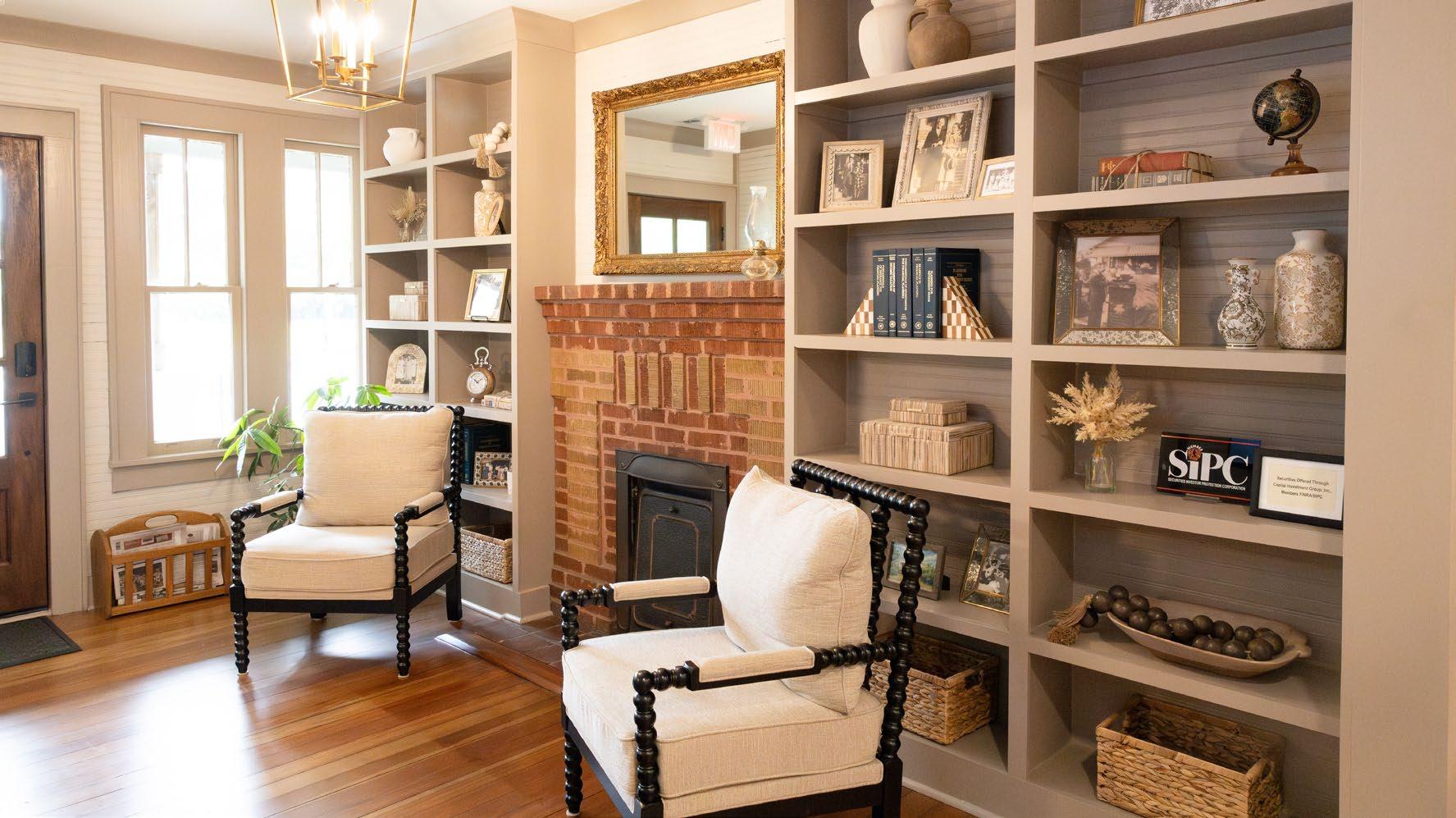
Above ground, much of the original home remains intact. The fireplaces are original as are the window.
Heritage guides the next chapter
For decades, the house remained in Anna Shearouse’s family, carrying its history forward quietly from one generation to the next before eventually opening itself to a new purpose.
The property eventually passed to descendants including Barty Alderman, former mayor of Springfield, whose mother Naomi was one of Anna’s daughters. Until Vision Financial purchased the building in 2025, the house had remained in family hands for roughly 96 years.
“It stayed in that family for a very long time,” Senecal said. “It’s amazing.”
The house also remained lived in and cared for through the decades, something Senecal immediately noticed during her first visit.
“When I walked in, I could tell it was in great shape,” she said. “Someone had been living there. The air had been turned on. Sometimes you walk into an older home and you can immediately tell whether or not it has been taken care of. And this house really had been taken care of.”
Still, transforming the residence into a functioning office would require vision.
Vision Financial had spent nearly two years searching for a new location after outgrowing its office in Rincon. The
company wanted to relocate into Springfield but struggled to find a property that fit both practical needs and personal taste.
Some spaces were too small. Others lacked enough property for future expansion. And newer commercial buildings simply failed to inspire the team.
“We didn’t want something cookie cutter and brand new,” Senecal said. “We love the Effingham history of it and the charm.”
Her father, Talbert Edenfield, co-founder of Vision Financial, first discovered the property. Though intrigued, even he struggled initially to picture how the house could function as a business office.
“He even said, ‘I’m not visualizing how this is going to turn out,’” Senecal recalled.
Contractor Sean Carter, however, saw possibility almost immediately.
“He said, ‘I can see it. We can add a hallway here. We can add six offices. This may be great,’” she said.
That confidence helped move the project forward.
Vision Financial purchased the property in August 2025 and began renovations almost immediately. The restoration took approximately six months before employees officially moved into the building in February 2026.
Rather than modernize the structure beyond recognition, the goal became preserving as much of the original house as possible while carefully adapting it for commercial use.
The renovation team removed drop ceilings added sometime during the 1980s, revealing the home’s original ceiling height and roofline once again.
“Those kinds of things we took out because the drop ceiling put it way back to the original roof line,” Senecal said.
The original fireplaces remained untouched, serving as focal points throughout the building. The windows stayed in place despite suggestions that replacing them might improve efficiency.
“That’s the first thing people comment on when they walk in,” Senecal said. “‘Please don’t replace those windows. They’re beautiful.’”
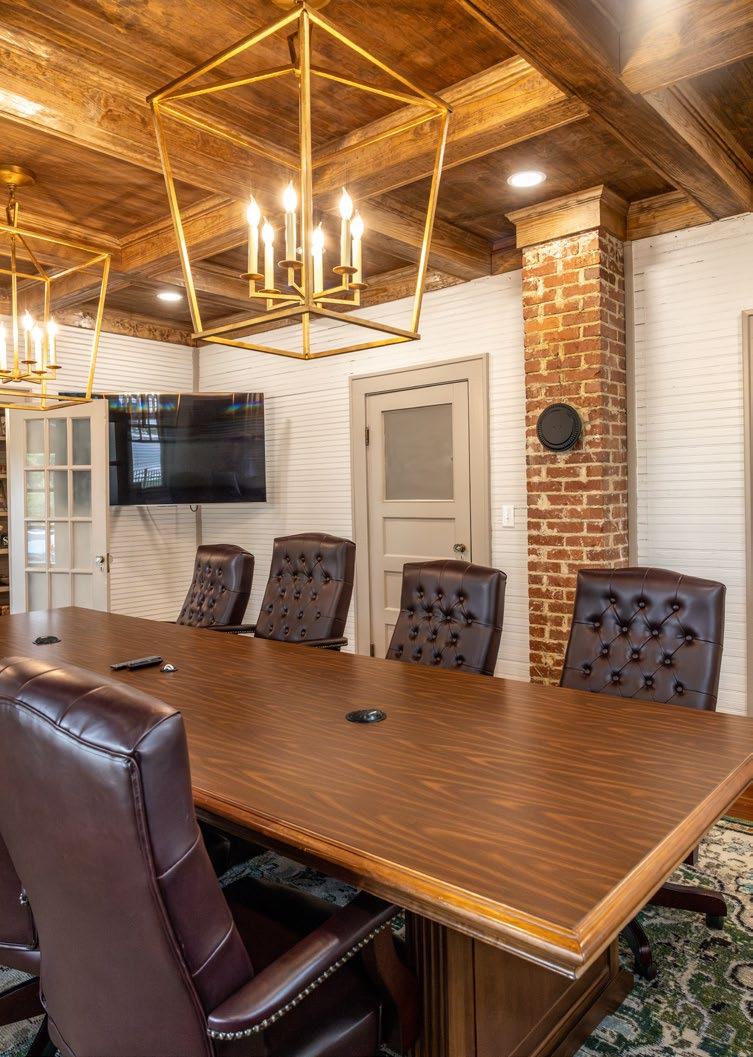
The front dining room, once used for family meals and gatherings, now functions as a conference room for clients.
“It was a beautiful open space,” Senecal said. “That was immediately what I thought when I walked in.”
Additional office space was constructed behind the original home to allow room for company growth without drastically altering the historic structure itself.
The property’s original barn also still stands behind the building, though restoration work there remains part of a future project list.
Inside the home, the balance between old and new became especially important in the kitchen renovation.
Senecal and her mother handled much of the interior design themselves, choosing elements that modernized the space while still honoring the home’s historic character.
“The kitchen needed a lot of love,” Senecal said.
The remodeled kitchen now features green cabinetry, butcher-block countertops and gold accents that complement the warm tones of the original pine flooring.
“It modernized it a little bit, but still kept the beautiful charm with the old pine floors,” she said.
Throughout the renovation process, family members connected to the home continued sharing stories and photographs with Vision Financial’s team.
Keeping Ms. Anna’s legacy alive
Pam Moore, one of Anna Shearouse’s granddaughters, provided historical photographs showing Anna standing
proudly in front of the house decades earlier, often surrounded by flowers from her gardens.
“They were very into gardening,” Senecal said. “She had lots of violets and camellias that she was really proud of.”
Those photographs now occupy a prominent place inside the restored office.
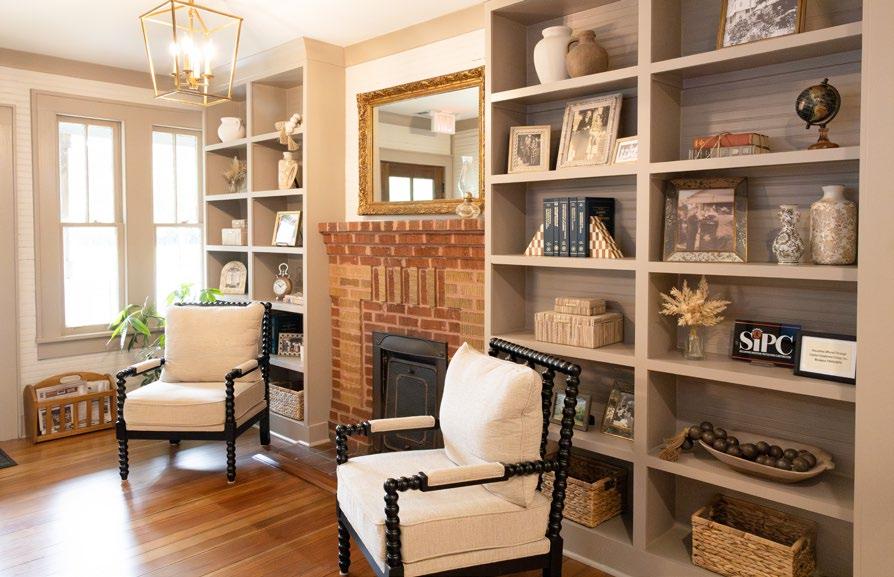
When visitors enter the front room, they find bookshelves framing one of the original fireplaces. Sitting among the books are framed photographs of Anna Shearouse and her family, reminders that while the building now serves a different purpose, its history remains central to the space.
The process of uncovering the home’s past has become, for Senecal, one of the most rewarding parts of the project.
“A love of history has come out,” she said.
What began simply as a search for office space evolved into something far more personal, a restoration not just of a building, but of memory. And perhaps that is what makes the house on Laurel Street feel different from newer construction. Its walls already carry stories. Its floors already hold history.
Long before Vision Financial moved in, the house survived economic hardship, changing generations and nearly a century of shifting life in Springfield.
Now, instead of fading quietly into disrepair or demolition, the old home has found another purpose.
The conference room still fills with conversation. Light still pours through the tall front windows. The old pine floors still creak beneath footsteps.
And somewhere beneath it all, the cool cellar remains exactly where it has always been, a hidden reminder of the woman who built the house during the hardest of times and left behind something strong enough to endure long after her. ■






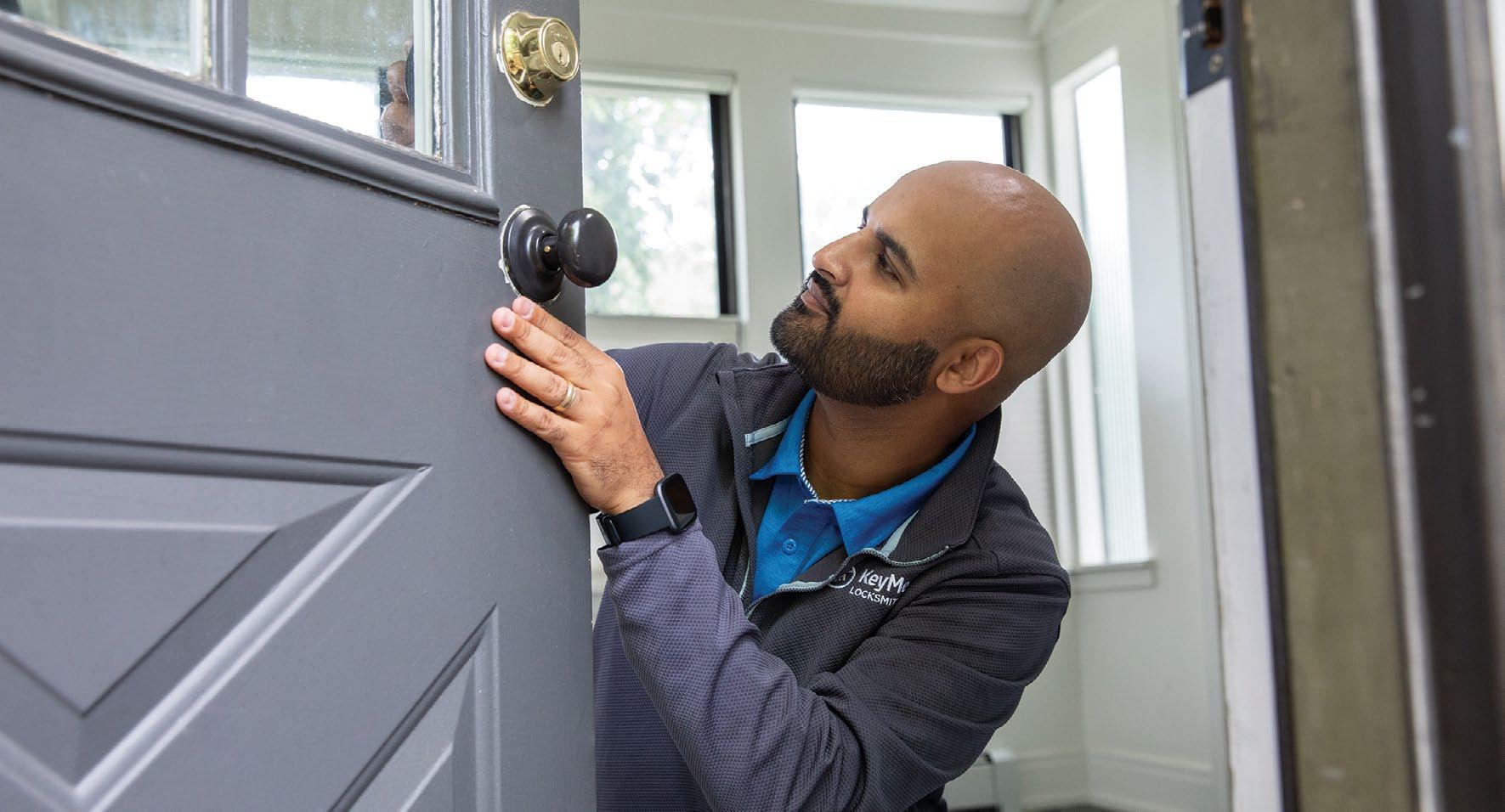
You have locks on your doors and windows, and you make sure they’re secure before you leave the house or head to bed each night. You may even have a security system with an alarm or cameras to protect your home. Some locksmiths say that may not be enough.
Bryan McCabe, director of locksmith operations with KeyMe Locksmiths, the nation’s leading provider of local locksmith services and No. 1 provider of key duplication kiosks, said homeowners should be mindful of common security vulnerabilities, many of which go unnoticed until it’s too late.
A thief who wants to gain access to your home may do so by any means possible, including breaking windows or kicking in doors. However, those methods are loud and may attract attention. Instead, thieves will look to find the easiest house to enter. Consider these small changes you can make to deter thieves from your home.
Leaving your garage door open may seem harmless, but it can signal easy access to thieves. An open garage suggests relaxed security habits and can make burglars assume doors or windows might also be unlocked. Keeping it closed is a simple step that instantly makes your home more secure.
Burglars often target homes that appear empty. Dark houses – especially after nightfall – can stand out as easy opportunities. Leaving a light or two on helps create the impression someone is home. If you want to level up, use light timers or smart bulbs to automatically turn lights on and off, even when you’re away.
Thieves prefer to work unnoticed. Overgrown trees, tall bushes, or dense landscaping near entrances can provide cover for someone trying to break in. Trimming greenery and maintaining clear sightlines from the street makes your home less appealing and more exposed – exactly what burglars want to avoid.
Some relatively minor updates can make a big impact toward protecting your home. Start by assessing all home entry points, including secondary points like sliding doors, garage entries and basement doors. In addition to checking door frames, homeowners should examine strike plates, hinge security and whether existing locks are outdated.
Doorbell cameras are an affordable way to boost your home’s security. Visible cameras can stop many would-be thieves as they don’t want to be seen or recorded. Beyond deterrence, doorbell cameras let you see who’s at your door, receive alerts and check on your home anytime, whether you’re home or away.
Smart locks are another smart investment in home safety. They allow you to track who enters your home and when by assigning unique access codes. You can even lock (or unlock) the door remotely from your phone. With the ability to monitor, control and limit access, smart locks offer convenience and security. A local locksmith can help you choose the right option and handle installation, making the upgrade simple and stress-free.
Connecting customers with professional locksmiths in their area, KeyMe Locksmiths provides comprehensive home security and lockout services – from key replacement to lock installation or repair – with more than 7,500 kiosks nationwide. These self-service machines utilize advanced technology for fast, accurate and “one-stop-shop” key copying, including home and office keys, car keys and fobs, mailboxes, padlocks and RFID access cards.
Find more advice to help protect your home and belongings, and a locksmith or kiosk near you, by visiting key.me.




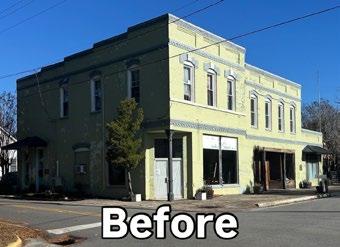


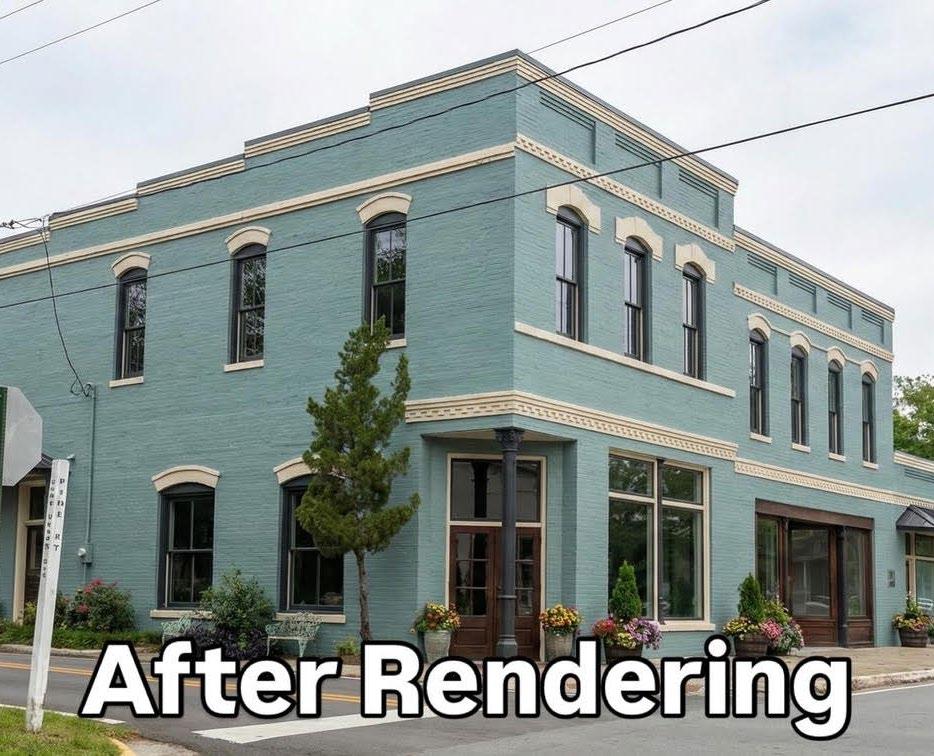
In small towns, it often takes just one building—and one person with a vision—to spark new life downtown. In Guyton, that spark may come from a stately 1907 brick building that once housed Citizens Bank and now stands at the center of Josh Austin’s plan to create a vibrant gathering place for local businesses and the community they serve.
For Josh, the project is more than another real estate investment. The historic building had been on his radar for years, partly because he owned property next door, and partly because he could see the potential hidden behind its aging exterior.
Over time, Josh developed a relationship with the building’s previous owner, Peggie Nelson, who had already begun the difficult work of stabilizing the structure after purchasing it in poor condition. One room had become so overgrown after part of the roof collapsed that she jokingly called it the “Jumanji room,” filled with plants and wildlife.
Still, Nelson had done the hard work of making the building structurally sound, and Josh admired the effort she had poured into saving it.
“I give her a lot of credit,” he says. “She took it from being really run down to bringing it up to where it was structurally in a good position.”
After years of conversation and more than one discussion about whether she might ever sell, the two finally reached an agreement. Josh officially purchased the building, opening the next chapter of its long history.
Inside, the building still holds many of the details that first captured his imagination: towering ceilings, ornate tin panels, original ironwork, and the massive bank vault that once safeguarded the town’s deposits.
“These are things you just don’t see in buildings today,” he says. “Buildings now are built around maximizing profits. Places like this were built with character.”
Josh’s goal is to bring that character back to life while transforming the building into something Guyton has never quite had before, a hub for local businesses and a gathering place for the community.
While restoring the building’s historic elements is important, Josh says the real heart of the project is the community impact.
Upstairs, he plans to create a business hub with 12 private offices, a shared conference room, and a media studio. The ground floor is where Josh hopes the community will gather.
He envisions a locally owned coffee shop occupying the corner space where the bank once operated, with the original vault remaining as a centerpiece of the design. Surrounding spaces could include small boutiques, a barber shop, or other microbusinesses that give the building a lively, walkable feel.
“I want the community to be excited about what goes in here,” he says. “So many times when we see new construction going up, everybody asks what it’s going to be, and it turns out to be just another storage facility or something like that. I want people to feel thrilled about what’s happening here.”
Josh points to nearby Springfield as proof of what’s possible. Investors there have restored historic buildings and brought new energy to the downtown, an effort that helped spark his own vision for Guyton.
Josh hopes the city is just getting started.
During his planning process, he attended a local Development Authority meeting to gauge whether the community would support a project of this scale. The response, he says, was overwhelmingly positive.
“Every single person I talked to, from council members to the mayor, has been excited about it,” he says. “That encouragement really gave me confidence to tackle this.”
He sees himself less as an owner and more as a temporary steward of the building’s legacy.
“A hundred years from now, I’m not going to own this,” he says. “Maybe my grandchildren will. But I just want to be a good steward of it while I have it, and for it to be a blessing to the community.”
















by Gail Mihalik


Ice cream didn’t begin as an everyday treat—it started as a luxury reserved for the upscale crowd. By the early 1700s, America had gotten its first taste, and by 1744 it was already being written about. Back then, enjoying ice cream meant you were living pretty high on the hog. Even George Washington and Thomas Jefferson were known fans of the frozen indulgence.
Then came the real game changer. In 1844, Nancy Johnson created the hand-cranked ice cream freezer, allowing regular families to bring the magic home. No palace required—just some elbow grease, rock salt, and a sweet tooth.
As technology improved, ice cream rolled from fancy parlors into everyday American life. Then in 1904, the ice cream cone arrived and changed dessert forever. Suddenly, you could stroll, chat, and enjoy your scoop all at once.
Some foods fill you up. Others take you back. Ice cream has always had a way of doing both. One bite can return you to childhood summers, sticky hands, porch swings, beach vacations, and evenings when life moved a little slower. It is comfort served cold, joy balanced on a cone, and one of the few treats that still makes adults smile like kids.
Luckily for us, Coastal Georgia has plenty of places carrying that tradition forward one scoop at a time.
When you’re in Savannah craving something sweet, join the line at Leopold’s Ice Cream. Don’t worry—it moves fast. Part dessert stop and part beloved institution, Leopold’s has been winning hearts for generations. The vintage soda fountain feel, polished counters, and classic atmosphere make it more than a shop—it’s an experience. Whether you choose timeless vanilla, rich chocolate, or one of their famous signature flavors, every visit feels like stepping into a sweeter era.
For those traveling through Richmond Hill, Rincon, or Pooler, keep an eye out for The Ice Cream Stop. The Pollards came from California to our Southeast shores with a simple idea: create the kind of family tradition they loved—heading
out for ice cream after dinner. To their surprise, nothing like that existed in the area. So rather than wait for someone else to do it, they decided to be the first. The hardest part here? Choosing just one flavor from the 36 offered.
And here’s a recipe I love to share with y’all. Kids especially enjoy helping with this one. Fair warning—once they see how easy it is, they may start volunteering in the kitchen a lot more often. One spoonful later, you may never look at the freezer aisle the same way again.
HOMEMADE ICE CREAM (No-Machine Needed)
Base
• 2 cups heavy whipping cream, whipped to medium peaks
• 14 oz sweetened condensed milk
• 2 tablespoons vanilla extract
• A dash of salt
Fold condensed milk and vanilla gently into whipped cream.
Chocolate Version
Mix ¾ cup unsweetened cocoa powder into the condensed milk first, then fold into whipped cream.
Fresh Fruit
You can incorporate any fruits you like, strawberries (1 pint) crushed, don’t leave them too big they will get icy. Blueberries chopped again 1 pint. Peaches approx 2 cups chopped. You can also add freeze dried fruit. Crush it up in a blender to a powder a ¼ cup really gives a pop of flavor. You can leave it a little chunky for texture.
Rocky Road Version
Fold in gently by hand:
• ¾ cup chopped almonds
• ¾ cup chocolate chips
• ¾ cup mini marshmallows
Pour into a sealed container and freeze at least 6 hours.
Please thank these advertisers for contributing to our community and making this publication possible. If you want to be part of this list, email Jan@JDelSURMarketing.com or call 912.295.5406.