
Music Composition

Page 1


Music: Composition

Subject Guide
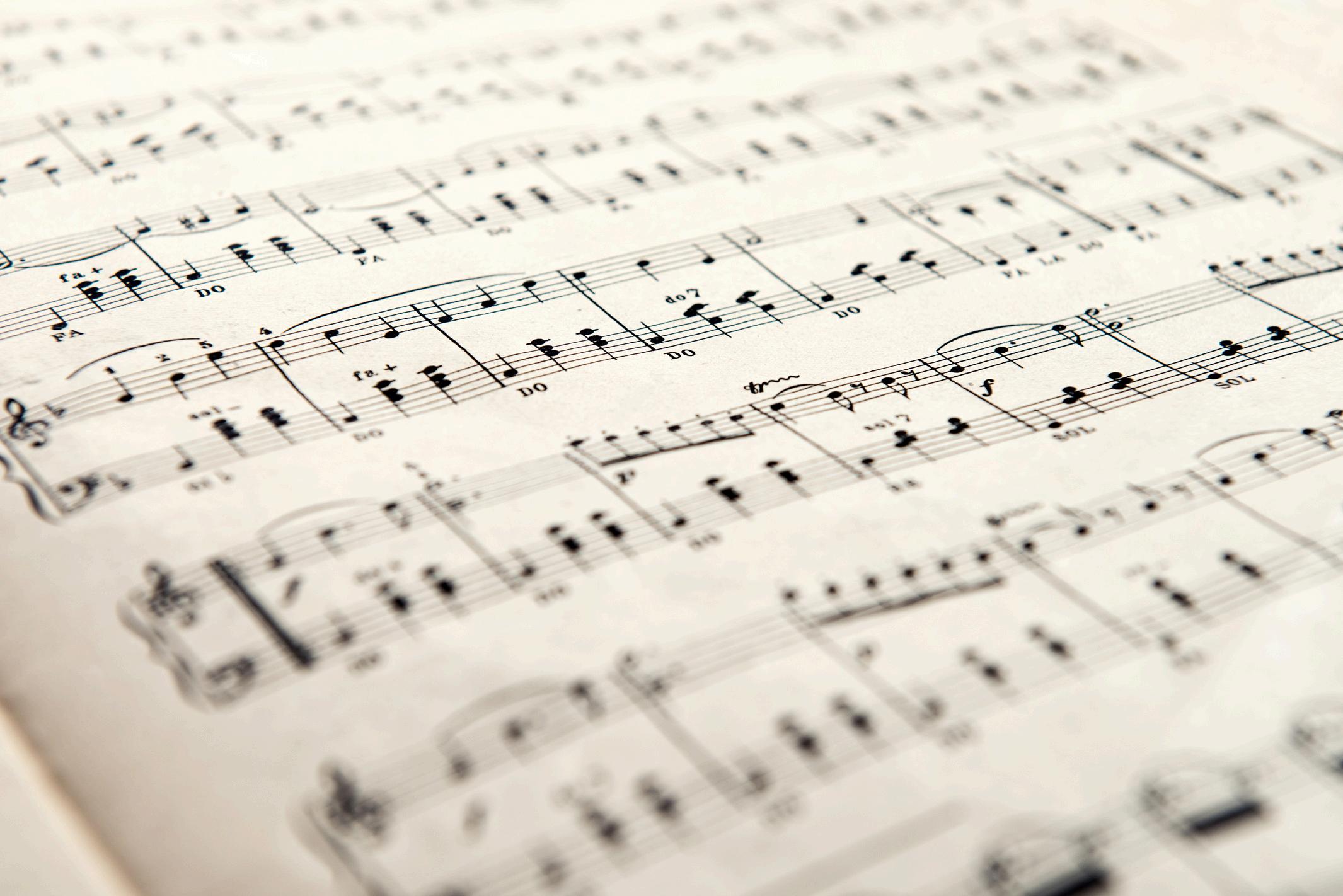
The study of composition can profoundly contribute to the development of self, building lifelong perspectives on engagement with music and the Arts more broadly. Through the refinement of practical performance skills, students build confidence, cultivate sophisticated perspectives on nuance, develop self-discipline, and learn to work collaboratively with others. Music has the capacity to forge links between home, education and the wider world that are ongoing beyond formal education settings.

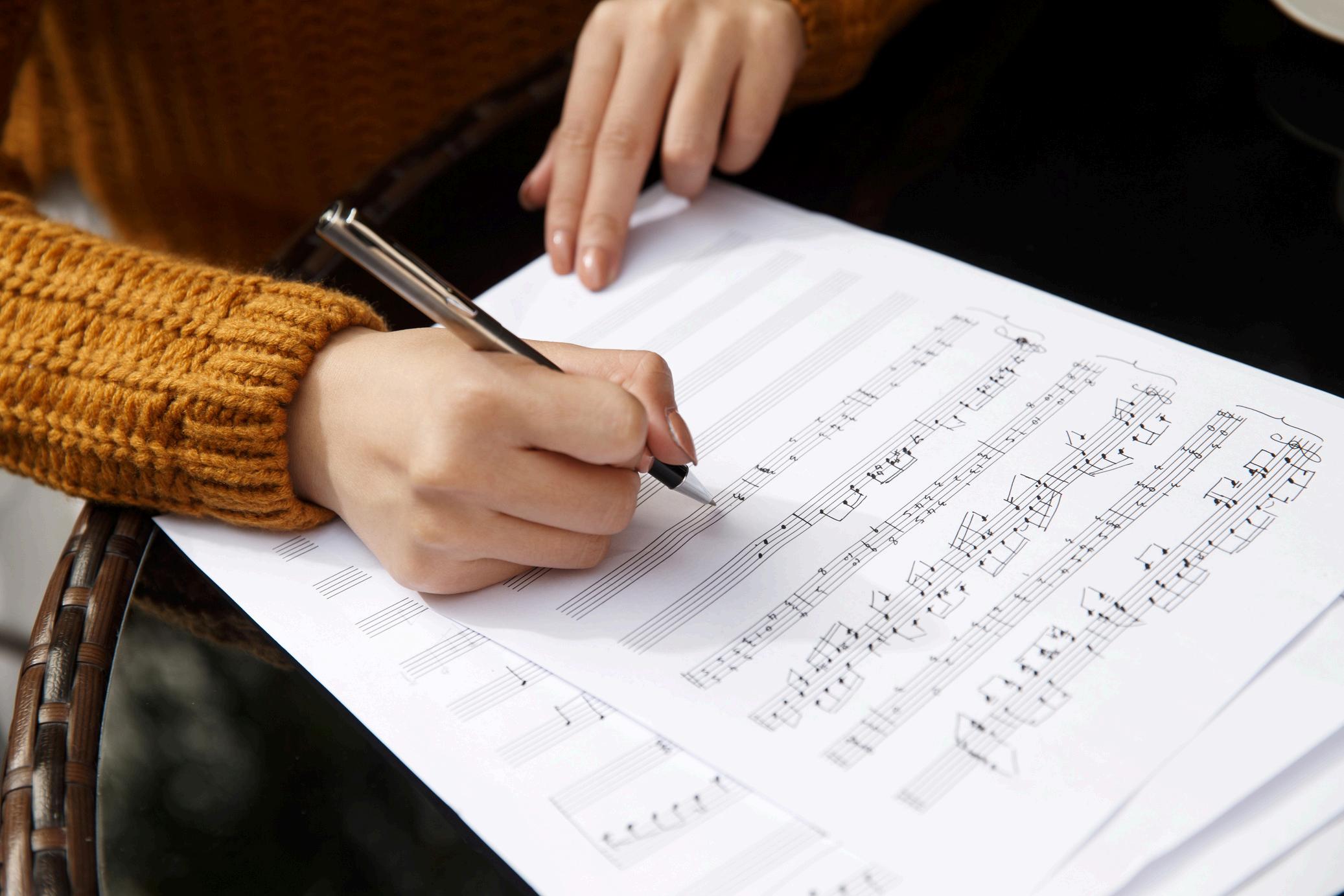
This study is framed on exploring the way music is organised to create expressive outcomes. Through understanding compositional techniques and conventions, students develop their own creative ideas, leading to the submission of a folio of composed works.

Music Department

headofhaileyburymusic@haileybury.com.au
Unit focus areas Pre-requisites

Unit 3

Create/compose music in short exercise and extended composition formats. Develop aural analysis skills and study works to understand the creator’s use of elements and compositional devices, including Australian and international works.

Unit 4

Skills are refined and further in-depth study of composers’ works are undertaken. A series of compositions, including a major single composition, is submitted for assessment.

Assessment

For Unit 3 students complete School-Assessed Coursework (20%). For Unit 4 students complete School-Assessed Coursework (10%) and an external-assessment task (50%).

An end-of-year external aural and written examination (20%) is also completed (Units 3 and 4 knowledge).

It is recommended students complete Music Units 1 and 2 before undertaking Music Composition Units 3 and 4.

Students require some experience with composing/writing music (no instrumental experience required).

This course is open to Years 10, 11 and 12 students. Music Composition has no performance requirement.

Turn static files into dynamic content formats.

Create a flipbook