PORTFOLIO

hafsa imran 2024
selected works
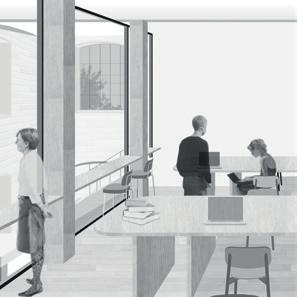
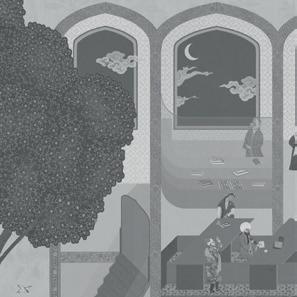
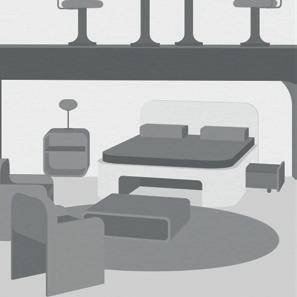
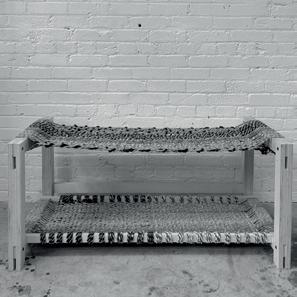
TABLE OF CONTENTS THE HAVEN MOTEL: IN RETROSPECT FOUR LEGS NOMADO 01 02 03 04 adaptive reuse furniture piece office design STORY OF
FROM A
OF NOMADO conceptual drawing
NOMADO, FOLIO
MANUSCRIPT
NOMADO
and publishing
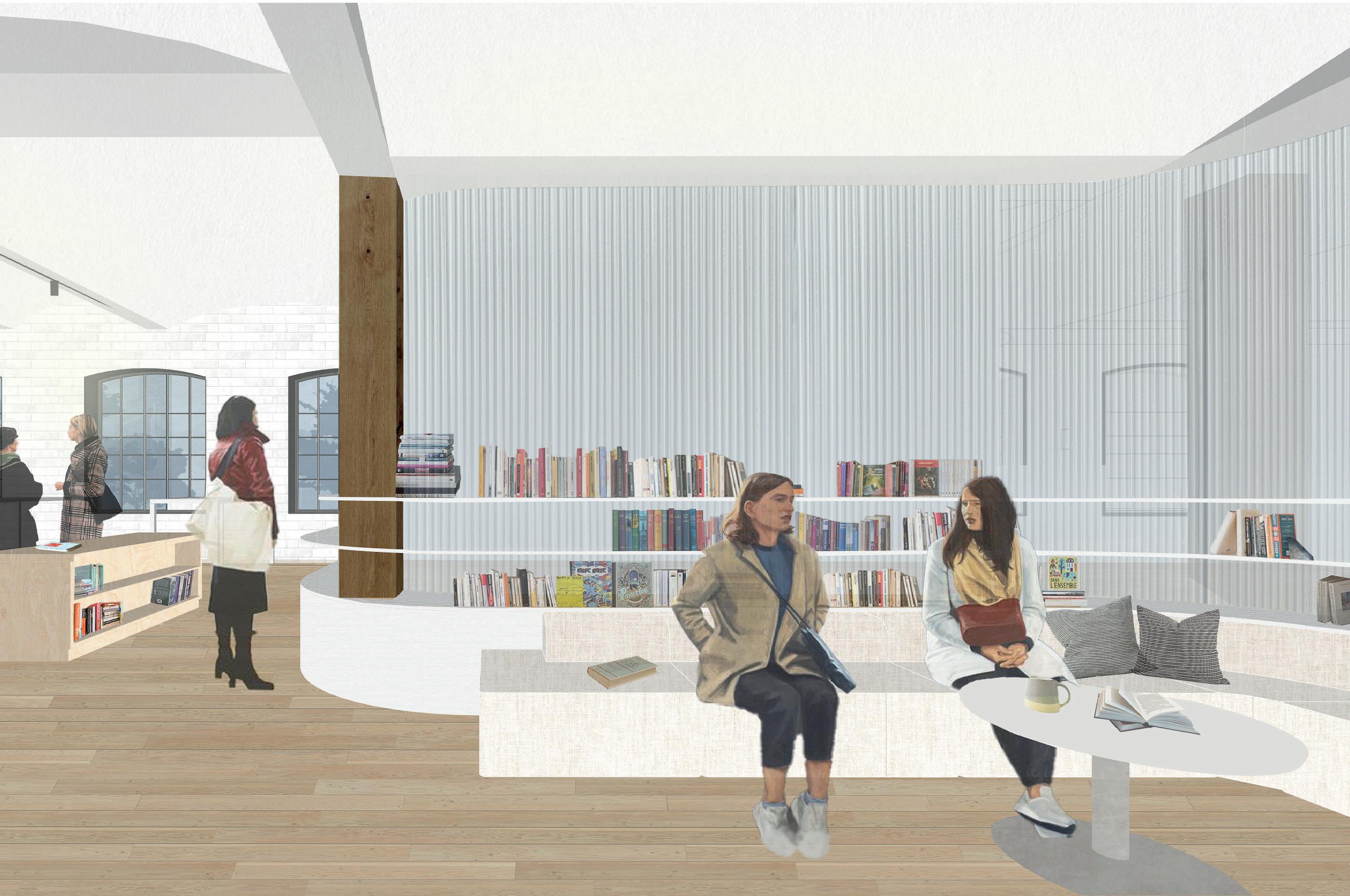
Nomado is an independent book publishing and printing company. Our name Nomado comes from the terms nomad and mado. Nomad, meaning wanderer, stems from our company ethos of flexibility. Mado, the Japanese term for window, is an homage to the ground our company set roots in: 401 Richmond. Similar to our furniture piece, the buildings history of tin lithography is one of the many reasons why this site is perfect for our printing company to be situated in. Inspired by the existing structure, in particular the uniquely arched windows in our space, the ‘mado’ in Nomado is a reflection of our appreciation of the stories that existed before us.
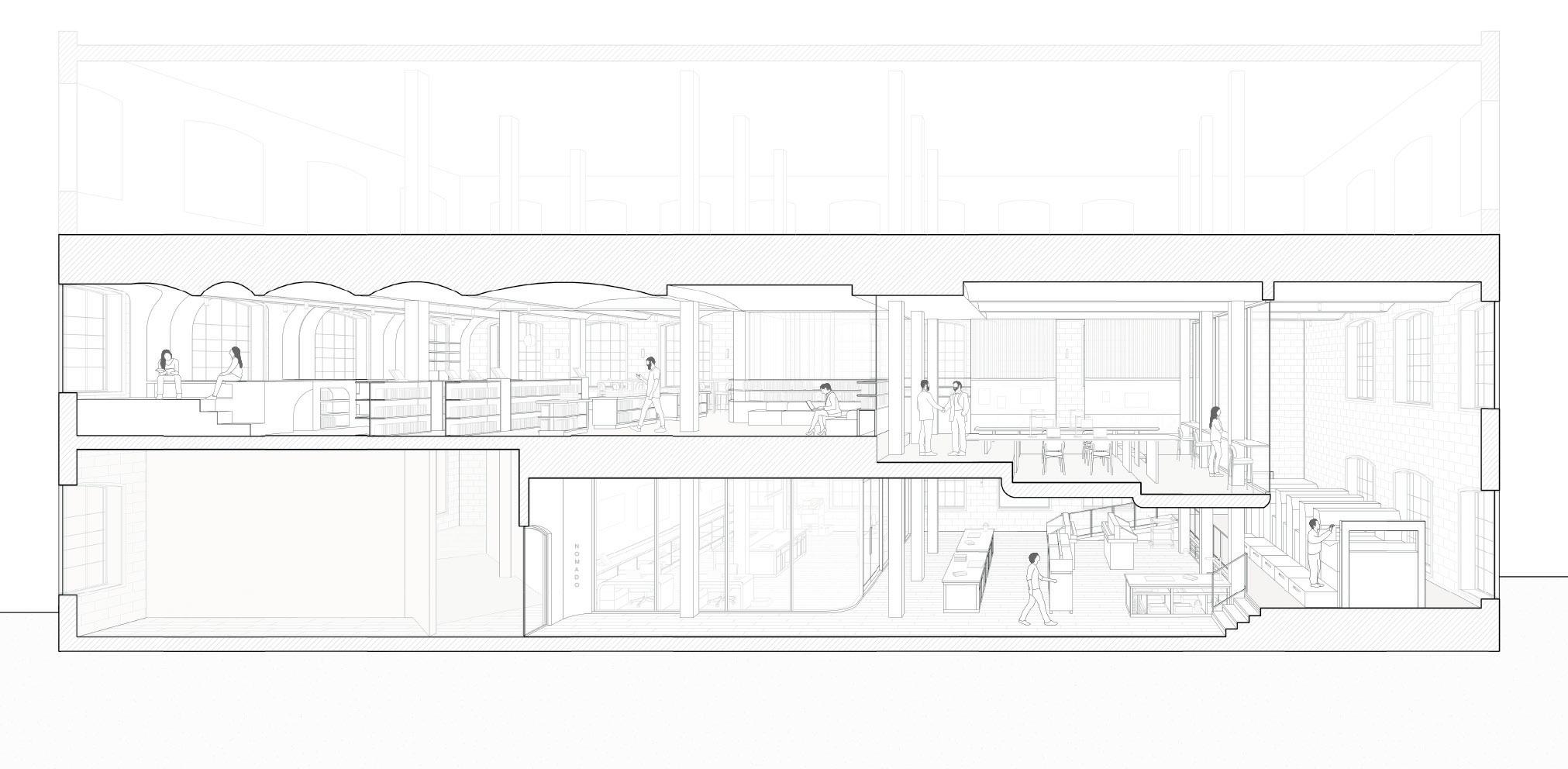
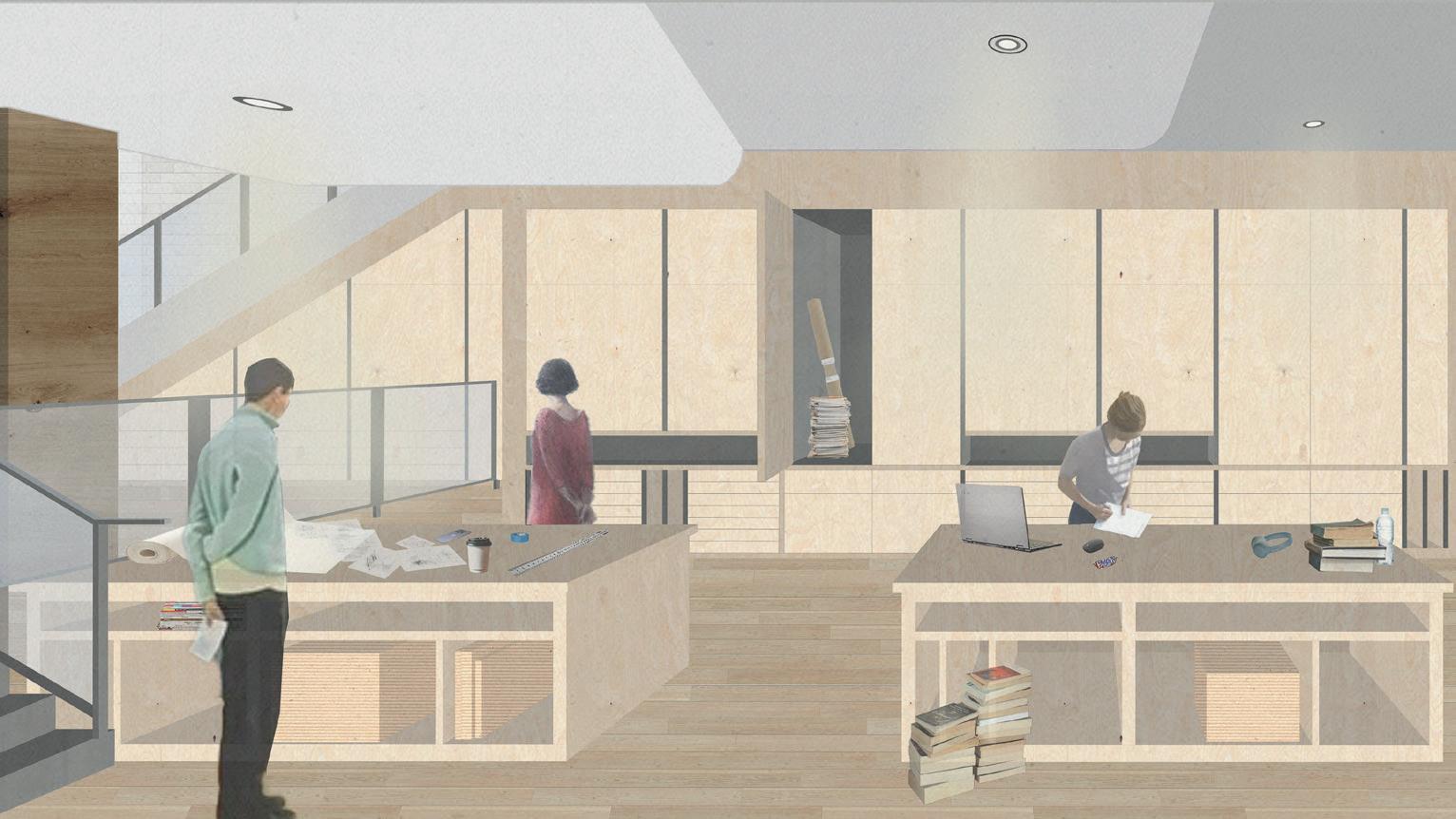
Our design was inspired by a vital aspect of the book making process — the printing press, playing with the idea of pressing into the existing structure and leaving an imprint of our story. The pressing motion is reflected in the floor where the various floor levels act as a zoning mechanism, creating designated areas for each of our main activities: reading, publishing and printing. In maintaining the essence of the site, we were also inspired by the fabrication of tin lithography. The motions of carving and scratching associated with tin lithography were the driving force behind the design of the ceiling in this space. The “scratched out” ceiling design is patterned with carved out curves that aims to reinforce the uniquely arched windows.
printing
office
01 RHINOCEROS 3D AUTOCAD REVIT ADOBE ILLUSTRATOR ADOBE PHOTOSHOP W23 page 3
page 4
0m 1m 2m 3m 4m 5m 1 2 3 4 5 6 7 8 9 10 11 12 13 14 15 16 17 1. STAFF ENTRANCE 2. STAFF KOUNGE 3. SUPER-FURNITURE”ARCHIVE” 4. CAFFE 5. PUBLIC WORK STATION 6. OFFICE HOTELING 7. PRINTING WORK SHOP 8. NOMADIC OFFICE 9. OFFICE ENTRANCE 10. MAIN ENTRANCE 11. RECEPTION 12. LIBRARY 13. MEETING ROOM 1 14. PUBLIC LOUNGE NOOK 15. MEETING ROOM 2 16. WAITING ROOM 17. W/C page 5
a. SHIPPING AND MAIL
b. WORK SHOP
c. HEIDELBERG
d. STORAGE
e. BACK ENTRANCE
a b c d e
page 6

page 7
page 8
STORY OF NOMADO, FOLIO FROM A MANUSCRIPT OF NOMADO
conceptual drawing
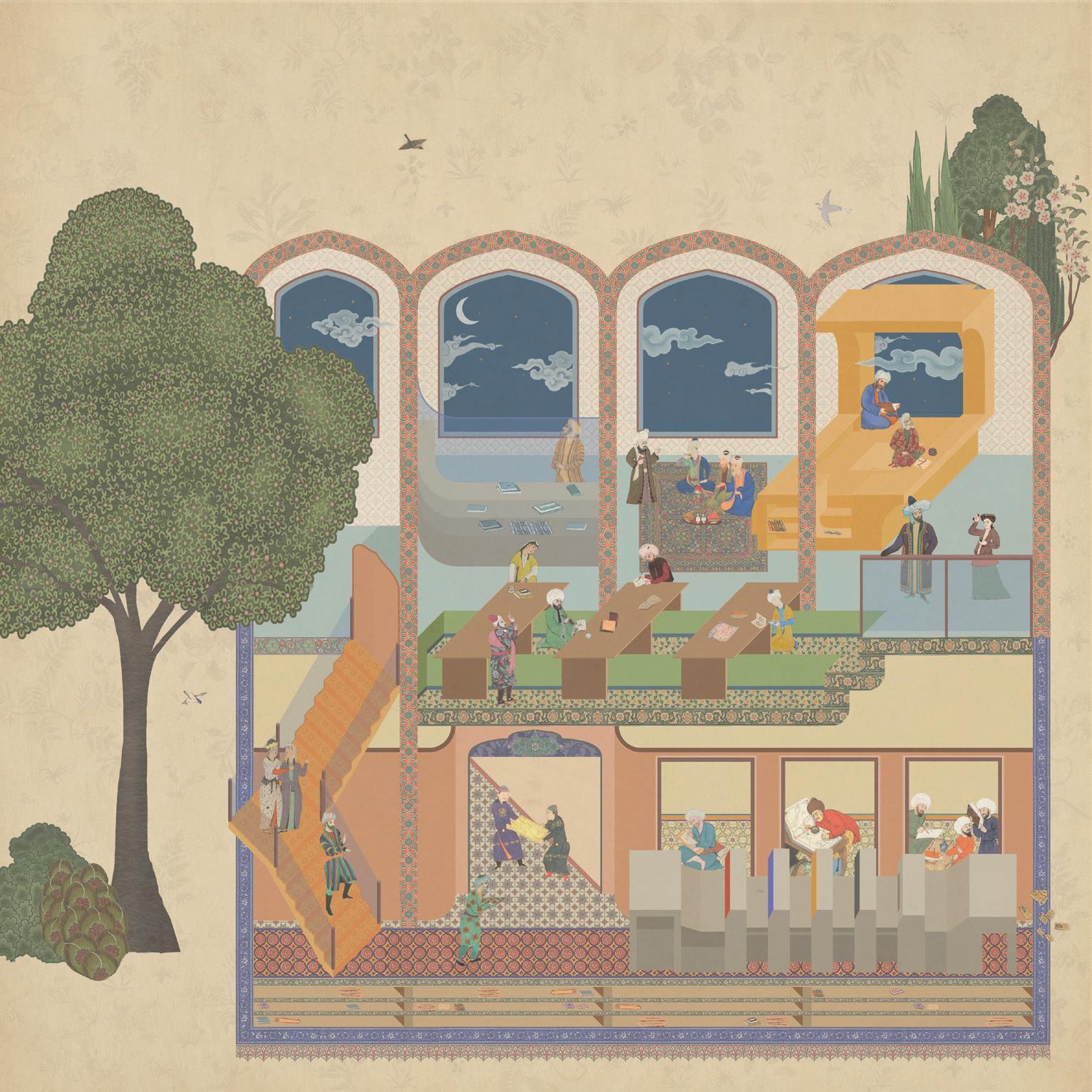
This drawing takes on a new representative approach to Nomado, an office redesign of a reading, publishing, and printing company. Using a mixture of Ottoman and Persian miniature drawing styles, this drawing emphasises the playful printing and publishing processes of Nomado while also highlighting and reinterpreting different architectural elements. The window is reinterpreted in the form of pockets of space to form visual boundaries in the drawing. Different perspectives and configurations of space depict the different function of the office.
02 W23 RHINOCEROS 3D AUTOCAD ADOBE ILLUSTRATOR ADOBE PHOTOSHOP
page 9
page 10
adaptive reuse THE HAVEN MOTEL: IN RETROSPECT
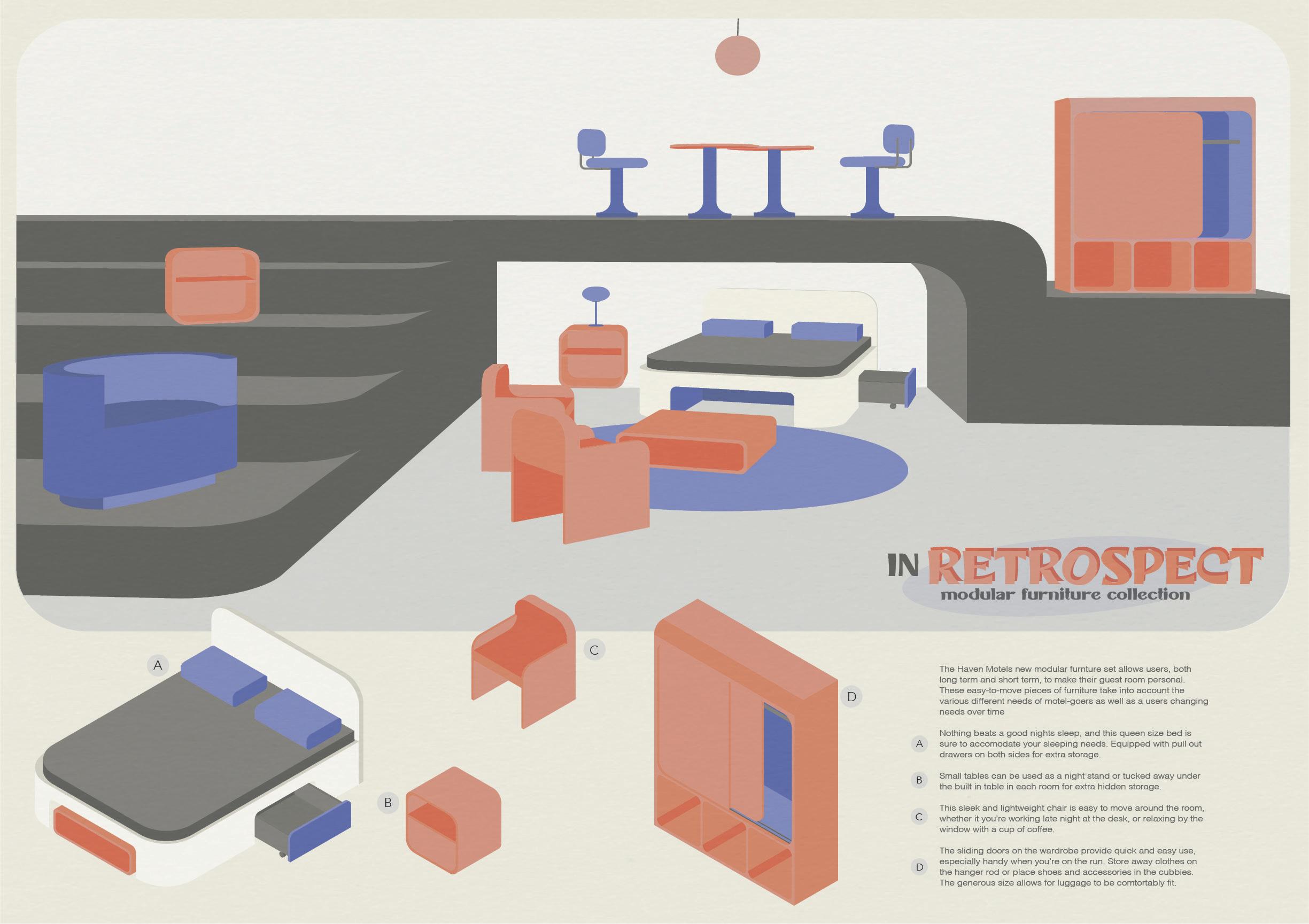
When liminal spaces like motels become spaces for longer term stays, one yearns for a sense of self and personality in their space. In my redesign of the Haven Motel, flexibility is the driving component; within the bounds of each room, the user will have the ability to shift the modular set of furniture provided in the suite to their liking in order to accommodate themselves and others. This hybrid motel strives to revive the interior of motels in the 50's and 60's, a peak time for motel culture, in order to tie back the design to this sense of autonomy with the motel. Through a geometric language of curves, long lines, and timely materials, colours, and shapes, a connection is made to the history of motels and the time period which is being evoked.
RHINOCEROS 3D AUTOCAD ADOBE ILLUSTRATOR 03 W22 page 11
page 12

page 13
page 14
page 15
page 16
FOUR LEGS
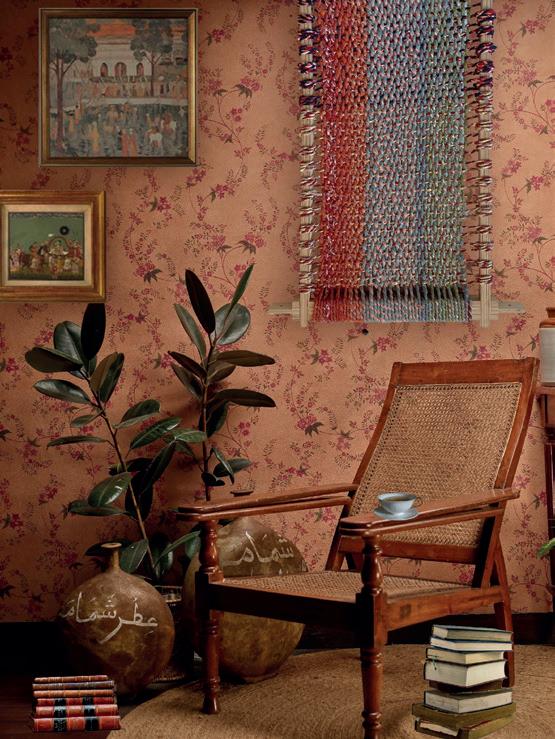
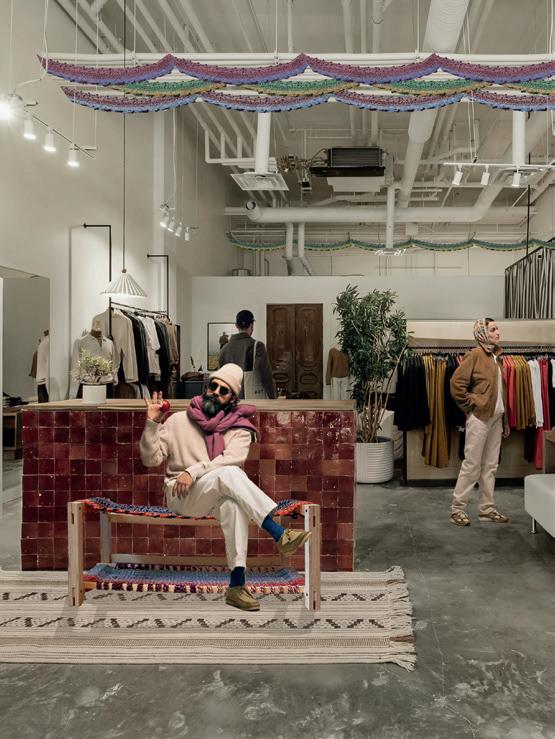
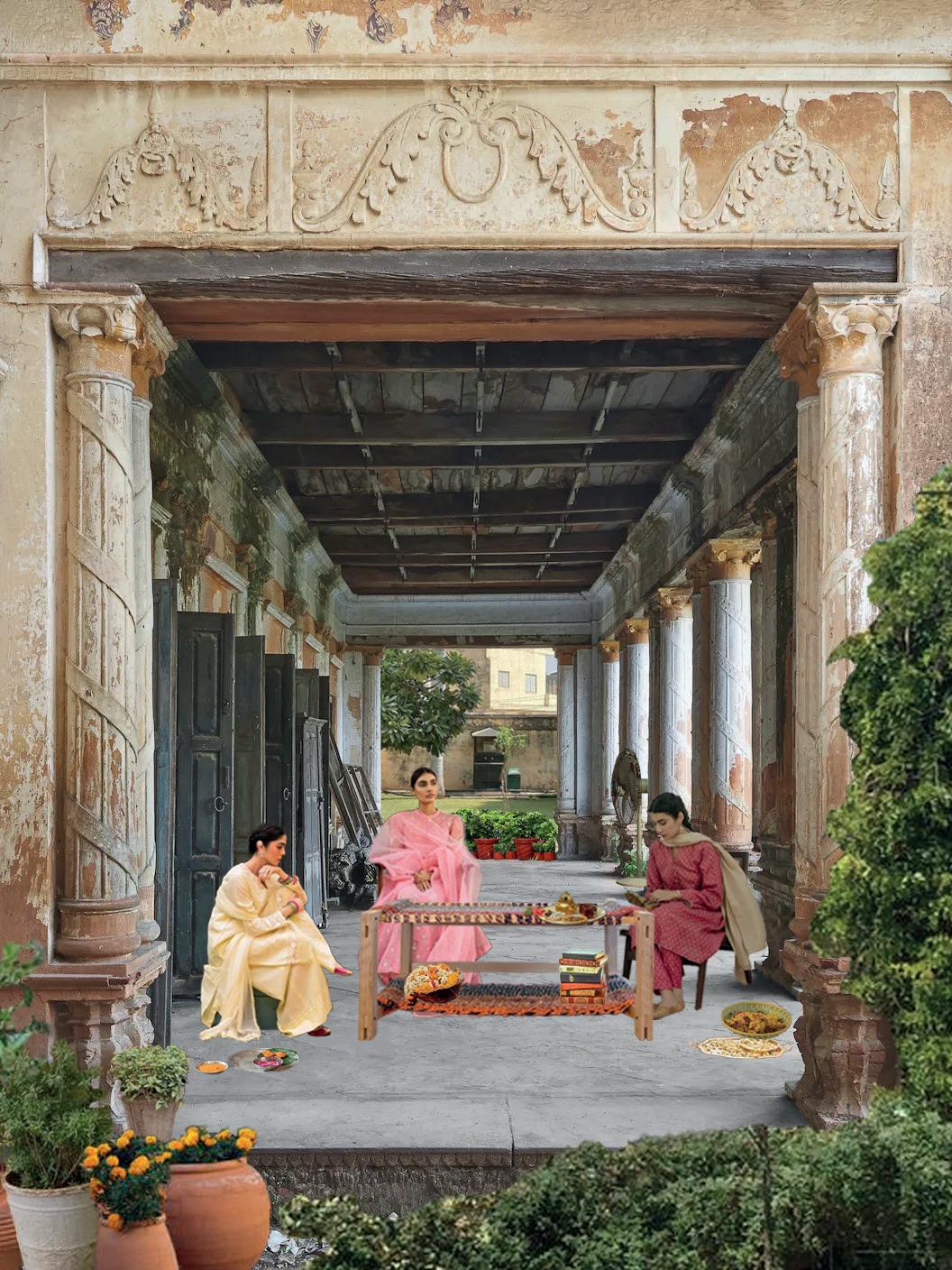
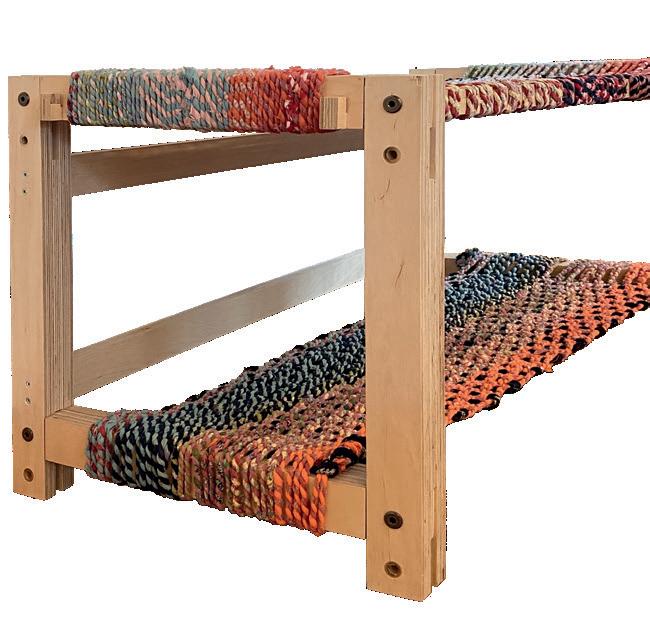
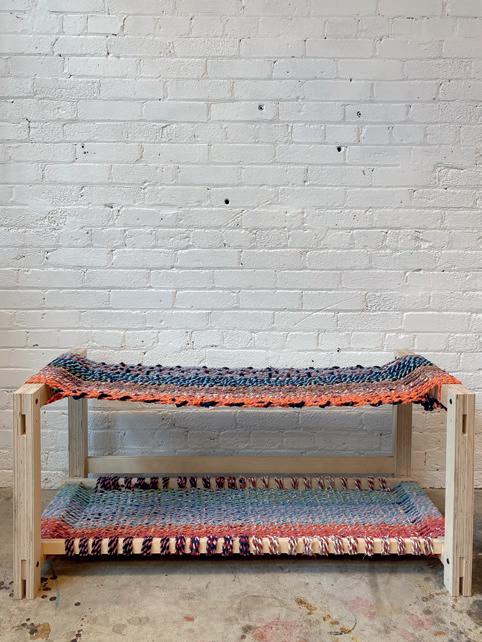
Four Legs heavily takes precedence from a South Asian vernacular furniture piece called a charpai. A charpai is a cot, a bench, a bed, a seat, a table, etc; it is essentially what you make of it. This furniture was usually made of wood framing and jute or cotton rope woven to create a seat/surface. Four Legs uses the charpai as inspiration to create a flat pack seat/table that can be widely used in a western and eastern context, using the same concept of a multi-use surface. In one orientation, the furniture piece can be used as a seat with a storage rack below, and in the other orientation it can be used as a table with a storage rack below.
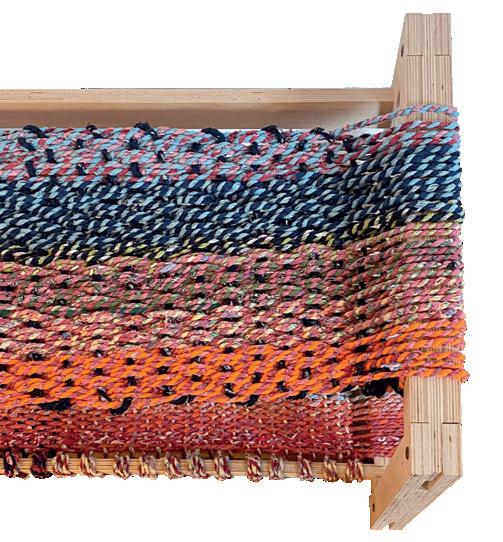
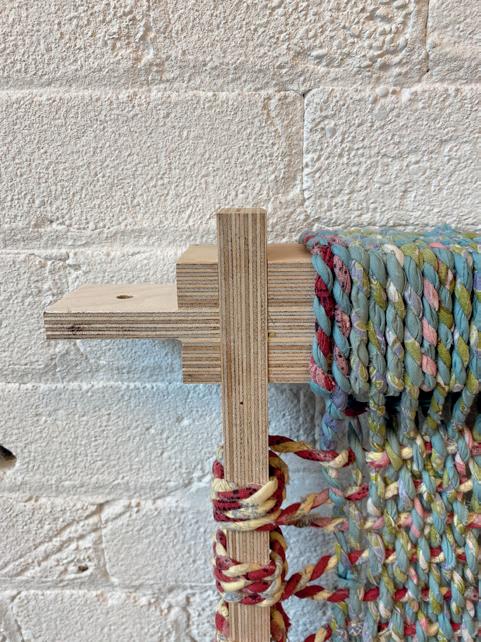
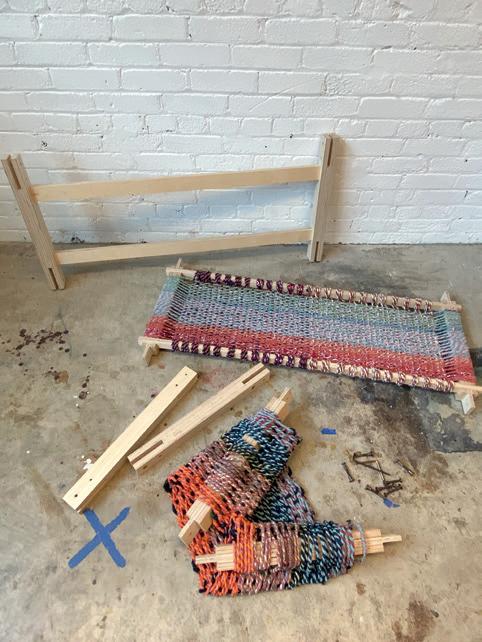
The Four Legs furniture system employs a sustainable fabric twine made using old clothes and household textiles in its seat and also in its storage in response to the amount of textile waste produced nowadays due to rapidly shifting trends. Hand woven fabric twine has been woven onto frames made of wood offcuts, forming the table and seat, all assembled together using wood joinery methods, and secured with chicago bolts. The design and construction of this piece allows for easy put up and take down, and the flat pack nature allows for easy, low effort transportation. This universal design can be implemented anywhere in the world; fabric and wood scraps can be found virtual anywhere in the world. With a user manual, a person in any country can adapt the design to suit their available wood and fabric supply. Four Legs is able to give materials that would have otherwise mostly likely ended up in landfills a second life.
furniture piece
04 W24 PLYWOOD CONSTRUCTION HAND WEAVING RHINOCEROS 3D AUTOCAD ADOBE PHOTOSHOP page 17
page 18
page 19 500 50 400 50 50 25 50 50 500 1000 900 top view front view side view
chicago bolt and screw
second hold for when flipped over woven fabric twine seat
laminated wood offcut leg
table frame
dato joinery, held in place by weaving
chicago bolt and screw
laminated wood offcut leg
page 20 extraction production forming use raw material textile production manufacturing use landfill recycle or donate second life raw material saw mill wood product construction use demolition landfill recycle and reuse
THANK YOU