CASCADA BEND HACKER ARCHITECTS
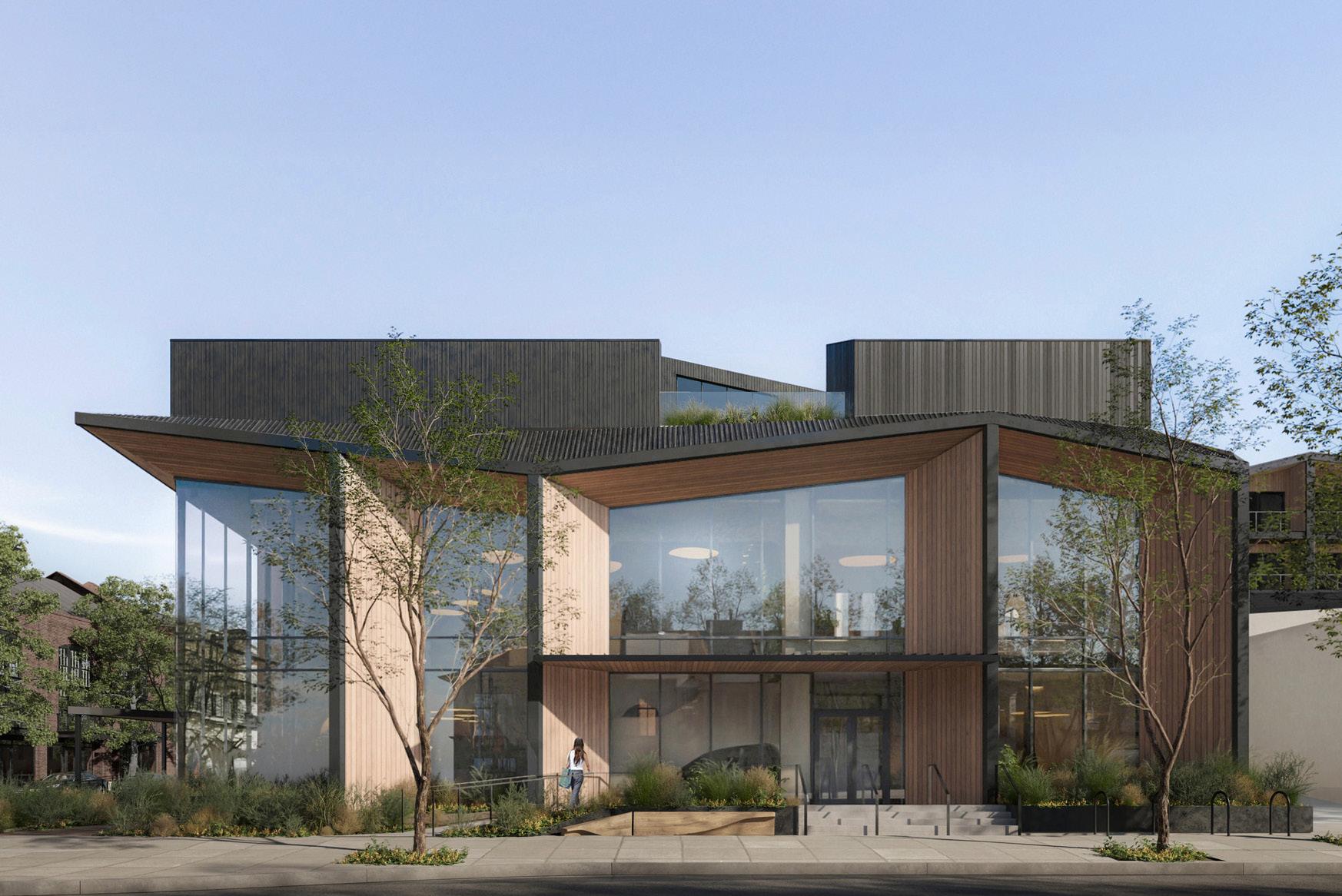
Cascada Bend is a luxury thermal spa and hotel in Bend, Oregon, where wellness spaces progress from sheltered, earth-embraced, cave-like spaces to open-air bathing beneath expansive desert skies.
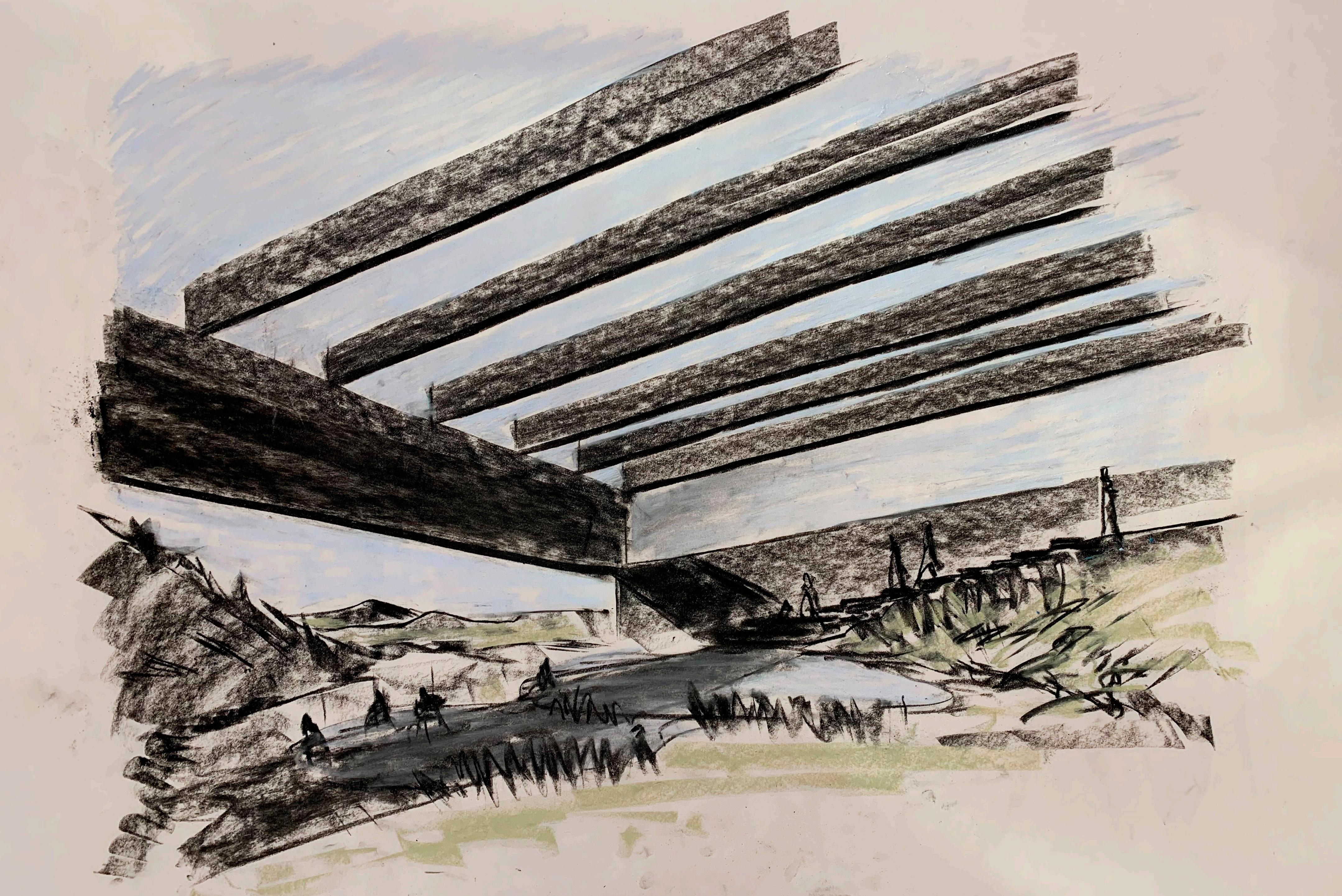
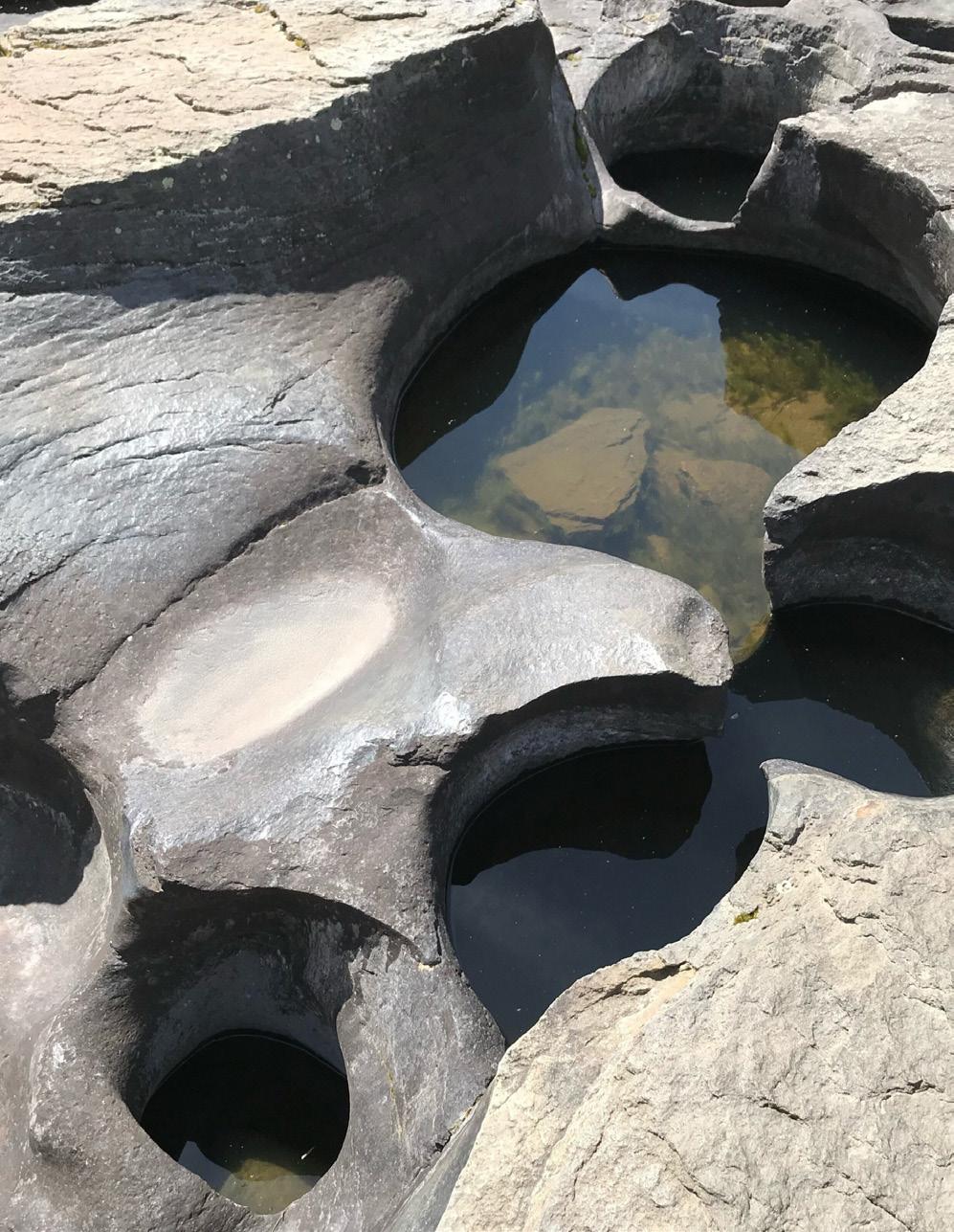
Conceived as a celebration of Central Oregon’s volcanic high desert, the project reflects our long-standing commitment to connecting people to nature through design. The building’s form and spatial progression draw from the region’s young geology and delicate ecosystem— soft, rounded spaces echo the pumice-rich terrain and subterranean voids, while darker, more enclosed environments reference the crystalline qualities of obsidian and columnar basalt revealed through erosion. Water weaves these experiences together, revealing form, softening transitions, and shaping moments through warmth, immersion, and touch.
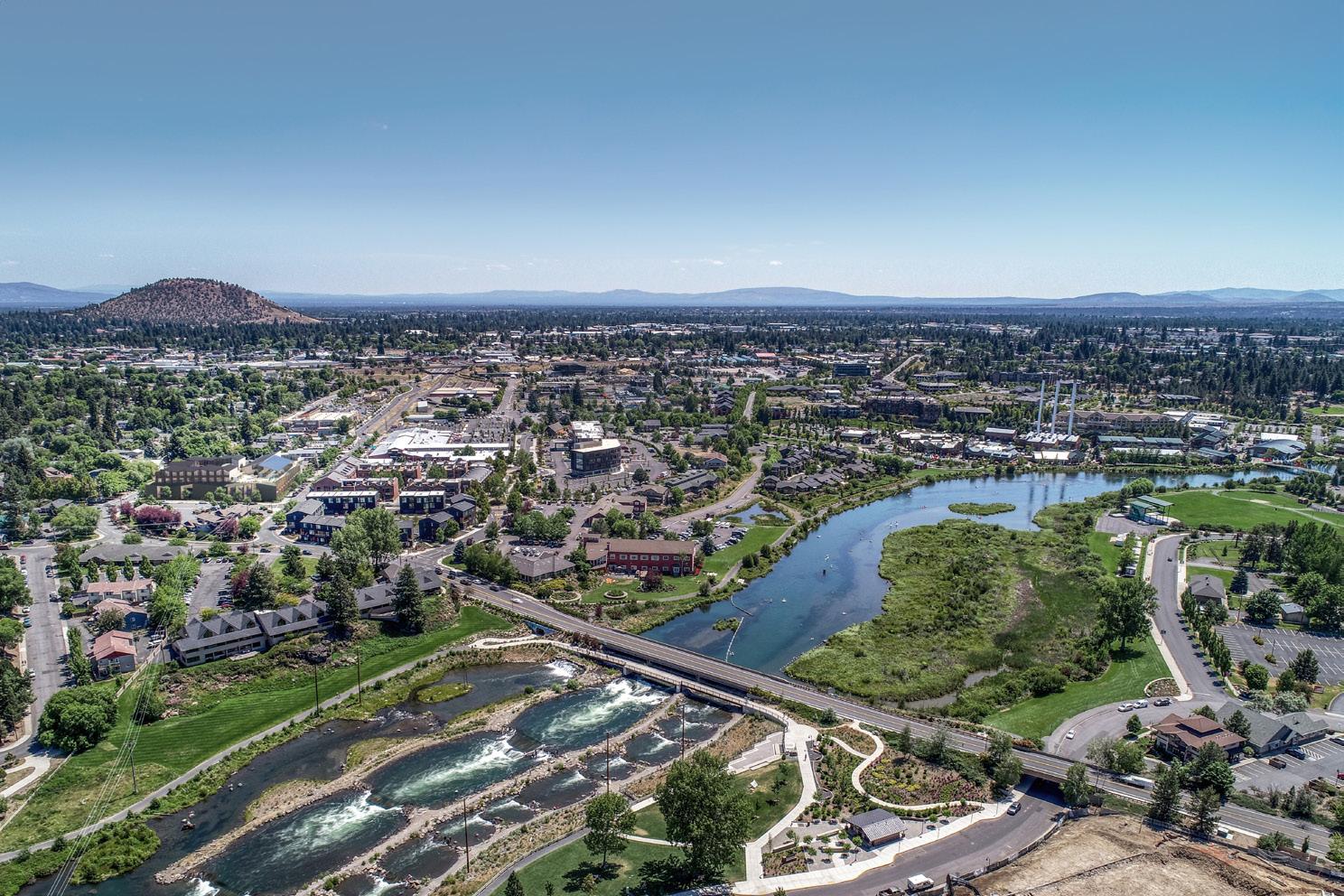
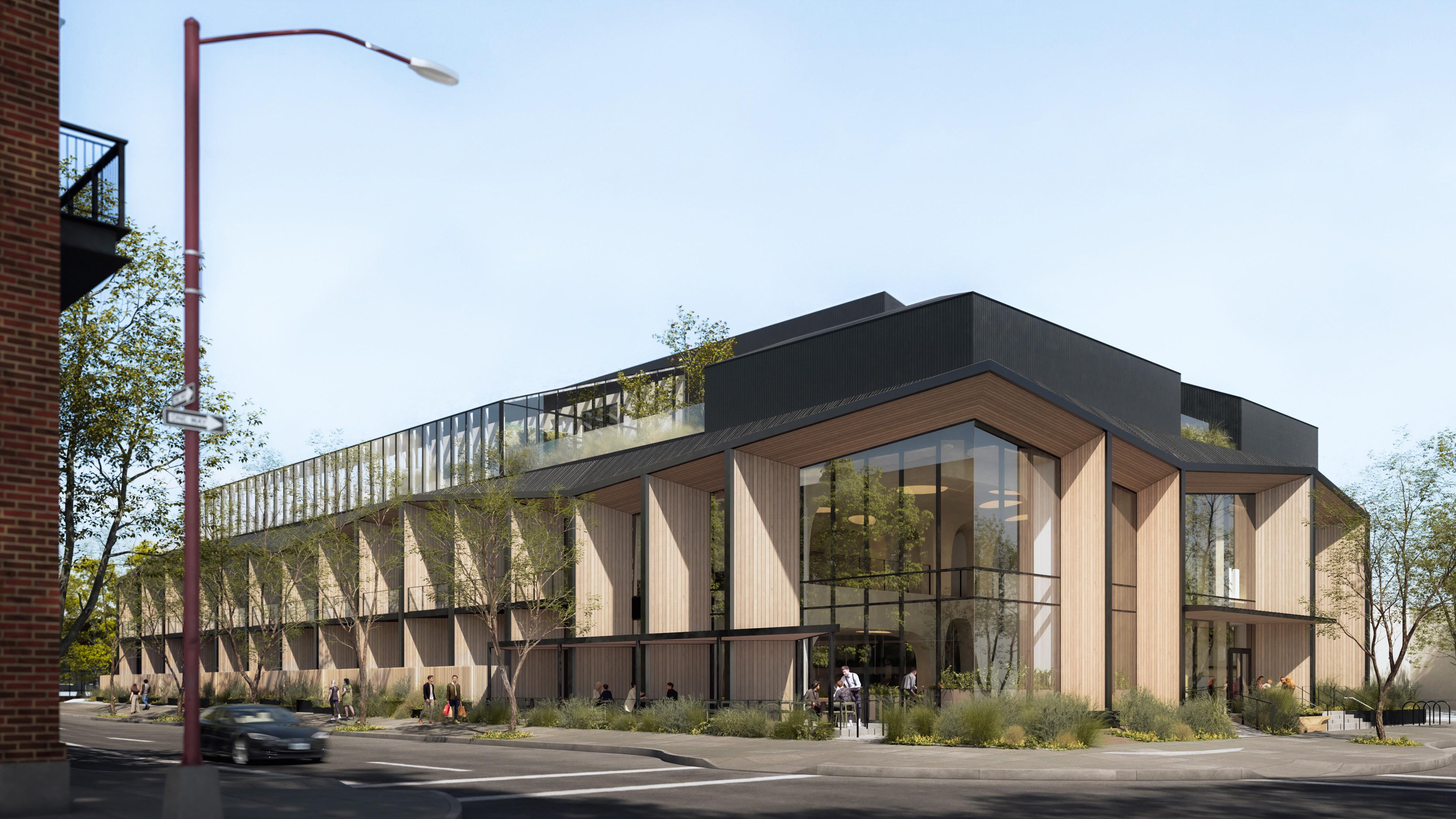
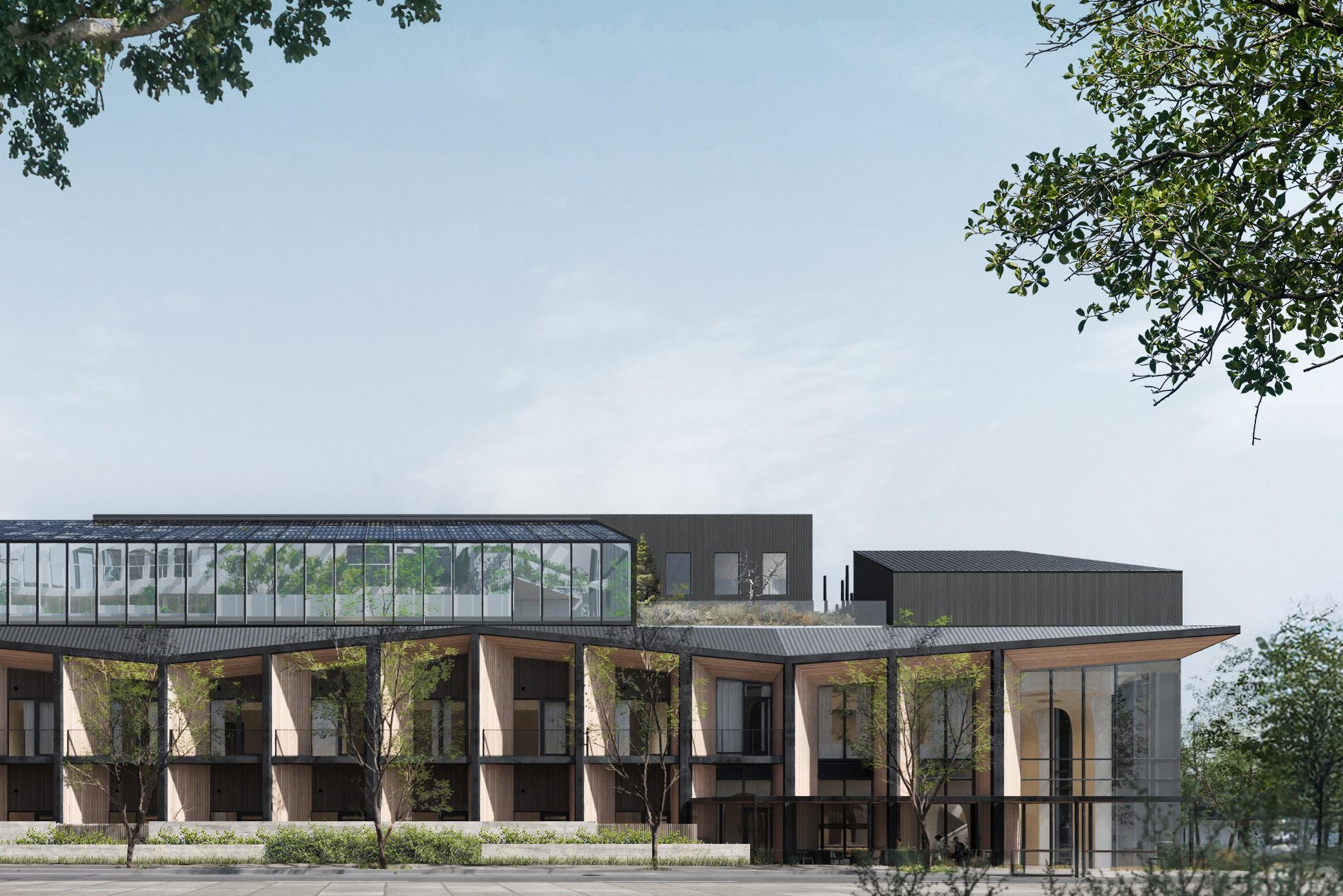
The building announces itself as something distinct within Bend’s Old Mill District—urban in scale and rooted in the industrial fabric of the site yet pulled and fractured by the landscape forces surrounding it. The design promises what waits inside: spaces where the built and the geologic are inseparable, where the forms and materials of Central Oregon become the atmosphere.
The result is an architecture that feels both surprising and inevitable in its deep connection to place.
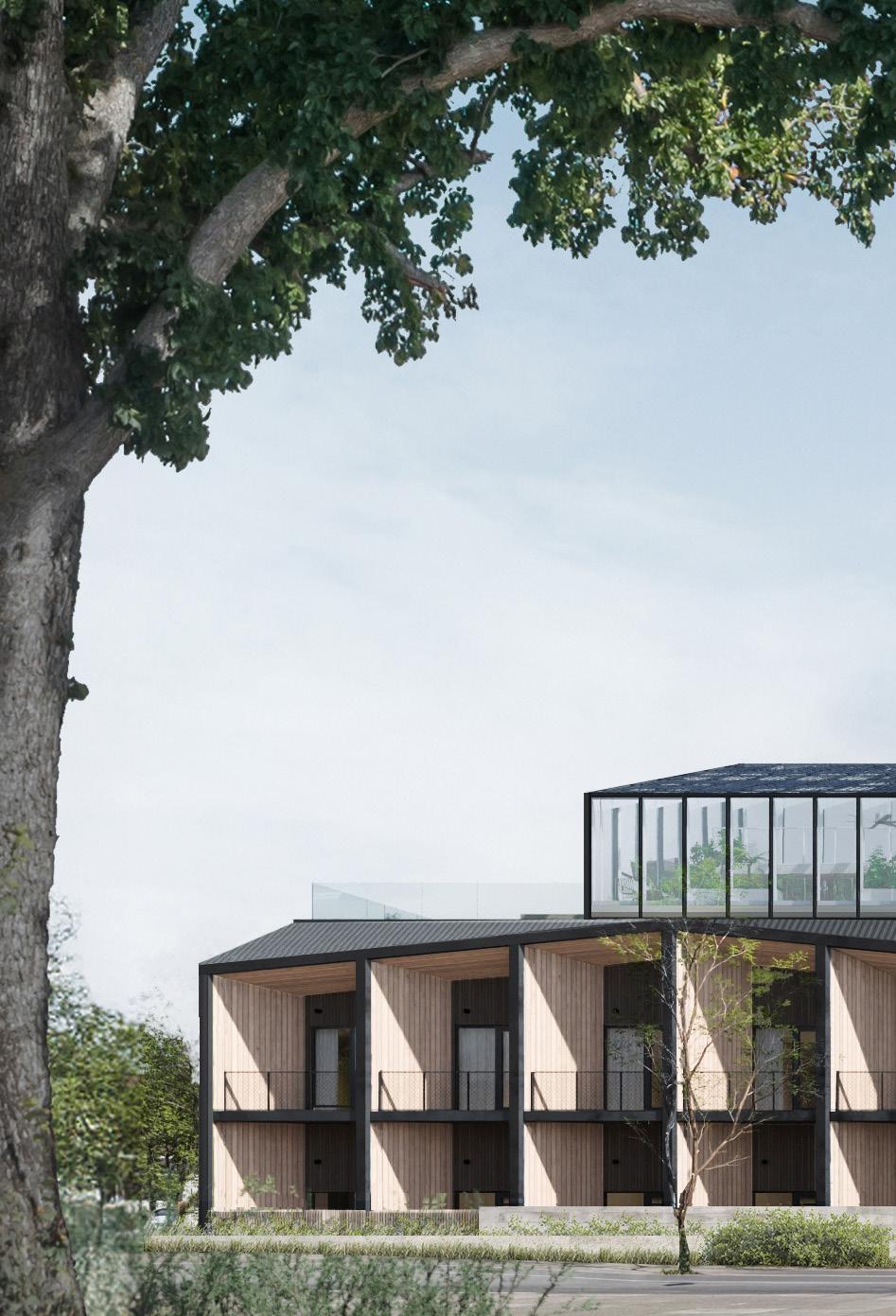
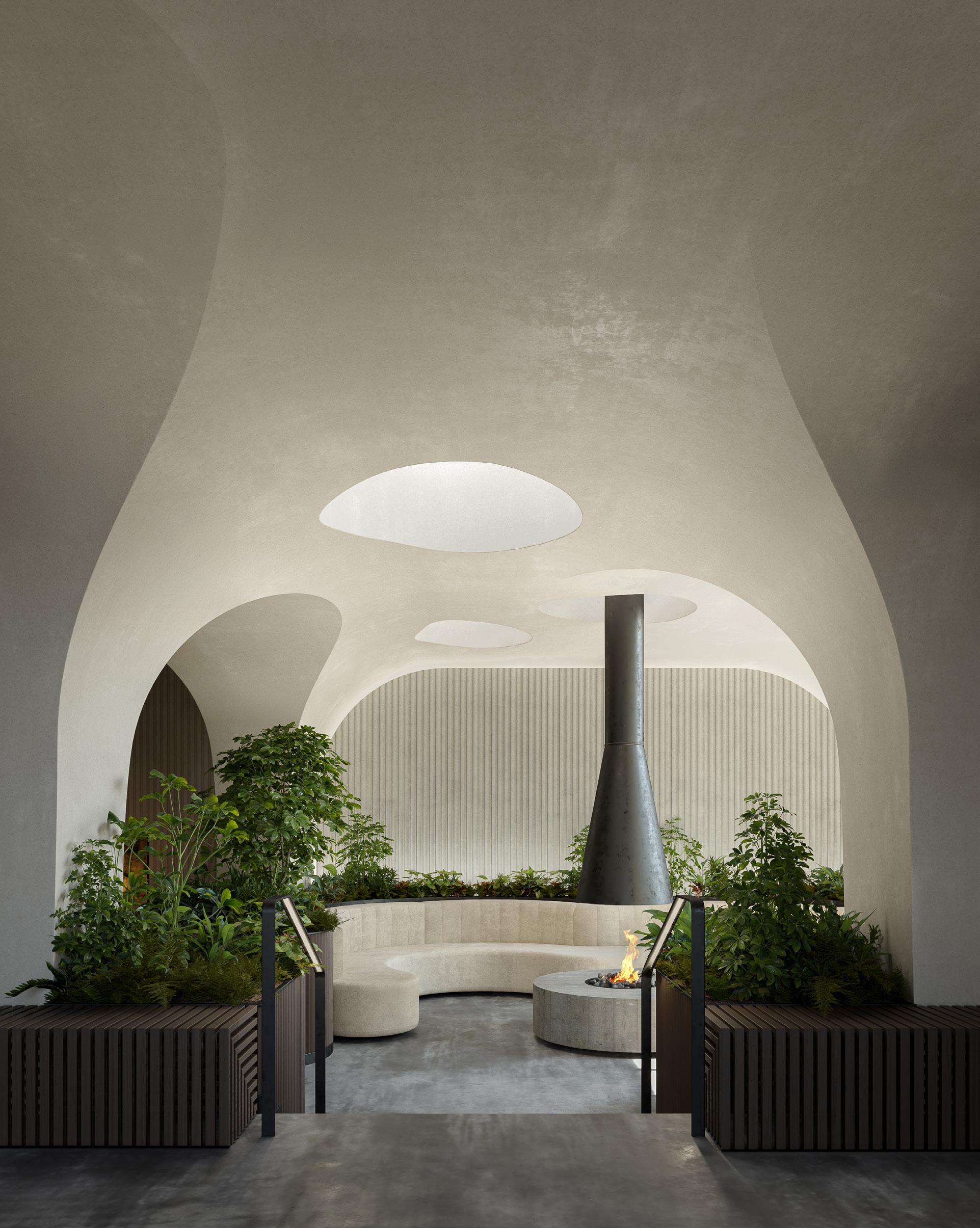
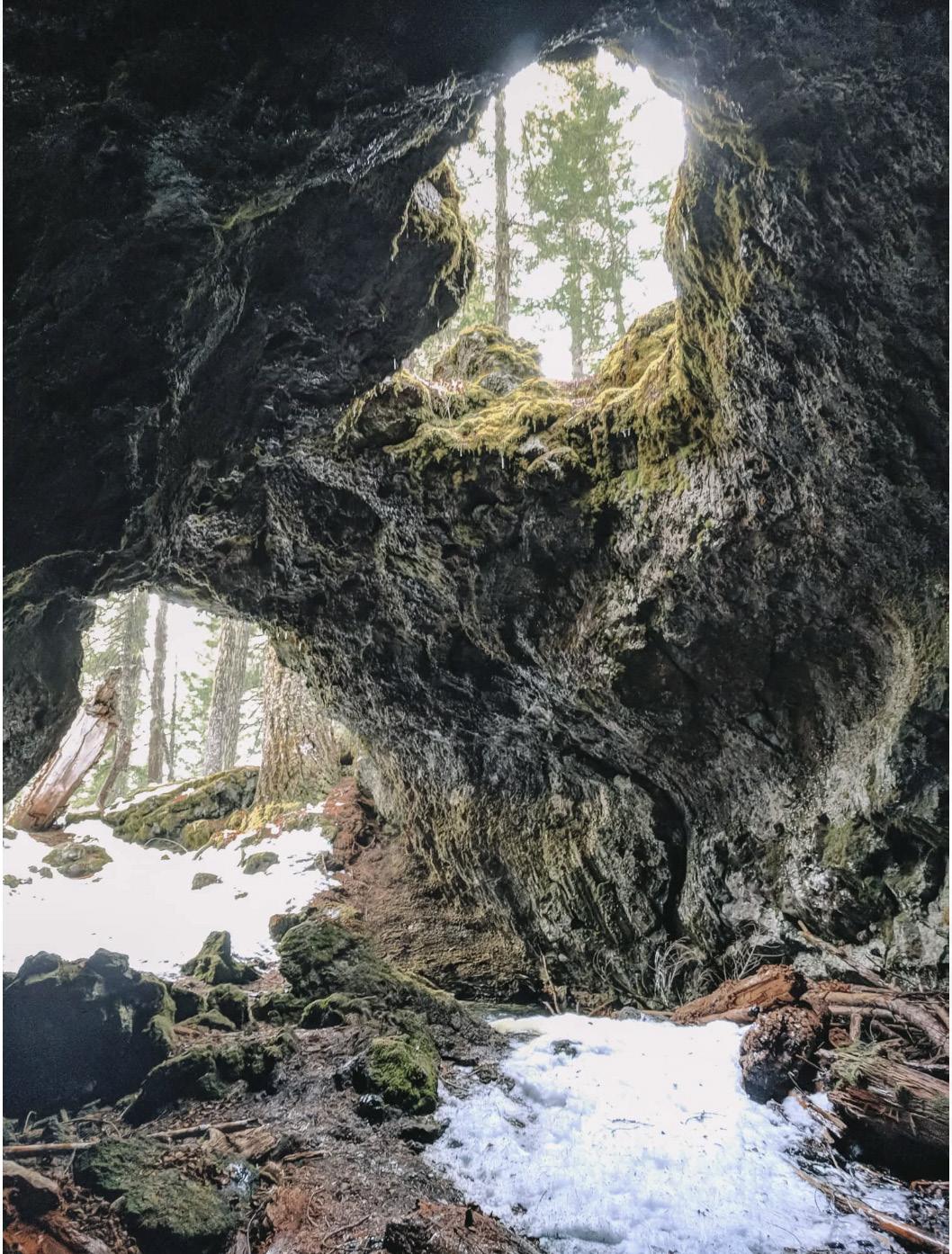
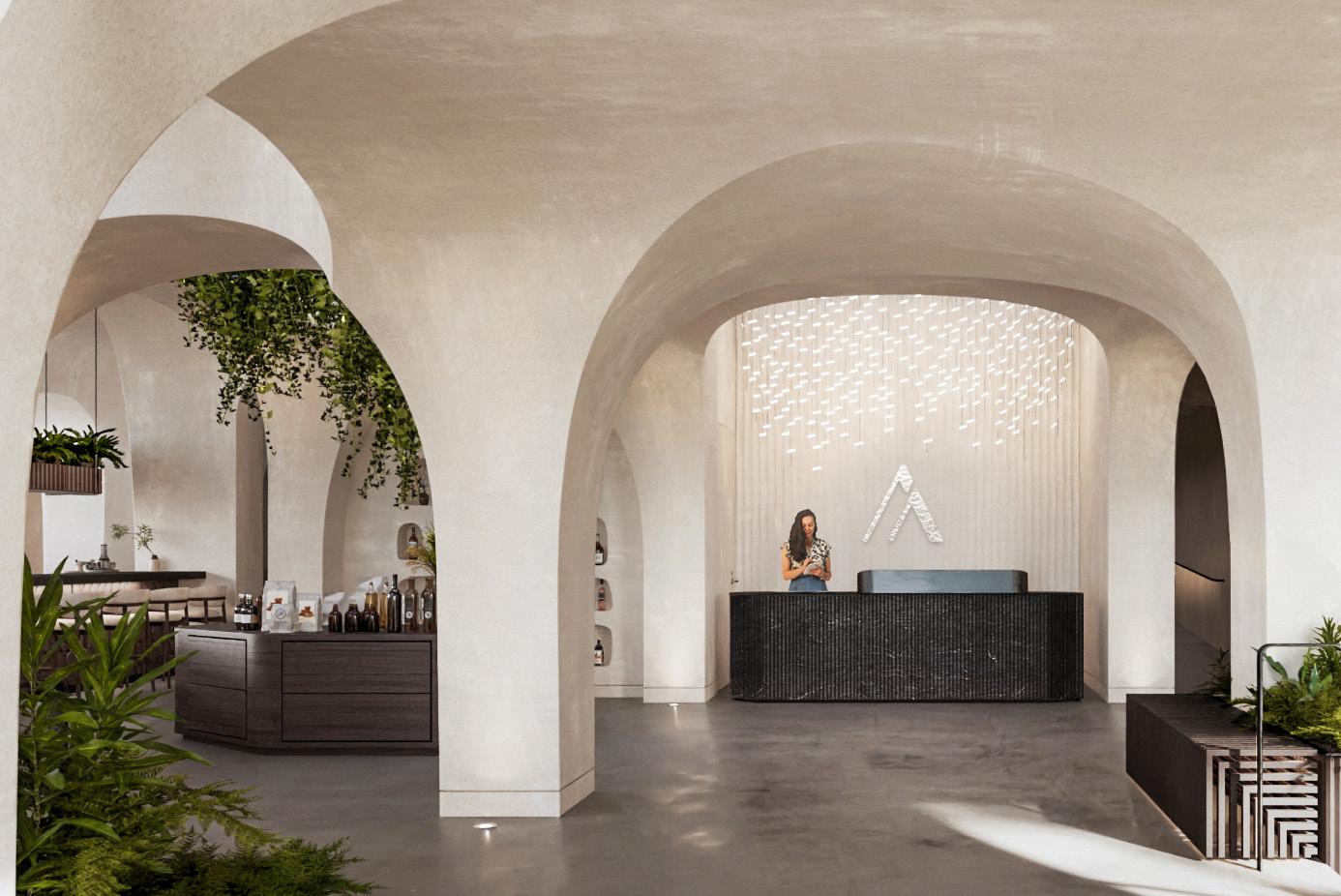
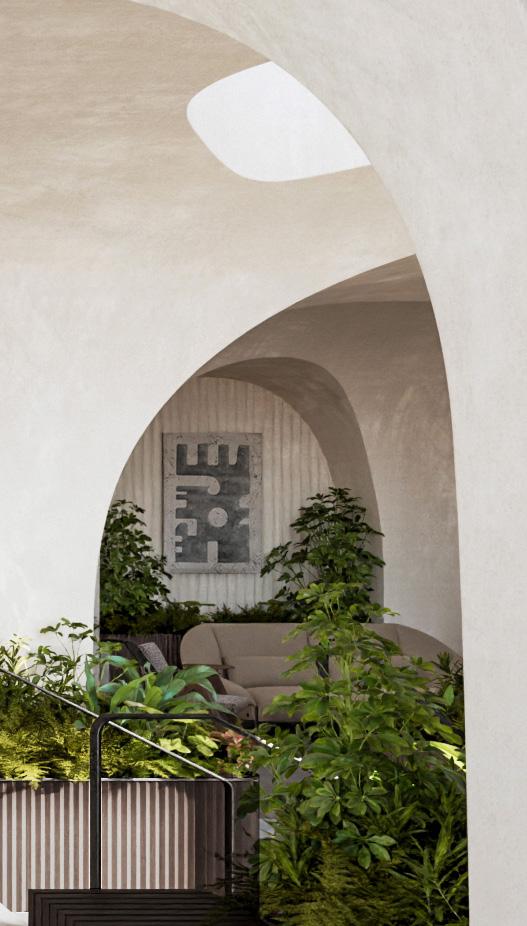
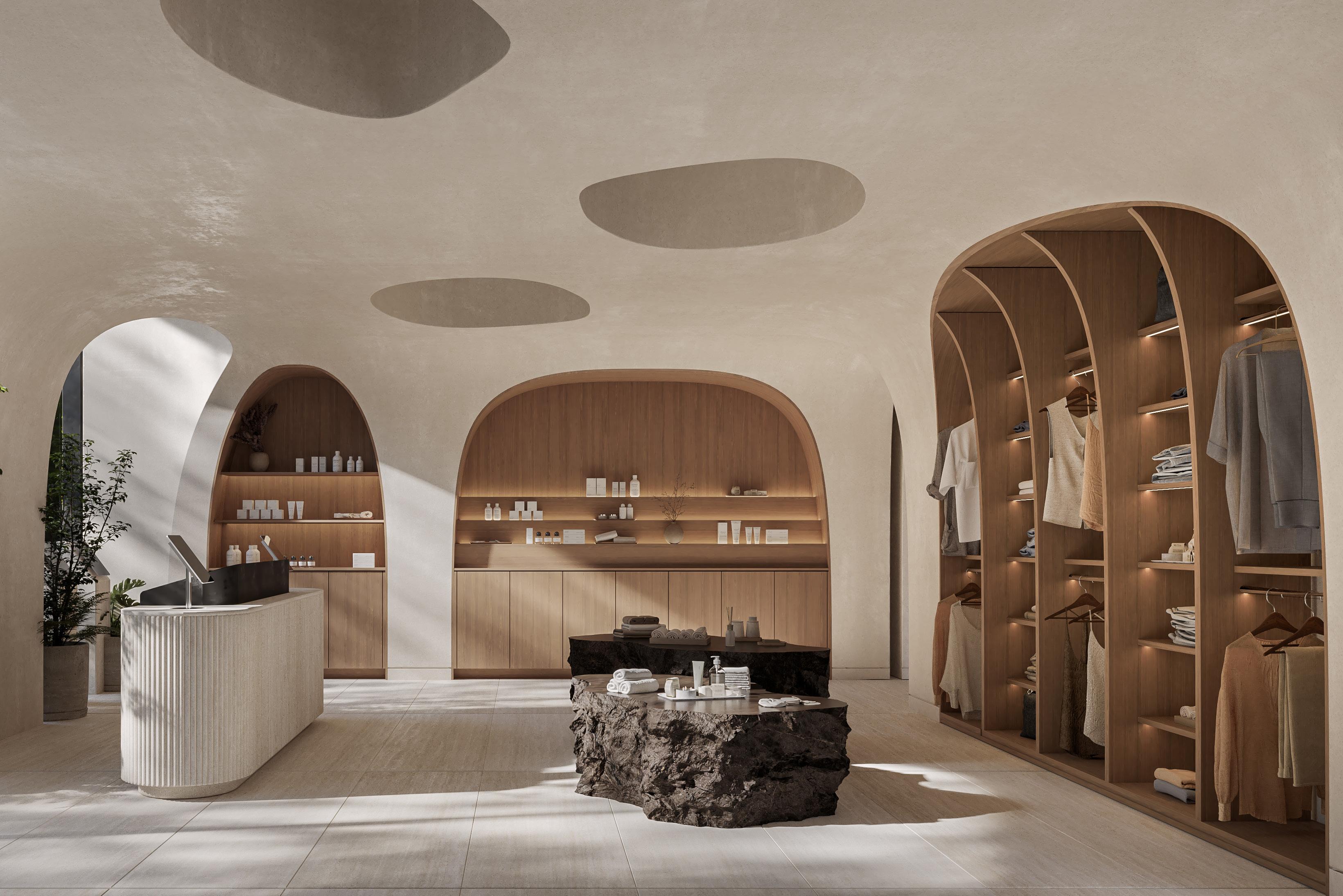
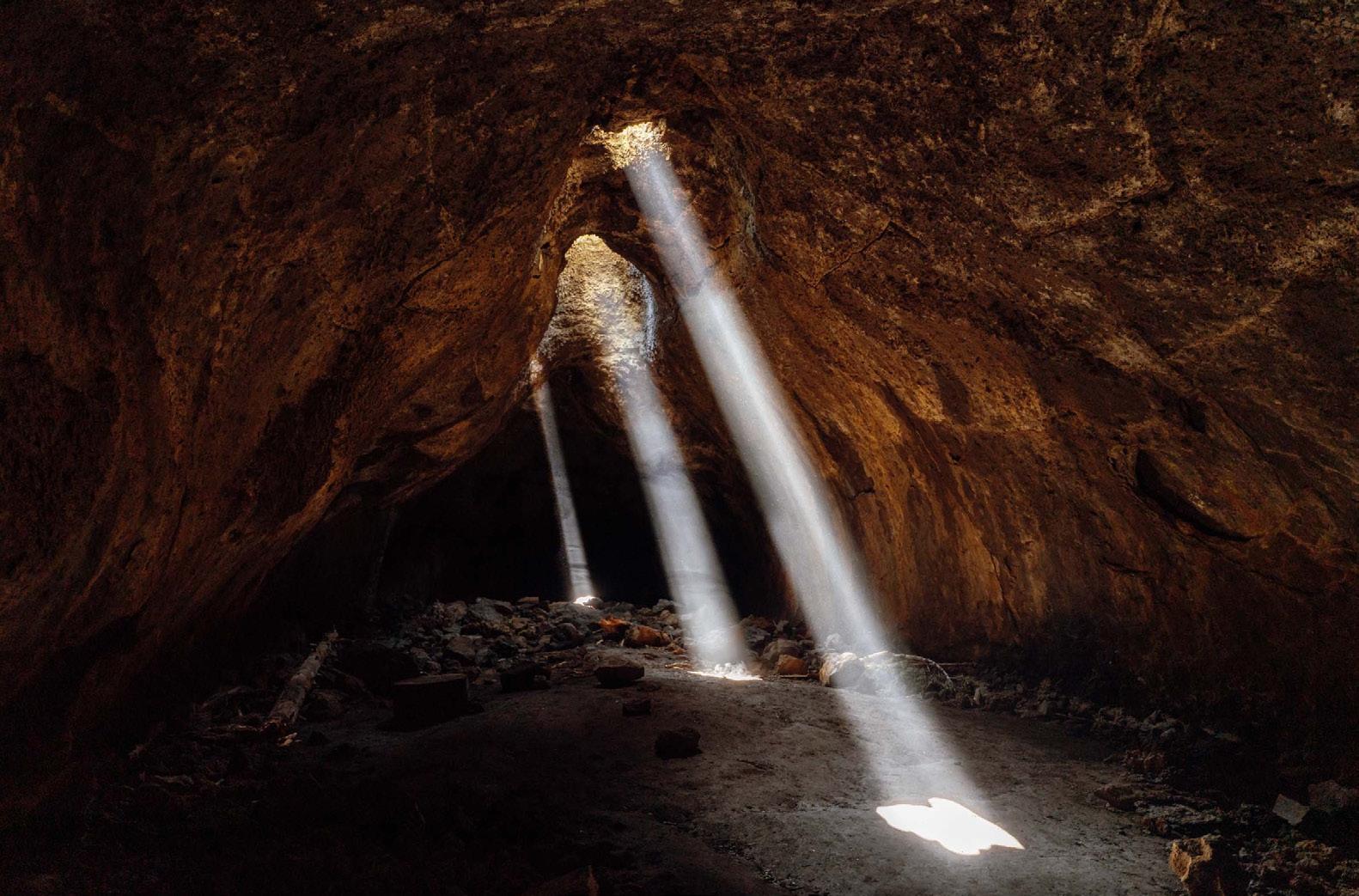
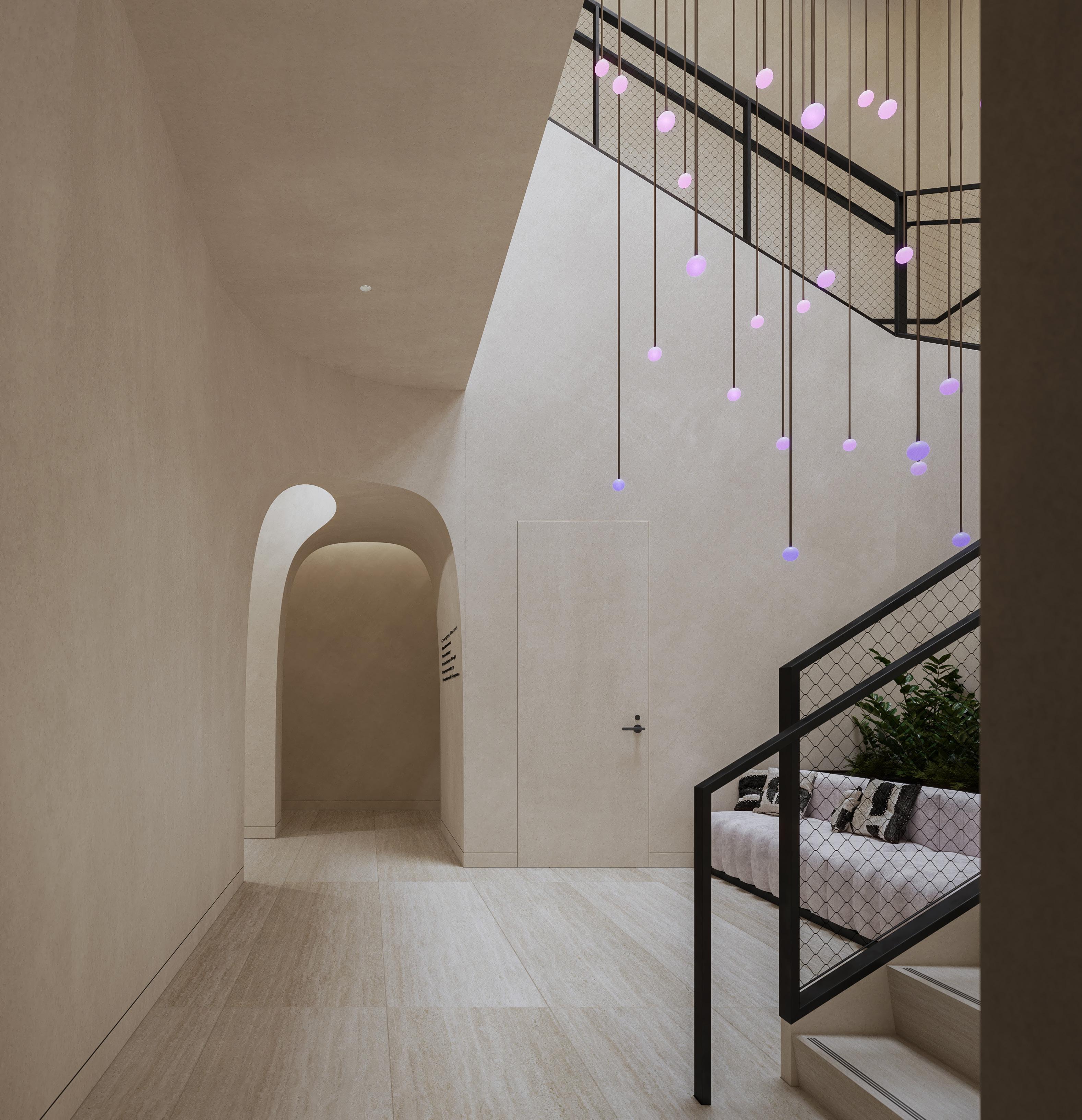
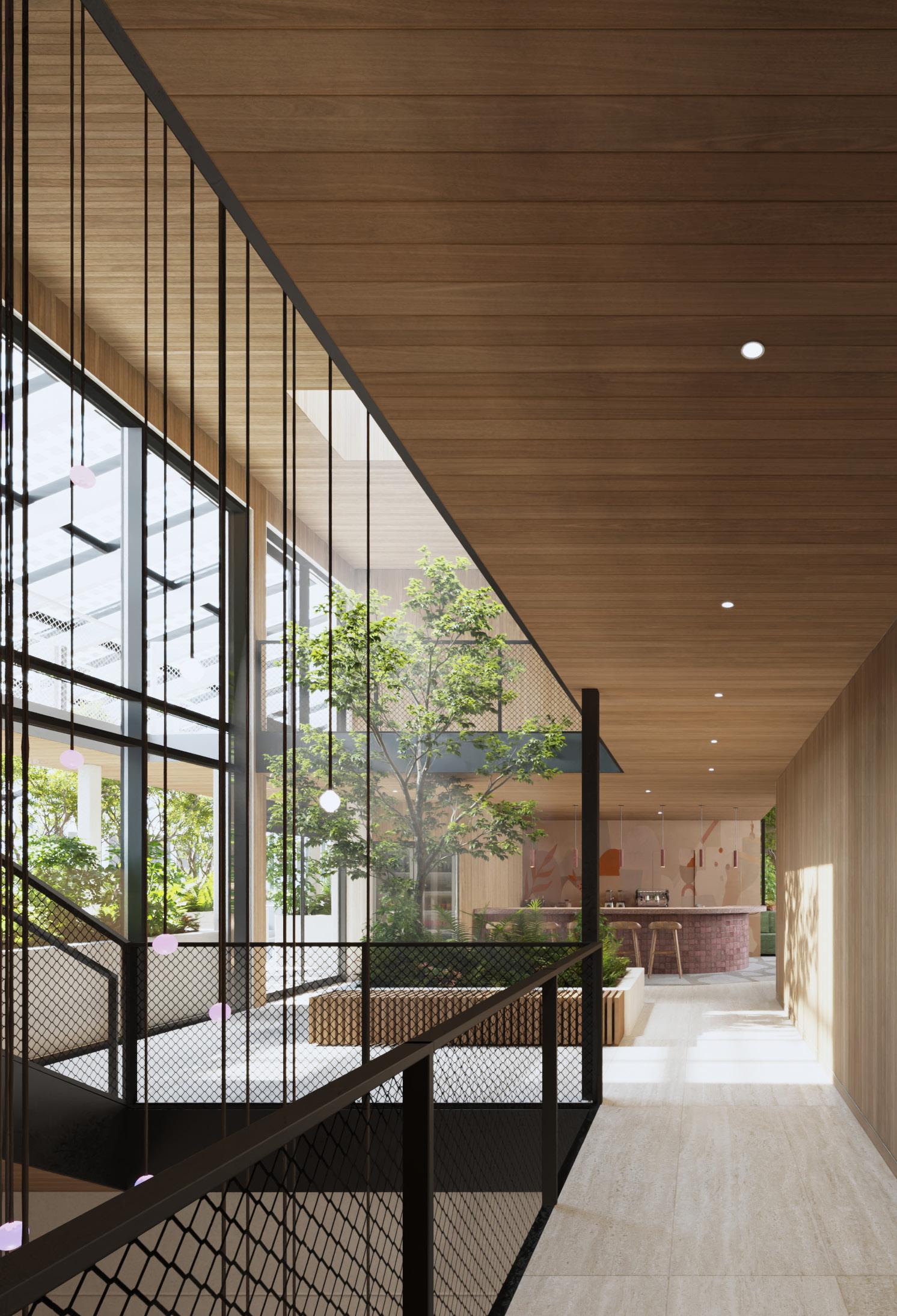
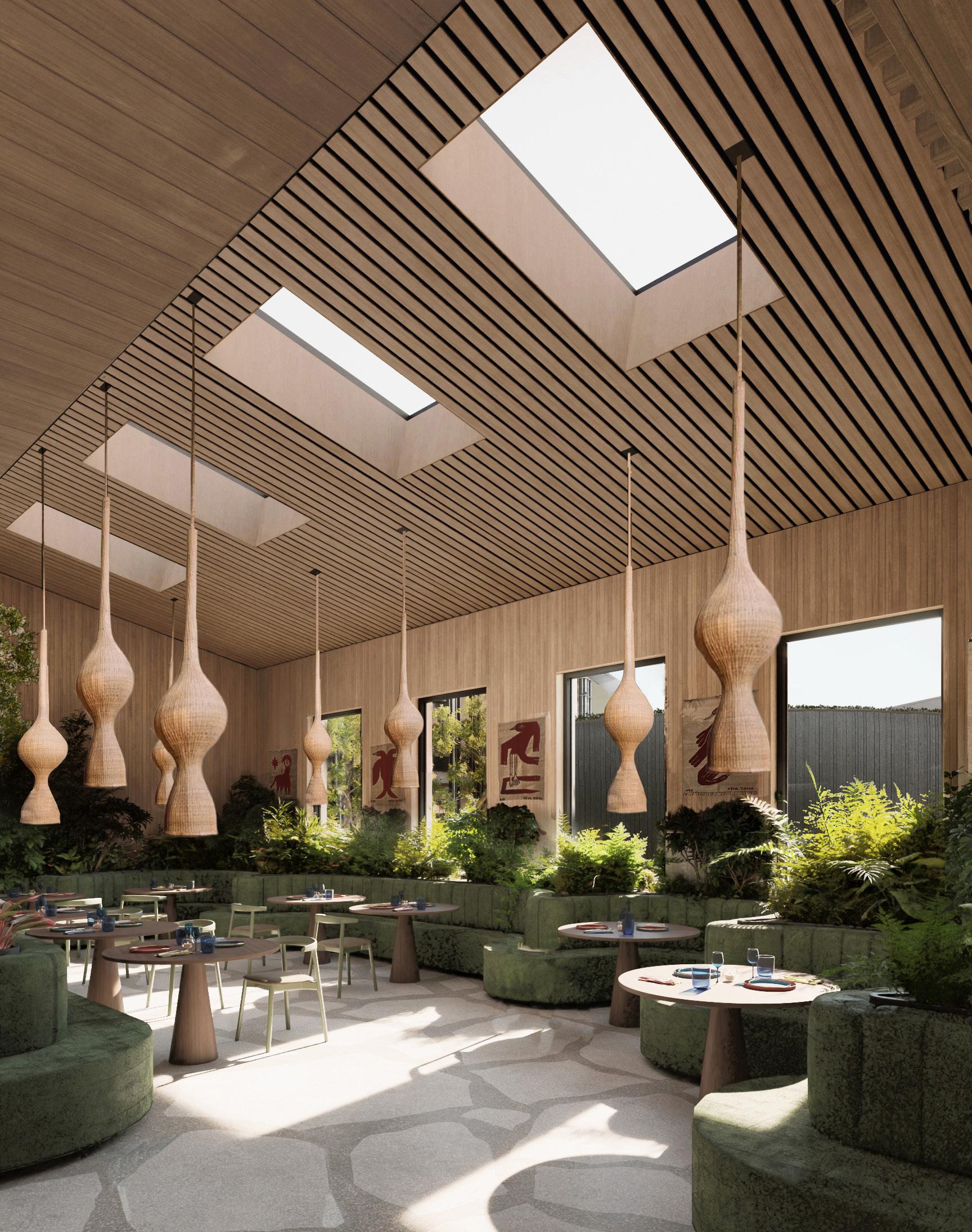
Guests arrive at softly shaped public spaces at ground level, where a sculptural restaurant, reception, and lounge establish an immediate sense of welcome and grounding. Interiors are finished in light plaster with a pumice-like quality—soft, matte, porous—evoking the blankets of volcanic material and lava tubes deposited across the region during past eruptions.
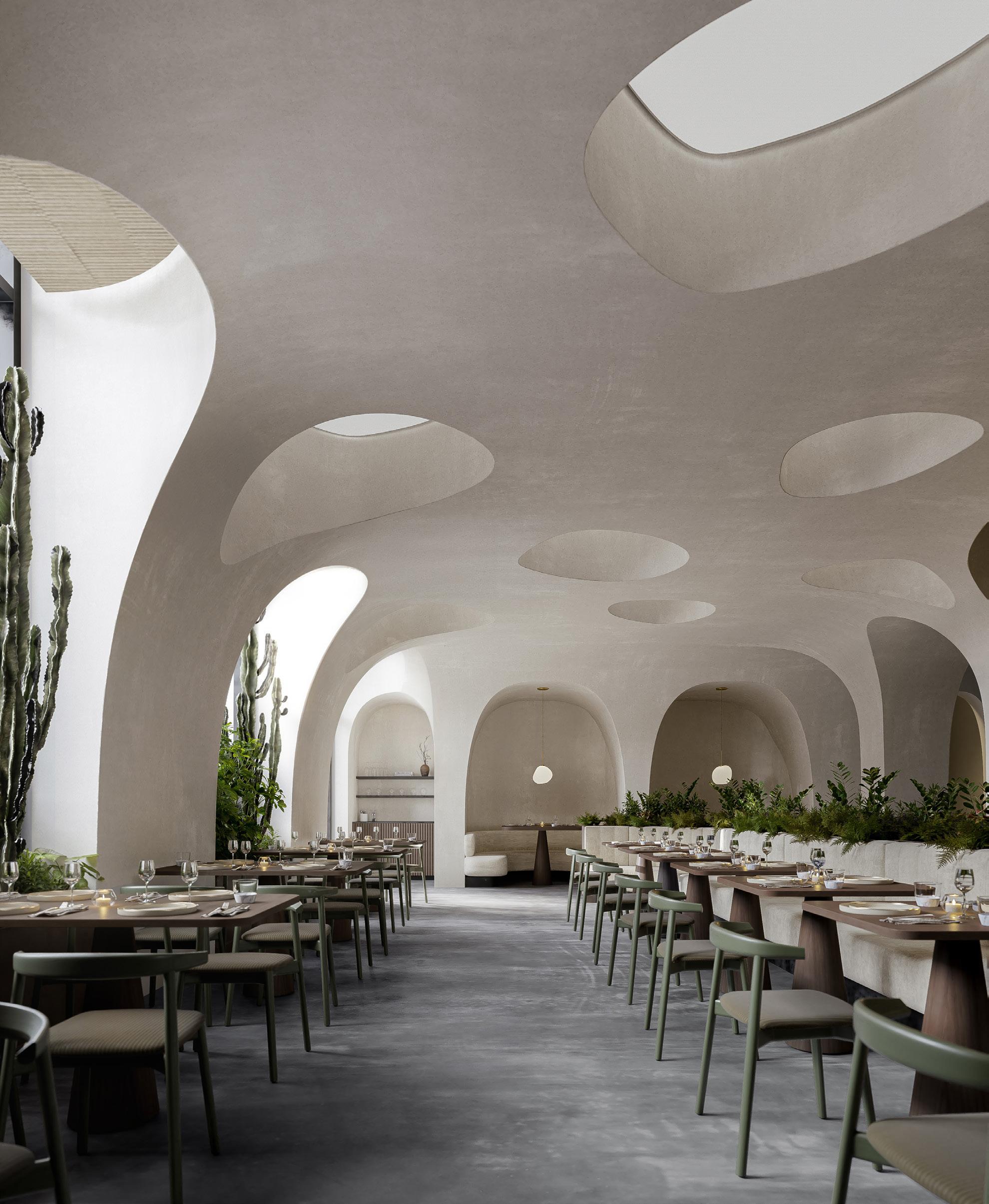
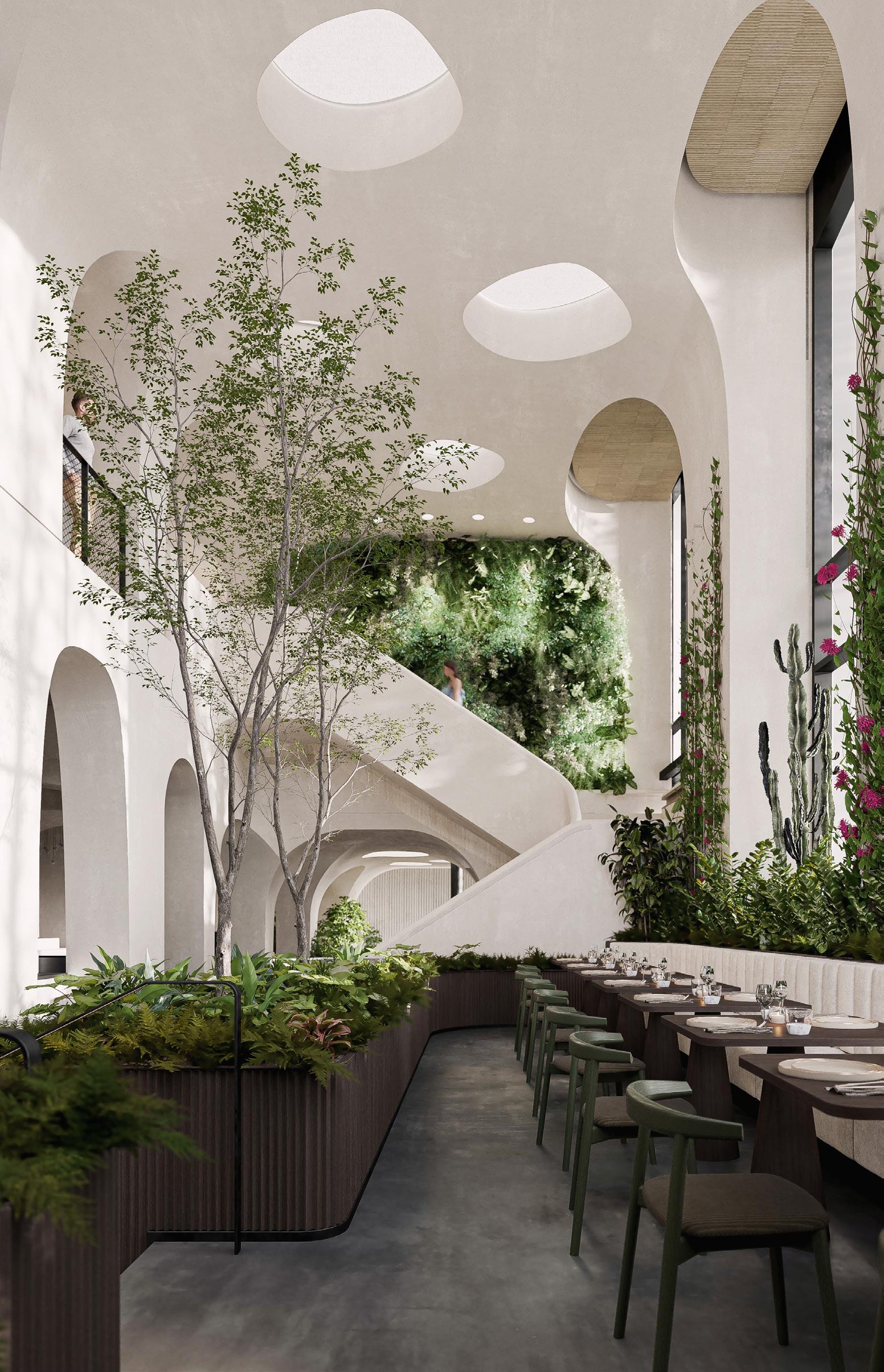
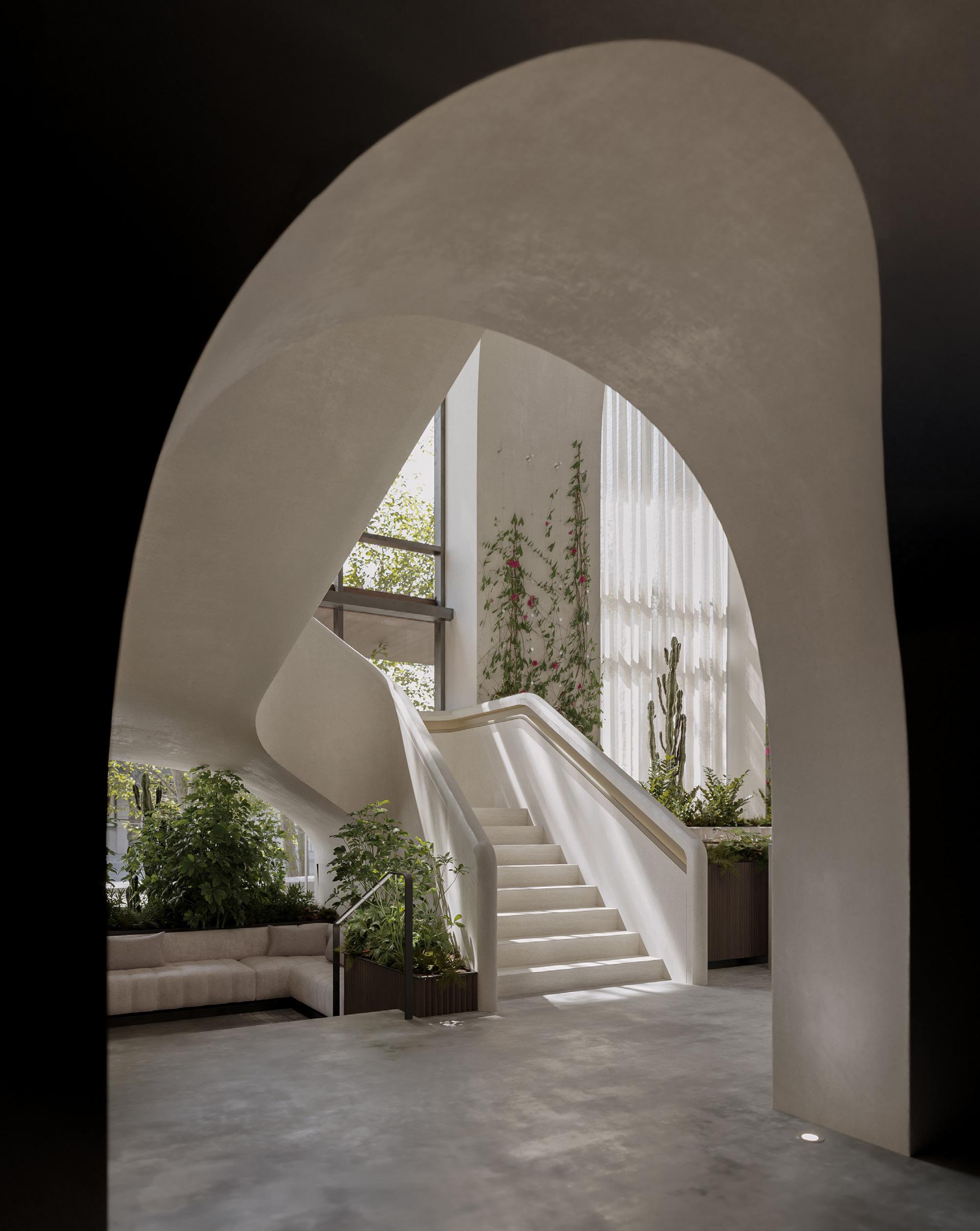
This is a space of wonder: a contrast from the hard edges of the urban world just outside, where guests become immersed in the form and material language of Central Oregon, and the transition into a quieter, more present state begins.
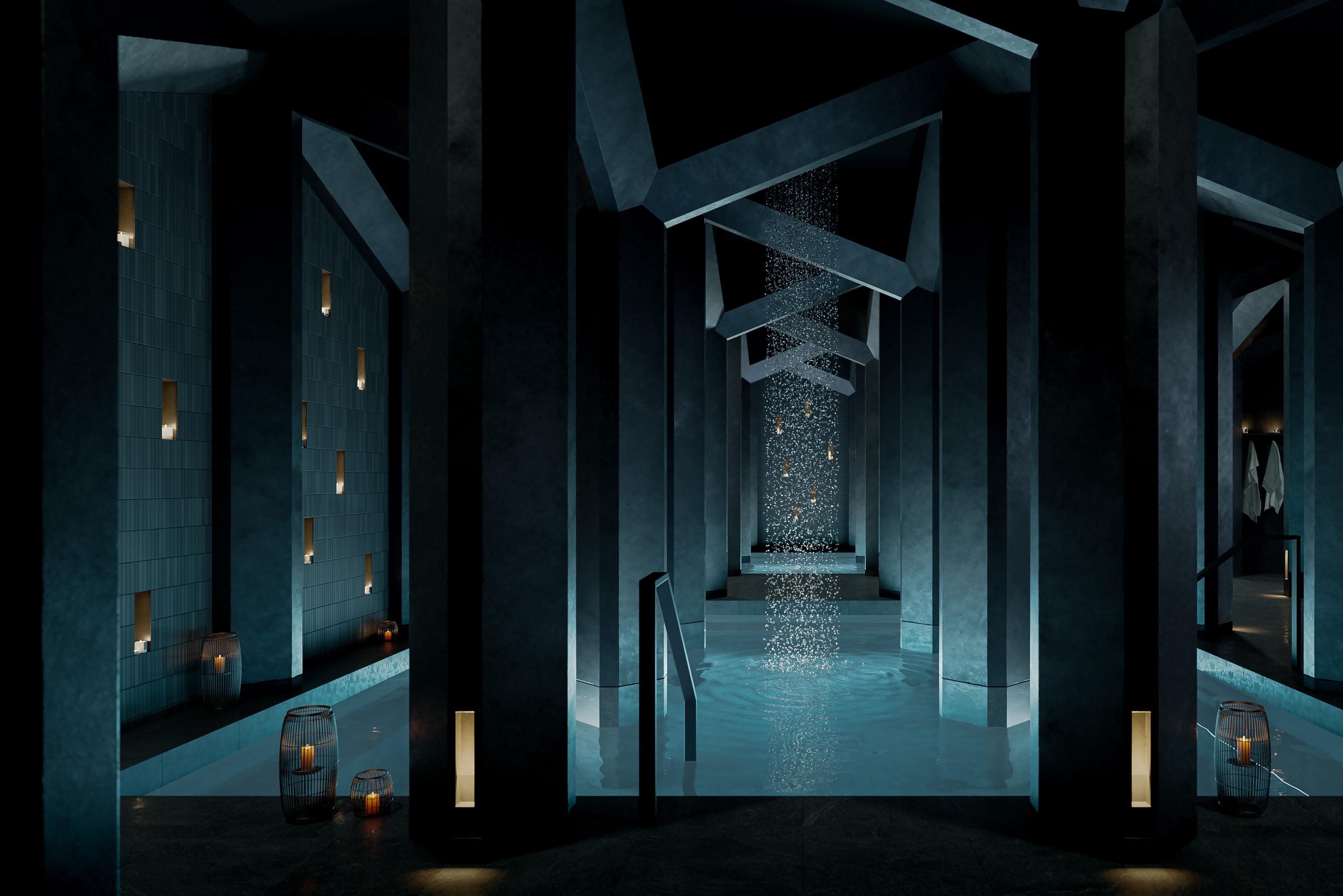
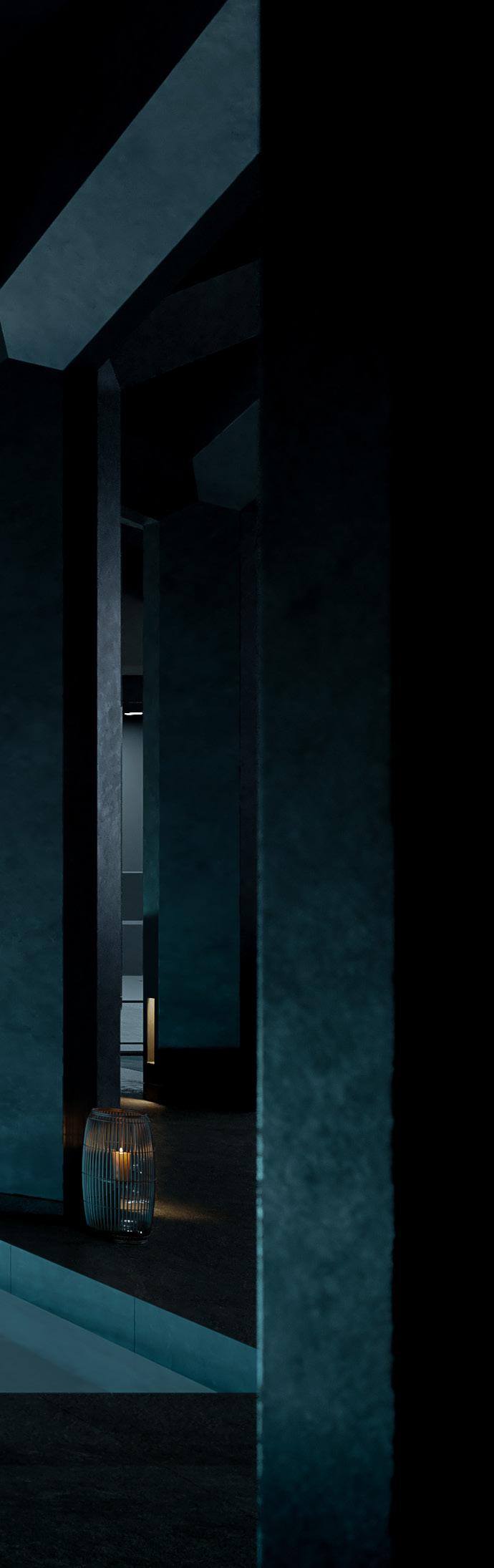

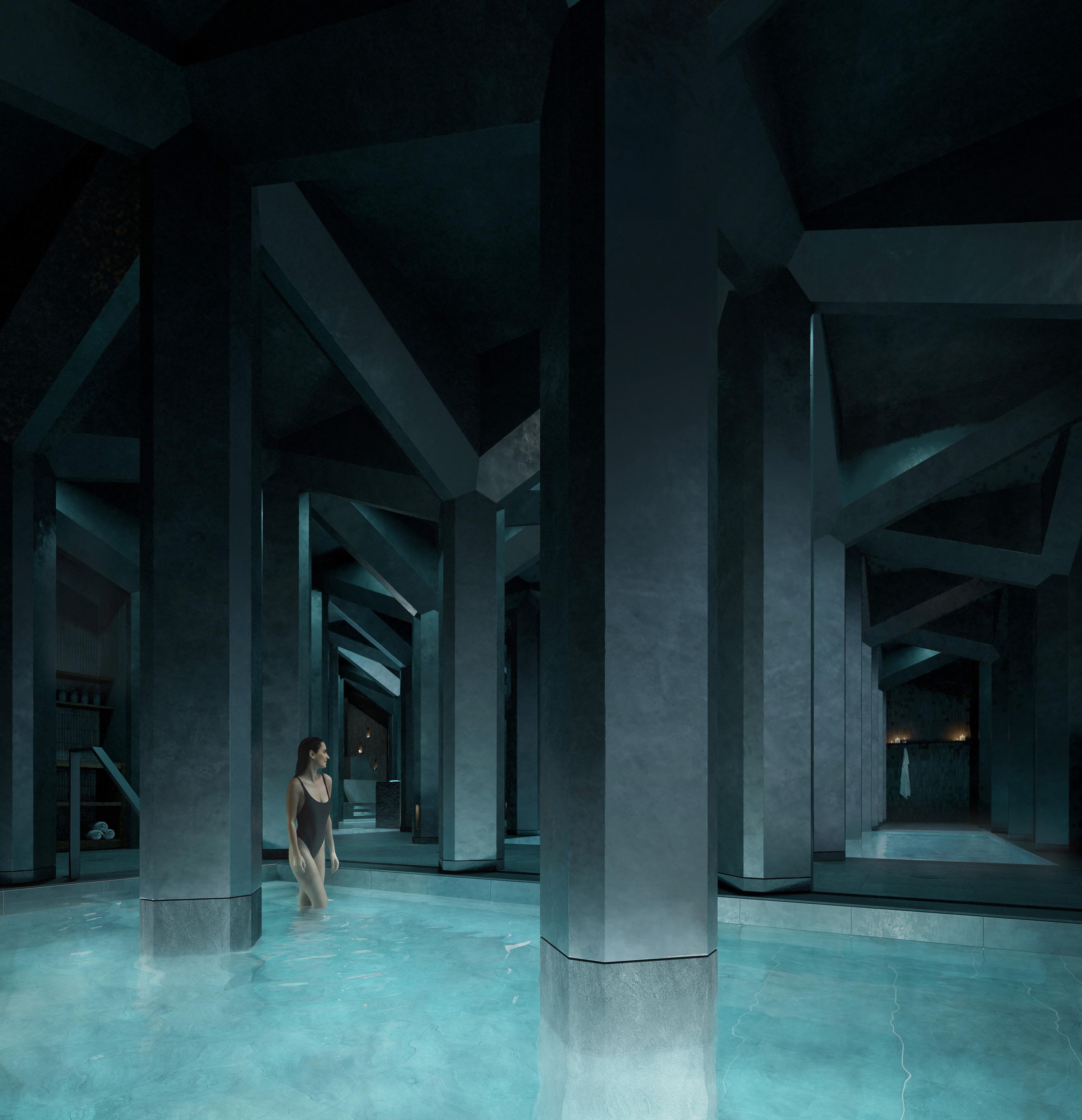
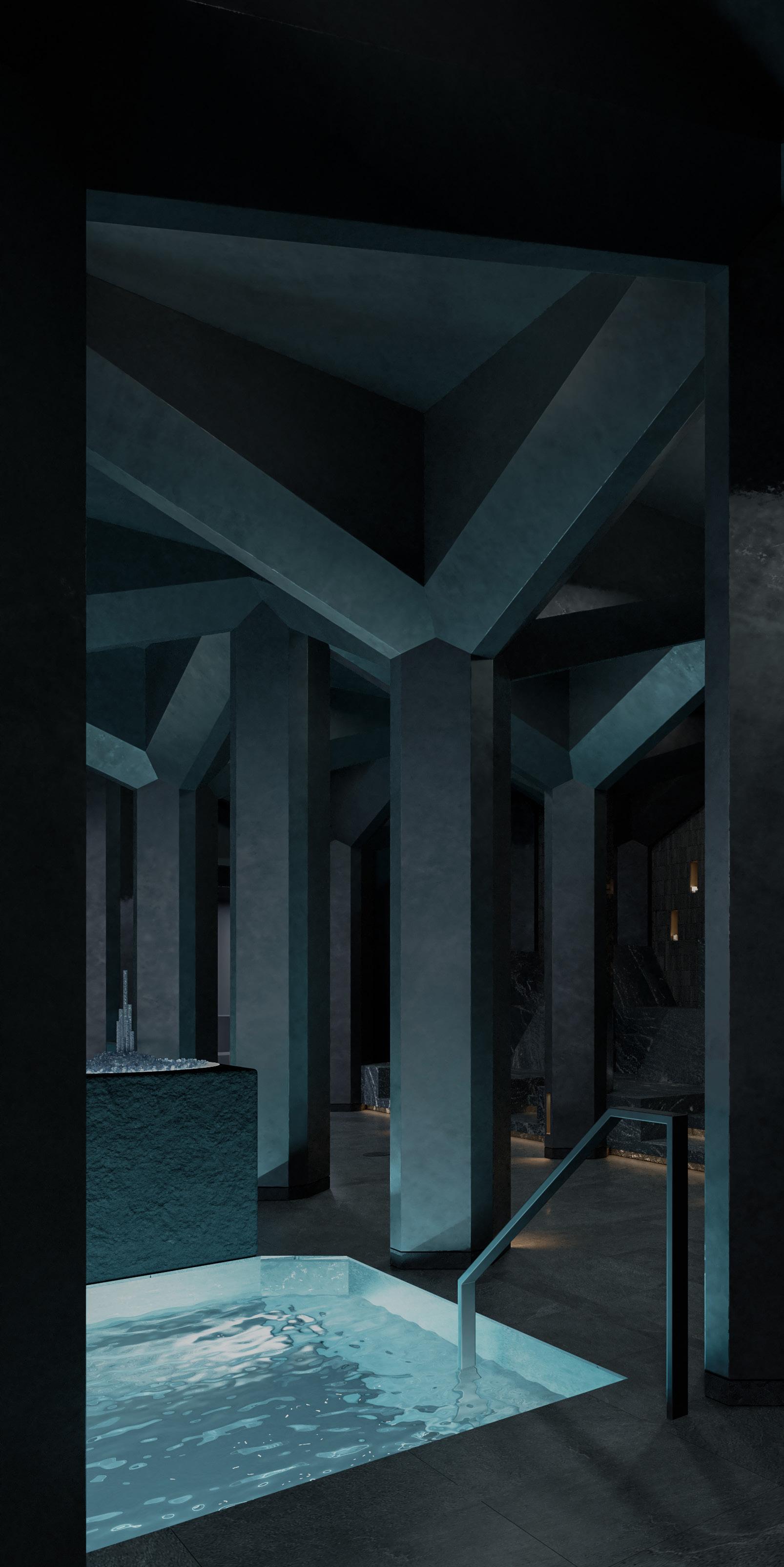
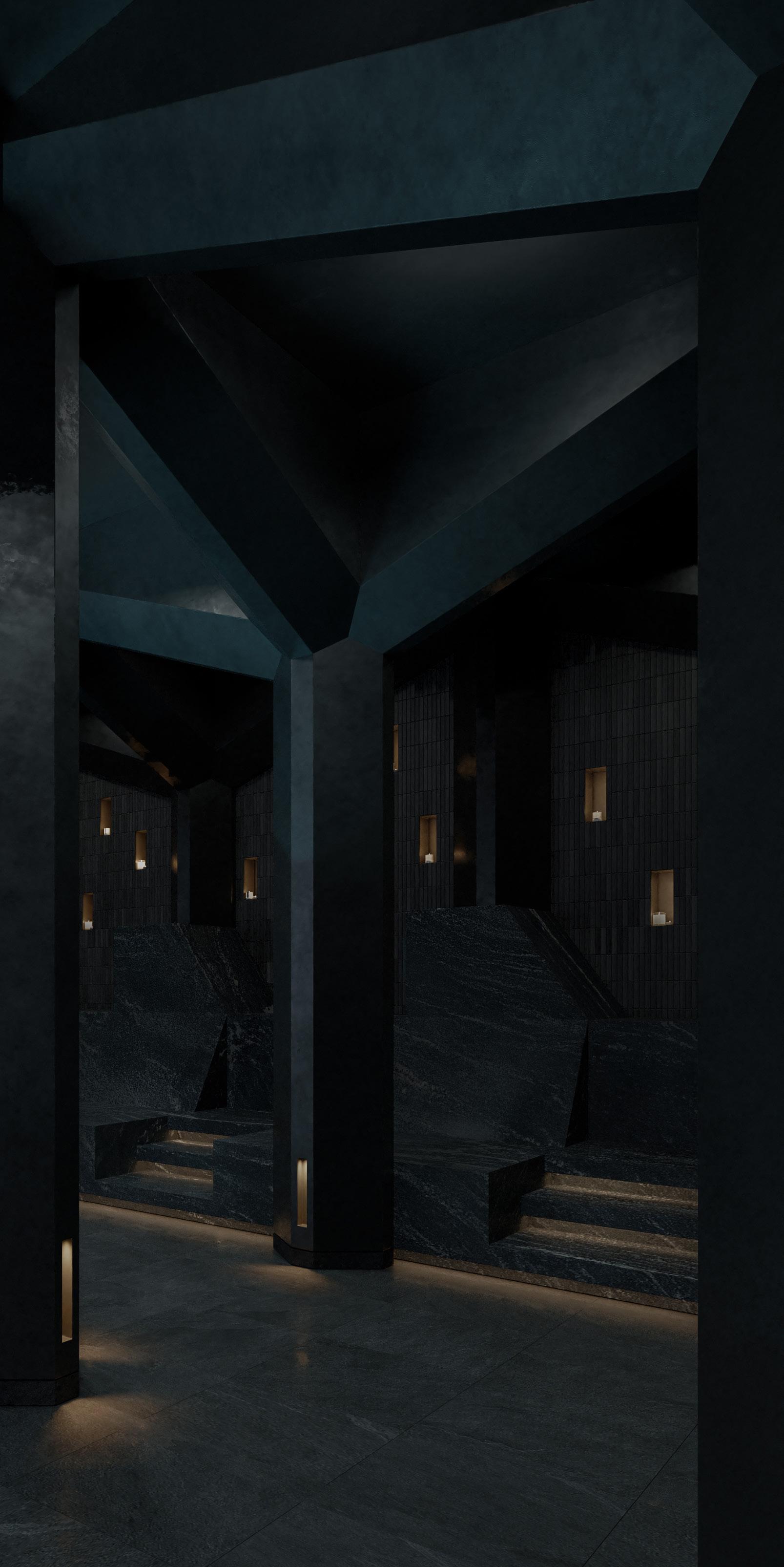
On the second floor, the palette deepens into darker, crystalline spaces inspired by obsidian and basalt. Here lies the Sanctuary: a hydrothermal circuit of pools carved into fractured cave-like rooms. Minimal light, hushed acoustics, and stark contrasts create an atmosphere of silence, darkness, and surprise—an immersive descent into the underground world of volcanic stone.
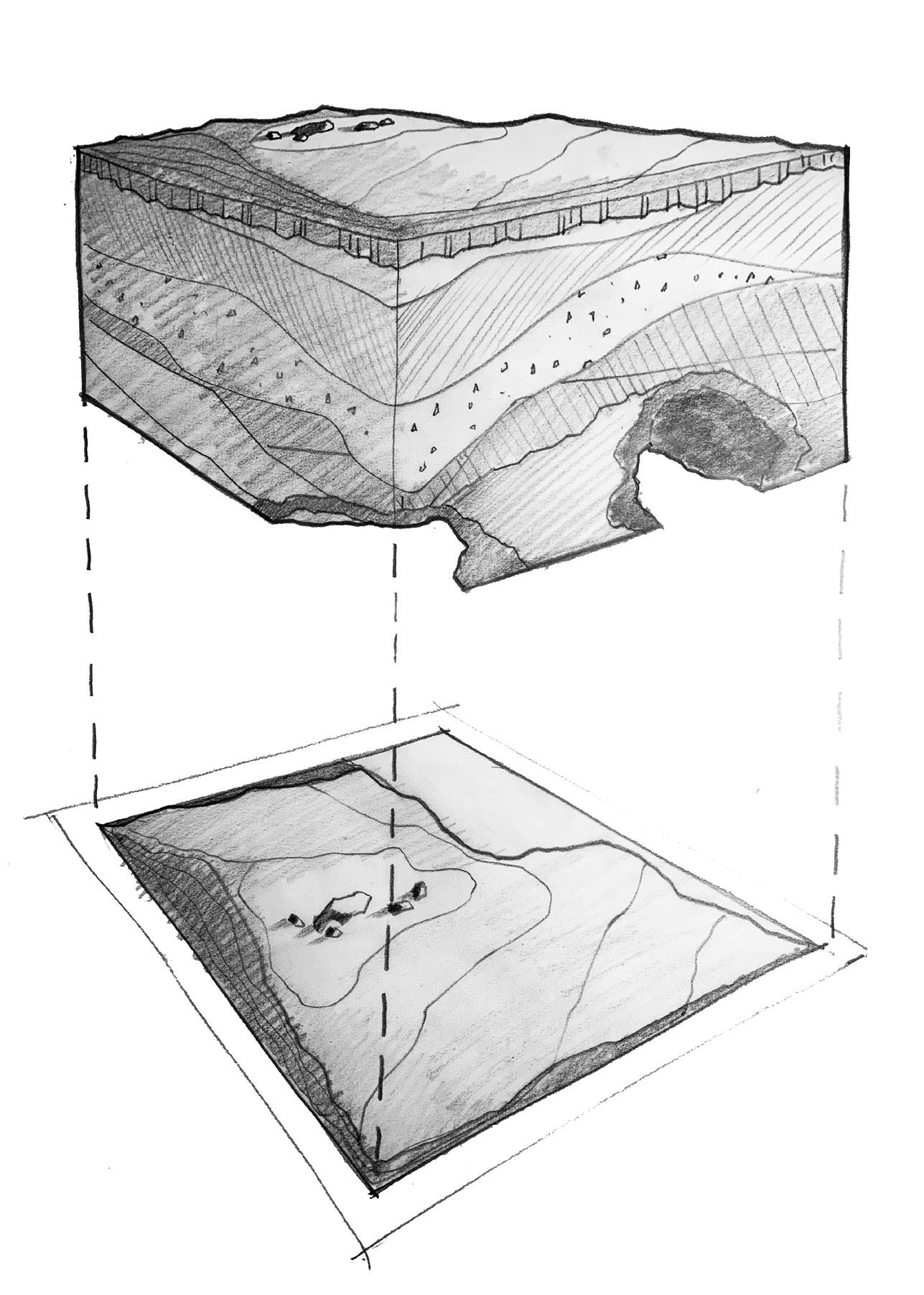
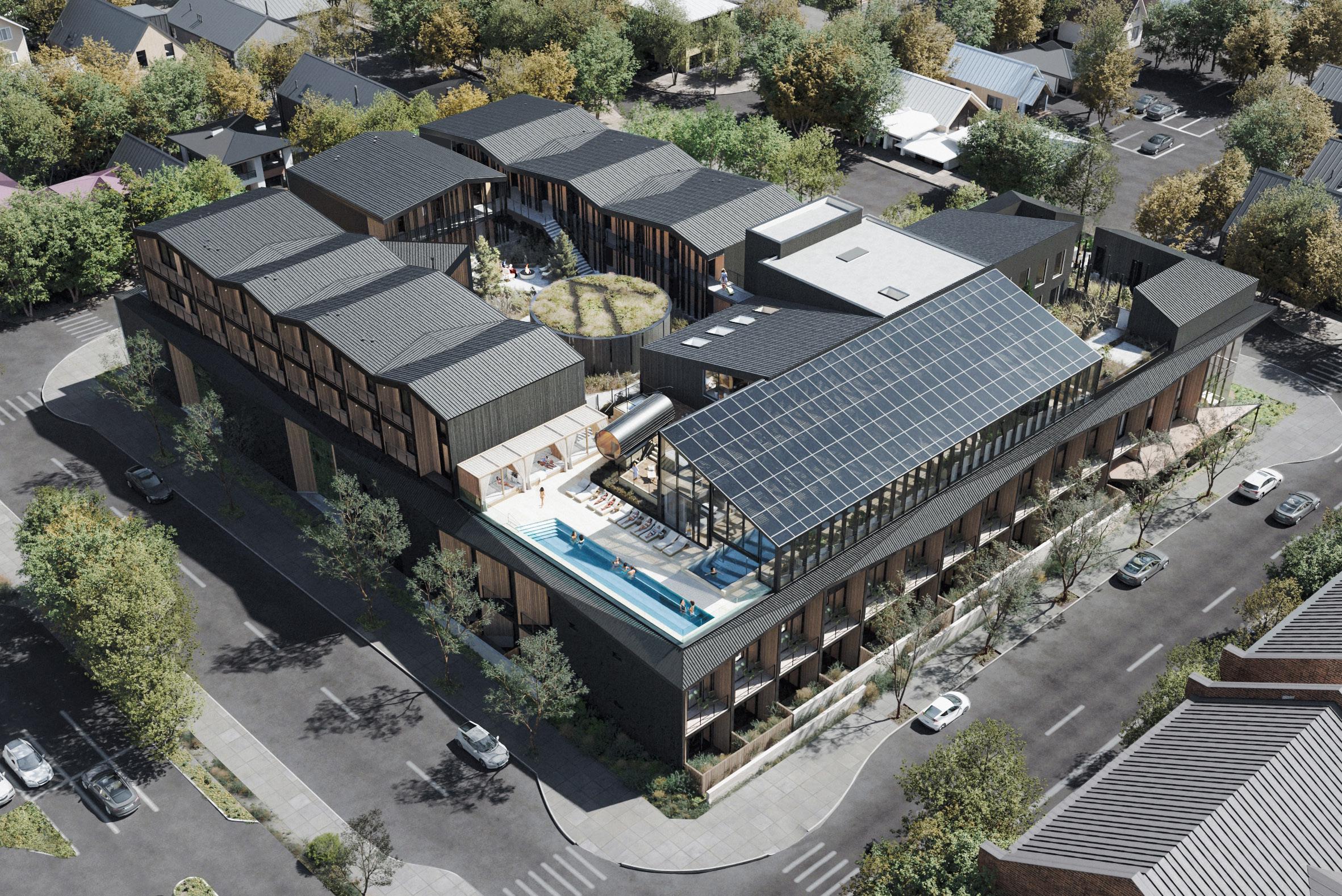
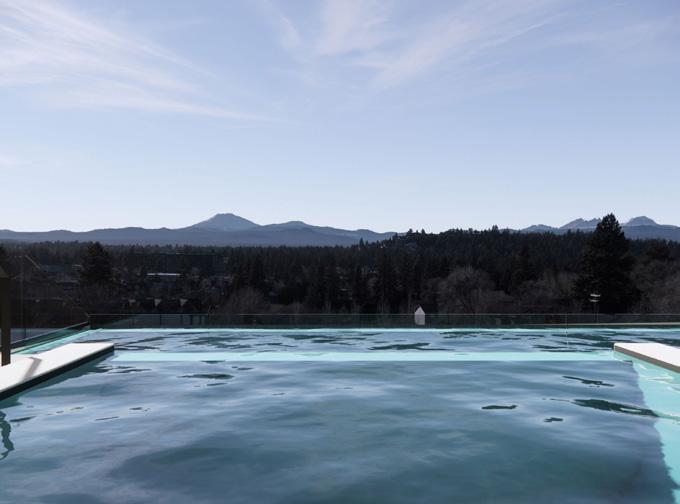
The journey culminates at the rooftop, conceived as a direct connection to the vast high desert sky. The rooftop reads as an emergence—as if the desert surface itself has been lifted, transplanted above the subterranean world below, and opened to the horizon.
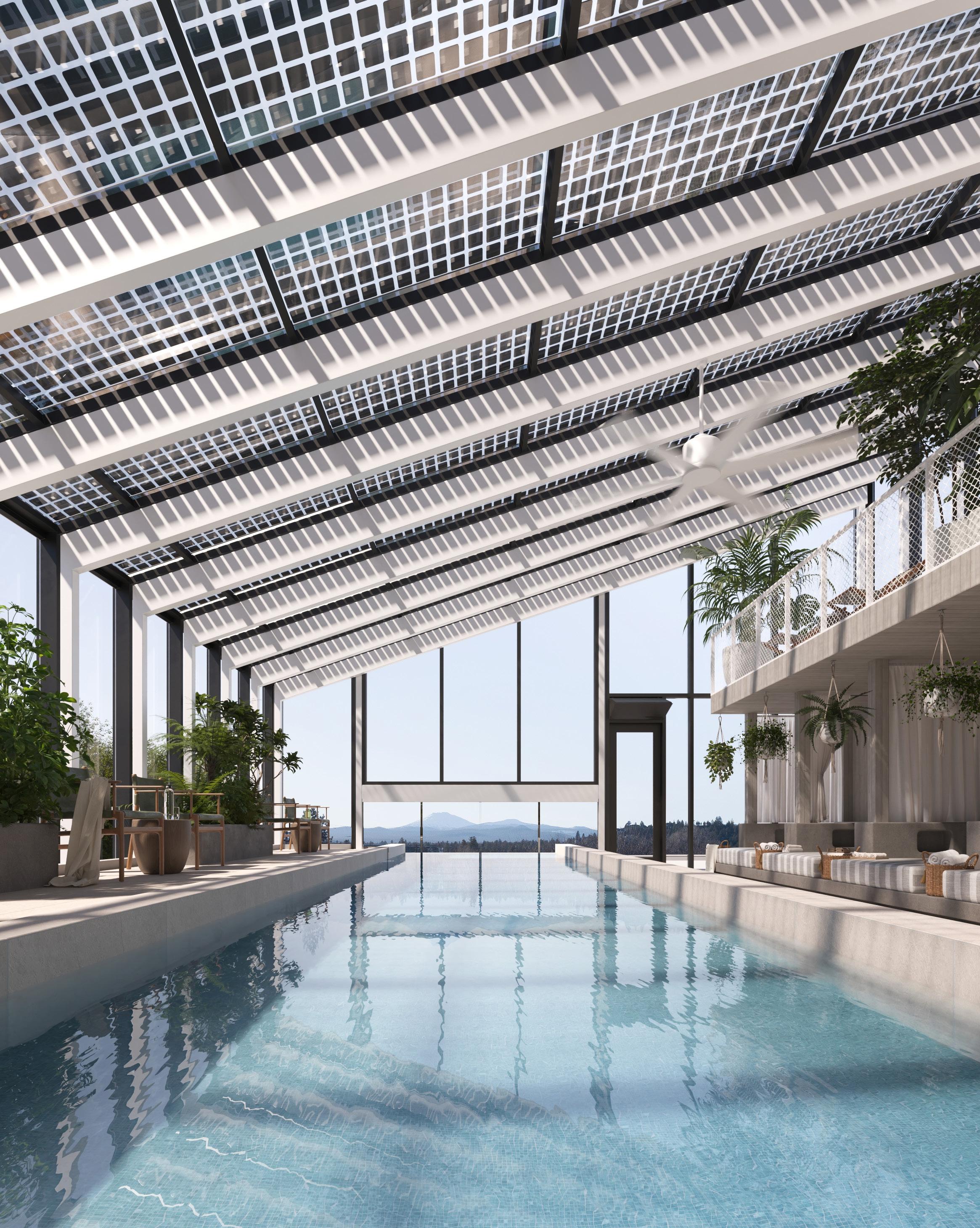
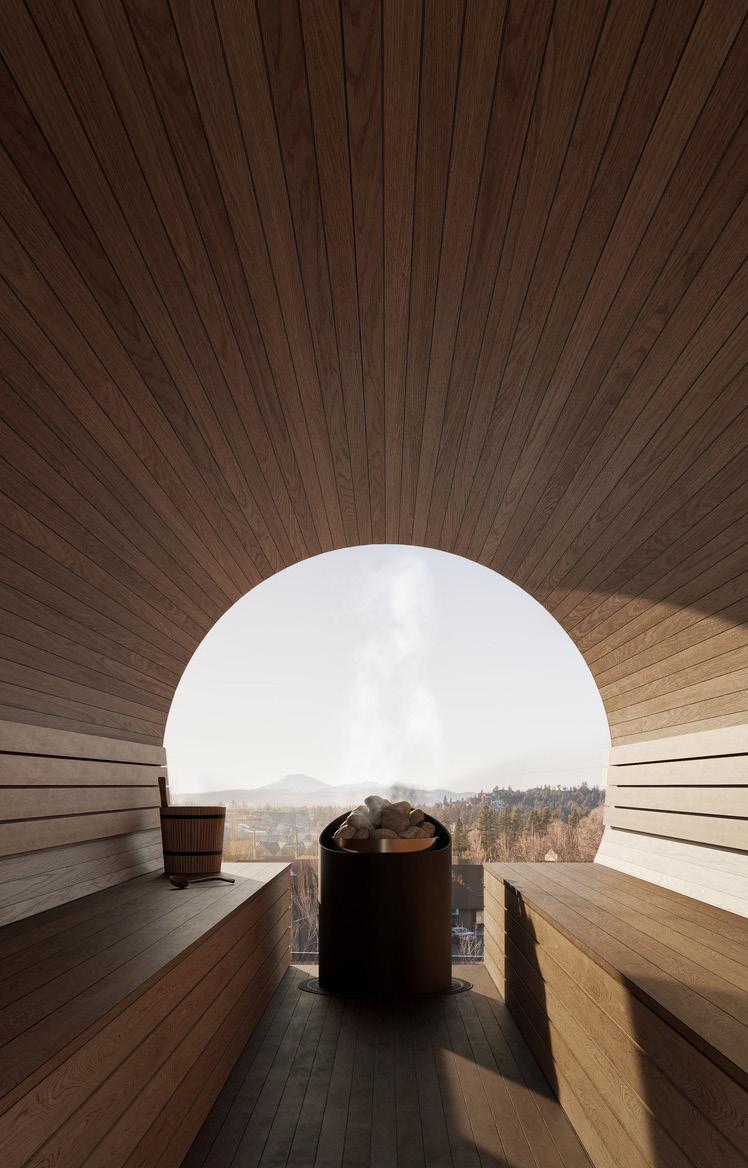
Guests emerge into an expansive landscape of gardens, sauna, lounges, and indoor-outdoor water circuits. The focal point is a luminous glass conservatory filled with pools, lush plantings, and higher humidity—an oasis that contrasts the arid climate outside. Lounge areas and pools offer uninterrupted views west to the Cascade Range: the Three Sisters, Broken Top, and Mount Bachelor.
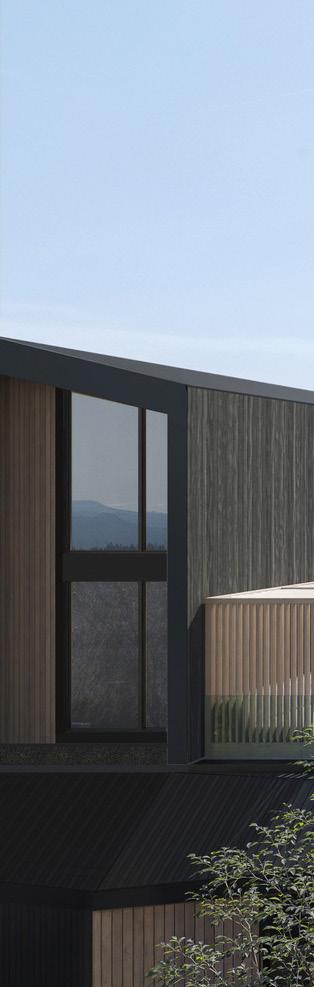
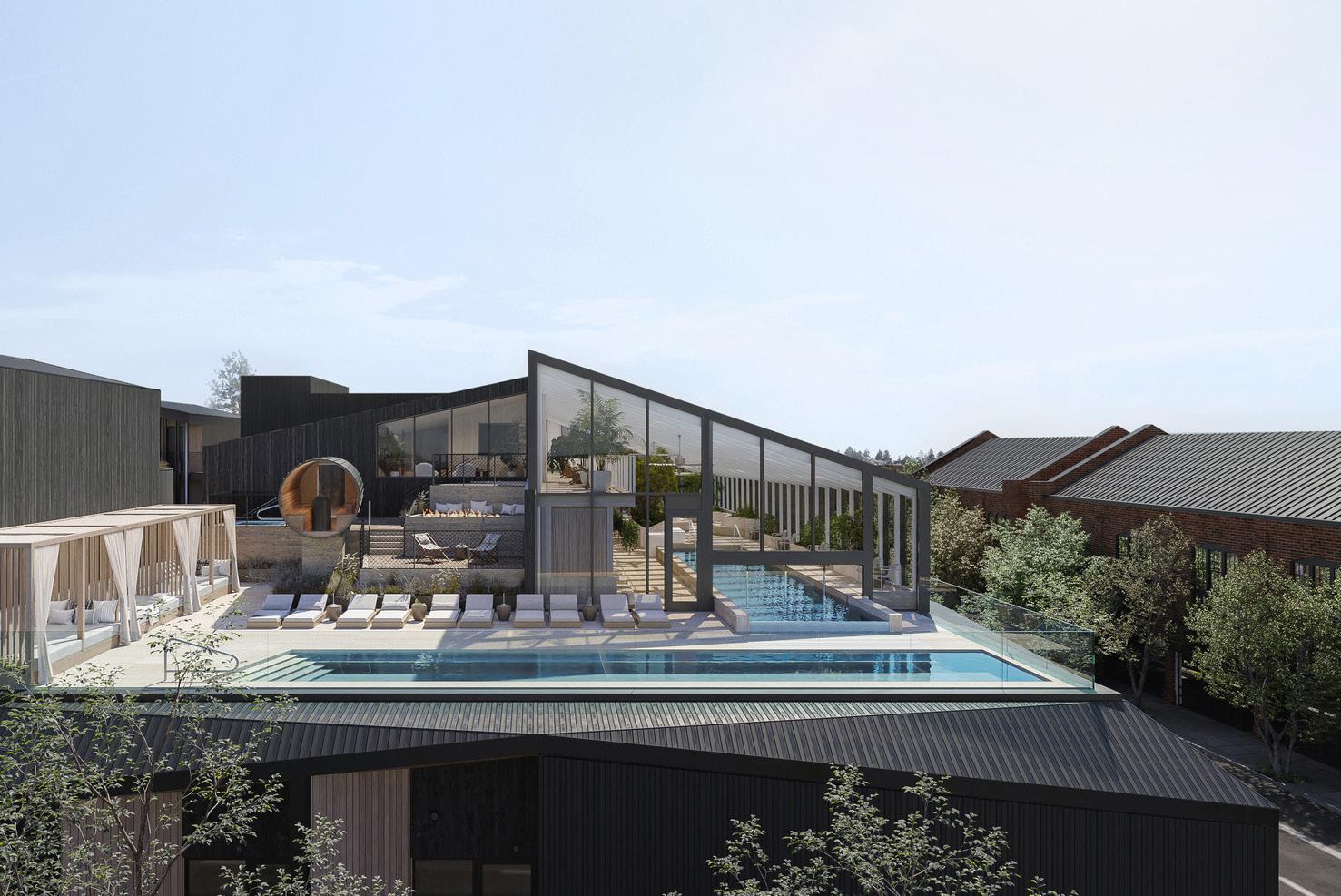
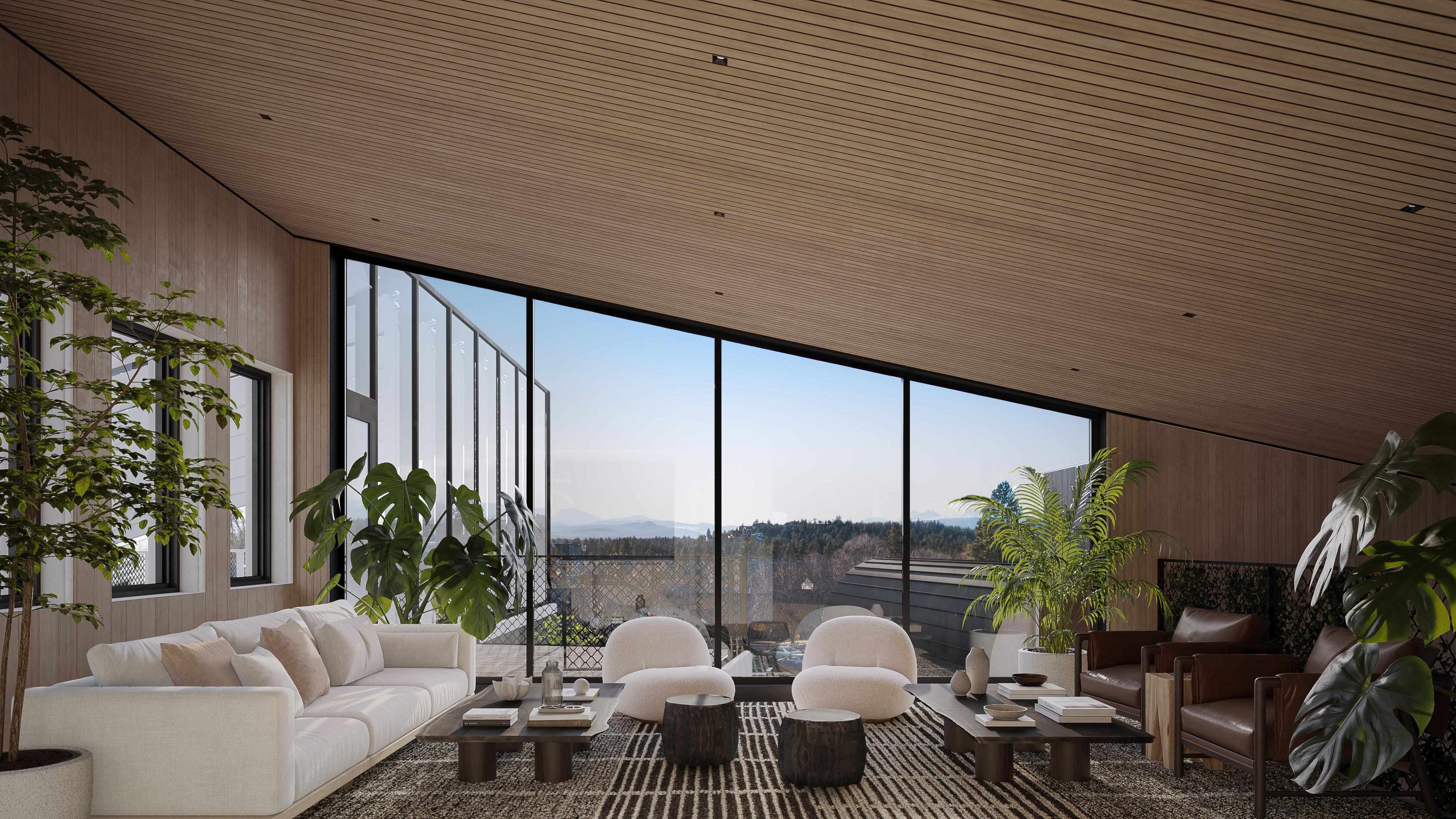
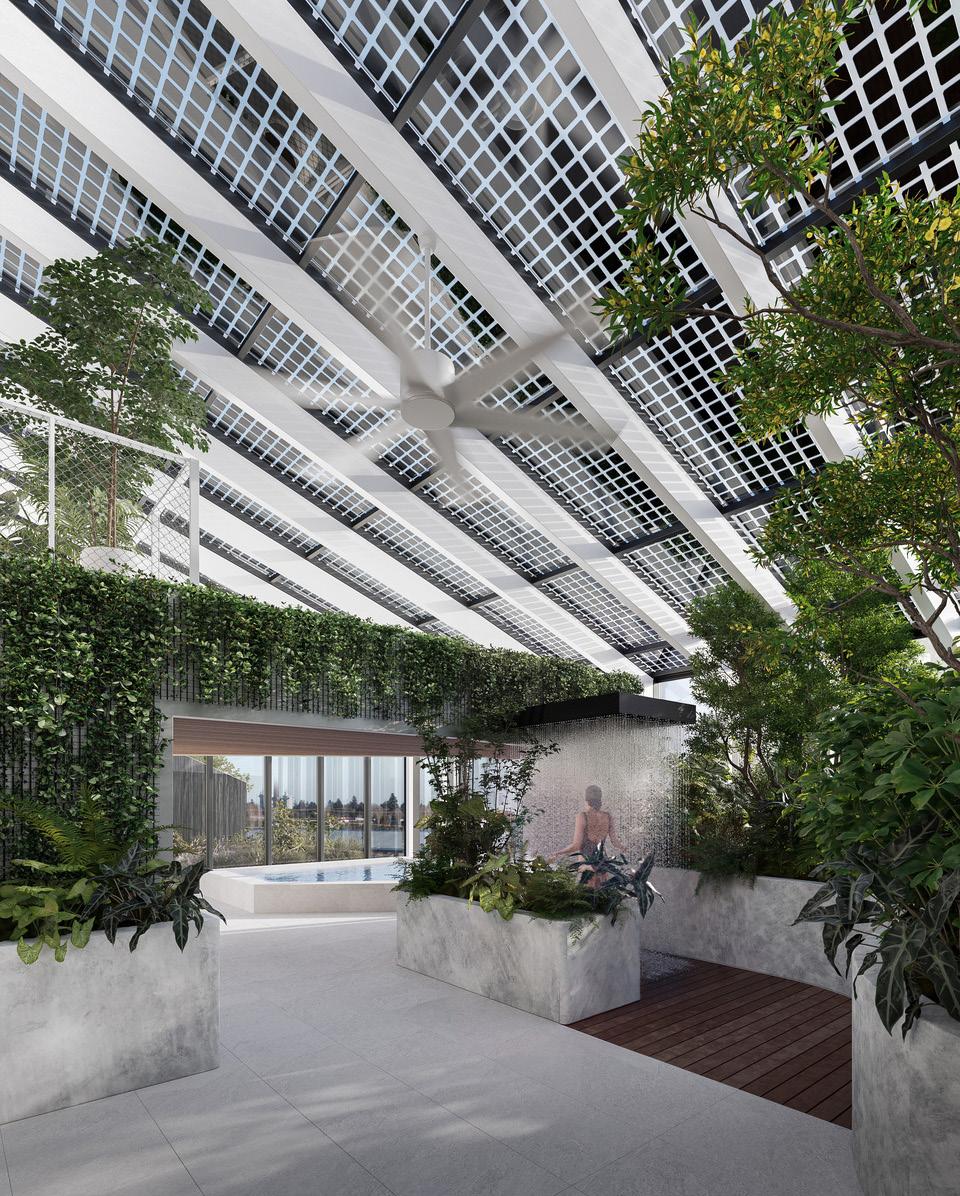
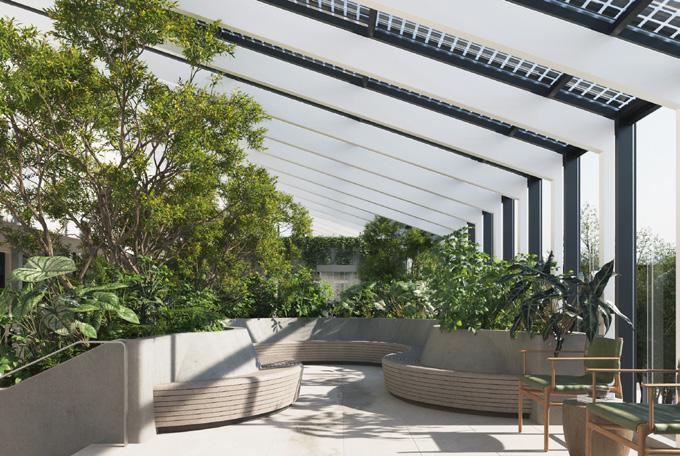
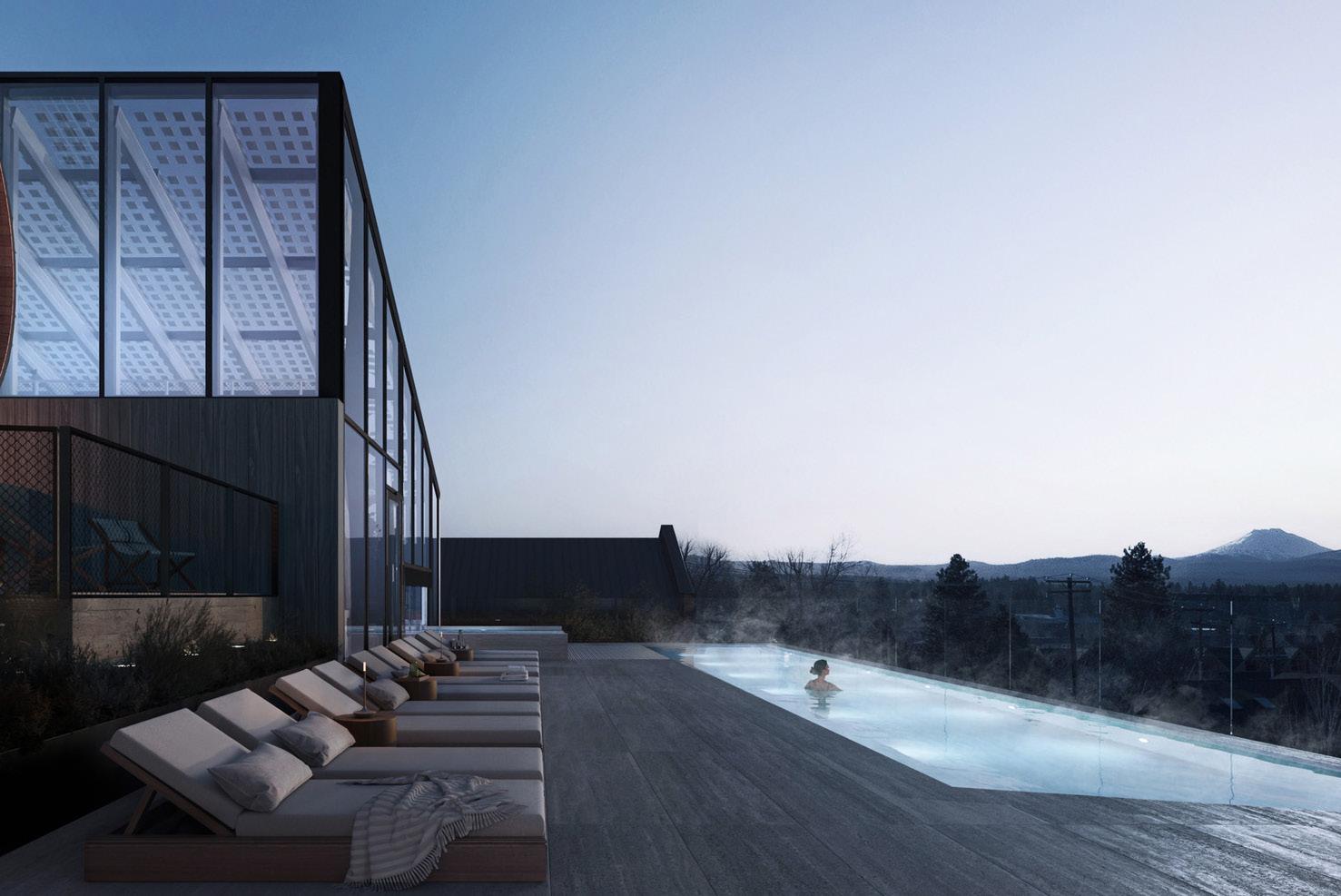
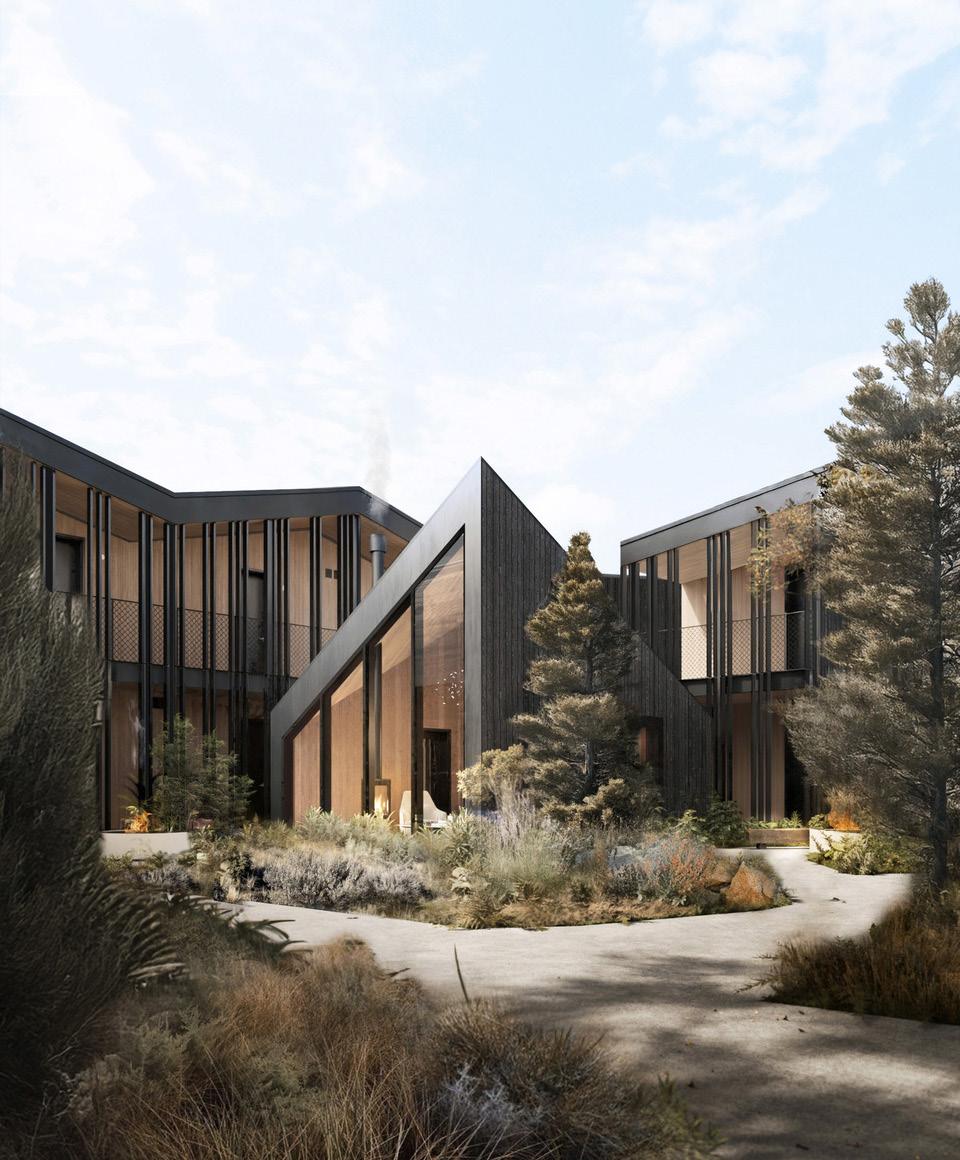
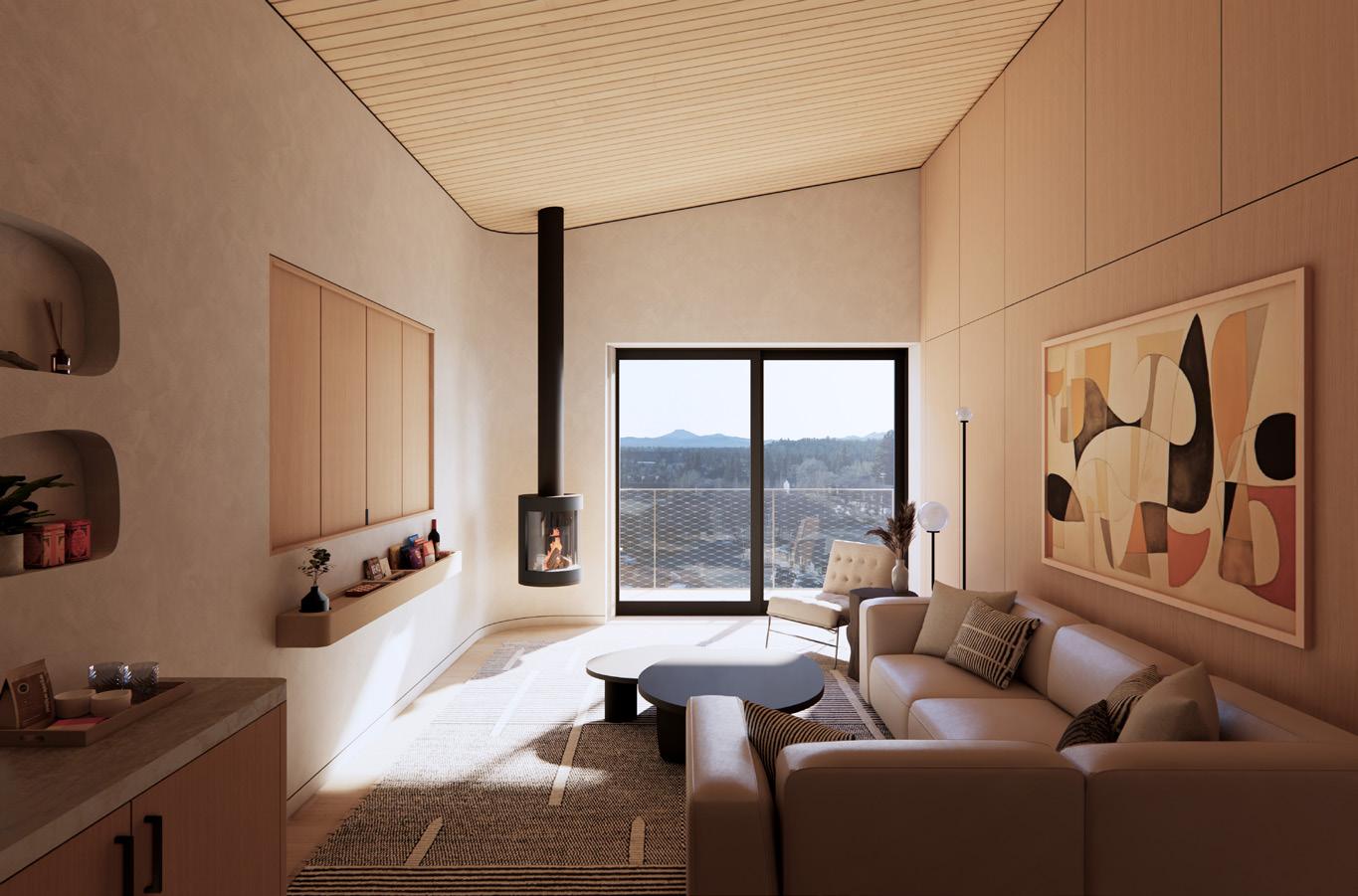
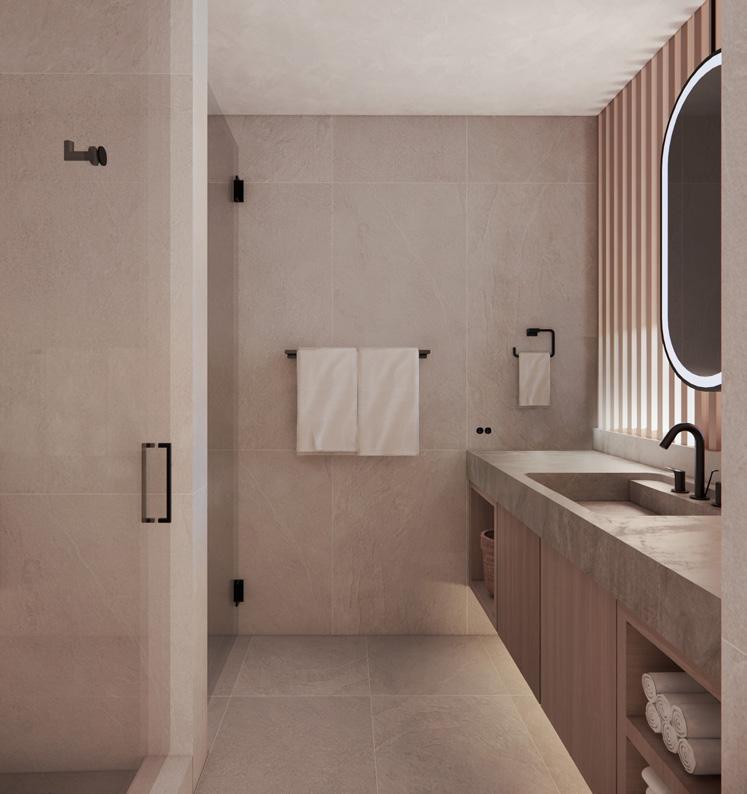
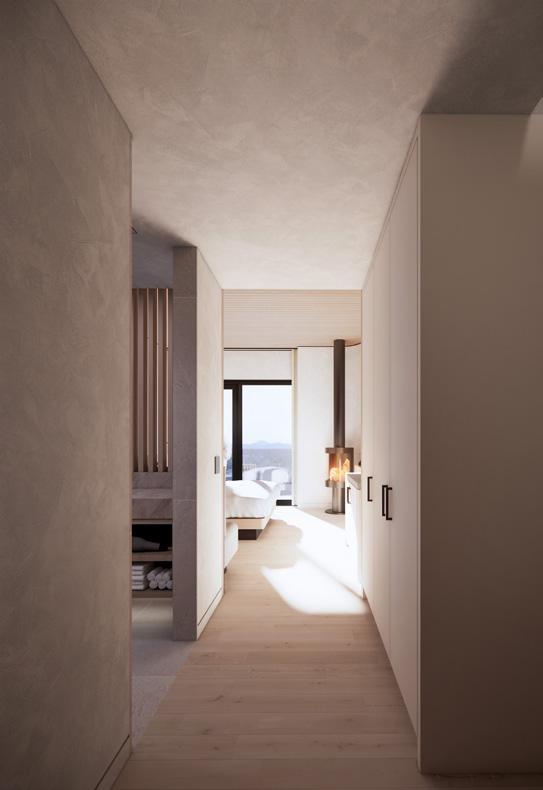
Adjacent to the conservatory, freestanding structures rise to house third and fourth floor hotel suites and spa treatment rooms—private spaces elevated above the roofline, each with its own deck oriented to the sky.
Throughout this vertical journey, the architecture choreographs a transition from cave to sky, from darkness to light, from stillness to movement. In doing so, it reflects the very processes that shaped Central Oregon’s land: eruptions, flows, erosions, and the delicate regrowth of the desert landscape.
The result is an architecture that feels both inevitable and surprising—inevitable in its deep connection to place, and surprising in the way it elevates everyday acts of rest, nourishment, and play into transformative experiences.