


International Day for Disaster Reduction, celebrated annually on 13 October, raises awareness of how people, focusing primarily on the elderly this year, are taking action to reduce their risk to disasters.
The day highlighted the need for a more inclusive approach for older people in disaster risk reduction. It recognises the critical role they can play in better planning and understanding disaster risk, and how they can help with resilience-building in their communities through their experience and knowledge.
In keeping with this year’s theme, “Resilience is for Life”, the Civil Defence Commission (CDC) and the Civil Defence Commission Volunteer Corps (CDCVC) planned several inclusive initiatives throughout the last week, engaging elderly persons in disaster reduction in Guyana.
“Every year the CDC try to commemorate the International Day of Disaster Reduction with an activity centred on the theme of the year. This year our efforts included elderly persons...We always include some form of capacity building section in our annual activities and this year we looked at including something tangible, hence, we distributed emergency and survival kits,” Anita Wilson, Community Based Disaster Risk Management Officer & Volunteer Coordinator of the CDC told Guyana Times Sunday Magazine
CDC and its partner agencies, in collaboration with the United Nations Children’s Fund (UNICEF), observed the day with a host of activities throughout last week. These activities, which lasted from 13 to 17 October, included
an observance ceremony and experiential sharing platform, capacity building sessions; incorporating the elderly for Inclusive Disaster Risk Management and the equipping of elderly homes for risk reduction.
Each activity planned was as engaged and inclusive as possible which involved the participation of residents and caretakers of the New Nazareth Home, the media and the wider public.
The first activity, held on 13 October, was an Observance Ceremony and Experiential Sharing Platform which provided a forum for the sharing of approaches and methodologies for disaster reduction between the elderly and younger persons.
“This was done in an attempt to identify strategies and best practices for disaster risk reduction employed in the past, which
The Thing abouT burning...
can be reintroduced, as well as devise how elderly and young person’s can cooperate to build resilience and reduce vulnerability to
disaster risk,” explained Major Kester Craig, the Operations and Training Officer of the CDC.
This activity focused on awareness in disaster risk reduction and involved information on how elderly persons can and should be included in the Disaster Risk Management initiatives throughout the country.
Consequently, the CDC staff, volunteers, as well as other stakeholders, conducted a tour and assessment of the Palms Geriatric Home to examine the hazards, risks and opportunities for further collaborations between the CDC and elderly homes.
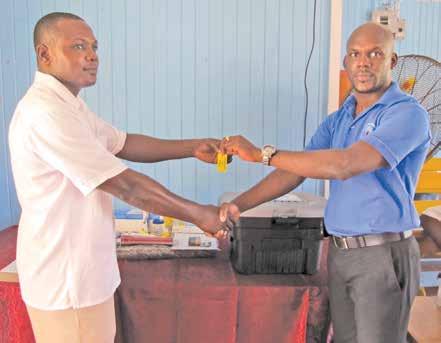
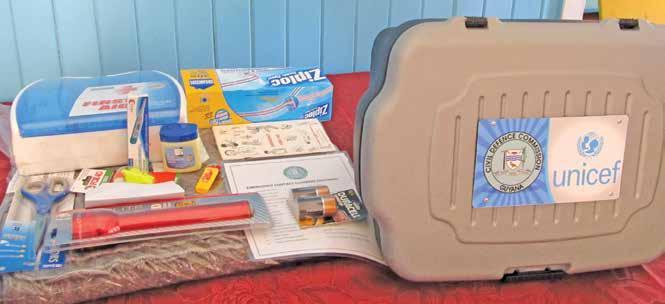
The Commission donated 18 emergency and survival kits to various elderly homes. These kits are expected to be utilised in the event of a disaster or emergency situation in an effort to enhance the resilience of the homes. The kits contain several emergency and survival items such as a first aid kit, flash lights, batteries, pe-

troleum jelly, scissors, whistles and several other necessary items for emergency situations.
According to the CDC, the floods of 2005 and 2006 tested the system, bringing to the fore key issues that worked against the effective management and coordination of efforts and entities in Guyana.
Providing sufficient and appropriately trained assistance to older people during disasters is even more of a challenge in less wealthy nations. Hence, it is important that steps be taken to create detailed evacuation and treatment plans for older people in case of disasters.
The elderly can make positive contributions to disaster risk management. Often familiar with local history, geography, and culture, they can provide important information on local risks to health, and in times of crises, can offer astute advice to relief workers on response and recovery efforts.
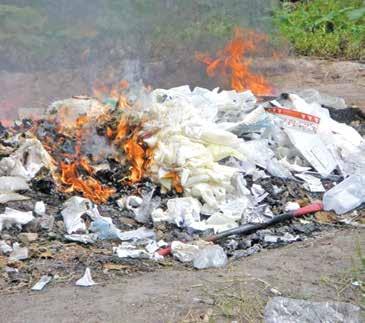
Open air burning of household and sometimes industrial trash is one of the most common sights in communities, villages or towns throughout Guyana. From paper to plastic, construction waste and old rubber, persons burn garbage in backyards or empty lots, on reserves and open fields. However, burning garbage this way is significantly more harmful to our health than we realise.
But burning garbage outside our homes is considered a traditional way to get rid of unwanted waste material. One may well ask, “Why it is a problem these days to do something considered useful; and since when something that has been done for centuries is now a problem?”
The answer is twofold: one – modern scientific information has shown that burning garbage releases enormous amounts of pollutants in the air that have toxic effects on the health of anyone breathing in the emissions. And two – modern waste disposal technologies have healthier and safer alternatives that make traditional burning redundant.
Health Implications
Just one household burning garbage outdoors can have damaging effects on many others, as well as on the plants and animals nearby.
Young children, the elderly and the sick in particular are prone to the effects of open air burning: young children because of their still developing health systems and in the case of the elderly and sick, their weaker health conditions. People already suffering respiratory ailments are even more at risk from the smoke created by open air burning. Exposure to the smoke can cause headaches, nausea and rashes in the short term, while continued exposure due to customary burning can lead to increased risk of cancer as well as heart, liver and lung disease.
Because of the harmful pollutants created by open air burning, emissions can settle on crops or water sources and on the plants that are eaten by grazing animals; these ani-
mals and crops are in turn consumed by us as food. According to the Canadian government’s environment website, since these pollutants remain in the food chain “over 90 percent of our intake [of some pollutants] is from our diet”. What are we breathing in?
That headache you may have, or the sore throat you can’t seem to ever get rid of, might just be the effects of burning garbage outside.
The list of what we inhale when we burn garbage or are in proximity of an open air burning is unpleasant.
Particle pollution: Also known as particulate matter, (PM) particle pollution refers to tiny particles produced by open air burning that are so small they can lodge in our lungs to cultivate many different health conditions such as
heartbeat irregularities and heart attacks, and exacerbate others such as asthma or bronchitis.
Dioxins: According to epa.gov, dioxins are a group of 30 highly toxic chlorinated organic chemicals that are produced in significant amounts by open air burning. They are classified as PBTs (Persistent, Bio accumulative and Toxic pollutants): persistent because they remain in the environment for a long time; bio accumulative because their concentration levels increase as they move up the food chain, and toxic because they are poisonous. Dioxins are harmful to human immune and reproductive systems; have adverse effects upon biological development, disrupt hormones and cause cancer.
Volatile Organic Compounds (VOCs): VOCs are produced in high levels by open air burning. They are responsible for eye, nose and throat irritation, headaches and nausea, and cause damage to the kidney, liver and central nervous system.
Polycyclic Aromatic Hydrocarbons (PAHs): These are a group of chemicals common in soot and smoke from open air burning, some of which can cause cancers.
Other pollutants contained in smoke from open air burning include furans, arsenic, mercury, lead, carbon monoxide, hydrochloric acid, sulphur oxides and nitrogen oxide. These also lead to certain cancers and liver and immune system damage as well as central nervous system and developmental problems.
So now you know
Scientists, medical communities and law makers in many countries have realised the damaging effects of open air burning on public health so that today laws are in place or being enacted that prohibit or limit open air burning.
If we know something is dangerous to our health, it should make sense to take advantage of this modern awareness and technology to avoid sickness and instead live a better quality of life.
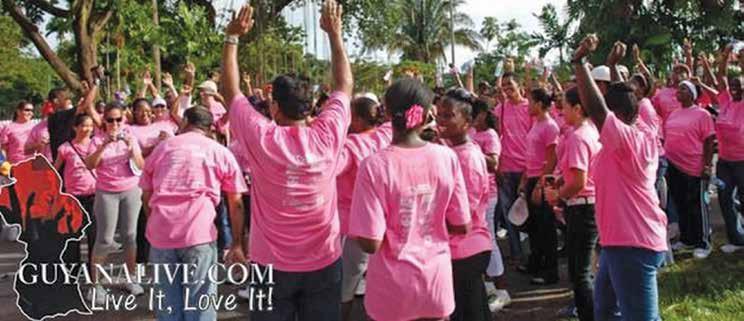
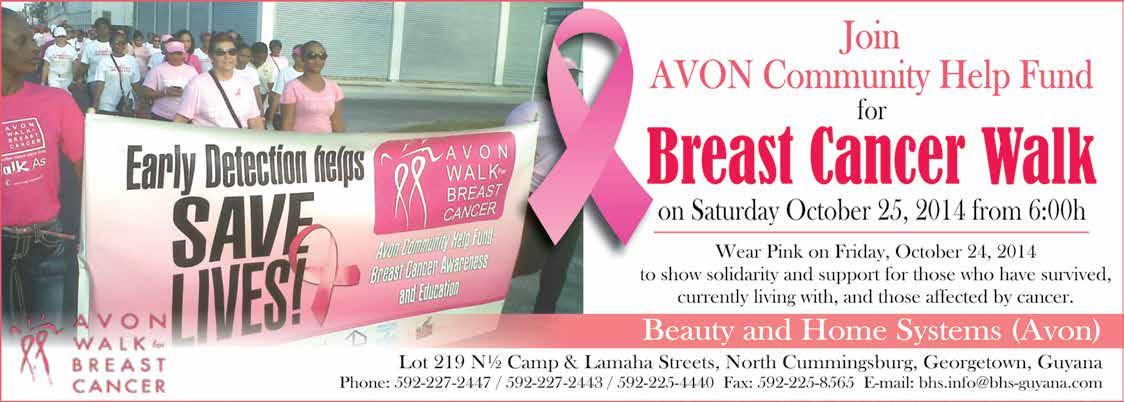
Breast cancer awareness should be a priority to all, since one can have a mother, wife, sister or friend afflicted by the disease. In its mandate to spread awareness on breast cancer, the Avon Community Help Fund (ACHF) is pleased to announce the commencement of its Ninth Annual Avon Breast Cancer Awareness Activities for October 2014, a month recognised internationally and locally as Breast Cancer Awareness Month.
The ACHF has recognised the importance and need for more education and awareness programmes in the fight against breast cancer at the community-based level in society. During ACHF’s past community outreach programmes, it was observed that more women are in need of correct information about breast cancer in order to become proactive in the fight against this disease. The programmes, therefore, encourage the participants to take responsibility for their own health using the tools provided for the early detection of breast cancer.
Under the theme, “See
the difference, make a difference”, the ACHF has heightened its awareness and education programmes. The Breast Cancer Awareness programme will continue to provide free access to screening services, including mammograms for “high risk” women, which also includes the medically underserved and women who are uninsured. In 2013, with the concerted efforts of the programme, partners and the willing support of business entities, funds were raised to create the opportunity and motivate more
women to have the test done and timely action taken to fight this disease.
This year, ACHF will be covering the cost for 150 women to be screened, an increase from 2013. The screening and mammogram services will be conducted by the Cancer Institute on East and Lamaha Streets.
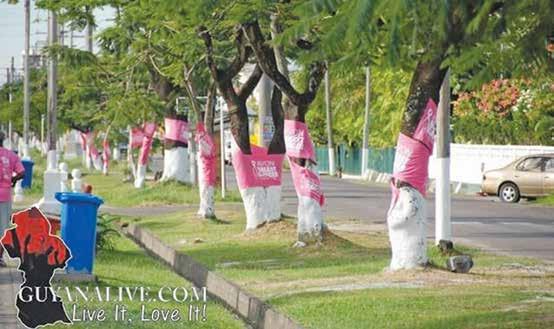
The ACHF promotes Breast Cancer Awareness Month by wrapping the trees along upper Camp Street in the signature pink fabric, and ushers the week of activities with a church service to be held
at the Cathedral of the Immaculate Conception, Brickdam on 19 October at 5pm.
“Wear Pink Day” is being observed on 24 October in collaboration with business entities such as Scotiabank (Robb Street) Décor and Gift Gallery (Sheriff Street) and Medicare Pharmacy (Hinck Street). Avon invites the private sector and other organisations to support this initiative by wearing pink, as this is a symbol of com-
also host its Annual Cycle Race on 26 October from the Berbice River Bridge to the National Park. Proceeds of these events will go toward ACHF’s programme of continued screening and mammogram services for underprivileged women.
Women survive breast cancer everyday through early detection and treatment and it is in this hope that Avon continues its fight against breast cancer.
The Avon Community Help
mitment to raise awareness on breast cancer and lending support to the patients diagnosed with the disease.
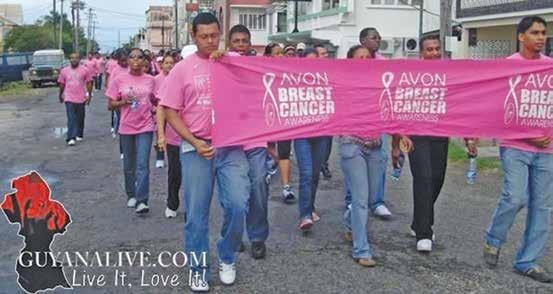
On 22 October, an educational symposium will be held at 5pm at the Pegasus Hotel, Kingston. Avon’s annual “Awareness Walk” will take place on 25 October. This will start from 6am, beginning and ending at the Parade Ground on Middle Street. The public is encouraged to support this worthy cause via the major sponsors. Scotiabank (Robb Street) will host its annual Cake Sale on 25 October from 8am and Digicel will
Fund will continue to advocate for public policies that will provide women with the access to free mammograms and breast cancer treatment. Additionally, ACHF will continue its public outreach programmes to raise awareness on this disease among women in Guyana and promote the use of the Breast Self-Examination as a method for early detection.
Avon is grateful to all sponsors and the media for the tremendous confidence and support of its campaign on breast cancer education and awareness in Guyana.
In 26 years of effort-
less service and dedica-
tion, the Association of Guyanese Nurses and Allied Professionals (AGNAP) was formed with the main purpose to support medical professionals (mainly nurses) and assists in the development of medical facilities and institutions in Guyana.
Today, although the focus remains the same, “providing aid and support to Guyana’s health care institutions and professionals”, AGNAP has grown very specific in their efforts, encompassing everything from award ceremonies and professional development of loyal nurses to donating medical equipment and providing counselling for person’s directly and indirectly affected by a number of diseases.
‘Promote, Support, Develop’, a fitting motto as it really catches the essence of what AGNAP does for the Guyanese society. The association works in several areas and in collaboration with numerous organisations and unions in Guyana to promote the good health of its citizens.
Guyana. From that first fundraiser in 1989, AGNAP has been a frequent donor and support to various local organisations.
This is accomplished through their numerous monetary donations and facilitated training of local medical and nurse staff (flown to the UK), provision of bursaries to support nursing education, establishment of various awards to honour members of the medical field, spearheaded renovations, built libraries, donated medical supplies and other forms of support whether through tangible or intangible means.
recently, Sickle Cell and Thalassaemia.
“When AGNAP was established in the 1980s, our main purpose was support. We were largely giving support to nurses and sending medical supplies to Guyana,” Beryl Curtis, the association’s treasurer told Guyana Times Sunday Magazine while on a visit in Guyana.
Although her two-week visit to Guyana was meant to be a leisure one, Curtis took the opportunity to visit some of the local organisations AGNAP works with. She stated, “Today we still remain committed to working with several local organisations and for various noteworthy causes.”
Curtis, in her short visit,
visited a few organisations that the AGNAP has special interest in and has worked with for years: Guyana Nurse’s Association, the Sickle Cell and Thalassaemia Association, the Periwinkle Foundation, and the Beacon Foundation.
AGNAP was founded in 1987, however, its inaugural meeting was not held until 1988 at the Hackney Town Hall in the United Kingdom (UK). “The founding member, Tryphaena Todd, a retired Guyanese nurse, after migrating to the
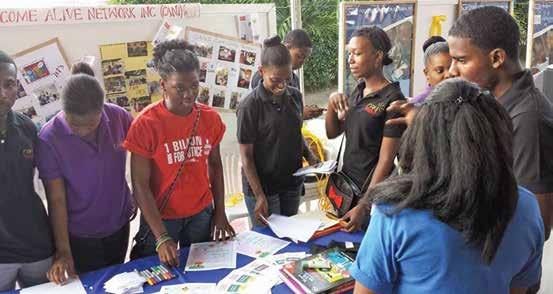
Come Alive Network, commonly known as CANI, is a non-governmental, not-for profit organisation that actively supports youth development and enables youth through the use of applied global perspectives to effectively contribute to genuine and progressive community and global development.
According to Kadeem Gordon, Public Relations Officer, the CANI organisation presently has 42 members who are all between
the ages of 16 to 28. These youths work towards developing leadership and community building skills, creating an atmosphere of global interaction for youth and community leaders to network on local and international causes and fostering appreciation, understanding and love for humanity through volunteerism.
CANI aims to establish a foundational framework for youth development and preparation of youth to be
advocates on issues that affect them as well as cultivate abilities in youth that they can effectively communicate their messages of hope, peace and love.
“We at Come Alive Network believe that it is the little things in life that counts. It counts when thought, substance and meaning are put into it by many and it is only with that collective effort that something simple becomes what we as a society need to head in the right direction,”

UK, brought together several other retired Guyanese nurses to form the group,” Curtis explained.
AGNAP was formed by a group of Guyanese nurses, namely: Tryphæna Todd, Lynette Richards-Murray [Lorde], Sybil ForresterGibson [Inverary], Elaine Williams, Lileth Warford, Betty Why, and an adviser, Marva Williams.
The association’s first fundraiser was a dance, which helped to develop programmes of support for health care institutions in
AGNAP aims to alleviate sickness in Guyana, particularly among the economically disadvantaged, advance health education in Guyana and the UK, preserve and protect public health by providing information and advice and facilitate institutions and charitable bodies in Guyana and the UK, which promote health education and the welfare of the local people.
It has championed various causes including audiology through the Lyn Richards-Lorde Audiology Project in 2000; physiotherapy; all forms of cancer specifically cancer/ palliative care; and more
Ann Read, AGNAP’s envoy who visited Guyana, recounted her experience, “As a proxy Guyanese nurse I was lucky enough once to work with two Guyanese nurses who, after exciting me with stories of their home country, introduced me to AGNAP. It then facilitated an amazing period of volunteering for me, based in Georgetown, where I repeatedly discovered the impact of its work, which included the Beacon Foundation palliative care team; the Periwinkle Club; Georgetown Public Hospital; St Joseph’s Mercy Hospital; the Guyana Nurses Association; the Palms Care Home; and then out to Linden Hospital and along the coast east and west of Georgetown.”
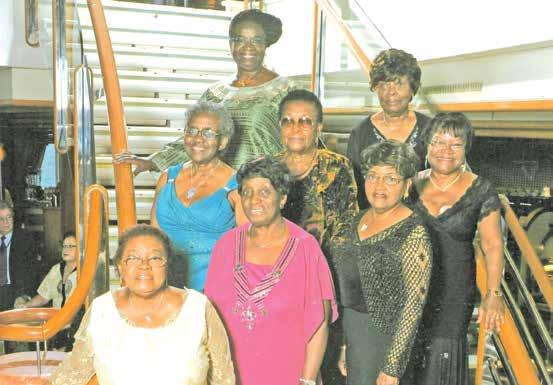
With over 100 members accumulated during their 26 years of existence, AGNAP currently has six active patrons, a president and two vice-presidents. It is managed by an executive committee comprising a chairperson, vice-chairperson, secretary, assistant secretary, treasurer, assistant treasurer, fund-raising secretary, publicity officer, two elected members and a number of co-opted members.
Gordon explained.
He added, “Apart from academics and home, it is understood that young people need a little more exposure and input to the world we call our home. It is without that input that we grow to be silent and complacent in the areas we need to be active in the most.”
The Come Alive Network seeks to create the channels necessary for young people to display their capabilities differently, which coincides with their interest and allows them to motivate themselves to be healthy contributors to the interest of the society.
“It is with these youth organisations that young people can seek the support that is lacking and be a blessing in the lives of others…The nature of this organisation is fundamental to the lives of not just those who express an inter-
est and are a part of it, but also those who it caters for,” Gordon expounded.
Since its inception, the Come Alive Network has made numerous contributions to the society through educational/ motivational speeches, capacity building sessions, school empowerment sessions at a number of high schools in Georgetown, the ‘EMPOWERED 2 LEAD’ project and a youth conference, ‘JUST YOUTH IT’, held in August of this year.
The success of ‘JUST YOUTH IT’ resulted in the conception of ‘2014 SHOES’. This initiative saw hundreds of shoes, by various donors, distributed in Enmore, Linden, Charity, Albouystown and various sections of Georgetown.
According to Gordon, Come Alive Network is about networking and not just creating relationships
with the young people its influences, but also other organisations and companies that share a vision of a developed society and aim to do as much as possible to employ their resources to strengthen the overarching cause.
“We intend, on every level, to advocate the cause of youth and the importance for them to be empowered so that they can take their charge in society to bring a new taste and meaning to all systems,” Gordon declared.
CANI was formed in April 2012 by the organisation’s Executive Director, Ryan Hoppie, who found the inspiration to establish the organisation in the Howard Thurman quote, “Don’t ask what the world needs. Ask what makes you come alive, and go do it. Because what the world needs is people who have come alive”.
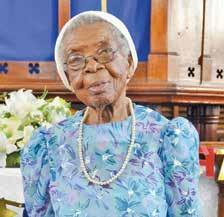
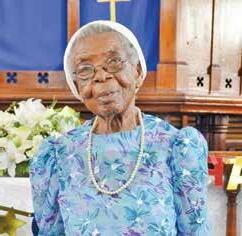
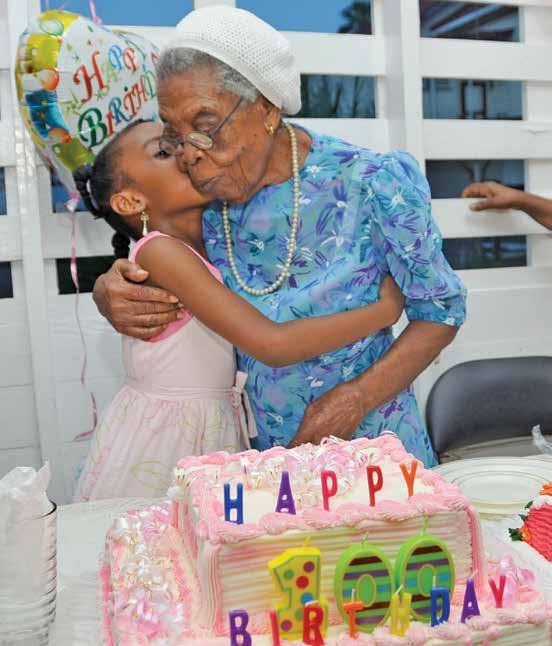
“Inever asked for 100, my mother lived 47 years, so I always thought if I live 60 years I would be grateful, but here I am at 100…I say, thank you.”
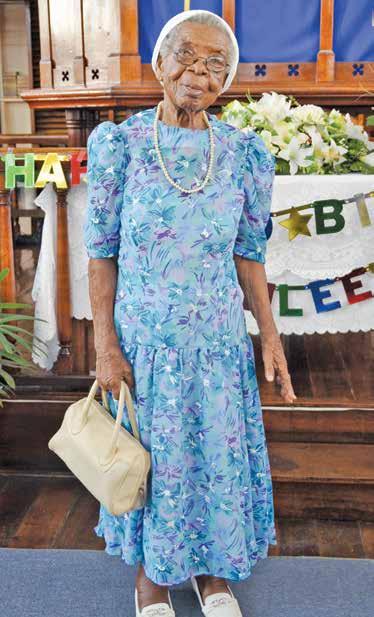
These are the words of one of Guyana’s newest centenarians, Kathleen Headley.
Born Kathleen Norton in 1914 to a New Supply, East Bank Demerara River farmer, Lionel Theophalus Norton and his housewife Rebecca Elizabeth Arthur, the centenarian revealed, “I was born
an illegitimate child…the very day I was born my parents were to be married.”
She recalled in an interview with Guyana Times Sunday Magazine a story told to her as a child about her parents’ marriage six days after her birth, where she was also offered up at a christening service.
Headley grew up in New Supply on the Demerara River bank with her parents and five siblings, where every Sunday she would look forward to a
day on the river - travelling by boat from New Supply to either Cephus Congregational Church or Brethren Church on the Lana Creek, 28 miles from Georgetown.
Sister Kathleen, as she is lovingly called in her church, attends the Smith’s Memorial Congregational Church where she grasps a better understanding of the bible. She explained, “I visited every denomination…the only one I chose to stay in is the congregational body because if the

church is here, the school is there…you can learn to understand the bible.”
In her early 20s, she relocated from the New Supply, Demerara River, to Georgetown where she got married in 1940 to James Ford. In 1955 she remarried to Alban Headley, whom she remained married to for 40 years until he died in 1995.
Although married twice, Headley does not have any biological children, however, she maintains that she has felt the joy of caring and providing for children, having fostered many children during her 100 years.
Having travelled numerous times over the years, Headley, who visited the United States, England and Canada, mentioned, “Looking around, there is poverty everywhere, but we need to trust in God for guidance and protection.”
Revealing her secrets to longevity, the centenarian said, “I do my own laundry; I make breakfast in the mornings. Not to be sitting down, not doing anything, which is lazy, wanting to be served at all times; I like to serve people. Being active is important.”
Headley’s list of things to do includes going to Bourda market for groceries, and on Sundays attending church. She insists on doing her own laundry and cooks most of her meals. She personally uplifts her monthly pension at the National Insurance Scheme on Brickdam. Headley also maintains her garden, which has a variety of fruits and veg-
etables – activities that have contributed to her good health and longevity.
Free of chronic diseases that plague the elderly, such as hypertension, arthritis and diabetes, Headley remains very active despite being 100 years old.
“I believe that the flesh perishes but the spirit lives on. I believe in reincarnation, we come again. All you need to do is do something better [in your next life] especially if you have children around you, you have to set an example,” she noted.
Headley’s advice to the younger generation is to “ask for guidance when going for-
ward whether it be from your parents or the Creator…Jesus Christ”.
Very vocal and alert, a strong Christian upbringing is evident in her every word, “I don’t care whether you are black, white or Chinese, I am a child of God. We are all children of God.”
In celebration of her 100th birthday, Headley’s friends and family held a thanksgiving church service on 15 October at the Smith’s Memorial Congregational Church on Brickdam, where praises and prayers were given for her good health and long life. (Photos by Carl Croker)


By PetamBer Persaud
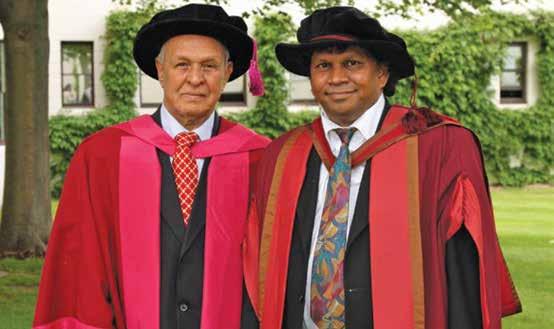
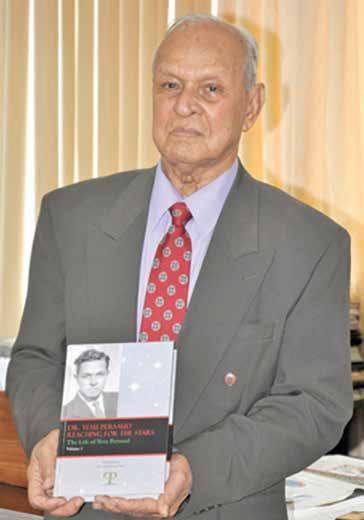
(Extract of an interview with Dr Yesu Persaud, Georgetown, Guyana, September, 2014)
PP: I have seen this book
Reaching for the Stars in its manuscript form, a huge bundle of paper held together by a paperclip but it was a good read. Now the manuscript prepared in this book form, with attractive hard covers and photographs, is endowed with a life of its own, telling the story of a beautiful life well lived.
Many persons talk about writing their story but never get past the talking stages. But you are a man of action and because you always support your words with actions – action is the main characteristic of your life – we are now gifted this inspiring book, Reaching for the Stars, which tells part of the story of your life, that part of your life that is also part of our living histo-
ry. Each autobiography forms part of Guyana’s living history. You are a very busy, an ultra busy man, and you are now into your four scores and five years, and still very busy, you had to make time to put this
together. How, when, where did it start?
YP: Let’s start with my ancestors. Indians were brought to Guyana from India as indenture workers [beginning 1838] but after the Indian
Mutiny [1857], thousands came, women were limited. Now my great, great, grandfather came here just after the Indian Mutiny...
PP: You’re talking about Iswar.

YP: Yes, Iswar. He had no compulsion to migrate but he was a leader and the British were after him.
PP: According to the book, he was well-read, versed in the Hindu scriptures.
YP: Yes, he was; what we call a guru of an area, not too far off from a British military post in Uttar Pradesh. When the Mutiny started, although he was not involved, he was targeted as an instructor...
PP: Of religious ideas...
YP: Yes, but he was perused, and run and run until he escaped by jumping into the river, the Ganges River. He floated downriver, because he was shot in the leg, a fascinating and true story...
PP: Lots of drama in your life...
YP: Well, he floated downriver for some 30 to 40 miles where he was found by some villagers who saved him, kept him until he was healed, and then helped him on his way.
PP: And there are other fascinating dramas in the Yesu Persaud saga.
YP: Many, many others...
PP: Another drama was when one of your ancestors, after having served his indentureship in Guyana, returned to India to get his wife and they returned to settle in Guyana. Lots of decisions to make, lots of drama...
YP: The reason for that was his wife was left behind. In 1834, the Governor General of India made a statement saying that the plains of India are littered by the bones of craftsmen and women of the highest calibre. This was due to the [British] Industrial Revolution, which saw the importation of goods into India duty free. So there was a lesser demand for goods produced by Indians brought on by this unfair competition. This led to stagnation and poverty, thou-
sands were dying.
PP: Let’s get back to Guyana and your story.
YP: My story is simple. I was born in a logie, grew up on a sugar plantation until I was in my 20s and got married in a logie. I tried several jobs off the plantation. In those days you couldn’t get jobs, and the better jobs were reserved for certain types. Finally, I ended up back on the plantation… where I started at the lowest level until I reached the position of supervision or driver. Here I experienced, first hand, the drudgery of a sugar worker. I also observed the way the managerial staff treated those below.
PP: In the meanwhile, you were drawn into many clashes with the managerial staff and fellow workers because of your integrity.
YP: Which helped me in my decisions.
On the plantation, I reached as far as I was allowed to go. There was nothing else for me on the plantation. So I went home and discussed it with my wife - my desire to go to England. She was a very frugal woman and she had saved up some money. But everybody was against the idea. They said that I was well-set with a good job and young family...why leave it all...
PP: Throughout your life you had to make tough decisions, a defining quality in your life and you are better for the wear and tear.
I want to go back to something you said earlier, about people who helped you through life and people who helped you putting this book together.
YP: One of the persons is David [Dabydeen].
To be continued
Responses to this author, call (592) 226-0065 or email: oraltradition2002@yahoo. com
the thing about the environment...
Why discussions about the environment are never

We are all hurting the environment with many of our cultural, political, economic or social actions. It’s impossible not to; after all, as politicians, we make economic policies to improve the lives of our citizenry that may contradict environmental appropriateness somewhere along the way. As citizenry we drive cars, use much electricity and water, cell phones, non-biodegradable plastics; we build modern air-conditioned houses and businesses that socially assure us we now have a better standard of living (just to name a few increasingly environmentally unfriendly habits).
It speaks to the heart of a very delicate balancing act in environmental awareness that few can truly say they manage with complete success.
If we look at many aid programmes for poor countries or communities, environmentally sound farming, fishing or household practices are always at the fore front; yet it has been the wealthy, especially in the developed world, that continue practicing unhealthy environment actions.
There are also those who intone the need for environmental awareness who never seem to follow up their utterances with significant action, providing the suggestion of environmental insincerity and lip service among their critics. Indeed, some – and their businesses – are among the worst environmentally destructive forces.
Clearly then we can argue that environmental issues are not equally balanced: what the rich can do to the environment does not always extend to the poorer classes, who most often bear a bigger burden for ensuring a sustainable environment. This makes discussions about sustainable environments often fractious and difficult, leading to accusations of environmental hypocrisy.
Take for instance the recent case in San Francisco where rural farmers are forced to reduce their water use to “save endangered fish species”, while an elite country club and its elite residents are exempt and live in the lush oasis of their “grand landscape garden” mansion community.
Even more ironic was the recent environment rally in NYC where some 400,000 environmentalists marched for the planet but left behind a lot of trash that included the ubiquitous and environmentally unfriendly plastic bottles and food containers along their route.
Al Gore, who was awarded an Oscar for his environment documentary “An Inconvenient Truth”, was heavily criticised for his subsequent acquisition of a 10,000 square-foot mansion that, curiously, consists of not a single solar panel to suggest an attempt at environmental awareness. In addition, he advised in the film that people should own eco-friendly and fuel efficient cars but was reported to have bought a gasguzzling SUV.
But the notion of environmental hypocrisy could be considered somewhat harsh; after all no one can categorically state they are pristine in their environmental devotions. As mentioned earlier, it is impossible to be. But that doesn’t necessarily mean one cannot speak out and strive for improvement in one’s environment while following one’s utterances as best as possible, and it shouldn’t negate one’s efforts for a healthier environment either.
How we can improve the environment in our modern times when much of our technology relies heavily on nonrenewable resources is a complex issue. Should we be feeling a sense of environmental fatalism or should we be optimistic about finding a balance between humankind and nature?
What is certain is that it won’t hurt to be more environmentally aware, nor would it hurt to try and clean up as much of our environment as we can. And discussions on the environment should never be abandoned or pushed aside, no matter how complex they may become.


SubrinaJettoo, who recently graduated from Marian Academy with 10 subjects, developed a passion for dancing since she was nine-years-old. She is currently a member of local dance group, Dharmic Nritya Sangh. The brilliant dancer is inspired by the love and support she receives from her family and friends. Over the years, Subrina has gained much knowledge of numerous dance styles under the tutelage of her dance instructors, Dr Vindhya Vasini Persaud and Trishala Simantini Persaud. Recently, Subrina put on a spectacular performance in the group's annual production, Naya Zamana. Dancing has helped Subrina to keep fit mentally, physically, and even spiritually. She views it as a means of self-expression. Not only an exceptional dancer, but also a humanitarian, Subrina enjoys spending time at orphanages, getting to know the children there. Valuing a good education, Subrina will be pursuing studies in law and business. Her role models are her mother and older sister. Subrina is determined to fulfil her goal of becoming a notable individual, making her family and friends proud. Additionally, she aims to continue to be a well-rounded, graceful person.
Spider monkeys (of several species) live in the tropical rain forests of Central and South America and occur as far north as Mexico. They have long, lanky arms and prehensile (gripping) tails that enable them to move gracefully from branch to branch and tree to tree. These nimble monkeys spend most of their time aloft, and maintain a powerful grip on branches even though they have no thumbs.
These New World primates are social and gather in groups of up to twoor three-dozen animals. At night, these groups split up into smaller sleeping parties of a half dozen or fewer. Foraging also occurs in smaller groups, and is usually most intense early in the day. Spider monkeys find food in the treetops and feast on nuts, fruits, leaves, bird eggs, and spiders. They can be noisy animals and often communicate with many calls, screeches, barks, and other sounds.
Typically, females give birth to only a single baby every two to five years. Young monkeys depend completely on their mothers for about ten weeks, but after that time they begin to explore on their own and play amongst themselves. Mothers continue to care for their young for the first year of their lives, and often move about with their offspring clinging to their backs.
Indigenous peoples often hunt spider monkeys for food, and the animals are usually agitated by human contact. Logging and deforestation continue to shrink the space that spider monkeys are able to call home. (National Geographic)

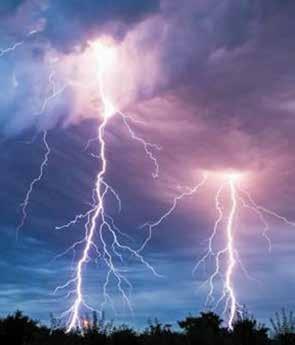

FLASH! (Wait for it...) Craack! Every second, about 100 lightning bolts strike the earth. In the USA alone, lightning hits the ground 25 million times a year.
Lightning is a gigantic electrical spark. A spark that can be 5 miles (8 kilometers) long. It would take up to 80 million car batteries to equal the power of one thunderbolt. A single lightning flash has enough energy to light a 100-watt bulb for three months!
Light travels faster than sound. That's why we usually see lightning before we hear the thunder. To determine how far away the lightning storm is from you, count the seconds between the flash and the crack.
Watch for the flash of lightning (from a safe location). Time how long it is before you hear the thunder. Divide the number of seconds by 5. The answer is the approximate number of miles away.
For example, if the thunder rumbles 10 seconds after the lightning flash, then it is about 2 miles (3.21 kilometers) away. Math: 10 seconds / 5 = 2 miles (3.21 kilometers)
The objective of the game is to fill all the blank squares in a game with the correct numbers. Every row of 9 numbers must include all digits 1 through 9 in any order. Every column of 9 numbers must include all digits 1 through 9 in any order. Every 3 by 3 subsection of the 9 by 9 square must include all digits 1 through 9.


The Pazyryk carpet is the world’s oldest
Rugs and carpets are woven fabrics used as floor coverings. They add beauty, comfort and warmth to a room, and they help absorb sound. Today, most rugs and carpets are manufactured with machines, though some Oriental and Native American rugs are still traditionally woven by hand.
Museum in Russia. The Carpet Museum of Iran has a replica on display.
The words “rug” and “carpet” are often used interchangeably.
Both are floor coverings, but rugs are smaller than carpets and, in general, are no longer than 6.5 feet (2 m). Rugs usually have artistic designs, and some are so beautiful that they are hung as wall decor. Carpets are larger than rugs and in many cases are glued or tacked to the floor, covering a room from wall to wall. Carpets tend to use pile texture more than colors to create patterns. In the 1940s, wool carpets began to be replaced by modern fibers that were more stain-resistant, such as nylon, olefin and polyester.
The state of Georgia leads the U.S. in production of rugs and carpets, producing more than 70 percent of the nation’s floor coverings.
“Carpetbagger” is a derogatory term for Northerners who tried to take advantage of the South’s defeat after the Civil War.
Some beetle larvae, or woolly bears, have special chemicals in their stomachs that convert wool into sugar. These beetle grubs think wool carpets are yummy.
Melville Bissell invented the first vacuum cleaner, called a “carpet sweeper,” in 1860.
Club soda can clean fresh stains on carpet. Pour some on the spot, let it soak for a few seconds, and then sponge it up.
The borders of some Oriental rugs were thought to protect those sitting within their magical confines.
A rug or carpet consists of two parts: The skeleton (back) of the rug is formed by vertical and horizontal threads called warp and weft. The raised layer is called the pile of the rug, which is made by knotting different colors of thread.
In 1839, an American named Erastus Bigelow changed the carpetmaking industry forever when he invented the power loom for weaving carpets. Bigelow’s loom doubled carpet production in its first year and tripled it by 1850.
Erastus
Bigelow (1814-1879)
During his lifetime, Bigelow was issued 35 patents, and in 1877 he introduced the first broadloom carpet.
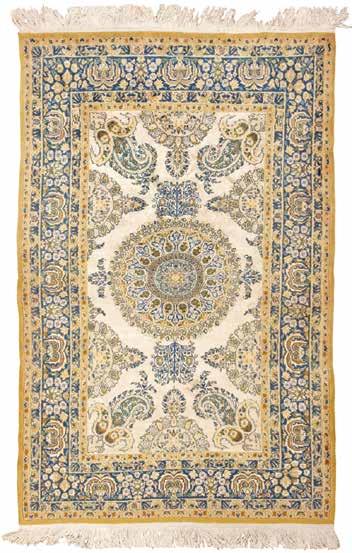
Oriental rugs are hand-knotted in Asian countries, such as China, India, Iran and Turkey. These rugs have been prized for centuries for their beauty and the time and skill needed to weave them.
Wool and silk are the most common yarns used to make Oriental rugs. There are two main kinds of knot used to make these rugs: the asymmetric Persian knot and the symmetrical Turkish knot.
Symmetric knot
Turkish (Ghiordes) Knotting
rugs are generally large enough for an adult to fit comfortably when kneeling or prostrating. Modern, commercially produced rugs are often made of silk or cotton and may be woven or embroidered.
Prayer rugs incorporate a pointed or arch-shaped pattern. When Muslims pray, they place the rug with the pointed design facing Mecca, their holiest city. The rug also serves as a way to ensure the cleanliness of a prayer space and helps to create an isolated area for prayer.
Asymmetric knot
Persian (Sennah) Knotting warp weft
Turkish rugs are known for their rectangular and geometric patterns.
There are many different kinds of carpet, and nearly all are recyclable. Most can be broken down and used to make a new product.
Most Oriental rugs have from 50 to 500 knots per square inch (8 to 78 knots per square cm). Because tightly woven Oriental rugs take longer to weave, they are usually more expensive. Age, condition and color are also important considerations when determining a rug’s value.
Oriental rugs are woven on simple, vertical looms. Small rugs are usually woven by one person, but most large ones are worked on by many weavers.
Today, most rugs are made with yarns colored with chemical dyes. Older rugs used yarn colored with natural vegetable dyes. Naturally dyed yarn can be unstable, degrading and changing color with time and exposure to light.
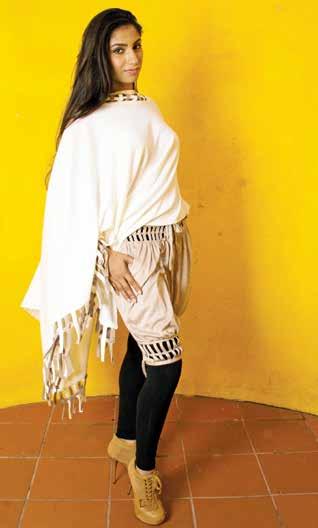
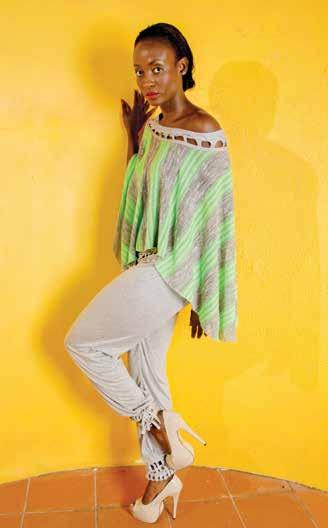
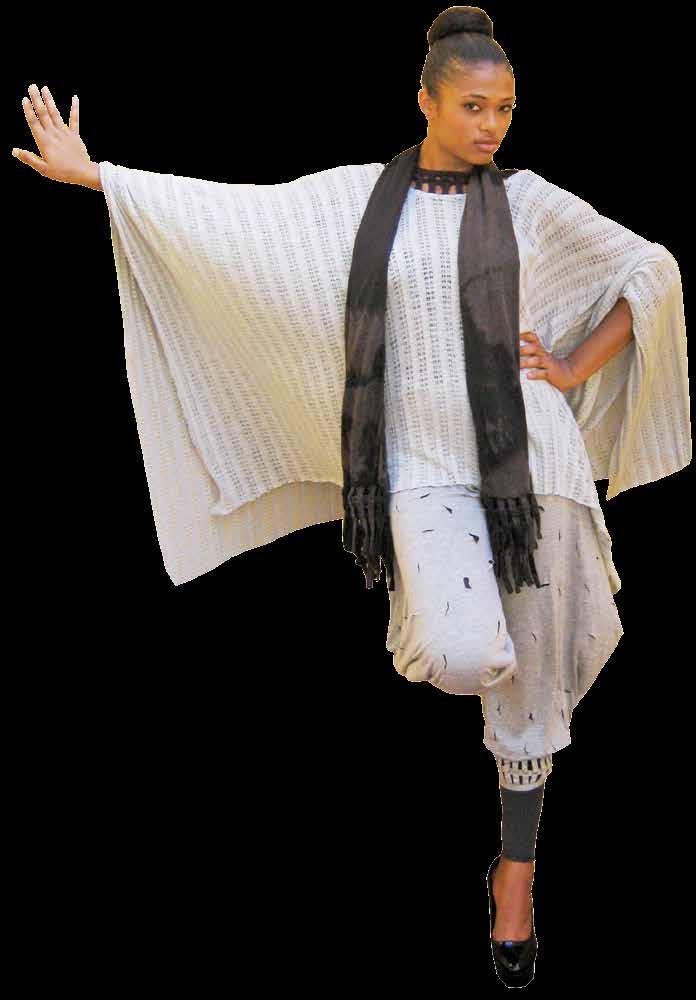
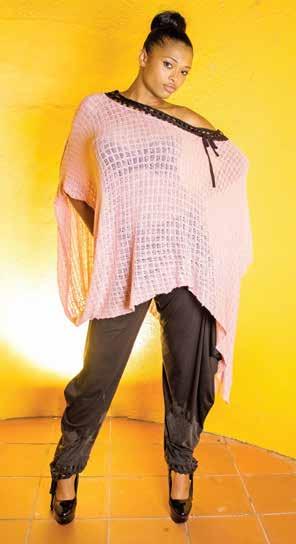
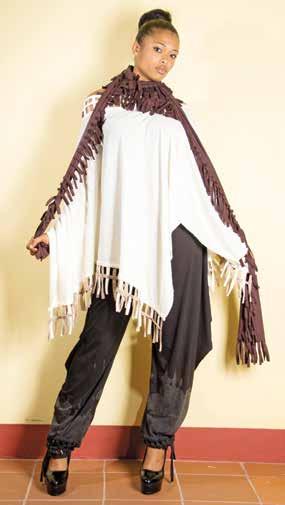
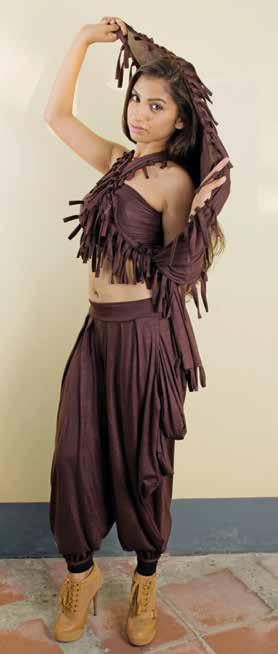
First Resort, a stylish line by Sonia Noel, depicts the easy, carefree, uninhibited nature of Caribbean lifestyle presented in breathing, eco-friendly, caressing textiles that capture the attitude of leisure.
Noel fashionably infuses her signature latticing, kaftan silhouettes and versatile wraps to create this irresistible collection. The designer has also added comfy pants and stylish scarves to complement the already trendy pieces.
Recently, this collection was featured at a fashion event held at Elberta Restaurant and Lounge in Brooklyn, New York, and was well-received. Additionally, Noel’s collection will be a spectacular feature at fashion events in Miami and Haiti.
For more info on the collection, call (592) 226-3099 or 718-490-0529 (NY contact number).
Modelling this week’s collection are Meleesa Payne, Amanda Henery and Divya Sieudarsan. Photos by Ryan Toney.


Jessica Lucas is a Canadian actress and singer. She is known for her roles in “She's the Man”, “Cloverfield” and “Evil Dead”. She is also in a Coldplay video, True Love, which came out on Coldplay's official YouTube channel on August 22, 2014. She has been acting since she was seven years old, receiving professional training with Children's Theatre Arts. She earned theatre credits in local productions of “Snow White & The Seven Dwarfs”, “Grease”, “Cinderella”, “Mousetrap” and “Music Medley”. In 2014, she appeared in the German-Canadian historical disaster film “Pompeii” as Ariadne.
Halle Berry has teamed up with Michael Kors to use the power of fashion and Hollywood to support the U.N. World Food Programme. On Thursday, October 16, Michael told CNN that he would donate 100 meals to children in need for every selfie people took while wearing his "Watch Hunger Stop" tee and posted it along with hashtag #WatchHungerStop.
"I think the amazing thing about the hunger initiative with the World Food Programme is that everyone has the possibility to pitch in," Michael, who initiated the #WatchHungerStop campaign in early 2013, said, "You don't have to be wealthy. You don't have to be a certain age.You don't have to live in a certain geographical area. Everyone can really contribute."
He added, "We want to see zero hunger in the world ... so we still have a ways to go. I think you can be optimistic; you can have fun; you can be compassionate,

and you can be chic all at the same time."
In addition to the "Watch Hunger Stop" tee, Michael designed a limited-edition 100 Series watch in support of World Food Programme in October. For every watch sold, 100 meals, which is about $25, will also be donated to the WFP.
Halle, who recently visited a WFP site in Nicaragua on behalf of Michael's phil-
anthropic initiative to help raising awareness and funds for the programme, said of her visit, "It was incredibly moving. It's hard to describe the mix of emotions you feel - sadness, certainly, to sit and talk with children who don't get the nutrition they need to grow. But also respect and admiration for their families and communities, who do so much for them." (Aceshowbiz.com)

Pitbull has collaborated with some big names in music for his upcoming album, "Globalization". Jennifer Lopez, Chris Brown, Jason Derulo, Bebe Rexha, G.R.L. and Claudia Leitte will be among
those featured on the follow-up to 2012's "Global Warming".
Pitbull, J.Lo and Leitte are of course appearing together on "We Are One (Ole Ola)", the official song of the 2014 FIFA World Cup. Other tracks making the cut to the LP are John Ryan-assisted "Fireball" and "Wild Wild Love" featuring G.R.L.
There will also be a new song called "Celebrate". Pitbull recorded the track for DreamWorks Animation's "Penguins of Madagascar" which is slated to hit U.S. theaters on November 26.
"Globalization" is coming out on November 24. Earlier this week, Pitbull unveiled the LP's cover art that sees his face being replaced by a globe. The official tracklist, meanwhile, will be revealed at a later date. In support of the effort, Pitbull is currently touring North America with co-headliner Enrique Iglesias. (Aceshowbiz.com)
Despite her rebel rock star image, Pink is a real softie when it comes to her daughter Willow Sage, who, the singer says, is a primary inspiration in her life.
“Seeing the world through a 3-year-old little girl’s … eyes is like being that age again,” Pink tells ET Canada.
“It’s like starting over in a way – really healing and wondrous, and you’re reminded constantly how sarcastic and how presumptuous you can be, and how hardened life has made you … and how they take things so literally and beautifully that you have to watch how you see things, so that you don’t alter the way they see things, because that innocence is so worth protecting. That’s a really long-winded answer for, ‘She’s way cooler than I am.'”
“She’s magical. Little kids are magical,” the You+Me singer, 35, continued. “And then you go from spending an hour on the floor with this magical, pure little love … and you turn on the news and you look at what’s going on, and the separation between that is just so mindboggling. I wish the world could be more like her. Why are we teaching them? We don’t have it right. At all.”
But Pink says her daughter with hus-
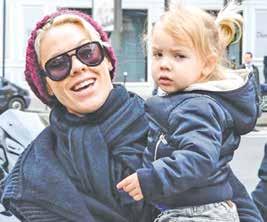
band Carey Hart can also be a handful.
“She’s wild – she gets that from papa,” Pink said on The Ellen DeGeneres Show Tuesday. “I’m physically cautious. I’m physical, but I’m cautious. He’s reckless and she’s reckless.”
DeGeneres then joked that she may have gotten the recklessness from her motocross rider dad, but a potty mouth from her mom.
“She almost had a potty mouth,” Pink conceded, saying she will sometimes swear “when she thinks no one is looking. But it’s so cute. I mean, I’m not encouraging it, but come on! It’s like this little 3-year-old body and … an adorable little sailor.” (People)
Channing Tatum is one of the most bankable stars in the biz, but growing up he was a struggling student whose multiple learning disorders made his schooling a challenge and left him with low self-confidence.
"I have never considered myself a very smart person, for a lot of reasons," the 34-year-old Magic Mike XXL star, who was diagnosed with ADHD and dyslexia, told The New York Times's T Magazine. "Not having early success on that one path messes with you."
Tatum did poorly as a schoolboy in Alabama, Mississippi, and Florida, and was ultimately prescribed study drugs to keep him focused.
"You get lumped in classes with kids with autism and Down syndrome, and you look around and say, Okay, so this is where I'm at," he said. "Or you get put in the typical classes and you say, All right, I'm obviously not like these kids either. So you're kind of nowhere. You're just different. The system is broken. If we can streamline a multibillion-dollar company, we should be able to help kids who struggle the way I did."
Looking back, Tatum — who played football in high school and, briefly, at college before dropping out — wishes he had been directed toward the arts.
"It's just weird that for some people art is a luxury," the star, who comes from bluecollar roots, said. "My parents had no artistic outlet. Some people pass down music to their kids, but I couldn't tell you what my mom's or dad's favorite song is."
So when Hollywood came calling — the one-time stripper started as a dancer, then modeled, and ultimately became an actor — he absorbed all he could from his global travels.
"When I started going out into the world, I was drawn to people who knew about movies, art, even fashion," he said. "I went to New York and did the whole modeling thing, and I just learned everything I could from anybody who knew something I didn't… That's one thing I'm pretty skilled at: I can look at a person and say, They’ve got something that I want up there in their head. I’m going to do my best to get in there and absorb it. My mom said, 'Be a sponge.'

And so I've learned more from people than I have from school or from books."
Tatum, who has a 1-year-old daughter, Everly, with his actress wife Jenna DewanTatum, has spent a lot of time thinking about his baby girl's education as well. Last year, he told Vanity Fair that he would never give her study meds if she ends up having learning disabilities.
"I truly believe some people need medication," he told the magazine. "I did not. I did better at school when I was on it, but it made me a zombie. You become obsessive. Dexedrine, Adderall. It's like any other drug. It's like coke, or crystal meth. The more you do, the less it works... I would go through wild bouts of depression, horrible comedowns. I understand why kids kill themselves. I absolutely do. You feel terrible. You feel soul-less. I'd never do it to my child."
In the same interview, he said he works extra hard at his acting career because of his learning disabilities, but that also gives him a special insight into his roles.
"I read so slow," said Tatum, who appears in the upcoming film “Foxcatcher”. "If I have a script, I'm going to read it five times slower than any other actor, but I'll be able to tell you everything in it."
While Tatum may not consider himself "smart," he made a rather brilliant decision self-financing his 2012 movie Magic Mike, which is based on his stint as a stripper, with director Steven Soderbergh. The movie, which cost $7 million to make, has earned over $167 million to date, making Tatum a millionaire many, many times over. He's currently shooting the sequel, “Magic Mike XXL” and it is expected to hit theaters next year. His next film, “Foxcatcher”, arrives in theaters on Nov. 14. (Yahoo)
Nick Cannon talks managing Amber Rose: ‘It's going to shock a lot of people’
They're both better after breakup! Nick Cannon opened up to Us Weekly on Tuesday, Oct. 14, about his life as an entrepre-tainer. Speaking with Us at Samsung's #DITCHtheDSLR Day Comes to Hollywood and Highland, Cannon explained how excited he was about his latest endeavor: managing fellow newly single star Amber Rose.
"We're super excited about her brand," Cannon told Us. "I feel like she's one of those people who are truly an icon when it comes to fashion, style, and even just someone in pop culture. I want to help her develop a lot of things and the first thing we are starting with is a book. We just did a huge book deal that we are really excited about."
Cannon had high praises for Rose, calling her "super intelligent" and "ready and willing as a business woman" to tackle the industry. "We kind of came up with a lot of the concepts together, but it's going to be something where I think it's go-

ing to shock a lot of people. I think it's going to be really good for her brand and launch. My plan is to [begin with] the book then television, and so many other things. You'll see, it will be out soon!"
For Cannon, his Hollywood partnerships will hopefully extend beyond Rose. The actor mentioned how he hopes to one day collaborate with stars like Denzel Washington and Snoop Dogg. "I think that
would be really cool as an actor and as a music artist," Cannon reflected to Us. "[To be able to work with] the people I grew up with listening to and that I admire. Snoop was someone that I always wanted to work with and we just completed a new song. Stuff like that, getting the opportunity to do things and work with people that I've always looked up to make this industry really cool." (Excerpted from Yahoo)
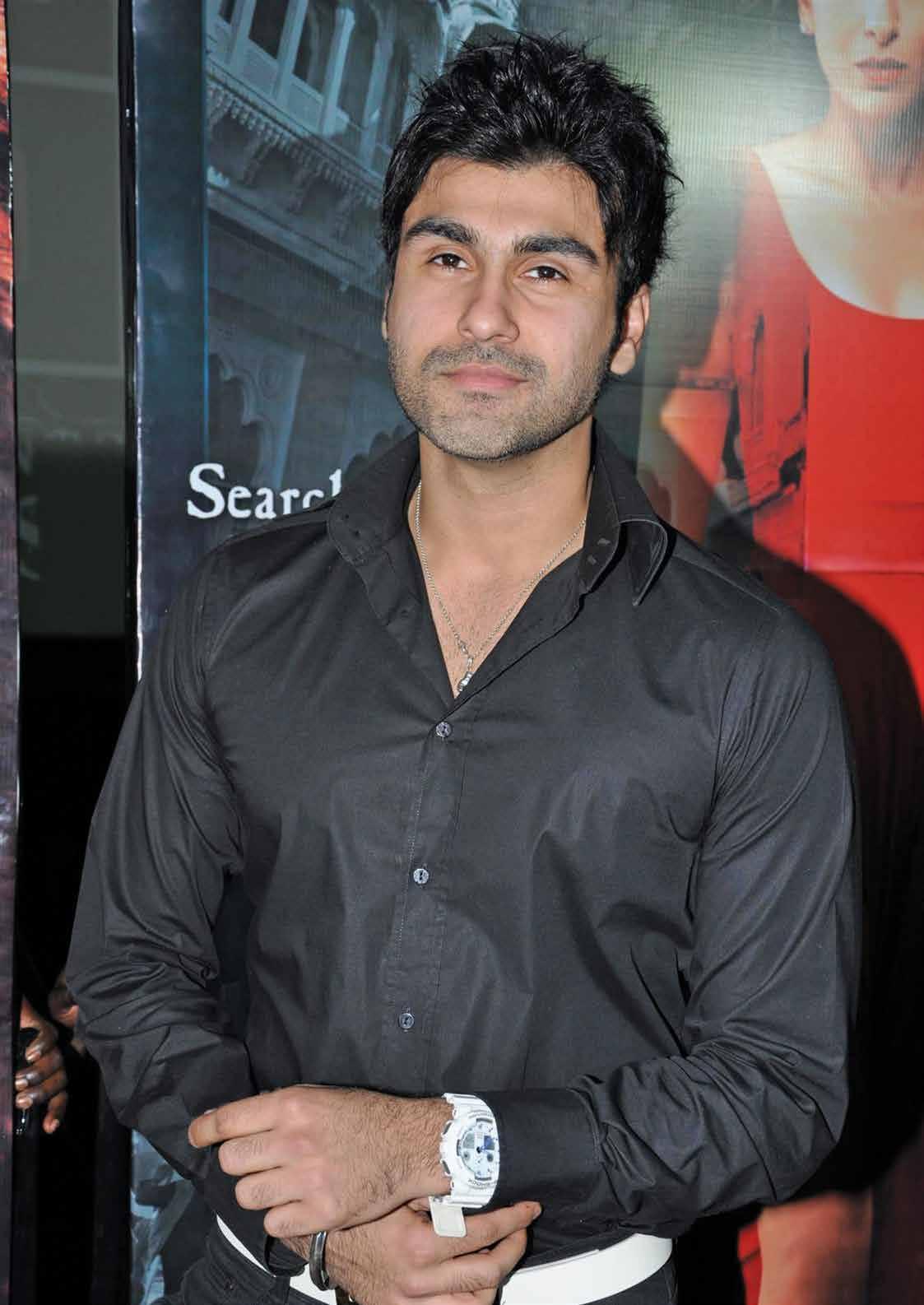
Arya Babbar is an Indian actor who appears in Bollywood and Punjabi films. Arya Babbar is the son of actor turned politician Raj Babbar and famous theatre personality Nadira Babbar. Arya started his film career with Raj Kanwar's “Ab Ke Baras” alongside Amrita Rao. Also, he appeared in films such as “Yaar Annmulle”, “Matru Ki Bijlee Ka Mandola” and “Ready”. He has worked with stalwarts like Mani Ratnam, Madhur Bhandarkar and Vikram Bhatt. The actor has written a comic book, Pushpak Viman. He won the National Award of the Journalist Association for Upcoming Actor in Action and was nominated at the Star Screen Awards in Most Promising Newcomer - Male category for his film “Ab Ke Baras”.
Aishwarya Rai Bachchan declared the 16th Mumbai Film Festival open on Tuesday (14 October).
The actress said it was an "honour" to be given the privilege of inaugurating the festival, IANS reports. "Kudos to the team and everybody who has made this happen. I knew what was going on and what it took to keep the flag going. I
am experiencing the conviction, belief, faith they had to keep this festival going," she said.
"I take such pride and such an honour to be standing here today and declar-

ing 16th Mumbai Film festival open."
Rai Bachchan, veteran actress Helen and Catherine Deneuve were the guests of honour at the opening ceremony.
The pair were each handed Lifetime Achievement awards.
The festival opened with Susanne Bier's Serena starring Bradley Cooper and Jennifer Lawrence. It closes on October 21 with David Ayer's Fury starring Brad Pitt and Shia LaBeouf. (IANS)

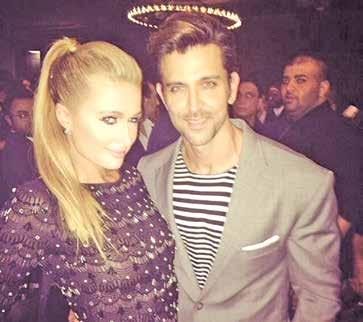
PThe 33-year-old socialite
met the “Bang Bang” star at a recent restaurant launch in Dubai.
When asked by a fan if she would like to work with
the star, she tweeted: "Yes! He's Hot."
Hilton went on to praise the 40-year-old actor, saying: "Hrithik's a gentleman, very sweet and charming, and we hung out all night. "I have heard so much about Bollywood, and Hrithik represented India in the most elegant and romantic way! I can't wait to go back to India. I love the culture, the people and the fashion ... India rocks."
Hilton had earlier tweeted a picture of the two at the event.
Roshan also posted another picture of them together, writing: "With d extremely gentle n kind hearted Paris Hilton at Cle dubai. Now that's a spot dubai needs to celebrate! Amazing (sic)." (Digital Spy)
Deepika Padukone: 'French cinema is as beautiful as Indian cinema'
Deepika Padukone has said she is keen to star in a French or Iranian film.
The actress has reportedly honed in on the directors she would like to work with, according to IANS.
Speaking at the 16th Mumbai Film Festival, she said: "I think French cinema is as beautiful as Indian cinema and like I said before, I don't think the medium matters as much as the story and the script. If I find something exciting, I would do it."
"Priceless is one of my favourite French films. I have watched some Iranian films as well. I do like some directors and I have identified some directors I would like to work with," she added.
The 28-year-old stars next in Farah Khan's musical heist “Happy New Year”.
The film features an ensemble cast

including
and Vivaan Shah.
“Happy New Year” releases on October 24. (IANS)
Akshay Kumar: 'I've reached the stage where I no longer need to work'
Akshay Kumar has said that he has reached the stage where he no longer needs to make movies for money.
The star of over 100 films said that he is motivated to keep making films from a love of hard work.
"Nothing has changed. I am still the same person. I still work hard," said Kumar.
"I am at that stage in life where I don't need to work. I work because I want to,
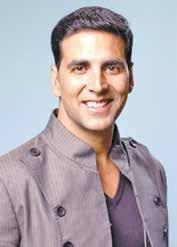
because I like working."
The actor said that he is planning to take a short break for the Indian festival of Diwali, before continuing promotions for new film “The Shaukeens”. A remake of the 1982 release “Shaukeen”, the project also stars Annu Kapoor, Piyush Mishra, Anupam Kher and Lisa Haydon.
“The Shaukeens” is scheduled to release November 7. (Digital Spy)


Your eyes are extremely complex organs that require maintenance from you in order to keep your vision as clear and crisp as possible. While your body has developed tools to stave off disease and repair a remarkable amount of damage, it needs the right building blocks to do so. And what you eat is also essential to the health of your eyes. If you’re lacking in necessary nutrients, your body won’t be able to counteract the wear and tear of everyday life. Down the road, that could translate into vision problems or even loss of sight. Here are some nutrients you can add to your diet to help keep your eyes healthy:
Lutein and Zeaxanthin
These essential nutrients are found in leafy, green vegetables. Lutein and zeaxanthin help shield your eyes from harmful UVA rays from sunlight and have been found to reduce the risk of age-related macular degeneration (AMD), the leading cause of blindness in America. These nutrients need fat to be absorbed, so be sure to drizzle on some olive oil before chowing down.
Vitamins C and E
The sun’s rays can


Ycause damage to the eyes. Vitamins C and E act as antioxidants by helping to absorb some of the damaging molecules generated by the sun’s radiation; helping to stave off diseases like AMD and cataracts. Oranges tend to hog the vitamin C glory, but red peppers have more than three times as much vitamin C, and broccoli has about 30% more. Nuts, sweet potatoes, leafy green vegetables and certain oils, like sunflower, wheat germ and olive oil are all high in vitamin E.
Omega-3 Fatty Acids
You’ve heard how these health-boosting fats benefit many other organs in your body, but it turns out the eyes benefit from omega-3 fatty acids too. DHA and EPA are two forms that have been shown to aid in healthy function and development of various parts of the eye. Good sources include fish like salmon, sardines, and herring. DHA can also be found in seaweed and nuts like flaxseeds or walnuts. Vegetable oil is also a good source of omega-3 fatty acids. Zinc
Zinc plays two roles in the eyes. First, it helps protect the eyes by shuttling vitamin A from the liver to
our fight against breast cancer begins now — in the kitchen. While not all oncologists embrace the link between nutrition and a reduced risk, citing insufficient evidence, some researchers say there are certain "boob foods" women can include in an overall healthy diet that might improve the prevention and treatment of breast cancer. Here's a roundup of five of them:
potatoes

For healthy breasts, taste the rainbow! Eating a diet rich in brightly colored produce might help protect you from breast cancer. A study published in the Journal of the National Cancer Institute found that women who ate plenty of carotenoid-rich fruits and vegetables had a lower risk of developing certain types of breast
the retina to produce melanin. It’s also concentrated around the retina and in the vascular tissue surrounding the eyes. Oysters are by far the best source of zinc, but red meat is another good option. Beans like baked beans, kidney beans and chickpeas [known as channa in Guyana] are also a great way to get your daily dose of zinc.
Vitamin A
Vitamin A is vitamin most commonly associated with carrots and is important for eye maintenance and to prevent night blindness. Vitamin A is essential for healthy, functioning eyes, but the good news is that most of us have enough to keep our eyes healthy without needing to gorge on carrots. Only in those who are very sick, malnourished, or frail do we see night blindness from vitamin A deficiency. The key to keeping your eyes healthy is maintaining a balanced diet that contains a wide variety of colorful fruits and vegetables while also getting a good helping of fish, nuts, beans, and vegetable oils. Eating these foods regularly will help stave off eye disease and keep you vision sharp for many years to come. (www.doctoroz.com)
cancer. The theory is that carotenoids contain compounds that help regulate cell growth, defense, and repair. Get your fill in the produce aisle with sweet potatoes, carrots, squash, and dark leafy greens. Salmon

Don't let the high fat content in salmon scare you. The oily fish is rich in "good" fats—essential omega-3 fatty acids linked to improved breast cancer prognosis. A large-scale analysis of international studies published in the journal BMJ found that women who consumed the most omega-3 fatty acids were 14 percent
proximately doubles a woman's risk.
• Alcohol - The use of alcohol is clearly linked to an increased risk of developing breast cancer. The risk increases with the amount of alcohol consumed.
• Obesity - Obesity and physical inactivity have been linked with an overall increased risk of developing breast cancer.
• Smoking - Smoking is linked to a higher risk of breast cancer in younger, premenopausal women.

By Zenica DaBichan
ctober is Breast Cancer Awareness
OMonth, which is an annual campaign to increase awareness of the disease. While people are aware of breast cancer, many neglect to take the steps to have a plan to detect the disease in its early stages and encourage others to do the same.
Breast cancer occurs when there is an uncontrolled growth of cells in the breast with the ability to spread to other parts of the body. In the United States, one in eight women will be diagnosed with breast cancer in their lifetime. Worldwide, breast cancer is the most frequent cancer affecting women and is the leading cause of cancer deaths in women.
Signs of breast cancer
• A breast lump or a lump in the armpit
• Change in breast size or shape
• Skin changes over the breast (dimpling, redness, swelling, thickening)
• Nipple discharge especially if bloody However, the majority of early breast cancer shows no signs or symptoms. Therefore it is very important for women to be involved in screening programmes that will detect the changes early.
Risk factors for developing breast cancer
• Gender - Simply being a woman is the main risk factor for developing breast cancer. Men can develop breast cancer, but this disease is about 100 times more common among women than men.
• Age - Your risk of developing breast cancer increases as you get older.
• Family history of breast cancer - Breast cancer risk is higher among women whose close blood relatives have this disease. Having one first-degree relative (mother, sister, or daughter) with breast cancer ap-
less likely to have breast cancer, compared to those who ate the least. For overall health benefits, the American Heart Association recommends adding a 3.5 ounce serving of wild-caught fatty fish to your diet twice a week. Not a salmon fan? Other cold-water fish high in omega-3s include sardines, anchovies, black cod, and mackerel. Tea

Tea, especially green tea, is packed with polyphenols, an antioxidant with enormous health benefits including anti- breast cancer properties. A study of 181 healthy Japanese American women at the National Institute of Health's National Cancer Institute found that those who drank at least one cup of green tea daily had less urinary estrogen — a known carcinogen of the breast — than the non tea-drinkers. But pass on the bottled stuff; the best
• Pregnancy history - Women who haven’t had a full-term pregnancy or have their first child after age 30 have a higher risk of breast cancer compared to women who gave birth before age 30.
• Menstrual history - Women who started menstruating (having periods) younger than age 12 have a higher risk of breast cancer later in life. The same is true for women who go through menopause when they're older than 55.
Prevention and screening
Lifestyle changes women can make to lower risk factors include: quitting smoking, limiting alcohol use, maintaining a healthy weight, exercise, a balanced diet and choosing to breastfeed their infants.
Screening is aimed at identifying changes in the breast as early as possible and therefore treating the early disease will have a better outcome.
The American Cancer Society recommends these screening guidelines:
- Yearly mammograms (x-ray of the breast) are recommended starting at age 40 and continuing for as long as a woman is in good health.
- Breast examination by a doctor about every three years for women in their 20s and 30s and every year for women 40 and over.
- Breast self-exam (BSE) is an option for women starting in their 20s.
Women are advised to visit their doctor and get enrolled in a screening programme and receive information on how to do a breast self-exam.
Educating yourself about breast cancer and sharing the information with other women will go a long way in fighting breast cancer.
brew for your breasts comes fresh from the pot.

The vibrant-red pomegranate has been linked to fertility and health for centuries. Today's medical experts continue to study and celebrate the seedy fruit — most recently for its ability to inhibit the growth of hormone-dependent breast cancer. According to a study published in Cancer Prevention Research, ellagic acid in pomegranates might help protect against cancer by suppressing estrogen production and preventing the growth of breast cancer cells. While further studies are needed, researchers say people may consider eating more pomegranates to protect against cancer. Go get your pom on! Or help yourself to raspberries, strawberries, cranberries, walnuts, and pecans. They're also rich in ellagic acid.

All hail the mighty mushroom! Eating a healthy serving of fresh funghi daily might help protect you from breast cancer, according to a study printed in the International Journal of Cancer. The study, which involved more than 2,000 Chinese women, found that participants who consumed 10 grams or more of fresh mushrooms every day were about two thirds less likely to develop breast cancer than non mushroom eaters. Women who combined a shroomrich diet with plenty of green tea showed an even lower risk! The study hasn't nailed a cause-andeffect relationship between mushrooms, tea and breast health, but you're doing your whole body a favor whenever you add vitaminand mineral-rich mushrooms to a meal. (ABC News)


Lighting is the essential element to complete any room. Get inspired with these fixtures, shades and unique styles.





Ingredients: 1/2 cup sago
2 1/2 cups water
2 cups milk, boiled & cooled 1/2 cup + 2 tbsp sugar
Method:
Heat a teaspoon of ghee in a pan. Add and roast the sago on a medium - low flame for 4 to 5 minutes. Remove it from the pan and set aside. In the same pan, add the remaining ghee. Add and fry the cashews until golden colour. Then add raisins and fry until they plump up. Remove from pan and set them aside. Bring the water to a rolling boil in the same pan and add the roasted sago. Cover it with a lid and cook on a low flame until sago turns transparent and soft to touch. Keep on stirring occasionally. Add the cardamom powder (if this is not available use equal parts of nutmeg and cinnamon) and sugar and combine. Add milk and mix until well combined. Let it simmer for a couple of minutes. Add the roasted cashews and raisins and turn off the flame. This payasam will thicken as it cools.
1/2 tsp cardamom powder (or use equal parts of nutmeg and cinnamon)
3 tsp ghee
Cashew nuts
Raisins

Ingredients: 1/2 cup semolina
2 small bananas, chopped (approx. 3/4 cup)
1 1/4 cup water
Heat ghee in a pan. Add and fry the cashews and raisins to golden brown colour. Keep them aside. In the same ghee, add the semolina and fry continuously on medium - low flame for 6 to 7 minutes or until it becomes light golden brown colour. Add the chopped bananas and mix. Add the hot water little by little, while stirring it continuously. Cook on a flame for a couple of minutes or until the semolina gets cooked. When the semolina mixture becomes dry, add the sugar and cardamom powder and mix. Let the sugar dissolves completely. Keep stirring. When the mixture thickens, add the fried cashews and raisins and mix everything. Turn off the flame and serve warm or cold.
6 tbsp sugar 3 tbsp ghee
1/4 tsp cardamom powder Cashews and raisins as needed

If you have some leftover wine, freeze it in ice cube trays for easy addition to soups and sauces in the future.
If your loaf of bread is starting to go stale, just put a piece of fresh celery in the bag and close it back up.
For burnt rice, place a piece of white bread on top of the rice for 5-10 minutes to draw out the burned flavour.
Don’t store your bananas in a bunch or in a fruit bowl with other fruits. Separate your bananas and place each in a different location. Bananas release gases which cause fruits (including other bananas) to ripen quickly. Separating them will keep them fresh longer.
It's always wise to keep a separate board for when you're cutting onions or garlic, as these two are known to flavour other foods.
After boiling pasta or potatoes, cool the water and use it to water your house plants, the water contains nutrients that your plants will love.
To clean an electric kettle with calcium buildup on the heating element, boil a mixture of half white vinegar and half water, then empty.
To increase the grease-cutting power of your dishwashing detergent, add a teaspoon of lemon juice.
To bleach stains from tomato soup and other acidic foods on dishwasher-safe items, rub lemon juice on the spots, let dry in a sunny place, then wash as usual.
Wipe away dirt with a damp sponge, then apply a drop of vegetable oil to a soft cloth and rub the surface to remove scuff marks. Buff the shoes with a chamois to a shine.
Below are incomplete words. Place four letters in each bracket so that you can complete the word on the left and begin the word on the right.
dar (_ _ _ _) er
but (_ _ _ _) ish
disap (_ _ _ _) ly
cove (_ _ _ _) ing
sp (_ _ _ _) ings
sin (_ _ _ _) al




One day the jackal was hunting among some rocks, when he spied a dove up above him.
The ledge on which the dove rested on, however, was quite out of reach.
‘Little dove,’ called the jackal, ‘I’m hungry. Throw down one of your children.
‘Indeed I will not,’ said the dove.
‘Then I will fly up to you myself, and eat you too,’ replied the jackal.
At this the foolish dove grew frightened, and threw down one of the little squabs, and the jackal ran off with it.
The next day the jackal threatened the dove with the same fate, and an other baby bird went down his throat.
The poor mother dove wept bitter ly. The heron, passing by, heard her crying.
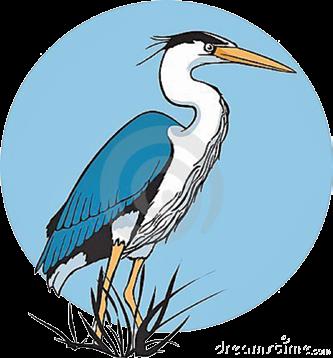
‘Why do you weep?’ asked the heron.
‘I weep for my poor babies,’ replied the dove. ‘If I do not give them to the jackal, he will fly up here and devour me too.’
‘You foolish bird,’ retorted the heron. ‘How can he fly up
to you when he has no wings? You must not give in to his silly threats.’
So the next day when the jackal returned, the dove refused to part with another baby. ‘The heron has told me that you cannot fly after all,’ she said.
‘That nosy heron,’ muttered the jackal, trotting off, ‘I will pay her out for her wagging tongue.’
He soon found the heron at a cool pond looking for frogs. She looked down her beak at him.
‘What a long neck you have,’ said the jackal. ‘What happens when the wind blows? Doesn’t it break in half?’
‘No, I lower it a little,’ said the heron, suiting action to word.
‘And when the wind blows harder?’
‘Then I lower it a little more.’
‘And when it blows a real gale?’
‘I lower it right down to here,’ said the silly bird, lowering her head right down to the bank’s edge.
The jackal jumped up and hit the heron’s neck such force, that it broke. And from that day to this, the heron has a bend in her neck. (An African fable)
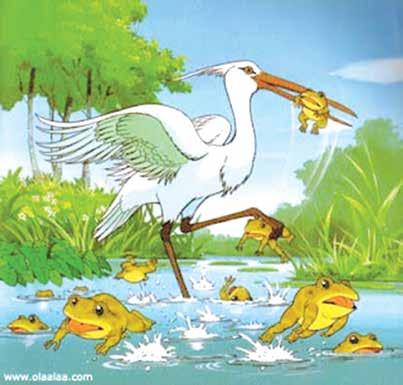
The frogs were living as happy as could be in a marshy swamp that just suited them; they went splashing about caring for nobody and nobody troubling with them. But some of them thought that this was not right, that they should have a king and a proper constitution, so they determined to send up a petition to Jove to give them what they wanted.
“Mighty Jove,” they cried, “send unto us a king that will rule over us and keep us in order.” Jove laughed at their croaking, and threw down into the swamp a huge log, which came down with a big splash into the swamp. The frogs were frightened out of their lives by the commotion made in their midst, and all rushed to the bank to look at the horrible monster; but after a time, seeing that it did not move, one or two of the boldest of them ventured out towards the log, and even dared to touch it; still it did not move.
Then the greatest hero of the frogs jumped upon the log and commenced dancing up and down upon it, thereupon all the frogs came and did the same; and for some time they went about their business every day without taking the slightest notice of their new King Log lying in their midst. But this did not suit them, so they sent another petition to Jove, and said to him, “We want a real king; one that will really rule over us.” Now this made Jove angry, so he sent among them a big stork that soon set to work gobbling them all up. Then the frogs repented too late. (Aesop’s fable)
Moral: “Better no rule than cruel rule.”
Aman and his son were once going with their donkey to market. As they were walking along by its side a countryman passed them and said: “You fools, what is a donkey for but to ride upon?
So the man put the boy on the donkey and they went on their way. But soon they passed a group of men, one of whom said: “See that lazy youngster; he lets his father walk while he rides.”
So the man ordered his boy to get off, and got on himself. But they hadn’t gone far when they passed two women, one of whom said to the other: “Shame on that lazy lout to let his poor little son trudge along.”
Well, the man didn’t know what to do, but at last he took his boy up before him on the donkey. By this time they had come to the town, and the passers-by began to jeer and point at them. The man stopped and asked what they were scoffing at. The men said: “Aren’t you ashamed of yourself for overloading that poor donkey of yours - you and your hulking son?”
The man and boy got off and tried to think what to do. They thought and they thought, till at last they cut down a pole, tied the donkey’s feet to it, and raised the pole and the donkey to their
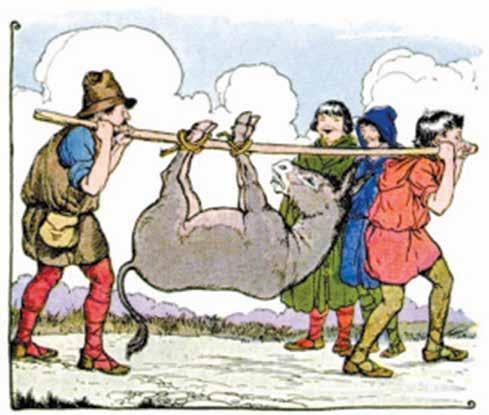
shoulders. They went along amid the laughter of all who met them till they came to Market Bridge, when the donkey, getting one of his feet loose, kicked out and caused the boy to drop his end of the pole. In the struggle, the donkey
fell over the bridge, and his fore-feet being tied together, he drowned.
“That will teach you,” said an old man who had followed them, “please all, and you will please none.” (Aesop’s fable)

Good with all its might, Will lead us from darkness to light. With pure hearts we worship Maha Laxmi, As we rejoice and celebrate Deepavali.
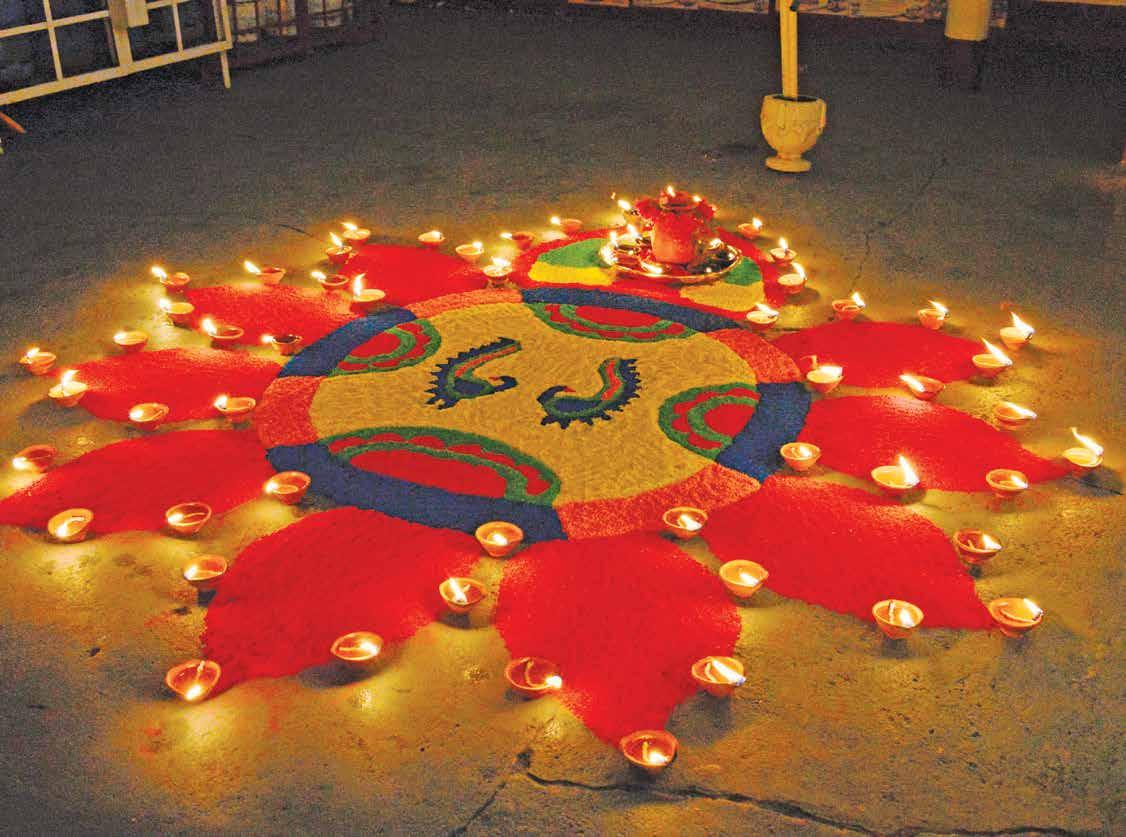
Multi-coloured rangolis are being created, And thalis are so beautifully decorated. The aroma of mouth-watering dishes lingers all day, And the laughter of children is heard as they run and play.
Sparkles and flares highlight this dark night, While little earthen lamps make the streets so bright. Celebrating the return of Lord Rama after fourteen years, Hindus flock temples and pray with their peers.
The Festival of Lights is finally here! Spread the joy; spread it everywhere! Celebrate this wonderful festivity, And make it memorable; Happy Deepavali! Cindya Khellawan
There is a little light, A little light in your heart. A little light that has tremendous power, If we allow, it can obliterate all darkness. That little light in your heart, Let it shine.
There is a little light, A little light in your soul. If we allow, it carries tremendous wisdom, It flashes sparks and thoughts of goodness. That little light in your soul, Let it shine.
No matter how dark is the night, Within, you can always find that little light. The light in your heart, the light in your soul, They're always there to brighten your world. These little lights of your heart and soul, Let them shine.
Aufie Zophy



ARIES (March 21April 19)


TAURUS (April 20May 20)



(May 21June 20)

(June 21July 22)



LEO (July 23Aug. 22)

VIRGO (Aug. 23Sept. 22)



LIBRA (Sept. 23Oct. 23)

SCORPIO (Oct. 24Nov. 22)


SAGITTARIUS
(Nov. 23Dec. 21)




(Jan. 20Feb. 19) (Dec. 22Jan. 19)


PISCES
(Feb. 20March 20)

It’s a good time to complete unfinished projects and flesh out ideas that you’ve been contemplating. Get all your materials in order ahead of time to avoid scrambling and becoming discouraged.
You may feel like you are in a rut, but if you make personal changes that perk you up, it will give you enough incentive to get moving in a positive direction.
You will be dismayed by what’s going on in your community. If you keep your plans in place, everything will turn in your favor, regardless of what develops.
Let the company of friends and pleasant surroundings help to elevate your mood. You need a break from the problems you’ve been faced with lately. Recreational, lighthearted activities will do you good.
Reconnect with someone from your past. It’s possible that you have more in common now than you did before. A stroll down memory lane is likely to bring fond recollections.
You may be confused about a current personal situation. Try not to dwell on negative happenings. Be patient and let things develop naturally. A new hobby will distract you.
Opt for a change of scenery. A residential move may not be practical, but a short getaway to a national park or scenic destination can revive and rejuvenate you.
Practicality comes first. If you put your personal and financial matters in order and catch up on some overdue household chores, you’ll keep your day free of stress.
Don’t let the advice of a critic or a disparaging remark cause you to give up on your dreams. The pleasure you receive from undertaking enjoyable projects is worth all the slings and arrows.
You will crave new ideas and stimulation. Look into activities that will take you outside of your comfort zone. If you resolve to try something new, you won’t be sorry.
Legal documents should be your focus. Taking care of small but tedious tasks will set your mind at ease. Once you have everything in order, you will feel free to move on.
You will feel better about a troubled relationship once you get your feelings out in the open. Don’t make accusations or ultimatums. Remain calm and reasonable, and deal with matters maturely.
Apple has announced a new version of its tablet, the iPad Air 2, which it said was the thinnest device of its kind on the market.
It is 6.1mm (0.24in) thick, and also gains a Touch ID fingerprint sensor.
It has an anti-reflective coating on the screen for the first time, and the A8X - a faster version of the processor featured in the firm's latest iPhones.
However, some analysts have questioned whether the upgrade will be enough to turn around iPad sales.
An upgraded version of the firm's smaller tabletcalled the iPad Mini 3 - was also announced.
Like its bigger sibling, it gets the company's fingerprint recognition component. But it uses the older A7 processor and has a lower-resolution rear camera.
Some of the details were published by Apple, reportedly by mistake, on Wednesday.
Apple's last earnings re-

Ilease revealed that it had sold 13.3 million iPads in the April-to-June quarter. That marked a 9% fall on its tally for the same period in 2013, despite the fact the company saw sales of iPhones and
Mac computers rise. It also contrasted with an 11% rise in the number of tablet shipments across the market as a whole - with Lenovo and Asus making some of the biggest gains -
f you’re not sure whether anonymity online is important, just take a look at this new Kickstarter project, which has already raised US$283,000 of its US$7,000 goal.
It’s called Anonabox, and it’s an opensource networking device that routes wireless and wired Internet traffic through Tor software. Tor is free and works by first encrypting your digital data and then bouncing it around the Internet through random computers.
You don’t need Anonabox to get Tor, but for guarding against any activity outside of Web browsing, Tor can be a little complicated for the average online privacy-seeker.
That’s where the $45 Anonabox comes in. Just run a cable from your Wi-Fi to Anonabox, which creates a secure wireless network. Or, if you want to hardwire into the network, run an Ethernet cable from Anonabox to your computer.
The BBC has launched an Ebola public health information service on WhatsApp, aimed at users of the service in West Africa.
The service will provide audio, text message alerts and images to help people get the latest public health information to combat the spread of Ebola in the region.
Content will be limited to three items a day, and the service will be in English and French.
To subscribe, send 'JOIN' via WhatsApp to +44 7702 348 651
To unsubscribe, send 'STOP' via WhatsApp to the same number.
Due to the volume of re-

On top of secure Web browsing, you’ll be able to send email, instant messages and share files.
According to Wired, Anonabox isn’t the first “plug and play” Tor router, but others, such as the Safeplug, have by criticized for security flaws.
Because Anonabox is open source, its developers say that if there are any flaws, they’ll be easily fixed. (Discovery)

quests, it may take a little time to be added or removed from the service.
As the biggest "chat app" in use in Africa, the platform is being used as a means of reaching people in the region directly through their mobile phones.
The response to Ebola is now the BBC World Service's biggest health information drive since its reporting on HIV/Aids in the 1980s and 1990s. In addition to the WhatsApp service, the BBC is offering a range of content on radio, online and TV, including special Ebola bulletins in several languages. (BBC)
according to data from IDC. The market research firm said that the iPad remained the bestselling tablet brand, but that its market share had dropped over the year from 33% to 26.9%.
Apple also introduced a new model of its all-in-one iMac computer featuring what it said was the highest resolution display on the market.
The computer has a 27in (68.6cm) screen that has a resolution of 5K - 5210 by 2880 pixels - offering about five times the detail of a "full HD" 1080p television.
Apple also announced an upgraded version of its screenless computer, the Mac Mini. The company also said that the latest version of its operating system for Mac
computers - OS X Yosemitewas being made available for download on last Thursday.
The software allows data to be swapped back and forth with iOS-powered iPhones and iPads more easily than before. Its user interface has also been designed with higher resolution screens in mind.
The company added that version 8.1 of iOS, which introduces support for its near field communication (NFC)powered payment service Apple Pay, would be released on Monday. (Excerpted from BBC)

hile there are already iPhone cases that claim to protect against drops from up to 30 feet (9 m), most of those are actually more like housings that add considerable bulk to the phone. The Rhino Shield Crash Guard, however, takes a minimalist form, while reportedly still letting the phone withstand a 24-foot (7-m) drop.
The device is made by Evolutive Labs, the same Cambridge University-associated startup that previously brought us the heavy-duty Rhino Shield smartphone screen protector. It's made from a proprietary impact-absorbing polymer that incorporates a honeycomb-style structure on its inner surface. That combination of polymer and structure is said to distribute impact forces throughout the material, instead of allowing them to be concentrated at one point.
The Crash Guard itself takes the form of a 12-gram (0.4-oz), 2.5 mm-thick bumper, that goes around the very outside of the phone. Like other similar-looking devices, it allows access to all the ports and buttons ... but if the pitch video below is to be believed, it also keeps the phone in one functioning piece after falling over 20 feet to a concrete floor. It's additionally said to protect against up to over 225 pounds (102 kg) of pressure. In both cases, however, that's if it's combined with the Rhino Shield screen protector.
Apple has created a SIM card allowing users to switch between networks within the UK and US, in "the biggest strategic challenge to mobile operators for years".
The data-only SIM went unmentioned in chief executive Tim Cook's keynote speech in California on Thursday, which saw the launch of the iPad Air 2, iPad Mini 3 and iMac with Retina 5K display.
It will come preinstalled in WiFi + Cellular enabled versions of the iPad Air 2, and gives owners the chance to switch between shortterm plans from EE, T-Mobile and US net-
Evolutive Labs is presently raising production funds on Kickstarter, where it apparently met its financial goal within the first four hours of its campaign. You can get a Crash Guard and screen protector for iPhone 5, 6 or 6 Plus, with a pledge of £23 (about US$36). Assuming all goes to plan, shipping is scheduled to begin next month. (Gizmag)
works AT&T and Sprint.
This is the first time Apple has provided its customers with a choice of carriers on a single device, and could hold significant implications for the future of the mobile industry should Apple create an equivalent version for the iPhone.
The Apple SIM is currently removable, giving users the option to use an existing carrier SIM in its place. Yet it could play a key part in locking consumers into using primarily Apple-branded products. (Excerpted from Telegraph)

Afestive art consisting of brilliant colours, rangoli is a decorative design made mostly in yard entrances, living rooms, and floors in celebration of Diwali.
The Indian art is believed to have originated in the state Maharashtra, where it was gradually dispersed throughout the country, and is now present wherever the descendants of Indian immigrants live.
The Hindu scriptures and puranas (Hindu mythological literature works) can be credited for the emergence of the art.
Background
Rangoli is named differently in different Indian states: South India it is called Kolam, Madana is Rajasthan, Chowkpurna is the name of rangoli in Northern India, Alpana in
Bengal, in Bihar it is called Aripana.
According to the earliest treatise on painting, named Chitra Lakshana, a king and his kingdom were extremely grieved on the death of the high priest’s son. Everybody offered prayers to Lord Brahma. Brahma, being moved by the supplications, asked the king to paint a likeness of the dead boy on the floor. He then put life in the portrait, thereby relieving the kingdom of its sorrow and pain. This tale is considered the scriptural evidence of the creation of the beautiful art.
Rangoli is a Sanskrit word, signifying a creative expression of art with the use of colours. Besides a creative expression, they were considered to be good luck.
The patterns have sig-
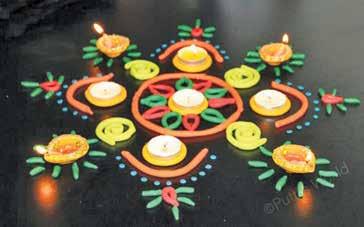

nificance, and ancient symbols have been passed down through the ages, from one generation to the next, keeping both the art form and tradition alive.
Patterns are typically created with materials such as rice, flour or sand, to which sindoor (vermilion), haldi (turmeric) and other natural pigmentation can be added. Chemical colours are a modern variation; they can also be done with flowers.
Rangoli designs
The purpose of rangoli is to be decorative; it is also thought to bring good luck. Design depictions may also vary, as they reflect traditions, folklore and practices that are unique to each area.
It is traditionally done by women. Generally, this practice is showcased during occasions such as festivals, auspicious observances, marriage celebrations and other similar milestones and gatherings.
Rangoli designs can be simple geometric shapes, deity impressions, or flower and petal shapes (appropriate for the given celebrations), but they can also be very elaborate designs crafted by numerous people. The base material is usually dry or wet granulated rice, or dry flour. On Diwali, people usually make various types of geometrical patterns and designs between which they place diyas.
In the creation of rangolis, auspicious symbols are selected. Some of these are:

the lotus flower, its leaves, mango, Tue vase, fish, different kinds of birds like parrots, swans, peacocks, and human figures and foliage.
Rangoli can be made dry or wet. The rangoli made by adding points to ground in a particular size. After creating the desired shape, they are filled with colour. Freehand rangoli image is created directly on the ground.
Readymade rangoli stencils are also found in the market, which can make the drawing task easy. A newer trend of making rangoli involves using cement colours with marble powder. This
is a rather precise method, but requires some previous training. Beautiful portraits can be drawn using this method.
Making a Rangoli
1. Sketch the design on paper with a pencil. Sketch lightly so that you can erase if needed. If you are working on the ground, you only need chalk.
2. Decide what kind of design you want. Most designs are symmetrical patterns, and are based on drawings of animals or plants. Flowers are very popular. Search online for designs, or look for a library book on Indian crafts.
3. Outline your design. Roll a piece of newspaper into a cone, and snip a hole in the narrow end. Fill the hole with flour or sand. Using your finger as a stopper with which to control the flow, outline your design.
3. Fill in your design. This is the most interesting step, and usually the most fun. You may fill in your design with a variety of products: Powdered paints mixed with rangoli colour, sand or flour, coloured rice, flowers.
4. Add final touches like candles, clay pot-lanterns, and so on. Use your creativity to the maximum. (Cover photo by Amanda Richards)

The Hog Island windmill is the only known surviving brick windmill structure once used on sugar estates during colonial rule. The Hog Island windmill ruin is located on a former Dutch plantation called Plantation Lyksburg on the eastern side of the island.
Constructed on a six-foot mound, the structure stands some 28 feet high, and is made of granite blocks and red brick; the brick being primarily used as facing for the big windows and archways.

Brief history on Hog Island Hog Island’s original Dutch name was Varken Eiland, which means Hog Island. It was so named for the obvious reason that it was home to numerous wild hogs, and when the British took over the Dutch colonies in Guyana they retained the name in English translation. The Gazetteer, the offi-
cial reference book for the spelling of all Guyana’s place names, records it as “Hog Island”. Copies of the Gazeteer of Guyana are available from the Guyana Lands and Survey Commission.
Restoration
In pursuit of its policy of heritage preservation and conservation, the National Trust, which has an annual agenda of capital projects, restored the windmill and constructed a fence and footpath at the site in 2010.
Preservation of this windmill is important because of its historical significance. In his 2014 budget speech, Minister of Culture, Youth and Sport Dr Frank Anthony stated in his list of vital restoration work on national sites that “some additional work on the windmill at Hog Island” will be done.
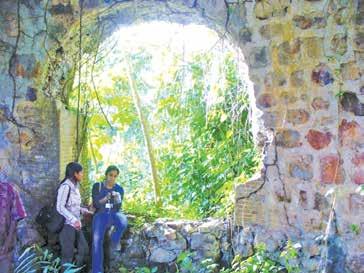
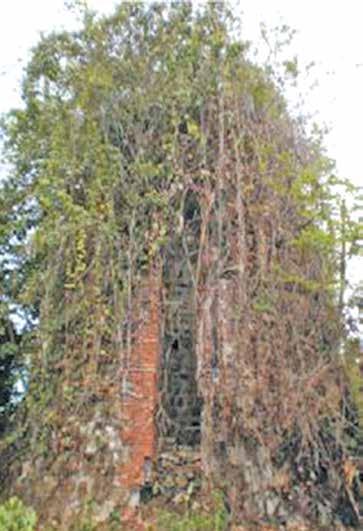


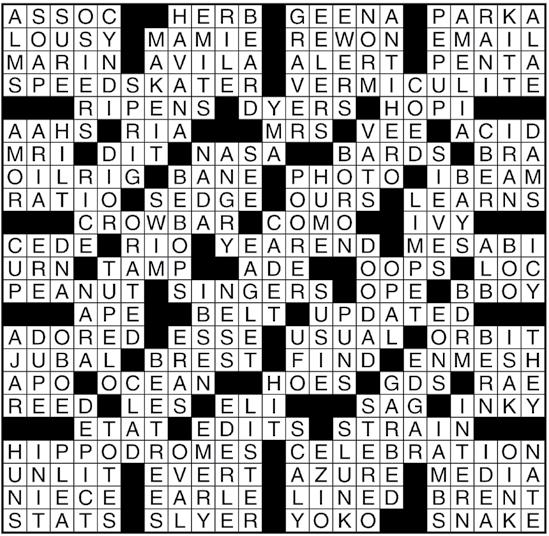
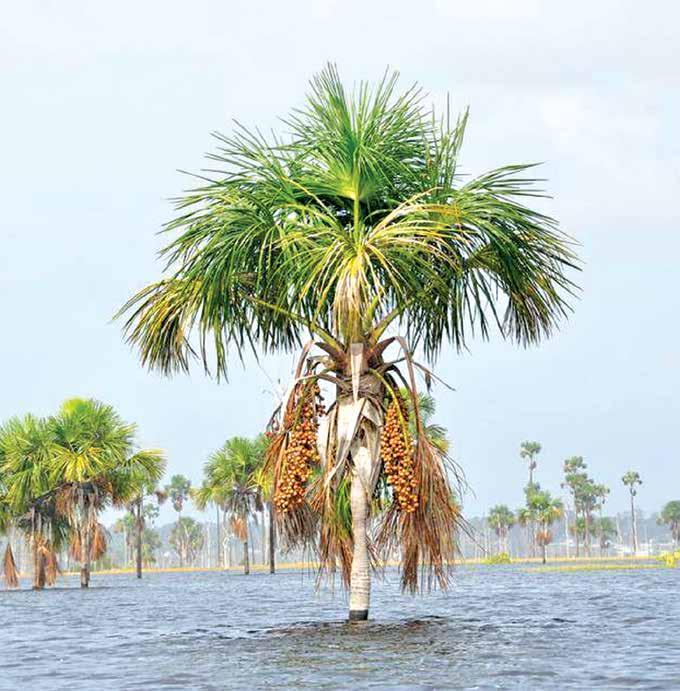
Itiribisi Lake in Mashabo, an Amerindian community located several miles aback Huist T’Dieren village on the Essequibo Coast, is a scenic lake filled with etay palms. There is a spectacular view of the village of Mashabo from the lake. (Photos by

By Melvin Durai
Iwas stunned to hear that an armed security contractor with a criminal record recently rode an elevator with President Obama. According to news reports, the Secret Service didn’t do anything about the man until he started taking photos with his cellphone and acting unprofessional. I’m not sure what “acting unprofessional” means, but if I were in an elevator with the president and his bodyguards, the last thing I’d be doing is taking selfies.
“My pal, Barack, and I riding an elevator” would be a great Facebook post, but I’d be afraid of the followup post: “Just spent eight hours in the interrogation room. Please pray for me. Tomorrow is the deportation hearing.”
The elevator incident is hardly the first time Obama’s security has been compromised. Just a few weeks ago, a man carrying a knife jumped over the White House fence and managed to enter the president’s home through an unlocked front door. Reacting quickly, the Secret Service stopped the man and directed him to the kitchen, believing he was there to cut a pot roast for the president’s dinner.
Actually, they chased him around for a few minutes and managed to capture him, thanks to a solid karate kick to the backside by Michelle Obama.
No, that’s not true either, but you get the point:
the Secret Service bungled their job and compromised the president’s safety. Who knows what this knifewielding fence-jumper would have done if he had run into Obama? Thankfully, the president wasn’t home; otherwise it could have been a huge tragedy. America is prepared for a lot of things, but I’m not sure it’s ready for President Biden.
Given the seriousness of these security breaches, I was pleased to hear that the U.S. Congress called Secret Service Director Julia Pierson before the House Oversight and Government Reform Committee, whose duties include directing important questions at government officials while drinking massive amounts of coffee. Soon after that, Pierson resigned from her position and the Secret Service announced that it will implement three major changes to better protect the president:
1. From now on, members of the Secret Service will be required to screen all people who ride in elevators with the president, making sure that they are either unarmed or wearing nice suits.
2. Anyone who attempts to climb the White House fence will immediately be asked to stop what they’re doing and fill out a questionnaire about their motives.
3. All doors to the White House will be kept locked whenever the president’s dog, Bo, is taking a nap.
These changes will certainly help, but I don’t think they’re quite enough. I think
it’s time for a drastic change: President Obama’s security needs to be outsourced to China.
Why China? Well, China leaves no stone unturned in its security measures. When 10,000 doves were released recently in Beijing to celebrate China’s National Day, they served as symbols of peace as well as the country’s airtight security. Prior to being released, every single dove went through a screening process, its legs, wings and anus checked to make sure it wasn’t carrying any dangerous material – or a banner that might open mid-flight saying, “Communism Sucks.”
If Chinese workers can check every dove’s anus, just picture what they’d do to anyone who attempts to get into an elevator with President Obama.
I can only imagine what those doves were saying.
Dove 1: “Hey, what are you doing? Stop ruffling my feathers. And don’t look down there! We’re not that close. I don’t even know your name.”
Dove 2: “Don’t make such a fuss. They’re going to set us free after this.”
Dove 1: “So what? We shouldn’t have to go through this undovelike treatment.”
Dove 2: “If that’s how you feel, express your feelings later – while you’re flying over them. Drop them a message or two.”
Dove 1: “What would I be saying?”
Dove 2: “Screen this, you idiots.”

An 80 year-old woman was walking down the main street in her hometown one evening when she heard a low voice say, "Hey lady."
She looked around to see who was talking but upon seeing nobody there she shrugged it all off and continued walking. Before she got another five feet, she heard the same voice, only a little louder, say, "Hey lady!"
She once again looked around and didn't see anybody, but when she went to walk again she saw a frog sitting at her feet looking at her.
The frog then opened his mouth and said, "Could you please help me?"
The elderly woman was shocked at first but picked up the little frog and asked him what he needed. The frog proceeded to tell the woman that he was actually a handsome young prince that had been turned into a frog. All the lady had to do was to kiss the frog on the lips and he would turn back into a handsome prince, and would then be eternally grateful to the woman.
Well, the woman thought for a moment and then quietly slipped the frog into her purse. As she was walking away she quietly muttered, "At my age I'll have more fun with a talking frog."
A carpet layer had worked all day installing wall-to-wall carpeting. When he noticed a lump under the carpet in the middle of the living room he felt his shirt pocket for his cigarettes, they were gone.
He was not about to pull the carpet back up, so he went outside for a twoby-four. Stamping down cigarettes with it would be easy. Once the lump was smoothed, the man gathered up his tools and carried them to his truck.
Then two things happened simultaneously. He saw his cigarettes on the seat of the truck, and over his shoulder he heard the voice of the woman who owned the house.
"Have you seen anything of my parakeet?" she asked.
Flattered minister
A pastor was leav ing his area and was say ing farewell to his con gregation at the Church doors for the last time. He shook the hand of an elderly lady as she walked out. She said, "Your successor won't be as good as you."
"Nonsense,” said the pas tor, in a flattered tone.
"No, really", said the old lady, "I've been here under five dif ferent ministers, and each new one has been worse
than the last."
My dad's better than your dad
Three young boys were walking on the sidewalk arguing over whose daddy was the greatest.
One said, "My dad is the greatest because he is the president of the town bank."
The second boy said, "That is pretty good, but my daddy owns two grocery stores in town!"
The third boy said, "That's nothing, my dad is a preacher, and he owns hell. He came home last night and told my mom that the Church Board gave it to him!"
A mangy looking guy who goes into a bar and orders a drink. The bartender says, “No way. I don't think you can pay for it.”
The guy says, "You're right. I don't have any money, but if I show you something you haven't seen before, will you give me a drink?"
The bartender says, "Only if what you show me ain't risqué."
"Deal!" says the guy, and reaches into his coat pocket and pulls out a hamster. He puts the hamster on the bar and it runs to the end of the bar, climbs down the bar, runs across the room, up the piano, jumps on the key board and starts playing a tune. And the hamster is really good.
The bartender says, "You're right. I've never seen anything like that before. That hamster is truly good on the piano."
The guy downs the drink and asks the bartender for another.
"Money or another miracle, or else no drink,” says the bartender.

The guy reaches into his coat again and pulls out a frog. He puts the frog on the bar, and the frog starts to sing. He has a marvellous voice and great pitch. A fine singer. A stranger from the other end of the bar runs over to the guy and offers him $300 for the frog. The guy says, "It's a deal." He takes the three hundred and gives the stranger the frog. The stranger runs out of the bar.
The bartender says to the guy, "Are you some kind of nut? You sold a singing frog for $300? It must have been worth millions. You must
"Not so,” says the guy. "The hamster is also a ventriloquist."