Monday, March 17, 2014
guyanatimesgy.com

Monday, March 17, 2014
guyanatimesgy.com
Today Guyana will first be drenched with water and then smeared with every combination and permutation of all the colours of the rainbow.... and then some!!! It’s Holi... or Phagwah as some would have it. But a kaleidoscope will remain a kaleidoscope by whatever name we call it. And Holi is the most joyous kaleidoscope of colours under the sun.
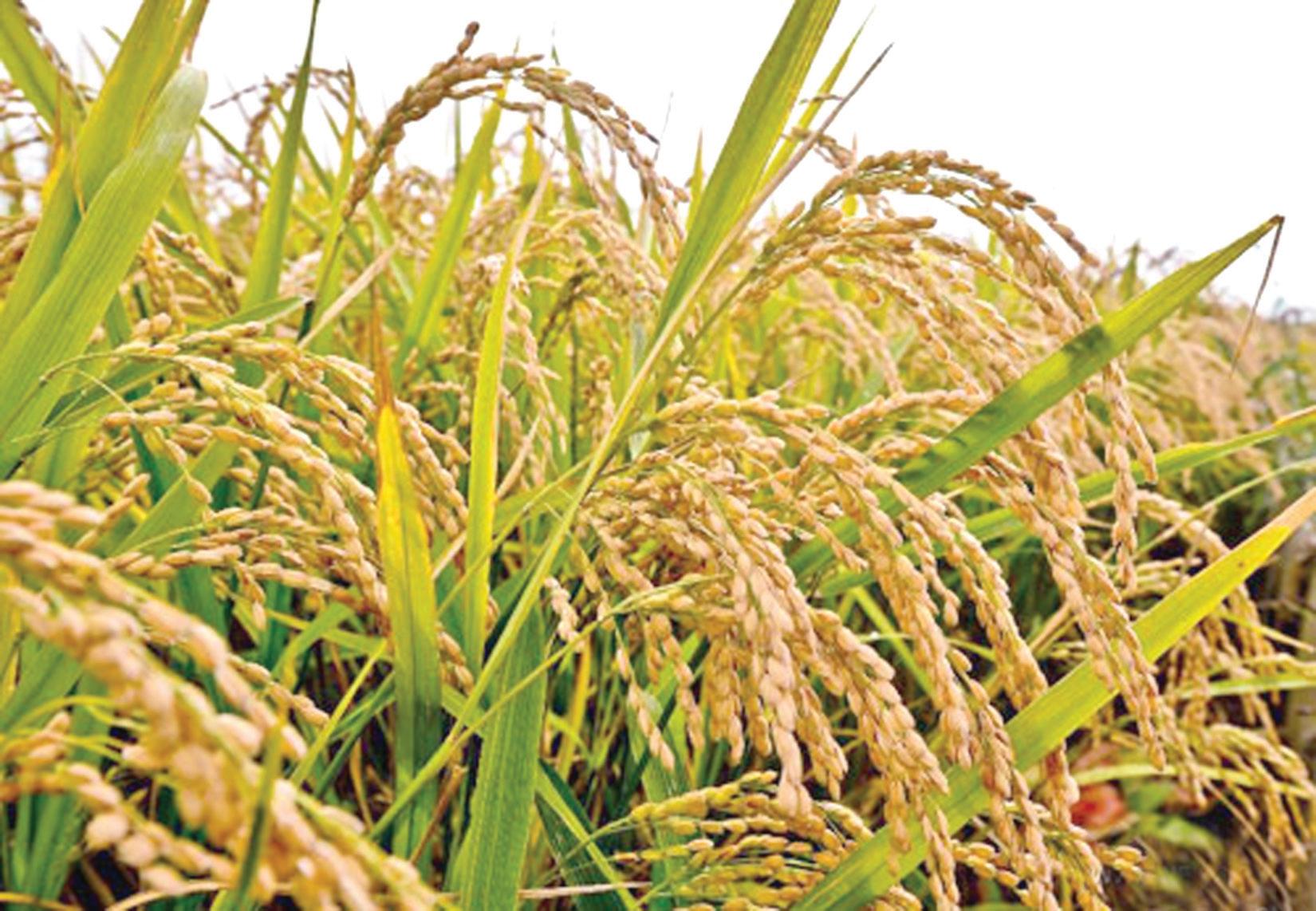
Brought from India by the indentured servants dragged from that land, to labour in the cane fields, the festival took deep root in its new soil and today has become a full fledged national festival celebrated by one and all. And why not? Even before it received “religious” connections, Holi was a festival celebrating the rebirth of Mother Earth in all her fecundity to give sustenance to all her children who had endured a dark winter.
While we might not experience the seasonal winter in Guyana, we certainly know what it is to survive between the crops - be it rice or sugar or provisions. Or in general to survive “hard times”. The joy when the crops will sprout once again erupts in our hearts because we too can reach for the sky.
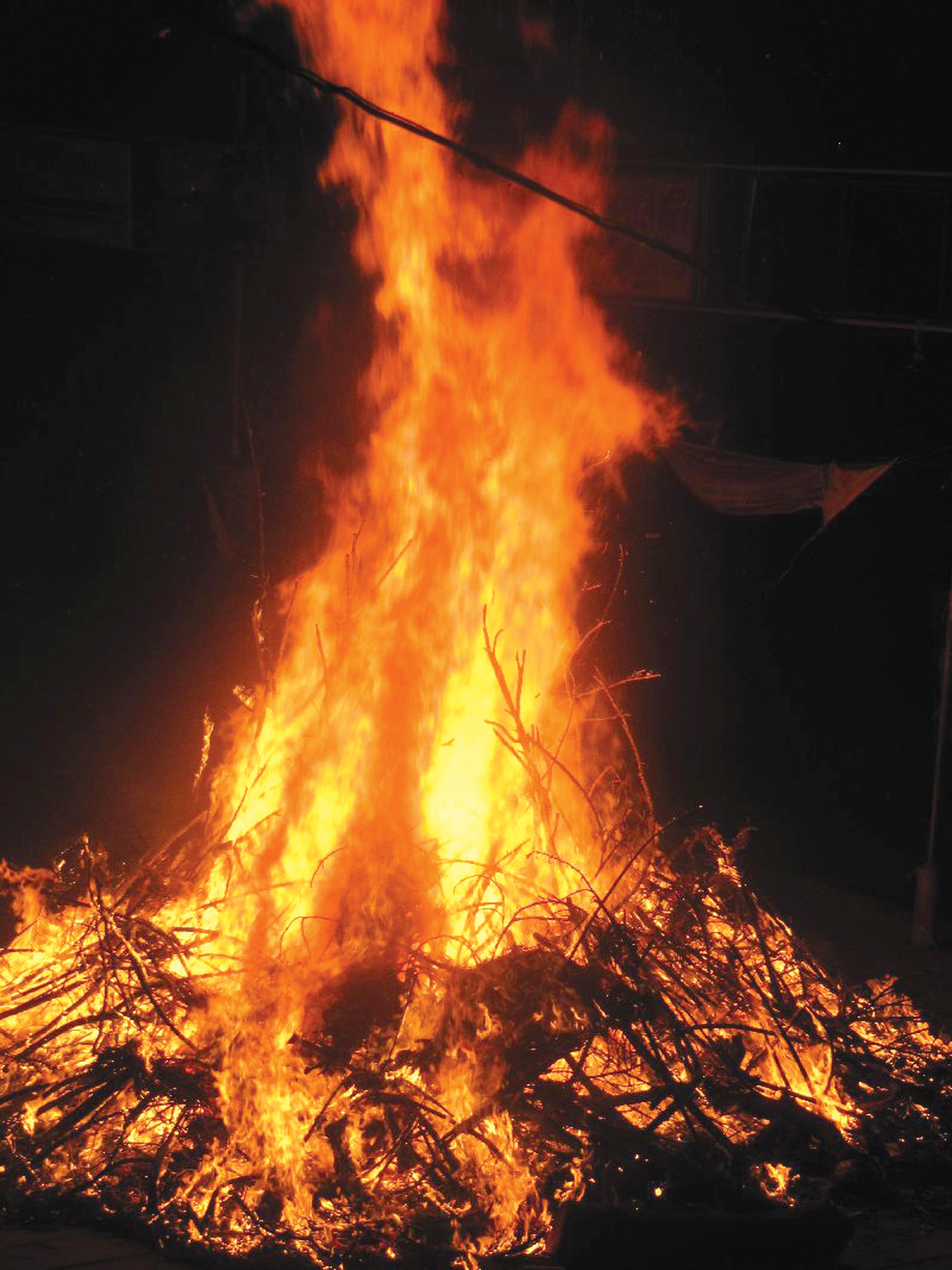
Traditionally Holi begins with the lighting of the pyre in which Holika had intended to immolate the boy Prahalad who believed in the one, true, living, God Vishnu.
In Guyana, children would more mundanely cast dried coconuts tied to wires, into the fire and then enjoy the soon “roasted nuts”. Many believe that it leads to healthy teeth...but the kids don’t need even that rationale!
But the fire symbolises more that the destruction of good over evil or of the destruction of the arrogant over the humble - in the past. The fire in the present should remind us that evil and arrogance exists in the here and now and will do so in the future. The lesson of Holi, is that if a child can remain wedded to the truth and to God - who is Truth - why can’t we.
We are all children of Guyana and it is our duty to build and not destroy it. Let us take the opportunity to destroy the evil and arrogance first from our own breast and then to demand that others do the same.
Happy Holi to all Guyana. HOLI Re!!
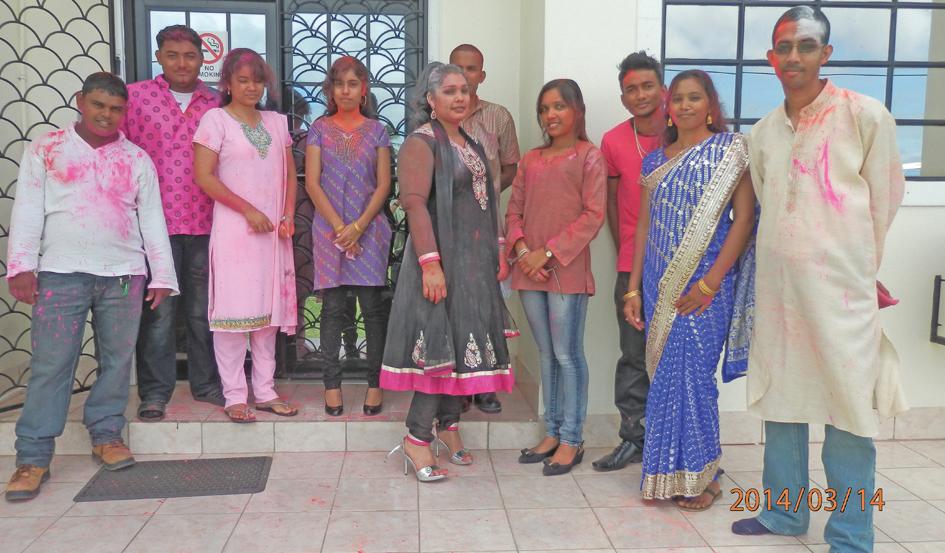
The Berbice Bridge Company Inc (BBCI) recently made donations to Zee Zight and Cotton Tree nursery schools as part of its corporate mandate of giving back to the community.
On Thursday, the company donated one television stand and two sheets of plyboard to the Zee Zight
Nursery School and one computer desktop system, a computer desk with chair, a USB printer, a surge protector and a pair headphones to the Cotton Tree Nursery School. The BBCI has supported the Education Ministry extensively over the years by donating trophies to a number of schools and technical institutions;
waivered toll charges for school’s tour buses transiting the bridge; sponsored the Rose Hall Town Youth and Sports Club’s Annual Tribute to Retired Teachers Programme; donated 80 medals to the students being honoured at the Tribute to Teachers and Students Programme; sponsored various school activities; and
donated various electrical and domestic items to schools to aid in creating a more conducive learning environment.
In the past, the company has sponsored many events that benefited communities on both the eastern and western sides of the bridge, and many other regions such as Georgetown, Linden, Parika and the hinterland.
Thus far in the year, the company has received some 30 sponsorship requests; 21 of which it has approved.
These include sponsorships of Mashramani 2013 events, horse racing events and donations of trophies to various nonprofit organisations and educational institutions.
BY Pandit Rudranauth Sharma
Phagwah or Holi is the festival of Spring. The Festival of Phagwah commemorates the regeneration of Nature from her slumber. This unique Festival found its way on these shores with the arrival of Hindus from India as Indentured Labours.
Hindus after traversing thousands of miles from India brought to Guyana their many festivals among which Phagwah has a special place. The significance of Phagwah is manifold. It is a time of Gaiety, splendour and pomp when nature is converted into a beautiful garden full of colours.
The religious aspect of Phagwah gives to mankind the reassurance that evil doers, perpetrators of unholy acts, architects of injustices, and those associated with such actions are inevitably doomed to failure and extinction. In the story of Phagwah there is evidence that the dark forces of evil is eventually conquered by the forces of truth.
The symbol of the burning of Holika serves to reinforce that no matter what, once our intentions and actions are malicious, the results will always remain destructive. Sowing evil will result in degeneracy and
decay – wrong-doers will be punished in order to change.
This festival also commemorates the destruction of King Heranyakshyapu, the father of Prahalad who spared no pain at torturing his subjects and his son, his conceit was unparalleled and was the cause of his death. Let us like Prahalad, be disciples of the virtues of righteousness, courage, faith, determination, forthrightness and leadership.
Prahalad stood for what was right, and in spite of the several tortures inflected upon him by his father, and the criminal attempts on his life, Prahalad rose triumphantly to be a living model of fearlessness and truth.
Let us demonstrate love and cooperation. Let the true spirit of Phagwah prevail, let the beautiful coloured water be squirted on each other and let us not smear each other with mud and other prohibited things. Let us allow this festival to be a binding force among us Guyanese and stamp out differences and spread the message of peace and goodwill which Holi brings.
On behalf of the Guyana Pandits’Council, Hindu Parishad, Laxmi Sabha, Youth Organisation and the Management Committee of Radha Krishna Mandir, I extend Holi Greetings to the entire nation.
May this festival of Phagwah serve to enrich our own individual lives, strengthen our society and promote the happiness and well-being of our nation.
Pandit Sharma is the General Secretary of the Guyana Pandit’s Council and Spiritual Head of the Radha Krishna Mandir.

Guyanese in the United States are gearing up for the Phagwah celebration this weekend. Mounds of abeer and talc power are on display for sale at stores on Liberty Avenue, New York. Stores have been doing brisk business on Phagwah related paraphernalia such as abeer, spray guns, pitchkaries, abrack, gulal and talc powder.
Heaps of these colour powder stack up on Liberty Avenue. Preparations are in full swing for the parade on Liberty Avenue with no parking signs and police barricades and the cultural variety concert at the Smokey Park.
The weather has been unusually freezing, but it is not likely to deter the tens of thousands that normally grace the jamborre at the park for for a day of fun and entertainment.
The celebration of Phagwah has traversed a great distance from Guyana over the last 25 years and is now being celebrated in a grand way in Central and South Florida, New York, Jersey City and Toronto. The cosmopolitan city of Queens and other locations in America will celebrate Phagwah this weekend with parades and melas at public parks.
Parades are planned for this weekend in the Bronx, Jersey City and Richmond Hill. The New York celebration has been growing in size over the years because of the increasing Guyanese population in the metropolitan region. Last Thursday, the City Council hosted a celebration at City Hall where many Guyanese participated and hundreds attended.
People in New York look forward for the parades that serve to bring people together to socialise, embrace and enjoy delicious snacks which will be distributed free to celebrants at the Richmond Hill.
The parade is now institutionalised in New York and is listed in the city’s calendar of activities. Everyone seems to be looking forward for the parades in the Bronx and Richmond Hill, the hub of commercial activities for West Indians. People constantly talk about it. Students make plans with their friends to attend the Richmond Hill parade. And the stores hope to boost sales.
Phagwah is the most popular Guyanese festival in New York, attracting the largest crowd of Guyanese outside of Guyana. People normally come with clean spotless traditional attire and leave with their clothes completely discoloured in a bright sea of colours, as colourful as they can get.
At the park, the revelry is a spectacle to behold to see so many Guyanese and other nationals at one location. And community leaders and participants are gearing up for the celebration so that politicians can take note of the size of the community.
The size of the gathering sends a political message to politicians about the Guyanese community, especially in Richmond Hill. The parade promises to be exciting with some two dozen floats in the line up.
Respectfully submitted Vishnu Bisram

By Dr VINDHYA VASINI PERSAUD
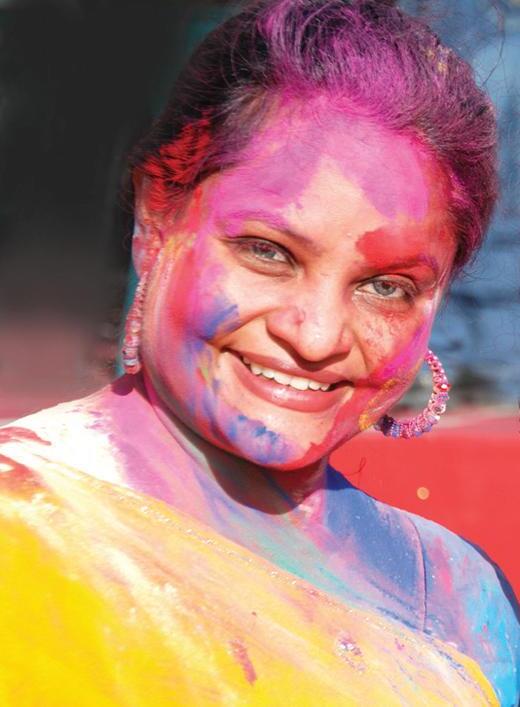
Holi or Phagwah is celebrated at the end of the Hindu calendar year. Phagwah is derived from the word Phalgun, the last Hindu month. Holi heralds the Hindu New Year which is celebrated 15 days after Phagwah on the first day of the bright half of the Hindu month of CHAIT. The festival coincides with the harvest of the spring crop and is therefore called VASANT RITU or the Spring festival. Holi commemorates the regeneration of nature from her slumber. An air of joy pervades the home and the family expresses affection by greeting each other in a dignified manner. Children touch the feet of their parents, spray them with perfume and place ABRAK and powder on their faces. Parents bless their children and wish them not only HOLI KA SHUBH KAAMNAYEA but a bright and prosperous future. Greetings are extended to relatives and friends by squirting them playfully with abeer and placing abrack/gulal on their faces. The colours reflect the vivid hues of spring as at this time nature blooms in abundance.
Holi transcends all barriers. There is complete equality and unity. The RANG or colours which smear us and make us virtually unidentifiable removes every distinction emphasising the oneness of humanity or the famous Hindu concept VASUDHAIVA KUTUMBAKAM – Humanity is one family.
In Satyug or the Golden Age, the grains from the harvest were first offered as homage in the sacred fire. This was known as NAVANESHTI YAGYA. This yagya was conducted
in a highly spiritual atmosphere. Holi is the original name of the festival. The word Holi is derived from the sanskrit word ‘Hola’ meaning grains.
With the passage of time, the legend of Prince Prahalad and his despot father King HIRANYAKASHYAPU became associated with the festival. In this story, the event where the King sought to have his saintly son consumed by fire is recaptured. The King’s sister Holika had a boon which made her immune to the effects of fire. Prahalad was placed on her lap on a pyre which was lighted but instead the cruel aunt was consumed and the saintly Prince escaped unscathed.
In Guyana and the Caribbean; much like UTTAR PRADESH, INDIA the pyre is built and burnt reminiscent of this event on the eve of Holi-Holika Dahan. On Holi morning the ash is collected and placed on foreheads symbolic of the triumph of good over evil.
Hol is a time for reflection and analysis. Consequently the merriment and joy which Holi brings should not make us oblivious of the true significance of the festival. Holi does not licence anyone to recklessly and wantonly drench passers-by or to barge into people’s homes and splash water on the occupants. Holi should never be associated in any way with events not in consonance with its spiritual dimension; no alcohol, vulgar and lewd music, barbeques and similar activities. These acts are against the spirit of our lovely Holi festival and should not form part of the Phagwah celebration.
Holi is all embracing in its meaning and possesses an unparalleled social dimension which is conducive to reunion, exchanges and togetherness occurring in an atmosphere of absolute cordiality. The past is forgotten, animosity and hatred and a spirit of compromise and forgiveness fill the air. The festival is proletarian in outlook with elements which spontaneously fashion an atmosphere of total equality wherein all barriers are removed and people from all walks of life and social strata are literally engulfed in merriment, joy and happiness. On behalf of the Dharmic family of the Guyana Hindu Dharmic Sabha, I take this opportunity to extend Holi greetings to all my brothers and sisters – all of Guyana and wish you the infinite blessings of Bhagwan Krishna.
Shubh Holi!

Holi, known in Guyana as Phagwah is a Hindu holiday celebrated on the full moon day of the lunar month of Phalgun which generally falls sometime in February or March in the solar, Gregorian calendar. It is a national holiday in Guyana.
The festival has many purposes. First and foremost, from very ancient times it celebrates the beginning of the new season, spring, which in itself is symbolic of birth and renewal. Phagwah is a festival that celebrates agriculture, commemorated good spring harvests and the fertile land. Hindus believe it is a time of enjoying spring’s abundant colours and saying farewell to winter, which symbolises hardships.
Holi festivities mark the beginning of new year to many Hindus, as well as a justification to reset and renew ruptured relationships, end conflicts and accumulated emotional impurities from past. As with every Hindu festival, Holi has a moral significance: in this case it celebrates the triumph of good over evil. From this perspective, there is a symbolic legend to explain why Holi is celebrated.
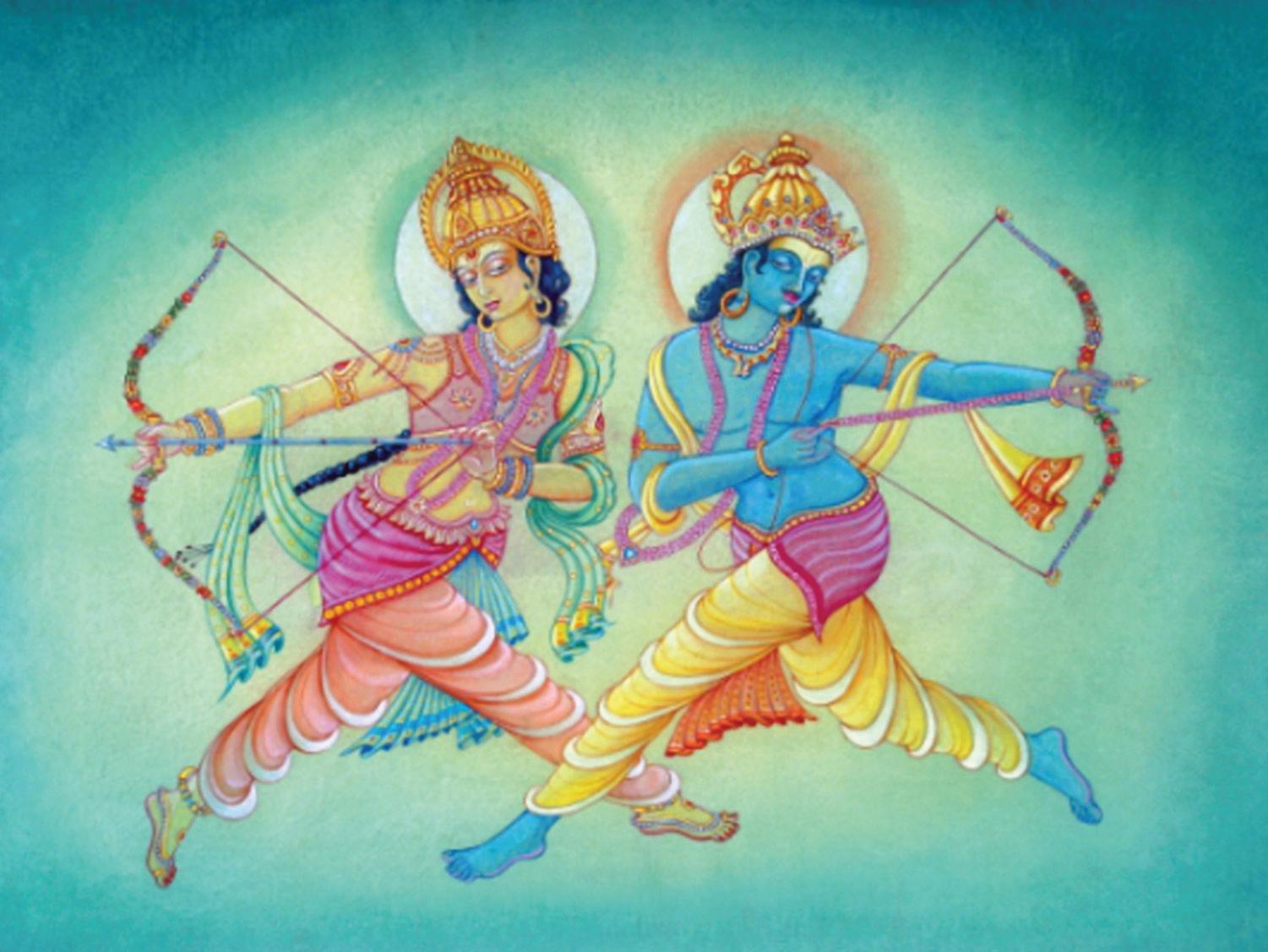
The word “Holi” originates from “Holika”, the evil sister of demon King Hiranya-kashipu. King Hiranya-kashipu had earned a boon that made him virtually indestructible. The special powers blinded him, he grew arrogant, felt he was God, and demanded that everyone worships only him.
Hiranyakashipu’s own son, Prahlada, however, disagreed. He was and remained devoted to God, the sustainer of all – Bhagwan Vishnu. This infuriated Hiranyakashipu. He subjected Prahlada to cruel punishments, none of which affected the boy or his resolve to do what he thought was right.
Finally, Holika – Prahlada’s evil aunt – tricked him into sitting on a pyre with her. Holika was
wearing a cloak (shawl) that made her immune to injury from fire, while Prahlada was not.
As the fire roared, the cloak flew from Holika and encased Prahlada. Holika burned, Prahlada survived. Bhagwan Vishnu appeared and killed Hiranyakashipu.
The bonfire is a reminder of the symbolic victory of good over evil, of Prahlada over Hiranyakashipu, of fire that burned Holika. The day after Holika bonfire is celebrated as Holi.
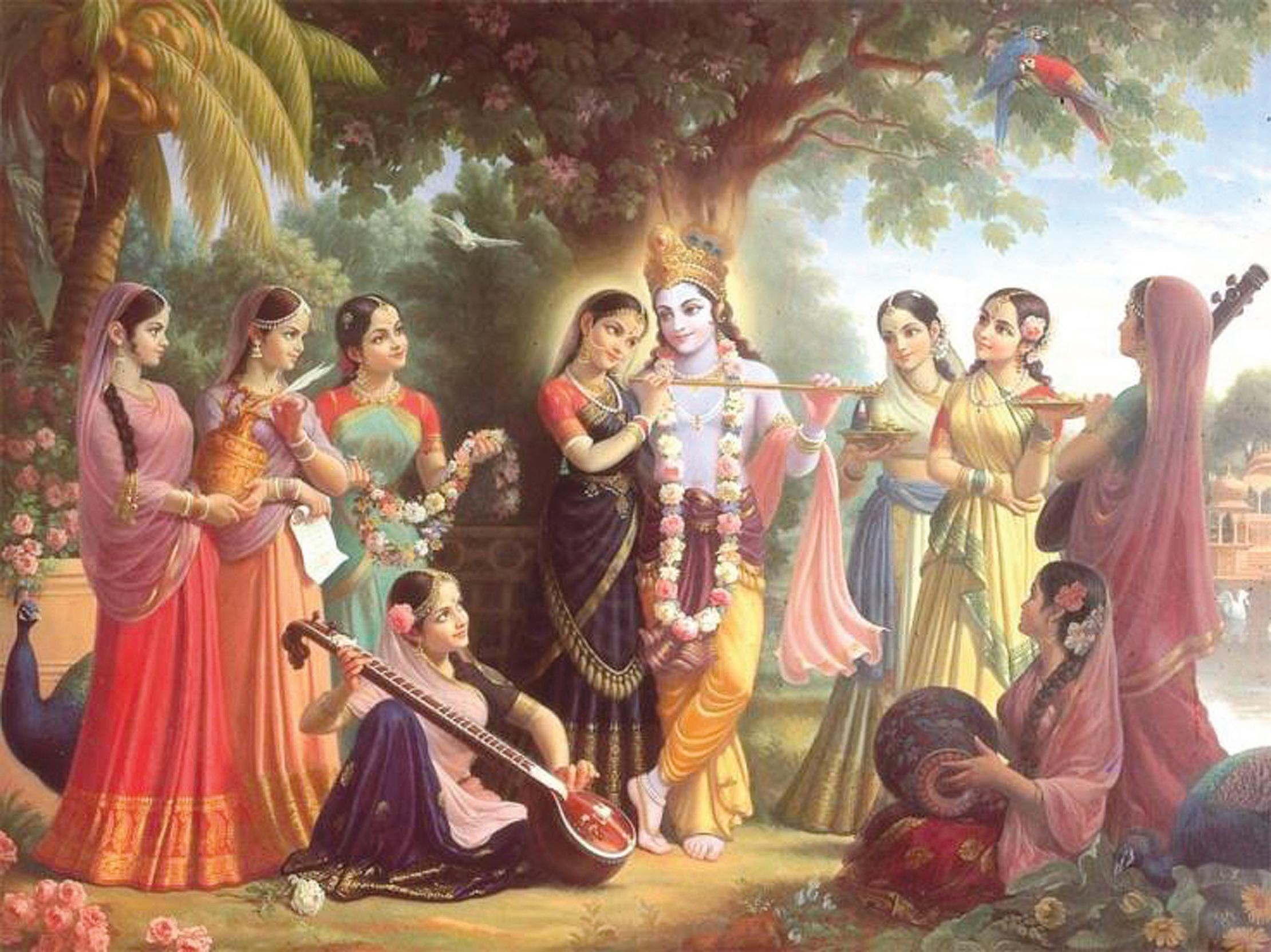
Another legend centres on the pranks the boy Krishna, one of the Avatara of Bhagwaan Vishnu. Krishna pesters his mother Yashoda as to why his beloved Radha and the other girls (Gopis) of the village are fair while he is dark
In exasperation, Yashoda tells Krishna to go and colour Radha and the girls any colour he wants. The colouring of others now typifies Holi.
The previous two legends are most popular in North India from where most of the indentured servants that were brought from British India to Guyana between 1838-1917 after the abolition of slavery originated.
In South India, however, where about 10 per cent of
ened “third” eye. Beseeched by Rati, Shiva allows Kama back into existence to but visible only to Rati, on Holi Day.
the indentured servants originated, and were called “Madrassees, the legend is of the God of love Kaama and his wife Rati. Kaama shoots lovers with his arrows and he is asked to do so to the grieving Bhagwaan Shiva who is deep in meditation. Kama does as asked and is turned to ashes by Shiva’s awak-
neighbourhoods become a carnival of colours, where everyone plays, chases and colours each other with dry powder and coloured water, with some carrying water guns and coloured water-filled balloons for their water fight.
In Guyana a red-coloured liquid called “Abeer” is prepared and in the course of the afternoon, the clothes of most would have been doused with Abeer. Anyone and everyone is fair game, friend or stranger, rich or poor, man or woman, children and elders. Everyone is expected to take the celebrations in good stead.
Groups carry drums and musical instruments, go from
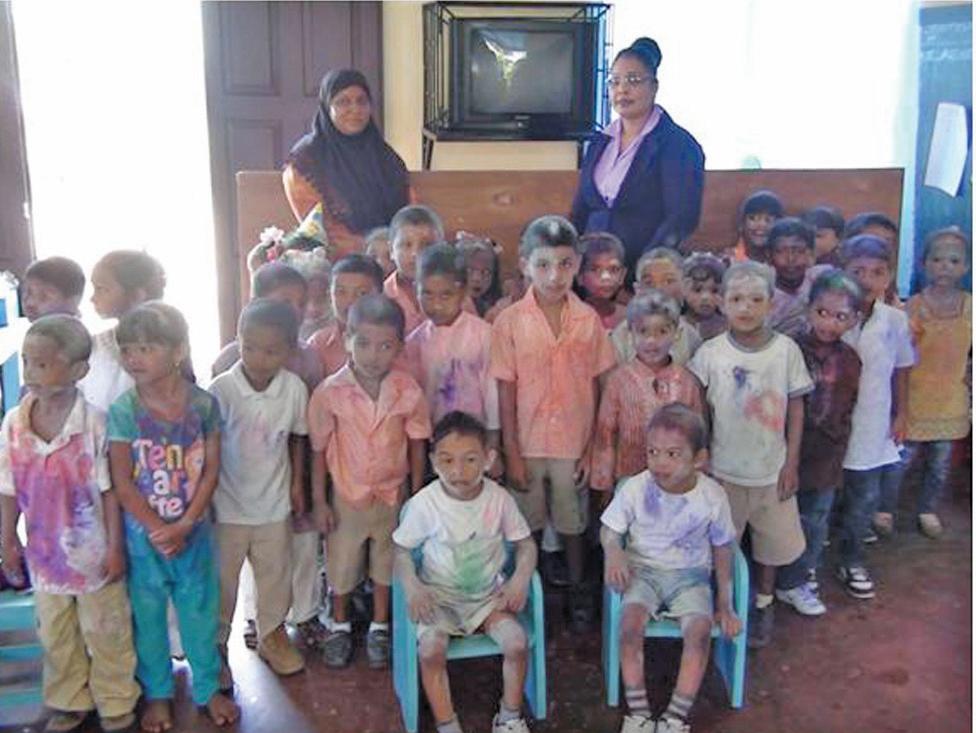
In Guyana, Holi is celebrated by Guyanese of all backgrounds. The celebrations start with a Holika bonfire on the night before Holi where people gather, sing and dance. Forty days before the ground would have been consecrated and a castor oil tree planted. In the succeeding days, wood would have been added by Hindus to create the pyre. The next morning in Guyana begins with roving bands, especially children soaking everyone in sight with buckets of water and smearing them with the ashes from the pyre or other coloured dyes.
In the afternoon, every Hindu decks out in white and
place to place, sing and dance. People move and visit family, friends and foes, first play with colours on each other, laugh and chit-chat, then share Holi delicacies, food and drinks. Holi has become a social holiday to meet others, play and laugh, forget and forgive, and repair ruptured relationships. Happy Holi!




Danny Persaud – “Well I’m originally from Essequibo and after 10 years I will be celebrating Phagwah there again. In Essequibo, Phagwah morning the people pick up the ashes from the Holika and walking around playing while singing chowtal music, then go back to the mandir. The wives would be home cooking up a storm. For me going to Essequibo to celebrate Phagwah is kind of like a reunion for me and a walk down memory lane. In Georgetown, Phagwah is not celebrated traditionally. My favourite part of Phagwah used to be the night of the Holika burning and Phagwah morning when we walking around singing chowtal, this does not happen in Georgetown people just go around in trucks and that’s no fun.”
ith Phagwah, the festival of colours, being a big celebration Guyana Times took to streets to find out what persons

Priyasha Singh – “Every year I embrace the occasion of Phagwah with growing enthusiasm that bridges over my colourful childhood memories, to reach me today, as a festival to celebrate. Besides exchanging sweets, colours and wellwishes, there is something more to it that I adore; it is the spirit of unity, friendship and a will to forget the past and let the present take over our lives… Happy Holi”

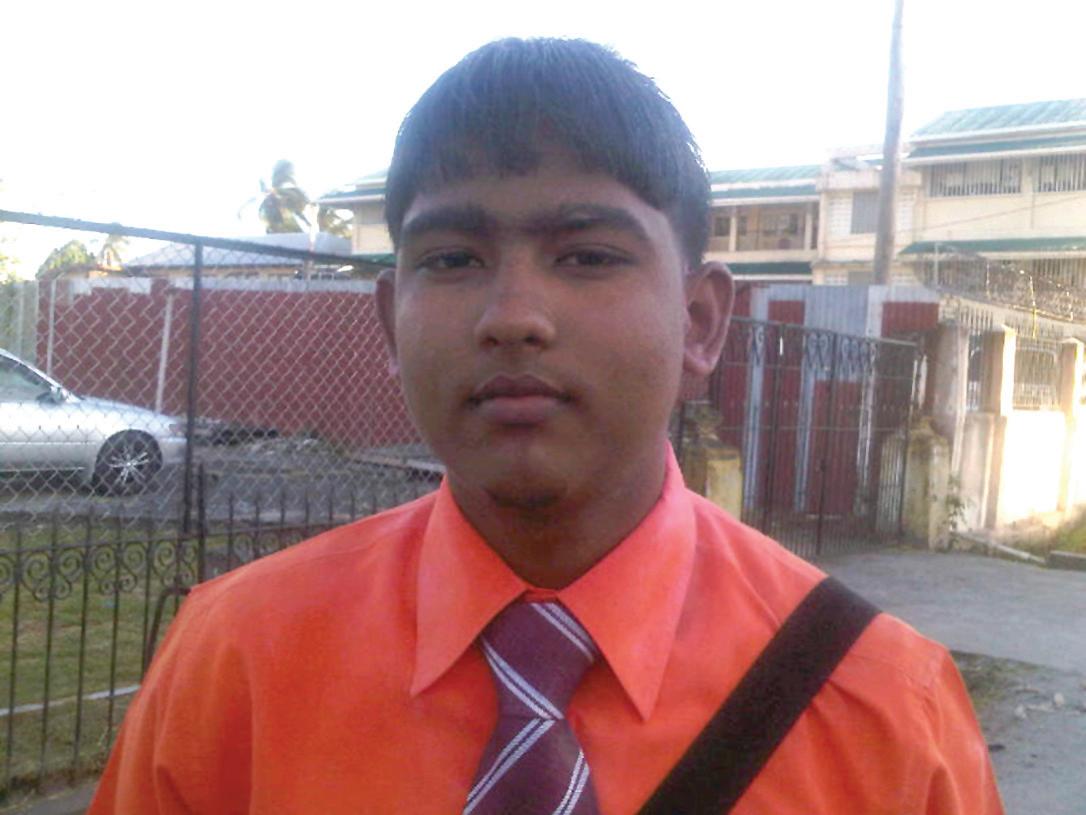
Hemant Rambacchus – “I like everything about Phagwah and I have a lot of fun on that day. There is a youth group in my village and we have planned a Phagwah Mela on that day but in the morning the group will go around the village and play with people then in the afternoon we will be busy with getting the mela on show.”
celebration in Guyana not only by Hindus but Guyanese at large, persons have planned for the holiday.

Monica Pestano – “I don’t really have nothing plan because in my village people don’t really celebrate Phagwah so I just stay home with my children and cook for them but this year I plan to go to the stadium or visit a friend.”
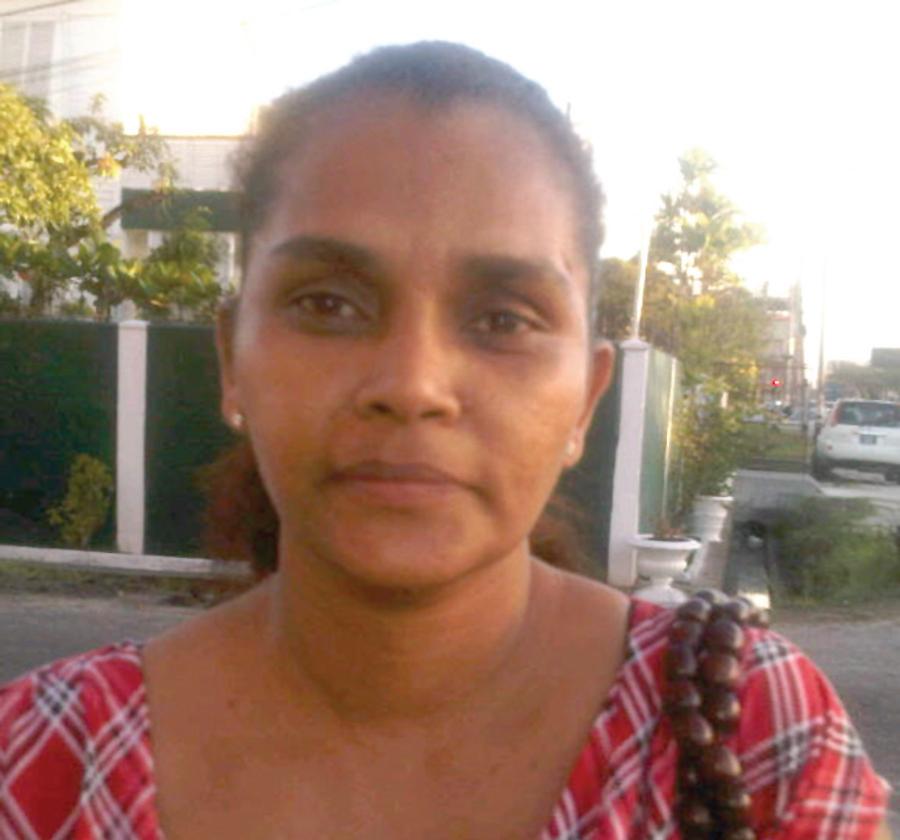
Rosita Da Silva – “I am not a Hindu but I would participate on Phagwah day when my neighbours come around and play with me in the morning and afternoon. The best part of Phagwah for me is probably getting sweetmeat parcels from neighbours but I also cook things too for my family. I actually grew up as a Hindu so I enjoy the celebrations a lot.”

Sophia Singh – “Phagwah is the celebration of colour and even though we are not Hindus, we still take part in celebrations. On Phagwah day we plan to go at the National Stadium and have fun with family and friends. My favourite part of Phagwah is playing with water and all the coloured powder with everyone.”
The Indian Arrival Committee (IAC) extends Phagwah (Holi) greetings to all citizens, especially those who are guided by the philosophical teachings of Sanatan Dharma.
In its message, the IAC said Phagwah or Holi is a festival of Bharat (India) that has its roots in antiquity and celebrates the coming of a new spring season, the drawing of a new year and the triumph of good over evil exuberance of this festival reflects the collective hope of people for progress, prosperity and the con-
comitant betterment of their lives.
“This festi val of renew al most likely pre-dated the Sarasvati Valley Civilisation, the World’s first significant civili sation which flourishes between 5000 BCE and 2600 BCE and sir Krishna of Mahabharata
frame,” the organisation
It added that even though the cultural landscape in Bharat had changedfrom time to time from the Introduction of the Negroids followed by the ProtoAustraloids, , Dravidians, Mongoloids, Caucasians, Persians, Greeks,
Shakas, Kushanas, Huns, Arabs, Turks, Afghans, Mughals And Europeans, the festival of Holi emerged, survived and flourished in Bharat, the world’s first melting pot.
The IAC said Holi was brought to British Guiana by Hindus who arrived as indentured labourers to work on sugar plantations 176 years ago and was sustained by the majority of approximately 239,000 Bharatiyas who arrived on these shores between 1838 and 1917.
The organisation noted that Phagwah was transplanted from
a large sub-continent, characterised by the four season of spring, summer, autumn and winter, to Guyana a small South American land of dry and rainy seasons and even though global warming is creating climatic havoc, the symbolism of Holi must not be lost.
“IAC, therefore, calls upon all the citizen of this multi-cultural land of Guyana to regard the great festival of Phagwah or Holi, which celebrates life and hopes regardless of demography or geography, always as a focus for national unity,” the message concluded.
First Lady, Deolatchmee Ramotar said the occasion of Holi should motivate all Guyanese to pursue betterment and happiness.
In her Phagwah Day message, Mrs Ramotar urged citizens to celebrate the festival with great vibrancy, fun, colour and joy as it “reminds us all that life is meant to be lived with hope and in the pursuit of betterment and true happiness.”
She said Phagwah is a celebration of the quintessence of life. “Whatever difficulties we may encounter in our lives we know that the flame of hope is never extinguished. New days and new

seasons rekindle that hope that more glorious and prosperous days lie ahead,” Mrs Ramotar said. According to her the rewards of life are to be grasped by everyone.
“Let us therefore on this special festival of Phagwah be thankful for the great bounty that life has given to us and let us use that good fortune to promote greater harmony and unity in our country. Ours is a very special country, blessed with great diversity of peoples and cultures. Phagwah is one of the main cultural festivals of Hindus.
As we all join in celebrating with them, let us renew the bonds of friendship and respect that have traditionally existed amongst all of our peoples and let us mark this Phagwah festival by acts of overflowing joy and kind-hearted friendship.”
Mayor, Hamilton Green has urged a cleaner city in a message to mark the occasion of Holi.
“…this is a very special occasion, in the Hindu calendar of events, where purity of heart and spirit is emphasised,” the Mayor said in his message.
He said it is hoped that, “as you celebrate the quest for purity we would reflect on our local communities. We wish for the general environment, to be clean and tidy, and there must be a general sense of neighbourliness and goodness.”
“As we celebrate, let it

bring us closer together in unity regardless of our race, colour or religious persuasion. Let us remember that in unity there is strength – a value we need now more that

even to arrest the noticeable degeneration of spiritual and moral value in our society.
As we celebrate, pray for peace and be an Ambassador of peace, order and prosperity.”
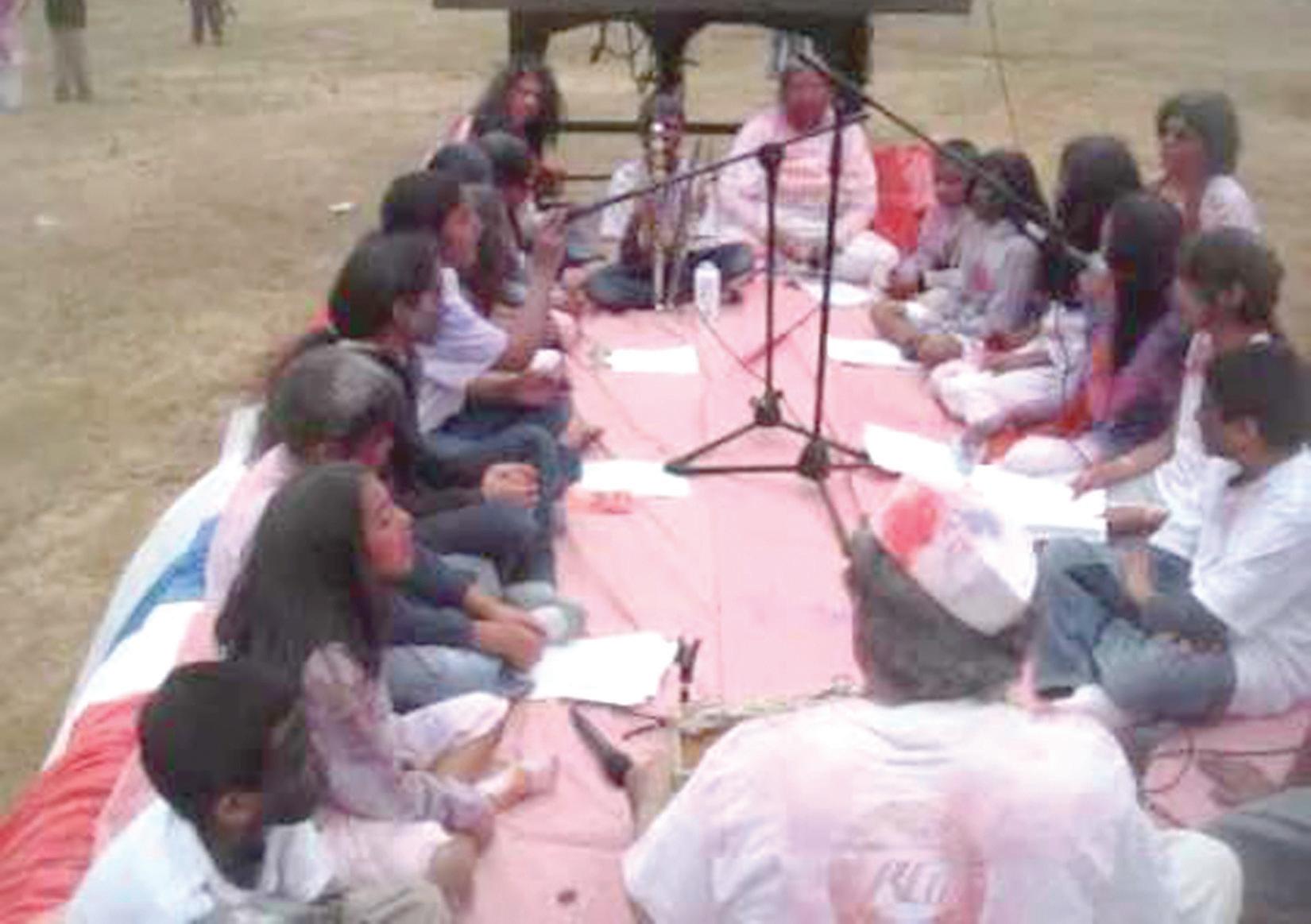
Chowtal is originally a form of folksong originating from the Bhojpuri region, North India, and is usually sung by villagers during the Phagwah festival.
This form of music is usually sung by two groups antiphonally, that is, in a series of changes in tempo, voice modulation, speed and often ends with exciting climaxes. The musical genre encompasses a variety of subgenres and is sung in a series of repetitions usually six to eight times.
The groups line up in two rows of singers, playing jhals and mridangs, as they face each other in a semi-circle and there is a “dholak” drummer at one end. This type of music was transmitted during 1845-1917 by indenture labourers to the Caribbean; particularly to Trinidad, Guyana, Jamaica and Suriname. The tradition of chowtal singing is very much prevalent in these countries and has even flourished in secondary diaspora communities of Indo-Caribbeans such as in New York.
Chowtal singing is also used to express adoration for God for everything through the songs.
Here is a popular chowtal song:
CHOWTAL – PRABHU AWADPURI
PRABHU AWADPURI NEYARAYE
KAPINA SAMUJAYE
SUNO KAPESHA ANGAD LANKESHA
PAWAN PURIYA SUHAYE
VEDA PURANA VIDITA
JAGA JANATA
JAHA SARJU BAHATA SUHAYE
KAPINA SAMUJAYE
Tulsidasji explains the devotees’ desire to understand the true nature of PrabhuShri Ram, Which is well known by some of the
great devotees in the Ramcharitamanas, such as Angad, Hanuman and the likes. The Vedas, Puranas and the entire universe is well versed of the glories of the Lord of Ayodha where the Sarju River Flows.
MAJANA KARATA SAKALA
AVBHAGATA MAHIMA
BARAN NA JAYE
DES DESKAY SANTA BIRAJATA
UTO RAHATA AWADHPURA
CHAAYE KAPINA SAMUJAYE
The devotee chants the praises of the Lord, Prabhu Ram and such should never be forgotten. The glories of Shri Ram have been sung for many ages and times and have brought relief to the world.
SUNO PRABHU BACHANA
HARSHA BHAYE SAYWAKA
JAI JAI KARA SUNAYE
GAJATA TAJATA SAKALALA
BHALUKAPE
PRABHU NAGARA NEKATA CHALE
AAYE KAPINA SAMUJAYA
The one who performs service for Shri Ram, as his servant, will be very close to him as there are the words given by Tulsidas in the Ramcharitmanas.
ANJANE PUTRA BHARATA PAYH
AAYE, RAMA KUSALA BATLAYE
DOWLATRAMA HARSHA
GUNA GAWATA
SHRI RAMA AYODHYAJE
AYEA KAPINA SAMUJAYE
Hanuman, informed Bharatji of Hanuman’s arrival and Ram returns to Ayodha. Bharat Willingly gave all up to welcome Shri Ram to ayodha and he returns.

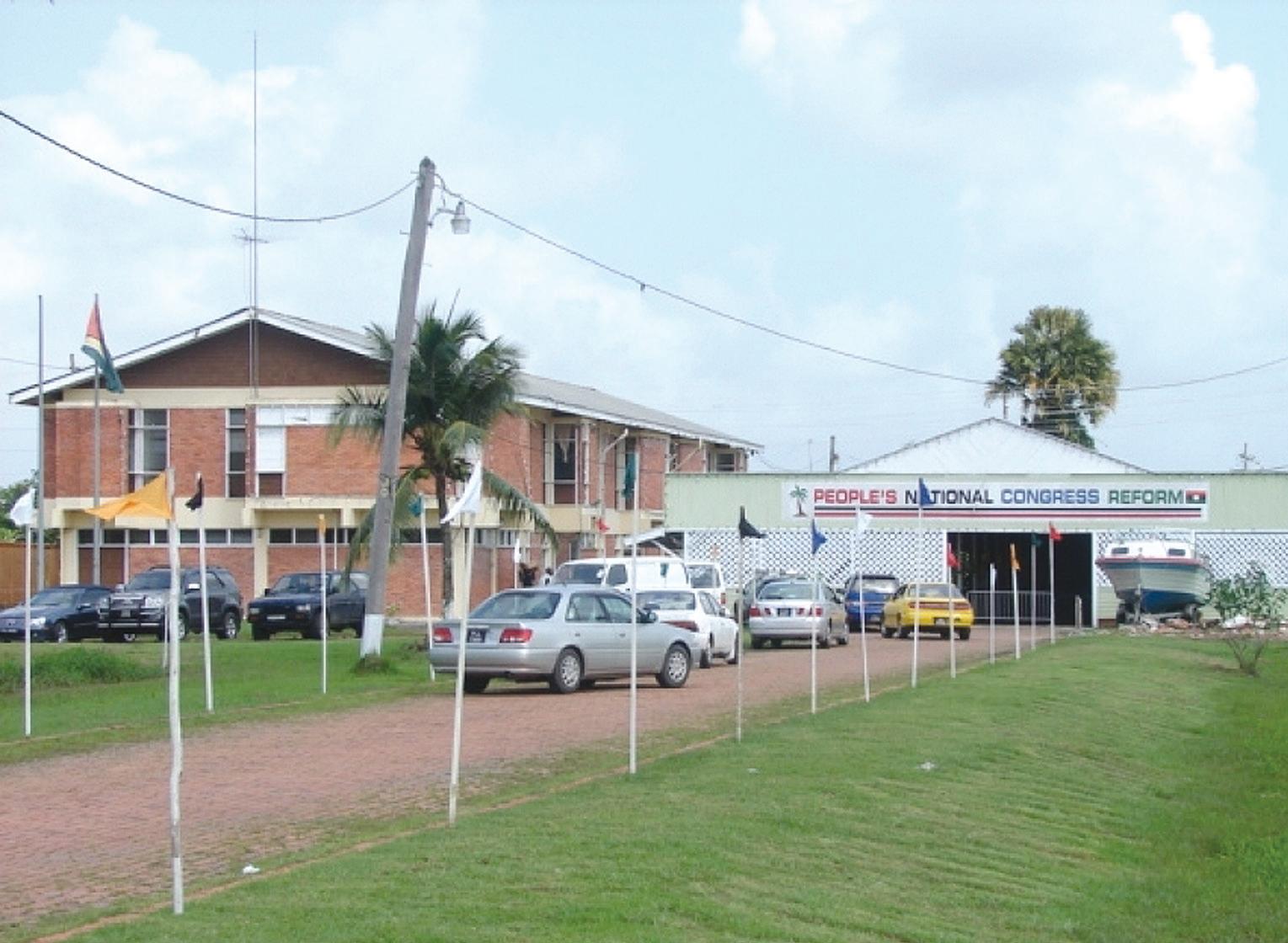
The People’s National Congress Reform (PNCR) is urging all Guyanese to use the Festival of Holi to refresh their souls as they strive for lasting peace and joy.
In its message the party said the significance of Phagwah is two-fold; its secular significance lies in the advent of the season of spring, and its real and allegorical implications of fertility, rebirth, renewal and regeneration. The religious significance of Holi lies in the conquest of good over evil, manifested by the destruction by Prahalad of
his demonic father, King Hiranyakashipu.
In Guyana today, the party said “our spirits are becoming increasingly sullen and sour in the brooding darkness that now engulfs our land.”
“Violent crime, pervasive joblessness, narco-trafficking, gun-running, creeping despotism, social disintegration and deepening poverty, stalk our land; partisanship, discrimination and executive lawlessness compound bad governance.”
The PNCR urges all Guyanese people to see some spiritual inspiration in this
festival and to brace themselves against these many evils that are in our midst, and resolve, at this juncture, to take steps to end these calamities that now bedevil the country. Quoting Indian national, Kulapati Vani who wrote many years ago, “festivals are gatherings for refreshing spirit and enjoying life”, the PNCR is urging all Guyanese to use this occasion of Phagwah to refresh their spirit and enjoy life, and to participate fully in this colourful festival and enjoy the rich elements of our religious and cultural diversity.

Holi or Phagwah in its originality marks the celebration of the festive season of spring when nature blossoms and renews itself, bringing with it joys and happiness to people.
While the term ‘Phagwah’ is a derivative of the Hindu month in which the festival falls, ‘Phalgun’(late February/early March), the nomenclature ‘Holi’ gleans from ‘Hola’ which mean grains, referring to a period of harvesting and thanksgiving to the Divine with special reverence to nature for providing bountiful crops and foods.
In this context, the earth and forces of nature are regarded sacred and to an extent is revered by the masses that depended primarily on crop production. In this spirit therefore, the festival is encompassed with an ambience of thanksgiving, goodwill and love. A spirit of charity enfolds.
In such atmosphere, the people of the past (Hindu ancestors of India) celebrated the occasion by engaging in religious and positive social activities allowing an aura of love and kindliness to prevail and which they brought with them to the West and the Caribbean.
These features include the singing of special types of music (Chowtaal, Kabeer and Baani) in praises to various deities coupled with the splashing of water, abeer and playing of powder of many colours with each other, while sharing and participating in sweetmeats.
Indeed, Phagwah is a reaffirmation of hope, a renewed commitment to friendship and goodwill, and a religiously sanctioned celebration of the simple, and some not so simple joys of life.
Coinciding with the celebration over time, is also the popular Hindu lore and legend of Prahalad, the story of the triumph of good over evil; truth over untruth; virtues over vices, which has become the key theme of the celebration today.
This theme leads to the social and universal aspect of Holi/Phagwah. Phagwah must bring people together, foster unity, social peace and provide an avenue for people to cast away old enmity, hatred and jealousy. It’s an occasion to introspect and reflect subjectively on the more sublime, underlying meaning and purpose of life.
Sanatan Vaidic Dharma Pandits’ Sabha Region Three