










JULY 31, 2026






The Berbice Bridge will be closed to vehicular traffic on: Friday, July 31 – 05:15h–06:45h and Saturday, August 1 –05:50h–07:20h.
Parika and Supenaam departure times – 05:00h, 10:00h-12:00h, 16:00h, 18:30h daily.
Sunny conditions are expected during the day, with clear skies at night. Temperatures are expected to range between 23 degrees Celsius and 31 degrees Celsius.
Winds: Easterly to East-South-Easterly between 4.02 metres and 5.81 metres.
High Tide: 17:54h reaching a maximum height of 2.56 metres.
Low Tide: 11:30h and 23:42h reaching minimum heights of 0.59 metre and 0.63 metre.










5-member
sworn in – says, “Every lesson to be learned from this tragedy will be learned”
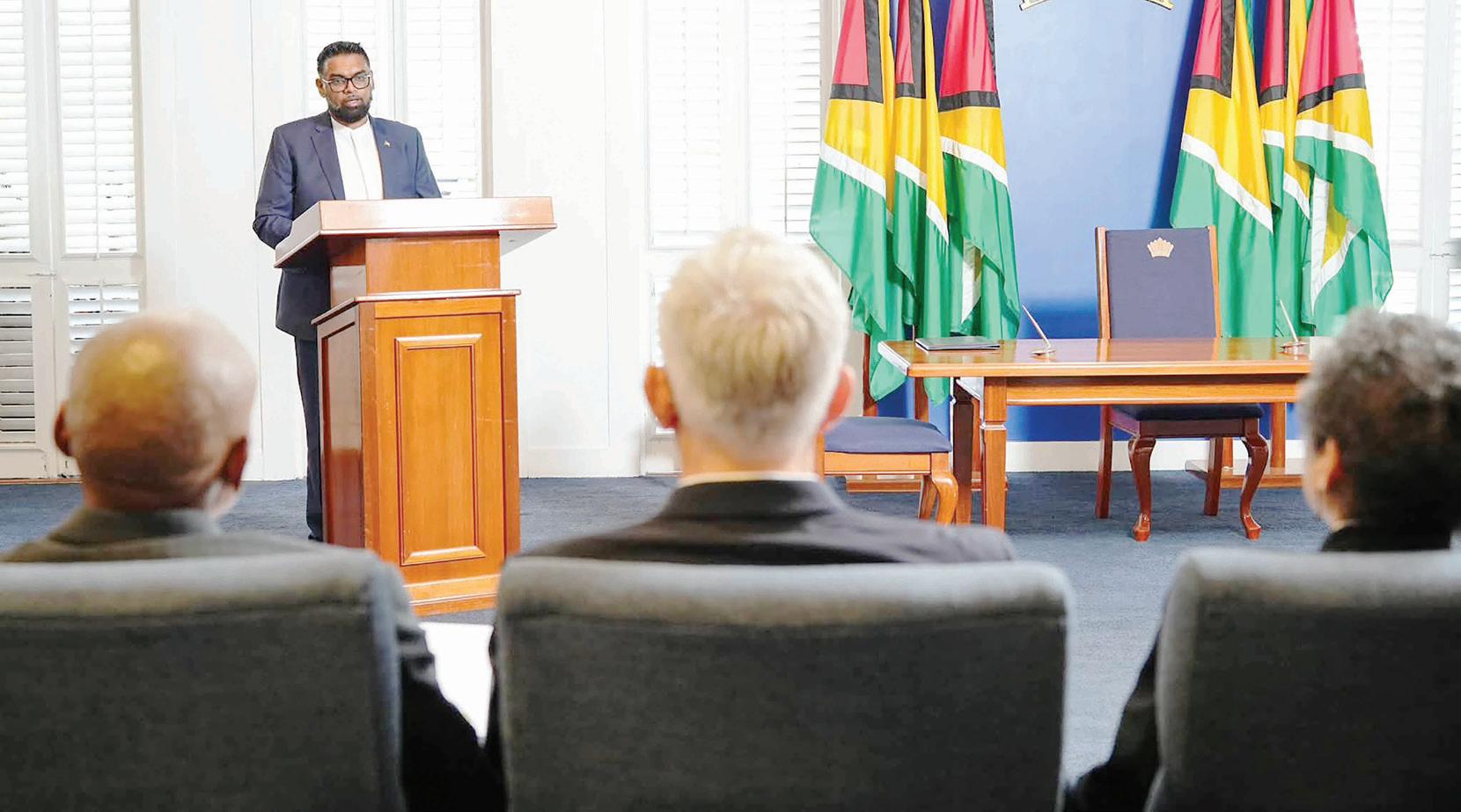
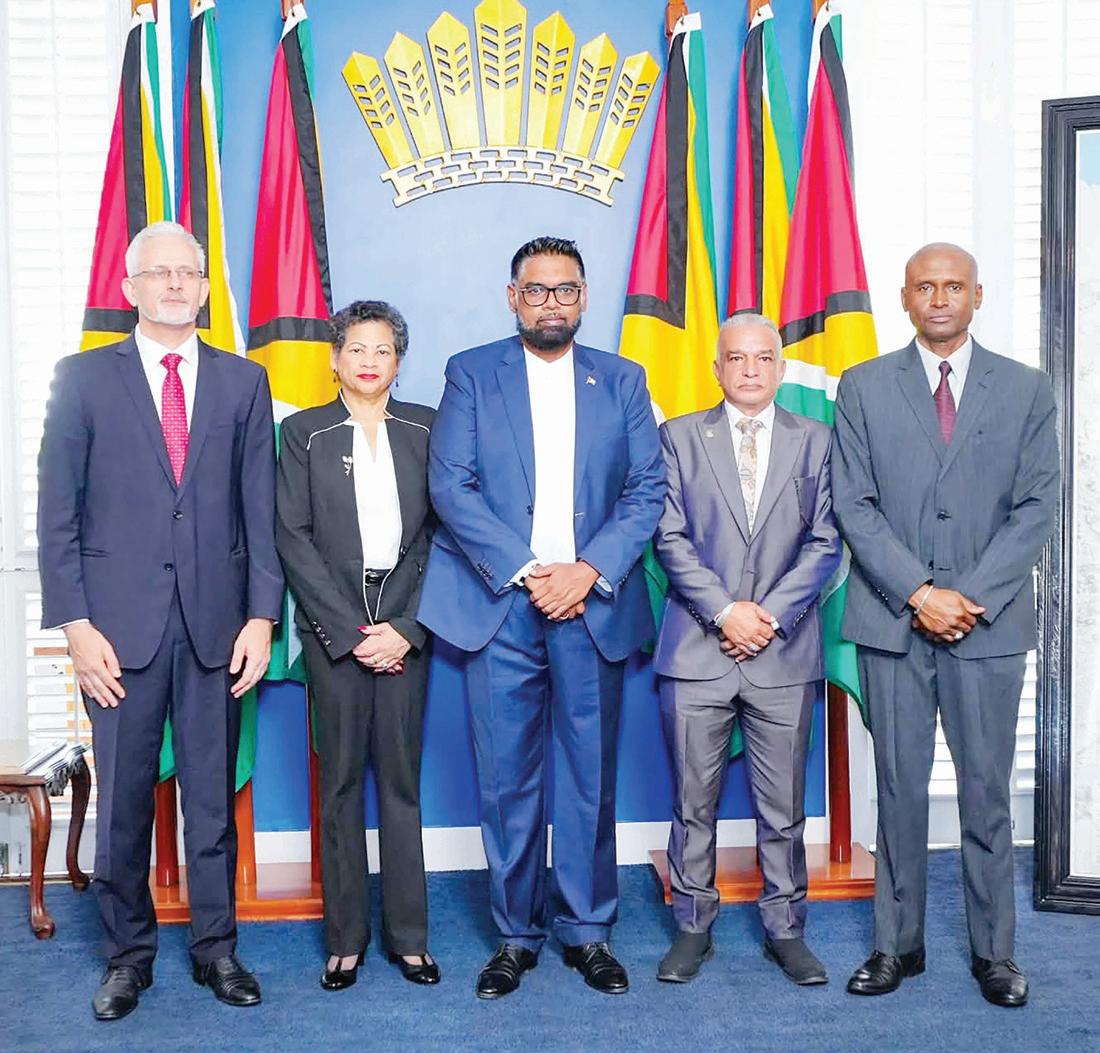
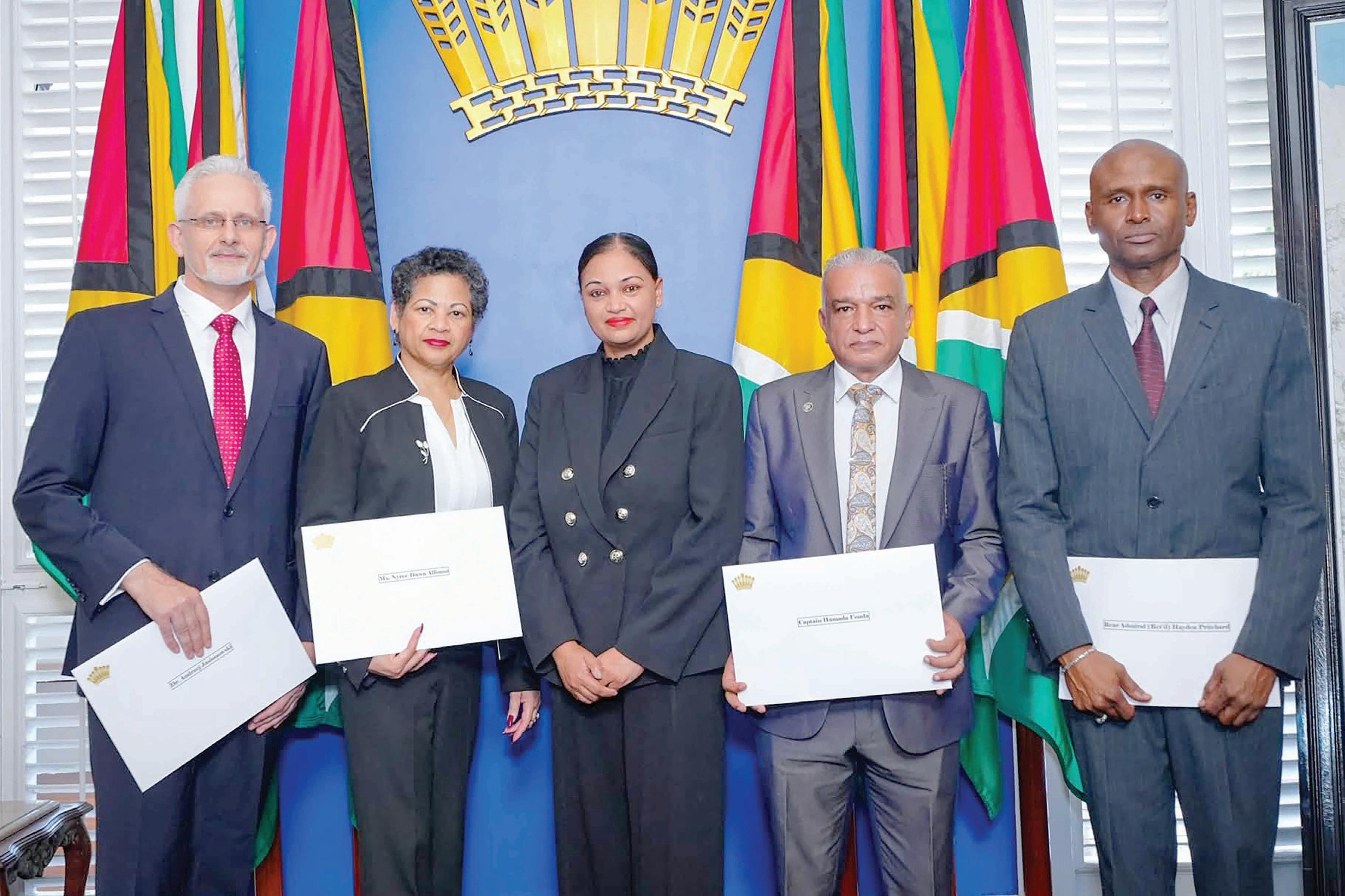
he five-member Commission of Inquiry (CoI) appointed by President Dr Irfaan Ali to investigate the circumstances surrounding the July 18, 2026 capsizing and sinking of the MV Barima off the Essequibo Coast has been formally sworn in.
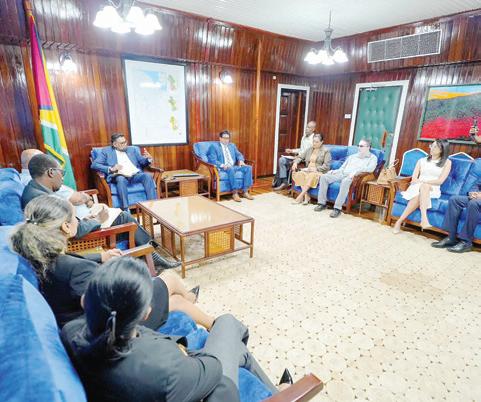
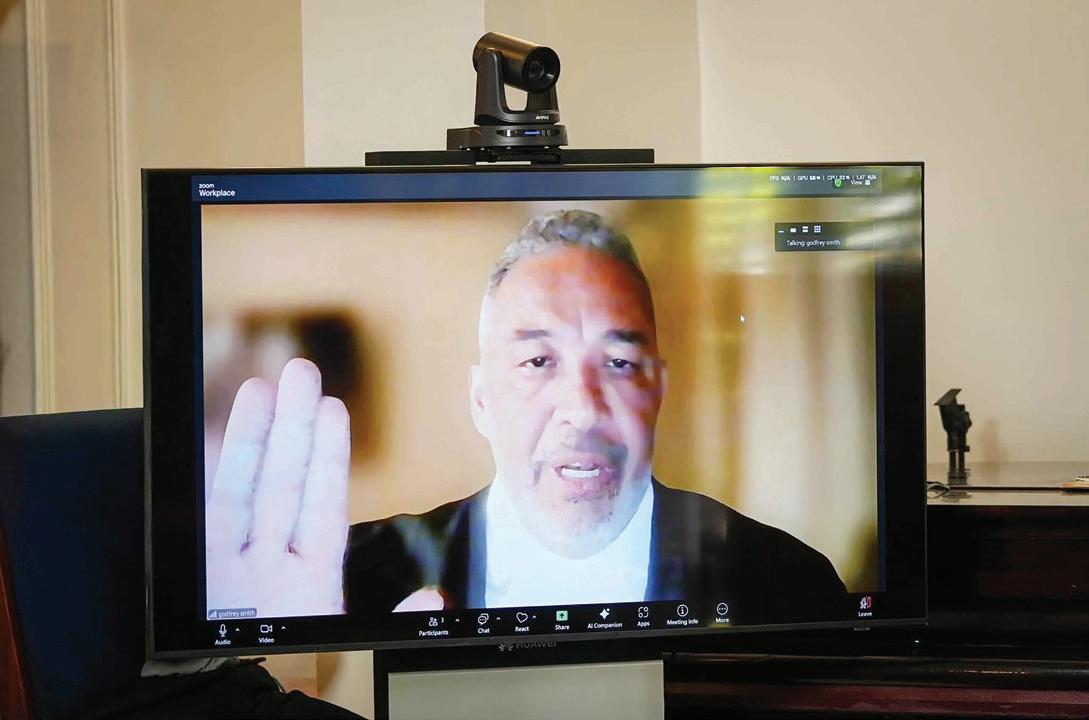
Chief Magistrate Judy Latchman administered the oath of office to the five Commissioners – four in person and one virtually –at State House, Main Street, Georgetown, on Thursday.
The four Commissioners who appeared in person are the following: Captain Hamada Fouda, a senior maritime surveyor and compliance auditor with the Maritime Authority of Jamaica; Nyree Dawn Alfonso, an Attorney-atLaw with expertise in admiralty and maritime law in Trinidad and Tobago; Dr Andrzej Jasionowski of Poland, a naval architect and marine engineer who has advised on investigations into several major maritime disasters; and Rear Admiral (Retired) Hayden Pritchard, a maritime professional with decades of experience in maritime opera-
Eastern Caribbean Court of Appeal, who has been appointed as Chairman of the Commission, was sworn in virtually.
Delivering brief remarks during Thursday’s swearing-in ceremony, President Ali noted that even as the country mourns those who lost their lives and stands in solidarity with the survivors and their loved ones, it has a solemn duty to establish the truth behind the MV Barima tragedy.
“Our nation deserves a full, fair, and impartial account of what occurred, why it occurred, and what must be done to ensure that
tions and maritime security from Trinidad and Tobago.
Justice Godfrey Phillip Smith of Belize, a Caricom High-Level Representative for Law and Criminal Justice and an ad hoc justice of the
such a tragedy is never repeated. It is in fulfilment of that responsibility that this Commission of Inquiry has been established,” he posited.



Editor: Tusika Martin
News Hotline: 231-8063 Editorial: 231-0544, 223-7230, 223-7231, 225-7761
Marketing: 231-8064 Accounts: 225-6707
Mailing address: Queens Atlantic Industrial Estate Industrial Site, Ruimveldt, Georgetown
Email: news@guyanatimesgy.com, marketing@guyanatimesgy.com
The World Health Organization (WHO) states that mental health is “a state of well-being in which the individual realises his or her own abilities, can cope with the normal stresses of life, can work productively and fruitfully, and is able to make a contribution to his or her community.”
It estimates that at least one in four people will suffer one or more mental health disorders in a lifetime.
We all have the potential to suffer from mental health problems, regardless of age, gender, financial standing, or ethnicity. Many factors can increase the likelihood of us experiencing issues, but poor mental health has no prejudice.
It may seem that mental health has become a buzzword, and yes, people are talking about it, the Government is behind developments, and awareness is growing; but what does poor mental health really look like? Those who suffer from mental health disorders will find it challenging to maintain productivity or contribute to the community, but more importantly, it will affect their day-to-day lives closer to home.
For example, one of the most common types of disorders is a group of anxiety disorders that include panic disorder, phobias, obsessive-compulsive disorders, and post-traumatic stress disorder. All of these have an adverse effect on day-today lives because they limit and dictate behaviour regardless of what a person wants to do. The fear they live with disrupts their potential for stability and happiness, and they can be constantly or frequently on edge.
Other types of ailments are mood disorders: mild or major depression and bipolar disorder. These affect people in a variety of ways: losing interest in activities, prolonged periods of sadness, lack of motivation, and feelings of despair. In the case of bipolar disorder, the sufferer oscillates between episodes of euphoria (mania) and depression (despair).
Another serious condition is schizophrenia. The sufferer has thoughts that appear fragmented and finds it hard to process information. They hallucinate, can be delusional, and can withdraw into their own world. This condition can pose danger to both the sufferer and those they come into contact with and obviously affect their day-to-day life and reality.
Mental health is a level of psychological well-being, just as physical health relates to our physical well-being. The difference is that as a nation, we seem to be able to accept that we need help to maintain our physical health, and most of us will willingly visit the doctor, accept treatment when necessary, and even take measures to prevent deterioration. Contrarily, the stigma attached to mental health prevents so many from reaching out for help, working to prevent poor mental health, or even accepting there is a problem.
Here in Guyana, there are added factors contributing to the prevention of people receiving treatment, including the absence of qualified professionals, the uneven distribution of those limited resources, ignorance, a self-reliance culture, and religious beliefs. These exacerbate the problem, as studies show that the earlier the intervention, the greater the reduction in the symptoms the individual experiences, the faster the recovery and return to functionality, and the lower the rates of recurrence.
The way forward is to continue working towards changing the culture of dismissing mental health issues, encouraging a new attitude to recognise issues are not weaknesses, educating people about the disorders, and encouraging them to seek help. It has already been determined that preventive, community-based care is better suited to treat people with mental health issues rather than an over-reliance on psychiatric doctors.
Therefore, efforts need to be made to train nurses and community healthcare workers to respond to emotional and psychological concerns. Similarly, although having a counsellor in every school is a great goal, mentors would provide broader, preventive care that would be more beneficial, quicker to implement, and easier to resource. This would allow for intervention and prevention earlier in the life cycle.
Invest in maintaining your own mental health by taking time out to understand yourself, seeking ways to enjoy a healthy state of mind, and asking for help if ever you need it.
Dear Editor,
It can be incredibly frustrating to watch public discussions get derailed by rumours, double standards, and conspiracy theories instead of sticking to proven facts and logic. This type of mindset is not unique to Guyana, but cultural, political, and historical factors certainly shape how it plays out in the country.
Guyanese are mostly of the view that as a country, whatever we endure is inherently unique and does not occur elsewhere in the world; conversely, they also tend to compare what Guyana should be like by using examples of other places in the world yet fail to realise that those places are only where they are because their people work together.
At times, it is ludicrous to see the double standards Guyanese often display of wanting better but failing to work together to achieve such a goal. For example, we have a littering problem; Guyanese blame
the Government for it and then opt to compare how other places are – yet WE, THE PEOPLE, still litter and still throw our garbage outside the moving vehicle or boat or right where we stand or walk.
Most Guyanese do not understand what development and growth are because, to them, development is defined as free money in their bank accounts at the Government’s expense, where everything else is irrelevant. With all the development and construction happening, they see it as a Government stealing through corrupt contracts, even though they themselves cannot verify the information they “gaff” about on the street corners.
It is a sad thing, especially when you have a population that is less academically inclined to see the truth behind the twisted narratives they are being fed.
Decades of race-based politics and fierce rivalry between major parties create an “us versus them” men-
tality. Guyanese are quicker to believe in a conspiracy that hurts the opposing side than a fact that helps them. A long history of political tension, lack of transparency, and institutional corruption makes the public naturally sceptical of official narratives. When people do not trust the Government or institutions, conspiracy theories easily fill the gap.
Guyanese culture heavily values oral storytelling and informal communication. Rumours and sensational stories (often shared via social media) spread much faster than dry, factual news reports.
Platforms like Facebook and WhatsApp allow unverified claims to go viral instantly. Users often lock themselves into echo chambers where confirmation bias leads them to accept narrative over logic.
Guyanese frequently excuse bad behaviour or logical gaps when it comes from their own political party, ethnic group, or social circle while fiercely condemning
the exact same behaviour from the opposing side. How can we change this? This is the question we all should consider because it could create a precedent whereby, for generations to come, the population gives relevance to conspiracies over facts? Inevitably, we will be a developing country with a backward mentality. Institutions and leaders must provide open, verifiable data to earn public trust and leave less room for speculation. Citizens should pause to verify information from multiple reliable sources before passing it on to help break the chain of rumours.
Teaching people how to identify biased sources, fake news, and logical fallacies is crucial for long-term change. Evaluating situations based on fairness, evidence, and national progress – rather than political or ethnic alignment – helps eliminate double standards.
Kind regards, Dev Harry

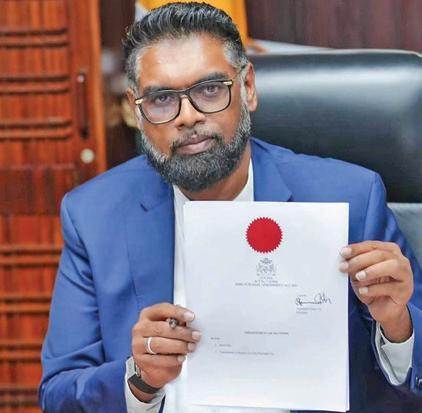
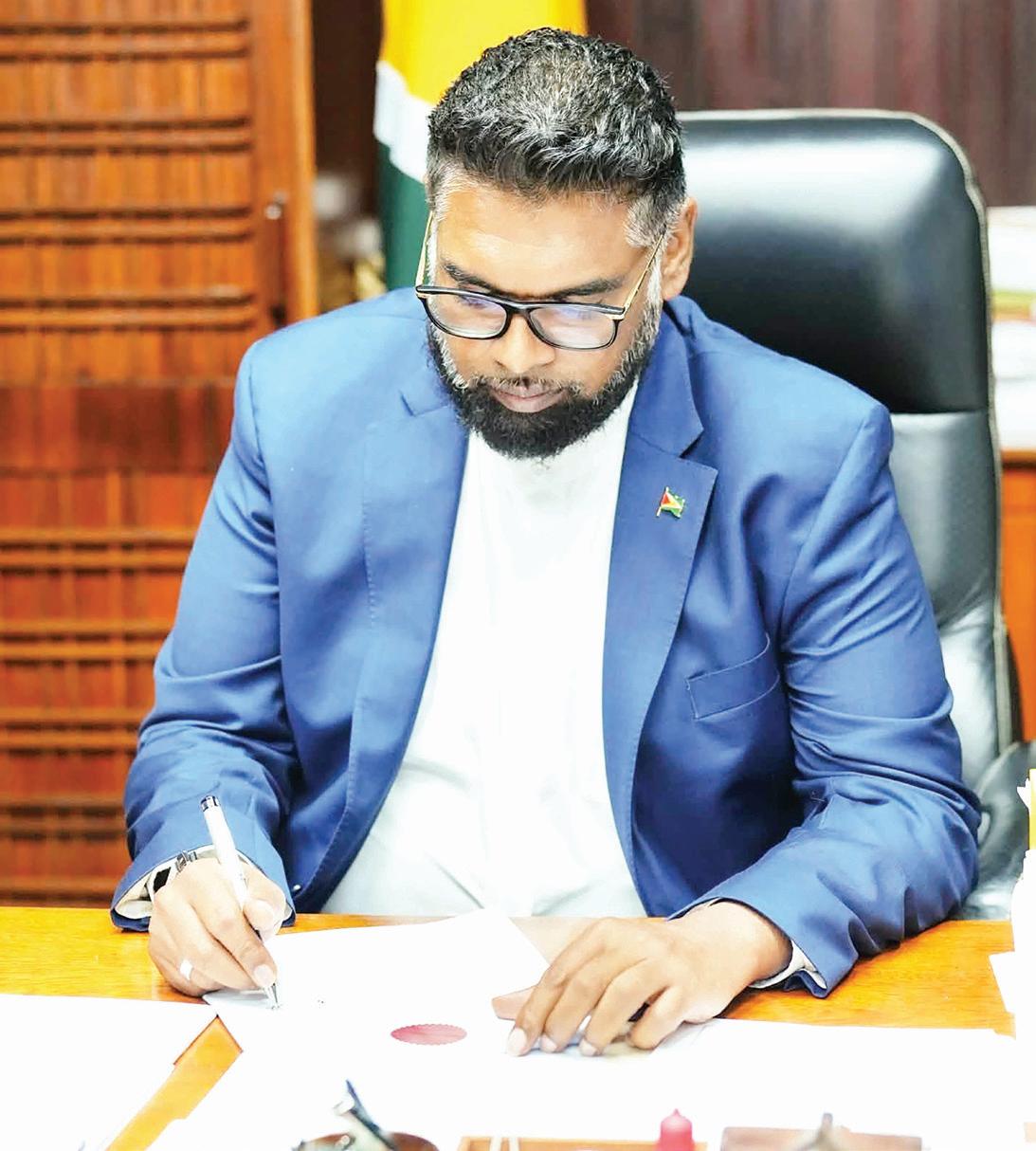
President Dr Irfaan Ali on Thursday assented to the Guyana Development Bank Act 2026, paving the way for existing and aspiring Guyanese small business owners to start accessing financing and other support services.
The Act, which was passed in the National Assembly on Monday, establishes the Guyana Development Bank and outlines the main elements of the legal, institutional, and administrative framework within which the Bank will operate.
The passage of the law sets the stage for the commencement of the Bank’s operations, which will see loans of up to $3 million being provided to small and medium-sized enterprises (SMEs) across a wide spectrum of sectors, free of collateral and interest.
Additionally, the Bank will provide critical technical and advisory support to the small business community, thereby helping them to prepare business plans, man-
age their finances, and grow their businesses to eventually graduate into eligibility for financing from the formal banking system.
Piloting the bill in the National Assembly, Finance Minister Dr Ashni Singh said that the Bank’s operationalisation will unleash a whole new wave of entrepreneurship across Guyana. He explained that the Development Bank would primarily serve entrepreneurs who have traditionally experienced difficulty obtaining financing through commercial institutions.
“What this bill seeks to do... is to facilitate our smallest and most vulnerable businesses being able to access financing for good business opportunities, unlocking, therefore, a wave of entrepreneurial activities,” Minister Singh noted.
During Monday’s parliamentary sitting, the Guyana Development Bank Bill was quickly approved as the Opposition bypassed participating in the debate
and instead protested while Government parliamentarians argued that the new institution would help bridge long-standing financing gaps that have prevented many Guyanese from fully participating in the country’s unprecedented economic expansion, while also targeting underserved borrowers, including women, young entrepreneurs, rural producers, and hinterland communities.
Throughout the debate, Government members described the proposed Development Bank as a key instrument for ensuring that Guyana’s economic growth translates into greater opportunities for ordinary citizens rather than remaining concentrated among larger businesses with easier access to commercial financing.
Culture, Youth, and Sport Minister Charles Ramson Jr said the legislation represented more than the creation of another financial institution. “What we are doing today is more than just a discussion about banking.
It is a discussion about how we as a Government... ensure that the promise of economic growth reaches every Guyanese.”
According to Parliamentarian Alistair Charlie, Guyana’s rapid economic transformation has created unprecedented opportunities but has also highlighted significant barriers to financing, particularly for smaller businesses that often struggle to satisfy the lending requirements of commercial banks.
That Guyana continues to attract major investments, undertake large-scale infrastructure projects, and witness the emergence of new industries was highlighted by Minister of Public Service and Efficiency, Zulfikar Ally, who lamented that, however, access to affordable financing remains uneven.
“The fact is our economy shows no sign of slowing down under a PPP/C (People’s Progressive Party/Civic) Government, and as we continue to grow and expand, it is
our duty as a Government to be intentional about making sure that this growth is inclusive, productive, and broadbased,” he said.
Ally also underscored that the effectiveness of the Development Bank should
not be measured simply by the value of loans approved but by the broader economic impact generated through increased entrepreneurship, job creation, and regional development.
Dear Editor, Guyana’s efforts to develop domestic hatching-egg and poultry-breeding capacity deserve serious regional attention. The initiative reflects an important recognition: Caribbean countries remain highly exposed when essential agricultural inputs, including fertile eggs, breeder stock and day-old chicks, must be sourced almost entirely from foreign markets.
A successful Guyanese breeder programme could reduce foreign-exchange expenditure, create skilled employment, strengthen veterinary and hatchery expertise, support local feed production, and contribute to a more resilient regional poultry industry. It could also provide valuable lessons for Trinidad and Tobago and other Caricom states considering similar investments.
For these reasons, Guyana’s programme should be treated not merely as a national project but as a potentially important Caribbean food-security undertaking.
At the same time, the true value of the initiative will ultimately be demonstrated through verified production performance rather than announcements or projected capacity. Public reporting has shown that Guyana’s domestic hatching-egg production began from a relatively small base when compared with annual national requirements. This does not diminish the ambition of the programme. It highlights the scale of the technical, biological and financial journey involved in moving from pilot production to reliable national supply.
Hatching-egg production is not simply a matter of constructing poultry houses and
placing breeder birds. It requires reliable parent-stock genetics, specialised nutrition, flock-health management, controlled housing, trained personnel, laboratories, hatchery coordination, secure utilities, egg handling, biosecurity, transport, and dependable replacement-flock planning.
A national breeder system must also survive disruptions.
Avian influenza, Newcastle disease, salmonella, mycoplasma, equipment failure, feed interruption, or a loss of access to replacement genetics can affect fertility, hatchability, chick quality, and continuity of supply. Following a serious disease event, a breeder operation may require depopulation, investigation, cleaning, disinfection, and a fallow period. Replacement birds must then be sourced and reared to productive maturity. The resulting interruption may last many months, even where the physical buildings remain intact.
Guyana, therefore, has an opportunity to establish a model based not only on production volume but also on measurable resilience.
The Government and participating private operators should consider publishing regular, independently verified information on capital committed and facilities actually commissioned; the number and geographic distribution of breeder sites; breeder hens placed and productive flock ages; eggs produced per hen housed; fertility and hatch-of-fertile performance; saleable chick output and chick-quality indicators; mortality, rejects and disease-surveillance results;
the source and replacement schedule for parent stock; operating cost per hatching egg and per saleable chick; local feed availability and imported-input exposure; and emergency arrangements if one breeder site or supply source becomes unavailable.
Such transparency would not require disclosure of legitimate commercial secrets. It would allow citizens, farmers, hatcheries, investors and regional Governments to distinguish announced capacity from functioning, sustainable production.
Guyana should also avoid placing an excessive share of its breeder population, replacement stock and hatchery supply in one location. National capacity is safer when it is distributed among geographically separated and independently survivable production nodes.
A disease outbreak at one site should not be capable of disabling the country’s entire upstream poultry supply. Replacement flocks should not be located alongside all productive flocks, and critical breeder operations should not depend upon one power system, one water source, one feed mill, one genetic supplier or one transport route.
Import diversification must also remain part of the strategy during the transition to greater domestic production.
Developing local capacity does not mean that Guyana must immediately abandon all external sources. Until domestic production has completed several successful flock cycles and demonstrated reliable output, the country should retain access to multiple approved international suppliers and emergency
transport arrangements.
A resilient food-security system combines domestic capability with dependable contingency options.
There is also a wider regional opportunity. Guyana, Trinidad and Tobago and other Caricom states could cooperate on veterinary surveillance, laboratory capacity, breeder research, tropical poultry house design, feed development, training, and emergency supply planning.
Rather than every country separately attempting to replicate an entire breeder industry, Caricom Governments could identify areas in which regional collaboration would reduce cost and risk. These might include shared disease intelligence, coordinated approval of qualified source countries, mutual recognition of suitable testing systems, joint training and contingency agreements for the supply of hatching eggs or chicks during emergencies.
Guyana’s experience can help answer important regional questions: What level of investment is genuinely required to achieve dependable national production? How long does breeder capacity take to develop? What incentives are necessary? How should disease losses be insured or compensated? How can private operators participate without creating an entrenched monopoly? What level of domestic reserve should be maintained before exports are encouraged?
These questions should not be interpreted as criticism of Guyana’s ambition. They are the questions that every country must answer when public resources and
national poultry supply are placed behind a large breeder development programme.
Guyana has the land, agricultural potential and policy ambition to become an important contributor to Caribbean poultry resilience. Its greatest regional contribution may be not only the eggs it eventually produces but also the operational knowledge it generates and shares.
Success should therefore be measured through sustained flock performance, disease resilience, competitive
production costs, transparent public reporting and the ability to maintain supply when disruption occurs.
The Caribbean needs bold agricultural investment. It also needs evidence, accountability, cooperation and systems designed to survive failure.
Guyana’s hatching-egg initiative can provide all five.
Yours sincerely, Jamal Martin Laventille, Trinidad and Tobago

FRIDAY, JULY 31, 2026
00:00 Sign Off 06:00 Islam for Guyana 06:30 TVG Devotional Hour 07:00 Evening News (RB) 08:00 HGTV 09:00 Stop Suffering 10:00 Food Network 12:00 Movie - Fit for a Prince (2021) 13:30 Movie - Puffin Rock and the New Friends (2023) 15:00 Cartoons
16:00 Indian Soaps
17:00 The Young & The Restless 18:00 Documentary: Nat Geo Animals
19:00 The Evening News 20:00 Stop Suffering 20:30 TVG Music Break
Heartland 22:00 Movie - Cowboys & Aliens (2011)

Multiplying and dividing indices
There are two methods we can use to multiply terms involving indices.
When the bases are the same. For example:
a3 x a4
These questions usually ask you to “simplify” the calculation. When the bases are different. For example:
23 x 32
These questions usually ask you to “evaluate” (work out) the calculation.
Multiplying indices when the bases are the same
Example 1
To simplify the following expression:
83 x 84
Add the indices:
83 x 84 = 8 3+4
The simplified answer is:
87
The base has stayed the same and we have added the indices together.
Example 2
Simply the expression
52 x 56
52 x 56 = 52+6 = 58
Multiplying indices when the bases are different
In order to multiply indices when the bases are different we need to write out each term and multiply them together.
Example 1
To evaluate the following expression:
23 x 32
We need to calculate each one:
2 x 2 x 2 x 3 x 3 = 8 x 9
Then we can the work out the final answer:
8 x 9 = 72
Example 2
Work out 62 x 33
Practice:


Planets are large natural objects that orbit, or travel around, stars. Eight planets orbit the star called the Sun. In order from the closest to the Sun, these planets are Mercury, Venus, Earth, Mars, Jupiter, Saturn, Uranus, and Neptune. The solar system is the collection of the Sun and the objects that orbit around it, including the eight planets. Planets differ from other objects such as comets, asteroids, and meteors. In general, planets are the largest objects in the solar system after the Sun. Most of them orbit the Sun in a path shaped like a circle. They also have an atmosphere, or a layer of gases surrounding them. Most of the planets have at least one moon. However, scientists have long debated what makes a planet a planet. For many years most people believed that there were nine planets in the solar system. This number included Pluto, which was discovered in 1930. Pluto is a planet-like object that is usually beyond Neptune. But Pluto orbits the Sun in a different way than the eight planets do. Pluto’s orbit overlaps the orbit of Neptune. Also, Pluto is much
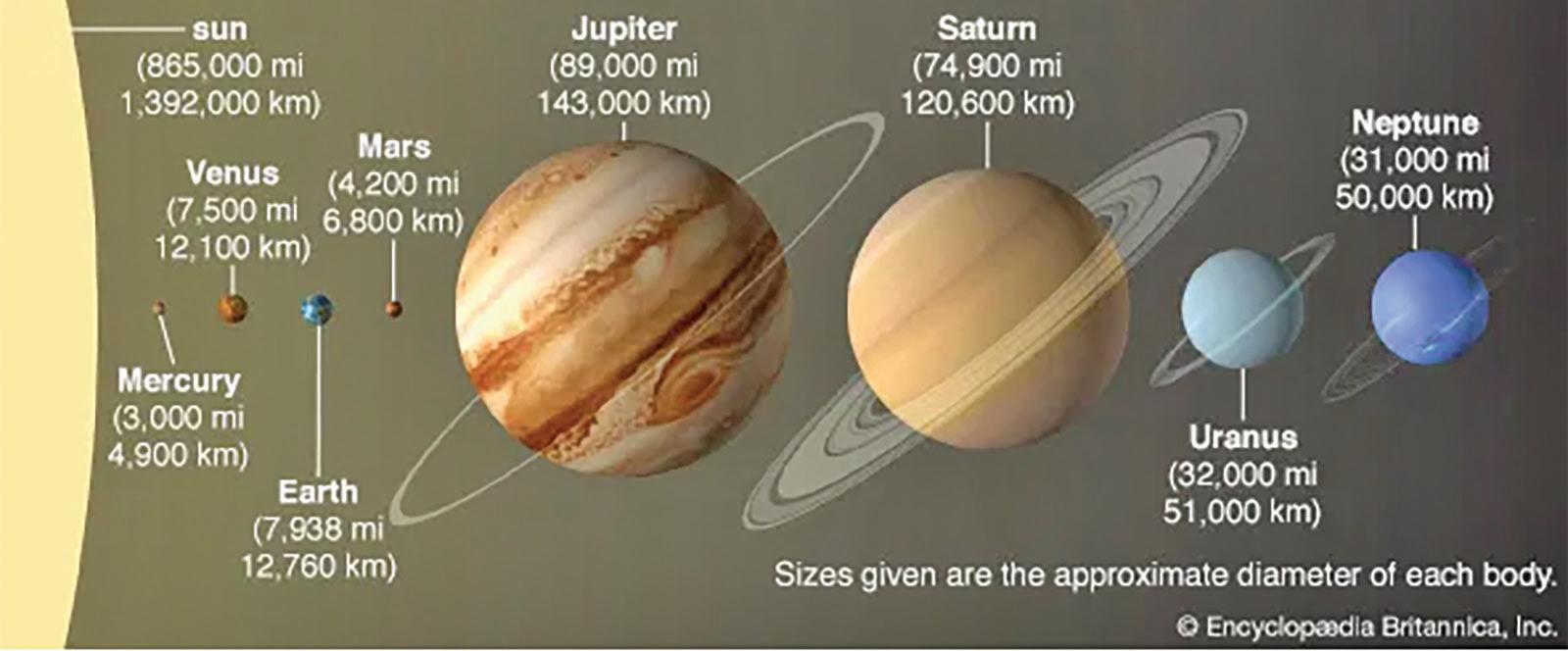
Mercury, Venus, Earth, and Mars are rocky planets. They are closer to the sun than Jupiter, Saturn, Uranus, and Neptune, which are called gas giant planets
smaller than the eight planets. In 2006 a large group of scientists decided to make a new category for Pluto and similar objects in the solar system. They called the objects dwarf planets. (Britannica Kids)


By Hilda Morley
With what pleasure in their own wings the egrets fly together describing long spirals, loosely sweeping, delighting in their own ease, their delicateness of flight—both ways Calm & swooping in a state of freedom & privacy, they explore their patterns, pushing them a little farther always, discovering each time another level in space, another intersection possible— each degree of invention, a reason for natural pride Pleasure in themselves is what renews their freshness, dipping & floating again & again— they can make the air over, tireless
(Source: Poetry [April 1985])

Imagine you discover a hidden door in your school. Where is it and where does it lead?






“Seek legal employment,
documents”
...warns against elements of deception, exploitation
ome Affairs Minister
HOneidge Walrond has underscored the need for changes in the approach to tackle the scourge of Trafficking In Persons (TIP), recognising that perpetrators are continually adapting new means of operating.
The Minister highlighted this point in her message on World Day Against Trafficking in Persons, which was observed on Thursday, July 30.
Walrond, who also acts as the Co-Chair of the Ministerial Taskforce on Trafficking in Persons, pointed to the efforts being undertaken to curb human trafficking in Guyana. These include public awareness campaigns in some 51 communities across six Administrative Regions, benefiting more than 4000 persons.
She added that specialised anti-trafficking training strengthened the capacity of law enforcement officers, healthcare workers, educators, community leaders, and other frontline responders. In fact, the Home Affairs Minister noted that the Guyana Police Force (GPF) also continued proactive
screening operations, interviewing 235 persons for indicators of trafficking, resulting in charges being laid against two foreign nationals.
Walrond pointed out that while these are tangible examples of a Government translating commitment into action, there is more work to come, especially when it comes to enhancing the national response to curb human trafficking.
“Traffickers continually adapt their methods, exploiting economic hardship, migration, technology, and human vulnerability. Our response must therefore remain equally dynamic, intelligence-driven, and uncompromising,” she asserted.
Speak up In the same breath, the Minister, however, highlighted the need for the involvement of the Guyanese public in these efforts to tackle tip. She said the theme of this year’s observance, “Stronger Connections, Stronger Futures: Together Against Human Trafficking”, reminds us that defeating trafficking requires a whole-of-society re-
sponse.
Walrond acknowledged that Governments alone cannot eradicate this crime and that success depends on strong partnerships among law enforcement, Government agencies, civil society, the Private Sector, faith-based organisations, international partners, and, critically, an informed and vigilant public.
“Today, I call upon every Guyanese to become part of our national response. Human trafficking often hides in plain sight. It survives where communities remain silent and where exploitation goes unreported. Every citizen has a role to play. Be vigilant. Speak up. Protect those at risk. Stand beside victims and survivors with compassion and dignity,” she urged.
Nevertheless, Walrond outlined plans to continue strengthening investigations, increasing labour inspections, enhancing prosecutions, expanding victim support services, and deepening collaboration with local, regional, and international partners.
Know your rights In Guyana, most of the human trafficking cases in-
The Commission has been entrusted with a comprehensive mandate to enquire into every relevant aspect of this disaster. With Terms of Reference (ToRs) that are deliberately broad and searching, the Commission is required to determine the facts, examine the causes and contributing factors, evaluate compliance with applicable laws and operational standards, assess the effectiveness of the search, rescue, and recovery operations, identify any shortcomings or failures, and recommend reforms necessary to strengthen the safety and resilience of the local maritime transportation system.
According to President Ali, “The nation awaits such a report. The families who have suffered unimaginable loss await these answers. Future generations deserve the assurance that every lesson that can be learned from this tragedy will indeed be learnt.”
The Head of State is confident that this Commission, which comprises individuals of exceptional professional standing and distinction, will deliver such answers to the grieving nation.
“Collectively, they possess expertise in law, marine engineering, maritime operations, maritime regulations, and disaster investigation. Their experience, competence, and integrity will enhance the professionalism, depth, and credibility of this inquiry.
Equally important is the confidence that the public must have. This Commission meets the highest benchmarks of independence, impartiality, and objectivity. They will determine their own procedures in the conduct of their work, guided by evidence and the law,” the President emphasised.
The Guyanese leader further expressed appreciation to the five Commissioners for their willingness to undertake this important task.
“You have accepted a responsibility of enormous consequence, and I thank you for placing your knowledge, experience, and judgement in the service of our nation at this critical time. I wish to assure you that the Government will provide the Commission with administrative, technical, financial, and logistical support necessary for the effective discharge of its mandate. Every resource required to facilitate a thorough, professional, and independent inquiry will be made available. I have every confidence that you will carry out your work with diligence, integrity, fairness, and independence,” President Ali stated.
The CoI, which was established under Section 2(1) of the Commissions of Inquiry Act, Chapter 19:03, and is in keeping with an earlier commitment made by the Guyanese Government, is expected to submit its findings, observations, and recommendations to President Ali upon
volve victims who are foreign nationals. These victims are often exploited by Guyanese persons or by other foreign nationals. Only in May, two Cuban nationals were remanded to prison after being slapped with multiple charges stemming from an alleged human trafficking operation in Prashad Nagar, Greater Georgetown.
Based on the facts presented in court, one of the accused, 32-year-old Raudel Ramirez Valverde, also known as “Pitulin”, recruited the female victim by means of deception for the purpose of commercial sexual exploitation. Valverde is also accused of confiscating the victim’s passport in furtherance of trafficking.
This comes on the heels of the Guyana Police Force, back in February, screening some 77 Cuban nationals at a house in Georgetown to determine whether they were victims of TIP after they alleged that their passports were held until they paid dues.

our unwavering commitment to preventing and combating human trafficking, protecting victims and survivors, and ensuring that those who profit from human suffering are brought to justice,” the Minister stated.
FROM PAGE 3
completion of its work.
MV Barima was en route to Port Kaituma, Region One (Barima-Waini), with 179 people on board when it capsized and sank off the Essequibo Coast on the night of Saturday, July 18.
While at least 76 persons survived the horrific boat accident, 73 persons have been confirmed dead, and another 30 are still missing. Efforts to reposition the sunken vessel, which is lying on the seabed about nine miles off the Essequibo Coast, were futile.
Drivers from the French Army, who were working with locals during the search and recovery operations, had informed anxious family members of the harsh conditions they faced during the diving operations to the sunken ferry.
The Government says that it will be up to the families of those persons still unaccounted for to determine why the sunken vessel is salvaged. It was previously explained that salvaging the ship could affect the integrity of the vessel and even cause damage to any bodies that are potentially trapped inside. In fact, the French divers had told relatives that salvaging the vessel would be a difficult task.
Meanwhile, the Captain and one other crew member, along with a staff member from the Transport and Harbours Department (THD), have been charged for the deaths caused by the horrific boat accident.
Against this background, Walrond called on foreign nationals as well as other vulnerable persons to be wary of whom they turn to for employment. She noted that as Guyana continues to experience unprecedented economic growth and increased migration, the country remains equally committed to protecting every person from exploitation.
“Opportunity should never become a pathway to abuse,” Walrond contended, while also appealing “...directly to migrants and other vulnerable persons: seek employment only through legitimate chan-
nels; safeguard your identity documents; know your rights; and report any attempts at coercion, deception, or exploitation. Your safety and dignity matter, and the Government of Guyana remains committed to protecting both.”
She went on to note that the Government will continue to strengthen local laws, modernise institutions, expand partnerships, and relentlessly pursue those who seek to exploit others for personal gain. Already, the Home Affairs Ministry completed the full digitalisation of immigration and visa applications and payments this year, making legitimate migration pathways more accessible while reducing opportunities for exploitation through informal channels.
“Human trafficking has no place in our society, and together we will continue building a country where every individual can pursue opportunity in safety, dignity, and freedom... We reaffirm
Guided by the 2026-2030 National Action Plan for the Prevention and Response to Trafficking in Persons and the strengthened legislative framework provided through the amended Combating of TIP Act 2023 and its Regulations, Guyana continues to reinforce its national response. This has resulted in expanded victim-centred services, intensified public education campaigns, strengthened intelligence-led enforcement, enhanced regional and international cooperation, and investment in the training of frontline officers to improve prevention, identification, and prosecution efforts. These sustained efforts continue to receive international recognition. In fact, for the ninth consecutive year, Guyana has been ranked Tier One in the United States Department of State’s Trafficking in Persons Report – something that Minister Walrond says is an acknowledgement of the continued commitment to meeting the highest international standards in combating trafficking.
She, however, recognised that this achievement is not an endpoint but a responsibility to continue improving local systems, strengthening institutions, and delivering even greater protection for vulnerable people.
A33-year-old construction worker from Alexander Village, Georgetown, and a 41-year-old man from Providence, East Bank Demerara (EBD), were taken into custody following the discovery of a firearm and ammunition during a Police operation at Independence Boulevard, Georgetown, on Wednesday.
Based on reports received, Police, acting on information obtained, conducted a search at a bar on Independence Boulevard, during which one Sig Sauer 9mm pistol, along with a magazine containing 19 live rounds of matching ammunition, was found on the ground of the premises.
The two suspects, who were at the bar at the time, were arrested and escorted to the Ruimveldt Police Station along with the firearm and ammunition. They remain in custody pending further investigation and charges.

Meanwhile, a third person was arrested after a live warhead and one spent shell of ammunition were found in a separate operation on Thursday along Mandela Avenue, Georgetown.
Police stated that a Toyota Hilux, which was at the time being driven by a 31-year-old project manager of La Parfaite Harmonie, West Bank, Demerara, was intercepted and searched, during which one .223 round of ammunition and one .223 spent shell were found inside the glove compartment of the vehicle. He was arrested and taken to the East La Penitence Police Station, where he remains in custody.


For months, Sanction Man’s legal strategy against the US’s Office of Foreign Assets Control (OFAC) extradition request appeared less like a defence and more like a marathon sponsored by the Association of Procedural Delays!! Every junction became another scenic detour around the rose bush; every courtroom was another rest stop, and every appeal was confidently presented as the one that would finally reveal – abracadabra!! – the magical legal trapdoor through which the entire extradition process would disappear.
Then finally, at the end of his road, came the CCJ!! After giving Sanction Man some hope by halting the case for a while in the Magistrates’ Court – with admirable economy, the Court announced that the show ain’t over! The audience was just being directed back to the theatre where the first act had begun – the Magistrates’ Court!! While patiently waiting as constitutional fireworks exploded overhead in the CCJ, it suddenly found itself back in business!!
The lesson’s a familiar one to anyone hooked on action movies – like your Eyewitness!! The hero spends 90 minutes outrunning helicopters, scaling mountains, commandeering trains, and parachuting from aircraft – only to discover he’s arrived exactly where the story intended him to be all along!!
The Magistrates’ Court with Judy now resumes centre stage!! Your Eyewitness imagines the extradition file sighing with relief as it’s dusted off once again!! Court clerks who’d nearly forgotten where it was shelved are reacquainting themselves with an old companion!!
There is, of course, nothing improper with Sanction Man exhausting every legal remedy available. While he wouldn’t admit it – that’s the hallmark of a society governed by law! Appeals exist for good reason, and constitutional safeguards protect everyone equally – including gold smugglers!! But your trusty Eyewitness must observe that – somewhere between the first challenge and the latest ruling – the journey itself seemed to become Sanction Man’s destination!!
Now the clock resumes ticking!! The courtroom drama ain’t ended; it has simply returned to its original script. The Ministers have been found to be just doing their jobs – with no malice – since Sanction Man hadn’t entered the political arena then!! Submissions gonna have to be tested; the legal requirements for extradition examined and the Magistrate will decide whether our treaty obligations have been met.
The old saying of “You can run, but you can’t hide!” survives because it contains an uncomfortable truth – running can buy time; it can change the scenery and even convince spectators that the finish line has moved. But occasionally the law proves remarkably patient: it simply waits at the next courthouse!!
In this case, the Caribbean’s highest court has gently reminded everyone that while legal roads may be long and winding – smart flies always end up in the cow’s posterior orifice!!
…for fees
Now that the CCJ has delivered its 256-page judgement putting Sanction Man back in the docks to ship him off to Miami, his mega-paid lawyers are frantically trying to keep their gravy train going!! Sidestepping the elephant in the room – that the CCJ rejected their substantive objection that the Home Affairs Minister exhibited “bias” in issuing the Authority to Proceed (ATP) on his extradition hearings –they’ve now issued a self-serving release bigging themselves up!!
Why?? Because they raised issues “clarifying” the extradition process in the region!! Can you believe this?? So that’s why their sugar daddy client hired them?? To CLARIFY the law while leaving him in the lurch?? But even here, they’re playing fast and loose with the Court’s judgement!! To their main contention that intemperate language by the Attorney General and Vice President might’ve triggered bias in the Minister, the Court announced: Sanction Man “does not have clean hands. He provoked verbal attacks against him by his own earlier attacks against Government officials”!!
Do fu do na obeah!!
…for brownie points
Guess Sanction Man figures that if his offer to raise the Barima is taken up, he can argue that he needs to remain in Guyana to oversee the operation??
Any port in a storm, they say!!


Ato improving maternal and child health by supporting mothers and giving newborns a healthy start in life.
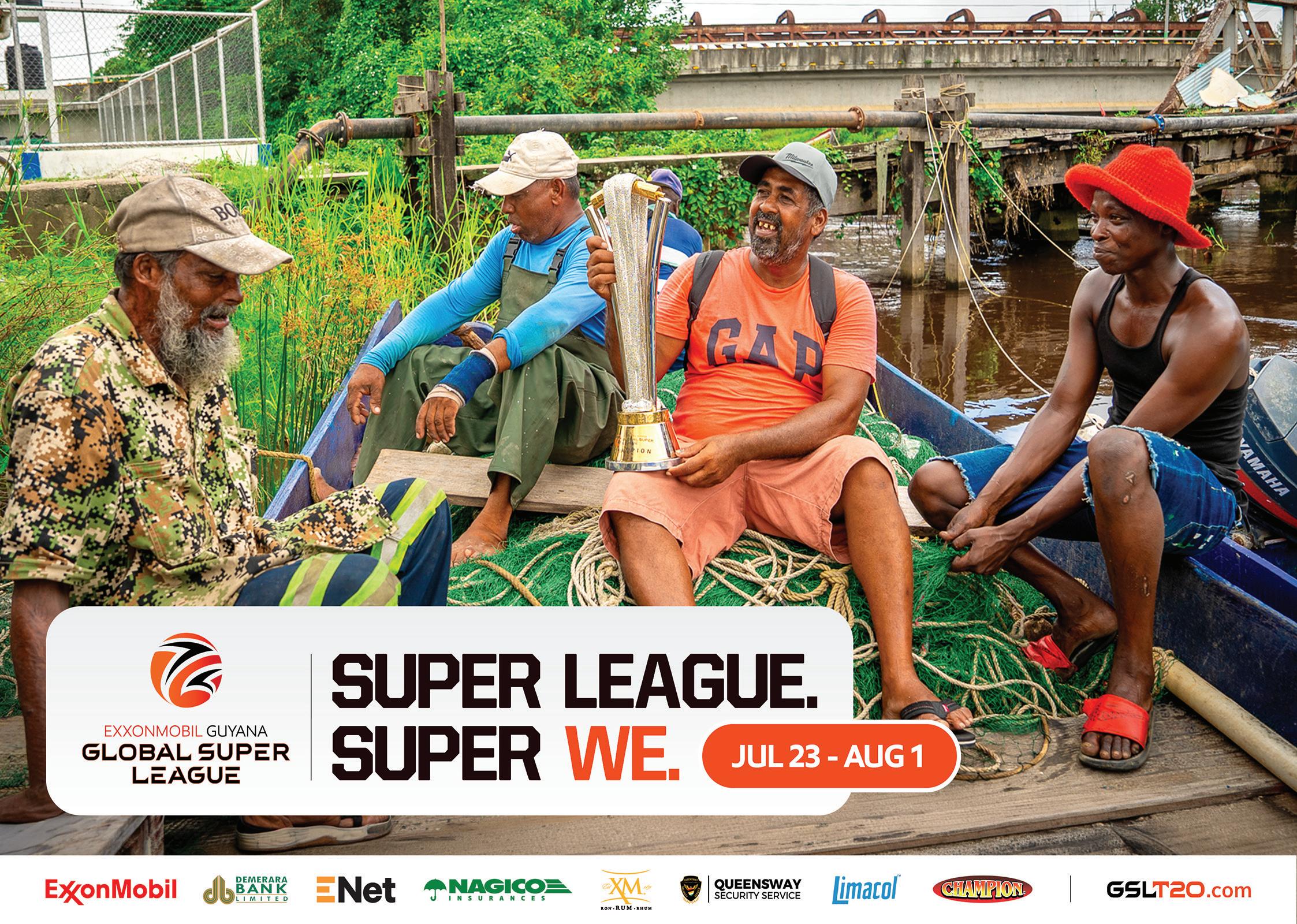
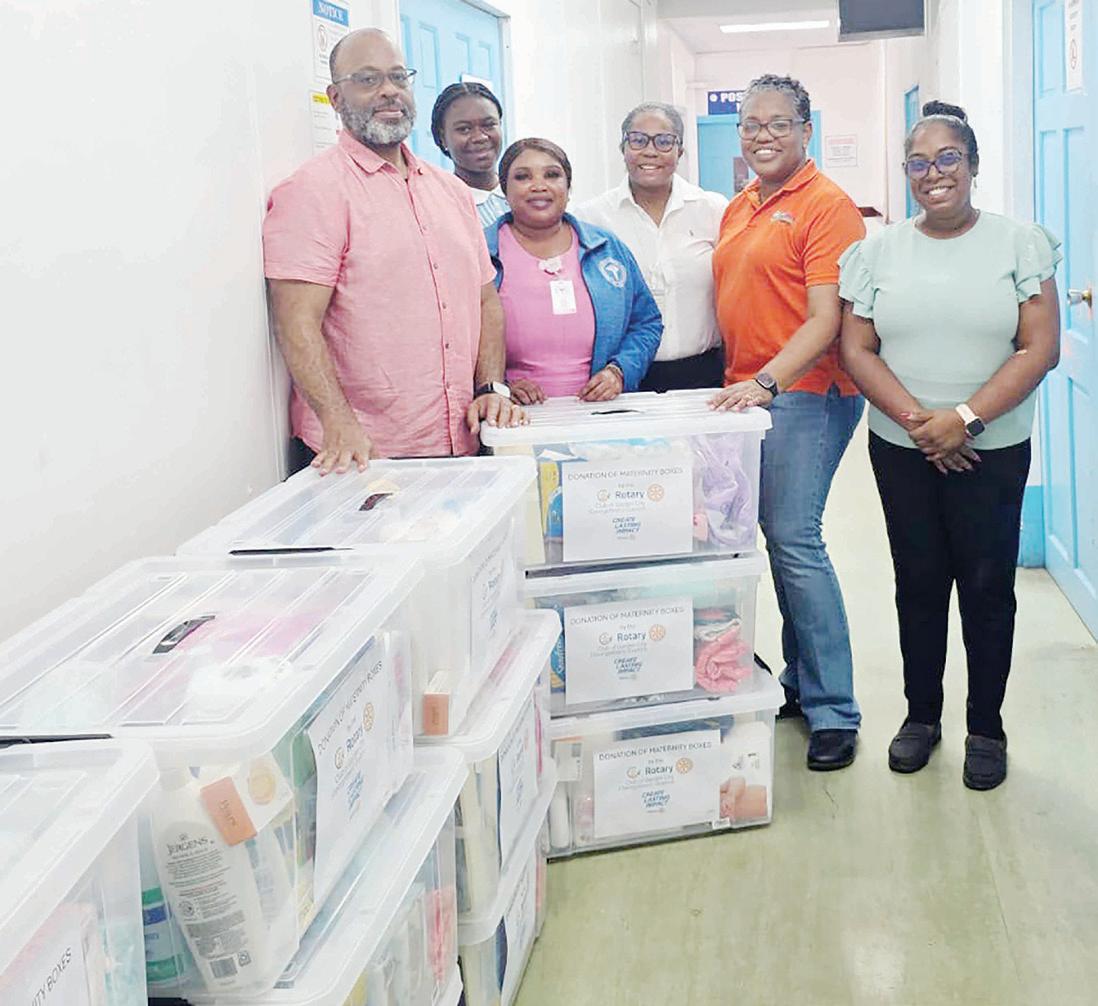
Each hamper was carefully prepared with a wide range of essential items for both mother and baby, including clothing, toiletries, hygiene products, blankets, towels, nappies, baby care items, and other newborn necessities. The hampers were designed to provide practical support and comfort to mothers during the early days of caring for their newborns.
at a time when it is needed most.
Club President Pearson
Above Self, Rotary continues to strengthen families, uplift communities and create lasting impact across Guyana.
To learn more about the Rotary Club of Garden City (Georgetown), its service projects and upcoming initiatives, follow the club on its social media platforms and join us as we continue creating lasting impact in our communities.
s part of Rotary’s observance of Maternal and Child Health Month, the Rotary Club of Garden City in Georgetown donated 25 maternity hampers to the Georgetown Public Hospital Corporation (GPHC) for distribution to 11 Indigenous mothers and 14 mothers identified as being most in need.
The initiative underscores Rotary’s commitment
This initiative was made possible through the generosity of the Rotary Club of Garden City family, corporate partners, businesses, friends and individual donors who contributed items and financial support towards the preparation of the hampers. Their collective generosity ensured that mothers and their newborns received practical assistance
Burch-Smith noted that “this small project reflects what can be achieved when people come together in service to make a meaningful difference in the lives of others.”
The Rotary Club of Garden City extends its sincere appreciation to everyone who supported this initiative. Through Service

A54-year-old resident of Golden Grove, East Coast Demerara (ECD) was on Wednesday killed by a reversing vehicle along the Haslington Railway Embankment Road, ECD.
The dead man has been identified as Shawn Gittens.
Police stated that the accident involved a motor lorry registered to China Railway Construction and was at the time driven by a 36-year-old Chinese national of Lusignan, ECD.
Based on reports received, the motor lorry was engaged in paving works on the southern carriageway of the Haslington Railway Embankment Road, and was reversing when the pedestrian allegedly walked behind the vehicle and was struck.
Due to the injuries re-
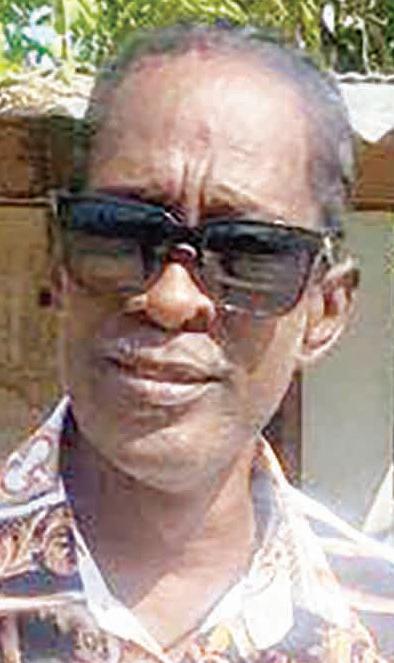
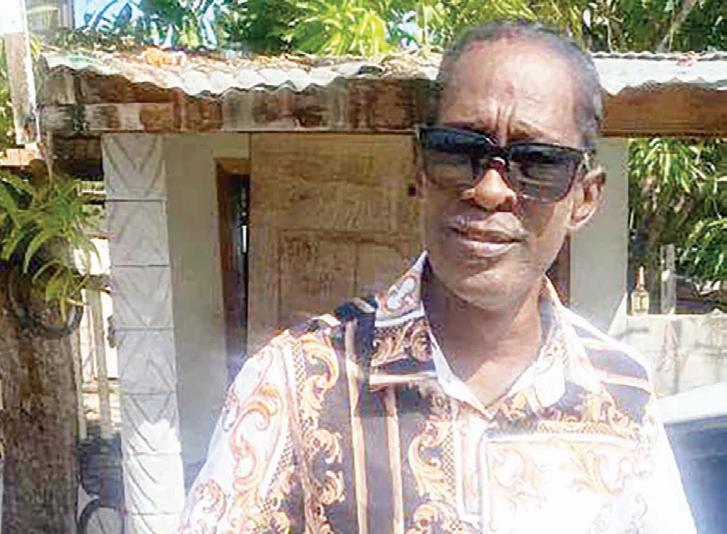
Dead: Shawn Gittens
ceived, he was pronounced dead at the scene. The Police have issued a notice of intended prosecution to the driver, who remains in Police custody assisting with the ongoing investigation.
Forty-one-year-old
David Singh, also called “Dave”, a driver from Eccles New Housing Scheme, East Bank Demerara, was on Wednesday sentenced to 18 months of imprisonment on a charge of obtaining money by false pretences.
Singh, for whom an arrest warrant was issued, was arrested on Sunday and appeared before Magistrate Dylon Bess at the Diamond/ Golden Grove Magistrates’ Court on Wednesday, where the charge was read to him.
Police stated that Singh had collected $2.6 million from two brothers, ages 35 and 30, a contractor and an operator, respectively, both from Best Plantation, West Coast Demerara, between June 1 and June 15, 2026, under the pretence of obtaining firearm licences for them.
However, after handing over the $2,610,000 to Singh, they later received documents purporting to be

Jailed: David Singh
firearm licence approvals. The documents were subsequently examined and found to be fraudulent.
The matter was reported to the Police on Monday, July 20, 2026. At court on Wednesday, he pleaded guilty and was sentenced to 18 months of imprisonment.
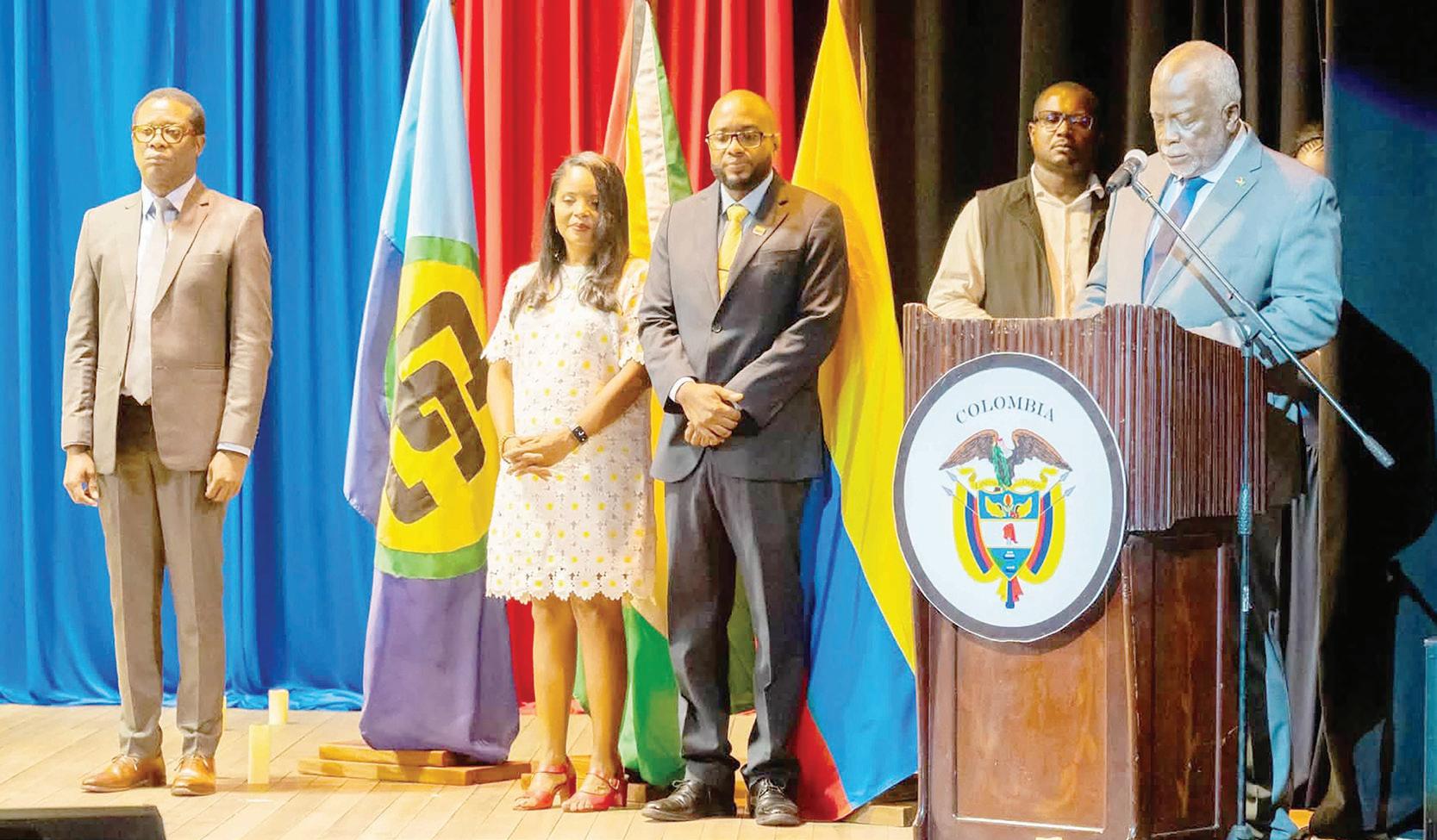
Prime Minister, (PM) Brigadier (Retired)
Mark Phillips reaffirmed Guyana’s close ties with Colombia, and welcomed the progress made since the reopening of the Colombian Embassy in Georgetown a year ago and the appointment of a resident Ambassador,
Colombia’s resident diplomatic presence, after more than two decades, reopened an important channel of trust.
He emphasised that the next stage must consolidate dialogue into programmes, commercial interests into shared opportunities, and cultural recognition into last-

which created a direct channel for engagement.
“The opportunities for collaboration between Guyana and Colombia are many, and our Government remains committed to strengthening this relationship,” the PM noted, highlighting expanded exchanges among Governments, institutions, and the Private Sector.
In addition, Colombian Ambassador to Guyana, Graybern Livingston Forbes, stated that the restoration of
ing ties. He pointed to stronger political dialogue, deeper Caricom engagement, and cooperation in climate action, disaster management, agriculture, food security, and regional peace.
Over the past year, Guyana and Colombia signed a Memorandum of Understanding (MoU) between the Guyana Defence Force and Colombia’s Ministry of National Defence to enhance aerial surveillance and strengthen region-

al security. Another MoU between the Guyana Office for Investment and ProColombia formalised cooperation to promote investment and Private Sector development in tourism, energy, infrastructure, technology, agribusiness, and
logistics.
PM Phillips underlined that Guyana’s expanding economy offered opportunities for deeper South–South cooperation in trade, investment, tourism, renewable energy, and technology. He noted that direct air connectivity to Bogotá encouraged travel and people-to-people links.
Ambassador Forbes also
highlighted growth in academic, Private Sector, and cultural exchanges, including Colombian businesses’ participation in Guyana’s Energy Conference.
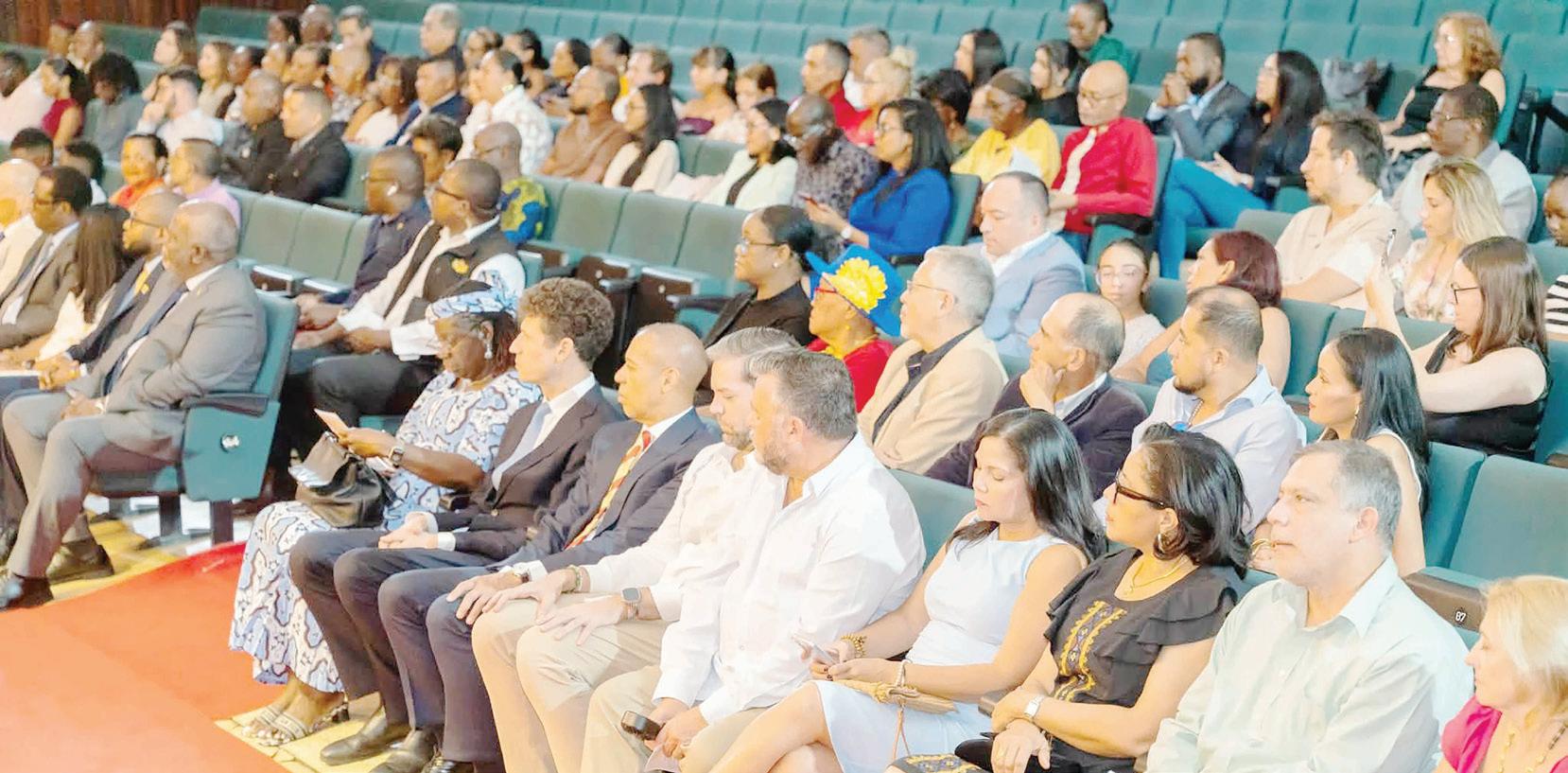
Both nations reaffirmed their commitment to democracy, sovereignty, human rights, multilateralism, and regional security. The programme began with a mo-
ment of silence for those affected by the MV Barima tragedy, during which Ambassador Forbes extended Colombia’s condolences and solidarity to Guyana. The evening also included a cultural presentation by the “Sacred Voices of Colombia”, which showcased the Spanish-speaking country’s diverse heritage.

Days after President Dr Irfaan Ali announced the establishment of the Hope, Empathy, Aid, Resilience, and Trust (HEART) Initiative to provide sustained support to the survivors and bereaved families of the MV Barima tragedy, a team has been assembled to draft a national framework.
The HEART Initiative is intended to help families through the process of healing by bringing together humanitarian assistance, psychosocial and trauma counselling, social services, spiritual guidance, and other forms of support for those affected.
Importantly, this assistance is not intended as compensation but as an expression of the nation’s enduring commitment to stand beside survivors and bereaved families for as long as necessary.
On Tuesday, President Ali announced that he would es -
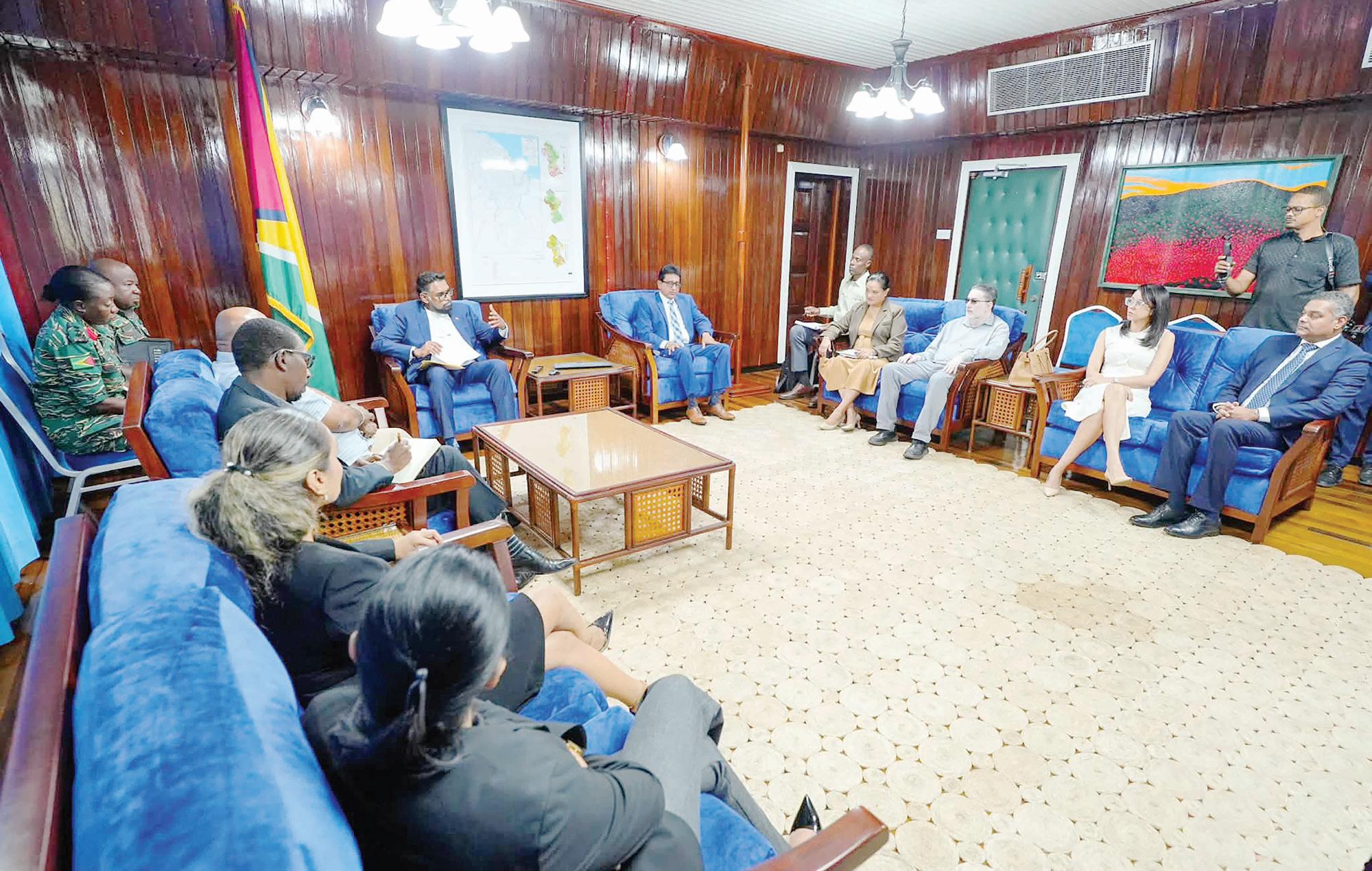

tablish a national body to coordinate, mobilise, and foster the necessary work of healing.
This Initiative will be overseen by trusted and respected religious and civil society individuals drawn from across Guyana.
“We will offer the practical hands of service and provide a safety net of support and compassion so that no family affected by this tragedy will slip through,” the President stated.
Ali expressed gratitude to the Guyanese people and called on all stakeholders to support the establishment of the HEART Initiative, which is aimed at assisting survivors of the MV Barima tragedy and the families of those affected.
The MV Barima disaster is one of Guyana’s deadliest maritime tragedies, involving a passenger and cargo ferry that capsized off the Essequibo Coast on July 18, 2026.


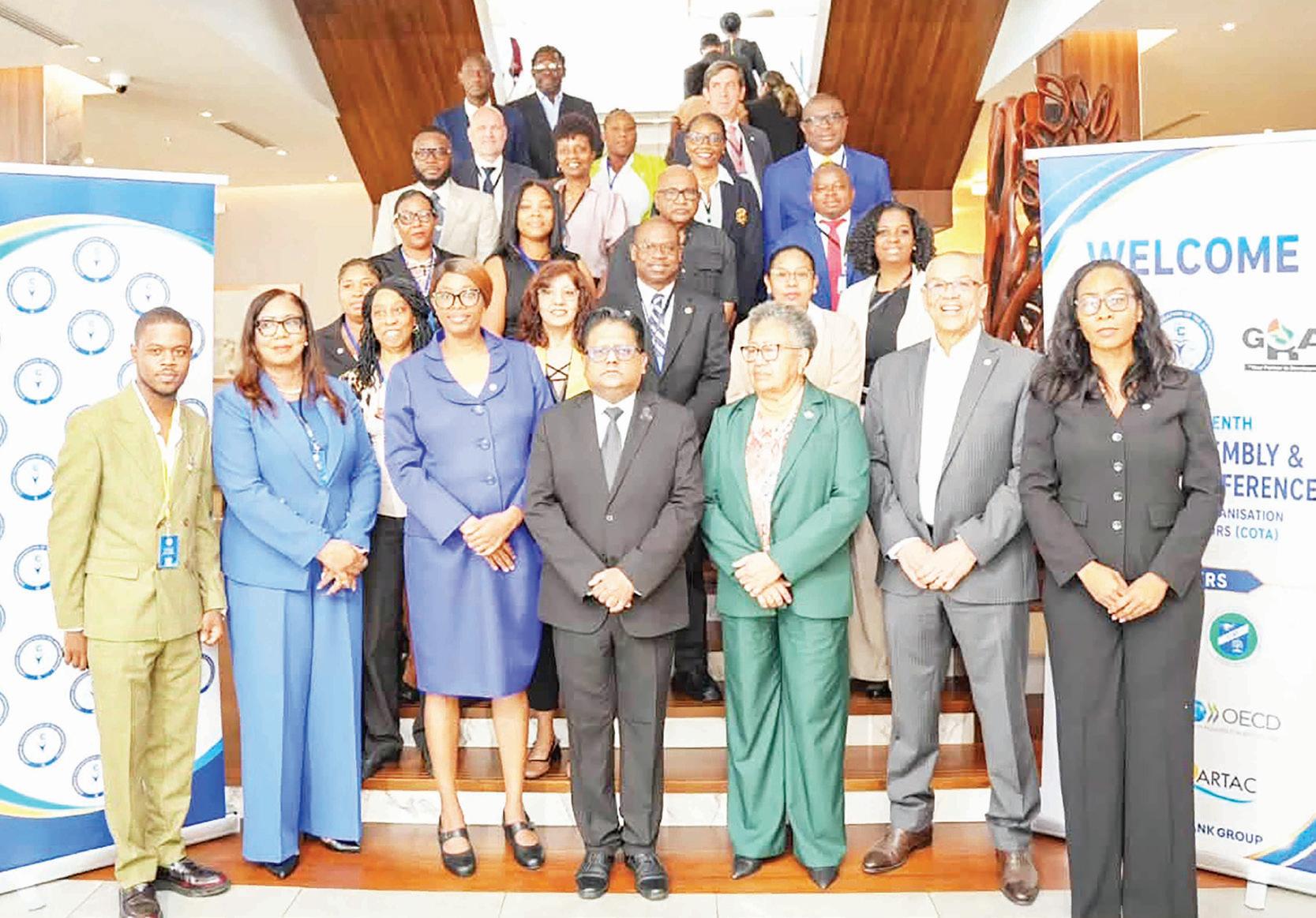
The Government of Guyana remains committed to building a world-class, effective tax administration that embraces technology and supports strong, sustainable economic growth, according to Finance Minister Dr Ashni Singh.
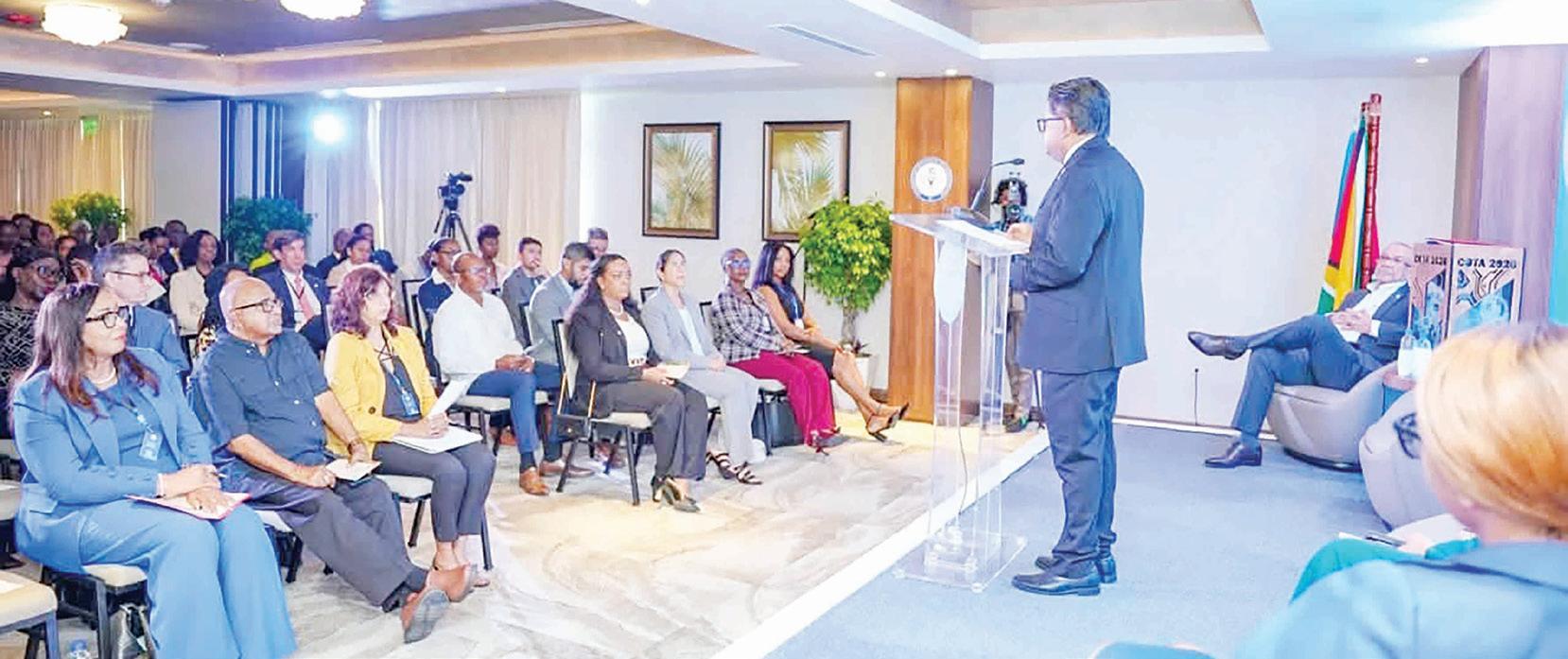
The Finance Minister made these comments while addressing the opening of the 27th General Assembly and Technical Conference of the Caribbean Organization of Tax Administrators (COTA) on Wednesday at the AC Marriott Hotel, Georgetown.
The conference, which ends today, is being held under the theme “Future-Ready Caricom Tax Administration – Smart, Data-Driven, and AIEnabled” and provides an important platform for Caricom tax administrators to share practical experiences, scalable
solutions, and key insights from the ongoing digitalisation efforts across the community.
During his address, Dr Singh highlighted the evolving role of modern technology, artificial intelligence in particular, in modernising revenue administration and public services.
“I want to urge that we take advantage of the opportunity to get ourselves acquainted with cutting-edge thought on how information technology, artificial intelligence in particular, and AI tools can be used to transform tax administrations. And I want to urge that we do so not only in Guyana, but also I want us to do so.”
“I want to urge our brothers and sisters from other Caricom jurisdictions to consider carefully how these tools
“Guyana has the physical space, it has the infrastructure agenda, it has rising household income, it has tens of thousands of newly registered businesses... but it also has a financing gap that, if left unresolved, will limit who participates in the country’s transformation.”
On the other hand, Agriculture Minister Zulfikar Mustapha argued that access to financing has remained one of the greatest obstacles facing small farmers despite their willingness to expand production. “Over the years, we have seen farmers have ideas; they have land, but more importantly, they are short of finance. Many times, when they go to commercial banks, they can hardly get collateral as security,” Mustapha said. He noted that the Development Bank would provide farmers with opportunities to increase production and contribute to Guyana’s food security ambitions.
“This will be a game-changer for small farmers; it will be a game-changer for farmers in the hinterland; it will be a game-changer for fisherfolk; and it will be a game-changer for agro-processors.” He further argued that easier access
can be deployed for more efficient and effective tax administration.”
The Minister further underscored the importance of tax authorities across the re-
gion administering the requisite laws efficiently, fairly, and equitably, emphasising their vital role in fostering a healthy and competitive business environment.
“People doing business in our respective jurisdictions, people doing business in Guyana and in the Caribbean, need to know that they have a predictable regime of fiscal laws that will be applied fairly, equitably, and efficiently.”
He added, “Investors coming to our countries expect
that they will have a predictable framework and are looking for predictability in the fiscal frameworks in the host countries in which they are operating.”
The Finance Minister emphasised that a revenue administration that delivers world-class efficiency in its services can drive stronger economic growth. In this regard, he noted that the Guyana Government is committed to transforming the Guyana Revenue Authority,
GRA, into such an institution.
“We want Guyana; we want a world-class tax administration; that’s what we’re aspiring to. We want to achieve it in the shortest possible time, and that’s a tax administration that enjoys, that administers our laws, like I said, fairly, equitably, and efficiently, optimises our revenue collection, and enjoys a high level of public, investor, corporate, and citizen confidence.”
FROM PAGE 5
to financing would strengthen Guyana’s efforts to become a leading food producer within the Caribbean while helping small manufacturers and agro-processors expand their operations.
Moreover, Tourism, Industry, and Commerce Minister Susan Rodrigues described this initiative as not just the creation of another financial institution but the creation of opportunities to empower ordinary Guyanese.
“We have listened to the young entrepreneur with a promising business idea but no collateral. We’ve listened to the woman seeking to expand her small business and the farmer seeking to increase production. This bill is our response,” Rodrigues stated.
The Guyanese Government has pledged some $40 billion (US$200 million) for the establishment and operationalisation of the Guyana Development Bank, in keeping with a promise in the PPP/C 2025 Manifesto.
Provisions were made for more capital to be injected into this financial institution in the future. Already, approximately $20 billion (US$100 million) has been set aside in Budget 2026 for the bank for when it comes into operation.
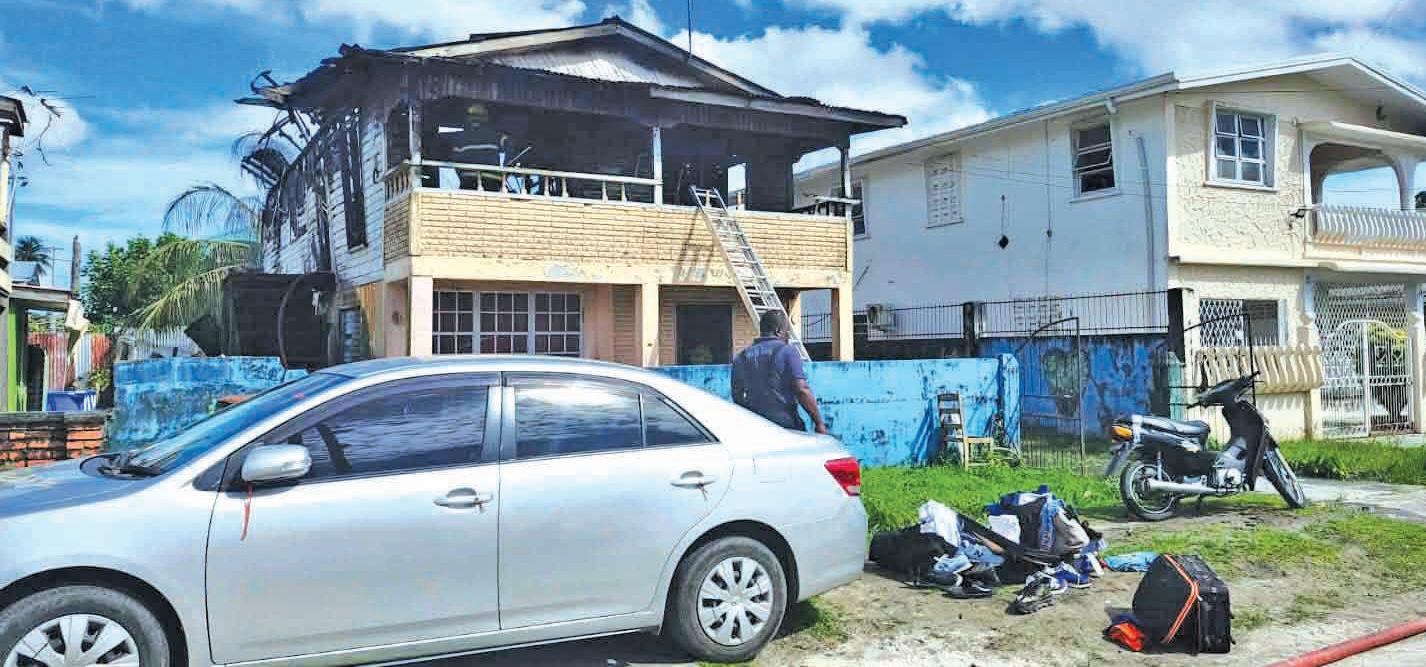
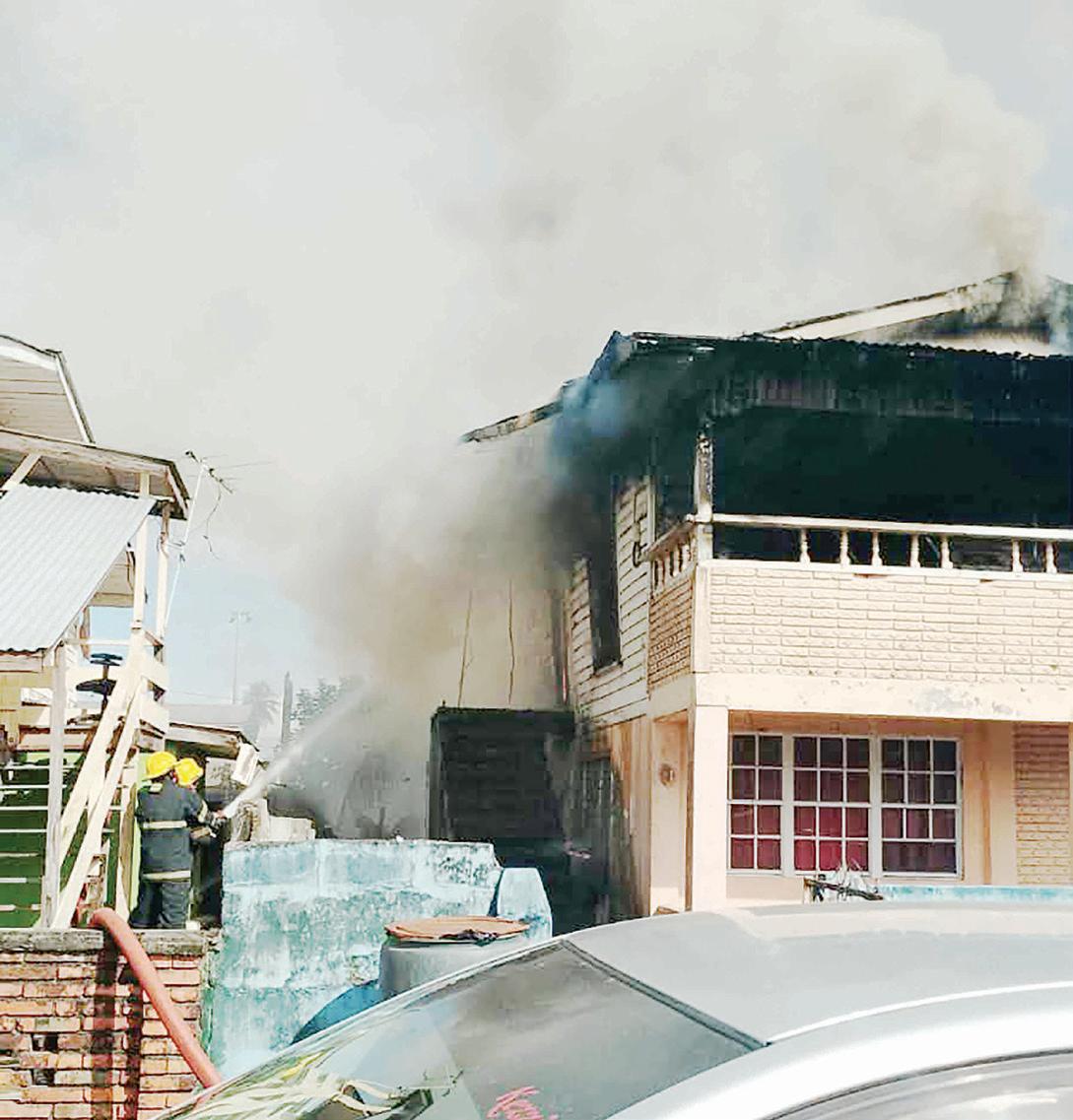
Years of hard work were reduced to ashes within minutes on Thursday after a devastating fire ripped through a two-storey home at South Ruimveldt Park, Georgetown, leaving three people homeless.
The Guyana Fire Service stated that it responded to a house on fire at 172 Sunflower Circle, South Ruimveldt, Georgetown, and upon arriving at the scene, firefighters observed a wooden and concrete building engulfed in flames with nearby homes under threat.
They immediately commenced coordinated firefighting operations and worked swiftly to contain the blaze, thus successfully preventing the fire from spreading to adjacent properties. Nevertheless, as a result
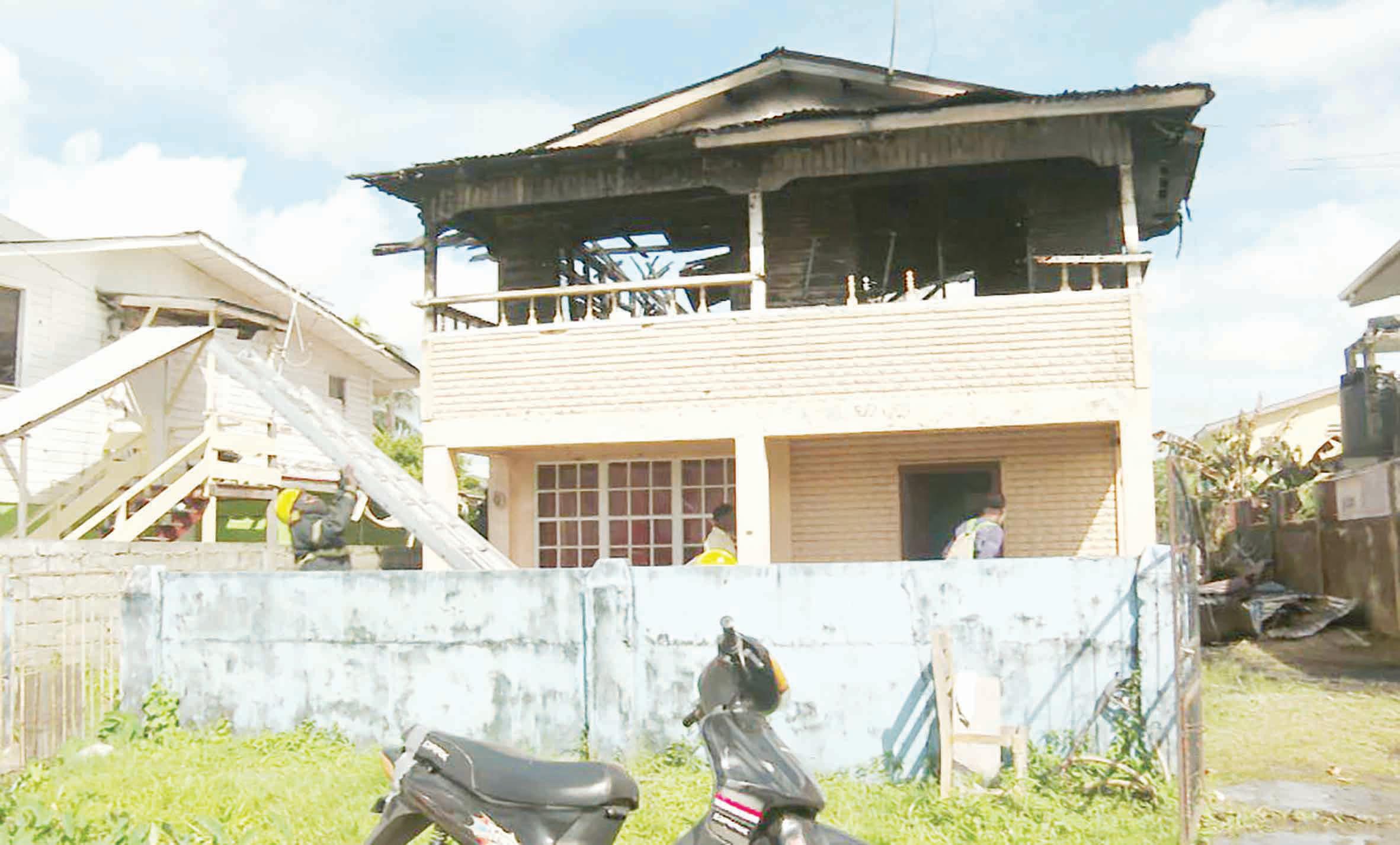
of the fire, the top floor of the building was destroyed, while the ground floor sustained extensive water damage.
At the time of the blaze, the house was occupied by three persons, all of whom escaped unharmed, but lost the place they called home.
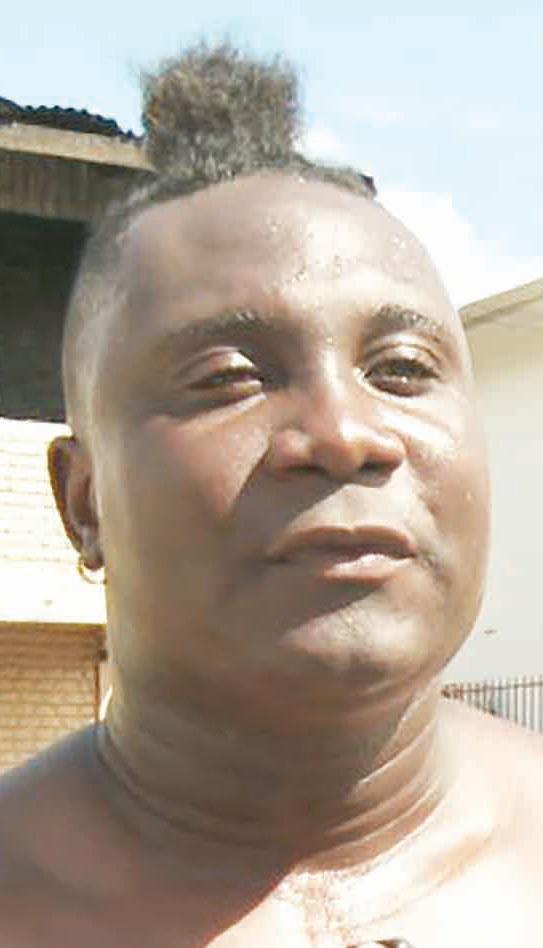
One of the occupants said
when he received the devastating news and immediately rushed to the scene.
“I was actually out working taxi when I got a call saying the house was on fire. I raced home to see what was happening. Nevertheless, life still has to go on. It’s a tragedy and it hurts because this is where I rest my head.
the fire broke out just as he was leaving the house. He explained that he immediately rushed back upstairs in an effort to save some of their belongings, but was forced to retreat because of the thick smoke and rapidly spreading flames.
Another occupant, Christian Proffit, recalled that he was out working
I’ve been living here for a long time – I was born and grew up here, and everyone in the village knows me,” he said whilst sadly coming to terms with the reality of his circumstances.
Profitt said only a few items were salvaged before firefighters managed to bring the blaze under control. Despite the destruc-

The aftermath of the fire tion, he expressed gratitude for the swift response by the Guyana Fire Service.
“I don’t really have many losses because most of the damage downstairs is from
the water. The Fire Service responded very quickly. I have somewhere else to stay for now, but this is where I originally lived.”
The fire completely de-
stroyed the upper flat of the building, while the lower flat sustained extensive water damage. The cause of the fire remains unknown, and investigations are ongoing.
The silent hum of electric vehicles is becoming a more familiar sound on Guyana’s roadways, as the country’s shift towards cleaner transportation gains momentum, with more than 870 electric vehicles imported since the start of the initiative.
Guyana’s clean transport drive promotes fuel-efficient driving habits, electric vehicles (EVs), and modern infrastructure through key efforts led by the Guyana Energy Agency (GEA).
The Guyana Energy Agency (GEA) says the increase reflects growing public interest in electric vehicles, supported by awareness initiatives, the expansion of charging infrastructure, and government incentives aimed at reducing dependence on fossil fuels.
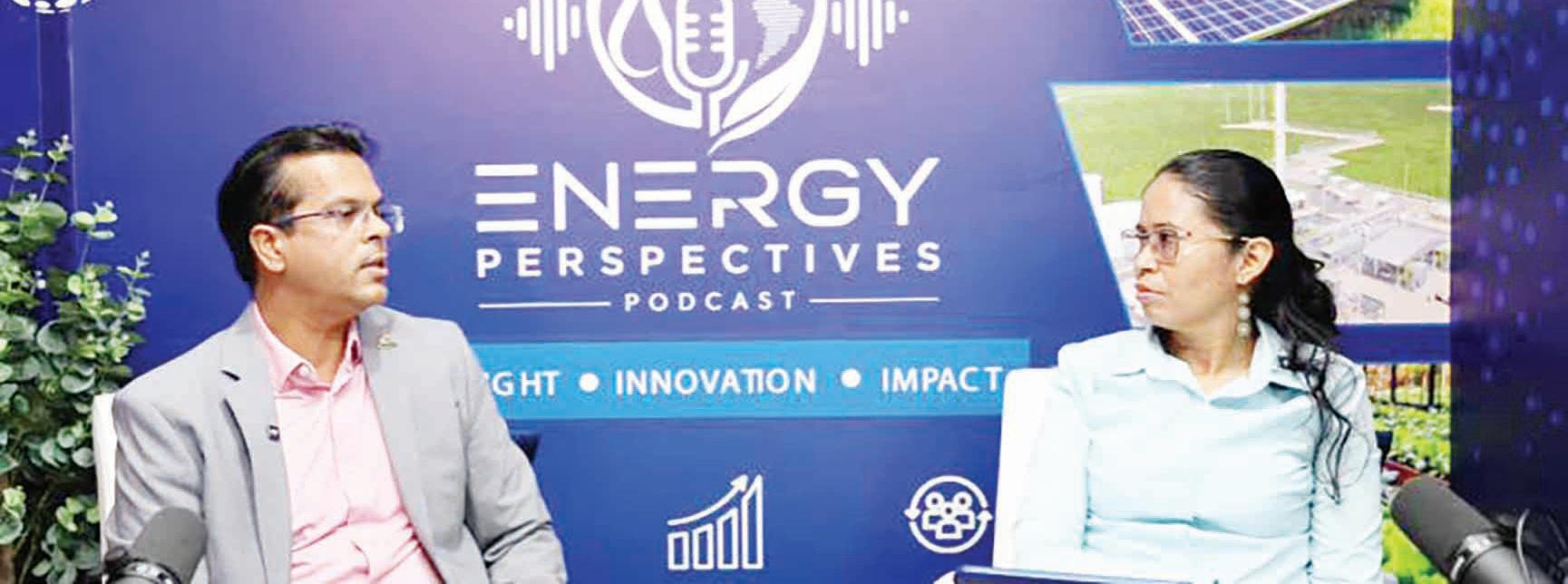
This was revealed by the chief executive officer (CEO) of the GEA, Dr Mahender Sharma, during the latest edition of the Energy Perspective Podcast, titled “Powering Guyana’s LowCarbon Future”.
According to Sharma, when the initiative to promote electric mobility began, there were very few electric vehicles in Guyana.
was connected to a solar power system to assess how the technology could work locally.
However, Dr Sharma

A customer using one of the established EV charging ports
He explained that the focus was initially on creating awareness through activities such as electric vehicle shows, seminars, and discussions highlighting the benefits of cleaner transportation.
The GEA, he added, gained practical experience by acquiring and operating an electric vehicle, which
noted that there was still uncertainty surrounding electric vehicle adoption, largely due to the absence of charging infrastructure.
“The most recent numbers at the end of June this year were that more than 870 electric vehicles were imported into the country from its inception,” Sharma said.



Thirty-seven-year-old Delon Moore, accused of trafficking 63.1 grams of cocaine, has been acquitted after Police failed to produce body camera footage that reportedly captured both the discovery of the drug and an alleged admission by the accused.
The accused was found not guilty by Magistrate Tuanna Hardy when he appeared at the Springlands Magistrate’s Court on Thursday, after the court found that reasonable doubt existed in the prosecution’s case.
Moore was charged following an encounter with Police at Scottsburg Public

Road, Corriverton, Berbice, on December 1, 2025. Police alleged that Moore was driving motor car PAC 1705 when he was intercepted by a party of ranks. He was the sole occupant of the vehicle.
According to the Police account, Moore was informed that he and the vehicle would be searched for arms, ammunition and narcotics. Police alleged that before the search began, Moore told Detective Inspector Mark Fraser that he had “a little piece of cocaine” in his pocket.
Two transparent plastic bags containing cocaine were subsequently allegedly found in Moore’s left pants
pocket.
However, the circumstances surrounding the alleged admission and discovery came under scrutiny during the trial when Moore’s attorney, Vinay Punwa, questioned one of the Police ranks about body camera footage from the encounter.
Under cross-examination, Constable Joseph reportedly admitted that his body camera was activated when the cocaine was allegedly found and when Moore was said to have made the admission.
Punwa made several applications for the footage to be produced, but it was nev-

er provided to the court. The defence argued that the footage was significant since it could have provided a contemporaneous record of two key aspects of the prosecution’s case, Moore’s alleged admission and the circumstances in which Police claimed the cocaine was found on him.
Punwa also questioned the Police witnesses about whether any contemporaneous notes or diary entries had been made of Moore’s alleged admission.
According to the defence attorney, the witnesses acknowledged that none had been made. Punwa submitted that the absence of such records was contrary to Police standard operating
procedures and raised further doubt about the alleged admission.
Moore had also disputed the Police version of events. During the investigation, he reportedly denied that the cocaine belonged to him and alleged that a Police rank had placed a hand into his pocket and pulled it out.
The body camera footage, despite being sought by the defence during the proceedings, was never produced. At the conclusion of the trial, the court found that the prosecution had failed to eliminate reasonable doubt in the case against Moore. He was consequently found not guilty and acquitted of the trafficking charge.
He added that the number of charging sessions has also been increasing significantly. According to him,
“The number of charging station sessions – so we have about seven public charging stations right now – averages; the average charging sessions per month have moved from about 230 sessions to an average of 334 sessions per month. In June alone, that was more than 500 sessions.”
Sharma said the goal is to encourage private sector investment in charging infrastructure, with businesses such as banks, supermarkets, and hotels being encouraged to establish charging stations.
According to him, expanding access to charging facilities would provide greater confidence to persons considering investing in electric vehicles while helping to accelerate the transition towards cleaner transportation.
“We want them to set up charging stations at banks, at supermarkets, and at hotels. Because when you do that, you provide comfort to somebody thinking of investing in an electric car. And the numbers are quite impressive at this point in time,” he said.
He added that while public charging stations are important, they should not be viewed as the only solution for electric vehicle owners.
“So, you’re seeing a gradual increase in the public charging network. But I don’t want to create the impression that the public charging network is the foundation for charging electric vehicles. We want you to invest in charging stations in your home,” Sharma said.
He explained that home
charging stations do not necessarily have to be large, high-powered units.
“They don’t have to be like the big fancy ones you see that we’ve installed, the 20 kilowatt and the 50-kilowatt ones. They can be seven kilowatts. They’ll take a little longer to charge,” he said.
Sharma noted that electric vehicle owners typically do not allow their batteries to fully discharge before recharging, meaning the average charging time is usually between three and four hours, depending on usage.
“But quite often, persons don’t discharge their vehicles all the way to zero and then charge them up. So your average charging time should be three or four hours, depending on how much you drive and all of that,” he said.
He explained that the growth of electric mobility in Guyana is being supported by a combination of public awareness efforts, investment in charging infrastructure, and government policies, including the removal of taxes on electric vehicles.
According to Sharma, businesses that invest in electric vehicles can also benefit from a 50 per cent write-down allowance when adding the vehicles to their balance sheets.
“There’s also a 50 per cent write-down allowance if you’re having a business and you want to bring that onto your balance sheet on an annual basis. And we are also training mechanics and electricians to have a cadre of professionals who can service and repair electric vehicles. We’ve already trained more than 77 of those persons,” he said.


At the William Soler Paediatric Hospital in Havana, more than 90 per cent of the newborns who needed neonatal surgery survived their procedures. This used to be a point of pride.
But in recent months, Alioth Fernandez, the head of the hospital’s surgical unit and anaesthesiology department, has witnessed an alarming decline.
Fernandez is among a growing number of doctors
and patients in Cuba expressing alarm over the deteriorating healthcare conditions across the island.
Six months ago, United States President Donald Trump announced a fuel blockade against Cuba, threatening any country that exports fuel to the island with punishing tariffs.
The aim was to weaken Cuba’s Government, which Trump labelled a national security threat. Only one foreign oil tanker has reached Cuba in the months since.
The result has been nearly daily blackouts that last up to 20 hours, as well as shortages of essential items.
The pressure has exacerbated strains on Cuba’s healthcare system, once considered the flagship achievement of the country’s 1959 revolution.
Although healthcare in Cuba remains free, its reach and quality have diminished significantly. That has translated to a cost in human lives.
For Fernandez, the most
distressing part has been how avoidable some of the deaths have been.
Many did not occur as the result of surgical complications but rather from infections, driven by diminished hygiene standards, malnutrition and the limited availability of antibiotics.
In the past, Fernandez explained, patients were added to a waiting list for procedures based on their medical conditions and the date of their arrival for treatment. Names rarely stayed on the list for more than a month. Backlogs were systematically cleared.
But with limited resources – from electricity outages to increasingly rare shipments of medicines and supplies – healthcare professionals say they are now forced to pick and choose whom to treat.
“Now, we have to play God. When you secure the resources for a single surgery, we have to decide who gets to be operated on,” Fernandez said. (Excerpt from Al Jazeera)
On the morning of February 16, dozens of Police Officers arrived at San Francisco Ángulo, a small rural community an hour south of El Salvador’s capital. They had come, residents were told, to escort heavy machinery belonging to Cyeemsal, a Mexican-owned company hired to begin construction of a landfill on a site the community considers sacred.
Félix Laínez, 58, President of the San Francisco Ángulo community association, had been warned that this would happen. The community has lost a series of legal appeals against the court rulings authorising the work, and construction is continuing.
What makes this more than a land dispute is what lies beneath the ground where the machines are digging.
On June 19, 1981, a group of women were interrogated, raped and murdered by soldiers.
On July 25, about 25 armed men entered homes and opened fire, killing about 45 civilians. Their remains are still being exhumed, but most of the victims were women and children.
Now, the community fears the authorities want to bury its history under tonnes of rubbish.
The construction work has already disturbed some of those remains, according to one excavator operator. The man, who asked not to
with
The British Virgin Islands (BVI) Government invested about $2.5 million with a Jamaican private-equity firm that is now facing criminal charges, but officials have not said who authorised the transaction, when it was made, or whether the public money can be recovered.
Finance Minister Premier Natalio “Sowande” Wheatley said during a July 24 press conference that the investment with Delta Capital Partners Limited was made without his knowledge or that of Financial Secretary Jeremiah Frett. He also said it did not receive the approvals re-
quired by law.
Mr Wheatley said the matter was under investigation by the BVI Financial Investigation Agency (FIA).
But FIA Director Errol George told the Beacon this week that the agency had received a report only late last week and was still reviewing it to determine what steps should follow.
The timing of the VI Government’s investment is also unclear.
During the July 24 press conference, media personality and at-large election candidate Cindy Rosan suggested that the transaction took place in 2025.
However, two sources familiar with the matter told the Beacon that the initial
investment was made in 2022 and later renewed.
Delta Capital has historical ownership and management ties to Stocks and Securities Limited, the collapsed Jamaican investment firm that first drew international headlines in January 2023 after sprinter Usain Bolt’s attorneys alleged that more than US$12.7 million was missing from his SSL account.
Following a lengthy investigation, Jamaican authorities charged both companies last December with alleged breaches of securities and banking laws. The charges remain before the courts and have not been proven. (Excerpt from The BVI Beacon)
Amanhunt is now underway for suspects implicated in the murder of 48-year-old Policeman PC Romell Douglas, who was gunned down while sitting in his Nissan Tiida in Kelly Village, Caroni, on Tuesday night.
Police said Douglas, who was last attached to the Four Roads Police Station’s CID, was sitting in his car at the corner of the Caroni South Bank Road and Hydraulic Trace, near the Rainbow Supermarket, at around 23:05h, when he was
confronted by bandits who tried to rob him.
Douglas shot one of his attackers with his licensed pistol but was also shot in the process. The bandits managed to steal his gun before escaping.
Officers from the Special Response Unit were on patrol nearby and visited the scene, where they found Douglas’ body slumped in the driver’s side seat of his car. A district medical officer later declared him dead at the scene.
Police said the wounded
suspect was dropped off at the Arima General Hospital, where he died from wounds shortly after.
During a media briefing yesterday morning, Public Information Officer ASP Owie Russell confirmed that the dead suspect was 19-year-old Adetola Ammon, of Arima. A getaway vehicle, believed to have been used by the attackers, was later found abandoned in Maloney Gardens. (Excerpt from Trinidad and Tobago Guardian) be identified, says he found six grave sites when work began. In the first, he found at least three bodies.
He initially worked around the graves but was ordered to remove and rebury the remains. When ordered to move them a second time, he refused, left the site and said he was threatened with a theft accusation – which he strongly denies.
He says the project’s rep-
resentatives later offered him money and a job on condition that he declared to the Attorney General’s office that he had never seen any bodies. He refused.
“It is clear that we will find no support in any state institution,” says Laínez, who has little hope of success in their final constitutional appeal, which is now before the Supreme Court. (Excerpt from The Guardian)
Doctors Without Borders, known by its French acronym MSF, has resumed maternity services at Isaïe Jeanty Maternity Hospital in Cité Soleil after suspending operations for nearly three weeks because of gang violence that endangered patients and healthcare workers.
The humanitarian organisation announced in a July 29 statement that the hospital has been operating around the clock since July 14, restoring access to obstetric and reproductive healthcare in one of Haiti’s most violence-plagued communities.
The maternity hospital suspended services June 19 after five days of intense clashes between armed groups. During the fighting,
bullets struck the facility, forcing MSF to first reduce staffing before eventually evacuating all personnel as security deteriorated.
The hospital plays a critical role in an area where healthcare options are scarce. Between January and June, staff assisted 995 deliveries and treated 122 survivors of sexual violence before services were interrupted, officials said.
The fighting among rival gangs displaced thousands of residents and left many unable to access medical care.
According to the International Organization for Migration (IOM), about 5025 persons, representing 1225 households, fled their homes after violence erupted. (Excerpt from The Haitian Times)

The Halo Foundation donated US$30,000 to the Confucius Institute of Antigua and Barbuda (CIAB) Chinese Bridge Summer School to assist in the facilitation of a cultural visit to China by Antiguans and Barbudans.
The two-week expedition was structured around three main learning components: Chinese language classes (which concluded with an international standard beginners’ examination), performance training, and site visits.
Principal of CIAB, Mr Han Wen, explained,
“Participants engaged in a diverse range of traditional Chinese cultural activities, including lion dancing, vocal music and dance classes, tea ceremonies, kite painting, lacquer fan making, sachet sewing, woodblock printing, rubbing, facial painting, shuttlecock kicking, and Hanfu try-on.”
At the end of the programme, participants shared their reflections on the China Bridge experience. One participant wrote: “It was really nice meeting all of you and getting this opportunity – it has helped me a lot with
my social skills and interacting with new people. This was an amazing journey that I do hope we can take again next year!” President of the Halo Foundation, Her Excellency Lady Williams, who is also President of the A&B China Friendship Association, commented that gaining a first-hand understanding of the world in which we live, including China and the rest of the Far East, are crucial elements of cultural, political, economic, diplomatic, linguistic, and geographic education.
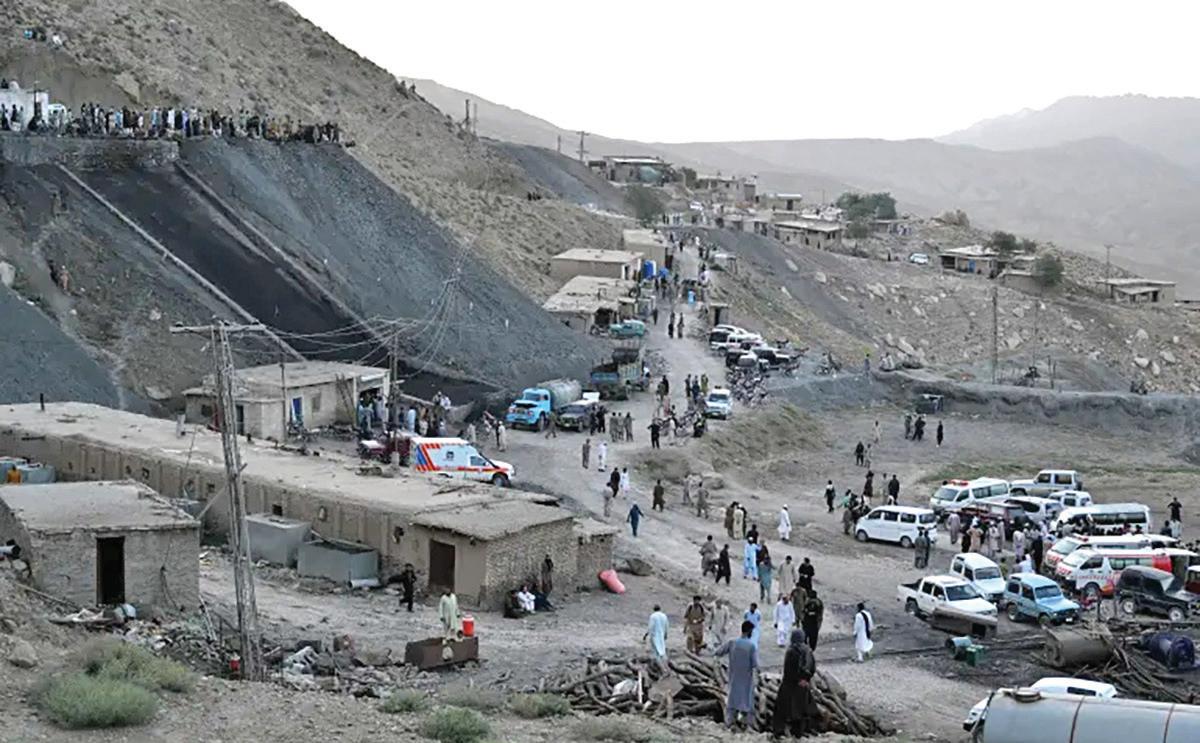
Acoal mine explosion has killed at least 11 miners in Pakistan’s Balochistan province, with dozens still missing.
The bodies of the miners were recovered hours after the deadly blast on Thursday, which is believed to have been triggered by a build-up of methane gas, said Government mine inspector Ghani Baloch.
Rescue workers assisted by the Provincial Disaster Management Authority and other emergency responders will continue the search until all of the trapped miners are accounted for, Baloch added.
A total of 36 persons were in the collapsed part of the complex at the time of the explosion, the province’s chief in-
spector of mines, Muhammad Atif, said.
Twenty-eight were still missing by late Thursday night, with rescue efforts ongoing at a depth of 4000 feet.
“We are hopeful to find some miners alive, but chances are low,” he said.
The explosion occurred in Sorange, a remote area near the provincial capital Quetta.
Accidents are common in Pakistan’s coal mining industry, particularly in Balochistan, where many mines lack adequate ventilation, gas monitoring systems and other basic safety measures.
Mineworkers and labour groups have long accused mine owners of failing to enforce safety regulations or provide adequate protective equipment.
Despite the risks and low wages, thousands of miners depend on the coal industry for their livelihoods in Balochistan, which is Pakistan’s largest, but least developed, province, where unemployment and poverty remain widespread. (Al Jazeera)
AUS Government map of Africa mislabelled every country during a State Department presentation at a global conference in Brazil this week, causing a stir among attendees who took screenshots and posted them online.
Reuters viewed a video of the presentation given at the Aids 2026 conference in Rio de Janeiro, which shows the errant map displayed halfway during a presentation about the state department’s new health agreements.
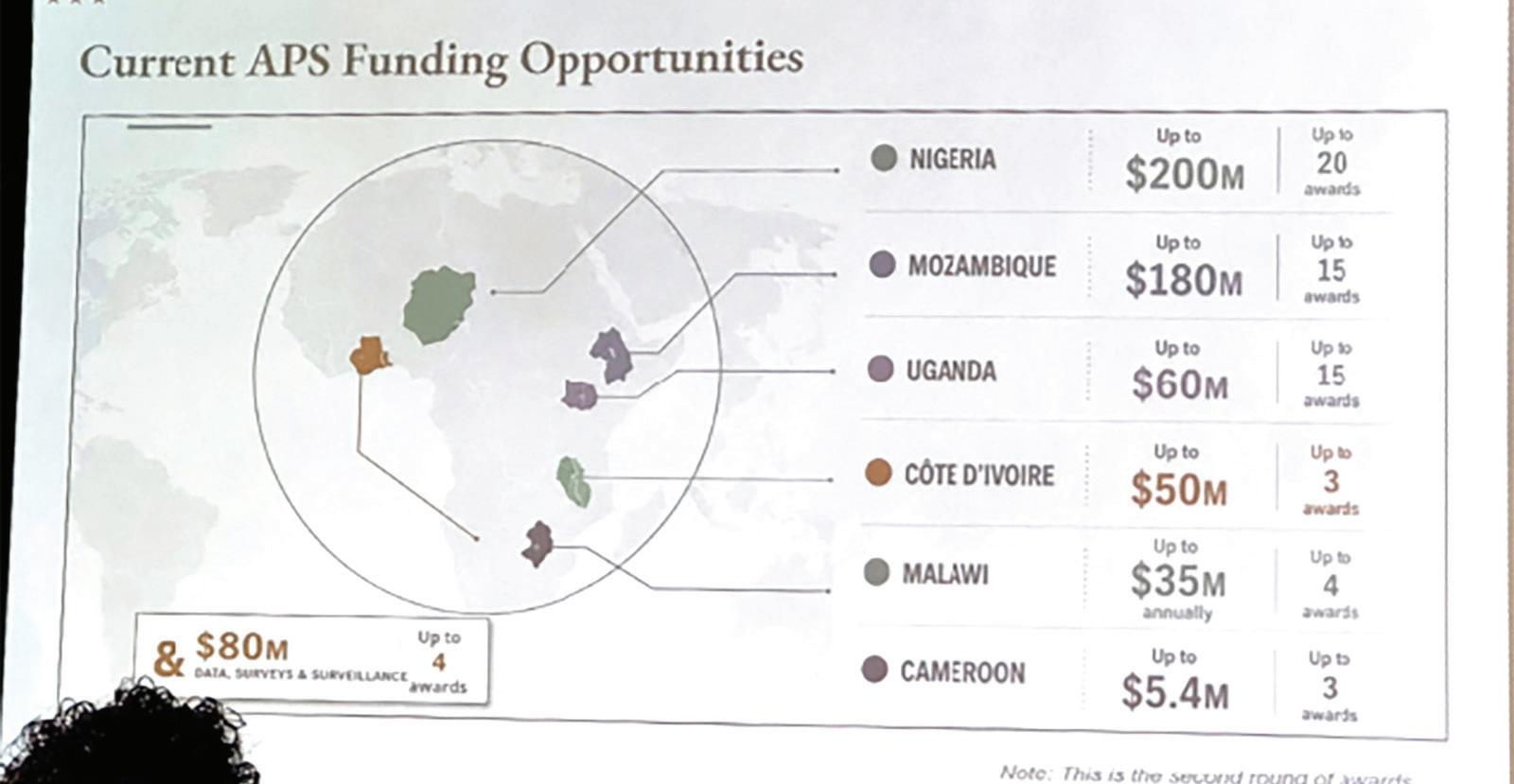
A Reuters analysis found the image of the map included in the presentation contained an artificial intelligence watermark that signals it was made with OpenAI tools. The company did not respond to a request for comment.
The state department said it took “full responsibility” for the confusion caused and that the map had been produced by a team member who hastily changed the slide deck before the event.
The map showed Nigeria as landlocked in the Sahara Desert. Mozambique, which is in south-eastern Africa, was relocated to the Horn of Africa, while Côte d’Ivoire, in West Africa, was placed on the other side of the con-
tinent.
Screenshots of the map first appeared in a Substack post and were widely shared on LinkedIn, with one post garnering about 40,000 views.
In a statement, the State Department said, “We take full responsibility for the confusion and misrepresentation it caused for attendees, including our African partners.”
The speaker at the conference was Jeff Graham, the top US health envoy who oversees the initiative known as the President’s Emergency Plan for AIDS Relief. He did not reply to requests for comment. (Excerpt from The Guardian)
Awildfire near Area 51, a secretive US Air Force facility in Nevada, has spread rapidly and is only seven per cent contained, according to the Bureau of Land Management (BLM).
The fire, known as the Quail Springs Fire, was caused by lightning and has been raging for nearly a week. It now covers more than 13,500 acres.
Factors including the rough terrain, high temperatures and dry winds have seen it grow significantly. The area is under an extreme heat warning until at least Sunday, and no rain is expected in the near future.
Homes or public spaces are not threatened, the BLM said, although the small town of Rachel has been given a smoke warning.
The fire is spreading in an area called the Nevada Test and Training Range – a restricted area that is closed to the public.
This military reservation is close to Area 51, which was created during the Cold
War between the US and the Soviet Union as a testing and development facility for aircraft.
What goes on inside today is extremely secret. Members of the public are kept away by warning signs, electronic surveillance and armed guards.
This secrecy has helped fuel many conspiracy theories, the most famous of which is that the site hosts aliens that have crashed from space. The US Government has denied this.
Nevada is not the only
US state to experience wildfires recently.
More than a million acres of land have been burnt in the neighbouring state of Oregon, while Canada is also still dealing with hundreds of active fires. (BBC News)
Adrone strike on gas vessels in Egypt’s Mediterranean port of Damietta signalled a potential new front in the US-Iran war, raising the prospect of threats to navigation through the Suez Canal, one of the last remaining export routes for Saudi oil.
Egypt’s Cabinet said on Thursday that an initial investigation found an unidentified drone caused a fire on two vessels at Damietta port on Wednesday. The port lies near the Suez Canal, which links the Mediterranean and Red Seas.
No group has claimed responsibility, the Cabinet said. Trading sources familiar with the incident said the drone hit US-owned gas storage tanker Energos Winter, causing a fire that spread to a second vessel.
Overnight, the US military said it struck Iran’s Revolutionary Guards’ military command centres and drone facilities after Tehran fired at US forces in the region.
Iranian state media, quoting the Guards, said US strikes killed three civilians and wounded two children



Oil prices settled lower on Thursday after a volatile session as traders digested proposed plans for a Saudi Arabialed maritime coalition to boost defence cooperation around the Red Sea.
Saudi Arabia seeks to lead a coalition to boost defence cooperation in the Bab El-Mandeb Strait, the Red Sea and the Gulf of Aden. The Saudi defence ministry said 14 states, including Turkey, Pakistan, Egypt, Sudan and Djibouti, have issued a joint statement in support of the proposed multinational maritime defence coalition.
Brent futures settled down US$1.71, or 1.88 per cent, at US$89.03 a barrel. Trade was choppy, and Brent touched a session high of US$93.31 after Washington and Tehran traded strikes on each other’s military targets again. US West Texas Intermediate crude futures settled down 87 cents, or 1.03 per cent, at US$83.59, after hitting a high of US$85.94.
Iran-aligned Houthi militants in Yemen declared a naval blockade last week on Saudi Arabia, threatening the Red Sea route for its oil exports, an alternative to the largely blockaded Strait of Hormuz. (Excerpt from Reuters)
Spain deploys military to border after thousands of migrant crossings, at least 9 deaths

Son Qeshm Island, while three Guards members were killed in Zanjan province.
The Governor of Khuzestan province, also quoted by state media, said two student dormitory complexes in the southwestern city of Ahvaz were damaged in the attacks.
The Islamic Revolutionary Guard Corps said it struck the Azraq military base in Jordan in response, attacking US F-35 fighter jets. The US military denied this, saying no US aircraft had been destroyed or damaged. (Excerpt from Reuters)
pain will deploy its military to restore order at its border with Morocco in Ceuta after thousands of migrants streamed into the tiny Spanish territory, with at least nine dying in the attempt.
The announcement comes after local authorities in Ceuta had asked the central Government in Madrid for reinforcements to manage a border crisis that had been building up before boiling over on Thursday with large crowds of people breaching the border fence.
Spain’s Government said on Thursday evening that it would send the armed forces to help the Civil Guard “maintain security in the city of Ceuta”.
footage showed crowds of people, mainly Moroccans, walking around the breakwaters at Tarajal Beach onto local roads. While the majority appeared to be young men, there were also families with women and small children. It was not immediately clear what prompted so many migrants to cross to Ceuta. Spain’s Government delegation in Ceuta said at least nine people died Thursday during the chaos. It did not provide details on the circumstances of the deaths, but bodies could be seen floating in the water. Dozens have died this year trying to reach Ceuta, according to local authorities.
(Excerpt from CBS News)














Expand your circle of friends or interests, or revisit someone or something that’s been missing from your life. Stop fretting over things you can’t change and living in the past or through someone else’s dreams, hopes and wishes. Be true to yourself and invest more time and effort into pursuing your goals. Refrain from making hasty decisions.



Overreacting will be your downfall. Try to think matters through, and proceed with a well-thoughtout budget-friendly plan. Don’t mix business with pleasure or mislead anyone regarding your motives or intentions. Show restraint when money and emotions collide. Invest more time and effort into saving, not splurging or trying to buy favors. Focus on being the best version of yourself.











Take a lively approach to life and learning. Your enthusiasm will rub off on others, turning your achievements into something special and conducive to forming strong alliances. Engage in physical activities and fitness goals. Taking care of yourself will help ward off injuries or illness. Home improvements will be more satisfying if you do the work yourself.
Emotional energy will be difficult to direct. When in doubt, take a pass. Your reluctance to let anyone into your inner circle or to share private information is warranted. Pay attention to your surroundings, and keep your environment safe, comfortable and convenient. Choose your words carefully to avoid being misinterpreted or taken advantage of.
Pay attention, ask questions and be ready to take advantage of situations that introduce you to new people, information and groups that can help you advance your interests. Take precautions in situations that require physical strength or endurance to avoid injury or exhaustion. A conversation regarding a concern will escalate quickly if you don’t compromise or retreat.
Stay out of trouble. Acting in haste or making decisions based on emotions will cost you your reputation, position or finances. Spend more time fact-finding and less time believing what you hear from unverified sources. A direct and articulate assessment of a situation and the people involved will help you avoid worry.
Distance yourself from unsafe or unsavory situations. Read the room and take a pass if someone is being pushy or aggressive. Your best efforts will result from changes you implement that encourage you to be updated with the latest information and technology that can further your agenda. Don’t hesitate to expand your interests and include experts.
Simplify your life by walking away from situations that amplify stress. Target what your needs are, and turn your attention to satisfy your soul, not someone else’s ego or bank account. Invest more time and effort into being and doing your best and to feeling comfortable with the decisions you make. Quiet environments and romance are favored.








Pay attention to how much you spend on luxury items or investing in yourself. Refuse to let anyone talk you into something you don’t need, and be cognizant of the risks involved in procedures or investments that have time restrictions or high costs. Choose to make home improvements that make life easier and less stressful and don’t add debt.
Pay more attention to how you look and feel. Take time out to nurture and pamper yourself. A vacation or adventure will give you the boost you need to pursue information and knowledge and connect with those who can help you achieve your goals. Spending time with someone you love will lead to promises, prospects and commitment.
Look at your financial situation, how you earn a living and how you manage your money, and make adjustments that help you stay out of debt. An opportunity to share expenses with someone you enjoy spending time with will help you save for something you need or want and stabilize your living conditions. Financial gain is apparent.
Monitor the changes you encounter. Don’t feel the need to join in or to pay for someone else. Discuss sensitive issues and put your mind at rest regarding what you will and will not do to accommodate others. A kind gesture will help you navigate your way through conflict or disappointing someone close to you.






Guyanese-owned sports medicine and rehabilitation clinic, Insync Therapeutics has made notable strides during the ongoing ExxonMobil Guyana Global Super League (GSL) T20.
Dedicated to delivering innovative pain management and improving performance whilst combining physiotherapy, sports massage, exercise science, performance testing, recovery technologies and strength and conditioning, Insync works with everyone from recreational athletes to elite professionals to optimise movement, accelerate recovery and reduce injury risk.
During the global cricket showpiece in Guyana, Desert Vipers, who play in the ILT20 League, announced InSync Therapeutics as its recovery partner for the 2026 edition of the GSL.

According to InSync, “In the GSL tournament, teams will be playing mul-
tiple high-intensity cricket matches within a short period. Recovery becomes just
Deon Chater produced a brilliant hat-trick as Eagles Football Club (FC) cruised to a commanding 3-0 victory over Silver Shattas FC, while TOPP XX FC and Coomaka FC shared the points following a hard-fought goalless draw when the Summer Super Cup 2026 continued on Wednesday evening at the Bayroc National Stadium, Linden.
In the opening fixture, TOPP XX FC and Coomacka FC were unable to be separated after a disciplined defensive display from both teams resulted in a 0-0 stalemate.
Neither side created many clear-cut opportunities as the contest was largely dominated by organised defending and midfield battles. Both coaches introduced several substitutions in the second half in search of a breakthrough, but neither attack could find the finishing touch as the teams settled for a point apiece.
The second encounter belonged to Eagles FC and, in particular, Deon Chater.
Chater gave Eagles the lead in the 27th minute to send his side into the halftime break with a 1-0 advantage. He doubled the lead three minutes after the restart in the 48th minute
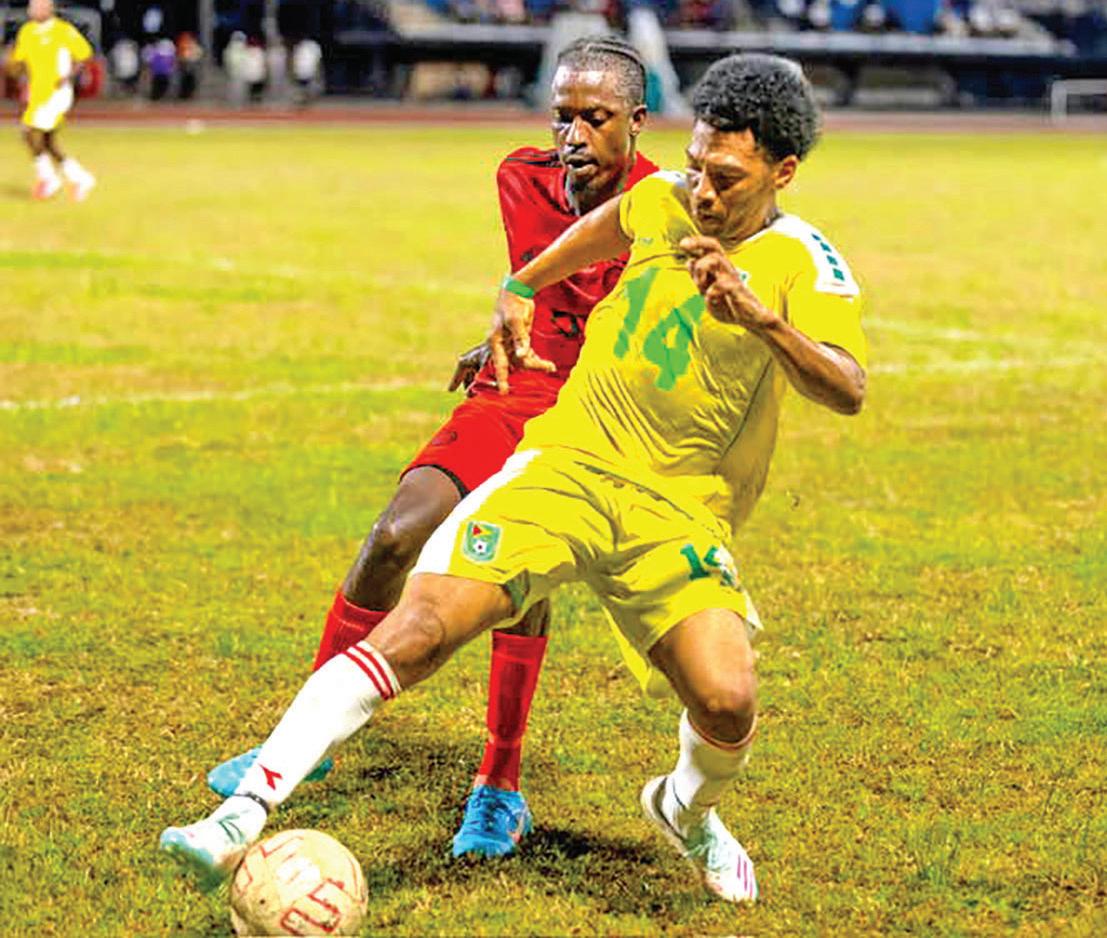
before completing a superb hat-trick with his third goal in the 66th minute, sealing a comprehensive 3-0 victory over Silver Shattas FC. Sunday’s action had also produced plenty of excitement, with Botofago FC defeating Blueberry Hill FC 5-3 in an eight-goal thriller.
M. Davidson led the charge with goals in the ninth and 17th minutes, while Jermaine Maison struck twice in the 41st and 45th minutes to put Botofago firmly in control before halftime. Rodwell Wong added the fifth goal in the 74th minute.
Blueberry Hill responded through a brace from
Shaka Lewis and a goal from Shane Hudson in the 75th minute, but their late rally was not enough to prevent defeat.
In the day’s other fixture, Pdey Stars secured a narrow 1-0 victory over HiStars, courtesy of Shawn Wilson’s 71st-minute strike.
The Summer Super Cup 2026, which offers more than $4 million in cash prizes, continues until August 29 at the Bayroc National Stadium. The competition is being contested by 14 teams and is played on Saturdays, Sundays and Wednesdays, with clubs continuing their battle for the coveted championship title.

as important as training because players have limited time between games to restore their bodies. While fans see the performances on the field, what happens between matches often determines how well athletes can perform again.”
“Through sports massage and hands-on recovery strategies, Insync Therapeutics is proud to support Desert Vipers by
helping them recover efficiently, reduce fatigue and stay competition-ready. The Vipers’ sustainability and biodiversity initiatives also align with the company’s ideals of supporting healthy, environmentally sustainable practices. This initiative continues to support the growth of Guyanese professionals working in high performance and bodes well for the growth of this sector,”
they added.
On the other hand, Insync had the opportunity to partner up with another team, the Pakistan Super League’s Lahore Qalandars. They shared, “As the official physiotherapy and rehabilitation provider for the Global Super League (GSL), Insync Therapeutics plays a vital role in helping athletes perform at their best throughout the tournament. Elite cricket places significant demands on the body through repeated sprinting, bowling, batting, throwing and prolonged periods of play, making injury prevention and effective management essential to sustained performance.”
“Through evidence-based physiotherapy, movement assessments, injury management, rehabilitation, taping and recovery strategies, Insync Therapeutics supports athletes in managing physical demands, minimising injury risk and returning to peak performance as quickly and safely as possible. By keeping players competition-ready throughout the tournament, Insync is proud to contribute to the high-performance environment that defines GSL.”

The Guyana Motor Racing and Sports Club (GMR&SC) will resume its 2026 calendar this weekend with the Dakota 100 endurance event, set for the newly revamped South Dakota Circuit.
The highly anticipated endurance-style event is set to commence at noon and will feature both motorcycle and car action.
With free general admission, fans can witness the action at no cost, while those seeking an even closer experience can purchase paddock access for $2000, allowing
them to get up close to the machines, teams, and riders behind the scenes.
The Dakota 100 is expected to test riders’ and drivers’ consistency, stamina, and race craft over the newly repaved circuit.
Organisers anticipate another strong turnout following the recent surge in interest in local motorsport following the historic GT Challenge De Las Americas earlier this month.
The GMR&SC has also announced a $20,000 registration fee for competitors, which includes four paddock entry passes for each team.
Support from major sponsors continues to play an important role in the sport’s development, with this event backed by Castrol, GUYOIL, ENet, One Guyana, and KFC Guyana, whose contributions continue to strengthen local motorsport and enhance the experience for competitors and spectators alike.
Race fans are encouraged to arrive early to secure the best viewing spots before the first riders take to the circuit at noon for what is expected to be an unforgettable day of motorcycle racing.


It was a much better day on Thursday for Guyana track and field athletes at the 2026 Commonwealth Games in Glasgow, Scotland as two track athletes competed in semi-final events while Stafon Roach leaped into the Triple Jump final.
Competing in the quali-
fying round at the Scotstoun Stadium, Roach had a best leap of 15.45m to secure 11th place and thus moved on to the final with the top 12 jumpers.
Jamaica’s Jordan Scott came out on top of the qualifying round, with a leap of 16.56m, followed by Indian
duo Praveen Chithravel and Selva Prabhu Thirumaran who jumped 16.41m and 16.26m respectively.
The final for that event is scheduled for Saturday, August 1.
Meanwhile on the track, Jackson Clarke and Keliza

BClub in Berbice, and she earned selection to the national team after showing great promise and talent.
Managing Director of Cardinal Enterprise, Dauren Deonarine, congratulated Caesar on her selection at the national level and wished her and her team members the very best in their participation at the upcoming Under-19 Women’s Tournament.
Caesar expressed her gratitude and anticipates a successful tournament as she received a timely boost from Cardinal Enterprises.
Cardinal Enterprise is a construction company specialised in building roads, drains and buildings. The company has over the years supported dominoes and cricket, sponsoring the New Amsterdam Secondary School at the Fire Friday School’s tournament.
The Cricket West Indies Rising Stars Women’s Under-19 championship will play between August 8 and August 15, with Guyana taking on Jamaica, Barbados, the Leeward Islands, the Windward Islands, and Trinidad and Tobago.
Smith took their mark in the Men’s and Women’s 200m events, respectively. Clarke, not initially making the cut for the semis, lined up in semi-final two, and went on to clock 20.70s
for seventh place in the race. Ghana’s Joseph Paul Amoah took the win and an automatic spot in today’s final with a 20.24s run.
Smith had similar fortunes, stopping the clock at 23.69s for sixth place in semi-final three. Trinidad and Tobago’s Shaniqua Bascombe crossed the line first, in 22.31s to move on to today’s final.
Perth Scorchers opening batsman Sam Fanning expressed delight after his side signed off the 2026 ExxonMobil Guyana Global Super League (GSL) with a victory, while admitting it was a disappointing campaign overall after several narrow defeats.
The Australian franchise defeated the Guyana Amazon Warriors (GAW) by 14 runs in their final group-stage match at the Guyana National Stadium, Providence, on Wednesday evening to record their first and only win of the tournament.
Reflecting on the result, Fanning said the victory was a fitting reward for a team that had come close throughout the competition.
“Yeah, really nice for us to get a win in the last game. We have been a bit unlucky this tournament, I think. We’ve been really close in every game and just ended up on the wrong side of it, so it’s just nice for us to come away with a victory but a disappointing campaign, unfortunately,” Fanning said.
Despite finishing the tournament with only one win, the Scorchers were competitive throughout the GSL, with each of their

matches going down to the closing stages before they finally broke through in their last outing.
The Perth Scorchers, one of Australia’s most successful and widely supported T20 franchises, were making their debut appearance in the ExxonMobil Guyana GSL.
Fanning also praised the organisation of the event and the hospitality shown in Guyana, saying the experience exceeded the team’s expectations.
“Yeah, we have absolutely loved it. All the teams are in one hotel; that’s really good fun getting to know everyone and seeing a little bit of Guyana. It’s a beautiful place, and playing at this
ground tonight, we played the Warriors, the home team, and the crowd was unreal, so it was great playing in front of them, and hopefully it continues for several years to come,” he added.
His comments highlighted the unique atmosphere created by the tournament, where teams from different cricketing nations shared accommodations, fostering camaraderie off the field while competing fiercely on it. The strong crowd support at the Guyana National Stadium also left a lasting impression on the Australian visitors, particularly in their clash against the defending champions Guyana Amazon Warriors.
In excess of 350 athletes and administrators were registered on Thursday to participate in a sports seminar, facilitated by the Global Super League (GSL) and Australia’s Deakin University as the Ministry of Culture, Youth and Sport (MCYS) seeks to develop capacity within the sector.
The two-day sports seminar took centre stage at the Arthur Chung Conference Centre (ACCC), Liliendaal, on Thursday morning, where a simple opening ceremony preceded the workshop sessions.
The seminar forms part of efforts from the GSL: Super We initiatives this year to involve and offer opportunities within the tournament’s running to Guyanese youths and professionals.
Detailing the vision behind the seminar was GSL Director Jamie Stewart.
Stewart explained, “The vision for the event was to create a globally significant sports event that was made in Guyana and operated by Guyana, projecting out to
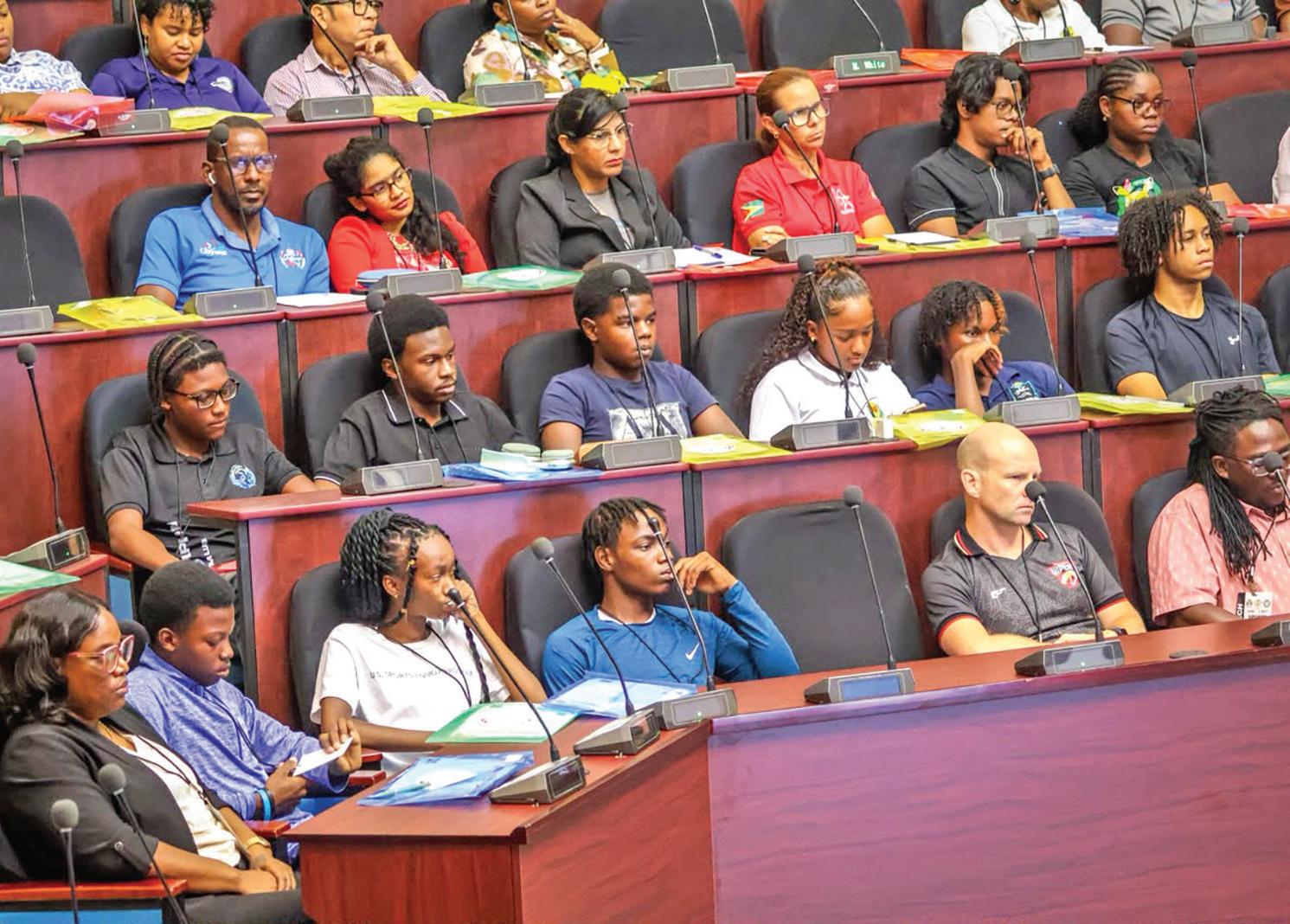
the world. I would say in the first couple of years, we were really focused on establishing the global credibility of the event amongst the cricket community. Word of mouth travels very fast in the cricket world, so we worked very hard to give the teams the security and comfort that coming to Guyana and playing in this tournament was going to be an amazing experience. Our thinking was, we started to turn a little
bit more in with the idea of ‘What can this event do for Guyana? What sort of legacy can it leave? How do we create a situation where knowledge transfer happens with the local sports ecosystem?’ That’s where the idea for this workshop came about.”
Delivering feature remarks was Sport Minister Charles Ramson Jr, who explained that his Ministry is now in the process of focusing on human capacity development.
“We have had moments and examples of brilliance, of world-class talent, but they have been many areas where we have not shown the world how powerful or how great our talent is.”
The sport Minister shared, “It exists; I believe in it, but to do it, we all have to row in the same direction. We all have to raise our game, governance structure, performance, standards, and everything that we do in relation to our function; we have to do it in the best possible way so that we can unlock that potential.”
Ramson asserted, “It’s a great day today; today is a turning point for us. It will always be remembered that this is a turning point for us with this shift in focus as we’re moving into a phase of development of sports administration and organisation.”
Operating along a similar train of thought was the Minister within the sport Ministry, Steven Jacobs, who revealed that certification and qualifications are next on the Ministry’s agen-
da.
Jacobs revealed, “We are pushing and working for sports programmes, which we’ll launch in the coming weeks through the GOAL programme, which has been a successful programme with over 38,000 graduates. We will now move the sports programmes through certificates and also master’s degrees.”
“But we’re going to launch those programmes because we see them as key and vital also,” the cricketer-turned-politician added.
One of the programme’s facilitators, Campbell Jamieson, later detailed the seminar’s main focus areas.
“The four focus points for today are obviously building an ecosystem for sport within Guyana; we’re also going to look at governance models, not just models we’ve used in Australia; we’ll also take a look at models we’ve used in Singapore, England, and India. We’ll also look at how we develop a workforce and the resources you need to deliver on the objective the Government has,”
Twelve venues across South Africa, Zimbabwe and Namibia were announced as the hosts for next year’s International Cricket Council (ICC) Men’s Cricket World Cup (CWC).
A spectacular ceremony in Johannesburg saw eight cities across South Africa, three in Zimbabwe, and Namibia’s capital, Windhoek, unveiled as cohosts for the tournament.
The 12 host venues are: South Africa – Wanderers Stadium (Johannesburg), Centurion (Tshwane), Newlands Cricket Ground (Cape Town), Kingsmead Cricket Ground (Durban), St George’s Park (Gqeberha), Mangaung Oval (Bloemfontein), Boland Park (Paarl), and Buffalo Park (KuGompo City, formerly known as East London) Zimbabwe-Harare Sports Club (Harare), Queens Sports Club (Bulawayo), and Fale Mosi-oa-Tunya International Cricket Stadium (Victoria Falls)
Namibia – Namibia Cricket Ground (Windhoek)
The marquee 50-over competition returns to Africa after 24 years. Back in 2003, South Africa, Zimbabwe and Kenya hosted the eighth Men’s Cricket World Cup.
Set to host the world’s top 14 teams, the three host countries for 2027 are united by a spirit of optimism, diversity and community under the “Three Nations, One Heartbeat” brand.

Jamieson highlighted.
The Deakin University professor continued, “Finally, tomorrow, we’ll look at sport tourism. Not just from an elite-level, major-event perspective, we’ll look at tourism from a community-development and how-tourism-is-generated-and-derived-from-grassroots perspective, all the way through to the elite level.”

The 14th edition of the showpiece event is set to host the cricketing community from across the world, imbued with the African message of “Ubuntu”, a philosophy that translates to “I am, because we are”, the belief that we as humanity are defined by our compassion, kindness and connection to one another.
This is in line with the “Make the Circle Bigger” philosophy, which is at the heart of the ICC Men’s CWC 2027, bringing together a rich tapestry of cultures, 29 officially recognised languages, and a lifestyle and vast mosaic of identities that unite the region.
“This marks an exciting milestone on the road to the ICC Men’s Cricket World Cup 2027,” ICC Chairman Jay Shah said.
“The unveiling of the host cities and the tournament brand signals the start of a journey that will unite fans around the world and build anticipation for one of our sport’s biggest global events. The return of this prestigious tournament to Africa after 24 years is a landmark moment for cricket. We are confident that South Africa, Zimbabwe and Namibia will deliver an unforgettable event, showcasing the warmth, passion and rich diversity that make this region truly unique.”
ICC CEO Sanjog Gupta added, “The ICC Men’s Cricket World Cup represents the legacy and spec-

tacle of limited overs cricket.
“It also marks the return of the pinnacle event to Africa after more than two decades and will celebrate a continent defined by extraordinary people, vibrant cultures, breath-taking experiences and deep love for sport.
“The vibrant brand unveiled today reflects the energy, ambition and spirit of the event, while every host city offers fans a unique opportunity to experience the warmth and diversity that make Africa truly memorable.
“Combined with the meaning delivered by the growth of the game and inspiration for new generations of fans, the event will assume regional and global significance.”
Also present to mark the momentous occasion were South Africa cricketing icons Graeme Smith, Makhaya Ntini, Hashim Amla, Temba Bavuma and Kagiso Rabada, alongside Zimbabwe’s Hamilton
Masakadza and Namibia’s Rudolf Jansen van Vuuren.
The visual anchor of the much-anticipated tournament is derived from a single geometric form inspired by the African wire bowl, featuring colours such as Zimbabwe Chilli, the African Root, Fynbos Pop, Namib Dune, Harare Dawn, and Two Oceans.
Since having co-hosted the 2003 Men’s CWC, South Africa has played host to a number of major ICC tournaments, from the inaugural ICC Men’s T20 World Cup (2007) to the ICC Women’s T20 World Cup (2023), the ICC Under-19 Men’s CWCs (2020 and 2024) and the ICC Under-19 Women’s T20 World Cup (2023).
While Zimbabwe was also the co-host for the 2003 edition of the tournament, Namibia will roll out the red carpet for their maiden senior ICC tournament as hosts. Both countries had hosted the ICC Under-19 Men’s CWC earlier this year.
The ICC Men’s Cricket World Cup 2027 will feature 57 matches, offering greater context, competitiveness and consequence with a new three-stage format that will deliver more competitive cricket and enhance the fan experience.
A Super Series will see the three teams ranked from 12 to 14 play a round-robin format, with the winning team moving on to the next stage. A 30-match round will feature 12 teams, with sides divided into two groups of six playing a round-robin format.
The top three teams from each group, along with the next best-placed team from both groups, will advance to the Super Seven stage.
The Super Seven will consist of 21 round-robin matches, with the top four teams progressing to the semi-finals. The team that tops the Super Seven will play the fourth-placed side, and the second-placed team will take on the third-placed side in the semi-finals. (ICC)
Superior Woods Inc. is inviting applications for the following positions: Moulder Operator (3), Heavy-Duty Equipment Mechanic (4), Mill/Resaw Operator (3), Forklift Operators — (5), Labourers — (10). Location: Yarrowkabra, Linden-Soesdyke Highway. Contact: 642-3828/ 6262138. Email: superiorwoods.gy@ gmail.com.
Superior Blocks and Pavers is inviting applications for the following positions: Blocks Machine Operator (3), Forklift/Front-end Loader Operator (3), Labourers — (6). Location: Yarrowkabra, LindenSoesdyke Highway. Contact: 6423828/ 626-2138. Email: vickash@ superiorblocksandpavers.com
The stage is set for a blockbuster qualifier in the ExxonMobil Guyana Global Super League (GSL) this evening as the San Francisco Unicorns and Desert Vipers battle for the right to face the Guyana Amazon Warriors (GAW) in Saturday’s final at the Guyana National Stadium, Providence.
Despite finishing the league phase with two victories, San Francisco Unicorns Captain Hassan Khan believes his side is still capable of producing a higher standard of cricket when it matters most.
“It’s been a good tournament so far, but I still believe we haven’t played our best cricket to our full poten-
tial yet. I’m hoping everyone gets back to it, plays to their potential and produces their best cricket in the playoffs,” Khan said.
Acknowledging the challenges of batting in Guyana, Khan stressed the importance of a collective effort from his batting unit.
“Batting has been a bit tough here in Guyana. We’ve done well in bits and pieces, but if we can bat well together as a team, I think we’ll have a great chance to reach the final and then go on to win it.”
The Unicorns suffered a nine-wicket defeat to the Vipers during the league stage, but Khan believes little can be taken from that rain-affected contest.
“Not much, because it was a rain-affected game. If there wasn’t rain, the result might have been different,” Khan shared. “They had a good start in the powerplay, but it’s really hard to bat in the middle overs here. If you lose one or two early wickets, teams can come back into the game. That match is behind us now. We’ll sit together as a group, have our discussions and come back stronger.”
Desert Vipers Captain Shadab Khan, meanwhile, described his team’s campaign as a “rollercoaster ride” after rebounding from two opening defeats with back-to-back victories to secure a playoff berth.
“I think it’s been a roll-
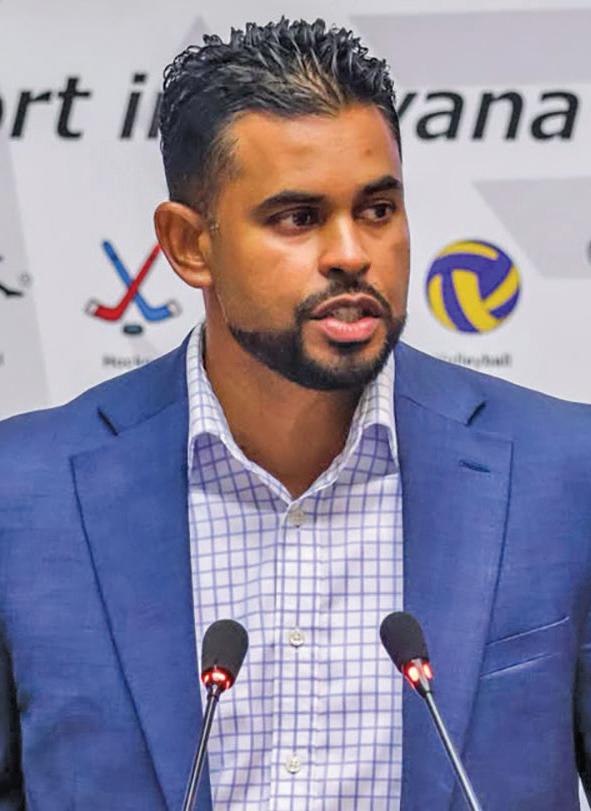
The ExxonMobil Guyana Global Super League (GSL) T20 is not just offering opportunities to players on the cricket field and has even grown to benefit those outside of the discipline.
According to Sport Minister Charles Ramson Jr, the league has now become the catalyst for overseas training opportunities for athletes involved in both cricket and football.
This is as a result of talks with team owners from the GSL which will result in overseas breaks for young players at Manchester United and Lahore Qalandars.
Ramson Jr divulged at the opening of a sport seminar on Thursday morning, “Yesterday, we were able to meet with the owners of Manchester United, who also had a team in the Global Super League, and we’re working out right now an exchange arrangement where we could take some of our players to Manchester United and for them to have some of the coaches down here.”
Turning his attention to the sport of cricket, the Minister announced the establishment of a similar initiative.
“Just a few days ago, we were trying to tie this up last year with one of the other teams from the Global Super League, which is the Lahore Qalandars; he has offered for us to send our cricketers to Lahore, free of charge for a camp, for six weeks for the players that we select on an ongoing basis, because they have an academy there,” the Minister disclosed.
“We were able to do that for free, just by virtue of having them play in the Global Super League.”
Ramson Jr went on to add about that particular
partnership, “And then, he has offered because they have their Premier League; just like the IPL, they have a similar version in Pakistan, very big as well. He’s also offered for two players to be on their team for that league, based on the persons that we identify. That’s another huge accomplishment and achievement for us.”
Manchester United and Desert Vipers owner Avi Glazer was in Guyana on Tuesday night to watch his team take on the Perth Scorchers in the ExxonMobil Guyana GSL.
He also had meetings with President Dr Irfaan Ali and Vice President Bharrat Jagdeo, in addition to visiting the Kaieteur Falls.

ercoaster ride for us. We’ve done some amazing things and some things we didn’t do well, but overall, it has been a team effort. The boys adapted really well to the conditions after the first couple of games, and they performed very well.”
Shadab revealed that despite the slow start, his message to the team never changed.
“We were in both of those first two games even though we lost. My message was simple: control the controllable things. Whatever we can control, we have to do really well, and when we’re on top of the game, don’t give the other teams any cushion.”
Although the Vipers dominated the Unicorns
in their previous meeting, Shadab warned that knock out cricket presents an en tirely different challenge.
“That victory definitely gives us confidence, but in knockout games you never know how things will un fold. You have to stay calm, believe in yourself and exe cute your plans. If you do those things well, the result will eventu ally come.”
With a place in the championship match on the line, both teams will be looking to produce their best per-


Raekwon Noel missed out on a third medal as the ongoing Central American and Caribbean (CAC) Games continued in Santo Domingo, Dominican Republic.
On Thursday morning, Noel extended his stellar run at the competition, booking a place in the 100m butterfly final.
Noel competed in the second of four heats, hitting the board at 53.28s for first place and the fastest qualifying time. Trinidad and Tobago’s Dylan Carter was second in 54.93s while Bermuda’s Elijah Baily was third with
55.35s. However, fortunes were not the same for the double gold- medallist in Thursday evening’s final as he clocked 53.58s for fifth place.
Venezuela’s Manuel Diaz claimed the gold medal in 52.45s, followed by his countryman Jorge Otaiza in 52.91 for silver and the top three was rounded out by Trinidad and Tobago’s Dylan Carter in 52.99s. The 20-year-old Guyanese will be looking to rebound with two more events at the CAC Games in the coming days.