Guyana’s prominence at OTC 2026 reflects growing influence in global energy – Finance Minister
Culture shift needed to strengthen workplace safety across Guyana –GTTCI Director
– as Pres Ali leads 100-member delegation to Houston
Offshore waste discharges monitored by robust, multilayered system – EPA
Police find airguns, tactical gear dumped at Garden of Eden Over 51,000 e-tickets issued since rollout of SRIS – Traffic Chief
Distant war, local soil: How global conflicts impacting agriculture in Guyana & wider region, and Pres Irfaan Ali’s strategy to mitigate effects
Bandits injured after crashing getaway motorcycle following Mahaica robbery Decomposed body of man with "jaguar, ANIMAL" tattoos found at Lake Capoey GCAA intensifies probe into fatal ASL Cessna aircraft crash Govt commissions "transformative" upgrades at Port Kaituma Hospital
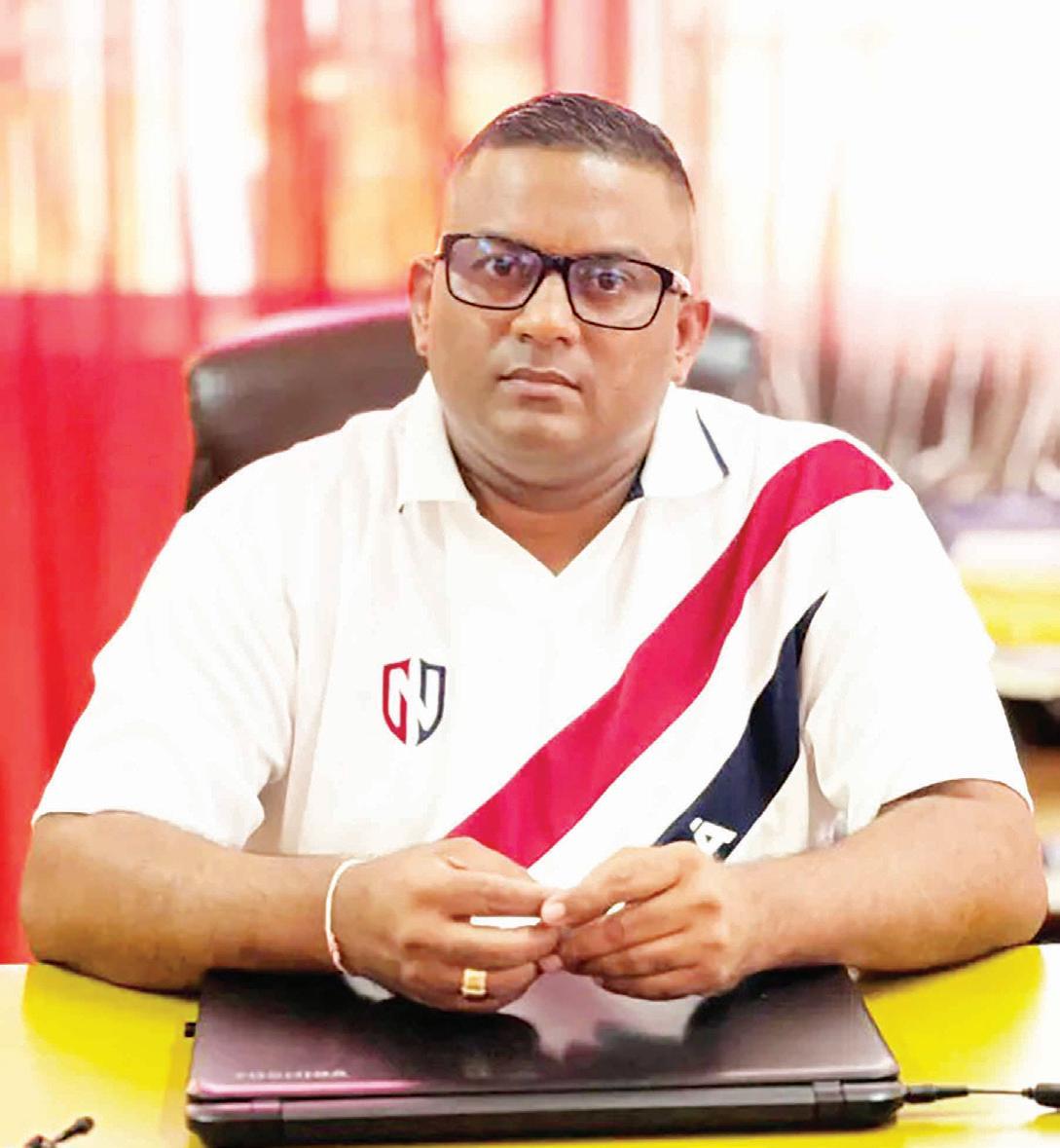
Health Minister, Dr Frank Anthony and a group of young
WEATHER TODAY
Morning
degrees Celsius and 29 degrees Celsius.
Winds: North-Easterly to East-North-Easterly between 3.57 metres and 6.25 metres.
High Tide: 17:27h reaching a maximum height of 2.54 metres.
Low Tide: 11:02h and 23:10h reaching minimum heights of 0.52 metre and 0.71 metre.
Guyana’s prominence at OTC 2026 reflects growing influence in global energy – Finance Minister –
as Pres Ali leads 100-member delegation to Houston
President Dr Irfaan Ali will be leading a large Guyanese dele-
to 7, 2026, at NRG Park in Houston, Texas.
The Guyanese leader is
expected to deliver the keynote address on Monday and lead the ribbon-cutting ceremony, marking the formal commencement of the world’s largest offshore energy technology event.
According to the Finance Minister, this year’s OTC is an excellent illustration of not just Guyana’s relevance as an oil-producing nation, but also the high regard in which President Ali is held on the global stage. “That itself tells you Guyana’s place, and of course President Ali’s place, in the global arena and in the global conversations around subjects that are relevant to us... Guyana will be taking centre stage at OTC this year under President Ali’s leadership.”
“These are not accidental occurrences. People listen to hear what you have to say. They examine whether you have something of value to contribute, and it is on that
gation to the 2026 Offshore Technology Conference (OTC) in Houston, Texas, in the new week, where he will be delivering the featured address at the opening ceremony – something that demonstrates Guyana’s growing influence in the global oil and gas industry.
This is according to the Senior Minister with Responsibility for Finance, Dr Ashni Singh, who recalled that in the past, the country was a mere participant in this key United States-based event.
“The fact that Guyana has been elevated to the prominence we’ve achieved in OTC 2026 speaks volumes about Guyana’s place in the oil and gas industry worldwide, in the offshore technology subsector, which is the focus of OTC, and the extremely high regard in which Guyana is held globally,” Dr Singh stated on the Starting Point podcast.
President Ali is slated to depart Guyana today, along with a 100-member delegation of key officials and private sector stakeholders, for the conference, which will take place from May 4
basis that they engage with you,” Minister Singh emphasised.
Over the years, key Government officials, including Natural Resources Minister Vickram Bharat and Chief Investment Officer Peter Ramsaroop, have led Guyanese delegations to the conference, which has served as a key networking and partnership-building opportunity, especially for local businesses. This is the first time a Guyanese leader will attend and headline the opening event.
Additionally, Guyana will be spotlighted during the conference’s Around the World Series on May 5, with local officials participating in several sessions that focus on the country’s policy direction, investment climate, local content framework, and development opportunities.
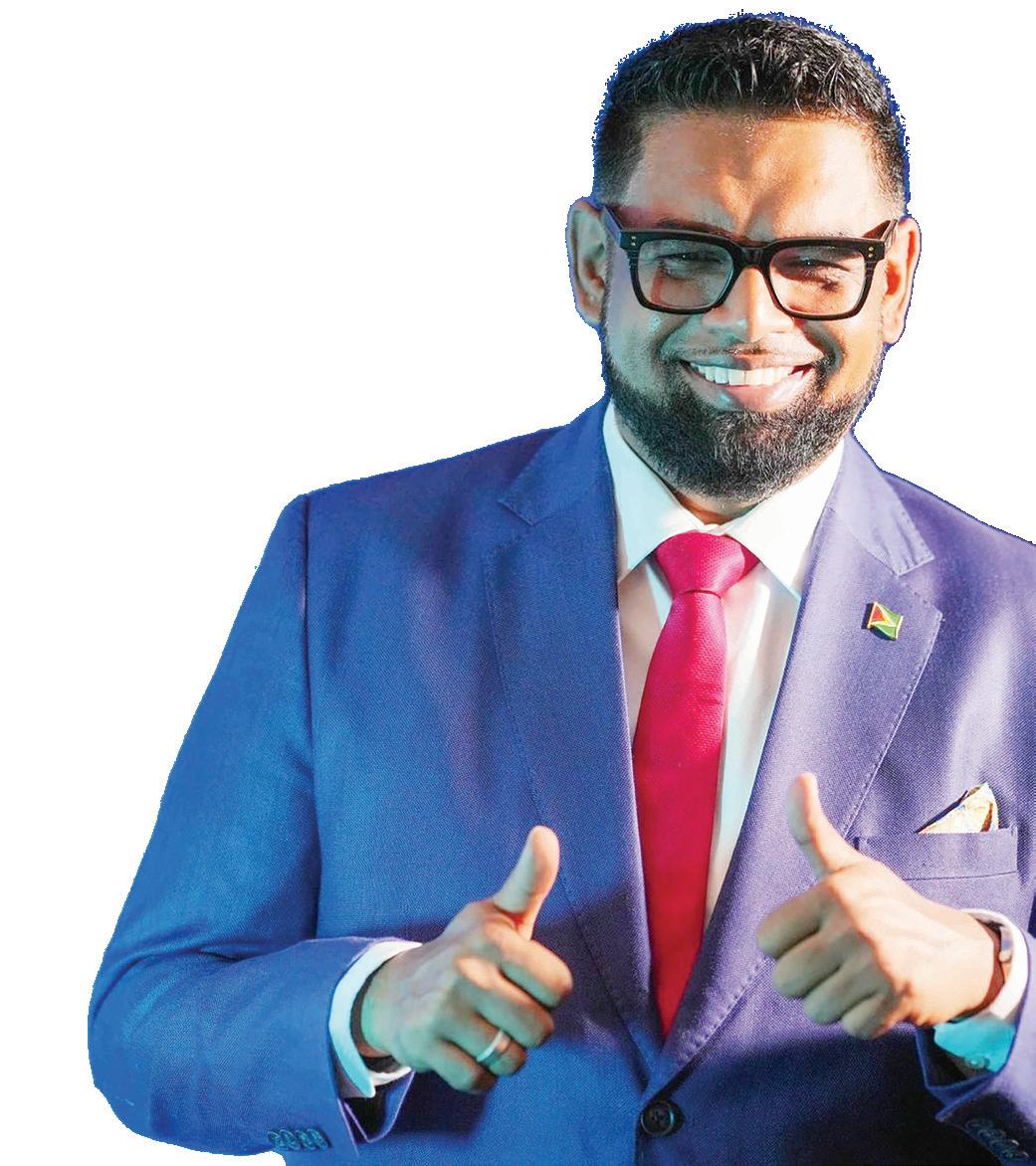
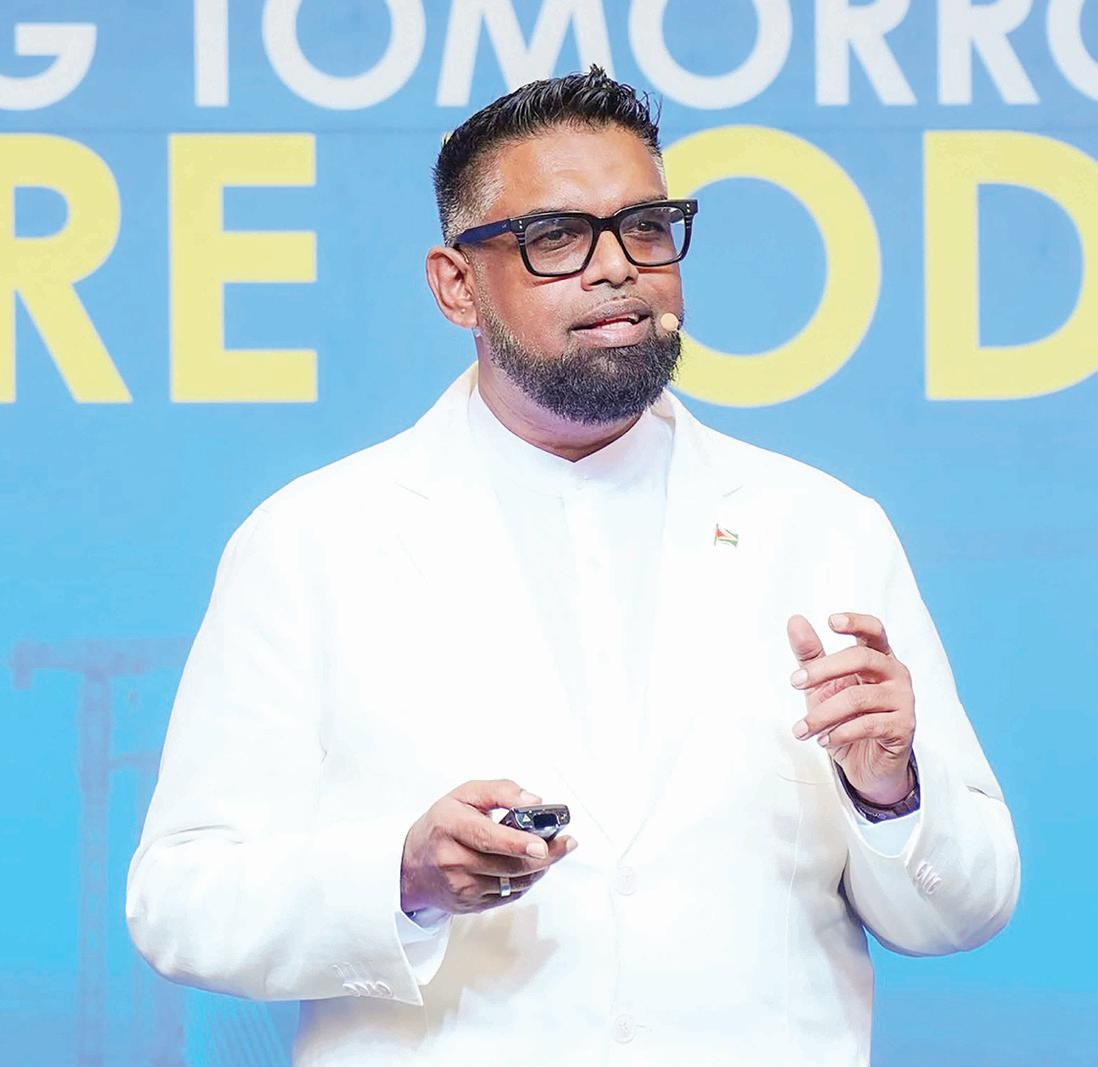
President Dr Irfaan Ali will deliver the feature address at the opening of the 2026 Offshore Technology Conference in Houston, Texas, on Monday, May 4
Senior Minister with Responsibility for Finance, Dr Ashni Singh
Chief Investment Officer Peter Ramsaroop with private sector representatives at the Guyana booth during the 2025 Offshore Technology Conference in Houston
Now that the razzmatazz and hoopla of the Labour Day parades are behind us, maybe it is time for a hard look at the changing relevance of the institution of “trade unionism” itself. As we rightfully boast, Guyana was a pioneer in launching a trade union over a century ago in 1919 by the pioneering Hubert Nathaniel Critchlow.
However, in noting the latter›s fight for universal suffrage, we should recognise that it was soon hived off to political parties formed by individuals like Cheddi Jagan and Forbes Burnham, who became members and leaders of trade unions; we should appreciate their functions will change. One constant has been the increasingly smaller numbers of workers who are represented by trade unions over the course of time.
This miniaturisation has been the result of a confluence of forces – one from a massive shift in the overarching dominant economic paradigm from post-WWII liberalism to neoliberal principles that were interpreted by their champions in the US (Ronald Reagan) and the UK (Margaret Thatcher), who viewed trade unions and big Government as fetters on productivity.
Their Governments intervened directly to delegitimise trade unions, and as the economic principles were imposed on much of the developing world, Governments in the latter also began to question the efficacy of trade unions. In the particular circumstances of Guyana after 1989, when the country was forced into practising neoliberal principles, trade unions that had historically supported one or the other of the two major political parties, the PPP and PNC, interpreted, for instance, the privatisation drive that reduced the workforce in the Government-owned “commanding heights of the economy” as “political”.
In Government institutions, the demand for greater efficiencies led to a new norm of hiring non-union “contract workers” who were not bound to what were seen as archaic work practices that led to low productivity.
But changes in the traditional “productive” workplaces, such as the mammoth reduction of the traditional mainstay of the coastal Guyanese economy – the sugar industry – and its interior counterpart, the bauxite industry, played an even greater role in redefining the role of trade unions. In the meantime, our Governments, which defined themselves as representing the “working class”, boasted about introducing laws that addressed the needs of workers without the need for traditional union practices, such as withholding the labour of workers in “strikes”. This process has accelerated in the last two decades, where the Governments refer to neoliberal market principles to arrive at “optimum wage rates” within the entire economy.
In the developed countries where the miniaturisation of trade unionism was initiated, new developments have been demanded by a 21st-century economy, where the “workplace” itself has been disintegrating. They are defined by AI algorithmic management; gig work-characterised by freelance and shortterm contracts; remote labour; and deep political polarisation that trade unions will have to address if they are to survive. Fundamentally, the challenge for unions is that the activities of unions were built on the idea of a stable, physical workplace where employees clocked in, worked side-by-side, and clocked out. These new sectors have high turnover and precarious employment, which traditional labour unions struggle to confront.
The gig business model severs the traditional employeremployee relationship. By classifying workers as “independent contractors” rather than employees, these platforms bypass the labour laws entirely. If the gig model of “employment via contract” becomes the norm, the traditional mechanism of unionisation – the workplace election – becomes impossible. There’s no “bargaining unit” to define if every worker is a separate business entity; it shifts the overhead costs of employment, vehicles, insurance, and downtime onto the worker while the platform retains algorithmic control over the means of production.
In the modern workplace, the manager is often not a human being but an algorithm. “Algorithmic management” refers to the use of sophisticated data collection and automated decisionmaking systems to monitor, evaluate, and discipline workers in real-time. With the increased use of AI systems, this will increase exponentially.
How will unions respond to these challenges in addition to the influx of immigrant workers and the incipient importation of workers to service the “fastest growing economy in the world”?
Indentureship and the story of Indo-Guyanese names
By Harry HergasH
May 5 is now celebrated annually in Guyana as a national holiday, termed Arrival Day, to commemorate the arrival of various indentured immigrant groups in the country. Previously, this date, which is the anniversary of the arrival of the first ship bringing Indian indentured labourers to the country, was celebrated by the Indo-Guyanese community under the name Indian Arrival Day.
The history books inform us that between 1838 and 1917, around 240,000 emigrants from India were recruited to work as labourers on the sugar plantations of the then colony called British Guiana, now Guyana. Currently, their descendants, referred to as Indo-Guyanese, comprise around 40 per cent of the population and constitute the largest ethnic group in the country.
The Indian labourers came with their culture, of which personal names are a fundamental component, serving as a clue to ancestry, heritage, religion, and social mores. In this article, I look at the sources and evolution of Indo-Guyanese personal names, a subject
that, as far as I am aware, has not been given much attention by scholars. In putting together this piece, I have relied on indentureship literature, reviews of my own and my wife’s ancestral records, information from individuals who have conducted searches for ancestors, and public sources of information.
The major source of the ancestors of Indo-Guyanese was the northern region, or Hindi belt, of India, mainly the present-day provinces of Bihar and Uttar Pradesh and surrounding areas. This region accounts for around 85 per cent of the arrivals. The remaining 15 per cent came from the southern or Tamil-speaking region that now constitutes Tamil Nadu and surrounding areas. In relation to religion, around 85 per cent were Hindus, and about 15 per cent were Muslims. The percentage of Christians was negligible.
Among the Hindus in Guyana, the regional difference in surnames is clearly discernible. The northerners have surnames based on the Hindi language, with some of the most popular being the original Prasad (sanctified offering or gracious gift) and its local variations, Persaud and Prashad; Singh (lion, a metaphor for lion-hearted);
and names with the prefix “Ram”, as in Ramotar, the surname of a former President of Guyana, and a name that is a local adaptation of Ramavtar, which translates to an incarnation of Ram.
The southerners have surnames based on the Tamil language, with the most popular ending in «sammy” (lord), as in Veerasammy (brave lord) and Ramsammy (Lord Ram), or in “mootoo” (a local adaptation of “muthu”, meaning pearl), as in Nagamootoo, a former Prime Minister of Guyana, a name that translates literally to “serpent’s pearl”.
On the other hand, the most popular Muslim surnames are Khan, originally a title of Mongolic origin for a ruler or leader brought to India by the Turkish rulers; Baksh (of Persian origin, meaning “fortune/gift” or “bestower”), which came by way of the Persian rulers or its anglicised version, Bacchus; and Mohamed as well as Ali, which are names of Arabic/Quranic origin.
Generally, in India during the period of indentureship, the Hindu first name of a child was given by the priest based on astrology and caste. A common practice for the lower castes was to be named
after the day on which the child was born. The upper castes were offered more elegant names or names related to Hindu deities. A similar practice continued with the early generations of Indo-Guyanese children. In northern India, the two upper caste groups, the Brahmins and the Kshatriyas, have last names that are restricted to their castes. To this day in Guyana, individuals with last names such as Doobay, Panday, Sharma, Tiwari, and a few others are recognised as Brahmins. Individuals with the last name “Singh” are recognised as Kshatriyas. In bygone years in India, Doobey implied a Brahmin who is knowledgeable in two Vedas; Pandey implied a Brahmin who is in charge of temple rituals; Sharma implied a Brahmin who is a religious scholar; Tiwari implied a Brahmin who is knowledgeable in three Vedas; and Singh implied a warrior or administrator. In Guyana, while the caste system existed among the early Tamil-speaking southerners, not much is known, as it may have disappeared quickly due to the relatively small size of the community and their adaptation of Christianity and North Indian practices.
Tot-ball: two toddlers enjoying a game of football in Quiko Village, South Central Rupununi, Region Nine (Upper Takutu-Upper Essequibo) (photo by Lakhram Bhagirat)
A TIME FOR ACTIVE LIVING
By Ryhaan
Many of us see ourselves through the stereotypical images that society often presents about the elderly. We buy into the idea that we are weak, dependent, and, well, useless because we have supposedly passed our prime and have nothing useful to add to our family or society.
This negative perception of ourselves often becomes selfdirected ageism, which can actually take a real toll on our self-esteem and our physical and mental health. In fact, we become conscious of these negative societal stereotypes even while we are young and may have even contributed to them, not knowing that we buy into those perceptions to such an extent that they become our expectation when we grow older.
So, we slow down, accept the aches and pains, the wrinkles, and even the onset of illness as signs that we have grown old and that there is nothing we can do about it when, in fact, adopting positive perceptions about aging puts us on a path that helps sustain our health, well-being, and longevity.
I think that here in Guyana we have a more negative than positive outlook about the elderly, which promotes ideas of frailty, ill health, dependence, and irrelevance. Negative attitudes toward aging might have crept in because of our large North American diaspora community. Western culture prioritises youthfulness and promotes a large anti-aging industry that includes Botox procedures from as early as your 20s.
Even those of us who are active and can still manage to live independently can be viewed through the lens of the common stereotypes that persist, depicting us as frail, forgetful, unproductive, and a societal burden, the implication being that such decline is universal and applies to every elderly person.
Of course, we know that this is not true. Many of us lead active, productive, and independent lives even into our 80s and 90s. We get wiser with age, having lived through both the tough challenges and the happy times that come with a life lived fully and well. And we still have much to contribute to our family and society through meaningful work that draws on our lived experience.
However, if our culture promotes negative perceptions and attitudes toward the elderly, we are less likely to embrace our aging simply as an ongoing part of life. We, therefore, give up on exercise and may even expect and accept ill health or impaired mobility as our lot. This can lead to reduced confidence and anxiety, and even loneliness and depression, none of which helps our mental well-being and can even speed up cognitive decline.
A positive outlook, however, fosters better overall wellbeing and can help with speedier recovery from any illness. It’s a myth that aging is simply an external phenomenon linked to physical changes, but if we have picked up those cultural cues since we were young and view aging as a time of decline, frailty, and incompetence, this attitude can lead to physical and mental illness. This, in turn, leads to a reduced life expectancy.
A very recent study conducted by Yale University found that over 45 percent of participants who were over 65 and embraced positive aging beliefs showed mental and physical improvements in their health. They also reported lower levels of anxiety and depression. A positive self-image can also lower our mortality rates and improve our overall quality of life.
Many of us wish to maintain our activity level and our independence for as long as possible. It can be a balancing act to ensure that we receive the level of care we need without any “help” becoming intrusive and unhelpful.
Here, again, the idea among family that elderly members cannot do much for themselves and need constant attention is picked up from negative cultural cues and should be restrained, with any help tailored to suit the elderly family member who may want to continue to live as actively and independently as possible.
It would take some planning to ensure your home is safe and that you have the help and support you need. Home help with cooking and cleaning, as well as getting to clinics or doctor’s visits, are considerations that must be taken into account to allow for safe and independent living. Positive self-perception reduces stress and anxiety and can actually improve our heart health and resilience against other illnesses.
Positive aging is characterized by growth, wisdom, and active living. Instead of giving in to cultural stereotypes about aging, it is far better to challenge them for our health’s sake.
Indentureship and the story...
The evolution of names commenced in India at the time of issuance of the Emigration Pass (official document equivalent to a passport). Indian names were recorded on the pass based on how the British registering agent felt the name sounded, as well as on his cultural experience. In Guyana and the West Indies, Bacchus is the surname of many Muslims. However, a Google search would indicate Bacchus was originally not an Islamic or Arabic name. Instead, it is the name of the Roman god of wine and is of Greek and Latin origin. The Muslim name would have been Baksh, which came to India with the Persians. Because Bacchus, as a Muslim name, is common in Guyana and other countries that received indentured Indian labourers, it is highly likely some British officials recorded Bacchus as the name of many of the emigrants instead of Baksh. The same can be said of many Hindu names, e.g., “Murugan” recorded as “Morgan” or “Persaud” recorded as “Prasad”.
In Guyana, Anglicisation and similar changes occurred. However, without conducting an adequate sample of ancestral records and local birth registries, it is not possible to be certain which changes took place in India and which occurred locally. In any case, it is clear that many Indian names were anglicised. Some obvious examples are Ramsahoye/ Ramsahoi, which are adaptations of Ramsahai (help-
er of Ram); Narine/Narain, which are adaptations of Narayana (referring to Lord Vishnu); and Chandrowti/ Chandroutie, which are adaptations of Chandravatti (moon-like, possessor of beauty). Changes also occurred by the indentured labourers themselves or their descendants. Some converted to Christianity and took on completely new names.
These days, without delving into Guyanese history, no one would realise that the name Dr William Hewley Wharton is that of an Indo-Guyanese. He is a pioneer in Guyana’s medical history, being the first IndoGuyanese to study medicine in Britain and graduating from the University of Edinburgh in 1899. Likewise, according to the website, http://windrush75. com/joseph-clara-luckhoo, the name of the patriarch of the very famous legal family Luckhoo was Lokhoa upon arrival.
During the early 20th century, Indo-Guyanese children were given more traditional names along the lines of those in India. Later generations became more adventurous. Hindu first names started to cross caste lines, and names became more elegant and meaningful. By the early 1950s, Indian cinema began to have an impact on Indian first names. Names of Indian actors and actresses, as well as the names of movie characters, started to be given to children. This trend now continues with greater frequency.
In Guyana, a couple of very popular female first
names seem to be a religious reversal of what occurs in India. Nadira, which is of Arabic origin and a Muslim name in India, is considered a Hindu name in Guyana. Asha, a Hindu name in India, is considered a Muslim name in Guyana. Also, the last names of two prominent Muslim business families from the 1950s and 1960s in Guyana would be considered Hindu in India. Sankar, as in Sankar Brothers, is another name for the Hindu deity Lord Shiva. “Gajraj”, as in Gajraj and Sons, literally translates to “King of Elephants” and is often linked to the Hindu deity Lord Ganesha.
As the Indian labourers and their children settled in Guyana, they had to be accommodated in a legal system requiring a first name and a last name, labelled on all legal forms during the colonial days as “Christian name” and “surname”, respectively. Since the Emigration Pass of the Indian indentured labourers only had the person’s first name and his or her father’s first name, in Guyana the father’s first name often became the last name of the children.
In the next generation, when these children became parents, again the father›s first name became the last name of the children. From this point forward, the Last Name became fixed for subsequent generations.
Supporting this fact, in his autobiography «Glimpses of a Global Life», Sir Shridath Ramphal, one of the most famous Indo-Guyanese, states that his last name, Ramphal,
was the first name of his indentured paternal grandfather.
For this historical reason, many brothers who were born during or soon after the end of indentureship have children with different last names, making it difficult to establish relationships when historical memory is lost. Despite the preceding, some Brahmins and Kshatriyas were able to maintain their original caste last names, which have been passed down to following generations. It is likely that in the early years of indentureship, when upper-caste individuals were not favoured for recruitment, some claimed lower status to be accepted.
After reaching Guyana, they reclaimed their former status and were able to fit into the legal system for themselves and their children. However, in Trinidad, the late distinguished history professor, Dr Brinsley Samaroo, coined the unflattering phrase “Brahmin of the Boat” to describe individuals who, after arrival in Trinidad, claimed to be Brahmins.
The evolution of IndoGuyanese names commenced from the time the ancestors departed India. Over the years in Guyana, changes continued and will continue due to increasing Anglicisation, Christianisation, loss of the Hindu caste system, and racial and religious intermarriages.
However, Indian cultural heritage... age will persist.
Page Foundation
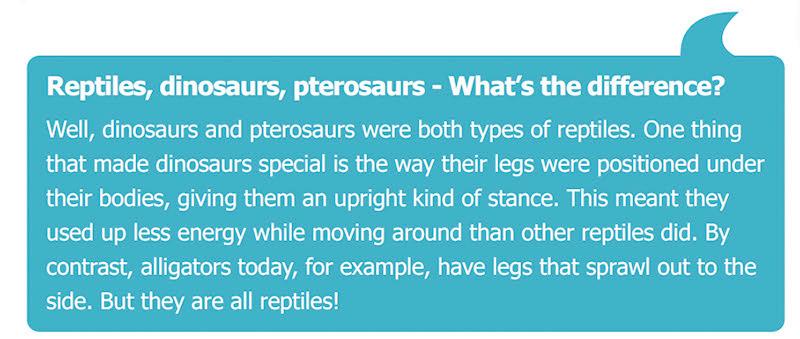
Where did flying reptiles come from?
Could dinosaurs fly?
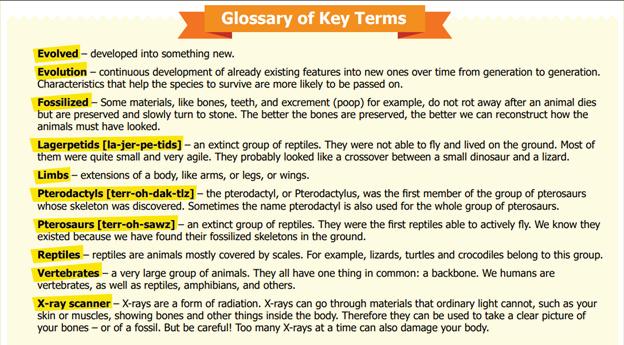
Well, not exactly. Pterodactyls , which are probably what you picture if someone says “flying dinosaurs", were in fact another group of reptiles . They are part of a group called pterosaurs
Some pterosaurs evolved to become the biggest flying animals ever, with
ping their wings.
To be able to fly, they needed a very specific body. Their bones were hollow like birds’ are today. (In fact, pterosaurs’ bones were even more hollow than birds’ are.) This reduced their weight, so their wings could lift them off the ground.
they easily broke. So instead of being fossilised, they were mostly destroyed over time. This means that scientists do not have very many well-preserved skeletons from the first pterosaurs to study. So it’s hard to know exactly how pterosaurs developed their amazing flying abilities. They probably inherited
wingspans of around 10 metres. Before them, some vertebrates were able to glide through the air, but pterosaurs were the first ones that could fly by flap -
But their specialised bones also have a disadvantage for us scientists today. Early pterosaurs were small, and their bones were so hollow that
also had hollow bones, which were also destroyed over time. With no bones, we’re left with a mystery! So who are the closest relatives of pterosaurs? Maybe they could help us understand how vertebrates took to the skies.
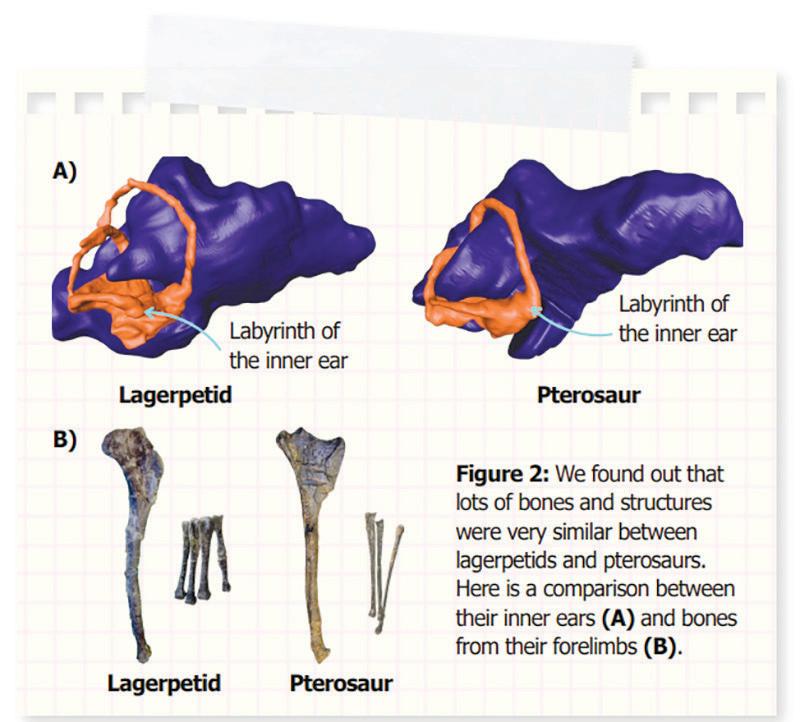
Scientists looked at lagerpetid fossils. These fossils were from bones such as backbones, limbs, and skulls. They analysed the bones with an X-ray scanner , then they compared them to bones of other animals in a huge database. They counted all the similarities between lagerpetids and other animal skeletons. The more similarities the bones showed, the more closely the animals must have been related. They focused on the newest features the animals had in common.
Using a computer, scientists found at least 33 similarities between the bones of lagerpetids and pterosaurs. These similarities were located across the entire skeleton. There were many more similarities than with any other animal. They concluded that lagerpetids and ptero -
saurs must be closely related. The bony structure of the inner ear was very complex in both groups. This is interesting because this feature helps with balance. Better balance is probably one of the reasons pterosaurs were able to fly and lagerpetids were so light-footed. Although pterosaurs and lagerpetids don't look very similar, parts of their skeletons are very similar. As well as in the inner ear and brain, they found lots of similarities in the different animals' forelimbs
ground. Pterosaurs developed the same features into an ability to fly. This enabled pterosaurs to become the first flying vertebrates.
In fact, pterosaurs’ and lagerpetids’ special inner ears are very similar to birds’. But birds didn't come from pterosaurs (they evolved from dinosaurs, in fact). Instead, birds evolved this feature because they faced a similar challenge: the need to fly.
As you can see, evolution doesn’t happen all at
some useful features from their ancestors. But until now, scientists couldn't work out who those ancestors were. It is likely that the pterosaurs’ ancestors
(front arms and wings).
Both groups had very mobile forelimbs. Perhaps lagerpetids inherited these “clever” forearms from their ancestors, while pterosaurs developed the same “clever” traits into their amazing wings.
As both animal groups share so many features, they can assume that they have a common ancestor. It's unlikely that both groups developed all these traits separately from each other at the same time.
Lagerpetids used their inherited traits to develop a very quick and light-footed way of moving on the
once! It takes a lot of time and many steps for new animals to develop. Both the pterosaurs and the lagerpetids inherited features that could have led to being able to fly. But only pterosaurs developed these features into wings. Next time you learn about an animal, try to think about this – could two very different-looking animals actually have a lot in common? Knowing that can tell us a lot about evolution and how different animals came to be.
( Adapted from sciencejournalforkids.org)
Offshore waste discharges monitored by robust, multi-layered system – EPA
The Environmental Protection Agency (EPA) says it maintains a “robust, multi-layered system” when it comes to the oversight of waste discharges during oil production offshore Guyana.
According to the agency, its monitoring framework includes real-time data access. This involves the EPA receiving live data feeds directly from the Floating Production Storage and Offloading (FPSO) vessels operating in the Stabroek Block, including real-time produced water discharge volumes and rates, flaring data, and operational parameters relevant to environmental compliance conditions.
In addition, the EPA also deploys continuous satellite monitoring technology to independently detect any oil sheen on the surface of the waters surrounding the FPSO discharge points. It added that thermal imaging is further used to monitor flaring activities and ensure gas management compliance.
Moreover, the EPA conducts independent physical sampling of water quality in the vicinity of FPSO discharge points. These samples, it noted, are analysed to verify that the operator’s self-reported data is accurate and that discharges remain within permitted limits.
The EPA further explained that all offshore discharges of produced water from the FPSO vessels must meet binding standards, including oil-in-water content limits (not to exceed 42 mg/L on any single day or 29 mg/L on a monthly average basis) and discharge temperature requirements.
“These standards are binding permit conditions, and their breach constitutes a violation of the Environmental Permit, attracting enforcement action up to and including permit suspension or revocation,” the agency stated in a statement on Saturday.
Legal framework
The missive was in response to a local media report about the ongoing public consultation for
ExxonMobil Guyana’s eighth development project offshore, Longtail.
The United States-based oil major is currently operating four Floating Production Storage and Offloading (FPSO) vessels in the Stabroek Block and has already received the green light for three other projects.
As part of its request for Environmental Impact Assessment (EIA) and Environmental Impact Statement (EIS) approval from the EPA for the Longtail project, Exxon is legally required to conduct public consultations and engagements across the country during a 60-day period. However, at a recent consultation in Georgetown last week, questions were raised about the discharge of waste. A local newspaper reported that the EPA failed to say how it verifies the oil company’s discharge of waste.
But the EPA, in Saturday’s missive, explained that its officers could not have answered the queries made, as it outlines the legal foundations and comprehensive mechanisms through which the EIA process operates and how all
public enquiries are systematically captured and addressed.
Disciplined adherence, not evasion
According to the Agency, its representatives’ presence at the meeting was strictly in the capacity of an observer, consistent with its statutory role during the active consultation phase of the EIA process. In fact, the EPA declared that the officers’ restraint in answering the questions was not evasion but adherence to the law.
It noted that this active 60-day statutory public comment period was intentionally designed to ensure a comprehensive capture of all public concerns. The process includes a formal channel through which all questions, concerns, and objections are captured and addressed. All submissions will be formally transmitted to the consultant and operator for response, reviewed by the EPA for technical adequacy and accuracy, and considered in the agency’s final decision.
“No inquiry is lost. Every submission becomes part of the official record that informs the agen-
cy’s decision-making,” the agency assured.
The EPA pointed out that had its officers answered technical and project-specific questions at the public disclosure meeting, this would have displaced the statutory obligation of the developer and consultant to answer, potentially pre-empted the Agency’s own independent assessment, undermined the formal submission and response process that the law establishes to protect the public’s right to receive considered, documented answers, and compromised the EPA’s independent regulatory posture, creating a conflict between the Agency acting as both advising party and subsequent decision-maker.
“The restraint exercised by EPA officers was therefore not a failure of the Agency but a disciplined adherence to the rule of law and the integrity of the statutory EIA process.
Safeguards
Nevertheless, the EPA went on to assure that there are criti-
cal safeguards in the EIA approval process, including the role of the Environmental Assessment Board (EAB). The EPA is required to submit the EIA and EIS to the board for independent consideration before any environmental permit is issued.
The EAB is empowered to conduct public hearings into the EIA and EIS; review whether the EIA should be accepted, amended, or rejected; and recommend whether an environmental permit should be issued and on what terms and conditions.
The EAB’s review includes scrutiny of whether the responses provided by the consultant and operator to public comments were appropriate, accurate, and complete. This provides an additional independent check beyond the EPA’s own assessment. Appeals against the agency’s decision may also be submitted to the EAB within thirty (30) days of publication of the decision. This appeals mechanism is a further safeguard of public rights.
“The EPA of Guyana is the nation’s primary environmental regulator and takes its mandate to protect Guyana’s natural environment with the utmost seriousness. The agency’s conduct during the disclosure meeting was lawful, appropriate, and consistent with the statutory framework established under the Environmental Protection Act.”
“The EIA process is comprehensive by design. Every question raised, whether at the disclosure meeting or submitted in writing, enters the formal legal framework and is captured, documented, and independently assessed. The process is guided and grounded in law at every stage, ensuring that public participation is meaningful, transparent, and enforceable. The EPA commits to ensuring that the public’s right to meaningful participation in this process is fully upheld. All questions will be answered. All concerns will be addressed. All details are captured in the EIA process,” Saturday’s missive detailed.
Guyana’s prominence at OTC 2026 reflects...
Minister Bharat and Ramsaroop will join President of the Georgetown Chamber of Commerce and Industry (GCCI) Kathy Smith and ExxonMobil Guyana President Alistair Routledge for discussions on ‘Guyana’s Integrated Energy Future: Linking Offshore Growth, Climate Resilience, and Food Security’.
This session will be moderated by GCCI’s Councillor Rosh Khan and will explore Guyana’s evolution from a landmark offshore energy discovery to a diversified, investment-ready energy platform anchored in long-term sustainability.
It will position Guyana as a credible, stable jurisdiction for global capital by demonstrating how offshore energy serves as a catalyst –not an endpoint – for broader economic growth that is aligned with climate resilience and national food se-
curity priorities.
The discussion will underscore policy coherence, regulatory clarity, and strong public-private alignment, highlighting how energy revenues and infrastructure are being leveraged to support low-carbon development, climate adaptation, and resilient agricultural systems. It will also showcase emerging opportunities across the energy value chain and adjacent sectors, including renewable energy, climate-smart agriculture, agro-processing, logistics, and sustainable infrastructure.
Designed to engage energy companies, service providers, financiers, and downstream investors, the session offers insight into scalable, long-term opportunities that integrate energy security, climate stewardship, and food system resilience in Guyana.
Another session on “Decade of Guyana: Rapid Success Fuels Rapid Transformation” will examine ExxonMobil and its co-venturers, Hess and CNOOC, world-class oil discovery in the prolific Stabroek Block back in 2015 and its journey to today as the US oil major ramps up production to an unprecedented 900,000plus barrels per day with four offshore projects. Discussions will highlight how revenue from production in the vast oil fields is catalysing transformative growth across multiple sectors in Guyana, not just driving the expansion of the oil and gas industry but also accelerating major infrastructure developments, including roads, ports, and utilities.
This economic surge is attracting global investment, creating job opportu-
nities, and unlocking new potential across the country while helping to build a more diversified and resilient national economy, positioning Guyana as a rising hub of prosperity in the region and as the fastest-growing economy in the world.
In a February 26 statement announcing that President Ali will officially open the 2026 conference, the OTC Board of Directors highlighted the strong and constructive engagement between Guyana and the global offshore energy community.
“President Ali’s acceptance of our invitation to open OTC 2026 is a tremendous honour for the conference and a meaningful recognition of the role OTC plays on the world stage,” Dan McConnell, Chairman of the OTC Board of Directors, said. “Guyana has estab-
lished itself as a major offshore producer and an important voice in the global energy landscape, and we look forward to welcoming President Ali and his delegation to Houston as we explore the technologies and partnerships shaping the future of offshore energy.”
Guyana’s ascent as a major offshore energy producer has drawn multibillion-dollar investments, accelerated offshore infrastructure development, and deepened collaboration with international energy companies and technology partners.
The participation of President Ali and the Guyanese delegation reflects the country’s growing influence in the global energy landscape and reinforces OTC’s role as a neutral, international platform for dialogue among Governments, industry leaders, engineers, manufacturers, and technol-
ogy providers.
“President Ali’s participation in the Opening Ceremony underscores the geopolitical significance of offshore energy and the global attention surrounding its continued development,” Executive Director of OTC Amanda Rushing stated.
“We are proud to provide a platform where Government leaders and energy professionals can engage directly, and we expect President Ali’s address to set a powerful tone for the four days of technical sessions, exhibitions, and dialogue that follow.”
OTC 2026 will bring together tens of thousands of energy professionals from more than 100 countries to exchange knowledge, showcase innovation, and advance the development of offshore resources.
EPA staff are assessing the water quality of the Essequibo River in 2024
Celebrating…
…ourselves
From where your Eyewitness sits, it’s been a long time comin’ – the return of the Guyana Festival, that is – after more than a decade!! Your Eyewitness well remembers the first one – and last one for a while!! – back in 2014!! Pressie was then a youthful Minister of Tourism (and Commerce) and, as usual, was very enthusiastic about the concept of having a showcase for all our various cultural expressions be exhibited on literally the same stage!! While we’ve always boasted about being the “land of six peoples”, for most of the time we “mixed but did not mingle” – that is, we didn’t really get down and show each other who we are in terms of the things that really matter to us!! Decades before your Eyewitness can remember a “Guyanese Folk Festival” – but that was quite monochromatic in so many ways!!
The problem with the 2014 festival was that for a host of reasons it didn’t unfold as well as it was expected. Your Eyewitness remembers the opening event was supposed to knock our socks off!! An aeroplane of GDF parachuters was supposed to drop then into the stadium filled with expectant folks who craned their necks to get a view. The trouble was the plane flew behind the stadium, and the parachutists were hidden from view for most of their fall!! All we could marvel at was how well they landed. Sadly, however, soon we couldn’t see anything because one falling parachutist landed and broke one of the GPL power lines!! Your Eyewitness will remain mute about the remainder of the night!! And about the culminating event of a culinary cook-off competition of traditional Guyanese cuisine, such as duck curry, pepper-pot, cook-up, metemgee, and black cake!! The food stalls had been set up to satiate his hunger pangs!!
But he’s a great believer in learning from your experience…good or bad. So, 12 years later, even though we have another Minister of Tourism – your Eyewitness can bet his bottom dollar that Pressie will be ensuring that this time around, the Guyana Festival will knock our socks off!! And this is so right, for so many reasons – not the least being that we are celebrating sixty years of independence!! Pepper-pot, a Diamond Jubilee – that gotta sparkle like a diamond!!
This time, being a food connoisseur – a not-so-obvious way of saying he loves to eat?!! – your Eyewitness will be there for the “Taste of Guyana” that is supposed to showcase all the food choices he missed in 2012! Slated for May 15–17, it’s gonna deliver heritage site tours, cultural performances, fashion, and nightly entertainment – and various competitions, including our trademark Duck Curry Competition!! As the brochure says, this is “Guyana at its most festive, bringing together food, arts, and entertainment showcasing all six of Guyana’s ethnic groups at the iconic Providence Stadium”!!
Go One Guyana!!
…labour
When most folks think about “labour” – the noun, not the verb!! – the image invoked is of a tide of “the great unwashed”! Not unreasonable – when you remember we were practically all dragged here to labour in the fields of mud from daybreak to sundown, tending to sugar cane, cotton or coffee. If we were lucky, we got a break between the said labour to wolf down some scraps from the masters’ table at Christmastime!!
Well, no more!! We have a President who revels in mixing and mingling with those who labour!! A game of dominoes? He can hit those pieces on the table with the best of them – and wolf down seven-curry with his fingers from leaves!! But this Labour Day, he sponsored a “Labour Day Brunch” at State House where the colonial order was upended – labour occupied the old masters’ high table!! Labour was celebrated performatively!!
…longevity
Your Eyewitness looks forward to certain constants on Labour Day – looking at the chiefs-for-life of the labour movement emerging to parade in red!! He was chuffed to see one whom he thought was extinct – Yardie of the public service!!
Distant war, local soil: How global conflicts impacting agriculture in Guyana & wider region, and President Irfaan Ali’s strategy to mitigate effects
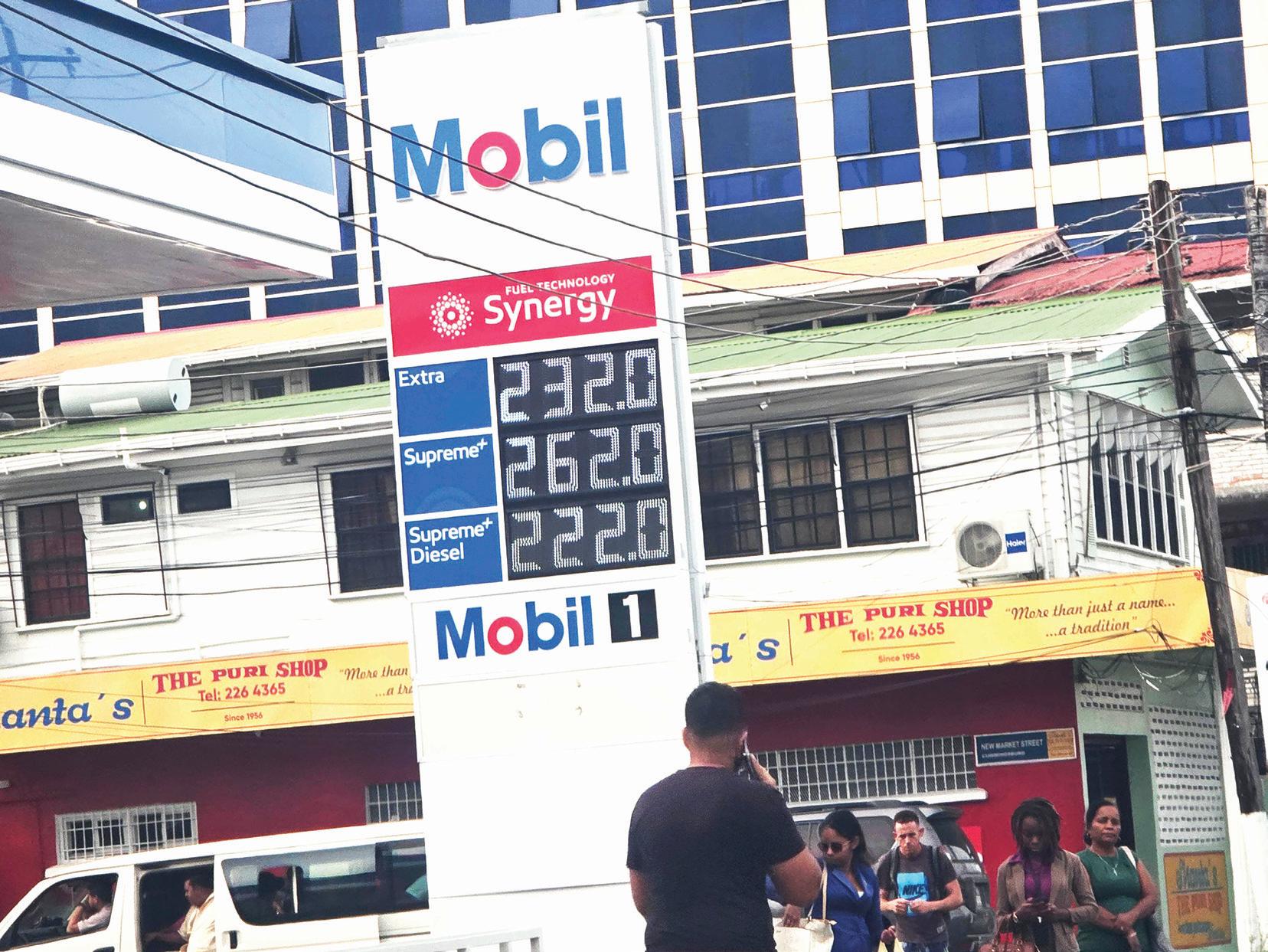
Fuel prices across the Caribbean in April 2026 were among the highest globally, with gasoline averaging between US$5 and US$7 per gallon in most countries. However, Guyana stands out as the only nation below US$4, primarily due to deliberate Government policy interventions and not because it produces crude oil, President Irfaan Ali says.
The Government states it has a plan to not only cushion global shocks for lo-
United States and Iran are already affecting Guyana and the Caribbean in a very real way through fuel price volatility, supply chain delays, and anxiety about the potential outcome.
“The war between the US and Iran has impacted the agri-sector. The high fuel prices and fertilisers are taking a toll…we are even feeling it on household items,” Mahicony Branch Road farmer Roopnarine Etwaroo told the Guyana Times.
“We welcome the help
because many don’t have the finances to go back to cultivation. This assistance is direly needed,” he added.
Another rice farmer, Anil Persad from Berbice, who grows primarily rice, said that while he is aware of the situation in the Middle East, he did not expect it to have the huge impact it is having in Guyana.
“I love farming. My grandfather was a farmer, my father was a farmer and I am a farmer. Many other crops deh but I love rice. It can make or break you but I still love it. Rice ah take the hardest hit now from this war. You see I know ‘bout the war but never think like it would mek things get so dear,” he said.
“Learning that we have it so much better than dem other countries feels good but I still sorry for them because me know what it is to lose crop and can’t work,” he added.
“No, I ain’t been know that the war could impact we hayso,” farmer Kishore from East Berbice (only name given) said on Friday when asked about the knowledge and impact of the war. “But my daughter in-law tell me
cals, especially farmers, but also to ensure that agricultural productivity increases and the cost of production doesn’t climb. But it needs the support and willingness of the populace to bring it to fruition. “Part of the strategy that we have over the next five years also includes maximising or optimising the opportunity to earn from your land...” President Ali said.
Many farmers here believe that a war taking place thousands of miles away has nothing to do with them and their counterparts in Essequibo, Berbice, the Rupununi, and other areas across the country. They are now learning that the current tensions involving the
from Government. The support will truly help farmers
this thing serious and that is why the price for fertiliser
and fuel gone up… I now see why,” he added.
Reality of global conflicts
President Irfaan Ali says that the Government understands the reality of global conflicts affecting the
on import costs, fertiliser, transport fuel, and all of these things, and of course the market and cost for rice with the weather,” he told reporters shortly after announcing a $3B war cushioning initiative for farmers on Friday.
The Government is also analysing the possibility of this country having its own modular oil refinery and using some of its crude in this process. So should there be a global oil supply chain disruption, Guyana and its regional partners would not be as affected.
The President and Vice President (VP) Dr Bharrat Jagdeo reasoned that the effects of the war move quietly but steadily, from the global oil market to the fields, and finally to the dinner tables of Guyanese. It is why they underscored that while they have no control over when the war ends, they are putting measures in place to ensure that farmers here are familiar with the current global events and simultaneously help equip them with resources to cushion the impact on costs so that locals do not suffer as many other nations currently do. The global supply of fuel drops
region and how that can impact countries like Guyana, where agriculture is a key industry, as “when fuel is disrupted, agriculture is disrupted”.
“We are facing global shocks that are exacerbated by the ongoing Iran war and its tremendous impact
He also noted that Guyana is especially vulnerable because it still relies on imported fuel products.
Even though oil is produced offshore, the country depends on refined fuel from abroad. When global supply is disrupted, local supply becomes unstable, and shortages appear faster.
In Guyana, unlike some other countries, the Government, as the President points out, has catered to cushioning the effects of global changes through initiatives such as the recent $3B subsidy to rice farmers, subsidising the taxes on fuel, and the implementation of the $2B national fertiliser distribution programme, where all eligible farmers receive the plant booster.
It doesn’t stop there; plans are forging ahead for this country’s first fertiliser plant, as the Government seeks to build a US$300M facility at Wales.
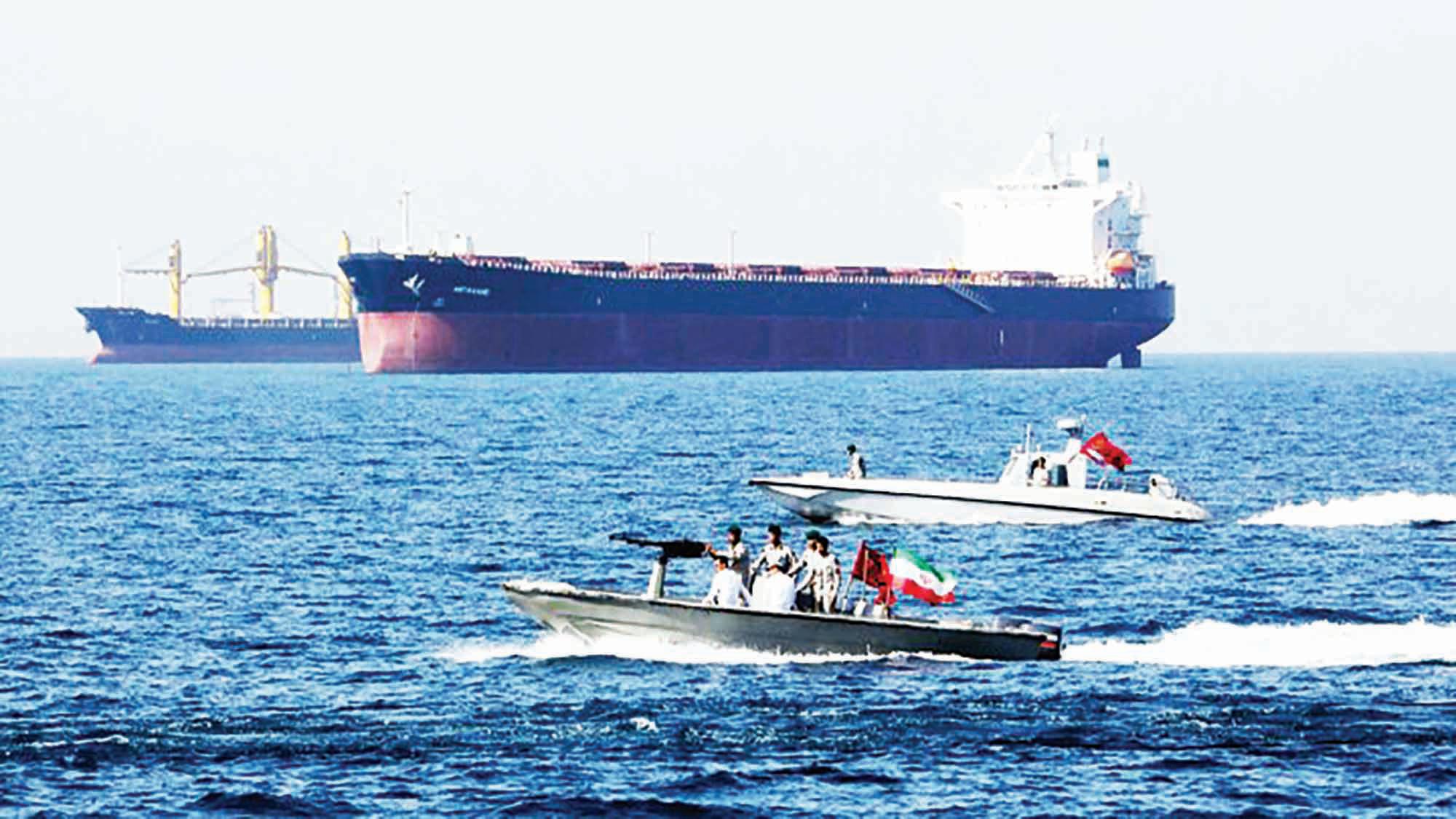
Jagdeo on Friday explained to farmers that much of the world’s oil moves through a narrow passage known as the Strait of Hormuz, located in the Middle East, and oil shipments slow down or stop when conflict threatens such routes.
When that happens, the global supply of fuel drops, and prices begin to rise. Countries like Guyana, which depend on imported fuel even though they produce oil, can feel the impact quickly, he noted. And with fertiliser being a by-product of natural gas, he bemoaned the increase in world prices, which he estimated have increased by more than 70 per cent. He also pointed out that in Guyana there are already no taxes on fuel, as the Government has done all it possibly could, but it has no control over global fuel costs.
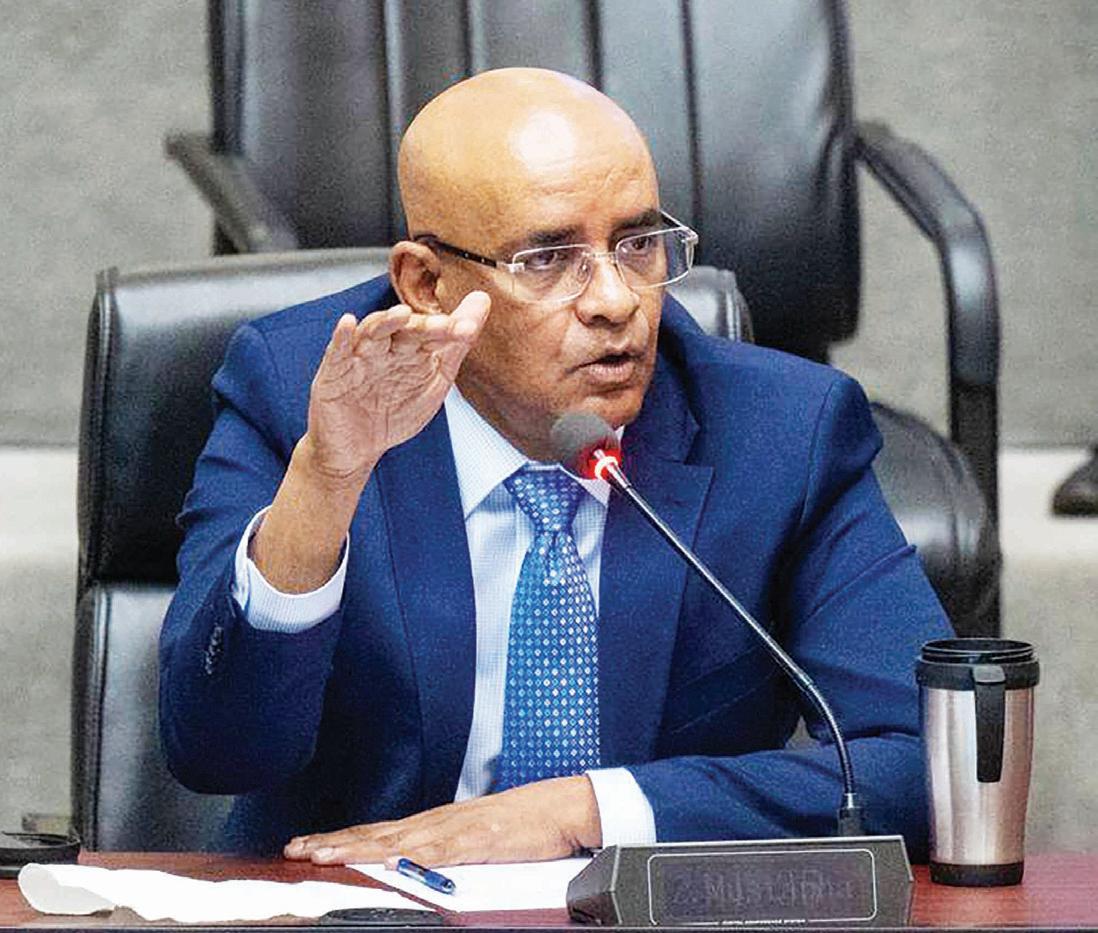
Vice President Dr Bharrat Jagdeo
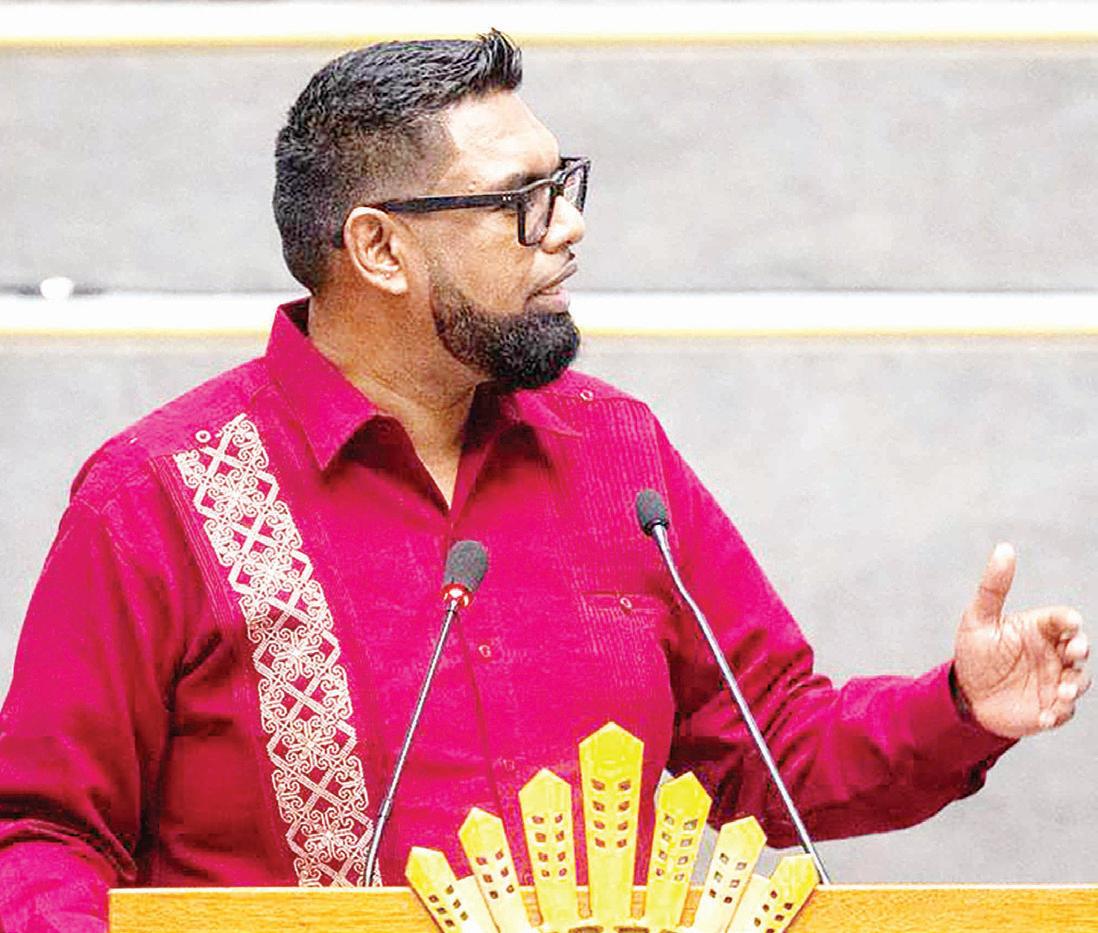
President Dr Irfaan Ali
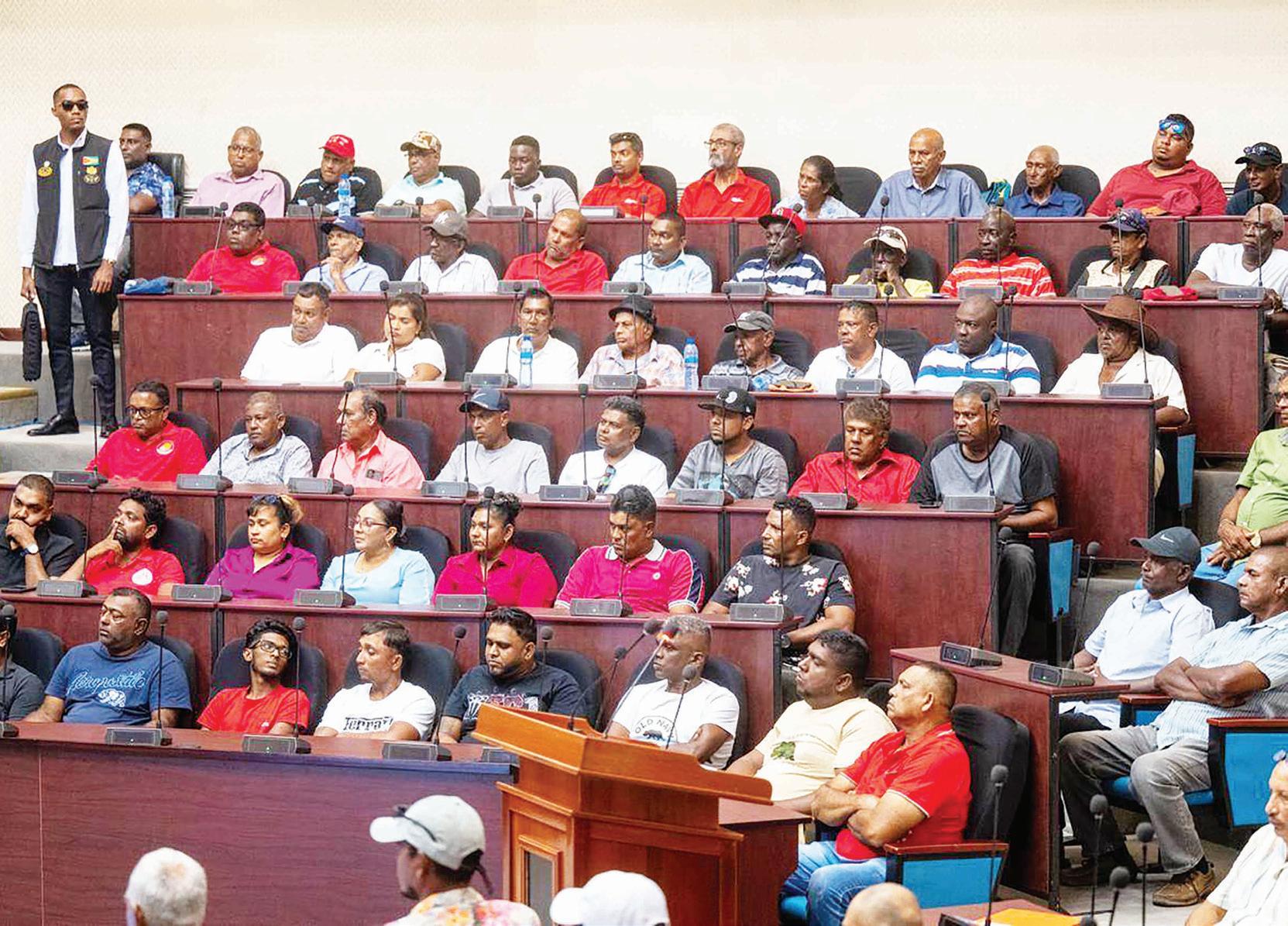
Farmers at the consultations on Thursday
International Maritime Organization (IMO) has said that nearly
seafarers and around 2000 ships have been stuck in the Strait of Hormuz
Prices for fuel are skyrocketing in Guyana
Distant war, local soil: How global conflicts are...
The VP further added that farmers here also have to prepare for realities but can be assured that the Government will continue to explore and implement measures to cater to the country’s needs.
If the current conflict continues, the situation could become difficult.
Farmers will also have
to prepare now to avoid long periods of fuel shortages, higher input costs, or lower overall production to ensure that, whatever the situation, food will be available locally and pressure on both themselves and consumers is mitigated.
Throughout the country, they will need to be more careful with how they
use fuel and resources in the coming months. Planning planting schedules, reducing waste, and working together in communities may help ease some of the pressure.
In recent weeks, Guyana experienced fuel shortages due to supply chain delays. Some gas stations were reported to have limited supply, and others said if de-
mand trends continued, they would have to close temporarily until shipments arrived.
This situation, many drivers on the coast lamented, is an inconvenience, but for farmers, it strikes at the heart of daily operations.
“This is an inconvenience to have to be here at this hour filling up. This van uses diesel, but the price is still higher,” Mark Joseph said when he was approached by this newspaper at the Guyoil Gas Station on Sheriff Street last Tuesday night.
Who is more impacted?
Questioned on whether he believes the drivers on the coast or local farmers will be more affected by fuel increases, he was quick to respond, “Drivers in town, of course!” We can’t go to work, take the children to school, or anything!”
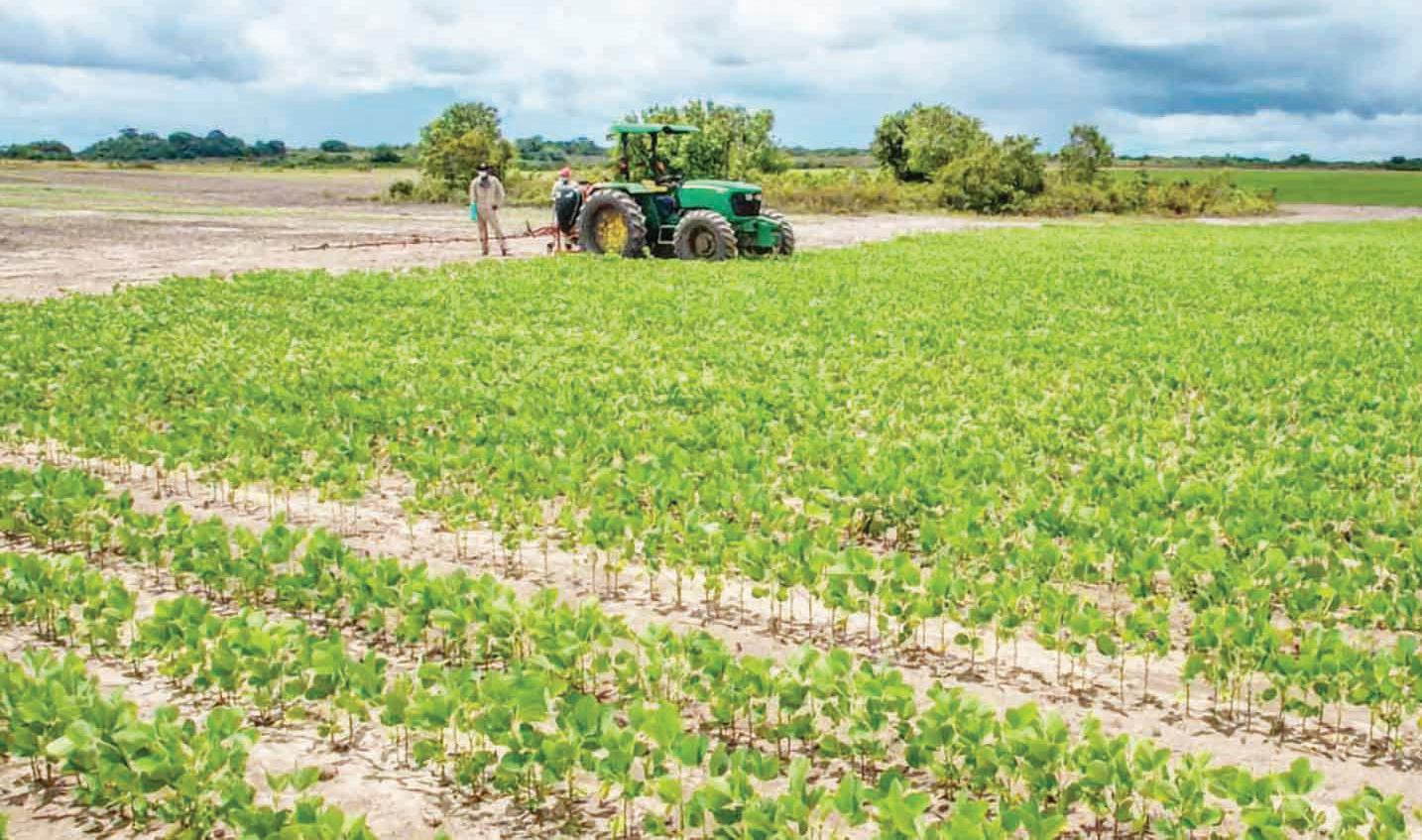
But farming depends on fuel more than many realise, and modern farming in Guyana relies heavily on fuel. Tractors must plough the land, pumps must bring water to crops, and machines must harvest what is grown.
er may delay ploughing because diesel is not available. Irrigation may be reduced, which affects crop growth. Harvesting may take longer, increasing the risk of crops spoiling in the field. Each delay reduces income.
Fuel problems do not stop at the farm gate, he is quick to note, as equally important is fertiliser, which many farmers depend on, which is “also tied to the global energy system”.
It is produced using natural gas and other petroleum products, he pointed out, so when fuel prices rise or supply is disrupted, fertiliser becomes harder to get, and thus prices increase. For farmers, this means spending more money to grow the same crops or using less fertiliser and accepting a smaller harvest. Either way, the outcome is not favourable, the President posited.
Some farmers complain that moving crops is becoming more expensive, as after they are grown, they still have to reach the market, and the bulk of their markets are in Region Four (Demerara-Mahaica).
ket. While it may seem like farmers benefit from higher prices, the truth is more complicated. When costs rise at every stage, farmers are often left with very little gain. “Many people think that farmers are super rich. By the time you take out for this and that, you don’t get much left,” Persad said.
“That is why I am glad most people choose the cash subsidy this time,” he reasoned. As farming becomes more expensive, food prices begin to climb. This affects everyone, including farmers themselves. Higher prices for basic goods can strain households and reduce purchasing power in rural communities.
National support
President Irfaan Ali has underscored the strong role of national support. On the Government’s side, there will be ensuring, as much as is practically possible, a stable fuel supply, helping farmers manage rising costs, and protecting food production if the situation continues. He reiterates that the US
Even getting produce to the market depends on trucks, cars and minibuses that run on fuel, pointed out.
Guyana’s President reasons that when fuel becomes scarce or expensive, everything slows down. A farm-
A farmer who once made a modest profit may now find that much of that profit is eaten up by fuel expenses.
At the same time, buyers and vendors face higher costs as well. This often leads to higher prices in the mar-
and Iran war is more than a distant geopolitical issue. It is a practical, everyday challenge that is already affecting farming in Guyana. The link between global conflict and local agriculture may not always be visible, he says, but it is very real. When fuel becomes uncertain, the entire farming system feels the strain, and that strain can eventually reach every household.
Meanwhile, the Government is strategically dealing with the current crisis. “We have spent an enormous sum of money on farming,” the VP said as he stressed that in an ever-changing technological era, the Government will also be using AI and modern tech such as drones to ease the burden on farmers.
Increased fuel prices taking a toll on farmers
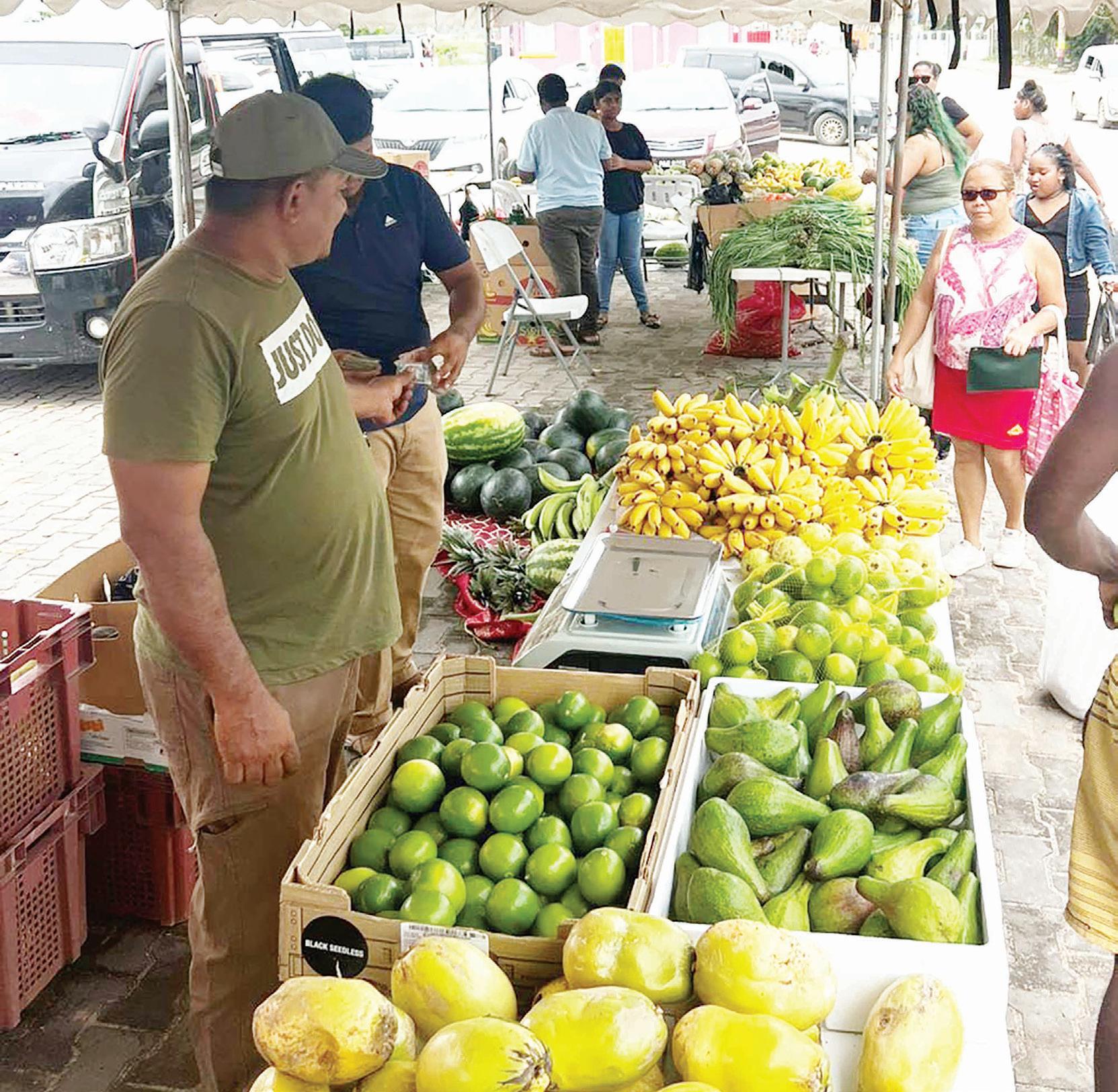
A market day in Guyana
On Critchlow and the Colonisation Scheme (Pt I)
For Labour Day, May 1, Hubert Nathaniel Critchlow, founder of our first trade union, the BG Labour Union (BGLU), in 1919, was rightly extolled. His life, however, as one who chose to represent workers’ rights, illustrates the contradictions from the intersection of race and representation in our society that bedevil us more than a century later. Sadly, he died in obscurity in 1958, ignored by Burnham, who used the BGLU as a political stepping stone in 1952. One poignant anecdote is of Jagan recognising and acknowledging him in front of his humble home during a 1957 Labour Day Parade. He commissioned and unveiled Critchlow’s statue on December 2, 1964, with the PNC and TUC boycotting.
Eighty years after emancipation, notwithstanding some gains, the economic and social condition of African Guyanese remained precarious. The end of indentureship in 1917 had imbued the Indian community with a new commitment to fulfil their economic raison d’être for enduring their long bondage. A branch of Marcus Garvey’s United Negro Improvement Association (UNIA) had also been launched in Georgetown in 1919, making the community more politically conscious through its organ, “The Negro World”.
Critchlow initially organised the Georgetown dockworkers, of whom he was one, and soon broadened BGLU’s reach to other urban workers, primarily African Guyanese who had gravitated to Georgetown after the abolition of slavery. Georgetown’s workingclass Indians were found only in the scavenging gangs cleaning the city. Rural sugar workers, however, soon heard of his activities and dubbed him “Black Crosby”, after their departed “Protector of Immigrants”.
Following the abolition of indentureship, however, a meeting of representatives of the Government of India and British colonial officers had met in London to devise a “new system” to attract Indian immigrants to the colonies. In British Guiana, a committee was formed to consider the plan, but matters languished until, as reported by the Journal Timehri of September 1919, “Officers of the Royal Agricultural and Commercial Society (RACS) and Royal Colonial Institute (British Guiana Branch) had been called in January (1919) by Mr Strang (Chairman, Planters’ Association) to address a serious decline in the acreage under sugar during 1918 due to a labour shortage. “It concluded starkly that it was a ‘question of colonisation (to bring in labourers) and development or decline.’”
The article continued that the members of the Combined Court and representatives of municipal and other public bodies assembled in Georgetown on January 27, at the RACS Rooms... It included also the officers of the BG Farmers’ Association and Village Chairmen’s Conference and the leading East Indian and Chinese citizens. A programme of work was outlined by the secretary of the RACS (Dr Nunan) and unanimously accepted. It included the formation of an executive committee consisting of the heads of all the public bodies and a huge general colonisation committee consisting of all members of the combined court and a full representation of various interests. It contemplated the creation of a special sub-committee to deal with West Indian and African immigration and labour supply. Finally, it proposed the despatch of a Colonial deputation to England. “The Combined Court on 5th February passed resolutions... (including)... ‘the need for the delegation to proceed to London.’” In hindsight, it is therefore not coincidental that a “British Guiana East Indian Association” (BGEIA), which had been formed in 1916 by some Indian professionals in New Amsterdam to represent the interests of Indians but had lapsed, was resuscitated in Georgetown in April 1919, primarily at the instigation of the establishment-friendly J A Luckhoo, the first Indian elected to the Court of Policy in 1916. He was at the January meeting.
On June 12, 1919, Attorney General Joseph Nunan, as the head of a seven-member team, departed to hold meetings with the Colonial Office in London. The team planned to travel later to India and some British colonies in Africa to discuss migration proposals with their governments. The other members of the delegation were Dr Hewley Wharton, Parbhu Sawh, and Joseph A Luckhoo (representing East Indians); and A B Brown, McFarlane Corry, and Eric Robinson (representing Africans). “Luckhoo’s delegation arrived in India on December 5, 1919.
A dilemma was posed to Critchlow after the delegation to Africa never materialised, and Luckhoo in India presented the colonisation scheme’s “advantage” as one to make British Guiana an “Indian colony”. One reaction to the implied Indian “domination” was the formation of a Negro Progress Congress (NPC) in 1922 to uplift Africans, which Critchlow vigorously supported. (To be continued)
Ravi Dev
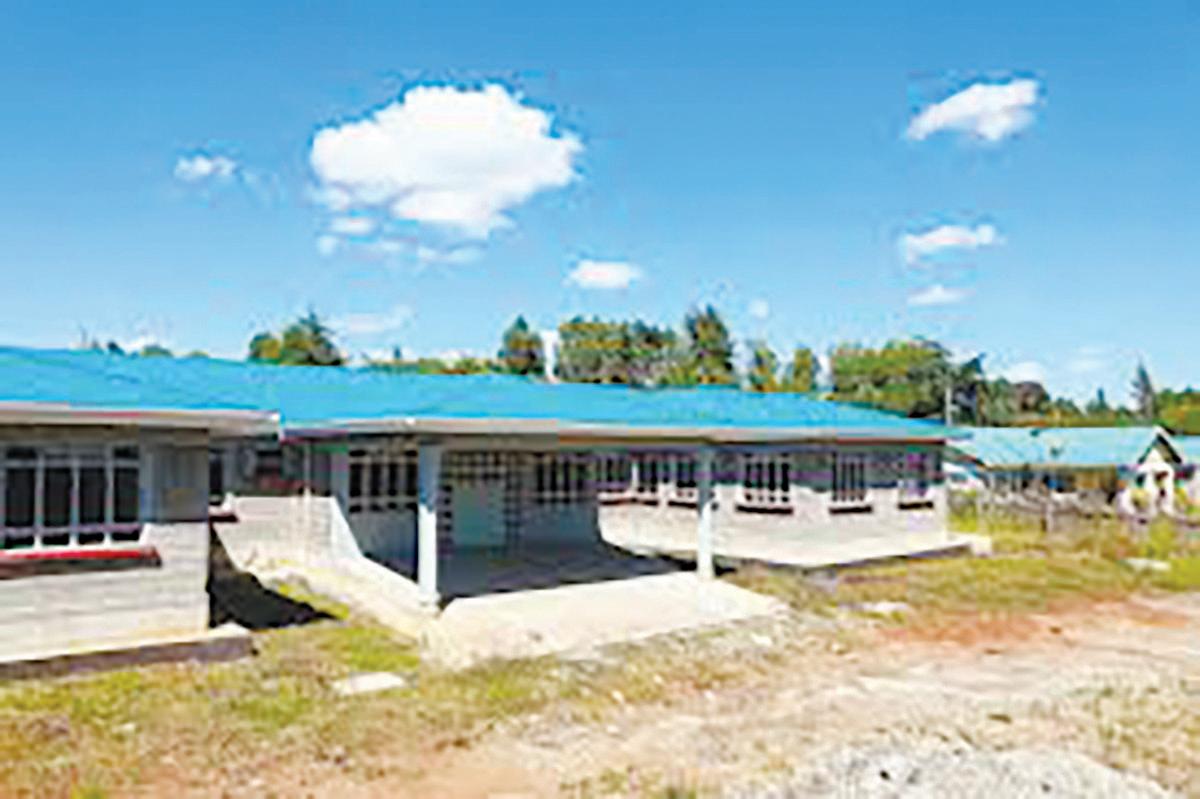
Govt commissions “transformative” upgrades at Port Kaituma Hospital
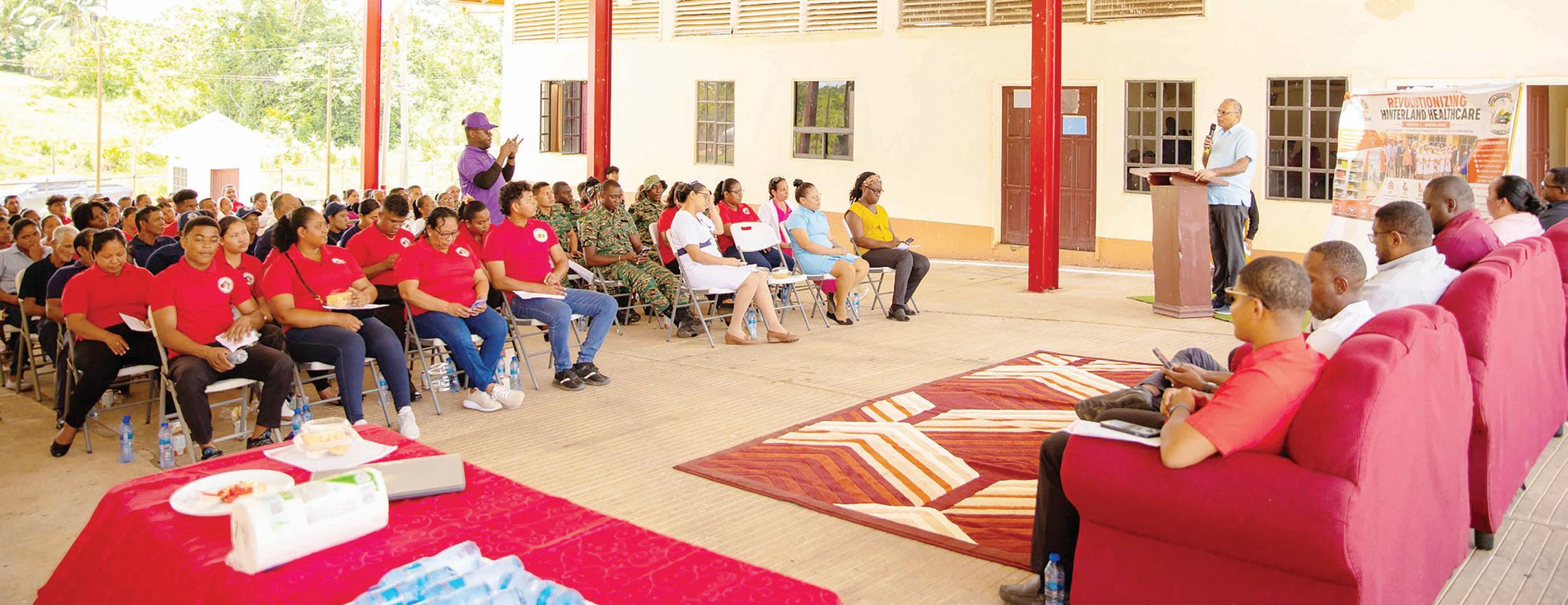
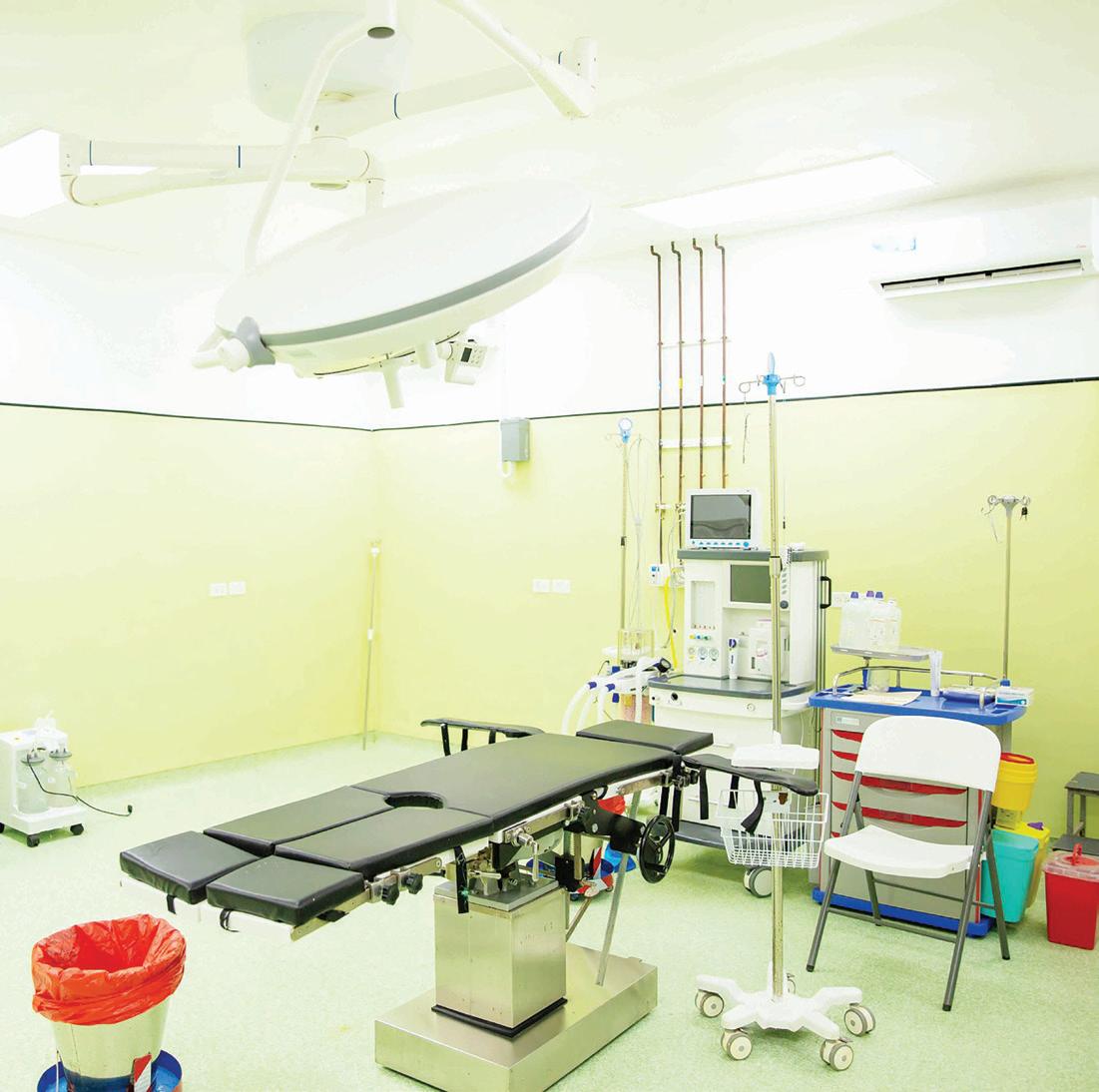
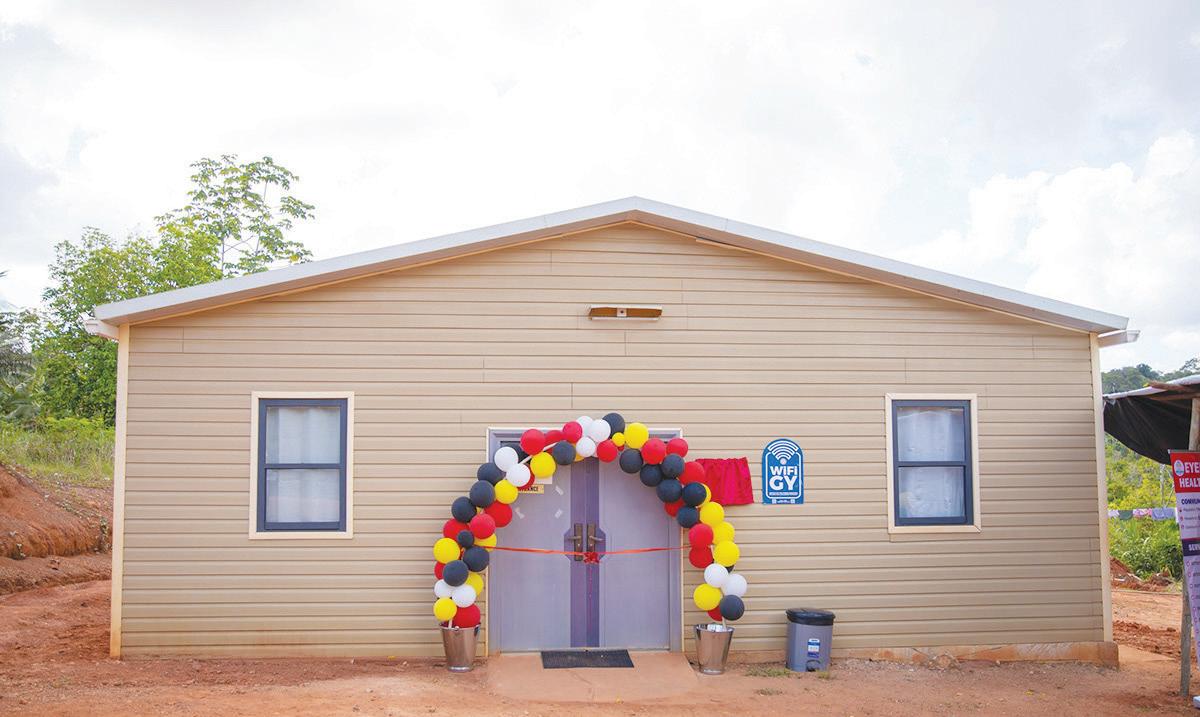
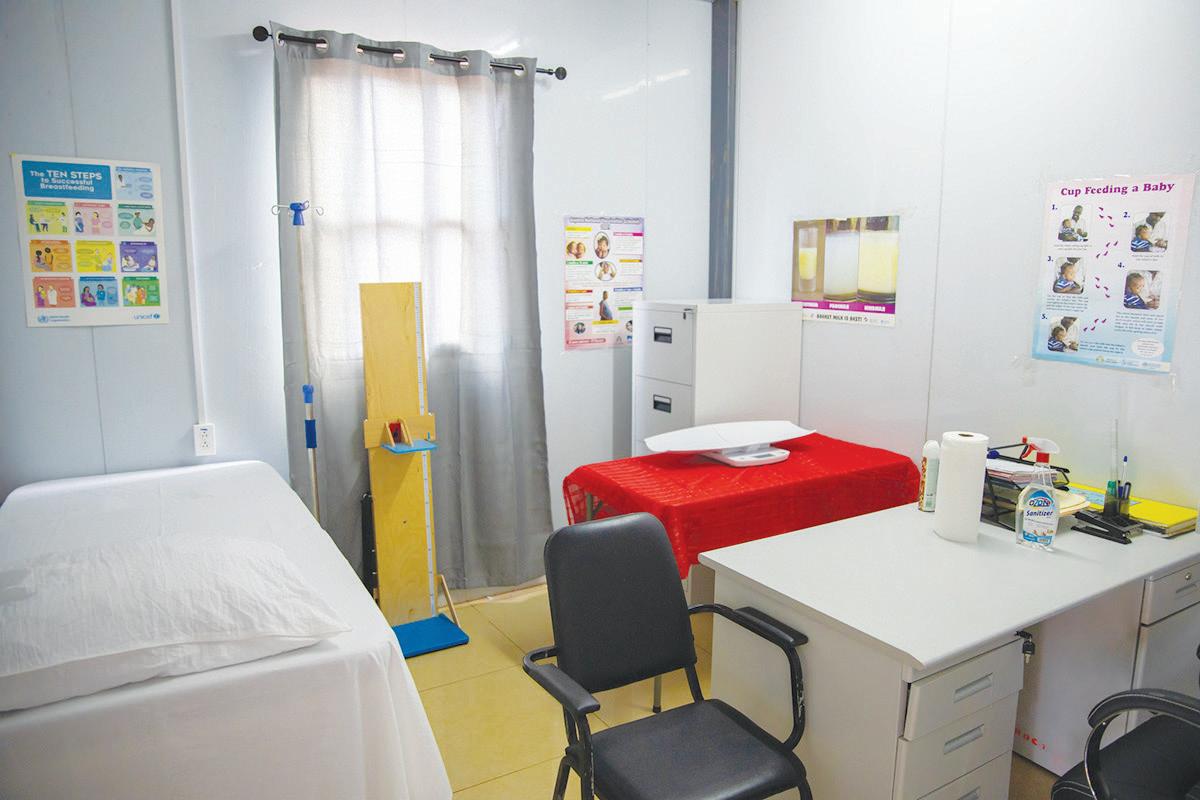
Five critical facilities at the Port Kaituma Hospital in Region One (Barima-Waini) were commissioned on Friday, thus marking a historic leap in healthcare accessibility for residents within the region. These newly commissioned facilities, inaugurated by Health Minister Dr Frank Anthony, represent a strategic investment in diagnostic, surgical and maternal health.
maternity waiting home; and a vector control centre, which is a specialised hub to bolster the fight against malaria and other communicable diseases.
Minister Anthony, during his address at the commissioning ceremony, emphasised that these upgrades address long-standing service gaps. “The introduction of the digital X-ray and localised surgical capacity ensures that a resident’s geography no
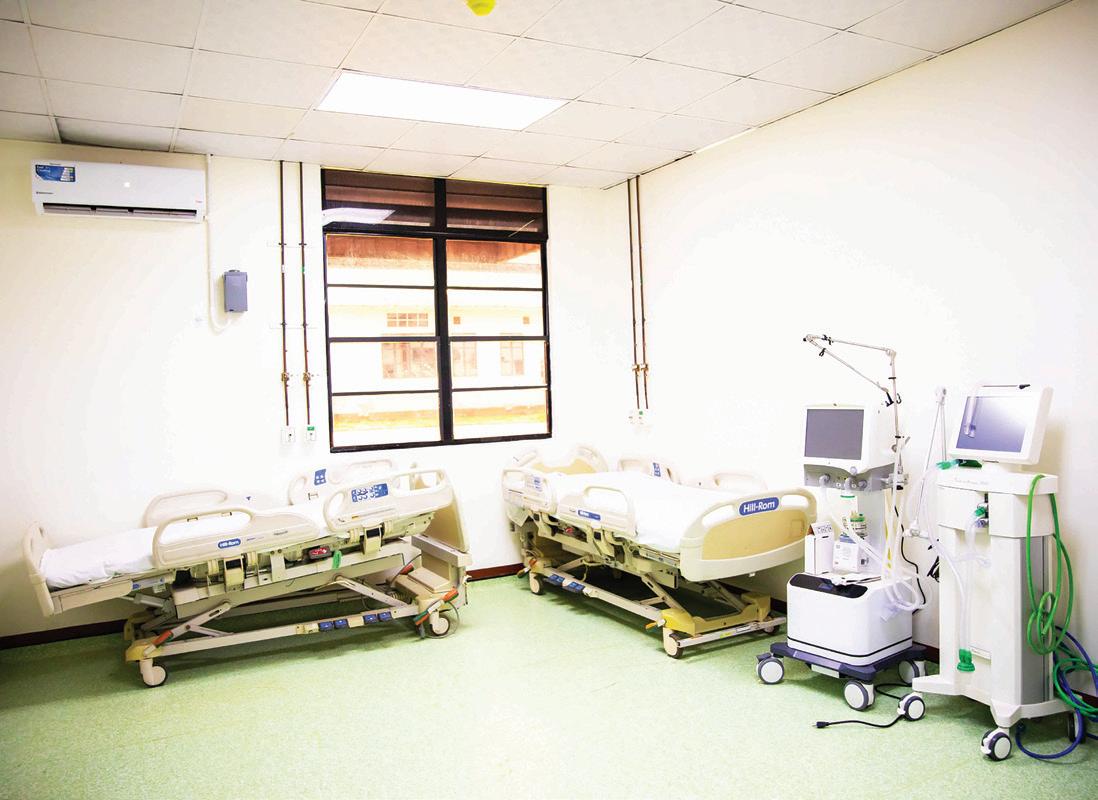
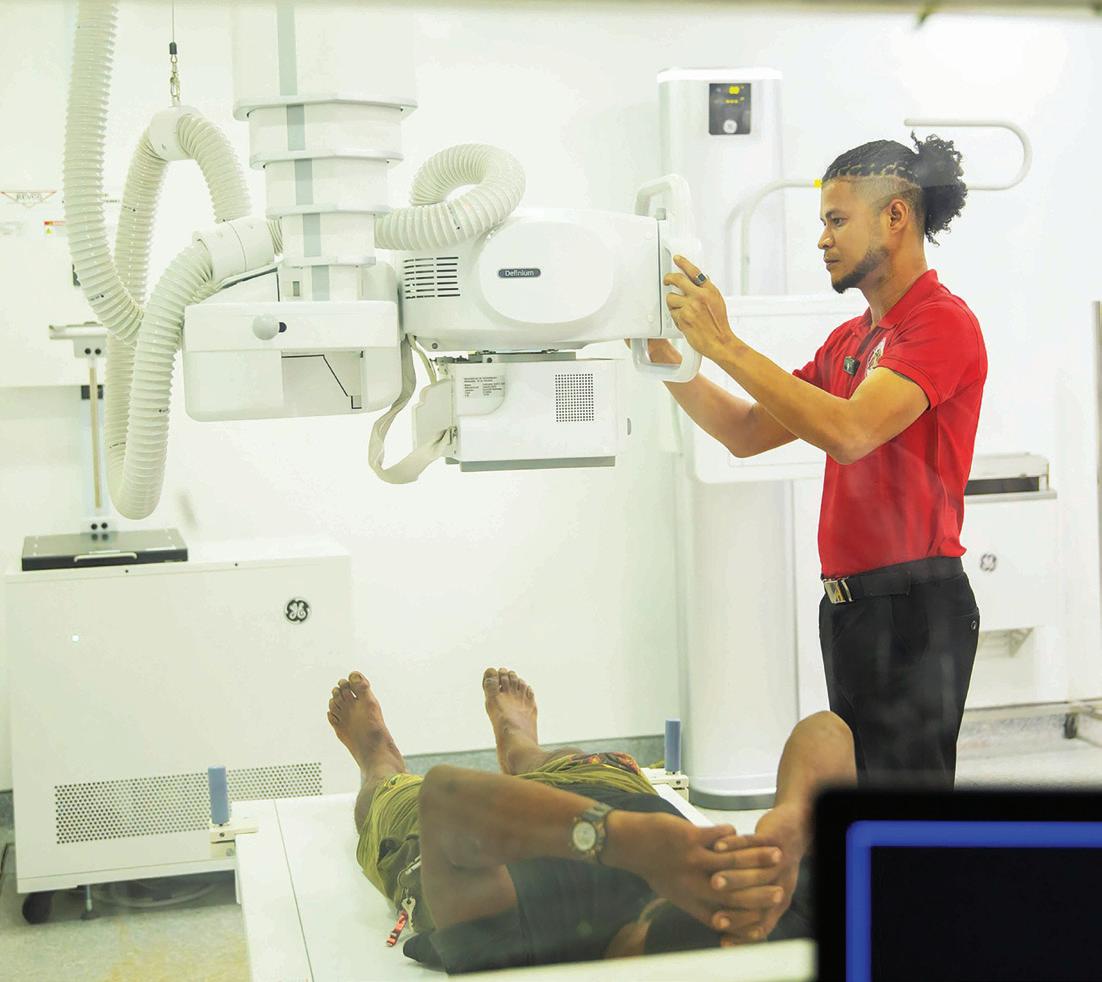
The units include a modern operating suite that is fully equipped for both emergency and elective surgeries; a digital X-ray unit integrated with telemedicine connectivity, allowing for real-time specialist reviews and high-precision diagnostics; a maternal and child health facility; a
longer dictates the quality of their care,” he said.
He also noted that the Maternal and Child Health Building is a cornerstone of the national strategy to achieve zero maternal deaths, providing a safety net for women in the most remote areas of the region. Beyond infrastructure, Dr
Anthony highlighted the Government’s commitment to several areas, including the elimination of malaria, filaria, Chagas disease, leishmaniasis and leprosy. Furthermore, he add-
ed that the Government is committed to expanding the local workforce by training community health workers and Medexes directly within regional communities but, at the same
time, called for healthcare providers to be professional and show empathy and kindness.
The commissioning of
these facilities reinforces the Government’s commitment to building a modern, equitable and patient-centred health system.
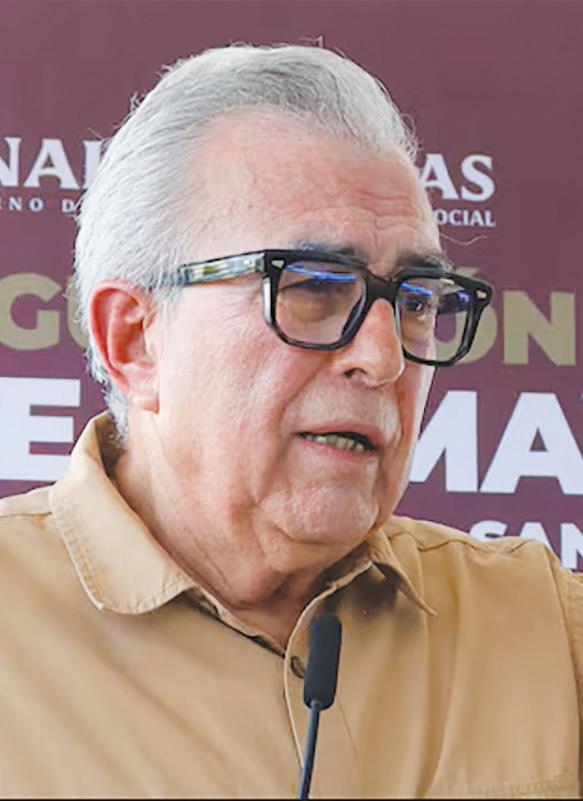
Health Minister Dr Frank Anthony addressing the gathering
A healthcare worker in action at the Port Kaituma Hospital
Some of the equipment in the new facilities
journalist Mishael Henry delivered a standout performance to secure first place at the latest Poetry Slam Guyana Championship, outshining 10 other competitors in a tightly contested showdown on
Saturday, April 25, 2026. Keeping his audience tuned-in throughout his three-minute performance, it was a neck-and-neck battle as some of the country’s most talented poets vied for top prizes in the seventh monthly edition of the Poetry Slam
Guyana Championship. Mishael Henry, who is of deep Guyanese heritage, has been actively promoting spoken word poetry in Guyana for the past two years.
Guyana Times’ Mishael Henry during his winning moment of Poetry Slam
rection, featuring a change the last Saturday of every month.
According to Henry, as the nation marked one year since the death of Adrianna Younge, he sought to deliver a performance centred on the complex issues surrounding her passing.
The case, which sparked widespread public reaction and national debate, resonated across Guyana last year. Henry explained that his piece addressed the actions of a small minority who, he said, used the moment to incite disorder, including looting and other disruptions across the country.
“I choose to do this piece that is centred around Adrianna Younge to bring remembrance. Coupled with this, I believe that there were a lot of issues happen-
ing at that time, where many persons chose the opportunity to loot stores instead of using her passing as a moment for reflection. With my piece, I wanted to delve into the mindset of those persons who did those acts, to foster a sense of change within the minds of people,” he said.
Blending his signature comedic delivery with sharp social commentary, Henry’s performance served as a mirror to the audience, capturing the full scope of public sentiment while raising and confronting difficult questions through a compelling, performative lens.
The Poetry Slam event caters to a limited, intimate audience, creating an atmosphere well-suited for poetry
and live performances.
Henry’s journey into the local poetry scene began in early 2024, shortly after his arrival in Guyana. He was introduced to the Guyana National Poetry Slam through a WhatsApp flyer sent by his aunt, inviting poets to submit three-minute videos for the Mashramani competition on topics such as “Guyana: Our Country, Our Home”; mental health; love for humanity; patriotism; youth and social issues; and the elimination of social ills.
Vying for the $200,000 prize, he competed against some of Guyana’s most out-
standing voices. Noting several pressing issues in the country that needed to be addressed, Henry found it fitting to write a piece entitled “Guyana Race”. In fact, only last year, Henry secured the first runner-up position in the National Poetry Slam competition.
This month’s edition took a slightly different direction, with a new location and the inclusion of comedy in the line-up. The show is traditionally hosted on the last Saturday of every month. Last month, it was held on April 25 at a brand-new artistic venue – The Boulevard – located at Giftland Mall.
KPMG Guyana launches with focus on advisory services across key sectors
KGroup and Chair of the KPMG Guyana Inc. board Neale Jehan said, "We were honoured to have Minister Singh and so many special guests attend our event and are deeply grateful for the warm welcome we have received in Guyana.
“KPMG Islands Group has a long history in our other territories; in some instances, we have lived and worked in those communities for over 100 years, and we are taking the same long-term view of our presence here in Guyana.”
Alongside its on-theground presence, KPMG in Guyana is part of the KPMG member firm network, which operates in 138 countries and territories with nearly 300,000 professionals worldwide.
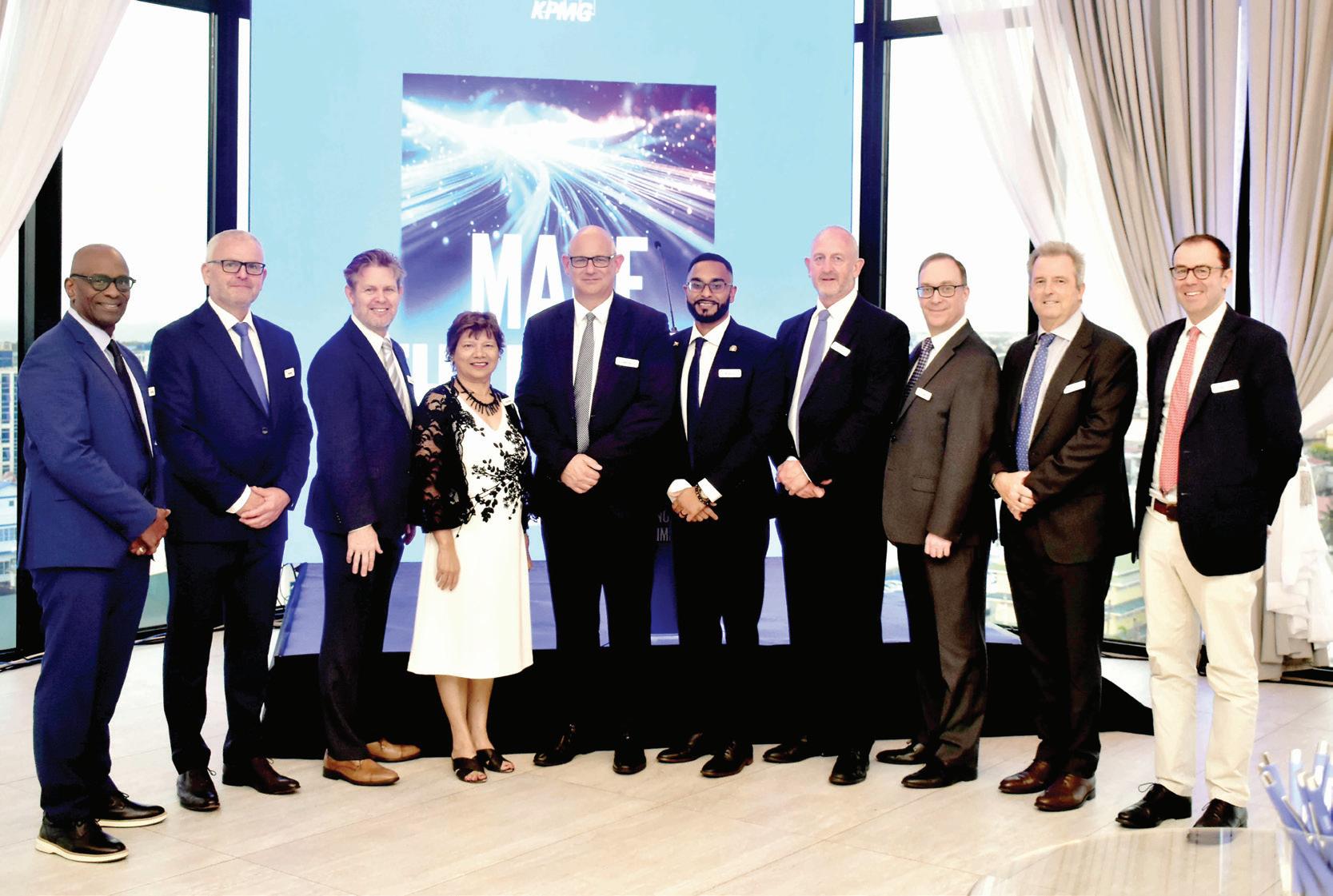
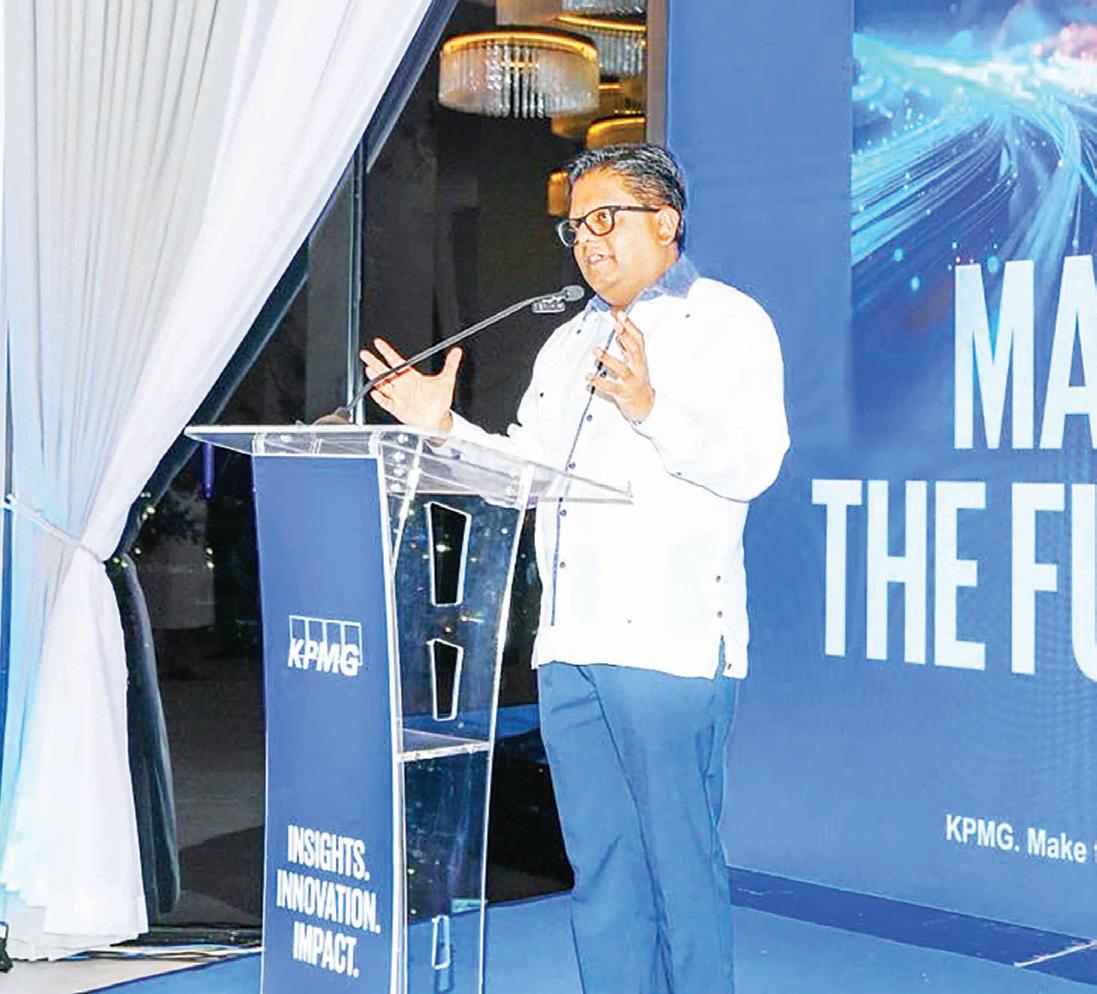
PMG Guyana Inc has launched its service in Guyana with a cocktail reception on Wednesday evening with the primary focus on providing advisory services in the healthcare, Government, infrastructure, and financial services sectors, as well as tax advisory services in the public and private sectors.
KPMG Guyana Inc is part of KPMG Islands Group, a regional member firm within the KPMG global network of professional services firms. The firm’s first employee
to be based permanently in Guyana is its Chief Operating and Business Development Officer Michael Outar, who over time will build a team based in the country.
At the launching ceremony, Chief Executive Officer (CEO) of KPMG Islands
In addition, local organisations can benefit from the firm’s global alliances, which include leading technology, data and services companies, such as Google Cloud, Oracle, Microsoft, Salesforce and SAP.
Outar, during his brief
remarks, stated, “I am very excited to return to my Guyanese roots and about the future of our firm here.
The recent launch was a milestone for KPMG in Guyana. I am sure we will have many more to come as we continue to meet local leaders in the public and private sectors. We are here to listen and learn, and over time we
hope that organisations in Guyana can benefit from the collective talent, expertise, and commitment of KPMG people from across the region and beyond.”
The event was attended by Finance Minister Dr Ashni Singh and other senior members of the KPMG Islands Group’s leadership team.
Finance Minister Dr Ashni Singh speaking at the launch
Senior members of the KPMG Island Group
Bandits injured after crashing getaway motorcycle following Mahaica robbery
Two bandits are now receiving medical attention at the Enmore Regional Hospital after reportedly crashing their getaway motorcycle following a robbery in the early hours of Saturday morning. The robbery, according to Police, took place at about 00:05h on Saturday at Unity, Mahaica, East Coast Demerara (ECD).
Preliminary investigations revealed that a 32-year-old businesswoman was in her shop when two men – one of whom was armed
Police
Pwith a firearm – approached her and demanded cash. The men reportedly searched through drawers and other areas of the shop for money. During this time, the victim managed to run out of the shop, and in an attempt to stop her, one of the bandits discharged a round in her direction, causing her to faint. However, after committing the act, the suspects attempted to flee the scene on their motorcycle, but they were pursued by public-spirited citizens along with Police ranks. During
the pursuit, they reportedly collided with a motor car and were apprehended by the ranks.
A 21-year-old male from Sophia, Greater Georgetown, and a 20-year-old male from Cummings Lodge, East Coast Demerara (ECD), were taken to the Enmore Regional Hospital, where they are being treated for multiple injuries.
Meanwhile, the victim was also taken to the medical facility, where she was treated and discharged.
find airguns, tactical gear dumped at Garden of Eden
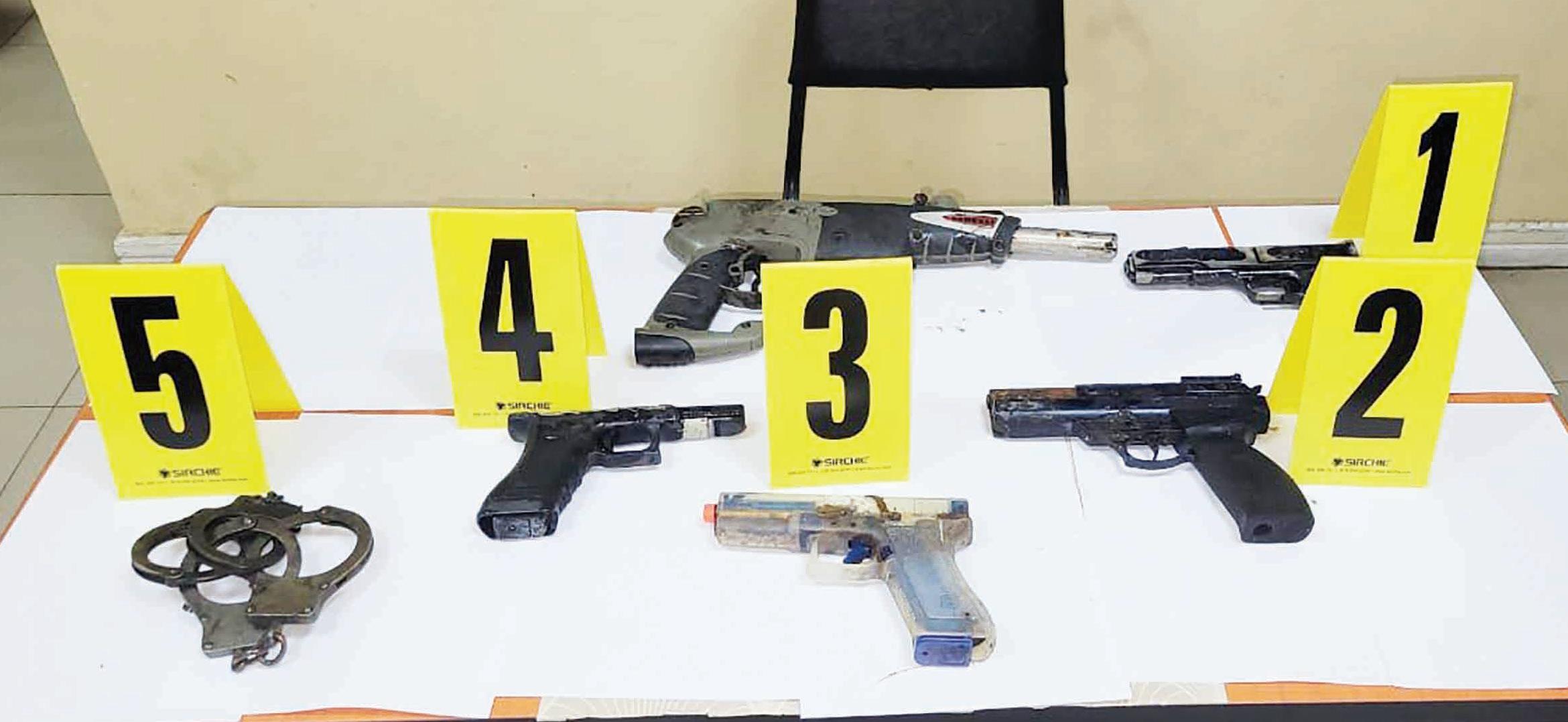
olice, acting on information, discovered several airguns, airsoft pistols, handcuffs, and a Police vest during an operation on Friday at Garden of Eden along the East Bank of Demerara (EBD). Based on reports received, several Police Officers travelled to the location, where a search was conducted on a garbage heap on the parapet close to a trench. During the search, there was one green duffle bag containing one vin -
tage Marksman Repeater 177 calibre BB gun and one BSA 240 Magnum. A 22 air pistol, one G3 Nightingale airsoft pistol with a magazine, one Brass Eagle
Samurai paintball marker gun with a tank, one bottom half of an airsoft pistol frame with a magazine, two pairs of handcuffs, and one bulletproof vest were
discovered. The items were escorted to the Grove Police Station pending investigation. At the time of the operation, no arrests were made.
The guns on display after the operation Tactical gear unearthed at the location
Over 51,000 e-tickets issued since rollout of SRIS – Traffic Chief
- Says over $205M was collected from about 52% of paid tickets
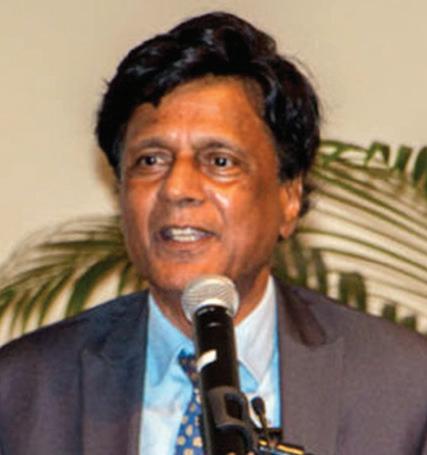
More than 51,000 e-tickets have been issued since the rollout of the Safe Road Intelligence System (SRIS), according to Traffic Chief Mahendra Singh during an interview with the Department of Public Information (DPI).
The SRIS is a technol-
ogy-driven initiative aimed at strengthening traffic enforcement and reducing road fatalities.
The Traffic Chief outlined the impact of the system, which became operational on April 1, 2025. Singh explained that the initiative represents a major shift from previous ap-
proaches to road safety.
He noted that it is powered by technology, which removes human interference and strengthens accountability in enforcement.
He said the system was designed with safeguards to prevent bias and compromise while ensuring that violations are detected and addressed efficiently.
"This safe road initiative is technologically driven. It is one that has safeguards built in to prevent any biases, any interference, or any form of compromise."
Singh added that more than $205 million has already been collected from payments, with over 52 per cent of the 51,000-plus tickets issued being settled by offenders.
He said the system is currently active along major corridors, including the Heroes Highway, the Mandela to Eccles Interlink, the East Coast Public Road, and parts of Region Three, where noticeable reductions in serious and fatal accidents
have been recorded.
While minor collisions still occur, Singh noted that the reduction in severe crashes is a positive indication of improved road safety outcomes in monitored areas.
However, he cautioned that reckless driving behaviour continues to be a challenge, with many motorists still engaging in speeding and unsafe use of roadways.
He also highlighted that drivers are willing to take risks to get by every space of roadway that they wish to use, whether dangerously, carelessly, or negligently.
The Safe Road Intelligence System (SRIS) is not only an enforcement tool but also a deterrent mechanism aimed at changing driver behaviour over time. He added that as the system continues to
expand nationwide, it is expected to further strengthen compliance and support broader efforts to reduce traffic fatalities. The Traffic Chief emphasised that road safety is being pursued through a combined approach of enforcement, public awareness, and technology-driven monitoring, all aimed at creating safer and more responsible road use across Guyana.
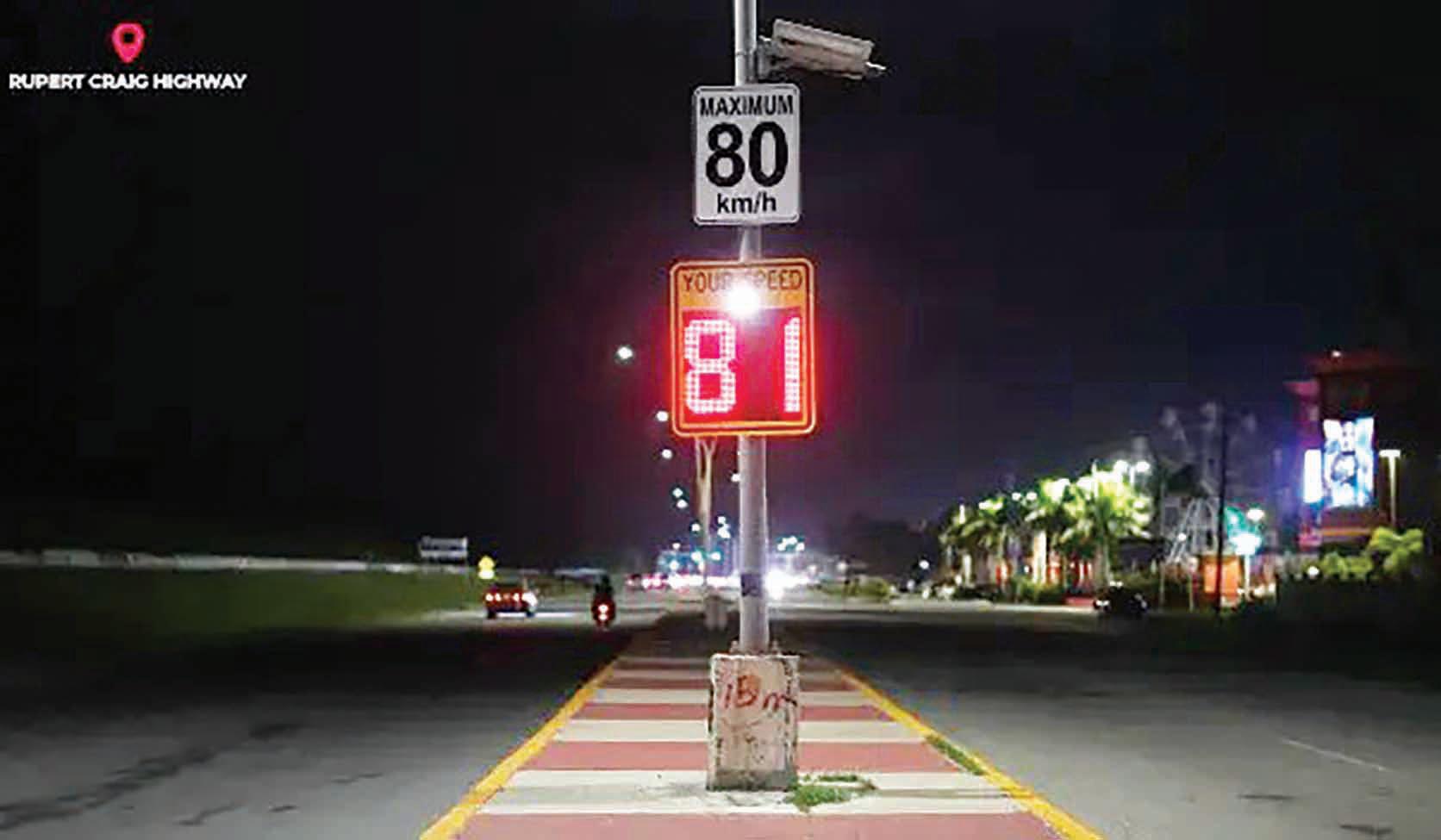
The radar speed signs at different highways
Traffic Chief Mahendra Singh
Setbacks can sometimes lead to the greatest comebacks in life. For Steven Ramphal, who is widely known in Guyana as a singer, this statement strongly reflects his life journey. A major setback became a defining turning point after he left his formal job and ventured into photography, eventually establishing his brand-new state-of-the-art studio.
The space, located at SR Photography Studio in South Annandale, East Coast Demerara (ECD), offers a comfortable and immersive experience for clients. Known primarily as a singer, he revealed that his journey into photography began in 2017 after he lost his job. Faced with
this setback, he decided to explore photography, drawing inspiration from his wife, who owned a camera that had been lying unused. Today, he credits that single camera as the foundation of what would eventually become a fully developed studio. Like a child fiddling with a new toy, he explored every component of the device, gradually taking on freelance work as he developed his skills. Over time, he balanced both music and photography, eventually establishing a brand under the name Steven Ramhal Photography.
In 2018, he rebranded the business to SR Photography, marking a new phase in his professional journey. He later expanded into video production, moving from covering small events to highend assignments, including public events and weddings. Speaking
“In terms of the background, in 2017 I started photography, but last year we decided that we wanted to build a studio, so I started investing in it. Prior to that, about five years ago, I began training in studio photography concepts, learning different lighting techniques and how the camera works in a studio environment. Eventually, we moved forward and built an entire studio.” However, he noted that this studio stands apart from others in Guyana, as it is designed to offer more than just traditional photography services. According to him, the concept moves away from the conventional use of simple backdrops and basic lighting setups and instead focuses on creating fully immersive, realistic environments that transform the entire client experience.
TURN TO PAGE 28
with the Guyana Times, he explained the step-by-step process
of his growth which saw various transitions.
Housing Minister Collin Croal and the Ramphals on Friday at the opening
“The studio is not just a photography studio. It is an experience where we incorporate digital photography and AI (artificial intelligence) technology into our work. We wanted to give Guyanese people a different feel of what a studio is like. Compared to traditional studios with backdrops, stands, and printed scenes, we wanted to move away from that. Instead, we aimed to create a more realistic experience where each setup feels 100 per cent real, as though you are stepping into a fully built environment.” When asked about his decision to incorporate AI technology, he explained.
“That is exactly what I wanted to do. I wanted a totally different feel. AI setups are not something many studios are doing, so I wanted to make a difference with that. If possible, I would have shown you in a video call so you could better understand what I am trying to portray. That way, when writing the piece, you would have a clearer understanding of my vision.” He explained that everything on set is designed to appear fully realistic, from lighting and carpets to chairs and plants, ensuring an immersive experience comparable to a Hollywood movie set. According to him, the
aim is to create an environment where clients immediately feel a sense of calm and comfort upon entering. He further emphasised that customer service remains a priority, noting that the studio aims to uphold a professional standard in all client interactions, from booking to direct communication. He also highlighted that, in addition to in-house setups, clients will have the opportunity to recreate concepts they have seen online. If a client admires a particular photo or setup, the team will work to replicate it as closely and realistically as possible.
“We want to bring a
Images taken by SR Photography
sense of professionalism and high-end work at an affordable cost. We do not want to break people’s pockets just to get a shoot. Every year, and throughout the year, we will be offering mini sessions – short, 15-minute shoots with a set number of photos at an affordable rate. We want everyone, from the rich to the poor and the middle class, to have the opportunity to use the studio,” he stated.
He revealed that the studio will soon expand its services to include professional video shoots. Musicians, artists, and models will be able to use the space at a cost to create high-quality
video content. He explained that the studio will be fully equipped with lighting setups, effects machines, and props, allowing videographers and photographers to focus solely on their craft.
“All they have to do is walk with a camera,” he said, adding that all necessary equipment will already be available on site. Early on in his photography career he realised a very simplistic formula was being used in the industry. By seeing this norm, he tried his utmost to swerve away, curving out an original style of photography of his own. He further noted that his vision was influenced by international stan-
dards he observed abroad.
“What I noticed in this industry is that most studios in Guyana operate in a very traditional way – backdrops, props in front, and basic lighting. There is no studio where you can get realistic Hollywood-style setups like you see in Florida, Miami, India, or England. I wanted to bring that kind of environment here, something different that gives people a true studio experience.”
Interested persons can contact Steven Ramphal for his affordable services at +592 618-8820 or Facebook at Steven Ramphal (SR Photography).
Steven explaining his plans to expand
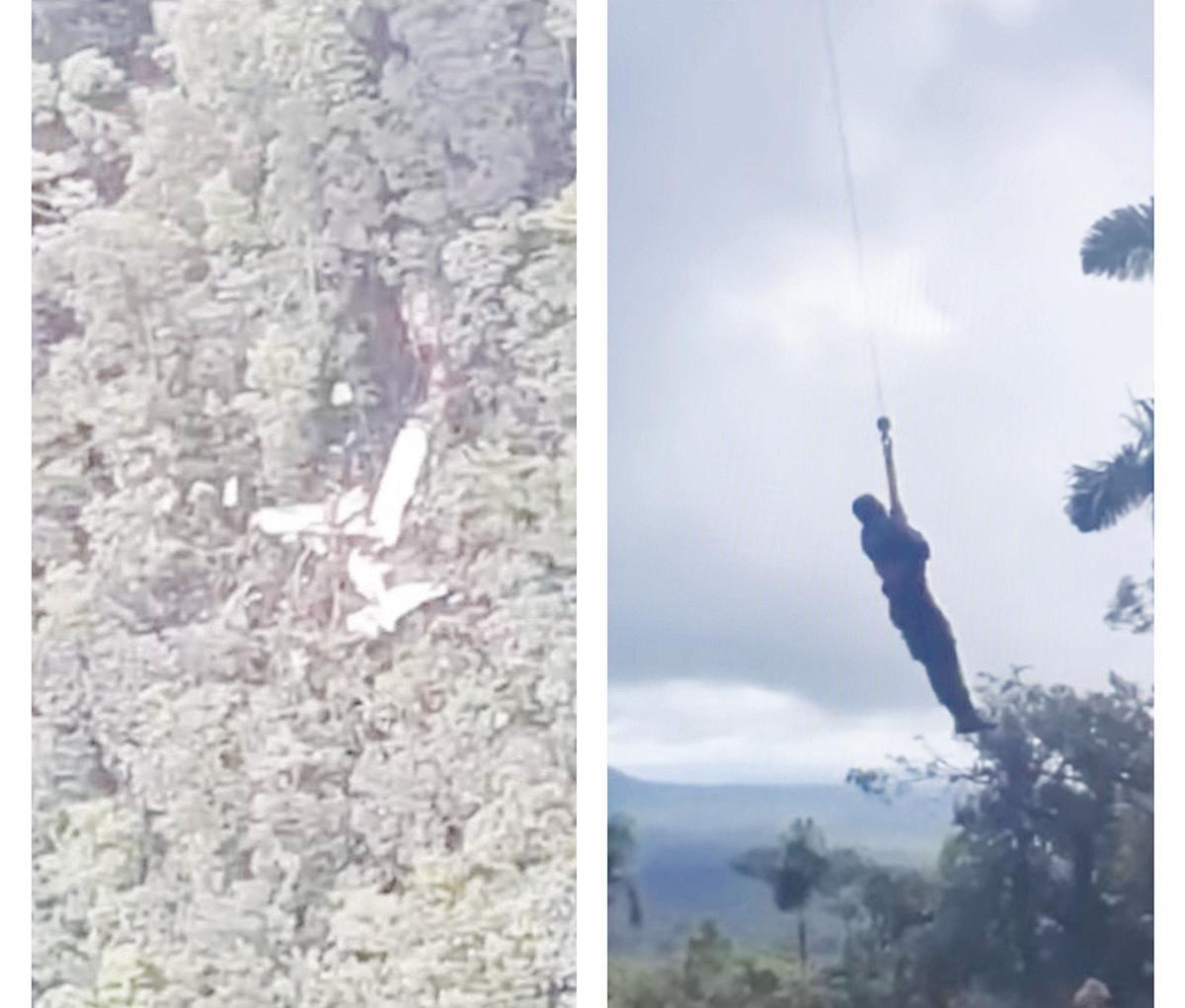
GCAA intensifies probe into fatal ASL Cessna aircraft crash
The Guyana Civil Aviation Authority (GCAA) on Thursday confirmed that the investigation into the crashed Air Services Limited (ASL) Cessna 208 aircraft, which claimed the life of Captain Ryder Castillo, is ongoing.
Speaking with the Guyana Times, the Director General of GCAA, Lt Col (Ret'd) Egbert Field, related that while he cannot provide the specifics of the investigation, the inquiry into the circumstances that led to the crash has intensified.
He nevertheless noted that the investigation is being conducted among several agencies and has been receiving the fullest cooperation from Air Services Limited.
Field also confirmed that the wrecked aircraft remains at the scene, as several key components have been retrieved to aid in the investigation, including ledgers and the
black box of the aircraft.
The Cessna 208 aircraft, with registration 8R-YAC, went down moments after departing Mahdia, Region Eight (Potaro-Siparuni), on Friday, April 10, 2026, while on a car-
go shuttle flight bound for Imbaimadai, Region Seven (Cuyuni-Mazaruni).
It was reported that the expected arrival time was 08:40h, but after the Pilot failed to report its arrival, a flight progress check was made at 08:44h. At the time,
weather conditions in the area were reportedly poor, with heavy rainfall and reduced visibility. The GCAA subsequently activated protocols for a missing aircraft along the Mahdia-Imbaimadai route.
After days of trekking the rough terrain, members of the Guyana Defence Force (GDF) Special Forces reached the crash site, and the remains of the Pilot were found within the wreckage in an advanced stage of decomposition.
The aircraft was located on a steep, forested ridge with a dense canopy, no landing zone, and unstable terrain. These conditions have significantly restricted direct helicopter access and made recovery operations complex and dangerous. Authorities had emphasised that no helicopter can safely operate directly at the location without unacceptable risk.
As a result, the recovery was conducted using es-
tablished ground-based methods and controlled procedures. With a carefully planned operation, the body was extracted and transported to Imbaimadai, and then to the Eugene F Correia International Airport.
Captain Castillo, a Nicaraguan national with approximately 20 years of flying experience, was the sole occupant of the aircraft. He had been employed with ASL for eight years.
Decomposed body of man with jaguar, "ANIMAL" tattoos found at Lake Capoey
The decomposed body of an unidentified male of mixed ancestry was pulled from Capoey Lake, Essequibo Coast, Region Two (Pomeroon-Supenaam), on Friday evening. Police stated that ranks received a report of a body being spotted in the lake and went to the scene, where they observed the decomposed body lying face-up on the bank. The body was partially submerged in water and clad in black underwear. It was examined, and a tattoo bearing the word "ANIMAL," along with the image of a jaguar, was seen on the upper left arm.
The body was removed and taken to the Suddie Public Hospital mortuary, awaiting a post-mortem examination. An investigation has been launched.
Villagers at the scene on Friday evening
Dead: Captain Ryder Castillo
Director General of GCAA, Lt Col (Ret’d) Egbert Field
The GDF Special Forces rank being lowered into the jungle on the recovery mission
Culture shift needed to strengthen workplace safety across Guyana – GTTCI Director
-
says Guyana’s
Director of the Guyana Technical Training College Incorporated (GTTCI), Professor Clement Sankat, has called for a culture change in order to see safety and health practices being adopted in workplaces across every sector in the country.
He made this point while delivering remarks at the Occupational Safety and Health (OSH) Symposium 2026 hosted on Tuesday by the Ministry of Labour and Manpower Planning as part of the activities to observe World Day for Safety and Health at Work under the theme "Good psychosocial working environments: a pathway to thriving workers and strong organisations".
According to Professor Sankat, Guyana is undergoing an unprecedented transformation and growth in a new industrial environment as never seen before, from oil, gas and energy to mining and agriculture, building not just an economy but shaping a new culture of work and, ultimately, the future of Guyana.
However, he noted that this growth must not come at the expense of workers' physical safety and mental well-being, emphasising the importance of creating the environment for people to truly work safely, with their
growth must not compromise worker safety, well-being
health and well-being being a priority. To this end, Professor Sankat called for a shift beyond mere compliance across all levels, something he stressed is even more important as Guyana continues to grow in this new developmental pathway. He contended that leaders must reward and celebrate safe and humane behaviours at the workplace, embed psychosocial risks into systems and start measuring culture, not just compliance.
"We must reward and cel-
ebrate safe behaviour," he highlighted, while urging supervisors to lead with respect and encourage their teams to speak up, and when they do, reward that courage. Similarly, he implored workers to "...take ownership of your safety; speak up, even when it is uncomfortable; be your brother's or sister's keeper; and avoid the shortcuts that seem tempting in the moment. Value the mentorship and training provided by your employer."
Team effort from all
At the Government level, Professor Sankat is advocating for the strengthening of labour laws to include psychosocial risks and promoting national standards for total workplace well-being in this rapidly industrialising Guyana. "It will take a team effort from all of us to build a safer and happier working environment," he declared. While the focus is often placed on physical hazards such as a missing guardrail or the lack of personal protective equipment (PPE), Professor Sankat drew attention to the "psychosocial" working environment.
This, he explained, is the interaction between how work is designed, managed, executed and experienced. It includes the invisible forces that dictate daily lives: workload, the way leaders and supervisors show or demonstrate support and empathy and whether workers feel valued, respected, or empowered.
According to Sankat, these factors are the true drivers of how decisions are made and how safe and amenable the working environment is physically, emotionally, and mentally. In fact, he highlighted that
Learning from tragedies Pointing to sobering incidents in Guyana such as collapses at mining pits during heavy rains, which are failures of planning and supervision rather than just acts of nature; the four lives lost in a vessel's engine room
At the GTTCI, located at Port Mourant, Region Six, Professor Sankat said they are building and operating on a simple principle: “Safety is not just a set of rules; it is a culture and a shared responsibility.” He said they are driven by the college's part-
workers often make decisions under constraints like limited time, fatigue and intense pressure without taking safety into consideration.
"In high-risk areas like our offshore environment or remote mines, workers aren't always performing a perfect risk analysis; they often use fast, reflexive thinking as opposed to more nuanced critical thinking. This is where accidents happen. I am also deeply concerned about the 'normalisation of deviance', where skipping a safety check or not wearing your Personal Protective Equipment (PPE) becomes the new normal simply because 'nothing went wrong last time'. Regretfully, we see this occurring in many workplaces. This is a trap that remains invisible until tragedy strikes," the GTTCI Director stated.
in Georgetown due to toxic fumes in a confined space; or the reoccurring tragedies in the agricultural sector whereby tractors roll over in muddy rice fields – all of which he declared are preventable.
"These are not just technical failures; they are shaped by fatigue, pressure, and cultures where unsafe practices have become normalised and where the training for operating in such difficult offroad conditions may not have been provided to our humble farmers. Safety cannot exist without capability, and yes, there's a cost to building safe systems, but the cost of failure is far greater; lives can be lost, families can be devastated, reputations can be permanently damaged, and the competitiveness of institutions and entire industries can be seriously weakened," he posited.
ner, ExxonMobil's, guiding principle: "Nobody gets hurt." This, he contended, is not just a slogan but a mindset that is now being embedded in all the students at the GTTCI. The Director went on to quote management guru Peter Drucker, who said, "Culture eats strategy for breakfast." According to Professor Sankat, "You can have the best policies in the world, but if your culture doesn't support safe behaviour when no one is watching, those systems will fail. My goal is a Guyana where every worker returns home safe to their families – physically, mentally and emotionally – and where they are happy to return to work the next day. Let us build a nation where growth does not come at the expense of people – but because of our people."
GTTCI Director, Professor Clement Sankat
GTTCI is promoting workplace safety and health practices
A section of the gathering
Young mother severely injured in Zeelugt hit-and-run
Ayoung mother is currently hospitalised with serious injuries following an accident on Monday evening at Zeelugt, East Bank Essequibo (EBE), Region Three (Essequibo Islands-West Demerara). The injured woman, Collisa Angelina Smith, remains admitted at the De Kinderen Regional Hospital, where she underwent emergency surgery on Tuesday – one day after the accident. Medical officials have reportedly informed her that she may be unable
to walk for up to six months, with the possibility of further surgical intervention depending on how her injuries heal.
Smith, who is the mother of a three-month-old child, said the accident occurred at approximately 19:30h while she was travelling home on a motorcycle with her cousin after completing her first day of work training at a taxi service in Zeelugt.
In an interview from her hospital bed, Smith told the Guyana Times that she had just completed her first day
of training at a taxi service located in Zeelugt, where she had been assigned on a trial basis. “It was my first day turning out to work… it was my training day,” she said, adding that she had worked overtime after being asked by her employer to stay on. Smith said she left work in the evening around 19:00h and later contacted her cousin to pick her up on a motorcycle so she could return home. She added that she had planned to make a quick stop before heading home. “I told him I wanted to buy a drop cord and some clothes for work because I want to get more suitable clothes for starting the work,” she said.
According to Smith, her cousin agreed to drop her through Tuschen and Zeelugt using a shortcut route. Smith said the collision occurred as they were crossing an intersection after travelling through a shortcut between communities. “We were riding… we took a shortcut from one scheme straight over to
Zeelugt,” she said. However, she insists she did not see the vehicle that struck them. “As soon as we reached the traffic light by the road… we proceeded to go across the road. I didn’t see this car. I don’t know if my cousin saw it, but I didn’t see it,” Smith stated. She said the only warning she remembers was a sudden bright light. “I didn’t see nothing… and then a light just shine bright in my eyes,”she recalled. Moments later, she told this publication that she lost consciousness.
“All I can remember is the light in my eyes and then I blacked out. I don’t remember nothing else,” she said. Smith said she regained consciousness after the crash to find herself being assisted by bystanders at the scene. “When I woke up, I was in two men’s arms, and they were saying, 'Little sister, open your eyes; we will take you to the hospital,’” she recalled. At that time, she said she was unable to feel her lower limbs but was concerned about her cousin. “I asked them, where’s my cousin? And they told me nothing was wrong with him. They said you are asking about your cousin, your cousin is okay, it’s you who was hit,” she added.
Smith alleges that the vehicle involved struck the motorcycle from behind and caused her to be thrown onto the car before falling to the roadway. “The man knocked me off the back of the bike… I fell on the car windshield and broke it up,” she alleged. She further claimed that the vehicle did not immediately stop after impact.
She added that her left foot was severely deformed at the scene and was assisted by bystanders and taken to the De Kinderen Hospital.
“They gave me injections for the pain… and then Tuesday at about 1 something, I went in for surgery,” she said. Smith said doctors have confirmed fractures to both legs and placed both limbs in casts following surgery. She added that medical staff have warned that additional surgery may be required depending on how she heals. She added that the Police subsequently visited her at the hospital and took statements, but she was not given clear information about the driver involved in the accident.
According to Smith, she later learned through rel-
atives that the driver may have been detained briefly following the incident but was subsequently released. Beyond her physical injuries, Smith said the accident has placed significant pressure on her family. She explained that she is the mother of a three-monthold infant who is now being cared for by her mother while she remains hospitalised. Smith added that her mother previously operated a small home-based business but is now unable to continue due to caregiving responsibilities.
“She can’t do anything right now… she has to look after my son,” she said. Attempts to get information from the Police with regards to the investigations proved futile.
Smith’s injury after the crash
The car that was involved in the accident
Collisa Angelina Smith
Village councils, not NGOs responsible for hospital decisions – APA
- denies involvement in delays of speciality hospital at Kamarang
Tensions continue to flare between the Amerindian Peoples Association (APA) and the Ministry of Health, with the APA rejecting the Government’s assertion that it played a role in the decision-making process regarding the construction of a speciality hospital in Kamarang Village, Region Seven (Cuyuni-Mazaruni).
The APA, in a statement to the media on Friday, stated that it is not, and has never been, part of the decision-making process for any village council regarding the governance of their residents, resources, lands, and territories. The organisation added that it does not impose its views or positions on communities regarding project developments that must go through village councils and the wider community.
“The Amerindian Act is clear on the role of village general meetings in decision-making, and communities must make decisions free from coercion and intimidation. Therefore, it is dishonest for the Ministry of Health (MoH) to assert that the Association was responsible for the hospital’s delays. The Ministry’s claims are intended to mislead the public, make the APA a scapegoat for its deficiencies, and hide the real facts of the matter. The APA challenges the Ministry to produce its record to show that the APA is responsible for discouraging the community from having the hospital
built,” the release added.
Further, the APA reminds the public that it is a non-Governmental organisation (NGO) whose mission is to advocate for the promotion, protection, and preservation of the rights of Guyana’s Indigenous Peoples. This includes the first peoples’ right to self-determination along with their right to be consulted in a way that aligns with the right to Free, Prior, and Informed Consent (FPIC).
The APA added that in his capacity as Toshao of Kamarang-Warawatta, Lemmel Thomas is likely to have consulted with his village council on the best way forward for this project.
“The APA was not involved in this process, nor can we comment on the internal deliberations of the village council. It is not the association’s place to do so,
as it would undermine the very practices it is committed to upholding,” the APA reiterated while adding that there should be no misinterpretation of the fact that the provision of a speciality hospital in the district by the Government is welcomed. The APA states it does not deny the significant investments in health made by the Government of Guyana and, in fact, appreciates that the Ministry was forthright in releasing such data and information that can continue to inform public policy, particularly at the community level.
“We remind you that it is the duty of the Government to provide such facilities with culturally appropriate measures, thereby providing equal access to speciality health services and care to the people of the Upper Mazaruni and, indeed, all
of Guyana. So, the MoH’s attempt to blame the APA for an internal matter in Kamarang Village is to be condemned in the strongest possible terms.”
Meanwhile, the APA urged the Ministry to pay attention to the substance of its intervention at the 25th United Nations Permanent Forum on Indigenous Issues (UNPFII), which emphasised that councils, with respect to their customary governing practices, must be involved in designing the appropriate health responses for our villages, districts, and territories.
“We cannot ignore the fact that there are still severe challenges and deficiencies in the delivery of health services to our people. All is not perfect, and this must be recognised. In the days following our intervention at the UNPFII, we received more validating reports from villages about dysfunctional referral systems from a health centre, ill-equipped medical facilities, and the fact that suicides are a problem within our communities. These and other cases simply punctuate our position at the UN. Public health programmes must be responsive to the needs of villages and developed in continuous consultation with our councils as we face evolving threats to our lands and peoples,” the APA added.
As such, the APA urged the National Toshaos Council (NTC) to consult more with communities
and councils on their health needs to realise their vision for appropriate health programmes in their development. “The NTC must take a proactive stance on these matters, as they have a critical role in ensuring that our peoples’ health and
well-being are not simply figures on a spreadsheet but are part of long-term sustainable programmes that villages, districts, and councils can take ownership of to achieve development goals,” the APA explained.
Eye Lash, NWD gets new health post to boost healthcare delivery
As new health post was on Friday commissioned at Eye Lash, Region One (BarimaWaini) to further advance the Government’s commitment to equitable health-
care access across Guyana. The newly commissioned facility is designed to provide essential primary healthcare services to residents within the community. It includes a clinical section for patient care and
a living quarter for healthcare workers, ensuring that medical personnel are readily available to serve residents.
In his address, Health Minister, Dr Frank Anthony emphasised that
the establishment of the health post reflects the Government’s ongoing efforts to expand healthcare services, particularly in hinterland and remote communities.
He commended the regional health team for their initiative in identifying the need and working collaboratively with the Ministry to make the project a reality.
The Minister noted that residents will now have
easier access to vital services such as vaccinations for children, maternal healthcare and treatment for common illnesses, including malaria.
“This facility will significantly improve the quality of healthcare available to the people of this community,” the Minister said, while also urging residents to take ownership and care of the building. In addition, he handed over a new AllTerrain Vehicle (ATV) to the community.
Minister Anthony hands over the keys to a new ATV
The new health post at Eye Lash, Region One
The interior of the new facility
Cuba says Trump’s fresh sanctions on its economy amount to “collective punishment”
Cuba’s Government has said new sanctions imposed on the island by Unite States President Donald Trump amounted to “collective punishment”, as an enormous May 1 procession outside the American embassy in Havana vowed to “defend the homeland”.
In an executive order on Friday, the US President said he would impose sanctions on people involved in broad sections of the Cuban economy, as he seeks to put more pressure on Havana after ousting Venezuela’s
leader, Nicolás Maduro, earlier this year.
The latest sanctions constituted “collective punishment” of the nation’s people, said Cuba’s Foreign Minister, Bruno Rodriguez. “We firmly reject the recent unilateral coercive measures adopted by the #UnitedStates Government,” he posted on X in English.
Trump has mused about taking over Cuba, which lies 145 kilometres from Florida and has been under a nearly continuous US trade embargo since Fidel
Castro led a communist revolution in 1959.
On Friday, Trump used a speech in Florida to again suggest the US could launch operations against Cuba.
“On the way back from Iran, we’ll have one of our big – maybe the USS Abraham Lincoln aircraft carrier, the biggest in the world; we’ll have that come in, stop about 100 yards offshore, and they’ll say, ‘Thank you very much. We give up.’” (Excerpt from The Guardian)
Mexican Governor accused by US of drug trafficking steps down during investigation
The Governor of a Mexican state who was accused by the United States of ties to drug trafficking said on Friday he was temporarily stepping down to facilitate investigations.
Sinaloa Gov Ruben Rocha Moya and nine others were charged by the US Justice Department this week for working with the notorious Sinaloa cartel to distribute "massive quantities" of narcotics to the United States.
Rocha Moya, a member of Mexican President Claudia Sheinbaum's left-leaning Morena party, has decried the allegations as "false and malicious". At least three officials charged in the indictment were affiliated with Morena. "I inform the people of Sinaloa that today I submit-
ted to the State Congress my request for a temporary leave from the position of Governor," he said in a YouTube video late Friday.
Sheinbaum said Thursday that Mexico will extradite officials to the US only if given "irrefutable evidence" of cartel links. The President said this was the first time the US had made narcotrafficking charges public against a sitting Governor or other high-ranking official.
Rocha Moya, who is close to former leftist President Andres Manuel Lopez Obrador, has been Governor of the north western state of Sinaloa since 2021. (Excerpt from CBS News)
At least 6 dead in heavy rains in north east Brazil, thousands displaced
At least six persons have died in heavy rains in north eastern Brazil, with thousands more displaced, according to authorities.
The deaths were reported in the Pernambuco and Paraiba states on Saturday, following two days of rain.
In Pernambuco, flooding and landslides were reported in Recife, the state capital. At least two persons were confirmed killed in the city. Two others were killed in nearby Olinda.
In Paraiba, the state capital, Joao Pessoa and the city of Campina Grande were among the hardest hit. At least two persons were confirmed killed in the state, with 1500 displaced.
The National Centre for Risk and Disaster Management said it issued 22 emergency alerts during the rain.
“Due to the impacts in Pernambuco and Paraiba and the weather forecast for the region, the operational level was raised to maximum alert,” it said.
The Ministry reported that rain had eased on Saturday but urged continued vigilance.
President Luiz Inacio Lula da Silva said on X that he had spoken with local authorities to offer support.
“The Government continues to monitor the situation to provide all necessary assistance,” he added.
A study released last year by the Brazilian Alliance for Ocean Culture found that rain disasters, including flooding and
Colombia-Ecuador trade collapsing as tariff war intensifies
The flow of goods between Colombia and Ecuador is drying up, industry groups on the South American countries' border say, as high tariffs resulting from an intensifying trade dispute came into full force this week.
A 100 per cent tariff announced by Ecuadorean President Daniel Noboa took effect on Friday, though his Government has not specified which products are affected. Colombia's Government, led by President Gustavo
Petro, formalised differentiated tariffs of 35 per cent, 50 per cent and 75 per cent on about 190 Ecuadorean products on Thursday.
Noboa has justified the measures, originally imposed in February at lower levels, because of a trade deficit with Colombia and what he says is that country's failure to combat drug trafficking along their 586-kilometre border. Petro has repeatedly rejected that accusation.
Colombia's response has been appropriate and is an
effort to limit the impact of the Ecuadorean tariffs on the Colombian economy, Bogota's Trade Minister said on Thursday.
"It's a whim; the very inflated egos of the two Presidents have kept escalating this," Carlos Bastidas, the head of the Heavy Transport Association of Carchi in Ecuador, told Reuters. "The movement of goods is minimal, but from next week this drops to zero." (Excerpt from Reuters)
Jamaica to welcome India’s Foreign Minister to Kingston
Minister of Foreign Affairs and Foreign Trade, Senator Kamina Johnson Smith, will this weekend welcome His Excellency Dr S Jaishankar, Minister of External Affairs of the Republic of India, on the first bilateral visit of an Indian External Affairs Minister to Jamaica.
He is scheduled to arrive Saturday at the Norman Manley International Airport in Kingston.
The Ministry, in a statement on Saturday, said the visit provides an opportunity for the two Ministers to take stock of the bilateral relationship between their countries and to advance discussions on the operation-
landslides, tripled in Brazil from 1991 to 2023.
In February, at least 64 persons were killed in floods and landslides in the Minas Gerais state.
In 2024, at least 183 persons were killed in flooding in the state of Rio Grande do Sul.
In 2022, 233 persons were killed in flooding in the city of Petropolis in south eastern Brazil.
Three months later, at least 130 persons were killed in heavy rains in Recife. (Al Jazeera)
alisation of Memoranda of Understanding in the areas of health, solarisation and public broadcasting.
It noted that Jamaica and India are also expected to engage on key areas of cooperation, including agriculture, technology and innovation, tourism and matters of shared regional and multilateral interest.
Minister Jaishankar will join Johnson, Smith and select Cabinet Ministers for bilateral talks on Monday, May 4. He is also expected to pay a courtesy call on Prime Minister Dr Andrew Holness at Jamaica House and will have an opportunity to meet with members of the private sector and other senior
Government officials. Jamaica and India established diplomatic relations on August 12, 1962.
For more than 60 years, both countries have built a dynamic, enduring partnership. This relationship was further strengthened by Jamaica’s establishment of its first resident diplomatic mission in India in September 2020.
The Jamaican High Commission in New Delhi was formally opened during the official visit of Prime Minister Dr Holness to India in 2024, marking the first official visit by a Jamaican head of Government to India. (Excerpt from Jamaica Observer)
ABWU to host Labour Day rally, march on May 4
The Antigua and Barbuda Workers’ Union (ABWU) is set to stage a series of activities on May 4 to mark Labour Day, including a rally, march and family fun event.
According to promotional material released by the union, the day’s programme will begin with a rally at 09:00h at the ABWU headquarters on Lower Newgate Street in St John’s. This
will be followed by a march through the capital at 11:00h.
The celebrations will then move to Ffryes Beach, where a family fun day is scheduled to start at midday. Organisers say the beach event will feature games and rides for children as part of efforts to make the occasion inclusive for families.
Labour Day activi-
ties traditionally highlight workers’ rights and the role of trade unions, while also serving as a platform for advocacy on wages and working conditions.
This year’s event is being held under a theme focused on strengthening commitment to social development and equity, with the union encouraging broad public participation. (Antigua Newsroom)
Sinaloa Governor Ruben Rocha
A taxi drives on a flooded street during a heavy rain in Brazil
Minister of Foreign Affairs and Foreign Trade of Jamaica, Senator Kamina Johnson Smith (right), and Minister of External Affairs of the Republic of India, Dr S Jaishankar, at an engagement in 2022
Around the World
Iran offers Strait deal; Trump dissatisfied but prefers
An Iranian propos-
al so far rejected by US President Donald Trump would open shipping in the Strait of Hormuz and end the US blockade of Iran while leaving talks on Iran’s nuclear programme for later, a senior Iranian official said on Saturday.
Trump, who has said repeatedly that Iran can never have a nuclear weapon, said on Friday he was not satisfied with the latest Iranian proposal, while Iran’s Foreign Minister said Tehran was ready for diplomacy if the US changes its approach.
non-military path
Trump also said on Friday that “on a human basis”, he did not prefer the military course of action and told Congressional leaders he did not need their permission to extend the war beyond a deadline set by law for that day because the ceasefire had “terminated” hostilities.
“Do we want to go and just blast the hell out of them and finish them forever? Or do we want to try and make a deal?” he told reporters at the White House when asked about his options.
Later on Friday, during a speech in Florida, Trump
said the United States would not end its confrontation with Iran early “and then have the problem arise in three more years”.
While saying repeatedly he is in no hurry, Trump is under domestic pressure to break Iran’s hold on the strait, which has choked off 20 per cent of the world’s oil and gas supplies and pushed up US gasoline prices. Trump’s Republican Party faces the risk of a voter backlash over higher prices when the country votes in midterm congressional elections in November. (Excerpt from Reuters)
Ukraine eyes Belarus border activities as Russian strikes persist
Ukrainian President Volodymyr Zelenskyy has reiterated warnings to Belarus not to get involved in Russia’s invasion as he reported unusual activity near the shared border between the two.
In a video address shared on social media on Saturday, Zelenskyy said, without offering details regarding the suspicious activity along sections of the border, that Ukraine is ready to respond.
Ukraine’s President Volodymyr Zelenskyy reiterated warnings to Belarus not to involve itself in Russia’s invasion
warned Minsk against getting entangled in the conflict, saying he believed that Moscow would attempt to draw it into its war.
The Ukrainian leader announced that new roads and artillery positions were being set up along the border between the two, accusing Russia of using apartment blocks in Belarus to launch attacks and circumvent Ukraine’s defences in December.
UK Prime Minister urges tougher action at some Gaza protests after antisemitic attacks
Britain’s Prime Minister (PM) Keir Starmer warned Saturday that tougher action was needed against people chanting certain phrases at pro-Palestinian protests, as concerns grew over the safety of British Jews after the stabbings of two Jewish men in London.
PM Starmer said he would always defend the right to protest but said there may be instances where some marches protesting the war in Gaza should be banned. He suggested that repeated pro-Palestinian marches have had a “cumulative effect” linked to the rise in antisemitic inci-
dents in the UK.
“When you see, when you hear some of those chants –‘globalise the intifada’ would be one I would pick out – then clearly there should be tougher action in relation to that,” Starmer told the BBC. The Arabic word “intifada” is generally translated as “uprising”.
A 45-year-old man was charged Friday with attempted murder after two Jewish men were stabbed and wounded Wednesday in Golders Green, a London neighbourhood that’s an epicentre of Britain’s Jewish community. Police called the
attack an act of terrorism. It was the latest in a string of incidents, including recent arson attacks on synagogues and other Jewish sites in the British capital. The UK’s most senior Police Officer warned Friday that British Jews are facing their greatest ever threat and blamed social media for making antisemitism more mainstream than before. Mark Rowley, the head of the Metropolitan Police, said British Jews are now the target of every extremist group spreading hate. (Excerpt from CBS News)
Zambia cancels world’s largest human rights, tech summit days before start
The world’s largest conference on human rights and technology has been cancelled just days before it was due to start after the Zambian Government told organisers it did not align with “national values”.
Zambia’s Government had originally welcomed the RightsCon 2026 summit on “human rights in the digital age”, due to be held in the capital, Lusaka, on 5–8 May, but Thabo Kawana,
Permanent Secretary for the Ministry of Information & Media, said last week that the conference would not go ahead to allow time to ensure the gathering “aligns with Zambia’s national values, policy priorities, and broader public interest considerations”.
More than 2600 activists, technologists, academics and policymakers were expected to begin arriving in Lusaka over the weekend. The event was to address is-
sues of human rights in the digital age, including online hate, internet shutdowns, AI, surveillance, the militarisation of tech and disinformation at a time when democratic, women’s and LGBTQ+ rights are under intense assault.
Rights campaigners have called the decision a blatant act of censorship and part of a broader pattern of suppression of legitimate debate. (Excerpt from The Guardian)
Timmy the humpback whale escapes to North Sea
Germany
Launching its invasion of Ukraine in February 2022, Russian forces crossed the border from Belarus towards Kyiv. However, Belarus did not participate directly in the fighting.
(Excerpt from Al Jazeera)
Last month, Zelenskyy
“We are closely documenting everything and keeping the situation under control,” he said, warning that “everyone who is being drawn into any aggressive actions against Ukraine must understand” that the country is ready to defend its sovereignty.
says US
troop withdrawal “foreseeable” as Nato seeks clarification
Germany’s Defence Minister Boris Pistorius has said the US decision to withdraw 5000 troops from his country was “foreseeable”, as the Nato military alliance says it is seeking clarification from Washington.
Speaking to the DPA news agency, Pistorius also stressed, “The presence of American soldiers in Europe, and particularly in Germany, is in our interest and in the interest of the US.”
Meanwhile, Nato spokeswoman Allison Hart said the alliance was “working with the US to understand the details of their decision”.
Washington’s move comes after President Donald Trump criticised German Chancellor Friedrich Merz for saying the US had been “humiliated” by Iranian negotiators in the ongoing war.
The US military deployment in Germany – currently at more than 36,000 ac-
tive duty troops – is by far its biggest in Europe, compared with about 12,000 in Italy and 10,000 in the UK.
Trump has also suggested pulling US troops from Italy and Spain.
Last year, Washington decided to reduce its troop presence in Romania as part of Trump’s plan to shift the focus of US military commitment from Europe to the IndoPacific region.
There are now growing
concerns within the 32-member NATO alliance that the US’s latest decision could weaken the organisation.
“The greatest threat to the transatlantic community is not its external enemies but the ongoing disintegration of our alliance,” Polish Prime Minister Donald Tusk warned on Saturday.
“We must all do what it takes to reverse this disastrous trend,” he added.
(Excerpt from BBC News)
Ahumpback whale calf that earned huge media attention and the nickname “Timmy” after being repeatedly stranded in shallow waters near Germany has been released into the North Sea by a rescue team.
The operation to save the sea mammal, launched as its health deteriorated, transported Timmy in a water-filled barge and released him off Denmark on Saturday.
Timmy was first spotted near Germany’s Baltic Sea coast on March 3. He repeat-
edly got stuck in shallow waters, despite efforts to encourage him back to the deeper sea.
Far from his natural habitat of the Atlantic Ocean, the whale became distressed, and the public became invested in his plight as his health deteriorated.
Several efforts to rescue him, including using inflatable cushions and a pontoon, were unsuccessful, leading German officials to suggest he was doomed.
Timmy developed a skin condition as a result of the Baltic Sea’s low salt content
and would barely move for days at a time, his breathing irregular.
The International Whaling Commission said in April that with each stranding causing additional harm, “the chances of survival [had become] negligible”.
However, the use of the special barge finally saw Timmy returned to his natural habitat.
A GPS transmitter was reportedly attached to the whale before his release, suggesting there could be more updates to come. (Excerpt from Al Jazeera)
Friedrich Merz (left) and Donald Trump last met face-to-face in March in the White House
The rescued humpback whale in a special barge
TAURUS (April 20May 20)
GEMINI (MAY 28June 20)
LEO (July 23Aug. 22)
VIRGO (Aug. 23Sept. 22) (March 21April 19)
Keep your thoughts and emotions to yourself and offer patience, understanding, and love to those you encounter, and the results will reflect the powerful of a kind gesture. Consider a makeover as a pick-meup or spend time with someone special. Refuse to let minor setbacks get to you. Overreacting will ruin your day and disrupt your domestic environment.
Claim what’s yours, but don’t argue over petty things that lead to aggravation instead of gains. A stubborn attitude will be your loss and regret. Think, compromise, and be the one offering positive insight into what you want to pursue. An innovative approach to lifestyle, love, and relationships will help you get what you want. Romance is favored.
Get ready to ride the wave and to leap forward. Potential is high, so set the scenario to work in your favor. Be original, responsive, and finish what you start, and you’ll become the influencer who makes a difference. You can be powerful without letting your ego enforce an unnecessary argument. Choose peace and love over friction.
Use your energy to engage in helping others or participating in a cause that concerns you, instead of letting anger find its way into your mainstream relationships. A constructive idea applied to what or how you earn your living will be the push you need to get ahead. Less drama and more constructive changes will pay off.
Get involved in an event, activity, or pastime that motivates you to learn something new or to volunteer, help, or donate to a cause that concerns you. Your input will make a difference, and the people you encounter who share your beliefs will have a positive impact on how you live and move forward. Romance is highlighted.
Weigh the pros and cons before you start something you may not be able to finish. An honest assessment regarding your skills, time, and money will make a difference in how others perceive you. A clear-cut approach will make interference negligible, giving way to interesting opportunities. Let intelligence guide you, and detail help you reach your objective.
LIBRA (Sept. 23Oct. 23)
SCORPIO (Oct. 24Nov. 22)
SAGITTARIUS (Nov. 23Dec. 21)
AQUARIUS CANCER CAPRICORN (June 21July 22)
(Jan. 20Feb. 19) (Dec. 22Jan. 19)
(Feb. 20Mar. 20) PISCES
You have more possibilities than you think. Reach out to experts, make personal changes personally and professionally, and partner with those who can fill a void necessary to your success. A change of scenery will spark your imagination and help you direct your energy accordingly. You have plenty to look forward to, so stop procrastinating. Romance is favored.
Banter with those closest to you will result in opportunities, insight, and a fresh start. Communication is key, along with networking and functions that pertain to how you earn your living or pursue your passion. Put ego aside and anger in its place. Your best results will unfold through constructive ideas, joint ventures, and being true to yourself.
Address comfort, joy, and convenience and start perfecting your surroundings to meet your needs. How you live will have an impact on how you perform. Dust off the furniture and host an event or entertain someone you want to spend more time with; however, be careful when dealing with shared expenses or joint ventures. Self-improvement is prominent.
Less talk will spare you grief. Focus on home, comfort, and all the things that put a smile on your face. You owe it to yourself to take some “me time” and enjoy what life has to offer. Refuse to let outside influences infiltrate your time. Avoid arguments, stifle anyone who exaggerates or offers false pretenses.
Update your look, pamper yourself, live and enjoy the moment. You owe it to yourself to take better care of yourself, your future, and your emotional wellbeing. A change to your living space or arrangements will satisfy your soul if you go through the proper channels and leave nothing to chance. Peace and love are in the stars.
Opportunity knocks, open the door. Get out, mingle, meet and greet, and discover what’s new and exciting. Rely on your judgment in financial matters to avoid scams and aggressive sales tactics. Don’t force change; time is on your side, and for the moment, your best bet is to take better care of your physical, financial, and emotional well-being.
Peanuts
Calvin and Hobbes
Pickles
Chennai Super Kings (CSK) outplayed Mumbai Indians (MI) for the second time this season, leaving Hardik Pandya’s men on the brink of elimination.
After misreading pitch No. 6 against Gujarat Titans (GT) last weekend, CSK used pitch No. 5 to their advantage on Saturday, limiting MI to 159 for 7. Their attack kept banging the ball away on good and hard lengths, making life difficult for MI. Ruturaj Gaikwad and Kartik Sharma made light work of the middling target with unbeaten half-centuries. They now rise to sixth on the points table, with their fourth win in nine games.
MI’s Jekyll-andHyde powerplay
After opting to bat first, MI crashed seven sixes in the powerplay – five of those came from Ryan Rickelton – but some of that big-hitting was offset by the 19
Gaikwad, Kartik, bowlers help CSK complete double against MI on slow Chepauk pitch
dots they played out during this phase.
Mukesh
Choudhary had missed CSK’s previous game against GT after they had brought Sarfaraz Khan in as Impact Sub as early as the fourth over. Here, he conceded 25 runs in three powerplay overs. Prashant Veer, the rookie left-arm spinner, had a rough initiation into the IPL with the ball. Rickelton smacked him for three sixes in his first over. Gaikwad tossed him the ball in the fifth over because Akeal Hosein, who had bagged a four-wicket haul against MI at the Wankhede in the reverse fixture, was out of the team at Chepauk for this one. So, Prashant bowled despite the presence of the left-handed Rickelton at the crease. It released the pressure that Choudhary and Anshul Kamboj had built up.
Rickelton and Naman Dhir took MI to 57 for 1 in six overs.
CSK’s uncapped bowlers pick up the slack Six of the first 10 overs were bowled by uncapped CSK bowlers. While Veer
SCOREBOARD
came back well after the powerplay, it was seamer Ramakrishna Ghosh who was more impressive. He claimed the big scalp of Suryakumar Yadav when he banged a hard-length delivery and had the batter slicing a catch to Dewald Brevis at sweeper cover for 21 off 12 balls.
Before the start of IPL 2025, Gaikwad had namechecked Ghosh as a player to watch out, but it took a while for him to get a game. He showed glimpses of what he’s capable of on Saturday, returning one for 24 in his three overs. Left-arm wristspinner Noor Ahmad gave him excellent support, taking out two lefthanders in Rickelton and Tilak Varma.
MI’s struggles Suryakumar has struggled through the season, and his numbers against pace have been especially
way, he was also reprieved by Dube on the 19th.
wretched: seven dismissals in nine innings, an average of 10.71 and a strike rate of 133.92. Tilak was dropped by Shivam Dube when he was on one but added only four to his tally before he mis-hit Noor to Gaikwad at cover.
Naman Dhir top-scored for MI with 57 off 37 balls but could not find a higher tempo that would hurt CSK. He started quickly –he moved to 19 off nine balls – but slowed down drastically against spin. Along the
Captain Hardik Pandya laboured to 18 off 23 balls before Kamboj had him holing out in the final over of the innings. After hitting seven sixes in the first six overs, MI could manage only three in the next 14.
Gaikwad, Kartik helm the chase
CSK had a shaky start, losing Sanju Samson to Jasprit Bumrah in the second over. At the start of that over, Bumrah got one to angle in at Samson and
then veer away late to kiss the outside edge, but Jacks dropped a sitter at slip. At the end of that over, Bumrah found Samson’s outside edge once again, with Rickelton holding onto the catch this time.
After Samson departed for 11 off nine balls, Gaikwad controlled the chase along with Kartik. He picked away Trent Boult
for two fours and a six in the third over and went on to bring up back-to-back half-centuries.
At the other end, Kartik targeted the mystery spin of AM Ghazanfar, taking him for 23 off 13 balls. He closed out the game with an eye-catching reverse scoop off Boult and sent 34,940 fans at Chepauk into a frenzy. (ESPNcricinfo)
CSK’s Winning moment
Naman Dhir top-scored for MI
CSK complete the double over their nemeses
Kartik Sharma celebrates his half-century
GMR&SC President holds talks with FIA as Guyana gears up for GT3 Americas Challenge
The Guyana Motor Racing and Sports Club (GMR&SC) has strengthened its push to expand motorsport in the region following high-level discussions with the Fédération Internationale de l'Automobile (FIA) during the recent Miami Grand Prix.
GMR&SC President Mohamed Shairaz Roshandin engaged FIA President Mohammed Ben Sulayem in talks focused on advancing motorsport across the Caribbean and Latin America. According to Roshandin, the discussions were constructive and centred on long-term growth and opportunities within the region.
Roshandin noted that the meeting provided a platform to outline the direction for regional racing, expressing confidence that the sport is poised for significant development. He described the engagement as "fruitful", adding that the future of Caribbean and Latin American motorsport appears promising.
The discussions come on the heels of Guyana securing the hosting rights for the upcoming GT3 Americas Challenge, an initiative expected to mark a major milestone for local motorsport. The event is sched-
uled for July 11–12, 2026, and is anticipated to elevate Guyana’s profile on the international racing calendar. In preparation for the event, work is ongoing to upgrade the South Dakota Circuit to meet GT3 standards. The infrastructural improvements are expected to not only facilitate the staging of the event but also
contribute to the long-term growth and development of motorsport in Guyana.
The meeting with the FIA and the upcoming GT3 event collectively signal a period of expansion and increased investment in the sport, as GMR&SC continues efforts to position Guyana as a key hub for motorsport in the region.
More positive stroke play helped Chanderpaul cross the century mark
Twentynineyearold opener
Tagenarine Chanderpaul has been consistent with the bat during the Guyana Harpy Eagles' successful West Indies championship thus far.
Chanderpaul had scores of 70, 17, 35, 69 and 117, taking his tally to 308 runs. According to the left-hander, playing more positively helped him cross the century mark.
Known for his cautious batting, Chanderpaul scored a 50 in his last Test match, which he played in New Zealand back in December last year.
“I played more positively in this game indeed. It was needed in the situation, in both innings. That worked out well for us,” the opener disclosed.
Quarter-finals set for Sunday, Tuesday; semi-final spots at stake
Following six days of epic round-robin action, it’s now down to the knockout stage of the inaugural MCYS/East Bank Inter-Village Football Tournament organised by Sports Extra.
Earning the right to advance by virtue of placing as the top two villages from the four groups were Kuru Kururu and Agricola (group A), Swan and Herstelling (group B), Grove and Upper Soesdyke (group C), and Timehri and Kaneville (group D).
The Eccles EE Ground will once again host the matches on Sunday, May 3, and Tuesday, May 5, which are expected to be ding-dong battles and will also test the fitness and resilience of players who will now be contesting 90-minute matches.
All the teams which have advanced have earned their spots, with Kuru Kururu, Grove and Swan the only teams that have kept a clean record to date, Swan drawing one match. These are the villages to watch, as they look like very solid units; nonetheless, the other villages are also in with a chance of booking one of the four semi-final spots on the line.
Sunday’s opening clash brings together Kuru Kururu, which topped group A with two wins in as many matches, putting all on the line when they take on group C runner-up, Upper Soesdyke. Kuru Kururu will be led by veteran Marvin “Munro” Joseph and Kevin Scott, both scoring a double each so far.
Leroy Evans, who has scored their other goal, will also add support to their victory quest. Upper Soesdyke will start as the underdog and will have to come big to topple their opponent. They will have to improve in the attacking third as they have only scored a single goal to the opponents’ five.
Sunday’s feature clash is a potential humdinger, with Swan, one of the fittest teams, taking on a seasoned challenger, Agricola. The tournament’s second-leading
goal scorer, Abraham Webb, with a hat-trick of goals, will have to maintain his accuracy if they are to continue their positive run.
He’ll have support from Timothy Adrian and Anderson Webber, amongst other players. Agricola had to draw on all their experience after losing their first match to topple Mocha in their final group game, which allowed them to squeeze into the quarterfinals. They’ll depend on Kelvin Gordon, Shamar Sampson, Demanie Cort and Jamal Fiffe to lead their bid for a win.
On Tuesday, Grove, the most clinical village on show so far, scoring nine goals while conceding two, will take on neighbouring village Kaneville, a young but confident team, in the main event. The tournament’s leading marksman, Domini Garnett (four goals), will once again lead Grove as they eye a place in the semis. Kevin Padmore, Rayfield Hilliman, Akeem Jarvis and Jamal Cordis will all lend support. Kaneville will look to Deno Cupidore, Tyequan Robinson and Herman Gill to lead an upset.
Opening play at 19:00h will see Herstelling and Timehri locking horns with another potential epic expected. Timehri stormed back from the brink after losing their first game to top group D, whilst Herstelling won their first match but went down in their second.
Nyron Barrow, who netted both goals Timehri scored in the tournament so far, will seek to repeat his heroics but will have to contend with the likes of Malcolm Hendricks, Johenni Mendoza and Jonathan Conyers. Two exciting days of play await, with the rewards being four spots in the business end of the tournament.
The tournament has been made possible through the kind sponsorship of the Ministry of Culture, Youth & Sport; Office of the Prime Minister; Ministry of Housing; Bounty Farm Ltd; Fitness Express; Republic Bank; Star Rentals; and The Trophy Stall.
“We are heading home for a week to try and regroup, refresh and come back for the next two games. We batted well here and there, but we are bowling very well. We have to try and improve all around and play two
good games of cricket,” Chanderpaul said. He added: “When you are opening the batting, you don’t get in all the time, so when you get in, it’s about making the most of it and going as deep as possible.”
The Guyana Harpy Eagles will resume their tournament on May 10 against West Indies Academy.
Mapa Do Brasil, Ritorna Vincentori
Horses battling in the Arrival Day/ Labour Day meet at Kennard’s Memorial Turf Club secured their post-position draw.
Four horses will be running in the feature race today, Sunday, May 3.
Ritorna Vincentori, Stat, Mapa Do Brasil and Rei Da Brincadeira are the four top horses confirmed to run in the feature race, which will have a purse of GY$4 million, running at nine furlongs.
Another exciting race
will be the Arrival Day sprint, which will be open to all three-year-old and older horses and will be running at five furlongs. The threeyear-old imported opener will run at six furlongs.
Other races on the card include the F Class and Lower, a three-yearold Guyana-bred open million-dollar mile; G Class and Lower West Indian-bred non-winners since August 2024; three-year-old and over West Indian-bred winners; I Class and Lower; L Class winners; and K & L
Maidens open to Guyanabred first-time starters. There will also be a Grooms Derby, open to all ages. This race meet will be of great importance, as most of the horses have had a break from racing. All the lengthy preparations will be tested at Kennard’s Memorial as the historic day for the Guyana Cup approaches. Additionally, this is the second nomination race day for the Guyana Cup, which is set for August 23 at a venue to be announced.
Slingerz Racing Stables will be hoping to upset JS at the feature race today
Tagenarine Chanderpaul
GMR&SC President Mohamed Shiraz Roshandin (left) shakes the hand of FIA President Mohammed Ben Sulayem
Hururu, JC Chandisingh dominate as YBG Regionals continue
outh Basketball
YGuyana (YBG) tipped off its Region 10 “Big 10” regional competition on Friday at the Amelia’s Ward Hard Court in Linden with a series of one-sided and competitive encounters, while action also continued in the Region Six “Ancient County” tournament with dominant performances from JC Chandisingh Secondary and Skeldon Line Path.
In Linden, Hururu Secondary stamped their authority early, sweeping both of their matches in convincing fashion. In the girls’ opening game, Hururu blanked Mackenzie High 8–0, led by Kayann Grimmond, who finished with six points and three steals to earn Player of the Game honours. They followed up with an emphatic 49–0 victory over Harmony Secondary in the boys’ division, with Breyon Shultz producing a double-double of 16 points and 10 rebounds. Peter Roger supported well
with 12 points and seven rebounds in the dominant showing.
Mackenzie High rebounded in their second outing, this time in the boys’ division, to secure a 22-16 win against Kwakwani Secondary. Shaquan Massiah led the charge with 12 points and three steals to take Player of the Game honours, while Jonathan Sampson chipped in with six points and five rebounds. Kwakwani’s Alanzo Mittleholzer was
TSkeldon Line Path responded strongly in the boys’ category, thrashing Lower Corentyne Secondary 45–5. Daniel Duke and Chris Promes led the scoring with 10 points each, while Kellon Lyte added nine and Joel Sukhram contributed to a balanced team effort. For Lower Corentyne, Joash
their standout performer with six points and five rebounds in defeat.
Meanwhile, in Region Six, the “Ancient Regional” tournament continued with JC Chandisingh Secondary and Skeldon Line Path producing commanding results. In the girls’ division, JC Chandisingh overwhelmed Skeldon Line Path 20–0, with Jada Minty leading the way with six points, three assists and three steals, supported by Renecia Rose, who also scored six points.
Hohenkirk, Apple power TSC to 141-Run Rout in Sherwin Williams T20 Cup
Tyrell Peters provided brief resistance with a rapid 47 from 17 balls, while Germain Douglas added 36 from 42 deliveries.
he Sherwin Williams Second Division T20 Cup lit up venues across Georgetown on May 2 with a day of explosive batting, clinical bowling, and thrilling finishes as teams battled for early supremacy in the competition.
Transport Sports Club crush Diplomats by 141 runs
Transport Sports Club (TSC) delivered a commanding performance after Diplomats won the toss and elected to bowl first. The decision backfired spectacularly as TSC unleashed a batting onslaught, piling up a massive 278 for one in their allotted 20 overs.
Leading the charge was Jeremiah Hohenkirk, who produced a breathtaking unbeaten 117 from just 51 balls at a staggering strike rate of 229. His innings was decorated with nine fours and 11 towering sixes. He found a formidable partner in West Indies Under-19 batsman Shamar Apple, who smashed an unbeaten 107 from 46 deliveries, striking eight fours and 10 sixes. The pair’s relentless assault left the Diplomats’ bowlers with no answers.
Facing a daunting target, the Diplomats never looked settled in their chase and were restricted to 137 for 8 in their 20 overs.
Reyad Latif and John Persaud led TSC’s bowling effort with two wickets each, sealing a crushing 141-run victory.
Guyana Defence Force edge
Demerara Cricket Club in low-scoring thriller
In stark contrast, the clash between the Guyana Defence Force (GDF) and Demerara Cricket Club (DCC) was a tense, low-scoring encounter. DCC, after winning the toss and opting to bat, struggled against disciplined bowling and was bowled out for just 86 in 13.4 overs. Alphius Bookie top-scored with 32, while Mickel Sharma chipped in with 15.
GDF’s bowlers dominated proceedings, with Nigel Deodat and Colvis Sam both claiming four wickets in a devastating display. The chase, however, was far from straightforward. GDF stumbled to 89 for eight in 17.4 overs before eventually securing victory by two wickets. Rashaad Gaffur top-scored with 25, while Joshua Ferrell and Zameer Nazeer each contributed 14. Qumar Torrington, Dennis Squires, and Wavell Allen all picked up two wickets apiece to keep DCC in contention, but GDF held their nerve to cross the line.
Everest Cricket Club defeat
Guyana National Industrial Company Inc by 34 runs
Everest Cricket Club also secured an impressive win, defeating the Guyana National Industrial Company Inc (GNIC) by 34 runs. After winning the toss and choosing to bat, Everest posted a competitive 153 for five in their 20 overs.
Narendra Persaud anchored the innings with a brilliant 72 from 40 balls, striking three fours and six sixes. He received excellent support from Troy Gonsalves, who played a blistering cameo of 45 from just 21 deliveries to lift the scoring rate.
In response, GNIC were bowled out for 119 in 18.1 overs. Opener Stephen Campbell led the scoring with 36 from 31 balls, but regular wickets halted their progress. Gonsalves capped a fine all-round performance with figures of three for 16, while Nityanand Mathura and Javed Rasheed claimed two wickets each to secure the victory.
With dominant displays, nail-biting finishes, and standout individual performances, the Sherwin Williams Seconnd Division T20 Cup delivered an action-packed day of cricket in Georgetown, setting the stage for an exciting tournament ahead.
Benn managed four points and four rebounds.
JC Chandisingh Secondary returned to the court to register another win, defeating Manchester Secondary 36–17. Mark Mendonca led the scoring with 15 points to earn Player of the Game honours, while Denaldo Henry add-
ed 10 points. Manchester’s Jaral Campbell scored seven points, with Lexoy Lovell contributing six in the loss.
The regional tournaments are being supported by Edward B Beharry Ltd, G-Boats Inc, the National Sports Commission, the Ministry of Education, and Banks DIH Ltd.
One Guyana T10 Tapeball to start August 8; national finals set for October 11 at Anna Regina
The Caribbean tapeball landscape is set for its most lucrative chapter yet as FL Sport officially unveiled a significantly bolstered prize structure and the comprehensive schedule for the fourth season of the One Guyana T10 Tapeball Blast.
This premier cricket extravaganza is scheduled to bowl off on the weekend of August 8–9 and will culminate in a historic national grand finale on October 11 at the new Anna Regina National Stadium.
The competition begins in Berbice with a 16team cap for its opening leg, then moves to the East Bank/West Demerara zone on August 15–16 and the Essequibo zone on August 22–23.
The tournament will briefly pause to prepare for the Caribbean Premier League (CPL) in Guyana.
Action resumes following the conclusion of the CPL, with a revamped format for the Georgetown/East Coast Demerara Zone.
Moving away from the traditional compact twoday schedule for the capital region, organisers have extended this leg to four playing dates, with the Roundof-32 and Round-of-16 slated for September 26–27, followed by the quarterfinals and zone finals on October 3–4.
Tournament Director John Ramsingh expressed high expectations for the upcoming season, noting that the event continues to grow in both popularity and prestige.
Ramsingh emphasised the commitment to bringing the game to the people, highlighting that registration is open to any team for any zone.
While match venues are being finalised with an eye toward utilising the country’s premier facilities, the organisers confirmed that admission for all fans will remain free of charge through-
out the tournament.
The financial stakes for Season IV have reached unprecedented levels for the format. FL Sport has introduced a tiered pay-out structure designed to professionalise the tournament and reward teams for deep runs.
Each zone winner will now pocket $500,000 and advance to the National Finals to compete for a $2 million top prize.
Under this revamped structure, the national champion will walk away with $2.5 million, while the national runner-up will earn $1.5 million.
Beyond domestic glory, the stakes are heightened by the announcement that zone winners will earn an automatic qualifying spot in the upcoming Global T10 Tapeball tournament.
In a bid to remain player-centred, rewards have been expanded even for those who fall short of the podium.
Losing finalists at the zone level will receive $200,000; semi-finalists will earn $50,000; and, for the first time in the tournament’s history, losing quarter-finalists will receive $25,000. Individual brilliance will also be handsomely compensated.
The tournament MVP will receive $150,000 and a motorbike, while the leading run-scorer and wicket-taker will each earn $100,000 plus a television.
Additional cash incentives are set for the player of the final, the best economy rate, and the highest strike rate, alongside various non-monetary prizes for statistical leaders.
Registration for the 80team straight knockout tournament is scheduled to go live on Friday, May 8, with an entry fee of $35,000 per team.
Organisers remind prospective participants that spots are filled on a firstcome, first-served basis, with payment serving as the
confirmation
only
of a team’s place in the most anticipated tapeball event of the year.
Berbice will host the opening zone of the tournament this year
Jeremiah Hohenkirk
Shamar Apple shows his qualities once again
Action in the Girls Division in Linden
Guinness “Greatest of the Streets” G/town Zone Leopold Street cruise to 4–1 win over Bent Street to be crowned Georgetown champions
Hundreds of fans were treated to an exciting night of street football at the National Cultural Centre tarmac on Friday as Leopold Street clinched the Guinness “Greatest of the Streets” Georgetown Zone title, defeating Bent Street B 4–1 in a dominant final performance.
Entering the contest with strong momentum, Leopold Street displayed a balanced blend of youth and experience, controlling the tempo with sharp passing and constant attacking pressure. Their organisation at both ends of the court ensured that Bent Street B was kept largely contained, as Leopold converted their chances to seal a comfort-
able victory and secure the million-dol lar winner’s purse.
Bent Street B, despite a commendable run to the final, had to settle for second place and a $400,000 prize.
In the third-place playoff, Island All-Stars produced a disciplined showing to defeat New Bay Ballers (formerly Tiger Bay) 2–0 in a closely contested encounter. Island All-Stars earned $200,000 for their efforts, while New Bay Ballers received $100,000.
The plate segment also delivered competitive action. Festival City emerged as champions after edging Gold is Money 5–4 on sudden-death penalty kicks, following a 1–1 stalemate at the end of regulation and extra time. Their victory secured a $50,000 prize.
Earlier in the Plate semi-finals, Festival City booked their place in the final with a narrow 1–0 win over National All-Stars, while Gold is Money advanced emphatically by crushing Sparta Boss 4–0.
With the Georgetown title secured, Leopold Street has qualified for the Guinness “Greatest of the Streets” National Championships, scheduled for Friday, May 8, at the same venue. They will be joined by Bent Street B and
Complete Results
Guinness Plate Segment Semi-finals
National All-Stars (0) v Festival City (1)
Gold is Money (4) v Sparta Boss (0) Final
Gold is Money (1) v Festival City (1) (Festival City won 5–4 on sudden-death penalties) Championship Section 3rd Place
Island All-Stars (2) v New Bay Ballers (0) Final
Leopold Street (4) v Bent Street B (1)
Penalty drama seals championship for Christianburg/Blueberry Hill
The curtain came down on the Linden Town Week Inter-Ward Football Tournament on Friday evening at the Bayroc National Stadium, with Christianburg/Blueberry Hill emerging champions after a thrilling penalty shootout victory over One Mile/Half Mile.
The tournament, presented by the Kashif & Shanghai Organisation in collaboration with the
Upper Demerara Football Association (UDFA), forms part of the annual Town Week celebrations and enjoys support from the Ministry of Culture, Youth and Sport. Over the course of the competition, football fans were treated to exciting matchups, emerging young talent, and spirited community rivalry. In the third-place playoff, Amelia’s Ward/Bamia secured a convincing 3–1
victory over Silvertown/ Canvas City. Jamal Bentick, Kevin Gittens and Trayon Guillaume each found the back of the net for Amelia’s Ward/Bamia, displaying sharp attacking prowess. Silvertown/Canvas City’s lone goal came off the boots of Jermin Adams.
The highlight of the evening was the highly anticipated final between Christianburg/Blueberry Hill and One Mile/Half Mile.
One Mile/Half Mile struck first and held a 1–0 advantage at halftime, appearing poised to capture the title. However, Christianburg/ Blueberry Hill rallied in the second half to level the score at 1–1, forcing the contest into a penalty shootout.
With tension high and supporters on edge, Christianburg/Blueberry Hill held their nerve from the penalty spot to clinch the championship trophy, a cash
prize of $1,000,000, and ultimate bragging rights.
Individual accolades were also handed out to outstanding performers. Jamal Bentick captured the award for Best Celebration After Scoring a Goal, adding flair to his on-field contributions.
Sixteen-year-old Trayon Guillaume was recognised as the youngest player to score in the tournament, marking a promising future for the young talent.
Meanwhile, the tournament’s top scorer award went to One Mile/Half Mile captain Marcus Tudor, who netted an impressive six goals over the course of the competition.
As the final whistle blew on this year’s tournament, players and fans alike celebrated not only sporting excellence but also the unity and community spirit that define Linden’s Town Week festivities.
Island All-Stars, who also advanced from the zone, and will compete against winners from Bartica, Linden, Berbice, West Demerara/East Bank and Essequibo. (Michelangelo Jacobus)
Tournament organisers alongside the winning team
Bent Street’s Randy Roberts (right) collects the second-place prize
A Leopold Street player (No. 2) manoeuvres between a couple of Bent Street players in the final at the National Cultural Centre tarmac
Guyana’s 3x3 basketball team knocked out in Caribbean Clash semi-finals
Guyana’s men’s 3x3 basketball team made a strong showing at the Caribbean Clash 3x3 Lite Quest in Suriname, but their journey ended in the semi-finals after a 21–17 defeat to St Maarten.
The team, represented by Akil Hughes, Travis Belgrave, Nikkoloi Smith, and Shelroy Thomas, had a mixed yet impressive performance throughout the eight-team two-day tournament.
Their most exciting moment came in the quarter-finals, where they fought through a nail-biting 22–20 overtime victory over Team Georgetown from the USA, with Belgrave hitting the game-winner.
That win saw them picking up a spot in the penultimate round, where they hoped to keep their momentum going.
With a spot in the FIBA 3X3 Challenger in Brazil on the line, the team fell just short.
On the opening day, Guyana’s team showed promise, winning two out of three games in the group stage.
They bounced off their campaign with a narrow 15–14 victory over
Suriname, then followed it up with a solid 21–17 win against Trinidad and Tobago.
Those victories gave the squad a boost of confidence going into their final group match, but unfortunately, they suffered a 15–20 loss to St Lucia, which ultimately left them in second place in the group.
Despite the disappointment of being knocked out in the semi-finals, the team's overall performance in Suriname is a positive sign for the future of 3x3 basketball in Guyana.
According to the GBF, the tournament was not just an opportunity to test their skills but also a critical part of the team’s preparations for major upcoming events, including the Commonwealth Games and the Central American and Caribbean Games, where Guyana will make its debut in 3x3 basketball.
The Guyana Basketball Federation (GBF) has been instrumental in pushing for the development of the sport in the country, and the tournament in Suriname was part of their strategy to prepare the team for the international stage.
Guyana’s team of Akil Hughes, Travis Belgrave, Nikkoloi Smith, and Shelroy Thomas had a mixed yet impressive performance throughout the eight-team, two-day tournament