



Overreliance on technicalities denying justice – Attorney warns
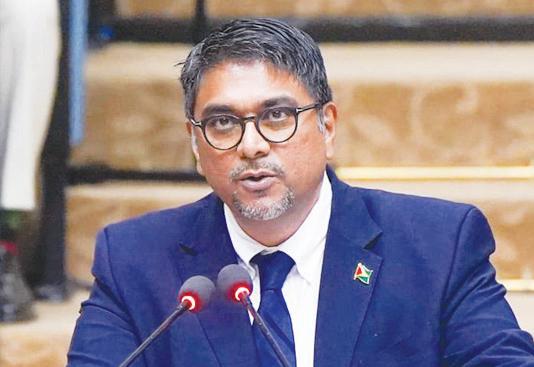
2 illegal guns found, 3 arrested in Police operations

EPA expands “Nah Dutty De Place” campaign with seawall outreach

Rupununi man busted with ganja



The Berbice Bridge will be closed to vehicular traffic on: Monday, May 4 –05:15h-06:45h and Tuesday, May 5 – 05:45h-07:15h.


Parika and Supenaam departure times – 05:00h, 10:00h-12:00h, 16:00h, 18:30h daily.




Thundery to light rain showers are expected throughout the day and into the night. Temperatures are expected to range between 23 degrees Celsius and 30 degrees Celsius.
Winds: East-North-Easterly between 3.58 metres and 5.81 metres.
High Tide: 18:00h reaching a maximum height of 2.47 metres.
Low Tide: 11:35h and 23:43h reaching minimum heights of 0.57 metre and 0.78 metre.










Guyana will be presenting the first round of oral arguments on the merits of its case today before the International Court of Justice (ICJ), which has been petitioned to settle the longstanding border controversy with neighbouring Venezuela.
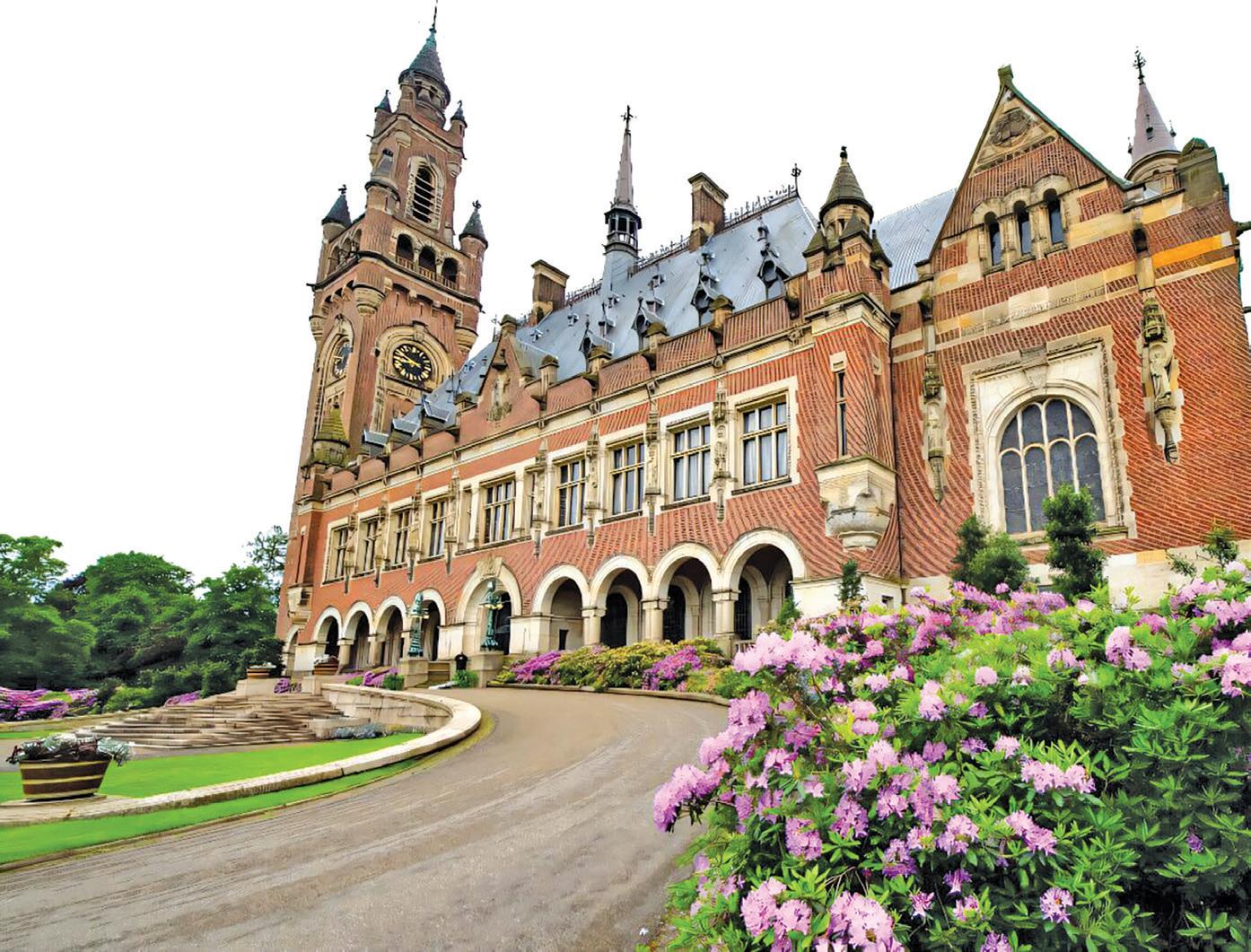
The week-long hearings, which are devoted to the merits of the case, will run from Monday, May 4, to Monday, May 11, 2026, at the Peace Palace in The Hague, Netherlands – the seat of the World Court.
When the hearing commences on today, Guyana’s legal team will deliver the first round of oral arguments from 10:00h to 13:00h (Guyana time: 04:00h to 07:00h) and continue from 15:00h until 18:00h (Guyana time: 09:00h to 12:00h).
Venezuela will then present its first round of oral arguments on Wednesday (May 6) during the same timeframe.
Guyana will again lead the second round of oral arguments on Friday (May 8), beginning at 15:00h until 18:00h (Guyana time: 09:00h to 12:00h). Similarly, Venezuela will present its second round of oral arguments on May 11, within the same three-hour period.
The hearings will be streamed live and on demand (VOD), in English and French, on the Court’s website, in the section of the Journal of the United Nations (UN) dedicated to the ICJ and on UN Web TV.
Full confidence
In a recent statement ahead of these hearings, the Foreign Affairs and International Cooperation Ministry in Georgetown expressed confidence in Guyana’s submissions to the ICJ this week.
“Guyana approaches these hearings with full confidence in the strength of its case, which is supported by the historical record and the applicable legal principles relating to the binding nature of arbitral awards, the sanctity of treaties, respect for the rule of law and the stability of boundaries,” the Foreign Ministry said in a statement on Friday.
On March 29, 2018, Guyana filed an application instituting proceedings against Venezuela concerning the legal validity and binding effect of the 1899 Arbitral Award regarding the boundary between the then Colony of British
Guiana and the United States of Venezuela.
Guyana brought the case to the ICJ to confirm the validity of the internationally recognised boundary, which was determined by the Award and by a 1905 boundary agreement with Venezuela that adhered strictly to the unanimous decision rendered by the Arbitral Tribunal.
The ICJ has already affirmed its jurisdiction to hear this case twice, in judgements issued on December 18, 2020, and April 6, 2023.
The Court has also had to issue two orders, both indicating provisional measures, which Guyana had requested, to prevent Venezuela from interfering with Guyana’s lawful control and administration of the territory that is the subject of the controversy while the judicial proceedings are still pending.
The written phase of the case concluded last year after Guyana filed two written pleadings on the merits of the case and Venezuela also filed two, the last being in August 2025. Over the next week, both sides will present oral arguments on the merits of their respective cases before the ICJ’s deliberations and issuance of its final judgement, which will be binding on both countries under international law.
Guyana has declared its steadfast commitment
to the peaceful resolution of this border controversy with Venezuela in accordance with international law through the World Court.
Earlier this year, Foreign Affairs and International Cooperation Minister Hugh Todd had said that Guyana is confident in the case presented to the World Court and is expecting a favourable ruling likely sometime this year.
“You’ve seen the performance of the legal team over the last several years. And I think you are confident also in the team, as we are confident. I think we have a very strong team, and we are very focused. But of course, we have to remain cautious. But we are very confident that we will have a ruling in our favour,” Todd told reporters on January 22.
Venezuela is claiming more than two-thirds of Guyana’s landmass, the entire Essequibo region and a portion of Guyana’s Exclusive Economic Zone (EEZ), where over 11 billion barrels of oil equivalent (boe) have been found and production as well as other exploration activities are currently being undertaken offshore Guyana.
In furtherance of its spurious claims, the Spanishspeaking nation has been heightening its aggression over the years towards Guyana despite the case pending before the ICJ,
which had even had to issue two sets of provisional measures to restrain Venezuela and ease rising tensions between the two South American neighbours.
While some experts believed that the January 3, 2026 capture of Nicolás Maduro in Caracas by the United States (US) would see that aggression wane, there have been renewed provocations by acting Venezuelan President, Delcy Rodríguez.
Only earlier this week, President Dr Irfaan Ali was forced to write to Caricom Chairman and Prime Minister (PM) of St Kitts and Nevis, Dr Terrence Drew, formally objecting to Rodríguez’s public display of a map that falsely portrays Guyana’s Essequibo region as part of Venezuela during official engagements within Caricom member states.
Rodríguez, during a recent official visit to Barbados, wore a brooch with a map of Venezuela that includes Guyana’s Essequibo region. Rodríguez wore a similar brooch during her earlier state visit to Grenada.
In the Tuesday, April 28 letter, President Ali pointed out that “Caricom’s principled support for Guyana must be reflected not only in declarations but also in the context and conduct of official engagements.”



Editor: Tusika Martin
News Hotline: 231-8063 Editorial: 231-0544, 223-7230, 223-7231, 225-7761
Marketing: 231-8064 Accounts: 225-6707
Mailing address: Queens Atlantic Industrial Estate Industrial Site, Ruimveldt, Georgetown
Email: news@guyanatimesgy.com, marketing@guyanatimesgy.com
Today, the International Court of Justice (ICJ) – also called the World Court – will be taking oral arguments on the controversy Venezuela raised over our common boundary that had been settled by the 1899 Arbitral Award that described its decision as a “full, perfect and final settlement”. Both sides will be offering legal reasons why they should prevail. It is quite important to understand that Venezuela is contending the Award is not “final”: it is the threshold issue they will have to overcome. Overall, it is very unlikely they can prevail because the proof demanded for such legal decision based on the ICJ’s precedents is simply not there.
The usual threshold issue of courts – here the ICJ – having the necessary jurisdiction to adjudicate the controversy has already been addressed by the court after Venezuela had insisted that the Geneva Agreement – reached in 1966 by Venezuela, the then British Guiana and the colonial power Britain – did not confer such jurisdiction. In its decision announced on December 18, 2020, the Court painstakingly adumbrated the rationale for its decision and, inter alia, demolished the Venezuelan arguments insisting there be a “negotiated settlement” rather than a judicial one.
Our argument on the 1966 Geneva Agreement is careful and legally disciplined by stating that while it acknowledges Venezuela’s claim exists, it does not declare the 1899 Award invalid. All it did was create a mechanism to resolve the controversy, not a reset of the boundary. The ICJ agreed with us that all of the stipulations on the Geneva Agreement had been complied with and they ineluctably and conclusively led to it assuming jurisdiction. This neutralised Venezuela’s best procedural argument and their repetition of this argument at this stage will not lead to a reversal of that decision and may even weaken their credibility if overemphasised.
Our case for holding the 1899 Arbitral Award to be valid and binding is ironclad for several reasons – all based on the Court’s own precedents. Firstly, the award was a formal international arbitration, accepted at the time by Venezuela and for the subsequent five decades: their formal legal challenge was not made until the 1960s. Based on the ICJ’s precedents, States are expected to protest early and consistently if they reject a boundary and silence or cooperation over time can amount to acquiescence.
Our core argument that the 1899 Arbitral Award is valid and binding is very powerful since it explicitly declared the boundary to be a “full, perfect, and final settlement” and international law strongly protects the finality of arbitral decisions. For Venezuela to defeat this, it must prove either serious fraud or a fundamental procedural breakdown. While it has made these claims, it is an exceptionally high bar, and historically the ICJ almost never overturns old awards on that basis since the stability and finality of borders aligns with its historical precedents. For stability in global relations there is a need for legal certainty leading to the Court’s avoidance of reopening settled boundaries if old awards are undone. So we are not just arguing facts, but aligning ourselves with a systemwide interest of international law. On this ground, our case is about as strong as a territorial claim gets in international law.
Another argument we have made that adds to the strength of our case is what ICJ’s doctrine call our effectivités, exercised by us for over a hundred years over Essequibo. “The term describes the fact of the intentional exercise of jurisdiction or State functions in a given territory independently of the right to do so, namely of the question of the holder of the title. Thus, the effectivités are not per se “title” but an element of fact that may be confirmatory of “title”, or which even in certain circumstances and in accordance with certain conditions provided for by international law, may be conducive to the acquisition of “title” administration of the case.
In summary, unlike Venezuela, we have made a clean and narrow legal request to confirm the validity of the 1899 award and the existing boundary. This is strategically strong and plays directly into the ICJ’s strengths to apply law to a defined instrument and avoiding open-ended political balancing.

By Brian anderson
Artificial intelligence is no longer a speculative concept relegated to the future or in 80s sci-fi movies. It has weaselled its way into our daily lives, embedded within the laptops and phones we use to navigate our education. The time for technological apprehension has passed. We must pivot from fear to strategic integration, establishing robust frameworks that harness AI as a catalyst for learning, without sacrificing the fundamental ability to think critically for ourselves.
This is a watershed moment for education in the Caribbean. While the latest Caribbean Examinations Council (CXC) guidelines demonstrate a commendable effort to keep pace with a rapidly-shifting global landscape, they also introduce unprecedented risks that demand immediate, transparent discourse.
For decades, our educational paradigms have been hyper-fixated on the final grade, often at the expense of genuine comprehension. We strongly endorse the CXC s newly-implemented AI Scale Levels, specifically levels two and three for School-Based Assessments (SBAs), because they rightfully transition the focus from the polished final product to the cognitive journey.
The mandate for an appendix of prompts is a wondrous play in academic integrity. By requiring students to document the exact parameters of their interactions with AI, the CXC is demanding methodological transparency. Students can no longer merely present an answer; they must explain how they got to such an answer. This eradicates the fa ade of superficial knowledge. If a student cannot express themselves in a way that shows they would have grasped an understanding of a topic, then they have not earned the academic credit. We welcome this rigour; it rewards genuine intellectual labour.
I think artificial intelligence is used a lot by students every day, but I remain deeply concerned about its unfiltered application in the classroom. School must remain a sanctuary where AI supplements, rather than replaces, the rigorous work of true comprehension. AI is a brilliant tool for organisation, a catalyst
for learning, and a springboard for ideation. However, we must draw a hard line to ensure it remains strictly a tool to aid us, and nothing more, said Denise Bell, chairperson of the Student AI Task Force.
Despite these positive steps, a glaring vulnerability remains, and that is the immense fallibility of AI detection software. Our most pressing concern is the disenfranchisement of honest students due to machine error. Current detectors frequently generate false positives, punishing students simply because their original work is highly articulate or structurally complex. It is a gross injustice for a student s academic future to be jeopardised, or hard work summarily dismissed on the unverified whim of an algorithm, especially for something as important as an SBA.
We firmly believe that the CXC must utilise these detectors merely as diagnostics, not as fact. A machine must never possess the unilateral authority to dictate a student s future without rigorous human intervention.
To address the current chaos of AI validation we strongly recommend reducing the reliance on a fragmented array of AI humanisers and detection tools to a single, unified verification standard. Minimising this diversification will streamline the quota for verification, ensuring that all students are judged by the same, transparent metric rather than a confusing patchwork of third-party software.
When we cannot implicitly trust the equity of machines, we must default to trusting ourselves. This is why we champion a new standard for CXC, which empowers students to defend their submissions orally. If an algorithmic detector flags a piece of work, the singular standard for verification must be a viva voce, an opportunity for the student to explain their methodology directly to an examiner.
We have conducted several consultations with a wide range of students, and a recurring concern was that their SBAs are being flagged for AI use, even when they insist they completed the work independently. This is deeply troubling to me, as there are even instances in which students have entered their own names into detection tools, and it would
have flagged them for usage of AI.
Students also feel pressured to deliberately dumb down their work to avoid being flagged. This not only discourages genuine effort, but honestly undermines the overall integrity of the learning process, which contradicts the purpose of implementing AI detectors into SBA marking in the first place.
A step forward would be the implementation of a selective scanning protocol to address the widespread issue of entire documents being indiscriminately flagged by AI detection tools. This means that specific sections such as tables of contents, bibliographies, appendices, and raw data sets are excluded from scans. These areas naturally contain structured and repetitive language that can trigger AI detection.
In addition, we suggest draft trailing , wherein students are tasked to maintain a log of their document history in platforms like Google Docs or Microsoft Word. This time-stamped record of edits and revisions serves as strong, verifiable evidence of the student s independent work and the natural development of their ideas over time.
Equally important is the introduction of a secondary review system to ensure that AI flags are not treated as final judgements. If a student s AI use exceeds a reasonable threshold, the subject teacher who is familiar with the student s writing style and academic ability should conduct a thorough review. Where necessary, students should also be allowed to orally defend their work, demonstrating their understanding of the content and the reasoning behind their responses. If a student can clearly explain their process, then the fundamental goal of learning has been achieved. Alongside this, schools must invest in improving teachers technical literacy by emphasising that AI detection tools are simply indicators and are not definitive proof. Training workshops and exposure to patterns in AI can help educators better understand the limitations of these systems, ultimately leading to fairer and more informed decision-making.
It is fundamentally concerning that there is no standard for verification when it comes to AI
verification, yet there are set statistics like 20 per cent and 30 per cent without actually knowing what those metrics are weighed against. If there is no verifiable standard then how is a student supposed to know what 20 per cent and 30 per cent of AI usage looks like? This creates a glaring issue of interpretation that has the potential to jeopardise an honest student s work. And at the end of the day the education system fails if it penalises a student for their own work, shared Asher Mundle, chairperson, Academic & Career Development Task Force.
Furthermore, we cannot discuss AI integration without confronting the glaring socio-economic realities of our region. Access to premium AI tools, subscriptions, and high-speed Internet is fiercely stratified. If the CXC and our regional governments fail to implement a comprehensive, universally accessible AI policy, we risk inadvertently engineering a tiered educational system, one where affluent students leverage technology to accelerate their success, while under-resourced students are systematically left behind.
We are demanding a policy that democratises access, providing every student with the resources and training necessary to utilise AI ethically and effectively. The integration of AI into our examinations requires utmost precision and a faithful commitment to fairness. The National Secondary Students Council proposes to CXC the immediate drafting of a Student AI Bill of Rights, a foundational document that explicitly guarantees a human review process and establishes a clear, unbiased appeals pathway for any student penalised for an AI-related discrepancy. We stand ready to learn, adapt, and master this technology. But we refuse to be evaluated, categorised, or dismissed by a machine completely devoid of contextual understanding. Our intelligence, our struggles, and our triumphs are distinctly human. Our grading systems must remain undeniably human, too. (Jamaica Observer)
(Brian Anderson is President of the National Secondary Students Council)
Dear Editor, The Leader of the Opposition’s call for price controls is not a serious cost-of-living strategy; it is a policy instrument that, by design, suppresses supply response and shifts scarcity into queues, rationing, or informal markets. In small, open economies—where a material share of the consumption basket is imported and pass-through is driven by freight, FX, and external price cycles—administratively capping prices does not eliminate cost; it redistributes it and usually amplifies it through shortages and risk premia.
The mistake is to treat inflation as a purely domestic markup problem that can be solved with a minis-
terial directive. Guyana has faced the same global conditions affecting prices everywhere—shipping volatility, imported food and fuel inflation, and supply-chain disruptions—yet the Government’s response has not been rhetorical; it has been fiscal and structural. Critically, the Opposition’s argument is offered without any accounting of the scale of the existing cost-of-living interventions already embedded in the fiscal framework.
The Fiscal Shield: quantifiable cost-of-living intervention
Let us examine the empirical anchor the Opposition omits. Across zero-rated and reduced taxes on fuel, price freezes and
subsidies in key utilities, and agricultural input support, the state is absorbing a significant portion of the consumer price shock—estimated at over G$500 billion annually through direct and indirect measures.
Measured against NonOil GDP of approximately G$1.6 trillion in 2025, this implies an intervention on the order of ~31% of the domestic economy. The mechanism matters: when the state compresses fuel-and-utility inputs and stabilises critical supply lines, it lowers delivered costs across transport, farming, processing, and retail— reducing second-round inflation and protecting real incomes without collapsing supply incentives. Price
controls, by contrast, attempt to force an outcome at the shelf while leaving cost drivers unchanged, which is why they reliably translate into shortages rather than affordability.
From Administered Prices to Equilibrium Prices: Seven Drivers of Lower Structural Costs
The real solution is not to cap prices ex post; it is to lower unit costs ex ante by expanding productive capacity, improving logistics reliability, and removing large household expenditure burdens through targeted social policy. Put differently: equilibrium prices are achieved when supply expands and productivity rises faster than demand— especially in a fast-growing
Dear Editor, Minister within the Office of the Prime Minister, Kwame McCoy, with major responsibilities in Public Affairs Management, for the People’s Progressive Party/Civic Government, rightfully denounced the latest RSF Report, saying that “I have taken note of the recent ‘false assertions’ made by Reporters Without Borders, regarding the state of media freedom in Guyana, and unequivocally reject the report in its entirety as ‘deeply flawed, misleading, and rooted in outdated and unsupported assumptions.” This made me stop and think, as, after reading the report, I realised quickly that the Minister was ‘well within’ his right to ‘broadside the whole thing, the document, as well as those involved in presenting it.
First, I have a few comments regarding RSF (the French abbreviation really), as this body has questionable integrity, if not for its methodology, for sure, at least one of its leading personnel. For example, going back to July 2020, turmoil erupted over Founder Robert Ménard, the current mayor of Béziers. This ‘character’ is well-known for his highly questionable and controversial, ‘security-focused’ policies and for using the town, Béziers, as what is called a “laboratory” for far-right initiatives. I ask readers to get a grasp of what are ‘farright’ initiatives and to see why, when we used the
‘white supremacist,’ tag for Ménard, it aptly fits. It is well-established that he has been fined for ‘inciting hatred regarding comments on Muslim children in schools and has faced criticism for policies on immigrants. Some of his actions included arming the municipal police, launching controversial poster campaigns, and challenging local school demographics.
This biased man is congenitally flawed and I cannot associate anything of integrity and veracity with him.
Let me add a word now on the WPFI (World Press Freedom Index), as this table seeks to assess the ‘degree of freedom’ available to journalists, news organizations, and netizens in each country, along with the extent of governmental efforts to respect and uphold this freedom. However, it specifically ‘focuses on press freedom’ and does not evaluate the quality of journalism or broader human rights conditions in the countries assessed.
I emphatically declare that there is no fear in Guyana, even when a supposed news outlet is in perpetual anti-governmental fabrication mode. So indeed, Mr. McCoy was right when he took note of “… the recent false assertions made by Reporters Without Borders regarding the state of media freedom in Guyana and (thus he) unequivocally rejected the report in its entirety, as deeply flawed, mislead-
ing, and rooted in outdated and unsupported assumptions.”
Editor, let me comment briefly on what is termed ‘Judicial Harassment’ since the RSF and the GPA (Guyana Press Association) have highlighted the use of massive defamation lawsuits, such as a GYD 600 million suit against ‘journalist’ Leroy Smith, that they describe as a “chilling” tactic. Face facts, since ‘fact finding’ is the essence here. Then how about in mid-2016, when then Minister of State, Joseph Harmon slapped Kaieteur News with a letter for its coverage of stories relating to his China trip and role in the matter between the Guyana Revenue Authority and the BaiShanLin. The newspaper was given a 24-hour ultimatum within which it had to apologize, offer a retraction of the stories, pay a stipulated sum to an identified organization, or face a libel suit.
I can go on and on interminably, but suffice to say, Guyana, even if a hostile debate unfolds, remains fear-free when issues unfold, amidst even when the
most propagandistic ‘supposed’ pursuer of truth is at work, as in the case of Travis Chase.
Travis Chase was most cordially accommodated by Attorney General, Anil Nandlall, when the People’s Progressive Party/C was in opposition. This was during the ‘attempted stealing’ of the 2020 Guyana Elections.
Shocked am I that RSF speaks of Chase and Smith. By the way, Kaieteur News has an outstanding record of ‘backing down’ and ‘apologies.’ So, without rehashing the Minister’s eloquent and ‘crystal clear ’response and his debunking of the latest report, I too call on RSF to ‘clean up’ and ensure that “… analyses are balanced, fact-based, and reflective of current realities, rather than shaped by selective narratives that do not withstand scrutiny.” Guyana does stand firm in its commitment to a free, independent, and responsible media. PPP/C is leading the way and this will continue to be its mantra.
Yours truly,
Raymond Anderson

economy facing capacity absorption constraints. In this regard, the relevant framework is structural, not administrative, and it rests on seven linked pillars:
1. Energy (cost base of the economy): With a G$119.4 billion allocation in the 2026 Budget, the Gasto-Energy Project targets a material reduction in electricity tariffs (often cited at ~50%). Lower power costs compress the cost curve for cold storage, agro-processing, manufacturing, and services—improving firm margins, enabling reinvestment, and reducing the pass-through embedded in final consumer prices.
2. Infrastructure and logistics (market access and delivered cost): The G$196.1 billion (Budget 2026) investment in roads, bridges, and ports is not cosmetic capex; it is a competitiveness lever. Weak logistics reliability increases inventory buffers, raises working-capital costs, elevates spoilage, and widens retail markups. Improved connectivity reduces the delivered cost of food and essential goods while expanding the feasible market for domestic producers.
3. Climate-resilient agriculture (supply stability): The G$113.2 billion (Budget 2026) allocation
to Agriculture—particularly drainage and irrigation upgrades—targets the core source of food-price volatility: output instability. When rainfall and flooding shocks reduce harvests, unit costs rise and imports fill the gap at higher landed prices. More resilient systems increase production reliability, reduce fiscal leakage to emergency imports, and stabilise food prices through time.
4. Food security land expansion (scale of domestic supply): As a matter of policy, the Government is moving to unlock an additional 100,000 acres of agricultural land to advance the food security agenda. This is not a marginal adjustment: with roughly 1.04 million acres of total agricultural land and only about 32% currently in cultivation, opening up 100,000 acres adds approximately ~10 percentage points—taking cultivated land toward ~42%. The causation chain is direct: more cultivated acreage increases domestic output potential, reduces import dependence and landed-cost exposure, and dampens food-price volatility by stabilising supply through time.
Sincerely, Joel
Bhagwandin




By Mervyn Morris
Your mouth contorting in brief spite and hurt, your laughter metamorphosed into howls, your frame so recently relaxed now tight with three year old frustration, your bright eyes swimming tears, splashing your bare feet, you stand there angling for a moment’s hint of guilt or sorrow for the quick slap struck.
The ogre towers above you, that grim giant, empty of feeling, a colossal cruel, soon victim of the tale’s conclusion, dead at last. You hate him, you imagine chopping clean the tree he’s scrambling down or plotting deeper pits to trap him in.
You cannot understand, not yet, the hurt your easy tears can scald him with, nor guess the wavering hidden behind that mask. This fierce man longs to lift you, curb your sadness with piggy-back or bull fight, anything, but dare not ruin the lessons you should learn.
Questions
1.What type of poem is it? What is it all about? How did you know what it was about? Which figure of speech dominates?


Industrial activity across Guyana will be catapulted into a never-before-seen scale when the highly-anticipated the Gasto-Energy (GtE) Project comes onstream, bringing a stable and clean energy supply while slashing the current high cost of electricity in the country by half.
Located at Wales, West Coast Demerara, the GtE project comprises a 300-megawatt (MW) combined cycle power plant and a Natural Gas Liquids (NGL) facility, utilising natural gas that will be piped onshore from oil operation activities in the Stabroek Block offshore Guyana.
Already, some 250 kilometres of 12-inch pipelines have been laid to bring the rich gas onshore. This first phase, however, will only utilise 40 per cent of the pipeline’s capacity. As such, the Government is moving ahead with Phase Two to utilise the remaining 60 per cent capacity of the pipeline for a second 300-MW power plant and NGL facility right at the Wales location.
With this addition of a combined 600 MW of electricity to the national grid – the first 300 MW expected by this yearend, Senior Minister with Responsibility for Finance Dr Ashni Singh says the foundation is being laid for massive industrialization in the country.
“The electricity that will be generated in Wales lays the foundation for industrial activity on a scale like we’ve never seen before. You’re go-

ing to have the NGL plant. You’re going to have the capability for us to start fertilizer manufacturing. You’re going to have the capability for us potentially to have other manufacturers. You’re going to have the capability for us to have our first data center,” Dr Singh stated during the latest episode of the Starting Point podcast.
Only last November, Guyana signed a Memorandum of Understanding (MoU) with United States-based Cerebras Systems to build and operate a state-of-theart artificial intelligence (AI) data centre of up to 100 megawatts (MW) at Wales.
Second gas pipe
According to the finance minister, the Gas-to-Energy project will trigger many other similar initiatives. This, he went onto explain, will be further scale up when the second gas project in Berbice comes onstream.
In order to fully monetise
the country rich gas resources offshore, the Guyana Government is eyeing the development of a second gas project in Region Six (East Berbice-Corentyne) to support large-scale industrial growth with facilities such as power plants, data centres and alumina plants, among other heavy industries. This project, which will see a second much larger pipeline installed from offshore, will be separate from the Wales project.
Already, a number of international companies have expressed interest in processing Guyanese bauxite into alumina at the Berbice gas project, while talks have been ongoing for the emergence of a petrochemical industry there.
Investors’ confidence
In fact, Minister Singh pointed out that the international investment community is already seeing Guyana as an attractive destination, not just in oil and gas though
A27-year-old man of Better Hope, East Coast Demerara, is currently hospitalised with a gunshot injury to his leg during a shootout with police ranks.
The incident occurred at about 21:00h on Saturday at Vryheid’s Lust, ECD.
Based on police reports, ranks in Regional Division 4 ‘C’ (ECD) received a report about a man, who was allegedly walking in the area with a firearm in his possession.
Acting on the information, the police proceeded to Vryheid’s Lust. However, upon seeing the ranks, the man allegedly pulled out a handgun and discharged several rounds in the direction of the police, after which ranks returned fire.
Police said on Sunday that the suspect then fled in a southern direction and ranks gave chase before apprehending him in a nearby yard after he scaled several fences.

The firearm that was found on the injured suspect
A search conducted on the suspect, leading to the discovery of a black .32 CZ firearm.

some of the industry giants have already established a presence here. Similarly, he noted that domestic investors are even more confident in participating in Guyana’s unprecedented economic transformation.
“We could go through every single sector and you’ll see the overwhelming reality that not only do foreign investors see in Guyana, one of the most attractive destinations…to put their investment dollars, if not the most attractive… but more and more Guyanese investors and entrepreneurs are also seeing Guyana as the most attractive place to live, invest [and] work,” Dr Singh emphasised.
Citing even more exciting times ahead with limitless and boundless opportunities, the finance minister is urging Guyanese citizens to prepare themselves to
take advantage of them.
Ready for opportunities
“I would advise every single Guyanese person, particularly young people, get the skills now, upskill yourself now. Get trained and retrained and up-trained. If you haven’t completed high school, get a high school diploma under the GOAL Scholarship Programme. If you’ve completed your high school or you have a high school diploma, try to get a diploma or a degree or go to a technical institute and get a certification. If you’ve completed one, get another certification and get some experience and start to work. Build your portfolio of qualifications and experience now,” he stressed.
According to Singh, the President Dr Irfaan Aliled People’s Progressive Party/Civic (PPP/C) Administration has put the
mechanisms in place for Guyanese citizens to get qualified. These include the Guyana Online Academy of Learning scholarship initiative, free tertiary education at the University of Guyana (UG) and the technical training at a number of facilities across the country.
“It’s all free. And it’s not, again, it’s not free by accident because President Ali has said every single Guyanese person of working age must be equipped and able to get a good quality job and earn a good quality income. That’s why we’ve made it free. Because we know what is coming down the road in terms of job opportunities and entrepreneurial opportunities. And this is the time for the Guyanese people to get themselves ready for those opportunities,” Minister Singh stated.
The man was arrested and escorted to the Sparendaam Police Station along with the firearm, where his hands were swabbed for gunpowder residue.
He was subsequently escorted to the Georgetown Public Hospital Corporation to seek medical attention for a gunshot injury to his right leg. He is presently hospitalised under police guard.



On Venezuela’s oral argument today at ICJ on Essequibo – where do you even begin? It’s the legal equivalent of showing up a century late to a dinner party, eating half the leftovers, and then insisting the original menu was fraudulent!!
Let’s start with the centrepiece: the Arbitral Award of 3 October 1899. This wasn’t some backroom sketch on a napkin – it was a formal international arbitration involving multiple powers, accepted at the time, and explicitly declared a “full, perfect, and final settlement”!! Our argument is basically: we’re just using the map everyone agreed to. Venezuela’s counter? “Actually, we’ve decided – decades later – that it was all a conspiracy”!! Disingenuous!! Also, not how international law works.
‘Cause here’s the rub: you don’t get to retroactively annul history because it aged poorly. The ICJ has a well-known bias – toward not blowing up settled borders!! If every country could resurrect colonial-era grievances with a dramatic flourish and a few allegations of “imperial trickery”, the global map would look like a child’s finger painting!!
Then there’s the timeline!! For SIX decades after 1899, Caracas more or less went along with the boundary. No sustained legal revolt, no immediate cries of fraud – just quiet acceptance. And then, just when we’re heading toward independence, suddenly the award becomes “illegitimate”!! That’s not principled legal objection; that’s buyer’s remorse with a geopolitical twist!!
The Geneva Agreement of 1966 gets wheeled out next, like a legal deus ex machina. Venezuela treats it as a reset button – aha! the dispute lives again! Except… it never says the 1899 award’s invalid. It just acknowledges that Venezuela whines there’s a problem and sets up a mechanism to deal with it!! And after decades of “good offices”, etc, went nowhere, the matter ended up at the ICJ – as per the Agreement!! Funny how that works, eh??
And Venezuela’s historical argument? That Essequibo was once part of Spanish Venezuela? By that logic, half the world should be filing territorial claims based on maps drawn when powdered wigs were still in fashion!! International law moved on from that for a reason: stability beats nostalgia!!
Perhaps the most unintentionally revealing move is Venezuela’s persistent insistence that the Court shouldn’t even decide the case – despite losing that argument already!! A party confident in its legal position usually doesn’t spend this much energy trying to avoid a verdict. So what’s left? A narrative heavy on “we-wuz-robbed”, light on evidence, and allergic to inconvenient chronology!! We, meanwhile, are doing something almost boring: pointing to a binding legal instrument, decades of acceptance, and the basic principle that borders aren’t a choose-your-own-adventure!!
Venezuela’s claim boils down to: the rules were unfair, so we’d like a do-over!! The ICJ’s likely response? That ain’t how this game is played!!
…at Arrival Day
Well, tomorrow is “Arrival Day”!! On May 5, 1838 two ships – the Whitby and the Hesperus – arrived off Port Georgetown bearing their human cargo from the other side of the world in India. They were joining Portuguese from Madeira who’d arrived three years before on May 3, 1835 and to be followed by the Chinese who’d land on Jan 12, 1853. They were all brought as “indentureds” – to labour on the sugar plantations after African slavery had been abolished on Aug 1, 1834!!
Most of this is very well known, of course, but what’s stubbornly – and deliberately –- wiped out of our national remembrance is there were a very large number of Africans – from both the West Indies and Africa – were also brought in as indentureds!! Overall, while 239,756 Indians were brought, 75,792 returned to India after serving their term.
In comparison, almost sixty thousand Africans from WI and Africa joined the approximately 88,000 enslaved Africans who’d been freed.
Happy African Arrival Day??
…at sugar workers’ travail
Your Eyewitness has been reading about the US$10 BILLION settlement in a class action against Bayer – the owner of Monsanto – for their weedicide Roundup causing cancer!!
Well, GuySuCo’s been using Roundup since the 1980s. Can sugar workers collect??




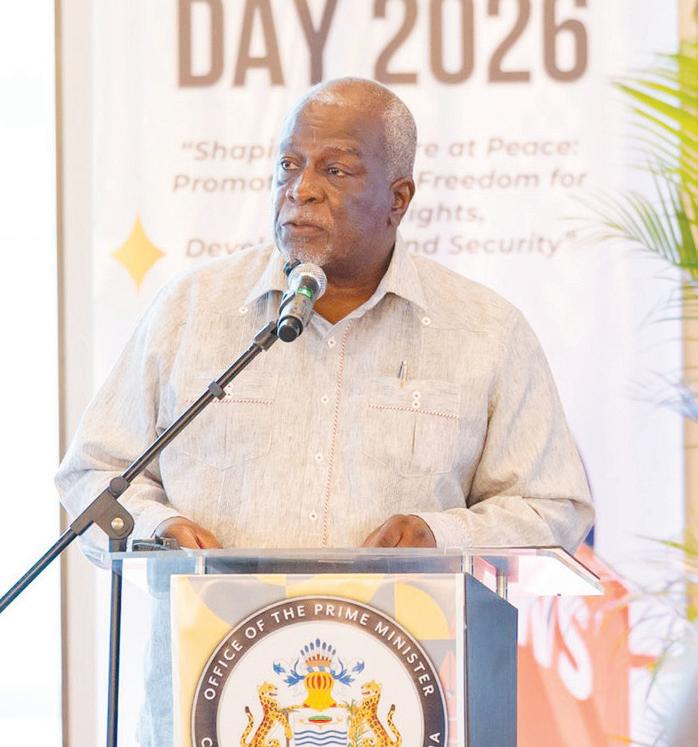
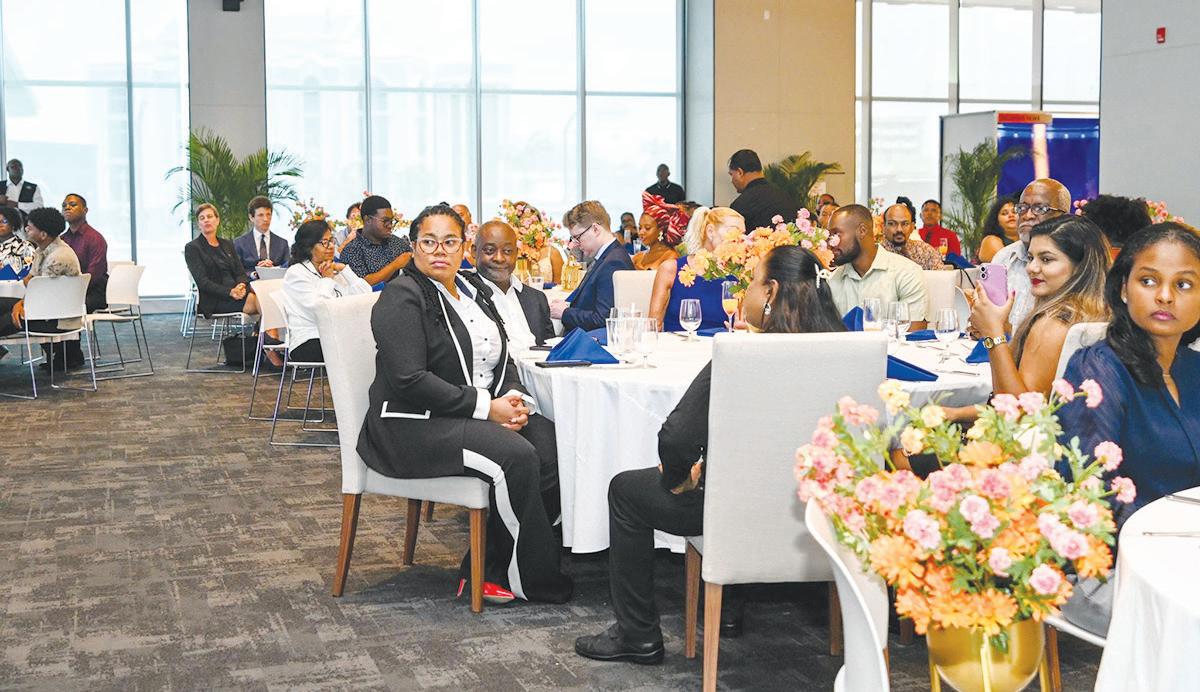
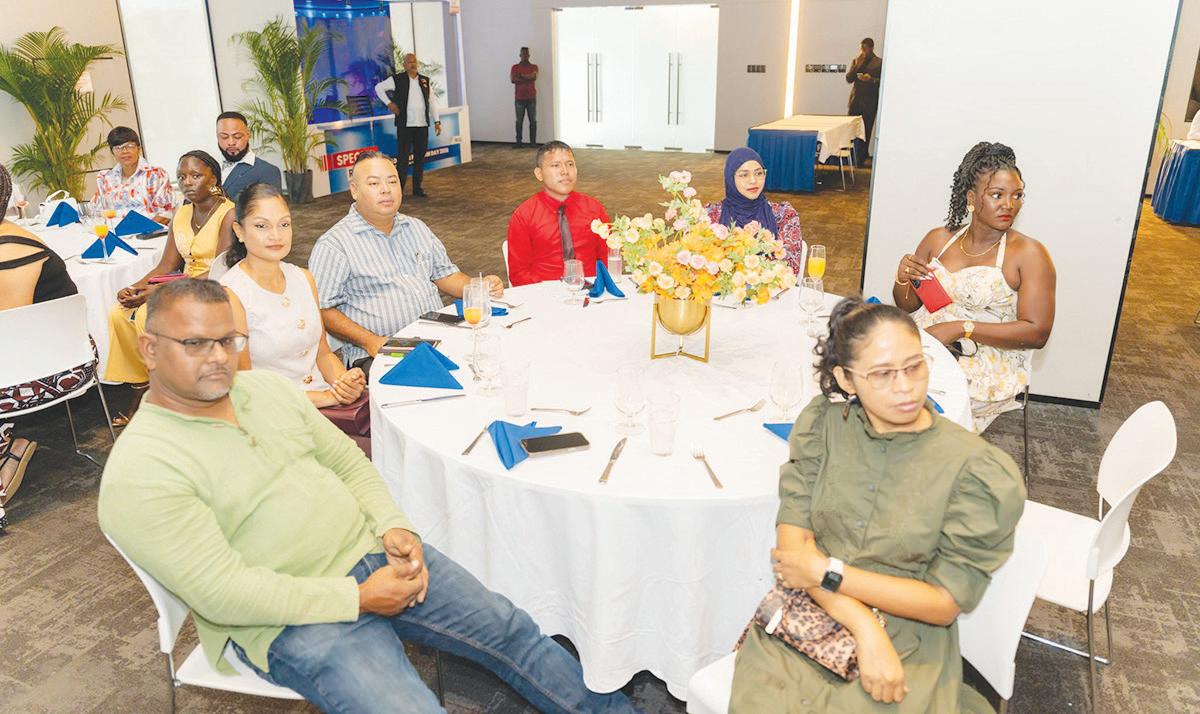
Prime Minister Mark Phillips on Sunday warned that misinformation, disinformation, and emerging technologies such as artificial intelligence are placing increasing pressure on the media to uphold professional standards, as Guyana marked World Press Freedom Day 2026.
Speaking at a media appreciation luncheon at the Pegasus Hotel, Phillips said the evolving digital landscape is forcing journalists to navigate new complexities while maintaining credibility and public trust.
“The relationship between government and media must continue to evolve, fostering constructive engagement guided by mutual respect and a commitment to national development,” he said.

The prime minister noted that the modern media environment is increasingly shaped by rapid technological change and the widespread circulation of false information, which he said demands greater responsibility from media practitioners.
“The credibility of the press, and by extension, the quality of public discourse, depends on adherence to standards of accuracy, fairness, and integrity,” Phillips stressed.
He cautioned that the tension between speed and accuracy is becoming more pronounced, particularly as digital platforms and artificial intelligence tools accelerate the production and dissemination of content.
“Freedom of expression is a cornerstone of democratic life, but its strength lies in its responsible exercise,” he said. He also noted that press freedom must be matched with accountability.
Phillips also pointed out that the influence of the media extends far beyond reporting, impacting how citizens understand national
mation reaching the public is both timely and reliable, especially in an era where misinformation can spread rapidly and undermine trust.
He said maintaining that trust requires consistent adherence to professional stan-
issues and engage with each other.
“The Fourth Estate’s influence extends beyond reporting into shaping public consciousness, enabling accountability, and safeguarding public interest,” he noted.
The Prime Minister further highlighted the importance of ensuring that infor-
dards, even as the industry faces financial and technological pressures.
Enabling environment
From a policy perspective, Phillips reaffirmed Government’s role in creating an enabling environment for the media sector to thrive,
while also strengthening institutional capacity.
He pointed to ongoing investment in training through the Guyana Media and Communication Academy, noting that such initiatives are equipping journalists with the skills needed to operate in a rapidly evolving global information landscape.
“The Government… will continue to ensure that the environment in which the media operates supports excellence, integrity and freedom,” he said.
Phillips also addressed international press freedom assessments, including those produced by Reporters Without Borders, acknowledging their relevance while cautioning that they may not always fully reflect national realities.
He said this underscores the need for ongoing dialogue to ensure that such evaluations are understood within the proper context. Looking ahead, the Prime Minister emphasised that the media will continue to play a defining role in Guyana’s development, particularly as the country navigates new opportunities and challenges.
“As Guyana enters its next chapter beyond 60 years of Independence, the media will remain central to shaping our collective future,” he said.
World Press Freedom Day is observed annually on May 3 to highlight the importance of a free and independent press and to assess the state of media freedom worldwide.

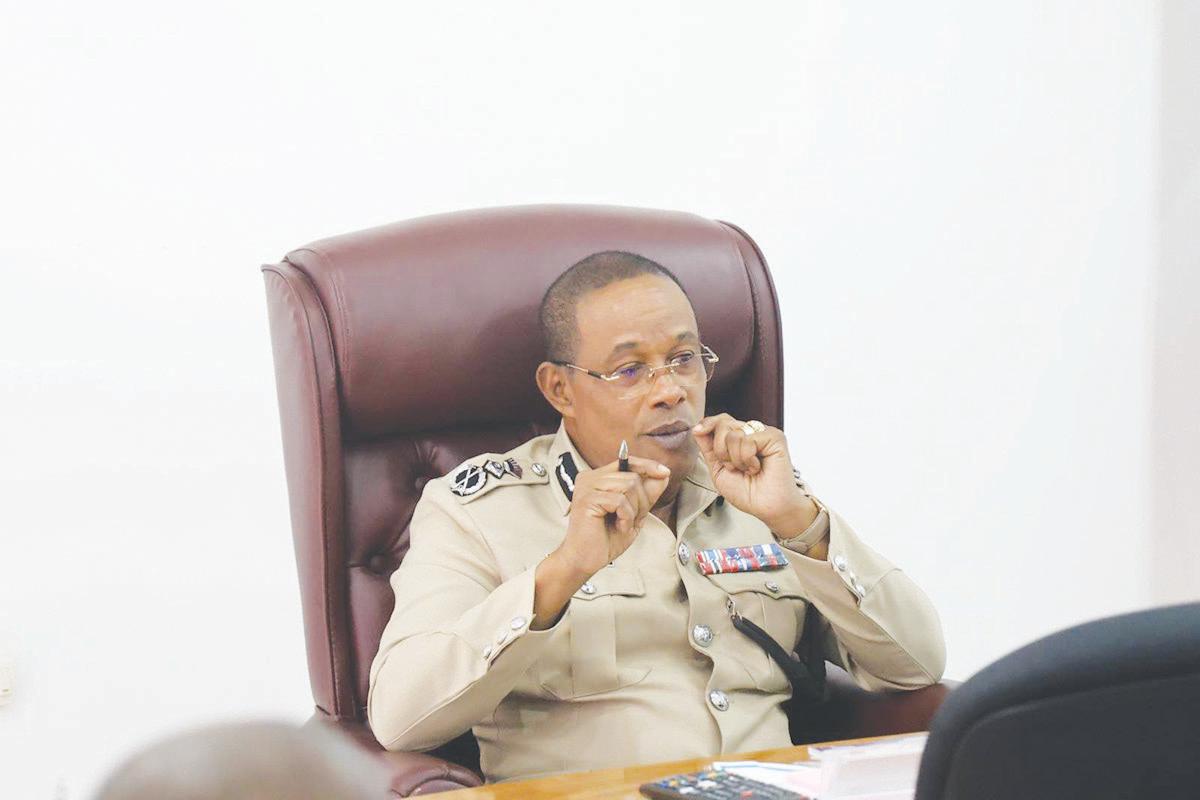
The Guyana Police Force (GPF) has said that it has recorded declines in several categories of serious crime, as intensified operations and technology-driven policing continue to help law enforcement efforts across the country.
Police Commissioner Clifton Hicken, on Episode 1 of Police Round Up on Sunday, disclosed that key offences, including murder, armed robbery and rape, have decreased, even as the Force expands its use of intelligence-led strategies and surveillance systems.
“We’re experiencing serious crime in the country, and that’s a problem,” Hicken acknowledged, while outlining measur-
Police Commissioner Clifton Hicken
able progress. According to the Commissioner, murders have declined by 18 per cent, armed robberies by seven per cent, rape by 49 per cent, and break-and-enter and larceny by 15 per cent.
He further revealed
that law enforcement has seized 51 firearms. The Commissioner attributed much of the progress to intelligence-led policing and the expansion of command centres equipped with surveillance technology. “Our suc-
cesses came from most of it… from the command centres in terms of electronic cameras and the rest of it,” Hicken said, noting that the initiative has evolved from a “safe city” concept to a broader national security framework. He pointed to a recent incident in Georgetown where real-time monitoring allowed ranks to intervene and prevent a robbery before it was carried out. “If something occurs, we are going to sweep down on it right away. It’s a prevention,” he stated. The top cop also highlighted targeted responses to specific crime patterns, including robberies at Chinese-owned businesses. He said police have since strengthened patrol strategies and integrat-
ed these establishments into broader security planning.
“We have dissected the Chinese establishments in all the regions… and that should stem the robbery,” he explained. Beyond enforcement, Hicken underscored the importance of public cooperation, describing community involvement as critical to crime prevention. “If you see something, say something, because sometimes one piece of information is the difference between risk and resolution,” he urged.
To strengthen ties with citizens, the Force has expanded its Community Relations Department and decentralised operations to ensure greater presence within communities. Additional
initiatives, including sports outreach programmes led by a dedicated development officer, are also being rolled out to foster engagement, particularly among young people.
The Commissioner maintained that professionalism within the Force remains a priority, warning that ranks who act outside established policies will face criminal charges. “We’re not going to behave unprofessional… anybody outside of the standing orders and policy is going to be charged criminally before the court,” he said. Looking ahead, Hicken expressed confidence that ongoing measures could result in a 25 to 30 per cent reduction in serious crime within the coming months.
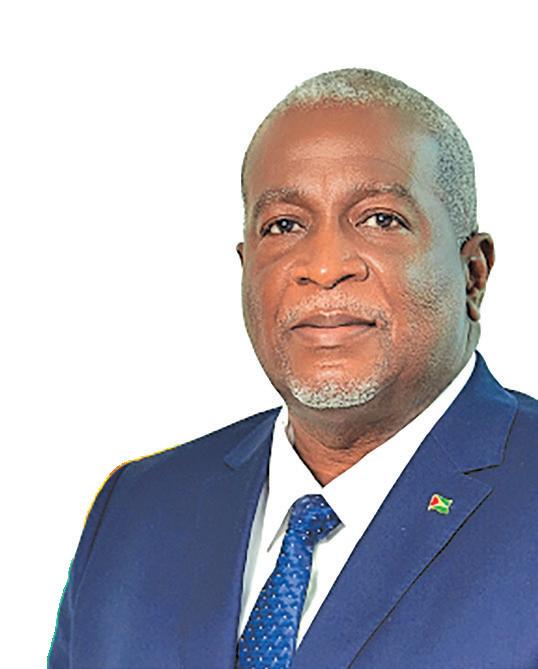
Concerns are mounting within legal circles that an increasing reliance on procedural rules in the courts of Guyana is undermining access to justice, with attorney-at-law Sanjeev Datadin warning that litigants are being denied fair hearings due to strict adherence to technical requirements.
The attorney, speaking on recent developments in civil litigation at a recent trialogue on procedural rigidity within the legal system, pointed to interventions by the Caribbean Court of Justice (CCJ), where matters were remitted to lower courts with clear guidance that cases must be determined on their substantive merits rather than procedural defects.
“The case was to be judged on its merit and not on a technical fault,” the attorney said, referencing a ruling that has reignited debate over how justice is administered locally.
According to the attorney, who is also a People’s Progressive Party/ Civic (PPP/C) Member of Parliament, there is a growing trend in which courts place “far too much weight on procedural rules rather than merits,” resulting in outcomes where individuals are effectively shut out of the judicial process for failing to meet strict timelines.
He explained that under current practice, litigants who fail to file documents such as a defence within the prescribed time can face default judgment, regardless of the strength of their case.
“If you don’t file your defence in time, default judgment is given. But if the man comes to court and he’s late and he says, ‘look, this is my defence,’ he should not be shut out,” the attor-
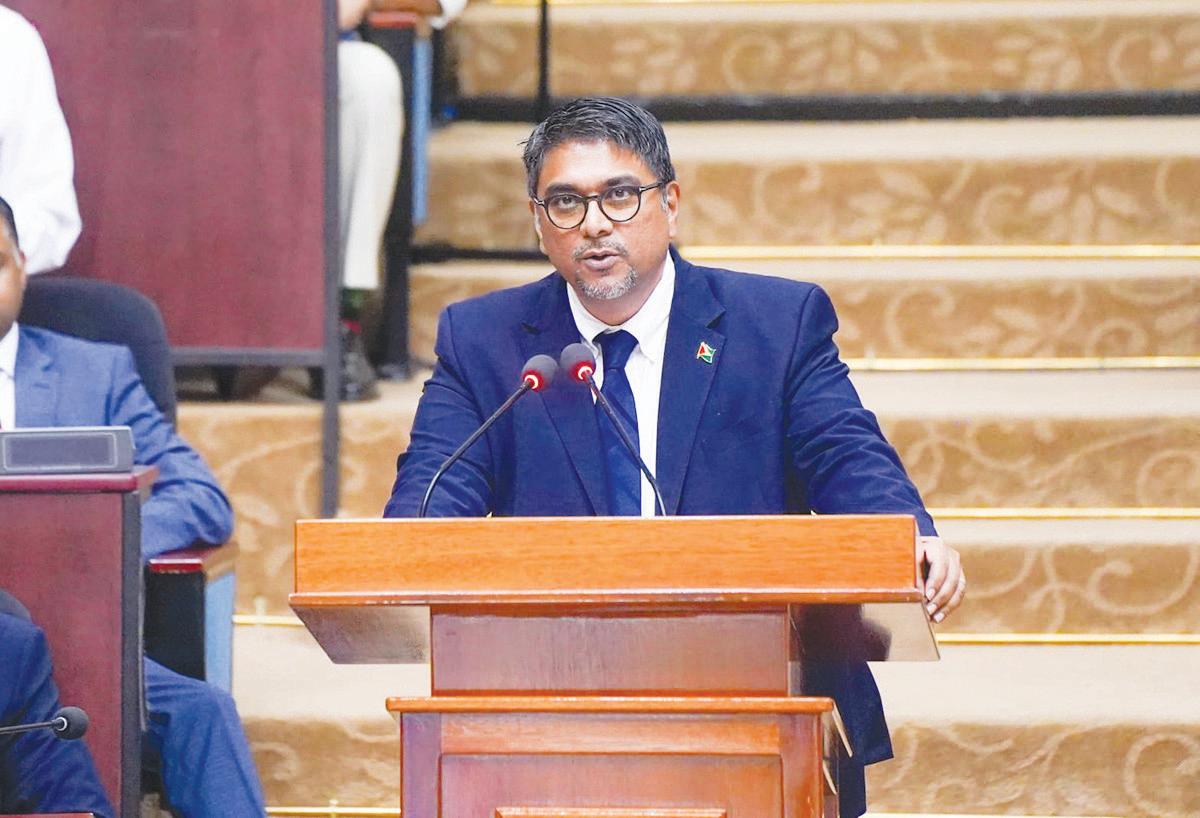
ney contended during a social media programe which was aired live.
Instead, he said that the courts should seek to balance efficiency with fairness by imposing costs for delays while still allowing matters to be heard on their merits.
“You can make an award for costs for the wasting of judicial time, but he should not be shut out,” the attorney said, adding that the overriding objective of the civil justice system is to ensure fairness, do justice, and allocate judicial time proportionately to the seriousness of cases.
Substance alongside procedural compliance
The issue is not unique to Guyana, the attorney noted, referencing rulings from both the CCJ and the Privy Council, which have emphasised that courts must consider the substance of claims alongside procedural compliance.
“The explanation as to why he is late is one part, but for you to do justice, you have to look at the merits of the claim,” he explained.
However, the attorney warned that an overemphasis on procedure could have far-reaching consequences beyond the courtroom, including eroding public trust
in the justice system.
“Procedural matters are going to put people with cutlasses on the road because they will be angry that they haven’t got justice,” he cautioned, underscoring the potential for frustration among litigants who feel unheard.
He stressed that in a civilised society, disputes are meant to be resolved through the courts, but this principle is weakened when individuals are denied the opportunity to present their cases.
“If the judge is not going to give you a chance to hear your case because you are late, then how do you feel satisfied?” the attorney questioned, pointing to the real-world implications for persons facing loss of property or adverse judgments.
The attorney further argued that the current system places “disproportionate weight” on procedural compliance, resulting in what he described as a justice process driven more by “form than substance.”
While acknowledging concerns among judges that relaxing procedural rules could prolong cases, he noted that existing mechanisms already allow for balanced enforcement. These include cost penalties and
conditional orders, commonly referred to as “unless orders”, which give litigants an opportunity to comply before facing dismissal or final judgment.
“There is a procedure that the courts should follow… you pay costs, then if you’re repeatedly delinquent, the court makes an unless order,” he explained.
He also pointed to systemic pressures contributing to the issue, including tight filing deadlines and heavy caseloads, which have resulted in a surge of applications for extensions of time.
“The bulk of judicial time now is wasted… the majority of things are by applications for extension of
time because the timelines are so short,” the attorney said, noting that many lawyers are managing multiple matters simultaneously.
Against this backdrop, the attorney called for a more balanced approach that prioritises fairness while maintaining efficiency within the justice system.


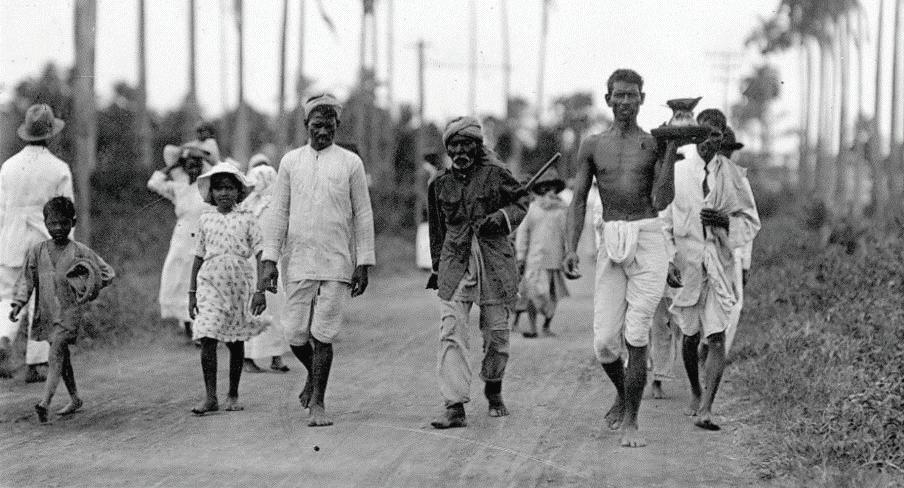
Guyanese will, on Tuesday, May 5, 2026, observe East Indian Arrival Day, an occasion commemorating the 188th anniversary of their arrival, when they brought with them their ancient customs, food, and culture from India.
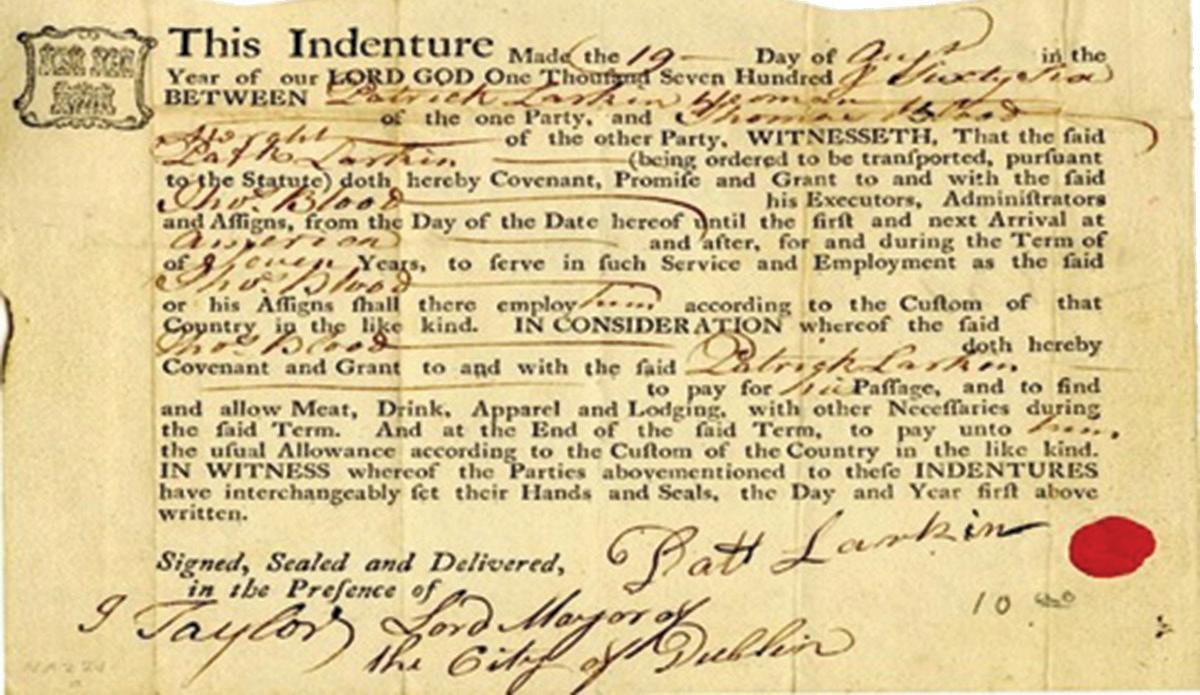
Under a system of agreement, an Order in Council of Britain was passed on July 12, 1838, making provision for indentured immigrants to travel to Guyana for a term of five years.
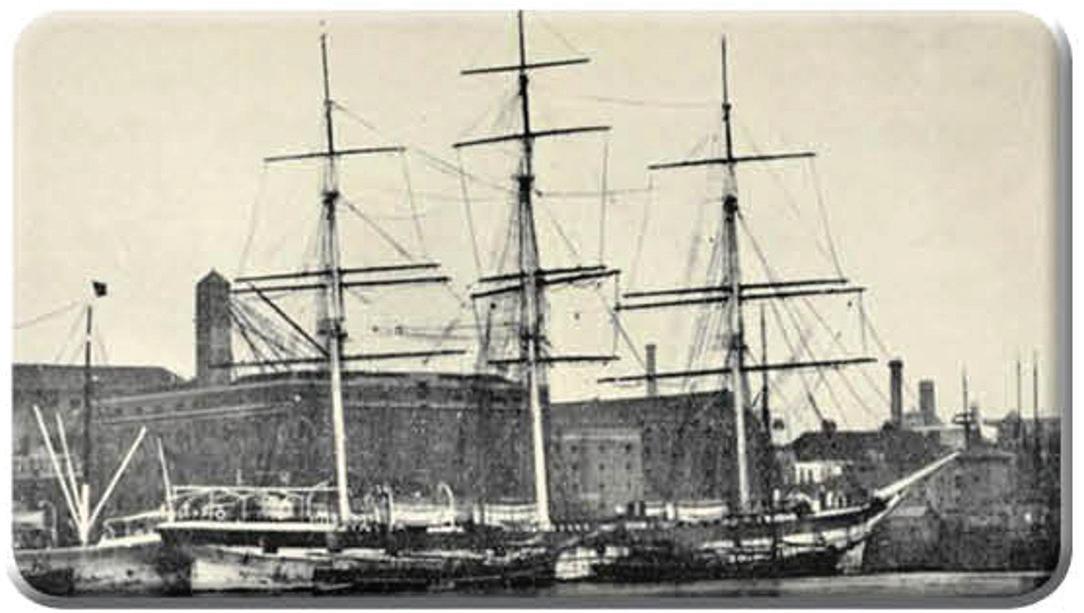
On January 13, 1838, the Whitby left the shores of India with 249 immigrants on board and arrived in
were children. The first man to step ashore in Berbice was Anant Ram, while in Demerara the first to disembark was Nutha Khan.
On January 29, 1838, the Hesperus sailed from Calcutta sixteen days after the Whitby with 165 persons on board. It arrived at Port Georgetown on the night of May 5, 1838. Thirteen immigrants died during the voyage, including two who fell overboard. Of the 152 immigrants who arrived on the Hesperus, 135 were men, six were women, and eleven were children.
On January 26, 1845, the Lord Hunger left Calcutta
lowed in succession by the Thetis, Tamerlane, Martin Luther, and Troy, then the John Wickliffe, the Bussorah Merchant, the Aurora, and the Lady McKinnaway. Lastly, the SS Ganges docked in Georgetown on April 18, 1917, bringing an end to that period. Over the course of 79 years, 238,979 indentured labourers journeyed from India to Guyana to work under colonial administration, and they were distributed across various locations along the coastland.
The plantation system and its conditions were extremely unfavorable. The
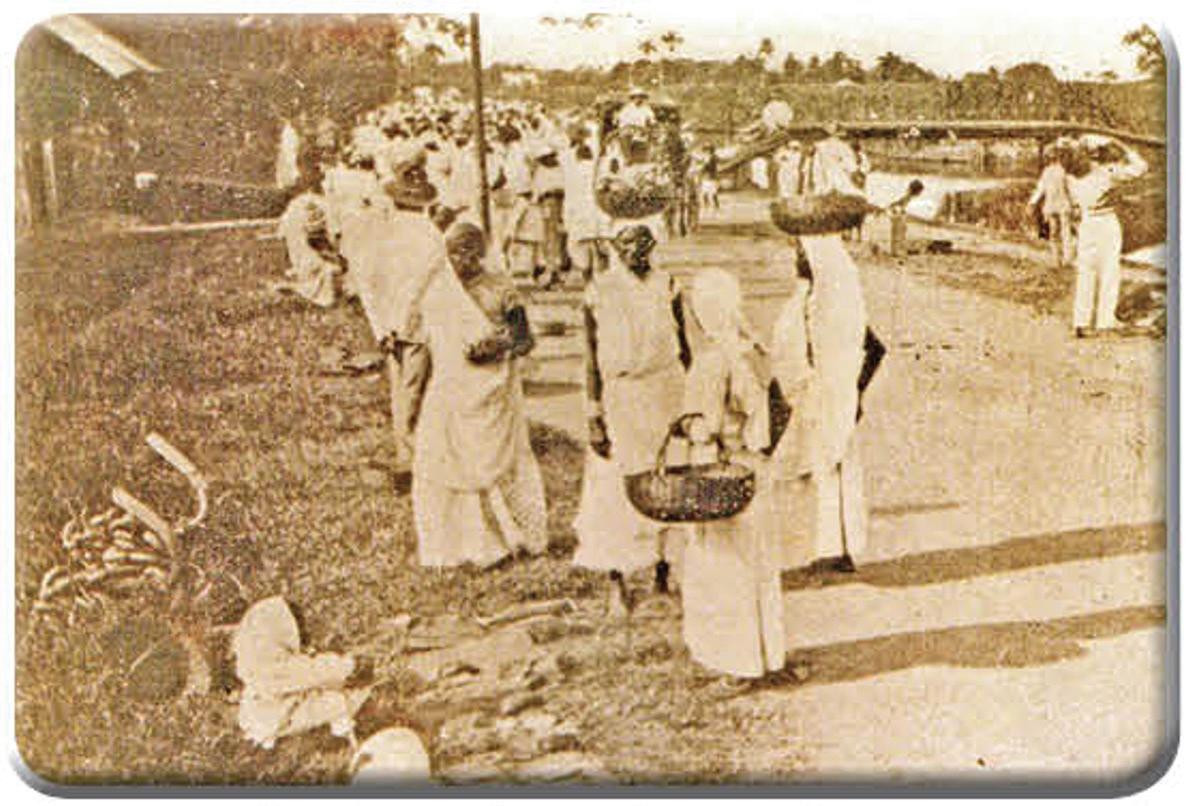
Guyana on May 5, 1838, after a voyage of 112 days, during which five immigrants died. The Whitby first proceeded to Berbice, where it landed 164 passengers at Hilbury on the East Bank of Berbice, nearly 12 miles from New Amsterdam. On the same day, it returned to Vreed-enHoop in West Demerara and landed 80 passengers. Of the 244 immigrants aboard the Whitby, 233 were men, five were women, and six
with 162 passengers and arrived in Georgetown on May 4, 1845, after ten persons died during the journey. The next ship was the Success, which arrived on July 21, 1845, with 231 passengers, of whom 14 died on the way. This was followed by the Nestor, which arrived on December 26, 1845, with 233 persons and also brought 500 bags of rice.
On February 2, 1846, the Manchester arrived, fol-
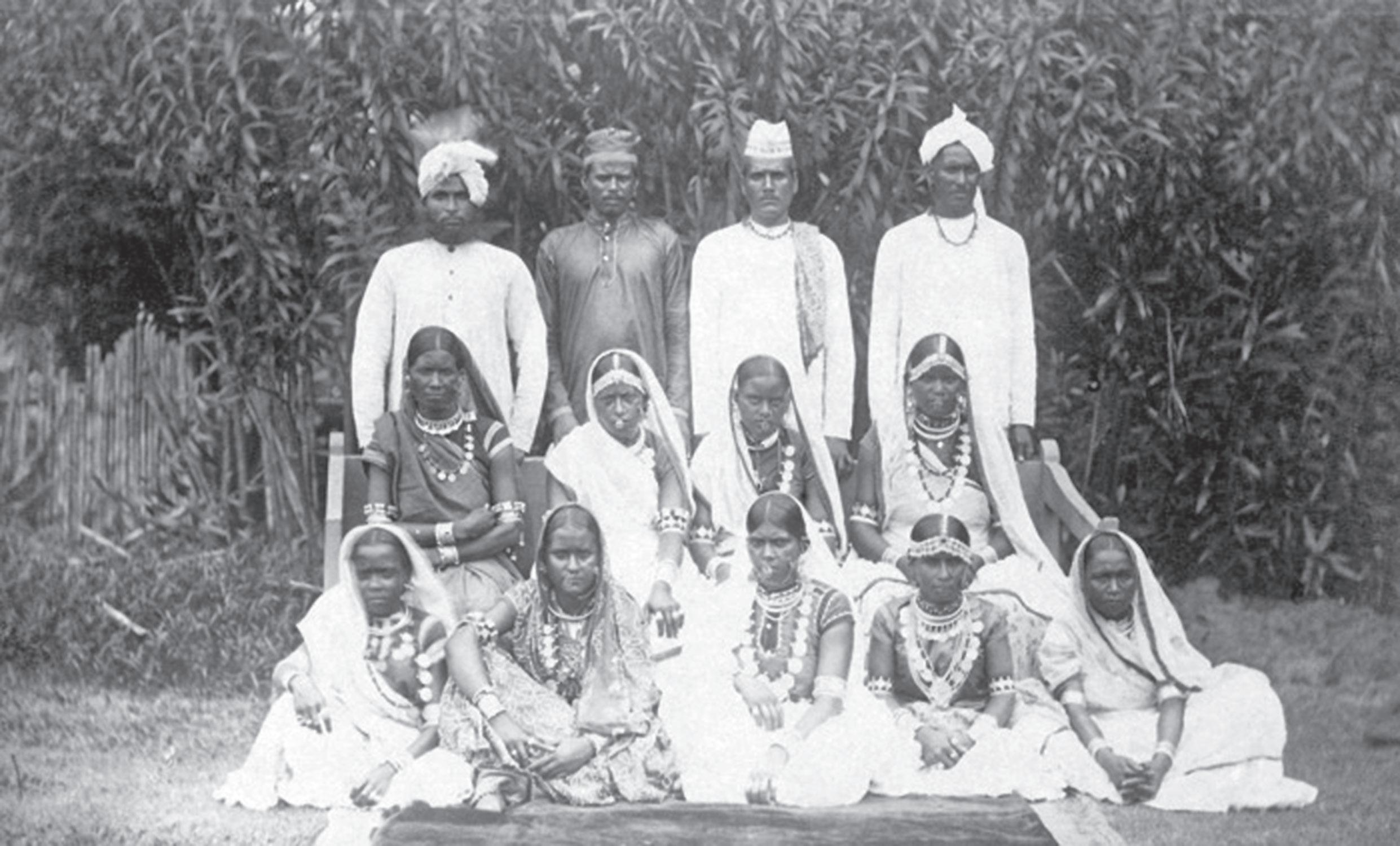
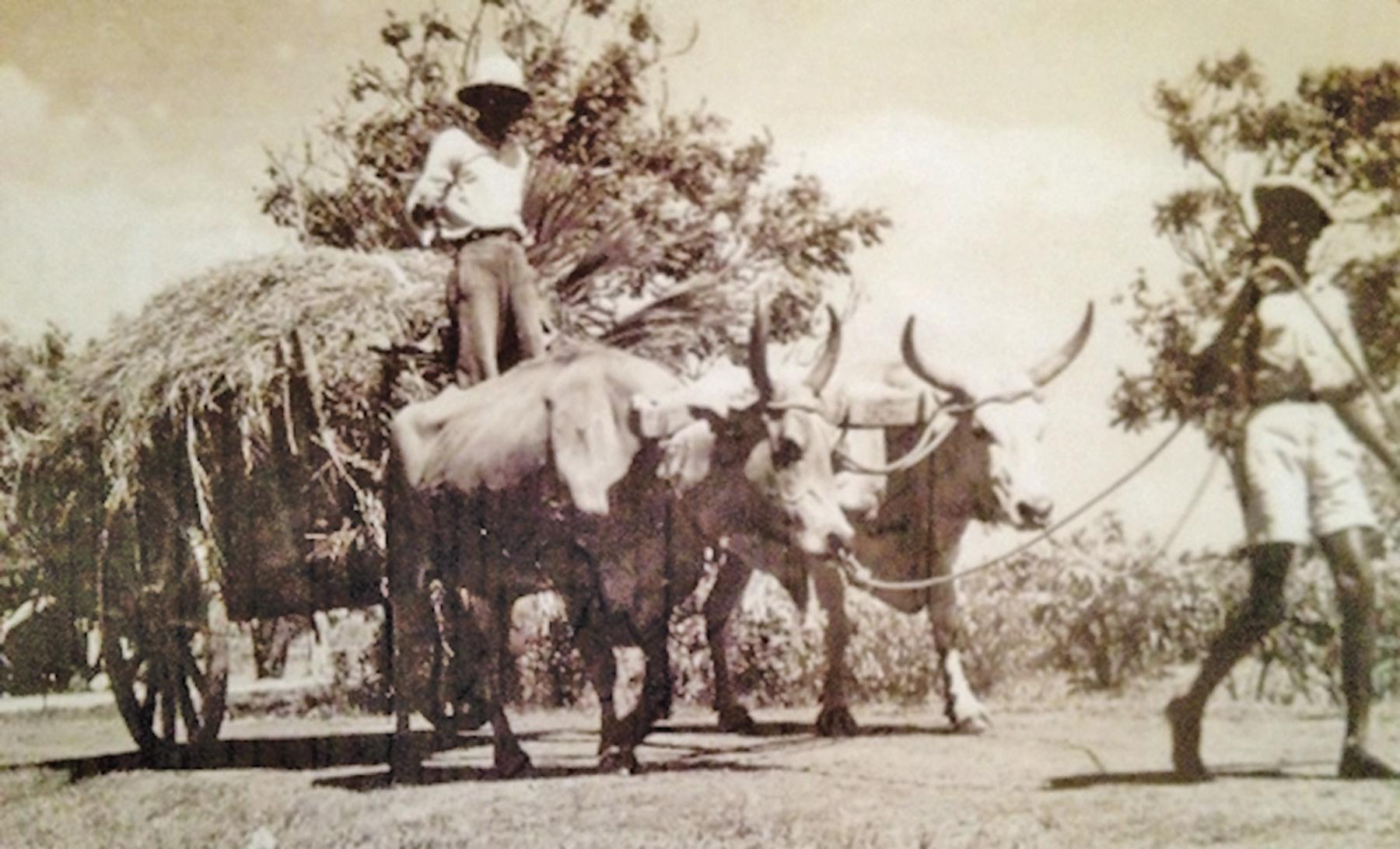
immigrants worked from sunrise to sunset and were paid so poorly that they could barely survive. They laboured intensely, providing luxurious living for their masters while enduring hardship themselves. Despite this, they brought with them a rich culture, heritage, and language. The indentured immigrants were disciplined and found satisfaction in honest, productive work. They were


kind, hospitable, and generous, and they lived contented lives while making tremendous sacrifices so that their descendants could enjoy a better standard of living. The foremost characteristic of the struggle of East Indian immigrants against the indenture and plantation system was their unity, which had been forged during their shipboard journeys. Those who traveled on the same ship considered each other “jahaji” (ship brothers and sisters). A further factor contributing to unity was their interfaith mindset, as the majority were Hindus and Muslims, along with the belief that the caste system had been lost through crossing the “Kala Pani” (Black Water). Over the years, this community spirit manifested in various ways, such as forming groups to sing the Ramayan and bhajans, reading the
ing mistreated. More significantly, uprisings frequently occurred, often leading to the tragic deaths of immigrant workers protesting illegal wages, poor conditions, and the exploitation of their
er’s house, after which salt pickle was rubbed onto their backs.
Records show that one out of every five immigrants was brought before the courts, not for criminal of-
women.
There were eight major disturbances on sugar plantations that led to shootings by colonial police, from Devonshire Castle in 1872 to Enmore in 1948. At Vreed-
fenses but for resisting the plantation system, which was supported by the judiciary and colonial administration. There were no trade unions until much later. East Indians have con-
Holy Quran, and observing festivals and holidays.
The plantation owners and colonial administration feared this unity and used several methods to undermine it. By January 1840, there was evidence that Indian labourers were be-
en-Hoop on the West Bank of Demerara, an English nurse, Betsy Ann, testified that she had witnessed immigrants being flogged with the cat-o’-nine-tails. Another witness, Elizabeth Caesar, stated that immigrants were flogged under the manag-
tributed significantly to building Guyana’s economic and social structures. It was their unity in principle and action that helped bring progress and success to the nation. (Adapted from an article by Shan Razak; 2013 Guyana Times newspaper.)

By the late Odeen Ishmael
The Immigration Ordinance enacted in 1891 regulated labour conditions on the sugar plantations. It was signed into law by the Governor after approval from the Court of Policy.
The ordinance provided for employment of indentured Indians by the task and by the day. Except for Sundays and holidays, a field worker was obliged to work for seven hours a day, while a factory worker's work day lasted for ten hours. Despite these new specifications, many sugar plantation owners kept their workers on the job for even longer hours but were not prosecuted for breaching the law.
The minimum wage was twenty-four cents per day for able bodied men, and less than sixteen cents for other workers who were not “able bodied”. This latter group included boys and women.
The payment for task work was supposed to be equivalent to that paid for day-work, but this did not generally occur. As such, some workers from time to time expressed their dissatisfaction to the plantation managers and to the immigration agents.
The ordinance also directed that if the task of a worker was not properly performed he could be punished by being fined or jailed. The punishment was a fine of five dollars or fourteen days imprisonment on the first conviction; this penalty was doubled for a second conviction. Absence from work was punished with a fine of ten dollars or one month in jail. However, workers who were ill were excused.
Other offences included drunkenness, wilful deceit
er was also restricted to the plantation. It was also illegal for him to work for anyone else. Actually, he could not leave the plantation unless he obtained permission from the owner. He was entitled to a pass for one day and night if he worked for two consecutive weeks. If he was absent without leave for more than seven days from the plantation, he was declared a deserter and a warrant was issued for his arrest.
There was an important exception to this rule. A pass was not required by worker if he was leaving the plantation to make a complaint to a magistrate or the office of the Immigration Agent-General. But in doing so, he could not leave in the company of more than four other indentured persons. This requirement was not always enforced and on many occasions larger groups left the plantations to lodge complaints about their treatment at the office of the Immigration Agent-General in Georgetown.
Based on the regulations
ever convicted even though their workers were housed in unsanitary and dilapidated living quarters which also offered them no privacy.
The Non Pareil Riot Indentured workers complained regularly that the ordinance imposed harsh penalties on them, and that it was imposed for the benefit of the plantation owners. These conditions resulted in a riot at Non Pareil (on East Coast Demerara) on 13 October 1896 after Indian indentured workers staged a strike. One of the strike leaders was Gooljar who originally was indentured in 1871, and after he completed his contract, he became a cloth seller, and worked with the police force. He returned to India in 1890, but came back to Guyana in 1894 as a re-indenture to the Non Pareil sugar plantation where his experience and leadership qualities won the respect of the other Indian indentured workers.
The strike itself stemmed from actions taken by a plant-
in the performance of work, and using insulting words or gestures to employers or anyone in authority. Serious offences included encouraging other indentured workers to refuse to work, and damaging employers' property. Punishment for these more serious acts was a fine of twenty-four dollars or imprisonment for two months.
The indentured labour-
of the 1891 ordinance, the Immigration Agent-General had to investigate the complaints of indentured workers and make rulings without any lengthy delays.
The ordinance of 1891 also instructed the employers to provide suitable housing for the workers and a fine could be levied if this was not done. Despite this, no plantation owner was
er who attempted to transfer to other plantations several Indian indentured workers whom he considered troublemakers. This arose after the workers protested against low wages and increased tasks at the plantation, and also the repeated sexual assaults on Indian women and girls by the White overseers. After they halted work, they went to the Immigration
Agent-General's office to complain. On their return, they were confronted by a party of police, commanded by Captain G. C. De Rinzy, widely regarded as one who generally applied violent
Indians. He himself was a relatively highly educated Bengali immigrant who was well versed in the English language. As an orphan, he was raised by Presbyterian missionary lady in Calcutta and had lived and worked with other missionaries as a copyist and domestic help. Though he was never educated in a school, he had been taught by his missionary guardian as a child and as he matured he developed a keen interest in English literature.
As an adult, he indentured himself to British Guiana and he was contracted on Plantation Enmore in 1894 where he worked in the house of the deputy manager until his indenture ended in 1897. In his first letter published in the Chronicle in November 1896, he condemned the White overseers' sexual exploitation of Indian females; refusal of estate hospitals to provide medical
of management-worker conflict and which resulted directly in the frequency of wife murders among Indians.
He opposed further immigration on the grounds that it was contrary to the interests of the indentured and free Indians in Guyana. As an alternative, he suggested Indian immigrants on the completion of their indenture, should be provided an incentive to settle in the country by providing them land instead of return passage to India.
His writings in the local newspapers drew sharp responses from the sugar planters some of who responded by writing rebuttal letters to the same newspapers. But these only acted to encourage him to respond with other letters to dissect their arguments.
Bechu eventually returned to India in 1901. Unfortunately, all the ex-
methods in curbing workers' protests. They attempted to arrest four of the men, but the crowd quickly prevented this action. The police, without reading the riot act, then opened fire on the crowd, killing five persons, including Jungali, who had earlier complained that his wife was abducted and raped by one of the overseers. Others who died were Kandhai, Chinahoo, Rogy and Mahabir. In addition, fifty-nine indentured workers were injured in the hail of police fire.
Bechu's criticisms of the indenture system
It was this massacre that spurred the indentured Indian, Bhoshunath Chattopadhyay (known as Bechu) to write letters for the next four and half years to the editors of the Chronicle and several newspapers in which he brilliantly championed the cause of the immigrant labourers. His letters sharply upset the planter class and on two occasions (1898 and 1899) he was prosecuted for libel, but divided juries could not find him guilty.
Buchu expressed opinions most forcefully against the severe working conditions and the penalties imposed on the indentured
treatment to un-indentured Indians; and the planters' frequent breaches of labour laws in order to impose their total control of the Indian indentured workers and their families.
So powerful was his condemnation of the indenture system that the West India Royal Commission, appointed by the British government to examine working and living conditions of the people in the British Caribbean, invited him to present evidence and a written submission to the four-member commission when it visited Guyana in early 1897.
In his submission to the Royal Commission, Bechu cited his own personal experience as an indentured worker, pointing out that the concept of equality embodied in the contract was never applied in practice nor were the specific provisions of the contract applied by the planters or enforced by the colonial government. Workers also were afraid to complain against the drivers and overseers because they feared being prosecuted on trumped up charges.
Bechu noted the rampant practice of concubinage and sexual exploitation of Indian women by overseers and managers which he explained was a serious source
posure of the ills of the indenture system by Bechu and subsequently by other Indians failed to move the authorities to apply remedies. For more than twenty-six years their demands for the immigration ordinance to be amended fell on deaf ears, and it was not until 1917 that the Court of Policy finally decided to amend this law. The Court of Policy, no doubt, was sensitive to the representations of the Indian government which expressed concerns over the treatment of indentured Indians in Guyana. In addition, the influential role of the anti-emigration movement in India, which was supported by Mohandas Gandhi, was instrumental in pressuring the colonial authorities to amend the ordinance.
The amended ordinance stipulated that criminal actions against indentured workers were abolished. Civil measures including repatriation to India, in extreme cases, were now to be applied. Penalties were drastically reduced and fines could not exceed onethird of the weekly wage. Imprisonment for labour offences was also abolished. (Extract from The Guyana Story by Odeen Ishmael)

Two separate operations conducted by the Guyana Police Force over the weekend have resulted in the discovery of two firearms and led to the arrest of three suspects.
At around 18:30h on Saturday, police ranks from Region Division 4 ‘C’ (East Coast Demerara) were on patrol in the vicinity of Granville Park, Beterverwagting Public Road, ECD, when they discovered a firearm and matching ammunition.
Enquiries revealed that patrol ranks stopped motorcycle CR 439, which was being driven by a 30-yearold man of Sparendaam Squatting Area, ECD. His documents were checked and found to be in force and a search was conducted on his person.
During the interaction, the suspect reportedly stat-

ed that he was a security officer attached to a business place at Beterverwagting, and that a firearm was with a colleague at his workplace.
The ranks then escorted him to the location, where a 34-year-old security officer was contacted. The second suspect then went to a fence area in front of the business
place and retrieved a 9mm Taurus pistol with 10 live rounds of ammunition in the magazine, which had been hidden between lumber and covered with a tarpaulin.
The two security guards were asked for their precepts and stated that they did not have them in their possession. They were then
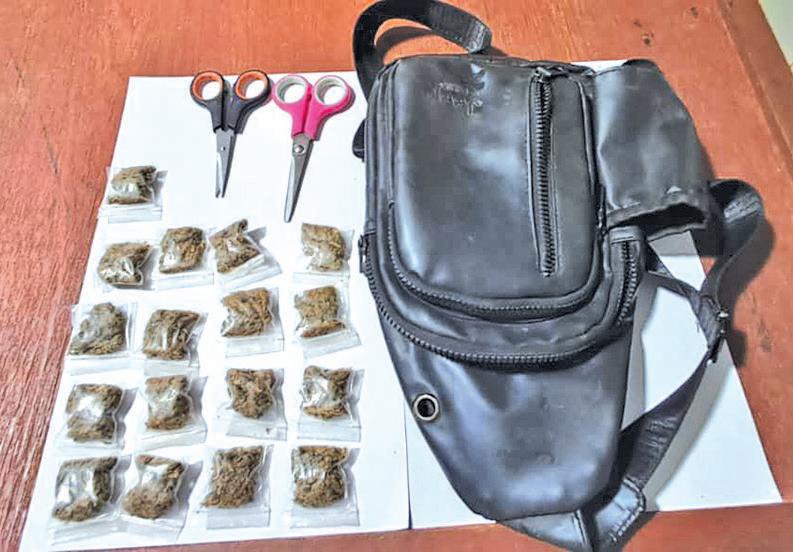
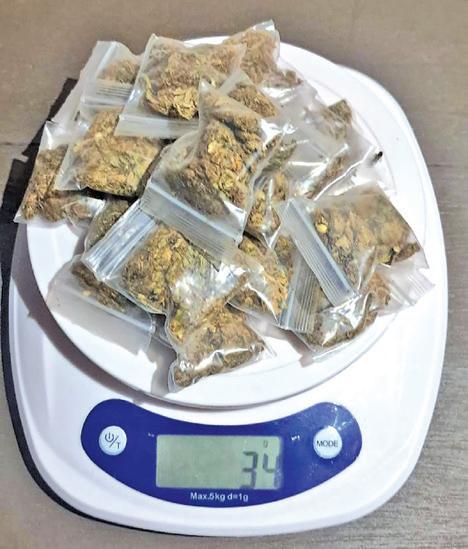
Police in Regional Division #9 (Upper Takutu-Upper Essequibo) have arrested a 20-year-old man after he was found in possession of a 34 grams of marijuana.
The discovery was made at around 19:00h on Saturday, during an operation conducted at Surama Village, North Rupununi.
During the exercise, ranks acting on information received contacted the suspect, who is also a resident of Surama Village. Searches were conducted on the young man including a side bag he was carrying at the time, during which 17 transparent ziplock plastic bags containing seeds, leaves and stems sus-
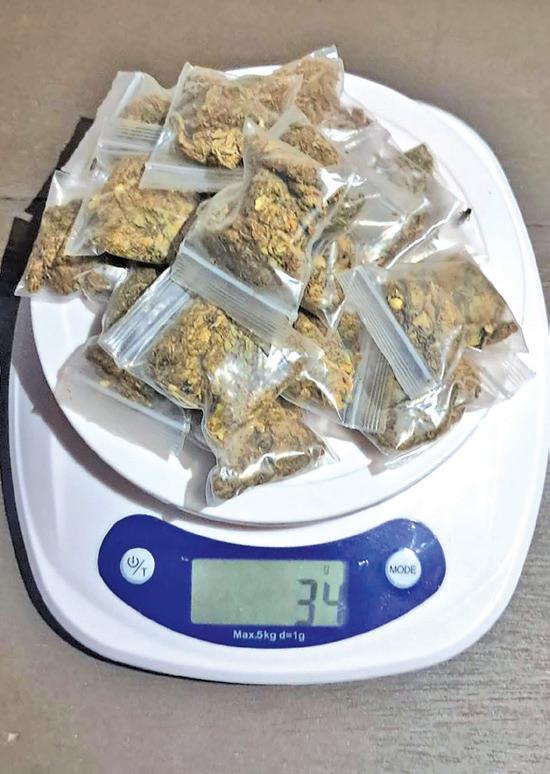
pected to be cannabis were found.
He was arrested and escorted to the Annai Police Station along with the suspected cannabis, which was weighed in his presence and amounted to 34 grams before being lodged.
The man remains in custody as investigations continue.
arrested. No firearm licence for the weapon had been produced as investigations continued.
They were then escorted to the Beterverwagting Police Station along with the firearm and ammunition, which were lodged pending investigation. Both suspects remain in police custody assisting with investigations.
Meanwhile, at about 20:00h on Saturday, ranks from Regional Division 4 ‘A’ (Georgetown) were on pa-
trol, when they received information regarding an individual with a suspected firearm.
Acting on the information, they proceeded to Regent and Light Streets, Georgetown, where they contacted a 26-yearold Venezuelan national of Light and Cummings Streets.
Upon seeing the police, the suspect allegedly attempted to remove what appeared to be a firearm from the right side of his pants
waist. A .38 revolver containing five spent .38 shells in the chamber, was immediately taken from him.
The suspect was asked if he was the holder of a valid firearm licence and stated that he was not. He was then arrested and escorted to the Alberttown Police Station along with the suspected firearm which was lodged pending investigation.
The suspects remain in police custody assisting with investigations.
Guyana’s emergence as a global economic powerhouse is the result of decades of deliberate policymaking, not simply the discovery of oil.
In fact, the country’s transformation from a “bankrupt” state in the late 1980s to the world’s fastest-growing economy was driven by sustained reforms under successive People’s Progressive Party/Civic (PPP/C) administrations.
Senior Minister in the Office of the President with responsibility for Finance, Dr Ashni Singh, made the statement while appearing on the Starting Point Podcast on Sunday.
“We did not get here by accident,” he stated. “We got here by hard work,” the minister is quoted as saying in a DPI report.
Singh explained that following 1992, the PPP/C Government focused on re-
storing democracy, rebuilding state institutions, and achieving fiscal solvency through structural reforms and international partnerships.
Guyana’s engagement with institutions such as the International Monetary Fund (IMF) and the World Bank has evolved significantly, from seeking financial assistance to now contributing to global economic discussions and policy direction.
In addition, Guyana is a major contributor to regional growth and commands increasing respect internationally, with its economic performance consistently outperforming global and hemispheric projections.
The senior minister said the country’s success is underpinned by strong macroeconomic management, a stable policy framework, and efforts to create an at-
tractive investment climate long before oil production began.
He pointed to growing international interest in Guyana as a destination for investment and as a source of policy insight, noting that global partners are now actively seeking the country’s perspectives on major economic and development issues.
Further, he emphasised Guyana’s expanding leadership role on the global stage, including its prominence in the oil and gas sector and its pioneering work in climate initiatives such as carbon credit markets and the Low Carbon Development Strategy (LCDS). These achievements demonstrate that small states can succeed and lead. It also positions Guyana as a model for economic transformation and sustainable development.


As World Press Freedom Day 2026 is observed, Minister within the Office of the Prime Minister (OPM) Kwame McCoy, has reaffirmed the Government’s commitment to safeguarding press freedom, while urging responsible journalism as Guyana marks its 60th year of independence. Speaking to the media fraternity in a video message, McCoy said this year’s observance, themed, “Shaping a Future at Peace: Promoting Press Freedom for Human Rights, Development and Security,” is particularly significant as it coincides with the country’s diamond
jubilee of independence. “This milestone invites us to reflect not only on how far we have come as a people, but also on the institutions that have helped to change, safeguard, and strengthen our democracy,” McCoy stated while identifying the media as the fourth estate that has consistently documented national progress and held power to account. The Minister underscored that press freedom in Guyana “is not an abstract ideal,” but a “lived reality” supported by governance structures that enable the “free, responsible and unfettered operation of the media across all platforms.” According to McCoy, the Government remains resolute in ensuring that this environment continues, pointing to ongoing investments in media development. He highlighted the work of the Guyana Media and Communication Academy, which he said plays a critical role in training persons in journalism and strengthening capacity within the sector. “The academy continues to equip media practitioners with the competencies required to navigate an increasingly complex and rapidly evolv-
ing information landscape,” he said.
He further noted that such efforts are vital for maintaining the integrity and credibility of public discourse. McCoy also referenced Guyana’s participation in the Media Freedom Coalition, through which the country collaborates with international partners to promote journalist safety, accountability and global press freedom standards. Reflecting on Guyana’s post-independence history, the Minister acknowledged that press freedom had not always been guaranteed.
“There were periods in our post-independence history when press freedom was constrained, when the safety and independence of journalists were undermined, and when sections of our media operated under significant pressure,” he said.
However, he noted that since the restoration of democracy in 1992, Guyana has experienced “a deliberate and sustained transformation,” with strengthened democratic institutions and expanded freedoms contributing to a more open media environment. “Today, the
press operates with a level of freedom that reflects these reforms—an environment in which journalists can engage, critique, and inform without systemic constraint,” McCoy asserted. He said this climate has enhanced both the safety of journalists and the role of the media as a “constructive partner” in national development and peacebuilding. During his address, the Minister paid tribute to members of the media fraternity, including deceased journalists, veterans and emerging professionals. “We honour those who have passed on, whose contribution to truth and public awareness remains an enduring part of our national legacy,” he said. He also recognising current practitioners for navigating the challenges of modern journalism “with professionalism and courage.” McCoy further encouraged aspiring journalists to pursue careers in the field with “integrity, responsibility, and a deep respect for the public trust.” While acknowledging progress locally, the Minister raised concerns about global press freedom assessments, particu-

Family, friends and well-wishers gathered on Sunday to celebrate a major milestone as Madalene Hill marked her 100th birthday. Hill was born in Good Hope, Region Two (PomeroonSupenaam) and later migrated to England where she spent many years working in the healthcare sector. During her time there, she cared for many children and families. Madalene’s sister, Marjorie Hill, 90, said her
sister’s kindness and dedication touched many lives over the years. She noted that while living abroad, Madalene travelled extensively and visited several countries around the world, except Australia, which she always hoped to visit one day.
After retiring, Hill returned to Guyana where she remained active in her community and later established a small business called “Aunty May’s Bits

and Pieces,” through which she sold clothing and other items. Even at 100 years old, family members say she still maintains good cognitive health and remains alert and aware of her surroundings. Although she never had children of her own, Hill is surrounded by many nieces and nephews who regard her as a mother figure. Her sister explained that the centenarian has always been loved and appreciated by many people
both in Guyana and overseas. “She touched many lives over the years. People from different parts of the world came to celebrate with her today because she is so loved and appreciated,” Marjorie said.
Her family said they remain deeply grateful for her presence and the impact she has had on their lives.
“We are so grateful for her and pray that the Lord continues to bless her,” Hill’s sister expressed.
larly the annual index produced by Reporters Without Borders. He argued that the methodology used does not fully capture national realities or the positive measures undertaken by Governments to strengthen media environments. “We believe that the current approach does not sufficiently capture the full scope of national realities… nor does it adequately reflect the responsibilities incumbent upon media practitioners and actors themselves,” he said. McCoy maintained that assessments of press freedom should be “comprehensive, balanced and con-
textually grounded,” taking into account both challenges and achievements. He emphasised that while freedom of expression is fundamental, it must be accompanied by responsibility. “Freedom of expression, while inalienable, must be accompanied by a commitment to accuracy, fairness, and ethical conduct,” he said, adding that this balance is essential for sustaining public trust. As Guyana simultaneously commemorates World Press Freedom Day and 60 years of independence, McCoy said the Government will continue to invest in the media sector.

The Environmental Protection Agency (EPA) has intensified its public awareness campaign against littering, hosting a series of outreach activities along the Seawall over the weekend as preparations continue for its annual Green Walk and Exhibition on May 31. The activities followed the official launch of the “Nah Dutty De Place” campaign last week and were aimed at encouraging cleaner public spaces and greater environmental responsibility. During the weekend exercise, the EPA established an information booth where members of the public received guidance on proper waste disposal, personal responsibility and the agency’s environmental protection efforts. EPA officers were also stationed along sections of the Seawall, where they engaged vendors and patrons on the effects of littering and the need to keep recreational areas clean. In a release, the EPA said that business operators in the area welcomed the initiative and supported the message of responsible waste management.
As part of activities leading up to the Green Walk, the EPA will also launch a street theatre campaign on the Seawall beginning May 8 and 9. Performances will continue throughout the month and will feature popular local actors. According to the agency, the production will use entertainment to reinforce the “Nah Dutty De Place” message by showing the consequences of littering while encouraging citizens to take pride in maintaining a clean environment. The EPA is also reminding the public that littering is an offence under the laws of Guyana and can lead to fines and other penalties upon conviction. Repeat offenders may face stricter consequences.
The agency said the campaign is intended to encourage behavioural change, improve compliance with environmental regulations, and promote a stronger sense of shared responsibility in communities.
The Green Walk and Exhibition, scheduled for May 31, is expected to be the culmination of the month-long campaign.
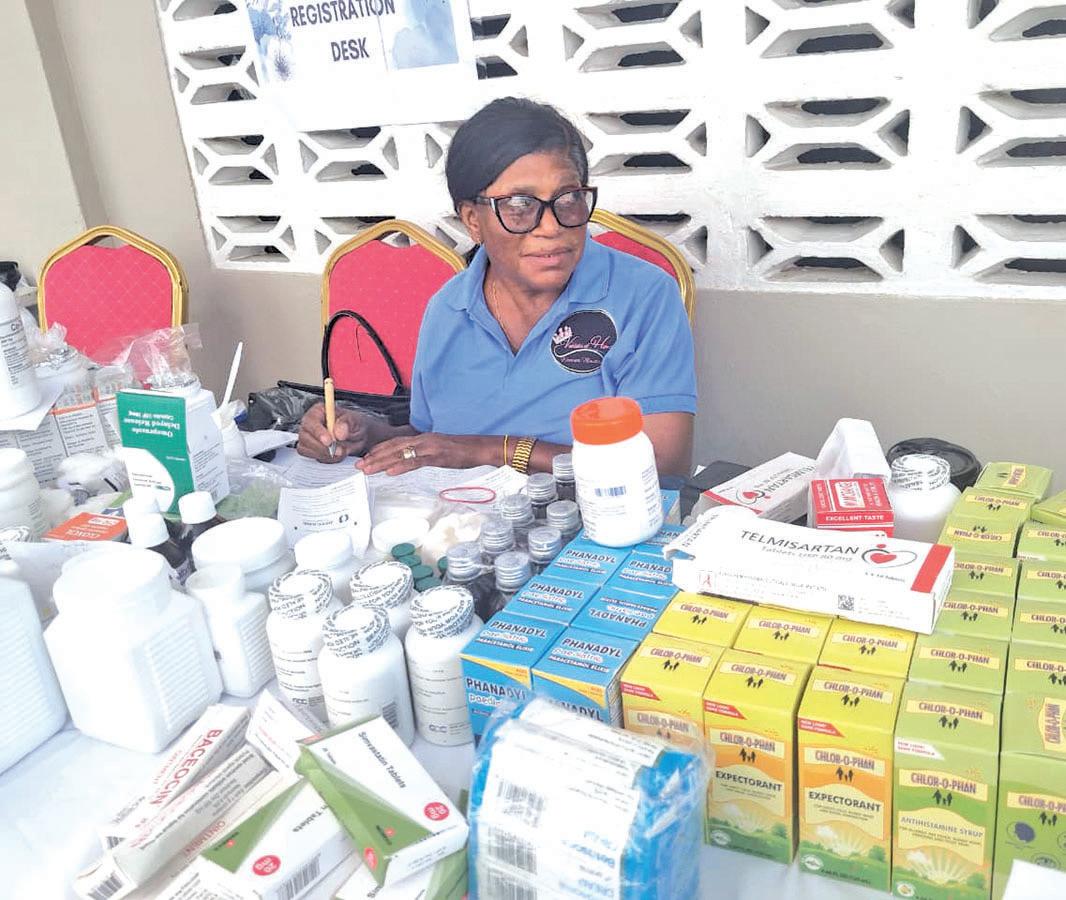
Cases of hypertension and diabetes linked to poor dieting, medication non-compliance and unhealthy lifestyles were among the major health concerns highlighted during a medical outreach hosted on Saturday by Shalom Full Gospel Fellowship at Main and Pilot Streets, New Amsterdam, Region Six (East Berbice-Corentyne).
The outreach, which formed part of the church’s annual activities, also saw medical personnel identifying respiratory infections
and digestive issues among scores of residents who turned out to access free healthcare services.
Medical practitioner attached to the New Amsterdam Hospital, Dr Shellon Tappin, said many patients examined during the outreach were suffering from high blood pressure, elevated blood sugar levels, lower respiratory tract infections and gastritis, with several cases linked to poor dieting habits and failure to properly manage existing medical conditions.
“Some of them know
what they have to do, but due to different social issues, they’re not dieting well. Some are not complying with the medication because they think they can try natural remedies, and those have not been working,” Dr Tappin explained.
She noted that many persons also admitted to skipping meals, rushing to work without eating properly and failing to exercise regularly.
According to the doctor, the four major areas patients were advised to focus on were proper dieting, ad-

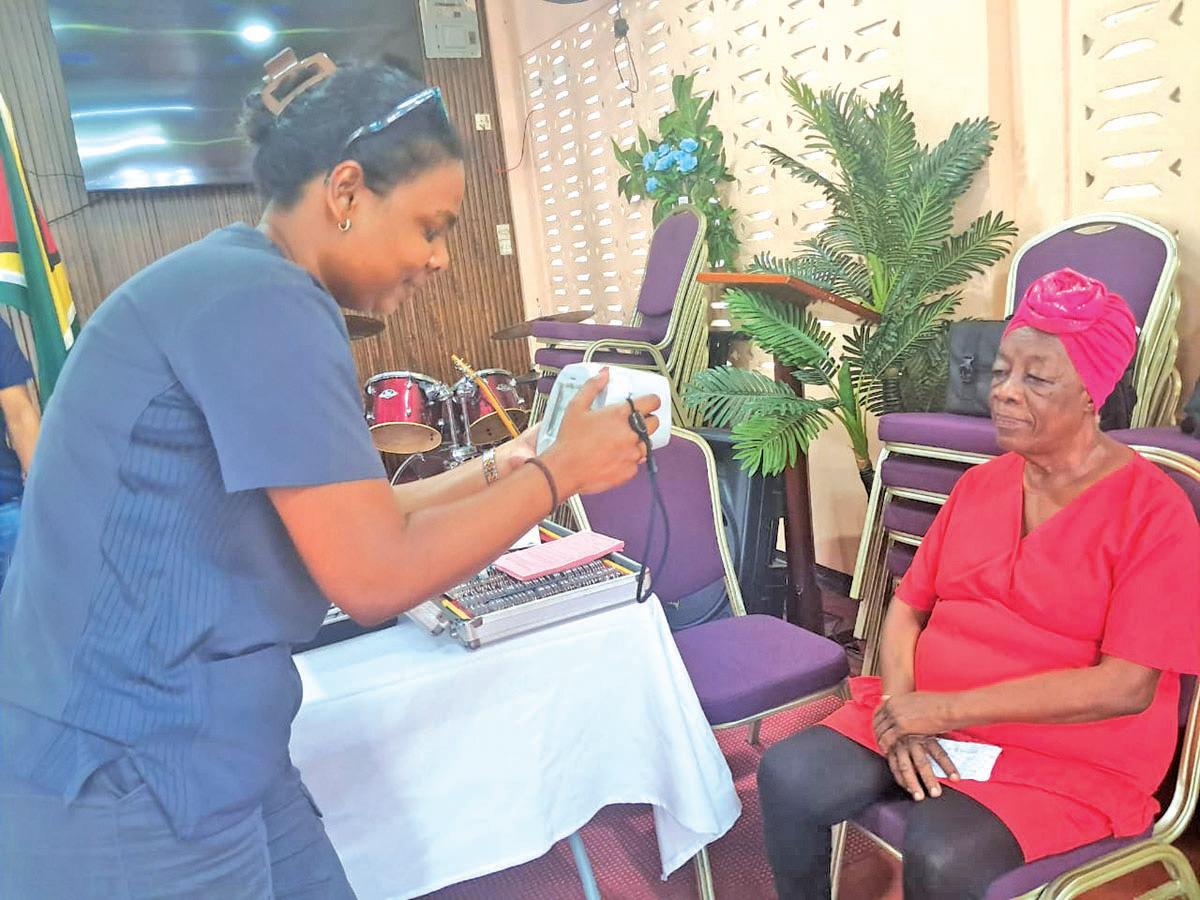
equate rest, regular exercise and consistent use of prescribed medication.
“For hypertensive patients, we advise less salt and fats, and for diabetic patients, we further advise reducing starchy and sugary foods. But we also tell patients they still need a
tions,” she said while encouraging residents to continue practising proper hygiene, including covering their mouths when coughing and using sanitising products where possible.
The doctor also warned against excessive use of spicy foods, alcohol, coffee
Berbice-Corentyne) attended the conference activities this year.
She explained that Shalom Full Gospel Fellowship viewed itself as a community church dedicated to serving not only its members but the wider public.
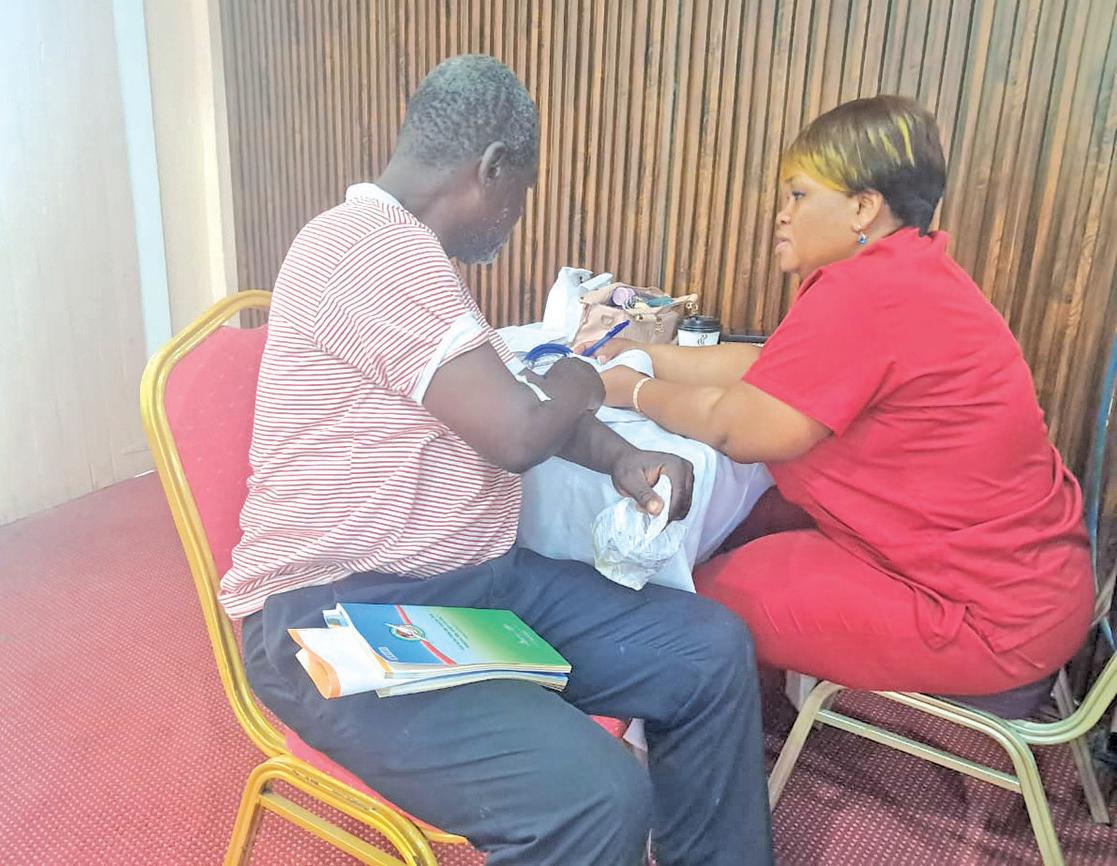
balanced diet because the body still needs nutrients to function properly,” she said.
Dr Tappin also raised concern about the number of persons complaining about excessive tiredness, weakness, dizziness and digestive discomfort, symptoms she said were often traced back to unhealthy eating habits and poor digestion.
She explained that respiratory infections remained common due to dusty conditions, recent changes in weather patterns and flooding in some communities.
“These days it’s very dusty, and we’ve had a lot of rain and flooding recently, so people have to take all the necessary precau-
and acidic foods among persons suffering from gastritis and peptic ulcers.
Meanwhile, organiser, Denise Daniels, who is a nurse by profession, said the medical outreach was birthed out of the church’s annual conference activities and reflected the church’s commitment to community service.
“This year we celebrated our 26th anniversary, and the medical outreach right now has been birthed out of the conference. I believe this year is the third year since we implemented the medical outreach,” Daniels said.
According to Daniels, more than 200 delegates from churches in Region Five (Mahaica-Berbice) and Region Six (East
“At this medical outreach, we’re also giving free breakfast to the community. Not only persons who want to access the services, but persons passing along the roadside can also receive breakfast,” Daniels noted.
She added that the church’s youth and women’s ministries were also planning additional outreach programmes aimed at assisting shut-ins and vulnerable persons within communities.
“They don’t have to be members of the church… We believe this is what Christianity is about, not only the spiritual aspect, but also helping people physically and serving the community,” Daniels said.


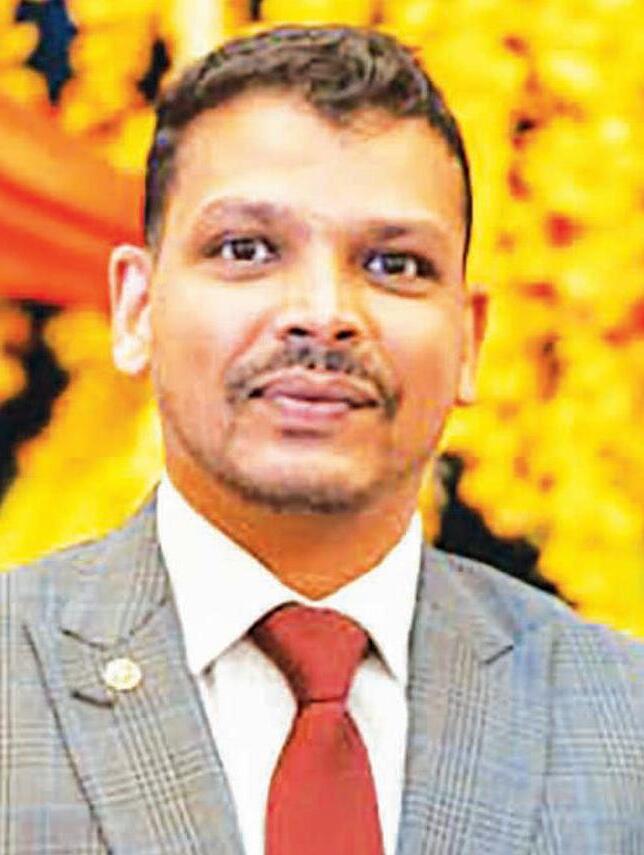
By Dr Tariq Jagnarine, Fam meD, enDocrinology/DiaBeTes
Why this matters now
Many people experience a burning sensation when urinating, frequent trips to the bathroom, or lower abdominal discomfort. These symptoms are often ignored, self-treated, or dismissed as something minor.
However, these are common signs of a urinary tract infection (UTI), a condition that can worsen quickly if left untreated.
In Guyana, UTIs are frequently seen in clinics, especially among women. While most infections are easily treated, delayed care can lead to serious complications, including kidney infection.
What is a UTI?
A urinary tract infection occurs when bacteria enter the urinary system, affecting the urethra, bladder, or kidneys.
Most infections affect the bladder (cystitis), but if untreated, bacteria can travel upward to the kidneys, causing a more serious infection (pyelonephritis)
Common symptoms: what to look out for UTIs often present with a combination of symptoms. Recognising them early is key.
Urination changes
• Burning or stinging during urination
• Frequent urge to urinate, even shortly after going
• Passing small amounts

…Why early treatment and simple habits can

of urine each time
• Feeling like the bladder is not fully empty
Changes in urine
• Cloudy urine
• Strong or unpleasant odour
• Dark-coloured urine
• Blood in the urine (pink or reddish colour)
Discomfort and pain
• Lower abdominal or pelvic pain
• Pressure or heaviness in the lower abdomen
• Mild back discomfort
General symptoms
• Fatigue or feeling unwell
• Mild fever (sometimes absent)
• Irritability, especially in elderly persons
Signs of a serious infection (kidney involvement)
These symptoms require urgent medical care:
• High fever
• Chills
• Severe back or side pain
• Nausea and vomiting
• Weakness or confusion
These signs may indicate the infection has spread to the kidneys
Who is most at risk
UTIs are more common in women due to anatomy,
but they can affect anyone.
Higher-risk groups include:
• Women (especially sexually active)
• Pregnant women
• People with diabetes
• Elderly individuals
• Individuals with urinary retention
• People with weakened immune systems
Common causes in everyday life
Several everyday habits increase the risk:
• Not drinking enough water
• Holding urine for long periods
• Poor hygiene practices
• Sexual activity without proper hygiene
• Tight, non-breathable
clothing
• Use of certain feminine products
Why you should not ignore a UTI
Many people try to “flush it out” or wait for symptoms to go away. While mild cases may improve temporarily, untreated infections can worsen.
Possible complications include:
• Kidney infection
• Recurrent UTIs
• Chronic discomfort
• Rare but serious bloodstream infection
Early treatment prevents these outcomes.
Diagnosis and treatment
Diagnosis is usually simple and involves a urine test.
Treatment includes an-
However, it is critical to complete the full course of medication
Stopping treatment early may lead to recurrence or resistance.
Prevention: Simple habits that make a big difference
UTIs are often preventable with consistent daily habits.
Stay well hydrated
Drinking enough water helps flush bacteria out of the urinary tract. Aim for regular fluid intake throughout the day.
Do not hold urine
Empty your bladder regularly. Holding urine allows bacteria to multiply.
Practise proper hygiene
• Clean from front to back
• Avoid harsh or scented products in the genital area
• Maintain daily hygiene
After sexual activity
Urinating after sex helps remove bacteria that may have entered the urinary tract.
Wear breathable clothing
ture.
Manage chronic conditions
Conditions like diabetes increase infection risk. Good control reduces complications.
Avoid overuse of antibiotics
Unnecessary antibiotic use can increase resistance and make future infections harder to treat.
Special considerations for women
Women are more likely to experience UTIs and may have recurrent infections.
Recognising early symptoms, maintaining hygiene, and seeking prompt care are essential.
Pregnant women should be especially cautious, as UTIs can affect both mother and baby.
A burning sensation when urinating is not normal.
UTIs are common, but they should never be ignored.
Early action can prevent serious complications and protect your kidneys.
Act early. Treat properly. Stay hydrated.

tibiotics, and most people improve within a few days.
Choose loose-fitting, cotton underwear. Avoid tight clothing that traps mois-
Protect your health.
Three people have died after a suspected hantavirus outbreak on a cruise ship in the Atlantic Ocean, the World Health Organization (WHO) has told the BBC.
One case has been confirmed, with five suspected cases under investigation, it said. One British national aged 69 is in intensive care in Johannesburg, South Africa.

Hantavirus is usually passed to humans from rodents via their urine or faeces. It can cause severe respiratory illness. Rarely, it can be transmitted between people. The UK Foreign Office told the BBC it was monitoring reports, and ready to support British nationals.
The outbreak was reported aboard the MV Hondius cruise ship, which was travelling from Argentina to Cape Verde.
Foster Mohale, a spokesperson for South Africa’s health ministry, earlier told the BBC that at least two people had died.
The MV Hondius is run by tour company Oceanwide Expeditions.
According to an itinerary on its website, MV Hondius departed from Ushuaia in Argentina on 20 March and was expected to complete its journey on 4 May in Cape Verde.
It is described as a 107.6m (353ft) polar cruise ship, with space for 170 passengers in 80 cabins, along with 57 crew members, 13
guides and one doctor.
South African authorities told the BBC the first person to show virus symptoms was a 70-year-old passenger who died on board. His body is now on the island of Saint Helena, a British territory in the South Atlantic.
His 69-year-old wife also became ill on board and was evacuated to South Africa, where she died in a Johannesburg hospital.
The husband and wife were a Dutch couple, AFP news agency reported citing a source close to the case.
Speaking anonymous-
ly, the source told AFP the third fatality was still on board the ship, and discussions were under way to decide whether two other sick passengers should be placed in isolation in hospital in Cape Verde. The ship would then reportedly continue to Spain’s Canary Islands.
The WHO said it was helping co-ordinate between member states and the ship’s operators for the medical evacuation of two symptomatic passengers, as well as a full public health risk assessment and support for those still on board. (BBC)
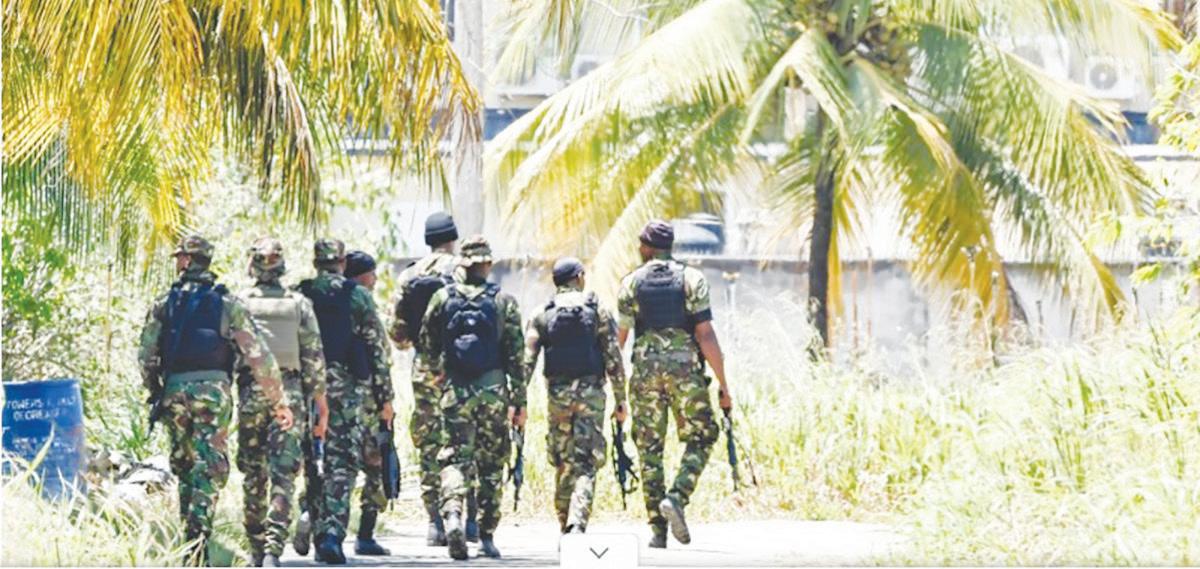
Cunupia residents were full of praise for the Police hours after they awoke to the sound of gunfire Saturday morning, as the usually quiet agricultural community was the scene of a chase and shootout between bandits and Police Officers, which led to the deaths of four suspects and the arrest of two others. The incident stemmed from a home invasion.
According to a Trinidad and Tobago Police Service (TTPS) media release, the incident began around 3:30h when a 70-year-old farmer was attacked at his Cunupia home by eight masked bandits, one of
whom had a gun.
The man was tied up and had his cellphone stolen along with TT$1120.
A report was made and officers of the Central Division, the Police Home Invasion Team (HIT) and the Regiment were mobilised, chasing the bandits, before eventually intercepting them at Ramnarine Trace, off Esmeralda Road near a grocery.
Police said officers were shot at by the bandits, but returned fire, killing three of the suspects and arresting two others. Investigators said three men escaped at that time; however, one suspect was shot and killed by Police
shortly after midday.
When Guardian Media visited the scene, officers from various units were seen walking through fields and bushy areas in the agricultural access roads off Esmeralda Road, Charles Trace, Sampson Trace and others nearby as the search continued for bandits who fled.
Police sources speaking on condition of anonymity said there was suspicion that some of the bandits who escaped capture scattered to different neighbourhoods nearby, hiding in derelict houses or abandoned farming structures.
(Excerpt from Trinidad Guardian)
The Jamaican Tourism Ministry has confirmed that Jamaica’s tourism sector is actively in talks to coordinate logistics with local and international stakeholders to minimise disruption following Spirit Airlines’ announcement on Saturday of an immediate wind-down of its operations.
The low-budget airline advised that all flights have been cancelled and that customer service operations are no longer available. Affected passengers have been instructed not to go to airports, while refunds will be automatically processed for bookings made directly with the airline.
Passengers who booked through travel agents are advised to contact their agents directly.
In response, Jamaican tourism officials have been in contact with airport authorities, hotels, ground transportation providers, and airline partners, to explore coordinating logistics to support visitors who may be impacted or require assistance with alternative travel arrangements, a release from the Ministry of Tourism stated.
“Jamaica always prioritises the safety, comfort, and well-being of our visitors. In light of the Spirit Airlines sit-
uation, we are mobilising the necessary resources and coordinating logistics with our partners to ensure that affected travellers are supported and able to make alternative arrangements with minimal inconvenience,” said Tourism Minister Edmund Bartlett.
Bartlett also expressed appreciation for the swift response from other airline partners, many of whom have already begun introducing additional capacity and flexible booking options to accommodate displaced passengers.
(Excerpt from Jamaica Observer)
At least six persons have died in heavy rains in northeastern Brazil, with thousands more displaced, according to authorities.
The deaths were reported in the Pernambuco and Paraiba states on Saturday, following two days of rain.
In Pernambuco, flooding and landslides were reported in Recife, the state capital. At least two were confirmed killed in the city. Two others were killed in nearby Olinda.
About 1500 were displaced by the storms.
In Paraiba, the state capital, Joao Pessoa and the city of Campina Grande were among the hardest hit. At least two people were confirmed killed in the state, with 1500 displaced.
The National Center for Risk and Disaster Management said it issued 22 emergency alerts during the rain.
“Due to the impacts in Pernambuco and Paraiba and the weather forecast for
the region, the operational level was raised to maximum alert,” it said.
The ministry reported that rain had eased on Saturday, but urged continued vigilance.
President Luiz Inácio Lula da Silva said on X that he had spoken with local authorities to offer support.
“The Government continues to monitor the situation to provide all necessary assistance,” he added.
(Excerpt from Al Jazeera)
Some two million people packed Copacabana Beach on Saturday for a free concert by Shakira, Rio de Janeiro city officials said early on Sunday, marking the biggest show of the Colombian pop star’s career.
Mega-shows on Rio’s famed shoreline have become a draw to the city, and Madonna and Lady Gaga have given similarly massive performances in front of the iconic Copacabana Palace hotel in recent years.
They have also increasingly been used by Rio to attract visitors and international attention to the city-backed “Todo Mundo no Rio” festival, boosting tourism during the month of May.
A drone display opened the night, projecting a wolf – a symbol associated with Shakira – over the beachfront as she addressed the crowd in Portuguese.
“Brazil, I love you. It’s

magical to see millions of souls together, ready to sing, feel, dance and remind the world of what really matters,” the 49-year-old singer said.
She performed hits including “Hips Don’t Lie”, “Antologia” and the 2010 World Cup song “Waka Waka,” and welcomed Brazilian stars Anitta, Caetano Veloso, Maria Bethania and Ivete Sangalo on stage for duets.
City officials estimated Shakira’s concert event generated about 800 million reais (US$161.45 million) for Rio’s economy, benefiting hotels, restaurants, transport and retail.
Rio officials said “Todo Mundo no Rio” is set to remain on the city’s official events calendar through at least 2028.
(Excerpt from Reuters)
Aheated clash has erupted over the reintroduction of the Barbados Citizenship Bill, 2026, and Immigration Bill, 2026, with Government dismissing Opposition criticism as “ridiculous” and ill-informed, but the Democratic Labour Party (DLP) warning the measures could undermine national sovereignty and the integrity of the Barbados passport.
Home Affairs Minister Gregory Nicholls fired back at DLP spokesperson Corey Greenidge within hours of the party’s statement Saturday, accusing him of showing “a lack of understanding of the parliamentary process”. He insisted that the legislation was properly returned to Parliament to continue unfinished work before a Joint Select Committee.
However, Greenidge is charging that the process is a “political buffer” and argued that despite public consultation, the core provisions of the bills were unchanged, raising serious concerns about fasttracked citizenship and its potential impact locally and internationally.
The bills, which seek to repeal and replace existing laws on citizenship and immigration, were reintroduced in the House of Assembly last Wednesday. They were ini-

tially proposed in October 2025, just months before the February 11 General Election, but referred to a Joint Select Committee following public outcry.
In a statement Saturday, Greenidge, DLP spokesperson on legal affairs, office of the Attorney General and Home Affairs, contended that the committee process was merely a “political buffer” used to quiet dissent during the election season. He noted that despite submissions from civil society and professionals regarding employment, social services and national security, the core provisions of the bills remained the same.
“The only reasonable conclusion is that the committee process was never intended
to meaningfully reshape the bills,” he stated. Central to the DLP’s concerns is a proposed drastic reduction in the time required to obtain citizenship. Under the current Barbados Citizenship Act (Cap 186), naturalisation typically requires seven years of lawful residence, a process the DLP describes as one of “gradual and deliberate” integration. Under the proposed new legislation, however, citizenship could be obtained after as little as 180 days (six months) of residence for Caricom nationals, and 270 days (nine months) for others.
(Excerpt from Nation News)
At least two persons were killed and a further 37 were injured on Sunday after a monster truck ploughed into crowds at an exhibition event in the southern Colombian city of Popayan, in the province of
Cauca, the regional governor said.
Videos on social media showed a large monster truck clearing an obstacle, but failing to brake in time, causing the vehicle to veer off to the side and plow into spectators.
Reuters was unable to independently verify the footage. A Popayan city official said one of the victims was a 10-year-old girl, according to Colombian newspaper El Espectador.
(Reuters)


Oil slips after Trump says US will help free ships stranded in Strait of Hormuz
Oil prices eased today after US President Donald Trump said the United States would begin an effort to free up ships stranded in the Strait of Hormuz, however the lack of a USIran peace deal kept prices supported above US$100.
Brent crude futures fell 64 cents, or 0.59 per cent, to US$107.53 a barrel by 2308 GMT after settling down US$2.23 on Friday.
West Texas Intermediate (WTI) crude was at US$101.10 a barrel, down 84 cents, or 0.82 per cent, following a US$3.13 loss on Friday.
“For the good of Iran, the Middle East, and the United States, we have told these Countries that we will guide their Ships safely out of these restricted Waterways, so that they can freely and ably get on with their business,” Trump wrote in a post on his Truth Social site on Sunday.
Oil prices remained above US$100 a barrel with no peace deal in sight and traffic in the Strait of Hormuz still limited. Negotiations between the US and Iran continued over the weekend with the countries assessing responses, from each other.
“Peace talks have been stalled as both sides refuse to move on their respective red lines,” ANZ analysts said in a note.
Trump has made a nuclear deal with Tehran a priority, while Iran has proposed to set aside nuclear issues until after the war ends and the foes agree to lift opposing blockades on Gulf shipping.
On Sunday, the Organisation of the Petroleum Exporting Countries and their allies, or OPEC+, said they will raise oil output targets by 188,000 barrels per day in June for seven members, the third consecutive monthly rise.
The increase is the same as that agreed for May minus the share of the United Arab Emirates UAE), which left OPEC on May 1. However, the higher volume will remain largely on paper as long as the Iran war continues to disrupt Gulf oil supplies through the Strait of Hormuz. (Reuters)

In the shattered neighbourhoods of Khan Younis and Deir el-Balah in the Gaza Strip, the roar of Israeli drones and the concussive thud of controlled demolitions are daily reminders that the war has never really ended. Despite a “ceasefire” in place since October, families continue to pull bodies from the rubble. According to local medical sources, 828 Palestinians have been killed since the “truce” began. Now, families in Gaza are bracing for a renewed offensive as Israeli officials threaten to tear up the fragile agreement to force a surrender.
In Jerusalem, Israeli Prime Minister Benjamin
Netanyahu abruptly cancelled a scheduled security Cabinet meeting on Sunday, opting instead for smaller consultations. Simultaneously, the military has ramped up pressure to resume hostilities. A senior official in the Israeli military’s General Staff told Channel 15 that an additional round of fighting was “almost inevitable”, citing the refusal of Hamas to surrender its weapons and the alleged “failure” of the International Stabilisation Force, a multinational body deployed under the recent truce framework to oversee security and manage the ceasefire’s implementation.
(Excerpt from Reuters)
Pope Leo on Sunday marked World Press Freedom Day by condemning persistent violations of media freedom around the world and paying tribute to Journalists killed while reporting from conflict zones.
Speaking at the end of his weekly Sunday prayer, in a sun-flooded Saint Peter’s Square, the pontiff said the day highlighted both the importance of independent journalism and the growing threats faced by reporters.
”Today we celebrate World Press Freedom Day ... unfortunately, this right is often violated, sometimes in blatant ways, sometimes in more hidden forms,” he said.
The Pope urged the faithful to remember Journalists and reporters who have lost their lives pursuing the truth, particularly in areas afflicted by conflicts.
”We remember the many journalists and reporters who have been victims of war and violence,” the Pope said.
World Press Freedom Day, sponsored by United

Nations cultural agency UNESCO and observed on May 3, is intended as a show of support for media organisations that come under pressure or censorship and an opportunity to commemorate Journalists who have died in the line of duty.
In past speeches, the leader of the Catholic Church has described journalism as a pillar of society and democracy with information being a public good that must be safeguarded and defended from manipulation.
He has often thanked reporters for sharing the truth, saying that doing their job could never be considered a crime, frequently calling for the release of Journalists who have been unfairly detained or prosecuted. (Reuters)
Ukraine’s cities and villages have been subject to regular aerial attacks by Russia Russian drone and missile strikes in Ukraine have killed 10 persons and injured at least 76 over the past day, Ukrainian officials say.
Officials in five regions around the country reported fatalities as Moscow continues to target Ukrainian cities with regular drone and missile attacks.
Meanwhile, Ukrainian President Volodymyr Zelenskyy said three Russian oil tankers, a cruise-missile carrier warship and a patrol boat

were struck in separate attacks on two Russian ports.
There are no details on damage to the ships, but Zelenskyy said the tankers were part of Russia’s ”shadow fleet” used to
evade Western sanctions imposed over Moscow’s full-scale invasion launched in 2022.
Ukraine’s air force said 269 drones were fired by Russia overnight, but 249 of them were shot down or
jammed.
It confirmed 19 direct drone hits and one ballistic missile hit in 15 locations, as well as damage caused by falling debris from one drone.
Ukrainian officials said three persons were killed in separate incidents in Kherson region, while two died in each of Odesa, Donetsk and Zaporizhzhia regions and one in Sumy region.
At the same time, Russia’s military said Ukraine had fired at least 334 drones, with the north-western Leningrad region heavily targeted. (Excerpt from BBC News)
Two US service members have gone missing during military exercises in Morocco, the US African Command (Africom) has said.
Officials said they were last seen on Saturday near ocean cliffs in the vicinity of the Cap Draa Training Area, which is close to the city of Tan Tan in Morocco.
Initial reports indicate the missing soldiers, who were participating in African Lion 2026, an an-
nual joint training exercise, may have fallen into the ocean, a US defence official told the BBC.
A search-and-rescue mission involving ground, air, and maritime resources from the US, Morocco and other countries was under way for the service members, Africom said.
”The incident remains under investigation and the search is ongoing,” Africom said in a statement released on Sunday. ”Our focus
is on the service members involved and their families.”
Authorities believe the incident was an accident and was not an act of terrorism or kidnapping, a US official told the BBC.
The soldiers were reported missing after they failed to return to the training area, and US and Moroccan forces then launched a search, the official said.
African Lion is an an-
nual joint exercise designed to strengthen operations between US forces, NATO allies, and African nations. It is the continent’s largest annual joint military exercise, and is hosted across Morocco, Ghana, Senegal and Tunisia.
It focuses on all-domain operations, crisis response, and multinational coordination to enhance regional security and prepare for emergencies. (Excerpt from BBC News)









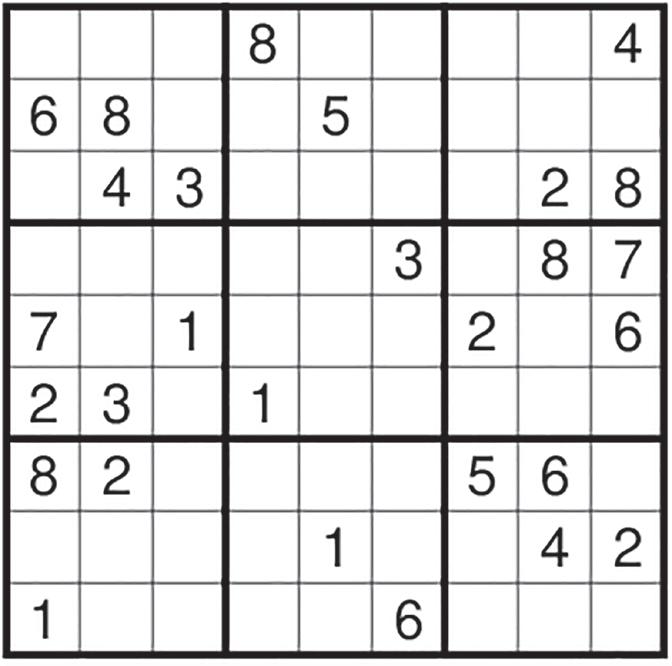




Focus on what you can do, not the impossible. Happiness comes from doing what’s best and right for you. Speak up, ask questions, show interest and give back.



Choose your words wisely. Focus on self-improvement, not trying to change others. Refuse to let stubbornness be your downfall. Channel your energy into fitness.











Concentrate on creating partnerships, learning and keeping busy. The less time you focus on who and what you don’t like, the easier it will be to let go of the past.
Think matters through. Size down, not up, and protect your rights, possessions and reputation. Stick to the truth and do what you can to be of help. Stress will require a positive outlet.
It’s what you do that counts. Honor promises, mix business with pleasure and be kind to those you encounter throughout your day. Go out of your way to lend a helping hand and to offer support to those who need it most.
Observe what’s happening in silence and make small adjustments to counter any fallout that might put you in a vulnerable position. Let kindness and practicality lead the way.
Learn from the experiences you encounter. Taking a bold step in a direction that offers others insight into what you can do will also make you fully aware of who you can and cannot count on for backup.
Think matters through before you say something you regret. Revealing personal information will put you at a disadvantage. Ask questions and show interest in what others think and do.


Stop procrastinating; put your ideas into practice. Make domestic changes that will add to your convenience and comfort, and sign up for activities that will encourage looking and feeling your best.



A simple lifestyle will help you handle any trials and tribulations that surface. Keep your communications honest and brief, and refuse to let anger and impatience seep into your dialogue.



Stick close to home. Focus on personal money management and how you can generate more cash or lower your overhead. An interview will go better than anticipated.
Erratic behavior can lead to miscommunication. Think before you speak, and search for a kind and helpful agreement without putting your health or financial well-being in jeopardy.







The top half of the Indian Premier League (IPL) 2026 points table is an utter logjam. Punjab Kings (PBKS), unbeaten through their first seven games, have now lost two in a row. And the team that beat them on Sunday night, Gujarat Titans (GT) have won three in a row. All around the IPL, teams that had led secure lives in the top four have endured setbacks over the last few days.
And so, the big squeeze. PBKS remain at number one, but they’re only one point above GT at number five.
GT, however, are the only team in the top five with a negative Net Run Rate (NRR). This may have something to do with their style of play: they rely on their bowlers to ensure their batters don’t have to score at the frenetic rates of some other teams, but that means their margins of victory tend to be less emphatic.
On Sunday, their margin was wafer-thin – one ball remaining – despite the fact that they dominated virtually from start to finish. Their Test-match pace trio of Mohammed Siraj, Kagiso Rabada and Jason Holder bowled hard lengths on a pitch that offered steep bounce and plentiful seam movement from those lengths, and reduced PBKS to 47 for 5. Suryansh Shedge and Marcus Stoinis ensured that PBKS recovered to post 163 for 9, but this was still very much a GT kind of target, perfect for their style of top-order play.
A measured half-century from B Sai Sudharsan laid the perfect platform, but GT’s scoring rate remained some-
where in the region of their original required rate right through their chase. And suddenly, they ended up needing 11 off the final over.
Washington Sundar sealed victory with a penultimate-ball six, but on another day, this could have so easi-
his spotbehind the stumps to the edge of the 30-yard circle at backward square leg. Ball two produced the first wicket: a bit of width for Arya to free his arms, but extra bounce once more to take away his control and bring about a slice to deep third.
Siraj struck again with his next ball, going slightly fuller, getting a bit of swing into the left-handed Cooper Connolly to produce an inside-edge to the wicketkeeper.
Rabada matched Siraj’s excellence from the other end, as the two bowled three overs each in the power play, beating the bat multiple times as Prabhsimran Singh and Shreyas Iyer struggled to match their usual rates of scoring. Then, Rabada bowled an outstanding sixth over, which included the wicket of Prabhsimran with a 152-ki lometres-per-hour (kph) length ball that cramped him for room on the on-the-up punch, and four straight dots to Nehal Wadhera, including one that zipped past the edge and a bouncer that zipped

ly been the story of GT sleepwalking to defeat.
But the major story was this: for the third match in a row, GT pulled off the trademark GT victory. Straightjacketing their oppositions with the ball, and chasing down sub-170 targets with significant contributions from one or two of their top three.
Siraj and Rabada dominate the power play
This was a black-soil pitch with a healthy covering of grass, and it was evident from ball one that it would reward bowlers who hammered away on hard lengths. Ball one from Siraj almost produced a chance, with extra bounce leading to a miscued pull from Priyansh Arya that fell just out of reach of Jos Buttler, who had chased from

That over was the cen trepiece of a 79-run partnership between Shedge and Stoinis.
Shedge, who was at one stage batting on 13 off 14 balls, rushed to a 24-ball half-century. He then flicked Rabada for a nonchalant six in the 16th over before falling to Rabada’s extra bounce, caught behind for 57 off 29.
uation where, after Sai Sudharsan and Impact Player Rahul Tewatia fell in the 15th and 17th overs, GT suddenly came under a bit of pressure.
But with 11 to get off the final over, they found a way to push through. Arshad flicked an almost-perfect

Stoinis yorker for four, and then, with three to get off two balls, Washington coolly stepped across his stumps and scooped a full-toss over the fine leg boundary to take GT over the line. (ESPNcricinfo)
past the helmet. A wicket maiden completed PBKS’s least productive power play since the start of IPL 2025: 35 for 3.
Holder joins the party There’s no better resource on a trampoline pitch than a towering fast bowler. Holder is four inches taller than the 6’3” Rabada, and he immediately got in the act in the seventh over, finding Wadhera’s edge with a hard-length ball slanted across him. And when he nipped a back-of-alength ball back into Shreyas and bowled him off the inside edge in the ninth over, PBKS were five down and in all kinds of strife.
Shedge takes down Suthar In GT’s previous game against Royal Challengers Bengaluru (RCB), the left-
Stoinis held the key to a big finish for PBKS, but Holder forced a miscue out of him with an into-the-pitch cutter from around the wicket in the 18th over. When he followed up with an inducker to bowl Xavier Bartlett comprehensively, PBKS were eight down with 13 balls remaining.
Marco Jansen hit Rashid Khan for a six and four in the final over to haul PBKS past 160, but it wasn’t quite the magnitude of finish they may have hoped for. Only 45 came off their last five overs.
Sai Sudharsan and GT stay in 2nd gear
This was an innings of many delectable shots: the high-elbow drive through the covers off Bartlett in the first over, the hooked six over fine leg off Jansen in the sixth, and expert riding of the bounce to cut and carve the ball behind point. But there wasn’t a whole lot of intent to force the pace off balls that weren’t in his hitting zones.
And all of GT’s batters played pretty much this way,
Punjab Kings (20 ovs maximum)
Priyansh Arya c Sindhu
b Mohammed Siraj 2
Prabhsimran Singh † c Suthar
b Rabada 15
Cooper Connolly c †Buttler
b Mohammed Siraj 0
Shreyas Iyer (c) b Holder 19
Nehal Wadhera c †Buttler
b Holder 0
Suryansh Shedge c †Buttler
b Rabada 57
Marcus Stoinis c Washington Sundar b Holder 40
Marco Jansen c Shubman Gill
b Rashid Khan 20
Xavier Bartlett b Holder 0
Vijaykumar Vyshak not out 1
Arshdeep Singh not out 1
Extras (lb 1, w 7) 8
Total 20 Ov (RR: 8.15) 163/9
Did not bat: Yuzvendra Chahal
Fall of wickets: 1-2 (Priyansh Arya, 0.2 ov), 2-2 (Cooper Connolly, 0.3 ov), 3-35 (Prabhsimran Singh, 5.2 ov), 4-36 (Nehal Wadhera, 6.3 ov), 5-47 (Shreyas Iyer, 8.4 ov), 6-126 (Suryansh Shedge, 15.6 ov), 7-141 (Marcus Stoinis, 17.4 ov), 8-141 (Xavier Bartlett, 17.5 ov), 9-162 (Marco Jansen, 19.5 ov)
Bowling O-M-R-W
Mohammed Siraj 4-0-28-2
Kagiso Rabada 4-1-22-2 Jason Holder 4-0-24-4
Gujarat Titans (T: 164 runs from 20 ovs) Sai Sudharsan c Bartlett b Vyshak 57 Shubman Gill (c) c Connolly
b Arshdeep Singh 5 Jos Buttler † c Iyer b Vyshak 26 Nishant Sindhu c Vyshak b Stoinis 15 Washington Sundar not out 40 Rahul Tewatia
They came and conquered in 2025 and were able to pull it off once again. Last weekend, President’s College returned to Linden with the heart of a champion to hold their nerve and emerge with 69 points, once more pushing out home team New Silver City Secondary.
While New Silver City finished second with 57 points, Kwakwani Secondary improved from placing fifth last year to take third place on 44 points.
The action was the ExxonMobil Guyana Regional Schools Kayaking championship, which was once again organised by the Elite Kayaking and Nature Tours led by Dr Deon Anderson, and held last Friday in the waters of the Demerara River along the Watooka Guest House’s Landing where 11 schools tried unsuccessfully to unseat the defending champions President’s College.
President’s College began ominously when the pair of Shane Johnson and Chelsea Lyte romped home winners in the Under-14 Mixed short distance race.
They were featured in other races won by the PC side, with Johnson and Nalini LaRose winning the

Under-16 Mixed short distance event and Lyte taking first in the Under-16 Female Single race.
New Silver City Secondary, for their 57 points, had wins in the male long-distance race, with Prince Alexander, Zidane John and Keifer Young being the kayakers while Nadia Williams, Princess Fletchman and Andrella France were the combination that won the female long-distance race. Young and France took home honours in the Open Mixed short-distance race.
Kwakwani Secondary had a winner in the Open female
single race when Chelsea Rodney took first, and they tallied 52 points.
Leonora Secondary then stepped into fourth position, as Colin Williams won the Open male single race, and they accumulated 52 points. They finished ahead of Linden Foundation Secondary, who ended up in fifth spot.
The other schools competing were Mackenzie High (30 points); Hururu Secondary (27); Harmony Secondary (21); Christianburg Wismar Secondary (11); Wisburg Secondary (2) and Queen’s College still to trouble the scorers.
The Rose Hall Town (RHT) Pepsi A team on Saturday defeated the Bush Lot United Club by seven wickets to advance to the semi-finals of the Berbice Cricket Board (BCB) Smalta Under-19 cricket tournament for 2026.
The victory marked the 20th time the team have reached the BCB semi-finals at the Under-19 level since Pepsi began sponsoring the team in 2004. This year the team will be aiming for their seventh overall title.
Playing at the Bush Lot United Ground in West Berbice, the visitors won the toss and inserted the home team to bat in brilliant sunshine. Openers Lakeraj Hemraj and Akash Ramdewar added 22 runs in four overs before Ramdewar was trapped lbw by fellow national U16 team-mate Leon Reddy for eight in the fourth over. Afraz Ali joined Hemraj, but was soon sent packing by the pacy Raffel Mckenzie, bowled for one, at 22 for 2 in the fifth over. National U16 all-rounder Altaz Ali joined Hemraj and took the score to 58 for 2 in the 11th over before Ali was bowled by national left-arm spinner Jayden Ganpat for 15. Hemraj was then stumped by Tameshwar Deonanan for 21 (2x4) as the visiting team spinners spun
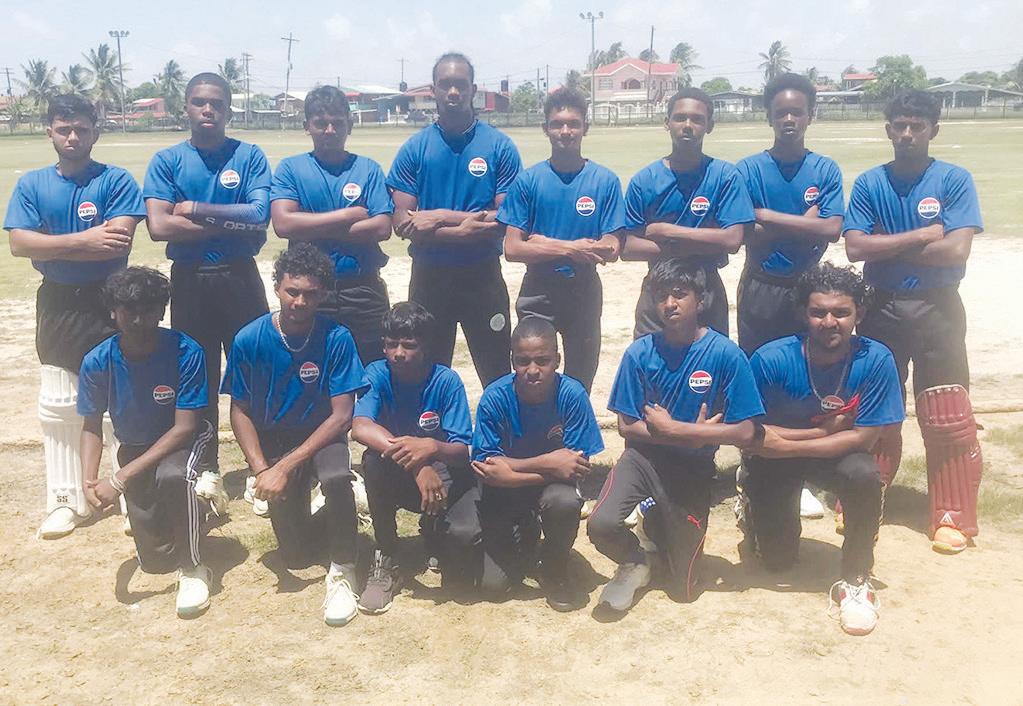
webs around the home team batters. None of the remaining batsmen reached double figures as Bush Lot were bowled out for 74 in 19 overs.
Berbice U19 leg spinner Asif Marimuthoo took four wickets for nine runs from four impressive overs while skipper Kumalchand Ramnarace took three wickets for no runs from one over with his off spin. Rafeal Mckenzie, Reddy and Ganpat took one wicket apiece for 12, 17 and 10 runs respectively.
Needing to score 75 runs from their allotted 50 overs to advance to the semi-finals, the visitors lost Jonathan Hicks and Ramzam Koobeer early to be 20 for 2 in the fourth over. Hicks was trapped lbw by Ramdewar while Koobeer was caught in the slips off
Following what was an annual Torch Run and Victory Walk from Wismar over the Mackenzie-Wismar Bridge to the Linden-Georgetown minibus park to mark the 56th anniversary of Linden becoming a town, a special committee held a ceremony to honour some of the mining town’s most promising school athletes last Wednesday.
The activity was held directly on the day that Linden was named a town – April 29 ( 1970) and was put together by the Linden Mayor and Town Council in association with the Department of Education, Region 10.

at the CARIFTA Games and the Junior South American Youth Games in 2026. We are witnessing the continu-

to follow. Your commitment ensures that opportunities like this continue to thrive.” Meanwhile, Regional Education Officer (REDO) Lashanna Anderson made the point: “You have shown us that greatness is not just a dream, it is something that is built, step by step, through perseverance and belief. And as you continue your journey, remember that the Olympic stage is not beyond your reach. What you are doing today is preparing you for tomorrow’s global victories, and know that the Department of Education, Region 10 stands behind you every step of the way.”
the hard-working Ramdewar for six, to give the home team some hope. Deonanan joined Matthew Perreira and together they added 48 for the third wicket before Deonanan was run out for 12 at 68 for 3 in the 14th over. Perreira remained unbeaten for a well-played 40 with one massive six and four boundaries when victory was achieved in the 15th over. Reddy was the other unbeaten batsman, on one not out. Ramdewar was the only successful bowler for the home team with 2 for 21 from four overs.
The Rose Hall Town Pepsi U19 team have been sponsored by the Demerara Distillers Limited (DDL) since 2004 under the international soft drink brand Pepsi.
Recently crowned, record-breaking South American Youth Games 200m gold medal winner Deuquan Farrell was among those athletes recognised.
Farrell obliterated the previous South American Youth Games 200m record by winning in a time of 21.18s and also copped a gold medal in the 4x100m relay and a bronze medal in the 4x400m relay. Compatriot Ebo McNeil also took home a bronze medal in the South American 1500m.
Another South American Youth Games teammate Gordon Thompson captured silver in the 100m at the South American Games, along with a gold medal in the 4x100m relay and a bronze medal in the 4x400m relay.
The other athletes who were justly given tokens of appreciation were sprinters Tessianna Harris and Angel Jeffrey, middle-distance athlete Kaidon Persaud, field event specialist Rodell Greene, and high and triple jumper Keimal Guishard.
Athletics Coaches Moses Pantlitz of the Christianburg Wismar Secondary School Track Club and Johnny Gravesande of Upper Demerara Track Club were also recognised for their contributions to track and field in the town.
Speaking at the ceremony, Linden Mayor Dominic Blair noted, “Today our youths proudly represent us
ation of greatness. Linden has always produced champions. Our legends laid the foundation across every sport imaginable and today our athletes carry the same flame burning with passion, pride, and determination. As we celebrate 56 years as a town, we celebrate our athletes who embody the future of Linden.”
In his remarks, Member of Parliament Sharma Solomon said, “We are grateful that we have the facilities that can move the sport and athletics to a different direction. but as the schools’ championship are no longer inter-division and inter-regional, I want to make this point quite clear, that every secondary school in this country must have their own facility, so we can really develop the sport and athletics in every school…It is our individuals, our people, our boys, our girls, our athletes, who have done Linden proud, and have placed Linden on the map and as we commemorate 56 years, it was only fitting for the Mayor and Town Council and also Department of Education and us all in Linden, to commemorate 56 years of Linden as a town.”
District Education Officer (Secondary), with responsibility for sports in the region, Dawn McCammonBarker told the youths, “You have carried the torch of excellence, and through your efforts, you continue to light the oath for others


It was business as usual for Chase’s Academic Foundation on Saturday night, steamrolling rivals Santa Rosa Secondary at the Ministry of Education (MoE) Ground, Carifesta Avenue, to add another Massy Distribution championship title to their trophy case.
With two of the tournament’s unbeaten teams meeting in the grand finale, fans probably did not get the final contest they had expected as the Region One outfit proved to be no match for the Parade Street regional champions. It could be considered as a case of ‘revenge is best served cold’ as Chase finally got the one-up on their rivals after they were bested by the same
opposition the last time they met in the tournament’s final back in 2023.
Shaquan David was the marksman to watch on the night, setting the tempo for Chase’s attack from the midfield, as he rose to the occasion in his first full tournament as Team Captain.
David began his assault early, pulling off a sprint in the very first minute of the game to pierce the Santa Rosa defence. Not positioned well enough to pull off the shot himself, David passed the ball off to Damani Hardy, who made no mistake with the finish for Chase’s first goal in the second minute.
The Captain was duly rewarded himself 12 minutes

later, when a Chase player was fouled in the box by the Santa Rosa goalkeeper, resulting in a penalty opportunity. David tucked the ball into the corner of the net for Chase’s second strike in the 14th minute. Two minutes later, the script was almost identical, another foul, another penalty, and another Shaquan David strike to put Chase 3-0 up by the 16th.
Santa Rosa’s defence eventually got into their rhythm, holding off Chase’s advances for the remainder of the half, however, not before David took another shot at the net, connecting a shot from near the 30-yard area to give Chase a 4-0 lead at the half.
In the second segment, the
2025 runners-up wasted little time in extending their tally, as Onesi Dunn’s shot found the back of the net in the 48th minute. After a slew of missed chances, Mark Glasgow finally put the cherry on top for Chase, sending the ball into the net with a right-footed shot in the 77th minute, to seal their 6-0 triumph.
Earlier, the tournament’s third-place playoff took the long road as neither Charlestown Secondary nor West Ruimveldt secondary could find the back of the net in regulation and extra time. As such, the contest went down to kicks from the penalty spot where West Ruimveldt were able to hold their nerve for a 4-2 win.
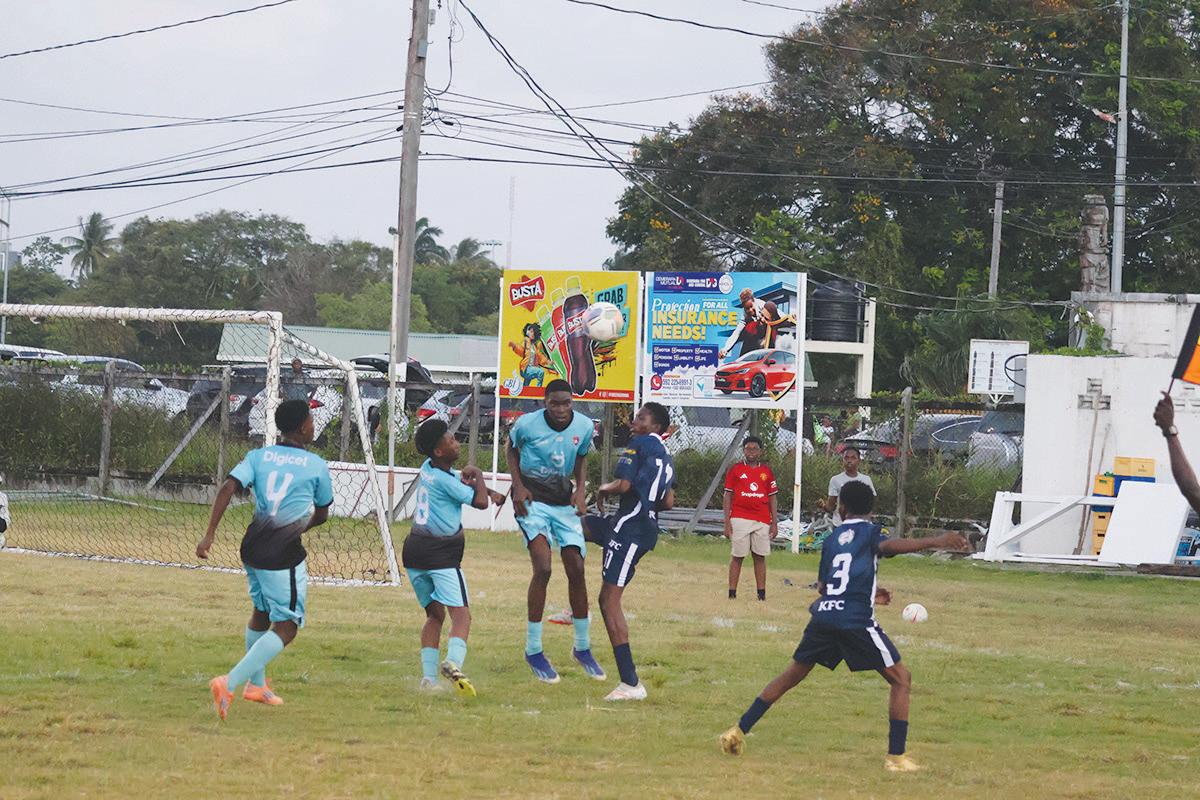
The tournament’s final saw attendance from several Government Ministers in Steven Jacobs (Sport Ministry); Collin Croal (Housing and Water Ministry) and Sarah BrowneShadeek (Amerindian Affairs Ministry).
During the presentation ceremony, Jacobs, the Minister within the Ministry of Culture, Youth and Sport, not only expressed the Ministry’s commitment to grassroots development and facilitating tournaments but also had words of high praise for the tournament’s title sponsors and coordinators Petra Organisation.
In the individual awards, Chase’s Flavio LaRose pock-
eted another best goalkeeper award while David took home the Most Goals and Most Valuable Player (MVP) awards after amassing a whopping 17 goals in the competition.
Chase’s Academic Foundation will be rewarded with a $300,000 grand prize, to be allocated in kind to a school project of their choice. Meanwhile, Santa Rosa and West Ruimveldt will receive $200,000 and $100,000 for the same purpose. The Massy Distribution tournament was sponsored under a complement of brands, including Milo, Club Social, Orchard, Ocean Spray Creamery, and Tang.
The Jumbo Jet Racing Stables/ Master Z Racing Stables completed two astonishing victories at the Labour Day Cup at Kennard’s Memorial Turf Club on Sunday afternoon: Stat powered to a crushing gate-to-pole win in the feature race while Barbra won the sprint classic in a record time of one minute.
Jockey Colin Ross again showed his class, winning the two big races. Stat overpowered Mapa Do Brasil (second) and Ritorna Vincentori (third) in the feature race, which ran at nine furlongs. Ross ensured that Stat stopped the clock in one minute and 55 seconds, displayed the diversity and skill of the horse, in a longer-distance race.
It was surely a dash for the cash in the penultimate five-furlong race of the day. Jumbo Jet Racing Stables’ Barbra stopped the clock in exactly one minute, a record time in the Arrival Day Sprint.
The race was surely a need for speed as Barbra outclassed a crowded field.
Companheiro Lea finished second while Hot and Lucky finished third. Night Beacon ended the sprint in fourth place.
After a drizzle across the track, the race day began in scintillating heat from GT Boss, who took the top spot in the L Class event. Doctor J finished second while Secret Silence and Secret Traveller ran third and fourth respectively.
Three D Movie displayed a timely run to clinch the I Class race while Top Gun finished second. Bin Laden finished third while Country Rock ran fourth.
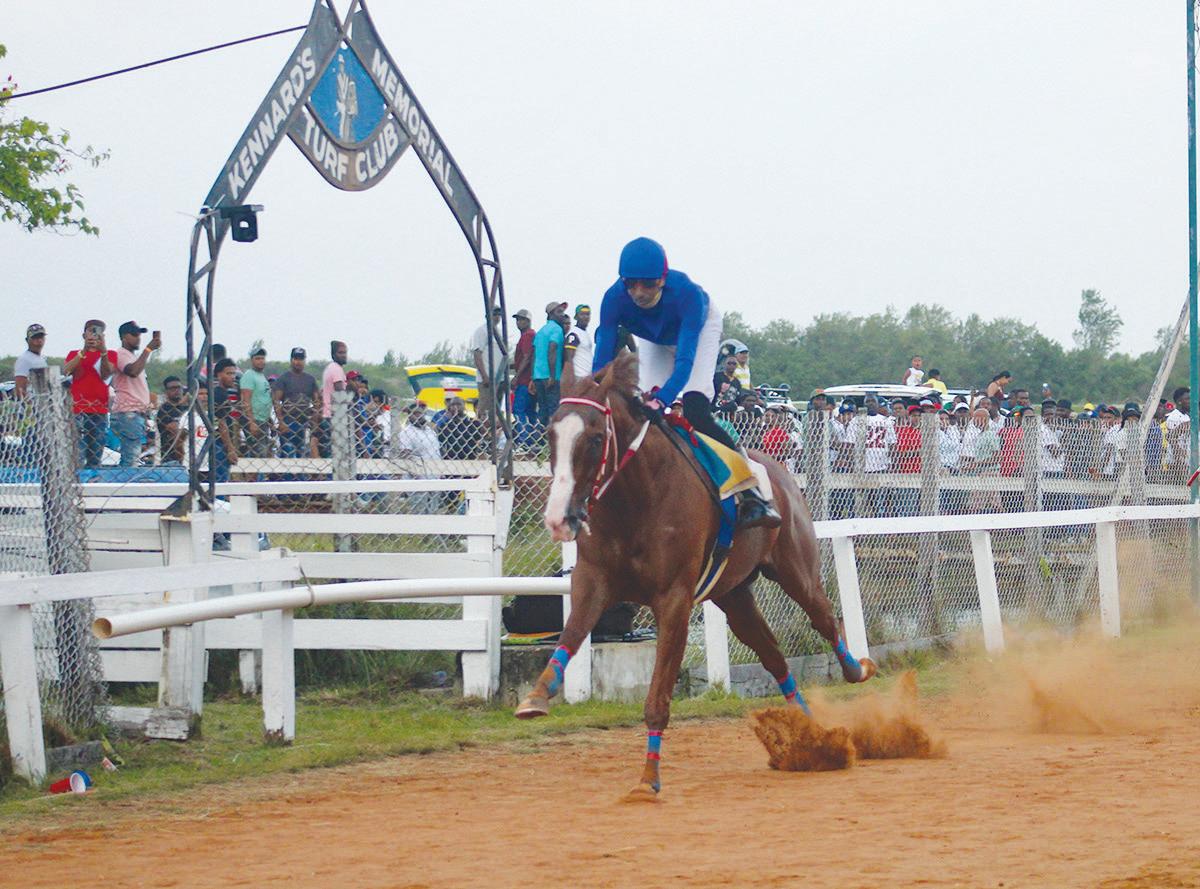
The G Class and Lower WI Bred non-winners since August 2024 race ended with a tense finish. Fourteen-year-old jockey Arvin Dhanraj showed great promise to pilot Soca Synergy to a memorable win. Daring Move ran second while Burbon Blitz ran third. Supreme Leader finished the race in fourth.
In race four, for Guyana-bred three-
year-old horses, Summer Time won by seven lengths, in an easy win while Monica Time ran in second. Miracle Boy covered great ground to end in third while Manisha finished fourth. Here Comes Hedi made it three in three, winning the Three-year-old and over WI Bred with a remarkable win from behind. After moving from the Jagdeo
Racing Stables, Here Comes Heidi found a new home at the Biso Racing Stables. Mulan was leading the race early, but had to settle for second while Amicable Kate finished third.
The second half of the race-day programme saw a masterclass produced by Grande Rainha in the F Class and Lower race.
Owned by the Appadu racing stables, trained by Winston Appadu and piloted by Jockey Ronaldo Appadu, it was a clinic from Grande Rainha, who has now chalked up three wins in as many outings.
Royal Rocks had to sit five lengths behind to finish second while Kanem ran in third.
The prodigy jockey, Arvin Dhanraj, continued his dream day, winning in the K & L Maiden for first-time starters for fillies and mares. He piloted Country Gold to an early start and a dominant finish. Easy Star advanced to second while She’s a Dancer claimed third and Black Beauty finished fourth.
In race eight, the K & L Maiden open to first-time starters for colts and geldings, Storm Again took pole position while Top Rankin finished second. Patriotism ran third while Damage Control finished fourth.
This race meet was sponsored by Js Supermarket, Jumbo Jet, Premium Asphalt, AJM and Slingerz Racing Stables. The next race day will be May 31 at Rising Sun Turf Club.