



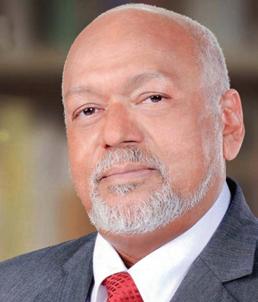
Take inspiration from Emancipation to score greater successes – President
On the occasion of the 176th Anniversary of the abolition of slavery, I extend best wishes to Guyanese in general and to Afro-Guyanese in particular.
This is without doubt one of the most important dates in our history. It is also one of the major blows struck for the Independence of our coun-
try. As we salute our foreparents for the sacrifices and the struggle they made towards our freedom, let us today take inspiration from it to score greater successes in building a strong economy and in strengthening our country as a whole.
Once again, best wishes for a brighter future for all.
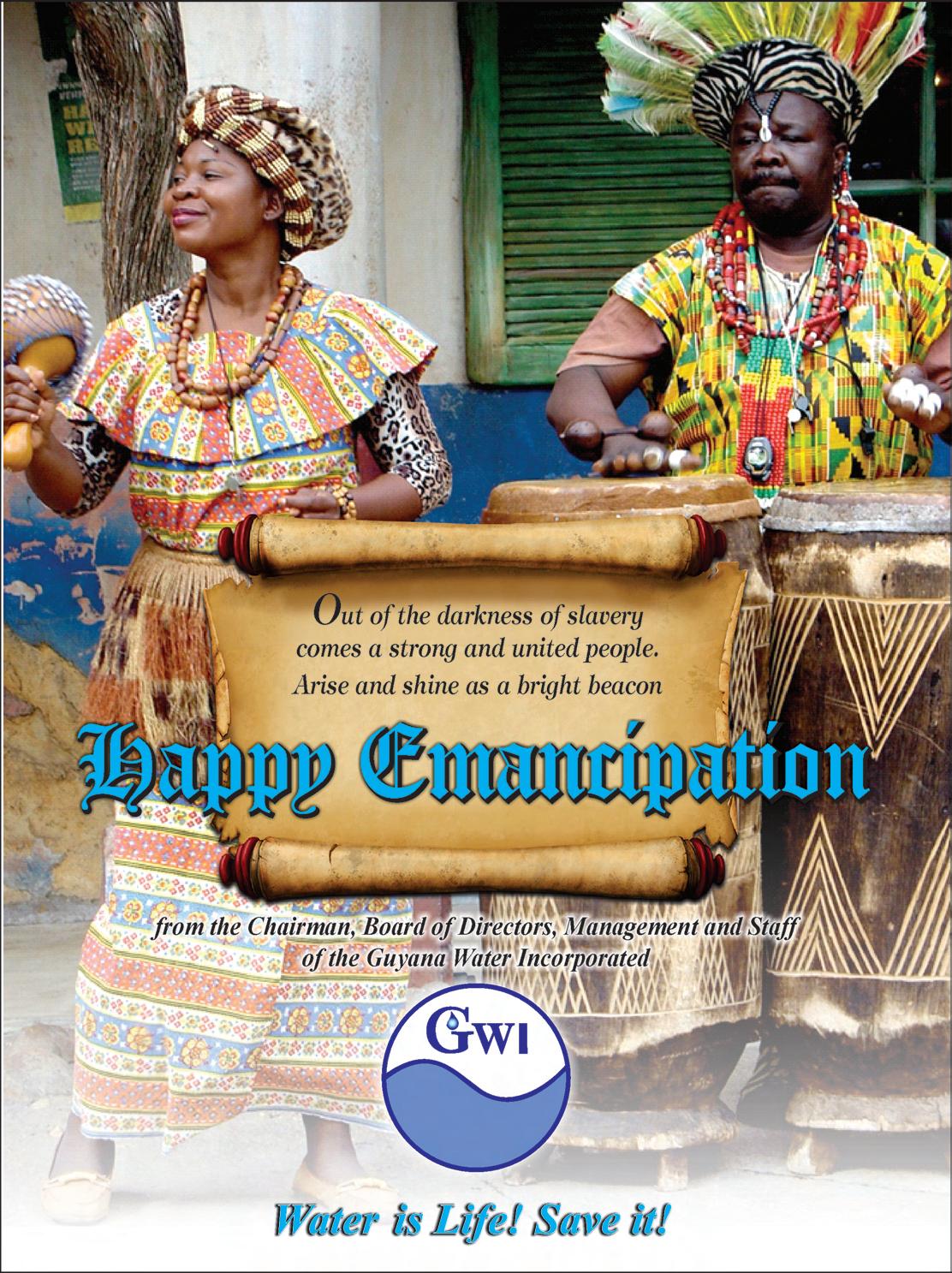
Happy Emancipation!

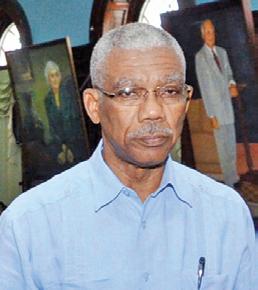
Emancipation, the commencement of a continuing process of upliftment – PNCR
The People’s National Congress Reform (PNCR) joins the Guyanese people in celebrating the 176th Anniversary of the Emancipation of enslaved Africans. The party regards this event as the most significant in the foundation of our nation and the formation of our society. It was the first step in our country’s long march towards social equality, economic independence, and political freedom.
Africans in the united Guiana colonies of Berbice, Demerara, and Essequibo regained their freedom on August 1, 1838 after 200 years of enslavement. Emancipation on that day commemorates not only the bloody sacrifices of the Africans who struggled, suffered and were slaughtered for the sake of the free-
dom we all enjoy today, but also the birth of the nation itself. The entire Guyanese nation should participate in this public celebration.
Emancipation is Guyana’s most important national celebration. It marks the start of the most significant demographic change through the coming of the Portuguese, East Indians, West Africans and Chinese and the transformation of the coastal landscape through the creation of free villages and the diversification of the economy into the production of food crops, gold mining and logging. It led, also, to the liberation of society through the popular movements for educational development, labour organisation, and political mobilisation.
Emancipation celebra-
tions in 2014 also commemorate the 251st anniversary of the Berbice Revolt of 1763 led by Kofi and the 191st anniversary of the Demerara Revolt of 1823 inspired by Kwamina. Guyanese of all races are the beneficiaries and heirs of the sacrifices of our nation’s first freedom fighters.
Emancipation, after all, was not a finite event that occurred 176 years ago. It was the commencement of a continuing process which must aim at providing a “good life to all Guyanese”.
Happy Emancipation!
As we commemorate the 176th Anniversary of freedom from slavery, Blue CAPS calls on all Guyanese to not only celebrate, but to also contemplate the true meaning of Emancipation.
Emancipation is the foundation of the freedoms and civil liberties we enjoy today as citizens of our nation. Our foreparents’ zeal and indomi-
table spirit feed a determined struggle against a vicious system that forced people into labour and denied them their basic human rights and dignity.
As we pay homage and exalt those who fought for our freedoms, we must remain resolute and guard our present day civil liberties from any attempt to curb and diminish them. Moreover, full liberation will only be achieved when
there are changes in beliefs and attitudes from our people that lead to unity and equality across the dimensions of race and ethnicity, sex, socioeconomic status and political lines.
As we reflect on the achievement of our foreparents today, let us be reminded that we are one people living in one nation tied to a single destiny.
By Ravi Dev
It can be said, without getting into too much semantic exactitude, that “entrepreneurship” is all about looking around you, discerning a need in people and taking the risks to satisfy that need by securing and utilising resources, including your own skills, that you can secure. While Africans had experience with a great trading culture, when they were hauled across the Atlantic to slave in the New World, that aspect of their culture was inexorably whittled away.
After all, what incentive is there for slaves, who could own no property – and in fact WERE property –to add value to anything?? They could not accumulate that value to enjoy or pass it on to their children. It was a rational choice for slaves to live for the moment and find
tire plantations. Victoria, Buxton-Friendship, Den Amstel, Hopetown, Dartmouth are only a few of those early entrepreneurial efforts to create what would today be called “housing stock” plus the means for a sustainable living.
After 1838, when the freedmen and women could sell their labour, enterprising individuals organised their companions into gangs that moved from plantation to plantation, seeking the highest price for their labour. This was entrepreneurship. Strikes were also organised to raise wages, but both of these prongs to bargain were undercut by the importation of indentured labour.
The first strike of 1842 was successful, but by 1847, there were enough Portuguese and some

whatever satisfaction they could in that moment. And that is the inevitable practice that would have been passed on. One would have assumed that the entrepreneurial spirit would have been killed.
But at the abolition of slavery in 1834, when it was mandated that the freed slaves – not compensated – had to work another four years as “apprentices” (it was this indignity that caused Damon to rebel over in Essequibo) and they would be paid, those same individuals plunged into the cultivation of “provisions” which they sold in markets – all in the limited time of the day they did not have to be in the fields.
Village Movement
They saw a need for providing food, since the planters gave them money – a pittance, but money nonetheless – which they could use to create a “money economy”. This was “entrepreneurship against all odds. By the end of the four years of “apprenticeship”, the slaves in almost every location had saved enough money to have the option of moving off the plantation to seek an independent existence. Rather famously, some accumulated enough money, which when pooled together was enough to purchase en-
Indians to break the strike of that year. The exodus from the plantations began for the Africans as they refused to work for “slave wages”. However, their attempt to expand their early efforts to supply the population with food and necessities were soon undercut when the Portuguese were given credit facilities that were denied to them. In the meantime, the village economy was stifled by the Government refusing to service the drainage and irrigation system.
It would seem that there was a calculated effort to steer Africans into becoming the casual labour for the enterprises in the towns, rather than expanding their earlier exhibited entrepreneurial potential.
Mis-education
The gold rush at the turn of the century offered many Africans, who were willing to enter the interior, an opportunity to accumulate capital – but from the record, it was mostly the Portuguese who ended up with most of the wealth. The willingness of the “pork-knocker” to enjoy wine, women and song became legendary. The entrepreneurial spirit was being stifled through new methods. The schooling system was one
of the prime culprits. This was consciously designed to create docile, pliable labour, not entrepreneurs. The subjects taught even to the brightest children who could make it to the elite schools were the “classics” and English Literature. These children were taught to look down on manual labour, especially when connected to the land.
At the 150th anniversary of the abolition of slavery in Guyana, Desmond Hoyte spoke about the descendants of slaves needing to look “beyond the horizon”. Immigrants came with this perspective. Mr Hoyte spoke of the need for planning and working for the future – deferred gratification, in the economic jargon. In the modern world, there can be no “future” unless there is an economic

base. The African entrepreneurial base, while small, has grown. The leaders of the African community will have to work to ensure that that base is expanded.
Contrary to what some may assert, “entrepreneurship” is a skill that can be taught and facilitated. This is the role of Government.
At long last entrepreneur-
ship is going to be taught in the schools. The mis-education of Africans might finally be coming to an end. And we hope with it, financial independence.
The Guyana Trades Union Congress
(GTUC) shares with the world and more so Guyanese the celebration of August 1 which 180 years ago brought an end to chattel slavery in the British Empire. Full emancipation came four years later after the slaves served a fouryear period of amelioration (1838).
Freedom in its present form is a continuous process of education, putting in place systems, and safeguarding same in order that people and society can be rid of the shackles of that era in
whatever form they appear today. One does not have to be physically enchained to be mentally enslaved. The mind is a powerful tool and weapon and when it remains shackled to messages of nonachievement, worthlessness and inferiority, there is no need for physical chains to

enslave, oppress, and mar ginalise.

Our African ancestors were brought to the so-called New World against their wishes and through sweat, blood and tears – despite the whips ‘reigning’ down on their bod ies – they contributed signif icantly in laying the founda tion and topography for this land. They built a system of dykes and drainage canals, seawalls and road networks; constructed buildings and factories; laboured in the sugar and cotton estates; and planted rice, fruits, ground provisions and other crops with their hands.
Village Movement
Our forebears fought against the oppressive system, with some giving their lives for the cause that led to chattel freedom, indentureship, internal self-government, independence, and republican status. It is because of them, we have a Constitution of our own and laws to protect us from marginalisation and discrimination from any individual, group, or system. They have fought the good fight
ued, immediately after Emancipation they set about ensuring a society that would have their meaningful participation. Through the cooperative economic model they pooled their monies and bought villages that started the Village Movement and development of their communities, a system of local self-government, education, health and business ventures, coupled with the values for discipline and family structure with the needed mix of religion and entertainment. The African proverb, “It takes a village to raise a child” was not only exemplified in the biological extended family but in the wider community, including the school, church and even on the streets. These foundations are still relevant to-
through its various forms –it behoves us today as we commemorate another year of chattel freedom to rise up and re-commit to continue the journey started by our forebears for inalienable right to equality and dignity. 1834 (Amelioration); 1838 (Emancipation); 1905 (trade unionism); 1917 (end to indentureship); 1947 (universal adult suffrage); 1953 (internal self-government); 1966 (Independence); and 1970 (Republican status) are significant dates in this nation’s calendar, but these achievements can only have meaning when we not only work to deepen and strengthen the march for freedom, but we also resist the efforts and actions, in whatever form they appear, of those who seek to undermine and undo these achievements.
Less we forget, freedom is not free; it requires eternal vigilance, struggles and sacrifices to protect what have been achieved and ensure the enabling environment to realise civil, social,
for equality and dignity grounded in the belief that all men and women are capable of acting toward each other in a spirit of brotherhood and sisterhood. This ideal was institutionalised in the 1948 United Nations Human Rights Declaration.
As much as there was ex-
day.
Even as society becomes more complex, these values must not be lost on us. For it is out of and through them the sense of belongingness and fairness are shaped. As Guyanese, irrespective of our racial identity, association, sex, class, or other experiences, the foundations laid by others are what we today walk on and must build on. Given that this nation has travelled the path of resistance against domination and oppression –
economic, cultural and political equality and dignity. Only then as a people can all voices truly ring out, “Free at last, Free at last, Thank God Almighty we are free at last!” (Dr Martin Luther King Jr) The work began in 1834. It is not yet completed. But the dream still liveth and the hope must never die! There is still work to be done and as brave warriors we must put our shoulders to the wheel and march on!

If nothing else, the occasion of Emancipation Day always brings with it a degree of awakening among African youths – particularly those who live in traditional “black villages”, where some aspects of the culture are still alive and residents are not shy about their “Africaness”.
It is this euphoric feeling that Emancipation inspires that perhaps should be harnessed into more productive thinking and dreams that can be put to work in developing some of these villages and the people themselves.
Enough is usually said around this time about the reasons for African Guyanese being economically dependent as a group and the countless claims of marginalisation bequeathed to us by our slave masters. But even after emerging from the horrific conditions of slavery, Africans were able to purchase villages and develop their economies through hard labour, persistence, and enterprise.
It is this spirit of resilience that the occasion of Emancipation offers us African Guyanese again to retrace the steps of our ancestors and begin that journey as a liberated people. This Emancipation Magazine’s theme of “African Entrepreneurship” is very apt, even as we witness another takeoff of black entrepreneurship. Although usually in small enterprises, there has been a greater willingness by African Guyanese to take risks, invest in projects as well as a desire to own properties.
However, with the growth of our economy increasingly relying on entrepreneurship, the data clearly indicate the need for more black entrepreneurship if black Guyanese are to own businesses, generate revenues and create jobs in relative percentages that are more consistent with our demographic presence in this country.
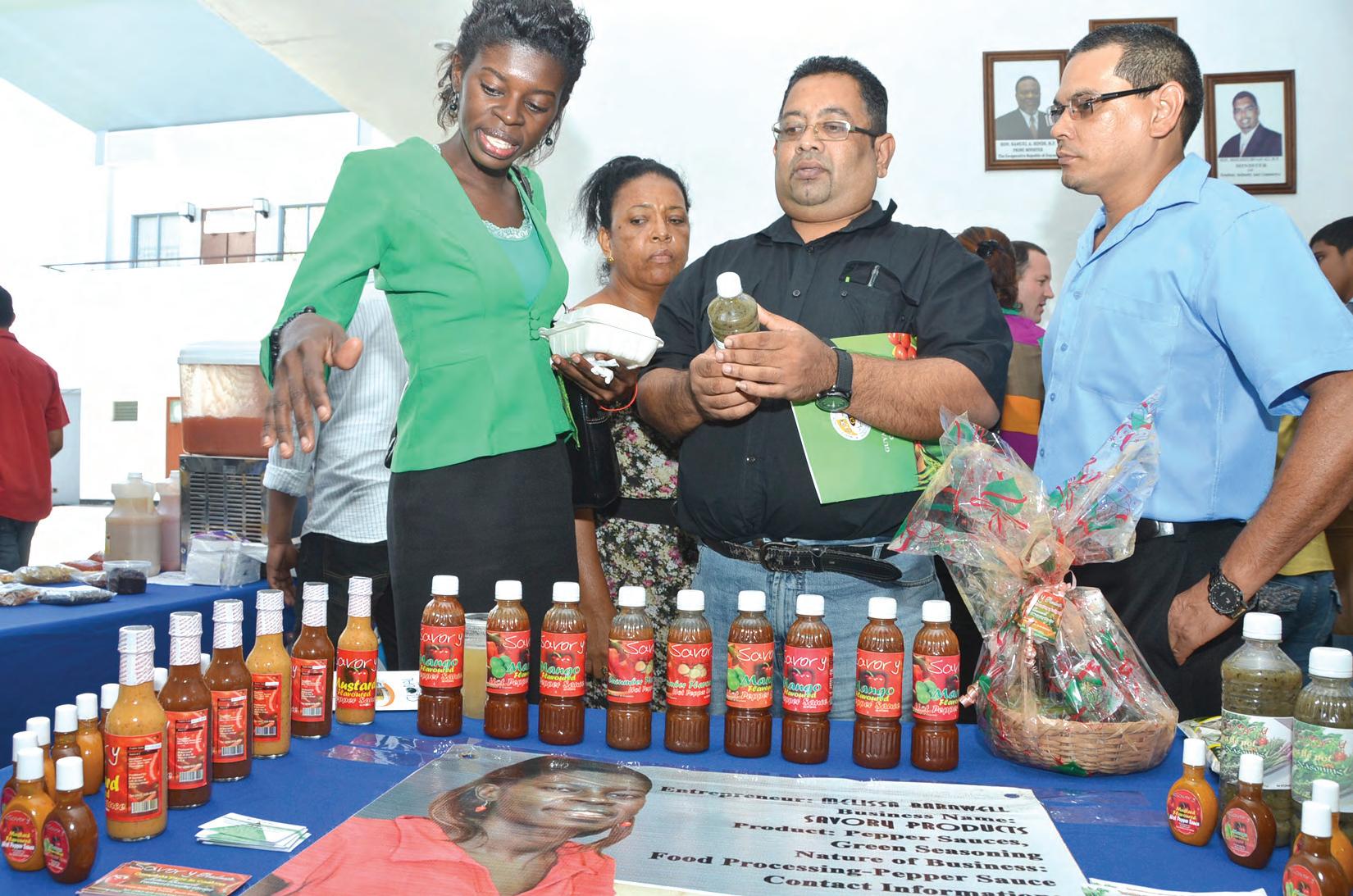
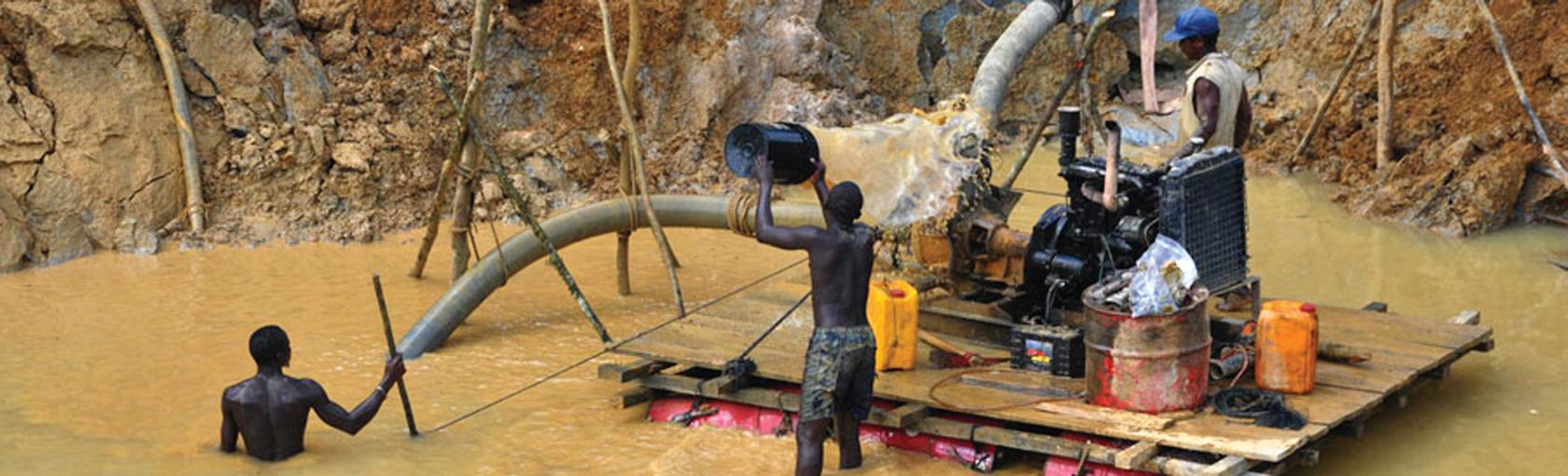
Already there have been many examples in the mining sector, where young black men and women have invested and are now reaping the rewards. There are numerous other success stories in the agricultural and construction sectors and even the food industry where our African brothers and sisters have resisted the temptation of “eating their seed” and with purposeful planning have developed world-class businesses through the process of deferred gratification. It is, therefore, incumbent on these businessmen and wom-
en, along with the village leaders and our Government, to create new paths for those who are yet to come by steering them in the right direction and providing the opportunities necessary for their success.
Seek out potentials
Another important avenue for increasing the pool of black entrepreneurs is to seek out young blacks who see themselves as “potential” entrepreneurs. On this note, the work of renowned economists Norris Krueger and Deborah V Brazeal (1994) as explained in a study “Entrepreneurial Attitudes and Knowledge of Black Youth” seems particularly relevant because they explain the importance of entrepreneurial potential and suggest how to develop potential entrepreneurs. They also emphasise according to the study that "a necessary pre-existing condition for an entrepreneurial event is the preparedness to accept an opportunity.
"Krueger and Brazeal note that preparation is a key element for creating potential entrepreneurs because “opportunities are seized by those who are prepared to seize them” They also stressed that perceptions about entrepreneurship are extremely important and set the foundation for becoming an entrepreneur long before an individual actually makes the decision to become one".
It has been said that those who wish to foster entrepreneurship must support and reinforce the perceptions that it is personally feasible and socially and personally desirable.
As was said in this newspaper on numerous occasions, a significant avenue for achieving such impacts on potential entrepreneurs is through educational preparation. Entrepreneurship education is especially important because the idea of becoming an entrepreneur needs to be presented at an early age.
It is against this background that the recent launch of Entrepreneurship as a subject at the Caribbean Advanced Proficiency Examinations (CAPE) must be lauded, as it should give our children, particularly those of African descent some hope. We must, therefore, ensure that they seize the opportunity to empower themselves by acquiring the knowledge, skills and attitudes to achieve entrepre-
neurial success in a variety of settings. I believe that with the right conditions and preparation, we will witness in the not-too-distant future an expanded African business class, driven by the inspirations of those who have achieved success and with a burning desire to carry what the late Maya Angelou poetically referred to as the “the hope and dream of the slave”. Can we rise? Yes we can.
The Guyana Agricultural and General Workers Union (GAWU), yet again, joins in the national celebration marking the 176th anniversary of the Emancipation
of the forefathers of our African Guyanese citizenry. This has become a joyful tradition and one which holds great significance for us. Freedom from physical bond-
age, which brought on unspeakable brutality and exploitation spawned by colonialism and capitalism, was undoubtedly a step along the way to our independence, the break-
ing of the colonial relationship, and the forging of a Guyanese nation.
It must be noted that freedom in 1838 was won and attained from the heroic and self-sacrificing struggles of the slaves. Today, we must not only embrace those struggles but they should inspire us as a people to jealously guard our independence and our general sovereignty in times when renewed efforts are being seen, more and more, to re-establish colonial relations in various regions of the world.
GAWU recognises the major contribution of the descendants of those freed African slaves in the continuous development of Guyana and in all areas of our country’s life – sport, culture, politics, security, and Foreign Service. So many have received acclaim regionally and internationally too.
Not only our AfroGuyanese citizens but, indeed, our country has come a far way in these 176 years. We overcame many hurdles, much of which has been rooted in the intrigues of the colonialists and their local collaborators. In our celebration, therefore, we should take pride in the progress made against all odds and let our achievements motivate us to reach yet greater heights and record achievements for our individual lives and in our society as a whole.
Though our times are serious and challenging, we can draw strength and heed the lessons from our forefathers –our hopes for a better life, society and world are realisable in our unity and principled struggles.
Happy Emancipation Day!
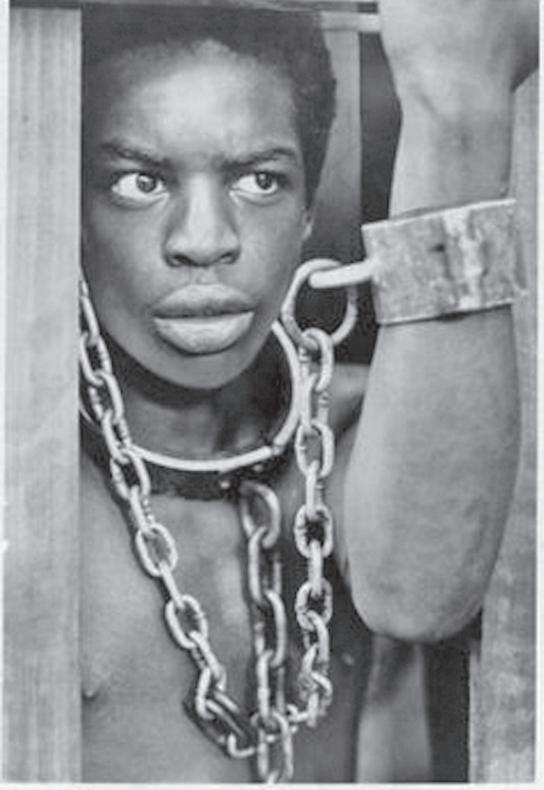
On the coasts of Africa, we were men free and alike
Till that day sea coughed up a terror, men with skin so white
They took the men, and raped our women
They burnt our houses down and enslaved our innocent children.
On the ships, they packed them in, two by two into wooden beds
We tried to look to the skies for answers but saw only wood, the woods above our heads
We were fed like animals, just so we wouldn’t die And not a single man felt the pain to see us Africans cry.
Days hot and hard, in this place we now have to call home
As the slave master lived up to his name and worked us to the bone
With the whip upon our backs and the dirt in our faces, We cursed their gods for putting them in this place
They said the free man is the one who never gives up And the fighting for our freedom never stopped. Many of my brothers were killed, some lived and some just passed away
But those, like me, who fought that proud, monumental fight, And survived to tell this tale, we remember them on this, Emancipation Day
Though there still linger many stereotypes relating to persons of African descent, African progress over the past half-century has been impressive and their works and ways need to be highlighted…
Eric Phillips
“Queen’s College’s Greatest Hero” – according to his protégé Michael Christophe on the school’s website – Eric McLaren Phillips was born in Dundee, Mahaicony to Eric and Zereda Phillips.
His country boy upbringing and the strong multicultural influences around him are what contributed to the man Eric is today: a modest man with incredible achievements. He is a poet, athlete, writer, producer, civil society activist, HIV/AIDS expert, community activist, mentor, expert in several technical fields, and developer of youth leaders and youth programmes.
Phillips has led an extraordinary life of public and civic service and contributions. At Queen’s College, he was legendary. During his time at the nation’s premier secondary school, the athletic individual represented Guyana in cricket, table tennis, and soccer and is said to be the only Guyanese to have done this.
This achievement along with his academic performance – always first or second every year in school; 9 “O” Levels, 3 “A” Levels (he has an IQ of 160); being athletic champion at the Under-15, 17 and Open levels; winning the Junior School Prize (twice), Senior School Prize; and making 128 runs not out on a broken left ankle in a cast earned him the title of “Guyana’s Best High School Student ever” as was written in School News.
In 1990 to 1991, Phillips was chosen as a White House Fellows in a nationwide competition that involved thousands of applicants in the United States. The White House Fellowship Programme is an incredible achievement in the US for someone not born there and is considered the USA’s premier leadership programme. Fellows are chosen based on character, proven leadership abilities, academic and professional excellence, and community involvement.
A panel of 33 Commissioners chosen by the President of the US makes the selection after a six-month process. As a White House Fellow, Eric was chosen to be the Chief-
of-Staff for USAID for their nine-country United States Presidential Trip to Africa on AIDS and Child Survival.
Art lover
Although little-known, Phillips has an abiding love for art – he has written over 200 poems – starting writing poetry as a childhood hobby. From time to time, friends and associates for their weddings and funerals have used Phillips’s poems. Some of his books of poetry include Quintessentially Yours and Wishful Love. His latest two books are entitled ISIS and INFINITY, which was published in 2011.
He had also served as the Executive Director of the Caribbean Theatre of Performing Arts (CTPA) in New York City. During his tenure, the play “Sea Rock Children” by Barbadian Paul Webster was produced and held at the Henry Street Settlement, as an Off Broadway production. He left this position to further his education.
In 2005, on returning to Guyana from South Africa, in recognition of the HIV/ AIDS epidemic in Guyana, Eric Phillips founded the HIV/AIDS NGO called Dance Alive Inc. He created, produced, scripted and directed 26 half-hour A-Z alphabet HIV/AIDS TV programmes, one for each letter starting with A for Abstinence).
The programmes used dance, poetry, inspirational messages, talking points and targeted messages to “spread awareness about HIV and AIDS and to empower young people to talk to their families, friends, and peers about this epidemic”. The philosophy behind this edutainment approach was “education is always a key aspect of changing behaviour and because Guyana has a significant “functional illiteracy” problem, the use of dance, which is popular in all Guyanese cultures, would be a way to obtain people’s attention”.
After realising the need for mentorship, business networks, young community leaders and the “hopelessness” experienced by the young Afro-Guyanese community, Phillips singlehandedly created an 18-month Leadership/ Mentorship Programme for 30 young people in Buxton, Agricola, and Albouystown, three very stigmatised communities in Guyana. It has been called one of the best leadership programmes in Guyana. All three communities have benefited culturally, economically and socially from this pro-
gramme.
The programme had several components: Leadership and Community Development, Health & Healthy Lifestyles, Small Business Management and Entrepreneurship, Agriculture and the Environment, and Media and Communications.
Noting the racial segregation in Guyana and sensing the demoralisation of the African community through racism, victimisation and poor political and civic leader ship, Phillips, who was in volved in South
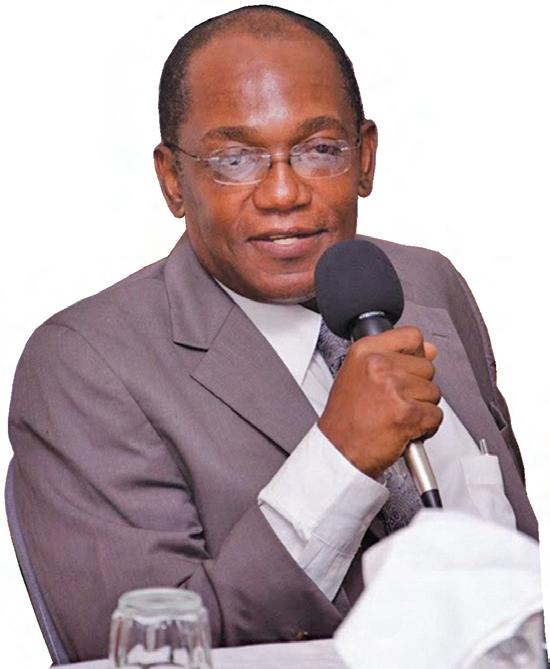
Eric Phillips
tions, wrote letters to two of the largest newspapers in Guyana.
The message to all Guyanese was captured in the quote below:
“It is very clear that the Westminster model of governance only enslaves Africans in Guyana. The African Renaissance is about equality, equity, economic prosperity, social renewal, mutual respect and peace. It is about getting Guyanese to understand that without shared governance, the country will not achieve its true potential and will never be at peace with itself.”
Phillips has never been
afraid to be sincere in his beliefs. His controversial African Renaissance Letters in 2006, tailored to a dramatic need in Guyanese society, as was his co-founding of the Reform Group, which was dedicated to a just multiracial plural democracy in Guyana.
Phillips is currently the Director of the African Cultural Development Association (ACDA), in which he continues to explore the African Culture and show Afro Guyanese that slavery was not the only part of their history, as African cultures are very rich and yet unexplored.
This exceptional Guyanese will continue to create out-of-box solutions to problems in Guyana and lead by example.
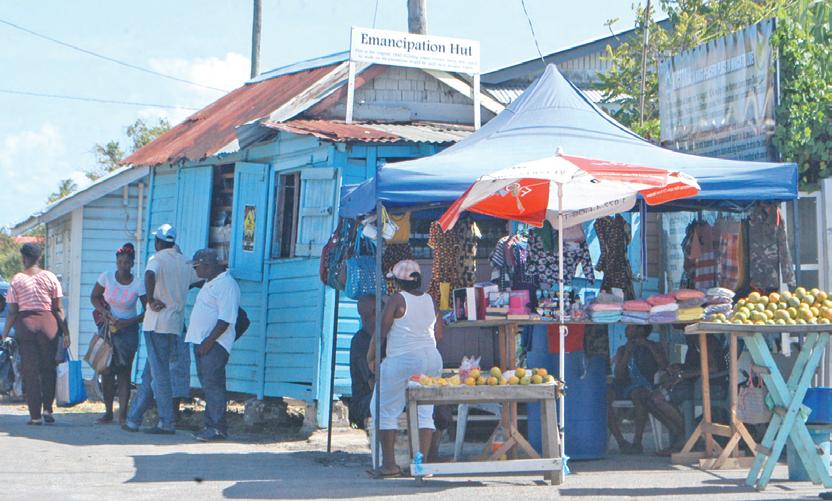
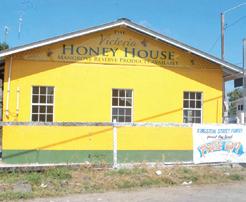
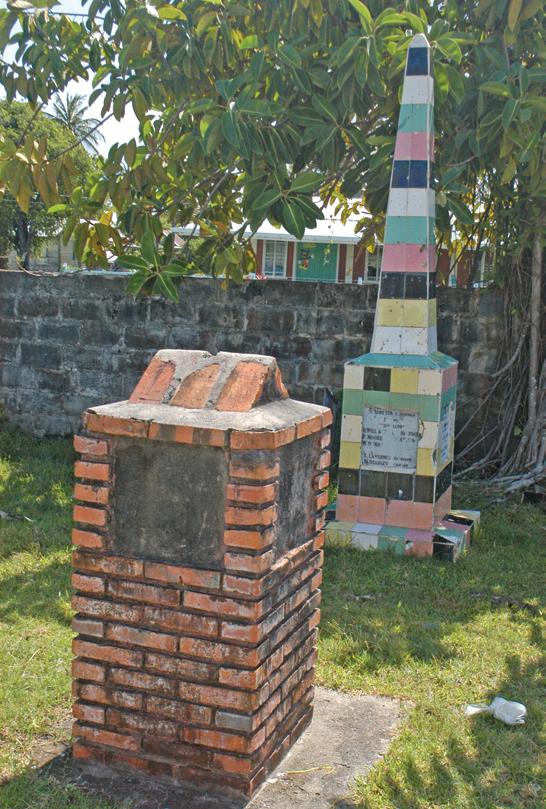
Victoria Village, located on the Atlantic coast of Guyana, some 18 miles east of Georgetown, was the first village in Guyana bought by the com-
bined resources of Africans who had recently won their freedom from slavery.
The community was initially a plantation called Northbrook. But
in November 1839, 83 exslaves from five nearby estates (Douchfour, Ann’s Grove, Hope, Paradise and Enmore) pooled their resources and bought
Plantation Northbrook for 30,000 guilders or $10,283.63. Each of the 83 owned one plot of land. After its purchase, the village was renamed Victoria, presumably in honour of England’s Queen Victoria, although some suggest it may have been named as such in honour of the former slaves’ victorious achievement of freedom.
In May 1845, some six years after the village was purchased, the owners agreed to a number of regulations for the proper management of the estate, which is among the first attempts at a code of Local Government in Guyana.
The people in the village showed a great desire for church worship and used to travel as far as Le Ressouvenir, 11 miles to the west, to attend services conducted by the Reverend

John Smith. At the same time, some of them were also taught to read and write.
The keen desire for church worship resulted in the construction of church buildings. The first church was built by the Congregationalists in 1845 and named after William Wilberforce, a prominent abolitionist.
Other churches followed for the Wesleyans, Plymouth Brethren, Lutherans, Catholics, Methodists and Anglicans.
“Boss Africa” (William Africa Baptiste), despite his literary limitations, became the first schoolmaster of the village when he was appointed by the Wilberforce
the reputation of being a most peaceful place in which to live. And it had a right to be peaceful because enshrined in its articles of understanding were a host of dos and don’ts which no doubt led to the enormous moral success of the village. The committee of management, which was soon founded, did not only plan the development of the village, but also looked over the works carried out by residents who were the shareholders.
Mandatory measures implemented by the overseers were sometimes said to be harsher than those on the estates, but they had the desired effect. All
Church that conducted classes in the building with Government aid.
He eventually passed away in 1881 at the age of 92 and is immortalised by a tablet in the Wilberforce Church.
The cultural standards of the village improved, chiefly influenced by the churches and the schools. Associations were formed with the aim of holding debates and suppressing indulgence in alcohol. The Cove and John Sugar Plantation and Belfield coconut estate boosted employment and thus, the economy. Fishing became a major industry for the village and the catches were brought to the village through the canal dividing Victoria from Cove and John. It also grew to become one of the leading exporters of coconut and cassava products.
Victoria Village earned
shareholders and their families had to work their plots and certain crops had to be planted so that the village would have enough food. Each home was required to cooperate in cleaning and digging trenches to drain the land. They were also asked to construct dams and roads and to repair them when it became necessary.
Discipline seems to have been the watchword in the village, and strict adherence to the code instituted by the committee was demanded. There were to be no fighting, no swearing, no cursing or gambling. Drunkenness was abhorred and no strangers were allowed into the village. Attendance at church services on Sundays was made part of the curriculum of activities and played an important role in the spiritual upkeep of the inhabitants. Anyone found committing breaches was required to pay a fine of one shilling (24 cents).
Sound Garden in 1997, which would become the heart
old record label, in 1999, Simon wrote, arranged duced the hit song “Stop the Hate”.
Miriam Williams performed the song which was

Burchmore Simon, a man touched by huge successes, especially since the establishment of Kross Kolor Records (KKR) likes to K-I-S-S.
His definition of this is “Keep It Simple Simon”. The KKR Chief Executive Officer has not only proven himself to be a talented songwriter, arranger and producer, but is also a force to be reckoned with as a father figure to his children, Julius and Danielle, the hundreds of people he has mentored and continues to mentor as the founder of Kross Kolor Records which has been in existence for the past 10 years.
The founder of the popular recording company is a trained classical guitarist and trained musical educator. He also plays the bass and keyboard which led to him directing the EC Connection for 12 years as founder, band leader, and bassist/vocalist.
We have all heard about the man with the golden touch but very few actually know the man behind the music. This publication caught up with Burchmore recently and he shared quite a bit about who he really is and how he managed to climb the ladder of success.
Simon was born in the Ancient County of Berbice to a Berbician mother and a Buxtonian father.
He later moved to Buxton where he spent most of his early childhood. Simon attended the Buxton Methodist School before moving on to the Golden Grove Secondary School to further his studies and graduated some years ater Simon got married, a happy union that has been going strong for the past 30 years and brought forth two children.
Song-writing gold
Simon first scored a hit as a song-writer in 1990, after years of musicianship –“Number One Lady” which he also produced. It quickly became a household favourite for many. After establishing his studio – the
featured on the album “The Beginning”. On that album, there was also the now Guyanese classic “Someone”, performed by Miriam Williams as well; “Green Eyes” and “Spellbound”, both performed by Sydney Chester and written and produced by Simon.
And Simon struck songwriting gold again with “Test Me” performed by Shady, in 2001. During the same period he also produced “Put Down the Gun” performed by Spida and Joel Chan. This song was a major hit, moving swiftly up the local charts; it also led to the establishment of the band “KKode Redd”.
A few years later, in 2004, he produced “Fete on Fire” performed by Adrian Dutchin who had placed third in that year’s Carib Soca Monarch Competition. But Simon did not stop there. His success story continued in 2005 with the introduction of “Display” which proved to be the key for Dutchin as he walked off with the Carib Soca Monarch crown after the performance.
Later that year, with his help, “X2” was born featuring, Jumo Primo and Dutchin. With the help of Simon, it came as no surprise that they immediately became the force to be reckoned with on the local music scene. The hits Simon wrote and produced for them included “Krazy”, “Tick Tack”, and “Hands Up”.
Two of these songs spent six weeks on the charts in Suriname paving the way for X2, Kross Kolor and Burchmore to become household names in the Caribbean, the USA, Canada, and London.
Never one to slow down, Simon produced that same year the “Wine Till Yuh Drop” album which spawned hits such as “Wine and Touch Yuh Toes” featuring Lilman.
In 2006, he produced another smasher called “Wine Till Yuh Drop” Volume Two,
which included hits such as “Guyanese Wine”; “Bug Red” by Lilman and “Push It Back” featuring X2, Vanilla and Ice.
Versatile
Simon also produced songs for Lilman and Malo who placed third and fourth respectively in the Carib Soca Monarch Competition of that year.
With an appetite for bigger things, he helped Tennicia Defreitas make a splash on the local music scene by writing her entry, “Honesty”, for the 2006 Children Calypso Monarch Competition, which she won. Melissa “Vanilla” Roberts also performed “Boy” at the said time, a song that was also written by Simon. He made headlines again that year with “One”, a song Dutchin had the pleasure of performing in the Carib Soca Monarch Competition. The song also won the Road
March competition making it two consecutive wins for Dutchin.
Simon also produced the winning calypso piece for the Mighty Canary titled “Show Me The love”. In 2007, he wrote and produced “Tell Me Why”, which was performed by Defreitas and won for her that year’s Children Soca Monarch crown.
Prolific
He also wrote, produced and arranged the song “Coco Stick” and “Queen of the Band” for Vanilla which copped the Road March title in 2007.
In addition to all of the above, this outstanding individual has written and produced dozens of songs and in excess of 600 pieces of advertisement for several groups and artistes, including the Woodside Choir, Sean Bhola, The Mighty Rebel, classical and jazz guitarist Deryck
Callendar, Eze Rockliffe, Courtney Noel, and the Visions Band All Girls Band.
The KKR label has also been very successful in promoting young, upcoming artistes and has been very instrumental in helping them to excel in their respective competitions.
Earlier this year, Simon was successful in launching the Guyana Music Network, an organisation designed to promote the local music industry and the well-being of its members.
The launch of the new and exciting talent show titled “Centre Stage”, designed to give new and upcoming artistes the opportunity to showcase their talent in a professional environment spanning sound, stage and lights was also made possible through Simon.
“Centre Stage” is being held in conjunction with ACDA as part of the
Emancipation celebrations.
In recognition of Simon’s contribution, he was given a special award by telecommunications giant Digicel –a cricket bat endorsed by the entire West Indies cricket team while some of the artistes he has mentored presented him with a special trophy for his dedication to their development.
In 2006, he was also awarded for his contribution to the development of music in Guyana by the Guyana Folk Festival Committee in the USA.
To date, under the Kross Kolor Records, artistes have won a total of 23 titles, seven second place finishes and four third place finishes in the Junior Calypso Monarch, Health Song, Road March, Carib Soca Monarch, Banks Groovy Soca Monarch, CellLink Kids Stage and Caribbean Star Search Competitions.

By Jomo Paul
Mosa Telford, the winner of the Guyana Prize for Literature, believes that her ability to deliver when writing a screenplay or short story was something that was genetically bequeathed to her by her father. Telford is the epitome of success in the dramatic arts in Guyana. Her play “Shadows” gained her five awards at the Theatre Guild Awards and
six awards at the National Drama Festival 2011.
She is an extremely proud Buxtonian who explained that living in the historical villages has rewarded her with a wealth of experience that could not have been amassed in any other place.
During a recent interview, the critically acclaimed playwright explained that she started writing around age seven and everything fell into place from there.
Seven was also the age that she lost her father, a poet, who had committed suicide and in an effort to deal with the resulting pain, the youngster turned to writing.
“I don’t know if it was a sort of a way to deal with the pain of having lost a father that young... in that way... then when I was growing up too I was a child that never really spoke a lot, if I was going through something I preferred to write about it than talk to somebody....writing was my escape,” the award-winning playwright said. “It started with me writing stories poetry and ended up with me writing plays.”
When she attended North Georgetown Secondary School, she participated in a series of drama classes. However, she only gained prominence in the dramatic arts fraternity with her play “Shadows”.
“Shadow” also gained Telford a number of awards at the Guyana Drama Festival. She explained that “Shadows” made her more cognisant of the work that she was doing and she tried to make every project better than the last.
“When I submitted my entry, I thought okay, I hope I make it to the shortlist, I never imagined that I would win. I mean I thought I was going to get on the short list... I thought, ‘Why they going to give you the prize over somebody who is so talented’?” said Telford referring to an established writer.
Now grooving into the area of short films and movie making, the writer said while she is enjoying her additional outlet, it is not without challenges.
She explained that while movie making is not different from a theatrical production in many ways, it is difficult to raise resources to successfully fund
a movie project.
“Look at it this way, people don’t want to go Cultural Centre to see something thought provoking or serious, they go there to laugh.”
She said while writing doesn’t pay much, it puts a meal on her table and she is grateful for the opportunities that her talent has presented her with over the years.
Publicly considered to be at the pinnacle of her career, Telford, who holds a Diploma of Performing Arts from a London institution (2002), insists that this is not so and she has just “touched the tip of the iceberg.” She maintained that she still has a long way to go and she will be sure to travel that road.
Knowing your roots She believes that Guyanese artists are not appreciated and seen for the talent that they posses, and contends more emphasis should be placed on the development of the arts in Guyana.
“Artists in any country are important, but Guyanese artists are not shown that respect, the golden days of the arts are gone.”
When questioned on the importance of Emancipation for her, Telford seemed a bit mesmerised by the question. She said it holds deep feelings for her and she sees it as a “time of reflection and a time to think, and feel my ancestors”.
The write said what troubles her in today’s society is that young men and women don’t take the time to know their history and where they are from.
“All they seem to know is that we were slaves. Yes, we were slaves but they don’t know we were kings and queens and we had our own religion and all these things.”
Dismissing the popular belief that Africans are not able to properly manage funds, Telford pointed that it was the slaves who toiled and saved to buy the first village, but “somewhere along the line, the focus has been lost and I would love to see it get back on track”.
“I am just as valuable just as the person next to me whether white, black, brown, whatever. I am just as valuable,” said young entrepreneur.
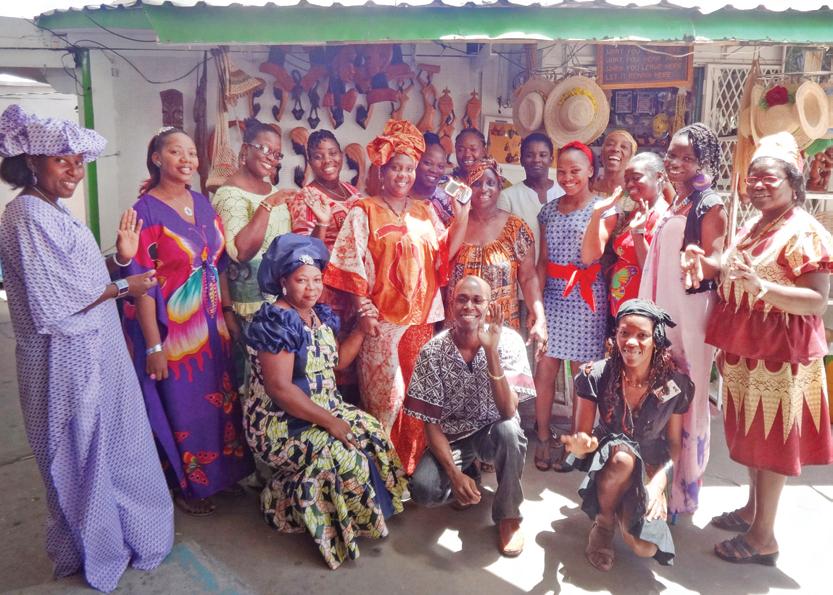
What makes you proud to be a resident of Victoria, the first plantation bought by former slaves?
“Iam proud of the people who live in unity. There is cooperation, and the people come together; that’s what I like about Victoria. If things continue to go as they are going now, I see that the future is pretty good.’
“Victoria is a proud and peaceful village, we living in love. We have a lot of intelligent youths coming up in this village, so the village will be more proud. I would like to give the young people advice so that they could follow the good and become good in the future.”


“Iam proud of the village because there are a lot of cooperative people living in here. I see the future of the village will be good, because many people work together. I would participate in the development of the village by presenting brochures and so on, so that others can participate as well.”

“Idon’t really know much about the background history, but from what I have heard, the village was bought by the slaves and it’s a village that was built by the community, not depending directly on the Government for anything. That’s what I am proud of, the village built itself.”
“T
his is a good village. Sometimes, you might get ups and downs, but the people are always at your rescue. The future of the village seems good because we have hardworking people. They don’t really sit down, everybody does get up and get."


“Icome in this village and live and married and I see it making progress. The place quiet and nice, no problems as long as you mix with the right persons. You could mind fowls and sheep and start your life. The place is going to develop more, because when I first came here, we did not have this road. People are moving in all the time.”
On the education front, it was compulsory that every child of age attend school regularly and punctually for the village leaders saw the importance of an education not only in its necessity to the longevity of the village, but also as a tool if and whenever the inhabitants might be called upon to venture out into the wider society.
Today, things have changed dramatically in the village and, of course, have affected villagers in various ways. First of all, the historical masterpiece , Wilberforce Church, which has always been the pride of villagers who are lamenting the fact that its traditional wooden and shingle structure was torn down several years ago by a former village council and replaced with a less valued structure.
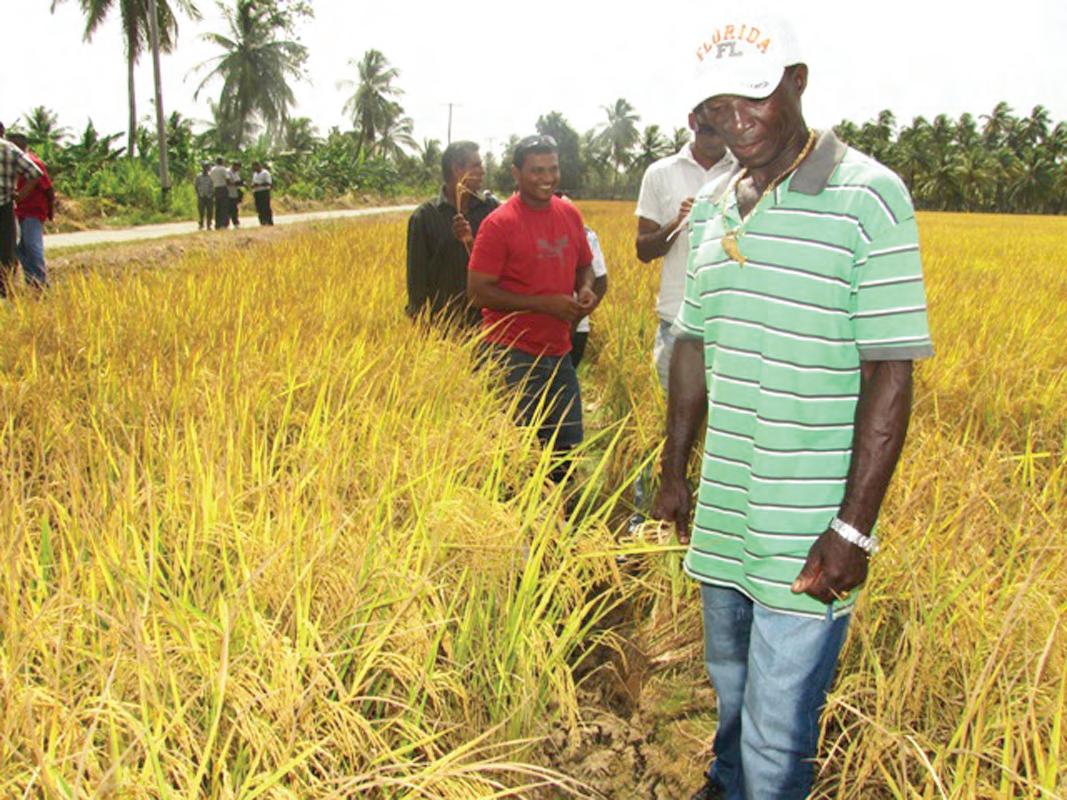
And farming in the backlands once a mainstay of the village economy has dwindled dramatically due to the lack of proper drainage and irrigation. Small gardens still remain alongside the parapet of the Bellback ingress and access road. These are a welcome sight, but pose problems of their own.
An inadequate water supply is experienced by some sections of the village and this happens mostly in the ‘backdam area’ of Victoria. According to villagers, persons residing close to the Public Road enjoy a constant supply of water while those beyond the Railway Embankment are subjected to on-and-off spells with no proper explanation.
A new crime wave in the form of repeated rapes
is sweeping the East Coast, and cases have been reported in Victoria, as well as the famous “Picture Boy” murder and this has plunged sections of the village into intense fear.
There is no scope for employment in the village, as a few still struggle with their farming and some sell brooms in the city, but the majority of the male inhabitants are unemployed. This is evident in the number of them who hang around the Upper Level Barber Shop on the public road, line the roadways, or sit for hours in the Catholic Church compound. Three small grocery shops supply the needs of the many housewives and the lone cemetery is in dire need of cleaning.
But there are still signs of the indomitable spirit of the original villagers; many may not know, but Victoria Village is home to two of Guyana’s most popular masquerades bands. The renowned Joker is Wild band, led by Adrian Waldron, was created in Victoria and has taken most of the top titles over the years at the annual Mashramani competitions.
Entertainment is on the rise in the village and several promoting agencies have emerged, bringing much frolic and fun for villagers. May fairs are popular as well as the annual village pageant.
There is never a dull day in the village of Victoria and many villagers are of the view that since Victoria has such a rich and intriguing historical background, it should be refurbished and used as a tourist attraction for overseas visitors.