
guyanatimesgy.com
Monday, April 21, 2014

guyanatimesgy.com
Monday, April 21, 2014
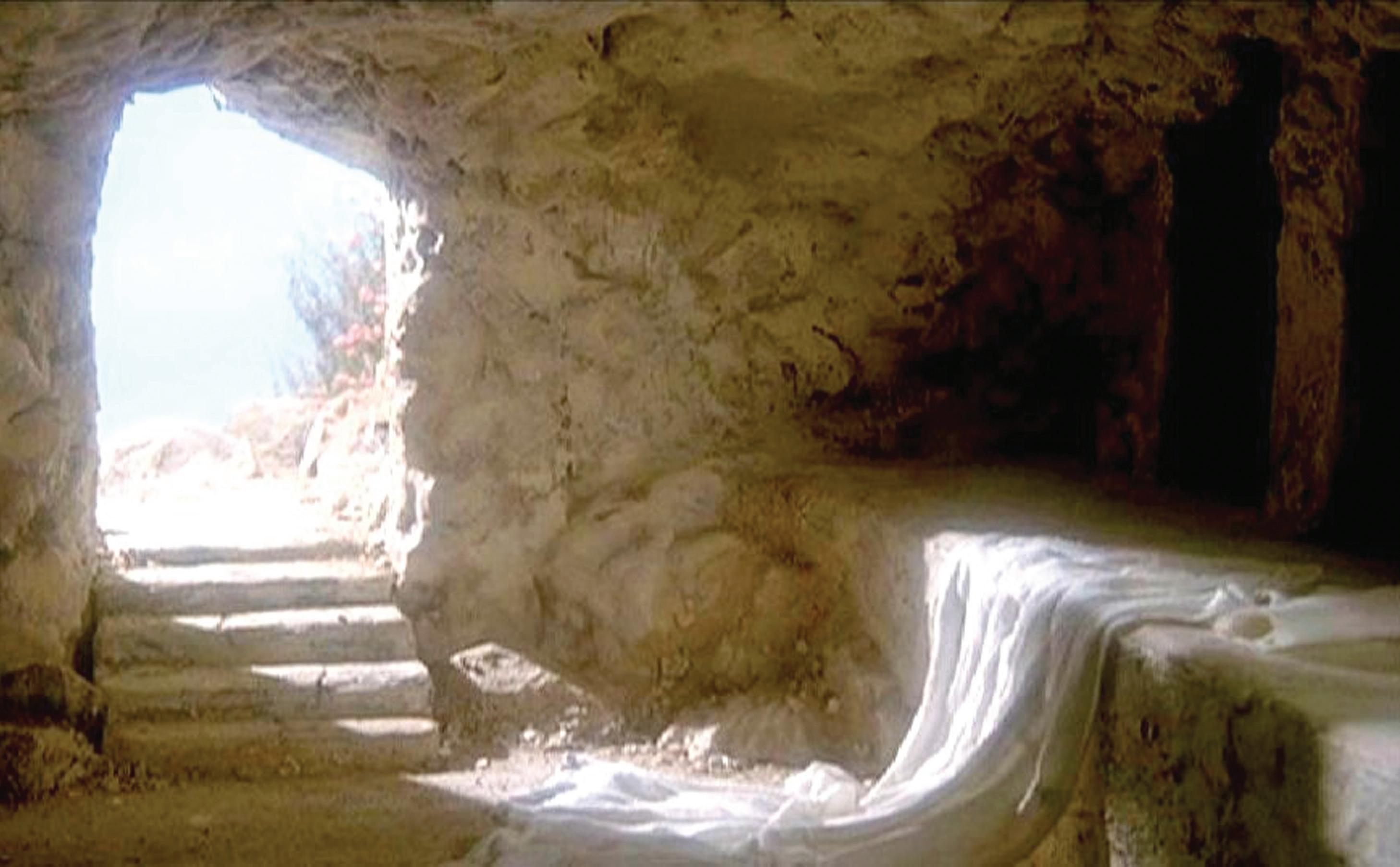
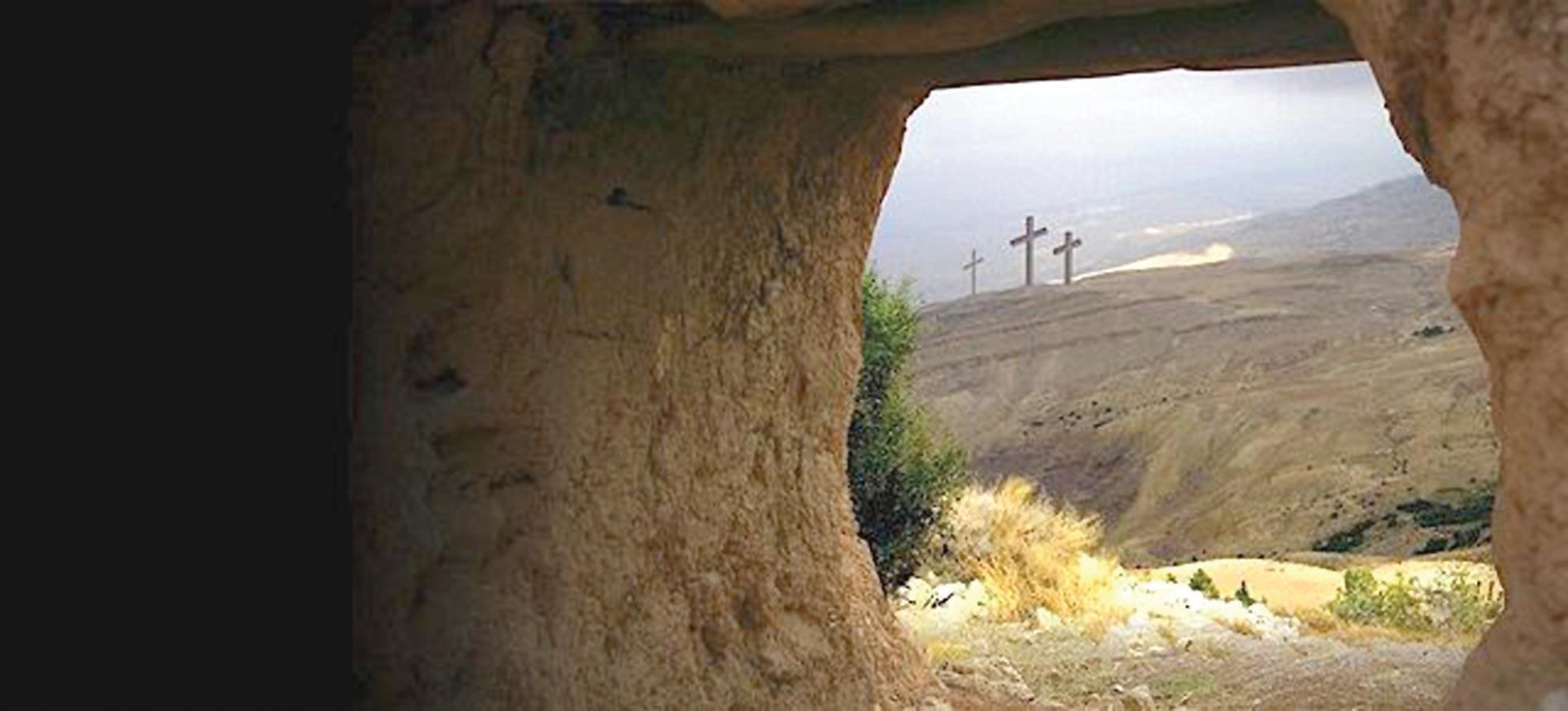
The greatest care had been taken to guard the Saviour’s tomb, and the entrance had been closed with a great stone. Upon this stone the Roman seal had been placed in such a way that the stone could not be moved without breaking the seal. Around the tomb was the guard of Roman soldiers. They were to keep strict watch, that the body of Jesus might not be molested. Some of them were constantly pacing to and fro before the tomb, while the others rested on the ground nearby.
But there was another guard around that tomb. Mighty angels from Heaven were there. Anyone of this angel guard, by putting forth his power, could have stricken the whole Roman army. The night of early Sunday morning wore slowly away. At the darkest hour, just before daybreak, one of the most powerful angels is sent from Heaven. His countenance is like lightning, and his garments white as snow. He parts the darkness, and the whole heavens light with his glory.
The sleeping soldiers awake and stand to their feet.
With awe and wonder, they gaze at the open heavens and the vision of brightness which is nearing them. The earth trembles and heaves as the powerful being from another world approaches. He is coming on a joyful errand, and the speed and power of his flight shake the world like a mighty earthquake. Soldiers, officers, and sentinels fall to the ground as dead men.
There had been still another guard at the Saviour’s tomb. Evil angels were there. Because the Son of God had fallen in death, His body was even then claimed as the prey of him who has the power of death – the devil. The angels of Satan were present to see that no power should take Jesus from their grasp. But as the mighty being sent from the throne of God approached, they fled in terror from the scene. The angel laid hold of the great stone at the mouth of the tomb, and rolled it away, as if it had been only a pebble. Then with a voice that caused the earth to tremble, he cried:
“Jesus, Son of God, come out, for your father calls
you!”
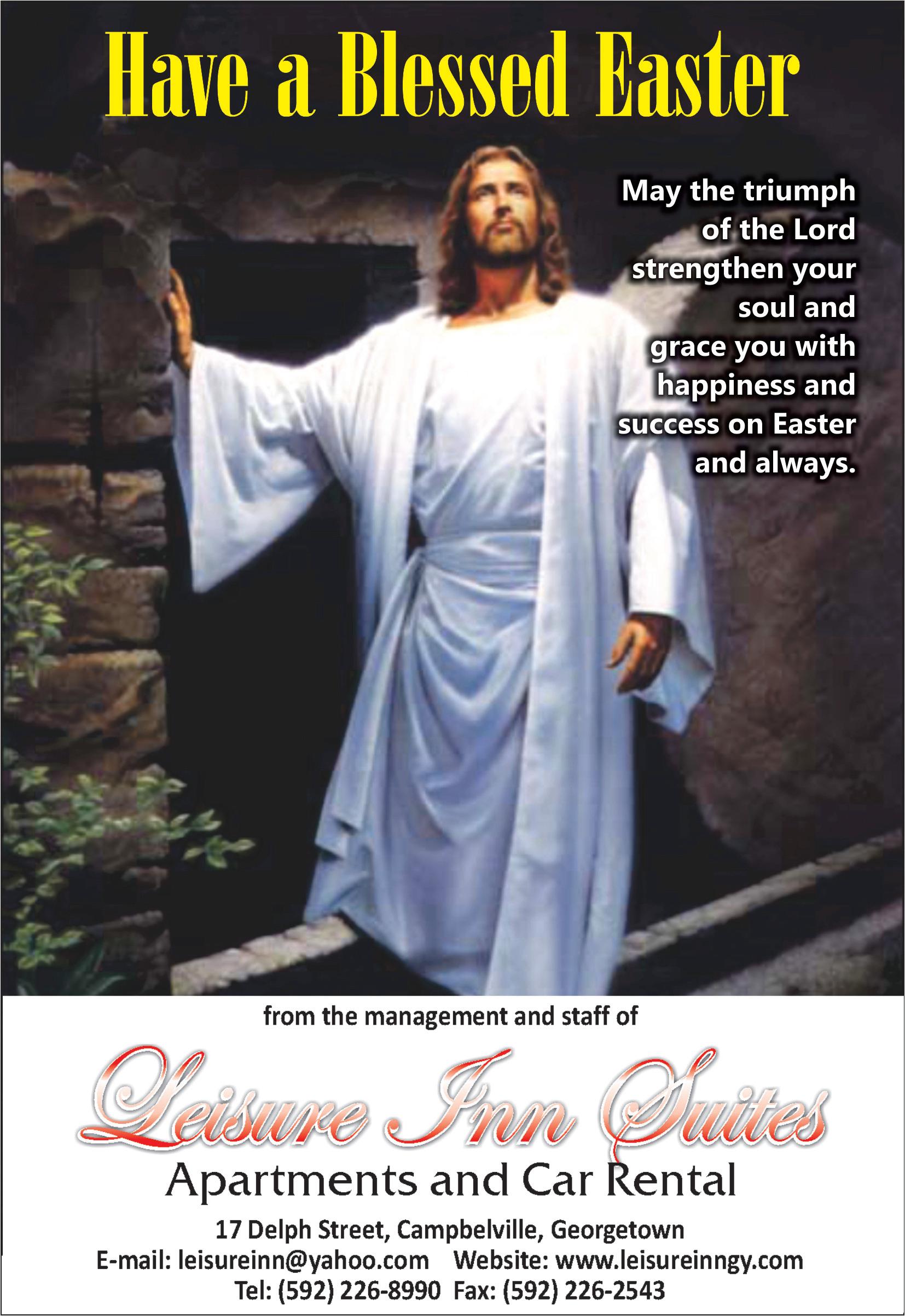
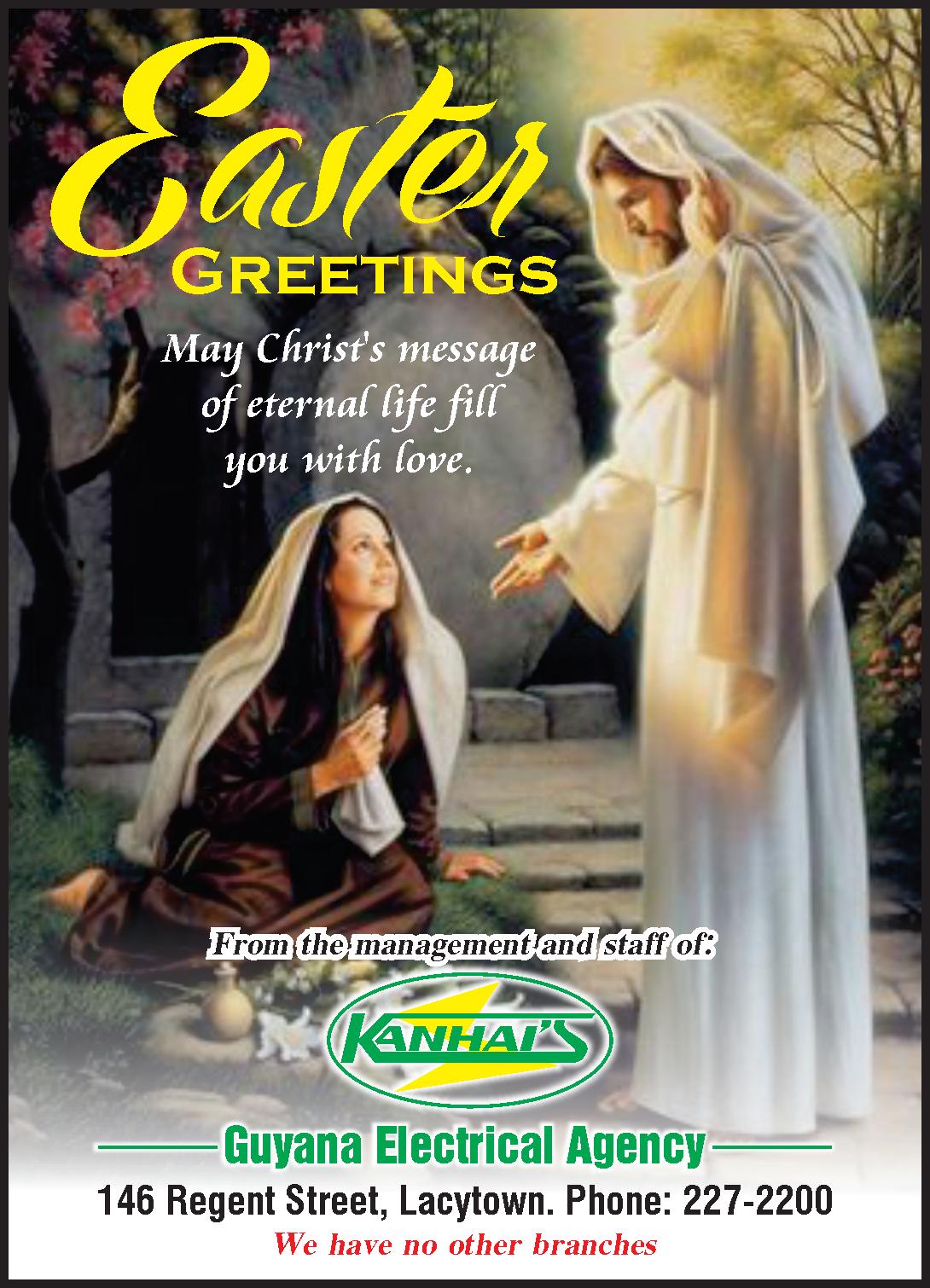
Then He who had earned the power over death and the grave came forth from the tomb. Above the open grave He proclaimed: “I am the resurrection, and the life.”
And the angel host bowed low in adoration before the Redeemer and welcomed Him with songs of praise. Jesus came forth with the tread of a conqueror. At His presence the earth reeled, the lightning flashed, and the thunder rolled. An earthquake marked the hour when Christ laid down His life. An earthquake also witnessed the moment when He took it up in triumph.
Satan was bitterly angry that his angels had fled at the approach of the heavenly messengers. He had dared to hope that Christ would not take up His life again, and that the plan of redemption would fail. But as he saw the Saviour come forth from the tomb in triumph, all hope was lost. Satan now knows that his kingdom would have an end, and that he would finally be destroyed.

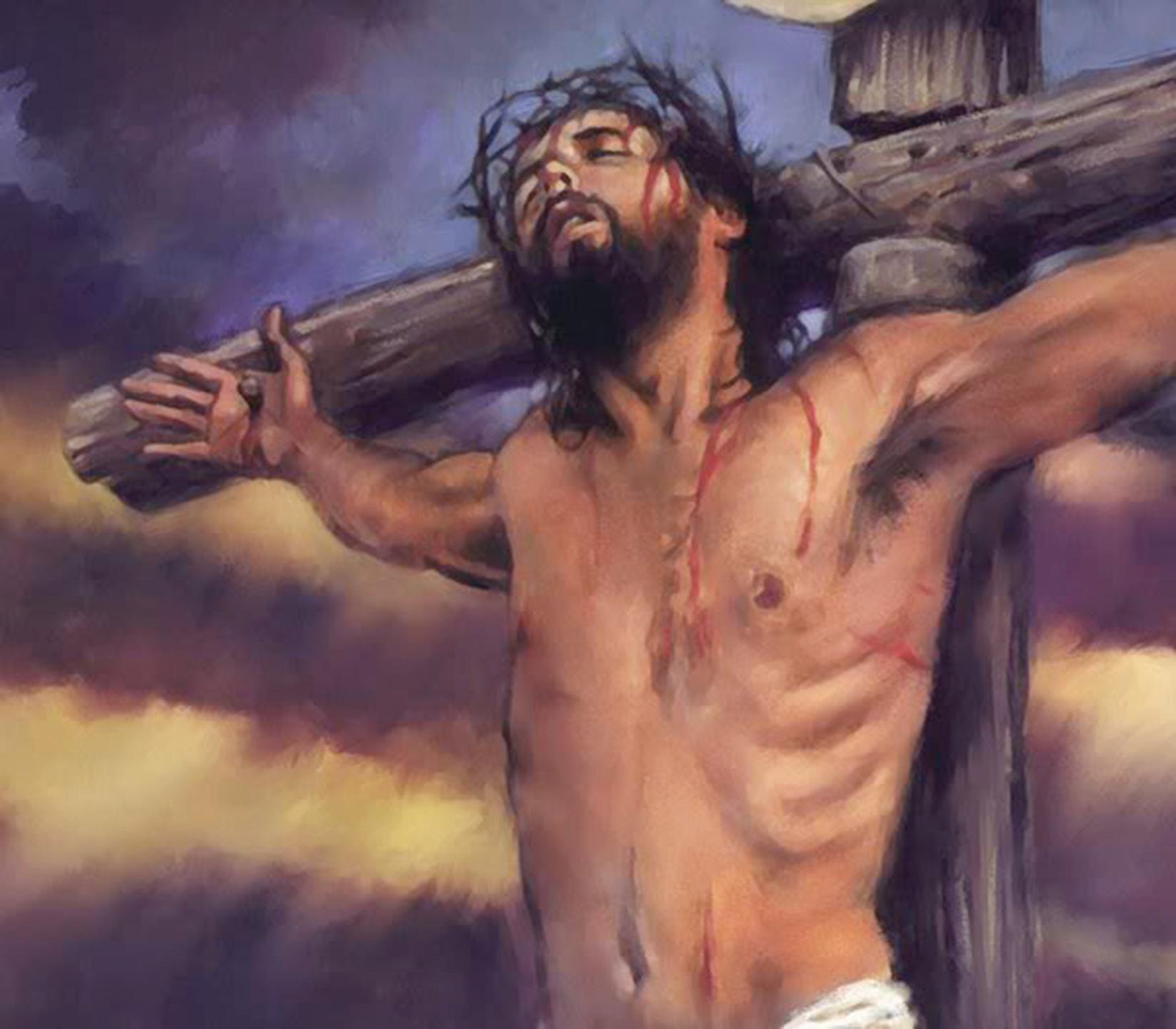
Jesus was hurried to Calvary amid the shouts and jeers of the crowd. As He passed the gate of Pilate’s court, the heavy cross which had been prepared for Barabbas was laid upon His bruised and bleeding shoulders. Crosses were placed also upon two thieves, who were to suffer death along with Jesus.
The load was too heavy for the Saviour in His weary, suffering condition. He had gone only a few paces when He fainted under the cross. When He revived, the cross was again placed upon His shoulders. He staggered a few steps, and again fell to the ground. His persecutors now realised that it was impossible for Him to go farther with His burden, and they were puzzled to find someone who would carry the humiliating load. Just then they were met by Simon, a Cyrenian, coming from the opposite direction. They seized him, forcing him to carry the cross to Calvary.
Arriving at the place of crucifixion, the condemned
were bound to the instruments of torture. The two thieves wrestled in the hands of those who stretched them upon the cross; but the Saviour made no resistance. Jesus’ mother had followed Him on that awful journey to Calvary. She longed to help Him as He sank exhausted under His burden, but she was not allowed. Would He who had given life to the dead permit Himself to be crucified? Would the Son of God allow Himself to be cruelly slain? Must she give up her faith in Him as the Messiah? She saw His hands stretched upon the cross – those hands that had ever been reached out to bless the suffering. The hammer and the nails were brought, and as the spikes were driven through the tender flesh, the heart-broken disciples bore from the cruel scene the fainting form of Mary, mother of Jesus.
The Saviour made no murmur or complaint; His face remained pale and serene, but great drops of sweat stood on His brow. His disciples had fled already and He was all

alone. As the soldiers were doing their work, the mind of Jesus passed from His own suffering to the terrible retribution that His persecutors must one day meet. He pitied them in their ignorance, and prayed:
“Father, forgive them. They don’t know what they are doing.”
Christ was earning the right to become our advocate in the Father’s presence. That prayer for His enemies embraced the world. It took in every sinner who had lived or would live, from the beginning of the world to the end of time. Whenever we sin, Christ is wounded afresh. For us He lifts His pierced hands before the Father’s throne, and says: “Father, forgive them. They don’t know what they are doing.”
As soon as Christ was nailed to the cross, it was lifted by strong men, and with great violence thrust into the place prepared for it. This caused intense suffering to the Son of God. The soldiers threw lots to decide who would get his clothes. The people stood there watching. The leaders made fun of Jesus. They said: “If he is God’s Chosen One, the Christ, then let him save himself. He saved other people, didn’t he?”
As soon as Jesus was lifted up on the cross, a terrible scene took place. Priests, rulers, and scribes joined with the rabble in mocking and jeering the dying Son of God, saying: “If you are the king of the Jews, save yourself!”
“He saved other people, but he can’t save himself!... If he is the King, then let him come down now from the cross. Then we will believe in him. He trusts in God. So let God save him now, if God really wants him. He himself said ‘I am the Son of God.’” Christ could have come down from the cross. But if He had done this, we could never have been saved. For us He was willing to die. “But He was wounded for the wrong things we did. He was crushed for the evil things we did. The punishment, which made us well, was given to him. We are healed because of His wounds.” (Excerpts from the Story of Jesus)

By Alex GrAhAm
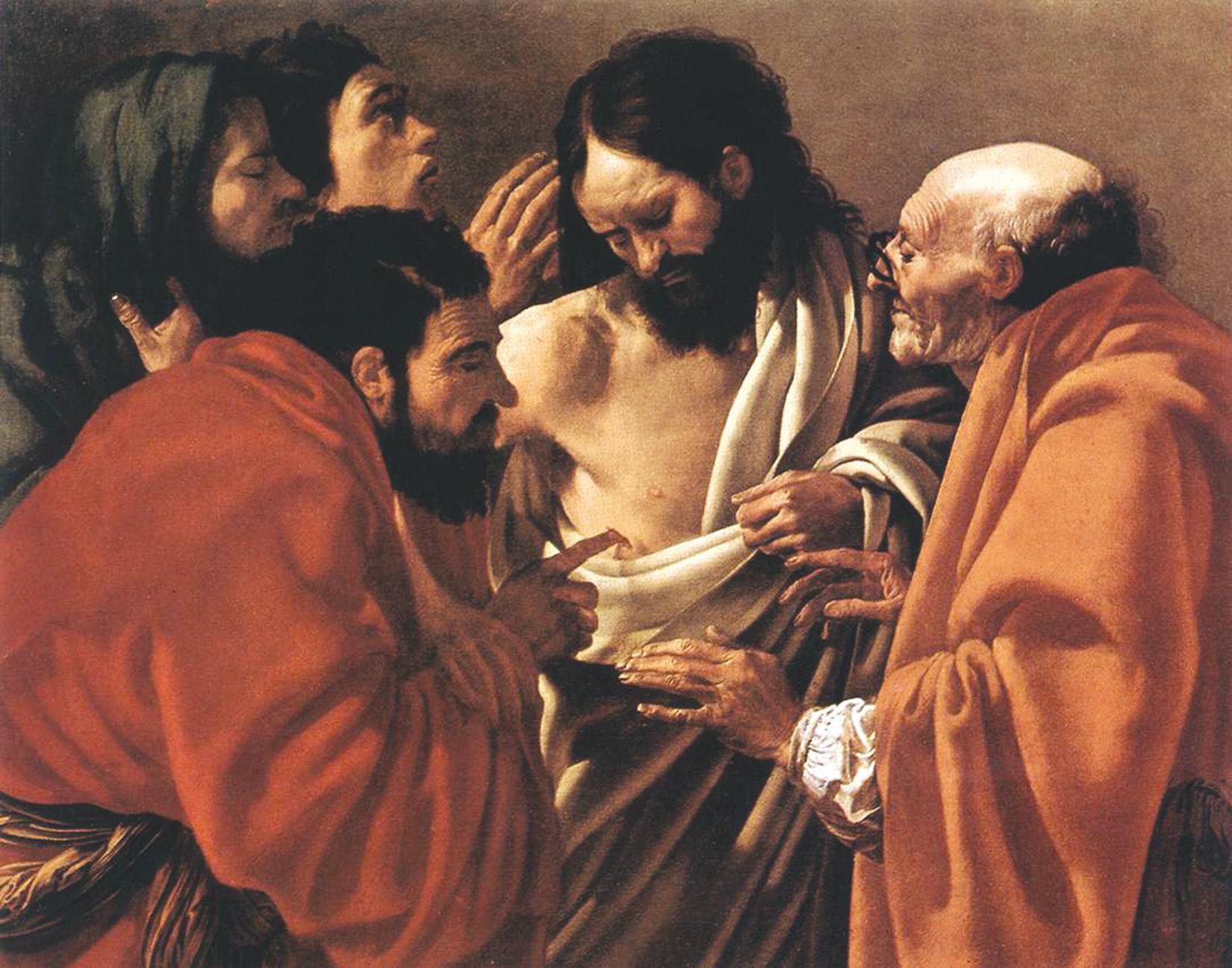
Now Thomas, called the Twin, one of the twelve, was not with them when Jesus came. The other disciples therefore said to him, “We have seen the Lord.” So he said to them, “Unless I see in His hands the print of the nails, and put my finger into the print of the nails, and put my hand into His side, I will not believe.” John 20:24 – 25.
Thomas, as a result of the passage we just read, has been called Doubting Thomas for centuries and is almost the patron saint for all persons who call for the evidence before they believe a claim or a doctrine.
Thomas was sceptical about the claims about Christ’s resurrection and wanted the evidence. Thomas is no different from the way we do business today, for example, you go to the police with a problem and when they respond they start by taking evidence. You get to court and the lawyers and the judges start to examine and decide on the evidence. In social work, we make decisions or interventions or develop programmes based on the evidence (and if your evidence base is weak, your conclusions are doubted).
In an evidence-based culture, our claims about the resurrection are forever going to be challenged and we will always be pressured to produce the evidence. It should be noted that sometimes evidence can sometimes lead us to the wrong place and the wrong conclusions.
Scientists and mathematicians want evidence that they can process with the tools of their trade, they want to plot graphs and make predictions. But if we believe the mathematicians, we would not even bother to invite people to come to church because mathematics has predicted the death of the church. Here is what a few mathematicians said recently about the church
Organised religion will all but vanish eventually from nine Western-style democracies, a team of mathematicians predict in a new paper based on census data stretching back 100 years.
It won’t die out completely, but “religion will be driven toward extinction” in countries including Ireland, Canada, Australia, New Zealand and the Netherlands, they say.
It will also wither away in Austria, the Czech Republic, Finland and Switzerland, they anticipate.
They can’t make a prediction about the United States because the U.S. census doesn’t ask about religion, lead author Daniel Abrams told CNN. But nine other countries provide enough data for detailed mathematical modeling, he said.
Who are these guys?
They never read the Bible!
Thomas asked for evidence and Jesus walked through the wall with a body that Thomas could touch as if to say, “you want evidence?”
Evidence is the currency of science and criminal investigation and legal trials. Evidence is the currency by which one fulfils the burden of proof.
Faith is the stock in trade of the kingdom of God and is the substance of things hoped for and the evidence of things not seen, being sure of your hope and certain of what you do not see. (Hebrews 11:1)
Faith produces outcomes that we could not predict based on the evidence.
Jesus was crucified, He was pronounced dead! He was

pierced in the side with a spear to make doubly sure! He was placed in a tomb and it was sealed and guards placed in front of it. The evidence was that – that was that – time to leave the dead in the cemetery and move on.
But the reports we have received say that early the Sunday morning ,Jesus, while no one was looking, broke free from the curse of sin and its attending chains of death. He got up and took back the life he had laid down for a time and then set out to meet those who were still in mourning for him. He declared to them that he was now ready to set up His Kingdom.
* So we can plant new churches and expect them to grow despite the fact that mathematicians might draw different conclusions.
* You can bring your hopes to Christ and with faith in Him expect results that those around you may doubt today.
* You can bring your broken relationships and broken homes to Him and expect reconciliation and restoration.
* You can bring your broken bodies to Him and expect results that your doctors do not expect based on the medical evidence.
We now have life through the Spirit because of Romans 8:11 that the same Spirit that raised Christ from the dead will give life to our mortal bodies!
But we still have the need for evidence in the evidencebased approach of the world in which we live. I think that Ron Kenoly sums it up best in his song "Yes Lord, I Believe".
He has irrefutable evidence that Jesus Christ is raised from the dead …
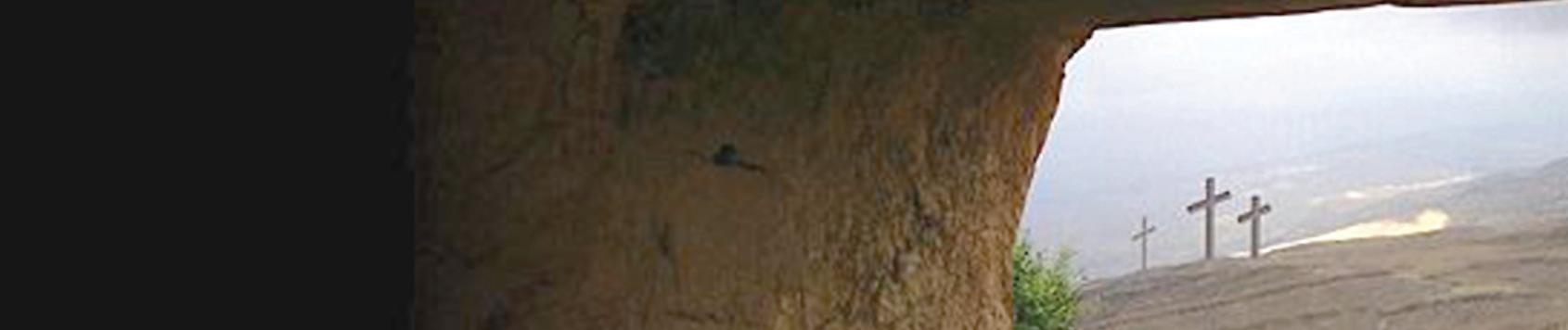
I believe the tomb is empty
‘Cause I know my heart is full
Of the glory and the wonder
Of your name
I believe the power That raised You Is alive in me right now And the joy within my heart Can’t be contained
Yes Lord, Yes Lord I believe (Ron Kenoly, "Yes Lord, I Believe")
Reverend Alex Graham is Pastor of the Living Stones New Testament Church of God, Aubrey Barker Road, South Ruimveldt Park, Georgetown
By Gomatie Gangadin
Beautiful saviour and precious Lord, Thanks is given for your blood, Your blood which flowed that day at Calvary’s cross, To demonstrate your love. It is now by Your blood, that we can be healed, Forgiven and set free. It was necessary that You died for us
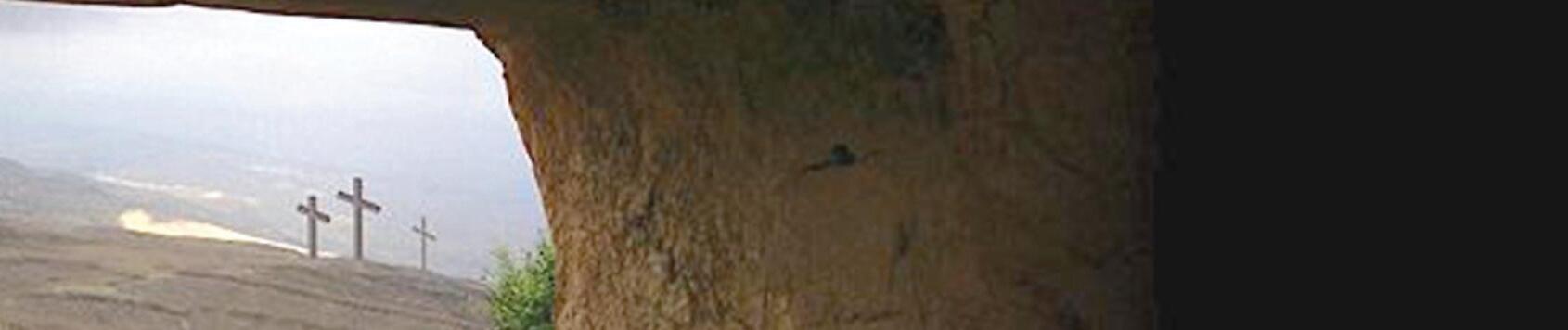
So that we can now have eternity. No one has ever loved that much To give their life; have their blood poured out. But You took upon Your beaten body The death sentence that was ours. We can never fully comprehend All that You had to endure; You became a sinless, sacrificial lamb Who offered Your life, a life that was so pure. You were mistreated, cursed and rejected With no mercy or love, Yet You willingly laid down your life For Your children to be free. The stone’s been rolled away The tomb open and bare They looked for You, but the angel said That You were no longer here.
So much did You accomplish that Through Your death upon the cross And in your rising from the dead You have reconciled us back to God.

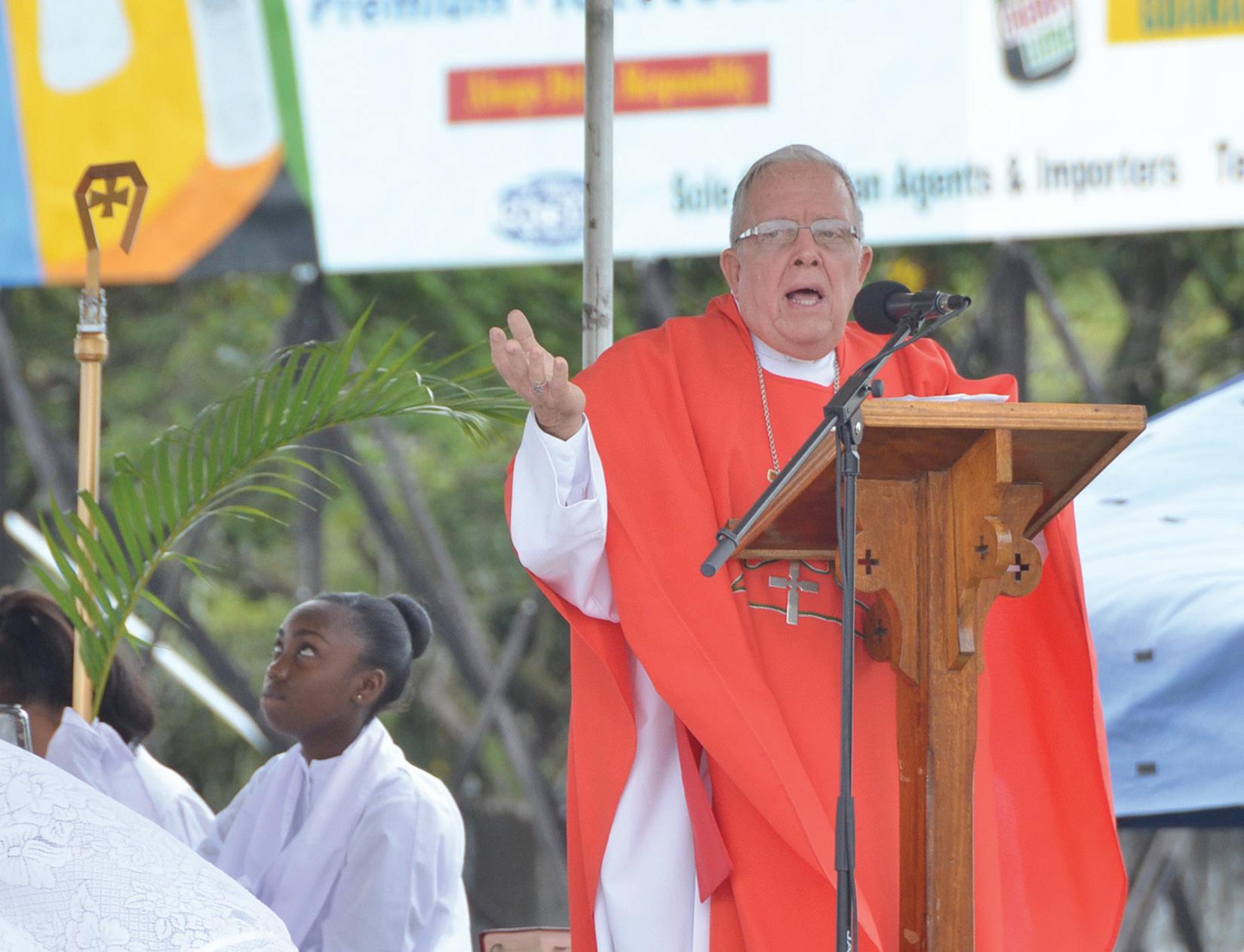
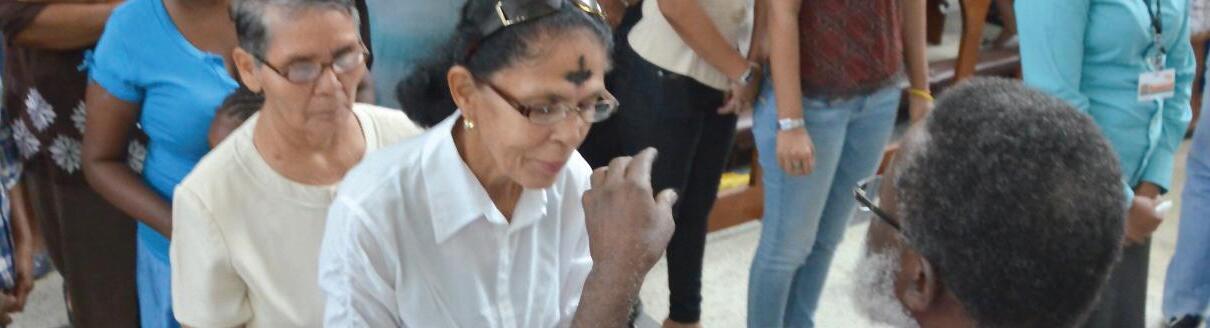
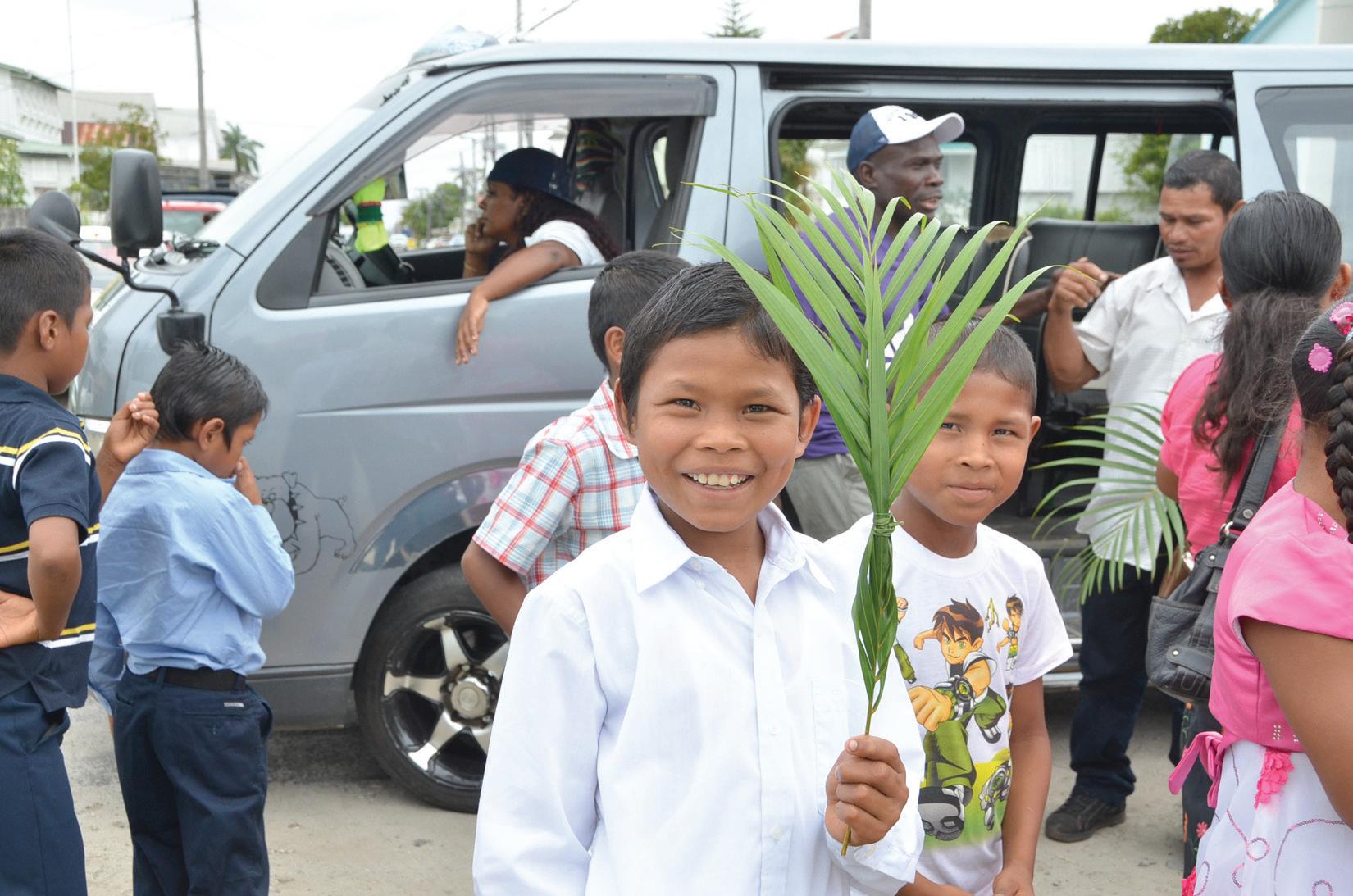
The Guyanese Catholic Community on Sunday hosted its Palm Sunday service at the Georgetown Cricket Club (Bourda) Ground to commemorate the start of Holy Week.
It is the only year thus far, that Palm Sunday is being celebrated around the world on the same day. The event was attended by hundreds of followers of the faith from all of the parishes across the country, including the Immaculate Conception (Brickdam) Cathedral, Sacred Heart, and Our Lady of The Mount Church.
Palm Sunday is a Christian feast that falls on the Sunday before Easter. The feast commemorates Jesus’ triumphal entry into Jerusalem. The event began with a procession of the assembled worshippers carrying palms, representing the palm branches the crowd scattered in front of Jesus as he rode into Jerusalem.
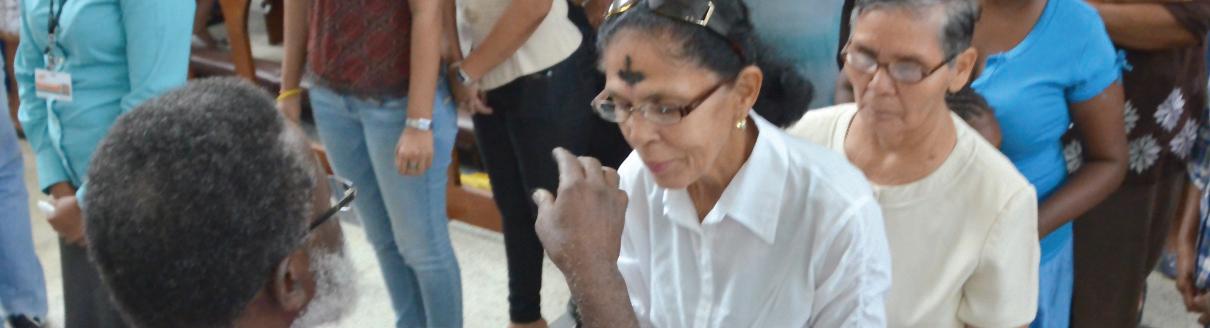
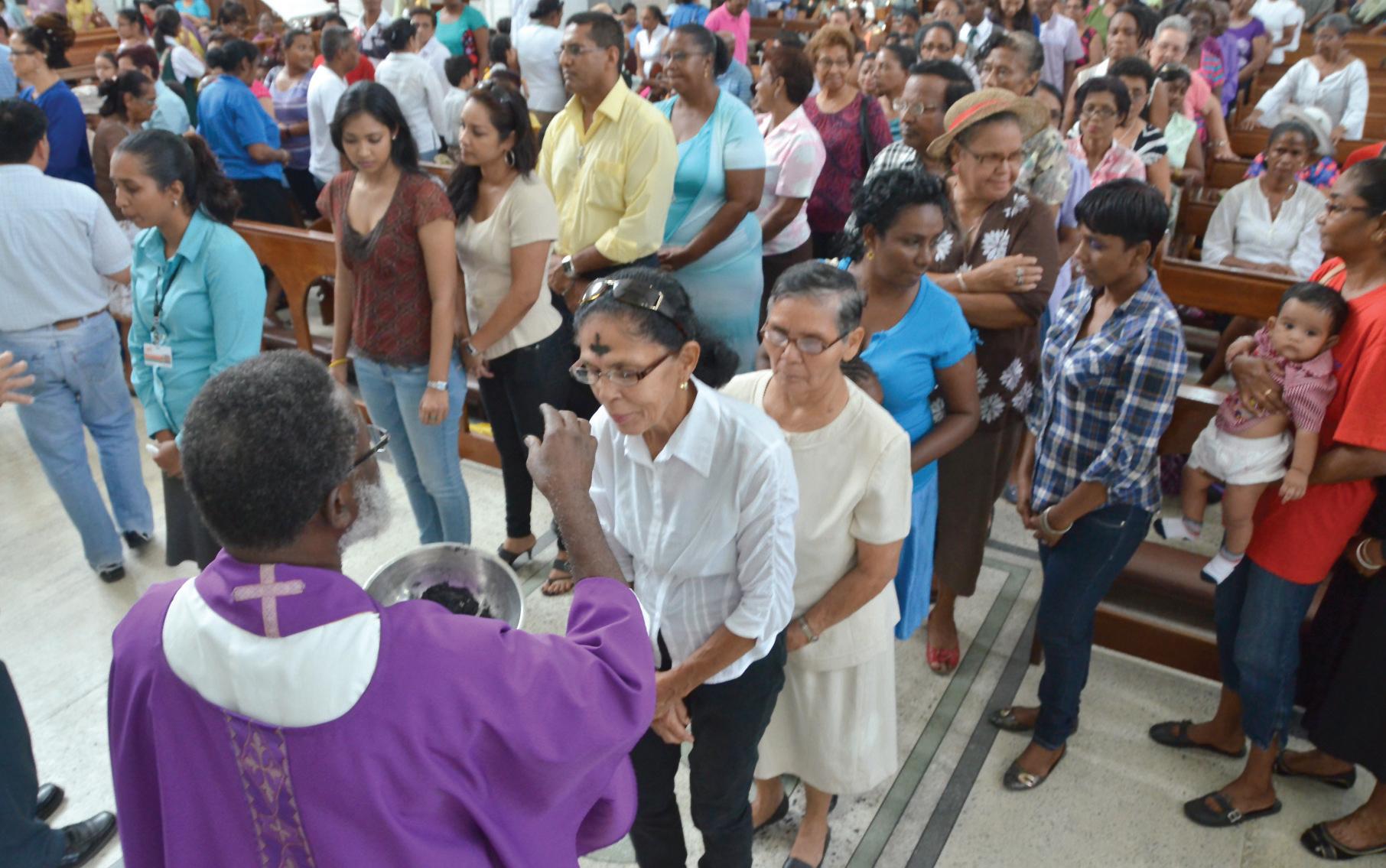
It was followed by Mass – prayers, the singing of hymns and the reflection of the Holy Scripture. Holy Week in the Christian calendar is the week immediately before Easter. In the observance of Holy Week, abstinence from flesh is commanded for all the days, while on Good Friday and Easter Sunday, an absolute fast is commanded. Second in charge of the Sacred Heart Church, Father James Gonsalves noted that during this week all good thoughts and deeds are practised by members of the faith. He noted too that the week marks the end of Lent on Thursday, April 17, 2014.
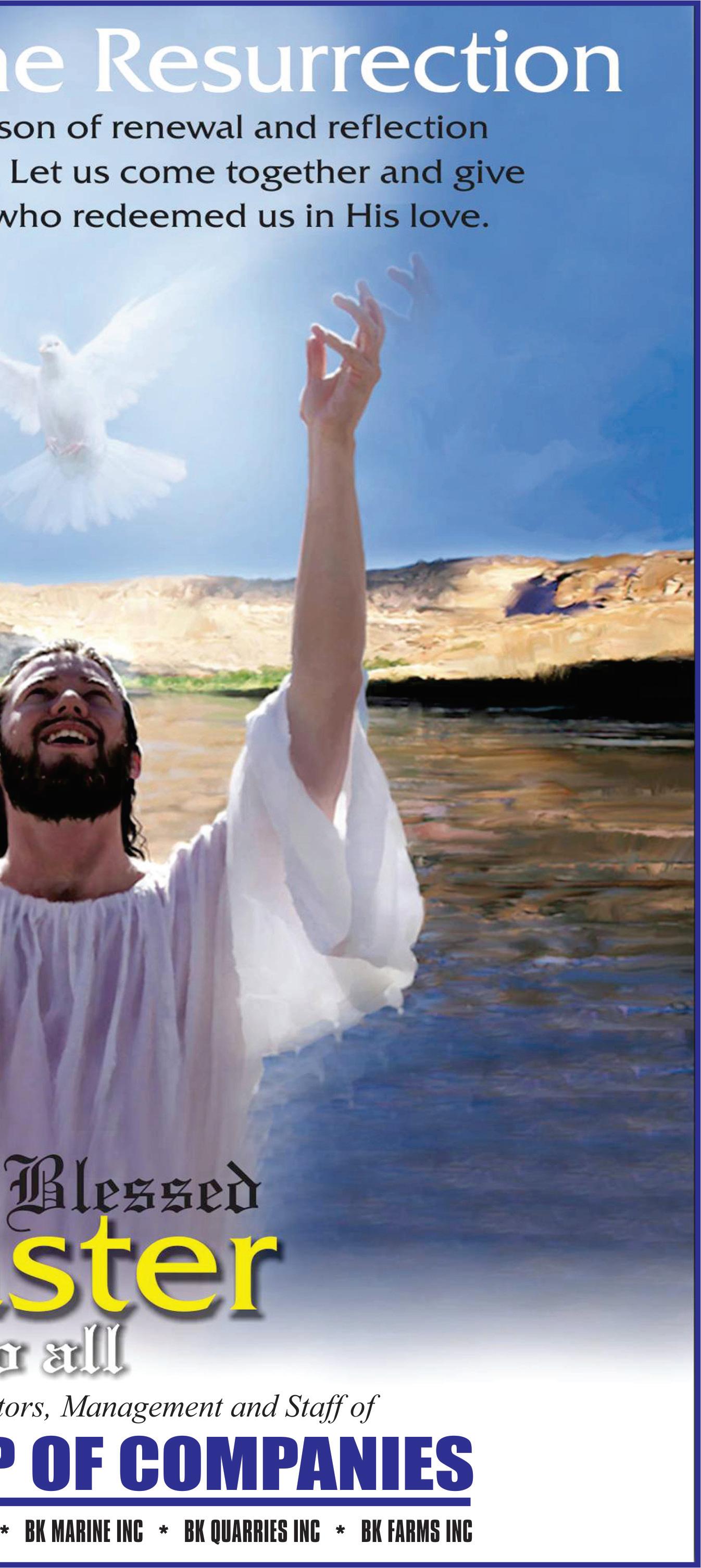
The Easter we celebrate today is a curious blend of the religious and the secular; of paganism, Judaism and Christianity.Some say the word Easter is derived from Eostre (also known as Ostara), an ancient Anglo-Saxon goddess. She symbolised the rebirth of the day at dawn and the rebirth of life in the spring. The arrival of spring was celebrated all over the world long before the religious meaning became associated with Easter. As Christianity grew and spread throughout the world, it was common practice to adopt and modify existing non-Christian festivals and assimilate them into the Christian theology. Because Eostre was the goddess of spring and her symbolism dealt with renewal and rebirth, the Christian belief in the resurrection of Christ fits well with these themes.
In every other language but English and German, the name Easter is derived from the Hebrew word pesach for ‘he passed over’, so in Spanish and Italian Easter is Pascua, in French it is Paques, in Portugese it is Pascoa, and so on. Since church proclamation in 325AD, Easter has been celebrated on the first Sunday after the first full moon on or after the Vernal Equinox. This date was determined by noting that the Last Supper, as Christians came to know it, was actually a Passover seder, and Jesus’s resurrection occured on that Sunday. Passover occurs on the 14th day of the
Hebrew month of Nisan on the first full moon on or after the Equinox. A further connection to Passover, is the fact that it celebrates the angel of death passing over the houses where the doors were marked with the blood of a sacrificial lamb. Jesus is seen by Christians as the sacrificial lamb whose blood was shed so that they would have everlasting life.
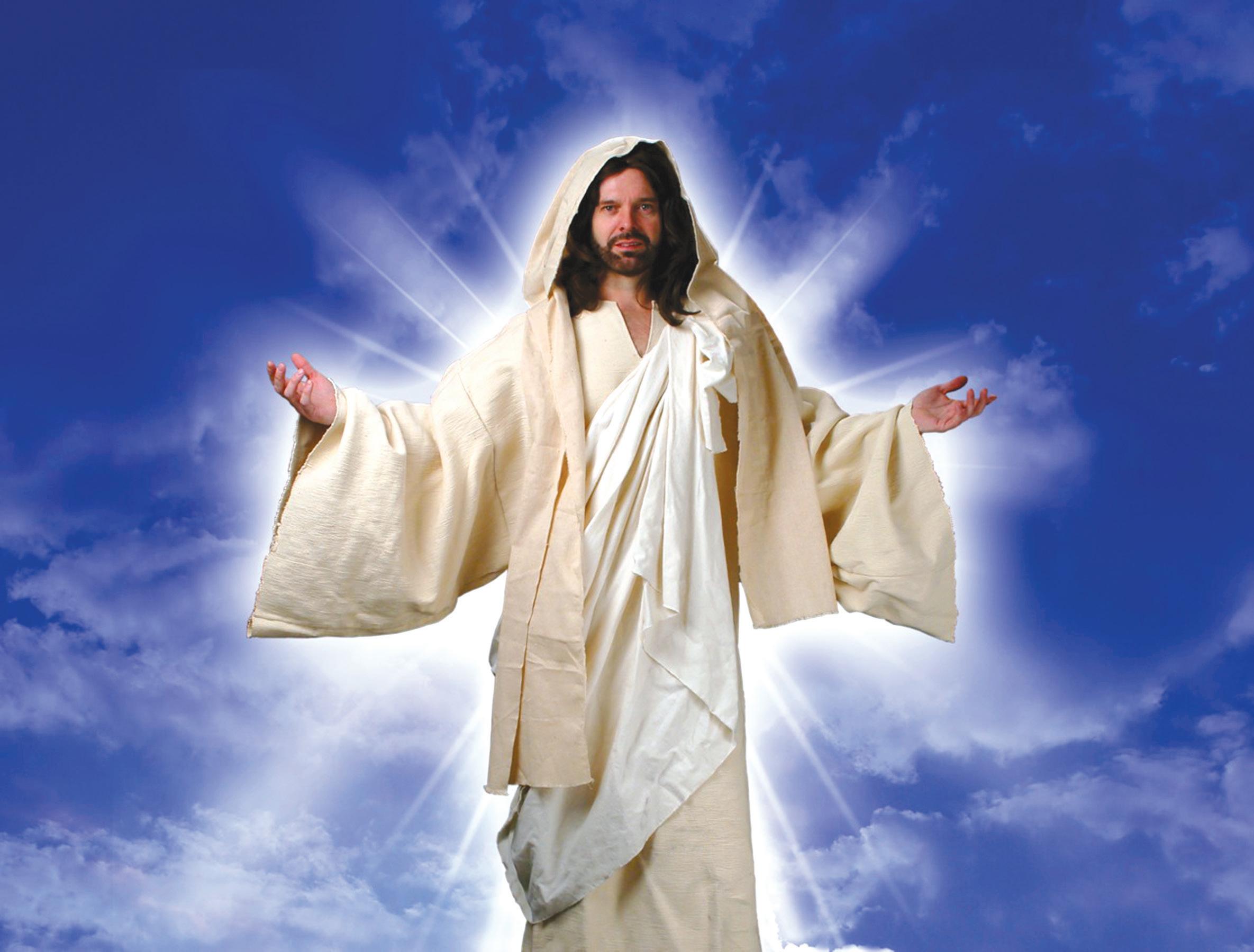
So who is this man?
* He is God made flesh, born of a virgin, who is called the Mother of God.
* He had a humble birth before three shepherds.
* His followers called him the Son of God, and the Light of the World, but he referred to himself as the Son of Man.
* He taught that man did not come to God with animal sacrifices, but by a personal relationship through prayer.
* His followers are born again through water baptism.
* He taught of a celestial heaven and an infernal hell, of eternal salvation, and eternal damnation, of a final day of judgement in which the dead will rise.
* His followers partake of a ceremony in which bread and wine are taken to symbolise His body and blood.
* His followers celebrate his birth on December 25.
* He turned water into wine at a wedding feast.
* He died at Easter as a sacrifice for man’s sins.
* On the third day he was resurrected, and ascended bodily into heaven (angelfire.com)
In yielding up His precious life, Christ’s heart was rent with anguish and oppressed with gloom. But it was not the fear or the pain of death that caused His suffering. It was the crushing weight of the sin of the world, a sense of separation from His Father’s love. This was what broke the Saviour’s heart, and brought His death so soon.
Christ felt the woe that sinners will feel when they awake to realise the burden of their guilt, to know that they have forever separated themselves from the joy and peace of heaven. Angels beheld with amazement the agony of despair borne by the Son of God. His anguish of mind was so intense that the pain of the cross was hardly felt.
Nature itself was in sympathy with the scene. The sun shone clearly until midday, when suddenly it seemed to be blotted out. All about the cross was darkness as deep as the blackest midnight. This supernatural darkness lasted fully three hours. A nameless terror took possession
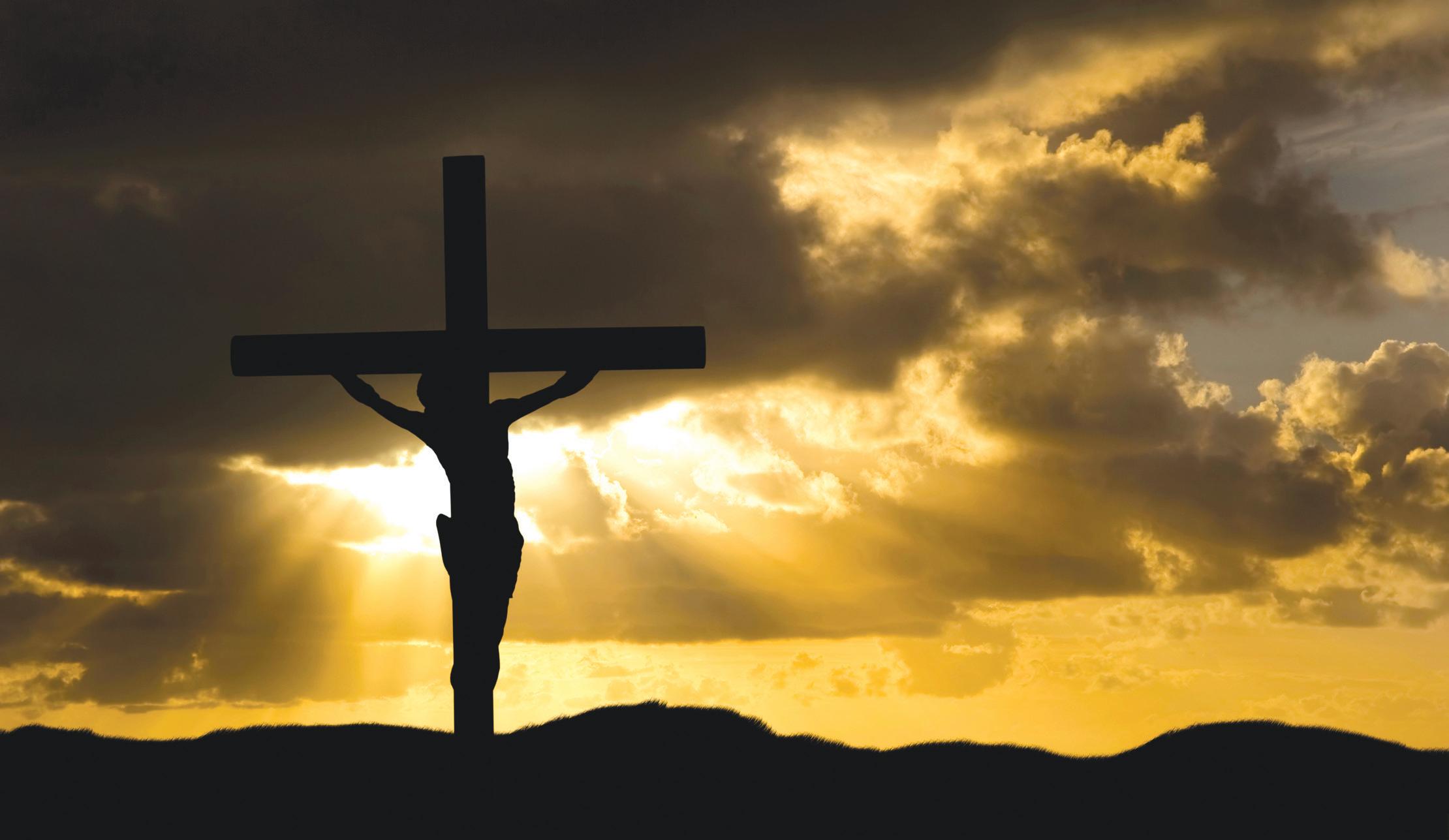
of the multitude. The cursing and reviling ceased. Men, women, and children fell upon the earth in abject terror. Lightning occasionally flashed forth from the cloud, and revealed the cross and the crucified Redeemer. All thought that their time of punishment had come. At the ninth hour, the darkness lifted from the people, but still wrapped the Saviour as with a mantle. The lightning seemed to be hurled at Him as He hung upon the cross. It was then that He sent up the despairing cry: “My God, My God, why have you left me alone?”
In the meantime, the darkness had settled over Jerusalem and the plains of Judea. As all eyes were turned in the direction of the fated city, they saw the fierce lightning of God’s wrath directed toward it. Suddenly the gloom was lifted from the cross, and in clear, trumpet-like tones, that seemed to resound throughout creation, Jesus cried: “It is finished.”
A light encircled the cross, and the face of the Saviour shone with a glory like the sun. He then bowed His head upon His breast and died. The multitude about the cross stood paralysed, and with bated breath, gazed upon the Saviour. Again darkness settled upon the earth, and a hoarse rumbling like heavy thunder was heard. This was accompanied by a violent earthquake. The people were shaken into heaps by the earthquake. The wildest confusion and terror followed. In the surrounding mountains, rocks were torn asunder, and went crashing down into the plains below. Tombs were broken open, and many of the dead were cast out. Creation seemed to be breaking into atoms. Priests, rulers, soldiers, and people, mute with terror, were lying face down upon the ground.
At the time of the death of Christ, some of the priests were ministering in the temple at Jerusalem. They felt the shock of the earthquake, and at the same moment, the veil of the temple, which separated the holy from the most holy place, was torn in two from top to bottom by the same bloodless hand that wrote the words of doom upon the walls of Belshazzar’s palace. The most holy place of the earthly sanctuary was no longer sacred. The Lamb of God, in dying, had become the sacrifice for the sins of the world. When Christ died upon the cross of Calvary, the new and living way was thrown open to Jew and Gentile alike. Satan was defeated, and he knew that his kingdom was lost. (Excerpts from The Story of Jesus)


Just as Christmas for many has become less about the miracle of the virgin birth, Easter may be losing its connection to the resurrection. Fewer people now are mentioning Jesus’ death and resurrection when asked about the significance of Easter. At the same time some spend millions on the holiday for food, clothes and parties.
Although the holiday is meant to be the central celebration of the Christian faith, disas-


“Yes, it has been lost tremendously, people are now more concerned about the parties and the shows and what to wear. Nobody cares how it even originated, or anything of the sort, they don’t even partake in the religious activities, most of them that is. If you ask 50 per cent of Guyanese the true meaning of Easter, they won’t have anything to say to you.”
“Over the years the significance of Easter has remained dear to me, since that period signifies the resurrection of Jesus Christ. It is also a time for family in that you get to see many family members who are sometimes busy during other times of the year.”
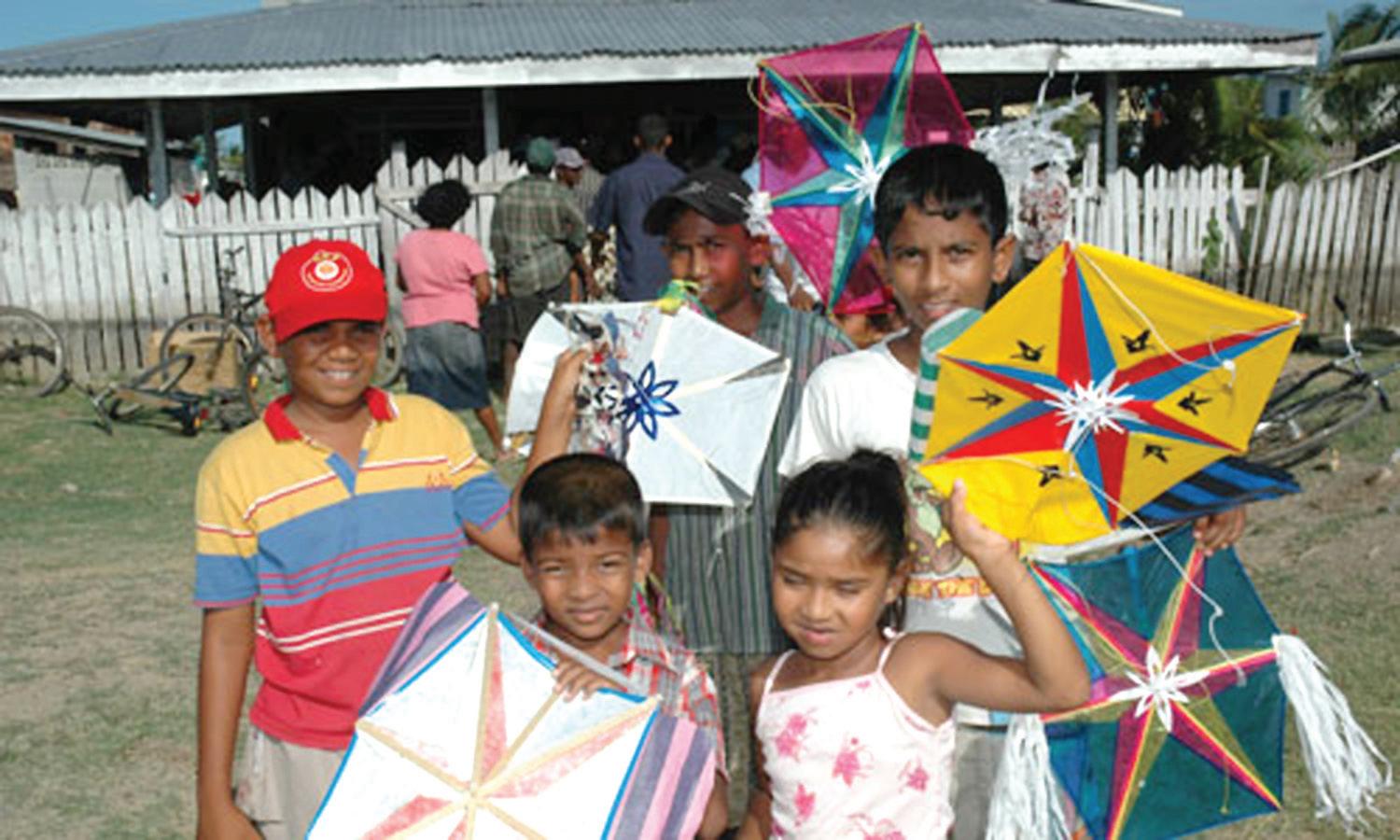
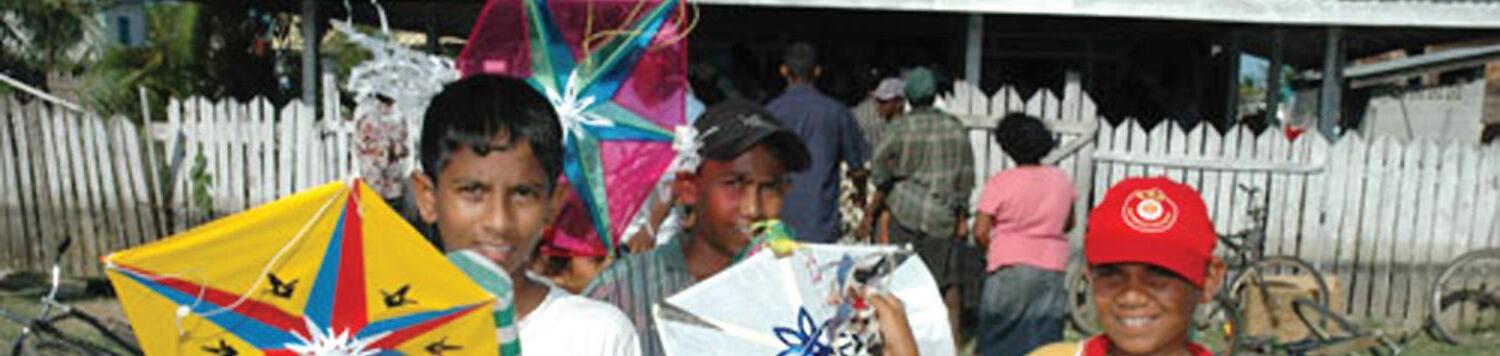
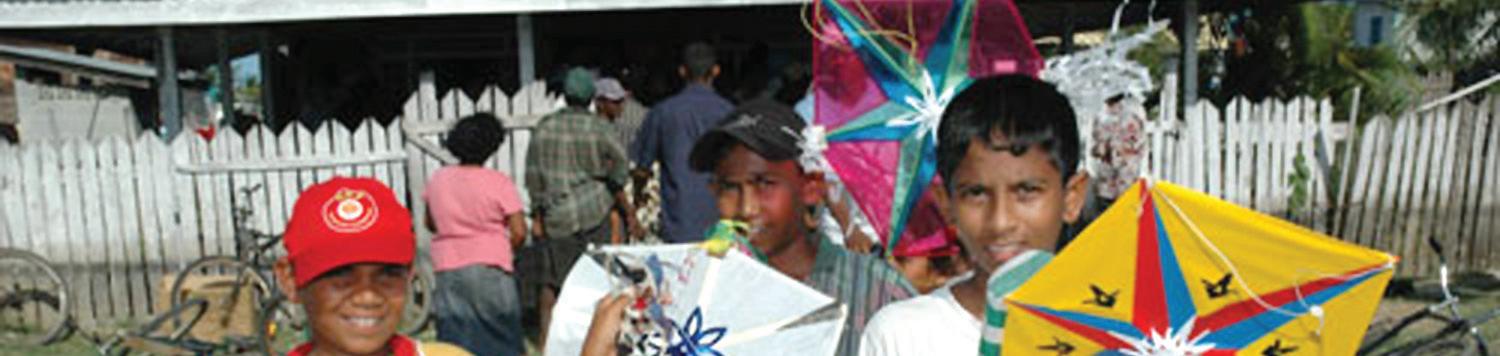
“Yes! The meaning of Easter has changed, people now focus on getting kites and other stuff for their children and have completely forgotten about the religious implications of this holiday. Then, those persons who are eligible are more inclined to focus on partying and stuff like that.”

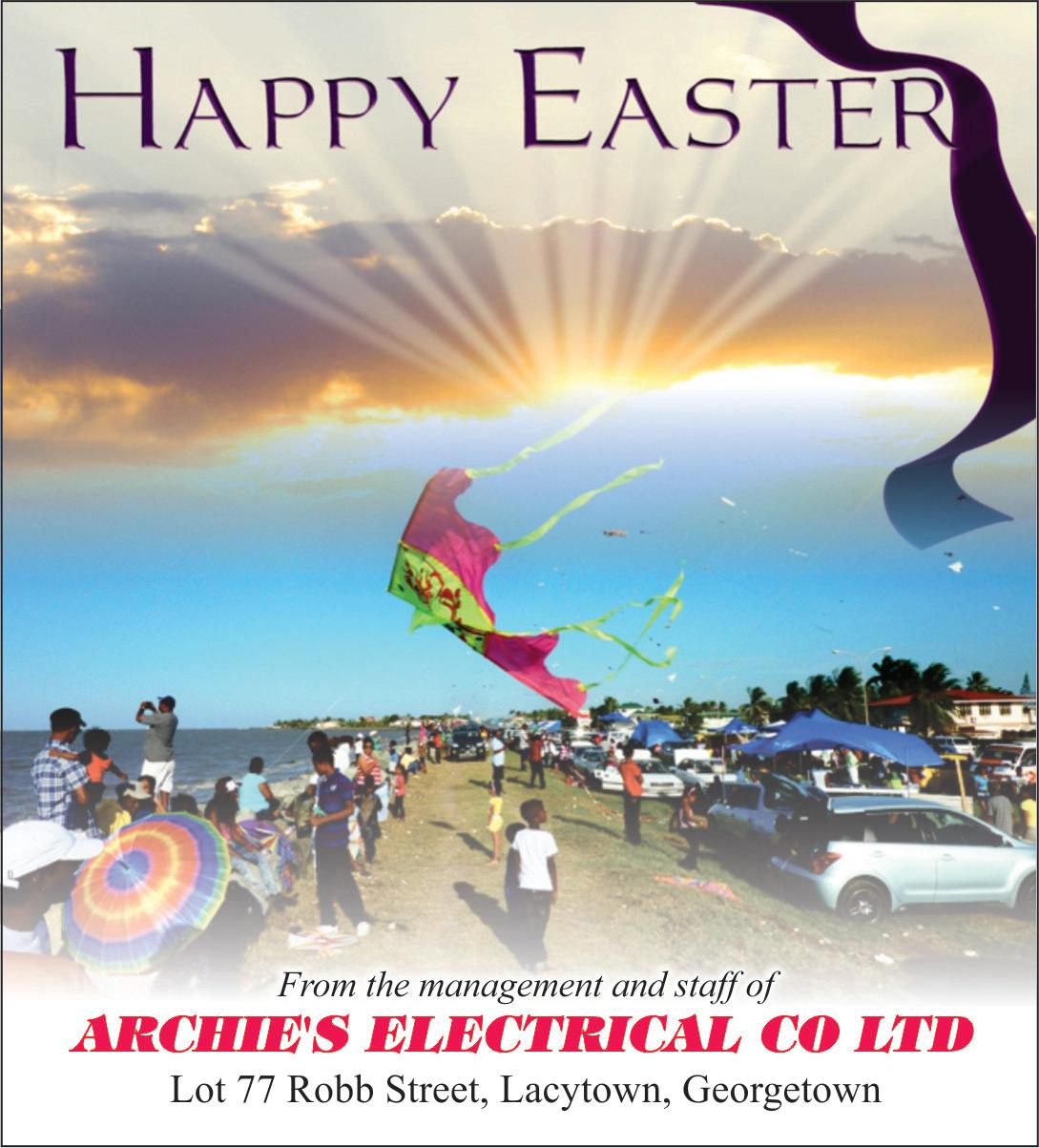
“Well for me, Easter used to be about sitting down and making my kite, I would look forward to school closing just so I could get home and sit with my siblings and make kits then go out into the village and fly them. Now with all of the infrastructural development, children have no place to fly their kites because before you miss it’s caught in electrical wire which could be dangerous.”
“Not to me, because it is still centred around the crucifixion of Christ and hence, the meaning still stands. The only thing that has changed is the culture that accompanies the holiday, that is, the kite flying and that is because these days people are so engrossed in technology and they don’t have much time for traditional celebrations. You hardly find little children now making ‘cadey ole-punch’ and that takes a lot of fun out of the whole process, kites are now readymade. Half of the young people don’t even know what clammycherry is or as we say glammacherry.”
sociating Easter from the Biblical narrative of the resurrection or seeing it in symbolic terms makes Christianity “safer” for contemporary churchgoers, some local Christian leaders say. Guyana Times spoke with several persons on whether the Easter Holidays have come to have a different meaning over the years. This is what they said:

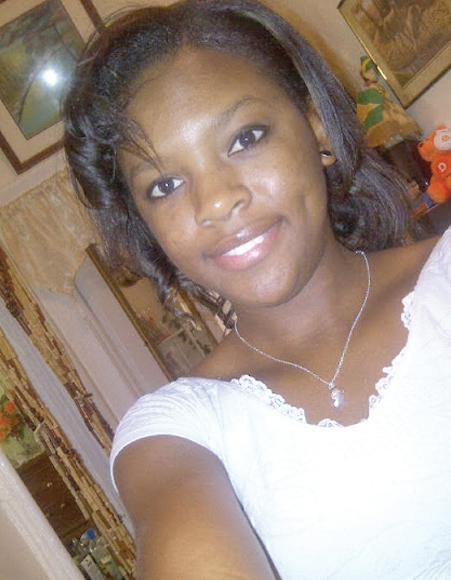
“Yes, the meaning has changed. Most people don’t know the true meaning of it now, they just see it as kite flying season.
“Yes, for teens and young adults especially, they see Easter as dressing up, drinking, dancing, and hanging out with friends on the seawalls and other places. Even parents don’t fuss over it, most would just take their kids to the seawalls.
“While, it may not seem that way, Easter has definitely changed over the years, I mean, look at it this way, when I was younger it was never about, buying kites and buying clothes and partying to loud obnoxious music. It was about the bittersweet moment after you would have made your kite to go show off on your friends and when you get there feeling all proud of your kite, your friend has a better one. Its not about anything of the sort anymore.”


“Easter has lost its cultural significance to an extent, because it has become more of a lime than the actual observance of the death and subsequent resurrection of Jesus Christ. It is one of the most significant Christian holidays. Nobody looks at it that way anymore, the relevance and appreciation for the season is long gone.”
“Well, for me it used to be about going out with family and spending some quality time together, eating food and all that. Now it is more of a time to relax and stay at home and sleep, the working class especially look forward to holidays like this in Guyana where they can just throw back and relax after a hard three months of work.”