From solidifying friendships to driving evil spirits away, legends abound about these sweet dough balls
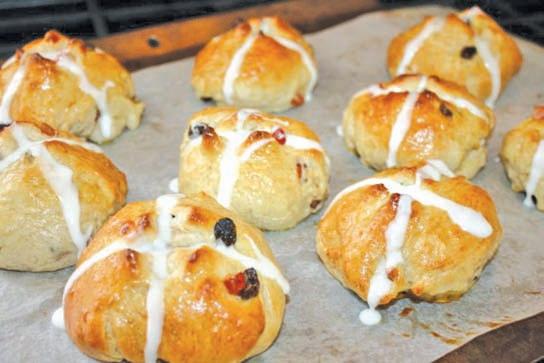
Hot cross buns are traditionally baked for Good Friday in the Easter season. In the Christian tradition, Easter starts on Ash Wednesday, the day after Fat Tuesday. Good Friday is considered the only day when the buns are to be eaten. They are served to commemorate Christ's suffering on the cross. The bun acquired mythical properties during the centuries, generally now forgotten.
Early literature reveals that the hot cross bun was better known as the Good Friday Bun. Samuel Pepys (1633-1703), an English Member of Parliament, referred to it in his diaries of 1666, and James Boswell
(1740-1795), a Scottish lawyer and author, included it in his Diary for Good Friday in 1778.
The most famous story tells of a monk in the 12th century who wanted to do something special for Good Friday, and he had made special buns that day, so he put a cross on each one of them. That became a tradition and spread throughout the world. At time went along, some things got associated with hot cross buns: some of them magical, some superstitious.
Throughout history, the bun has received credit for special virtues, among them that of ensuring friendship between two people sharing a bun. Those who share a hot
cross bun are supposed to enjoy a strong friendship and bond for the next year. A line from an old rhyme captures this lore, says Irish Central: “Half for you and half for me, between us two, good luck shall be.”
Supenaam: The Secondary Town
By Isahak BasIr CCh
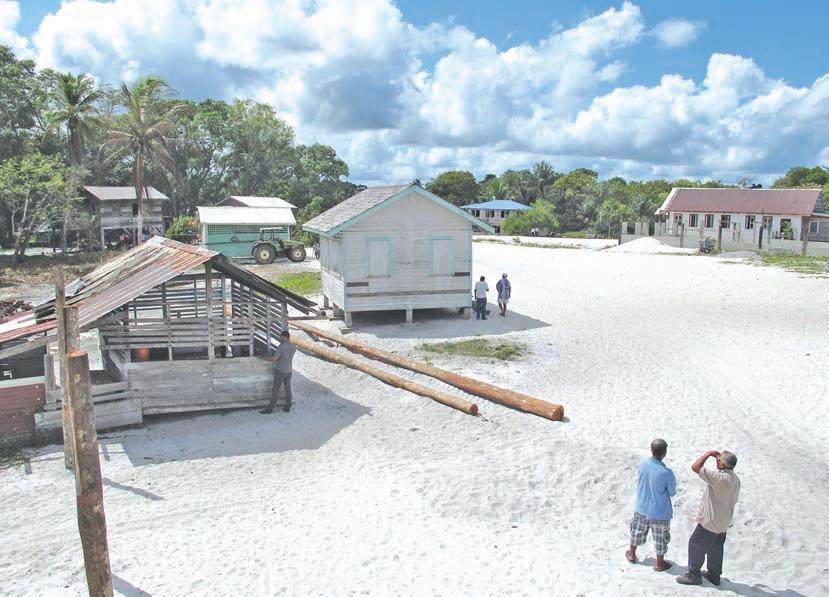
Supenaam is located on the mainland situated left of the Essequibo River and Wakenaam is an island. Supenaam and Wakenaam are two Dutch words. Originally, Supenaam was involved in agricultural production and sub-
sidized the former sugar estates of Aurora and the 12 sugar plantations of Wakenaam. It also served as a communication point for Fort Island. On one occasion, a Dutch entourage had its vessel sunk in the vicinity of Troolie Island and several persons drowned. Their bodies were recovered from
the river and entombed at Caria Caria, where their tombs are still visible.
Supenaam is a growing community with a population of 2,000, and falls under the purview of the Pomona/ Good Hope Neighbourhood Democratic Council. It can be considered an essential point for all categories of social and economic
Another tradition holds that a Good Friday bun should be kept hanging from the kitchen ceiling for one year to another to ward off evil spirits. Healing properties were also attributed to it. Gratings from a preserved
bun were mixed with water to provide a cure for the common cold.
If you hang a hot cross bun from your kitchen rafters on Good Friday, legend has it that the bread will remain fresh and mould-free throughout the entire year. This is likened to the body of Christ, which, according to the Bible, did not show any signs of decay after his crucifixion and prior to his resurrection. The bun should be replaced each year on Good Friday. Later in the year, the buns were sometimes broken up, mixed with water and treated as a medicine.
Due to the blessed cross on top, hot cross buns hung in the kitchen are supposed to protect from evil spirits.
They are also said to prevent kitchen fires from breaking out, and ensure that all breads baked that year will turn out perfectly delicious. Likewise, taking hot cross buns on a voyage at sea endows the boat with some protection from shipwreck, according to legend.
In 1592, Queen Elizabeth I decreed that hot cross buns could no longer be sold on any day except for Good Friday, Christmas or for burials. They were simply too special to be eaten any other day. To get around this, FoodTimeline explains, people baked the buns in their own kitchens—although if they were caught they had to give up all of the illegal buns on their premises to the poor.
needs. It is also a local port of entry for vessels plying Bartica, several populated islands along the Essequibo River and Parika, which is a hub to the capital city of Georgetown.
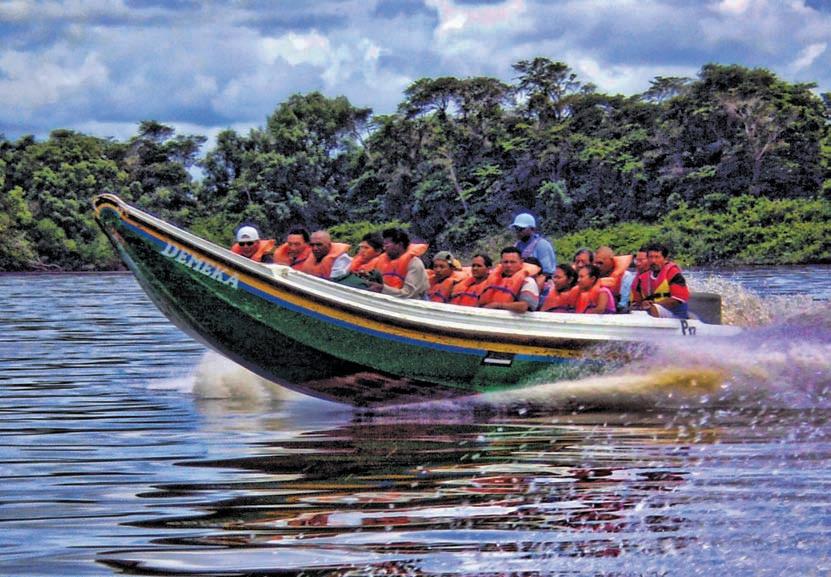
The Parika/Supenaam speed boat service was developed in 1978 and today it is much more organized, with faster boats covering 30-odd miles in approximately 35 minutes, and operating under strict maritime regulations.
A high level of courtesy is exhibited by boat operators and commuters as more than 3,000 passengers ply this route daily. At any time, the car park is flooded with more than 40 tax-
is, moving between Charity and Supenaam.
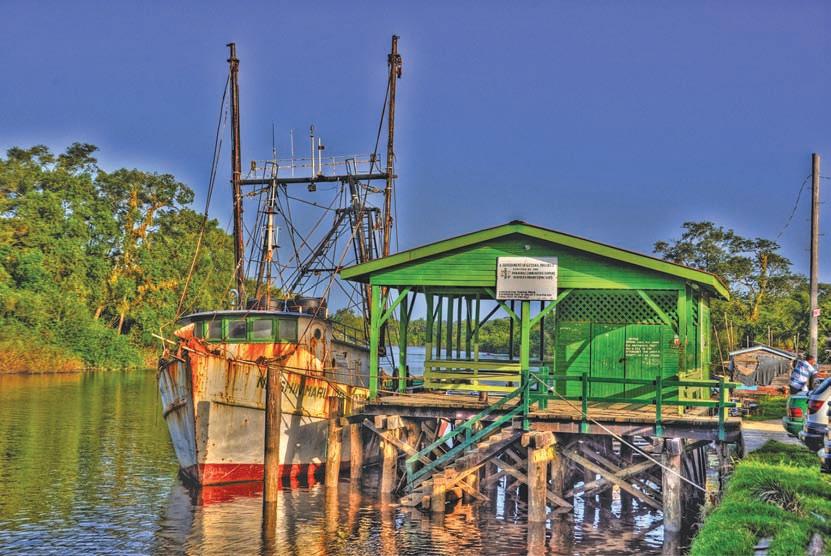
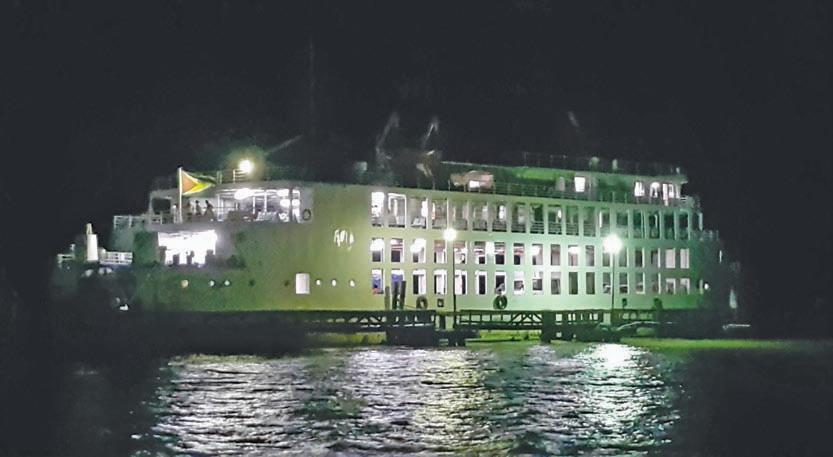
The Supenaam community also has a recently built ferry stelling, a car park, community market, fuel station, hotels and police outpost.
Supenaam Creek leads to the large timber concessions, which supply several saw mills with a variety of species of wood – especially greenheart. The Dutch occupancy also had the first hydro-driven sawmill located in the Supenaam Creek. Some relics its foundation are still visible. Five miles up the creek the Amerindian community of Bethany is located. That community has an airstrip
since government policies did not exclude the area, which is consistent with Amerindian development.
Supenaam is poised for development with a proposed road link to Buck Hall, Caria Caria and later to Skull Point at the mouth of the Cuyuni River. When this road links, thousands of acres of farm land can be utilized.
The Supenaam Creek is a progressive farming area and very soon will have the facility of a plant breeding station. It is a prime tourist destination, but its history and historic landmarks need to be properly recognized. (Photos by Marco Basir)
Overlooking the Bethany community
(Builders Beyond Borders photo)
'Sabanto' at Supenaam stelling
Speed boat leaving Supenaam for parkia
Agriculture wharf in Supenaam
The Inner Wheel Club, a well-known local charitable organisation, has helped countless needy persons over the years. Its members are guided by the organisation’s motto, “Friendship and Service”.
With the aim to work persistently to raise funds to fulfil their charitable goals, the club has numerous fundraising events throughout the year and one such event is the annual Hat Show and Garden Party, now an apparent tradition in Guyana today.
Speaking with Guyana Times Sunday Magazine previously, chartered member Gem Eytle recalled that the hat show was her brainchild.
“When we were chartered in 1985, the members had to do charity projects. I remembered as a child,
about 80 years ago, going to hat shows in the Promenade Gardens. I decided to have a hat show bringing back what I had in the yesteryears,” Eytle reflected.
She added that many persons knew little about events kept at the Promenade Gardens.
Eytle recalled music bands that would play at that garden every month. It was quite a social occasion, she remembered, especially for mothers to take their children because of the numerous fun activities.
“I convinced the members that the Promenade would be the ideal place for the hat show. I then approached the City Council, which thought was a good idea but had no money to refurbish it. We couldn’t use the bandstand because it wasn’t in proper condition because of poor
maintenance. I decided to use the lawn on the northeastern section of the garden. We prepared the area and had our first hat show in 1985,” Eytle reminisced.
As a complement to the event back then, the club also held a sideshow called ‘Going Through The Ages’ where persons would come draped in old fashion dresses, big fancy skirts and bonnets. The chartered members added there was a bicycle called “shilling and pence”, which served as an attraction at the event.
“We don’t have sideshows anymore because of the excellent outcome of the hat show. We used funds from the hat shows to rehabilitate the Promenade, and ever since then it has been successfully held there. Over the years, we have seen tremendous creativity in hat creations and we want to maintain that. You’re never properly dressed for a particular occasion without a hat,” she declared.
This year, the event would be on Saturday April 11, 2015 at the Promenade Gardens.
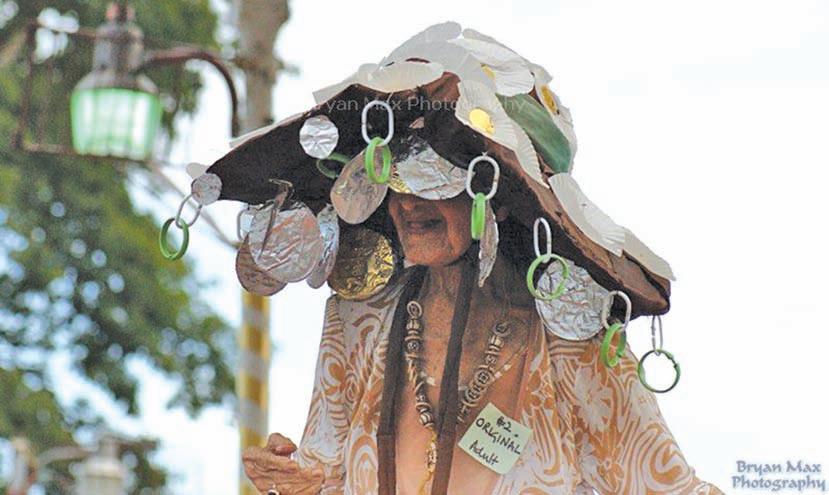
According to a press release from the club, the three categories for the hat competition are elegant, original and topical and comical. Registration for those entering their hats will begin at 2:30pm. The starting time for the hat show is 3:30pm.
Afternoon tea will be
available for $2,000 (including entry) and entrance tickets are $300. Cakes, pastries and homemade ice-cream will be on sale. Face painting and games will be available for the children, and the Police Force Band will provide musical entertainment.
Inner Wheel raises funds to make an impact on the lives of the less fortunate through scholarships for young adults seeking training in the fields of education and medicine; by participating in community development activities that benefit
children and the elderly, as well as by spreading cheer on festive occasions. The club has been instrumental in maintaining the play park at the National Park. It also holds numerous feeding programmes throughout the year. For Christmas 2014, the club spread cheer in St Cuthbert’s Mission and in depressed areas in Georgetown. Two weeks ago, it handed out hygiene packages at the Sophia Centre. These are just a few humanitarian activities done by the club throughout the year.
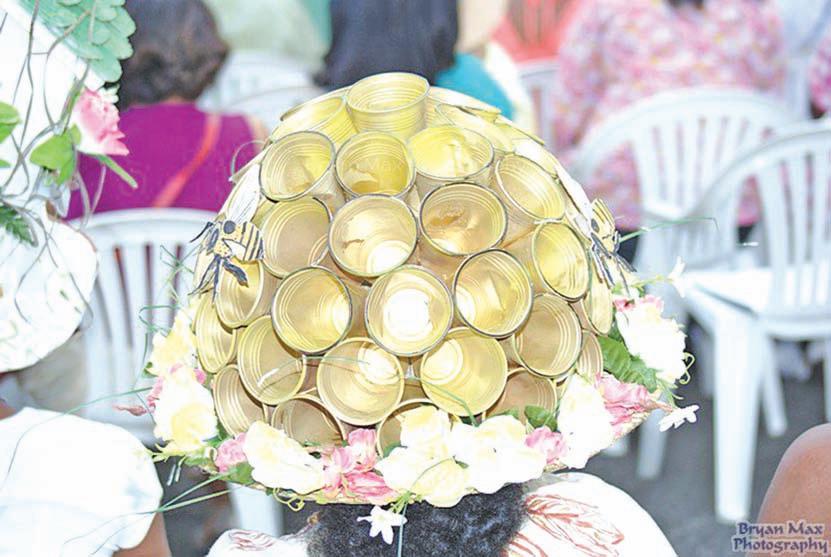
Hat made of disposable 'glasses'
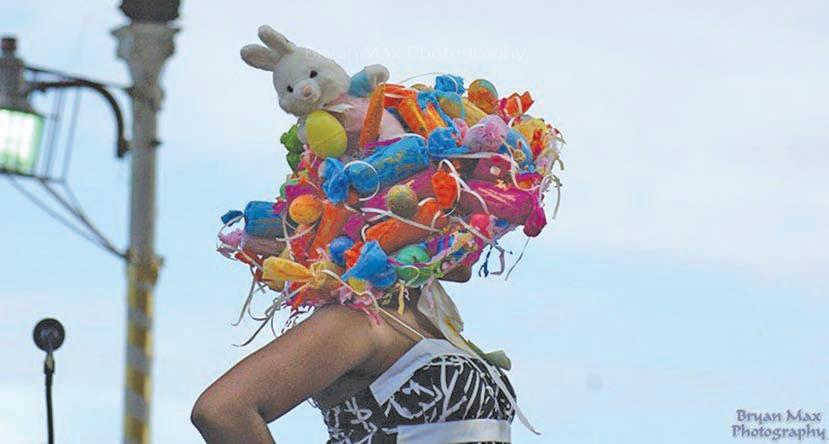
A hat showcasing the joys of Easter
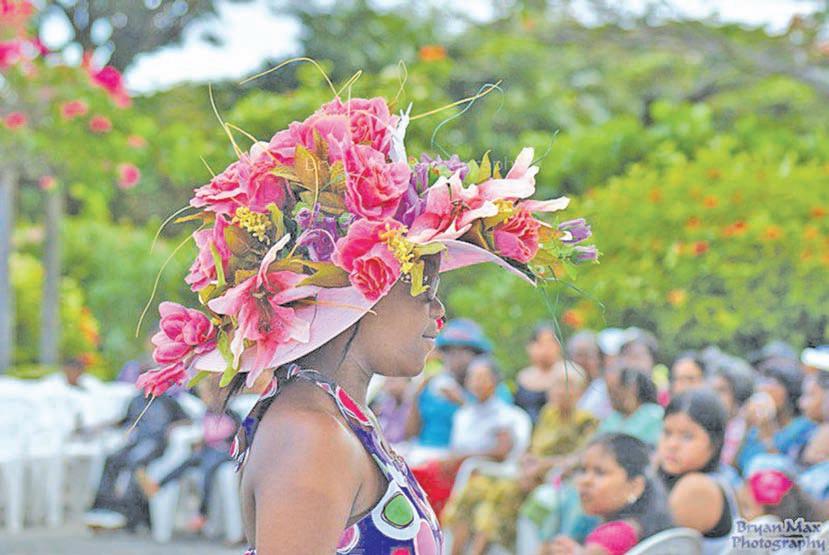
A beautiful hat decorated with flowers was a highlight at a past hat show
Soft Wallaba of the Forest
Often when people explore the rainforest, there is much interest in the birds and other rainforest animals. But the world of plants is equally enchanting and Guyana’s forest, with an excess of 8,000 plant species, presents a haven for plant lovers.
The Soft Wallaba (Eperua falcata) is a 'super -important' tree for Guyana. Often we see our electrical wires strung from wooden poles, which are made from this species, and it takes a very special skill to create this important value added timber product.
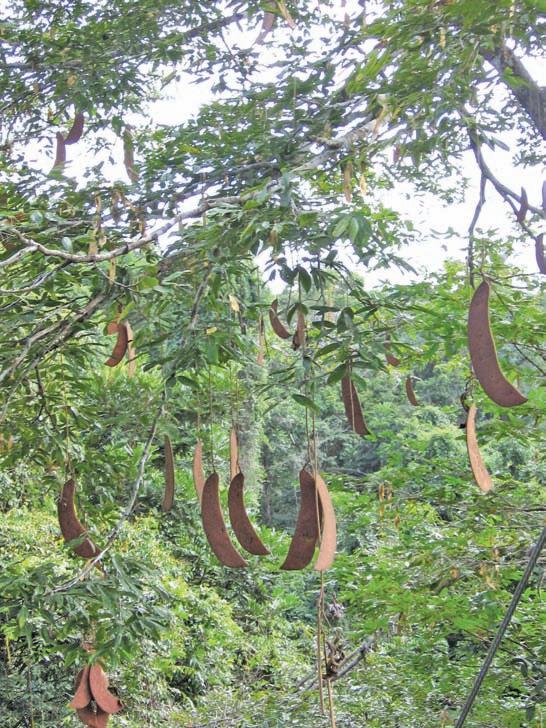
Soft Wallaba is a tree with a straight trunk, and can be distinguished by long
According to Guyana
Forestry Commission’s “Guyana Woods – 21 Species” publication, (revised 2004), the heartwood of the Soft Wallaba is reddish-brown in colour, with dark gum streaks which tend to spread over the surface. The sapwood is pale in colour and is sharply defined from the heartwood. The texture is coarse and the grain is typically straight. The bole, or trunk, is 15-20m in length and diameter is approximately 60cm and occasionally up to 100cm.
The publication added that Soft Wallaba heartwood is highly resistant to decay and subterranean termites, and is fairly resistant to dry wood termites. Due
to its resistance being extremely high, Soft Wallaba has excellent properties for transmission poles, flag staffs, marine and bridge construction in non-teredo areas owing to its strength and durability. It is suitable for general heavy construction, utility and industrial floors and chemical vat staves. Additionally, the timber is used to make fence staves, fence posts and shingles for roofing.
A leguminous tree, the seeds may be eaten by rodents in events of the scarcity of other fruits. The flowers are a staple resource for monkeys (howlers, spider, and sakis) during the dry season.
It is a generalist species so it can be found in all forest types, but is codominant in Wallaba forest type on white, highly drained sands. When you visit Iwokrama you can find it on all the tourist trails. It certainly will be one of the tree species the Iwokrama’s guides will be happy to show you.
Ecotourism is one of the important components of Iwokrama’s strategy for financial self-sufficiency. Visits to Iwokrama directly contribute to the communities in and surrounding the Iwokrama forest. Tourism
there supports the development of an eco-friendly sustainable model, which is being shared locally, nationally and internationally.
The Iwokrama forest and the Rupununi wetlands and savannahs offer visitors exceptional natural and cultural experience set in a learning context. Iwokrama is a place for all ages and all interests and you choose what you want to do.
At Iwokrama, you can retrace the footsteps of the Makushi people, wander the extensive trail system and discover the unforgettable flora, fauna and Amerindian history so special to this tropical paradise.
The Iwokrama forest is an extraordinary destination for naturalists, birders and anyone seeking an authentic retreat to the jungle.
For more of the tours that Iwokrama offers, call the Iwokrama office on (592) 225-1504 to speak with Chauncy or Diana or email tourism@ iwokrama.org. Visit http:// iwokramariverlodge.com or check out Iwokrama International Centre for Rainforest Conservation and Development on Facebook. (Photos by Dr
reddish hanging fruit pods (once fruiting) that adorn the tree like Christmas tree decorations.
Raquel Thomas)
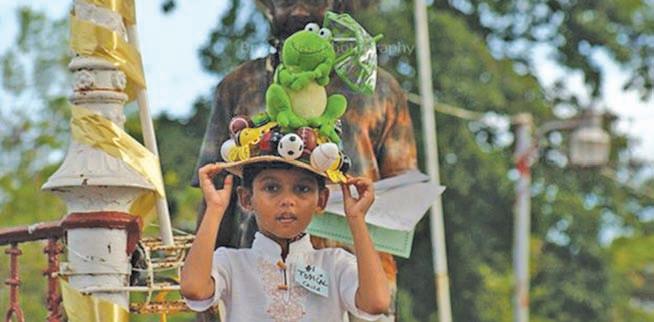
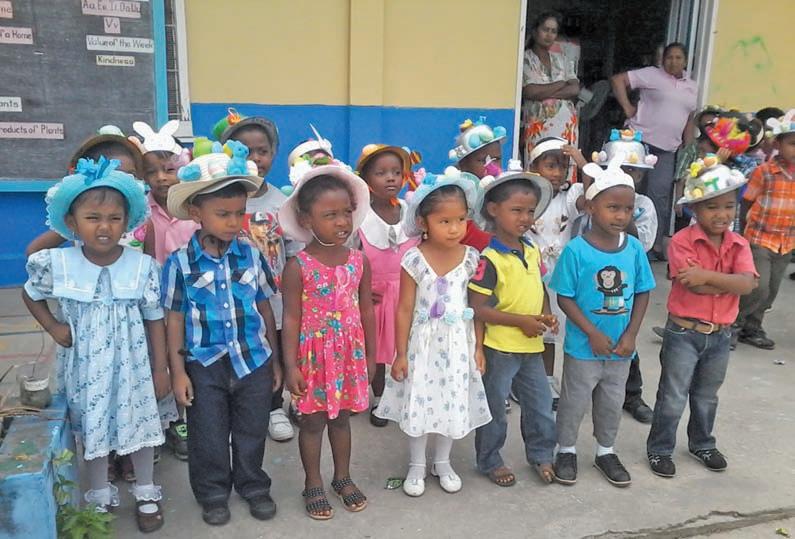
The providence Nursery School's adorable students celebrate Easter with a hat display parade in Herstelling, and enjoyed a fun egg hunt
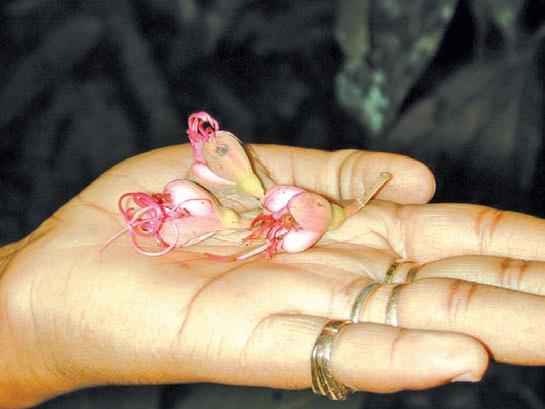
Soft Wallaba flowers
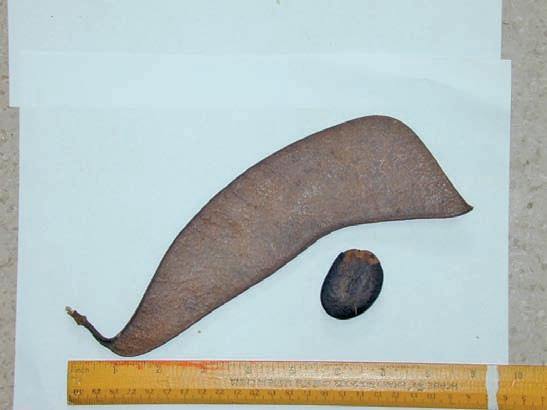
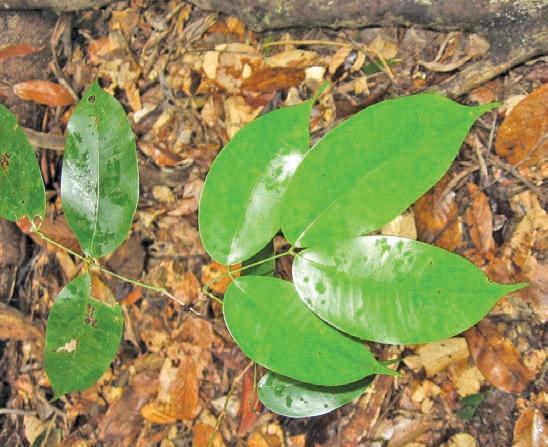
Soft Wallaba pod and seed
Soft Wallaba seedling
Soft Wallaba pods hanging from the tree branches
Pursuing a passion for the Arts
Dr Jean Small is a Caribbean Hall of Fame inductee on a mission to promote literacy through theatre
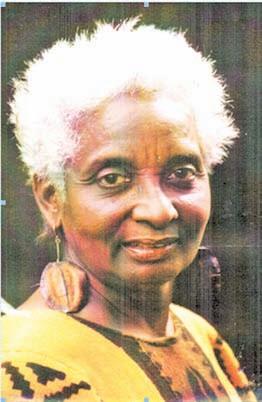
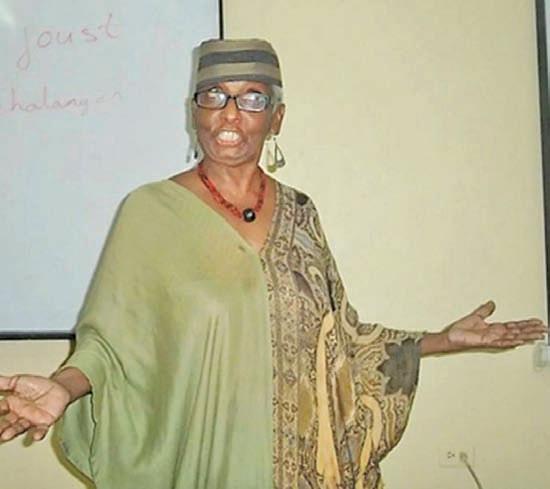
Dr Jean Small is a Guyanese-Jamaican who graduated from the University of the West Indies in Foreign Languages: French, Spanish and Latin. Her profession all her life has been as an educator, which she passionately pursues. She was born in
Guyana but has been living in Jamaica since 1954. Small has worked in Guyana, Trinidad, Nigeria, Australia and Jamaica as a French teacher at both secondary and university levels. Her love since school days has been theatre. She considers herself first as an actress and secondly as a director and playwright, using theatre tools as a vehicle for understanding life, language, culture and interpersonal relationships. As a foreign
across the Caribbean to formulate the curriculum in French and Spanish for the Caribbean Examinations Council. Notably, she participated in writing the syllabus for Theatre Arts for CXC. She was the External Examiner for Theatre at the Edna Manley College and External Examiner of French for the Joint Board of Teacher Education.
The prolific educator has been decorated twice by the French government for distinguished teaching of French and Literaturein 1985 with the Academic Palms at the level of Chevalier, and in June 2004 at the Level of Officer.
Small is presently retired from the University of the West Indies where she last headed the Philip Sherlock Centre for the Creative Arts. She is currently the Convenor of the Fine Arts Board of the University Council of Jamaica, member of the Alliance Française (an organisation that promotes French language and culture worldwide), and past president of the Jamaica Association of French Teachers.
In 2001, Small was inducted into the Caribbean Hall Of Fame in Jamaica. In 2003, Small joined the Toastmasters International, which is an organisation that sees communication and leadership as essential to personal and societal development.
Through her performance in her club, the Dynamic Speakers, she gained the designation as Distinguished Toastmaster
language lecturer, she uses theatre to teach French and Literature at the university level. Her publications include a series of textbooks in French and Spanish for schools; the play ‘A Black Woman’s Tale’; and articles on the empowerment of theatre.
Small has participated in theatre internationally and is the only person in Jamaica who uses theatre as a tool for teaching French and Literature.
For 13 years, Small led a team of experts from
Champion of Public Speaking.
Additionally, her other awards include the Actor Boy Award (1995) for her performance in ‘Hot Flashes’, the Charlotte and Isidor Paiewonsky Prize for the Best First Publication of “Lament”a poem dedicated to Prof Kamau Brathwaite in the Caribbean, and the choice of her play, ‘The Black Woman’s Tale’ as the best Jamaican play in 1998, which she performed in France in French at the Theatre Gérard Phillipe.
Small also writes short stories and is a storyteller. On 14 November 2006, she was chosen to perform as a storyteller with the internationally acclaimed storyteller, Gayle Ross, at the Edna Manley College.
On October 2007, the United States Embassy invited Small to perform her winning speech entitled ‘Rain’ at the opening cocktail reception of the launching of the Chiefs of Mission HIV/AIDS Conference in Jamaica.
and Sunday school teachers on the effective use of puppetry as a teaching tool. TALA offers a course in Public Speaking. Small also conducts drama classes with the children of the Portmore Missionary Preparatory School.
In 2010, Small was awarded the Bronze Musgrave Medal by the
Institute of Jamaica for excellence in theatre. In that same year, she received the Life Award from the Jamaica Association of Dramatic Artists for over 50 years of contribution to theatre in the Caribbean, as well as a plaque from the Guyana for her outstanding contribution to theatre.
In 2011, Small was award-
ed her Doctor of Philosophy for her thesis on creativity and the use of theatre techniques in teaching French Language and Literature. Small has one son, Seretse Small, who is an applauded guitarist and CEO of his own company Griot Music. (First published on www.guyanesegirlsrock.com)
in 2012. In 2004, she placed third in the Jamaica National Speech Competition. In May 2005, she won the Jamaica National Humorous Speech Competition, and in November of the same year she won the Humorous Speech Competition held in St. Croix, which made Small the 2005 Caribbean Toastmasters Champion of Humorous Speeches. In 2006, she won the evaluation contest at the Area Level, and in 2007 she became the Caribbean
In the 2006, at the Tallawah Drama Competition held at the University of the West Indies, the French play Small entered won two awards: one for the script that she had written, which consisted of translations into French of six of Mutabaruka’s poems, and the one for the performance of poetry by a group accompanied by drums and movement.
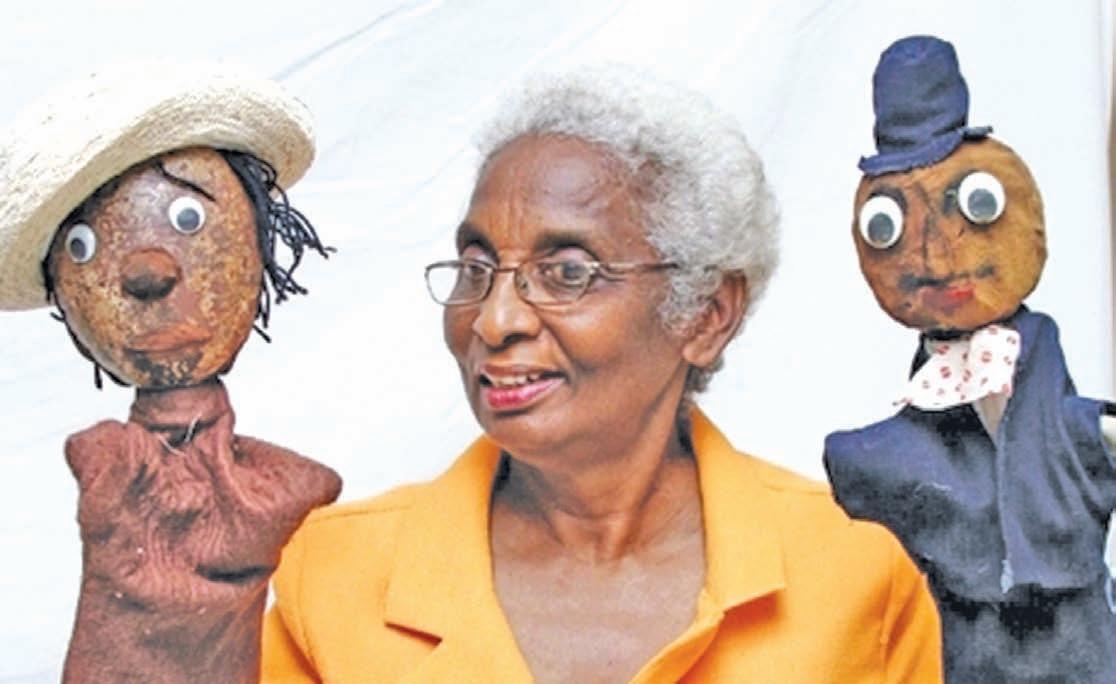
Small is also the director of her own company, TALA (Theatre Arts Learning Aids), which promotes the use of theatre as a teaching tool. Through TALA, she teaches values and attitudes using the art of puppetry and storytelling. Her puppetry troupe is called Puppets For Peace, which presents puppet plays for children and workshops for early childhood educators
Small with two of her puppets during a puppet show in 2008
Dr Jean Small
Acting a dramatic piece at a storytelling event
Times Book World
The Shaping of Guyanese Literature
An Easter Confession
By PetamBer Persaud
Easter is the commem-
oration of the crucifixion of Christ and the celebration of His resurrection and ascension. These are some of the basic tenets of Christianity. Although Easter is a religious festival, it is also a public holiday in Guyana where the secular populace participates.
Easter is here again. It comes but once a year.
Easter comes but once a year
But when it does, we all know it’s here (J. S. Bach)
The Easter season over the years afforded the accu-
mulation of tons of literature in the form of poetry, song, hymn, dance script, drama, film, myths and legends, stories of its origin, stories of its celebrations around the world, scholarly commentaries on related Biblical texts, and books, mainly for children.
Examples of such poetry include “Easter Day” by Oscar Wilde, “Easter” by Edmund Spenser, “The Easter Flower” by Claude McKay, “Easter Communion’ by Gerard Manley Hopkins, “Easter Week” by Charles Kingsley, and “Easter Comes but Once a Year” by J. S. Bach. The Easter Flower by
Claude McKay
…Where gleamed the lilac-tinted Easter lily Soft-scented in the air for
yards around; …And many thought it was a sacred sign, And some called it the resurrection flower;
Local poetry on Easter includes “To Easter”, “Easter 1940” and other religious poems by A. J. Seymour.
To Easter
Again, O Easter, run and leap and steep Ungloom the tomb, unsword the words The linen clothes repose, your story’s glory.
Examples of Easter hymns include Crown him with many crowns; Up from the grave He arose; Were you there; Amazing Grace by John Newton; I Know that My Redeemer Lives by Nicole Mullen; Blessed Assurance by Frances J. Crosby; How Great Is Our God by Chris Tomlin; He Lives by Alfred H. Ackley; Christ Arose by Robert Lowry, and I serve a risen Saviour.
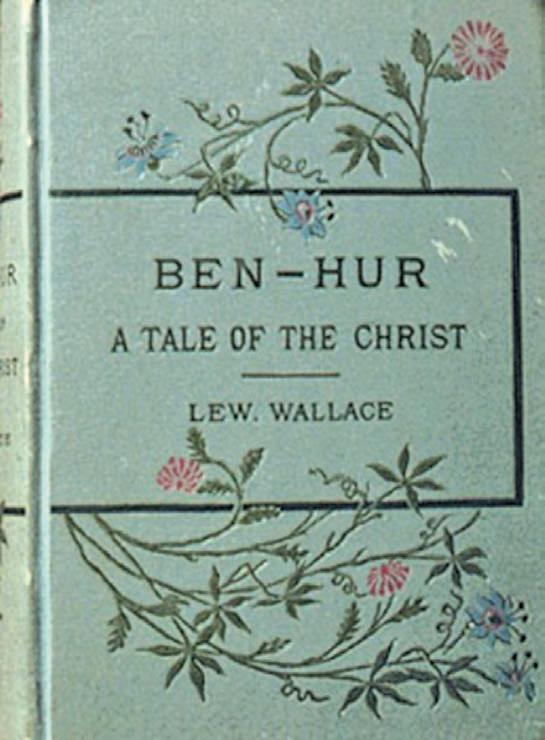
Examples of Easter films include “Golgotha”, “Jesus Christ Superstar”, “The King of Kings”, “The Passion of the Christ”, “The Robe”, and “Ben-Hur”.
Easter is here again accompanied by tons of information. So what is new about Easter? My confession!
Since 2011, I have made several attempts to do something on the King James Bible mainly because of my interest in literature but let me hasten to declare there were many other reasons for such a project. The overarching reason in 2011 was that that year marked the quatercentenary of the King James Bible. Since then many opportunities presented themselves; since then there were many Christmases and many Easters -- but I failed to deliver.
In the meanwhile, I looked at the Mahabharata through the lens of Sharon Maas and let slide an opportunity to write on the Koran; prompted a local stamp issued to mark the 1400th year of the Holy Quran. (I used to collect stamps so the habit is still with me to glean something of interest from any stamp coming within my
ambit.)
Maas’ book, “Sons of God”, is a retelling of the story of the Mahabharata which is said to have come to man since ancient times; it is labelled as the world’s longest literary work.
The Holy Quran is a compilation of revelations given to the Prophet Muhammad over a period of twenty three years. It is said that millions of copies in circulation are identical “to a single letter”. I grew up with The King James Bible from primary school days, even writing examination on Religious Instruction. That school was Roman Catholic. Some of my ancestors were made to accept Bible teaching by way of Hindi-speaking Catechists imported from India. So I am intimate with the Bible.
I prefaced the following with those personal bits because the King James Version, I discovered later, was the most important event in the history of book printing, becoming the bestselling English book of all time, influencing changes in language and culture, influencing English and American literatures, influencing the work of writers, artists, and musicians, finding its way in places other than the church like hotels, prisons, courthouses, battlefields, and at weddings and funerals. Many of its idioms and platitudes have become everyday usage like “bold as a lion”; “wise as serpents”; “reap what you sow”; “the love of money is the root of all evil”; “salt of the earth” and there is “nothing new under the sun.”
The King James Version holds different meanings and values for different people but fundamentally it leads to the Easter story, telling it in more than one way especially in the New Testament according to the Gospels of Mathew, Mark, Luke and John. Responses to this author telephone (592) 226-0065 or email: oraltradition2002@ yahoo.com
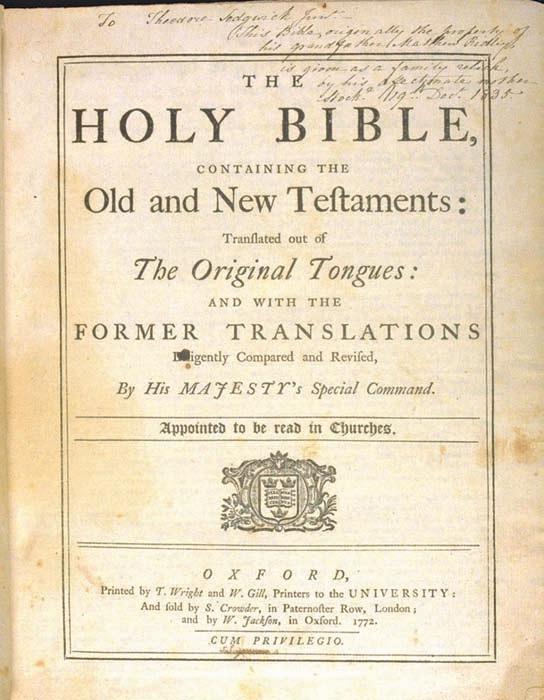
King James Bible (1772)
"Ben-Hur: A Tale of the Christ” is a novel by lew Wallace (Harper & Brothers 1880) that became the classic epic movie “Ben Hur”
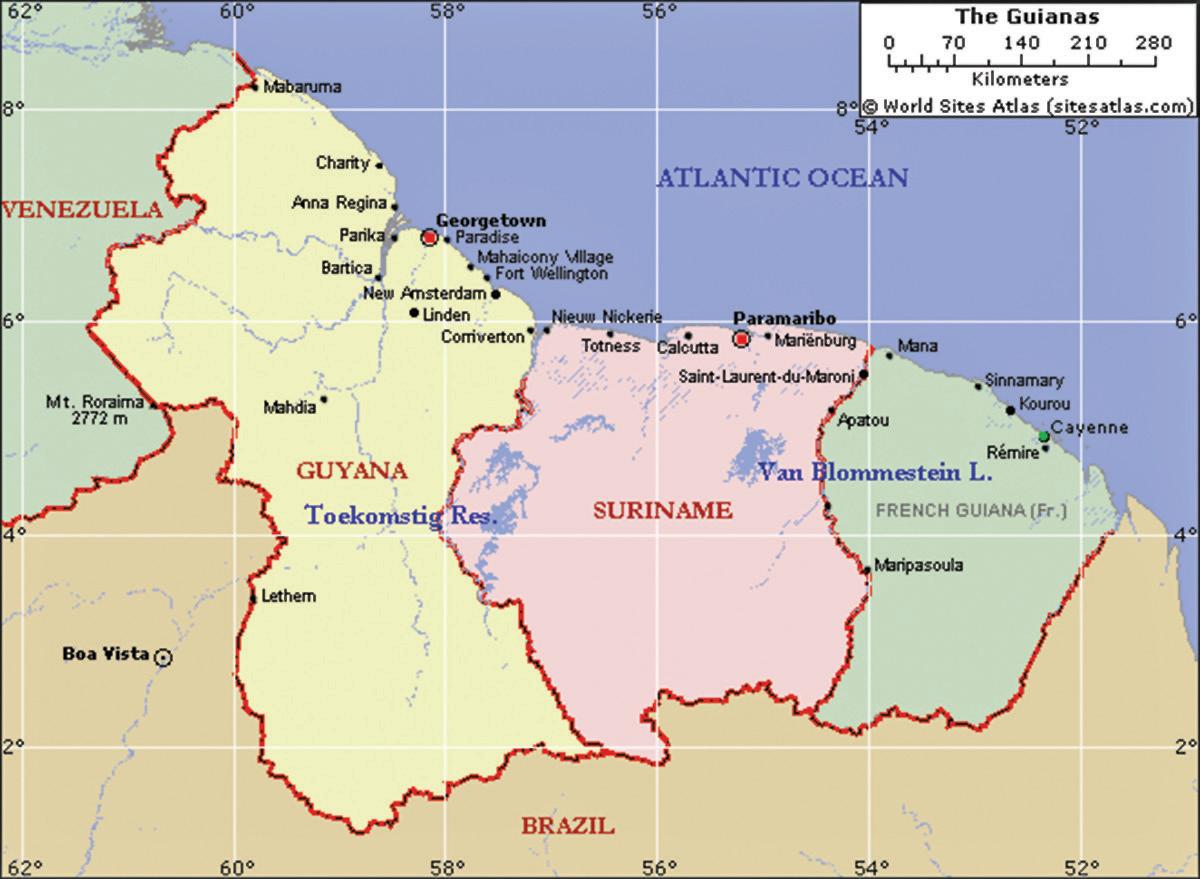
While the Spanish occupied Venezuela to the north west and the Portuguese Brazil to the north east of South America, the northern coast between these possessions was unoccupied by Europeans and known in bygone eras as the Wild Coast.Even today, the area remains familiar to many as “untamed” South America for its many often unexplored, pristine and remote forests.
According to John Gimlette, in his 2011 book, “Wild Coast: travels on South America's untamed edge”, to the early Dutch explorers it was de Wilde Kust, (Wild Coast) because it expressed to them “the promise of danger, risk, wealth and perhaps even desire”.
Gimlette noted that in early French and English maps, the region was marked as 'Equinoctiale' or 'Caribana, Land of Twentyone Tribes'.
Before European arrival, the area that now spans Guyana, Surinam and French Guiana was inhabited by several indigenous Indian tribes since, some estimates say, some 35,000 years ago.
It would be this “wild coast” that the Dutch,
French and English would attempt to colonize, leading to the formation of three separate states.
The modern state of Guyana would, at different periods of its history, first experience Dutch, French and British colonial rule. European discovery
It is said that Christopher Columbus first sighted the Guianas, as the territory was also known, in 1498, and
one of his shipmates, Alonso de Ojeda’s first expedition arrived from Spain at the Essequibo river in 1499.
But European exploration did not fully begin until the 16th century when the Englishman, Sir Walter Ralegh, arrived in 1594.
It was Ralegh’s particular accounts of the mythical golden city of El Dorado that piqued European interest in the Guianas (now Guyana)
interior. Before the end of the 16th century, the Dutch began exploration and, by the 17th century,they were the first to establish trading posts and outposts.
It was not long after that the Dutch and English (the latter invited by the former) established permanent settlements.However, they were constantly raided by the Spanish and Portuguese who, though not settled on the coast, viewed their presence as a violation of the
1494 Treaty Of Tordesillas.
The Treaty had divided newly discovered lands outside Europe between the Portuguese Empire and Spanish Empire.
Many French settlements also failed, though their attempts at colonization in the Guianas were not as substantial as the Dutch and British. Although French settlements first appeared along the “wild coast” in 1604, French colonization of what is now French Guiana was not recognized until 1637.
Changing hands
Regular conflict between the Dutch, French and British powers meant several changes in colonial rule in the Guianas. According to Gimlette, modern-day Guyana changed hands nine times, Suriname six, and Guyane [French Guiana] seven times.
In Guyana’s general history, the British in 1781 seized the EssequiboDemerara- Berbice Dutch colonies during the American War of Independence, which began in 1776, because of Dutch involvement in ferrying supplies to American rebels using colony depots.
When the French joined the Americans to fight the British, the French arrived in 1782 and took control of
the Demerara and Berbice colonies.
At the end of the American war of independence in 1783, the French returned the colonies to the Dutch.
It would take a series of events to eventually create separate territories, as the “Wild Coast” was separated among colonial powers.
Firstly,the 1667 Treaty of Breda placed modern day Suriname territory in Dutch hands to become Dutch Guiana.
Secondly, the AngloDutch Treaty of 1814 meant the Dutch ceded the colonies of Essequibo, Demerara and Berbice to Britain.
Thirdly, at the start of the 19th century, France would lose most of its Caribbean territories, but keeps the South American colony of French Guiana.
The “wild coast” was now officially known as French Guiana, Dutch Guiana and British Guiana (as Britain united the three colonies of Berbice-DemeraraEssequibo in 1831).
French Guiana remains an overseas department and region of France, while Dutch Guiana gained independence as the Republic of Suriname in 1975 and British Guiana the independent Republic of Guyana in 1966.
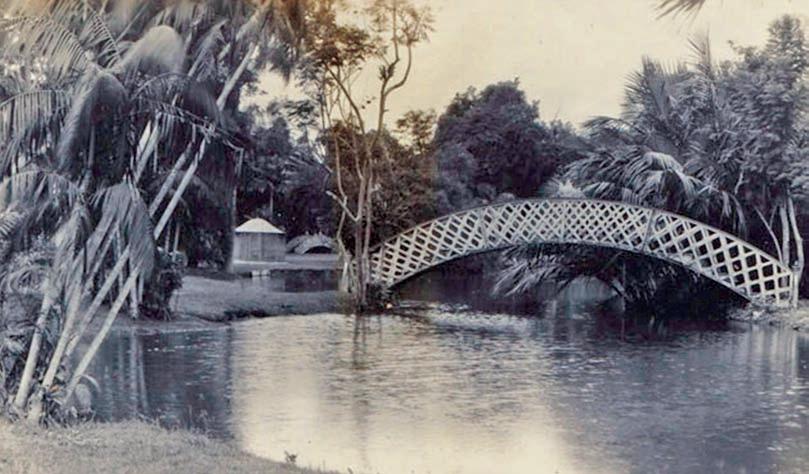
Kissing Bridge, Botanic Gardens, circa 1930
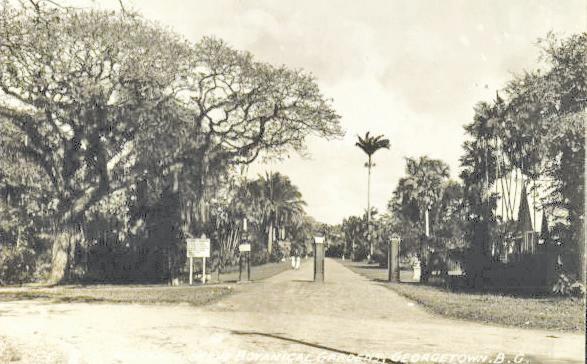
Botanical Gardens' entrance (British Guiana)
Off the Beaten Path
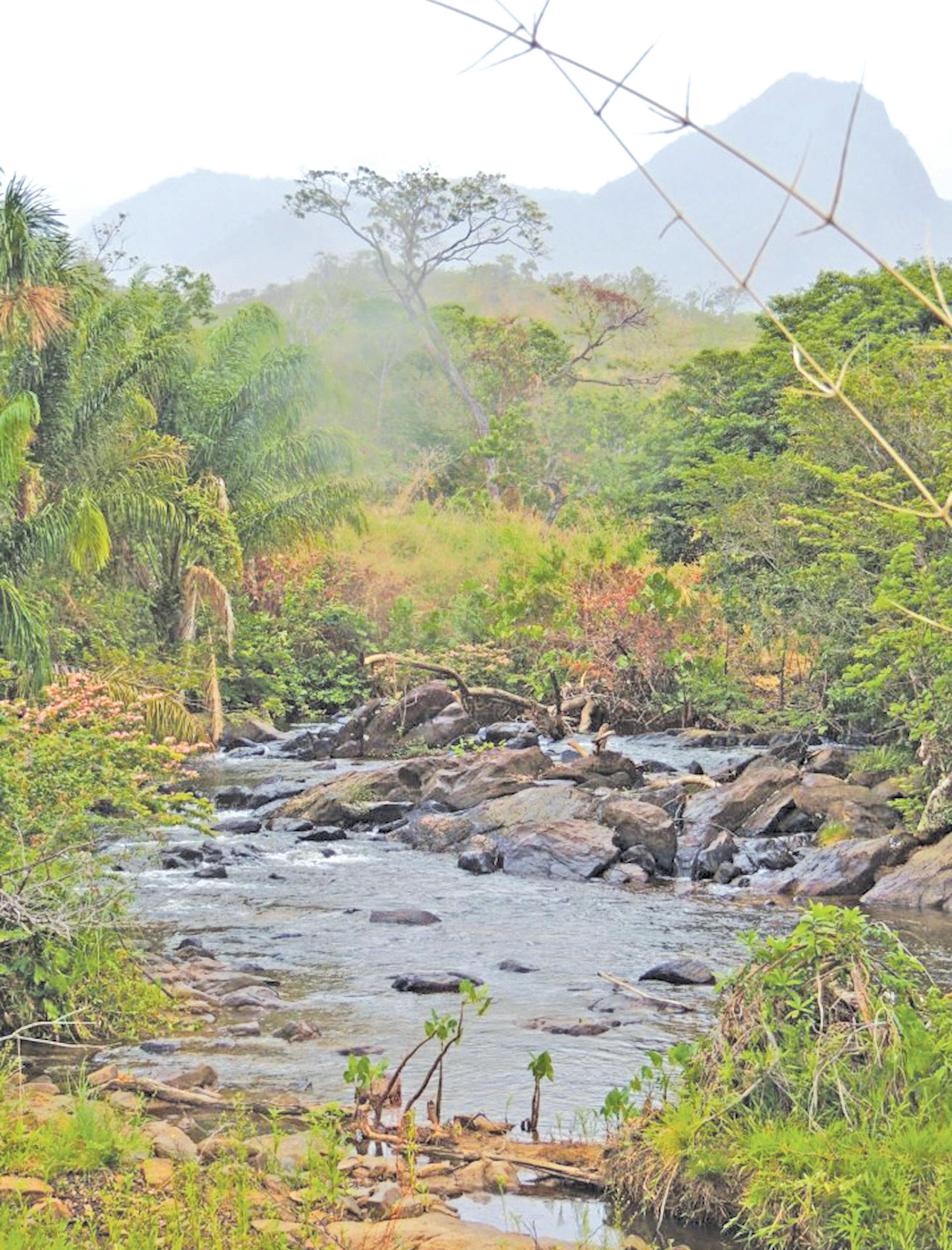
Guyana boasts an appealing combination of fascinating and breathtaking natural beauty, pristine rainforests, immense waterfalls, and amazing wildlife-blended with a vibrant indigenous culture and rich diverse heritages. Featured this week are areas in the Rupununi region rarely visited by tourists. For more amazing photos, visit Rupununi Learners on Facebook. (Photos by Matt Hallett) (Cover photo: View of Sauerob Creek at the southern end of the Kanuku Mountains)
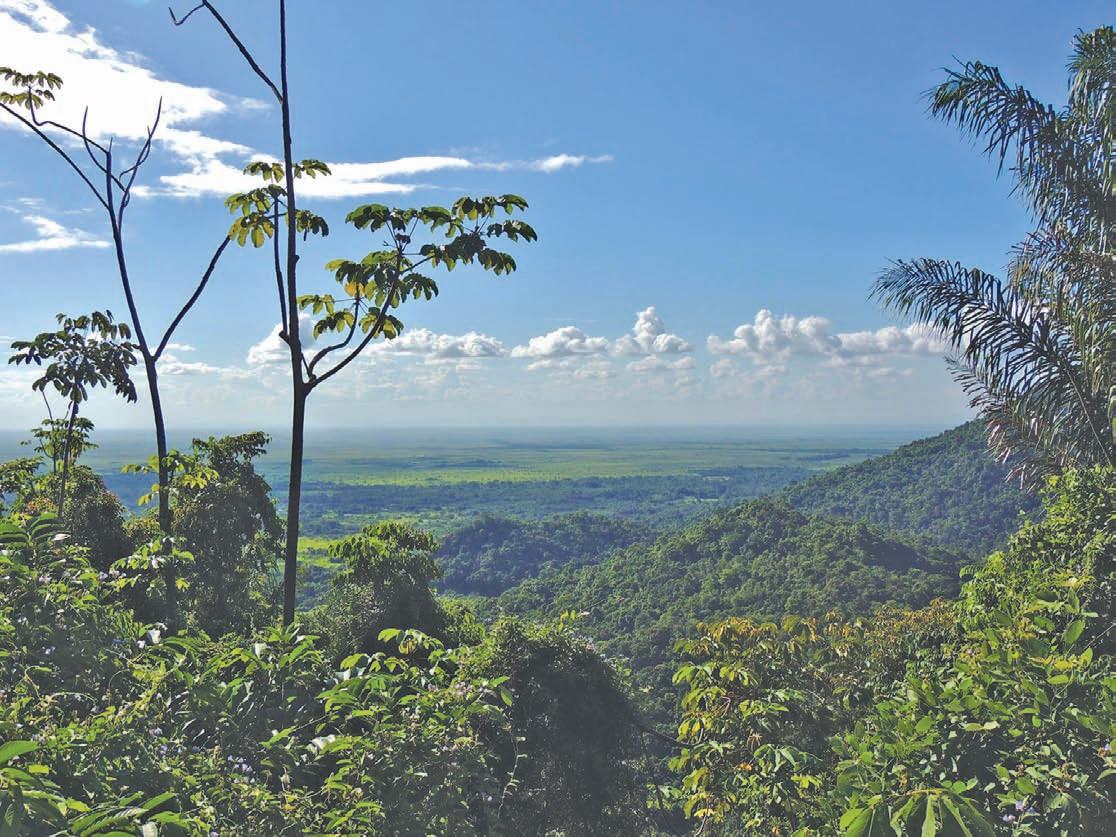
View of Nappi and Moco Moco villages from the mountains
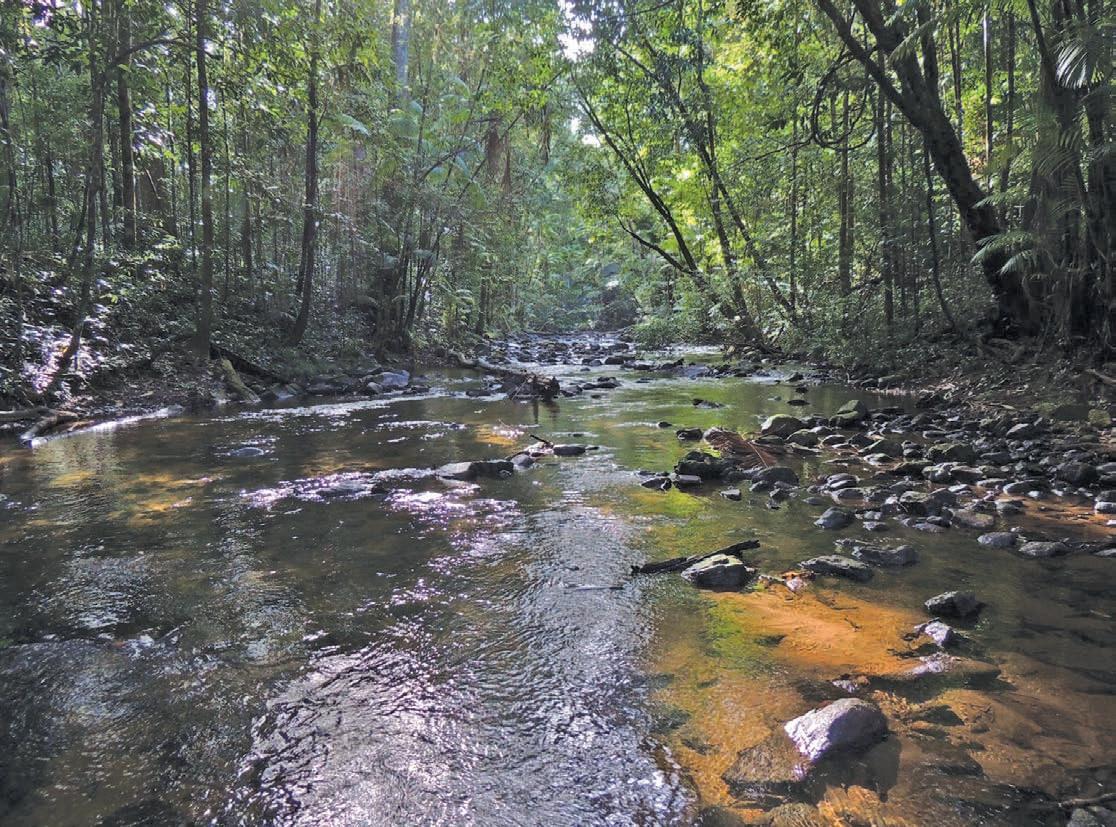
Mapuro Creek
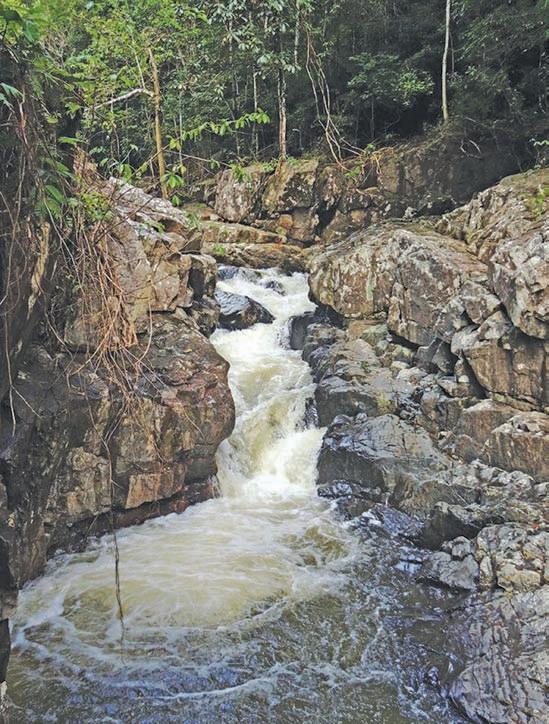
Scenic waterfall in the jungle
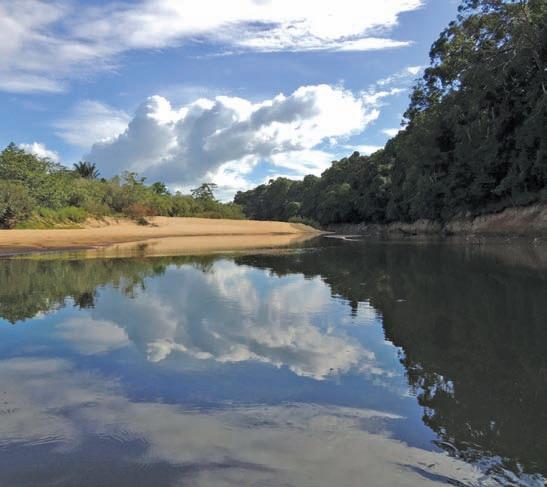
Serene view up the rupununi river
Kamarapa Creek, region Nine
Sunset in Yupukari, rupununi
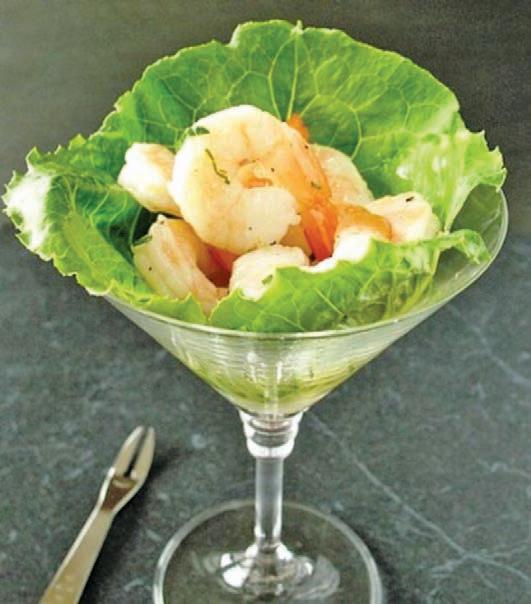
CShrimp Shooters Recipe of the Week
Ingredients
2⁄3 cup olive oil
1⁄2 cup white balsamic vinegar
1 tbsp chopped fresh cilantro
2 tbsps grated lemon rind
1 tsp salt
1 tsp fresh ground pepper
Method
To Make Vinaigrette:
Whisk together olive oil, balsamic vinegar, and next 5 ingredients in a bowl.
For Shrimp:
Place cooked shrimp and vinaigrette mixture in a large zip-top plastic freezer bag. Seal and chill at least 8 hours or up to 24 hours, turning bag occasionally. Arrange lettuce leaves in 8 (6to 8-oz.) glasses. Spoon shrimp mixture evenly into glasses.
Serves 8
NB: Vinaigrette may be
1 tsp hot sauce
1-1⁄2 lbs peeled large cooked shrimp
Romaine lettuce hearts, leaves
prepared ahead and stored in airtight container in the refrigerator for up to one week. Let vinaigrette come to room temperature, and whisk before adding cooked shrimp.
GREATEST KITCHEN TIPS
Start
with hot pans: Instead of putting a cold pan on the stove then adding oil, turning on the stove and waiting for the oil to get warm, start with an empty pan on the stove. The pan will get warmer as you prep your ingredients, making it the perfect temperature for your food -- and cooks faster.
For vegetable soups, always sauté the veggies before you add the stockor the water. This method enriches the taste by allowing the flavours toblend, and reduces cooking time by 5 to 10 minutes.
If you need only a few drops of lemon juice, avoid cutting the lemon in half — it will dry out quickly that way. Instead, puncture the fruit with a metal skewer and squeeze out exactly what you require.
HOME HELP
Natural
Insecticide: Add onions and garlic to a jar of water, let it stand for a week, and spray plants with it.
To remove white rings left on furniture by water, rub the spot with petroleum jelly, let it stand 24 hours, and rub into the wood. Wipe off excess and polish as usual.
To prevent fading, each time you wash your curtains, rotate them in windows that receive more or less sunlight than others. Plastering Large Cracks: Fill large cracks with steel wool, then with plaster or plastic wood.
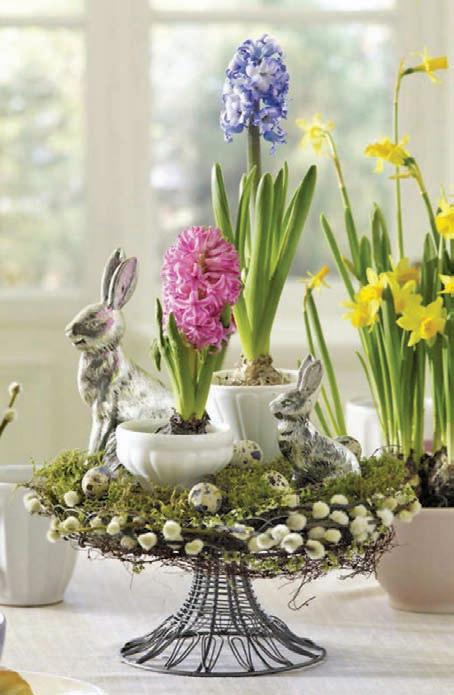
elebrating Easter and the rebirth of spring has led to Easter home decorating where symbols of Easter include Easter eggs, chocolates and Easter bunnies; Easter chicks, hats, flowers and pastel colours.
However, while we don’t need to celebrate the “rebirth” of spring here, there are those of us who celebrate the Easter season. Find your inspiration to decorate for Easter…
Wreaths are popular front door decorations at Easter
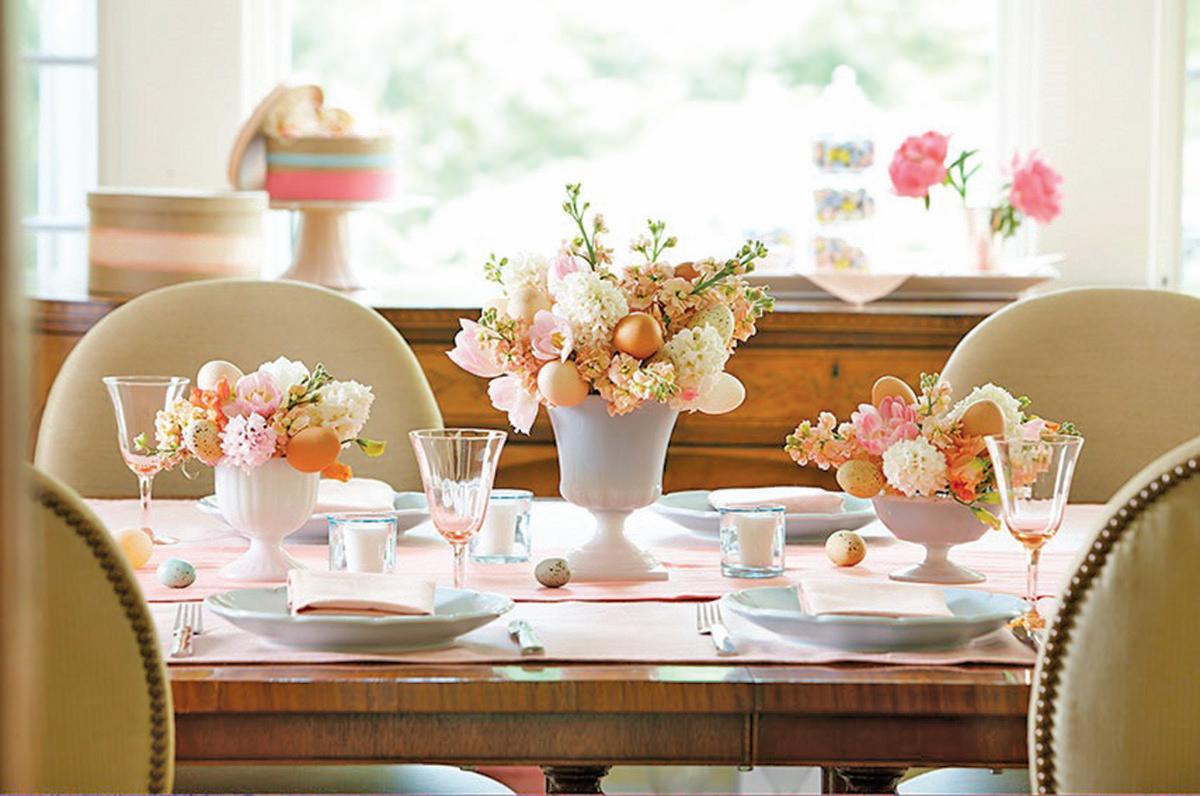
Pastel colours, flowers and Easter eggs decorate an Easter table
Easter themed centrepieces make attractive tabletop features
Easter egg trees are becoming popular among home decorators
Teaching Your Child About Charity
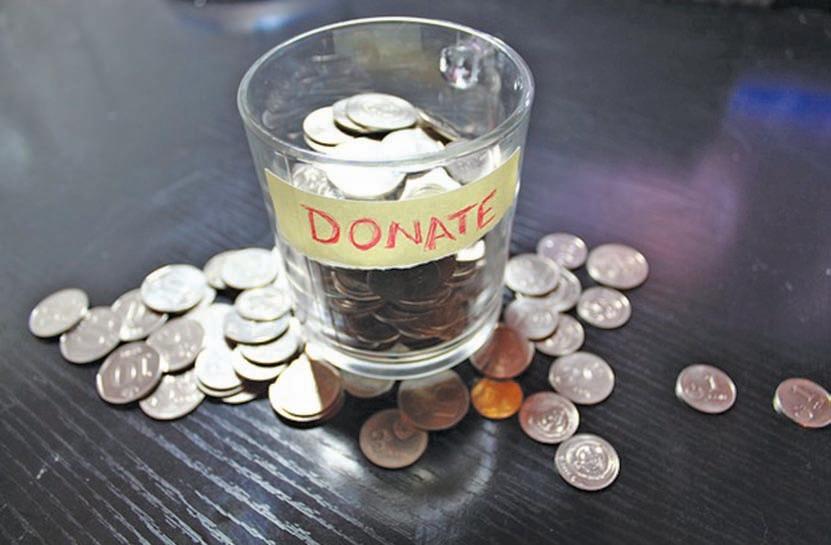
Charity is not only about monetary donations but also includes offering your time among other services. Teaching your child about charitable giving is one of life’s important lessons.
The best way to guide your child is to teach by example.When you are writing out a check for a charity, or discussing who to
donate to, include your child in the conversation. Let her hear and see that you are also donating.
Helping your child understand why they should donate, and what the benefits are to them from donating should make them more inclined togive charitably.
Charitable benefits include increased sense of
FUNNY POEMS
I pray I find a little quiet,
Far from the daily family riot.
May I lie back and not have to think
About what they're stuffing down the sink,
Or who they're with, or where they're at
And what they're doing to the cat.
I pray for time all to myself
(did something just fall off a shelf?)
To cuddle in my nice, soft bed
(Oh no, another goldfish--dead!)
Some silent moments for goodness sake
(Did I just hear a window break?)
And that I need not cook or clean
(well heck, I've got the right to dream)
Yes now I lay me down to sleep, I pray my wits about me keep,
But as I look around I know, I must have lost them long ago! by David Axton
Class Reunion
I read an ad in the paper one day
In the Dallas Morning News
All about my class reunion in A town near Santa Cruz
I tried to decide if I should go
To meet my friends and peers
And see how classmates from the past
Had aged in all these years
I finally resolved that I should go
And see what I could see
And meet my friends from the senior class Of nineteen fifty-three
I rented a tux and a black toupee
Then brushed my shoes and hair
I trimmed my moustache and my beard
And changed my under wear
I emptied the bottle of aftershave
And rented a limousine
I brushed my teeth with Ultra-Bright
Then gargled some Listerine
I soon arrived in splendid form
With a flower on my chest
Sporting a rented diamond ring
And smelling my very best
Now I was dressed in the finest garb
Like a monarch at a feast
When I discovered that no one there
Seemed familiar in the least
Well not a soul remembered me
And my heart dropped to the floor
When I remembered that I was in
The class of fifty-four.
Jim C. Carpente
well-being from helping others, better health, staying in touch with issues you care about, and increased happiness. Not only are you helping others, but you are helping yourself.
By teaching your child about charity, you encourage your child to grow up with a healthy sense of compassion and a strong charitable spirit.
Story Time
One day the villagers caught a ti -
ger by setting a trap, and placed him inside a cage. They placed the edge by the side of the road for the people to see the wicked tiger who had so far killed many cattle and children by suddenly attacking the villagers.
The tiger was now in real problem. He was not given any food nor any drink. He requested each and every passerby to release him, promising that he would not kill his rescuer. But no one believed the ferocious animal.
At last, a kind traveller agreed to help the tiger, after the latter promised not to kill him. But as soon as the tiger was released, he wanted to kill
The Tiger and the Traveller
the man.
The man pleaded for life, reminding the animal of his promise. But the animal did not want to listen to his prayer. He said, "I am hungry, and you are my prey. How I can let you go?"
Meanwhile, a fox happened to come there. He heard everything from both the parties, and said, "I don't believe that such a big tiger could fit in that small cage."
The tiger said, "Let me show how I was locked in the cage." So saying, he entered the cage. And the sly fox at once closed the door of the cage, and went away with the traveller. (Sai Shruthi)
By Grammar G
You can make a Caesar shift!
ACaesar shift is a word that makes another word when its letters shift the same number of steps forward in the alphabet (the alphabet wraps around from z to a when counting).
It is said to have been used by Julius Caesar to send secret messages -- but it’s so easy to breaknow (using Math also) it’s not really used anymore for anything but child’s play.
For instance, ghost, if letters are moved 10 spaces ahead in the alphabet becomes grycd. However, non-words aren’t much fun so let’s try irk, which, if shifted 13 spaces ahead, makes vex (its synonym).
Other examples include:cold (shifted three ahead) becomes frog and cheer (shifted seven ahead) becomes jolly
In a remarkable coincidence, the computer from the movie “2001: Space Odyssey” is named HAL, which is one shift from IBM
Longer Caesar Shift pairs are also possible: nowhere (13 shifts down) gives abjurer while spots (11 shifts down) give dazed.
Larger sets are also possible: ABBA (three shifts down) gives deed (10 shifts further down) gives noon.
In complete sentences: This is a secret message (three shifts down) becomes wklv lv d vhfuhw phvvdjh.
The information being hidden by the encryption is called plaintext and the encrypted form of the message is called ciphertext.
A Caesar Shift is also called Caesarcipher, Caesar’s cipher, shift cipher or Caesar’s code.
See if you can make your own Caesar shifts.
Puzzle
Can you figure out which well known oxymoron these words are?
Example: Initial facsimile = original copy
1) discovered lost
2) bigger part
3) sugary sour
4) sad humour
5) solitary in company
CrEaturE COrNEr
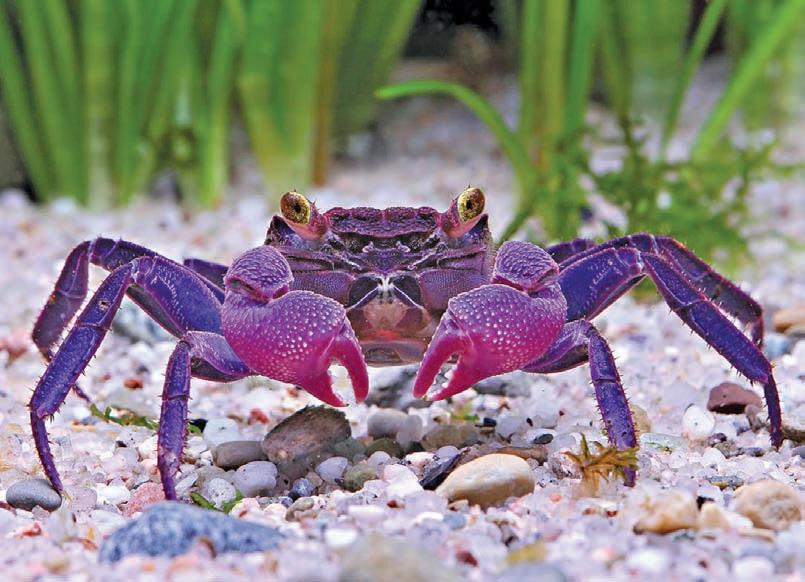
Vampire Crabs, (of the genus Geosesarma) are native to Southeast Asia, in particular Indonesia.
The crabs are popular aquarium crustaceans mainly due to their various lively, bright colours and small size – less than an inch wide.
They live and breed in freshwater and are called vampire crabs because of their glowing yellowish eyes. They do not use the ocean at any part of their life cycle as some crabs do, so they usually spend their lives in one place.
Scientist say vampire crabs are more often found in aquariums than in their natural habitat. Many are found in the aquarium trade that have never been documented or seen in their natural ecosystems by scientists.
A recently named species of vampire crab, Geosesarma dennerle (pictured) was one of two discovered in their natural habitats: separate river valleys in the Indonesian island of Java --though they were already familiar to collectors.
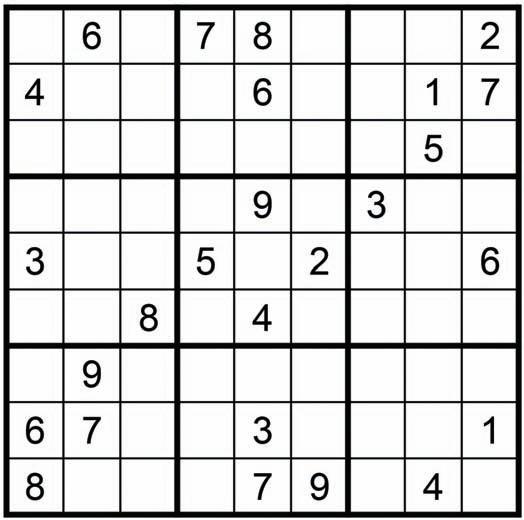
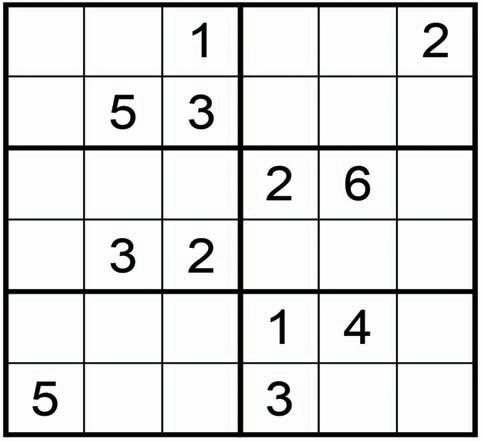
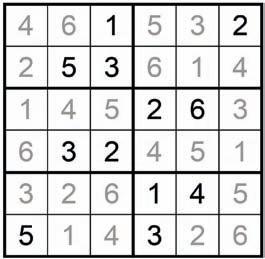
The objective of the game is to fill all the blank squares in a game with the correct numbers. Every row of 9 numbers must include all digits 1 through 9 in any order. Every column of 9 numbers must include all digits 1 through 9 in any order. Every 3 by 3 subsection of the 9 by 9 square must include all digits 1 through 9.
GEOZONE
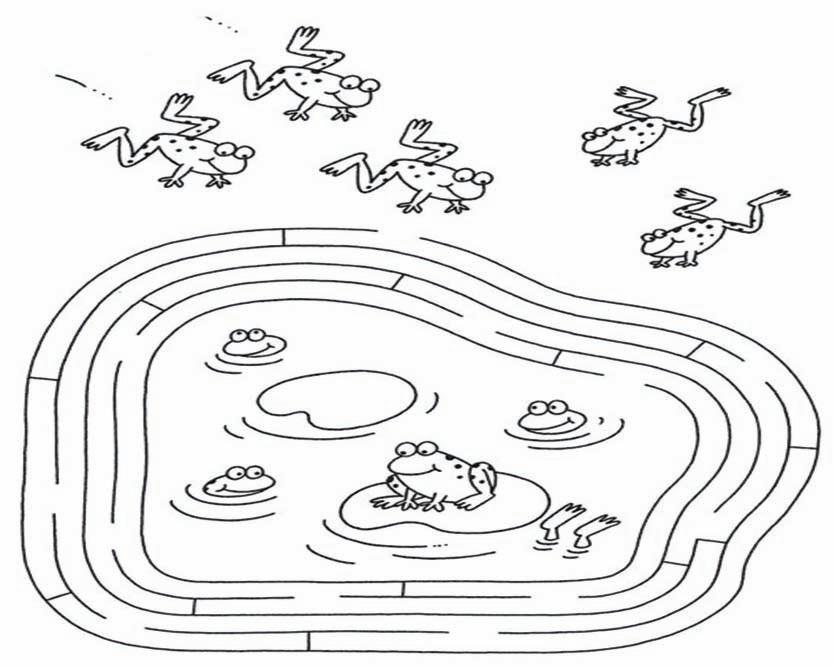
BMaze Daze
Help the frogs find their way into the pond
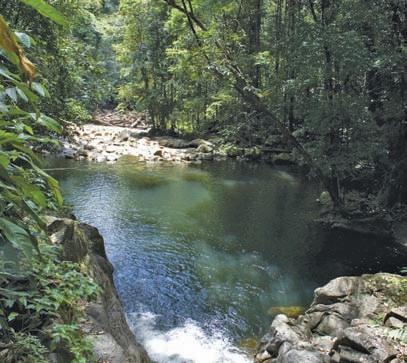
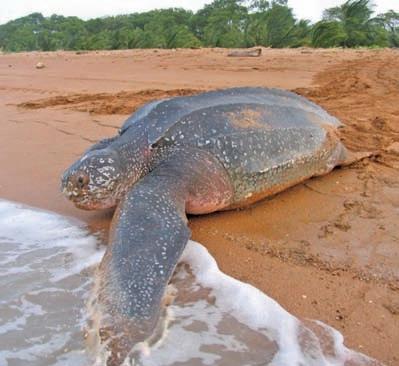
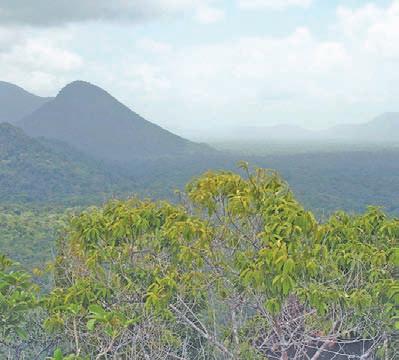
Protected Areas in Guyana
ecause of its unique and, so far, often pristine natural habitats, Guyana has created and maintained Protected Area Systems which, according to the WWF, safeguard places with exceptional biodiversity, while its natural value contributes to
sustainable income and supports livelihoods. Protected Areas in Guyana include Iwokrama Rainforest Reserve (est. 1996), Kaieteur National Park (est. 1929), Shell Beach (est. 2011), Kanuku Mountains (est. 2011) and the Konashen Community Owned Conservation
Area (COCA) (est. 2004).
Together, the areas amount to almost nine per cent of Guyana’s territory.
Mount Roraima and Orinduik Falls are two other areas proposed for Protected Areas status.
The Empire State Building is 103 stories tall.
By Laurie Triefeldt
NEW YORK
One of the original 13 states, New York has long been a center of banking, industry and trade. The state has several large cities, but it is also home to forests and fertile farmland. It is estimated that about 50 million people visit the city of New York every year.
In a word
Originally, New York was a Dutch colony named New Netherland, and New York City was New Amsterdam. When England won New Amsterdam from the Dutch in 1664, they named the city and state New York in honor of the Duke of York and Albany, King Charles II’s brother. People who live in New York or who come from New York are called New Yorkers.
The Big Apple
New York City is the largest city in the United States, and one of the largest cities in the world. The city is a global financial and business center, as well as cultural hub, home to many theaters and museums. The nickname “the Big Apple” was coined by journalist John J. Fitz Gerald in the 1920s. In the 1970s, the phrase was used as a promotional slogan.
Liberty Enlightening the World was a gift to the United States from the people of France. An icon of freedom and democracy, the Statue of Liberty was dedicated on October 28, 1886, and became a national monument in 1924.
5,344 ft. (1,629 m)
Agriculture Apples, beef cattle, corn, greenhouse and nursery products, milk
Mining Cement, limestone, natural gas, salt, sand and gravel
Did you know?
New York has 62 counties, 62 cities, 553 villages and 932 towns.
There are four mountain ranges in New York: the Adirondacks, the Catskills, the Shawangunk Ridge and the Taconics.
Named for the explorer Henry Hudson, the Hudson River is 315 miles (507 km) long.
The state has 70,000 miles (112,654 km) of rivers and streams and 127 miles (204.3 km) of Atlantic Ocean coastline
The first automobile license plates were used in New York, in 1901.
There are more than 400 golf courses and 55 downhill ski areas in New York.
In 1885, New York purchased property around Niagara Falls and created the first U.S. state park.
The Great Seal of New York was designed in 1778. The figures of Liberty and Justice stand upon a scroll that proclaims “Excelsior,” Latin for “Ever Upward.”
The lilac is the state bush of New York. There are many varieties of this aromatic shrub.
The maple is the state’s official tree.
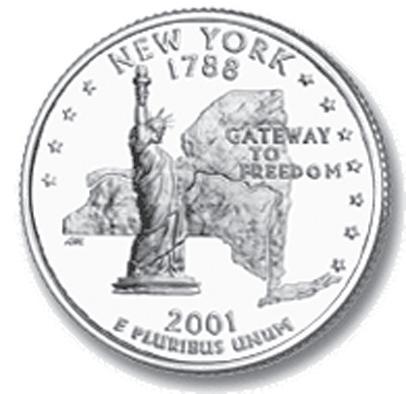
2001 state quarter
The Eastern bluebird became the state bird in 1970.
The striped bass is the state’s official saltwater fish. These fish can live up to 30 years and grow to four feet (1.2 m) in length. They are found in the Hudson River and coastal waters around Long Island.
The brook trout is official freshwater fish of New York. Brook trout live under water conditions that are cool, clean and pure. This prized game fish is found across the state in clean brooks, lakes and streams.
Beavers were once hunted for their lustrous fur. They are famous for building dams, canals and lodges.
The beaver became the official State animal of New York in 1975.
The rose is New York’s state flower. Apples are the state fruit.
The bay scallop is the official state shell.
New York
Istanbul tops 2014 traffic congestion index
Istanbul, Turkey rose to the top spot in the world in terms of traffic in 2014, beating the previous year's leader Moscow in a traffic congestion index of 200 cities issued Wednesday by the navigation product company TomTom.
According to the index, drivers in İstanbul cover a distance that should normally take 30 minutes in 62 minutes during the evening hours. İstanbulites suffer from a congestion level of 58 percent, which increases to 76 percent in the morning peak and 109 percent in the evening
peak. The figure is 79 percent in highways and 50 percent in nonhighways.
Mexico City, which holds the second spot, has a congestion level of 55 percent and Rio de Janeiro ranks third with 51 percent. Moscow, the leader in 2013, ranks fourth with 50 percent. Apart from İstanbul, two other major Turkish cities are also included in the list. Ankara ranks 34th and İzmir comes in at 37th place. İstanbul ranked second in the world in 2013 in terms of traffic congestion .(Today's Zaman)
Report finds India’s doctors scalpel happy
Wide-ranging interviews with India’s surgeons who testified before an NGO on corrupt practices in hospitals, told Times Of India that often patients are forced to undergo unnecessary surgeries.
A senior orthopaedic surgeon in a corporate hospital explained the reason behind this unsettling trend: "We have a quota to meet every month. Many of us see patients as a potential candidate on our operating table. Only two out of five, however, agree. Many go for a second opinion - and don't return."
The surgeon is among the 78 medical practitioners who provided testimony to Pune-based NGO SATHI (Support for Advocacy and Training to Health Initiatives) that compiled a report on unethical practic-
es and corruption in healthcare. From Chennai, 12 doctors testified.
SATHI coordinator, Dr Abhay Shukla, said elective surgeries (that do not involve a medical emergency) are the most popular.
“Many of these surgeries don't involve too many risks, while at the same time fetches more revenue for the hospitals,” he said.
SATHI in February compiled a report on corrupt practices in healthcare.
“A doctor said he was pulled up by the hospital administration for having only a 10 per cent 'conversion rate' - referring to the number of patients who were advised to undergo surgery," said Dr Shukla. "To be fair, the doctors are not entirely at fault. For a Rs2 lakh surgery (approx. US$ 3,216), the doctor probably gets Rs25, 000
Brain Teaser Answer
1) found missing
2) larger half
3) sweet tart
4) tragic comedy 5) alone together
KID SUDOKU
(US$402.00),while the rest goes to the hospital.”
A study found that about 44 per cent of some 12,500 patients who were recommended for surgery were advised against it when they had a second opinion.
One patient narrated how his shoulder pain got better with exercise although a cardiac surgery was prescribed, while another spoke of how physiotherapy cured his back pain for which a surgery was recommended.
Dr George Thomas, former editor of the Indian Journal of Medical Ethics, said the country has few guidelines to check the practice. “Any system that rewards a doctor for the number of procedures he does is liable to abuse,” he said.
In many other countries, treatment procedures are framed by associations of different specialties along with government organizations.
Doctors, however, cau-
tion that not all elective procedures are unnecessary.
“I usually recommend surgery early for the elderly as they have a lot of other conditions like diabetes and
hypertension that could aggravate their problem. We undertake procedures as a precautionary measure,” said geriatrician Dr V S Natarajan.
A World full of Wonders
Q: Are there really Seven New Wonders of the World?
In 1999, a Swiss muse -
um curator and filmmaker created the New7Wonders Foundation, which created a worldwide contest where persons from around the world voted on seven places in our modern world that they would call a new wonder of the world.
The voting process began in 2005 and, from almost 200 global nominations, it was whittled down to 21. The final seven were voted for via internet and phone. The contest organizers said almost 100 million votes were counted.
The results were announced in 2007 as follows: (construction dates in parenthesis; some approximate)
New Wonder 1. Christ the Redeemer statue, Rio de Janeiro, Brazil (19221931)
New Wonder 2. Great Wall of China (5th-16th century BC)
New Wonder 3. The Coliseum, Rome, Italy (AD
Vehicles on İstanbul's E-5 highway
(Photo: Today's Zaman, Kürşat Bayhan)
Doctors say, in some cases, the patients' themselves ask for a surgery like in the case of many caesarean sections.(Source: Times Of India)
Cataract, knee replacement, C-section, hysterectomy and lower back pain were the most common unnecessary surgeries performed
70)
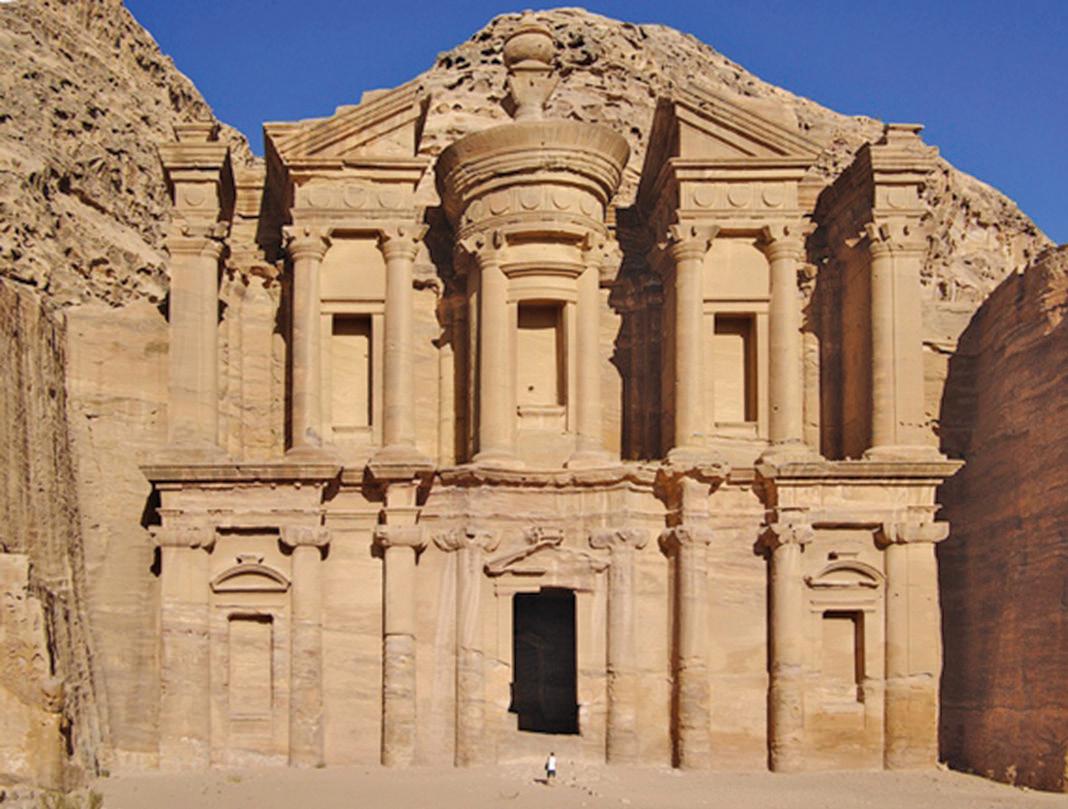
New Wonder 4. Petra, Jordan (Circa 9BC - AD 40) New Wonder 5. Machu Picchu, Peru (15th century) New Wonder 6. Chichén
Itzá, Mexico (Circa AD 7501200)
New Wonder 7. Taj Mahal, India (1630 -1645)
Despite criticism from UNESCO, which admin -
isters the World Heritage sites program, the new wonders list is still unofficially considered the New Seven Wonders of the World.
Petra, Jordan. Greek Scholars had picked the original Seven Wonders of the (ancient) World some 2,200 years ago
ARIES (March 21April 19)
TAURUS (April 20May 20)
(May 21June 20)
(June 21July 22)
LEO (July 23Aug. 22)
VIRGO (Aug. 23Sept. 22)
LIBRA (Sept. 23Oct. 23)
SCORPIO (Oct. 24Nov. 22)
SAGITTARIUS (Nov. 23Dec. 21)
(Jan. 20Feb. 19) (Dec. 22Jan. 19)
PISCES
(Feb. 20March 20)
Your hard work will pay off. Promote what you have to offer and present your skills with confidence. Be assertive, and focus on others' expectations and the success you desire.
If you feel stuck in your current position, rethink your goals and plans. Giving in to fear or doubt will not lead to success or happiness.
Upgrade your skills and increase your knowledge through seminars, an apprenticeship or research. The road to your perfect future will turn out to be shorter than you think.
Actions speak louder than words. Your determination and hard work is well-known, and will lead to greater admiration and attention from others.
Don't be caught off-guard. Make preparations for the week ahead in order to avoid nerve-wracking last-minute decisions. If you are organized and collected, you will be an asset for others.
Diplomacy and tact will have others eating out of your hand. Plan to do something special with someone you love. Don't be surprised if an old friend tries to reconnect. Proceed with caution.
You have the drive and determination to make it to the top. Versatility and adaptability will be key factors in your success.
Someone will misinterpret your easygoing nature and try to take advantage of you. Express clearly what you will and will not do. Stick to your principles and don't jeopardize your reputation.
Don't feel obligated to keep up with others. If you stick to your schedule, you will do just fine. Trying to maintain an unrealistic pace will wear you out physically and emotionally. You need to take better care of your mental and physical health. Get adequate rest and good nutrition. Say no to the demands of others, and recharge your batteries.
A personal relationship appears to be gaining momentum. Planning a fun trip will add a spark of romance and adventure to your personal life. Enjoy the moment and make your intentions clear.
You'll have trouble making up your mind. Don't make a long-term commitment, and refrain from negotiation until you are certain of the terms and conditions that are important to you.